























TO ADVERTISE, CALL 419.351.0783
2021
locally. Save locally. MAUMEE • ANTHONY WAYNE TownMoneySaver.com
May
Shop
nd out more on page 10
more! GREAT LOCAL DEALS!
Don Juan Mexican Bar & Grill, Tireman, The Briar eld Cafe, Expresso Car Wash
…and much





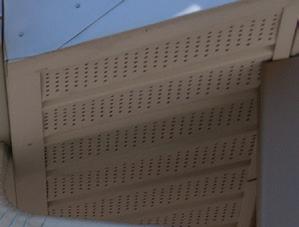



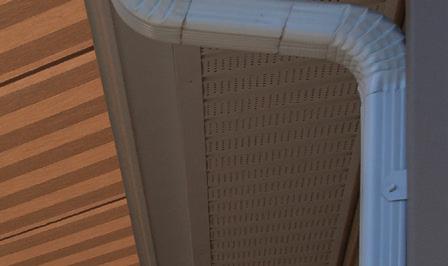






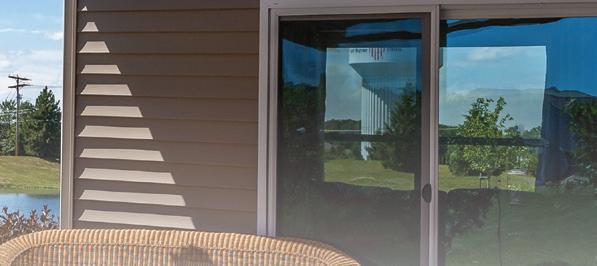






















EARLY BIRD SPRING SALE! Get Shade on Demand - When you Need It! Backyard Entertaining Season Is Here! Invest in some SHADE... $750 OFF ANY AWNING PLUS FREE Wireless Remote Elite Awnings • 419-343-1993 With TMS coupon. Not valid with other offers. Exp. 5/31/21 Lifetime Warranty** ** See Sunesta.com for details AMERICAN BUILT RECOMMENDED Home & Condo Exact Fit! Call today for a FREE Quote! CreateYourShade.com Enjoy the SUNESTA Difference!





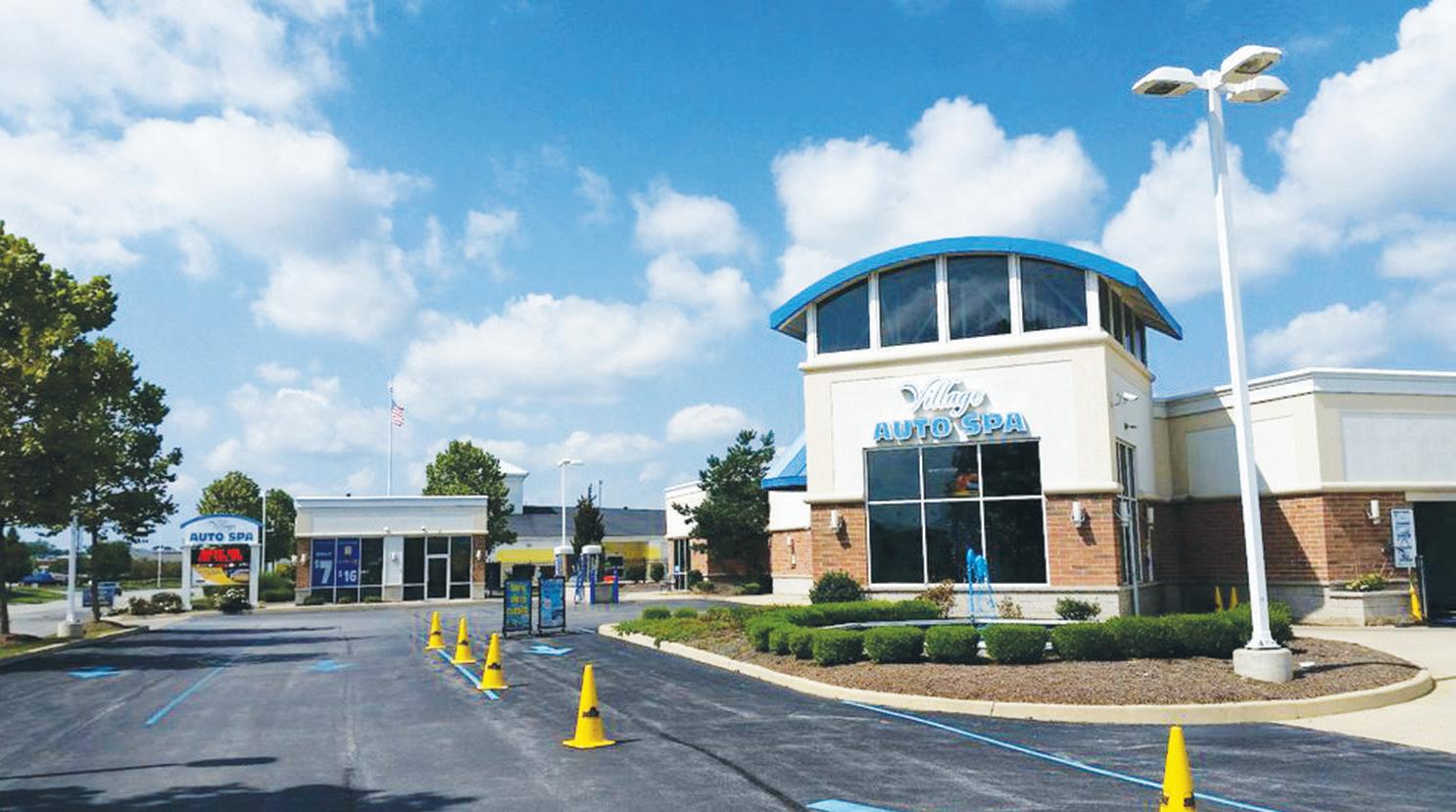














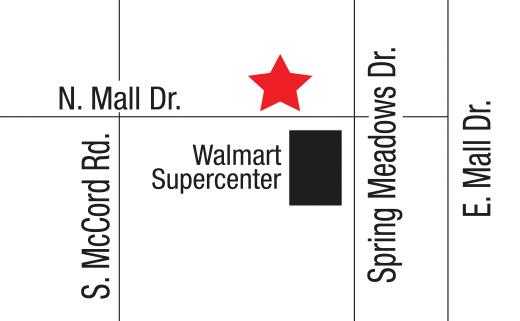


6600 N. Mall Dr. Holland OH 419-866-9274 Across from Walmart and Behind Outback Storage Towel Dry Every Wash Open 7 Days A Week!! Mon-Sat 8am-8pm Sun 9am-6pm (Winter 8am-6:30pm) VACUUMS FREE DIAMOND WASH $ 12 Reg. 17 Best Shine E VER! DIAMOND WASH $ 12 Reg. 17 Best Shine E VER! DIAMOND WASH $ 12 Reg. 17 Best Shine E VER! Village Auto Spa • Exp. 5/31/21 #57M DIAMOND WASH $ 12 Reg. 17 Best Shine E VER! Village Auto Spa • Exp. 5/31/21 #57M Village Auto Spa • Exp. 5/31/21 #57M Village Auto Spa • Exp. 5/31/21 #57M Village EXPRESS WASH $ 5 Reg. 8 • Soft Cloth Wash • High Pressure Rinse • Towel Dry Village Auto Spa • Exp. 5/31/21 #58M GOLD WASH $ 7 Reg. 10 • Towel Dry • Rim Cleaner • Under Carriage Wash Village EXPRESS WASH $ 5 Reg. 8 • Soft Cloth Wash • High Pressure Rinse • Towel Dry Village Auto Spa • Exp. 5/31/21 #58M GOLD WASH $ 7 Reg. 10 • Towel Dry • Rim Cleaner • Under Carriage Wash Village Auto Spa • Exp. 5/31/21 #15M Village Auto Spa • Exp. 5/31/21 #15M
Expires 6/30/21. Mention ad when scheduling quote to apply.





































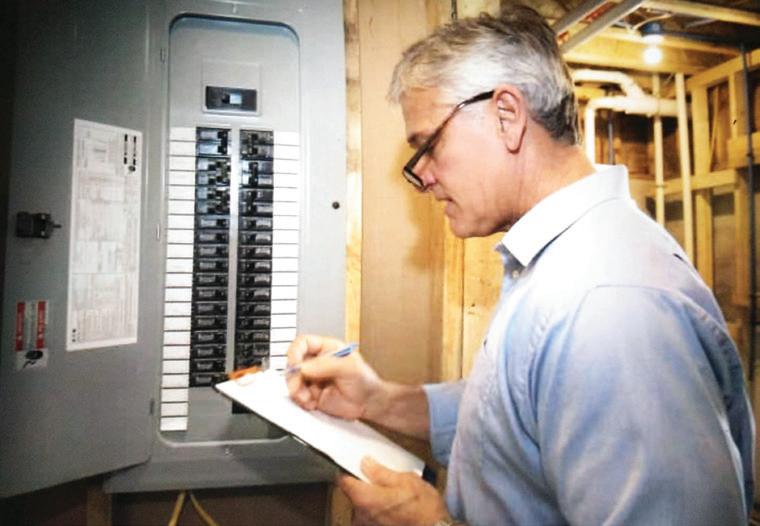

































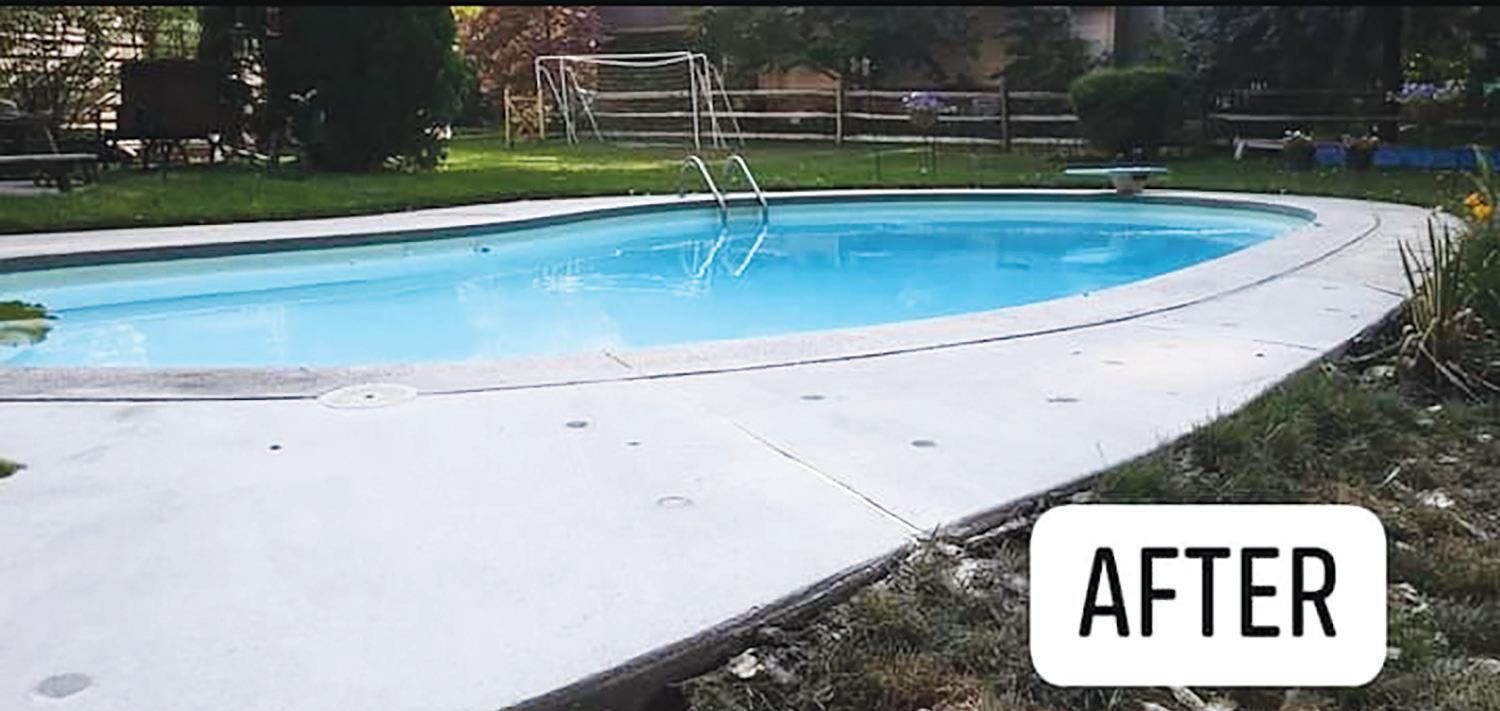
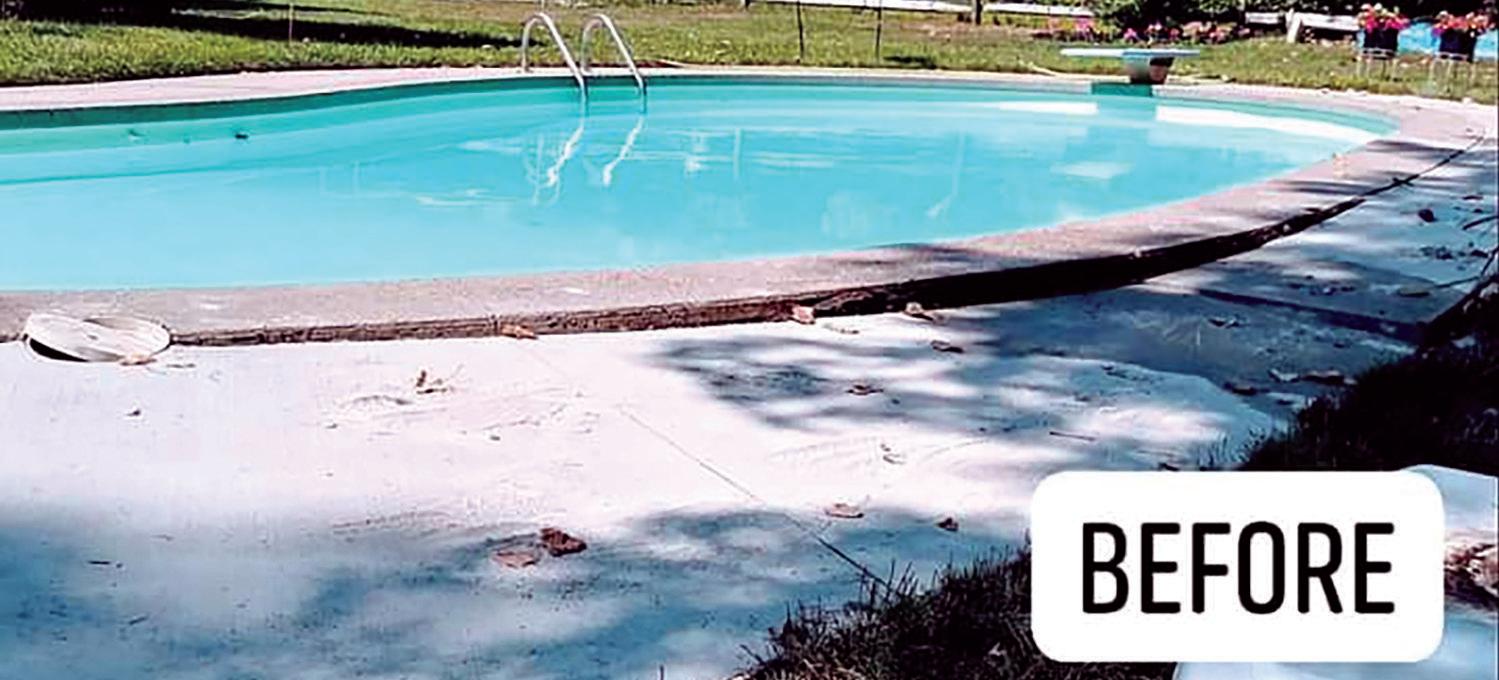








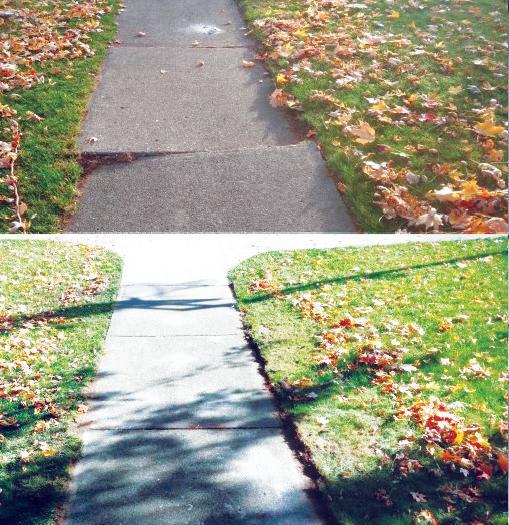
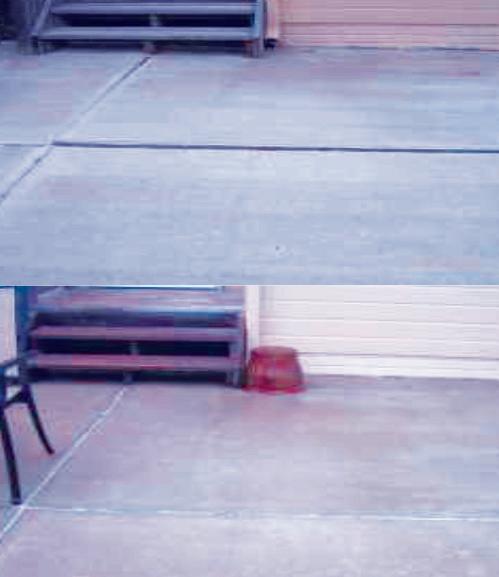
1101 PRAY BLVD • WATERVILLE • PH 567-952-2128 • FAX 567-952-2129 IN THE KROGER PLAZA • MON-THURS 11AM-10PM • FRI & SAT 11AM-10:30PM • SUNDAY 11AM-9PM BUY ONE GET ONE 1/2 OFF ENTREE Dine-in only • LB717B Excludes Alcohol & Tax With TMS coupon. Not valid with any other offer. Exp 5/31/21 $5 OFF $25 - OR$8 OFF $50 Online Order LB717A Excludes Alcohol & Tax With TMS coupon. Not valid with any other offer. Exp 5/31/21 ORDER ONLINE at labandamexicangrill.com MARGARITA & FULL BAR now on Sunday! MON - FRI 2-5pm 1/2 off Select Appetizers tuesdays KIDS EAT FREE! 1 per adult entree Every Day! Happy Hour C I N C O D E M A Y O with us! Mother’s Day SUNDAY, MAY 9 FREE Appetizer or Dessert for Moms with purchase of Entree Up to $5. Valid only on May 9. WE SPECIALIZE IN: • Electrical Panel Upgrades • Electrical Wiring of Swimming Pools & Hot Tubs • Whole House Generators • Rewires • Trenching Water, Gas & Electric Lic #OHEL27739 100 Buckeye Electric With TMS coupon. Not valid with other offers. Expires 5/31/21 Any Service of $1000 or more OFF 150 Buckeye Electric With TMS coupon. Not valid with other offers. Expires 5/31/21 Complete Electrical Service Upgrade OFF 250 Buckeye Electric With TMS coupon. Not valid with other offers. Expires 5/31/21 Complete Home Rewiring OFF 20 Years Experience! OUR SERVICES INCLUDE: Driveways • Sidewalks Patios • Garage Floors Porches • Pool Decks Call for a FREE Estimate! 419.601.7060 caulking • sealing pressure washing CONCRETE LEVELING & Repair 10% OFF Concrete Leveling Must present coupon on date of service. Not valid with any other offer. Expires 5/31/21 CONCRETE LEVELING & Repair
























5934 Finzel Rd, Whitehouse 419-877-0382 • dhwhitehouse.com DENTAL HEALTH ASSOCIATES Get Acquainted Offer $100 OFF First Out-of-Pocket Expenses All new patients who mention this ad will receive $100 off their first out-of-pocket expenses for any treatment or service in our practice. Safety you can see... • Enhanced Personal Protection Equipment • In-Office Social Distancing • Highest Levels of Infection Control • The Air Units surgically clean the air in each room every 15 minutes • UV lights installed in each furnace Andrew
Dental Care at the SAFEST Dental Office In Town!
Huntzinger, DDS Douglas Bowman, DDS









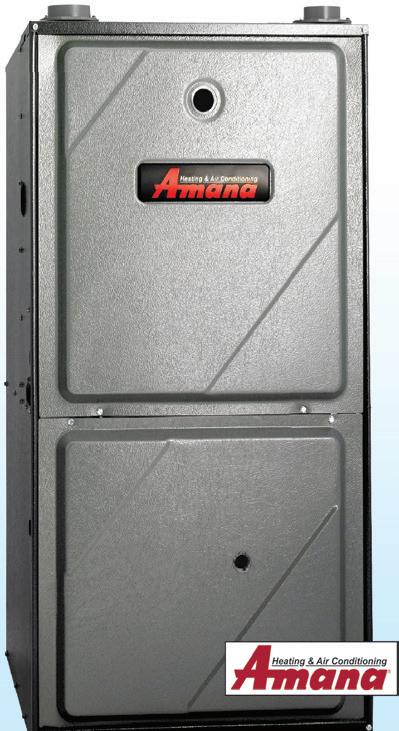




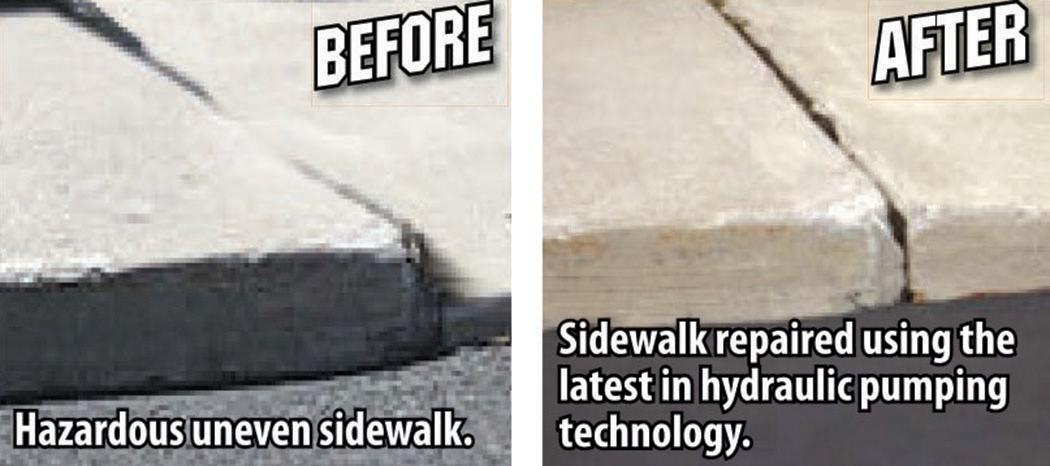






1815 SYLVANIA AVE. • TOLEDO • 419-472-2040 AIR CONDITIONING • Central Air Conditioning • Mini-Split Air Conditioning RETAIL PARTS CENTER Appliance Parts • Air Conditioners • Boilers & Furnaces • Water Heaters FILTERS & HUMIDIFIERS • WATER HEATERS We Service All Brands Of Air Conditioners, Furnaces & Boilers Are you tired of that old furnace breaking down? A new high efficient gas furnace can save up to 40% on your gas bill. Call us today for your FREE ESTIMATE! EATING • Gas Boilers • Gas & Electric Furnaces SAVE $100 Complete Cleaning & Safety Inspection On a New A/C or Furnace SAVE $200 On a New A/C & Furnace $9900 A/C or Furnace up to $30000 UTILITY REBATE One coupon per qualified purchase. Must present coupon at time of estimate. Not valid with any other offer. Exp. 5/31/21 One coupon per qualified purchase. Must present coupon at time of estimate. Not valid with any other offer. Exp. 5/31/21 One coupon per qualified purchase. Must present coupon at time of estimate. Not valid with any other offer. Exp. 5/31/21 • Power Washing • Sealing www.hiteconcrete.com Ask about our NEIGHBORHOOD referral discount! Licensed & Insured. Locally owned & operated - Serving Ohio, Michigan & Indiana 10% OFF Any Concrete Leveling Job! OF $200 OR MORE! Must present coupon at time of acceptance. Expires 5/31/21 419-875-4279 1-866-404-4483
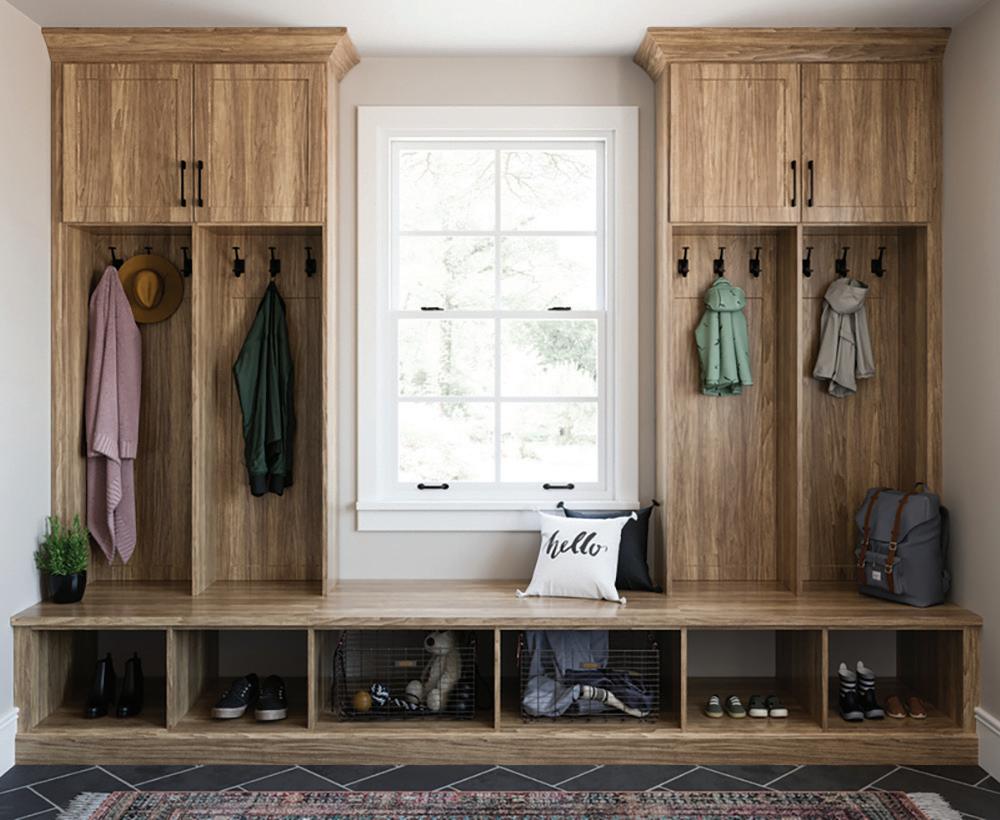
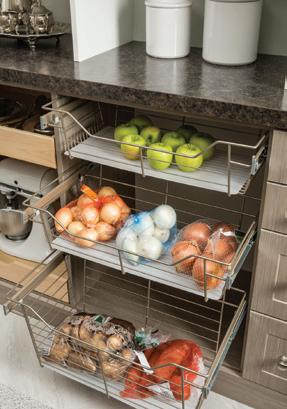
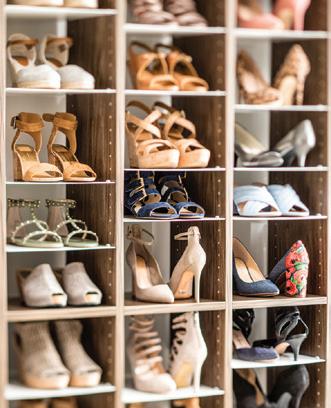










Regardless of style, budget, or goals we love making your home reflect the best version of you! 419-517-4458 7944 W Central Ave Toledo, OH 43617 $300 off* FREE Estimate & Design consultation * WITH COUPON. MINIMUM PURCHASE APPLIES. SEE DESIGNER FOR DETAILS. Offer Expires 05/31/21
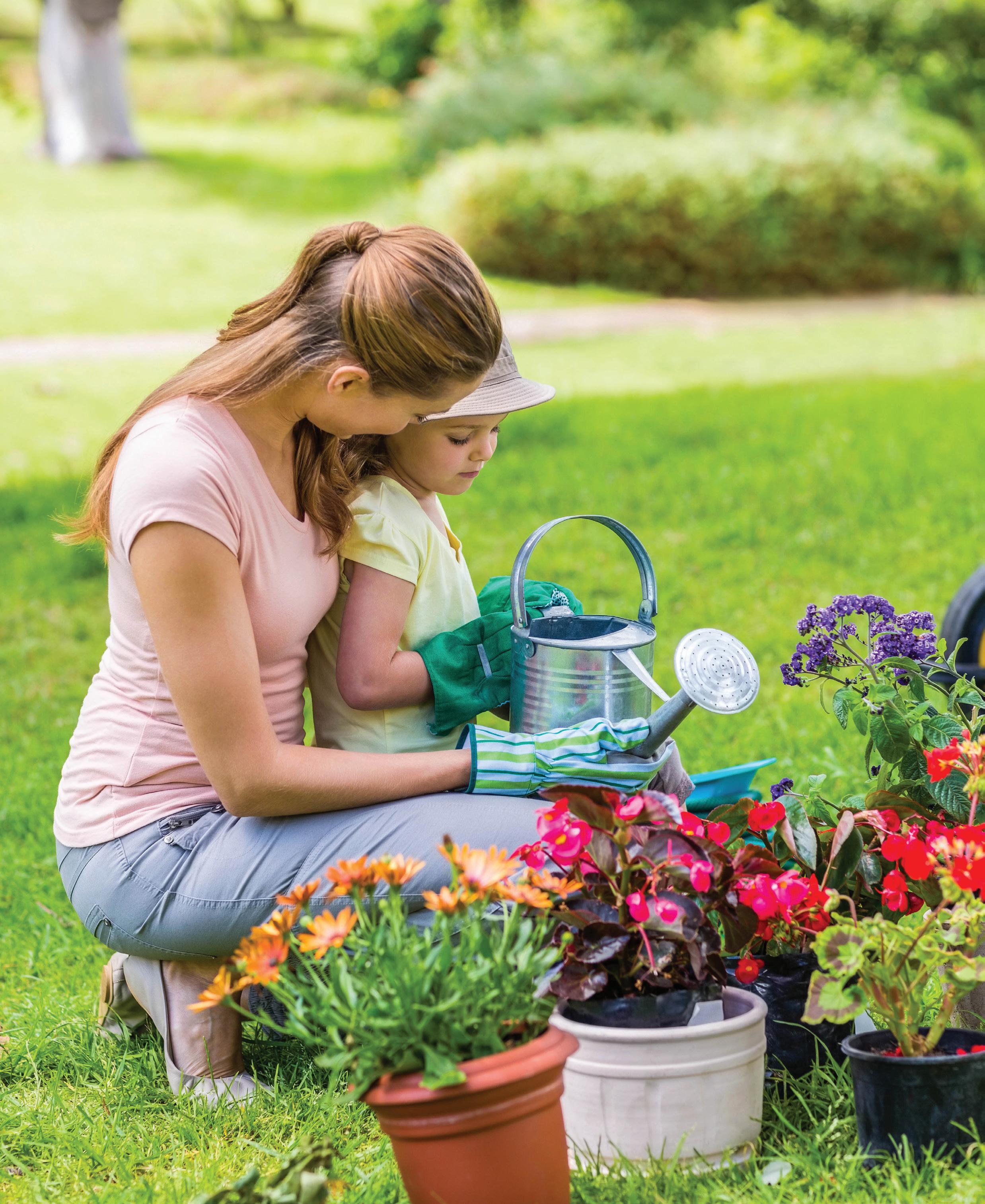
Preparing Garden Beds For Spring & Beyond

Gardening enthusiasts are eager to once again get their hands dirty with soil. Whether making preparations for edible crops or beautiful flowers, we must take time to make the soil amenable to planting. To establish hearty, durable plants, focus on threeareas: soil composition, cultivating and adding nutrients.

• SOIL COMPOSITION The most important step to developing good roots is preparing the soil. If the soil is too full of clay, too sandy, too dense, or too loose, that can lead to problems where plants cannot grow. The right soil amendments may include organic compost or manure, which will add nutrients to the soil.
• CULTIVATION Cultivating the soil can involve different steps. Removal of weeds, rocks, roots, and other items. Work on garden soil when the soil is damp but never wet; otherwise, garden soil can become messy and clumpy. Use a digging fork or shovel to lightly turn the soil when it’s mostly dry. Gentle tillings also can open up the soil to incorporate the nutritional amendments. Existing garden beds have a complex soil ecosystem and simply top-dressing with compost or manure can be enough preparation for planting.
• NUTRITION Testing the pH and the levels of certain nutrients in the soil, namely nitrogen, phosphorous and potassium, will give an idea of other soil additions are needed. Soil tests will determine just how much fertilizer to add to the soil. Complete fertilizers will have equal amounts of nitrogen, phosphorous and potassium. Top-dressing empty beds with a layer of mulch or compost can prevent weed growth and preserve moisture until it is time to plant. Preparing garden beds takes some effort initially, but can be well worth the work when plants flourish throughout the growing season

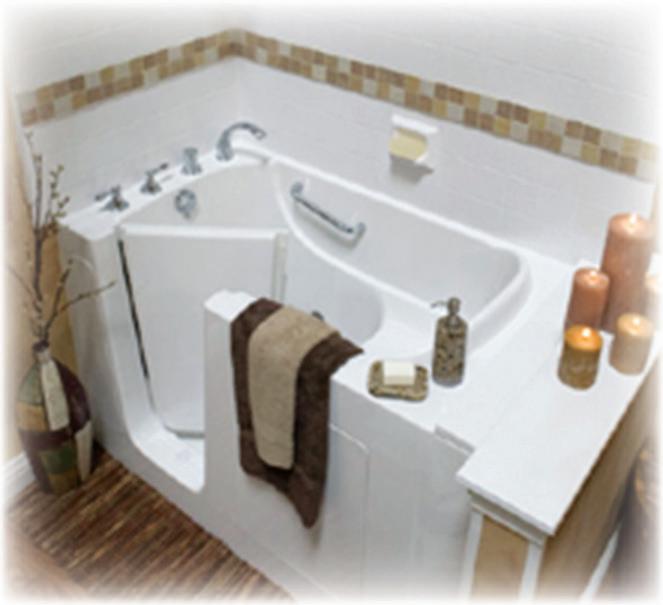
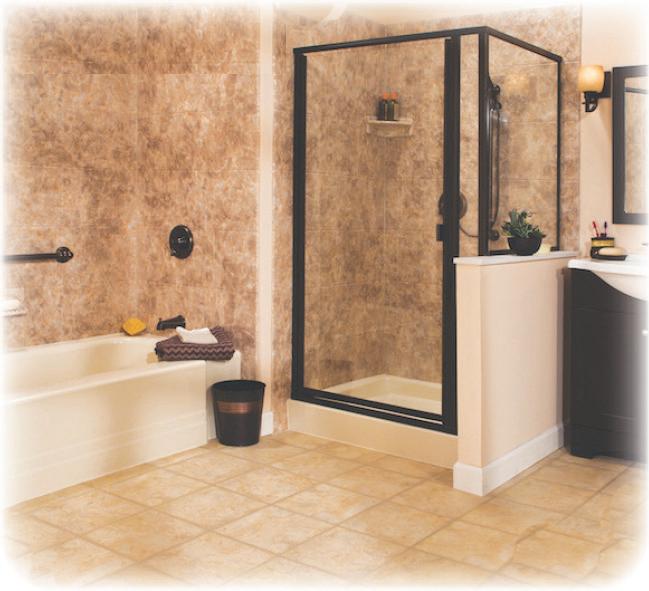



































$1000 OFF Quick Drain Walk-In Tub $750 OFF Full Tub/ Shower System Toledo’s #1 Ranked Bathroom NO SPRING HOME SHOW SPECIALS If you are calling “1-800” you are paying too much! • Lifetime Warranty • Financing Available FREE Estimates! 4519 Bennett Rd. 419-470-8821 2 TOLEDO AREA SHOWROOMS Visit us to view our many options! NEW LOCATION 2503 N. Reynolds Rd. Just north of Bancroft 419-389-9950 WWW.TOLEDONEWBATH.COM Keeping Seniors Safe & In Their Homes Longer... Is More Important Now Than Ever With COVID-19! HomeSpringShow Cancelled NeverCancelledBefore Discounts!! With TMS coupon. Some restrictions apply. Exp. 5/31/21 With TMS coupon. Some restrictions apply. Exp. 5/31/21 Not valid with any other o ers Expires 6/30/21 325 175 NowOnly! Save $150 * $60 Charge per hour for above average soiled vehicles. • • • • • Not valid with any other o ers. Expires 6/30/21 225 125 WINTER SANITIZE DETAIL NowOnly! Save $100 * $60 Charge per hour for above average soiled vehicles. WINTER SANITIZE DETAIL ALL Vehicles Disinfected! ALL Vehicles Disinfected! Works Plus 8 Works Plus 8 FREE VACUUMS Lube Shop • Exter x rte ior ashes 1010 W. Alexis Exterior ashes 5440 W. Central x er E t ashes . Detail-Exterior Washes LOCATIONS MOMS, DADS & GRADS! SPECIAL SAVINGS! Home Remodeling? Landscaping? DON’T FORGET YOUR VEHICHLE!! Exp. 6/1/21 Exp. 6/1/21 Exp. 6/1/21 Exp. 6/1/21 6 WASHES FOR THE PRICE OF 4 APRIL 30 TO JUNE 20TH






































































































































































































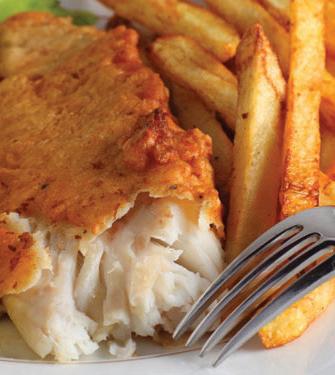
Greek • Italian • Lebanese • American Cuisine 578 W. Dussel • Maumee 419-897-0284 • Mon-Sat 8am-8pm • Sun 7am-3pm We Use DoorDash, Uber Eats & Grubhub For Delivery Since 1994 See our menu at: oursamsdiner.com or on Facebook We also serve Cod, Perch, Talapia, Jumbo Shrimp, Shrimp Basket Includes 2 sides Every Friday 11am-8pm Coupons Not Valid With Any Other Offers! LUNCH SPECIAL Original Sam’s Diner Not valid with any other offer. With TMS coupon. Exp. 5/31/21 Anytime - All Day - Every Day Mon - Fri only. 11am - 4pm 3 Eggs (any style), Homefries, Meat, Toast & Coffee DINNER SPECIAL Served Mon - Fri 8am - 11am only $1299 $799Original Sam’s Diner Not valid with any other offer. With TMS coupon. Exp. 5/31/21 Original Sam’s Diner Not valid with any other offer. With TMS coupon. Exp. 5/31/21 $25 Purchase or more Original Sam’s Diner Not valid with any other offer. With TMS coupon. Exp. 5/31/21 $2 OFF $15 Purchase or more Original Sam’s Diner Not valid with any other offer. With TMS coupon. Exp. 5/31/21 $4 OFF $1099 OR Stuffed Pepper or Cabbage & 1 side $1399 BREAKFAST SPECIAL Any Sandwich & 1 Side $899 Large Greek Salad Plus Gyro or Chicken Meat & Pita Bread Thank you for your support keeping us in business. Open Menu 7am-3pm All You Can Eat Alaskan Pollock Fish Dinner SUNKEN CONCRETE? Water Puddles Along Foundation? WE CAN HELP! We do Concrete POWERWASHING & SEALING! Maximum discount $200.00 Please present coupon at time of estimate. Not valid with other offers. Expires 5/31/21 PARTY ROOM AVAILABLE! FRIDAY & SATURDAY PITCHER OF MARGARITAS HOUSE, TEXAS, OR GOLDEN HAPPY HOUR MON-SAT •2PM-6PM & 8PM-10PM STOP BY FOR OUR DAILY SPECIALS! 419-380-0411 3302 GLANZMAN RD • TOLEDO Tacos ¢ 99 ¢ 99 Bottled Domestic Beer Taco Tuesday ALL DAY! Follow us on Facebook at mi hacienda OPEN 7 DAYS A WEEK! MON-SAT 11-10 KIDS EAT FREE! SUNDAY DINE IN ONLY 1 FREE KIDS MEAL PER ADULT ENTREE PURCHASE DINE IN ONLY DRINK SPECIALS ALL DAY! Monday JUMBO House Margarita and Dra� Beer Specials ALL DAY! Street Tacos $2.50 1/2 OFF Nacho Appe�zers Wednesday & Thursday Small Margarita Specials All Day! MI HACIENDA 419-380-0411 15% OFF Dine-In or Carry-Out Excludes Alcohol • 1 Coupon Per Table TMS coupon. Not valid with any other coupons or specials. Exp. 6/1/2021 MI HACIENDA 419-380-0411 10% OFF Dine-In • Excludes Alcohol • 1 Coupon Per Table YOUR TOTAL BILL! LUNCH SPECIAL! MON-SAT 11 TO 2:30 TMS coupon. Not valid with any other coupons or specials. Exp. 6/1/2021 CINCO de MAYO Fel All Day Specials! SUN-11-9 OUR PATIO IS OPEN!
Mulching Mistakes To Avoid






















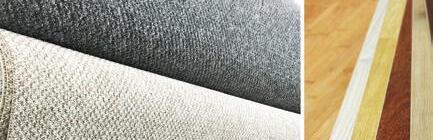













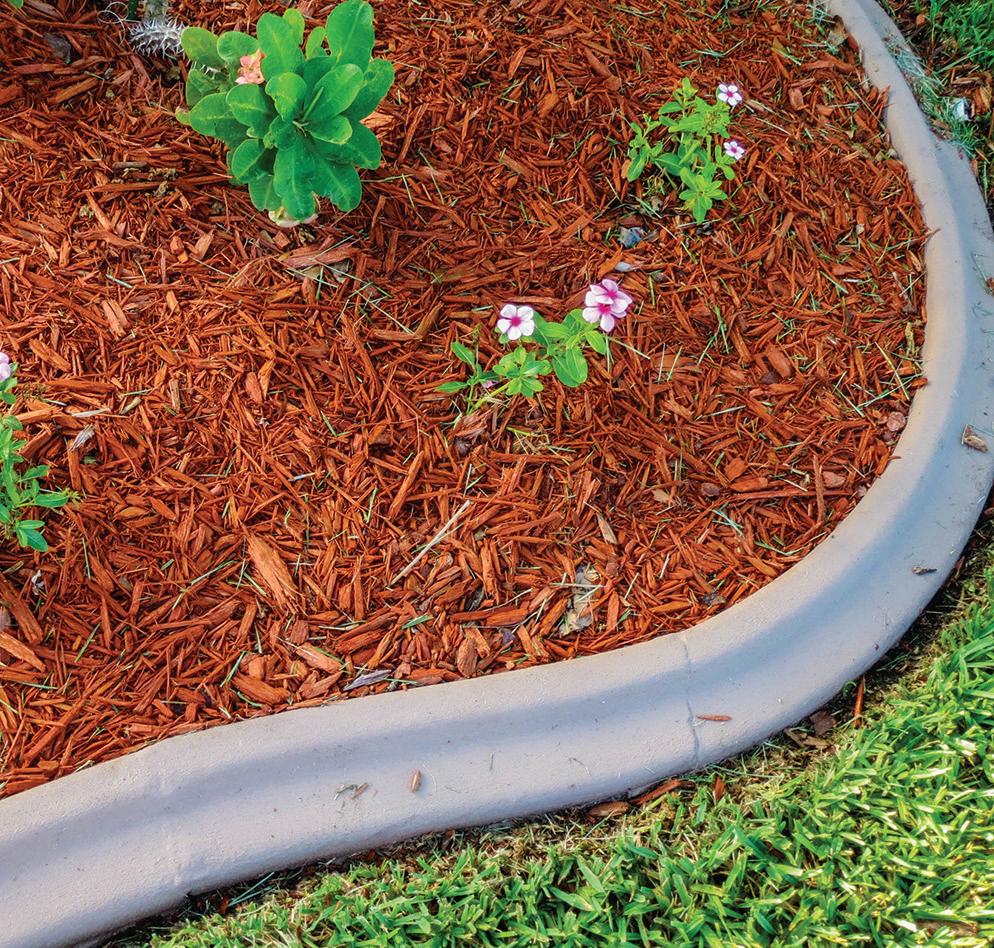
Mulch helps soil retain moisture, which promotes strong, healthy flowers, plants, trees, and shrubs, and also helps supress weed growth. Mulching seems like a simple task, and it can be. But that does not mean homeowners cannot make mistakes when mulching. The following are some common mulching mistakes to avoid:










NOT ENOUGH MULCH Anything less than two inches of mulch will prove ineffective at preventing weed growth and helping the soil retain moisture.



POORLY LOCATED MULCH Mulch should not be placed too close to plant stems or tree trunks. When it is, tissue is so wet that it makes for a perfect environment for disease and insect infestation.








FAILING TO MUCH TO THE DRIP LINE The drip line of a tree refers to the outermost circumference of the tree’s canopy from which water drips onto the ground. Mulching to the drip line of a plant or tree, which ensures the plant or tree will get the most out of the mulch. Mulching to the drip line also minimizes competition from the grass, leading to stronger plants and trees.

FAILING TO WEED BEFORE MULCHING Weeds should be removed prior to mulching. If they’re not, the mulch can provide the same growing environment for weeds that you’re trying to create for your plants and trees.




Mulching benefits a landscape in myriad ways, especially when homeowners avoid some common mulching mistakes.

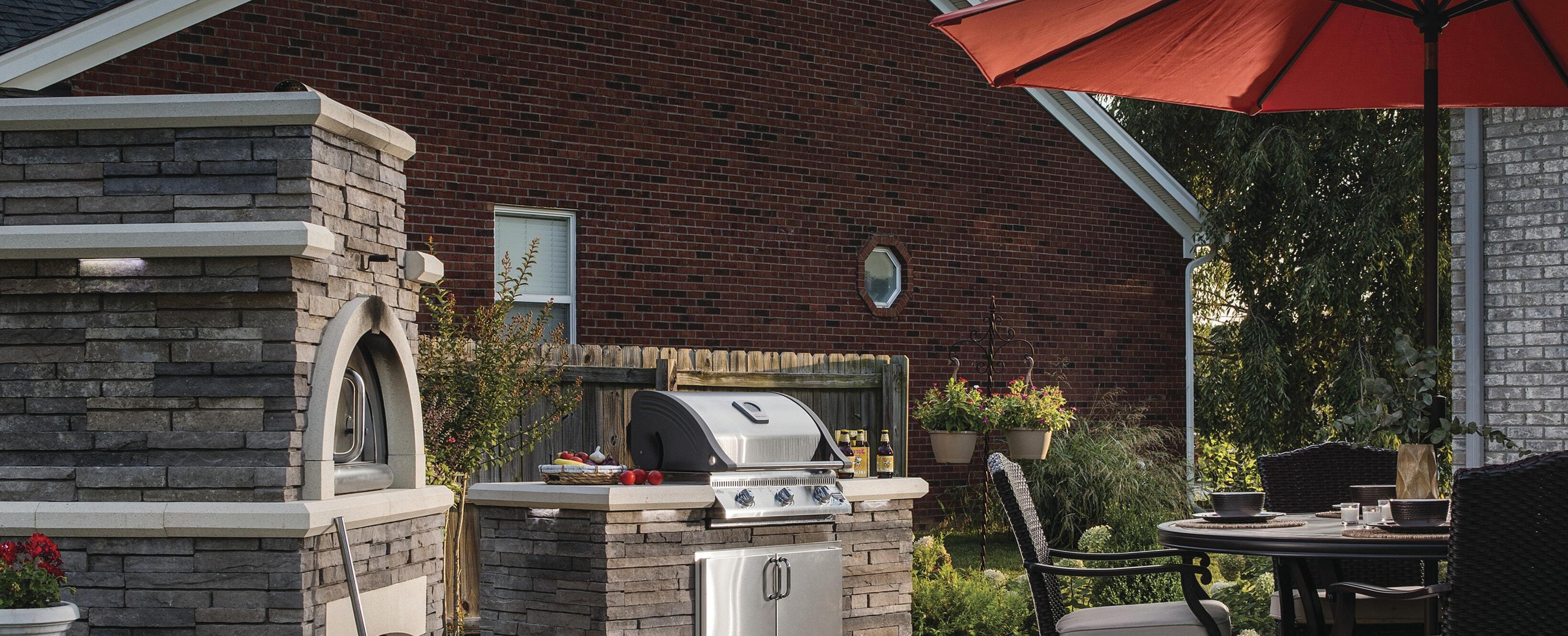


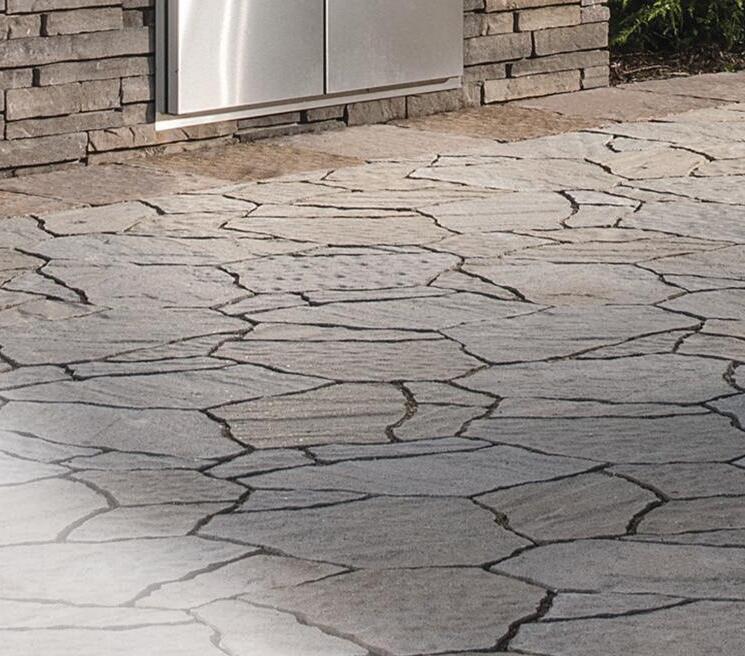
































































































1951 Tremainsville Toledo 43613 419-973-0829 www.toledolandscapesupply.com Toledo Landscape Supply T L Open to the public...For All Your Landscaping Needs! Now Open! Black Swamp Gold (Triple Process) - 35 cubic yd. Black Swamp Gold (Triple Process) - Bag $3 ea. T Town Black (Double Process) - Bulk $30 cubic yd. T Town Black (Double Process) - Bag $2.50 ea. T Town Brown (Triple Process) - Bulk $35 cubic yd. T Town Brown (Triple Process) - Bag $2.50 ea. T Town Organic (No Dye) - Bulk $30 cubic yd. T Town Organic (No Dye) - Bag $2 ea. T Town Red (Triple Process) - Bulk $30 cubic yd. T Town Red (Triple Process) - Bag $3 ea. Certified Playground Mulch - Bulk $30 cubic yd. mulch Now Open! MINIMUM OF 10 ROLLS reg. $8/roll $7/roll Time to start thinking about a new PATIO! seed PREMIUM BLEND GRASS SEEDS Hydroseed Supplies Sun • Shade • Fescue Sun/Shade Blend Athletic Blend soil PREMIUM Muddies Premium Earthblend Topsoil Muddona’s Premium Compost Mention ad for sale price! Fresh cut Sod All Natural
Did You Know?







































































Outdoor exercise can benefit both the planet and the people doing the exercising.

















By exercising outdoors instead of at home or at indoor fitness centers, men and women can reduce their carbon footprints. Exercising in the great outdoors does not require the use of energy-consuming fitness machines. In addition, when exercising outdoors during daylight hours, nature provides all the light men and women will need for their workouts, further reducing the average person’s energy consumption. And it’s not just adults who can benefit from spending more time outdoors. According to the Harvard Medical School, children are likely to get more exercise if they spend time outdoors than they are if they spend time indoors. Children are more than twice as active when they were outside than when they were in inside. According to the National Institutes of Health, the average youngster spends three hours per day watching television and gets as much as seven hours of screen time each day. When kids are outdoors, they are less likely to be staring at energy consuming screens and devices than they are when they’re indoors.



Easy Crustless Quiche
BASIC INGREDIENTS






10 large eggs

1-1/2 cups whole milk
½ teaspoon salt

























¼ teaspoon black pepper











1 cup cooked vegetables (zucchini, eggplant)
1 cup frozen hash browns (thawed)
1 cup shredded cheese (Gruyere, Swiss, Cheddar)
1 cup cooked meat (bacon, ham, sausage)
¼ cup fresh herbs (Italian parsley, chives)

ASSORTMENT OF MIX-INS




2 cups chopped fresh greens (baby spinach, arugula)
Make sure to cook out, dry or remove any excess moisture from your mix-ins (such as vegetables and meats), which could also contribute to a soggy quiche.


1. Heat the oven to 375°F and prepare the baking dish





Arrange a rack in the middle of the oven and heat to 375°F. Lightly grease a 9x13-inch baking dish.
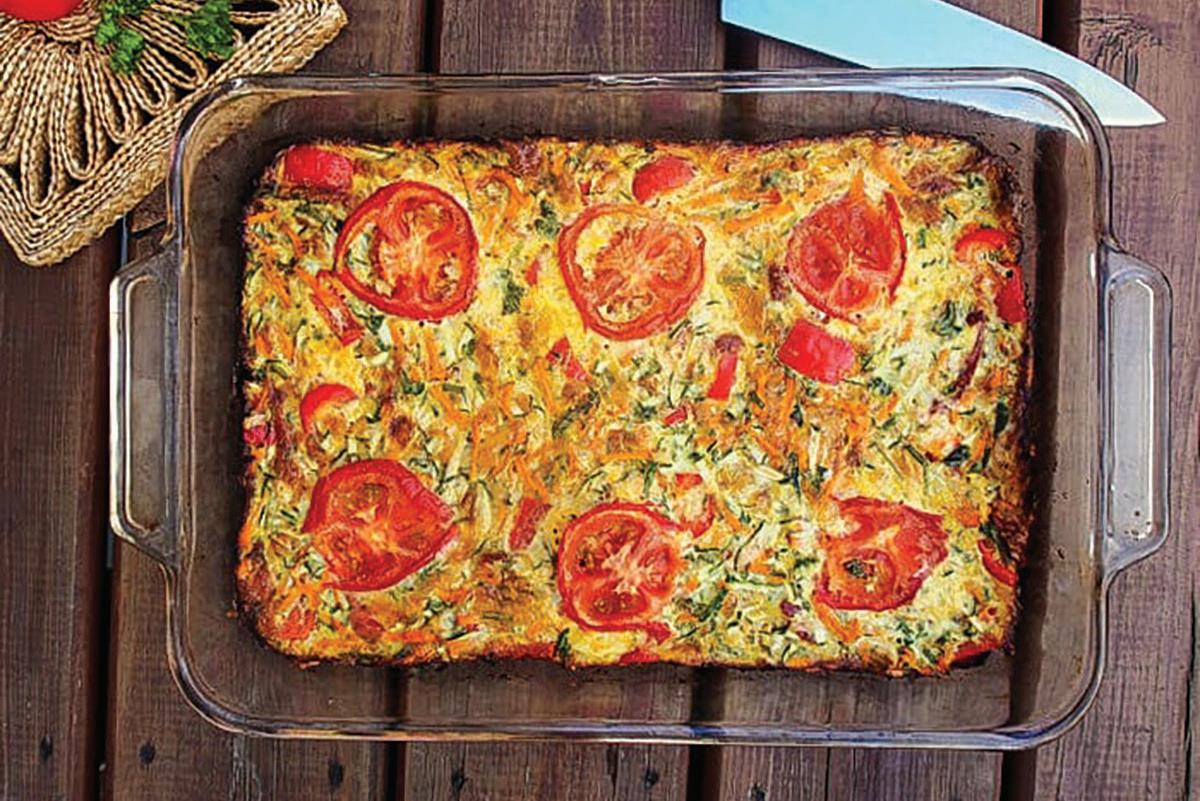
2. Whisk the eggs. Place the eggs in a large bowl and whisk until fully beaten.
3. Whisk in the milk, salt, and pepper. Add the milk, salt, and pepper, and whisk until frothy.

4. Add the mix-ins. Stir in any mix-ins such as meat, cheese, vegetables, or herbs. At this point the casserole may be refrigerated overnight, or frozen. (If freezing, thaw overnight before cooking and proceed to bake as directed below.)
5. Bake for 45 minutes. Pour into the prepared baking dish. Bake until puffed around the edges and a tester inserted in the center comes out clean, about 45 minutes.
RECIPE NOTES



Make ahead: The unbaked casserole can be covered and refrigerated overnight or frozen for up to 2 months. If freezing, thaw overnight before cooking and bake as directed below.

COMMERCIAL • RESIDENTIAL SERVING NORTHWEST OHIO www.BudgetDumpstersToledo.com OPEN 8AM-5PM 419-690-9896 B udgetDumpstersToledo LOCALLY OWNED 3307 North Holland-Sylvania, Suite16, Tol LICENSED & INSURED Ohio Lic# 49288 Over 25 years experience FREE Estimates 24 HOUR EMERGENCY SERVICE Jonathan 419.246.7388 Michael 567.315.5952 EXPERT ELECTRICAL WORK We do work for: RESIDENTIAL & COMMERCIAL OLD & NEW CONSTRUCTION www.currentelectrictoledo.com currentelectricltd@gmail.com

VISIT OUR SHOWROOM 562 South Reynolds Rd., Toledo Mon-Fri 9am-5pm • Sat 9am-1pm Window World is America’s Largest Exterior Remodeler. With Over 1.5 Million Windows Sold in 2020 alone! We are proud to offer low-maintenance, energy-efficient solutions with exceptional customer service and attention to detail that you’ve come to expect from America’s #1 exterior remodeler. 419-740-5191 WindowWorldToledo.com FOR FREE IN HOME ESTIMATE, CALL Local Owners WITH SOLARZONE INSULATED GLASS Increase
WINDOWS | DOORS | SIDING
curb appeal with Window World















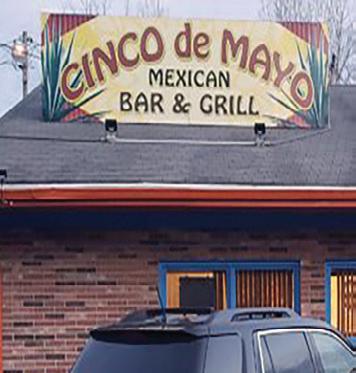

































MEXICAN GRILL & BAR Purchase your MARGARITA TO - GO with your TAKE-OUT ORDER 1/2 OFF Offer good at Holland and Rossford locations only. EVERYDAY 3pm-5:30pm Drinks & Appetizers Happy Hour Any purchase of $30 or more With TMS coupon. Dine in only. Not valid with any other offers. Exp. 5/31/21 $5 OFF LUNCH SPECIAL $599 Any Lunch Lunch Menu Only. With TMS coupon. Dine in only. One coupon per person. Not valid with any other offers. Exp. 5/31/21 Dine-in only. With TMS coupon. Not valid with other offers. Valid May 9th only. Mom’s MEAL 1/2 Mother’s Day Sun, May 9 OFF Let’s Fiesta! Celebrate FOOD - FUN - MUSIC MAY 5 WED Plus tax. Residential use only. L-shaped areas or areas exceeding 250 sq. ft. are considered 2 areas. Minimum charge $95. Cannot be used with other discounts. Coupon expires 5/31/21 Plus tax. Minimum charge $95. Cannot be used with other discounts. Coupon expires 5/31/21 5 AREAS for $120 3 areas .... $95 4 areas .... $110 5 areas .... $120 6 areas .... $130 Serving NW Ohio & SE Michigan 419-729-9966
your trusted Automotive Guide

ACURA
Dave White Acura 5880 Monroe St. Sylvania (419) 885-3600 whitecars.com
BMW
BMW of Toledo 7600 W. Central Toledo 1(844) 892-5408 bmwoftoledo.com
BUICK
Ballas Buick - GMC 5715 W. Central Toledo (419) 535-1000 ballasbuickgmc.com
Groulx Buick - GMC 15435 S. Dixie Hwy. Monroe, MI (734) 241-3704 groulxbuickgma.com
CHEVROLET
Dave White Chevrolet 5880 Monroe St. Sylvania (419) 885-4444 whitecars.com
Yark Chevrolet 26997 N Dixie Hwy Perrysburg (419) 877-7658 yarkchevy.com
CHRYSLER
Yark Chrysler 6019 W. Central Ave. Toledo (855) 817-1501 yarkchrysler.com
DODGE
Yark Dodge 6019 W. Central Ave. Toledo (855) 817-1501
New Car
FIAT
Yark Fiat 6000 W. Central Ave. Toledo 1(844) 847-3702 yarkfiat.com
FORD
BRONDES FORD 1475 Arrowhead Rd. Maumee (419) 329-4062


brondes.com


BRONDES FORD 5545 Secor Rd. Toledo (419) 491-7004 brondes.com
STEVE ROGERS FORD 9760 State Route 64 Waterville (419) 878-8151 steverogersford.com
GMC
Ballas Buick-GMC 5715 W. Central Ave. Toledo (419) 535-1000 ballasbuickgmc.com
Groulx Buick - GMC 15435 S. Dixie Hwy. Monroe, MI (734) 241-3704 groulxbuickgma.com
HONDA
Jim White Honda 1505 Reynolds Rd. Maumee (419) 893-5581 jimwhitehonda.com



JEEP Yark Jeep 6019 W. Central Ave. Toledo (855) 817-1501 yarkjeep.com
LINCOLN
Brondes Lincoln 1475 Arrowhead Rd. Maumee (419) 329-4062 brondeslincolnmaumee.com
MAZDA
Yark Mazda 6000 W. Central Ave. Toledo (419) 842-7454

yarkmazda.com
NISSAN
Gerweck Nissan 15407 So. Monroe St. Monroe, MI (734) 457-0100 gerwicknissan.com
Yark Nissan 5957 W. Central Ave. Toledo (844) 815-4874 yarknissan.com
RAM
Yark Ram 6019 W. Central Ave. Toledo (855) 817-1501 yarkram.com
SUBARU
Yark Subaru 6041 W. Central Ave. Toledo 1(844) 492-9955 yarksubaru.com
TOYOTA
Jim White Toyota 6123 W. Central Ave. Toledo (419) 841-6681 whitecars.com
Yark Toyota 1377 Conant St. Maumee (844) 819-2577 yarktoyota.com
yarkdodge.com Call Chick Reid 419-705-5396 to add listings to this page.

















































































































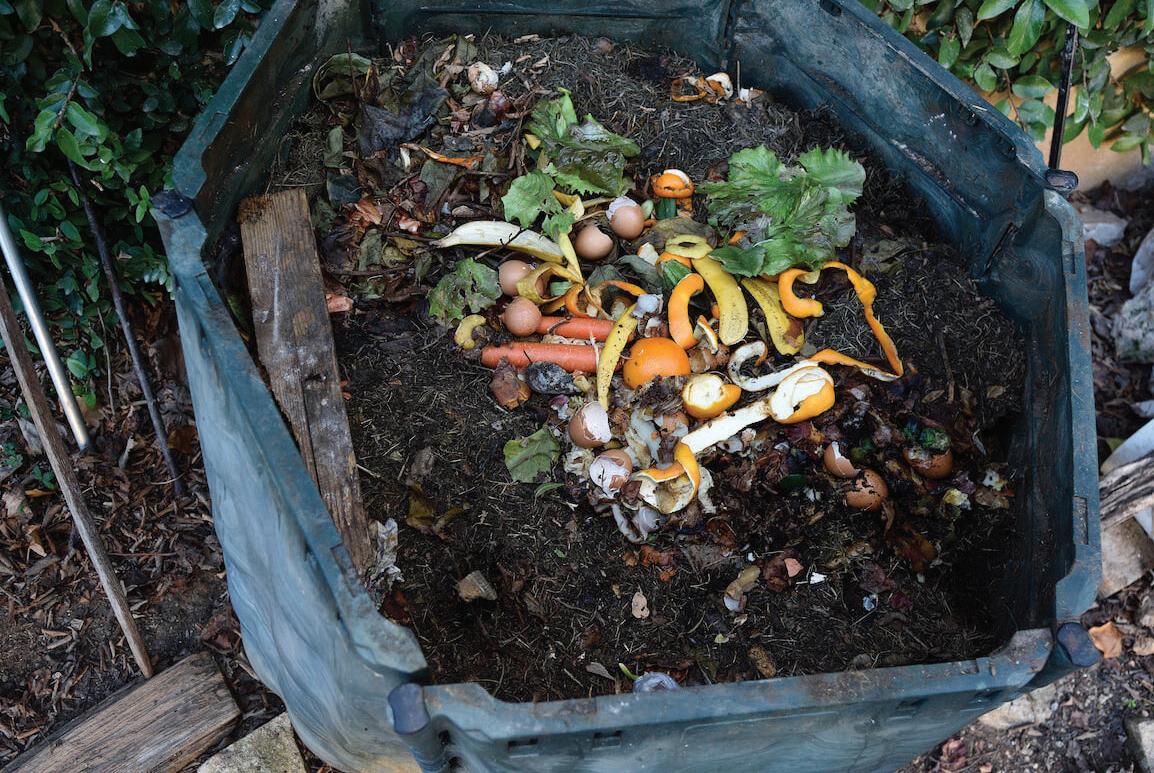
Tips For Home Composting
Berry Strata

Prep: 10 min
Inactive: 2 hr
Cook: 40 min
4 servings
Ingredients
2 tablespoons butter
3 tablespoons honey
4 large eggs
1 cup whole milk
1/4 cup orange juice
1/2 cup whole milk ricotta
3 tablespoons sugar
4 slices of bread, torn into 1-inch pieces (about 4 cups)
1 (10-ounce) bag frozen mixed berries, thawed and drained
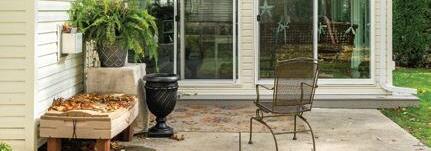
WHAT CAN BE COMPOSTED?
Fruits, vegetables, dairy products, grains, bread, unbleached paper napkins, coffee filters, eggshells, and newspaper. If it can be eaten or grown in a FIELD OR GARDEN, it can be composted.
WHAT NOT TO COMPOST AND WHY
• Meat, fish, eggs or poultry scraps (odor problems and pests)
• Dairy products (odor problems and pests)
• Fats, grease, lard or oils (odor problems and pests)
• Coal or charcoal ash (contains substances harmful to plants)
• Diseased or insect-ridden plants (diseases or insects might spread)
HOW TO MAKE KITCHEN COMPOST Start with dirt on the bottom and some shredded newspaper on top. Then add kitchen scraps like banana peels, coffee grounds, and eggshells everyday as you cook or clean out your fridge. It’s best to break or cut up these scraps into small pieces to help them decompose faster.
HOW OFTEN TO TURN COMPOST By turning about every 2-4 weeks allows the center of the pile to heat up and promotes maximum bacterial activity. Once established, turning the pile frequently allows more oxygen to the microorganisms that are creating your compost. This in turn accelerates decomposition. Water the pile in dry weather to keep it damp, but not soggy.
Grass clippings are excellent additions to a compost pile because of their high nitrogen content. Grass clippings should not be the only compost material. As with mulches, a thick layer of grass clippings in a compost pile will lead to bad odors from anaerobic decomposition.
Melt the butter in a small saucepan over low heat. Turn off the heat, add the honey, and stir to combine. Meanwhile, in a large bowl combine the eggs, ricotta, and sugar. Using a fork, mix to combine and beat the eggs. Add the milk, orange juice, butter and honey mixture, and bread. Stir to combine. Gently fold in the berries. Place the ingredients in a 10-inch round (2-quart) baking dish. Cover with plastic wrap and place in the refrigerator for at least 2 hours and up to 12 hours. Preheat the oven to 350 degrees F. Bake the strata until golden on top and baked through, about 40 minutes. Let stand for 5 minutes before serving. Spoon into dishes and serve.
Did You Know?
Many lawns contain a mixture of the roughly one dozen types of different grasses. According to the lawn care experts at Scotts®, knowing which type of grass they have in their yard can help homeowners more effectively manage and care for their lawns. But with so many lawns containing a mixture of grasses, how can homeowners know exactly what’s making up that green carpet in their yards? Scotts® notes that lawns typically fall into one of two categories: warm-season grasses and cool-season grasses. Warm-season grasses are those that thrive in regions where the climate tends to be especially warm, such as the southern United States. Cool-season grasses are those that are at their best in climates that experience extreme temperature fluctuations. For example, cool-season grasses are most likely to be found in the northern United States, as much of this area of the country experiences cold winters and warm, and in some places very hot, summers. Homeowners who are uncertain about which type of grass they have can consult a lawn care professional for advice. Homeowners who learn which type of grass is in their yard can use that information to determine how frequently they should mow and water their lawns and which type of fertilizer is best-suited to their lawns.
Great for MOTHER’S DAY BRUNCH
Some restrictions apply. Expires 6/30/21
Discount for Labor Only. Expires 6/30/21






































2765 S. Detroit Ave. maumee 1075 Pray Blvd. waterville Waterville & Maumee Locations Only Waterville & Maumee Locations Only Waterville & Maumee Locations Only $4 OFF TWO LUNCHEON SPECIALS DON JUAN Excludes Alcohol DON JUAN 20% With TMS coupon. Not valid with any other offers or discounts. Exp. 5/31/21 With TMS coupon. Not valid with any other offers or discounts. Exp. 5/31/21 OFF Visit us at: donjuanandlosamigos.net 551 W. Dussel Dr. Maumee 419-887-0700 Like us on Facebook Don Juan Bar & Grill HAPPY HOUR Sun - Thur 3-6pm Coming Soon to Downtown (300 Madison Ave). Celebrate CINCO DE with LIVE MUSIC by 56DAZE & DJ MAUMEE Thursday is Ladies Night with a DJ Happy Mother’s Day! Every Mom that dines in on SUNDAY, MAY 9 $10 Gift Certificate TO BE USED ON YOUR LUNCH & DINNER Grilled Sandwiches • Soups • Seafood 312 SOUTH ST. • WATERVILLE 419 878 9105 • chowdersnmoor.com