THE DIVISIONS OF GRADUATE AND PROFESSIONAL STUDIES • FALL 2025
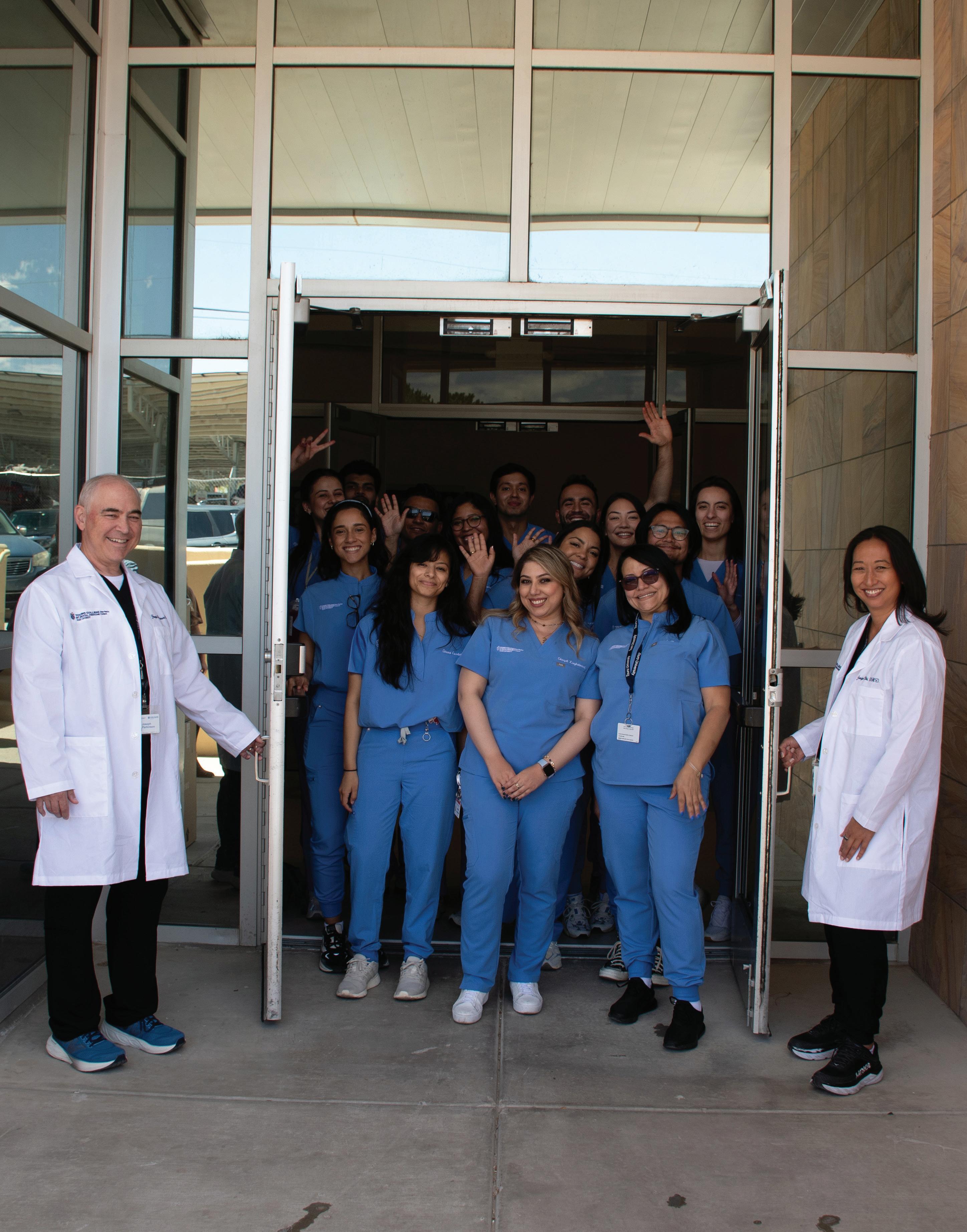

Touro University Brings Excellence to the Front Lines— Launching New Mexico’s first dental clinical training facility to elevate education, transform lives and empower communities. P.2
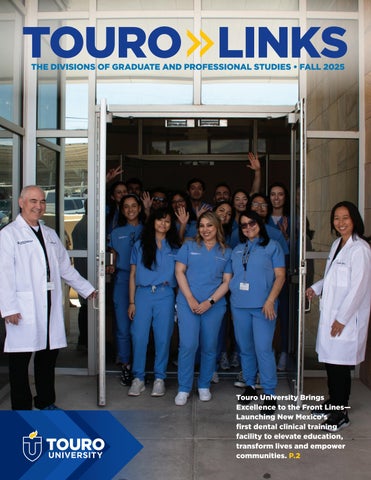
Touro University Brings Excellence to the Front Lines— Launching New Mexico’s first dental clinical training facility to elevate education, transform lives and empower communities. P.2
“At Touro University, we are driven by a spirit of innovation and a commitment to service. The growth we’re experiencing is not just about expanding programs or campuses—it’s about deepening our impact and making a difference. Our alumni are changing lives in the boardroom, courtroom and emergency rooms and their success fuels our excitement for the future. Together, we are shaping a legacy of excellence, compassion and transformation.”
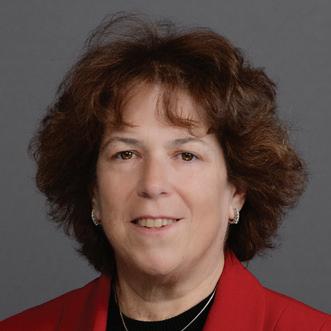
PATRICIA E. SALKIN, JD, PH.D.
Senior Vice President for Academic Affairs and Provost, Graduate and Professional Divisions, Touro University
Touro College of Dental Medicine
Opens New Mexico’s
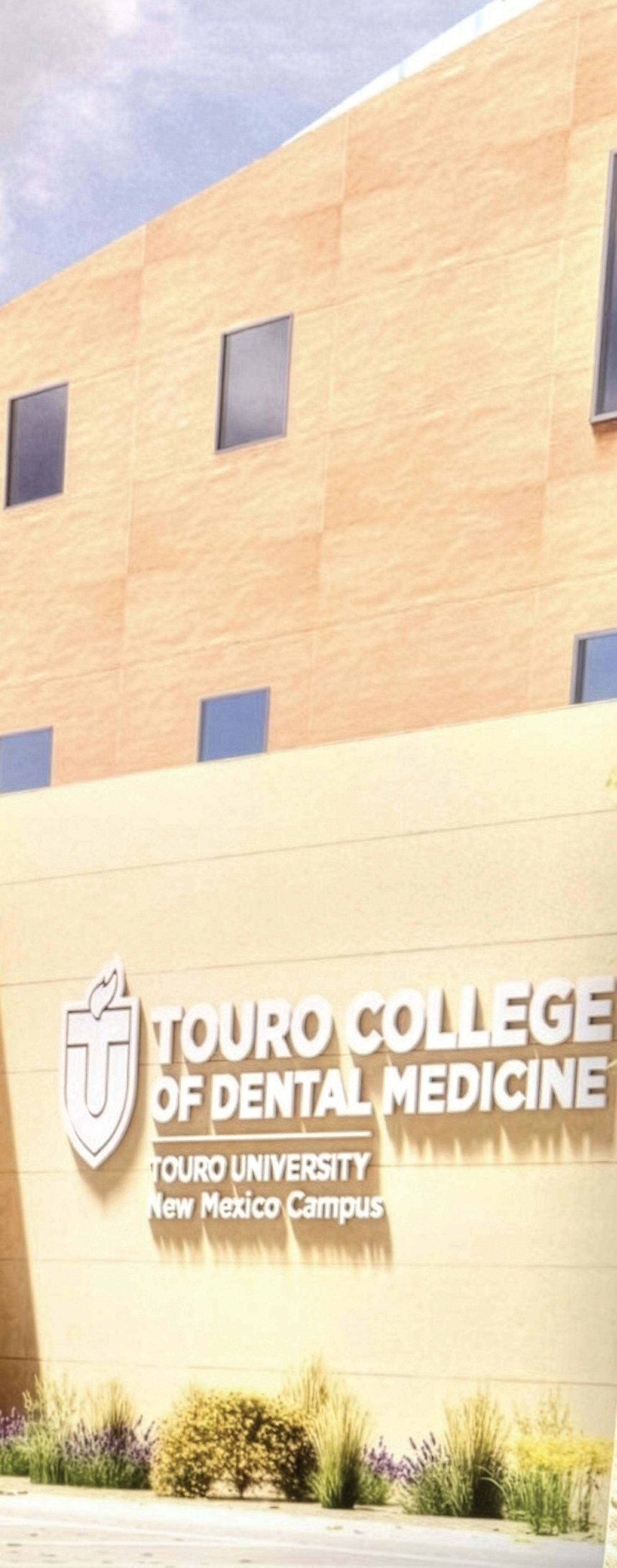
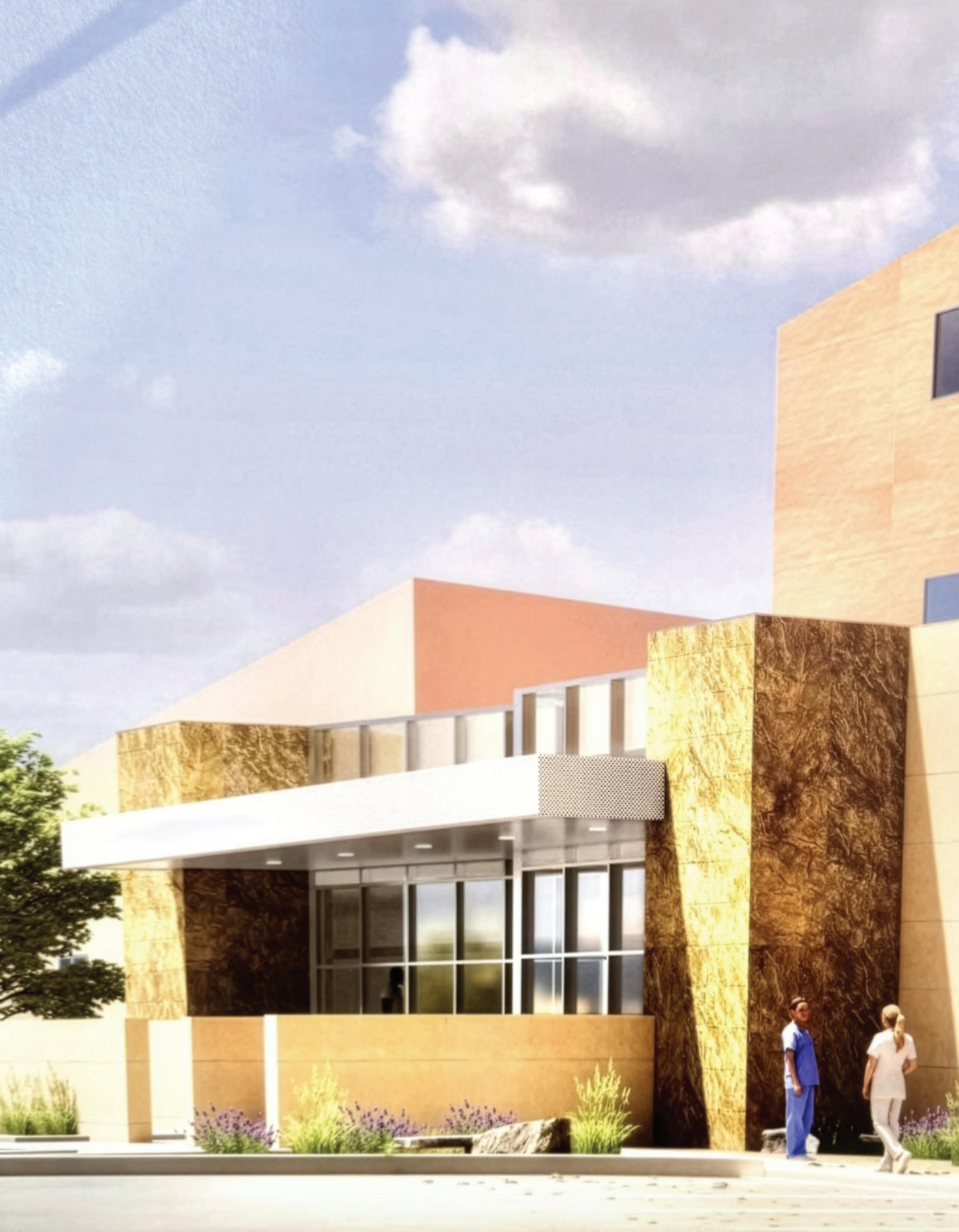
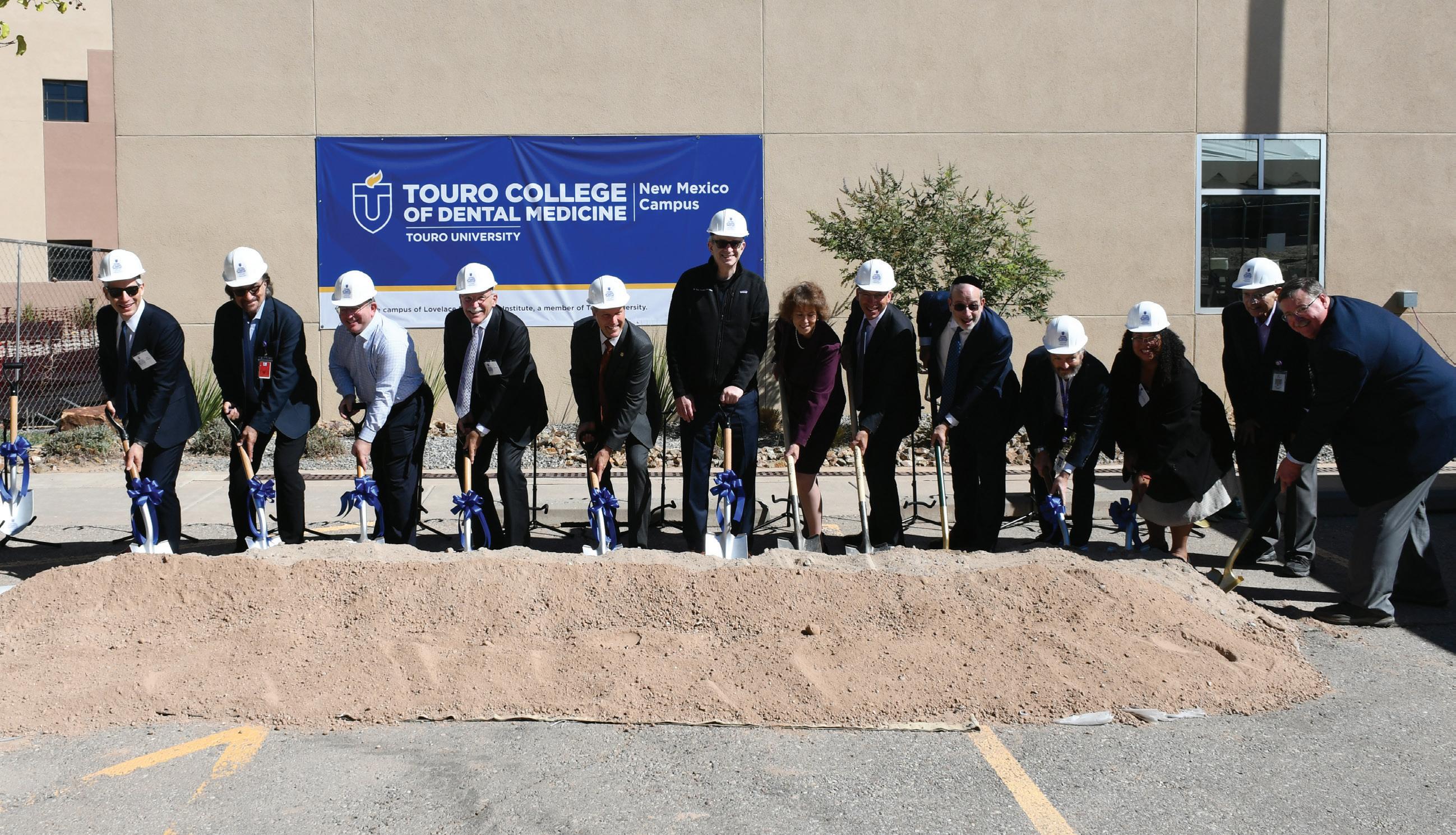
Touro University opened a clinical branch of Touro College of Dental Medicine (TCDM) in New Mexico. This clinical facility is located in Albuquerque, on the campus of Lovelace Biomedical Research Facility, a member of Touro University. Touro Dental Health New Mexico is TCDM’s clinical training facility that provides 200 TCDM students a new dental practice location.
Joseph Parkinson, DDS, MPA, FAGD, was named executive assistant dean, leading all aspects of the dental college’s operations and clinical training programs.
“Touro University is committed to delivering quality education as well as integrity and respect for all members of our new Touro community in New Mexico,” says Touro University President Alan Kadish, M.D.
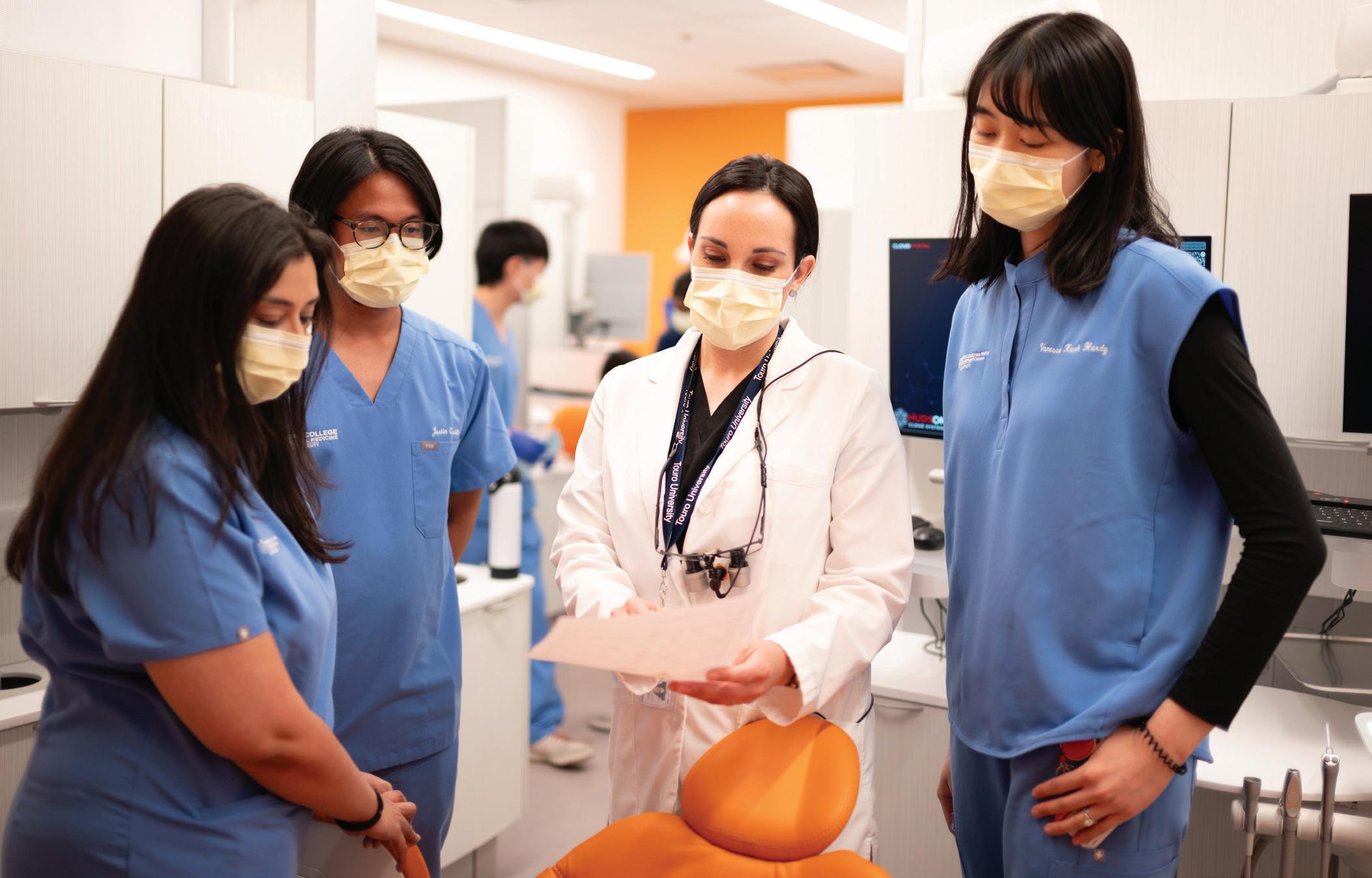
Students at TCDM spend their first two years in the classroom studying basic biological sciences, and the last two years seeing patients in the clinics. Going forward, 100 students from each TCDM class of 200 will do the classroom portion of their training on TCDM’s New York campus and spend their final two years treating patients from the Albuquerque community in the new clinical facility. The first class to be split in this way is seeing patients under highly skilled faculty, supported by professional dental staff from New Mexico.
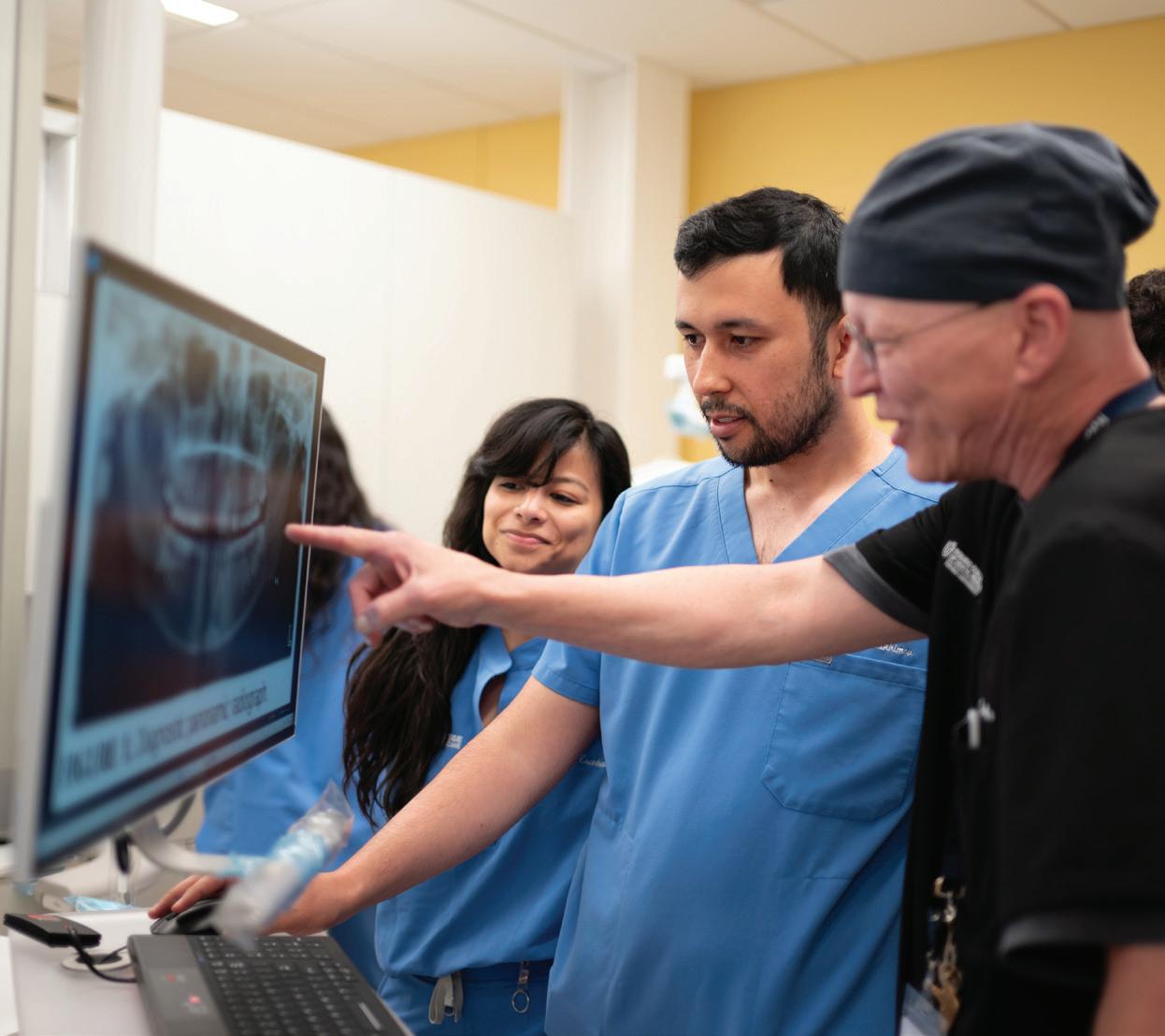
“With the first pre-doctoral dental student clinical educational facility in New Mexico, we are providing an opportunity to deliver much needed low-cost oral healthcare to underserved communities while at the same time expanding local access to New Mexico students interested in becoming dentists,” says Dr. Myers.
New Mexico lags behind the nation in the average number of oral healthcare professionals servicing residents of the state. Recent studies reveal that the number of dentists per 100,000 people in New Mexico is only 48.4, below the national average of 60.84. “We anticipate that there will be a significant number of graduates who remain in New Mexico to pursue their dental careers filling this void, adding to our incentive to build the new facility and clinic in the land of enchantment,” says Dr. Myers.
“TCDM is thrilled to expand to New Mexico and create the first ultra-modern, world-class dental clinical training facility in the state. Our mission is to improve oral healthcare and graduate outstanding dental professionals who deliver excellent healthcare service to diverse communities.”
TCDM DEAN RONNIE MYERS, DDS
New Mexico’s first dental school clinical training facility encompasses more than 70,000 square feet of educational and clinical space. It houses more than 100 dental units, including units to provide specialty care in oral surgery, orthodontics, endodontics and pediatric dentistry, accommodating the students who will complete their education at TCDM’s new facility and campus.
TCDM’s faculty of general dentists and highly skilled specialists, including periodontists, prosthodontists, endodontists, orthodontists, oral surgeons, dental anesthesiologists and radiologists, enables the school to provide a full range of dental care under one roof while providing students with hands-on exposure to and training in all dental disciplines.
Touro University is investing an estimated $40 million in New Mexico including the property acquisition and construction of the dental college, positively impacting educational and economic development in Albuquerque and throughout the state. TCDM plans to provide new high-paying jobs for New Mexicans to support the school and clinic.
As antisemitism rises around the country and the globe, education is critical to combatting this scourge. Learning about the historic roots of antisemitism through the centuries and training teachers to empower Jewish students of all ages with knowledge and advocacy skills is the focus of a number of new courses and programs at Touro.
This year, Touro Law Center launched the nation’s first-ever antisemitism clinic at a law school and also began offering a course on antisemitism and the law. Last spring, a special course from Touro’s Graduate School of Jewish Studies on the history of antisemitism made its debut for students as well as interested community members. Additionally, Touro launched a master’s degree in Holocaust, Genocide and Tolerance Education through its Graduate School of Education.
Antisemitism Law Clinic
Touro Law’s pioneering Antisemitism Law Clinic is designed to train the next generation of legal advocates and is led by Mark Goldfeder, a rabbi and lawyer whose academic focus is on constitutional and international law.
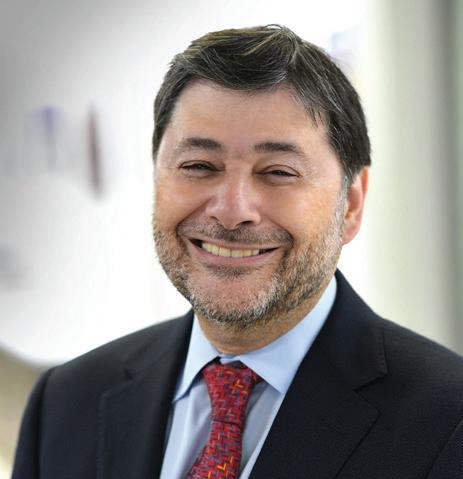
DR.
JEFF LICHTMAN, chair of the Touro M.S. in Holocaust, Genocide & Tolerance Education program
“As society becomes increasingly polarized and plagued by intolerance, we can offer an antidote by training teachers to educate our children about the Holocaust and antisemitism.”
“We plan to produce advocates who will contribute in a meaningful way to the community, whether through litigation, legislation or education,” says Goldfeder. “Our graduates will use the skills they learn to defend individuals or institutions, advocate for meaningful change and address antisemitism in real life impactful ways, including in employment and housing discrimination.
Touro Law students who participate in the newly established clinic are offered the opportunity to extend their training and experience through internships and externships at organizations that fight antisemitism.
The History of Antisemitism course addresses the origins of antisemitism, its evolution throughout the ages, what factors have influenced its rise, and how those factors shape the way antisemitism is expressed in various time periods and locations. The course is open to students as well as interested community members.
“Since October 7, 2023, antisemitism has erupted around the world, in the Middle East, and throughout Europe and North America,” says Rabbi Dr. Moshe Sokol, dean of Touro’s Graduate School of Jewish Studies. “While antisemitism was always present in the United States, the sheer number and magnitude of antisemitic acts around college campuses and in public spaces throughout the country has no precedent in U.S. history.”
The course is team taught and features lectures by historians and members of Touro’s expert faculty. Topics range from Antisemitism in the GrecoRoman World; Medieval Christian and Islamic Forms of Antisemitism to Nazism and the Holocaust; Antisemitism in the 21st Century; and Theological Responses to Antisemitism.
Master’s Degree in Holocaust Education
The M.S. in Holocaust, Genocide and Tolerance Education is a two-year program designed for elementary, middle, and high school teachers in Jewish day schools and public schools as well as museum educators.
This program offers comprehensive training in pedagogy and content and includes Teaching About and Combatting Antisemitism; Lessons in Courage and Resilience; Psychology and Philosophy of Evil; and Holocaust Literature.
Led by psychologist and professor at Touro’s Graduate School of Education, Dr. Jeff Lichtman, and coordinated by Holocaust expert, Dr. Julie Golding, the master’s in Holocaust education is open to anyone with a bachelor’s degree who seeks training in this area.
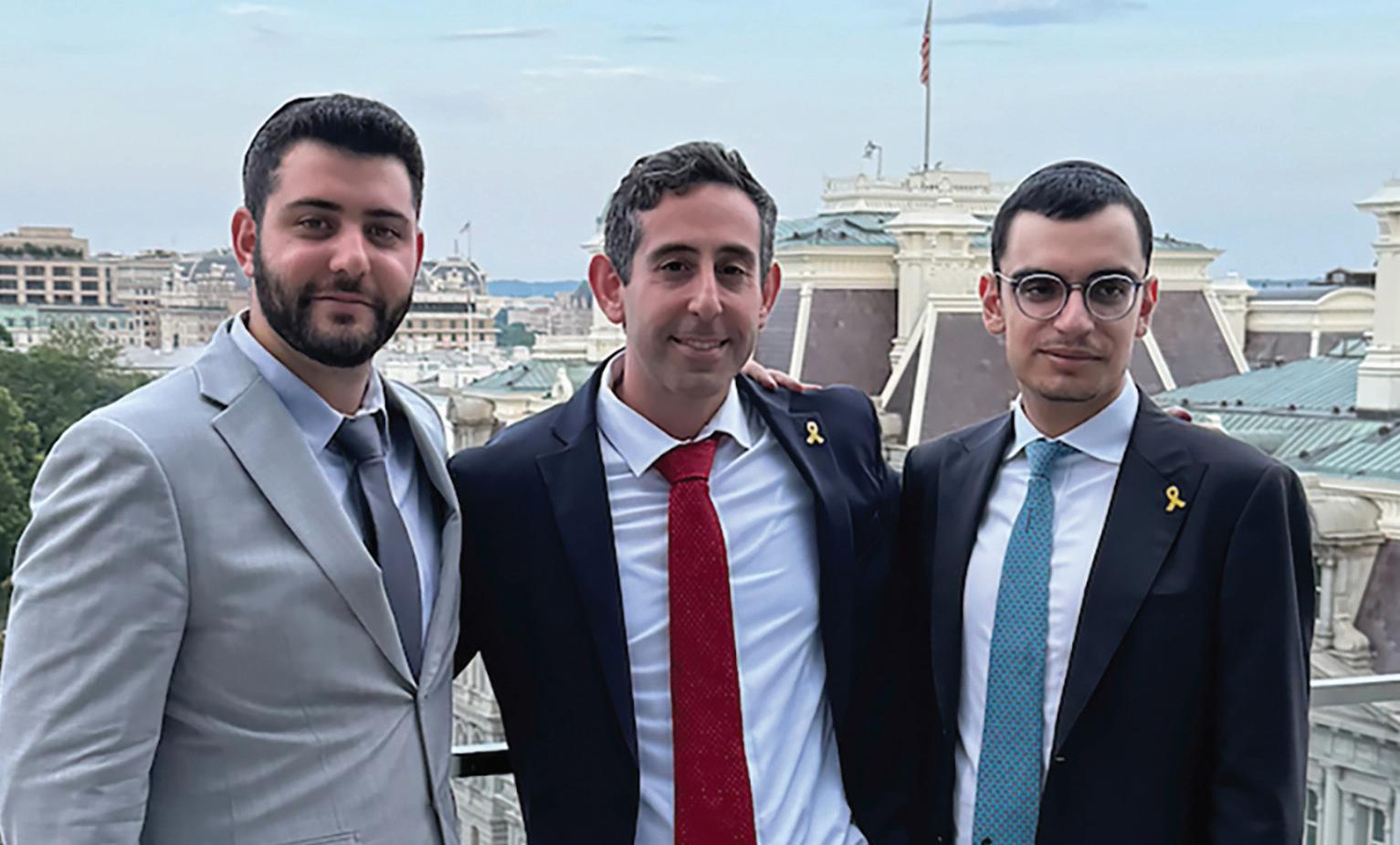
Assistant Professor Mark Goldfeder (center) took Antisemitism Law Clinic students to the White House, where they met with leaders of the DOJ Task Force on Antisemitism, Senior Director for Counterterrorism and other senior White House officials
“ I’m proud to be part of this new initiative and, while I hope that it will be replicated by other schools across the country, the fact that Touro was the first in line speaks to its values and mission. This is what it means to lead.”
MARK
GOLDFEDER, director of the Antisemitism Law Clinic at Touro Law Center
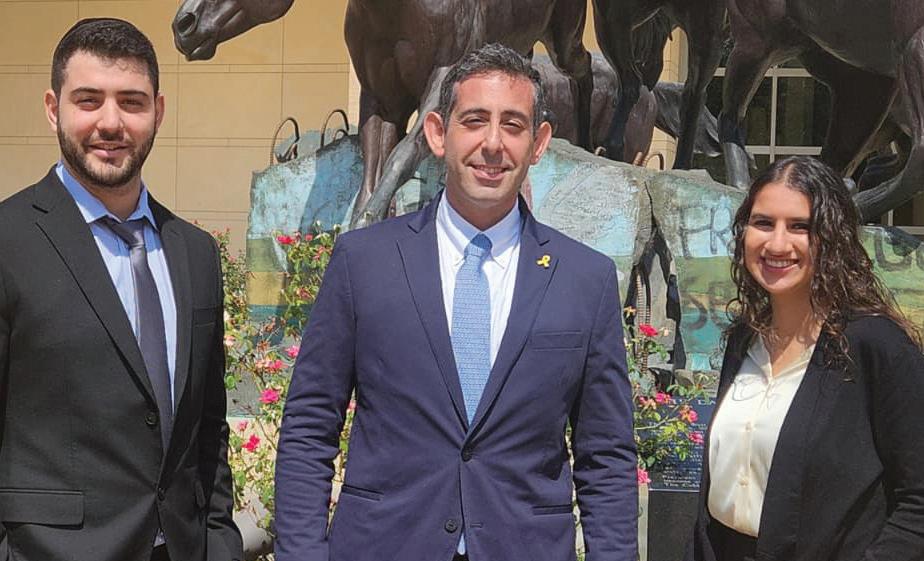
Students from the Clinic accompany Goldfeder (center) to Texas to train the FBI, Homeland Security, and other law enforcement agencies about how to recognize and deal with antisemitism in the field
“As society becomes increasingly polarized and plagued by intolerance, we can offer an antidote by training teachers to educate our children about the Holocaust and antisemitism,” says Dr. Lichtman, “It’s not just to learn about what happened during World War II and the atrocities perpetrated against the Jews in concentration camps. This program will also train teachers to teach children how to learn from the past to address current and future antisemitism.”
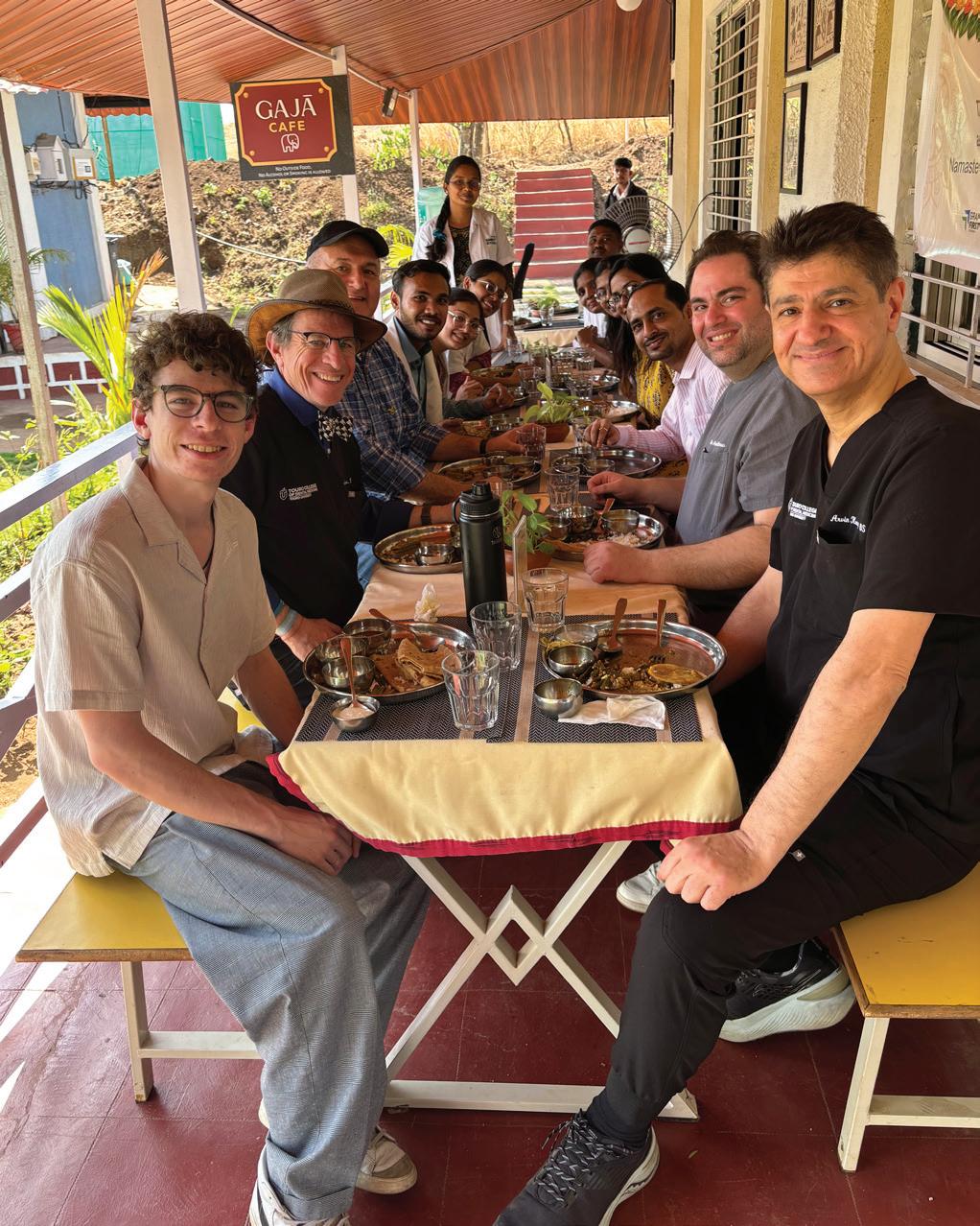
Touro College of Dental Medicine (TCDM) professors and students spent a week in teeming Mumbai and in isolated rural India. In that time, they examined the teeth of more than 200 Indians and attended a Hindu festival. While donning special hats gifted by the festival leaders, they poked inside many mouths, while hundreds of other celebrants chanted and danced.
TCDM performs numerous community and outreach missions to promote and treat adults and children who otherwise couldn’t afford to see a dentist. This maiden trip was to chart and start what everyone hopes will become an annual undertaking.
“It was a mind-growing and mind-blowing experience,” says TCDM professor, Dr. Robert Weber, who also is a periodontist in private practice. He was joined by Dr. Arvin Kadempour, another dental school professor and a practicing prosthodontist.
“I think it is important to make this trip every year. Dental students would grow immensely in every way—professionally, emotionally and intellectually— with the exposure to people so different from themselves on the surface. They would see that we’re all human beings with joys and hardships, and of course, needs.”
The venture came about when Weber had conversations while in Israel with Jacob Sztokman, a hightech entrepreneur who gave up his career to devote himself to helping the impoverished people of India. Years ago, Sztokman created Gabriel Project Mumbai to keep people in the rural communities they knew and loved, instead of being forced out of desperation to flee to the city and its already overflowing and overwhelming slums. Gabriel Project Mumbai has brought schools, employment training, healthcare and many other sustainable services to the region of Maharashtra, a tribal area where
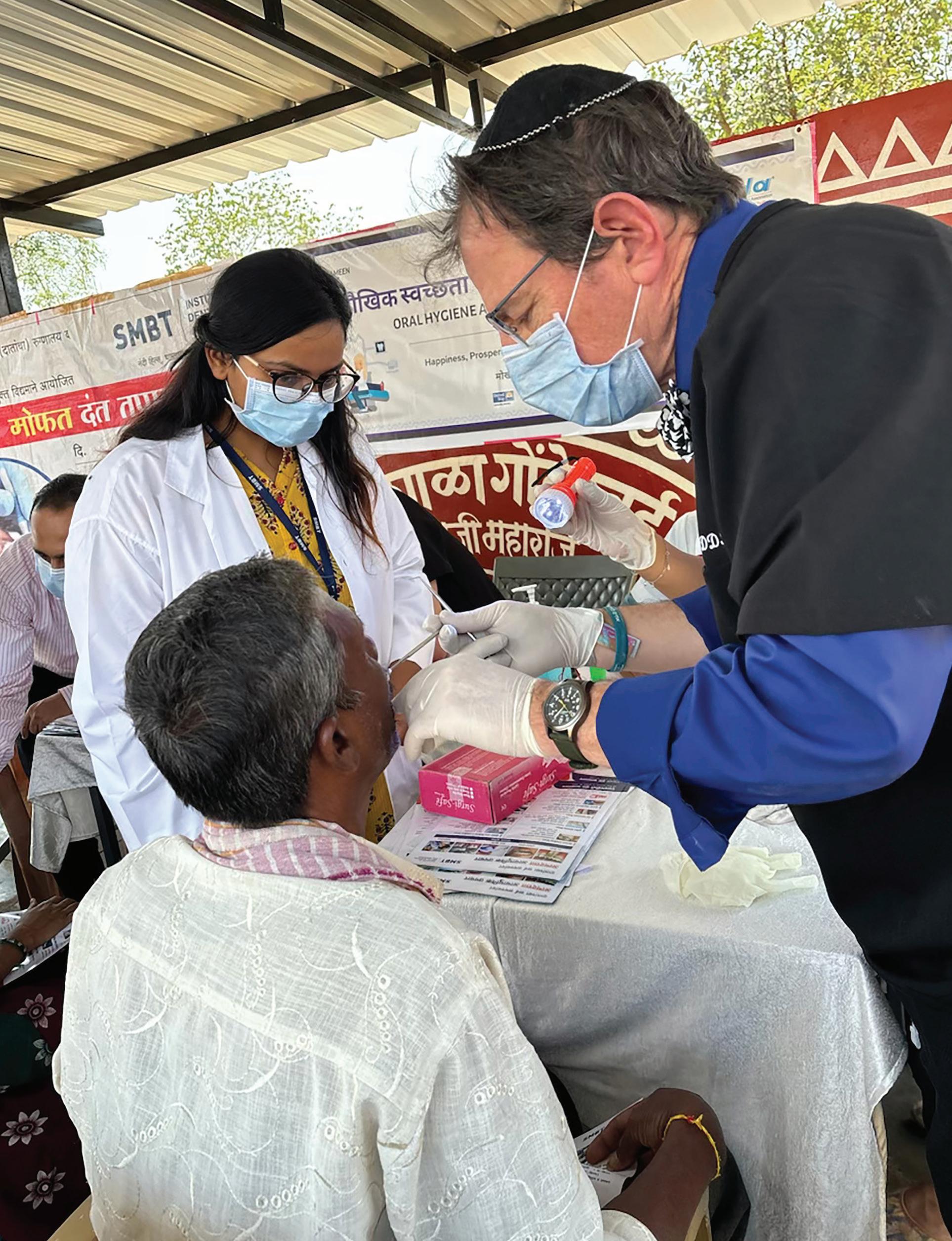
“ I was stunned that between all the celebrating, people were willing to sit on a chair and have their teeth examined. It was humbling, life-changing, and is so important educationally and culturally for dental students to experience.”
DR. ROBERT WEBER
180,000 people live in numerous small villages. Four hours from Mumbai, they are served by one hospital, one doctor and no dentists. There is one rudimentary dental school and clinic two hours away.
Third-year student, Dan Avshalomov, 44, has deep experience from having once owned his own dental lab. “Everything was eye-opening and amazing and humbling,” Avshalomov says. “The people were so willing to have their teeth looked at—something they’d never even imagined. They understood we were there to help them. There is so much for dental students to learn by doing and so much we can do for the people in India.”
Since his return, Avshalomov has been talking up the experience, urging fellow students to “go, go, go on the next trip.”
The Touro team spent one day at the dental school extracting teeth and meeting the professor and
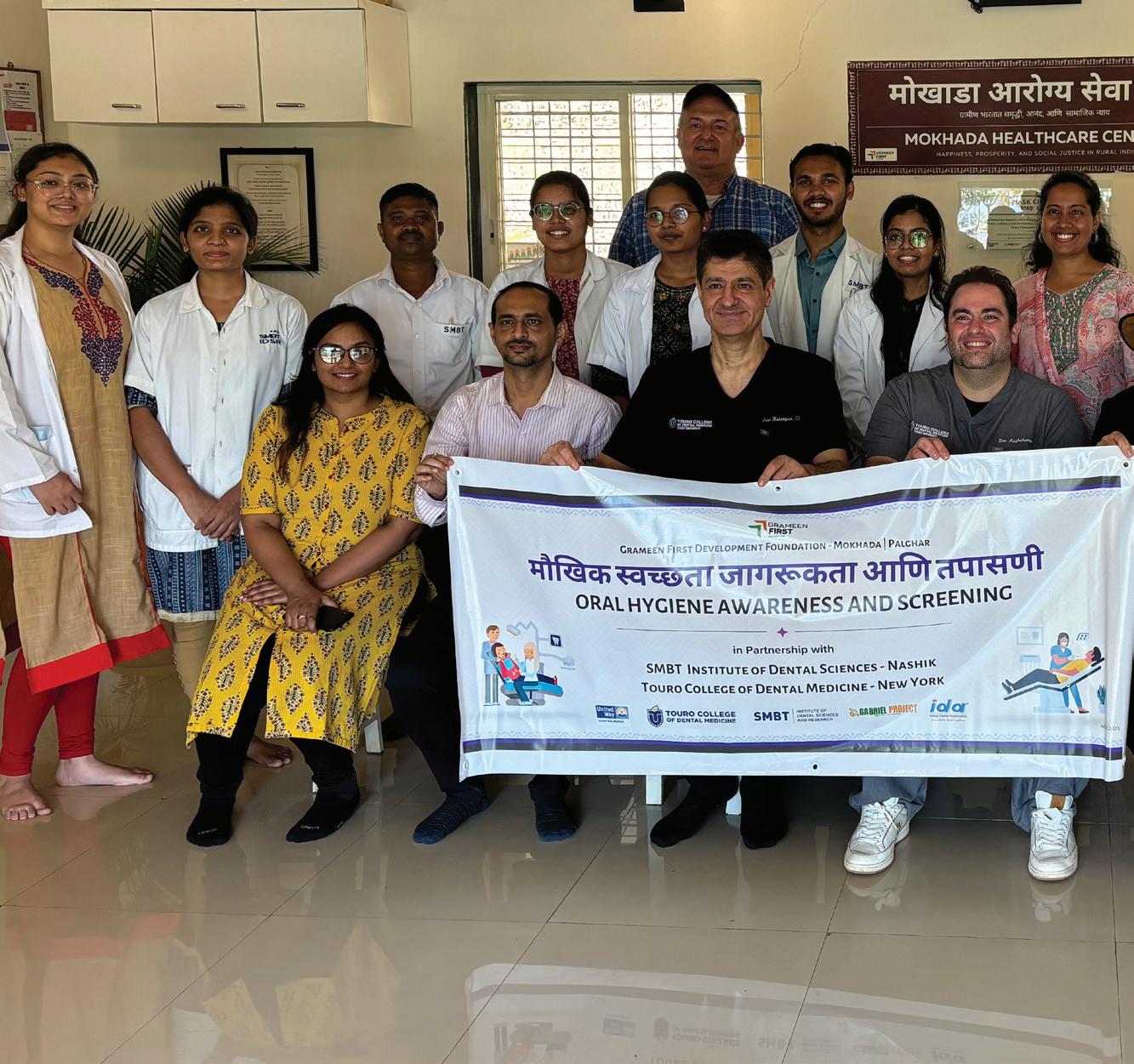
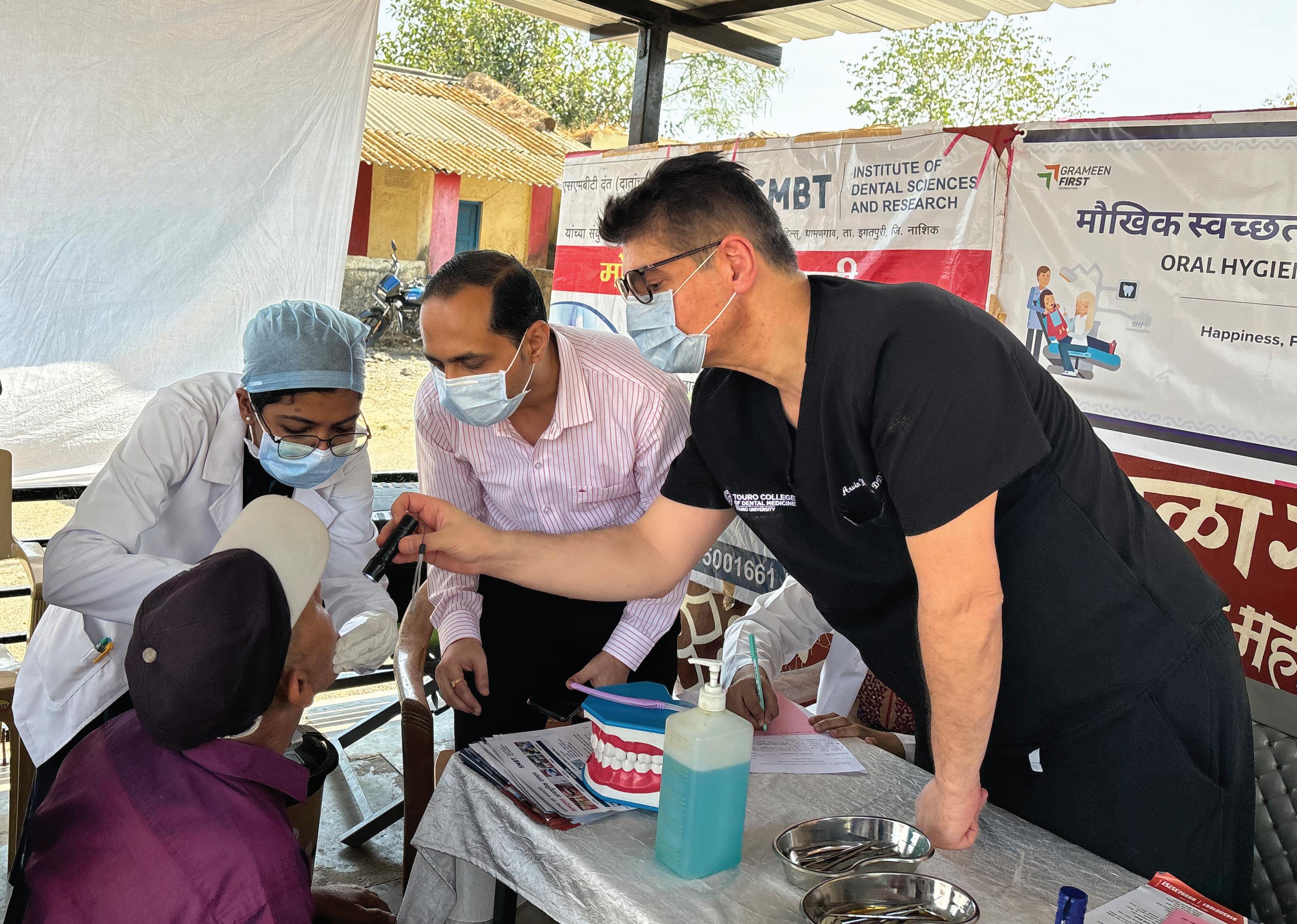
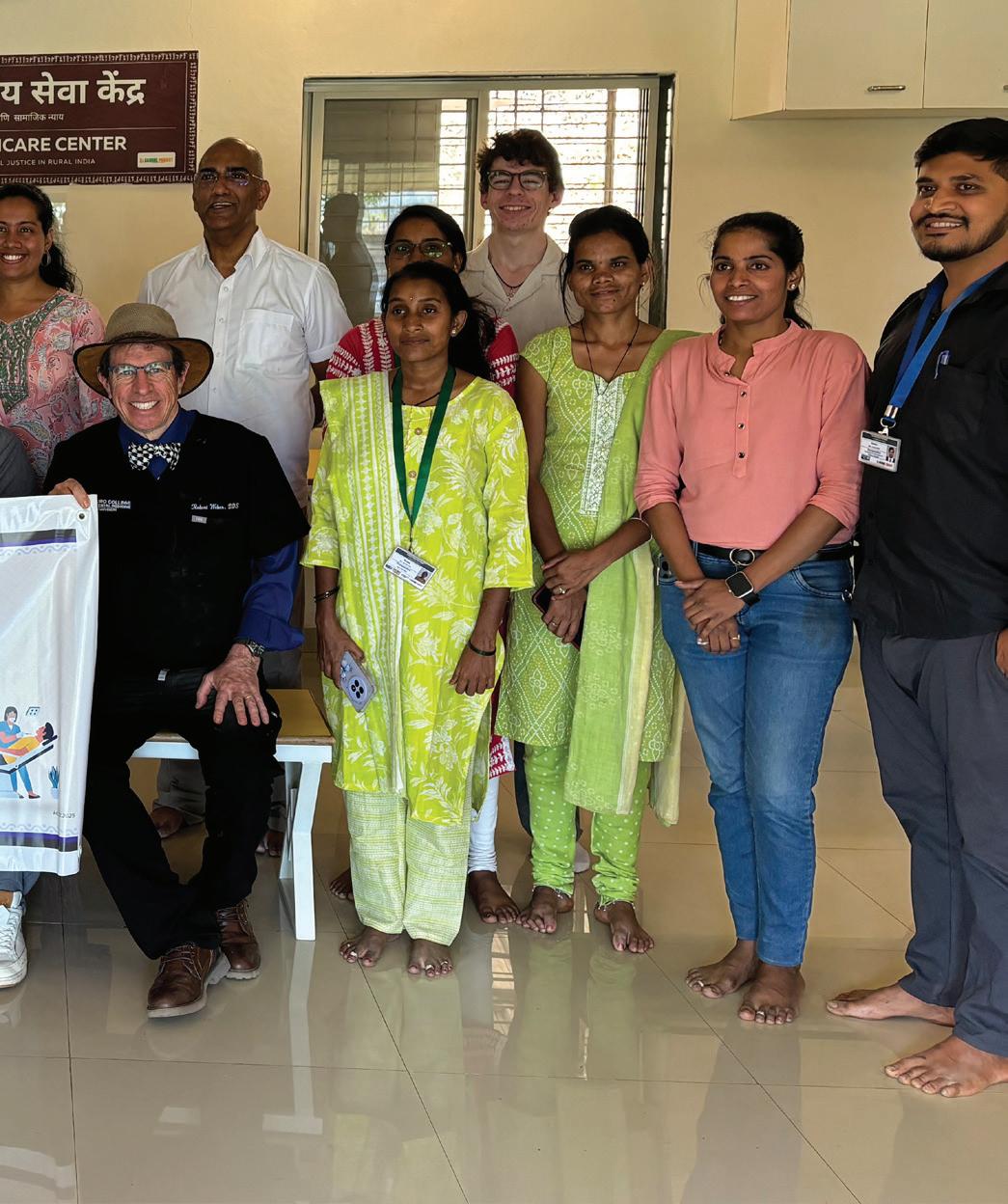
students. Indian dental students also joined the Americans in the village to watch and learn. “This trip was a fact-finding mission,” says Dr. Weber, who to the delight of villagers, favors bow ties patterned with teeth. “We determined what we needed to bring, and how we’d do more than examine and refer to the dental clinic. We want to be able to deliver a more comprehensive service on the ground. I was gratified that we found a few cases of what is likely oral cancer that we could refer quickly to the dental school for tests and possible treatment.”
All agreed that the most unforgettable experience was the Hindu festival. “I was stunned that between all the celebrating, people were willing to sit on a chair and have their teeth examined,” Dr. Weber says. “It was humbling, life-changing, and is so important educationally and culturally for dental students to experience.”
Thanks to Touro’s Pre-Dental Experience and Pre-PharmD Summer Boot Camp, Undergrads Can Now “Try On” a Career—Getting Hands-On Experience, Guidance from Students and Faculty, and an In-Depth Look at the Field Before Committing to Grad School
Imagine if you were able to take a career in healthcare for a test drive—getting hands-on experience in your chosen field before investing thousands of dollars and countless hours in your education. At Touro University, that’s exactly the opportunity we’re offering students, thanks to two innovative programs created for potential candidates of Touro College of Dental Medicine (TCDM) and Touro College of Pharmacy (TCOP).
Rebecca Block, DDS, is a clinical professor at Touro College of Dental Medicine and the creator of the Pre-Dental Experience Program. She launched this unique training practicum four years ago as a way to help undergraduate students who are considering dental school to get a better sense of the field. “I wanted students to be able to practice the procedures so they could get some clarity about the profession,” Dr. Block explains.
“ I got to participate in some really exciting hands-on activities—and I feel well-prepared for my future career because of this amazing experience.”
MEGAN ENNABI, current student at TCDM
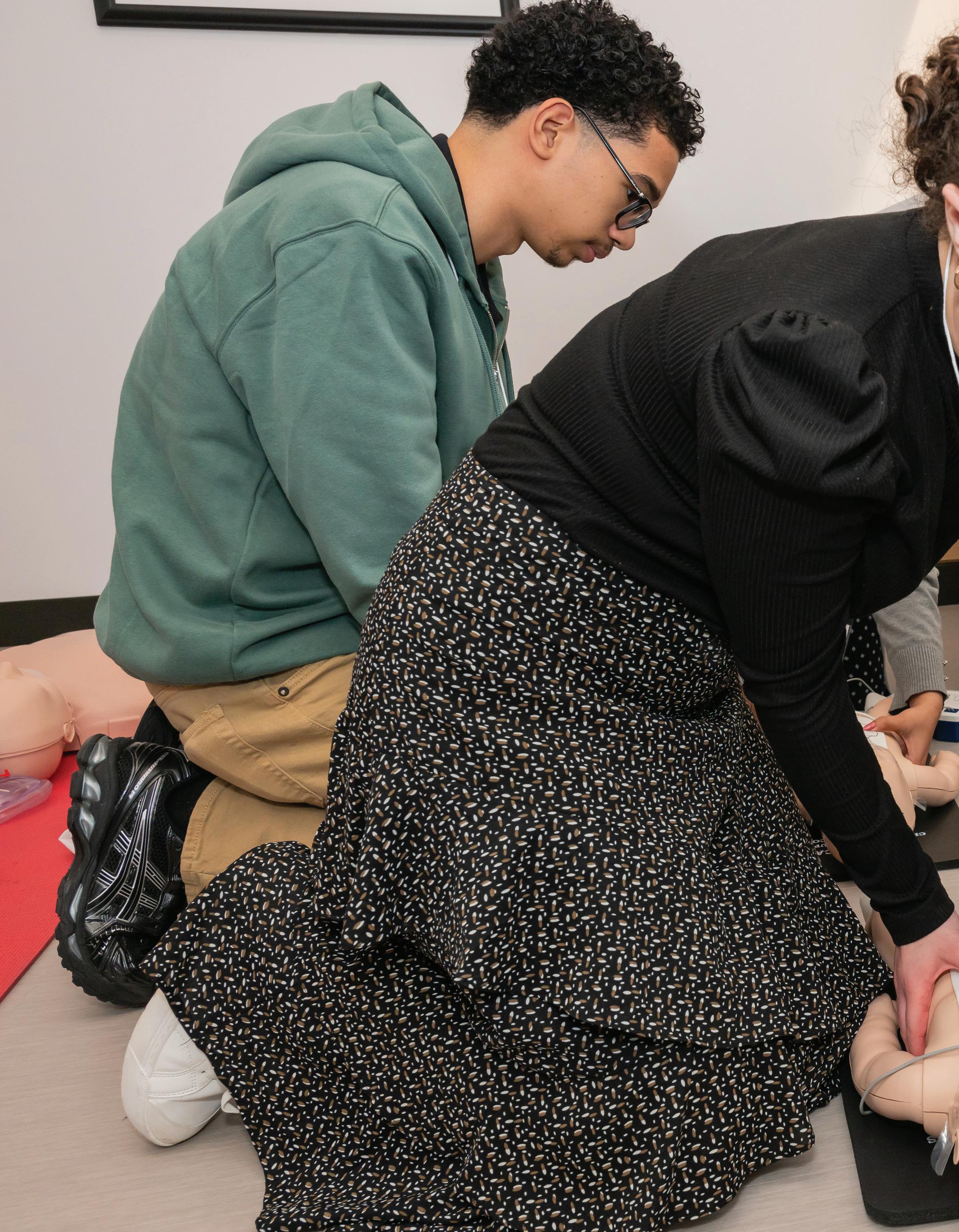
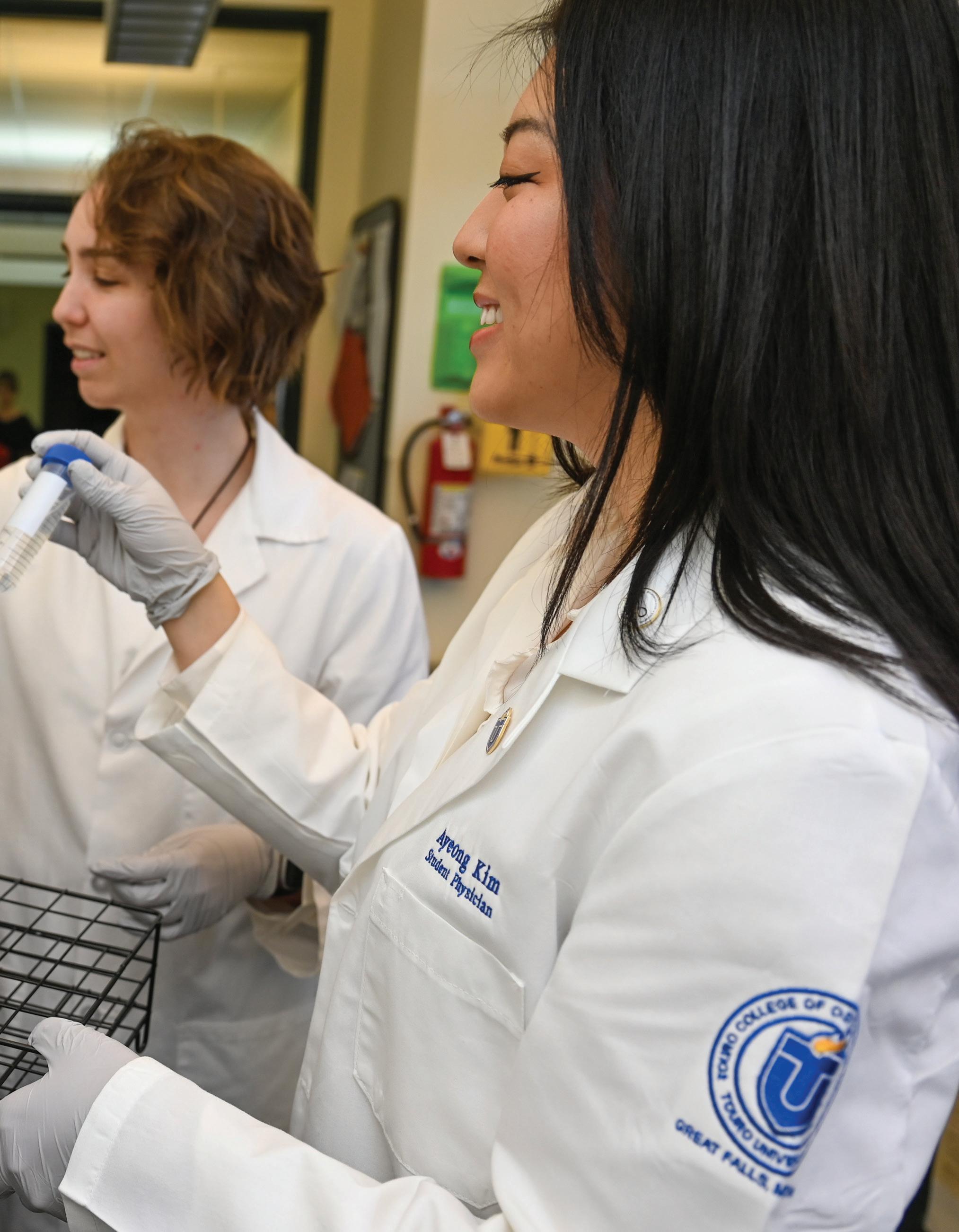
Over the course of four days, participants attend classes that highlight different dental specialties, interact with current Touro Dental students and perform hands-on simulations in the dental lab. Along with using advanced technologies like the digital scanner, students practice procedures like filling a tooth and taking impressions—giving them a firsthand experience of working in dentistry. “Even if you were to shadow a dentist, they’re not going to let you drill!” laughs Dr. Block.
There are also opportunities for students to learn more about the application process and ask questions, including a town hall with the director of admissions and a Q&A session with current students. As Dr. Block says, “It’s nice for current dental students to give back and realize how much they’ve learned, it’s a great way to showcase what Touro has to offer, and it helps undergrads solidify if they want to go into this field.”
Undergrads interested in studying pharmacy have a similar option with Touro’s RxPLORE Summer Academy for College Students, a pre-PharmD boot camp launched in 2023 by Dr. Bupendra Shah, associate professor at TCOP. The three-day program, funded by a $3 million grant from the Health Resources and Services Administration (HRSA), is open to college freshmen and sophomores and provides what Dr. Shah calls “a hands-on experience to completely understand what it’s like to attend pharmacy school.”
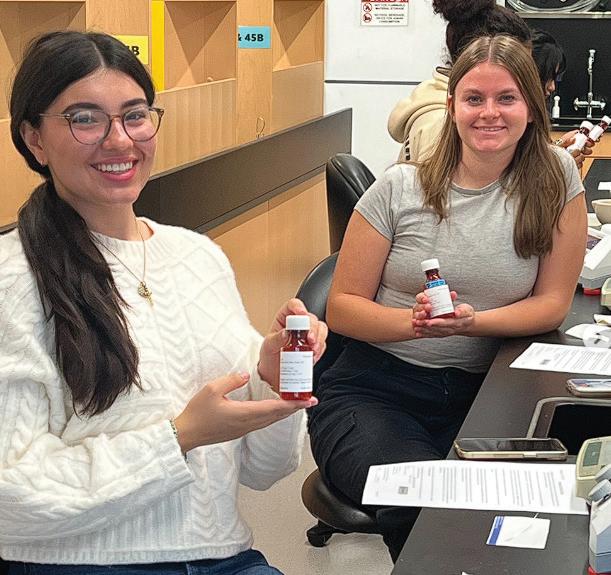
Undergraduate participants in Touro College of Pharmacy’s RxPLORE Summer Academy for College Students
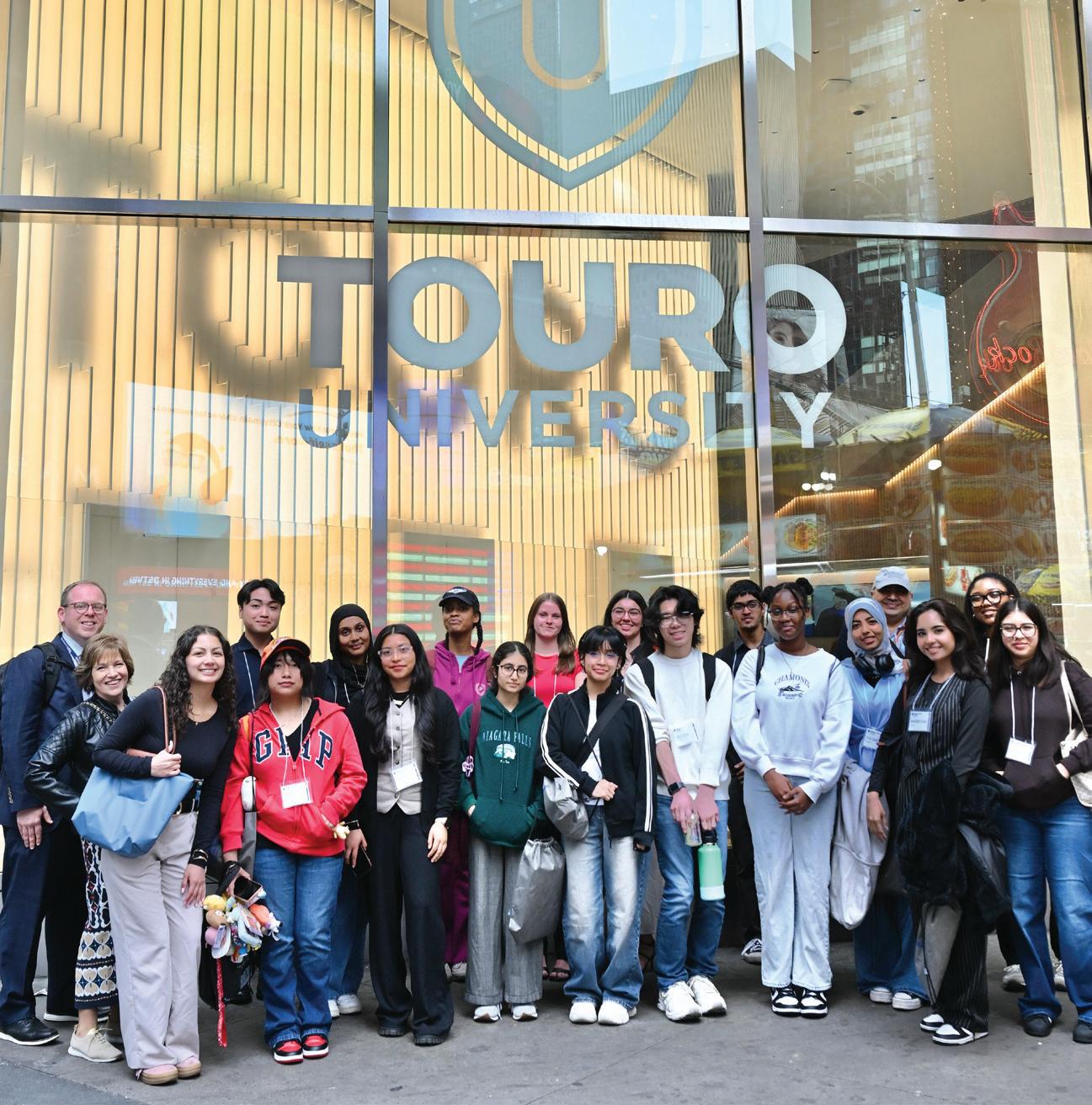
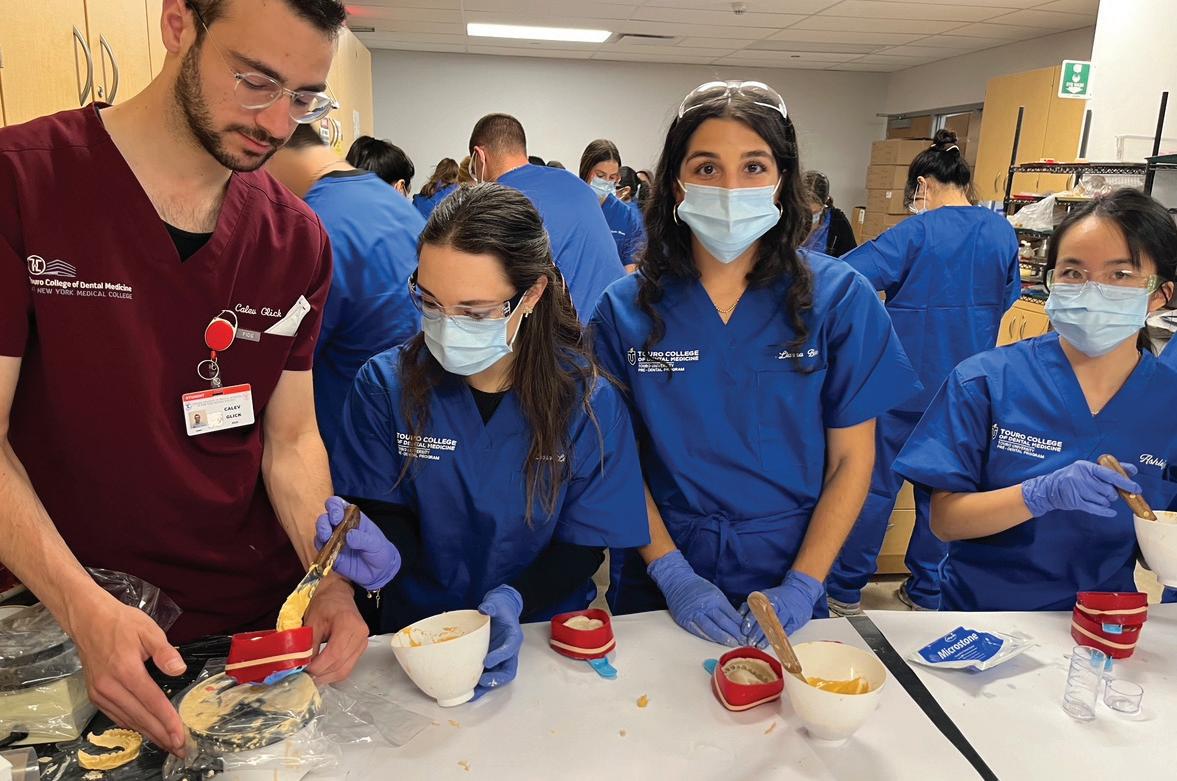
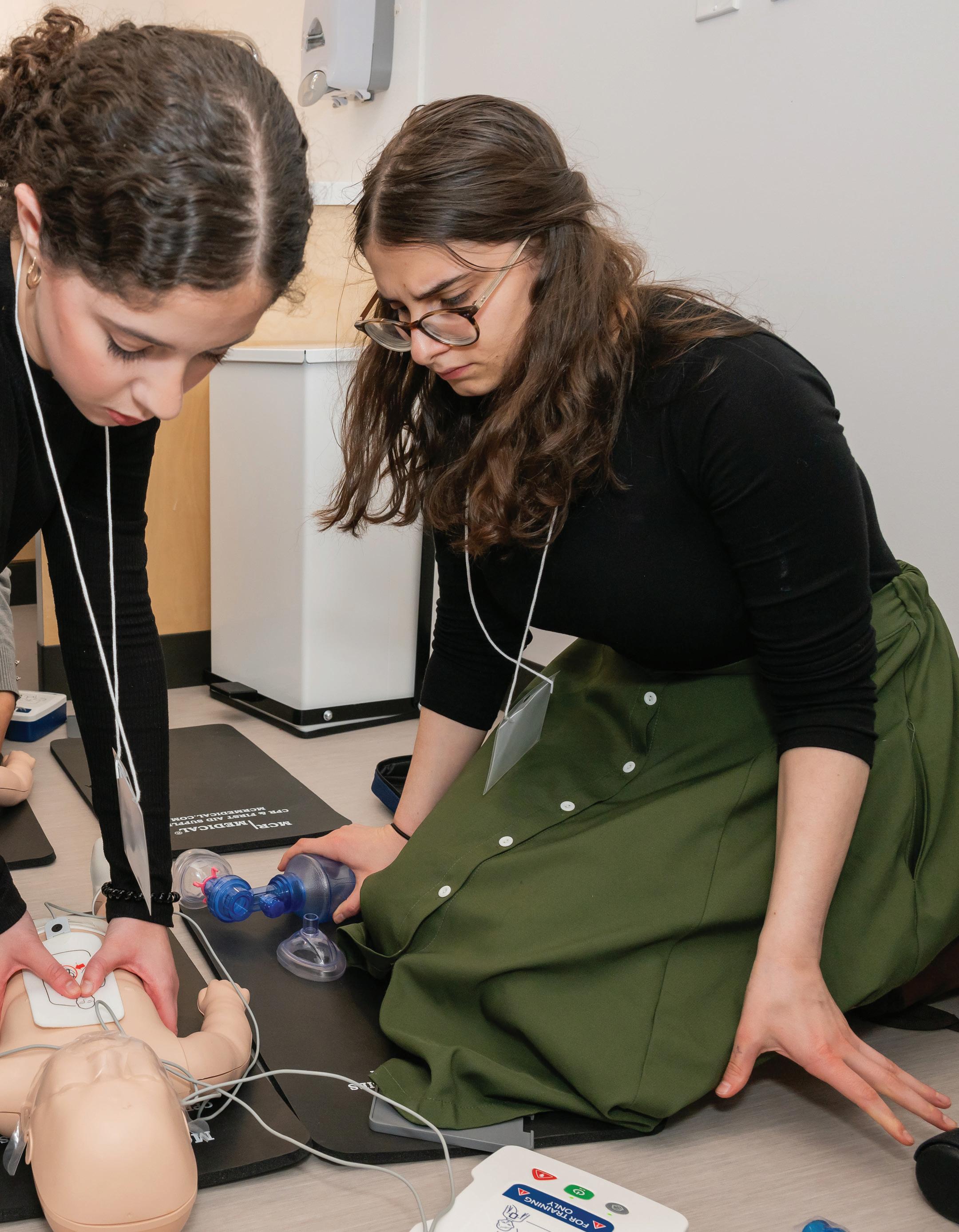
Limited to around 20 students per year, the program is hosted in the new, state-of-the-art campus facilities where Touro Pharmacy students are trained, and participants are joined by both faculty and current PharmD students. Together, they practice skills like drug compounding and patient care, including CPR and taking vital signs, and get an authentic sense of campus life and the welcoming, family environment at Touro College of Pharmacy.
The program also teaches participants about the kinds of careers they could pursue after earning a PharmD. “There are over 150 career paths for pharmacists, so there’s room for everyone,” Dr. Shah shares. “Pharmacists are known to work in roles where they interact with patients on a daily basis, providing medications, vaccines and counseling, but they can also work in roles with no patient contact— like compounding or in the pharmaceutical industry. We really emphasize that you will have a flexible career portfolio and a pathway to make a difference in the lives of everyone around us.”
While both programs are still relatively new, the feedback from students has been very positive. Megan Ennabi, who attended the Pre-Dental Program and is now a third-year student at TCDM, shares her experience: “The program was instrumental in helping me understand the practical aspects of a dental career, which made me even more excited to apply to Touro,” she says. “I got to participate in some really exciting hands-on activities—and I feel well prepared for my future career because of this amazing experience.”
Both Dr. Block and Dr. Shah hope to expand these programs in the future—possibly making similar opportunities available for high school students. In the meantime, they’re happy to be helping students feel more confident about their future careers. “Some participants of our Pre-Dental Program are current TCDM students, but others realized dentistry wasn’t the right field,” shares Dr. Block. “Either way, coming in and getting that clarity is invaluable. It gives a lot of good feelings to everyone involved.”

Brings Together Students and Faculty
From Six Different Healthcare Programs to Promote the Power of Teamwork
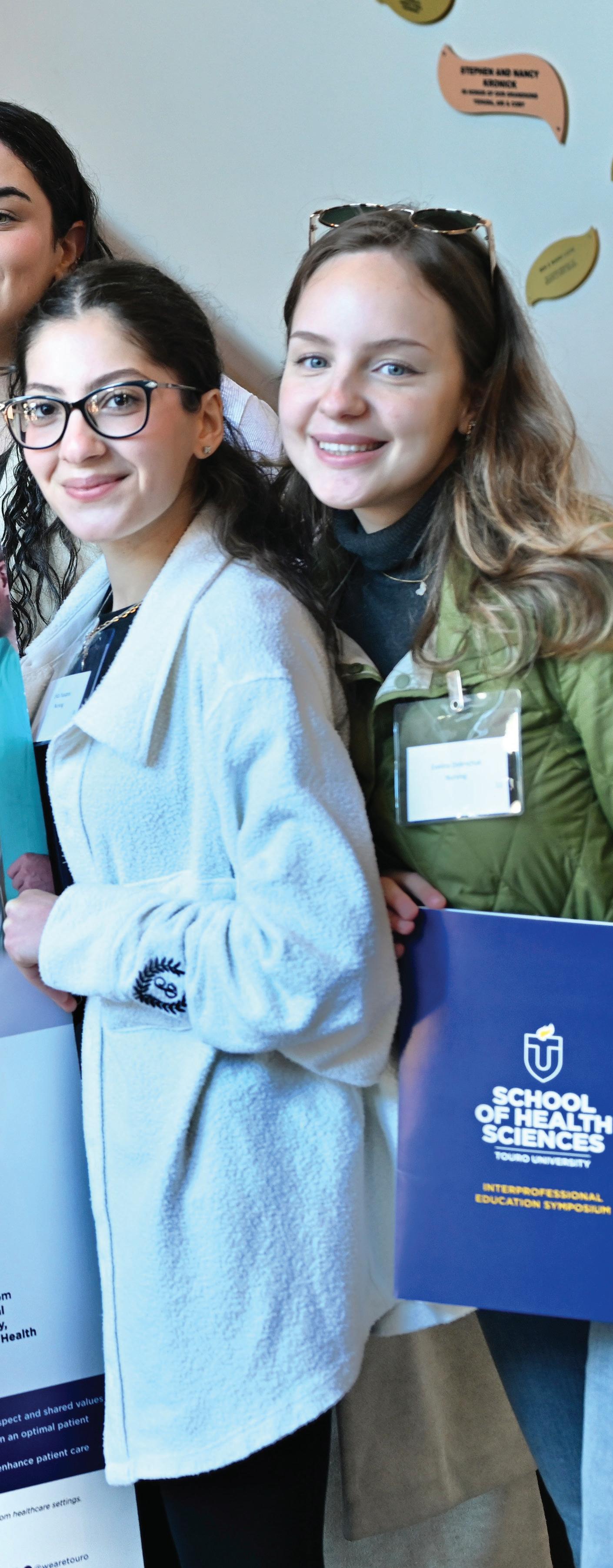
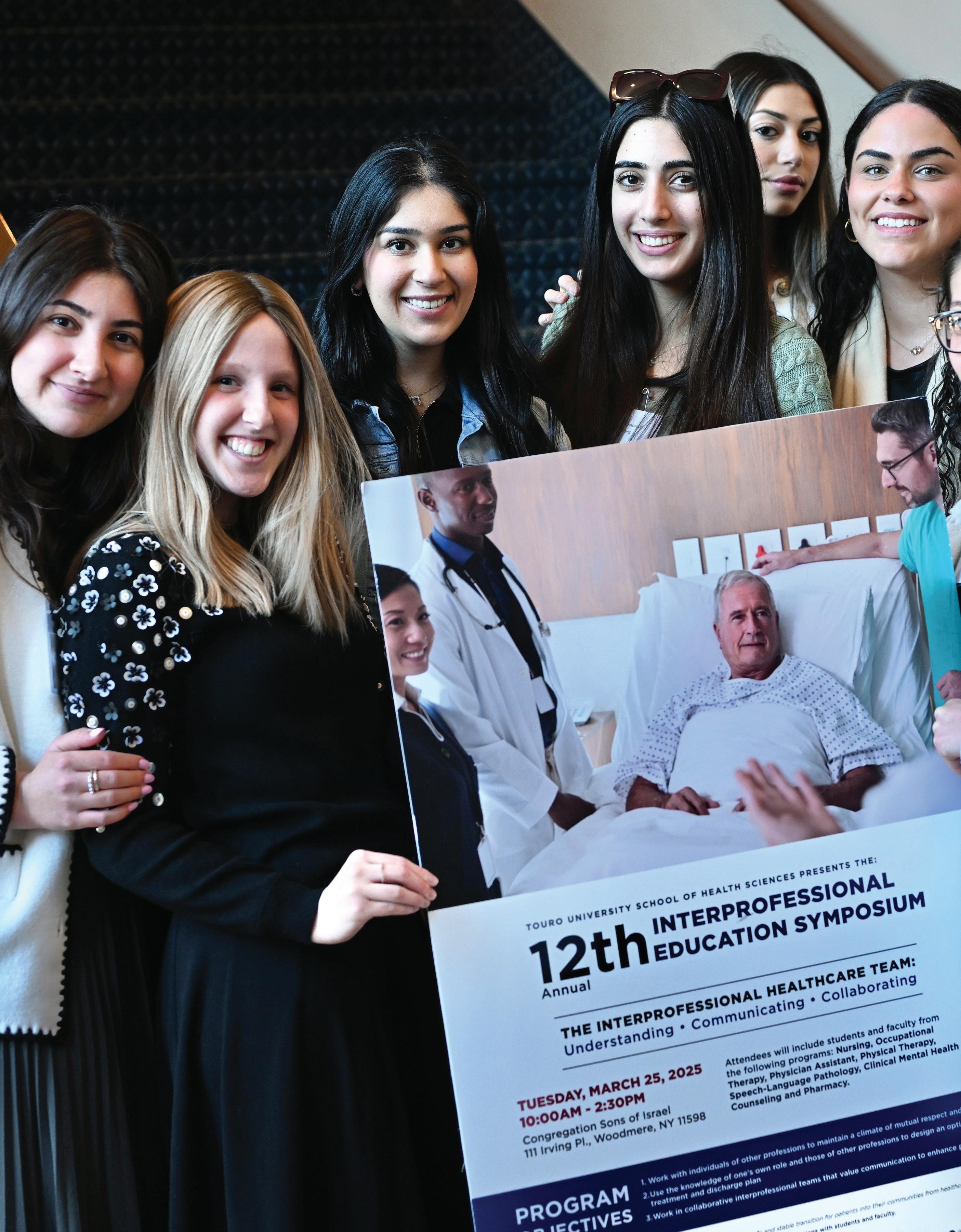
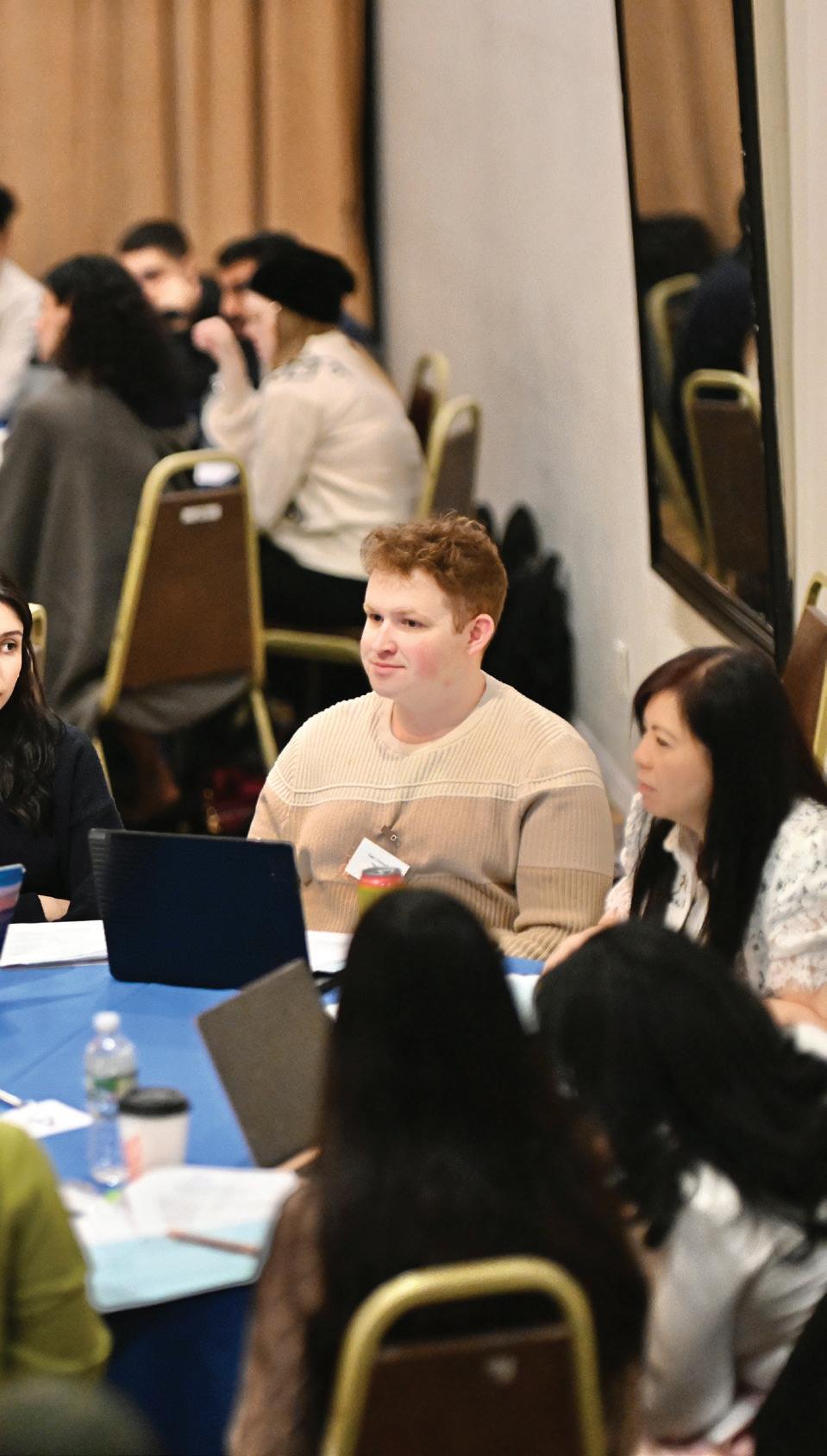
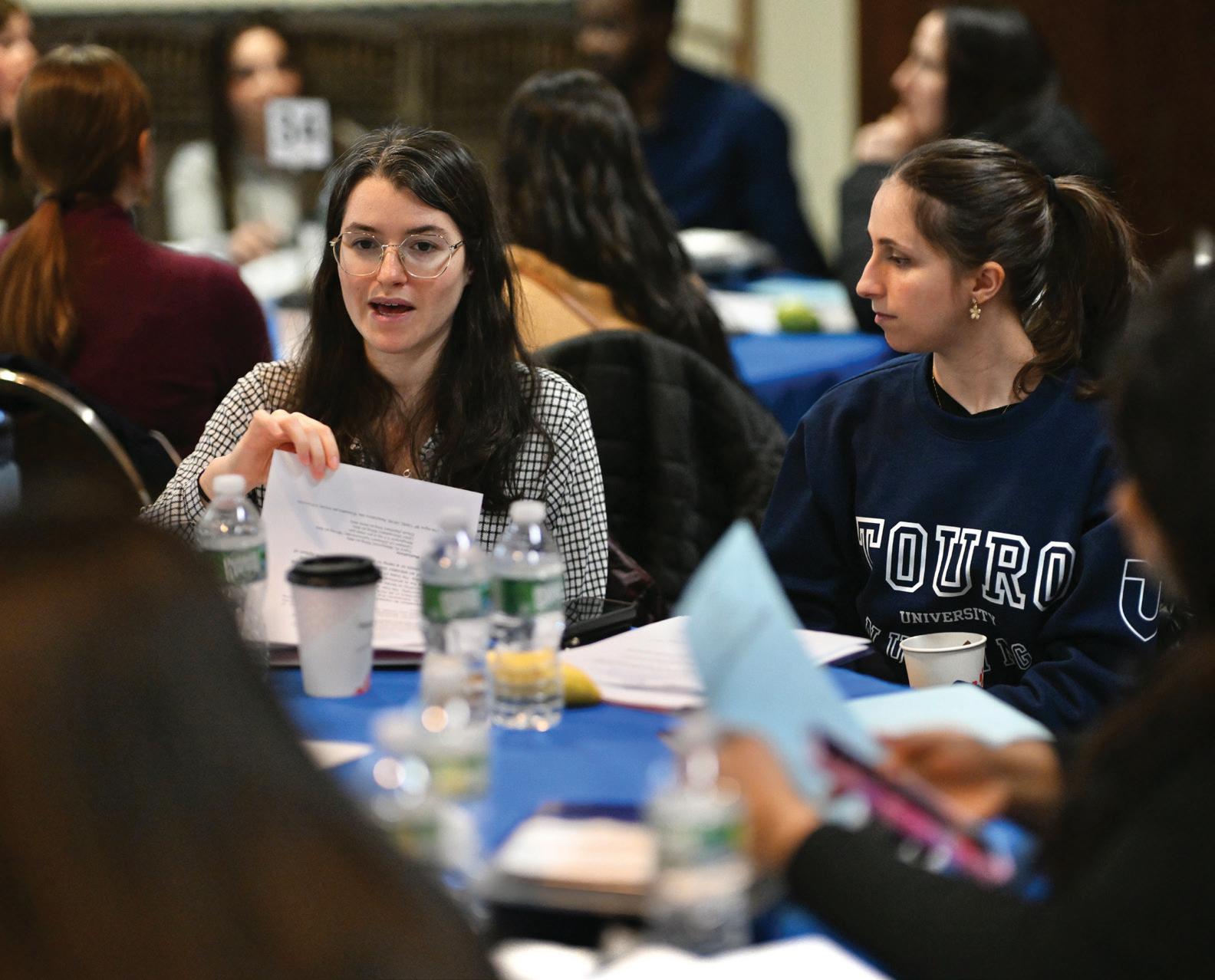
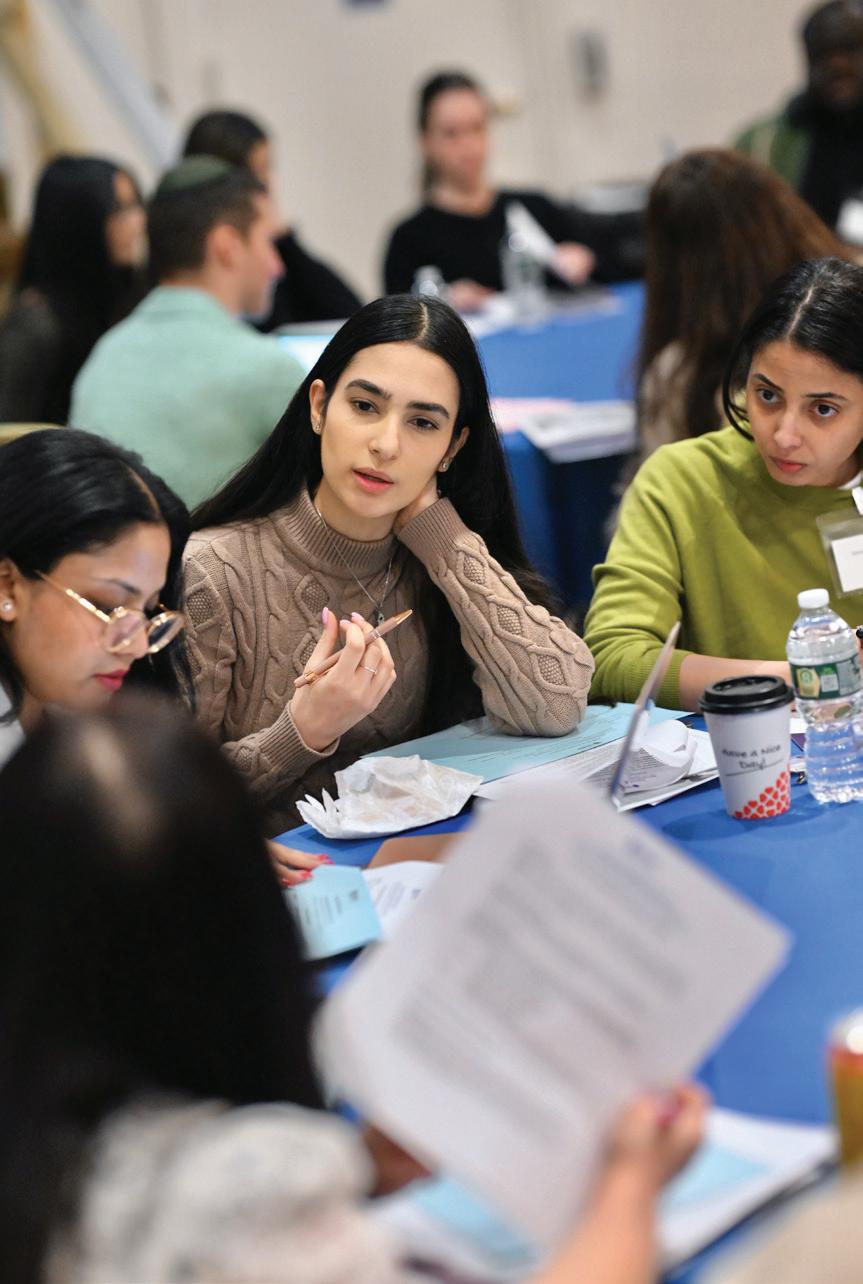
That’s a fundamental truth for healthcare professionals to understand and inhabit if they want to save the lives of their patients. To promote the power of collaboration, Touro University School of Health Sciences (SHS) showed students in six programs—nursing, occupational therapy, physician assistant, physical therapy, speech-language pathology and clinical mental health counseling, along with Touro College of Pharmacy—how to cooperate, collaborate and communicate for the good of patients. More than 400 students and SHS faculty participated in the 12th Annual Interprofessional Education Symposium.
“During this event, we have students entering seven different professions who first plan treatment and then plan discharge together as a group,” says Dr. Jill Horbacewicz, program director for Touro’s Physical Therapy Program. “In class, they learn about the case of a stroke patient, and then they come to the event and realize there are lots of other professions involved and things they hadn’t thought about that need to be considered in order to treat the patient. The event helps prepare students for their future careers and gives them exposure to everyone else’s role and responsibility on the healthcare team.”
It was a testament to the adage, Show, Don’t Tell. “It was cool to interact with people from all the other professions,” says occupational therapy student Avital Wolff, who adds that she enjoyed “getting their points of view and seeing how the various professions are intertwined.”
The symposium began with a stroke survivor who shared her initial symptoms, rehabilitation, treatment and experience with her healthcare team. Students were then given a case of a stroke patient with a history of heart disease. The patient’s medical, surgical and social history and vital signs were shared, and the teams were charged with working together to develop a treatment plan. Students were grouped together in 39 care teams, made up of a faculty facilitator and 10 students per table, each representing a different profession.
“It made me realize how connected all of our chosen professions are. I learned how important it is to the well-being of the patients for everyone to collaborate.”
DANIEL SHLEYGER, Doctor of Physical Therapy student
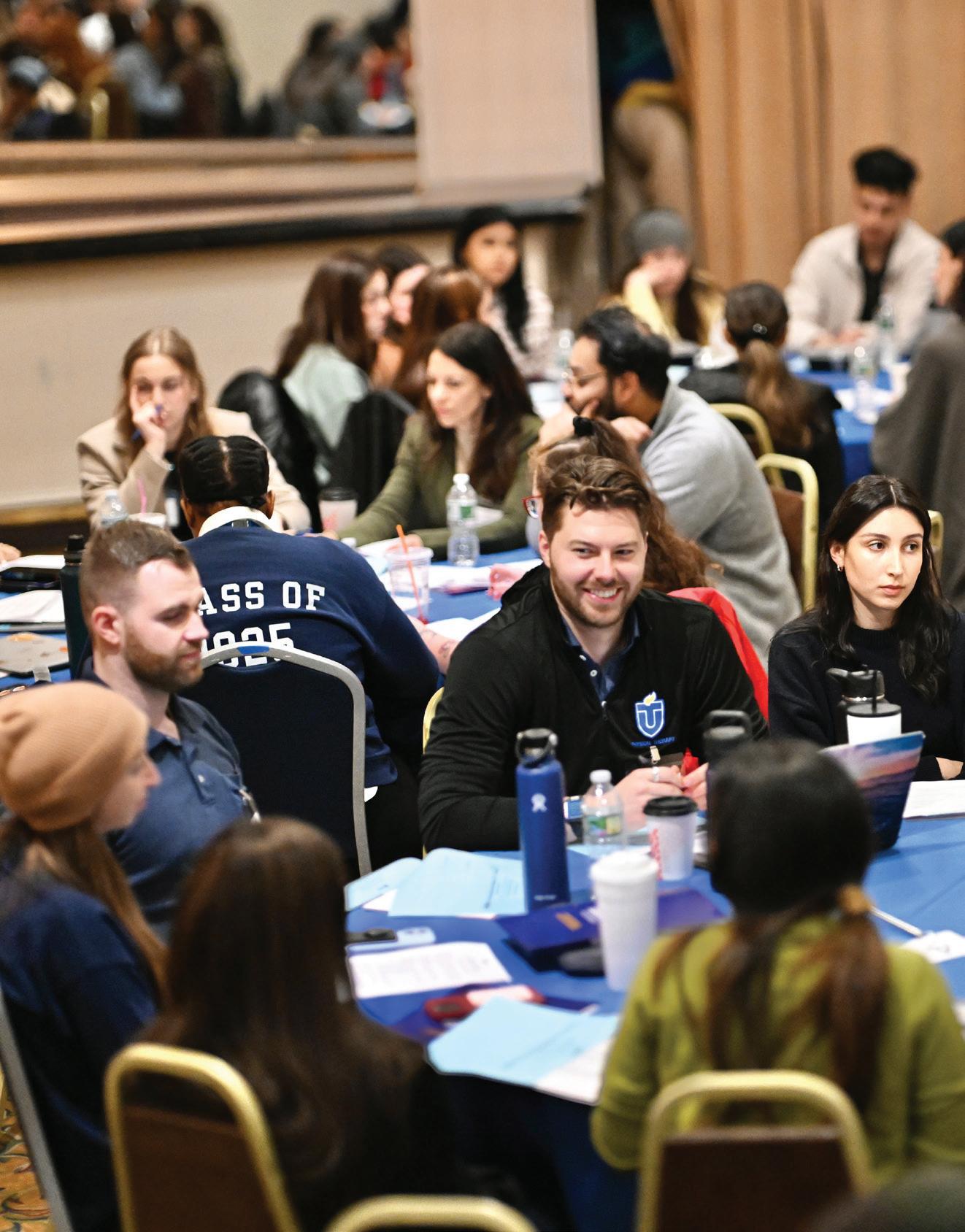
Mental health counseling student Leeby Kompel could see the significance—and fun—of “having students figuring out this case together. These are people I’ll be working with on patient collaboration, and we were all learning how to work together for the first time. I know this will help us in the healthcare workforce.”
“That’s the point,” says Michelle Buccina, director of the School of Health Sciences Occupational Therapy Program, and member of the SHS Interprofessional Education Committee. “Collaboration for our health science students is a crucial skill for delivering comprehensive patient care. This experience will boost students’ confidence in their ability to make informed decisions, making them better practitioners of the future.
Before day’s end, the students were told that the patient was being released from the hospital. They had to work as a team to create a discharge plan and explain their reasoning to fellow students and faculty members present.
“It made me realize how connected all of our chosen professions are,” says Doctor of Physical Therapy student, Daniel Shleyger. “I learned how important it is to the well-being of the patients for everyone to collaborate.”
Two Dedicated Social Workers
Create a Way to Bring Mental Health Services to an Underserved Population
In 2023, Avrumie Heimowitz was truly alarmed at the near nonexistence of Yiddish-speaking social workers in New York City, and throughout the state.
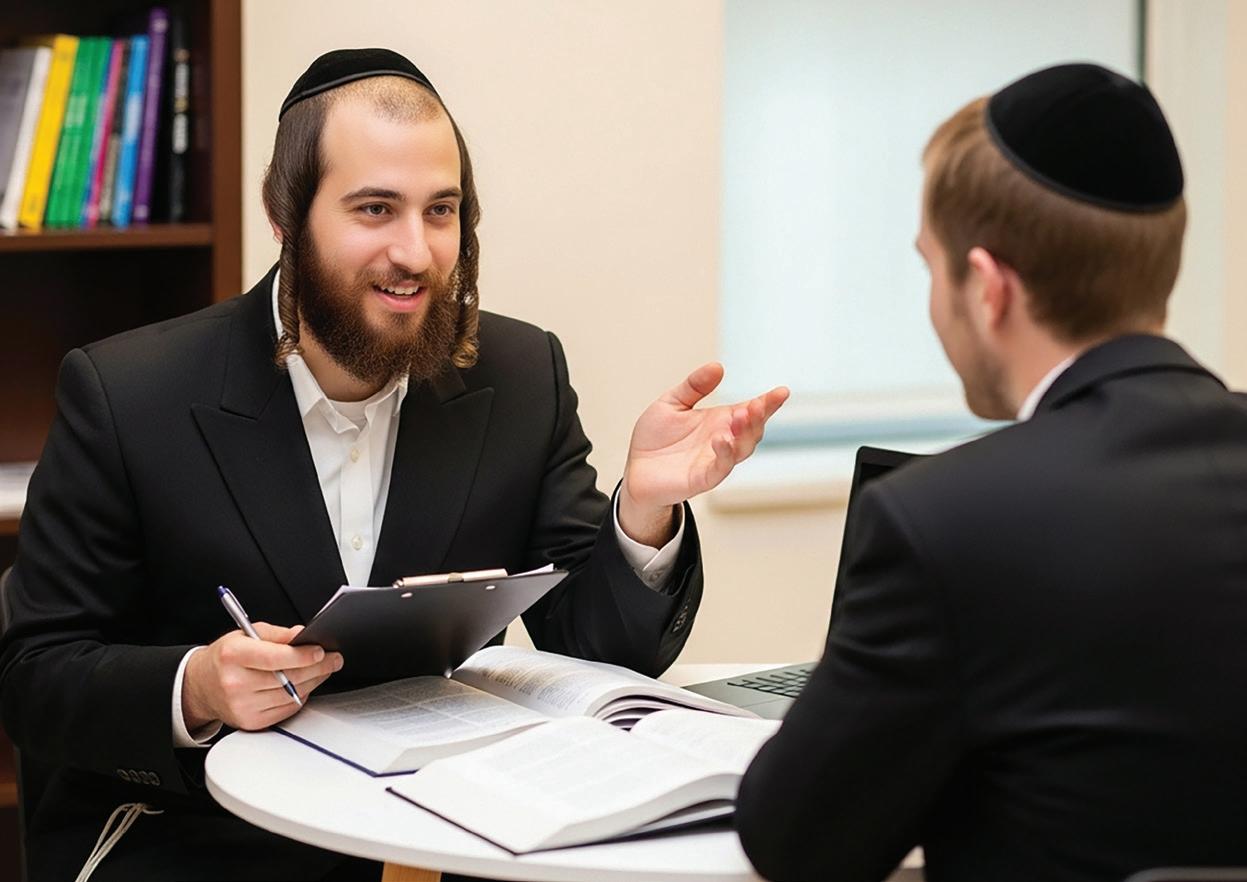
“We not only have an extreme shortage of social workers, but in New York City, we have an even more extreme shortage of social workers who understand the languages and cultural sensitivities of certain groups of marginalized people, those who are more isolated and insular, and therefore, underserved,” explains Heimowitz, director of the Children and Family Treatment and Support Program for CARES (Community Assistance Resources and Extended Services, Inc.) “We were desperate for Yiddishspeaking social workers who could work within the Hasidic and Orthodox communities.”
In stepped the dean of Touro University Graduate School of Social Work (GSSW), Dr. Nancy Gallina, and a partnership was born. CARES had some very talented Yiddish-speaking paraprofessionals on its staff. GSSW would educate and train them to become full-fledged social workers. “I am so committed to this partnership because it fits seamlessly with the school’s mission and social work values—to give access and opportunity to those who otherwise might not have it or might not know it’s even available to them,” explains Dr. Gallina.
So far, more than a dozen men have graduated and another 100 or so men and women from the religious communities are in the educational pipeline. The classes are offered as a hybrid model, online or in culturally comfortable locations. “The whole point of social work is to go where you’re needed, with the social workers who understand the culture they are there to help," says Dr. Gallina.
CARES provides comprehensive behavioral and mental health services to individuals and families. To reach those who need their services most, the social workers visit clients’ homes and other sites in their communities that feel welcoming and safe. In their partnership, according to Dr. Gallina,
Touro’s Graduate School of Social Work has hired a multitude of adjunct professors from the religious community to teach the CARES cohort of students.
A 33-year-old man who recently completed his studies at GSSW says he is honored to bring his educational knowledge and innate understanding of the religious community to which he belongs to those who need mental health services. “I am so grateful to Touro,” he says, "for creating a program that values not just education but also the people learning it."
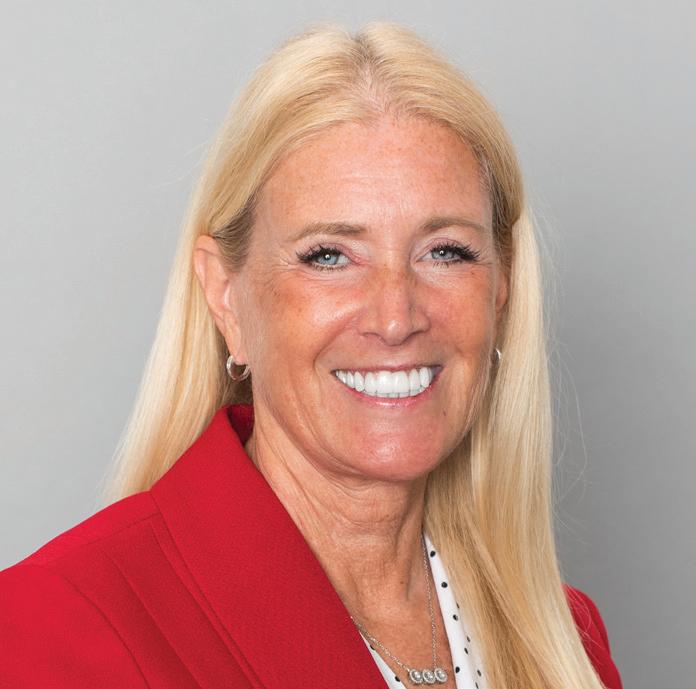
Nancy Gallina, dean of GSSW
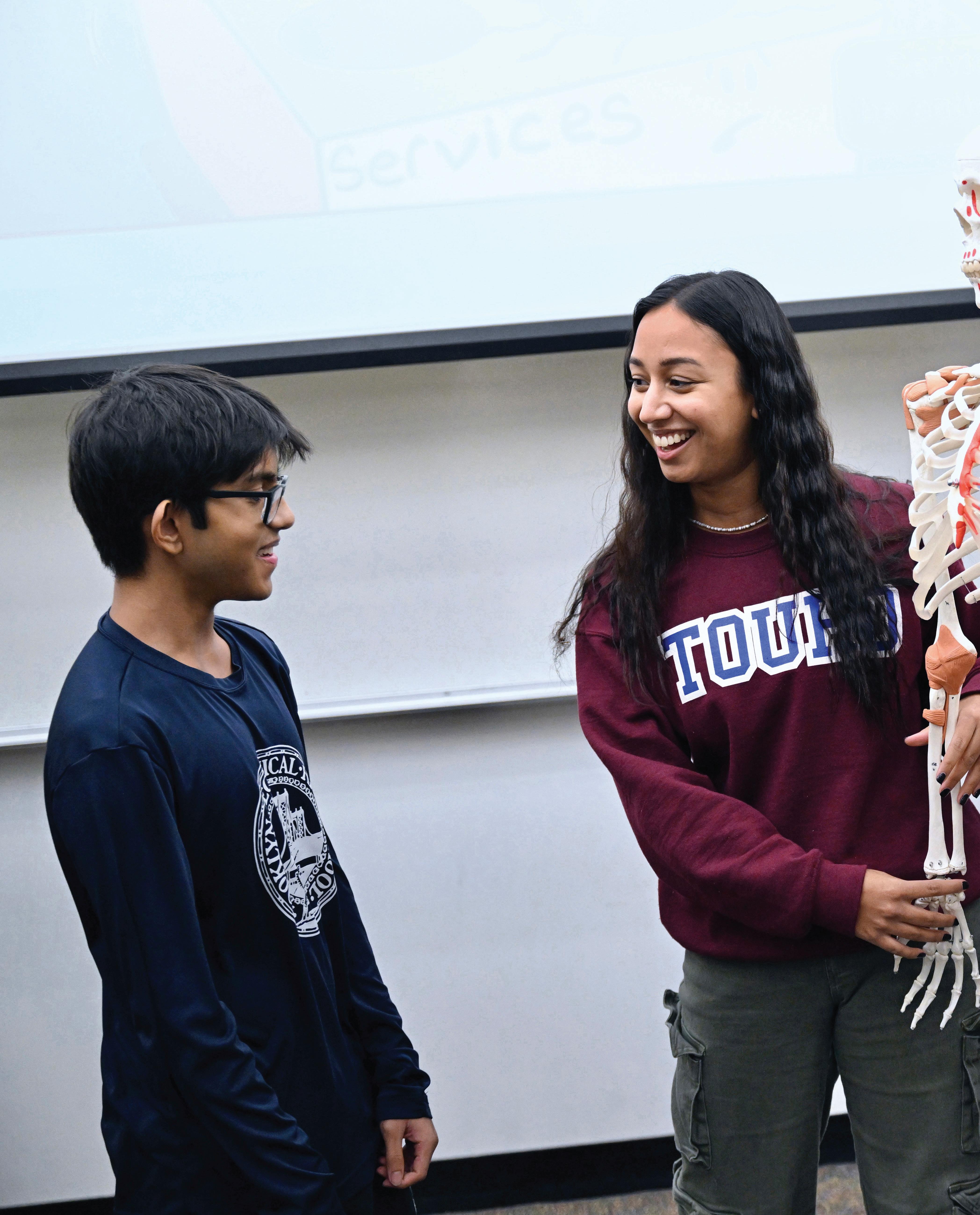
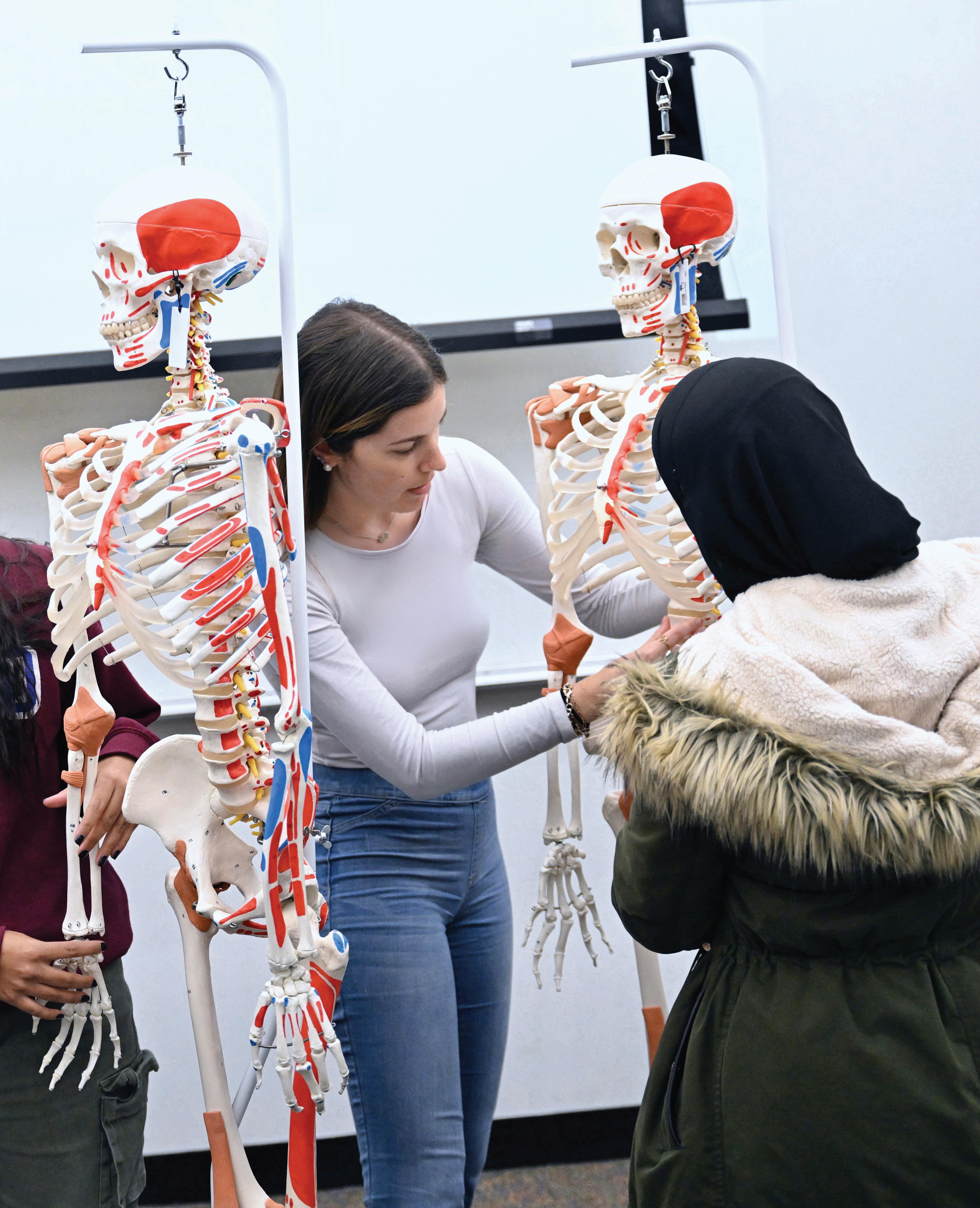
but can’t imagine how to wrestle their goal into reality, Touro College of Osteopathic Medicine (TouroCOM) offers MedAchieve, a safety net of education, encouragement and support. The unique two-year after-school program, offered at all three TouroCOM campuses, provides high school students with mentors to guide and cheer them on, and to share ongoing advice.
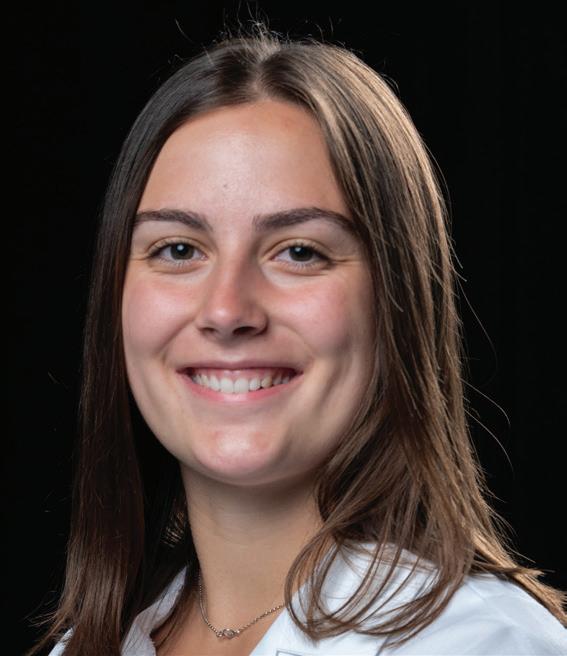
Hannah Reinle, now a second-year Touro medical school student from Cornwall, New York, learned about MedAchieve through her high school’s morning announcements.
“I was taking my first human biology course and was intrigued by how intricate we are, which led me to apply to MedAchieve,” she says, adding that once accepted into the program, her eyes were opened to all the possibilities in medicine. “I loved the lectures and the hands-on sessions, and it sparked the idea that I could maybe be a physician one day,” she recalls thinking. “Hearing about medical school
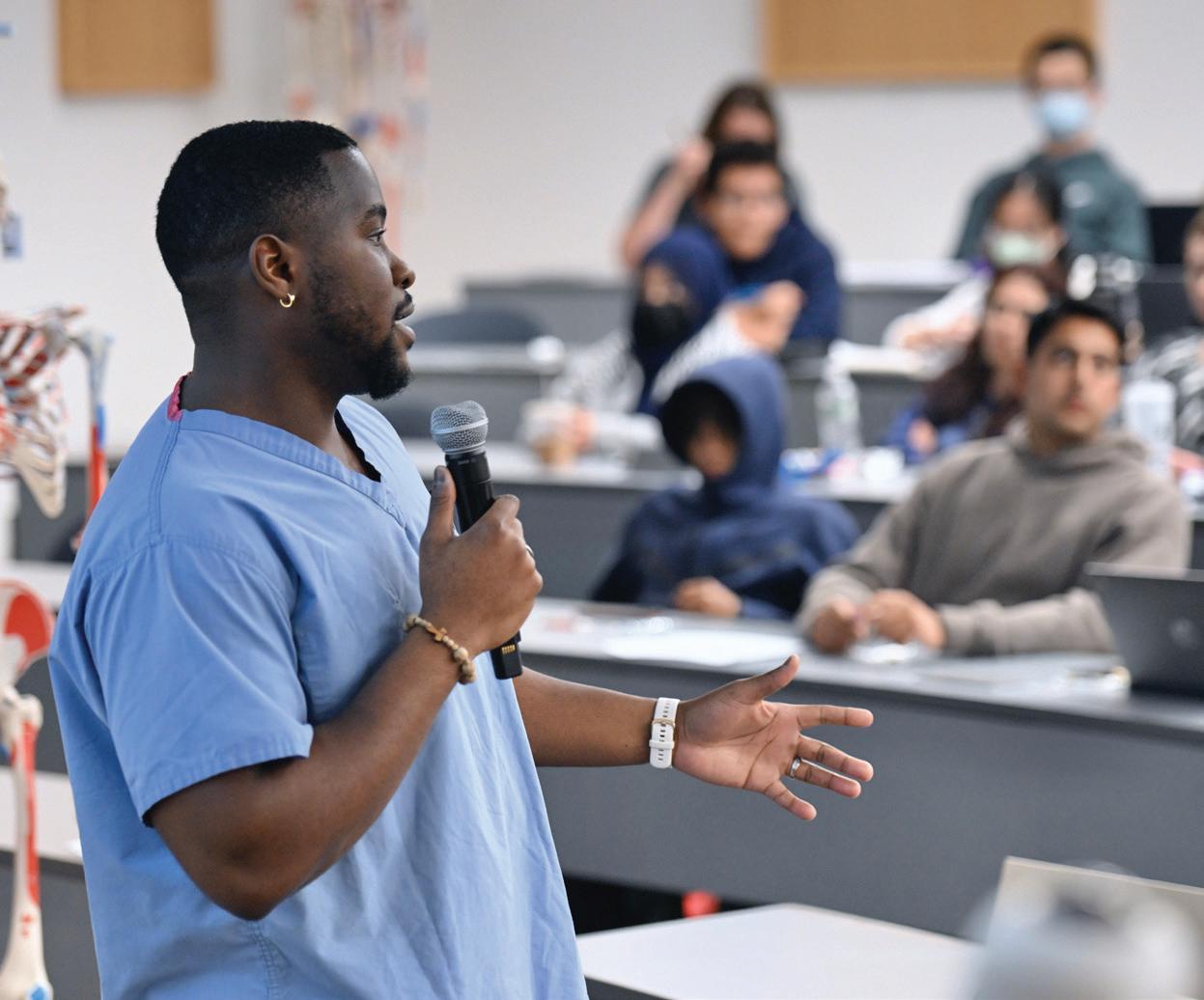
from my mentor helped answer a lot of questions that I might not have had the opportunity to ask elsewhere.”
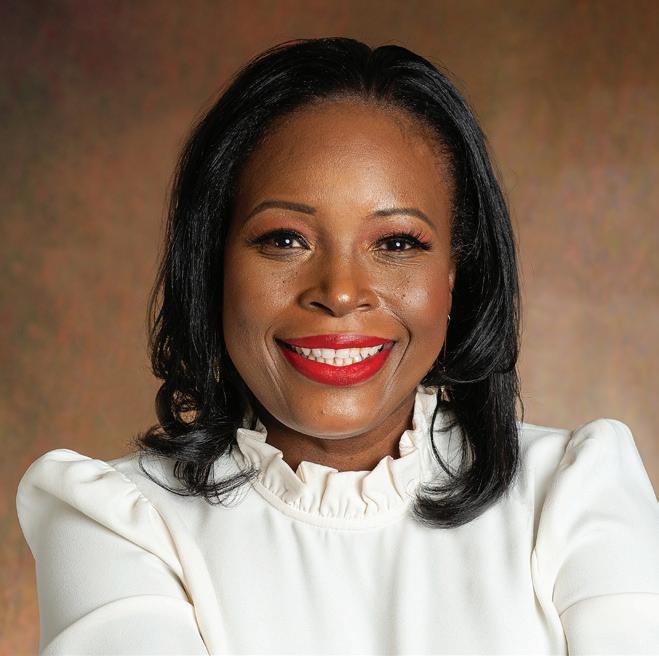
When Kailee Loiodice was in high school, she told her guidance counselor that she wanted to be a doctor but had no idea how to go about it. The counselor told her about MedAchieve, which gives students from underserved communities a road map to medical school.
MedAchieve’s curriculum mirrors medical school, providing students with a practical understanding of basic medical sciences. Some of the presentations, explains Loiodice, included going to an anatomy lab and holding organs from human bodies as well as using Narcan to treat people who are overdosing on drugs. Loiodice was mentored by a TouroCOM student, with whom she still keeps in touch. “I reached out to him when I was applying to medical school and taking my MCAT,” she says.
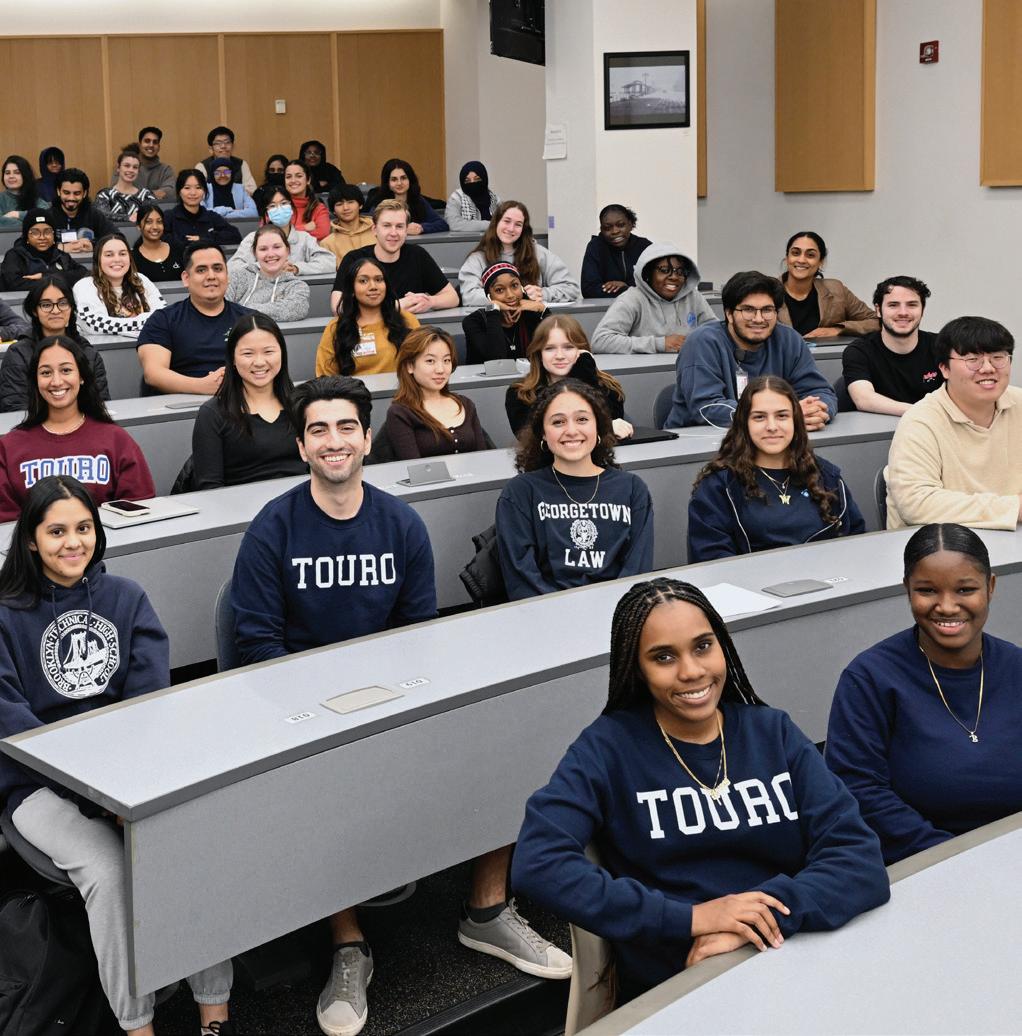
“I loved the lectures and the hands-on sessions, and it sparked the idea that I could maybe be a physician one day.”
HANNAH REINLE
“I am really grateful I’m here. The people are amazing, and I love being able to give back to the community where I grew up.”
KAILEE LOIODICE
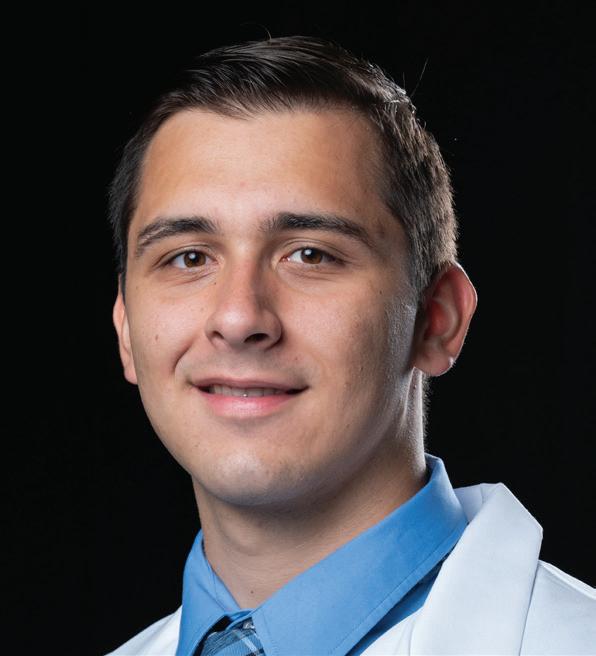
“MedAchieve allowed me to connect with a mentor who has been one of the most important people on my path to becoming a physician.”
RAFFAELE LOSTUMBO
Now a MedAchieve program coordinator, Loiodice also attends TouroCOM. “I am really grateful I’m here,” she says. “The people are amazing, and I love being able to give back to the community where I grew up.”
Raffaele Lostumbo, TouroCOM Class of 2027, is Loiodice’s friend and fellow MedAchieve participant. “I realized from a very young age it is the only thing I can remember wanting to do,” he says of medicine. “MedAchieve allowed me to connect with a mentor who has been one of the most important people on my path to becoming a physician. She has helped me with so many aspects in undergrad as well as medical school.”
Nadege Dady, Ed.D., dean of Student Affairs and clinical associate professor at TouroCOM, shares that MedAchieve offers a way for “students to see themselves on this path in ways they could not before participating in the program. Mentorship and experiential learning, the cornerstone of MedAchieve, is crucial to encouraging students to continue in STEM careers.”
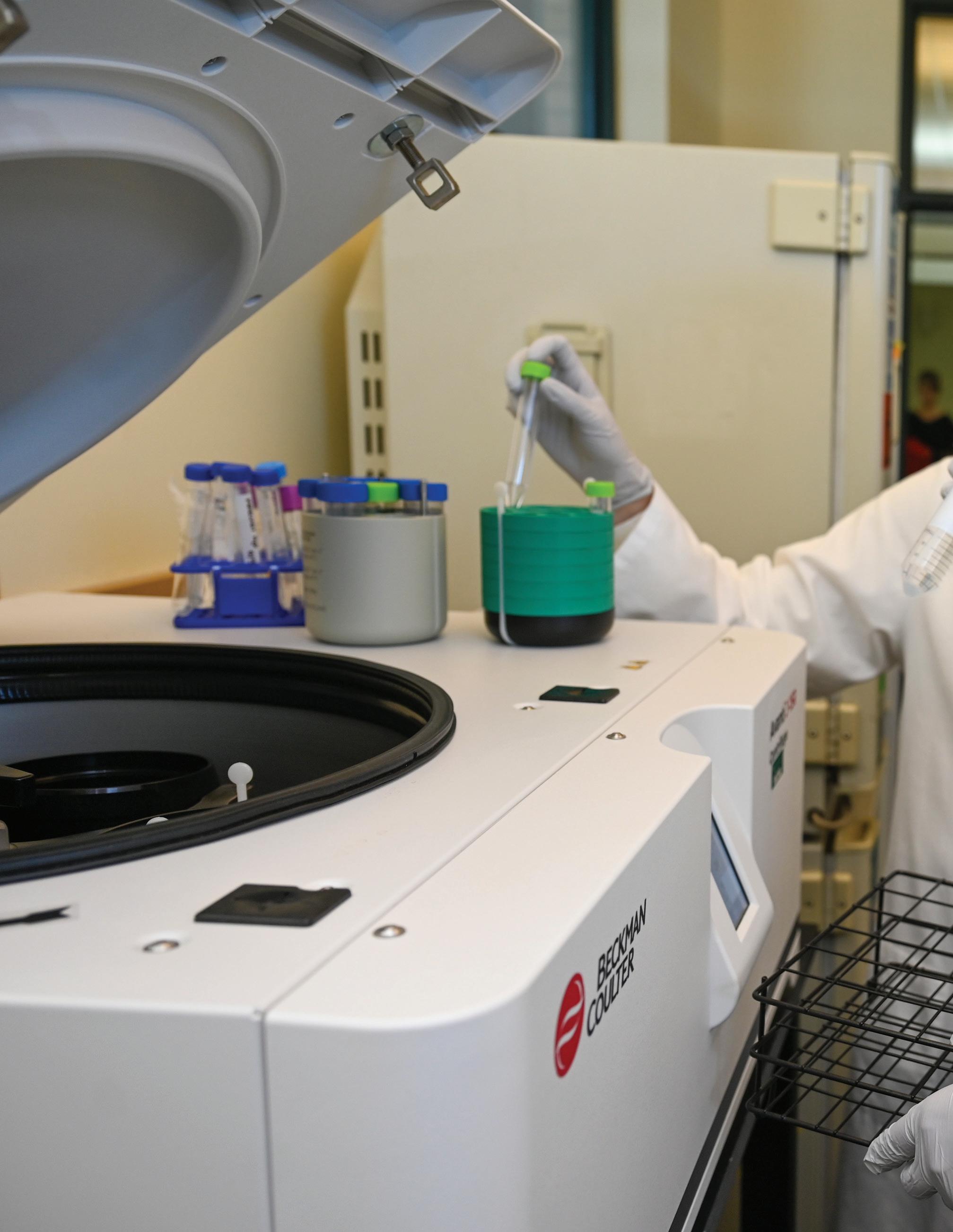
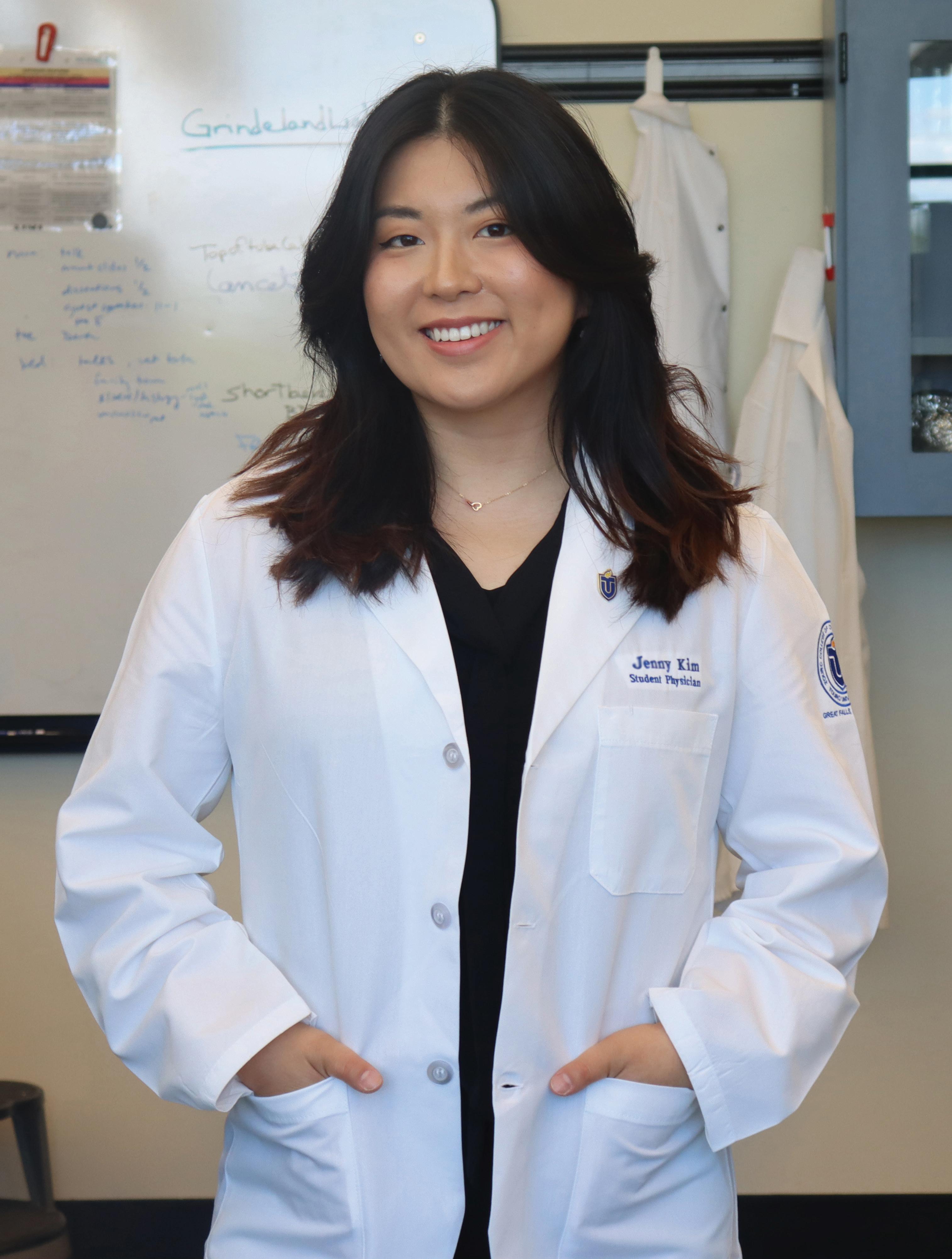
Jenny Kim, a third-year medical student at Touro College of Osteopathic Medicine (TouroCOM) Montana, is forging a path in both medicine and research. Originally from Dublin, California, she earned a Bachelor of Arts in Neuroscience from Boston University before working as a clinical research assistant at Boston Children’s Hospital/Harvard Medical School. Her experiences fueled her passion for understanding chronic pain and neuroinflammation.
Now enrolled in Touro’s Medical Science Training Program (MSTP), a collaboration between Touro University and the Weissman Hood Institute at Touro, Kim balances medical school with hands-on biomedical research. Her upcoming research will focus on “Elucidating the Inflammatory Mechanisms behind Central Sensitization and Chronic Pain,”
“Touro’s Medical Science Training Program has given me invaluable exposure to translational research. Being able to apply scientific concepts to real-world medical challenges is an incredible opportunity.”
JENNY KIM
inspired by her academic interests and personal experiences.
“Working at the Weissman Hood Institute has been an eye-opening experience,” Kim says. “Collaborating with diverse researchers and engaging in both bench and clinical research has broadened my understanding of chronic pain. This program has highlighted the importance of integrating clinical insights with laboratory discoveries.”
“The MSTP at TouroCOM Montana deepens students’ understanding of medical research and equips them with the skills necessary to bridge the gap between laboratory findings and clinical applications,” says Dr. Tiffany Hensley-McBain, associate dean of research at TouroCOM Montana and principal investigator at Weissman Hood Institute. “What is particularly unique about this program is that students are able to participate in world-class bench research while also understanding the application and translation of research in a rural setting.”
In addition to her chronic pain research, Kim works in Dr. Hensley-McBain’s lab, where she assists with research investigating the mechanisms of increased inflammation in age and disease to identify potential therapies for these diseases. Her work aligns with MSTP’s goal of equipping future physicians with strong research skills to improve patient care.
“The MSTP has given me invaluable exposure to translational research,” she says. “Being able to apply scientific concepts to real-world medical challenges is an incredible opportunity.”
Kim’s passion for neuroscience stems from her family’s experiences. Her grandfather, who grew up in rural South Korea, was paralyzed on one side of his body due to childhood meningitis. He later underwent one of the region’s earliest brain surgeries. Her family’s journey from South Korea to Canada, and eventually the U.S., reinforced her appreciation for medicine and research, particularly in underserved communities.
Looking ahead, Kim hopes to match into neurology and continue studying chronic pain. She values TouroCOM Montana’s mission of improving healthcare in rural communities and sees research as a crucial component of addressing health disparities.
“Chronic pain is incredibly prevalent, yet it’s not well understood,” she says. “There’s so much room for growth in understanding why some people develop persistent pain while others don’t. By combining research and medicine, I hope to contribute to better treatments and outcomes for those who suffer.
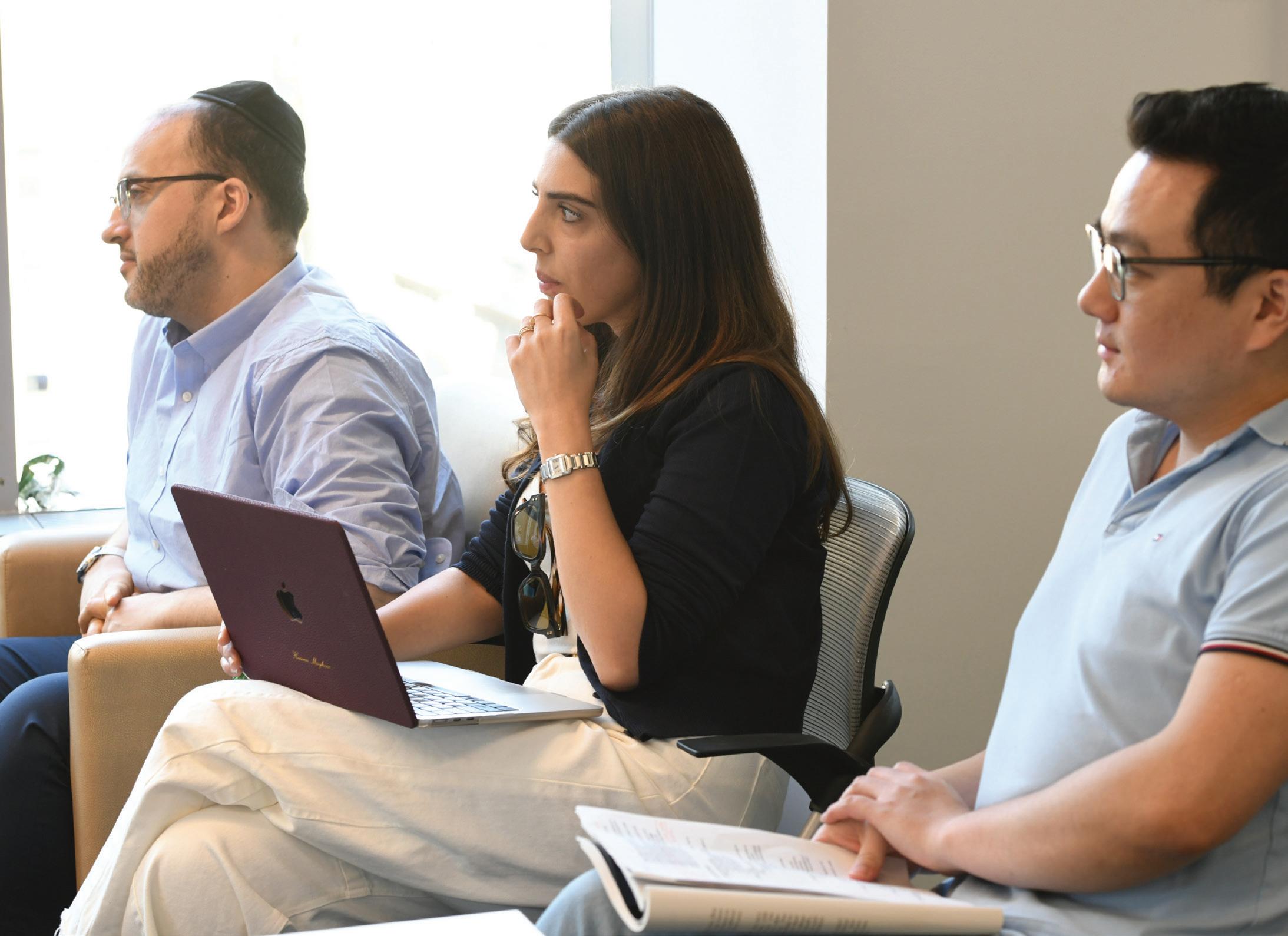
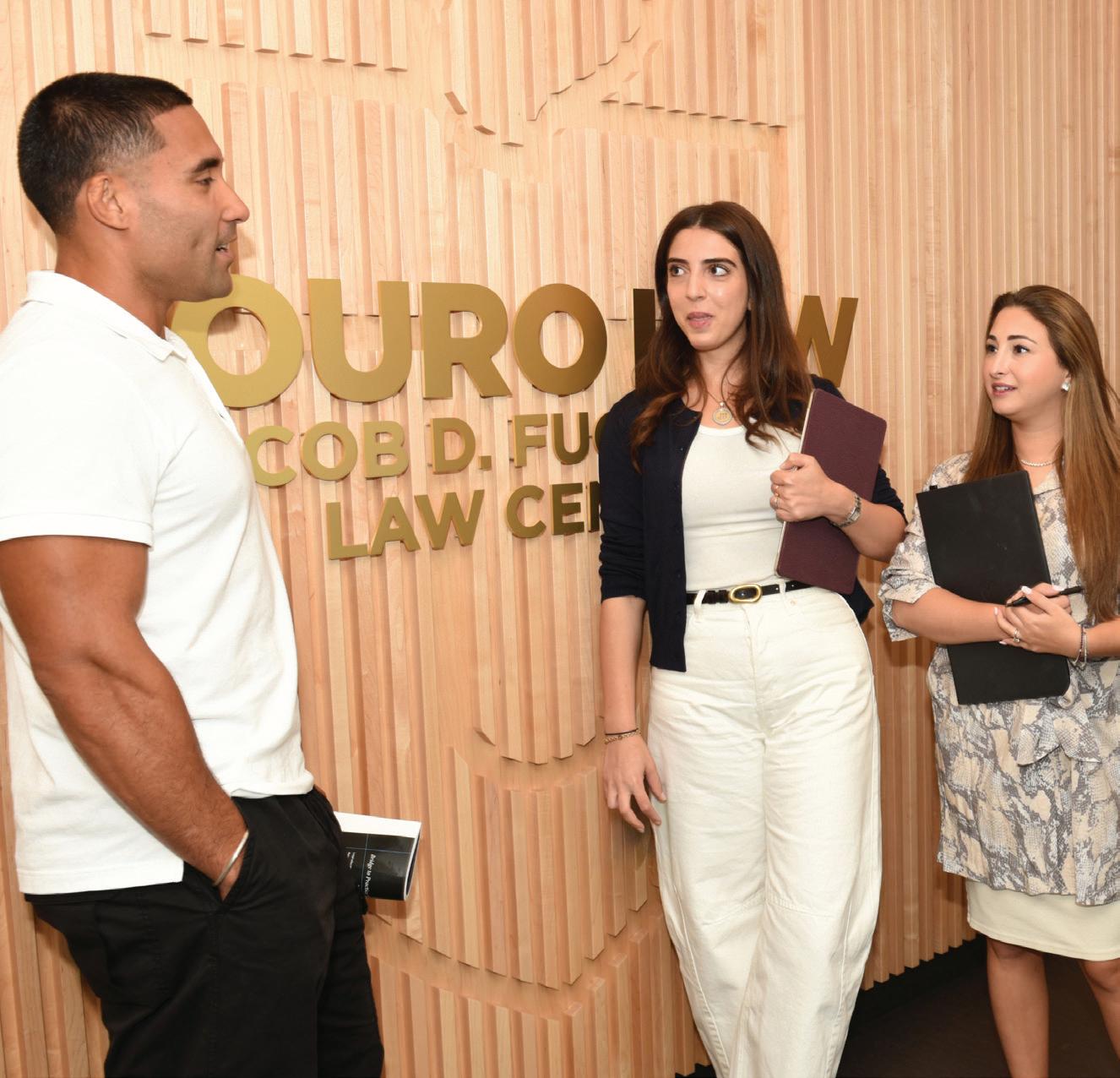
Tamara Harounian was “dead set” on attending a full-time law school program—at least until COVID shifted her perspective. But just before she was set to leave her position as a practice assistant at White & Case LLP to go to law school, she realized how much she had missed the human connection during the pandemic, and that she appreciated her coworkers more than ever. So she reconsidered, deciding to stay at the firm, where she had built a unique, meaningful role assisting attorneys and working on pro-bono matters.
The only problem was that she still wanted to earn her law degree.
Enter the Touro Law Center’s FlexTime JD program—now offered at both Touro Law’s Long Island and Manhattan campuses.
“My mom’s paralegal had gone through the program and raved about it,” says Harounian, who’s from Great Neck on Long Island. “I finally gave in and applied—pretty late—and was accepted just two weeks later.”
The innovative, four-year FlexTime program requires in-person attendance on Sundays only, enabling
her to keep her job at White & Case while studying law just blocks away from her office. Now based in Midtown Manhattan, Harounian, who is in her second year of the FlexTime law program, has a demanding work schedule and equally rigorous law studies. Her typical week includes long days at the office as well as hours of reading and accessing recorded video lectures when she can, and full-day classes on Sundays.
“Balancing Touro Law’s FlexTime program with working full time at a law firm has definitely been challenging but worth it,” she says. “The Sundayonly in-person format allows me to juggle school with the demands of my busy job and personal life.”
She’s undecided on what field of law to enter, though she is leaning toward family or education law. But Harounian says the program is preparing her for whichever direction she decides to go.
“It’s played a key role in preparing me for my future career in law, helping me hone essential skills like time management, critical thinking and problem-solving,” she said. “Balancing coursework with my professional and personal commitments
has strengthened my ability to adapt to challenges and stay focused under pressure—skills that will be invaluable in any area of law I choose to pursue.”
Yet, Harounian has found more than skills and a schedule that works for her—she’s found a community.
“My tight-knit cohort has been a huge part of the experience, and the professors are inspiring,” Harounian says. “The program was overwhelming at first, but now it feels like a dream come true.”
Harounian’s words are echoed by the director of the FlexTime JD Program in Manhattan and professor of law, Laura Dooley, who shares that “FlexTime students are highly motivated and dedicated students—and they form a unique bond as they navigate law school while balancing the demands of jobs, families and other obligations. They graduate with law degrees as well as lifelong friends and colleagues.”
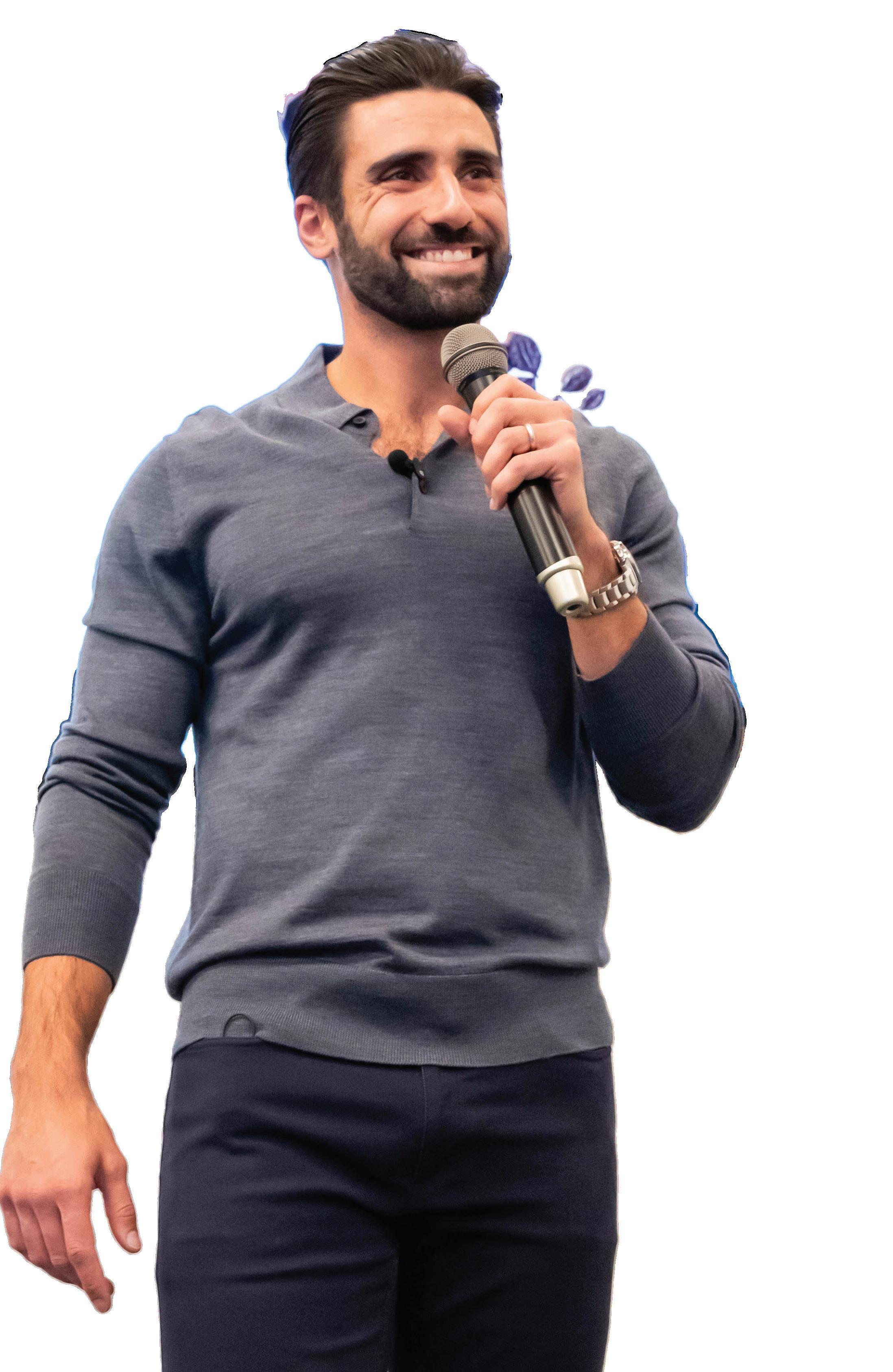
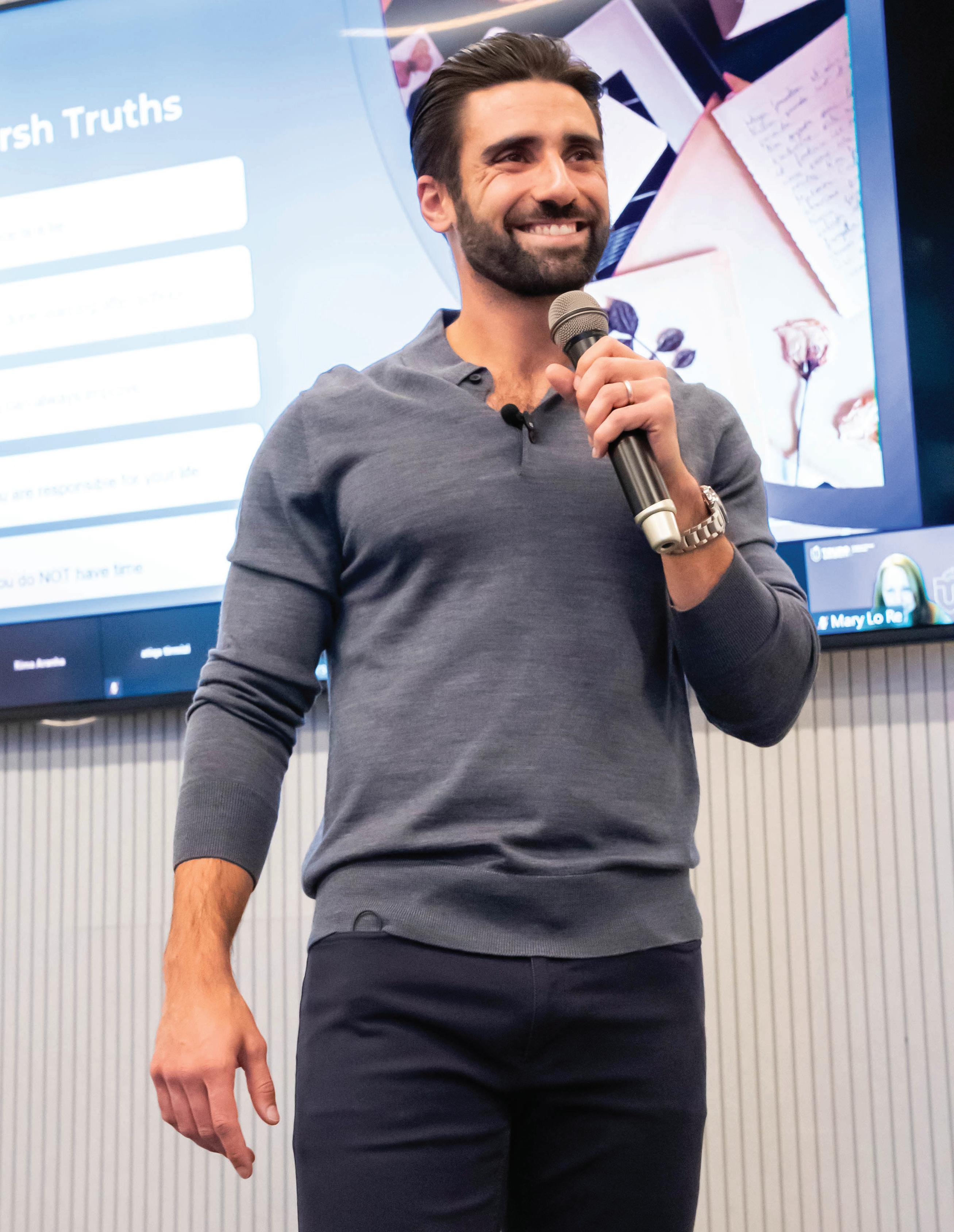
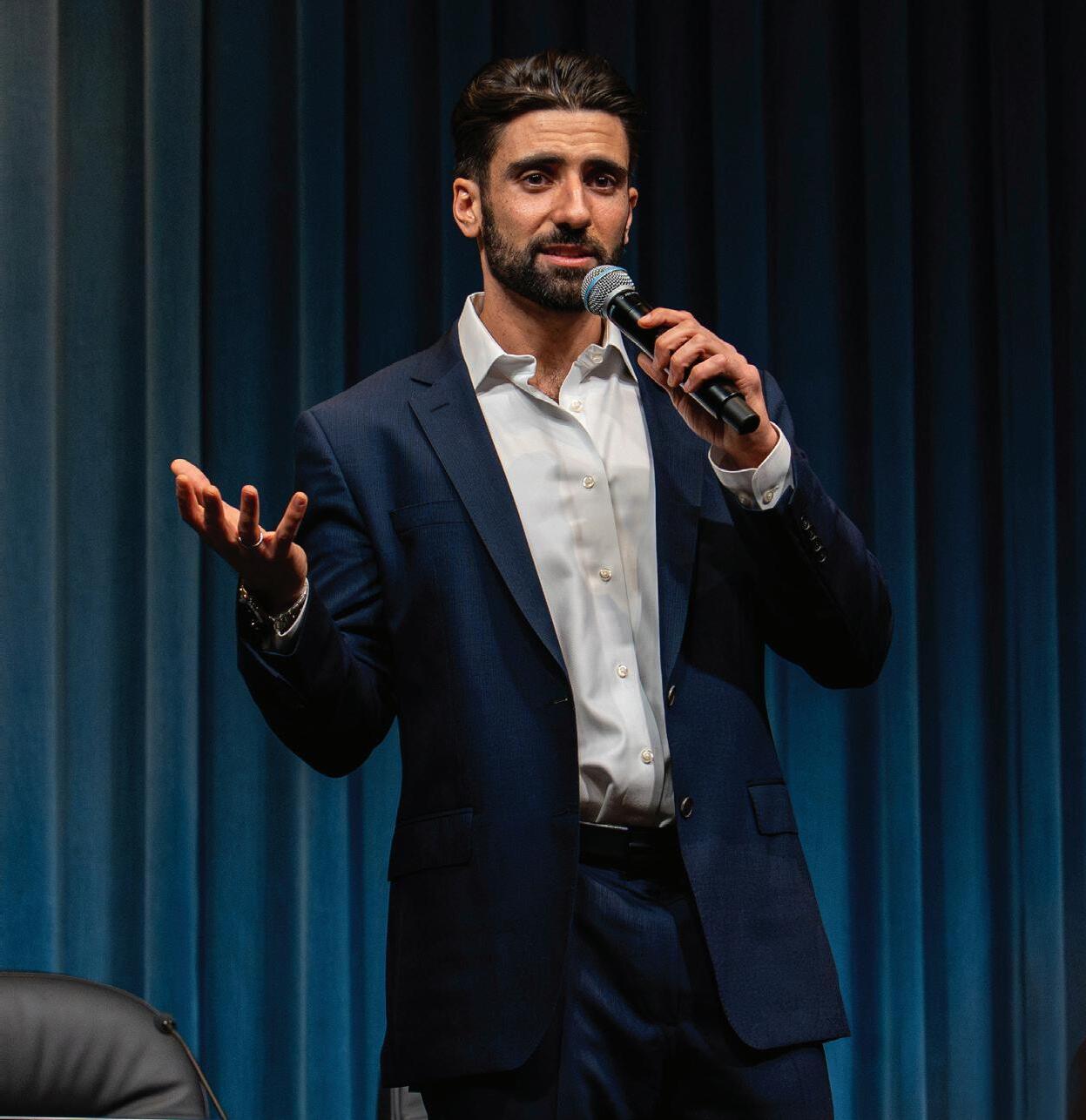
Jonathan Z. Cohen’s journey from a determined student at Touro Law Center and the Touro Graduate School of Business (GSB) to a successful business leader is a testament to the power of education, perseverance and a deep sense of responsibility. He has not only achieved remarkable success in his career but has also made it a priority to give back to the community.
Cohen’s path to success began with a desire to pursue both a legal and a business education. He decided on Touro because the school provided a rare opportunity to pursue two degrees at once while learning from professors and students with
“ Learning doesn’t stop when you graduate. It’s a lifelong process of curiosity, growth and adaptation.”
JONATHAN Z. COHEN
remarkable work experiences. Touro Law Center, from where he graduated in 2017, allowed Cohen to immerse himself in the study of law, honing his analytical thinking, critical problem-solving skills and attention to detail—traits that would later prove useful in all his professional endeavors. His time at Touro GSB, from where he graduated in 2018, was instrumental in helping him navigate the complex world of business. The decision to pursue a dual focus in both law and business also provided him with a unique perspective on the intersection of legal and corporate affairs.
“The rigorous curriculum at Touro’s JD/MBA program allowed me to bounce across different disciplines, forcing me to think critically, speak up and engage in meaningful dialogue. Developing relationships with professors, classmates and alumni helped me grow my network and gain the support I needed to start my career,” he says. “Touro helped elevate me to where I am today.”
After completing his studies, Cohen embarked on a career as a criminal prosecutor in the Bronx, spending three intense years working in the Special Victims Unit (SVU). There, he handled hundreds of domestic violence cases, gaining invaluable experience both professionally and personally. “The work was tough, and at times emotionally draining, but it helped me build clarity around my purpose,” he reflects. “This time was transformative for me, allowing me to serve my community and sharpen my sense of empathy and integrity.”
After his time as a prosecutor, Cohen transitioned to his current role in the tech industry—a field he saw as the future even years ago. Currently, Cohen serves as an associate general counsel for PNY Technologies, a computer and electronics manufacturer. This position entails multiple responsibilities encompassing many areas of the company.
During his time at PNY, Cohen has learned firsthand how technology is revolutionizing every aspect of
business and society. Leading a business unit of ten people, his responsibilities include generating brand awareness for the PNY brand as well as supporting general counsel as needed. His days are a mix of sales, legal and security-related tasks, but what stands out to him most is the pace of change. “Now more than ever, personal development skills are critical in an AI-driven world. As technologies like artificial intelligence continue to evolve, building relationships, becoming a trusted asset, and navigating people skills with nuance are still fundamental to succeed,” says Cohen. “In an age where it’s easy to get lost in algorithms and automation, understanding how to interact with people and build rapport is more important than ever.”
Cohen understands the importance of developing fluency with AI tools as a way to streamline workflows and boost efficiency but believes it’s important not to shy away from the “voluntary hardship” of engaging in challenging conversations or going into the office. “AI might optimize our work, but it’s the human element—curiosity, leadership and accountability—that truly sets people apart,” he explains.
Cohen is deeply committed to giving back to Touro, a place that he says “set the tone” for his success. He regularly returns to speak with students, offering insights on building strategic resilience and mental toughness. He’s also in the process of developing a new course for the Graduate School of Business on the art of overcoming setbacks—a reflection of his belief that resilience is a vital skill for anyone striving to achieve long-term success.
On a larger scale, Cohen is the creator of the popular “Inside the Inspired” podcast, which has attracted more than 20,000 followers. This platform allows him to share valuable insights from high performers, offering strategies to shift mindsets and overcome obstacles. It invites listeners inside the minds of inspirational professionals to “explore the intersection of physical fitness, mental toughness and professional success.”
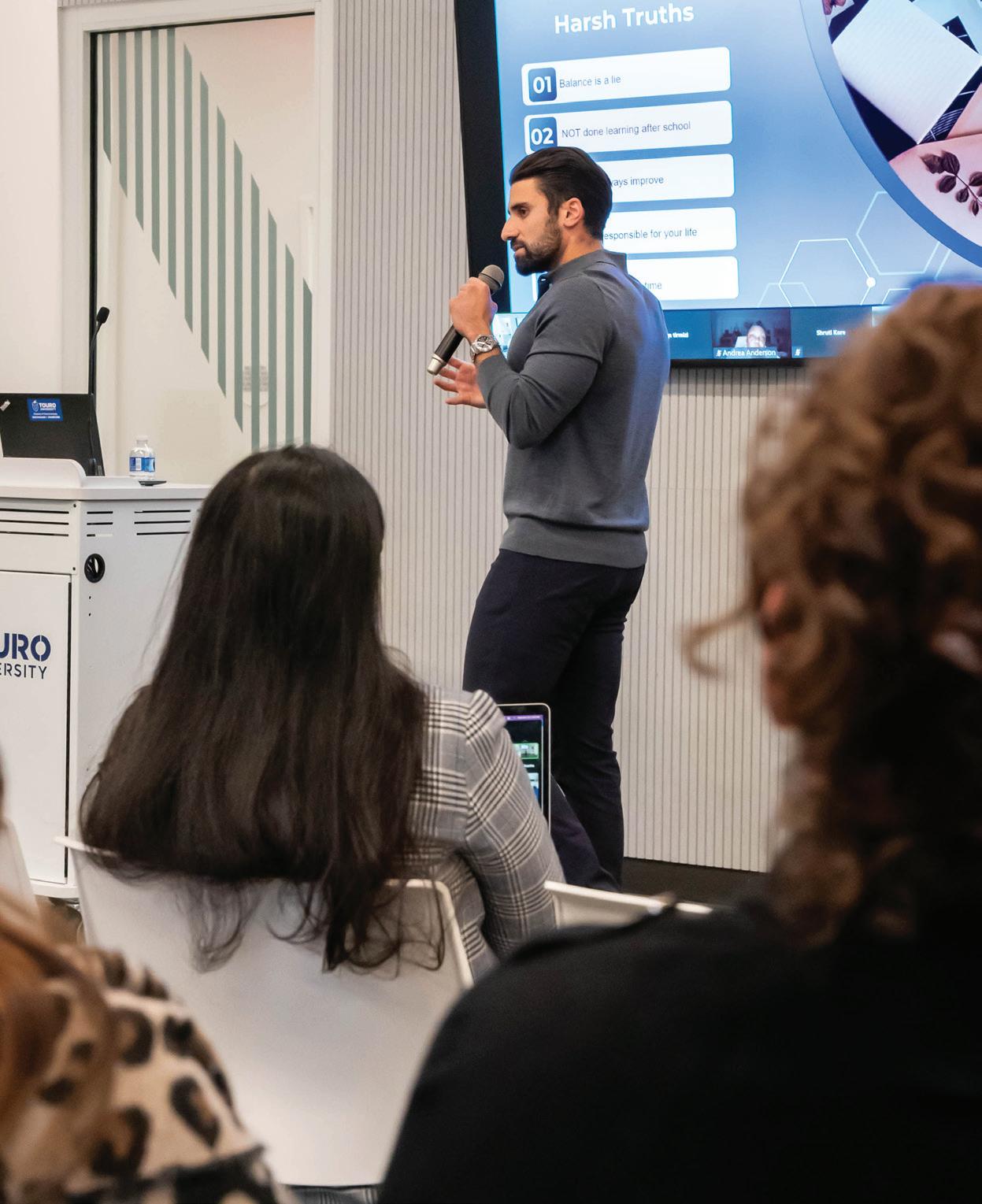
Cohen’s advice for students and future leaders is simple yet profound: “Cultivate curiosity, don’t assume you know the answers and always ask questions.” He emphasizes the importance of networking and being kind to everyone you meet, as the connections you make may prove invaluable in shaping your future. “Learning doesn’t stop when you graduate. It’s a lifelong process of curiosity, growth and adaptation,” he says.
Cohen himself exemplifies the qualities of resilience, leadership and service, and his story is a reminder that success is not just about achieving personal goals but about lifting others as you rise and helping to make the world a better place. His path is a remarkable example of what can be achieved with the right mindset, education and a commitment to giving back.
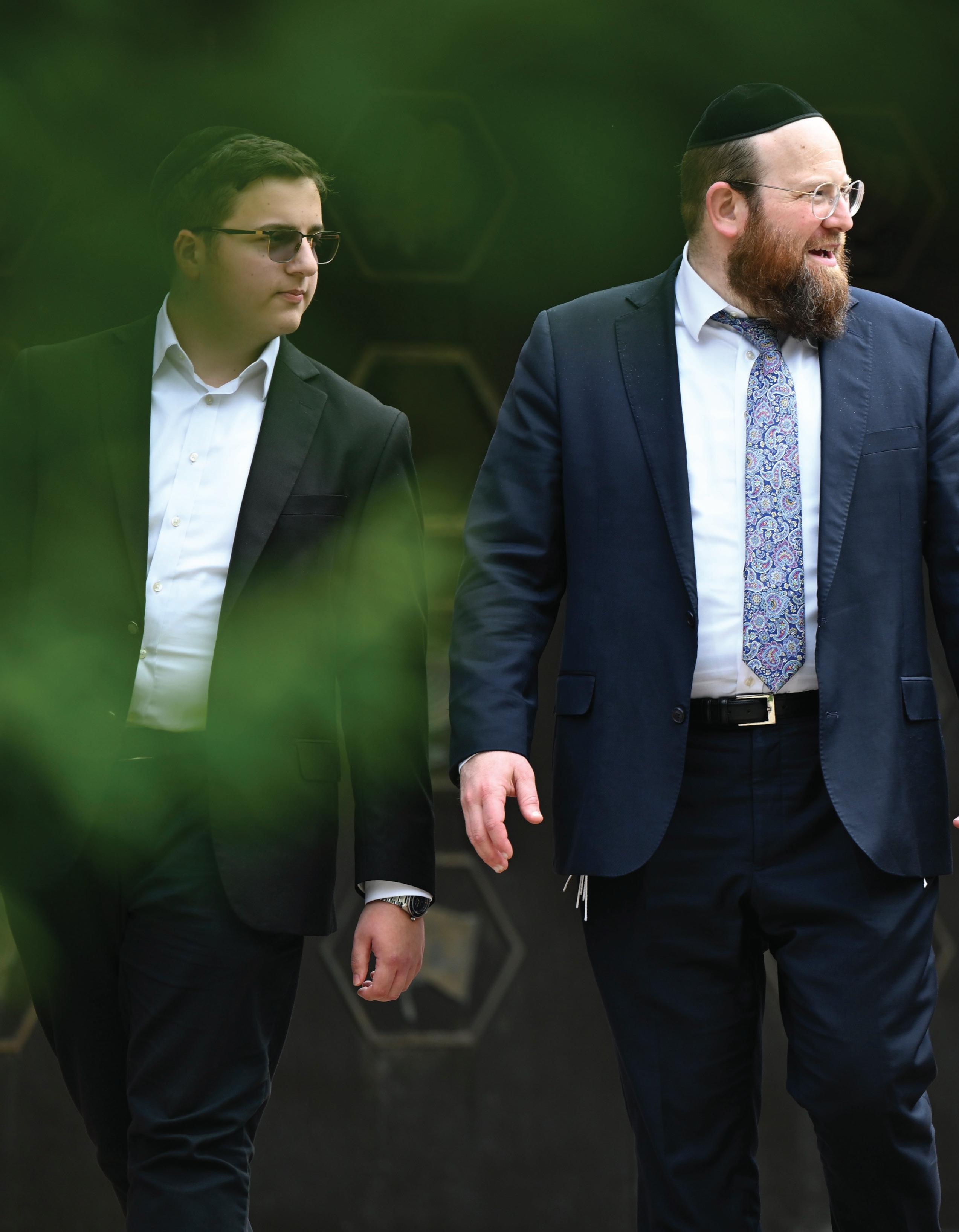
An Effective Educator Knows That Being a Good Teacher is Personal
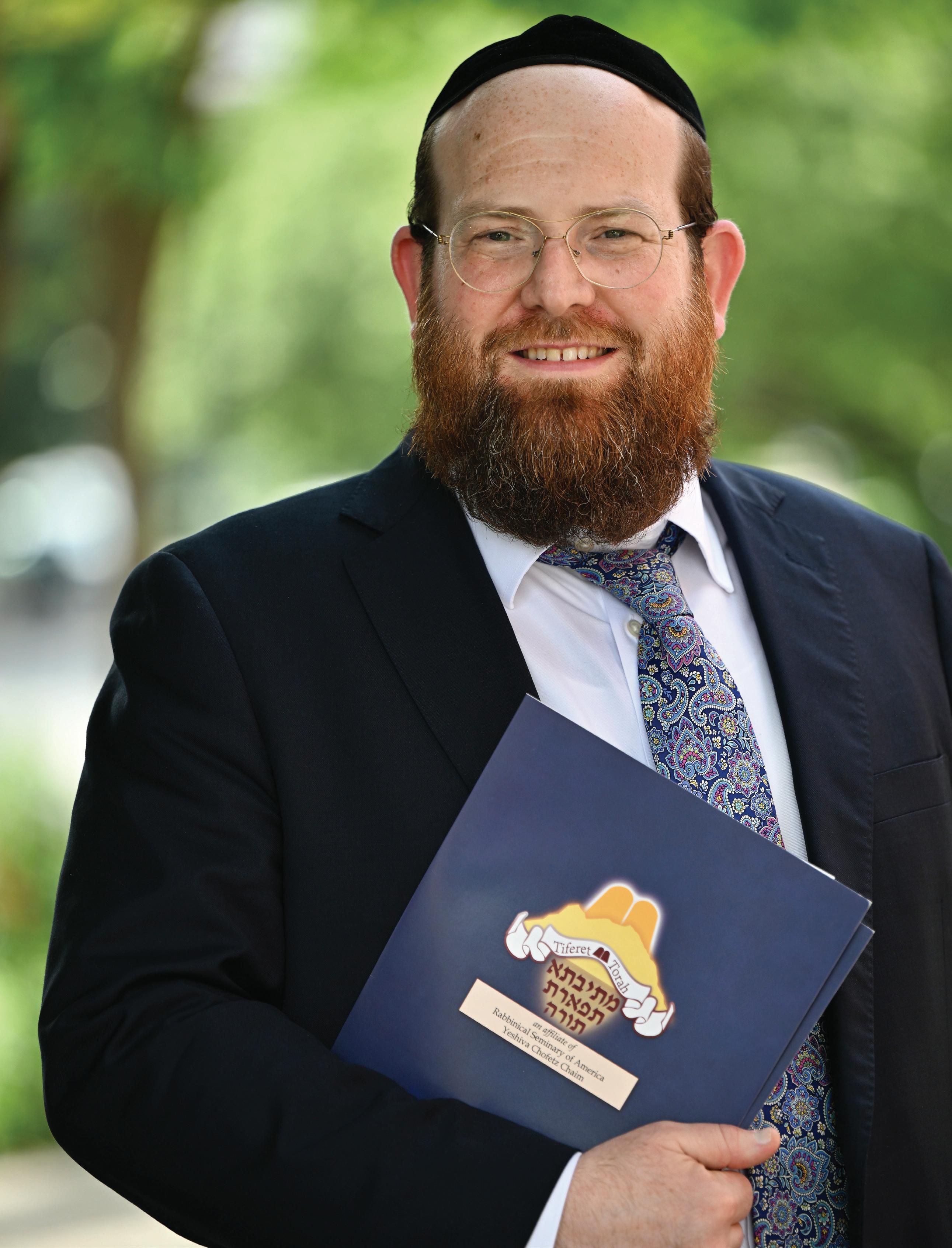
“ I never would have been able to become a principal without my degree from Touro—what I learned in the program prepared me for this leadership role.”
RABBI DOVID KURZ
Disappointed with his own education of well-meaning but distant and formal teachers—many of whom had survived the Holocaust—Rabbi Kurz decided he would become the teacher he wished he had.
In 2018, he was already a full-time rabbi when he was hired at a yeshiva for boys in Queens, to teach math and science to seventh and eighth graders.
“When I interviewed there, they asked me, ‘Why would you want to be a seventh grade rebbe/teacher? You know you have to go to every Bar Mitzvah,’”
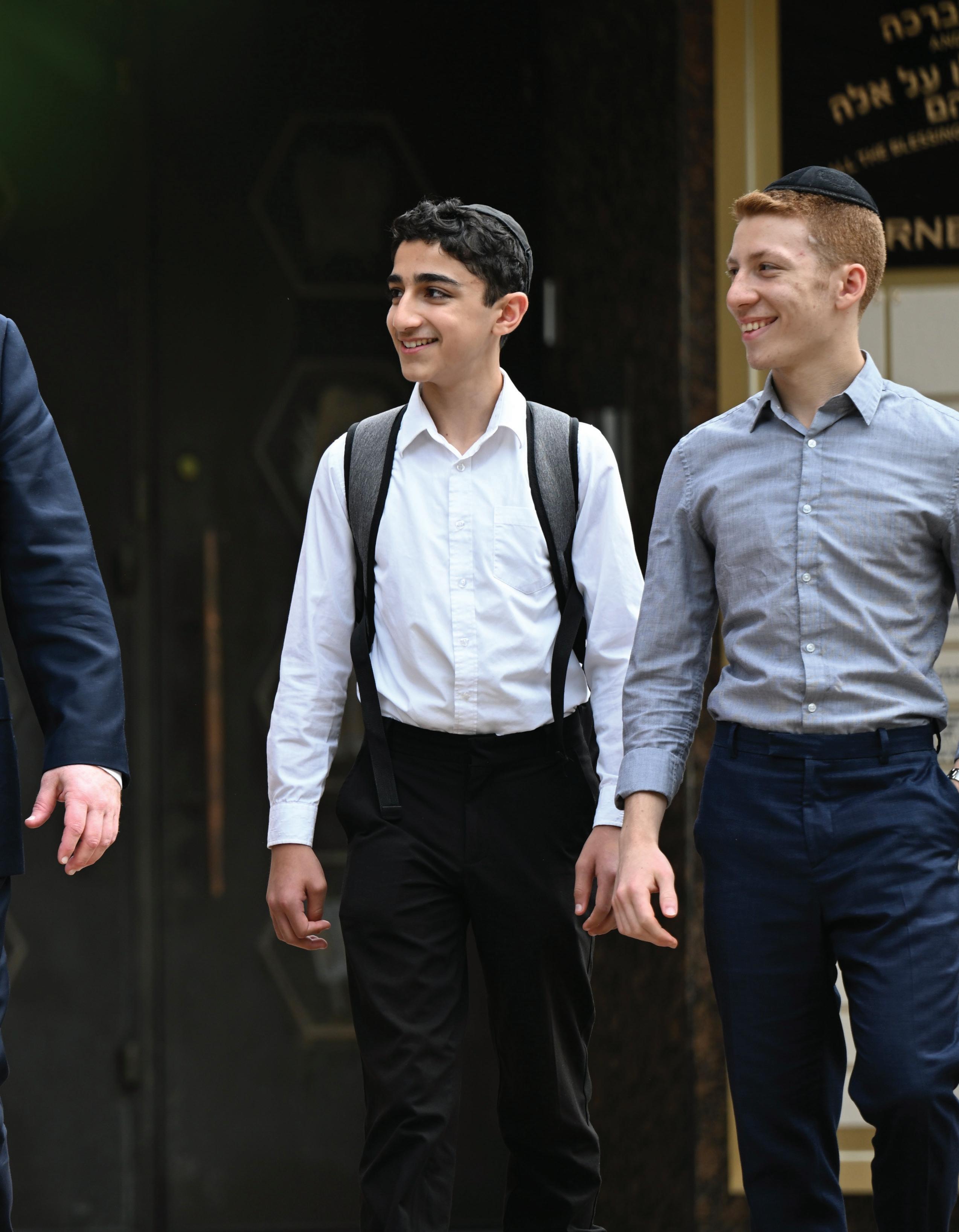
Rabbi Kurz recalls, laughing. “I told them, ’That’s exactly what I want. I want to be an active participant in these students’ lives.’” He happily dances and speaks at some 30 Bar Mitzvahs every year. “I have a relationship with these kids,” he says. “It’s beautiful.”
During COVID, Rabbi Kurz decided the way to become an even better teacher was to once again become a student.
He was accepted to Touro’s Graduate School of Education, where he learned mentorship and leadership, with classes on organization and communication.
“I learned how to properly structure a lesson for all the students. I was able to transmit these skills to the teachers through our professional development classes. I learned a bit about educational psychology, and how to better understand students and identify their specific needs. I am now able to work with students who are struggling in class behaviorally or educationally. I can guide them to reach their goals and potential,” says Rabbi Kurz.
He took most of the classes online and appreciated the flexibility—as well as the kindness and expertise of his teachers. He learned the latest teaching methods and was thrilled to find that his way of teaching lined up the educational theories and practices.
One professor taught students how to manage a classroom full of students. In another, Rabbi Kurz learned to make new teaching tools, including designing websites, taking photos and putting them online.
One unforgettable moment came when an assistant professor of Jewish Childhood Education and Special Education brought his grown son, who has Tourette syndrome and is now married with children, to class. “It showed that kids who struggle with education can succeed and be amazing at everything they do,” recalls a clearly moved Rabbi Kurz.
He also gained knowledge into helping special needs and neurodivergent students. “In my classroom, every year, at least two students have ADHD,” he says. “I can now diversify my lessons for those kids without having to just send them to the resource room or write them off.”
Upon graduation in 2024, Rabbi Kurz received quite a career boost. He is now the Secular Studies principal at a private Jewish high school in Kew Gardens, Queens. He has created a curriculum for the students that ensures they receive college credits for their classes.
“I never would have been able to become a principal without my degree from Touro, since a master’s degree is a prerequisite for this position and besides, what I learned in the program prepared me for this leadership role,” Rabbi Kurz says.
No matter the job, Rabbi Kurz believes that a great education can be had only with an interpersonal touch. “In the long run, if you come out of school happy, you’re going to be functional and want to learn more,” he says. “A kid who feels good, does good!”

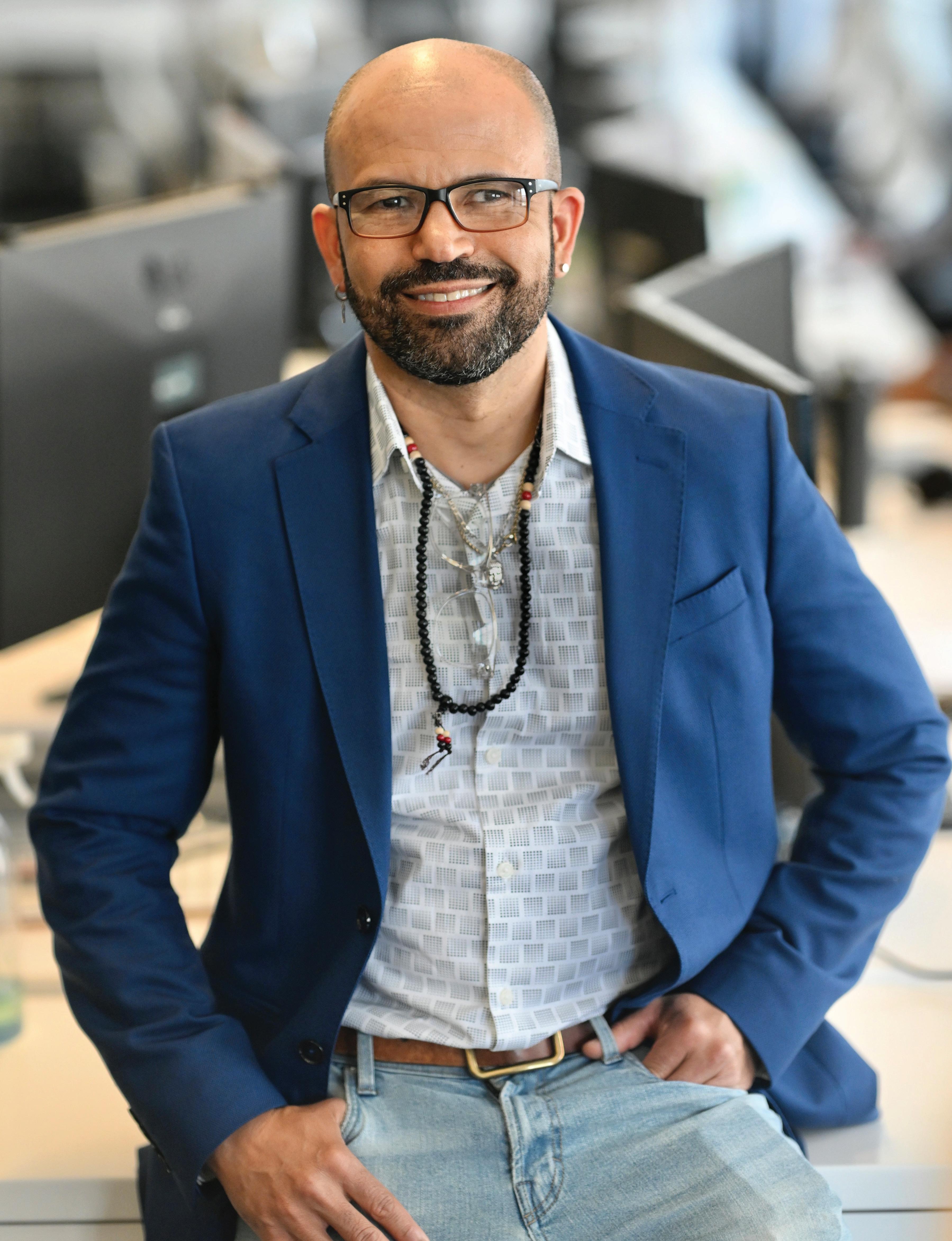
Anthony Persaud, Touro Graduate School of Technology ’21, was already an established information technology professional when his former boss mentioned a master’s degree program that he might find useful. “I was a longtime IT guy, but I wanted to move toward management and teaching people, coming up with solutions to all manner of issues in-house and for our clients,” says Persaud, director of information technology at Havas, one of the largest global advertising, marketing and communications groups in the world. Located in more than 100 countries, Havas’ clients have included Adidas, KFC, Coca-Cola and Amnesty International.
No doubt, Persaud says, that Touro’s Graduate School of Technology upped his game, prepping him for this level of management. “Touro was instrumental in terms of helping me to understand how to manage the environment better—people and projects,” says Persaud, a self-described “foodie,” who lives in Manhattan. “I learned the infrastructure of management, how to handle project management on a higher, more sophisticated level.
“Touro was instrumental in terms of helping me to understand how to manage the environment better—people and projects. I learned the infrastructure of management, how to handle project management on a higher, more sophisticated level.”
ANTHONY PERSAUD
The professors were laser focused on real-world knowledge, teaching us to understand, survive and succeed in IT management at all levels.”
Today, Persaud manages teams in the New York City and Chicago offices of Havas. He and his staff
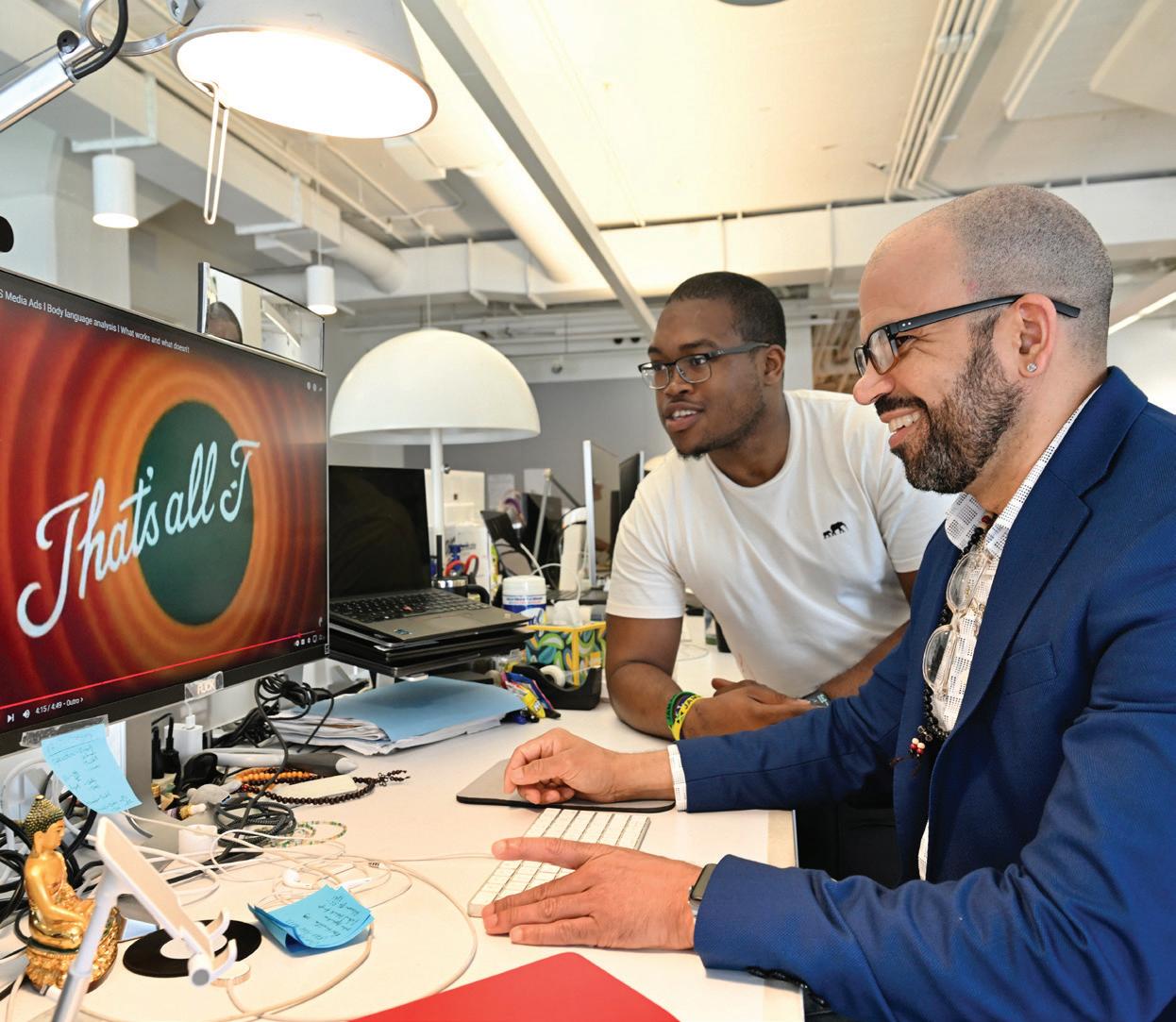
support 1,600 employees in their in-house work on behalf of clients. “I oversee all of the user services,” he says proudly. “One of our staff members needs something, a client wants this now, how do we make the system better, quicker, more efficient? It’s fun. On any given day there are different issues, and we’ve got to get in there and solve them. There’s a sense of urgency and a sense of pride we feel as a team.”
Born in Georgetown, Guyana, Persaud came to the United States at age 14. He’d like to say that, as a boy, he tinkered with technology, taking apart and reassembling radios, computers and other electronics. “Except that never happened,” Persaud, 50, says laughing. “I was never a techie. I wanted to be a lawyer or educator.”
Instead, Persaud sort of fell into the field, getting jobs in tech support, and discovering he liked and was good at it. Management just made sense professionally and personally. “That’s what Touro did for me—it validated and solidified my chosen career path.”
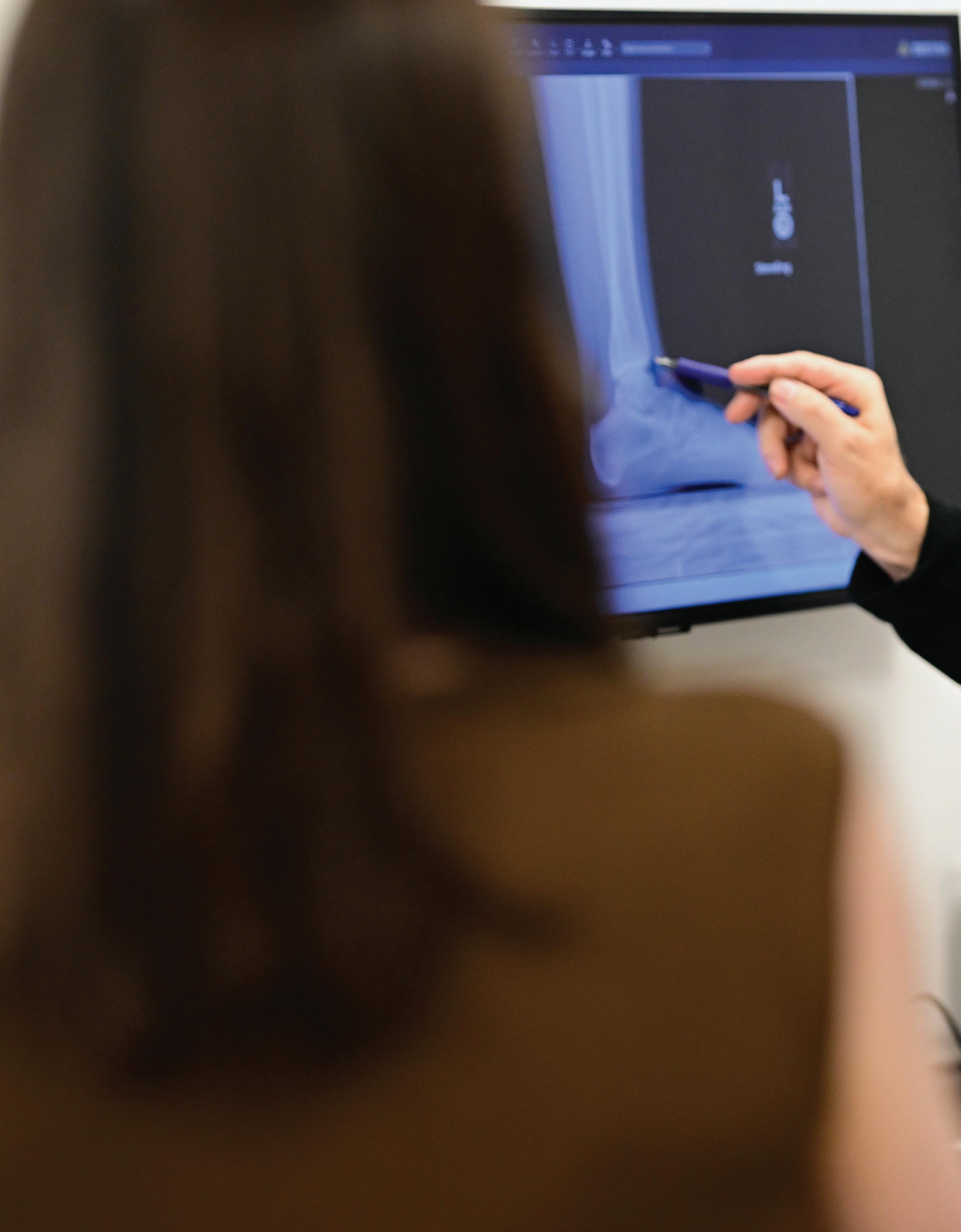


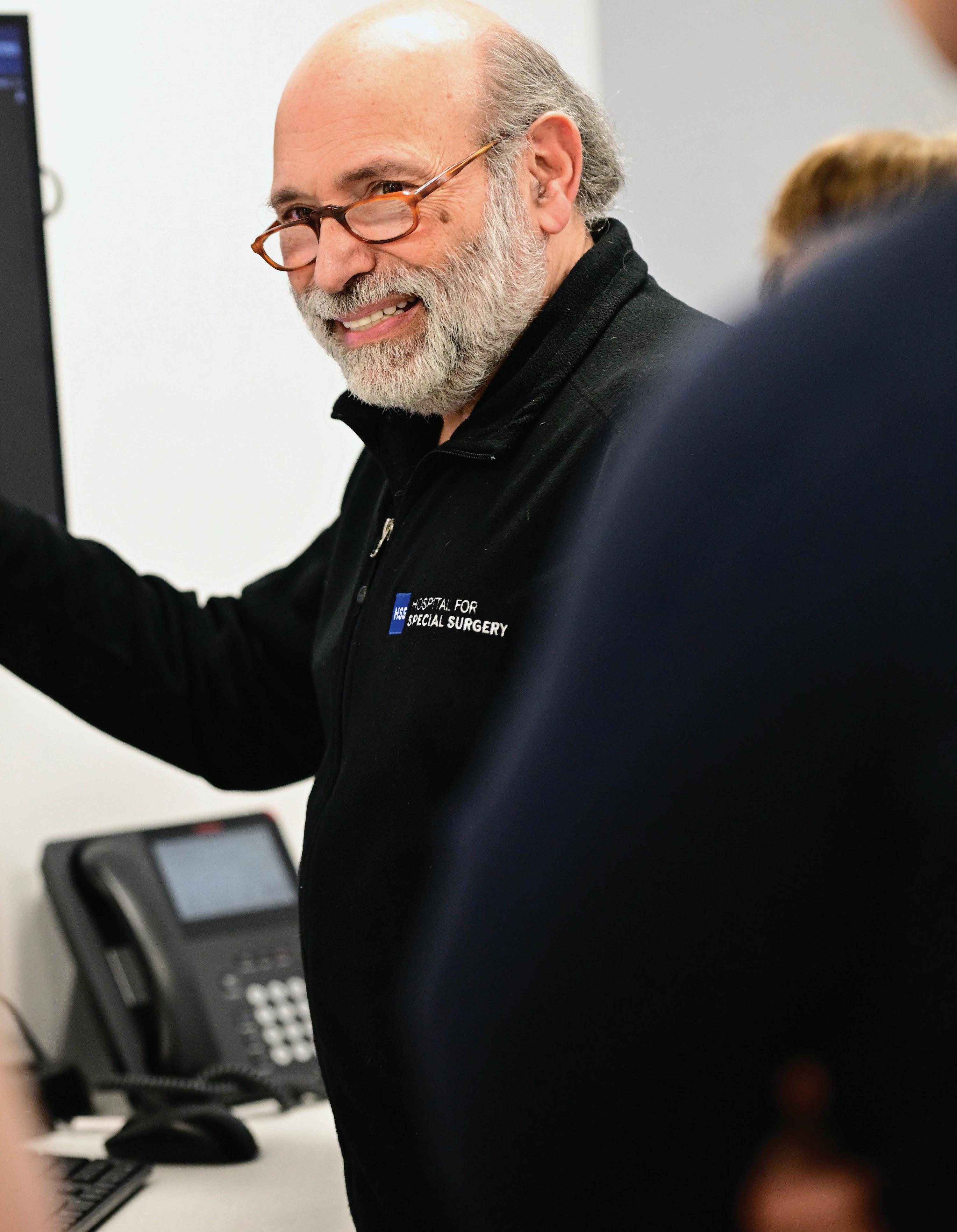
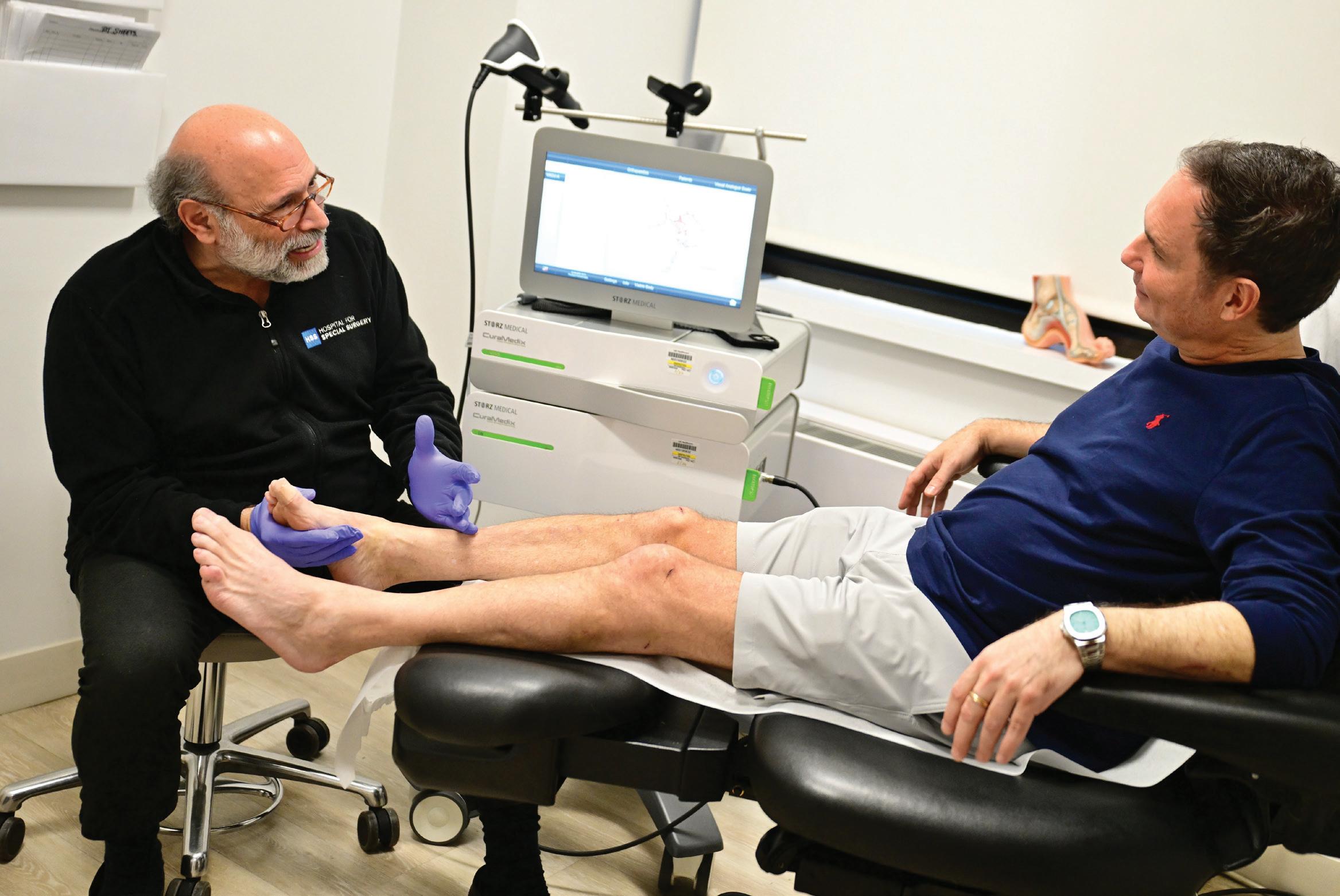
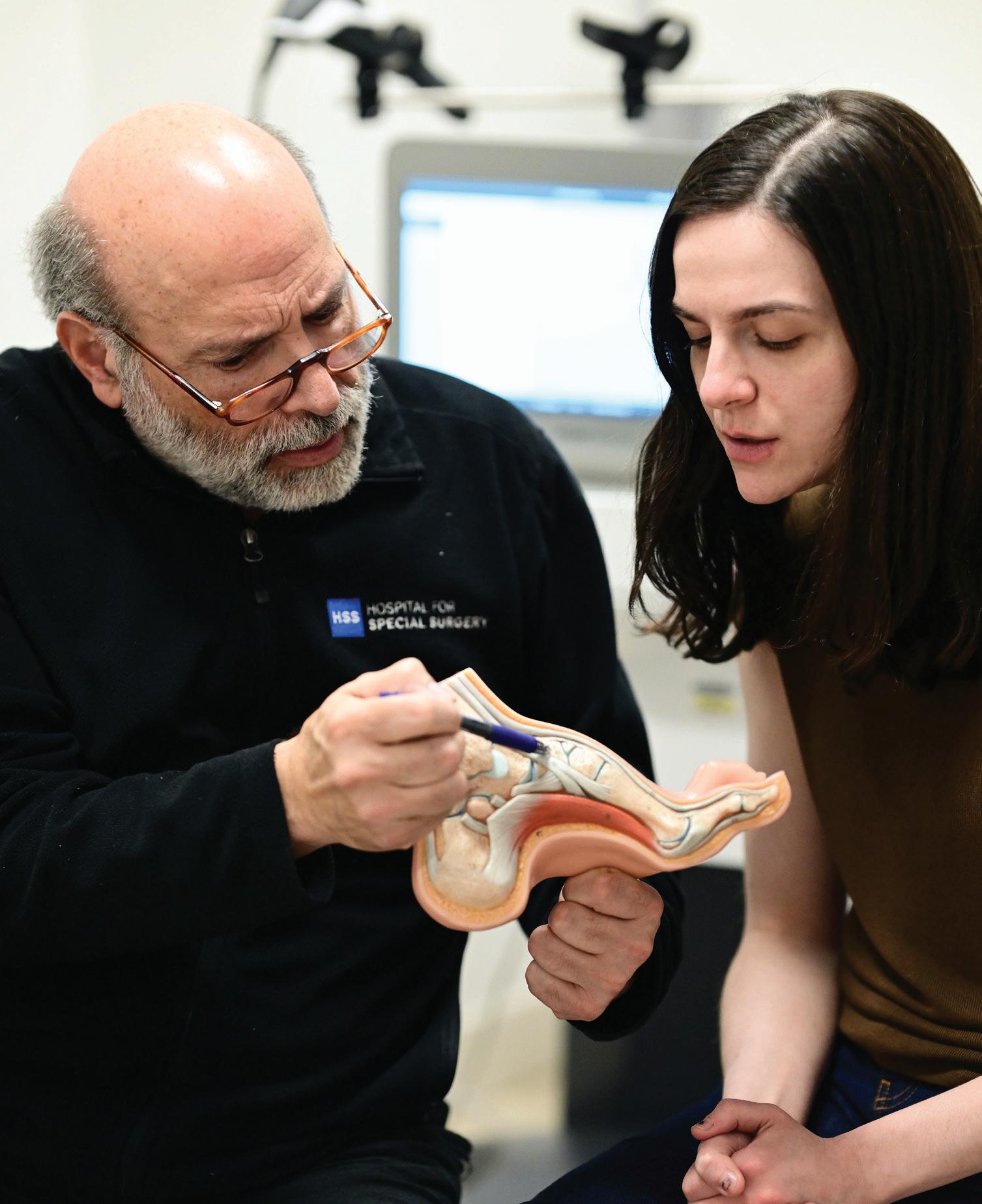
To his legions of patients, including fellow physicians, Dr. Rock Positano is a muscly combo of “Rock” star and The Rock in a white coat. Positano treats patients in his offices in the prestigious Hospital for Special Surgery (HSS) in New York City.
A recognized innovator in non-surgical treatment for complex foot and ankle issues, Dr. Positano has been on staff at HSS since 1991 and is founder and director of Non-Surgical Foot and Ankle Service and the Joe DiMaggio Heel Pain Center.
Dr. Positano, a 1989 graduate of what is now Touro University’s New York College of Podiatric Medicine (NYCPM), has served as the editor of 12 medical textbooks ranging from foot and ankle orthopedics and heel disorders to sports medicine. His thesis
on foot health was approved “with Honors” and “with Distinction” by the faculty of the Yale School of Medicine. He’s also a contributing writer to U.S. News & World Report
“The foot is the most ignored part of the body,” says Dr. Positano, 66. “Foot and ankle problems may not be life threatening, but when they occur, they are certainly lifestyle threatening.”
The foot is a complex work of 26 bones, 33 joints, 107 ligaments and 19 muscles that support more than 100,000 pound of pressure for every mile walked. “Feet,” says Dr. Positano, “are a miracle of anatomical form and function.”
He became interested in the foot through what he calls, “the two Ds”—da Vinci and DiMaggio. Dr. Positano discovered that he and Leonardo da Vinci
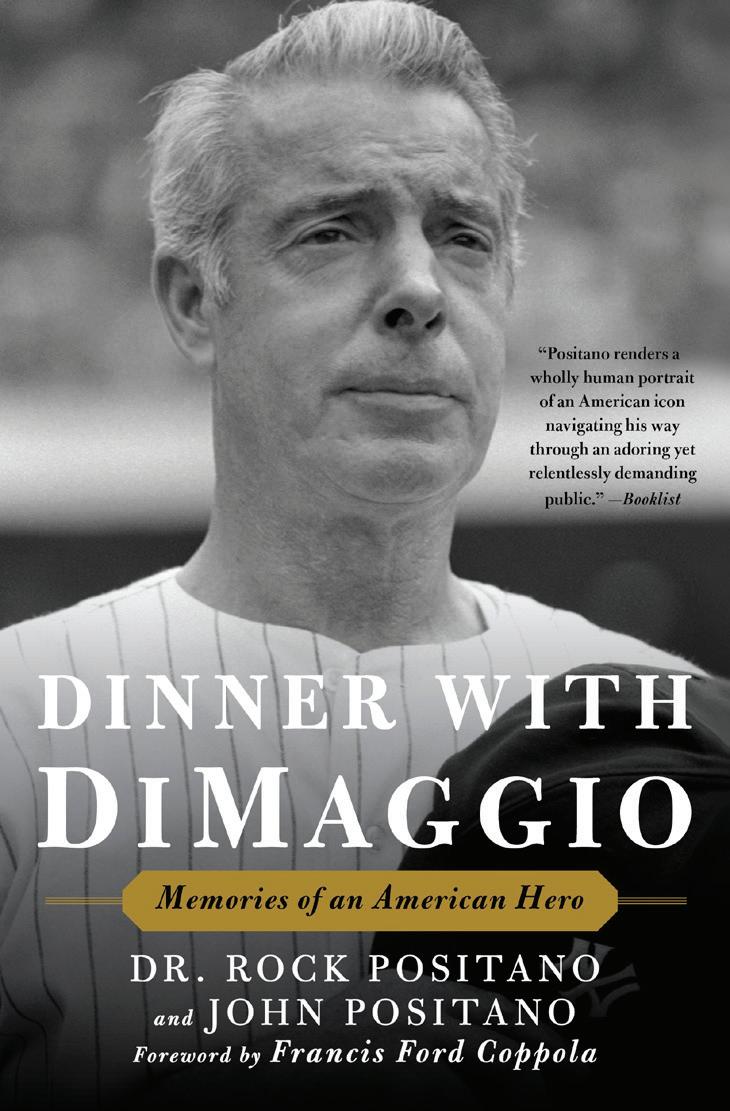
shared a fascination with the foot. The great artist produced meticulous anatomical studies of the foot and ankle. “They were da Vinci’s favorite parts of the human body,” says Dr. Positano. As for baseball icon DiMaggio, his career was cut short after undergoing unnecessary surgery for bone spurs in his heels that made the pain and debilitating effects worse. As a newbie podiatrist, Dr. Positano was 32 when he met his hero, and the two became lifelong friends until DiMaggio’s death. Dr. Positano wrote a well-received memoir about his friendship with his baseball idol.
For decades, Dr. Positano has specialized in musculoskeletal podiatry, the non-surgical diagnosis and treatment of muscle, tendon, ligament, and bone disorders of the foot and ankle using physical therapy protocols/modalities and prescription foot orthoses. In addition, musculoskeletal podiatry involves evaluating and treating biomechanical
relationships of how the foot affects knee, hip, and back function and pathology. The majority of foot and ankle problems often can be treated successfully without surgery.
“We’re known as the no-cut guys,” says Dr. Positano, who lives in Manhattan and fittingly walks to work on feet that do not hurt. Among those in his practice is his son, Rock Jr., fellow podiatrist and a 2018 NYCPM graduate, who enjoys clinical work, but also loves the lab where he focuses on research. Adds proud dad: “Let’s just say he has had good training.”
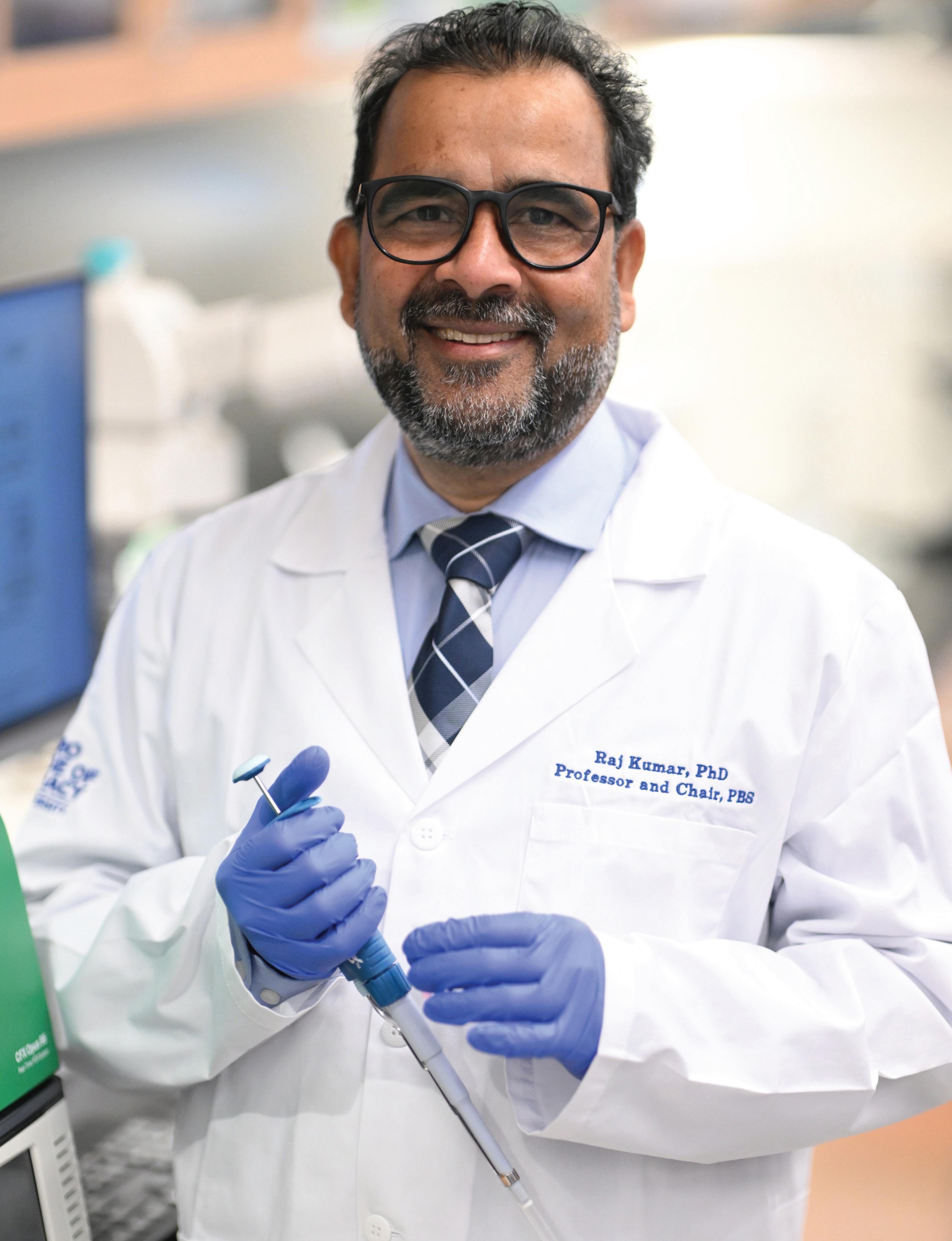
Imagine a drug that halts cancer without side effects or risks. That vision has compelled Raj Kumar, M.S., Ph.D., to study a class of cancer drugs for over a decade. As chair of the Department of Pharmaceutical and Biomedical Sciences at Touro College of Pharmacy, Dr. Kumar (as one of the three principal investigators) garnered a $3 million 5-year NIH grant in 2022 to study steroid hormone receptor (SHR) proteins and their role in endocrine cancers.
SHRs are some of the most targeted proteins for cancer treatments. Steroid hormones, such as estrogen and testosterone, bind to their receptors on many cells in the body. These hormones, known for their role in female and male physiology, also help many types of cells throughout the body to grow and thrive. But they can also fuel the growth of certain cancer cells, including breast, prostate and ovarian cancer.
A well-known example is estrogen-positive breast cancer, where breast cancer cells have receptors for estrogen. Drugs have been developed, like tamoxifen, that can block estrogen from binding to estrogen receptors and stop the breast cancer cells from growing. But because these drugs can also act as estrogen in other cells in the body (such as in the uterus and bones), they often cause side effects and risks.
“You’re trying to cure breast cancer by giving tamoxifen, but you’re increasing the effect of estrogen in uterine tissue which can lead to uterine cancer,” says Dr. Kumar.
“The ‘Holy Grail’ of SHR-based therapies for the treatment of endocrine cancers is to restrict SHR actions to specific organ and gene targets,” he says. “However, their clinical usage is limited by the current inability to control off-target unwanted side effects.”
Dr. Kumar’s lab is asking the question, “How can we have a drug that selectively works on a particular tissue where we want it to work?”
He has turned his focus to how SHRs work, and specifically, he’s looking at the structure and functions
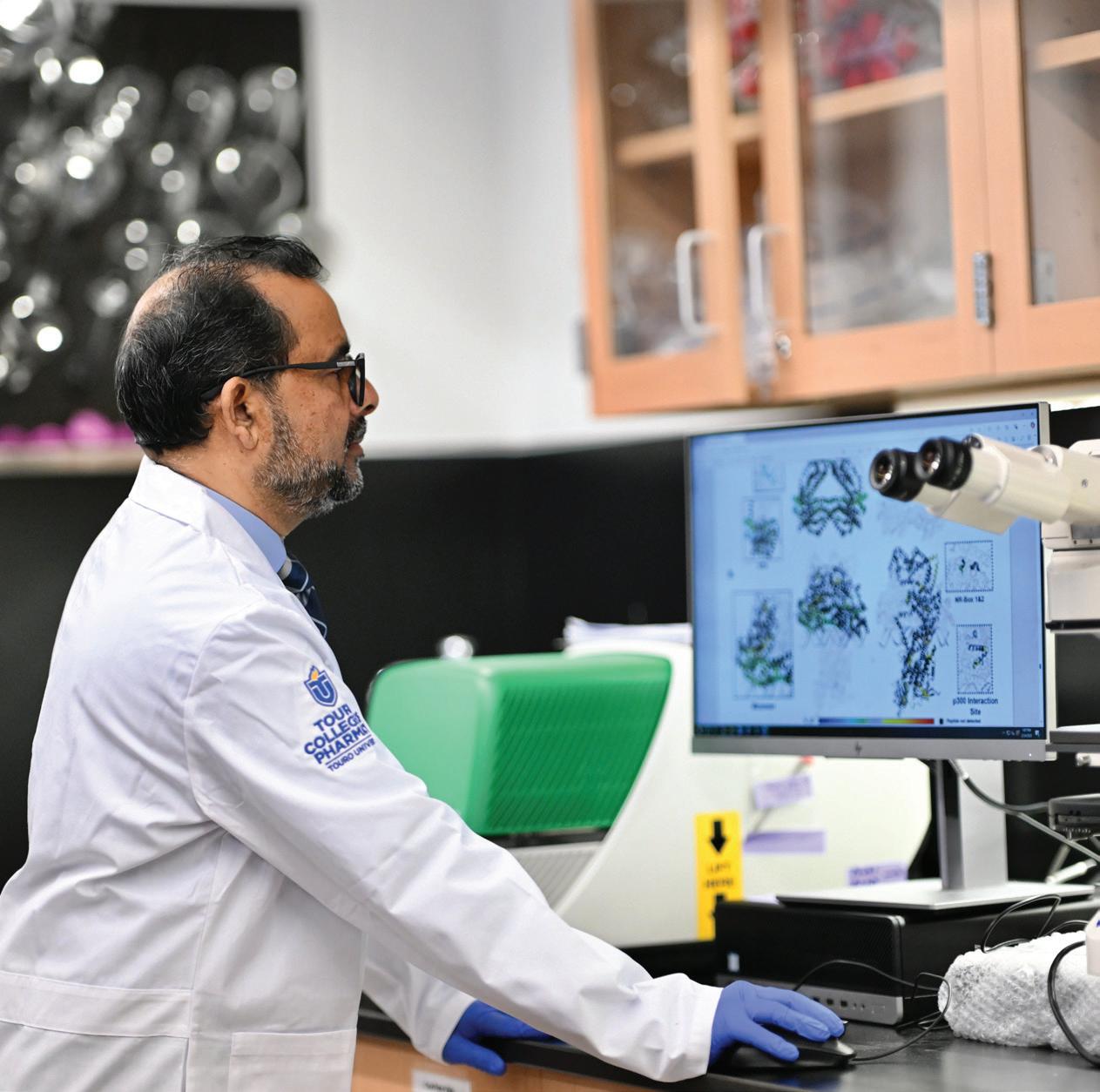
of SHR proteins. Like other proteins, SHR proteins also have a 3-D structure, and when hormones bind to them, their structure—and their effects—change.
“When we know the whole structure of SHRs, and their associated proteins at the atomic levels, then we can design a drug that can be specifically targeted to certain tissues,” says Dr. Kumar.
However, a limited understanding of these structures has significantly hampered the efforts to develop effective target-specific drugs with minimal or no side effects. “The overall goal of the ongoing project is to fill this major gap in our knowledge,” says Dr. Kumar.
It’s very technically complex to study these proteins, but Dr. Kumar’s lab, along with team of collaborators, is making steady progress.
“This research will dramatically improve our ability to predictably perturb SHR signaling and is likely to produce more effective SHR-based drugs for the treatment of endocrine cancers with minimal or no undesired serious side effects,” says Dr. Kumar.
“The goal is to stop, or even reverse, the effects of their chronic health issues such as diabetes, high blood pressure and cholesterol, so they will feel better and enjoy a better quality of life.”
DR. KAMILAH ALI
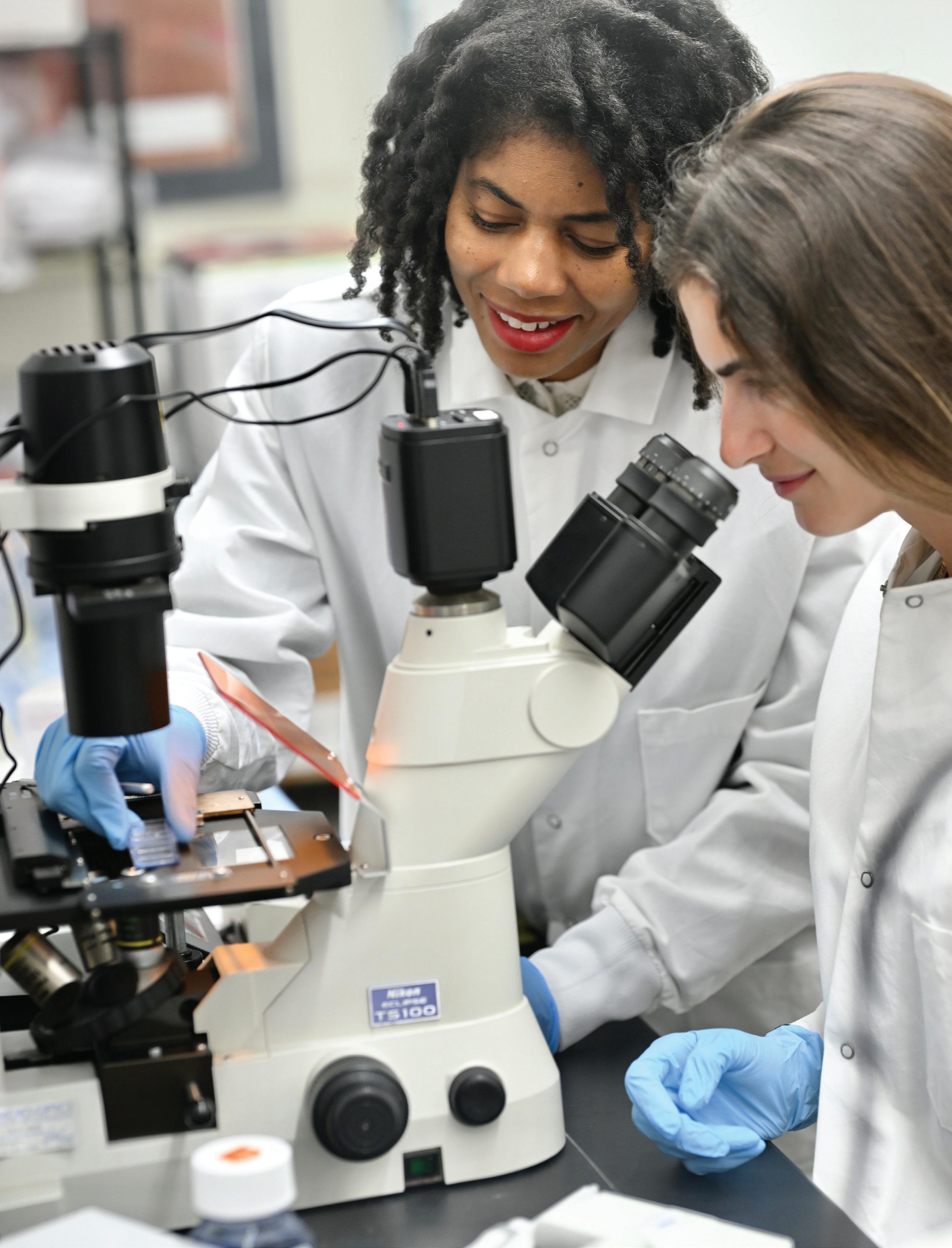
Professor Kamilah Ali, Ph.D., had a lightbulb moment that translated into a $400,000 grant from the American Heart Association (AHA). Her idea: a real-world study to help people in New York City who suffer from heart disease and other medical conditions. Dr. Ali, an associate professor and research scientist at Touro College of Osteopathic Medicine (TouroCOM), where she also serves as director of community affairs, is joined in the study with faculty from Columbia and Temple Universities. A crucial player to the team’s work is God’s Love We Deliver, an organization that provides healthy meals to the participants. The nonprofit began in 1986 at the height of the AIDS epidemic and continues today, cooking and delivering nutritious, medically-tailored meals for people too sick to shop or cook for themselves. Every three months, blood pressure and glycemic levels are tested for participants who suffer from hypertension and diabetes.
“We’ll see if our intervention with heart-healthy meals and education improves eating behaviors and slows the course of their diseases,” says Dr. Ali, who teaches the pharmacology course to future doctors at TouroCOM and involves students in all of her research projects.
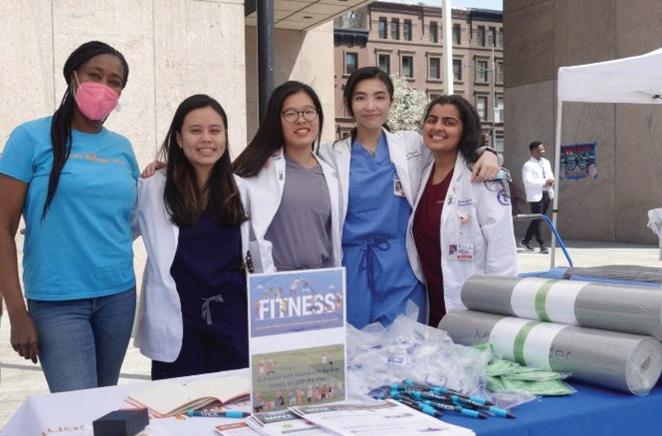
Dr. Ali combines heart research with outreach, staging health fairs manned by TouroCOM students that offer health services to the Harlem community
Like most scientists, Dr. Ali is patient and pragmatic. She understands that changing eating habits of a lifetime is an onerous ask. “You have to sustain it,” she says. “If you’re used to eating a lot of salt or sugar, not having it may make everything bland and tasteless in comparison. So, we have an educational component based on AHA life essentials for hearthealthy lifestyles with cooking classes and demonstrations, and we offer a goody bag that includes safe salt alternatives and cooking utensils.”
Almost from the moment she arrived at Touro in 2016, Dr. Ali expanded outreach to the Harlem community and surrounding neighborhoods. She increased the number of health fairs so the community can be informed about their health with blood tests, dental checkups, heart monitoring, and many other health services to which they otherwise would not have access or be routinely checked. In fact, Dr. Ali recruited people from the events for the current study. “The goal is to stop, or even reverse, the effects of their chronic health issues such as diabetes, high blood pressure and cholesterol, so they will feel better and enjoy a better quality of life.”
The stories found in the Talmud, a central text of Jewish tradition, provide deep insights into human nature, ethics and the dilemmas that have shaped societies for centuries. These narratives introduce us to influential Jewish scholars—figures like Hillel, Rabbi Yehuda HaNasi and Rav Yannai—who wrestled with profound moral questions that remain relevant today.
In A Mysterious Guest for Dinner, Rabbi Dr. Moshe Sokol, dean of Touro University’s Graduate School of Jewish Studies, explores these ancient tales and the wisdom they contain. He examines questions that transcend religious boundaries: Should a person sacrifice everything for a life dedicated to spirituality? How should society determine who is most deserving of charity? When a marriage is strained by intellectual or personal growth, where does responsibility lie? And, perhaps most intriguingly, is it ever possible to encounter a true figure of redemption?
“The more I studied these Talmudic stories, the more I realized they contained profound layers of meaning—insights about human nature, ethics and the struggles of daily life,” says Dr. Sokol.“I became passionate about uncovering these lessons and sharing them with a wider audience.”
This book, the second in Dr. Sokol’s series on Talmudic narratives, provides a close analysis of 10 compelling stories, revealing the complexities of their characters, the unexpected twists in their plots and the deep ethical questions they raise. Drawing on classical Jewish commentaries as well as contemporary fields such as psychology, literature, history and philosophy, Dr. Sokol demonstrates how these
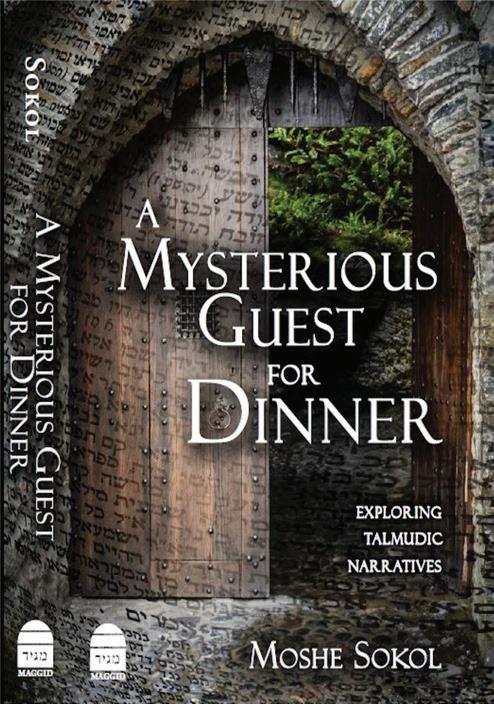
compact, yet powerful, stories remain relevant for anyone interested in the human experience.
Many readers of the Talmud, he notes, tend to gloss over these narrative sections or read them without fully exploring their depth. “I hope this book encourages readers to pay closer attention to these stories, to analyze their meaning and to engage with them in a thoughtful way,” he explains. “These stories touch on universal themes—the complexity of relationships, moral responsibility, personal sacrifice and the weight of our past decisions. They offer insights not just for religious study but for anyone interested in understanding human nature and ethical decision making.”
Dr. Jamie Sundvall, Assistant Dean, Director of Distance Education and Online Program at the Graduate School of Social Work, was named Assistant Provost of Artificial Intelligence at Touro University.
Dr. Steven Huberman, Founding Dean of the Graduate School of Social Work, retired.
Dr. Elizabeth Palmarozzi, Founding Dean of Touro College of Osteopathic Medicine – Montana, stepped down. Dr. Stephanie Zeszutek was appointed Interim Associate Dean for the campus.
The following faculty were honored with the 2025 Touro University Presidential Awards of Excellence: Dr. Joyce Brown (TouroCOM Middletown)—Excellence in Service
Dr. Steven Pirutinsky (Graduate School of Social Work)—Excellence in Service
Myra Berman (Touro University
Jacob D. Fuchsberg Law Center)— Excellence in Teaching
Dr. Gregory Gayer (Touro University California College of Osteopathic Medicine)—Excellence in Teaching
Dr. Jennifer Zelnick (Graduate School of Social Work)—Excellence in Research and Scholarship
Lushan Toney, ’23, is an Administrative Assistant and Student Services Liaison at Touro’s Graduate School of Technology.
Jacob Abadi, ’21, is the Founder and CEO of Aces of Wines, Adjunct Professor of Marketing at NYSCAS and President of GSB’s Alumni Association.
Jessica Lilly, ’20, is the Senior People Specialist in the Department of HR Business Partner at MasterCard, an Adjunct Faculty Member teaching the Society for Human Resource Management (SHRM) Prep Course and the SHRM Coordinator for Touro GSB.
Melissa I. Rodriguez, ’20, is the Director of Talent Acquisition at Hotel Talent, New York, and is an Adjunct Professor teaching the Principles of Human Resource Information Systems course at Touro GSB.
Narelys Pagan, ’22, M.S. in School Leadership, was appointed as Principal at Washington Iving Intermediate School in Tarrytown, New York.
Victoria Franco, ’21, M.S. in Teaching Students with Disabilities Generalist, Grades 7-12, has been appointed Assistant Principal of Glen Cove High School.
Jessica Anderson, ’16, M.S. in Childhood Education and Special Education (Grades 1-6), was appointed as Assistant Principal at Somers High School in Somers, New York.
Justin Gabrus, ’11, has been appointed as Principal (promoted from Assistant Principal) at Roslyn Middle School in New York.
Elizabeth Morgan, ’09, was honored by the Soroptimist International of Staten Island at the ’25 Ruby Awards.
Erik Walter, ’09, became the Principal at Maurice W. Downing Primary School in Malverne, New York.
Joann Krudis, ’08, M.S. in Childhood Education and Special Education, was appointed Principal at Seaford Manor Elementary School in New York.
Marie Netto, ’08, M.S. in School Leadership, was appointed as Assistant Principal at the H. Frank Carey High School in Franklin Square, New York.
Debra Ferry, ’05, was appointed as the 2nd Vice President of the New York State Public High School Athletic Association.
Felicia Thomas-Williams, ’02, M.S. in School District Administration, became Long Island’s first New York State Board of Regents Representative in 20 years.
Rivka Schiller, ’23, is a Reference Librarian at the US Holocaust Memorial Museum in Washington, D.C.
Yoseph Mendelevich, ’01, authored the book The Cantonists, published by Touro University Press.
Jasmine Caraballo, ’24, joined NYU Langone-Brooklyn in Sunset Park, New York, where she supports members of the community where she grew up.
Judelca Richardson, ’23, is a Social Worker in Bronx, New York, where she helps students navigate academic and personal challenges.
Tatiana Taylor, ’17, is a Licensed Clinical Social Worker) in eight states and owns a private practice, No Day, But Today Wellness PC.
Islam Mostafa, ’24, started a new position as Senior Product Designer at Renovate AI.
Faigy Shenker, ’24, was accepted to the Ph.D. program in Cybersecurity Management at Nova Southeastern University in Florida.
Parvina Shermatova, ’24, started a new position as Marketing Recruiter at Touro GST.
Samantha Samaroo, ’14, started as Senior Product Manager at Hearst in last year and ran her first marathon the same year.
Sandeep Konda, ’24, Ezgi Kyci, ’24, Maria Yepez, ’24, Brett Allen, ’23, Sameer Bilal, ’23, Hannah Howel, ’23, and Megan Gauthier, ’20, received the prestigious Smigal Scholarship at the annual American Society for Dental Aesthetics Conference.
Gabrielle Demicco Fusco, ’23, welcomed a daughter.
Oliver Viera, ’23, works at the Harvard School of Dental Medicine, where he specializes in Prosthodontics.
Lana Hashim, ’20, was honored at the 2025 TCDM Gala along with her parents, Elias Hashim DDS and Adele El Kareh. During the event, they received the Legacy of Care Award.
Sarah Piekarsky, ’20, is a Cosmetic, Restorative and Implant Dentist, who was featured in a Sensodyne Pronamel commercial.
Adam Halpern, ’22, is Chief Resident in Pediatrics at Rutgers RWJ Medical School.
Sheila Krishnan, ’22, matched at a Pediatric Infectious Diseases Fellowship at Stanford, California.
Diana Magiricu, ’22, is completing an Internal Medicine Residency at Montefiore St. Luke’s in Newburgh, New York, and will begin practicing at Houston Methodist Hospital in Texas.
Victoria Polak, ’22, is working as a Pediatric ICU Hospitalist at Children’s Hospital in Philadelphia.
Koura Sall, ’22, matched at a Cardiology Fellowship at Cooper University Hospital, New Jersey.
Connor Bailey, ’21, is starting his own practice as a Primary Care Physician in Raleigh, North Carolina.
Ina Hysko, ’21, a Board-Certified Pediatrician, joined St. Christopher’s Pediatric Associates - Northeast Pediatrics in Philadelphia, Pennsylvania.
Hanaa Khadraoui, ’21, is an OB/ GYN Resident at the University of Cincinnati and is starting a Gynecologic Oncology Fellowship at New York University in August.
Marco Lawandy, ’21, is Interventional Pain Fellow at Northwell Health.
Saagar Sheth, ’21, is currently a student at The Medical College of Wisconsin Department of Anesthesiology’s program and is beginning a Pain Medicine Fellowship at Mount Sinai Hospital in New York City.
Ta’Loria Young, ’21, is Chief Resident in Internal Medicine at Lenox Hill/ Northwell Health in New York City.
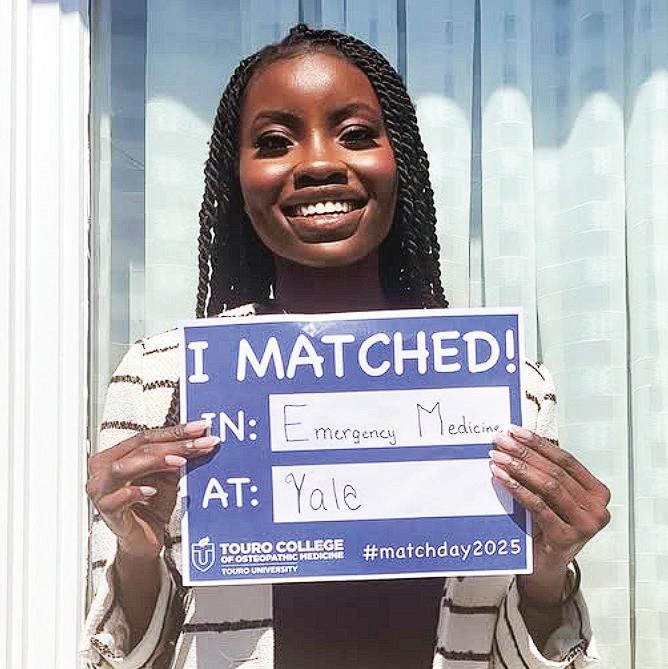
Sarah Aly, ’20, completed a Global and International Emergency Medicine Fellowship at Yale and began a new role as an Assistant Professor at Loma Linda University in California.
Hassan Chaudhry, ’20, matched in an Orthopedic Surgery Fellowship at the University of Chicago.
Shaan Sadhwani, ’20, will begin a Minimally Invasive Spine Fellowship at Weill Cornell Medicine/New York Presbyterian in New York City next year.
Michelle Gaglia, ’19, completed a Pediatrics Residency at Rutgers Robert Wood Johnson Medical School (RWJ) in 2022 and is currently pursuing a second residency at Rutgers RWJ in Anesthesia.
Marcus Konner, ’19, matched at Mount Sinai West for a Radiology Residency and is now at Weill Cornell, where he is completing a Neuroradiology Fellowship.
Gabrielle Jasmin, ’18, is a Fellow in Pediatric Emergency Medicine at Children’s National in Washington, D.C.
Daniel Karl, ’18, is in his final year of a Hematology/Medical Oncology Fellowship at George Washington University.
Luke Menken, ’18, matched at a Joint Preservation and Adult Reconstruction Fellowship at Lenox Hill Hospital in New York City.
Saad Mohammad, ’18, Doctor of Osteopathic Medicine, and ’14, M.S. in Interdisciplinary Studies in Biological and Physical Sciences, an Orthopedic Trauma Surgeon, joined Central Maine Healthcare in Lewiston, Maine.
Tieg Beazer, ’17, is a Maternal Fetal Medicine Specialist with Rochester Regional Health in Rochester, New York.
Dr. Daniel Bemporad, ’17, has been appointed Interim CEO of the Montana State Hospital.
Gayatri Malhotra, ’17, is Attending Physician at SUNY Downstate’s Department of Pulmonary Critical Care and faculty member at NYU Long Island in the Cardiothoracic ICU. She welcomed her first child last year.
Avindra Ramnarain, ’15, is practicing Emergency Medicine at the University of Central Florida in Orlando.
Zane Quach, ’14, is an Assistant Professor of Surgery at Baylor College of Medicine in Houston, Texas.
Sima Patel, ’12, works in a Group Allergy practice on New York City’s Upper West Side.
Sowmya Gadey, ’11, practices Primary Care at a free healthcare clinic in Norwalk, Connecticut. She was honored with the Alumni Award at the 2024 TouroCOM Harlem Dinner.
Michael Stuart, ’22, is a Clinical Pharmacist at Yale New Haven Hospital.
Samantha Karabinas, ’21, was promoted to Senior Manager, Regulatory Affairs at AbbVie.
Kenya Anderson-Yanchaka, ’20, is a Pharmacy Operations Manager at New York Presbyterian Hospital.
Alexander Agyei Marfo, ’20, is an Associate Director of U.S. Medical Affairs Strategy, Hematology at Bristol Myers Squibb.
Adam Chin, ’18, is a Senior Medical Science Liaison at Blueprint Medicines.
Emily Messing, ’17, recently presented at a Medication Safety Workshop hosted by TCOP.
Sanjeda R. Chumki, ’16, was promoted to Medical Director, Global Medical Affairs Strategy at Otsuka Pharmaceutical.
Samantha Bouchard, ’24, Megan Gallagher, ’23, Ashley Hartland, ’22, Drew Levine, ’17, and Anthony Ranieri, ’23, were appointed as Assistant District Attorneys at the Suffolk County District Attorney’s office in Long Island, New York.
Patrick Faivre, ’24, and Brianna Weppler, ’22, welcomed a baby girl, Kennedy Rose.
Robert Abruzzese, ’24, was appointed as Law Clerk to Justice Wayne Saitta at the Kings County Supreme Court in Brooklyn, New York.
Jacqueline Fink, ’24, Judicial Law Clerk to the Honorable James M. Wick at the United States District Court, Eastern District of New York, and Won Han, ’23, got engaged and are planning a wedding in May 2026.
Amber Nicole Roibu, ’24, is an Associate Patent Attorney at Carter, DeLuca & Farrell LLP.
Nancy Gallagher, ’23, is an Attorney at the New York State Insurance Fund.
Dana Ortiz-Tulla, ’23, obtained a Generative AI: Governance, Policy, and Emerging Regulation certification from the University of Michigan.
Courtney Troyan, ‘23, has joined Palermo Law as Associate Attorney.
James Bunster, ’21, started a new position as CEO/Co-Founder at Talent Link Group, LLC.
Katelyn Leyva, ’21, has been appointed as Assistant City Attorney in the criminal division in Duluth, Minnesota.
Shannon Litvin, ’21, opened a law office in Schenectady, New York.
Georgia Reid, ’21, was appointed as Litigation Associate at Schenck, Price, Smith & King, LLP.
Sarah Schick Patrizi, ’21, welcomed a baby boy in March.
Beth M. Gazes, ’20, has been promoted to Equity Partner at Taylor, Eldridge & Endres, P.C.
Leah Jackson, ’20, is now working as Senior Counsel at Nissar Law Group, P.C.
Andrew Markland, ’20, is now Associate Attorney at Winthrop & Weinstine, a law firm with over 180 attorneys in Minneapolis, Minnesota.
Georgia Reid, ’20, became an Assistant Prosecutor in Hunterdon County, New Jersey.
John Bourquin IV, ’18, has joined Greenberg Traurig, LLP as an Associate in their Bridgehampton and Garden City, New York offices.
Alexis Grossman, ’18, started a new position as Principal Court Attorney to the Honorable Carolyn E. Wade at Kings County Supreme Court in Brooklyn, New York.
Heather Casale Davis Karabec, ’18, was the recipient of the 32nd Peter Sweisgood Award, presented by the Suffolk County Bar Association’s Lawyer Assistance Committee in New York.
Marra Kassman, ‘18, and her husband welcomed a baby boy in February. Saba Khan, ’17, has transitioned to Legal Counsel for Global Markets U.S. at UBS.
Ashley Valla, ’17, was promoted to Partner at the Haley Weinblatt & Calcagni LLP firm.
Edward Grimmett, ’15, was promoted to Partner at the firm Kaufman Dolowich LLP, practicing labor and employment law, and representing businesses in a wide range of industries.
Tesla Carasquillo, ’14, is now working as an Associate Attorney at Morris Duffy Alonso Faley & Pitcoff.
Sophia Perna-Plank, ’14, has been promoted to Of Counsel at Jaspan Schlesinger Narendran LLP.
Angela Pugliese, ’14, joined Pasternack Tilker Ziegler Walsh Stanton & Romano LLP as an Attorney representing employees injured on the job.
India Sneed-Williams, ’13, Founder of the firm IQEQ Law PLLC, was selected by City and State as a Power Law 100, which spotlights key figures across New York’s legal industry.
Erica Vladimer, ’13, is the Founding Director of Harassment-Free New York.
Yuriy Yaroslavskiy, ’13, was named Partner at the Levitsky Law Firm.
Pallvi Babbar, ’12, and her husband welcomed a baby girl in February.
David Flores, ’12, was promoted to Vice President of Client Services at GreenPath Financial.
Kari Heyison Indusi, ’12, joined the Harris Beach Murtha law firm’s Long Island, New York, office as Senior Counsel of its medical and life sciences industry team.
Melissa B. Schlactus, ’11, has been promoted to Equity Partner at Taylor, Eldridge & Endres, P.C.
Megan Skiber, ’11, is an Attorney at the Westwood Pacific Law PLLC firm in Seattle, Washington.
Joseph D’Amico, ’10, is a 17th Circuit Trial Court Administrator and has been named Co-Editor of Court Manager, a national publication focusing on ethics and the courts, technology and the judiciary, and court management issues.
Nicole Giambarrese, ’10, has joined the Ice firm as Partner on its governmental benefits team.
G. William Germano Jr., ’08, was named Managing Attorney at the Germano & Cahill, P.C. firm, where he focuses on land use & zoning, commercial real estate, IDA & business transactions and civil litigation.
Jeffrey Kimelman, ’08, and his wife recently welcomed a baby boy.
Deep Chopra, ’07, was recognized in April by the Nassau County Bar Associate Access to Justice Committee at its Eighth Annual Pro Bono Recognition event, highlighting lawyers who demonstrated exemplary legal service in the community.
Rui Goncalves, ’06, was promoted to Chief Legal Officer at global technology solution provider ConvergeOne.
Nikkiya Branch-Penson, ’05, is an Adjunct Professor of Law at Wayne State University Law School in Michigan. She also serves as Deputy General Counsel at Detroit’s Water & Sewage Department.
Alfred C. Graf, ’02, was sworn in as a Suffolk County Supreme Court Justice in New York.
Jevet Johnson, ’01, was appointed as a New York State Judge.
Erica Edwards-O’Neal, ’99, Chief Diversity Officer for the New York Road Runners, was honored with the Award of Excellence by Running USA.
Erin Sidaras, ’99, was appointed as Principal Law Clerk to the Honorable Linda J. Kevins at the Riverhead Supreme Court in New York.
Robert Howard, ’98, joined Kaufman Dolowich in their Construction Law practice.
Lisa Daley, ’97, was appointed as Family Court Judge in Bronx, New York.
Vincent Cuocci, ’96, was named “Pro Bono Lawyer of the Month” by the Suffolk County Bar Association.
Glenda M. Hernandez, ’95, has been elected judge of the New York City Civil Court in Queens, New York.
Keith Braunfotel, ’94, was elected to Town Justice in Rockland County, New York.
Stephen B. Tiger, ’94, was named Partner at Cohen & Jaffe, LLP.
James F. Leonick, ’88, was appointed as Suffolk County District Court Judge at the Cohalan Court Complex in Long Island, New York.
Gary Douglas, ’87, created the law firm Douglas and London, PC, which spearheaded the largest water contamination settlement in the country’s history. An award-winning documentary film featuring actor and activist Mark Ruffalo chronicled the team’s effort to hold those responsible to remediate and clean up contaminated public water systems, resulting in a settlement of $12B.
Jeffrey Arlen Spinner, ’87, a retired judge, started a new position as Senior Counsel at Barrows Levy PLLC.
Ilene P. Fern, ’85, has been appointed by New York Governor Kathy Hochul as Judge to the New York State Court of Claims.
Aharon Garrel, ’24, Doctor of Physical Therapy, began a new role as a Homecare Physical Therapist at Catholic Health Services
Cindy Granados, ’24, M.S. in Applied Behavior Analysis, is a Clinical Supervisor.
Michelle Kreinik, ’24, M.S. in Speech-Language Pathology, is a Speech-Language Pathologist at SAR Academy in Riverdale, New York.
Carla Waleski, ’24, M.S. in Applied Behavior Analysis, is working at a daycare and preschool for ABA and is applying for the BCBA exam.
Natalie Fuzaylov, ’23, M.S. in Occupational Therapy, became a school-based Occupational Therapist with the U.S. Department of Education in January.
Lauren Stern, ’23, Doctor of Occupational Therapy, and ’08, M.S. in Occupational Therapy, works at the Ministry of Education in Israel and is expanding her private practice.
Stephanie Buckheitm, ’22, M.S. in Industrial-Organizational Psychology, is an HR Manager at Legal Services of Long Island in New York.
Alexander Kapoutsos, ’22, Doctor of Physical Therapy, is the Clinical Director at Rocky Point Metro Physical and Aquatic Therapy in Long Island, New York.
Daniel Vapne, ’19, Doctor of Physical Therapy, welcomed his third child, became owner of Advantage Physical Therapy, published new research and created the private practice network “IPA.”
Angie Seelal, ’18, M.S. in Physician Assistant, runs a Dermatology Clinic in Hollis, New York.
Michael Manzella, ’15, M.S. in Occupational Therapy, has been working at Mount Sinai South Nassau in Long Island, New York, for nearly a decade and will be completing his Certified Neuro Specialist (CNS) certification this year.
Abe Kopolovich, ’13, M.S. in Physical Therapy, received his JD from Touro Law Center
Venice Mule-Glass, ’07, Doctor of Physical Therapy, and ’97, M.S. in Physical Therapy, got remarried in 2022.
Adina Itzkowitz, ’97, M.S. in Physical Therapy, received a Ph.D. with a specialization in Health Professions Education in April 2024.
Ilyse Flattau, ’96, M.S. in Physical Therapy, is a Teaching Assistant and Adjunct Professor at Touro’s SHS in Long Island, New York.
Evelyn Morales, ’96, M.S. in Physician Assistant, was honored at the Friends of Mercy Hospital’s 88th Annual Mercy Ball with the Theodore Roosevelt Award for Outstanding Service.
Maria Meigel, ’90, M.S. in Physical Therapy, received the Dean’s Seed Grant Award.
Ceabert Griffith, ’84, M.S. in Physician Assistant, co-authored 11 Power Habits to Defeat High Blood Pressure, which was published in September 2024.
Stuart Reich, ’82, M.S. in Physician Assistant, opened his own Surgical First Assisting practice.
We are saddened to share that Laura Kleedorfer Coleman, Touro Law ’09, passed away on April 7, 2025.
Dr. Patricia E. Salkin
Senior Vice President, Academic Affairs | Provost, Graduate and Professional Divisions
Elisheva Schlam
Executive Director
Communications & Marketing
Esther Greenfield Director of Publications
Laurie Kohanchi
Assistant Director of Publications
Christina Cheakalos
Writer
Lyndsay Bruno, Barbara Franklin, Stacy Gerard, Laurie Tarkan
Contributing Writers
Tali Berger
Senior Graphic Designer
TOURO UNIVERSITY
Rabbi Doniel Lander
Chancellor
Dr. Alan Kadish
President
Zvi Ryzman
Chairman of the Board
Rabbi Moshe D. Krupka
Executive Vice President
Dr. Bernard Lander OB”M
Founder (of Blessed Memory)
Touro University is a system of non-profit institutions of higher and professional education chartered in 1970. Touro was founded primarily to enrich the Jewish heritage and to serve the larger American and global community. Approximately 19,000 students are currently enrolled at Touro University’s various schools and divisions, which encompass 37 campuses and locations in New York, California, Illinois, Montana, Nevada, New Mexico, Berlin, Jerusalem and Moscow. New York Medical College; Touro University California and Touro University Nevada; Touro University Worldwide and its Touro College
Los Angeles division; as well as Hebrew Theological College in Skokie, Illinois are separately accredited institutions within the Touro University system. For more information, visit www.touro.edu.
@WeAreTouro
© 2025 TOURO UNIVERSITY – THE DIVISIONS OF GRADUATE AND PROFESSIONAL STUDIES
Touro is an equal opportunity institution. For Touro’s complete Non-Discrimination Statement, please visit www.touro.edu.

Please Help Touro Make a Difference
To make your gift online, please go to touro.edu/giving and choose a specific graduate division to direct your gift. Your gift to Touro University, The Divisions of Graduate and Professional Studies is tax deductible to the full extent of the law.