Date
01 Dec (Thu) - 07 Dec (Wed), 2016
Venue
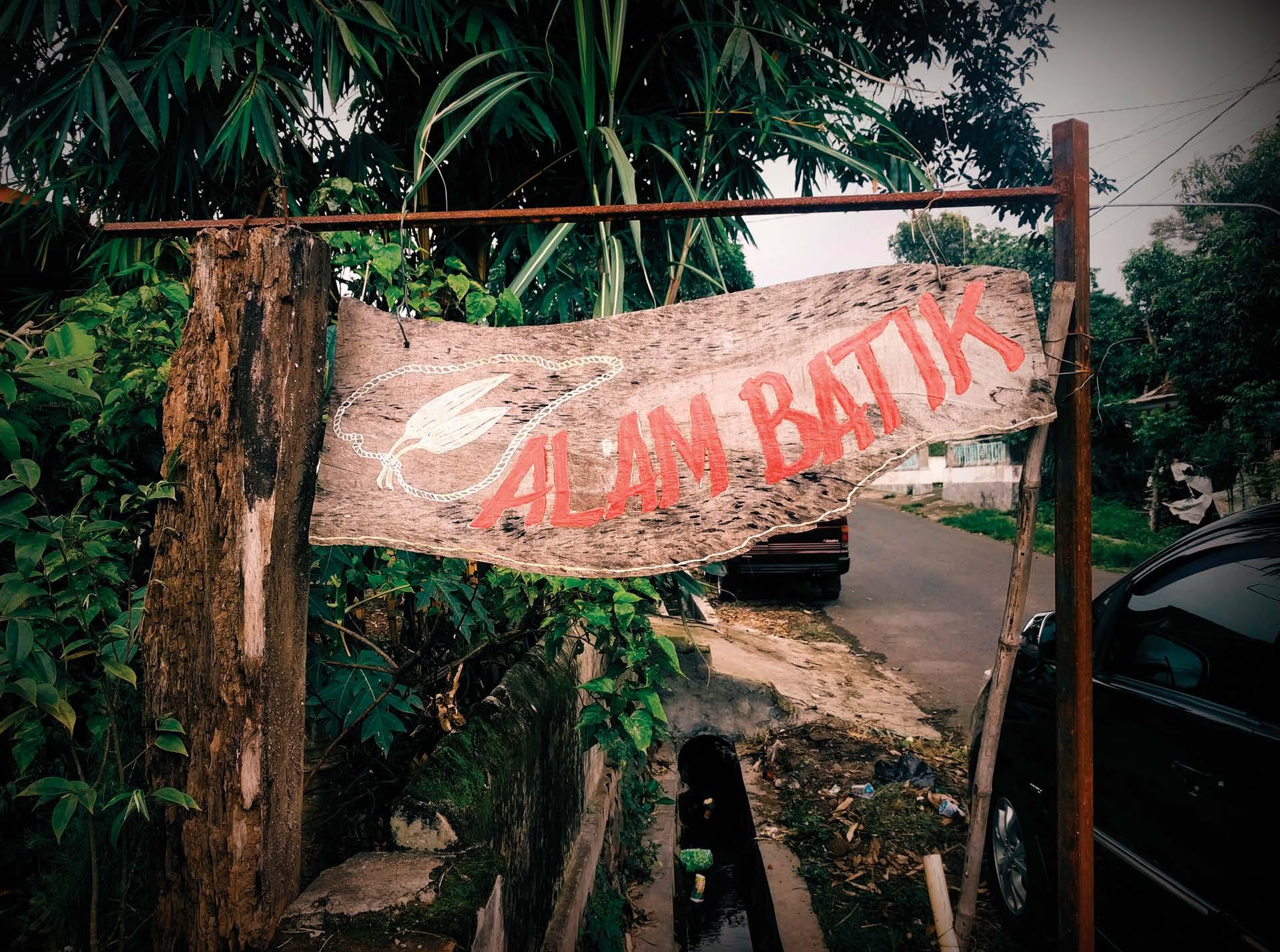
Alam Batik, Indonesia Pasuruan
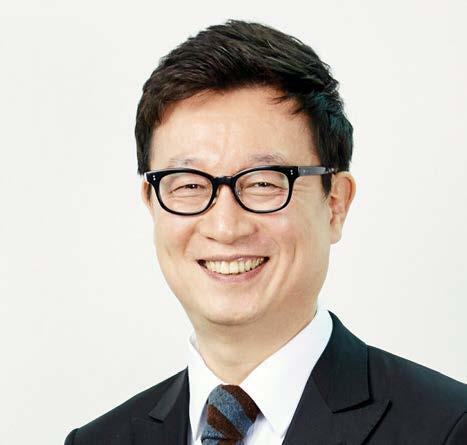
Consultant Do Young KIM
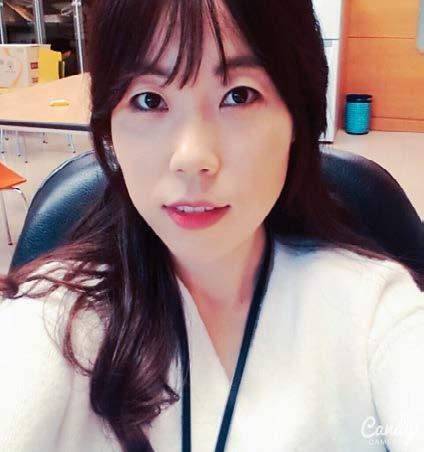
Coordinator Euna KIM (Luna)
Marina Abdul Ghanie
Maslinda Abdul Ghanie
Project director Nathalie Boseul SHIN
Artist Gihun NOH • Yoonsuk CHOI
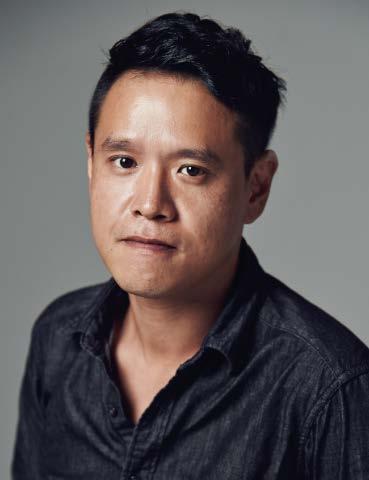
Movie director Hyoung Ju KIM
Journalist Mee Hye LEE
Fashion designer So Young MAH
Designer Heiin SON • Tae Hoon JANG
Batik Specialist
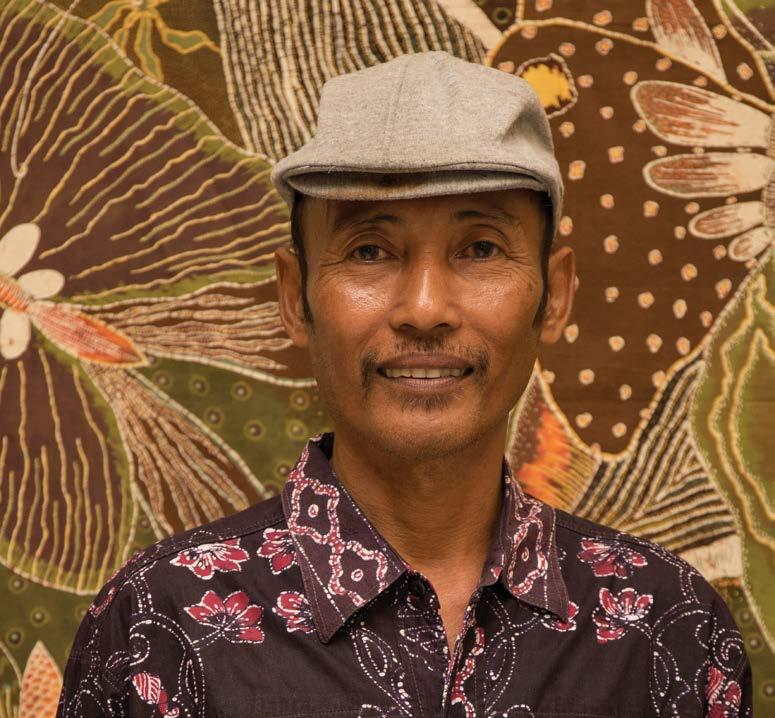
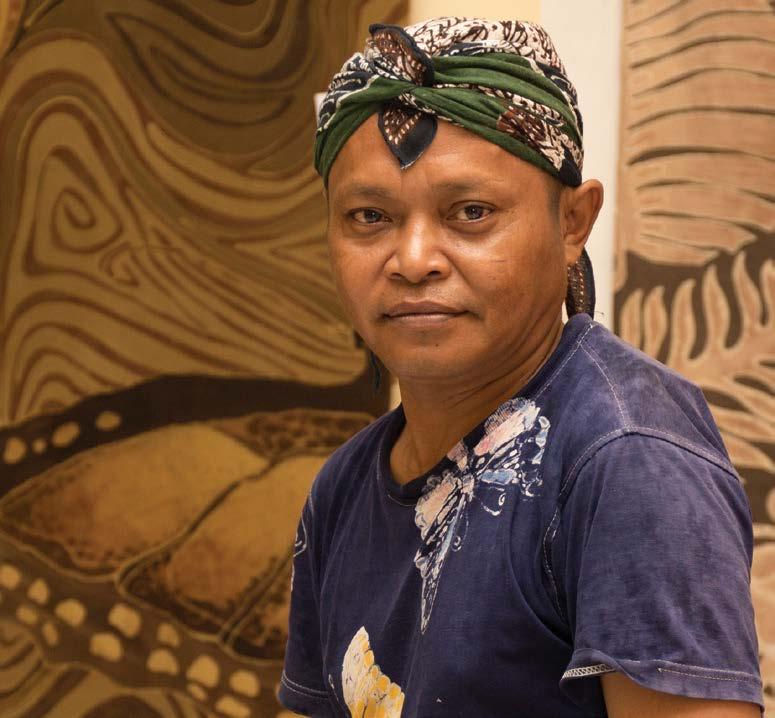
Sri Kholifah(Bu Ifah)
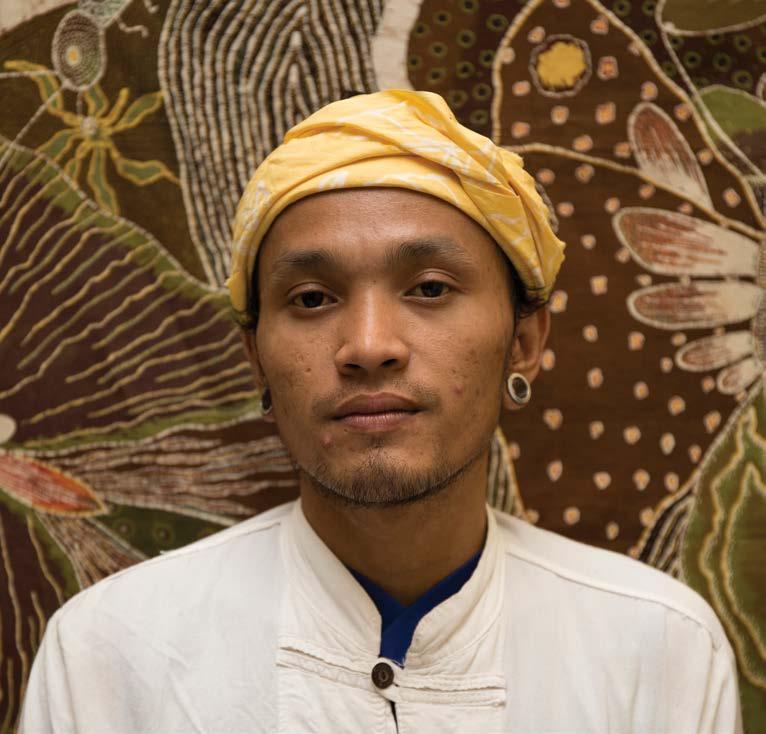
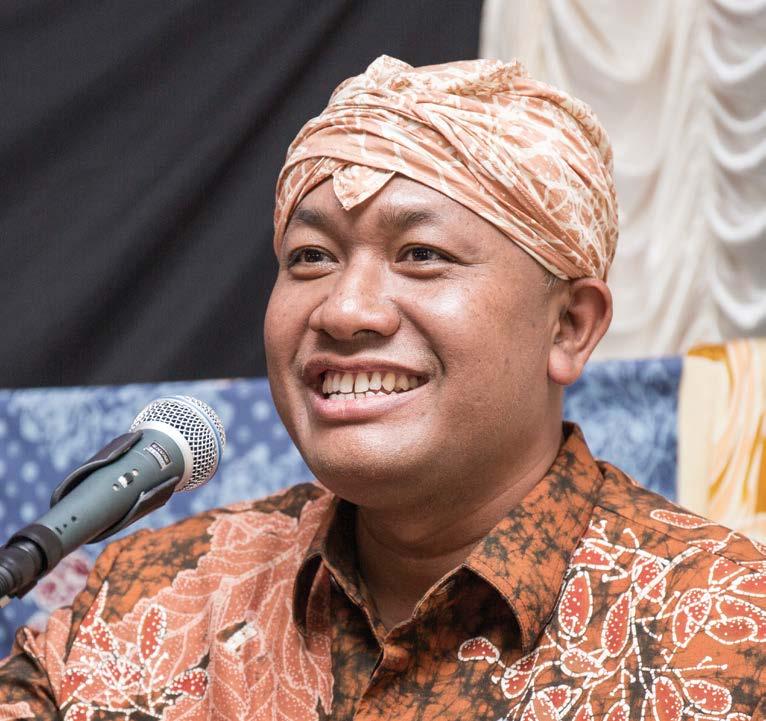
Anang Samsul Arifin
Fery Sugeng Santoso
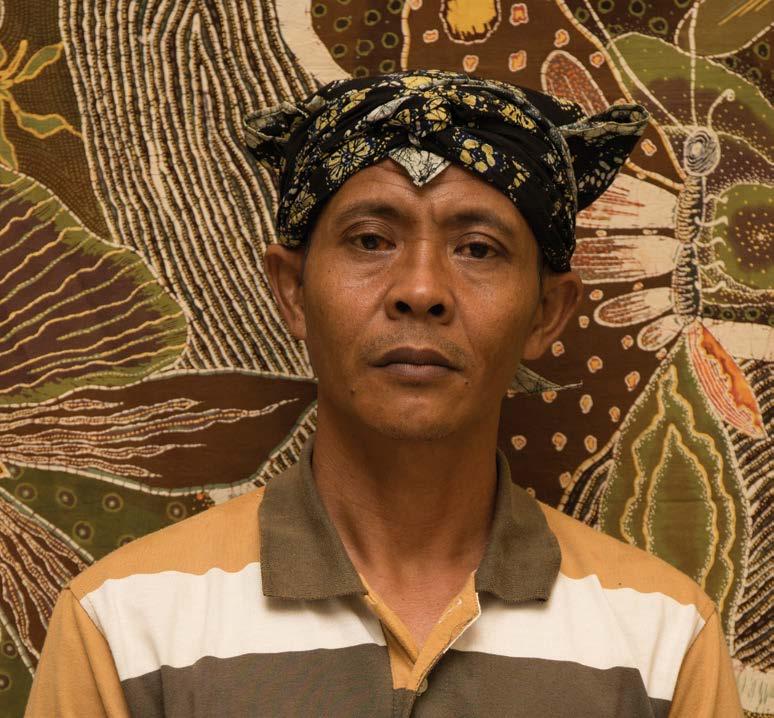
Kasto
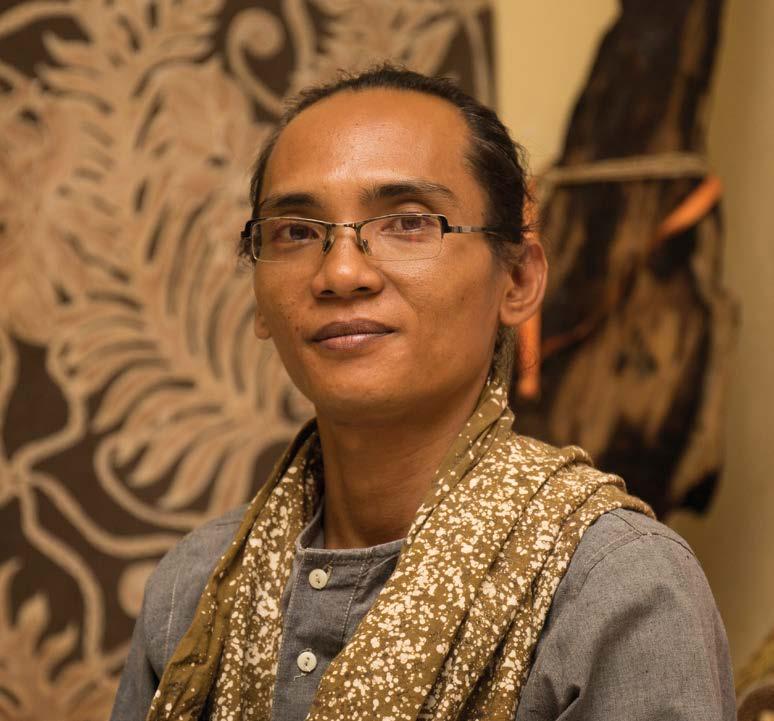
Prima Amri Surachmad
Widianto
Students
Ainun Mardiyah Aris Wahyudi Ciani Ningsih
Fitriyah Rakhmawati• Handini Fatma Mega •
Jossie Aldi Efendi Koko Prayogi
Lailatul Mukarromah Yasin Moch Andre Setiawan
Maslikha Nafisatul Jannah Roudhotul Alifa Winda Ariska
Yessica Sabath Indraputri • Yusrotul Amri
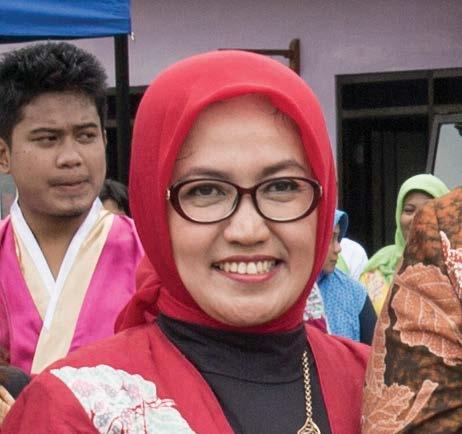
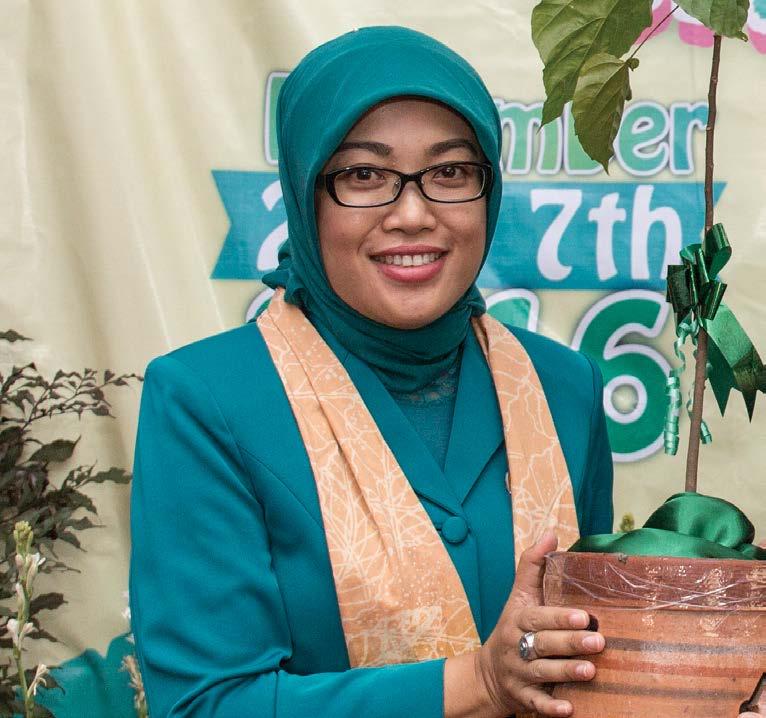
Indonesia Pasuruan State Office
Diano Vela Fery Santoso
Esthiana Hendraswati Tri Rahayu
Lulis Ratnawati Yudi
Introduction :: INDONESIA
¶ Country name
conventionallong form: Republic of Indones ia conventional short form: Indonesia
¶ Location
Southeastern Asia, archipelago between the Indian Ocean and the Pacific Ocean
Geographic coordinates : 5 00 S, 120 00 E
Map references : Southeast Asia
Climate : tropical hot, humid more moderate in highlands
Natural resources : petroleum, tin, natural gas, nickel, timber, bauxite, copper, fertiles oils, coal, gold, silver
¶ Capital
name: Jakarta
geographic coordinates: 6 10 S, 106 49 E
note: Indonesia has three time zones
¶ Population
258,316,051 (July 2016 est.)
country comparison to the world : 5
¶ Nationality
noun : Indonesian(s) / adjective : Indonesian
Ethnic groups : Javanese 40.1%, Sundanese 15.5%, Malay 3.7%, Batak 3.6%, Madurese 3%, Betawi 2.9%, Minangkabau 2.7%, Buginese 2.7%, Bantenese 2%, Banjarese 1.7%, Balines e 1.7%, Acehnese 1.4%, Dayak 1.4%, Sasak 1.3%, Chinese 1.2%, other 15% (2010 est.)
¶ Languages
Bahasa Indonesia (official, modified form of Malay), English, Dutch, local dialects(of which the most widely spoken is Javanese)
note: more than 700 languages are used in Indonesia
¶Religions
Muslim 87.2%, Christian 7%, Roman Catholic 2.9%, Hindu 1.7%, other 0.9% (includes Buddhist and Confucian), unspecified 0.4% (2010 est.)
¶ Agestructure
0-14 years: 25.42% (male 33,435,020/female 32,224,706) 15-24 years: 17.03% (male 22,397,086/female 21,604,985) 25-54 years: 42.35% (male 55,857,415/female 53,543,682)
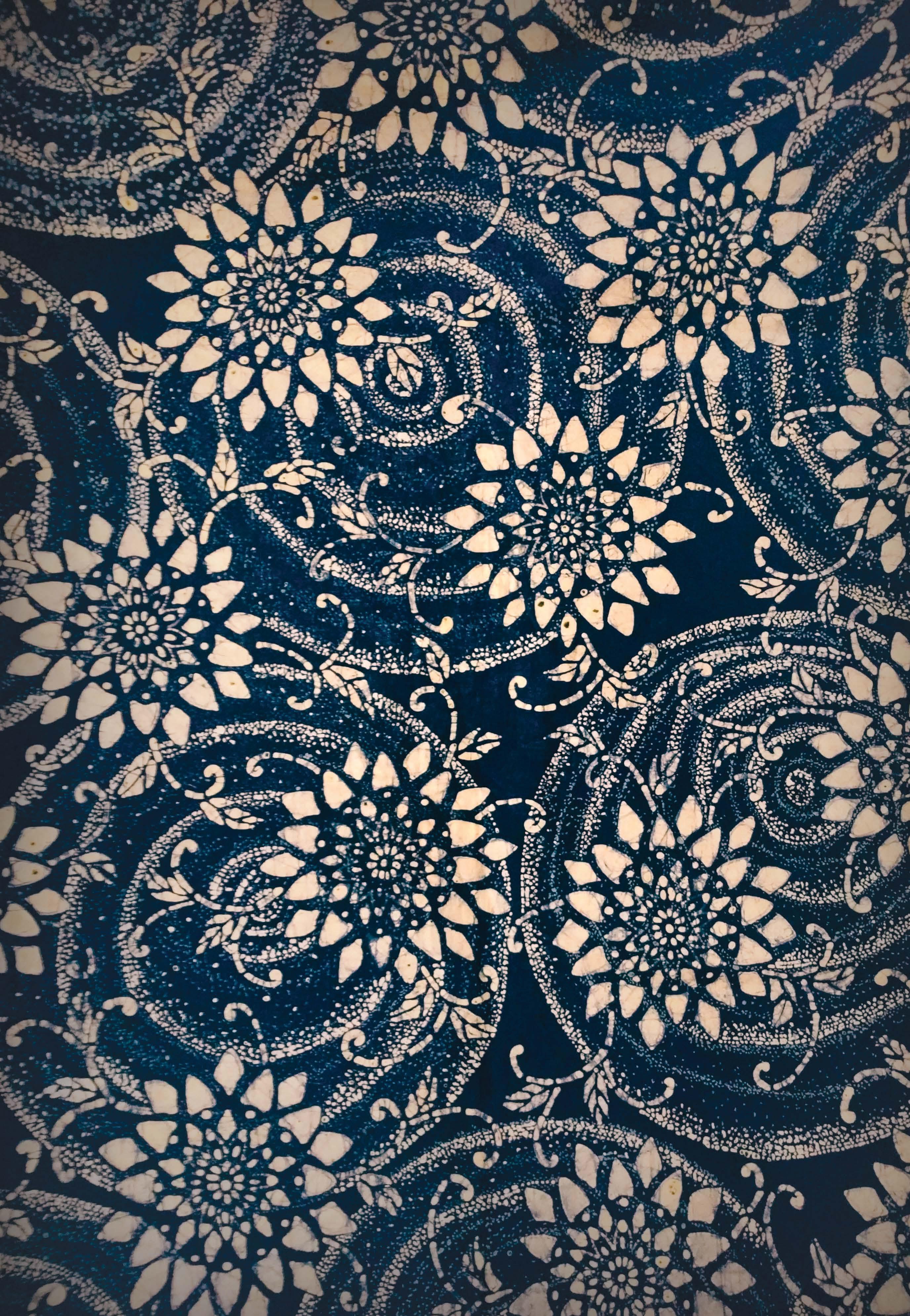
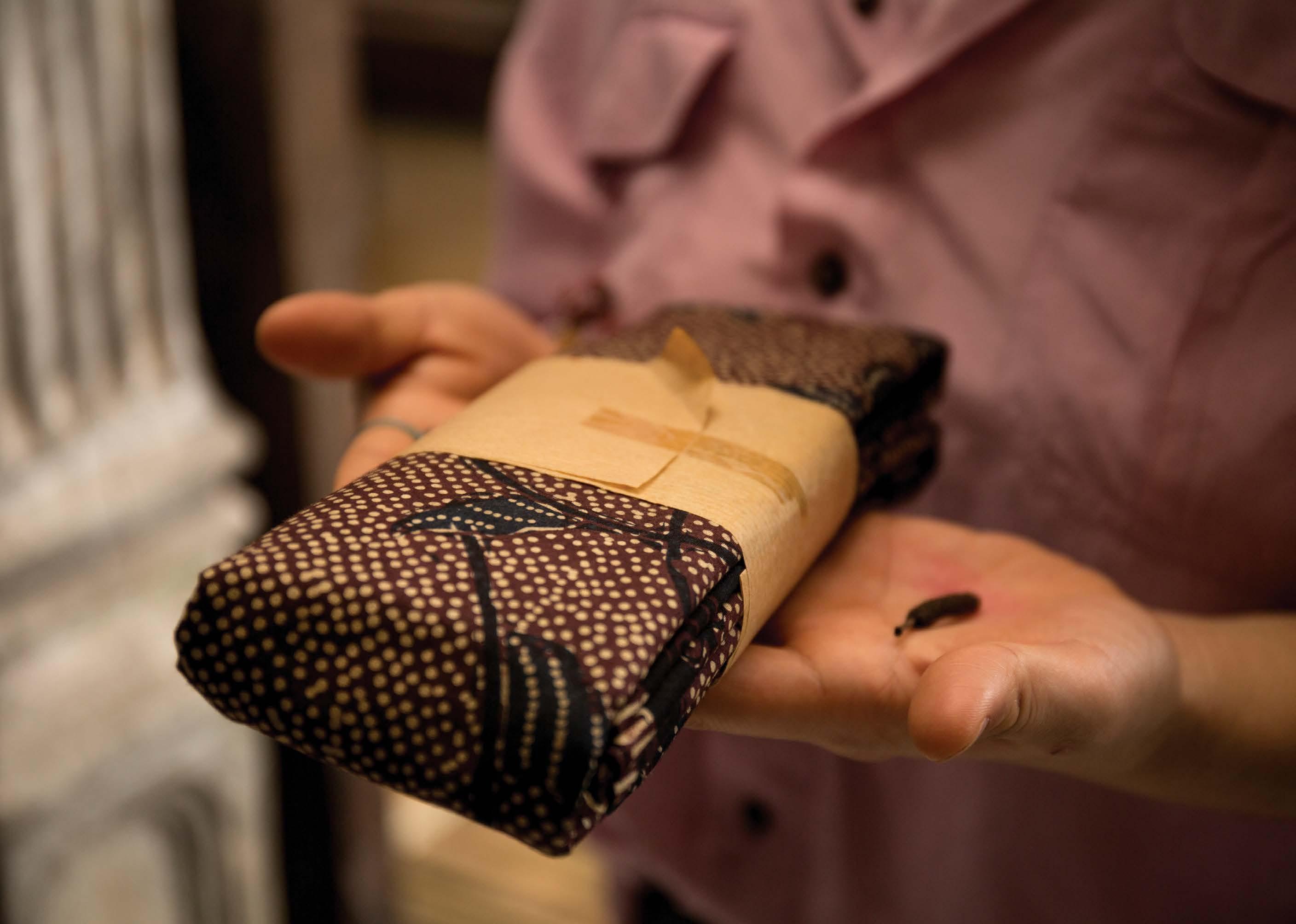
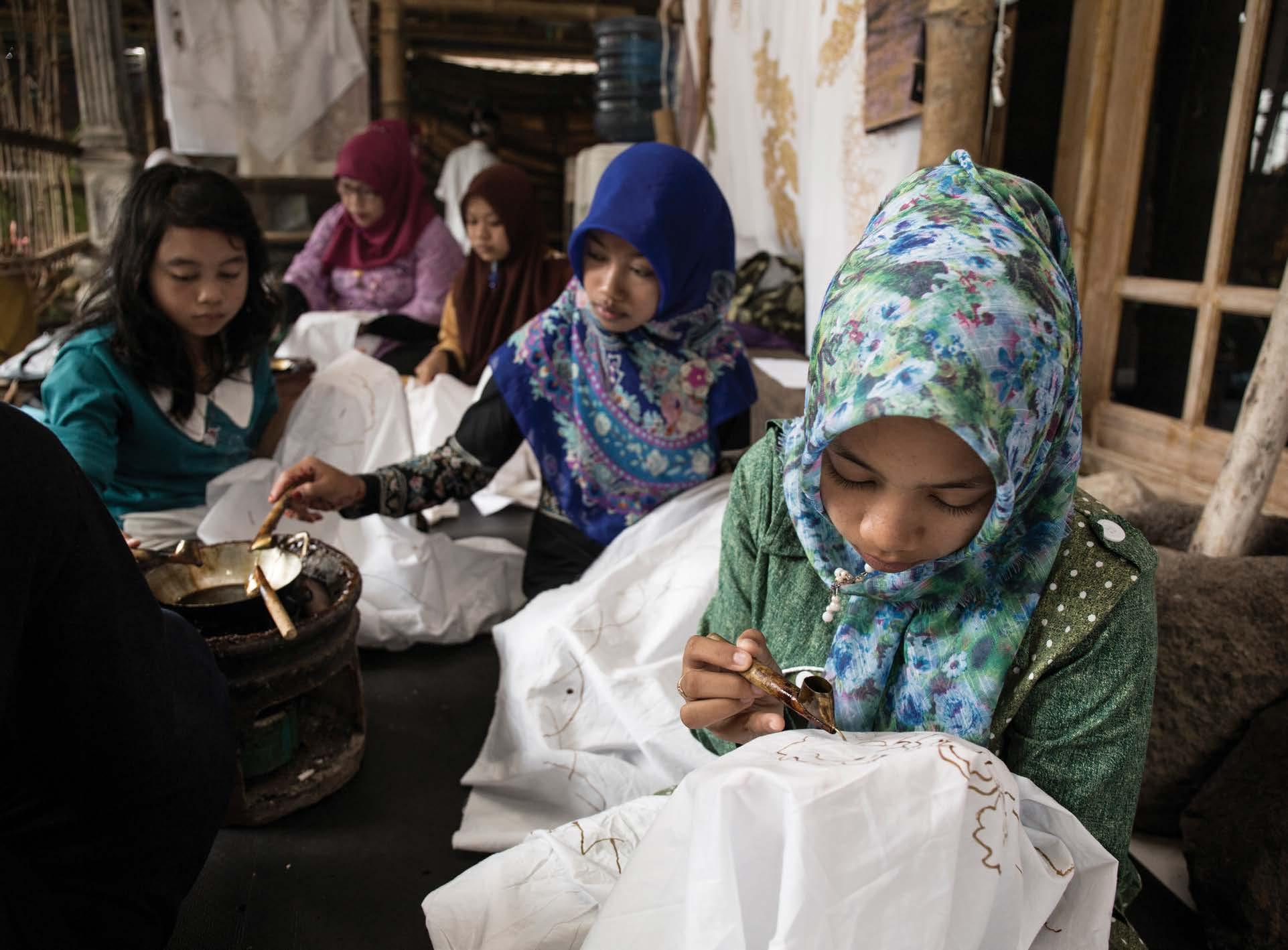
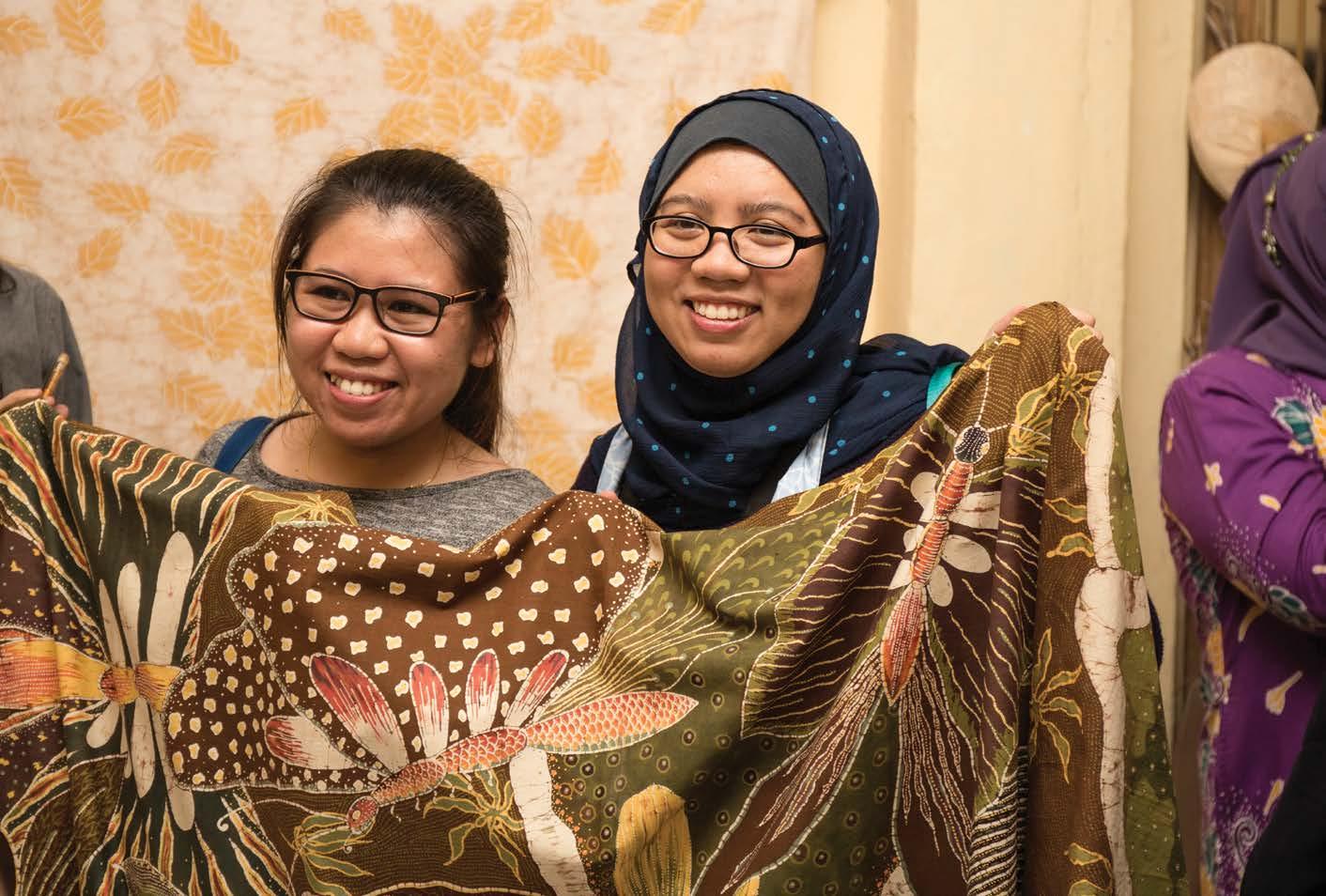
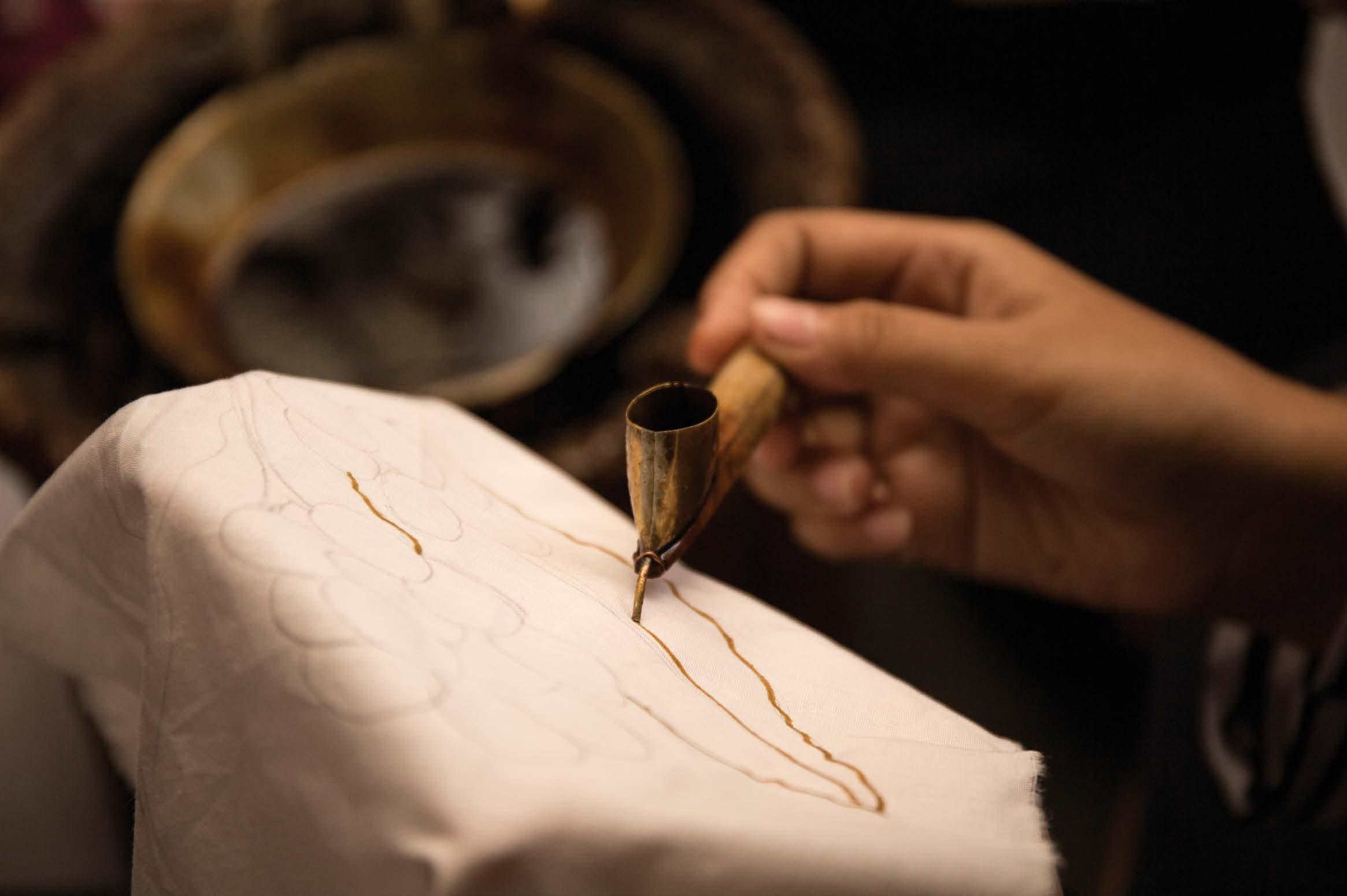
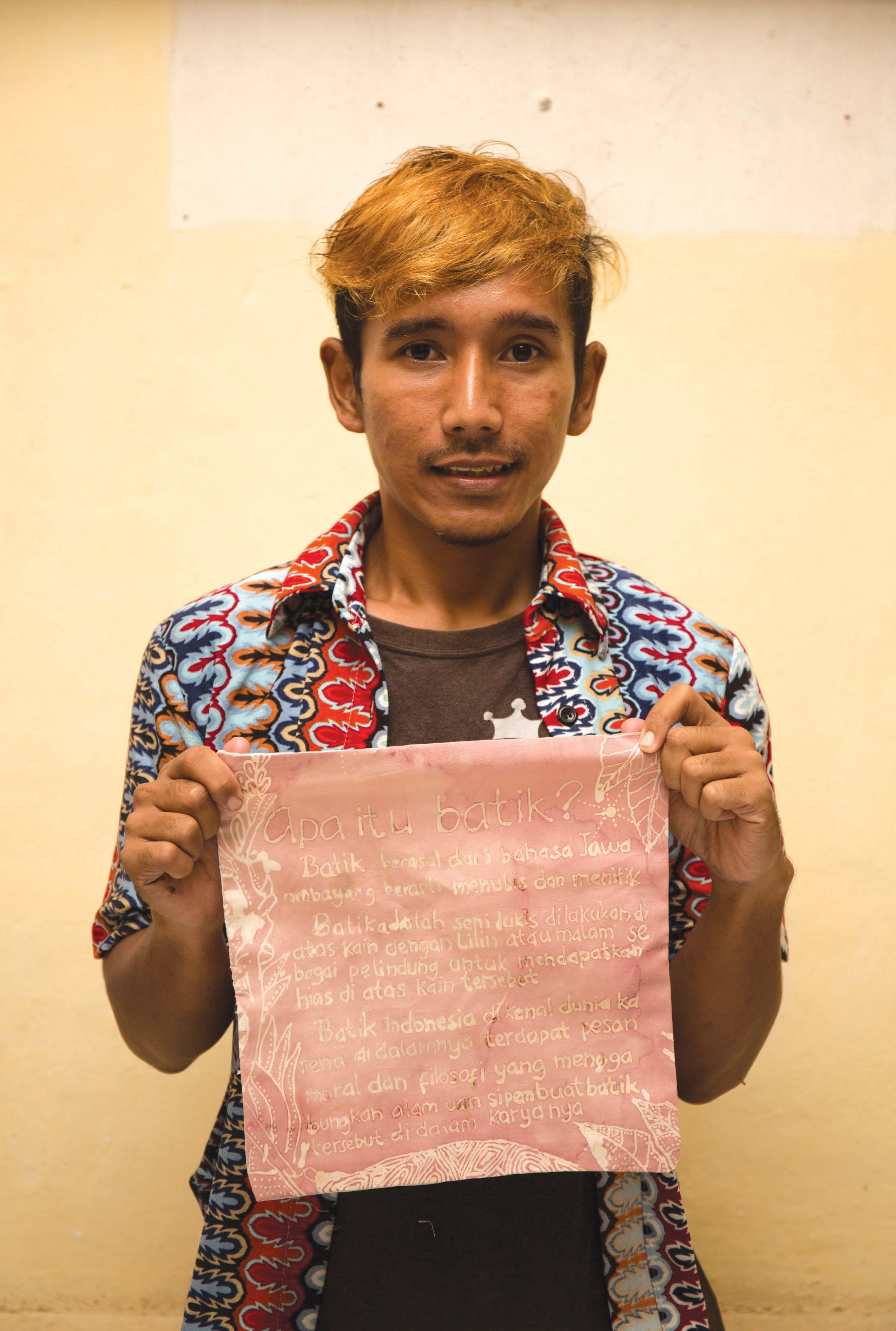
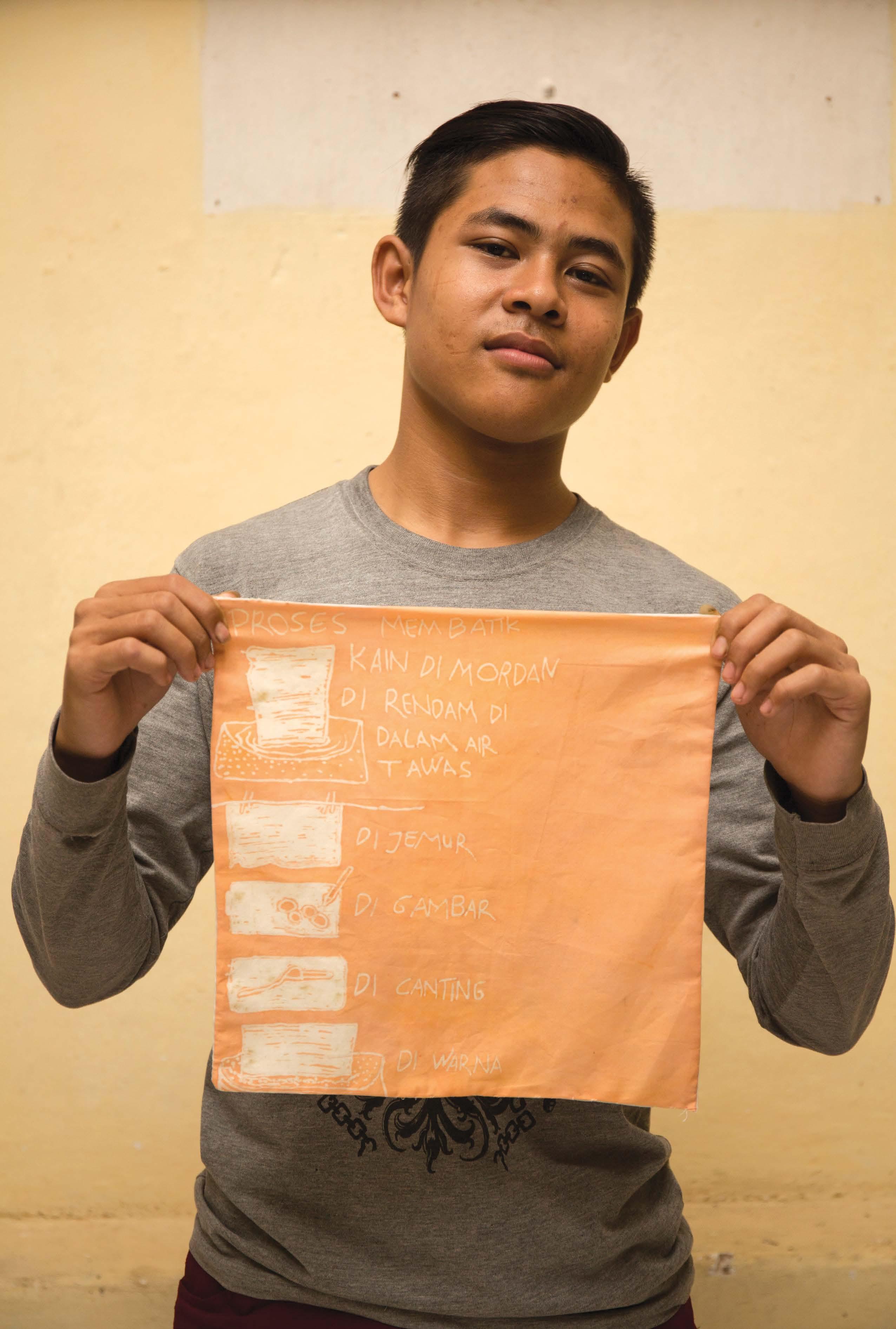
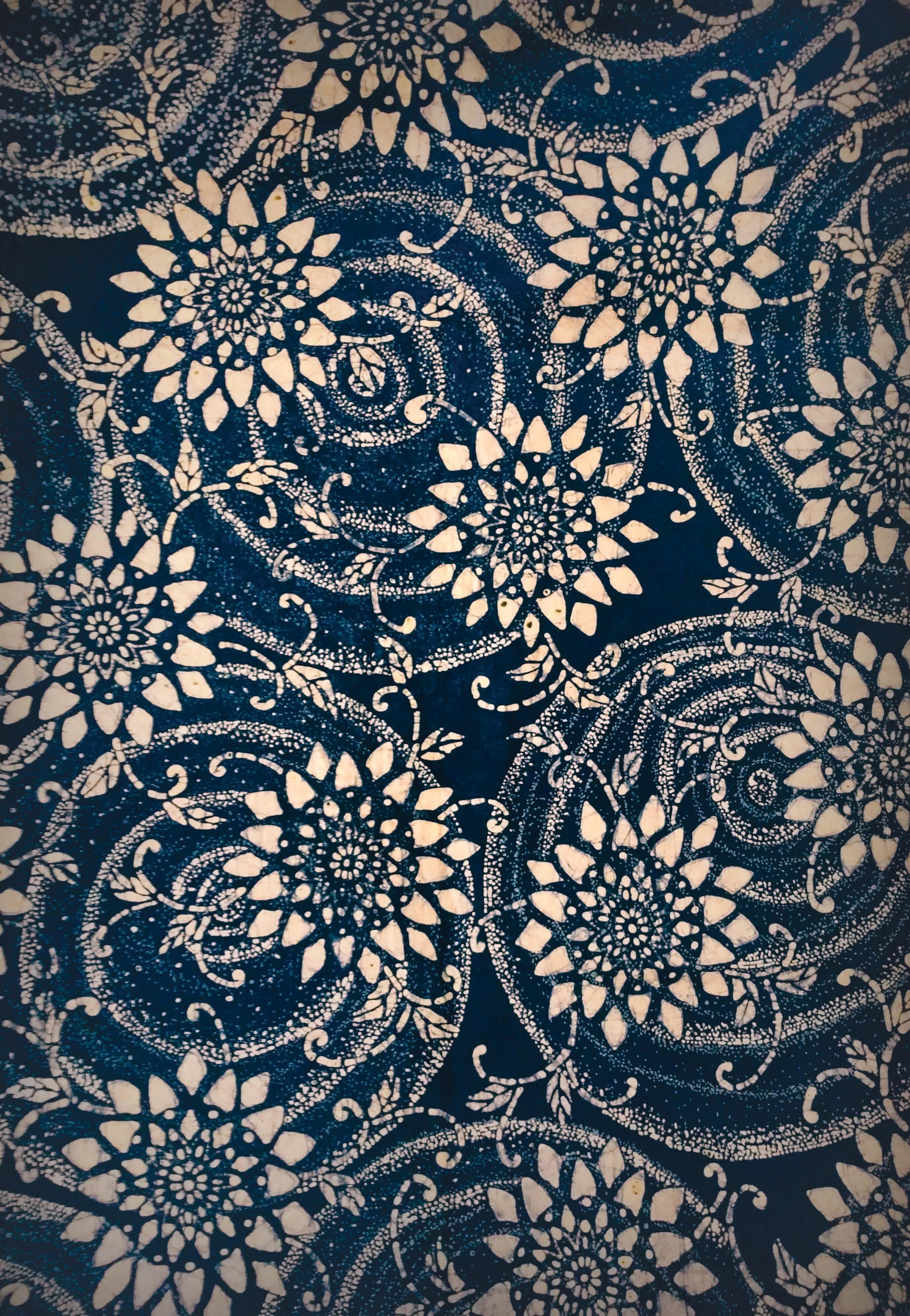
The unique hand-dyed technique known as Indonesian Batik reflects the lives of Indonesians. Batik, which originated in ‘Ambatik’, means ‘a cloth with little dots’ in Javanese, entered Indonesia in the 7th century and developed into a unique culture. Geometric patterns are related to Indonesian traditions and the local environment in which they live. Symbolic patterns such as the plants that wish for health or the legendary heroes add colorful stories in batik. The process is quite tricky and complex. Putting hot beeswax, such as ink, into ‘canting’, a special tool and people draw lines only in one direction. When the temperature of beeswax is over 70 degrees, it flows too much. If it is lower than that, it hardens and it is not easy to keep the proper temperature. It requires a high concentration of concentration because the concentration of the line needs to be adjusted only by the sense of the hand. Thereafter, the process of applying and drying the color several times over several days is repeated. The area covered with beeswax does not get any color after dyeing.
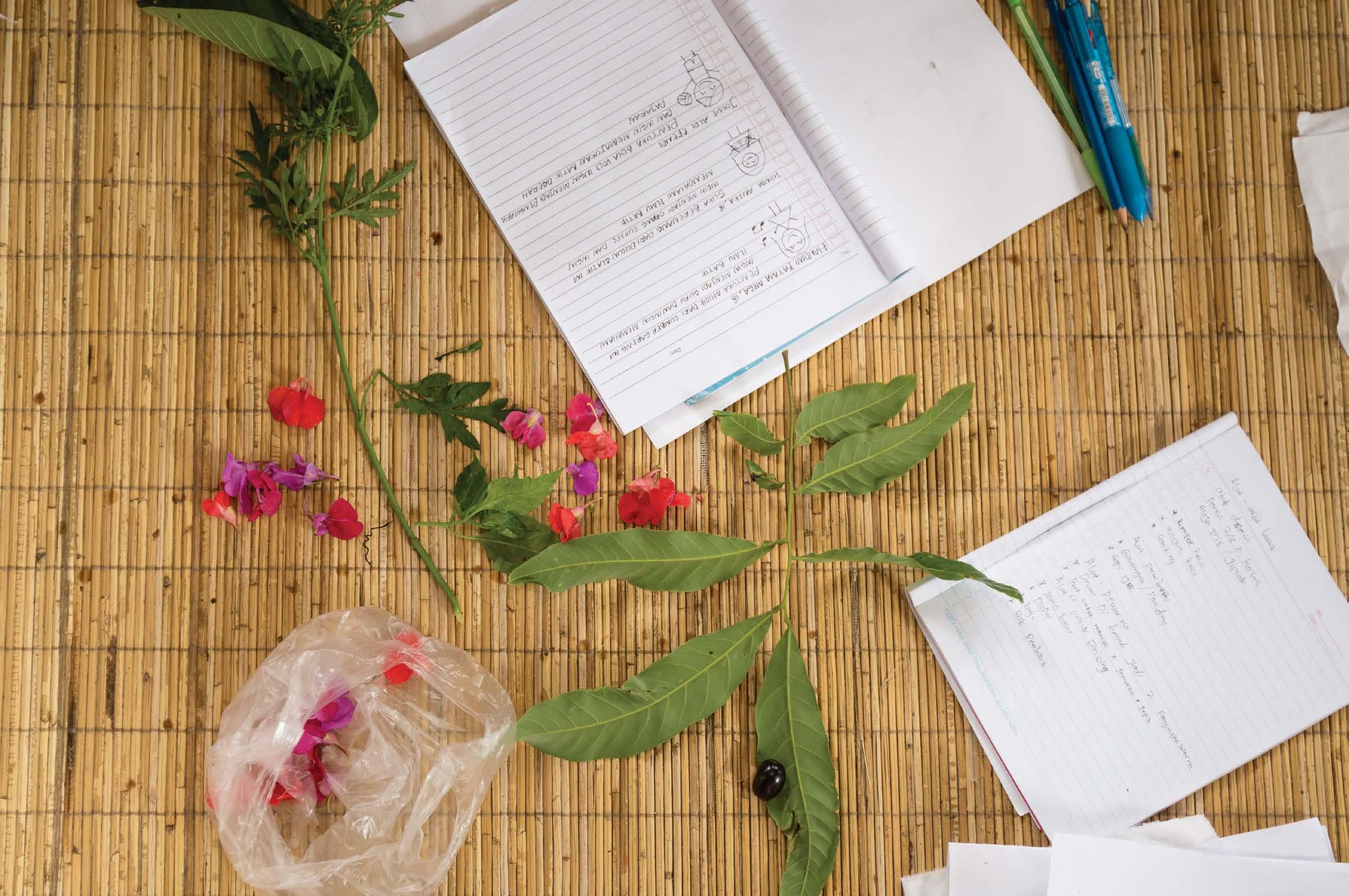
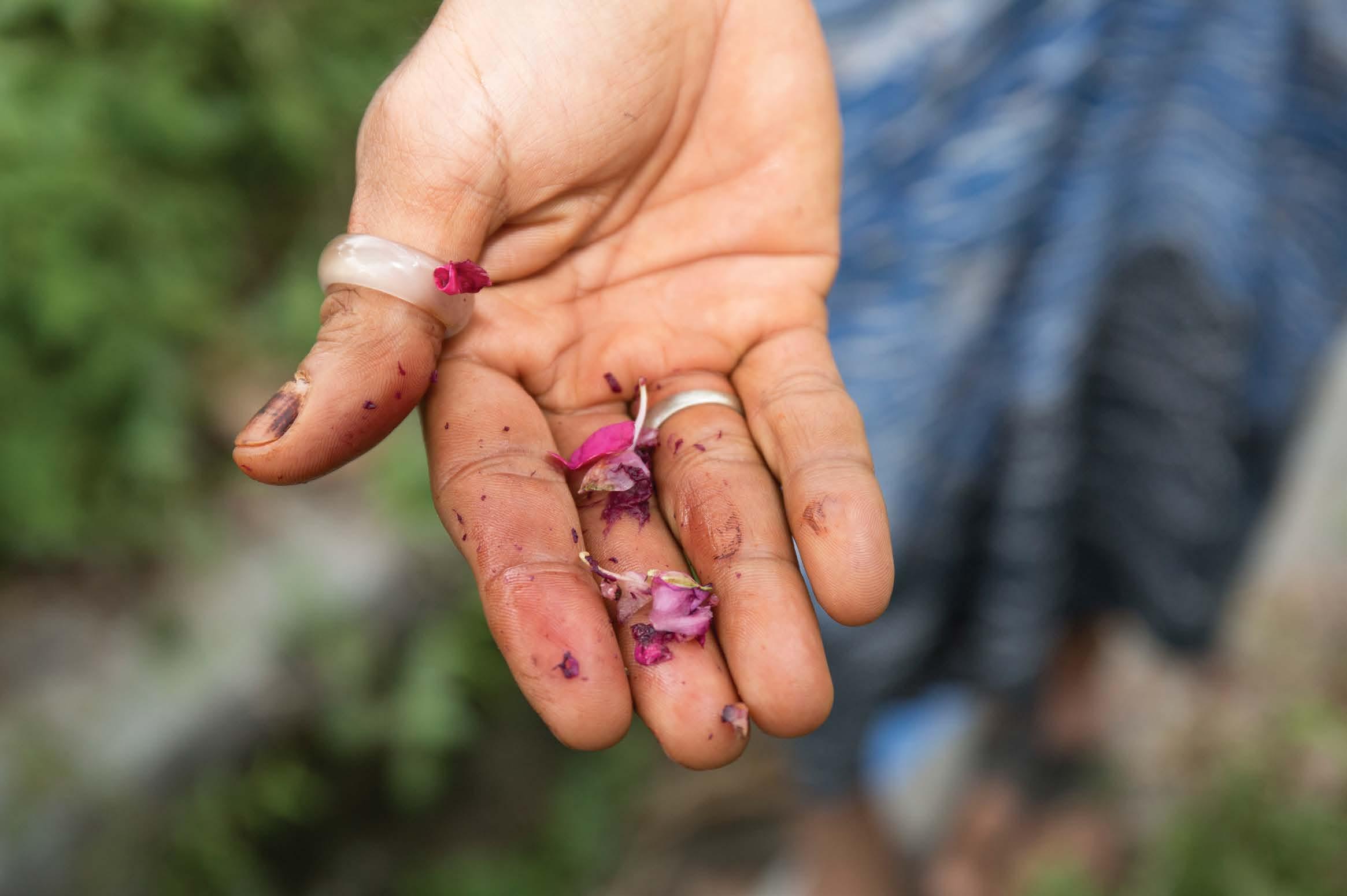
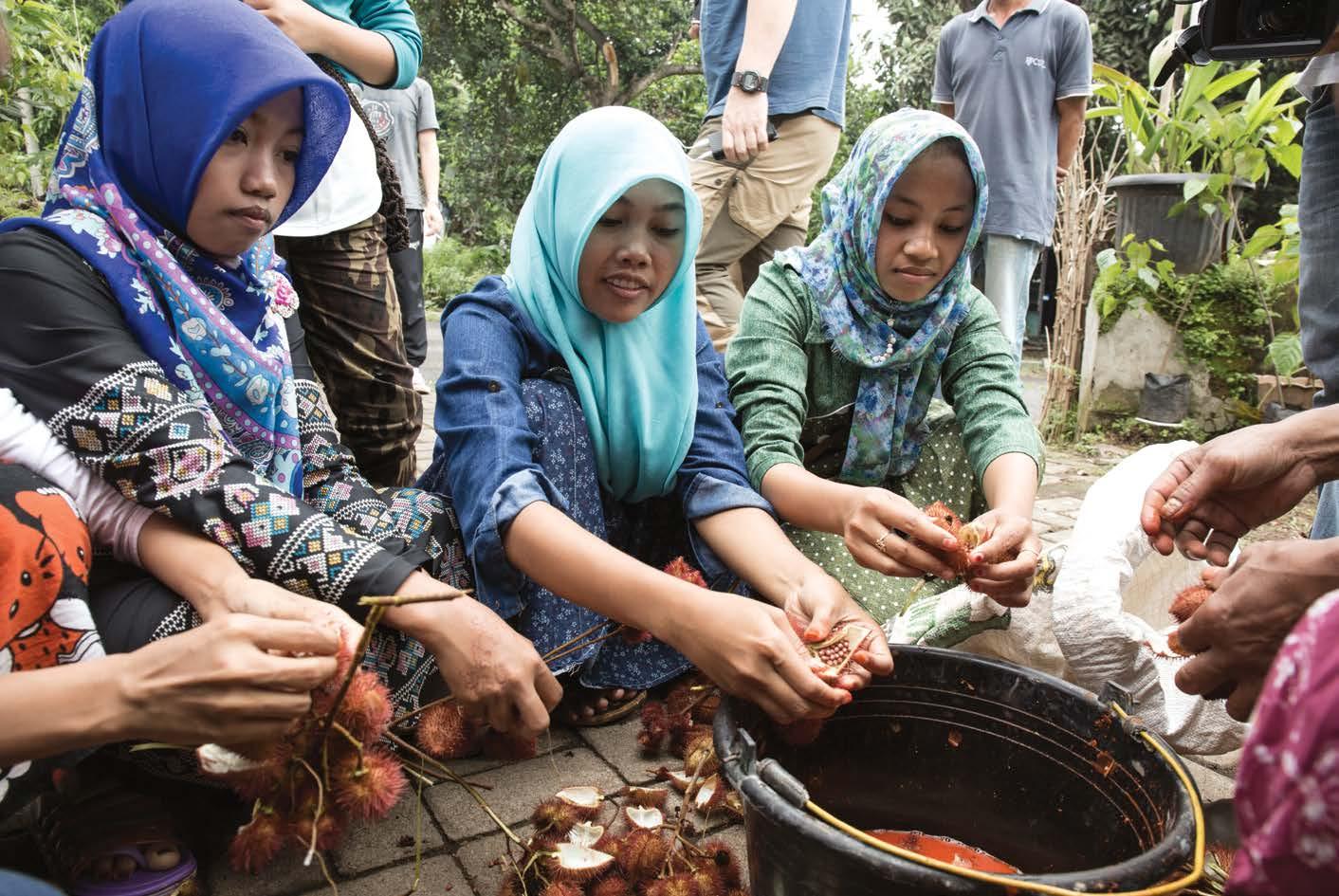
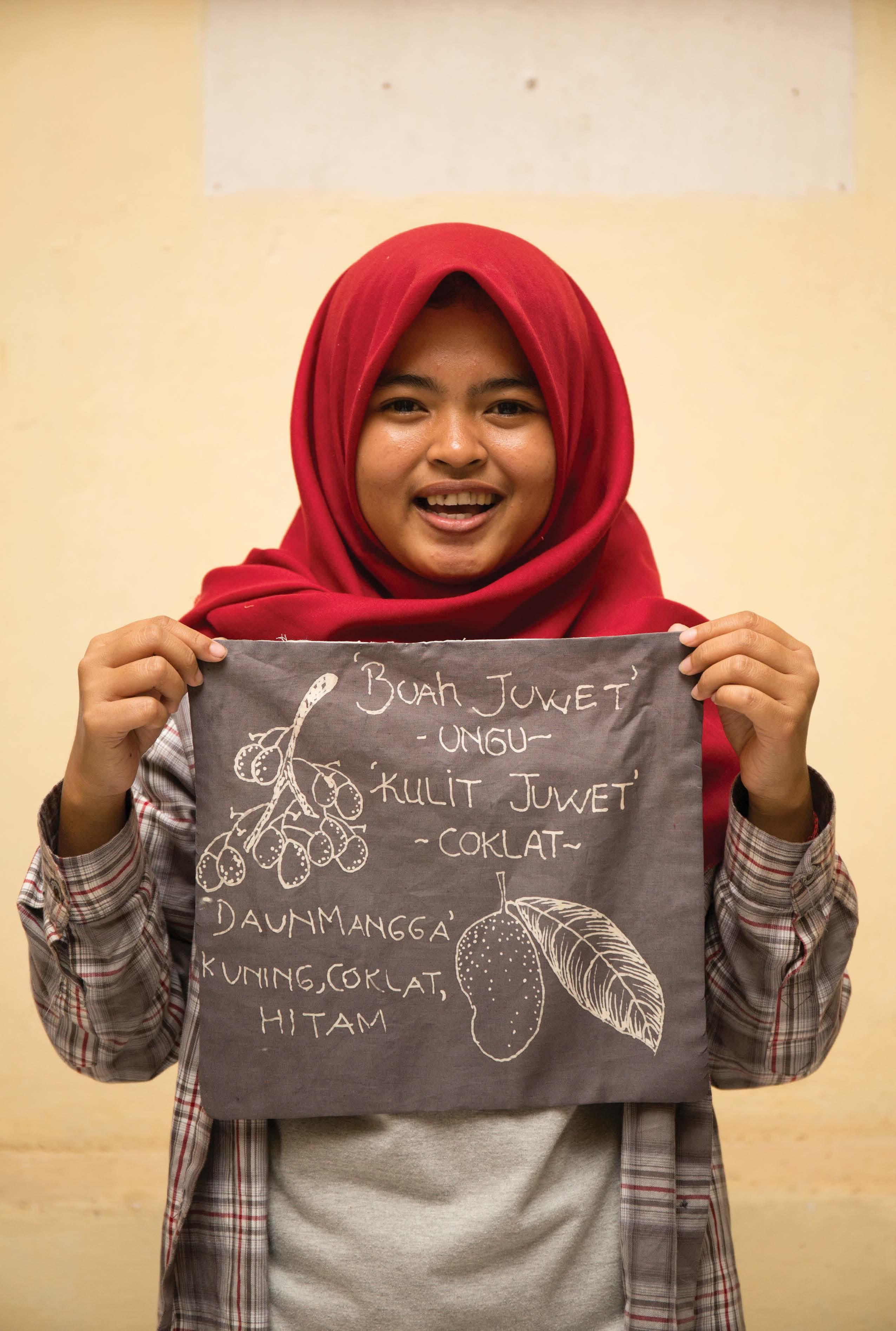
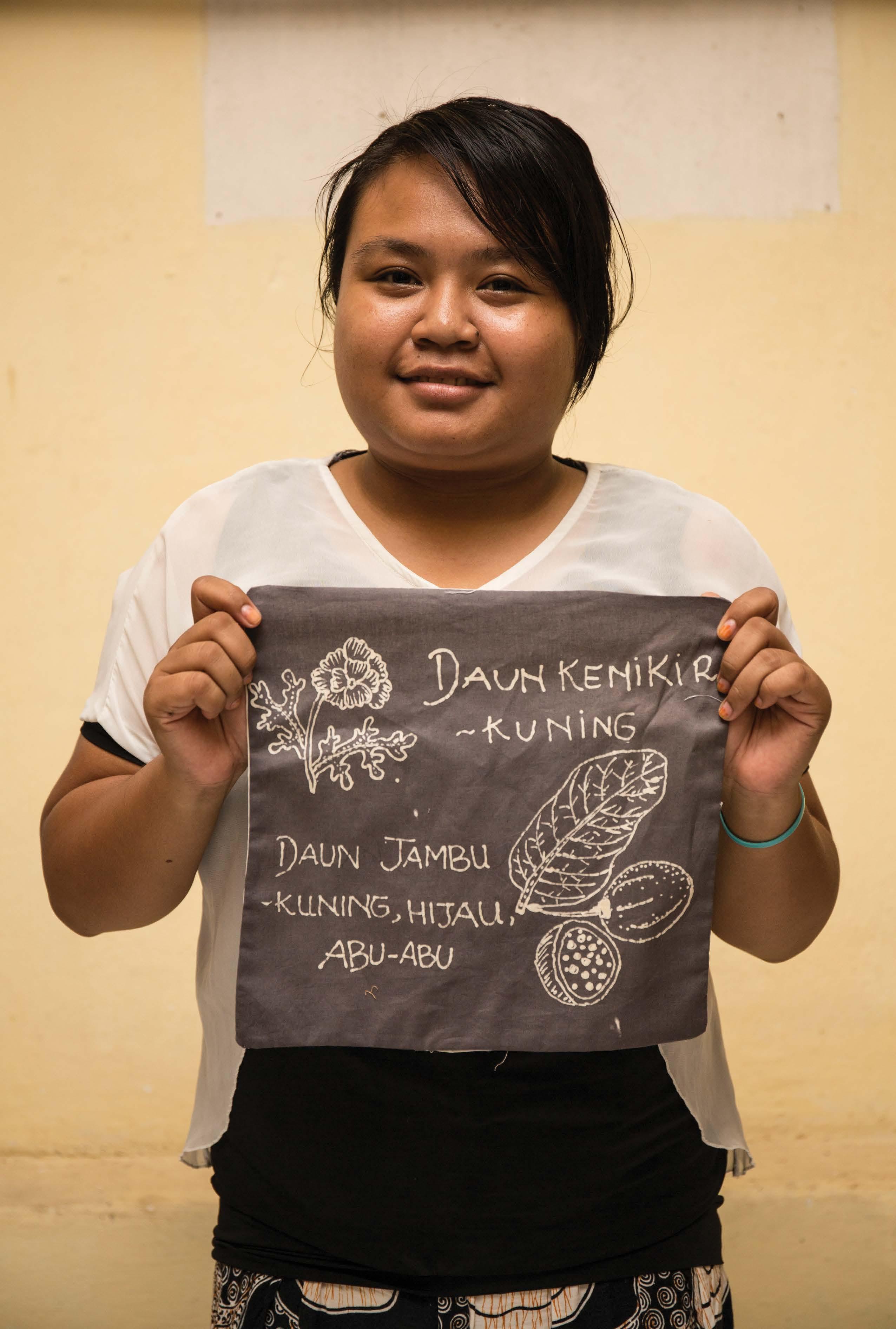
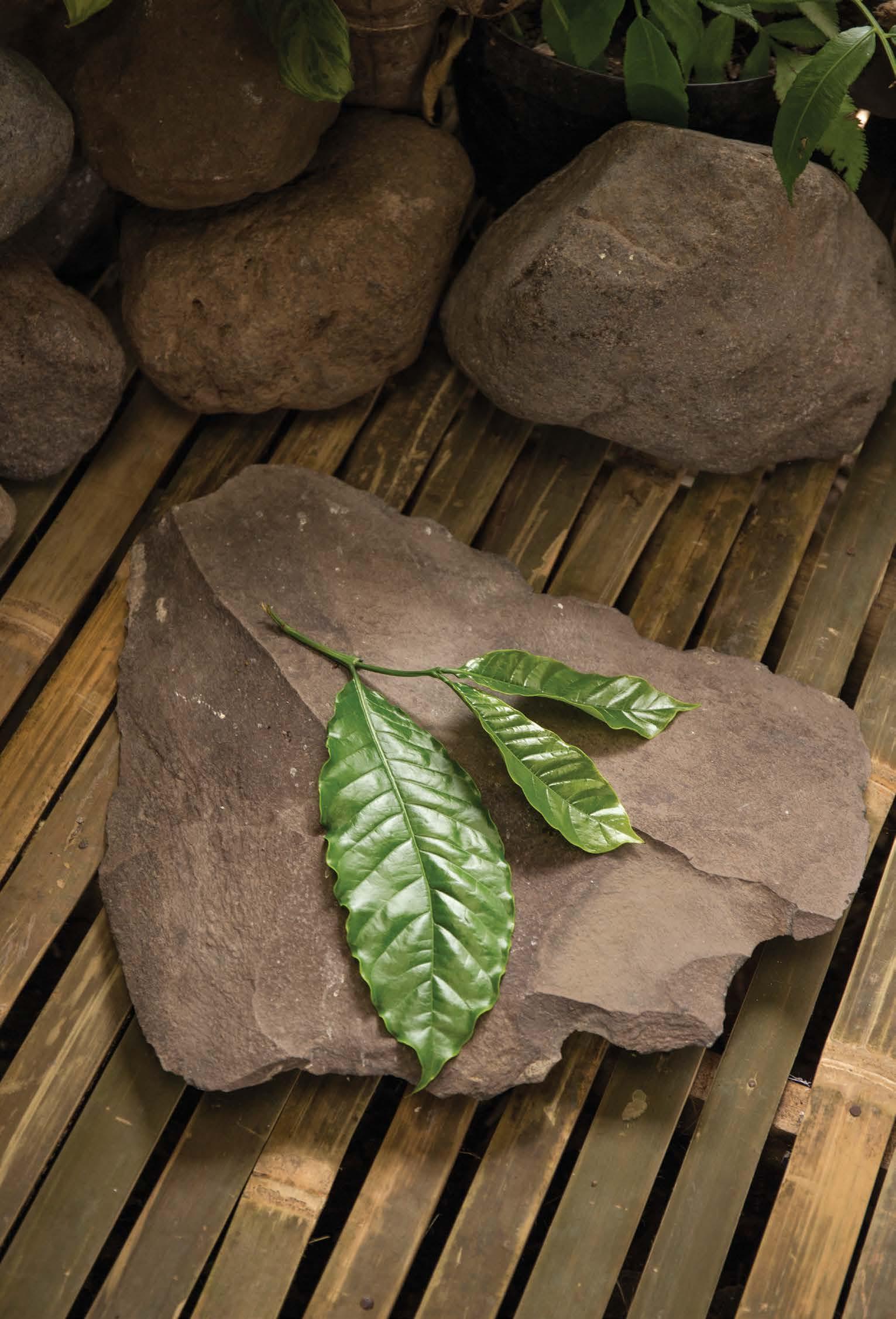
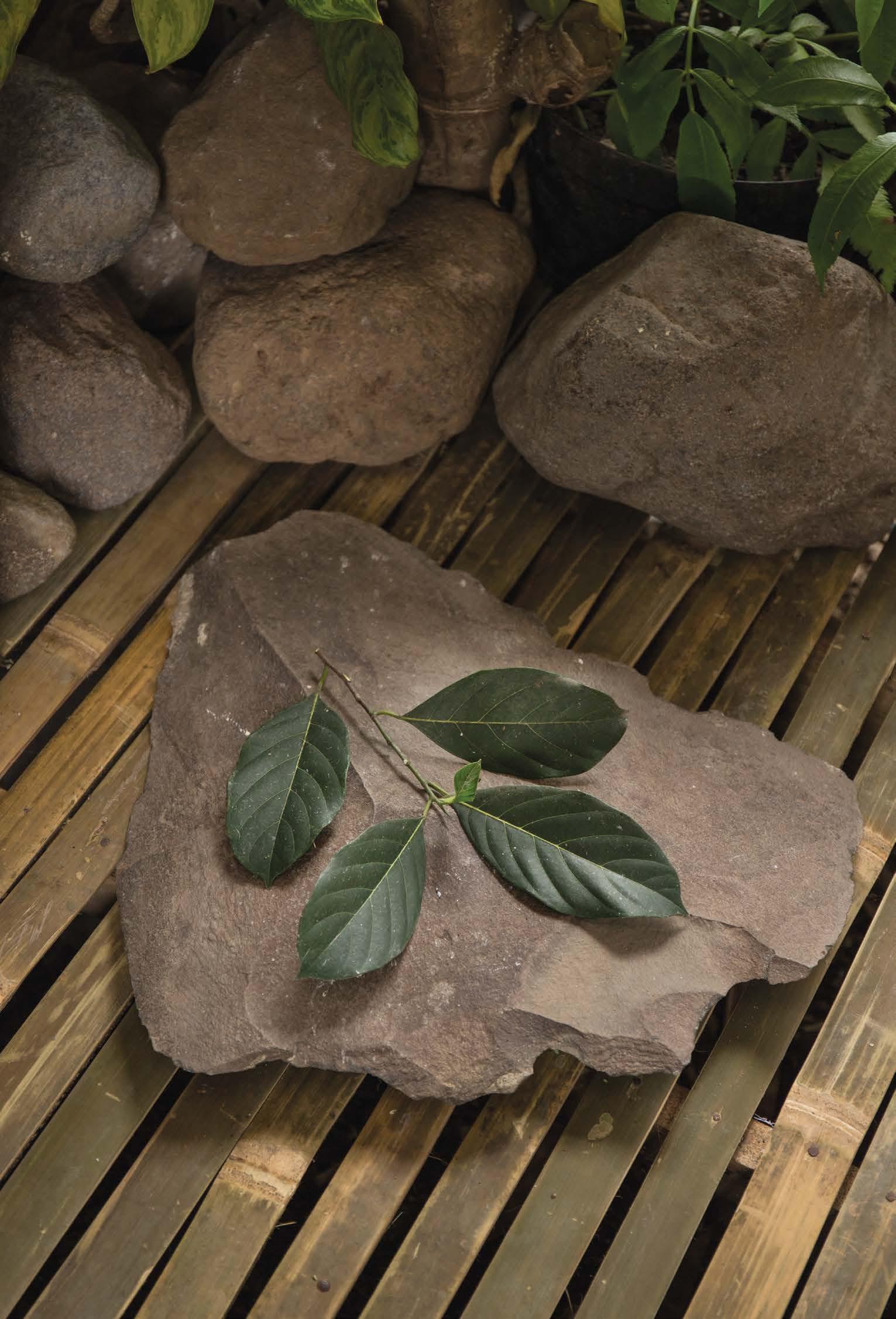
The dyeing method is also important. Traditional batik, which takes all the material from the ground and creates it with sunlight and water, does not pollute the environment. Everything that is common in Indonesia, such as mangoes, jackfruits, mahogany bark, field petals, everything that grows under the sun of the equator can be a good vegetable dye. Fixatives are also natural minerals. It takes more time than the use of chemical dyes, but here is the philosophy of the Indonesian people who have lived with nature. The finished batik finally goes through the fog process. It is to spend a full day in the month of various herbs. The type of hub used depends on what material (cloth, leather, wood) is used for batik. Smoked batik does not change shape and color after a long time. All of this work is based on the collaboration of the creators. The Indonesian batik, which has the creativity, partnership and philosophy of Indonesian people, was listed as a UNESCO Cultural Heritage in 2009.
Entering Someone Else's Life
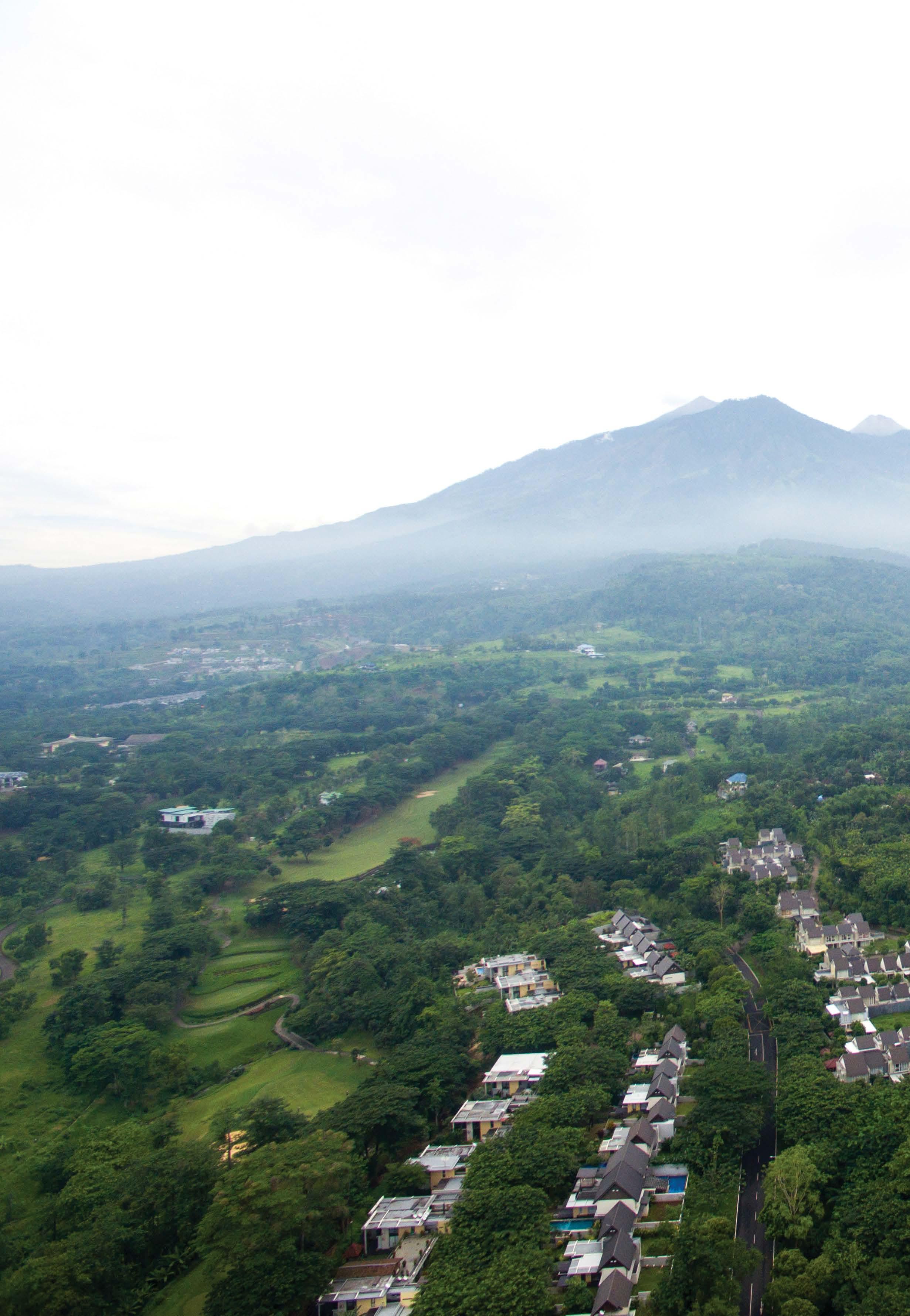
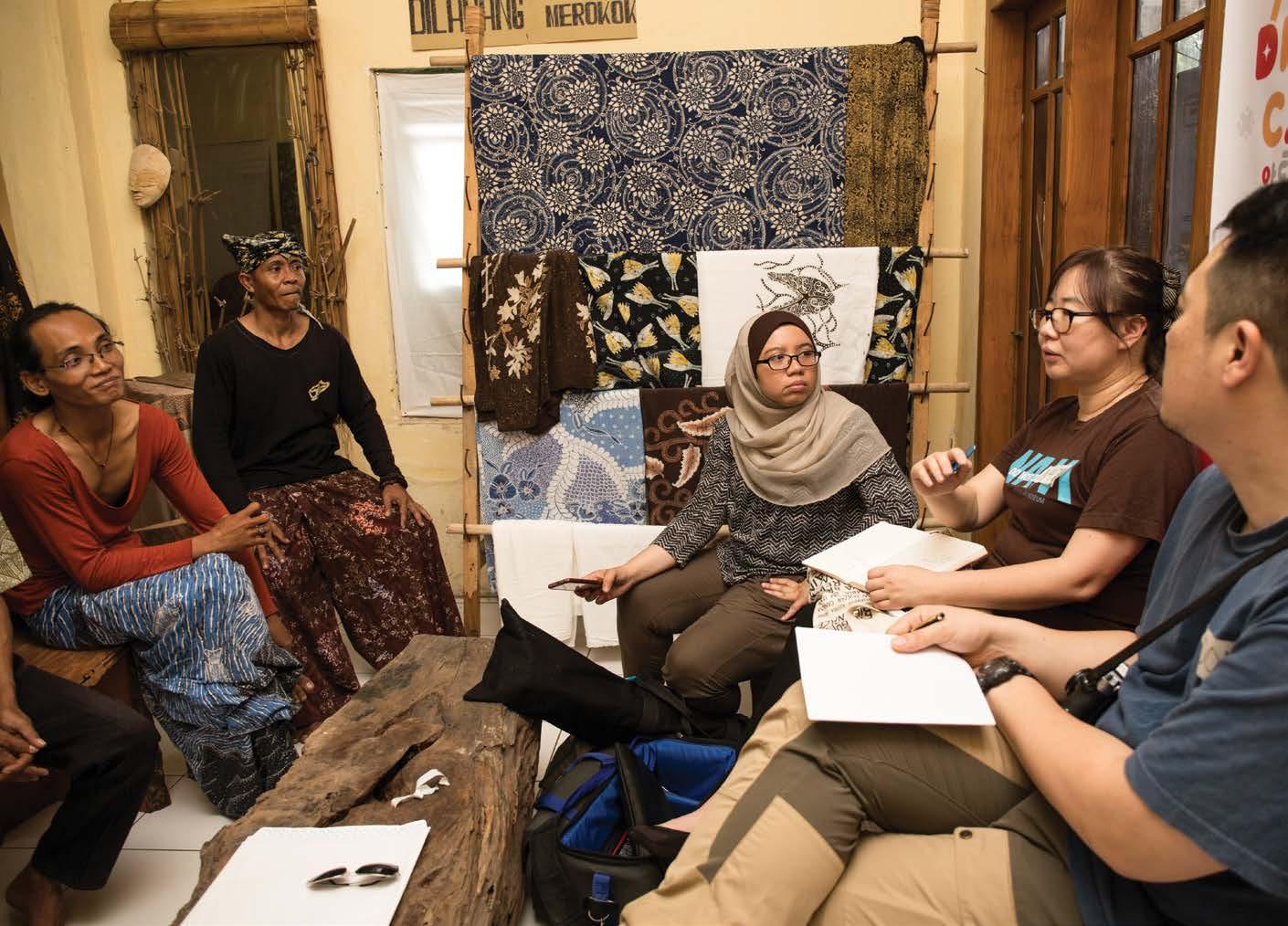
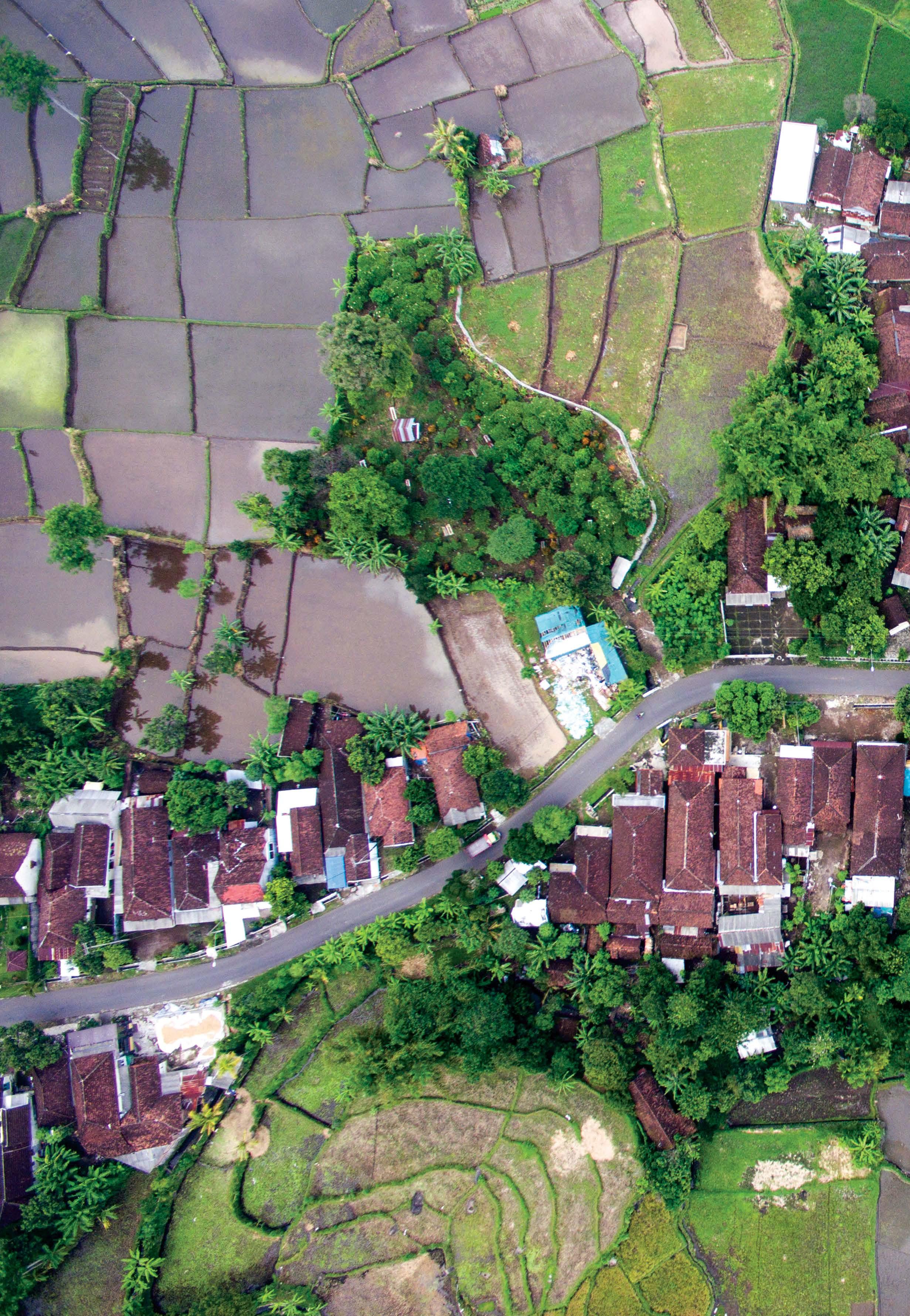
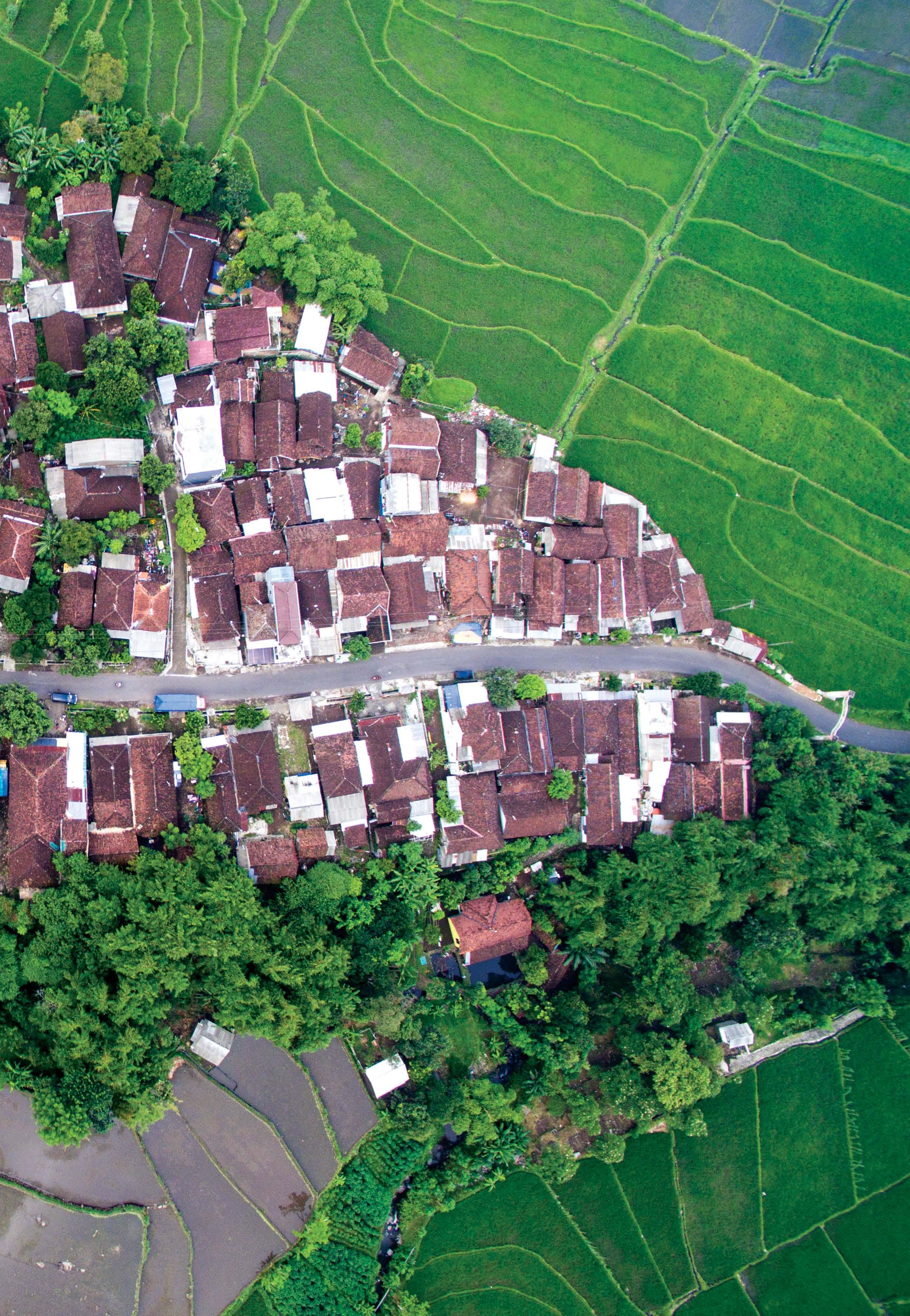
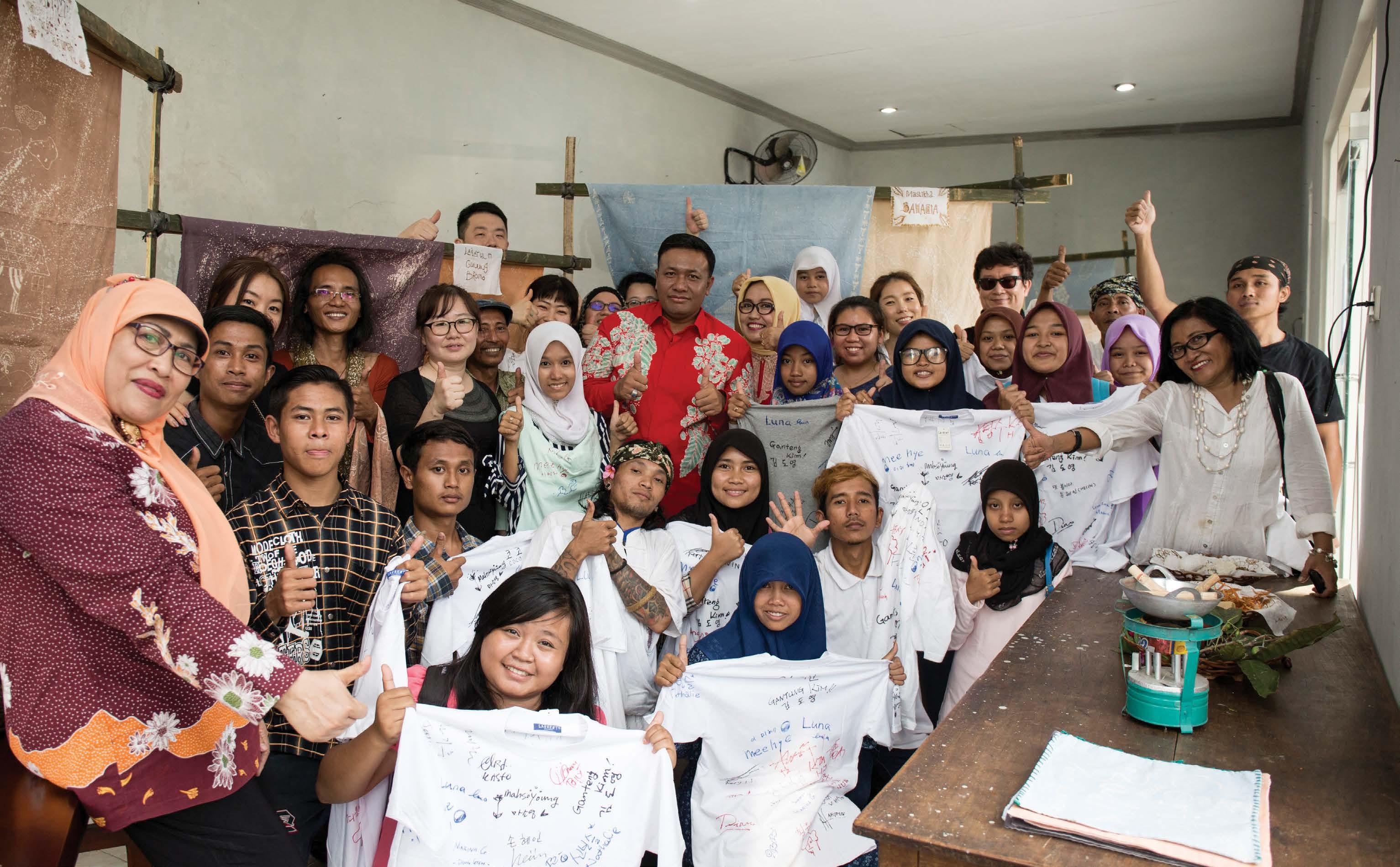
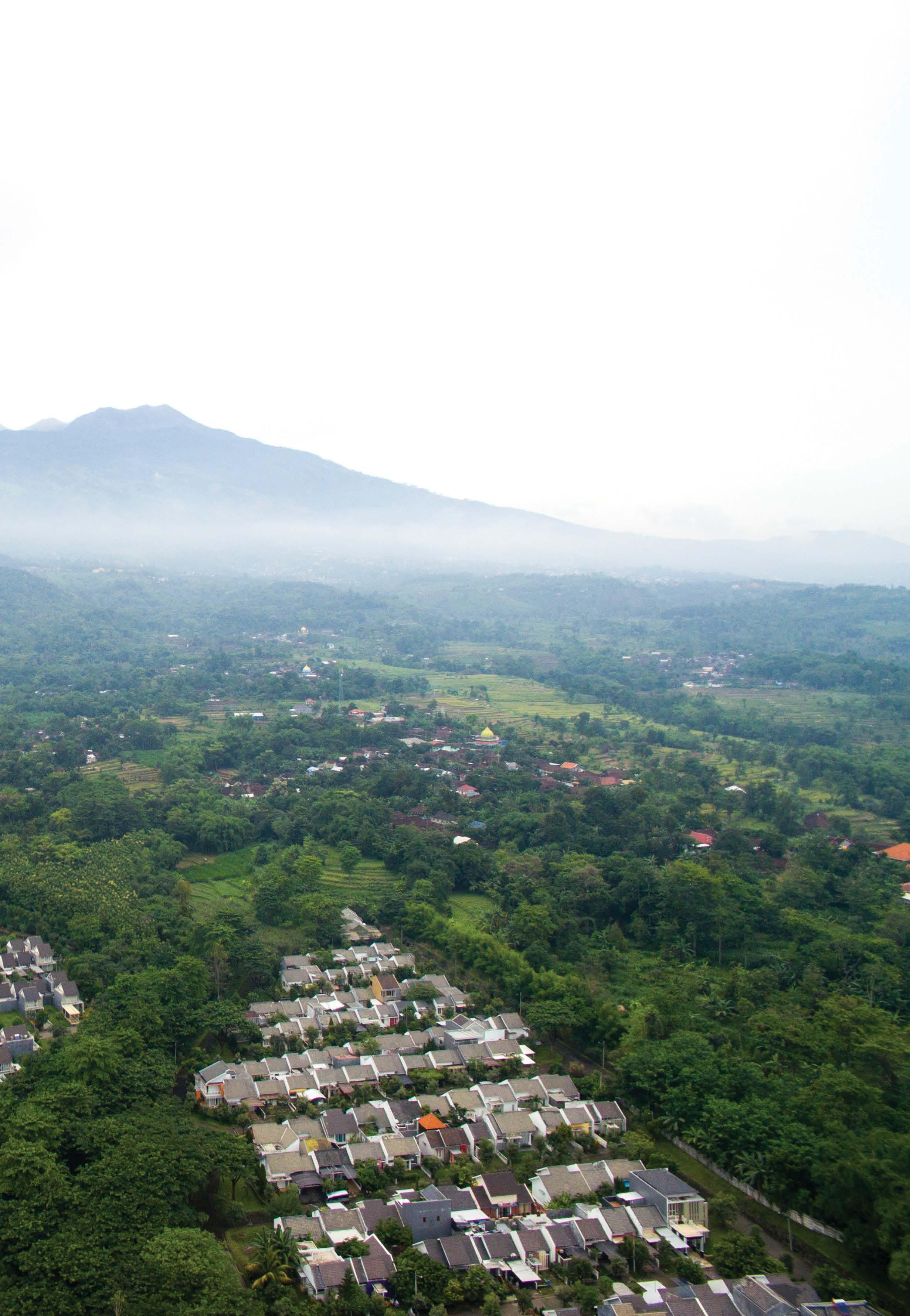
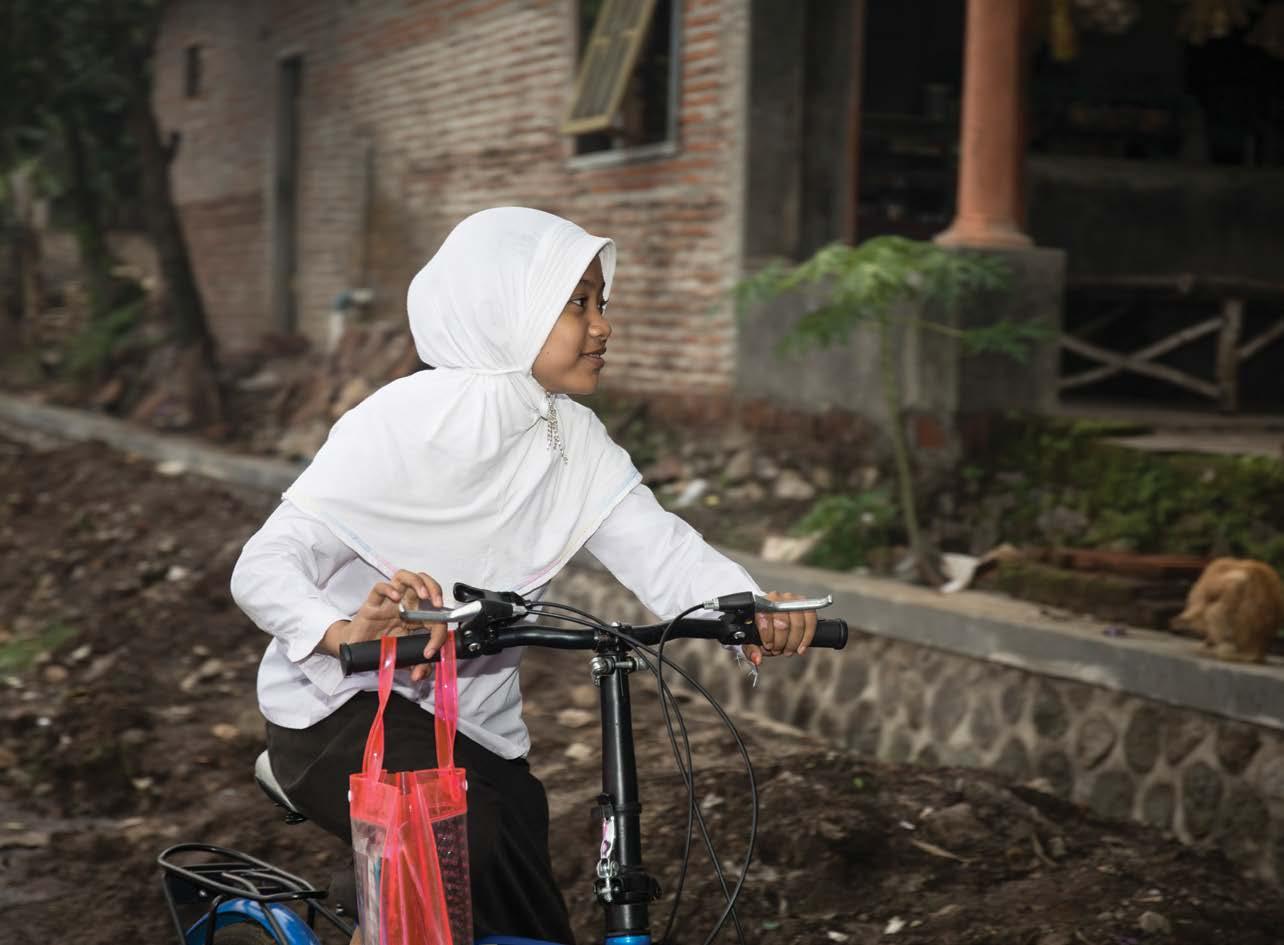
I had the opportunity to visit the homes of some of the participating children during the workshop. Pajaran, the town where the Alam Batik Center located, was not all that large or prosperous, but the villages where they lived had to be reached along winding country roads. There were no fences separating one house from the next; chickens roamed freely through the neighborhood, goats were enclosed in pens, and seemingly every home had a bird cage on its eaves. Some communities were country villages without any public transportation at all, offering no way out unless someone offered a ride on their motorbike. As soon as we arrived, the villagers raced out to look at us. Once, while I was sitting in the living room talking to the children and their parents, a gentleman who looked like a neighbor offered some mangoes he'd picked from a tree. The villagers also pooled their money to buy us drinks. The “living rooms” were really just a carpet on the ground; there wasn't even proper furniture, let alone TV sets. Even the carpets might have been borrowed from a nearby mosque, Bu Ifa explained. Yet as poor as the people were, they never let it darken their faces. One student said they had quit school, but planned to study batik intently in order to earn money. These were children I never would have met had it not been for the workshop. It afforded me a different kind of experience from any exhibition. But I also had to be constantly vigilant. The week we spent together might be a good experience and memory for us -- but for some, it might be a matter of survival.
Related Materials
Booklet from the ‘Playground in Island: Batik Story’ Workshop https://issuu.com/totalmuseum/docs/batiker2015
Video of ‘Playground in Island 2015: Batik Story’ https://vimeo.com/153465196
Postscript: Mr. Peri the Batik Expert
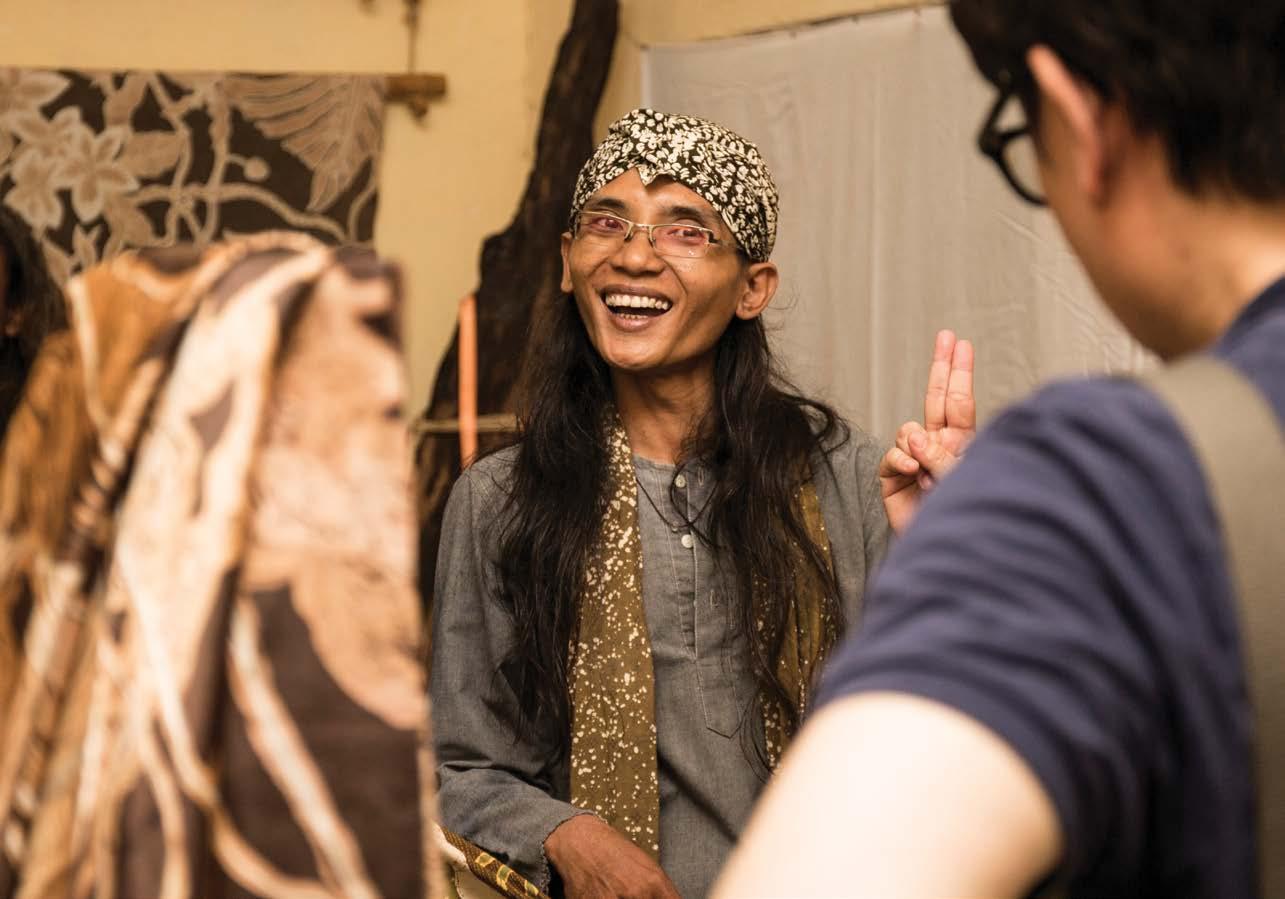
Mr. Fery was a student of Bu Ifa's. Four years before, he had come to Pajaran to open the Alam Batik Center with five batik experts and teach the craft to mothers in the nearby village. Every time they received an order, they would distribute material to the village housewives. Most of the stay-at-home mothers in Indonesia work mainly in the home. Part of this may have to do with religion, but another factor is the lack of opportunities for women who grew up in poor homes without a proper education. Mr. Peri offered work to these women, helping them gain at least a little extra income. Not only that, but he also promote the growing of plants to provide the villagers with batik material. One approach was to plant mango trees, allowing villagers to eat or sell the fruit and gather the unused leaves to sell to the Alam Batik Center for materials. This, too, was intended to offer a small supplement to their livelihoods. Most of the materials used by the center come from the village. Mr. Fery said he hoped studying batik would help improve the struggling children's lives. Of course, batik was not simply a means of making money to him. He viewed it, he said, as being like a religious act, something very spiritual. Indeed, whenever he received a batik order, he would dress up nicely and stop meeting with others for a while so that he could focus on the client's wishes or story. Anachronistic as it may seem in an utterly capital-dominated world like today's, I also found myself looking at his mild, happy face and thinking that might just be what that kind of world needs most.
Until We Meet Again
As I mentioned before, entering someone's life is something that requires great care. But meetings are always exciting, especially in the way some of them bring great happiness to both parties. That's how our brief week together went. No rain fell early that morning on the day we left our lodgings. It was sad for us to go home, but we were able to do it with a smile knowing the ten children we had met in Pajaran would soon be coming to Korea in February. I can't help wondering how the sunny, nose-nipping winter will feel to them.
The Pyeonchang Cultural Olympics Art Dream Camp is a culture and art education program aimed at encouraging interest in the Pyeongchang Winter Olympics among children and teenagers in Southern Hemisphere countries where winters are not cold. Starting in Vietnam on Saturday, November 5, 2016, Korean artists visited countries without winter sports to offer art education to local children, teenagers, and residents. Professional artists in various areas visited the four countries of Vietnam, Colombia, Malawi, and Indonesia offering programs in puppeteering, modern dance, music, visual arts, and crafts. Local participants are also being invited to Pyeongchang in February 2017 for an arts education project that will assemble the results of teaching in the four countries into one work back in Korea.
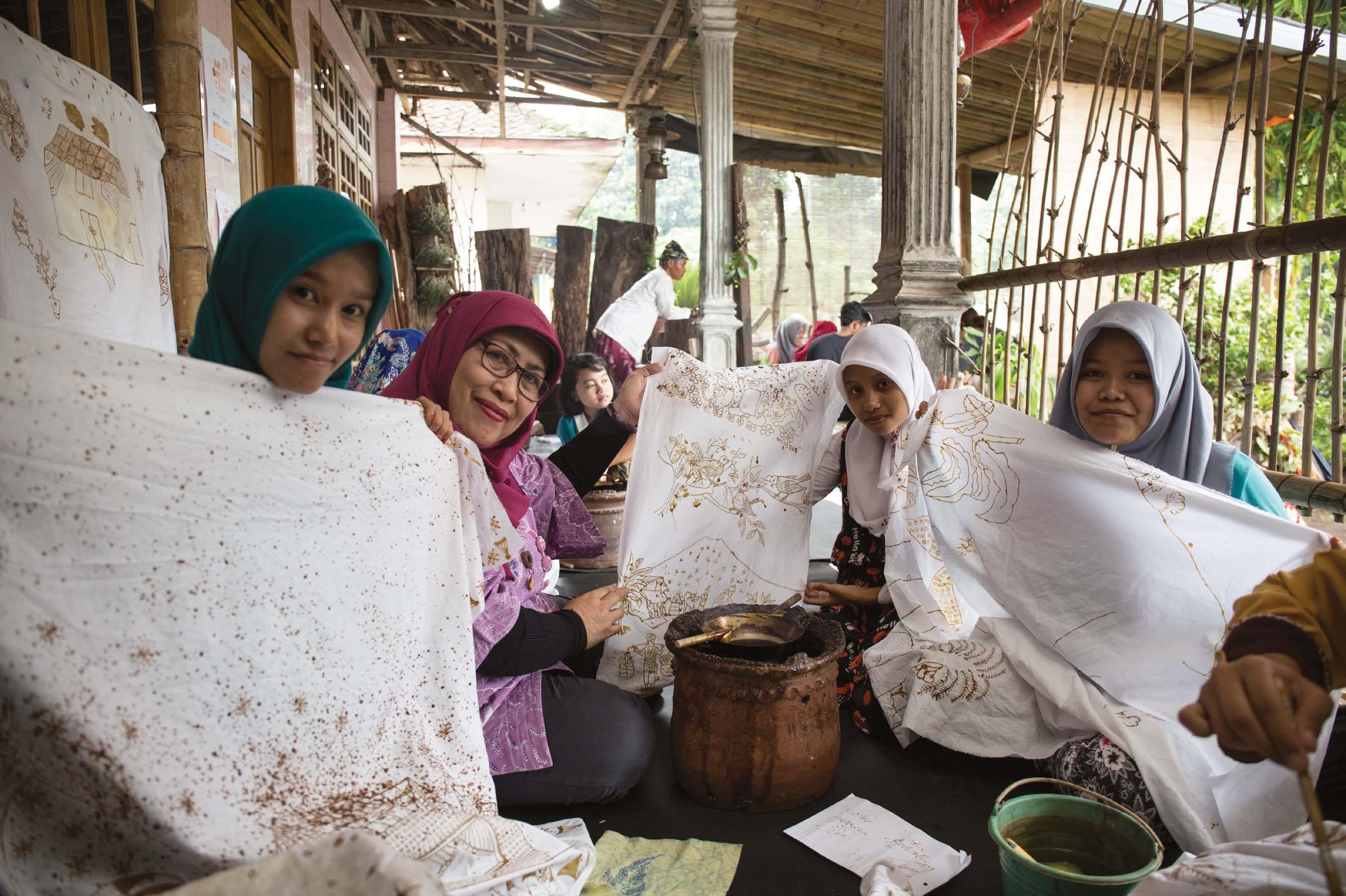
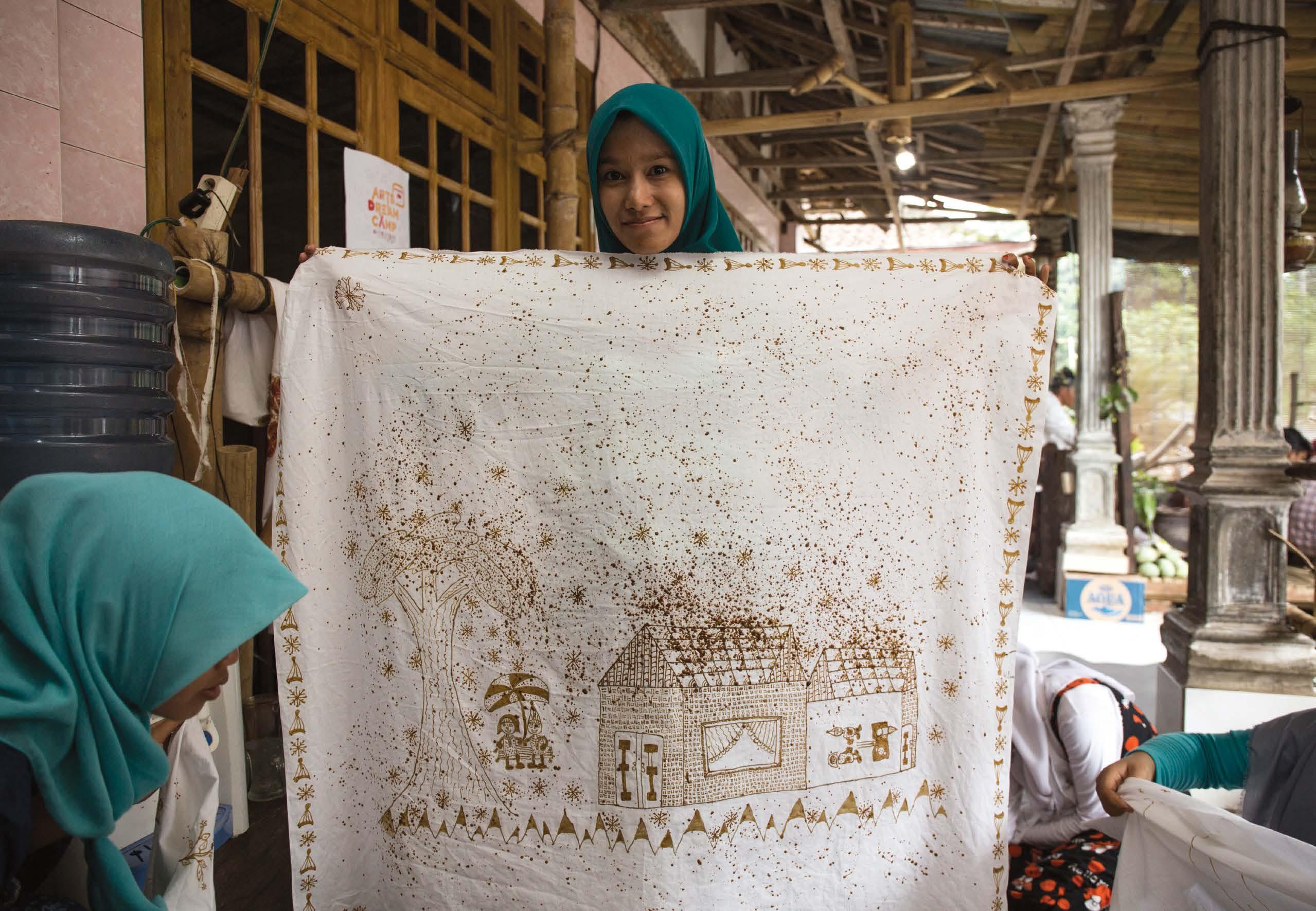
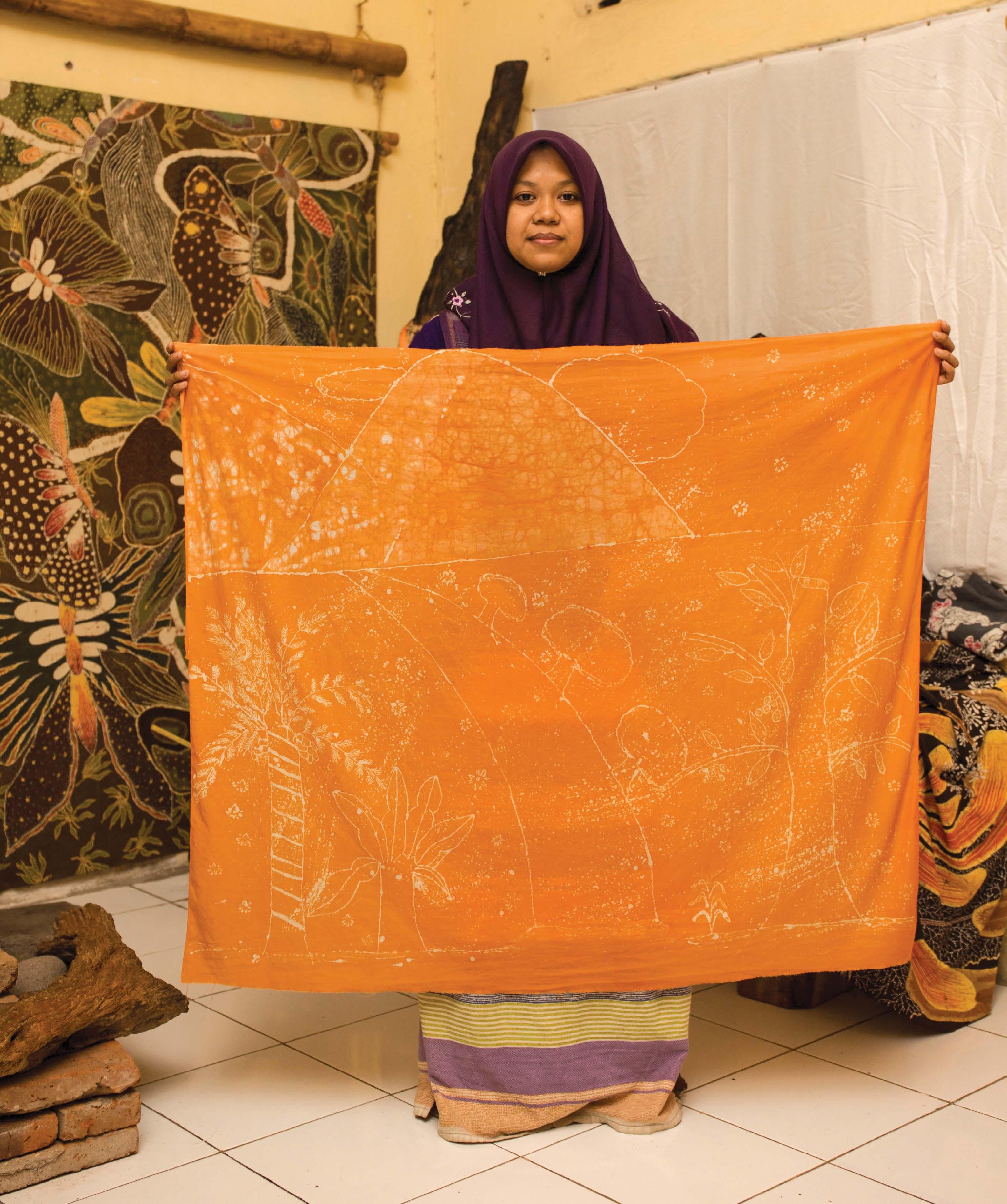
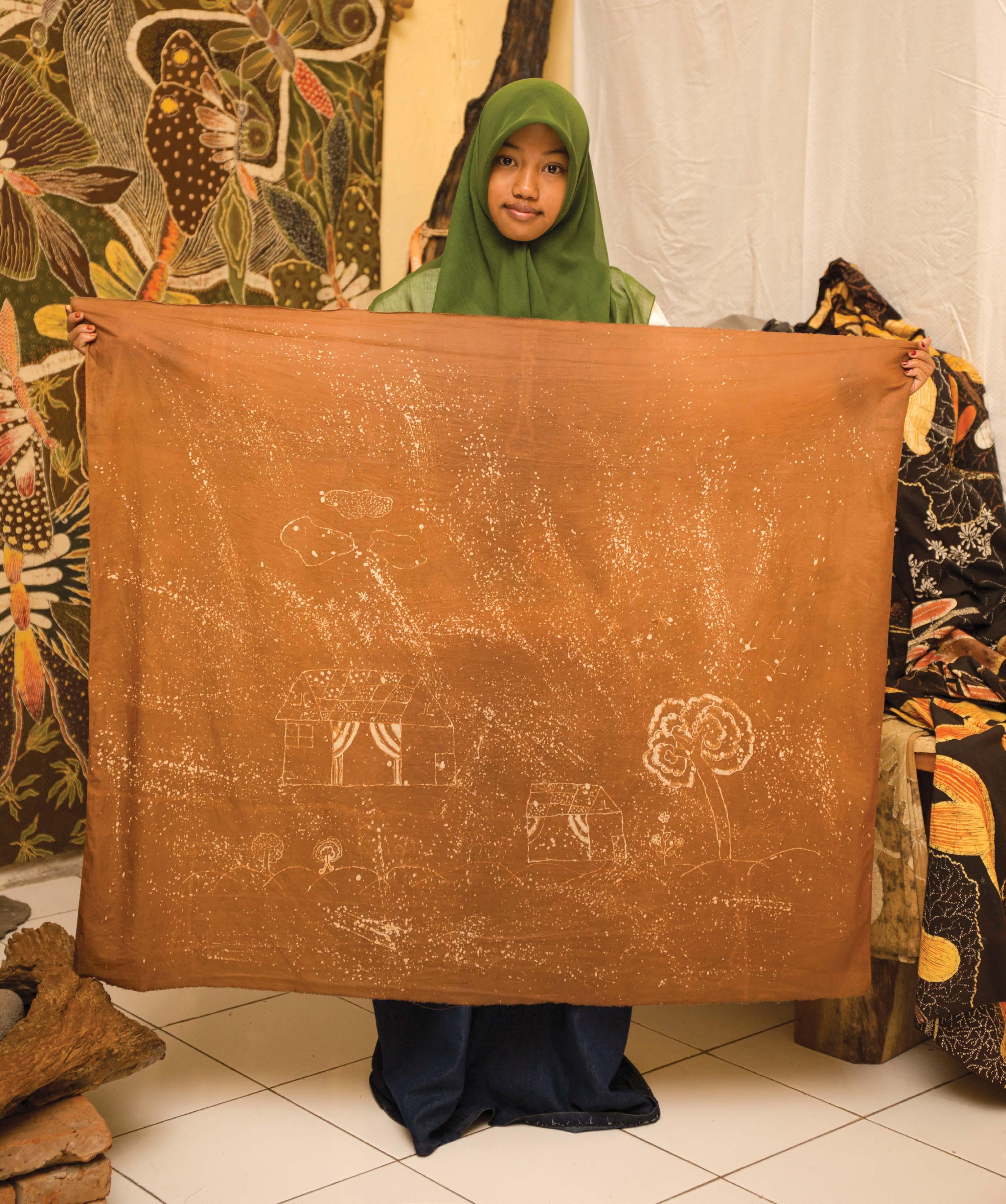
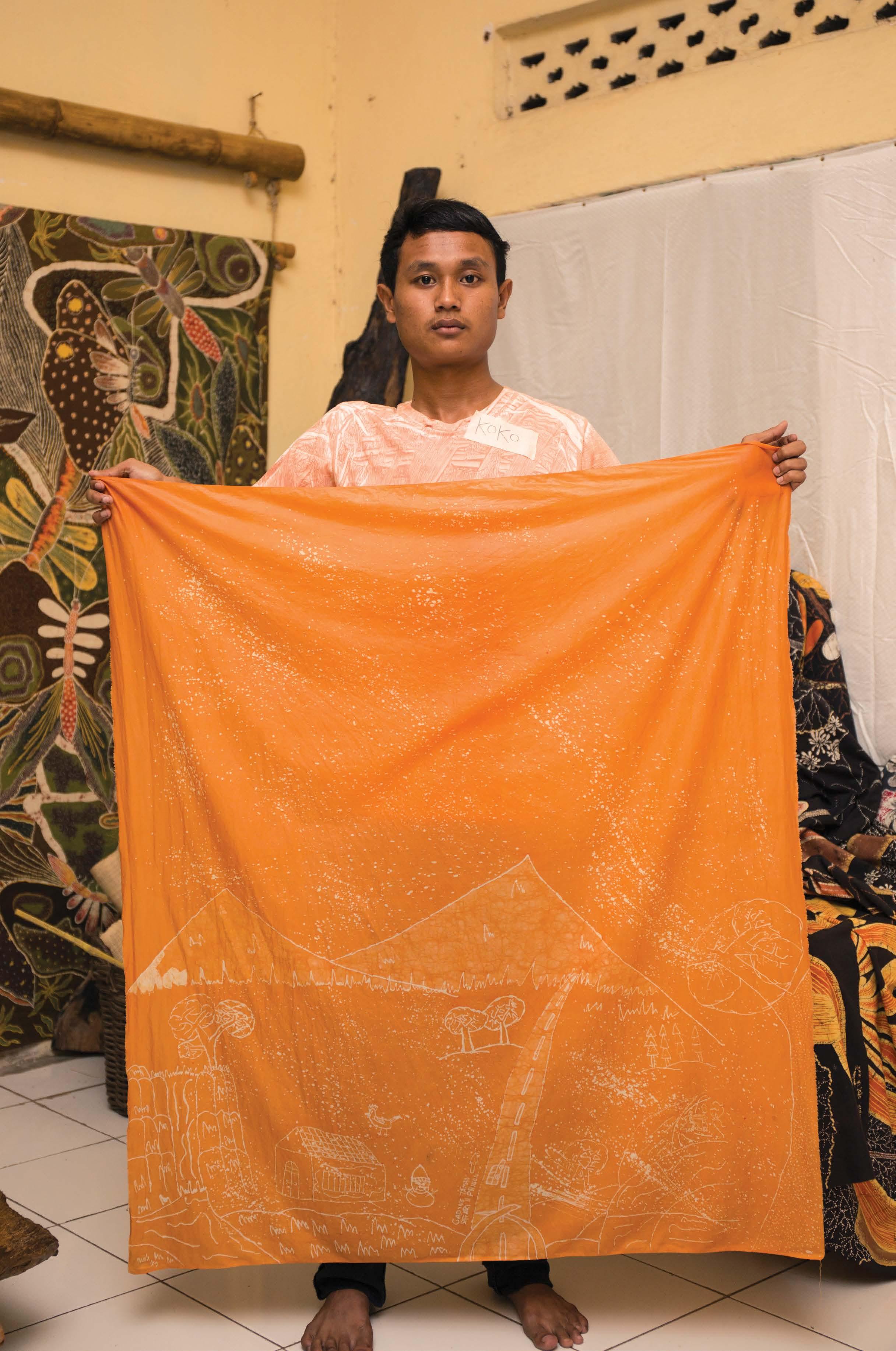
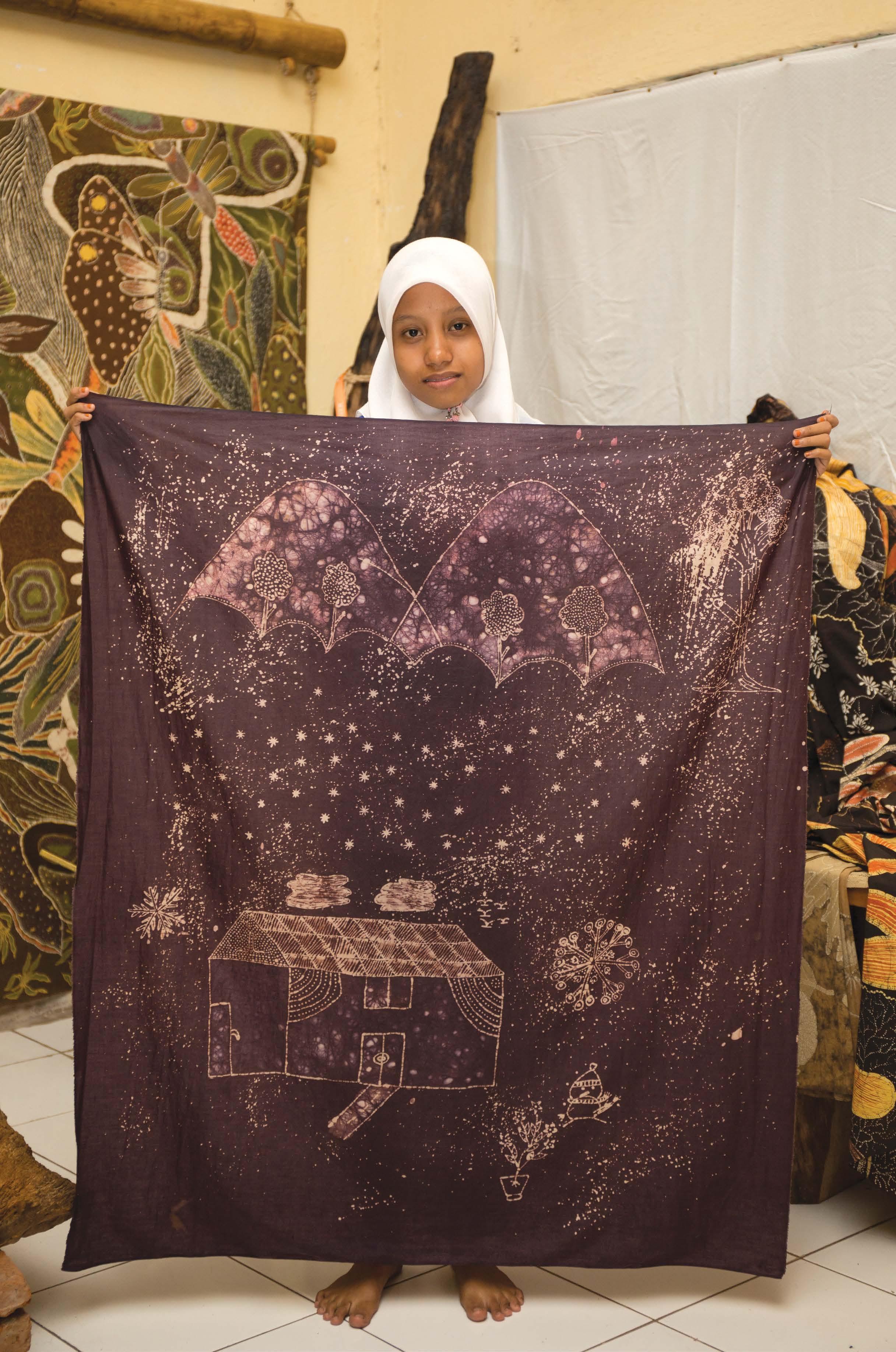
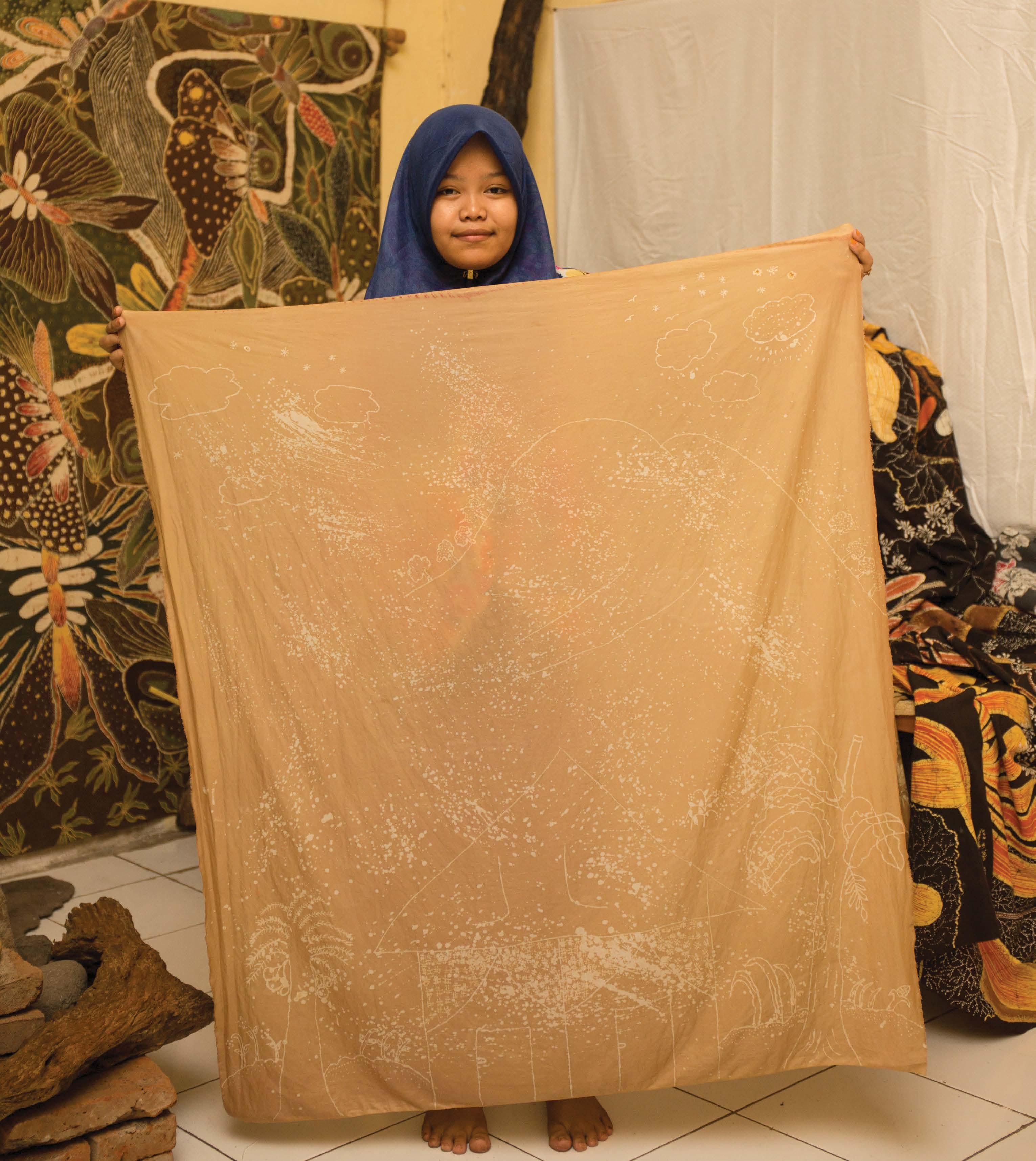
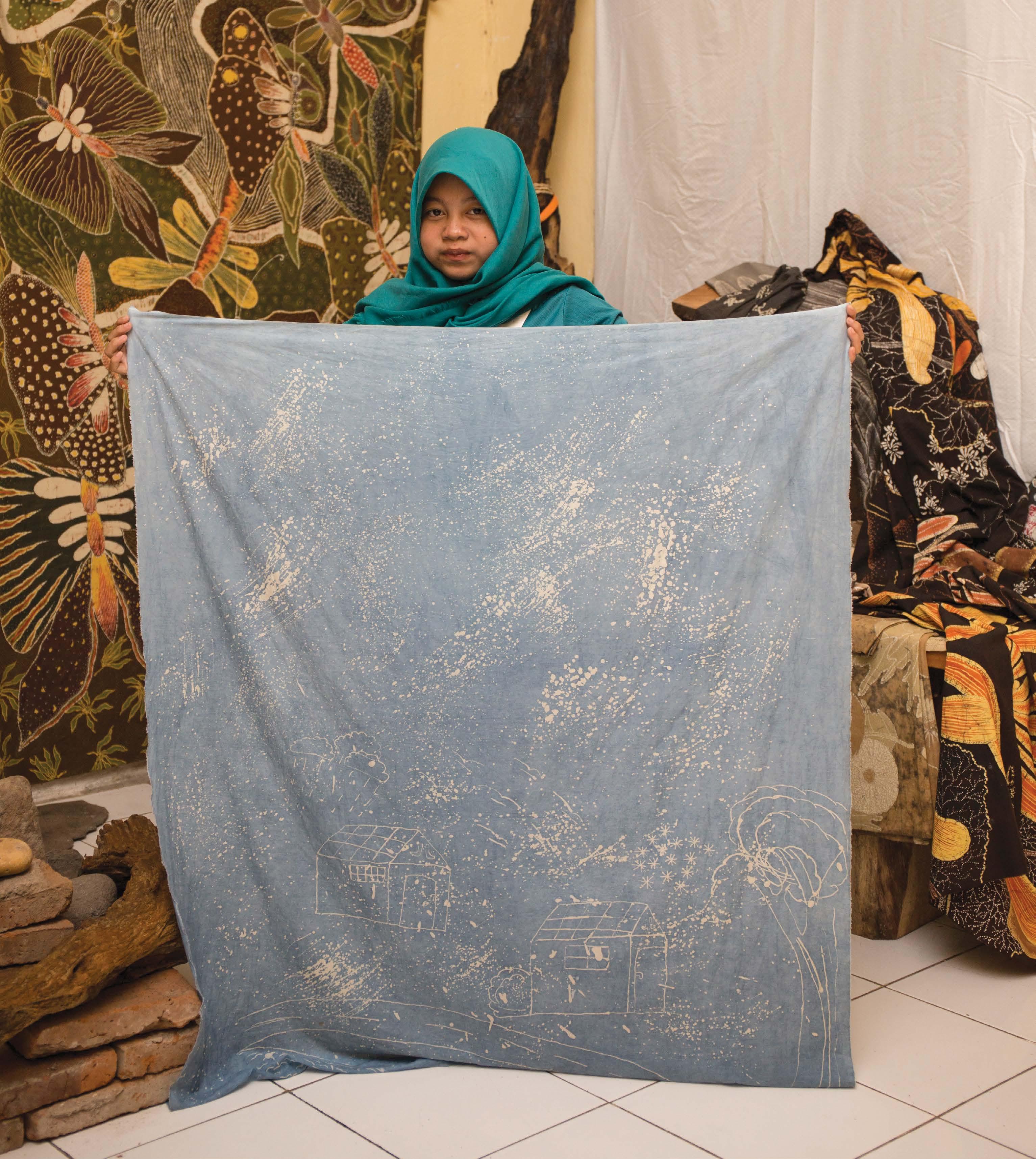
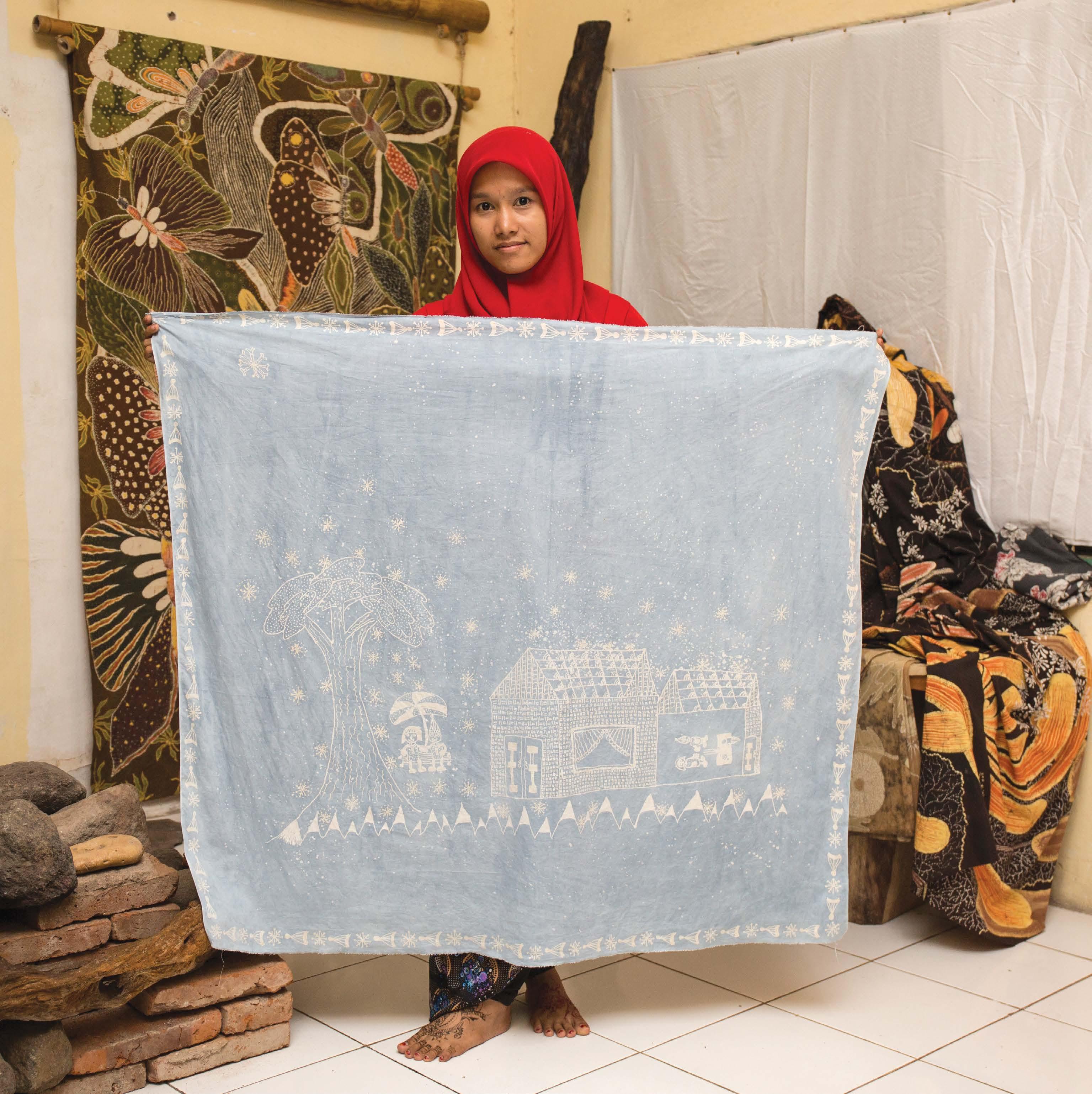
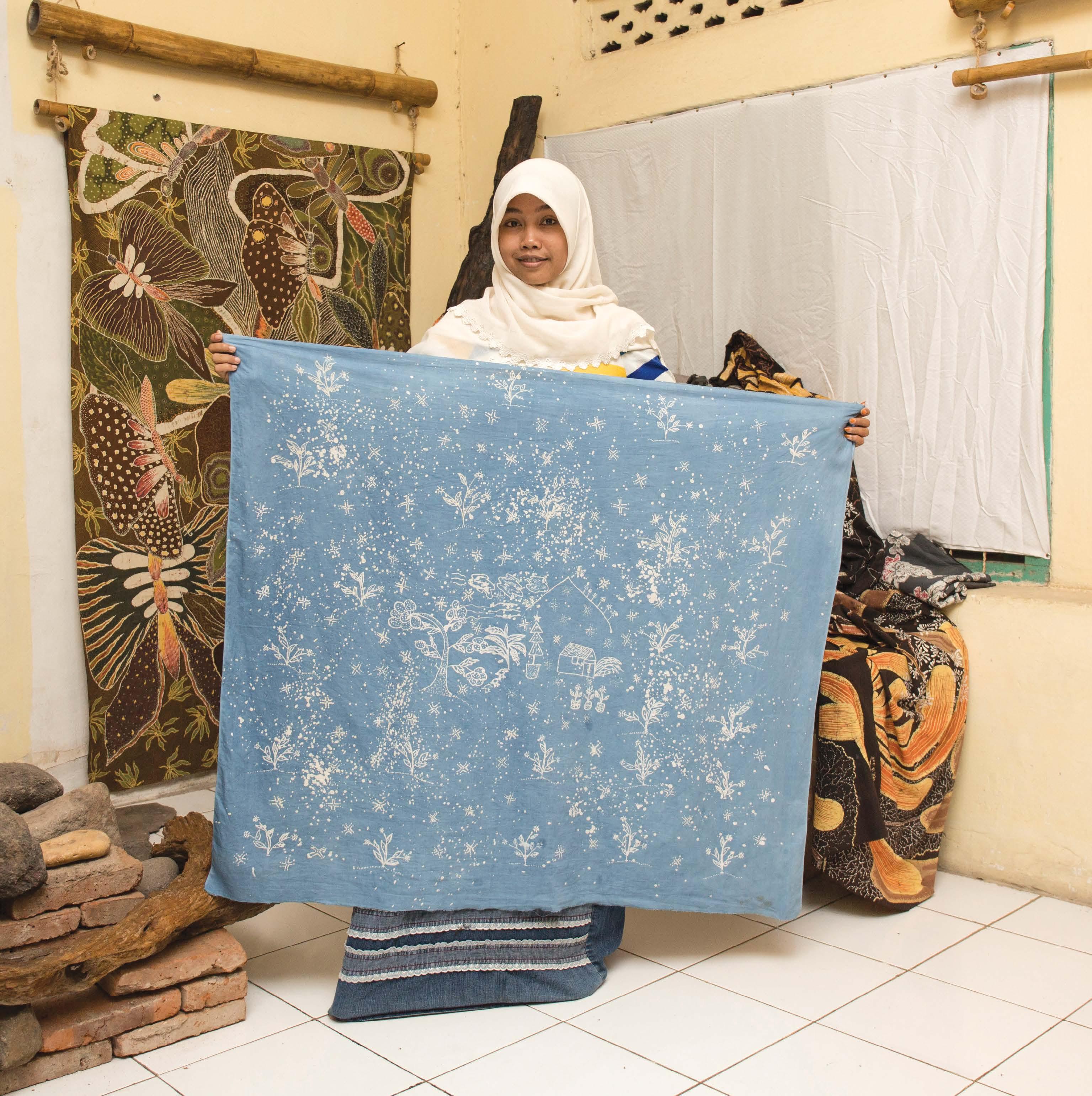
Indonesia does not have the word winter. There is the word ‘Musim Dingin’. It is a combined word of ‘Musim’ which means ‘cold weather’ or cold hearted and ‘Dinging’ which means weather. However it is as unrealistic as Santa Claus in this hot country where the average temperature is over 27 degrees all year round. Winter is a fantasy world for children in Pasuruan, East Java, where they always be in the summer. The children, sitting on the umbrella of the Alam Batik Center where the hot-spots are wetting the yard every day, batik the imaginary winter on a pure white cloth. The sacred Bromo volcano, where the god of fire lives, has snowflakes. And the small, green village sleeps quietly in the snow, pouring like stars. The works that children completed and dyed for themselves and were exhibited on the last day of ‘Art Dream Camp’, Sukorejo Town Office. The villagers gathered in a rustic exhibition space made of bamboo as a main material, which can be seen everywhere in Sukorejo. It was a warm winter.
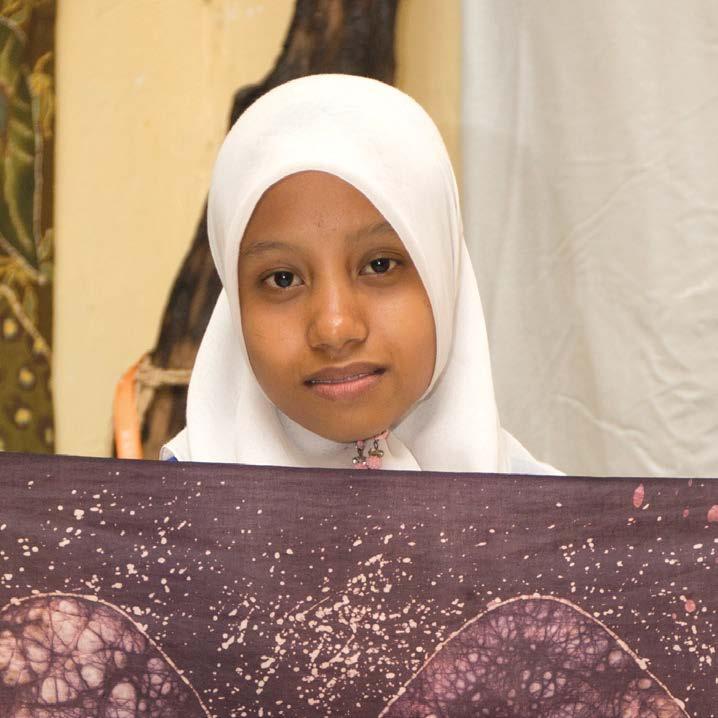
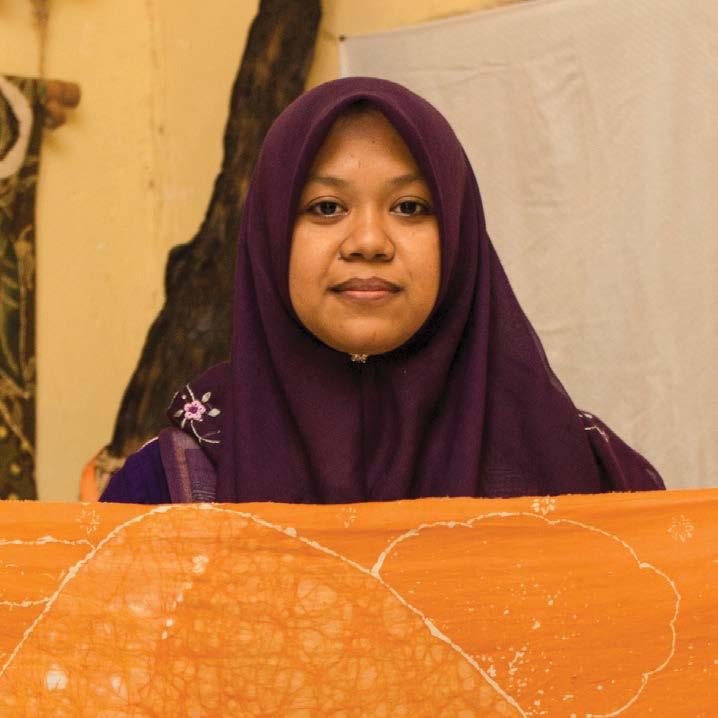
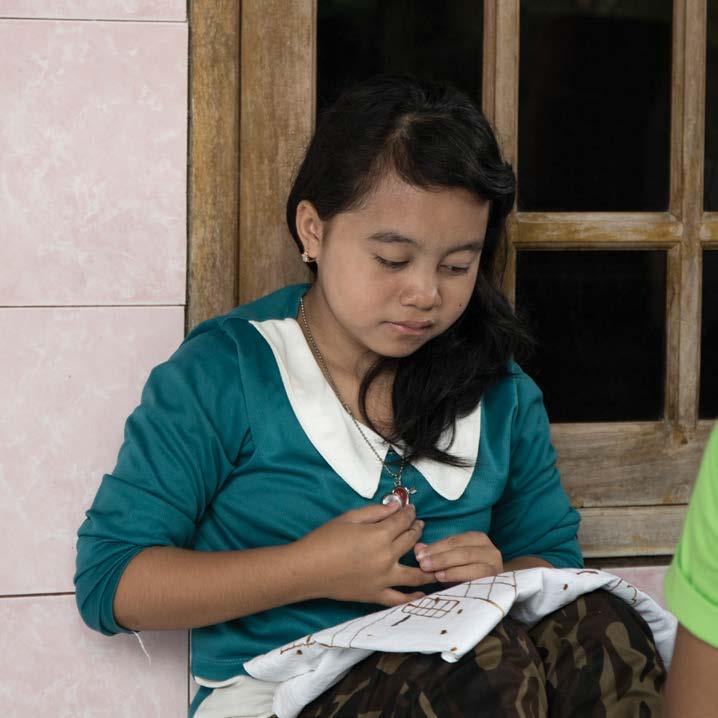
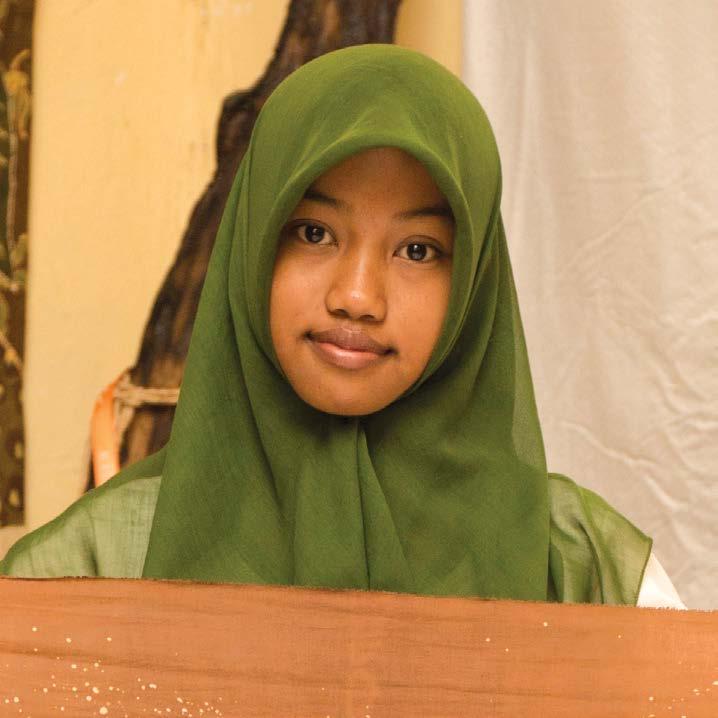
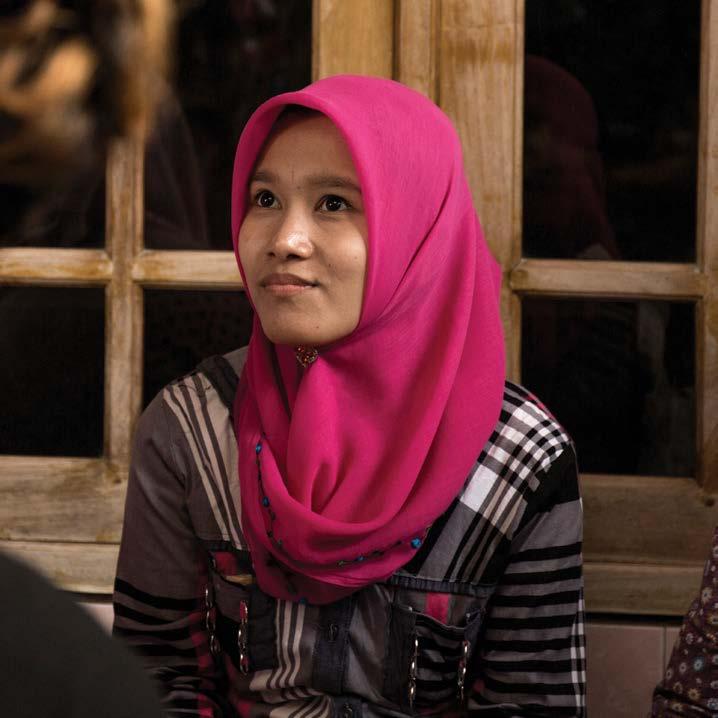
Ciani Ningsih
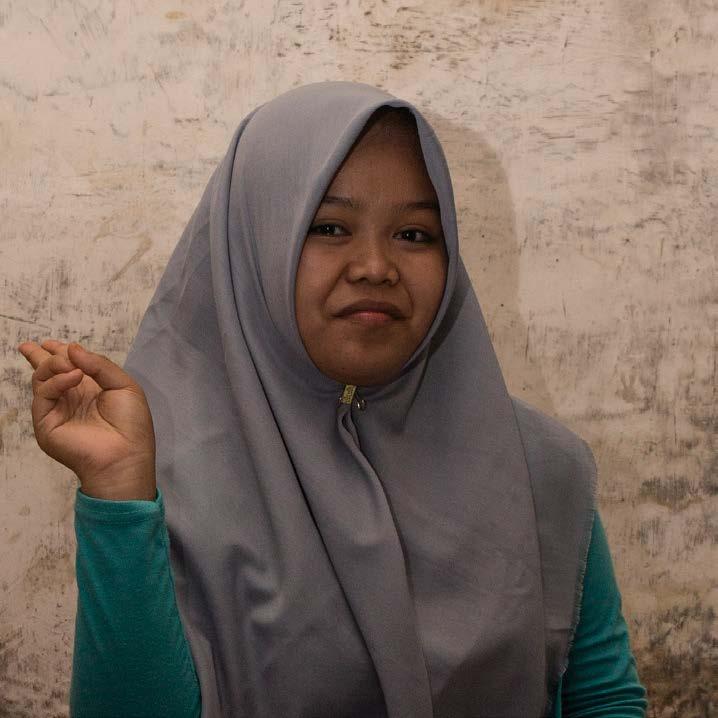
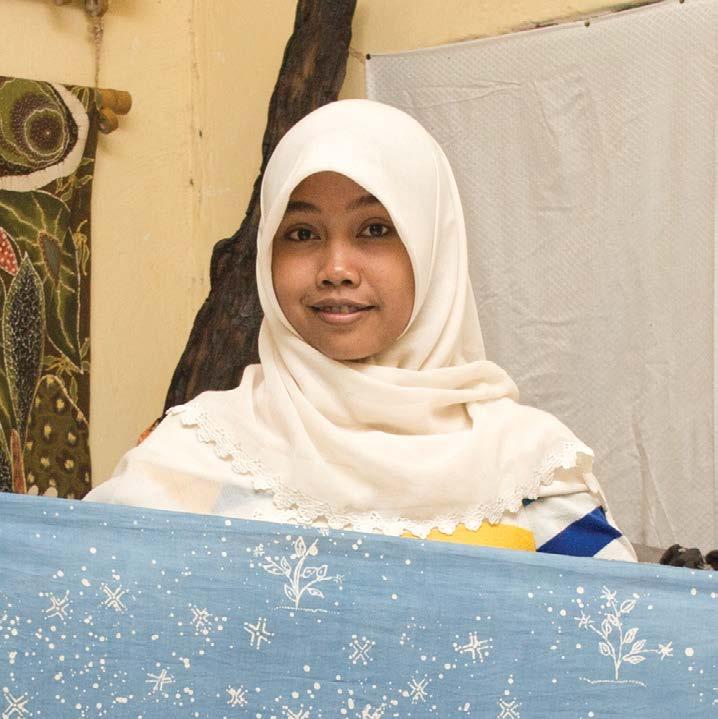
Lailatul Mukarromah Yasin
Nafisatul Jannah
Ainun Mardiyah
Yusrotul Amri
Fitriyah Rakhmawati
Maslikha
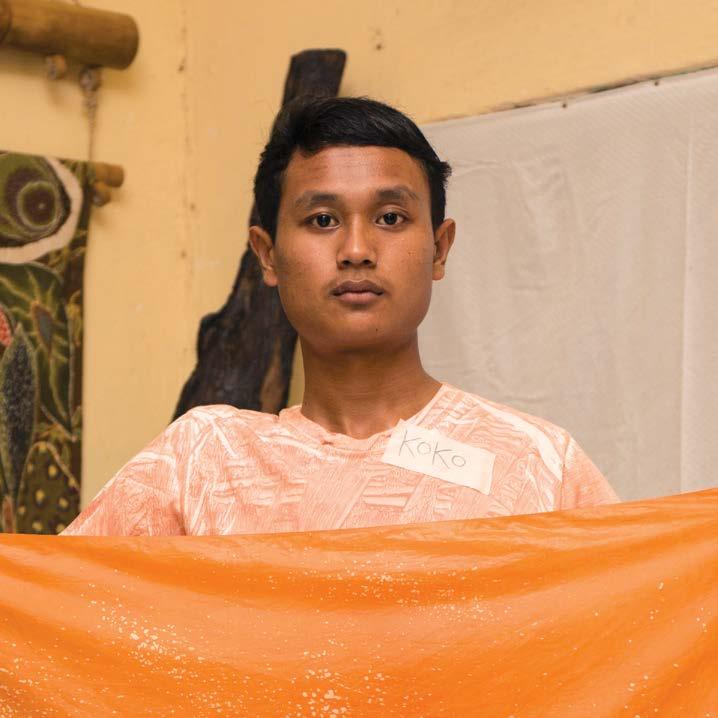
Koko Prayogi
Yusrotul Amri
NAME ADDRESS
PLACE & DATE OF BIRTH
GENDER
Ciani Ningsih
Ciani Ningsih
Pajaran Ds.Gunting Village
Pasuruan, 21 December 1996 Female
Koko Prayogi
NAME ADDRESS
PLACE & DATE OF BIRTH
GENDER
EDUCATION/WORK
AMBITION
DREAM
FAVORITE FOOD
Female
High School Graduates
Businessman
To be famous batik maker
Soto (Noodle soup)
Lailatul Mukarromah Yasin
Lailatul Mukarromah Yasin
Sadan Timur Kalirejo Village
Pasuruan, December 2001
NAME ADDRESS
PLACE & DATE OF BIRTH
GENDER
EDUCATION/WORK
FAVORITE FOOD
Gunting Ds.Genitri Village Pasuruan, 23 December 2002
Female Student Teacher
Being helpful and continue making batik Bakso (Noodle soup)
Fitriyah Rakhmawati
Fitriyah Rakhmawati
Maslikha
Ainun Mardiyah
Ainun Mardiyah
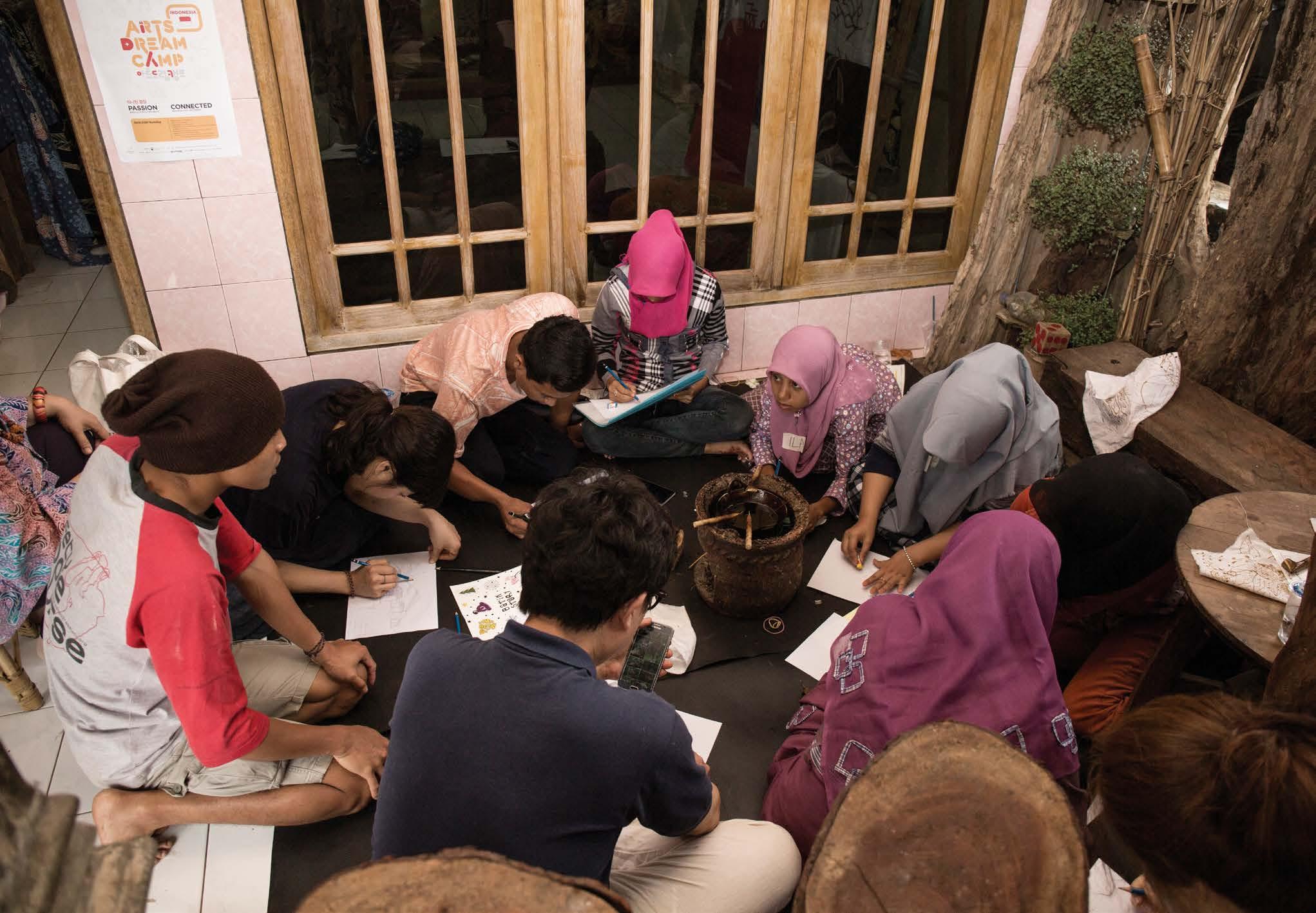
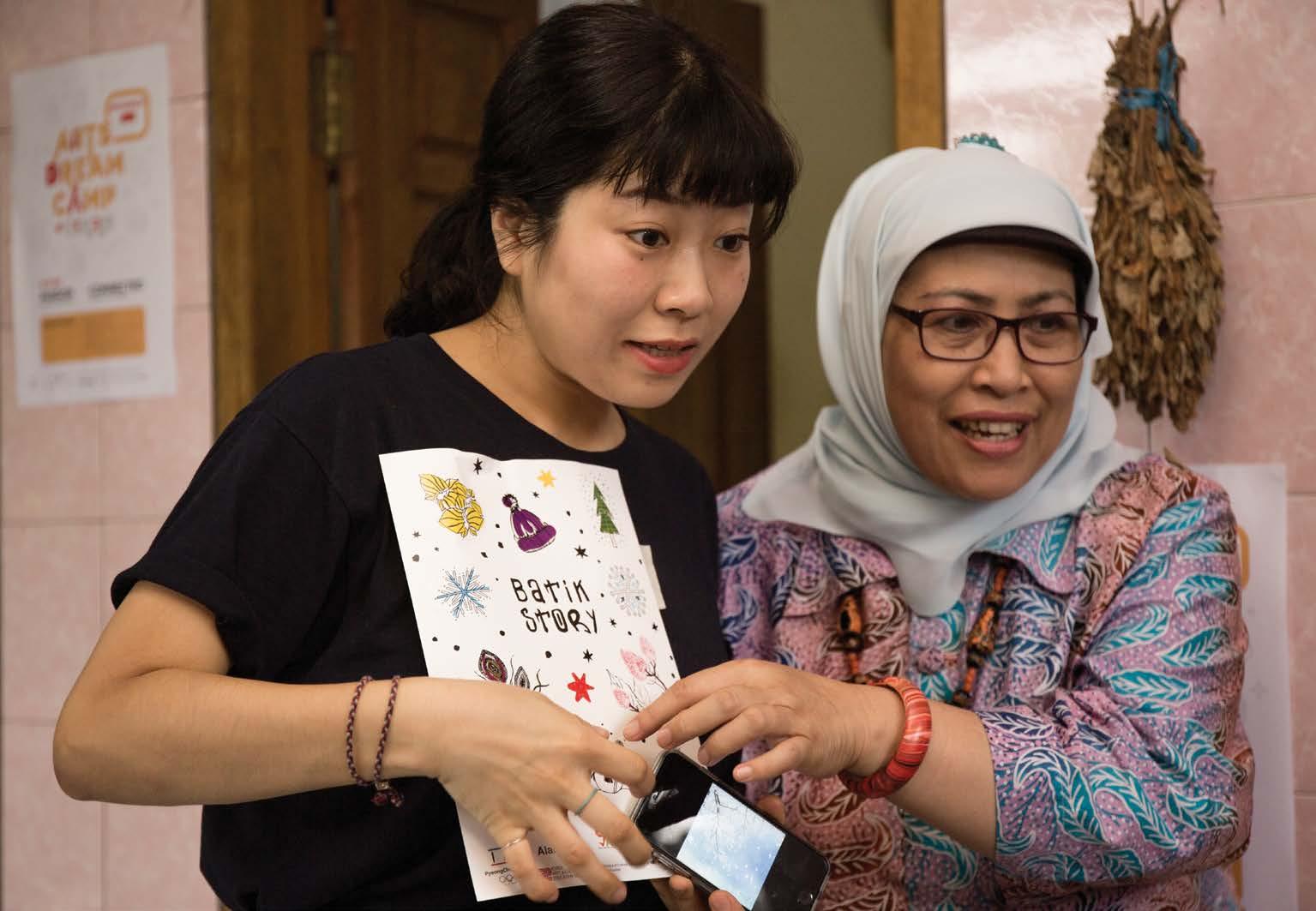
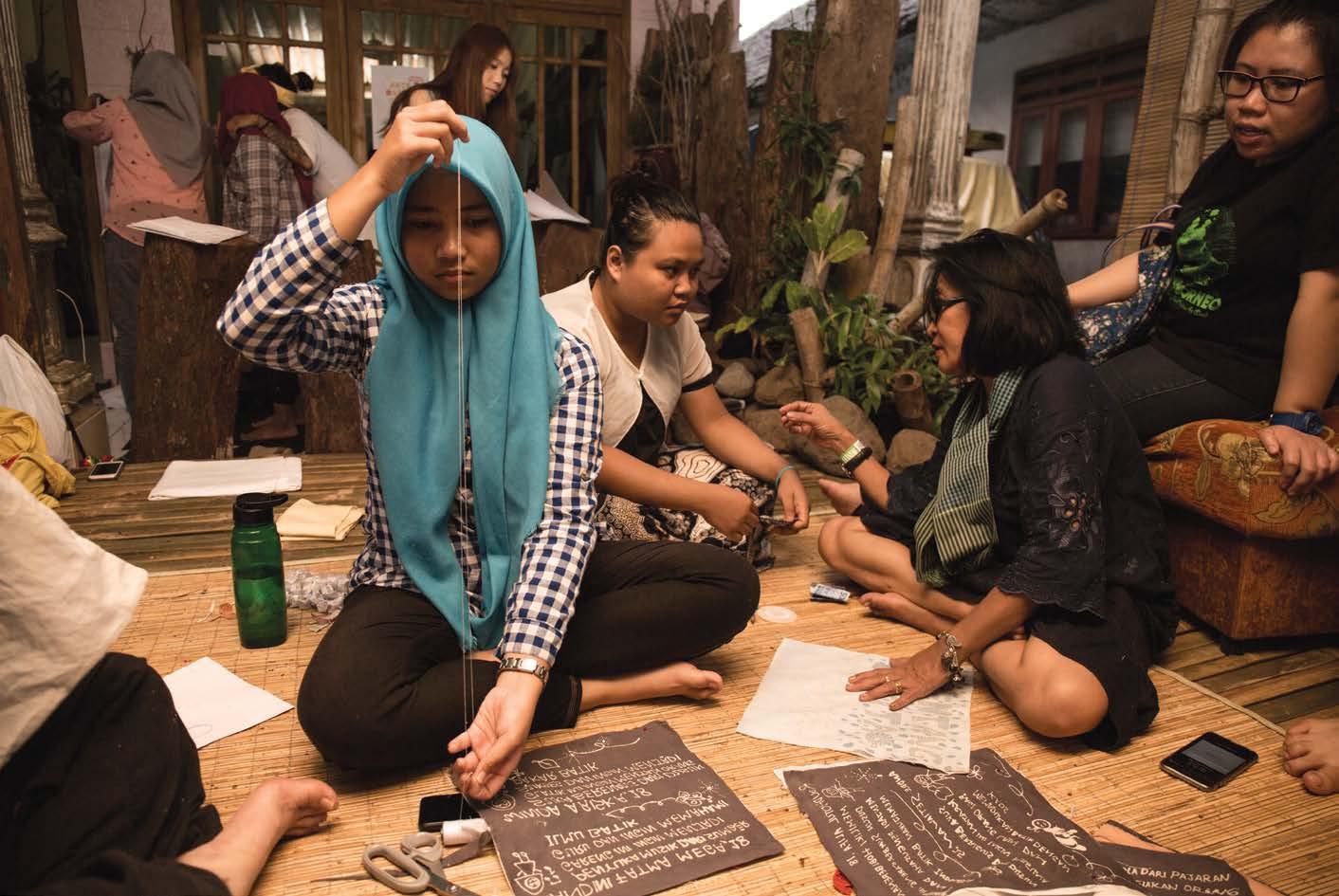
‹Cerita Batik: Batik Story› is a batik guide book made by batik technique. It was produced 100% handcrafted based on the contents of the research conducted during the workshop by participants of the Art Dream Camp in Indonesia. Although this book has the premise that it is a ‘introduction for people who are new to batik’, public relations is a secondary function. The first reader of this book is the seven students who participated in the production. Those who have started to study batik now understand the whole process of batik through the active learning process of the coverage type and experience the batik technique. Students also collect the plants that are the source of batik, and expresses them in batik. It is the most realistic way to promote batik in a small rural town, where it is hard to find a print shop far from computer. The production process for 4 nights and 5 days is as follows.
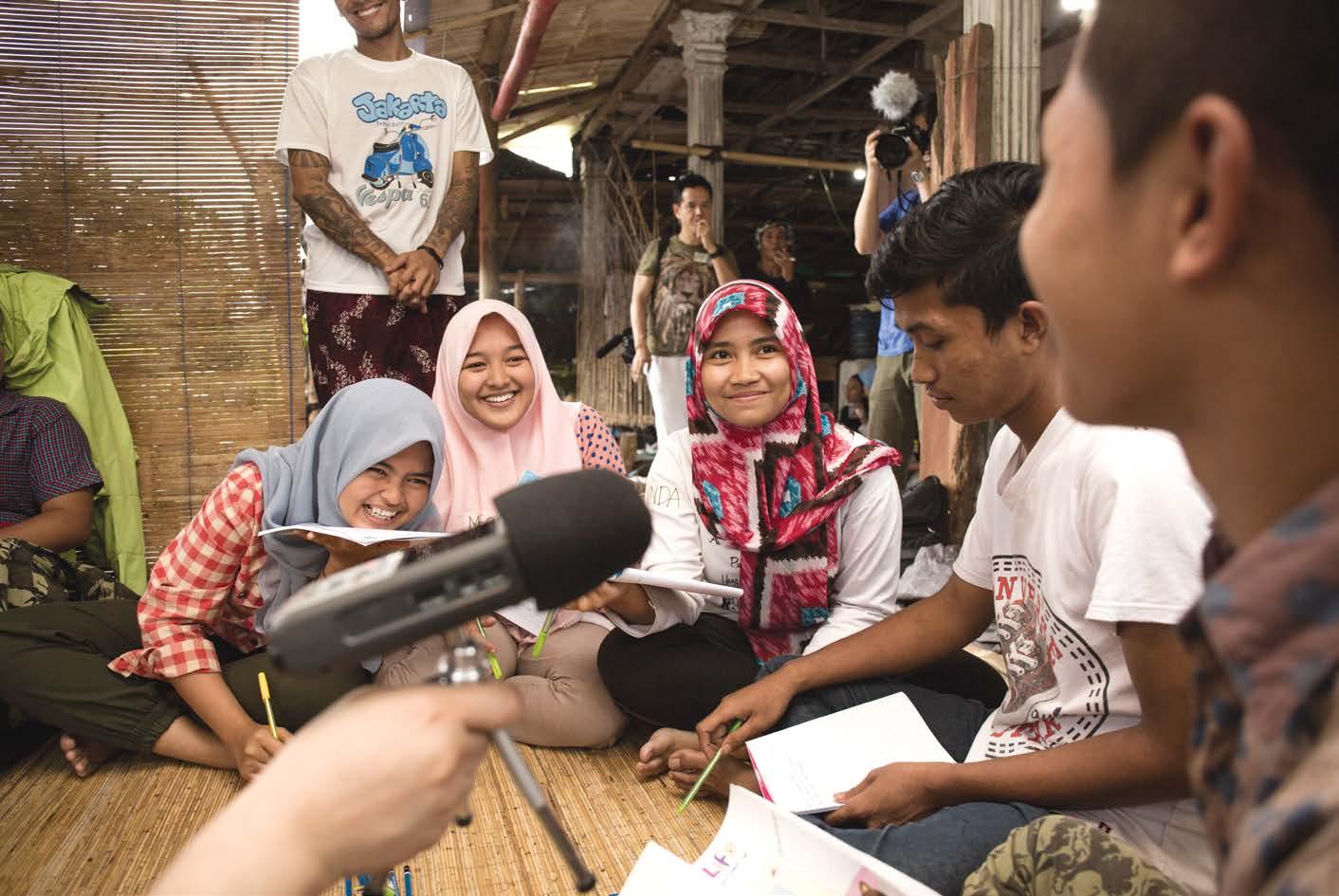
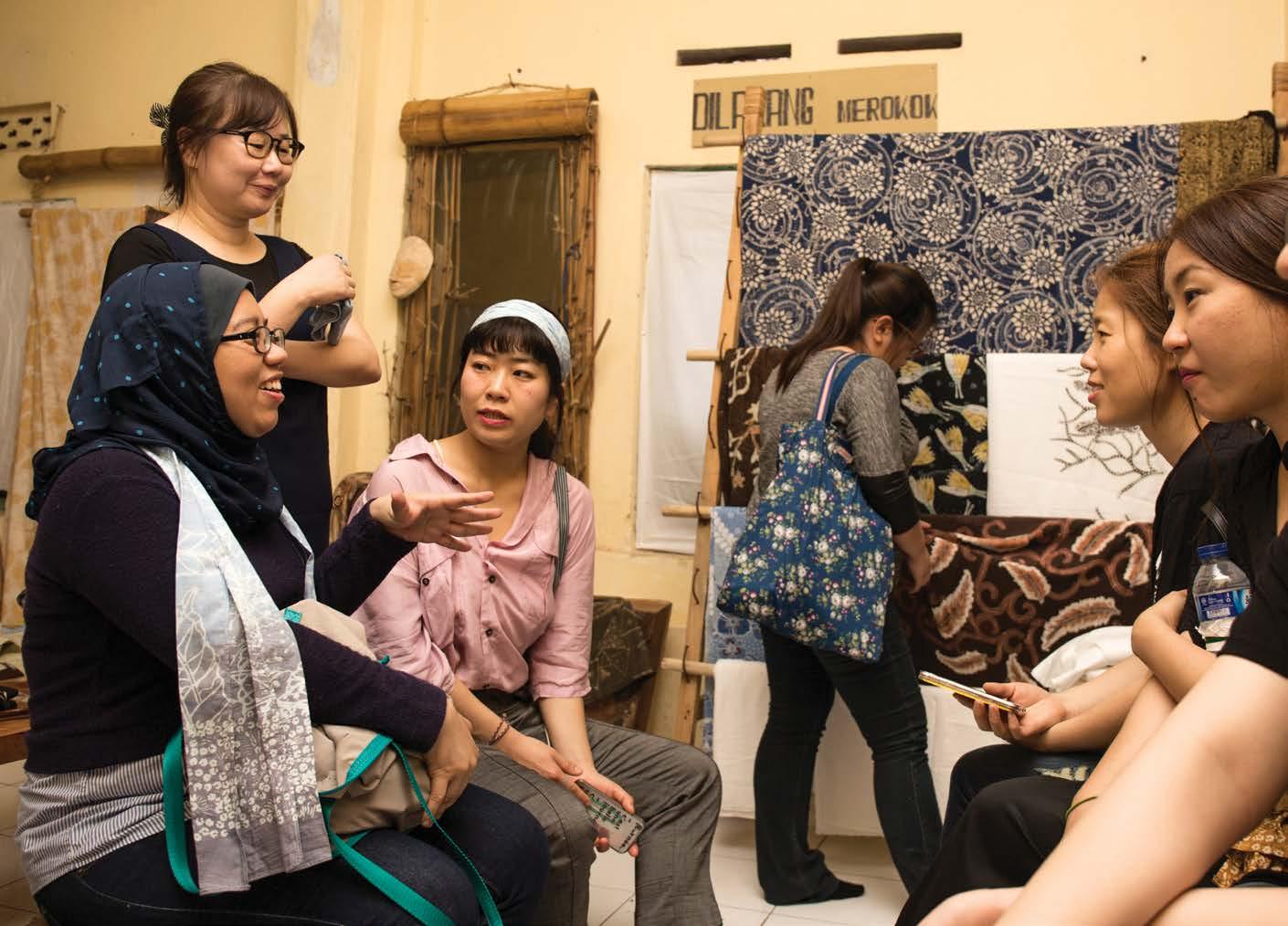
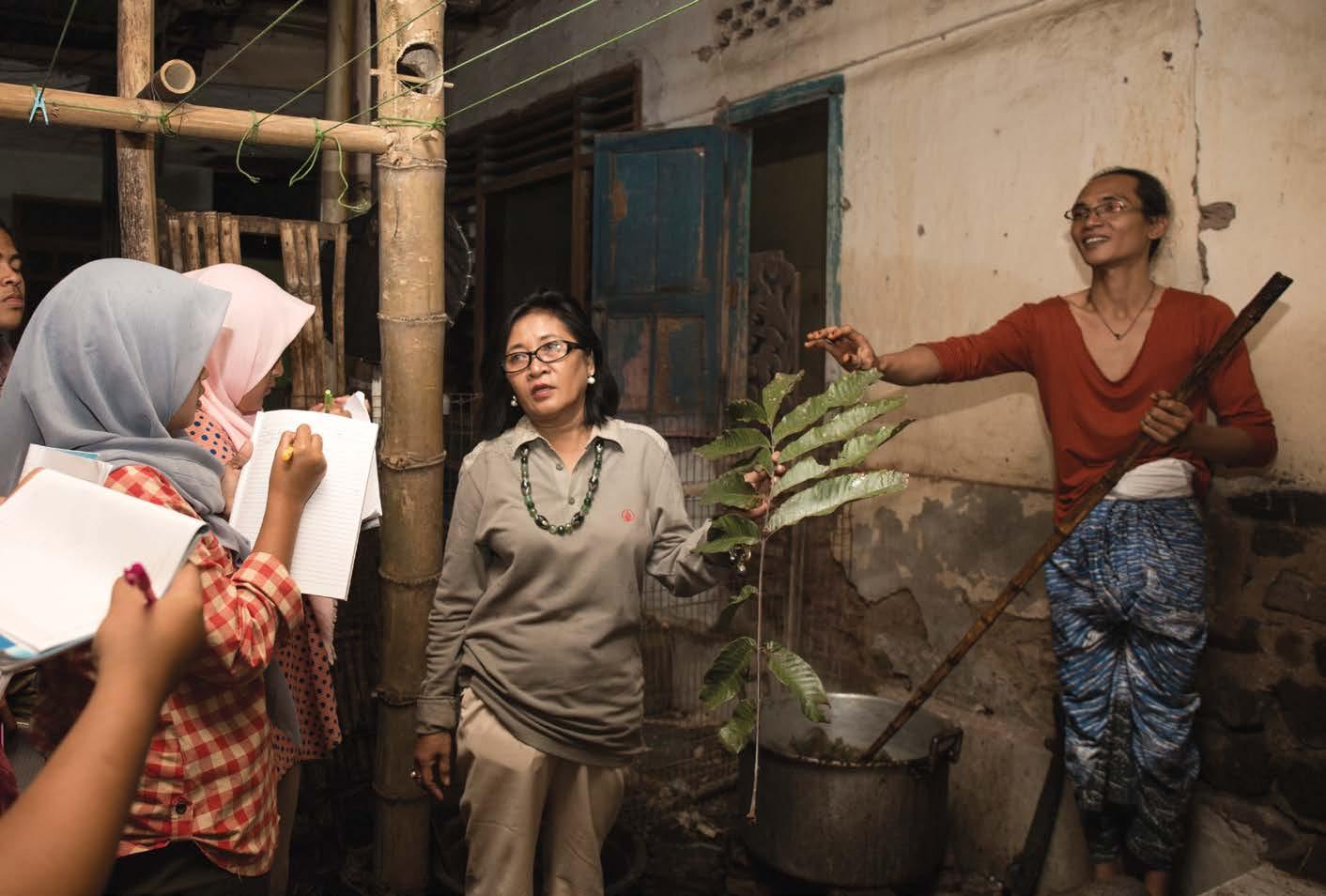
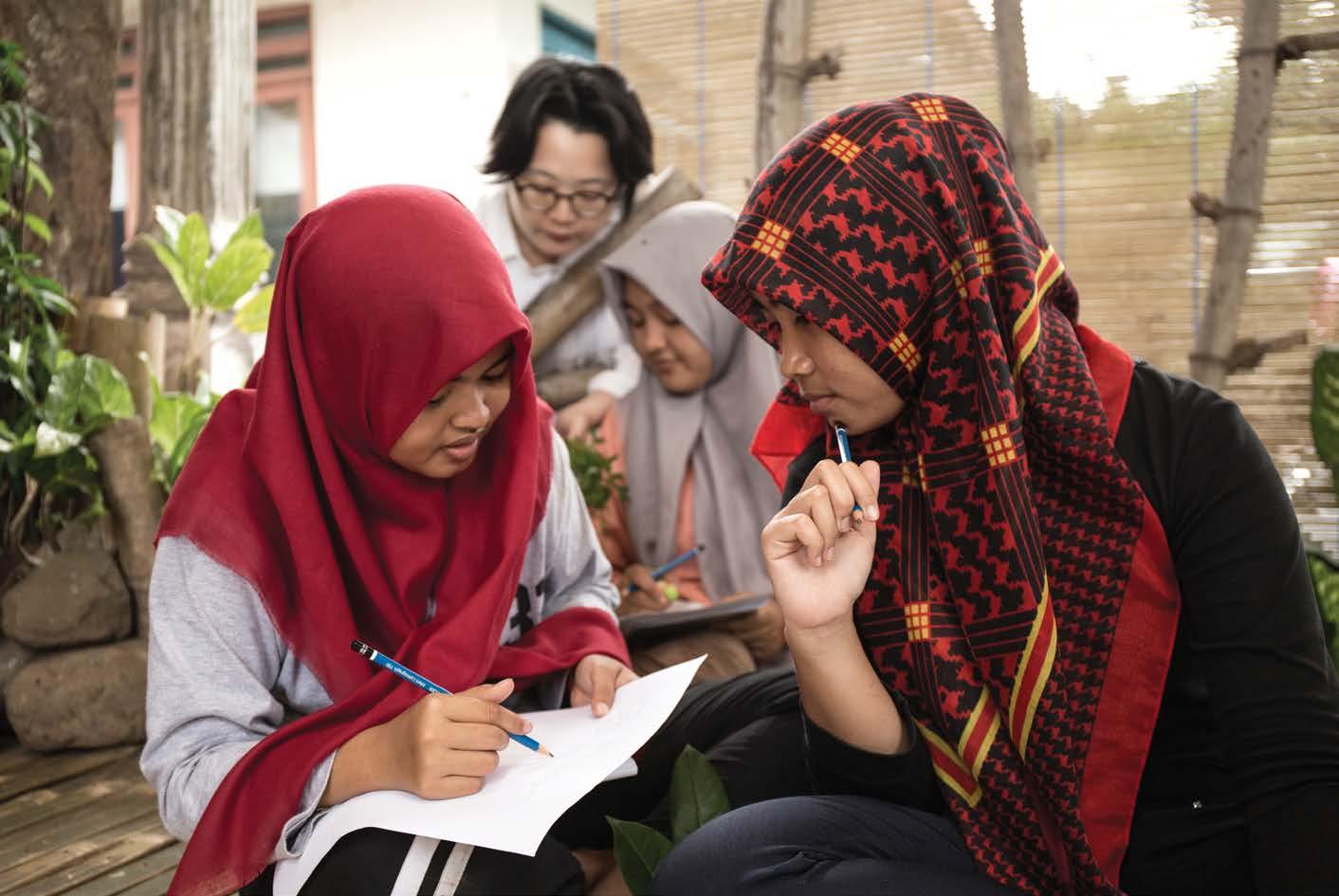
Through interviews, they understand each other. And they collect information about batik by going around the Alarm Batik Center and all over town.
It is divided into four teams, each of which summarizes the batik, explains the material and the process, and how to introduce the participants.
The texts and drawings on paper are transferred to a prepared white fabric and then the contents are engraved with batik technique using canting and waxing tools.
Repeat the process of dyeing and drying each page in the dye of the desired color.
The slope of the fabric is stitched and inverted, and each page is connected by yarn.
Day 1 – Collecting Information
Day 2 - Editorial Meeting
Day 3 _ Text and Painting
Day 4 - Dyeing Repeat
Day 5 - Sewing Binding
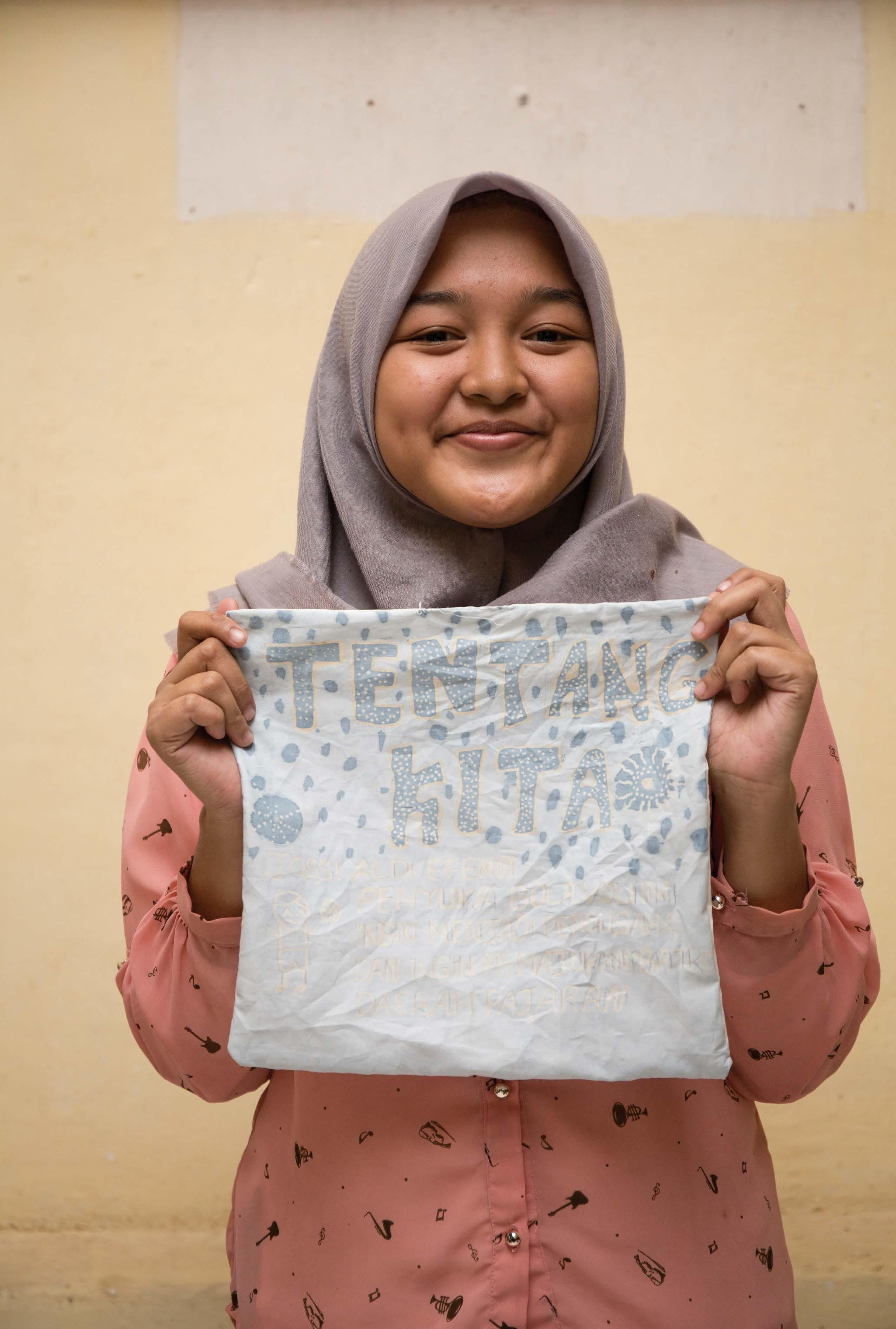
“Memperkenalkan Tentang Kita (Introducing us)!”
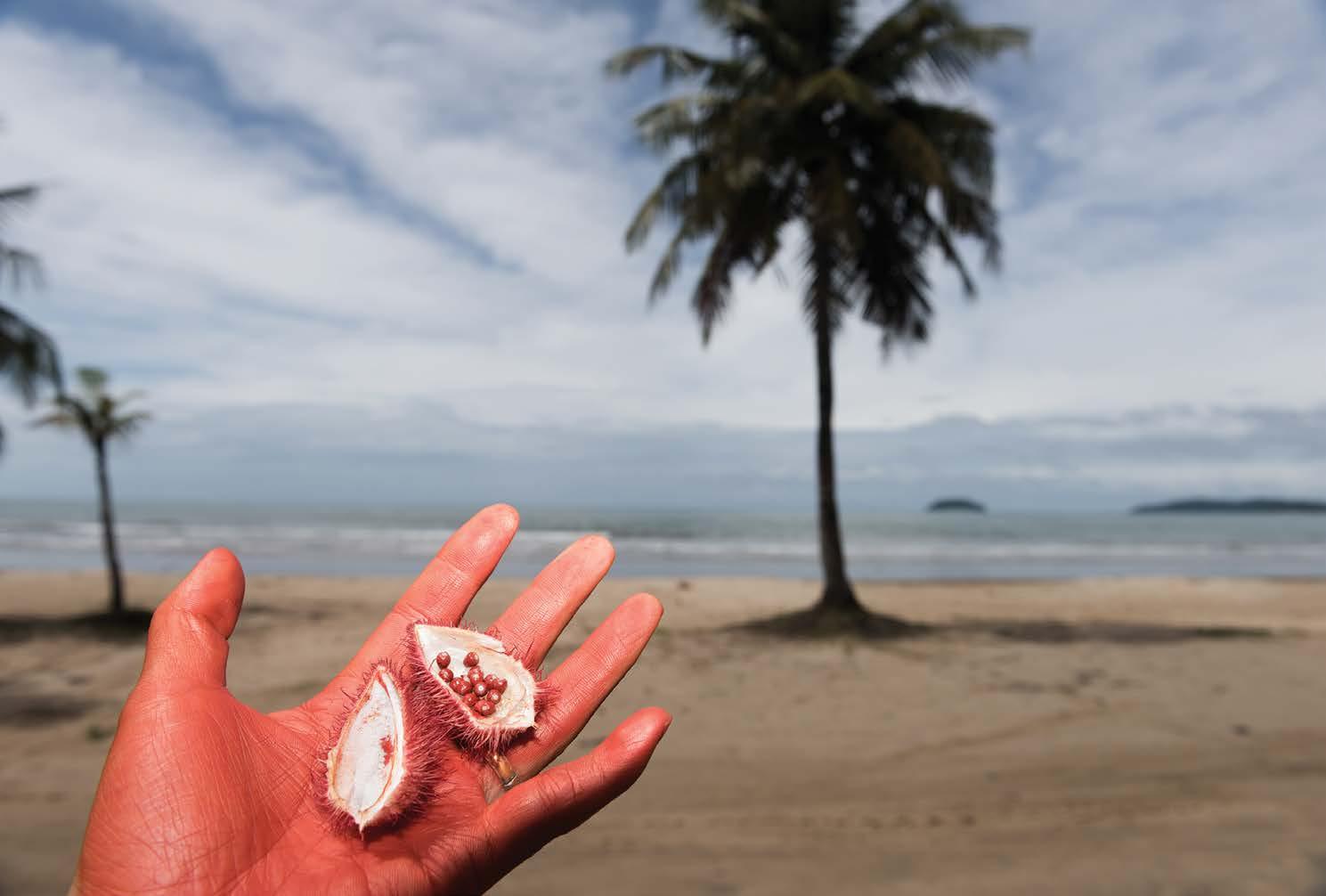
The students who visited the Alam Batik Center to learn Indonesian traditional cultural heritage are young batik evangelists who have gone through a series of screenings. ‘Art Dream Camp’ recruited volunteers in the late teens and early twenties who reside near the village of Sukorejo in Pasuruan province, and 21 students who passed the preliminary interview eventually joined the camp. Interest in batik is very special, but most students are still in the beginner's class. Students were given the mandatory tool of batik, Cantng, and the ‘Bixa Orellana’ seedlings, also called ‘lipstick trees’ as one of the dyeing materials. Students who have their own tools and raw materials learn the whole process of batik over several weeks at the Alarm Batik Center. Students and participants from Art Dream Camp from Korea were divided into two teams for four nights and five days, respectively, to complete a book about batik and a batik work with winter story they imagined. This introductory article is based on the interviews of the participating students themselves.
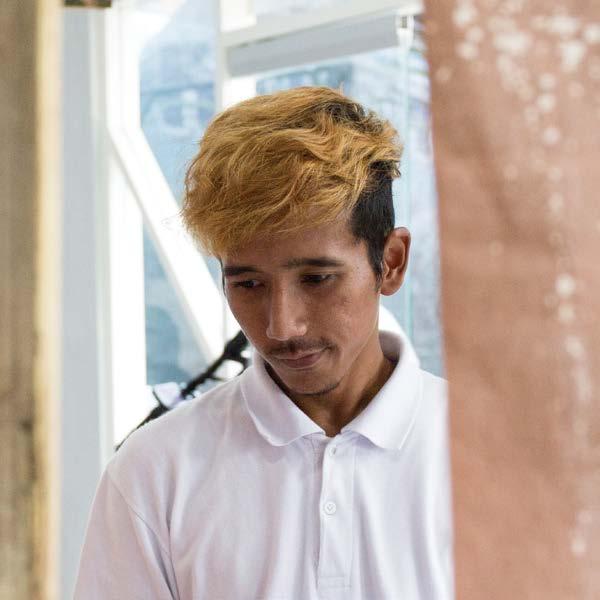
I am Andre who is interested in fashion. Why did you dye your hair yellow? This is Lionel Messi's hairstyle in 2016. haha. I am probably the oldest one among the Indonesian participants. I am twenty-five years old. I was curious about batik when I was working at the T-shirt shop. Would not it be possible to create a different design if I use a batik on a T-shirt? Batik has a philosophy of Indonesian people. The process of making batik is quite complicated and takes a long time. For that reason, I have the desire to try more.
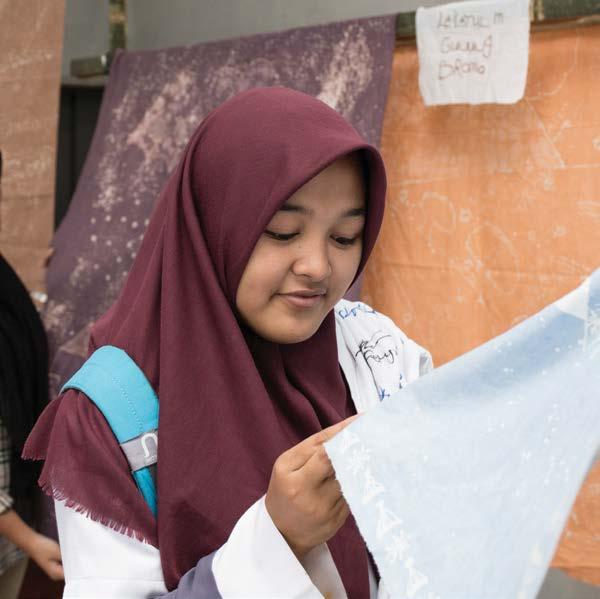
I'm eighteen years old. My name is Mega. Alifa is a cousin who lives in next door. My days are very busy. After school, I have to clean and wash your clothes. Then I walked 4km to the Alarm Batik center here. It is common here to help with housework, so I don't have any complaint. I want to be a teacher. I will learn batik and teach my students. Building knowledge is important in education, business, and in any field. I wish I could create my own batik patterns as well as traditional patterns. There are more stories in batik than I can see.
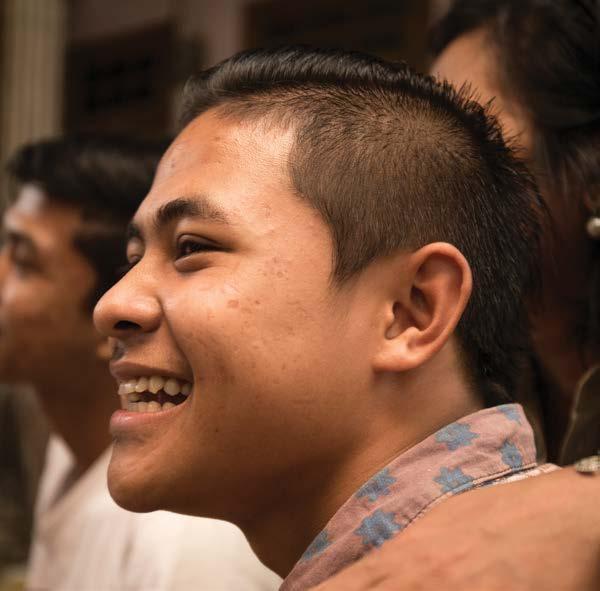
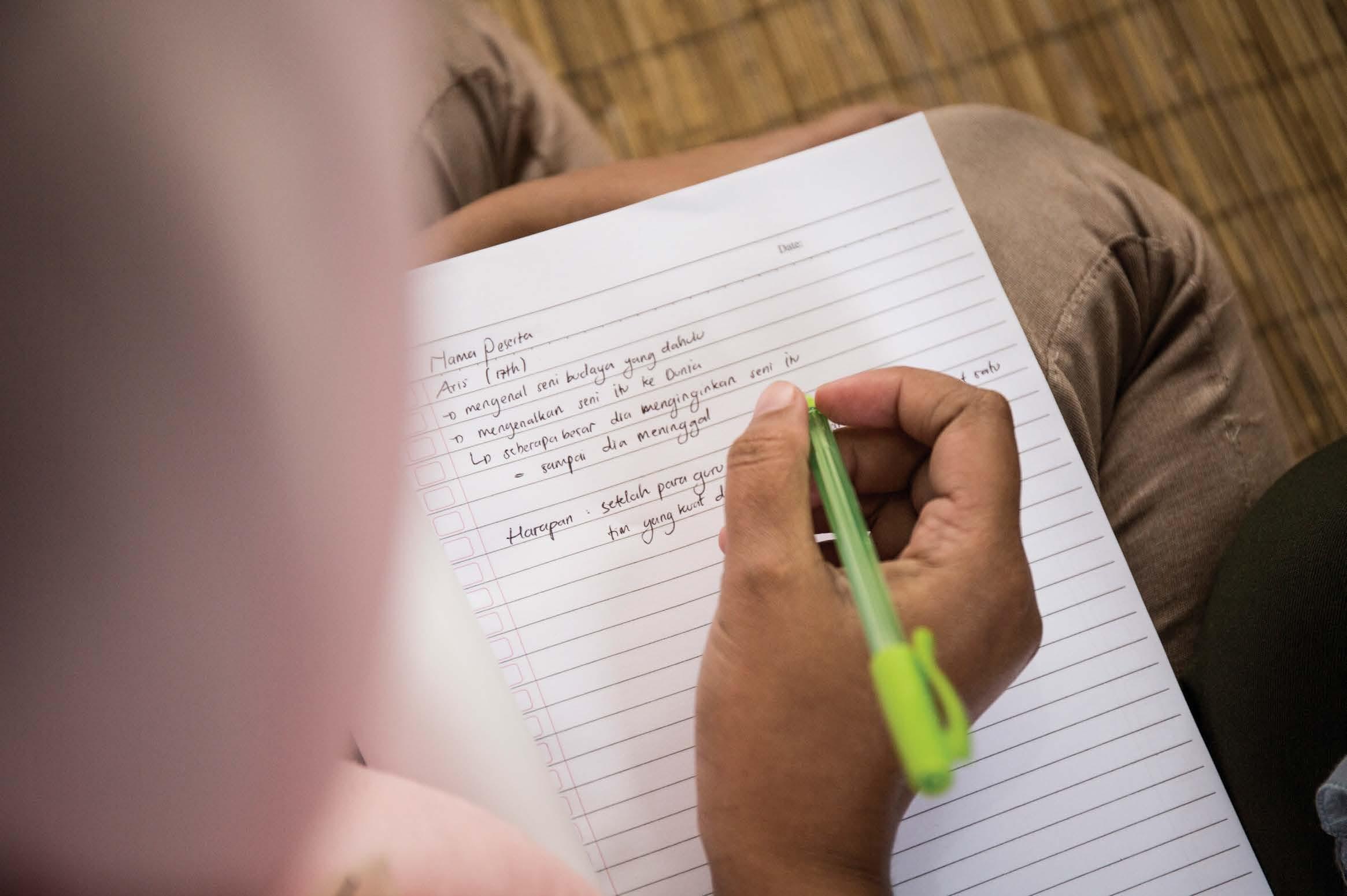
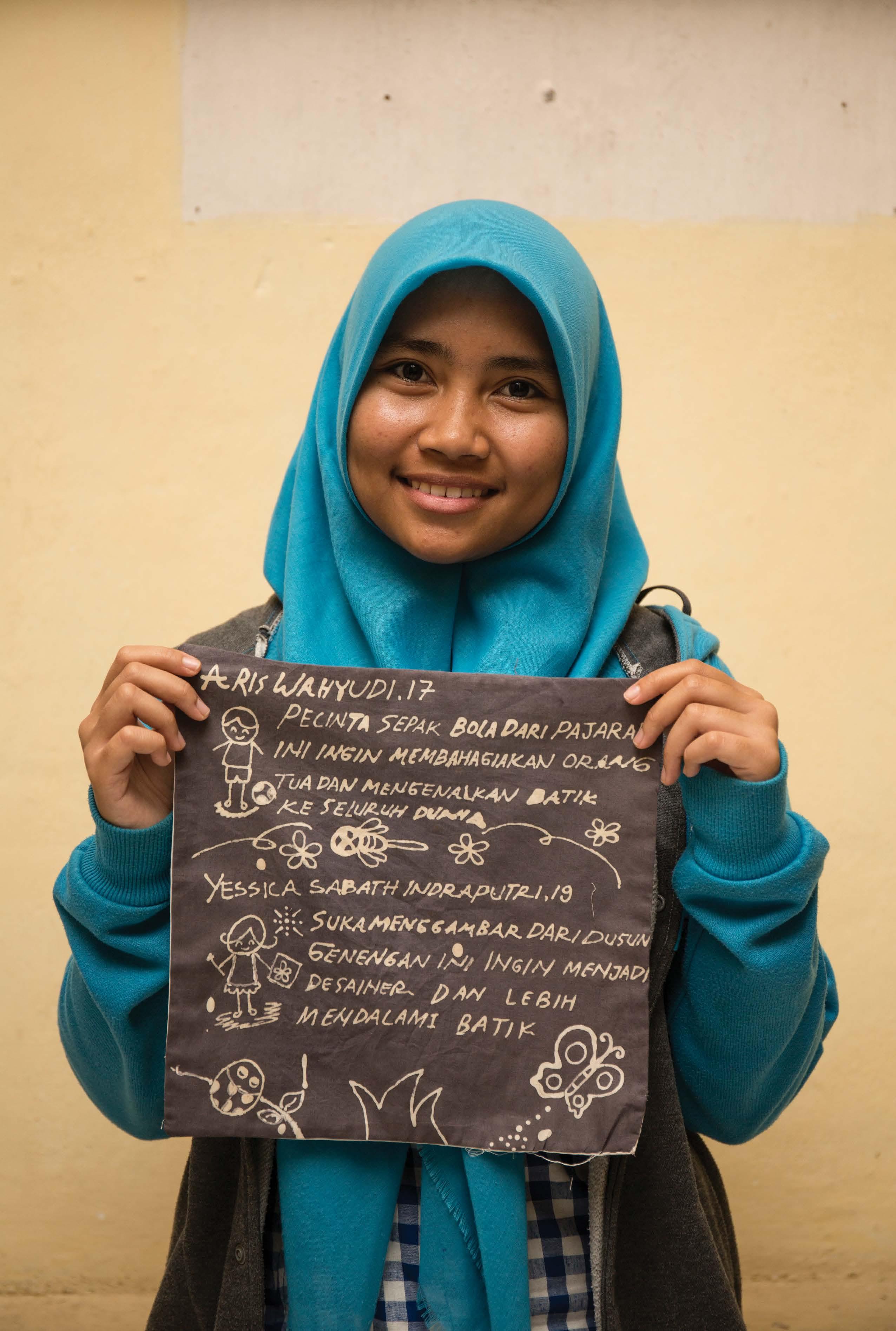
My name is Aris. I wanted to learn Indonesian tradition, so I came to the Alarm Batik center. This is like my playground. My house is right opposite the Alarm Batik center, and the second of the three children. I was born and grew up in this village. Bob Marley's face on one side of my room was drawn by my friends with me. My hobby is football. And it's a coffee lover. It was two years ago that I became interested in batik in earnest. Sometimes I come to the Alarm Batik center and naturally come into contact with batik. I do not know what batik charm is yet. Maybe it's something I should know until I die? My dream is to introduce our traditional arts all over the world.
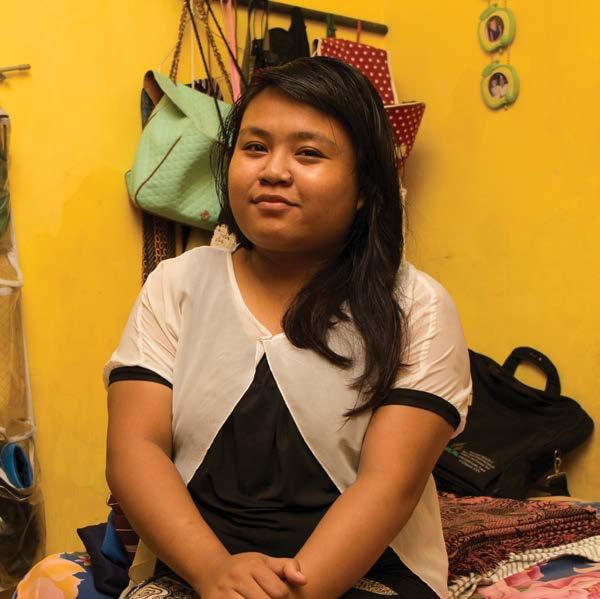
Hello. I am a 19-year-old Yessica who enjoys painting, hiking and traveling. I ride a scooter every day for 10 minutes to the Alarm Batik center. After learning about batik in class at school, I wanted to know more and found this place. I was wondering how the batik that I've always seen in everyday life is made. In Indonesia you can see people wearing batik clothes or scarves everywhere. My dream is a designer. I want to draw a motif from batik and make my own design. I want more people to know that Batik is a unique culture in Indonesia.
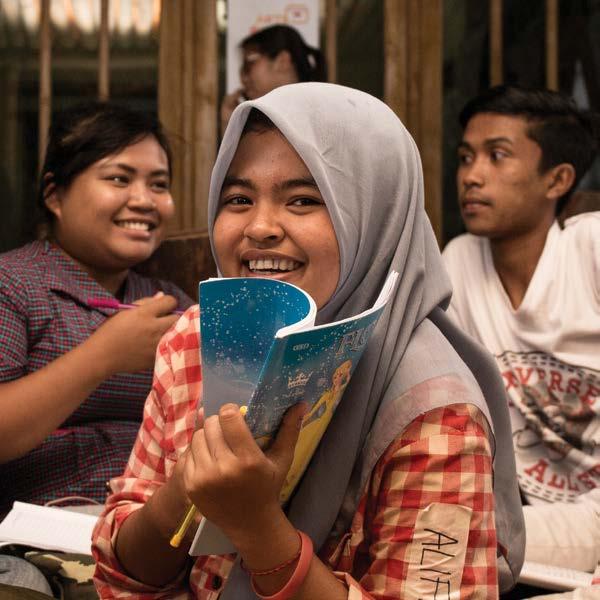
Call me as Alifa who wants to develop Indonesian batik. Before I know batik, it was my dream to do business related to my favorite food, such as ice cream. It's different now. I knew it was really important to keep our traditions for the next generation. Of course, I cannot do it for everyone from the beginning. I will start with the village community where I live. Then I think it will be naturally transmitted to other local people. Batik is also a great help to local economic development. As time goes by, One family, the whole country can grow further.
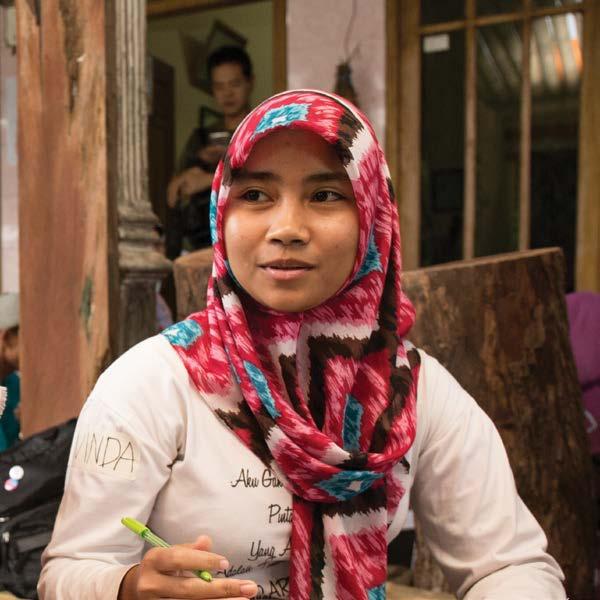
My name is Winda. It lives in a village 2km away from the alarm batik center. I do not have anybody around me doing batik, but my village manager introduced me to this workshop program and I applied for it. All participants in this program meet here for the first time. Speaking of me, I have a boyfriend and I love swimming. But I do not know how to swim.haha. The goal in this workshop is to learn batik hard and publicize it to many people. If someone is not interested in batik, I want to explain it well so that she or he become love batik. I simply try to understand batik more deeply than technology.
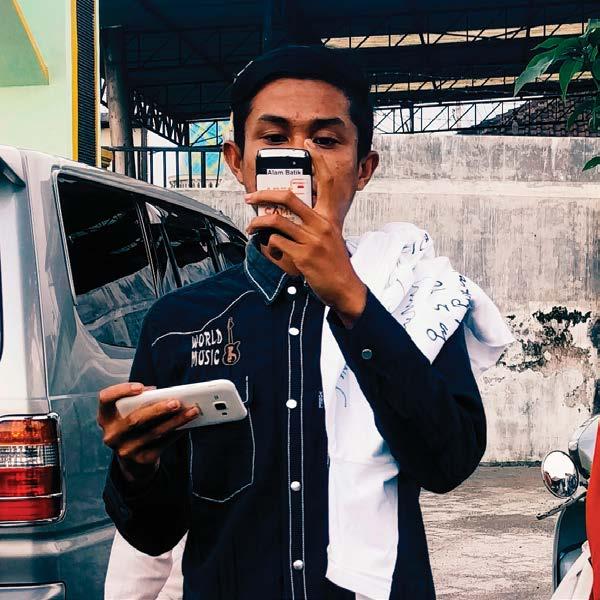
I'm Aldi. I am 17 years old and I have been involved in the Art Dream Camp since I wanted to learn more about the batik and develop the area where I live. It's still very difficult. Among them, drawing flowers is the most difficult to me. Flower is one of common patterns. But it's not as easy as completing a sophisticated pattern like the teachers at the Alarm Batik Center. My goal is to be good at batik once. Personally I like contemporary style more than traditional batik pattern, because I can wear it. It should be considered the tastes of my younger friends as well as older adults like my dad. If I have the opportunity to travel to one country all over the world, I want to go to Korea. Heartily!
NAME ADDRESS
PLACE
Moch Andre Setiawan
Moch Andre Setiawan
NAME ADDRESS
PLACE & DATE OF BIRTH
GENDER
8 December 1999 Male Student
To make my parents happy
To introduce batik to the whole world Chicken Mee
Aris Wahyudi
Aris Wahyudi Pajaran gunting sukorejo Pasuruan,
Roudhotul Alifa
NAME ADDRESS
PLACE & DATE OF BIRTH
GENDER
EDUCATION/WORK
AMBITION
DREAM
FAVORITE FOOD
Female Freelancer
Businesswoman
To learn more on batik Indonesia
Yessica Sabath Indraputri
Yessica Sabath Indraputri
Genengan Ds.Glagasari Village Pasuruan 15 February 1997
Salad (tempe)
Winda Ariska
Handini Fatma Mega
Sumber Gareng Sukorjo Village Pasuruan 20 May 1998
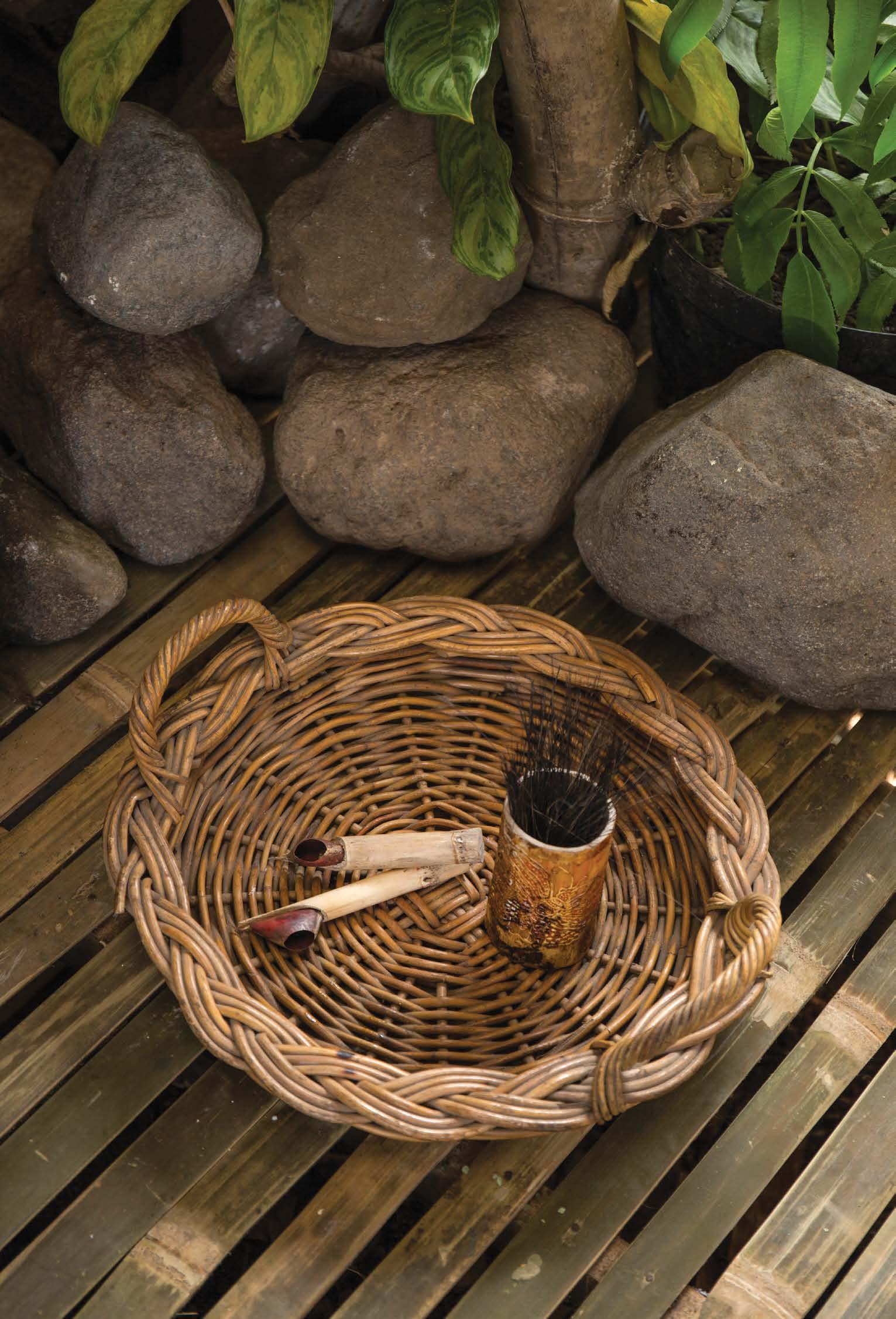
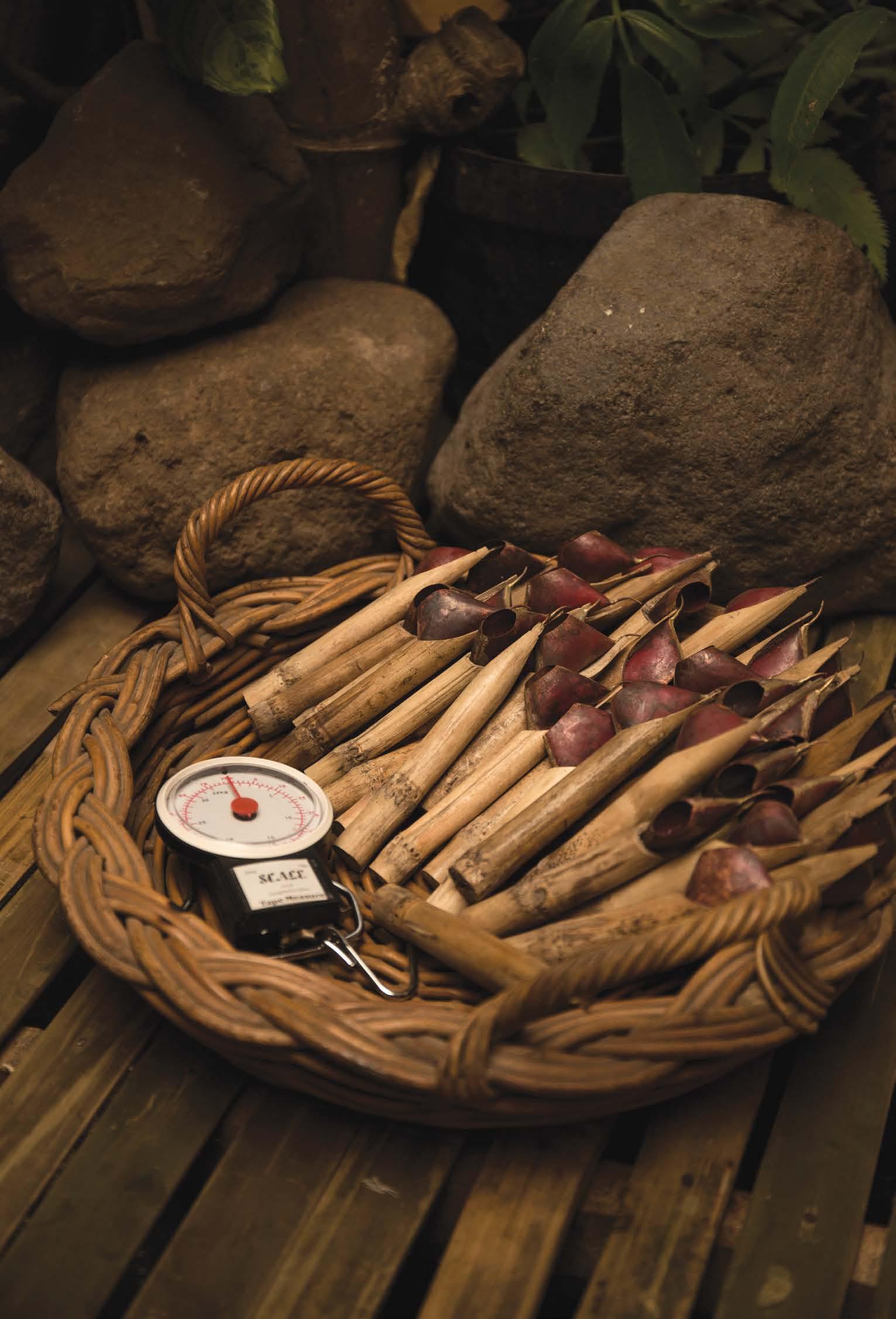
Canting is the drawing tool in batik.
is made of palm leaves to clean injection hole.
Canting & Brush
Brush
Canting & Scale
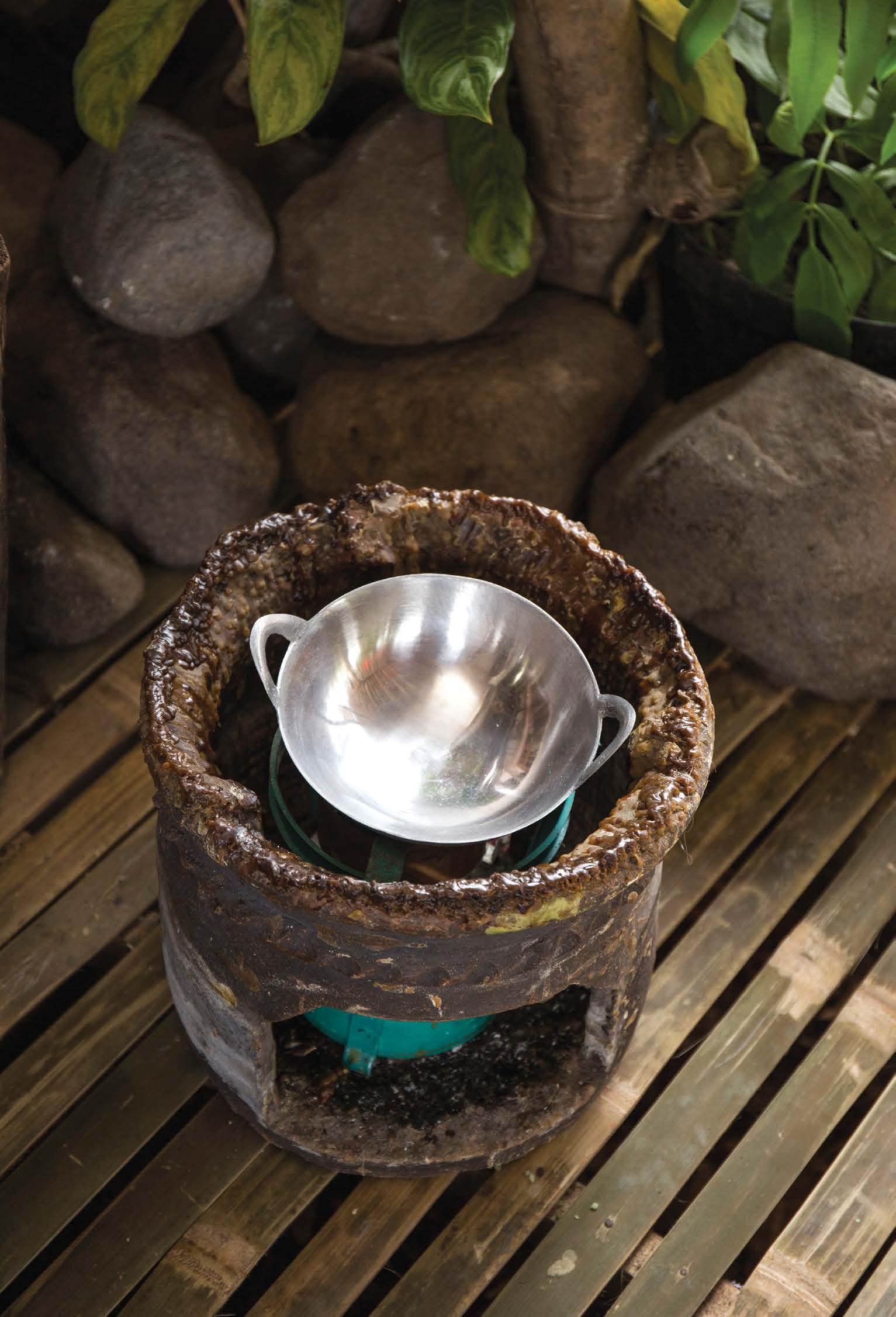
Beeswax pot and brazier It is used to melt beeswax.
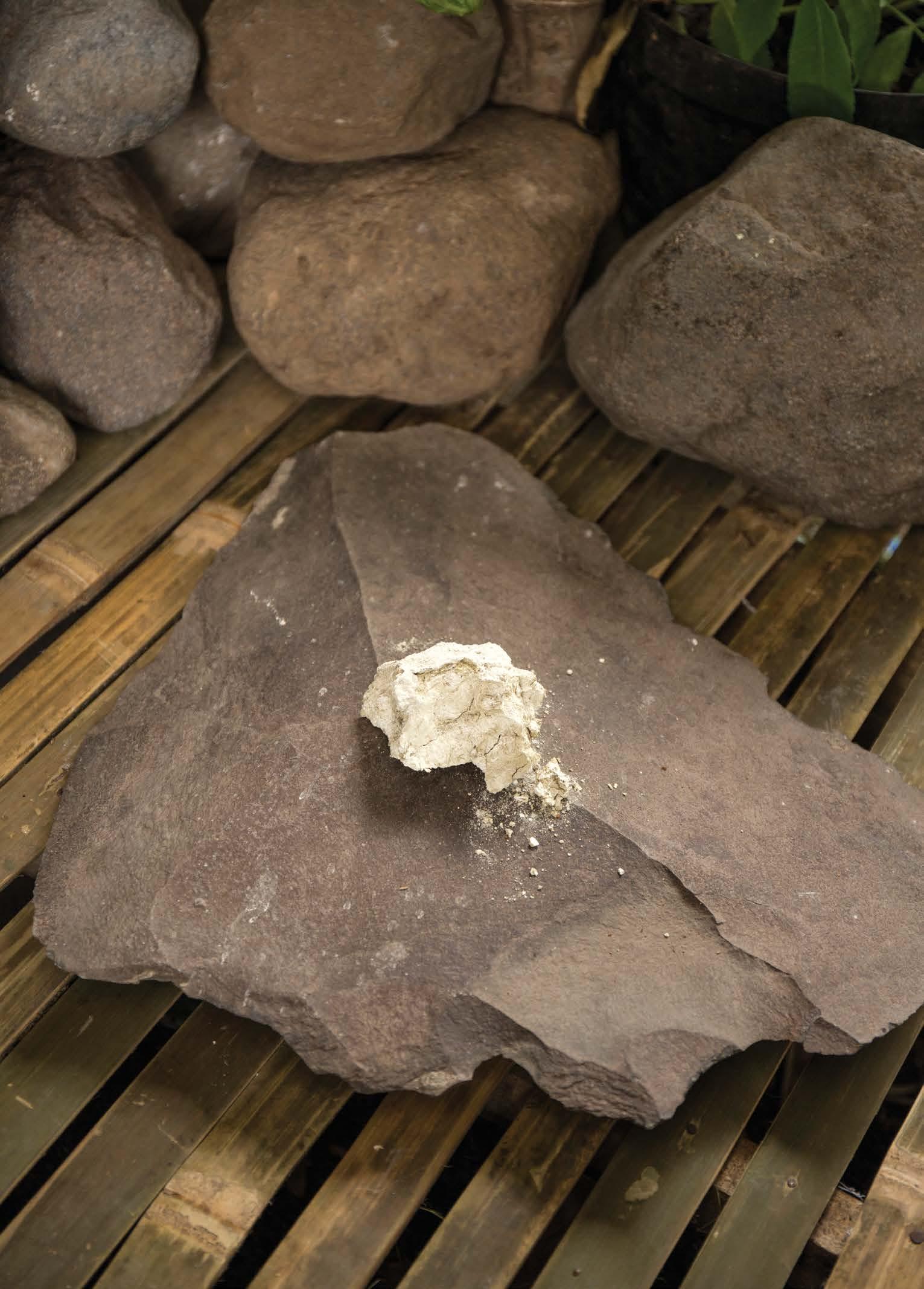
Calcium Lime
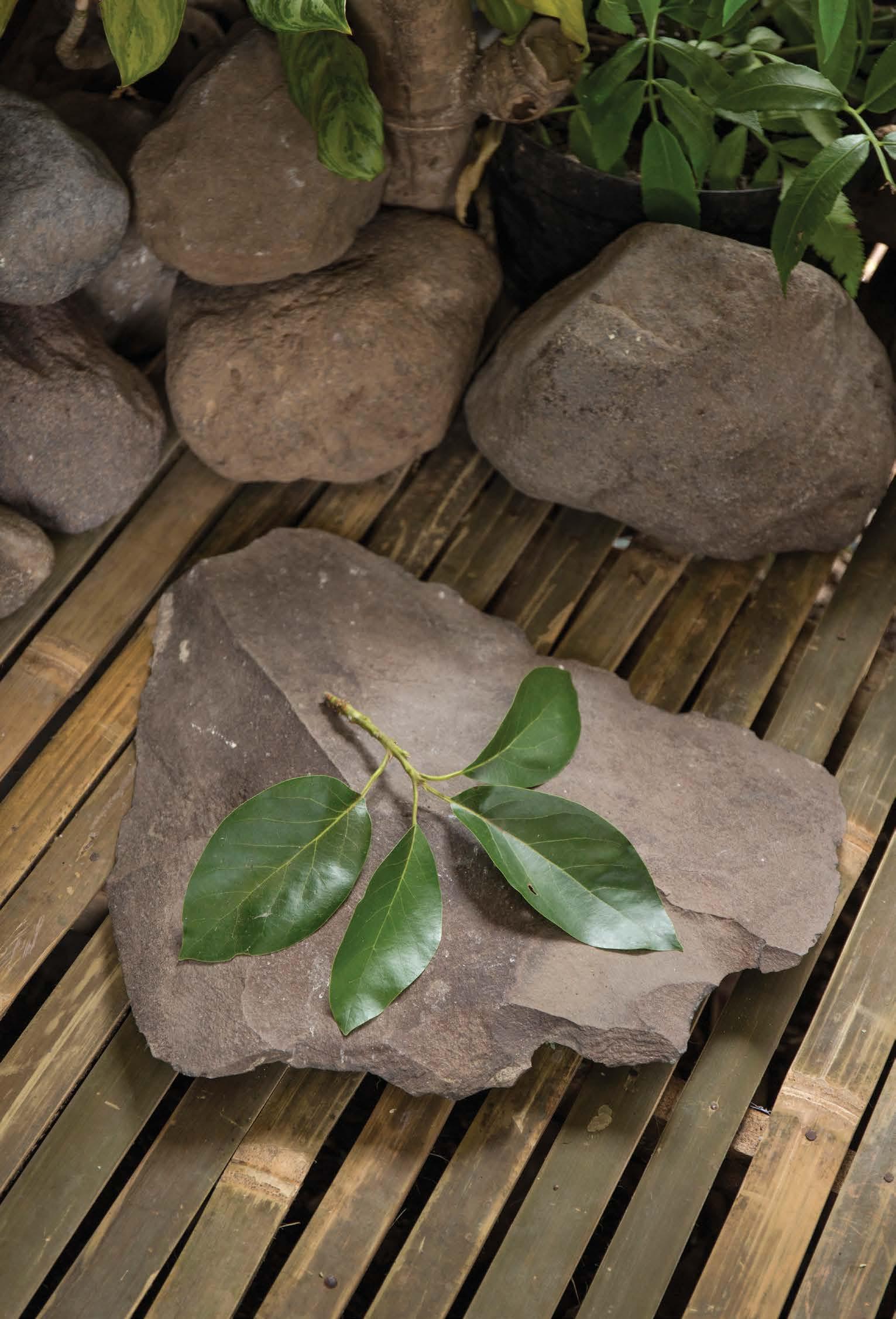
Matoa Leaves Matoa tree is one of popular trees in Indoensia. Leave from Matoa used as a dye in Batik.
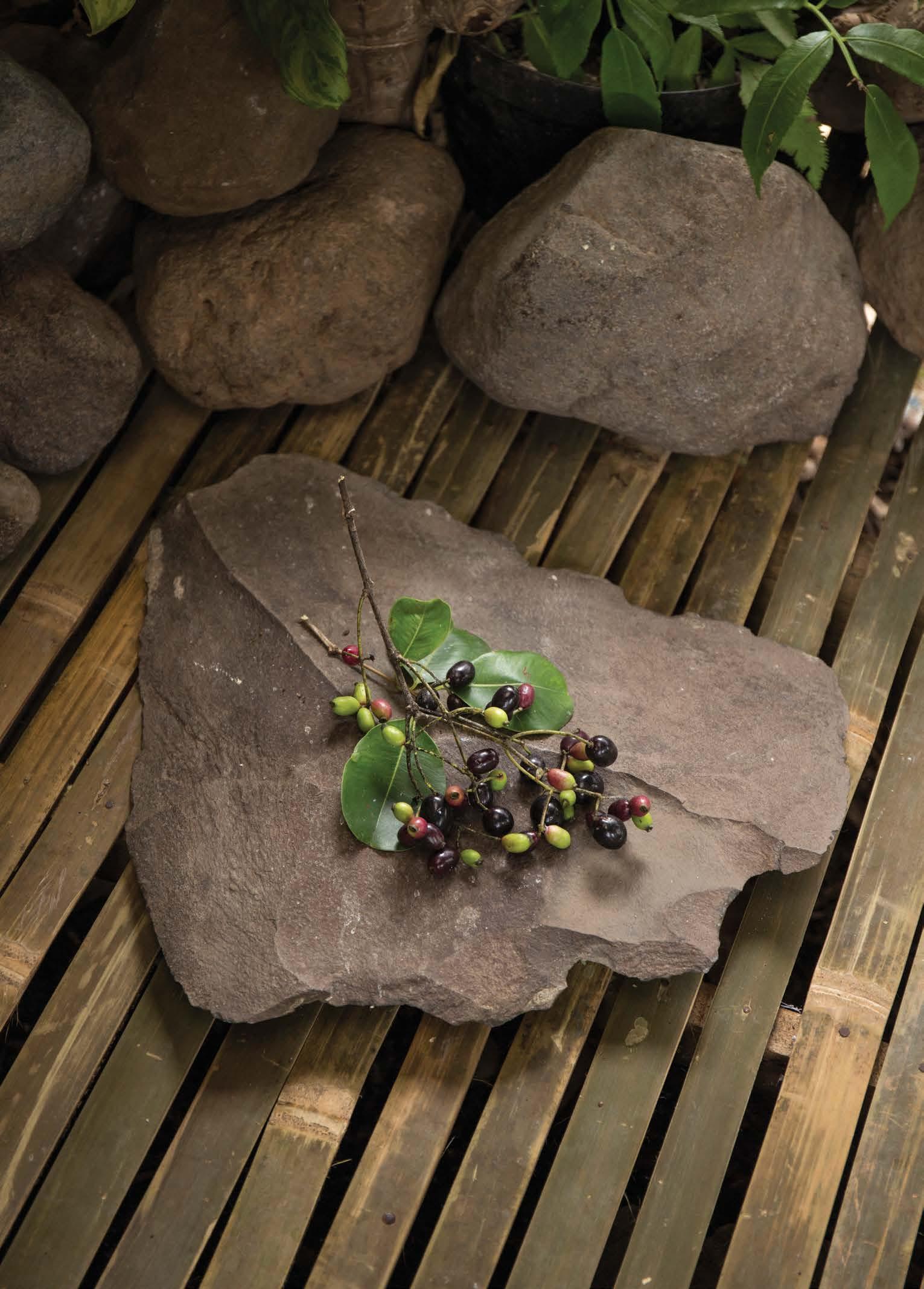
Juwet Fruit Leave Juwet Fruit is a kind of Java plum, which is a common name for the edible fruits of several tropical tree species.
Rambutan Leaves Leaves from Rambutan, tropical fruit.
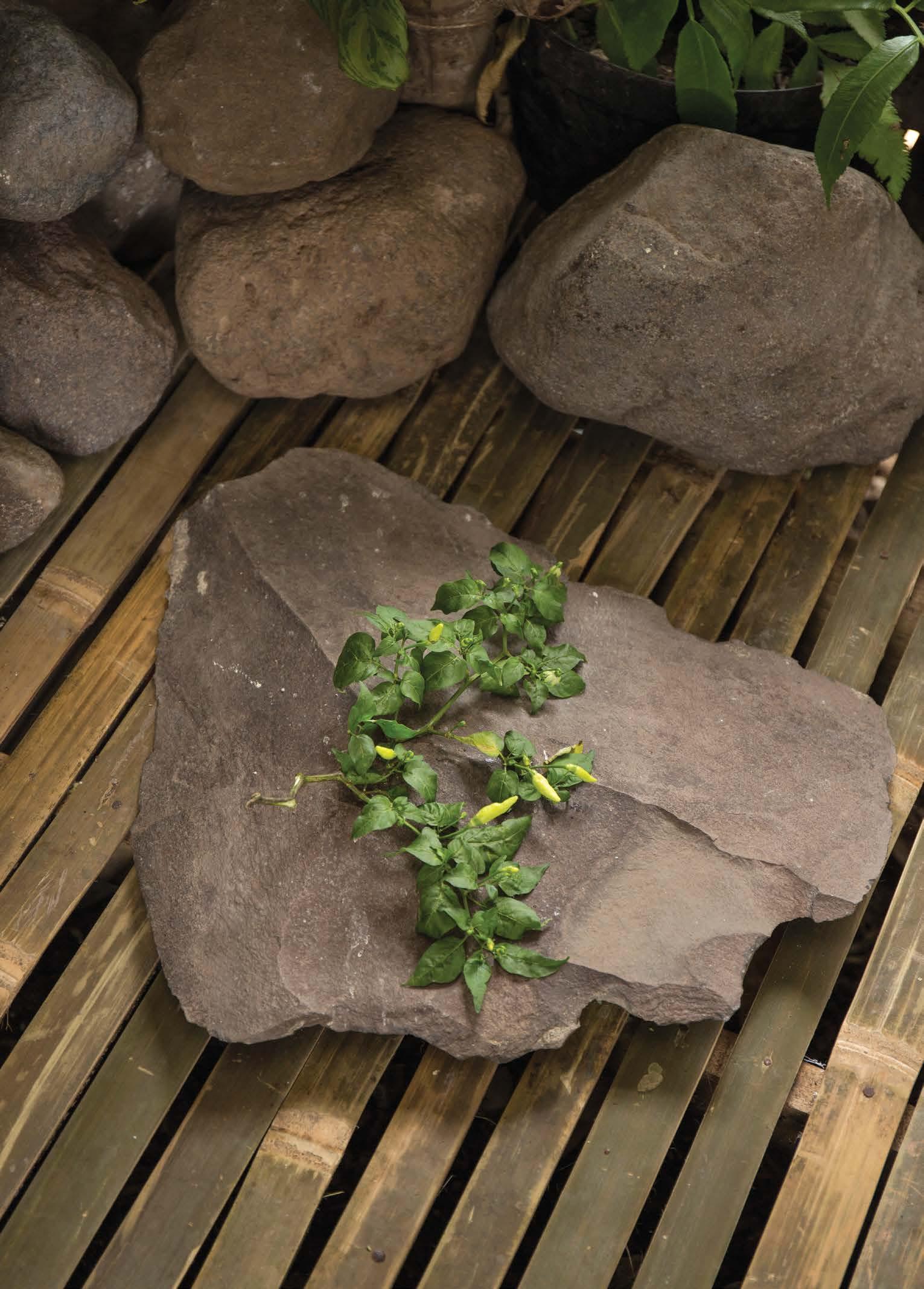
Chili Leaves It is used to make green.
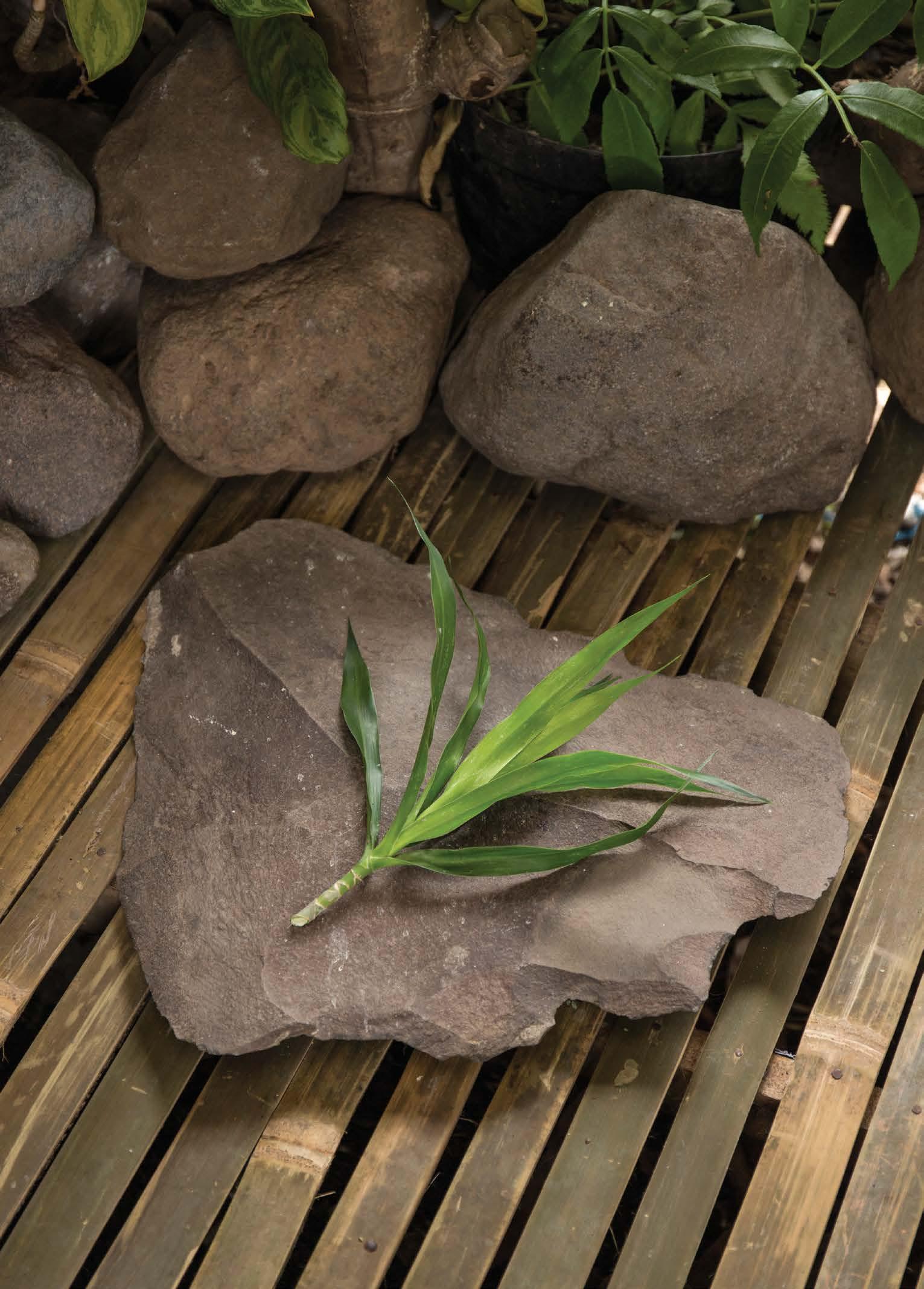
Pandan Leaves Pandan is a tree of palm family. Leaves from Pandan are used for spice. It is used to make yellowish green.
Nangka Leaves Nangka tree is known as Jackfruit tree. Leaves and root from Nangka are used for making yellow.
Rambutan Leaves Leaves from Rambutan, tropical fruit. Leaves are used to make yellowish green.
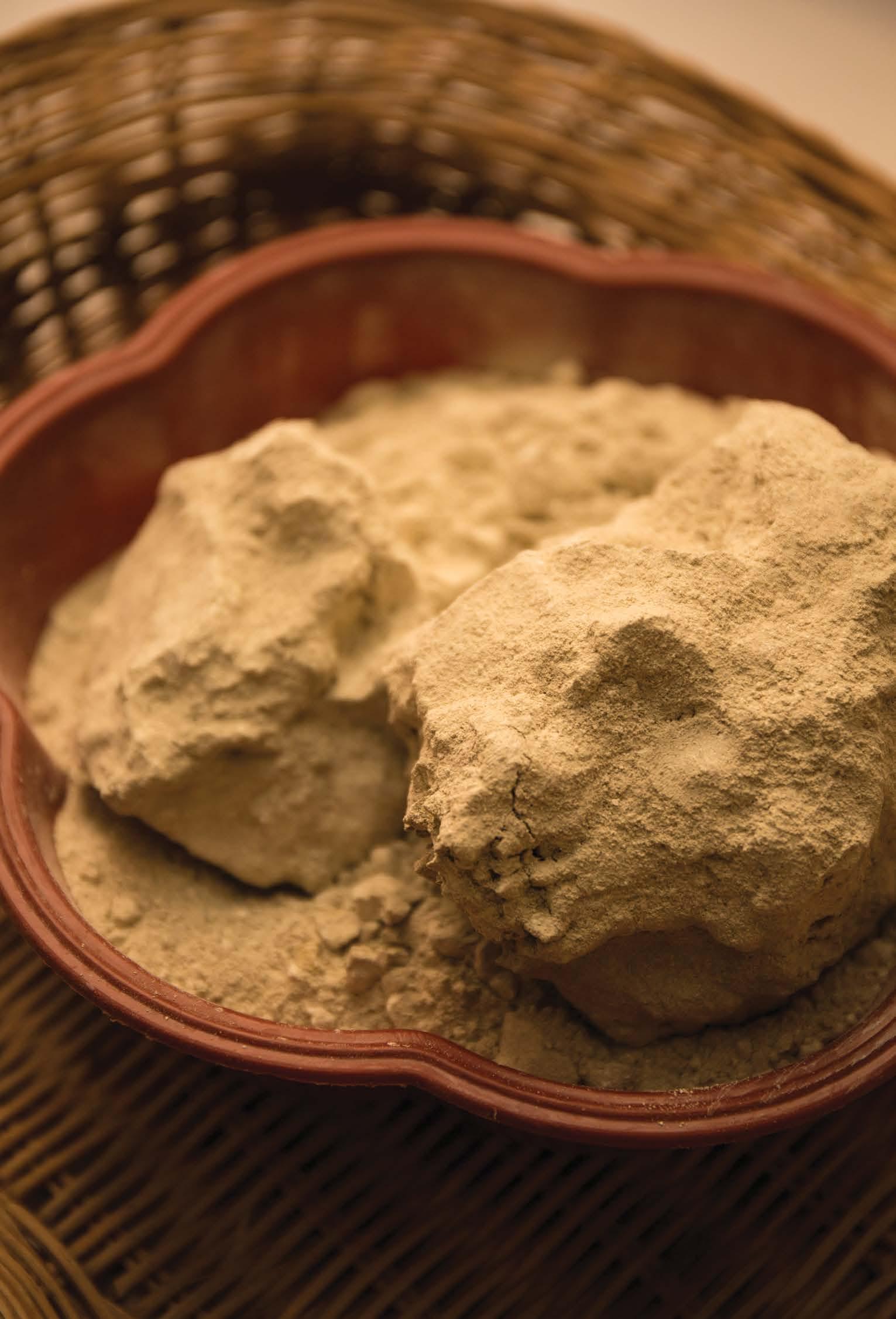
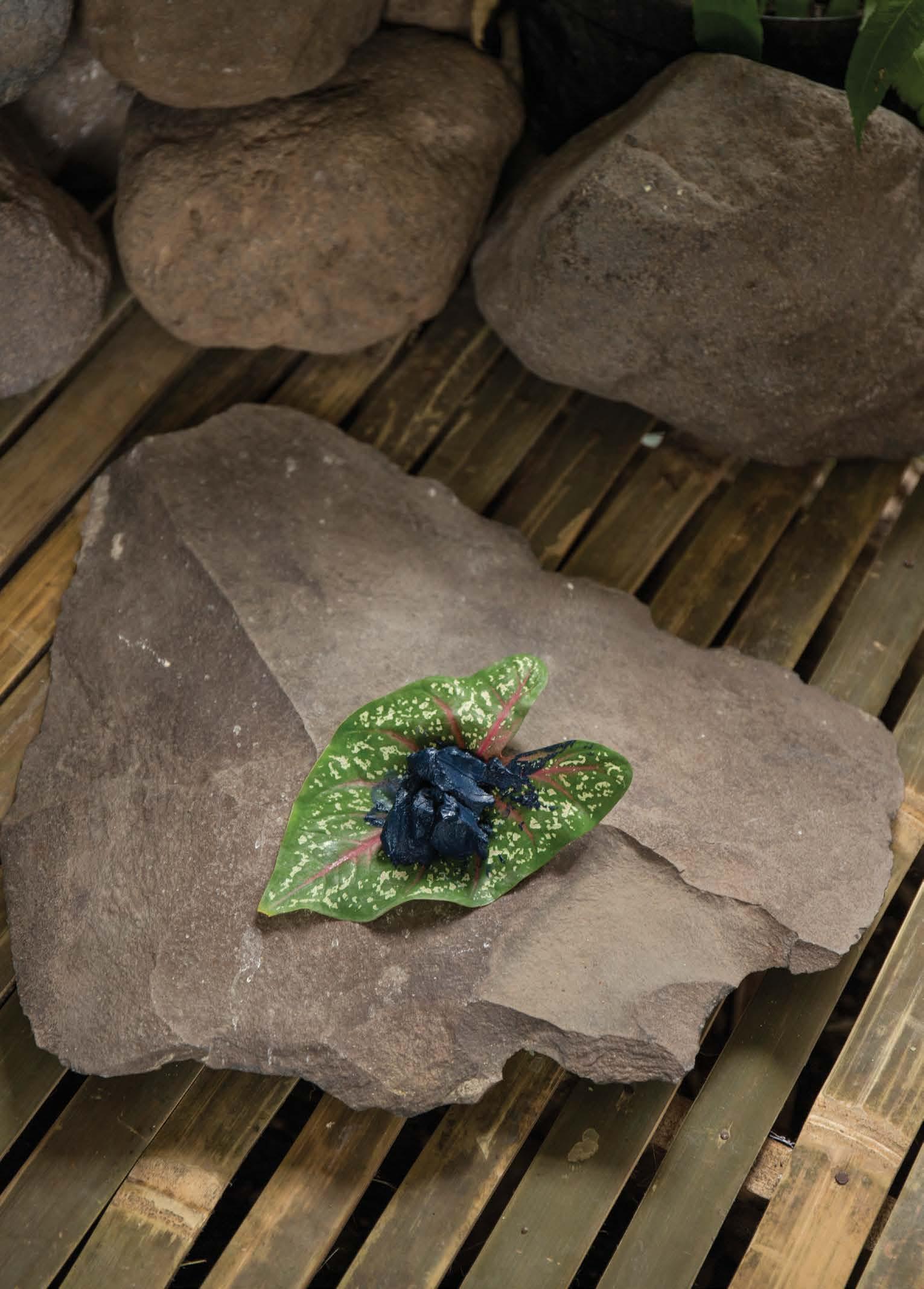
Indigo Paste A fermented dough from indigo. It is used for various navy colors.
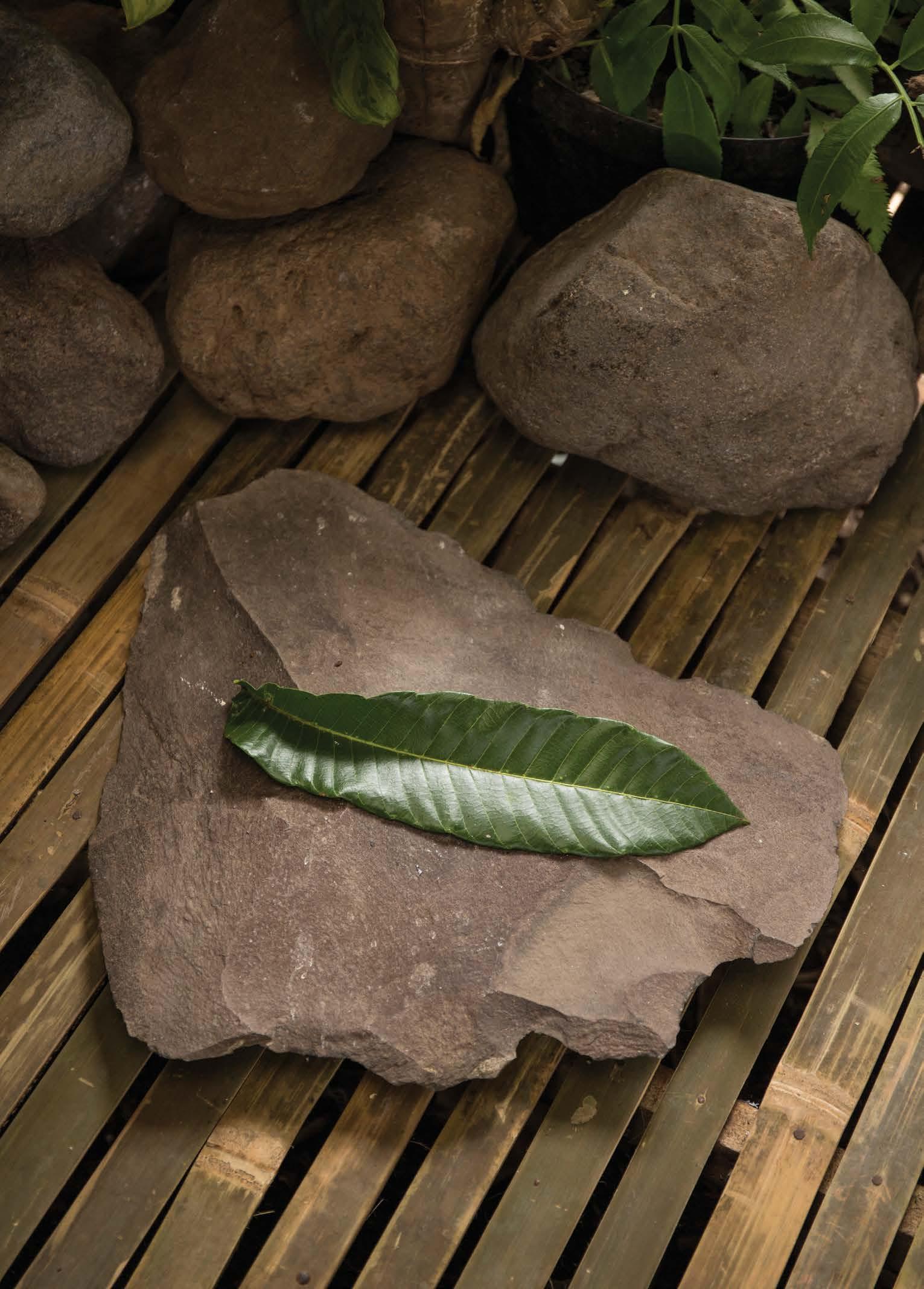
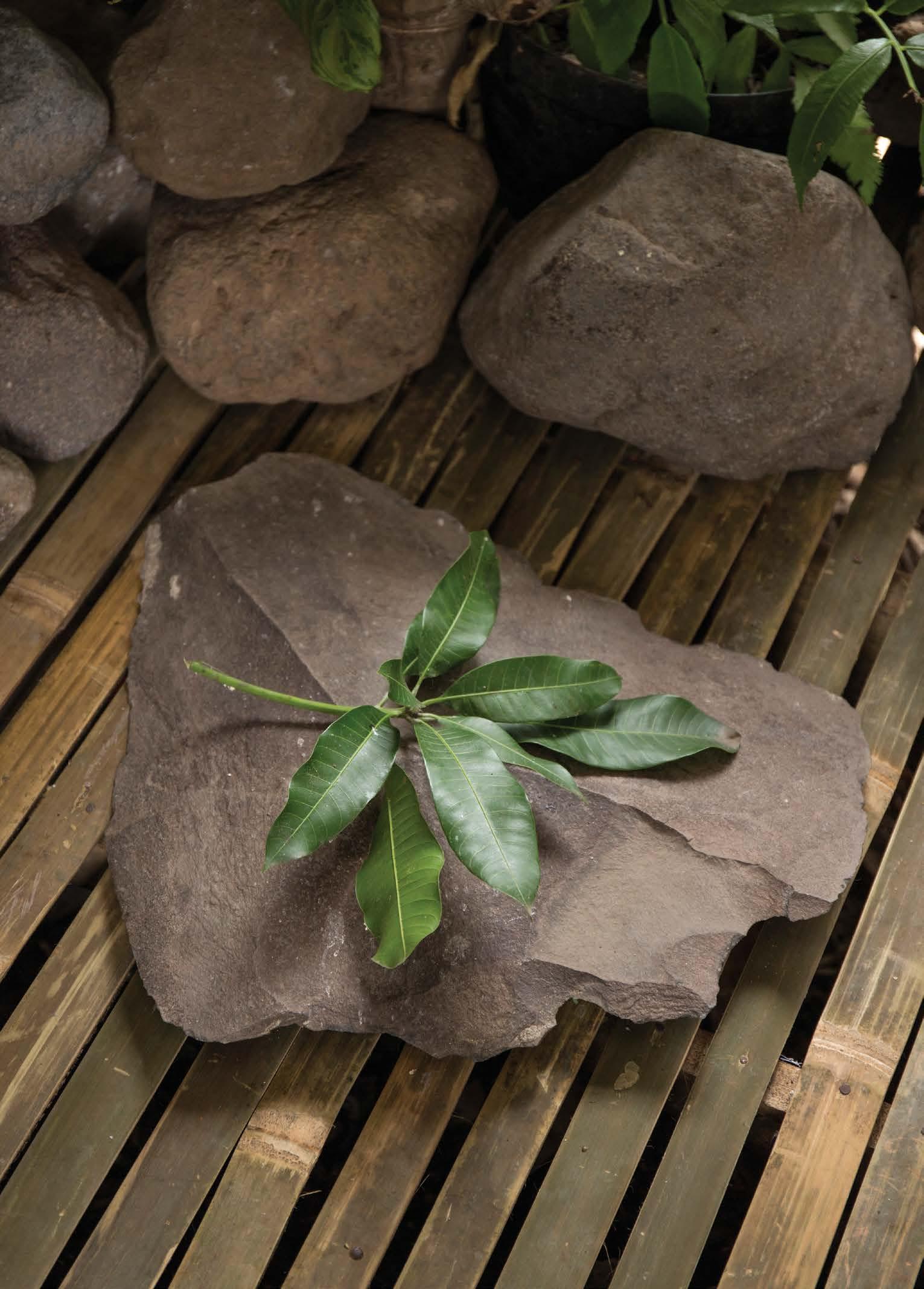
Mango Leaves Mango tree is sweet tropical fruit tree. Both fruits and leaves are raw materials for natural dyeing.
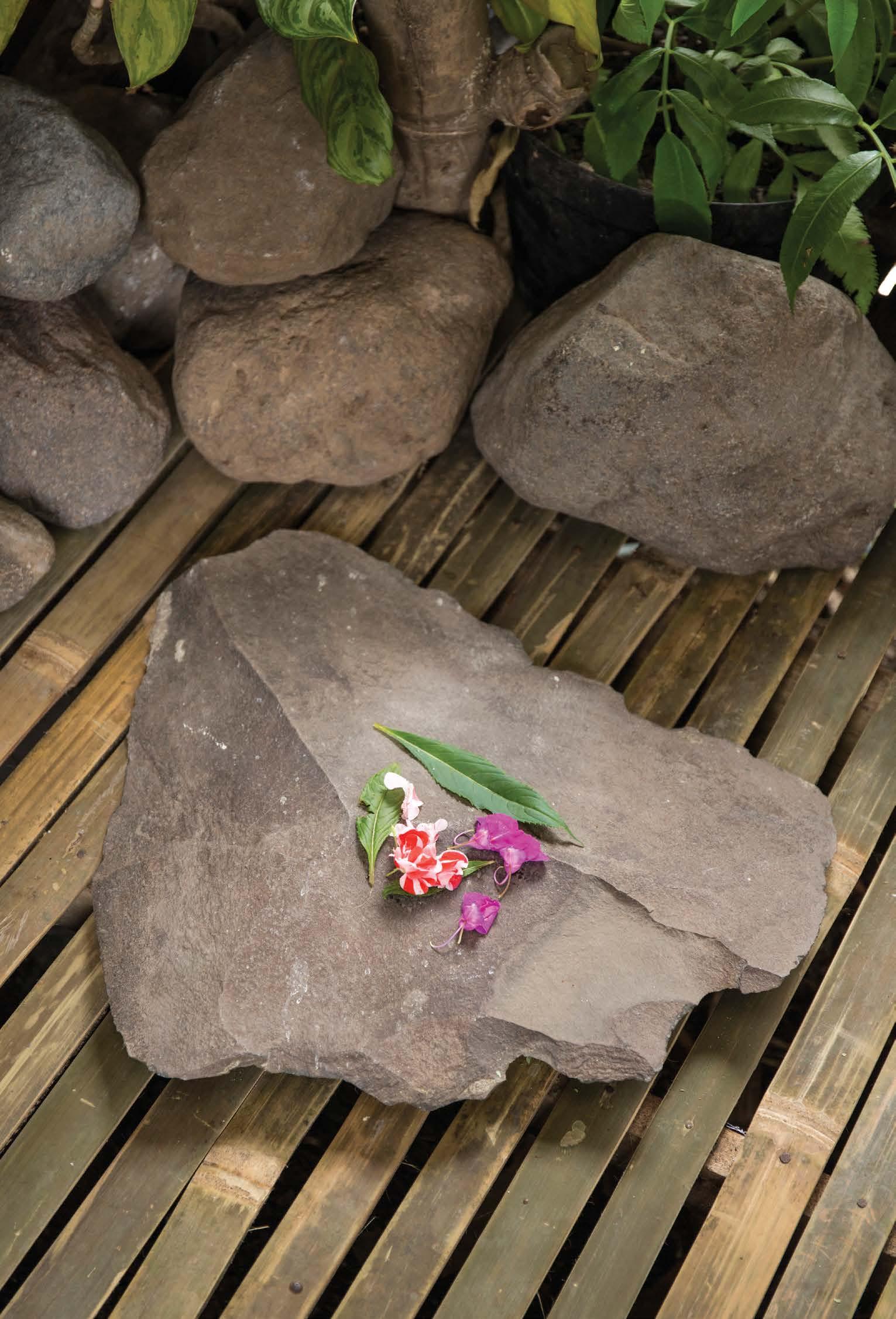
Garden Balsam Balsam petals and leaves are used to make scarlet color.
Coconut Sugar Mineral-rich coconut sugar mixed with water is used for indigo color.
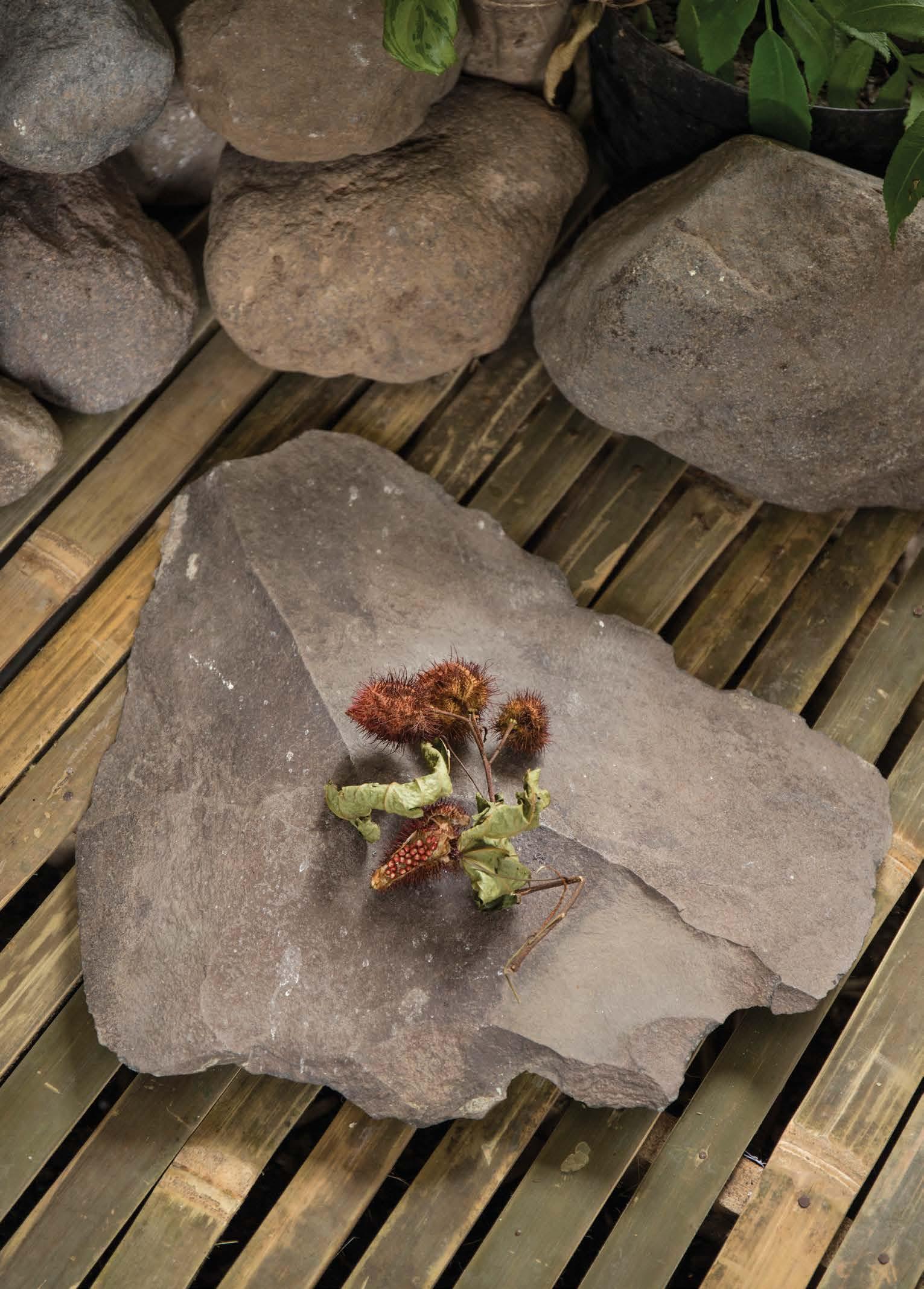
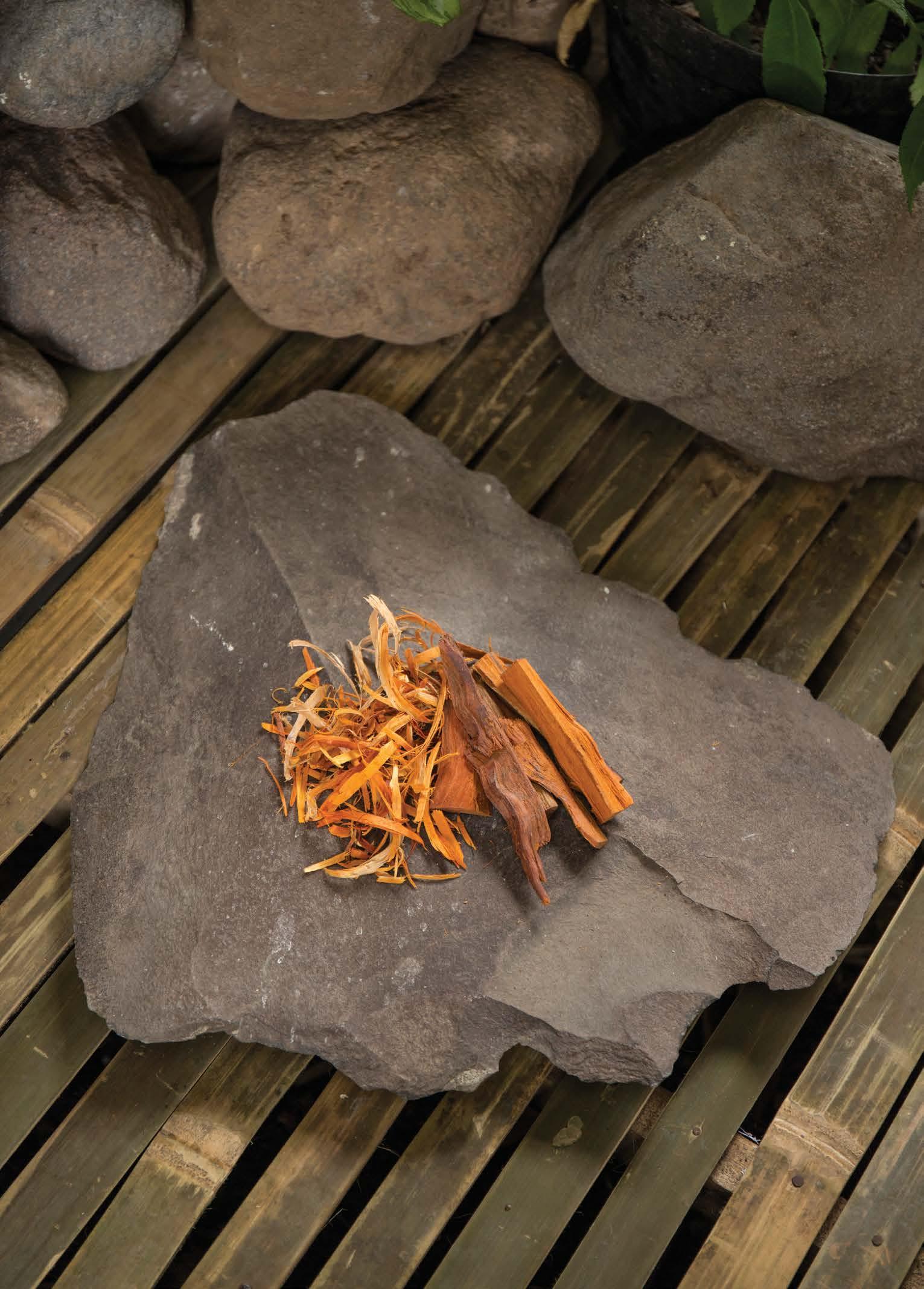
Bark of Bixa Bark of Bixa tree is used to make red color.
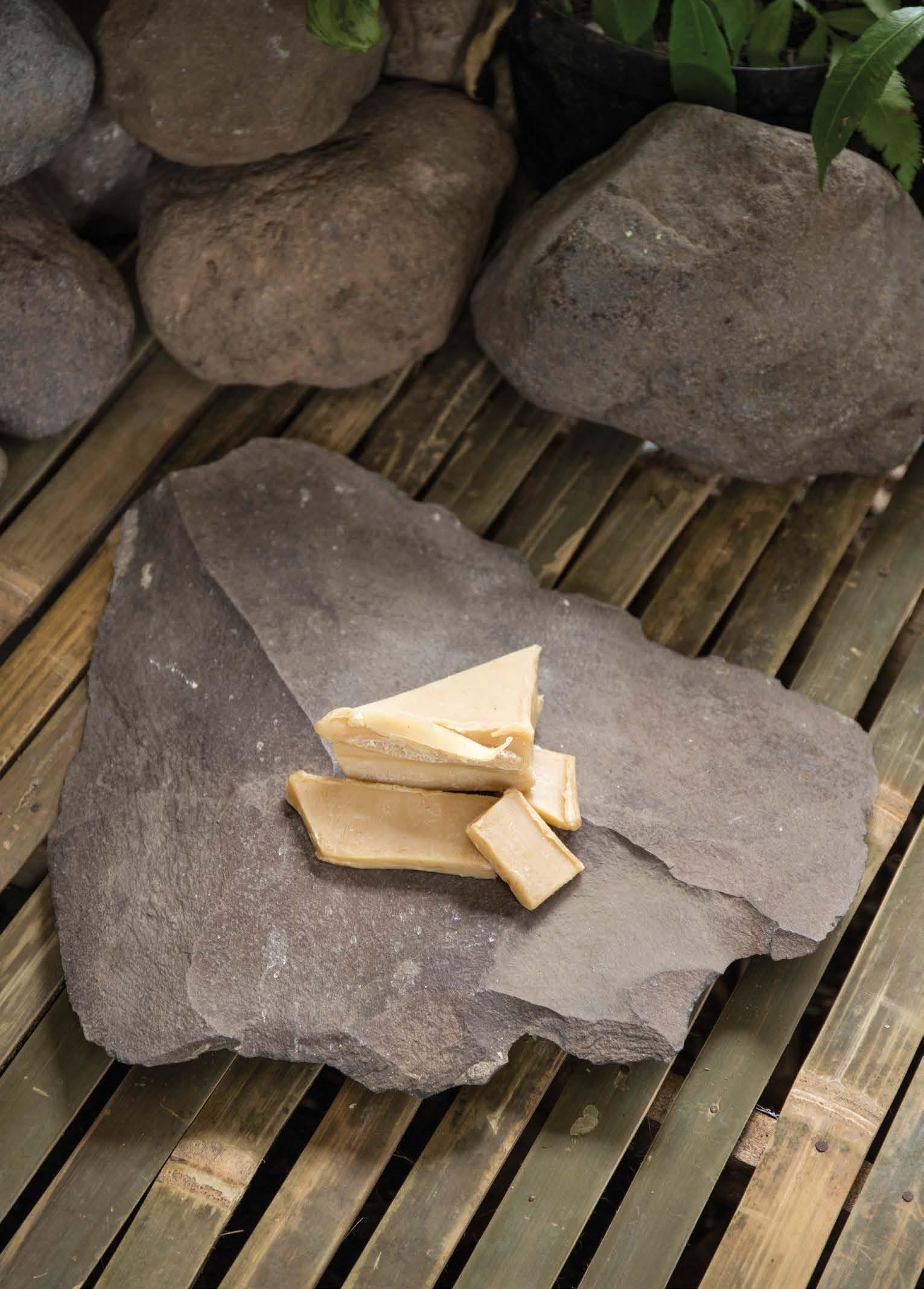
Beeswas Drwaing material. After dyeing, white line remains in waxing parts.
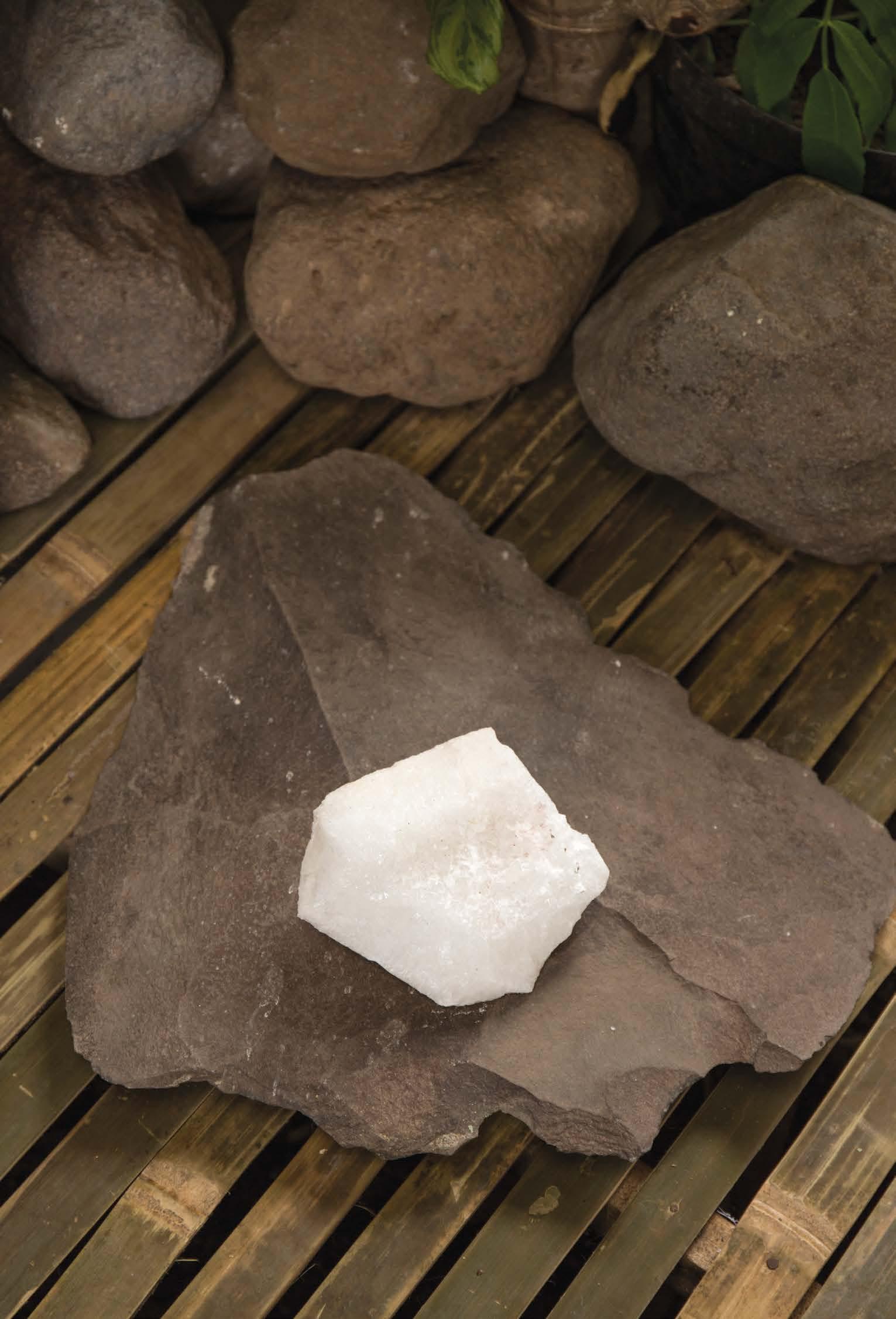
Aluminum sulfate A fixative from processing of alunite. It helps the development of bright colors such as pink and yellow.
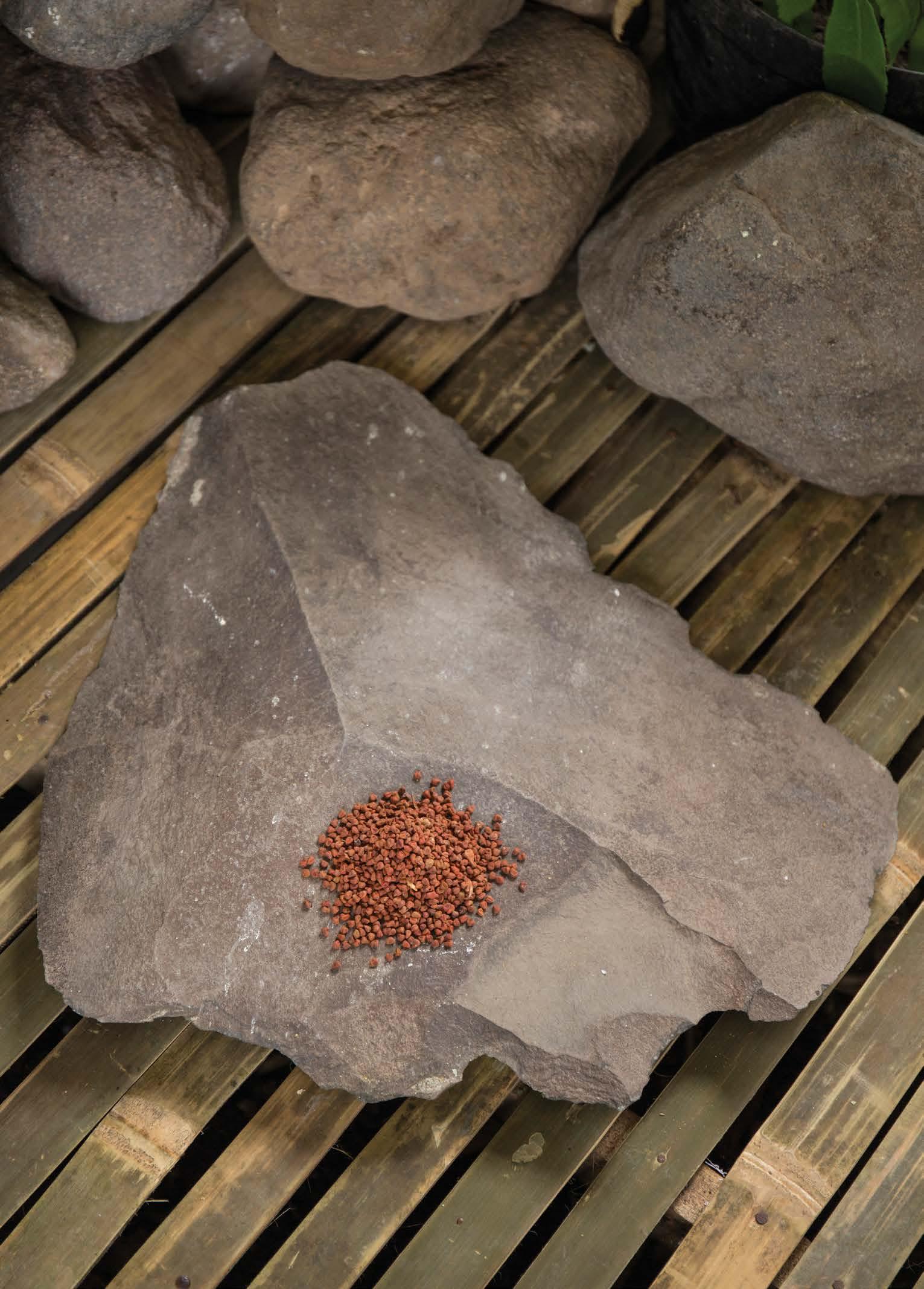
Bixa Seeds Seeds of the red berries of Bixa wood which are also the raw material of lipstick. It is a red dye.
inorganic material in which carbonates, oxides, and hydroxides predominate. Lime powder is used as a fixative for color development of medium saturation.
© 노기훈 Noh Gihun
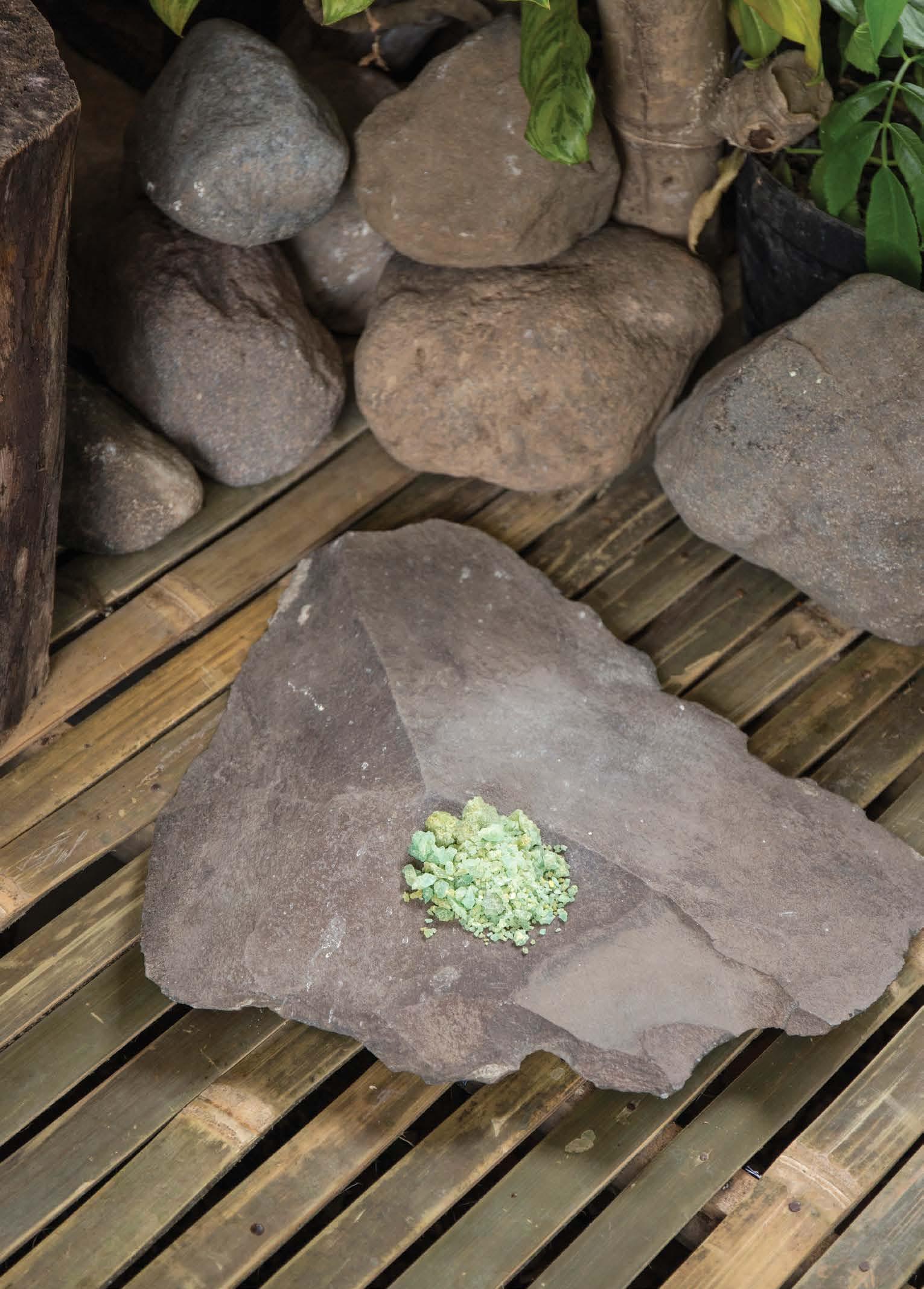
Ferrous sulfate A fixative of turquoise crystals collected from stones. It helps to develop dark colors such as ocher or black.
Lime Lime is a calcium-containing
Secang Tree A kind of thorn tree with yellow flowers. A bark of Secan tree is mainly used for batik dyeing.
Do Young KIM
He had established and managed ‘art center nabi’ which is the first media art center in Korea as a managing director.(2000~2004) And he has been working for SK as an team leader of CSR (Corporate Social Responsibility) team since 2004. He has developed and supported art education program, art therapy program, performance. His interest is to support unprivileged youths who have artistic talentthrough art education program such as Happy music school, Happy musical school etc. And recently he designs and runs project to support unprivileged youths who have artistic talent to start a 'Social Enterprise' using their talent.
Euna KIM
KIM Euna majored ceramic art in University and studied museum management in graduate school. She was participated in Korea International Cooperation Agency(KOICA) as a global volunteer which taught the pottery craft to the residents in the Dominican Republic from 2012 to 2013. She worked in the National Museum of Korea in 2014, and now she is an educator of TOTAL Museum.
Hyoung Ju KIM
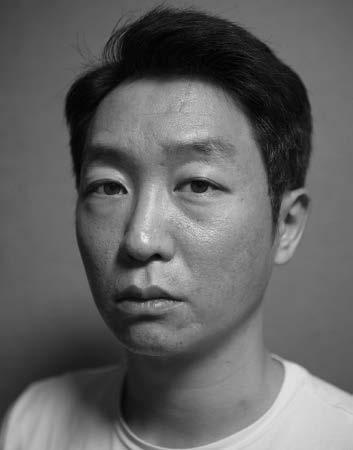
A director, producer and cinematographer of the documentary film «The Basement Satellite» released in February 2015. Worked as a cinematographer in many commercial films such as «A perfect way to steal a dog», «Talking Architect». Asking questions about the meaning of recording and shooting, performed collaborative video works with various genres.
Gihun NOH
Gihun Noh is interested in the geographical environment resulted from the past, and takes a picture of its present appearance. From the premise that ‘The current situation stems from the past’, He takes a picture of the shadows of the past surrounding the present. For example, the first generation industrial complex builded by the government's urban planning(Gumi City), the validity of the Seoul-Incheon Railroad Line, the first railroad which was built during the Japanese colonial rule (Line No.1), the specific place in Seoul where the people who are belonging to the social position of the homeless caused by the economic incompetence (Black Night), and Invariability of the historical placesquare where will exist forever as a space even if times had changed(Mise-en-Scène).
So Young MAH
‘mah soyoung’ Fashion & Textile Design Studio, Seoul, Korea
Studio Representive/Creative Director/Production Manager
Good for Fashion & Textile Design, Installation Design and Production Management.
Skilled in drawing ability in both rough and detailed, design sampling to carry out design outcomes. Confidence and easy-going personality. Keeping good relationship with colleagues and co-partners.
Heiin SON
Born in Seoul in 1983, Hyein Son lives in Gyeonggi Province. She majored in communication design in Konkuk University. Building a career with Design lab Buret in 2009 and AGI Society in 2013, she currently works as a freelancer. She has been working on exhibition, publication and graphic design and plans to further build academic and work experience in these arenas. She also contributed to exhibitions held at Seoul Museum of History, Horim Museum and Gwacheon National Science Museum and is interested in how graphic design can shape the space.
Nathalie Boseul SHIN
I was born in 1972, Inchoen. I studied philosophy at Ewha Womans University, Aesthetics at Hongik Graduate School. My MA thesis subject is art and technology, especially interactivity. I worked at art center nabi which is specialized in media art (curator, 2000-02), Seoul International Media Art Biennale (exhibition team manager, 2003-5), alternative space Loop (chief curator, 2006). Since 2007, I have worked at Total Museum of Contemporary Art.
Selected Exhibitions:
«Acts of Voicing»(Stuttgart 2012/Seoul 2013), «Playground in Island»(Malaysia 2010-present), «What if in Venice: corea campanella›(Venice, 2013), «Show must go on»(London2012), «Postcapital Archive: 1989-2001»(Seoul, 2012), Dan Perjovschi solo show «News after the news»(2012) et.al.
Mee Hye LEE
Meehye Lee used to be a feature director at «Vogue Korea». She has interviewed a wide range of individuals from K-Pop stars to underground musicians, and written columns for culture and the arts. She was in charge of the exhibition ‘FASHION INTO ART’ at the Plateau Samsung Museum of Art, which was a special celebration for the 15th anniversary of Vogue Korea. She has also participated in various exhibitions and lectures about fashion and art.
At the end of 2015, she chose to leave «Vogue Korea» and is planning for a variety of new cultural projects with her 12 years of work experience. Now she is working for various media outlets including «Vogue Korea» as a content creator and columnist.
Zerolab
Graphic product design studio by Jang Taehoon, Kim donghoon, Kim Dohyeon. We aim at total directional cultural activities and blur the distinction between experimental designs and commercial designs through various creative activities. Besides product space and visual design, we have also been seeking for a new possibility by holding workshops, publishing in book form and working on public improvement projects.
Recently we are working on workshops on stools and printing through exhibitions and making chances to experience the work process of designers and production methods for visitors.
Yoonsuk CHOI
Yoonsuk Choi (Born in Seoul, 1981) is a Seoul based artist. His practice is mainly dealing with his immediate surroundings; habitual gestures and the notion of universal Cartesian time and also he is interested in the tension between the personal life of an artist and artist's works. He is currently developing his art practice via approaching to various mediums such as performance, video and sound etc. He has recently held solo exhibition at Space O'NewWall in Seoul, Korea and also participated in various group exhibitions and performance projects.
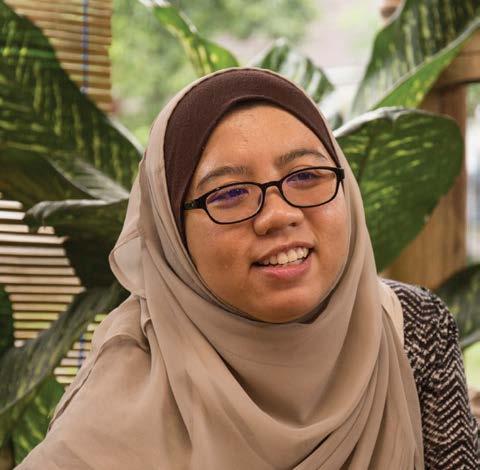
Marina Abd Ghanie
Marina Abd Ghanie (born in Sandakan, 1981) is currently working as the Deputy Director of Sabah Animation & Creative Content Centre (SAC3). Her recent research interest includes Storytelling by the Elders of North Borneo, Transmedia Storytelling, Animation for preschoolers and Narrative aesthetics in media production or edutainment for children. Future project will focus on arts and media education for local community which can help to preserve or conserve the culture and natural heritage of Sabah. She's actively involved in collaborative project such as Playground in Island ‹2010-current›, Roadshow 2016 KK-Sandakan and SAC3 Korea Artist / Curator Residency Programme.
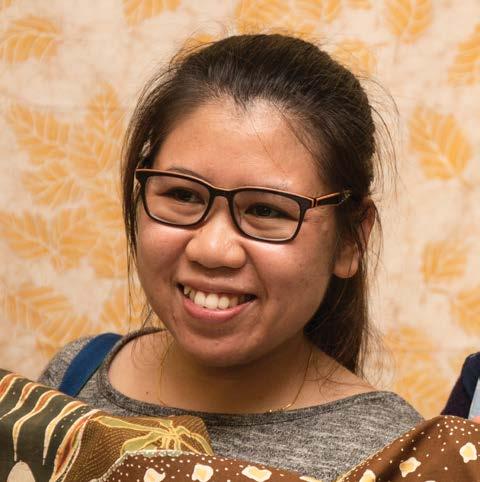
Maslinda Abd Ghanie(BB)
Fondly known as BB rather than Maslinda Abd Ghanie, this young lady was born in 1987 in Sandakan. Her current job as the Centre Manager for Sabah Animation & Creative Content Centre (SAC3) made her more inclined towards Community-based Education, Management, and also Event & Project Coordinating as her current interest. Her past job as the Lead Coordinator for 1Azam Community Education Project also contributed a lot to her career development. BB is actively involved in collaborative project such as ‹Playground in Island› (2010-current) and ‹Roadshow 2016: KK-Sandakan› (2016).
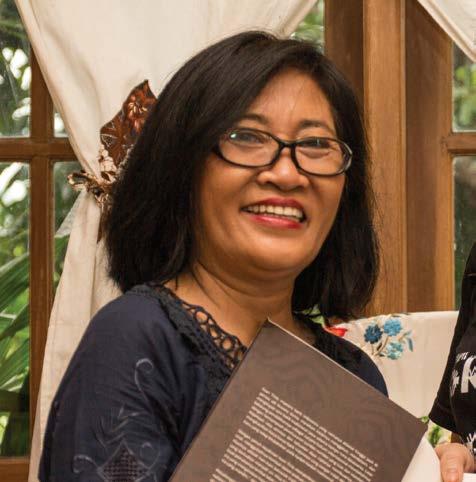
Sri Kholifah
Sri Kholifah (Born in Malang, Indonesia,1962) or more amicably known as Iifah is a Batik Specialist who gained local and international recognition through her passion in helping people escape poverty life in Pasuruan region of Indonesia.
Her motto in life is to help create space and possibilities for people who have deep interest in creating batik but do not have the mean s or resources. Thus, with this aim, she provides training in producing Natural Dye Batik which is an alternative to chemical dyes that can be harmful to the environment-a matter often associated with Batik making while finding ways to maximize used products as raw materials.
Currently, she continues her dedication through her work as Batik Master Trainer in UCSF (University College Sabah Foundation); advocating budding artists in creating their Borneo Botanic Batik while actively researching and studying local natural resources to find the best way of fabricating highly pigmented organic colour for Batik.
Diano Vela Fery Santoso
Esthiana Hendraswati Tri Rahayu
Lulis Ratnawati Yudi
Fery Sugeng Santoso
Prima Amri Surachmad
Kasto
Anang Samsul Arifin
Widianto