








“The most devastating impact of this agenda is that it is rapidly making our inherent right to exist dependent on our ability to purchase our survival...”



“The most devastating impact of this agenda is that it is rapidly making our inherent right to exist dependent on our ability to purchase our survival...”
The foundation of a dynamic life is often laid in clarity: a relentless focus, an understanding of self, and an unshakeable connection to the world one hopes to elevate. For our Woman Empowered, that dynamism was not a sudden burst of ambition, but the steady, powerful current of a life dedicated to making a difference.
Even when others around her were entangled in youthful problems, our Woman Empowered was perpetually “on the go,” involved in movements, and striving for impact. She carried the future on her shoulders long before the world recognized the weight of her potential…
Dwania Peele’s roots stretch back to Jamaica. Her educational journey began at Unity Preparatory School, a place she credits with molding her identity, instilled with the strict and potent mantra, “Only the best of good enough.” This rigorous foundation proved critical when she moved to New York City. Suddenly, Dwania found herself in an environment where people tried to make her feel like she was different, forcing her to fight to maintain her sense of self. Yet, the foundation held, “I knew who I was. I knew what I was bringing to the table, and I wore the pride of Jamaica on my chest.” Everything she did became a reflection not just of her, but of her origin.
Her academic pathway was marked by extraordinary success and an early embrace of opportunity. She was one of the few students fortunate enough to attend Cornell University for summer college after her junior year, an achievement that filled her with pride, attending an Ivy League institution before even finishing high school. Dwania graduated at 17, having excelled at her all-Black high school in Bed-Stuy, where the principal ensured students always aimed for the best.
The next step took her to Canada, where she quickly experienced the “push and pull of Canadian culture.” As a Black alumna, she feels a sense of pride when seeing others like her, but she also encountered the frustrating reality of being constantly identified as “from New York.” This love-hate relationship between Americans and Canadians often created a small, annoying divide. Dwania learned to dismiss these remarks with firm grace, “Is that going to change what we’re talking about? No. Let’s keep moving.”
At the University of Windsor, Dwania pursued two degrees: a bachelor’s in chemistry, and a bachelor’s in political science. It was a professor, Dr. Dutton, who changed her life by advising her to go to college for Chem Lab technology. Though she feared her Caribbean parents would
“kill” her for suggesting she leave university for college, she took the leap. It was the best decision; she secured a job immediately, and that job funded her final year of university. She worked full-time at both the job and school simultaneously.
Dwania’s entrepreneurial spirit was often ignited by a simple, yet powerful, catalyst: boredom. When her first job ended, she had a summer off and, that boredom feeling his, so she started her first business, Tiny Delights, selling cupcakes and pies. This venture started before the cupcake craze hit Canada. It shaped her business process, including how to incorporate a company on her own.
Her most enduring and impactful venture, Canadian Small Business Women, was started in 2013, again because her mind needed novelty. She was bored at a subsequent job, often finishing her work in two hours, and would be sitting there with nothing to do. The deep-seated motivation for this company, however, was far from mundane. As an immigrant who struggled to find necessary business information, Dwania recognized a profound lack of resources for other immigrant entrepreneurs. She was incensed by the lack of business events for immigrants, noting that they were primarily offered at job fairs. “As an immigrant, we don’t only come here to be your labour force,” she declared. “We come here with ideas, and with money and we want to create jobs.”
Initially, Dwania implemented a strategy that spoke to the racial politics of the business world: she did not want the company to be a “Black business,” but a Black-owned business. Out of fear and strategy, she often remained hidden, even bringing a white friend to her booth. It was her mother and a close friend who continually urged her to step forward, to host her own events. Finally, at an expo at the Ontario Science Center, she decided to MC. Having always loved public speaking (from literary programs to being president of NESBY) she commanded the stage. When she came off, an older Jamaican woman approached her. The woman, eyes wide with pride, confirmed, “You’re the owner. You’re the founder. You did this.” Dwania knew, in that instant, that the look the woman gave her, the look of profound maternal pride, was the reason she had to be visible. “That woman was so proud to see that somebody who looked like her did this,” Dwania recalls. Since that day, she has consistently put her face out there, determined to help her community see themselves in her success.
However, visibility brought challenges, particularly dealing with what


she terms the “nice nasty” behaviuor of Torontonians and the constant flow of opinions from men who felt they knew better. Dwania navigates this with an emotional intelligence built on powerful self-respect. She has learned to match energy, looking people “dead in their face” when they try to dismiss her work. She is polite, yet metered, a reflection of the Jamaican ability to be the “nicest, nastiest people.” She learned how to state her feelings professionally, ensuring that while they might feel told off, “They can never say it’s disrespectful.” When organizations look at her sideways, she simply walks away, “I will go where I’m wanted.”
Dwania’s resilience is etched in professional victories, and also in deep personal vulnerabilities. She is navigating intense struggles as a woman, including announcing her breast cancer diagnosis. Dwania refuses to engage with negativity, knowing her community will come to her defense, but these moments reveal the immense pressure she shoulders while continuously building her empire.
Despite all the hurdles, Dwania’s ultimate purpose remains the tireless service of others. Currently serving on three boards, she asserts that if she is not engaged in helping people, she is not happy. The legacy she seeks is one of community, hoping that when people hear her name, they simply smile. She lives by a guiding philosophy that echoes the necessity of altruism: if you have something to give and you don’t give it, “what’s the point?” She believes in the metaphor of the open hand, “If you keep your hands closed nothing’s coming in, but nothing’s going out. So, if you open your hands, you can give and you can receive.”
For any young woman feeling unsure, or insecure, Dwania offers a powerful reminder to acknowledge their inherent power. Life will bring challenges and hurdles, but the secret lies in perspective: “We just have to look hard and find the silver lining.” Her ultimate philosophy of resilience is encapsulated in the title of her book: “Tomorrow is another day.” As long as one can breathe, there is a chance to reset and start again. Strength, vulnerability, and unwavering focus on service is what defines Dwania as a truly dynamic woman.




If you own a modern vehicle, you need to understand that the smooth ride comes with a cost far beyond the dealership sticker price. We are not just talking about gas and maintenance; we are talking about a silent tax being levied by corporations that treat your driving habits as proprietary data to be sold. This is an economic justice crisis, specifically impacting the hard-earned resources of communities, including the Caribbean diaspora, who already face systemic barriers to financial stability.
Let me decode this for you; imagine the car sitting in your driveway, the one you rely on for work, school, and connecting with family. It is a sophisticated surveillance machine. Modern vehicles contain 60 or more onboard computers constantly gathering detailed information about you. This data includes not just where you go, but how you drive: your speed, your braking habits, rapid acceleration, cornering technique, mileage, and trip duration.
This treasure trove of personal metrics is being transmitted to data brokers like LexisNexis and Verisk. Automakers including major players like: General Motors (via OnStar Smart Driver), Ford, Kia, Hyundai, Toyota (with “Drive Pulse”), Tesla, and Subaru are involved in collecting and shar-


ing this information. These brokers then generate “risk scores” based on this data and sell those scores directly to insurance companies.
The outcome is financially devastating for many: drivers have reported their premiums doubling or spiking unexpectedly. Insurers use this information to adjust premiums, sometimes leading to significant increases if the data suggests “risky” behaviour. This happens even to drivers who maintain otherwise clean records.
The psychological and practical core of this betrayal lies in consent. Many drivers are completely unaware of the extent of data collection and its direct impact on their finances. When consent is granted, it is often buried in lengthy privacy policies, or terms of service. Some drivers report being enrolled in data-sharing programs without explicit notification. This lack of transparency has prompted regulators in California and Massachusetts to launch investigations into automaker data practices.
For the Caribbean community, whether residing in the islands, or in the diaspora (like in Ontario, Canada, where this practice is known to occur), this hidden premium spike is a direct threat to generational wealth and stability.
Diaspora communities often rely heavily on vehicles to navigate complex urban, or suburban environments, supporting multi-generational families and essential jobs. In high-density areas, sudden braking may be a reality of congested streets, not irresponsible driving. Yet, this “risky” data , gathered by companies like Toyota’s “Drive Pulse” system, or through Kia Connect Services, is used to justify higher insurance costs.

When premiums unexpectedly spike, that money is pulled directly from household budgets that support education, health, and remittances back home. This hidden system disproportionately burdens families who are already financially vigilant, turning a necessity (transportation) into an unpredictable expense. This undermines the efforts of equity-focused leaders, wellness advocates, and cultural curators working to build stable communities.
We must stop being passive participants in systems designed to extract wealth without our informed consent. We need to recognize that every hard brake, or cornering moment is being monetized against us.
As a community educator, I urge you to activate your strategic vigilance. Drivers, particularly in regions where this practice is happening, like Ontario, have options to push back:
1. Review privacy settings: Check your vehicle’s infotainment system, or mobile app



to actively opt out of data sharing. Understand that opting out might limit features like remote diagnostics.
2. Submit privacy requests: Contact your car manufacturer directly (GM, Ford, Kia, etc.) and formally request that your data not be shared with third parties, or that existing data be deleted.
3. Advocate for stronger laws: While laws like PIPEDA in Canada require informed consent, the enforcement surrounding connected car data is limited. We must advocate for clearer disclosure and greater consumer protections.
This battle for data ownership is fundamentally a fight for economic empowerment. We cannot afford to let the fine print quietly siphon away our wealth. We need collective action to ensure transparency and justice, making sure the tools meant to aid us are not used as silent instruments of financial surveillance.
Decoded and done. Now, let’s move to action.







Acts of Giving: Why Your Kindness Matters More Than Ever
Every year, as we move toward the holidays, I’m reminded of just how powerful the act of giving truly is. Not the big, flashy gestures some people chase, but the quiet, steady ones that happen in our homes, churches, community centres, and everyday conversations. The kind of giving our Caribbean community in Toronto has always been known for.
This season can be joyful, but for many families it’s also heavy. While some are planning gatherings, others are quietly trying to figure out how to stretch a paycheque, cover rent, and still put something under the tree. A lot of that struggle goes unseen. It shows up in the careful way someone shops or the long pause before tapping their card. These moments remind me why giving — in any form — matters so much right now.
One of the things I love most about our community is how we show up for one another without hesitation. I see that spirit every day through the work we do at the Toronto Caribbean Newspaper, and through the many outreach efforts we support.
One of those efforts is The Caribbean Children’s Foundation, an organization that holds a special place in my heart. They provide life-saving medical support for children across the Caribbean who otherwise wouldn’t have access to specialized care. Over the years, I’ve watched our community rally around these children — people giving $10, $20, whatever they can — and every time it reminds me that generosity doesn’t depend on the size of the gift. It depends on the size of the heart behind it.
That same spirit fuels the “Shirt Off Your Back” initiative, led by two remarkable women: Simone Jennifer Smith and Joy Smith.
Simone is not only our Chief Reporter at the Toronto Caribbean Newspaper, she’s also the CEO of Hear2Help, a community outreach organization doing incredible work across the GTA. When Hurricane Melissa devastated parts of Jamaica, Simone and Joy mobilised immediately. Through “Shirt Off Your Back,” people donated clothing, food, hygiene items, linens, and so much more — all with the goal of helping families rebuild their lives with dignity.
What inspires me most is how much of this giving happens quietly. Bags are dropped off anonymously. People donate
without asking for credit. Volunteers show up simply because they feel called to help. That is who we are as a Caribbean community: we don’t wait to be asked, and we don’t wait for recognition. We give because it’s needed.
Even outside the GTA, I see that same heartbeat. This year, I’ve also been helping my husband, Grant, with the Mattawa & Area Toy and Food Drive up north. The town may be small, but its compassion is enormous. Families, seniors, and individuals facing hard times are all part of the story — just like here in Toronto. The details may differ, but the need is familiar no matter where you go.
And in every community, there is always someone wondering whether their contribution is “enough.”
So I want to speak directly to anyone feeling that way. Maybe you’re dealing with your own financial pressures. Maybe this year has been harder than expected. Maybe you feel like the little you can offer won’t make much of a difference.
But I can tell you — from The Caribbean Children’s Foundation, from “Shirt Off Your Back,” from local initiatives and national ones — every single act of giving matters.
One warm jacket means a child stays comfortable on the way to school. One bag of groceries means a senior doesn’t have to skip meals. One small donation, when joined with hundreds of others, becomes medical treatment, food security, and hope.
And giving is not only about money or items. It’s time. It’s sharing a flyer. It’s checking on a neighbour. It’s volunteering an hour. It’s showing up in the ways you can, with what you have.
If you’re in a position to give this season — whether to The Caribbean Children’s Foundation, to “Shirt Off Your Back”, to a local drive, or directly to someone who needs it — I encourage you to do so. Not out of pressure, but out of compassion.
And if you’re the one needing help right now, please know this: there is no shame in that. We all have seasons where we need others to lean on.
This holiday season, let’s continue to honour who we are as a people — generous, caring, and rooted in community.
Because even the smallest act of giving can help carry someone through.




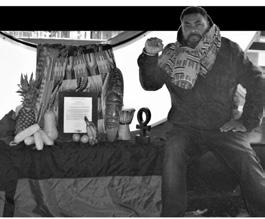














I have spent my career helping people find the words to speak their truth, but there are some moments when language fails.
When Hurricane Melissa swept through Western Jamaica, it washed away stability, identity, and the simple comfort of knowing tomorrow would be okay.
For me, the turning point was personal. It arrived on a phone call with my mother. Her voice, usually strong and clear, cracked when she delivered the devastating news, “Our family lost everything.” That conversation stayed with me. I felt the weight of that loss; the cumulative, compounding grief that descends when the items that define your life, your home, your memories, are simply gone.
In that profound moment of helplessness, I realized that sympathy alone was useless. I reached out to Chef Roger Mooking, and together, we understood a deep, urgent truth: we couldn’t wait for someone else to fix this. We had to build the solution ourselves, rooted in cultural responsibility and care.
That is how the “Shirt Off My Back” Initiative was born. It is a community-to-community movement grounded in accountability, trust, and cultural responsibility. We knew that for the diaspora community, and for our families in Westmoreland, St. Elizabeth, and the surrounding rural communities, trust had to be the cornerstone of our operations.
We have heard the stories before: the barrels that never arrive, the resources that get diverted. We made a resolute promise to circumvent that systemic failure. Our entire approach is built on a framework of transparency and dignity.
We are leveraging decades of trusted networks in the Caribbean. Our logistics strategy relies on established pipelines. One through the Pentecostal Church of God’s mission network and partners like Townhead Baptist Church, which provide 44 verified distribution points in Jamaica. This direct channel allows us to bypass political interference and ensures that every item, from quality clothing and hygiene kits to solar lights and construction supplies, reaches the intended recipient: the vulnerable families
rebuilding their lives.
We are also happy to be collaborating with Chef Brian Lumley and his Ubuntu Outreach™ initiative which represents a critical new distribution partnership enhancing the mission to reach Jamaica’s most vulnerable communities.
Chef Lumley is an award-winning and globally recognized chef, educator, and nation-builder who has dedicated his career to elevating Jamaica’s rich cuisine. However, his efforts have now channeled into social impact through Ubuntu Outreach™ following Hurricane Melissa’s devastation. Rooted in the African philosophy of Ubuntu, meaning “I am because you are,” the initiative is designed to bring hope, dignity, and essential support to communities that are often overlooked by larger relief organizations due to poor road infrastructure and limited connectivity, particularly those living further inland and away from the coast.
Ubuntu Outreach is uniquely positioned to help the initiative go where others cannot, focusing on hard-to-reach communities that face higher risk and slower recovery, ensuring that no Jamaican, especially women and children, gets left behind.
Chef Lumley operates with a structured, sustainable model, with relief deliveries scheduled bi-weekly and a strong commitment to operating with excellence and integrity, reflecting his belief that “food is identity, memory, and legacy” and extending his brand promise, “Crafted with precision. Served with purpose,” to this humanitarian work
We are so thankful that Roger Mooking and Donovan Bailey stepped up to make this happen. They have been instrumental in rallying support and inspiring action as proud ambassadors for the Shirt Off My Back Initiative. Their leadership and commitment have helped amplify our message, and we are deeply grateful for the incredible outpouring from the community.
It is because of the “Shirt Off My Back” Initiative that we are now able to move into our sustainable project, “Hear 2 Help Jamaica,” focused on supporting Jamaica as it builds back stronger over the next six months. This timeline aligns with the initiative’s overall Six-Month Response Strategy, which aims to move from emergency response (December 2025) through stabilization (Jan–Feb 2026) to structured community rebuilding (March–April 2026) and sustainability (May–June 2026).
Our goal is measured dignity. We recognize that recovery is a marathon, not a sprint. Our commitment to the Ca-


ribbean community is mapped out over a sustained six-month plan, starting with our first shipment to Jamaica in early December.
Phase 1 focuses on rapid deployment of essentials to Townhead and Burntsavannah.
Phase 2 transitions to stabilization, gathering testimonials and beginning smallscale household stabilization support.
Phase 3 (March–April), we move from basic relief to structured community rebuilding, including targeted support for home and livelihood recovery, and community micro-projects.
This commitment means that when you
give, you are not only offering immediate relief, but you are investing in the longterm resilience and stability of our people. Every dollar you contribute is tracked, reported, and directly connected to a measurable rebuilding outcome in Western Jamaica. You will see what you made possible.
For the Caribbean community, this initiative is an act of reclaiming power, a demonstration that when we mobilize our cultural roots, our expertise, and our shared compassion, we can deliver tangible, dignified change for the people we love.
This campaign is about dignity, transparency, and collective impact. It is the steady heartbeat behind Jamaica’s recovery

Another day passes for dozens of adults with developmental disabilities across Ontario, people whose homes have become hospital wards designed by systemic failure. The Ontario Ombudsman’s latest report reveals a troubling pattern: individuals confined for months, sometimes years, in settings ill-suited to their needs, their worlds shrinking to the dimensions of a single room.
As I sat with the report, my council of writers reminded me that journalism at its best bears witness. The 55 cases investigated represent lives interrupted, dignity compromised, rights violated. These are people physically and chemically restrained, isolated from commu-
BY ADRIAN REECE TORONTO CARIBBEAN REPORTER
The world is always moving forward and without innovation things tend to die out. Companies have gone bankrupt, because they refused to innovate and keep up with the times. Blockbuster, The Bay, Sears are all examples of companies that did not innovate fast enough and now no longer exist in favour of corporations who were able to either predict upcoming trends, or conformed to the times that we are living in.
Within the 21st century, we have seen digital currency become a source of wealth for many people as well as the ability to purchase goods with this new form of money exchange. For many people “crypto-currency” as it is called is an amazing invention that can revolutionize the world, for others it is a step into controlling finances.
Taking it a step further countries are now talking about Digital IDs, which will ostracize people from participating in society if they do not opt in for these IDs. September 26th, 2025, the United Kingdom Prime Minister stat-

While the verdict in the 2020 murder of George Floyd has given a glimpse of hope regarding victims receiving justice in cases of police brutality, there’s still a long way to go in addressing police brutality.
On August 21st, 2018, 23-year-old Nicholas Gibbs was shot and killed by Montreal Police in the city’s Notre-Dame-de-Grace neighbourhood. Police were called to the scene to break up a fight between two men. While police intervened, one of the two men involved in the altercation allegedly approached an officer with a knife. Police used a stun gun on the man “without success” before firing five shots. Three bullets struck and fatally killed the man. The deceased was later identified as Gibbs. Video footage appears to contradict the police’s statement, as Gibbs was seen unarmed and
nity, and experiencing declining health despite not requiring acute medical care.
The problem, as the Ombudsman meticulously documents, stems from a fractured system. The Ministry of Children, Community and Social Services and the Ministry of Health operate in silos, leaving vulnerable people “parked” in hospital beds. This is inhumane.
What makes this situation particularly troubling is the economic paradox at its heart. Research shows it costs $770 per day to support a person in an Alternate Level of Care hospital placement. Yet, community-based developmental services could provide better care for less than half that amount. The financial argument aligns perfectly with the moral one making this not just a tragedy but a failure of logic.
The numbers tell part of the story: more than 53,000 adults with developmental disabilities wait for developmental services in Ontario, with over 28,000 specifically waiting for supportive housing. These statistics represent dreams deferred, potential unrealized, families stretched to their breaking points.
As Niko Pupella, President of the Council of Community Living Ontario, states unequivocally, “All people with disabilities have the right to live and participate in the commu -
ed that he will be introducing a Digital ID that without it a person will not be able to work. This mirrors the coercion of the Covid vaccines that forced people to take the vaccination, or they would not be able to keep their employment and as a result lose their families, their livelihood, and potentially their homes.
For some 2.6 billion people, they feel like they have the answers to these innovations. Christians have Bible verses that talk about a mark in the right hand, or the head that will make it so you are not able to purchase food, or lodging without it. Particularly Revelation 13:1617 in the Bible states that everyone was forced to receive a mark, and they could not buy, or sell unless they had the mark. Many Christians may be leaning towards Biblical narrative for the direction the world is taking.
The other side of the coin is convenience. The convenience of having this ID to quickly pay for things and keep track of everything in your life, from finances to your living quarters. These are the innovations that drive the world, but is this kind of innovation really necessary? We already have smart cars and AI programs and robots. Some don’t mind, but
nity. Forcing people to live in hospitals is a clear violation of their rights.”
The Ombudsman’s 24 recommendations (all accepted by the provincial government) provide a roadmap forward. They emphasize proactive transition planning, appropriate community options, and improved oversight. Acceptance is only the first step; implementation requires investment, coordination, and political will.
What happens next requires community engagement, advocacy, and a collective insistence that hospitals are not homes. The solutions exist; they are evidenced-based, costeffective, and fundamentally aligned with our values as a society.
The question now is whether we will act on what we know. The report has confirmed what many in the developmental disability community have long understood: when systems fail people, people must challenge systems. The path forward requires a shift in how we value every member of our community.
For those wishing to learn more or get involved, visit www.Waiting2Belong.ca. There, you will find opportunities to be part of the solution Ontario’s developmental disability community desperately needs.
most are opposed to the implication of these additions and the slippery slope they represent. The first occurrence of global acceptance began with the vaccine, and so it is reasonable that this will follow the same kind of trend as the pandemic.
Mandatory usage of these IDs is still a few years away, and while there is plenty of opportunity for things to change, governments are speaking with surety that these measures will move forward, and everyone will have this digital ID. It will become the new version of societal contribution and livelihood. The major considerations will be the same as the pandemic. Parents with kids and families, homes and lifestyles that require a certain amount of income will inevitably have to decide on how they want to continue to provide, and if they are willing to make certain sacrifices. Some will however make the decision in the best interest of their children, while others will be left out in the cold due to not wanting their privacy and autonomy to be violated in some an intimate way.
going through a mental breakdown caused by psychosis and was not taking his medication at the time of the shooting.
When the news first broke, local coverage solely focused on Gibbs’ criminal past and his saying, “shoot me,” at the officers while overlooking the mental distress he was in to justify his shooting death.
Just like most cases of police brutality, Gibbs and his family did not receive justice. Three years after his death, Quebec’s top prosecutor, Le Directeur poursuites criminelles et penales (DPCP), announced they would not file any charges against the police officers in Gibbs’ death.
Gibbs’ family filed a $1-million lawsuit two months after his death against the City of Montreal, arguing that the police used excessive and disproportionate force against him. The lawsuit failed to move forward after the DPCP determined no criminal charges would be filed against the Montreal police officers in the case.
Montreal-based filmmaker Stefon Verna noted that local issues in Quebec often reflect problems in the United States and Canada’s long history of ignoring their own racist shortcomings. He also visualizes the possibility of a progressive police force with de-escalation and mental health protocols to protect Black lives in an optimal world.
To shed light on the devastating impact of police brutality and address the need for systemic change, Verna directed a powerful National Film Board of Canada (NFB) documentary, Night Watches Us. The 42-minute documentary examines the force used by police in Gibbs’ death and tells the story through his family and community. The film features community accounts and intimate conversations from Gibbs’ loved ones, while incorporating a poetic blend of music, dance, and spoken word to address the need for a change.
After premiering at the 2025 Hot Docs Festival, the documentary had its first Montreal homecoming screening at NFB’s Alanis Obomsawin Theatre on November 14th, 2025, followed by a panel featuring those passionately involved in justice, advocacy and systemic change. Speakers part of the panel included: Alain Babinea, Director of Racial Profiling and Public Safety, Red Coalition; Emilie Nicolas, Columnist and Human Rights Advocate; Ted Rutland, Author and Professor at Concordia University and was moderated by Svens Telemaque, Cultural Advisor at the Parole Board of Canada. Another screening will be held on December 4th, 2025, at the same theatre as part of the NFB’s Hello Film Series!, followed by a Q&A with Verna. On December 2nd, 2025, the documentary was launched across all NFB streaming platforms for free.
simone@carib101.com
TC REPORTER
The truth is, many of us are tired of being told to wait for progress while we watch our children struggle to secure the very basics their grandparents took for granted. We have been told that Agenda 2030, the global plan for sustainability, known formally as the United Nations Sustainable Development Goals (SDGs), is the roadmap to a better world, a solution to poverty, inequality, and climate change.
Let’s stop talking in acronyms and start speaking in feeling. The promise of global development often feels like a beautiful, gold-plated cage, and if we, as the resilient children of the Caribbean diaspora, do not look closely at the fine print, we risk becoming the biological batteries that power someone else’s manufactured utopia.
The most devastating impact of this agenda is that it is rapidly making our inherent right to exist dependent on our ability to purchase our survival.
This is the profitable commodification of survival.
I am here to tell you that the narrative we are being fed, that global digitalization and rapid automation are just inevitable steps toward modernity, is subtly but surely priming us to accept a brutal reality: one where the value of a human life is minimized, and exclusion is simply a
could be displaced by 2030 as advanced robotics and artificial intelligence take over tasks. For the Caribbean, where economies often rely heavily on services, retail, and manufacturing, this threat is existential.
We are seeing a new kind of social stratification emerge, based on digital compliance and economic utility. As automation accelerates under the banner of innovation promoted by Agenda 2030, the benefits tend to accrue to highly skilled workers and capital owners. Meanwhile, our hardworking people in low- and middle-income sectors face job losses and wage suppression, exacerbating the inequality we are striving to overcome.
This system is designed to reduce the “human surplus.” We must ask ourselves: when tourism is automated and our service sector is outsourced to AI, what is left for the community? We risk becoming islands of beautiful resorts and highly managed data hubs, surrounded by populations deemed uneconomical.
The second pillar of this systemic restructuring is the aggressive privatization of essential systems. We are talking about the things that keep us alive: food production, water, healthcare, and energy.
When access to these fundamental resources is shifted from public institutions to profit-driven corporations, accountability plummets, and costs skyrocket. For families struggling in Kingston, Port-of-Spain, or Bridgetown, this shift means that basic survival is now dependent on purchasing power.
This is the dark heart of the “market-driven selection” framework. Economic forces, rather than social or ethical considerations, determine who survives or thrives.

For our communities, this resonates with deep, historical pain. We know what it means for external forces to con-
trol the resources of our homeland. Privatization, dressed up as efficiency and part of the modern developmental model, makes real food and essential services a luxury. The outcome, as some theorists warn, can resemble “evolutionary suicide,” or “selection-driven self-extinction,” where optimization for profit leads to the collapse of life-sustaining systems. In short, the system profits even if the people don’t survive.
This erosion of public infrastructure, combined with rising costs, is the predictable outcome of global policies that prioritize economic growth and elite control under the guise of solving inequality. The structural causes of poverty (like colonial legacies and global patterns of exploitation) are masked by the focus on quantifiable goals and market-driven solutions.
To accept such fundamental shifts, the public must be psychologically prepared. This is where the brilliant, unsettling work of strategic storytelling comes in, the very tool that primes us to accept our marginalization. We are flooded with consumer culture and distractions, making us less aware of these structural changes. Movies and media subtly shape public perception, normalizing technocratic governance and the inevitability of automation. Films depicting dystopian futures—where only the wealthy, or technologically adept survive, subtly reinforce the idea that stratification is unavoidable.
Think about the narratives we consume: The Matrix literalizes being farmed for value while distracted by a manufactured world. The Hunger Games ritualizes the culling of youth as entertainment and social control. They Live directly metaphors ideological priming with hidden commands like “OBEY” and “CONSUME” visible behind the consumer distractions.
This cultural conditioning, often
funded or influenced by corporate interests, makes it easier for society to accept policies that entrench inequality, because we have already been told, through entertainment, that this is just “the future.” We are conditioned to see absurd, dehumanizing administration as inevitable modernity.
As a people accustomed to resisting colonial and systemic pressure, our strength lies in our ability to see past the façade. The most critical information being kept hidden is that this stratification is structural, a predictable outcome, not a societal accident.
We must recognize that digitalization initiatives and public-private partnerships, while sounding beneficial, often serve to further entrench inequality by making access to essential services dependent on wealth, or digital compliance, rather than universal rights.
We must reject the notion that individual competition is the only path forward and resurrect the strength of collective rights and public institutions. For the Caribbean community, resisting this commodification means demanding transparency and accountability in every development initiative. It means refusing to let essential resources like water, land, and healthcare become profit centers for external entities. It means prioritizing human value over market efficiency.
We need to turn off the manufactured distractions and look at the hidden commands on the wall: Prioritize profit. Accept exclusion. Normalize inequality. It is time we stop reading the script they wrote for us. We must activate our community-first lens, harness our emotional intelligence, and reclaim the narrative, ensuring that survival remains a universal right, not a market-driven selection process. Our resilience demands it.
STEVEN KASZAB
steven@carib101.com
TC COLUMNIST
devastated. Stigma spread faster than medical information. Over time, public conversation faded. Some believed the illness eased because people adjusted their behaviour. Others assumed treatment advances solved the crisis. The truth is simpler and sharper: HIV is still
here.
Western Ontario’s Kenora region illustrates this reality. Eight HIV cases were recorded between 2013 and 2021. That number now rises each year. The community needs more testing, yet resources arrive slowly. Needle distribution programs and condom promotion likely prevented worse outcomes, but addiction continues to climb. Poverty deepens across Northern Ontario. These conditions create fertile ground for infection.
In 2020, Canada recorded 1,639 newly diagnosed HIV cases. Men accounted for 71.4% of those cases, while women made up 28.6%. The COVID-19 pandemic strained health systems everywhere, limiting testing and treatment access. As a result, tracking the true number of HIV and other bloodborne infections became harder.
Exposure data offers a clearer picture. Among men, 60.8% of cases were linked to male-to-male sexual contact. Injection drug use accounted for 12.8%. Another 3% involved both male-to-male sexual contact and injection drug use. Heterosexual contact accounted for 21.8%. Among women, 32.7% of cases stemmed from injection drug use, while 65.8% involved heterosexual contact.
Age patterns remain steady.
• Men: ages 20–29 (24.1%), 30–39 (32.1%), 40–49 (18.3%), 50+ (24.6%)
• Women: ages 20–29 (25.5%), 30–39 (30.6%), 40–49 (18.4%), 50+ (21.8%)
From 2020 to 2023, more than 250 infants were exposed to HIV during pregnancy. Encouragingly, 97.2% of HIV-positive mothers received perinatal antiretroviral therapy, which drastically reduces transmission risk.
In 2018, an estimated 62,050 people were living with HIV in Canada. One in four were women. Half of all people living with HIV identified as gay, or bisexual men. The most alarming statistic is this: one in eight people living with HIV do not know their status. Undiagnosed cases fuel continued transmission. Poverty increases vulnerability, particularly in communities where testing access is inconsistent. Indigenous people represent 14% of new HIV infections, despite making up only 4.9% of Canada’s population. Progress exists. In 2021, 86% of people living with HIV knew their status; 84% of those diagnosed were on treatment. Among those in treatment, 92% achieved viral suppression.
Knowing your viral status remains the strongest protective step.
• Get tested—with your partner, if possible.
• Use protection—condoms, barriers, and lubricants reduce transmission.
• Avoid shared drug-use equipment— anything that punctures or penetrates the skin carries risk.
Medical advances have improved quality of life for many living with HIV. Yet, infection rates increased in 2024, particularly in parts of Africa and the Caribbean, where 1.3 million new infections were reported. Decreased international funding (especially from the United States) threatens prevention and treatment efforts. When funding drops, pain rises. Treatment gaps create suffering for families and entire communities. HIV touches every layer of society: healthcare systems, family stability, and long-term population health. The last decade proved that individuals carry responsibility for their own well-being. Awareness is no longer optional. Learn what you consume. Protect your body. Viruses evolve. Our vigilance must evolve with them.
SIMONE SMITH
simone@carib101.com
TC REPORTER
When Movember rolls around, the promise of awareness shines brightly. Men grow moustaches; they talk, and they raise the necessary funds. Beneath the awareness lies a deeply disturbing reality that threatens the survival and stability of our communities, particularly the Black and racialized men we love: the abandonment of prostate cancer screening is driving rates of incurable disease up and pushing survival rates down.
As a strategic storyteller rooted in equity, and a community educator focused on social justice, I must ask: who pays the highest price when the healthcare system opts for silence?
The data is clear, sharp, and unforgiving. Prostate cancer is the most common cancer among Canadian men, accounting for 22% of all cancers (excluding non-melanoma skin cancers). It stands as the third leading cause of cancer death among men, behind only lung and colorectal cancers. The truly harrowing story lies in the trends following systemic decisions made a decade ago.
A comprehensive study led by Dr. Anna Wilkinson at the University of Ottawa, alongside colleagues from Statistics Canada

and the University of British Columbia, analyzed nearly 40 years of data. Their research reveals the profound impact of the Prostate Specific Antigen (PSA) blood test. After PSA screening was introduced, prostate cancer mortality dropped by over 50%, with the most significant impact seen in men in their late 50s and 60s.
Yet, in 2012, based on concerns about overdiagnosis and subsequent overtreatment, PSA testing was largely abandoned. The Canadian Task Force on Preventive Health Care (CTFPHC) has, in fact, never recommended PSA as a screening tool.
The consequence of this abandonment is stark: the rate of stage IV, or metastatic (incurable) cancers increased by approximately 50% among men aged 50-74. These rising numbers represent families shattered, lives curtailed, and a significant financial burden on the healthcare system. Overall survival is dropping despite advances in testing and treatment.
This reversal of progress is fundamentally an issue of equity and access, which directly impacts the Caribbean community and other racialized groups whom we serve. The source research explicitly states that the current status quo (where organized screening programs are absent and U.S. recommendations against testing are mirrored) has created a system defined by inequity.
Dr. Wilkinson explains that the “Silence surrounding this issue drives inequity and inappropriate use and leads to poor health outcomes.” In the absence of systemwide guardrails, access to life-saving early detection is reserved for those who can navigate the complexities of the system. Only men who can “Self-advocate, who have a provider, and
can afford the test can access it,” even having to pay for the test in provinces where access is restricted.
For members of the Caribbean diaspora, a community that often faces systemic barriers in accessing primary care, experiences chronic health concerns at higher rates, and may encounter cultural or linguistic challenges in self-advocacy, this lack of organized screening is a betrayal. When early detection is made contingent upon navigating bureaucracy and having the disposable income to purchase a test, it disproportionately harms those who are already struggling against systemic disadvantages.
We are not stuck relying on outdated practices. The solution lies in demanding “contemporary smart screening with a priority placed on optimizing benefits and reducing harms.” Modern screening has evolved, incorporating advances like MRI and active surveillance to dramatically reduce the need for biopsy and intensive treatment that sparked the initial fears of overtreatment.
It is time we move past judging PSA screening based on “outdated data and practices” and focus on strategies that are safe, effective, and, most importantly, equitable.
We, as a community, must transform this silence into fierce advocacy. We must demand that health systems prioritize the lives of our fathers, brothers, and sons. We must demand organized, culturally sensitive, and financially accessible contemporary screening programs. For the Caribbean community, this is a matter of survival, cultural empowerment, and profound social justice. We deserve to sound clear, powerful, and real about what we need to stay alive.
MICHAEL THOMAS
michael@carib101.com
TC REPORTER
What is the Ksi Lisims LNG terminal? The answer depends on who you ask. Some say it’s a project that sacrifices: taxpayers, workers, First Nations water, salmon, the climate, and Canadian sovereignty in one stroke. Others describe it as a massive LNG export facility planned for the northwest coast of British Columbia in Nisga’a Nation territory.
The project will sit on two floating platforms. It will process up to 22.4 billion cubic meters of gas every year and export 12 million tons of liquefied natural gas to Asian markets. The Prince Rupert Gas Transmission pipeline will feed it, pushing northern B.C. gas toward global buyers hungry for a long-term supply.
So, what powers this mega-project?
The North Coast Transmission Line. Premier David Eby pledged to stake his government on legislation supporting this line, which carries an estimated price tag of $6 billion. Even Mark Carney weighed in, with the Canada Infrastructure Bank offering BC Hydro a $140 million loan to advance it.
After B.C.’s environmental regulators granted the project a license, both provincial and federal governments rushed to endorse it. But a deeper question sits beneath the political celebrations: who owns the project?
Documents show the assets will be built, owned, and operated by subsidiaries of Western LNG, a company based in Hous-
ton, Texas. The leadership isn’t Canadian, and neither are the major financial beneficiaries. Yet, the project requires Canadian taxpayers to subsidize its success. BC Hydro’s publicly funded electricity will power gas liquefaction, lowering costs for foreign investors who don’t answer to British Columbians.
From a business angle, the math gets even more interesting. A few months ago, Blackstone Inc. (the world’s largest alternative asset manager with a staggering $1 trillion in global holdings) revealed its stake in Western LNG. Blackstone’s CEO, Republican billionaire Steve Schwarzman, funneled $39 million into Trump’s political agenda. He’s advised Trump since 2016 and now backs a continent-wide LNG expansion that has landed squarely in Canada, which critics jokingly call “America’s 51st state.”
British Columbia sits on vast methane reserves and offers low royalty rates. Last year, fracking companies, many with American ownership, extracted $5.8 billion worth of gas from B.C. They returned just 12 percent of that value to the public. The B.C. government collects more revenue from gambling than natural gas, so it sweetens the pot for LNG backers: corporate tax breaks, discounted electricity, carbon tax exemptions, and even RCMP protection.
Wall Street recognizes an easy target, and British Columbians risk becoming tenants on their own land unless they act. Still, Canadians have a narrow window to break the grip of foreign billionaires on their natural resources. These investors don’t respect national boundaries. They respect profit, and Canadians need leadership that understands the difference.
Instead of fast-tracking construction under pressure from Cheniere and Bechtel executives, Premier Eby and his cabinet must ask themselves whether the project truly serves the province.
Fast-tracking without oversight is reckless. Canadians feel the tension. New data
from the Angus Reid Institute shows 74% of Canadians support fast-tracking major projects, but nearly half reject skipping environmental reviews. Three in ten oppose discarding provincial oversight.
Yet, Premier Eby continues to welcome investment without questioning who benefits, “If you want to invest in British Columbia, you want to build jobs here and prosperity for British Columbians and Canadians, we welcome you.” He offered that response when pressed on whether approving Ksi Lisims LNG connects to Trump-era investors with deep financial ties to Republican power. He doubled down, saying those investors “Could invest anywhere, but choose to bring their money here.”
Energy Minister Adrian Dix carries a mandate to keep energy costs low. British Columbians must hold him to it, or risk losing control of their natural gas to foreign corporations that treat public resources as private commodities.
Canada can learn from Australia’s hard lesson. For decades, Australians enjoyed low-cost domestic gas. Then, in 2015, a cluster of corporations began exporting massive quantities of LNG. The result: wholesale gas prices tripled. Wealth flowed from the public to a handful of gas companies granted control of national resources. Everyday families paid the price.
B.C. has already approved Ksi Lisims LNG. Ottawa followed suit with conditional approval. So, what comes next?
Canadians must confront a sobering possibility: imagine producing more than 98 percent of the country’s natural gas (a resource that makes up 41% of Canada’s entire energy supply) only to watch a foreign corporation dictate your own domestic prices. That’s the future Canada risks if it surrenders control of its LNG sector. That future is closer than most think.


PAUL JUNOR
paul@carib101.com
TC REPORTER
An historic milestone was marked on Tuesday, November 4th, 2025 at the Empire Club. The day featured the launch of a first-of-itskind national survey on the health of Black women in Canada titled Voices Unheard. The Black Women’s Health Institute conducted the survey and partnered with the Empire Club of Canada to host an event called Whose Health Counts? Improving Health Outcomes for Black Women and Girls.
The program included expert speakers, a performance by the legendary Jully Black, remarks from Chavannes Vidale and others, and a live breathing-painting performance by Nicole Alexander. Nam Kiwanuka, host and producer of TVO’s MIS•Treated, moderated the presentation with thoughtful direction and a clear understanding of the stakes.
The panel featured four leaders whose
experience spans research, medicine, and community health:
• Dr. Bukola Salami, Full Professor, Department of Community Health Services, University of Calgary
• Dr. Cindy Maxwell, Vice-President, Medical Affairs System Transformation; Lead Medical Executive, Women’s College Hospital
• Dr. Modupe Tunde-Byass, Inaugural President, Black Physicians of Canada
• Kearie Daniel, Founder and Director, Black Women’s Institute in Health
The promotional materials for the event described what attendees could expect. They highlighted how social determinants: birthplace, neighbourhood, employment, and education shape health. For Black women and girls in Canada, long-standing systemic barriers and gaps in research magnify health disparities, influence perinatal outcomes, and affect access to quality care.
The presentation explored three core questions:
• What priorities should guide improvements in Canada’s health system?
• What lessons can other marginalized communities learn from the findings?
• What should sector leaders, especially in health and education where many Black women work, take from this data to build
a healthier, more productive workforce?
In an email to its subscribers, the Black Women’s Health Institute outlined the purpose of the Voices Unheard report. The organization wrote that nearly 2,000 Black women, girls, and gender-diverse people shared their lived experiences with healthcare, mental wellness, employment, and education. The Institute emphasized that the report “Does not just highlight disparities. It amplifies truth, names systemic harm, and presents bold recommendations for real change.”
Key Findings from Voices Unheard Top Employment Sectors
• Education – 19.2%
• Healthcare and social assistance – 17.5%
• Non-profit and community services –11.6%
Highest Levels of Education
• Bachelor’s degree – 36.6%
• Postgraduate degree – 29.6%
Barriers to Healthcare Access
• Long wait times – 29.7%
• Lack of culturally competent providers –17.6%
• Difficulty finding a trusted provider –14.1%
Workplace Experience and Discrimination
• 68.5% have faced discrimination or bias at work
• 48.5% have been pushed out, or forced to leave a position due to discrimination, bias, or lack of support
Emotional Exhaustion and Burnout
• 50.9% experience burnout occasionally
• 42.1% experience it frequently
Gender-Based Violence
• 48.6% have experienced emotional, physical, or sexual abuse
Top Reported Health Conditions
• Mental health and safety concerns –27.4%
• Mental health conditions – 15.8%
• Hypertension – 15.8%
• Fibroids – 13.5%
This landmark report shed light on health inequities affecting Black women and girls across Canada. Its findings reinforce why healthcare providers, policymakers, and the medical community must engage with detailed race-based data. Data of this quality supports stronger decisions, better care pathways, and long-term systemic change.
Anyone who wants to learn more about the Voices Unheard report can visit the Black Women’s Health Institute website.
simone@carib101.com
TC REPORTER
What happens when consumption becomes an act of intentional community building? What happens when a retail space becomes a platform for justice, empowerment, and the celebration of marginalized heritage?
The answer lies in the bold, compassionate blueprint laid out by Kind Matter; a Canadian-owned eco-boutique founded by Laura Newton. Based in Ontario, Kind Matter is a shop specializing in stylish, lowwaste and no-waste home, bath, and body products; it is a strategic hub built on five critical pillars: Synthetic & Fragrance Free, Paraban Free, SLS Free, Synthetic Dye Free, and Phthalate Free, that prioritize the health of the consumer and the planet. This commitment to clean, intentional living has immense implications for equity-focused entrepreneurs and the wider Caribbean community, moving beyond mere sustainability to offer cultural empowerment.
The success stories Kind Matter elevates offer a powerful case study for racialized and diaspora entrepreneurs seeking to leverage their cultural wealth. Take, for instance, Cheekbone Beauty. Founder Jenn Harper created a brand designed to celebrate diversity and inclusion. Her company sells sustainable colour cosmetics; it serves as a mechanism to share stories and educate people on Indigenous culture and history. Cheekbone Beauty has achieved success by creating a solid brand while leveraging intellectual property, simultaneously serving as a healing journey that allows Jenn to connect with and educate the Indigenous community.
This model, where business success is intrinsically tied to cultural preservation, education, and profit reinvestment committing 10% of profits to support Indigenous youth, is a vital lesson for the Caribbean community. It shows how equity-focused enterprises can turn traditional knowledge and unique heritage into conversion-driven content and powerful, sustainable brands. When Black and racialized leaders see this success, they are moved to build their own legacies, knowing that sharing their truth is valuable, because, as Jenn Harper notes, “When you know someone’s story, you can then empathize with them.”
The true emotional resonance of Kind Matter for the Caribbean community is
found in the way it spotlights products rooted in ancestral traditions, often overlooked by mainstream markets.
The Caribbean has long been the global source of incredible, natural wealth, and Kind Matter honours this by providing a platform for traditional ingredients refined through modern, ethical processes. Consider The Cure, a skincare line featured in the boutique that utilizes sea moss. Sea moss is a historic staple in the Caribbean, known internally for its nutritional benefits and externally for its use in wellness and beauty. By bringing sea moss skincare to a premium Canadian eco-boutique, Kind Matter validates traditional Caribbean wellness knowledge, allowing diaspora members to connect with the ‘great benefits that are great for our insides, on the outside.’
Furthermore, the presence of Charcosol, offering Kakai + Cacao stone ground dark chocolate, speaks directly to the heritage of the region, where cacao farming and stone-ground methods are deeply embedded in economic and culinary history. These products are tangible connections to home, fostering pride in the resilience and enduring value of Caribbean agriculture and holistic health practices.
The intentional curation of Kind Matter, from refillables and sustainable essentials to unique finds like Lake & Oak Tea Co. Spiced Coconut Chai and handmade
goods creates a community-first ecosystem. This ecosystem offers tangible benefits to the Caribbean diaspora.
Firstly, Kind Matter, which is your one stop shop for everything you, provides a trusted source for goods free from synthetic additives and chemicals, addressing specific health vulnerabilities often faced by marginalized communities. Secondly, by normalizing the market for culturally specific, ethically sourced goods (like sea moss and cacao) and providing a highly visible retail space, Kind Matter validates the hard work of traditional farmers and producers. It creates a model for economic viability that encourages racialized entrepreneurs to enter the sustainable wellness space with confidence, knowing their heritage is marketable and valued.
This convergence of environmental mindfulness, entrepreneurial empowerment, and cultural validation provides the mental health support and social justice framework that is crucial for a thriving diaspora. Kind Matter is providing a mirror where racialized communities can see their traditional practices reflected as high-value, sustainable success stories, inspiring a new generation to protect and profit from their cultural legacy.
Toronto’s winter is buzzing with culture, community, and plenty of surprises!
Celebrate Local at St. Law rence Market’s Winter Market, browse new winter recreation activities, and explore the thought‑provoking Sky & Bone: Realities Unbound Exhibit. Fresh finds await at Montgomery’s Inn Indoor Farmers’ Market, while Union Winter returns with giveaways, gift cards, and retail delights.
December also brings The Dis sected Afro Holiday Fundraiser, blend ing art, music, and collective care. For students, Brampton Library’s extended After‑Hours Study Hall (December 1st–18th) is here to rescue projects and exam prep.
Winter in Toronto? Anything but boring.
Celebrate local at St. Lawrence Market’s Winter Market
This holiday season at St. Lawrence Mar ket’s Winter Market. Stroll along Market Street lined with twinkling lights, cozy huts and live entertainment. Enjoy fes tive bites, sweet treats and local gifts that capture the holiday spirit. Open Thursdays to Sundays, November 20th to December 22ne. Free admission –plan your visit.
Winter recreation activities are now live to browse online
Get active, learn a new skill, or just come out to socialize. This winter do more than just scroll. Winter recreational ac tivities are now online to browse and make your own wish list ahead of regis tration in early December. From skating, swimming, fitness and sports lessons to arts, crafts and technology classes, en joy activities for all ages and skill levels. Learn more.
Explore Sky & Bone: Realities Unbound Exhibit
Discover more than 30 fine art pieces from the City of Toronto collection alongside works by contemporary Ca nadian artists. Through an Indigenous lens, Jesse King, Curator at Market Gal lery, examines land, spirit and sky to consider the question: do we transcend our physical selves and what energies do we interact with and encounter? The exhibition runs from November 21st to January 24th, 2026, at Market Gallery, open Wednesday to Saturday, noon to 6 p.m. Plan your visit.
Montgomery’s Inn Indoor Farmers’ Market is now open
This indoor market offers a welcoming opportunity to enjoy locally sourced
and farm fresh foods, the Inn’s well known INNovator Bread, and family friendly activities. Visitors can explore a variety of high quality goods in a warm, community oriented setting while sup porting local producers. The market runs every Wednesday until December 17th at Montgomery’s Inn. Admission is free, and no reservations are required. Learn more.
Toronto’s Union Winter is back!
Presented by TD, Union Winter is the city’s ultimate winter destination from November 26th, 2025, to January 18th, 2026, with free indoor roller skating, holiday programming, and festive fun for all ages.
Following a highly successful 2024 year, the Union Winter Roller Ex press is once again inviting guests to lace up and roll through the season in the TD West Carriageway. The indoor roller rink offers free admission, free roller skate rentals, and free lessons, with themed DJ skate nights, and fam ily friendly daytime sessions all winter long.
Here are the highlights to expect:
Beyond the Rink: Giveaways, gift cards & retail surprises
Union Winter extends far beyond the roller skating surface! Visitors will en joy free live music performances in De cember in partnership with Canadian Opera Company, Tafelmusik, and more, immersive holiday décor, and sponta neous delight woven throughout the station. The December concert lineup includes a live performance by Jordan Astra on December 5th from 5 6pm.
December days of giveaways
Every day in December will bring a new opportunity to win prizes from Union’s retailers, restaurants, and partners, from gift cards to exclusive experiences and seasonal surprises. Guests can enter by engaging with Union’s social platforms.
Free gift wrapping
Let Union do the wrapping while you do the shopping! This holiday season, every gift you buy at Union comes with complimentary gift wrapping, just bring your purchases to the Gift Wrap ping station in the Oak Room on the main level.
Where culture meets community:
“The Dissected Afro” Holiday fundraiser brings art, music & collective care to Toronto this December
A powerful evening of art, music, story telling, and community impact is com ing to Toronto with The Dissected Afro Holiday Fundraiser — a celebration of Black artistry and collective care in sup port of the upcoming global documen tary, The Dissected Afro, directed by Serena “Miss Daisy” Sutherland. Taking place Friday, December 5th at 13 Suns Ethiopian Café & Eatery, this vibrant fundraiser invites the com munity to immerse themselves in live
performances, a BIPOC vendor market, panel talks, DJs, and a special teaser screening from the documentary.
With a funding goal of $5,000, all proceeds will directly support the continued development and interna tional production of the film.
A Night of Creativity, Connection & Giving Back
Attendees can expect an unforgettable evening that blends culture and com munity:
• Live Performances
• BIPOC Vendor Market
• Exclusive Screening of The Dissect ed Afro Teaser
• Panel Talk & Artist Conversations
• Live Music & DJs
• “Give & Receive” Donation Drive (food & clothing)
With tickets just $10, the event offers an accessible space to uplift local Black art ists, support small businesses, and par ticipate in global storytelling rooted in empowerment and healing.
Why this event matters
The Dissected Afro Holiday Fundraiser aims to:
• Support emerging and established Black creatives
• Foster community collaboration during the holiday season
• Amplify global Black stories through an ambitious, diaspora wide docu mentary project
• Provide a platform for small BIPOC owned businesses and artists
• Encourage giving, mutual aid, and collective wellness
About the film: The Dissected Afro
The Dissected Afro is a groundbreaking documentary journey across the Afri can diaspora spanning: Jamaica, Brazil, the UK, France, Canada, the USA, and Colombia, beginning its storytelling right here in Toronto.
The film examines:
• Generational trauma & healing
• Cultural pride and erasure
• The global interconnectedness of Black experiences
At its core, the film is an open table for honest, nuanced conversations about identity, mental liberation, historical trauma, and the resilience that binds Black communities worldwide. Through rich stories, lived experiences, and cul tural exploration, The Dissected Afro re claims narrative power and celebrates the collective strength of the diaspora.
About Serena “Miss Daisy” Sutherland
Serena Sutherland is a multidisciplinary artist, yoga teacher, and creative direc tor whose work sits at the intersection of creativity, spirituality, and social con
sciousness. Her vision for The Dissect ed Afro honours ancestral roots while amplifying both historic and contem porary narratives across the diaspora. Her community first approach brings depth, intentionality, and care to every frame of the film.
Learn more at: thedissectedafro.carrd. co
Event Details
Event: The Dissected Afro — Holiday Fundraiser
Date: Friday, December 5th at 6PM
Location: 13 Suns Ethiopian Café & Eat ery
Tickets: $10 per person
Funding Goal: $5,000
Sponsor: 13 Suns Ethiopian Café & Eat ery
www.13sunscafe.com
Need more time to study or work on projects?
Brampton Library to the rescue with extended After-Hours Study Hall hours from December 1st to 18th at Gore Meadows and Springdale. Brampton Library’s After Hours Study Halls provide everyone with access to quiet and safe Library space beyond regular operating hours. Normally, the Study Hall is available on Saturdays and Sundays from 6 p.m. to 10 p.m. at our Four Corners, Gore Meadows, and Springdale branches. To help students prepare for the December exam period, and offer everyone more time to work on projects, the library will be open ing the Gore Meadows and Springdale Study Halls from Monday to Friday as well from December 1st to 18th, 2025.
During this extension, students can register to attend the halls Monday through Thursday from 9 p.m. to 1 a.m. and on Fridays from 6 p.m. to 10 p.m.
Please note, due to previously scheduled commitments, the Spring dale After Hours Study Hall will not be available on Friday, December 12th, 2025. After Hours Study Hall hours at Four Corners branch are unaffected. Students must register for their preferred session(s) either in person at any branch, online through the calen dar of events , or by telephone at 905 793 4636 (option 3).
Please note, registration opens no more than one week in advance and is required for each session.
Everyone must register before the branch closes on the day(s) they wish to attend. Only one registration is permitted per library card per day. Once registered, space is available on a first come, first served basis until the room is full. Everyone must leave the library at closing time. Registered studiers may then proceed to the Study Hall entrance to be checked in by Security.
After Hours Study Halls are open to library card holders only. Sign up for a free Brampton Library card at any branch or apply online.
simone@carib101.com
The scent of baking rum cake, and sorrel hangs in the air. Carols echo from every storefront. Your calendar is filled with invitations and obligations. For many, the holidays arrive as a pressure cooker of expectations, family dynamics, and emotional turbulence. As someone who has navigated these complex waters alongside our community, I have learned that protecting our mental health is necessary work.
Redefine holiday perfection
The twinkling lights in store windows and curated social media feeds create an illusion of flawless festivities. Here is what my council of writers and I have discovered: authentic connection
emerges when we release the grip of perfection. Simplify your plans. Attend fewer events. Exchange thoughtful, but simple gifts. The sound of genuine laughter matters more than Pinterestworthy decorations.
Master the art of ‘No’
Your time and energy are precious resources. Setting boundaries is sustainable. The weight of obligation can feel crushing, but the relief of saying “no” to what drains you creates space for what nourishes you. Practice saying it kindly but firmly, “Thank you for thinking of me, but I won’t be able to attend this year.”
Maintain your foundation
When routines unravel, so does our resilience. The taste of a balanced meal, the comfort of adequate sleep, the release of movement; these are necessities. Your body remembers what your mind might forget: that consistency amid chaos creates stability.
Acknowledge your emotions
The holidays can amplify grief, loneliness, or unresolved conflicts. These feelings make you human. Sit with them. Name them. Allow yourself the full spectrum of emotional experience without judgment. Sometimes the most healing act is simply acknowledging what’s present in your heart.
Navigate family dynamics with intention
Family gatherings often resurrect old patterns and unresolved tensions. The texture of these interactions can feel rough against our healing wounds. Plan ahead. Set time limits. Bring a supportive ally. Remember that you can love people deeply while still protecting your peace.
Create meaningful traditions
Not all traditions deserve preservation. Some serve only to create stress and resentment. The sound of new rituals: solitary walks, journaling by candlelight, volunteering can be more harmonious than the noise of obligatory celebrations. Ask yourself: does this tradition
bring joy or just obligation?
Practice radical self-compassion
The pressure to perform happiness during the holidays can be exhausting. Give yourself grace. Your worth isn’t measured by your holiday spirit. Some days may feel heavy, and that’s okay. The warmth of self-acceptance can be more comforting than forced cheer.
Know when to seek support
Sometimes the weight becomes too heavy to carry alone. The professional support of a therapist, or counselor is healthcare. Reaching out is wisdom. Your mental health matters as much as any festive celebration.
As we move through this season, let’s remember that the most meaningful holiday moments often come from presence. Not from grand gestures, but from genuine connection. Not from meeting others’ expectations, but from honouring our own needs. This is how we transform holiday survival into holiday thriving; one intentional choice at a time.
PAUL JUNOR
paul@carib101.com
TC
Ontario’s Bill 33, the Supporting Children and Students Act, has triggered intense criticism from education stakeholders across the province. The legislation, introduced by the provincial government and passed on November 18th, 2025, has united five major education unions in a rare and forceful joint response.
The Association Des Enseignantes Et Des Enseignants Franco-Ontariens (AEFO), the Elementary Teachers’ Federation of Ontario (ETFO), the Ontario English Catholic Teachers’ Association (OECTA), the Ontario School Board Council of Unions (CUPE-OSBCC), and the Ontario Secondary School Teachers’ Federation (OSSTF/FEESO) released a statement outlining their urgent concerns. The unions warn that the bill sets the stage for long-term harm to the quality of pub -
lic education.
They argue that Ontario’s schools already struggle with overcrowded classrooms, rising violence, deteriorating infrastructure, and deep cuts to special education. Instead of addressing those issues, they say the government pushed forward legislation that distracts from the real crises and worsens conditions for students.
The unions’ statement calls the bill a “Hostile takeover of publicly funded education governance,” and a “Strategic attack on democracy” packaged as modernization and accountability. They argue that the government used its majority to silence communities rather than support students or strengthen trust in the system.
The press release outlines the bill’s consequences in clear terms. Bill 33 sidelines democratically elected trustees, which weakens transparency and disempowers families. It also opens the door to politically driven decisions that brush aside student needs and community voices. Under the legislation, ministry-appointed supervisors will gain authority. Many of these supervisors lack experience in education, ties to lo -
cal communities, or understanding of French-language education. The unions also warn that these appointees may disregard equity and human rights principles.
The unions point to the actions of provincially appointed supervisors to date. According to the release, these supervisors answer only to the Ford government instead of the people the education system serves. Their decisions have included cuts to special education, reductions in English and French language support, and centralized arts funding that restricts student access. The unions say the mission is unmistakable: reduce costs regardless of the impact on student well-being and achievement.
A province-wide poll commissioned by ETFO on October 8th, 2025, drew attention to public opinion on the future of school trustees. INNOVATIVE’s Canada Omnibus survey reached 2,531 Ontario residents aged 18 and older between September 4th and 28th. Respondents were asked whether they prefer the current system of elected trustees, or a system managed directly by the provincial government.
The results offer a clear message.
Almost half of respondents (49%) support keeping elected trustees. Among parents of school-aged children, support climbs to 59%. Only 24% favour removing trustees entirely. Another 27% say they need more information, which shows how little awareness the public has about the issue and how quickly changes are unfolding.
ETFO President David Mastin says people across the province worry about losing local representation. Removing elected trustees concentrates power at Queen’s Park, weakens equity, and quiets marginalized voices. He stresses that families will lose their direct line to decision-makers who understand their communities.
Mastin says this shift harms students and communities because it strips them of the right to shape public education. “This is a dismantling of democracy in real time. Let’s mobilize and defend our schools and our students.”
He adds that the government’s approval of Bill 33, despite broad opposition, reveals its disregard for public input. The consequences of pushing this controversial legislation through the Legislature will continue to unfold.

W. GIFFORDJONES MD TC
Hernias are an ancient ailment, and modern medicine still debates the best ways to repair or live with them. One of the earliest references appears in the Ebers Papyrus, an Egyptian medical scroll from around 1550 BCE. The treatment for hernias was to push them back into place, in techniques described by Hippocrates. Galen, a Greek physician to gladiators and Roman emperors, had a preference for treating “surgical conditions by means other than the knife.”
One can only imagine. An enduring piece of hernia lore is the truss. A truss was essentially a belt with a pad designed
to apply pressure to the protrusion. Trusses were made of leather, metal, or fabric. Some people wore them for decades. Apparently, Benjamin Franklin, suffering from a hernia, customized the design of his own truss for improved comfort.
Look no further than to Medieval Europe to find the most absurd so-called cures. Some believed that passing through a split tree trunk, literally crawling through it, could cure a hernia. The tree would then be bound shut, as though healing the patient by analogy. Odd times. Early hernia surgery was crude, painful, and often fatal. Before the late 19th century, the combination of infection, lack of anesthesia, and poor anatomical knowledge made abdominal operations deeply dangerous.
The turning point came with Eduardo Bassini, an Italian surgeon who, in the 1880s, meticulously studied the groin’s anatomy and introduced a systematic way to reconstruct it. His technique, though modified many times since, is widely regarded as the first reliable hernia repair. The 20th century brought the introduction of surgical mesh.
Using mesh allowed surgeons to reinforce weakened tissue and reduce recurrence rates. It was heralded as a breakthrough, though in recent decades it has also sparked debate and litigation. Mesh can be enormously effective, but as with many medical advances, its success is not guaranteed.
Today, many people delay treatment out of fear, embarrassment, or the hope that the problem might resolve itself. They can result from lifting, chronic coughing, pregnancy, or even genetic predisposition. They are democratic: they affect the young, old, athletic, sedentary, cautious, and risk-takers alike.
In the internet era, the ancient impulse to treat hernias at home has been revived by self-proclaimed experts posting videos of DIY abdominal wraps, self-reduction tutorials, and miracle cures. Some echo centuries-old remedies: compresses, belts, or herbal treatments. Others are newly imagined, drawing on the vast creativity of people in online forums. The fact is, hernias can occur in many different parts of the body, from a variety of causes, and with
a wide range of implications, sometimes inconsequential and sometimes fatal. So go and see a doctor to determine the best treatment for you.
Readers often write requesting information about what the take of Dr. W. Gifford-Jones was on one medical issue, or another. He had a much appreciated “no nonsense” philosophy. From reading his column for years and years, he was known and trusted. Well, you can still find what he had to say on topics like hernias. Go to www.docgiff.com and type the keywords of interest into the search engine (a little magnifying glass icon in the top right of the page).
For example, type “hernia” and you’ll get access to columns on “How to decrease the risk of large bowel hernias,” “If it’s partly broken, should you fix it,” and advice to “Think twice about hernia surgery” Columns since around the year 2000 are posted. I’m posting more and more of the older archive of columns too. Among them, some gems!
simone@carib101.com
TC REPORTER
The moment we select a product designed to enhance our beauty, or care for our body, we are making a choice rooted in trust. What happens when that trust is broken, when the promise of “Beautifully You” is undercut by a stark, silent label warning of “Cancer and Reproductive Harm?” The uncomfortable truth of toxic ingredients lurking in personal care items is particularly relevant when examining products that are staples in the routines of Black and racialized communities.
The revelation that certain chemicals, linked to severe health risks, are widely present in hair products across Canada presents a profound matter of environmental
because it signals which substances are banned or limited in Canadian cosmetics to prevent injury to users, even before specific incidents occur. The proposed changes target ingredients known to cause cancer, lung damage, liver toxicity, and severe skin reactions.
For many consumers, the most significant proposed shift affects hair colorants and care products. Health Canada is focusing new restrictions on two intense colourants: Basic Violet 4 (CI 42600) and Basic Blue 7 (CI 42595). Updated exposure data suggests that repeated contact with these dyes at higher levels carries a potential cancer risk. If these proposals are adopted, these dyes would be completely banned from any “leave-on” hair product, such as tinted hair creams that remain on the scalp. In rinse-off items like purple or blue “toning” shampoos, conditioners, or masks marketed for blonde, or grey hair, their usage would be tightly capped. Consumers must actively scan ingredient lists for these specific dye names or color index numbers, as their presence in leave-on products would no longer be permitted.
Equally concerning are the risks associated with inhalation. The proposal includes a stringent crackdown on Polyaminopropyl biguanide (PHMB), a common preservative. Due to concerns that inhaled droplets can severely harm lung function,
PHMB would be entirely banned from spray, or aerosol cosmetics. This includes products like facial mists, makeup setting sprays, aerosol hair products, or deodorant sprays.
For those with compromised lung health, such as people with asthma, or chronic respiratory conditions, avoiding spray products listing PHMB is prudent even before the new rules become finalized. While non-spray products (like moisturizers, or cleansing gels) may still contain PHMB, it would be limited to a very low cap (up to 0.2%) due to the risk of skin sensitization.
The scope of the proposed restrictions extends beyond synthetic chemicals, calling into question the safety of products often marketed as “natural.” The proposal takes a tougher stance on comfrey (Symphytum), removing an exception for one species after new evidence showed the plant can contain pyrrolizidine alkaloids linked to liver toxicity and potential carcinogenicity.
This impacts “herbal” or “natural” creams and balms, as well as DIY-style artisanal cosmetics that use comfrey extracts. Similarly, furocoumarins (including psoralen), which are light-reactive chemicals that can cause serious skin burns and raise cancer risk when exposed to UVA light, are being restricted. These substances, often naturally present in extracts from citrus, fig, or celery family plants, are proposed to be forbidden as intentionally added ingredi-
ents in cosmetics. For readers using concentrated “natural” oils, or leave-on treatments during the daytime, extra caution regarding ingredients that mix heavy plant extracts and sun exposure is necessary.
These changes, which are open for public comment until February 17th, 2026, are designed to drive reformulation and force the removal of non-compliant products. They serve as a clear signal to manufacturers and retailers that consumer safety must be prioritized over profit, particularly when dealing with ingredients that carry high acute toxicity, such as the newly prohibited Brucine. This critical regulatory shift is an act of preventative care, pushing back against the systemic use of harmful ingredients in consumer goods. It requires every consumer to become an active guardian of their own health by scrutinizing labels and questioning what they apply to their skin and hair.
Protecting the community starts with information and vigilance, transforming the act of reading a product label into a vital act of self-advocacy. This comprehensive approach to safety ensures that the journey toward wellness and empowerment is not undermined by hidden risks. The proposed standards act like a powerful filter, forcing toxic substances out of the beauty supply chain and offering a clearer, safer path toward true self-care.
long-standing beliefs that place women in the background. In parts of Central and Latin America, Spain, and Italy, the culture of machismo still shapes public and private life. Women often remain visible, but unheard, present, but unvalued.
Other societies rank women and girls below men in social, political, and religious life. This includes parts of the Middle East, segments of Orthodox Judaism, rightwing Christian orthodox traditions, and the Roman Catholic Church’s refusal to open full leadership roles to women. Women across Balkan and Slavic regions often face similar dismissal. The pattern repeats: men dismiss the needs, goals, and dreams of the partners they view as the “weaker sex.”
Every culture carries some version of “might makes right.” Men often hold greater physical power and a longer history of influence in workplaces, community groups, and political spaces. Girls face an
added burden. Many people view them simply as smaller women rather than as a group with distinct needs and vulnerabilities. Gender-based harm appears close to home: in neighborhoods, in family units, and across institutions that shape our futures.
Modern North American and European societies still limit women through pay gaps and restricted leadership opportunities. Economists once treated women as cheaper labour and now encourage them to return to domestic roles. With fewer women at decision-making tables, those who hold power gain more room to tighten their grip. Inside homes, this tension shows up in daily struggles as families try to navigate fairness and equality.
Gender-based violence continues to rise worldwide. Many girls and women face forced sexual experiences, blocked access to progress, and limited chances for better futures. Rates of assault grow across
developing nations and wealthier countries alike. As pornography consumption expands, sexual crime increases. More women’s shelters open each year, because demand grows. Incest remains a hidden crisis, and advocacy groups warn that efforts to normalize, or legalize abusive behavior still appear online and in fringe communities. Abuse rewards only the abuser, never the survivor. Partnerships with organizations that support survivors offer a path forward. These groups challenge the systems and individuals who use fear, control, and tradition to hold women back. Restricting a woman, or girl’s right to grow, learn, or lead is a moral failure. Any ideology, or custom that blocks a woman’s progress creates harm and strengthens patriarchal control.
Gloria Steinem captured the issue with sharp clarity, “Men should think twice before making widowhood a woman’s only path to power.”

July 30th,1944, marked a sacred moment for Jamaica and, as time showed, the world. The island welcomed James Chambers (aka. Jimmy Cliff) a child who arrived with a fire that would reshape reggae, film, and the global understanding of Jamaican culture. Jamaicans did not know it yet, but a musical giant had landed.
Cliff began writing songs in primary school. By the time he reached 13, he packed up his dreams and headed to Kingston. That journey was brave. Life in Kingston was rough, and Cliff never hid that truth. In an interview with Britain’s Observer, he said, “When I came to Kingston, I lived in areas that were gangster-infested, and to be honest, the only thing that stopped me from joining those gangs full-time was I didn’t know where I would bury my head if my family heard I was in Kingston firing a gun.”
His parents separated when he was a baby. His mother drifted in and out of his life. His grandmother and father raised him, and the constant rhythm of the nearby tavern shaped his ears. Music blasted day and night, and Cliff absorbed every note. “I was always singing,” he said. “People told me I was singing the songs of the devil.” His grandmother never listened to those critics. She protected his gift and told everyone, “Leave the boy alone. He’s going to come to something one day.” She was right.
A young Cliff walked into producer Leslie Kong’s space and convinced him to record his music. Kong did not know he was meeting one of reggae’s future architects. Cliff’s early track “Hurricane Hattie” introduced his clarity, sweetness, and vocal control, what British music writer John Doran later described as “One of the sweetest and smoothest voices Jamai-
ca ever produced.”
Still, Cliff wanted more. He left Jamaica and headed to London in the late 1960s. His move was bold and costly. Even though “Wonderful World, Beautiful People” climbed to number 25 on the Billboard singles chart in 1969, success did not shield him from the UK’s harsh reality. “I experienced racism in a way I had never experienced before, and that was tough for me,” he told The Guardian in 2022.
Ironically, Cliff’s global breakthrough came not from a song, but from a film. In 1972, he starred as Ivanhoe “Ivan” Martin in “The Harder They Come.” That movie, and its soundtrack, introduced reggae to international audiences. Cliff kicked open the door that later allowed Bob Marley and countless reggae artists to enter global consciousness. The soundtrack remains one of the most influential in reggae history, a raw, soulful archive of Jamaica’s voice.
Cliff’s career spans decades for good reason. His talent traveled across eras: ska, rock steady, reggae, dancehall, and across continents. He earned a Grammy for Cliff Hanger in 1985 and entered the Rock and Roll Hall of Fame in 2010. He won a second Grammy in 2013 for Rebirth, proving that timeless artists evolve instead of fading.
A look at five of Cliff’s most defining songs:
1. “Many Rivers to Cross” (1969) – A soulful ballad on struggle and perseverance, one of the most covered Jamaican songs in history.
2. “The Harder They Come” (1972) –A fierce anthem of ambition and defiance.
3. “You Can Get It If You Really Want” (1970) – A motivational global classic that embodies Cliff’s eternal optimism.
4. “I Can See Clearly Now” (1993) –His iconic cover for Cool Runnings introduced him to a new generation.
5. “Vietnam” (1970) – A striking protest record Bob Dylan once called the best protest song he had ever heard.
Cliff refused to sit quietly when injustice rose. When a corrupt industry figure stole from him, he recorded “Rip Off Man” and exposed the deceit. When people in his circle pretended to support him while plotting against him, he answered with “Hypocrites.” He wrote with no fear. That courage fueled his legacy.
People often said, “Jimmy Cliff was more than a singer; he was a messenger.” He sang about the pain in the land, but also insisted we could rise above it. “You can get it if you really want” was his philosophy.
Cliff had range few artists could match. He cast spells with “Roots Woman,” then turned and challenged listeners to recognize how the so-called “American Dream” could transform into a nightmare. He confronted bias directly in “You Can’t Be Wrong and Get Right.” He kept the culture grounded with gems like “Fundamental Reggae.”
Until his death, Cliff remained one of the rare Jamaican artists who lived through every major shift in the island’s music: ska to rock steady, reggae to dancehall. “The consciousness I try to share in my music is to uplift the spirit. I don’t sing about girls and cars; I sing about truths and rights and morality to uplift humanity.”
Before Marley became a global symbol, Cliff was already the world’s first reggae superstar. His versatility separated him from his peers. He stepped outside reggae repeatedly: rock, samba, African rhythms, American influences, and he pulled every genre into his orbit. In a 2004 interview with The Washington Post, he said he wanted to be “the King of Music,” not just reggae. Jon Pareles of The New York Times once wrote that Cliff developed “arena reggae,” a sound that fused reggae with influences from Brazil, Africa, and the United States. In the 1993 film Cool Runnings, his cover of “I Can See Clearly Now” became a joyful anthem for a new global audience.
Jamaica’s Prime Minister Andrew Holness called Cliff “A true cultural giant whose music carried the heart of our nation to the world.”
Writing about Jimmy Cliff means wrestling with the depth of his legacy. Even Cliff admitted, “Time would tell.” His passing hit the world without warning. Fans everywhere now sit in their own quiet version of “Limbo,” holding gratitude and grief at the same time.
Jimmy Cliff gave us truth, courage, sweetness, fire, and a roadmap to resilience. Even in death, his music reminds us, “We can get it if we really want.”

Written by Michael Thomas Toronto
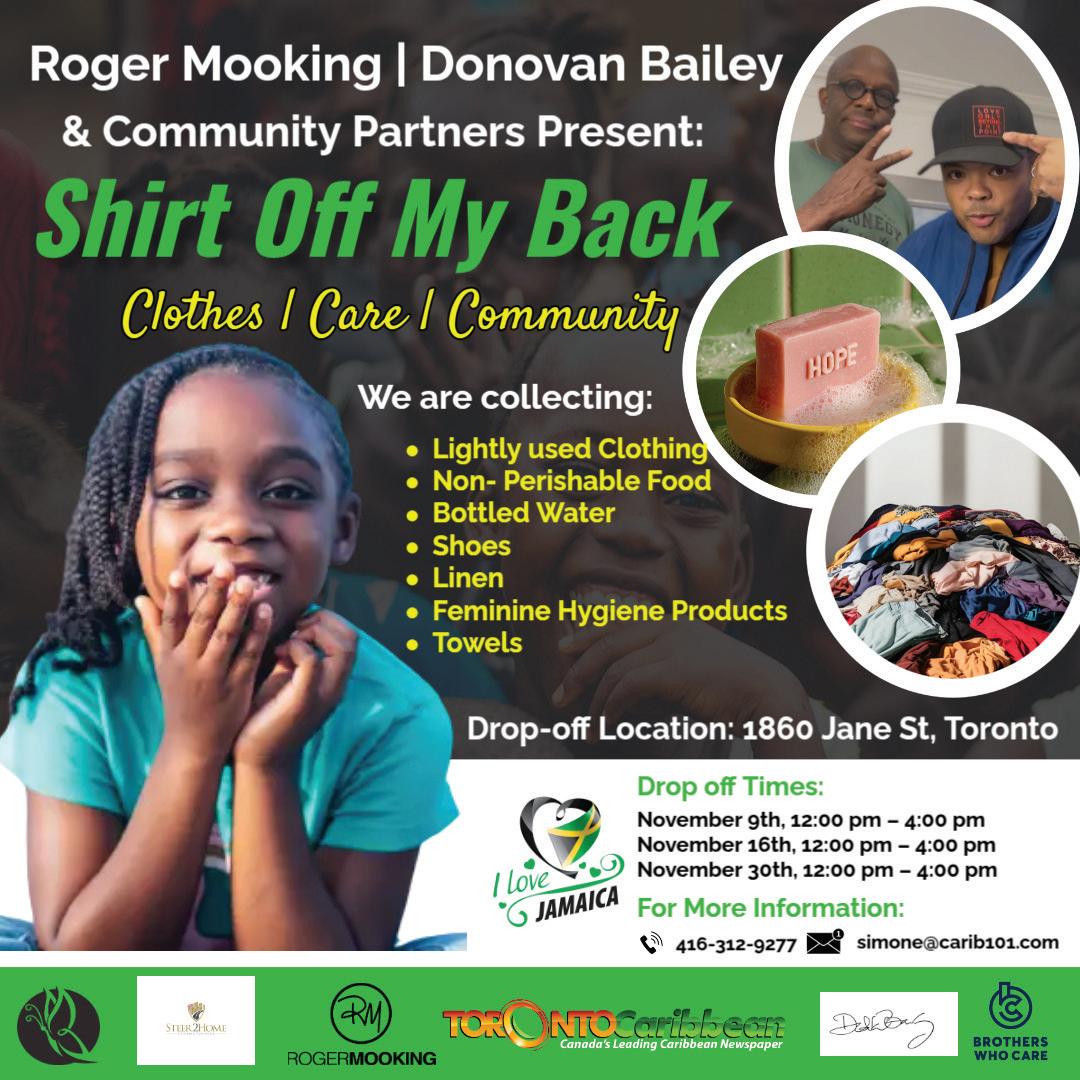








You care for your loved ones. When one of yours needs one of ours, social workers and social service workers are ready to provide trustworthy and quality care.
We are the Ontario College of Social Workers and Social Service Workers. As the provincial regulator, we ensure all our registrants follow the Code of Ethics and Standards of Practice to protect the public, and provide ethical, effective and community-centred care.
If you or someone you love needs help, you can trust one of ours with one of yours.


































































































































What’s happened, that we feed our children a single definition of success? Grow up and leave home, climb the ladder, buy a house, and live an “independent” life. At the same time, aging parents assert they must never become a burden on their grown children. These aspirations for self-reliance are ingrained in our concept of good living.
I wonder if we have it wrong…
Personal conviction, self-directed decisions, accomplishing goals on one’s own, these are all powerful elements of autonomy that come with the reward of feeling accomplished and satisfied. Interdependence (beginning together and relying on others) is
what keeps people healthy. We are a social species, and in social groups is how human beings are best suited to live.
In our modern ways of organizing ourselves in society, we have forgotten that multigenerational households were the norm for most of human history. It’s been a relatively recent development that we have measured success by dispersing the family into multiple homes, each behind its own closed door.
The social experiment is not going well. Loneliness has become a public-health epidemic, increasing the risk of premature death at rates comparable to smoking and obesity!
Meanwhile, the housing data tell a striking story. While the buzz is loud about lack of housing, in fact, our communities are full of empty bedrooms. Literally millions of them, most in the homes of older adults living alone. At the same time, young people are struggling to find an affordable apartment, weighed down by debt, and postponing milestones like starting families because rent consumes too much of their income. We have a structural surplus of space and a struc-
tural deficit in seeing solutions. What if the answer is not more construction, but more connection?
Small but powerful examples are showing the benefits. Home-share programs match seniors with university students. Cohousing developments arrange single older adults in private suites around shared kitchens and gardens. Some young people, groups of friends, are going in together on the purchase of a jointly owned first home. In these settings, researchers find better mental health, greater life satisfaction, and fewer emergency-room visits by older residents. Togetherness is good medicine.
As for the fear of being a burden, it deserves reconsideration. Studies show that adult children who help care for a parent often feel more purpose and emotional closeness, not resentment. Older adults living with family tend to stay healthier and independent longer. Ironically, the determination to avoid burdening anyone can lead to the very outcome people are trying to avoid.
More good news; there are environmental benefits. Multigenerational households use far less energy per person. Three
generations under one roof leave a much smaller environmental footprint than three separate homes. Living together is climate friendly.
The biggest factor is economic. A large body of research has shown that one of the most significant determinants of health is economic status. Yes, studies on the health impacts of living alone, of single parent versus traditional family structures, or of communal living, offer insights. The research is clear that these factors are less important to health than the mighty dollar. So, if living together will improve financial wellbeing, then it’s an excellent investment in health.
Multigenerational living isn’t right for every family, but for many, it could be exactly the right antidote, to financial stress, and to today’s fractured social landscape. We would do well to create more well-designed cohabitation, with vetted roommates, seniors paired with students, and shared community spaces. As a result, we could expect stronger family ties, improved housing utilization, reduced loneliness, and better health.




If you grew up Caribbean or spent any time around a Caribbean kitchen, chances are you’ve had that moment where someone walks in with a warm brown paper bag and everyone in the room suddenly perks up. That’s pholourie energy. That soft, fluffy, lightly spiced dough, fried to golden perfection, paired with a tamarind chutney that has just the right balance of sweet, tang, and pepper—it’s one of those things you taste once, and it stays with you. There’s nothing fancy or overcomplicated about it. It’s street food, it’s party food, it’s fundraiser food, and it’s Sunday afternoon snack food. It’s Trinidad, Guyana, and the wider Caribbean all in one bite.
For me, pholourie has always represented that part of Caribbean culture that doesn’t get talked about enough— the way food builds community without anyone having to say a word. There’s something about a snack like this that cuts across all ages and backgrounds. Even the person who claims they “don’t really like fried foods” somehow ends up reaching for a second one. Maybe even a third. Pholourie carries its own gravitational pull.
But what makes it truly special is what it represents. Like so much of Caribbean cuisine, pholourie is the result of movement—people, cultures, techniques, and traditions coming together over generations. It’s a direct gift from the IndoCaribbean community, introduced during the mid-1800s when indentured labourers arrived from India and brought with them their spices, their flavours, and their way of stretching humble ingredients into something comforting. Over time, pholourie took on its own identity. Caribbean masalas replaced certain Indian spices, local peppers joined the party, and the chutney evolved into something unmistakably Caribbean in its sweetness and heat. It’s one of those dishes that shows just how naturally cultures blend when people live side by side, sharing kitchens, markets, and celebrations.
Today, whether you’re in Trinidad or living abroad, pholourie is everywhere— school events, backyard limes, Divali gatherings, fundraisers, community festivals, street-side vendors who know their regulars by name, and especially the homes of every auntie who measures nothing, does everything by hand, and still somehow whips up a batch better than anything you could ever replicate. And honestly, part of writing this article is admitting that there’s a real difference between “recipe pholourie” and “aunty pholourie.” The latter follows no rules and absolutely no measuring cups. The bowl, the hand, and the eye are the only tools required. And as much as we try, no written recipe will ever hit that exact mark.
But what we can do is get close— and enjoy the journey while we’re at it.
Before we jump into the recipe,
it’s worth talking about why pholourie became such a beloved staple. Trinidad and Guyana have always had these incredible snack cultures—small, inexpensive foods that are eaten casually but made with care. Pholourie fits perfectly into that world because it’s affordable, the ingredients are simple, and the flavour is massive. You can feed a whole crowd with a single bowl of batter and a pot of hot oil. And when money was tight—which it often was in many communities—pholourie was one of those foods that allowed families to stretch ingredients without sacrificing flavour, dignity, or joy. A little flour, a little split pea powder, some spices, and you’re in business.
There’s also an element of nostalgia baked into this snack. For many Caribbean people, especially those who moved abroad, pholourie represents childhood. It reminds them of stopping at a roadside stall after school, or their grandmother frying a batch before a family gathering, or the buzz and laughter of Divali Nagar where vendors line up and the smell of frying dough fills the air. It’s that memory of waiting eagerly by the counter, peeking over the pot, hoping the next batch will be yours. It’s something that lived in the everyday moments, and those tend to be the memories that stay strongest.
Even the act of making pholourie at home carries its own rhythm. You mix the batter until it’s smooth and thick, you let it rest so the flavours wake up and the gluten relaxes, and then you fry spoonful after spoonful until the kitchen smells like every Trini event you’ve ever been to. And while it’s a simple recipe, it’s one that forces you to slow down. You can’t rush hot oil. You can’t rush the batter resting. You can’t rush the golden colour you’re aiming for. It’s a dish that insists you take your time— and that’s part of its charm.
And of course, we can’t talk about pholourie without talking about tamarind chutney. That chutney is a whole story by itself. Tamarind trees grow all over Trinidad and the wider Caribbean, and people have been making chutney, drinks, preserves, and sauces with it for generations. The chutney that goes with pholourie is one of the most addictive combinations ever created—sweet, sour, tangy, and peppery all in one. If you grew up Caribbean, you know that tamarind sauce was practically a currency. Kids would trade it at school. Adults would debate who makes the best version. And certain food vendors became famous for it.
When you pair that chutney with the warm, fluffy pholourie, it’s over. Game done. It’s one of the best flavour marriages in Caribbean cooking—no exaggeration.
Now let’s walk through the process as if we’re in the kitchen together, because with a dish like pholourie, it’s not just about ingredients. It’s about the feel of what you’re making, too.
First, the batter. A mix of flour and split pea powder (also called dhal powder) gives pholourie its classic texture—soft on the inside with just enough structure on the outside. The spices are the star: curry powder, turmeric, cumin, garlic, shadow ben (if you can get it), salt, and black pepper. Some people add yeast, some don’t. Yeast makes the pholourie puff up beautifully, but even without it, the end result is delicious. You mix everything with warm water until it forms a smooth, thick batter—not as thick as festival batter, not as thin as pancake batter. Somewhere in the middle. It should fall slowly off the spoon, not run.
Then you let it rest. This step is important because the flavours need time to bloom. The turmeric deepens its colour, the curry releases its aroma, and the garlic finds its place in the mix. Most people give it about 30 minutes to an hour. If you’re dealing with an auntie recipe, she might tell you, “Just leave it there while you organize yourself.” That could mean ten minutes or two hours. Aunties are mysterious like that.
Once the batter is ready, you heat the oil. Traditionally, pholourie is fried in deep oil so the dough balls float. As soon as the oil reaches the right temperature, you drop spoonfuls of batter into the pot. Some people use their hands to squeeze out little rounds, but this is advanced Caribbean technique and not recommended for beginners unless you enjoy mild burns and loud family scolding. A spoon works just fine.
The pholourie will puff up and turn golden. You pull them out, let them drain, and try not to eat half the batch while you work on the chutney.
The tamarind chutney is its own ritual. You start with dried tamarind, soften it in hot water, and remove the seeds. You simmer it with sugar, garlic, pepper, salt, and maybe a little shadow ben or geera depending on your preference. Some people add a touch of ketchup—don’t judge it until you’ve tried it; the sweetness works. The chutney should be thick enough to cling to the pholourie but thin enough to pour.
When it’s all done, you sit down with your bowl, your chutney, and maybe a little extra pepper sauce, and you enjoy a moment of calm. That’s the real magic of Caribbean food—not just the taste, but the pause it gives you. It reminds you of where you came from, or the places you’ve visited, or the people you love.
Now let’s get into the detailed recipe so you can bring all of that to life in your own kitchen.
Recipe: Trinidadian Pholourie with Tamarind Chutney
Ingredients for the Pholourie:
• 2 cups all-purpose flour
• 1 cup split pea (dhal) powder
• 1 tsp turmeric
• 1 tsp curry powder (preferably Trinidad-style)
• 1 tsp ground cumin
• 1 tsp garlic powder or 2 cloves minced
• 1 tsp salt
• 1 tsp black pepper
• 1 tsp yeast (optional but recommended)
• 1 ½ – 2 cups warm water
Oil for frying
Ingredients for Tamarind Chutney:
• 1 cup tamarind pulp (or dried tamarind soaked in warm water)
• 1 cup water
• ½ cup brown sugar
• 1–2 cloves garlic, minced
• 1 small hot pepper (optional but traditional)
• ½ tsp salt
Optional: a little ketchup for balance
Instructions: Mix the dry ingredients for the pholourie, then slowly add warm water while stirring until the batter is smooth and thick. Cover and let rest for at least 30 minutes. Heat oil in a deep pot over medium heat, then drop spoonfuls of batter into the oil. Fry until golden brown on all sides, remove, and drain on paper towels. For the chutney, soften the tamarind, remove seeds, then simmer it with water, sugar, garlic, pepper, and salt until thickened. Taste and adjust sweetness, sourness, or heat as needed.
Serve the pholourie warm with generous amounts of chutney.
What I love most about pholourie is that it doesn’t pretend to be anything more than what it is. It’s simple ingredients elevated by memory, culture, and community. It’s humble, but it doesn’t need to be dressed up. It’s a dish that reminds you that some of the best things in life come in the form of small comforts—warm, golden dough and a chutney that hits you with sweet and tang at the same time.
If you’ve never made it at home before, give it a try. It’s the kind of recipe that brings people into the kitchen, sparks conversation, and has everyone hovering over the pot waiting for the next batch. And in a world where things move fast, it’s nice to have a moment where life slows down to the pace of a simmering pot and the sound of a spoon dropping dough into hot oil.
That’s Caribbean comfort. That’s pholourie. And trust me—it never disappoints.
BY GEORGE SHEPPARD
’Tis the season… The phrase rolls off our tongues this time of year, conjuring images of lights draped over rooftops, storefronts glowing warm against the cold, and calendars filled with gatherings, concerts, office socials, and family traditions. There’s a hum in the air; a buzz of anticipation that seems to settle each November and rises steadily until Christmas Day. It isn’t necessarily a religious excitement, though for many it is. Rather, it has become a cultural season: a time when family plans expand, workplace schedules are rolled, communities lean into celebration, and a wide, hopeful energy stretches across even the darkest days.
We would be mistaken to believe this season feels the same for everyone.
For some, the decorations go up easily. For others, each string of lights can feel like a reminder of what isn’t there, or what has been lost, or what cannot be afforded. Beneath the glitter and the sentimentality lies a truth we often shy away from: this is
Tis the
also the season when loneliness grows sharpest, when financial strain tightens its grip, and when the gap between those who have plenty and those who have very little becomes painfully visible.
Newcomers: international students, temporary workers, permanent residents, and longtime immigrants often feel this divide deeply. Many have families oceans away. December, with all its messages about gathering, togetherness, and tradition, can amplify the ache of distance. The season urges them to “go home,” even when home means a place they cannot return to this year, or perhaps for many years. Their celebrations may be quiet, improvised, or solitary, and while joy can certainly be found in these new traditions, the longing never disappears entirely.
After thirty years in education, I’ve seen the emotional landscape of the season through the eyes of children: wide, honest, unfiltered. Kids who have much often speak with an effortless certainty: the newest phone, the latest game console, the branded hoodie everyone seems to want. They
sydnee@carib101.com
VARIETY CORNER
Since social media became popular, being bullied in person was not the only issue one had to worry about, as cyberbullying has been and continues to be an issue.
The Flip the Camera trend is one of TikTok’s newest and most popular trends to emerge, and it has sparked concerns due to its bullying nature.
The trend, which first emerged in late October, operates under deception. It involves either one, or a group of people giving their phone to someone, leaving the latter under the impression that they will be recording the person, or the group who handed them their phone. However, before handing over the phone, the person or the group ask the person holding the phone to have the outer camera facing towards them, which makes the person holding the camera think those “being recorded” want to see themselves as they dance, or do another challenge, but that’s not the case. The unsuspected victim is being asked to hold the phone a particular way so that those involved can secretly capture a humiliating close-up of them, which they are unaware of.
count down to what they will receive because, for them, receiving is guaranteed. Their excitement is genuine, but so too is their innocence about what the season looks like in other homes.
Then there are the children who know the nothingness that’s coming. Not because they are ungrateful, and certainly not because they’ve done anything wrong, but because home is financially strained, or emotionally fractured. December becomes a month of quiet calculation: listening to classmates compare wish lists, avoiding conversations about gifts, or holiday trips, hoping the school concert costume doesn’t cost money their parents don’t have.
Yet, these children cling to hope with a strength most adults would struggle to muster.
What has always struck me is their resilience. The child who knows there will be no presents still shows up excited for the classroom art project. The teenager whose home life is turbulent still finds a moment of joy in a school lunch with friends. In hallways where some kids talk about piles of gifts, others talk about the one thing they truly want: peace, stability, a little magic, just for a day.
It is this duality; the glow of celebration and the shadows cast behind it, that defines the modern Christmas
season. It calls us, gently but urgently, to widen our perspective.
’Tis the season… to notice more. To see the neighbour who lives alone and hasn’t had a visitor in weeks. To think of the newcomer who can’t translate holiday traditions into a life they are still learning to navigate. To remember the single parent doing mental math in a grocery aisle. To recognize the child who will look longingly at the class gift exchange and pretend it doesn’t bother them.
This does not require grand gestures. Often, the most meaningful acts are the smallest: an invitation, a shared meal, a ride to a local event, a donated gift, a moment of patient listening.
The lights we hang on our homes are symbolic; they illuminate the dark. But their purpose shouldn’t end at the edge of our rooftops. We can choose to be the light for someone else, even briefly. We can stretch the warmth of the season just a little further outward, toward those who need it most.
‘Tis the season, yes. For joy. For gathering. For celebration, but also for compassion, for awareness, and for remembering that not every twinkling light is bright enough to reach every home. Sometimes, we must carry the light to them.
The camera flippers would then post the clip online for millions of viewers to comment on and mock them.
While some view it as just another ‘harmless trend,’ many adults and teens do not find this trend to be funny and have not held back on calling those out who fail to understand they’re bullying people.
“That person agreed to hold the camera to be kind, not to get bullied online,” said TikTok user hhyy, who explained that people are using the trend as an excuse for their bullying.
Jools Lebron, the creator of the “Very Demure” trend, which went viral last year, condemned the challenge and referred to it as a form of bullying in an emotional video.
These types of trends also feed into the generalization that young people are clout-chasers. Not all, but too many people are willing to gain a huge following and garner a ton of likes and views at the expense of other people.
It’s been noted from time and time again that bullying is extremely harmful to the victims. We also must note that once something is posted on the internet, it cannot be taken back.
Sure, it might be fun to go viral, but it’s never worth it if someone gets hurt in the process. If you want to participate in a popular challenge, that’s fine. However, there are plenty of light-hearted trends you can do that don’t involve another person getting hurt.

SPECIALIST
Picture the last time you swallowed the truth; your teammate’s report was late, off-topic, and riddled with typos, then smiled and said, “Looks great!” Your stomach twisted, your voice went three notes too high, and you left the room wondering if anyone noticed you just lied. They did.
Tomorrow, they will bring you another sloppy draft, because you taught them that “nice” beats useful. Ready to break the loop?
Step 1: Notice the tremble behind the smile
Before you speak, scan your own body. Are your shoulders high? Is your laugh a half-step too quick? That micro-tension is
BY HERBERT HILDEBRANDT POLITICAL PARLEY
data. It tells you that you are about to protect yourself instead of serving the work. Name it under your breath. “I’m nervous,” and watch the adrenaline plateau. This three-second pause prevents you from sprinkling sugar on a wound that needs iodine.
Step 2: Translate “great job” into a camera angle
Imagine you’re holding a photographer’s lens. “Great job” is a blurry wide shot. Zoom in: Which slide clarified the budget? Which question rerouted the meeting? Speak to the pixel, not the panorama. Example: “When you replaced the jargon with that 12-word metaphor, the finance team leaned in.” The brain craves granularity; specifics release dopamine that tags the behaviour for repetition.
Step 3: Offer a keep/improve ratio After any presentation, privately share two elements to keep and one to refine. This ratio feels safe because it signals you are investing, not judging. Write them on a sticky note and hand it over; the tactile transfer turns feedback into a gift.
Step 4: Start with the stapler, not the soul
Practice on low-stakes objects: font size, agenda timing, coffee-stain slides. These neutral arenas build the muscle memory required for tougher terrain. Once colleagues taste the usefulness of your stapler feedback, they will invite you into blueprint conversations without flinching.
Step 5: Use the “shadow test” to check motive
Ask yourself, “If this person outshone me tomorrow, would I still give this note?” If the answer is no, you’re managing your own market share, not their growth. Sit with the discomfort until you can answer yes. The delay is ethical calibration.
Step 6: Close the curiosity loop together
End every feedback exchange with an open question, “What part of this feels useful, and what feels off?” The question hands them the steering wheel, turning monologue into co-design. When they
edit your edit, trust compounds; you shift from critic to collaborator.
Step 7: Model the receipt of hard news Next time you present, invite one “cold eye” reviewer to dismantle your deck in front of the team. Thank them aloud, then implement at least one suggestion visibly. Public vulnerability is contagious; it rewrites the unspoken contract from “be perfect” to “get better.”
Step 8: Track the ripple, not the splash Keep a private log: date, behaviour noted, change observed. Over quarters you will see quieter meetings, faster drafts, promotions that list your name as a catalyst. These micro-wins are the variable rewards that keep the new culture alive long after the initial adrenaline fades.
Remember: anxious niceness is a tax every team pays in overtime and resentment. Precision is the rebate. Pay it forward, and the ledger rebalances in trust.
Immigration is one of the most powerful forces shaping any nation. It can be an engine that drives growth, or a fire that burns what once built the nation. It can lift a country to new heights, or it can strain society beyond its limits, and it all depends on how it is handled. Immigration is strength when guided with discipline and vision, but it becomes dangerous when mismanaged with slogans and political theatre. My ancestors immigrated to Canada, twice! Once in the 1870s to settle on the Prairies and my parents to southern Ontario in the 1980s from the windswept plains of the Chihuahua semidesert. We will be forever grateful for the opportunity to come to Canada and be invited to contribute to the societal fabric of this great nation.
Vice President JD Vance triggered a wave of debate last week when he pointed directly at Canada. He argued that our living standards have stagnated and that our political class has leaned farther than any other advanced nation into the belief that diversity is our strength while abandoning the expectation that newcomers integrate and assimilate. He went so far as to say that Canada’s decline is not the fault of Donald Trump, or any other villain
provided by the media. He said it is the fault of Canadian leadership and by extension the voters who allowed this direction to continue. Whether people agree with Vance, or not is not the point. He has forced an uncomfortable reckoning between what we claim immigration should be and what it has become.
The engine is real and Canada needs newcomers. We have a shrinking birth rate and an aging population. We rely on immigrants to sustain our labour force and to keep our economy functioning. Immigrants now represent almost one quarter of the national population, and they account for nearly all new labour force growth. Many bring education, talent, ambition, and a genuine desire to build a better life in a stable country. When immigration works, it fuels productivity and it enriches the culture of Canada and the culture of the immigrant. It rejuvenates a society that would otherwise struggle under demographic decline.
The fire is real as well. Population growth in the last decade has surged far beyond the capacity of our housing market and our infrastructure. Wages have largely stagnated in comparison to inflation across the country and access to services has become more difficult. Newcomers arrive with hope only to face overcrowded cities, unaffordable homes, and
long delays for health care. These problems are not created by immigrants, but by the political leadership that pushed record intake numbers without any corresponding plan to absorb the growth.
That is where Vance’s criticism lands. Canada opened the tap wide while building very little. Not enough homes, not enough transit, and not enough health facilities, or schools. In fact, it seems that the plan was to attract any type of immigrant, even if clearly unwilling to contribute, or integrate into Canadian society, to build a new voting bloc for a certain ideology. Immigration became a political virtue project instead of a realistic policy.
There is another dimension that shapes this entire conversation. Strong immigration policy must include enforcement that is moral, targeted, and accountable. What we often see from certain US agencies does not fit that description. They raid job sites and they storm neighbourhoods. They tear fathers and mothers away from children even when the only issue is a civil immigration violation. I have no patience for that kind of policing. It is abusive and it is cowardly. It is a complete failure of leadership. Raiding a construction site to arrest workers who are hanging drywall, or picking produce does nothing for public safety. It destroys
communities and poisons trust.
Real enforcement focuses on genuine criminals. It targets child traffickers, gang members, fraud networks, and those who prey on vulnerable people. It does not chase the very workers who keep industries alive. A healthy country creates an earned path to citizenship for long term workers who pay taxes and live responsibly. That approach stabilizes families, strengthens the economy, and creates citizens who invest in their communities.
Immigration becomes an engine of prosperity when it is guided by discipline, capacity, and compassion. It becomes a fire when leaders foment chaos for nefarious purposes, or when law enforcement loses its moral bearings. Immigration is not inherently good, or bad, but it is a tool that can build or destroy depending on the choices made by those in power.
Canada can reclaim the engine and avoid the fire. It requires honest leadership, a clear plan for housing and infrastructure, and the courage to enforce the law in a way that respects human dignity. Immigration has and will shape our future. The only question is whether we choose competence or chaos.

DANIEL COLE daniel@carib101.com
PERSONAL DEVELOPMENT
Low self-esteem is not a reflection of your inherent worth; rather, it is a reflection of the stories and comparisons you have unconsciously absorbed over time. When we admire someone: a mentor, a public figure, a scholar, or a visionary, we often do so because they embody qualities, or achievements we aspire to. Admiration does not imply inferiority. The distinction between you and those you look up to is rarely one of innate capability. Instead, it is primarily a difference in accumulated knowledge, habits, and sustained investment in a particular
Everything an individual has mastered was learned, and if it was learned, it can be learned by others. Many of the traits you admire in others are simply areas you have not yet devoted consistent time and attention to in yourself. Human potential is elastic; with time, discipline, and intention, you can often reach the same heights as those you revere.
A distorted sense of self is often a product of looking at one’s life through a distorted lens of other people’s achievements
or success. This comparison is not only unhealthy, but it sometimes leaves us with a feeling of inadequacy and failure. We feel that our lives don’t measure up because we juxtapose our accomplishments and success with those of others.
It is also important to understand that no one is born with a fragile sense of self. Self-esteem is constructed, not inherited. Developmental psychology shows that by age two, or three, children begin to develop self-awareness and a sensitivity to how others perceive them. From this early stage, experiences (supportive or harmful) begin shaping their self-concept.
For many adults, lingering insecurities are echoes of early environments where validation, safety, or affirmation were inconsistent. Low self-esteem often becomes an internal battle, a conflict not between you and society but between you and the version of yourself shaped by past narratives. One of the most effective ways to disrupt this internal cycle is to stop comparing yourself to others. Those who inspire you are not “better” than you; they have simply followed a trajectory that required particular investments of effort, time, and sacrifice. You can craft your own trajectory.
Another essential component of rebuilding self-esteem is cultivating selfappreciation. Do not minimize your achievements, or the resilience that carried you through difficult seasons. Measure your progress not against the accomplishments of others but against your own capacity and growth. Celebrate milestones, however
small; they are evidence of your evolving competence.
For some, low self-esteem arises from a deeper lack of validation from people whose acceptance once mattered greatly: caregivers, parents, mentors, partners, authority figures, or communities. In such cases, speaking with a psychologist, or therapist can be invaluable. Professional support provides both emotional scaffolding and tools for restructuring the beliefs that undermine your self-worth and sense of self.
Positive self-talk is another powerful tool. Your internal dialogue shapes your perception of yourself. When you magnify your flaws, you distort reality; your mind becomes an echo chamber of inadequacy. Balanced self-talk acknowledges imperfections without allowing them to define you. Everyone is unfinished, developing, and refining. Grant yourself the same compassion you would readily extend to others.
Finally, curate your environment. Surround yourself with people who uplift, respect, and genuinely value you. Human beings absorb emotional energy from their surroundings; positive environments reinforce resilience, while negative ones quietly erode it.
Low self-esteem is not a permanent identity. It is a condition shaped by experience and sustained by habit—but it is absolutely reversible. With intentional effort, supportive relationships, and an informed understanding of the self, you can rebuild your confidence and reclaim your sense of worth.
BY LISA THOMPSON
LEGAL LISA
I could have written another article about Bill 60 and the changes under Schedule 12 to the Residential Tenancies Act, 2006 (RTA), namely the shortening of the time to appeal a decision or to initiate an eviction for non-payment of rent. Instead, I’ll address the greater issue: why renters in Ontario are becoming more easily targeted for evictions rather than offered mediations, joining the tens of thousands of applications waiting for scheduled hearing dates before the Landlord and Tenant Board (LTB).
Outside of governing the landlordtenant relationship, establishing fair practices, and protecting the rights of both parties, the RTA created a statutory process whereby the LTB (not landlords) must fairly assess claims before issuing eviction orders, orders for payment to landlords, or abatements for tenants. In other words: a landlord does not have the unilateral power to evict a “tenant” covered by the Act.
However, thanks in part to growing legal - and real estate-savvy among property investors and landlords, increased access to landlord-oriented resources, and active social and mainstream media discourse, many landlords now understand the official forms and procedures, including how to navigate, or pressure tenants through the system.
Meanwhile, there are indeed “professional renters” (as the term is sometimes used) who may exploit loopholes, but there are also more “seasoned landlords” who, informed by this systemic knowledge, may engage in tactics of harassment, manipulation, or intimidation to push tenants toward rent increases, or tenancy terminations. This shifts the balance of power away from tenants (especially vulnerable ones) toward landlords. While difficult to quantify, this
trend is widely discussed among tenantadvocacy groups and legal practitioners.
As a licensed paralegal, I once represented a family of seven threatened with eviction. The landlord had asked them to sign an “unofficial” Notice to End Tenancy (akin to an agreement), but they were handed only page 2 (the signature page) rather than the full form explaining rights and consequences. Instead, they received a typed letter from the landlord, never got their own copy, and were never provided documentation such as receipts, rent-increase notices, or interest payments on their last-month deposit despite regular increases.
Under the RTA, rent increases must be served using the official form (Form N1) with at least 90 days’ written notice, and a rent deposit (if collected at the start of the tenancy). Their last-month deposit must be used only as the tenant’s final month’s rent (not for damage) and landlords are required to keep records and provide receipts.
It is because of such systemic breakdowns and given that under the new rules of Bill 60, many of the procedural protections and opportunities for tenants to raise counter-issues have been weakened, I have serious concerns.
For example: under Bill 60, when a landlord gives a non-payment notice and applies to evict, the hearing may be scheduled faster than before. Tenant defenses, or counterclaims at a non-payment (L1) hearing such as issues over maintenance, the conduct of the landlord, or invalid rent increases, are now conditional. The tenant must generally pay 50% of the claimed arrears (or satisfy other regulatory conditions) before those issues can be heard.
In practical effect, many tenants (especially low-income or precariously housed) will be unable to meet that threshold, which means they can’t raise valid coun -
terclaims at their first hearing. That creates a situation where vulnerable tenants have fewer realistic defenses and increased risk of eviction, even when there may be legitimate legal, or equity-based reasons to resist.
Thus, rather than resolving disputes by mediation, or dealing with issues of unlawful rent increases, missing deposit interest, or improper eviction notices, the system is increasingly geared toward fasttrack eviction.
I believe it is time to consider stronger landlord licensing, or registration requirements. For example, classifying landlords who own multiple rental units (especially within a family context) as a “corporation,” or require licensing and regulatory compliance under the LTB, with enforceable penalties for failure to meet statutory obligations (notice, rent-increase procedures, deposit and interest accounting, provision of receipts). Finally, require that all lease agreements need to be registered online with the board, annually. This kind of regulatory oversight could help rebalance protections, make enforcement more uniform, and deter abusive practices.
There are deeper systemic issues at play beyond individual cases. Homelessness has significantly increased over the last two decades, and many formerly stable tenants are now at risk, a trend driven by a severe lack of affordable housing, rising rents, and increasingly aggressive eviction practices.
As the government moves forward with reforms like Bill 60, it must weigh carefully whether speeding up evictions (with weakened tenant protections) will exacerbate the housing crisis, or if alternatives (like: stronger regulation, more access to mediation, increased housing supply, or robust tenant-support systems) should be prioritized instead.


Death of the spliff: Why Gen Z is ditching the joint for high-speed cannabis

counter, and they are consuming can nabis in a way that signals a profound cultural break from the generations before them. For the boomer, cannabis was a statement; for the millennial, it was a social ritual. For Gen Z, cannabis is a tool: a highly concentrated, disposable, and functional commodity designed for rapid, precise effect.
The evidence is clear in the sales data. The traditional dried flower market, the cornerstone of legalization, is slowly yielding ground to high-potency concentrates and low-commitment disposable vapes. Gen Z isn’t buying big bags of weed to roll joints at a campsite. They are buying small, powerful vape cartridges, or wax concentrates that deliver an instantaneous, intense high without the lingering smell, the necessary preparation, or the social baggage of a smoking circle.
The preference for discretion and speed is paramount. The disposable vape pen, with its sleek form and utter lack of odor, is the new icon.
Fondly nicknamed “Penjamin”(for girl use) and “Penelope”(for boy use) can be pulled from a pocket, used in three quick, quiet puffs, and slipped back out of sight. This habit speaks volumes: it’s cannabis optimized for the frantic, constantly monitored realities of modern life. It’s an antidote to anxiety that doesn’t require a 45-minute commitment.
The shift toward concentrates like shatter, resin, and rosin further underscores this chase for intensity. These products pack THC content sometimes exceeding 80%, a far cry from the 15-
20% averages of dried flower. This isn’t about chilling out; it’s about achieving a highly controlled, specific result. Whether that’s hyper-focus for a creative task, or profound relaxation to shut down after a stressful week. The pursuit is not merely quantity of consumption, but predictable quality of experience.
This consumption style is dictated heavily by the platforms Gen Z inhabits. While older users might read a print review, or seek anecdotal advice, Gen Z discovers products through the rapid, visual, and highly personal narratives of TikTok and Instagram Reels. The appeal of a beautiful, clean vape pen, or the spectacle of watching an extract melt in a dab rig translates perfectly to short-form video. The aesthetic is clinical and high-tech, actively rejecting the messy, counter-cultural “stoner” stereotype that defined older generations. The very function of cannabis has also shifted. For many younger users, cannabis is increasingly viewed as a substitution, not for cigarettes, but for alcohol. They are part of the growing “sober curious” movement. They see the immediate, severe effects of hangovers and recognize cannabis as a gentler alternative for social relaxation. The anxiety-management aspect of cannabis is often cited as a primary motivator, moving consumption from simple recreation to self-medication for the pressures of performance and social media perfection.
This isn’t just a trend; it’s a tectonic plate shift in market demand. The cannabis industry is rapidly responding, diverting research and development resources toward faster-acting beverages and more potent concentrates. Licensed Producers are scrambling to keep their packaging streamlined and their products disposable, recognizing that the heavy, resealable flower bags of yore hold little appeal for the consumer who prioritizes portability and immediate gratification.
The old world of cannabis; the rolling papers, the communal sharing, the lingering scent is fading into nostalgia. Gen Z is writing a new rulebook, one that values efficiency over ritual, potency over volume, and discretion over declaration. They are demanding a precise, high-speed experience, forcing the entire Canadian industry to adapt to a generation that knows exactly what it wants, delivered yesterday.

$449,000


A client purchased a bungalow in Toronto, featuring an unfinished basement. She asked, “Jay, do you think making a basement suite is worth it?”
Throughout the GTA, homeowners are increasingly asking the same thing. With real estate prices climbing, creating secondary suites, or laneway homes has become more than just a trend. It’s a practical way to build wealth, support family, or offset the rising costs of homeownership.
I remember walking through her basement and envisioning its transformation: a private entrance, a kitchen, a living area, two bedrooms, and a full bathroom. It was a space with immense potential. That’s the beauty of secondary suites; they turn underused spaces into something functional, profitable, and even life changing.
Secondary suites, also known as in-law apartments, or legal basement suites, are self-contained living spaces within a home. They must comply with local building codes, have separate entrances, and meet safety requirements. Once legalized, they can generate steady rental income or significantly boost a property’s resale value. In cities like: Toronto, Vancouver, and Calgary, a well-designed suite
can add tens of thousands of dollars to a home’s market value.
Laneway homes are unique. Usually built at the rear of a property, they are fully independent residences that offer similar benefits, but on a larger scale. They can host a tenant, an aging parent, or even a young adult just starting. I’ve seen families develop small, beautiful laneway homes that blend seamlessly with their property, providing flexibility and longterm financial security.
We reviewed her numbers. Legalizing a basement suite isn’t cheap; it can cost between $50,000 and $100,000, depending on the extent of the necessary renovations, such as plumbing, electrical work, fire safety, ceiling height adjustments, and finishing. A suite can easily rent for $1,500 to $2,500 per month in Toronto, not to mention the increased resale value. Over time, rental income can help cover mortgage payments, property taxes, and maintenance costs.
In urban Canadian markets, a legal basement suite can boost your property’s resale value by about 70% to 75% of the renovation cost. For example, a $60,000 investment could increase the home’s value by $42,000 to $45,000. Properties with legal secondary suites often sell faster and for higher prices because of the extra rental income potential. Homeowners in Ontario can expect to earn between $18,000 and $30,000 annually from a legal basement suite, helping to cover housing expenses. Garden suites usually rent for more.
Municipal zoning, building codes, and permits are all part of the construction process. Some cities require specific

ceiling heights, egress windows, and parking arrangements. Failing to comply with these regulations can lead to fines, or issues when trying to sell the property.
Legal suites enable multigenerational living, giving families the flexibility to care for aging parents, or support adult children as they gain independence. I’ve observed grandparents move into a laneway home while their children and grandchildren stay in the main house, encouraging independence while staying close. This mix of financial security and personal convenience enhances the value of the investment.
Is it worth legalizing your basement or building a laneway home? Based
on my experience, the answer is generally yes, if you approach it thoughtfully. Understand the costs, follow the regulations, and plan carefully. The benefits are clear: increased property value, rental income, versatility for family living, and a sense of pride in turning underused space into something meaningful. I think about that client, now settled with her tenant paying rent that covers her mortgage. She smiles each time she walks through her newly renovated basement. “It feels like my house is working for me now,” she said. That, more than anything, highlights the true value of legalizing your basement: turning opportunity into reality, one square foot at a time.


for the week of November 30 – December 6, 2025
THE LUCKIEST SIGNS THIS WEEK: SAGITTARIUS, VIRGO, AND ARIES
ARIES: This week pushes you to face something you’ve avoided, and once you do, momentum picks up quickly.
TAURUS: A small shift in your routine brings results you didn’t expect. Stay flexible — it works in your favour.
GEMINI: You reconnect with someone or something familiar, sparking fresh motivation. Use it to restart paused goals.
CANCER: Your intuition is sharp this week. Trust what you’re sensing — it guides you toward the right decision.
LEO: You’re asked to step up, and even if it’s sudden, you rise to the moment. Your presence matters.
VIRGO: An issue you’ve examined finally clicks. With clarity comes direction, and you move forward with purpose.
LIBRA: You’re urged to set clearer boundaries. Saying “no” helps protect your time and restores needed balance.
SCORPIO: Something hidden becomes clear, shifting your perspective. Trust your instincts and let timing work for you.
SAGITTARIUS: A spark of inspiration encourages you to try something new. Follow it — opportunity appears from your enthusiasm.
CAPRICORN: A new responsibility lands on you, but you find your stride quickly. Your steady approach reassures others.
AQUARIUS: Your ideas stand out this week. Share them confidently — the right conversation opens the door you need.
PISCES: You feel more grounded than usual, helping you handle something you’d normally sidestep. Quiet progress shows.
Fill in the grid so that every row, every column, and every 3x3 box contains the numbers 1 through 9 only once.
Each 3x3 box is outlined with a darker line. You already have a few numbers to get you started. Remember: You must not repeat the numbers 1 through 9 in the same line, column, or 3x3 box.