Issue 197_Rough

Page 1


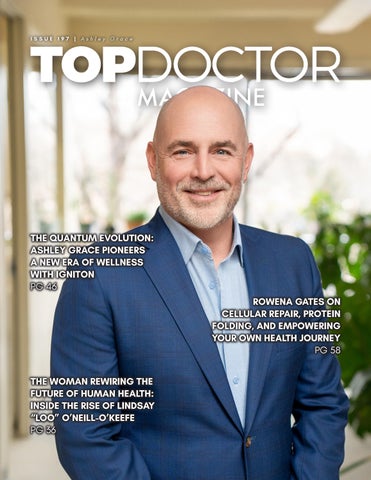
THE QUANTUM EVOLUTION: ASHLEY GRACE PIONEERS A NEW ERA OF WELLNESS WITH IGNITON

PG 46

ROWENA GATES ON CELLULAR REPAIR, PROTEIN FOLDING, AND EMPOWERING YOUR OWN HEALTH JOURNEY

PG 58

THE WOMAN REWIRING THE FUTURE OF HUMAN HEALTH: INSIDE THE RISE OF LINDSAY “LOO” O’NEILL-O’KEEFE

PG 36

OPTIMIZE YOUR WELLNESS WITH CARBON 60 (C60).

C60 has been characterized as the most powerful antioxidant known. It’s hundreds of times more powerful than conventional antioxidants. Crossing the blood-brain barrier, C60 works at the cellular level to support mitochondrial function. C60 fights inflammation, lifts the oxidative burden, and neutralizes toxic free radicals.

Unlike conventional antioxidants, C60 won’t interfere with any other supplements, vitamins, or medications. It can reset itself, again and again. Take it before your other supplements to boost your morning routine supplement stack.

Most users note an increase in ENERGY and MENTAL CLARITY within 30 days when incorporating C60 Power into their morning routine. Many users note FASTER RECOVERY and IMPROVED PERFORMANCE within this same time frame.

Born from Light. Backed by Science.™ Quantum power for your brain and body.

Publisher: John Highland

Editor In Chief: Hannah H.

Editorial Assistant: Jillian Fast

Graphic Designers: Laura Poyner, Dylan R-N

Contributing Authors: Jillian Fast, Evelyn Flaharty, Riley

George, Sydney Good, Michele Hughes, Lindsay O’NeillO’Keefe, Ashleigh Quint

PUBLICATION TEAM EXECUTIVE TEAM

Vice President of Development: Mark Carvalho

Fractional Marketing Officer: Craig Handley

Advisory Board: Dr. Arthur Katona, Dr. Francisco Cabal, Dr. Kianor Shah

A LETTER FROM THE EDITOR

Our mission and purpose at TopDoctor Magazine is to foster connections within the health and wellness community and empower our readers to make wellinformed healthcare and lifestyle decisions. We pride ourselves on being the ultimate resource for interviews with health and wellness leaders, trending medical news, and healthy living topics.

We understand that choosing a healthcare provider is a crucial decision. Our in-depth interviews with esteemed doctors and medical professionals aim to bridge the gap between them and their clients. By providing our readers with personal insights, philosophies, and areas of expertise, we facilitate a deeper understanding of the individuals responsible for your health and well- being. We also strive to highlight our outstanding practitioners, showcasing their dedication to their patients and contributions to the medical community.

The field of medicine is constantly evolving, with new practices, therapies, and technologies emerging at a rapid pace. At TopDoctor Magazine, we strive to keep you updated on the latest advancements in the medical world. Our comprehensive coverage of trending medical news equips both doctors and patients with the knowledge they need to make informed choices about healthcare options.

CONTRIBUTORS MAGAZINE

Building strong connections within the medical community is essential for enhancing patient care and driving medical progress. Our magazine serves as a bridge, connecting medical companies with doctors and vice versa. By facilitating these connections, we aim to catalyze collaborations that can lead to innovative solutions and improved healthcare outcomes for everyone.

It is our firm belief that well-informed individuals make better decisions about their health. By providing you with insights into established and emerging medical trends and technologies, we empower you to take an active role in your healthcare choices. Whether you are a healthcare professional seeking to stay updated on the latest advancements or a patient eager to make informed decisions about your well-being, TopDoctor Magazine is here to support you.

In every issue, we strive to uphold the highest standards of journalistic integrity, accuracy, and relevance. Our dedicated team of writers, editors, and medical experts work tirelessly to bring you well-researched and compelling content that is both educational and engaging. Moreover, our graphic design team is committed to delivering an aesthetically pleasing reading experience where captivating design seamlessly merges with informative content, ensuring each issue becomes an engaging journey of discovery.

As we embark on this mission to serve as your trusted source of medical information and insights, we encourage you to join us on this exciting journey. Your feedback and suggestions are invaluable to us, and we look forward to hearing from you.

Thank you for being a part of the TopDoctor Magazine community. Together, let us embrace knowledge, forge connections, and make informed decisions to lead healthier lives.

With warmest regards,

10 24 36 46 58 66 74

STEPPING INTO 2026: STRENGTH, CONFIDENCE, AND THE POWER OF MAKING SPACE

THE FIGHT OF HIS LIFE: HOW FORMER MMA TRAINER ED CLAY BUILT ONE OF THE WORLD’S MOST ADVANCED ECOSYSTEMS FOR CANCER, CHRONIC DISEASE & REGENERATIVE MEDICINE

THE WOMAN REWIRING THE FUTURE OF HUMAN HEALTH: INSIDE THE RISE OF LINDSAY “LOO” O’NEILL-O’KEEFE

THE QUANTUM EVOLUTION: ASHLEY GRACE PIONEERS A NEW ERA OF WELLNESS WITH IGNITON

THE QUANTUM LEAP IN WELLNESS: ROWENA GATES ON CELLULAR REPAIR, PROTEIN FOLDING, AND EMPOWERING YOUR OWN HEALTH JOURNEY

THE HIDDEN SPECTRUM: WHY LIGHT EXPOSURE IS BECOMING A HEALTH CONVERSATION

THE HERBAL MEDICINE CABINET: NATURAL DEFENSES FOR FLU SEASON

Step pi ng I nto 2026

Strength,

Confidence,

and the Power of Making Space

As the calendar turns and a new year begins, it’s only natural for us to pause and reflect. We look ahead with hope, curiosity, and often a quiet determination to do better, feel better, and become better. For many of us, this reflection quickly turns into a list of New Year’s resolutions, things we promise ourselves we’ll finally fix, change, or conquer.

But what if this year, instead of adding more to your plate, you chose to create space?

Skip the resolutions. Let’s focus not on what to do, but on what to choose. We are letting go of the habits and distractions that don’t match the life you know you want to live. Before we rush ahead into 2026 with goals, expectations, and selfimposed pressure, there’s a more powerful first step waiting for us, one that doesn’t demand perfection or rigid discipline.

That step is clearing space.

Not just in our calendars or closets, but in our energy, emotions, habits, and expectations. Space to breathe. Space to listen. Space to reconnect with who we are now, not who we were last year, or who we think we “should” be.

Because strength, confidence, and positivity don’t come from doing more. They come from making room for what truly matters.

Why Resolutions Often Fail (And What Works Better)

Every January, we see the same cycle repeat itself. Big promises. Big motivation. Big intentions. And then … life happens.

By February, many of those resolutions feel heavy, unrealistic, or disconnected from who we actually are. Not because we lack discipline or willpower, but because most resolutions are built on pressure, not presence.

They’re often rooted in what we think is wrong with us rather than what we want to nurture.

Making space is different. It doesn’t require you to overhaul your life overnight. It asks you to pause, reflect, and gently release what no longer supports your growth. When you clear space, you allow clarity to emerge naturally. You stop forcing change and instead invite alignment. And alignment is where sustainable change lives.

Release What No Longer Serves You

Let this be your invitation to shed the old: the habits that no longer fit, the beliefs that quietly hold you back, the expectations you’ve outgrown, and the stories you’ve told yourself that no longer reflect who you are becoming.

Ask yourself honestly:

— Are you still carrying guilt that doesn’t belong to you?

— Are you comparing yourself to others in ways that steal your joy?

— Are you living by standards that don’t feel like your own?

— Have you been saying ‘yes’ to people, patterns, or responsibilities that drain your peace?

If so, you’re not alone. I’ve been there. We all have.

Sometimes we hold onto things out of habit. Sometimes out of fear. And sometimes, because we don’t realize we’re allowed to choose differently.

But here’s the truth: You are allowed to release what weighs you down, particularly if doing so brings you back to yourself—your true self.

Remember, we only get one beautiful life. One. And it is your responsibility, not in a heavy way, but in a sacred way, to squeeze the maximum joy, fulfillment, and meaning out of it.

Let 2026 be the year you stop carrying what was never meant to be permanent.

Make Space (In Every Sense of the Word)

Making space isn’t just symbolic. It’s tangible. Physical. Emotional. Energetic. And the smallest acts of clearing can create the biggest internal shifts.

This month, give yourself permission to start simply.

— Take time to breathe into open space.

— Clear the clutter on your countertops.

— Make room in your fridge for nourishing food.

— Let your closet breathe, release what no longer reflects you.

— Spend just ten minutes journaling to untangle a lingering thought.

— Step outside without your phone and let your nervous system rest.

These may seem small, but they are powerful.

Because when your environment feels lighter, your mind follows. When your mind feels clearer, your body responds. And when your body feels supported, confidence naturally rises.

You don’t need to transform everything at once. Just make room, and your body, mind, and spirit will intuitively know what to welcome and what to say no to.

Clearing Space Builds Strength from the Inside Out

We often think of strength as something we build externally, through discipline, training, effort, and grit. And yes, those things matter. But there is another kind of strength that is just as powerful.

— The strength to let go.

— The strength to rest.

— The strength to choose peace over chaos.

— The strength to honor your limits without guilt.

— Clearing space gives you access to this deeper, quieter strength.

It allows your nervous system to reset. Your mind needs to focus. Your body needs to recover. And when all three are aligned, you don’t just feel stronger, you move through life with confidence and ease. This is the kind of strength that lasts.

Reset Your Standards, Not Your Worth

The new year offers a natural reset point, a chance to step off autopilot and infuse your life with intention.

This doesn’t mean criticizing where you are. It means choosing how you want to show up moving forward.

You might discover:

— A new favorite way to move your body.

— A new rhythm that supports your energy instead of draining it.

— A new standard for how good your body can feel.

— A new boundary that protects your peace.

Resetting your standards is not about raising the bar through pressure. It’s about raising it through self-respect.

Questions to Carry Into 2026

As you prepare to step into the year ahead, take time to reflect on these questions, not to rush toward answers, but to sit with them honestly.

— Who do I want to become this year?

— How do I want to feel when I wake up each day?

— What am I no longer willing to tolerate?

— What will I lovingly protect?

— Where do I need more space, and where do I need more presence?

Write them down. Revisit them often. Let them guide your choices.

A Personal Commitment for the Year Ahead

As for me, this year is about continued growth and intentional release.

It’s about letting go of what no longer serves me, fully embracing positive energy, opening myself to new challenges that stretch me, and saying yes to opportunities that align with my values and purpose. Most of all, it’s about living with intention, choosing presence over pressure, alignment over obligation, and meaning over momentum.

And I invite you to do the same.

Raise the Bar Quietly, Powerfully

Let this be the year you raise the bar in quiet, powerful ways. Through dedication to:

— Your health

— Your peace

— Your presence

— Your joy

Not because you’re trying to prove anything but because you deserve to feel strong, supported, and fulfilled. What you clear right now determines what you create next.

Stay Curious & Committed

Making space doesn’t mean abandoning your goals. It means evolving how you approach them.

In fact, curiosity is one of the most powerful tools for consistency. When you stay open to trying new things, new movement, new routines, and new ways of caring for yourself, you avoid burnout and stay engaged.

— Your body thrives on thoughtful change.

— Your mind thrives on flexibility.

— Your spirit thrives on curiosity.

— Stay committed, but stay curious.

Confidence Comes from Alignment

True confidence isn’t loud. It isn’t forced. It doesn’t come from doing everything perfectly.

Confidence comes from living in alignment with your values. From trusting yourself. From knowing when to push and when to pause.

When you make space, you stop reacting and start responding. You move with intention instead of urgency. And that grounded energy is something people feel the moment you walk into a room.

Final Thoughts: A Gentle but Powerful Invitation

As we step into 2026, I encourage you to actually do this. Not just reading it. Not just thinking about it. Do it—clear space in every sense of the word.

Release what weighs you down. Lighten your load.

Recalibrate your energy.

Breathe easier.

Make room for what’s next.

You don’t need to reinvent yourself. You simply need to reconnect with who you already are, strong, capable, and worthy of a life that feels good from the inside out.

Here’s to a year of strength without strain. Confidence without comparison. And a life that feels spacious, intentional, and deeply yours.

Welcome to 2026. The Year of You!

“L arge Study Links Gum Disease With Dementia”

“Periodontal disease may increase the risk of diabetes& heart disease”

“More Evidence of Link Between Severe Gum Disease and Cancer Risk”

Clinically Proven to Reduce Biofilm 112x Better Than Brushing Alone

Inflammation in the mouth can affect the rest of the body Heart disease, Alzheimer's, pancreatic cancer and many more diseases are linked to gum disease To fight gum disease, you must fight biofilm (dental plaque) and with up to 70% of adults having some form of gum disease, brushing and flossing are not enough OraCare has been clinically proven to remove biofilm 112x better than brushing alone.

AGELESS TIMELESS AND

THE FIGHT OF HIS LIFE

HOW FORMER MMA TRAINER ED CLAY BUILT

ONE OF THE WORLD’S MOST ADVANCED ECOSYSTEMS FOR CANCER, CHRONIC DISEASE & REGENERATIVE MEDICINE

HOST OF THE AGELESS AND TIMELESS PODCAST

THE OPENING BELL

Ed Clay’s path to becoming one of the most forward-thinking innovators in modern medicine began long before he ever stepped into a hospital. Growing up in Nashville, he started boxing at thirteen, following in the footsteps of his father and uncle, who were both fighters. By twenty, his life had taken a sharp turn in a moment that could have ended his story rather than redirected it. Instead, Clay rebuilt his life with relentless discipline, eventually creating one of the largest MMA gyms in the country, coaching professional fighters, and launching an apparel brand that became the world’s largest manufacturer of Brazilian Jiu-Jitsu uniforms.

His trajectory shifted again in 2008 when he tore his LCL, PCL, and meniscus. Team doctors prescribed heavy opiate pain medications—common during an era of widespread overprescribing—and Clay developed a powerful accidental addiction. After two years, he attempted to stop but was overwhelmed by withdrawal. Six months into struggling on his own, he sought help from a therapist who recommended Ibogaine, explaining that it could interrupt withdrawal patterns. Clay traveled to Mexico for treatment and returned home seventy-two hours later without cravings and without withdrawal symptoms.

The turning point in Ed Clay’s life had nothing to do with business strategy or ambition. Instead, it was rooted entirely in his mother’s suffering. Her rheumatoid arthritis had progressed to the point that she had exhausted every conventional treatment available in the United States. Once vibrant and strong, she had deteriorated so severely that she could barely walk, and specialists had run out of options. Watching her decline left Clay devastated and determined to find something that could help her.

His search led him into the history of immunotherapy, where he discovered a 1923 study on the use of Coley’s toxins for rheumatoid arthritis. That discovery sent him down a deep investigative path that ultimately revealed a single hospital in Tijuana, Mexico, that had once used these treatments for autoimmune diseases and cancer. By the time he learned of it, the hospital had already closed.

Most people would have stopped there, but Clay didn’t. He tracked down the previous owner, and together with partners Scott Nelson and Deddrick Perry, negotiated to purchase the hospital. They rehired the original medical team, the very people who had delivered the therapies in the past, and brought his mother there as their first patient.

She arrived in a wheelchair. Three weeks later, she walked out on her own.

That moment reshaped Clay’s entire mission. From then on, he became committed to exploring every medical possibility available—constantly seeking stronger science, better collaboration, and more advanced treatments. It became the foundation for the medical ecosystem he would eventually build.

WHY HE BUILT MEDICAL ECOSYSTEMS INSTEAD OF CLINICS

To understand Clay’s model, one has to understand his core principle: logic. In his view, much of what is broken in modern healthcare stems from outdated habits—systems that persist simply because “that’s how it’s always been done.” When reexamined through the lens of what actually produces the best patient outcomes, the answers become unexpectedly clear.

This is why the Cellular Performance Institute and the TAM Center were designed as vertically integrated ecosystems. Every essential function, including cellular manufacturing, clinical laboratories, genomics, proteomics, digital pathology, and more, exists under one roof. Physicians and PhD-level scientists work side by side, collaborating in real time with full access to patient data and biospecimens. This structure eliminates delays, reduces costs, and enhances precision in ways that fragmented systems cannot match.

Their Chief Scientific Officer, Dr. Francesco Marincola—one of the world’s most published cancer immunologists and the former Chief of Infectious Disease and Immunogenetics at the NIH—introduced Clay to the true meaning of translational medicine: moving discoveries directly from the scientist’s bench to the patient’s bedside. Once Clay understood the framework, he committed to building the world’s best facility to support it.

Today, the TAM Center includes advanced cellular manufacturing suites, genomics and proteomics platforms, CT and MRI imaging, AI-powered diagnostics, interventional suites, an ICU, and a deeply aligned medical and scientific team. Beyond Mexico, the organization also operates a lab in Boston and is building a new Nashville lab designed to mirror its full capabilities, with a compounding pharmacy already complete.

WHAT’S BROKEN IN TRADITIONAL HEALTHCARE AND HOW ED CLAY IS FIXING IT

Traditional healthcare, Clay observes, is fundamentally reactive. It waits for disease to emerge, then attempts to address it within a fragmented structure—outsourced labs, disconnected departments, outdated protocols, and treatments that lack personalization. Meanwhile, the biotech industry has become slow and bloated, spending billions over many years to bring a single therapy forward, while patients continue to suffer.

At CPI and the TAM Center, that model has been reversed. Clay approaches cancer and complex disease as an engineering challenge, one defined by data design systems and optimization. They manufacture their own cell therapies, maintaining control over quality and cost. Their in-house genomics and proteomics platforms allow them to

decode each patient’s biology with a depth matched by few institutions worldwide. AI-powered diagnostics guide more precise intervention, from imaging to digital pathology.

Most importantly, all departments function under one roof. Scientists, clinicians, lab teams, and manufacturers collaborate in real time rather than operating in silos. This is what translational medicine was meant to be: science moving quickly, logically, and in direct response to real patient data.

HOW ED CLAY BUILT A WORLD-CLASS SCIENTIFIC TEAM

Clay’s ability to attract extraordinary talent begins with vision. Transforming an entire medical system—especially one as entrenched and flawed as the current approach to cancer— requires individuals who not only possess exceptional expertise but also believe meaningful change is possible.

This shared purpose drew figures such as Dr. Francesco Marincola, one of the most published melanoma researchers in the world, and Dr. Ali Asadi, the former Chief of Innovation at Illumina, who helped develop the first FDA-approved pancancer 500-gene panel and engineered the chemistry behind a 10,000-protein platform. Additional experts such as Eric Hett and Vijay Mahant joined for the same reason.

These scientists could have worked anywhere: major academic institutions, billion-dollar biotechs, or top pharmaceutical companies. They chose TAM and CPI because Clay had built something unheard of: an entirely in-house cellular manufacturing system, integrated genomics and proteomics, digital pathology, interventional and surgical suites, and AI-powered diagnostics operating as one unified organism. It was not a pitch; instead, they recognized a platform where innovation could happen now, not years from now.

Clay didn’t have to convince them. He simply provided the environment they had long wanted to work in.

HOW CPI STARTED AND HOW IT FITS INTO THE BIGGER VISION

CPI Stem Cells originated from a real-world need. While running advanced therapies in 2018, Clay’s team noticed that most stem cell providers grew mesenchymal stem

cells in normoxic (normal oxygen) conditions, even though scientific literature overwhelmingly supported hypoxic (low oxygen) growth to better mimic natural human physiology. Determined to improve outcomes, they obtained their cellular manufacturing license in 2020 and began producing their own hypoxic MSCs by 2021.

This decision transformed CPI into a global leader in regenerative medicine, treating world champions, NFL athletes, and everyday patients with degenerative, neurological, or musculoskeletal conditions.

But CPI is one component within the larger TAM Center ecosystem. The TAM Center embodies the entire vision: a vertically integrated medical campus that combines science, manufacturing, diagnostics, imaging, interventional radiology, surgery, ICU care, and personalized clinical treatment under one unified system. CPI serves as the stem cell clinical engine inside this broader infrastructure, powered by TAM’s full capabilities.

WHAT FULL INTEGRATION MEANS FOR PATIENT OUTCOMES

CPI has become the only stem cell hospital operating within a network that includes 16 PhDs, 42 MDs, an in-house diagnostics lab, a full imaging center, cellular manufacturing facilities, and integrated AI systems. For patients, this unprecedented level of control over data, analysis, and treatment represents far more than operational convenience—it fundamentally reshapes what outcomes are possible. As Clay explains, CPI was never built to check boxes or resemble traditional medical institutions. It was created to address the very real limitations patients experience in today’s fragmented healthcare landscape, where labs are in one location, doctors in another, and critical data is scattered across disconnected systems. Those gaps cost patients time, clarity, and, in too many cases, the chance for the best outcome.

Inside the TAM Center ecosystem, CPI flips that entire model. Everything required to understand and treat complex disease exists in one place, and, more importantly, each element is directly connected to the others. Diagnostics flow immediately into treatment decisions. Genomics becomes a living, interactive tool shared between scientists

and physicians rather than a static report. MRI and CT imaging are not interpreted in isolation but reviewed by a multidisciplinary team with direct access to the laboratories and manufacturing suites producing the patient’s therapy.

This level of integration changes the patient experience in ways most will never see but continually benefit from. It is not just a more efficient system—it is a more intelligent one. When scientists and clinicians work side by side, using cutting-edge technologies and shared data, they can design therapeutic strategies that are more adaptive, more individualized, and far more precise. The team doesn’t guess; they learn from each patient in real time and refine protocols as new information emerges.

This close collaboration also accelerates scientific progress. Because the entire team operates under one roof rather than across siloed institutions, discoveries made in the lab can be translated directly to the bedside. It is translational medicine executed in its purest form. With experts trained at many of the world’s leading academic institutions working in alignment toward a singular mission, the CPI and TAM model demonstrates that breaking the mold is not merely disruptive—it is transformative for both science and patient outcomes.

HOW ED CLAY PLANS TO BRING THIS MODEL TO THE WORLD

At TAM and CPI, Clay has built an ecosystem that is not only focused on breakthrough innovation but engineered from the ground up to scale. He points out that most medical advancements never reach the patients who need them because the current system is slow, fragmented, and extraordinarily expensive. In traditional biotech, it is common to spend more than $50 million and five to seven years just to move a single therapy into a Phase 1 FDA trial. By contrast, the model developed at TAM is capable of achieving comparable progress in a fraction of the time and cost.

This acceleration is made possible by full vertical integration and by the strategic advantage of operating in Mexico. Through a partnership with the country’s largest CRO, the organization can conduct world-class clinical research with remarkable speed. Clay has also established two biotech platforms—TAM Biosciences, dedicated to cancer therapeutics, and TAM Cell, focused on stem cell and

regenerative medicine. These divisions allow discoveries made within the TAM Center to reach patients with unprecedented speed, sometimes within six months of initial identification—an almost unthinkable turnaround in traditional pharmaceutical development.

The speed of this system creates a powerful advantage. It enables the team to quickly determine whether a therapy is effective, how to refine it, and how to structure the most logical and efficient clinical trial. Because manufacturing, diagnostics, genomics, proteomics, digital pathology, and data analysis all occur in-house, the team learns and executes in real time rather than waiting on outside vendors or siloed institutions. In many ways, this represents translational medicine in its purest form: a direct pathway from scientific discovery at the bench to patient application at the bedside.

Although current patients already benefit from this integrated model, Clay emphasized that the broader goal is FDA approval. Democratizing access, he believes, requires making these treatments mainstream, insurance-covered, and widely available through traditional healthcare channels. With its infrastructure already capable of running clinical trials faster and more intelligently than traditional systems, TAM is positioned to compete with (and often outperform) major pharmaceutical companies while maintaining lower costs for patients.

Clay’s approach reimagines what healthcare can be: not only the creation of better therapies, but the construction of a system capable of delivering them rapidly, logically, and at scale.

THE ROLE OF STORYTELLING IN MEDICINE

For Clay and his team, storytelling is not a marketing tool; it is a core pillar of their mission. The work being done at CPI and the TAM Center is extraordinarily advanced, involving complete genomics, cellular manufacturing, and translational research systems that can be difficult for the general public to understand. Clay believes that if they cannot clearly explain what they are doing, why it matters, and who they are as people, then science alone is not enough.

He sees communication as essential to building trust, especially in a field where patients are often overwhelmed by uncertainty. That philosophy led to a years-long documentary

project, set for release in 2026, which follows the organization from the inside and gives viewers a transparent look at how the ecosystem was built. Clay also hosts The Ed Clay Show while his partner Scotty leads the CPI Stem Cell Podcast— both platforms designed to bring patients, families, and the broader public into direct conversation with their doctors, scientists, and collaborators.

In Clay’s view, movements in medicine require stories. People don’t connect with datasets or molecules; they connect with other humans. When someone is facing cancer, chronic illness, or fear about the future, they want to feel they aren’t alone. By opening the doors and sharing their process publicly, Clay and his team aim to demystify their work and show that behind every cutting-edge breakthrough are real people deeply committed to helping patients heal. For him, storytelling isn’t an accessory to the science; it is a critical part of the future of healthcare itself.

STAYING GROUNDED IN SCIENCE WHILE PUSHING BOUNDARIES

Clay’s perspective on this topic is shaped by the evolution of his own work. He acknowledges that years ago, when he was searching for solutions after his mother had exhausted all standard treatments, his efforts might have been viewed as “alternative.” But today, CPI and the TAM Center are no longer associated with that category. Now, they operate one of the most advanced translational medical ecosystems in the world.

Their team includes 16 PhDs and 42 MDs, many of whom are trained at Harvard, Yale, MIT, Cambridge, and Stanford. They conduct full genomic sequencing, proteomics, digital pathology, and in-house cell manufacturing, and they continually gather follow-up data from every patient. Clay emphasizes that what they do is not conjecture or fringe theory—it is hard science supported by rigorous internal systems.

He also points out that many companies marketing genomic testing actually rely on laboratories like his to run their samples. CPI doesn’t outsource that work—they are the lab. They even partner with Roche, one of the world’s largest pharmaceutical companies, on clinical lab work, digital pathology, and sequencing, a collaboration that underscores their legitimacy at the highest scientific level.

In stem cells, the distinction is equally clear. While many clinics purchase off-the-shelf products from external manufacturers, CPI produces its own hypoxic mesenchymal stem cells in-house, with full control over quality, consistency, and safety.

For Clay, staying grounded means staying rooted in outcomes, not hype. He focuses on logic, real-time data, and vertical integration to continually refine the system and reduce costs. His goal is not to chase attention, but to build structures that give patients the best chance at healing. From his perspective, what CPI and TAM are doing is not the medicine of the future; it is the medicine of right now.

WHAT DEFINES HIM TODAY

While Clay has taken on many roles throughout his life, the title that resonates most deeply with him today is Christian Every chapter of his journey—from fighting in a cage, to seeking ways to help his mother when conventional medicine failed her, to building CPI and the TAM Center—has been shaped by faith rather than strategy.

He describes his path as a series of moments where he followed where God was leading him, even when it didn’t make sense on paper. His experiences, instincts, and relationships, he believes, weren’t random; they were given to him for a purpose. Whether he is acting as an entrepreneur, a systems architect, a patient advocate, or a healer, the common thread is a commitment to show up fully wherever he feels called.

For Clay, faith is not only a personal identity—it’s the foundation that underpins everything he builds.

About Ed Clay: Founder and CEO, TAM Global & The TAM Center

Ed Clay is a former MMA fighter turned international healthcare entrepreneur. As the visionary founder of TAM Global, CPI Stem Cells, and the TAM Center in Tijuana, Mexico, he has built a model that unites advanced science, compassionate care, and spiritual healing. His mission is simple, but bold: to revolutionize medicine by putting people, not process, at the center of every cure.

About Michele Hughes: Michele Hughes is the visionary founder of Ageless and Timeless and the dynamic host of the Ageless and Timeless podcast. As a monthly contributor to Top Doctor Magazine, she offers powerful insights on wellness, longevity, and living fully at every stage of life. With a deep passion for health and vitality, and as a role model of timeless elegance, Michele empowers audiences to embrace their highest potential and live with purpose and grace. Michele’s podcast, Ageless and Timeless, was one of 20 Inaugural Podcasts selected for the Muscle and Fitness Plus platform that began in 2023.

For more information, please reach out to express interest in being a potential guest on the Ageless and Timeless podcast or to be featured in the Top Doctor Magazine Ageless and Timeless column with Michele Hughes. For podcast collaborations or to have Michele Hughes on your show, please contact her at:

Email: themichelehughescompany@gmail.com

Website: www.agelessandtimeless.com

Instagram: @agelessandimeless

LinkedIn: https://www.linkedin.com/in/michele-hughes-83a3b935/

Facebook: https://www.facebook.com/michele.hughes.186

Ageless and Timeless podcast, on YouTube, iTunes, Spotify, and wherever podcasts are available.

The Woman Rewiring the Future of Human Health

Inside the Rise of

Lindsay “LOO” O’Neill-O’Keefe

When you meet Lindsay “LOO” O’Neill-O’Keefe, the first thing you notice is the energy. Not the rushed, frenetic energy of someone hustling for relevance, but the grounded clarity of a woman who has rebuilt her life and her biology with intention. She carries the kind of presence that makes people listen more closely. Something is happening here. Something new. Something worth paying attention to.

Lindsay “LOO” O’Neill-O’Keefe is not yet a household name in wellness or longevity, but she is rapidly emerging as one of the most compelling new voices in culinary medicine and biohacking. She is the founder of Wellness Eternal, the architect behind The Biohacking Index, host of the number one rated podcast Optimize WE a global speaker who has appeared on the TEDx and Gaia stages, and the author of Biohacking Breakfast: Faith, Family & Food to Live Better, Not Just Longer, now available on Amazon.

She is now bringing that perspective to TopDoctor Magazine, where she will write in-depth features spotlighting best-in-class wellness and biohacking companies from the Biohacking

Index. These features pair verified outcomes and data with insights from leading physicians and clinical experts who help validate what works, what is emerging, and what deserves careful scrutiny.

Her credibility does not come from viral trends or paid influence. It comes from lived experience, rigorous training, and an origin story that forced her to confront the limits of human physiology long before she ever planned to enter the health world.

A Defining Moment That Redirected an Entire Future

Before she became a rising figure in health optimization, O’Neill-O’Keefe was a high-powered tech executive in advertising technology and artificial intelligence. She led companies through periods of rapid growth, managed national teams, and built a career that many professionals spend decades chasing.

Then, in 2014, everything changed.

During the height of her career, and while seven months pregnant with her third daughter, she was struck by a reversing vehicle in a parking lot. The impact crushed her between two cars. She survived. Her baby survived. But her understanding of health, resilience, and control was permanently altered.

The physical recovery was grueling. The emotional recovery ran deeper. The accident stripped away the illusion of invincibility that so many high performers carry quietly. It forced her to confront a fundamental truth: success means very little when the body fails beneath it.

That moment planted the first seed of the work she would eventually dedicate her life to. Not simply what helps the body survive, but what allows it to truly thrive.

From Tech Executive to Reluctant Patient to Relentless Researcher

Rather than returning to life as it was, O’Neill-O’Keefe chose to investigate. The accident revealed what many high performers never realize until it is too late. Productivity

cannot compensate for broken biology.

She refused to accept the passive role of patient. Instead, she began researching the biological mechanisms that influence healing, inflammation, cognition, and energy. That pursuit led her to formal training in Culinary Medicine through the Harvard T. H. Chan School of Public Health and the Culinary Institute of America.

There, she encountered a concept that reshaped both her recovery and her worldview. Food is information. Every bite sends signals to the body that influence metabolism, hormones, immune response, and inflammation.

Her research deepened as recovery continued. She was not only fighting for her own health, but also navigating medical decisions for her daughter. That urgency pushed her to examine safety, efficacy, and long-term outcomes with a level of scrutiny few consumers apply. She expanded her study into sleep quality, nervous system regulation, metabolic rhythms, stress load, and environmental inputs.

She immersed herself in the tools and technologies used by elite performers and physicians to accelerate healing and support longevity. Along the way, she gained a nuanced understanding of where traditional medicine excels and where personalized, lifestyle-based interventions can provide essential support that patients often need but rarely receive.

This intersection of science, personal experience, and relentless curiosity became the foundation of her next chapter.

The Birth of a New Health Ecosystem

Her recovery did not lead her toward influencer culture. She had no interest in detox drinks or curated wellness aesthetics. What she wanted was structure. Transparency. Systems that made health less confusing and more trustworthy.

That vision became Wellness Eternal a human optimization and health literacy company focused on accessible education, vetted resources, and foundational biological support.

Its flagship platform, The Biohacking Index, has quickly become one of the most closely watched developments in

the wellness space. The Index functions as a transparent rating and research system for wellness technologies, clinics, supplements, and biohacking tools. Each submission is evaluated using a structured methodology that examines safety, quality, scientific evidence, user experiences, and practitioner feedback.

O’Neill-O’Keefe built the Biohacking Index for a simple reason. People deserve clarity. Physicians deserve support. And the industry needs accountability.

evidence over enthusiasm. Her upcoming features spotlight companies from the Biohacking Index alongside expert commentary from leading physicians and clinicians who help readers understand not just what is new, but what is effective.

“Longevity is not built through extremes. Small hinges swing big doors. You do not need to change everything to change everything.”
Lindsay “LOO” O’Neill-O’Keefe, founder of Small Hinges Health

The Biohacking Index: A New Standard for a Growing Industry

The wellness industry is expanding faster than most consumers can reasonably evaluate. New devices launch monthly. Clinics offer protocols that range from helpful to questionable. Supplements promise everything from fat loss to regeneration.

O’Neill-O’Keefe believes consumers deserve more than marketing claims. They deserve verification.

The Biohacking Index brings structure to a space that has long operated without it. Each product, clinic, or device is assessed using clearly defined criteria, including clinical evidence, laboratory validation, safety data, transparency, and verified user outcomes. The platform does not replace clinical judgment. It strengthens it.

As more families, athletes, practitioners, and high performers turn to integrative and alternative tools, the need for standardized, reliable information becomes increasingly urgent. The Biohacking Index is designed to fill that gap.

A New Voice in Medical and Wellness Journalism

Through her work with TopDoctor Magazine, O’NeillO’Keefe is helping shape a new model of health journalism. One that elevates innovation without hype and centers

Her approach is investigative rather than promotional. She asks the questions patients wish they could ask. She examines claims through data, outcomes, and expert insight. She also translates complexity into guidance that families and professionals can actually use.

As her editorial presence continues to grow, it would not be surprising if her role expanded further into audio or oncamera formats in the future. For now, her focus remains clear. Build credibility. Elevate truth. And bring order to an industry that desperately needs it.

A Mission Rooted in Faith, Food, and Family

At the core of O’Neill-O’Keefe’s work is the belief that health cannot be separated from the context of daily life. Faith, food, and family are not lifestyle add-ons. They are biological inputs. The nervous system responds to meaning. Hormones respond to rhythm. Metabolism responds to consistency. And families thrive when health is built into real routines rather than outsourced to extremes.

Her philosophy reflects this integration. Morning prayer and gratitude establish emotional tone. Shared meals create metabolic and relational stability. Food becomes communication rather than control. These practices are not framed as ideology, but as physiology grounded in lived experience and research.

This foundation shapes everything she builds, from the Biohacking Index to her editorial work for Top Doctor Magazine. It is why she focuses on foundational habits first and why her work resonates with physicians, parents, and high performers alike. Health, she believes, is most powerful when

it strengthens families, supports faith, and restores trust in the body’s ability to heal.

The Future of Human Potential

Looking ahead, O’Neill-O’Keefe plans to expand the Biohacking Index into a global resource for consumers, clinicians, and healthcare organizations. She is developing physician advisory boards, advanced testing protocols, and certification programs for clinics that meet strict transparency and safety standards.

She is also building educational tools for families caring for children with complex medical needs and partnering with organizations that support first responders and military families seeking trauma recovery and long-term resilience.

Her goal is straightforward: Bring clarity where there is confusion. Bring truth where there is noise. Bring practicality where there is overwhelm. And help people see that their biology is not an obstacle. It is a doorway.

Lindsay “LOO” O’Neill-O’Keefe is not arriving with hype. She is arriving with purpose. And the industry is beginning to take notice.

Because Small Tails

Don’t

Tell Big Stories

Wild caught by hand. Delivered to your Wild caught by hand. Delivered to your door. Ready to steal the show. door. Ready to steal the show.

When it comes to dinner, subtlety has its place. When comes to dinner, subtlety has place.

This is not that place. This is not that place.

This is the kind of lobster tail that earns silence at the This is the kind of lobster tail that earns silence at the table—followed by applause. table followed by applause.

Caught by hand off the coast of the Nor th Atlantic. Caught by hand off the coast of the Nor th Atlantic.

Flash-frozen the day it's landed. Flash-frozen the day it's landed.

The Ashley Grace Pioneers a New Era of

with Igniton Quantum Evolution

Wellness

A Career Defined by Innovation and the Search for True Health

Ashley Grace’s professional journey, spanning three decades, is marked by strategic innovation and a deeply personal commitment to wellness solutions that genuinely work. Before becoming a driving force behind Igniton™, a quantum wellness company, Grace had already left an indelible mark on two of the most disruptive industries in modern healthcare and consumer goods.

His career began in the late 1990s, when he pioneered marketing strategies for pharmaceutical companies as direct-to-consumer (DTC) advertising became legalized for the industry. Working at a company that handled advertising testing and optimization for corporate giants like Procter & Gamble, he adapted their protocols to the burgeoning pharma market. This early work directly shaped the current media landscape.

"I'm indirectly responsible for the gluttony of pharmaceutical advertising that dominates our TV landscape today, because I helped those guys figure out how to do it in a way that was ROI positive," Grace said.

However, his focus shifted dramatically after a personal health crisis involving chronic migraines and severe nerve damage. The conventional

pharmaceutical world, which he had previously advised, could not offer a viable path to recovery that didn't involve heavy, debilitating drugs. “The pharmaceutical world couldn't help me, and I wasn't really interested in the heavy drugs that they were suggesting, because I had to work and perform during the day. I couldn't be drugged out on stuff," he explained.

This forced him to explore alternative medicine, leading to a life-changing discovery. This experience launched him into the CBD industry, where he eventually met the founders of Charlotte’s Web, a leading full-spectrum hemp extract brand. He was subsequently hired as the company’s founding Chief Marketing Officer and played a crucial role in its monumental growth. "I helped Charlotte's Web grow from $4 million a year to $40 million a year in under two years," Grace recalled, highlighting the rewarding experience of helping people with serious conditions.

Following his time at Charlotte’s Web, Grace consulted privately for several years. Yet, he felt a pull back toward full-time engagement, seeking a mission with profound, personal relevance. His concern over his family’s history with Alzheimer’s disease coincided with the opportunity to join Igniton. "I missed being part of a company. As a consultant, I was dealing with lots of different companies, but never getting too deep with anyone," he stated.

The unique approach of using quantum energy to enhance supplements focused on brain health and healthy aging, backed by university studies published in peerreviewed journals, proved an irresistible prospect, bringing him back to the forefront of wellness.

The Quantum Leap in Health: Unveiling Igniton

Igniton’s core mission is to help people reclaim the natural vitality that is often eroded by the modern world. The company operates on the principle that cognitive and physical decline is not an inevitable consequence of aging, but rather a result of constant exposure to environmental stressors — screens, pollution, processed food, chronic stress, and anxiety.

“The mission is to really help people return to that vitality that is naturally within us all,” Grace said. He emphasized that the standard expectation of memory and cognitive functions fading with age is inaccurate. “Our perspective is that it doesn’t have to be that way. If you have the right tools and the right education, you can age gracefully in a way that doesn’t involve having to lose your memory or suffer disease as a result,” he noted.

To achieve this goal, Igniton employs a radical, proprietary methodology: the quantum charging of organic supplement compounds using subatomic quasiparticles called “ignitons.” The company currently offers two flagship products, IgniCognition™ and IgniLongevity™, both of which use high-quality, scientifically recognized ingredients such as Citicoline, Alpha GPC, and CoQ10 in IgniCognition,

and Nicotinamide Ribose, Resveratrol, and Reduced Glutathione, among others, in IgniLongevity, but with a significant twist. The key differentiator is the quantum enhancement, or “charge,” applied to the formulation. According to Grace, this approach makes Igniton truly unique in the wellness market. “We’re the only company that exists that uses quantum technology to charge supplement ingredients for proven enhanced effectiveness,” he affirmed.

The company’s university studies, published in peer-reviewed journals, demonstrated that the quantum-charged formulations consistently outperformed both the non-charged versions of the same ingredients and a placebo across various metrics for both mental cognition and healthy aging biomarkers, including cognitive performance, attention, short-term memory, IL-6, CRP, and GGT.

HSOA Journal of Alternative, Complementary & Integrative Medicine

Cognitive Test

Table 1: Clinical tests results for 80 volunteers results for 30 days. Group taken enhanced Amino Acids (Igni Cognition) significantly outperformed both placebo and unennhanced supplements.

The Science of Enhancement: From Switzerland to Colorado

Igniton’s technology is based on a groundbreaking discovery in quantum physics. The core concept of ignitons was uncovered in a private physics lab in Switzerland. Researchers discovered that active stars, such as our Sun, create subatomic quasiparticles known as ignitons, and this energy phenomenon travels to Earth and helps give way to life as we know it.

Grace pointed out the connection to ancient concepts of life force, stating, “For centuries, Asian medicine has referred to energy called ‘Prana’ or ‘life force’. Ignitons may represent a component of this life force energy that connects us all.”

The company has invested millions of dollars to establish a state-of-the-art lab in

Colorado. In this Colorado lab, the team reproduces an environment similar to that found naturally around active stars in space and can stabilize, harness, and direct ignitons.

“The process uses highly advanced vacuum chambers and powerful laser photonics systems. Scientifically, this quantum charge and geometry bind ignitons to the proton of the specific atoms,” Grace explained.

This binding can be applied to organic compounds and results in an “enhanced, excited organic molecule.” The published results confirm the effectiveness, even if the precise why is still under investigation.

Beyond Biochemistry: The Consciousness Connection

While the studies published in peer-reviewed journals focus on practical biomarkers, Grace shared a less conventional, yet equally important benefit of Igniton’s products: enhancing biophoton emissions, or the body’s light. “A lot of people don’t realize that our bodies are made of light,” he shared, citing emerging medical research that suggests disturbances in the body’s light field can be early warning signs of disease before it manifests physically.

He explained that by taking Igniton products, users see enhanced biophoton emissions. “We see that the biophoton emissions are enhanced with people who are taking our products, so you’re actually giving off more light, which can be thought of as an indicator of raised consciousness,” Grace stated.

Grace offered a powerful, personal anecdote to illustrate the effect, recounting a recent stressful family gathering over the holidays, during which a family member made a “very nasty” comment toward him. Grace said he was able to process the moment in “real time, almost in slow motion.” Instead of reacting with anger, which he admitted would have been his typical response before taking Igniton supplements, he deliberately chose not to engage.

“By making a more positive choice in that very moment, I influenced not only my reality, but that of everyone who was in my home,” he said, reflecting on the situation. By choosing to smile and ignore the comment, he avoided a chain reaction of negative outcomes — anger from his spouse, disappointment from his

son, and personal regret within himself. This ability to slow down and make a better, real-time decision in the moment, he believes, is a profound benefit that goes far beyond an improved cognitive score or more healthy aging biomarkers.

Forward Momentum: Education, Expansion, and the Path to Wellness

The company’s immediate priority is increasing awareness among medical professionals, including MDs, naturopaths (NDs), and chiropractors. The goal is to make practitioners aware of “what quantum wellness means” and to share the published studies to ensure they are comfortable recommending the products to patients dealing with common issues, like chronic inflammation and cognitive decline. Grace noted that while some doctors are highly skeptical of concepts they cannot observe through instrumentation, a large segment is “very open” to innovations, especially those that provide better tools for tackling debilitating issues like Alzheimer’s and dementia.

On the product front, Igniton is currently developing a new line of offerings. “We are selling directly to consumers on www.Igniton.com and listening to what new solutions they most desire, and we really want to increase our education and awareness among medical professionals,” Grace said.

New products under development include a sleep formulation, which he notes is critical because “lack of sleep leads to poor brain health and chronic inflammation.” This expansion aligns with the company’s vision of creating products that intervene in people’s lives before chronic issues take hold.

Finally, Grace offered four key pieces of advice for anyone looking to take charge of their health, emphasizing that no single solution is a “magic pill.” His counsel starts with diet, which he calls the “number one thing” for brain health and for avoiding inflammation, stressing the importance of cutting processed foods and eating organic, healthy fats. This is followed by exercise, even if it’s just a 30-minute walk or “air squats at your desk.” The third pillar is meditation or breathwork, which he defines broadly as anything that calms the nervous system, such as taking five minutes to breathe deeply while practicing gratitude. The final piece: advanced supplements.

Grace emphasizes the holistic nature of wellness: “First focus on your diet, exercise, some form of meditation, and then add in something like what we offer, an advanced, new science technology that uses organic compounds that are charged with quantum energy to make them more effective, so that they work better with your body.”

To learn more about Ashley Grace and Igniton, visit www.igniton.com.

Sun Responsibly

Zero Toxic Chemicals Non-Comedogenic Mineral-Based

Medical Grade Non-Nano Zinc & Non-Nano Titanium Dioxide

No White Cast Ultra-Luxe Hydration

Skin First, Planet Always

THE QUANTUM LEAP IN WELLNESS

Rowena

Gates on Cellular Repair, Protein Folding, and Empowering Your Own Health Journey

Rowena Gates, a former tech entrepreneur with a doctorate focused on the power of collaboration, has spent the last two decades at the vanguard of wellness technology. As a principal at Eng3, she is leading the charge in a field so fundamentally unique that it sidesteps standard interventions altogether by focusing on the most abundant molecule in the human body: water.

From Tech Entrepreneurship to Wellness Innovation

Gates' professional path began far from the health and wellness space, rooted in the fast-paced world of tech and international business. “I was a tech entrepreneur,” Gates shared. “I had previously founded three companies that were internet-based, business-to-business models."

The first of these ventures launched in 1995, and following the sale of her last company, she decided to take a break. However, this planned hiatus was interrupted by an agreement to help her future business partner, German engineer Hans Eng. He was already working in the health and wellness arena, and Gates found herself drawn to the profound difference it offered compared with her previous sectors.

She described the shift as a profound one. After years in international logistics—a field that, as she put it, “didn’t really change someone’s life”—she found health and wellness offered a chance to make a genuine difference. That realization

proved pivotal, and more than two decades later, she’s still devoted to helping others thrive.

This spirit of collective uplift is not just a recent development for Gates; it is a principle that has defined her entire professional and academic life. Holding a doctorate, she explained, “Everything in my career and education has centered on collaboration.” Her academic work centered on this very idea: creating business scenarios that “make it better for everybody, rather than a win-lose situation.”

“That was the topic of my PhD, which was the first doctoral dissertation on strategic alliances,” she noted. Today, that foundational belief in collaboration is a cornerstone of Eng3’s philosophy, as it develops technology designed to work with the body, not override it.

The Core of Health: Water and Protein Folding

The fundamental science behind Eng3’s work is one of the most distinctive aspects of the company’s mission. Rather than introducing chemical compounds into the body, Eng3’s team focuses on purely biophysical interactions. “What we do is influence the body in a way that supports proteins,” Gates explained.

Specifically, their focus is on protein folding, which she said is the last step before a protein becomes functional. The

protein needs to fold correctly to do its job, and it derives the necessary energy from the surrounding water in the body, specifically, the cellular water. The NanoVi device, the core technology of Eng3, targets this interaction.

“We created a medical device that influences the cellular water in a way that supports protein folding,” she said, stressing the fundamental nature of this work: “The reason you need DNA is because it provides the blueprint for proteins.”

Given that protein functions are essentially what drive all life processes, the company’s technology simply aims to create optimal conditions for them. “All we do is create a better environment to help the proteins do their jobs,” she summarized.

The approach is so unique that it stands in a category of its own. “It’s a completely unique approach. It’s patented and rooted in biophysics and water science,” Gates explained and emphasized the distinction: “There are no substances involved; it’s very fundamental.” This focus on proteins and the essential role of water is what sets the NanoVi device apart from other wellness products on the market.

The NanoVi Device: A Deeper Dive into the Technology

Eng3 currently offers three models of the NanoVi device, which differ primarily in power and, for the top-tier model, in an additional level of technology. However, all three operate on the same core principle of inhalation. The device is used through simple inhalation, either via a nasal cannula or a tube attached to the unit. The vital delivery element? Humidity.

“The humidity is critical, because it’s the water droplet in the airflow that’s influenced by the NanoVi device,” Gates explained. “The device generates humidity, which then passes through excitation chambers that alter the nature of the water droplets.”

This process results in the water molecules shifting to a more “coherent” or “ordered” structure within the droplets. This ordered (low entropy) water then transfers its state to the body. When the water droplet contacts the mucous membrane, the energy is transferred to the body’s own water, which, numerically, makes up over 99% of the molecules in the body. The result is energy transfer across the water and

throughout the entire system.

“The water molecules bump one to the next, allowing energy transfers across the water and throughout the whole body,” she described, though the point of entry is simply breathing it in through the nose or mouth. The ultimate impact of this biophysics intervention is an improvement in the body’s essential functions. While the technology itself is not biochemistry, “it influences the existing biochemistry in the body when you improve the protein functions,” Gates said.

Performance, Prevention, and Chronic Care

The technology is foundational, and its benefits are broad, reaching individuals dealing with chronic illness, as well as those seeking healthy aging or peak performance.

Gates explained that some of the individuals who benefit the most are the ones with chronic illnesses. When the device supports protein function, it boosts the proteins that repair damage caused by free radicals. Because oxidative stress is a detrimental factor in all chronic illnesses, supporting the body’s repair mechanisms can deliver significant benefits.

However, most current users are those focused on optimization. “The majority of people today would purchase the NanoVi device to use for well-being; to maintain health and perform at a higher level,” she stated. This has made wellness and performance the most significant areas of use. Among high performers, the benefits are particularly noticeable, regardless of whether the individual is challenging their brain or body intensely. “There’s a noticeable benefit, whether it’s cognitive or physical, in your endurance, resilience, and recovery time,” Gates noted.

This desire for optimization is part of a broader trend Gates has observed in the industry: a significant shift in psychology. People are increasingly taking ownership of their health and investing in preventive measures. “The biggest difference is people are investing today, while they’re perfectly healthy, so they don’t become unwell later,” she highlighted. This preventative approach, where people strive to upgrade themselves and perform at a higher level, stands in sharp contrast to just ten years ago, when only a fraction of the population held this mindset.

Unrivaled Efficacy and Compatibility

The NanoVi device’s uniqueness lies not only in its core mechanism, but also in how it interacts with the body and other interventions. A key aspect that distinguishes it from many different devices is that it doesn’t override the body’s processes; it is designed to support the body’s natural functions. Gates noted that this approach can eliminate risk. The technology is also designed to integrate seamlessly with existing health routines.

“Because of the way it works, NanoVi is meant to be fully compatible and complementary with other interventions,” she confirmed. For example, it helps to boost therapies involving stem cells or peptides, which are essentially small proteins. One particularly obvious combination is with hyperbaric oxygen therapy. Hyperbaric chambers are designed to deliver more oxygen to the body, and the NanoVi device helps improve oxygen utilization, leading to better overall outcomes for the client or patient.

The device’s effects are not only felt by users, but can also be measured scientifically, often in a single session. “There are numerous studies showing improvement in one session,” she said, citing impressive results:

• A 7.8 percent improvement in VO2 Max in one session.

• An 11% improvement in Respiratory Exchange Ratio (RER), which measures oxygen utilization, was also observed in a single session.

“It really stands out. It’s unusual, in the best way, for something to have such a quick and noticeable impact on metabolic health,” she concluded.

Looking Ahead: Accessibility and the Human Element

Gates and the Eng3 team are focused on two primary goals for the immediate future. The first: tackling the high cost of the advanced technology to ensure wider access. “Getting the NanoVi into centers where many individuals can share one device is a goal,” she said. This strategy would see the devices placed in public or semi-public settings, such as gyms or corporate wellness centers, where multiple individuals can use them. This approach aims to make the technology more affordable by increasing access to each device.

The second: to scale up awareness and support. Gates identified that the challenge lies not in manufacturing the company’s products, but in scaling marketing and sales to support them. Furthermore, the company is interested in raising awareness with medical professionals. “We want to get back to our roots and raise awareness with doctors and make sure they know about it and how complementary NanoVi can be. This would motivate doctors to use the technology to complement other treatments, leading to significantly better patient outcomes,” she said.

In discussing broader trends, Gates offered a piece of caution alongside her optimism. She noted that the growth of wearables that allow people to measure their own state can be helpful. However, she warned against over-reliance on technology, even good technology, as a measure of wellness.

“I don’t think we should rely too heavily on a watch or ring to tell us about our body. I think we need to keep our own sensitivity,” she argued.

She expressed concern about people delegating their selfawareness to a device, stating, “I hate to see people delegate wellbeing to technology, because I think the body’s designed to self-regulate; it’s brilliant.” This emphasis on personal attention and empowerment is reflected in the advice she offers to anyone looking to improve their health: “Own it. Don’t be afraid to be the expert on your own body,” Gates advised.

While she encourages listening to health professionals, she stressed that individuals should feel confident in understanding their own bodies. “Take on the role as expert of your own body,” she concluded.

To learn more about Eng3 and explore their innovative health technologies, visit eng3.com. Take charge of your well-being today.

Transform Mental Wellness for Your Patients!

In the past five years, stress levels have skyrocketed, wreaking havoc on mental well-being worldwide. Combat this rising stress epidemic with BrainTap, the revolutionary brainwave entrainment system!

Research demonstrates BrainTap's impact, showing a remarkable 28.1% increase in heart rate variability and 38.5% improvement on the stress index scale* after just one session, and with no effort on the part of the participant.

The Hidden Spectrum

Why Light Exposure Is Becoming a Health Conversation

Light has always been essential to human life, but modern science has revealed that it plays a far greater role in health than vision alone. Over the last two decades, researchers in chronobiology, ophthalmology, and sleep medicine have uncovered how light— particularly blue-wavelength light—functions as a biological signal that influences sleep, hormone regulation, alertness, and circadian health.

Light as a Circadian Regulator

Beyond its influence on sleep timing, circadian light signaling plays a critical role in broader physiological regulation. The circadian system governs not only when we sleep and wake, but also daily rhythms in cortisol release, insulin sensitivity, core body temperature, and cognitive performance. Studies in circadian biology have shown that appropriately timed light exposure in the morning and early daytime hours reinforces circadian amplitude, strengthening the contrast between day and night biological signals, while excessive or mistimed light exposure in the evening can flatten these rhythms. This dampening effect has been associated with increased fatigue, impaired metabolic regulation, and difficulty maintaining consistent sleep–wake patterns. As modern lifestyles increasingly involve prolonged indoor living and evening screen exposure, understanding how light acts as a timing cue, rather than merely an environmental convenience, has become a central focus in preventative health and sleep medicine.

In 2001, researchers at Harvard Medical School, led by Dr. Charles A. Czeisler, demonstrated that short-wavelength blue light suppresses melatonin more powerfully and for a longer duration than other wavelengths, significantly shifting circadian rhythms.¹ This work helped establish that light is not neutral; it directly conveys timing signals to the brain.

Further work by Dr. Steven Lockley and colleagues at Harvard and Brigham and Women’s Hospital² showed that blue light activates intrinsically photosensitive retinal ganglion cells (ipRGCs) containing melanopsin, which relay signals to the suprachiasmatic nucleus, the brain’s master circadian clock.³

As Harvard Health Publishing summarized in its 2024 clinical review:

“Blue light suppresses melatonin approximately twice as long as green light and shifts circadian rhythms by up to three hours.”⁴

Modern Light Exposure: A Biological Mismatch

The National Sleep Foundation explained that for most of human history, light exposure followed a natural solar pattern— bright days and dark nights. Today, artificial lighting and digital screens extend blue-wavelength exposure well into evening hours, when the brain is biologically primed for darkness.⁵

According to Dr. Phyllis Zee, Chief of Sleep Medicine at Northwestern University, evening exposure to blue-rich light can delay melatonin onset and shift sleep timing, particularly in individuals already prone to circadian disruption.⁶

This mismatch becomes problematic because the circadian system relies on contrast and consistency, not simply the presence or absence of light. When daytime light exposure is insufficient and evening light exposure is too intense or improperly timed, the brain receives ambiguous signals about its position in the 24-hour cycle. Over time, this reduces circadian clarity, the body’s ability to sharply distinguish day from night, which can destabilize downstream biological processes, including sleep initiation, energy regulation, and recovery. For consumers, recognizing this shift reframes light exposure as something that can be intentionally managed rather than passively endured. Simple adjustments that restore more explicit biological signaling, like strengthening light exposure earlier in the day and reducing biologically stimulating wavelengths later in the evening, allow individuals to work with their circadian biology, even within modern, screen-heavy environments.

Blue Light, Screens, and Eye Strain: What the Evidence Shows

Claims around blue-light-blocking glasses and eye strain have received significant scrutiny.

In 2023, Dr. Lisa Downie and colleagues published a systematic review in the Cochrane Database of Systematic Reviews, analyzing 17 randomized controlled trials. Their conclusion was clear:

“Blue-light filtering spectacle lenses probably make little or no difference to eye strain associated with computer use.”⁷

Similarly, a 2023 review by Singh et al., published in Ophthalmic & Physiological Optics (indexed on PubMed), found insufficient high-quality evidence that blue-filtering lenses reduce digital eye strain or improve objective visual performance in the general population.⁸

The American Academy of Ophthalmology echoes this position, stating that current evidence does not support blue-blocking glasses as a necessary intervention for eye health or macular protection.⁹

While systematic reviews often conclude that blue-light-filtering lenses do not consistently reduce digital eye strain, this does not mean that blue light is irrelevant or harmless; rather, it reflects how eye strain itself is defined and measured. Digital eye strain is a multifactorial condition driven by prolonged near-work, reduced blink rate, screen glare, contrast sensitivity demands,

and sustained accommodative effort, not solely by wavelength exposure. Many clinical trials isolate blue light as a single variable while holding other stressors constant, which may explain why results appear neutral. The broader concern around blue light stems less from direct ocular damage and more from its biological potency, particularly its influence on alertness and circadian signaling, and from subjective symptoms such as visual fatigue and discomfort that are difficult to capture with objective endpoints. In this context, the scrutiny surrounding blue light reflects a growing recognition that modern screen use challenges the visual and neurological system in ways that extend beyond traditional measures of eye health, even when structural damage is not observed.

Where the Evidence Is Stronger: Evening Light & Sleep Timing

While daytime use remains controversial, evidence is stronger when blue-light filtering is applied strategically in the evening.

In a controlled trial published in Chronobiology International, Burkhart and Phelps demonstrated that amber lenses blocking blue wavelengths advanced sleep onset and improved sleep duration in individuals with delayed sleep phase tendencies.10

Follow-up studies by Esaki et al. at Tohoku University School of Medicine showed that evening blue-light-blocking eyewear shifted circadian phase earlier in patients with delayed sleep–wake phase disorder.11

A 2020 clinical trial led by Janků et al. further integrated blue-light reduction into insomnia treatment protocols and reported improvements in sleep timing.12

As summarized by Dr. Mariana Figueiro, Director of the Lighting Research Center at Rensselaer Polytechnic Institute:

“It is not light itself that is harmful or helpful, but the timing, intensity, and spectral content.”13

Clinical Perspective: Why Patients Still Care

Despite mixed findings on eye strain, clinicians continue to encounter patients reporting improved comfort, reduced glare sensitivity, and better sleep routines when managing evening light exposure.

The Mayo Clinic, through optometrist Dr. Muriel Schornack, acknowledges that while blue-light-blocking glasses are not medically required, some individuals subjectively experience improved comfort or sleep consistency.14

This highlights an important clinical reality: Subjective experience does not replace evidence, but it still matters in patient-centered care.

Why Ra Optics Has People Talking: A Science-Forward Approach to Light Protection

Ra Optics is a specialty eyewear company built around the science of light and biology, with a mission to help people manage their light exposure in a way that supports sleep, focus, and overall well-being rather than just providing ordinary eyewear. The brand was developed in collaboration with experts in photoscience, neuroscience, and optical engineering to address what they describe as “harmful wavelengths of light from modern, artificial sources” that can disrupt circadian rhythms and visual comfort. Their lenses are engineered with advanced pigment technology designed to absorb specific wavelengths of blue and green light which research has linked to melatonin suppression and digital stress, aiming to reduce eye strain and support healthier sleep timing when used appropriately in the evening. Ra Optics emphasizes that its products block a very high percentage, commonly cited as upwards of 95–100%, of artificial blue light from screens and indoor lighting, and pairs this optical strategy with

premium materials (Italian acetate, precision-engineered frames) for durability and wearer comfort. This science-first approach, grounding product design in known mechanisms of light biology and tailoring lens properties to the varied needs of daytime versus evening exposure, is why some clinicians, sleep specialists, and wellness practitioners view the brand as a leader in what has become a crowded blue-light eyewear category.

Why Light Awareness Is Becoming a Health Topic

The growing interest in light-filtering eyewear reflects a broader shift toward circadian-aware living. Light exposure now sits alongside sleep hygiene, nutrition timing, and stress regulation as a modifiable lifestyle variable.

As the science continues to evolve, one principle remains consistent across institutions:

Light is a powerful biological input — and how, when, and why we manage it matters.

Ready to apply the science of light to daily life? Explore circadian-informed eyewear designed to support healthier evening light exposure at raoptics.com.

THE

Herbal Medicine Cabinet

NATURAL DEFENSES FOR FLU SEASON

WRITTEN BY: JILLIAN FAST

As flu season approaches, it is not unexpected that people are eagerly getting ready to prevent sickness and boost their immunity. However it's crucial to understand exactly what we're employing to "protect" our bodies. Over-the-counter cold and flu medications, many of which are neon syrups and pills packed with artificial dyes, chemical fillers, and sweeteners, cost billions of dollars each flu season. Red 40, Blue 1, artificial flavorings, synthetic sweeteners, and other chemicals are frequently used purely for taste and appearance rather than for medicinal reasons. Yet, when their immune systems are weakest, individuals turn to and trust in these products.

These common dyes and chemicals have been connected to sensitivity or inflammation in some people, which can put additional strain on the body while it is already attempting to heal. Instead of strengthening or fortifying your immune system, these products might worsen the situation by slowing the healing process and trapping you in a vicious loop of treating symptoms rather than promoting real healing.

HERBAL ALTERNATIVES

A holistic approach provides a radically different worldview in this situation. Holistic wellness seeks to boost the immune system, lower systemic inflammation, and provide the body with the resources it needs to effectively and fully recover from illness rather than concentrating on muting symptoms.

ELDERBERRY

Elderberry is an herb that should always be included in flu-season toolkits. Rich in antioxidants and flavonoids, elderberry has been widely studied for its ability to support immune response and help the body fight viral infections.

Unlike most drugstore syrups, quality elderberry syrups or capsules are designed to support the immune system’s actual fight against the virus. Many people take elderberry at the first sign of symptoms, and some use it preventatively during high-exposure periods like travel or peak winter months.

OIL OF OREGANO

Oil of oregano is often referred to in herbal and integrative medicine as a “natural antibiotic”, not because it behaves exactly like pharmaceutical antibiotics, but because it contains powerful antimicrobial compounds, especially carvacrol and thymol. These compounds have been studied for their ability to inhibit certain bacteria, viruses, and fungi.

Unlike antibiotics that indiscriminately wipe out both good and bad gut bacteria, oil of oregano is typically used short-term to help the body control microbial overgrowth while the immune system does the deeper work of clearing the infection. It is commonly used at the first sign of a cold or flu, during sinus or throat infections, and during travel or high-exposure periods.

Due to its extreme concentration, oil of oregano should be used carefully and for short durations, preferably in enteric-coated capsules or properly diluted formulas.

ECHINACEA

Where many conventional medicines attempt to shut symptoms down, echinacea is traditionally used to activate immune response, especially in the early stages of illness. It is most effective when taken at the first hint of a sore throat, fatigue, or sniffles.

Rather than overriding the body’s signals, echinacea helps the immune system respond faster and more decisively, which may reduce both the severity and duration of illness.

It can be taken via tinctures, teas, or capsules (usually short-term at symptom onset).

GARLIC IN HONEY

One of the most time-tested ways to use garlic medicinally is garlic infused in raw honey. This simple remedy combines two powerful natural medicines:

Garlic provides antimicrobial and immune-stimulating compounds (especially allicin).

Raw honey has natural antibacterial properties and acts as a soothing carrier for the throat while also helping preserve the garlic.

Together, they create a potent, but gentle, remedy that is often used at the first sign of a sore throat or cold, during flu season for daily immune support, and to calm coughs and throat irritation while still supporting immune activity

Unlike many commercial cough syrups, this combination contains no artificial dyes, flavors, or chemical suppressants and it doesn’t simply silence symptoms. It supports the body’s immune response while also soothing irritated tissues. A teaspoon of the infused honey (with or without a small piece of garlic) once or several times per day during illness or daily during high-risk periods is most effective.

ONION IN HONEY

Onion syrup is similar classic, folk remedy. It has been used for generations to calm coughs and support respiratory health, as onions are known to contain sulfur compounds and quercetin, both known for their antimicrobial and anti-inflammatory properties.

When in combination with honey, this syrup becomes a gentle and effective alternative to commercial cough syrups. Take a spoonful as needed to aid with coughing, chest congestion, or throat irritation.

THYME

Thyme has long been used in herbal medicine for coughs, bronchitis, and upper respiratory infections. It contains thymol, a compound known for antimicrobial and antispasmodic effects on the respiratory tract.

Thyme is especially useful when coughs are tight, spasmodic, or lingering. Incorporate it into a tea, tincture, or infuse it into honey for a soothing cough remedy.

LICORICE ROOT

Licorice root is one of the most effective herbs for soothing irritated mucous membranes in the throat and lungs. It is demulcent, a coating and soothing substance, and also has antiviral and anti-inflammatory properties.

It is particularly helpful for dry, painful coughs or sore throats. It can be consumed as tea or in herbal blends (note: not for long-term daily use or for people with certain conditions like high blood pressure).

GINGER AND TURMERIC

Ginger and turmeric are not just effective as kitchen spices, they are also potent antiinflammatory medicinal plants.

Ginger aids in circulation support, helps soothe sore throats, eases nausea, and helps break up congestion.

Turmeric, through its active compound curcumin, helps calm systemic inflammation and supports overall immune balance.

Instead of relying on synthetic pain relievers that stress the liver and digestive system, these herbs offer whole-body, gentle support during illness. Teas, capsules, broths, or generously seasoned food are all effective methods of use.

THE BIGGER PICTURE: SUPPORTING REAL RECOVERY

Fever, mucus, fatigue, and inflammation are not design flaws of the body, but part of the immune system’s strategy. Where many drugstore products aim to dry up, shut down, or override these processes, herbal remedies aim to support and optimize them.

Herbal medicine does not promise you will never get sick, but rather aims to reduce severity, shorten duration, and support deeper recovery, without burdening the body with unnecessary chemicals, dyes, and fillers.

In a culture fixated on quick fixes, herbal medicine offers something more sustainable: a way to build resilience, respect the body’s intelligence, and support healing from the inside out.

REFERENCES AND RESOURCES

STEPPING INTO 2026: STRENGTH, CONFIDENCE, AND THE POWER OF MAKING SPACE

You can find more from Evelyn through her website or social media channels:

1. Website: EvelynFlaharty.com

2. YouTube: Evelyn Flaharty

3. YouTube: Workouts With Evelyn Flaharty

4. Instagram: ffmusclesandcurves

5. TikTok: @evelynifbbpro

6. Facebook: Evelyn Flaharty

THE FIGHT OF HIS LIFE: HOW FORMER MMA TRAINER ED CLAY BUILT ONE OF THE WORLD’S MOST ADVANCED ECOSYSTEMS FOR CANCER, CHRONIC DISEASE & REGENERATIVE MEDICINE

Ed Clay is a former MMA

healthcare entrepreneur. As the visionary founder

CPI Stem Cells, and the TAM Center in Tijuana, Mexico, he has built a model that unites

advanced science, compassionate care, and spiritual healing. His mission is simple, but bold: to revolutionize medicine by putting people, not process, at the center of every cure.

1. Listen to more from Ed Clay by visiting https://www.edclayshow.com/.

For more information, please reach out to express interest in being a potential guest on the Ageless and Timeless podcast or to be featured in the Top Doctor Magazine Ageless and Timeless column with Michele Hughes. For podcast collaborations or to have Michele Hughes on your show, please contact her at:

1. Email: themichelehughescompany@gmail.com

2. Website: www.agelessandtimeless.com

3. Instagram: @agelessandimeless

4. LinkedIn: https://www.linkedin.com/in/michele-hughes-83a3b935/

5. Facebook: https://www.facebook.com/michele.hughes.186

6. Ageless and Timeless podcast, on YouTube, iTunes, Spotify, and wherever podcasts are available.

THE WOMAN REWIRING THE FUTURE OF HUMAN HEALTH: INSIDE THE RISE OF LINDSAY “LOO” O’NEILL-O’KEEFE

1. Learn more about Lindsay and her mission to rewire the future of health by visiting wellnesseternal. com.

2. Find out more about the Biohacking Index at biohackingcompanies.com.

THE QUANTUM EVOLUTION: ASHLEY GRACE PIONEERS A NEW ERA OF WELLNESS WITH IGNITON

1. To learn more about Ashley Grace and Igniton, visit www.igniton.com.

THE QUANTUM LEAP IN WELLNESS: ROWENA GATES ON CELLULAR REPAIR, PROTEIN FOLDING, AND EMPOWERING YOUR OWN HEALTH JOURNEY

1. To learn more about Eng3 and explore their innovative health technologies, visit eng3.com. Take charge of your well-being today.

fighter turned international
of TAM Global,

THE

HIDDEN SPECTRUM: WHY LIGHT EXPOSURE IS BECOMING A HEALTH CONVERSATION

1. Czeisler CA, et.al. Stability, precision, and near-24-hour period of the human circadian pacemaker. Journal of Clinical Endocrinology & Metabolism. 1999;84(12):4730-4739.

2. Lockley SW, Brainard GC, Czeisler CA. High sensitivity of the human circadian melatonin rhythm to resetting by short wavelength light. Proceedings of the National Academy of Sciences of the United States of America. 2003;100(13):7652-7657.

3. Lockley SW, et al. Short-wavelength sensitivity for the direct effects of light on alertness, vigilance, and waking electroencephalogram in humans. Proceedings of the National Academy of Sciences. 2006;103(11):4013-4018.

4. Harvard Health Publishing. Blue light has a dark side. Harvard Medical School. Updated 2024. https://www.health.harvard.edu/staying-healthy/blue-light-has-a-dark-side

5. National Sleep Foundation. Blue light and sleep. Updated 2024. https://www.sleepfoundation.org/bedroom-environment/blue-light

6. Zee PC, et al. Circadian rhythm sleep-wake disorders. Sleep Medicine Reviews. 2018;37:1-10.

7. Downie LE, et al. Blue-light filtering spectacle lenses for visual performance, sleep, and macular health in adults. Cochrane Database of Systematic Reviews. 2023;(8):CD013244.

8. Singh S, Downie LE, Anderson A. Blue-light filtering spectacle lenses for visual performance and sleep outcomes: A systematic review. Ophthalmic & Physiological Optics. 2023;43(4):681697.

9. American Academy of Ophthalmology. Should you be worried about blue light? Updated 2024. https://www.aao.org/eye-health/tips-prevention/should-you-be-worried-about-blue-light

10. Burkhart K, Phelps J. Amber lenses to block blue light and improve sleep: A randomized trial. Chronobiology International. 2009;26(8):1602-1612.

11. Esaki Y, Kitajima T, Ito Y, et al. Wearing blue-light-blocking glasses in the evening advances circadian rhythms in delayed sleep phase disorder. Chronobiology International. 2016;33(4):19.

12. Janků K, Šmotek M, Bendová Z. Blue-light reduction in the treatment of insomnia: A randomized controlled study. Chronobiology International. 2020;37(6):1-12.

13. Figueiro MG, Rea MS. The effects of red and blue light on circadian timing and alertness. Lighting Research & Technology. 2010;42(4):449-458.

14. Mayo Clinic News Network. Do blue-light-blocking glasses help your eyes? Schornack M, OD. 2021.

https://newsnetwork.mayoclinic.org/discussion/do-glasses-that-block-blue-light-help-your-eyes/

15. For inquiries regarding speaking engagements, health, wellness, and strength, please contact Ashleigh Quint at IG @up_lift_gym or via email at Ashleigh@uplift-gym.com.

THE HERBAL MEDICINE CABINET: NATURAL DEFENSES FOR FLU SEASON

1. Read more articles on holistic wellness by visiting topdoctormagazine.com.

Turn static files into dynamic content formats.

Create a flipbook
Issuu converts static files into: digital portfolios, online yearbooks, online catalogs, digital photo albums and more. Sign up and create your flipbook.