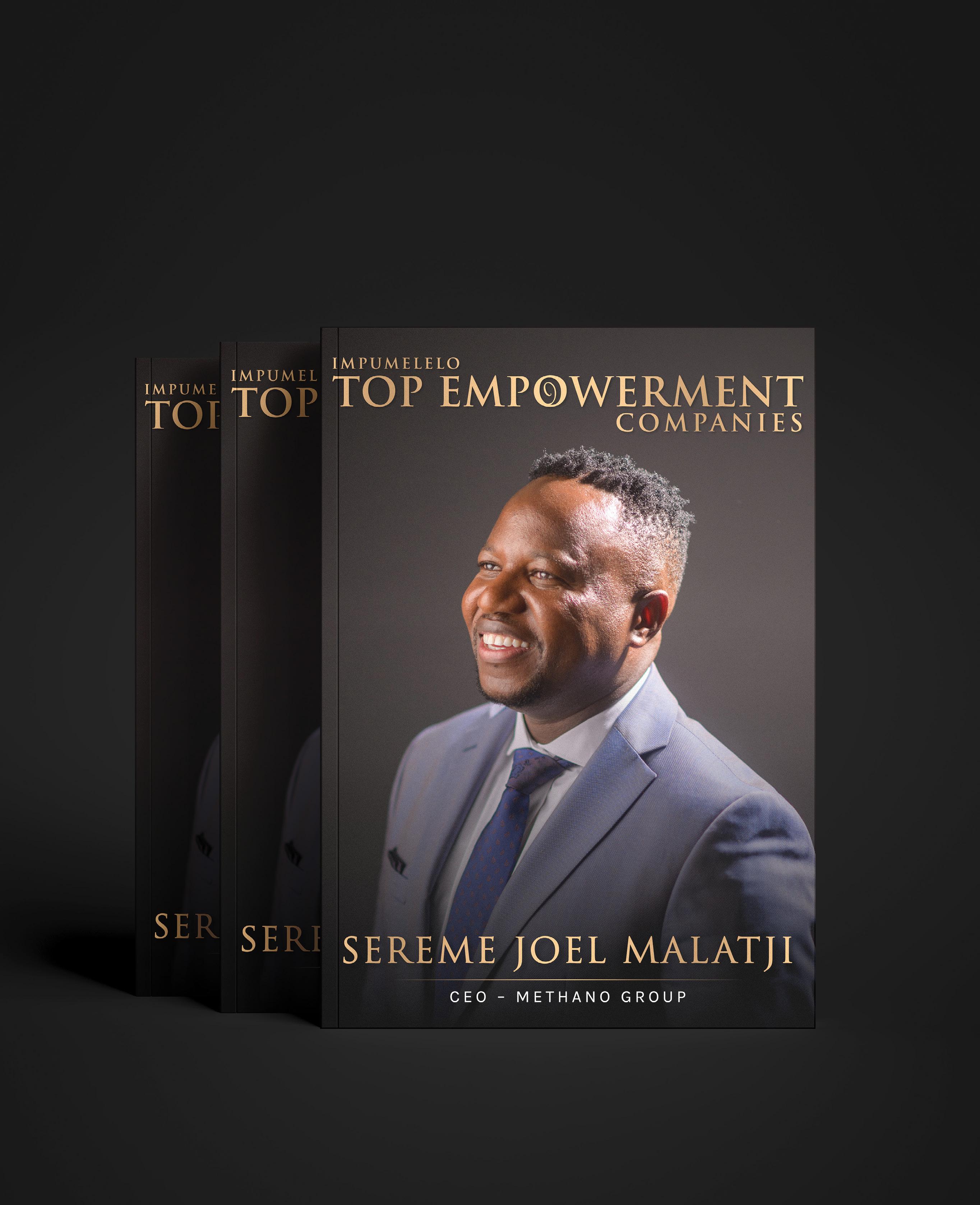



Hon. Inkosi Mzamo Buthelezi, Minister of Public Service & Administration


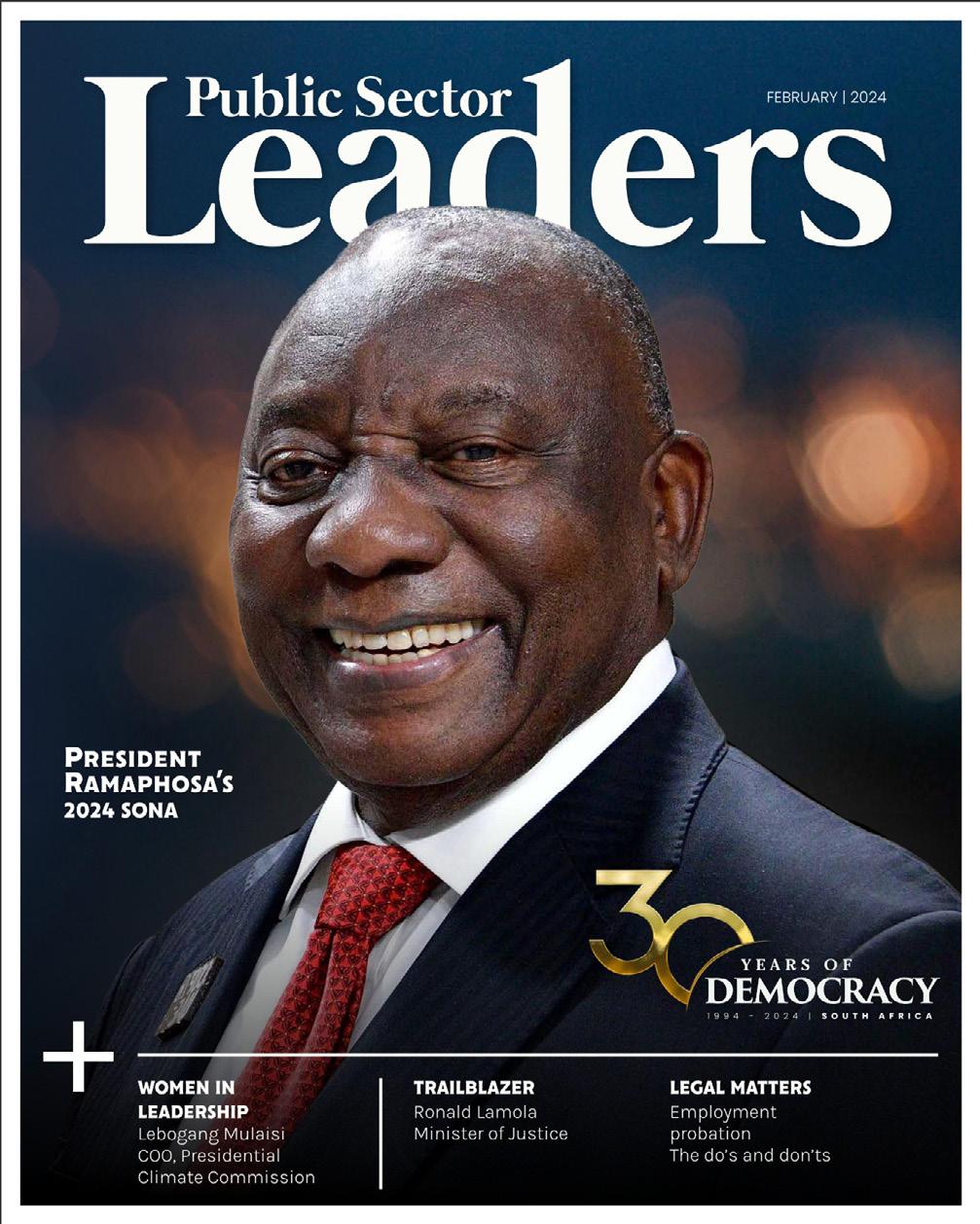


The Public Sector Leaders Summit is a premier platform that celebrates the contributions of organisations and individuals, across both the public and private sectors, who continue to invest in South Africa’s growth with resilience and optimism.
The 2nd Annual PSL Summit will provide the ideal environment for engaged networking, collaboration and knowledge sharing between stakeholders who are committed to building a thriving and inclusive economy.
For more information Contact: emlyn.dunn@topco.co.za marketing@topco.co.za
22 | China-SA partnership
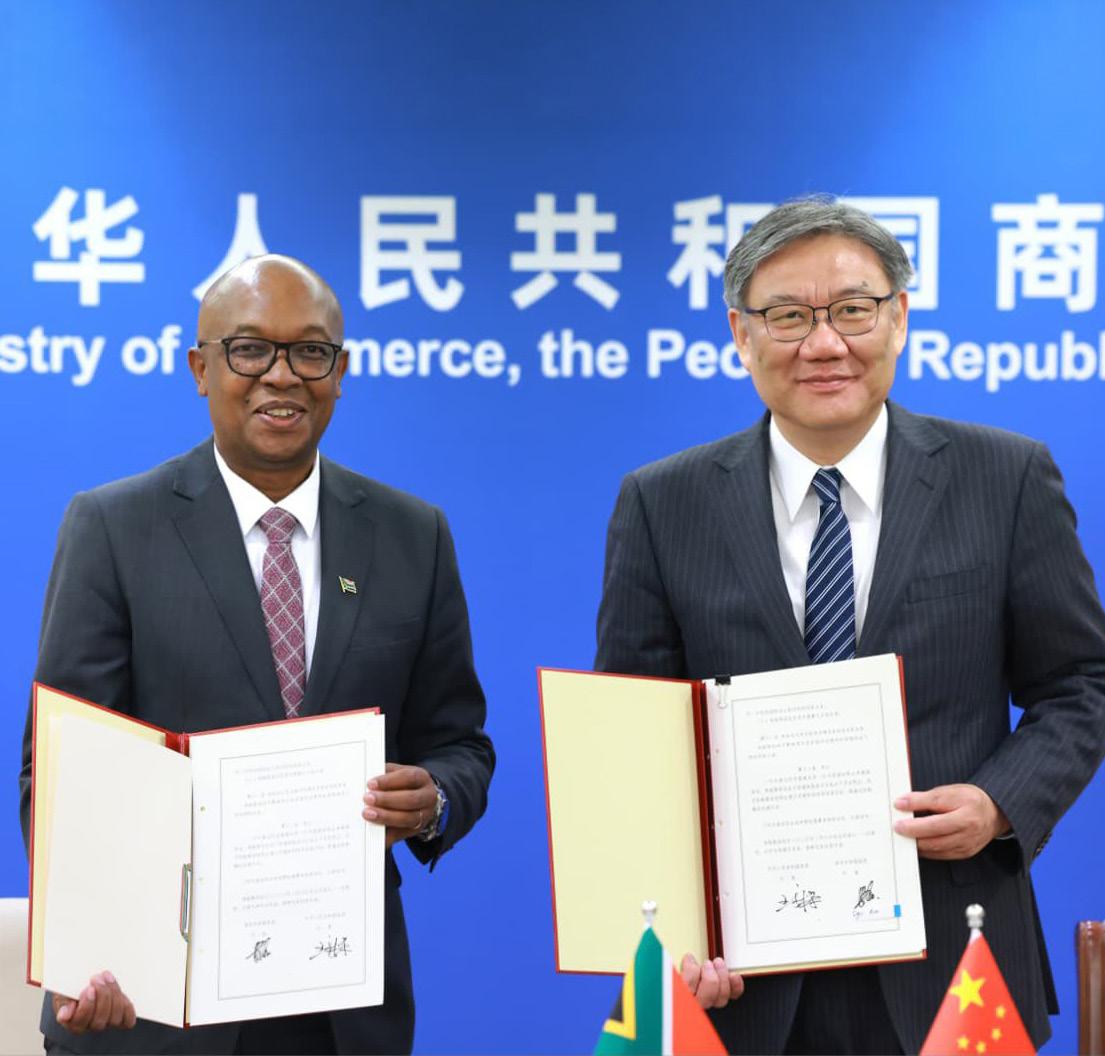
Minister Parks Tau signs landmark economic partnership agreement with China
24 | The 39th African Union Summit
Prioritising water and sanitation for Agenda 2063
28 | International Women’s Day
A rallying call for Rights. Justice. Action. For ALL Women and Girls
34 | Foot-and-Mouth Disease
SA steps up fight against foot-andmouth disease through record vaccination campaign
38 | Water crisis
Water security challenges and solutions across South Africa’s provinces 40 | Lending reform
SARB proposes landmark shift from prime to repo in lending reform 46 | Private information
How POPIA protects you from AI

| Cover Story Neo Khauoe, Principal Officer, POLMED
18 | Women in Leadership
Prof Thuli Madonsela: Leadership rooted in service and social justice
20 | Trailblazer
Dr Jennifer Molwantwa: Leading research for South Africa’s water future 32 | Tech
How SONA's digital vision depends on infrastructure
| Agriculture Will groceries cost more this year?
| In Other News
South Africa’s accession to Afreximbank marks a new chapter in continental trade and investment
KwaZulu-Natal charts a path to economic recovery
50 | Sporting Action
| Legal Matters
Protecting your business identity in a digital age
LIV Golf comes to the City of Gold 52 | Financial Fitness Unemployment and inflation drops
| Health & Wellness What corporate wellness really means
| Upcoming Events March calendar









PUBLIC SECTOR LEADERS
The Digimag For Leaders In The South African Public Sector Fully Accredited Member of ABC

Advertising Sales, Distribution and Subscriptions
Top Media & Communications (Pty) Ltd
Tel: 086 000 9590 info@topco.co.za | www.topco.co.za
CEO Ralf Fletcher
TOPCO STUDIO
Production Director
Van Fletcher van.fletcher@topco.co.za
Group Editor
Fiona Wakelin fiona.wakelin@topco.co.za


Deputy Editor
Koketso Mamabolo koketso.mamabolo@topco.co.za
Assistant Editor
Shumirai Chimombe shumirai.chimombe@topco.co.za
Contributors
Jessie Taylor
Wandile Sihlobo
Dr Skye Scott
Dr Melinda Whitfield
Videsha Proothveerajh
Design
Tashwell Brown
Traffic Manager
Daniël Bouwer artwork@topco.co.za
SALES
National Project Manager
Emlyn Dunn Tel: 072 1263962 emlyn.dunn@topco.co.za
Brand Coordinators
Sidney Phiri sidney.phiri@topco.co.za
Printers
LAW Print
Images iStock / Unsplash / GCIS | Flickr
Digital Publishing Platforms Issuu Magzter
Media Carrier
Head Office
Top Media & Communications (Pty) Ltd T/A Topco Media Elkay House, 186 Loop St Cape Town
Tel: +27 86 000 9590
Fax: +27 21 423 7576
Email: info@topco.co.za
Website: www.topco.co.za (ScanQRcodebelowtoviewwebsite) 56

DISCLAIMER
All rights reserved. No part of this publication may be reproduced, stored in a retrieval system or transmitted, in any form or by any means, electronic, mechanical, photocopying, recording or otherwise, without the prior written consent of Top Media & Communications (Pty) Ltd T/A Topco Media. Reg. No. 2011/105655/07. While every care has been taken when compiling this publication, the publishers, editor and contributors accept no responsibility for any consequences arising from any errors or emissions.

Take a journey away from short termism and start looking at a better future. Meet the interesting people changing Africa – and the way we work, think and live.

Having a place to call home is something we all strive for. It’s a place to raise our families, grow together, and make lifelong memories. At SA Home Loans, we recognise the significance of owning a home and are committed to making this dream a reality for government employees. Here are exclusive benefits designed just for you:
BUYING A HOME
RENOVATING YOUR HOME
BUYING OR BUILDING ON COMMUNAL OR FAMILY LAND
We understand the unique challenges government employees face, and that’s why we offer a special deal tailored to make it easier for you to own your own home.
If you already own your own home, SA Home Loans empowers you to enhance your living space. By switching your current bond to us, you can not only access extra cash for renovations but also secure a better overall deal.
We recognise that not all land comes with a title deed. SA Home Loans provides exclusive finance options for purchasing or building on land without a title deed.
At SA Home Loans, we ensure that you have the support and resources needed to achieve your home ownership dreams. Contact one of our dedicated consultants today and take the first step towards creating your special bond with SA Home Loans.
2 4 6 8 10
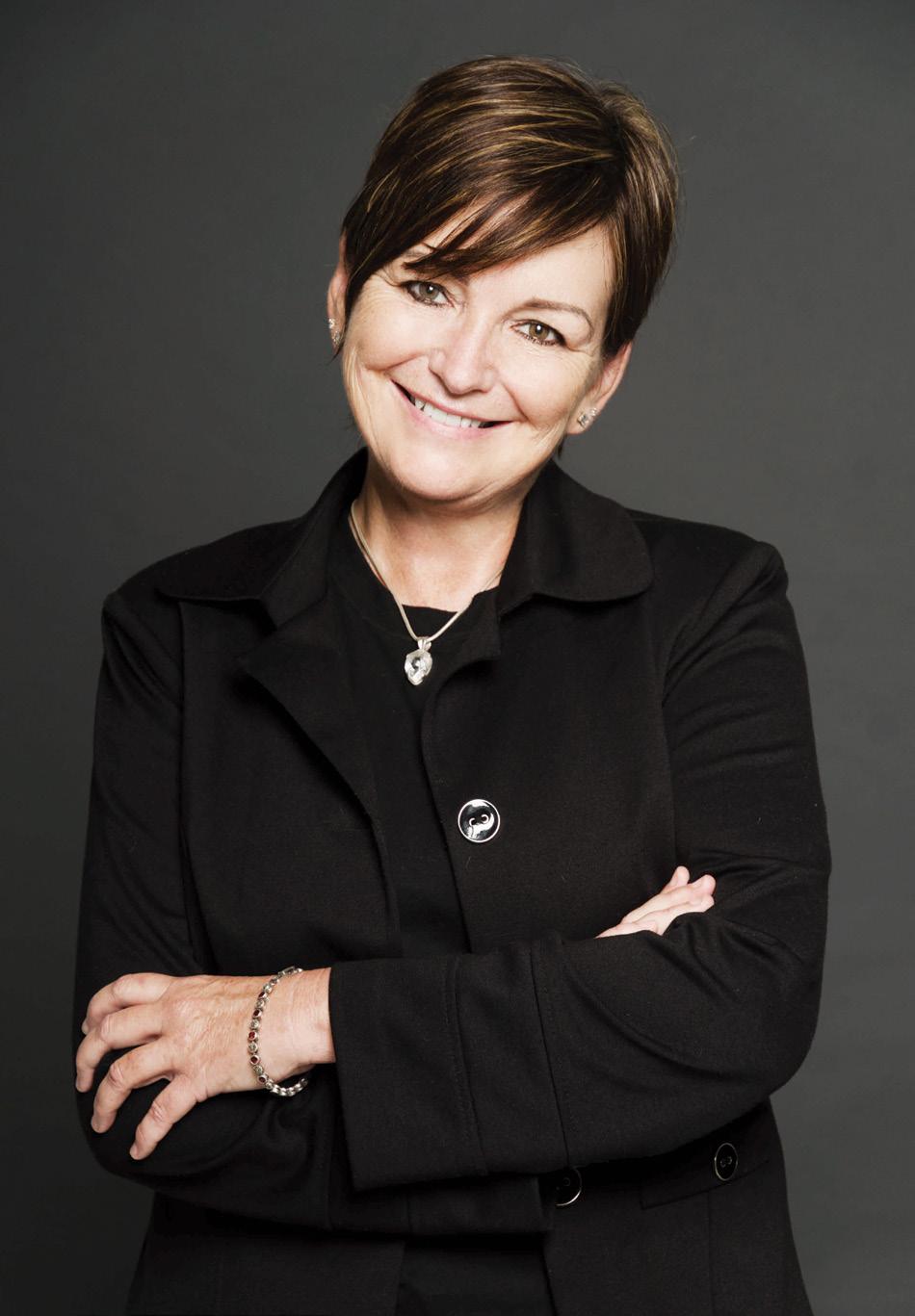
In his letter penned to the nation on 16 March His Excellency, President Cyril Ramaphosa, focused on Human Rights Day and our Constitution:
“On Human Rights Day this year, let us rededicate ourselves to the Constitution and to its most cherished principles. Let us resolve in our homes, schools, workplaces and communities to treat every person with the dignity that is their right – and let us never stop working until we have ensured that every person can live in dignity, comfort and peace,” – His Excellency, President Ramaphosa.
EDITOR’S LETTER
BY FIONA WAKELIN
Our front cover celebrates Neo Khauoe, Principal Officer at POLMED - championing innovation, digital transformation and value - based care.
“Working in the healthcare and medical schemes environment for more than two decades has taughtme that sustainability and compassion must go hand in hand. Seeing the impact of well - designed benefits on individual members and families has reinforced my belief in evidence - based, member - centric decision - making,” – Neo Khauoe
With the human rights focus this month, it was an apposite choice for us to feature Professor Advocate Thuli Madonsela as our Women in Leadership and Dr Jennifer Molwantwa, CEO of the Water Research Commissionwho is leading research for South Africa’s water future - as our Trailblazer. Continuing in this vein, the article on the 39th African Union Summit highlights that the priorities for Agenda 2063 are water and sanitation.
Three articles reflect what is happening on the economic front - the SARB is proposing major reforms to the lending rate; the South African economy continues to grow as inflation cools – and Minister Parks Tau signed a Framework Agreement on Economic Partnership for Shared Prosperity (CAEPA) with China.
International Women’s Day is celebrated with a rallying call for Rights. Justice. Action. For ALL Women and Girls.
Tech has a bi-focal lens this month looking at AI in terms of POPIA while Videsha Proothveerajh, Director at VODACOM views the connectivity gap as an economic one and writes on how SONA's digital vision depends on infrastructure.
Health and Wellness in this edition has a broad sweep – from the office (beyond the fruit bowl) to how South Africa is stepping up the fight against foot-and-mouth disease through a record vaccination campaign.
Sporting Action brings you an eagle-eye view (pun intended) on the major developments on what used to be a stroll around manicured greens, occasionally hitting a ball and trying to avoid the rough/bunker/pond. Golf, but louder is a must read!
From myself and the amazing team, we hope you enjoy the cornucopia!

FIONA WAKELIN | GROUP EDITOR
BY FIONA WAKELIN
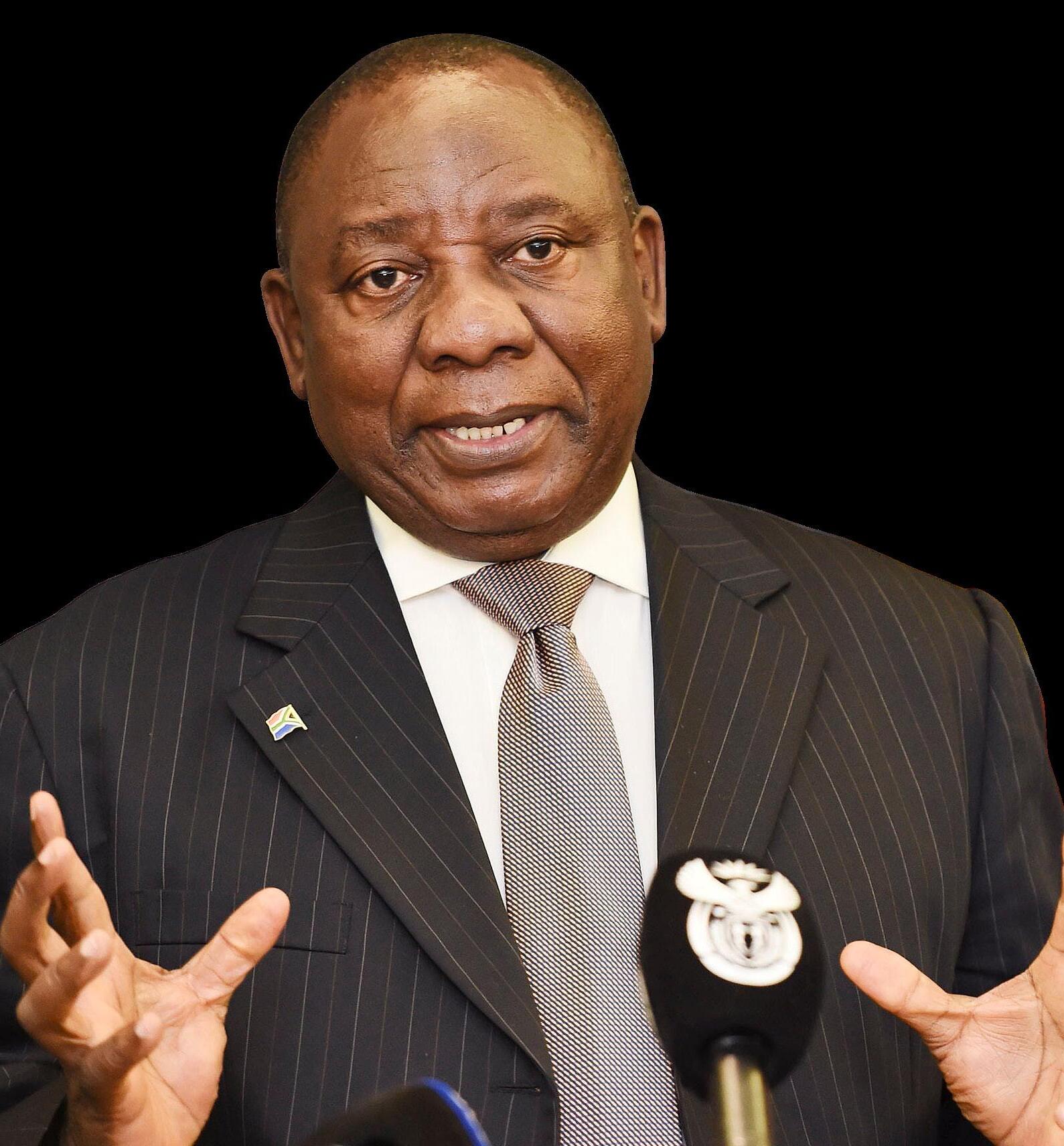
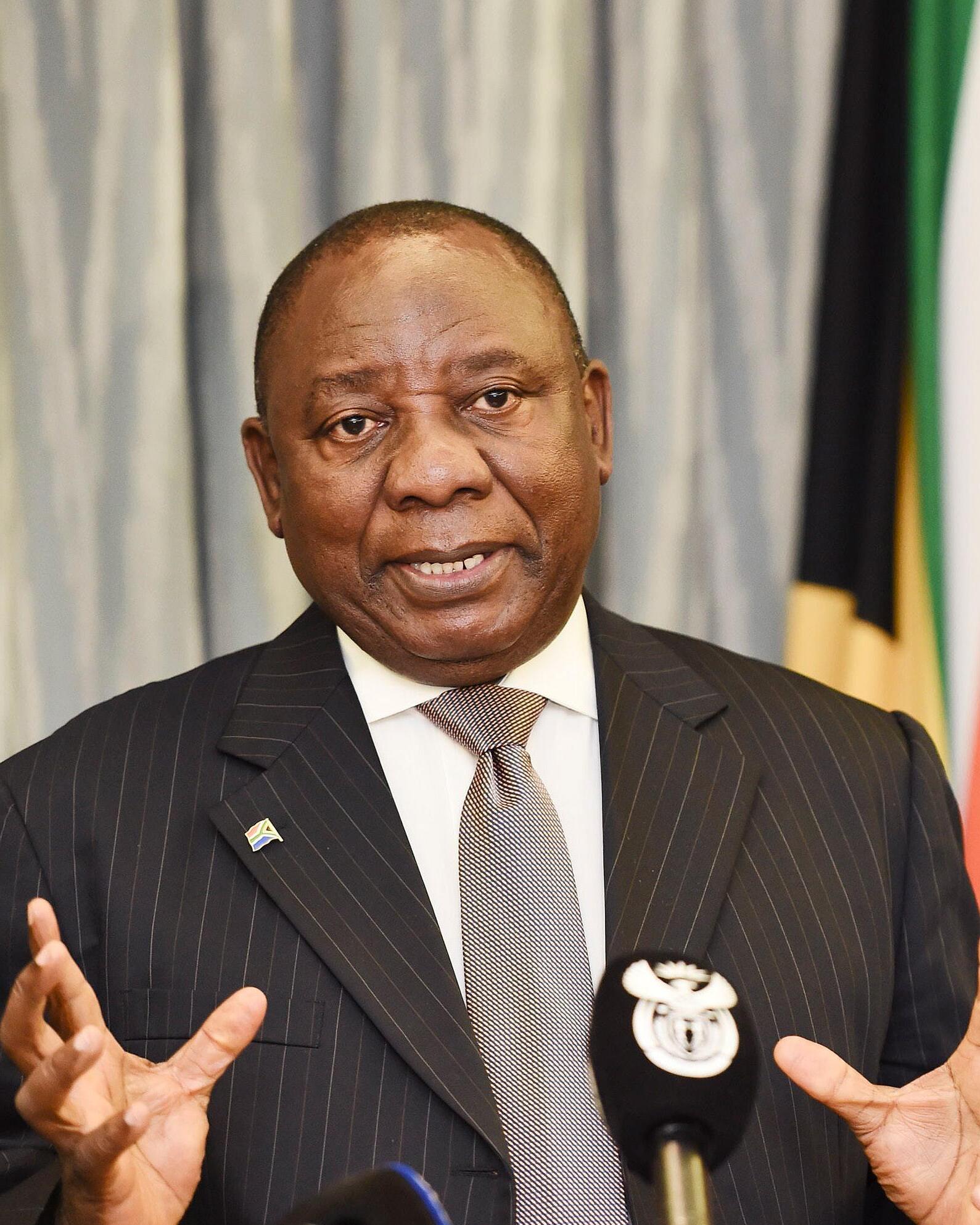
In his letter penned to the nation on March 16, President Ramaphosa reflected on our Constitution and its commensurate Human Rights values.
March 21 is Human Rights Day – a celebration of the rights enshrined in our Constitution, recalling Sharpeville, on that day in 1960, when apartheid police opened fire on unarmed protesters, killing 69 people and injuring many more.
The year 2026 marks the 30 year anniversary of our democratic Constitution – a social compact which promises that never again should any person in South Africa be stripped of their humanity and dignity. Of all the values enshrined in our Constitution, human dignity is one of the most fundamental and is the foundation on which the rights to equality, to freedom from discrimination, to education, to health, to a safe environment and others are built. It is the idea that every person possesses an inherent worth that must be respected and protected.
“In our Constitution, human dignity is not an abstract ideal, but a concrete right that has meaning in people’s daily lives. The right to dignity is operationalised through law, institutions and policies. Our courts continue to assert this right and, where necessary, order government and those in power to take measures to enhance people’s dignity.
“Protecting a person’s right to dignity is not limited to the way people treat each other. It is also about improving the circumstances in which people live. It lies at the heart of the policies and programmes of this government and of the work of many organisations and individuals across society. Since the adoption of our Constitution, indeed since the advent of
our democracy, we have worked to restore the dignity of all South Africans. Millions of South Africans have access to water, electricity, healthcare, education and social support that were denied to them under apartheid.
“This work, which we have undertaken together as a society, has enhanced the human dignity of children, who are supported by a child support grant, who have access to early childhood development, who attend fee-free schools, who receive school meals and who will be able to access funding to study at a university or college. The provision of housing, water and electricity has changed the lives of families across the country, reducing poverty and improving their quality of life,” – H.E. Ramaphosa.
His Excellency is clear – there is still work to be done with poverty, inequality and unemployment remaining obstacles to the full realisation of human dignity for every South African, which is why economic recovery is of paramount importance. Job creation and infrastructure development all advance the right to dignity. He exhorts us to keep on this path despite the current global economic outlook.
“On Human Rights Day this year, let us rededicate ourselves to the Constitution and to its most cherished principles. Let us resolve in our homes, schools, workplaces and communities to treat every person with the dignity that is their right – and let us never stop working until we have ensured that every person can live in dignity, comfort and peace,” –His Excellency, President Ramaphosa.

Championing innovation, digital transformation and value‑based care
Neo Khauoe , Principal Officer, POLMED
POLMED is a restricted medical scheme dedicated to members of the South African Police Service and their dependents, providing comprehensive risk‑pooled medical cover. Its core offerings centre on two contribution options (Marine and Aquarium) tailored to different income levels and benefit needs, with in‑hospital, out‑of‑hospital, and preventative benefits.
Public sector employees, and police officials in particular, face a combination of physical risk, psychological stress and irregular working hours that heighten their vulnerability to both acute and chronic conditions. This manifests in higher incidence of musculoskeletal injuries, hypertension, diabetes, depression and substance‑related challenges compared to the general population.
Access barriers, especially in under‑resourced areas, also complicate continuity of care and follow‑up on treatment plans. Additionally, financial pressures and uncertainty around broader health system reforms create anxiety and may influence how employees engage with their benefits.
POLMED members have access to a contracted provider network of general practitioners, specialists, hospitals and allied health professionals, supported by disease management and chronic medicine programmes. The Scheme also offers targeted programmes in mental health, oncology and maternity, along with dedicated preventative care benefits such as screenings, vaccinations and wellness assessments.
Ms. Neo Khauoe, Principal Officer of POLMED, with over 25 years of experience in healthcare management, speaks to us about the challenges, rewards and benefits of providing affordable healthcare to the South African Police Service:
Working in the healthcare and medical schemes environment for more than two decades has taught me that sustainability and compassion must go hand in hand. Seeing the impact of well-designed benefits on individual members and families has reinforced my belief in evidence-based, member-centric decision-making.
I have also led teams through regulatory uncertainty and economic volatility, which has shaped a leadership style grounded in transparency, resilience and collaboration. Partnering with clinicians, unions, administrators, and regulators has shown me that complex healthcare challenges can only be solved through shared purpose and disciplined execution.
As CEO of POLMED, my primary responsibility is to safeguard the long-term sustainability of the Scheme while ensuring that members continue to receive quality, affordable healthcare. This entails setting and executing the Scheme’s strategic direction, overseeing financial soundness, risk management and compliance with the regulatory framework governing medical schemes.
Working in the healthcare and medical schemes environment for more than two decades has taught me that sustainability and compassion must go hand in hand.
I am also accountable for building a high-performing organisation, which includes leading the executive team, nurturing key stakeholder relationships with the Board, unions, regulators and administrators, and embedding a culture that is member-centric and outcomes-driven. An important part of my role is to champion innovation, digital transformation and value-based care, so that POLMED can adapt to a rapidly evolving healthcare system.
I am energised by the opportunity to tangibly improve the health and well-being of those who serve and protect our country, often at great personal risk. Leading POLMED at this moment of profound change in healthcare allows me to help shape a more equitable, sustainable and outcomes-driven system.
BY FIONA WAKELIN
significant AHA moment
A defining moment for me was seeing the early results from our integrated, data-driven approach to managing high-risk members. When we combined claims data, clinical risk profiling, wellness participation and targeted nurse or case-manager outreach, we saw measurable reductions in avoidable claims and hospital admissions and improved adherence to treatment in a short period.
This demonstrated that relatively small, well-designed interventions -such as proactive check-ins, coordinated specialist care and better use of prevention- can significantly shift outcomes and costs. It reinforced my conviction that investing in data, relationships and prevention is not a “nice to have”, but central to our sustainability.
The rapid evolution of data, technology and clinical science means we can continually re-imagine how we support members across their life journeys. Being able to translate these innovations into practical solutions for police officials and their families is deeply rewarding.
My vision is to be the trusted healthcare partner of every police official and their family, enabling healthier, safer communities through accessible, high-quality care. This vision has translated into a strategy built on three pillars: scheme sustainability, quality healthcare for beneficiaries, and strong stakeholder relationships. Strategically, we are
shifting from a purely volume-based funding model towards value-based care, where success is measured by health outcomes and member experience. We are also investing in digital capabilities, advanced analytics and integrated care models to better understand member needs, intervene earlier and manage the burden of disease more proactively.
Over the last 25 years, one of the most profound shifts has been the move towards evidence-based, value-driven healthcare, where clinical protocols, outcomes measurement and data analytics underpin benefit design. The growth of disease management, particularly for chronic conditions such as diabetes, hypertension and HIV, has significantly improved quality of life and reduced avoidable hospitalisation.
Another major advance has been the rise of digital health –from electronic health records to telemedicine and app-based engagement– which has made care more convenient and opened new channels to support members. Finally, there is a stronger focus on preventative and wellness-oriented benefits across schemes, recognising that early detection and healthy lifestyles are essential for sustainability.
Providing quality healthcare cover despite increased fiscal pressure Public sector wage constraints and broader fiscal pressures mean contribution growth must remain responsible while healthcare costs continue to rise above inflation. To
stay sustainable, we are focusing on rigorous risk management, including contribution income optimisation, benefit design reviews and targeted cost-containment without compromising essential cover.
We are deepening managed care interventions, strengthening network arrangements and using data to identify high-risk members early so that we can intervene before conditions escalate. In parallel, we are pursuing operational efficiencies and exploring vertical integration opportunities in the healthcare value chain to capture savings and reinvest them into benefits.
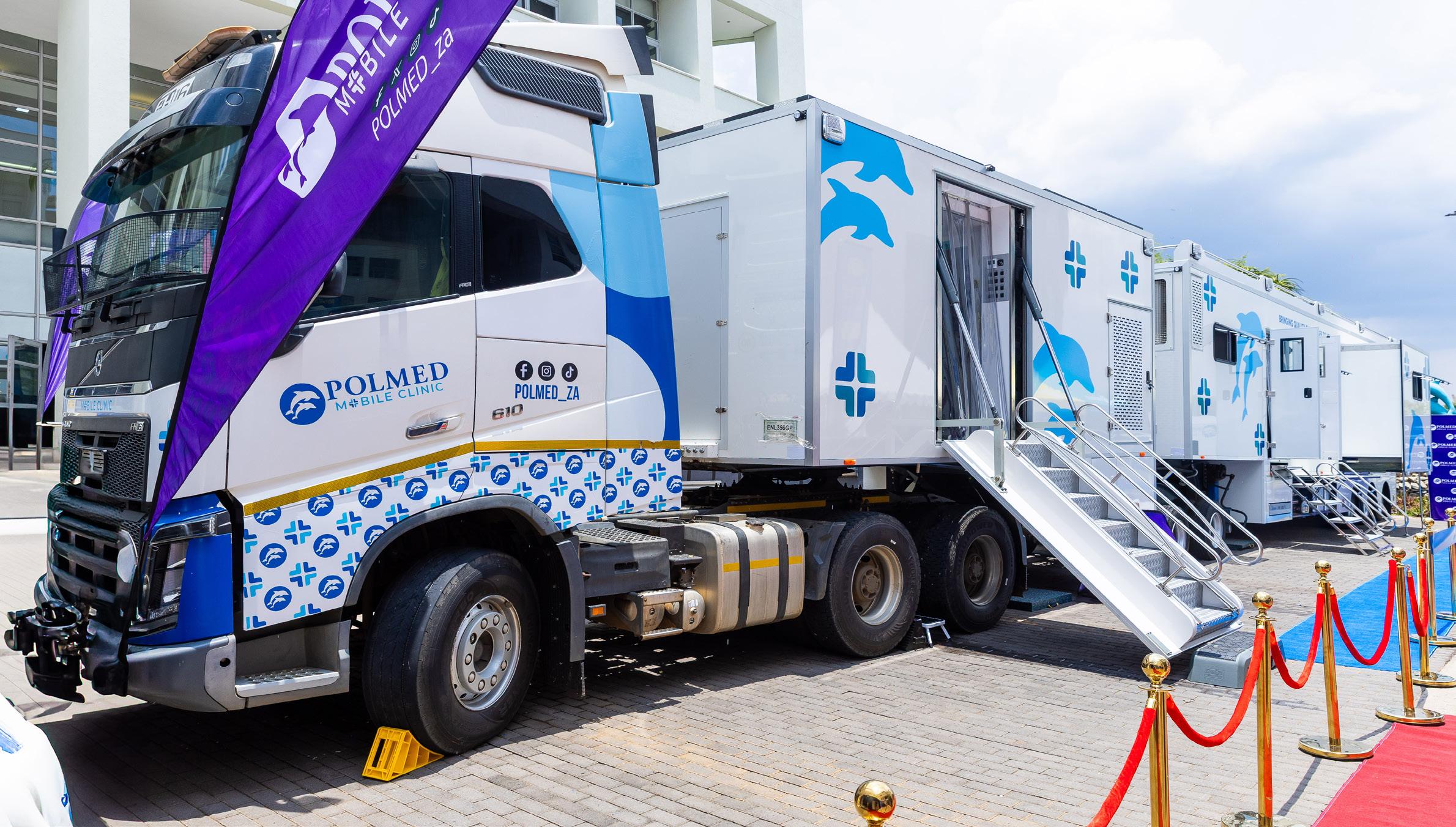
In recent years, POLMED has embarked on a strategic refresh that prioritises wellness, prevention, and digital enablement as key levers for better member outcomes. We are enhancing our digital ecosystem to improve self-service, strengthen communication and enable more personalised health interventions. This includes delivering through vertical integration, one of the current initiatives includes a mobile diagnostic and treatment centre.
We are also working with delivery partners to pilot and expand value-based reimbursement models, particularly in high-cost areas such as mental health, oncology and selected chronic conditions. These models incentivise providers to focus on outcomes and coordinated care rather than isolated fee-for-service events.

My vision is to be the trusted healthcare partner of every police official and their family, enabling healthier, safer communities.
BY FIONA WAKELIN
Digital health is central to how we intend to serve members going forward. We are building a more integrated digital platform that allows members to access benefits information, pre-authorisations, wellness tools and provider networks conveniently via online channels.
By investing in data analytics, we can stratify risk, monitor the impact of interventions in near real-time and support clinicians with better insights. Over time, this will enable more predictive, personalised care pathways and open the door for expanded use of telehealth and remote monitoring, especially for members in remote or high-risk policing environments.
Preventative healthcare
Preventative care is at the heart of our benefit design, with dedicated benefits for screenings, immunisations and wellness assessments that are not depleted from day-to-day savings. We actively communicate these benefits to members and encourage annual health checks to identify risk factors early.
We are also expanding wellness programmes that promote physical activity, healthy nutrition, mental resilience and responsible use of healthcare services. For a high-stress profession like policing, we place particular emphasis on mental health support, stress management and access to counselling as pillars of holistic wellbeing.
Looking forward
Over the next five years, our priorities are anchored in the Scheme’s strategic outlook for 2024–2028. First, we will intensify our focus on scheme sustainability through prudent

pricing, robust risk management, vertical integration where appropriate and ongoing efficiency gains. Second, we will deepen our commitment to quality, evidence-based healthcare by expanding value-based care initiatives, enhancing networks and improving outcomes measurement. Third, we will accelerate the development of a digital health ecosystem that enables datadriven decisions, smoother member journeys and closer integration with our partners across the care value chain.
The finalisation of the NHI framework signals a fundamental restructuring of South Africa’s health financing architecture. While implementation will be phased over many years, we are actively analysing the implications for a restricted scheme like POLMED and engaging constructively with policymakers
and industry bodies. Our approach is to remain agile: ensuring compliance with emerging regulations, protecting members’ rights, and aligning our benefit design and contracting models so that we can co-exist with the NHI in a way that enhances access to care. For the foreseeable future, medical schemes are expected to continue funding a wide range of services alongside the NHI, and we are planning for multiple scenarios to manage this transition responsibly.
A message to all members and stakeholders
To every member and stakeholder, my message is that POLMED remains unwaveringly committed to your health, your dignity and your financial protection in times of need. We recognise the extraordinary sacrifices made by police officials and their families, and we see it as our responsibility to honour
that service through dependable, evolving healthcare cover. As the healthcare landscape changes, we will continue to innovate, listen and partner with you to build a more sustainable, preventative and person-centred Scheme. I invite you to use your benefits proactively, participate in wellness initiatives and walk with us on this journey towards healthier members and safer communities.
CONTACT INFORMATION
Tel: 0860 765 633 or 0860 POLMED Email: polmed@medscheme.co.za Fax: 0860 104 114
POLMED Client Service Centre: Nedbank Plaza, C/o Stanza Bopape and Steve Biko Streets, Arcadia, 0083 Website: www.polmed.co.za
BY JESSIE TAYLOR

Few South African leaders embody the principle of service as deeply as Professor Thuli Madonsela. Widely respected for her fearless tenure as Public Protector, her influence extends far beyond public office, as she continues her philanthropy, advocacy and social justice initiatives. Her journey reflects a lifelong commitment to justice, accountability and human dignity – values that have guided both her professional career and her philanthropic efforts.
Prof Madonsela’s philanthropic work is grounded in a philosophy that social change requires collective effort. Throughout her career, she has repeatedly emphasised that justice and equality cannot be achieved by governments alone. Her belief in shared responsibility underpins her engagement with community organisations and civic initiatives. Whether supporting a
children’s home, promoting peacebuilding or empowering communities through the Thuma Foundation, Prof Madonsela has consistently sought to translate values into action.
Born in Soweto and raised in a family that valued community service, Prof Madonsela’s early life instilled in her a deep sense of responsibility toward others. She has often credited her upbringing with shaping her belief that success must be tied to service.
Prof Madonsela went on to study law and became an advocate of the High Court of South Africa. Her career included roles as a legal adviser, human rights activist and law reformer. She was also one of the drafters of
South Africa’s democratic Constitution and contributed to key legislation aimed at strengthening governance and accountability.
She was appointed as Public Protector in 2009. During her seven-year tenure, Prof Madonsela earned international recognition for investigating maladministration and corruption, most notably through her landmark report on state capture.
After completing her term in 2016, she transitioned into academia, becoming the Chair of Social Justice at Stellenbosch University. From this platform, she has continued to advocate for ethical leadership and inclusive development.
Yet alongside her academic and public work, Prof Madonsela has also devoted significant energy to philanthropy and community empowerment. Prof Madonsela serves as patron or supporter of several non-profit organisations that focus on social justice, peacebuilding and the well-being of vulnerable communities.
One such organisation is the Durban North Baby Home, a place of safety for abandoned and vulnerable infants. As patron, Prof Madonsela has helped inspire caregivers and volunteers working to ensure that every child receives a chance at a secure future. At an event hosted by the organisation, she emphasised the profound impact that care and adoption can have, suggesting that the transformation of one child’s life can ultimately influence the wider world.
Prof Madonsela is also the patron of The Peace Agency, a non-profit organisation dedicated to promoting social cohesion and peacebuilding. Her involvement has helped amplify the organisation’s message and attract public support for initiatives that strengthen communities and encourage dialogue.
The Thuma Foundation: empowering communities Perhaps the most significant expression of Prof Madonsela’s philanthropic vision is the Thuma Foundation for Democracy Leadership and Literacy, which she founded after leaving public office.
Launched on United Nations World Social Justice Day in 2018, the foundation was established to promote democracy literacy, ethical leadership and inclusive development.
The organisation seeks to empower youth, women and disadvantaged communities with the knowledge and skills needed to participate meaningfully in democratic processes. Its programmes aim to strengthen leadership capacity while encouraging citizens to shape their communities and institutions.
Among its initiatives is the Thuma Enterprising Communities project, which encourages communities to design their own development pathways aligned with the United Nations Sustainable Development Goals. The programme emphasises entrepreneurship, collaboration and social innovation as tools for addressing inequality and poverty.
Prof Madonsela has explained that the foundation’s work stems from a belief that democracy cannot thrive if large segments of society remain excluded. She has warned that the world is increasingly unstable “because too many are left behind in the distribution of democracy dividends”.
Through the Thuma Foundation, she aims to ensure that ordinary citizens have both the knowledge and the confidence to hold institutions accountable and contribute to nation-building.
Today, Prof Madonsela continues to play a pivotal role in shaping conversations about governance, ethics and social justice in South Africa and beyond. Her work as an academic, public intellectual and philanthropist has earned her numerous honours, including international awards recognising her contributions to democracy and human rights.
Yet her influence is perhaps most visible in the communities and organisations she supports. By lending her voice, credibility and expertise to charitable initiatives, she has helped bring attention to the challenges faced by vulnerable groups while encouraging others to get involved.
BY JESSIE TAYLOR

As chief executive officer of the Water Research Commission (WRC), Dr Jennifer Molwantwa stands at the intersection of science, public policy and innovation, helping shape solutions to some of South Africa’s most pressing water challenges.
In 2022, Dr Molwantwa became the first black woman to head the WRC, a public entity that has played a central role in advancing water research and policy in South Africa for more than five decades.
A passion for water and science Dr Molwantwa’s journey into the water sector began early in her academic career. As a student at Rhodes University, she worked on a WRC-funded research project within the university’s Environmental Biotechnology Research Unit. That early exposure sparked a lasting interest in the science of water management and environmental sustainability.
She went on to earn a PhD in biotechnology, specialising in mine-water treatment, an area of critical importance in South Africa, where mining activities have long posed complex environmental and water management challenges. Her academic training laid the foundation for a career that would blend scientific expertise with leadership in governance and public sector innovation.
Before taking the helm at the WRC, Dr Molwantwa accumulated more than two decades of experience across the water and environmental sectors. She joined the Water Research Commission in 2014 as a research manager responsible for water resource quality. Her expertise and leadership soon led her to broader
governance roles. In 2016, she became executive for water resource management at the Inkomati-Usuthu Catchment Management Agency, where she served for five years before returning to the WRC as CEO.
Throughout this journey, she also built an impressive record of governance leadership. She has served on the council of the University of KwaZulu-Natal and represented the council on the university’s senate. She has also contributed to professional bodies such as the Water Institute of Southern Africa and the Environmental Assessment Practitioners Association of South Africa.
Dr Molwantwa’s expertise has also shaped national policy. She served as one of the commissioners on South Africa’s first National Planning Commission, which developed the country’s long-term development blueprint, the National Development Plan 2030.
The mission of the Water Research Commission
The organisation Dr Molwantwa leads has a critical mandate. Established under the Water Research Act, the Water Research Commission coordinates and funds research to support water security, innovation and sustainable water management across South Africa.
The WRC works closely with government departments, municipalities, universities and industry to identify research priorities and develop solutions to pressing water challenges. Its work spans issues such as water quality, sanitation
technologies, climate resilience, agricultural water use and the management of scarce water resources.
Under Dr Molwantwa’s leadership, the organisation has continued to emphasise research that is both scientifically rigorous and practically applicable. The goal is not simply to produce knowledge, but to ensure that research findings translate into real-world improvements in water services, infrastructure and policy.
South Africa is recognised as one of the world’s waterscarce countries, with climate change, population growth and urbanisation placing increasing pressure on limited water resources. For Dr Molwantwa, research-driven innovation is essential to building resilience.
Projects supported by the WRC address issues ranging from dam siltation and hydropower development to water efficiency in agriculture and low-flush sanitation technologies.
The organisation also plays a role in addressing climate adaptation and disaster preparedness. Research initiatives help improve early warning systems for floods and droughts and promote integrated approaches to water management across different sectors of government.
More recently, the WRC has been involved in initiatives that demonstrate the value of community-driven water innovation. Programmes such as the Giyani Local Scale Climate Resilience Programme
The goal is not simply to produce knowledge, but to ensure that research findings translate into real-world improvements in water services, infrastructure and policy.
aim to strengthen water access and climate resilience through solutions such as solarpowered boreholes and smart irrigation systems. Through partnerships with universities, research institutions and industry, the WRC plays a role in developing skills and supporting emerging talent across the water sector.
As South Africa continues to grapple with water scarcity, climate pressures and the need for resilient infrastructure, the work of the Water Research Commission remains vital. Under her guidance, the organisation is strengthening its role as a catalyst for innovation, collaboration and evidence-based policy.
Source: Infrastructure News | Water Institute of Southern Africa | Mail & Guardian | South African Government | Leadership Magazine
BY SHUMIRAI CHIMOMBE
Minister Parks Tau signs landmark economic partnership agreement with China
A major step towards duty-free access for South African exports
Trade, Industry and Competition
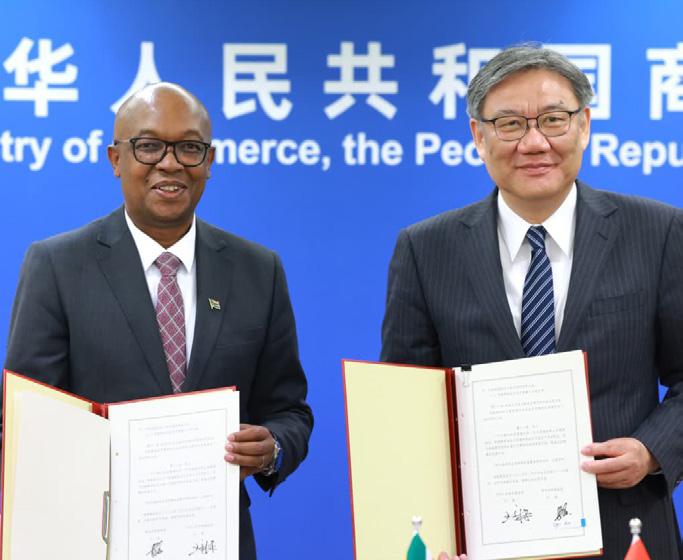
Minister Parks Tau and his counterpart, China’s Minister of Commerce, Wang Wentao signed the Framework Agreement on Economic Partnership for Shared Prosperity (CAEPA) in February. This is a major step towards securing South African exports duty free access to the Chinese market.
The landmark agreement was signed in Beijing on 6 February, where Minister Tau was leading a high ‑ level South African delegation to the 9th Joint Economic and Trade Commission (JETC) meeting. The JETC provides an important forum for resolving trade ‑ related issues and ensuring that agreements reached at previous meetings are implemented. It also allows both countries to identify new sectors for cooperation and to strengthen institutional ties between their respective trade and industry departments.The discussions between the two Ministers at the JETC focused on advancing deeper economic cooperation, enhancing trade flows, and promoting value‑added exports from South Africa.
In his remarks at the meeting, Minister Tau said: “Today's meeting marks an important milestone in our strategic partnership. In June 2025, we agreed to work towards signing this agreement. Minister Wang, today we signed the framework agreement on economic partnership for shared prosperity.
“This signals a new era of cooperation that could shape the broader landscape of our bilateral relations and foster a more dynamic economic partnership that will deliver in the interest of South Africans. As the Department of Trade, Industry, and Competition we are particularly encouraged by the willingness of the People's Republic of China to ensure that our cooperation is constructive and does not encroach on the sensitivities of our countries, but rather to find complementarities within our economies.”
The agreement will be followed by the negotiation and conclusion of an Early Harvest Agreement by the end of March 2026, which will see China provide duty free
Source: Department of Trade, Industry and Competition
access to South African exported products and enhance Chinese investment into South Africa. Minister Tau remarked that South Africa is a major destination for Chinese investment in Africa and the leading African country in terms of actual investments in China. He said that there has been a significant and steady increase in Chinese investments in South Africa, while South African companies are showing a growing interest in investing in the Chinese market. Trade and investment ties between the two countries have been expanding across multiple industries with new opportunities emerging for South African businesses seeking to enter the Chinese market, particularly in sectors such as mining, agriculture, renewable energy, and technology.
“As China advances its economic transformation and industrial modernisation, we see opportunities for further collaboration for South African businesses to increase value added exports, attract investment, and expand collaboration in critical sectors such as the green economy, manufacturing value chains, and high value agriculture.”
The Minister emphasised that the strategic objective for South Africa is to forge a partnership that is complementary, mobilises investment in South Africa's productive sectors and changes the structure of the country’s exports into more value-added exports into the Chinese market.
“We hope that the signing of the Framework Agreement and the outcomes of our Joint Economic Trade Commission meeting will signal the urgency we attach to growing our bilateral trade and investment relations. Together with the Framework Agreement, these outcomes should provide a strong foundation for a mutually beneficial partnership and for our respective private sectors to do more business together,” Minister Tau remarked. China will send an inward buying mission to visit
South Africa and has invited South Africa to participate in the Country Exhibition and Business Exhibition of the 9th China International Import Expo, to be held in Shanghai, China in November 2026. China also invited South Africa to a steel investment event to promote investment opportunities in South Africa’s steel industry
Boosting South Africa’s agricultural exports
The Department of Trade, Industry and Competition highlighted that both countries intend to further expand bilateral trade, including by promoting the export of South African agricultural products and high value manufactured goods to China. South Africa already exports a number of agricultural products to China including citrus and rooibos tea, among others. The voluntary association of agribusinesses operating in South and Southern Africa, Agbiz commented that this statement signals a positive outlook for agriculture. This is because many of South Africa's agricultural industries have been struggling with higher tariffs in China, including the wine industry and macadamia industries.
Agbiz stated that in agriculture, China has long been a priority market for deepening access as the sector had a small presence in the Chinese market. For example, in 2023, South Africa accounted for a small share of China's agricultural imports, at about 0.4% (US$979 million) of US$218 billion.
“We are keen to see an increase from this small share. We have a large volume of products to export, including fruits, wine, grains, and meat products. We also want to underscore that China is among the world's leading agricultural importers, accounting for 9% of global agricultural imports in 2024 (before 2024, China was the leading importer). This is promising news in key markets, and we must continue these export efforts in other markets as well. This export push is key to South Africa's longterm agricultural growth.”
BY SHUMIRAI CHIMOMBE
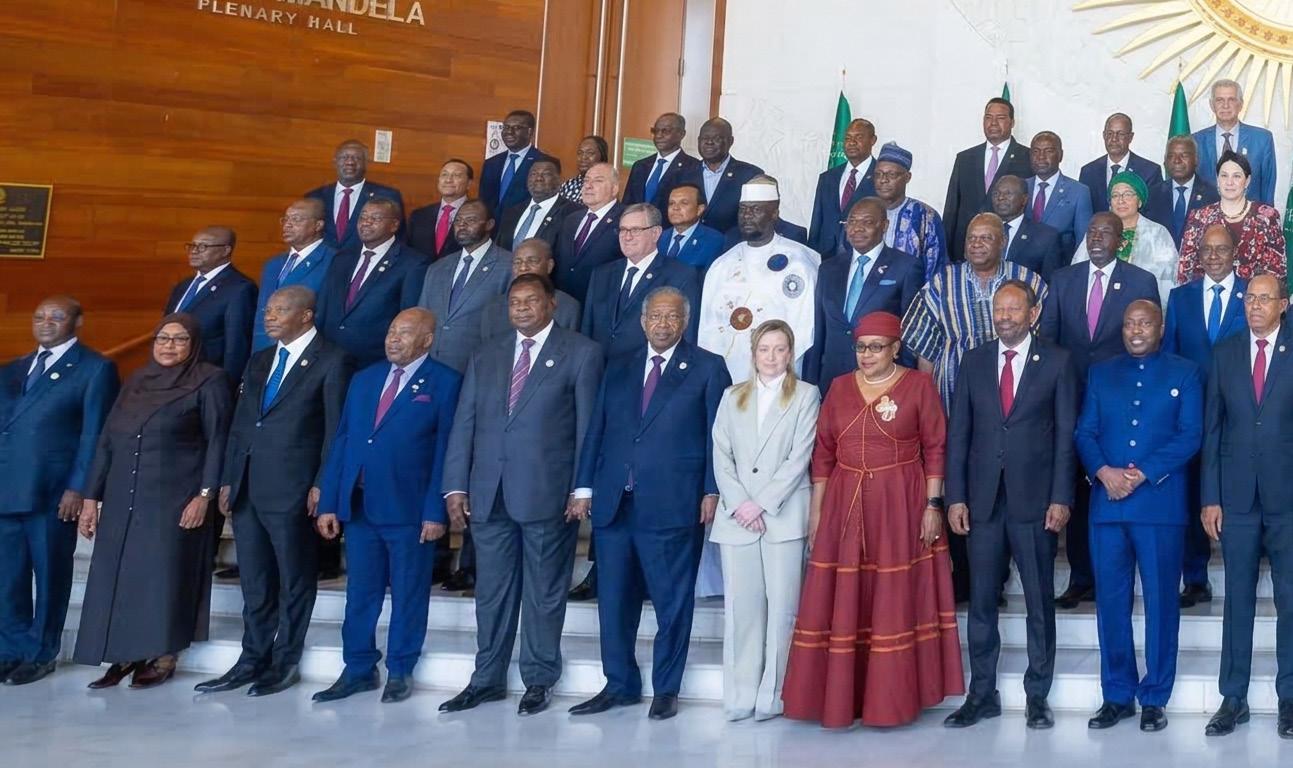
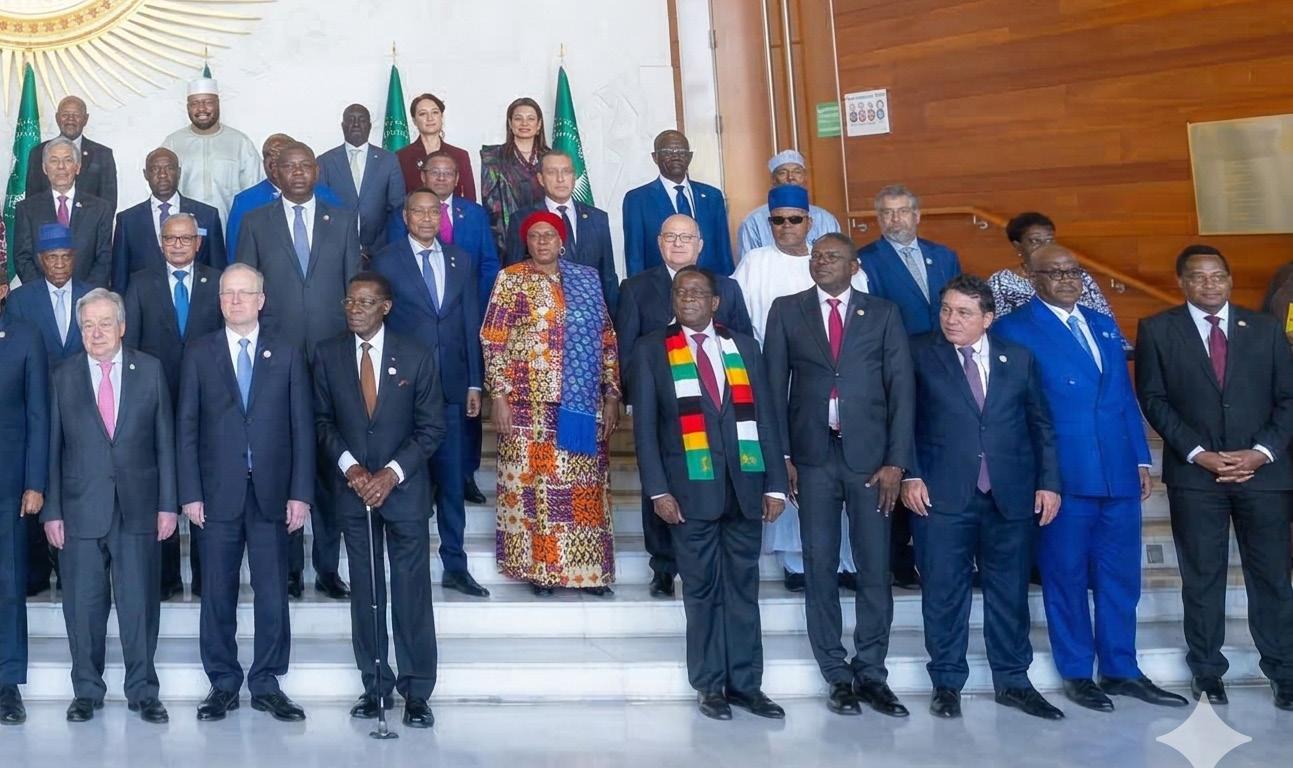
The 39th African Union Summit was held in Addis Ababa, Ethiopia under the theme: “Assuring sustainable water availability and achieving safe sanitation systems to realise the goals of Agenda 2063.”
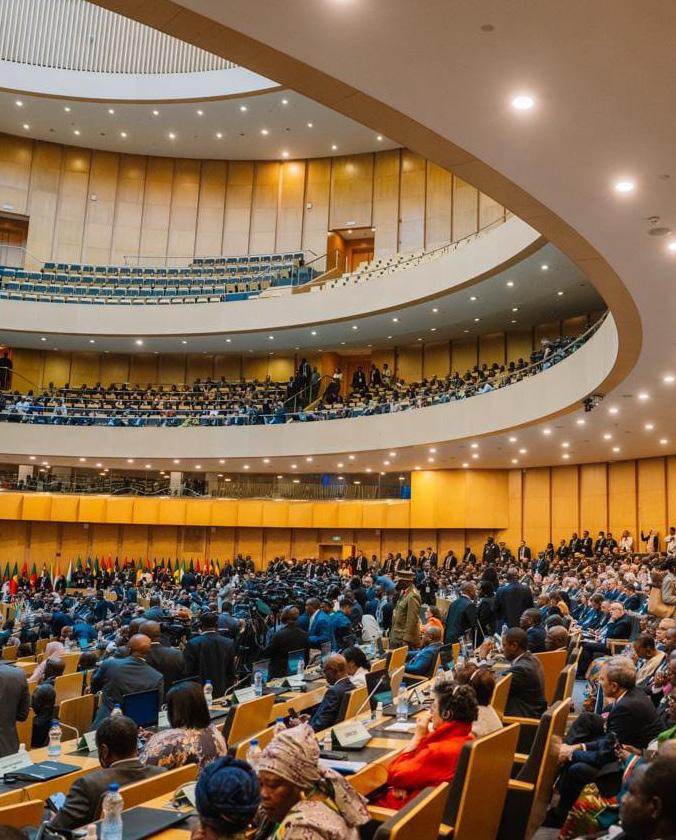
The summit, held from 11 to 15 February, marked a pivotal milestone as, for the first time, water and sanitation were prioritised as the main theme of the AU’s annual gathering of Heads of State and Government. Unlike previous summits that primarily focused on peace, security, or education, this year’s event placed water and sanitation as a central pillar of Africa’s development agenda. This led to important decisions being made aimed at strengthening the continent’s capacity to ensure clean water access and safe sanitation
for all. The AU has also declared 2026 as the “Year of Water Sustainability - assuring sustainable water availability and safe sanitation systems to achieve the goals of Agenda 2063.” This theme, which was officially launched during the Summit, elevates water and sanitation to a continental political priority, recognising them as catalysts for economic transformation, climate resilience, public health, food security, and regional stability.
According to the AU millions of Africans still lack safe water and sanitation, undermining health, productivity, and human dignity. At the same time climate change is intensifying water stress through droughts, floods, and hydrological
disruptions. The AU Commissioner for Agriculture, Rural Development, Blue Economy and Sustainable Environment (ARBE) H.E. Moses Vilakati emphasised the strategic importance of the theme:
“It is estimated that over 400 million people on the African continent lack water for their daily livelihoods. And over 800 million still lack basic hygiene services. Compounding this is the persistent gap between required and available investment in water and sanitation. There is an annual shortfall of approximately $30-billion to meet the Sustainable Development Goal 6 targets. It is against these drivers and challenges that the African Union adopted the theme of the year as water and sanitation. This reflects
a collective recognition of the strategic importance of water and sanitation as an essential element of human security, social stability and economic transformation on the continent.”
A major outcome of the Summit was the adoption of an implementation framework for the theme which consists of activities to be undertaken throughout 2026 to ensure it is amplified and awareness is created, and to ensure that Africa develops a united position on issues of water and sanitation to be presented at the upcoming UN Water Conference.
Another key milestone was the launch of the Africa Water Vision 2063 and Policy, a strategic framework aligned with Agenda 2063 to guide water governance, infrastructure investment, and sanitation improvements across AU member states. This key document positions water as critical for
achieving Agenda 2063’s goals to transform Africa into the global powerhouse of the future: from poverty eradication, food security and industrialisation to climate resilience and regional integration.
Water, Peace, and Prosperityan integrated approach Leaders at the summit reaffirmed that water security is directly linked to peace, economic integration, and prosperity.
In an interview with the African news channel Pulse of Africa, Mr Harsen Nyambe, Director of Sustainable Environment and Blue Economy (SEBE) at the African Union Commission gave a breakdown of why water and sanitation is a critical issue for Africa and key to attaining the aspirations of Agenda 2063.
“For us to achieve our goals for Agenda 2063 we need healthy
populations, and water and sanitation are at the center of primary health care issues. If we are talking about peace and security, you cannot have that if there's not enough water, because there will be conflicts as communities fight over limited resources.”
He added that if transboundary water resource management is not managed properly to ensure that every country benefits, it will become another issue of conflict. Water is key to achieving prosperity in terms of, for example, food production and establishing factories to employ the youth.
“So basically at the end of the day we need water for every sector, whether it's industrialisation, agriculture, road construction.”
A call for collective action
The African Union Commission
BY SHUMIRAI CHIMOMBE
reiterated that successful implementation requires collaboration among governments, regional economic communities, private sector actors, civil society, academia, and development partners. “As Africa advances toward the aspirations of Agenda 2063, the 39th AU Summit has positioned water and sanitation as a cornerstone for achieving inclusive growth, sustainable development, and a prosperous future for all Africans.”
Water as a human rights
The UN General Assembly officially recognised access to water and sanitation as a human right in July 2010 – fundamental to everyone’s health, dignity and prosperity.
The right to water entitles everyone to have access to sufficient, safe, acceptable, physically accessible, and affordable water for personal and domestic use.
The right to sanitation entitles everyone to have physical and affordable access to sanitation, in all spheres of life, that is safe, hygienic, secure, and socially and culturally acceptable and that provides privacy and ensures dignity.
Water-related challenges
• Globally 2.1 billion people lack access to safe, readily available water at home, and 4.5 billion people lack safely managed sanitation (OHCHR)
• Improving access to water, sanitation and hygiene can save 1.4 million lives per year. (WHO, 2023).
• Better water, sanitation, and hygiene could prevent the deaths of around 1 000 children under 5 per day. (WHO)
• Approximately 10 percent of the global population lives in countries with high or critical water stress (FAO/UN-Water 2024)
• Water-related disasters have dominated the list of disasters over the past 50 years and account for 70% of all deaths related to natural disasters. (World Bank, 2022)
• 44% of household wastewater is not treated properly, damaging ecosystems and human health. (WHO)
• 72% of all freshwater withdrawals are used by agriculture. (FAO)
The UN call for action:
Civil society organisations should work to keep governments accountable, invest in water research and development, and promote the inclusion of women, youth and indigenous communities in water resources governance. Generating awareness of these roles and turning them into action will lead to win-win results and increased sustainability and integrity for both human and ecological systems.
Source: UN-Water | Office of the UN High Commissioner for Human Rights
Source: African Union | Pulse Of Africa (POA) | United Nations

BY SHUMIRAI CHIMOMBE

A rallying call for Rights. Justice. Action. For ALL Women and Girls
• Women have only 64% of the legal rights that men hold worldwide
• If progress continues at its current pace, it will take 286 years to close legal protection gaps
• In fundamental areas of life, including work, money, safety, family, property, mobility, business, and retirement – the law systematically disadvantages women
• In many countries, the law allows for early and child marriage, which erodes the full potential of about 12 million girls annually.
Source: United Nations
“Imagine a gender-equal world. A world free of bias, stereotypes, and discrimination. A world that's diverse, equitable, and inclusive. A world where difference is valued and celebrated. Together we can forge gender equality.”International Women's Day
Observed globally on 8 March each year, International Women's Day (IWD) was established 115 years ago in 1911 to celebrate the social, economic, cultural, and political achievements of women. The day also marks a call to action for accelerating gender equality.
This year's theme, “Rights. Justice. Action. For ALL Women and Girls”, called for action to dismantle all barriers to equal justice: discriminatory laws, weak legal protections, and harmful practices and social norms that erode the rights of women and girls.
The South African government took this opportunity to reflect on the historic 1956 Women’s March in which more than 20 000 women of all races, some with babies on their backs, marched to the Union Buildings in Pretoria in protest against the oppressive pass laws that restricted the freedom of movement of black South Africans.
Led by courageous activists including Lilian Ngoyi, Helen Joseph, Rahima Moosa and Sophia Williams-De Bruyn, the women marched in peaceful defiance against the apartheid regime. They stood in silence for 30 minutes before singing the now iconic protest song “Wathint’ abafazi, Wathint’ imbokodo” (You Strike a Woman, You Strike a Rock).
In a statement, the government indicated that the women’s actions “sent a powerful message that women would not accept injustice and firmly established the critical
role women played in the struggle for freedom, equality and human dignity. “The 1956 march marked a defining moment in South Africa’s history. It challenged both racial oppression and restrictive social norms, demonstrating that women’s contributions extend far beyond the household to every sphere of society. The bravery and determination of these women laid a strong foundation for the advancement of women’s rights and gender equality for future generations.”
Going down memory lane Sophie De Bruyn, who was one of the four leaders chosen to deliver the memorandum of demands, sat down in conversation with SABC News recently to share her story .
She said that the appointment of the four leaders was very simple because there was the Coloured Congress, there was the Indian Congress, there was the White Congress of Democrats and the African National Congress.
“And working in these congresses, it was simple to choose the leaders because they were known to the communities and also they were used to organising in the factories.”
The women who joined the march raised their own funds to get to Pretoria with whatever means they could. “It was a happy and joyous time to meet everybody, women that you didn't know and there was that festive air among the women. She said that the March up to the Union Buildings was very disciplined, and very dignified.
Tackling Gender-based Violence and Femicide (GBVF)
The South African government also used this day to shine a spotlight on GBVF and called on all South Africans to play their part in dismantling the attitudes and behaviours that enable violence
against women and children. This includes reporting abuse, supporting victims and refusing to remain silent in the face of injustice. The safety and dignity of women and children is everyone’s responsibility. “As we commemorate International Women’s Day and honour the legacy of the women of 1956, Government calls on all South Africans to work together to build a society that is free from GBVF, and where the rights, safety and empowerment of women are fully realised.”
Equality remains unfinished business
Commonwealth SecretaryGeneral, Hon Shirley Botchwey said that as we mark International Women’s Day 2026, the global call – 'Rights. Justice. Action. For ALL Women and Girls' – reminds us of the continuing challenge of gender equality.
“Because equality remains unfinished business.
Across the world, not one target under Sustainable Development Goal 5 has been fully achieved. At current rates, gender parity in parliaments could still be decades away. For millions of women and girls, especially those living in poverty, progress feels even more distant. The cost of delay cannot adequately be measured in statistics, but in lost potential.
And yet, across our Commonwealth, I see something else. I see women rebuilding communities after climate disasters. I see young women leading digital innovation. I see entrepreneurs creating jobs, peacebuilders strengthening democracy, and girls stepping into classrooms determined to shape their own futures.
Women and girls are not victims of change: they are leaders of it.”
BY SHUMIRAI CHIMOMBE
Honouring women’s voices on the African continent
His Excellency Mahmoud Ali Youssouf, the Chairperson of the African Union Commission gave a special message on the occasion of International Women’s Day 2026.
He said that through instruments such as the Maputo Protocol, the African Union Convention on
Ending Violence Against Women and Girls, the Solemn Declaration on Gender Equality in Africa, and the AU Strategy for Gender Equality and Women’s Empowerment, Africa has established one of the most progressive normative frameworks for women’s rights in the world.
“To the women and girls of Africa: your aspirations lie at the heart
of Agenda 2063 — The Africa We Want. Your leadership is essential to building a peaceful, prosperous and inclusive continent. On this momentous occasion, let us continue to honour women’s voices, recognise their contributions and renew our commitment to building an Africa where every woman and every girl lives in dignity, equality and freedom.”


BY VIDESHA PROOTHVEERAJH DIRECTOR: VODACOM

In recent years, we've heard considerable discussion about what economic transformation looks like in South Africa. Yet amid the focus on policy shifts and institutional reforms, we risk overlooking a fundamental truth. Sustainable, inclusive economic growth cannot be achieved without the invisible infrastructure that powers reliable, secure, and equitable connectivity. This is because connectivity is no longer a technology issue – it has become foundational to economic infrastructure and is as essential to growth and competitiveness as electricity, roads and logistics.
The President's State of the Nation Address articulated a compelling vision for a digital-first government and an economy that works for everyone.
Digital ID systems, and the robust cybersecurity underpinning this, online access to government services, the envisioned MyMzansi platform, and electronic travel authorisation represent more than convenience features. They symbolise a strategic pivot. A government that recognises that digitisation is not merely a technological
upgrade, but an economic multiplier capable of unlocking unprecedented value and opportunity.
Digital transformation: Beyond government efficiency
When we think of digital government services, the immediate benefit appears straightforward. Citizens accessing services without visiting physical offices saves time and reduces operational costs. But this linear thinking misses the broader economic narrative. Every digital interaction creates data trails. Every online transaction builds a digital footprint. When a South African citizen accesses government services digitally, they're simultaneously building a verifiable digital identity that becomes the foundation for financial inclusion, credit access, and economic participation. This is where digital transformation transcends administrative efficiency and becomes an economic enabler.
Consider the infrastructure requirements this demands.
Digital government services aren't just websites. They are secure, scalable platforms requiring robust cybersecurity frameworks, resilient networks, and guaranteed uptime.
A Digital ID system that can serve more than 64 million citizens requires infrastructure capable of handling millions of simultaneous transactions with military-grade security. An electronic travel authorisation system must interface with international systems instantaneously.
This is precisely where private sector expertise becomes indispensable. Digital infrastructure providers like Vodacom Business understand that the backbone supporting these government services must be built with enterprise-grade standards. The network that processes a government service transaction must be as reliable as the systems that power our banking sector because, functionally, they're performing similarly critical functions.
The connectivity imperative
When the President emphasised creating work and livelihood opportunities "on a large scale" in rural areas, townships, and informal settlements, he was describing an economy where digital participation is assumed, not exceptional. But digital financial services, e-commerce platforms, remote work opportunities, and skills development programmes are all impossible without the foundation of reliable broadband and mobile connectivity.
This connectivity gap has directly reinforced our economic inequality. Small and medium enterprises in well-connected urban areas can scale nationally. Those in underserved areas struggle to reach beyond their immediate geography. Agricultural producers with internet access can access real-time market prices and secure better terms; those without remain trapped in traditional supply chains with limited negotiating power. Remote workers in connected areas save hours and transportation costs; those without reliable connectivity are confined to physical proximity to employment.
The President's emphasis on reducing transport costs and enabling inclusive participation contains an implicit recognition: digital infrastructure is development infrastructure.
A practical integration model
The path forward requires acknowledging what works: public-private partnerships that combine government's mandate with private sector capability.
Our investment in expanding network coverage into rural and township areas, motivated both by commercial opportunity and social responsibility, demonstrates this model's viability. When a telecommunications provider invests in extending broadband to an underserved settlement, that infrastructure then enables government services, digital commerce, remote employment, and skills development simultaneously.
The economics are compelling. A business in a rural area connected to reliable broadband can immediately access suppliers, markets, and customers previously
inaccessible. A young person with internet access can learn new skills, access remote employment, and build digital credentials without relocating. An agricultural producer can access weather forecasts, market prices, and buyer networks that transform productivity.
Cybersecurity as table stakes
As digitisation accelerates, cybersecurity transforms from an IT consideration to an economic imperative. Every citizen using a Digital ID, every government service transaction, every digital financial interaction represents potential vulnerability if not protected by world-class security infrastructure. This requires not just technological investment, but collaboration between government and providers with proven expertise in enterprisescale security systems.
The larger vision
Digital transformation and connectivity aren't separate initiatives. They're complementary forces. One provides the services and opportunities; the other provides universal access to them. One creates the digital economy; the other ensures the economy's benefits reach beyond privileged populations.
The President's vision of an economy that works for everyone hinges on this connectivity foundation. Private sector providers, government institutions, and communities must recognise that digital infrastructure investment is fundamentally an investment in equitable economic participation.
This is where transformation truly begins — not in policy frameworks, but in the resilient, inclusive connectivity infrastructure that enables universal access to opportunity. Vodacom Business stands ready to partner with Government to co-create the digital systems that will secure South Africa’s competitiveness and ensure its people take their rightful place on the global stage.


Videsha Proothveerajh, Director: Vodacom Business
BY JESSIE TAYLOR
‑
‑
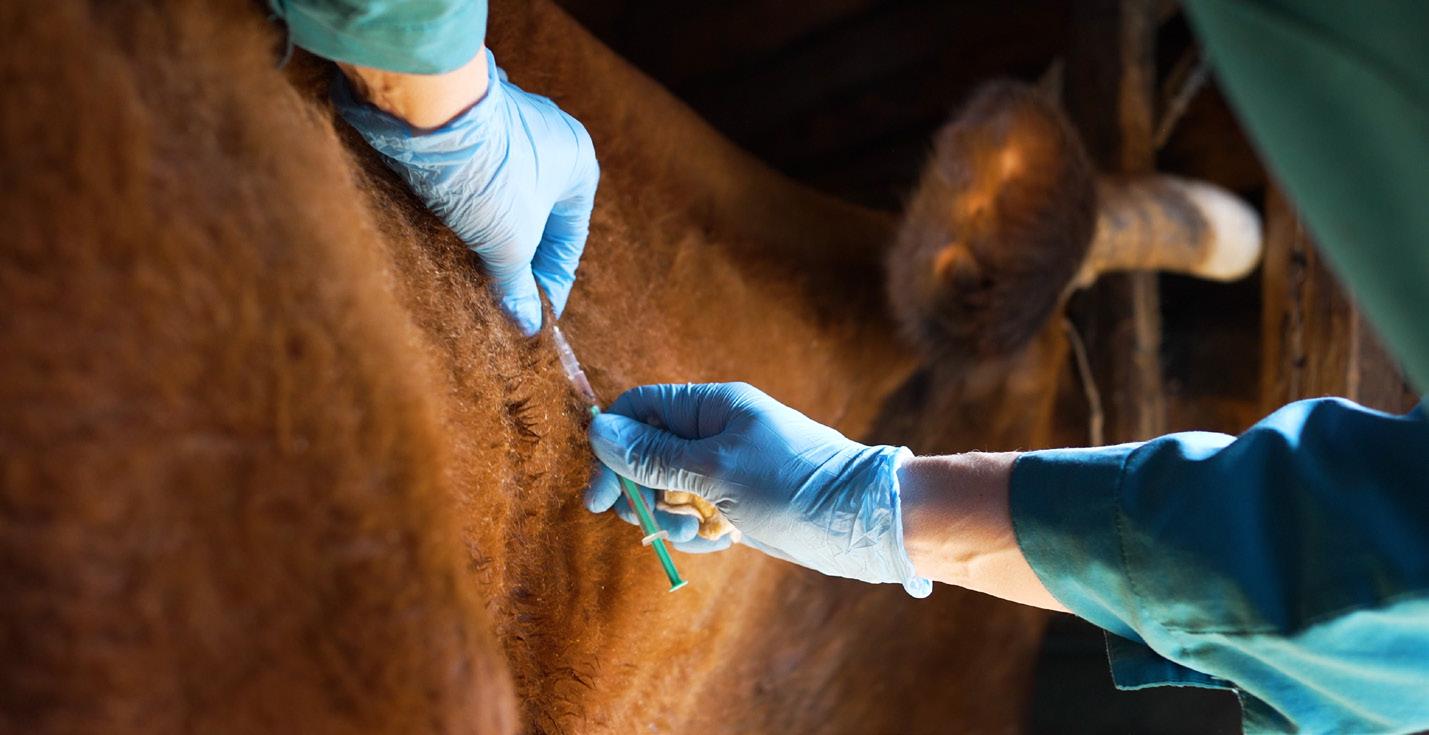
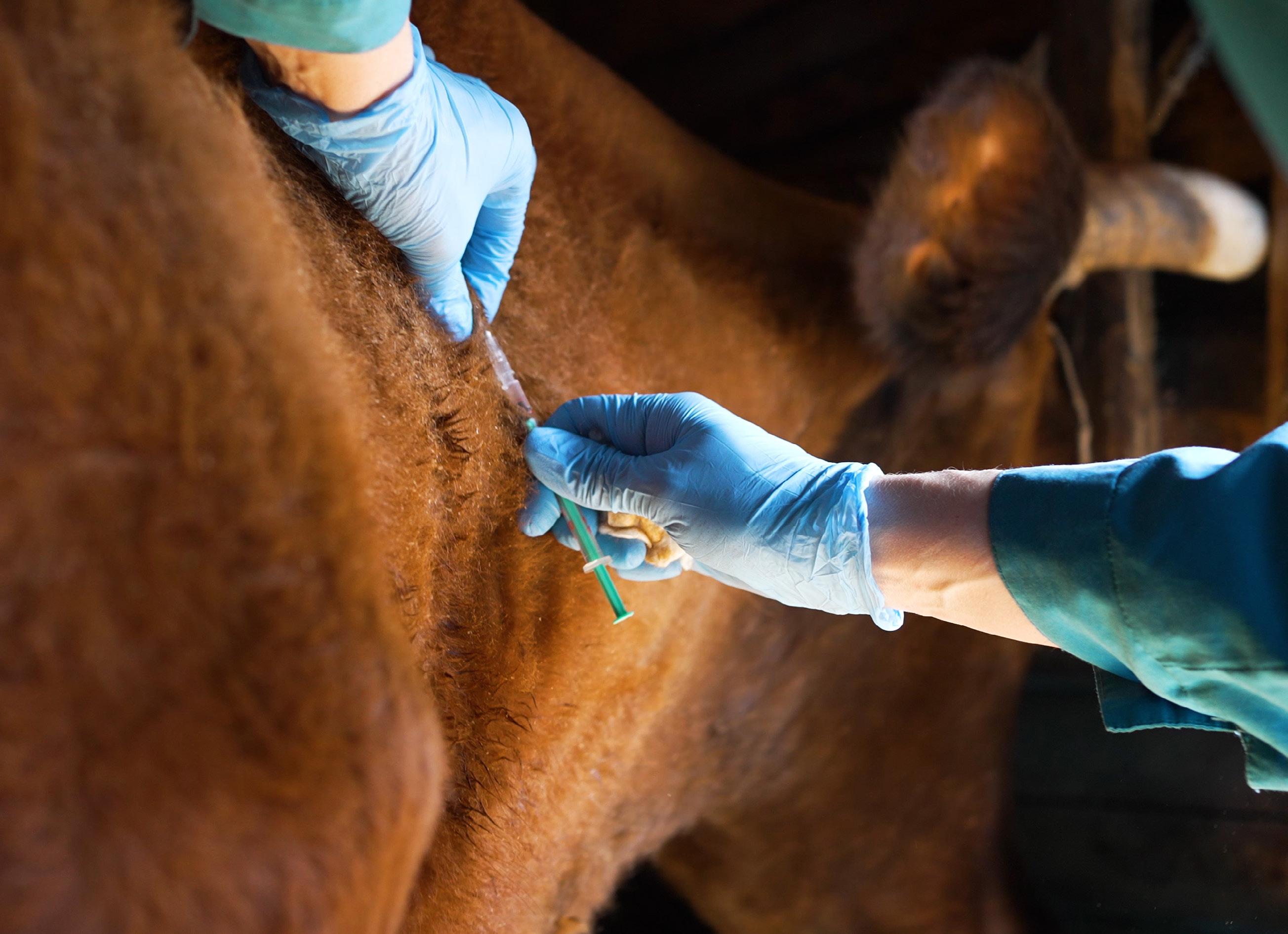
South Africa has launched a large scale vaccination campaign to contain the spread of foot and mouth disease (FMD), one of the most serious livestock diseases affecting the agricultural sector. The initiative marks a decisive national effort to protect the country’s livestock industry, support farmers and restore confidence in South Africa’s agricultural exports. The current outbreak, which intensified in 2025, has spread widely across the country and prompted the government to accelerate vaccination, strengthen veterinary services and coordinate national containment measures.
While the disease poses no risk to human health, it is highly contagious among cloven hoofed animals such as cattle, sheep, goats and pigs. As a result, outbreaks can disrupt livestock production and trade, making rapid intervention critical for the stability of the agricultural economy.
A national vaccination campaign
In early 2026, the Department of Agriculture began implementing a mass vaccination programme to contain the outbreak and protect the national herd. The campaign includes distributing millions of vaccine doses to affected provinces, with veterinary teams deployed to farms and rural communities to administer them. The vaccination effort is supported by the arrival of large consignments of high-potency vaccines. The first shipment of approximately one million doses was received in February, strengthening an expanding immunisation campaign already underway in several provinces.
Authorities aim to vaccinate a significant proportion of the country’s cattle population, prioritising high-risk areas where outbreaks have been most severe. Encouragingly, the campaign has also benefited from advances in local vaccine production. South Africa recently produced its first domestically manufactured FMD vaccines in more than two decades at the Agricultural Research Council’s Onderstepoort facility, strengthening the country’s long-term capacity to respond to animal disease outbreaks.
South Africa’s vaccination strategy prioritises provinces with the highest infection rates, while also maintaining emergency reserves for areas where new cases may emerge. In total, millions of vaccine doses are expected to be distributed as part of the national programme. In addition to vaccination, authorities have introduced strict measures to control livestock movement in affected areas. These include quarantine zones, veterinary inspections and permits for transporting animals. Such measures are designed to prevent the disease from spreading further while vaccination programmes gain momentum.
Protecting farmers and food security
Although cases have now been reported across much of the country, several provinces have been particularly hard hit. The outbreak initially intensified in KwaZuluNatal, which remains the epicentre of the crisis. T he province has recorded the largest number of outbreaks and has therefore been prioritised in vaccination efforts.
In response, provincial authorities have launched awareness campaigns and vaccination drives across farming communities to ensure livestock owners are prepared for the immunisation programme. Government officials have also travelled to rural districts to educate farmers about disease prevention and the importance of vaccination.
Beyond KwaZulu-Natal, several other provinces have experienced significant outbreaks. The Free State and North West are among the priority regions for vaccination due to high infection rates and the concentration of livestock farming operations.
Gauteng has also seen a notable increase in confirmed cases, with hundreds of infections reported among cattle herds. Provincial authorities have accelerated
vaccination and surveillance measures as part of their rapid response plan to contain the disease. Mpumalanga has similarly recorded multiple outbreaks linked to the spread of the virus from neighbouring provinces, particularly in several municipalities within the Gert Sibande district.
Limpopo has reported confirmed cases in several districts, including Vhembe, Waterberg and Capricorn, highlighting the wide geographic spread of the disease.
Overall, the outbreak has now affected nearly all regions of the country. According to official reports, cases have been detected in eight of South Africa’s nine provinces, including the Eastern Cape, Free State, Gauteng, KwaZulu-Natal, Limpopo, Mpumalanga, North West and the Western Cape. The Northern Cape is currently the only province without confirmed outbreaks.
South Africa’s livestock industry plays a vital role in the national economy, supporting rural livelihoods and contributing significantly to agricultural exports. As a result, the spread of foot-and-mouth disease poses serious risks to both farmers and the broader food system. The outbreak has already affected trade. In 2025, South Africa’s beef exports declined by approximately 26% as some international markets imposed restrictions on imports of the country's meat products.
Government leaders have emphasised that rapid containment and vaccination are essential not only for protecting farmers but also for restoring international confidence in South African agricultural products.
While the foot-and-mouth disease outbreak represents one of the most significant challenges facing South Africa’s livestock industry in recent decades, the response from government and industry has been swift and comprehensive.
The mass vaccination campaign, combined with improved monitoring and collaboration across the agricultural sector, offers a clear path toward containing the disease. As vaccines are rolled out and biosecurity measures take effect, South Africa is positioning itself to restore stability in the livestock industry and rebuild its reputation in global agricultural markets.
BY WANDILE SIHLOBO

There are a few things that worry us more than a potential sharp rise in food prices. Many households are already under pressure, and spend a notable share of their income on food.
As we continue to struggle with foot-and-mouth disease in the cattle industry and African swine fever in the pig industry, concerns about the path of consumer food price inflation in 2026 are naturally and correctly on many people's minds.
In February, Business Day ran a headline that further underscores this concern, arguing that disruptions in supply chains could put upward pressure on meat prices. This is a legitimate concern.
Still, we remain optimistic that meat prices may not surge as sharply as some fear, which would be welcome news for households. The slaughter rates in the cattle and pig industries remain reasonably robust, although farmers are under financial strain due to the spread of diseases.
For example, data from the South African Pork Producers' Organisation (SAPPO) show that South Africa's pig slaughter reached 331 453 in December 2025, 11% higher than in November 2025 and 2.9% higher than in December 2024. Annual cumulative slaughter figures reached 3 849 684 during December 2025, 0.4% lower compared to the same period of the previous year.
The cattle slaughter figures also show a mild reduction in 2025, when foot-and-mouth disease began to intensify, with cattle slaughter down by roughly 5% from 2024. This context is important to keep in mind because it shows that meat supplies are not constrained. But again, the activity for the year depends on our current efforts to contain the spread of these diseases and on vaccination efforts against footand-mouth disease.
That said, we observed a surge in meat prices last year, but this was primarily due to panic buying driven by retailers' announcements rather than a product shortage. Buoyant consumer demand was the main driver of meat prices. This remains a reality, to an extent.
Another fact worth keeping in mind is that during footand-mouth disease outbreaks, the country is typically temporarily closed to some export markets, leading to some slight increase in domestic meat supplies and lower consumer prices. But in 2025, we saw the opposite because of the factors I highlighted above.
Another issue in 2025 was the higher prices for poultry. This was due to a temporary ban on poultry imports from Brazil following an avian influenza outbreak there. South Africa still imports approximately 20% of its annual poultry consumption, and Brazil is one of the largest suppliers. Therefore, this caused some panic. However, imports resumed soon after Brazil brought the spread of avian influenza under control.
So, the risks remain in meat prices, but we continue to believe that a lot hinges on the current vaccination efforts underway against foot-and-mouth disease. We also believe we could see decent slaughter levels in the coming months, although I must emphasise again that cattle and pig farmers are under immense financial pressure. The limits on animal movement, as a key measure to control the spread of the disease, pose risks to available animals on farms. Still, this is a necessary measure.
Overall, while meat prices may remain somewhat elevated, the rate of increase may slow in the coming months. We view the ongoing slaughter and stronger base effects as likely to keep meat prices in check in 2026.
In the broader context of consumer food price inflation, we expect South Africa's consumer food price inflation to moderate in 2026. Lower grain, fruit, and vegetable prices on the back of ample domestic and global supplies, and moderating vegetable oil prices, are among the factors that will underpin the softening of price inflation.
South Africa had an abundant harvest, with the 2024-25 summer grains and oilseed harvest estimated at 20.08 million tonnes (up 30% y/y). The new season also looks encouraging. We have been receiving favourable rainfall since the start of the season. For example, South Africa's 2025-26 summer grains and oilseeds production is forecast at 19.82 million tonnes. While this is 3% less than the 2024-25 season, it remains an encouraging estimate.
We must not forget that the 2024-25 summer grains and oilseeds were the second-largest on record; therefore, being marginally lower than they were is not cause for concern. This production figure comprises maize, sunflower seed, soybean, groundnuts, sorghum, and dry beans. We see minor annual downward revisions in most crops, except for sunflower seed and groundnuts.
Regarding vegetables and fruits, we observed severe flooding in parts of Limpopo and Mpumalanga over the
past few weeks. But these fortunately came after the completion of the potato season. Thus, there appears to be no significant vegetable damage.
The primary concern remains in the citrus regions, particularly the quality of the upcoming season, given the flooding observed in the fields. But these issues matter more for exports than for the domestic food price inflation.
The crops in these regions didn't see notable damage. Therefore, while the tail-end effects of the floods are worth monitoring, we aren't as nervous about their impact on food price inflation this year. Of course, from a household perspective, it is a different conversation. There was massive destruction of infrastructure.
In essence, we expect South Africa's consumer food price inflation to slow in 2026. I must state that the consumer food price inflation was 4.4% in January 2026, unchanged from December 2025. These were likely the higher levels, as we may see some softening going forward.
To close, an important clarification is worth emphasising: lower food inflation does not necessarily translate into lower prices. Inflation is the rate of price increases.
Therefore, while that pace may moderate, some food item prices will continue to rise moderately. I emphasise this because some people tend to dismiss the slowing inflation figures and say they don't feel the same price inflation moderation in their spending.
Certainly, 2026 remains a tricky period, but there are sufficient positive factors to convince us that South Africa's food price inflation path may soften in 2026, with meat presenting some level of risks.


BY JESSIE TAYLOR
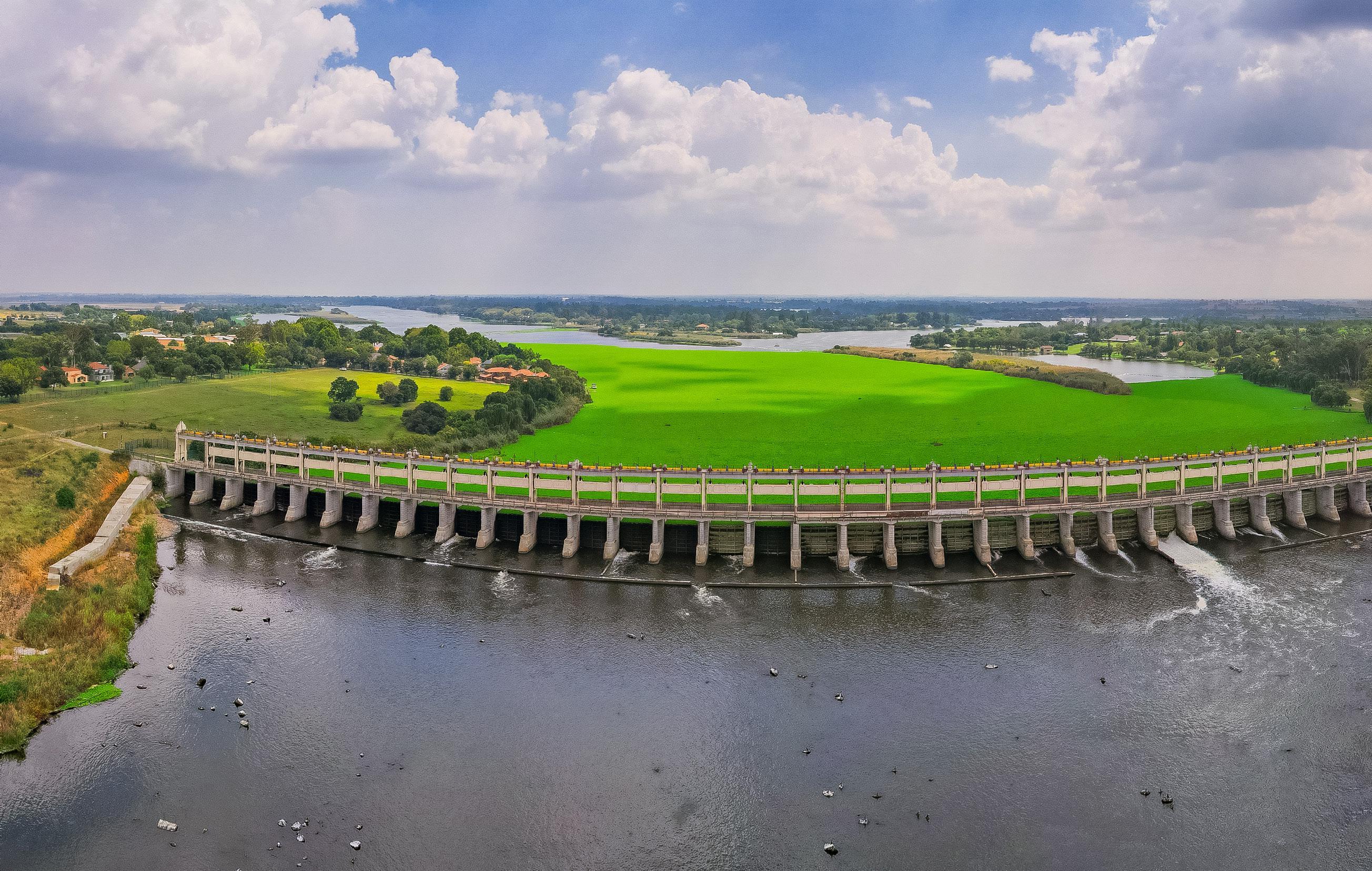
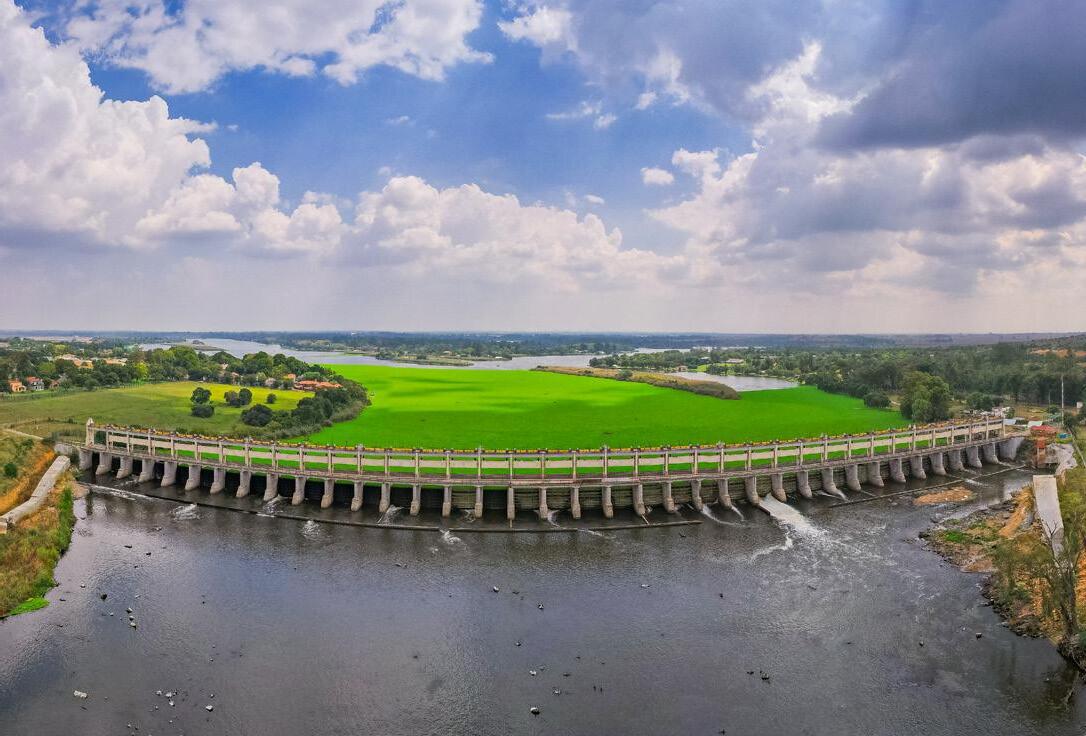
Water security has become one of the most important development priorities in South Africa. As a water ‑ scarce country with growing cities, ageing infrastructure and rising demand, ensuring reliable access to water is essential for economic growth, public health and service delivery. While many regions continue to manage supply effectively, several provinces are experiencing significant pressure on water systems.
Government, municipalities and the private sector are increasingly working together to strengthen infrastructure, improve water management and invest in longterm solutions. These efforts are aimed at stabilising supply and building resilience in the face of climate variability and population growth.
South Africa is among the world’s driest countries, with most available water resources already allocated to agriculture, industry
and households. Experts warn that without sustained investment and improved management, the country could face a national water shortfall of around 17% by 2030.
The challenge is intensified by infrastructure constraints, water losses due to leaks and theft, and rapid urbanisation in major cities. In some municipalities, nearly half of the treated water is lost through leaks and non-revenue water, placing additional strain on already limited supplies.
Across the country, about 35.8% of households reported experiencing some form of dysfunctional water supply service in recent years, underscoring the scale of the infrastructure and servicedelivery challenge.
Despite these pressures, national and provincial authorities are implementing programmes to upgrade bulk infrastructure, improve water conservation and
expand storage capacity. While metropolitan provinces receive significant attention due to their economic importance, several rural provinces also experience substantial water supply interruptions.
Data indicates that households in Mpumalanga, Limpopo and the Northern Cape report some of the highest levels of water service interruptions in the country. In many cases, these disruptions are linked to ageing infrastructure, limited municipal capacity and long distances between water sources and communities.
• Gauteng: As the country’s most populous and economically significant province, Gatueng currently faces some of the most visible water supply challenges. High consumption levels and infrastructure failures have placed the province’s bulk water system under
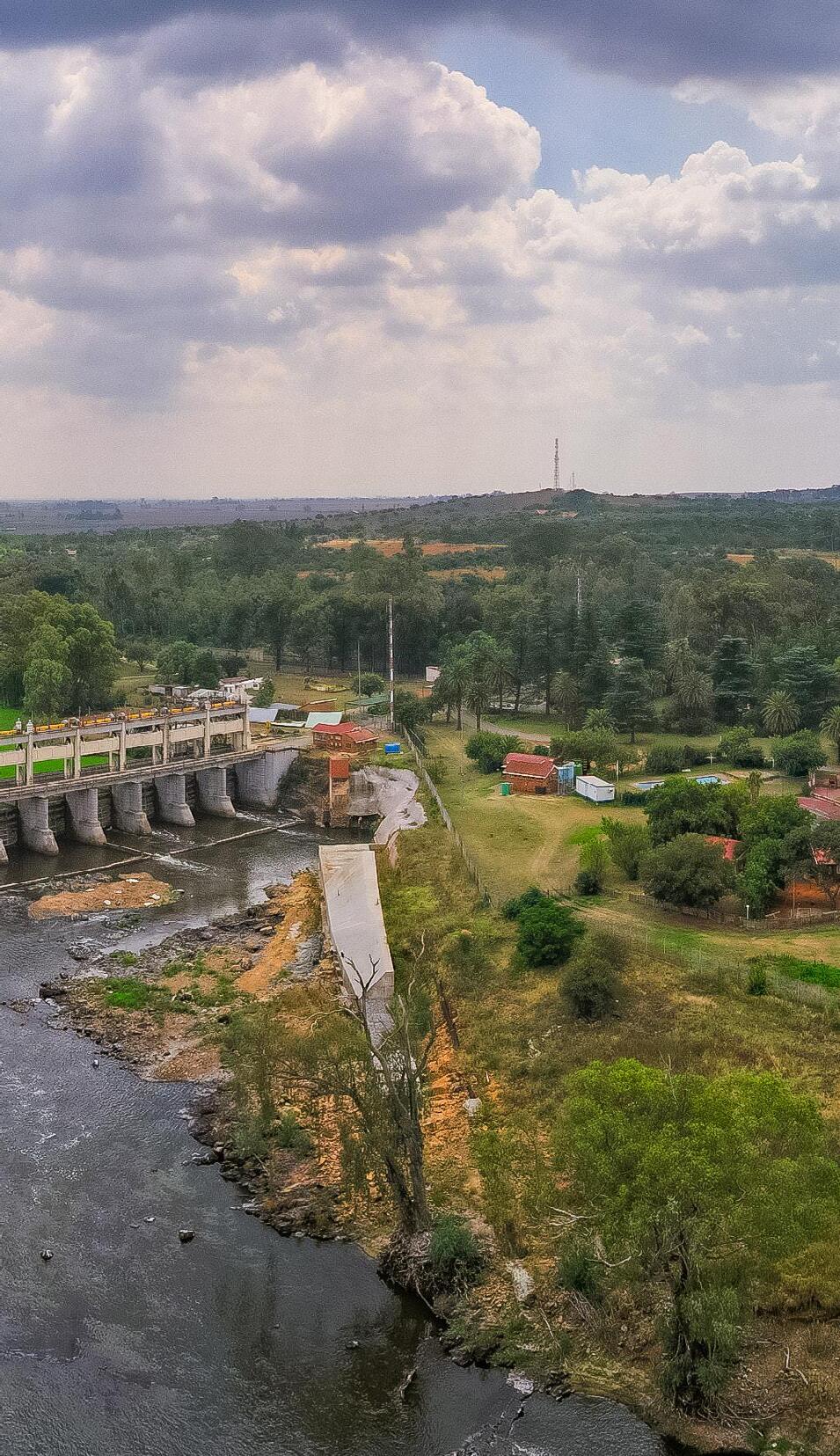
severe strain. Bulk supplier Rand Water has warned that unusually high water demand in Johannesburg and Tshwane is stretching the system beyond normal operating levels. In response, the utility has been forced to reduce supply to certain municipalities to stabilise the network. Residents in several areas, including Midrand and parts of Pretoria, have experienced prolonged disruptions as the system works to recover from maintenance issues, burst pipes and equipment failures. To address these pressures, authorities are implementing a range of interventions, including infrastructure upgrades, improved reservoir management and major projects such as the next phase of the Lesotho Highlands Water Project, which will strengthen long-term supply to Gauteng.
• Western Cape: The Western Cape has long been recognised for its proactive water management, particularly following the severe drought that brought Cape Town to the brink of “Day Zero” in 2018. However, rising consumption and population growth are once again putting pressure on the province’s water resources. Municipalities across the Western Cape have warned that increased demand during hot and dry periods can strain supply systems. Population growth and migration to the province have significantly increased demand for water, with Cape Town’s population expanding rapidly over the past few decades without a proportional increase in dam storage capacity. To address this challenge, authorities have introduced stricter conservation measures and invested in diversification strategies such as groundwater development, desalination and water reuse. These initiatives are designed to reduce reliance on rainfall and strengthen resilience against future droughts.
• Eastern Cape: The Eastern Cape faces a different but equally complex set of water challenges. In many municipalities, ageing infrastructure, limited maintenance capacity and financial constraints have affected water distribution systems. Communities in several towns have experienced intermittent supply disruptions linked to pipe failures, treatment plant inefficiencies and drought conditions. The province’s large rural population and widely dispersed settlements also make water service
delivery more complex. The government has responded by accelerating infrastructure projects and strengthening coordination between national, provincial and municipal authorities. Recent interventions include upgrades to bulk pipelines, reservoirs and treatment plants aimed at stabilising supply in key municipalities.
• KwaZulu-Natal: As one of South Africa’s most populous provinces, KwaZulu-Natal has also experienced periodic water supply pressures, particularly during heatwaves and periods of high consumption. Rapid urban growth in metropolitan areas such as eThekwini has increased demand for water services, while ageing infrastructure and climate variability have occasionally affected supply. However, the province is also investing heavily in infrastructure upgrades and improved water management systems. New reservoirs, pipeline rehabilitation programmes and expanded bulk supply projects are helping strengthen resilience across municipalities.
Despite the challenges facing several provinces, South Africa is actively working to build a more resilient and sustainable water system. National strategies emphasise improved infrastructure management, stronger governance and innovative approaches to water supply.
Water conservation and demand management also remain central to the country’s strategy. Public awareness campaigns encourage households and businesses to reduce consumption, helping to protect limited water resources.

For decades, the prime lending rate has served as the reference rate for mortgages, vehicle finance, business loans and overdrafts.
But the South African Reserve Bank (SARB) has now published a consultation paper proposing a significant reform: abolishing the long standing prime lending rate (PLR) and replacing it with the South African Policy Rate (SPR) as the benchmark for pricing loans. The change could modernise how interest rates are communicated and understood, strengthening the link between monetary policy decisions and the cost of credit for households and businesses.
Why replace prime?
Currently, the prime lending rate sits at a fixed margin above the repo rate, 350 basis points higher. With the repo at 6.75%, prime stands at 10.25%.
The SARB has argued that prime has increasingly become an administrative reference rather than a meaningful economic indicator. The consultation paper notes that many consumers mistakenly believe prime is the base rate at which banks fund themselves, or that the 3.5 percentage-point spread reflects automatic bank profits.
In reality, banks determine lending rates based on funding costs, a borrower’s risk profile, and their own risk appetite. The prime rate is applied only after that pricing decision has been made.
By shifting to the repo rate as the primary benchmark, SARB aims to simplify the system. Under the proposed reform, loans would be quoted as a margin above the repo rate, rather than above prime. The economics of lending would
remain unchanged, but the pricing structure would become clearer. The move would not automatically reduce monthly bond repayments or credit card rates. Your personal borrowing cost will still depend on your creditworthiness, income stability and the type of loan.
The difference lies in transparency. Instead of seeing a rate quoted as “prime plus 1%”, borrowers would see a rate expressed as “repo plus X%”. That “X” would represent the risk premium and funding margin attached to your loan.
This clarity could empower consumers. Greater visibility of the spread may encourage competition among banks, as clients will more easily compare pricing structures. Over time, that transparency could place downward pressure on margins in certain market segments.

For a country where an estimated 12 million contracts worth approximately R3.2 trillion reference prime, the shift represents a structural evolution.
Strengthening the monetary policy link
The reform enhances the transmission of monetary policy. The repo rate is the rate at which commercial banks borrow money from SARB, and is the central lever used by the Monetary Policy Committee to manage inflation within its 3% to 6% target range.
Linking loans directly to the repo rate makes the connection between policy decisions and consumer interest costs more immediate and visible. When SARB
By shifting to the repo rate as the primary benchmark, SARB aims to simplify the system... the pricing structure would become clearer.
raises or cuts rates, the impact on lending benchmarks would be more transparent to the public. SARB has emphasised that the transition must be carefully managed, and the consultation paper proposes incorporating “fallback language” into new contracts and establishing safe-harbour provisions to facilitate the migration of legacy agreements. Stakeholder engagement and public consultation are now underway.
The proposal comes amid a period of steady reform within South Africa’s financial architecture. SARB has previously demonstrated its commitment to transparency and institutional strengthening, including refining its inflation framework and modernising market operations.
Replacing prime with repo continues that trajectory. It reflects a recognition that financial systems must evolve alongside economic realities and consumer expectations.
PRIME LENDING RATE VS REPO RATE: WHAT’S THE DIFFERENCE?
South Africa’s lending system has long been anchored to the prime lending rate (PLR), but proposed reforms by the South African Reserve Bank could see the South African Policy Rate (SPR), commonly known as the repo rate, take centre stage instead.
Here’s how the two differ:
• Prime lending rate (PLR): The prime rate is the benchmark commercial banks use when pricing loans to customers. Traditionally, it sits at a fixed margin - currently 350 basis points - above the repo rate. However, prime is not the rate at which banks borrow money. It is an administrative reference rate that banks apply after determining a client’s credit risk and funding costs.
• South African Policy Rate (SPR): The SPR is the official policy rate set by the Monetary Policy Committee of the South African Reserve Bank. It is the rate at which commercial banks borrow from the central bank. Changes to the SPR are the primary tool for controlling inflation and stabilising the economy.
Moving from PLR to SPR would simplify the system and create a clearer link between monetary policy decisions and the rates consumers pay.
BY JESSIE TAYLOR
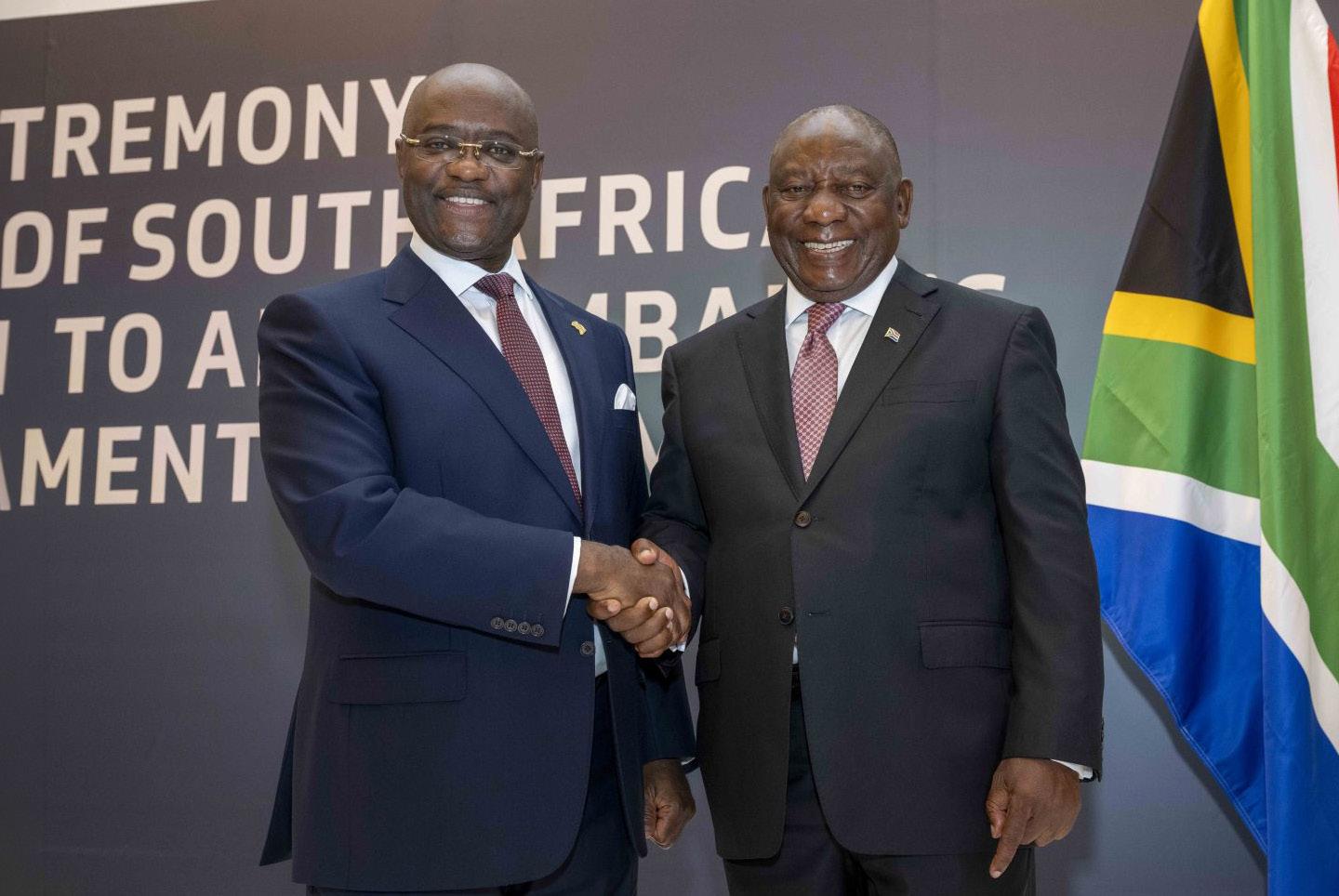
South Africa’s formal accession to the African Export–Import Bank, commonly known as Afreximbank, marks a milestone for both the country’s economic strategy and Africa’s broader journey toward deeper regional integration. In early 2026, South Africa officially became a shareholder member of Afreximbank, the continent’s flagship export import financial institution, following parliamentary approval in 2025. Alongside this accession came the announcement of an $8 billion Country Programme designed to catalyse strategic sectors of the economy. This programme aligns with South Africa’s National Development Plan 2030 and prioritises trade, industrialisation, inclusive transformation and regional value chains.
Supporting transformation and inclusion
Afreximbank President Dr George Elombi highlighted that the programme’s scope spans sectors such as healthcare, manufacturing, energy infrastructure and financial services – areas that are critical
for sustaining long-term economic competitiveness. Through targeted financing, the partnership aims to strengthen South African exporters and enhance regional market access under the African Continental Free Trade Area (AfCFTA) framework.
A key element of the Country Programme is its focus on inclusive economic participation. A portion of the financing will be directed towards South Africa’s Transformation Fund, intended to deepen empowerment and support historically marginalised entrepreneurs.
President Cyril Ramaphosa welcomed the accession as a tangible demonstration of South Africa’s support for African industrial development and continental economic integration. He described the partnership as a catalyst for expanded trade,
investment and shared prosperity. He described the accession as a “major milestone in our quest to realise what I would call the economic integration of our continent”.
President Ramaphosa said:
“For more than 30 years, Afreximbank has demonstrated its own ability, its resilience, its innovative capability, but it has more than that demonstrated that it has impact. This partnership will strengthen in more ways than one South Africa’s ability to support South African exporters, industrial projects and regional value chains while advancing our continent's progress.”
A broader context of continental trade
South Africa already plays a leading role in intra-African commerce, accounting for a significant share of total
continental trade and acting as an important economic link within the Southern African Development Community and beyond. Access to Afreximbank’s trade infrastructure and financing tools enhances the country’s ability to diversify its export markets, strengthen supply chains and attract further investment.
For South Africa, joining Afreximbank is more than symbolic. It provides access to competitive trade and export finance, helps reduce barriers to regional markets, and offers practical support for strategic investment projects. From large industrial ventures to
small and medium enterprises, the partnership is expected to expand opportunities while strengthening the country’s resilience in a dynamic global economy.
As South Africa deepens its collaboration with African partners, the Afreximbank accession underscores a forward-looking vision of economic growth rooted in regional collaboration, innovation and inclusive participation.
Across the continent, Afreximbank has demonstrated its capacity to mobilise capital and support transformative initiatives. Its assets have grown substantially over
Afreximbank is a Pan-African multilateral financial institution established in the early 1990s to support and finance trade across the continent. Its core mission is to promote intraAfrican and extra-African trade, accelerate industrialisation, and deepen economic integration.
Afreximbank operates across more than 50 African countries and has grown significantly in size and influence. It deploys financing solutions - including loans, guarantees, equity investments, and insurance - to both governments and private-sector players.
As of the end of 2024, the bank’s total assets and contingent liabilities exceeded $40 billion, and its shareholders’ funds approached $7.2-billion, reflecting its increasing role as a systemic provider of trade finance on the continent. One of Afreximbank’s most impactful innovations has been its support for the African Continental Free Trade Area
This partnership will strengthen in more ways than one South Africa’s ability to support South African exporters, industrial projects and regional value chains while advancing our continent's
the past decade, and it is a key financial partner in implementing the AfCFTA, including through mechanisms such as the PanAfrican Payment and Settlement System (PAPSS), which facilitates cross-border trade.
(AfCFTA). The bank helped develop the PanAfrican Payment and Settlement System (PAPSS), a platform designed to make crossborder payments in local African currencies easier, faster and cheaper. This reduces reliance on foreign currencies, lowers transaction costs and encourages more African businesses to engage in intra-continental trade.
In addition, the bank’s investment subsidiaries, such as the Fund for Export Development Africa (FEDA) and AfrexInsure, bring equity capital and tailored risk management tools to sectors like agribusiness, healthcare and manufacturing. These efforts expand access to financing for smaller firms and industries that typically face funding barriers.
Afreximbank plays a transformational role in Africa’s economic landscape, not just by financing trade, but by nurturing the conditions for broader industrial growth, regional integration and inclusive development.
BY JESSIE TAYLOR

Economic renewal and job creation took centre stage when KwaZulu Natal Premier Thami Ntuli delivered the province’s 2026 State of the Province Address (SOPA). Against the backdrop of economic challenges following the Covid 19 pandemic and the devastating unrest of July 2021, the address outlined an ambitious roadmap to restore investor confidence, stimulate growth, and expand opportunities for communities across the province. KwaZulu Natal, home to one of South Africa’s largest regional economies and the continent’s busiest port in Durban, plays a critical role in the national economy. The province’s economic recovery, therefore, carries significance not only for local communities but also for the broader
development trajectory of the country. KwaZulu Natal has historically been a major hub for manufacturing, logistics, agriculture and tourism, with the port city of Durban serving as a gateway for regional trade.
In his address, Premier Ntuli emphasised that the province is beginning to show encouraging signs of recovery. After several difficult years marked by economic shocks, the provincial economy expanded by approximately 1.8% in 2025, a modest but positive improvement compared with the
subdued growth that characterised the post-pandemic period. The growth outlook for 2026 is projected to reach around 2.1%, signalling continued stabilisation of the provincial economy. Improvements in energy supply, as well as gradual recovery in key infrastructure systems such as rail and port operations, are expected to support this momentum. While growth remains moderate, provincial leaders believe the trajectory indicates that KwaZuluNatal is turning the corner economically. Renewed investor engagement and a pipeline of development projects are also contributing to rising confidence in the province’s long-term prospects.

A major theme of the 2026 SOPA was the need for largescale investment to address unemployment and accelerate economic development. According to the provincial government, approximately R168 billion in investment will be required to create around 461 000 additional jobs and reduce unemployment to the targeted level of 20%.
Encouragingly, KwaZulu-Natal has already secured strong investment commitments. The province surpassed R100 billion in investment pledges from domestic and international investors in 2025, a milestone that signals renewed
confidence in the region’s economic potential. These projects are expected to generate more than 100 000 jobs across multiple sectors. Despite signs of recovery, unemployment remains one of the province’s most pressing challenges. KwaZulu-Natal’s unemployment rate remains high, particularly among young people and women. Recent progress provides reason for cautious optimism. Between mid-2025 quarters, the province recorded a net gain of approximately 54 000 jobs, helping to support household incomes and strengthen consumer spending.
Infrastructure as a catalyst for growth Infrastructure development remains one of the most powerful tools for stimulating economic activity, and it was a central focus of the address. The provincial government plans to accelerate the construction, rehabilitation, and maintenance of key infrastructure assets, including roads, schools, healthcare facilities, and water systems. These investments aim not only to improve service delivery but also to unlock new economic opportunities. Upgraded transport networks, for example, can strengthen logistics corridors and support the movement of goods through the province’s ports and industrial zones.
Improved infrastructure is also expected to enhance the ease of doing business in KwaZuluNatal, making the province more attractive to investors seeking access to both South African and regional markets. The province’s economic strategy focuses on revitalising several priority sectors
with strong growth potential. Manufacturing, agriculture, tourism and logistics have been identified as key drivers of job creation and industrial expansion.
Tourism, in particular, has already demonstrated a strong recovery. During the 2025 festive season, the sector contributed an estimated R13 billion to provincial GDP as domestic and international visitors returned to KwaZulu-Natal’s beaches, cultural attractions and wildlife destinations.
Agriculture also remains a cornerstone of the provincial economy, supporting rural livelihoods and food security. Government programmes aimed at strengthening agricultural production and supporting farmers are expected to enhance the resilience of the sector. At the same time, the province is exploring opportunities in emerging industries such as the oceans economy, which includes shipping, marine services and coastal tourism. These initiatives aim to leverage KwaZulu-Natal’s strategic coastal location to drive economic expansion.
The 2026 State of the Province Address reflects a broader vision for a resilient and inclusive KwaZulu-Natal economy. By prioritising investment, infrastructure development and enterprise growth, the provincial government aims to create sustainable opportunities that benefit communities across the province.
As Premier Ntuli emphasised in his address, the province’s recovery journey is already underway. With continued investment, strategic planning and community participation, KwaZulu-Natal is positioning itself to unlock new opportunities for growth, employment and development in the years ahead.
BY KOKETSO MAMABOLO

“Data! Data! Data! I can't make bricks without clay.”
Written over a hundred years ago, these words have taken on a different meaning. When The Copper Beeches was published in June of 1892, sharing and receiving information could only happen as fast as horse and steam-powered trains and ships could travel.
It has become cliché but it is difficult to overstate how much information we have access to at the click of a button, something which the protagonist of the story, Sherlock Holmes, may have appreciated. All of Sir Arthur Conan Doyle’s stories about the master detective can be easily searched, downloaded, and printed in less
time than it takes to boil a kettle. If it’s not enough that a simple search can reveal information – which encompasses the length and breadth of human knowledge, from the beginning of time to realtime – now artificial intelligence has given us a tool that could even produce a Sherlock Holmes story for you in minutes.
Do you want it as a sitcom? A gothic horror? Do you want it Disney-style? Maybe Great Gatsby set in 1980s America? All that can be done in less time than it would take you to read a page or two of The Copper Beeches.
Whatever shape or form you want, generative AI can do it. Well, that’s if you’re willing to sacrifice, unsurprisingly, on quality and originality. Since this is a machine and not the great short story writer
himself, you would expect a poor imitation of the original. But here lies the rub. Even if it creates a “new” Sherlock Holmes story, it has to pull bits and pieces from the original stories, and the narratives, styles, and details of works other than Sherlock Holmes. It has to be able to produce something familiar.
It needs material to work from. It needs data. To make bricks, it needs clay. Without data, there is no artificial intelligence.
But what happens when the data being fed into these AI models is personal information?
In The Copper Beeches the protagonist is approached by Violet Hunter, a woman who needs Holmes’ help in a peculiar case in which she is being asked to forfeit her personal privacy as part of a

new job. While the story covers a few themes, one that sticks out is the tension between what people are asked to sacrifice and what those sacrifices are used for.
What does this have to do with AI? In order for us to have AI models doing the kinds of things they are doing, and will be able to do, we need to feed them a lot of information. While literature like Sir Arthur Conan Doyle’s stories are covered by copyright law, what about personal information? What are the limits, if any, on how personal information can be used by AI?
Enter POPIA
With generative AI seemingly always breaking new milestones, the question of whether or not policymakers and regulators
What happens when the data being fed into these AI models is personal information?
are prepared and informed enough to adapt is one all countries have to reckon with.
South Africa is still catching up in terms of policies and legislative frameworks. As one of the countries with the highest adoption rates in the world, particularly among developing nations, South Africa could become a case study in the impacts of AI. While a national policy on AI is still being developed, there are already legal frameworks in place which cover some of the concerns.
Along with the country’s lodestar, the Constitution, the laws that apply to the AI realm include the Consumer Protection Act, the Cybercrimes Act, and the Promotion of Access to Information Act (PAIA). But the key piece of legislation protecting the public is the Protection of Private Information Act (POPIA).
In order for the public and private sectors to function they need us, like the woman in The Copper Beeches – who has to cut her hair to get the job – to give up something personal. In this case it is our information, which we all give out all the time, sometimes without thinking.
This is especially relevant now that more and more businesses are experimenting with AI agents and at times
having to share data which may contain the private information of a customer or a client. In a survey McKinsey found that over 60% of businesses are experimenting with AI agents, while 88% are using AI regularly in at least one business function. The healthcare sector is one alarming case which has reported one of the highest AI agent adoption rates.
POPIA compels organisations and businesses to avoid risks and protect the rights of the public. The act sets out data protection principles which apply when using AI to process information. A valid legal basis for processing the information is required which could be a contractual obligation, consent or legitimate interest. For historical data, the original sampling must have been in line with the act, and the data can only be used for the original purpose for which it was collected.
The idea is to avoid collecting ‘excessive’ amounts of information. Is it necessary for you to process the data? Is the amount of data equal to your requirements? Was this part of the plan? As much as Sherlock Holmes always needed more data, he was always sifting through the noise, with a specific purpose. Businesses and organisations are required to do the same. What use would Holmes have been if he had been gathering and mentally processing data that had nothing to do with the case at hand?
If AI seemingly gives us access to a wealth of information akin to the unrealistic power of the mind of Sir Arthur Conan Doyle’s gift to modern storytelling, then it also demands of us to wield the tool with respect and awareness of the responsibility we have to protect those whose information feeds the machine that produces marvels.
BY KOKETSO MAMABOLO
When Violet Hunter is telling her strange tale she assumes there are things that are not relevant to the case to which Holmes responds, “I am glad of all details, whether they seem to you to be relevant or not.”
Whether you know or not, all your private information is relevant to AI. All the data being used in the private and public sector is relevant to AI. Which means everything requires some form of protection.
In the business world this means a laser focus on cyber security, an uncompromising commitment to ensuring you have the consent of individuals to use their data. It means informing them when AI makes decisions which affect them, such as deciding loan applications, for example.
Policies, privacy notices, and contracts need to state, explicitly, how AI is used in the organisation. Regular risks assessments are a must, as is training employees to understand the risks that come with using AI and working with private information. And as more businesses go beyond the piloting phase of adopting AI, these risks will continue to grow, which may bring about the question of whether or not POPIA and other legislation cover a wide enough foundation to protect the public.
Violent Hunter trusted Holmes with her story, her private information. In exchange he solved her problem. If organisations and governments are there to solve problems, the people they are solving them for need to know their information is safe. That POPIA is there to protect them. That they know their clay is used to make bricks.


BY KOKETSO MAMABOLO

Afuturistic worbling sound opens an advert announcing the beginning of a new chapter for a sport synonymous with the prestige time brings. It’s a slow game with a quiet politeness marking the critical moments, from the routine to the high stakes. This is a sport played on a neatly maintained stage, engineered to the smallest detail.
“Evolution” in all caps is splashed across the screen, below which are the words: “Narrated by Dennis Quaid”. This isn’t just another ad with a script read out by a nameless voice-over artist. The producers want you to know this is different. This is a blockbuster announcement for a blockbuster event. This is Hollywood. This is the future. This is “golf, but louder!” This is LIV Golf.
“Evolution is said to be the gradual development from something simple, to something more complex,” says Dennis. “It is the ability to change. To adapt. To acknowledge imperfections and emerge stronger. The evolution of the game we love, begins today.”
That was in 2022, the inaugural season of the competition. Four years later it is finally on African soil, bringing the storied game dressed in mineral wealth to the City of Gold with a healthy tradition in the sport of its own, and the icons to match. But this is something new, something Johannesburg has not seen before.
“Golf is a game rooted in centuries of history, heroes and tradition. And while we revere the game’s celebrated past, our eyes are fixed on the future. Because we see a vibrant game, full of colour, played all around the world.”
Fourteen cities, to be exact. Running from February to August, the format of the competition is a partial makeover of what traditional enthusiasts will recognise.
“A game of high fives, fist pumps, and flying tees. A game of constant action and electrifying pace. Faces that are both familiar and fresh.”
It is designed with the fans in mind. LIV is the Roman numeral for 54, which represents the 54-hole format the competition initially began with. They’ve reverted to the standard 74hole format but that’s not because the new one failed, but because it gives the fans more action to enjoy. It starts with the non-golf experience. The fan village, hospitality suites, food trucks, not to mention the live entertainment. For the South African leg of the tour, mzansi’s very own Black Coffee is joined on the lineup by global powerhouse Calvin Harris.
Golf’s expensive facelift
When it’s time for the main attraction, the golfers do their best impression of WWE wrestlers by entering their arena to songs
Golf courses used to gentle clapping and respectful cheers are given a new atmosphere with hits from musicians such as Justin Bieber, Bob Marley, local legend Mgarimbe, and even a song from the popular animated movie Frozen.
of their choice. Golf courses used to gentle clapping and respectful cheers are given a new atmosphere with hits from musicians such as Justin Bieber, Bob Marley, local legend Mgarimbe, and even a song from the popular animated movie Frozen.
“We see a game, rather a sport, with seasons and teams to cheer for and rivals to root against, where every moment matters.”
With names like Smash, Ripper, Legion, and Cleeks, the teams are headlined by Bryson DeChambeau’s Crushers,
Phil Mickelson’s HyFlyers, Dustin Johnson’s 4Aces, and the RangeCoats led by Bubba Watson. Louis Oosthuizen’s team is an all local affair, the Southern Guards, with a Rhino as their logo. The innovative model means the captains have an ownership stake in their teams. They’re not just golfers anymore, they are leaders and entrepreneurs, building brands and trying their best to grow the sport.
If LIV Golf were reduced to one word it would be ‘money’ - lots and lots of money. The value of economic activity the tournament is bringing to South Africa is estimated to be in the region of R740-million. That’s for an event lasting only four days. For the players themselves there is R504-million in prize money to go around. The individual champion gets R67-million and the winning team will share R50-million.
With tickets ranging from basic R750 day passes to the premium packages peaking at R26 400 per day, the organisers certainly won’t be making a loss as almost 100 000 tickets were already sold days before tee-off. This is the biggest golf tournament the country has ever hosted.
“Evolution can be uncomfortable but we love this crazy game enough to try. So join us because the future we see is bright. The future of golf is here.”
BY JESSIE TAYLOR

South Africa appears to be entering a long overdue period of economic repair. The latest data from Statistics South Africa (Stats SA) suggests that while the recovery is gradual, it is encouraging.
Headline consumer price inflation (CPI) eased to 3.5% year ‑ on ‑ year in January 2026, down slightly from 3.6% in December 2025. At the same time, the official unemployment rate declined by 0.5 percentage points to 31.4% in the fourth quarter of 2025. These movements may appear modest, but they signal a stabilising macroeconomic environment.
South Africa is not experiencing a surge of growth, but rather a careful restoration of economic fundamentals – a necessary foundation for sustainable progress.
A sign of South Africa’s slow but steady financial reset
Inflation cools, but baskets differ The inflation print of 3.5% places South Africa comfortably within the South African Reserve Bank's target range. This strengthens the case for potential interest rate cuts later in 2026, which would bring relief to households servicing home loans, vehicle finance and credit cards.
However, inflation is not experienced evenly. Goods inflation slowed to 2.7% in January, while services inflation remained firmer at 4.2%. Food inflation stood at 4.4% yearon-year but could ease further as global and domestic supply conditions improve.
In addition, many consumers are benefiting from outright price declines in certain categories. Tablet computers are almost 24% cheaper than a year ago, while laptops and mobile phones have also recorded double-digit price declines.
Fuel prices have been a key driver behind easing inflation, with petrol costs declining for a third consecutive month. This has
reduced transport costs for households and businesses alike, offering a welcome breathing space.
Yet grocery bills remain under strain. Meat prices rose sharply in January following the national foot-and-mouth disease outbreak, which President Cyril Ramaphosa declared a national disaster during his State of the Nation Address. To address the crisis, Agriculture Minister John Steenhuisen has sourced one million vaccine doses, signalling proactive efforts to stabilise supply and prices.
Housing and utilities remain significant contributors to inflation. Electricity, gas and other fuels rose by 7.5%, while insurance and financial services increased by 6.8%.
Jobs picture shows green shoots
On the labour front, the economy added 44 000 jobs quarter-on-quarter. The formal sector led the way with 320 000 new positions, offsetting losses in the informal sector. Community and social services, as well as construction, recorded solid gains.
Agriculture provided a particularly bright spot. Farm employment rose 3% yearon-year to 950 000 jobs, well above the long-term average. Finance has also proved to be a consistent job engine over the past three years, underlining the growing role of professional services in the country’s economic mix.
While the overall unemployment rate has edged lower, youth unemployment remains a
pressing concern. Among those aged 15 to 24, the unemployment rate stands at 57%. Education continues to be the clearest differentiator. The unemployment rate for graduates is just over 10%,
The road may be slow, but the trajectory is positive.
Cooling inflation, improving formal employment, and stabilising supply chains are gradually restoring financial confidence.
compared with nearly 38% for those without matric.
It appears as if South Africa is entering one of its more constructive macroeconomic phases in a decade. Important reforms in energy and logistics are beginning to yield results, and infrastructure development is expected to support growth in the years ahead.
The road may be slow, but the trajectory is positive. Cooling inflation, improving formal employment, and stabilising supply chains are gradually restoring financial confidence.
Inflation measures the rate at which the general price level of goods and services rises over time. In South Africa, it is tracked through the Consumer Price Index (CPI), published monthly by Statistics South Africa. When inflation increases, the purchasing power of your money decreases – meaning the same goods or services cost more than they did a year ago.
The South African Reserve Bank targets inflation within a 3% to 6% range to ensure price stability. When inflation remains within this band, it supports economic certainty and protects household budgets from sharp cost shocks. If inflation rises too quickly, the Reserve Bank may increase interest rates to cool spending and stabilise prices. Conversely, when inflation eases, interest rate cuts become possible –offering relief on home loans, vehicle finance and other credit.
However, inflation is not experienced equally. Each household has its own spending pattern. For example, rising electricity tariffs or fuel prices may weigh heavily on some families, while others feel the pressure most at the supermarket. Essential costs such as housing, transport and food typically account for the largest share of household expenditure, making price movements in these categories particularly significant.
BY JESSIE TAYLOR

In today’s connected economy, a company’s identity is one of its most valuable assets. From its registered name and logo to financial records and customer databases, these elements collectively form the foundation of a business’s reputation and legal standing. Yet the growing sophistication of fraud and cybercrime means that protecting business identity has become a critical responsibility for organisations of all sizes.
Corporate identity theft – sometimes called business identity theft –occurs when criminals use a company’s name, registration details or financial information to commit fraud. This may involve taking out loans in the company’s name, opening fraudulent accounts, issuing fake invoices, or creating fake websites and social media accounts to deceive customers and suppliers. These attacks often begin with
relatively simple tactics. Phishing emails that appear to come from banks or service providers may trick employees into revealing confidential information. Fake invoices can persuade accounts departments to make payments to fraudulent accounts. Fraudsters may also create look-alike websites or social media profiles using a company’s name and branding to collect customer data or redirect payments. In some cases, criminals go further by submitting fraudulent tax returns or altering banking details in payment communications. Customers who unknowingly pay into fraudulent accounts may blame the company, damaging trust and credibility. Beyond financial losses, the consequences can include regulatory investigations, reputational harm and strained relationships with
clients and suppliers. Businesses that fail to protect sensitive information may also face legal implications, particularly in jurisdictions with strict data protection regulations. Corporate identity theft can also disrupt operations. Employees may need to spend considerable time resolving disputes with banks, regulators and law enforcement, diverting resources away from normal business activities. In severe cases, organisations may face audits, legal claims or regulatory penalties.
How to protect your business identity While the threat of identity theft continues to evolve, organisations can take proactive steps to safeguard their identity and reduce the risk of fraud.
• Strengthen cybersecurity systems: Digital infrastructure is often the first line of defence
against identity theft. Businesses should ensure that their IT systems are protected by up-to-date security software, firewalls, and intrusion detection systems. Regular software updates and security patches help close vulnerabilities that criminals may exploit.
• Implement multi-factor authentication: Multi-factor authentication (MFA) adds an extra layer of protection by requiring multiple forms of verification when accessing systems or accounts. This may include a password combined with a one-time code, an authentication app or biometric verification.
• Train employees to recognise fraud: Employees are often the first point of contact for potential scams. Phishing emails, fake invoices and suspicious phone calls are common methods used by
criminals to obtain sensitive information. Regular training sessions can help staff identify warning signs and respond appropriately.
• Protect intellectual property and brand assets: Registering trademarks for a company’s name, logo and other distinguishing elements can help prevent misuse by fraudsters. Intellectual property protection makes it easier to challenge impersonation and enforce legal rights if another entity attempts to use the brand unlawfully.
• Secure physical documents and records: Although digital fraud is increasingly common, physical documents can also expose businesses to identity theft. Discarded invoices, financial statements or purchase orders can provide criminals with valuable information.
• Monitor financial and credit activity: Regularly review company financial records and
While the exact scale of corporate identity theft is difficult to quantify, available statistics indicate that identity-related fraud is rising rapidly nationwide. According to the Southern African Fraud Prevention Service (SAFPS), identity fraud and impersonation scams have surged in recent years. One report found that impersonation fraud increased by 337% in a single year, highlighting the growing sophistication of criminals targeting individuals and organisations alike.
credit activity to identify suspicious transactions early. Businesses should review bank statements, supplier payments and credit reports for any unusual activity.
As digital transformation accelerates across both the public and private sectors, protecting organisational identity is becoming increasingly complex.
Cybercriminals are constantly refining their tactics, making vigilance and proactive risk management essential. Ultimately, protecting a business’s identity means protecting its reputation, relationships and long-term sustainability. By investing in robust safeguards and fostering a culture of security, organisations can ensure that their identity remains one of their greatest strengths.
More recent data suggests the trend is accelerating. Identity theft cases reportedly spiked by as much as 400% between April 2023 and April 2024, affecting sectors such as banking and financial services. This rise is partly driven by cybercriminals exploiting digital transactions, stolen personal information and weak identity-verification systems.
Surveys of South African companies also reveal that many businesses are vulnerable to identity -related fraud. Research by iiDENTIFii and World Wide Worx shows that only 24.5% of businesses believe their identity-verification processes are highly effective, suggesting that a large proportion may not be adequately protected.
Cybercrime trends further illustrate the scale of the threat. Organisations in South Africa face an average of 1 450 cyber-attacks per week, many of which involve attempts to steal data or impersonate legitimate companies.
BY DR SKYE SCOTT & DR MELINDA WHITFIELD

corporate wellness really means
For years, the phrase corporate wellness has been associated with a familiar set of initiatives: a lunchtime yoga class, a motivational speaker, perhaps a once-a-year health day where blood pressure is checked and fruit platters appear in the boardroom. While these gestures are well intentioned, they barely scratch the surface of what it means for people to truly be well at work.
The reality is that work is one of the most influential environments in our lives. Most adults spend a third of their waking hours at work, often alongside the same group of people for years. Within that time and space, individuals experience stress, ambition, creativity, conflict, learning, exhaustion, connection, and purpose.
Work is not simply a place where tasks are completed; it is a social and psychological ecosystem that shapes how people feel about themselves, their health, and their lives. Corporate wellness, when taken seriously, is about understanding this ecosystem and intentionally shaping it so that people can function at their best — not just physically, but mentally, emotionally, and socially.
At its core, workplace wellness begins with a simple but profound question: What does it actually mean for a human being to feel well at work?
For most people, the answer has little to do with smoothies or step challenges. It is about feeling safe, valued, and capable. It is about having a manageable workload, supportive colleagues, and leadership that recognises that people are not machines. It is about clarity of purpose, fair expectations, and the freedom to speak openly about challenges without fear of judgment or reprisal.
When these conditions exist, something remarkable happens. Individuals begin to thrive. Thriving employees tend to have more energy, better concentration, stronger problem-solving abilities, and greater emotional resilience. They are more engaged in their work, more collaborative with their colleagues, and more invested in the long-term success of their organisation. Their work becomes not just a series of tasks to complete, but a meaningful contribution to something larger than themselves.
The opposite environment produces equally powerful outcomes — but in the wrong direction. Chronic workplace stress has become one of the defining health challenges of modern economies. Long hours, unrealistic demands, poor communication, and unsupportive leadership can quietly erode an employee’s wellbeing over time.
Burnout, anxiety, and chronic fatigue rarely appear overnight. They build slowly, often masked by professionalism and perseverance. An employee who is struggling rarely announces it openly. Instead, the signs
show up in subtle ways: declining motivation, increased absenteeism, reduced productivity, and a quiet emotional withdrawal from the workplace.
For organisations, these patterns carry a significant cost.
Globally, workplace stress and mental health challenges are estimated to cost economies hundreds of billions each year through lost productivity, absenteeism, and staff turnover. In South Africa, where businesses already navigate economic pressure, energy instability, and complex labour dynamics, the cost of disengaged or unwell employees compounds an already difficult operating environment.
Yet the financial impact tells only part of the story.
When individuals feel consistently depleted at work, the effects ripple far beyond office walls. Stress carried home affects families, relationships, and communities. Exhausted employees have less capacity for parenting, creativity, learning, and civic engagement. Over time, workplace culture quietly shapes societal wellbeing.
This is why genuine corporate wellness cannot be reduced to a programme or campaign. It is a leadership philosophy.
Organisations that take workplace wellness seriously recognise that the health of their people and the health of their business are deeply interconnected. Productivity is not extracted through pressure alone; it emerges when people feel supported enough to do their best work.
This requires a shift in perspective.
Instead of asking how do we add wellness to the workplace, progressive organisations ask how do we build workplaces where wellness naturally exists?
The answers often lie in areas that are less visible but far more influential.
Leadership culture is one of them. Leaders set the emotional tone of an organisation. Their ability to communicate clearly, listen actively, and respond with empathy shapes whether employees feel respected or expendable. A manager who values transparency and psychological safety can transform an entire team dynamic.
Work design is another crucial factor. Sustainable productivity requires realistic workloads, clear priorities, and space for recovery. Continuous urgency is not a strategy; it is a pathway to exhaustion.
Physical health also remains an important piece of the puzzle, but not in isolation. Access to preventative healthcare, ergonomic workspaces, and health education can significantly reduce illness and injury.
BY DR SKYE SCOTT & DR MELINDA WHITFIELD
When employees understand their health and feel empowered to care for it, absenteeism decreases and overall resilience improves.
Equally important is emotional literacy — the ability to recognise stress, communicate needs, and support colleagues. Workplaces that foster these skills often experience stronger collaboration, fewer conflicts, and a greater sense of shared purpose.
Perhaps the most overlooked element of corporate wellness is connection.
Humans are fundamentally social beings. A workplace where people feel known, respected, and supported can become a powerful source of belonging. In these environments, colleagues look out for one another, celebrate achievements together, and navigate challenges with mutual respect.
This kind of culture cannot be manufactured through slogans. It develops through everyday behaviour: how meetings are run, how mistakes are handled, how leaders respond to pressure, and how success is shared.
When organisations invest in this deeper level of wellbeing, the benefits extend far beyond individual employees.
Healthy workplaces tend to be more innovative, more adaptable, and more resilient during times of change. Teams that trust one another are quicker to solve problems and more willing to collaborate across

departments. Staff retention improves, institutional knowledge remains within the company, and recruitment becomes easier because people want to work in environments where they feel valued.
Over time, these advantages translate into measurable business outcomes: improved productivity, stronger organisational culture, and more sustainable growth. But perhaps the most meaningful impact of corporate wellness is not captured in metrics at all.
When work becomes a place where people feel capable, supported, and inspired, it restores dignity to the everyday act of earning a living. It allows individuals to develop their potential while contributing meaningfully to society. In this sense, workplace wellness becomes not just a corporate strategy, but a social investment. The future of work will likely demand even greater attention to this issue. As technology accelerates, job roles evolve, and global uncertainty continues to shape economic landscapes, the ability of organisations to care for the humans within them will become a defining factor of long-term success.
Corporate wellness, therefore, is not about perks or policies. It is about recognising that businesses are ultimately human systems. When those systems support the physical, emotional, and psychological wellbeing of their people, the effects ripple outward — improving companies, strengthening communities, and contributing to a healthier economy. In the end, the most successful organisations may not simply be those that maximise profit, but those that understand a deeper truth: when people are well, work works better for everyone.
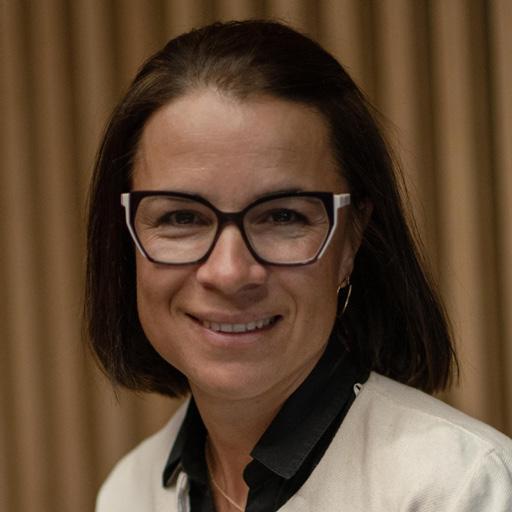
Dr Skye Scott and Dr Melinda Whitfield are family GPs and owners of Health with Heart - a holistic wellness solution that includes a warm-hearted practice in Sandton.
Subscribe to Topco Media’s official Weekly newsletter as we keep you up-to-date with the latest business blogs and articles.

BY FIONA WAKELIN
South Africa commemorates Human Rights Month in March under the theme: “Bill of Rights at 30: Making Human Dignity Real.” South Africa’s Human Rights Month is rooted in the tragic events of the Sharpeville massacre on 21 March 1960, where the apartheid regime killed 69 peaceful protestors, exposing the state's grave human rights violations.
At the time, systemic inequalities were entrenched through oppressive laws such as the pass laws and the Group Areas Act. The collective struggle, courageous actions, and sacrifices of leaders like former President Nelson Mandela and Robert Sobukwe, alongside other countless activists, paved the way for a constitutional democracy built on justice, equality, and human dignity.
During this month, we honour the struggle stalwarts whose courage and sacrifices secured our freedom. This year’s Human Right Month coincides with the commemoration of 30 years of the adoption of The Constitution. The celebration of The Constitution’s 30th anniversary happens as the same time with the seventh democratic local government elections which will be held later this year, a testament to the resilience and maturity of our democracy.
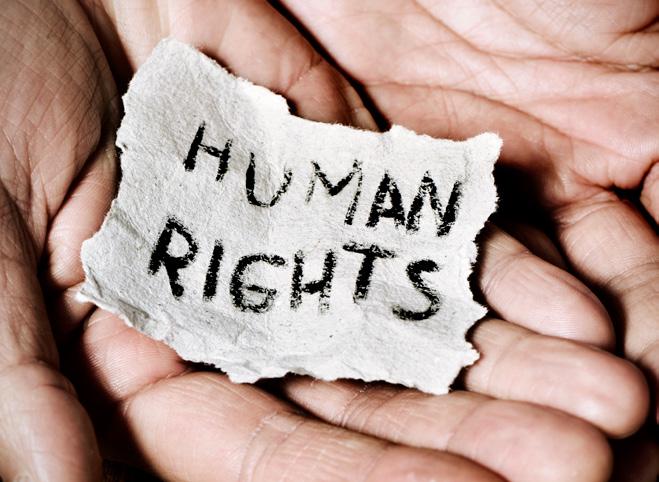
As Government observes International Women’s Day (8 March 2026), under the theme “Give to Gain”, South Africa also commemorates the historic 1956 Women’s March, which took place 70 years ago. On that day, more than 20 000 women marched to the Union Buildings in Pretoria in protest against the oppressive pass laws that restricted the freedom of movement of black South Africans.
Today, women face a different but equally serious challenge in the form of Gender-based Violence and Femicide (GBVF). Government has recognised GBVF as a national crisis that requires a collective and coordinated response from all sectors of society. Ending this scourge demands the active participation of communities, civil society, government, faith-based organisations, business, labour and citizens.
The theme, “Give to Gain”, calls on all South Africans to play their part in dismantling the attitudes and behaviours that enable violence against women and children. This includes reporting abuse, supporting victims and refusing to remain silent in the face of injustice. The safety and dignity of women and children is everyone’s responsibility.

16-20 MAR
The National Water Week campaign is aimed at educating the public about their responsibility in water conservation initiatives, raising awareness around the need to protect and conserve the country’s water resources.
The Department of Water and Sanitation celebrates Water Week by urging everyone to use water sparingly to ensure water for all.
Water Month is an expansion of the World Water Day, spearheaded by United Nations on 22 March, which focuses its attention on the importance of freshwater and advocating for the sustainable management of freshwater resources.
This day is used as a basis for longerterm action involving governments across the globe with an aim to ensure that everyone in the world has access to safe water by 2030, while not impacting negatively on the environment.
Each year, the United Nations Water sets a theme for World Water Day which corresponds to a current or future challenge.

21 MAR
Human Rights Day in South Africa is historically linked with 21 March 1960, and the events of Sharpeville. On that day 69 people died and 180 were wounded when police fired on a peaceful crowd that had gathered in protest against the Pass laws. This day marked an affirmation by ordinary people, rising in unison to proclaim their rights. It became an iconic date in our country’s history that today we commemorate as Human Rights Day as a reminder of our rights and the cost paid for our treasured human rights.
The history of Human Rights Day is grounded in the Sharpeville Massacre that took place on 21 March 1960, where the apartheid police shot and killed 69 people in a peaceful protest march.

World Water Day takes place each and every year on March 22nd and aims to underline the importance of water. While this may sound simple – and, in many people’s eyes, a bit daft – the lack of clean water around the world, alongside the damaging effects of global warming, water pollution and damaged water tables, is more important to understand than ever.
The initiative is spearheaded by the UN, alongside UNESCO, the World Water Council and the WWF – the one with pandas, not the one with Macho Man Randy Savage and Hulk Hogan. Using the day as a basis for longer-term action, the UN aims to ensure that everyone in the world has access to safe water by 2030, while not impacting the environment.
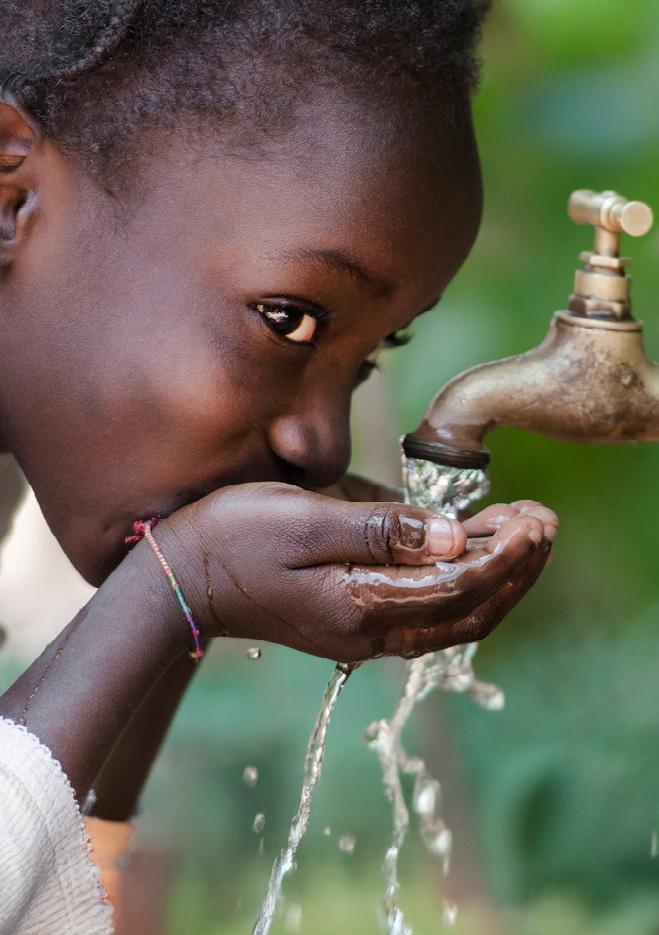
25 MAR
The International Day of Remembrance of the Victims of Slavery and the Transatlantic Slave Trade
The International Day of Remembrance of the Victims of Slavery and the Transatlantic Slave Trade in 2026 will be on Wednesday, March 25, 2026. This annual United Nations observance commemorates the millions of people who were enslaved and killed during the transatlantic slave trade and raises awareness about the dangers of racism and prejudice today.
The transatlantic slave trade, often known as the triangular trade, connected the economies of three continents. It is estimated that between 15 to 20 million people, men, women and children, were deported from their homes and sold as slaves in the different slave trading systems.
The yearly remembrance serves not only as an opportunity to reflect on those that suffered and perished at the hands of slavery, but also as an occasion to raise awareness to the world’s youth about the dangers of racism and prejudice.
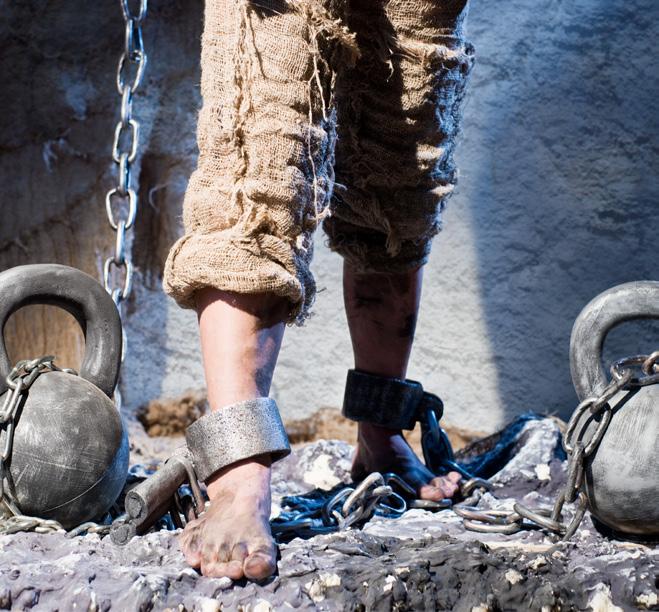
Stay informed about environmental, social, & governance trends, strategies & best practices. Feature in our publication to join us in shaping a better tomorrow.







Discover the latest trends, success stories, and thought leadership in our 23rd edition of Impumelelo Top Empowerment