GUNPLA NAVAIGATION CATALOGUE 2023

What is Gundam?
• Overview about Gundam.

TV Series.
• Popular TV series.
Manga & Games.
• Overall about manga.
• Popular games.
Cutural impact of Gundam.
• Commercial.
• Museum.
• Military.
What is Gunpla?
• Overview about Gunpla.
Types of Gunpla.
• Hight grade.
• Real grade.
• Master grade.
• Perfect grade.
Third party products.
• Overview about third party.
How to build Gunpla?
• Preparation.
• Steps.
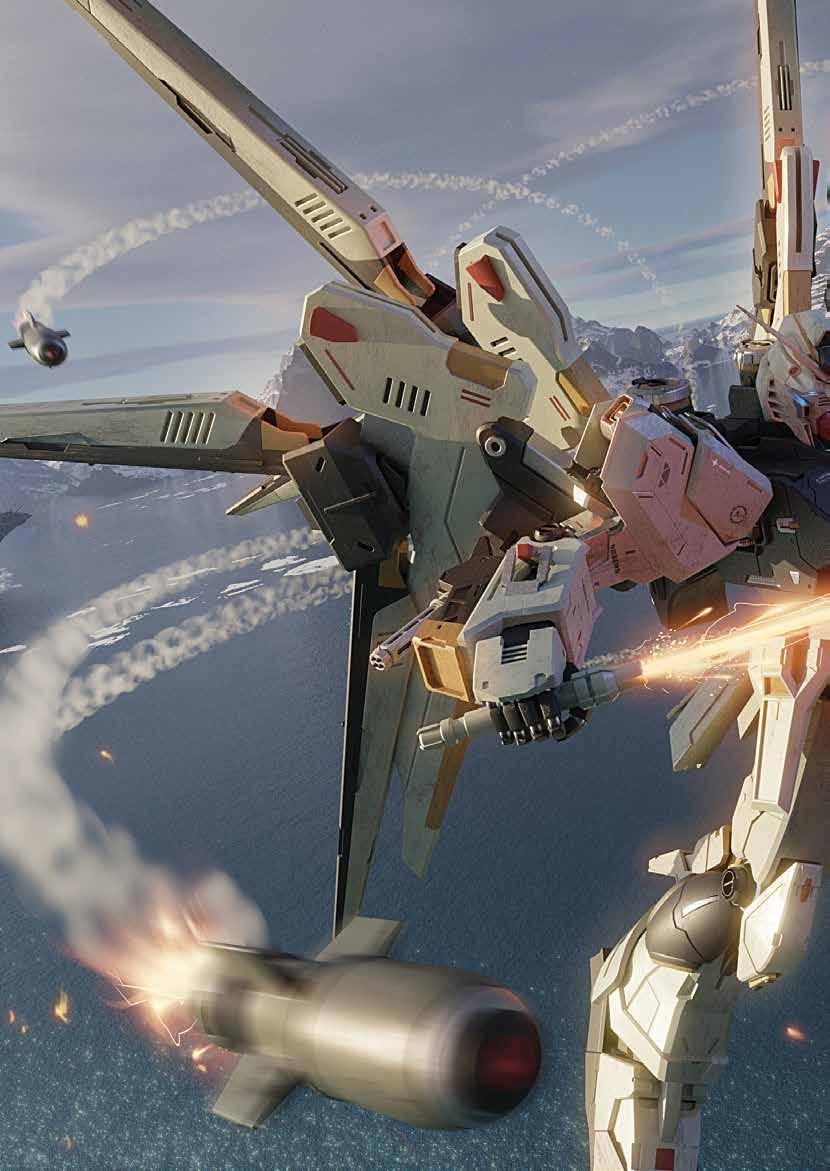

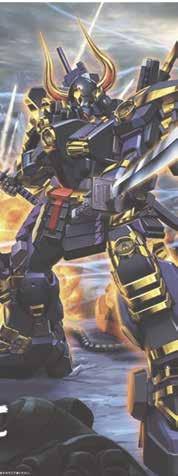
Gundam is a popular and iconic Japanese media franchise that began in 1979 with the release of the animated television series called “Mobile Suit Gundam.” Created by Yoshiyuki Tomino, Gundam has since expanded into various forms of media, including anime, manga, films, video games, and merchandise.
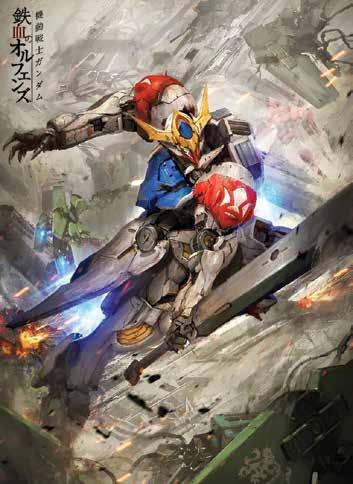
The franchise is set in a fictional future universe where humanity has colonized space. It revolves around the conflict between different factions, primarily the Earth Federation and various rebel groups known as Principality of Zeon. The series features large robotic combat suits called “mobile suits” or “Gundams,” which are piloted by characters on both sides of the conflict.
Gundam is known for its complex and realistic depiction of war, political intrigue, and moral dilemmas. It often explores themes such as the consequences of war, the impact of technology on society, and the limitations of humanity. The franchise has gained a massive following worldwide and has become a cultural phenomenon.
Each Gundam series or iteration offers its own unique storylines, characters, and settings. Some series exist within alternative universes or continuities, allowing for fresh interpretations and distinctive narratives. Notable entries in the Gundam franchise include “Gundam Wing,” “Mobile Suit Gundam SEED,” “Gundam 00,” and “Gundam Unicorn,” among many others.
Gundam has made a significant impact on the anime and mecha genres through its captivating storytelling, memorable characters, and visually stunning actionsequences. Its exploration of war, politics, and humanity has garnered a dedicated fan base and cemented its place as a cultural phenomenon in Japan and beyond. Whether you’re a casual , Gundam offers an expansive and immersive universe to explore.
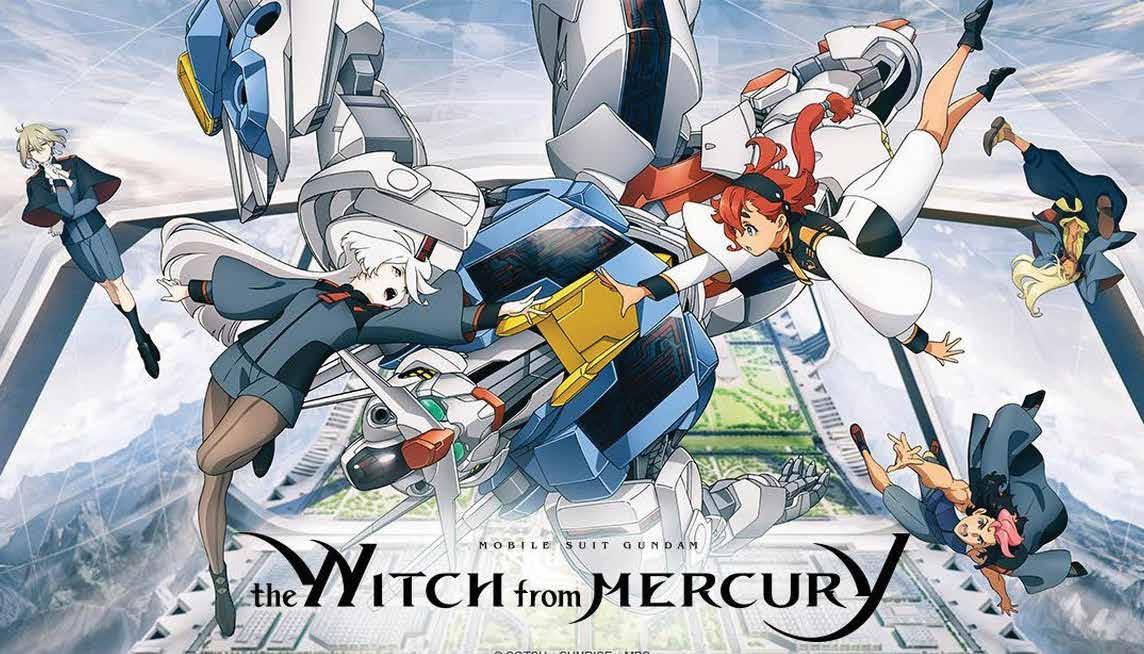

• Time: 4/1995 - 3/1996. Episodes: 49.
• The 6th installment in the franchise.
• Time: 10/2007 - 3/2009.
• Episodes: 50.
• The 11th installment in the franchise.
• Time: 4/2016 - 9/2016.
• Episodes: 22.
Gundam
Time: 2018 - 2019.
• Episodes: 26.
Gundam



• Time: 2019 - 2020.
• Episodes: 26.
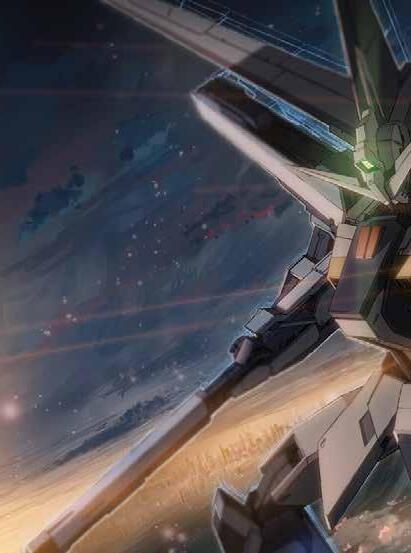
Iron-blooded

Time: 2015 - 2017.
• Episodes: 50.
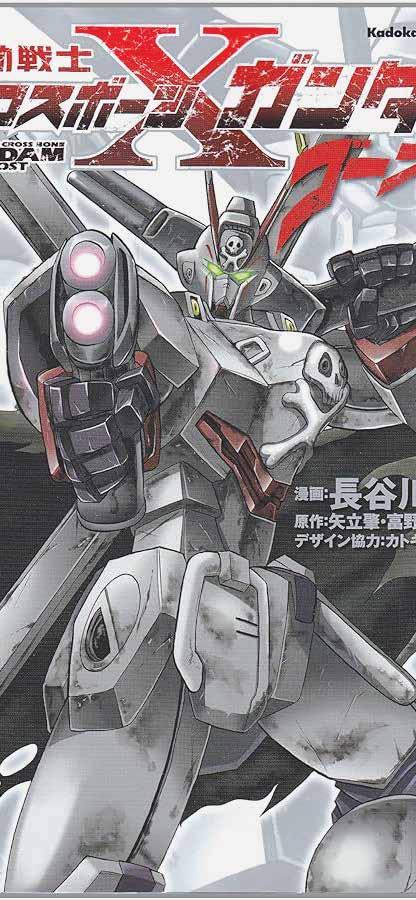
The Gundam manga refers to the various manga adaptations of the Gundam franchise. Gundam is a popular mecha anime and media franchise created by Yoshiyuki Tomino and Sunrise studio These Gundam manga series expand upon the Gundam universe, offering fans a deeper understanding of the story and characters. They often provide additional details, character development, and new perspectives on the events depicted in the anime series. Whether you’re a fan of the original Gundam series or new to the franchise, the Gundam manga can be a great way to immerse yourself in the rich and vast world of mecha and science fiction.

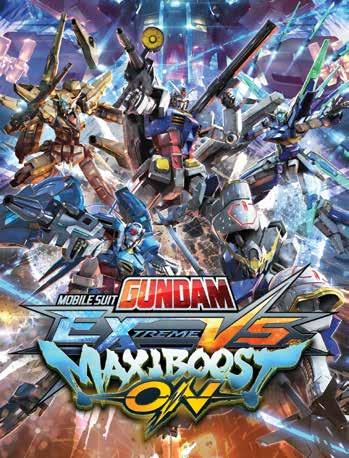
Mobile Suit Gundam: Extreme Vs. series is an arcade-style fighting game series that offers fast-paced battles featuring player-controlled mobile suits from various Gundam series. These games place a strong emphasis on multiplayer gameplay, allowing players to compete against each other in intense battles.The “Extreme Vs.” series also typically offers a variety of game modes, including offline single-player campaigns, online multiplayer battles, and cooperative gameplay. It often incorporates various features and mechanics to capture the essence of piloting a Gundam, such as boost-dashing, blocking, using special attacks, and more. Additionally, the games feature detailed and visually impressive graphics, aiming to recreate the excitement and spectacle of Gundam battles. Whether you are playing with friends in an arcade or participating in online battles, these games offer a thrilling and action-packed gameplay experience in the Gundam universe.
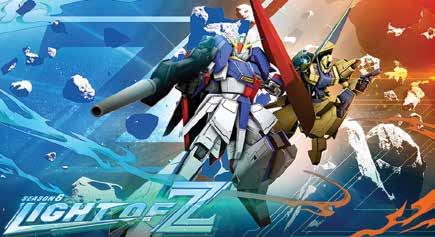
Gundam franchise has a wide range of video games that allow fans to immerse themselves in the world of Gundam and experience the thrill of piloting giant mecha suits in various settings and stories. These games are available on various platforms, including consoles, handheld devices, and PC. “Dynasty Warriors: Gundam” series: This crossover series combines the gameplay mechanics of the popular “Dynasty Warriors” series with the Gundam universe.
Extreme Vs.series is typically 2 vs. 2 or 3 vs. 3 matches, where players control their chosen mobile suits and engage in high-speed combat. The games often feature a wide selection of mobile suits from different Gundam series, giving players the opportunity to choose their favorite mecha and utilize their unique abilities and weapons.
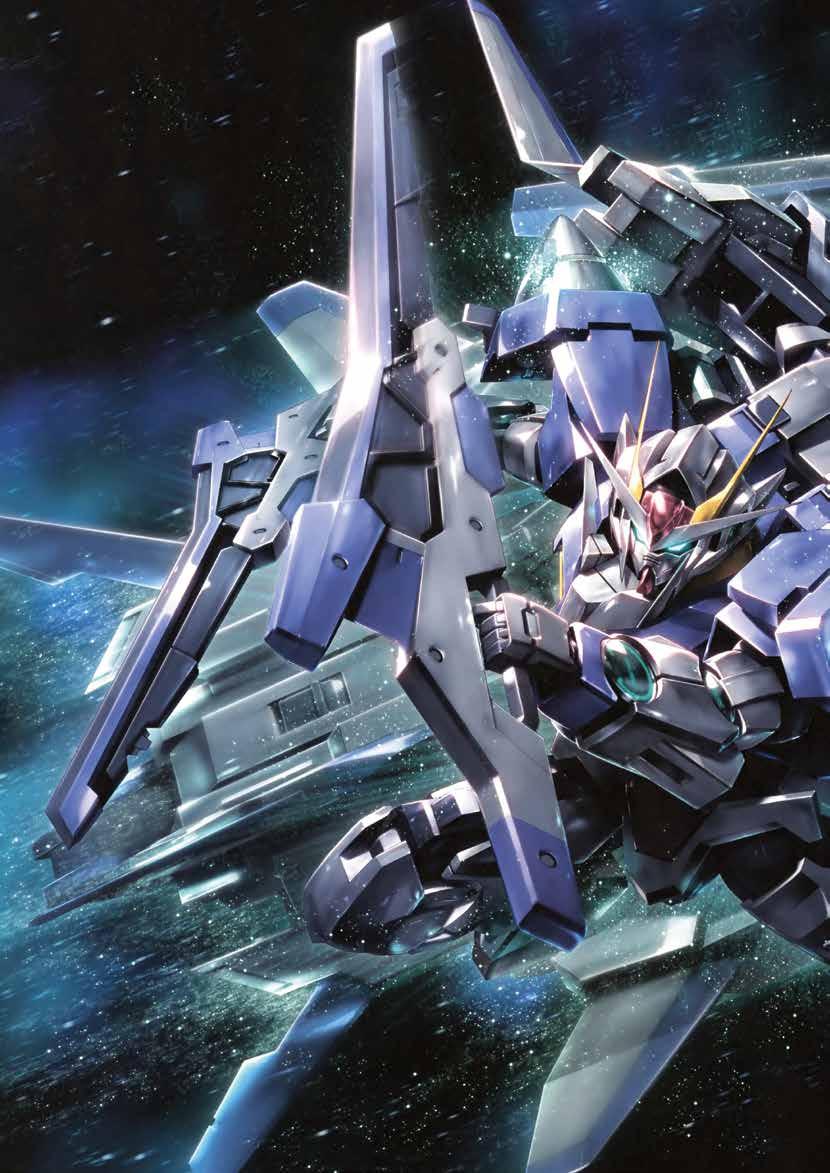
The Gundam franchise covers ten universes that comprise a dozen TV series, over twenty animated movies, and dozens of novels and manga. Bandai is the fourth largest toy manufacturer in the world and Gundam merchandise makes up 20% of its sales. In 2004, Gundam sales resulted in profits of ¥42.8 billion, growing to ¥54.5 billion annual profit by 2007, and ¥80.2 billion annual revenue per year by 2014.
Gundam Base Tokyo is a dedicated museum to Gundam. Among its major attractions is the Gundam Statue of the RG 1/1 RX-78-2 Gundam Ver. GFT[Gundam Front Tokyo]. It features a display collection of over 1000 Gunpla models and the biggest exhibition of Gunpla in the world.[9] In 2012, Robots Gone Bad covered the museum and stated that it houses 90% of the kits ever made.
The code name for the under-development Japan Self-Defense Forces advanced personal combat equipment is “Gundam”. On the display exhibition on 7 November 2007, the equipment of the set contains infra-red camera and scope that can verify if the incoming target is a friend or foe, along with a monitor display that can browse the internet. The equipment has a total weight of 9 kg and the powered suit can run for 8 hours.
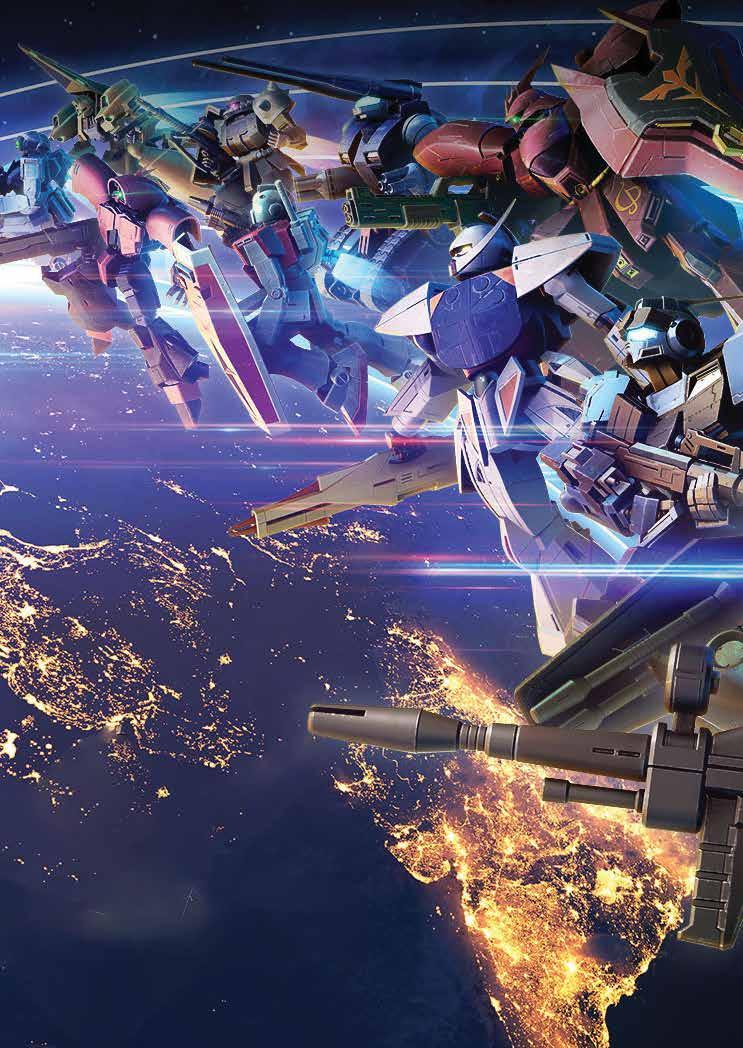
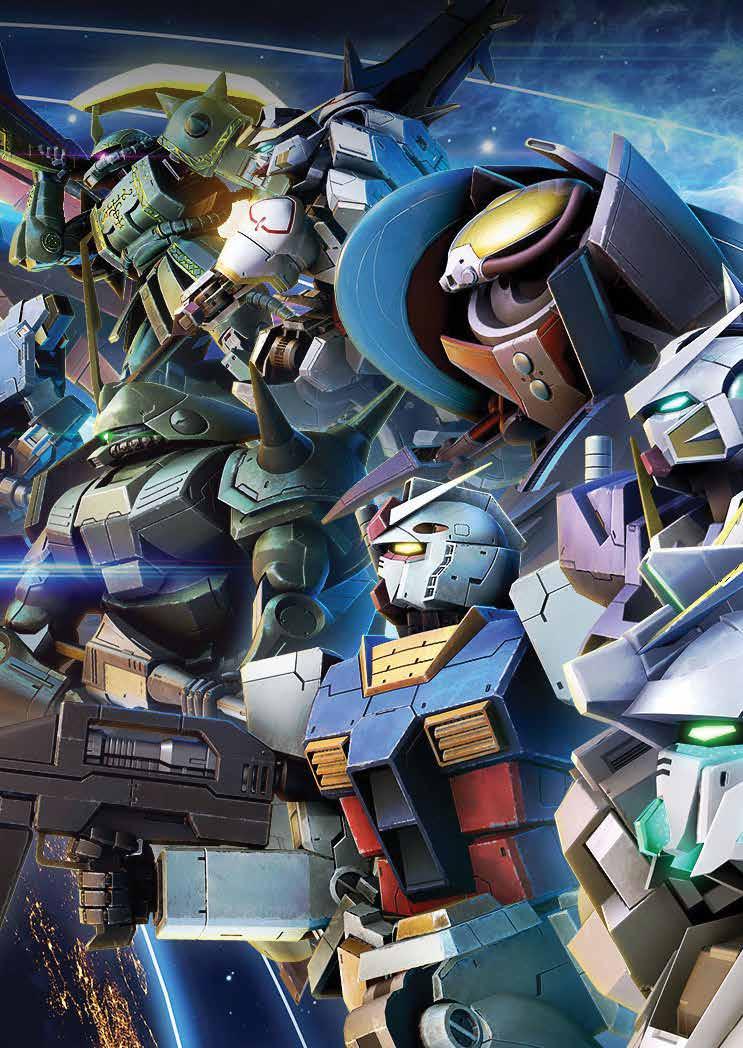
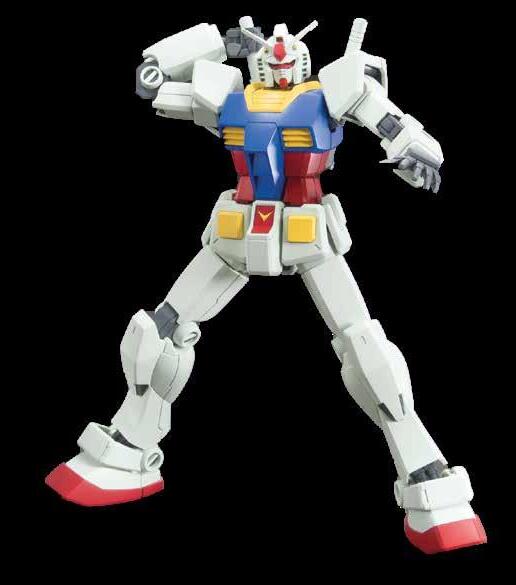
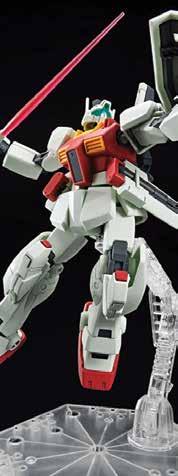
Gunpla stands for “Gundam Plastic Model.” It refers to plastic model kits that allow fans to build and customize their own Gundam mecha from the popular Gundam anime and manga series. GUNPLA originated in Japan and has gained a worldwide following. These model kits come in various scales, complexity levels, and designs, allowing enthusiasts to recreate their favorite mobile suits from the Gundam universe. Building GUNPLA can be a hobby and a form of artistic expression for fans of the Gundam franchise.
Over 400 million GUNPLA models have been sold in the past 30 years since the 1:144 GUNDAM was first released in 1980. GUNPLA models are now made domestically in Janpan from planning & development to production at the BANDAI Hobby to maintain high quality and accurately meet market demand while ensuring uniformity in design.

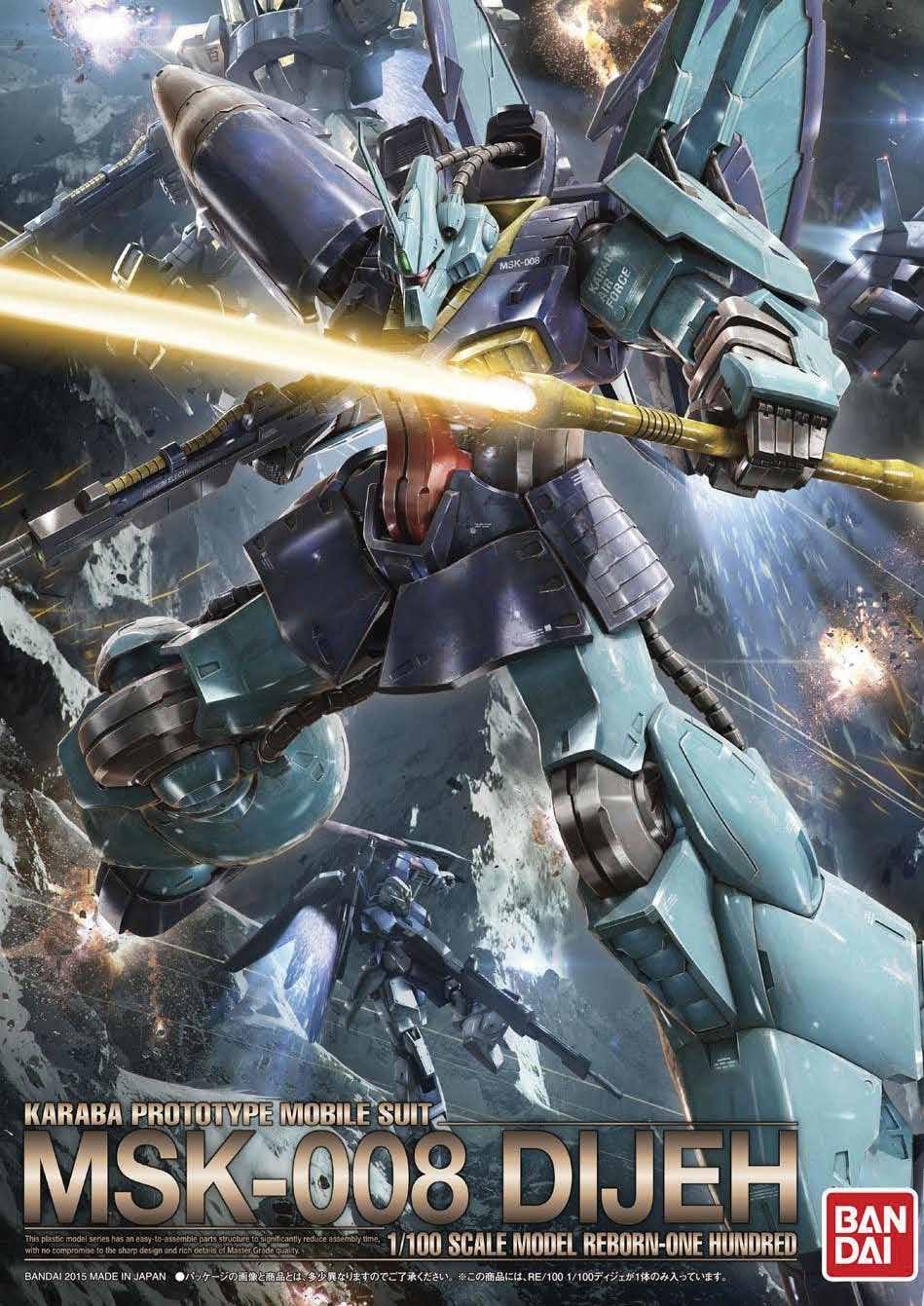
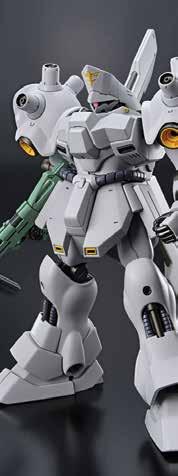
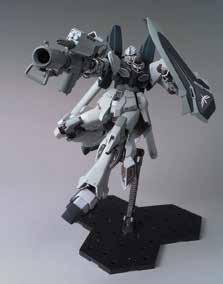
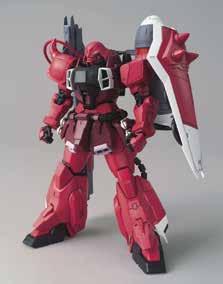
In 1990, Bandai introduced the High Grade (HG) line. This line can be easily afforded due to the low price (compare to MG line) so it is really popular. These models are mostly in 1:144 scale, though some older kits are in 1:100 scale. It is important to note that the SEED and SEED DESTINY 1:100 scale models do not have HG listed anywhere on the box or manual, but they are considered HG in terms of quality.
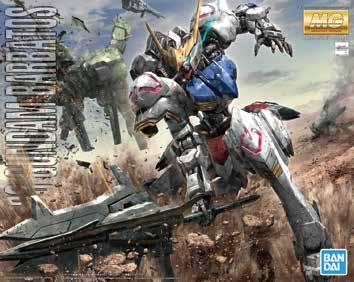
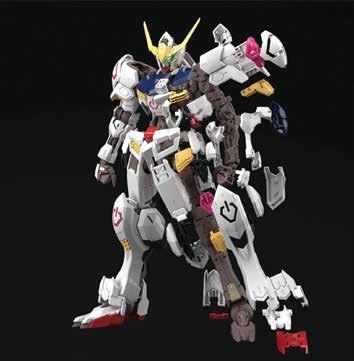
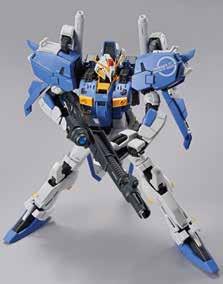
In 1995, the 1:100 Master Grade (MG) line was introduced. This line featured more parts, better detail and improved articulation than the high grade kits. For example, you can see the details in the MG Barbatos kit with multiple parts in order to create lots of flexible joints for the figure and the users can easily create more poses. It also helps the kit to be looked more realistic. However, these kits are quite expensive (compare to HG and RG line).
Beginning in 2005 with the Zeta Gundam and Gundam Mk-II, Older MG Kits would be
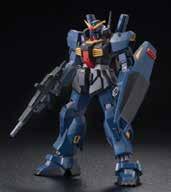
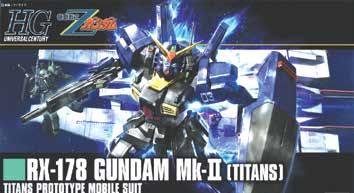
redesigned under the Ver.2.0 moniker with features such as improved articulation and a full inner frame. The RX-78-2 Gundam has had multiple MG iterations, including a Ver.1.5 that uses a mix of old and new parts, a Ver.2.0 that is more faithful to the original anime.
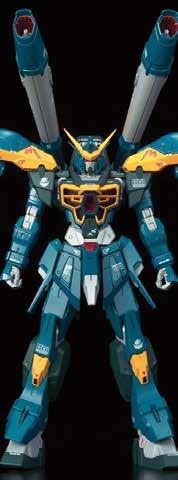
In July 2010, Bandai introduced the 1:144 Real Grade (RG) line as part of the “Gundam 30th Anniversary”, which takes design elements from the Master Grade and Perfect Grade line such as an inner skeletal frame. This Gunpla line achieves the largest range of motion in each joint. You can see the differences in the right-side picture between HG kit and RG kit.RG kit can be seen with more details even they have the same scale (1:144).
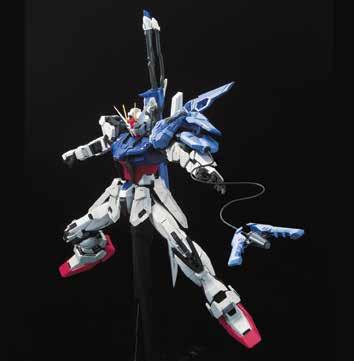

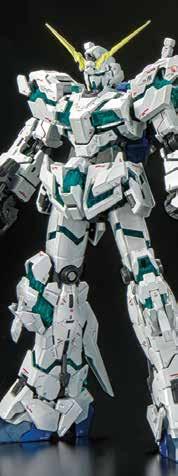
The highest quality kits are known as Perfect Grade (PG), introduced in 1998. These 1:60 scale models are made of even higher quality plastic and metal components. These kits include parts that have to be secured with screws, and often require some minor wiring for small LEDs. The market for the Perfect Grade level of models is limited due to the higher cost, often costing between 4 million VND to 11 million VND. Perfect Grade models are a true challenge and their construction can take days, or even weeks. PG is the highest grade line of Bandai kits. The first PG Gunpla kit was a RX 78-2 Gundam model released in
1998, but an Evangelion Unit-01 kit labeled as Perfect Grade released the year prior. Only 19 kits have been released as 1/60 Perfect Grade since then. A Perfect Grade Millennium Falcon kit released in 2017 and was 1/72 scale instead of 1/60 scale. The first PG Unleashed kit was a RX 78-2 Gundam model released in December 2020.
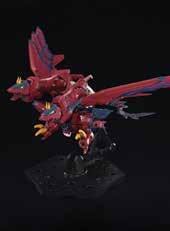
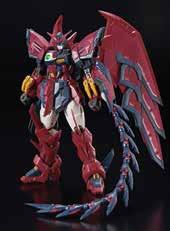
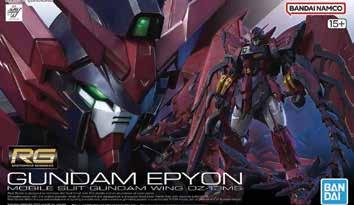
Due to the success and the fame of Gunpla, many third parties from China produce gunpla model kits. They produce various products that have nearly same design with the original model or have cool design and unique weapons which not include in any movies. There are many third parties on the market such as Daban, MJH, HS, JiJia, Nobrand, etc...
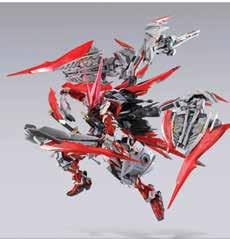
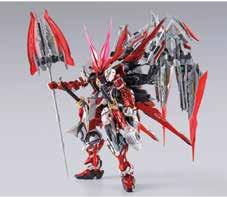
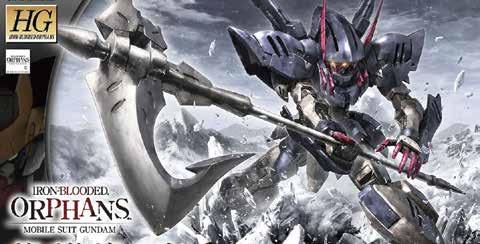
These products have a cheaper price compare to Bandai products. The players can easily buy a good figure with a reasonable price because the offical products from Bandai have a high price. For example, a PG model from Daban only cost around 1,7 million to 2 million VND, whereas a PG model from Bandai will cost around 4 to 6 million VND. In contrast, the quality will not good as the official products from Bandai.
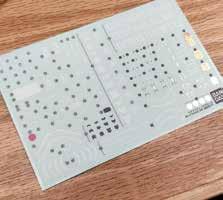
Gundam model kits come in many varieties, but the majority made from the late 80s on - standard “plastic” kits are manufactured and assembled similarly. Kits come as a collection of plastic parts, decals, and sometimes other decorative accessories which the purchaser assembled by hand into the finished model.
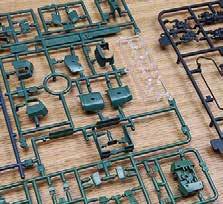
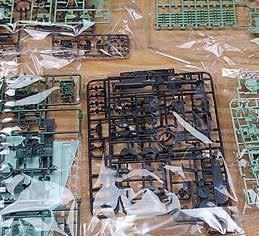
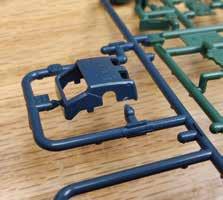
The plastic parts are delivered in the exact form they exit the injection molding machine, on a “sprue tree” - a grid of interconnecting plastic rods, called runners, created by the channels in the mold that carried the molten plastic into the cavities that create each part. Each part is connected to the runners by a small plastic nub called a “gate” where the runner connected to the cavity.
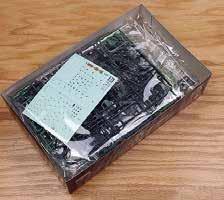
There will be 3 main steps:
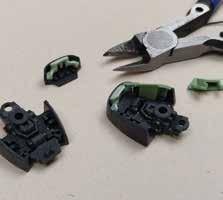
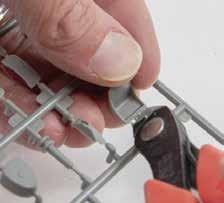
1. The kit builder must cut away this excess plastic usually with a pair of side cutting pliers - to free each part, then (optionally, but usually) clip, carve or sand away the remaining plastic tip where the gates attached to leave a clean surface.
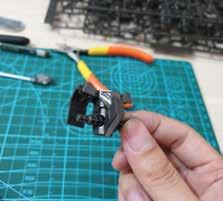
2. Once the parts have been freed, the builder must then snap them together to assemble the model. Early kits required glue, but from the late 80s onward all kits assemble without special tools or materials. Some kits use an internal frame- a complete “skeleton,” fully articulated and able to stand on its own to which panels are then attached to finish the appearance of the mecha.
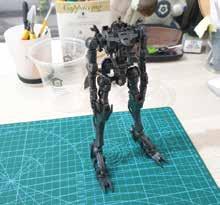
3. When it comes time to assemble the panels making up the external appearance of the model, the builder may choose to customize the model in a wide variety of ways. The most basic is simply to paint the model, which allows for a large amount of personal creativity. Applying decals is also a common technique - decals are included with most models, but are also available as separate products for customization.
Oh, maybe there is 1 more step. It is: remember to pose your gunpla.
 Step 1: Free the part from the runner.
Step 2: Assemble.
Step 3: Customize them with pannel liner.
Step 1: Free the part from the runner.
Step 2: Assemble.
Step 3: Customize them with pannel liner.