Tomas A. Diaz
Arch 607
Fall 2025
Marcel Erminy
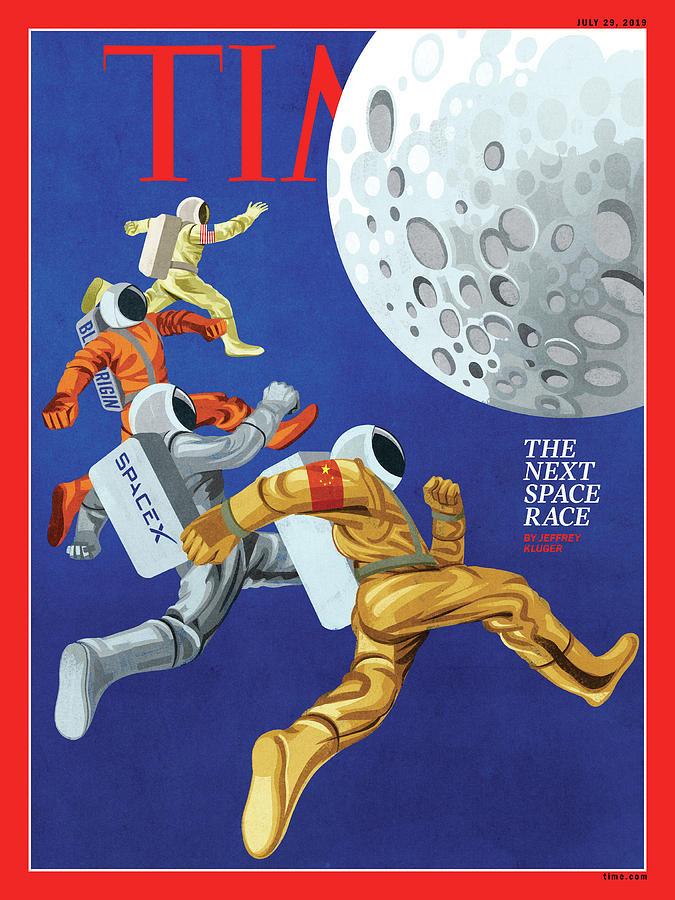
We are going to the moon, and we are going there to stay.
This statement, as part of the NASA Artemis Mission, highlights humanity’s next step in space exploration. We are making a commitment to exploring outer space to contribute to the benefit of all humanity.
Architects are needed in this field, and their contribution and collaboration with off-planet mission teams are a CRITICAL part of mission success.
1
2
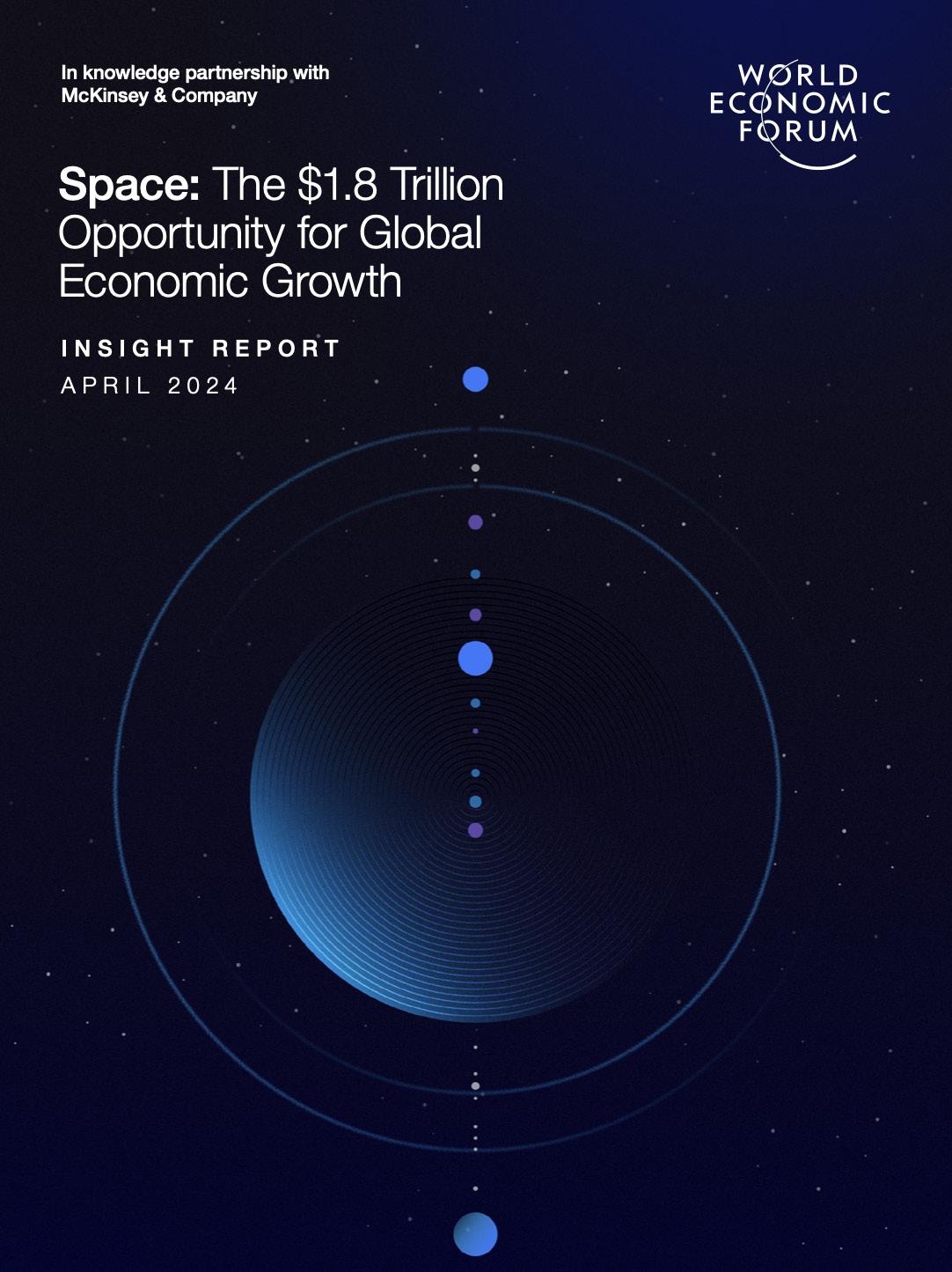
The space economy is forecast to reach $1.8 trillion by 2035, up from $630 billion in 2023 and growing at an average of 9% per year. Well above the growth rate of global GDP.
Five industries – supply chain and transportation; food and beverage; defence; retail, consumer goods and lifestyle; and digital communications – will generate more than 60% of the increase in the space economy by 2035.
1
Hazard Protection
Protection from radiation, micrometeoroid impacts, and lunar dust.
2
3
Zones for: food & water storage, eating, socialization, entertainment, privacy, sleep, recreation, waste management, medical care.
Adaptable
Ability to expand and reconfigure according to changing needs and demands.
4
Scalability
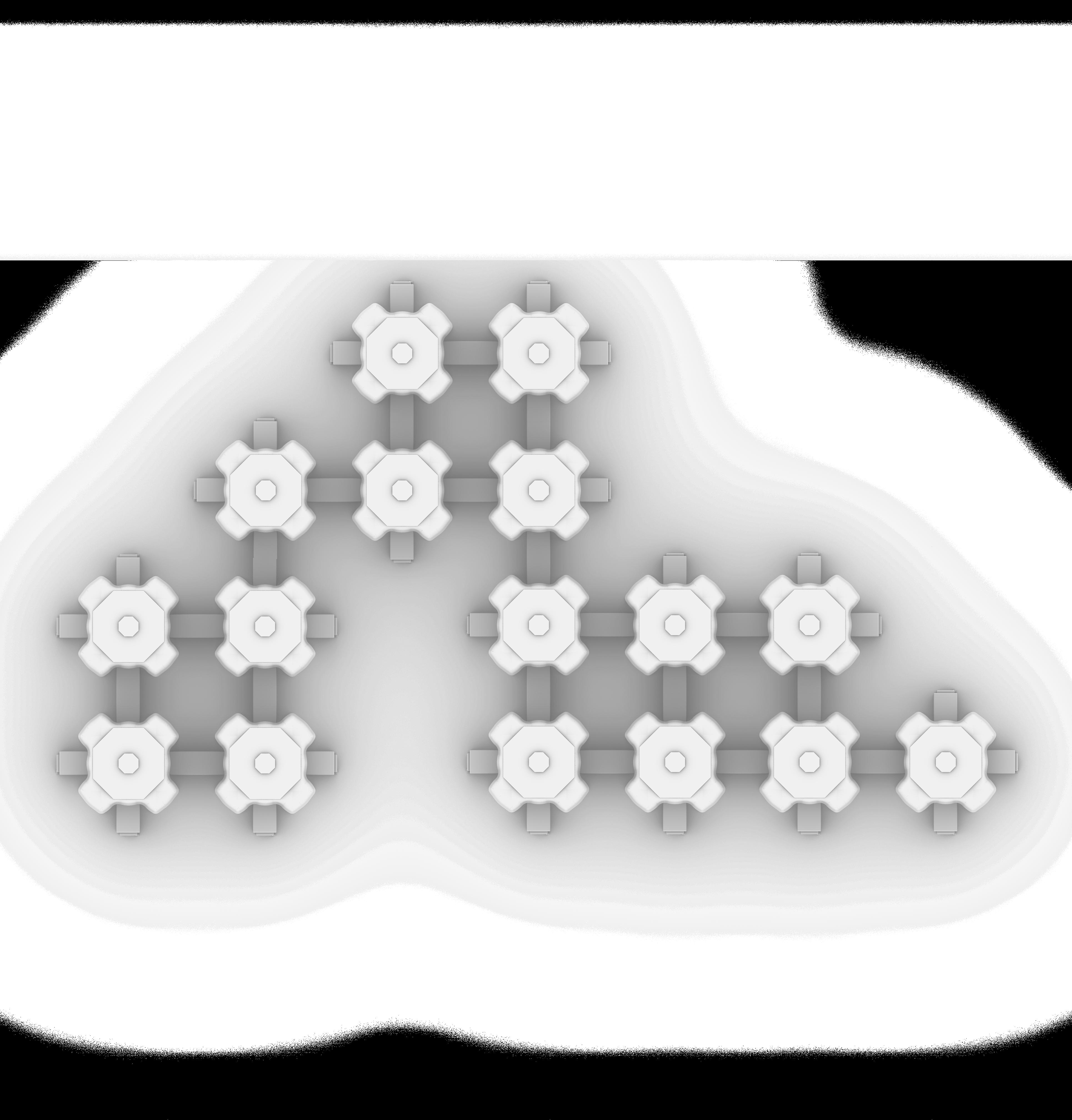
Ability to scale and cluster pods to form a larger community.
Establishing Best Practices 1 2 3 4
Standardization and Reference


Informing Trade Studies and Decision-Making
Catalyzing Innovation and Collaboration
OCEANUS
PROCELLARUM REGION
NORTH POLE
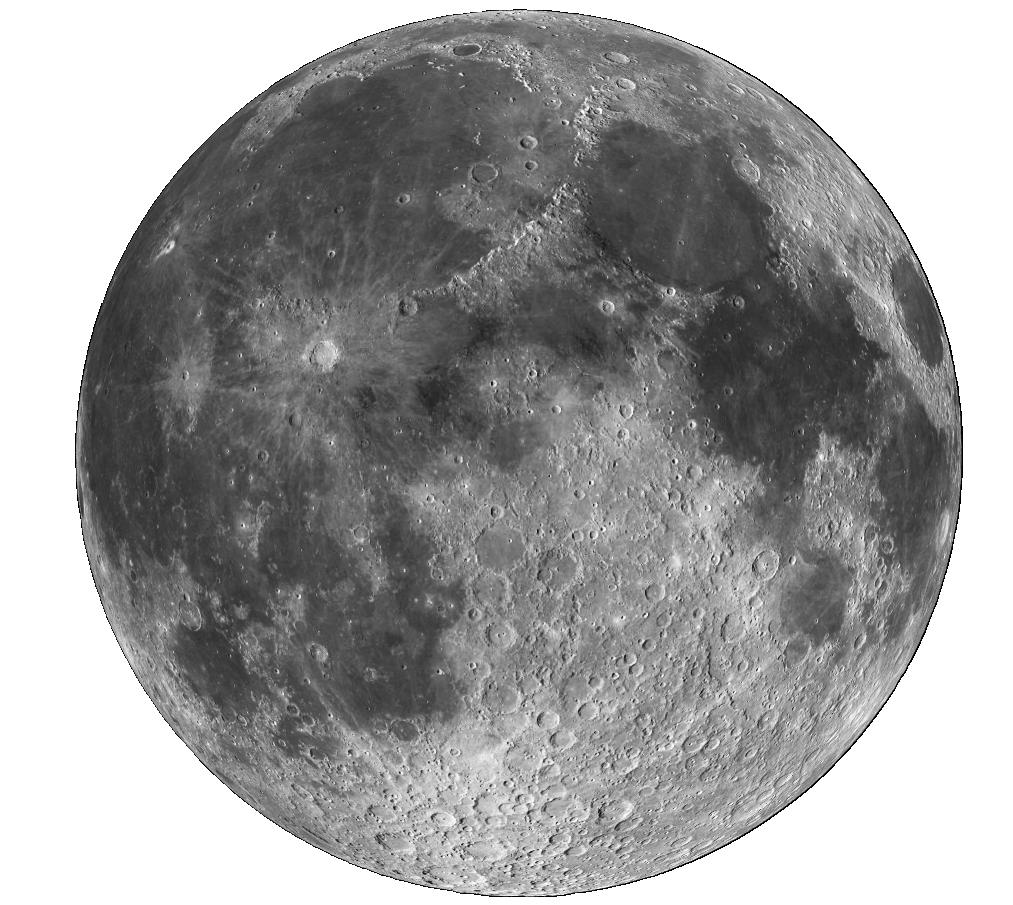
SOUTH POLE
NORTH POLE
SOUTH POLE
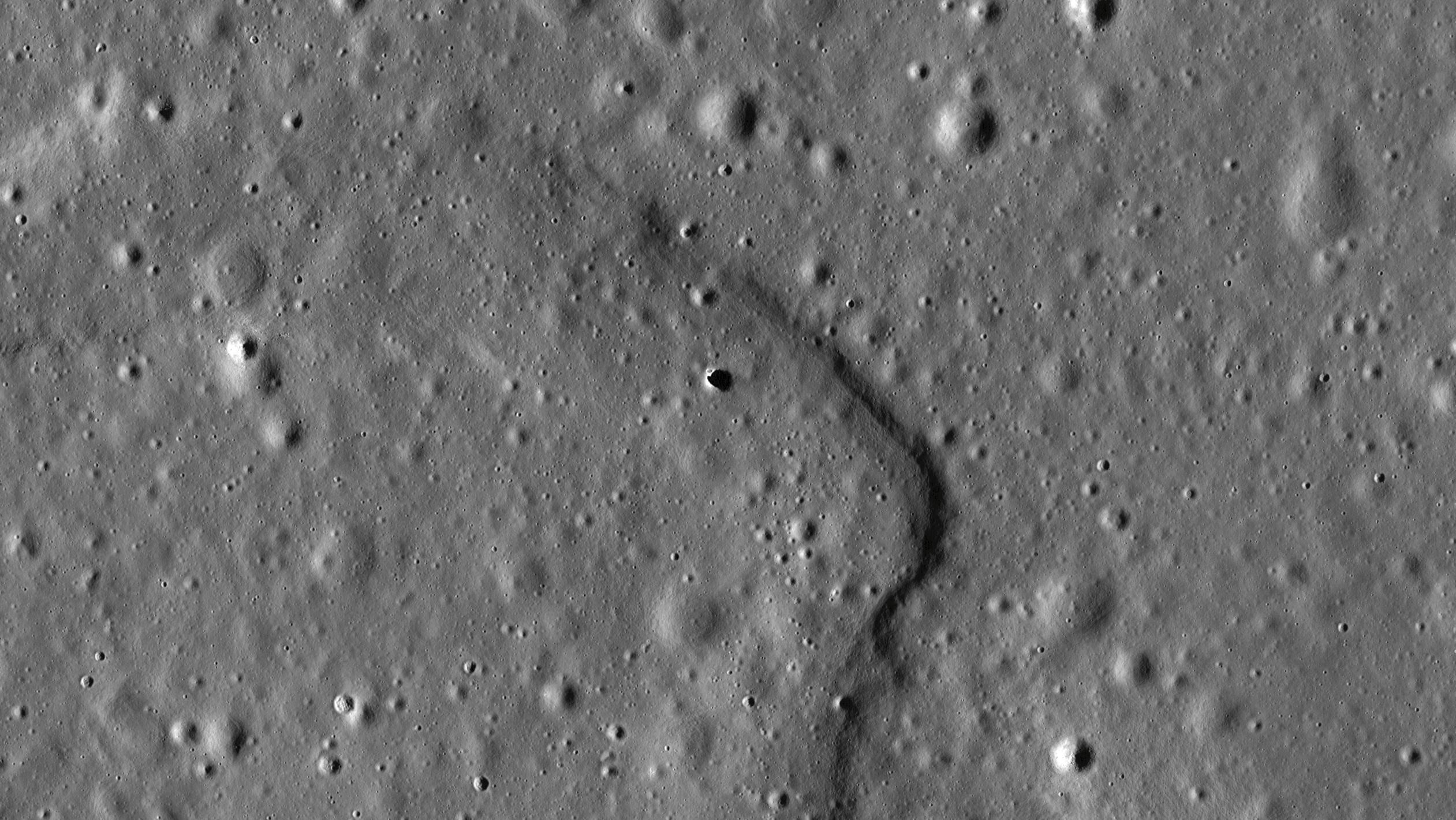


https://www.nasa.gov/solar-system/nasas-lro-finds-lunar-pits-harbor-comfortable-temperatures/
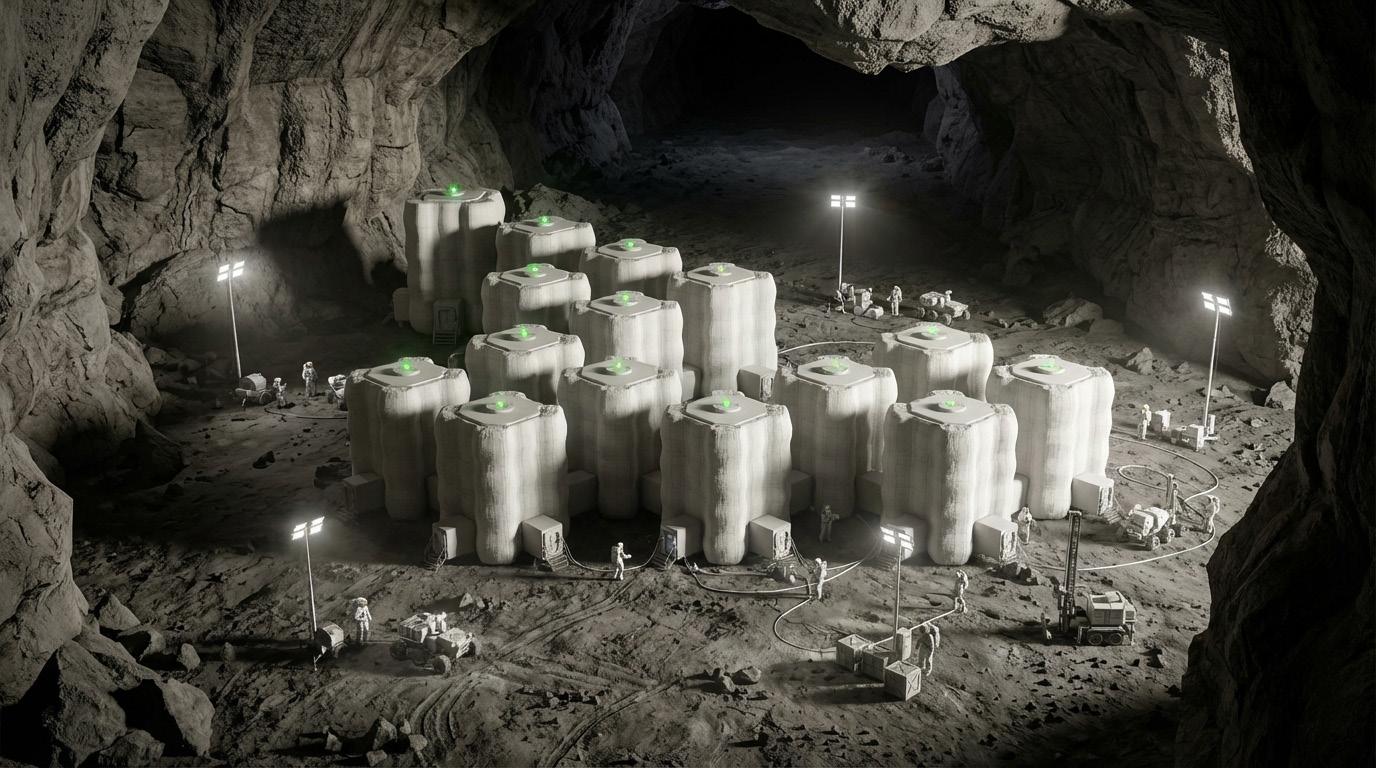
Stable temperature of 17°C (~63°F).
The temperature on the lunar surface ranges from about +127°C (260°F) during the day to –173°C (–280°F) at night.
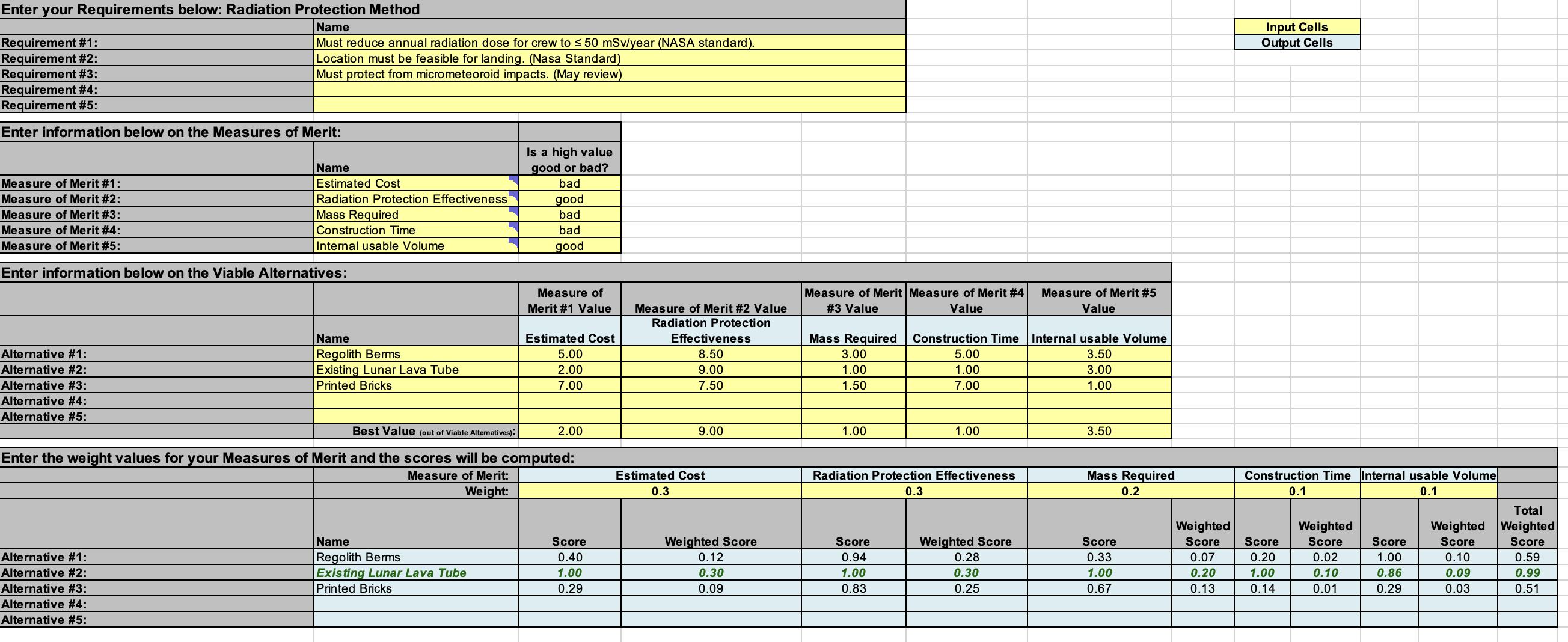
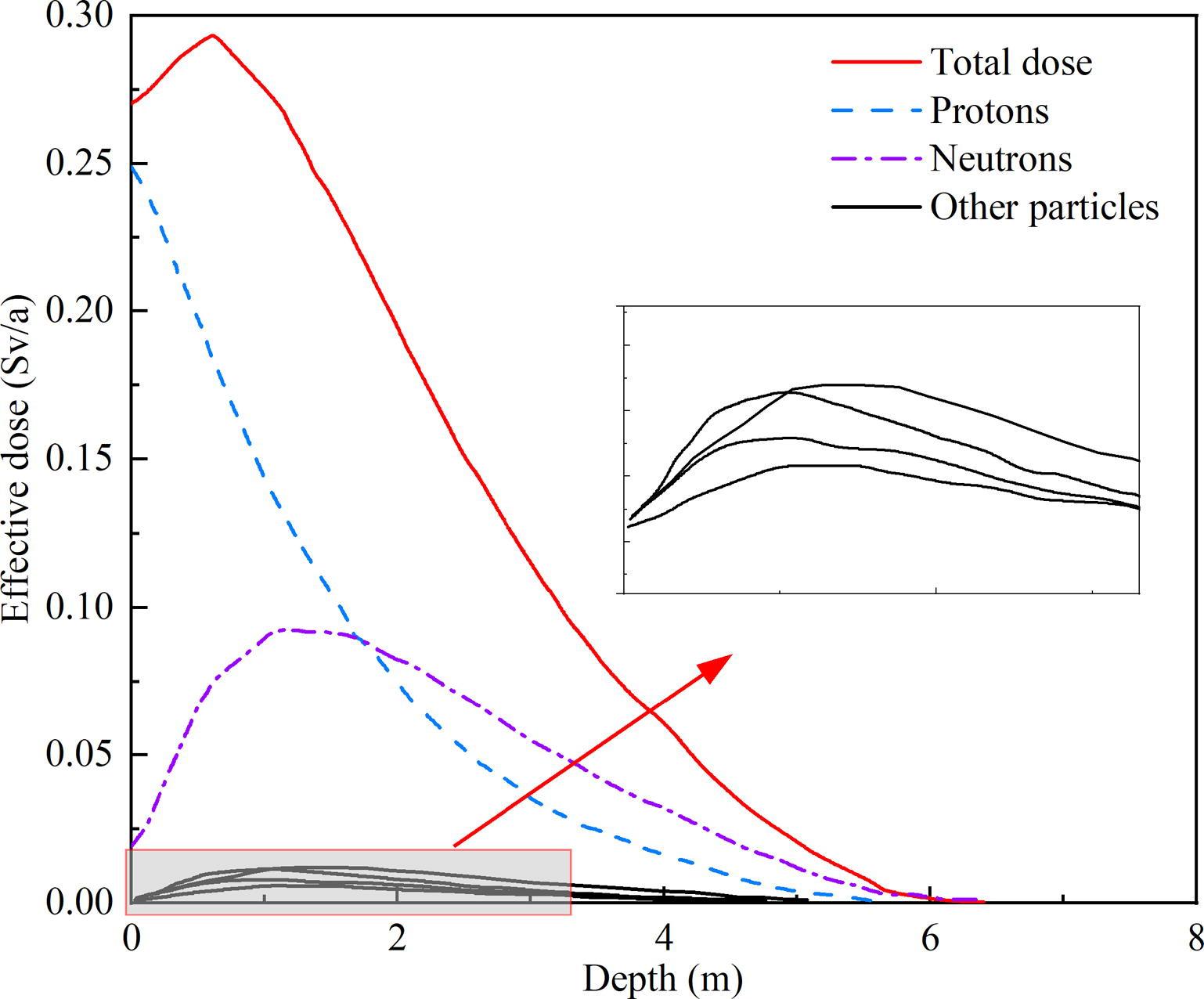
Protection from radiation and micrometeoroid impacts.
1.4 tons of micrometeoroids daily, with impact velocities averaging between 10 km/s (~22,000 MPH) and 20 km/s, (~45,000 MPH).
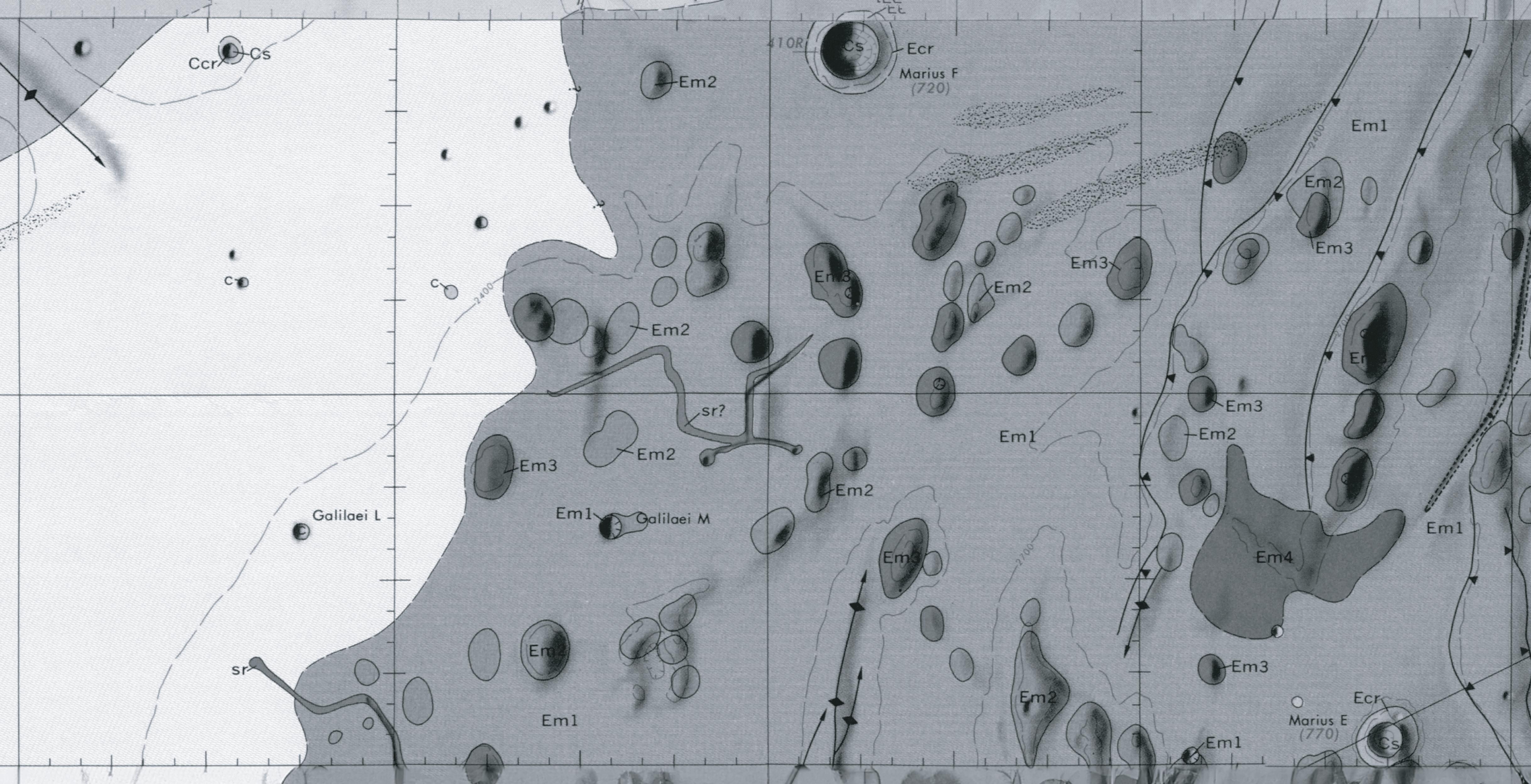
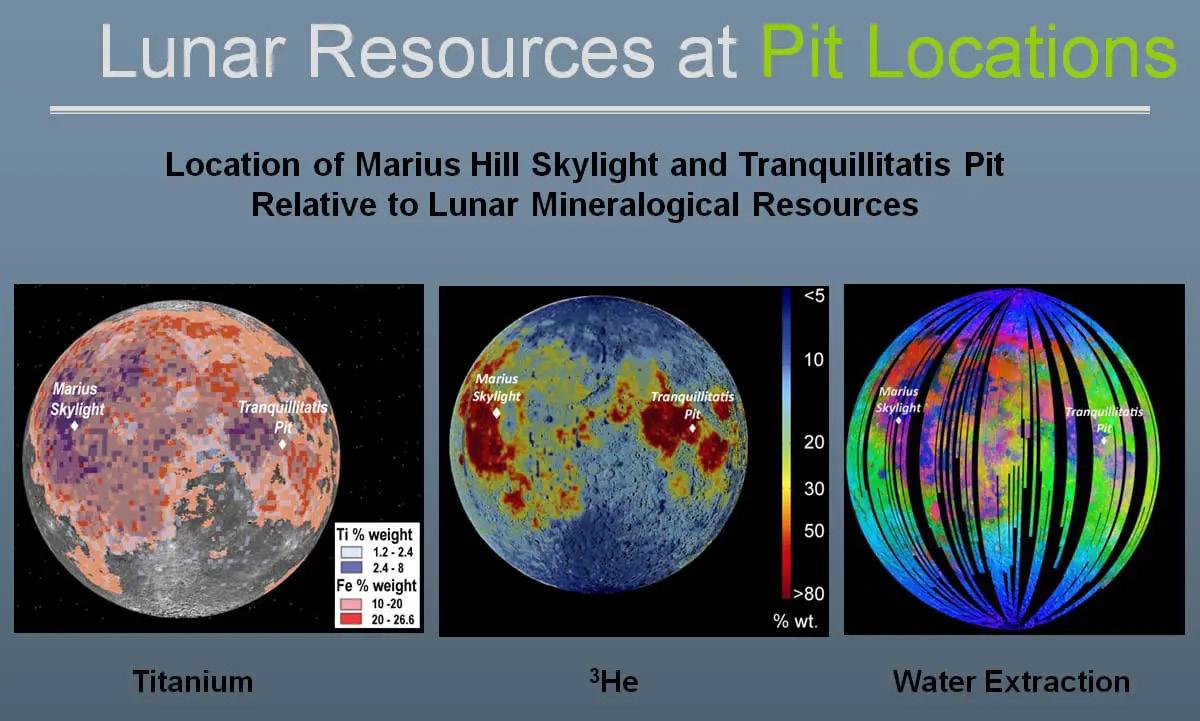
High potential of resources in equatorial maria sites.
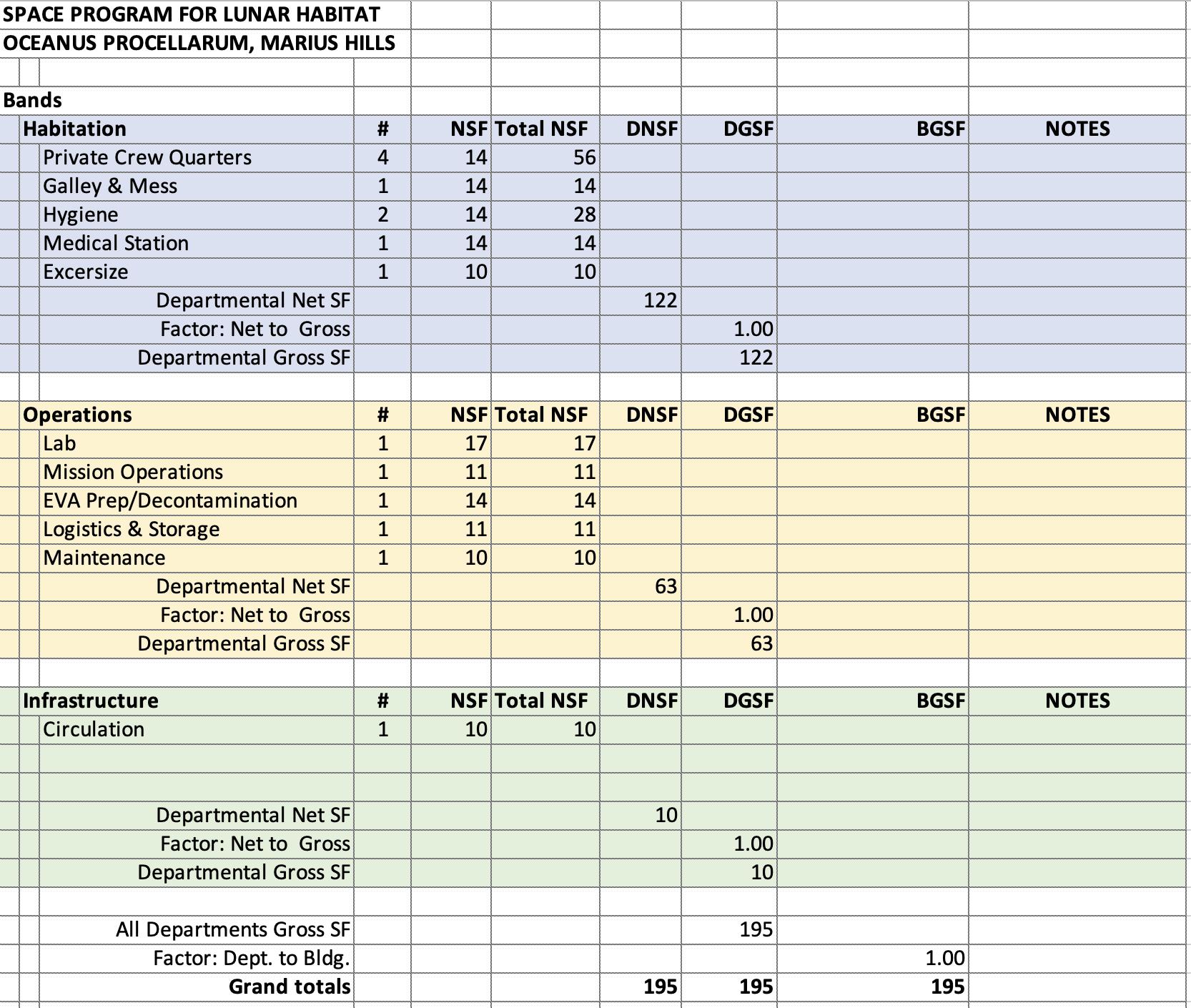
https://www.nasa.gov/wp-content/uploads/2020/10/2022-04-08_nasa-std-3001_vol_2_rev_c_final.pdf

STUDY
HYGIENE