ESTEFANIA TOLEDO

ESTEFANIA TOLEDO
2020-2024



Urban Projects
Residential Projects
8,600 ft2
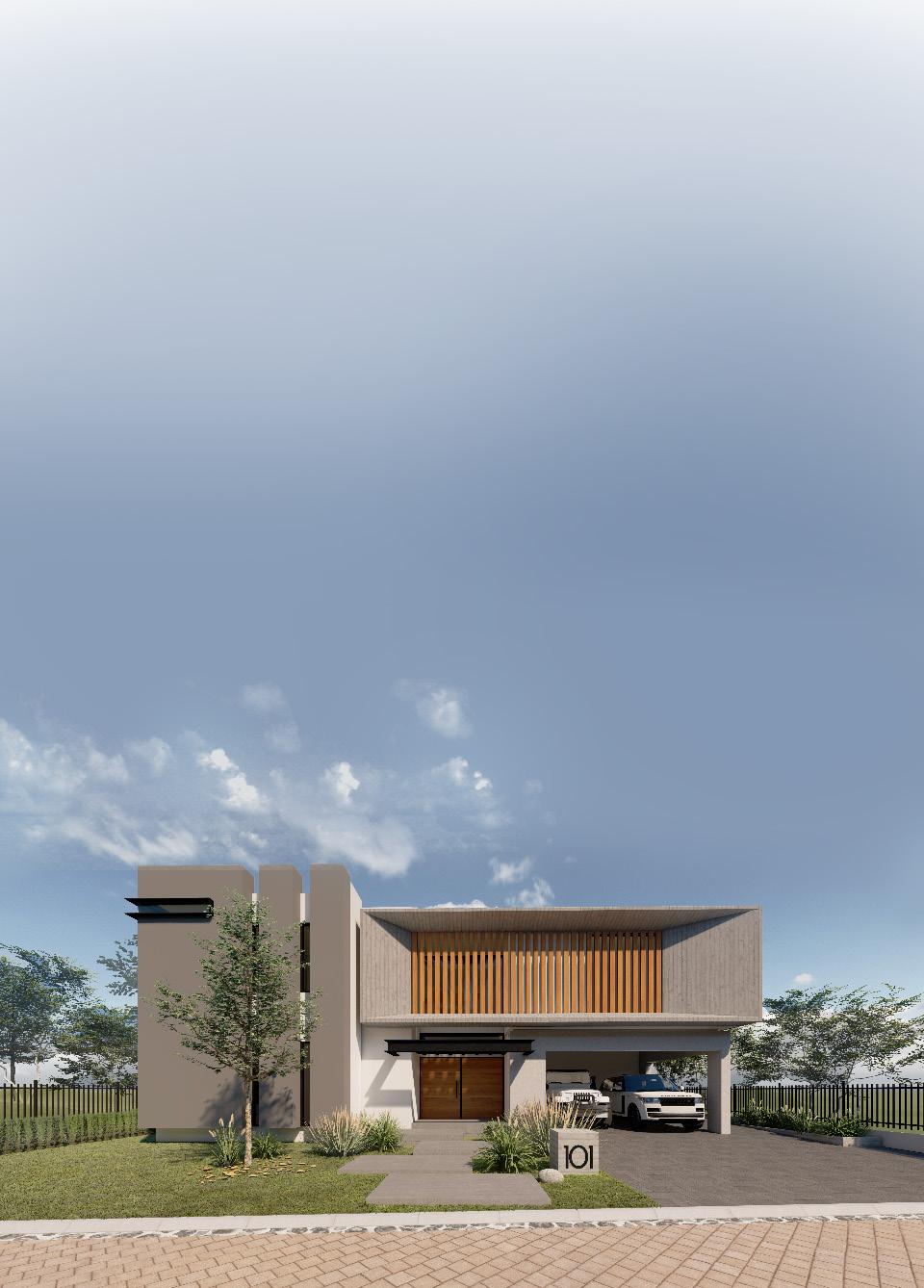
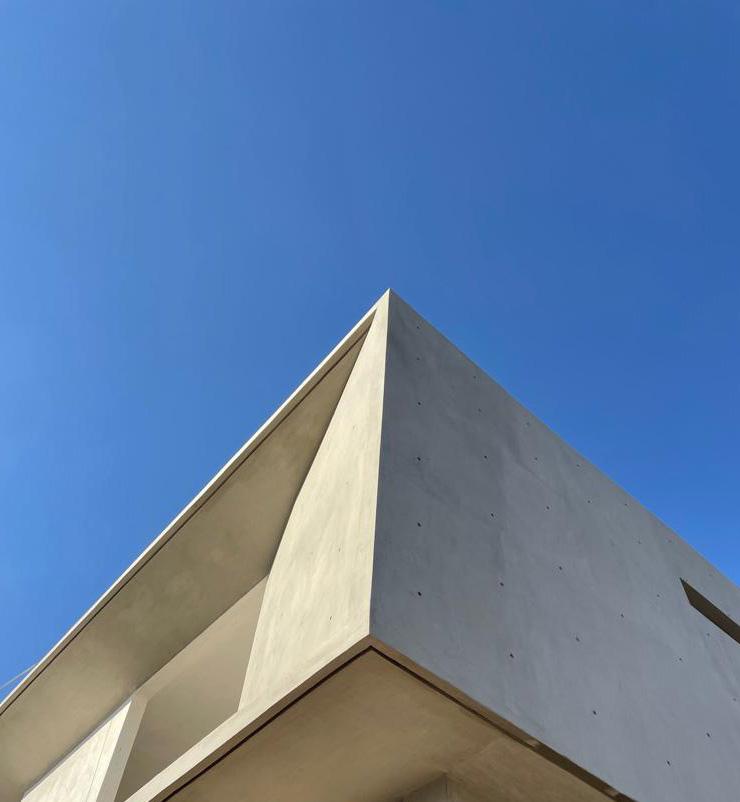
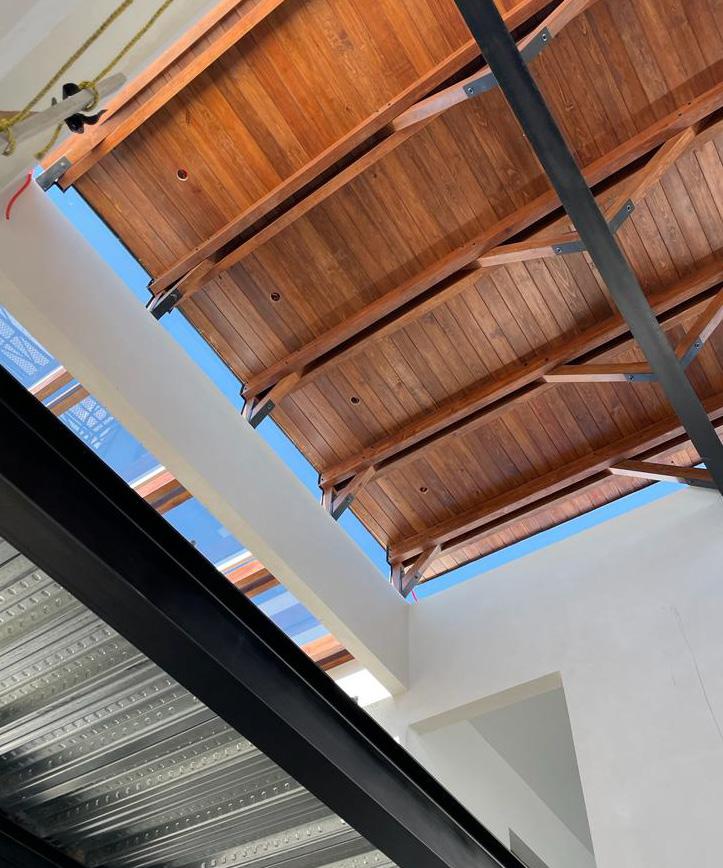
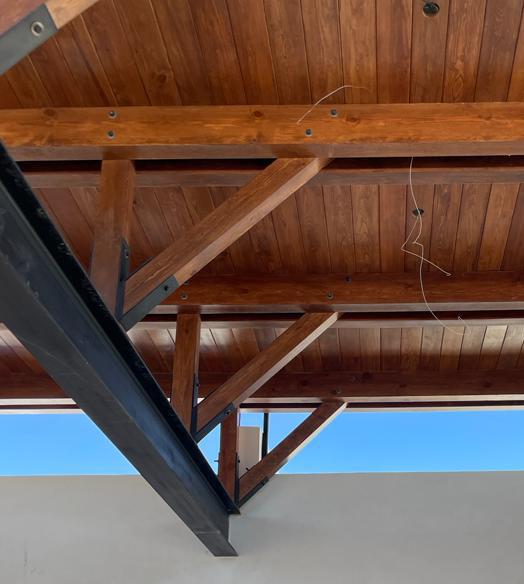
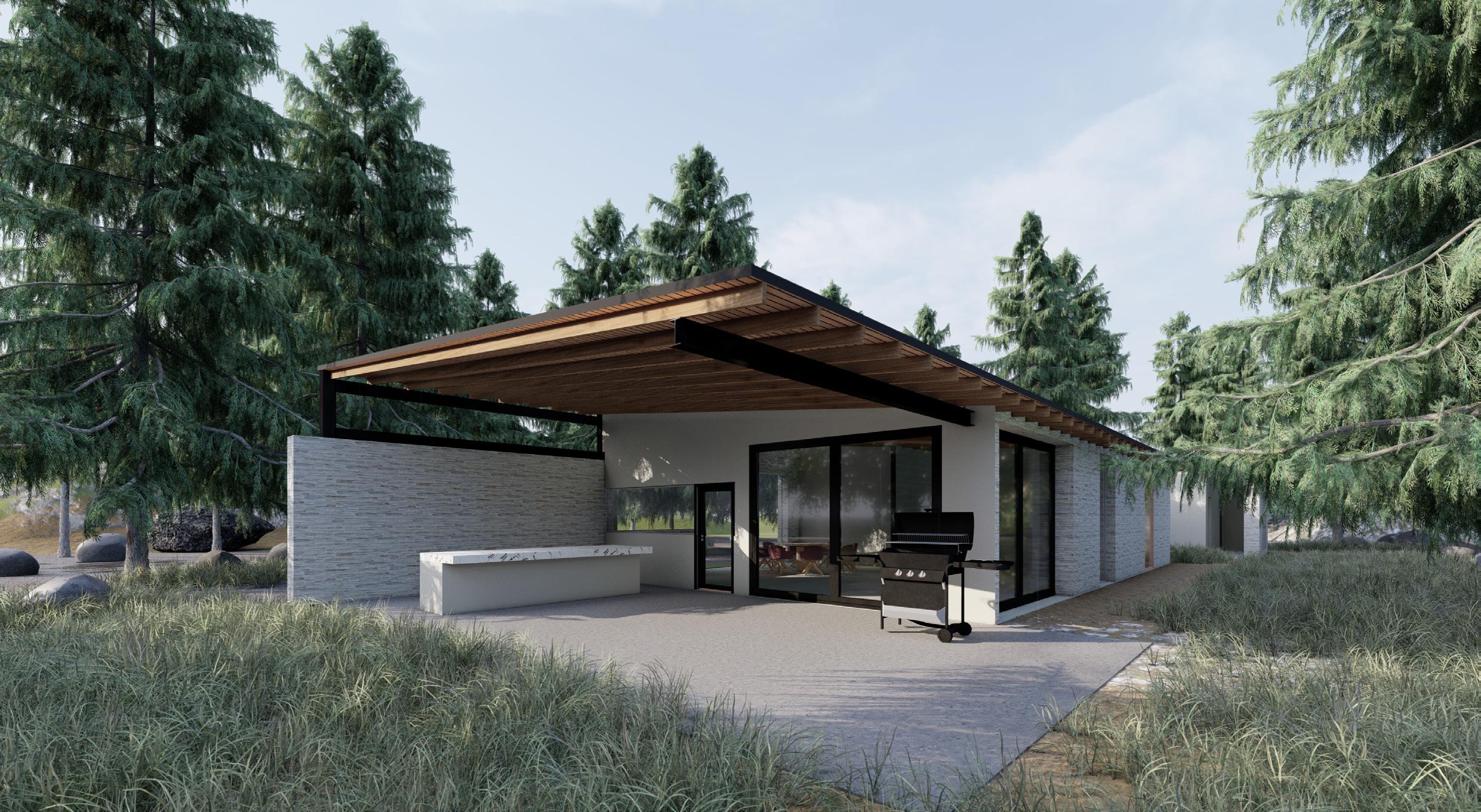
The residence, located in Mexico in the state of Querétaro, was designed for a family of five, focusing on creating large, open spaces. The ground floor houses public areas, including the living and dining room, study, kitchen, living room, terrace, and pool, all of which encourage interaction and connection. On the upper floor, the private spaces, such as the bedrooms, provide a more secluded and intimate environment for the family.
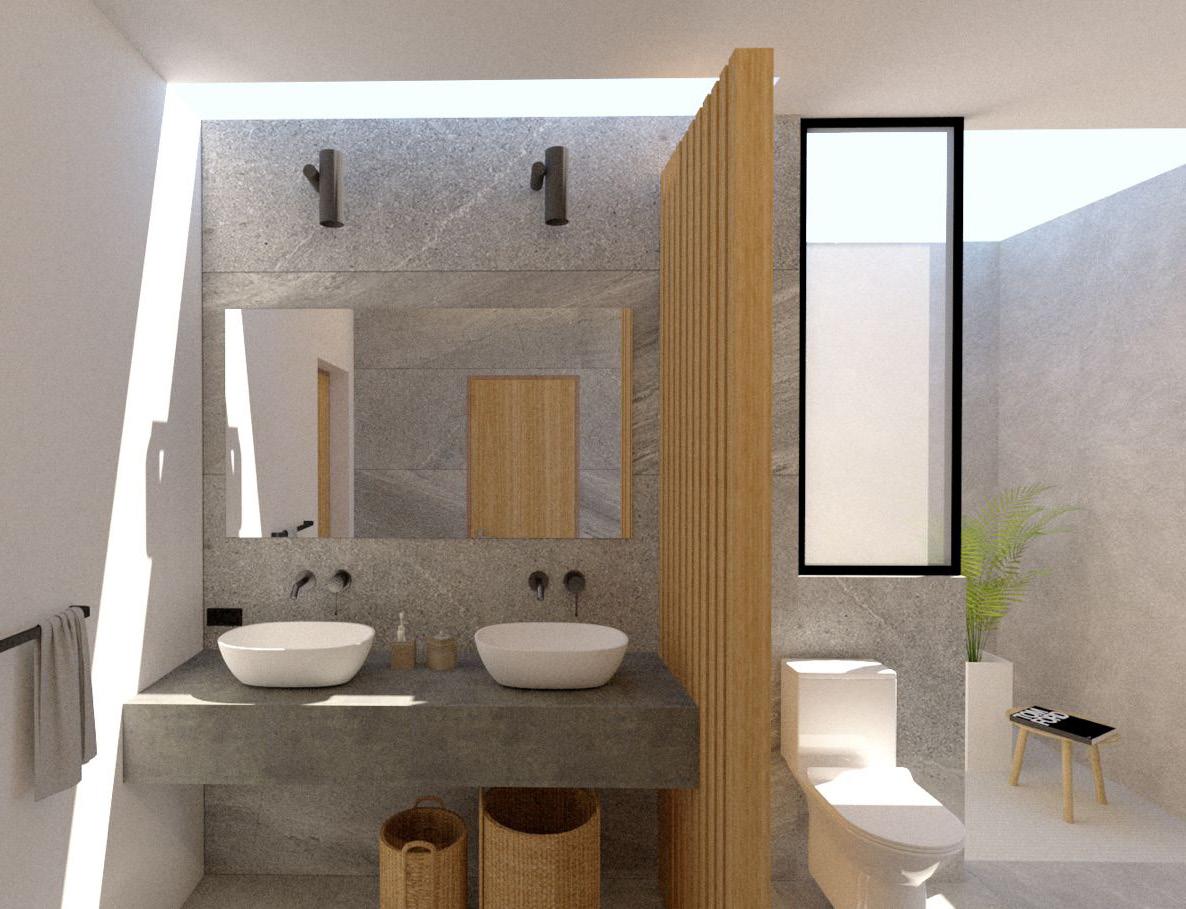
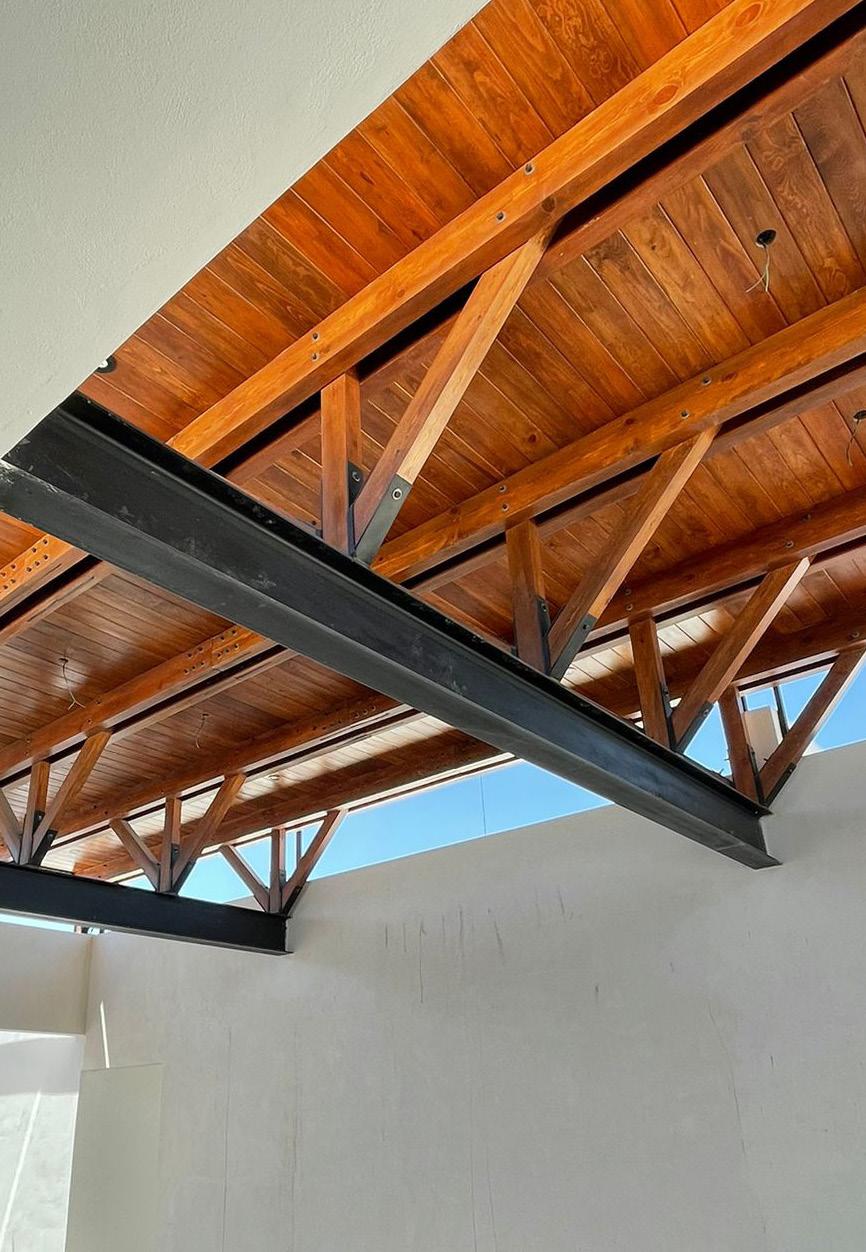
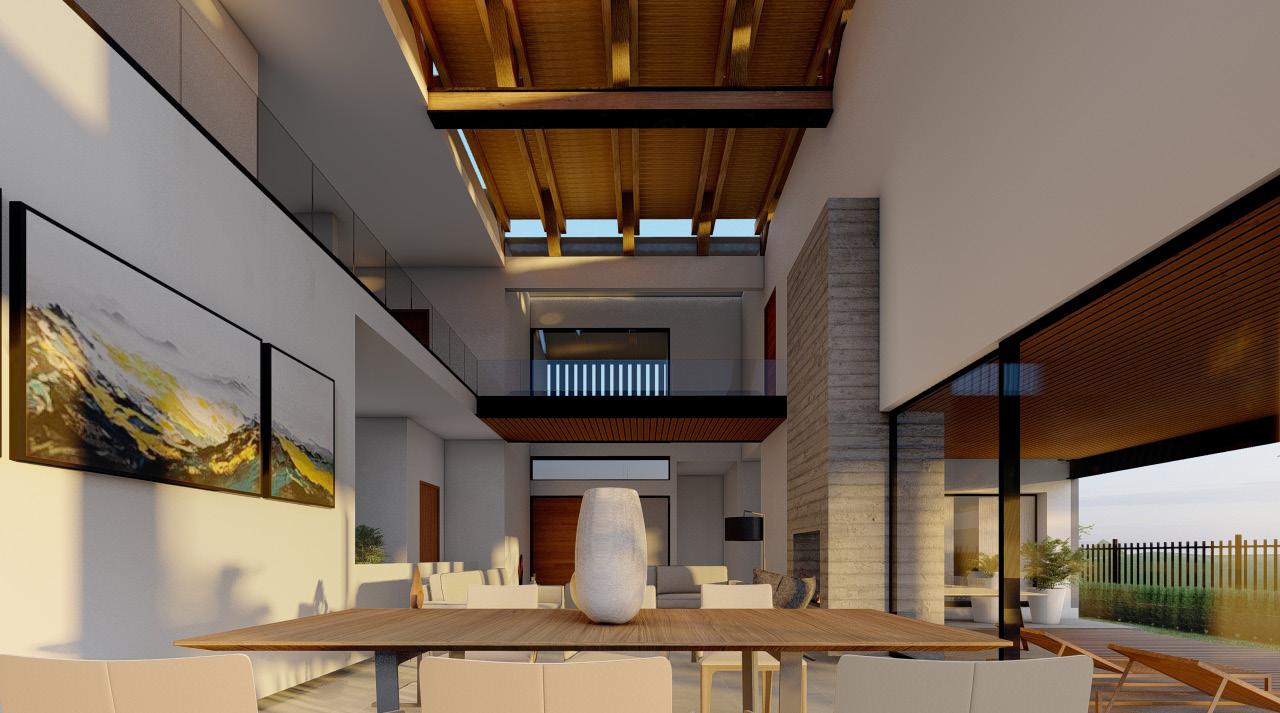
The house is situated on a plot of approximately 8,600 square feet. Within the social area, a double-height space features a veneered wooden floor, enhancing the sense of openness and connection to the outdoors.
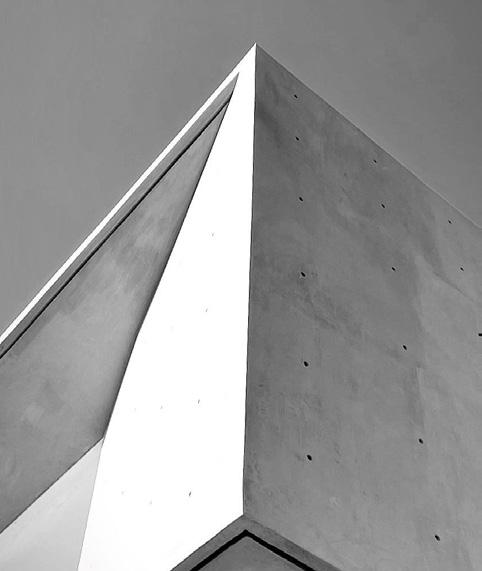
In terms of materials and textures, an exposed concrete horn was incorporated into the façade, framing the volumetric design of the residence. The chosen color palette consists of gray, white, and warm tones, creating a harmonious and inviting aesthetic.
Residential Projects
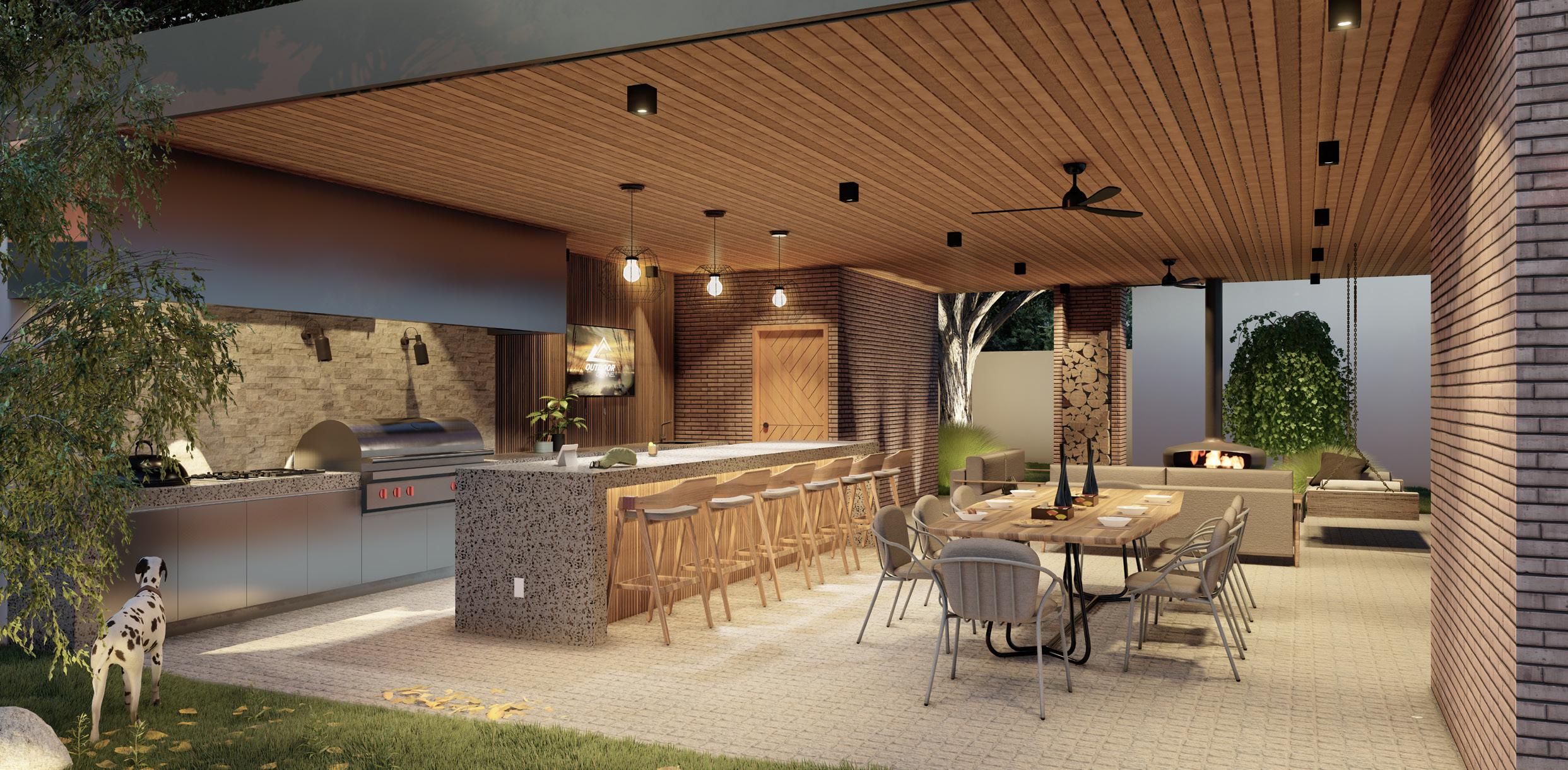
1,076.39 ft2
Retail & Comercial Projects
960 ft2
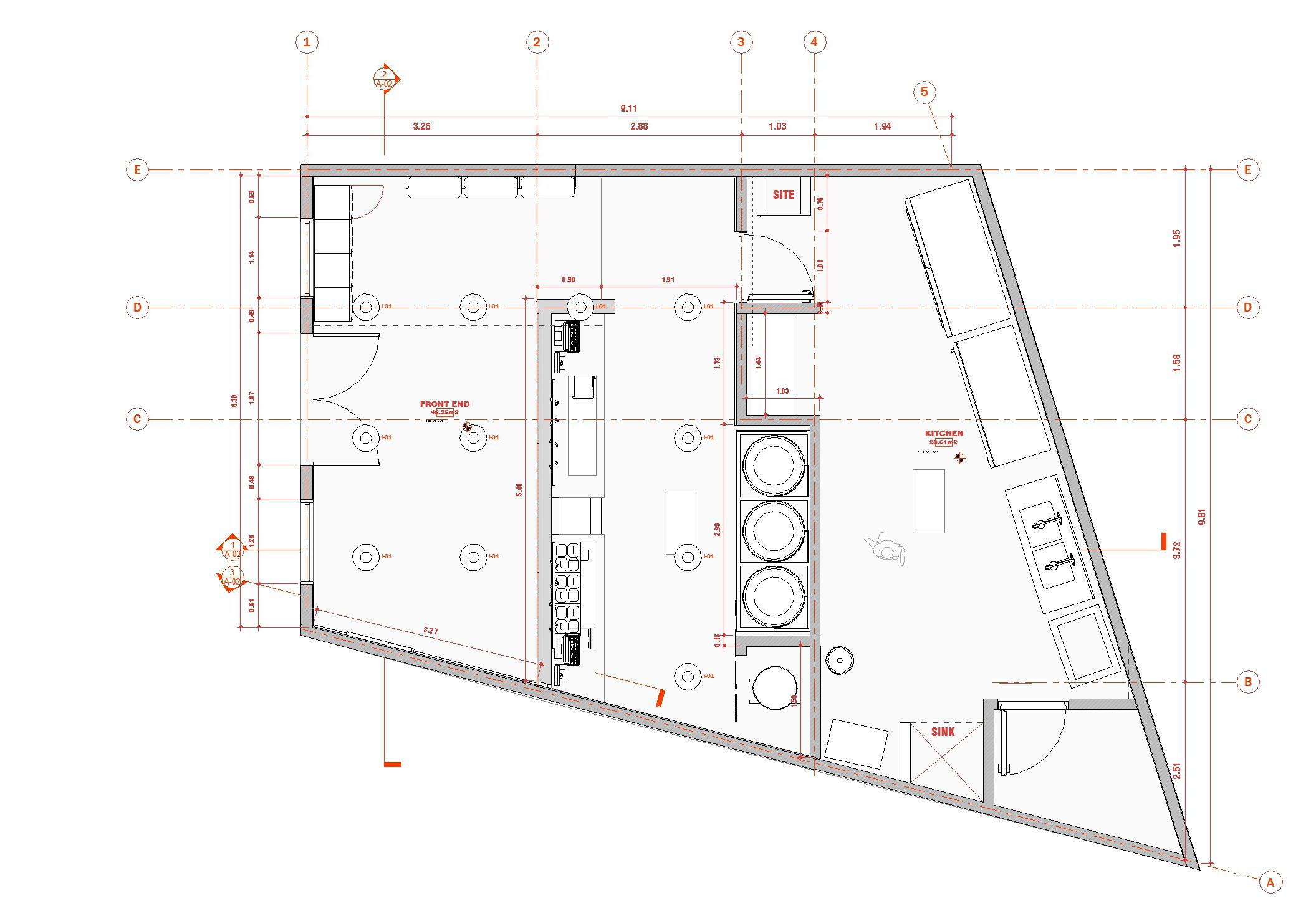
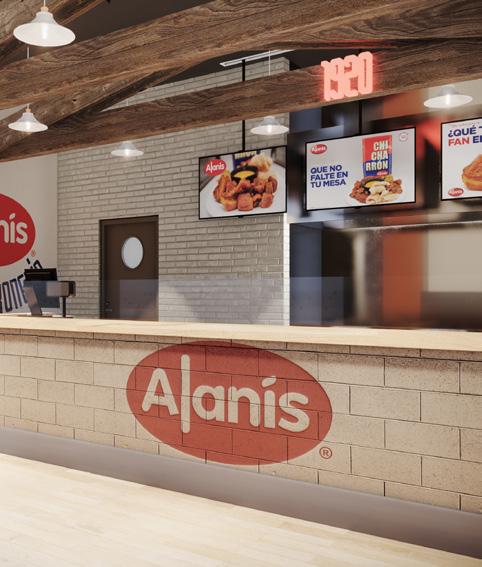
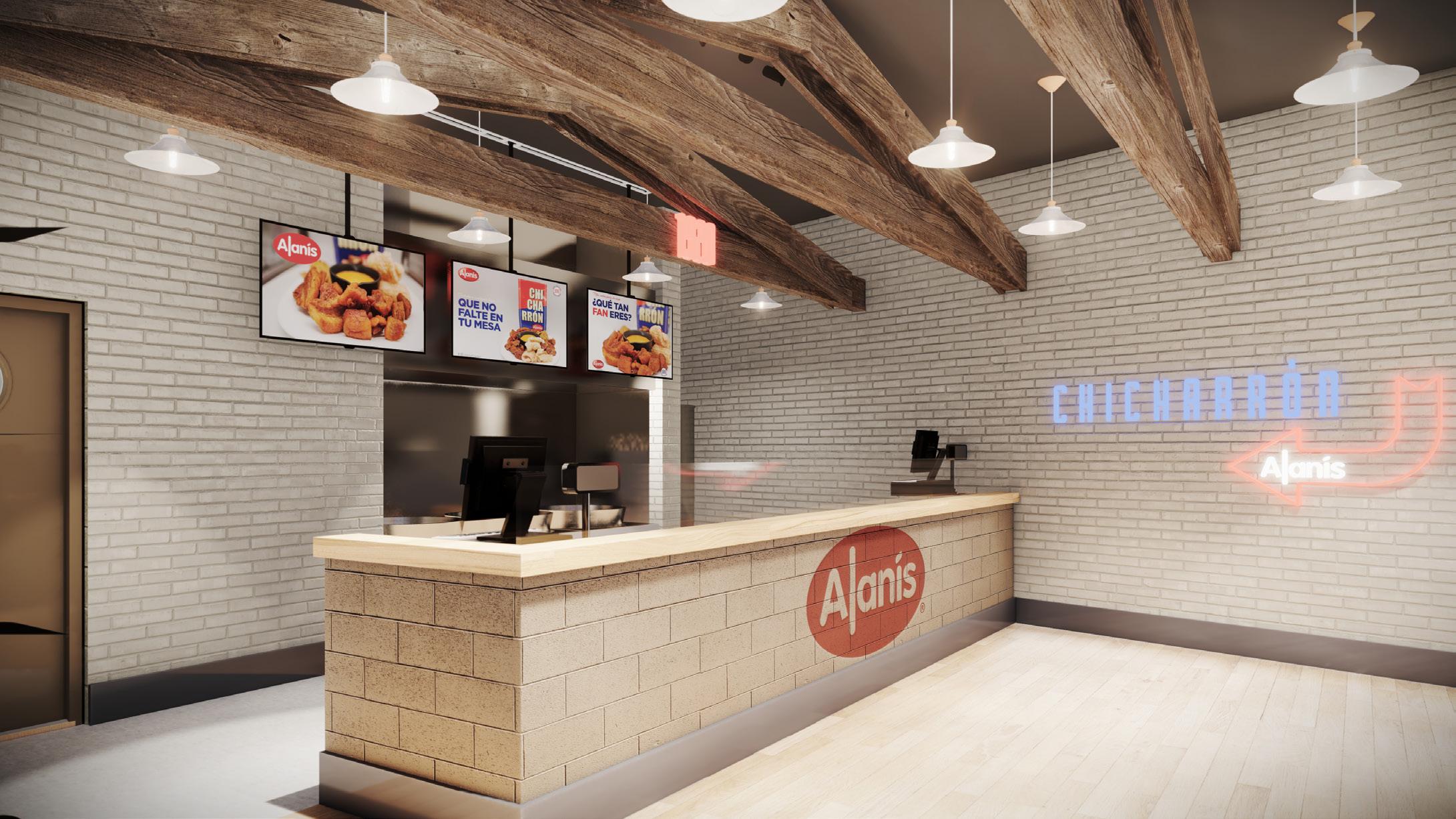
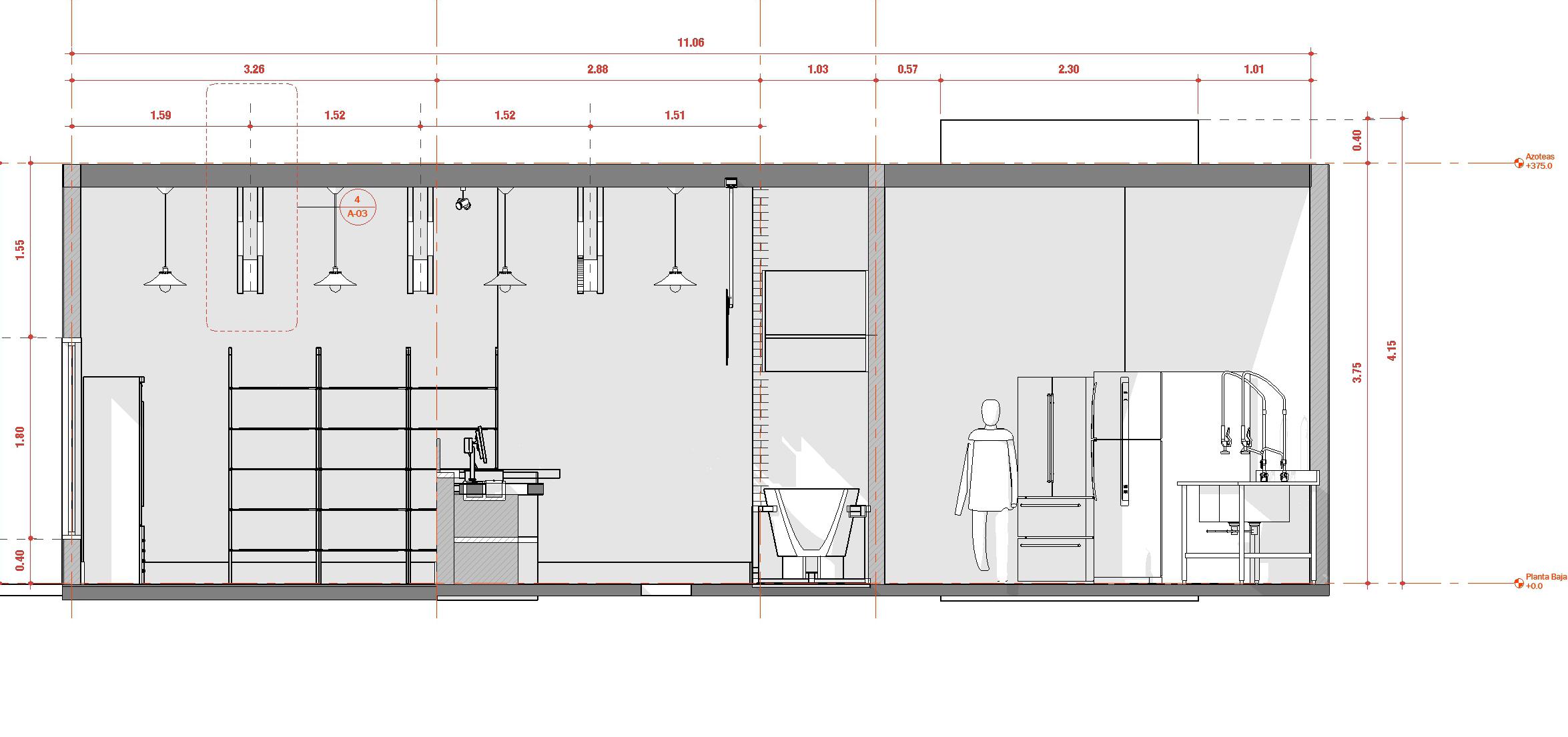
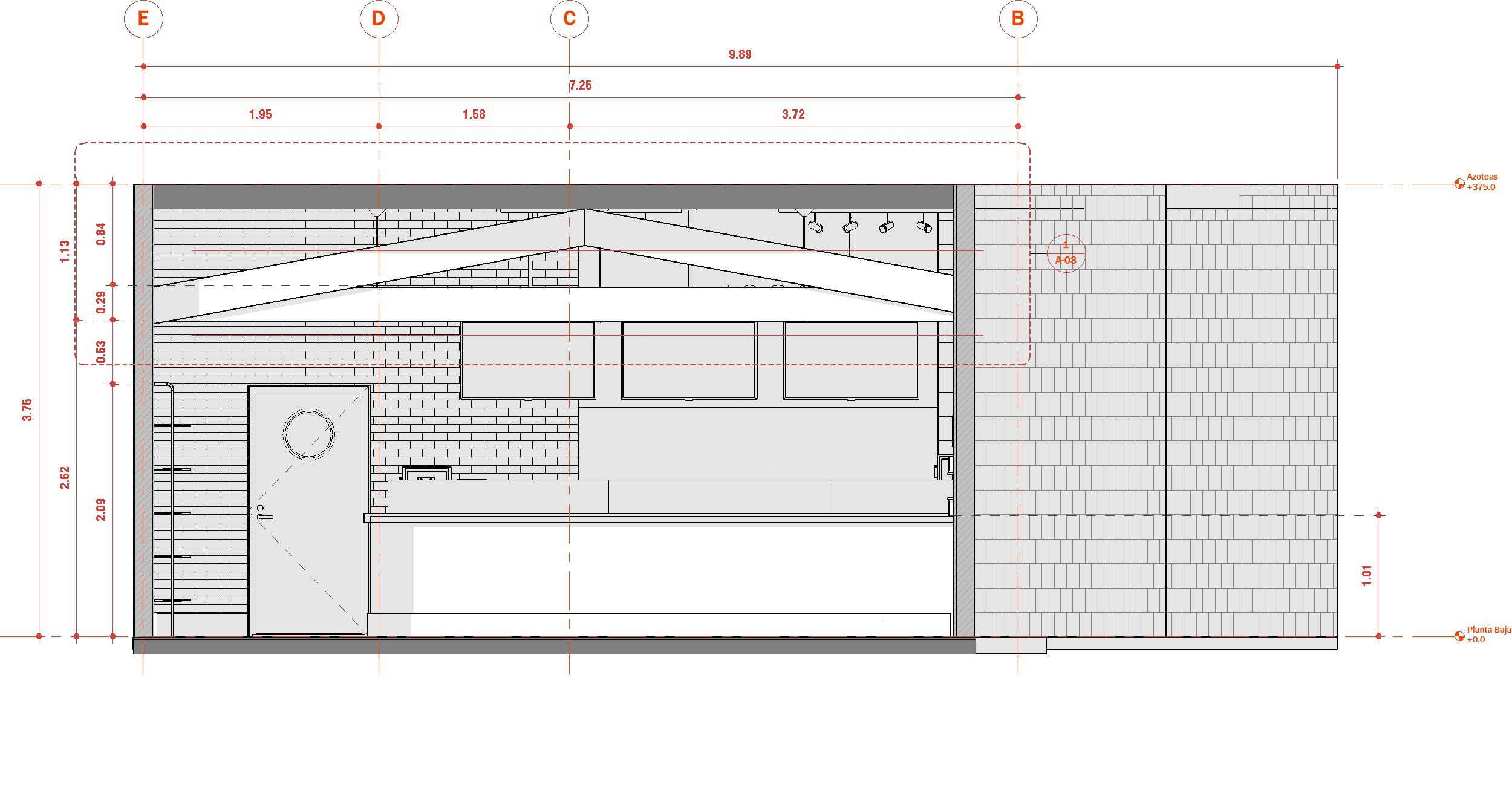
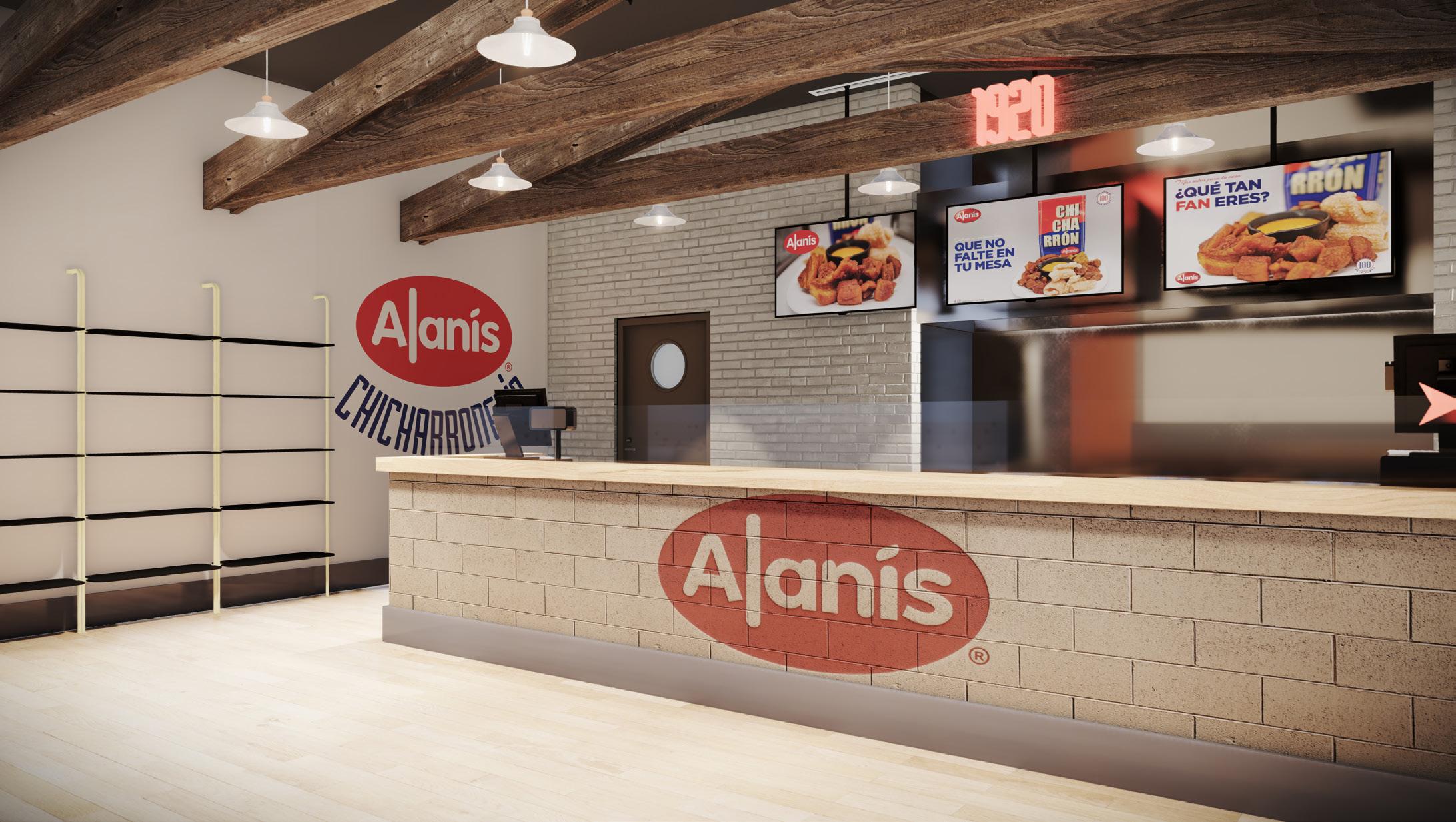
This project features an industrial commerce space dedicated to food retail in Monterrey, Mexico. The design prioritizes functionality and accessibility, incorporating an open layout with designated zones for fresh produce, packaged goods, and specialty items.
The materials selected include concrete, exposed steel, and glass, reflecting an industrial aesthetic while aligning with the brand colors and client requirements. Large windows and high ceilings maximize natural light, creating a welcoming atmosphere for shoppers.
53,819.55 ft2
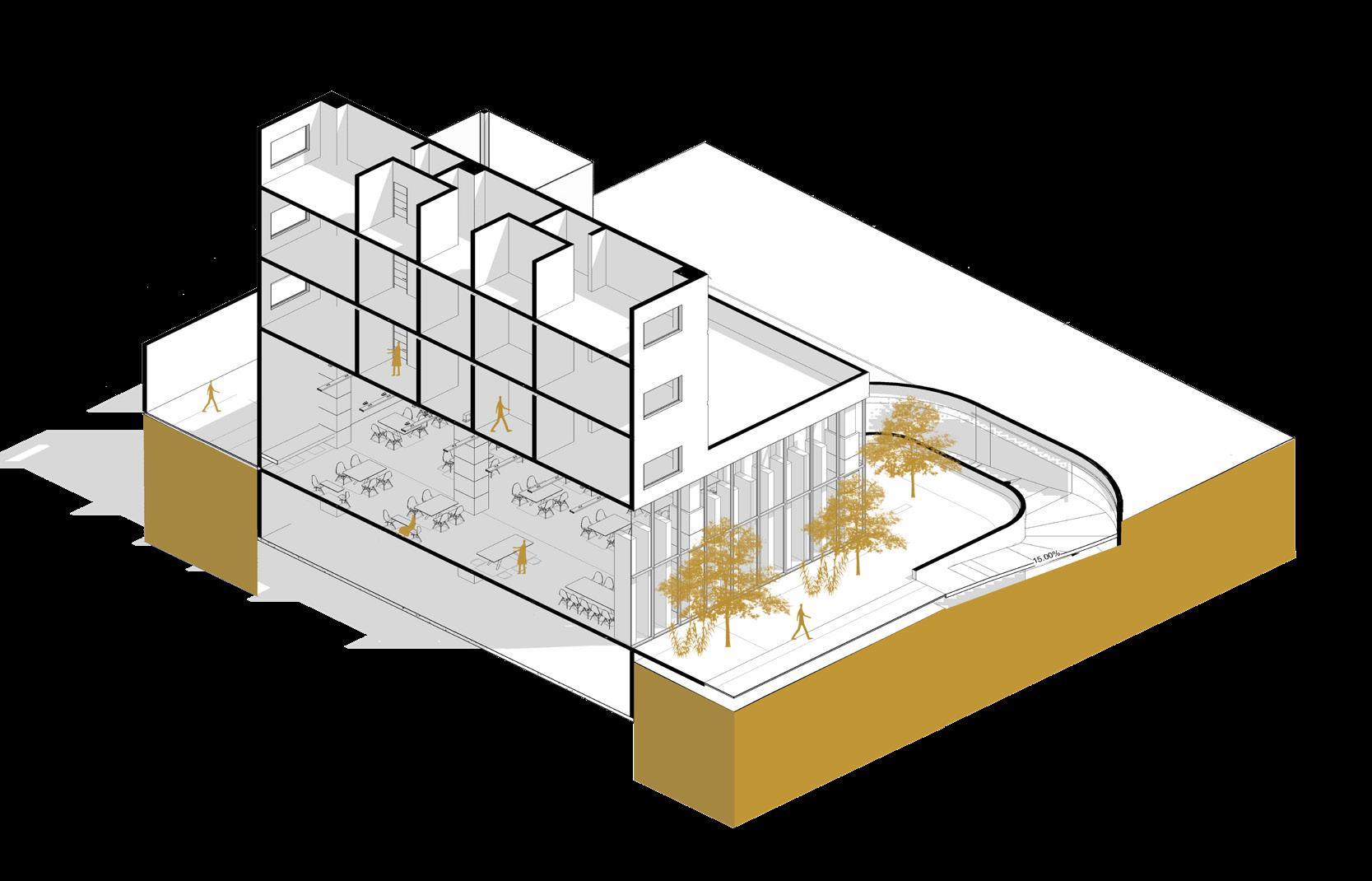
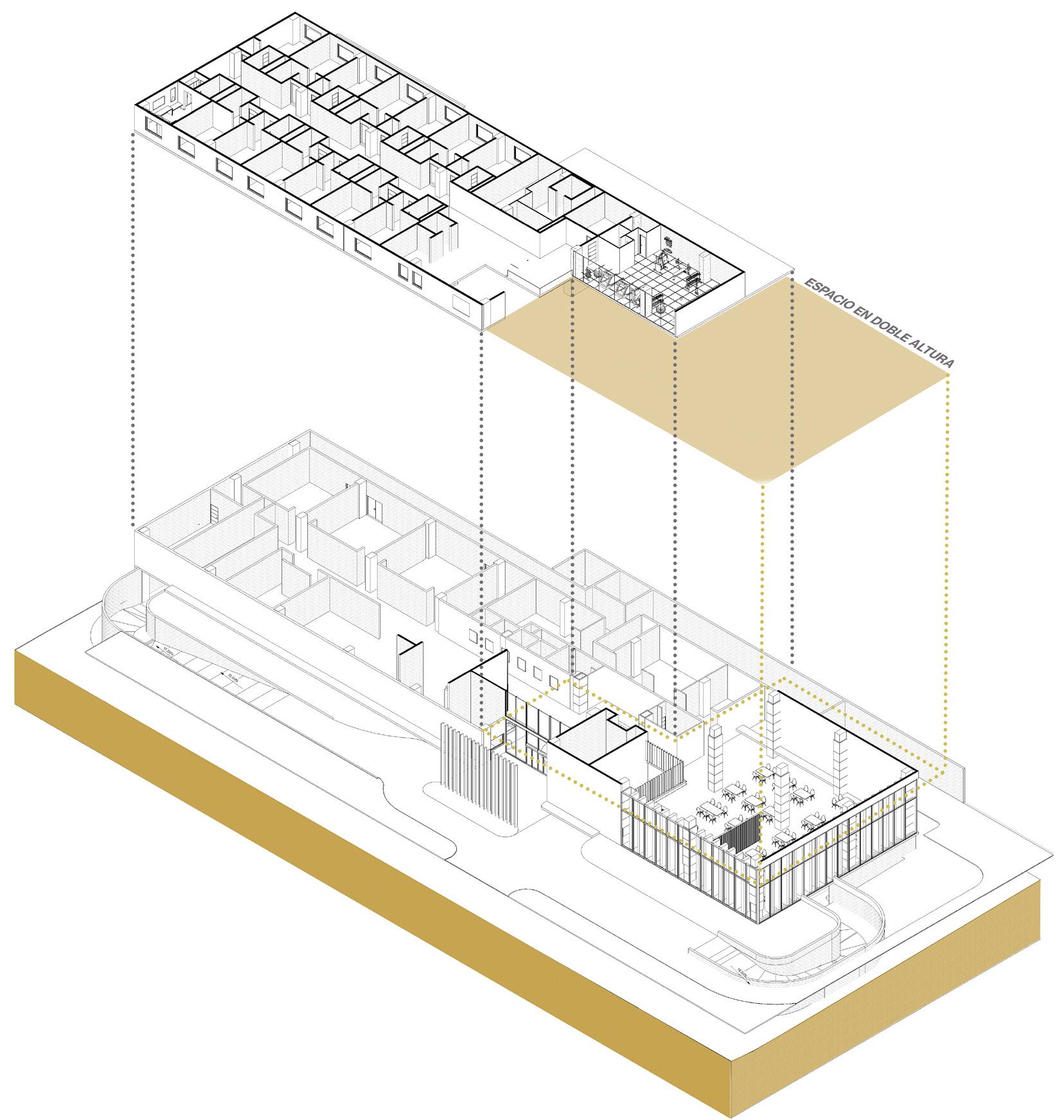
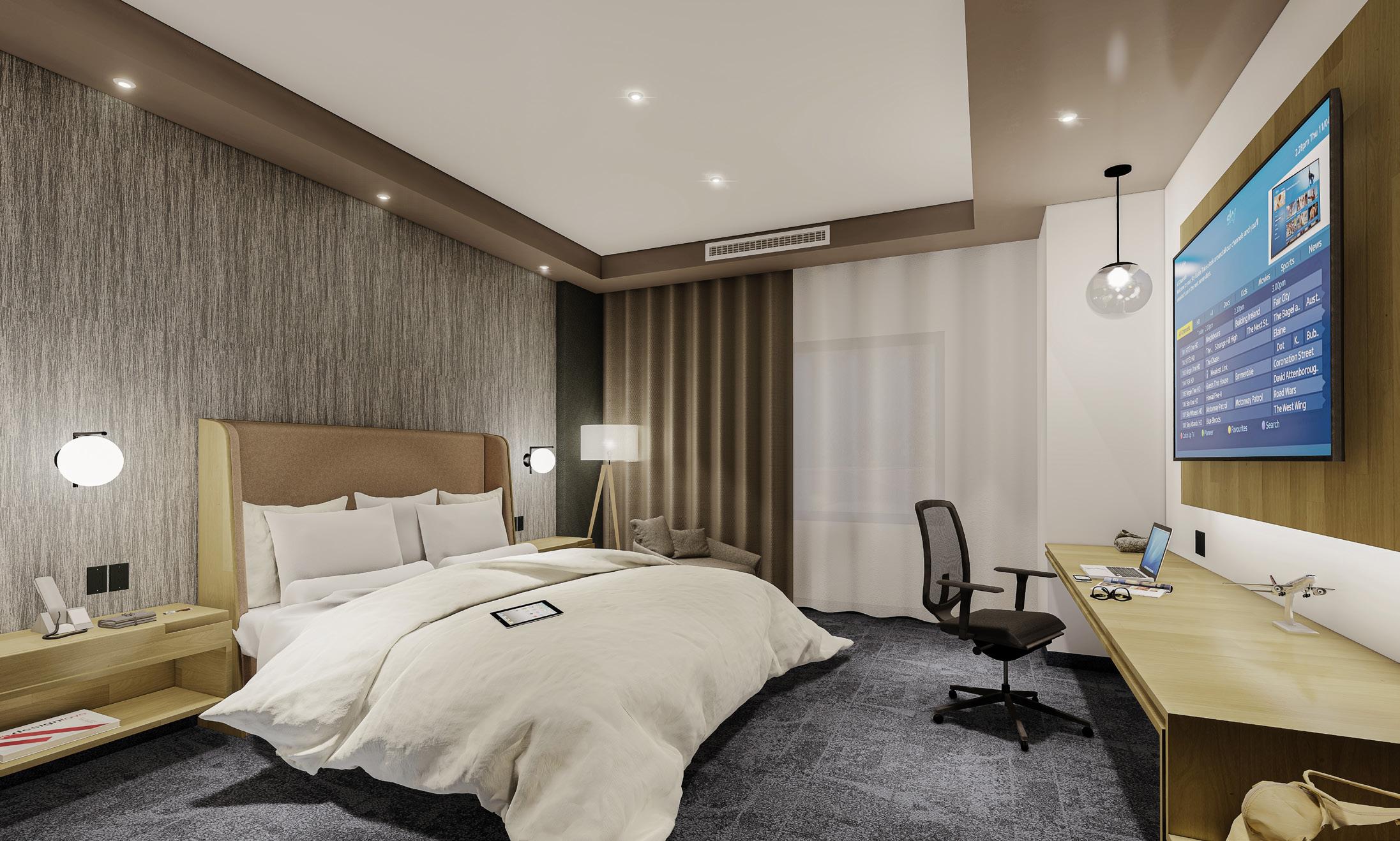
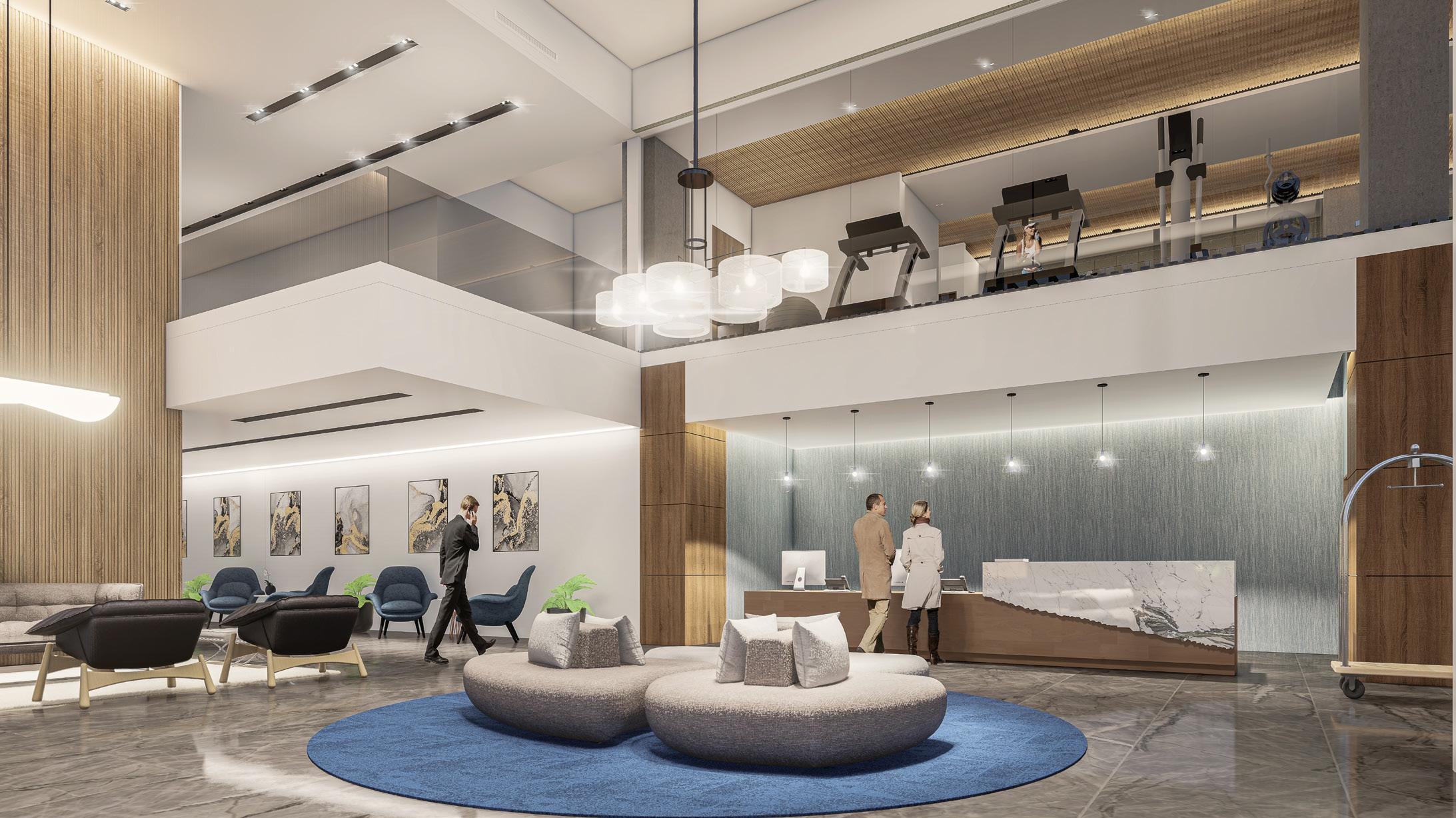
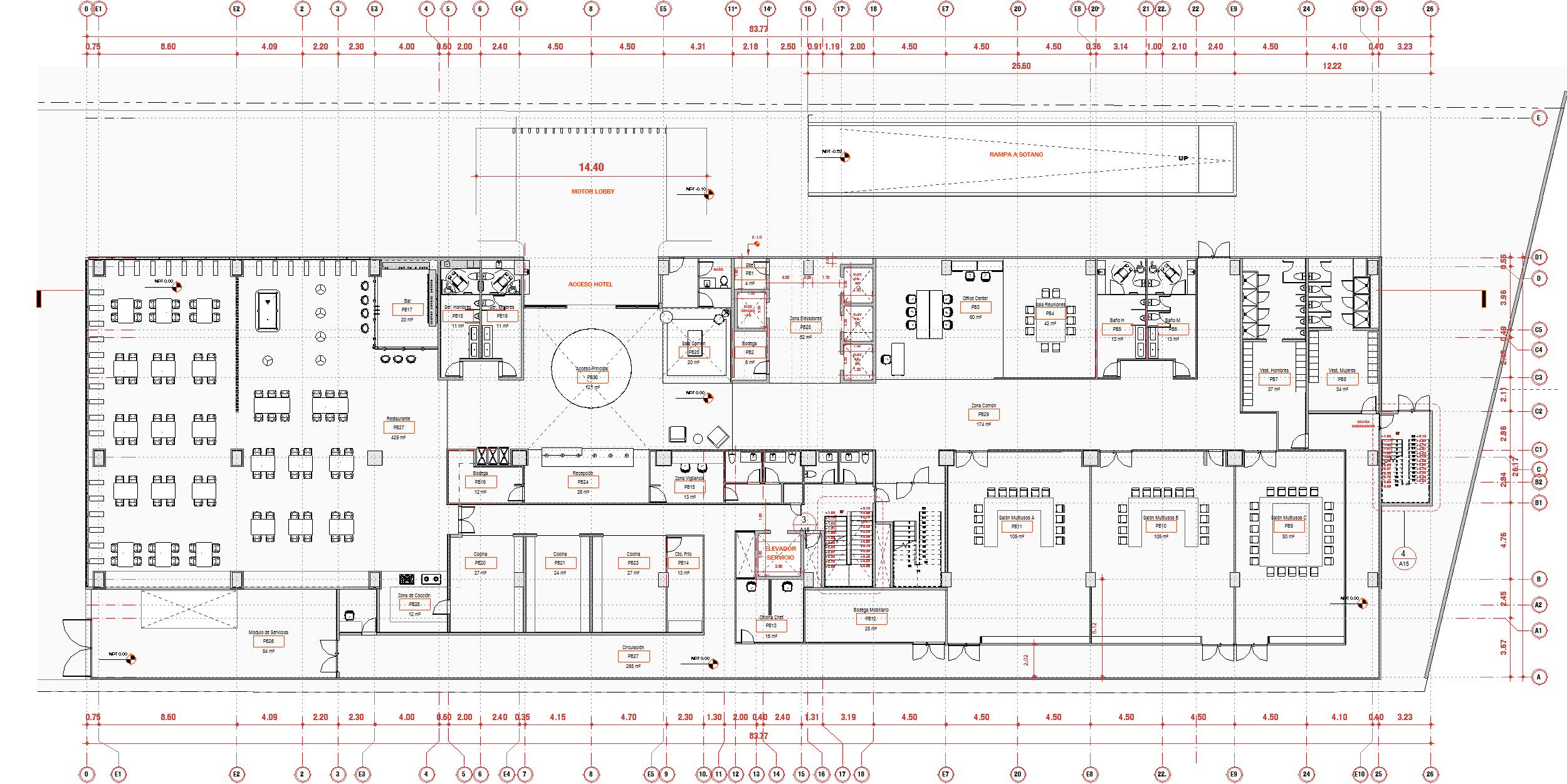
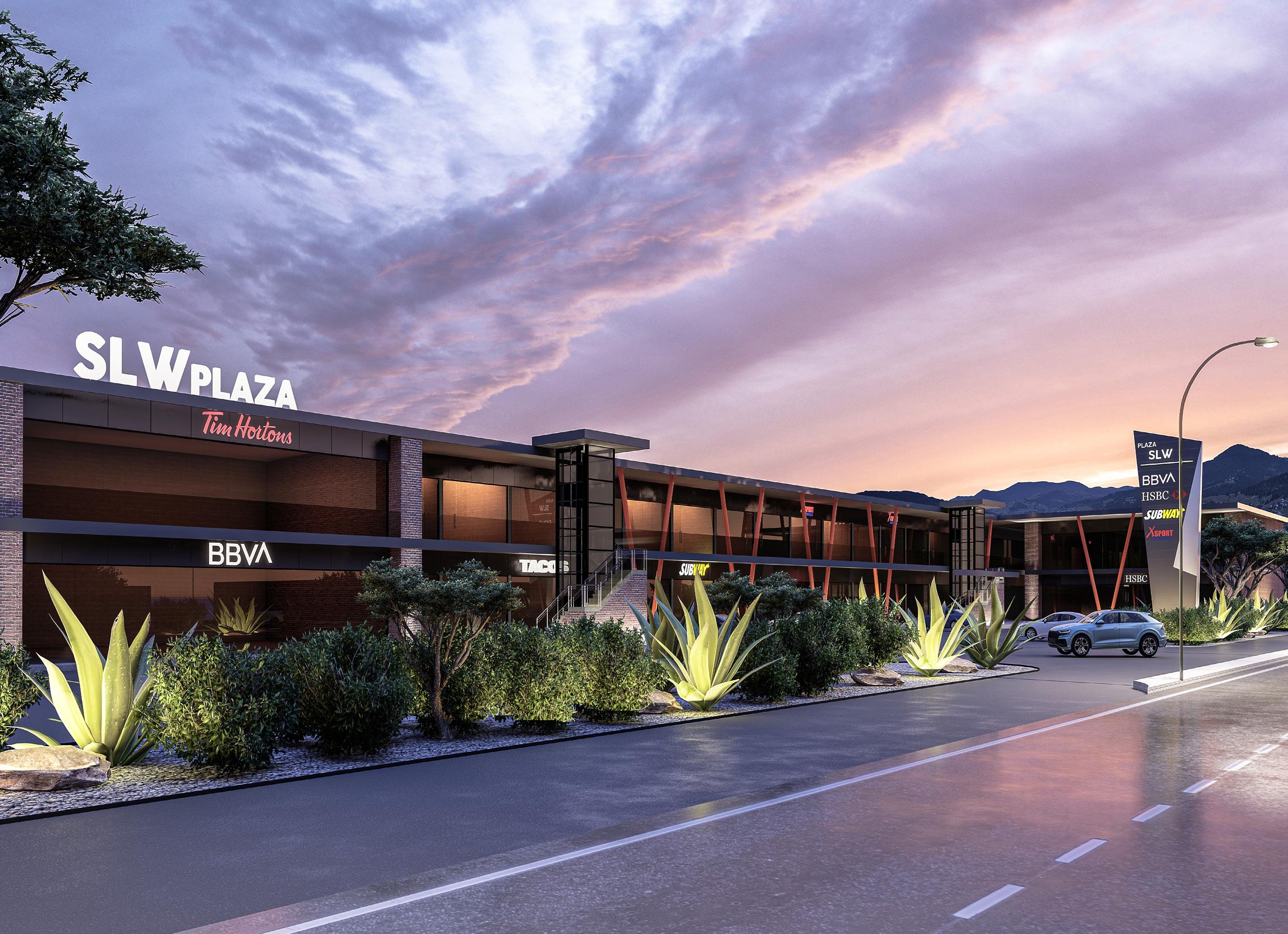
This project, located in Monterrey, involves the development of a hotel along with a 50,000 square foot plaza, spanning five levels.
The design is tailored for a prominent hotel chain, with a focus on creating a modern and functional space that caters to both leisure and business travelers. The new hotel will be strategically situated near the airport, offering convenience and accessibility for guests.
The project integrates contemporary architectural elements, emphasizing open public spaces within the plaza to encourage interaction and fluid circulation.
The hotel’s design prioritizes comfort, efficiency, and brand alignment, ensuring that it meets the standards of the international hotel network. Materials and finishes are selected to reflect the brand’s identity while incorporating sustainable and durable solutions suited to the local climate.
Reception & Room Render
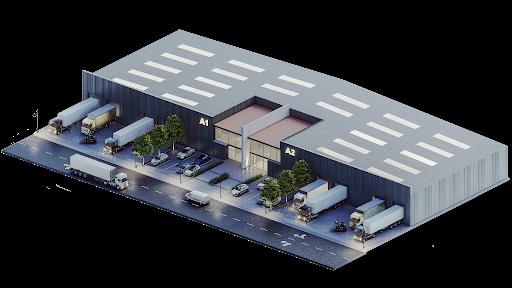
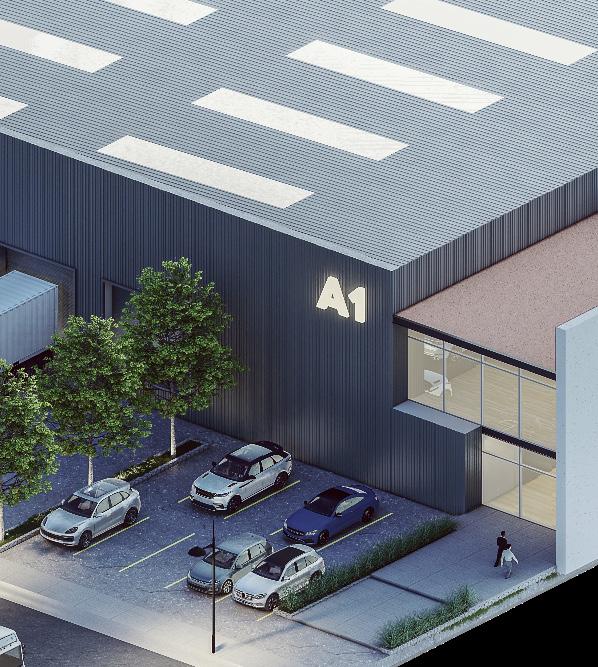
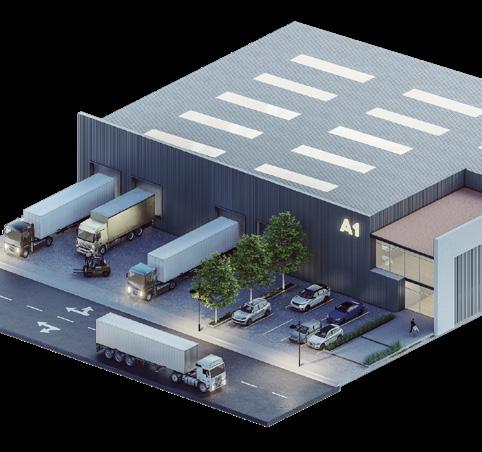
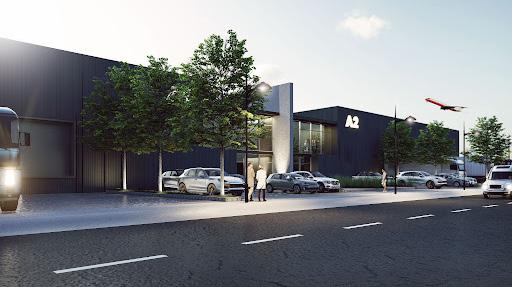
This project involved the lotting and urbanization of an industrial warehouse, with a detailed focus on both the interior layout and the conceptual proposal requested by the client. The design aimed to optimize internal distribution to enhance operational efficiency and functionality.
The development included careful planning of work areas, storage zones, and circulation paths, ensuring a smooth workflow. Additionally, key aspects of sustainability and durability were considered in the selection of materials, aligning with the client’s goals to create a modern and efficient industrial space.
Hotel TSM Retail & Comercial Projects
53,819.55 ft2
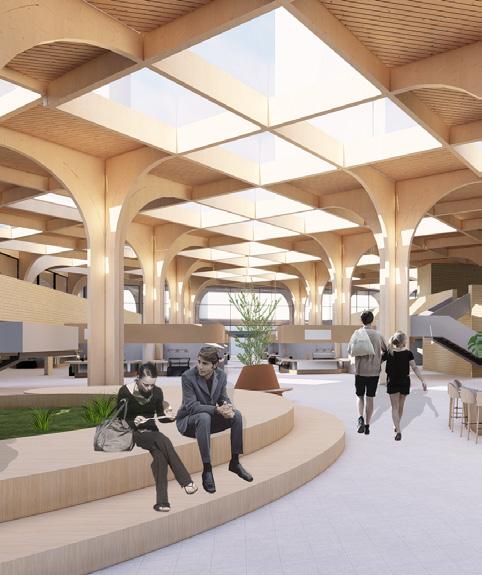
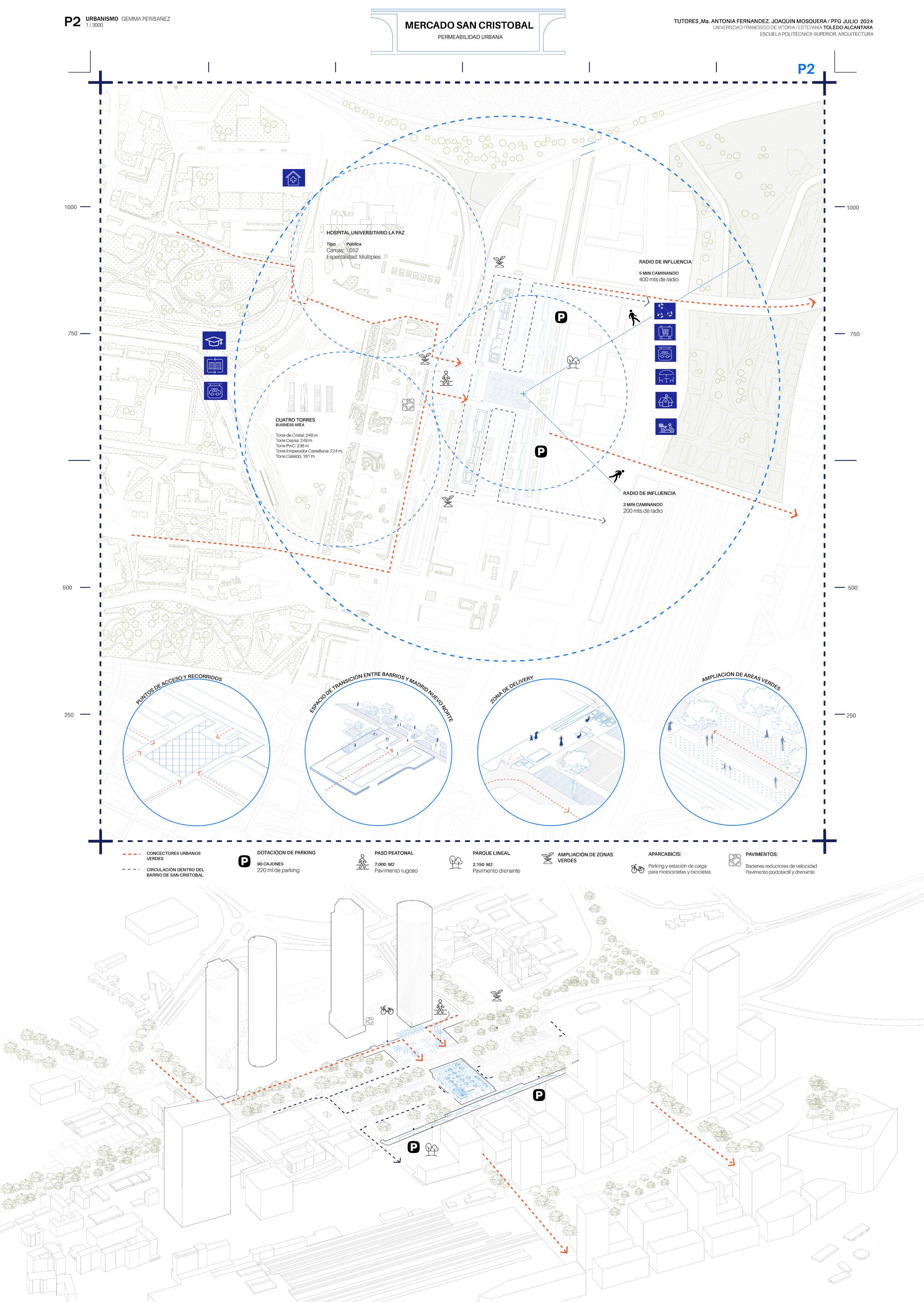
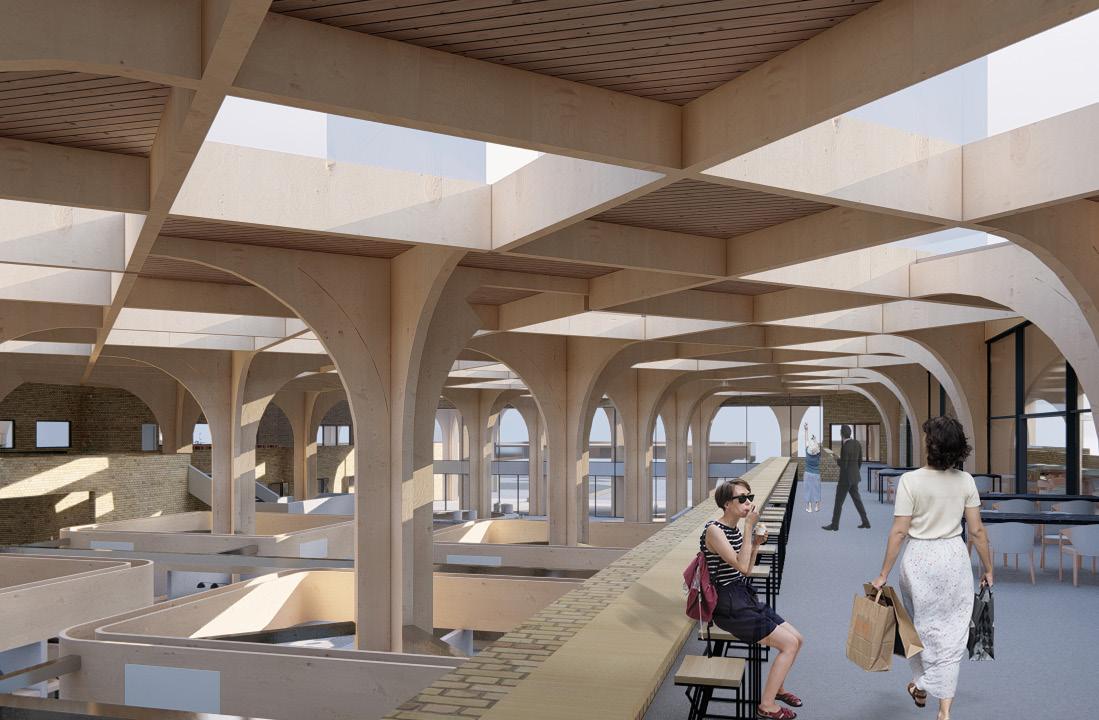
The remodeling and restoration project for the San Cristóbal Market represents a comprehensive intervention aimed at revitalizing an iconic community space. This design focuses on creating an open, mixed-use environment where functionality and social interaction are at the core of the proposal.
The new layout of the market includes a marketplace that serves as the heart of commercial activity, promoting a diverse array of local products and supporting entrepreneurs. Additionally, coworking areas have been incorporated to provide versatile spaces for collaborative work, fostering innovation and creativity among users.

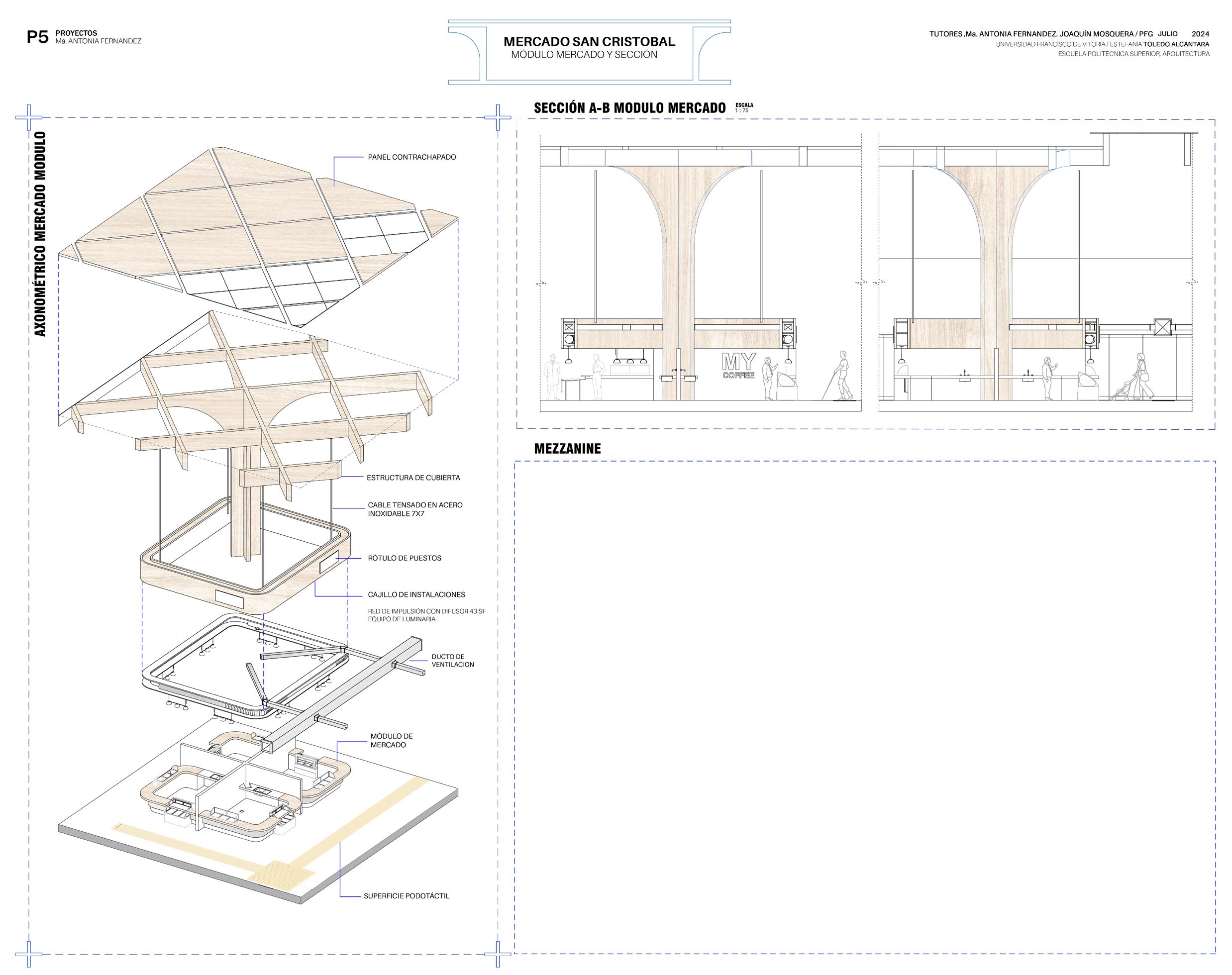
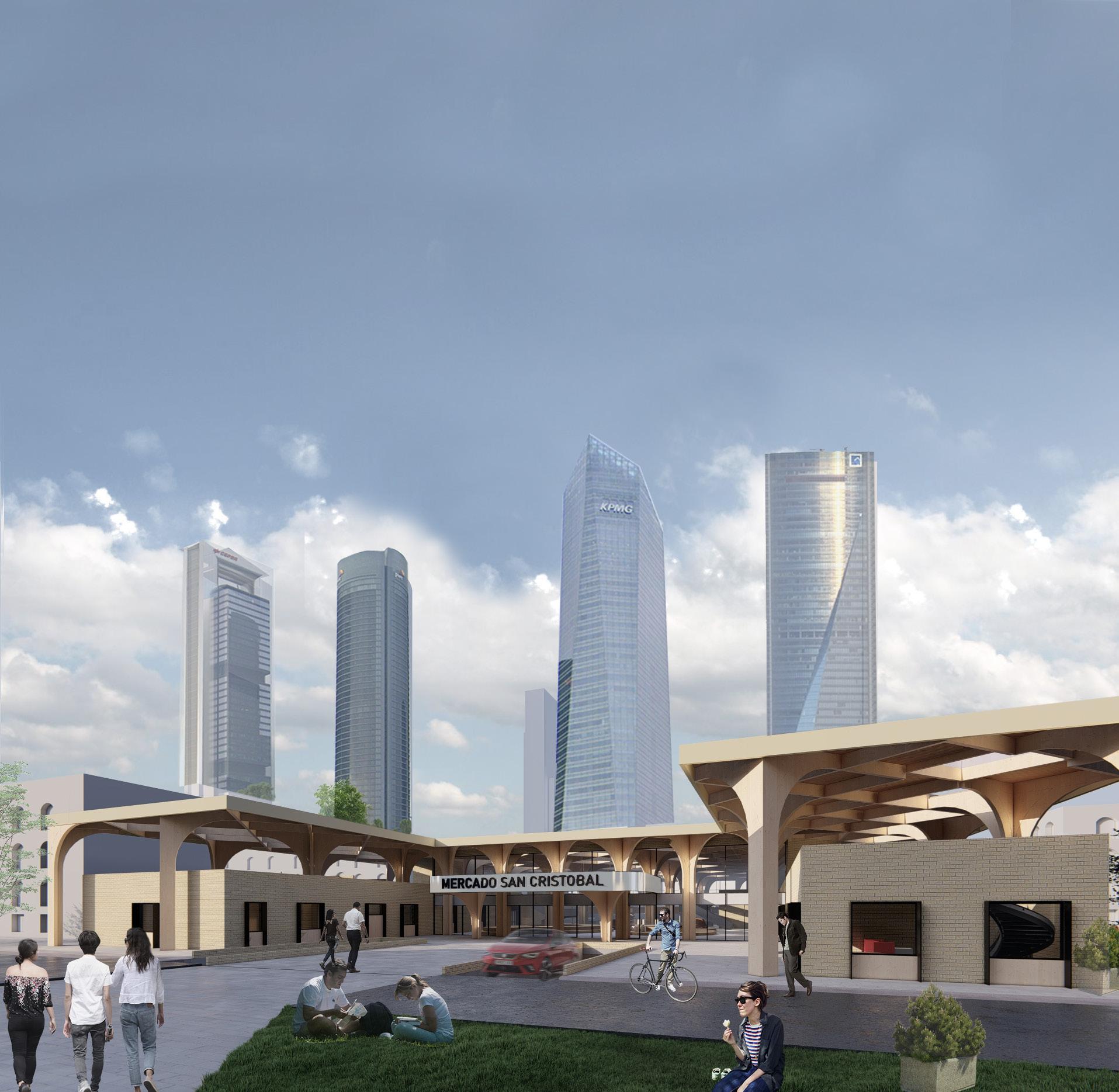
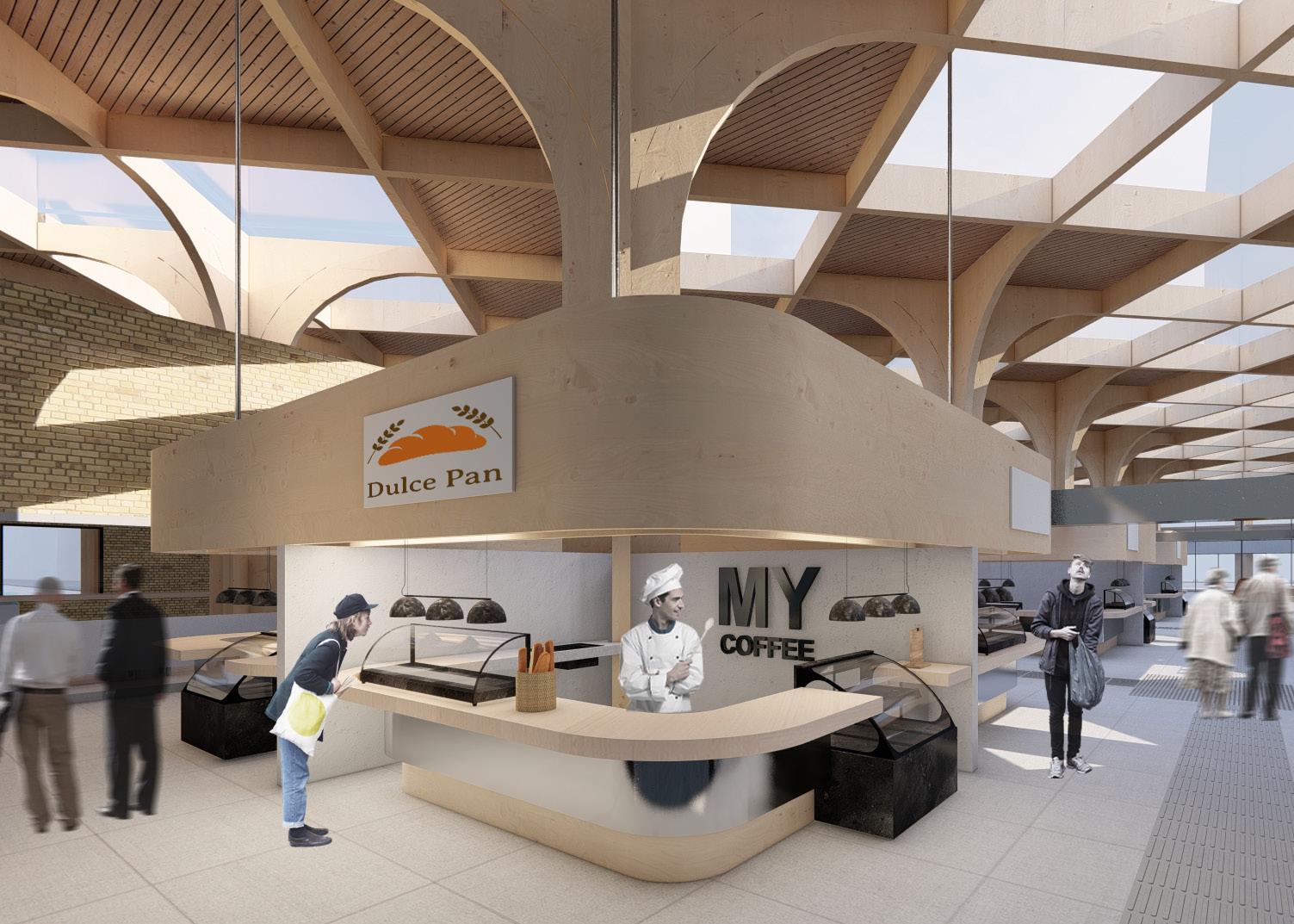
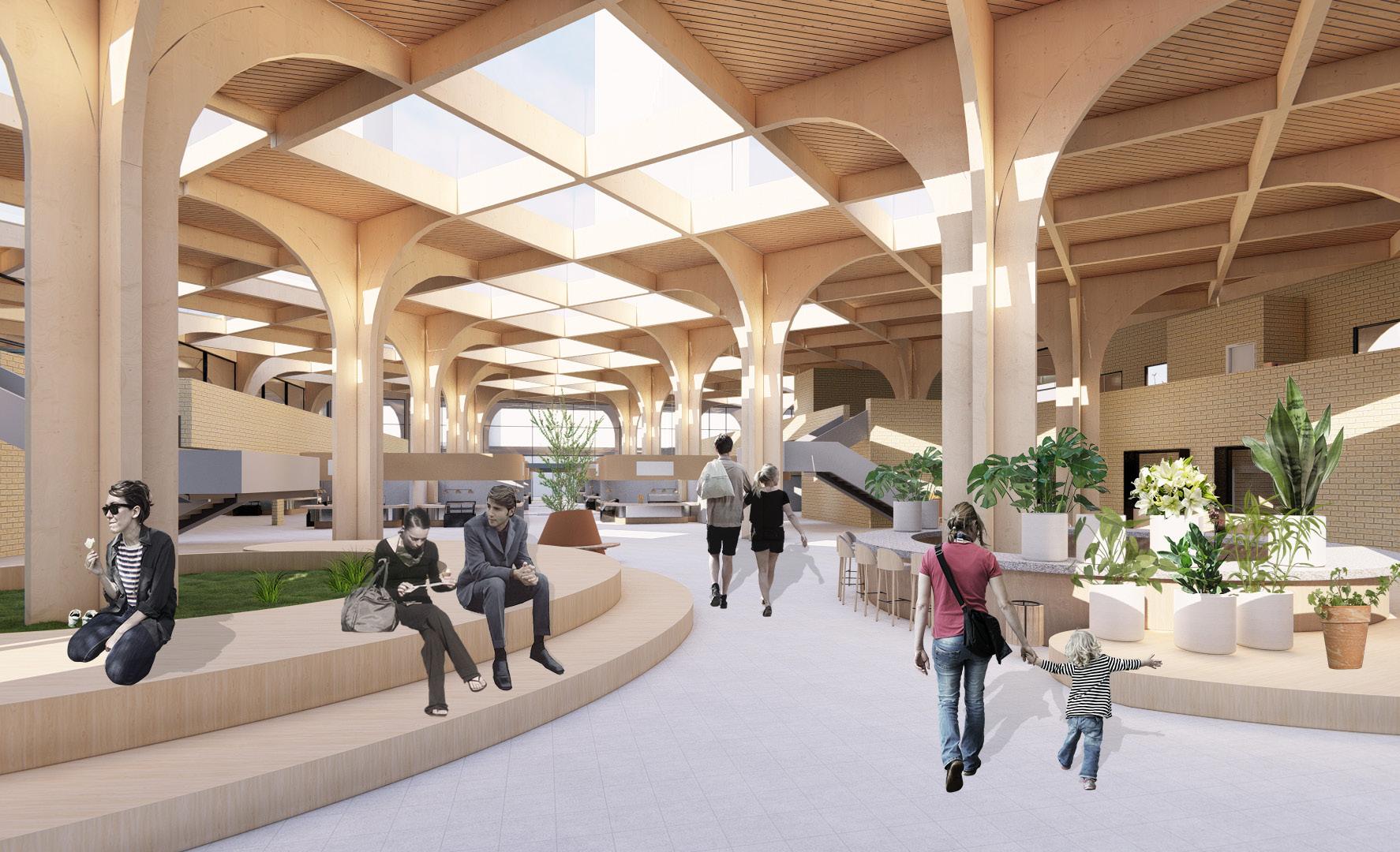
The delivery kitchens are designed to meet the growing demand for food delivery services, allowing culinary entrepreneurs to operate efficiently and sustainably. Furthermore, the inclusion of a school not only contributes to the community’s education but also serves as a gathering and learning space.
Finally, the common areas are intended to promote social interaction, offering rest and recreation spaces that invite visitors to enjoy the environment and establish connections. This comprehensive approach not only transforms the San Cristóbal Market into a dynamic and accessible place but also reinforces its significance as a hub of community life.
Preschool Architectural Contest
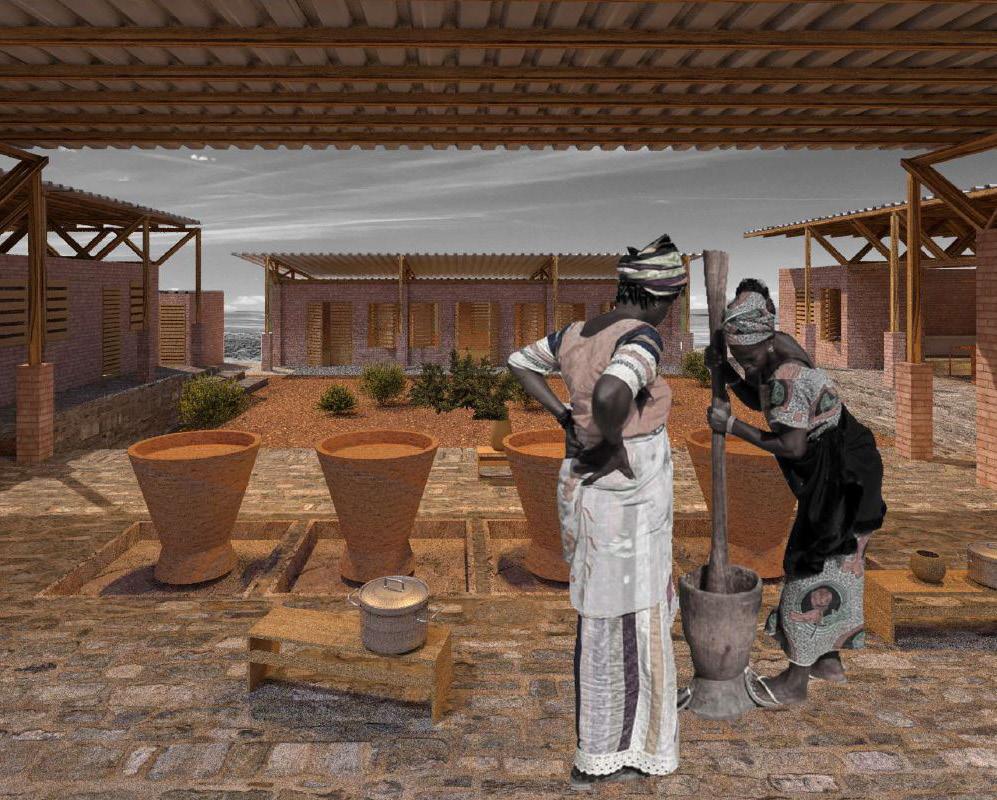
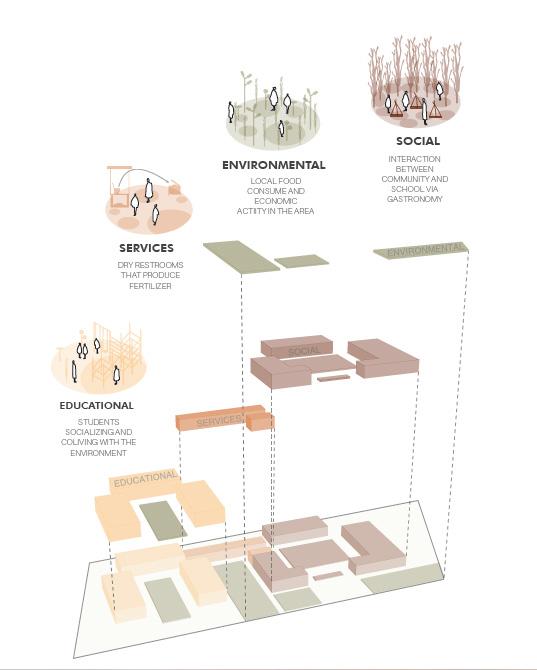
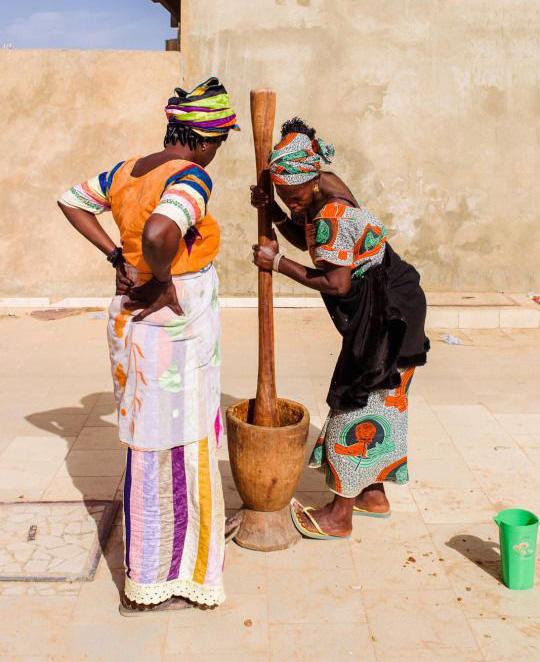
Food and gastronomy play a vital role in Mozambican culture, recognized as one of the region’s most significant economic activities. It serves as a central element of social interaction, with cuisine often acting as a gathering point for communities. The study of gastronomy highlights its connection to social groups and their relationship with both people and the environment.
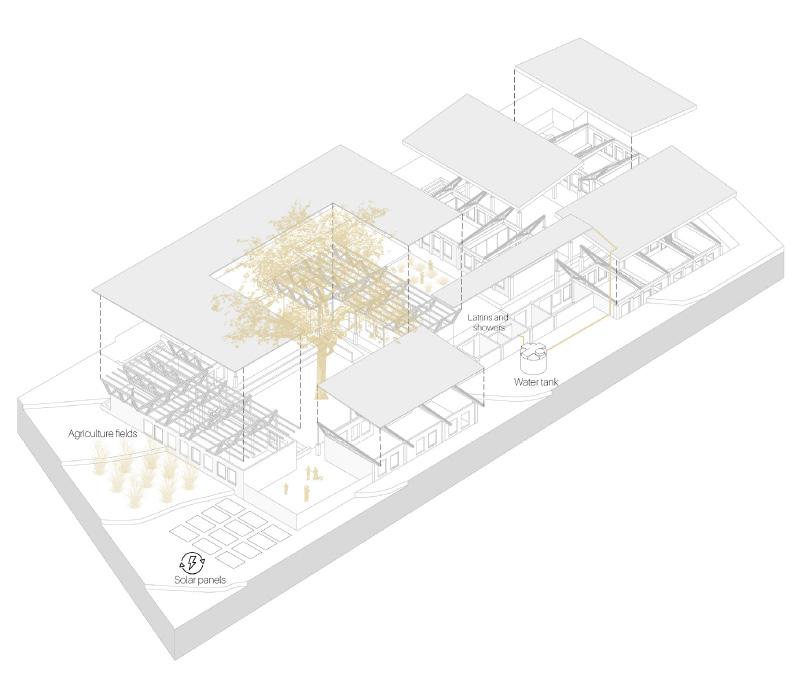
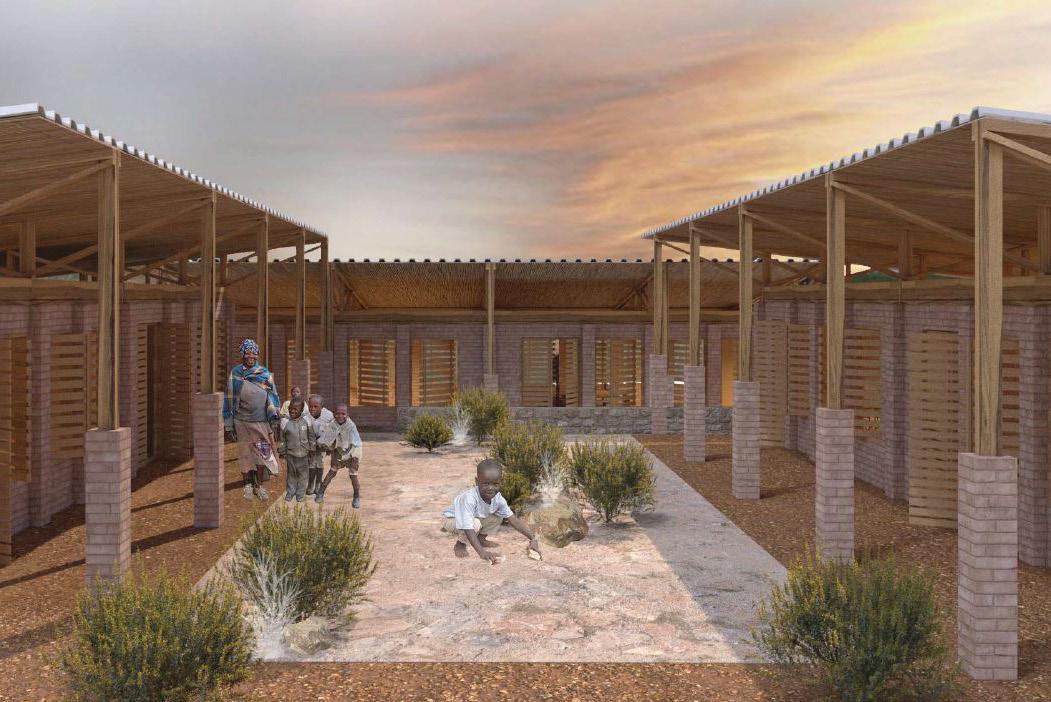
This project, developed as part of an architectural contest, focuses on integrating gastronomy into the community through spatial design. For preschoolers, the approach combines gastronomy with education, bridging culinary experiences and learning. The goal is to foster community engagement and social development through food-related architectural spaces, ultimately contributing to the community’s social and educational growth.
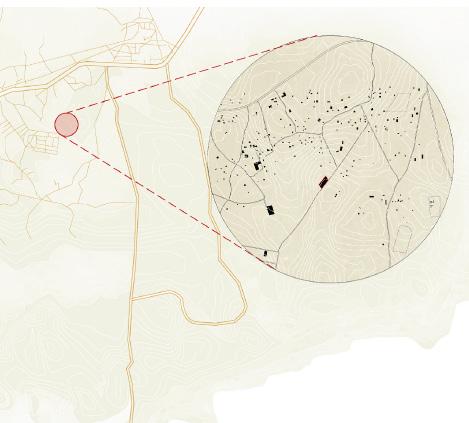
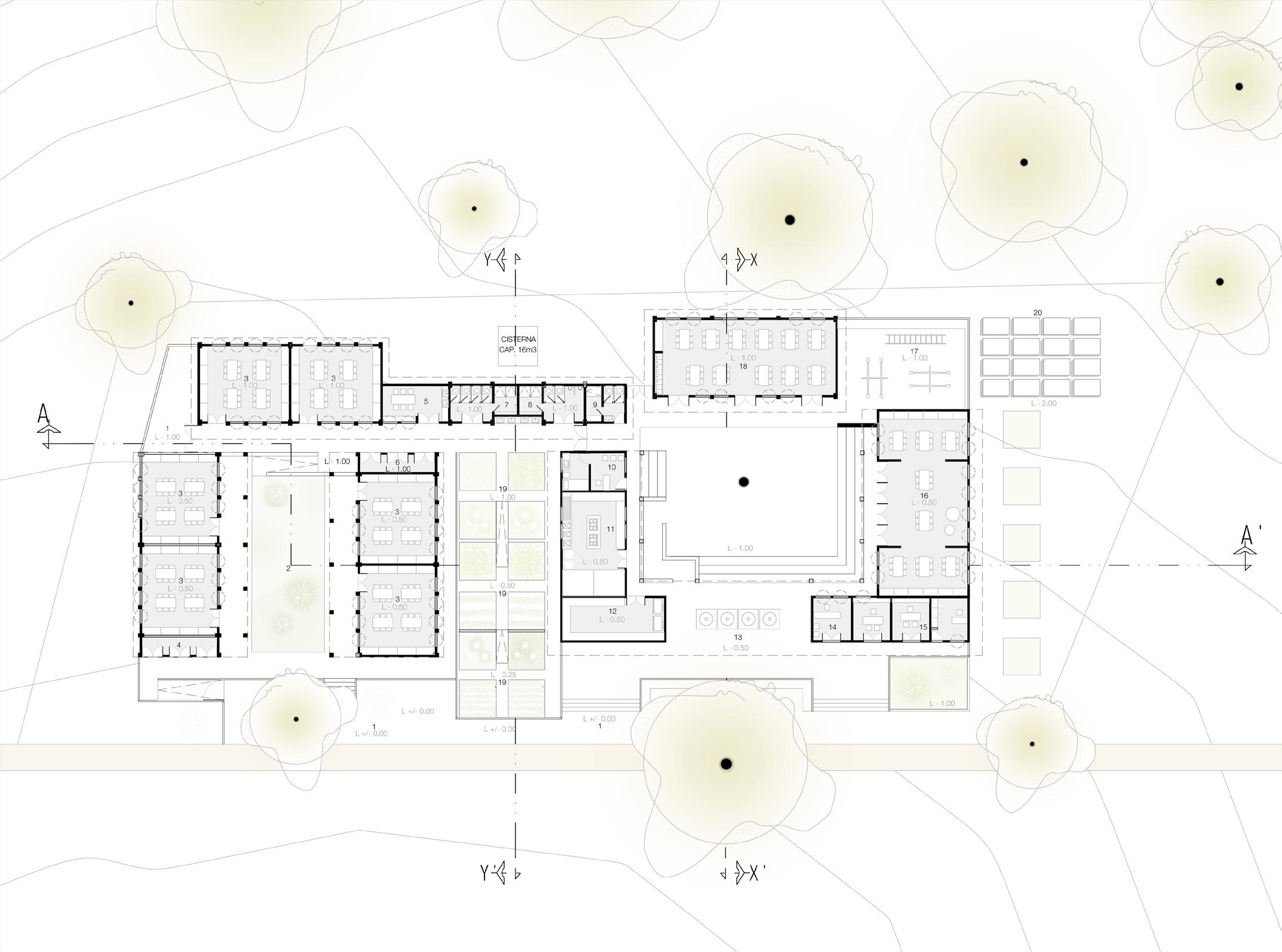
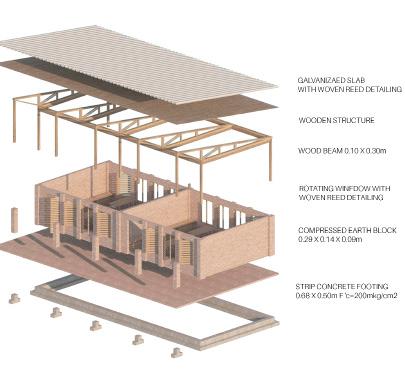
The construction of the classrooms, like the rest of the architectural program, was carefully designed to utilize local and sustainable materials, allowing the community to actively participate in the building process. This approach not only reduced environmental impact but also fostered a sense of ownership and collaboration within the community.
The choice of materials included the use of compacted earth bricks, known for their durability and minimal environmental footprint, alongside masonry footings for structural integrity. This combination ensured a cost-effective, sustainable, and locally driven construction process, perfectly aligned with the project’s goals of community empowerment and environmental responsibility.