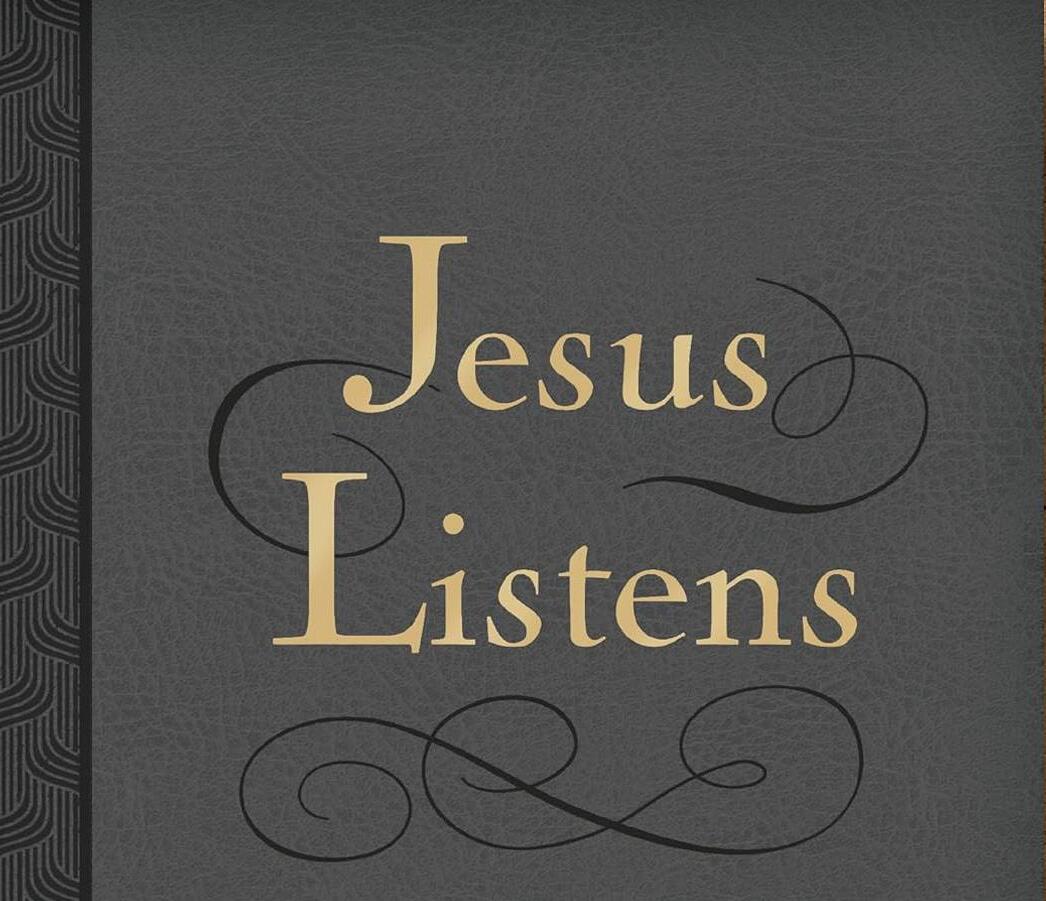




















































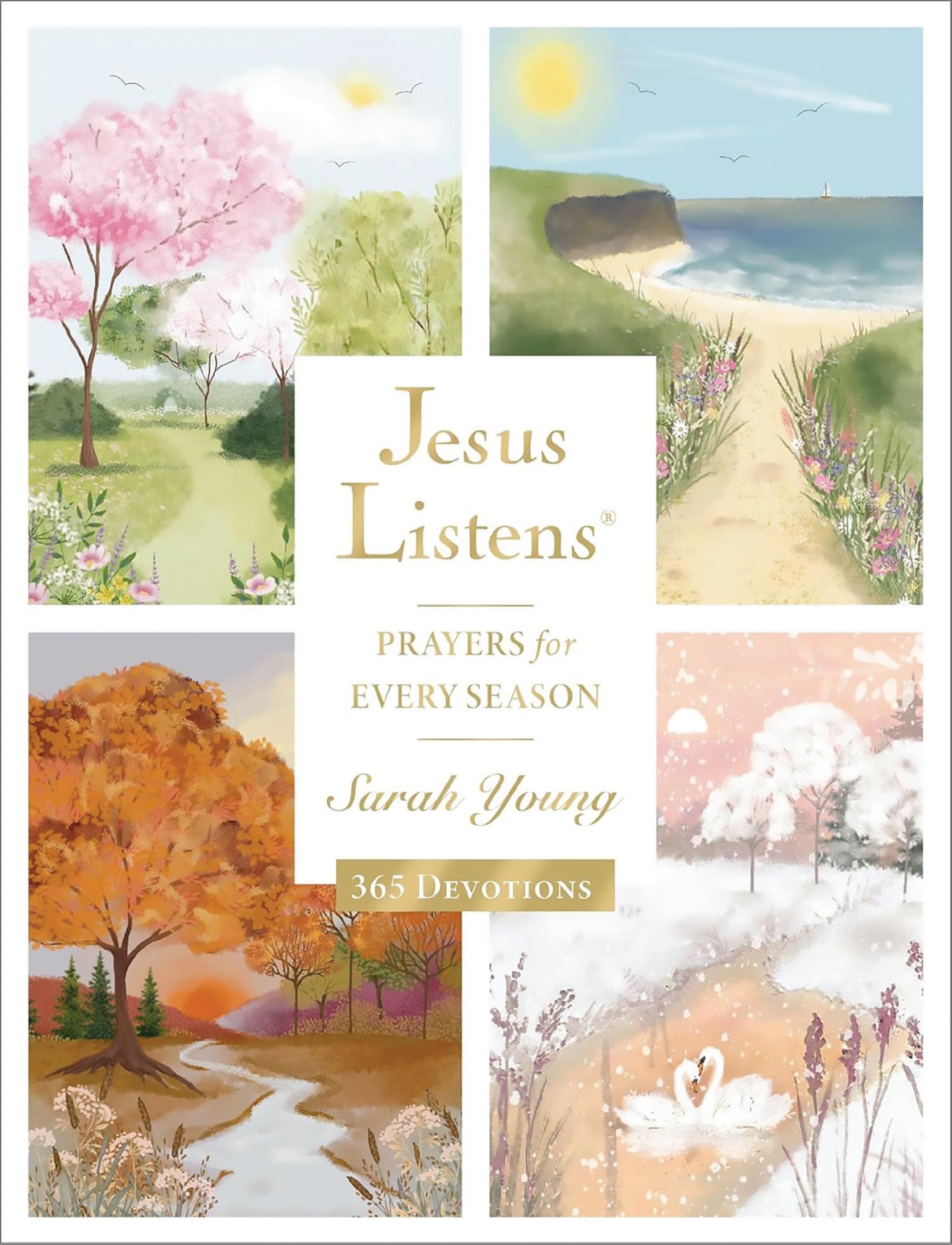








































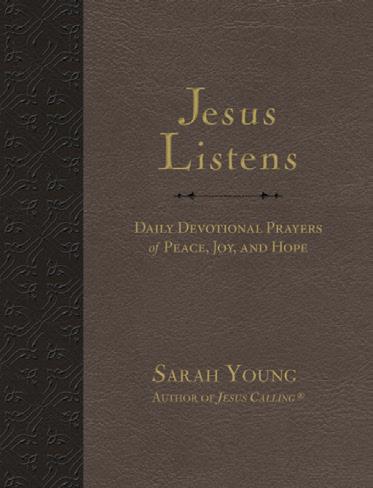
Heartfelt prayers and Bible verses are paired with calming illustrations of nature that gently take you through the seasons and toward a deeper relationship with God. PREORDER your copy now!



See something you like in the magazine?
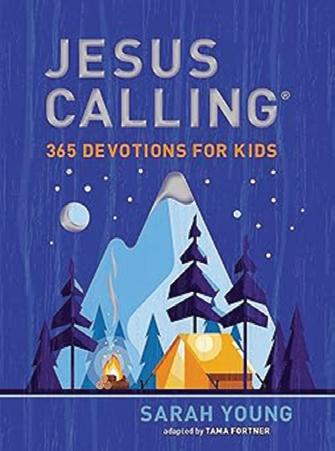
Most titles featured in this publication are available from your favorite bookstore.



As we enter into the heart of summer, it’s a wonderful time to reflect on the strength to be found in love and commitment, fostering a sense of peace and purpose that aligns beautifully with the gratitude and contemplation we often feel during this season of relaxation and remembrance.
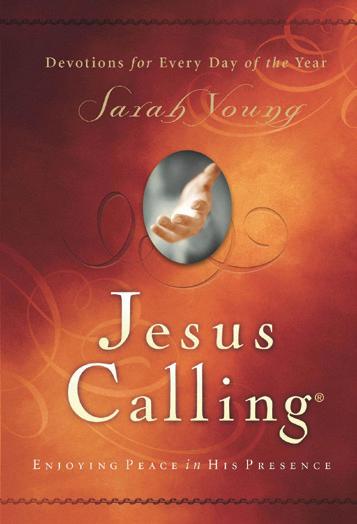
An exclusive excerpt from Sarah Young’s 365-day prayer devotional


4


Invincible Jesus, Your Love has conquered me and set me free! The Power of Your Love is so great that it has enslaved me to You. I am not my own; I was bought with a price—Your holy blood. Because of Your amazing sacrifice for me, I want to serve You with every fiber of my being. I know that my service is woefully inadequate. Nonetheless, when I yield myself to Your will, You bless me with Joy.
Because You are perfect in all Your ways, I can give myself wholeheartedly to You without fear that You might take advantage of me. Actually, being conquered by You protects me and makes me truly free. You have invaded the innermost core of my being, and Your Spirit is taking over more and more territory within me. As Your Word teaches, where the Spirit of the Lord is, there is freedom. I rejoice in the freedom I have found in You, Jesus. And I surrender gladly to Your conquering Love!
In Your powerful, loving Name, Amen
ROMANS 6:17-18 NIV
1 CORINTHIANS 6:19-20 ESV

2 CORINTHIANS 3:17 NIV












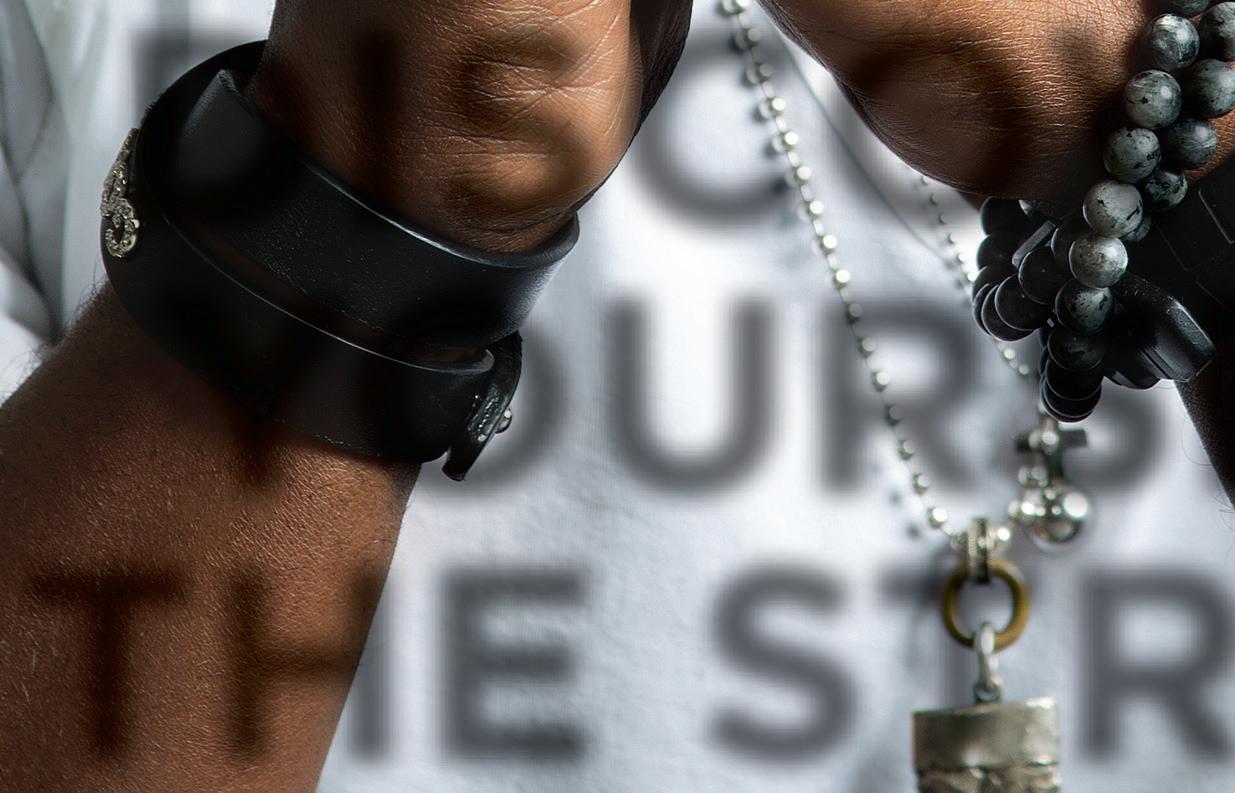
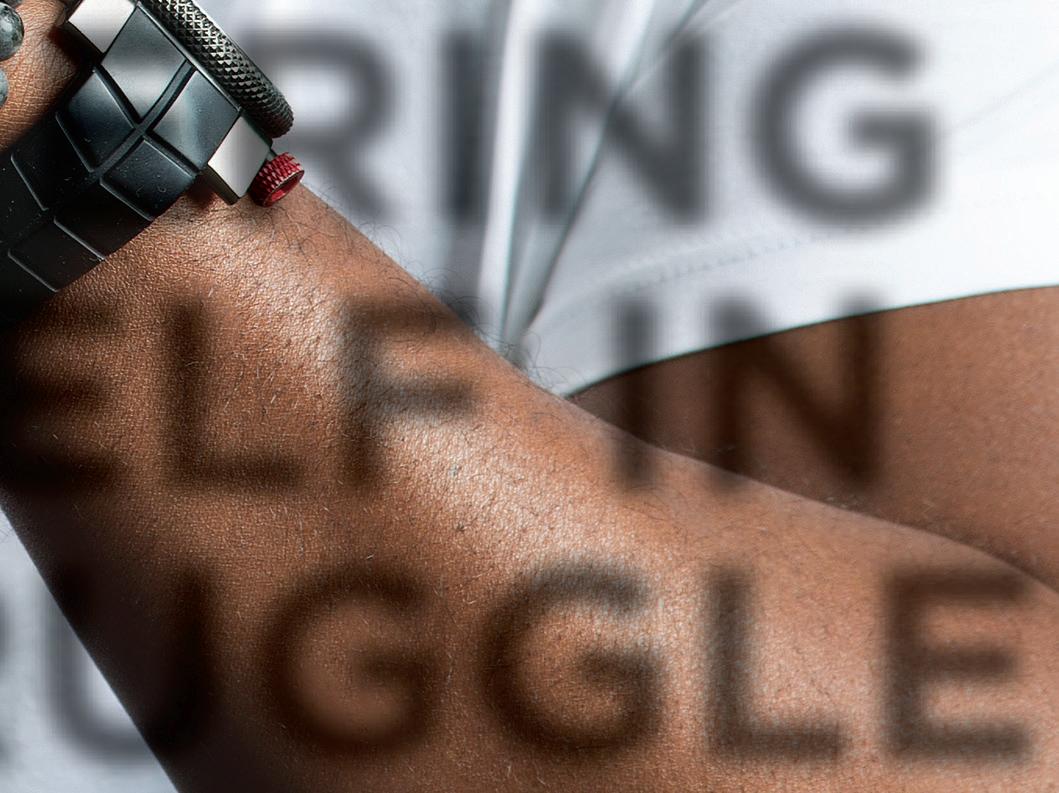
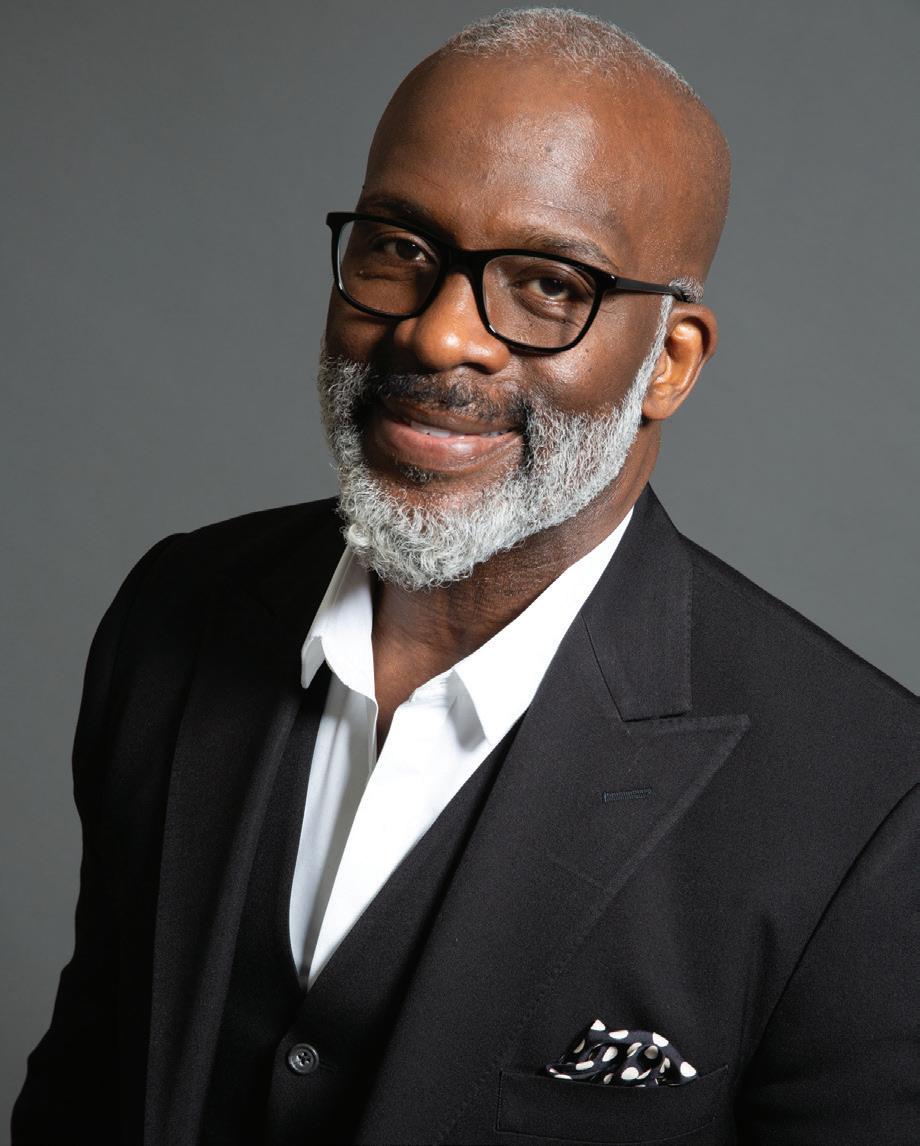
BeBe Winans Makes Room for His Calling
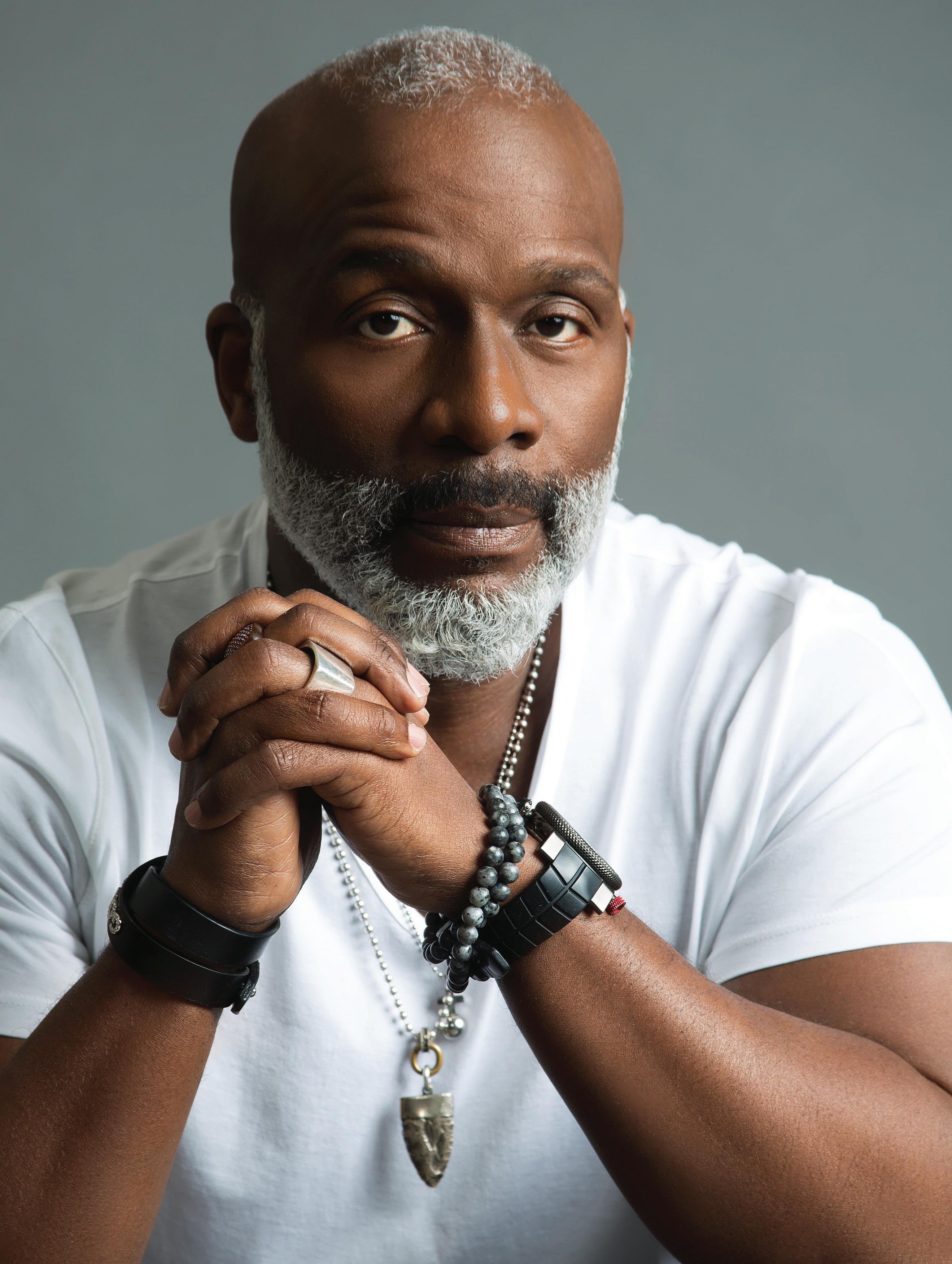
by Michael Overholt


“Your gift will make room. What you have to go through is okay; it does work out if you believe and continue to have faith in what God called you to do.”
There is no shortage of advice on how to endure or embrace struggles. Call it “token inspiration” or “uplift for uplift’s sake.” Social media, for example, can be hit or miss when it comes to motivation. It keeps Nat King Cole’s 1954 hit a hit by quoting the first two lines and missing the real message: “Smile though your heart is aching / Smile even though it’s breaking.”


Winans brothers who were leaving. In the same breath, he announced that BeBe was going to be taking over the choir. Winans remembers thinking, “Which BeBe? Me?”
His gift made room for him to take over the choir, finding himself in a leadership position beyond his comfort zone.
Virtually nothing is said about how to enjoy the struggle itself.
According to BeBe Winans, the key isn’t just endurance—it’s using one’s gifts as a source of strength, and meaning to enjoy the process, no matter how difficult.
Winans grew up in Detroit in a family of ten, with gospel music playing exclusively at home. Faith, music, and discipline were central.
“We lived on a street called Whittingham, and a street in front of it was Santa Barbara. When it would snow, we would rush as fast as we could to shovel the snow for Smokey Robinson … Stevie Wonder lived about four blocks behind us, and a couple of Four Tops lived on the other side of the street. So we were surrounded by the influence of Motown, the writing, and the singers. But in David Winans’ house, there was nothing but gospel music.”


It was also here that Winans reminisced about the advice a friend gave him: “BeBe, learn to enjoy the struggle. A lot of people want to get to the top, and they don't understand that it’s in the struggle where you learn who you are. It’s in the struggle where you learn who people are, and the struggle where you learn most of all, who God is.” “
It’s in the struggle where you learn who you are.

A first major struggle came when his brothers left Detroit to pursue their own music careers. He recalls this “scary moment” when the pastor explained to the congregation that they needed to pray for the
Fast forward several years, BeBe and his sister, CeCe, were asked to audition for The PTL Club television show run by Jim and Tammy Faye Bakker, a couple who would later become like parents to the Winans siblings. Initially, only CeCe was accepted, leaving BeBe to face the disappointment of rejection. “Being rejected is sometimes not as bad as people think it is. My father used to always say, ‘One Winans wins, all Winans win. One Winans loses, all Winans lose.’”
This was a pivotal moment. Winans stuck to his father’s mantra and made the tough decision that instead of letting rejection define him, he would use the experience to deepen his commitment. It was here at The PTL Club, while supporting CeCe, that Jim Bakker came to a rehearsal after hearing a song on the radio. Winans recollects Bakker saying, “I want you guys to learn this song, change a little bit of the lyrics.












I want you guys to do it as a duet.” The song was “Up Where We Belong,” a watershed moment that led to BeBe and CeCe becoming a duo.
His gift was making room.
The two Winans faced many challenges besides learning to navigate life over 600 miles from their parents, including racism and the pressures of growing fame. But The PTL Club is where BeBe had a chance encounter with producer and keyboardist extraordinaire Keith Thomas.
Years passed, and the duo came to Nashville in search of a record deal that would feature BeBe and CeCe together and also include a piece for each of them in order to lay the foundation for their future solo careers. Winans recalls, “A lot of doors were shut. They were closed tight. The last record company we met with was Payroll Records, and they said yes.” The person sitting next to him in these negotiations was Keith Thomas.

his sister at The PTL Club made room for BeBe on a record label with his sister. Our gifts do not just make room for ourselves. And Winans’ gift didn’t benefit only him.
“

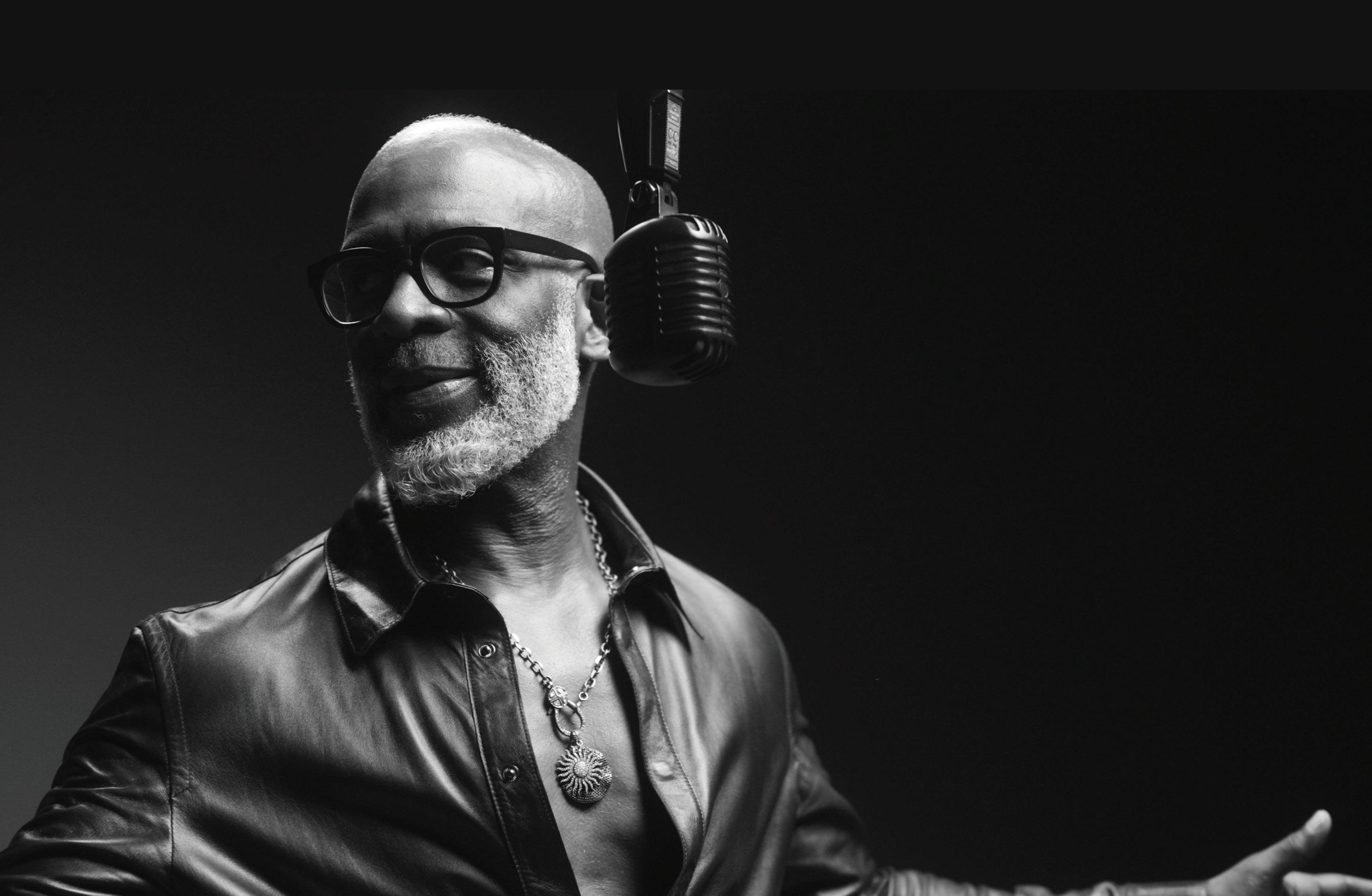
If it comes from the heart, it goes to the heart.
One of the most moving examples of how BeBe’s gift allowed him to enjoy the struggle came when he received a letter from a fan, years after he had made it in the music industry. The fan shared that he had been on the brink of suicide, but decided to listen to BeBe and CeCe’s music one last time. After hearing their songs, he chose to give life another chance. This letter showed BeBe that his struggles, his dedication, and his choice to stay faithful to his calling had a life-saving effect on someone else. It wasn’t just a

“One Winans wins, all Winans win.” Supporting


testament to his music, it was a testament to the joy and purpose he found by embracing his gift, even in the hardest times.
When listening to Nat King Cole’s song “Smile,” what’s so often lost on modern audiences is the line, “You’ll find that life is still worthwhile.” That discovery process—which BeBe has found in his

music journey—is learning how to enjoy the struggle. There’s going to be some form of uncertainty, fear, and rejection along the way, these are part of the human experience. But Winans’ life has been about letting his gifts give meaning to the hardships he faced, allowing him to find resilience, faith, and purpose along the way.

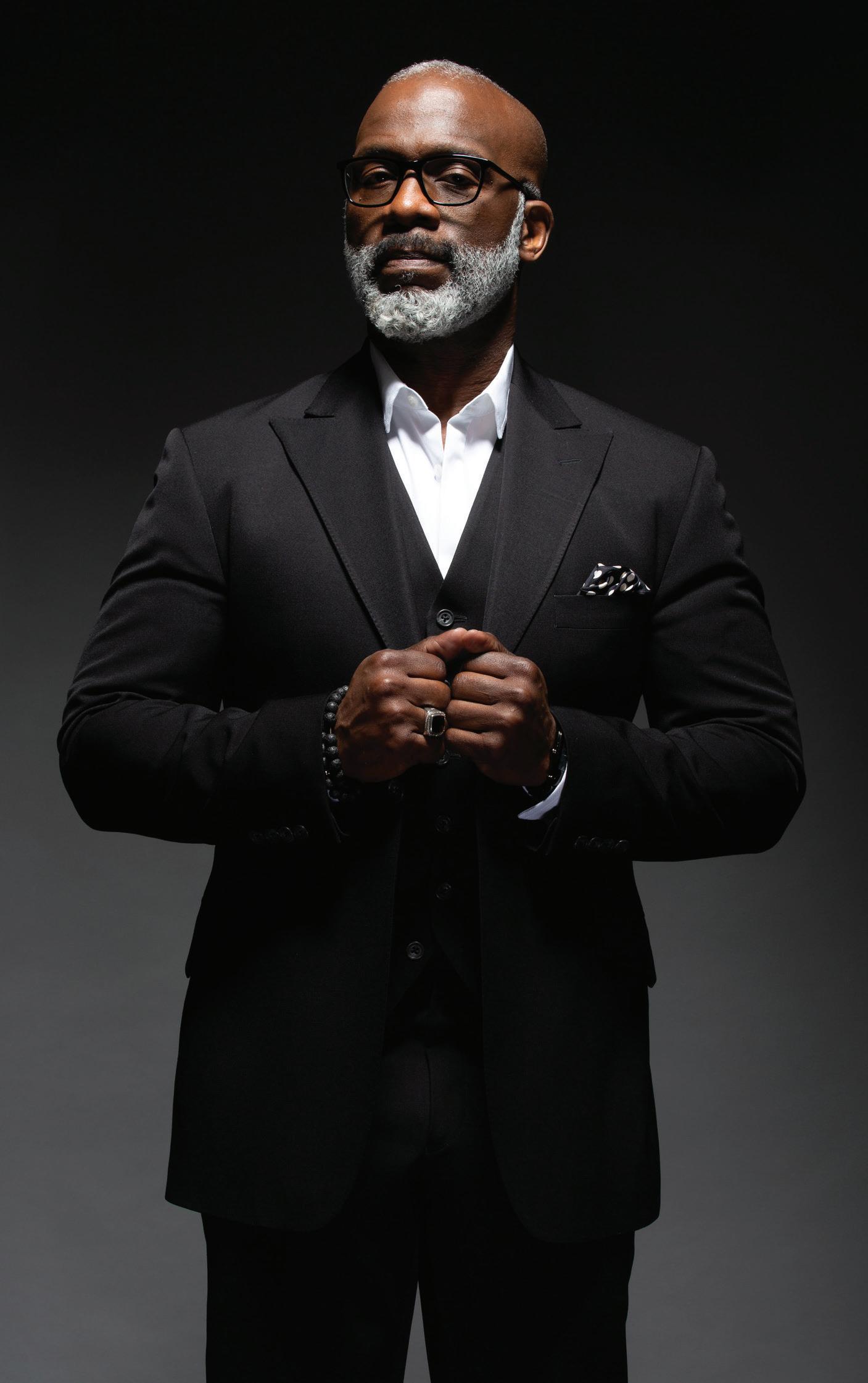



BeBe says, “If it comes from the heart, it goes to the heart.” His story encourages us all to look at our own struggles and ask, “How can my gift make room for me? How can I allow my calling to bring joy even in the most challenging moments?”
For Winans, enjoying the struggle meant embracing his music as a calling from God, trusting that every hardship— from rejection to making decisions for someone else over himself—made room for him to live out his calling.

Adapted from the Jesus Calling Podcast


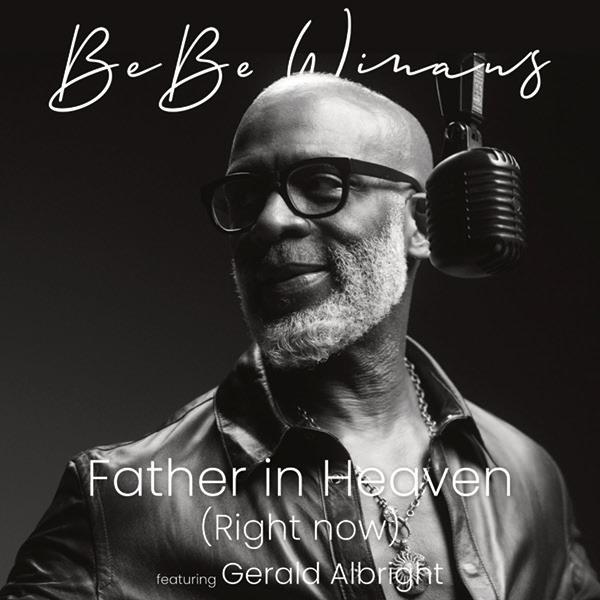
Be sure to check out BeBe’s music, including his single, Father In Heaven (Right Now), on your favorite streaming platform.















by Laura Neutzling
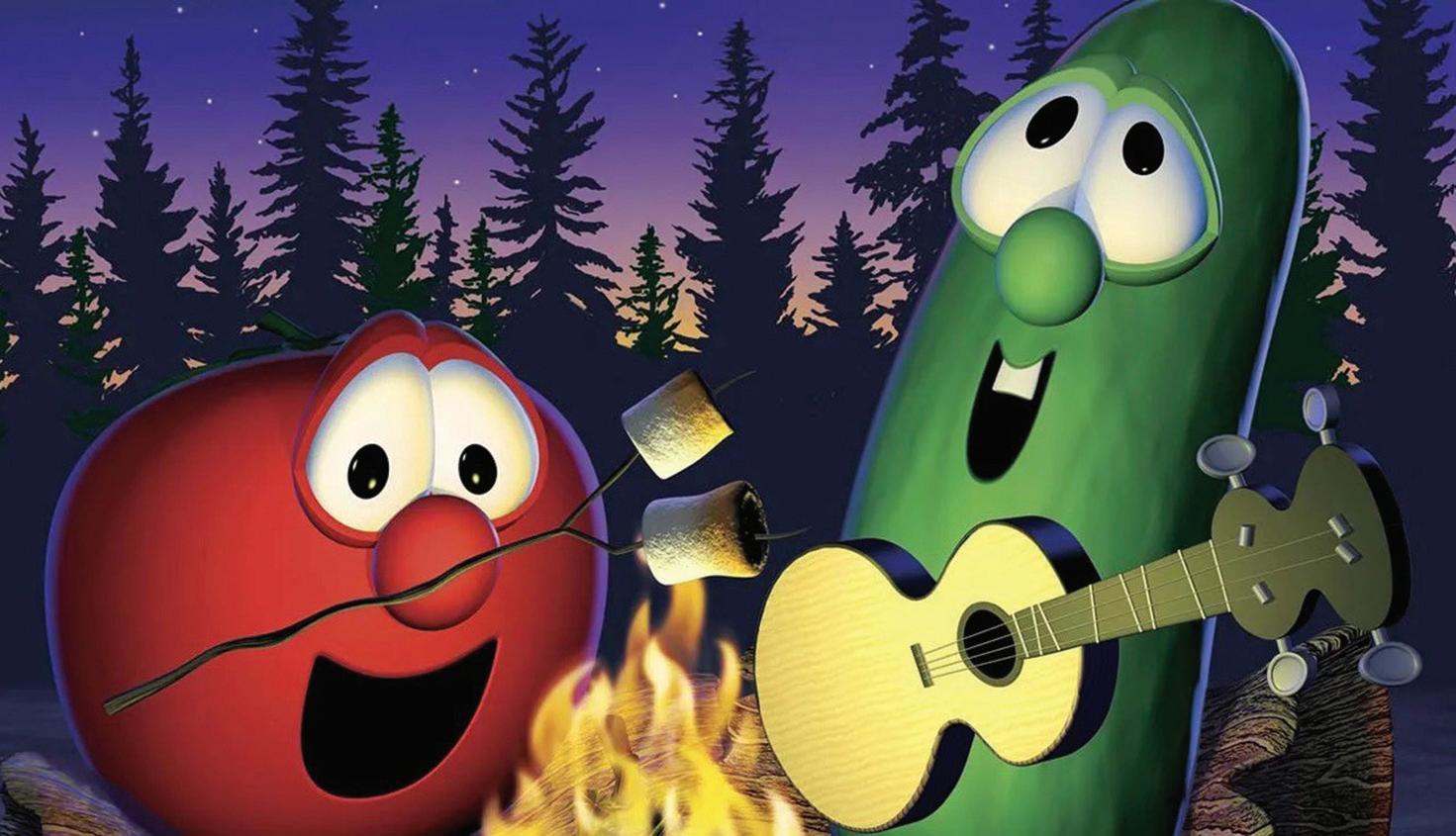
The managing editor of the Jesus Calling Magazine recently had a chance to sit down with Mike Nawrocki, co-creator of VeggieTales (and the voice of Larry the Cucumber) for a conversation about the whimsical beginnings of those animated talking vegetables and how he’s continued to bring stories to a new generation through his latest project, The Dead Sea Squirrels.
Editor: For those who might not know exactly how VeggieTales got its start back in the nineties, can you take us back to the beginning? What sparked the idea for talking vegetables who share faith-filled stories?
Mike Nawrocki: Well, Phil Vischer (who would later become the voice of Bob the Tomato) and I met in college, as part of the requirements of attendance to that college, we had to be a part of a ministry—and we chose puppets. He and I started writing and performing, and as we like to say, roamed around the Minnesota countryside, scaring the Baptists with our puppets. We just had a very similar sense of humor and had a lot of fun.
Editor: It’s amazing how those early, playful days blossomed into something so impactful. You initially had a different path in mind, didn’t you?
Mike: Yes, my big plan was to go to school for a couple of years and then transfer to a place with a pre-med program. After our first couple of years of college, Phil ended up getting a job in Chicago and I decided to see if I could get a residency there at the University of Illinois. I ended up landing a job that opened at the post house where Phil worked—working the graveyard shift as a VHS tape duplicator.
Editor: Tell us about the very first pilot you did for VeggieTales back in 1996. You guys were among just a handful of people who were working with 3-D animation back then.
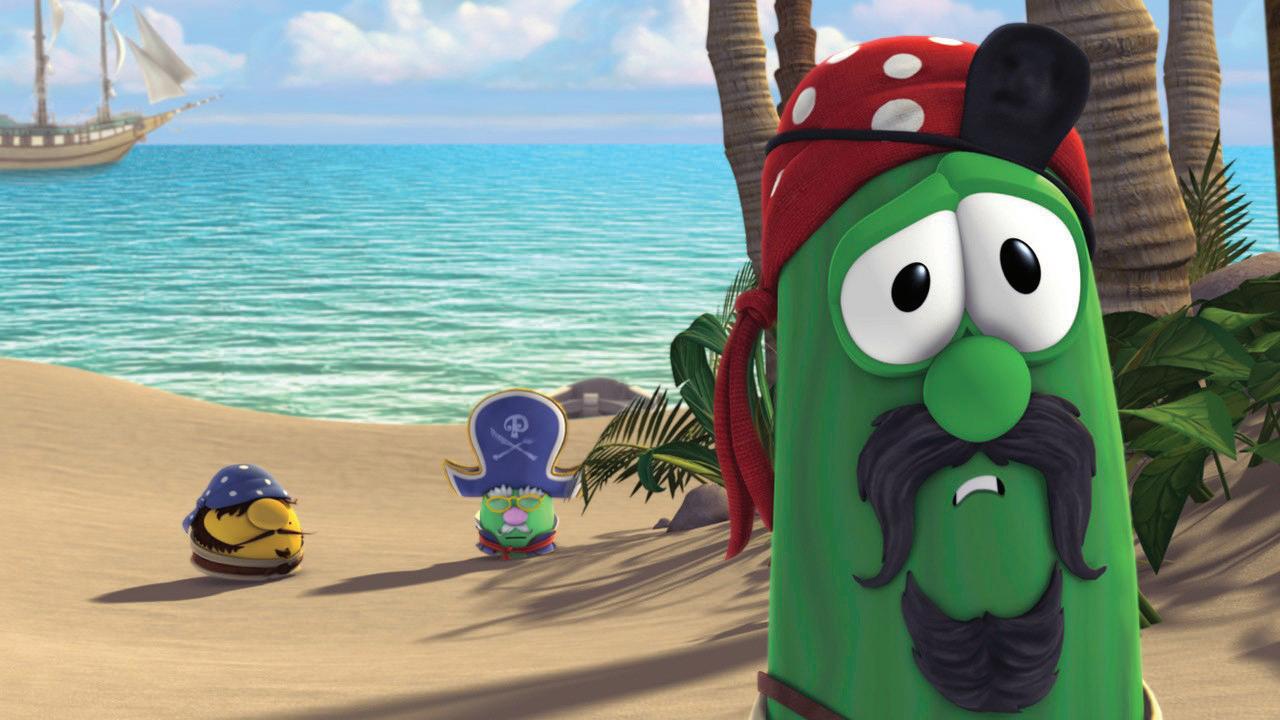


Mike: Phil and I were having so much fun creating and with all of this new technology emerging, particularly computer animation which was just coming out, we had the idea to create really simple characters to tell stories, kind of like we did with puppets. Then Phil put together a promo for what would become VeggieTales. Meanwhile, I graduated, applied with the Peace Corps, and I got in. That same month Phil came back and said, “Hey, we’ve got funding for the first show!” And I knew at that moment, the decision I made would affect the rest of my life. I prayed about it and got affirmation from friends and family that this was the direction I needed to go. I turned down the Peace Corps and we got to work on Where’s God When I’m S-s-scared?, which was our very first episode of VeggieTales
Editor: VeggieTales became a cultural phenomenon. Why do you think it resonated so deeply with families?
Mike: I think that kids just fell in love with Larry and the other characters. They trust these characters, and they care about what they have to say about God making them special and loving them very much. It’s just been incredible to see how God used that.
Editor: And now you’ve embarked on a wonderful new project, The Dead Sea Squirrels. Tell us about that.
Mike: For many years after VeggieTales, I thought, What would it be like to be able to tell more New Testament stories in a way that is really fun and relevant for kids today? Like, what if you brought two characters from the first century into the modern day? And then, the bad pun on Dead Sea Scrolls, obviously, was right there.
Editor: And that project has also intertwined with your role at Lipscomb University. How did you transition into teaching?
Mike: My friend Steve Taylor started a film school at Lipscomb University and asked me to come be the artist in residence. I graduated from their MFA program in 2019 and started teaching there full-time. Then, Steve and I started to think about what it might look like to create a pilot based off the first
Dead Sea Squirrels book. He was able to raise some money for a pilot that we produced using the school partially as a production unit. And that ended up being a perfect thing to carve out for a student animation team to do.
Editor: That’s quite a journey— from biology to animated vegetables to telling new stories for a new generation of kids.
Mike: I run into young adults all the time who tell me “VeggieTales was my childhood,” which is just such a powerful thing to know that the stories we told affected them so much that it’s become a huge part of how they grew up.

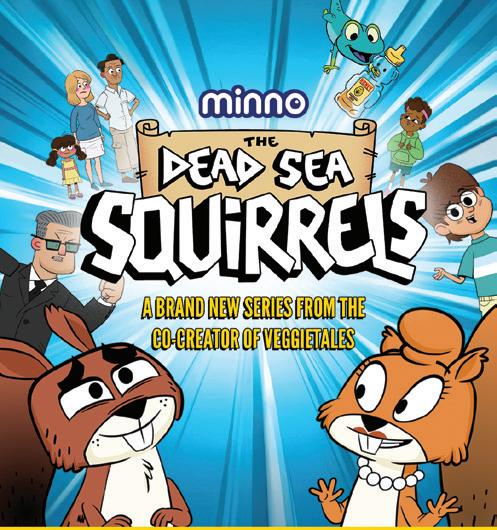

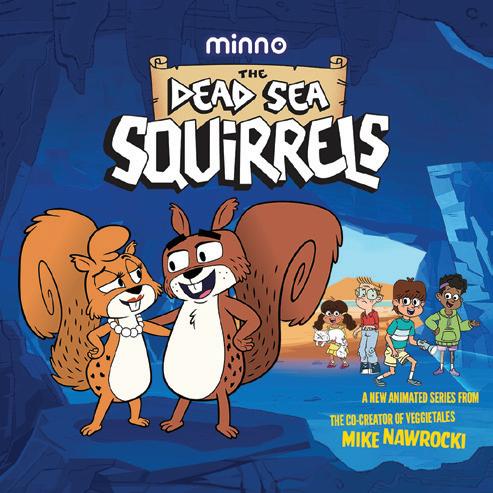
To find out more about Mike’s latest project, visit DeadSeaSquirrels.com.




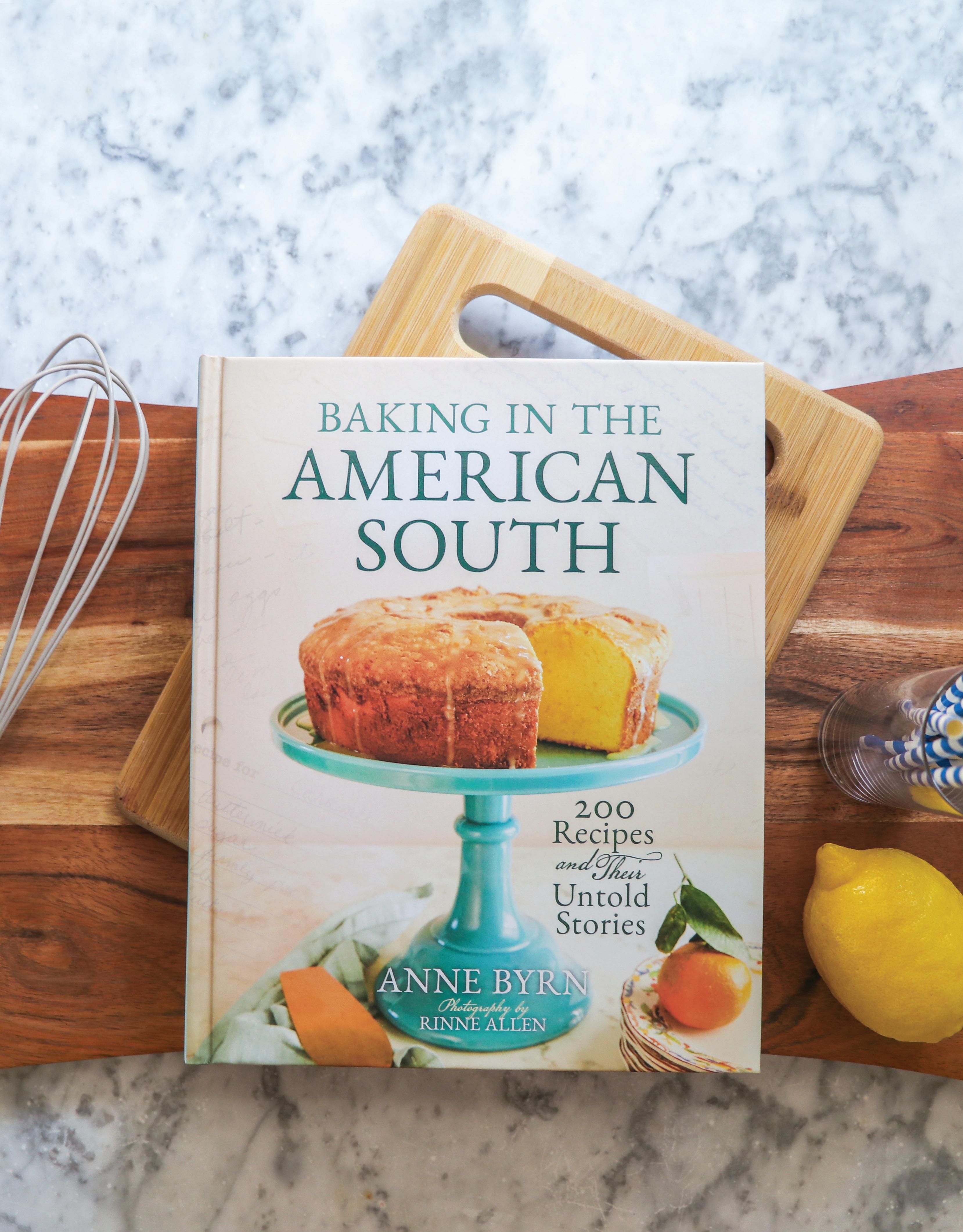
Chefs and homecooks alike share their recipes infused with the rich avors from across the South.

AVAILABLE WHEREVER YOU BUY BOOKS!



By Michael Overholt
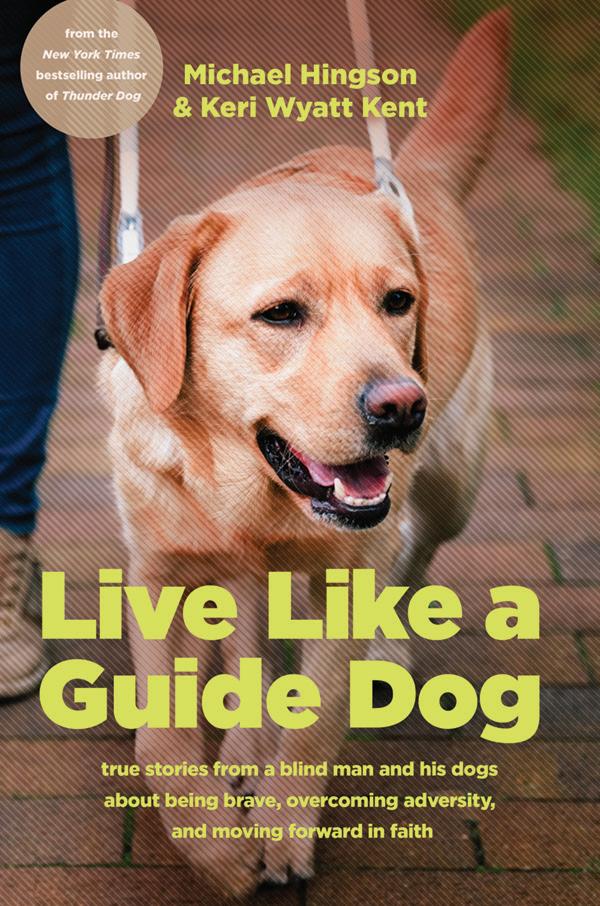
On the morning of September 11, 2001, Michael Hingson saw perception’s advantage over vision play out in the chaos of the World Trade Center’s collapse. Blind since birth, he was in his office on the seventyeighth floor of Tower One when the first plane struck the building. His colleague, David Frank, could see the horror unfolding—fire, smoke, and debris falling from the sky. But his vision did not give him clarity: it overwhelmed him.
Hingson, relying on his guide dog, Roselle, recognized that his companion’s calm demeanor was a crucial indicator that they were not in immediate danger, so he told David to slow down, focus, and see beyond what his eyes were telling him. With Roselle leading the way, Hingson and Frank navigated seventy-eight flights of stairs down into a devastation they could not yet comprehend.
And nearly as soon as they exited onto the street, Tower Two collapsed.
“I remember the first thought I had was, God, I can't believe you got us out of a building just to have it fall on us. And when I thought that, I immediately heard in my mind a voice that said—as clearly as you're hearing me now—‘Don't worry about what you can’t control. Focus on running with Roselle and the rest will take care of itself.’”
In that moment, his fear evaporated. He realized control is an illusion, and what mattered was his ability to move forward in faith, because true sight is perception, not vision.
“
God, I can’t believe you got us out of a building just to have it fall on us.
Michael Hingson’s experience of escaping a doomed Tower One reveals that sight and understanding are not the same thing. The world conditions us to trust our vision, as many use the phrase, “seeing is believing.” But what happens when what we see is terrifying? When what we see confuses us, paralyzes us, or leads us into a false sense of certainty, only a perception backed by faith can help us navigate what vision is preventing us from seeing.
Hingson could not see the flames, the smoke, or the crumbling buildings. But he could perceive what needed to be done. He could recognize the calm presence of his guide dog. He could hear David’s voice becoming a beacon for others in the stairwell. He felt compelled to focus on what was within his control, rather than what wasn’t.
Here’s how Michael explains what he learned from that experience: “If I can help people learn to deal with fear, if I can help people learn to move on from things that happen in their lives that they didn't expect … fear is not something that you need to allow to blind you, or paralyze you, or overwhelm you. You can learn to control fear. You can learn to use it as a very powerful tool. It’s in developing that mental muscle to be observant, to learn what goes on around you, to learn how to control what you experience and what you see, and learn that you can choose how you react to things.”
Michael also points to Roselle as an example. When they returned home, Hingson removed her

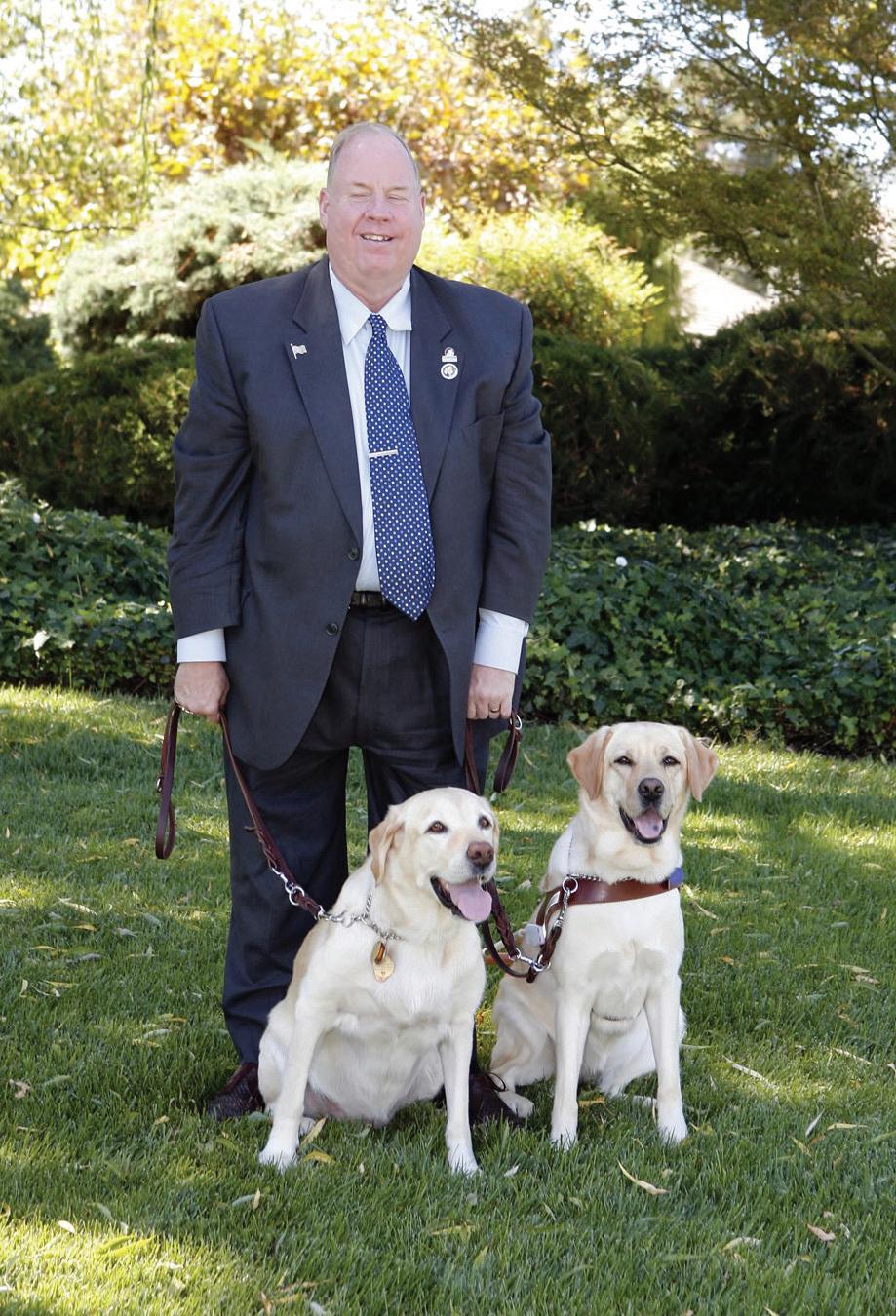



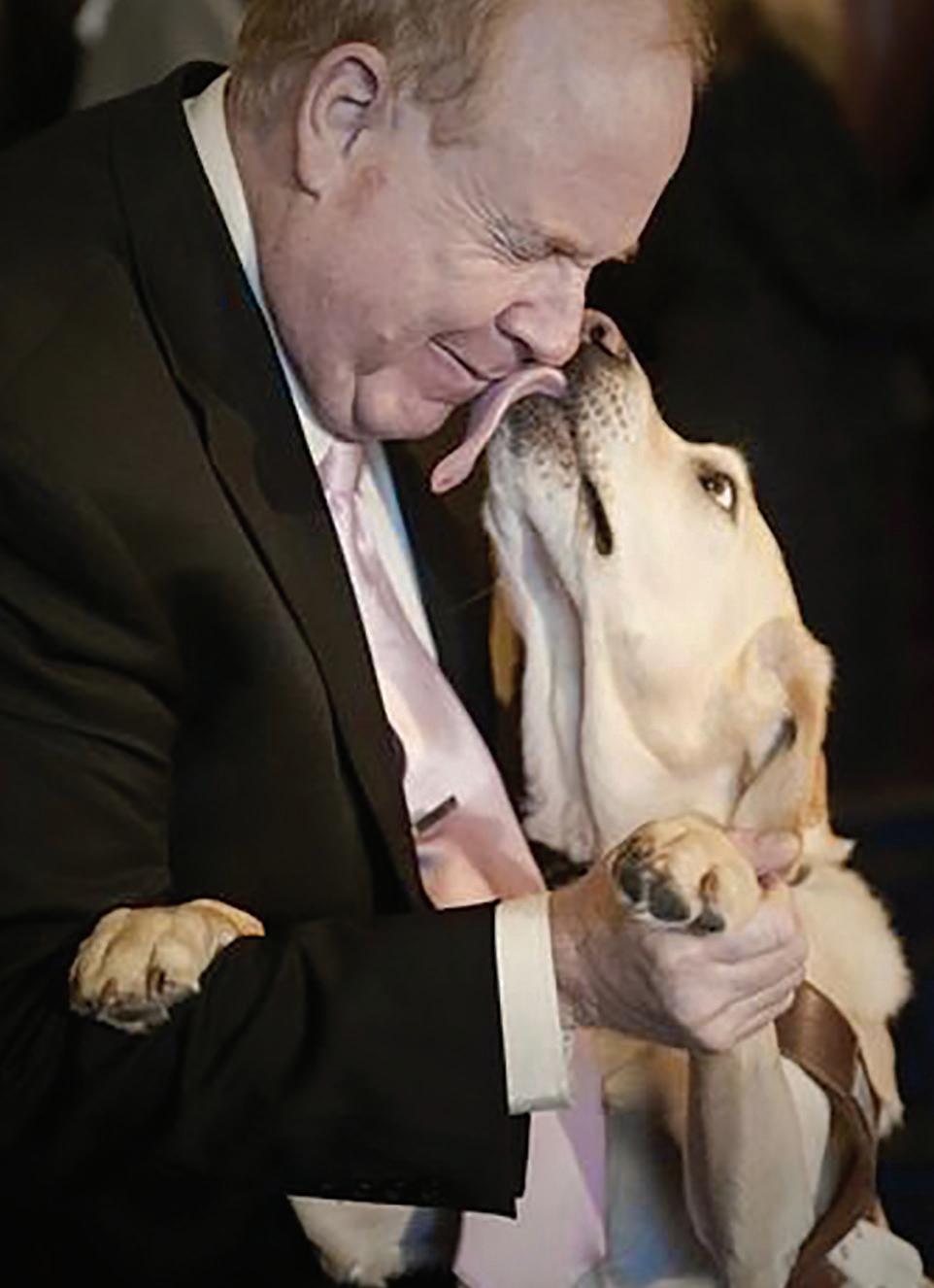
harness, expecting her to be shaken. Instead, she bolted across the room, grabbed a toy, and began to play tug-of-war with Hingson’s retired guide dog, Lennie.
For Roselle, the day was over. She had done her job. Now, it was time to return to normal.
For humans, processing tragedy is much more complicated. We replay moments, obsess over what could have been done differently, and sometimes become trapped in grief and fear. But there is a lesson in Roselle’s response. We must acknowledge the past, but not be imprisoned by it.
And we must also learn to perceive beyond our immediate reality.
Michael Hingson’s survival story is profound in that he not only learned how to navigate physical danger—but also learned to navigate life after trauma. He could have lived in fear after that day. Instead, he became a motivational speaker, an advocate for disability awareness, and a voice for resilience.
He is using his blindness to show people that what they perceive is more powerful than what they can see.



This month commemorates the incredible work and life-changing impact that guide dogs make on the lives of those who are blind or visually impaired. It’s also an opportunity to recognize the volunteers, trainers, and donors who make these life-changing partnerships possible. Join us in honoring these incredible animals— donate to a guide dog organization, reward your own pets, or host a fun event to spread the word!

We hope you enjoyed this sample of the Jesus Calling Magazine.
To read the full version, please download the Jesus Calling App. There you can check out the entire issue – plus our complete archive.