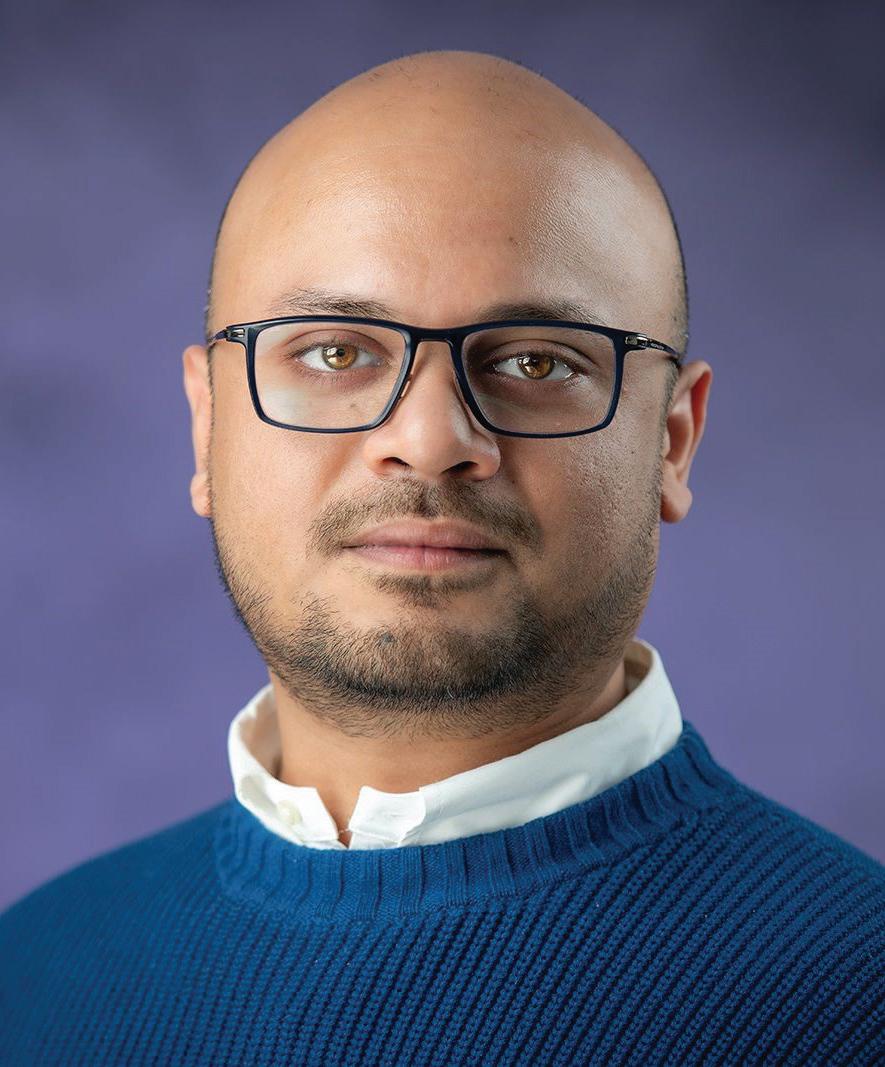
Munazzeel Riasat FINANCE DIRECTOR 437.371.5342 finance@tma149.ca
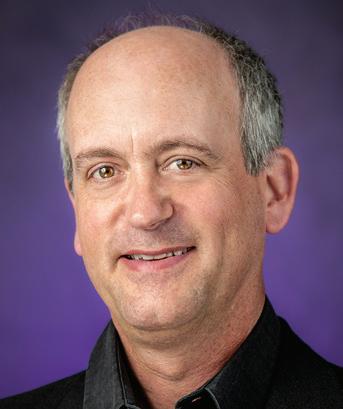
Jay Boehmer
MUSIC PERFORMANCE TRUST FUND (MPTF) ADMINISTRATOR 437.371.2282 trustfund@tma149.ca
Here at TMA149 we acknowledge the land we are meeting on is the traditional territory of many nations including the Mississaugas of the Credit, the Anishnabeg, the Chippewa, the Haudenosaunee and the Wendat peoples and is now home to many diverse First Nations, Inuit and Métis peoples. We also acknowledge that Toronto is covered by Treaty 13 with the Mississaugas of the Credit.
President’s Message
Welcome to the ‘new look’ Crescendo!
We hope you’ll enjoy the new format, along with the more relevant content. If you haven’t read our newsletter in a while, please check it out.
I thought this would be a good time to remind our members - and those thinking of joining - what it is we’re about.
The TMA is the GTA’s ultimate advocate for all musicians: players, composers, copyists, etc..
We represent the collective voice, and strive for better pay, working conditions and industry growth. In an ever-evolving music landscape, we aim to be flexible, forward-thinking, and ready as the business shifts.
A key role for the union is to protect members’ rights to equal treatment and fair wages. Keeping up with copyright laws, digital trends and industry changes - along with lobbying all levels of government – are all essential in order to safeguard artists’ interests. It’s also vital that we continue to share knowledge and collaborate with the other unions in the arts sector.
We create and negotiate collective agreements on your behalf. We’re also there for members who navigate the freelance world on their own, ready to assist, advocate, and support them in concrete and practical ways when problems arise.
We aim to foster solidarity among members, and to create an environment where musicians can come together, share experiences and support each other. Since this is Canada, that absolutely includes advocating for diversity and inclusion, to make sure that our industry does a better job of providing equal opportunities for all.
With the rise of AI, we must stay ahead of the curve, lobby for regulation, and advocate for transparency and fair compensation when it’s used.
The TMA is at the forefront of protecting and promoting the interests of musicians. With creativity and determination, we ensure that you remain respected, well-compensated and ready to thrive in an ever-changing world.
So, those are our guiding principles as I see them. But we want to hear from you – how do those values sit with you? Where would you like us to concentrate our efforts?
In solidarity, Les Allt
Les Allt President, TMA
Dusty Kelly Executive Director, TMA
Dear Members,
Director’s Report
This year is off with a bang as we hit the ground running January 2nd. The office team are very busy ensuring all 2024 contracts have been processed for the pension deadline and readying for both an AFM audit and our annual financial audit.
Before we finished our 2024, we completed the negotiation of a successor Drayton Entertainment agreement. This agreement covers musical theatre work in three locals’ jurisdictions: Central Ontario Musicians Association (COMA), London Musicians Association (LMA), and TMA (Kings Wharf). Paul Mitchell, President COMA, and Seth McNall President of LMA, and myself represented the three locals. This was a ‘gain’ negotiation with the Memorandum of Agreement overwhelmingly ratified:
• Wage increases – All fees and rates commencing January 1, 2025 to increase five per cent (5%) in year one, three per cent (3%) in year two, three per cent (3%) in year three, and two percent (2%) in year four
• Steward position added with 10% step-up
• No rehearsals on Friday evening and Saturday with unanimous vote of Musicians.
• Reduction from four horns per section to two horns to receive 25% step-up
• Bereavement leave language
• Pension contributions to increase to 12% over the term of the agreement
• Substitutes will now be permitted after 11 services of a run
• Music prep rate sheet
• An additional fee for Musicians who travel with a production from one venue to another venue
In November the Canadian Federation of Musicians (CFM) entered into negotiations a successor CBC General Production Agreement. The term of the agreement had already been extended a number of times. I participated with the national team, led by Allistair Elliott, AFM Vice President for Canada. We spent two weeks in in-person cross-table negotiations, and although we reached consensus on most proposals, we have not yet concluded. Agreement on the language for a side letter to deal with Generative Artificial Intelligence (GAI) is outstanding. Another meeting is to be scheduled.
I had previously reported on negotiations for a successor agreement with Musical Stage Company in the summer of 2024. I am pleased to report we have now concluded. The re-negotiation of the agreement was lengthy, as this was the first negotiation since the agreement had been established. Our goal was to amend the language to better reflect the actual practices of the musical director and their duties including compensation for music prep work.
A big thank you goes to negotiation committee members Jonathan CorkalAstorga and Adam Sakiyama, who provided their expertise and experiences working under the previous contract. Dennis Passley, Business rep rounded out our team and we reached a new agreement with MSC this month.
Executive Director’s Report
Highlights are:
• 3.4% fee increase in the first year
• 3% fee increases in years 2 and 3 (with the option of a 4th year through consultation)
• Pension increase to 12%
• Removal of the ‘Apprentice’ designation starting in 2026
• Addition of the Music Supervisor role
• Addition of non-playing Music Director
• New and improved Music Preparation rates
• Introduction of Bereavement Leave
• Introduction of Sick Leave
At the time of writing, the contract is out for ratification.
At the top of the year, we soft launched the much-awaited new TMA website. The dropdown mega menu navigation bar will let you more easily find what you are looking for. The site is still undergoing some tweaks and should be signed off by March end.
If you find any errors, please email details to operations@tma149.ca.
Finally, Business Reps Dennis Passley, and Olivia Esther and I, met over three days to develop an exhaustive workplan for TMA that will span the next two years. With an eye on our mission, vision, and values, we prioritized work into seven “buckets” (in no particular order): Freelance, Electronic Media, Symphonic, Theatre, Community & Advocacy, Communications, and Organizing. Each of these buckets contains specific strategic actions, and timelines for key milestones and deliverables. Operations and Finance support will be plugged into the plan. The workplan was presented to the Executive Board and will now be presented to the members at the February General Meeting. I will be reporting out on the progress of the workplan at this year’s October General Meeting.
In solidarity, Dusty Kelly
Larnell Lewis
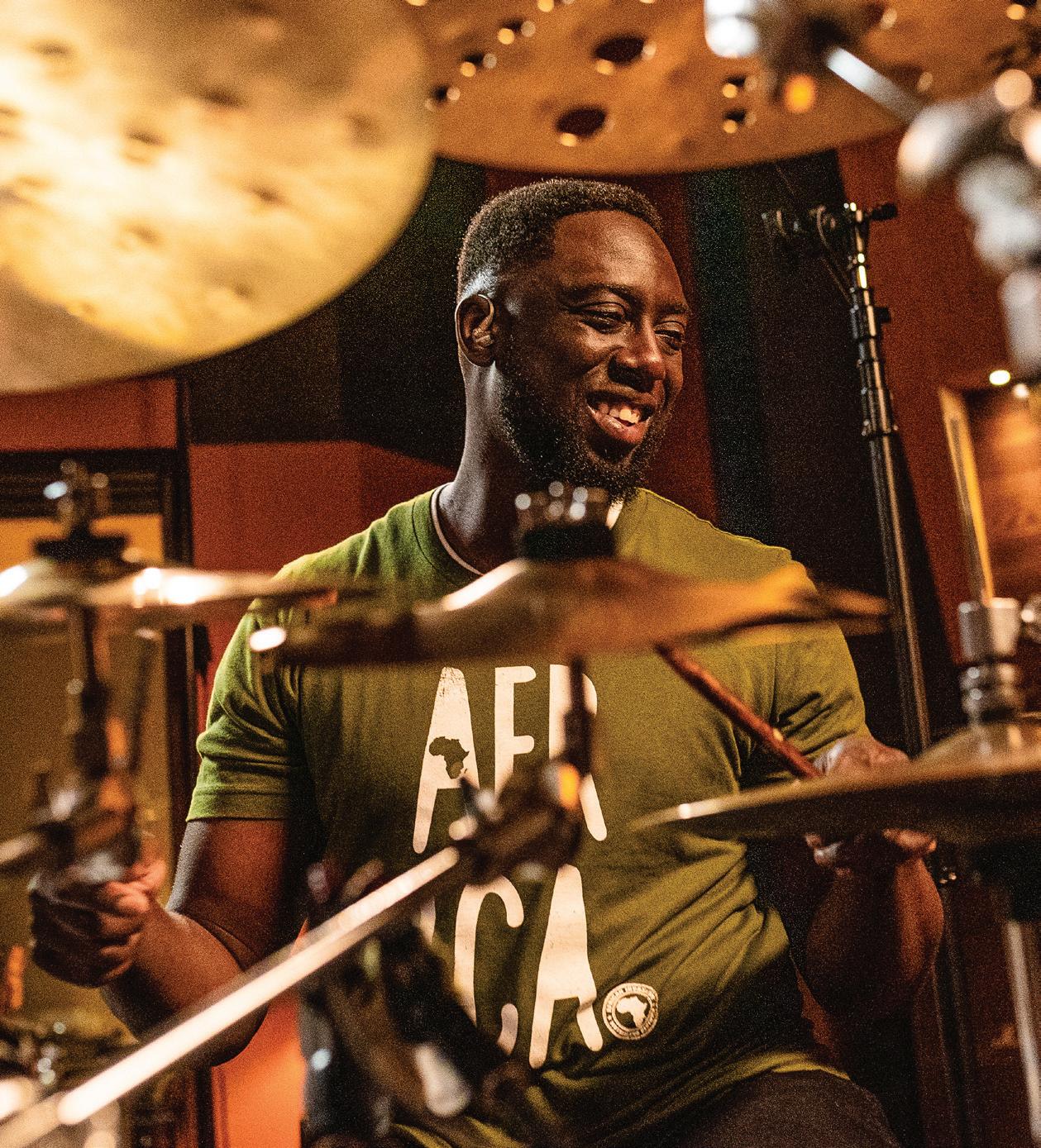
Larnell Lewis is a Grammy Award-winning drummer, composer, producer, and educator based in Toronto, Ontario. Born on March 22, 1984, he began playing drums at the age of two, initially honing his skills in church settings where he was exposed to genres like gospel, soca, calypso, reggae, zouk, and funk. To deepen his musical understanding, Lewis also studied electric bass and piano.
At Humber College Larnell received the prestigious Oscar Peterson Award for Outstanding Achievement in Music in 2004. He gained international recognition as a member of the jazz fusion band Snarky Puppy, contributing to multiple Grammy-winning projects. Beyond his performances with Snarky Puppy, Lewis has collaborated with renowned artists such as Quincy Jones, Lalah Hathaway, Chaka Khan, Mark Ronson, Pat Metheny, and Alejandro Sanz.
In 2018, Lewis released his debut solo album, “In the Moment,” showcasing his versatility and deep connection to jazz, fusion, and his Afro-Caribbean roots. He followed this with “Relive the Moment” in 2020, offering reimagined versions of his earlier compositions. His latest project, “Slice of Life,” was released in 2024 and nominated for a Juno award for Jazz album of the year.
Larnell Lewis took the time to thoughtfully answer two questions about his mentors and inspirations in honor of Black History Month, sharing insights into the figures who have shaped his musical journey.
TMA: Can you highlight any mentors or role models in your career who exemplify black excellence?
LL: I have been privileged to be surrounded by incredible musicians and artistic visionaries while growing up on the Toronto music scene. I have had many peers, mentors, and elders take me under their wings and show me the way to navigate in life through the pursuit of their own goals and aspirations.
Andrew Craig is one of my mentors that showed me how to support the biggest of dreams with hard work and perseverance. Andrew’s creativity is unmatched, and he continues to not only push the boundaries of music expression, but does so while keeping the stories and the essence of dreams from our ancestors intact.
Archie Alleyne was a mentor of mine on the Toronto music scene that showed me how to create space for the younger generation. Archie understood clearly the importance of sharing his stories and experience with the intention of establishing a presence in spaces where voices of people from the African diaspora should be as loud as the music. I was blessed and honoured to be part of Archie’s “Evolution of Jazz” project where we (the upand-coming musicians) showcased our talents to other young musicians around the GTA sharing the stories of important Black musical figures in Jazz.
Both Andrew and Archie are examples of individuals in my life that would always continue to push the boundaries of what was possible no matter the elements they were given to work with. They are also great examples of how to share and inspire others to strive for excellence.
TMA: Who are some black musicians from Toronto’s past or present whose work has inspired you, and why?
LL: Eddie Bullen has been a continuous source of inspiration to me. He has always been clear about representing Caribbean culture in Toronto while representing Toronto on the world stage. Eddie’s ability to produce and guide artists through their projects (and in some cases life) is the gold standard of how to create no matter the circumstance. My debut album “In the Moment” was produced by Eddie, and I’ve also recorded on many other projects that he has produced (as well as a few of his own).
Through those experiences, Eddie has maneuvered with grace, clarity, and respect which are key components to pulling excellence out of anyone he has worked with. These are some of the most important principles that guide me through every collaboration I’m involved in.
Larnell Lewis
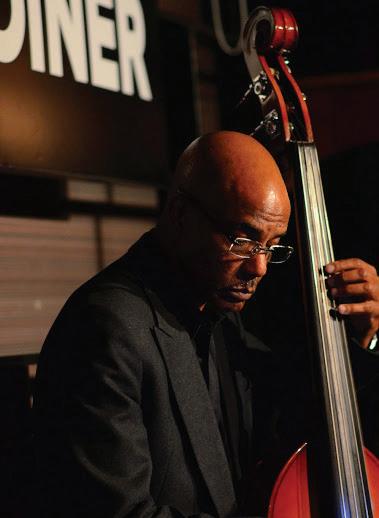
Ron Johnston
Ron Johnston is a classically trained bassist based in Toronto with a career spanning over five decades. Since 1971, he has been performing and recording both locally and internationally across various genres, with a particular passion for jazz. As one of the original members of the hard bop band Kollage, Ron contributed to the group’s performances and recordings during their first nine years.
His versatility has led him to appear in numerous television shows and films as a musician extra, notably as a main band member in the Oscar-winning film “Chicago.” Currently, Ron freelances with many groups including collaborations with Juno Award winner Bob DeAngelis and is a member of the Tanya Wills Quartet and Fifth Element jazz quintet, in addition to being a sub in John Macleod’s Rex Hotel Orchestra. As well as his performance career, Ron taught as a music supply teacher for the York Region School Board from 2002 to 2006. He also imparted his knowledge through private lessons by serving as the bass instructor at St. Michael’s College School in Toronto from 2009 to 2024.
Ron took the time to share his insights on Toronto’s history of Black musicians while answering questions that reflect on their contributions and impact on the city’s musical landscape.
TMA: What role do you think unions like the Toronto Musicians’ Association can play in advancing equity and opportunities for black musicians?
RJ: First of all, I think it’s very important for any black musicians, or any other musicians for that matter, to make sure they are fully qualified and meet the requirements for the job at hand. Personally, over my career I can’t think of any situation where I wasn’t chosen for a gig because of my colour. (I know that wasn’t the case for many black players years before I started playing, but in my career...the last 53 years...if I didn’t get a gig it was because I didn’t meet the musical requirements, or didn’t play well enough). In saying that if you are a black musician and know for sure you met the requirements, and feel you were discriminated against and should of got the gig, then you go to the TMA and it should be fully investigated by them.
TMA: In what ways do you feel black musicians have shaped Toronto’s music scene historically and today?
RJ: I think that black musicians have had a very big part in shaping Toronto’s music for many years and even today. Being a jazz musician, I know people like Cy Maclean, Archie Alleyne, Wray Downes, Frank Wright, Henry Wright, Willie Wright, Val Abbott, Doug Salmon, Al Mayers, Jodi Drake, Bobbi Shearron, Salome Bey, Oscar Peterson and more, shaped Toronto’s music scene. But also as important, paved the way for black musicians to be allowed to play in Toronto clubs. In the R&B scene, people like Eric Mercury, Shawne & Jay Jackson, Jackie Shane, Jackie Richardson just to name a few were a big part of the music scene in Toronto back then. Not to forget numerous visiting black artists from the United States that regularly played the clubs and concert halls hence shaping the Toronto music scene.
TMA: What does black excellence mean to you, and how do you channel that into your work as an artist?
RJ: Quite simply, black excellence means performing at the very top of your ability. I channel that by trying to be my very best at each performance.
TMA: How can unions and organizations better support young black musicians who are just starting their careers?
RJ: By letting the young musicians know it’s very important that they play as much as possible with respected veteran players. Even though it might be stressful, it will improve your playing in the long run. Also, if you are interested in leading your own band, pay attention to what the veteran leaders do on their gigs.
TMA: Who are some black musicians from Toronto’s past or present whose work has inspired you, and why?
RJ: Tommy Earlls, (my first band leader), Archie Alleyne, Wray Downes, Oscar Peterson, Jackie Richardson, Jodie Drake, Frank Wright, Russ Little, Joe Sealy, Eric Mercury, Jay Jackson, to name a few. All because of their excellent musicianship and professionalism.
Ron Johnston
TMA: How has the Toronto music scene evolved over the years in terms of recognizing and celebrating black artistry?
RJ: I think that once black musicians, (back in the 1950’s), were allowed into the union and allowed to play the same popular clubs that other musicians were able to play... people couldn’t help notice the enormity of their talent, hence making Toronto’s music that much better.
TMA: Can you share any specific stories or moments where you felt the impact of black excellence in Toronto’s music community?
Independent Production Agreement (IPA)
The long-awaited agreement between the Canadian Media Producers Association (CMPA) and the Canadian Federation of Musicians (CFM) has been ratified. The agreement known as the Independent Production Agreement (IPA) establishes terms, conditions, and rates for musicians engaged on English-language productions in Canada. The Canadian Content Production Rules (CCPR) is no longer available for English language productions. The IPA will be posted on-our website, under the ‘recording and broadcasting’ tab.
Ron Johnston
RJ: Being a member of Archie Alleyne’s original “Kollage” band. Anytime I have had the opportunity to perform with Jackie Richardson, Joe Sealy, Russ Little, Michael Stuart, Michael Shand, Diana Braithwaite, Jodi Drake, Frank Wright.
TMA: How important is it for younger generations to learn about the contributions of black musicians in Toronto, and what steps should be taken to ensure this history is preserved?
RJ: It’s very important. The younger generations should know the hardships that black musicians went thru when they were not allowed at one point to join the musician’s union. Or allowed to play in the popular clubs in Toronto. Yet they still fought to change all that.
Culture Connects
With the adoption of the City of Toronto 2025 budget the Action Plan for Culture in Toronto has also been adopted. This is tremendous news for Toronto’s arts and culture sector. Noting that “Toronto is Canada’s creative capital” and “Culture contributed $8.4 billion to Toronto’s economy in 2023, representing 5% of the city’s Gross Domestic Product (GDP).” The plan lays out an ambitious 10-year roadmap to strengthen Toronto’s arts and cultural economy.
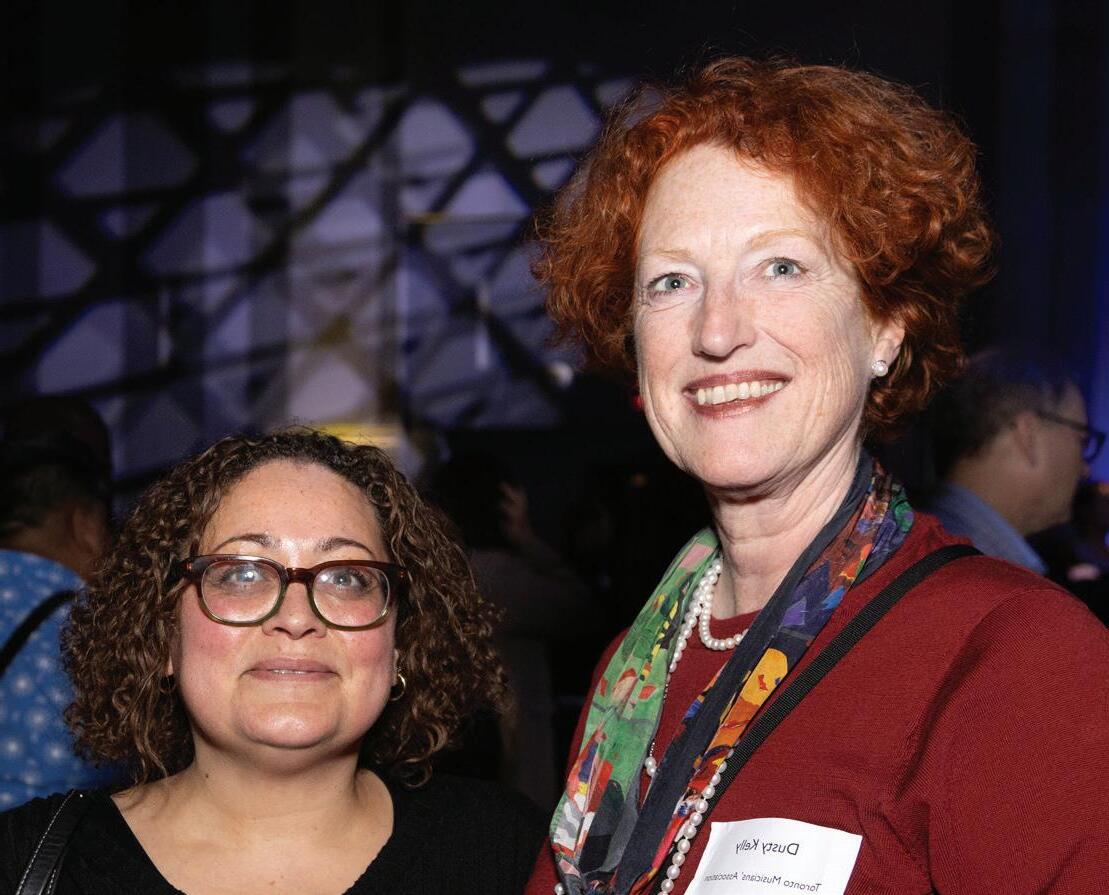
Canadian Federation of Musicians Executive Director, Liana White and TMA Executive Director, Dusty Kelly attended the Culture Connects Reception to celebrate the launch of Action Plan for Culture in Toronto
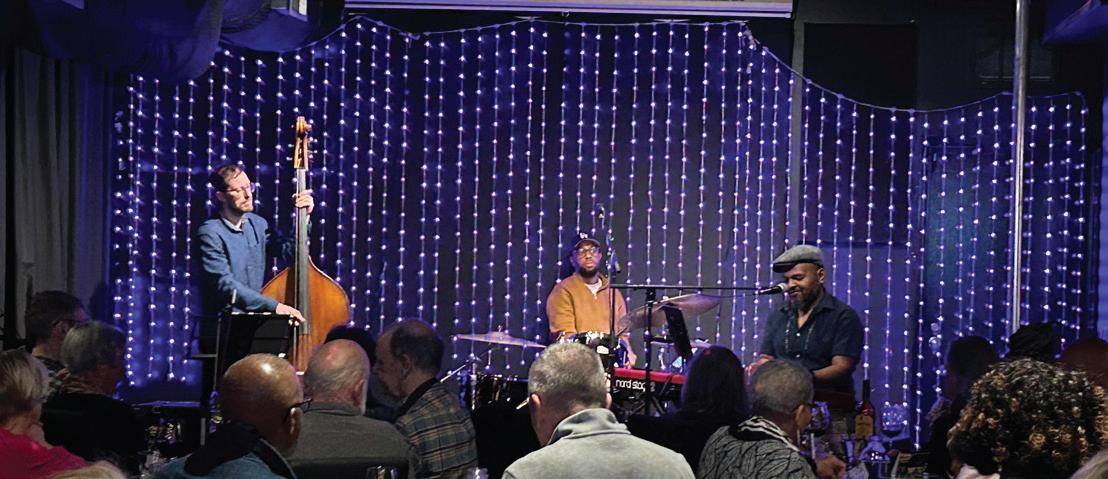
Mike Shand playing at the Pilot for Black History Month
International Women’s Day
International Women’s Day held on March 8th is recognized worldwide. Borne from the women’s suffrage movement, the day shines a spotlight on equal rights and fair pay for all women. It’s a day we celebrate women’s contributions, no matter how great or how small, and focus on the continue fight for fairness and dignity in our workplaces.
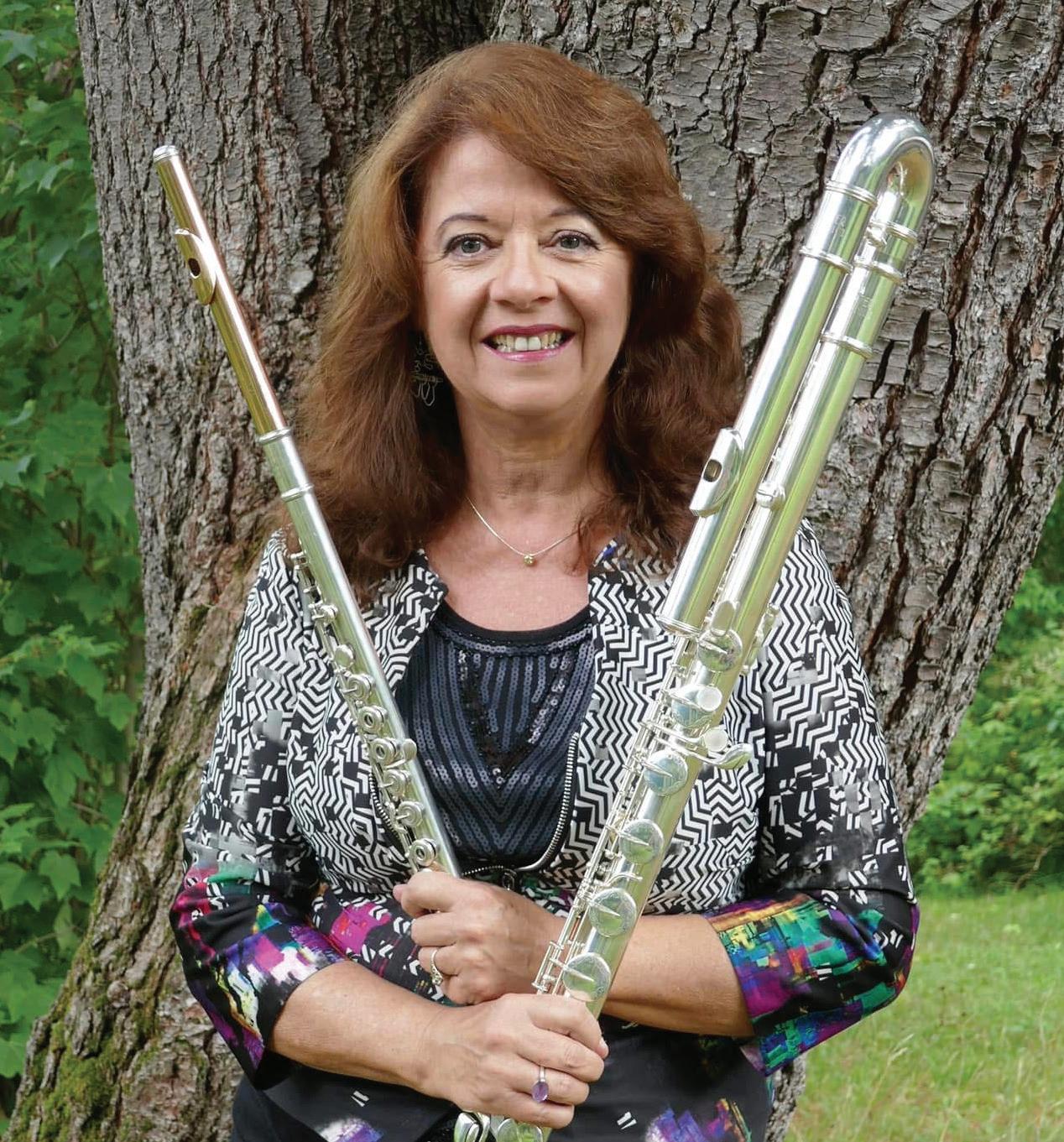
In this spirit, we are proud to feature two formidable TMA members. Flutist, Doriann Forrester, a versatile performer, teacher and conductor who began her career in the early 80’s and continues to actively perform, teach and produce, most notably with Ambience Duo for Flute and Guitar. She is a past TMA Board Director and presently serves as a Trustee on the TMA Health and Welfare Fund.
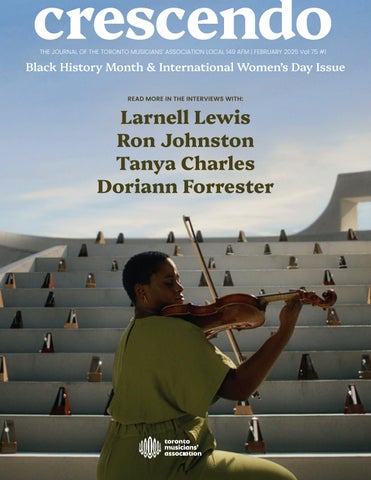
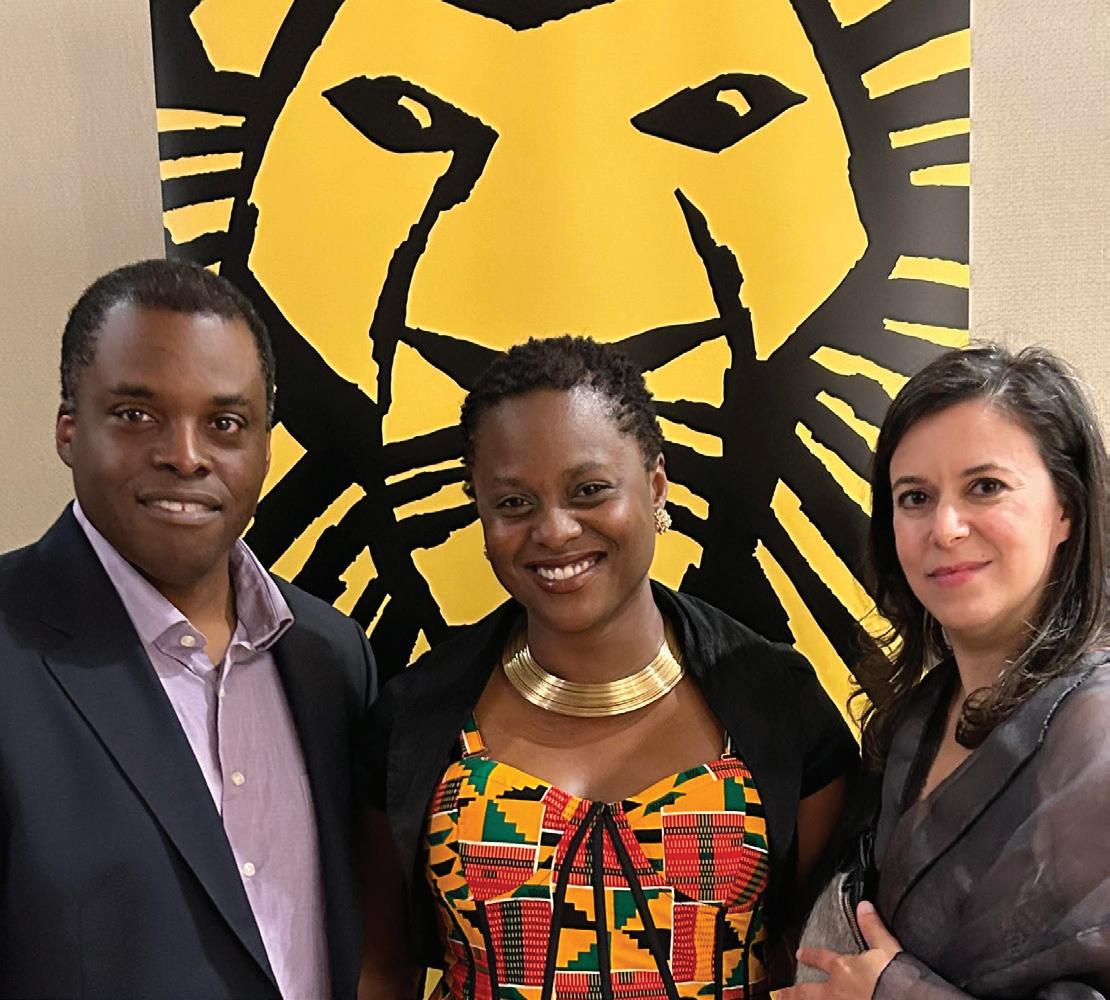
Tanya Charles, a violinist equally at home on concert stages as soloist, chamber musician and concertmaster with Ensemble Obiora, in theatre pits with Mirvish’s The Lion King as well as a dedicated teacher and mentor at The Royal Conservatory’s Oscar Peterson Program.
TMA: How has your identity as a woman, and for you Tanya, as a female, black musician shaped your journey in the music industry, particularly in Toronto?
TC: My identity is ever-evolving and has been (and continues to be) constantly challenged in both positive and not-so-positive ways. Studying classical music as a Black female musician came with its difficulties, musically, mentally and emotionally whether it was feeling like an outsider in predominantly white spaces or having to work twice as hard to be seen and heard. But those struggles also shaped my resilience and deepened my passion for music. Being in Toronto, a city rich in cultural diversity, exposed me to different languages, traditions, and musical styles, some of which reminded me of my Caribbean roots. That connection fuelled my desire to explore beyond the classical world, embracing other rhythms and genres that felt like home while expanding my artistic identity. It is the reason that I find excitement and joy in performing and teaching not only classical music, but also mariachi, R&B, soul, jazz, pop, Latin----anything that crosses my path, I want to experience it and feel it!
DF: Being a woman in the music biz in Toronto has definitely shaped my journey! I started Ambiance Flute & Guitar duo as a way to perform at corporate/private events and avoid the poor paying bar scene. Even then, clients would always approach the male musician, thinking they were the leader of the duo! Music was my primary source of income through the 80’s until
Napster/economic downturn, made music “Free” in the early 90’s. Being a miscellaneous gigging musician was sometimes frowned upon by hardcore musicians, but I never felt I lost my creativity playing gigs! I also started teaching part time in grade schools in the mid 90’s, another thing that “real musicians” didn’t do, but I now have a school pension and my TMA pension, which are very appreciated, plus I know that having music in schools saved some young people’s lives…
TMA: What role should the TMA play in advancing equity and opportunities for women? What are some changes you’d like to see?
TC: Given that the TMA resides in one of the most multicultural cities in the world, it’s essential that its policies reflect and support the diverse communities it serves. By actively engaging with underrepresented populations, the TMA can help ensure that all musicians, regardless of their background, have equitable access to opportunities and feel valued within the industry. Celebrating the richness of different musical traditions not only strengthens the artistic community but also fosters a more inclusive and innovative musical landscape.
The key to achieve this is by utilizing established members who have strong connections within underrepresented communities. These individuals can help build trust, create meaningful outreach initiatives, and ensure that efforts to promote diversity are informed, respectful, and impactful. Encouraging more women in leadership roles—whether as conductors, composers, or decisionmakers—will inspire future generations and contribute to a more balanced and representative industry. Additionally, implementing clear policies that promote fairness in hiring and performance opportunities will help create an environment where all musicians can thrive.
DF: The TMA can continue to advocate for screened classical music auditions, offer a scholarship for women attending music schools and for women composers, and support women conductors… It’s a difficult question since it’s not just women that face inequities in the music business! Changes I’d like to see? Understanding that this may be outside the TMA’s mandate, but I’d like to see post-secondary education be much more affordable, financial support for music education in our schools, and encourage more philanthropy in the Arts by the leading financial stakeholders.
TMA: TMA recognizes the need to connect with Toronto Arts organizations like Tapestry Opera. Tapestry is pioneering the work of supporting female conductors with their mentorship program, Women in Musical Leadership which the TMA is actively and proudly supporting. This aligns with our vision to “continue lobbying for the rights of musicians, creating a music industry that is more respectful, nurturing and fair.”
TC: Yes! And as the union representing musicians in Canada’s largest city, the TMA is in a unique position to set an example for other local associations and unions. By leading the way with inclusive policies and initiatives, it can influence the broader industry, encouraging others to follow suit in fostering greater equity and representation.
TMA: Can you share your experience with systemic barriers and how you persevered?
DF: In the ‘80’s, there were very few if any women in big bands. This played a part in my decision to not play saxophone, become a flute specialist and start my own Flute & Guitar Duo. In that way, I wouldn’t be subjected to the bar scene attitude towards women. Just this past year, a friend and colleague - a woman saxophonist, was hauling her instruments and gear into a club to play with a big band. A young woman at the door asked her if she was bringing in gear for her husband…There’s still so much work to be done to ensure equal access and inclusion!
International Women’s Day
TC: One of the biggest systemic barriers I faced in my career was simply not knowing what a career as a classically trained violinist could truly look like. My understanding was limited due to a lack of knowledge. This isn’t a typical career path for Caribbean or Black women, so there wasn’t a clear roadmap for how to navigate the industry. On top of that, financial constraints meant that studying anywhere beyond my home province wasn’t an option, further limiting my exposure to opportunities.
To overcome some of these challenges, I studied and practiced hard to gain scholarships and funding, which allowed me to pursue my education and training despite financial limitations. Even with these efforts, I had to actively seek out information on my own. I kept my eyes and ears open, watching, listening, and learning—whether it was about the industry itself, the people in it, training opportunities, or even the unspoken rules of the profession. Despite my efforts, I hadn’t even heard of training programs outside my province until I was nearly 28, close to aging out of many of them. It felt like I was always playing catchup in a field where early access and exposure make such a difference.
But somehow, through a mix of persistence, luck, and being in the right place at the right time, I was able to connect with incredible mentors and teachers. They saw potential in me, gave me chances I wouldn’t have otherwise had, and equipped me with the skills, training, and information I needed to push forward. Their support helped me close the gap and step into a more successful place in my career. While the barriers were very real, perseverance and the generosity of those who believed in me helped to be who I am (and where I am) in my career today!
TMA: How do you use your platform to inspire future generations of musicians, female and/or black? How can we encourage involvement in collective advocacy?
DF: Interesting question - How do I inspire future generations of female musicians? By showing it can be done of course!
TC: I use my platform to inspire future generations of female-identifying, Black musicians by being visible, sharing my journey, and actively creating spaces where they feel seen, heard, and supported. Representation is powerful, and I know firsthand how important it is to see someone who looks like you succeeding in a field where we are underrepresented.
Tanya Charles is pictured with her brother Culver Charles, and TMA Business Rep Olivia Esther.
International Women’s Day
Through my work in education with financially challenged communities — including the Oscar Peterson Program at the Royal Conservatory of Music and the Community Music Schools of Toronto — I discovered my deep love for mentorship, education, and guidance. To be told by students and their families that my presence alone was meaningful and impactful was truly empowering, and that continues to fuel my commitment to uplifting the next generation through education.
DF: I’m a huge advocate for music education, both youth and seniors, only by having appreciative ears can we get “bums in seats” for events. In advocating for education, we ensure that all musicians can get a chance!
TMA: Education is a key piece. TMA runs new member orientations, contract filing, and teaching artist webinars. Knowledge is power, which leads to advocacy and solidarity.
TC: Absolutely! Using my voice, knowledge, and connections to advocate for musicians—both new and experienced— when they feel disconnected or are missing a vital link is key to get to the next step. I remember my own lack of knowledge and do my best to use what I have now to help others who need a hand. Whether it’s guiding young musicians toward opportunities, sharing industry insights, or making meaningful introductions, I want to ensure that others don’t have to navigate this journey alone.
One of the most rewarding positions I hold is being the Concertmaster of the Obiora Ensemble, Canada’s first classical music ensemble composed primarily of professional musicians from culturally diverse backgrounds.
The experience has been deeply meaningful, as it allows me to engage directly with concert-goers—some of whom are young children new to classical music, others from diverse communities who never saw themselves represented in the field, and even those who left music due to systemic barriers they faced. I feel an immense sense of pride and responsibility in my work with Obiora, and I am continually empowered by my colleagues to represent ourselves, our careers, our respective cultures, and create visibility for future classical musicians. Simply knowing that this path exists can be a powerful spark for young musicians, and I take that responsibility to heart.
TMA: What are some of the ways you like to unwind and relax when not playing music?
TC: When I’m not playing music, I love immersing myself in languages—I’m a polyglot with a deep passion for
language study and practice. Aside from English, I speak Spanish, French, and Dutch, and I can read Cyrillic script (though I don’t understand it). My current post at Disney’s The Lion King has even sparked my interest in learning Xhosa, a language spoken in South Africa!
Outside of languages, I stay active by playing recreational volleyball at least twice a week—it’s a great way to unwind and keep moving. I also love exploring new recipes from different cuisines whenever I can. Cooking has always been a joy for me, and I take every opportunity to try dishes from as many cultures as I come across!
DF: To relax and unwind I like to get into nature. Our cabin up north helps to balance the freneticism of the city and performing, with the peace and grounding of nature. Photography, hiking, snowshoeing, and swimming are also important for me.
TMA: We asked each of you to choose five words that best describe you: We are vibrant, we are life-long learners, we are supportive, we are kind we are gregarious, we are tenacious, and we persevere.
Happy International Women’s Day!
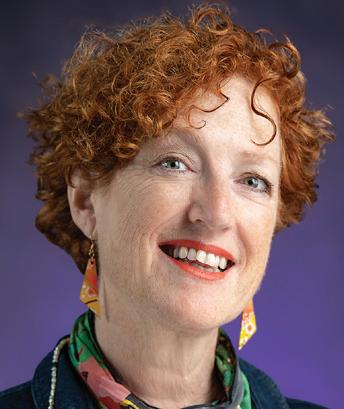
Dorian Forrester Flutist & Musical Director
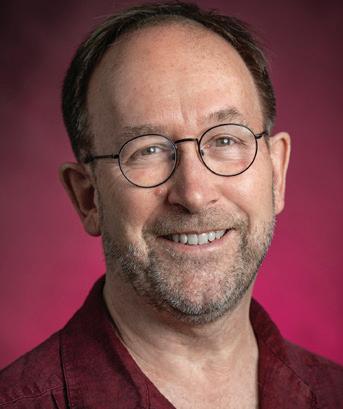
Jay Boehmer MPTF Administer, TMA
MPTF funding for L149, Toronto has been exhausted for the fiscal year ending, April 30, 2025. Our total allocation is $179,400 over 205 performances and counting.
MPTF Report
All Music Performance Trust Fund approvals with project numbers are included in the current allocation. There are also several projects that are waiting to be approved. The TMA has bookmarked some funds at 100% for various special projects coming up in the next few months:
Black History Month (February)
International Women’s Day (March 8) Jazz Appreciation Month (April)
The Canada Post mail strike threw a wrench into the process as all payments are made by cheque from the MPTF office in New York City. There were also 20 or so cheques that were “stuck in transit” for almost a month and were just delivered to Toronto co-sponsors in the first week of January. The MPTF office couriered two batches of cheques directly to me in December which did help to move things along. I was able to deliver a few cheques personally while others cheques were picked up at the TMA Office and delivered by the musicians. Nick Mete and I are still working through this situation.
International Women’s Day
We are looking for a community venue where the performance will be free and open to the public. Contact me directly if you have any suggestions regarding venue or Co-Sponsor.
Jay Boehmer trustfund@tma149.ca
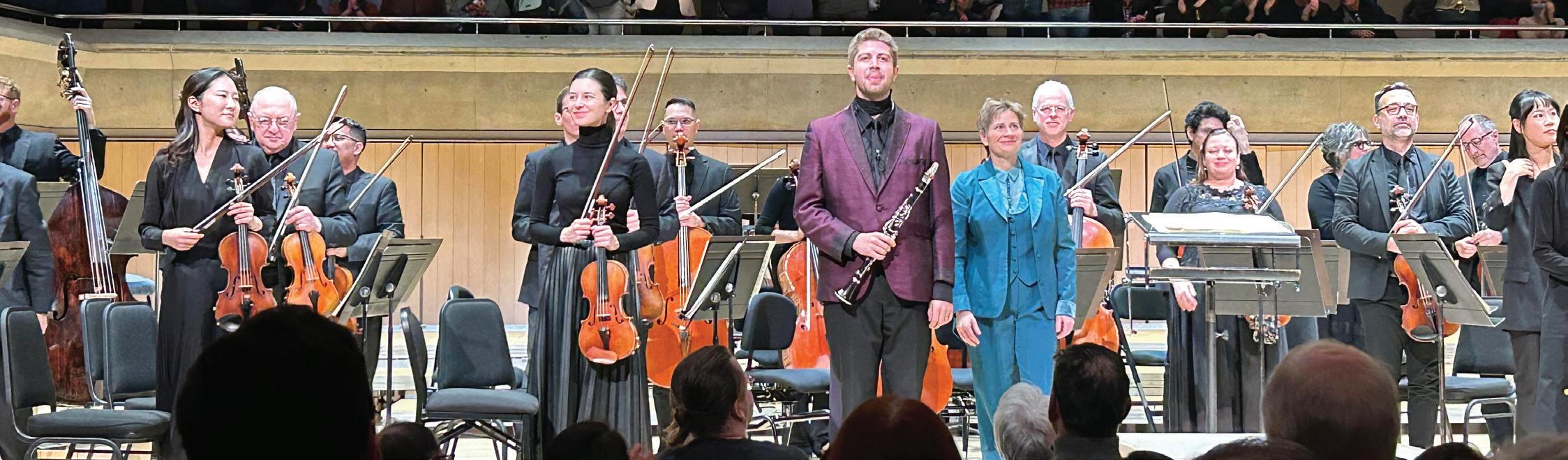
Eric Abramovitz Principle Clarinet
Anja Bilhlmaier Conductor TSO
Pins & New Life Members
25
Year Pins
Kenny Kirkwood
Lynn Kuo
Peter H Murray
Anthony Bastianon
Gus Triantafillou
50 Year Pins
Carole Jeanne Paul
Stan Meissner
Pat LaBarbera
Gerry Mosby
John Trembath
John Norman Macleod
Martin Nathan Loomer
Derek A. Bate
Richard Cohen
Anne L Lindsay
Lorne Nehring
John Russell Hartenberger
George Halpern
Norman Marshall Villeneuve
John Edmund Brownell
Rob Grainger
In Memoriam
Larry Toman
Admitted: March 14th, 1977
Died: January 15th, 2025
John R. Gittins
Admitted: August 6th, 1972
Died: October 31st, 2024
Life Members
Patrick Carey
C Fraser Jackson
Brigham Phillips
Paul Rogers
Donna T O’Connor
Michael Alan White
Colleen Allen
Derek Conrod
Frances G Harvey
Neal H. Evans
Ian A. De Souza
Valerie Kuinka
Glenn T Anderson
Anthony Augustine Zorzi
Admitted: June 22nd, 1972
Died: November 28th, 2024
Stacie L McGregor
Admitted: November 22nd, 1982
Died: October 30th, 2024
Robert A Mclaren
Admitted: May 1st, 1970
Died: July 21st, 2024
Kenneth Edge
Admitted: June 4th, 1976
Died: October 31st, 2024
New Team Member
Munazzeel Riasat
Munazzeel brings a wealth of knowledge and experience in finance and operations, with over 10 years in roles spanning diverse industries including agriculture, construction, and professional accounting services. He is a Fellow of the Association of Chartered Certified Accountants (FCCA) and a Certified Internal Auditor (CIA), with expertise in financial reporting, compliance, and strategic planning.
His professional journey includes co-founding a technology-driven marketplace platform for stakeholders in the agricultural sector that supports over 50,000 smallholder farmers. He has previously held senior management positions in several organizations, achieving significant organizational milestones and driving year-on-year growth, after starting his career at KPMG.
TMA will be the host for this year’s Canadian Conference and the Organization of Canadian Symphonic Musicians (OCSM) with a joint session held on August 9. The AFM pre-conference training sessions are August 6-7. The venue for the conferences and training is the Hyatt on King.
AFM TRAINING SESSIONS – AUGUST 6TH-7TH, 2025
CANADIAN CONFERENCE – AUGUST 8TH-10TH, 2025
OCSM CONFERENCE – AUGUST 11TH-12TH, 2025
Delegates to the Canadian Conference will be elected at the June General Meeting.
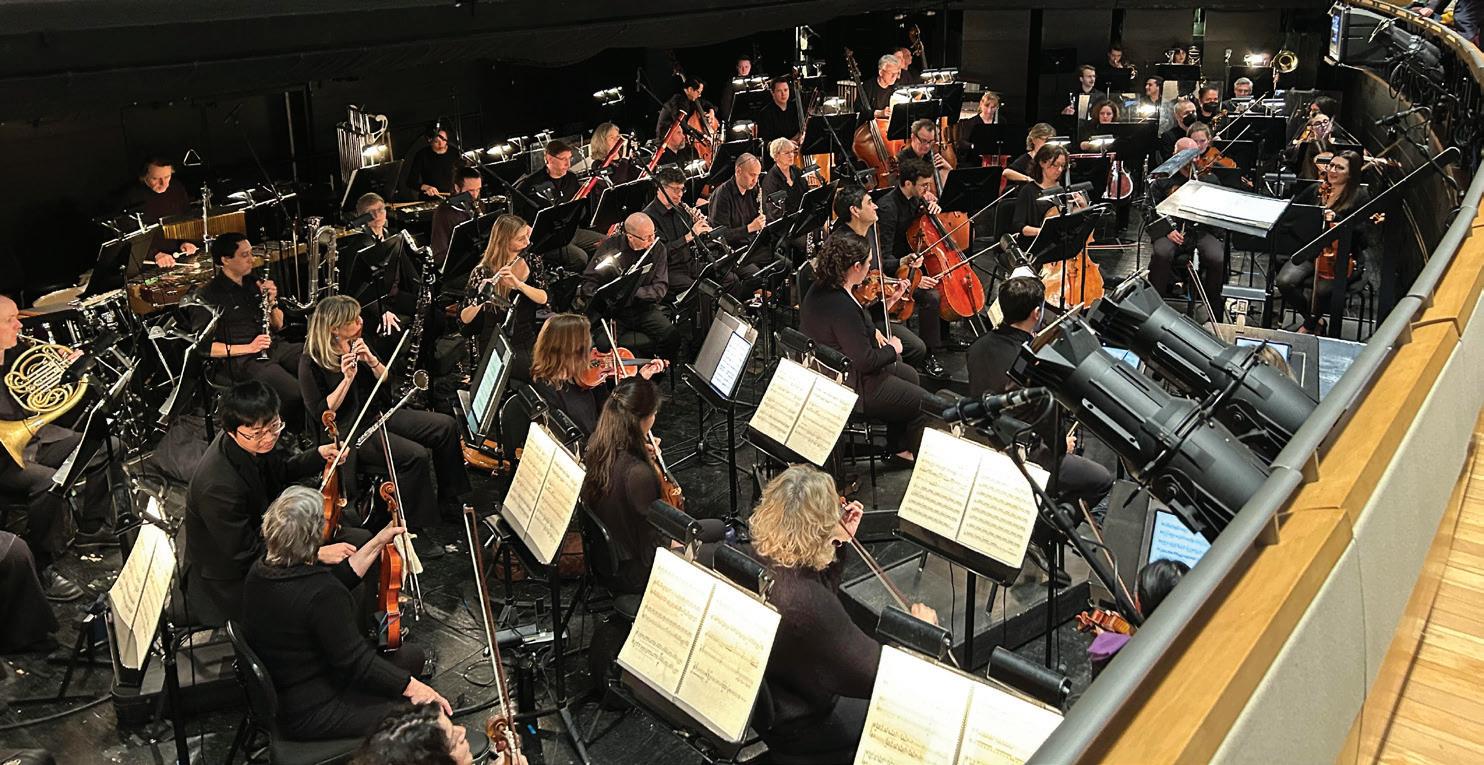
Canadian Opera Orchestra tuning up for La Reine-garcon