
Informed & Inspired
It’s Latinx Heritage Month!
*There have been a few different names for this heritage observance Links on this page may also refer to other names, like Hispanic Heritage Month or Latino Heritage Month
LatinxHeritageMonthdoesnotcoveronesinglemonthbutinsteadgoesfrom September15-October15.That’sbecausemanyCentralandSouthAmerican countriescelebratetheirindependencedayswithinthesedates.Byaligningwith thesedates,LatinxHeritageMonthhonorstheresilienceanddeterminationofthe Latinxcommunity.ThefollowingcountriescelebrateIndependenceDaysduring thistime:
September15-CostaRica,ElSalvador,Guatemala,Honduras,andNicaragua
September16–Mexico
September18–Chile
September21-Belize
ItisimportanttocelebrateLatinxHeritageMonth!PeoplefromMexicoand countriesinCentralandSouthAmericahavehelpedtoshapeU.S.cultureand democracythroughadvocacywork,dance,art,food,music,andliterature.This monthwegiveextrarecognitiontothesecontributions.
Keepreadingtolearnmoreandfindouthowyoucancelebrate LatinxHeritageMonth!



Why the different names for the month?
HispanicorLatino?
Hispanic and Latino are the two most used terms to describe Americans with Latin American and Caribbean ancestry. You may often see these terms used interchangeably, but different people understand and use these terms differently.
The term “Latino” describes the diverse residents of the U.S. with cultural or ancestral ties to Latin America or the Caribbean. The term “Hispanic” is used to signal a connection to Spain or the Spanishlanguage.
FromTheNationalMuseumoftheAmericanLatino
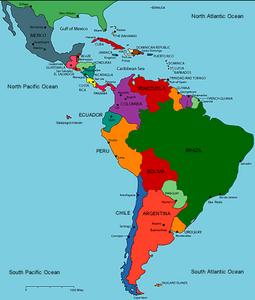
This map shows Latin America, the part of the Americas where Romance languages like Spanish and Portuguese are spoken. It includes Mexico, the countries of Central America and South America, and parts of the Caribbean
WhataboutLatinxand Latine?
In Spanish, words that end with the letter O (like “Latino”) refer to a male, andwordsthatendwiththeletterA(like “Latina”)refertoafemale.Toavoidusing gendered terms, many people choose “Latinx” or “Latine” instead because they includeeveryone.
Different identities
Your identity is how you define yourself, or who you are. Parts of your identity can include your gender, your family, your hobbies, your religion, and your culture. The links below explain how culture can be a big part of someone’s identity
This video explains the terms Hispanic, Latino/Latina, Latinx, and Latine in a simple way. If you’re not sure how someone identifies, it’s okay to ask them!

Click above to read 10 people’s thoughts on what being Latinx means to them, and how it influences their identities.
Latin American Cultures
What is culture?
Latin America is a region made up of Mexico, Central America, and South America. Some of the islands of the West Indies, in the Caribbean Sea, are also included. The area is known as Latin America because most people speak languages that came from Latin (the language of the ancient Romans). These languages include Spanish, Portuguese, and French.
Britannica for Kids
Just like identity is the way a person describes who they are and what’s important to them, you can think of culture as the way a part of the world describes itself and what’s important there.
Latin America is a huge area made up of lots of different countries, and it has been influenced by a lot of different cultures. This is why there are so many ways to identify as Latine. There is no one “Latin American” language, food, or style of dress.
These countries speak similar languages because people from Europe colonized them. But other than that, their cultures are very different because they are based on the practices and beliefs of different groups of indigenous people who lived there – people native to the area before the Europeans came.
This video has five interesting facts about Latin America! The teacher in the video speaks Spanish and English.
One way to find out just how different the cultures are in Latin American cultures is through different dances that are important to them Click the picture above to learn more!
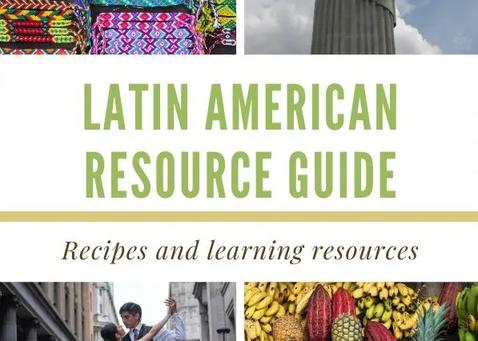
Scroll through this resource guide with a grownup. Maybe you’ll find some new music you like, or a new recipe to try!

How can you celebrate Latinx Heritage?
Did you know that you can use your library card to learn a language? Click the logo above to get started, or download the Mango app on a tablet or phone. Learning some words in Spanish is a great way to celebrate Latinx Heritage Month!
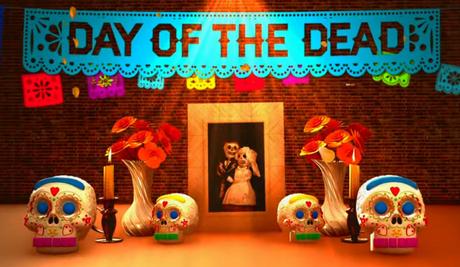
Day of the Dead, or Dia de los Muertos, is coming up on November 1! This holiday started in Mexico. It’s all about celebrating loved ones who have died, sharing memories about them, and enjoying their favorite things. Watch the video to learn more!
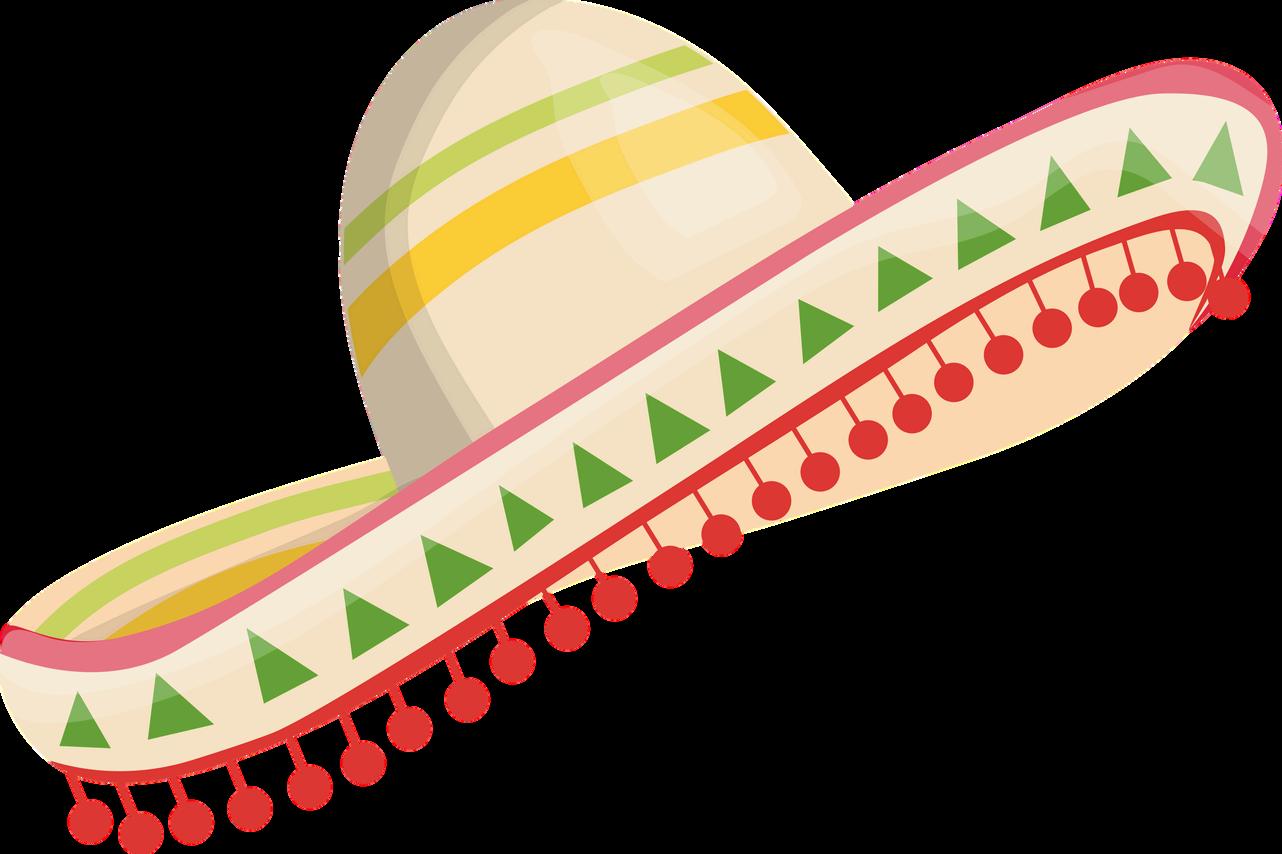
You probably already know a few words in Spanish! Do you know the names of these four things? Sombrero, Taco, Maracas, Piñata
This is a compilation of short videos featuring Hispanic/Latine influences from PBS Kids shows. It’s pretty long, so why not just watch one or two a day this month to celebrate Latinx Heritage Month?
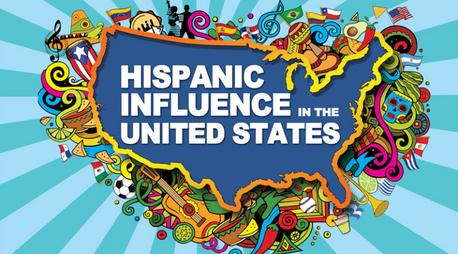
How has Latin American culture influenced US pop culture, music, and government? Click the picture above to read about it!
Watch these kids try Mexican foods and see their reactions! Then check out a cookbook from the library and make some at home!
Read about it!

Read about it!

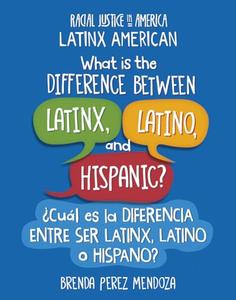
There are plenty of books in the library by Latin American and Hispanic authors. Here are just a few. Click on the picture to see the book in our online catalog. If it sounds interesting, you can put it on hold and check it out!
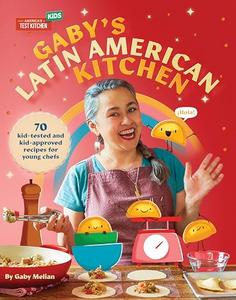
Gaby’s Latin American Kitchen
Gaby Melian
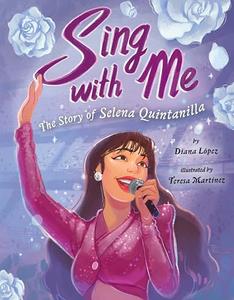
Sing With Me: The Story of Selena
Quintanilla
Diana López
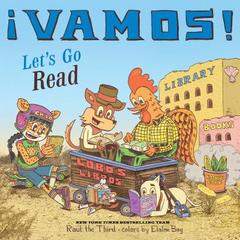
¡Vamos! Let's Go
Read Raúl the Third
Red Panda & Moon Bear
Jarod Roselló
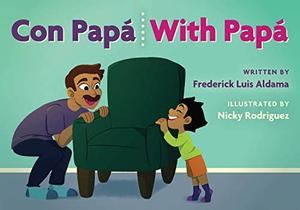
Con Papá / With Papá
Frederick Luis Aldama
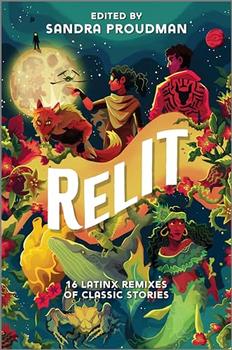
Relit : 16 Latinx remixes of classic stories
Sandra Proudman, editor
What is the difference between Latinx, Latino, and Hispanic? / ¿cuál es la diferencia entre ser latinx, latino o hispano?
Brenda Perez Mendoza
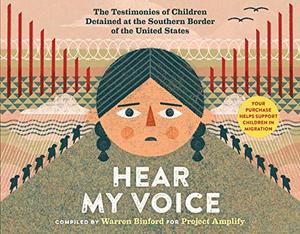
Hear my voice : the testimonies of children detained at the southern border of the United States
Warren Binford, compiler
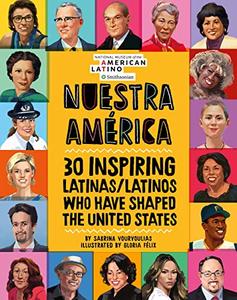
Nuestra América : 30 inspiring Latinas/ Latinos who have shaped the United States Vourvoulias, Sabrina
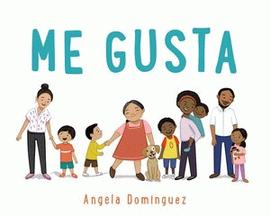
Me Gusta Dominguez, Angela
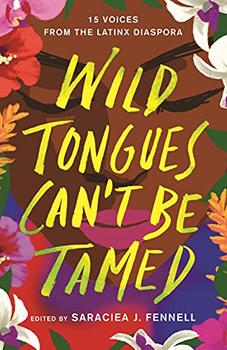
Wild tongues can't be tamed: 15 voices from the Latinx diaspora Saraciea J Fennell, editor
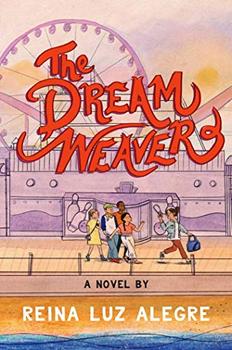
The Dream Weaver Alegre, Reina Luz