

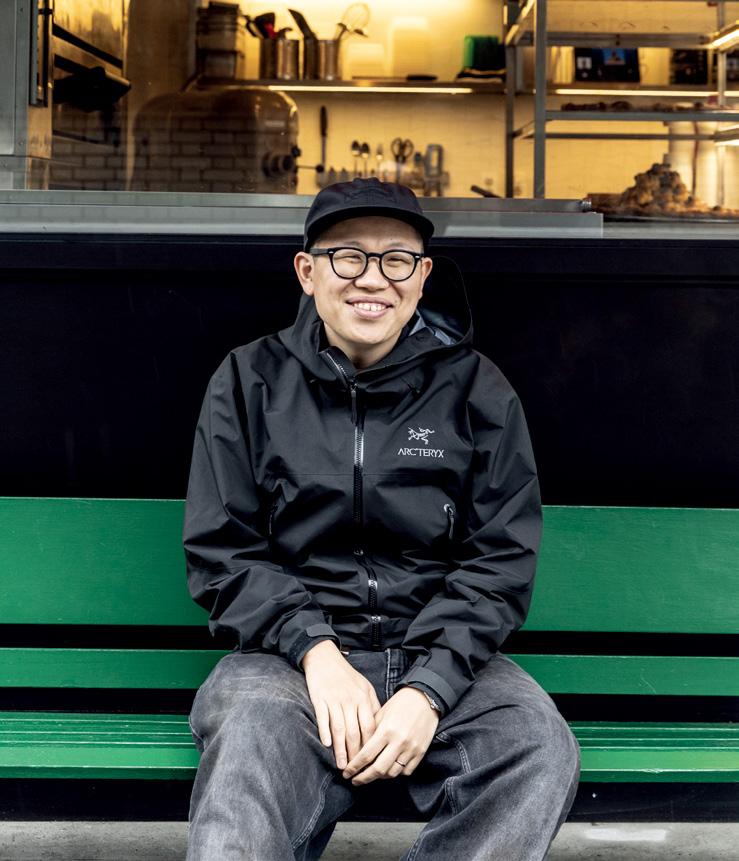
Verdy has been one of the main characters of Tokyo’s creative scene for a while. Working across fashion, music, nightlife and art, he’s as comfortable contributing visual and creative direction for Blackpink and Ice Spice as he is for Budweiser.
While a graphic artist and designer by trade, Verdy thrives with projects that bring people together in real life. The parties and exhibitions around his ventures help shape the scene and aren’t about exclusivity or insider access; people simply show up because something is happening.
Made in Osaka
While he’s inarguably ‘Tokyo’, Verdy’s roots are in Osaka, and that connection endures. For him, the city is easy to explain. It’s cheaper than Tokyo. The food is good. Nights are fun. The people are interesting. Compared to the capital, it’s looser, less polished and often more relaxed.
When in Osaka, Verdy gravitates toward calm areas like Tanimachi and the surroundings of Osaka Castle. At night, he finds himself in Amerikamura, where clubbers, musicians and skaters gather. He keeps an eye on the city’s young energy,
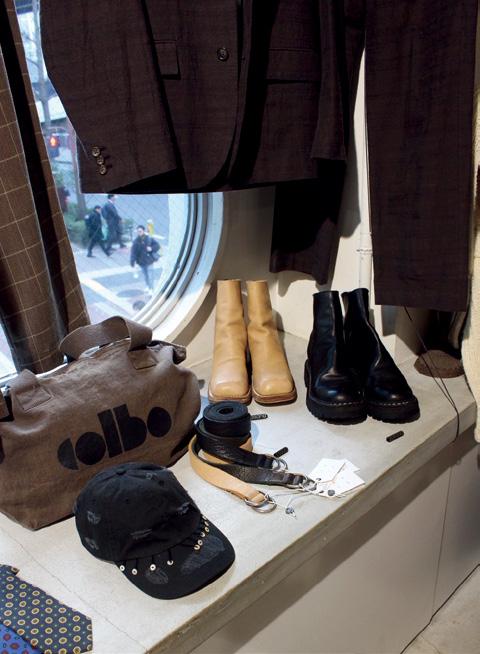
pointing to places like the select shop Coflo as a hub for emerging Osaka talent.
Pizza for the people
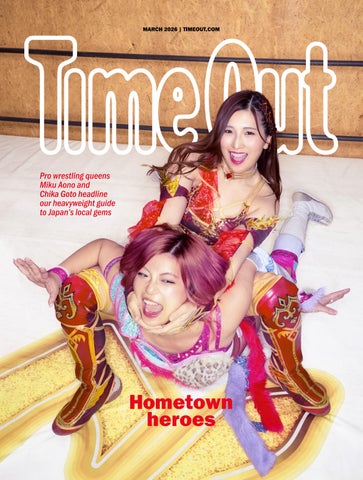
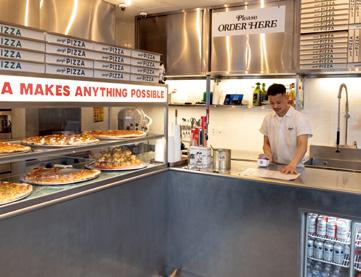
Henry’s Pizza, now celebrating its fourth anniversary, is the most visible expression of Verdy’s bond with his hometown. On paper, it’s a New York-style pizza shop. In reality, it’s more like a community hub.
With Henry’s, he wanted to create something affordable, but not disposable. The interior was carefully thought through,

but what happens in the clubhouse-like gallery upstairs is just as important. People might come in for pizza and end up encountering an artist they didn’t know before. That overlap is intentional.
When the young Verdy was getting into culture and fashion, overseas artists, exhibitions and live shows – most of the things he wanted to see and go to – were concentrated in Tokyo. Being in Osaka often felt like watching the scene from the outside. Henry’s helps bridge that gap.

If pro wrestling has taught us anything, it’s that there are many different ways to entertain. Whether you’re into babyfaced brawlers or high-flying heels, the diversity of styles seen in the ring is a big reason why the sport attracts so many passionate fans.
A similar dynamic applies when exploring Japan. There’s no one ideal itinerary, and the shiniest gems are often found far away from the bright lights. In this issue, we’re inviting you to step outside the ring and discover the country on a community level. From the hidden izakaya serving the perfect highball to the countryside supermarket stocking the ultimate travel fuel, get ready to meet the undisputed champions of local Japan.
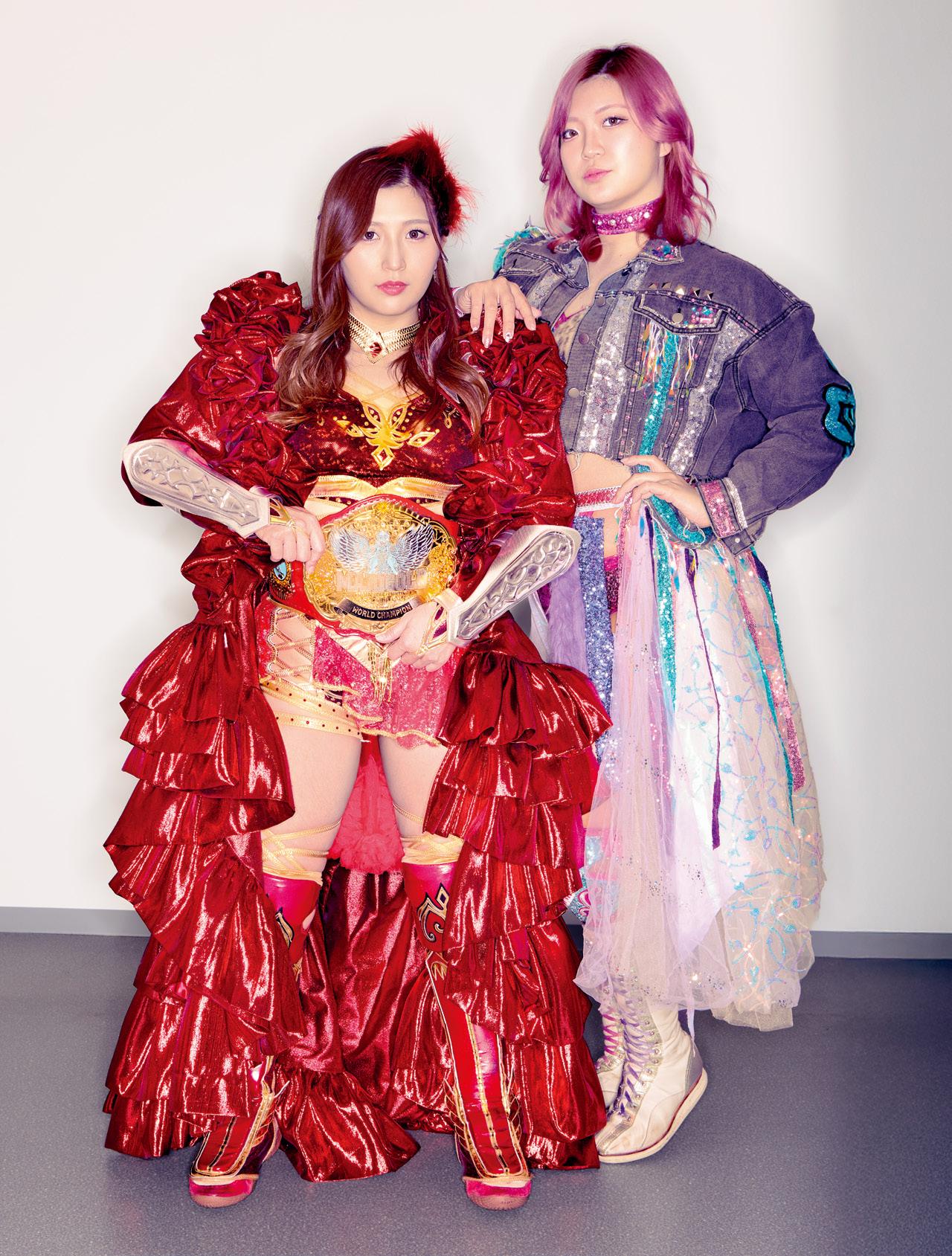
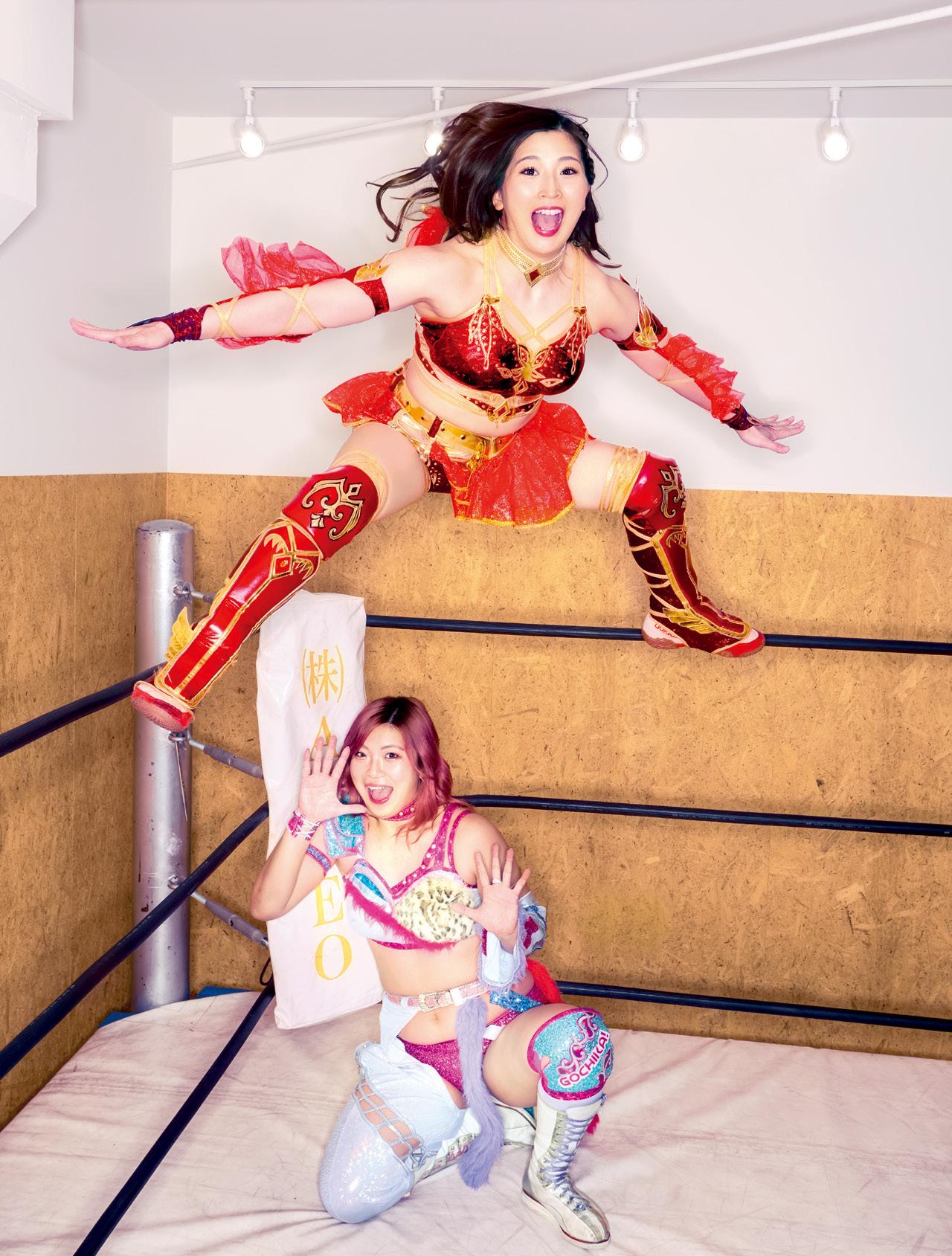
Miku Aono and Chika Goto of Marigold
From legends like Jaguar Yokota and Akira Hokuto to contemporary superstars Asuka and Iyo Sky, Japan has produced some of the best female pro wrestlers in the world. In part thanks to growing international attention, the country’s joshi puro (women’s wrestling) scene is thriving, as evidenced by the emergence of several new companies over the past few years.
One of these fresh talent factories is Marigold, a Tokyo-based promotion that was only founded in 2024 but has already built up a considerable fanbase with its eye-catching roster of original talent. We caught up with two of the stable’s biggest stars – Miku Aono, the reigning Marigold World Champion, and Tokyo’s own Chika Goto – to get the lowdown on what’s hot in joshi puro right now.
Neither woman was a natural-born wrestler. Aono worked as an actress before taking up grappling, and Goto also has a background in performing on stage. ‘I initially got into pro wrestling as a way of furthering my acting career,’ says Aono. ‘But the more I learned about the scene, the more I wanted to commit to it.’ She says her most memorable tournament to date is Marigold’s founding meet in May 2024. ‘Standing in the ring at Korakuen Hall, in front of a capacity crowd – that was unforgettable.’
Aono hails from Kawagoe in Saitama, while Goto calls Tokyo’s Arakawa home. Both wrestlers cherish their roots and have held triumphant homecoming events in their respective neighbourhoods. ‘My family runs an izakaya in Arakawa, and a lot of my fans come there to drink,’ says Goto with a laugh. ‘My first homecoming match was the first professional wrestling event ever held in Arakawa. I hope to offer local kids more chances to watch pro wrestling.’
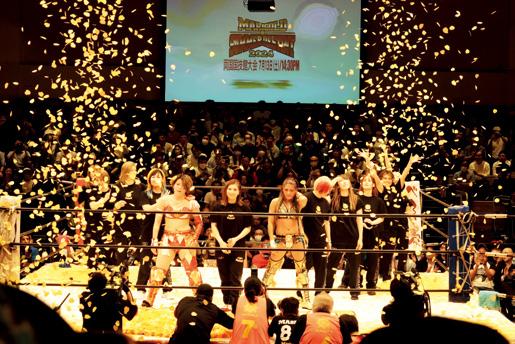
‘Pro wrestling is so easy to get emotionally invested in. For us, it really feels like our fans are fighting alongside us. When we win, they celebrate with us; when we lose, they share our frustration.’ (Aono)
‘I tend to get hit pretty hard, but when I stretch out my hand desperately for a rope break, I can see the faces of the fans who are hurting right along with me. It makes me so happy to see my effort turn into their passion.’ (Goto)
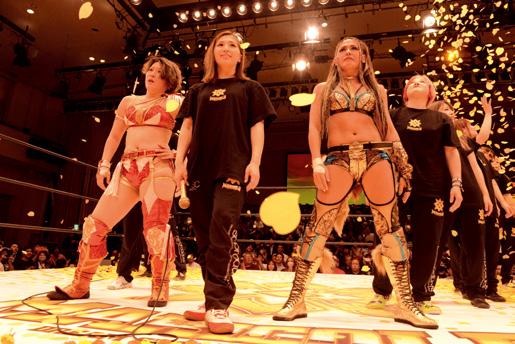
Regardless of their record or standing among fans, each wrestler goes to serious lengths to stand out – sometimes in surprising ways. ‘I’m more powerful than people think,’ laughs Aono. ‘At 158cm, I’m not tall, but I pack a punch. I can perform a Styles Clash (a move where the wrestler flips their opponent upside down, hooks both their arms and slams them into the mat) on opponents over 30kg heavier than me.’
‘Watching a Marigold event is like attending a multipart show. We’ve only been around for two years, so we’re still working out our identity. But each of our wrestlers has so much potential.’ (Aono) ‘Fans get to feel like they’re helping nurture a team, and you can see us all grow in real time.’ (Goto)
Shimauta singer on her collabs with Yussef Dayes and bringing the folk melodies of the Amami islands to new audiences. By
Kosuke Hori
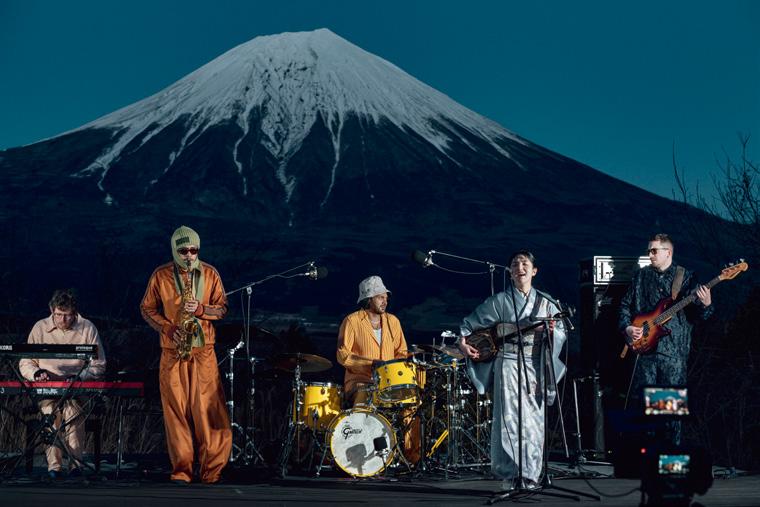
An evocative record of daily life and ancient traditions in the villages of southern Japan’s Amami Islands, shimauta folk songs can also be groovy as hell. The music world has realised as much thanks to an ongoing collaboration between jazz drummer Yussef Dayes and Amami-born singer Minami Kizuki, who first appeared side by side in early 2025 on In Japan, a gorgeously produced video record of Dayes’s musical journeys in the country.
After sharing the stage with Dayes at last year’s Glastonbury Festival and releasing the acclaimed ‘Amami’ single together with the UK star in November, Kizuki is now coming off the January release of Utaashibi, her first own – and highly personal – shimauta album.
Find out more online –check out Time Out Tokyo and Osaka GO ↓


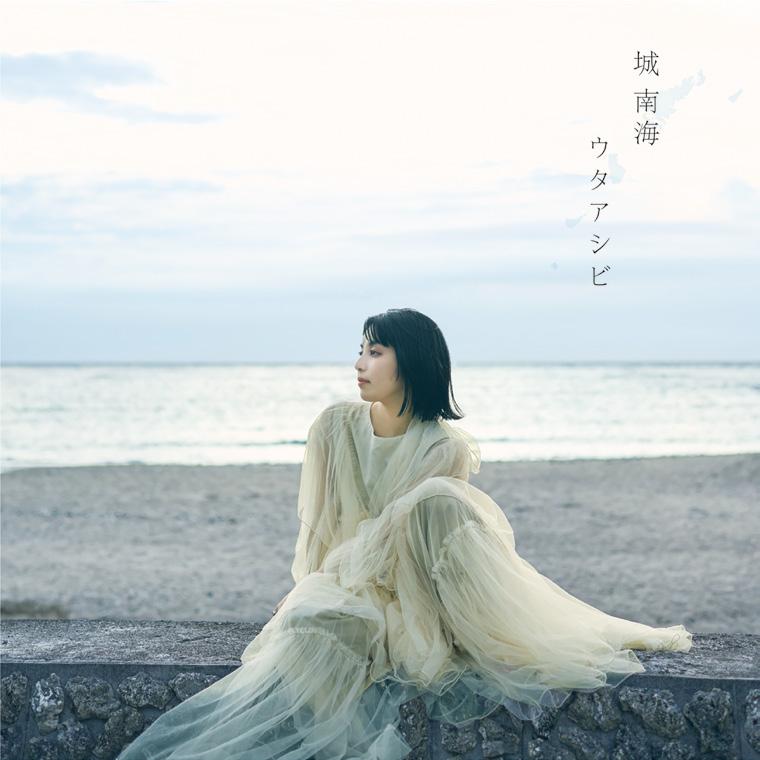
What was performing shimauta with Yussef Dayes like?
I don’t speak a lot of English, but have found that with Yussef we can converse through music, which is pretty cool. I was really happy to see the Glastonbury crowd enjoy my songs and the sound of the shamisen. Shimauta has this ‘Ha-ha’ chant, and Yussef suggested we get the audience to do it. Apparently it sounded like ‘Up-up’ to them, and things got pretty lively [laughs].
Tell us about your new album.
It includes ‘Honen Bushi’, one of my all-time favourite shimauta. It’s a song I often perform live, and one I’d always wanted to record together with the singers on Amami Oshima. ‘Amami’ is actually based on ‘Honen Bushi’. My experience of playing with Yussef and his band had a big impact on the album.
What does Utaashibi mean?
On Amami Oshima, shimauta sessions are places to ‘sing and play’, which is the literal meaning of the word utaashibi On this album, I’m in charge – I did most of the composing and songwriting myself. It made me notice how utaashibi is at the heart of everything I do as an artist. That’s also why the album is all about my interplay with my fellow musicians.
We recorded some of the songs on the shores and in the forests of Amami Oshima. It left me with a newfound appreciation for what a beautiful place I had the fortune of being born in.
Do you have a favourite local chain store?
My dad used to work at this book and CD store on Amami Oshima called Books Jubankan. They have a few locations on the island. I practically lived in that store. It’s where I bought my first CD: White Love by Speed [laughs].
How about a shop with cool background music?
Muji. I love Irish music, and they play a lot of it. Hearing those tunes come on when I’m at the store makes my heart flutter.
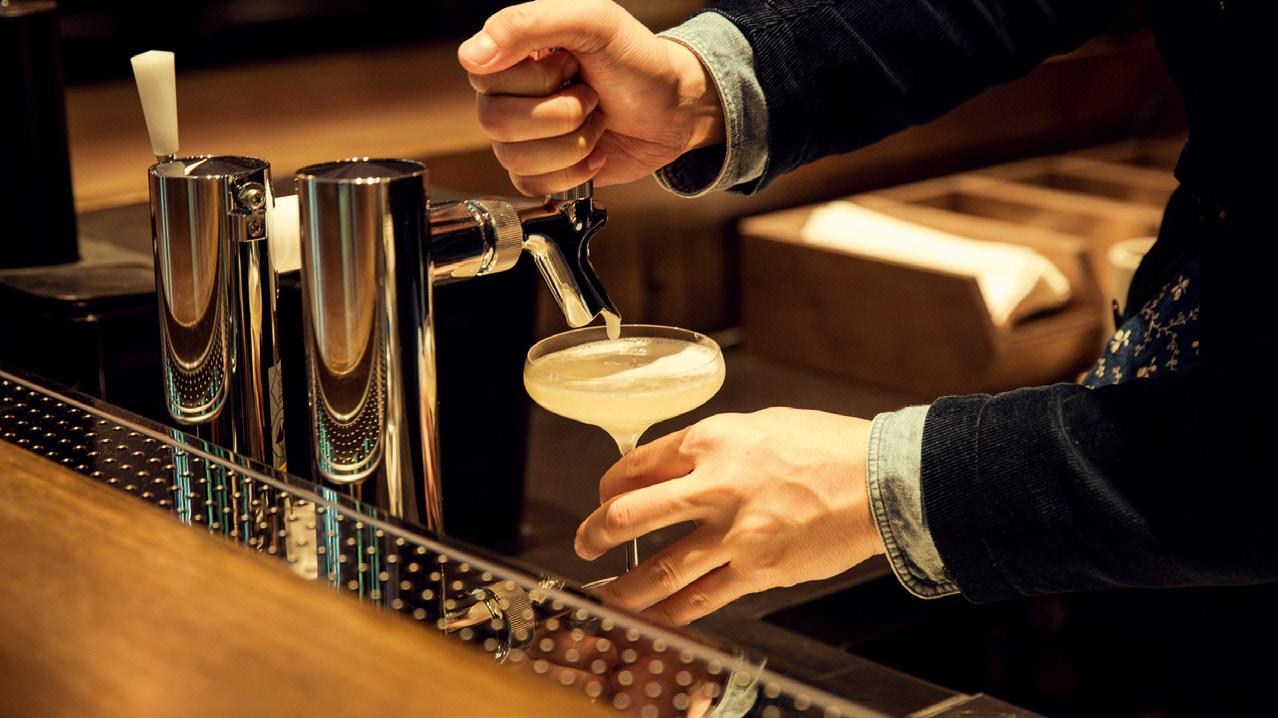
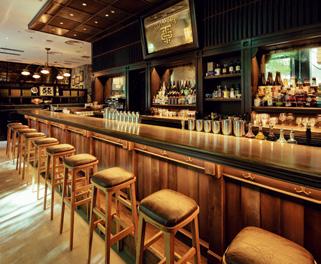
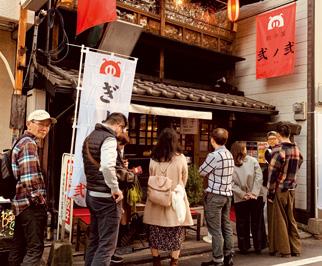
Named after its founder and renowned bartender Shingo Gokan, the SG Group knows how to have fun with cocktails while maintaining the level of professionalism that’s come to exemplify Tokyo’s cocktail scene. Best known for its speakeasy-style The SG Club in Shibuya, the group draws inspiration from Japanese history for its elaborate concepts. These include SG Low, an amalgam of a cocktail bar and a down-to-earth izakaya, where sophisticated bartending techniques are used to elevate classic Tokyo tipples like the lemon sour.
à sg-management.jp/en.
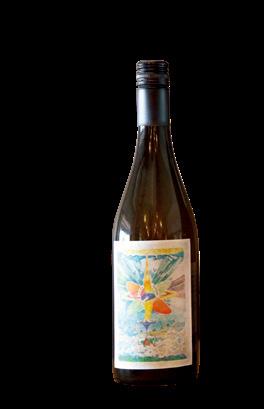
A jack of all wine trades, the Fujimaru Group started out as a bottle shop but took its business to the next level in 2013 by opening what remains Osaka’s only urban winery. Shimanouchi Fujimaru Winery includes an excellent Italian restaurant where you get the opportunity to taste the group’s own wines – made entirely with grapes grown in the area around Osaka, which boasts a century of history as one of Japan’s premier wine regions. Tours of the winery are available regularly, and Fujimaru wares can also be tasted at the group’s three other restaurants in the city.

The dumpling pride of Kumamoto, Ninoni operates gyoza pubs mainly in its home region and across the adjacent Fukuoka prefecture. Its signature extra-crispy, bite-sized gyoza feature a satisfyingly thin wrapper and a juicy filling made with local ingredients, including brand-name Hinomoto pork brought in from a dedicated farm in the Kumamoto town of Nagomi. Be sure to wash these beauties down with a cold

Our favourite local ramen chains across the country –and when to eat at them
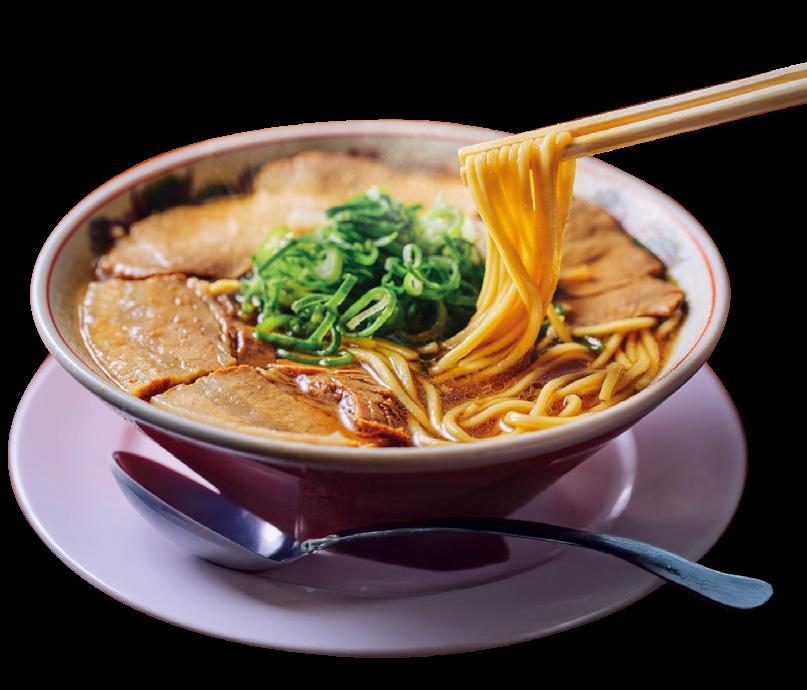
If you’re looking to eat like a local when travelling around Japan, seeking out a well-established regional ramen chain is among the safest bets you can make. Serving up comfort food tailored to the distinctive tastes of noodle fiends in their respective corners of the archipelago, all of these establishments are proven winners. Here’s our definitive guide to 24 hours of slurping, featuring five shops worth taking a cross-country train ride for.
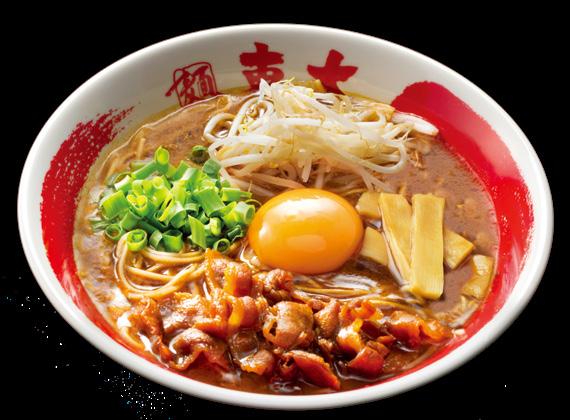
Tokushima
Ramen Todai
Todai is famed for its orthodox take on Tokushima ramen: a ‘sukiyaki-style’ bowl headlined by a rich, shoyu-flavoured tonkotsu broth and topped with a raw egg alongside tender braised pork belly simmered in a sweet and savoury sauce. The chain offers its classic flavour at 11 locations mainly in western Japan, including the city of Tokushima. Paired with a plate of gyoza, it makes the perfect hearty lunch. For a milder version, try Todai’s sister brand, Menoh.
à ramen-todai.com
Kyoto
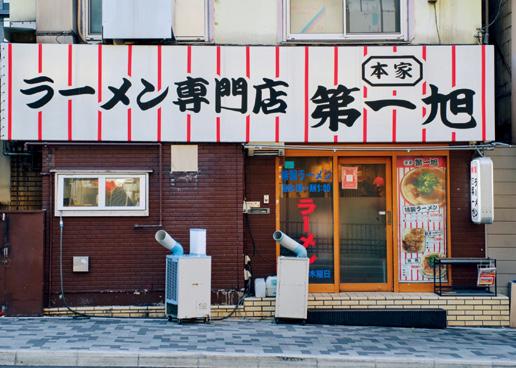
Honke Daiichi Asahi
Open from 6am to 1am daily, this long-established joint right by Kyoto Station is the flagship restaurant of the Daiichi Asahi lineage. Although the chain has branched out extensively, the founders still operate five locations nationwide, including this one. Their signature tonkotsu shoyu ramen comes topped with lean char siu and a generous helping of Kyoto’s Kujo green onion. The darkish broth strikes a perfect balance – not overly rich, not too light – making it a ramen worth starting your day with.
à honke-daiichiasahi.com
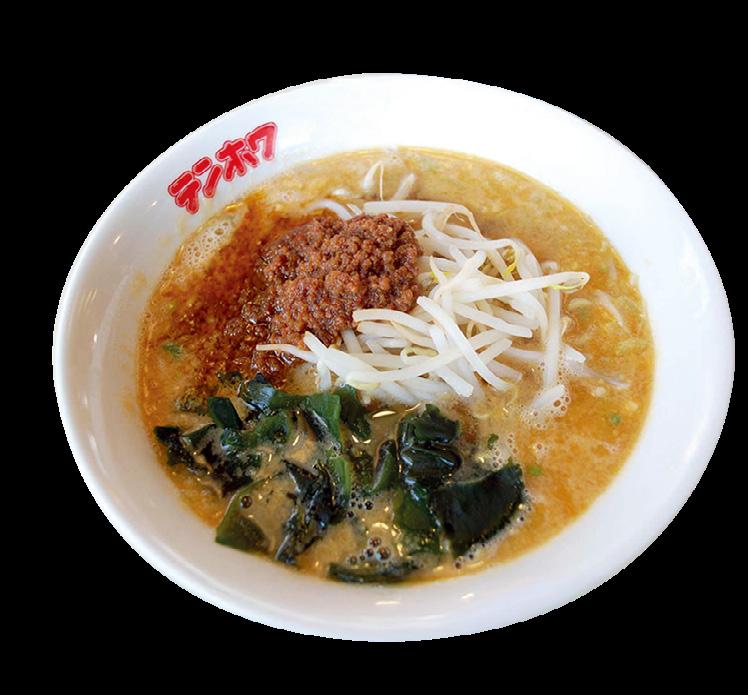
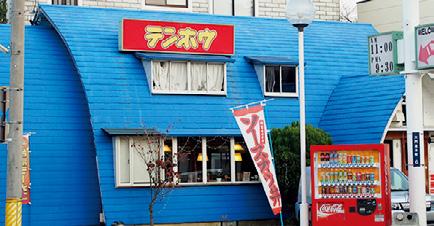
Tenho ramen with a side of spicy, fluffy gyoza is the ultimate Nagano soul food. Fast, cheap and delicious, the noodle and dumpling chain has captured hearts and bellies across the prefecture with offerings like a mild dandanmen that wows with its nutty sesame aroma.
à tenhoo.jp

Established in 1947, Nishicho Taiki is the originator of Toyama Black ramen, with three locations throughout the prefecture. Intensely savoury, jet-black broth, chunks of white onions, coarsely ground pepper, thick, satisfying noodles and generous servings of char siu combine for a bowl that’ll have your taste buds singing (and your sodium intake for the week maxed out). Order some rice and a raw egg on the side for the full monty. à nisicho-taiki.com
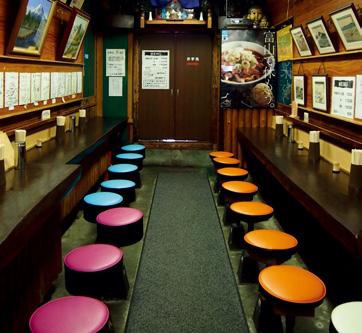
Tonkotsu specialist Shin-Shin operates five shops in Hakata and one in the city of Kitakyushu. Its signature Hakata Junjo Ramen stands out with a light, juicy broth that tones down the characteristic pork bone aroma. To get your late-night fix, hit up the main restaurant in Tenjin, open until 3am.
à hakata-shinshin.com
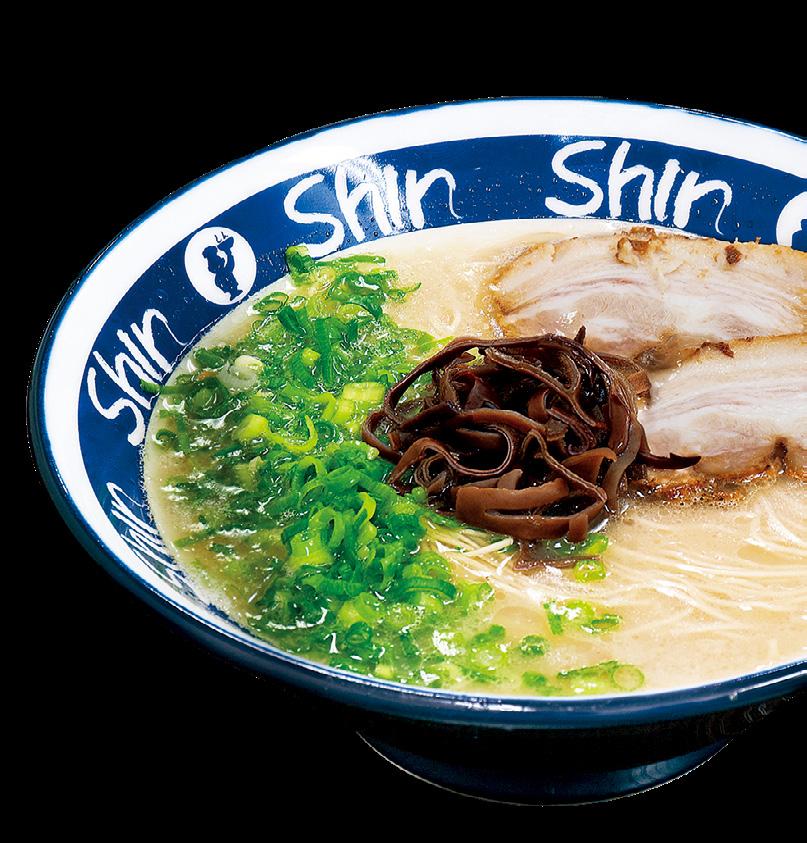
Shop your way around the country’s best local supermarkets

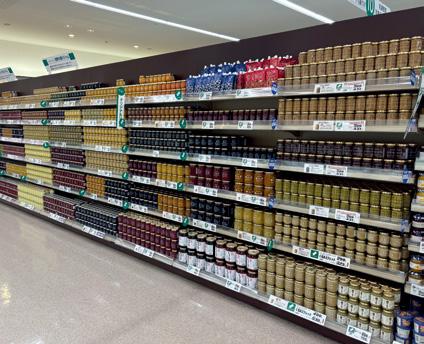
At Time Out, we’re all about helping you discover Japan like a local, and every local goes to the supermarket, right? It just so happens that this most mundane of activities is also something plenty of people cross continents for. There are well over 50 million posts related to ‘grocery store travel’ on TikTok, full of travellers showing
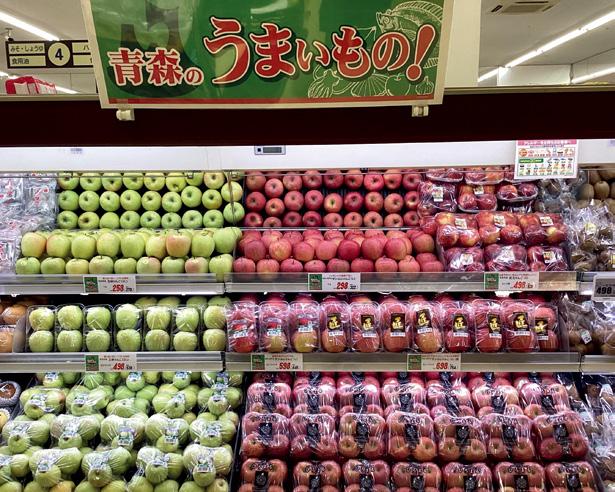
A treasure trove of local specialities from across the northernmost tip of Honshu, Universe stocks highlights like Aomori apples, Nambu Senbei crackers, Igamenchi squid cakes and all manner of Nebuta Festival-themed products.
à59 locations mainly in Aomori. universe.co.jp.
Taste the best of the mountainous region in the form of jams and other high-quality fruit preservatives made with apples, apricots and Shine Muscat grapes.
à43 locations mainly in Nagano. tsuruya-corp.co.jp.
off their finds and celebrating the typically humdrum activity as a ‘cultural experience’. And for good reason: grocery shopping is an ideal way to get to know a place’s quirks and flavours. Here are some of our favourite local supermarkets around Japan, all offering an inimitable taste of their respective regions.
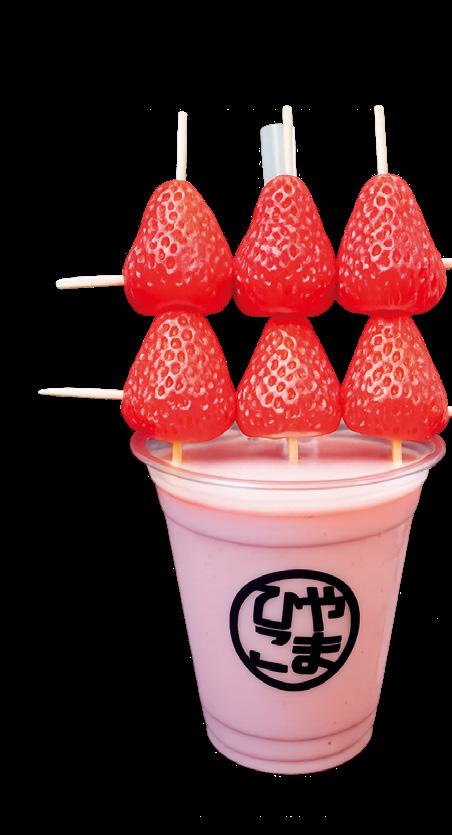
This hyper-local grocery chain has gone viral with eye-popping deli offerings like meat-wrapped rice balls and a line-up of smoothies and parfaits topped with skewered fruit.
à9 locations mainly in Aichi. seisenkan.jp.
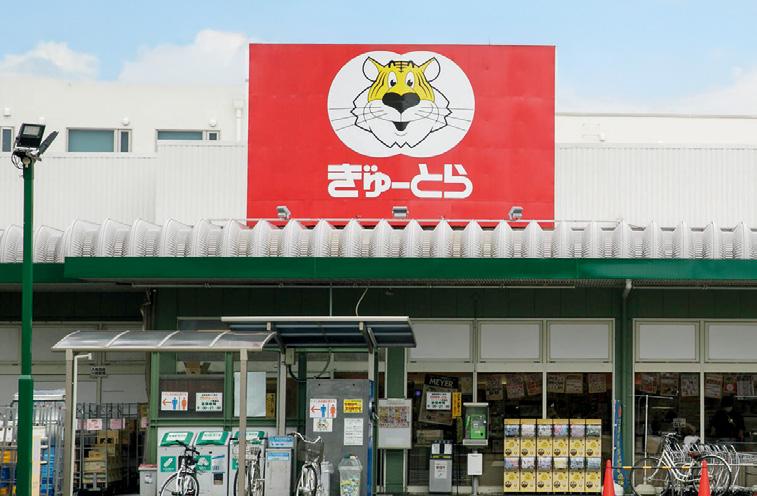
An in-demand destination for supermarket tourists from across Japan, Gyutora stocks an unbeatable selection of Mie specialities from soft Ise udon to chirashi-style Tekone sushi. Don’t miss the heavenly croquettes.
à29 locations in Mie. gyutora.com.
A bold kick of ginger enhances the deep, rich sweetness of Japanese brown sugar. A distinctive crunch reveals new levels of flavour with every bite, inviting you to savour new depths as you enjoy this gluten-free traditional rice treat with over 200 years of history, once beloved by Emperor Meiji himself.

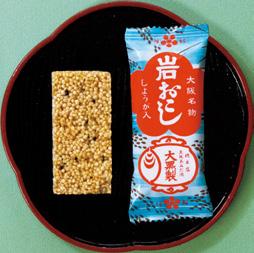
Amidaike Daikoku’s Iwa Okoshi lead with a bold aroma of sesame, which is followed by an undertone of sweetness. Their delightful crunch is truly unforgettable, and their rich ginger flavour is pronounced, but not overpowering. The perfectly balanced flavours of this humble treat are emblematic of traditional Japanese culinary culture.
Forget factory-made fare: the gourmet deli dishes at this Yamanashi stalwart are cooked in store from local ingredients by resident chefs, some of whom have experience running hotel kitchens.
à4 locations in Yamanashi. amano-pax.jp.
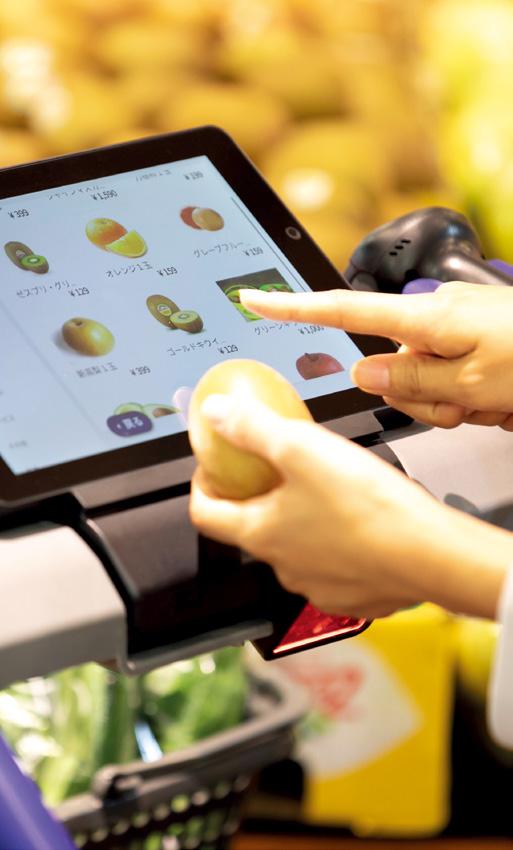
Combining fresh meat and fish, generous portions and incredibly low prices, Trial is one of Japan’s fastest-growing discount store chains. It’s also among the most techforward, having introduced smart shopping carts well ahead of the competition.
à367 locations nationwide (as of January 2026). trial-net.co.jp.
아미다이케�다이코쿠�이와오코시는�처음 먹었을�때�너무�딱딱해서�살짝�놀랐지만 씹을수록�생강의�알싸함과�은은한�단맛이 퍼진다. 한국의�전통�강정이나�약과와는 약간�다른�느낌으로�달기보다는�담백해서 녹차나�커피와�잘�어울려서�어른들이 좋아할�것�같다.

目前為止沒吃過這樣口感與風味的 日本伴手禮,口感偏脆硬,帶有 芝麻香與米香,不會過甜,尾韻還有 淡淡的薑味,吃起來很有特色,給人 一種偏健康取向的和菓子印象!
• Amidaike Daikoku Main Store
• Amidaike Daikoku Namba Walk Store
• Amidaike Daikoku (Hanshin
• Amidaike Daikoku


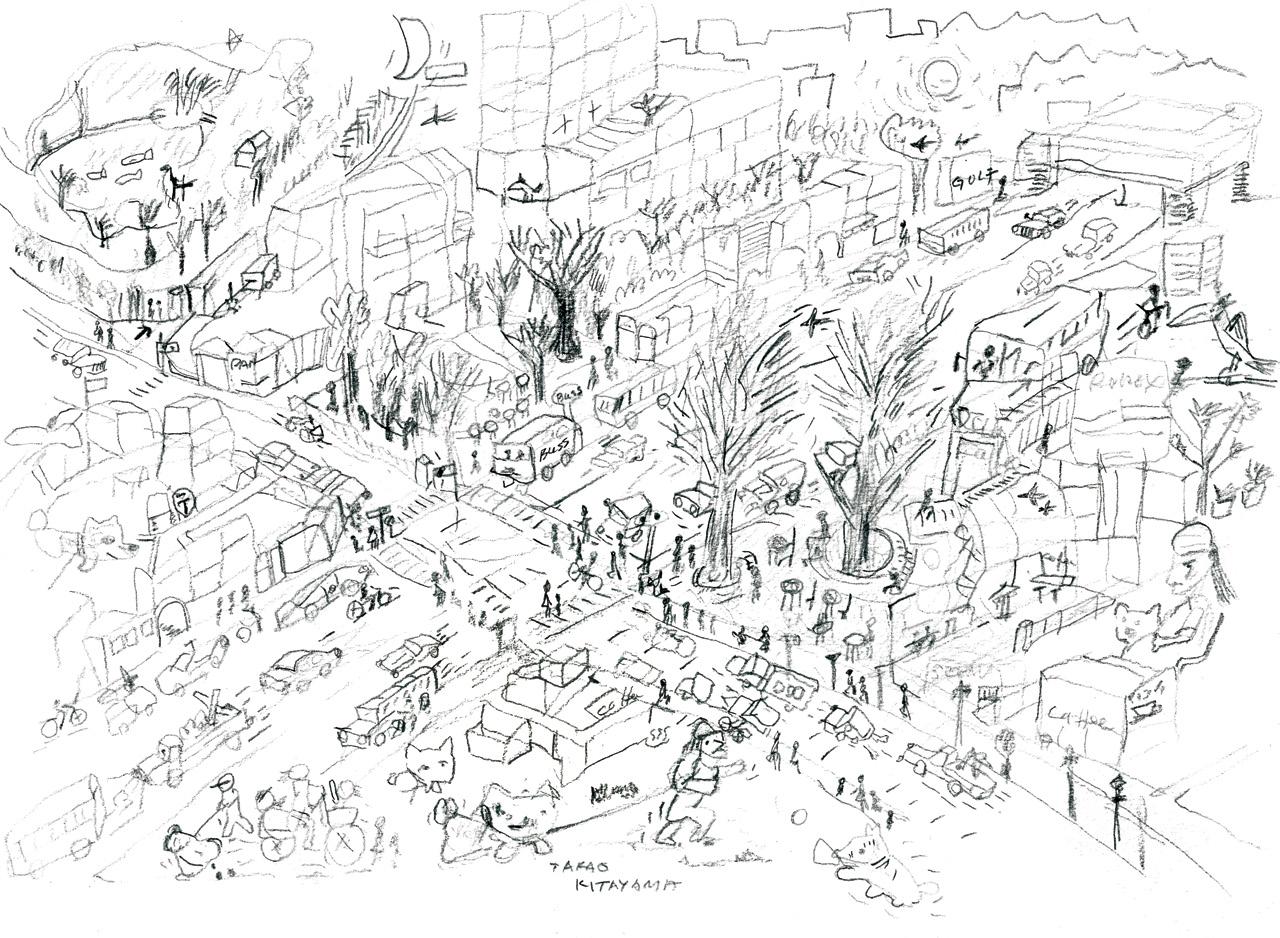
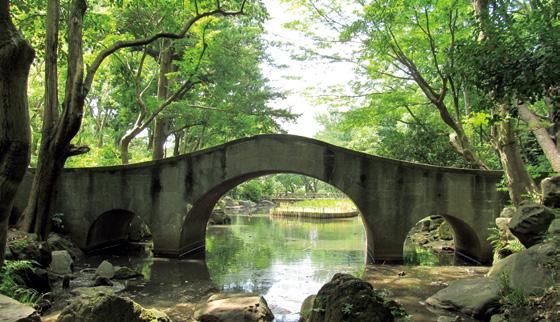
A patchwork of foreign embassies, exclusive boutiques, and condominium complexes guarded by impeccably polite uniformed men, Hiroo gives off a posh, cosmopolitan air. From the greenery of Arisugawa-no-miya Memorial Park, head west to discover a shopping street where a communal bathhouse established in 1918 exudes old-school flavour amidst restaurants serving up cutting-edge cuisine from around the world.
The neighbourhood has a reputation for being an in-theknow culinary destination, where authentic Middle Eastern and Mexican restaurants compete with Japanese-inspired Vietnamese and French fare. Among its latest crop of entrants is Teddy Brown, Tokyo’s most in-demand burger shop of 2025, which rose to citywide fame through foodie word-of-mouth. And tucked away in its back alleys lie treasures like quiet bars and literary communities – secret rewards for the most intrepid explorers.

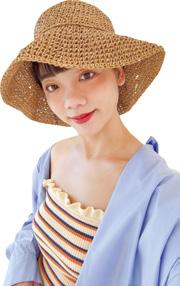
Ping is a designer and the founder of Aliveform, making 3D-printed shoes that look like they’ve transmuted out of a futuristic simulator. His work pulls from nature, tech and biomimicry, then turns it into sculptural, wearable forms that basically force you into main-character posture.
à @aliveform.bio
Favourite chain:
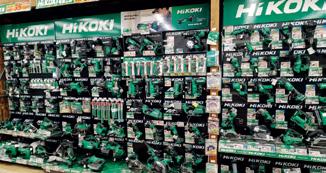
‘Vivahome is a massive “home centre” –basically a DIY fever dream, with tools, materials, hardware and random useful objects, all in one place. If you’re the type who likes making things or hacking your space into something better, you can disappear in there for hours. I love being lost in the horde of DIY parts and discovering random things that I didn’t know I needed. From work boots to shampoo and pets...yes, pets! They’ve got everything.’

Johnny Terror creates immersive illustrations that draw from sci-fi, manga and subcultural aesthetics. Born in Berlin and now rooted in Tokyo, his work moves between illustration, apparel graphics and visual storytelling with a dystopian vibe. His name is lifted from the kind of villain naming you’d expect of an ’80s sci-fi flick antagonist, and his work carries that same hostile but playful energy.
à @johnnyterror
Favourite chain:
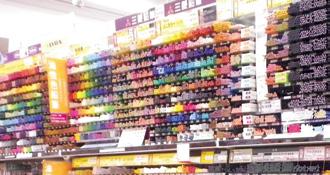
‘The palace of creation. This multi-floor art supply hub is where everything from sketchbooks to paints and tools live under one roof. You might go “just for one pen” and leave with a bag full of supplies and a completely new plan for your life. It’s stacked, affordable and – if you’re trying to be responsible – genuinely dangerous.’

Holly Graham is the founder and creative director of Tokyo Confidential, an AzabuJuban cocktail den serving up good times and great hospitality – not to mention a stunning rooftop view of Tokyo Tower. She also runs the seasonal outpost Niseko Confidential in Hokkaido, and is the author of Cocktails of Asia and a fixture on Bar World 100, a list of the world’s most influential figures in the bar industry.
à @hollygrahamdrinks
Favourite chain:
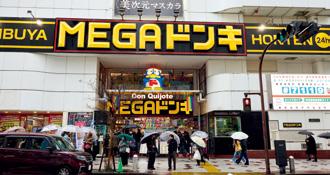
‘Call me a gaijin (foreigner) but Don Quijote has to be it for me. Whatever I need, it usually has it, from food to household goods – plus stuff I didn’t think I needed but end up buying anyways. It’s also a great way to kill time with visiting guests as it’s almost a destination in itself, and a great place for your guests to stock up on souvenirs.’
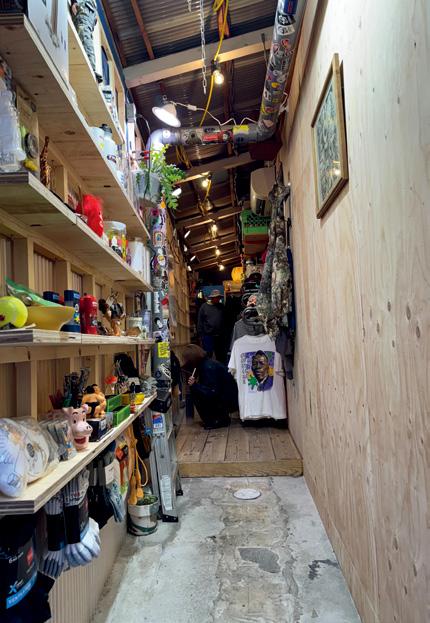
Founded by scene impresario and club culture connoisseur Orang back in 2018, Daily Dose is inextricably tied to Minami-Horie, the city’s most reliably fashionable ’hood. Expounding a ‘clean yet edgy’ street aesthetic, the store showcases a meticulously curated selection in a narrow, elongated space that’s barely wide enough for two people to stand side by side. In addition to the main shop, they run two offshoots in Amerikamura: Sighto specialises in vintage clothing while CopyArt Collective offers furniture and accessories alongside apparel.
à 1-19-31 Minami-Horie, Nishi, Osaka. dailydosequalitystuff.com.
The local clothing chains shaping the city’s inimitable fashion scene
Osaka may be famed for its street food, illustrious history and love for comedy, but the truest expression of the city’s essence lies in the way locals commit to being themselves. Osakans’ willingness to stand out is reflected especially in what they wear – which tends to be something head-turning. If you’re looking to look the part while in the city, the fastest way to source fire fits is to seek out these three fashion houses.
Rroomm in Nakazakicho has earned its spot at the summit of Osaka’s ‘select shop’ scene by offering a broad but focused line-up of cutting-edge pieces from brands both domestic and international. It wears its Osaka identity on its sleeve, with a street-level colour scheme and deliberately eclectic displays. For something more experimental, check out sister shop Nnuudd in the dining district of Tenma. There’s also a Kyoto offshoot called Lloomm.
à Tsuruno Bldg 2F, 2-8 Tsurunocho, Kita, Osaka. rroomm.jp.
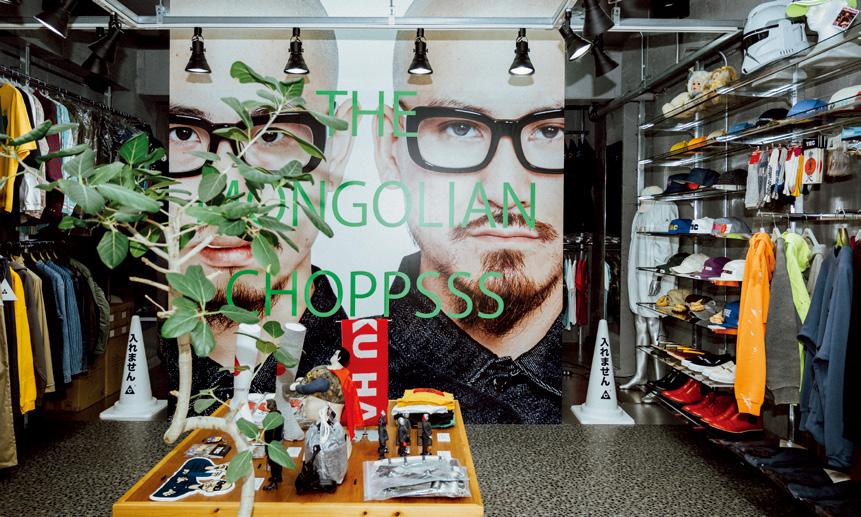
Proclaiming to be situated ‘just 100 steps’ from the landmark Tsutenkaku Tower in Shinsekai, The Mongolian Choppsss combines one-ofa-kind items with a healthy dose of Osaka-style humour. It’s run by the eponymous creative duo who’ve also given the neighbourhood the Boku Ha Tanosii brand and its dedicated store – located just around the corner from this one – plus TASF Tackle Mart, a fishing pro shop (the designers are bass fishing enthusiasts too, natch).
à 1-7-5 Ebisu-Higashi, Naniwa. Osaka. @themongolianchoppsss.


Crisp and airy in texture, yet rich and buttery in flavour and aroma, Amidaike Daikoku’s beautiful Hana Langue are a treat for all the senses. The subtly sweet langue de chat and smooth cream create the perfect pairing. Great for afternoon tea or as a light snack.



오사카�하나�랑그는�일단�꽃�모양이 너무�예쁘고�고급져보여�선물용으로 좋아�보였다. 한입�베어�물면�버터 향이�부드럽게�퍼지고�중간의�크림이 생각보다�달지�않고�맛있었다. 일본 과자�특유의�깔끔함이�느껴지며 모양도�예뻐서�한국의�젊은�층이 정말�좋아할�거�같다.
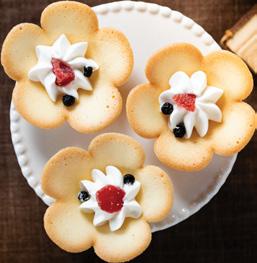
The Osaka Hana Langue is an incredibly popular Osaka souvenir that pursues the signature crispness of langue de chat biscuits to its fullest, using carefully selected ingredients and a meticulous, uncompromising process. This adorable snack's light, u y cream melts smoothly in the mouth, re ned to eliminate any graininess and achieve a perfectly silky texture that complements the delicate biscuit. This cookie wows with the profound sweetness of artisanal honey from a beekeeping farm nestled in the mountains of Osaka.
Try Osaka Hana Langue at our store
Expiration date: August 31 2026
可愛的花朵造型,光是看到就 讓人心情變好!酥脆的貓舌 餅乾夾著濕潤的奶油、果乾, 一口咬下層次感很豐富,還能 感受到蜂蜜的香氣,非常精緻 又好吃!作為伴手禮,收到的 人一定也會很開心^^



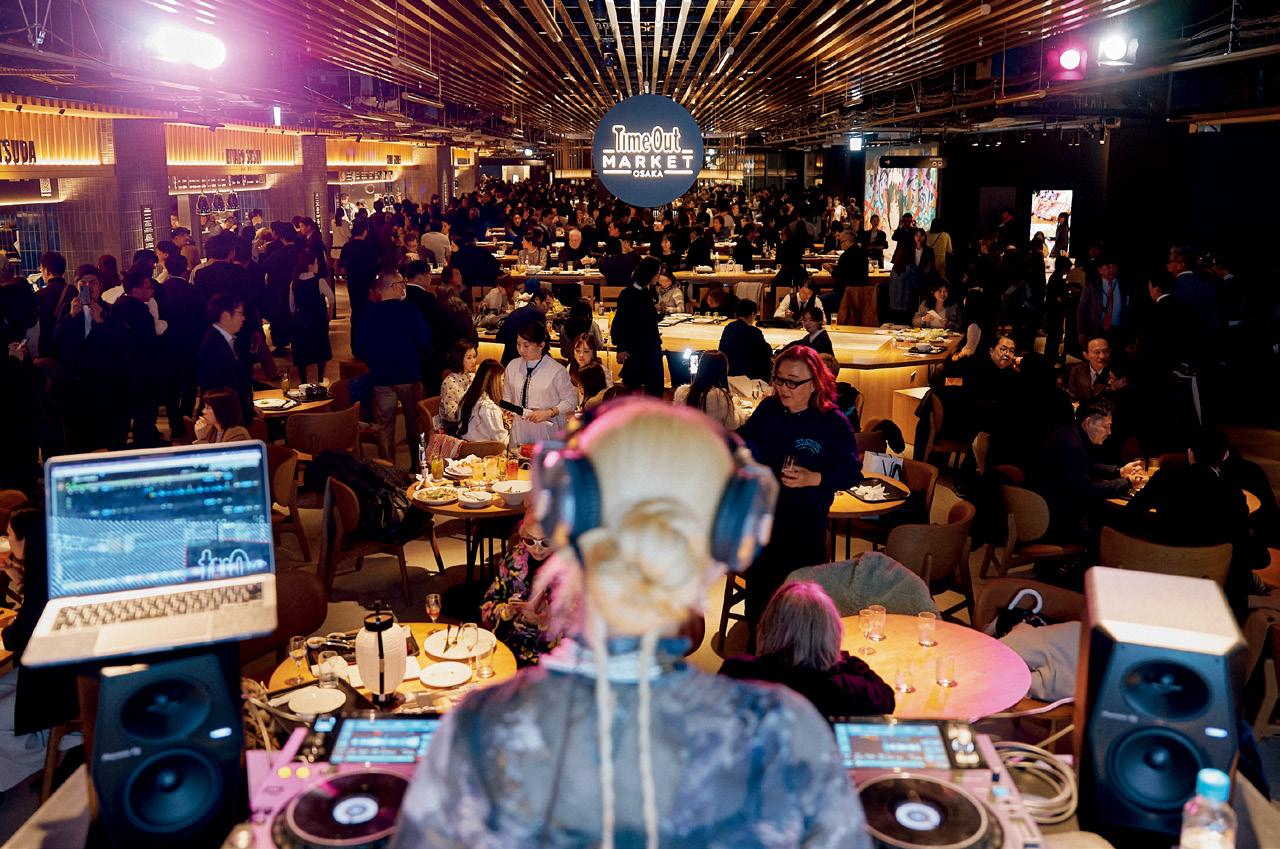
along with star performers delivering an unforgettable evening of entertainment.
A pre-event on the evening of March 20 will feature DJs and live performances, followed by Family Day on March 22 with DJ workshops and a custom tote-making session.
à Grand Green Osaka South Bldg B1F, 5-54 Ofukacho, Kita, Osaka. timeout.com/ time-out-market-osaka.
Leading lights from Japan’s art world bring dazzling flower installations and immersive theatre to a 1,000-year-old shrine for the Kyoto Nippon Festival
Spring is a glorious time to be in Kyoto, and not just because of the cherry blossoms. As the weather warms up and the flowers come out, a packed programme of enriching art and cultural events unfolds across the city. Among these, few are as eagerly anticipated as the Kyoto Nippon Festival, an annual showcase of cutting-edge visual and performing arts. Here, in the words of the artists themselves, is what to expect at the festival.
Meditations on the circle of life
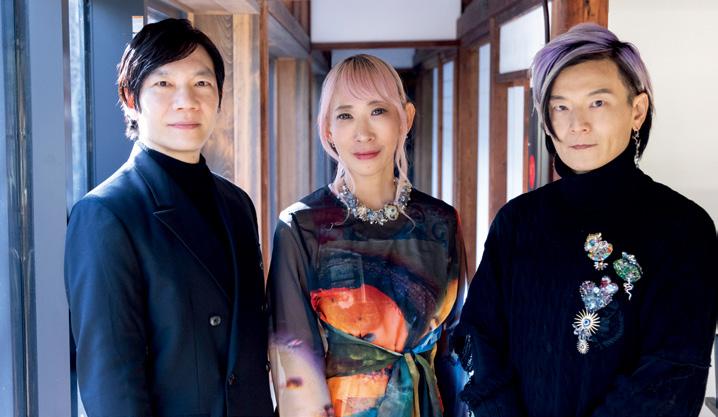
Held on the grounds of the 1,000-year-old Kitano Tenmangu Shrine, the Kyoto Nippon Festival returns for its 10th edition in 2026 and has pulled out all the stops for the anniversary year. Photographer, film director and artist Mika Ninagawa and the creative team EiM (Eternity in a Moment), in which Ninagawa is joined by scientist and executive director Hiroaki Miyata, have transformed
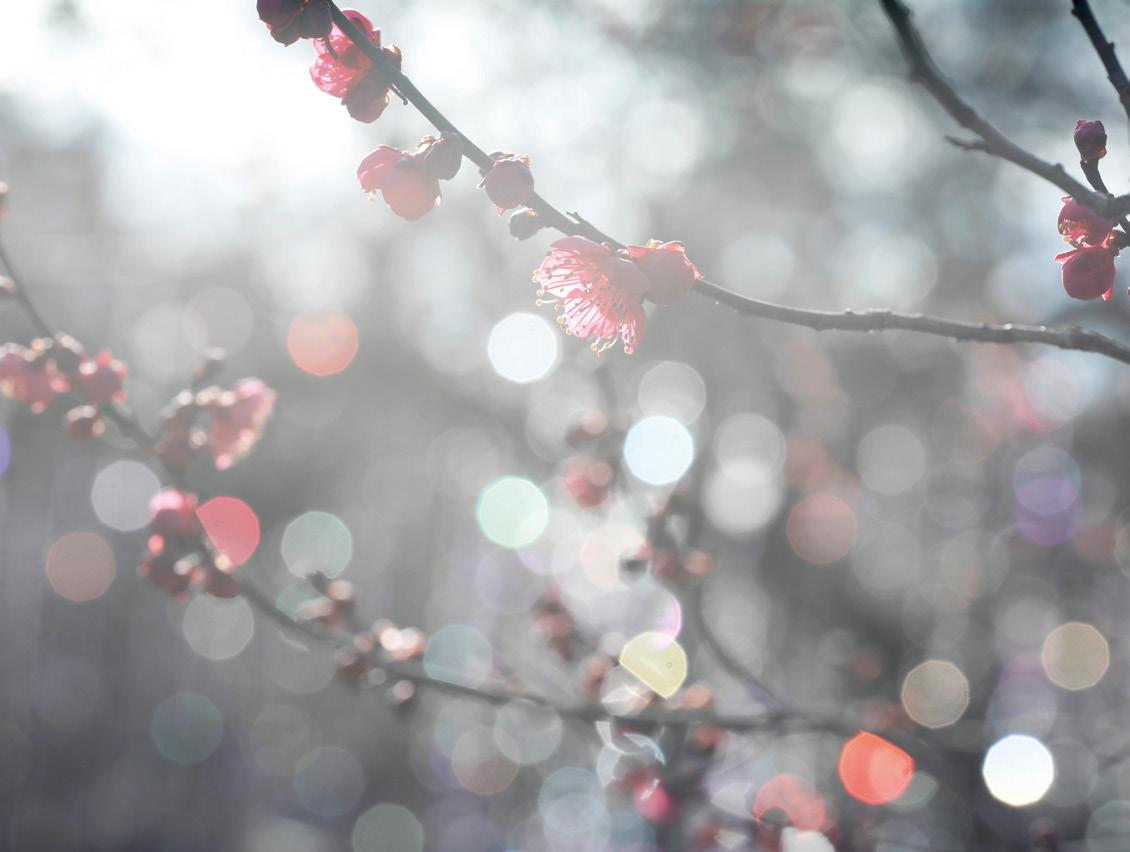
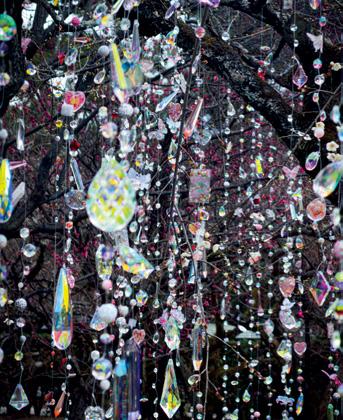
the shrine’s famed plum tree garden into a dreamlike world where some 1,200 crystal garlands fracture light into a kaleidoscope of colour. ‘What you see changes with the weather,’ says Ninagawa. ‘Rather than alter nature, our work seeks to intensify the viewer’s experience of it.’
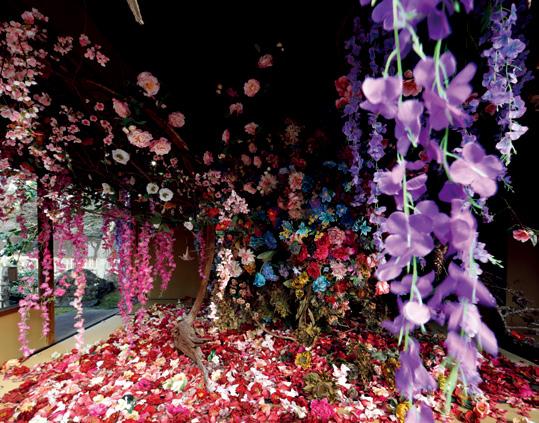
This ‘Three Gardens of Snow, Moon, and Flowers’ installation is complemented by ‘Afterglow of Lives’, a site-specific work of floral art that’s as haunting as it is beautiful. The historic Baikoken teahouse in a corner of the garden is drenched in artificial flowers –some bursting with colour and vitality, others in faded hues and wrinkled shapes that evoke the impermanence of life.
Tea with a side of drama
A similarly dramatic duality informs the conceptual world of ‘The Six Shadows’, an immersive theatre experience taking place

at the shrine’s Fugetsuden Hall from March 20 to May 24. A collaboration between Ninagawa, EiM and the dance company Dazzle, pioneers of immersive performance in Japan, the show builds on a legendary episode from local history. In 1587, thousands of Kyotoites from all walks of life, regardless of wealth or status, converged on Kitano Tenmangu to attend a grand tea gathering in honour of Toyotomi Hideyoshi, the first warlord to unify Japan.
There, Hideyoshi’s love for the lavish and spectacular collided with the austere wabisabi aesthetics expounded by the venerated tea master Sen no Rikyu, sparking a paradigm shift in Japan’s visual culture. ‘Now, 400 years later, we sought to bring these two sides together to showcase something unprecedented,’ says Hiroaki Miyata, ‘and to highlight both the light and shadows of history.’ For Dazzle’s Koichiro Iizuka, Kitano Tenmangu makes the perfect venue for presenting the ambitious 60-minute work. ‘This shrine welcomes new artistic endeavours,’ he says. ‘Besides its association with tea, it’s considered the birthplace of kabuki, and has served as an artistic incubator of sorts for centuries.’
A licence to feel Hideyoshi’s ostentatious celebration ended after only one day, but ‘The Six Shadows’ invites audiences to experience how the ceremonies might have unfolded had they been allowed to go on for another. Drawn into a surreal non-verbal narrative told by Dazzle in a space where Ninagawa and EiM’s resplendent imagery contrasts sharply with the restrained architecture, attendees become participants in an extravagant, hourlong tea ceremony that tingles all five senses. That, for Miyata, is what makes immersive theatre so enriching right now. In our time
of AI and algorithms, ‘really opening our senses to stimuli, feeling with intention, is immensely important because it’s something only humans are capable of,’ he says. ‘Immersive theatre is an opportunity to do just that – to have an experience that’s physical, intellectual and visual at the same time.’
For Ninagawa, the immersive form also helps make theatre accessible to a broader audience. ‘It isn’t just about eschewing dialogue,’ she says. ‘Having the actors right there in front of you, sharing the same space, really helps you appreciate their craft.’ As for the performers themselves, getting to break the fourth wall certainly adds to the anticipation. ‘Immersive theatre doesn’t work without audience participation,’ says Iizuka, ‘and that’s what’s so fun about it. Our show is exciting to perform, so I can promise it’ll also be thrilling to watch.’
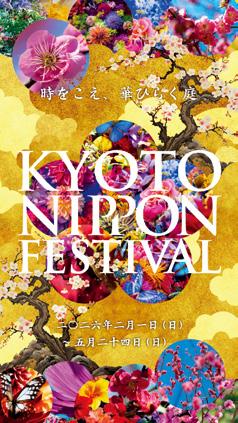
Flower garden installations: February 1 to May 24, 9am-8.30pm (last entry 8pm).
Advance tickets ¥3,500, children ¥2,000. ‘The Six Shadows’: March 20 to May 24.
General tickets ¥15,000 Mon-Fri; ¥16,500 Sat, Sun & hols.
Premium tickets ¥22,500 Mon-Fri; ¥24,000 Sat, Sun & hols.
Theatre tickets include entry to the flower garden on the day of the performance. kyoto-nippon-festival.com
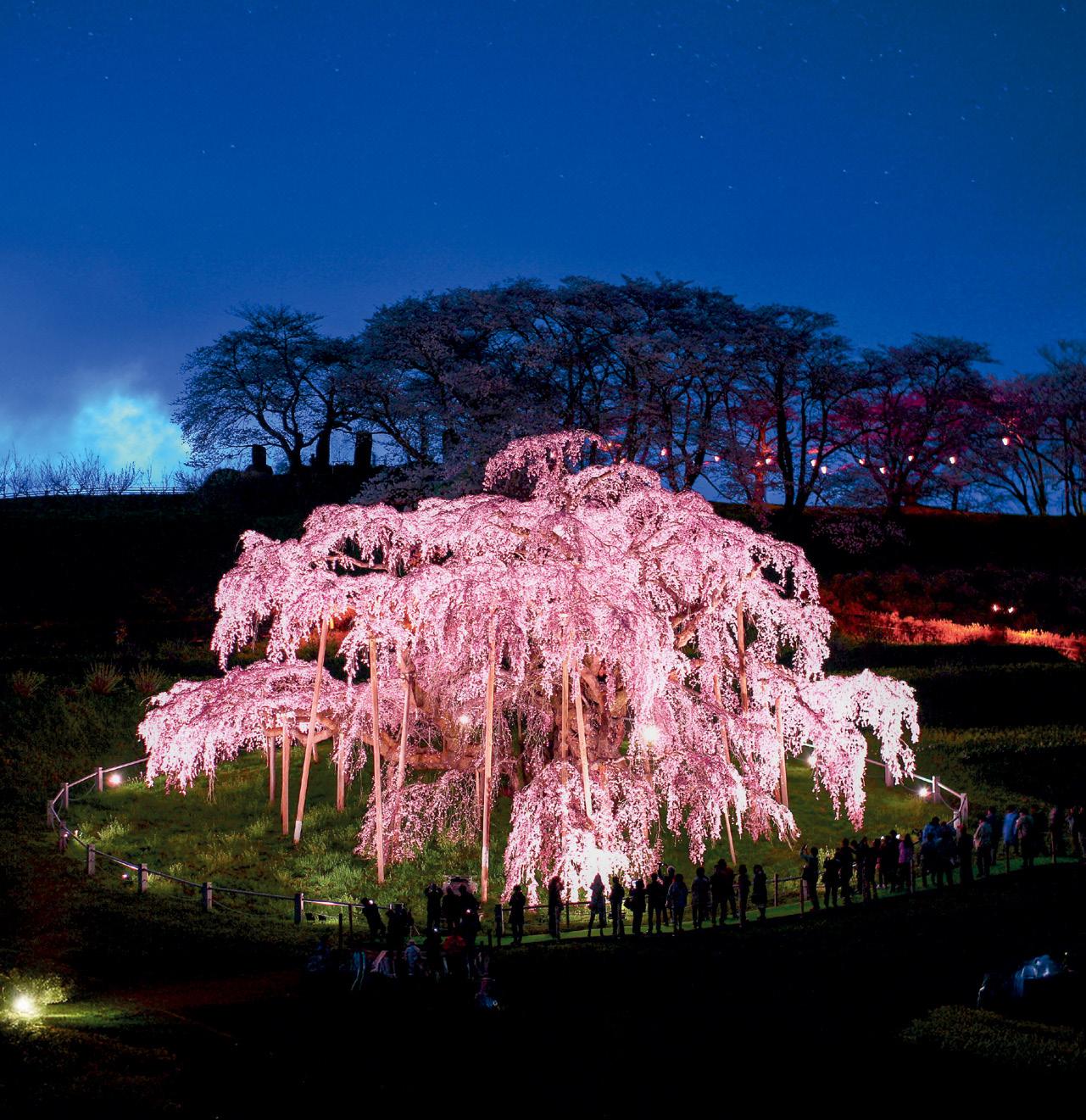
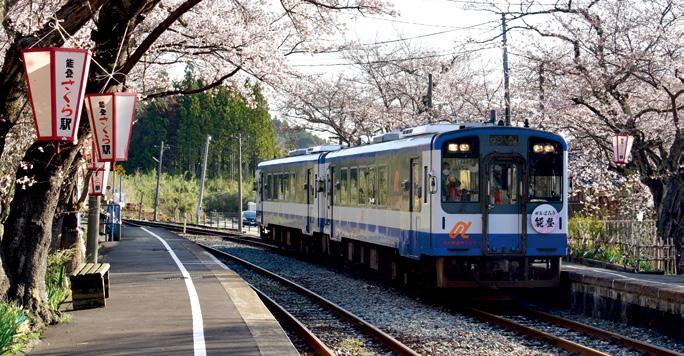
Sakura, or cherry blossoms, are synonymous with Japan. At the height of spring, you can spot these delicate blooms of white and pink along rivers and in parks everywhere across the country. But some sakura spots are more special than others; here are seven we’d even go as far as to call life-changing.
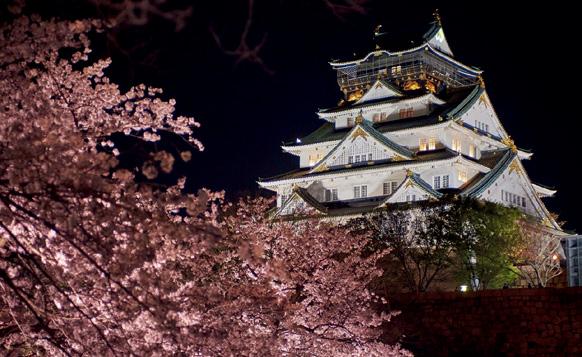
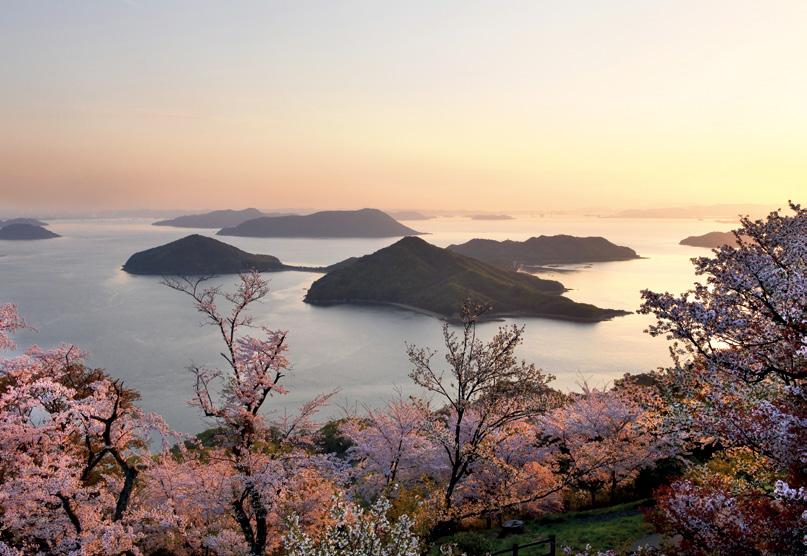
1 Miharu Takizakura, Fukushima
Best time to visit: early to mid-April
This 1,000-year-old tree’s spectacular waterfall-like branches drip with pink flowers, as if celebrating the end of Fukushima’s long and harsh winter. The nighttime light-up makes it worth a second visit.
à 296 Sakurakubo, Miharu, Tamura District, Fukushima. miharukoma.com/experience/183.
2 Noto-Kashima Station, Ishikawa
Best time to visit: mid-April
Combine trainspotting and blossomadmiring on the unmanned platform better known as Noto Sakura Station.
à Anamizumachi Sobukui, Hosu District, Ishikawa. nototetsu.jp.
3 Osaka Castle Park, Osaka
Best time to visit: late March to early April
The view of Osaka Castle set against a backdrop of blushing cherry blossoms in the Nishinomaru Garden is as iconic as it gets.
à Osakajo, Chuo, Osaka. osakacastlepark.jp/?lang=en.
4 Mt Shiude, Kagawa
Best time to visit: late March to mid-April
Snag a reservation for this epic lookout well in advance and marvel at the islanddotted Seto Inland Sea foregrounded by the blossom-covered hillsides of the Shonai Peninsula.
à 451-1 Ohama Otsu, Takumacho, Mitoyo, Kagawa. mitoyo-kanko.com/eng/shiude-access.
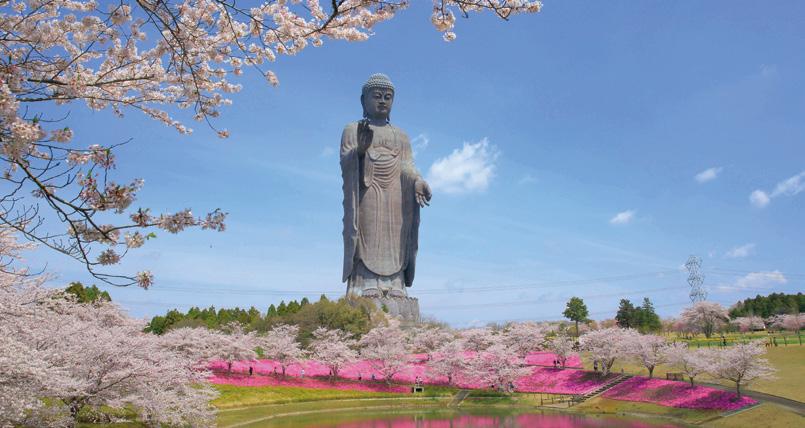
5 Ushiku Daibutsu, Ibaraki
Best time to visit: early to mid-April
The colossal Great Buddha of Ushiku looks even more breathtaking than usual with cherry blossoms blanketing the statue’s base. In mid-April, moss phlox blooms paint the entire area pink.
à 2083 Kunocho, Ushiku, Ibaraki. daibutu.net.
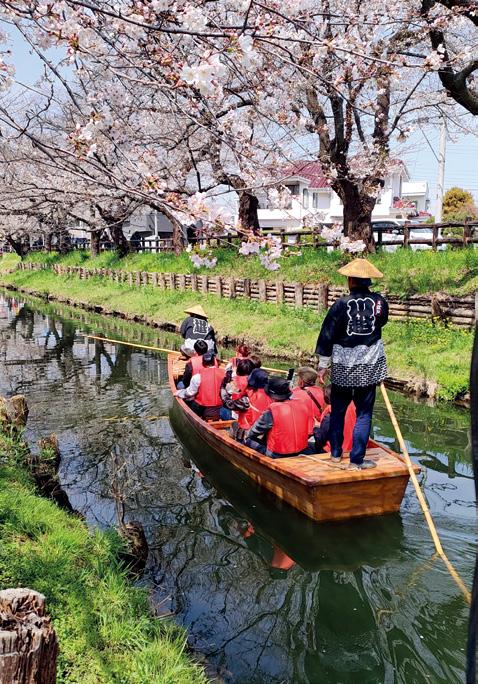
6 Shingashi River, Kawagoe, Saitama
Best time to visit: late March to early April
A 500-metre-long blossom-lined avenue and flower rafts floating on the Shingashi River combine for a breathtaking vista during Kawagoe’s annual Spring Festival.
à 108 Hikawacho, Kawagoe, Saitama. koedo.or.jp/en.
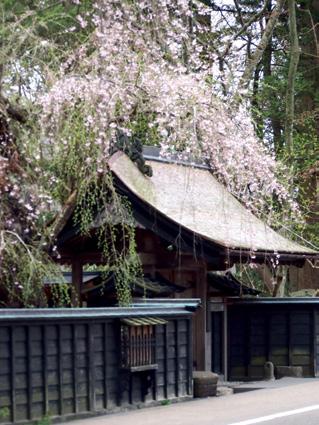
7 Kakunodate Samurai District, Akita
Best time to visit: mid- to late April
The majestic weeping cherry trees that grace this former castle town are especially stunning when illuminated at night.
à Kakunodatemachi, Semboku, Akita. city.semboku.akita.jp/en/ sightseeing/spot/07_buke.html.
What’s hot across the country right now
Find out more online – check out Time Out Tokyo and Osaka
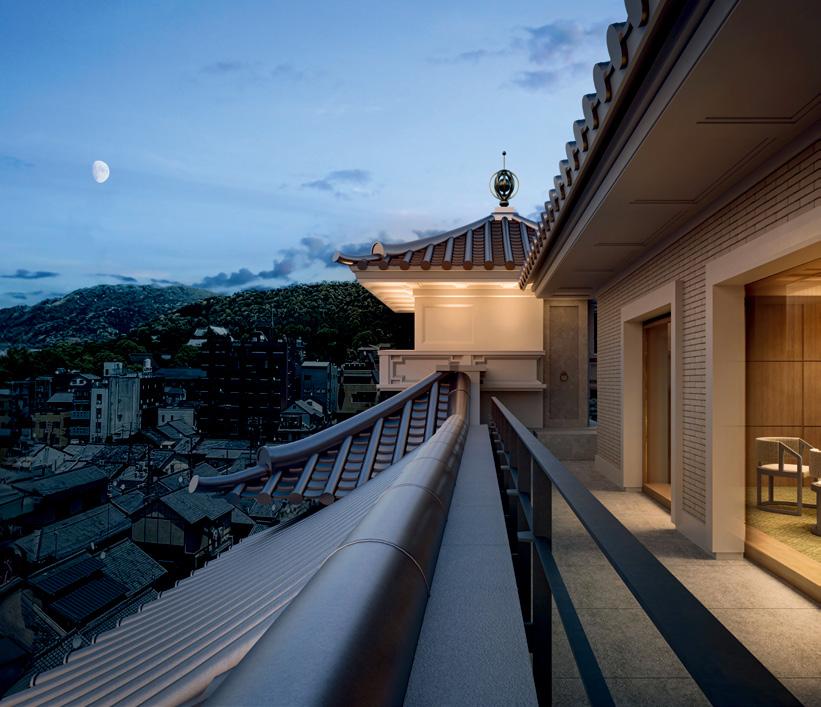
Set in the thoughtfully restored Yasaka Kaikan theatre, a landmark of the geisha neighbourhood of Gion since 1936, the Imperial Hotel’s first foray into Kyoto is set to shake up the city’s boutique hotel scene. Book the top-tier Imperial Suite for some seriously lavish views of the ancient capital. à570-289 Gionmachi Minamigawa, Higashiyama, Kyoto. imperialhotel.co.jp/en/kyoto.
02
KYOTO
Dress up in kimono and stroll the full-scale street sets depicting a Kyoto of yore at this newly renovated movie-set theme park. In the evening, visitors aged 18 and over can try their hand at traditional Japanese forms of gambling – and even take part in a ‘torture experience’.
àReopening Mar 28. 10 Uzumasa Higashihachiokacho, Ukyo, Kyoto. en.eigamura.com.
03
| Things to do
NAGANO Karuizawa T-Site
Built above the tracks of a mothballed railway line, the latest addition to Tsutaya operator Culture Convenience Club’s line of T-Site complexes extends across a cluster of single-storey buildings housing restaurants and cafés serving up the best of the Karuizawa area – from soba noodles to wine. There’s a hot-spring bathhouse on the premises, too.
àOpening Mar 17 by the north exit of Karuizawa Station. 1178-1293 Nakayachi, Karuizawa, Kitasaku District, Nagano. store.tsite.jp/karuizawa/english.



TOKYO Yona Yona
Craft beer lovers, rejoice: Tokyo is welcoming a new taproom operated by Yo-Ho Brewing, one of Japan’s most reliable purveyors of artisanal suds. With more than 30 brews on tap you’ll always find something that tickles your fancy, and there’s also a strong selection of elevated pub grub.
àShinagawa Intercity B1F, 2-15-2 Konan, Minato, Tokyo. yonayonatokyobrewery.com.
OKINAWA
Take a moment to savour the cuisine of Okinawa’s tranquil Yomitan village at Yomitan Garden by The Terrace Hotels, where this secluded eatery serves up island staples like soki soba and jushi rice dishes alongside a selection of tropical drinks and sweets.
à2723-1 Zakimi, Yomitan, Nakagami District, Okinawa. yomitangarden.com/#sabo.
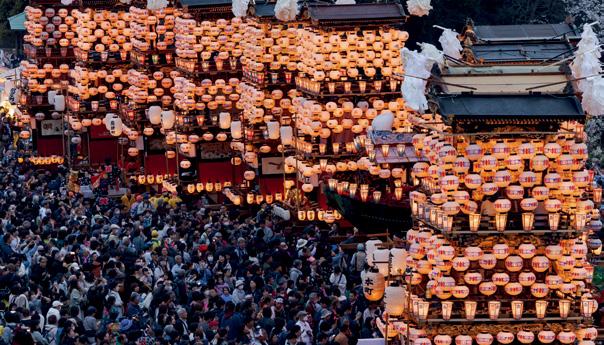
Celebrated since 1635, this World Heritage-designated festival sees 13 magnificently decorated floats fitted with centuries-old mechanical puppets pulled through the streets of the castle town of Inuyama to the intoxicating tunes of traditional flutes and drums.
àApr 4-5. 65-1 Kitakoken, Inuyama, Aichi. inuyama.gr.jp/event/detail/1.
TOKYO
MoN Takanawa:
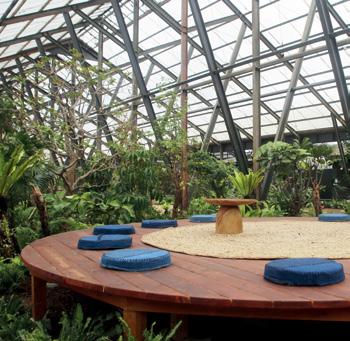
Countless herbs and medicinal plants from across eastern Asia thrive across the 6,000sqm grounds, and many of them feature in the rejuvenating dishes served at the garden’s greenhouse restaurant. Besides smelling and savouring, you can try your hand at distilling herbs into essential oils, blending them into perfumes or using them to dye fabrics.
à2423 Odoro, Otaki, Isumi District, Chiba. otaki-herbgarden.jp.
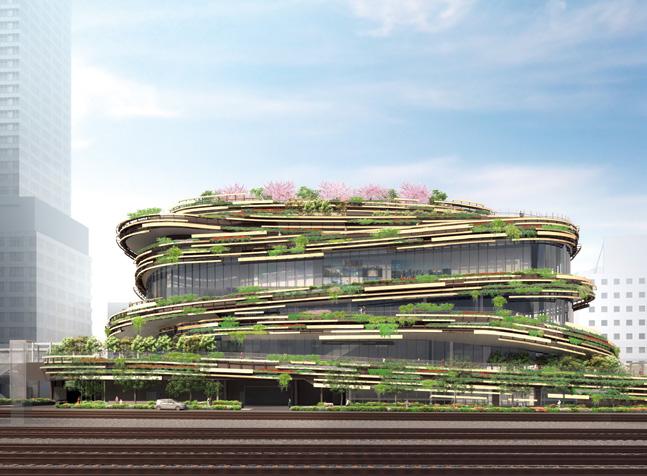
One of the most eagerly awaited parts of Tokyo’s still-expanding Takanawa Gateway City development, MoN Takanawa is an experimental museum that inhabits a distinctive, greenery-covered spiral structure dreamed up by renowned architect Kengo Kuma. It’s set to host two thematic exhibitions annually.
àOpening Mar 28. 3-16-1 Mita, Minato, Tokyo. montakanawa.jp.
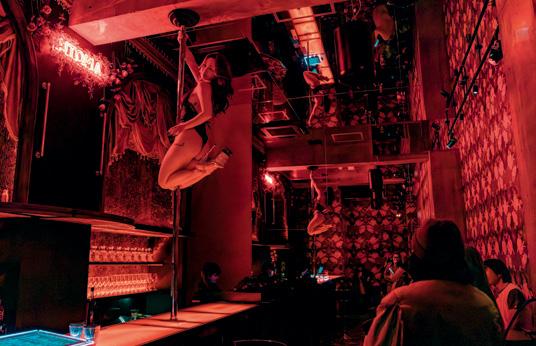
Spread out across two levels beneath the streets of Shibuya, this bipolar venue showcases the neighbourhood’s stimulating spirit across a funky DJ bar with nightly pole-dancing shows (‘Utopia’) and a warehouse-style techno club (‘Dystopia’).
àQlink Shibuya Jinnan B1-2F, 4-6 Maruyamacho, Shibuya, Tokyo. udagawacafe.com/utopia-dystopia.
TOKYO | Things to do 100% Doraemon & Friends in Tokyo
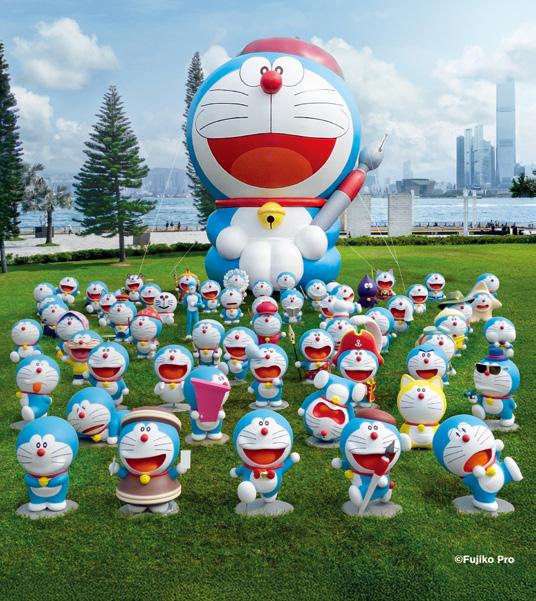
Enter the universe of the world’s favourite blue robotcat at this exhibition featuring more than 100 ‘lifesized’ Doraemon figures, including an all-new ‘Sakura Doraemon’, plus troves of rare original drawings.
àMar 27-Sep 30. 3-3-8 Ariake, Koto, Tokyo. doraemon100japan.com.
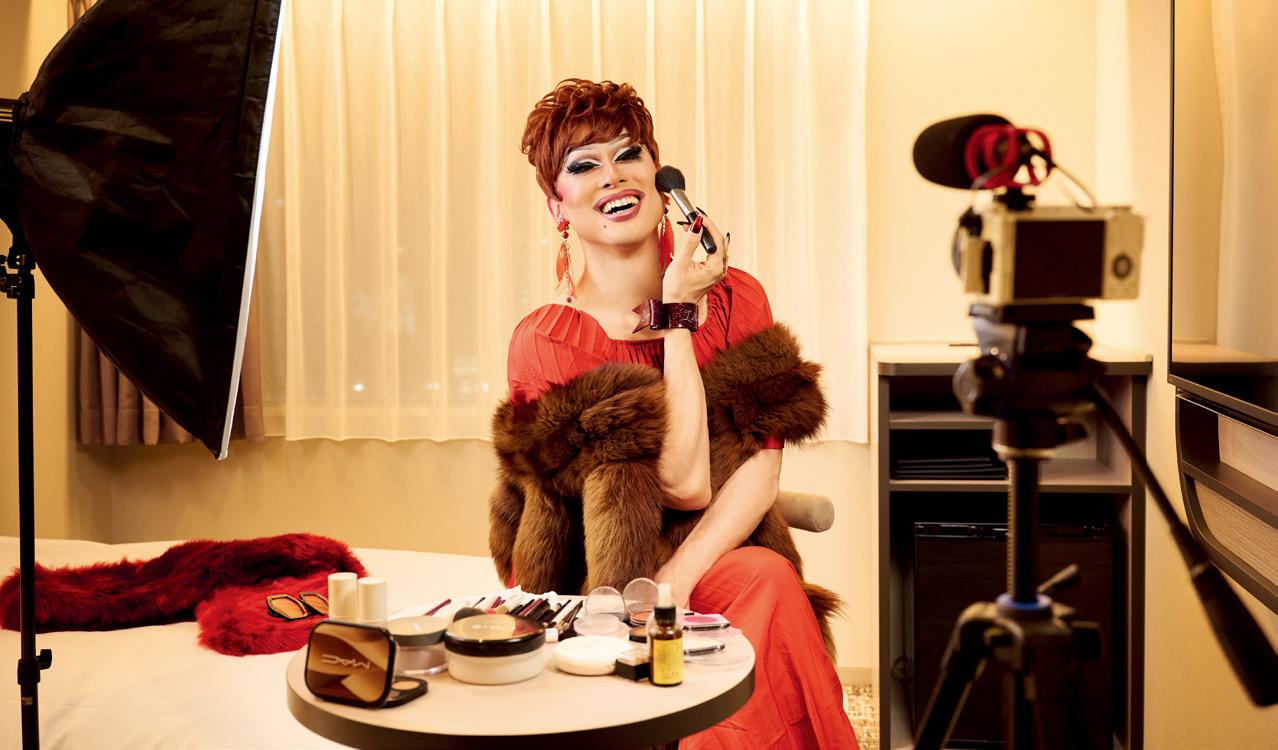


Shinjuku’s own Durian Lollobrigida on the special aura of this creative’s go-to hotel
From the streets of Shinjuku Nichome to TV, radio and YouTube, and on to the big stage. One of Tokyo’s most recognisable queer entertainers, Durian Lollobrigida is busy gearing up for the April premiere of Durian Durian, her very own comedy musical. We caught up with the star drag queen in between shoots at Via Inn Shinjuku, a standout hotel in the neighbourhood Durian loves more than any other.
Via Inn Shinjuku à 5-11-16 Shinjuku, Shinjuku, Tokyo. viainn.com/en/shinjuku.
What does Shinjuku mean to you?
It’s the place where Durian Lollobrigida was born. I spent most of my gay youth in Nichome; this is where I had my highest highs and lowest lows. For me, Shinjuku is the most important neighbourhood in the world.
What makes Shinjuku so special?
Its open-mindedness. You have the Tokyo Metropolitan Government buildings and high-end department stores on the one hand, and Kabukicho and Nichome on the other. Both sides coexist without cancelling each other out. That’s what makes the neighbourhood so vibrant.
You’ve just finished shooting a YouTube video at Via Inn Shinjuku. How did you like the experience?
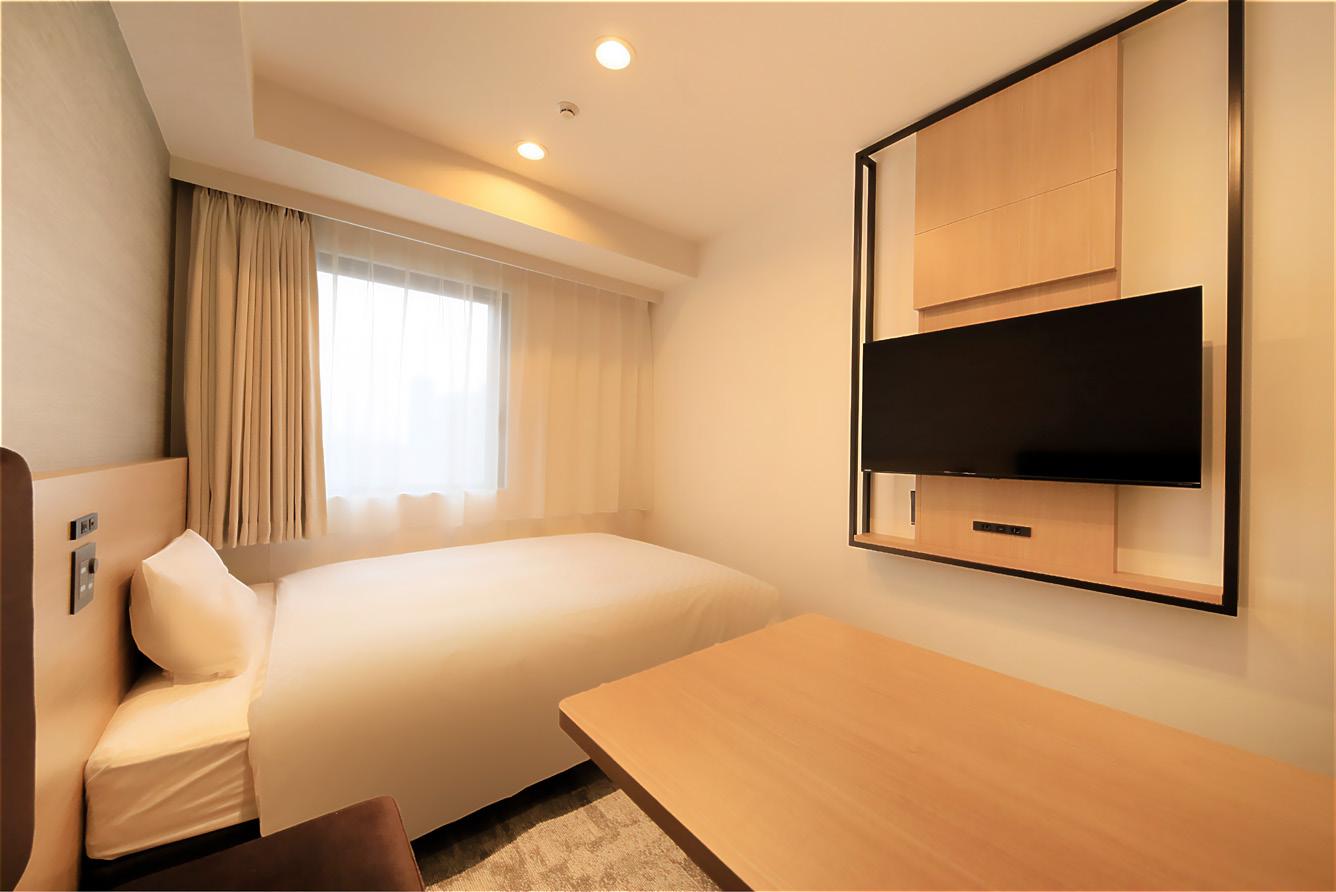
The unconventional location really brightened my spirits. Besides accommodating creative pursuits like my shoot, the hotel is close to Nichome and Golden Gai, making it an ideal base for enjoying Shinjuku’s nightlife and culture.
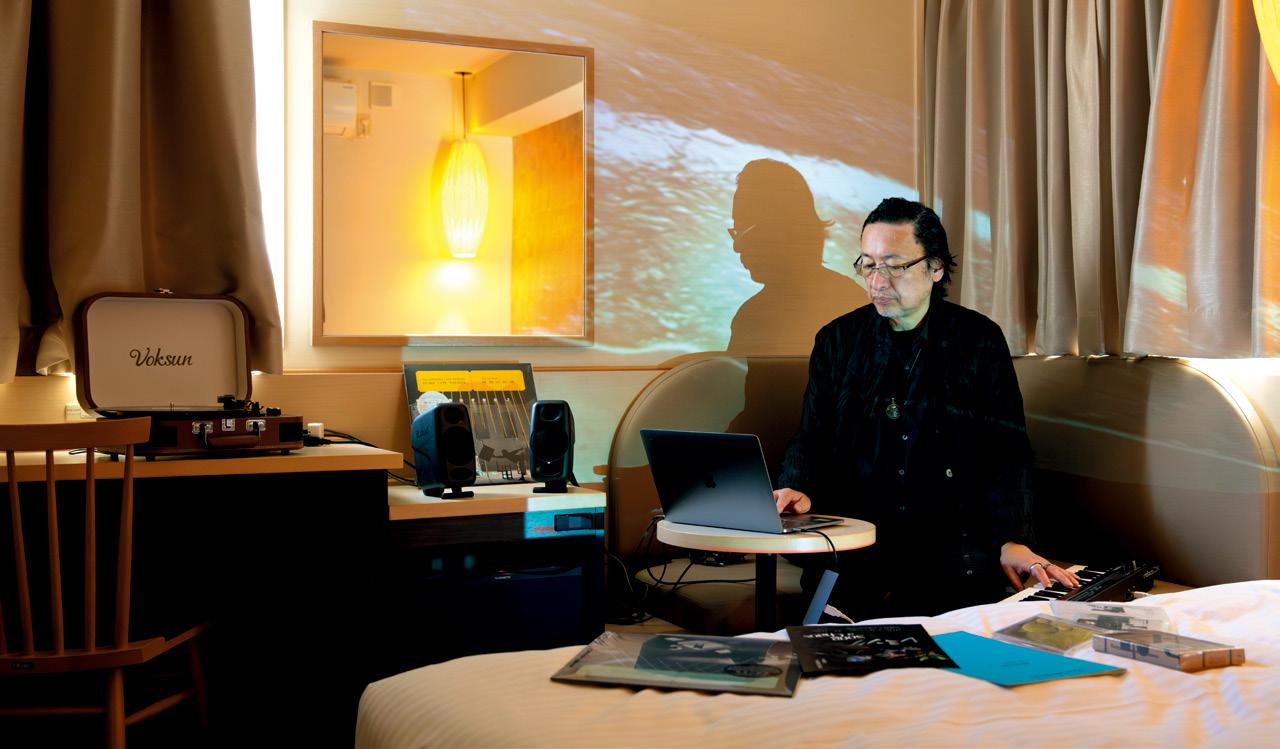
Composer Toru Yamanaka on making music at Via Inn Kyoto Shijo Muromachi
Toru Yamanaka’s international acclaim has been decades in the making. The avant-garde tunesmith’s post-minimal and ambient theatre music for the Dumb Type art collective is enjoying a renaissance some 40 years after it was first made, thanks to a new series of globally distributed vinyl releases from Tokyo-based label collective Conatala. Meanwhile, Yamanaka remains a towering figure in Kyoto’s underground scene as the co-organiser of the legendary drag party Diamonds Are Forever, where he’s been DJing for more than 30 years. Stopping by his room at Via Inn Kyoto Shijo Muromachi, we picked the master’s brain about his adopted home town and composing in hotels.
Do you ever make music in hotel rooms? Yeah, when I’m touring overseas, I need to fine-tune my stuff to match the venue and the performer’s vibe, and there’s no place like a hotel to help you focus on that. During the pandemic, I spent two weeks in quarantine at a hotel in Taiwan, where I
immersed myself in composing during the day and watched movies all night.
We hear you’ve stayed at Via Inn Kyoto Shijo Muromachi before?
Right, when I was holding a workshop at the Kyoto Art Center right across the street. It was super convenient, since commuting from Osaka would have been a pain. I was born in Osaka and went to university there, but I’ve been coming to Kyoto constantly since I was a student. I’ve always thought that Kyoto has so many interesting places and people.
How did Diamonds Are Forever start? In the ’80s, I went clubbing in New York with the late Teiji Furuhashi, who also played in a band with me and had invited me to Dumb Type. The experience opened my eyes, and I felt that without clubs, Japan’s culture would become incredibly backward. So I helped start Diamonds Are Forever in Osaka in 1989, and moved it to Kyoto the following year after Club Metro opened.
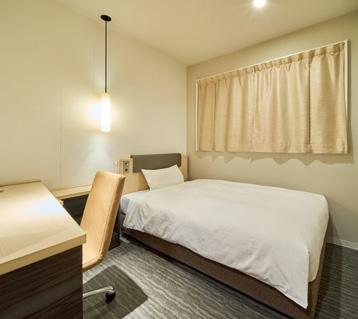
Via Inn Kyoto Shijo Muromachi à 551-2 Yamabushiyamacho Nishikikoji-agaru, Muromachi-dori, Nakagyo, Kyoto. viainn.com/en/kyoto.
See the official Via Inn website for details