university of oregon
cockcroft
email: tiarecockcroft@gmail.com
academic email: tiarec@uoregon.edu

university of oregon
email: tiarecockcroft@gmail.com
academic email: tiarec@uoregon.edu
B. Interior Architecture
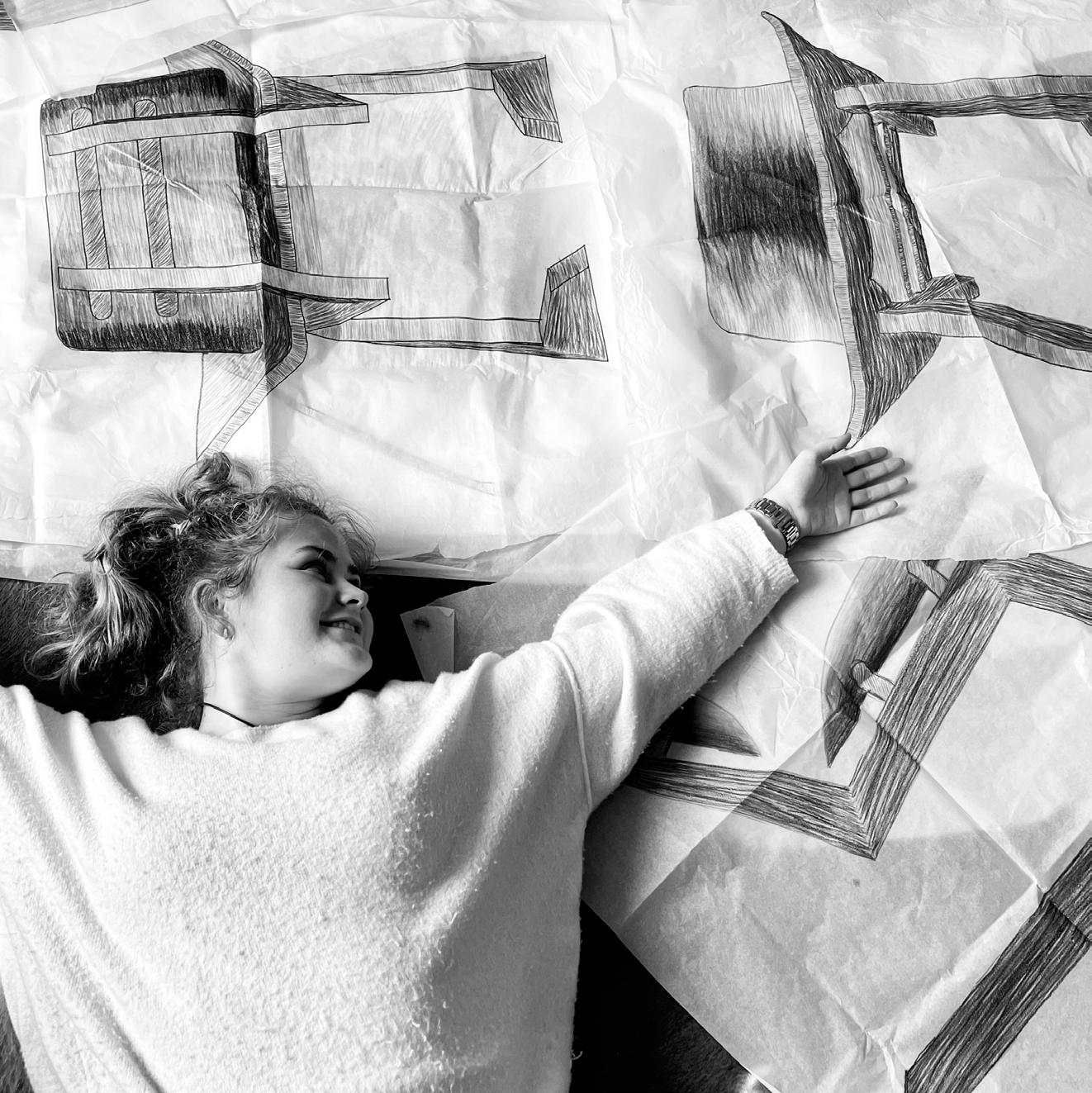
I am an interior architecture student at the University of Oregon. I am accelerating my degree and have a double minor in Architecture and Sustainable Business. As I enter my final year, everything I have learnt these past three years have created the designer I am today.
As a global person myself, being Tahitian-British-American and growing up in Germany (Bremen + Kiel), Spain (Jávea + Mallorca), and the Netherlands (Eindhoven), I am always seeking new ways to incorporate the local culture within my designs. I like to use my international knowledge to help me create the spaces I design.
I was a professional show jumper (horse rider) for team USA throughout all of high school and middle school. I competed internationally and learnt how to work in a team and know how to work with eachothers strengths to benefit the team.
I am a highly passionate designer who seeks to shape the lives of people through spatial design. As Jan Gehl best said, the most important scale is the human scale.
I am just a human who designs for other humans.
Colegio San Cayetano 2013 - 2018
International School Eindhoven 2018 - 2022
University of Oregon 2022 - 2026
CAD Rhino | Revit
Rendering Enscape
Adobe CC Illustrator | Photoshop | InDesign
Microsoft Office Word | Power Point | Excel
The Arthur and Flora Erfeldt Fund Recipiant 2023
Dean’s List 2022 - 2025
Winner of the School of Architecture and Environment Recognition Award for Design Studio 2024
Bremen, GER 2004 - 2005
Kiel, GER 2005 - 2009
Jávea, ESP 2005 - 2010
Mallorca, ESP 2010 - 2018
Eindhoven, NL 2018 - 2022
Oregon, USA 2022 - present GPA
languages
English Native Language
Spanish Native Language Catalan



1

riley ground floor dorm redesign
IARC 484 | second year
I vertical studio
2
Scale | 1/2” = 1’
3 spiral community hall and pavilion
ARCH 383 | second year
III intro studio
alchemy renovation and restaurant
IARC 484 | second year
II vertical studio


















4
svæve scandinavian furniture design
IARC 486 | third year
DIS study abroad | CPH




5
nasa
research facility and astronaut housing
ARCH 484 | third year
III vertical studio
6 cascadia
social housing, vertical city
IARC 484 | third year
GEO study abroad | BCN





year: 2024
professor: Cory Olsen location: Eugene, OR, USA
winner of the school of architecture and environment recognition award for design studio


SCAL E: 1/8 = 1 -0




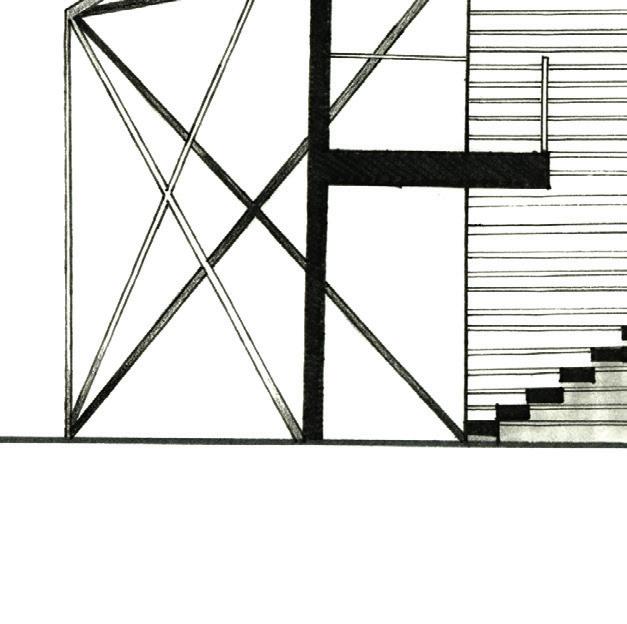
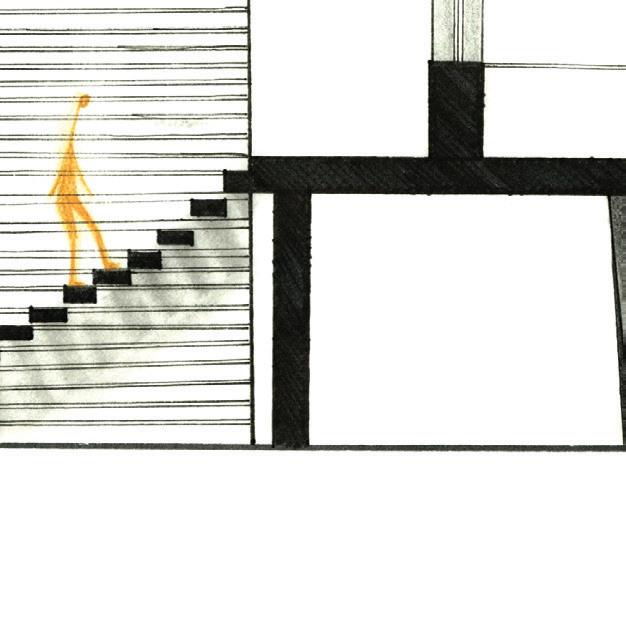
Riley hall redesign was limited to the ground floor and basement level. In this project, there were added extensions to the floors above to reflect the playful demeanor of Riley in its structure, not only the ground floor.
The structure of this building follows a consistent grid which allowed for the new pop out structure pieces to be placed perfectly within it. This allows for the creation of nooks for the students to go and read or hangout in a space that is not their room.
P2 basement floor
P4 rcp basement floor
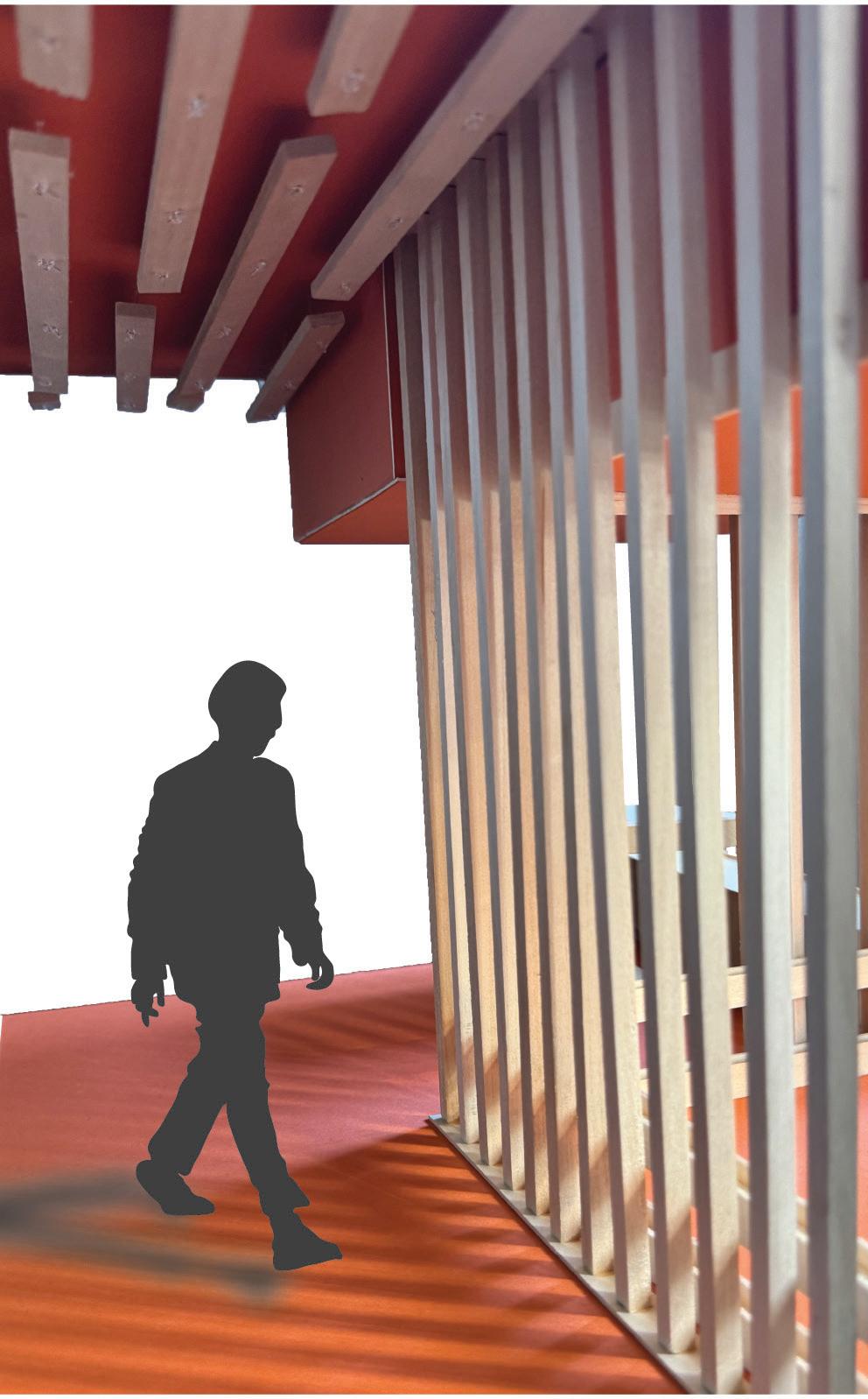
pop out model | scale 1’ = 1/2”


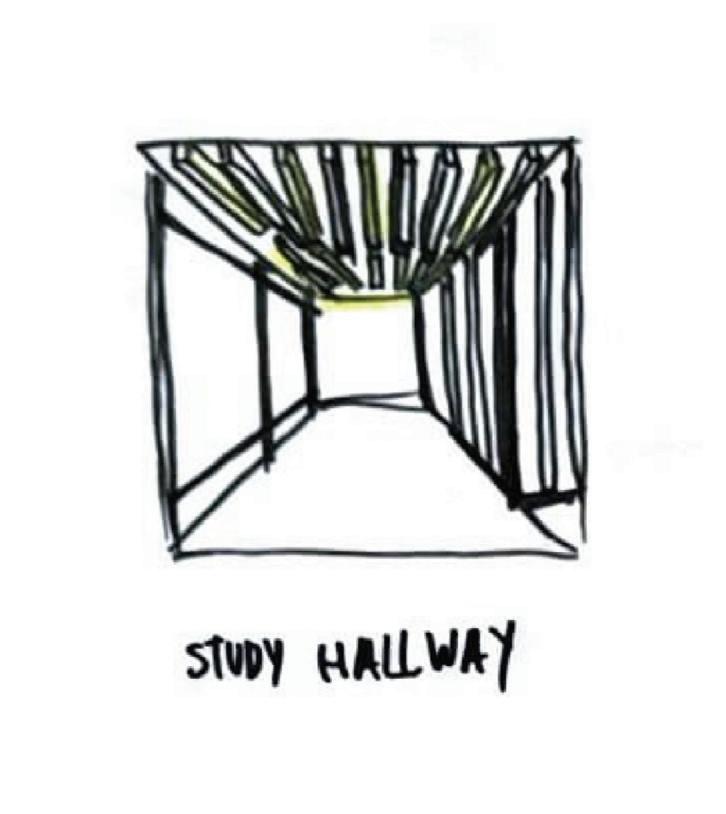
ground floor north study hallway interior elevation










R TH FA CING S ECTION
AL E: 1/8 = 1 -0
S2 north facing section





SCAL E: 1/8 = 1 -0




WE ST FA CING S ECTION
E: 1/8 = 1 -0











Riley’s new design allows for different areas of connection, creation, collaboration, and personal space for study. Providing opportunities in different areas throughout the plan allows people to have options.






























glass wall interior elevation

year: 2023
professor: Sami Cohen
location: Lowell, OR, USA
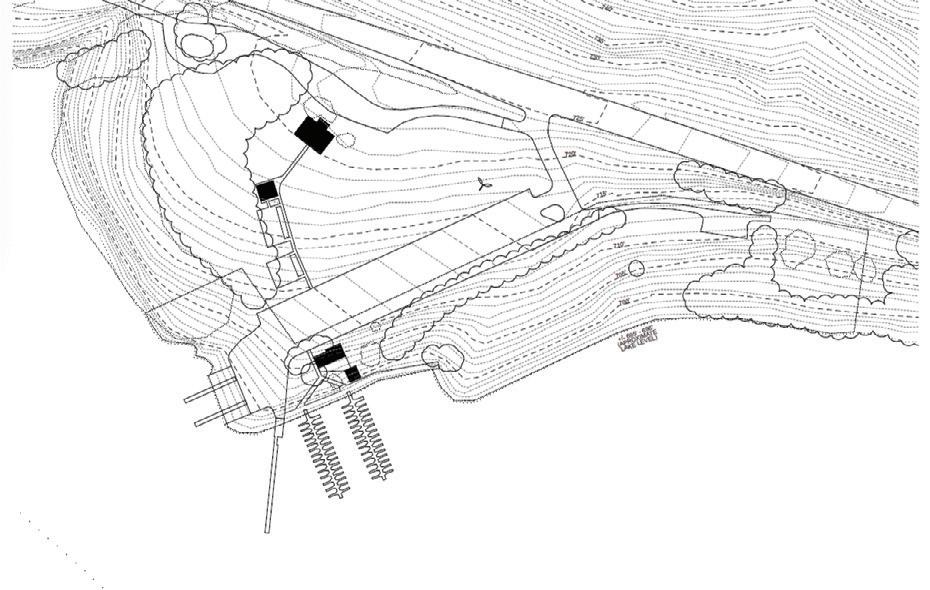
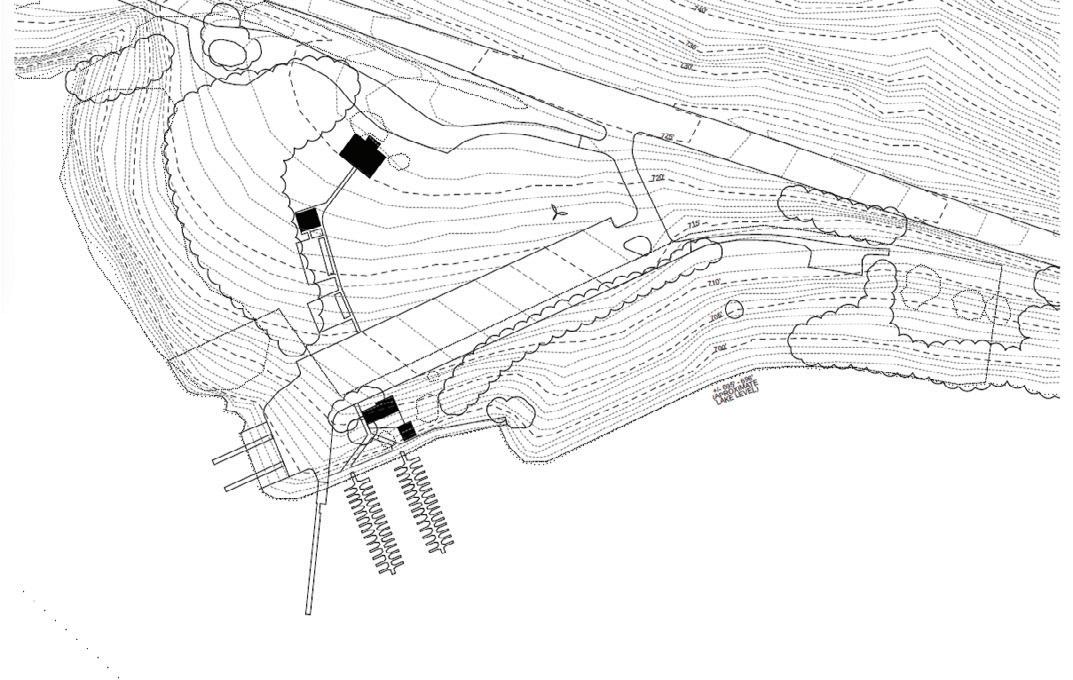
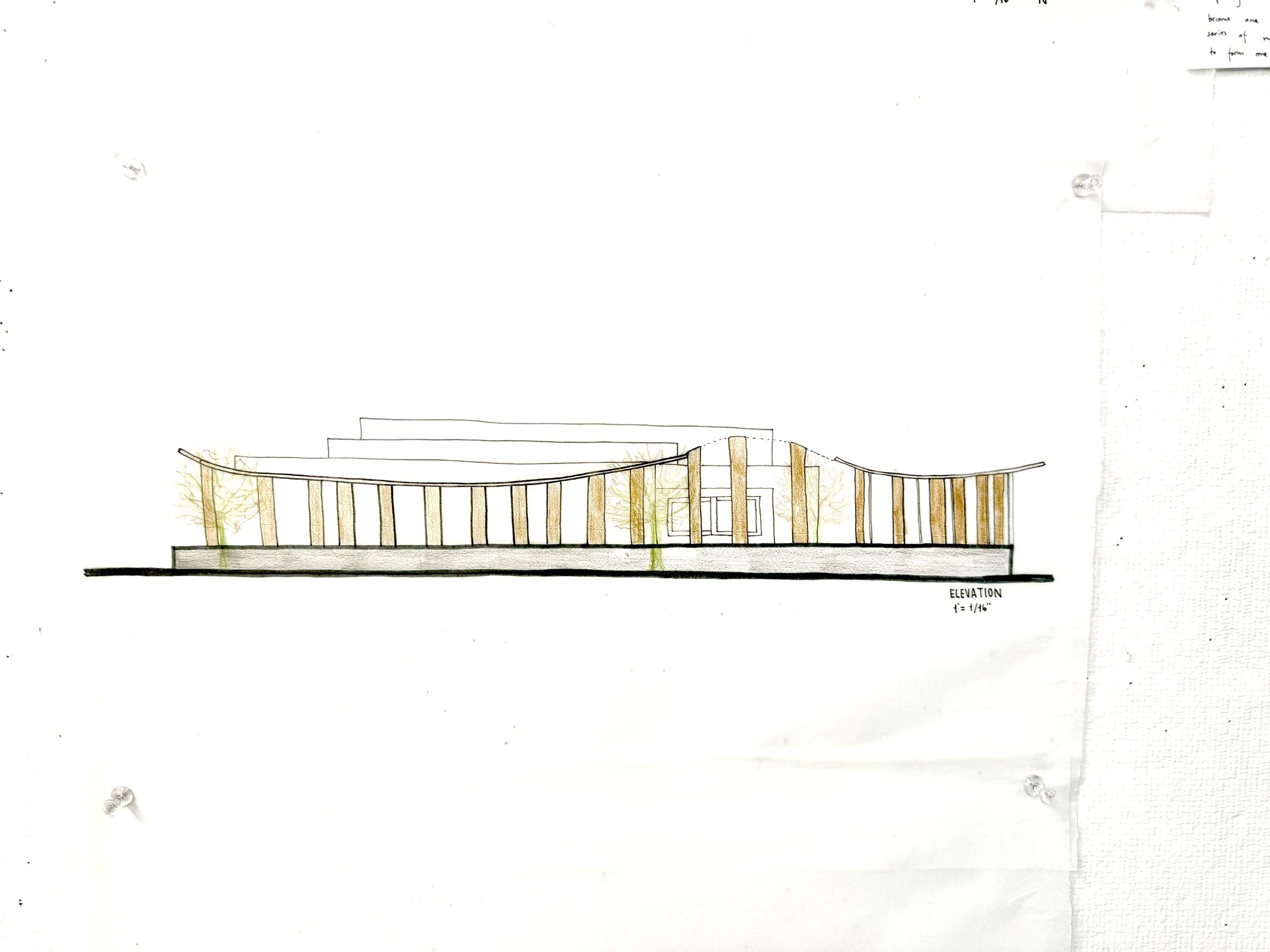
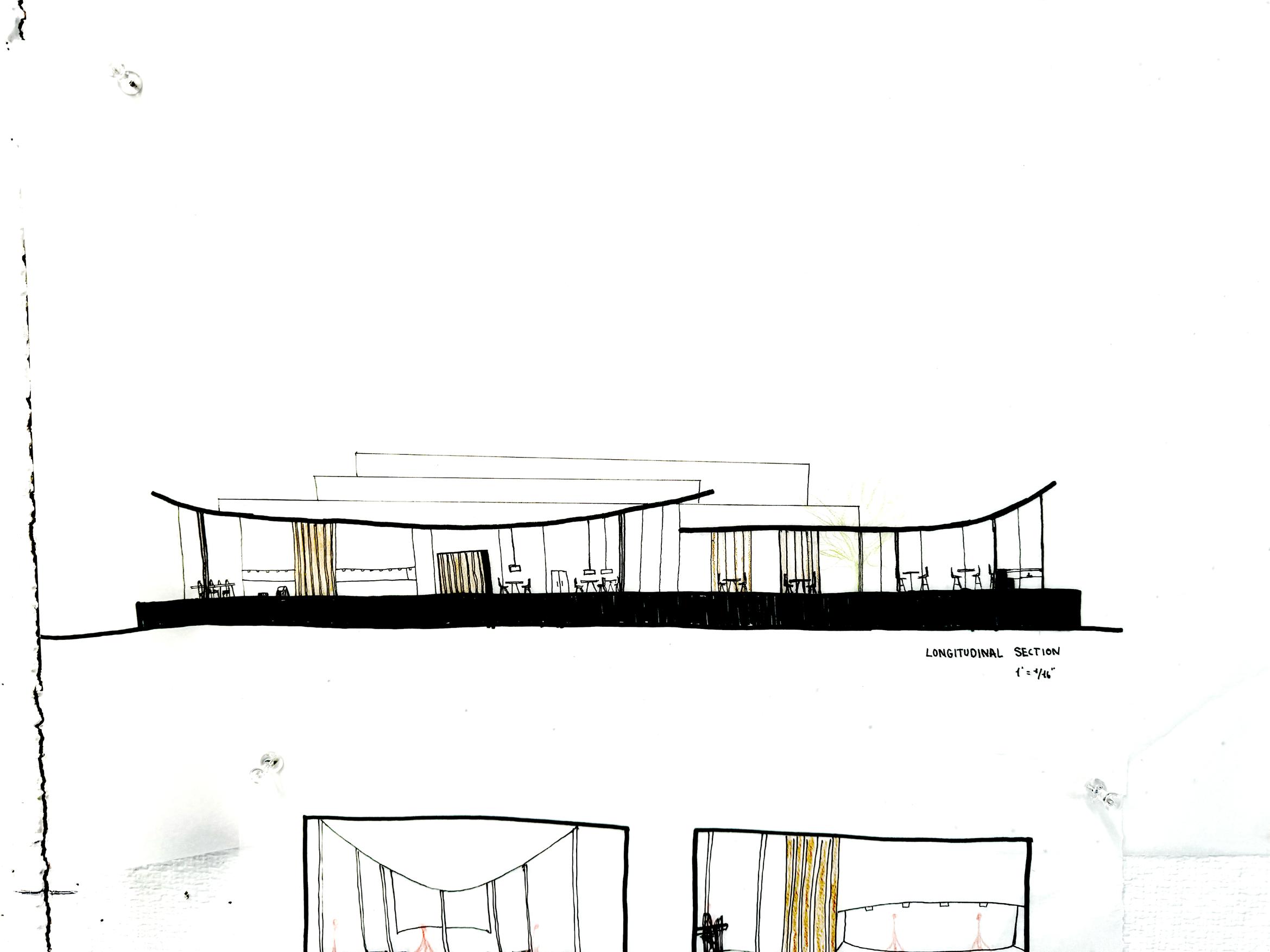
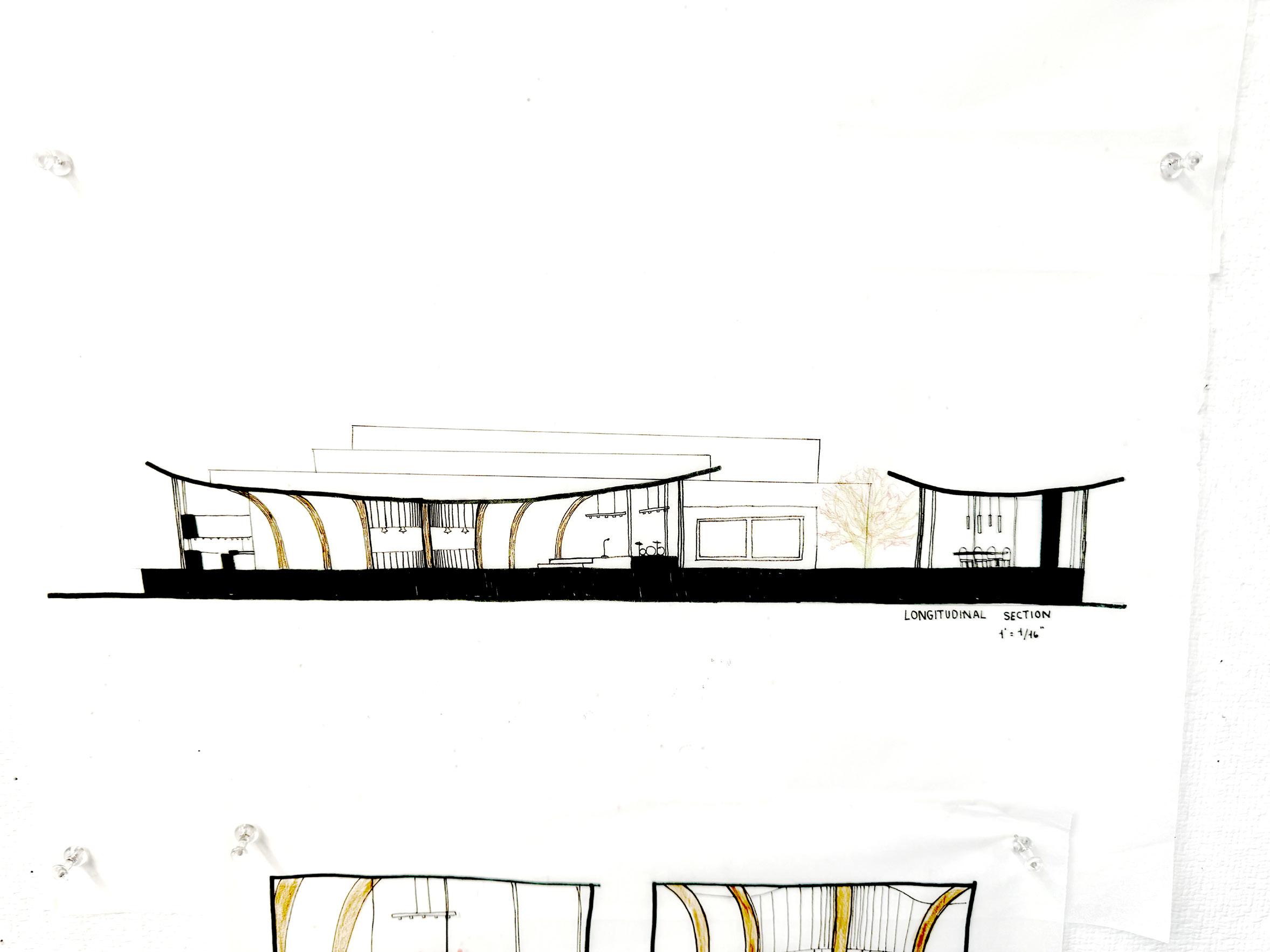
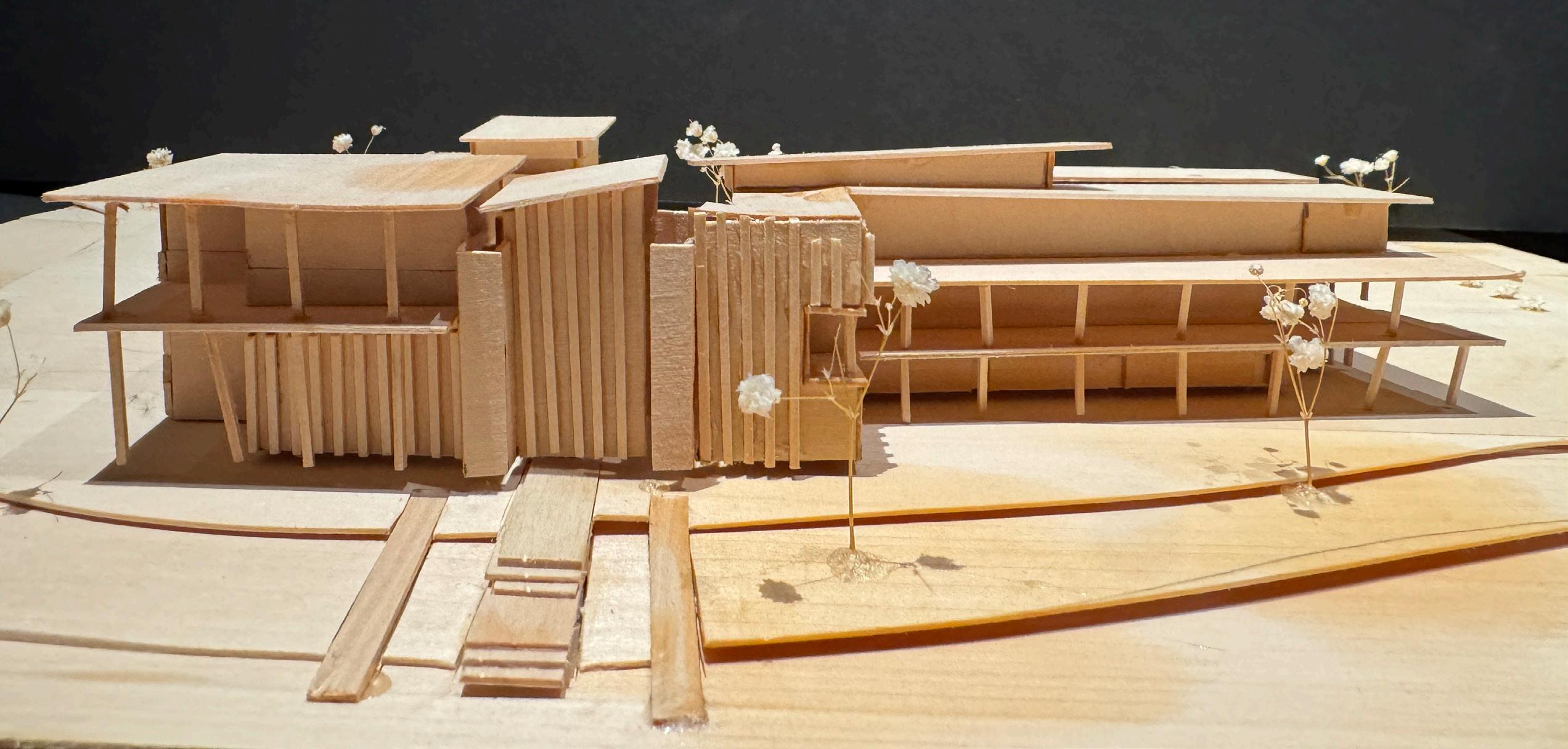
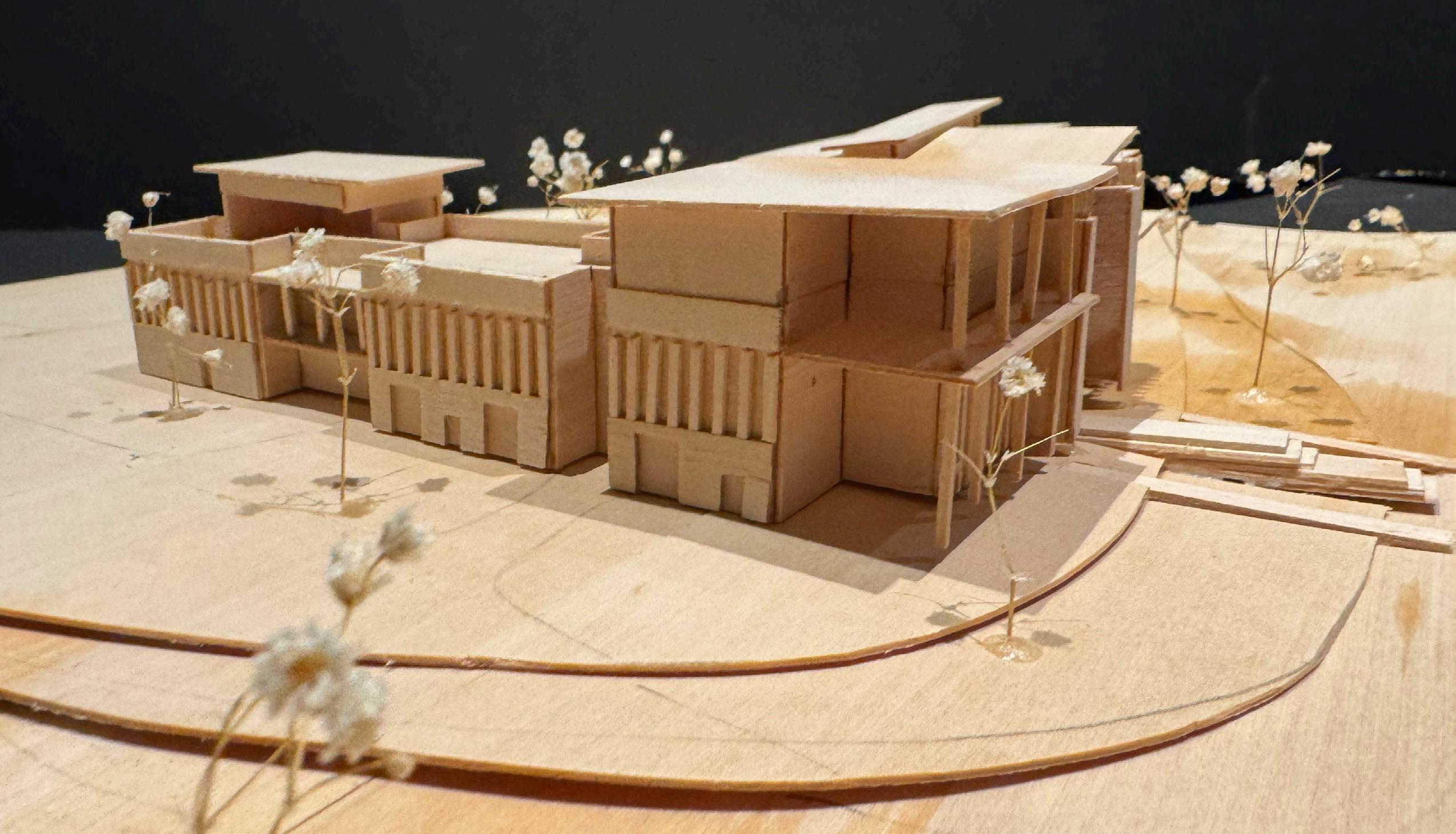
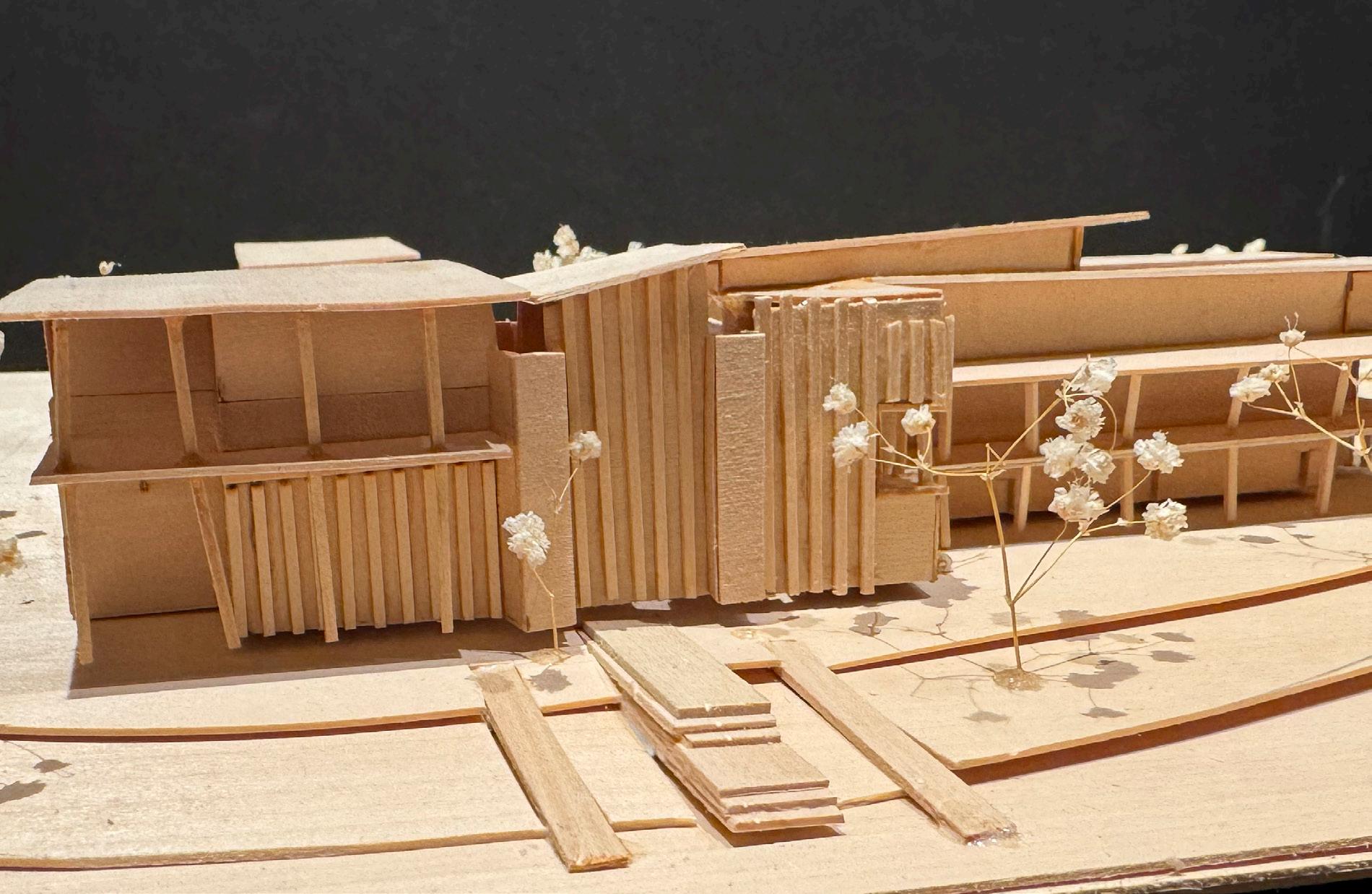
Lowell is a town located in central Oregon known for its long history of innovation, wood, and ragatta’s. The regatta is an annual event that brings together the local and international community. The shape of the building is defined by the motion peformed by the rowers in the regatta, and the ripples they make in the water below.

The building seeks to blend into the surrounding environment to not create a distraction from the surrounding beauty and the events that take place annually. The pavillion overhangs into the lake seamlessly blending the land with the water. The main community center has a green roof blending the structure with the land.
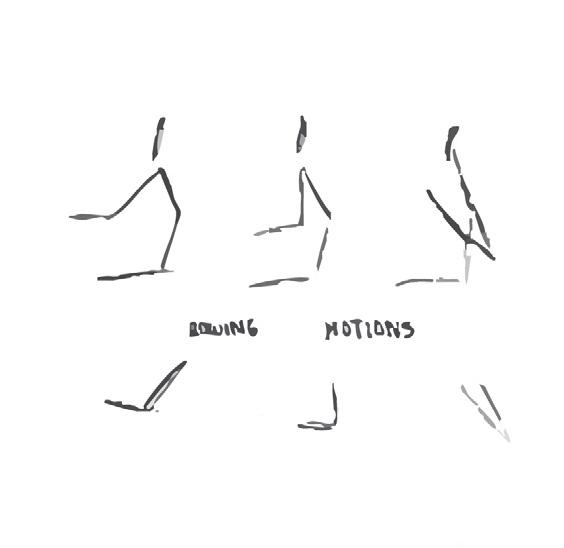
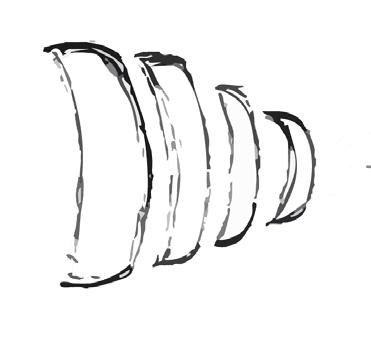
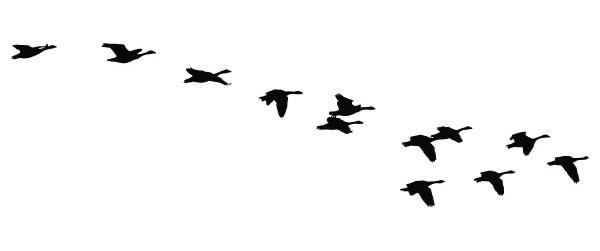




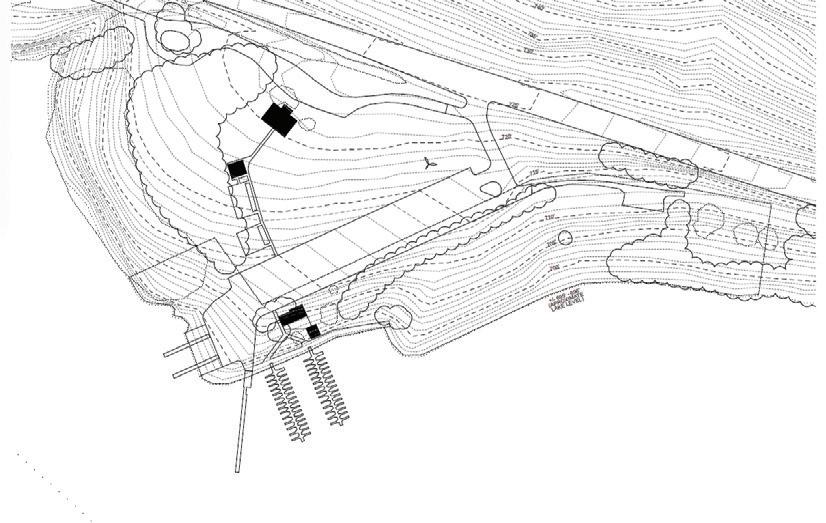


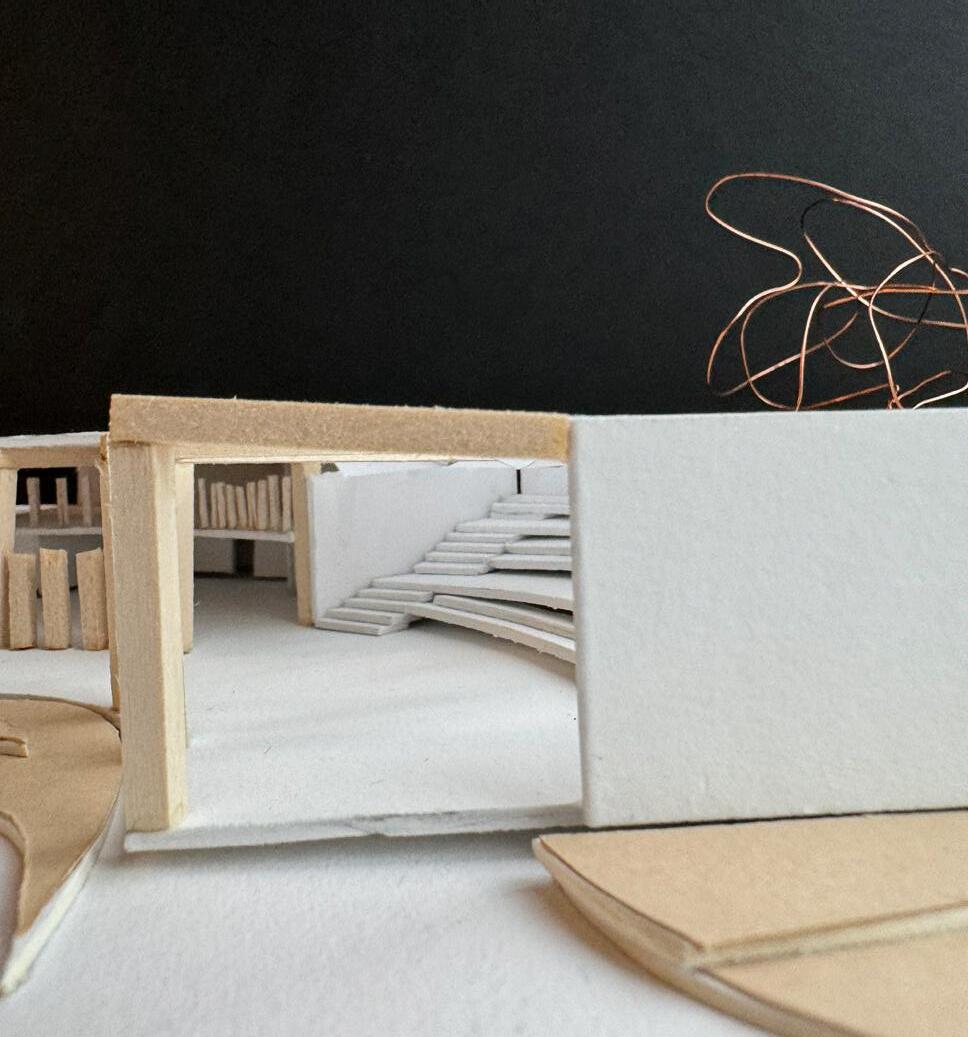













The regatta is an annual event that brings together the local and international community. This building seeks to create a space for large community gatherings to take place and to expand the regatta gathering to be found along the lake.



















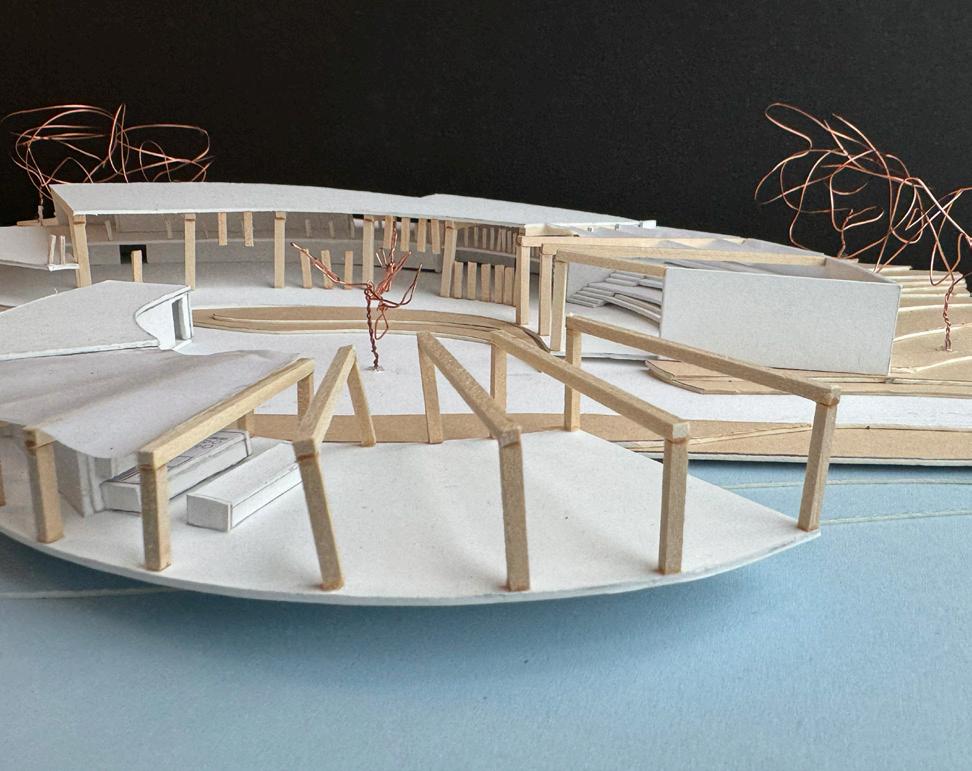
All spaces face or open up to the lake excentuating the views with large window walls with a glulam structure to connect to the history of Lowell. The pavillion plays with an open air structure to allow for interaction with the water, connecting to the surroundings.





SCALE: 1/8” = 1’ - 0”
































































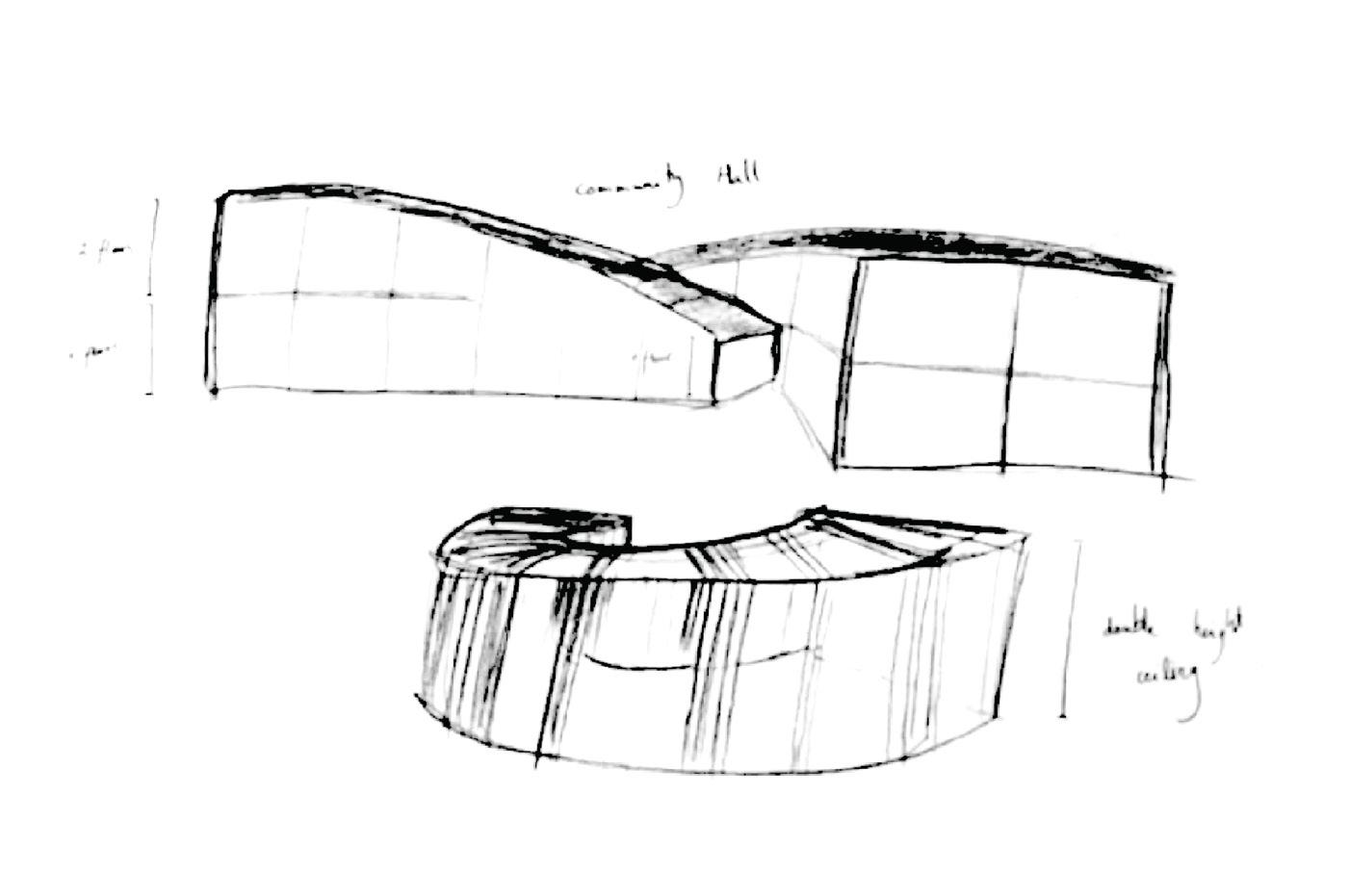
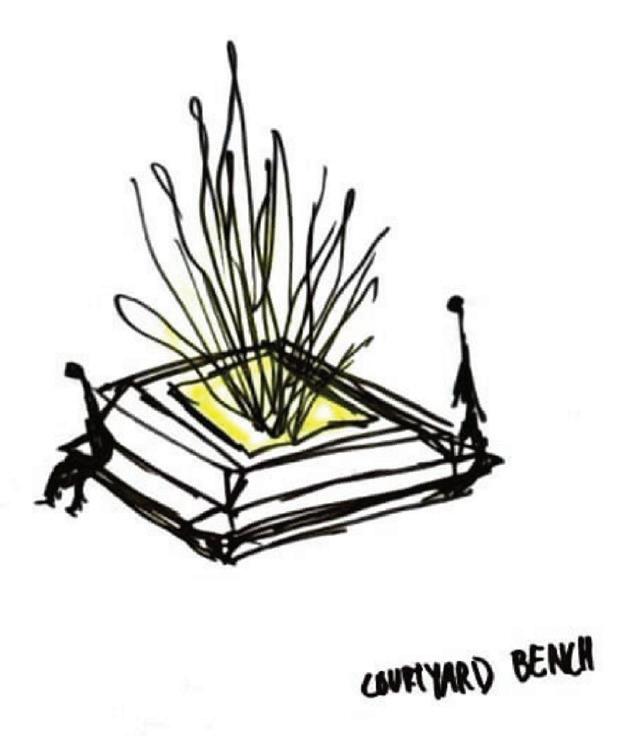
initial sketch
year: 2024
professor: Kyuho Ahn
location: Eugene, OR, USA
This project is a refurbishment of a historical site. In this design, an addition was added to return it back to the former structures that have been removed.
Alchemy is a restaurant that is a destination not just for your tastebuds, but all your other
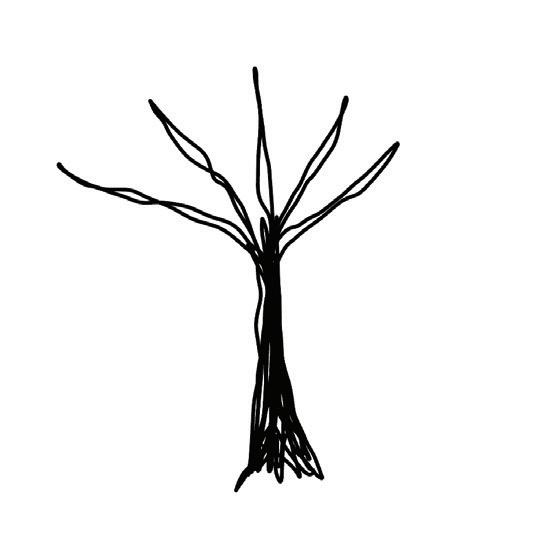
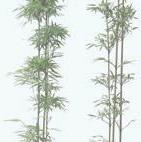
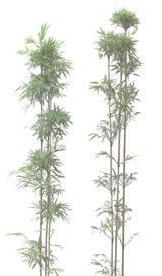
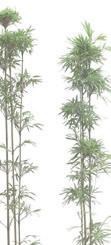
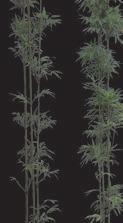
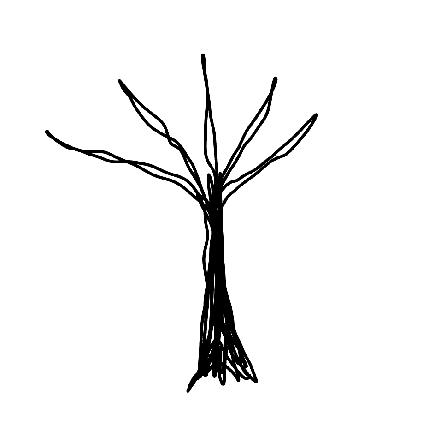
senses. The feeling of being grounded in a tree and being within a field of winding trees. The added structure was created to resemble a tree, and all fixtures, materials, and details were also selected to follow this tree motif design.


















































































entrance façade
Scale | 1/2” = 1’ - 0”
space is centralized thus the space is quiet comprehensive and does not need much signage. With this being said, there are exit signs making each exit and there is a sign for the bathrooms.
The beams are meant to emulate tree branches. The skylights emphasize this tree-like atmosphere as they cast leaf-like shadows. The pendant lights that come from the ceiling, are meant to appear like birds nests floating in the trees. Overall, this RCP is meant to create an ambient tree experience.
Original Floor Plan
Scale | 1/16” = 1’ - 0”
original floor plan
The original building from the 1960s had an additional oval pavilion that was located where the new oval addition is placed. Ultimately, the design returns closer to its original form in a modern way with the addition of an extended platform and outdoor dining area. This private dining space being separate from the main restaurant space also makes it easier to then rent out the space to large parties without having to shutdown the whole restaurant.
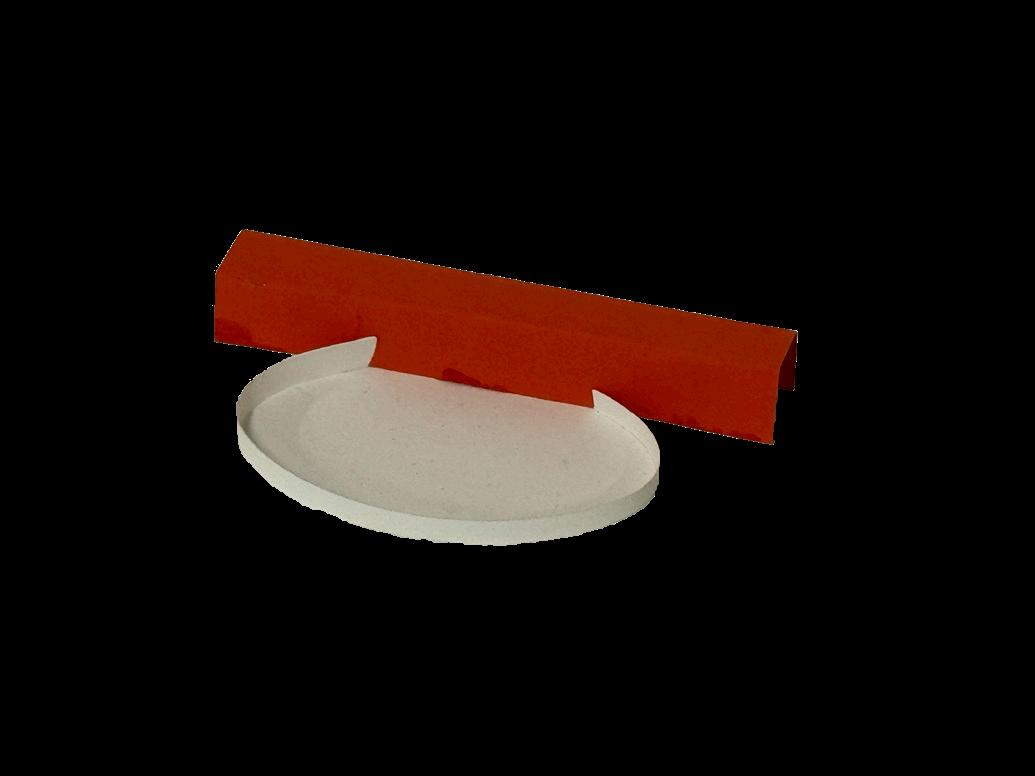


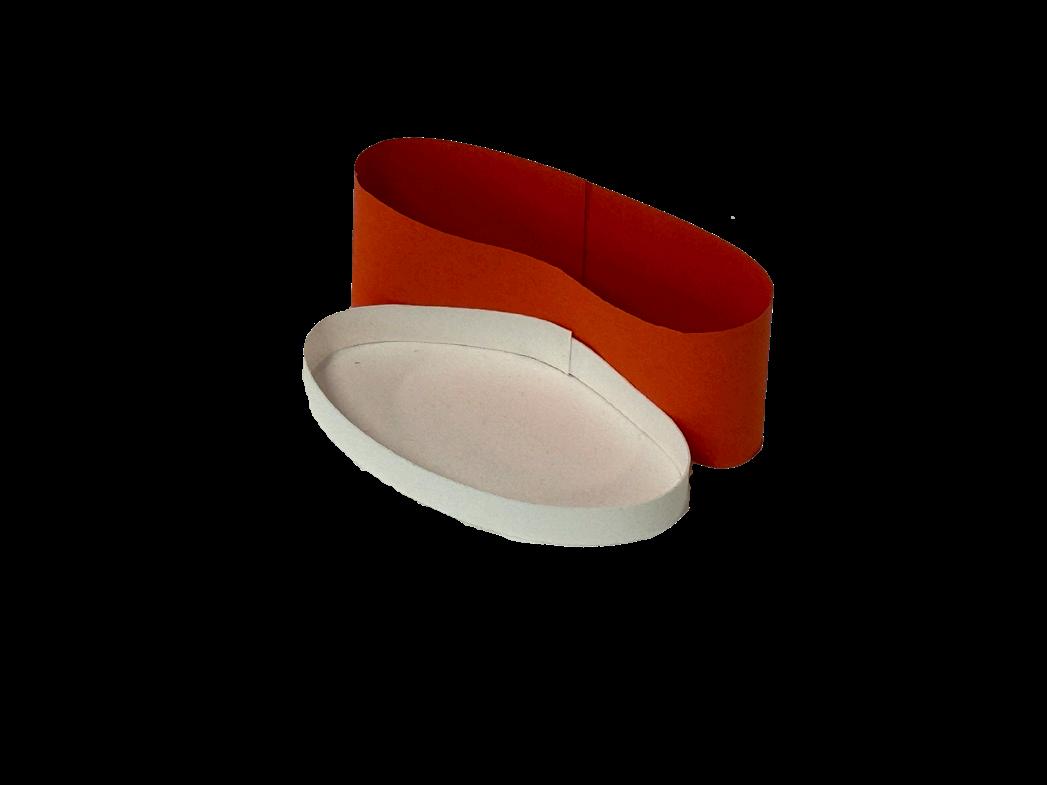

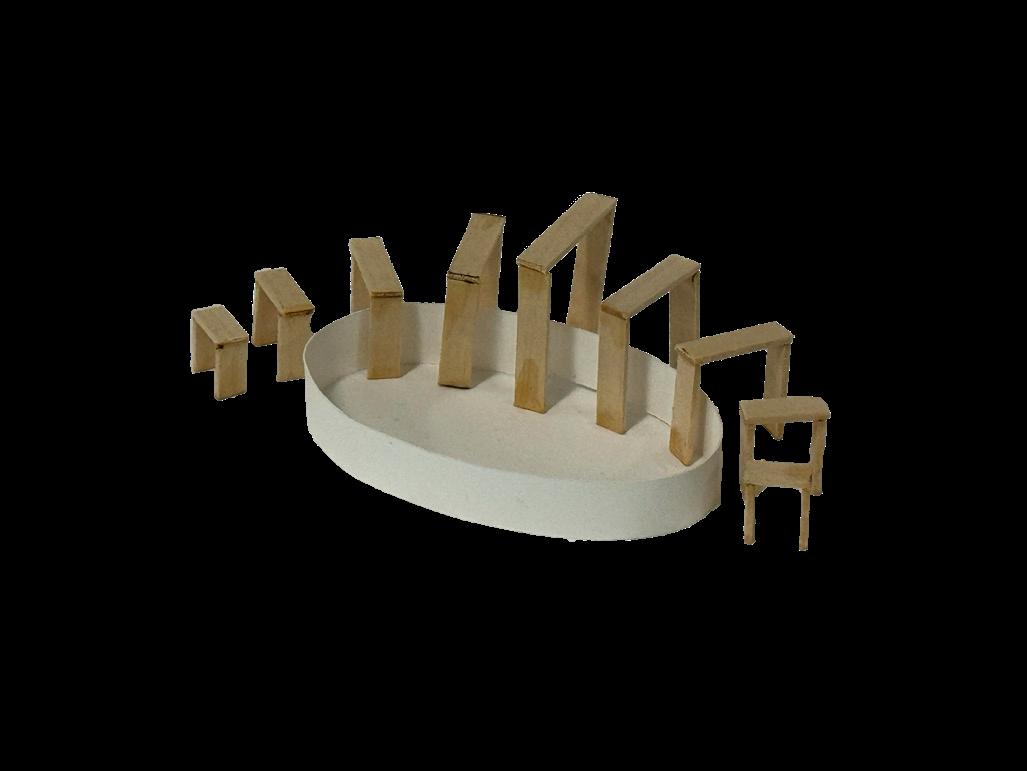
























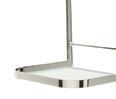











The space revolves around the lines created through walls and transparencies. The space is centralized thus the space is quiet comprehensive and does not need much signage. With this being said, there are exit signs making each exit and there is a sign for the bathrooms.




The beams are meant to emulate tree branches. The skylights emphasize this tree-like atmosphere as they cast leaf-like shadows. The pendant lights that come from the ceiling, are meant to appear like birds nests floating in the trees. Overall, this RCP is meant to create an ambient tree experience.































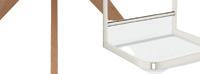









This center piece, the main
Scale | 1/2” = 1’ - 0”








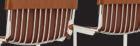



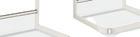


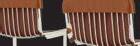





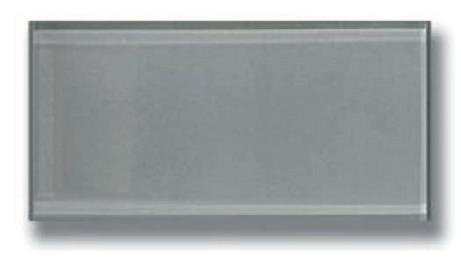
The bar in the main restaurant has “branches” that extend out to mark out the area and to provide additional light. The greyish blue tile is found behind the bar to encourage drinking and reserve food consumption for warm colored areas.












































The private dining


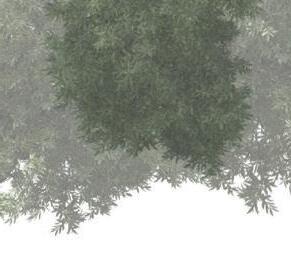
The main dining area makes one feel like they are eating amongst the trees in a warmly lit space with warm grounding colors that encourage a healthy appetite and create a calming environment. Skylights above have leaf patterns contributing to the overall “tree” motif.



























only for your tastebuds, but also for all of your senses. Alchemy feeling of motion, wind winding between the trees. This means that revolves around a tree motif. The back of the house is the tree the rest of the space.
where fine dining meets affordability and where Japanese and meet to create a one of a kind experience. Each plate will be cocktail or mocktail to be the elixir that balances all the tastes. Walk sit amongst the leaves and take in all that Alchemy has to offer.

materials and furniture are chosen to create a natural environment. both cultures, nature is an important aspect of life. Paying contributes to Eugenes’ culture as well. This with a combination such as, the bafflers and beams creating a tree-like effect in






around the lines created through walls and transparencies. The thus the space is quiet comprehensive and does not need much being said, there are exit signs making each exit and there is a sign

to emulate tree branches. The skylights emphasize this as they cast leaf-like shadows. The pendant lights that come meant to appear like birds nests floating in the trees. Overall, create an ambient tree experience.











year: 2025
professor: Erling Christoffersen & Dögg Guðmundsdóttir
location: Copenhagen, DK


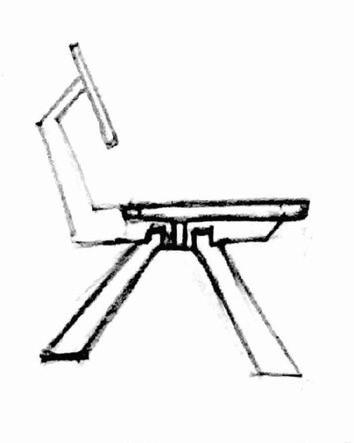
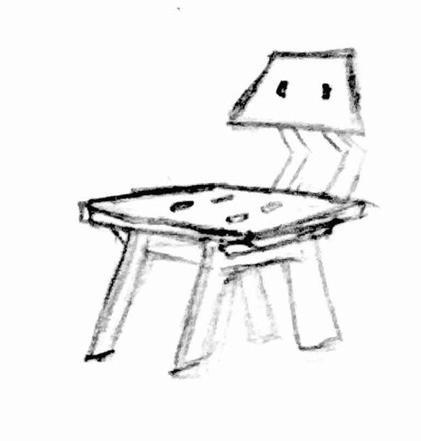

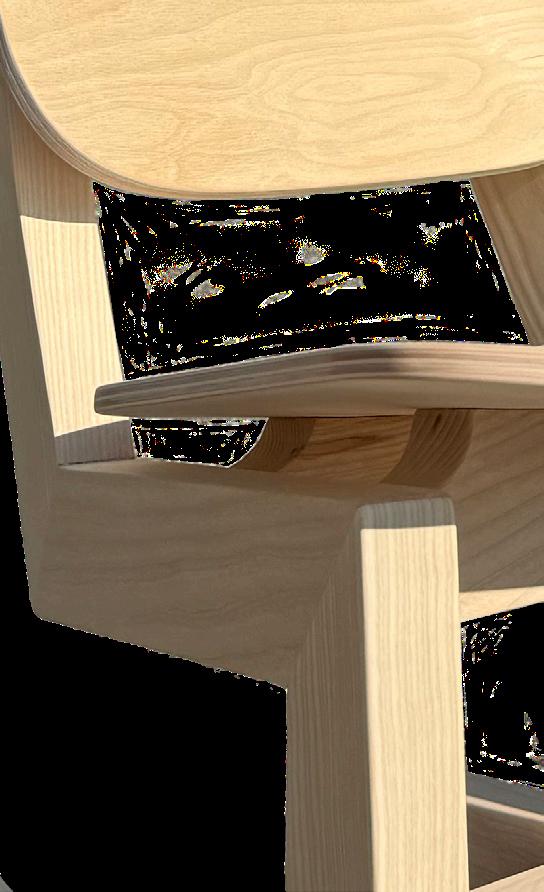
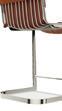
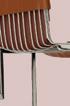
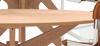
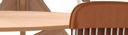
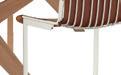
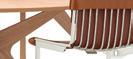
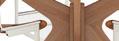
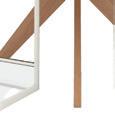
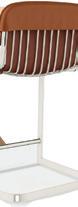
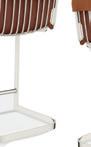
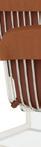
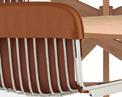
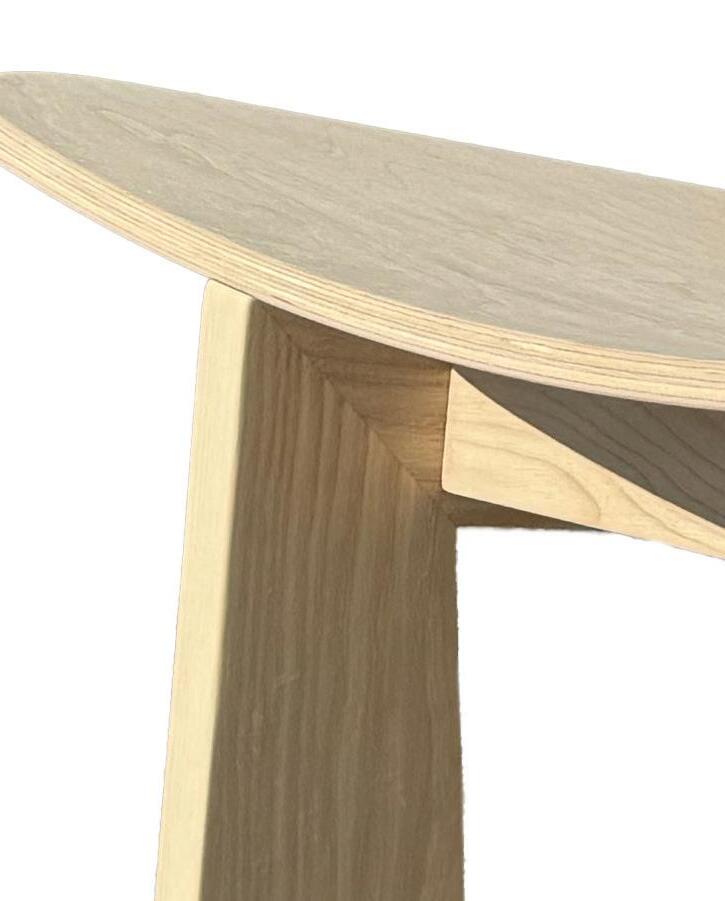
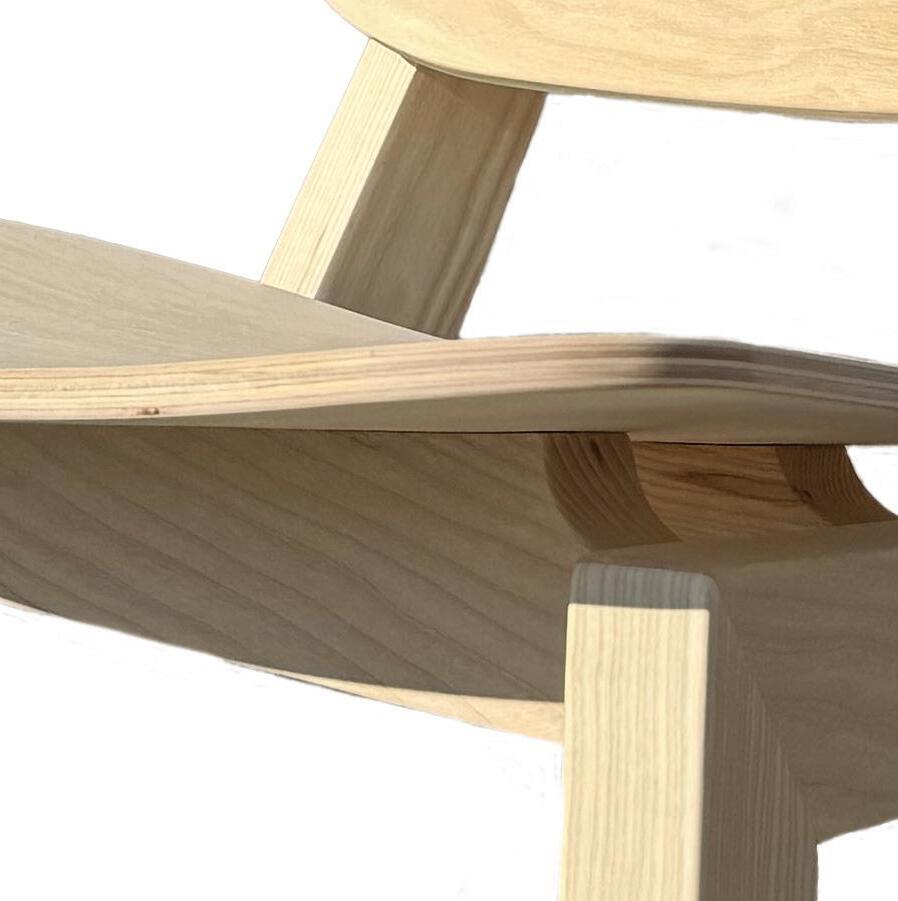
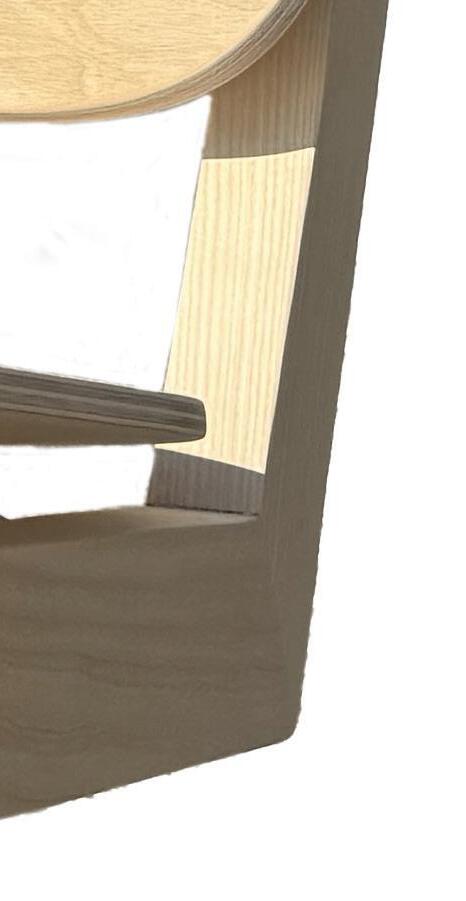
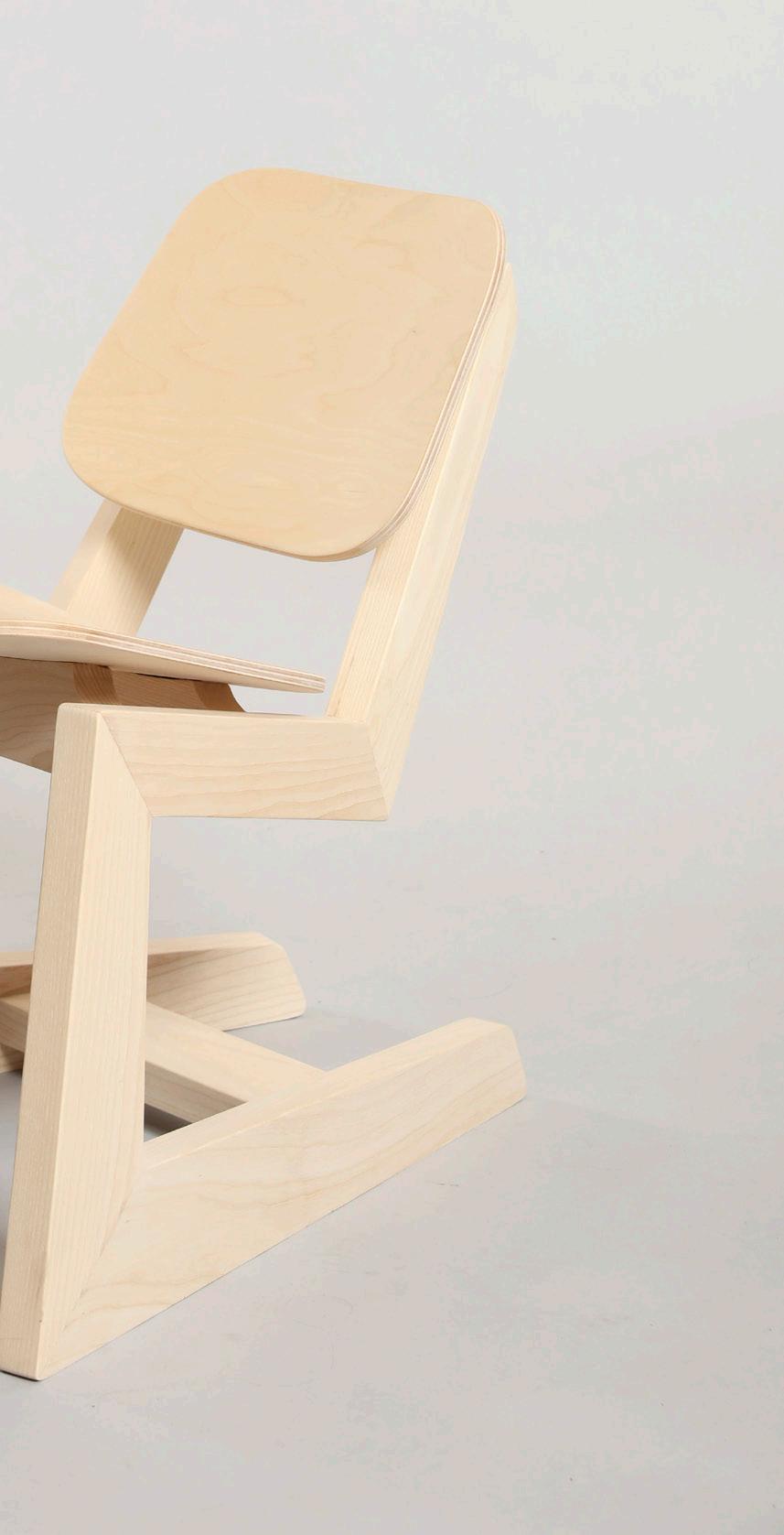
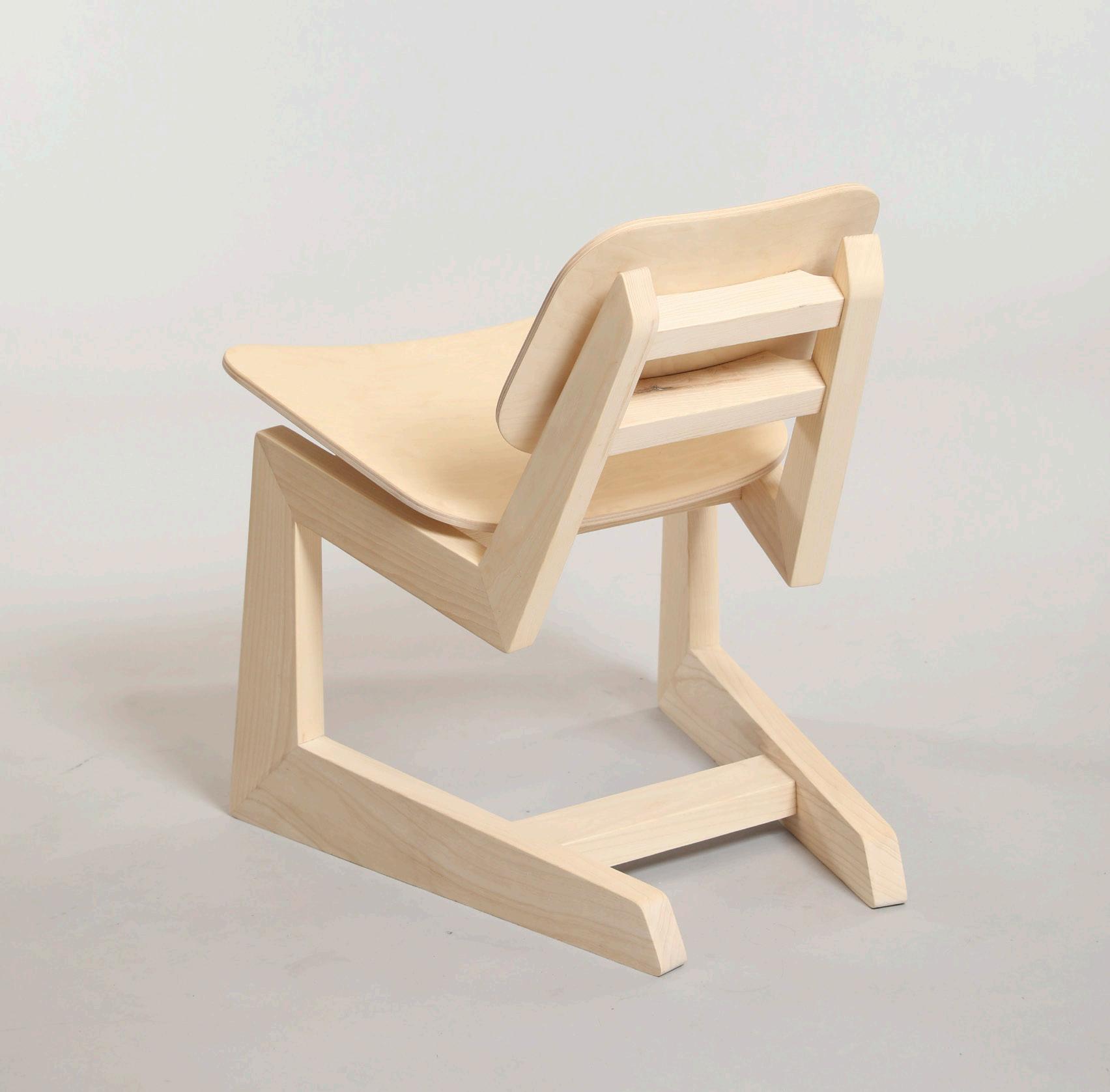
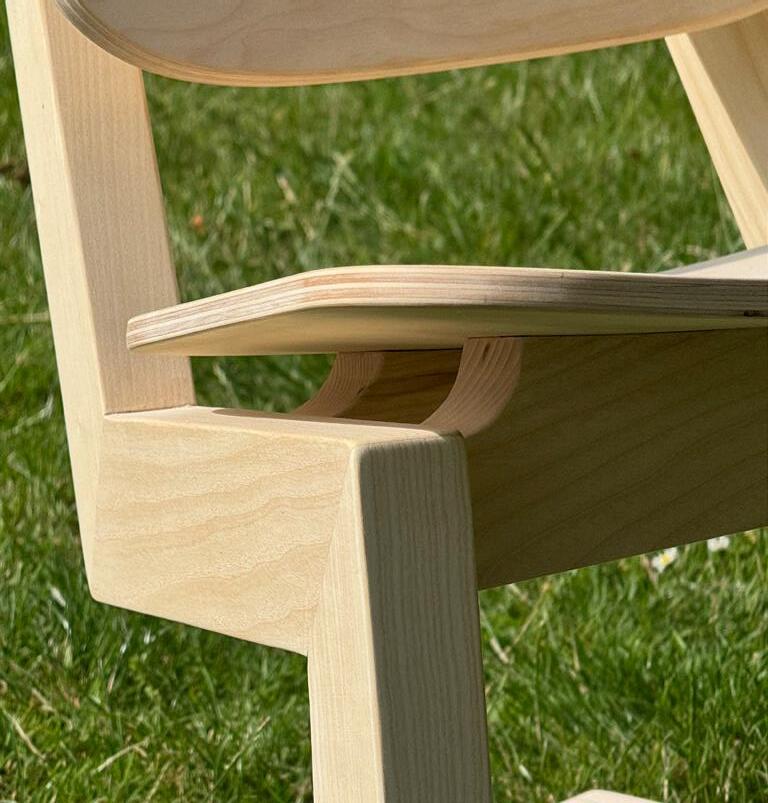
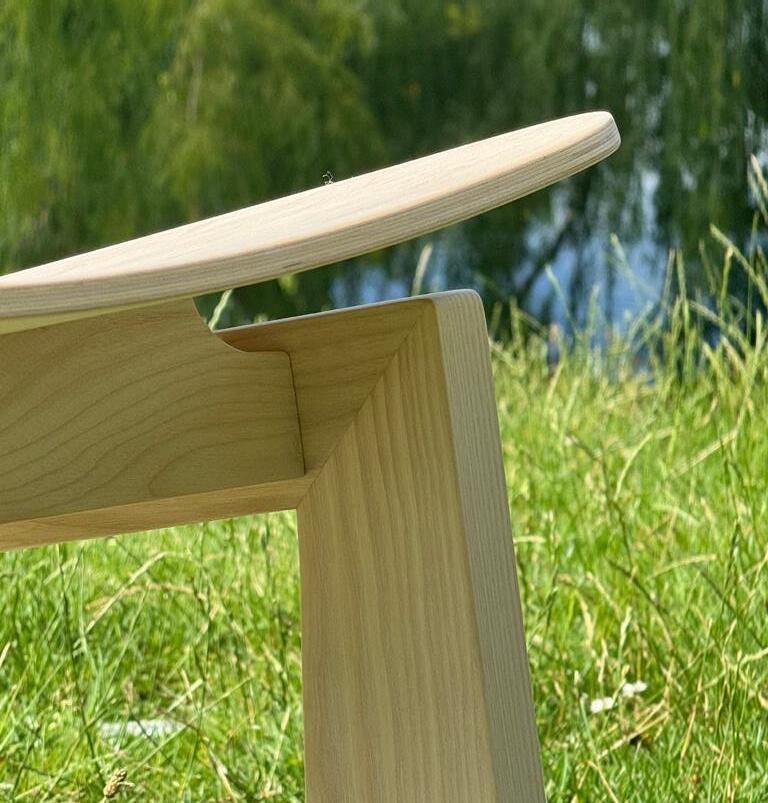
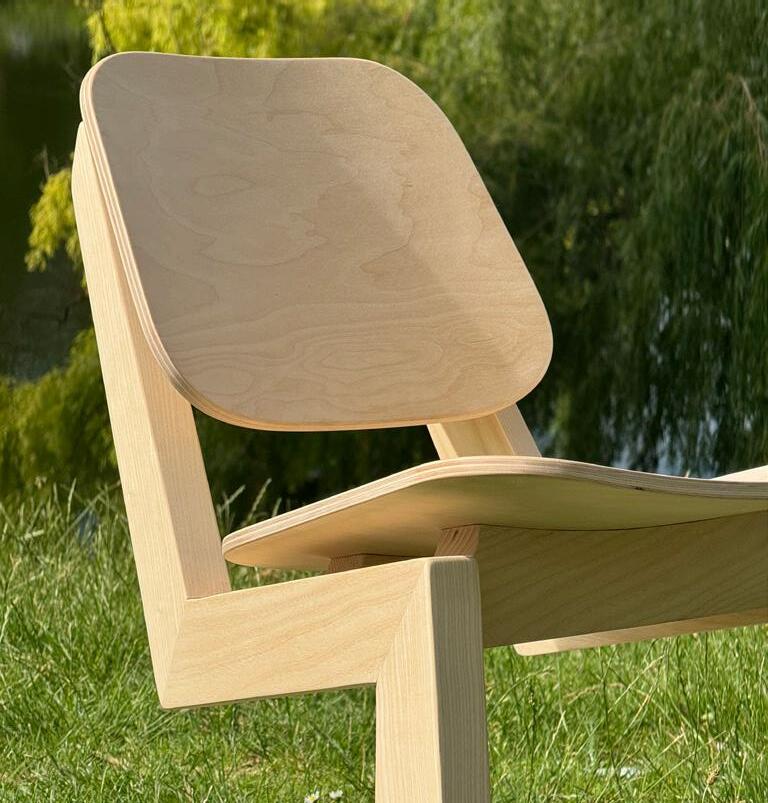
“Svæve” means to float. This chair defies gravity by “floating” both in its structure but also in its seat. The streatchers curving and being inset into the seat create the illusion of both the seat and back to be floating away from the main structure.
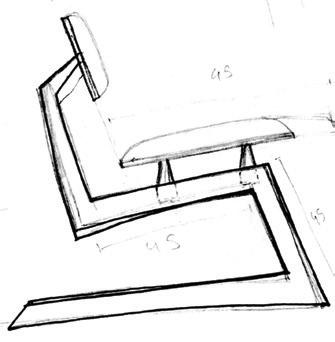
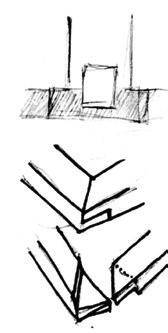

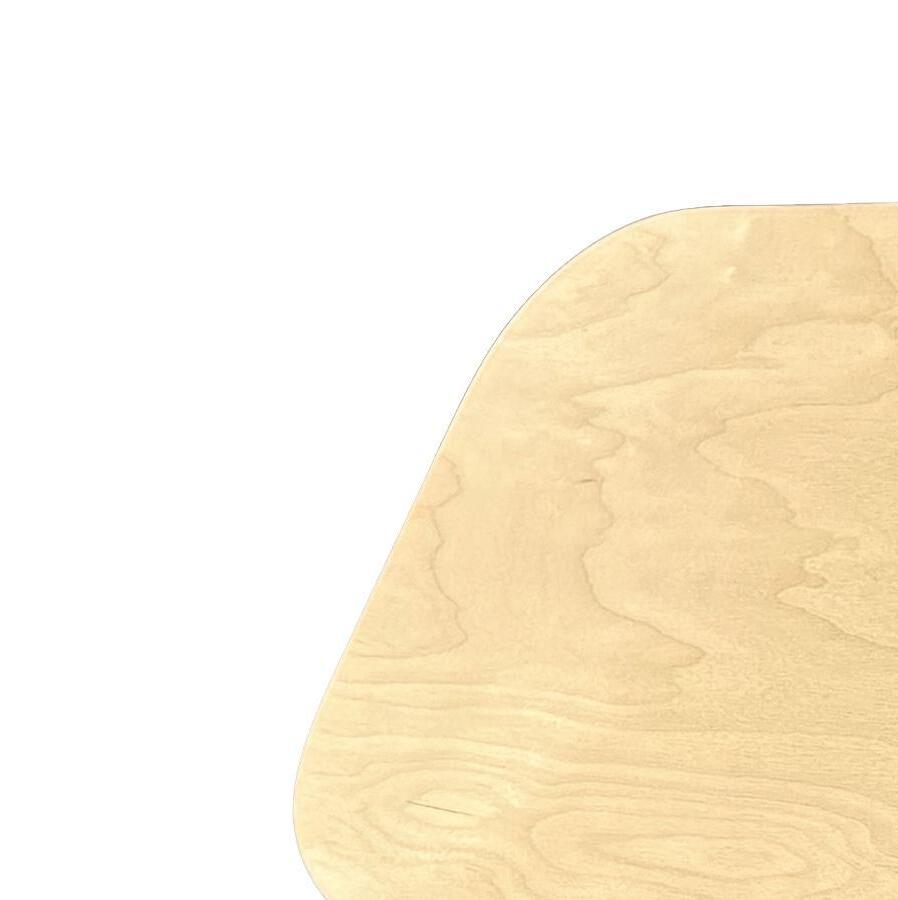
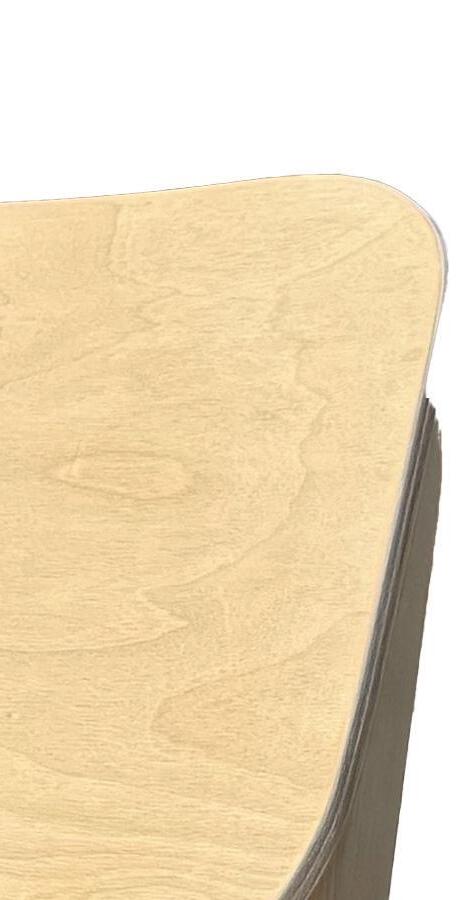
This was constructed with ash wood and the plywood for the seat and back were made by hand by layering 3 ply to make 9 ply. The curve was also done by placing the ply on a mold and secured with a ratchet crank.











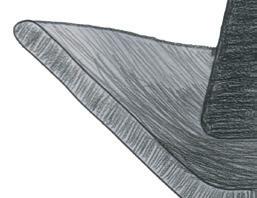


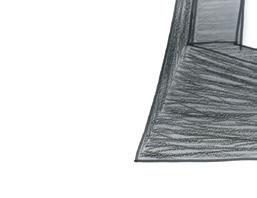
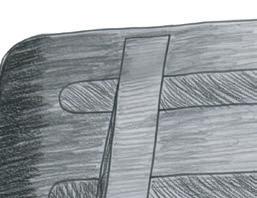
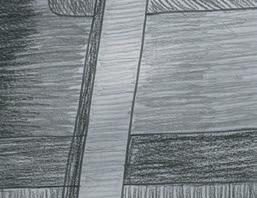
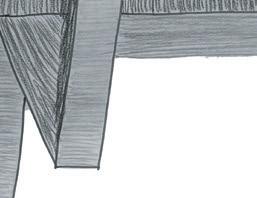

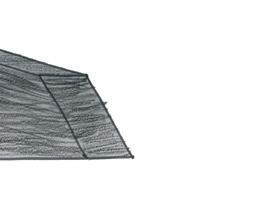
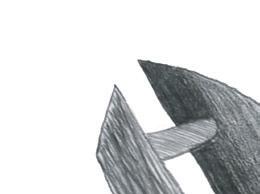

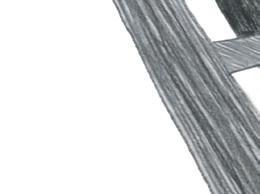


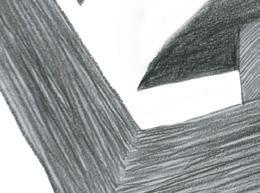


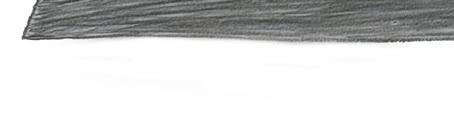




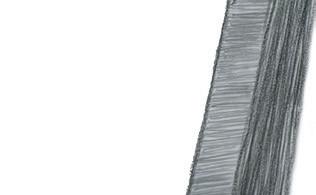
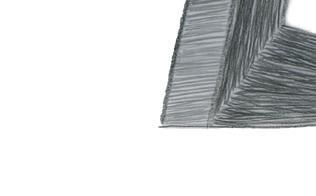
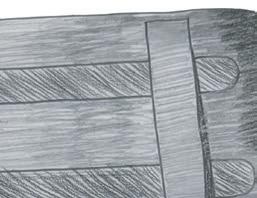
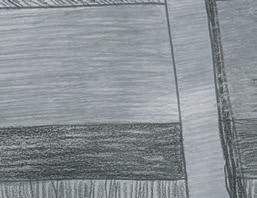
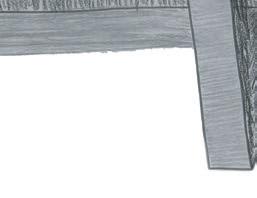

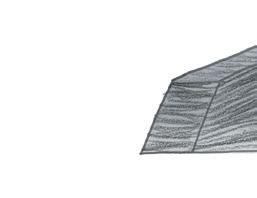
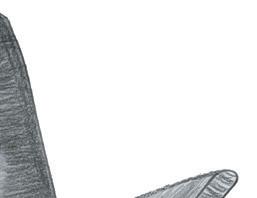
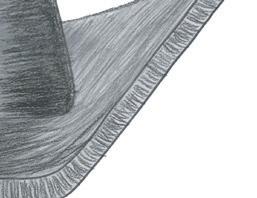

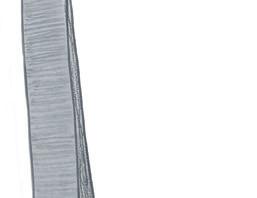
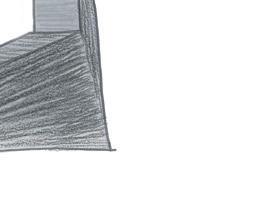

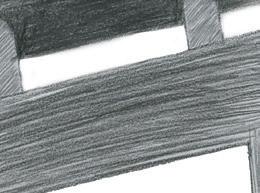

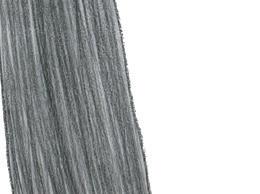
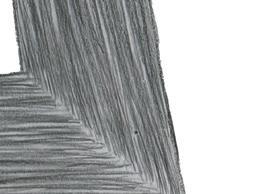



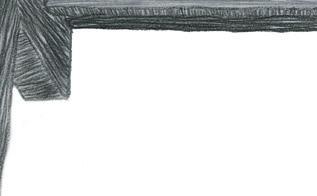


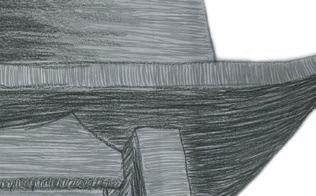
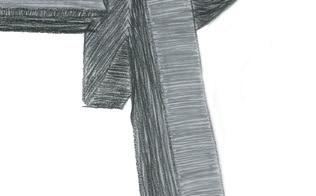
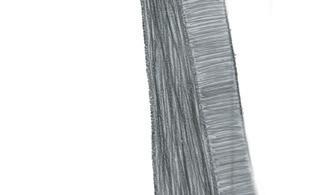
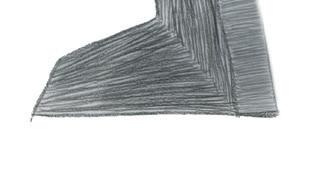
All drawings were done by hand and at 1 to 1 scale.
The construction of this piece was done through joinery and dominos. No hardware was used during construction.



construction drawing
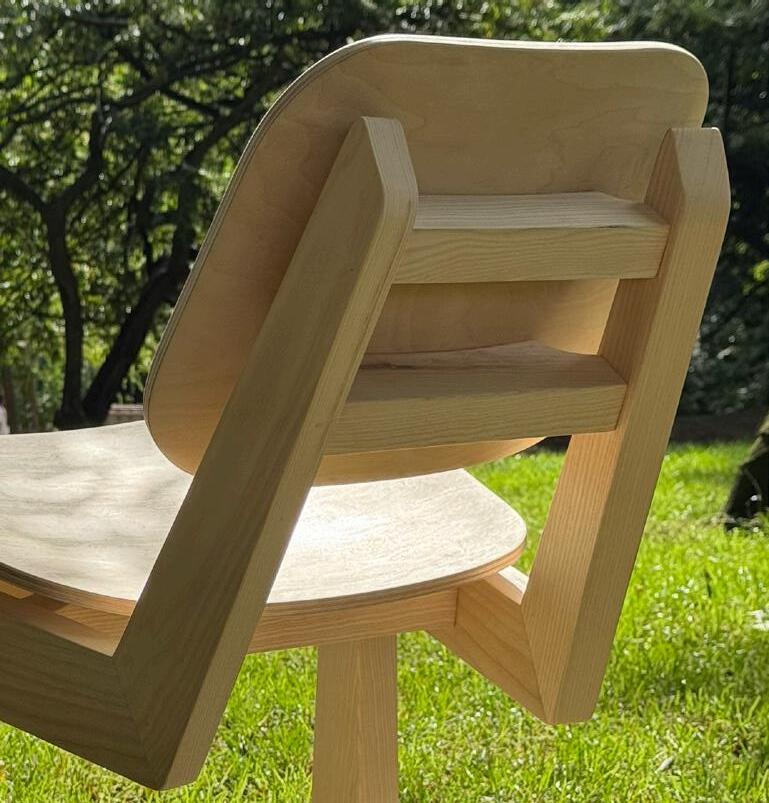
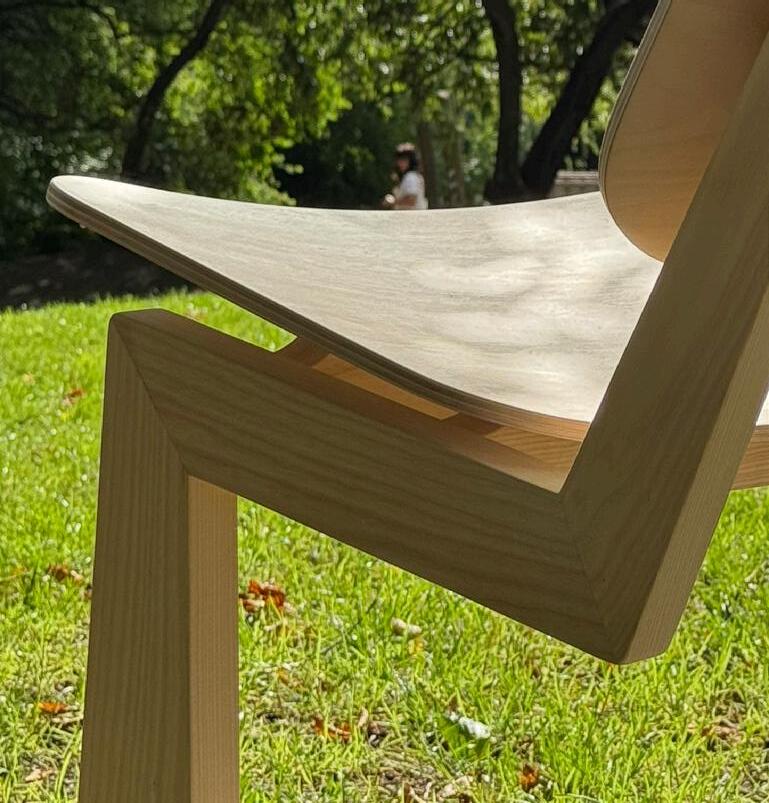

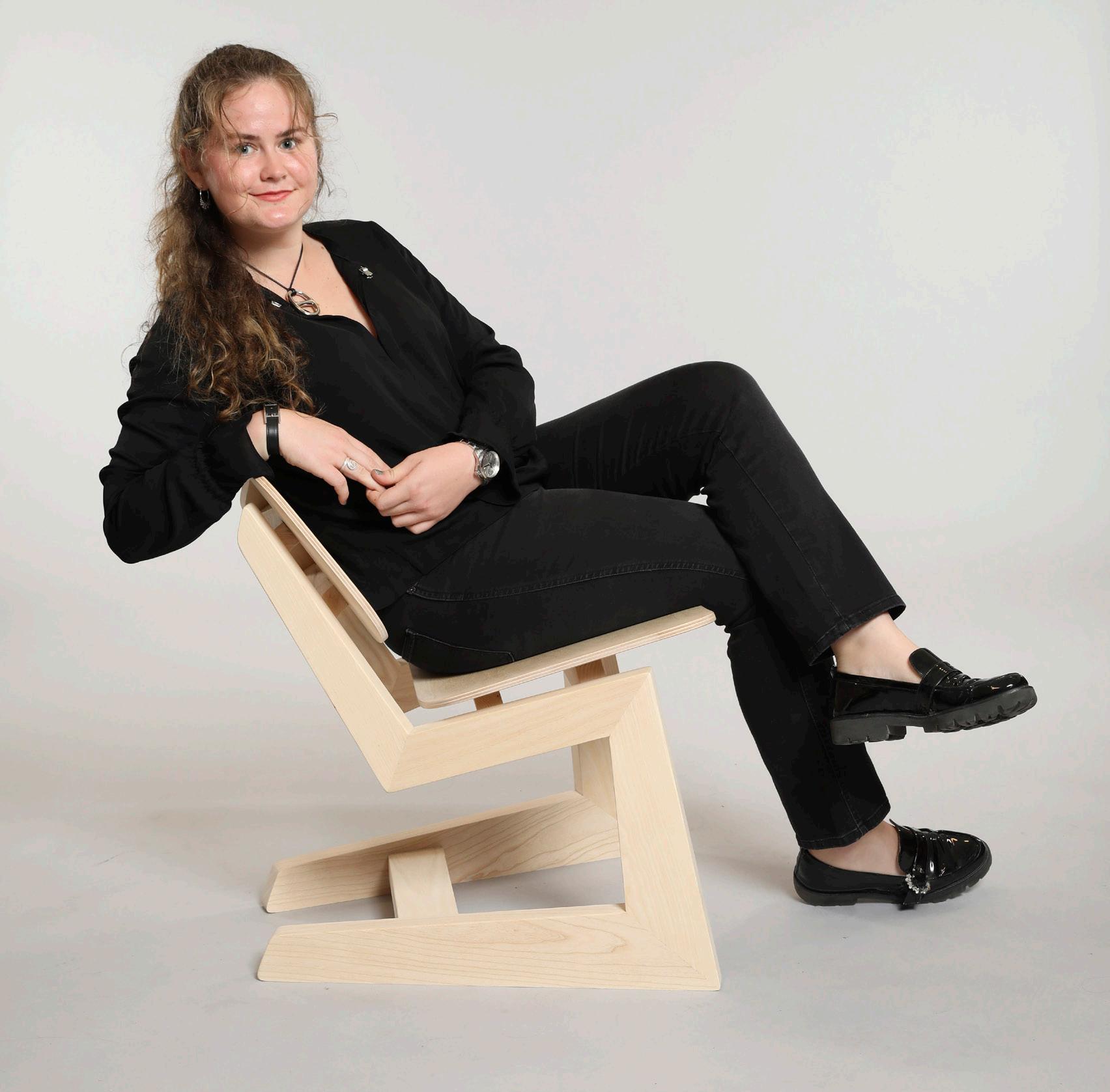

The chair tapers from the bottom to the top getting thinner the higher it goes. This makes it feel solid on the ground, and lighter as you rise up. It also is done this way as it follows not only the appearance but the structural needs.
All lines run parallel from each other. The seat and back follow the exact line of the chair structure one inch apart to reenforce the floating idea and create a balance. The width and taper of the back and seat panels also run parallel to the taper of the structure below and follow eachothers lines to create continuity between seat and back.
year: 2024 professor: Mark Gillem location: Houston, TX, USA
offered internship by heads of planning at NASA
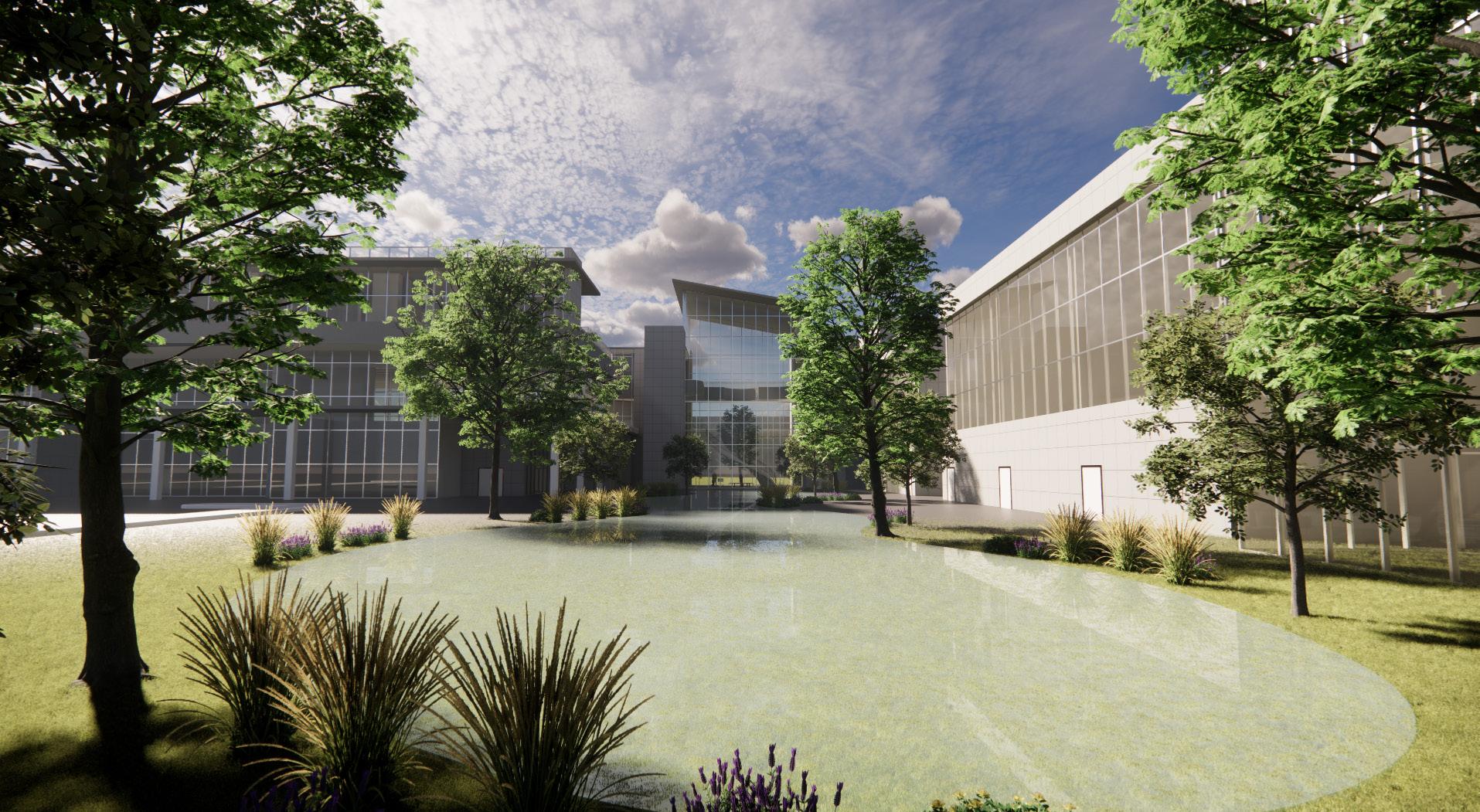
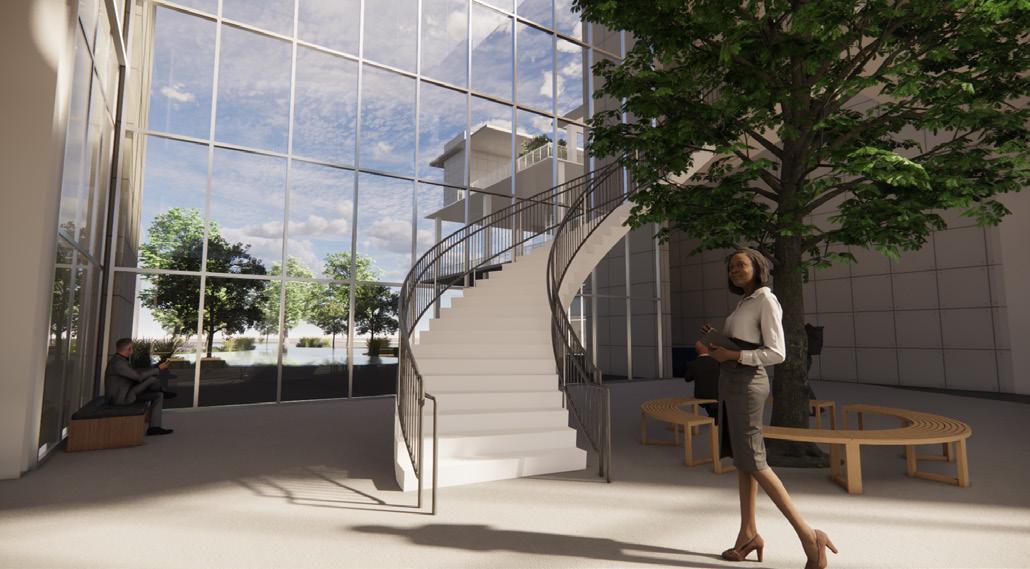
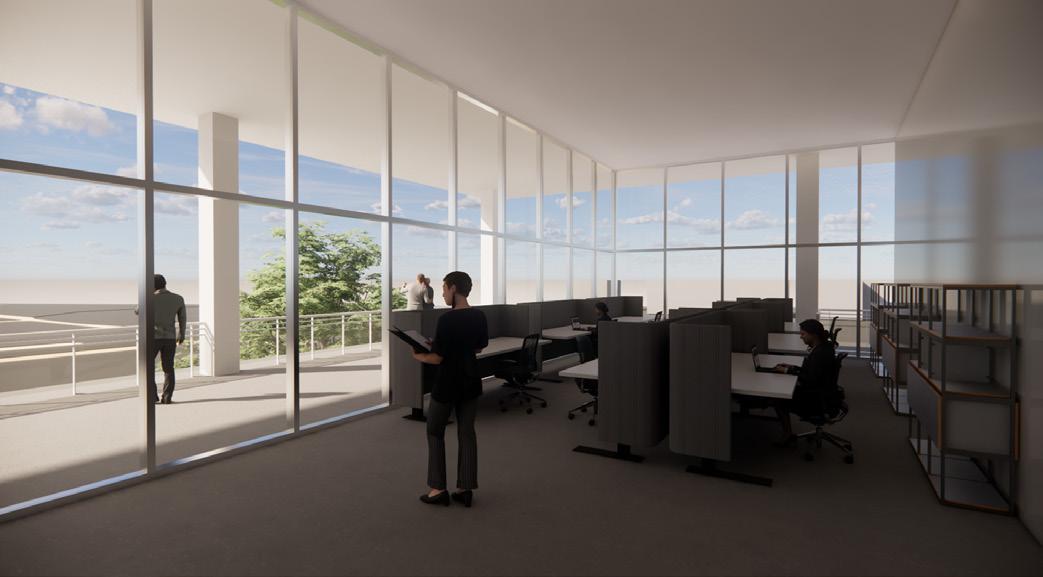
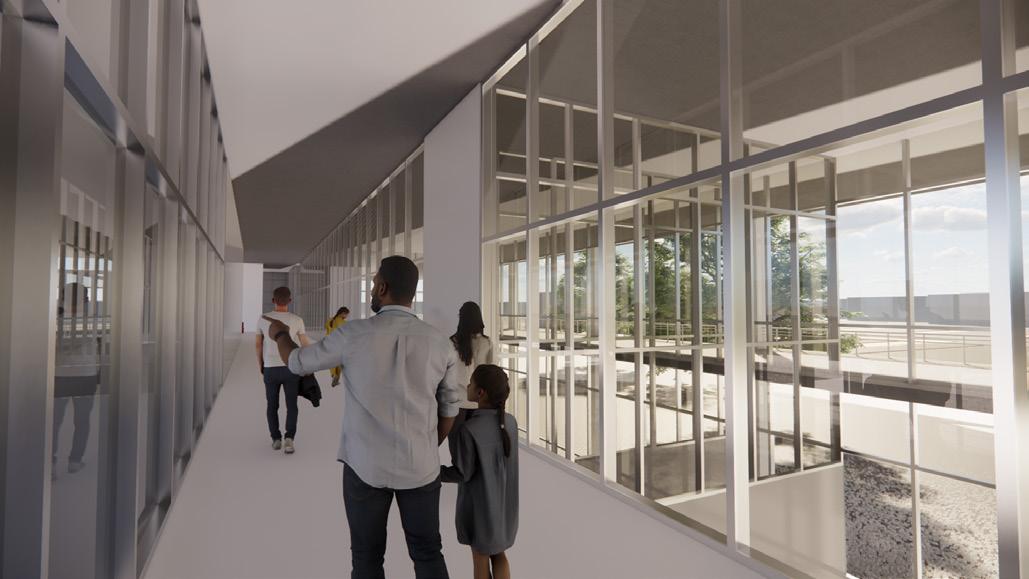
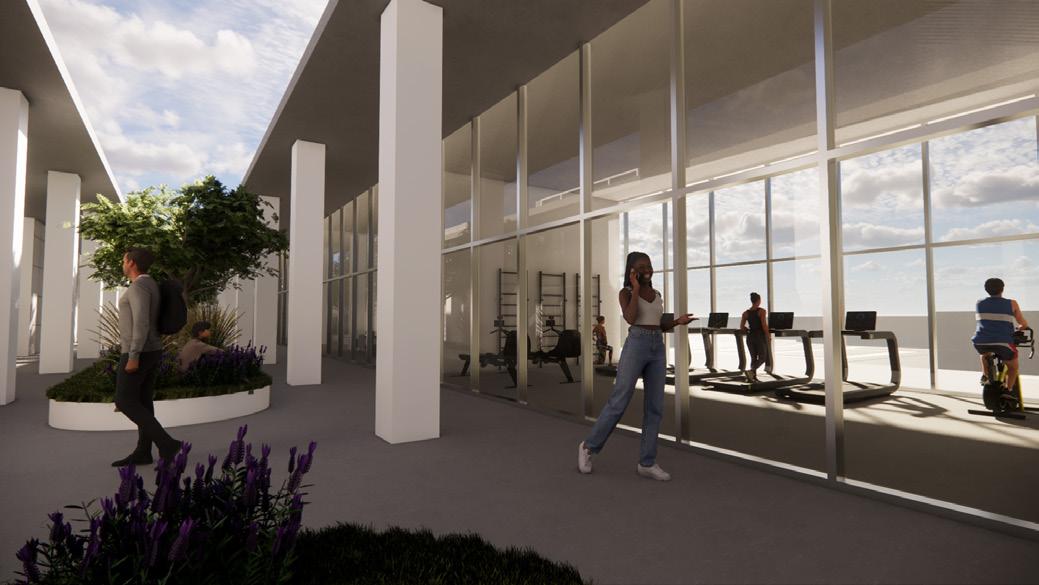
This NASA project is an individual ground architectural project of a 100 000 sq/ ft building that features a training facility, research labs, admin, and astronaut housing. This was done in 9 weeks hence why there is a lot of empty space as it was not necessary to fill the spaces, only create the extensive plan and programming for all elements of the space.

It is located on the JSC NASA facility in Houston Texas. This site has strict requirements to not outshine the other historic buildings such as Mission Control. In order to do that, patterns were used to not only meet aesthetic requirements, but also sustainability requirements.





















Natural air cooling is important as Houston has a hot climate and thus having the ability to self cool through underfloor air distributions, cross ventilation, and passive cooling through the atrium space, minimizes the need for electrical resources.
floor plan layout diagrams












second floor


first floor
The grand courtyard on the ground floor has an ephemeral lake. This lake will be filled according to the rainfall. This acts as a water capturing system that also creates a beautiful landscape for the employees to enjoy.










This building utilizes triple pane windows on all façades and has deep over hangs as shading devices, especially on the south façades.
The exterior walls are R-40 providing excellent thermal and moisture management, good for Texas weather.



The majority of the roof is green roof, whether that be a extensive praire system above the training wing, or the intensive courtyard gardens found in the housing area. This reduces the water runoff, reduce the tempurature, reduce energy consumption, and create a nice space for users to interact with.
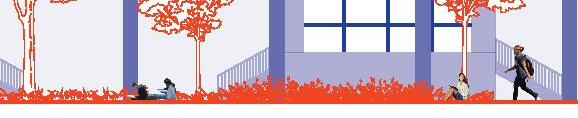


The use of narrow wings to gain light from two sides minimizes the neccesity for electrical lighting. Although the building is highly glazed, the use of deep overhangs minimizes the heat exposure and solar glare for the interior spaces.


year: 2025
professor: Philip Speranza
location: Marina del Prat Vermell, Barcelona, ESP


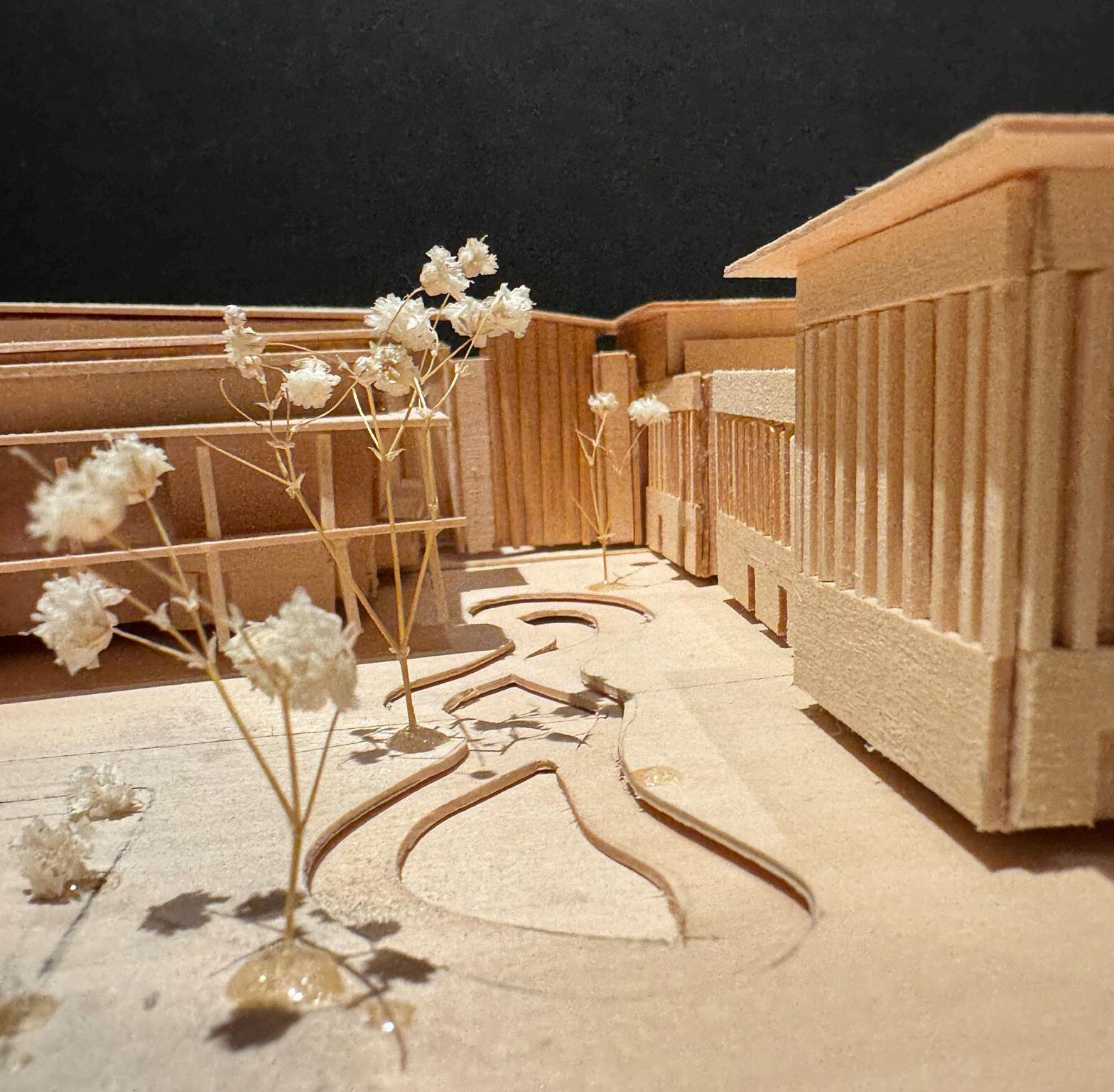
Cascadia is a ground up project in a developing neighbourhood in Barcelona Spain where I was incharge of designing all the interior spaces being: the units, kindergarden, podium level, and community spaces. We worked in a team of three with someone working on the urban space and
another on the structure.
This project focusses on fostering connections across generations allowing for intergenerational connectivity. This satisfies peoples feelings of belonging, family and sense of purpose.

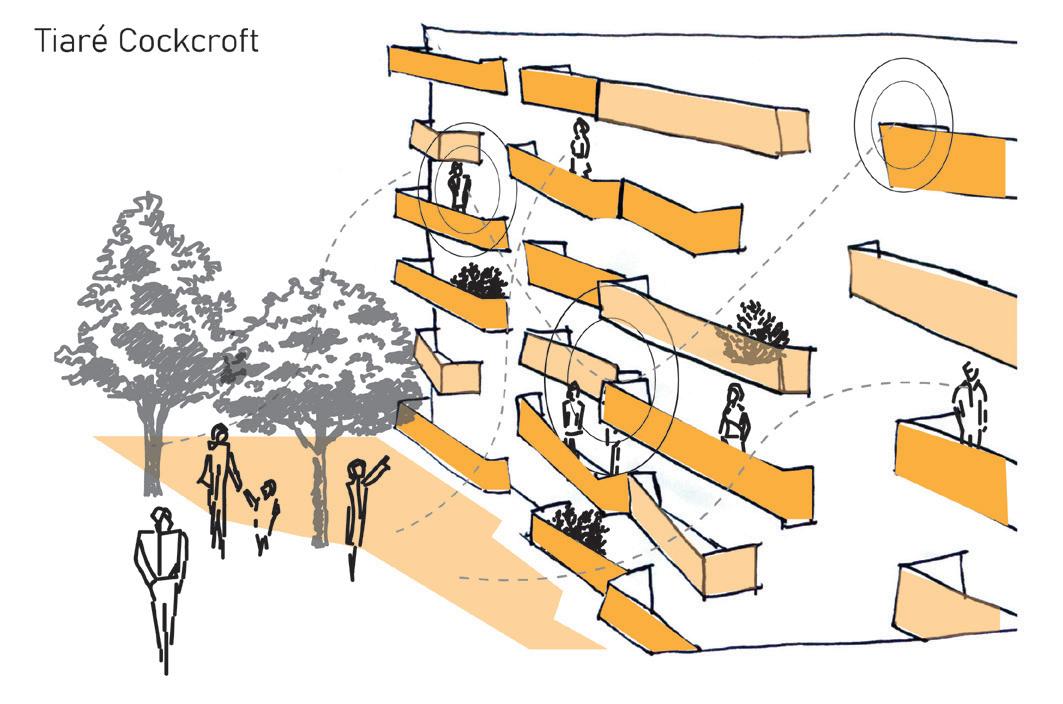
The structure of the building was done in a way to maximize the amount of housing we would be able to provide, whilst still complying with boundry laws. This is how the cascade structure came to be. It ensures every unit and surrounding buildings receive at least 1 hour of sunlight and also connects the street to the building encouraging connection.
There are 177 units with majority 3 bedroom units and 2 bedrooms, with 1 bedroom units being provided in the corner intercept.
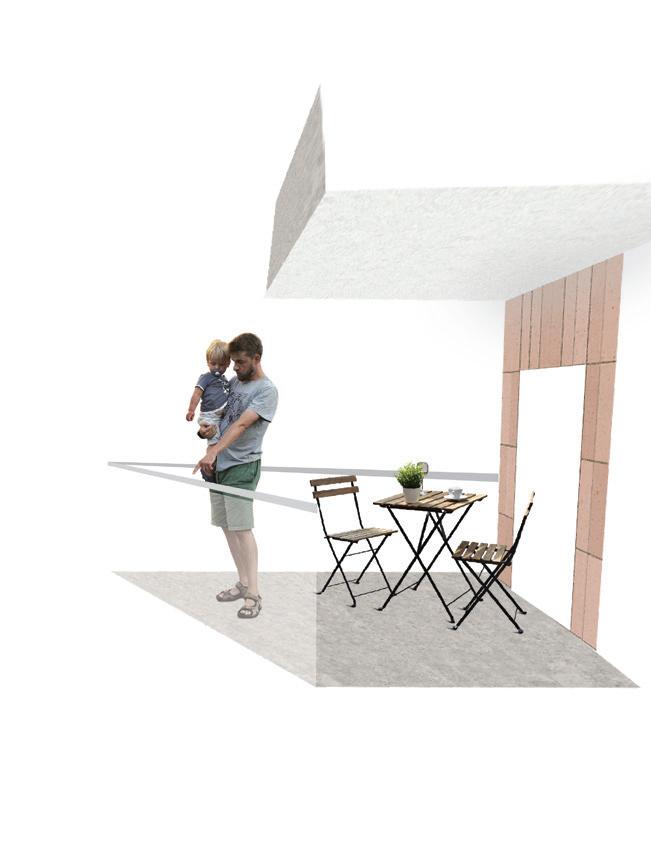
All units have balconies to encourage interaction with neighbours, the podium level, and/or the street. It also allows for people to have access to their own personal green spaces.
The podium level is home to a kindergarden with 4 classrooms, playground, outdoor space, one apartment lobby, a school lobby, a teachers lounge, and a café.
There is a large stair that is the main access point to the school, podium level, and apartments. This corner stair encourages
people to enter the building and start their way up the cascade.
The podium level also provides a gathering point for people with seating around two trees with skylights providing daylight to the ground level, with direct access to the café and apartment lobby.



podium section to ground floor



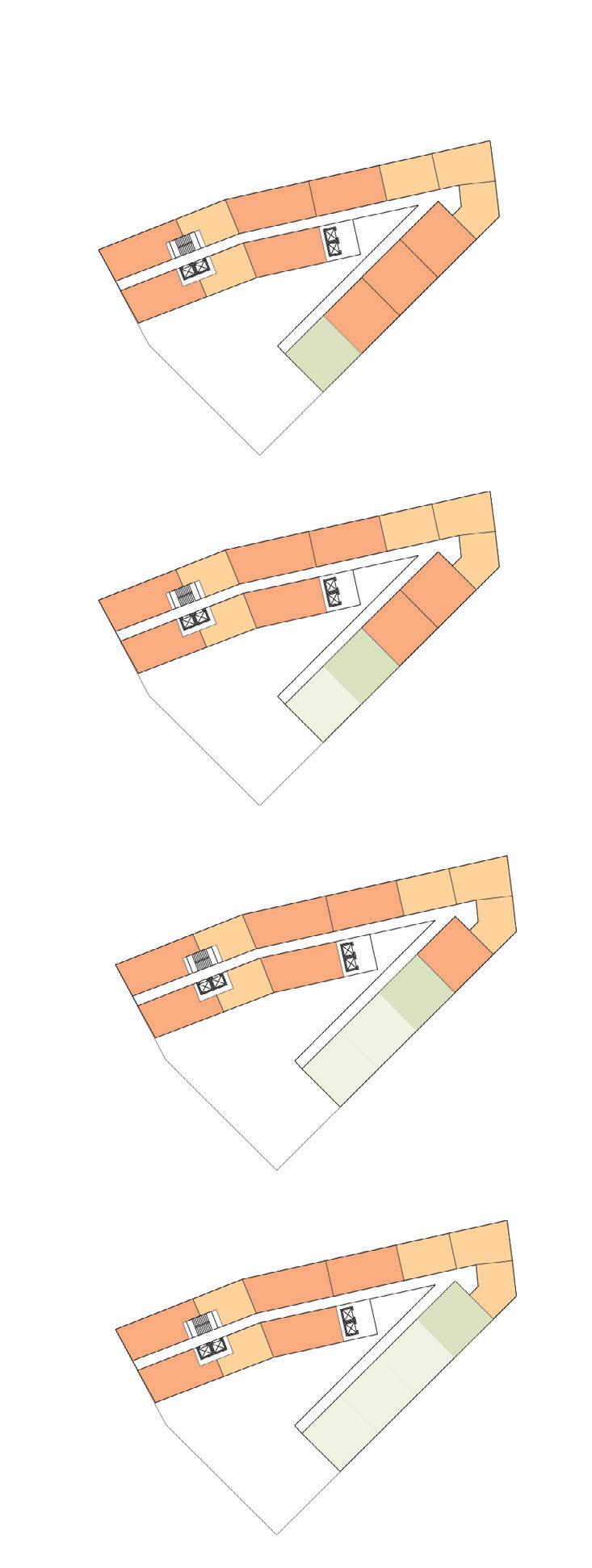
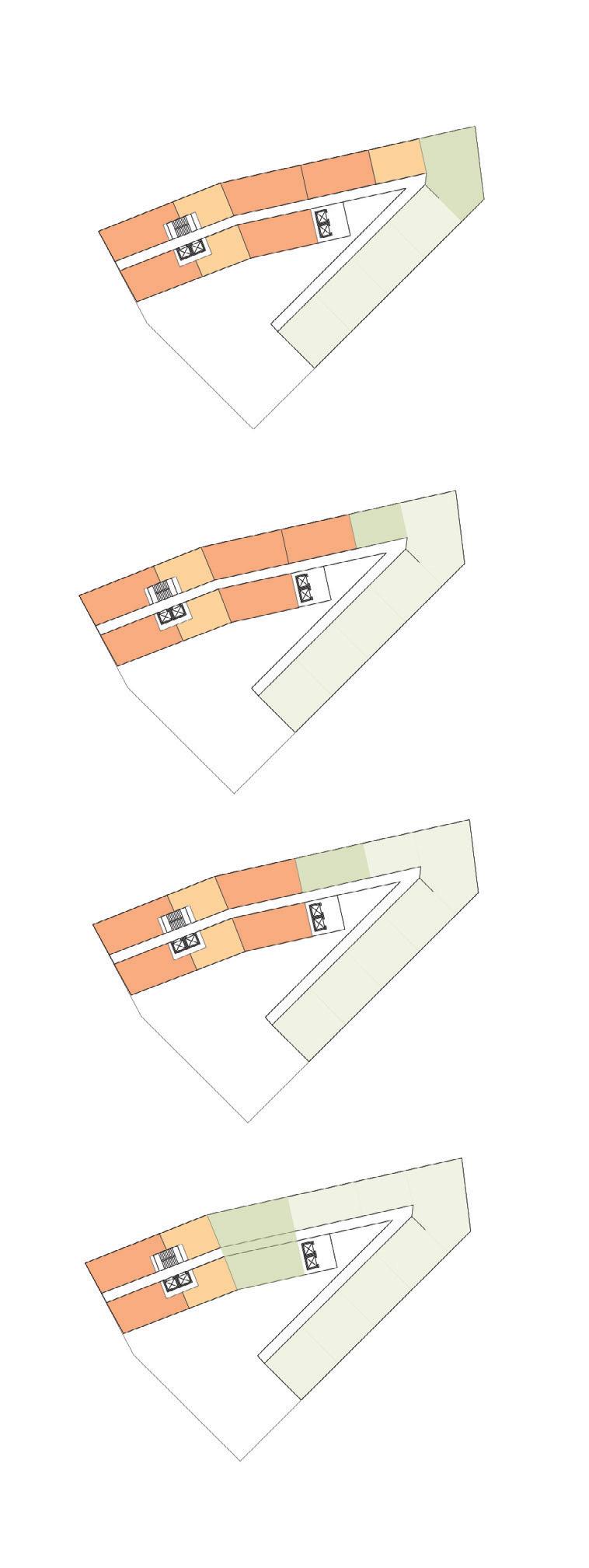
This plan reflects a typical plan with units, but as reflected in the diagrams on the right, the units diminish with each step up as the building rises.
There is a mixture of single loaded corridors and double loaded. All hallways are open air with a large open atrium which acts as the main staircase for the first couple floors.
Social Corridors
Social Corridors
Social Corridors




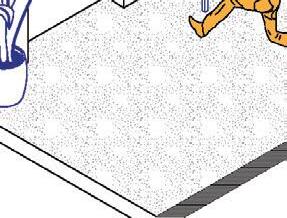


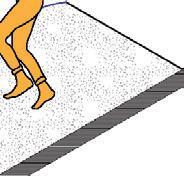











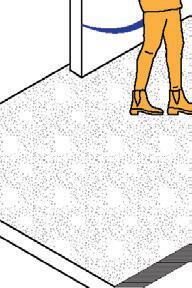
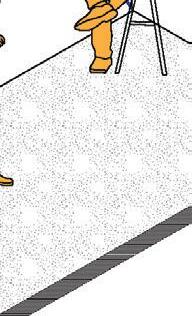















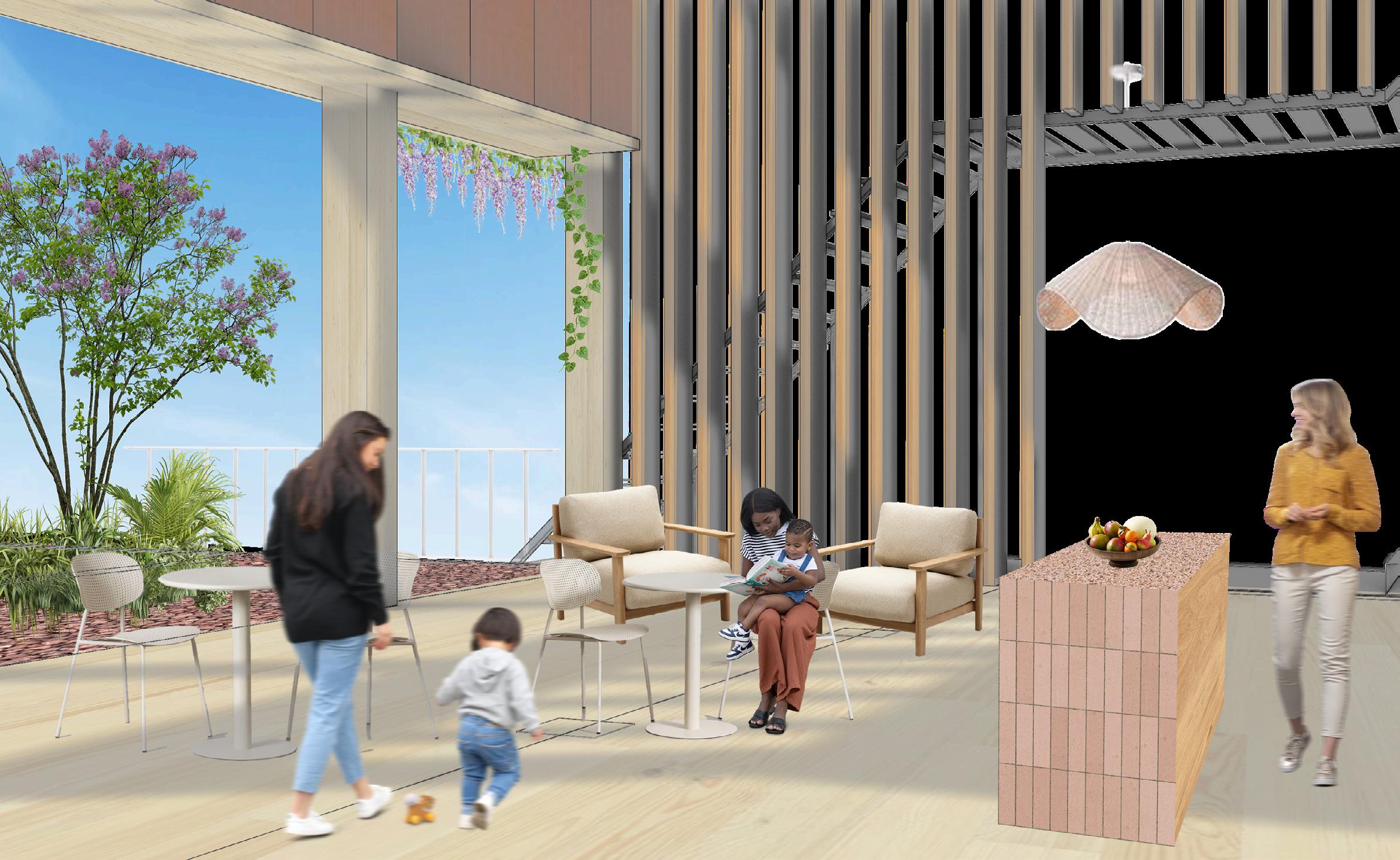
The community spaces on each floor follow the same plan as shown to the right. They have large outdoor spaces for outdoor connection, and an indoor community kitchen and seating areas. The community spaces are not limited to just these spaces, the hallways
themselves are gathering points for flourishing community. Each floor has a typology, either a library hall with reading nooks, a green hallway to encourage gardening and lastly an artistic hallway to encourage connection through creativity.


typical community space section
typical community space floor plan





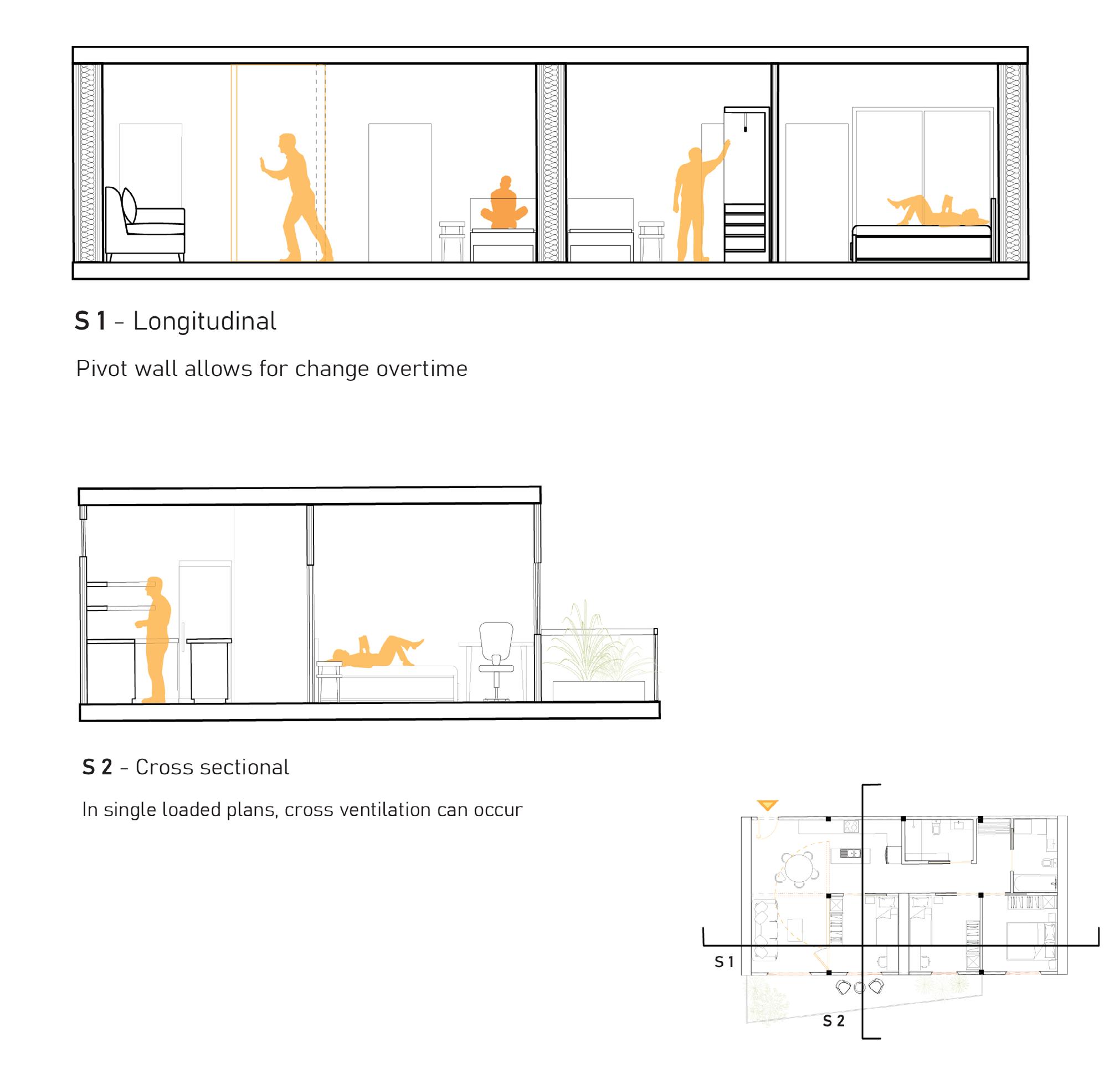
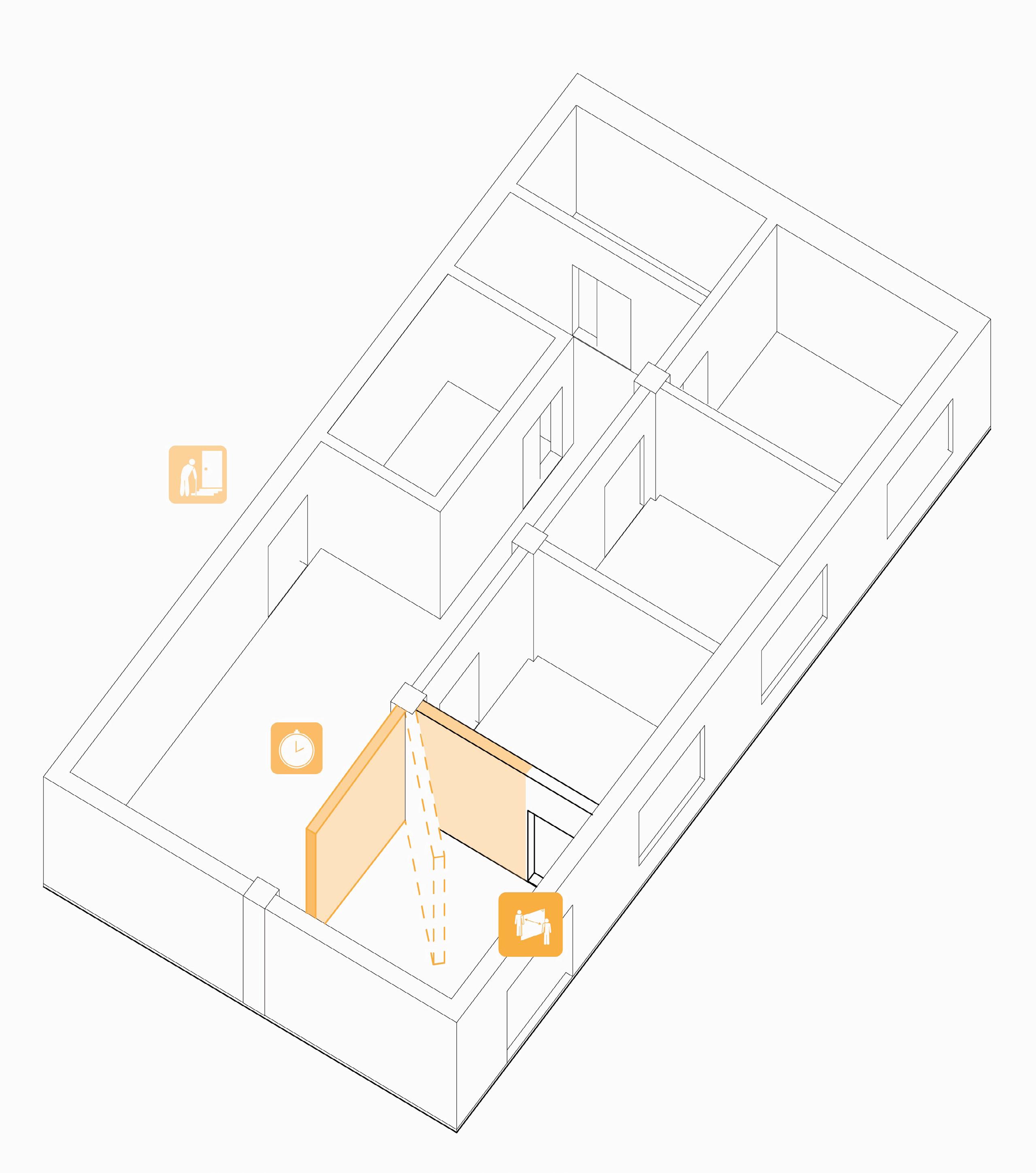
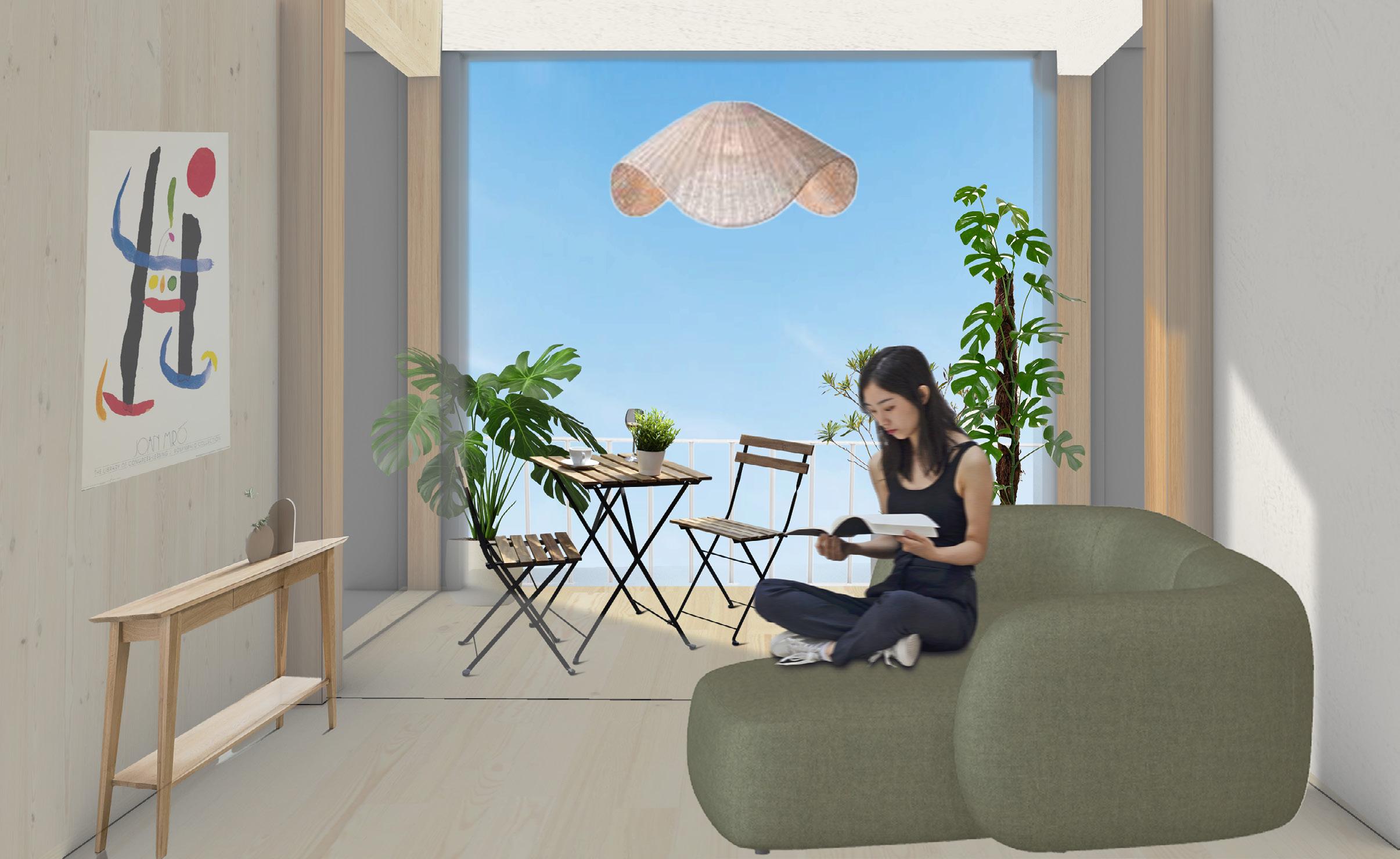
Each unit follows a 3m x 3m grid. Within this grid is a modular wall unit. As an intergenerational housing complex, needs change as peoples needs change, children move, grandparents join, this modular wall adapts the space to the needs of the family throughout their lifetime needs.














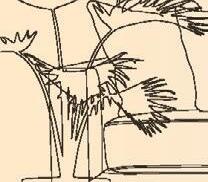





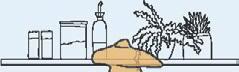











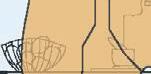


























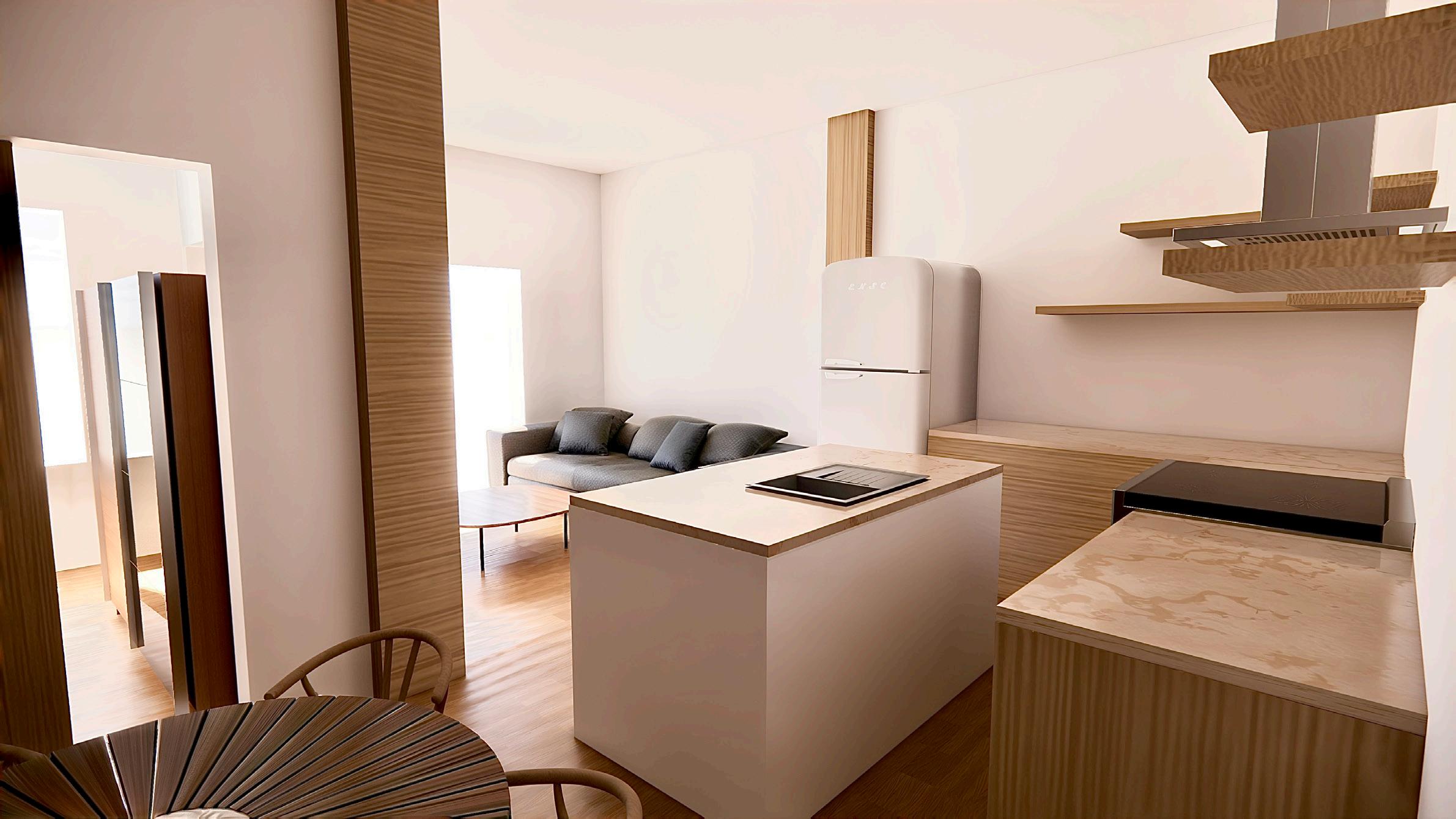
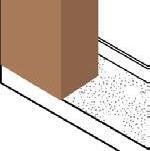

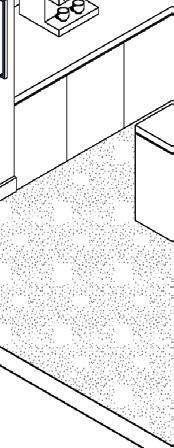
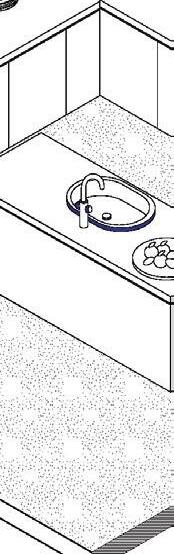
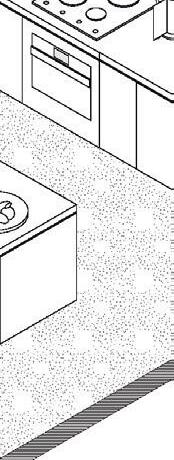
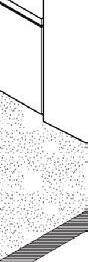
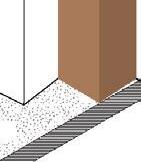
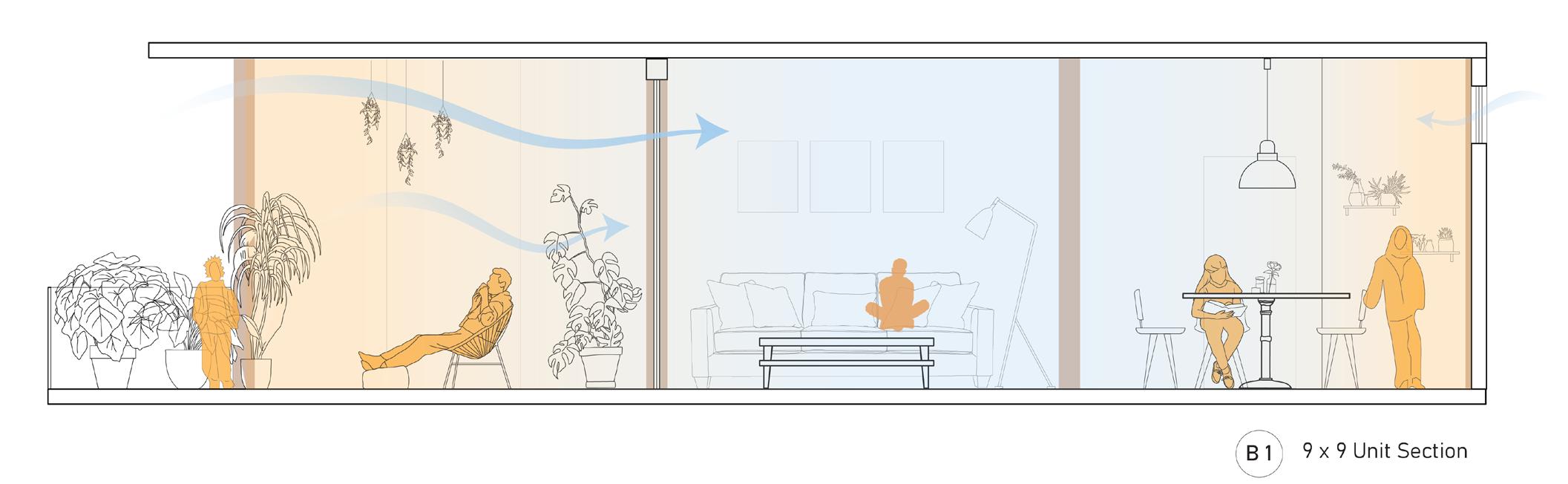


There are 9m x 9m units located on the southside of the building to allow for a single loaded corridor and provide some larger units. These units also have a modular wall system that utilizes folding acoridan walls to allow for space change.
This adaptability of spaces allows for a multitude of change in spaces that can be seen in the plans to the right. The use of a green room surrounded by folding walls allows for the outdoors to expand the interior space when need be.






tiarecockcroft@gmail.com



tiarec@uoregon.edu



tiarecockcroft@gmail.com



tiarec@uoregon.edu