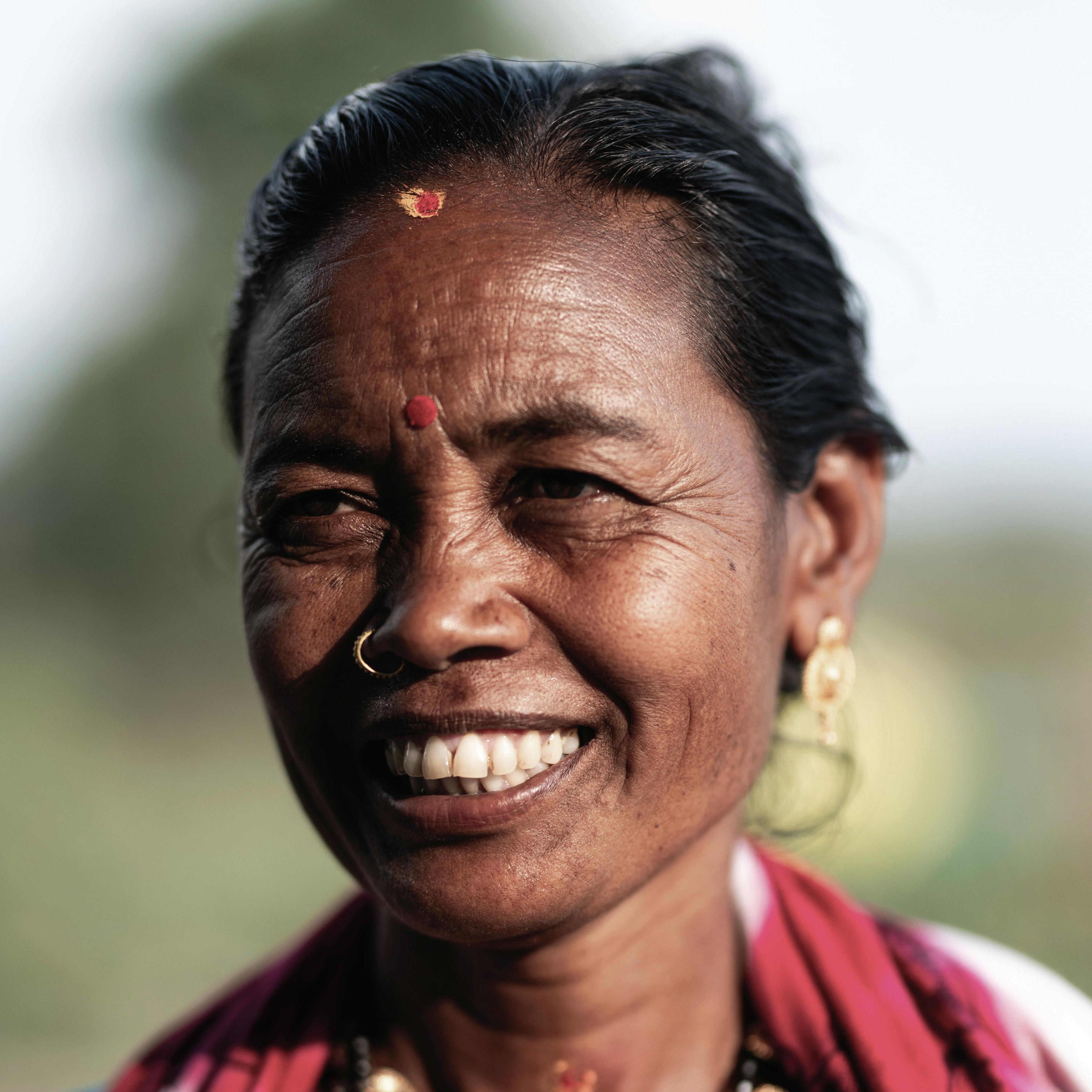
Photos by: Black Ticket Films, Anurag Banerjee, Menty Jamir, The Hunger Project, India.
Declaration: In compliance and as mandated under Section 22 of The Sexual Harassment of Women at Workplace (Prevention, Prohibition and Redressal) Act, 2013, The Hunger Project, India hereby declares that no complaints of sexual harassment were reported to its Internal Committee for the year 2024-2025.
Message from THP India team | P 06
About The Hunger Project, India | P 10
Advancing Voice, Agency, Choice For Adolescent Girls | P 28
Critical Spaces: Reframing Dialogue | P 50
01 04 07 10 02 05 08 11 03 06 09
Thank You Donors | P 65
We Saw the Seeds Grow: Building Community Resilience and Access to Food Security | P 38
Empowering Women, Transforming Governance | P 14
Programme Highlights | P 48
Financial Report | P 55 Contact Us | P 66
THP India People | P 64
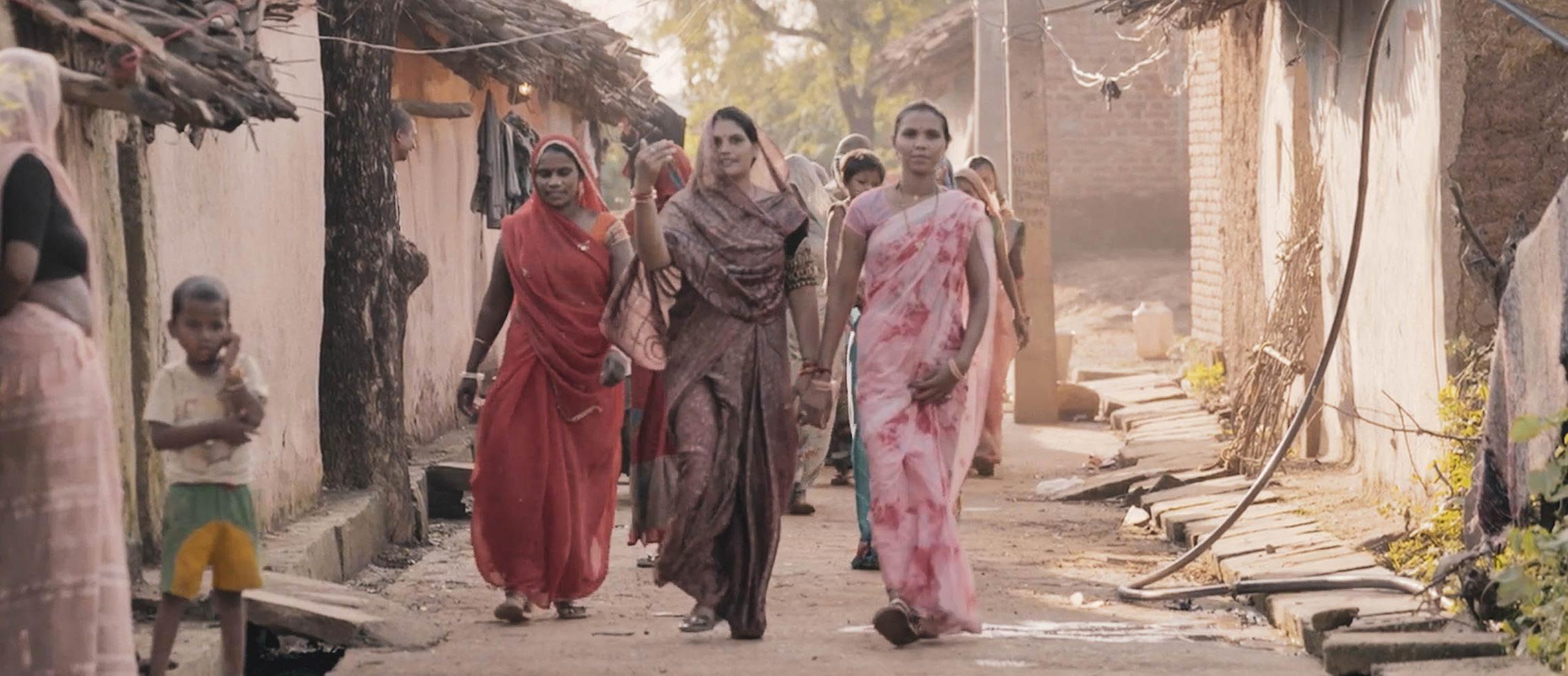
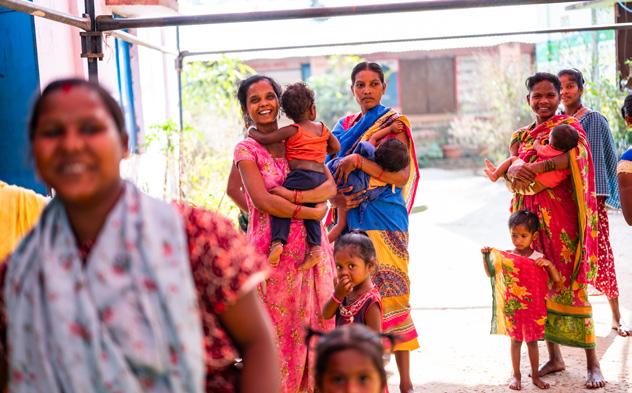
The Hunger Project, India works with elected women representatives in gram panchayats across India. Engaging with adolescent girls is also an integral part of this strategy.
Currently, we are working in six states: Bihar, Karnataka, Madhya Pradesh, Odisha, Rajasthan, and Uttarakhand
Our Fundamental Principles
Our Vision
A world without hunger, a world where every human being leads a life with dignity and equality
Our Mission In India
Strengthen women’s leadership in gram panchayats (village councils) so that they can perform effectively as public office holders, practice good governance, and promote social and gender justice
Gender Equality
Inclusion
Collaboration
Accountability
Social Justice
Human Dignity
Message from The Hunger Project India team 01
In 2024, as this report reflects, THP India remained committed to deepening its work - amplifying the voices of women and adolescent girls in panchayats and strengthening the systems that enable their leadership to thrive.
The year marked yet another rewarding and reflective moment for us, exemplifying our core values of gender equality, social justice, human dignity, transparency and accountability. Teams remained grounded, adapting to demanding environments with purpose. This essential element reminds us of our resilience and ability to be expansive and substantive in our approaches. We strengthened our capacities, enhanced our learnings, fine-tuned our strategies, and renewed our commitment, thus reaffirming our focus on securing rights, entitlements, and justice for the most vulnerable. Here is a snapshot of some significant highlights:
Embracing new realities and opportunities, we undertook a deep and intensive dive with a new intervention, across four states (Madhya Pradesh, Karnataka, Odisha, and Rajasthan), raising awareness about nutrition, building community resilience, and improving institutional mechanisms to ensure food security. As a result, we reached 141,472 community members, of which we worked directly with 29,223 vulnerable households.
Through our continued efforts to empower elected women representatives, we have witnessed compelling stories of leadership emerging from across our working areas. As their capacities have strengthened, these women have become catalysts for change - fostering greater transparency, accountability, and encouraging active citizen participation in panchayat governance.
The adolescent girls’ programme in Bihar has gained significant wins. A recent external evaluation illustrated how the programme helped girls understand their rights, the self, and bodily autonomy. It linked girls to essential economic and health resources, enabling return to school, access scholarships, vocational training, and income generation activities. It helped girls access healthcare services and government schemes, empowering them to advocate for themselves and their families.
Throughout 2024, our Monitoring, Evaluation, and Learning team sharpened its lens to capture better the quiet revolutions led by elected women and the evolving journeys of adolescent girls. Data visualisations, data walks, and evaluations remain crucial in establishing robust learning and feedback loops.
Alongside, the Communications team wove these stories into powerful narratives of courage, leadership, and transformation. Through photo essays, films, and the evocative We Saw the Seeds Grow photo book, we offered an intimate glimpse into the layered, unfolding change within communities. Together, these efforts would not only deepen our understanding of the issues on the ground, amplify community voices, but also inform and inspire future pathways grounded in lived realities.
Recognising the importance of voice and presence, THP India remained an active thought partner in national and international spaces - sharing insights, deepening alliances, and advancing the discourse
on gender and governance. These engagements continue to shape and strengthen our collective efforts to nurture more just and inclusive ecosystems. We continue to endeavour to share and produce knowledge systems with new and old allies as we strive to build better.
We are deeply grateful to our donor-investor community, whose unwavering belief in our vision and strategies sustains this journey. Their support is the quiet force behind every bold step we take.
As we reflect, learn, and adapt to an ever-evolving landscape, we remain anchored by the wisdom of experience and the energy of new possibilities. With heartfelt thanks to our exceptional team, we move ahead - intentional, inspired, and resolute in our mission to build a future rooted in equity, dignity, and justice.
The Hunger Project, India
2024 Outreach
33 Districts
1017 Panchayats
6221 Elected Women Representatives 57 Blocks
3889 Adolescent Girls
(Bihar, Karnataka, Rajasthan)
MESSAGE FROM THE HUNGER PROJECT INDIA TEAM
Rajasthan
Karnataka
Uttarakhand
Bihar
Madhya Pradesh
Orissa
About The Hunger Project in India
Who we are
THP India is a non-profit organisation committed to empowering women and girls in rural India. Foregrounded in the 73rd constitutional amendment of 1992, THP India has been working on strengthening the capacities of elected women representatives in gram panchayats.
What we do
THP India’s interventions have steadily aimed to build and bolster the leadership skills of elected women representatives. The programme is informed by the theory of change that with the right knowledge, skills, and support, elected women can drive development, ensure social and gender justice, and promote good governance. Aligned with their fiveyear tenure, the strategy delivers focused, year-wise engagement to support women leaders identify priorities, plan systematically, and lead effectively.
The strategy broadly involves the following elements:
Strengthening capacities and leadership skills
Fostering an enabling environment through the creation of support structures such as federations and jagruk manch (a joint collective of elected women representatives and other women citizens) as spaces for colearning and collective action
Dialogues with local administration
Leveraging the role of elected women representatives to empower adolescent girls
We currently work with 3795 elected women representatives across 766 panchayats in the five states of Karnataka, Madhya Pradesh, Odisha, Rajasthan, and Uttarakhand.
Today, they are exercising their leadership to ensure improved access to various rights, entitlements and government schemes - quality education, health services, food and social security, water, sanitation, electricity, forest conservation, and safe and violence-free panchayats.
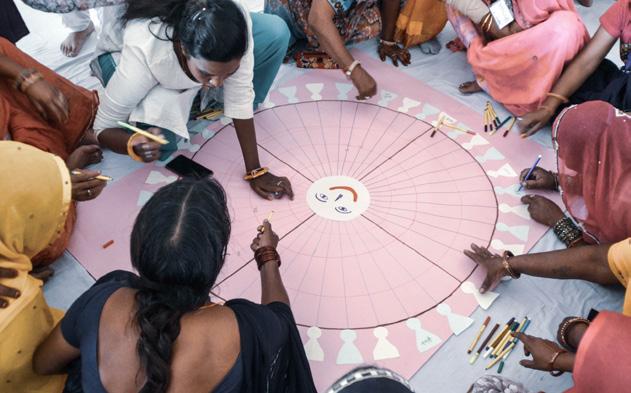
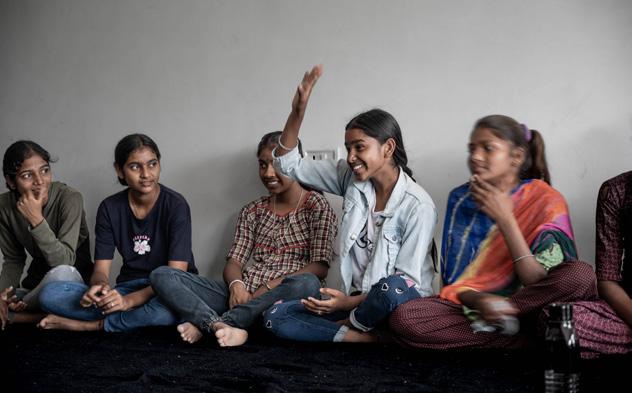
Simultaneously, the adolescent girls’ programme in Bihar and Rajasthan continues its critical engagement with girls by building safe spaces for dialogue, enabling girls to articulate their rights, make informed decisions, and collectively negotiate for change.
Our interventions are rooted in our vision of gender equality and a just society. We continuously explore innovative approaches to amplify voice and agency, while strengthening village-level practices of good governance, accountability, and transparency.
Building life skills and active citizenship
Facilitating a vibrant learning environment through girls’ collectives
Interface with the panchayat administration and government officials
It’s encouraging to see girls increasingly empowered to make decisions, use their voices to claim their rights and access panchayat services. They are emerging as active citizens and leaders in their communities. Currently, the programme spans 57 panchayats in two states, working with 2304 adolescent girls.
Empowering Women, Transforming Governance
The journey of empowered leadership is a complex process - demanding, often slow, yet profoundly transformative. It takes root in self-awareness and grows through confidence, voice, and courage. When these qualities evolve into actions - whether individual or collective - the impact extends far beyond the self. It underscores the critical need for sustained investment in strengthening women’s capacity to lead and to shape lasting change in their panchayats.
In this context, THP India’s work takes on critical significance. Through our continued efforts to strengthen women’s leadership in local governance, we are witnessing the profound impact of women leaders in panchayats. Their presence is not only symbolic - it is substantive, promoting dignity, inclusion, and social transformation at the grassroots level.
This year, elected women representatives supported by THP India have shown extraordinary courage and leadership. They are:
Ensuring delivery of essential public services.
Monitoring schools, health centres, crèche centres, and ration shops.
Advocating for safe mobility for women and girls.
Advancing transparency, accountability, and inclusion in local democracy.
The women are not just responding to immediate needs - they are shaping legacies and building futures grounded in equity, resilience, and opportunity, especially for the most marginalised members of their communities. For instance, 10,982 petitions to improve the quality of services across ICDS centres, schools and health centres have been submitted by elected women.
These leaders are also educating communities, creating livelihood opportunities, and championing sustainable use of local resources - protecting fragile ecosystems while securing futures for the most marginalised.
Through their leadership, women in panchayats are proving that empowerment is not symbolic, but substantive - driving dignity, inclusion, and social transformation at the grassroots.*
*Pages 16–26 present a snapshot of the impact created by elected women leaders across THP India’s working areas. Each section highlights real stories that show how these leaders are driving change in different themes.
Food Security & Nutrition
10,925 Households linked to ration cards
1,293 PDS shops monitored
11,533 Children enrolled into ICDS centres
2,266 Malnourished children enrolled in NRCs
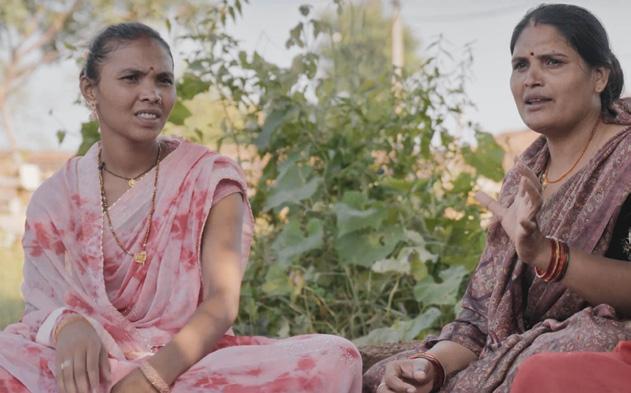
Kamleshwari Naik, a member of the Bhatra tribe, is in her second term as a Sarpanch (Badmasi Gaon GP), and she is actively embracing the many new opportunities that come with her role. Her journey is a powerful testament to the impact that effective engagement in the panchayat can have. After participating in meetings with THP, she has gained a clear understanding of her responsibilities and the authority she wields. “For the first time, I fully comprehend the scope of my role and the power I possess,” she declares. “My first term now feels like a blur in comparison.”
Kamleshwari now conducts regular visits to assess anganwadis and Public Distribution System (PDS) shops, ensuring accountability. She has successfully connected single women who head households to a government benefit scheme that offers Rs 20,000 to below-poverty-line families that have lost their primary breadwinner. “Financial assistance is crucial in determining the quality of the diet they can afford,” Kamleshwari asserts. She is no longer hesitant to confront functionaries who fail to fulfil their responsibilities.
This assertive stance was not always the case. She recounts a specific incident with an anganwadi worker who disregarded government mandates and refused to serve eggs to the children. When Kamleshwari challenged her, the worker dismissed her outright. This refusal hinders access to nutrition, especially for the most marginalised and vulnerable groups who rely on eggs as an affordable source of protein. Armed with a newfound awareness of her authority, Kamleshwari firmly warned the worker about the repercussions of her actions.
Health & Sanitation
818 Health centres monitored by EWRs
61,088 New water sources approved 8,690 Toilets constructed
When asked how her presence in public office has affected people’s perceptions of her, Kavita Arya, the Dalit Pradhan of Rauliyana GP in Uttarakhand, proudly stated, “Now women like me can dream and hope to enter public office. Hurdles will remain, but there is a steady shift in attitudes towards women in power.” Kavita emphasised, “Because I did the work, I can confidently stand before everyone and claim my right to be here.”
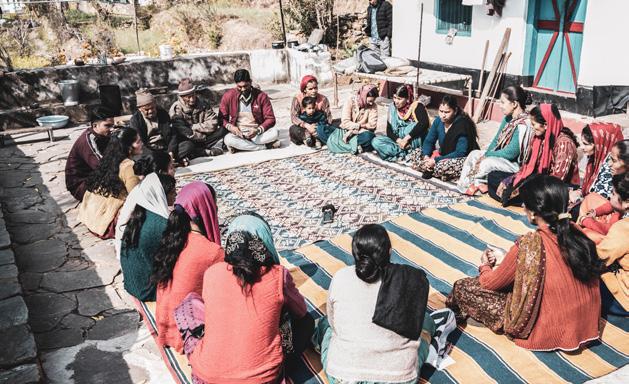
A highlight of her tenure was her leadership in using the Jagruk Manch - a platform designed both to raise awareness about government schemes and entitlements, and to strengthen elected representatives in advocating for people’s issues and the democratic development of the panchayat. What made the Manch especially powerful was the solidarity it fostered: elected women and community members stood together to confront challenges such as access to health services, transforming individual struggles into a collective force for change.
One major achievement was getting the Auxiliary Nurse Midwife (ANM) and ASHA workers to agree to visit the anganwadi every month for regular checkups.This was essential as it was becoming increasingly difficult for residents to travel to the health centre located in Katli. “We facilitated these discussions during Jagruk Manch meetings. Now, every first Saturday of the month, health workers come to provide the necessary services,” she explained. Kavita hopes to address the need for a health centre if she returns to the office.
Similarly, in Rajasthan, Sharda Devi, a Ward Member of Rodeya GP, took on the responsibility of transforming her ward. She recounted her efforts in starting three ambulance services to ensure that people could reach the primary health centre in emergencies. This service was especially critical for pregnant women and the elderly. “The federation members raised this issue at the panchayat meeting, escalated it to the district level, and submitted a letter to the MLA. Within one year, the service was initiated, and residents from five-gram panchayats are benefiting from it.” She proudly noted, “Of these, four are in Adivasi-dominated areas.”
Sharda made it her mission to bridge the gap between the most vulnerable populations and healthcare services. “The reality is that most vulnerable people are denied adequate care, and it frustrates me that we have been unable to improve this situation rather quickly,” she remarked gently but firmly. She added that while progress may be slow, change is occurring. “Step by step, we are getting the job done.”
Education
6,276 Girls enrolled in any higher education facility (after 12th) with the support of EWRs
12,249 Children enrolled in school
4,000 Girls who had dropped out re-enrolled into the formal education system
23,912 Children linked to scholarships/other benefits with the support of EWRs
Roshni Merawi, the Sarpanch of Garhi Gram Panchayat in Madhya Pradesh, passionately defends the right to education, stating, “How will we change our circumstances if we don’t push for our right to education?” Having confronted the challenges of patriarchy at home and experienced discrimination in school, Roshni deeply understands the transformative power of education.
In her role as a leader committed to social change, Roshni is dedicated to ensuring that all children, especially girls, have access to quality education and the opportunity to pursue higher studies. With the funds sanctioned by the panchayat, she has implemented free coaching classes to help students excel academically. Additionally, she aims to organise career counselling sessions for students in grades 10 through 12, inviting professionals from various sectors—such as law enforcement, agriculture, and local businesses—to inspire and guide them.
Despite the lingering resistance to women in leadership roles, Roshni stands firm in her mission. She attributes her strength and determination to both the training she has undergone and her unwavering belief in her ability to create change. Roshni represents a new generation of leaders, resolutely challenging deeply entrenched gendered expectations and prejudice.
Menaka Devi, the Sarpanch of Nitoda Gram Panchayat in Rajasthan, was a member of a self-help group even before she entered public office. “Being part of a collective gave me a deep understanding of its power,” she explained. “I believed that as a president, along with other elected representatives, I could make a difference.”
Her most significant achievement was mobilising the women of the Jagruk Manch to shut down a nearby illicit liquor shop. “Women bear the brunt of the problems caused by the sale of liquor. Alcoholinduced domestic violence and street harassment restrict women and girls’ mobility,” she noted. The Manch applied pressure during an open Panchayat meeting, urging the shop owner to relocate far away. “We sat in front of the shop for days, broke many bottles, and disrupted their sales.” They also used the media to publicly shame the contractor. Their persistent demonstration paid off, and the shop was ultimately shut down.
Despite facing challenges, she takes pride in the small legacy she hopes to have established. She feels more assertive and confident in her “role and right to be here as an Adivasi woman.” She added, “Sangathan (the Jagruk Manch platform) made many things possible.”
Safety in Panchayats
1,468 Domestic violences cases addressed by EWRs
922 Illicit liquor shops closed
19,264 Streetlights installed
486 Child marriage cases addressed by EWRs
Social Security & Employment
29,675 No. of people linked to MGNREGA (job cards)
23,629 No. of people linked to pensions (single women, old age, widows, differently abled)
19,374 No. of people received housing
Asma, a former ward member and currently the vice-president of Kolnadu GP in Dakshin Karnataka, is unlocking entitlements for women and the elderly. Once aspiring to be a teacher, financial constraints cut her education short. Inspired by her husband’s social work, she found purpose in guiding families to access government entitlements.
A committed participant in THP India workshops and a member of SUGRAMA federation, Asma actively monitors community services. She tackled issues like poor-quality school meals and delayed pensions with determination. Through Jagruthi Vedike, she helped 14 vulnerable individuals secure pensions under various schemes, including Sandhya Suraksha (for the elderly, widows and those in the unorganised sector) and single-woman pensions.
For those facing challenges such as a lack of bank accounts and Aadhaar mismatches, Asma intervened proactively - collecting documents, transporting recipients, and coordinating with banks and the Village Accountant to ensure smooth pension disbursement.
In a complex case of wrongful pension disbursal, she spoke up for the rightful recipient - a deserted first wife - and secured her widow pension through thorough documentation and follow-up with the Tahsildar.
She also helped correct an elderly man’s Aadhaar details by retrieving school records, enabling his enrollment in the pension scheme. Currently, she’s supporting six more such cases.
“As I see the elderly smile with relief, I feel fulfilled. I’ve learned a lot through this journey and remain committed to serving my community.”
04 Advancing Voice, Agency, and Choice for Adolescent Girls
Over the past year, the adolescent girls’ programme has boldly deepened its impact - strengthening girls’ voices, agency, and the power of informed choice. Anchored in a two-pronged strategy - girlcentric leadership and systematic engagement of local governance institutions - it fuels transformation from within and around.
By fostering a sense of empowerment, girls emerge not as beneficiaries but as active citizens - equipped with the confidence, knowledge, and skills necessary to speak, act and claim their rights. Simultaneously, it works to ensure that local governance structures are more responsive and accountable to the realities faced by adolescent girls, ensuring that their concerns are acknowledged and addressed in decision-making processes. This integrated approach is rewriting the
narrative and helping to create enabling environments where adolescent girls are seen as critical rightsholders, shifting both personal trajectories and institutional mindsets.
One of the outstanding achievements of this approach is most visible in Bihar. A recent external feminist evaluation, through the lens of “expressions of power,” captured a remarkable journey of change - from the grip of “power over”, which illustrates the overwhelming hold of social and gender norms on girls, to the awakening of “power within” and the solidarity of “power with.”
Given the deep-seated social codes and hold of patriarchy that determine and limit the parameters of girls’ full participation in their own lives and the community, to see and listen to their testimonies of reimagining who they are and what they can become is a substantial gain.They are demanding more equitable relationships, claiming space, and transforming silence into collective strength.
Leadership workshops, life skills training, and peer collectives have not only supported them but also sparked their potential. With increasing confidence in their voices, these girls are not waiting for change; they are leading it.
Key gains included:
83% girls were able to influence decisions around their marriage, including delaying or preventing marriage.
Approx. 95% girls understood why there is discrimination against them in society and were aware of the support systems available to fight for their safety against violence.
96% were able to continue their education.
ADVANCING VOICE, AGENCY, AND CHOICE FOR ADOLESCENT GIRLS
Neeta (17) aspires to carve out a dignified livelihood for herself. However, she has had to grapple with her family’s poor economic situation. “I have had to support my parents by working on other people’s farms. This affected my school attendance. Moreover, it tired me out a lot.” Despite these challenges, Neeta was determined not to drop out. She took the initiative to discuss her situation in a Sukanya Club (girls’ collectives in Bihar) meeting. The club, a crucial support system, suggested that she could learn tailoring to earn a decent income without physical strain.
“I discussed it with my parents and immediately reached out to an older woman who could teach me basic cutting and stitching. Unable to pay fees, I offered to tutor her children in exchange.” Neeta recently completed her schooling and now earns INR 1000/month (USD 12).
ADVANCING VOICE, AGENCY, AND CHOICE FOR ADOLESCENT GIRLS
On the other hand, Zainab, Reema, Jamuna, Simran, and Mehreen, all members of a Sukanya Club in Muzaffarpur district, demonstrated the power of collective action and active citizenship. They noticed the lack of solar streetlights in areas that needed them the most and decided to address this pressing community issue. With the support of the Didi (field mobiliser), they approached the elected woman representative of their gram panchayat. Together, they drafted a petition and submitted it to the council secretary. Their efforts, facilitated by the Sukanya Club, were instrumental in installing three additional streetlights within a month, significantly improving the safety and mobility of their community.
We invest in adolescent girls because every girl has the right to thrive - fearless and unafraid, to claim her education, to live with dignity and safety, and to stand as an equal citizen.
05
Enhancing Nutritional Outcomes: Building Community Resilience and Access to Food Security
What is nutrition? Why does it matter?
How has it been defined in the past, and how is it defined now?
What are the ruptures and continuums between old and new ways of understanding nutrition?
ENHANCING NUTRITIONAL OUTCOMES: BUILDING COMMUNITY RESILIENCE AND ACCESS TO FOOD SECURITY
In 2024, The Hunger Project embarked on a programme titled “Enhancing Nutrition Outcomes,” engaging with the most vulnerable and marginalised households and a range of institutional mechanisms (at the panchayat level) across villages in Karnataka, Madhya Pradesh, Odisha and Rajasthan, confronting these questions about food. The project explored pathways to build resilience, improve availability, access, and choice of nutritious foods, especially in the backdrop of climate change.
The programme covered 194-gram panchayats (GP) across four states - Karnataka, Madhya Pradesh, Odisha, and Rajasthan - locating impact at the intersection of increased awareness, better access to affordable food, enhanced access to panchayat services, and responsive panchayats with robust institutional mechanisms; showcasing the multidimensional aspect of improving nutrition and food security in rural communities.
45 year old Jaali Jaani, who belongs to Odisha’s Praja tribe and is a former panchayat member, was a regular at community meetings. After a while, she took it upon herself to disseminate information shared at the meetings.
“These
are important spaces holding important conversations, but not everyone has the capacity to grasp them,” she explained.
“So, I felt I should do my bit, given my experience as a panchayat member. I give people the information they need for their specific concern.”
Jaali helped others get copies of documents to access various government schemes, especially labour cards, which provide benefits to workers in the unorganised sector. Over a hundred people have got labour cards in the last eight months, she said. Jaali believes the cards will give financially precarious families a degree of food security. She sees herself as a community mobiliser, cajoling others, especially women and girls, to attend meetings and health camps.
ENHANCING NUTRITIONAL OUTCOMES: BUILDING COMMUNITY RESILIENCE AND ACCESS TO FOOD SECURITY
Women suffer disproportionately from poor nutrition because of social norms around how food is produced, accessed and consumed. Community meetings have aimed to counter this by raising awareness about nutrition. This has had a ripple effect. As 27-year-old Sunmani Batra from Odisha puts it,
“Whatever
information I gathered here I shared with other women in the village, especially the young ones who are unable to make it. Everybody has a right to information.”
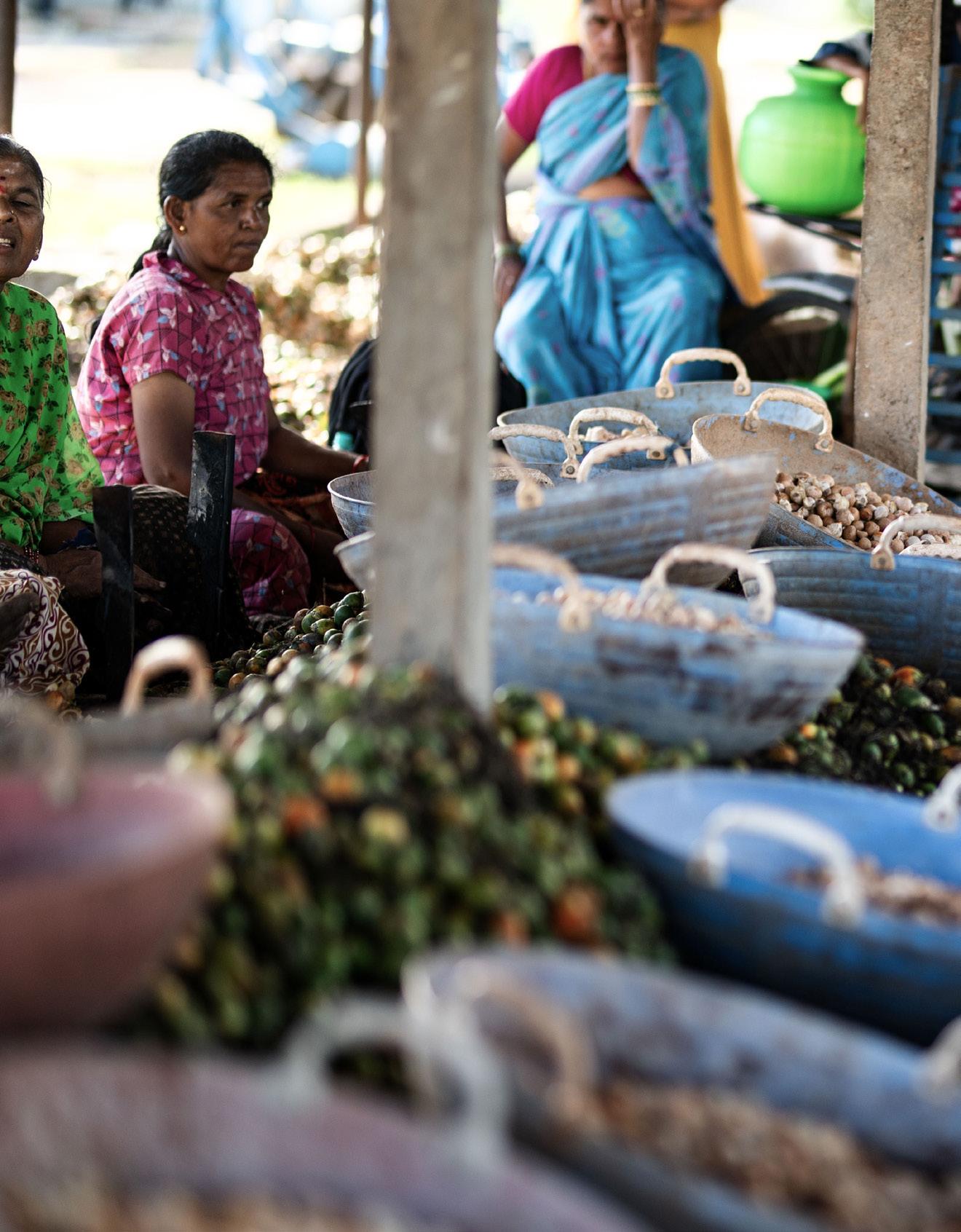
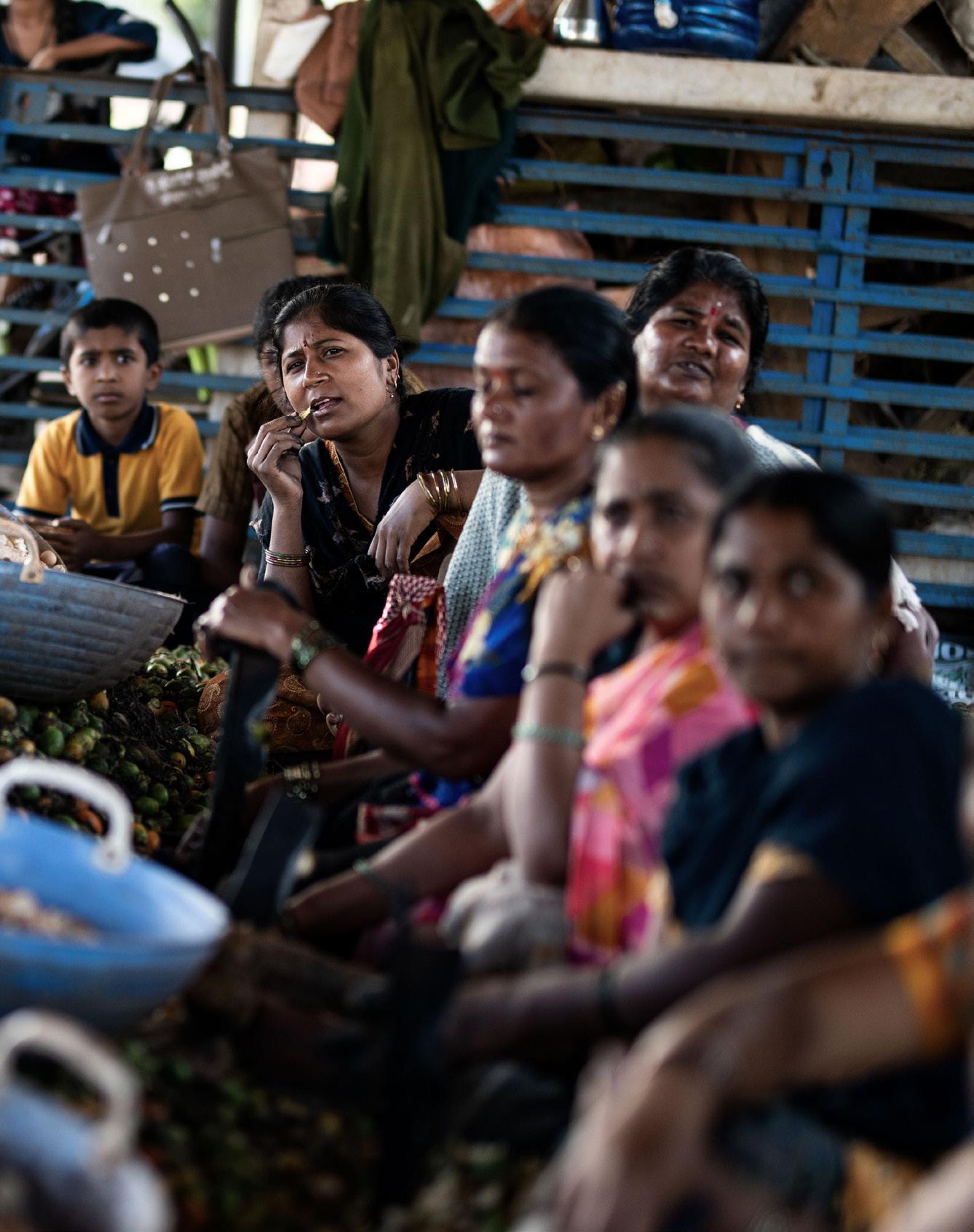
Women who work on betel nut plantations in Karnataka told us how the meetings and camps had helped solve their health problems. Work is gruelling and the pay is paltry: during harvest season, each worker earns Rs 300 a day sorting 26 kilogrammes of betel nut. Awareness about nutrition has been crucial in helping them stay healthy as they work.
“My haemoglobin was seven but it has moved up to nine in the last three months, thanks to kitchen gardens and IFA [iron and folic acid] tablets that we never took before,” said Chithra. “We are learning and unlearning for ourselves and our daughters,” she added.
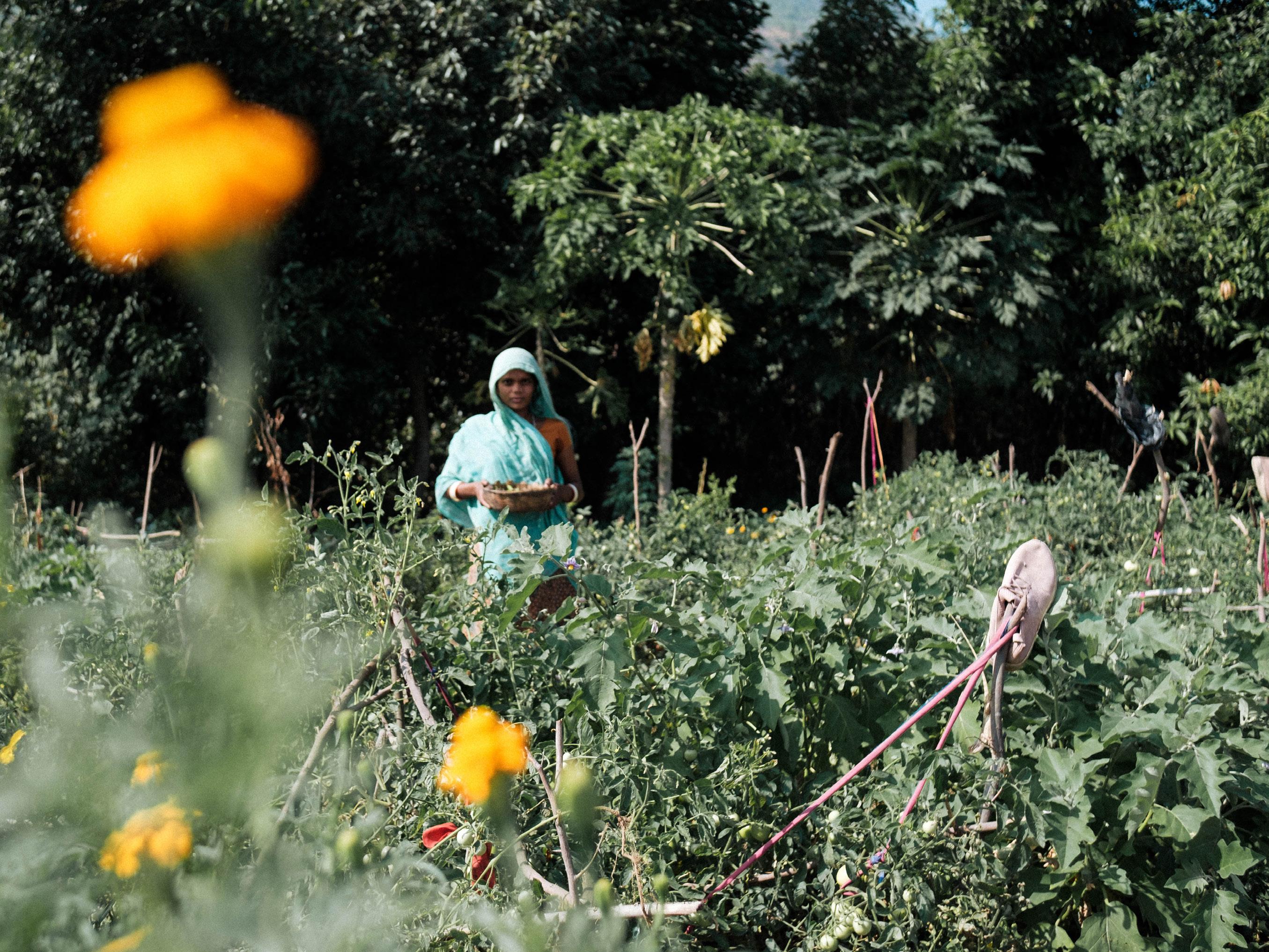
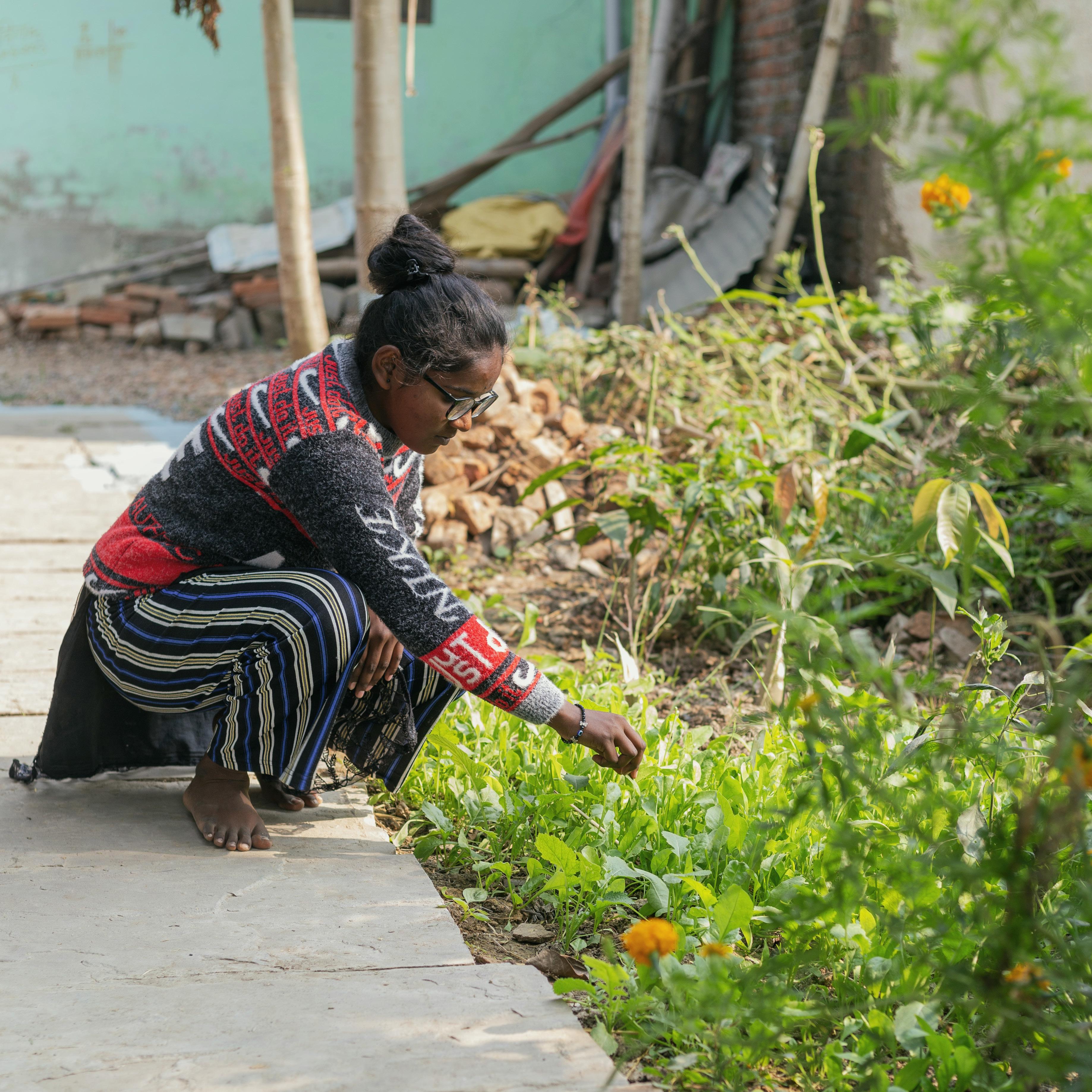
Deepu, a 45-year-old from Rajasthan, informed that they harvested agricultural produce, kept a little for their daily needs and sold the rest. Starting a kitchen garden has ensured a continuous and varied supply of vegetables. Kitchen gardens have also restored faith in locally grown produce. In some ways, they have shattered the myth that expensive food is healthier.
A major reason for the popularity of kitchen gardens is that it has reduced dependence on the market. Many speak of how it has helped them eat nutritious food while saving money they would have spent on expensive fruits and vegetables.
Access to healthier food can break the intergenerational cycle of nutritional and gender disadvantages. In Madhya Pradesh, 19-year-old Deepa speaks of how she was too weak to attend school regularly.
“I could barely move because of fatigue,” she says. “Now I look forward to enrolling again. I hope to complete my education and earn a good living.”
ENHANCING NUTRITIONAL OUTCOMES: BUILDING COMMUNITY RESILIENCE AND ACCESS TO FOOD SECURITY
ENHANCING NUTRITIONAL OUTCOMES: BUILDING COMMUNITY RESILIENCE AND ACCESS TO FOOD SECURITY
ENHANCING NUTRITIONAL OUTCOMES: BUILDING COMMUNITY RESILIENCE AND ACCESS TO FOOD SECURITY
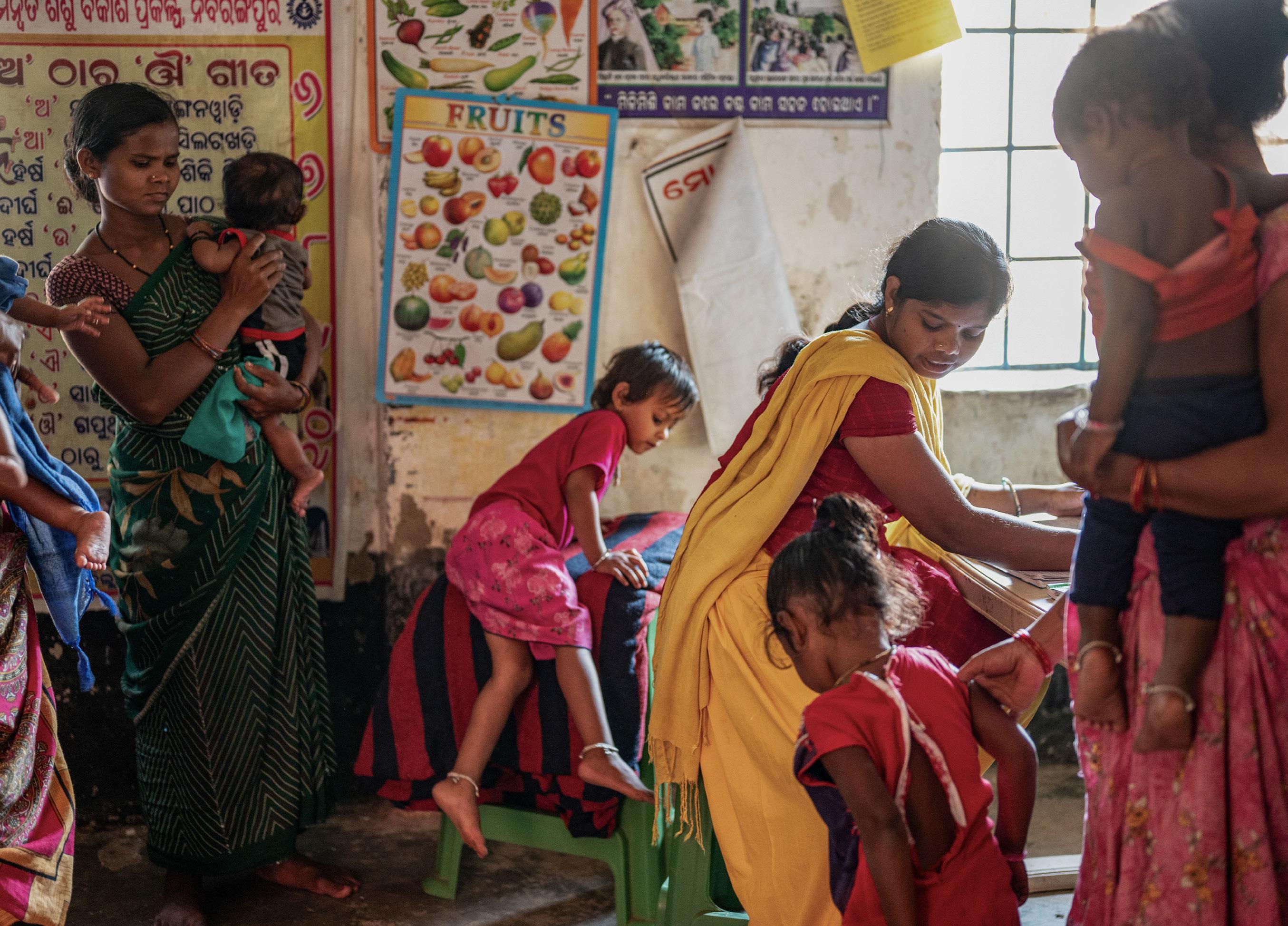
Along with empowering individual community members, the programme also focused on reinforcing institutional mechanisms within the panchayat. Anganwadi and ASHA workers with over a decade of experience report one significant change after THP’s interventions: their communities have greater trust in them. “We feel more supported,” says Mamta Gupta, who has been an ASHA worker in Madhya Pradesh for 14 years.
“The programme has helped mobilise and motivate people to access anganwadi services.”
Lakshmi, who has been an anganwadi worker in Odisha since 2005, feels THP programmes have encouraged pregnant and lactating women to join mothers’ committees.
“They ask questions about government schemes and services,” she says. “So, I feel more motivated to respond or refer them to the relevant departments.”
She jumps out of her chair to show us the “Poshan Tracker” - a mobile app that records the nutritional parameters of women and children. An increased sense of accountability means she now monitors the app daily.
Anganwadi workers in Rajasthan, Odisha and Karnataka also shared how unused VHSNC (village health sanitation and nutrition committee) funds, to the tune Rs 10,000, would remain idle earlier but are now being put to good use. Snehlata Chaudhury, a 41-year-old anganwadi worker in Rajasthan, recently bought water campers and a weight machine to make sure health checkups went smoothly. Parvati Dolai, a 38-year-old anganwadi worker in Odisha, hopes to set up compost pits to recycle organic waste. Ullas Harijan, an ASHA worker in Odisha, plans to start “a small emergency fund for those who cannot afford treatment and for providing transport”. It was vital that these committees were reconstituted and strengthened. Marginalised voices that were mostly absent before, especially in tribal areas, have now registered their presence in such spaces.
“We are now realising our role, our power and why we need to participate,” says Sashi Harijan in Odisha.
Other Programme Highlights
Technical Trainings
Need-based workshops, also known as technical trainings, were held in Madhya Pradesh, Karnataka, Rajasthan, and Odisha and attended by 2,689 elected women. These meetings provide focused inputs on themes that may require deeper engagement. These included the significance of ward sabhas, mahila sabhas, and palli sabhas, understanding gram panchayat administrative processes and budgets, operating online portals to access social security schemes, and situating their work in the context of broader sustainable development goals.
Jagruk Manches
As a strategic support structure at the local level, jagruk manches (women’s collectives) have been tremendously successful in raising awareness, mobilising and amplifying women’s voices and participation in local governance in partnership with elected women. A total of 708 such meetings were held in Odisha, and 1,153 in Uttarakhand. Major themes included demands for regular monitoring of anganwadis, teacher appointments, closing illegal liquor shops, addressing issues of water scarcity, delays in issuing job cards under MGNREGA, access to social security schemes, proper utilisation of panchayat funds, and installing solar street lights to ensure safe mobility.
Two Short Films
THP India produced two short films highlighting the leadership journeys of elected women representatives Roshni Merawi and Nirmala Saket in Madhya Pradesh. Both stories vividly showcase the democratic development of their panchayats, advocating for girls’ and women’s rights respectively. They continually challenge a deeply rooted patriarchal and casteist mindset and demonstrate what empowered leadership can accomplish.
Adolescent Girls’ Programme
In Rajasthan, the adolescent girls’ programme was relaunched with 900 girls in Jhadol and Falasia Blocks in Udaipur district. THP India builds on its prior experience of working with girls in the state to replicate gains of increased awareness and self-confidence, enhanced understanding of rights, better access to essential economic and health resources, enabling return to school, access to scholarships, vocational training, and improved ability to question deeply entrenched social norms and gendered expectations.
Mothers’ Committee Meetings
In Madhya Pradesh, 1146 mothers’ committee meetings were organised, mobilising 21,637 community women. Held at anganwadi centres to monitor services, the committees have become a vital node for women’s participation in understanding their own health needs and community health. Conversations revolved around anaemia, malnutrition, setting up nutrition gardens, and access to essential health services by pregnant and lactating mothers, aiming to enhance community health and resilience. The space also brings together anganwadi and ASHA workers, and elected women representatives. Its active functioning has also facilitated better identification of malnourished children and their subsequent admission into NRCs (nutrition rehabilitation centre).
Critical Spaces: Reframing Dialogues
For women’s leadership to truly shape local governance, we must boldly convey, support and advocate for women’s rights within the wider socio-political discourse. Genuine change demands that power also shift - to girls and young peopleso they can lead, shape, and transform.
In 2024, THP India found new momentum - stepping into critical spaces on key national and global platforms. We spoke of the deep linkages between leadership and democratic change. Together with allies, we amplified the courage of women and girls, building bold partnerships to shape the policy landscapes of tomorrow.
CRITICAL SPACES: REFRAMING DIALOGUES
Here are some key moments from where change was seeded and stories were shared:
July 2024
THP India attended the Equilead conference on “Lead With Equity 2024: Building Pathways Towards Women’s Leadership” in Delhi. The conference focused on women in leadership positions, specifically touching upon the experience of elected women representatives and related challenges they face.
August 2024
August 2024; January 2025
THP India was invited to conduct lectures on Local Democracy and Development at Azim Premji University, sharing THP India’s strategy with MA in Development Studies students and NGOs across India.
THP India was invited to participate in the consultation on “Boosting Women’s Leadership, Representation, and Political Participation” as part of the wider Beijing+30 Asia Pacific Civil Society consultations. Key contributions focused on enhancing women’s participation in local governance, sustained capacity building of elected women in different tiers, addressing violence against women in public spaces and by public office holders, and strategies for strengthening women’s leadership.
CRITICAL SPACES: REFRAMING DIALOGUES
January 2025
THP India, invited by JAGORI, conducted a threeday workshop in Sidhbari, Himachal Pradesh, for 35 elected panchayat representatives (women and men) on their roles, responsibilities, issue prioritization, and use of online govt. portals for local governance.
March 2025
THP India attended the Commission on the Status of Women 69, organised by UN Women in New York, US. The conversations and discussions in spaces like the CSW act as important reminders that the realisation of rights requires continuous work and engagement.
April 2025
THP India was invited to participate in the National Women’s Panchayati Raj Convention organised by ANANDI India, which also saw significant participation of elected women representatives, various grassroots women’s groups, workers’ unions, Adivasi collectives, and single women groups. 500 women were present. THP shared about the elected women’s collectives and what critical shifts they have engendered with regard to girls’ education.
Reports
FINANCIAL FACTS
Independent Auditors’ Report to the trustees of The Hunger Project-India
Unmodified Opinion
We have audited the financial statements of The Hunger Project-India (the Trust), which comprise the balance sheet as at 31 March 2025; and the Statement of Income and Expenditure for the year then ended, and notes to the financial statements, including a summary of significant accounting policies.
In our opinion, the accompanying financial statements give a true and fair view in accordance with the Accounting Standards issued by the Institute of Chartered Accountants of India (ICAI) in the case of:
a. Balance sheet, of the state of affairs of the trust as at 31 March 2025, and
b. Statement of Income and Expenditure, of the excess of Expenditure over Income for the period from 1 April 2024 to 31 March 2025.
Basis for Opinion
We conducted our audit in accordance with the Standards on Auditing (SAs) issued by ICAI. Our responsibilities under those standards are further described in the Auditor’s Responsibilities for the Audit of the Financial Statements section of our report. We are independent of the entity in accordance with the ethical requirements that are relevant to our audit of the financial statements under fair presentation framework, and we have fulfilled our other ethical responsibilities in accordance with these requirements. We believe that the audit evidence we have obtained is sufficient and appropriate to provide a basis for our opinion.
Responsibilities of Management and those Charged with Governance for the Financial Statements
Management is responsible for the preparation and fair presentation of the financial statements in accordance with the aforesaid Accounting Standards, and for such internal control as management determines is necessary to enable the preparation of financial statements that are free from material misstatement, whether due to fraud or error.
In preparing the financial statements, management is responsible for assessing the entity’s ability to continue as a going concern, disclosing, as applicable, matters related to going concern and using the going concern basis of accounting unless management either intends to liquidate the entity or to cease operations, or has no realistic alternative but to do so.
Those charged with governance are responsible for overseeing the entity’s financial reporting.
Auditor’s responsibility
Our objectives are to obtain reasonable assurance about whether the financial statements as a whole are free from material misstatement, whether due to fraud or error, and to issue an auditor’s report that includes our opinion. Reasonable assurance is a high level of assurance, but is not a guarantee that an audit conducted in accordance with SAs will always detect a material misstatement when it exists. Misstatements can arise from fraud or error and are considered material if, individually or in the aggregate, they could reasonably be expected to influence the economic decisions of users taken on the basis of these financial statements.
Balance Sheet as at March 31, 2025
Earmarked Funds
Liabilities:
Summary of significant accounting policies 1 As per our separate report of even date attached
Statement
of Income and Expenditure Account for the year ended March 31, 2025
PARTICULAR’S
TOTAL INCOME
Grants and Donation Received
Other Income
TOTAL EXPENDITURE
Administrative and General Expenses
Other Expenditure on Objects of the Trust
Depreciation and Amortization Expenses
Surplus/ ( Deficit) for the year to be transferred to general fund
12,27,88,747 (73,26,008)
Significant Accounting Policies and Notes forming part of the Financial Statements for the year ended March 31, 2025
Brief of The Hunger Project
The Hunger Project is a Charitable Trust established on 28th March 1984 registered under the Bombay Public Trust Act 1950 vide registration number F-9598(BOM).
The Hunger Project was registered u/s 12A of the Income Tax Act, 1961 to claim full exemption from Income Tax u/s 11 & 12 of the Income Tax Act, 1961 being charitable. The Finance Act 2020 has introduced new sub section 12AB by eliminating Section 12A and has mandated to every registered charitable organization for re-registration under section 12AB of the Income Tax Act 1961. The trust has received the new registration certificate under section 12AB of the Income Tax Act 1961 vide registration number AAATT0359BE20214 dated 28 May 2021 valid till Assessment Year 202627.
The Hunger Project was also registered u/s 80G of the Income Tax Act, 1961. The Finance Act 2020 has mandated that the charitable institutions registered under section 80G of the Income Tax Act 1961 are required to re-apply only for approval. The trust has received the new registration certificate under section 80G of the Income Tax Act 1961 vide
registration number AAATT0359BF20214 dated 28 May 2021 valid till Assessment Year 2026-27.
The Hunger Project is also registered under Foreign Contribution (Regulation) Act, 2010 (“FCRA”) vide registration no 083780474 dated 3rd May 2001. The validity of existing registration is valid till 30.09.2029.
The Hunger Project is a global strategic organization committed to the ending of hunger. In India it is committed to ignite, kindle and sustain the leadership spirit in women elected to village Panchayats. The 73rd Amendment to the Indian Constitution which mandated 33.3% reservation for women, SC and STs in all three tiers of the Panchayati Raj Institution, has brought more than one million women into public political life. It is our conviction that active participation of these women in local governance will make hunger free India a reality.
A.Significant Accounting Policies
i.Basis of Accounting
The Accounting Standards issued by the Institute of Chartered Accountants of India are applicable to non-profit entities, only if any part of the activities of the entity is considered to be commercial, industrial or business in nature.
The trust does not carry on any activity in nature of commercial, industrial or business, therefore the Accounting Standards are not mandatory and have been followed to the extent practical or relevant.
The financial statements have been prepared under the historical cost convention on an accrual basis except stated otherwise. The accounting policies have been consistently applied by the society except stated otherwise.
ii.Cash and cash equivalents
Cash and cash equivalents include cash in hand, balance with bank fixed deposit and government bond having maturity less than three months. Fixed deposit and bond having maturity more than three months but less than 12 months has been classified as other bank balances.
iii.Investment
Fixed deposit and Bonds having maturity more than 12 months have been classified under Investment.
iv. Revenue Recognition
a) Earmarked Grants are initially credited to a Liability account in the Balance Sheet and are transferred
to Income and Expenditure Account in the year in which and to the extent to which the Trust complies with the conditions attached to them.
b) Interest from savings accounts is transferred to respective grant accounts only in case it is written specifically in the agreement else directly treated as Income.
c) Donation and Interest income is recognized in the year of receipt.
d) Fund Received from foreign source are kept in designated bank account and separate books of account are also maintained as per Foreign Contribution (Regulation) Act, 2010 and rules made thereunder.
v. Foreign Currency Transactions
The Trust has received foreign contributions in accordance with the provisions of Foreign Contribution (Regulation) Act, 2010 read with FCRA Rules, 2011. The foreign contribution received has been accounted for in the books on the basis of advice issued by the banker. The exchange rate mentioned in the advice copy is taken as conversion rate for the purpose of converting foreign contribution in Indian Rupee.
vi.Expenses
Direct costs associated with specific programs are recorded as direct program expenses.
vii.Employee Benefits
a) Short Term Benefits
Short term employee benefits are accounted for as an expense in the Income and Expenditure Account in the year in which the payments are made.
b) Post-Employment Benefit Plans
Contributions to Provident Fund are recognized as an expense in the Income and Expenditure Account when the employees have rendered services entitling them to contribution.
c) Gratuity
Gratuity is a defined benefit scheme. The charge in the income & expenditure account for gratuity is based on the actuarial valuation by an independent actuary. Further, as per the trust policy, the amount of gratuity payable to an employee shall not exceed INR 20,00,000/-.
viii.Fixed Assets
a) Fixed Assets are stated at written down value in the financial statements.
b) No revaluation of fixed assets was made during the year.
c)The gross block of fixed assets is capitalized at cost which includes taxes and duties and other identifiable direct expenses attributable to acquisition of fixed assets up to the date.
d) Depreciation is provided on the written down value method mainly at the following rates:
ix.Taxation
The Trust is registered under Section 12AB of the Income Tax Act, 1961, vide registration certificate dated 28.05.2021 which entitles it to claim an exemption from income tax provided certain conditions laid down in the Income Tax Act 1961 are complied with. Provision for tax will be made only in the year in which the Trust is unable to establish reasonable certainty of its ability to fulfill these conditions.
x.Operating Leases
The Project generally enters into cancelable operating leases for office premises normally renewable on expiry. Rent expenses relating to operating leases for the year ended March 31, 2025 are Rs. 37,23,744/- (Previous Year Rs. 35,63,338/-).
xi.Investment
Fixed deposit and Bonds having maturity more than 12 months have been classified under Investment.
xii.Other Accounting Policies
a) As per estimation of Trust management, there is no contingent liability.
b) No prior period items taken into account during the year
c) The rest of the accounting policies are consistent with the generally accepted Accounting Policies.
d) Previous year’s figures have been regrouped or rearranged whenever necessary.
B. Notes to Accounts
i) Expenses are generally disclosed as per the program budget heads.
ii) There is no income which is of a business nature as defined under section 2(15) of the Income Tax Act, 1961
iii) The organization has duly complied with the provisions of Foreign Contribution (Regulation) Act, 2010 as well as Foreign Contribution (Regulation) Amendment Act, 2020 while finalizing the books of accounts relating to foreign funds.
iv) In view of the stay order granted by Hon High Court of Mumbai and on the basis of information gathered from various sources, in respect of payment to be made, to the Commissioner Charity under Bombay Public Trust Act, 1950, the trust has not made a provision @ 2% for the amount being an uncertain /unconfirmed liability for the year.
v) Pending Legal Case/Contingent Liability; There is no legal cases pending or initiated during the year either by any individual or organization against The Hunger Project.
vi) Balances receivable/payable to donors as on March 31, 2025 are subject to confirmation from respective donors.
THP
India People
Governing Council:
Pari Jhaveri, Chairperson
Debarpita Banerjee, Treasurer
Madhavi Misra, Secretary
Krishna Menon, Member
Ayush Chauhan, Member
Preeta Lall, Member
National Office Staffaff:
Amit Goyal
Bharani Sundararajan
Bhushan Giri
Darshan Surendranath
Ganga Gupta
Md. Moazzam
Naveen Verma
Nidhi Kumari
09
Paritosh Sasmal
Ruchi Yadav
Shiw Shankar Mahato
Smriti Minocha
Subrata Sahoo
Surbhi Mahajan
Varsha Chaudhary
Veda Bharadwaja
Vicky
State Teams:
Bihar: Shahina Perween, Rana Pratap Singh, Sanju
Karnataka: Somashekhar A., Padmini Ananth,Vinodh P., Mani