
INTRODUCTION CONTENTS
“An investment in knowledge pays the best interest.”
- Benjamin Franklin
Welcome to the inaugural edition of the TL4 Middle East Magazine.
This first issue introduces a platform dedicated to exploring the structures, decisions, and frameworks shaping private wealth, complex assets, and cross-border matters across the Middle East and beyond. As global capital, regulation, and innovation continue to converge, clarity and informed perspective are more important than ever.
We extend our sincere thanks to all of our Corporate Partners and contributors whose insight, expertise, and support have made this first edition possible.
Additionally, this issue includes our Middle East Wordsearch; complete it to redeem a 15% discount on one of our Middle East events.
*excluding Circles
We are pleased to welcome you to Issue 1 and look forward to the conversations ahead.
ThoughtLeaders4


Middle East Team
Chris Leese Founder/Chief Commercial Officer 020 7101 4151
email Chris
Paul Barford Founder/ Managing Director 0203 398 8510
email Paul
Melody Mok Conference Portfolio Manager 020 3997 8527
email Melody
Yelda Ismail Group Marketing Lead 020 3398 8551
email Yelda




CONTRIBUTORS
Hannah Howlett, Burford Capital
Tom Brown, Burford Capital
Angela Calnan, Collas Crill
Alan Edgar, Yusuf bin Ahmed Kanoo Group of Companies
Peter Smith, Charles Russell Speechlys
Nicholas Towers, Selborne Chambers
Danielle Carr, Browne Jacobson
Nick Dawson, Browne Jacobson
Tracy Tsao, Browne Jacobson
Rana Feghali, Zenobia Intelligence
Mohammed Al Dhaheri, Hadef & Partners
Mohammed Abbas Al-Obaidi, Hadef & Partners
Badar Nadeem, FTI Consulting
Paul Martenstyn, Prosperant
Dan Toft, Praxis UAE
Kapilan Kannan, Alvarez and Marsal
Alejandra Tascon, Mountford Chambers
James Lloyd, Mountford Chambers
Yulia Barnes, Barnes Law
Rodrigo Carè, Galadari Advocates
Ghazal Bhootra, Galadari Advocates
Georgette Adonis, Adonis Advisory Group
Sebina Noreen Malik, Alexander James Solicitors
Tim Cant, Ashurst
Hannah Sheikh, Ashurst
Danushka De Alwis
Founder/Chief Operating Officer 020 7101 4191
email Danushka
Jamie Biggam Strategic Partnership Executive 020 3398 8592
email Jamie
Ben Sullivan Commercial Director 020 3965 4386
email Ben
Rachael Dinneen Strategic Partnership Manager - Private Client 020 3398 8560
email Rachael
Emma Tormey, Ashurst
Nadine Azmi, Ashurst
Waqar Faridy, Nexia Sajjad Haider
Tim Searle, HNWTAX
Matthew Devine, Grant Thornton
Ahmad Chit, Grant Thornton
Karim Douiri, Grant Thornton
Sameer Khan, Grant Thornton
Cedar Rose
Paul Huck, PwC Middle East
Peter Mayrs, PwC Middle East
Shantanu Mukherjee, Ronin Legal
Varun Alase, Ronin Legal
Jared Dann, Baker & Partners
Dr. Fleur Baumgartner, TA Advisory
Chayma Saadi, LL.M., TA Advisory
Nicole Buncher, Clifford Chance
Stella Kim, Al Tamimi & Co
Lara Malaeb, Interpolitan Money
Debora Krasniqi, ADG Legal
Steven Ireland, Evolution Consulting GCC
Leevyn Isabel, Ocorian
Olga Tsvetkova, Brevia Law Offices
Teimur Guseinov, Brevia Law Offices
STRUCTURING WEALTH ACROSS BORDERS | 18 SEPTEMBER 2025 | HOURANI & PARTNERS OFFICES

We were delighted to host our Dubai Breakfast Briefing in collaboration with Hourani & Partners, which brought together leading voices from the region to explore the evolving landscape of cross-border wealth structuring. The session offered practical perspectives on asset protection strategies, jurisdictional considerations, and the tools needed to preserve generational wealth in
today’s increasingly complex global environment. A huge thank you to our panel of experts - Sunita SinghDalal, Aakriti Sharma, Shanthi Thangaraj, Esq., Yasmine Omari, Ajay Wiltshire, Santosh Keni, and Azfar Saeed
- for sharing their valuable insights, and to all attendees for contributing to such an engaging and informative morning.
CROSS-BORDER DISPUTES & INVESTIGATIONS: DUBAI BRIEFING | 7 OCTOBER 2025 | X LOUNGE AT LA VILLE CITYWALK
In October 2025 we had our Cross Border Disputes & Investigations: Dubai Briefing, held at the X Lounge, La Ville Citywalk, Dubai. Our experts delved into jurisdictional conflicts, enforcement strategies, asset tracing and recovery, as well as the evolving landscape of arbitration and regulatory investigations across the GCC and beyond. The session concluded with a networking opportunity, allowing attendees to connect and exchange insights on the topics discussed.
A huge thank you to our speaker panel for sharing their expertise and insights:
• Omar Alheloo, Hadef & Partners
• Mohammed Abbas Al-Obaidi, Hadef & Partners
• Luke Petith, Walkers
• Ed Crosse, Simmons & Simmons Middle East
• Rana Feghali, Zenobia Intelligence
• Amel Al Aseeri, Zeenat Al Mansoori & Associates Full Law Practice

LIFECYCLE OF NPLS – FROM ACQUISITION AND STRUCTURING TO ENFORCEMENT AND RECOVERY | 8 OCTOBER 2025 | SKY GARDEN AT THE OFFICES OF ADG LEGAL
On 8th October 2025 we had an energetic morning at our breakfast briefing, Lifecycle of NPLs – From Acquisition and Structuring to Enforcement and Recovery. Kindly hosted by ADG Legal, the room was absolutely full to capacity - a testament to how topical and important this subject is across the region.
It was great to hear such exceptional insights - from the legal and structuring challenges, through enforcement, to recovery strategies in distressed markets across the Middle East. We concluded with a dynamic networking session, offering valuable opportunities to explore the topics further and connect with new peers across the industry.
A huge thank you to ADG Legal for hosting us and executing the event so seamlessly. The event drew such strong interest that there wasn’t a spare seat in the house - it was standing room only
Many thanks to our expert speakers:
• Mohammed Al Dahbashi (Managing Partner, ADG Legal)
• Ashton Cooke (Counsel, ADG Legal)
• Nick Wood (Partner, Grant Thornton UK)
• Marijn Flinterman (Senior Investment Manager, Omni Bridgeway)
• Sarah Pearson-Baird (Legal Director, DLA Piper UAE)
• Matthew Brown (Former Head of Group Investigations)
And of course, thanks to all for attending - we’re looking forward to staying in conversation and continuing the momentum with our Middle East community!
TL4 MIDDLE EAST - POOLSIDE LAUNCH COCKTAIL RECEPTION | 9 NOVEMBER

2025 | SHANGRI-LA HOTEL, DUBAI
It was a pleasure to welcome everyone to our TL4 Middle East - Poolside Launch Cocktail Reception in November 2025, as we celebrated the launch of our brandnew community!
The iKandy Ultralounge at the Shangri-La (Dubai) was buzzing with energy as we packed out the venue and kicked off the start of FIRE Middle East in true TL4 style.
It was fantastic to see so many familiar faces alongside new connections, all coming together to mark this exciting milestone.
A huge thank you to everyone who joined us and helped make the evening such a memorable celebration. Special thanks to our Event Partners, Essex Court Chambers and Lexolent, for their invaluable support in co-hosting.


Upcoming Events
Complex Wealth, Complex Litigation: Technical Insights for Middle East Practitioners
27 January 2026 | St Regis Hotel, Abu Dhabi, UAE
Common Law vs. UAE Courts, Bridging the Divide: Hybrid Justice: Navigating Civil and Common Law in the UAE
29 January 2026 | Shangri-La, Dubai, UAE
Middle East Disputes Forum 2026
22 April 2026 | Dubai, UAE
High-Net-Worth Disputes in the Middle East 2026
28 April 2026 | Abu Dhabi, UAE
Private Client Middle East Circle
29 April - 1 May 2026 | The Ritz-Carlton, Ras Al Khaimah, Al Wadi Desert
Non-Performing Loans - Middle East
October 2026 | Abu Dhabi, UAE
FIRE Middle East
November 2026 | Dubai, UAE
To get involved contact: Chris Leese at +44 (0) 20 3398 8554 or chris@thoughtleaders4.com
OUR MIDDLE EAST CORPORATE PARTNERS INCLUDE:

Byfield, founded in 2007, is a leading communications consultancy serving the legal sector
The firm specialises in Disputes & Investigations communications, drawing on deep knowledge of the international disputes market and the trends shaping it. Byfield advises on high-profile domestic and cross-border disputes and investigations where strategic communications form a critical element of the overall approach. The consultancy represents both claimants and defendants across a broad range of industries and jurisdictions.
Praxis brings over five decades of global expertise in private wealth and corporate services. A pioneer in the region, the firm was the first to secure a Trustee Licence in ADGM in 2016 and has maintained the longest-standing Fund Administrator Licence since 2017. Its 2021 expansion into Company Service Provider (CSP) activities enables Praxis to deliver comprehensive, fully regulated corporate solutions across free zones and onshore jurisdictions.
Collas Crill is a leading offshore firm with offices in Bermuda, BVI, Cayman, Guernsey, Jersey and London. The firm delivers a range of legal, regulatory, compliance, trust and corporate services to clients across the globe, including financial services businesses, corporates, trusts and funds, and high-net-worth individuals and families.
With decades of experience in using trusts and other offshore structures to preserve and transition assets across generations, Collas Crill's lawyers and trustees guide and advise private clients and their families on complex issues of family governance, succession and wealth planning.
Burford Capital is the leading global finance and asset management firm focused on law
Its businesses include litigation finance and risk management, asset recovery, and a broad range of legal finance and advisory services. The company is publicly traded on the New York Stock Exchange (NYSE: BUR) and the London Stock Exchange (LSE: BUR), and it works with companies and law firms worldwide through its offices in New York, London, Chicago, Washington, DC, Singapore, Dubai and Hong Kong.
Selborne Chambers is a leading commercial chancery set of barristers based in London with extensive expertise in commercial disputes, arbitration, asset recovery and insolvency. Its members are highly regarded for handling complex, high-value and often cross-border matters in these areas, providing both advice and advocacy in domestic and international cases. Selborne is recognised for delivering clear, practical and sometimes innovative guidance, always with close attention to clients’ commercial priorities.

FRESH TAKES ON RECIPROCAL ENFORCEMENT OF JUDGMENTS INTO AND OUT OF THE UAE
At a recent Burford Briefings breakfast panel hosted by Burford’s Tom Brown and Hannah Howlett in London, enforcement experts from the UK, US, Switzerland and the UAE shared insights on the evolving framework for the reciprocal recognition and enforcement of judgments into and out of the UAE. The panel featured Guillaume Tattevin, Partner at Archipel in Geneva, Jon Gale, Head of Dispute Resolution (UK) at Ashurst, James Fox, Head of Dispute Resolution (Middle East) at DWF and Robert Kry, co-founding Partner at MoloLamken (USA/DC).
The discussion revealed how growing alignment among legal systems, combined with geopolitical and economic factors, is helping to make crossjurisdiction enforcement more effective and more efficient.
Below
1. Treaties Are Helpful — But Not Essential — To Recognize Foreign Judgments In The UAE
The UAE is a signatory to judicial cooperation treaties covering several Middle Eastern countries and it has bilateral arrangements in place with a number of other jurisdictions (including France, China, Kazakhstan and India) which govern the process for recognizing those judgments locally. Whilst these frameworks undoubtedly facilitate enforcement, they are not the only route. Where no formal agreement exists, recognition and enforcement

will be governed by the principle of reciprocity, in accordance with the UAE’s Civil Procedure Code
James Fox outlined the five core criteria that a foreign judgment must satisfy to be recognized in the UAE under the principle of reciprocity: (i) the UAE courts must not have exclusive jurisdiction over the dispute; (ii) the foreign court must have jurisdiction to determine the dispute; (iii) the defendant must have been properly served and represented; (iv) the judgment must be final and enforceable in the jurisdiction which rendered it; and (v) the judgment must not conflict with a prior UAE judgment or order, morals or public order.
are five key takeaways from the conversation.
Authored by: Hannah Howlett (Senior Vice President) & Tom Brown (Senior Vice President) - Burford Capital
2. UAE Litigants Are Increasingly Litigating In The London Courts —
And That
Trend Is Only Accelerating
The London Commercial Courts continue to attract a highly international caseload.
According to court data analyzed by Portland Communications, 93 nationalities were represented in judgments issued in the London Commercial Courts over the past year—an all-time high.
For the second year in a row, the number of litigants from the UAE reached record highs, seeing a 113% increase over just 2 years and cementing its place at the top of the non-UK nationalities appearing before the Commercial Courts, ahead of the US, Switzerland, Russia and India.
This shift reflects what James Fox called a “deep affinity” between the UK and UAE’s legal systems, with UAE judgment creditors increasingly seeking to have their judgments recognized here.
3. Recognition Between The UK and UAE Is Becoming Increasingly Commonplace
Jon Gale was clear that there is a strong public policy presumption in favor of recognizing foreign judgments in England under the common law principle of reciprocity. From a UAE perspective the English High Court’s decision in Lenkor Energy Trading DMCC v Puri in 2020 was a milestone that marked a significant step towards reciprocity in the enforcement of judgments between the UAE and English courts. This paved the way for the UAE Ministry of Justice to issue a formal directive in 2022 confirming reciprocity with English courts—a move that has dramatically improved enforcement prospects in both directions.
A trio of English court decisions in recent years has now set a robust precedent for mutual recognition.
The UAE’s onshore courts, for their part, have demonstrated a willingness to recognize a growing range of foreign judgments on the basis of reciprocity in recent years, from complex commercial disputes to personal matters.
While the scope for cross-border recognition has improved, Article 121 bis of the UAE’s amended Consumer Protection Law has concerned lenders, particularly in Abu Dhabi, where courts have cancelled execution of judgments based solely on personal guarantees. Despite this, such judgments may still be recognized in England. In Invest Bank PSC v El-Husseini [2023], the UK court confirmed that final UAE judgments remain enforceable if it is final and conclusive in its home jurisdiction, even if local enforcement proceedings are blocked. Creditors facing barriers in the UAE should still consider recognition abroad and seek specialist support to navigate crossborder recovery.
allows creditors to pursue discovery in aid of execution. This permits filing subpoenas against financial institutions and other third parties that may hold information about the judgment debtor and their assets. Many states likewise have statutes enabling broad postjudgment discovery, e.g. New York’s CPLR 5223–5224 which explicitly allows a judgment creditor to undertake discovery to determine where a debtor’s assets are located.
Guillaume Tattevin explained that recognition and enforcement of foreign judgments is generally permitted in Switzerland, with only narrow grounds for refusal (such as violations of due process or public policy). However, to initiate a claim to recognize a foreign judgment, the judgment creditor must be able to provide concrete evidence that the judgment debtor holds identifiable assets within the jurisdiction—including bank accounts, real estate or salary claims—and must be able to specify their location with sufficient detail. Swiss courts will not entertain general assertions or speculative “fishing expeditions,” and require a clear, plausible link between the assets and the enforcement claim.
5. The Recognition
Process Can Be Slow, But There
4. Knowledge Truly Is Power
Successful international judgment enforcement hinges on the ability to map the location, ownership and accessibility of assets across jurisdictions As well as maximizing the prospects of actual recovery, Robert Kry explained that building up this asset picture is also important when presenting a case to the foreign court that the judgment should be recognized in their jurisdiction.
Robert emphasized that US practice varies significantly across states when it comes to both recognition and seeking discovery. Since some states offer broader availability of post-judgment or third-party discovery, selecting the proper jurisdiction is key to tracing and securing assets effectively. In federal courts, 28 U.S.C. § 1782 enables litigants to seek discovery— including from third parties—for use in foreign enforcement (and substantive) proceedings. Meanwhile, postjudgment discovery under Rule 69 of the Federal Rules of Civil Procedure
Is Scope To Lock Down Assets At The Outset
While reciprocal enforcement into and out of the UAE is becoming more routine, proceedings can still face procedural delays. As Guillaume noted, when service of process under the Hague Convention is required, initiating proceedings in Switzerland often involves lengthy delays whilst the judgment debtor is properly served via diplomatic channels. As in other jurisdictions, assets in Switzerland can be frozen at the outset to ensure they remain available to enforce against once the foreign judgment has been successfully recognized. However, a quirk of the Swiss process is that it won’t be possible to find out how much (if anything) has been attached in frozen bank accounts until much later in the enforcement process. Swiss banks are prohibited from disclosing account details without a court order, and creditors are therefore likely only to learn whether frozen accounts contain funds after the seizure report is issued. This can be many months or even years after the recognition proceedings commenced and the attachment has been obtained.
Similar pre-recognition asset preservation opportunities exist elsewhere. Robert highlighted the availability of US protective attachments as a means to prevent asset dissipation before a judgment is recognized. For instance, New York courts can issue pre-judgment attachments against a defendant’s property—or even third parties holding assets—based on a showing that the debtor may act to frustrate recovery. These tools can operate in rem or in personam and often complement other discovery mechanisms.
And interim relief is not solely limited to those UAE judgment creditors seeking to recognize their judgments internationally. One key tool available to creditors in the UAE is a precautionary attachment: a form of interim relief that can be granted by onshore Dubai courts at the outset of recognition proceedings. Available in rem on an ex parte basis, they can cover real estate, shares, bank accounts and moveable property, and are enforceable against third parties. As James Fox noted, these remedies are increasingly being used to preserve assets and ensure recognition proceedings do not ultimately prove to be a pyrrhic victory.
Session Conclusions and Looking Ahead
The reciprocal recognition landscape between the UAE and various other countries internationally continues to improve. For judgment creditors with assets in the UAE or UAE-based judgment creditors seeking to recognize their judgments abroad, the practical opportunities for reciprocal recognition are stronger than ever.
How We Add Value
Burford’s in-house asset recovery and enforcement practice helps clients enforce high-value judgments and awards on a non-recourse basis. We assume the cost and risk of international enforcement proceedings and working alongside external legal counsel, provide asset tracing intelligence and strategic advice to maximize recovery prospects. Financing can take several forms: covering legal fees and expenses, advancing a portion of the value of a judgment or award (monetization) or purchasing it outright for an upfront cash sum.
Join us at an upcoming Burford Briefings breakfast to gain further insights into the latest trends in commercial litigation and arbitration from leading experts and learn how Burford can add value as a strategic partner in your dispute resolution strategy.
Unlock the value of your judgments and awards.

When debtors don’t voluntarily satisfy court judgments or arbitration awards, creditors are forced to commit further capital and internal resources to pursuing enforcement. Burford Capital’s market-leading team provides capital and expertise to help clients enforce high-value judgments and awards.
With a proven track record of recovering hundreds of millions of dollars for clients, we help you move past obstacles and realize value.
HOW WE HELP
• Capital to cover day-to-day enforcement costs including legal fees and other expenses
• Immediate liquidity through advance capital against the value of judgments and awards
• Capital unlocked through the purchase of judgments and awards, with enforcement fully managed
• Non-recourse financing— no repayment unless there’s a successful recovery
• In-house experts trace assets of individual, corporate or sovereign debtors informing enforcement strategy across jurisdictions
HANNAH HOWLETT Senior Vice President

What has been a work highlight for you in 2025?
Moving to Dubai and helping to grow Burford’s presence in the region has definitely been a highlight this year. It’s been exciting to see how quickly legal finance is gaining momentum in the Middle East and to work with clients who are really open to new ideas. It’s been a good mix of professional challenge and personal adventure.
What is one work related goal you would like to achieve in 2026?
In 2026, I’d like to keep growing Burford’s footprint in the Middle East and become a trusted go-to for clients navigating complex disputes in the region. It’s such an exciting time for legal finance here, and my goal is to help make it a natural part of how businesses think about managing risk and opportunity.
What book have you read this year that you would recommend everyone to read, and why?
I’ve been gravitating towards lighthearted romcoms this year — the world feels heavy enough, so sometimes it’s nice to switch off in the evening and get lost in something completely ridiculous. Grown Ups by Marian Keyes was a recent favourite — it’s funny, clever, and a perfect reminder that not everything we read needs to be serious to be satisfying.
What has been the best piece of advice you have been given in your career?
The best advice I’ve been given is to push yourself outside your comfort zone whenever you can. It’s rarely easy in the moment, but every time you do it, you expand what feels familiar — and suddenly you’re comfortable in situations that used to feel daunting. Moving to Dubai has tested this more than once! But it’s also proved how much growth and opportunity come from saying yes to the unknown!
60 SECONDS WITH... HANNAH HOWLETT SENIOR
VICE PRESIDENT
BURFORD CAPITAL
What cause are you passionate about?
I’m passionate about helping people — especially women — feel more confident stepping outside their comfort zones, whether that’s speaking up, taking on a challenge, or making a big move. I’ve been lucky to have mentors who encouraged me to do that, and it’s something I really believe in paying forward.
Dead or alive, which famous person would you most like to have dinner with, and why?
I think I’d choose Ricky Gervais. I grew up watching his shows and stand-up, and I’m pretty sure dinner with him would be absolutely hilarious. I imagine there’d be plenty of sarcasm, a few awkward silences, and me laughing far too loudly — which honestly sounds like a great night out. If you could start all over again, what if anything would you do differently?
I try not to have regrets or think too much about what I’d do differently — though that’s definitely easier said than done in the moment. I’ve always felt that everything happens for a reason, even if it doesn’t make sense at the time, and every experience has shaped where I’ve ended up. So while there are things I might have handled better, I wouldn’t actually change the path itself.
What does your perfect holiday look like?
My perfect holiday would be somewhere by the beach with sunshine, cocktails, scuba diving, and family time. In reality, with an energetic three-year-old in tow, it’s often a lot less relaxing than the mental image suggests — but it’s just as lovely in its own way.
What’s the most important quote you’ve heard that you have adopted to your personal or professional life?
A quote that’s really stuck with me (partly because I have it as a poster in my house!) and which I try to remember every day is “Remember when you wanted what you currently have.” It’s so easy to get caught up chasing the next thing and forget how far you’ve already come. It ties back to how I try to live generally: appreciating the moment and recognising how lucky I am to be where I am now.
What would you be doing if you weren’t in this profession?
Probably something completely different – when I was younger I wanted to be a scuba diving instructor somewhere tropical. I love being in the water — it’s the ultimate escape and completely different from the pace of everyday life.
Do you have a New Year’s Resolution, and if so, how do you plan to keep it?
I’ve learnt over many, many years of setting resolutions and not sticking to them that it’s probably best not to set them in the first place! I try instead to focus on small, sustainable changes throughout the year — far less pressure, and much more realistic.




What was a work highlight for you in 2025?
I am incredibly sorry to start this interview with a very lawyerly answer (please don’t let that put you off – I promise to get more interesting in a minute…)
In 2025 I had to free draft a really complicated suite of documents to advance funds to family members of a significant Middle Eastern family comprising more than 100 stakeholders from a cross-border network of ten trusts. This was necessary in order to try to avoid the collapse of the family enterprise which is now in its fourth generation.
It took the best part of a year to refine the drafting which then went off to an English KC who approved it.
As senior lawyers we get pulled in so many different directions day to day – whether that’s doing the legal work itself, mentoring others, thought leadership or business development. As such, it feels really good when intellectually challenging matters come across the desk which require innovation, experience and total focus and where we get to be right at the sharp end of things.
What is one work related goal you would like to achieve in 2026?
I would like to make the transition to trusted advisor for one or two more Middle Eastern families this year. A lot of our work as private client lawyers can be one off/transactional, which doesn’t leave much scope for really getting to know the family at a human level, but there does come a point after several standalone matters where clients start to come to you with a wider brief. They trust you enough for you to introduce them to your network, or they ask for a sense check on much broader projects. This work is more varied, more long term and much more rewarding.
60 SECONDS WITH... ANGELA CALNAN PARTNER COLLAS CRILL
What has been the best piece of advice you have been given in your career?
You can’t be all things to all men. When I was moving towards partnership, I would always get conflicting feedback in appraisals. Some people would say I should be doing more of this and less of that and others would say the total opposite which was very frustrating.
When I talked it over with my boss at the time he said “You can’t be all things to all men.” After that, I just focussed on the things that I was good at and made me happy. Those partners that were aligned with me and liked my approach voted with me, and those that didn’t, well, they didn’t and that was ok.
What cause are you passionate about?
The welfare of British soldiers. I am from a military family and a lot of my friends have served or are serving. I have seen first-hand the level of sacrifice that this involves and it’s a huge leveller when we start to get carried away and think our jobs involving desks and bits of paper are too important.
Dead or alive, which famous person would you most like to have dinner with, and why?
Will Ferrell. Hilarious man.
What does your perfect holiday look like?
Week one – do pretty much nothing on a beach somewhere – loads of rest, good books, not too many people.
Week two – once the batteries are recharged, exploring, being active but also lots of good local food and drink, meeting new people and making memories.
What’s the most important quote you’ve heard that you have adopted to your personal or professional life?
This too shall pass.
Like most people my age I have faced grief and other very difficult periods and it is important to just try to keep going and get through it when that happens.
Equally, when things are going well they can very quickly come crashing down so it is important to live in the present and enjoy the good things that come our way but not get too cocky about it either.
What would you be doing if you weren’t in this profession?
Something creative. Art was always my best subject at school but my parents didn’t think I would make any money that way; they were probably on to something actually…
FROM CONTRACT TO COURTROOM
MANAGING CROSS-BORDER COMMERCIAL DISPUTES IN THE GCC
Authored by: Alan Edgar (Senior Legal Advisor – Shipping & Logistics) -
It’s nothing short of a miracle that once a barren desert, the Middle East in itself has evolved from a trading corridor into a global business hub. With this growth, commercial relationships have become increasingly cross-border, stretching across jurisdictions, regulatory systems, and cultural expectations. As opportunities expand, so do the complexities of dispute management and as in in-house lawyer we get to see the complexities fluctuate dynamically.
In the GCC, where contractual relationships often link global conglomerates with regional entities, effective dispute prevention and resolution are now as strategic as they are legal. In today’s GCC marketplace, contracts are no longer just instruments of intent, but rather, are instruments of ‘risk management’.
Commercial disputes in the GCC often arise from familiar triggers like delayed performance, divergent interpretations of obligations, or sudden shifts in market conditions. Yet what sets them apart is jurisdictional complexity.
Contracts may be governed by English law but executed in Saudi Arabia, enforced through arbitration in Dubai, and challenged before local courts. Each of these steps can alter not just the legal pathway, but the commercial outcome.
It is a fact that the regional courts after several stages of revamps and strategic enhancements including technical advancements have matured significantly. Saudi Arabia’s restructured judicial system, the UAE’s dual-track courts (onshore and free zone), and Bahrain’s alignment with international arbitration norms have collectively elevated confidence in local dispute resolution. However, it is a harsh reality that predictability still remains uneven. Enforceability, language barriers, and procedural nuances continue to demand careful planning from the outset. As the Head of Legal of the Shipping and Logistics Divisions within Yusuf Bin Ahmed Kanoo Group - a family run business operating in the Middle East since 1890 - I’m inclined to think that cross-border contracts succeed not
because disputes are avoided, but because dispute pathways are preengineered.
Choosing jurisdiction and governing law is often treated as a boilerplate exercise by many, yet for me it determines the entire life cycle of a dispute. In the GCC, the contrast between civil law traditions and the common law foundations of free-zone jurisdictions like DIFC and ADGM can be striking. Parties must understand not only where they might litigate or arbitrate, but how each system interprets contractual intent, limitation of liability, and damages.
For example, English-law governed contracts enforced in a GCC court may encounter interpretive friction where local public policy overrides contractual freedom. Conversely, free-zone courts, operating under common law, can offer international familiarity but require clear drafting to establish jurisdiction. These nuances underscore the importance of aligning the dispute resolution clause with the commercial realities of contract execution.
Yusuf bin Ahmed Kanoo Group of Companies
For me, the strongest dispute resolution clause is one that anticipates frictionnot one that assumes harmony.
The GCC’s arbitration landscape for example has witnessed a quiet revolution. The Saudi Center for Commercial Arbitration (SCCA), Dubai International Arbitration Centre (DIAC), Bahrain Chamber for Dispute Resolution (BCDR), and Qatar International Court and Dispute Resolution Centre (QICDRC) all reflect a regional shift toward institutional consistency and international recognition. Enforcement of arbitral awards has also improved, particularly following the UAE’s 2018 Federal Arbitration Law and Saudi Arabia’s growing adherence to the New York Convention standards.
The most successful dispute strategies begin long before a claim is filed. Preventive legal discipline with clear drafting, documented performance, and timely notices can all significantly reduce exposure. In the GCC context, this requires heightened attention to formalities such as Arabic translations, local law references, and notarization requirements, especially when contracts span multiple jurisdictions. Positions similar to mine and Legal Advisors must champion the concept of “front-loading diligence”.
This means building dispute resilience into contracts:
• Precision in scope and deliverables reduces interpretive ambiguity
• Defined notification and cure periods allow for early de-escalation
• Liability and indemnity structures aligned with insurance coverage ensure that risk is commercially tolerable.
I keep telling the teams that the time to win a dispute is before it begins - at the drafting table.
Modern in-house counsels must think like a strategist, draft like a lawyer, and negotiate like a diplomat. This evolution also reflects in cross-functional collaboration with departments such as finance, operations, and compliance who increasingly rely on legal insight to align risk appetite with contractual commitments. The result is a more integrated approach where dispute readiness becomes part of corporate culture rather than a reaction to crisis.
As the GCC continues to diversify and attract global capital, contractual sophistication will deepen. Courts are modernizing, arbitration centers are gaining international credibility, and legal practitioners are adopting technology for case management and evidence presentation. Yet the cornerstone of effective dispute management remains unchanged i.e, clarity, consistency, and communication.
For cross-border contracts, arbitration offers confidentiality, procedural neutrality, and enforceability; all of which are attributes particularly prized by foreign investors. Yet it is not a cure-all. The cost of arbitration, the need for well-drafted procedural clauses, and the quality of arbitrators all remain decisive. As practitioners, we must ensure that arbitration clauses are specific and not aspirational covering from the naming of the seat, rules, language, and scope of disputes clearly.
I strongly believe that an arbitration clause is a tool of precision. Draft it loosely, and it becomes a source of litigation rather than a solution.
Alternative Dispute Resolution (ADR) is also finding traction in the region. Mediation centers and conciliation forums often backed by chambers of commerce allow parties to preserve commercial relationships while resolving disputes efficiently. As corporate cultures evolve, so does the appetite for amicable settlement before escalation.
Even the best-drafted awards and judgments are only as effective as their enforceability. Each GCC jurisdiction applies its own procedural filters before recognizing foreign awards. Understanding local enforcement dynamics such as bond requirements, translation formalities, and judicial discretion can determine whether a successful award converts to an actual recovery.
The integration between free-zone and onshore courts (e.g., DIFC - Dubai Courts Protocol, ADGM - Abu Dhabi Judiciary cooperation) has improved enforcement pathways, but caution is still warranted. Parties should avoid assuming reciprocity across borders and instead conduct a pre-dispute enforceability analysis during contract formation.
Today’s in-house legal teams are not mere gatekeepers; I’d like to say that they are architects of dispute strategy. In multinational operations across the GCC, this role extends beyond drafting and compliance - it encompasses negotiation psychology, stakeholder communication, and proactive risk governance. The ability to foresee how a local operational issue might translate into an international arbitration claim is what distinguishes mature legal management.
Dispute management in the GCC is entering a new phase. One where local expertise meets global expectations. To thrive in this environment, businesses must internalize a culture of contractual integrity. Every agreement should be treated as both a commercial promise and a legal contingency plan. When these two dimensions coexist harmoniously, the pathway from contract to courtroom becomes less a risk and more a reflection of disciplined governance.
ARBITRATING PRIVATE WEALTH DISPUTES
Authored by: Peter Smith (Legal Director) - Charles Russell Speechlys
Introduction
There has been a considerable rise in private wealth in recent years, from high net worth individuals (HNWIs) and family businesses, through private equity and angel investing, to individual household estates, trusts, savings, and investments such as pensions.
The number of family offices is anticipated to rise from 6,130 in 2019 to over 10,700 by 20301 - a 50% rise in a decade - with a concomitant rise in wealth.
At the same time, financial arrangements have become more complicated, with greater regulation like ultimate beneficial ownership registers, closer scrutiny across jurisdictions, and the advent of new asset classes such as digital assets: cryptocurrencies, nonfungible tokens, and their kin.
There has also been greater media and public interest in private assets and wealth, driven by the leak of documents like the disclosure of the ‘Panama Papers’.
1
Consequently, in recent years, arbitration has emerged as a preferred method for resolving private wealth disputes, offering a confidential, flexible, and efficient alternative to traditional court litigation. As private wealth continues to grow globally, the need for effective dispute resolution mechanisms has become increasingly critical.
This article explores the nuances of arbitrating private wealth disputes, the advantages it offers, and the challenges that practitioners and parties may face.
of personal or family wealth. These disputes often involve high-value assets, complex legal structures, and emotionally charged relationships. Common types of private wealth disputes include:
1. Trust disputes: disagreements over the administration, interpretation, or validity of trusts, including claims of breach of fiduciary duty by trustees.
2. Estate disputes: conflicts over wills, inheritance, or the distribution of assets among beneficiaries.
3. Family business disputes: disputes between family members over the governance, ownership, or succession of family-owned enterprises.
4. Wealth planning disputes: challenges to wealth management strategies, including tax planning, asset protection, and cross-border investments.
Understanding Private Wealth Disputes
Private wealth disputes encompass a wide range of conflicts arising from the management, transfer, and division
5. Prenuptial and postnuptial agreements: conflicts arising from the division of assets in the context of marital breakdowns.
Cutting across these types are other forms of disputes such as those arising from decision-making deadlock, including oppressed minority or unfair prejudice claims; investment decisions, including management fees and negligent management; selling, winding up, and/or cashing out by participants such as the scions; disputes arising from practical events like the content and publication of notices of meetings and voting on resolutions; and conflicts of interest.
Senior courts have noted the general consensus among leading arbitration jurisdictions in the common law world that domestic courts in states that are party to the 1958 New York Convention on the Recognition and Enforcement of Foreign Arbitral Awards will take a ‘pro-arbitration’ approach. For instance, see FamilyMart China Holding Co Ltd v Ting Chuan (Cayman Islands) Holding Corporation [2023] UKPC 33, in which the Privy Council found that the matter of whether the relationship between shareholders had broken down was arbitrable even though the tribunal had no power to make a winding up order, and Grosskopf v Grosskopf [2024] EWHC 291 (Ch), where the absence of an arbitrator’s power to grant the relief sought did not entitle the claimants to litigate instead.
Given the sensitive nature of these disputes, parties often seek resolution mechanisms that prioritise privacy, preserve relationships, and minimise public scrutiny.
Arbitrating Private Wealth Disputes
Arbitration has become an increasingly attractive option for resolving private wealth disputes due to its unique advantages over traditional litigation. These include:
Confidentiality
One of the most significant benefits of arbitration is its confidential nature. Unlike court proceedings, which are typically public, arbitration allows parties to resolve disputes behind closed doors. This is particularly important for HNWIs and families who wish to avoid media attention or public disclosure of their financial affairs. In contrast, the general approach in common law litigation is for justice to be seen to be done, and only exceptionally will applications for privacy be granted.
Flexibility
Arbitration offers a high degree of procedural flexibility. Parties can tailor the arbitration process to suit their specific needs, including selecting arbitrators with expertise in private wealth matters, choosing the governing law, and determining the procedural rules.
Expert Decision-Makers
In arbitration, parties have the ability to appoint arbitrators with specialised knowledge in trust law, estate planning, family business governance, or other relevant areas. This expertise can lead to more informed and nuanced decisions compared to those rendered by generalist judges.
Cross-Border Enforceability
For disputes involving international parties or assets located in multiple jurisdictions, arbitration offers the advantage of enforceability under the New York Convention. This treaty, ratified by over 170 countries, ensures that arbitral awards are recognised and enforceable across borders. This is often a far simpler process than enforcing court judgments in foreign jurisdictions.
Preservation Of Relationships
Private wealth disputes often involve family members or close associates. Whilst still being essentially adversarial, arbitration can help preserve relationships by fostering a more collaborative and respectful resolution process than litigation.
Speed And Cost-Effectiveness
While arbitration is not always cheaper than litigation, it is often faster, particularly in jurisdictions where court systems are overburdened. The ability to avoid lengthy appeals processes also contributes to its efficiency. This can be
helpful in disputes over family assets including estates and trusts where the parties’ costs come in part from the assets held by the family.
Challenges in arbitrating private wealth disputes
Despite its advantages, arbitration is not without challenges. Parties and practitioners should be aware of the following potential issues:
Arbitrability
Not all private wealth disputes are arbitrable. For example, disputes involving the validity of a will or the interpretation of certain statutory rights may fall within the exclusive jurisdiction of national courts. The arbitrability of such disputes varies by jurisdiction, and careful consideration must be given to the applicable legal framework.
Multi-party and multi-tiered disputes
Private wealth disputes often involve multiple parties, such as beneficiaries, trustees, and family members, as well as multiple tiers of legal relationships. Structuring an arbitration agreement that binds all relevant parties can be challenging, particularly when some parties are not signatories to the arbitration clause.
Enforceability of awards
While the New York Convention facilitates the enforcement of arbitral awards, certain types of awards— such as those involving family law matters or public policy issues—may face enforcement challenges in some jurisdictions.
Costs
Although arbitration is often perceived as cost-effective, the costs can escalate in complex disputes involving multiple parties, expert witnesses, and lengthy proceedings. Parties should carefully weigh the potential costs against the benefits of arbitration.
Lack of precedent
Arbitration does not produce binding precedents (beyond the parties involved in the arbitration), which can be a disadvantage in disputes where clarity and consistency in legal interpretation are important. This lack of precedent may also make it harder to predict the outcome of a dispute.
Drafting Arbitration Clauses In Private Wealth Structures
The effectiveness of arbitration in resolving private wealth disputes often hinges on the quality of the arbitration clause. Poorly drafted clauses can lead to jurisdictional challenges, delays, and increased costs. Key considerations when drafting arbitration clauses include:
Scope of the clause
Clearly define the types of disputes that are subject to arbitration. Broadly worded clauses can help avoid disputes over arbitrability.
Choice Of Arbitrators
Specify the qualifications and expertise required of arbitrators, particularly in areas such as trust law or family business governance.
Governing Law And Seat Of Arbitration
Select the governing law and seat of arbitration carefully, as these will influence the substantive law, procedural rules, and enforceability of the award.
Consolidation And Joinder
Include provisions for consolidating related disputes or joining additional parties to the arbitration, particularly in multi-party disputes (e.g., where there are numerous beneficiaries to a trust or estate).
Confidentiality
Explicitly address confidentiality obligations to ensure that sensitive information remains protected. While confidentiality is frequently addressed in the applicable procedural law and/or procedural rules, this is not always the case and the parameters can vary.
Institutional Or Ad Hoc Arbitration
Decide whether to use institutional arbitration (e.g., under the rules of the ICC, LCIA, or SIAC) or ad hoc arbitration. Institutional arbitration offers the advantage of established procedural rules and administrative support.
Emerging Trends In Private Wealth Arbitration
As the use of arbitration in private wealth disputes continues to grow, several trends are shaping its evolution:
Increased Use Of Arbitration In Trust Disputes
Historically, trust disputes were often excluded from arbitration due to concerns about arbitrability and the noncontractual nature of trusts. However, jurisdictions such as Singapore, Hong Kong, the Dubai International Financial Centre (DIFC), and the Cayman Islands have introduced legislative reforms to facilitate the arbitration of trust disputes. These developments are likely to encourage greater use of arbitration in this area.
Rise Of Family Constitutions
Many wealthy families are adopting family constitutions to govern their wealth and business interests. These constitutions often include arbitration clauses to resolve disputes, reflecting a proactive approach to dispute resolution.
Technology And Virtual Hearings
The COVID-19 pandemic accelerated the adoption of virtual hearings in arbitration. This trend is likely to continue, offering cost savings and increased accessibility for parties located in different jurisdictions.
Third-Party Funding
Third-party funding is becoming more common in arbitration, including in private wealth disputes. This can help parties manage the costs of arbitration, particularly in high-stakes cases.
Conclusion
Arbitration offers a compelling alternative to litigation for resolving private wealth disputes, combining confidentiality, flexibility, and expertise with the potential for crossborder enforceability. However, its effectiveness depends on careful planning, particularly in the drafting of arbitration clauses and the selection of arbitrators.
As private wealth becomes increasingly globalised and complex, arbitration is likely to play an even greater role in resolving disputes. By understanding its advantages and challenges, parties and practitioners can harness arbitration to achieve fair, efficient, and private resolutions to their disputes.
While arbitration is not a panacea, it is a powerful tool in the arsenal of dispute resolution mechanisms for private wealth matters. With the right approach, it can help preserve both wealth and relationships, ensuring that legacies are safeguarded for future generations.


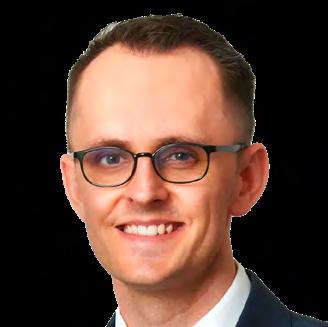
What has been a work highlight for you in 2025?
I always enjoy a battle over the enforcement of a foreign court judgment. Faulty PPE equipment and wasting millions of pounds was a hot topic in the UK in 2025, and I was delighted to deal with a case involving a high-value judgment for counterfeit face masks. These kinds of cases often involve very narrow and technical points of law but a great deal of procedural manoeuvres behind the scenes, and it was good fun to work with the team of solicitors leading up to the final hearing. We are still waiting for judgment, but are feeling confident.
What is one work related goal you would like to achieve in 2026?
The growth of working from home since Covid and my move to work from Malaysia until 2023, meant I became something of an international man of mystery and did not spend as much time in Chambers as I would have liked. I have grown to miss the collegial atmosphere of the Bar (and the bar?), and in 2026 I am going to spend more time in the office.
What book have you read this year that you would recommend everyone to read, and why?
I found the time to read The Count of Monte Cristo by Alexandre Dumas. Normally being more of a science-fiction reader, to my slight surprise I enjoyed it immensely. Despite its length, it is a compelling read. I found it fairly telling that human nature and the desire for revenge is much the same in 2025 as it was in 1844!
What has been the best piece of advice you have been given in your career?
That everyone makes mistakes, and it is what you do about it that makes the difference. Admitting fault when things go wrong is the best opportunity for self-reflection and improvement. It is when people either hold themselves up to an impossible standard of perfection or refuse to accept responsibility that they make the real mistakes of concealment, which can be career-ending. It can be tough to hear, but “if you find yourself in a hole, stop digging” is good advice.
60 SECONDS WITH... NICHOLAS TOWERS BARRISTER SELBORNE CHAMBERS
What cause are you passionate about?
Since 2017, I have been a director of a charitable organisation called Bags of Taste, which delivers mentored courses that teach disadvantaged people how to cook healthy and delicious meals as alternatives to takeaways and microwave food. What sets Bags of Taste apart is that participants are also given bags containing all the packaged ingredients needed to cook the meals at home (like HelloFresh). Rigorous data collection by our CEO, a former investment banker, proved that this approach leads to far more sustained changes in behaviour than traditional cooking courses. Being involved in the growth of the organisation, particularly during the challenges of COVID-19, and seeing first-hand the positive impact it has had on people’s lives has been deeply rewarding.
Dead or alive, which famous person would you most like to have dinner with, and why?
I asked several people what answer they thought I would give for this question and they all said Jonathan Sumption. I confess I find the idea of dinner with one of the most intelligent and successful barristers of the modern age intimidating, but that is exactly why it would be such a good choice. There is a huge amount to learn from someone who has truly excelled, and I think it would be an inspirational conversation.
If you could start all over again, what if anything would you do differently?
There are a million things that I would done differently with the benefit of hindsight, but I’ve never got much value from dwelling on them because you never know how one small change might have made things turn out. If I’d gone all-in on Bitcoin in 2010 I might be writing this from a deckchair atop a superyacht (part of my fleet) in the Caribbean, but I might also find myself isolated, finalising my third divorce and battling a gambling addiction. For me, the best approach is to just do my best and make smart and informed decisions, that I hope future me will approve of.
What does your perfect holiday look like?
I love the mountains, which I think stems from living in a remote hill-tribe village in the mountains of northern Thailand in my (increasingly distant) youth. Whether it is driving through the mountains of Tasmania or the Alps before returning for a delicious meal in a log cabin, a high-altitude break would be perfect for me.
What’s the most important quote you’ve heard that you have adopted to your personal or professional life?
Oscar Wilde’s suggestion of “Everything in moderation, including moderation” has always resonated with me in my personal life. You can have too much of a good (or bad) thing, and exercising self-control and restraint is important, but living in an overly puritanical manner and never indulging can lead to missing out on some of the wonderful things that our short time on earth has to offer.
What would you be doing if you weren’t in this profession?
If the AI singularity happens next week and all knowledge and service professions become redundant by the summer, as an animal lover I would quite like to establish a koi carp farm, ideally somewhere in the mountains!
Do you have a New Year’s Resolution, and if so, how do you plan to keep it?
I would quite like to carve out an impressive set of abs, something which is typically incompatible with my sweet tooth and appetite for good food. I will need to pay a little more attention to the first part of Oscar Wilde’s quote to meet that goal, but as the recent holidays showed me, there is always room for Christmas pud.

ThoughtLeaders4 Middle East Par tner
The quality of barristers makes me return to using them again and again.
Chambers, UK Bar Guide
An absolutely excellent set of chambers where responsiveness is superb.
Chambers, UK Bar Guide
Selborne Chambers is a leading commercial chancery set of barristers based in London with extensive expertise in:
Commercial Disputes Arbitration
Asset Recovery Insolvency
Their barristers provide advice and advocacy in domestic and international cases and arbitrations and are highly regarded for handing complex, high-value, and often crossborder cases in these areas. Selborne is praised for providing clear, practical and innovative advice and is always mindful of clients’ commercial considerations.

EVIDENCE, ENFORCEMENT AND EVASION
RESHAPING WORLDWIDE FREEZING
ORDER STRATEGY IN THE MIDDLE EAST
Introduction
A worldwide freezing order (WWFO) is a powerful interim remedy available from the English courts pending trial or enforcement of a judgment. Where the claimant can establish that: (i) the English court has jurisdiction; (ii) it has a good arguable case on the merits; (iii) the defendant has assets within and/ or outside the jurisdiction that would be available for enforcement; (iv) there is a real risk of dissipation of those assets; and (v) it is just and convenient to do so, the court may make a WWFO to prevent the defendant from dissipating those assets.
Three recent decisions involving Middle Eastern parties demonstrate the English court’s powers and its nuanced and tailored approach to WWFO relief. They confirm the appeal of the English court as a forum that will fairly and robustly navigate applications for this potent remedy.
Mr Azima obtained judgments in England totalling over GBP 20 million against RAKIA. Mr Azima sought a post-judgment WWFO to assist him to enforce against RAKIA, on the basis that RAKIA’s wholly owned subsidiary in Georgia (“RAKIA Georgia”) had sold a hotel in Georgia for USD 45 million. The hotel was sold to a newly incorporated company apparently owned by a RAKIA entity and the transfer document was signed by the same person for both purchaser and seller. RAKIA Georgia’s articles of association gave RAKIA full control over significant decision-making, and the sale could not have taken place without RAKIA’s consent.
The court was satisfied that RAKIA was taking steps to make itself judgmentproof and that the other requirements for a WWFO were met.
Demonstrating its preparedness to make robust and meaningful orders, the English court extended the WWFO to cover assets held by any entities directly or indirectly owned or controlled by RAKIA, so as to catch any entities owned/controlled by RAKIA beyond RAKIA Georgia.
CE Energy DMCC (“CE Energy”) v Ultimate Oil and Gas DMCC (“Ultimate”) and Alhaji Bashar2
CE Energy, a Dubai commodities trader, sold fuel to (Dubai-based) Ultimate, owned by a Nigerian businessman, Mr Bashar. Ultimate failed to pay. CE Energy commenced LCIA arbitration proceedings against Ultimate and issued separate claims in the Commercial Court in England against both Ultimate and Mr Bashar (a guarantor).
At an ex parte hearing, CE Energy obtained a WWFO in support of the LCIA arbitration and Commercial Court claim up to a value of USD 33 million.
Ras Al Khaimah Investment Authority (“RAKIA”) v Farhad Azima1
Authored by: Danielle Carr (Partner), Nick Dawson (Senior Associate) & Tracy Tsao (Associate) - Browne Jacobson
CE Energy sought to continue the WWFO and Ultimate/Mr Bashar sought to discharge it.
After a detailed examination, and demonstrating the high bar to obtain, and maintain, such relief, the WWFO was discharged. The English court found insufficient evidence of dissipation risk. Despite deficiencies in Mr Bashar’s disclosure, he had disclosed assets of USD 170 million (five times the WWFO value), much in real property that was harder to dissipate; and its cargoes in storage provided significant security. Even Ultimate and Mr Bashar’s failure to pay debts and certain dishonoured cheques (with UAE criminal proceedings afoot), did not themselves provide primary evidence of risk of dissipation. Further, separate committal proceedings involving Mr Bashar/Ultimate (of which CE Energy was aware, when continuing to deal with them), were not relevant to risk of dissipation.
HRH Princess Deema Bint Sultan Bin Abdulaziz Al Saud v Ronald Gibbs3
The Claimant had obtained WWFOs against Mr Gibbs in 2021 and 2022, freezing assets up to USD 30 million. Despite claiming to have significant wealth and to be incurring GBP 17,500 in weekly living expenses that was carved out of the WWFO, Mr Gibbs disclosed no liquid assets.
The Claimant sought further disclosure of Mr Gibbs’ assets and to update and
continue the WWFO. The Claimant said that Mr Gibbs had breached the original WWFO, including concealing share transfers, failing to reveal funding sources, maintaining undisclosed bank accounts to evade enforcement, and disposing of assets on the basis that his total wealth exceeded the USD 30 million frozen (although this was based on the falsely inflated value of one of his companies).
The court used its wide powers in support of WWFOs to order the identification and disclosure of all bank accounts in Mr Gibbs’ name or control, including company accounts. The WWFO was amended to require updated disclosure of assets, specific information about funding sources in relation to living expenses and to require the Claimant’s confirmation of the value of Mr Gibbs’ portfolio or the court’s permission before any asset disposal.
Key Takeaways
As the cases above demonstrate:
• Disreputable conduct alone may (as in the CE Energy case) be insufficient to establish sufficient risk of dissipation to merit a WWFO. Claimants seeking WWFOs must adduce robust evidence of a real risk of dissipation.
• The English courts are prepared to tailor WWFOs, including to reach assets held through subsidiaries where the defendant exercises power or control over them. This may be particularly significant for disputes involving assets held by whollyowned foreign subsidiaries, free zone companies, family offices holding international assets and offshore vehicles controlled by Middle Eastern parties.
• Once a WWFO has been obtained, the court will rigorously police its terms and impose stringent asset disclosure requirements on a defendant to ensure compliance.
WWFOs remain a potent weapon in the enforcement arsenal. The English courts remain uniquely positioned, and continue to be an attractive forum, for parties from the Middle East (and beyond) seeking to obtain WWFOs to preserve assets pending trial or enforcement of judgments or arbitral awards.
HRH Princess Deema Bint Sultan Bin Abdulaziz Al Saud v Ronald Gibbs [2024] EWHC 237 (Comm).
INVESTIGATIONS IN THE ARABIAN GULF A GLOCAL APPROACH
The geography of investigations has fundamentally changed. What were once discreet, jurisdiction-bound enquiries are now inherently crossborder exercises, shaped by the movement of people, multijurisdictional corporate structures, global regulation and regulatory expectations. Nowhere is this transformation more evident than in the Arabian Gulf.
Anchored by Dubai, Abu Dhabi, Doha, Riyadh, and Muscat, the region has become a commercial hub and a focal point for complex, high-stakes investigations.
Misconduct increasingly crosses borders: fraud schemes are routed through multiple jurisdictions; cyber incidents involve international infrastructure; and sanctions issues emerge from global supply chains. For investigators, the Gulf is not simply a challenging environment; it is a proving ground for modern investigative practice.
A “glocal” approach that blends deep local understanding with a global investigative toolkit is no longer optional: it is essential.
The Distinctive Nature of Gulf Investigations
Today’s investigations almost always span several legal regimes. Evidence may sit in Europe, witnesses live in the Gulf, and corporate structures stretch across Asia, Africa, and offshore centres. Investigators must navigate divergent privacy laws, banking secrecy obligations, and culturally driven differences in witness engagement.
While formal mechanisms such as mutual legal assistance treaties remain relevant, they are often slow and cumbersome. In practice, progress is driven by the strategic combination of local insight, cross-border capability, and an international outlook.
The Gulf’s Unique Investigative Challenges
1. Rapid Regulatory Change
The region is undergoing sustained legislative reform. The UAE’s removal from the Financial Action Task Force’s grey list in February 2024 reflects substantial AML enhancements; Saudi Arabia continues to expand anti-corruption oversight; and free zones such as the DIFC and ADGM now operate sophisticated data protection and corporate governance regimes. These developments create opportunities but also increase the legal complexity of evidence acquisition.
2. Dominance of State-Linked Economic Actors
State-owned enterprises and sovereign wealth funds remain central to the Gulf’s commercial landscape. Investigating these entities requires sensitivity to political considerations, multilayered ownership structures, and governance cultures shaped by state priorities.
Authored by: Rana Feghali (Partner) - Zenobia Intelligence
3. Uneven Transparency and Digital Recordkeeping
While parts of the region have modern corporate registries and e-government systems, others maintain limited public access to filings. In sectors like construction, trading, and infrastructure, financial and contractual records may exist but are often not publicly available.
4. Geopolitical and Sanctions Exposure
Activities in the Gulf are often connected to Europe, the US, Africa, and Asia. Transactions that appear locally benign may trigger sanctions, exportcontrol, or compliance risks elsewhere. Investigators must constantly evaluate cross-border regulatory implications and take into consideration the long arm of justice, given the extensive reach of US and European legal systems.
A Global Approach Provides Opportunities for Gulf Investigators
The Gulf offers significant investigative opportunities for practitioners who adopt a global mindest. Integrated global thinking is often crucial for investigators to overcome the constraints set out above.
This global approach makes full use of the opportunities that the Gulf’s unique makeup represents.
1. Leveraging Gulf Demographics
Gulf countries have large expatriate populations with foreigners making up a significant majority in countries such
as the UAE and Qatar, and a large portion of the population in other Gulf states. While this represents challenges on a societal level, it is a goldmine for investigators. Simply put, local issues (and people) rarely remain local for long with foreign jurisdictions often a key feature of Gulf investigations.
2. Extracting Evidence from Outside the Region
Because Gulf entities operate globally, critical evidence often resides in open jurisdictions outside the region. Public corporate filings, foreign litigation records and offshore asset registries also provide a mosaic of information that can be analysed and fed back into the Gulf context.
3. Using International Legal Remedies to Overcome Local Constraints
Where local transparency is limited, foreign tools fill the gap. FOIA requests, international litigation records, sanctions filings, and foreign court disclosure mechanisms (such as US §1782 discovery) allow investigators to build a solid evidentiary base without relying solely on local channels.
4. Mapping State-Linked Corporate Ecosystems
It is also worth noting that SOEs and sovereign investors hold extensive international portfolios. Their activities generate filings and disclosures across multiple jurisdictions subject to strict disclosure requirements. By mapping these structures globally, investigators can identify assets and financial flows that shed light on operations in the home jurisdiction.
Conclusion
The Arabian Gulf stands at the intersection of global finance, political complexity, and regulatory transformation. It is a region where cross-border investigative tensions are at their sharpest and where the opportunities for capable investigators are among the greatest.
Those who can combine local credibility with international investigative sophistication will find the Gulf not just a jurisdiction of challenges but a template for the future of cross-border investigation itself.
A NEW ERA FOR AML/CTF/PF IN THE UAE
The United Arab Emirates has significantly enhanced its legal framework for anti-money laundering, countering terrorism and proliferation financing with the promulgation of Federal Decree-Law No. 10 of 2025 (the “2025 AML Decree-Law”). Effective from 14 October 2025, this new legislation repeals Federal Decree-Law No. 20 of 2018 (the “2018 AML Law”), introducing substantive amendments designed to enhance the enforcement framework, expand the scope of criminal liability, and align closely with evolving international standards.
An Expanded Regulatory Perimeter
The 2025 AML Decree-Law broadens the scope of the AML/CTF regime, most notably by incorporating nonproliferation and clarifying key definitions.
• Inclusion of Countering Proliferation Financing: The legislation’s title is amended to include “Countering Proliferation Financing” replacing the previous focus on “Illegal Organisations” in the 2018 AML Law. This shift is achieved through the introduction of specific offenses for financing the proliferation of arms and definitions for “Weapons of Mass Destruction” and “Arms Proliferation”.
• Expanded Predicate Offenses: While the 2018 AML Law defined a “Predicate Offense” as any act constituting a felony or misdemeanour, the 2025 AML Decree-Law broadens this definition in Article 1 to explicitly include the “evasion of direct and indirect taxes”. This clarification expands the range of illicit activities from which criminal proceeds may originate.
• Digital and Virtual Assets: The definitions of “Money Laundering” and “Terrorist Financing” have been updated to expressly state that these offenses can be committed “through digital systems, virtual assets, or encryption technologies,” a detail absent in the 2018 AML Law. This ensures the law remains relevant in the context of emerging financial technologies.
• Refined Definition of Proceeds: The definition of “Proceeds” in Article 1 has been expanded to more clearly include recurring and derivative benefits, specifying that it covers not just profits and economic advantages but also “other benefits derived” from criminal property. This closes potential loopholes related to gain from illicit funds.
• Clarified Mens Rea Standard: Money laundering now covers not only knowingly handling criminal
proceeds but also situations where someone “should reasonably be aware that funds come from AMLrelated crimes” and still acts. Article 2(1) specifies that a person is liable if they know, or if there are “sufficient evidence or indications” of their knowledge, that funds are illicitly sourced.
A Robust Enforcement, Asset Recovery and Sanctions Regime
The new law expands the powers of the Financial Information Unit (FIU), introduces formalised asset recovery framework, and significantly increases financial penalties to strengthen deterrence.
• Enhanced FIU Powers: The 2025 AML Decree-Law grants significant new direct powers to the Head of the FIU under Article 5. This includes the authority to order the suspension of a transaction for up to ten working days and to freeze funds for up to thirty days (extendable by the Public Prosecutor). This marks a shift from Article 5 of the 2018 AML Law, where the power to freeze funds for up to seven days was vested in the Governor of the Central Bank.
Authored by: Mohammed Al Dhaheri (Partner, Dispute Resolution) & Mohammed Abbas Al-Obaidi (Senior Associate, Dispute Resolution) - Hadef & Partners
• Clarification of Freezing and Seizure: The 2025 AML DecreeLaw provides distinct definitions for “Freezing” and “Seizure” of funds, clarifying the level of control over the assets as well as the reasons for and effects of each measure. Previously, the 2018 AML Law used a single definition for both terms. Under the new framework, the Head of the FIU is empowered to issue both “Seizure” (suspension) and “Freezing” orders.
- A Seizure order, which can extend up to 10 days and is extendable, may be issued based on the FIU’s analysis of a Suspicious Transaction Report (STR), information or requests from national or international unit counterparts, or a request from any competent national authority. The effect of a Seizure order is far-reaching, applying to any transaction, and during its period of application, the competent authority will take control of the seized assets. This indicates a direct transfer of management and control.
- A Freezing order, which can last for up to 30 days and is also extendable, is typically based on the FIU’s analysis of an STR or other information received by the FIU. These orders primarily affect Financial Institutions (FIs), Designated Non-Financial Business and Professions (DNFBPs), and Virtual Asset Service Providers (VASPs). Critically, under a Freezing order, the assets remain under the control of the person(s) receiving the order for its duration, although they are prohibited from utilizing, transferring, converting, exchanging, or disposing of the same.
• Formalised Asset Recovery: While the 2018 AML Law provided for the management and disposal of seized assets under Article 5(7), the 2025 AML Decree-Law introduces a new, dedicated Article 22 for “Asset Recovery” which establishes a legal framework for asset recovery to be further detailed by executive regulations to be issued by the Cabinet of Ministers. Most notably, Article 22 provides safeguards for the rights of innocent third parties with respect to confiscated criminal property.
• Voiding of Evasive Contracts: Article 6(3) of the new law renders any contract or transaction null and void if a party knew, or could have reasonably known, that its purpose was to impede the ability of authorities to seize, freeze, or confiscate criminal property. This
strengthens a similar, but less expansive, provision found in Article 26 of the 2018 AML Law.
• Increased Penalties: The financial penalties for key offenses have been substantially increased and now include mechanisms to link fines to the value of the criminal property.
attempt to carry out business. This extends due diligence obligations more clearly to the pre-onboarding phase.
• Forthcoming Regulations: Article 19(2) of the 2025 AML DecreeLaw anticipates that the executive regulations will provide detailed guidance on the specific a wider range of entities and roles, including:
- Non-profit organizations.
- Economic and commercial registries responsible for regulating legal arrangements.
- Companies, their managers, and nominee shareholders.
- Legal arrangements, trustees, and persons holding similar positions.
This indicates that further, more granular compliance requirements are on the horizon. Until such regulations are issued, any existing regulations would remain applicable.
Conclusion
Impact on Regulated Entities
For Financial Institutions (FIs), Designated Non-Financial Businesses and Professions (DNFBPs), and Virtual Asset Service Providers (VASPs), the 2025 AML Decree-Law reinforces existing obligations while introducing important nuances.
• Continuous Monitoring: Article 19 of the 2025 AML Decree-Law makes “continuous monitoring” a more explicit and distinct requirement of due diligence compared to its framing within Article 16 of the 2018 AML Law. This cements the expectation that regulated entities must maintain dynamic and ongoing oversight of client relationships.
• Expanded Definition of Client: Article 1 of the new law defines a “Client” as any person, entity or legal arrangement that has a business relationship or is about to establish such a relationship, a subtle but important expansion from the definition in the 2018 AML Law that focused on those who undertake or
Federal Decree-Law No. 10 of 2025 is a comprehensive replacement of the 2018 framework, creating a more robust, modern, and institutionally sound regime. By expanding the law’s scope, strengthening supervisory powers, and imposing stricter penalties, the legislation signals a clear commitment to combat financial crime. Entities operating in the UAE must proactively assess their internal policies and monitoring systems to ensure compliance with this new and more demanding legal landscape.
Should you require any further information, please contact Mohammed Al Dhaheri, Partner, Dispute Resolution and Money Laundering Reporting Officer at m.aldhaheri@hadefpartners. com or Mohammed Abbas Al-Obaidi, Senior Associate, Dispute Resolution at m.abbas@hadefpartners.com.
THE EVOLVING LANDSCAPE OF CROSS-BORDER INVESTIGATIONS
A TECHNOLOGY LENS FROM THE MIDDLE EAST
Authored by: Badar Nadeem (Senior Director) - FTI Consulting
Cross-border investigations in the Middle East are undergoing rapid transformation. Organisations are weighing a shift to cloud-first environments, expanding internationally and operating under increasingly complex regulatory frameworks. The region’s accelerated digital adoption, particularly in the United Arab Emirates and Saudi Arabia, has introduced potential for new efficiencies for investigative work, but it has also created technical and jurisdictional challenges that require careful navigation of legal and technology considerations.
While the drivers behind this transformation are numerous and varied, this article examines three core technological factors shaping crossborder investigations:
1 The expanding role of Microsoft 365.
2 The operational real-life impacts of cloud/on-premise hybrid environments.
3 Regional nuances such as licensing restrictions, data sovereignty and the dominance of consumer messaging platforms.
For many organisations in the Gulf Cooperation Counsel, Microsoft 365 has become the central repository for corporate communication and collaboration. The platform’s consolidation of email, file storage and chat functionality means that it can increasingly hold the majority of data relevant to internal and cross-border investigations (with some obvious regionally-nuanced exceptions, discussed later).
Microsoft 365’s compliance ecosystem, including Purview eDiscovery, legal hold and labelling, classification and audit capabilities, has reshaped investigative workflows by enhancing organisations’ ability to:
• Preserve data with auditability
• Apply defensible retention controls.
• Export content with consistent metadata.
• Track user activity and access across applications.
For cross-border matters, such consistency is critical, particularly when multiple jurisdictions are involved and when regulatory scrutiny requires demonstrable, defensible control over the collection and preservation process.
Despite its advantages, Microsoft 365 may also introduce complexities. Its architecture is global by design and certain data types, logs or processing may reside outside a customer ’s primary region. This raises important considerations for Middle Eastern organisations, particularly where data sovereignty requirements apply or local regulations restrict transfers of personal or sensitive data, for example in the UAE or Saudi Arabia.
These concerns are amplified in cross-border investigations, where legal teams must ensure that data movements comply with local laws while satisfying the expectations of foreign regulators or courts.
Concurrently, the adoption of cloud storage in the Middle East is accelerating. This is suitably supported by regional datacentres operated by Microsoft, AWS, Google and Oracle. Sometimes unbeknownst to all stakeholders, a vast majority of large organisations in the GCC are already operating a hybrid model. This is to say, organisations are maintaining legacy systems alongside cloud platforms. This duality significantly influences the availability, accessibility and consistency of data during investigations.
On one hand, Cloud platforms provide:
• Centralised content storage.
• Uniform audit and retention capabilities.
• Enhanced metadata quality.
• Faster response times for preservation and export.
These features support more structured and predictable investigative processes and reduce reliance on fragmented systems that were previously common in many local environments. Because they tend to be more standardised, they are also less reliant on documentation or institutional knowledge in order to be able to defensibly retrieve data for investigations.
Conversely, non-cloud (i.e., onpremise) systems, particularly legacy environments for human resources, finance, customer relationship management or shared-drive environments, often lack robust logging, consistent retention or reliable access controls. Organisations may also have local CCTV storage, legacy email archives or departmental systems that operate independently on local storage.
For cross-border investigations, the challenge is consistency and efficiency. Applying a defensible, well-documented workflow to cloud systems while relying on bespoke extraction methods for legacy systems introduces procedural risk. This disparity can complicate disclosure, prolong timelines and affect the defensibility of investigative findings. This in turn can warrant additional data collections, processing and review thereby consuming valuable time and money.
As an example, in the current hybrid landscape, a cross-border investigation may necessitate orchestration of the following:
• Cloud collections from Microsoft 365 or Azure hosted in the GCC.
• Device-based data extraction from employee laptops or mobile devices (often personal devices that carry their own data sovereignty challenges).
• On-premise exports from legacy systems located in multiple countries, often with differing privacy expectations and regulatory constraints.
Ensuring continuity and consistency across these environments is now a core requirement for investigative planning and something investigators must be prepared for.
In the cloud versus on-premise debate, the GCC does bring about nuances in data sovereignty and cultural sensitives around data ownership. This is not where the regional nuances stop. There are several additional factors, unique to the Middle East that directly influence the execution of cross-border investigations. These are often technical rather than legal, yet they shape the feasibility and design of investigative workflows.
Certain forensic, compliance and e-discovery platforms widely used in Europe and the United States cannot be licensed or deployed onshore in the UAE due to export-control restrictions. As a result:
• Some investigation workflows must be executed remotely using offshore infrastructure.
• Data may require transfer to approved international service providers.
• Certain investigative steps cannot be completed within UAE borders without workarounds.
These limitations must be considered early, particularly in matters involving regulatory authorities that require specific tools or methodologies.
A specific example of this is Cellebrite, a digital forensics software platform routinely used for mobile data collections. Cellebrite licensing in the UAE is embargoed. Cellebrite is also one of the few leading tools that allows full file system collections from mobile devices. This format of collections is increasingly becoming a regular requirement as part of requests by global regulatory agencies, including the U.S. Department of Justice. In cases where full file system collection is required for devices from different jurisdictions, early planning is crucial to obtain any necessary exceptions in order to comply.
Data residency expectations vary across regions and even within the GCC. This means, for international investigations, organisations must map data locations and transfer constraints before starting collections, hosting or disclosure. Erroneously extracting or transferring data without appropriate approvals may be in breach of local law even before investigative analysis begins.
A particularly challenging data type specifically in the Middle East is mobile communications. Often underacknowledged in investigative contexts, but frequently relevant to evidence collection, is data from mobile chat platforms such as WhatsApp for business communication.
The most obvious challenge with accessing and preserving mobile communications in an investigation is centralised availability of the data. In the GCC, the use of personal devices for business is common. This therefore means that data preservation usually relies on device-based forensic acquisition, which is not always possible due to data ownership and consent issues. Additionally, cross-border matters involving multiple countries may face differing expectations regarding personal device access, thereby threatening the consistency of approach that is key to investigations.
The prevalence of such communications means that many investigations cannot rely solely on corporate systems. Instead, device analysis, acceptable use policies and clear employeeconsent frameworks have become essential components of defensible investigative practice.
Cross-border investigations in the Middle East are increasingly shaped by the interplay between cloud adoption, hybrid systems and regional sensitivities, trends and nuances. Microsoft 365 has enhanced the centralisation and retrieval of corporate data, but its multi-region architecture requires careful jurisdictional assessment. Hybrid environments continue to introduce inconsistency, particularly when legacy systems lack modern governance controls. Meanwhile, local challenges, including licensing restrictions, data sovereignty requirements and the widespread use of mobile messaging platforms add further layers of complexity.
Successful cross-border investigations now depend on an organisation’s ability to create clear data maps, understand the regulatory landscape and design processes that align with both global expectations and local technical capabilities and limitations. The landscape continues to evolve and organisations that adapt early will be better positioned to manage the demands of future disputes and investigations.







As an independent, owner-managed fiduciary group Fairway is committed to delivering client-centric solutions that endure. Headquartered in Jersey, with offices in Dubai, Kuwait, Singapore and Madeira, we offer seamless, director-led services across Private Client, Corporate, Funds, and Pensions. Our award-winning team combines innovative solutions with administrative and technical excellence, ensuring each client's unique needs are met with precision and care.






Consciously independent.







For our Private Clients, we offer bespoke services tailored to manage and transfer family wealth across generations. Our offerings include Trust, Company and Foundation Incorporation and Administration, Directorship Services, Family Office Solutions, and Private Trust Companies. Our director-led team delivers tailored, long-term solutions for effective family wealth management and generational wealth transfer.














RE-ENGINEERING THE MIDDLE EAST DISPUTES MARKET
The Middle East is undergoing a seismic shift in its dispute-resolution landscape. A wave of mega-projects, rapidly modernising institutions and shifting geopolitical dynamics is reshaping how and where disputes are fought. As Saudi Arabia, the UAE and Qatar compete for regional supremacy, the Gulf is emerging not just as a major centre of construction and investment, but as one of the most sophisticated and consequential disputes markets in the world. For corporates, investors and law firms, the next few years will change how risk is assessed across the region.
Construction Disputes: A US$154m Pressure Point
The scale of construction across the Gulf – led by Saudi Arabia’s unprecedented build-out – is driving an equally significant rise in disputes. Independent studies show that Middle Eastern construction projects now face the highest delays globally, averaging 82–83% over schedule and extending timelines by more than 22 months. These delays translate into substantial financial exposure: the average value in dispute is now US$154m, around onethird of project spend.
The development pipeline continues to expand. Regional construction output is projected to rise toward $700bn by the
early 2030s, with Saudi Arabia alone accounting for a large share through NEOM, The Line, Qiddiya and other flagship schemes.
Unsurprisingly, 70% of capital-projects leaders expect disputes to increase as contractors, developers and state entities grapple with cost inflation, scope change and persistent delivery risk.
Geopolitics is adding friction of its own. Disruptions in the Red Sea have pushed up air-freight volumes and delayed critical materials, complicating already stretched supply chains. These pressures are feeding directly into claims including force majeure, delay responsibilities and major contractual battles.
As mega-projects move from early works into full construction phases, the complexity of the litigation will rise. Multi-party arbitrations, forensic delay analysis and detailed expert evidence will become hallmarks of the maturing disputes environment.
A Regional Race For Disputes Supremacy
Alongside the construction surge, the Gulf’s legal infrastructure is evolving rapidly. Courts and arbitral centres are competing openly to become the region’s preferred forum for commercial and investment disputes, creating one of the most dynamic institutional environments in the world.
Dubai’s DIFC Courts have taken the most assertive steps. In late 2024, the DIFC Court of Appeal confirmed it can grant worldwide freezing orders even where there is no DIFC connection. The move represented a significant expansion of judicial reach and strengthened its position as a credible rival to established centres such as London. In another first, the DIFC Court issued a judicial interpretation of US sanctions law, signalling a willingness to handle complex cross-border matters traditionally reserved for the Western courts.
Authored by: Paul Martenstyn (Co-Founder) - Prosperant
Abu Dhabi is running a parallel race. The English-law based ADGM Courts continue to attract financial institutions, sovereign investors and energytransition projects, supported by ArbitrateAD – a dedicated arbitration centre launched in 2024. Together, they are positioning Abu Dhabi as a natural home for finance, energy and infrastructure disputes.
Saudi Arabia’s transformation may ultimately be the most significant. Regulatory reforms have opened its legal market to international firms, while the Saudi Center for Commercial Arbitration has modernised its rules, expanded its capacity and is gaining credibility as the principal forum for disputes arising from Vision 2030 projects. As activity accelerates, SCCA’s role will only grow.
The result is a region where forum selection has become a strategic decision, not a procedural afterthought. Clients are increasingly tailoring clauses to the specific strengths of DIFC, ADGM and SCCA rather than treating the Middle East as a single arbitration environment.
this creates both opportunity and complexity: an intricate mix of treaty protections, domestic legal frameworks and arbitral options now shapes the risk profile of major deals.
ESG And Technology Disputes: The Next Frontier
Although construction dominates today’s agenda, the region’s long-term disputes profile will be shaped by ESG commitments and technology adoption. Sustainability obligations are moving from aspirational goals to enforceable contractual requirements embedded across supply-chain, construction and energy agreements. As these commitments become measurable, disputes will emerge over performance standards, missed ESG targets and alleged greenwashing – often handled through confidential arbitration to limit reputational damage.
Prepare For A Decade Of Disputes
The Middle East is restructuring the global disputes map. Mega-project delivery, institutional ambition and geopolitical shifts are creating a disputes environment that is larger, more sophisticated and more internationally relevant than ever before. By 2027, the region will be firmly established as a central hub for commercial, construction, investment and technology disputes.
For organisations operating in the Gulf, the message is clear: prepare now. The disputes wave is gathering speed, and the firms and corporates that build capability early will be the ones best positioned to navigate and shape the next decade.
About Paul:
Investment Protection Enters A New Phase
As commercial disputes increase, so too does the importance of investment protection.
Saudi Arabia’s new Investment Law, in force since 2025, consolidates investor protections and permits qualifying disputes to proceed to international arbitration – a shift for a jurisdiction long cautious about investor-state proceedings.
Meanwhile, the UAE continues to broaden its treaty network, including a major 2024 economic partnership with India. These agreements come at a time when governments across the region are recalibrating energy policy, regulatory frameworks and digital-economy rules. For investors,
Technology disputes are gathering pace for similar reasons. Abu Dhabi’s ambition to develop the world’s first fully “AI-native” government mirrors the region’s wider digital transformation. Large-scale AI deployments, smart-city systems and data-driven infrastructure introduce new litigation risks relating to system failure, algorithmic bias, performance guarantees and data ownership. These cases will require tribunals and counsel to engage with technical evidence more deeply and consistently than ever before.
Positioning for 2026–27: a strategic turning point
For corporates, the coming years will demand a more proactive approach to dispute risk. Contract structures must reflect realistic timelines, clearer ESG and technology metrics, and more precise dispute-resolution clauses that account for the differing strengths of DIFC, ADGM, SCCA and domestic courts. Investors entering Saudi Arabia, in particular, will need to consider treaty protection at the outset of deal structuring.
For law firms, this is a generational moment. The Middle East is becoming one of the world’s most significant disputes markets, but the winners will be those who invest early: constructionspecialist disputes teams, regional coverage across the Gulf, and deep expertise in energy transition, sovereign work, technology and sports disputes ahead of major regional events. The pace of institutional competition means clients increasingly expect strategic clarity on jurisdictional options.
Paul Martenstyn is a globally recognised award winning trusted advisor in business growth and strategy for the world’s best law firms, barristers’ chambers, experts and litigation / credit funds. As a market leading innovator, he has launched high-profile legal businesses around the world, supported senior leaders in law on commercial strategy and delivered capital deals with a combined value of multiple billions of dollars. He is a former magic circle senior clerk having been in chambers since 1998, and from 2018 – 2020 was a Managing Director of Fortress, the New York fund who dominate global litigation funding.
In 2020, Paul became the co-founder of Prosperant, with a launch mandate to develop a brand-new set of chambers in Hong Kong, and under his leadership, became a market leading set of chambers within three years. He was also instructed to launch the first Middle Eastern Law Firm in London, Meysan, which has proven to be a huge success.
Since then, he has launched and managed a diverse group of law firms and chambers around the world, secured funding for over $870 million of cases and financings, and supported several stand-out global practices in tackling sophisticated business challenges to harness fresh growth and progress which also include advising a supreme court judge in India, and a global top 5 senior partner on growth to 2030. The trusted advisor role keeps him busy in many different time zones, and means the phone doesn’t stop ringing.
Paul is also contributory editor of the market leading textbook, The Independent Bar, which is published by Global Law with his section focused on excellence in Practice Management and Business Development. This book can be found in all leading universities around the world.
SPARE TIME: He is 29 years into service with Save the Children, and as a former head of the African Advisory Board, is now a nominated Global Vice President having raised over £22million to help save children’s lives around the world. In 2026 he celebrates 30 years of service.
About Prosperant:
Prosperant is designed to find answers to some of the legal world’s toughest challenges; how to launch, how to grow and how to win. Our people have decades of experience in the market and valuable networks. That’s why the world’s leading global law firms and boldest start-ups come to us. From our office in London, we work with clients in the UK, the Americas, Continental Europe, Asia and Australasia, and our people are often embedded at the highest levels of the organisations they serve. We apply our expertise to the growth agenda for world-class practices, whatever their size or complexity.


WHY GOVERNANCE HAS OVERTAKEN TAX IN UAE RELOCATION PLANNING

For individuals and families relocating from the UK and Europe, the UAE - and Dubai in particular - remains one of the world’s most attractive destinations. Safety, connectivity, lifestyle and the absence of personal income and capital gains tax are well understood.
Over the past decade, Dubai has shifted from being a relocation hub driven by tax incentives to an internationally recognised governance-led, sophisticated wealth-structuring centre.
The challenge for international families sits at the intersection of residency defensibility, fiduciary structure, succession planning and regulatory compliance - areas where Dubai and Abu Dhabi have matured rapidly over the past decade and continue to evolve apace.
Our experience of supporting internationally mobile families suggests that navigating this challenge successfully requires a holistic governance-first approach. Decisions taken during the early stages of relocation frequently shape outcomes many years later, particularly once families and their assets become embedded in the region.
For advisers accustomed to UK and European trust, tax and regulatory frameworks, this can mean entering uncharted territory. Working with a trust and corporate services firm with a multilingual on-the-ground team is therefore crucial.
In practice, much of our role involves translating well-established UK and European planning concepts into structures that are locally recognised, regulated and enforceable in the UAE. This requires technical expertise combined with deep familiarity with how local regulators, banks and counterparties assess substance, control and governance in real-world scenarios.
Establishing Residency
From a UK perspective, a common misconception is the assumption that UAE residence is self-evident once a visa is obtained.
HMRC’s approach to residence, domicile and “ties” is well understood by UK advisers. In practice however, becoming a UAE resident is now tested on evidence rather than intent. This requires rigorous day-count planning, consistency across immigration, banking and tax documentation, alignment between UAE facts and UK or European disclosures, and active management of residual UK connections, such as property, business interests and family presence.
The most robust arrangements are built around disciplined documentation and consistency over time. Establishing residence is more than a momentin-time exercise, with the focus on maintaining alignment across personal, financial and regulatory records, often over many years.
Authored by: Dan Toft (Director & Senior Executive Officer) - Praxis UAE
Succession And Guardianship
Despite increased awareness, succession planning remains the most under-addressed risk area for UK families relocating to the UAE.
Without a properly structured and locally valid will and ownership framework, UAE-situs assets (including bank accounts and real estate) may be subject to Sharia Law and local default inheritance rules.
We regularly see situations where carefully constructed UK or offshore estate plans are undermined by a lack of locally valid UAE instruments. Effective succession planning requires coordination across jurisdictions, ensuring that local arrangements reinforce – rather than contradict –existing structures.
With consequences including no control over the appointment of guardians of underage children, a freeze imposed on business matters and joint bank accounts, making a will is vital to avoid conflict with long-established estate plans.
The most effective solutions integrate UAE-recognised wills and guardianship arrangements, a clear situs analysis of global assets, and coordination with existing UK and offshore estate planning. This could incorporate the use of trust structures to separate control, benefit, and succession.
Trusts, Foundations
And The Importance Of Licensed Local Trustees
As families migrate themselves and their assets to the region, attention increasingly turns to how trusts or foundations can be optimally structured, and where fiduciary oversight is best positioned.
It is important to be aware that the UAE is not a uniform market, and that each emirate and freezone has its own laws and regulations. Trust and fiduciary services are tightly regulated, and only a small number of providers are licensed to act as trustees locally.
Praxis was the first licensed trustee in the Abu Dhabi Global Market (ADGM) and remains one of only a handful of firms licensed to provide trust services in ADGM and Dubai.
For UK advisers, this has practical implications, including demonstrating jurisdictional substance at a time when global tax authorities are increasingly focusing on control and decisionmaking. Trustees operating under the ADGM or DIFC frameworks are subject to regulatory standards closely aligned with international expectations regarding governance, transparency and accountability. Dubai was previously viewed as a short-term relocation option, with expats often leaving again once their contracts had been completed. This has changed in the seven years I have lived here, and locally regulated trustees also offer continuity for families intending to set roots in the region. In practice, this enables families to move beyond traditional offshore solutions and adopt structures that better reflect their new status.
Corporate Tax
The introduction of UAE Corporate Tax in 2023, which incorporates global best practices in governance, is wellknown, but the implications for private clients are less understood. Many UAE structures were originally established by UK entrepreneurs to facilitate relocation or banking requirements. The introduction of Corporate Tax materially altered the risk profile of historic arrangements, and the regime now presents a clearer distinction between personal and business income, with regulatory consequences for poorly governed entities.
Well-structured businesses with genuine activity, effective governance, and thorough documentation remain highly competitive. Poorly structured “visa companies”, however, have become increasingly problematic, in contrast with well-governed businesses that have legitimate and well-documented activity.
An integrated approach combining corporate services, accounting, fiduciary oversight and tax compliance is essential, particularly for families operating multiple entities across jurisdictions.
Employer Solutions
Employee benefits are rarely at the top of the agenda in relocation discussions, yet for families with global businesses, they can represent a significant governance and balance-sheet issue.
UAE gratuity obligations, incentives and savings schemes require careful structuring, particularly where there is crossover between local regulations and European employment practices.
Institutional-grade solutions, including employee benefit trusts and workplace savings arrangements, enable families and their businesses to manage longterm liabilities, support talent retention and align global governance standards with local expectations.
The Key Takeaways For UK Advisers
The UAE has established itself as a credible, regulated and internationally connected wealth centre, and with that status comes both opportunity and increased scrutiny.
Across all these areas, our experience consistently points to governance as the defining factor in successful relocation outcomes.
For UK private client advisers, the implications are practical rather than theoretical. While tax efficiency remains relevant, it is governance, fiduciary quality and evidence that determine success. Most importantly, relocation should be approached as a long-term structural decision rather than a tactical tax response.
The recommendation is that advisers engage early with a locally licensed fiduciary and corporate services provider, who can translate UK planning intent into UAE-compliant, enforceable structures. In the current environment, cross-border experience and local regulatory standing are now the baselines for doing this well.
Contact dan.toft@praxisgroup.com for further information.


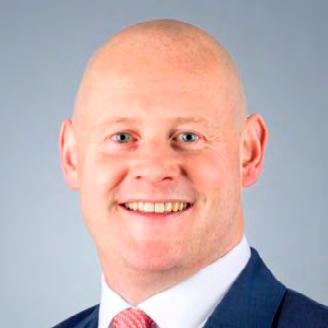
What was a work highlight for you in 2025?
The privilege of welcoming a political leader to our Dubai offices to discuss complex succession planning and the structuring of his investment business was definitely a high point.
What is one work related goal you would like to achieve in 2026?
Our goal is to continue delivering consistently high-quality outcomes for private wealth clients by fully leveraging the expertise that exists across our team, which we expanded significantly last year with the acquisition of Sandshore Services Limited, and new joiners. We have a strong understanding of how clients use ADGM fund and fiduciary structures, and the essential role fund administration plays in governance, regulatory compliance, and operational efficiency. By applying this expertise at scale, we aim to support clients with clarity, confidence, and seamless execution.
What has been the best piece of advice you have been given in your career?
Leaders are expected to make decisions, and decision-makers make mistakes. If you want people to follow you, be prepared to act decisively and confidently. However, learn to identify early where mistakes are made and don’t be afraid to rectify them.
What cause are you passionate about?
I’m passionate about thoughtful, informed conversations around UK politics and the Western world’s perception of the Middle East. I enjoy engaging with these topics constructively - although I’m not considering a change in profession!
60 SECONDS WITH... DAN TOFT SENIOR EXECUTIVE OFFICER PRAXIS UAE
Dead or alive, which famous person would you most like to have dinner with, and why?
Famous people don’t generally intrigue me, so it would have to be someone I think would be fun to spend the evening with. Some of the golfers for Team Europe in the Ryder Cup victory against the US such as Tyrell Hatton, Shane Lowry and John Rahm et al would be a good crowd to share a night out with.
What does your perfect holiday look like?
We like to have a mix of adventure/ adrenaline and relaxation on our family holidays. We use our base in UAE to explore Asia and currently Thailand and Vietnam are high on our list of preferred locations. Mornings may be spent with an early morning padel session or round of golf followed by exploring ancient towns, mountain treks or even whitewater rafting. A relaxing afternoon not far from a pool bar or a massage at the spa usually provides the calming antidote to a busy morning.
What’s the most important quote you’ve heard that you have adopted to your personal or professional life?
The notion to “walk a mile in someone else’s shoes” encourages understanding, perspective and empathy. It is particularly relevant when dealing with international clients and across a multi-jurisdictional business such as Praxis.
What would you be doing if you weren’t in this profession?
When I was younger, the idea of being a criminal lawyer excited me, but having committed to a Law ‘A’ Level and understanding the sheer volume of case law that was required to be memorised to pass the Bar exams I quickly decided that wasn’t for me! I have a keen interest in sport and cars and particularly enjoy restoring modern classics that are a vintage of my childhood. It’s not a cheap hobby as I am not at all mechanically minded, but if money was no object, it would be great to be involved in something indulging that passion and perhaps collaborate with some friends in this industry.



Our Circle events are bespoke, invitation-only experiences fashioned for senior legal practitioners. Curated by a committee of expert advisors, each Circle brings together a complementary mix of 40 handpicked delegates to participate in Chatham House style discussion over one and a half days. Welcome to TL4 Circle, where exceptional experiences await.
Find out more: https://thoughtleaders4.com/circle/
THE RISKS OF GENERATIVE AI IN LEGAL AND INVESTIGATIVE SECTORS
A CRITICAL ANALYSIS
Introduction
Generative AI (GenAI) is increasingly being integrated into legal and investigative workflows, offering capabilities such as document summarization, drafting, and eDiscovery. These tools, powered by large language models (LLMs), are designed to predict and generate text based on extensive datasets. While they promise efficiency and cost savings, their integration into sensitive legal and investigative workflows is not without significant risks. This article critically examines the ethical, operational, and regulatory challenges posed by GenAI, emphasizing the need for cautious and responsible adoption.
Ethical and Legal Risks
The use of GenAI in legal practice introduces several ethical and legal challenges, particularly concerning data privacy, confidentiality, over-reliance on AI, and bias.
1. Data Privacy and Confidentiality:
• Publicly available AI tools often process sensitive client data, raising concerns about unauthorized use or exposure. For instance, inputting privileged information into public
models can inadvertently breach confidentiality obligations, as such data may be used for further training without explicit consent.
• Even enterprise-grade AI solutions require robust safeguards to ensure compliance with privacy regulations and to protect sensitive client information.
2. Over-Reliance on AI:
• Relying too heavily on AI may reduce human oversight, increasing the chance that errors go unnoticed in critical legal or investigative processes. For example, unverified AI-generated summaries or analyses could lead to flawed decision-making, undermining the integrity of legal work. This was highlighted in a recent case where lawyers were held accountable for AI-generated documents containing fictitious case citations.
3. Bias in AI-Generated Content:
• LLMs reflect the biases inherent in their training data, which can lead to discriminatory or unfair outcomes. For example, AI tools may misclassify legal issues or generate biased summaries, undermining the principles of justice and equity.
Risks in Investigations and eDiscovery
While GenAI offers efficiencies in investigations and eDiscovery, it introduces risks that can compromise the integrity of legal processes.
1. Authenticity and Manipulation of Digital Evidence:
• AI tools can inadvertently manipulate or misinterpret digital evidence, leading to challenges in verifying authenticity. For instance, reconstructing timelines of emails or chats may introduce errors that distort the narrative of events.
Authored by: Kapilan Kannan (Senior Manager) - Alvarez and Marsal
2. False or Misleading Outputs:
• GenAI is prone to “hallucinations,” where it fabricates facts, citations, or reasoning paths. In legal investigations, such inaccuracies can mislead decision-making and jeopardize case outcomes. This risk was highlighted in a recent case where an AI-assisted draft cited non-existent authorities, emphasizing the professional duty to verify all AIgenerated outputs.
3. Auditability of Investigative Processes:
• Ensuring a clear record of how AI tools analyzed and presented evidence is critical to maintaining trust and admissibility in investigations. Without proper documentation, the reliability of AI-assisted findings may be called into question.
Regulatory and Compliance Gaps
The rapid evolution of GenAI has outpaced the development of comprehensive regulatory frameworks, leaving significant gaps in governance.
1. Audit and Transparency Requirements:
• Many jurisdictions lack specific rules on documenting how AI-generated outputs are produced. This makes it difficult to demonstrate accountability or provide transparent explanations for AI-assisted decisions.
2. Absence of Global Standards:
• There is no unified global standard for the use of AI-generated material in litigation or investigations. Jurisdictions vary widely in their approach, with some relying on existing rules while others experiment with AI-specific guidelines.
3. Dynamic Regulation:
• As AI capabilities evolve, regulations must adapt to address emerging risks, such as autonomous AI agents and cross-jurisdictional applications. The lack of clarity in this area complicates the responsible adoption of GenAI.
Accountability and Reliability
Determining accountability for errors or inaccuracies in AI-generated outputs is a critical challenge.
1. Responsibility
for
AI Errors:
• When AI produces false narratives or inaccurate findings, the question arises: who is accountable? Legal professionals must retain ultimate responsibility for AI-assisted work, ensuring thorough validation and human oversight. This was emphasized in a recent case where over-reliance on AI in legal drafting led to scrutiny over professional responsibility.
2. Accuracy and Reliability of AI Outputs:
• AI tools are not infallible and require human supervision to verify the accuracy of citations, reasoning, and conclusions. Treating AI as an assistant rather than a decisionmaker is essential to maintaining professional standards.
Professional Responsibility
The integration of Gen AI impacts core duties of legal professionals, including care, competence, and confidentiality.
1. Duty of Care:
• Lawyers and investigators must exercise caution when relying on AI tools, ensuring that outputs are accurate and ethically sound. This includes validating AI-generated summaries, drafts, and analyses.
2. Duty of Competence:
• Understanding the capabilities and limitations of GenAI is now a professional obligation. Ignorance of AI risks can lead to breaches of ethical standards and undermine client trust.
3.
Duty of Confidentiality:
• Protecting sensitive client information is paramount. Legal professionals must avoid using public AI tools for confidential data and prioritize secure, enterprise-grade solutions.
Conclusion
Generative AI holds immense potential to enhance efficiency and productivity in legal and investigative work. However, its adoption must be tempered by rigorous oversight, ethical governance, and adherence to professional standards. Lawyers and investigators must remain vigilant, treating AI as a tool to augment human expertise rather than replace it. Hallucinations and inaccuracies can impact the reliability of outcomes, potentially affecting legal strategies and decisions. As the legal profession navigates the complexities of AI integration, the focus must remain on safeguarding justice, fairness, and integrity. The future of GenAI in law depends not on its capabilities but on the responsibility with which it is employed.
UK AI REGULATION AND WHAT THE MIDDLE EAST CAN LEARN
A COMPARATIVE PERSPECTIVE FOR THE UAE
Artificial intelligence is now embedded across financial services, healthcare, infrastructure, and public administration. As governments move from exploration of AI integration to monitoring use and enforcement, the UK and EU offer two contrasting approaches from which valuable lessons can be drawn by jurisdictions currently shaping their own regulatory models; particularly the UAE, which has set its sights on becoming a global leader in trusted and innovative AI deployment. This article outlines some of the strengths and weaknesses of the UK’s voluntary framework, the EU’s AI Act, and what these very different models could mean for the Middle East.
Paper1 (2023) intentionally avoids a statutory definition of artificial intelligence, describing AI instead in broad terms as “adaptive” and “autonomous” technologies. This deliberately flexible approach allows, it is said, regulators to interpret what will or will not amount to AI according to their sector-specific risks and contexts.
The EU’s Artificial Intelligence Act (Regulation (EU) 2024/1689) takes a very different path. It provides a detailed definition of AI and, more importantly, introduces a harmonised, risk-based compliance framework. By categorising AI systems into “unacceptable”, “high”, “limited”, and “minimal” risk tiers, the EU sought to deliver clarity for businesses but, in so doing, introduced new administrative and technical burdens. Recent proposals to delay some high-risk compliance obligations until 2027 reflect the practical challenge of implementing such a prescriptive regime.
The UK and EU Approaches
The UK’s Department for Science, Innovation and Technology, and the Office for Artificial Intelligence’s White
Underpinning the UK model, which is itself a voluntary scheme, are five non-statutory principles2: safety, transparency, fairness, accountability and redress. Those principles are intended to guide regulators without binding them to rigid rules. This approach fosters innovation and rapid
deployment, but creates challenges: regulatory inconsistency; uneven enforcement capability; and uncertainty for international businesses operating across multiple sectors and jurisdictions.
The EU Act will enter its enforcement phase in 2026, offering predictability at a cost. For global companies, compliance with the Act is already shaping procurement decisions and internal governance structures. This alone makes the EU framework relevant to Middle Eastern markets, given the volume of European capital, infrastructure expertise and technology deployed across the GCC.
These differing approaches offer practical lessons for the UAE, which is advancing its own AI governance framework amid rapid domestic adoption and growing regional influence.
The UK’s Move Toward Centralisation
Although the UK currently relies on a decentralised, voluntary model, momentum is building for more formalised oversight. Lord Holmes of Richmond reintroduced the Artificial Intelligence (Regulation) Bill in 2025, seeking to establish an AI Authority to
1 https://assets.publishing.service.gov.uk/media/65c1e399c43191000d1a45f4/a-pro-innovation-approach-to-ai-regulation-amended-governement-response-web-ready.pdf 2 Part 2, paragraph 10 of https://www.gov.uk/government/publications/ai-regulation-a-pro-innovation-approach/white-paper
Authored by: Alejandra Tascon (Barrister) & James Lloyd (Barrister) - Mountford Chambers
coordinate the work of the FCA, CMA, ICO, Ofcom and others.
The Authority would monitor risk across the economy, provide crosssector guidance, assess regulatory effectiveness and restrict procurement of AI systems whose performance cannot be meaningfully monitored. If enacted, the Bill will shift the UK closer to the EU’s trajectory, while retaining the adaptability that has characterised its approach so far.
This development is particularly relevant to the UAE: even jurisdictions committed to innovation are coming to recognise the need for central oversight to ensure consistency, manage systemic risk and ensure global interoperability. The UK’s attempt to retrofit a decentralised system underscores the importance of incorporating coordination mechanisms early on; something the UAE has already begun through federal AI governance initiatives and dedicated institutions.
Global Comparators
The global regulatory landscape provides additional food for thought. In January 2025, the United States introduced Executive Order 14179, sweeping away earlier policy initiatives and replacing them with a proinnovation, principles-led system similar in tone to the UK White Paper. China’s 2023 “Interim Measures for the Management of Generative AI Services” also adopt high-level principles, but apply them with centralised oversight.
For the UAE, whose digital ecosystem includes UK, EU, American and Chinese consumer platforms and infrastructure technologies, regulatory interoperability and compliance matter. The UK’s experience shows that a light-touch, principles-led system may encourage innovation, but lacks the rigidity required to comply with foreign regimes; while the EU approach demonstrates that rigid certainty can act as a barrier to trade where rules are over-prescriptive or uncompetitive.
At the same time, the rapid expansion of international AI standards, particularly through ISO/IEC, is exerting pressure on national regulators to ensure intereconomy technical compatibility.
For a trading hub like the UAE, alignment with global practice may deliver greater advantage than strict replication of any one jurisdiction’s model, though forging a meaningful “one size fits all” compliance model will be a herculean task.
Where the UAE Stands
The UAE has already emerged as a regional AI leader. Since appointing the world’s first Minister of State for Artificial Intelligence in 2017, it has launched the “National AI Strategy 2031”, established MBZUAI as a global centre for AI education and research, and introduced regulatory sandboxes through ADGM and DIFC.
2025 signalled a sea change in the UAE, with the introduction of a new national AI regulatory system, including the creation of a Regulatory Intelligence Office responsible for overseeing the use of AI in drafting and revising legislation. Implementation of the “UAE Charter for the Development and Use of Artificial Intelligence” also sets government-backed standards for transparency, robustness and operational governance. It is hugely significant that the UAE is one of the first jurisdictions to explore AI-assisted legislative drafting; embracing AI as both a regulated technology and a regulatory/governmental tool.
Uptake across the UAE is rapid.
Recent data suggests that over 96% of Dubai government entities deploy at least one AI system, and the overwhelming majority UAE residents report regular use of AI in work or daily life.
High adoption intensifies the importance of clarity, consistency and coordinated regulatory schemes.
From a comparative perspective, what appears to be emerging from the UAE is a hybrid model including:
• centralised strategic direction, similar to the EU’s approach;
• sector-level flexibility and experimentation reminiscent of the UK; and
• a strong economic competitiveness agenda, echoing the United States.
The UAE’s outward-facing strategy also embraces the need for a globally interoperable framework.
Its US$1 billion initiative to expand AI infrastructure across Africa demonstrates an ambition to export AI capability, not merely consume it.
As the UAE becomes a supplier of AI systems internationally, domestic regulatory alignment with global markets is becoming increasingly important.
Where Next?
The UK and EU illustrate two contrasting approaches to AI governance: one flexible and innovation-driven, trying to row back and introduce more rigidity; the other structured and harmonised, but struggling to afford sufficient flexibility. For the UAE, which aims to combine technological leadership with regulatory certainty, these models offer instructive lessons.
A hybrid approach, drawing on UK adaptability, EU clarity, US economic priorities and Chinese ambition, may help the UAE to become the Middle East’s dominant hub for responsible AI deployment.
As global frameworks evolve and enforcement intensifies, jurisdictions that combine innovation with coherence, technical alignment/compatibility and regulatory predictability will be best placed to leverage AI’s full economic potential.
The UAE is, it seems, moving decisively in that direction.
BUYING LAND IN DUBAI THROUGH SHARE ACQUISITION A GROWING STRATEGY
AMONG INVESTORS
Dubai’s real estate sector has long been defined by innovation, speed, and investor appetite. One trend gaining particular momentum is the acquisition of land through share transfers, rather than direct property purchases. Instead of buying land outright, investors are increasingly opting to acquire shares in companies that already own land, offering a more flexible route into the market.
How Share Acquisition Works
A share acquisition involves purchasing ownership shares in a company rather than acquiring its assets directly. By buying some or all of the company’s shares, an investor becomes proportionately entitled to the company’s assets, including the land it owns, without executing a separate transfer of title.
Why Investors Are Turning to Share Acquisitions
Regulatory and ownership considerations
Certain categories of land in Dubai have restrictions on who may hold legal title,
with some areas permitting ownership only by UAE or GCC nationals. Acquiring shares in a land-holding company can allow foreign investors to gain indirect ownership in compliance with local frameworks.
Commercial efficiency
Share transfers are often simpler and faster than completing a traditional land transfer through the Dubai Land Department (DLD). Because the company remains the legal owner of the land, associated contracts, permits, licences, and leases remain unaffected, reducing administrative friction.
The 4% Registration Fee: A Common Misconception
The DLD imposes a 4% registration fee on all property transfers. It is a frequent misconception that a share acquisition
This structure has become especially attractive in Dubai for several reasons.
Authored by: Yulia Barnes (Managing Partner, Solicitor) - Barnes Law
avoids this fee. In reality, the DLD still views the acquirer as having obtained an interest in the land and requires payment of a proportional “Applicable Fee.”
For example, if an investor acquires 20% of the shares in a land-owning company, they must pay 20% of the original 4% registration fee.
This ensures the DLD captures the economic value of the land interest transferred.
Some parties try to structure land deals as share transfers without reporting them to the DLD. If the DLD later concludes that the true purpose of the transaction was to transfer an interest in land, it may impose penalties of up to 8%, reflecting both the avoided fee and punitive measures.
Due Diligence: A Critical Step
Investors should conduct comprehensive due diligence before entering any share acquisition. This includes reviewing:
• Whether the land is subject to thirdparty rights or government interests
• Any existing disputes, mortgages, or legal proceedings
• The company’s corporate documents, including majority-share requirements and restrictions that could limit control over the land
Penalties and Enforcement Risks
The Applicable Fee must be paid within 60 days of the share transfer. Failure to comply can trigger enforcement action, and the DLD has the authority to double the fee in cases involving bad faith conduct or attempts to disguise an effective land transaction.
• Whether amendments to the Memorandum of Association (MOA) are required to enable meaningful exercise of rights
Understanding both the legal status of the land and the governance structure of the company holding it is essential to protecting an investor’s economic and strategic interests.
Key Takeaways
Acquiring shares in a land-holding company offers indirect ownership of the land without transferring legal title.
The DLD treats such share transfers as land-related transactions and imposes a proportional 4% fee.
The fee must be paid within 60 days; evasion or non-compliance can result in penalties of up to 8%.
Robust due diligence is indispensable to uncovering risks tied to both the land and the company.
Investors should review the MOA and consider implementing governance protections that ensure investor consent is required for major land-related decisions.
THE NEW DUBAI’S CONFLICTS OF JURISDICTION TRIBUNAL
WHERE DO WE STAND ONE YEAR LATER?
Introduction1
The authority responsible for untangling jurisdictional conflicts between the Dubai Courts and the DIFC Courts, initially established as the Joint Judicial Committee (“JJC”) in 2016, has undergone a significant legislative evolution. It has formally been restructured by the recent enactment of Decree No. (29) of 2024 (the “2024 Decree”) into the new Conflicts of Jurisdiction Tribunal (the “CJT”).
Notably, the CJT’s remit is now wider, covering conflicts between the DIFC Courts and a broader range of Judicial Entities in Dubai.
Statistical Comparison
From a quantitative perspective, the data demonstrates that the majority of cases in either tribunal have been dismissed for a lack of a true jurisdictional conflict.
While dismissal rates remain high, the increase in successful applications and the sharp reduction in the overall number of filings suggests a marked decline in unmeritorious or tactical applications. Historically, some parties resorted to filing applications before the JJC primarily to trigger interim stays, leveraging what had been lengthy decision-making timelines. The 30-day decision requirement introduced by the 2024 Decree has largely eliminated such incentives.
As a result, far fewer applications are being filed (only four known decisions in 2025), and those that are filed tend to raise clearer and more substantive jurisdictional questions—likely explaining the increased success rate. In practice, the CJT is now receiving fewer, but stronger, cases.
In terms of subject-matter, the most frequent disputes in both the JJC and CJT relate to jurisdictional clauses within commercial agreements that opt-in to jurisdiction of either the Dubai Courts or DIFC Courts. Arbitral award disputes remain common, though they appeared more frequently before the JJC.
Disputes based on Arbitral Awards under the CJT
Disputes related to the enforcement of arbitral awards and related interim orders remain a critical area.
In a 2024 case, the CJT clarified the limits of its own mandate. The dispute arose after the DIAC appointed an arbitrator who set the seat of arbitration temporarily at the DIFC, prompting
1
The authors are grateful to Rami Ardakani
Authored by: Rodrigo Carè (Senior Counsel) & Ghazal Bhootra (Intern) - Galadari Advocates
the Respondent to seek a DIFC Court temporary freeze order on the Applicant’s assets. The CJT held no conflict existed, emphasising that DIAC is independent and its internal procedures fall outside the CJT’s remit.2
In another dispute, the Parties signed an agreement to refer disputes to DIAC with the seat of the arbitration in DIFC. The DIAC granted permission to execute an emergency order against the Applicant. The Respondent submitted an endorsement petition to the Dubai Courts. Subsequently, the Applicant filed a request with the DIFC Courts to annul the emergency order. Because the agreed seat was the DIFC, the CJT held that the DIFC Courts had exclusive jurisdiction over the emergency order.3
A 2025 dispute involved a SIAC award, with enforcement sought before the DIFC Courts and annulment sought before the Dubai Courts. The CJT found that the Dubai Courts had general jurisdiction, as neither party had a DIFC nexus nor had they agreed to DIFC jurisdiction.4
Taken together, these decisions reflect a more precise articulation of the CJT’s approach to arbitration-linked
Landmark Decisions in 2025
There are four known CJT decisions in 2025.
A key dispute involved a contract amendment. The original agreement contained a DIFC jurisdiction clause, but a later Annex explicitly made that clause “null and void.” The CJT found that this amounted to an express opt-in to Dubai Courts. This confirmed that the CJT prioritises the parties’ most recent and clearest expression of intent.5
Another decision addressed a corporate dissolution dispute where DIFC jurisdiction had arisen from an Article of Association. One party voluntarily waived DIFC jurisdiction. The CJT assigned jurisdiction to the Dubai Courts, citing the waiver and the absence of any DIFC licensing or transactional nexus. 6
A further dispute concerned a DIFC provisional freezing order, which the Applicant sought to challenge before the Dubai Courts. The CJT held that provisional measures do not affect the merits and therefore cannot create a jurisdictional conflict.7
Conclusion
The CJT under the 2024 Decree has developed a clearer and more predictable procedural mechanism. Its jurisprudence to date indicates three emerging principles:
(1) contractual intent is paramount, especially where amended agreements exist;
(2) jurisdiction follows the seat of arbitration, particularly in DIACrelated disputes; and
(3) provisional measures cannot create jurisdictional conflicts.
This more structured approach promotes finality, judicial efficiency, and coherence between Dubai Judicial Entities and the DIFC Courts, reducing opportunities for forum shopping or inconsistent rulings.
5
7 CJT Application No. 5 of 2025 – Pratik Vijay Gupta and Jenny Gupta v Trafigura Pte Ltd and Trafigura
When a client is involved in a dispute or investigation, managing public and stakeholder interest is critical.
When a client is involved in a dispute or investigation, managing public and stakeholder interest is critical.
We are specialists in Disputes & Investigations communications. Our team is instructed by claimants and defendants in high profile domestic and international cases across a wide range of business sectors. Clients call on Byfield’s specialist expertise to support their legal strategy, or to provide alternative solutions that help them achieve their objectives.
We are specialists in Disputes & Investigations communications. Our team is instructed by claimants and defendants in high profile domestic and international cases across a wide range of business sectors Clients call on Byfield’s specialist expertise to support their legal strategy, or to provide alternative solutions that help them achieve their objectives.



byfieldconsultancy.com
T: +44 (0)20 7092 3999 info@byfieldconsultancy.com
T: +44 (0)20 7092 3999 info@byfieldconsultancy.com
THE BRIDGE BETWEEN TRADITIONAL FINANCE AND DIGITAL ASSETS IN THE MIDDLE EAST STABLECOINS
The global financial landscape is undergoing a profound transformation, and stablecoins have emerged as a critical innovation at the intersection of traditional finance and digital assets. For high-net-worth individuals and family offices in the Middle East, understanding stablecoins is no longer optional it is essential for navigating the evolving world of digital finance and capitalising on emerging opportunities.
Understanding Stablecoins: Digital Currency with Stability
Stablecoins represent a unique category of cryptocurrency designed to maintain a stable value by pegging to a reserve asset, typically a fiat currency like the US dollar, the dirham, or increasingly, a basket of assets. Unlike Bitcoin or Ethereum, which can experience dramatic price volatility, stablecoins aim to combine the technological advantages of cryptocurrencies instant settlement, programmability, and borderless transactions with the stability of traditional currencies.
The three primary types of stablecoins each employ different mechanisms to maintain their peg. Fiat-backed stablecoins, such as USDT and USDC, maintain reserves of actual currency
in bank accounts. Crypto-backed stablecoins use other cryptocurrencies as collateral, typically over-collateralised to absorb price volatility. Algorithmic stablecoins, the most experimental category, use smart contracts and market mechanisms to maintain their peg without backing assets, though recent high-profile failures have raised questions about this model’s viability.
The Middle Eastern Context: A Region Primed for Innovation
Several factors make stablecoins particularly relevant for the region. The Middle East’s role in international trade and remittances means that the efficiency gains from blockchainbased settlement could translate into significant economic benefits. Crossborder transactions that currently take days and incur substantial fees can be completed in minutes with minimal costs using stablecoins. For family offices managing international portfolios and businesses operating across multiple jurisdictions, this efficiency represents a compelling value proposition.
Moreover, the region’s oil-dependent economies are actively pursuing economic diversification strategies. Digital assets and blockchain technology feature prominently in these visions for the future. The UAE’s Virtual Assets Regulatory Authority and similar bodies across the GCC are establishing comprehensive regulatory frameworks that provide clarity for institutional participation in digital asset markets.
The Middle East presents a uniquely rich environment for stablecoin adoption and innovation. The region’s position as a global trading hub, combined with its young, tech-savvy population and forward-thinking regulatory approaches in jurisdictions like the UAE and Bahrain, creates ideal conditions for digital asset integration.
Strategic Applications for High-Net-Worth Individuals
For sophisticated investors, stablecoins offer several strategic applications beyond simple speculation. Treasury
Authored by: Georgette Adonis (Managing Partner) - Adonis Advisory Group
management represents one of the most practical use cases. Companies and family offices can hold working capital in stablecoins, earning yields through decentralised finance protocols that often exceed traditional bank deposit rates, while maintaining the liquidity needed for operational needs.
Cross-border treasury operations become dramatically more efficient with stablecoins. A business with operations in multiple countries can move capital between jurisdictions almost instantly, without the delays and costs associated with traditional correspondent banking. This capability is particularly valuable in regions where banking relationships may be complex or where capital controls create friction.
Stablecoins also enable access to decentralised finance ecosystems, which offer innovative financial products and services. From lending and borrowing protocols to sophisticated trading strategies, DeFi platforms built on stablecoin infrastructure provide opportunities for yield generation and portfolio diversification that are simply unavailable in traditional finance.
For philanthropic activities, stablecoins offer unprecedented transparency and efficiency. Charitable donations can be tracked on-chain, ensuring accountability, and transferred globally without intermediaries taking substantial fees. This aligns well with the strong philanthropic traditions in the Middle East while bringing them into the digital age.
Regulatory Landscape and Institutional Adoption
The regulatory environment for stablecoins is evolving rapidly, both globally and within the Middle East. The UAE has emerged as a regional leader, with Abu Dhabi and Dubai establishing clear frameworks for digital asset activity. These regulations typically focus on consumer protection, anti-money laundering compliance, and ensuring that stablecoin issuers maintain adequate reserves.
Institutional adoption is accelerating as regulatory clarity improves. Major financial institutions are increasingly offering stablecoin services, and payment networks are integrating blockchain rails into their infrastructure. In the Middle East, several banks have begun exploring stablecoin issuance and custody services, recognising the technology’s potential to enhance their service offerings.
The question of central bank digital currencies (CBDCs) adds another dimension to this landscape. Several GCC countries are exploring or piloting CBDCs, which would represent sovereign digital currencies with some similarities to stablecoins. The relationship between private stablecoins and public CBDCs will likely shape the future of digital money in the region.
Risk Considerations and Due Diligence
While stablecoins offer compelling benefits, they are not without risks. The stability of any stablecoin depends on the quality and management of its reserves, the robustness of its technical infrastructure, and the regulatory environment in which it operates. Recent market events have demonstrated that not all stablecoins are created equal.
For high-net-worth individuals considering stablecoin exposure, thorough due diligence is essential. This includes understanding the reserve composition, reviewing attestations or audits, evaluating the technical security measures in place, and considering the regulatory status of both the stablecoin issuer and the platforms where it will be used.
Custody considerations are equally important. Unlike traditional bank deposits, cryptocurrency holdings require careful key management and security practices. Many sophisticated investors work with qualified digital asset custodians who provide institutional-grade security and insurance coverage.
Looking Forward: The Future of Stable Digital Value
The trajectory of stablecoins points toward deeper integration with traditional finance rather than replacement of it. As technology matures and regulations solidify, we can expect to see stablecoins become a standard tool in corporate treasury management, international trade settlement, and investment portfolios.
For the Middle East, stablecoins represent an opportunity to enhance the region’s position in global finance. By providing regulatory clarity and fostering innovation, Middle Eastern financial centers can attract the infrastructure, talent, and capital necessary to become hubs for digital asset activity.
The question for high-net-worth individuals is not whether stablecoins will play a role in the future of finance, but how to position themselves to benefit from this transformation while managing the associated risks. Education, due diligence, and engagement with qualified advisors specialising in digital assets are essential steps in navigating this new landscape.
As we stand at the crossing of traditional and digital finance, stablecoins offer a bridge; a way to access the benefits of blockchain technology while maintaining the stability and familiarity of conventional currencies. For those willing to understand this technology and integrate it thoughtfully into their financial strategies, the opportunities are substantial.
This article is provided for informational purposes only and does not constitute financial, legal, or investment advice. Readers should conduct their own research and consult with qualified professionals before making any investment decisions.
CRYPTO AND DIGITAL ASSETS
Authored by: Sebina Noreen Malik (Self-employed Solicitor) - Alexander James Solicitors
In the past decade, the global financial landscape has undergone a powerful transformation. Digital assets once dismissed as ‘speculative’ have now become a central topic in boardrooms, regulatory discussions, and national economic strategies. Nowhere is this shift more visible than in the Middle East, where governments and investors are seizing the moment to redefine their role in the world’s emerging digital economy.
The Middle East is rapidly becoming a hub for financial innovation in the global markets. As regional economies diversify, crypto and digital assets offer unprecedented opportunities to accelerate growth, attract foreign investment, and position the region as a leader in next-generation finance.
The Middle East’s has embraced digital assets to align ambitious national visions, youthful populations, strong investment appetite, and a willingness to adapt swiftly to technological change.
Dubai’s Virtual Assets Regulatory Authority (VARA) has already created one of the world’s most comprehensive regulatory frameworks for digital assets, opening doors for licensed crypto exchanges to operate locally, and to invest in digital infrastructure as part of the financial sector transformation initiatives.
These developments are not merely regulatory milestones; they signal a broader strategic intent. By establishing clear rules and encouraging innovation, Middle Eastern governments are laying the foundation for a sustainable digital asset ecosystem one capable of driving long-term economic resilience.
To understand this momentum, it is important to look beyond the headlines and focus on the real value digital assets bring to the region.
The Middle East has one of the world’s most digitally connected populations.
Smartphone penetration is high, and digital banking adoption continues to grow. Crypto and tokenised financial services offer new ways to reach underserved communities, enabling easier cross-border payments, faster remittances, and more accessible investment opportunities. Expatriate workers can send money home easily and blockchain based payment networks can reduce fees and transfer times dramatically.
The most transformative aspect of the digital asset revolution currently is tokenisation of assets, that is the process of converting real-world assets into digital tokens on a blockchain. This includes everything from real estate and commodities to fine art and corporate equity.
The Middle East is home to some of the world’s largest property markets and sovereign wealth funds and tokenisation can unlock liquidity, enhance transparency, as well as attract global investment in ways traditional
structures cannot, where a luxury hotel, a solar-energy project, or a commercial skyscraper is tokenized, allowing investors around the world to buy fractional shares instantly.
Blockchain technology offers unprecedented traceability for goods, contracts, and cross-border transactions.
For a region heavily dependent on international trade, the advantages are reduced fraud, faster settlement, and more efficient compliance.
Major Gulf ports and free zones are already experimenting with blockchainbased trade documentation systems a shift that could set global standards for transparency and Governments in the Middle East are taking a measured but strategic approach. Their goal is not to restrict the growth of digital assets, but to ensure that growth is sustainable, compliant, and safe.
The crypto market has experienced volatility, high-profile failures, and fraud scandals in recent years. Regional regulators know that if the Middle East is to become a trusted global hub,
investor protection must be paramount and Dubai’s VARA has introduced detailed guidelines on licensing, cybersecurity, marketing, asset custody, and consumer protection, remaining proactive in monitoring market risks and setting clear standards for licensed operators. This level of regulatory clarity is not only reassuring for local investors it has positioned the region as a preferred destination for global blockchain innovators and sovereign wealth funds; private equity firms, banks, and family offices are all exploring ways to integrate digital assets into their portfolios.
While early crypto investments were dominated by retail traders, it will be led by institutions seeking longterm diversification, exposure to blockchain-based financial products. opportunities in tokenization platforms and partnerships with global crypto firms. Digital assets are becoming part of mainstream financial strategy, and the region is approaching digital transformation with a sense of responsibility recognising that digital assets come with risks such as, cybersecurity threats, financial market volatility, consumer education gaps and environmental concerns around energyintensive blockchains.

Middle Eastern governments and private organizations are investing heavily in research, digital literacy programs, and the development of energy-efficient blockchain solutions. The shift toward sustainable technologies, especially in countries transitioning to renewable energy is likely to reshape how crypto mining and blockchain infrastructure evolve in the region.
As traditional markets face disruption and global competition intensifies, the region has taken the opportunity to leap ahead by embracing digital innovation early. Whether through tokenised real estate, blockchain-powered financial services, or advanced crypto regulations, the region is crafting a blueprint that could influence the future of digital finance worldwide.
The Middle East is not simply participating in the digital asset revolution; it is helping to shape it.

Communities

Commercial Litigation , International Arbitration & Mediation
A specialist community connecting private practice lawyers, barristers and industry experts involved in complex, crossborder commercial litigation and international arbitration.

Fraud Insolvency Recovery Enforcement
The global Asset Recovery community bringing together key practitioners across contentious insolvency, fraud litigation and international enforcement.
Contentious , Non -contentious , Tax , HNW Divorce
With decades of expertise and a network spanning 38+ jurisdictions, we specialise in exclusive, high-impact events for the private client wealth industry. Our mission is to foster crossborder referrals, collaboration, and growth through trusted networking and insightful content.

CompetitionLaw
CompetitionLiti ation
A unique community connecting practitioners from both Competition Law and Litigation.
Commercial Litigation , Asset Recovery, Private Client HNW Divorce
A Unified Community for Legal, Financial & Advisory Professionals in the Middle East
THE UAE’S MULTI-LAYERED APPROACH TO CRYPTO AND DIGITAL ASSETS
Seventeen years after the pseudonymous Satoshi Nakamoto wrote Bitcoin’s founding paper, 2025 has put beyond doubt that digital assets have exceeded critical mass and are here to stay. This article gives an overview of digital and crypto-assets in the UAE.
To quickly recap, a digital asset is any asset that is represented digitally or electronically. For example, stocks, shares, investment funds, bonds, sovereign debt, central bank digital currencies (CBDCs), stablecoins and cryptocurrency. Digital assets are enabled by technology; called distributed ledger technology (DLT).
The benefits of DLT include near instantaneous settlement (‘atomic settlement’); transparent transactions and records; automated transactions (‘smart contracts’); disintermediated and decentralised finance; immutable real-time records, with no reconciliation; reduced time and costs, and wider product ranges and access. Some DLT consensus protocols are resource intensive, immutability can be a financial crime
disadvantage, and cyber and technology risks are ever-present. To embrace the advantages, DLT risks obviously need to be identified and mitigated.
DLT has moved beyond experimentation to large-scale implementation. For example, 2025 has seen a UAEbased USD 1 million real world assets (RWA) tokenisation. Free zone Abu Dhabi Global Market (ADGM) signed a Memorandum of Understanding with Chainlink to collaborate on compliant frameworks for tokenised assets. Dubai Land Department has piloted real estate tokenisation, using blockchain technology for property title deeds.
Regulators
in
the
UAE have enacted AED and non-AED stablecoins legislation and given approvals for stablecoin issuances. And the UAE reportedly has the highest global crypto ownership rate, at 30.4%.
All global financial centres, including the UAE, are competing to be the DLT destination of choice. The UAE is involved with leading global initiatives, such as Project mBridge. A collaboration between the Bank for International Settlements Innovation Hub, the Central Bank of the UAE (CBUAE), the Hong Kong Monetary Authority and others, exploring a multicentral bank CBDC platform shared among participating central banks and commercial banks. The UAE Ministry of Finance and Dubai’s Department of Finance, in collaboration with the CBUAE, have announced the UAE’s first government financial transaction using the Digital Dirham CBDC. And the UAE has executed a CBDC crossborder payment between the UAE and China.
In terms of regulation, the UAE is perhaps unique among global financial centres with its multi-layered regulatory framework. There is Federal regulation by the Securities and Commodities Authority (SCA) and the CBUAE, Emirate-level regulation in Dubai (excluding DIFC) by the Dubai Virtual
Authored by: Tim Cant (Partner), Hannah Sheikh (Associate), Emma Tormey (Partner) & Nadine Azmi (Associate) - Ashurst
Assets Regulatory Authority (VARA). Together with regulation in two financial free zones; ADGM and the Dubai International Financial Centre (DIFC).
Distributed ledger technology holds the capacity to transform the world to a greater extent than the internet. In the not too distant future, not using DLT will be as unimaginable as today not using the internet. The digital and cryptoassets train is fast leaving the station; financial institutions not on it will be left behind.
The UAE is consistently highly ranked as a digital and crypto-assets jurisdiction. We anticipate that the UAE will continue to be at the forefront of digital and crypto-asset developments.
In this next section we look at some recent developments relating to digital asset disputes, including enforcement over digital assets in the UAE and the ability to preserve digital assets in support of foreign proceedings.
Onshore UAE
The onshore UAE courts are increasingly recognising digital assets as property that can be enforced against. In one case that we are aware of, creditors were permitted to execute against tokens as part of a debtor’s estate. In another case, the Dubai Courts expressly recognised cryptocurrency as an asset that could be enforced against, and ordered that the misappropriated cryptocurrency should be returned or the judgment debtor was to pay a sum in fiat currency – in the equivalent value of the cryptocurrency at the time of enforcement. The Dubai Courts have shown a willingness to protect creditors from digital asset value fluctuations whilst often lengthy proceedings play out (and it is common for onshore cases to be appealed to the Cassation level).
In a recent development, Federal Decree Law No. 6 of 2025 regulating the Central Bank, Regulation of Financial Institutions and Activities, and Insurance Business (the New Banking Law) was introduced in September 2025 to replace the former CBUAE law and Banking Law.
The New Banking Law governs payment services using virtual assets, which now fall within the CBUAE’s supervision. This change marks a stronger emphasis on transparency, redress, and fraud mitigation.
The New Banking Law also mandates that crypto payments and digital stored value services must now be licensed. The impact? Emerging techproviders, such as DeFi platforms, wallet developers, middleware, and infrastructure providers will be regulated by the New Banking Law if they enable activities that must be licensed (payments, lending, custody, investment services). This means they will now be subject to regulatory enforcement if compliance is not observed. There are criminal penalties for carrying out unlicensed financial activities (and this will apply to entities operating in the DIFC and ADGM too). In addition to regulatory enforcement, we may see more civil claims arising from breaches of the New Banking Law. In a welcome development, we expect lower value disputes (less than AED 100,000) will be dealt with expeditiously under the new specialised judicial committees established under the new law.
The DEC recently granted interim relief (a worldwide freezing order) to preserve digital assets in support of foreign proceedings (Techteryx Ltd v Aria Commodities DMCC & Ors). The decision confirmed that traditional asset preservation orders are available in respect of digital assets through the DIFC Courts. However, there is an open question as to whether this type of relief would be available if there was no prospect of enforcing in the DIFC.
The ADGM Courts are also embracing the use of technology, including in the enforcement process. In 2022 the ADGM Courts introduced a blockchain technology solution to support global enforcement of judgments, by publishing judgments to the blockchain where they can be verified by enforcing courts around the world.
The Financial Freezones
The DIFC Digital Economy Court (DEC) was launched in December 2021 and has jurisdiction to hear disputes arising from the digital economy, including disputes relating to virtual assets. This was the subject of the Gate Mena DMCC & Huobi Mena FZE v Tabarak Investment Capital Ltd & Thurner case where the Court found that digital assets are recognised as a third class of property under DIFC law.
Following the launch of the DEC, the DIFC introduced the market leading DIFC Digital Assets Law No. 2 of 2024, which codified the legal status of digital assets as property.
REGULATING THE FUTURE OF FINANCE: HOW THE UAE IS SHAPING THE GLOBAL FRAMEWORK
The past decade has seen digital assets move from the fringes of finance to the core of boardroom and policy discussions. Crypto-native businesses, tokenised securities, stablecoins, NFTs, and decentralised finance (DeFi) are now part of a rapidly evolving financial ecosystem. Yet, as expected, one element continues to lag behind innovation: regulation.
Around the world, policymakers are grappling with how to regulate an asset class that is borderless, highly technical, and constantly reinventing itself. Against this backdrop of global uncertainty, the United Arab Emirates (UAE) has positioned itself as a front-running jurisdiction, building a sophisticated, multi-layered regulatory framework designed to both enable innovation and protect the financial system.
This article explores the key regulatory challenges facing digital assets globally, and how the UAE is responding with a coherent, forward-looking regime that is quickly becoming a benchmark for the region and beyond.
FOR CRYPTO AND DIGITAL ASSETS
The Global Regulatory Challenge: Same Technology,
Different Rules
Despite increasing convergence in some areas, global regulation of digital assets remains fragmented. A few themes stand out:
• Definitional uncertainty and regulatory perimeter – Many jurisdictions still struggle with basic classification: when is a token a security, a commodity, a payment instrument, or something entirely new? Different regulators may assert jurisdiction over the same product, leading to overlapping or even conflicting rules. This definitional ambiguity complicates licensing, disclosures, and cross-border offerings.
• Balancing innovation with investor protection – Digital asset markets have been associated with volatility, speculative bubbles, high-profile exchange failures, and fraud. Regulators face a delicate balancing act: encourage genuine innovation while protecting retail investors from mis-selling and misconduct, and ensuring that institutional players are subject to robust standards.
• AML/CFT and illicit finance risks – Because digital assets can move quickly and pseudonymously across borders, international bodies such as the Financial Action Task Force (FATF) have urged countries to bring virtual asset service providers (VASPs) within the scope of licensing and AML/CFT obligations. Many jurisdictions are still implementing these standards, with uneven enforcement and supervision.
• Regulatory arbitrage and crossborder inconsistencies – A crypto exchange can serve users globally from a single hub. Inconsistent or underdeveloped regulation in one country can therefore create risks elsewhere. This reality is pushing regulators towards more cooperation, but harmonisation remains a work in progress.
Authored by: Waqar Faridy (Partner – Advisory) - Nexia Sajjad Haider
• New risks from DeFi, stablecoins and tokenisation – DeFi protocols blur traditional lines between issuers, intermediaries and market infrastructure. Fiat-backed stablecoins raise questions around reserves, redemption rights and systemic risk. Security tokenisation challenges existing securities and custody rules. Many jurisdictions are still adapting legacy frameworks to address these new models, often in a piecemeal way.
In this context, jurisdictions that can offer regulatory clarity, credible supervision and an innovation-friendly stance have a clear opportunity to attract high-quality market participants. This is precisely the space the UAE is moving into.
The UAE’s Multi-Layered Approach to Virtual Asset Regulation
Rather than treating digital assets as an afterthought, the UAE has built a dedicated regulatory architecture at federal and emirate level.
At the emirate and financial free zone level, several specialised regulators operate within clearly defined jurisdictions:
• Abu Dhabi Global Market (ADGM), through the Financial Services Regulatory Authority (FSRA), was one of the first jurisdictions globally to introduce a dedicated crypto asset regulatory framework in 2018. The regime covers exchanges, custodians and intermediaries, and has since been refined to address issues such as accepted virtual assets, capital requirements, and, most recently, staking activities.
• Dubai’s Virtual Assets Regulatory Authority (VARA) was established under Law No. 4 of 2022 to regulate virtual assets across the Emirate of Dubai (excluding the DIFC). VARA has since issued a comprehensive Virtual Assets and Related Activities Regulations framework, including specific requirements for licensing, market conduct, and marketing and promotions.
• DIFC’s Dubai Financial Services Authority (DFSA) has its own digital assets regime, with a focus on security tokens and investmentgrade products within the DIFC, complementing the broader Dubai and federal frameworks (even though detailed DIFC rules are beyond the scope of this article).
This multi-layered approach is not about duplication; it reflects the UAE’s structure as a federation with multiple financial centres, each targeting specific segments of the market, underpinned by a converging federal baseline.
From Patchwork to Partnership: Towards a Unified UAE Framework
have been working more closely to minimise overlaps and create a clearer entry point for international firms. For example, the SCA has been given explicit responsibility for overseeing VASPs licensed across the UAE and coordinating with the Central Bank and local regulators.
More recently, the SCA and VARA announced a strategic partnership aimed at aligning virtual asset regulation and streamlining licensing, reinforcing the UAE’s ambition to present a coherent, globally credible framework for digital assets.
This shift from parallel regimes to an increasingly harmonised ecosystem is significant. It reduces regulatory friction for firms operating across multiple emirates, while maintaining the ability of specialist centres like ADGM and DIFC to innovate within their own markets.
At the federal level, the Securities and Commodities Authority (SCA) is now the anchor regulator for virtual assets and virtual asset service providers across the UAE (outside financial free zones), under Cabinet Decision No. 111 on the regulation of virtual assets and related service providers. The framework clarifies SCA’s remit and aligns virtual asset activities with federal AML/CFT legislation.
In parallel, the UAE Central Bank regulates aspects of digital assets linked to payments and stored value, including certain stablecoins, through its Stored Value Facilities and Retail Payment Services regulations.
Recent developments point to an even higher degree of coordination. Federal authorities and emirate-level regulators
What Makes the UAE’s Approach Distinctive?
Several features of the UAE’s approach stand out in the global context.
• Clear permissioning and licensing pathways – The UAE has not taken a “wait and see” attitude. Instead, it has built detailed rulebooks that set out who needs a licence, what activities are regulated, and what ongoing obligations apply – from capital and governance to AML systems and market conduct. ADGM’s spot crypto asset framework and VARA’s activity-based regime are good examples of this clarity.
• Alignment with global standards, not isolation from them – UAE regulators explicitly tie their frameworks to international AML/ CFT standards and market integrity principles, including FATF guidance and best practices on market abuse, custody and disclosure. Joint guidance by federal authorities on combating unlicensed virtual asset providers shows a willingness to tackle regulatory arbitrage head-on.
• Functional, technology-neutral thinking – Rather than regulating “crypto” as a monolith, UAE regulators increasingly focus on what a digital asset does. ADGM’s latest updates, for example, move further towards a functional approach that captures staking and other emerging activities within existing regulatory concepts, rather than inventing entirely new categories.
• Institutional-grade ecosystem building – The UAE has actively positioned itself as a hub for institutional-grade digital asset businesses: exchanges, custodians, brokers and tokenisation platforms. Approvals for global platforms in ADGM and Dubai highlight that the regulatory environment is not just theoretical – it is being tested and adopted by major market participants.
• Pro-innovation signalling with real supervisory teeth – Perhaps most importantly, the UAE’s message is neither “anything goes” nor “not in our backyard”. The emerging model is: “innovate here, but under supervision.” Marketing rules, conduct standards and enforcement powers – including significant fines – sit alongside sandboxes, consultation papers and regular industry engagement.
The
Opportunity – And Responsibility – Ahead
As digital assets continue to mature, jurisdictions that offer regulatory clarity without stifling innovation will play an outsized role in shaping the next phase of the market. While UAE is already seen as a leading regional hub, it now firmly competes with established global centres.
For policymakers, the task now is to stay ahead of the curve:
• Deepen harmonisation between federal, emirate and free-zone frameworks to reduce friction and maintain a level playing field.
• Continue engaging with fellow global standard-setters, ensuring that UAE rules remain interoperable with those in major onshore markets.
• Invest in supervisory capacity and technical expertise, so that regulators can effectively oversee complex, data-driven digital asset businesses.
• Support responsible innovation, from tokenisation and DeFi experiments to new forms of market infrastructure, within controlled and well-understood parameters.
For industry participants, the message is equally clear – the UAE offers an enabling environment, but not an unregulated one. Firms that are willing to meet institutional-grade standards – on governance, risk management, transparency and compliance – will find a jurisdiction that is receptive, sophisticated and outward-looking.
In a world where regulatory uncertainty remains one of the biggest obstacles to mainstream adoption of digital assets, the UAE’s approach is more than a local success story. It is an emerging blueprint for how to regulate the future of finance – firmly, pragmatically, and with an eye on both innovation and integrity.
Upcoming Events
Complex Wealth, Complex Litigation: Technical Insights for Middle East Practitioners
27 January 2026 | St Regis Hotel, Abu Dhabi, UAE
Common Law vs. UAE Courts, Bridging the Divide: Hybrid Justice: Navigating Civil and Common Law in the UAE
29 January 2026 | Shangri-La, Dubai, UAE
Middle East Disputes Forum 2026
22 April 2026 | Dubai, UAE
High-Net-Worth Disputes in the Middle East 2026
28 April 2026 | Abu Dhabi, UAE
Private Client Middle East Circle
29 April - 1 May 2026 | The Ritz-Carlton, Ras Al Khaimah, Al Wadi Desert
Non-Performing Loans - Middle East
October 2026 | Abu Dhabi, UAE
FIRE Middle East
November 2026 | Dubai, UAE
To get involved contact: Chris Leese at +44 (0) 20 3398 8554 or chris@thoughtleaders4.com
DIGITAL ASSETS AND PRIVATE PLACEMENT LIFE INSURANCE (PPLI)
Authored by: Tim Searle (Founder and Chairman) - HNWTAX
Although a relatively new concept to wealth advisory firms outside of the US, PPLI has been an effective tool for 40+ years as a robust planning tool for HNW families. Since most offshore company and Trust structures are porous at best nowadays, the combination of PPLI has the ability to reinforce legacy structures and planning to meet the constantly changing fiscal and regulatory landscape challenges of today. It returns privacy to families, provides tax deferral, facilitates intergenerational wealth transfer and secures protection on a myriad of assets, from cash, stocks, PE, jets, yachts, art, hedge funds and also digital assets.
Between 2012 and 2025, the Bitcoin index demonstrated a positive annual return in nine of the 13 years (99%) with a total return over the last 10 years of 25,480%. While underscoring that past performance is no indication of future returns, the most vocal advocates of Bitcoin believe that its fixed supply of 21 million coins makes it a compelling store-of-value, an ideal hedge against the debasement of government-issued fiat currencies.
Combining PPLI and digital assets allows HNWIs to participate in this asset’s appreciation potential over a longer time horizon, while mitigating some of the risks associated with direct ownership. PPLI is uniquely positioned as a compelling wealth management solution for tax, asset protection and risk mitigation. Moreover, when PPLI is combined with a properly-structured trust, the beneficiaries of the trust can receive a tax-free disbursement of the PPLI’s underlying assets, thereby optimising the intergenerational wealth passed on to the insured’s heirs. It is widely accepted that digital assets are the norm in the HNW portfolio.
Digital
Assets – Story of Bitcoin (BTC)
Since its inception in 2009, Bitcoin has experienced unprecedented price appreciation, including an average annual return of 74.1% over the last ten years.
Source Bitcoin: historical performance from 2011 to 2025
Regardless of the volatility associated with this asset class, avid proponents of Bitcoin firmly believe that its decentralised nature is the purest definition of an asset that provides an effective hedge against the deleterious effects of inflation – a form of “digitised gold” with exceptional upside potential over the long term.
PPLI - Overview
There are multiple jurisdictions for PPLI and it is important to source the correct one(s) to meet the needs today and for the future ensuring alignment with the
priorities of the family. Tax optimisation is key and assessing the number of dual or double taxation agreements (DTA) will allow the PPLI to deliver exceptional returns unhampered by income and/or capital gains. Similarly, the platform can be Sharia compliant for families seeking a solution in line with their religious beliefs (Murabaha/Wakalah).
Investment gains within the policy grow on a tax-deferred basis, meaning they are not subject to capital gains tax as long as they remain within the policy. Similarly, death benefit proceeds are typically paid tax-free to beneficiaries, providing a significant advantage in estate planning. This deferral can lead to substantial wealth accumulation over time, particularly for investments with high growth potential. Loans can be taken from a PPLI which may be tax advantageous as opposed to a distribution should the need for liquidity arise. Moreover, credit committees of Banks/Finance firms have greater comfort lending to insurance companies (the PPLI Provider) since the structure is robust, domiciled in a recognised and regulated jurisdiction, can deploy loan protection cover and is easy to collapse if needed and/or in case of default. PPLI can combine multiple assets within one platform so there is no need to have one for digital assets and another for more conventional forms of investment. Some PPLI are designed to be country specific providing bespoke benefits tied to the approval of the tax authorities concerned.
The misconception that digital assets are somehow outside the purview of governmental bodies is diminishing and misguided at best. The very nature of the blockchain is to track every transaction. The ownership of digital assets can be kept private, within the PPLI structure, providing an additional layer from public disclosure, asset protection and succession. This is particularly important for individuals who value discretion in their financial affairs, especially when digital assets attract enhanced scrutiny and regulatory oversight at present. This will subside over time as growing acceptance of digital assets as part of a diversified investment strategy continues to become mainstream.
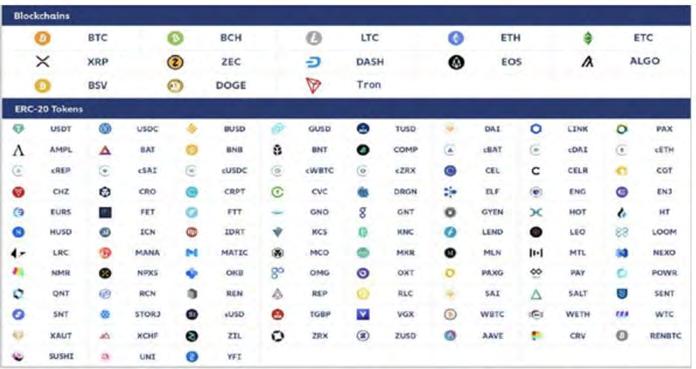
How to Use Digital Assets with PPLI
The process to onboard digital assets is relatively straightforward and initially, as with all AML/KYC procedures, the provenance of the assets requires prescreening. This screening is possible with a number of block chains with associated digital assets held within the client’s wallet.
Each PPLI policy is linked to a dedicated sub-account at the custodian, ensuring transparency and ownership separation. Moreover, as is the case in all asset classes, there is never any contamination of assets between that of the client and the PPLI provider. This gives clients further comfort that their assets do not sit on the balance sheet of the PPLI company which is not the case with the likes of Banks.
Once compliance screening complete, all assets are received directly from client wallets, so there is no need to liquidate; sometimes referred to as in specie transfer. Thereafter, the client can create multi-user approval flows with role-specific permissions (initiator, approver, auditor, admin) as part of the design of the PPLI solution. Similarly, the various methods of managing digital assets remain in terms of staking, option strategies, loans, HODL, on/off ramp to fiat and the use of third-party managers.
Combine these options with the aforementioned benefits coupled to distinct beneficiary designation from outset (changeable as required) it provides a compelling platform to effectively manage all assets, not just digital ones. So many digital asset investors have no mechanism for ensuring assets are passed in a timely manner with regulated oversight to ensure their wishes are executed privately, tax efficiently and without
probate. Some beneficiaries have no idea of the digital assets to which they could be entitled which means they can be lost to the ether from which they came.
PPLI on the HNW Client Agenda
The ubiquitous traditional offering from HNW advisory in terms of digital assets is stale and no longer as effective with a NextGen consumer that demands innovation. It is clear that there are major benefits to be attained with PPLI beyond the digital asset headline of potentially huge returns over the long term. Without careful planning, a well-intended digital asset portfolio can fall foul to adverse taxation, lack of regulated third party oversight without a clear path for inter-generational wealth transfer. For HNW families who value their privacy, seek tax deferred growth and the confidence to access this exciting asset class, PPLI can no longer be overlooked in the international wealth planning arena.
Tim Searle TEP
Tim has been offshore for nearly 30 years, lives in Dubai, full STEP member, Worshipful Company of Tax Advisers and a qualified CII (Chartered Insurance Institute of London). He is frequently asked to speak at conferences, radio and writes for various publications. He sold his former company to a FTSE Listed PLC and now provides bespoke advisory to HNW clients globally. He is married with four children and a former Naval Officer.
BANKING RECOVERY IN DIFC

WHY INSOLVENCY PRACTITIONERS MATTER MORE THAN EVER
Introduction
If you are working in a DFSA-regulated business in the Dubai International Financial Centre (DIFC), you know that financial resilience is not just a box to tick – it is the foundation of trust in our market. In a place that values transparency and global standards, being able to handle financial distress is not just important; it is essential.
As an Insolvency Practitioner (‘IP’), I have seen first-hand how our role goes far beyond stepping in when things go wrong. IPs are here to help shape early strategies that protect value and keep businesses stable, long before insolvency is even on the horizon. Importantly, in accordance with the DIFC Insolvency Law (Law No. 1 of 2019) – most recently amended in July 2025 – IPs must be registered with the DIFC Registrar of Companies to act as Nominee, Administrator, or Liquidator.
The Real Role of Insolvency Practitioners
There is a common misconception that IPs only show up when a business has failed. In reality, we are often involved much earlier. For those regulated by the Dubai Financial Services Authority (‘DFSA’), IPs provide independent oversight and objective advice at times when management and lenders might be feeling uncertain. Our job is to assess financial health, spot operational weaknesses, and suggest restructuring options that can save the business. In short, we are here to help preserve what is valuable.
When a regulated firm experiences financial difficulty, the consequences go beyond just money. There are regulatory issues, reputational risks, and even broader market concerns. We bring structure to crisis management, making sure recovery plans fit both
the company’s goals and the DFSA’s standards for governance and risk. Our involvement reassures regulators and stakeholders that everything is being handled transparently and professionally.
How We Support BankLed Recovery
Banks in DIFC are increasingly seeing the benefits of working with IPs before their debt becomes increasingly difficult to recover. Instead of jumping straight to legal procedures, we focus on practical solutions – stabilising the business and protecting creditors. We help design turnaround plans that tackle liquidity problems, cut unnecessary costs, and boost efficiency. We also facilitate negotiations between lenders and borrowers, making sure any restructuring agreements are realistic and enforceable.
Authored by: Matthew Devine (Insolvency Practitioner, DIFC), Ahmad Chit (Partner, Forensics and Turnaround Services), Karim Douiri (Associate Director, Turnaround Services), Sameer Khan (Insolvency Practitioner, ADGM, Turnaround Services) - Grant Thornton
For DFSA-regulated firms, teamwork from both sides of the table is crucial. It shows a commitment to responsible behaviour and regulatory compliance, which are key to maintaining market confidence. By bringing IPs in early, banks can avoid the value loss that often comes with formal insolvency and instead aim for outcomes that work for everyone involved.
and oversight from an IP, which reduces uncertainty and helps everyone make informed decisions throughout the recovery process.
What Creditors Should Know
If you are a creditor – whether a bank, supplier, or investor – you want to know your interests are protected when a DFSA-regulated company is in trouble. IPs are central to providing that assurance. As independent professionals, we make sure decisions are fair and follow the law. Secured creditors can trust that their collateral will be handled efficiently, while unsecured creditors can expect transparent and equitable distributions. We also act as a vital communication link between the distressed company, its creditors, and the regulator. In DIFC, where reputation and compliance matter so much, this role is critical. Creditors benefit from the structured reporting
Why Early Engagement Is Key
The best recoveries happen when IPs are brought in before a crisis spirals out of control. Early involvement lets us conduct diagnostic reviews, forecast cash flow, and put governance measures in place to prevent things from getting worse. For DFSA-regulated firms, this proactive approach not only meets regulatory expectations but also shows a commitment to protecting stakeholders. It also helps avoid reputational damage, which can be just as costly as financial loss in a market built on trust.
In DIFC, early engagement opens up legal tools designed to help businesses recover rather than liquidate. The DIFC Insolvency Law offers options like Administration, Rehabilitation, and Company Voluntary Arrangements (CVAs), which allow companies to restructure under court supervision while continuing to operate.
Rehabilitation, for example, provides a debtor-inpossession model with an automatic 120-day moratorium, giving businesses breathing space to reorganise.
These tools are usually much better than liquidation because they focus on preserving value, keeping the business running, and providing a framework for creditor negotiations. By using these tools early, firms can avoid the finality of winding up and instead pursue strategies that maximise returns and maintain market confidence.
Conclusion
Insolvency Practitioners are not mere agents of liquidation — they are strategic partners in safeguarding value and market integrity. For DFSAregulated businesses in DIFC, our role in banking recovery is vital – not just for navigating financial distress, but for upholding the transparency and accountability that make DIFC a respected global financial hub. For banks and creditors, engaging with an IP early isn’t just smart – it is essential.
CREDIT RISK EXPOSURE FOR MENA MANUFACTURERS
Authored by: Cedar Rose
As economic and geopolitical uncertainty continues to shape business outcomes in the Middle East and North Africa (MENA), local manufacturers are facing increasing exposure to credit risk. From food and agriculture to textiles and chemicals, companies across the region are contending with delayed payments, fraud, inflationary pressure, and unreliable partners. In this article, we explore the most pressing risks and trends facing manufacturers in the UAE, Saudi Arabia, Egypt, and Turkey—and how they can respond with smarter, data-driven strategies.
Payment Delays & Defaults
Cash flow is the lifeblood of any manufacturer, but in MENA, it’s increasingly being choked by payment delays.
In 2023, MENA firms reported some of the world’s slowest collection cycles. UAE-based companies, for example, had 48% of B2B invoices overdue, with the average time to collect payment reaching 67 days.
In high-risk sectors like agri-food and chemicals, receivables often extended beyond 90 days.
These payment delays are not merely operational inconveniences—they are structural risks. Thin margins, rising input costs, and limited access to shortterm financing mean that prolonged receivables cycles can tip otherwise healthy businesses into financial distress.
In fact, bad debts accounted for 11% of B2B sales in the UAE in 2023, a striking figure that illustrates the cumulative impact of write-offs and defaults.
For manufacturers dealing with largevolume orders and perishable goods, the cost of late payments extends beyond liquidity: it undermines production planning, vendor relationships, and even workforce stability.
Source: Atradius – Payment Practices Barometer UAE, 20231
Fraud & Uunvetted Customers
While late payments are a known threat, fraud is a fast-growing and more insidious risk for MENA manufacturers. Fraudulent buyers, armed with falsified references, fake business registrations, or even completely fabricated company profiles, continue to exploit gaps in regional financial transparency.
According to Coface, fraud-related claims in B2B transactions surged 16% globally between 2022 and 2023, with the highest vulnerability found in emerging markets.
Gulf countries are particularly exposed: a 2023 Cedar Rose report revealed that over 40% of companies in the region had encountered at least one attempted fraud case in the previous 12 months.
The problem is worsened by the prevalence of non-listed firms and weak corporate disclosure laws. In many cases, audited financials are not publicly available, and corporate registries are outdated or inaccessible. This makes identity fraud and hidden ownership structures harder to detect without specialist tools.
To mitigate these risks, enhanced due diligence is no longer optional. Manufacturers must move beyond basic onboarding and credit checks, implementing ongoing customer monitoring, beneficial ownership verification, and real-time fraud alerts.
Sources: Coface – Global Fraud Trends 20232; Cedar Rose – Fraud Insights Report 20233
Economic Volatility in Egypt and Turkey
Macroeconomic instability in Egypt and Turkey has placed additional strain on credit reliability in the region. Both countries are grappling with persistent inflation, currency devaluation, and high interest rates, all of which undermine local manufacturers’ ability to meet their obligations.
In Egypt, inflation surpassed 30% in 2023 and remained elevated into 2024 due to subsidy reforms and global commodity price surges. The Egyptian pound lost over 50% of its value between 2022 and 2024, significantly increasing the cost of imported materials and raising the default risk for local SMEs reliant on foreigndenominated inputs.
Meanwhile in Turkey, inflation hovered around 60% in early 2024, prompting the Central Bank to hike policy rates to 50%. While these moves were meant to stabilise the currency and curb inflation, they had the unintended consequence of making financing prohibitively expensive for businesses, especially in manufacturing sectors like textiles and agri-food, which are already under cost and demand pressure.
The combined effect in both markets is clear: manufacturers are being squeezed from all sides. Rising production costs, shrinking purchasing power, and restricted access to affordable working capital have made defaults and payment delays more likely, particularly among SMEs and new market entrants.
Sources: Reuters – Egypt Inflation4; World Bank – Egypt Economic Update (April 2024)5; Bloomberg – Turkey Rate Hike6; Coface – Turkey Country Risk Assessment7
Saudi Arabia: A Market with Strong Fundamentals, but not without Risk
Saudi Arabia offers a relatively stronger payment culture and credit infrastructure compared to other MENA markets. Institutions like SIMAH (Saudi Credit Bureau) have enhanced transparency and credit discipline, helping many B2B companies access more reliable data. This foundation has supported the Kingdom’s ambitions under Vision 2030, including significant expansion in local manufacturing, particularly in agri-tech, textiles, and food processing.
That said, challenges remain. According to Coface, 35% of Saudibased firms reported payment delays of over 60 days in 2023, with SMEs disproportionately affected. Payment bottlenecks are most common in industries that serve public procurement chains or large distributors, where approvals, batch invoicing, and procurement complexity often stretch receivables cycles well beyond 60 days.
As Vision 2030 accelerates, manufacturers are engaging with a growing number of new ventures, many of which are startups or joint ventures with limited financial history and unclear ownership structures. These projects bring exciting opportunities, but they also introduce new credit exposures that require enhanced due diligence and sector-specific risk intelligence.
Source: Coface – Saudi Arabia Country Risk Assessment8
2 Coface – Global Fraud Trends (2023) https://www.coface.com/News-Publications/News/Coface-study-Fraudrisks-are-on-the-rise-worldwide
3 Cedar Rose – Fraud Insights Report (2023) https://www.cedar-rose.com/blog/fraudprevention-in-trade-how-to-protect-yourbusiness
4 Reuters – Egypt Inflation Hits New Record https://www.reuters.com/world/middle-east/egypt-annual-inflation-hitsrecord-2023-09-10/
5 World Bank – Egypt Economic Update (April 2024) https://www.worldbank.org/en/country/egypt/publication/economic-updateapril-2024
6 Bloomberg – Turkey Hikes Rates to 50% https://www.bloomberg.com/news/articles/2024-03-21/turkey-hikesrates-to-50-in-erdogan-s-shift-towardtightening
7 Coface – Turkey Country Risk Assessment https://www.coface.com/Economic-Studies-and-Country-Risks/Turkey
8 Coface – Saudi Arabia Country Risk Assessment https://www.coface.com/Economic-Studies-and-Country-Risks/Saudi-Arabia
Emerging Credit Trends (2023–2025)
Recent years have seen a clear trend toward longer payment cycles and greater credit uncertainty across MENA. According to Allianz Trade, global Days Sales Outstanding (DSO) reached 59 days in 2023, but in the UAE, DSO in chemicals, agri-food, and textiles exceeded 100 days.
A 75% increase in businesses reporting delays over 90 days was recorded across the region, according to Atradius. For small and mid-sized manufacturers, these conditions are especially difficult. Many lack access to trade credit insurance or short-term financing, and with rising interest rates, even healthy firms face liquidity squeezes if payments are delayed.
In response, larger and more sophisticated firms are taking action. A growing number are adopting receivables factoring, digital credit scoring tools, and automated credit control systems to strengthen their cash conversion cycles and reduce bad debt exposure.
In the UAE, for example, the PwC Middle East Working Capital Study shows companies tightening controls, segmenting portfolios by risk, and embedding AR monitoring tools within ERPs to track exposure in real time. These tactics are becoming essential as the credit environment grows more volatile.
Sources: Allianz Trade – Late Payment Insights9; Atradius – Payment Practices Barometer; PwC Middle East – Working Capital Study 202310
Cedar Rose: Regional Risk Expertise Built for Manufacturers
With over 25 years of experience in MENA markets, Cedar Rose provides unparalleled access to credit and due diligence intelligence—especially in jurisdictions where reliable data is hard to find. Our CRiS Intelligence Platform offers credit scores, payment history, ownership verification, and continuous monitoring across millions of companies.
Manufacturers can seamlessly integrate our solutions via API, gaining access to real-time alerts and portfolio-level risk insights. For more sensitive or high-
risk relationships, our enhanced due diligence services, including litigation checks and director verification—ensure you’re extending credit with confidence.
Final Thought: Informed Credit is Safer Credit
For MENA-based manufacturers, the credit risk landscape is evolving rapidly. Whether you are exporting to new markets, onboarding domestic clients, or expanding capacity, a proactive and data-led approach is now critical.
By embracing trusted credit intelligence and modern due diligence tools, finance professionals can not only safeguard their operations but also seize new growth opportunities with greater confidence and control.
FROM DEFAULT TO RECOVERY FUNDING AND EXECUTING CROSS-BORDER NPL STRATEGIES
Non-performing loan (NPL) management is rising rapidly on the agenda for GCC lenders as they continue to balance asset quality with capital efficiency. While domestic enforcement mechanisms across the region have become more robust, the pursuit of overseas assets – where borrowers or guarantors may be shielding value – remains comparatively underutilised. Cross-border exposures introduce layers of legal, procedural and data-related complexity that demand coordinated, intelligence-led recovery strategies and creative funding models.
A persistent challenge is the perception that international recovery efforts are costly and inefficient, particularly when lenders have already absorbed losses at the point of default. As a result, pursuing debtors abroad is often viewed as “putting good money after bad.”
Yet recent legal reforms across the GCC and increasingly creditor-friendly foreign jurisdictions are reshaping the landscape. New funding options now allow lenders to share risk and accelerate action on recoverable value.
Portfolio Segmentation – Understanding Your Defaulters and Where to Focus First
Banks segment their NPL portfolios for various internal and regulatory purposes. For recovery strategy design, several core diagnostic areas help lenders understand where realisable value is most likely to be found:
• Borrower profile: Is the borrower still trading? Continued operations may indicate retained enterprise value. If the business ceased trading long ago or is already in insolvency proceedings, options for corporatelevel recovery narrow considerably.
• Current collateral position: Are secured assets available and enforceable? Existing collateral provides an immediate recovery route and can also create leverage for more constructive engagement with shareholders and senior management.
• Personal guarantors: Do personal guarantees exist? They remain one of the most powerful tools in NPL recovery, extending liability to individuals or related entities who may control or benefit from hidden wealth structures.
• Nature of default: Were there questionable behaviours by shareholders, management or guarantors in relation to trading, fund flows or governance? Such issues can open additional pathways for collection, including misfeasance claims or breaches of duty.
• Jurisdictions in play: In which jurisdictions do the borrower, guarantors and potential assets reside? Some jurisdictions are far more conducive to asset recovery than others, and the presence of assets alone does not guarantee enforceability.
Authored by: Paul Huck (Partner) & Peter Mayrs (Partner) - PwC Middle East
Forensic and Legal Assessment
Following portfolio segmentation, which supports the prioritisation of cases with stronger recovery potential, a forensic and legal assessment is conducted to determine available assets, their value, and the associated recovery pathways and costs. This multidisciplinary analysis brings together investigative, financial and legal lenses to build a holistic picture of recoverability.
Key focus areas include:
• Review of the borrower’s credit file and lender knowledge base, including discussions with relationship managers and relevant lender staff, provides a valuable insight into the borrower, key persons of interest and activity. Staff members of the lender who actively managed the relationship (pre and post default) should be given the opportunity to provide historical context, behavioural insights and informal intelligence. Even seemingly minor details can meaningfully broaden search parameters.
• Reviewing facility activities, transactions and transfers will provide insights into spending habits and identify additional companies and persons of interest who may hold assets for recovery.
• Asset tracing, building on the results of the preceding steps and using specialised techniques designed to identify assets held by the targets of interest. These include:
- Open-source intelligence (OSINT): A combination of publicly accessible data (media, business registries, social networks, archives) and closed or subscription databases (corporate and property records, sanctions/blacklists, financial filings, and regulatory/legal data).
- Human-source intelligence (HUMINT): Confidential enquiries conducted through vetted networks and knowledgeable human sources, providing contextual intelligence and leads that are often unavailable through documentary review.
Recovery Strategy Design
Insights from the forensic and legal assessment allow lenders to design a case-specific, evidence-based recovery strategy. Considerations include the type and location of assets, ownership structures (individual, corporate, trust or family-held), jurisdictional constraints, and the likely cooperation – or resistance – of involved parties.
Recovery options will vary by case and may require a combination of approaches that evolve as circumstances change. These may include:
• Restructuring and settlement: Engaging with debtors or guarantors to agree on negotiated settlements, using the asset intelligence gathered to drive productive negotiations. This route may include some debt forgiveness and is generally preferred as it often minimises litigation costs, with protective measures used where necessary to prevent asset dissipation.
• Legal enforcement: Pursuing recovery through commercial and enforcement courts, applying the relevant legislation in each jurisdiction. Collateral execution may involve court-appointed officers and could extend to cross-border recognition frameworks across the GCC and beyond.
• Insolvency proceedings: Leveraging local bankruptcy regimes to restructure or liquidate borrowers. Coordinated work with licensed insolvency practitioners can maximise recoveries while ensuring creditor rights are preserved.
As an alternative to funding asset searches and recovery directly, professional funders (litigation funders), working closely with forensic and legal specialists, are able to assist. External funding shields lenders from further financial exposure – as funding is typically non-recourse, allows recovery strategies to proceed swiftly and with expert support.
Securing a funding agreement requires commitments from both parties, including due diligence into asset availability, assessment of recoverability (including jurisdictional considerations), and a projection of costs and benefits on both sides. This can appear daunting, especially when using funding for the first time, but a significant part of this will already have been done through the segmentation, forensic and legal assessment, and strategy design steps already taken. Moreover, funding is a proven success in many cases, and is a better alternative than taking no or minimal actions instead.
How to Fund Recovery
Given the work involved and potential complexities in identifying and recovering assets cross-border, especially through litigation, lenders, who are already having to recognise the borrower’s default, often view these efforts as financially prohibitive.
KEEPING UP WITH THE CROREPATIS
WHY THE UAE IS A MAGNET FOR INDIAN UHNW FAMILIES
Authored by: Shantanu Mukherjee (Managing Partner) & Varun Alase (Associate) - Ronin Legal
Indian Ultra-High-Net-Worth (UHNW) families have long been global wealth creators, with businesses and investments spanning continents. Yet, when it comes to succession planning, asset protection, and cross-border structuring, India’s domestic legal framework has often posed limitations. Inheritance remains governed by fragmented personal laws, foreign investments are restricted by exchange control rules, and family disputes continue to erode dynastic wealth.
Against this backdrop, the United Arab Emirates (UAE) has emerged in recent years as the premier destination for Indian UHNW individuals and families seeking sophisticated wealth management solutions.
With over 200 new family offices established in Dubai alone in 2025, representing around 20% of all global family office establishments, the UAE is transforming from a regional financial hub into the world’s fastestgrowing centre for family wealth management.
For Indian families, this presents an unprecedented opportunity to leverage the country’s supportive legal frameworks, particularly through trusts and foundations in the Abu Dhabi Global Market (ADGM) and Dubai International Financial Centre (DIFC).
Habibi, Come to Dubai, and Bring Your Money
The rise of UAE as a global financial hub has been particularly significant for Indian families looking to professionalise family wealth structures, given their deep historical and cultural ties to the region, a growing diaspora, and the increasingly global footprint of their businesses and investments.
The country operates under a dual regulatory framework, with 45+ free zones offering specialised services
alongside the federal mainland structure. This system provides families with the flexibility to choose the jurisdiction that best aligns with their specific wealth management objectives. The numbers themselves tell a compelling story of growth and opportunity. The DIFC alone reported a 25% year-on-year increase in registered businesses to 6,920 entities in 2024, hosting over 120 family offices and 800 family-related structures that collectively manage more than
$1.2 trillion in assets. Meanwhile, ADGM reported an unprecedented 245% increase in assets under management in 2024, with 134 asset and fund managers overseeing 166 funds.
For Indian families specifically, the data reveals a remarkable concentration of opportunity.
Indians account for 31% of high-net-worth relocations to the UAE over the past decade, with the DIFC’s Single Family Office regime witnessing a 40% year-onyear increase in registrations from Indian-origin families.
The Henley Private Wealth Migration Report 2025 forecasts a net inflow of 9,800 millionaires to the UAE in 2025, up from 7,200 in 2024, with Indians forming the largest contingent among them.
Why Indian UHNW Families Prefer ADGM and DIFC
When considering where to establish family structures in the UAE, ADGM and DIFC stand out as the premier options, particularly for sophisticated Indian families seeking comprehensive wealth management solutions. These financial free zones offer several compelling advantages over other jurisdictions.
1. Common Law Foundation and Legal Certainty
Both ADGM and DIFC operate under English common law, which provides significant advantages for international families. This legal system emphasises contractual obligations, allowing families to clearly define their arrangements with confidence that courts will uphold and enforce them. Disputes are resolved by independent DIFC and ADGM courts with senior international judges who have backgrounds in commercial and financial law, providing a level of expertise and international recognition that enhances investor confidence.
2. Specialised Regulators
Both jurisdictions benefit from dedicated, world-class financial regulators that understand the nuances of family wealth management. The Dubai Financial Services Authority (DFSA) regulates financial services in the DIFC, while the Financial Services Regulatory Authority (FSRA) oversees ADGM financial activities. These regulators maintain detailed, consistently updated rulebooks that align with international best practices.
3. Comprehensive Trust and Foundation Frameworks
Perhaps the most compelling advantage for Indian families lies in the comprehensive legal frameworks for trusts and foundations available in both ADGM and DIFC. Both jurisdictions explicitly recognise major private wealth structures and have well-defined rules around their creation, administration, duties, and dispute resolution.
For trusts, both ADGM and DIFC allow the creation of common law
trusts based on decades of UK trust law precedents. These structures offer greater flexibility, discretion, and adaptability compared to the civil law trusts available in the UAE mainland under the UAE Trust Law. Common law trusts can be established without setup fees or annual costs in both jurisdictions, with the primary expenses being legal fees for trust deed drafting and ongoing administration.
Foundations represent an equally attractive option for succession and wealth preservation. A foundation is a distinct legal entity, similar to a company but without shareholders, established to hold and manage assets according to the founder’s objectives, often for family, charitable, or long-term asset protection purposes.
ADGM foundations combine characteristics of trusts and corporations, with assets managed by directors who have fiduciary duties similar to trustees, while maintaining the legal permanence of a corporate structure. The ADGM Foundation Regulations are designed for simplified governance and protection of foundation assets from claims in bankruptcy, divorce, or forced heirship situations.
4. Tax Efficiency and Treaty Access
Both jurisdictions offer 0% corporate tax on qualifying income, no capital gains tax, and no withholding tax. Structures can leverage the UAE’s extensive double taxation treaty network for global tax planning benefits. The India-UAE DTAA provides specific advantages: interest income from India for UAE residents is taxed at 12.5% rather than the regular 30% rate.
Sun, Funds and Family Offices
Multi-Fund Structures and SPVs
Both jurisdictions allow multiple subfunds to be set up under one legal entity, each with detailed investment strategies and asset pools. This capability is crucial for Indian families segregating different asset classes or family branches while maintaining centralised administration. The jurisdictions also provide detailed frameworks for Special Purpose Vehicles (SPVs) for investment purposes. ADGM’s Restricted Scope Company (RSC) offers enhanced
confidentiality, with only constitution date and registered office appearing on public registers.
Professional Fund Administration
Both have comprehensive regulations for fund managers, custodians and administrators, ensuring professional asset management. Frameworks include detailed requirements covering conflicts of interest, fund valuation, and risk management. Both explicitly support digital fund administration, reporting, and KYC processes.
Family Office Recognition
ADGM explicitly recognizes and regulates single and multi-family offices as distinct legal entities. The DIFC used to recognise single family offices, but after an update to its Family Arrangement Regulations, it has replaced the single-family office regime with a more streamlined family office regime that addresses multiple different needs, and confers several different advantages to families.
The Time is Now
For Indian families seeking to preserve, grow, and transfer wealth across generations, UAE’s ADGM and DIFC represent unparalleled opportunities. The combination of strong legal frameworks, tax efficiency, regulatory excellence, and strategic positioning creates an environment where families can achieve complex wealth management objectives while maintaining operational flexibility.
The data overwhelmingly supports the UAE’s position as the future of global family wealth management, with particular advantages for Indian families leveraging existing commercial networks, favourable tax treaties, and familiar legal systems.
TRUSTS IN THE MIDDLE EAST AVOIDING CONFLICT WITHIN FAMILIES
Authored by: Jared Dann (Partner) - Baker & Partners
For those familiar with family trusts, stories of tensions within families which escalate into conflict are a persistent theme. Trusts are a wonderfully flexible and durable means of preserving and enhancing family businesses and wealth over generations, as is evidenced by the fact that they remain as relevant in the modern world as they have done over centuries. Similarly, it is perfectly normal and healthy for family members to have different perspectives from one another and occasional differences of opinion. However when the two come together, trusts can often become a focus for conflict; a lightning rod for tensions within the family.
We have considerable experience of dealing with offshore family trusts whose beneficiaries are based in key jurisdictions in the Middle East, including the Kingdom of Saudi Arabia, the United Arab Emirates and the Kingdom of Bahrain. From those interactions we are aware of the depth of sophisticated knowledge and expertise in the region in areas such as these, to which we seek to add our own knowhow and experience where appropriate. We regularly work with beneficiaries, trust advisers, family
offices and local law firms both to seek to prevent differences of opinion within families from developing into litigation, and to seek to mitigate such situations where they do arise. What follows are some practical thoughts which may be of assistance for those potentially faced with dealing with such situations, whether family members or advisers.
Stress-Testing: Foresight Forged in Experience
The key message in all of this is that it is never too early to start putting in place steps which will lessen the risk of future conflict. So-called stress-testing of structures is a good example of something that can be done long before the seeds of potential intra-family conflict become visible. This may include reviewing the structure holistically to identify whether it is still fit for purposes, or seeking to identify whether there are specific provisions which might prove contentious for the future. As a firm who are very experienced in dealing with litigation involving family trusts, by extension we are often able to assist in identifying and mitigating tensions before they become damaging or disruptive to the structure.
For example, a typical family trust may serve the needs of the first and second generations effectively. By the time of the third generation, it may be that there are a number of different branches of the family, each with children and grandchildren of its own. These branches may have different needs and different priorities. Rather than seeking to constrain these different needs and priorities within one trust structure which struggles to balance the needs of a wide range of beneficiaries at different stages of their lives and with different levels of need, it may be appropriate to consider creating sub-trusts for each branch. This can work effectively to preserve the overall structure and the inter-generational nature of the family’s wealth, whilst affording a degree of flexibility so that the needs of the members of individual branches can be met. In the same way, there may be specific provisions in the trust deed (for example in relation to the retention of specific assets) which were appropriate when the trust was settled but which may need to be reviewed to ensure that they are still fit for purpose.
to develop a relationship with those key professionals and advisers at an early stage. Effective and sensitive communication between people who already know each other is by far the most powerful means for avoiding future difficulties. This takes time, and effort, and face to face meetings if it is to succeed.There are also advantages in familiarising younger generations, where appropriate, with the day-to-day business of choosing and working with professional advisers, again so that the process is not alien or something for which they feel that they are not equipped.
Equipping All Generations with the Right Knowledge
Closely allied to the stress-testing of structures is an increasing focus on developing the knowledge and understanding of beneficiaries. There may often be good reasons in family trusts structures for some information not to be shared, particularly where it might be used inappropriately. However in our experience there are often significant benefits to be gained in ensuring that beneficiaries (and particular the younger generations) have an understanding of the purpose of the trust and the roles of the key professionals and advisers, and also that they are given opportunities
Resolving Disputes with Cultural Insight
In circumstances where tensions are becoming apparent, there are still ways of avoiding full-blown conflict. Identifying the issues and seeking appropriate advice is unsurprisingly key, but often this is not done at an early enough stage. Family Offices can play a key role in ensuring access to multi-disciplinary advice which can help navigate a range of scenarios.
What happens if the settlor were to lose capacity?
Are there advisers on hand to deal with an external threat to the structure, such as a liquidity or regulatory issue? Can decisions be made quickly in the face of the unexpected?
Even in situations where a dispute escalates into litigation, there are ways of avoiding or mitigating lasting damage. It may be possible to identify an individual who has sufficient cultural understanding of the family and its needs, and sufficient credibility and stature with the family as a whole, who can broker an effective resolution. Alternatively, a formal mediation with a professional mediator can be an exceptionally powerful tool in unpicking trust disputes, often by identifying a source of tension or disagreement which is not obvious from the arguments advanced in the litigation, and which requires a more holistic solution than the binary win/lose result of the litigation process.
It may not always be possible to avoid differences of opinion and disputes within a family, but with appropriate advice and support it may well be possible to avoid them becoming damaging or destructive, such that the trust structure can continue to preserve and enhance family wealth for generations to come.
INHERITANCE AND WILL IN THE UNITED ARAB EMIRATES
Introduction
The United Arab Emirates (“UAE”) stands upon a legal foundation shaped by two different traditions. On one side, the civil law framework inherited from global legal systems, on the other, the rules of Islamic Sharia. Together, these form a dual system in which the applicable inheritance rules depend not on a single factor, but on the interplay of religion, residency, asset location, and the presence or absence of a valid will.
For Muslims, Sharia determines estate distribution with mathematical precision and a clear hierarchy between heirs. For non-Muslims, recent legislative reforms have opened the door to testamentary freedom and modern estate planning mechanisms, introducing greater flexibility for expatriates with assets in the UAE.
Sharia Law and Its Applicability
For Muslim citizens and residents holding assets within the UAE, inheritance is governed by Islamic Sharia. This is mandatory, as it applies automatically and creates a framework that identifies heirs and defines their shares. Sharia provides fixed rules that create consistency and preserve family structure.
a. Fixed Shares and Their Rational Structure
Sharia recognises “fixed heirs”, whose entitlements are set by the Quran. These include spouses, parents, and children. Their shares are assigned with precision:
• A wife receives one-eighth when there are children, or one-quarter if there are no children.
• A husband receives one quarter when there are children, or one half if there are no children.
• One daughter, as the sole child, receives half of the estate.
• Two or more daughters share two-thirds collectively, when there are no sons.
• Male heirs receive twice the share of female heirs in the same degree.
• Each parent receives one-sixth when there are children.
The reason why Sharia grants these shares is that, in classical Islamic doctrine, men carry greater financial responsibilities and must provide for the entire family.
Authored by: Dr. Fleur Baumgartner (Attorney at Law, Associate) & Chayma Saadi, LL.M., Junior Associate - TA Advisory
b. Surplus Allocation: The Principle of Raad
There are situations in which the fixed shares do not consume the full estate. When there are no residuary heirs and a portion remains, the mechanism known as “Raad”, or “return”, distributes the surplus among the existing Qur’anic heirs.
Multiple conditions govern the redistribution:
• No residuary heir is present.
• The fixed shares together fall below the total estate.
• No valid will grants the remaining portion elsewhere.
• Debts and funeral expenses have already been satisfied.
• A spouse cannot receive more than the Qur’anic fixed share when another heir exists.
The purpose of Raad is fairness, as it aims to prevent assets from remaining unallocated and ensures that those already entitled receive the remainder in proportion to their standing.
c. Shortfall Adjustment: The Doctrine of Aul
The opposite scenario may also occur. In some cases, the prescribed shares exceed the estate itself. When the total sum becomes mathematically impossible, the doctrine of Aul applies. In this situation, each share is reduced proportionally so all heirs receive the same percentage decrease. No heir is preferred over another, and the estate is distributed without violating the internal logic of the system.
d. Kalalah:
When No Ascendants or Descendants Exist
A special situation arises when the deceased leaves behind no direct ascendants, such as a father, and no direct descendants, such as a son or daughter. This state is described as kalalah. In this case, the estate passes to collateral relations, which include three types:
• Uterine siblings – who share the same mother but not the same father.
• Full siblings – who share both parents.
• Paternal siblings – who share the same father.
From there, the law may extend to more distant kin if necessary.
e. Ta’sib
and the Role of Residuary Heirs
Once the fixed shares are assigned, the remainder of the estate is allocated through ta’sib, which grants shares to residuary heirs. They inherit whatever remains after fixed heirs receive their allotted portions, and if no fixed heirs exist, residuary heirs may inherit the entire estate.
There are three categories:
• Residuary by themselves, consisting primarily of male relatives such as sons, grandsons, fathers, full or paternal brothers, and paternal uncles.
• Residuary with another, an exceptional case where a full sister becomes a residuary when paired with a daughter.
• Residuary with a counterpart, where a female shares with a male of the same degree, such as a daughter with a son or a full sister with a full brother. Here, the two-to-one ratio applies.
f. Hajb: Exclusion and Reduction of Shares
Sharia also addresses overlap by applying hajb, a principle that either excludes certain heirs or reduces their shares when a more entitled heir exists. Two categories apply:
• Total exclusion, where the presence of a closer heir disqualifies another entirely. For example, a son blocks a full brother, and a living mother blocks a paternal grandmother.
• Reduction, where an heir still receives a share but at a reduced level. A mother may receive onethird when no children exist, but only one-sixth when children or multiple siblings survive.
Together, these rules create a systematic and logical framework. Sharia aims not only to divide property but to maintain order, prevent conflict, and protect the rights of each recognised heir.
Inheritance for NonMuslims Under the Civil Personal Status Law
Federal Decree-Law No. 41 of 2022 on Civil Personal Status (“Decree-Law”) introduced a significant shift for nonMuslims living in the UAE. The law now automatically applies to their personal status matters, including inheritance, unless they choose to rely on the law of their home country, or another recognised personal status system. This provides non-Muslim residents with a clear and flexible framework to follow, while still allowing them to opt for a familiar legal system if preferred.
a. Testamentary Freedom
One of the most important features of the Decree-Law is the freedom it gives non-Muslims to decide how their estate should be distributed. Unlike Shariabased rules, there are no imposed shares or restrictions. A person can leave their assets to whomever they choose, and registering a will remains the most straightforward way to ensure that their wishes are honoured.
b. Intestacy Rules When No Will Exists
If a non-Muslim passes away without a will, the Decree-Law sets out a clear order for how the estate will be divided.
As a starting point, the spouse receives half of the estate, and the other half is shared equally among the children, with sons and daughters inheriting on the same basis.
If there are no children, the remaining half is split equally between the parents. If only one parent is alive, that parent receives half of the estate, while the other half passes equally to the siblings.
If the deceased has no surviving parents, the entire estate is divided equally among the siblings, again without any distinction between male and female heirs.
Where there is no spouse, children, or siblings, and only one parent survives, the entire estate passes to that surviving parent.
The law does not specify what happens to the estate when there is no spouse, children, parents, or siblings. In such cases, several outcomes are possible: the estate may pass to more distant relatives, escheat to the state, or be governed by the deceased’s home country law, which could establish a different order of succession.
These rules are designed to offer a simple and balanced approach, with an emphasis on equality among heirs. The introduction of a dedicated non-Muslim family court also helps ensure that inheritance matters are handled by judges familiar with this civil-law framework.
a. The DIFC regime
The DIFC regime is intended for nonMuslim individuals who want their estate to be governed by their own instructions, rather than by fixed shares or mandatory heirs. It is particularly useful and used by:
• Non-Muslim expatriates who wish to avoid default Sharia distribution rules.
• Foreign investors who own property or financial assets in Dubai.
• Families with minor children who want to ensure guardianship follows their choice.
• Business owners who want to manage the succession of their corporate interests.
• Individuals who want to leave assets to specific beneficiaries.
Wills Registered with the DIFC Courts
The Dubai International Financial Centre (the “DIFC”) Wills Service Centre has become one of the most important tools available to non-Muslim expatriates who wish to organise their affairs within a system that mirrors the principles of common law. It offers certainty in a jurisdiction where, in the absence of clear instructions, estates are governed by the personal status law. By registering a DIFC Will, nonMuslims gain full control over the distribution of their assets in Dubai and may appoint guardians for their minor children with clear and binding effect.
DIFC Wills are designed for nonMuslims who are at least twenty-one years old and who hold movable or immovable property in the UAE. Residence is not required.
The DIFC Will is drafted and registered in English, without any need for translation, and is governed by the regulations of the DIFC Wills Service Centre. This environment reflects the legal traditions of jurisdictions such as the United Kingdom, the United States and Australia, and provides a degree of predictability that expatriates often seek.
The creation of the DIFC Wills Service Centre as a joint initiative between the Government of Dubai and the DIFC Courts reflects the broader national policy of offering a structured legal framework to a diverse community. It also addresses the practical reality that most families in the UAE are expatriates and may have expectations about inheritance and guardianship that differ from Sharia principles.
b. Types of DIFC Wills
To accommodate the varied circumstances of expatriates, the DIFC offers five distinct types of DIFC Wills. Each is designed to match a specific asset profile or family requirement, giving testators the ability to tailor their planning without unnecessary complexity.
• The Property Will: Covers up to five real estate properties located in the UAE that are listed individually. If the testator acquires additional properties, the will must be amended or replaced to ensure proper coverage. This form is often chosen when real estate holdings represent the core of the estate.
• The Guardianship Will: Focuses exclusively on appointing guardians for minor children. Under Sharia, guardianship decisions may follow rules that differ from parental wishes. The DIFC model allows parents to name interim and permanent guardians with legal certainty, which is particularly important for expatriate families without close relatives in the country.
• The Financial Assets Will: Covers up to ten bank or brokerage accounts held in Dubai. The accounts may be individual or joint. The will applies only to movable financial assets such as cash, securities, and publicly traded shares. If the testator holds more than ten accounts or wishes to include other categories of assets, the Full Will is required.
• The Business Owners Will: Allows the testator to distribute up to five shareholdings in companies
established in the UAE. This is significant for those who hold interests in onshore or free zone companies and want to control what happens to their business assets. If the testator acquires additional shareholdings, the will must be updated.
• The Full Will: This is the most comprehensive option, as it covers movable and immovable property in the UAE, and may also include assets located abroad, though enforcement outside the UAE depends on the laws of each jurisdiction. It also provides for guardianship of minor children. This form is often chosen by individuals who want one will governing their entire estate.
c. Advantages of the DIFC System
The registration of a DIFC Will offers meaningful advantages. It provides full freedom of distribution, allowing the testator to decide exactly how their estate should be divided, without fixed shares or automatic priority of any heirs.
It also ensures that Sharia inheritance rules do not apply, which can be important where those rules differ from the testator’s personal or cultural expectations.
For business owners, a DIFC Will offers essential protection by allowing clear direction on the succession of shares, helping maintain stability in privately owned companies.
The probate process is also significantly more efficient, avoiding the delays usually associated with Sharia-based procedures. The DIFC system is closer to Western probate models and gives executors authority in a clear and timely way.
Because each DIFC Will is formally reviewed upon registration, testators benefit from a high level of legal certainty and a reduced risk of challenges.
Finally, the system allows personal details to be updated without additional fees, ensuring the will remains accurate and up to date.
d. Drafting and Registering a DIFC Will
The registration process is designed to be straightforward. The testator starts by choosing the will type that best fits their needs. A licensed DIFC draftsman then prepares the document in accordance with the testator’s instructions. Two adult witnesses, who are neither beneficiaries nor heirs, must attend the signing.
All DIFC Wills are registered online. The testator and witnesses join a secure video conference, access the documents online and sign electronically. Once the process is complete, the DIFC Will is uploaded to the DIFC Wills Service registry. The testator may download a copy at any time, and the original remains securely stored.
e. The Probate Process
Upon the testator’s death, the executor named in the DIFC Will applies to the DIFC Court for a probate order. This order authorises the executor to administer the estate, collect assets, and distribute them as set out in the will. If the will includes guardianship provisions, a guardianship order may also be issued.
The DIFC Court manages any claims or objections, and once probate is granted, the UAE onshore courts can ratify the DIFC order. This ratification enables banks, the Dubai Land Department, company registrars, and other authorities to recognise the executor’s authority and complete the transfer of assets.
of family relationships. Its mechanisms, whether through fixed Qur’anic shares or the different doctrines as seen, ensure that estates are settled in a manner consistent with long-standing religious principles.
For non-Muslims, the introduction of Decree Law marked an important step toward clarity and personal autonomy, as it offers a civil-law alternative characterised by equality among heirs. Most importantly, it allows full testamentary freedom, which gives expatriates greater control over their affairs and ensures that their personal wishes are respected.
Conclusion
The UAE’s inheritance landscape is unique in its dual structure, shaped by the coexistence of Sharia principles and modern civil legislation. This system recognises the diversity of the country’s population and offers different pathways depending on a person’s faith, family circumstances, and estate-planning priorities.
For Muslims, Sharia provides a detailed framework that allocates shares with precision and preserves the hierarchy
Alongside these statutory developments, the DIFC Wills Service Centre has emerged as a cornerstone of estate planning for expatriates. The DIFC bridges the gap between the local legal system and the expectations of international residents by offering a common-law environment and Englishlanguage procedures.
These frameworks give UAE residents options to manage their estates in a manner aligned with their needs and preferences.
Upcoming Events
Complex Wealth, Complex Litigation: Technical Insights for Middle East Practitioners
27 January 2026 | St Regis Hotel, Abu Dhabi, UAE
Common Law vs. UAE Courts, Bridging the Divide: Hybrid Justice: Navigating Civil and Common Law in the UAE
29 January 2026 | Shangri-La, Dubai, UAE
Middle East Disputes Forum 2026
22 April 2026 | Dubai, UAE
High-Net-Worth Disputes in the Middle East 2026
28 April 2026 | Abu Dhabi, UAE
Private Client Middle East Circle
29 April - 1 May 2026 | The Ritz-Carlton, Ras Al Khaimah, Al Wadi Desert
Non-Performing Loans - Middle East
October 2026 | Abu Dhabi, UAE
FIRE Middle East
November 2026 | Dubai, UAE
To get involved contact: Chris Leese at +44 (0) 20 3398 8554 or chris@thoughtleaders4.com
FOUNDATIONS AND FAMILIES
STRUCTURING FOR STABILITY
ACROSS JURISDICTIONS
Authored by: Nicole Buncher (Counsel) - Clifford Chance
Across the major financial centers of the world, foundation structures have become an increasingly sophisticated means of preserving wealth, maintaining family harmony, and ensuring continuity across generations. Yet despite the growing convergence of legal frameworks, the practical success of any foundation depends less on statute than on sensitivity - to culture, to family dynamics, and to the realities of cross-border life.
In practice, a foundation sits at the intersection of law, culture, and personality. Too often, advisers focus on technical perfection at the expense of human context. Increasingly, the most successful families treat the foundation not as a stand-alone structure but as part of a broader governance framework - complemented by family charters, advisory councils, and communication protocols that give legal form to shared purpose. The result is a structure that satisfies the legal formalities but unsettles the family it was meant to protect. Those who approach the task with an appreciation for both the legal and cultural dimensions tend to
produce outcomes that endure; those who neglect that balance often sow the seeds of future dispute.
Understanding the Cultural Lens
The starting point in any foundation planning exercise is an honest assessment of what the family believes wealth to represent. In Western common-law systems, wealth is generally treated as personal property - an individual asset, freely controlled and disposed of according to personal discretion. In contrast, within much of the Middle East, wealth is often regarded as
a collective patrimony, belonging to the wider family rather than the individual. The patriarch or matriarch is viewed less as an owner and more as a custodian, bearing both moral and financial responsibilities to preserve and deploy the family’s assets for the benefit of future generations. A foundation that fails to reflect the family’s cultural realities rarely secures its lasting acceptance.
Regional, Civil Law and Perceptions of Fairness
Inheritance remains one of the most sensitive and frequently contested aspects of family wealth planning. Under Sharia law, estates are distributed according to fixed proportions among prescribed heirs - typically including the spouse, children and parents - with male heirs often receiving double the share of female heirs. Although modern foundation laws in the DIFC, ADGM and RAK permit founders to depart from these proportions, doing so without careful consultation can be perceived as infringing religious principle and may provoke resistance within the family.
Civil-law jurisdictions such as France, Italy and Switzerland adopt a different but equally prescriptive model through their forced heirship regimes, under which children, and in some cases other heirs, are entitled to reserved portions of the estate. To protect these statutory rights, such systems commonly include broad clawback provisions allowing heirs to challenge lifetime gifts or dispositions made by the deceased if they have the effect of eroding their reserved entitlements. In practice, this means that transfers completed during life can be retrospectively brought back into the estate to restore those shares.
By contrast, Sharia recognizes the doctrine of hiba - the lifetime gift -which, once validly executed, lies outside the inheritance estate and is generally insulated from redistribution after death, save in limited cases such as duress, incapacity or lack of delivery. The hiba mechanism thus provides a culturally legitimate and flexible means of inter vivos wealth transfer, aligning religious observance with modern estate planning objectives.
Advisers who engage families openly, document consensus, and clearly explain the rationale behind a chosen structure are far less likely to see that structure challenged later in court.
Choosing the Jurisdiction
Jurisdictional competition in this field is intense. The established Western centers - Jersey, Guernsey, the Cayman Islands, and Switzerland - offer depth of case law, judicial predictability, and reputational solidity. The newer Eastern centers - notably the DIFC, ADGM and RAK ICC - bring proximity, cultural familiarity, and a pragmatic regulatory tone.
The choice between them turns not on prestige but on purpose. For families with domestic assets in the UAE, a regional foundation may be the most practical and culturally resonant option. For those requiring global recognition, established offshore regimes remain persuasive. Increasingly, sophisticated families employ both - combining a regional foundation for local holdings with a Channel Islands or Cayman structure for international assets.
The detail matters. Registration and disclosure regimes vary: some require public filing of charters; others retain confidentiality of by-laws and council membership. Beneficiary information rights also vary considerably between
jurisdictions - ranging from regimes such as the Cayman Islands, Jersey and DIFC, where disclosure rests largely on the council’s discretion or the terms of the charter, to those like Guernsey, which confer statutory entitlements to documentation and oversight on enfranchised beneficiaries. Enforcement cultures also diverge: Jersey and Guernsey remain judicially active, whereas DIFC and RAK have embraced arbitration as a primary method of private dispute resolution. The prudent approach is not to search for the “best” jurisdiction but for the most compatible environment in which the family’s affairs can be governed with confidence.
Governance and Control
A foundation’s stability is determined as much by its internal mechanics as by the jurisdiction of registration. The founder’s intentions must be expressed with clarity, but without creating paralysis. Council composition, voting thresholds, and guardian powers should be delineated with care, allowing the structure to evolve without departing from its purpose.
Alongside the formal constitutional documents, many families now adopt a family charter - a non-binding but highly influential instrument that articulates shared values, governance principles, and protocols for decision-making. Properly aligned with the foundation’s charter and by-laws, a family charter can clarify the roles of family members, trustees, and advisers, and can help prevent the informal misunderstandings that often escalate into formal disputes.
Succession planning for office-holders is too often neglected. The passing of a patriarch or matriarch can leave a vacuum if no successor mechanism exists. Explicit appointment provisions, transitional arrangements, and powers of replacement reduce the risk of deadlock. Likewise, clarity on amendment rightsspecifying when and how the charter or by-laws may be varied -prevents later disputes over legitimacy.
Transparency and Confidentiality
The modern regulatory climate leaves little room for absolute secrecy. Beneficial ownership registers, FATF and OECD standards, and informationexchange treaties have redrawn the landscape. Families should therefore pursue structured transparency rather than opacity -regular accounts, reasoned minutes, and proportionate information rights for beneficiaries.
Experience shows that most disputes do not arise from malfeasance but from silence. When information is withheld, suspicion fills the void. A measured reporting framework, even where not legally required, is often the simplest form of risk management.
Duties, Liability and Protection
Council members sit at the frontier between fiduciary responsibility and practical administration. Their duties vary by jurisdiction: some statutes impose explicit obligations of honesty and good faith; others rely on the equitable principles of impartiality and diligence. Either way, the standard of care should be defined contractually, accompanied by appropriate indemnities and insurance. Clarity protects both the council and the beneficiaries and helps prevent the drift into litigation that often follows when roles are left ambiguous.
Firewall provisions have become an essential feature of modern foundation law. They are designed to shield the structure from the reach of foreign judgments or inheritance claims that would otherwise disturb its internal arrangements. Most leading foundation jurisdictions now provide robust statutory firewall protections of this kind. The DIFC and RAK ICC frameworks exemplify this modern approach, each containing explicit statutory provisions that limit recognition of foreign judgments inconsistent with their
respective foundation’s legislation. Both reinforce the principle that questions of validity, interpretation and administration are to be determined exclusively under local law and within the jurisdiction of their own courts.
That protection, however, is not absolute. Even the strongest firewall cannot completely defeat a claim arising from a transfer tainted by fraud or made in circumstances of insolvency - although, in many cases, such legislation confines any creditor’s recovery to the value of the impugned transfer rather than exposing the foundation’s wider assets. Moreover, the practical effectiveness of any firewall often depends on the location of the foundation’s assets. If those assets are situated outside the foundation’s home jurisdiction, a judgment creditor may still seek enforcement in the place where the assets are held, notwithstanding the statutory protection at home. It is therefore essential that foundations maintain a clear understanding of where their assets sit and assess whether any are exposed to potential claims. Ultimately, sound structuring, clear documentation, and prudent solvency analysis at the point of settlement remain the most reliable safeguards.
Managing Disputes
No structure is immune from conflict, but good drafting can determine how that conflict is managed. Tiered dispute-resolution clauses - providing for internal review, mediation, and arbitration before litigation - are now standard in well-advised foundations. They preserve confidentiality and provide space for pragmatic settlement.
In the Middle East, there is a growing institutional emphasis on family dispute prevention and mediation. The Saudi National Centre for Family Business has taken a notably proactive role, reporting that it has assisted more than ten prominent family groups resolve or avoid public disputes through structured dialogue and intervention. While Saudi Arabia has no foundation law of its own, the Centre’s work demonstrates the region’s recognition that early engagement and facilitated dialogue are often more effective than formal proceedings in preserving both wealth and relationships. The Dubai Centre for Family Businesses, established more recently under the umbrella of Dubai Chambers, pursues similar objectives and is steadily expanding its initiatives to promote governance, education and dispute-prevention frameworks for family enterprises within the UAE.
Together, these initiatives underscore the regional shift toward managed resolution rather than adversarial litigation. The UAE’s financial free zones, with modern arbitration statutes and bilingual courts, complement this philosophy by providing efficient, discreet venues for resolving those disputes that cannot be settled internally.
The Human Element
Ultimately, foundations fail for human reasons: misunderstanding, mistrust, or unmet expectation. The most effective structures are those that institutionalize communication as much as control. Regular family meetings, statements of wishes, and a living family charterreviewed and reaffirmed by successive
generations - can convert what might become future litigation into sustained consensus.
Law can define rights, but only dialogue sustains relationships. The real craft in foundation work lies not merely in drafting but in listening - discerning what a family needs to preserve, what it wishes to change, and how those aims can be reconciled within a coherent legal framework.
Conclusion
The modern foundation is more than a vehicle for wealth preservation. Properly conceived, it is a constitutional instrument for the family itself - one that reconciles the universality of law with the individuality of heritage. Its strength lies not only in statutory sophistication but in empathy, foresight, and precision of expression.
For practitioners and families alike, the lesson is consistent: the foundation is not an end in itself but a means of perpetuating stability. Where culture, communication and legal structure are harmonized, disputes are rare and legacies secure. Where they are not, even the most elegant drafting will not save it.
FROM TRUST TO TITLE
HOW CAN TRUSTEES ACQUIRE DUBAI PROPERTY?
Authored by: Stella Kim (Senior Associate) - Al Tamimi & Co
The Dubai property market needs no introduction. However, with more nextgen beneficiaries relocating to Dubai, trustees must navigate the intricacies of the multijurisdictional legal landscape that is the UAE.
Where do We Start?
The starting point is that, unlike in other jurisdictions, a trustee cannot be registered as the titleholder of Dubai property, in its capacity as trustee of a trust, at the Dubai Land Department (“DLD”).
This is because many of the UAE’s ‘onshore’ regulators, including the DLD, do not recognise the concept of a trust or the wider equitable principle of beneficial interest in the way that we know and love them from a common law perspective (save in exceptional circumstances). This also applies to trusts settled in either of the UAE’s financial free zones (i.e., the DIFC / ADGM).
This results in the trustee being viewed by those authorities as the absolute owner of the trust fund and the trust arrangement being unenforceable as regards the beneficiaries’ rights.
What Can We Do?
Fortunately, the trustee of a trust can indirectly acquire, and hold, Dubai property so long as a GCC company is interposed between it and the property. The incorporation jurisdiction of such an entity will depend on the trust’s requirements but can include mainland LLCs as well as those within the various free zones.
What Else Should be Kept in Mind?
1. DLD transfer fees:
Property transfer fees are charged at 4% although, in practice, this is split between the buyer and seller. In addition, a change at any level in the
shareholding chain of the interposed company after the issuance of the property’s title deed will, once again, trigger DLD transfer fees.
A reduced gift fee of 0.125% may apply on a transfer to an entity with the same UBOs but this is determined at the DLD’s discretion for which advice should be sought in advance.
2. UAE tax considerations:
a. Beneficiary: While the beneficiary’s occupation of the trust’s Dubai property should not have UAE tax implications in their hands, this is, of course, always subject to their personal jurisdiction(s) of tax connection.
b. Company: The interposed company must register with the UAE Federal Tax Authority (“FTA”) and would, on the face of it, become liable to UAE corporate tax on any gains realised on a future disposal as well as in respect of the market value of the property rental income foregone (i.e., if the beneficiary occupies the property rent-free (or below market value) and is a “related party”, for transfer pricing purposes).
However, if the trust / company obtain the advantageous ‘family foundation’ tax treatment, the entire structure could be treated as tax-transparent such that its income / gains are pushed up to the beneficiaries (who, from a UAE perspective, are not taxed on distributions), ultimately, falling outside the scope of UAE corporate tax.
c. Trustee: The trust itself is not a legal person for UAE corporate tax purposes and, if managed and controlled by a corporate trustee outside the UAE, should not be subject to UAE corporate tax.
However, crucially, the trustee will need to disclose substantive details about the trust to the FTA to obtain the ‘family foundation’ treatment. Trustees will have varying levels of comfort with this.
d. Disputes: The interposed company could be incorporated in one of the financial free zones, but the bricks will (usually) sit onshore in the emirate of Dubai. DIFC / ADGM judgments are generally enforceable in the mainland, but onshore UAE courts could, potentially, assert jurisdiction or invoke public policy grounds in respect of Dubai real estate. Although it is of low-probability, it is not entirely risk-free, and the trustee should be appropriately advised.
Is There Another Option?
The UAE foundation attracts significant attention and for good reason – it has separate legal personality, is an ‘orphan’ entity, can be transparent for UAE corporate tax purposes and is recognised by onshore regulators (including the DLD) and banks.
A trustee (or connected entity) could establish a separate UAE foundation for the benefit of the beneficiaries who are to become UAE resident. This could prove a useful diversification of entity and jurisdiction, mirroring existing trust arrangements, if desired.
Although both the (1) interposing GCC company and (2) UAE foundation options should offer the benefit of obtaining tax-transparent status for UAE corporate tax purposes (assuming the applicable conditions are met), if FTA disclosures regarding the existing trust are undesirable, establishing a new foundation may be the preferable strategy.
What are the Three Key Takeaway Points?
1. Timing:
The key takeaway point for trustees is, actually, non-legal: timing.
A trustee incorporating a UAE subsidiary or standalone UAE foundation will need to factor in at least c. one month to finalise that entity’s registration. Although it is appreciated
that, normally, the Dubai property is first found, trustees should be cautious of entering into agreements for purchase, so as to ensure that double DLD transfer fees are not triggered.
Regular conversations with beneficiaries and early engagement with advisers will prove critical.
2. Indirect disposals:
Changes in the direct and indirect shareholding of an interposed company can trigger additional DLD transfer fees – trustees should be cognisant of this and ensure that the appropriate structure is set up at the outset.
3. Tax:
A dry UAE corporate tax charge can arise in respect of deemed market rental income foregone where Dubai property is held within a structure which is occupied rent-free (or below market value) by related parties, subject to applicable exemptions.
UAE onshore as well as free zone laws and practices are evolving frequently so contact Stella Kim (Senior Associate, Family Business & Private Wealth) at Stella.Kim@tamimi.com if you wish to have further information.
This article assumes that the Dubai property in question is ‘freehold’ meaning it is situated in an area which allows non-GCC nationals to acquire ownership thereof.
INTEGRATING MULTI-JURISDICTIONAL STRUCTURES INTO SUCCESSION PLANNING FOR MIDDLE EASTERN CLIENTS
Authored by: Lara Malaeb (Senior Professional) - Interpolitan Money
Succession planning is increasingly critical for high-net-worth individuals (HNWIs) and families in the Middle East. With wealth growing more complex, mobile, and international, structuring assets across multiple jurisdictions has become a key consideration for preserving family legacies, mitigating risks, and ensuring smooth intergenerational transfers.
internationally, succession planning must account for multiple legal systems, tax regimes, and inheritance rules.
Multi-jurisdictional structures, such as foundations, trusts, and Special Purpose Vehicles (SPVs), have emerged as essential tools to manage these complexities. They allow families to:
• Segregate assets for specific purposes or family members.
• Mitigate cross-border tax and regulatory risks.
• Simplify governance and decisionmaking across multiple territories.
• Preserve confidentiality while complying with international standards.
The Rise of MultiJurisdictional Planning
Middle Eastern families are no longer confined to a single country when it comes to investment, business ownership, or property. Many maintain diversified portfolios spanning real estate, corporate investments, and financial instruments across Europe, Asia, and the Americas. As families expand
Importance of Fund Mobility in Succession Planning
A critical factor in the effectiveness of multi-jurisdictional structures is the ability to move funds seamlessly across borders. Fund mobility ensures that assets are accessible when needed, whether for investments, operational purposes, or to meet succession obligations. For example:
• A family holding investments in multiple countries may need to redistribute funds quickly to meet estate tax requirements or to provide liquidity for beneficiaries.
• Business succession may require moving funds between SPVs or subsidiaries in different jurisdictions to facilitate buyouts, dividends, or reinvestments.
• International philanthropic commitments or family foundations may require fast, compliant crossborder transfers.
• In recent years, alternative banking solutions have played a growing role in supporting liquidity and crossborder fund mobility for internationally diversified families, complementing traditional banks in complex multijurisdictional structures.
Without smooth fund mobility, succession plans risk delays, unnecessary taxation, and potential disputes among beneficiaries. Ensuring liquidity and flexibility across jurisdictions is therefore a core element of a robust succession strategy.
Legal and Regulatory Considerations
Multi-jurisdictional succession planning requires careful navigation of the legal frameworks in each jurisdiction. Middle Eastern clients must account for:
• Local inheritance laws: Many countries in the region, such as Saudi Arabia, apply Sharia-compliant inheritance rules that may conflict with international structures.
• Tax compliance: International tax transparency regimes like CRS (Common Reporting Standard) and FATCA affect how assets and transactions are reported across borders.
• Regulatory approvals: Transferring funds or restructuring ownership may require approvals from local regulators or central banks, especially in countries with capital controls.
Proper planning ensures that structures comply with both domestic and international requirements while minimizing disruption to the family’s succession objectives.
Structuring Options for Middle Eastern Families
1. Foundations:
• Offer flexibility similar to trusts, with a clear governance framework and the ability to hold assets in multiple jurisdictions.
• Facilitate smooth intergenerational wealth transfer without forced heirship complications.
2. Trusts:
• Provide asset protection and clarity of ownership while allowing families to define beneficiary rights and conditions for distribution.
• Suitable for clients with significant international exposure, although less common in some Middle Eastern jurisdictions.
3. Special Purpose Vehicles (SPVs):
• Isolate risk and simplify ownership of complex or high-value assets such as real estate, investments, or business shares.
• Useful in corporate succession planning where operational or investment continuity is critical.
4. Hybrid Structures:
• Combining foundations, trusts, and SPVs allows clients to tailor solutions to their unique mix of assets, jurisdictions, and succession goals.
Key Considerations for Successful Integration
• Liquidity Management: Structures must be designed to allow rapid access to funds across jurisdictions, ensuring beneficiaries and businesses are not constrained by local regulations or procedural delays.
• Governance and Oversight: Clear governance policies, including roles for family members and trustees, help prevent conflicts and ensure consistent management.
• Coordination with Advisors: Lawyers, tax advisors, and financial planners must collaborate across jurisdictions to ensure the structure is fully compliant and aligned with the family’s objectives.
• Regular Review: As family circumstances, regulations, and markets evolve, succession plans should be reviewed periodically to maintain governance and effectiveness.
Conclusion
Integrating multi-jurisdictional structures into succession planning is no longer optional for sophisticated Middle Eastern families. Mobility of funds across borders, combined with legal and regulatory compliance, is essential to preserve wealth, protect assets, and ensure smooth intergenerational transfer. By adopting carefully designed foundations, trusts, SPVs, or hybrid solutions, families can achieve flexibility, security, and continuity, securing their legacy in a complex, interconnected world.
STRUCTURING WEALTH IN THE MIDDLE EAST
PRIVATE-CLIENT HORIZONS
The private-client landscape in the Middle East has matured at remarkable speed. What was once a patchwork of offshore holding companies in different free zones has evolved into sophisticated regimes – both in free zones and onshore - designed for dynastic planning, governance, and tax efficiency.
For families with operating businesses and cross-border lives, the region now offers credible “home-base” solutions built around foundations, trusts, councils, and family-business frameworks that reflect common-law standards while remaining culturally attuned.
Why the Middle East, and Why Now?
Three structural shifts underpin the momentum currently transforming the regional private-wealth market.
The first is institutional scale. The Abu Dhabi Global Market (ADGM) and the Dubai International Financial Centre (DIFC) have grown rapidly, attracting global managers, family offices, and professional infrastructure that creates a more coherent local capital-markets ecosystem. ADGM alone issued 1,271 new licences in the first half of this year, now hosting 112 fund managers overseeing 141 funds, and adding more
than 2,500 employees to its workforce.1
This pace of development, reinforced by major entrants such as the $1.33 trillion asset manager PGIM opening an Abu Dhabi office has cemented ADGM’s position as the region’s fastest-growing financial centre.2
The second shift is the modernisation of “family infrastructure.” DIFC’s 2023 Family Arrangements Regulations introduced a cohesive governance framework that works alongside its existing trusts and foundations regime. The DIFC defines a family entity as any entity which has a legal existence separate and distinct from a person and that is established for the sole purpose of holding, investing, operating or utilising assets of a Family, or a Family Structure or the proceeds thereof or the succession or legacy planning of Family assets, or the benefits or proceeds derived therefrom and is controlled by a Family.3
This framework supports family charters, councils, voting protocols, and formal governance architecture, giving families a regulatory backbone for decisionmaking and long-term continuity.
The third shift is regulatory certainty. The UAE’s corporate tax regime, introduced at a globally competitive 9% rate,4 is now bedding in with clarifications that are increasingly tailored to private-client
structures, including the treatment of family foundations.
The main purpose of a family foundation cannot be for the avoidance of corporate tax.
Article 17(1)(a)-(e) of Federal DecreeLaw No. 47 of 2022, as amended by Ministerial Decision No. 261 of 2024, permits a family foundation, trust, or other entity to elect Unincorporated Partnership status.5 This election renders the Family Foundation fiscally transparent, as per Article 16 of the same act, therefore, taxing income, assets, and liabilities to beneficiaries rather than taxing the entity. Article 11(6) and Cabinet Decision No. 49 of 2023 then exclude natural persons’ “Personal Investment” and “Real Estate Investment” income from Corporate Tax, so individual beneficiaries can achieve a 0% corporate tax outcome on passive portfolios and UAE real estate held through a transparent Family Foundation.6 Article 4, 9, 22 and 23, exempt Qualifying Public Benefit Entities and certain dividends and gains on qualifying participations, that include institutional and charitable beneficiaries from Corporate Tax where such criteria are satisfied and all residual non-exempt income is subject to the standard rate of tax.7
1 FinTech news Middle East, ‘Global Companies Expand to ADGM: A Look at the Latest Fintech Players Establishing Presence in Abu Dhabi’ (Fintechnews Middle East, 2 September 2024) https://fintechnews.ae/22499/abudhabi/global-companies-expand-to-adgm-a-look-at-the-latest-fintech-players-establishing-presence-in-abu-dhabi/ accessed 24 November 2025
2 Federico Maccioni, ‘PGIM opens Abu Dhabi office, joining money managers’ rush to UAE capital’ (Reuters, 12 September 2024) https://www.reuters.com/business/finance/pgimopensabu-dhabi-office-joining-money-managers-rush-uae-capital-2024-09-12/ accessed 24 November 2025.
3 DIFC Family arrangements regulations 2.3.1 (January 2023) Available at: https://assets.difc.com/v1/media/edge/images/dubaiintern0078-difcexperie96c5production-3253/media/project/difcexperiences/difc/difcwebsite/documents/business-section-documents/starting-a-business/starting-business-templates-and-downloads/ family-office/family-arrangements-regulation.pdf?_gl=1*f9luco*_gcl_au*MTE3NTQ1NDM4OS4xNzYzNjMwNjk1*_ga*MjA2MTc3NzE3Ny4xNzYzNjMwNjkz*_ga_ ZED8EWXB5W*czE3NjM5ODkxMjAkbzMkZzAkdDE3NjM5ODkxMjAkajYwJGwwJGgw
4 Federal Decree-Law No. 47 of 2022, Article 3. Available at: https://tax.gov.ae//Datafolder/Files/Legislation/Corporate%20Tax/CT%20law%20final/Federal%20Decree-Law%20No.%20 47%20of%202022%20-%20For%20publishing.pdf
5 Ibid, Article 17.
6 Cabinet Decision No. (49) of 2023. Available at: https://mof.gov.ae/wp-content/uploads/2023/05/Cabinet-Decision-No.-49-of-2023.pdf
7 Federal Decree-Law No. 47 of 2022, Article 4: 9: 22: 23. Available at: https://tax.gov.ae//Datafolder/Files/Legislation/Corporate%20Tax/CT%20law%20final/Federal%20Decree-Law%20
Authored by: Debora Krasniqi (Associate) - ADG Legal
Parallel reforms in personal-status law (particularly the 2022 Civil Personal Status regime applicable to nonMuslims have reduced uncertainty around marriage, divorce, inheritance, wills, and parentage, significantly lowering cross-border conflict-of-laws risk. Article 1, expressly allows for nonMuslim foreigners to opt for their home country’s law for marriage, divorce, inheritance and parentage.8
Together, these developments have created a landscape that supports regulated, onshore, governance-driven wealth planning, an environment previously lacking in the region.
Foundations: The New Centre of Gravity
Foundations have become the preferred structural anchor for many regional families, especially within ADGM, DIFC, and RAK ICC. As purpose-driven vehicles, they separate economic benefit from control, avoid share-transfer formalities, and allow governance principles to be embedded directly into charters, by-laws, and confidential letters of wishes. This makes them ideal for holding operating businesses, real estate portfolios, investment companies, and investment or cash accounts under a single, durable structure.
RAK ICC: Refreshed and Flexible
The RAK ICC Foundations Regulations 2019 were significantly updated in 2025 to strengthen succession-planning and assetprotection capabilities.9 The enhancements refine definitions, clarify application scope, and reinforce governance safeguards, part of a broader policy objective to create a robust, internationally credible regime. Complementary updates in economicsubstance guidance and compliance expectations ensure that holding vehicles remain aligned with operational realities, especially when owning active subsidiaries.
DIFC and ADGM: CommonLaw Comfort
In the DIFC, the Family Arrangements framework works together with existing trusts and foundations rules, enabling cohesive governance.10
Another popular vehicle, a DIFC foundation, may hold operating shares, while the council determines distribution
No.%2047%20of%202022%20-%20For%20publishing.pdf
policy, board-appointment rights, and internal dispute-resolution pathways. This creates a strong alignment between ownership and family governance.
ADGM: Governance
Architecture,
Control Rights, and Dispute Resolution Alignment
ADGM, meanwhile, remains the jurisdiction of choice for families that value the direct application of English common law and a rapidly expanding professional services market. Its courts, regulatory clarity, and depth of advisers have made it a preferred platform for complex, multi-jurisdictional structures.11
Succession and PersonalStatus Reforms: Fewer Grey Areas
Historically, succession has been one of the most challenging issues for expatriates and mixed-nationality families in the UAE. The Civil Personal Status regime (Federal Decree-Law No. 41 of 2022), effective from 2023 for non-Muslims, has materially improved predictability by clarifying rules on inheritance, wills, marriage, divorce, and parentage. Crucially, it allows the application of an individual’s homecountry law in defined circumstances.12
For private-client practitioners, this reduces conflict-of-laws risk and increases the reliability of local wills, foundation by-laws, and succession protocols transforming UAE-based planning from a fragmented process into a stable, internationally aligned one.
A Future-Proofed Blueprint for Families
Sophisticated regional families are increasingly embracing integrated, ecosystem-based planning that blends governance, ownership, tax administration, and succession into a single coherent structure.
At the centre is a UAE foundation, acting as the dynastic anchor and holding core family assets. Charters and by-laws articulate purpose, beneficiaries, and control arrangements while embedding conflict-management rules and predetermined disputeresolution mechanisms. Beneath the foundation, UAE free-zone SPVs house operating companies, investment
vehicles, and financing platforms. This architecture supports compliance with Economic Substance Regulations and transfer-pricing expectations, ensuring operational and regulatory coherence across borders.
With corporate tax now entrenched, families are increasingly examining whether their foundations qualify for the Federal Tax Authority’s Unincorporated Partnership treatment via EmaraTax; an option that may streamline or reduce filing obligations.13
Succession instruments, including UAE-recognised wills, are drafted often in parallel with the foundation’s governing documents. This alignment ensures that testamentary intent and structural mechanics work in concert, reducing forum shopping and preventing inconsistent outcomes. Together, these components create durable, futureproofed ecosystems capable of protecting assets, preserving family unity, and enabling smooth generational transitions.
Outlook: A Region Converging Toward Global Best Practice
Across the Gulf, competition among leading financial centres is intensifying, but so is convergence. RAK ICC’s enhancements to its foundations regime, the DIFC’s increasingly comprehensive familywealth framework, and ADGM’s rapid expansion collectively demonstrate a shared policy direction making it seamless for families to be onshore, compliant, and well-governed.
The Federal Tax Authority continues to refine corporate-tax guidance applicable to family foundations, giving privatewealth structures a level of predictability previously unavailable in the region.
Taken together, these developments offer globally mobile families a credible, sophisticated alternative to traditional offshore jurisdictions. The Gulf today is not just an operational base but an increasingly compelling jurisdictional home, one that blends stability, legal clarity, and long-term strategic advantage. It is a horizon well worth seizing.
8 Federal Decree-Law No. (41) of 2022 On the Civil Personal Status, Article 1. Available at: https://uaelegislation.gov.ae/en/legislations/1586?utm
9 Ras Al Khaimah International Corporate Centre, ‘RAK ICC Strengthens Foundations Regime with 2025 Legislative Enhancements’ (Press release, 14 August 2025) https://www.rakicc. com/press-releases/ accessed 24 November 2025.
10 DIFC announcement on FA Regulations, 2023. Available at: https://www.difc.com/whats-on/news/difc-announces-enactment-new-difc-family-arrangements-regulations-1?utm 11 ADGM Courts, English common law. Available at: https://www.adgm.com/adgm-courts/english-common-law?utm
12 Federal Decree-Law No. (41) of 2022 On the Civil Personal Status, Article 1. Available at: https://uaelegislation.gov.ae/en/legislations/1586?utm
13 Federal Tax Authority launches “Family Foundations as an Unincorporated Partnership” application via EmaraTax Digital Platform, March 2025. Available at: https://tax.gov.ae/en/media. centre/news/federal.tax.authority.launches.family.foundations.as.an.unincorporated.partnership.application.via.emaratax.digital.platform.aspx?utm
STRUCTURING WEALTH IN THE MIDDLE EAST PRIVATE CLIENT HORIZONS
Authored by: Steven Ireland (Founder) - Evolution Consulting GCC
The Middle East is entering a new era of private wealth. Founder-led groups are professionalising, next-gen leaders are stepping in, and hubs such as Dubai, Abu Dhabi, and Riyadh are competing to attract capital, talent, and ideas. In this context, thoughtful wealth structuring is not a luxury. It is the basis for continuity, control, and cross-border mobility. Below are the key horizons for private clients building resilient structures in the region.
1) Start with Objectives, not Vehicles
Before picking a jurisdiction or entity, define the end state. What is nonnegotiable: asset protection, privacy, intergenerational control, tax efficiency, philanthropy, or liquidity? Over what
time frame? Who holds voting power versus economic rights? Clear objectives translate into design choices such as voting and non-voting shares, protector roles, family charters, and governance calendars that keep the structure stable when life changes.
2) The Modern Middle East Holding Structure
A common pattern uses a regional holding company with operating subsidiaries in Saudi Arabia, the UAE, and beyond. The holding layer may sit in a UAE free zone such as DIFC, ADGM, or RAK ICC, or in a reputable international financial centre, depending on treaty access, banking, and investor expectations. Local subsidiaries handle
licensing, payroll, and revenue contracts. A foundation or trust above the HoldCo concentrates long-term control.
Key design points:
• Control vs economics: Keep voting control at the foundation or board level and allocate economics through redeemable or profit interests.
• Exit-ready equity: Maintain clean share classes, documented relatedparty policies, and a simple data room from day one to reduce friction during sales or pre-IPO reorganisations.
• Banking alignment: Choose jurisdictions where banks understand private foundations owning regional operating companies to avoid onboarding delays.
Example: Foundation Structure
3) Foundations and Trusts that Outlive You
Foundations in DIFC, ADGM, and RAK ICC, and common-law trusts, remain preferred tools for succession and governance. A foundation is a legal person with its own council and charter. A trust separates legal and beneficial ownership under a deed. Both can ring-fence assets, reduce probate complexity, and enforce long-term family policies.
Practical guidance:
• Charter and bylaws: Move beyond templates. Define purpose, distribution mechanics, conflictresolution steps, and trigger events such as marriage, divorce, or incapacity.
• Roles that matter: Calibrate the powers of founder, council, guardian or protector, and investment committee. Concentrating too much authority in one role defeats the point.
• Audit trail: Keep minutes, resolutions, and investment policies. Good records are the best defence if the structure is challenged.
4) Tax is Changing, So Plan
The regional tax landscape is maturing. The UAE has federal Corporate Tax with transfer pricing. Saudi Arabia continues to refine zakat and corporate income tax. Economic substance and beneficial ownership rules are now standard. Assume higher documentation expectations and design accordingly.
What to do:
• Substance is real: If a free-zone entity claims preferential treatment, it must show decision-makers, premises, and records in the relevant zone. Outsourcing can work, but you must retain oversight and keep evidence.
• Transfer pricing discipline: Intercompany loans, management services, IP licences, and cost allocations need arm’s-length support. Even simple service charges benefit from a short functional analysis and benchmarking.
• Dividend and exit planning: Map withholding tax, treaty relief, and participation-exemption rules early. Fix the holding chain before signing sale agreements, not during diligence.
5) Family Governance Beats Family Drama
Structures fail when families confuse legal form with shared intent. A practical governance layer aligns expectations and reduces conflict.
• Family constitution: A non-binding document that records values, eligibility for roles, education pathways, and distribution principles. It guides decisions when emotions run high.
• Board cadence: Hold quarterly board meetings, virtual is fine, with pre-circulated packs, resolutions, and action logs. This keeps directors accountable and reassures banks.
• Next-gen onboarding: Use paid internships, observer seats, and clear KPIs. Titles alone do not prepare successors.
6) Different Assets, Different Rules
Do not put every asset in the same entity. Real estate, listed portfolios, and trading businesses carry different risk, tax, and liquidity profiles.
• Real estate: Ring-fence major assets in property SPVs and aggregate them under a real estate holding company. Lenders and buyers prefer this clarity.
• Financial portfolios: Adopt an investment policy statement with risk bands, ESG or Sharia filters if relevant, and rebalancing triggers. Foundations or trusts holding brokerage accounts should have counsel-approved mandates.
• Operating companies: Keep management-service agreements, cost-sharing arrangements, and intercompany loans documented and priced at arm’s length to avoid tax leakage and shareholder disputes.
7) Mobility, Residency, and Lifestyle
Regional mobility programs such as the UAE Golden Visa or Saudi Premium Residency affect tax residence and family life. Align visas, days in country, and centre-of-life indicators with the structure.
• Tax residence coherence: Track days, keep evidence of accommodation and economic ties, and avoid mixed signals that invite audits.
• Philanthropy with purpose: A charitable foundation or donoradvised framework can embed values and provide governance training for younger family members.
8) Reporting, Privacy, and Transparency
Automatic information exchange, UBO registers, and KYC refresh cycles are routine. Privacy is earned through compliance, not secrecy.
• Know your UBO story: Maintain an updated organogram showing percentage paths to ultimate owners and keep governing documents ready.
• Data room discipline: Store minutes, registers, contracts, bank letters, and transfer pricing documentation in an auditable repository. Respond to regulators, banks, or buyers in hours, not weeks.
9) Liquidity and the Plan B
Unexpected needs such as health events, buyouts, or distress in a core asset require liquidity and optionality.
• Dividend policy: Pre-agree payout triggers and buffers at the holding level.
• Credit lines: Negotiate private-bank facilities secured against diversified collateral, not only operating shares.
• Insurance: Key-person, shareholder buy-sell, and legacy policies can stabilise both families and companies during shocks.
10) Execution that Compounds
Elegant diagrams do not protect wealth. Consistent execution does.
• Calendar it: Board meetings, council reviews, bank KYC renewals, filings, and valuations should live in a compliance calendar with owners and deadlines.
• Write it down: If a decision was not minuted, it did not happen. Signed resolutions and policies are inexpensive risk insurance.
• Review annually: Objectives evolve. Re-test the structure each year against changes in the family, the business, and the law.
The above information should help you map out the core building blocks for a resilient, future-proof private wealth structure in the Middle East. It brings together the strategic considerationsgovernance, tax, substance, mobility, and family dynamics - that determine whether a structure merely exists on paper or genuinely protects and compounds wealth across generations. By aligning your objectives with the right jurisdictions, vehicles, governance layers, and documentation discipline, you can create a framework that is both compliant today and adaptable to the region’s rapidly evolving regulatory and economic environment.
If applied consistently, these principles ensure that your holding structure remains bankable, exit-ready, taxefficient, and family-aligned. They also give you and the next generation the clarity to make decisions confidently, respond to regulatory change, and maintain control even as your assets, businesses, and footprint expand globally.
The Horizon Ahead
The region’s private wealth story is accelerating. Capital markets are deeper, services are tech-enabled, and the next generation aims to build global, values-driven enterprises. The right structure is a living system that blends governance, tax discipline, and family alignment. Start with objectives, choose vehicles that match them, document substance and pricing, and keep governance human. Do this well and the structure becomes more than asset protection. It becomes a platform for the next generation to grow, adapt, and lead.
THE DUBAI INTERNATIONAL FINANCIAL CENTRE’S ONGOING EMPHASIS ON INNOVATION
Authored by: Leevyn Isabel (Commercial Director – Middle East) - Ocorian
How are the wealthy of the Middle East engaging with the Dubai International Financial Centre’s (DIFC) continued push for innovation and embracing market-changing technologies like AI, Cloud computing and Web3? What does this require of practitioners? Are they having to learn new skills to meet client demands and needs? Are younger clients driving different focuses for private wealth? Leevyn Isabel explores how the Middle East’s wealthy elite are responding to the DIFC’s aggressive push toward innovation, and how this shift is influencing private wealth management. With innovation reshaping client expectations, Leevyn investigates the evolving role of advisors in a digitally-driven investment landscape.
The DIFC, a hub where international capital and regional ambition collide, has long been the beating heart of financial innovation in the Middle East. However, its approach has changed in recent years, moving from serving as a channel for conventional finance to becoming a test ground for emerging technologies. Artificial intelligence, cloud computing, and Web3 are no longer just
catchphrases; they are now strategic priorities as the ultra-wealthy in the region look for more advanced, futureready solutions.
The Wealthy get Smarter and More Digital
Not only have the plutocrats of the Middle East embraced DIFC’s technology initiatives, but they’re also actively investing in and shaping them. This has been accelerated by recent growth in the number of ultra-high-networth investors in the region, increasing demand for more structured and institutionalised wealth management
1 https://www.cfainstitute.org/insights/articles/family-offices-middle-east-expansion
2 https://www.difc.com/ecosystem/innovation-hub
approaches1. This demographic, increasingly composed of second and third generation wealth holders, is showing significant interest in aligning their financial strategies with disruptive technologies. These actions, whether through direct investment in financial technology companies or redirecting capital allocation toward a blockchainbased platform, indicate that the region’s HNWI’s are pivoting toward digital fluency.
The DIFC’s innovation hub, currently home to more than 1,240 growth-stage tech firms, established innovation companies, digital labs, venture capital firms, regulators, and educational entities2, has emerged as the testing ground for the wealthiest families and institutions in the region.
They’re becoming co-creators, not observers, of the future financial ecosystem. Assets and experience with cloud-native portfolio management, AI-driven risk analytics and tokenised assets will never belong only to venture capitalist investors anymore.
A New Breed of Advisor: Technologist Meets Strategist
Traditional advisory skills, while still foundational, are no longer sufficient. This shift has raised the bar for practitioners in the wealth management space. Practitioners need to know how decentralised finance (DeFi) works, the ramifications of regulations for digital assets, and security architecture for multi-cloud environments. In essence, the modern advisor is being recast as a technologist-strategist hybrid.
Private banks and multi-family offices in the DIFC are responding similarly. They are hiring data scientists, working with AI startups, filing legal opinions and growing capabilities as advisors. Advisory teams are undergoing pathfinders of capabilities and retraining to meet new client expectations that include digital asset custody and individual smart contracts to tokenised carbon credits and ESG assets.
The role of relationship managers has also similarly evolved. It’s no longer just about preserving capital; it’s about guiding clients through an increasingly complex landscape of digital opportunity and risk. This requires a holistic understanding of not just markets, but platforms, protocols and emerging asset classes.
investing, alongside innovation-led portfolios. Such generational preferences fuel a visible shift in client focus that leads advisors to think in ways that are out of traditional product thought.
Family offices in this region are embracing the change and allowing things like venture-style investing to be incorporated into their mandates and are targeting AI startups, green tech companies and blockchain infrastructure startups. Some family offices are also building in-house innovation labs or finding ways to collaborate with incubators located in the DIFC to experience the new types of technologies for themselves.
Additionally, next-gen clients are demanding transparency, speed and accessibility, traits synonymous with Web3 and AI-enabled platforms, with these innovations reshaping financial services by offering enhanced security, transparency, and efficiency3. The result? A new service expectation where digital dashboards and real-time portfolio insights, are now demanded and expected.
Strategic Implications For Investors and Advisors Alike
For businesspeople and HNWIs, the implications of this technological shift are extreme. First, it underscores the importance of staying informed. Whether through direct association with innovation hubs or strategic partnerships with digitally literate advisors, understanding the impact of technology on capital is no longer optional.
Second, it highlights the growing value of dexterity. With regulatory frameworks still evolving and technology advancing at speed, a flexible, experimental approach may prove more resilient than a cautious one.
Finally, it emphasises the need to future-proof legacy strategies. As wealth continues to pass over to younger generations, embedding innovation into portfolio design and governance structures will be key to sustaining relevance and performance.
The Road Ahead
DIFC’s innovation mandate is not a passing phase, it’s a defining strategy. With its embrace of emerging technologies, the centre is not just facilitating digital transformation, it’s redefining what it means to manage and grow wealth in the 21st century.
For the region’s wealthy, this presents a rare confluence of ambition, access and agility. For practitioners, it presents both a challenge and invitation. Evolve your skillset, expand your vision, and become a partner in innovation. In this new era of wealth management, success will belong to those who don’t just adapt to change, but help drive it.
Ocorian’s private client team delivers cross-border private client services for high-net-worth families and individuals across the Middle East and beyond. Contact our private client team today.
While older generations still value preserving their wealth and legacy, younger clients tend to prefer digitalfirst solutions, purpose or sustainable
FOUNDATIONS IN THE UAE AS INSTRUMENTS FOR STRUCTURING PRIVATE FOREIGN ASSETS
Authored by: Olga Tsvetkova (Managing Partner) & Teimur Guseinov (Partner Corporate Practice) - Brevia Law Offices
The United Arab Emirates has rapidly evolved into a leading global hub for private wealth structuring, succession planning and long-term asset protection. One of the drivers of this development is the emergence of modern foundation regimes in several UAE free zones. Built on common-law principles but adapted to regional and international practice, these regimes may deliver a flexible and reliable framework for organising and safeguarding private assets across jurisdictions and generations.
Interest in foundations has grown exponentially.
While in 2022 the total number of foundations in the UAE remained below 500, by 2025 the DIFC public register lists more than 840 active foundations, and ADGM records over 440.
These figures reflect a broader trend: high-net-worth individuals, family offices and cross-border entrepreneurs increasingly see the UAE not only as an investment destination or a bridge
between East and West, but also as a jurisdiction for long-term wealth governance.
1. Jurisdictional Landscape
The principal jurisdictions for establishing foundations in the UAE are DIFC, ADGM and RAK ICC. DIFC and ADGM have many similarities: both operate under common-law systems (albeit with distinctive features) with their own courts, specialised judges and internationally recognised disputeresolution frameworks. RAK ICC offers a more streamlined and cost-efficient model suitable for clients looking for basic asset-holding solutions, particularly for UAE real estate or smaller family structures. An advantage of RAK ICC is the ability to choose DIFC or ADGM courts for dispute resolution, providing an additional layer of comfort and flexibility for international families.
The choice of jurisdiction depends on the client’s objectives. DIFC and ADGM are typically preferred for complex, multi-jurisdictional asset portfolios, family businesses and investment structures. RAK ICC works well where
simplicity, cost-efficiency and standard protective features are sufficient.
2. Legal Nature and Governance
A foundation in the UAE is a separate legal person without shareholders or participations (an “orphan structure”). It is created by a Founder, managed by a Council, and may have a Guardian who exercises oversight. Beneficiaries may be specified individuals, classes of persons, or can remain undefined (e.g., in charitable structures). Importantly, beneficiaries do not own the foundation’s assets; they only have the right to receive benefits as determined by the bylaws.
This structure allows assets to be transferred out of the Founder’s personal ownership, while still enabling governance, succession and distribution mechanisms that reflect the Founder’s intentions.
Foundations are passive in nature and cannot conduct commercial activity. They may, however, hold and manage a wide range of assets, including real estate, shares, intellectual property, investment portfolios and cash. A symbolic initial contribution (typically around USD 100) is required.
Each jurisdiction offers asset-protection mechanisms. DIFC and ADGM both include firewall rules designed to prevent the application of foreign forcedheirship or matrimonial property laws to assets held within the foundation. DIFC goes further by limiting creditor challenges and expressly excluding foreign judgments that restrict a founder’s freedom of disposition. RAK ICC adopts a comparable approach, aiming to ensure that conflicting foreign judgments are not recognised.
A UAE nexus is generally required for establishing a foundation. This may be satisfied through ownership of UAE or GCC assets, participation in a UAE-registered company, or holding a UAE residence visa. The purpose is to ensure that the foundation has a meaningful connection to the jurisdiction.
The Council manages the foundation in accordance with fiduciary duties and ensuring the pursuit of the foundation’s purposes. Councils may be individuals (including the Founder) or legal entities, and compensation is permitted. The Guardian’s role is typically optional, but it becomes mandatory in certain circumstances, such as upon the Founder’s death in ADGM.
3. Tax Framework
Although traditionally viewed as taxfree, the UAE introduced a federal corporate tax in 2023.
Foundations are legal persons and must register for tax purposes. By default, they are subject to a 9% corporate tax unless they qualify for reliefs or exemptions.
A foundation that exclusively holds family assets and does not conduct commercial activity may apply for transparent status, meaning that income is taxed only at the level of beneficiaries. For UAE tax residents, this effectively results in a 0% tax rate. However, the practical implementation of transparency remains inconsistent, with several applicants receiving refusals.
Foundations may be qualified as a Qualifying Free Zone Person (QFZP), enabling a 0% tax rate on qualifying income, provided substance requirements (physical presence, expenditure, personnel) are met. Otherwise, the general 9% corporate tax regime applies.
When forming a foundation, it is essential to analyse cross-border tax implications, including potential taxation in the founder’s or beneficiaries’ home jurisdictions.
4. Practical Applications
UAE foundations are used across a wide array of structuring scenarios:
Real Estate Holding: Holding real estate through a foundation -often via an SPV in ADGM or DIFC - may simplify succession and help to avoid probate complexities. The property remains on the balance sheet of the foundation while beneficiaries can be adjusted without triggering ownership transfers.
Family Business Preservation: Founders frequently transfer shares in operating or holding companies into a foundation. This prevents fragmentation of the business among heirs and ensures continuity of management. The Council acts as a neutral governance body, while beneficiaries receive distributions in accordance with predetermined rules.
Investment Portfolio Management: Foundations also serve as vehicles for organising investment portfolios. Securities are contributed into the structure, investment policies are established, and professional managers operate within defined parameters. This aligns investment management with long-term succession goals.
5. Common Mistakes
Despite their flexibility, foundations must be structured carefully to avoid unintended consequences. Common pitfalls include:
• Using foundations for immigration purposes: a foundation cannot sponsor UAE visas, and banks usually require beneficiaries or founders to hold valid residency to open accounts.
• Attempting to combine transparency with commercial activity: this is typically rejected by authorities and may trigger full corporate taxation.
• Founders retaining excessive control, acting as both sole Council member and sole beneficiary undermines asset separation and may expose assets to creditor, tax or other claims.
Conclusion
UAE foundations have become one of the effective tools for structuring international private wealth. They offer a sophisticated combination of asset protection, governance flexibility, succession planning and confidentiality, underpinned by internationally recognised legal systems. When designed and managed correctly, foundations may provide a resilient and forward-looking framework for the longterm preservation and orderly transition of global family wealth.