Afreximbank Anchors $2.5bn of Fresh $4bn Dangote Refinery Syndicated Loan
Aliko: Move positions our business for next phase of growth Bank committed $15bn to Dangote Group since 2015, says board chair Cairo-based lender raises $2bn to refinance existing facilities in its biggest-ever syndicated loan
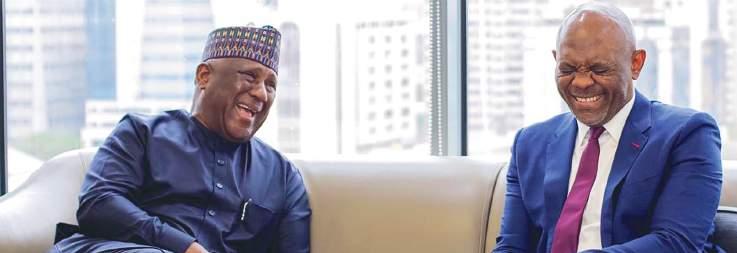
African Export-Import Bank (Afreximbank) yesterday announced that it had underwritten $2.5 billion in
a $4 billion syndicated term loan in favour of Dangote Petroleum Refinery and Petrochemicals, in
a major financing deal aimed at strengthening Africa’s largest refining and petrochemical complex.
www.thisdaylive.com
Tinubu: Perpetrators of Plateau, Kaduna Killings Will Face Justice...
Instead of Saving for Rainy Day, National Assembly Jacks Up 2026 Proposed Budget
Tinubu seeks $5bn Abu Dhabi financing, $1bn UKEF-backed loan for Apapa, TinCan ports Lawmakers raise capital spending to N32.29trn, targets infrastructure, growth, election preparedness
Extend 2025 budget cycle to June 2026, warns MDAs against funding delays, weak implementation Atiku slams Tinubu, Senate
and Sunday Aborisade in
Awash with Gulf oil windfall from US-Israel war on Iran, the National Assembly yesterday significantly altered Nigeria’s fiscal trajectory for
2026, raising the Appropriation Bill to N68.323 trillion and simultaneously advancing legislative processes to approve fresh external borrowings totalling $6 billion requested by President Bola Tinubu. The oil price benchmark for the
2026 budget was $64.85 per barrel, with an assumed daily oil production of 1.84 million barrels per day. But since the commencement of the war in the Middle East February 28, the price of Brent crude has risen sharply to $115 per barrel, with
projections suggesting a sustained upward trend, as both sides in the Middle East conflict continue to bomb each other’s oil facilities. Nigeria is currently raking in
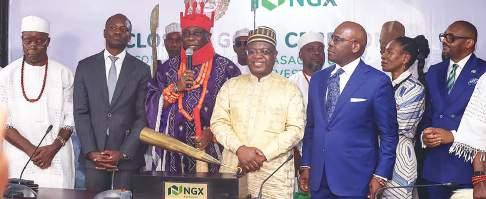
THE ASAGBA OF ASABA AT THE NGX...
L-R: Chairman Organising Committee, Ogbueshi Dr. Boniface Chizea, Group CEO, Mr Temitope Popoola, HRM Asagba of Asaba, Prof. Epiphany Chigbogu Azinge, SAN, OON, FNIALS, Chairman, NGX Group Plc, Dr. Umaru Kwairanga, Chairman, GEC Petroleum Dev. Co., Ogbueshi Dr. Joe Obiago, Fmr. Chairman, NGX Realty Company and CEO, NGX Mr. Jude Chiemeka at the Closing Gong Ceremony at the NGX , during HRM The Asagba’s launch of the Asaba Investment Forum for Corporate Nigeria, in Lagos … yesterday
Emmanuel Addeh in Abuja and Peter Uzoho in Lagos
Chuks Okocha, Adedayo Akinwale
Abuja
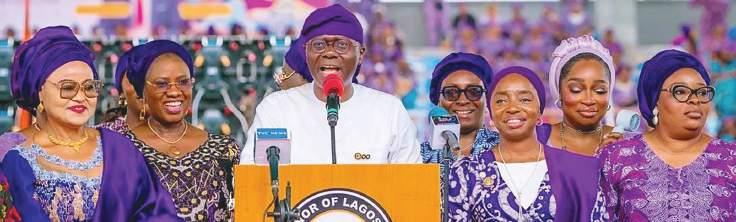
SANWO OLU, FIRST LADY AT 2026 INTERNATIONAL WOMEN’S DAY CELEBRATION...
L-R: SSG, Barr. Bimbola Salu Hundeyin; Commissioner for Women Affairs and Poverty Alleviation, Mrs. Cecilia Dada; Governor of Lagos State, Mr. Babajide Sanwo Olu; his Special Adviser on SDGs, Dr. Oreoluwa Finnih Adekoya; the First Lady of Lagos State, Dr. (Mrs.) Ibijoke Sanwo Olu; and Deputy Speaker, Lagos State House of Assembly, Hon. Mojisola Meranda, during the 2026 International Women’s Day celebration, organised by the State’s Ministry of Women Affairs and Poverty Alleviation, at the Mobolaji Johnson Arena, Onikan, Lagos Island, yesterday
McKinsey: Nigerian Banks’ Revenue Pool to Hit $16bn
by
2030 Amid Consolidation Push
Market size of African banks now around $107 billion, says report Fintechs tighten competition, scale rapidly, rival banks Continent’s banks lead global profitability despite currency pressures
Emmanuel
Addeh in Abuja
Nigeria’s banking industry is on course for a structural transformation that will see market size rise to $16 billion by 2030, driven by consolidation, digital expansion, and regulatory tightening, according to a new report by McKinsey & Company.
The projection comes amid sweeping reforms in the sector, including a significant increase in minimum capital requirements and a shift toward more sustainable revenue models, as authorities seek to strengthen financial system resilience in the face of macroeconomic volatility.
According to the report, Nigerian banks have remained among the most profitable in Africa, outperforming regional averages due to elevated interest rates, aggressive loan repricing, and substantial foreign exchange gains.
A major driver of recent earnings, it said, has been foreign exchange liberalisation, stressing that following reforms in 2023, the top five Nigerian banks recorded more than $1.7 billion in FX-related income, accounting for roughly 40 per cent of their total operating income. However, it said regulators moved swiftly to rein in reliance on such gains.
Besides, McKinsey & Company explained that Nigeria’s growth
outlook is also tied to structural shifts in revenue composition. While corporate banking accounted for the largest share of new revenue between 2019 and 2024, the retail and SME segments recorded faster growth rates, supported by expansion in digital payments and agency banking.
The report highlighted the rapid rise of financial technology firms as a key competitive pressure, with fintechs now ranked among leading merchant acquirers, and increasingly competing with traditional banks across payments, savings, and business services.
These firms, it said, are leveraging digital channels to scale quickly, targeting individuals, agents, and small businesses. In response, banks have increased spending on technology, with annual software and e-banking investments running into tens of billions of naira per institution.
“Despite currency volatility, Nigerian banks are highly profitable, surpassing the African average due to repriced loans, higher interest rates, and stronger foreign-exchange gains. Nigeria’s banking market is forecast to grow at a 7 per cent Compound Annual Growth Rate (CAGR), reaching about $16 billion by 2030.
“Between 2019 and 2024, corporate banking accounted for the largest share of new revenue growth in Nigeria’s banking sector; however,
the retail and SME segments grew faster, leveraging digital payments and agency banking to capture previously untapped markets.
“While the Nigerian market is less concentrated than some, consolidation is increasing. Between 2019 and 2024, the top banks increased their domestic asset share from 59 per cent to 64 per cent,” it added.
The report argued that the Nigerian banking sector over the past five years has been affected by macroeconomic shocks, increased regulation, and the maturation of digital disruption.
A weaker local currency, it maintained, has driven a revenue drop in dollar terms, but noted
that top banks are mitigating this by expanding into new markets, with, for example, Access Bank’s foreign operations now accounting for 23 per cent of the bank’s total operating income.
Additionally, McKinsey highlighted that the central bank has significantly raised capital requirements from $33 million (50 billion naira) to $330 million (500 billion naira) for international banks, and from $16 million (25 billion naira) to $130 million (200 billion naira) for national banks by March 2026 and halted capital distributions for banks under forbearance to strengthen balance sheets and build resilience in the sector.
“A key feature of the landscape has been the evolution of fintechs like OPay and Moniepoint into major players that now rival traditional banks. OPay has surpassed 50 million downloads on the Google Play store, while Moniepoint ranks among the leading merchant acquirers, rivaling traditional banks in user adoption.
“Both companies offer savings wallets, debit cards, and business tools, building attractive ecosystems where individuals, agents, and SMEs alike want to stay. Traditional banks are responding by investing heavily in IT and digital in response. Recent filings show tens of billions of naira per bank per year in software additions and IT/e-banking expenses,”
the report pointed out. To navigate this dynamic and shifting environment, McKinsey stressed that Nigerian banks are building reliability and scale, and embracing the digital reality to reach new consumers, notably young, digitally native Nigerians and micro-, small, and medium-size enterprises (MSMEs). With Nigeria’s digital shift underpinned by strong demographic and connectivity trends, it stressed that the country has more than 160 million active internet subscriptions, while over 60 per cent of the population is under the age of 25, creating a large, digitally active customer base.
WTO Meeting in Cameroon Ends in Deadlock as Brazil Blocks US’ Bid to Extend E-commerce Moratorium
A meeting of the World Trade Organisation (WTO) in Yaounde, the Cameroonian capital, ended in a deadlock early Monday as members failed to reach a consensus on the core issues of reform, agriculture, and the renewal of a global ban on customs duties for e-commerce, after deep divisions blocked a deal.
The deadlock followed Brazil’s blocking of a bid by the United States
and others to prolong a moratorium on duties for electronic transmissions, including digital downloads and streaming.
Among the setbacks, global trade ministers failed to extend the longrunning moratorium under which WTO members refrained from applying levies on cross-border digital transmissions, a blow for developed countries and for Washington, in particular.
“We worked hard,” WTO Director-
Adeosun, Entrepreneurs Unveil Platform to Help Startups Build Resilient Businesses
James Emejo in Abuja
Former Minister of Finance, Mrs. Kemi Adeosun, has established a new platform, Nidacity, to equip Nigeria’s entrepreneurs — particularly young and female founders — with the practical education, mentorship, and timely business intelligence they need to build resilient and thriving businesses.
Nidacity, a private sector educational media platform dedicated to entrepreneurs, officially went live
on Tuesday at www.nidacity.com.
Adeosun, alongside a group of entrepreneurs and professionals, aimed to tackle 95 per cent startups failure rate in the country through the initiative which begins with a landmark national survey on the roots of Nigerian enterprise.
The former minister said the launch of Nadacity had become necessary due to the impact of human cost of startups failure in every community across the country. She said, “The timing is urgent.
Nigeria has the world’s highest entrepreneurship rate, yet as many as 95 per cent of Nigerian startups do not survive beyond five years.
With Small and Medium Enterprises (SMEs) accounting for 85 per cent of all employment in the country, the human cost of that failure is felt in every community across the nation.”
Adeosun however, found a powerful and actionable opportunity in the same numbers.
According to her, “Nigeria’s
entrepreneurs are already doing something extraordinary — they are creating the vast majority of jobs in this country, from the ground up, often with very little support.
“The data tells us something remarkable: if we can help more of these businesses survive and grow, the employment gains for Nigeria will be enormous. Nidacity is not a charity — it is an investment in the people who are already building this economy. Make them better, and everyone benefits.”
General, Ngozi Okonjo-Iweala told the conference.
Four days of intense negotiations in the Cameroonian capital had been scheduled to conclude around midday Sunday, but the closing ceremony was repeatedly delayed as countries scrambled to reach some kind of agreement.
Early Sunday, bleary-eyed negotiators had emerged from an all-night session with a draft text in hand, indicating a minimal deal on reform was in reach, according to diplomatic sources and experts.
That prospect evaporated when Brazil made a last-minute intervention, blocking a text on the e-commerce moratorium to protest the lack of progress in separate talks on agriculture, the sources told AFP on condition of anonymity.
The 166-member WTO has been trying for years to establish a programme of work for negotiations on agriculture, but the issue remains highly sensitive in many countries. Going into Yaounde, countries had set the bar low, only hoping to issue a joint declaration aimed at laying the groundwork for future negotiations.
The main focus of the discussions
in Yaounde, which took place against a backdrop of heightened trade tensions and global economic turmoil linked to the Middle East war, was on reform.
Ministers and delegates had been tasked with developing an action plan to revitalise a WTO weakened by geopolitical strains, stalled negotiations, and rising protectionism.
The organisation, which struggles to reach agreements because of the requirement for consensus, must undergo far-reaching reforms to emerge from a deep crisis that has raised questions over its central role in regulating international trade.
Any advance on reform was contingent on resolving the recurring question of the moratorium on customs duties for electronic transmissions – in place since 1998 and with its renewal discussed at every ministerial meeting since then. Members, this time, failed to reach a deal, allowing it to lapse on Monday.
The United States had even been pushing for the moratorium to be made permanent, something many developing countries, India chief among them, had balked at over fear of losing tax revenues.
Ndubuisi Francis in Abuja
COURTESY VISIT BY SARAKI TO SEN. LAFIAGI...
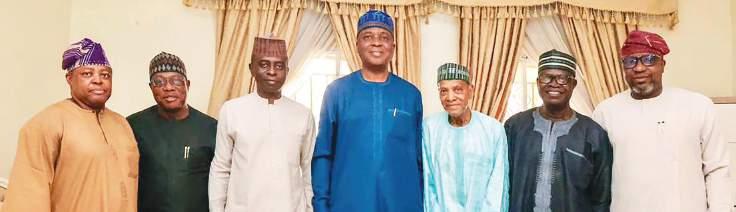
L-R: Alh. Mohammed Usman Lafiagi; Kwara PDP Chairman, Hon. Isa Bawa; former Speaker of Kwara State House of Assembly, Rt. Hon.
President, Dr. Abubakar Bukola Saraki; former Governor of Kwara State, Sen.
Stock Market Gained N29.83
Trillion in First Quarter 2026
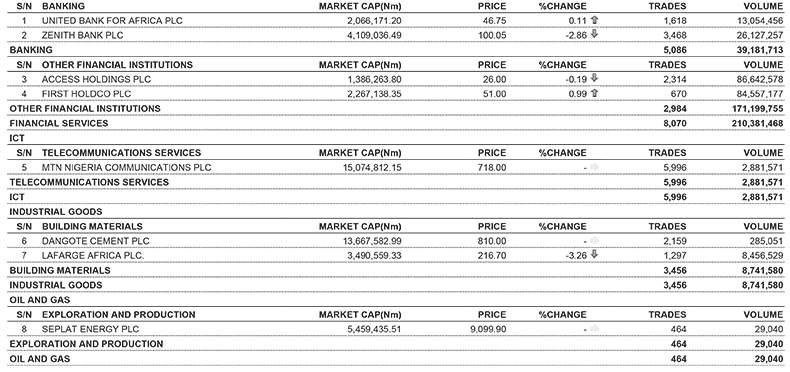
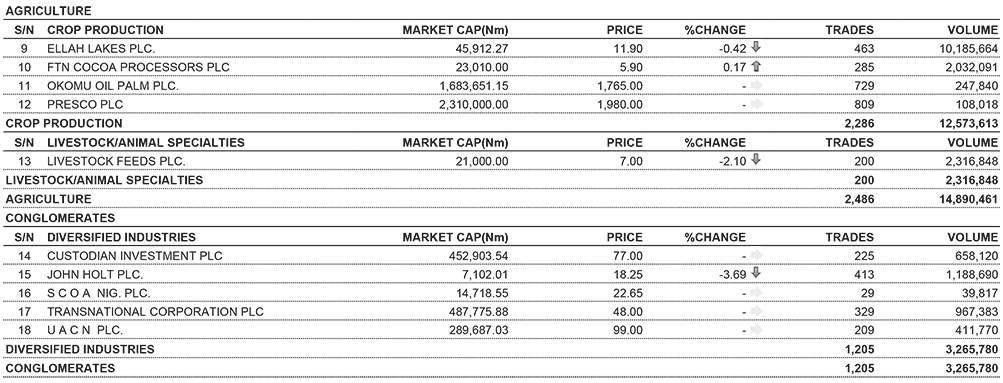
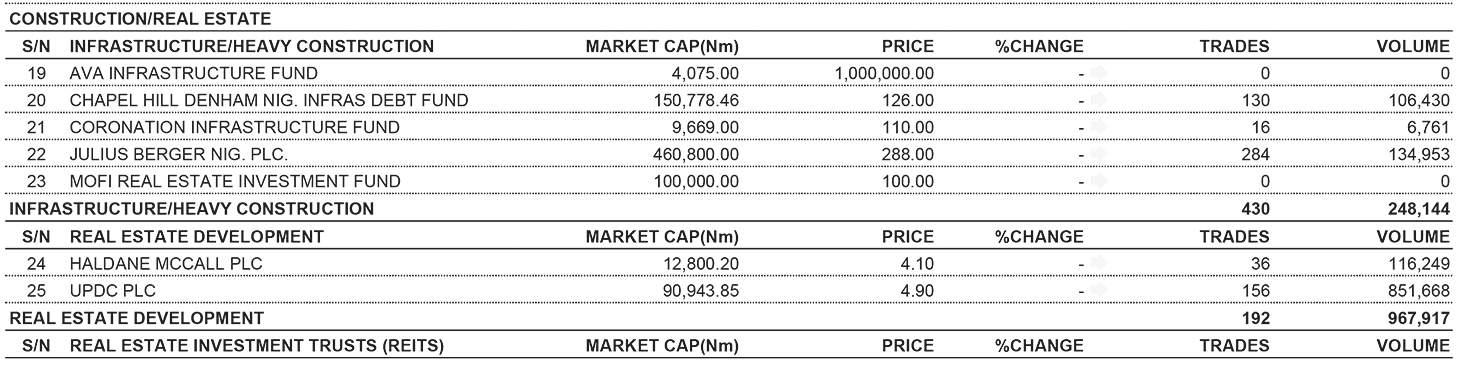
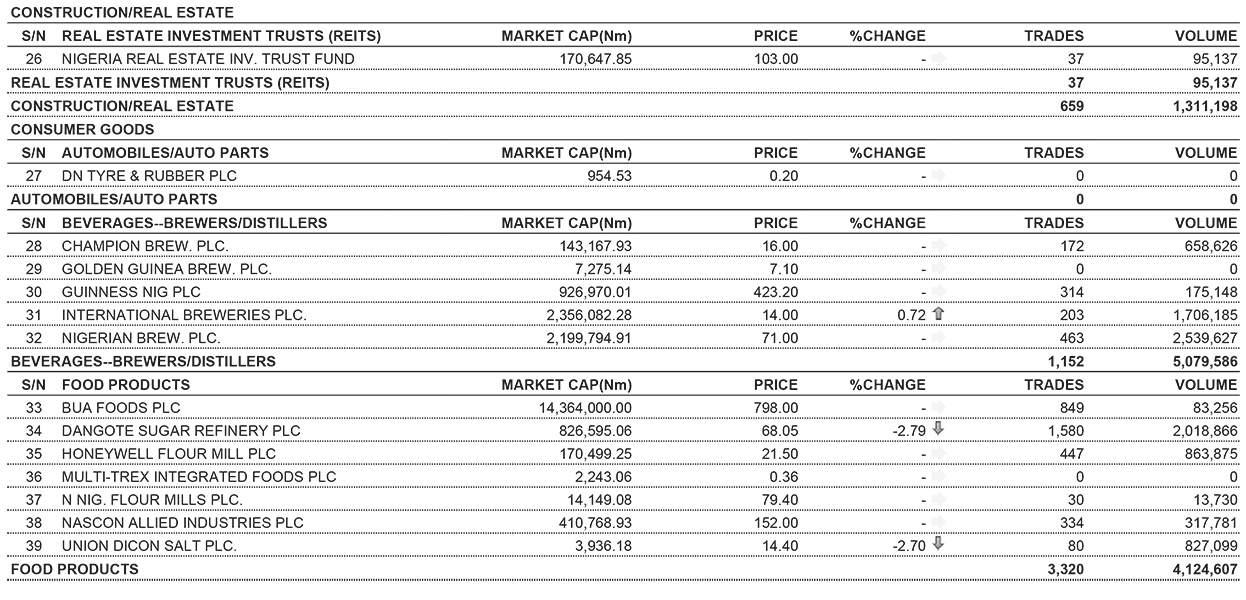
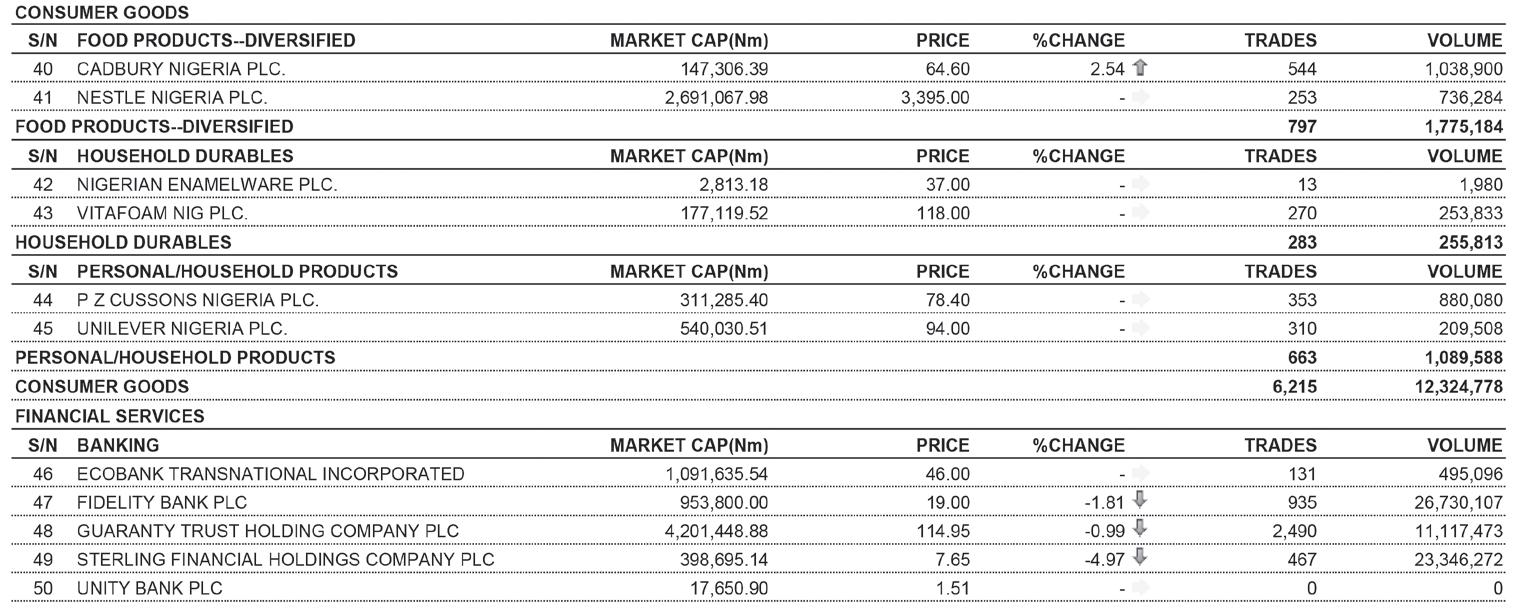
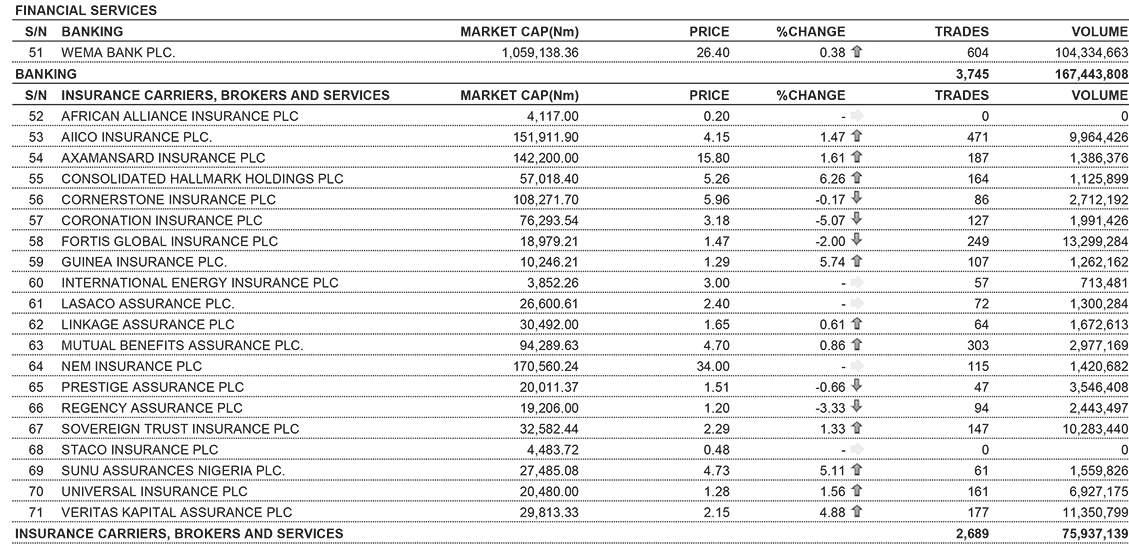
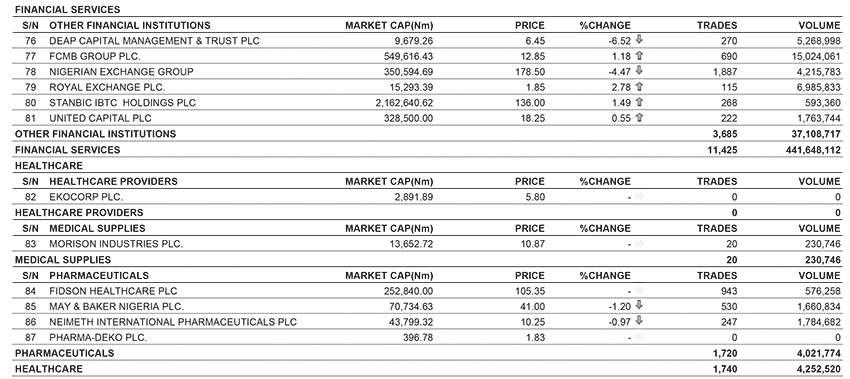
The Nigerian Exchange Limited (NGX) sustained its positive sentiments in the first quarter (Q1) of 2026 as investors posted a gain of N29.83 trillion.
According to data obtained from the NGX, the market capitalisation, which opened the year at N99.38 trillion, moved to N129.21 trillion by March 31, 2026, reflecting a remarkable increase of approximately N29.83 trillion within the period.
The market capitalisation had hit the N100 trillion mark in early January 2026, buoyed by renewed investor demand and broad-based gains across listed stocks.
In February 2026, it crossed historic N120 trillion mark to close at N122 trillion, over repricing rally in Dangote Cement Plc and MTN Nigeria Communication Plc.
THISDAY learnt that the market capitalisation of all listed companies crossed the N130 trillion mark in March over surge investors’ demand for listed stocks quoted on the NGX. It closed March 2026, with an increase of N5.45 trillion in one month from N123.76 trillion it closed for trading February 2026.
The latest milestone highlights the sustained momentum in Nigeria’s stock market, which continues to attract growing interest from both domestic
and institutional investors.
The Group Managing Director and Chief Executive Officer of Nigerian Exchange Group, Temi Popoola described the milestone as a sign of growing confidence in Nigeria’s capital market.
He added that, “Nigeria’s ongoing reforms are strengthening domestic capital formation, and the market is responding positively.
“Increased participation by local investors, improving corporate fundamentals, and continued market modernisation are reinforcing the role of the capital market as a catalyst for long-term wealth creation and sustainable economic growth.”
The NGX All-share index (ASI), which measures the performance of
listed stocks , surged from 155,613.03 basis points, which was about 45,674.75 basis points or 29.35 per cent growth, to the 201,287.78 basis points it closed for trading yesterday. .
Sectoral performance showed that the oil and gas index emerged as the best-performing segment on the Exchange, posting a year-to-date return of 64.22 per cent to 4,385.20 basis points, significantly outperforming the broader market.
The NGX Industrial goods index followed closely with a 54.6 per cent YtD gain to 8,775.98 basis points, reflecting strong price appreciation in cement and construction-linked counters.
The NGX banking index also
Zenith Bank Deepens Premium Banking Push
Zenith Bank Plc has unveiled its Visa Signature Card in partnership with Visa, marking a push into more access-driven offerings for Nigeria’s growing base of affluent and internationally active customers.
The Visa Signature Card is designed to enable seamless local and international transactions while providing cardholders with access to a range of travel, lifestyle and security benefits.
These include access to global airport lounge programmes, travel insurance and assistance services, concierge support, as well as exclusive offers across leading international travel and hospitality platforms.
Cardholders will also benefit from privileges covering over 900 luxury properties worldwide, discounts of up to 25 per cent on car rentals, and complimentary upgrades across select services among other benefits.
The offering targets customers whose financial needs increasingly span multiple markets, reflecting rising cross-border activity and changing consumption patterns among Nigeria’s upper-income segment.
The introduction comes amid broader changes in the financial services landscape, where banks are expanding beyond traditional products to deliver solutions that combine payments with access to global commerce and services.
For many customers, the value of a
banking product is increasingly linked to how easily it supports mobility, convenience and participation in international markets.
With benefits such as fast-track airport services, car rental privileges, and curated hotel partnerships, the card is positioned to support both the mobility and lifestyle expectations of premium customers.
Speaking at the press briefing in Lagos yesterday, Group Managing Director Zenith Bank plc, Dame Dr. Adaora Umeoji, said: “This partnership with Visa reflects Zenith Bank’s commitment to delivering premium, globally relevant solutions that meet the lifestyle and financial needs of our affluent customers.
“The Zenith Visa signature card will ensure that our customers enjoy greater convenience, flexibility, and value wherever they are in the world.”
Zenith Bank’s role centres on customer engagement and product design, ensuring that the offering reflects the needs of affluent and emerging affluent customers.
In addition to global acceptance, the card offers extended warranty coverage, online shopping fraud cover, and exclusive limited time offers from Visa Luxury Hotel Collection and other partners, enhancing confidence across both local and international transactions.
The bank continues to expand its premium banking portfolio as competition intensifies within this segment.
Visa provides the global payments infrastructure supporting the card, enabling secure and widely accepted transactions across international markets.
Its network connects cardholders to millions of merchants worldwide, ensuring consistency and reliability in cross-border payments.
Vice President and Cluster Head, Visa West Africa, Andrew Uaboi said the collaboration reflects growing demand for payment solutions that support international lifestyles.
“Consumers are increasingly operating across borders, whether for business, travel or everyday transactions. Our role is to ensure that payments remain seamless and secure, regardless of location, by providing the infrastructure that connects them to global commerce.”
He pointed to a broader shift in how users engage with financial services. “As digital adoption continues to grow, there is a clear shift towards solutions that combine convenience with global acceptance. This collaboration supports that transition by enabling broader access through trusted payment technology.”
The launch of the Signature Card highlights a wider trend within Nigeria’s financial sector, where institutions are responding to increased global connectivity, digital adoption and demand for premium services.
As more consumers engage in cross-border transactions, financial
providers are poised to deliver solutions that align with increasingly international lifestyles.
By leveraging Zenith Bank’s strong market presence and Visa’s global network, the partnership is set to expand Nigerian customers’ access to international payment systems, while also intensifying competition in the premium banking space.
recorded a solid 22.8 per cent YtD return to 1,860.75 basis points, buoyed by recapitalisation expectation and earnings momentum, while the NGX consumer goods index rose by 9.66 per cent YtD to 4,359.85 basis points.
In addition, the NGX insurance sector trailed with a comparatively modest 3.54 per cent YtD increase over the same period.
The strong rally in Q1 2026 was on the backdrop of renewed investor confidence, impressive 2025 financial year corporate earnings by listed companies and increased participation from both domestic and institutional investors seeking higher yields in the stocks market over declining real returns in fixed income instruments.
Analysts noted that the relative stability in the foreign exchange market, alongside moderating inflation expectations and improved liquidity conditions, also encouraged portfolio rebalancing in favour of equities.
They argued that the expectation of robust full-year corporate earnings, particularly from tier-one banks and large-cap industrial firms, played key roles in sustaining the upward trend.
This is in addition to increased retail participation, driven by growing financial literacy and easier access to trading platforms, which has helped to boost market liquidity.
However, the operators cautioned that
while the bullish run reflects improving sentiment, it may face intermittent corrections as investors take profit and react to macroeconomic developments, including monetary policy decisions and fiscal adjustments.
They maintained that the outlook for the rest of the year remains cautiously optimistic, provided economic reforms are sustained and corporate performance continues to meet market expectations.
The MD/CEO, Globalview Capital Limited. Mr. Aruna Kebira, attributed the bullish momentum recorded in the first quarter of 2026 to the strong fundamentals of listed companies, particularly in the manufacturing sector, noting that improved stability in the foreign exchange market and a gradual decline in inflation have further strengthened market sentiment.
He said current government policies have continued to reinforce a positive investor outlook, driving increased participation and boosting demand for manufacturing stocks.
Kebira, however, observed that the banking sector was yet to attract significant investor interest, as market participants remain cautious due to the Central Bank of Nigeria’s policies on dividend payments.
He added that the attractive return on investment in equities has remained a key factor drawing investors into the market.
Renaissance Raises Gas Production to 2.2bcf, Targets 3bcf by 2030
Renaissance Africa Energy Company Nigeria Ltd yesterday announced that it has recorded a 2.2 billion cubic feet (bcf) of gas output, with an ambition to reach 3bcf by 2030
The company’s Managing Director and Chief Executive Officer, Chief Tony Attah, made this known during a visit to the commission’s headquarters in Abuja to mark its one-year anniversary.
Specifically, the CEO of Renaissance expressed appreciation for the commission’s regulatory support, noting that the enabling environment has been critical to the company’s operational growth and ambitious expansion plans, a statement by the NUPRC’s spokesman, Eniola Akinkuotu, said.
“ Looking at the transformation happening in the industry and the regulatory side, we do not have a better team to drive the industry in the whole of Africa than the NUPRC team,” Attah stated.
“We speak to energy security in Africa, but more importantly, the industrialisation of Nigeria... I am very proud to confirm that yesterday (30/03/2026) we delivered 2.2bcf of gas, and we beat our target of 2030,” he added.
According to Attah, the company has now raised its ambition to 3bcf by 2030, adding that the 2.2bcf milestone was achieved with the commission’s support as a business enabler.
“We want to run 10–15 Field Development Plans (FDPs) per year.
It will be near impossible to churn out any FDP without the commission
itself. So, we will be needing your help to pursue this ambition,” he added. In her remarks, the Commission Chief Executive, Mrs. Oritsemeyiwa Eyesan, noted that Nigeria had gone through a series of divestments, with the emergence of Renaissance being a testament to the success of the latest divestment.
She said hydrocarbon production in past years saw peak production of over 2 million barrels per day and dropped to 900,000 bpd, adding that production growth is now rebounding. Eyesan said: “We are back on the upward trajectory, and Renaissance will play a major role in the storyline. At the time of initiating the divestment, there was a lot of apprehension, given that past divestments saw some successful, some not so successful, and some just on the borderline.
Rasak Atunwa; former Senate
Shaba Lafiagi; Hon. Ladi Hassan; and former member, Kwara House of Assembly, Hon. Moshood Bakare, during a courtesy visit by Saraki to Sen. Lafiagi in his Abuja home on Monday
Emmanuel Addeh in Abuja
Nume Ekeghe
Kayode Tokede
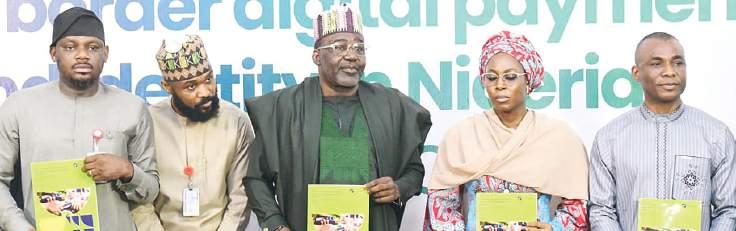
DURING LAUNCH OF CROSS BORDER DIGITAL PAYMENT AND IDENTITY IN NIGERIA...
L-R: Special Adviser to the President on Job Creation and MSMEs, Temitope Adekule Johnson; Special Adviser to the President on ICT Policy, Office of the Vice President, Dr. Salihu Dasuki; Deputy Chief of Staff to the President, Office of the Vice President, Sen. Ibrahim Hadejia; Special Adviser to the President on Project Support, Office of the Vice President, Shuhdah Ahmed; and Managing Director, PalmPay, Mr. Chika Nwosu, during the launch of Cross Border Digital Payment and Identity in Nigeria under the AfCFTA at the Conference Centre of the Presidential Villa, Abuja, on Monday
Edun: Nigeria has Expanded Int’l Tax Cooperation to Recover Revenues Lost through Illicit Financial Flows
Zacch Adedeji urges African unity against Illicit Financial Flows
Ndubuisi Francis and James Emejo in Abuja
Minister of Finance and Coordinating Minister of the Economy, Mr. Wale Edun, yesterday in Abuja declared that Nigeria had expanded international tax cooperation, deploying information exchange mechanisms to identify and recover revenues lost through illicit financial practices. Edun disclosed this in a keynote address at the opening ceremony of Committee on Tax and Illicit Financial Flows of the Specialised Technical Committee on Finance, Monetary Affairs, Economic Planning and Integration (STC – FMAEPI).
His address dwelt on “The Imperative of African Fiscal Domestic Reform in a New World Order.”
Edun recalled that since May 2023, under the leadership of President Bola Tinubu, Nigeria had implemented comprehensive tax reforms aimed at simplifying the tax system, broadening the tax base, reducing the burden on vulnerable populations, and improving compliance.
He said the reforms came into effect in January 2026, adding that the administration has also strengthened transparency and accountability in the management of natural resource revenues.
Edun stated, “The president signed Executive Order 9 that stipulates that all oil and gas revenues are remitted into constitutionally designated accounts prior to disbursement.
“In addition, the removal of fuel subsidies and the unification of the exchange rate have significantly improved fiscal transparency, re-
duced distortions, and strengthened investor confidence.
“To further enhance trade efficiency and reduce leakages, Nigeria recently launched a National Single Window system—an important step in tackling trade-based illicit financial flows.”
The minister said, “These reforms are already yielding results. Nigeria has recorded notable improvements in revenue performance, particularly in non-oil revenues, alongside stronger fiscal buffers and increased investor confidence.
“We have also expanded international tax cooperation, deploying information exchange mechanisms to identify and recover revenues lost through illicit financial practices.”
While the reforms reflected Nigeria’s experience, Edun stated that they also underscored a broader point that practical, country-led reforms were essential to advancing Africa’s collective fiscal resilience.
He listed priority areas for African fiscal reform, pointing out that the path forward requires clarity of priorities.
According to him, Africa’s fiscal reform agenda must focus on, first, broadening the tax base through improved compliance and reduced leakages, strengthening public financial management to ensure transparency, accountability, and value for money.
Others were promoting domestic savings and financial inclusion to mobilise local capital, developing robust capital markets to support investment and innovation, as well as intensifying efforts to combat illicit financial
flows through stronger enforcement and cross-border cooperation.
In his address, Executive Chairman, Nigeria Revenue Service (NRS), Dr. Zacch Adedeji, said Illicit Financial Flows (IFFs) remained one of the most pressing threats to Africa’s economic progress. Adedeji called for a united front to tackle the menace.
He lamented that every year, billions of dollars that should support development across the continent were diverted through
Adedeji said the huge outflows represented lost opportunities, hospitals, schools, infrastructure, and investments in the future of Africans.
He said the scale of the problem was highlighted in the influential High Level Panel on Illicit Financial Flows from Africa Report, which brought global attention to the magnitude of financial leakages
affecting African economies.
However, he said Nigeria had proactively responded in various ways to the Mbeki Panel Report findings and other policy recommendations aimed at tackling IFFs.
He said addressing the challenges required coordinated action across multiple fronts within the national systems and at continental levels.
Adedeji stated, “Illicit financial flows being inherently transnational in nature exploit differences be-
tween jurisdictions and weaknesses in international regulatory systems.
“This is why continental cooperation through platforms such as this Subcommittee is not only useful but indispensable.
“The future prosperity of Africa will depend significantly on our ability to build strong fiscal institutions, protect our financial resources, and mobilize the revenues required to finance development from within our own economies.”
The Nigerian Ports Authority (NPA) has projected N1.489 trillion as internally generated revenue for the 2026 fiscal year, even as it concluded plans to commence the long-awaited modernisation of Apapa and Tin Can Island ports to boost efficiency and global competitiveness.
The Managing Director of NPA, Dr. Abubakar Dantsoho, disclosed this on Monday at the National Assembly, during the agency’s 2026 budget defence before the Senate Committee on Marine Transport.
He said the 2026 revenue target represents an increase of N21 billion over the N1.468 trillion target set for 2025, which the authority not only met but exceeded with an actual revenue performance of N1.97 trillion.
Providing a breakdown of the 2026 proposal, Dantsoho said N945 billion is earmarked for capital projects,
Minister of Transportation Resigns To Pursue Gubernatorial Ambition
N447.5 billion for operating expenses, while N90.6 billion would be remitted into the Consolidated Revenue Fund.
He explained the budget is driven by a strategic focus on “consolidation, renewed resilience and shared prosperity,” with the modernisation of Apapa and Tin Can Island ports identified as flagship projects critical to achieving higher revenue generation.
According to him, both ports, being Nigeria’s busiest maritime gateways, have become outdated and inadequate for the demands of modern shipping and port operations.
“Apapa Port is about 100 years old, while Tin Can Island Port is over 50 years old. Their capacities in terms of size and vessel accommodation fall short of what is required for competitive global port operations,” he said.
Dantsoho added that groundwork for their upgrade is imminent.
“The groundbreaking for the modernisation projects will commence within the next two to three weeks,” he stated.
On revenue management, the NPA boss reiterated the agency’s
strict compliance with the Treasury Single Account (TSA) policy, noting that all revenues generated by the authority are domiciled with the Central Bank of Nigeria.
“We do not retain any funds. The Central Bank is the signatory, and we must apply for funds whenever the need arises,” he said.
In his remarks, Chairman of the Senate Committee on Marine Transport, Senator Wasiu Eshinlokun, emphasised the committee’s oversight function is aimed at strengthening the NPA rather than confronting it.
ICPC Arraigns El-Rufai in Dual Court Proceedings, Hearing on Bail Application Adjourned Today
The Federal High Court in Kaduna yesterday adjourned the corruption trial involving former Kaduna State governor, Nasir El-Rufai, today, Wednesday for the hearing of his bail application.
on Sunday in Abuja.
The adjournment followed a brief court session during which defence counsel filed a motion urging the presiding judge, Justice Rilwan M. Aikawa, to recuse himself from the case on allegations of bias and the existence of a pending petition against him.
A statement issued on Tuesday by Special Assistant, Media and Publicity, Office of the Minister of Transportation, Umar Alkali Jibril, stated that the Minister is resigning to contest the governorship in the upcoming elections.
“In his letter, he expressed deep
The Minister of Transportation, Senator Said Ahmed Alkali has officially tendered his resignation to the Presidency. This move follows the presidential directive requiring all political appointees seeking elective offices to step down from their current roles.
appreciation to the President for the opportunity to serve, citing significant progress made in the transportation sector during his tenure.
“The President has accepted the resignation and thanked the Minister for his dedicated service to the nation,” The statement read.
El-Rufai is being prosecuted by the Independent Corrupt Practices and Other Related Offences Commission (ICPC) on a 10-count charge bothering on allegations of corruption.
He had been in the custody of the ICPC since February 19 until his temporary release March 28 on compassionate grounds following the demise of his mother in Cairo, Egypt last Friday. She was buried
However, the defence subsequently filed another motion withdrawing the application seeking the judge’s recusal.
The court thereafter fixed Wednesday for the hearing of the bail application after the prosecuting counsel informed the court that a counter affidavit had just been filed.
Earlier, before his appearance at
the Federal High Court, the ICPC had arraigned El-Rufai at the Kaduna State High Court alongside a businessman, Amadu Sule, on allegations of abuse of office, fraud, attempted fraud and the granting of undue advantage. The presiding judge, Justice Darius Khobo, adjourned the matter to April 10 for hearing.
Counsel to El-Rufai, Ukpong Abang, declined to comment on developments in both courts, stating that further legal processes were ongoing and additional filings were required.
Meanwhile, journalists were barred from accessing the courtrooms during proceedings.
PHOTO: GODWIN OMOIGUI
Kasim Sumaina in Abuja
John Shiklam in Kaduna
As Banking Recapitalisation Ends, a New Era Begins for Nigerian Banks
As the curtain was drawn on the banking sector recapitalisation last night, a defining chapter in Nigeria’s financial evolution came to a close, leaving behind a mix of renewed confidence, lingering questions, and heightened expectations.
What began as a regulatory push to strengthen the resilience and global competitiveness of banks has now reshaped balance sheets, tested investor appetite, and redefined the contours of the industry.
The exercise underscored a deeper narrative of survival, adaptation and the ongoing quest to build a banking system capable of supporting sustainable
economic growth.
NEWS ANALYSIS
Prior to today, Nigerian banks had mobilised a total of N4.61 trillion in fresh capital under the recapitalisation programme, reflecting strong investor appetite and growing foreign participation in the sector. The Central Bank of Nigeria (CBN) is expected to from today, announce the outcome of the exercise as Nigerians await to know the number of banks that scaled the hurdle, those that would no longer be in business as well as other details of the recapitalisation exercise.
The Cardoso-led CBN had, on March 28, 2024, announced a two-year bank recapitalisation exercise which com-
menced on April 1, 2024. The 24-month timeline for compliance ends on March 31, 2026. The upward capital revision is expected to ensure that Nigerian banks have the capacity to take on bigger risks and stay afloat amid both domestic and external shocks. It also means an increased liquidity position of banks, which will help broaden their loss-bearing capabilities.
Specifically, the recapitalisation exercise required a minimum capital of N500 billion, N200 billion, and N50 billion for commercial banks with international, national and regional licences, respectively.
Before this new capital requirements,
many banks were operating with low capital levels despite the huge profits they were churning out, compared with their peers on the continent. For instance, commercial banks with international licences were previously only required to hold a minimum capital base of N25 billion.
In today’s value, N25 billion is now worth about $17 million, due to the depreciation of the Naira. This left Nigeria’s banking system with very little cushion to absorb economic shocks or to significantly play its intermediation role in an economy that is badly in need of finance.
Today, a commercial bank that decided to go for a regional banking authorisation is entitled to carry on its
banking business operations within a minimum of six and a maximum of 12 contiguous States of the federation, lying within not more than three geo-political zones, as well as within the Federal Capital Territory.
Also, a bank that currently holds a national banking licence is entitled to carry on its banking business operations in every state, while those with an international licence are entitled to carry on their banking business operations within all the states of the Federation, as well as to establish and maintain offshore banking operations in jurisdictions of their choice, subject to the approval of the CBN and in compliance with regulatory requirements of the host country.
This flexibility underscored
Tinubu: Perpetrators of Plateau, Kaduna Killings Will Face Justice
President summons Mutfwang; gov insists state won’t bow to fear Idris: FG tracking perpetrators as Senate demands security overhaul
CAN: Nigerians tired of government statements, demand action EiE condemns killings, accuses FG of failing to protect Nigerians Troops intercept terrorists logistics supplies, apprehend 16 suspects Boko Haram kills nine in Borno
Yemi Kosoko in Jos, and Muhammad Sabiru in Maiduguri
President Bola Ahmed Tinubu has vowed that security agencies would bring the perpetrators of the killings in Plateau and Kaduna to face justice.
The president, in a statement yesterday by his Special Adviser
on Information and Strategy, Bayo Onanuga, said the attacks were an affront to everything that the nation stood for.
He condemned what he described as the ‘cowardly’ attacks by gunmen in Angwan Rukuba district, Jos, Plateau State, just as he decried the attacks in Kahir village in Kagarko Local Government Area of Kaduna State. Tinubu was reacting to the latest violence in the two troubled states,
which have left scores dead and communities displaced, underscoring a deepening security crisis in parts of Nigeria’s North-central and North-west regions, where recurring attacks by armed groups continue to strain Nigeria’s overstretched security architecture.
In Plateau, gunmen stormed the Angwan Rukuba area of Jos, attacking residents in a late-night raid marked by indiscriminate shooting. Local
INSTEAD OF SAVING FOR RAINY DAY, N’ASSEMBLY JACKS UP 2026
significant revenue from the spike, which is currently twice the budget benchmark.
However, instead of the country’s lawmakers legislating to save the extra revenue for the rainy day, they embarked yet again on a spending binge.
The sweeping decisions, taken at plenary of both chambers of the National Assembly following the presentation and consideration of the Joint National Assembly Committee on Appropriation report and fresh presidential correspondences, underscored an aggressive fiscal expansion strategy. It was said to be aimed at stabilising the economy, addressing legacy obligations, and unlocking infrastructure development.
Though, concerns persisted over rising public debt and implementation efficiency.
Tinubu also sought the approval of the House of Representatives to obtain a $5 billion external loan from First Abu Dhabi Bank of the United Arab Emirates.
Reacting to the fresh loan request, former Vice President and chieftain of African Democratic Congress (ADC), Atiku Abubakar, expressed concern over the senate approval, less than four hours after its presentation.
The revised budget represented an increase of over N9 trillion from the N58.18 trillion initially proposed by the president in December 2025.
The joint committee in its report stated that the upward adjustment was necessitated by the need to accommodate outstanding commitments from previous fiscal cycles, strengthen critical sectors, and align the budget with prevailing economic realities.
A breakdown of the approved N68.323 trillion fiscal plan showed that N4.799 trillion was allocated to statutory transfers, N15.809 trillion to debt servicing, N15.427 trillion to recurrent (non-debt) expenditure, and a substantial N32.287 trillion devoted to capital projects, a move widely interpreted as a push to stimulate growth through infrastructure investment.
Central to the increase was the incorporation of N7.71 trillion in outstanding capital obligations from the 2025 budget, many of which lawmakers said could not be executed due to revenue shortfalls and bureaucratic bottlenecks.
The joint committee stated that nearly 70 per cent of capital projects in the 2025 budget were affected,
necessitating a rollover to prevent abandonment and cost escalation.
In addition to clearing legacy liabilities, the legislature approved fresh allocations targeting strategic national priorities.
Among them was N478.6 billion as federal government equity contribution under the Ministry of Finance Incorporated framework to support presidential legacy rail projects spanning Lagos, Kano, Kaduna and Ogun States.
The provision also covered feasibility studies for new urban rail systems in Enugu and Maiduguri, as well as upgrades to existing narrow-gauge lines.
Furthermore, infrastructure planning received N8.96 billion for feasibility studies on the
accounts and officials indicated that between 28 and 30 people were killed, with several others injured, in what has been described as a coordinated assault on a civilian community near the University of Jos.
The attackers reportedly arrived under the cover of darkness and opened fire on “soft targets,” deepening fears of renewed cycles of reprisal violence in the state.
Also in Kaduna, the violence took a
PROPOSED BUDGET
Calabar–Maiduguri corridor and the proposed Maiduguri–Sokoto superhighway under the Tinubu National Beltway Initiative, designed to enhance regional integration and boost trade connectivity.
The health sector also secured a major boost, with an additional $344.83 million (about N482.76 billion) earmarked for priority interventions tied to bilateral agreements, aimed at strengthening healthcare infrastructure and service delivery nationwide.
In a move linked to preparations for the 2027 general election, the judiciary received enhanced funding, including N98.5 billion for the Court of Appeal, N36.7 billion for the Supreme Court, and N268.54 billion
different but equally disturbing form. In Kahir village, suspected bandits attacked a wedding gathering, killing at least 13 people and abducting dozens of guests.
The incident combined both mass killing and kidnapping, a pattern increasingly associated with armed groups operating in the North-west, where social events and rural communities have become frequent targets.
But describing the attack on the community in Jos and the killing and abduction of wedding guests in Kaduna as an affront to all that Nigeria stands for, Tinubu assured the people that the ‘barbaric’ acts would not go unpunished.
“Anyone who will sneak under the cover of the night and kill defenceless citizens as done in Jos and Kahir village, is a heartless coward. By attacking soft targets in Jos, their objective is not only to cause harm but also trigger a spiral of reprisal attacks and further bloodletting,” the president said.
He therefore directed security agencies to intensify all efforts to pursue the perpetrators and those spreading misinformation that could inflame tensions and further endanger lives. The president cautioned some sections of the media, insinuating that the attacks were religiously motivated.
Tinubu reaffirmed that security agencies were actively addressing the situation but stressed that public
cooperation was vital to maintaining peace and protecting lives and property. He stressed the need for communities to comply with evacuation, relocation, and related advice and processes, while hailing the safe return of two of the Kaduna victims.
Tinubu said: “I urge our security agencies to be more proactive in preventing these attacks by acting on early warning intelligence. All the remaining abductees from Kahir village must be rescued immediately. “I commend Governor Caleb Mutfwang of Plateau State for his efforts in containing the situation in Jos and Governor Uba Sani of Kaduna State for supporting the rescue and containment efforts.
“I assure the people and government of the two states of my support. I commiserate with the families of those killed and pray for the quick recovery of the injured. Our government is currently acquiring more sophisticated equipment to enable our security agencies to track and smash criminals, in real time, wherever they are.”
Mutfwang: Plateau Will Not Bow to Fear
Besides, the Plateau State Governor, Mutfwang, said the state would not bow to fear following the attack in Jos
AFREXIMBANK ANCHORS $2.5BN OF FRESH $4BN DANGOTE REFINERY SYNDICATED LOAN
five-year facility, which is designed to consolidate existing financing, optimise the refinery’s capital structure, and align funding with its operational phase and long-term expansion plans.
The Dangote Petroleum Refinery, with a capacity of 650,000 barrels per day, is widely regarded as Africa’s most ambitious refining project. The new facility is expected to enhance its balance sheet flexibility, strengthen its financial position, and support its role as a key supplier of refined petroleum products across Africa and global markets.
Afreximbank stated that its $2.5 billion participation represents the largest share in the syndicate, reinforcing its position as a central financier of large-scale African
industrial projects.
Besides, the bank said the deal aligns with its broader mandate of supporting import substitution, expanding intra-African trade in refined products, and strengthening the continent’s energy security architecture.
Since the refinery began operations in February 2024, Afreximbank said it has also provided a $1billion working capital facility and acted as financial adviser on the Naira-forCrude initiative, which facilitates crude purchases and refined product sales in local currency, reducing reliance on foreign exchange in petroleum transactions.
Commenting on the development during a strategy engagement session between the Board of Directors
of Afreximbank and the leadership of Dangote Group in Cairo, Egypt, President and Chairman of the Board of Directors of Afreximbank, Dr. George Elombi, said the bank has committed about $15 billion in the Dangote Group businesses in the last 11 years.
“We take immense pride in being the single largest provider of financing to the Dangote Group. We do so primarily because Dangote is African. When we invest in ourselves, we do more than create jobs and wealth or expand government revenues; we build a secure and resilient future for our continent. This is why we are pleased to have invested about $15 billion in the Dangote Group since 2015,” he explained.
Elombi stressed that there was nothing more rewarding than investing in African enterprises, emphasising that empowering them was imperative for the continent’s self-sustainability.
He added: “Afreximbank and its Board of Directors stand ready to support the realisation of Dangote Group’s aspirations because when we build our institutions and provide the requisite support to grow, we will no longer have to look elsewhere for benevolence or salvation in difficult times.”
According to the Africa-based lender, the transaction makes a powerful statement about Afreximbank’s commitment to backing transformative and indigenous industrial projects that are reshaping
Africa’s economic future.
“The Dangote Refinery stands as a bold symbol of what African ambition, African capital and African execution can achieve at scale. Beyond expanding refining capacity, it is strengthening the foundations of Africa’s energy security, reducing dependence on imports and opening new frontiers for intra-African trade and industrial development.
“Afreximbank is proud to stand alongside this historic achievement and to continue supporting the continent’s journey towards greater self-sufficiency, resilience and prosperity,” the bank said. For its part, the Dangote Industries Limited (DIL) welcomed the
Obinna Chima
the regulator’s intent to prioritise sustainability over sheer size, ensuring that
CBN Governor, Yemi Cardoso
45
Deji Elumoye, Olawale Ajimotokan, Sunday Aborisade, Kuni Tyessi, Linus Aleke in Abuja, Sunday Ehigiator in Lagos,
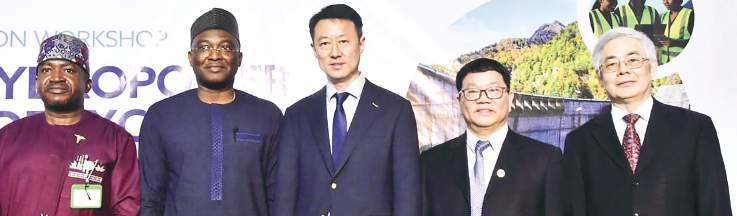
PROJECT INCEPTION WORKSHOP ON SMALL HYDROPOWER CENTER OF EXCELLENCE IN NIGERIA...
L-R: Vice Chancellor, University of Abuja, now Yakubu Gowon University, Prof. Hakeem Fawehinmi; United Nations Industrial Development Organisation Regional Director, Ambassador Philbert Johnson; Chinese Ambassador to Nigeria, Yu Dunhai; Director General, International Center on Small Hydro Power, Dr. Xu
and UNIDO Project Manager, Mr. Liu Heng, during the project inception workshop on Small Hydropower Center of Excellence in Nigeria, held in Abuja on Monday
Institutions Must Strive to Build Public Trust, Confidence, Says NSITF MD Faleye
Managing Director/Chief Executive, Nigeria Social Insurance Trust Fund (NSITF), Oluwaseun Faleye has said that building institutional trust and public confidence is key business asset.
A statement signed by the Deputy General Manager Corporate Affairs Alex Mede quoted Faleye as having
said that one of the greatest challenges of governance is not merely policy design but public confidence.
Faleye spoke at the 2026 Law Week of the Nigerian Bar Association (NBA), Gwagwalada Branch in Abuja, Monday.
The NSITF MD said the future of effective governance in Nigeria depends not only on laws being
enacted, but on institutions being strengthened to deliver on their legal obligations.
“For those of us entrusted with public responsibility, service must mean more than occupying office. It must mean using institutions to protect the vulnerable, to uphold fairness, and to leave systems better than we met them.
“For the Bar, it means defending the integrity of law and ensuring that justice remains accessible, principled, and alive.
“For institutions like NSITF, it means ensuring that social protection is not treated as charity. but as a lawful and necessary pillar of national development.
“For the nation, it means recognizing
Court Fixes June 2 for Judgment in Late Dr. Tosin Ajayi’s Estate Dispute
To rule on validity of statutory/customary marriages
Wale Igbintade
Justice Oluwatoyin Odusanya of the Lagos State High Court sitting in Ikeja has fixed June 2, 2026, to deliver judgment in the high-profile dispute over the estate of the late Dr. Tosin Ajayi, Managing Director of First Foundation Medical Engineering Company, who died intestate on April 26, 2020.
The court adjourned for judgment after counsel to the parties, Mr. Abiodun Owonikoko (SAN) for the defendants and Mr. Kunle Adegoke (SAN) for the claimants, adopted their final written addresses.
The suit, marked ID/3364LM/21, was instituted by Mrs. Adenike Oluyemisi Ajayi and her children, Tomi Deru, Olumide Ajayi, Omolade Soetan, Mayowa Okeowo, and Bisola Ajayi—against Mrs. Helen PrestAjayi and her daughter, Tomisin Ajayi, over claims to inheritance rights and the administration of the deceased’s estate.
In his submission, Owonikoko (SAN) challenged the foundation of the claimants’ case, contending that they failed to establish the existence of any valid statutory marriage between the 1st claimant and the deceased, an essential requirement for the reliefs being sought.
Central to the defence’s argument is the rejection of a purported marriage certificate relied upon by the claimants.
Owonikoko argued the document lacks evidential value, citing inconsistencies, missing details, signs of alteration, and the absence of proper certification.
The defendants further faulted the claimants for failing to call any
official from the marriage registry or produce original records to authenticate the document.
To reinforce their position, the defence told the court that independent searches conducted at the Ijebu Ode Marriage Registry, the Federal Marriage Registry in Ikoyi, and the Ministry of Interior in Abuja yielded no record of any marriage between the 1st claimant and the deceased.
Official correspondences tendered as exhibits, they said, confirmed that the alleged marriage certificate does not exist in any government archive.
They argued that under the Marriage Act and the Evidence Act, strict proof is required to
establish a statutory marriage, particularly where public documents are disputed, and that the claimants’ failure in this regard is fatal to their case.
In the absence of such proof, the defendants submitted, the claimants cannot rely on statutory provisions governing inheritance.
The defence also challenged the credibility of the 1st claimant, pointing to what they described as material contradictions in her testimony.
They argued that evidence before the court shows the deceased had been estranged from her for over 35 years prior to his death and that they did not cohabit during that period.
They argued that under crossexamination, the 1st claimant admitted to lacking knowledge of key aspects of the deceased’s life, including his residence and the circumstances leading to his illness and death, facts the defence said undermined her claim of a subsisting marital relationship.
The defendants maintained that the 1st defendant was the spouse who lived with the deceased until his death, having contracted a valid customary marriage under Kalabari native law and custom.
They argued that such a marriage confers rights to participate in the administration and distribution of the estate alongside the deceased’s children.
that sustainable progress is impossible where labour is unprotected, where institutions are weak, and where trust is eroded”, he submitted.
Faleye said he believes that one of the most important tasks before the nation is to bridge the distance between legal rights and lived realities.
“Our laws must work for the worker. Our institutions must work for the citizen. And our governance culture must work for the public good”.
He said, “Across many societies, and certainly within ours, one of the greatest challenges of governance is not merely policy design but public confidence.
“Citizens want to know that laws will not remain on paper. Workers want to know that statutory protections will function when tested. Employers want clarity, fairness, and predictability.
“And institutions must earn the confidence of all sides through competence, consistency, and credibility. That is why institutional trust is such an important national question”.
Faleye noted that, “This gathering is not only a celebration. It is also a moment of reflection. A gathering like this brings together the conscience of the legal profession, the custodians of justice, and men and women whose daily work shapes the relationship between the citizen and the state.
“It reminds us that institutions do not become strong merely because they are created by law. They become strong when they are led with purpose, administered with integrity, and trusted
by the people they were established to serve”.
According to the MD, “That is why this recognition is meaningful to me. It is not simply about an individual. It is a recognition of an idea: that public institutions can work; that reform is possible; that service can still be honourable; and that government agencies can be instruments of justice, protection, and human dignity”.
He reiterated that, “At the Nigeria Social Insurance Trust Fund, this conviction drives our work every day. The mandate of the NSITF, through the Employees’ Compensation Scheme, is rooted in a simple but powerful principle: that no worker who suffers injury, disease, disability, or death in the course of employment should be left alone to bear that burden. That principle is both legal and moral.
“It is legal because it is established under the Employees’ Compensation Act. It is moral because it speaks to the kind of society we must build, one in which work is not separated from dignity, and productivity is not detached from protection.
“At NSITF, we understand that trust is not demanded, it is built. It is built claim by claim, process by process, reform by reform, and decision by decision”.
Speaking further, the MD lamented that most times public discourse celebrates enterprise, Investment, growth, and productivity without giving equal attention to the human beings whose labour sustains them.”
NUJ Honours Azu Ishiekwene with 2026 Media Leadership Excellence Award
The Nigeria Union of Journalists, Federal Capital Territory (FCT) Council, has nominated the Editor-inChief of LEADERSHIP Newspapers, Azu Ishiekwene, for the 2026 Media Leadership Excellence Award.
The award, according to the union, is designed to honour journalists who have distinguished themselves through excellence, integrity, and commitment to the highest standards of the profession.
In a nomination letter jointly signed by FCT Council Chairman, Grace Ike, and Chairman of the Planning Committee, Obas Esiedesa, NUJ stated that Ishiekwene’s selection
followed a rigorous process guided by professional assessment, industry reputation, and the broader societal impact of his work.
According to the union, the nomination was in recognition of his outstanding contributions to journalism, commitment to ethical reporting, “and consistent efforts in promoting credible, balanced, and impactful storytelling.
“Your work has demonstrated a strong dedication to truth, accountability, and responsible journalism, contributing significantly to public awareness and strengthening democratic values in Nigeria.
“Through your reporting and editorial contributions, you have
continued to uphold the core principles of the journalism profession while inspiring confidence in the role of the media in nation-building.”
The award will be presented as part of activities marking the 2026 NUJ FCT Council Press Week, scheduled to hold on May 19, 2026, in Abuja.
Ishiekwene, a veteran journalist with nearly four decades of experience, is a fellow of the Nigerian Guild of Editors and has played key roles in both local and international media circles.
He previously served as Chairman of the judging panel of the CNN African Journalist of the Year Awards.
A founding member of the Global
Editors Network, he also served on the board of the World Editors Forum and is widely regarded as one of Africa’s most syndicated columnists.
Beyond newsroom leadership, Ishiekwene has contributed to knowledge development in journalism through authorship, with recent books including Writing for Media and Monetising It and A Midlifer’s Guide to Content Creation and Profit.
He is also the chairman of Openfees, an Abuja-based nongovernmental organisation supporting indigent students with school fees.
Over the years, he has received multiple awards and has volunteered as a lecturer at the Department of Mass Communication, University
The NUJ said the honour underscores Ishiekwene’s enduring influence in shaping ethical journalism and strengthening the role of the media in Nigeria’s democratic development.
Jincai;
PHOTO: KINGSLEY ADEBOYE
Sunday Ehigiator
Onyebuchi Ezigbo in Abuja
of Lagos.
Azu Ishiekwene
FG: No Vehicle Importation, Clearance Without
Proper Certification, Defaulters Risk Sanction
John Enoh: this is not mere proposal, it’s government policy, unveils vehicle conformity assessment logo Osanipin: structure of Nigerian automobile market poses serious concern
James Emejo in Abuja
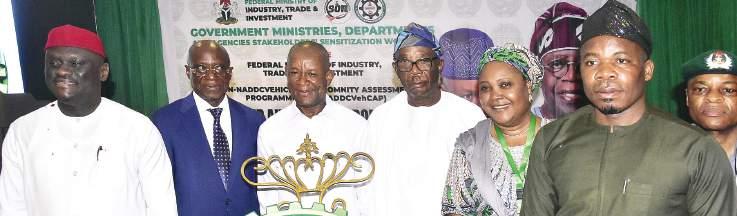
Minister of State for Industry, Senator John Enoh, yesterday, declared that going forward, no vehicle or related products will be imported or cleared into the country without proper certification.
Enoh said non-compliant imports will be subject to sanctions, including denial of clearance.
He spoke at the opening of the Ministries, Departments and Agencies Stakeholders’ sensitisation workshop with the Federal Ministry of Industry, Trade and Investment on the SON-NADDC Vehicle Conformity Assessment Programme (SON-NADDCVehCAP) in Abuja.
Enoh, while unveiling the SONNADDCVehCAP certification logo, said, “Let me be clear: this is not merely a proposal. It is government policy. This is a firm directive aimed at ensuring standards and protecting consumers.”
Essentially, VehCAP is a unified regulatory framework that offers authoritative guidance on vehicle and component safety standards, and acts as a pre-shipment verification scheme, regulating the importation of vehicles and auto parts into the country.
It seeks to address issues around products’ quality and safety, among others.
The minister said, “This initiative is not just about regulation—it is about safety, economic policy, and technological advancement. The alignment of fiscal instruments will be critical to its success. We must see this as a collective responsibility.
“Too often, government actions are misunderstood or resisted due to lack of clarity. It is important that stakeholders fully understand the purpose and benefits of this programme.
“At its core, this is about protecting lives. Many road accidents in our country are caused by substandard and non-compliant vehicles.
“This programme seeks to address that. It is also about improving data, strengthening institutions, and ensuring accountability.”
Director-General, National Automotive Design and Development Council (NADDC), Mr. Oluwemimo Osanipin, said the initiative was not just another regulatory intervention but a “necessary shift in how vehicles enter, operate, and ultimately impact our country”.
Osanipin said, “Nigeria today operates one of the largest automotive
markets in Africa. However, the structure of that market presents a serious concern.
“A significant proportion of vehicles imported into Nigeria-particularly used vehicles-enter without adequate verification of structural integrity, safety condition, emissions performance, and lifecycle history.
“The consequences are evident: vehicles of uncertain condition are
introduced into active road use; mechanical failures contribute to accident severity; substandard components circulate within the system, and our local automotive industry is placed at a disadvantage. This is the reality we must confront and decisively address.”
Osanipin pointed out that while the SONCAP regime, implemented by Standards Organisation of Nigeria
(SON), had significantly improved the quality of imported products across multiple sectors, “We jointly (NADDC & SON) acknowledged that the automotive sector requires a more specialised approach. Vehicles are not static products-they are complex, high-risk systems. Their safety depends not only on how they were manufactured, but also on how they have been used, maintained, and exposed over time.” He added, “This is where VehCAP becomes critical; the SON-NADDC Vehicle Conformity Assessment Programme introduces a more targeted, sector-specific framework by ensuring that vehicles are assessed before shipment; compliance is verified against automotive-specific standards; certification becomes a mandatory condition for entry into Nigeria.
Court Orders Final Forfeiture of UK Property Linked to Late Jeremiah Useni to FG
Champions strategic autonomy as Nigeria’s global compass
Alex Enumah in Abuja
Justice Binta Nyako of a Federal High Court, Abuja, has ordered the final forfeiture of a United Kingdom (UK) property to the federal government.
The said property, located at No. 79, Randall Avenue, Neasden, London NW2 7SX, is said to belong to a former Minister of the Federal Capital Territory (FCT), the late Jeremiah Useni.
Justice Binta Nyako, made the order on Tuesday, while ruling in a motion on notice for the final forfeiture of
Nigeria, US Strengthen Partnership to Combat Narco-Terrorism
Michael Olugbode
National Drug Law Enforcement Agency (NDLEA) and United States Drug Enforcement Administration (DEA) have renewed their commitment to deepen operational collaboration aimed at dismantling international drug cartels and cutting off funding sources for terrorism and other organised crimes.
The renewed partnership was reaffirmed during a bilateral strategic counter-narcotics workshop held at the NDLEA headquarters in Abuja on Tuesday.
Speaking at the opening session, Chairman and Chief Executive Officer of NDLEA, Buba Marwa,
described the workshop as both strategic and timely, stating that it brings together law enforcement leadership from Nigeria and United States to address evolving global drug threats.
According to him, the meeting is expected to produce a joint declaration of priorities and a coordinated action plan for the next 12 months aimed at tackling illicit drug trafficking and related crimes.
“Our shared objective is to engage in frank, solution-driven discussions that will culminate in a joint declaration of shared priorities and a coordinated action plan for the next twelve months,” Marwa said. He warned that the global drug
trade had grown increasingly complex and now had strong links with terrorism and violent extremism, a phenomenon widely referred to as narco-terrorism.
Marwa explained that proceeds from illicit drug trafficking were often used by criminal groups to fund terrorist activities and procure weapons that destabilised communities.
He stated, “The proceeds from the poison sold on our streets are the same funds used to purchase the weapons that destabilise our regions.
“By attacking the drug trade, we are simultaneously starving the engines of terrorism.”
the property moved by counsel for the Code of Conduct Bureau (CCB), Sufyan Ahmad.
The CCB, in the suit marked: FHC/ABJ/CS/2333/2025, had named the Administrators of the Estate of the late General Jeremiah Useni, the Executors of the Estate of Late General Jeremiah Useni and the Property No. 79, Randall Avenue, Neasden, London NW2 7SX as 1st to 3rd respondents respectively.
Arguing the motion, the applicant informed the court that the property sought to be forfeited is reasonably suspected to have been acquired with proceeds of unlawful activities.
According to him, Sections 7, 17, 19 and 67 of the Proceeds of Crime
(Recovery and Management) Act 2022, and Sections 6 and 44 of the 1999 Constitution (as amended) gave the court the discretionary power, adding that the court granted an interim order of preservation of the said property on November 20, 2025.
The court also directed that the said order be published for persons, authority, whether corporate or otherwise, to indicate interest and file necessary process why the property should not be forfeited to the Federal Government.
Ahmad said the order had been complied with by publishing same in a Tribune Newspaper of March 4.
According to him, no persons, authority whether corporate or
otherwise indicated interest and or filed any process contesting why the property should not be forfeited to the Federal Government of Nigeria. He subsequently urged the court to grant the relief sought in the application.
Recall that hearing in the motion for final forfeiture of the house was, on January 26, stalled due to inability of CCB to effect a proper service of the motion and hearing notice on the respondents.
The lawyer, however, filed a motion ex-parte for substituted service of the court documents and hearing notice on interested person(s) through a newspaper publication which the cover granted.
NAPTIP, ICMPD Sensitise Students on Trafficking, Safe Migration in Abuja
About 100 secondary school students in Abuja have been sensitised to the dangers of human trafficking, violence and irregular migration during the Safe Futures Awareness Day organised to commemorate the 2026 celebration of International Women’s Day.
The one-day school outreach programme was organised by the International Centre for Migration
Policy Development in partnership with the National Agency for the Prohibition of Trafficking in Persons as part of efforts to educate young Nigerians on personal safety and safe migration practices.
The event, which brought together students, government officials and development partners, was designed to be interactive, accessible and informative, creating a safe space where young people could learn about trafficking risks,
ask questions and gain knowledge to protect themselves and their peers. The organisers said the outreach programme aimed to raise awareness among students about the dangers of human trafficking and how to recognise early warning signs. It also provided clear information on safe and legal migration pathways as opposed to irregular and risky routes that often expose individuals to exploitation.
L-R: Nigeria Ambassador to France, Ayodele Oke; Nigeria Ambassador to United Kingdom, Aminu Dalhatu; Minister of State for Foreign Affairs, Bianca Odumegwu Ojukwu; and Nigeria Permanent Representative to the United Nations, Sen. Jimoh Ibrahim, at the presentation of letters of credence to ambassadors already cleared by their host countries and organisations in Abuja, yesterday
Michael Olugbode in Abuja
in Abuja
FEaturEs
Gen.W: How UBA is Championing the Evolved Woman to Reshape Leadership, Business and Innovation
Africa’s Global Bank, United Bank for Africa (UBA) Plc, recently hosted a landmark edition of its quarterly Business Series under the theme “Gen.W: The Evolved Woman.” Marking International Women’s Month, the hybrid event brought together accomplished female leaders and entrepreneurs to celebrate women breaking barriers, creating opportunities, and defining success on their own terms. Through personal stories, practical insights, and expert discussions, it showcased the evolving role of women as drivers of leadership, enterprise, innovation and sustainable impact across Africa and beyond. Chiemelie Ezeobi reports that in cementing its drive to empower women, the bank through Gen.W platform proffers a new lifestyle and business offering designed to support women in building careers, creating businesses, and accessing practical resources
When Africa’s Global Bank, United Bank for Africa (UBA) Plc, recently opened its doors on a certain Thursday for the latest edition of its quarterly Business Series, the message was clear: the era of the evolved woman has arrived.
The hybrid event, held at UBA House, Marina, Lagos, and streamed live to a global audience, brought together accomplished female leaders and entrepreneurs to explore how African women are reshaping leadership, business, and innovation.
Under the theme “Gen.W: The Evolved Woman,” the session marked International Women’s Month with a bold statement about female empowerment and sustainable impact. It was a celebration of women who are not merely participating but creating, leading, and defining success on their own terms.
Taking Charge and Making Voices Heard
UBA’s Group Head, Customer Experience, Michelle Nwoga, set the tone for the event during her opening remarks, highlighting the essence of the evolved woman. “The evolved woman is one who is taking charge, volunteering, and making her voice heard above the noise,” she said, emphasising that leadership today requires proactivity and self-awareness. Moderating the session was popular media personality and actor Tobi Bakre, who reflected on the modern understanding of female leadership. “When I think about the evolved woman, I personally do not see a checklist or a finish point. In my opinion, it is a woman who is
grounded in her own self-worth and gives room for other women to be grounded in theirs, choosing herself daily and ultimately letting other women around her know and believe that they belong here too,” he said.
Women Creating Their
Own Tables
The event featured panel conversations with some of Nigeria’s leading female entrepreneurs, including Joycee Awosika, founder of ORÍKÌ Group; media personality and digital entrepreneur Tomike Adeoye; founder of Fine-Funky, Olufunke Davies; and awardwinning broadcaster Ayo MarioEse. Each panellist shared insights from their journeys, shedding light on the struggles, breakthroughs, and evolution of female business leadership.
Joycee Awosika, an energy economist and promoter of African heritage, described the evolved woman as one who is self-aware and unapologetically assertive. “That woman does not need to ask to sit at the table; she is creating her own table and adding value. As your company is growing, you must grow too, and always do an audit of where you need to become a better leader,” she noted.
Adeoye echoed this sentiment, stressing that women today are no longer constrained by traditional expectations. “The question of what a woman is bringing to the table has now become obsolete. She is now bringing her own table. She is more vocal about her struggles, setting the standards, and she is not
ready to give up on her dreams,” Adeoye said.
Owning Your Story and Making an Impact
Ayo Mario-Ese, reflecting on the challenges many women face in sharing their achievements, urged women to own their narratives. “A lot of women are doing phenomenal work and are sometimes afraid of showcasing what they are doing. As an evolved woman, you have to find out what you are comfortable doing, create your unique offering, and also be open to collaboration,” she explained.
For Olufunke Davies, innovation and relatability have been key drivers in her entrepreneurial journey. “Creating unique designs that are affordable remains my driving force and something that has helped me grow as an evolved woman,” she shared.
“I have ventured into a lot of businesses before finding my niche. It is important to do your research, streamline, and think about relatability. But the important thing I will say is start where you are, as it is a progression.”
Building Communities and Lifting Others through Gen.W
The Group Head, Brand, Marketing and Corporate Communications, Alero Ladipo, commended the panellists and attendees for their participation. She emphasised that empowerment is most effective when women support one another. “Raising each woman up is actually not that hard; everyone has their community as
well as their story. As women, we need to take position so that we can give to others,” Ladipo said.
She also highlighted UBA’s Gen.W platform, a lifestyle and business network designed specifically for the evolved woman. “Through expert insights, real stories, and practical resources, the platform connects women building brands, creating businesses, growing careers, and leading across industries. They also have access to discounted products and loans. The best part: it is open to every woman. No UBA account needed. This is Gen W, for the evolved woman,” she explained.
Inspiring a New Generation of Leaders
By hosting events such as the UBA Business Series and sustaining platforms like Gen.W, the bank continues to reaffirm its commitment to female empowerment. These initiatives provide mentorship, knowledge exchange, and practical guidance to women who aspire to lead, innovate, and make a lasting impact.
The stories and experiences shared during the session underscored a larger narrative: African women are no longer waiting for opportunities—they are creating them, defining success, and lifting others as they rise. In doing so, they are not only transforming businesses but also shaping a future where women’s leadership and enterprise are celebrated and valued across the continent and beyond.
As the session concluded, the message was clear: the evolved woman is not defined by limitations but by vision, resilience, and a commitment to impact. With platforms like Gen.W, UBA is ensuring that these women have both the tools and the stage to thrive.
L-R: Media Personality, Tobi Bakre; Head, Retail Products, United Bank for Africa (UBA), Tomiwa Sotiloye; Group Head, Customer Experience, UBA, Michelle Nwoga; Entrepreneur, Fine Funky, Olufunke Davies(fine Funky); Founder, ORIKI, Joycee Awosika; Group Head, Brands, Marketing & Corporation, UBA, Alero Ladipo; Renowned broadcaster, Arise TV, Ayo Mairo-Ese; Head, Remittances, UBA, Uzoamaka Oyeka, Media Personality, Tomike Adeoye, and Executive Director Designate, Digital Banking, UBA, Emmanuel Lamptey, during the UBA Business Series, themed, “Introducing gen.w – The Evolved Woman,” which was held at the UBA House in Lagos…recently
L-R: Head, Retail Products, United Bank for Africa (UBA), Tomiwa Sotiloye; Entrepreneur, Olufunke Davies(Fine Funky); Founder, ORIKI, Joycee Awosika; Group Head, Brands, Marketing & Corporation, UBA, Alero Ladipo; Renowned Broadcaster, Arise TV, Ayo Mairo-Ese; Media Personality, Tomike Adeoye, and Executive Director Designate, Digital Banking, UBA, Emmanuel Lamptey, during the UBA Business Series, themed, “Introducing gen.w – The Evolved Woman,” which was held at the UBA House in Lagos…recently
Africa Rising: Dr. Sarjoh Bah and a New Era of Strategic Opportunity with China
Olajide abiola
The appointment of Dr Mohamed Sarjoh Bah as the African Union’s Permanent Representative to China comes at a defining moment in global economic realignment. For Africa, it signals more than a diplomatic posting—it represents the emergence of a more confident, coordinated, and self-determined approach to global partnerships, particularly with one of the world’s most influential economies.
It is genuinely exciting to see how strongly Africa’s voice is being represented through such a consummate son of the soil. Dr. Bah brings not only decades of experience in governance and international relations, but also a clarity of vision that is both grounded and forward-looking.
His firm stance against long-standing external narratives that portray Africa as a passive participant in global affairs reflects a broader shift on the continent—one that prioritizes agency, mutual respect, and strategic alignment. His emphasis on partnership over dependency is not just refreshing; it is necessary for the kind of transformation Africa seeks.
This clarity comes at a time when global economic structures are evolving rapidly. As China advances through frameworks like its China’s 15th Five-Year Plan (2026–2030), Africa is simultaneously pursuing its ambitions under Agenda 2063.
The intersection of these two frameworks presents a unique opportunity for synergy. Dr. Bah’s role, therefore, goes beyond diplomacy—he serves as a critical bridge, aligning policy direction with real economic opportunities that African countries can leverage for growth and development.
What stands out most in his engagements is the strong focus on practical sectors— technology, renewable energy, agriculture, mining, and manufacturing. These are not abstract ideas; they are the pillars upon which sustainable economies are built.
Africa’s comparative advantage in natural resources and human capital must now be complemented by technological capability and industrialization. China’s evolution from a manufacturing hub to a leader in innovation offers lessons that, if adapted thoughtfully, could accelerate Africa’s development trajectory.
The importance of technology transfer and local capacity building cannot be overstated. For too long, Africa has remained at the lower end of global value chains, exporting raw materials while importing finished goods.
Dr. Bah’s emphasis on knowledge sharing, local assembly, and industrial partnerships signals a shift toward value creation within the continent. This is where the real transformation lies—not merely in trade, but in the ability to produce, innovate, and compete globally.
Yet, policy direction alone does not drive transformation. The real impact is felt when these ideas are translated into enterprise—when entrepreneurs
step in to bridge the gap between vision and execution.
Across Nigeria and the wider African continent, there is a growing wave of business leaders who are not only responding to these opportunities but actively shaping them. Quietly, and often without the spotlight, they are building companies that reflect a new African ambition—globally competitive, locally rooted, and future-focused.
In sectors such as commodity trading, mining, manufacturing and real estate, this new generation is redefining how Africa engages with the world. By focusing on value addition, sustainability, and innovation, they are moving beyond traditional models that have historically limited the continent’s economic potential.
Their work underscores an important reality: that Africa’s development will not be driven by governments alone, but by a dynamic partnership between policy and private enterprise.
Equally important is the ripple effect of such entrepreneurship. As more businesses scale and succeed, they create ecosystems—supporting small enterprises, generating employment, and fostering a culture of innovation. This is particularly significant for young Africans, who represent one of the continent’s greatest assets. With the right opportunities, mentorship, and access to markets, they can become the drivers of a new economic era.
Dr. Bah’s emphasis on coordination among African nations also speaks to this broader vision. Africa’s strength lies in its collective potential. With 53 countries, diverse resources, and a rapidly growing population, the continent has the scale to become a formidable economic bloc. However, this potential can only be realized through collaboration—through shared strategies, regional integration, and a unified approach to global partnerships.
There is also a deeper significance to this moment. Africa is increasingly
defining its own narrative—deciding not only how it engages with global powers, but also how it positions itself within the global economy. The confidence reflected in Dr. Bah’s remarks is emblematic of this shift. It signals a continent that is no longer content to react, but is ready to lead, innovate, and negotiate from a position of strength.
Of course, the path ahead is not without challenges. Issues of governance, transparency, and institutional capacity remain critical. For partnerships with China—or any global player—to deliver long-term benefits, they must be underpinned by accountability and a clear focus on inclusive growth. The goal must always be to ensure that the gains of such collaborations are widely distributed and contribute to the overall development of African societies.
Still, there is reason for optimism.
The alignment of visionary leadership, strategic policy frameworks, and a rising class of entrepreneurs creates a powerful foundation for progress. Africa is not starting from scratch; it is building on lessons learned, adapting global models to local realities, and charting a course that reflects its unique strengths and aspirations.
Ultimately, the success of this new chapter in China-Africa relations will depend on execution. It will require consistency, collaboration, and a long-term perspective. But with leaders like Dr. Bah providing direction and a growing community of entrepreneurs translating vision into reality, the prospects are encouraging.
For those already engaged in building businesses, supporting innovation, and creating opportunities, the task is clear: to continue laying the groundwork for a continent that is not only prosperous, but also self-reliant and globally competitive. Africa’s future will be shaped not just by policies and agreements, but by the determination of its people to turn potential into progress.
•Mr Abiola, a Multisectoral Entrepreneur is the CEO of Zero Ferro
Ekuri Women Petition Cross River Assembly Over Logging Impacts in Ekuri Forest
Women from Ekuri in Akamkpa Local Government Area of Cross River State have petitioned the Cross River State House of Assembly on the activities of illegal loggers in the Ekuri Forest affecting them adversely.
The petition which is captioned: Illegal Logging in Ekuri and Environs Impacting Negatively on Women, Forest and Biodiversity, dated March 26, 2026, was jointly signed by the Women Leader of Ekuri, Mrs. Lawrencia Agbor, Imelda Offiong Oyi, Theresa Benedicta Akamo, Agatha Egot, Lucy Abel, Esther Atim Jerome, Akamo Mary Godwin, and Mrs. Freda Francis.
Addressed to the Speaker, Rt. Hon. Elvert Ayambem, the petition articulated the concerns of the women which included harassment and the depletion of Ekuri forest resources, which have cumulatively led to food security concerns.
They lamented the fact that the ban on illegal logging by the state government has not been enforced and illegal logging had gone unchecked for years despite the outcry of Ekuri people who depend on the forest for their livelihood and sustenance.
The text of the petition read: “Honourable Speaker, every day more than 200 truckloads of timber and other exotic wood leave Ekuri forest and efforts by our people to halt this practice are met with harassment and intimidation by security personnel hired by the logging merchants.”
“Aside the harassment we face, the trucks belonging to the loggers continue to worsen the already bad state of the only access road
to old and new Ekuri. Sometimes they break down in the middle of the road and remain there for days, making access by our people totally impossible”.
They referenced recent statistics which showed that aside biodiversity loss, an estimated 91,000 tons of timber leave Cross River State annually due to illegal logging activities, and further reinforced their argument with the recent Global Forest Watch report which alerted that illegal logging activities has
cost Ekuri and environs the loss of more than 540 square miles of its tree cover as at 2024.
The petition captured the fact that women in Ekuri are mainly farmers who depend on the forest resources for food and medicine but are now unable to access the forest for basic needs. Continuing, they said that when it is inevitable, women wander far into the forest in search of fuel wood, medicinal plants and other necessities to take care of their families.
They frowned at the fact that despite forming the largest population that suffer the socio-economic situation in Ekuri, in
the decision-making processes concerning the forest they are hardly mentioned or consulted.
To address this gap, they urged the House to make it mandatory that key government ministries, especially Women Affairs and Youth Development, actively engage women and youths in Ekuri, to foster inclusivity and participation.
Their prayers included urging the government to work with conservation groups to embark on a reforestation exercise to repopulate forest areas depleted due to logging and other unsustainable practices. They urged the government to create a framework that would properly define what constitutes legal logging and how it can be operationalized in the context of Ekuri forest. They equally encouraged the Speaker to use his good office to weigh in on the matter and stop the illegal forest practices that have made life difficult for them.
In a reaction to the development, the Renevlyn Development Initiative (RDI) said that the step taken by the Ekuri women is in the right direction and represents the first major effort of women in the community to take their destinies in their hands.
RDI Project Officer, Linda Amadi said that: “We anticipate that the Cross River State House of Assembly will handle this issue with the seriousness it deserves. The forest sustains the Ekuri people and no one understands this better than the women. They have asked for environmental justice and that is what they deserve. Anything short of this is unacceptable”.
Dr. s arjoh Bah, a frican u nion Permanent r epresentative to China
e kuri women protesting the logging in their community
Email: deji.elumoye@thisdaylive.com
08033025611 sms only
State Police Gains Traction as N’Assembly Weighs Accountability, Power Balance
Nigeria’s push for state police has entered a decisive phase, with the National a ssembly and police authorities advancing a comprehensive framework that blends decentralisation with strict safeguards. a s lawmakers weigh constitutional amendments, the reform promises to reshape security governance, but its success will depend on accountability, political will and faithful implementation. s unday Aborisade reports.
Nigeria’s long-running debate over state police appears to be entering its most decisive phase yet, as the National Assembly and the Nigeria Police Force converge on a far-reaching framework designed to fundamentally alter the country’s security architecture.
What was once a contentious and politically sensitive proposition is now gaining structured legislative momentum, backed by an elaborate blueprint that seeks to decentralise policing while embedding unprecedented safeguards against abuse.
At the centre of this renewed push is a dualtrack effort: legislative action by the National Assembly to amend the 1999 Constitution, and a comprehensive operational framework submitted by the police authorities outlining how a decentralised system would function in practice.
Together, these developments suggest that Nigeria may be closer than ever to abandoning its decades-old centralized policing model. It is an arrangement many analysts argue has struggled to cope with the country’s evolving security challenges.
Calls for state police are not new. For years, stakeholders across the political spectrum have argued that Nigeria’s federal structure is incompatible with a unitary policing system.
From insurgency in the North-east to banditry in the North-west and communal unrest in other regions, the limitations of centralised policing have become increasingly apparent. Response times remain slow, intelligence gathering is often weak, and community trust in law enforcement has eroded.
These realities have fuelled persistent advocacy for decentralisation, with proponents insisting that localised policing would enhance efficiency and accountability.
What appears different this time, however, is the level of institutional alignment behind the reform.
Leader of the Senate, Senator Opeyemi Bamidele, recently disclosed that the National Assembly had begun work on a framework aimed at institutionalising state police in a manner that safeguards national interest while preventing political misuse.
Speaking against the backdrop of ongoing constitutional review efforts, Bamidele emphasised that the legislature was committed to delivering a model that works for all Nigerians.
The initiative, he said, is being treated with urgency, reflecting both the scale of Nigeria’s security challenges and the growing consensus that structural reform can no longer be deferred.
Yet, even as momentum builds, the issue of state police remains deeply layered.
One of the central concerns that has historically stalled progress is the fear that state governors could weaponise police structures against political opponents.
Nigeria’s political environment, often characterised by intense competition and weak institutional checks, has made this a legitimate concern for many observers.
It is this fear that appears to have shaped the architecture of the proposed reform.
According to Bamidele, the National Assembly is deliberately embedding accountability mechanisms into the framework to prevent abuse, reinforce the administration of justice and protect fundamental human rights.
This emphasis on safeguards reflects a broader recognition that decentralisation, while desirable, must not come at the cost of democratic principles.
Indeed, the emerging framework suggests a careful attempt to strike a balance between operational autonomy
and institutional oversight.
Inside the Emerging Framework
Insights from senior police officials familiar with the proposal indicate that the plan goes beyond mere devolution of powers.
Instead, it envisions a comprehensive restructuring of Nigeria’s policing system into two distinct entities: a Federal Police Service and multiple State Police Services.
Under this model, the federal police would handle national security responsibilities such as counter-terrorism, interstate crimes and protection of critical infrastructure.
State police formations, on the other hand, would focus on localised security issues, including community-level crimes and intelligence gathering.
This division of labour is designed to reduce the burden on the federal police while allowing state authorities to respond more effectively to local realities.
However, what sets the proposal apart is the depth of its institutional design.
One of the most innovative aspects of the framework is its funding model.
The proposal recommends the creation of a constitutionally guaranteed State Police Fund, financed through three per cent of the Federation Account allocation and a mandatory contribution from state governments.
This approach is intended to address one of the most persistent challenges in Nigeria’s policing system: inadequate and opaque funding.
By ring-fencing financial resources, the framework seeks to ensure operational independence while reducing the risk of political interference.
Police sources describe the funding structure
What is clear, however, is that the conversation has shifted. state police is no longer a distant aspiration but an unfolding policy reality. It is now one that could redefine how nigeria secures its citizens and manages its internal complexities.
as a built-in anti-corruption mechanism, aimed at promoting transparency and sustainability.
Another defining feature of the proposal is its emphasis on community policing. Rather than treating community engagement as an auxiliary function, the framework positions it as the operational core of the entire system.
Each state police command would establish a dedicated Department of Community Policing, supported by structured forums at the local government level.
These forums would include traditional rulers, youth leaders, women’s groups and religious organisations, working alongside Community Liaison Officers to bridge the gap between law enforcement and the public.
Importantly, these officers would be required to speak local languages and would be assessed based on community feedback.
This approach reflects a fundamental shift in policing philosophy. One that prioritises trust, collaboration and local knowledge.
Guards Against Political Abuse
Perhaps the most critical aspect of the framework is its extensive safeguards against misuse.
To prevent governors from exerting undue influence, the proposal calls for the establishment of independent State Police Service Commissions responsible for recruitment, promotions and discipline.
In addition, it introduces criminal sanctions for unlawful orders, particularly those involving partisan deployment of police personnel.
The framework also proposes granting the Federal High Court fast-track jurisdiction over cases of political interference, ensuring swift resolution of disputes.
Other accountability measures include the use of body-worn cameras, the creation of State Police Ombudsmen and the deployment of public performance dashboards to track police conduct.
At the national level, a proposed National Police Standards Board would oversee compliance, setting uniform benchmarks and publishing annual performance ratings for all state police formations.
Barau
Bamidele
Kayode Tokede
Amid low yield, the federal government through the Debt Management Office (DMO) borrowed an estimated N2.7 trillion via FGN Bond auctions in the first quarter of 2026, about 38.76 per cent increase over N1.94 trillion in the first quarter of 2025. During the period under review, the federal government through DMO offered to raise N2.45 trillion as against the N1.1 trillion offered in Q1 2025. The effort, according to analysts is ina bid to bridge
the widening budget deficit.
THISDAY investigations revealed that investors’ subscription in the period under review stood at N5.88 trillion, representing an increase of 107.7 per cent when compared to N2.83 trillion in the corresponding period of 2025.
A breakdown of Q1 2026 auctions showed that the DMO reopened the FEB-2031, FEB-2034 and JAN-2035 bonds, offering a total of N900.00 billion. Total demand settled at N2.25 trillion , with the DMO eventually allotting
N1.7 trillion at respective stop rates of 17.62 per cent, 17.50 per cent, and 17.52 per cent.
For the February 2026 FGN bond auction, the DMO reopened the AUG-2030, MAY2033 and FEB-2034 bonds, offering a total of N800.00 billion. Total demand settled at N2.70 trillion, with the DMO eventually allotting N524.28 billion in its February 2026 FGN bond auction. According to DMO report, the stop rate on the FEB 2034, which was on-the-run last month, declined by 200basis points to 15.50 per cent.
During the FGN bond auction in March 2026, the DMO reopened the AUG-2030, JUN-2032 and MAY-2033 bonds, offering a total of N750.00 billion. Total demand settled at N931.50 billion, with the DMO eventually allotting N485.50 billion.
The stop rate on the JUN-2032 and MAY-2033, which were on-the-run last month, expanded by 41basis points and 90basis points to 16.15per cent and 16.64per cent respectively. While the stop rate on the AUG-2030 printed 16.00per cent, according to
the debt office in its March results.
The bonds in March 2026 was issued through a competitive auction process in which investors bid based on yield-to-maturity, while coupon rates remained unchanged due to the reopening structure.
The offer comes amid persistent fiscal pressures and rising domestic borrowing requirements, as the government continues to depend on the local debt market to finance budget deficits and refinance maturing obligations.
The lower offer size in March 2026 by DMO suggests a more measured borrowing approach, which may reflect improved liquidity conditions driven by higher oil prices, as well as efforts to contain rising debt service costs.
THISDAY had reported that the debt office in 2025 raised an estimated N5.26 trillion via the FGN bond market, about a 9.93 per cent drop from N5.84 trillion raised in 2024.
Nume Ekeghe
The International Monetary Fund (IMF) has stated that Nigeria and other oil-exporting countries in Africa, the Middle East, and Latin America could see stronger fiscal and external positions amid higher oil prices, despite the ongoing war in the Middle East.
In a blog post titled “How the War in the Middle East Is Affecting Energy, Trade, and Finance,” the IMF noted that producers able to get their barrels to market stand
to benefit, while those facing export constraints including some Gulf Cooperation Council members may see much less upside. The Fund warned that even when oil transit resumes, heightened risk premia and uncertainty could limit investment and growth.
It stated: “By contrast, oil exporting countries in the Middle East, parts of Africa, and Latin America that can still get their barrels to market have a prospect of stronger fiscal and external positions
from higher prices. Producers whose exports are constrained or curtailed including several Gulf Cooperation Council members—can expect much less upside. Even after transit resumes, higher risk premia and uncertainty may curb investment and growth.
“The world faces yet another shock. The war in the Middle East is upending lives and livelihoods in the region and beyond. It is also dimming the outlook for many economies that had only just shown signs of a
sustained recovery from previous crises.”
The IMF stressed that the shock is global, yet asymmetric adding that, “Energy importers are more exposed than exporters, poorer countries more than richer ones, and those with meager buffers more than those with ample reserves.
“Beyond its painful human toll, the war has caused serious disruption to the economies of the most directly affected countries, including damage to their
infrastructure and industries that could become longlasting. Although these countries are resilient, their short-term growth prospects will be negatively affected.”
Furthermore, it added that the multi-regional impact is apparent. Energy importing economies in Africa, the Middle East and Latin America are feeling the strain from higher import bills on top of already limited fiscal space and external buffers.
IMF added, “In Asia’s large manufacturing economies,
higher fuel and power bills are raising production costs and squeezing people’s purchasing power; in some, balance of payments pressures are already weighing on currencies. In Europe, the shock is reviving the specter of the 2021–22 gas crisis, with countries such as Italy and the United Kingdom especially exposed by their reliance on gas fired power, while France and Spain are relatively protected by their greater nuclear and renewables capacity.”
Otunuga: Rising Oil Prices to Drive Currency Gains for Nigeria
Stories by Nume Ekeghe
Head of Market Research, FXTM, Mr. Lukman Otunuga, has said that sustained improvements in global crude oil prices are expected to translate into currency gains for Nigeria, given the country’s dependence on oil export revenues.
Otunuga noted that higher oil prices typically boost Nigeria’s foreign exchange inflows, strengthening external reserves and supporting the stability of the naira.
In a statement, he added the that as crude oil remains Nigeria’s dominant export, increased earnings from the sector would enhance liquidity in the foreign exchange market, helping to ease pressure on the domestic currency.
$100 a key psychological level for both Brent and Crude. This is good news for Nigeria who is a net oil exporter. Higher oil prices should translate to currency gains, though global risk-off from the Iran conflict may offset some upside.
However, he stressed that the full benefits of higher prices would depend on Nigeria’s ability to ramp up production and curb losses, noting that price gains alone may not yield optimal results without improved output.
Providing further insight into recent market trends, Otunuga added: “Looking at the charts, $4600 remains a key point of interest for gold with a break above opening the doors toward $4700/$4800 and weakness below this level inviting bears to target $4450 and $4300.Last Friday,
He said: “Rising concerns over supply shocks as the Strait of Hormuz remained effectively closed elevated oil benchmarks to triple digits. Given the ongoing conflict, oil prices remain fundamentally bullish with Stakeholders across Nigeria’s financial sector are advocating for a stronger focus on inclusive financial systems, innovation-led growth, and gender equity, highlighting the increasing role of women in driving the country’s competitive edge in global finance.
Group Business Editor
Eromosele abiodun
Deputy Business Editor
Chinedu Eze
Comms/e-Business Editor
Emma Okonji
Asst. Editor, Energy
Emmanuel addeh
Asst. Editor, Money Market
Nume Ekeghe
Correspondents
KayodeTokede(CapitalMarkets)
James Emejo (Finance)
Ebere Nwoji (Insurance)
Reporter
peter Uzoho (Energy)
USDJPY crossed above 160 for the first time since July 2024.
“Back in 2024, this level was defended twice by the
Japanese government. If history repeats itself and an intervention becomes reality, this could trigger an aggressive selloff on
the USDJPY pair. The Iran conflict may fuel risk aversion, stimulating appetite for safe-haven assets like the Yen. Oil
price volatility may also impact the Yen given that Japan imports 90 per cent of its crude from the Middle East.”
FG, Access Bank to Empower Women in Nigeria’s Creative Economy
The federal government, in partnership with Access Bank, has reaffirmed its commitment to empowering women as pivotal contributors to the nation’s creative economy.
The initiative focuses on broadening access to finance, enhancing skills development, and creating leadership opportunities to help women thrive across creative industries.
The Minister of Art, Culture, Tourism and the Creative Economy, Hannatu Musawa, made this known in Lagos in a keynote address delivered at the International Women’s
Day Conference organised by Access Bank Plc.
The event, which attracted over 5,000 participants both physically and virtually, was attended by stakeholders across the public and private sectors.
Musawa, represented by the Director-General of the Centre for Black and African Arts and Civilisation (CBAAC), Mrs Aisha Adamu, said women were increasingly taking the lead in building businesses, driving innovation and shaping society.
She identified culture,
capital and courage as critical factors influencing women’s participation in national development, noting that culture remained both a source of identity and an economic asset.
Earlier, the Chairman of Access Bank Plc, Mrs Ifeyinwa Osime, called for deliberate and strategic investment in women as a catalyst for sustainable economic growth.
Osime said empowering women should be seen as a strategic economic decision rather than charity.
“When we speak of giving,
it is about expanding access to finance, markets, knowledge and platforms that enable women to build sustainable businesses,” she said.
Also, former Minister of Education, Dr Oby Ezekwesili, stressed the need to prioritise women’s inclusion in development processes. Ezekwesili said societies transform when critical issues such as women’s inclusion are deliberately prioritised.
“There is no other way societies have transformed than when people who care make an issue a priority,” she said.
APWB, Others Push Financial Inclusion, Gender Equity for Global Competitiveness
“more than a dinner, but a declaration” of intent to move from conversation to action. She noted that power in finance is increasingly shifting toward those who leverage technology, build trust, and create value-driven systems, areas where women must play a leading role.
This was the focus of the 2026 Annual Women’s Marquee Event of the Association of Professional Women Bankers (APWB), themed “Redefining Power: Women Shaping the Future of Finance.” The event brought together industry leaders, policymakers, and financial experts to examine how women can drive transformation across banking and financial services.
In a statement, APWB Chairperson Rafiat Onitiri described the gathering as
Delivering a keynote perspective, Managing Director of GTBank, Miriam Olusanya, broadened the conversation on disruption, noting that it goes beyond technology to encompass access, trust, and people. She described Nigeria as “one of the most dynamic laboratories for financial disruption,” stressing that true transformation is about expanding systems to serve more people efficiently and transparently.
“Disruption is about access, power, and ultimately people,”
she said, adding that women must be seen not just as participants but as “agents of inclusion and engines of scale.”
Executive Director at Nigeria Interbank Settlement System Plc, Ngover IhyembeNwankwo highlighted the need for intentional system design that reflects how women live and transact. She stressed that financial products and payment systems must align with real-life use cases such as micro-trade and community savings.
The President of the Chartered Institute of Bankers of Nigeria, Prof. Pius Olanrewaju, described women’s empowerment as a “strategic imperative” for building a resilient and globally competitive financial system. He called for measurable outcomes, including increased leadership representation and structured
mentorship pathways.
Industry leaders, including Kofo Akinkugbe of SecureID, reinforced
the idea that women are not just participants but architects of the financial ecosystem.
L-R: Head, Digital Transformation, Leadway, Omolola Tunde-Alade; Public Relations Consultant, and Founder, NECCI Consulting, Dr. Nkechi AliBalogun; Founder, Lumination/Crea8torium, Adaora Lumina Mbelu; Chief Project Officer, Leadway, Toyosi Olatunji; and Group Head of Tax, Leadway, Yetunde Fadipe at Hersurred by Leadway 2026, held in Lagos… recently
Leadway to Participate in Climate Insurance Symposium in Germany
Ebere Nwoji
Leadway Assurance, will participate in the Africa Climate Insurance Symposium 2026, scheduled between March 31 and April 1, 2026, in Frankfurt, Germany.
This is to advance climate risk solutions for Africa. The symposium aims to kick off an annual cycle of such events bringing together a unique community operating in the area of Agricultural Index Insurance and therefore creating a highly specialised community of practice.
Speaking ahead of the symposium, Leadway’s Global Head of Agricultural Risk Solutions, Mr. Fatona Ayoola Paul, said beyond the annual event the
country level experts would form clusters and with support and mobilisation of external solicitors connect on an interim half year basis virtually to monitor and report on progress made.
He said during the symposium, Leadway would contribute to the panel discussion on ‘Scaling Agricultural Index Insurance for Resilient Food Systems’ – The private sector perspective and present a case study on innovative insurance models tailored for smallholder farmers.
He also said the group would also participate in the solution showcase segment, where it would highlight the Leadway WeatherGuard product and share insights on collaborative
initiatives that foster publicprivate partnerships for climate adaptation.
The symposium has the theme “How Africa’s Insurers are Reshaping Climate Resilience from the Ground Up,” and is intended to bring together insurance experts, development partners, and Agricultural stakeholders to explore practical, scalable responses to climate risks.
Ayoola said Leadway’s participation in the symposium aimed to demonstrate how locally tailored made Agricultural Index insurance products have provided climate resilience for over three million Nigerian farmers, providing timely payouts in excess of N15 billion in payouts over a five year period.
Mutual Benefit Assurance Pays N4.2 bn in Feb
Ebere Nwoji
Mutual Benefits Assurance Plc, has said it paid a total of N4.2 billion claims to policyholders in February 2026, reaffirming its commitment to delivering on its promises and supporting customers in times of need.
According to the company, the payout reflects the company’s continued focus
on claims settlement as a core pillar of its operations.
Mutual Benefit said of the total amount of N2,328 billion paid was paid under the General (Non-Life) insurance portfolio, while N1,97 billion was paid under Life businesses, including Group Life and Retail Life policies.According to the company, beyond the figures,
the significance of claims payment lies in its real-life impact, particularly in helping individuals recover from loss and enabling businesses to maintain continuity in the face of disruption.
“For one beneficiary, a business owner in the construction sector, a recent claim settlement proved critical during a challenging period.
Education
Oshi: How Digital Innovation Can Transform Agricultural Education, Tackle Food Security
at the intersection of digital technology, education and climate resilience, agrisiti founder and Product Strategist Eneyi Oshi is developing a model to reshape how young people learn, practice and participate in agriculture. In this interview with Funmi Ogundare, she explains how innovation, collaboration and strategic partnerships are transforming agricultural education; blending digital learning with practical experience to cultivate a new generation of youths equipped to tackle food security challenges while building sustainable careers in the sector
As founder and product strategist of Agrisiti, a digital agritech venture, Eneyi Oshi is leveraging technology-driven solutions to address food security challenges while equipping a new generation of youths with practical agricultural skills.
Since 2021, Oshi has led Agrisiti’s growth, developing smart agricultural systems and digital learning infrastructure to scale agricultural education beyond traditional classrooms. Her approach combines academic excellence, innovation strategy, and ecosystem partnerships to create technology-enabled pathways for skills development, particularly in urban environments.
Driving access through digital learning Oshi said that the decision to integrate a learning management system into agricultural education was largely driven by the need for scalability and access. She explained that traditional training methods limited reach, as facilitators had to be physically present to teach, restricting participation to a small number of students.
According to her, earlier initiatives, such as the Lagos Agric Scholars Programme, highlighted the constraints of in-person training.
“When we were running the programme, it was a very physical setting, and we were only
able to reach the students who visited. Our reach was limited to the number of schools we could attend, and it required a significant workforce,” she stated. Oshi said that technology offered a sustainable alternative, adding that with a target of training millions of people
by 2035, digital learning became essential to achieving scale. Through recorded courses and collaborations with global experts, Agrisiti now delivers structured agricultural knowledge to thousands of learners without the logistical and cost barriers of physical training.
She added that digital courses enable efficient knowledge dissemination, noting that a 10-hour course recorded once can impact thousands of people while reducing operational costs and increasing the value of the resources invested.
Blending digital learning with practical experience
Despite the advantages of digital platforms, Oshi stressed that agriculture remains a highly practical discipline. She explained that learners must go beyond theoretical knowledge to gain hands-on experience.
To address this, she said that Agrisiti combines digital learning with experiential training. The hybrid approach, she noted, includes partnerships with farms across different locations, allowing learners to participate in farm tours, demonstrations, and field-based learning.
“The model enables learners to acquire foundational knowledge online and then apply it in real-world settings,” Oshi said.
She also revealed plans to integrate immersive
technologies, such as virtual reality, enabling participants to experience farming processes from home while gaining practical insights.
This combination of virtual and experiential learning, she stated, enhances effectiveness and expands access to agricultural education nationwide.
Expanding opportunities for urban learners
Oshi reiterated that the model is particularly beneficial for students in urban areas. Through city farming initiatives, Agrisiti encourages young people to grow food within their immediate environments. She explained that many of the organisation’s partner farms are located within cities, making it easier for urban learners to gain exposure.
“In addition, demo plots and hubs allow participants to observe techniques such as aquaponics and hydroponics, before replicating them in their homes,” the founder said.
She added that this approach empowers individuals with limited land to engage in backyard farming and contribute to food production, while developing practical skills.
NOTE: Interested readers should continue in the online edition on www.thisdaylive.com
FCE Eha-Amufu Refutes Alleged Burning of Procurement Documents to Hide Fraud
Emmanuel Ugwu-Nwogo in Enugu
The management of Federal College of Education, Eha-Amufu, Enugu, has debunked insinuations that the recent fire incident at the institution was deliberately ignited to cover up alleged fraudulent financial dealings.
The Deputy Provost, Dr Samuel Odo, in an interview, said it was sheer mischief to link management with the inferno that gutted the Centre for Engineering Technology in the early hours of March 3, 2026.
“I want to tell you that management can never destroy what she has built.
Management has no hand in the fire, and anybody who is alleging that should be asked questions because that person must know what actually happened,” he said.
The management’s clarification came just as the college’s governing council had concluded arrangements to launch an investigation into the fire incident.
The deputy provost condemned the
“wild and false allegations” and campaign of calumny against the outgoing Provost, Prof. Pauline Ngozi Ikwuegbu and her management team.
He said that the management considers the porosity of the 45-year-old college as a major reason the institution has experienced a number of arson attacks that usually resulted in the looting of property.
“It’s a big challenge to us,” he said, adding that the absence of perimeter fencing to protect the institution from trespassers has become
a nagging problem.
Odo, who addressed various insinuations and allegations circulating on social media concerning the fire incident, said that documents pertaining to procurements were not destroyed.
According to him, such allegations stemmed from ignorance, as the Procurement Unit had been relocated to a new office a year before the fire. However, he stated that the fire was devastating as it consumed “so many things” in the affected building.
Starfield College Recommits to Broadening Sports, Intellectual Opportunities for Students
Oluchi Chibuzor
Starfield College, Lagos, has reaffirmed its commitment to expanding sports and intellectual opportunities for its students while emphasising its focus on holistic education.
Speaking during the 12th biennial interhouse sports, the Head of Schools, Mrs Juliana Eigbe, stated that the school’s philosophy goes beyond academic excellence to intentionally developing the cognitive, affective, and psychomotor domains of every learner.
“Today is not just a celebration of competition and colour. It is a celebration of holistic education. At Starfield College, we believe firmly that true education goes beyond the classroom,” said Eigbe. “It must deliberately nurture the cognitive, affective, and psychomotor domains of every child’s development.”
She assured parents that their children are in an environment where the mind is
challenged, character is moulded, and physical abilities are developed.
“This commitment is reflected in the deliberate steps the school continues to take in broadening sporting and intellectual opportunities for our learners.
“Not stopping there, the school has also launched the Starfield Football Academy, designed to identify and nurture young talents with great footballing potential. Through structured coaching and mentorship, we aim to prepare future athletes who are not only skilled but disciplined and principled,” Eigbe stated.
She added that the school is expanding its involvement in other sporting activities, such as table tennis, basketball, and more, to ensure that every child finds an avenue to express their talent, build teamwork, and develop resilience.
Corona Schools’Trust Council Expands Out-of-school Initiative to Gangare Community
The Corona Schools’ Trust Council (CSTC) has announced the expansion of its Initiative for Out-of-school Children to the Gangare Community, marking another significant milestone in its ongoing commitment to restoring access to education for underserved children.
The initiative, which began in Ago Egun, Bariga LCDA, was established to address the growing number of children without access
to formal education. What started as a focused intervention has steadily grown in reach and impact, now extending to a new community, bringing the number of beneficiaries to 100 children and counting.
In a recent inauguration ceremony, CSTC enrolled its first cohort of 25 children from the Gangare Community into St. Theresa Nursery and Primary
School, Apapa. The event marked a transformative moment for the children and their families, symbolising a new chapter filled with hope for the future.
Speaking on the initiative, the CSTC CEO, Mrs Adeyoyin Adesina, stated that the aim is to enrol 75 children in St Theresa School over the course of three years, and to adopt the school.
“Our commitment goes beyond enrollment. We
plan to support the school with infrastructural development, teacher training, and ongoing improvement. Our promise to these children is to see them through primary school, and for those interested, to support them into secondary school. The pain of the government is our pain; we are deeply committed to their future, and we are privileged to partner with this community to make this possible,” Adesina said.
Representatives of winning houses, with some officials of Starfield College, at the 12th biennial interhouse sports of the school, in Lagos... recently
How the Police Conference and Retreat has Shaped Professional Policing, Reforms over the Years
Over the years, the Conference and Retreat for Senior Police Officers has become more than an annual gathering; it has evolved into a strategic platform for reflection, reform, and renewal within the Nigeria Police Force. Through sustained dialogue, peer review, and collaboration, the retreat, instituted and organised by Lenders Consult International Limited, has delivered tangible rewards in strengthening leadership capacity, improving operational effectiveness, and advancing modern policing practices, Chiemelie Ezeobi reports
Over the years, the annual Conference and Retreat for Senior Police Officers has grown into one of the most consequential internal reform platforms within the Nigeria Police Force (NPF). Far from being a ceremonial gathering, the retreat has steadily evolved into a strategic forum where operational realities are examined, policies are refined, and practical solutions to Nigeria’s complex security challenges are developed.
A key contributor to this effort has been Lenders Consult International Limited led by Mr. Shina Philips, whose initiative to organise the annual conference and retreat has provided a consistent platform for capacity building within the Nigeria Police Force.
When it was instituted, the concept was part of his commitment to support professional development within the force, including the mobilisation of sponsorship support to sustain the programme. Since the maiden edition in 2019, hosted by the Lagos State Government, the conference has been held in various locations, including Uyo, Owerri, and Abeokuta, reflecting its national significance and growing institutional acceptance.
Essentially, from its inception, the retreat has served as a platform for honest reflection on policing performance, while offering senior officers the opportunity to align strategies with emerging threats, including cybercrime, organised crime, and community-based security concerns.
Building a Culture of Strategic Thinking and Professional Review
One of the most enduring rewards of the conference and retreat has been the institutionalisation of structured dialogue among senior police officers. Bringing together officers from the rank of Commissioner of Police and above, the retreat provides a rare opportunity for commanders to engage in peer review and exchange ideas on policing and security challenges.
Through this process, senior officers are encouraged to assess crime patterns, operational gaps, and resource deployment strategies more critically. The emphasis on daily crime analysis at command levels, improved situation reporting (SITRE), and enhanced analytical capacity has strengthened decision-making across the force.
The retreat has also reinforced the importance of evidence-based policing. By focusing on better crime scene management, improved intelligence gathering, and the
creation of offenders’ registers for profiling, the conference has helped shift policing from reactive responses to more proactive and intelligence-driven operations.
These reforms, driven by insights from the retreat, have gradually improved operational coordination and strengthened the professional competence of officers tasked with safeguarding communities.
Advancing Technology and Intelligence in Modern Policing
Another significant reward of the conference and retreat has been the strong push toward technological transformation within the Nigeria Police Force. Over the years, discussions at the retreat have highlighted the need to digitalise police processes, strengthen the Force Intelligence Bureau (FIB), and modernise the Information and Communications Technology (ICT) Department.
The emphasis on linking police data with other organisations and agencies has improved information sharing and coordination in criminal investigations.
The concept of establishing fusion centres for intelligence integration reflects a growing recognition that modern policing requires collaboration, data analysis, and real-time information exchange.
Equally important has been the retreat’s focus on developing capacity for policing cyberspace. As criminal activities increasingly migrate to digital platforms, the conference has encouraged partnerships with technology companies and specialised agencies to equip officers with the skills required to combat cyber-related offences.
These initiatives demonstrate how the retreat has positioned the police to adapt to evolving security realities while strengthening their ability to respond effectively to emerging threats.
Strengthening Community Policing and Public Trust
Community policing has remained a central theme of the conference and retreat, reflecting the understanding that effective policing depends on public trust and cooperation. Over the years, the retreat has emphasised the need for officers to engage more actively with communities, including schools, motor parks, housing estates,
and local associations.
A practical outcome has been the push to implement community radio platforms for policing communication. This initiative is designed to improve information dissemination, enhance public engagement, and build stronger relationships between the police and the communities they serve.
By prioritising trust-building and community engagement, the retreat has contributed to a more people-centred approach to policing, where citizens are viewed not only as beneficiaries of security but also as partners in maintaining law and order.
Enhancing Professional Discipline and Operational Accountability
The conference and retreat have also played an important role in reinforcing discipline, professionalism, and accountability within the Nigeria Police Force. Regular briefings by the Force High Command, improved information management, and the emphasis on fact verification have strengthened internal communication and reduced the risk of misinformation.
The canvassing for the reintroduction of pocket notebooks reflects a renewed commitment to documentation and operational transparency, while the biometric capture of police personnel has improved personnel management and identity verification across the force.
In addition, the retreat has encouraged caution in the use of social media, recognising the need for responsible communication in an era where information spreads rapidly and can shape public perception of law enforcement.
Partnerships and Support for Institutional Growth
The retreat has also encouraged collaboration with agencies such as the Federal Inland Revenue Service (FIRS) and private sector organisations, including oil and gas associations, to support resource mobilisation, equipment acquisition, and operational efficiency.
These partnerships underscore the importance of collective responsibility in strengthening policing capacity and ensuring that the force is adequately equipped to meet its constitutional
mandate.
A Platform for Continuous Reform and Institutional Renewal
Ultimately, the greatest reward of the Conference and Retreat for Senior Police Officers lies in its role as a catalyst for continuous reform within the Nigeria Police Force. By providing a structured environment for reflection, learning, and strategic planning, the retreat has helped to shape a more responsive, professional, and forward-looking police institution.
As security challenges continue to evolve, the conference remains an essential mechanism for aligning leadership priorities with operational realities. It reinforces the principle that effective policing requires constant learning, adaptation, and collaboration.
Through sustained dialogue, innovation, and shared responsibility, the Conference and Retreat for Senior Police Officers has established itself as a cornerstone of institutional development within the Nigeria Police Force—delivering lasting rewards not only for officers, but for the safety and security of the nation they serve.
A Mission Borne, Upheld by Sense of National Service
For the organiser, the mission of keeping up with the daunting task of marking the conference each year has been nothing short of a burden and sense of national service and professional responsibility to the NPF.
Following the recent public scrutiny the organisation faced, Mr. Philips, who categorically denied any accusations of financial misdemeanor, succinctly clarified that neither the company nor its founder had at any time received funds from the Nigeria Police for the purpose of organising the conference and retreat.
According to the company, the initiative is privately driven and sustained through sponsorship arrangements secured by the firm and its partners since the maiden edition held in 2019.
As the clock ticks for another edition of the event, the clarification was expedient to protect the integrity of the conference and retreat, which has proven to be a credible platform for strengthening professionalism, leadership development, and institutional reform within the Nigeria Police Force. For senior officers, the reward of the retreat has not merely been in deliberations, but in the measurable improvements in coordination, intelligence gathering, community engagement, and the gradual modernisation of policing methods across the country.
Conference and Retreat for Senior Police Officers, Uyo February 2022
Conference and Retreat for Senior Police Officers, Owerri 2024
The maiden edition of the Conference and Retreat for Senior Police Officers, Lagos 2019
The Association of Corporate Affairs Managers of Banks (ACAMB) has commended the Nigerian banking industry for its strength, capacity and resilience following its enviable compliance ahead of the March 31 recapitalisation deadline.
With over 96% compliance, the association applauded the disciplined execution of the exercise by all financial institutions and extended special praise to the Central Bank of Nigeria (CBN) for its regulatory oversight.
Commenting on the development, ACAMB President Jide Sipe lauded the collective effort of stakeholders and the regulator’s foresight, and noted that the high level of compliance underscores the sector’s stability and its commitment to building a more robust financial system that can support Nigeria’s economic growth ambitions.
“The Nigerian banking industry has once again demonstrated its innate strength and resilience. Achieving over 96% compliance ahead of the recapitalisation deadline is no small feat; it is an indication of the capacity of our financial institutions to adapt and overcome,” Sipe said. “We commend the CBN for its visionary leadership, particularly under Governor Cardoso, whose bold reforms are
reshaping the financial landscape.” Sipe also congratulated the Central Bank of Nigeria on its recent recognition as “Central Bank of the Year 2026” by the London-based Central Banking Awards Committee, a prestigious honour bestowed at a global gathering of central banks.
“As we celebrate this progress and the welldeserved ‘Central Bank of the Year’ award, we respectfully urge the regulator to continue its support for all institutions, ensuring that no one is left behind and that the stability and interconnectedness of our financial system remains unbroken,” he added.
Caverton, ExploMar Partner to Electrify Africa’s Waterways
Caverton Marine, subsidiary of Caverton Offshore Support Group, one of Africa’s leading marine and aviation logistics companies, has announced a landmark strategic partnership with ExploMar to accelerate the transition to sustainable marine mobility across Sub-Saharan Africa.
The partnership was formalised at the prestigious Shanghai Boat Show with the official signing of new orders covering 20 electric engines and battery systems, alongside the development of innovative onshore charging infrastructure.
Chief Executive Officer of Caverton Offshore Support Group, Mr. Olabode Makanjuola, who is the visionary behind the OMIBUS programme, described the collaboration as a defining moment for regional transportation.
He noted that the partnership centres on the co-development of
a standardised, scalable electric ferry platform purpose-built to meet the operational realities of African and emergingmarket waterways.
“The future of Nigeria’s waterways is electric,” said Makanjuola. “Cities like Lagos are defined by water, yet millions of residents remain trapped in road congestion while vast waterway networks lie underutilised. Conventional petrol and diesel-powered ferries are costly to operate and increasingly difficult to justify in dense urban environments. This partnership sets out to validate an entirely new operating model under realworld conditions, beginning with pilot operations in Lagos, one of Africa’s most demanding and complex environments.”
The CEO of ExploMar, Alex Dong, commented:
“We are proud to stand alongside Caverton as a committed partner in this transformative initiative. At ExploMar, we have long
believed that the electric maritime revolution must extend beyond developed markets, Africa’s waterways represent one of the most significant and underserved opportunities in global sustainable transport. Our collaboration with Caverton is not simply a commercial arrangement; it is a shared mission to engineer solutions that are robust, affordable, and purpose-fit for the realities of African operations.”
Makanjuola affirmed that implementation is already well underway, with pilot operations in Lagos progressing as planned. He expressed Caverton’s commitment to working in close partnership with key regulatory and operational bodies, including the National Inland Waterway Authority (NIWA) and the Lagos State Waterways Authority (LASWA), to ensure the seamless integration of these advanced vessels into the state’s transport network.
Private Sector Actors Train 60 Youths to Tackle Skills Gap
Michael Olugbode in Abuja
Concerned about the widening gap between academic qualifications and workplace readiness in Nigeria, private sector actors have intensified efforts to prepare young people for employment, with 60 youths recently trained in practical and entrepreneurial skills in Ibadan.
The training was conducted under the Skill-Up Ibadan 2.0 initiative organised by Ogbeni Labzy Alternative in partnership with the Tegbe Foundation, as part of efforts to strengthen workforce readiness and support human capital development.
The two-week programme, held in
Ibadan, brought together young professionals for intensive training designed to equip them with practical competencies needed to thrive in today’s competitive labour market.
Convener of Ogbeni Labzy Alternative, Adeola Adelabu, said the initiative was conceived as a deliberate intervention to address the persistent skills gap affecting many Nigerian youths entering the workforce.
According to him, the programme was structured to expose participants to market-relevant knowledge and practical tools that would improve their ability to secure employment or create their own opportunities in an increasingly dynamic economy.
In a goodwill message,
Executive Director of the Tegbe Foundation, Femi Adeleke, praised the organisers and reiterated the foundation’s commitment to supporting initiatives that empower young people and enhance workforce readiness.
He stressed that sustained investment in skills development remains critical to unlocking Nigeria’s demographic potential and preparing young people to contribute meaningfully to economic growth.
Additional remarks by Olajumoke Adelabu and Ibrahim Oredola highlighted the importance of partnerships among the private sector, development organisations and training institutions in expanding opportunities for young Nigerians.
Oluchi Chibuzor
The
The OPEC Reference Basket of Crudes (ORB) is made up of the following: Saharan Blend (Algeria), Djeno (Congo), Zafiro (Equatorial Guinea), Rabi Light (Gabon), Iran Heavy (Islamic Republic of Iran), Basrah Medium (Iraq), Kuwait Export (Kuwait), Es Sider (Libya), Bonny Light (Nigeria), Arab Light (Saudi Arabia), Murban (UAE) and Merey (Venezuela).
GTCO Declares Record N12.76k Dividend, Re-affirms Value Creation Capacity
Kayode Tokede
Guaranty Trust Holding Company Plc has released its audited consolidated and separate financial statements for the year ended December 31, 2025, to the Nigerian Exchange Group (NGX) and London Stock Exchange (LSE).
The Group reported profit before tax of N1.23trillion
underpinned by strong growth in core earnings, with interest income and fee income increasing y-o-y by 23.2% and 25.9%, respectively.
The company in a statement said the performance reaffirm its capacity to generate sustainable earnings and builds on the momentum from 2024, GTCO said it delivered a record profit of N1.27 trillion, driven in part by N517.5billion
in fair value gains, which did not recur in 2025.
The group’s 2025 profit after tax came in at N865.75billion against N1.02trillion recorded in 2024. The profit after tax, it added, reflects the impact of recent fiscal policy adjustments to the taxation of investment securities, “notably withholding tax on short-term instruments. However, when normalised for this effect, underlying earnings remain
robust, driven by growth in core operating income.”
“The Group continues to maintain a well-structured, healthy, and diversified balance sheet in all the jurisdictions wherein it operates a Banking franchise, as well as across its Payments, Pension and Funds Management business verticals. Total assets and shareholders’ funds closed at N17.8trillion and N3.4trillion, respectively.
Capital Adequacy Ratio
(CAR) remained very robust and strong, closing at 43.8%, likewise asset quality improved as evidenced by IFRS 9 Stage 3 Loans which closed at 3.4% and 5.0% at Bank and Group level in FY-2025 (Bank, 3.5%, and Group, 5.2% in December 2024). Cost of Risk (COR) also improved to 2.2% from 4.9% in December 2024. In specific terms, the Group’s loan book (net) grew by 12.4% from N2.79trillion as of December 2024 to N3.13trillion
in December 2025. Similarly, deposit liabilities grew by 23.8% from N10.40trillion to N12.87trillion during the same period,” the statement reads in parts.
Commenting on the results, the Group Chief Executive Officer of Guaranty Trust Holding Company Plc, Mr. Segun Agbaje, said: “Our 2025 result underscores the resilience and depth of our earnings capacity.
PRICES FOR SECURITIES TRADED AS OF MARCH 31/26
FIRESIDE CHAT AT THE 5TH EDITION OF THE WOMEN IN MARITIME & ENERGY AWARDS...
L-R: Bassey Adie-Oronsaye, Chief Executive Officer, Loyz Marine; Vivian Chimezie-Azubuike, Director-General, Nigerian Chamber of Shipping; and Kanyinsola Mba, General Manager, Human Capital Management, Oando Plc, during a fireside chat at the 5th edition of the Women in Maritime & Energy Awards (WIME Awards), sponsored by Oando Plc, held in Lagos ... recently
Atiku: Tinubu, APC Jittery Because I’m Gravity Centre in Unfolding 2027 Equation
Pressure mounts on INEC to destabilise ADC, says leadership Plan to cancel credible opposition, make APC only option won’t be allowed, says group
Former Vice President Atiku Abubakar has alleged that President Bola Tinubu and the ruling All Progressives Congress (APC) are nervous because he is the centre of gravity in the unfolding 2027 political equation.
Atiku said the presidency’s nervousness was made worse by the recent
momentum of the opposition African Democratic Congress (ADC) ahead of the 2027 presidential election.
In a statement yesterday by his spokesperson, Phrank Shaibu, Atiku raised the alarm over coordinated disinformation to undermine ADC’s momentum.
He stressed that claims of his political retirement were outright falsehood, saying, “This is not sentiment. It is political reality.
“And it is precisely this growing convergence, this widening field of attraction that has triggered panic among anti-democratic elements who now resort to crude propaganda in a desperate attempt to fracture a momentum they neither understand nor can contain.”
The former vice president said, “Those who understand power know that what some dismiss as ‘noise’ is often the earliest signal of movement, revealing where
attention was drifting, where interests were recalibrating, and where the next realignment might ultimately settle.
“No amount of disinformation will halt this movement. The determination of Nigerians far outweighs the fear of those who have failed them.
“We urge supporters of Atiku Abubakar, members of the ADC, and all well-meaning Nigerians to disregard this propaganda in its entirety and remain
IWD: Sanwo-Olu, Wife Canvass Bold Action to Secure Women’s Rights, Economic Power
Governor Babajide Sanwo-Olu of Lagos State has reaffirmed his administration’s commitment to strengthening systems that protect women’s rights while expanding opportunities for their economic and social advancement.
Sanwo-Olu said empowering women economically remained a strategic pathway to inclusive growth, stating that investments in social protection, legal enforcement, and leadership opportunities for women will continue to form part of the state’s development agenda.
He spoke on Tuesday during the 2026 International Women’s Day celebration organised by Lagos State Ministry of Women Affairs and Poverty Alleviation, at the Mobolaji Johnson Arena,
Onikan, Lagos. Public office holders, policymakers and advocates, at the occasion, highlighted the need to translate gender equality commitments into tangible results.
The governor said the International Women’s Day celebration must move us “from awareness to enforcement, from promises to performance, from celebration to structural change”.
He said his administration will continue to build a Lagos where rights were guaranteed, justice was uncompromised, and action delivered opportunity for all women and girls.
The governor stated, “Lagos State stands firmly, aligned with the global call of International Women’s Day
2026, themed ‘Rights. Justice. Action for All Women and Girls.
“This theme is deliberate. It demands responsibility. It challenges governments to move beyond rhetoric and deliver measurable outcomes.
“Gender inclusion and protection remain embedded in our development blueprint under the T.H.E.M.E.S+ Agenda. Sustainable growth cannot occur where half the population is denied opportunity, safety, or voice. Rights must be protected by law and reinforced by systems.”
Speaking on the campaign message for this year’s International Women’s Day, “Give to Gain,” Sanwo-Olu said, “When government gives access to education, we
N70,000 Minimum Wage Implementation: Teachers Union Berates Defaulting States
Hammed
Shittu in Ilorin
The National President of the Nigeria Union of Teachers (NUT), Comrade Audu Amba, has expressed deep concern over the purported defaulting of some states of the federation to implement payment of the N70,000 minimum wage to teachers.
He therefore said the union would mobilise its members against such states in order to compel implementation it without further delay.
Speaking in Ilorin, the Kwara State capital yesterday, during the quadrennial (19th) state conference
of delegates 2026 of the Kwara State Branch of the NUT, the president said that, “Some states are yet to implement the recently approved minimum wage for our members and this is uncalled for”.
He said: “I will continue to appeal to them for implementation of the payment so as to allow teachers in the affected states to benefit from the“Weimplementation. have informed all the states that are yet to introduce the new wage to do so.
“We have informed the defaulting states that we will not stay aloof.
We will mobilise our members so that governments of those states do the needful.
“We are appealing to them to implement the new minimum wage without further delay.”
Represented by National Social Secretary of the union, Titilope Adebanjo, Comrade Amba also hailed President Bola Tinubu for bettering the lot of teachers in the country.
He said that “Tinubu’s government is really trying for teachers. We will continue to appeal to him that we have good economic situation for our members.
gain productivity. When we give protection under the law, we gain safer communities. When we give women economic opportunity, we gain inclusive growth. When we give girls the right environment to thrive, we gain innovation and long-term development.
“‘Give to Gain’ is not a slogan. It is a governance principle grounded in evidence and accountability. It reflects the understanding that investment in women yields measurable social and economic returns.
steadfast in the collective mission to rebuild our nation.”
‘Pressure on INEC to Destabilise ADC’
ADC accused the APC-led federal government of attempting to destabilise the opposition party following Senator Rabiu Kwankwaso’s defection.
It alleged that the plot was being executed by mount-ing pressure on Chairman of Independent National Electoral Commission (INEC), Professor Joash Amupitan, SAN, to interfere with the ADC leadership.
In a statement by its National Publicity Secretary, Mallam Bolaji Abdullahi, ADC said a March 28 letter by some Senior Advocates, purportedly representing an expelled member of the party, was being used to push INEC to invalidate party actions and alter its structure before the court ruling. ADC alleged that this was part of a grand plan to destabilise the only viable opposition party left in the country and promised to resist it using all constitutional means.
The party said it had observed a coordinated attempt to pressure Amupitan and to destabilise the David Mark-led leadership of ADC.
The statement said, ‘’The decision of Senator Rabiu Musa Kwankwaso to join our party has understandably sent
jitters through the ruling party.
“Since then, top officials within the federal government have renewed their onslaught against our party, in a bid to discourage other high-profile figures.
‘’This conspiracy is centred on a legal dispute that is now being pushed beyond the courtroom. In a letter dated March 28, 2026, a team of Senior Advocates of Nigeria is asking INEC to enforce a curious and peculiar interpretation of a Court of Appeal ruling regarding what constitutes ‘status quo ante bellum’.” Abdullahi said in the said letter the writers even went ahead to threaten the INEC chairman with arrest if he did not grant their request within seven days.
ADC stated, ‘’They want INEC to invalidate party meetings, remove recognised officials, and hand over the affairs of the party to a specific individual, even though the case itself has not been fully decided by the courts.
“Obviously, what the authors of this vexatious letter are attempting to do is to pressure INEC to take sides and grant them what no court in Nigeria has granted.”
The statement added, ‘’For the avoidance of doubt, Hon. Nafiu Bala Gombe, who is claiming to be aggrieved over the ADC leadership, was never the Chairman of the ADC.
Over Nine miliion Nigerians Benefited from HoPE Cash Transfer Programme
The federal government on Monday disclosed that more than nine million Nigerians have so far benefited from the Household Prosperity and Empowerment Cash Transfer (HoPE-CT) Programme, a social protection initiative aimed at easing the impact of rising living costs on vulnerable households across theThecountry.Minister of Humanitarian Affairs and Poverty Reduction, Dr Benard Doro, revealed this during a ministerial briefing and press conference in Abuja, noting the programme has made significant progress since it was launched in December 2023.
According to the minister, a
total of 9,178,837 beneficiaries have received the first tranche of the intervention, while 7,203,579 have been paid the second tranche and 6,497,089 have already accessed the third tranche.
He said the figures reflect the growing reach of the initiative and its role in supporting millions of Nigerian households struggling with economic pressures.
“Each eligible household receives seventy-five thousand naira paid in three instalments. The support enables families to meet basic needs such as food, healthcare and education,” he explained. Doro noted that the intervention, implemented under the National Social Safety Nets Project – Scale Up, represents a strategic shift from
short-term humanitarian responses to a more structured and transparent national social protection system.
“We are no longer responding to poverty episodically. We are building systems to end it sustainably,” he said.
He further explained that beneficiaries are selected from the National Social Register, with identities verified through the National Identity Management Commission using the National Identification Number and Bank Verification Number to ensure transparency and prevent duplication.
The minister also highlighted the programme’s gender balance, revealing that women account for 58.7 per cent of beneficiaries while men make up 41.3 per cent.
Michael Olugbode in Abuja
Chuks Okocha and Adedayo Akinwale in Abuja
Rabiu Hosts Elumelu as BUA, UBA
Deepen Strategic Partnership
Dike Onwuamaeze
Nigeria’s industrial and financial heavyweights moved to deepen a partnership that has quietly underpinned decades of enterprise growth, as the Founder and Chairman of BUA Group, Abdul Samad Rabiu, hosted the Chairman of United Bank for Africa (UBA), Tony Elumelu and his executive management team at BUA Group’s corporate headquarters in Lagos.
A statement yesterday, which disclosed this, stated that more than a visit, the engagement brought together two institutions whose alignment of capital and industrial capacity has consistently translated into scale, execution, and long-term value creation across Nigeria and Africa’s economy.
It noted that at the centre of discussion was a renewed push to expand financing frameworks for large-scale manufacturing, deepen support for domestic production, and unlock the next phase of growth across food, infrastructure, and export-oriented value chains.
Rabiu, reflecting on a relationship
financing, describing it as a key milestone in the evolution of the refinery’s financial structure.
President and Chief Executive of Dangote Industries Limited, Aliko Dangote, said the facility positions the business for its next phase of growth and reinforces confidence in its long-term strategy.
According to him, the continued support of Afreximbank reflects strong belief in the refinery’s vision of building world-class industrial capacity capable of serving Nigeria, the wider African continent, and global markets.
“This financing marks an important step in strengthening the financial foundation of Dangote Petroleum Refinery & Petrochemicals and positions the business for the next phase of its growth. We appreciate Afreximbank’s continued support and confidence in our vision to build world-class industrial capacity that serves Nigeria, Africa and global markets,” Dangote stated.
The syndicated term loan,
that spans nearly three decades, traced its evolution from the early days of Standard Trust Bank to its present form as a mature, trusted partnership with UBA.
“Enduring partnerships are not built on transactions, but on conviction,” Rabiu said. “What we have built with UBA and the Nigerian financial industry over the years is a shared understanding of where Nigeria is going and what it will take to get there. That alignment remains as strong today as it was at the beginning,” he added.
Elumelu underscored the strategic importance of the relationship, positioning it within a broader vision of African-led growth.
“Institutions like BUA Group demonstrate what is possible when long-term capital meets disciplined execution,” Elumelu said. “Our role is to continue enabling that scale, supporting enterprises that are not only growing, but reshaping the Nigerian economy.”
According to the statement, the meeting signaled a continued convergence between capital and industry at a time when Nigeria’s
according to the bank, attracted strong interest from a consortium of African and international financial institutions, reflecting continued confidence in the Dangote Petroleum Refinery as a transformative industrial asset and in Africa’s broader industrialisation agenda.
In the same vein, Afreximbank has raised $2 billion through a threeyear dual tranche syndicated loan, its largest-ever such transaction, the bank said.
The issue raised $1.73 billion and 228 million euros, the Cairo-based lender said in a statement, which it will use to refinance existing facilities and general expenditures.
The bank initially aimed to raise $1.5 billion, but lifted the total due to strong investor demand, it said. It did not provide a cost for the loan.
A total of 31 lenders from Europe, the Middle East, Asia and Africa participated in the deal, while Mashreqbank PSC, MUFG Bank and Standard Chartered Bank acted as joint global coordinators, lead arrangers and bookrunners in the
growth story was increasingly being driven by indigenous scale, operational depth, positive government action, and sustained investment in real sectors.
This comes as BUA Foods, a BUA company, released its audited results for the financial year ended December 31, 2025, delivering revenue of N1.77 trillion, a 16 per cent increase from N1.53 trillion in 2024.
The performance reflected sustained demand across its core segments including sugar, flour, pasta, and rice, alongside continued execution of its expansion strategy.
Gross profit rose to N737.26 billion, up from N540.82 billion, while profit after tax surged by 95 per cent to N518.4 billion, compared to N265.99 billion in the prior year.
Earnings per share increased to
N28.80, reinforcing the strength of the Company’s earnings profile.
In line with its commitment to shareholder value, the Board proposed a dividend of N28 per share, representing a 115 per cent increase from N13 in 2024, with a total proposed payout of N504 billion, subject to shareholder approval.
Cost of sales stood at N1.037 trillion, while total assets grew by
27 per cent to N1.39 trillion, reflecting sustained investment across operations and the broader value chain.
Speaking on the results, Rabiu said, “Our 2025 performance reflects a business that is not only growing, but scaling with discipline. We are building capacity, deepening local production, and delivering consistent value to shareholders, all while positioning for the future.”
Oando Spotlights Data-driven Approach to Women’s Advancement at Maritime Awards
Oando Plc, one of Africa’s leading indigenous energy solutions providers, has reinforced its commitment to inclusive leadership and talent development as a sponsor of the 5th edition of the Women in Maritime & Energy Awards (WIME Awards), held in Lagos, convening key stakeholders across Nigeria’s maritime and energy sectors.
Delivering the keynote address, Commission Chief Executive of
transaction.
In the statement, the bank said the three-year dual tranche syndicated term loan facility, concluded on 9 March 2026, will be used by Afreximbank to refinance existing facilities and for general corporate purposes.
“Initially launched at US$1.5 billion equivalent, the facility was met with strong investor demand, achieving a substantial oversubscription with total commitments of US$2.36 billion equivalent. Lenders were, however, scaled back to the final hold of US$2 billion equivalent,” it added.
Commenting on the transaction, Afreximbank’s Managing Director, Treasury and Markets, and Group Treasurer, Chandi Mwenebungu, stated that the success of the transaction was a clear demonstration of the global investors’ confidence in the bank’s credit story.
“This transaction is the largest ever syndicated facility borrowing by Afreximbank. It is a clear demonstration of the global
the Nigerian Upstream Petroleum Regulatory Commission (NUPRC), Oritsemeyiwa Eyesan, emphasised the urgency of rethinking traditional approaches to inclusion.
“We cannot advance with yesterday’s thinking. The future of maritime and energy depends on rejecting outdated limitations and expanding opportunities for women across every level of the industry,” she said.
A statement from Oando, further quoted Eyesan as saying that the
investors’ confidence in the Bank’s credit story. This, clearly, affirms the Bank’s robust and undisputed access to international markets,” Mwenebungu stated.
The transaction comprised 31 geographically diverse lenders from across Europe, the Middle East, Asia and Africa, the bank added.
“Mashreqbank PSC, MUFG Bank, Ltd., and Standard Chartered Bank acted as Joint Global Coordinators, Initial Mandated Lead Arrangers and Bookrunners on the Facility. Standard Chartered Bank also acted as the Documentation Agent and as the Facility Agent,” it said.
Afreximbank is a Pan-African multilateral financial institution mandated to finance and promote intra- and extra-African trade. For over 30 years, the bank said it has been deploying innovative structures to deliver financing solutions that support the transformation of the structure of Africa’s trade, accelerating industrialisation and intra-regional trade, thereby boosting economic expansion in Africa.
commission is strengthening gender inclusion through policy frameworks that promote workforce participation, licensing diversity, and capacity development for women in technical roles, aligning with national priorities on inclusive growth and governance.
Representing Oando during a fireside chat, General Manager, Human Capital Management & Services, Kanyinsola Mba, provided a practical perspective on what measurable investment in women looks like within organisations.
In Nigeria, aside from the Dangote Refinery, AfreximBank has financed a broad portfolio of projects spanning trade infrastructure, healthcare, industry, energy, and finance, including the African Trade Centre, African Medical Centre of Excellence.
In the area of standards and export competitiveness, the bank has backed African Quality Assurance Centres to help Nigerian products meet international certification requirements, as well as supporting inland waterways development through studies and navigation improvements on the Niger–Benue system.
On the industrial side, Afreximbank is financing export manufacturing and industrialisation programmes across multiple states.
Within the energy sector, the bank has provided large crude-backed financing facilities to the Nigerian National Petroleum Company (NNPC) to support liquidity and operations, while also backing private sector initiatives.
The session, moderated by Vivian Chimezie-Azubuike, Director-General of the Nigerian Chamber of Shipping, featured Bassey Adie-Oronsaye, Chief Executive Officer of Loyz Marine, as co-panelist.
Speaking during the session, Mba highlighted the need for organisations to address structural and behavioural barriers limiting women’s advancement. “Bias remains one of the biggest barriers to women’s advancement, often showing up as assumptions about what women can or cannot do without even asking them. Organisations must move from assumption to capability when making decisions,” she said. She further noted that effective investment in women must be grounded in data and organisational context, emphasising the importance of analysing workforce composition, identifying drop-off points, and designing targeted interventions that address specific challenges rather than adopting generic inclusion initiatives.
Reinforcing Oando’s commitment to building a strong female talent pipeline, Deborah Akpedeye, a Reservoir Petroleum Engineer at Oando Energy Resources, was recognised with the Rising Woman in Energy award. Her recognition, according to the statement, reflected the company’s focus on developing women within core technical and operational roles, with measurable outcomes.
“Oando’s participation at the WIME Awards reflects its broader commitment to building a high-performance, inclusive workforce, with a focus on developing female talent across technical, operational, and leadership roles, aligned with its long-term value creation and governance priorities,” the statement noted.
Emmanuel Addeh in Abuja
ELUMELU VISITS RABIU...
Founder and Chairman of BUA Group, Abdul Samad Rabiu (left), and Chairman of United Bank for Africa, Tony Elumelu, when Elumelu visited Rabiu and his executive management team at BUA Group’s corporate headquarters in Lagos, yesterday
FOB BREAST CANCER AWARENESS OUTREACH 2026 AND 5TH YEAR CELEBRATION...
L-R: Husband of the founder, Dr. Waliu Braimo; Guest, Bolanle Erogbogbo; Representative of the former Chief of Naval Staff, Alhaja Jemila Ayinla; Founder, Fatimo Olusola Braimo Foundation, Mrs. Fatimo Braimo; and a guest, Mrs. Kofo Kassim, during the Fatimo Olusola Braimo Foundation Breast Cancer Awareness Outreach 2026 and 5th year celebration held at Government Hospital Lagos … recently
Reuters: Nigeria Allocates More Crude Cargoes to Dangote Refinery for May
OPEC oil output plunges in March as war forces export cuts Brent posts record monthly gain, WTI since 2020
The Nigerian National Petroleum Company Limited (NNPC) is allocating seven crude cargoes for May loading to Nigeria’s Dangote refinery, up from the five it received in previous months, two trade sources have told Reuters.
Fuel prices in Nigeria have reached record highs and Dangote has previously said the company could source only about five crude cargoes a month locally, far short of the 13–15 it requires, forcing it to import the rest at prices dictated by
the impact of war in the Middle East.
An increase in crude allocations to the 650,000 barrel per day refinery, Africa’s largest, could also curb volumes of Nigerian crude available for export at a time when the Iran war has drastically cut supply from the Middle East, forcing buyers to hunt far and wide for available cargoes.
NNPC and the refinery did not respond immediately to requests for comment, the Reuters report said.
Dangote has raised petrol supplies to Nigeria’s domestic market this month, meeting the needs of a little more than
two thirds of Nigeria’s daily requirements of 60 million litres. It has also had to increase petrol depot prices by about 13 per cent, the Reuters report said.
Besides, the Organisation of Petroleum Exporting Countries (OPEC) oil output plunged in March to its lowest level since the height of the COVID-19 pandemic in June 2020, a Reuters survey found, as the U.S.-Israeli war against Iran effectively closed the Strait of Hormuz and forced export cuts.
Crude output by OPEC members in March fell by 7.3 million barrels per day
month-on-month to 21.57 million bpd, the survey showed, led by cuts in Kuwait, Iraq, Saudi Arabia and the United Arab Emirates.
Only two OPEC nations - Venezuela and Nigeria - raised output during the month, the survey found, the report stressed.
The Reuters survey is based on flow data from financial group LSEG, information from other companies that track flows, such as Kpler, and information provided by sources at oil companies, OPEC and consultants.
Meanwhile, Brent oil futures were closing out their largest monthly gain in history with another lurch higher on Tuesday after a fresh tanker attack in the Middle East and a warning from the U.S. Defense Secretary that the U.S. would step up attacks if Iran does not make a deal.
Brent crude futures for May were up $5.31, or 4.71 per cent, at $118.09 per barrel at 1326 GMT. Front-month Brent futures were on track for an all-time monthly gain of 63 per cent, according to LSEG data stretching to June 1988. U.S. benchmark
West Texas Intermediate has gained 54 per cent, the biggest jump since May 2020. Besides, June Brent by contrast was little changed, gaining just 7 cents to $107.46 per barrel.
U.S. WTI futures for May were up 49 cents, or 0.48%, at $103.37 at 1326 GMT, the report said. The international benchmark has steadily risen over the last four weeks as the Iran war has escalated, with attacks across energy infrastructure throughout the Gulf that has resulted in the worst-ever oil-and-gas supply disruption in history.
TINUBU: PERPETRATORS OF PLATEAU, KADUNA KILLINGS WILL FACE JUSTICE
North Local Government Area. He described the attacks as a “senseless assault on innocent citizens” that had left 28 people dead and several others injured.
In a state-wide broadcast on Monday, the governor said the incident, which occurred around 7:30 p.m. on Sunday, March 29, 2026, had plunged the state into mourning. He expressed deep sorrow over the killings, noting that the victims were law abiding residents carrying out their normal activities before assailants struck.
“We share deeply in the grief of the bereaved families,” Mutfwang said, praying for strength and comfort for those affected.
To prevent further escalation, the state government imposed a 48 hour curfew on Jos North, effective from midnight on Sunday. The governor said the measure was necessary to allow security agencies conduct comprehensive operations in the area.
He added that the curfew would be reviewed periodically to ease residents back into normal activities.
Mutfwang also visited the scene of the attack alongside security chiefs to assess the level of destruction. He later visited victims receiving treatment at the Jos University Teaching Hospital (JUTH), where he announced that the state government would cover all medical expenses.
The governor disclosed that security agencies had arrested a suspect who had previously issued threats against the peace of the state. He assured residents that all perpetrators would be tracked down and prosecuted.
“This time, we shall pursue the cause of justice to its logical conclusion,” he said, pledging government’s support for the families of the deceased, including assistance with dignified burials and welfare for dependents.
Mutfwang praised community leaders and residents of Angwan Rukuba for refusing to retaliate despite the provocation, describing their conduct as a demonstration of maturity and commitment to peace.
He urged citizens to remain vigilant and report suspicious activities, stressing that security is a collective responsibility.
Idris: FG Tracking Perpetrators of Killings
Minister of Information and National Orientation, Muhammed Idris, said the federal government remained resolute in its commitment to security and has launched targeted search-and-clearance operations to track down the perpetrators of the Plateau attack.
He stated this yesterday at a press briefing in Abuja, in relation to the latest security breaches in Plateau State.
Idris reiterated the resolve of the federal government to protect lives and property across the country, vowing that the country would not bow to criminal elements or acts of violence as it moved to restore lasting peace in Plateau.
“Nigeria will not yield to criminal elements. We will protect our people, and we will prevail. Nigerians must not allow criminal elements to divide communities. Nigeria’s unity remains strong, and we must all work together to sustain peace and stability across the country,” the minister stated.
He, however, commiserated with the families of the victims, government and people of Plateau State and assured Nigerians that security agencies had responded immediately to the incident while troops under ‘Operation Enduring Peace’ were rapidly mobilised to the scene to prevent further escalation following distress calls.
He explained that the swift actions
ensured that the situation was quickly contained, noting that the response constituted part of ongoing efforts to strengthen security across Plateau and the wider North-central region.
“This response is part of a broader and sustained federal government security architecture in Plateau State and the wider North-central region. The Nigerian Armed Forces have continued to carry out clearance operations and intelligence-led missions across vulnerable communities following attacks recorded in recent months.
“Reinforced surveillance and troop deployments have also been implemented in high-risk areas, supported by joint military-police patrols and strengthened rapid response mechanisms.
These coordinated efforts are designed to neutralise threats proactively and maintain stability,” he added.
Idris also spoke about the full commitment of the Tinubu administration to addressing security challenges through targeted operations and strategic coordination among security agencies.
According to him, the president had already met with top security and intelligence chiefs to review the situation and take further decisive steps.
The minister disclosed that Mutfwang had also been summoned by the president for further consultations to strengthen collaboration and ensure a coordinated response towards lasting peace.
He acknowledged the deliberate step since the carnage by the Plateau State Government, including the imposition of a 48-hour curfew in Jos North to stabilise the situation and support ongoing operations.
Describing the attack as highly regrettable, Idris stressed that federal and state authorities were working in tandem to prevent reprisal attacks,
restore calm and facilitate investigations.
Senate Wants Permanent Military Bases, Demands Security Overhaul
The Senate, yesterday, moved decisively against Nigeria’s worsening security crisis, ordering the immediate establishment of permanent military and joint security bases in troubled parts of Plateau State, while also demanding a far-reaching overhaul of the nation’s security architecture.
The resolutions came amid outrage over fresh killings in Plateau, as lawmakers decried persistent intelligence failures and the growing boldness of armed attackers, even as Senator Natasha Akpoti-Uduaghan, in a statement, issued an ultimatum to the Minister of Defence, Gen. Christopher Musa (rtd), to either deliver results or step aside.
The upper chamber, presided over by Deputy Senate President, Senator Jibrin Barau, observed a minute silence in honour of victims of the latest attacks and resolved to send a delegation to affected communities.
The decisions followed a motion sponsored by Senator Diket Plang (Plateau Central), who drew attention to recent coordinated attacks in Kanam and Jos North Local Government Areas, where scores of residents were killed and many others injured.
Leading the debate, Plang lamented that Plateau State, once known as the “Home of Peace and Tourism,” had degenerated into a theatre of recurring violence, with communities repeatedly targeted by well-organised gunmen.
He cited the attack on Angwan Rukuba in Jos North on Sunday, March 29, 2026, describing it as a calculated assault on unsuspecting civilians.
“This recent attack was clearly coordinated and targeted at innocent
people going about their normal activities,” he said, warning that the pattern of violence increasingly reflects acts of terrorism rather than isolated communal clashes.
Seconding the motion, former Plateau State governor and Senator representing Plateau South, Simon Lalong, questioned the effectiveness of previous interventions, including national security summits.
Lalong said: “We cannot continue to do the same thing and expect different results. If these summits are to mean anything, then we must return to the drawing board and adopt new strategies.”
He also expressed concern that prior warnings of impending attacks, often circulated on social media, were ignored, enabling assailants to strike with impunity.
Other senators echoed similar concerns, highlighting the sophistication and coordination of the attacks, with perpetrators reportedly operating in formations and evading capture.
They called for enhanced synergy among security agencies, improved intelligence gathering, deployment of modern surveillance technologies, and stricter legal measures to ensure swift prosecution of offenders.
Following deliberations, the Senate unanimously adopted key resolutions, including directing the establishment of permanent joint security operational bases in volatile areas.
The chamber also urged the Chief of Defence Staff and other security chiefs to intensify intelligence operations and deploy aerial surveillance to track and neutralise criminal elements.
In addition, lawmakers called on the federal government to fast-track recruitment into the Nigeria Police Force and the armed forces to address manpower shortages, while mandating the Federal Ministry of Humanitarian
Affairs to provide urgent relief to displaced persons.
Meanwhile, Akpoti-Uduaghan has issued a strongly worded challenge to the Minister of Defence, Musa, over the killings in Jos. The senator in a statement from her Media Office, described the attack as a grim reflection of the government’s inability to protect citizens.
In a direct message to the minister, she said the incident underscored a widening gap between assurances given during his Senate screening and current realities on the ground.
“Angwan Rukuba is another brutal reminder that Nigerians remain unprotected,” she stated, demanding urgent and measurable action, even as she warned that continued inaction would no longer be tolerated.
CAN Demands End to Incessant Killings
The Christian Association of Nigeria (CAN) has condemned in the strongest terms, the Plateau attack. It said Palm Sunday was meant to be a day of peace, hope, and reflection, but became a day of bloodshed of innocent Nigerians.
In a statement by its National President, Daniel Okoh, it said men, women and children were hunted and killed in cold blood, noting that this was not just tragic, but unacceptable. The statement read: “We mourn. We grieve. But we must also speak the truth. How did we get here? How is it that people can no longer feel safe in their own homes? How is it that, even on a sacred day, communities are left exposed to such terror?
“Nigerians are tired of mourning. Nigerians are tired of statements. Nigerians want to see action. Those responsible for this atrocity must be found, arrested and made to
Emmanuel Addeh in Abuja
WORKSHOP ON VEHICLE CONFORMITY ASSESSMENT IN NIGERIA...
L-R: Director General, Standards Organisation of Nigeria, Dr. Ifeanyi Okeke; Chairman, House of Representatives Committee on Industry, Hon. Dolapo Badiru; Minister of State for Industry, Trade and Investment, Mr. John Enoh; Chairman, Senate Committee on Industry, Sen. Fadaunsi Francis; Representative of the Permanent Secretary, Federal Ministry of Industry, Mrs. Olumuyiwa Ajayi Ade; and Director General, National Automotive Design and Development Council, Mr. Oluwemimo Osanipin, during the sensitisation workshop on vehicle conformity assessment programme, held in Abuja, yesterday
Akpabio Declares Three Senate Seats
Vacant, Niger South Senator Defects to APC
Adjourns plenary to April 21 for Easter
Sunday Aborisade in Abuja
President of the Senate, Godswill Akpabio, yesterday, declared three senatorial seats vacant following the demise of their occupants.
That was as the senator for Niger South, Peter Jiya, defected from Peoples Democratic Party (PDP) to All Progressives Congress (APC), further shifting political dynamics in the National Assembly.
Speaking during the resumption of plenary, Akpabio listed the vacant seats as Enugu North, Nasarawa North, and Rivers South East senatorial districts.
He emphasised that the action was mandated by the 1999 Constitution of the Federal Republic of Nigeria (as amended) and was necessary to ensure continued representation for the affected constituencies.
Akpabio said, “In line with the constitution, I hereby declare vacant the following senatorial seats. We urge the Independent National Electoral Commission (INEC) to conduct byeelections within 90 days in accordance with due process.”
The senate president also paid tribute to the late lawmakers, praying for the repose of their souls.
“For those who have departed, we
pray that their souls rest in perfect peace,” he said, highlighting the upper chamber’s commitment to upholding democratic principles even amid loss.
Meanwhile, Senate’s political landscape experienced further shifts as Jiya, representing Niger South Senatorial District, officially resigned from PDP and joined APC.
His defection was announced by Akpabio.
In his letter, Jiya cited “ongoing quarrels and significant divisions within the PDP” as reasons for his move, while expressing gratitude to his former party for the opportunity to serve the nation.
“I remain grateful and wish the party well in the future, especially if it is able to resolve its internal challenges,” he wrote.
Jiya’s defection shifts the balance of
power in the senate further in favour of APC.
The current composition of the 109-member chamber now stands at APC 90, ADC 9, PDP 4, APGA 1, NDC 1, NNPP 1, and Accord 1, with three seats vacant and awaiting bye-elections. The senate president, at the close of plenary, adjourned sitting to April 21 to enable the Christian senators celebrate Easter.
INSTEAD OF SAVING FOR RAINY DAY, NATIONAL ASSEMBLY JACKS UP 2026 PROPOSED BUDGET
to expand judicial capacity through the appointment of additional judges and justices.
Lawmakers stressed that a stronger judiciary was essential for timely adjudication of election disputes and the sustenance of democratic governance.
To finance the enlarged budget, the National Assembly adopted a mix of revenue measures and borrowing.
They included a $10 per barrel increase in the oil benchmark, expected to generate an additional N2.592 trillion, and improved revenue projec- tions from the telecommunications sector.
Specifically, MTN Nigeria was projected to contribute N724 billion in company income tax, while Airtel Nigeria was expected to remit N150 billion, bringing the total telecom sector contribution to about N874 billion.
Despite these measures, the legislature approved an increase in external borrowing by N6.163 trillion to bridge the financing gap, insisting that the debt level remains within manageable limits.
In parallel with the budget approval, the senate considered separate presidential requests for external loans amounting to $6 billion, further signalling a reliance on foreign financing to support the 2026 fiscal framework.
One of the requests sought approval for a Structured Total Return Swap financing programme of up to $5 billion with First Abu Dhabi Bank in the United Arab Emirates.
The facility, to be drawn in tranches, was designed to enhance liquidity, support budget implementation, refinance existing debts, and fund critical infrastructure.
Tinubu, in his correspondence, acknowledged that the borrowing would increase Nigeria’s public debt stock, currently estimated at about
$115 billion, with debt servicing projected at N20.5 trillion in 2026.
He, however, assured lawmakers that the phased structure of the facility would help manage its impact and ensure sustainability.
The president also requested approval to issue naira-denominated securities as collateral and to meet margin obligations in United States dollars as they arise.
In a separate request, Tinubu sought legislative backing for a $1 billion loan facility supported by UK Export Finance and arranged by Citibank London and other partners to rehabilitate the Apapa and Tin Can Island ports in Lagos.
Describing the ports as critical national assets facing near engineering failure after decades of use, the president said the project would restore operational efficiency, improve safety, and reposition Nigeria as a competitive maritime hub.
He stated that inefficiencies at the ports had led to cargo diversion to neighbouring countries, undermining Nigeria’s trade competitiveness and revenue potential.
The rehabilitation project, to be executed by the Nigerian Ports Authority (NPA) under an Engineering, Procurement, Construction plus Finance model, is expected to span up to 14 years, including a 48-month availability period.
Senate President Godswill Akpabio, who read the communications in the senate, referred the requests to the relevant committees and urged expedited consideration, citing their urgency and national importance.
The senate subsequently entered a closed-door session to deliberate on the proposals, with lawmakers invoking procedural rules to fast-track consideration.
In a third correspondence, Tinubu formally transmitted the proposed N9 trillion adjustment to the 2026
budget, outlining its objectives, including the regularisation of legacy debts, injection of fresh capital into priority sectors, and alignment of financing strategies with revised expenditure plans.
He emphasised that the adjustments were designed to restore fiscal discipline by ensuring that current revenues were largely applied to current expenditures, while legacy obligations were transparently accounted for.
Meanwhile, the National Assembly expressed concern over persistent implementation challenges that plagued previous budgets, particularly delays in fund releases and administrative inefficiencies.
To address that, lawmakers recommended stronger collabora- tion between the executive and legislature, enhanced oversight, and strict adherence to timelines to ensure that budgetary provisions translated into tangible outcomes.
They also approved the extension of the 2025 Appropriation Act to June 30, 2026, to allow for the completion of ongoing projects captured under the previous fiscal cycle.
Chairman of Senate Committee on Appropriations, Senator Olamilekan Adeola, said the harmonised report reflected a balance between fiscal responsibility and developmental needs, commending stakeholders for their contributions.
Adeola described the 2026 budget as a critical instrument for consolidating macroeconomic stability, improving the investment climate, creating jobs, and reducing poverty.
The fiscal plan, themed, “Budget of Consolidation, Renewed Resilience and Shared Prosperity,” is expected to drive inclusive growth while addressing structural constraints across key sectors, including security, infrastructure, health, and education.
However, some senators in their various comments said the success of the ambitious budget will depend largely on disciplined implementation, revenue realisation, and prudent debt management, as Nigeria navigates a complex economic landscape marked by fiscal pressures and rising development needs.
In the House of Representatives, Tinubu’s request was contained in a letter read on the floor at plenary by the speaker, Hon. Abbas Tajudeen.
The president added that the proposed loan was in line with the Debt Management Office Act, 2003, and aimed at establishing a structured financing programme to support government spending.
Tinubu stated, “The loan will be released in phases and used to fund budget implementation, invest in priority infrastructure, and refinance existing debts considered more expensive.”
In a separate letter read on the floor of the House by the speaker, Tinubu said the funding, arranged by Citibank in London, would restore ports that had reached critical levels of infrastructure failure after decades of operation.
Meanwhile, Atiku expressed concern over reports that Senate approved the fresh $6 billion external loan within a record time—reportedly less than four hours after its presentation.
Atiku, in a statement issued by his Senior Special Assistant on Public Communication, Phrank Shaibu, described the development as not just troubling but alarming.
He stated that a decision of such profound national consequence, “one that will further burden an already strained economy and mortgage the future of generations yet unborn, cannot be treated with such reckless urgency.”
He added, “What Nigerians have witnessed is not legislative diligence, but a disturbing erosion of oversight responsibility.”
He stressed that the National Assembly was not designed to function as a mere rubber stamp but as a constitutional safeguard meant to interrogate, scrutinise, and protect the interests of the Nigerian people.
Atiku stated, “The senate, which ought to serve as a constitutional safeguard, has instead reduced itself to a conveyor belt—processing requests of grave national consequence without due diligence.
“Borrowing decisions that will bind generations yet unborn cannot, and must not, be treated with this level of casual urgency.
“Where was the debate? Where was the rigorous analysis? Where was the accountability?”
He warned that approving a multi-billion-dollar borrowing request in record time, without visible scrutiny, raised serious questions about due process and the commitment of the legislature to its constitutional duty.
While the objectives might appear routine on the surface, Atiku warned that they exposed deeper structural weaknesses in the country’s fiscal management.
He stated, “Resorting to fresh borrowing to service existing debts, plug budget gaps, and meet routine obligations is not a strategy—it is a dangerous cycle. It reflects a troubling absence of fiscal discipline, clear prioritisation, and sustainable economic planning.”
He further anchored his concerns on emerging fiscal indicators, stating that between January and February 2026, the World Bank reported that Nigeria’s exposure to the International Development Association (IDA) had risen to $18.7
billion, placing the country among the largest recipients of concessional loans globally.
He explained, “In March 2026 alone, the President is requesting an additional $6 billion external loan, even as the Debt Management Office continues aggressive domestic borrowing through high-volume bond auctions, as evidenced by the March 2026 FGN Bond Offer Circular, largely to finance immediate government obligations and service existing debt.”
According to Atiku, the pattern reflects an unsustainable borrowing trajectory that places the country on a dangerous fiscal path.
The former vice president questioned whether the development signalled a deliberate attempt to mortgage the future of the country.
“Because that is what it suggests,” he added.
“What does a government that appears to be preparing for electoral rejection in 2027 intend to do with an additional $6 billion in borrowed funds—on top of the mounting obligations it has already accumulated in just the first quarter of 2026?” he stated.
Atiku emphasised that at a time when Nigeria’s debt profile continued to rise and debt service consumed a significant portion of national revenue, “prudence—not haste—should guide fiscal decisions.” He said, “Borrowing is not inherently wrong, but reckless borrowing, enabled by legislative complacency, is dangerous.”
He added, “The speed of the approval suggests a troubling sense of desperation—one that does not inspire confidence in the long-term economic direction of the country.
“Nigeria is not a private enterprise to be leveraged at will. The future of our nation cannot be signed away in a matter of hours.”
PHOTO: ENOCK REUBEN
PATE VISITS OKPEBHOLO...
L-R: Chief Medical Director, Edo Specialist Hospital, Dr. Anthonia Njoku; Chief Medical Director, Irrua Specialist Teaching Hospital, Prof. Reuben Eifediyi; Director General, China Academy of Sciences, Prof. George Gao; Minister of Health and Social Welfare, Prof. Ali Pate; Edo State Governor, Sen. Monday Okpebholo; Deputy Governor, Hon. Dennis Idhaosa; Dr. Hong Yang of China CDC;
Chairman, Edo State, Jarret Tenebe, when the Minister visited the Governor in Benin, yesterday
After Failed Move to APC, Bala Mohammed Mulls Defection to ADC Amid PDP Crisis
Segun Awofadeji in Bauchi
Bauchi State Governor, Senator Bala Mohammed, has indicated a possible defection to African Democratic Congress (ADC) following the lingering internal crisis within his Peoples Democratic Party(PDP).
The plan came after his failed
defection move to the ruling All Progressives Congress (APC), which, though considered a 60/40 power sharing arrangement to him and a senate ticket, denied him the privilege to choose a successor.
The governor disclosed his latest plan when he received a delegation from ADC, led by former Secretary to the Government of the Federa-
tion (SGF), Babachir Lawal, at the Presidential Lodge, Government House, Bauchi, yesterday.
Mohammed, who alluded to ADC’s capacity to challenge APC in 2027, lamented that despite exhausting all avenues for reconciliation within PDP at both national and state levels, no meaningful progress had
been made.
He revealed that two committees had been constituted, one at the national level in Abuja and another in Bauchi to assess the political direction of his camp, including exploring options across different political parties.
Mohammed said PDP was currently headless, and efforts
to reconcile differences within the party had failed, leaving him under pressure from supporters to explore other options.
He stated, “We have found ourselves in a very serious ambivalence where our party is headless. We have to find a place within the opposition. That is where our fate and political destiny are taking
TINUBU: PERPETRATORS OF PLATEAU, KADUNA KILLINGS WILL FACE JUSTICE
face justice; swiftly and decisively. Anything less will only deepen the sense that life in our country is no longer protected.
“The use of fake or imitation military uniforms by these attackers is particularly alarming. It strikes at the very heart of public trust and must be thoroughly investigated. Our security institutions must not only respond; they must stay ahead of these threats.”
The CAN president acknowledged the efforts of the Plateau State Government so far and emphasised that temporary measures are not enough. “The people of Plateau, and indeed all Nigerians, deserve lasting security, not periodic reassurance,” CAN added.
It called on Christian faithful across the nation to be prayerful and also vigilant, stressing: “As you prepare for Good Friday solemnities and the Stations of the Cross (in some denominations), and as churches gather for Easter Eve vigils and night services, take deliberate steps to protect yourselves and your congregations.
Stay alert. Work with security agencies and local authorities. Look out for one another.”
Okoh said while faith must remain strong, and paired with wisdom, Christians would not allow fear to silence their worship, nor will they ignore the dangers around, stressing that the Holy Week should remind them that light will always overcome darkness.
“A nation cannot keep bleeding like this and expect to move forward. We owe the dead justice. We owe the living protection. And we owe our future a country where no community wakes up to gunfire on a sacred day,” CAN stated.
EiE: Govt Failing to Protect Nigerians
Civic advocacy group, Enough is Enough Nigeria, has condemned the Plateau killings, describing them as part of a growing pattern of government failure to protect lives across the country.
In a statement, yesterday, the group said at least 28 people were killed on March 29, 2026, Palm Sunday, when gunmen attacked residents of Angwan Rukuba community in Jos North Local Government Area.
It noted that the incident added to a series of violent attacks that have claimed over 200 lives nationwide in less than two months.
Quoting former President Olusegun Obasanjo, the statement said, “The greatest danger to Nigeria today is the inaction of those who should serve and save it.”
EiE Nigeria said the Jos attack followed similar incidents in Maiduguri, where coordinated suicide bombings on March 16 killed at least 27 people and injured 146 others, and in Kwara State, where armed attackers reportedly killed at least 162 residents in early February.
“That is over 200 Nigerians killed in less than two months. And the question that demands an answer from every level of government is this: Who is
Meanwhile, troops of the Joint Task Force (North East), Operation Hadin Kai (OPHK), have intercepted truckloads of terrorist logistics supplies and apprehended 16 suspects during a series of coordinated operations across the North-East, as part of intensified efforts to disrupt insurgent networks.
The operations also saw troops foil multiple attacks by Boko Haram/ ISWAP fighters. In Damboa, troops thwarted a planned assault after detecting insurgent movements through surveillance systems.
They engaged the terrorists, forcing them to retreat in disarray, while followup exploitation operations confirmed their withdrawal.
Similar attempts to attack farmers and communities in Gwoza and Askira Uba Local Government Areas of Borno State were repelled, with the insurgents
fleeing towards the Mandara Mountains and adjoining areas.
As part of sustained offensive actions, troops discovered and safely detonated an improvised explosive device planted along the Goniri–Ngamdu axis, intended to target both troops and civilian commuters.
According to a statement by the Media Information Officer of Operation Hadin Kai, Lt. Col. Sani Uba, items recovered during the operations—including rail tracks used to channel vehicles into ambush points—highlighted ongoing efforts by terrorists to disrupt movement along key routes.
Troops also recorded major gains against terrorist logistics networks. At Molai, two suspected Boko Haram collaborators were arrested under suspicious circumstances within a defensive area.
In Maiduguri, troops intercepted vehicles conveying large quantities of suspected logistics supplies along the Maiduguri–Mafa road.
us to. And ADC appears to be a very enduring and acceptable plat-form.”
Mohammed emphasised that the decision to join ADC was not taken lightly, but the party’s structure and leadership made it an attractive option.
The governor stated that the ADC national chairman, Senator David Mark, had extended an olive branch to him, inviting him to join the party. He assured his guests that discussions were ongoing and ADC remained the preferred destination, while other options were being explored.
The governor said remaining in a political environment where he was not wanted was no longer tenable, stressing the need to align with a viable opposition platform. He stated that consultation and negotiation were still ongoing to ensure a well-informed decision. Earlier, leader of the ADC delegation, Lawal, said their visit was at the instance of the party’s national chairman, aimed at inviting Mohammed to join ADC ahead of the 2027 general election. He described the governor as a fearless political figure whose entry into the party would strengthen its chances in future elections.
Lawal also emphasised the need for opposition unity, warning that failure to consolidate efforts can have serious consequences for Nigeria’s future.
AS BANKING RECAPITALISATION ENDS, A NEW ERA BEGINS FOR NIGERIAN BANKS
banks align their ambitions with their financial capacity. Rather than forcing a one-size-fits-all expansion, the framework encouraged institutions to deepen efficiency, strengthen balance sheets, and serve markets they can competently support—thereby reducing systemic risk while preserving stability across the banking sector.
An integral part of the exercise is the definition of qualifying capital, which was specified as paid-up share capital and share premium only, thereby excluding the industry’s significant retained earnings reserves and other forms of capital. Banks were also required to comply with the Capital Adequacy Ratio (CAR) relevant to their licence category while trying to meet. the new capital requirements
The CBN did not hide its resolve to ensure that the capital verification process was strict, to prevent bubble capital from entering the system and to ensure that every single kobo invested in the banks passed the anti-money laundering (AML) test.
This was because after the 2004/2005
recapitalisation exercise, banks were then awash with funds and the absence of strong risk management frameworks and effective regulatory oversight, the industry saw the misallocation of funds through excessive and risky lending rose significantly. This led to a regulatory intervention and removal of some banks’ Chief Executive Officers in 2009.
That was why to guard against such occurrences, Cardoso recently disclosed that the central bank has redesigned its “credit risk framework to enforce stronger governance, greater transparency, and firmer accountability across the sector. We are determined to break the boom and bust cycle that has accompanied past recapitalisation efforts.”
Already, the CBN Credit Risk Management System (CRMS) is web-enabled, allowing banks and other stakeholders to dial directly into the CRMS database to render statutory returns or conduct status enquiry on borrowers. Also, the CBN is in the process of integrating the CRMS with other systems operating in the banks
to make it more efficient.
“At the same time, we remain vigilant to emerging risks, including cyber threats, credit-concentration pressures, and operational vulnerabilities. These are being addressed through strengthened risk-based supervision and our ongoing transition to Basel III, which will further bolster resilience, improve capital quality, and strengthen liquidity monitoring,” Cardoso explained.
One of the leading global management consulting firms, McKinsey & Company, in a report yesterday, pointed out that Nigeria’s banking sector is entering a new phase of competition as digital financial services expand and regulatory reforms reshape the market.
This was according to findings from a new McKinsey report, ‘From potential to performance: A snapshot of African banking,’ which examined the performance of the banking sector across the continent and the structural forces shaping its next phase of growth. It noted that banking revenues in Nigeria were projected to grow at around seven per cent annually and
reach approximately $16 billion by 2030.
Nigeria remains one of the largest banking markets in Africa and part of the group of five countries that together generate around 70 percent of African banking revenues.
“Nigeria is one of the most dynamic banking markets on the continent,” Partner and Head of McKinsey’s Financial Services Practice in Africa, Mayowa Kuyoro said.
She added: “The scale of the economy, the growth of digital financial services, and the pace of innovation are reshaping competition across payments, lending, and banking services.
“The expansion of digital platforms has increased access to financial services for millions of Nigerians. At the same time, competition is intensifying as fintech companies and technology platforms enter the market.”
The Centre for the Promotion of Private Enterprise (CPPE) urged the CBN and the fiscal authorities to see the reconnecting of the banking system to the real economy as the next critical phase of financial service sector’s reform.
It however, commended the CBN for the successful implementation of the bank recapitalisation programme.
The organisation decried a situation where the services sector is accounting for about 55 per cent of total credit, while manufacturing, agriculture and Small and Medium Enterprises (SMEs) are receiving about 14 per cent, five per cent and one per cent respectively, saying that this is inconsistent with Nigeria’s aspirations for economic growth.
The Chief Executive Officer of CPPE, Dr. Muda Yusuf, noted that “the recapitalisation programme has successfully strengthened the resilience and stability of Nigeria’s banking system,” which the CBN deserved commendation, especially for delivering a reform process that has been both effective and non-disruptive.
“However, the ultimate success of this reform will be determined not just by stronger balance sheets, but by the extent to which the banking system supports investment, enterprise, job creation and economic transformation.
At this critical juncture, the priority
must shift from capital adequacy to economic impact. Nigeria needs not just stronger banks, but banks that work for the economy.”
He also urged the CBN to incentivise long-term financing for productive sectors, promote a more balanced sectoral allocation of credit, expand access to consumer credit to stimulate aggregate demand and address the crowding-out effects of public sector borrowing.
According to Yusuf, the successful implementation of the bank recapitalisation programme marked a significant milestone in the ongoing effort to strengthen the resilience, stability and capacity of the Nigerian banking system. It also said the orderly and nondisruptive manner the recapitalisation exercise was carried without reports of depositor losses, forced mergers, job losses or erosion of shareholder value marked a significant improvement over past consolidation episodes and reflected stronger regulatory capacity, improved market discipline and greater resilience within the banking system.
and APC
HOUsEHOLd CasH TRaNsFER PROGRaMME UPdaTE...
L-R: National Coordinator, National Social Investment Programme Agency (NSIPA), Dr Badamasi; Permanent Secretary, Federal Ministry of Humanitarian Affairs and Poverty Reduction, Mr. Olubunmi Olusanya; Minister of Humanitarian Affairs and Poverty Reduction, Dr Bernard Doro; Director-General, National Identity Management Commission, Dr Abisoye Coker-Odusote; National Programme Manager, National Cash Transfer Office (NCTO), Alhassan Abdullahi Imam, and Programme Manager, Government Enterprise and Empowerment Programme(GEEP), Hamza Ibrahim Baba, during pess conference on the implementation of Household Prosperity and Empowerment Cash Transfer Programme (HOPE-CT) held in Abuja... recently
Akintoye: Yoruba, Igbo’ll Reclaim their Future from Nigeria’s Failures
Kemi Olaitanin
ibadan
The leader of the Oduduwa (Yoruba) self-determination movement, Prof. Banji Akintoye, yesterday called for an unprecedented peaceful separation of the Yoruba and Igbo regions from Nigeria, describing the country as a humanitarian catastrophe in the making.
“Why do we want self-
determination? Because our people have not known peace since the 1914 amalgamation. The Nigerian imbroglio has gone beyond genocide. It is now a global humanitarian crisis,” he said.
Akintoye stated these during a virtual meeting in Atlanta, USA, where the Washington D.C. Resolution was adopted under the Coalition for
DataPro Advises Banks on CBN Stress Test Compliance
Nume Ekeghe
DataPro, a Nigerian technology-driven rating agency, has advised banks to begin their portfolio analysis and prepare a baseline data as the Central Bank of Nigeria (CBN) moves towards a risk-based capital requirement policy.
Idris Adeleke, a member of the firm’s rating team and an Enterprise Risk Management (ERM) expert in a statement issued the advisory on behalf of DataPro during a recent webinar on the CBN’s stress testing directive.
The CBN, on March 6,
directed banks to stress test, an exercise aimed at detecting weaknesses stemming from credit risk exposures of financial institutions.
The instruction is expected to take effect from April 1, 2026, immediately after the ongoing banking sector recapitalisation exercise ends.
In his presentation, Adeleke said the directive means the CBN is initiating a risk-based capital requirement in its drive to make the financial sector more resilient in order to power the $1 trillion economy target of President Bola Tinubu.
Ogun, IFAD, SAPZ Train Farmers on Agric MIS
James sowole in abeokuta
The Ogun State Government in collaboration with the International Fund for Agricultural Project (IFAD) and Special Agricultural Processing Zone (SAPZ), has advised farmers in the state to embrace information and communication technology tools to market their produce for higher economic gains.
The farmers were advised by facilitators at a twoday training organised for them by partners on the use of Agricultural Market Information System (AGIMS).
The training, which drew participants involving in agricultural value chain from clusters in four local government areas of Odogbolu, Ijebu East, Obafemi/Owode and Yewa North Local Government areas of the state, was held in Abeokuta, Ogun State capital.
The training was aimed at improving the capacity of small holding farmers and others in order to have access to real-time information and market data to enhance agricultural productivity.
De-Amalgamation and Security (CODES).
The resolution laid out a detailed roadmap for selfdetermination, including the production of draft constitutions for the Yoruba (Oduduwa) and Igbo (Biafra) nations within 90 days.
Akintoye emphasised that the constitutions would be formally submitted to responsible
governments and international organisations, including the United Nations, African Union, ECOWAS, and parliaments worldwide.
According to him, “We affirm our resolve to give our people prosperity and happiness in their God-given ancestral homelands, where they can pursue the good life and secure a future for their children.
“We urge all nations and global institutions to back a fair and peaceful path for the de-amalgamation of Nigeria. This is about justice, security, and the future of millions of indigenous people entrapped in decades of neglect, corruption, and intolerance.”
Other leaders, while speaking in the same vein, voiced their support and highlighted their
reasons for pursuing selfdetermination. Yoruba activist, Chief Sunday Adeyemo, popularly known as Sunday Igboho, said: “We have suffered decades of marginalisation and insecurity. Our people deserve a homeland where safety is guaranteed, and where our children can grow without fear of violence and deprivation.”
Police Apprehend Suspect over Alleged $550,000 Fraud, Identity Theft
Linus aleke in abuja
The Nigeria Police have apprehended a suspect over an alleged $550,000 fraud and identity theft case involving a United States-based victim, in a breakthrough by the INTERPOL National Central Bureau (NCB) Abuja.
According to a statement issued by the Force Public Relations Officer, DCP Anthony Placid, the case was reported by an American
woman, who was defrauded of $550,000 between October 2025 and January 2026.
Police operatives, acting on credible intelligence, carried out a coordinated operation in Benin City, Edo State, between March 23 and 26, 2026, leading to the arrest of the suspect on March 26.
Preliminary investigations identified the suspect as Emwanta Eghosa Smith, a resident of Uselu, Edo State.
He allegedly carried out
the fraud by impersonating prominent government officials and other notable public figures to gain the victim’s trust, before inducing her to transfer funds through cryptocurrency platforms.
Further findings indicated that the proceeds of the crime were laundered through the purchase of five vehicles and an unfinished property in Benin City, all of which have been secured as exhibits.
The police also recovered
counterfeit $10,000 from the suspect.
The Inspector General of Police (IG), Olatunji Rilwan Disu, reiterated the commitment of the Nigeria Police Force to tackling cyber-enabled financial crimes, identity theft, and transnational fraud, while strengthening collaboration with international partners to ensure perpetrators are brought to justice and victims are protected.
Pension Funds Shift Focus to Infrastructure, Equities Investments
datEbere Nwoji
The Nigerian pension industry is shifting its investment strategy away from low-risk government securities towards infrastructure and equities, Director-General of the National Pension Commission( PenCom), Omolola Oloworaran, has disclosed.
Before now, industry players rather starched their pension
assets in federal government bonds. They used to see both equities and infrastructure as the most dreaded investment portfolios unworthy of staking contributors’ hard earned money on.
However, addressing the media at the first Quarter 2026 Pension Industry Leadership Council (PILC) in Lagos yesterday, Oloworaran, said over N4 trillion ( more than 10
per cent of the entire pension assets) is now invested in the equities market.
Also, she explained the reason for sudden choice of infrastructural portfolio as one of the good areas to invest pension funds, saying it is part of efforts towards Nigeria’s economic development.
“ If the economy does well, pension sector will do well infrastructure addresses
gaps in housing, creates job opportunities, gives the people financial capacity to be able to save so infrastructural investment is a win-win business because it appreciates a lot,” she explained. Oloworaran said pension fund administrators would continue to diversify their investment portfolio, hence, seeing equities market as an outlet that would give good investment returns on the N28trillion pension assets.
Seaman’s Schnapps Adds Ancestral Sanctifications to Lisabi Festival
sunday Okobi
Seaman’s Schnapps, Nigeria’s original prayer drink, has reaffirmed its cultural significance as the official drink of the 39th Lisabi Festival in Abeokuta, Ogun State.
The organisers of the festival, held in honour of Lisabi Agbongbo Akala, said it brought together Egba sons and daughters to celebrate heritage, unity, and identity.
This year’s edition, with the theme: ‘Integrating Apprenticeship
Training into Education: Opportunities and Challenges,’ combined tradition with a strong developmental focus on youth empowerment and skills acquisition.
“It has increasingly become a major reunion platform, drawing indigenes home for culture, fashion, business exchange, and homage to their roots.
“Throughout the festival, Seaman’s Schnapps remained central to key ceremonial moments, reinforcing its enduring role as a
vessel for prayers, blessings, and ancestral reverence. Its presence underscored the brand’s deep connection to Yoruba customs and communal values,” the organisers stated yesterday.
Speaking on the significance of the festival, the Marketing Manager, Nigeria Distilleries Limited, Mr. Gbemileke Lawal, said: “Lisabi Festival is more than a cultural gathering; it is a living expression of Egba pride, resilience, and values.
Seaman’s Schnapps is honoured to
serve as the official prayer drink, reflecting our enduring commitment to tradition, respect, and cultural continuity.”
In his remark, the Senior Brand Manager, Seaman’s Schnapps, Mrs. Nnenna Uche Onyenacho, noted: “This festival represents a powerful connection between heritage and the future. Seaman’s Schnapps is proud to stand with the Egba people, supporting a celebration that preserves culture while inspiring a new generation.”
Iwobi Sees Red as Jordan Hold Super Eagles in Turkey
Iran
hammer Costa
Duro Ikhazuagbe
Super Eagles midfielder, Alex Iwobi, was sent off as FIFA World Cupbound Jordan came from behind to hold Nigeria 2-2 in an international friendly match played in Antalya, Turkey on Tuesday night.
In the other game of the fournation tournament, Iran trounced
Rica 5-0 in other game of the four-nation tourney
INTERNATIONAL FRIENDLIES
Costa Rica 5-0.
Three-time African champions Nigeria wrapped up their March international window with the pulsating 2-2 draw against the Jordan senior men team at the Mardan Sports Complex. Al-Nashama,
Nigeria’s Masai Ujiri Joins
Serena Williams as CoOwners of Toronto Tempo
Ujiri, one of the most respected executives and visionaries in global basketball, has joined the Toronto Tempo as a Principal Owner.
Ujiri joins in a Principal ownership role alongside Serena Williams.
As the architect of the Toronto Raptors’ 2019 NBA Championship and founder of Giants of Africa, Ujiri has dedicated his career to empowering global communities through sport while championing women’s empowerment, equity, and opportunity at every level of leadership and development.
Now, as an owner of the Toronto Tempo, he brings that same vision to developing the next generation of leaders in women’s basketball in Canada and around the world.
currently ranked 64th in the world.
In the 17th minute, a wellrehearsed free-kick routine caught the Nigerian defence off-guard, allowing star man Mousa Tamari to fire Jordan into the lead.
Super Eagles thought they had restored parity just six minutes later when Raphael Onyedika hammered home a clever cut-back from Moses Simon, but the strike was controversially ruled out by the officials.
Undeterred, the Super Eagles equalised in the 30th minute. Captain for the night, Moses Simon, celebrating a landmark 97th appearance showcased his predatory instincts yet again. After Ademola Lookman’s initial effort was blocked, the Paris FC forward reacted quickest to slot home with a delightful left-footed finish, marking his second goal in as many games this month.
The turnaround was completed four minutes before the break.
Bright Osayi-Samuel delivered a pinpoint cross that found
Emmanuel Fernandez who was making his full debut. The Glasgow Rangers of Scotland man showed remarkable composure to control and fire a left-footed strike into the net, handing Nigeria the lead heading into the interval.
The second period took a physical turn. In the 57th minute, goalkeeper Francis Uzoho was forced off following a clearance, making way for Adebayo Adeleye.
Seeking to consolidate the midfield, Eric Chelle introduced veterans Wilfred Ndidi and Alex Iwobi for Yira Sor and Raphael Onyedika.
For Iwobi, the substitution marked his 98th cap for Nigeria, edging him closer to the exclusive “Century Club.” However, Jordan’s evolution as a global footballing force was evident as they pushed for an equaliser, which eventually arrived in the 77th minute.
In a final push for victory, Nigeria handed a senior debut to Philip Otele, who replaced Frank Onyeka, while Samuel Chukwueze came on for Simon. The closing stages were marred by late tension, resulting in a straight red card for Alex Iwobi.
“As an honourary Canadian, I’m excited to be part of the Tempo team as I believe they are building something truly historic — a franchise that represents not only Canada, but the future of basketball,” said Ujiri. “I believe deeply in the vision behind the Tempo: creating female leaders, elevating women not just on the court, but across the organization, and building a championship culture from day one. This is more than just a new team — it’s a defining moment in women’s basketball globally.”
Ujiri’s commitment to advancing women in sport comes to life through Tempo Rising, an innovative global coaching mentorship program launching today in collaboration with the Tempo. A first-of-its-kind initiative, Tempo Rising supports emerging women-identifying and non-binary coaches at the introduction-to-competition level who are shaping the future of the game in their communities.
Tuanzebe Qualifies DR Congo for World Cup After 52 Years
Burnley defender, Axel Tuanzebe, scored the lone goal winner that made the difference as DR Congo defeated Jamaica 1-0 to book their ticket to the World Cup first time in 52 years.
The 1-0 victory was achieved in extra time as there were no goals scored in 90 minutes regulation period.
The Burnley centre back scored the winner in the 100th minute when he bundled in from close range Brian
Cipenga’s corner kick diverted to his path.
Now, DR Congo who denied Super Eagles the ticket to the playoffs in Mexico, are now to join a group containing Portugal, Uzbekistan and Colombia for the 2026 FIFA World Cup this coming summer in USA. It is the central Africa country’s second appearance at the Mundial. Their first was in 1974 then known as Zaire.
ITA Director, Kienka, Gets Two Sports Awards in One Month
Godwin Kienka, the Director of the International Tennis Academy and Executive Secretary of the Sports Performance Reward Fund, has been nominated for two awards in the month of March.
The first was given to the author, sports administrator and tennis coach by the South South Interclub Tennis Association at their AGM and National Championship held in Benin on
Saturday March 7. Presented under the seal of the founding President, Sir Emem Akpabio, the citation honoured Kienka for his “dedication and immense contribution to the game of tennis and his services to humanity”
The second award is coming from the Sportsville Special Recognition Awards taking place at the Country Club Ikeja Lagos on Friday April 3.
Italy Fail to Qualify for Third World Cup in a Row
Turkey back to the Mundial after 24 years after win against Kosovo
Four-time world champions Italy failed to qualify for a third World Cup in a row after a 4-1 penalty shootout defeat by Bosnia-Herzegovina.
Elsewhere, Turkey reached their first World Cup in 24 years as Kerem Akturkoglu’s goal gave them a narrow 1-0 win in their play-off with Kosovo.
Turkey had not qualified for the tournament since finishing third in the 2002 edition but will now face Australia, Paraguay and co-hosts the United States in Group C this summer.
No previous winner of the tournament has missed three consecutive instalments of the competition, after Italy also failed to reach Russia in 2018 and Qatar 2022.
RESULTS
Pio Esposito and Bryan Cristante missed their spot-kicks in the shootout after Gennaro Gattuso’s 10 men had held on amid a barrage of Bosnian shots to take the game to penalties.
Bosnia-Herzegovina have qualified for just the second time and will face Canada, Qatar and Switzerland in Group B this summer.
Italy led when Moise Kean provided a fine finish from the edge of the area after Nicolo Barella
pounced when Bosnia goalkeeper Nikola Vasilj misplaced a pass in the 15th minute.
But the home side’s hopes of a comeback were enhanced when Italy defender Alessandro Bastoni was sent off for hacking down Amar Memic with the Bosnia winger clean through on goal five minutes before the break.
Italy keeper Gianluigi Donnarumma was forced into a string
of second-half saves but when he pushed out Edin Dzeko’s header from Amar Dedic’s 79th-minute cross, Haris Tabakovic managed to turn home the rebound to force extra time.
The hosts were then perfect from the spot with Benjamin Tahirovic, Tabakovic, Kerim Alajbegovic and Esmir Bajraktarevic scoring to secure their place in the summer tournament.
Super Eagles were forced to a 2-2 draw by Jordan in an International Friendly game played in Antalya, Turkey on Tuesday night.
Italy’s Francesco Esposito (left) in agony after missing his spot kick in the penalty shootouts...last night
Masai
Masai Ujiri
TINUBU WELCOMING BADARU, GANDUJE TO THE VILLA...
SONNYIROCHE
Eze Igbo in Foreign Lands
In recent years, a troubling cultural distortion has quietly taken root within segments of the Igbo diaspora, both within Nigeria and abroad. The practice of self-styled individuals assuming or being conferred the title of “Eze Igbo” (King of the Igbo) in communities outside Igbo land has grown in frequency and visibility. What may have begun as an attempt at community leadership or cultural cohesion has, unfortunately, evolved into an aberration, one that now risks undermining both Igbo identity and inter-ethnic harmony.
As an Igbo man, I write not in condemnation of my people, but in concern for our collective reputation, our cultural integrity, and our long-term coexistence with host communities.
Let us begin with first principles. Traditional authority in Igbo land is neither arbitrary nor transferable. Titles such as “Eze” or “Igwe” are deeply rooted in indigenous customs, lineage, community consensus, and, in modern Nigeria, formal recognition by state governments through gazetting. These institutions are territorially bound. They derive legitimacy from ancestral land, history, and the consent of a defined people within a specific geographical space.
To attempt to replicate or transplant such authority into Lagos, Accra, Johannesburg, or any other non-Igbo setting is, at best, a misunderstanding of tradition, and at worst, a provocation.
Historically, Igbo society is celebrated for its republican ethos. Long before colonial contact, governance in many Igbo communities was anchored on a decentralized system, age grades, councils of elders, titled societies, ime obi, and community assemblies. Authority was diffused, participatory, and often merit-based. This is precisely why British colonial administrators struggled to impose indirect rule in Igbo land, in contrast to more centralized systems elsewhere. The oft-cited (and sometimes misunderstood) description of the Igbo as
a “chiefless” society speaks not to a lack of order, but to a sophisticated form of distributed democratic governance.
It is therefore ironic that some among us now seek to project a monarchical structure beyond its legitimate cultural context.
More concerning, however, are the consequences of this practice. In cities like Lagos, tensions have occasionally arisen where such self-proclaimed titles are perceived as encroachments on established traditional institutions. Beyond Nigeria’s borders, reports from Ghana, and South Africa suggest that similar actions have contributed, rightly or wrongly, to suspicion, resentment, and, in extreme cases, hostility toward Nigerians.
In a global environment where migration, identity, and belonging are already sensitive issues, the last thing any diaspora community needs is the perception of cultural overreach or parallel authority structures.
This must be stated clearly: wherever we reside, whether in Lagos, Accra, London, or Johannesburg, we are guests of our host communities. Respect for local customs, institutions, and traditional authorities is not optional; it is fundamental to peaceful
coexistence.
The Igbo are renowned worldwide not for titles, but for enterprise, (the Igbo Entrepreneurship System) and achievements in academia, AI and technology, management, science, military, engineering, literature and sports, amongst other things.
From the bustling markets of Aba and Onitsha to the financial hubs of Alaba and computer village, in Lagos and Johannesburg; from technology startups in Silicon Valley to academic institutions across Europe and North America, the Igbo have built a global reputation anchored on resilience, innovation, and hard work. Across generations, we have thrived not by seeking symbolic crowns, and red caps in foreign lands, but by creating value, building businesses, and contributing meaningfully to the societies we inhabit.
Names of accomplished Igbo individuals, past and present, resonate across industries: commerce, medicine, law, engineering, academia, and now, increasingly, technology and artificial intelligence. These are the true ambassadors of Igbo identity. Their achievements speak louder than any title ever could.
It would be a grave disservice to this rich legacy if a few individuals, driven perhaps by ego or a desire for recognition, redefine the Igbo narrative around contested and culturally misplaced titles.
Community leadership in the diaspora is both necessary and commendable. Igbo unions, town associations, professional networks, and cultural organizations play vital roles in supporting members, preserving heritage, and fostering unity. These platforms should be strengthened, not distorted.
Leadership, however, must be functional, not ornamental. It must be rooted in service, not symbolism.
What then is the way forward?
First, there must be a clear and collective disavowal of this practice by respected Igbo leaders, traditional rulers within Igbo land, socio-cultural organizations, and diaspora
associations. Silence, in this instance, can be misinterpreted as endorsement. Second, diaspora Igbo organizations should adopt and enforce codes of conduct that explicitly prohibit the use or conferment of traditional titles such as “Eze Igbo” outside their legitimate jurisdictions. Leadership roles within these associations should reflect their true purpose, chairman, president, coordinator, not monarch. Third, there must be internal accountability. Those who persist in this practice should face social and organizational sanctions, ranging from exclusion from community platforms to formal disassociation. Cultural integrity must be protected with the same seriousness with which it is inherited.
Fourth, engagement with host communities should be deepened. Mutual respect, collaboration, and cultural exchange, not competition, should define our presence wherever we reside.
This is not merely about titles; it is about identity. The Igbo identity is too rich, too accomplished, and too globally respected to be reduced to symbolic assertions of authority in places where such authority neither exists nor is recognized. We are a people of enterprise, intellect, and resilience. Our strength lies not in crowns, but in character.
Let us, therefore, be guided by wisdom.
Let us preserve the sanctity of our traditions by practicing them where they belong.
Let us honor our host communities, anywhere we reside, whether in Lagos, Kano, Accra, Johannesburg or wherever, by respecting their traditions and institutions.
And let us ensure that the Igbo name, wherever it is spoken, continues to evoke excellence, not controversy.
In the end, history will not remember us for the titles we assumed, but for the value we created and the dignity with which we conducted ourselves.
IGBO KWENU
•Mr Iroche, an Oxford trained AI postgraduate, is the leader of Abia League of Professionals Initiative.
Senator Azuta Mbata, President-General of Ohanaeze Ndigbo Worldwide
President Bola Ahmed Tinubu and former APC National Chairman, Abdullahi Ganduje during Ganduje’s visit to the President at the Presidential Villa Abuja ... yesterday.
President Bola Tinubu (left) and former Minister of Defence, Mohammed Badaru Abubakar, at the Presidential Villa Abuja ... yesterday