



The Organisation of Petroleum Exporting Countries (OPEC) yesterday agreed to leave oil output levels unchanged for the first quarter of 2026 at its meetings, as the group slowed down its push to regain market share amid fears of a looming supply
glut.
The meeting of OPEC+, which pumps half of the world's oil, comes during a fresh U.S. effort to broker a peace deal between Russia and Ukraine, which could add to oil supply if sanctions on Russia are eased.
If the peace deal fails, Russia could see its supply curbed further by sanctions, a Reuters report said. Brent
crude closed on Friday near $63 a barrel, down 15 per cent this year.
"The message from the group was clear: stability outweighs ambition at a time when the market outlook is deteriorating rapidly," said Jorge Leon, a former OPEC official who now works as head of geopolitical analysis at Rystad Energy.
Eight OPEC+ members
have paused oil output hikes for the first quarter of 2026 after releasing some 2.9 million barrels per day into the market since April 2025, and Sunday's meeting reaffirmed that decision, OPEC said in a statement.
OPEC+ still has about 3.24 million bpd of output cuts in place, representing around 3 per cent of global demand.
The Sunday meetings did not
alter those. These comprise a 2 million bpd oil output cut by most members which is in place until the end of 2026, and the remaining 1.24 million bpd of a 1.65 million bpd reduction that the eight members started to return to the market in October.
OPEC said the OPEC+ group had approved a mechanism to assess members' maximum
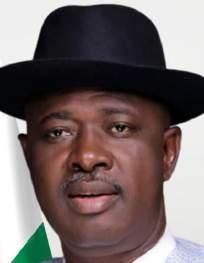
Lokpobiri
production capacity to be used for setting output baselines from 2027, against which members' output targets are set.
Emmanuel Addeh in Abuja
The Niger Delta Power Holding Company (NDPHC) yesterday dismissed a report that its Chief Executive, Jennifer Adighije, was mismanaging the organisation’s funds, describing it as dubious and ill‑intended.
While denying all the allegations in a statement in Abuja signed by the Head, Corporate and External Communications, Emmanuel Ojor, the NDPHC stressed that
report for November 2025, seen by THISDAY, showed that the inflows sourced from crude sales, royalty arrears, domestic gas payments and other under remitted revenues helped moderate pressure on monthly allocations amid continuing fiscal strain on the three tiers of government. Organisations, which attended the November 17 meeting in Abuja, were Revenue Mobilisation, Allocation and Fiscal Commission (RMAFC), representatives of the states’ Commissioners of Finance and Accountants General Forum, as well as representatives of Revenue Generating and Accounting Agencies.
According to the FAAC Sub Committee, N370.43 billion was recovered and paid in September alone. This amount included $52.95 million in crude related arrears remitted at an exchange rate of N1,474 to the dollar, along with royalty and domestic gas components from both Nigerian National Petroleum Company (NNPC) Limited, and Nigerian Upstream Petroleum Regulatory Commission (NUPRC).
Specifically, the September inflow pushed the cumulative reconciliation total for the first nine months of the year to N2,359,628,451,600.66, the highest in recent FAAC reconciliation cycles.
Breakdowns presented in the report showed that reconciliation inflows varied
it was an attempt to smear the person of Adighije and mislead well‑meaning Nigerians.
Since her assumption of office, Adighije, the NDPHC said, has focused on bold and necessary reforms to optimise the performance of the company assets to ramp up revenue while curtailing excessive and unjustified expenditure within the company.
Besides, it stated that under Adighije, NDPHC has enhanced its liquidity by aggressively
month to month. In January, N367.37 billion was reconciled; it was N227.15 billion in February; N175.98 billion in March; N259.85 billion in April; N247.04 billion in May; N213.37 billion in June; N116.39 billion in July; N382 billion in August; and N370.43 billion in September, reflecting the irregular nature of the arrears and the speed of inter agency verification.
Similarly, during the November deliberations, the alleged under remittance of $42,373,896,555.00 by NNPC Limited, a claim earlier raised in a forensic review conducted by Periscope Consulting for the Nigerian Governors’ Forum, also came up.
But in its formal response to FAAC, NNPC maintained that it had fully accounted for all revenues due to the federation and insisted that no outstanding amount existed for the period under review.
Periscope Consulting, however, rejected NNPC’s position and the sub committee directed a joint session between both parties to reconcile the disputed figures. Discussions on this issue remained ongoing, the document showed.
The document stated, “NNPCL submitted their response regarding $42,373,896,555.00 under remittance to the Federation Account as contained in the report of Periscope Consulting.
“Recall that Periscope Consulting was the Consultant
pursuing the recovery of the monumental debts owed to the company for energy already delivered.
In addition, NDPHC, according to the statement, has optimised internal processes to drive operational efficiency as well as leveraging technology to enhance the productivity of the workforce to transform the company’s performance to the benefit of the Nigerian people.
On the alleged proposed N900 million budget for a “25‑Year
engaged by the Governors Forum to examine NNPCL under remittance to the Federation Account. NNPCL responded that all revenues due to the Federation have been properly accounted for and no outstanding amounts for the period under review.
“Responding, Periscope Consulting disagreed with NNPCL position hence, the Sub Committee directed that there should be a joint meeting with the two parties in order to close out on the issue. This assignment is work in progress,” it stressed.
The report also reviewed NNPC’s utilisation of the statutory 30 per cent Frontier Exploration Fund (FEF) over a 16 year period, from 2008 to 2024. While NNPC submitted a consolidated account of expenditure across the various basins, the FAAC sub committee said the submission lacked basin specific spending details.
It, therefore, requested NNPC to tie each project to the amounts expended, describing the issue as work still in progress.
FAAC indicated, “The NNPCL had submitted the utilisation of frontier exploration fund from 2008 2024 covering both the Pre and Post PIA. However, the Sub Committee observed that there were no specifics on expenditure incurred on the exploration activities carried out in each of the basins.
“The committee had written
Celebration”, the NDPHC said the allegation was mischievous and speculative, noting that even by the account contained in the article, the figure is referred to as a proposed budget, if it exists at.
“It is therefore laughable and dishonest to present an unapproved budget proposal as evidence of financial misconduct. It is also curious to understand how a 25 Year Celebration can be planned for an organisation that was established in 2005,” it stressed.
On the allegation of flying private jets, the NDPHC said that as the head of a strategic national power company with critical assets spread across all geopolitical zones of the country, the Managing Director is frequently required to meet urgent operational, regulatory and stakeholder obligations in several locations within very tight timelines.
“On rare occasions, and only where strictly necessary, chartered or private flights have been
utilised to enable her discharge these responsibilities when commercial airline schedules cannot practically accommodate the time‑sensitive nature of such official engagements.
“These instances, even though are few and far between, are strictly for official purposes, and remain fully within the approved operational budget of the office of the Managing Director, with the knowledge and approval of the Board,” it stated.
to NNPCL requesting it to tie each project carried out within the basins with amount expended. The sub committee await NNPCL response. This assignment is still work in progress.”
In addition, the committee recorded outstanding payables of N2.032 trillion owed to NUPRC and Federal Inland Revenue Service (FIRS) for the period June–December 2023. These were incorporated into a wider reconciliation being handled by Stakeholders Alignment Committee of the Federal Ministry of Finance, which was yet to submit a final report.
The analysis for September 2025 also highlighted the monthly performance of revenue generating agencies. Combined inflows from NNPC, NUPRC, FIRS, and Nigeria Customs Service amounted to N2.128 trillion, which formed the distributable revenue for the month. FIRS remained the single largest contributor, accounting for more than 43 per cent of the inflows.
Despite the progress made, substantial unresolved balances remained. The November inter agency reconciliation meeting identified new outstanding amounts totalling $68.98 million and N1.03 trillion still under review. They included items between NNPC and Central Bank of Nigeria (CBN), NUPRC and NNPC, and FIRS and NNPC.
The committee also provided updates on balances across multiple special reserve accounts, including N132.05 billion in Development of Natural Resources Account, N80.91 billion in Stabilisation Fund, N51.83bn in Solid Minerals Account, and N365.26 billion in Non Oil Excess Revenue Account. Other balances were recorded in accounts for oil theft prevention, exchange gains and domestic excess crude proceeds.
Another major item reviewed was the deductions under the Road Infrastructure Tax Credit Scheme (RITCS).
According to the committee, a combined $577.6 million and N822.3 billion were utilised for tax credit deductions between February 2024 and September 2025.
Seven companies, including Dangote Cement, NNPC, NLNG, and BUA International were formally contacted to clarify their respective project spending under the scheme. But only three firms responded as of November, with the sub committee awaiting confirmations from FIRS and additional submissions from the remaining companies.
The FAAC document stated, “The sub committee wrote to the Federal Ministries of Finance and Works, the FIRS, and participating companies in the scheme requesting for information regarding the level of involvement in the
scheme, the amount spent and the level of the ongoing projects from 2019 to 2025.
“The companies written to were as follows: Bua International Ltd; Dangote Cement Company Ltd; NNPC; Nigeria Liquefied Natural Gas Company Ltd; Mainstream Energy Solutions; GZ Industries Ltd and MTN Nigeria Ltd.
“The sub committee had received responses from three of these participating companies which was forwarded to FIRS for confirmation. The Ad hoc Committee is still expecting the remaining companies’ response in order to conclude the assignment and report back. This assignment is still work in progress.
“The outstanding revenue arrears reconciled with the Revenue Generating Agencies and paid to the Federation Account for September 2025 revenue was $52,951,569.21 equivalent to N370,430,043,080.80. The sub committee would like to inform members that from January to September, 2025, the outstanding arrears reconciled and paid stood at N2,359,628,451,600.66.
“The total outstanding amount undergoing reconciliation due to the Federation Account from the reconciliation meeting held with the Revenue Generating Agencies in November, 2025 was $68,983,379.93 and N1,030,423,011,930.59.”


Emmanuel Addeh in Abuja and Peter Uzoho in Lagos
The Dangote Petroleum Refinery yesterday announced plans to supply 1.5 billion of petrol monthly to the Nigerian market in December 2025 and January 2026, a move it said is aimed at ensuring uninterrupted nationwide fuel availability through the festive season and into the New Year.
President and Chief Executive of Dangote Industries Limited,
Aliko Dangote, disclosed the plans at the weekend, noting that the refinery will make available 50 million litres of Premium Motor Spirit (PMS) daily beginning December 1, a statement by the company said last night.
This is coming after the latest report by the Nigerian Midstream and Downstream Petroleum Regulatory Authority (NMDPRA) indicating that the refinery was only about half of its pledge in the last few months.
The NMDPRA report countered Dangote's long-held position that it can supply the entire Nigerian market and have extra for export to the international market.
According to the NMDPRA data, despite being central to Nigeria’s quest for energy security, the Dangote Refinery’s contribution to petrol supply still falls far below expectations. Between October 2024 and October 2025, it said the refinery planned to supply 35 million litres
per day of petrol, but averaged only 18.03 million litres per day, representing roughly 51.5 per cent of its projection.
However, the Dangote statement reads: “In line with our commitment to national wellbeing, and consistent with our track record of ensuring a holiday season free of fuel scarcity, the Dangote Petroleum Refinery will supply 1.5 billion litres of PMS to the Nigerian market this month.
“This represents 50 million
Oando Plc, Africa's leading integrated energy solutions provider, has been formally inducted into the Society for Corporate Governance Nigeria (SCGN), marking the company's entry into Nigeria's leading network focused on advancing responsible, transparent, and ethical corporate leadership.
The induction followed the
SCGN’s assessment of Oando’s corporate governance standards and affirms the company’s alignment with national and international best practices, a statement from the energy company said.
SCGN, established to promote best-in-class governance frameworks across corporate Nigeria, serves as a centre for board development, governance education, research, and policy advocacy. Since
its founding, the Society has worked to strengthen accountability, transparency, and ethics in businesses across Nigeria and the wider African region. Its membership includes leading institutions across energy, finance, manufacturing, and services.
Speaking on Oando’s induction, Folasade IbidapoObe, Chief Compliance Officer and Company Secretary, Oando PLC, remarked: "Our
induction into the Society for Corporate Governance Nigeria is both an endorsement and a responsibility.
“It affirms the progress we have made in institutionalizing robust governance frameworks across our business over the years, and more importantly, it signals our readiness to continually strengthen these frameworks in line with leading practices in corporate governance.
Chuks Okocha in Abuja
The Socio-Economic Rights and Accountability Project (SERAP) has filed a lawsuit against Senate President Godswill Akpabio and House of Representatives Speaker Tajudeen Abbas, accusing them of failing to account for N18.6 billion allocated for the construction of the National Assembly Service Commission (NASC) office complex.
This was contained in a statement posted on SERAP’s social media pages on Sunday, where the agency noted the principal officers were sued on behalf of other members of the National Assembly.
The statement read, “BREAKING: We’ve sued the Senate President, Mr. Godswill Akpabio and Speaker of House of Representatives, Mr. Tajudeen Abbas over failure to account for the missing
N18.6 billion meant for the construction of the National Assembly Service Commission (NASC) Office Complex.
“Mr. Akpabio and Mr. Abbas are sued for themselves and on behalf of all members of the National Assembly. Joined in the suit as respondent is the National Assembly Service Commission.
“Our lawsuit followed the grave allegations documented in the latest 2022 annual report
published by the AuditorGeneral of the Federation on 9 September 2025.
“The allegations that N18.6 billion meant for the construction of the National Assembly Service Commission Office Complex is misappropriated or diverted are a grave violation of the public trust, the Nigerian Constitution 1999 [as amended], and international anti-corruption standards.
litres per day. We are formally notifying the Nigerian Midstream and Downstream Petroleum Regulatory Authority (NMDPRA) of this commitment. We will supply another 1.5 billion litres in January and increase to 1.75 billion litres in February, which translates to over 60 million litres per day,” Dangote said.
Speaking during a visit by the South-South Development Commission (SSDC) to the refinery and the Dangote Fertiliser complex, he stated that the facility currently has adequate stock and is producing between 40 and 45 million litres of PMS daily. He added that the daily supply of 50 million litres should dispel longstanding claims that domestic refineries lack the capacity to meet national demand.
Dangote also revealed ongoing engagement with petroleum marketers to strengthen distribution systems, including expanding the use of CNGpowered haulage.
“Our priority is to ensure Nigeria receives the products it needs. This is not driven by profit motives; it is about guaranteeing the availability of essential energy products. It is similar to the transformation we delivered in the cement sector,” he added.
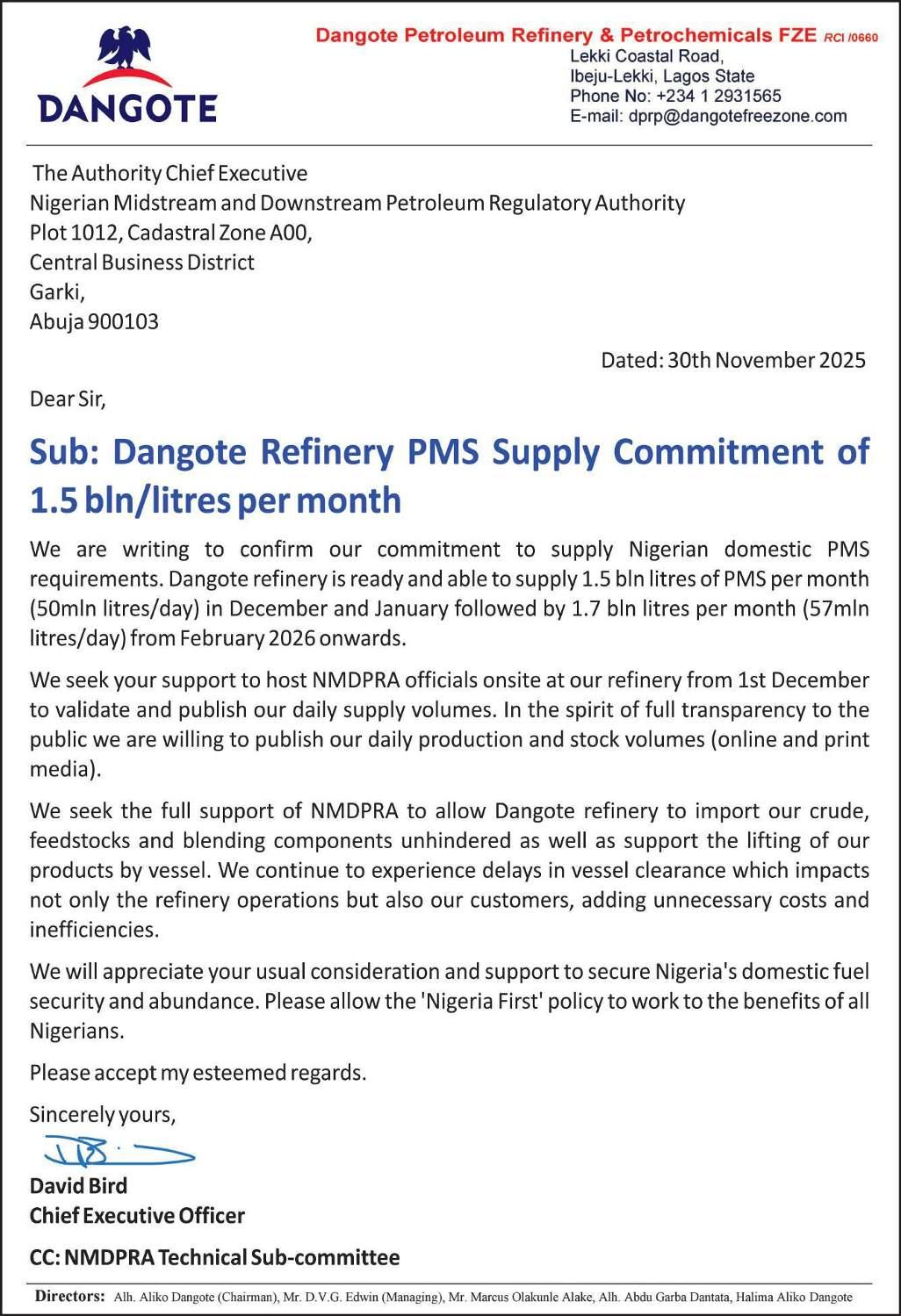
In a letter signed by David Bird, Chief Executive Officer of Dangote Refinery, and addressed to the Authority Chief Executive of NMDPRA, the company invited the regulator to independently verify its actual daily production capacity, countering prevailing speculations.
“We request your support to host NMDPRA officials onsite at our refinery starting December 1, to validate and publicly confirm our daily supply volumes. In the interest of full transparency,
we are prepared to publish our daily production and stock figures across both online and print media.”
Dangote further noted that the refinery is progressing with its expansion plan to reach a capacity of 1.4 million barrels per day. More than 100,000 workers are expected to be involved in the expansion of both the refinery and the fertiliser complex. Dangote emphasised that the Group remains committed to its vision, driven by the strong public support for the company’s role in shaping Nigeria’s economic development.
During the visit, the Managing Director of SSDC, Usoro Offiong Akpabio, commended Dangote’s leadership and his continued contribution to strengthening Nigeria’s industrial capability, national energy security and longterm economic competitiveness.
She described the South-South region as Nigeria’s natural energy corridor, with vast crude oil reserves, gas infrastructure, maritime assets, agro-industrial activity and emerging industrial clusters. She noted that deeper collaboration between the region and the Dangote Group could unlock opportunities in product distribution, CNG infrastructure, petrochemicals, agriculture, and employment creation.
Akpabio added that such partnerships would advance the Federal Government’s energy stability agenda and position the South-South as a strategic growth hub for the Dangote Group.
“As the statutory development body for the South-South, SSDC is mandated to drive regional economic development, infrastructure integration, human capital advancement, and privatesector–led growth.
With few weeks to the January 1 rollout of the 2025 Nigeria Tax Act, there is growing concern among the country's business community, industry experts, and other stakeholders that the new tax regime may trigger unprecedented capital flight and undermine Nigeria’s investment climate.
The Act, signed into law in June 2025, introduces sweeping changes to Nigeria’s fiscal framework, including increase in Capital Gains Tax (CGT) for companies from 10 per cent to 30 per cent, a new four per cent, Development Levy on profits, a 15 per cent Minimum Effective Tax Rate (ETR) for large multinationals, and a fundamental revision of tax exemptions for Free Trade Zones (FTZs).
Chairman, Alliance for Economic Research and Ethics LTD/GTE and Chairman, Nigeria Turkiye Business Council, Hon. Dele Kelvin Oye, stated that the tax reforms represented the most significant overhaul of the country's fiscal landscape in a generation.
Oye said the new system threatened to cripple the very investment and business growth that Nigeria desperately needed to secure
its long-term economic future.
Oye, who is also Life Vice President and 22nd National President, NACCIMA, while describing the tripling of CGT by 200 per cent as the most explosive provision of the act, said the new rate drastically reduced potential returns, making Nigeria significantly less attractive than regional competitors.
He stated, “Nigeria stands at a critical juncture. Faced with volatile oil revenues, mounting debt service obligations, and the pressing need to fund national development, the government has turned to comprehensive fiscal reform as a primary tool for economic stabilisation.
“The culmination of this effort is the Nigeria Tax Act, 2025, a landmark piece of legislation that consolidates over a dozen previous tax laws into a single, sweeping statute.
“Its architects present it as a bold step towards creating a more efficient, transparent, and equitable tax system that can broaden the nation’s revenue base and reduce its historic dependence on the petroleum sector.
“The explicit goals are laudable: to streamline administration, curb tax
evasion, and ensure all sectors of the economy contribute their fair share to national progress.
“However, policy, particularly fiscal policy, is judged not by its intentions but by its outcomes. As the January 1, 2026, implementation date approaches, a wave of apprehension is palpable across the Nigerian and international business communities.”
He stressed, “The Act’s core tenets, particularly the
dramatic hike in Capital Gains Tax from 10 per cent to 30 per cent, the imposition of a new four per cent Development Levy, and the ambiguous overhaul of the Free Trade Zone incentive regime, have been met with significant concern.
“These measures, while designed to fill government coffers, are perceived by many as direct assaults on profitability, capital formation,
and investment incentives. They raise fundamental questions about Nigeria’s strategic direction, forcing a crucial debate between Taxation for Revenue vs. Taxation for Growth.
“Is the nation building a foundation for long-term, private sector-led growth, or is it erecting fiscal barriers that will stifle innovation and drive capital to more hospitable shores?”
Oye explained, “This analysis seeks to move beyond the headlines to provide a deep, evidencebased examination of the 2025 Tax Act.
“We will deconstruct its key provisions, critically evaluate its likely negative and positive impacts, and situate Nigeria’s new fiscal posture within the dynamic context of regional competition.
Onyebuchi Ezigbo in Abuja
Nigeria Social Insurance Trust Fund (NSITF) has expressed commitment to improve on its risk management framework for more efficient and effective delivery of its mandate.
According to a statement signed by NSITF’s Deputy General Manager, Corporate Affairs, Alex Mede, Managing Director and Chief Executive of the fund, Mr. Oluwaseun Falaye, made the commitment while receiving the leadership of Chartered Risk Management Institute, which paid a courtesy
call on him at the Abuja corporate headquarters of NSITF, recently.
Faleye said, “We can build the sort of understanding that is required and the sustainability that requires for a much more resilient fund.
"I see a lot of ways that we can collaborate particularly in expanding or developing the capacity of our members, either from the risk department itself or even, fundwide.”
The managing director, who received the CRMI leadership led by its Chief Registrar, Dr. Victor Olaninye, urged the
institute to incorporate the Employees' Compensation Scheme into its curriculum to further deepen understanding and awareness in the financial sector especially.
He stated, "My thought is that in deepening the knowledge about Employees' Compensation Scheme within your curriculum because of the risk involved in lack of social safety net to a business.
It is important in building resilience to educate all stakeholders of the need to safeguard their most important assets, which is the workers.”
Responding on behalf of the CRMI team, Olaninye thanked the NSITF boss for granting them audience and for the fund's participation in the institute's 24th Annual International Conference. He commended Faleye and his management team for the achievements recorded since his assumption of office in July 2024.
"The professionalism and transformative leadership you bring to NSITF are truly commendable. We applaud the progress you are driving," he said.
raid on their hideout in Lekki area of Lagos.
A statement on Sunday by the spokesman of the anti-narcotics agency, Femi Babafemi said the drug syndicate run by the duo of Deji Adesanya and Olubiyi Majekodunmi had imported consignments of Canadian Loud, a strong strain of cannabis and a variety of colourful designer sachets with pictures and labels of cookies and snacks printed on them, and used to package the psychoactive substance in
retail quantities.
Babafemi said following credible intelligence about the activities of the syndicate which operates and distributes through a WhatsApp platform, NDLEA operatives on Saturday raided their apartment at Ojulari street, Ikate area of Lekki where a large quantity of the designer sachets and 5 kilogrammes of Loud were recovered from them at the point of their arrest.
He said in another operation
in Lagos, NDLEA operatives last Thursday arrested a 38-year-old drug kingpin Philip Ucheka while taking delivery of 110 pouches of Canadian Loud weighing 55.6 kilogrammes at Ladipo area of Mushin.
He added that at the point of his arrest, three delivery vehicles were also seized from him.
The spokesman said at a courier company in Lagos, 100 grammes of Loud concealed in teddy bear imported from Thailand were intercepted last
Thursday while a consignment of 548 capsules of tramadol hidden in bottles of Vitamin C and Magnesium going to the United Kingdom were recovered at another logistics firm the following day.
In Oyo State, NDLEA officers on patrol along Lagos -Ibadan expressway on Saturday m nabbed a suspect Wasiu Kareem, 55, with 8,000 ampoules of pentazocine injection; 590 bottles of codeine syrup; 1,500
pills of Co-codamol and 9,900 capsules of tramadol. He said no fewer than seven suspects were arrested last Monday when NDLEA operatives raided the Ipe forest in Akoko South East area of Ondo State where they recovered 3,077 kilogrammes of skunk, a strain of cannabis. Those arrested include: John Ede; Ede Ndubuisi; Ikenna Abe; Eze Chukwuma; Maduabuchi Odo; Nnaji Chudubem and Gorge Okowor.




www.thisdaylive.com

opinion@thisdaylive.com
NIGERIA AT THE EDGE: ACTION, NOT RHETORIC PAT ONUKWULI argues the need for the country to act fast with resolve to pursue the truth, regardless of whose interests it may threaten
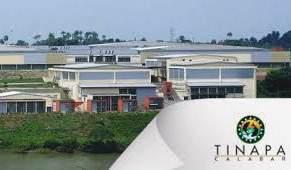
TINAPA: REVIVAL OF A DREAM
After years in limbo, Tinapa Business and Leisure Resort is coming back on stream, writes ISUMA MARK

Talented people rarely leave a job because of the job. They leave because the person leading them stopped growing. It happens quietly. First, they reduce their energy. Then they stop sharing ideas. After a while, they start considering jumping ship. By the time you notice, they already moved on. This is a real problem for many businesses. Top performers are quitting for reasons they can’t divulge. They want to do more than the routine that your work has now become. They want to work with employers who push them forward.
There is another angle we often forget. Learning compounds in the same way money grows when you invest consistently as you stay engaged with new knowledge. The flip side is also true. When you stop learning, the decline equally compounds. It appears in your ideas, strategy, and then, in the energy of your team. And because the leader sets the tone, the impact spreads through the entire business. People copy what you do, not what you preach.
This is why the consequences of leadership stagnation go far beyond losing talented employees. The company itself begins to stall. Opportunities are lost because nobody is stretching. People show up to work, but nobody is truly building. These are the costs when the leader stops growing.
When Satya Nadella became CEO of Microsoft in 2014, the company was in decline. Its stock had been flat for almost a decade. Internal surveys showed low morale. Talented engineers were leaving for Google, Amazon, and Facebook. Teams competed with one another instead of building together. Many insiders even joked that Microsoft was becoming a “retirement home for brilliant people who had stopped stretching.” In a 2014 internal memo, an engineer said “We compete more with each other than with our competitors.”
Nadella identified the problem that leaders had stopped learning. And because they stopped learning, the people under them lost the drive to grow. He addressed the problem at its source by making leadership development mandatory. Leaders across all levels were to read books, attend training programs, and coach one another. Internal collaboration became a priority, and performance reviews were adjusted to reward learning.
Within two years, employee engagement and performance rose. Microsoft’s cloud business, once slow,

grew rapidly because teams began sharing knowledge instead of hoarding it. By 2018, Microsoft passed Apple to become the world’s most valuable company for the first time in years. Engineers who once left for competitors began returning.
The lesson is obvious. When the leaders grew, the people followed. Nadella modeled and built a culture of continuous development. This changes the leader and fosters productivity. This is the agitation point many leaders avoid. We say “the people leaving are not loyal”, “they lack patience”, or “they are merely ambitious and restless.” Sometimes that is true. Many times, it is not. They simply outgrew a leader who refused to outgrow old habits. You may not want to hear this part, but I will say it anyway. If your best employees keep leaving, the common factor is YOU. It is not the economy, the generation, or the industry. It is YOU.
This applies to every business, no matter the size. Your team wants to know you are learning. Nobody enjoys being led by someone who is stuck, tired, or proud of yesterday’s success. The good news is that the solution is within your reach. Like I have always said, leadership flows to the one who knows. Below are practical ways to grow again before you lose another staff.
One, Remain a student. Great leaders stay on the learning path. They read relevant materials and take appropriate courses. They ask questions without pretending to know everything. Your growing wealth of knowledge impacts your decisions and leadership style.
Two, Create growth conversations. People want to talk about their dreams if you are willing to listen. They want to know their work connects to something they care about. Sit with them and ask what they want in the next few years. Help them see how their future can fit into your bigger picture. When you create those conversations, you show them you pay attention to them.
Three, Model what you want to see.
Your behavior teaches louder than your words. If you want focus, show focus. If you want integrity, show integrity. If you want energy, show energy. Your consistency shapes the culture more than any speech. People watch you even when they pretend not to.
Four, Keep your vision fresh. A leader without a clear direction becomes a leader without followers. Revisit where the business is going. Update your plans. Share why the direction matters. People stay when they feel they are moving toward something meaningful. When the direction becomes stale, they drift.
Five, Invite feedback on your leadership. Many leaders fear this question. What can I do better as your leader. It feels uncomfortable, but it works. It tells your team you care about their experience. It also reveals blind spots you may never see on your own.
Six, Build emotional intelligence. Learn your triggers. Understand how your reactions affect the room. Respond instead of reacting. People stay with leaders who create psychological safety. They leave leaders who become unpredictable when stress rises.
Seven, Invest in your circle. You also need people who constantly challenge your thinking. You need peers who understand the weight you carry. When you surround yourself with sharp minds, you become better. When you isolate yourself, your growth slows. A strong circle keeps you accountable.
The message is that your employees do not expect you to be perfect. They only want you to grow. As you grow, your team grows. If you want people to stay, give them a leader worth staying for. Let your quest for learning and growth become the culture the team inherits.
It is important to add that your learning cannot be random. It has to be structured and intentional. And it has to match the weight of your responsibilities. A CEO running a multi-million-naira business does not need the same learning rhythm as someone running a multimillion-dollar enterprise. The stakes and complexity are different. The decisions carry more consequences. As you rise in leadership, your learning must rise with you. Your goals demand a certain level of knowledge and insight. If your learning does not match the size of your ambition, you create a gap that the business pays for.
Dr Okorie MFR is a leadership consultant
PAT ONUKWULI argues the need for the country to act fast with resolve to pursue the truth, regardless of whose interests it may threaten
Nigeria today stands as a fragile porcelain vessel delicately balanced in the hands of a potter intent on shaping a national ideal but distracted by ongoing pressures. The vase is precious; its breakage would be catastrophic. Yet, despite recognising its value, the potter’s grip remains unsteady. This imagery illustrates the nation’s deteriorating security landscape, an environment in which a country moulded by aspiration is increasingly threatened by those determined to fracture it.
The escalation of insecurity across Nigeria, manifesting in insurgency, banditry, targeted religious violence, communal killings, and widespread abductions, has progressed from sporadic disruptions to a systemic national affliction. Communities in the North-west, Christian populations in the Middle Belt, and rural settlements in several states now endure a cycle of violence that has undermined both public confidence and national cohesion. In many of these communities, attacks occur with chilling predictability, often with little or no immediate state intervention. When security forces respond, they frequently do so after the damage has been done, reinforcing the perception that the government’s actions, however well-meaning, remain largely reactive.
Within this context, United States President Donald Trump’s recent call for the Nigerian Government to halt what he described as a “Christian genocide” highlights a troubling reality. His remarks, though provocative in tone, reflect a global awareness of Nigeria’s worsening security situation. Nigeria, a sovereign state with complex sensitivities regarding foreign commentary, should ideally not need international leaders to remind it of its responsibilities to its citizens. Yet when external actors amplify domestic issues on the world stage, it indicates that the crisis has reached a point where diplomatic silence is no longer possible. Whether one agrees with Trump’s characterisation or not, the fact that such descriptions have gained international attention warrants serious consideration.
The federal government’s responses have been notable but reactive in timing. President Bola Ahmed Tinubu’s recent declaration of a nationwide security emergency, authorising additional recruitment into the armed forces and police, deploying trained forest guards under the DSS, withdrawing officers from VIP duties for redeployment, and directing improved coordination across security agencies, is significant. The directive for an additional 20,000 police recruits, bringing the total to 50,000, and the explicit mandate to “flush out terrorists and bandits from the forests,” were emphasised in the recent State House statement.
Again, Tinubu’s pledge to support state-level security formations and promote legislation for autonomous State
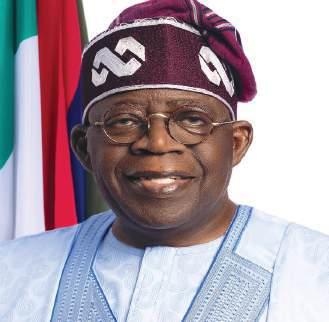
Police is commendable, signalling a potentially significant shift away from centralised policing. Nigeria’s vast terrain and diverse demographics continue to reveal the weaknesses of a single command structure. If well designed and protected from political interference, State Police could offer quicker response times, enhance local intelligence, and help restore community trust.
These measures, at least in principle, signal a strengthened government commitment. However, Nigerians have heard similar announcements from past administrations. The ongoing insecurity shows that rhetoric alone cannot eliminate deeply rooted threats. A key question, therefore, is: Does Nigeria have the political will to address insurgency, terrorism, and banditry at their source, including identifying, exposing, and prosecuting their sponsors?
Insurgency in Nigeria has never been solely an ideological issue. It is upheld by financial networks, arms supply chains, political enablers, and opportunistic actors whose vested interests thrive amid chaos. For far too long, inquiries into the financiers of terrorism have remained confined to theory, never advancing into actionable scrutiny. Public reports of “high-profile financiers” have rarely led to publicly disclosed prosecutions. As long as these networks remain intact, security forces will find themselves combating symptoms rather than the root causes. Nigeria must shift from tactical responses to strategic dismantling, which demands not only intelligence capabilities but also a staunch political will to pursue the truth, regardless of whose interests it may threaten.
The government’s repeated dependence on negotiations with terrorist groups further complicates this situation. The recent release of abducted schoolgirls, confirmed by both the Inspector General of Police and the Presidential Spokesperson, Bayo Onanuga, reignited longstanding public unease. While negotiations may offer immediate relief for vulnerable individuals, they inevitably entail longer-term costs. Terrorist organisations exploit such engagements to legitimise their tactics, often using them for financial gain, recruitment, and increased bargaining leverage.
Dr. Onukwuli, is a legal scholar and public affairs analyst. patonukwuli2003@yahoo.co.uk
After years in limbo, Tinapa Business and Leisure Resort is coming back on stream, writes ISUMA MARK
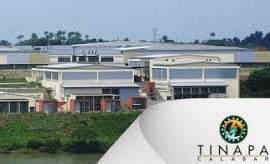
When the Cross River State Government announced the successful repossession of the Tinapa Business and Leisure Resort from the Asset Management Corporation of Nigeria (AMCON), the development was received with a mix of relief, nostalgia, and renewed optimism. For many Nigerians—especially Cross Riverians— the recovery rekindled the hope that one of the most ambitious economic projects ever built in Nigeria could finally fulfill its original promise.
The repossession was more than the return of a physical asset. It was the revival of a dream: a dream of commerce, tourism, industry, and regional integration that once placed Cross River State at the forefront of economic innovation in West Africa. Tinapa’s story is compelling precisely because it reflects how visionary initiatives can rise, falter, and rise again.
Tinapa was conceived in the early 2000s by the administration of Governor Donald Duke, whose vision was to redefine Cross River State’s economic trajectory after the painful loss of its oil wells to Akwa Ibom. Rather than succumb to the setback, Duke charted an ambitious new course anchored on tourism, services, and nonoil investment. Tinapa was the crown jewel of that economic master plan. It was designed as a groundbreaking mix of business, leisure, entertainment, and freetrade. At the time of its commissioning in 2007, it was hailed as the first integrated business and leisure resort of its kind in Africa. The plan was bold: a world-class shopping district, wholesale warehouses, duty-free retail spaces, a movie studio, a water park, a luxury hotel, lakeside attractions, and modern meeting and exhibition facilities—all built on expansive land near the Calabar River.
Tinapa’s creators envisioned it as the new commercial heartbeat of West Africa. Cross-border traders from Cameroon and Central Africa would flock to the facility. Nigerian wholesalers would warehouse goods in the resort. International brands would open anchor outlets. Tourists would come for leisure, while entrepreneurs would come for business. It was intended to be Nigeria’s answer to Dubai’s free zones, Johannesburg’s commercial hubs, and Orlando’s entertainment clusters.
For a brief period, Tinapa thrived. Tourists visited, shops opened, film producers flocked to Tinapa Studios, and the resort became a shining example of what subnational governments could accomplish with creativity and vision. The pride was palpable. Cross Riverians spoke of Tinapa the way people speak of national treasures.
But gradually, the cracks began to show.
Tinapa's struggles emerged from a combination of structural obstacles, regulatory inconsistencies, and political indifference. Federal policies failed to support the free-trade aspirations of the resort. Customs operations within the zone became a constant point of friction. Investors who expected tax holidays
and duty waivers faced unpredictable restrictions. For many businesses, the uncertainty was intolerable.
Then came the financial stress. The state had borrowed massively to build Tinapa, and when revenues did not match expectations, debt obligations mounted. Eventually, AMCON assumed control over Tinapa’s liabilities. That intervention, while necessary for debt recovery, plunged the resort into operational limbo. The state could no longer fully manage it, and AMCON could not run it as an investment-driven enterprise.
Shops closed down. The water park grew dilapidated. Tinapa Studios became inactive. The once-bustling retail blocks became ghostly corridors. What had been built as a symbol of prosperity turned into a painful reminder of lost potential. By the mid-2010s, Tinapa was a shadow of its former promise, and the dream of regional economic transformation had faded into nostalgia.
Successive administrations attempted revivals. Consultants were hired, feasibility studies commissioned, and investors courted. But none of the efforts could overcome the fundamental problem: the state no longer controlled its own creation. Until ownership and legal clarity were restored, Tinapa could not be revived.
That clarity finally arrived this year.
The announcement that Cross River had fully repossessed Tinapa marked a decisive turn in the project’s long and troubled history. According to senior government officials, all legal and financial disputes with AMCON have been resolved, returning Tinapa to its status as a wholly owned asset of the state. “This is the beginning of Tinapa’s journey back to productivity,” a member of the state’s negotiating team said. “Reclaiming Tinapa means reclaiming our economic future.”
The government stresses that the repossession is not merely bureaucratic but strategic. Bringing Tinapa back under full state control aligns with the administration’s broader plan to rebuild investor confidence and reposition Cross River as an economic hub. The move signals political will, fiscal responsibility, and a renewed commitment to unlocking dormant infrastructure.
Editor, Editorial Page PETER ISHAKA
Email peter.ishaka@thisdaylive.com
Government should take concrete steps to enforce the learning and teaching of mother tongue
The recent cancellation of the 2022 National Language Policy, which mandated that children in primary school be taught in their mother tongue or the language of their immediate community has continued to elicit debate. English, according to the Minister of Education, Tunji Alausa, will now be the medium of instruction for all subjects and all levels of education. He cited data showing that the previous policy contributed to high failure rates in national exams like WAEC, NECO, and JAMB, particularly in regions where the policy was largely implemented. But without prejudice to whatever may have informed the policy flip flops from the education ministry, it is important for all stakeholders in the country to understand the implications of the growing extinction of many of our indigenous languages.
Languages are the most powerful instruments of preserving and developing both tangible and intangible heritage. According to the United Nations, “all moves to promote the dissemination of mother tongues will serve not only to encourage linguistic diversity and multilingual education but also to develop fuller awareness of linguistic and cultural traditions throughout the world….”

study, or any other indigenous language of wider communication in his/her area of domicile alongside English Language. The policy also requires that students in Junior Secondary School (JSS), (which is of three-year duration) must study three languages, namely, mother tongue, if available for study, or an indigenous language of wider communication in his/her area of domicile, alongside one of the three major indigenous languages in the country, namely, Hausa, Igbo, and Yoruba, provided the language chosen is distinct from the child’s mother-tongue. In Senior Secondary School (SSS), which also lasts three years, a Nigerian child, according to the policy, must study two languages: an indigenous language and English Language.
One of the ominous signs of danger today is the incremental loss of our rich arts forms, particular in music, dance and fashion as our youths have taken to the Western genre, threatening our cultural identity as African people
Incidentally, long before the intervention by the United Nations Educational Scientific and Cultural Organisation (UNESCO) on the promotion of indigenous languages, the federal government had shown concerns for the plight of Nigerian languages when it sought to encourage their teaching and learning in our schools under the national policy on education. Section 1 (8) of the policy emphasises that “the Federal Government shall take official interest in and make policy pronouncements on the teaching of the indigenous languages, instead of concerning itself solely with English Language’’.
Accordingly, the policy stipulates that every pupil must during primary school education (which lasts six years), study two languages, namely, his/her mother-tongue, if available for
T H I S D AY
EDITOR SHAKA MOMODU
DEPUTY EDITOR WALE OLALEYE
MANAGING DIRECTOR ENIOLA BELLO
DEPUTY MANAGING DIRECTOR ISRAEL IWEGBU
CHAIRMAN EDITORIAL BOARD OLUSEGUN ADENIYI
EDITOR NATION’S CAPITAL IYOBOSA UWUGIAREN THE OMBUDSMAN KAYODE KOMOLAFE
T H I S D AY N E W S PA
EDITOR-IN-CHIEF/CHAIRMAN NDUKA OBAIGBENA
GROUP EXECUTIVE DIRECTORS ENIOLA BELLO, KAYODE KOMOLAFE, ISRAEL IWEGBU
DIVISIONAL DIRECTORS SHAKA MOMODU, PETER IWEGBU, ANTHONY OGEDENGBE
DEPUTY DIVISIONAL DIRECTOR OJOGUN VICTOR DANBOYI
SNR. ASSOCIATE DIRECTOR ERIC OJEH
ASSOCIATE DIRECTOR PATRICK EIMIUHI
CONTROLLERS ABIMBOLA TAIWO, UCHENNA DIBIAGWU, NDUKA MOSERI
DIRECTOR, PRINTING PRODUCTION CHUKS ONWUDINJO
TO SEND EMAIL: first name.surname@thisdaylive.com
As we have consistently reiterated, several studies have shown a relationship between level of development and language with the attendant result that those countries that use their indigenous languages, called Mother Tongue, as their lingual franca have a faster rate of development than those that use a second (foreign) language. However, many schools are unable to offer these indigenous languages because of lack of teachers, a cumulative effect of several years of indifference. Obviously, the policymakers were aware of this acute shortfall when they used the phrase “if available for study” in the policy. This optional nature of the policy has undermined its implementation for years. We are also not surprised that the controversial 2022 policy has now been discarded. But we are concerned.
Since embedded in our indigenous languages is our rich culture, history, traditions, and values, government must take deliberate and concrete steps to protect them by enforcing the national policy on education with regard to learning and teaching of mother tongue. One of the ominous signs of danger today is the incremental loss of our rich arts forms, particular in music, dance and fashion as our youths have taken to the Western genre, threatening our cultural identity as African people.
Letters in response to specific publications in THISDAY should be brief (150-300 words) and straight to the point. Interested readers may send such letters along with their contact details to opinion@thisdaylive.com. We also welcome comments and opinions on topical local, national and international issues provided they are well-written and should also not be longer than (750- 1000 words). They should be sent to opinion@thisdaylive. com along with photograph, email address and phone numbers of the writer.
Lake Chad, once a thriving freshwater lake supporting millions of people across Nigeria, Chad, Niger, and Cameroon, is now a shadow of its former self. Over the past five decades, the lake has shrunk by more than 90%, transforming from a vast inland sea into scattered ponds and marshes. This dramatic reduction, driven by climate change, poor water management, and population pressure, has left devastating social, economic, and environmental consequences. For communities that rely on the lake for fishing, farming, and herding, the crisis has become a matter of survival rather than sustainability.
The shrinking of Lake Chad is not just an environmental problem—it is a humanitarian catastrophe. The loss of water has crippled agriculture, the main livelihood for millions of people in the region. Once fertile lands have turned bar-
ren, and fishing, which was once the economic lifeline for many, has declined drastically. This has forced thousands of residents to migrate to urban centers or neighboring countries in search of better opportunities. Unfortunately, this migration often leads to overcrowded settlements and increased competition for scarce resources, fueling tension and conflict among displaced populations.
The effects of the lake’s decline have also contributed to regional insecurity. The lack of livelihood opportunities has made young people in the Lake Chad Basin vulnerable to recruitment by extremist groups such as Boko Haram and the Islamic State West Africa Province (ISWAP). With promises of income and purpose, these groups exploit desperation to expand their ranks. As a result, the environmental crisis has become intertwined with violent
extremism, creating a vicious cycle that threatens regional peace and stability. The lake, once a source of unity and cooperation among nations, is now a hotspot for insecurity and human suffering.
Women and children bear the greatest burden of this ecological disaster. With men migrating in search of work, women are often left behind to care for families under increasingly harsh conditions. Access to clean water, food, and healthcare has become a daily struggle. Malnutrition and disease have risen sharply, and school dropout rates among children—especially girls—continue to soar. These challenges compound existing gender inequalities, trapping many women in cycles of poverty and dependence. Rebecca Zubairu, Kashim Ibrahim University, Maiduguri
Email: deji.elumoye@thisdaylive.com 08033025611
The mounting wave of insecurity across the nation received the attention of the National assembly last week when special plenary sessions were held to debate the issue. Adedayo Akinwale reports.
The insecurity ravaging the country reached a crescendo in the past few weeks with a series of high profile kidnappings in some parts of the country. Although the issue of insecurity has been on for the past 15 years, but the recent spike has reached an alarming stage.
For instance on November 17, 2025, armed assailants stormed a girls school in Nigeria’s Kebbi State, killing two members of staff and abducting 25 students. However, one was able to escape soon after.
Similarly, on November 18, 38 worshippers were captured during a community prayer service at a Christ Apostolic Church in Eruku, Kwara state.
Also, on November 21, armed bandits abducted 303 students from a Catholic school. The Niger State chapter of the Christian Association of Nigeria (CAN) later said 50 students had escaped and reunited with their parents.
As if that was enough, on November 24, a group of 20 armed men attacked the village of Isapa in the Ekiti district of Kwara State, kidnapping a pregnant woman, ten children, and two nursing mothers.
These were a few examples of the latest high profile kidnappings in the country.
It was based on this that both chambers of the National Assembly held special plenary sessions to debate and proffer solutions where necessary that will help bring the situation under control.
In the Senate, a rowdy session broke out last Wednesday as lawmakers engaged in heated exchanges over the worsening security situation in the country, with some senators warning that the nation is “under attack” and on the brink of losing public confidence.
The debate in the chamber came just hours after the Senate adopted a separate motion commending President Bola Tinubu and security agencies for the swift rescue of dozens of abducted victims in Kwara and Niger states.
Reacting, lawmakers said the situation had reached a point that required an immediate and comprehensive federal response.
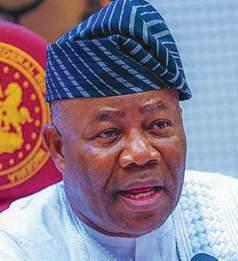
It was at this point that the Deputy Senate President, Barau Jibrin, said the escalating violence had made it clear that Nigeria must seek broader support.
“We should seek assistance from overseas,
urging collaboration with global partners to stem the crisis,” he said, insisting that the country could still overcome its security challenges with the right structure and support.
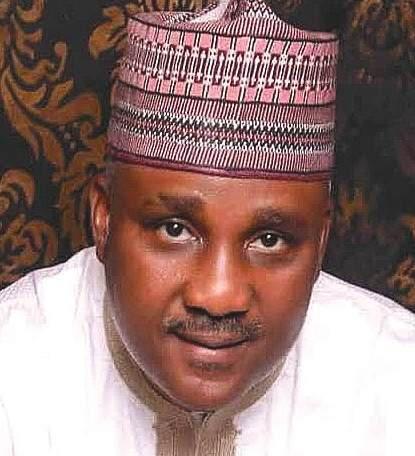
In his submission, Senate Leader, Opeyemi Bamidele, described the current wave of attacks as a defining moment for the nation, warning that “business as usual” could lead to catastrophe.
But Senator Enyinnaya Abaribe pushed back attempts to blame previous administrations, insisting that the current government must accept responsibility for recent failings.
He cited reports that troops were withdrawn hours before the Kebbi school attack.
The ranking senator said, “Who asked them? Nobody knows. If I were the Commander-in-Chief, I would demand answers.”
The Senate President, Godswill Akpabio, also expressed concern that intelligence failures and internal sabotage were undermining security agencies, noting reports that the location of a Brigadier-General killed in Borno had been compromised.
He said it was troubling that despite security advisories issued to schools in Kebbi, bandits still struck unhindered.
Nevertheless, tension heightened when Senator Seriake Dickson warned that Nigeria was “losing prestige and integrity” due to constant attacks, accusing the majority caucus of massaging the issues rather than addressing them head-on.
His remarks triggered uproar from All Progressives Congress (APC) senators, forcing the presiding officer to cut off his microphone.
As some lawmakers reiterated claims that security agencies were aware of the locations and motives of terrorists, Akpabio cautioned against turning the crisis into a sectarian narrative.
“This is orchestrated to damage the image of democracy. There is nothing like targeting Muslims or Christians. It is an attack on all. This country is under attack,” he said.
Contributing to the debate, Senator Adams Oshiomhole rose in defence of Tinubu, arguing that the administration was doing its best under severe pressure. He demanded an investigation into the troop withdrawal in Kebbi.
Consequently, the Senate declared that all kidnapping-related offences be classified as acts of terrorism. It resolved that kidnappers should face the death penalty (maximum sentence) once the relevant law is amended, and that the courts should have no discretion to reduce the sentence or substitute with a fine.
The Red Chamber also considered a review of the country’s firearm laws to permit responsible citizens to own or bear ammunition.
The lawmakers adopted the proposal through a voice vote conducted by the Senate President, Godswill Akpabio.
The story wasn’t so different in the House of Representatives when members also debated the issue of insecurity.
House Speaker, Hon. Abbas Tajudeen had said Nigeria would not accept conclusions that do not reflect the complexities of the country’s security challenges.
Abbas while speaking at a special plenary session on national security on Tuesday said terrorism, banditry, communal clashes, and
These were a few examples of the latest high profile kidnappings in the country. It was based on this that both chambers of the National Assembly held special plenary sessions to debate and proffer solutions where necessary that will help bring the situation under control.
extremist violence have brought suffering to Nigerians of all faiths.
His words: “It is true that in some communities, Christians have been targeted, just as Muslim communities have suffered similar attacks in others.
Nigeria welcomes this prospect and is prepared to work transparently and responsibly with American institutions.
“Our sovereignty remains non-negotiable, yet partnership, especially when extended in good faith, can allow both countries to face shared threats with greater clarity and purpose.”
In his contribution, Minority Leader, Hon. Kingsley Chinda said as lawmakers, they must be sincere to detach from religion, party affiliation, and debate the present insecurity in Nigeria with hornest approach and commitment, so that posterity would judge them well.
Chinda admitted to various insecurity challenges which include, economic, political, religious, and warned that until real facts are laid bare and dealt with, with all sincerity as lawmakers and representatives of the people, they don’t have any business in the parliament.
Making his submission, Leader of the House, Professor Julius Ihonvbere, acknowledged the current insecurity across the country, which he also admitted impedes present developmental efforts of the current administration.
He said there must be the political will to ensure that there’s security of lives and property of Nigerians.
According to him, there are far implications on Nigeria’s insecurity which in turn spiral to other West Africa countries and the African continent.
On his part, a former Deputy Speaker, Hon. Idris Wase alleged that there were times when members of the Boko Haram insurgent and armed robbers found their way into the military during recruitment exercises.
He was of the opinion that the issue of sabotage within the security sector must be properly addressed through a comprehensive review of the recruitment of personnel into the various security services.

In a country where insecurity touches nearly every aspect of daily life, Nigeria’s security forces are quietly demonstrating courage, resilience, and coordination that often goes unseen. From tackling insurgency in the North-East to combating banditry, kidnappings, cybercrime, and urban violence across the nation, these men and women operate under immense pressure, often at great personal risk. In understanding the risk they go through, the 2025 RazorNews Inter-Agency Cooperation Awards aims to bring their achievements into the spotlight, honouring 27 individuals and institutions whose commitment to collaboration, innovation, and professional excellence has strengthened the nation’s fight against crime and terror. Chiemelie Ezeobi reports
For many Nigerians, the sense of insecurity has become a daily reality as they grapple with multifaceted security threats ranging from insurgency and terrorism in the North-East, banditry and kidnapping in the North-West and North-Central, separatist agitations in the South-East, to cultism, cybercrime and economic sabotage in urban areas.
Yet, despite these grim realities, there is growing evidence that Nigeria’s security architecture is responding with renewed vigour, improved coordination and better operational focus, even with the odds.
Thus, by the time the curtains rise on Tuesday, December 2, 2025, for the maiden edition of the RazorNews Inter-Agency Cooperation Awards, no fewer than 27 outstanding personalities and institutions drawn from across the nation’s security architecture will be honoured for their exceptional commitment to collaboration, professionalism and national service in the collective fight against insecurity.
The award, themed “Inter-Agency Unity: The Power of Collective Action,” was designed to celebrate the often unseen sacrifices of Nigeria’s security community while renewing national attention on the critical role of cooperation among agencies in safeguarding lives, property and territorial integrity.
For RazorNews, organisers of the event, the award is not just another ceremonial gathering, but represents a deliberate intervention in Nigeria’s security discourse, conceived to deepen the culture of synergy among security institutions and reinforce the understanding that no single agency can tackle the country’s complex security challenges in isolation.
Publisher of RazorNews, Mr. Sunday Odita, noted that the initiative was born out of years of meticulous observation of Nigeria’s security ecosystem and the central role cooperation plays in achieving lasting peace. “Awards do not happen in a vacuum. They are conceived to celebrate virtues and excellence, to honour exemplary work and to encourage the perpetuation of edifying actions…”
He added that a lecture on “Institutional Collaboration as a Tool for CounterTerrorism and Crime” will headline the event, with IGP Kayode Adeolu Egbetokun as Special Guest of Honour, Dr. Bone Chinye Efoziem as Guest Speaker and ACC John Attah Onoja delivering the keynote. The unveiling of Diary of a Silent Reformer: IGP Kayode Adeolu Egbetokun will also form part of the ceremony.
The organisers stressed that the awards stem from journalism’s duty not only to document events but to help shape the national conversation on unity and resilience. With decades spent reporting defence and security, Odita noted that inter-agency cooperation remains the strongest determining factor in operational success. He recalled a time when night travel across Nigeria posed little risk,

unlike today when even daytime journeys evoke anxiety.
And the Nominees Are…
Leading the pack, Mallam Nuhu Ribadu, National Security Adviser, is celebrated as the Champion of National Stability & Intelligence Coordination, while Rt. Hon. Ndudi Godwin Elumelu is honoured as the Best Security Supportive Politician of the Year, and His Excellency, Rt. Hon. Sheriff Oborevwori emerges as the Best Security Supportive Governor of the Year, alongside Dr. Bone Chinye Efoziem, who is recognised as the Security Supportive Chief Executive of the Year.
CG Bashir Adewale Adeniyi of the Nigeria Customs Service is recognised as the Best Agency Boss in Illicit Arms & Drugs Recovery, while the Nigerian Army is named the Outstanding Defence Force of the Year, and Nigerian Police Pension Limited receives the Distinguished Service Award in Police Welfare and Pension Reform 2025.
Mitchell Ofoyeju, the NDLEA Edo State Commander, receives the Award for Bravery in Service, just as Mr. Emma Nnadozie is celebrated with the Excellence Award in Security Journalism and IGP Kayode Adeolu Egbetokun, NPM, PhD, is bestowed the Lifetime Award of Integrity & Excellence in Leadership. In the same spirit, Mrs. Buduka Johnson, Managing Director of Epss Private Security Services Ltd, receives the Excellence Award in Private Security, while AIG Chinedu Oko, Psc, of the Maritime Police Command at the Force Headquarters Annex, Kam Salem House, Lagos, is honoured with the Leadership and Integrity Award.
Juliet Ohahuru-Obiora is recognised as the Online Violence Protection Advocate of the Year, and Sylvester Ndidi Nwakuche, MFR, mni, the Controller General of the Nigeria
Correctional Service, receives the Lifetime Achievement Award in Correctional Service. Mallam Lanre Issa-Onilu, Director-General of the National Orientation Agency, is named Agency Head of the Year, just as ACI A. S. Akinlabi of the Nigeria Immigration Service is honoured as the Agency Spokesman of the Year, and Prof. Ahmed Abubakar Audi, OFR, Commandant General of the Nigeria Security and Civil Defence Corps, receives the Lifetime Achievement Award in National Infrastructure Protection.
Mr. Olalekan Bakare-Oki, General Manager of LASTMA, is recognised as the Traffic Management Chief Executive Officer of the Year, while UBA is named the Most Cyber Security Conscious Bank of the Year and Corps Marshal Shehu Muhammed of the Federal Road Safety Corps is acknowledged for his service. CP Olohundare Moshood Jimoh of Lagos State is awarded Best CP in Anti-Crime, just as CP Ikioye Livingston Orutugu of the Anambra State Police Command is recognised as the Best CP in Community Policing, and DC Dapo Afeni, Deputy Comptroller of Customs, receives the Award of Dedication and Professional Excellence. Raymond Dokpesi Jnr. receives the Award for Outstanding Media Support for National Security, Nigeria Customs Service PTML Command is honoured as the Outstanding Customs Command of the Year, and Dr. Ayo Ogunsan, Executive Secretary of the Lagos State Security Trust Fund, is named the Security Supportive Personality of the Year. Meanwhile, the Newmark Group earns the Strategic Communication Impact Award.
Behind every advancement in Nigeria’s security landscape are men and women who operate daily in high-
risk environments. The past decade has been defined by complex battles against insurgency, violent extremism, banditry and organised criminal networks. Communities once seized by Boko Haram have gradually been reclaimed, and the improved tempo of operations has restored cautious optimism in affected regions.
Weekly military briefings now highlight neutralised terrorists, intercepted arms shipments and significant surrenders of fighters—developments made possible by tighter coordination and unified operational planning across services. Joint task forces, intelligence fusion centres and collaborative border operations have become more routine, reducing operational silos that once hampered national response.
Key security leaders, including former Chief of Defence Staff General Christopher Gwabin Musa and IGP Kayode Egbetokun, have been widely credited for strengthening this culture of collaboration. Their emphasis on joint training, intelligence sharing and professionalism has filtered down through commands and formations, reshaping the collective security outlook.
However, the human cost remains profound. Every recovered weapon or dismantled terror cell comes with stories of officers wounded, families grieving and communities traumatised. The RazorNews Inter-Agency Cooperation Awards therefore serve as a poignant reminder that the relative peace enjoyed in many parts of the country is anchored on sacrifice. Today’s threats, terrorism, cybercrime, arms trafficking, financial crimes, drug abuse and human trafficking, are increasingly interconnected. No single agency can confront them alone. Nigeria’s progress depends on unity of purpose, and the 2025 honourees symbolise this ethos, demonstrating that collaboration remains the most effective path to national stability. By celebrating these individuals and institutions, RazorNews reinforces a simple message: Nigeria’s security future rests on the strength of collective action and unwavering cooperation.
Kayode tokede
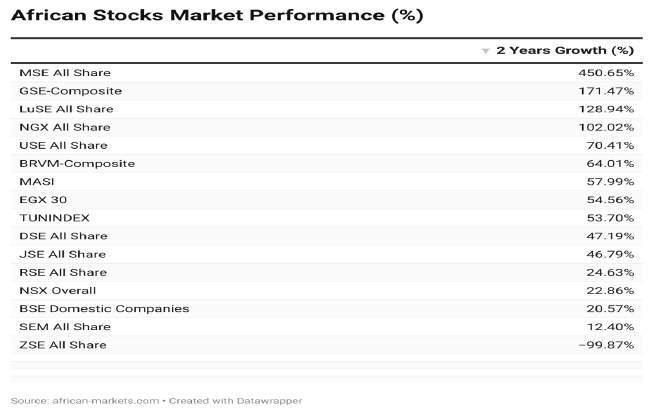
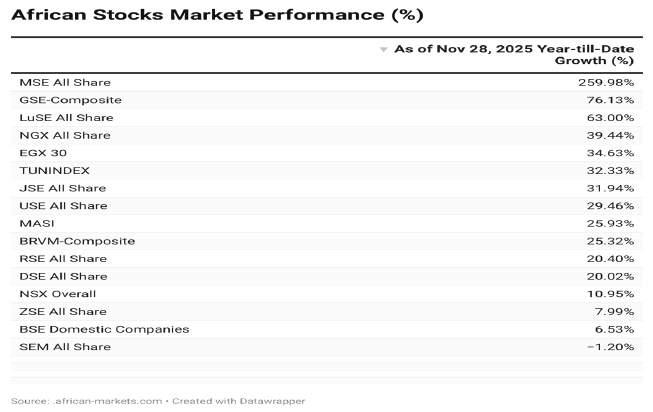
Despite macro-economic challenges, the Nigerian stock market has emerged one the top four best performing Exchanges in Africa with a Year-till-Date (YtD) investors returns of 39.44 per cent as of November 28.
THISDAY analysis of equities market performance in Africa showed that Malawi Stock Exchange (MSE), followed by Ghana Stock Exchange (GSE),
and Lusaka Securities Exchange (LuSE) were the best performing Exchanges in Africa.
MSE ASI in its 2025 YtD growth stood at 259.98 per cent while GSE-CI and LuSE YtD performance growth stood at 76.13 per cent and 63 per cent, respectively.
According to a report, MSE ASI has maintained a bullish run for the greater part of 2025, marked by rising share prices and trading activity. The report noted that MSE
ASI’s YtD performance underscores growing investor confidence in Malawi’s financial markets, driven by strong corporate earnings, high liquidity, and limited alternative investment channels amid double-digit inflation.
Another report stated that the surge in trading activity, combined with a over 127 per cent market cap-to-Gross Domestic Product (GDP) ratio, highlights deepening market participation and the growing role of
equities in domestic wealth creation.
Analysts attributed part of the momentum to increased institutional investment and resilient bank performance, supported by reforms in monetary policy and financial transparency.
If current trends continue, the MSE ASI could close 2025 as Africa’s best-performing Exchange for a second consecutive year, strengthening Malawi’s position as a standout frontier
investment destination.
For GSE-CI, its 20255 growth is underpinned by an improving economy and strengthening cedi currency, while that of LuSE ASI was driven by strong investor confidence and market momentum.
Other Exchanges with an average returns over 30 per cent include: Egypt Stock Market (EGX30), 34.63 per cent; Tunis Stock Exchange (Tunindex), 32.33 per cent and Johannesburg Stock Exchange (JSE) AllShare Index, 31.94 per cent.
Further findings revealed that the Stock Exchange of Mauritius (SEM) All Share Index emerged as the only Exchange with a decline of 1.20 per cent in its YtD investors returns.
To the Nigerian stock market, analysts have hinted on foreign investors inflow, banking sector recapitalisation exercise, impressive corporate earnings by banks, among others as the major drivers.
The Director-General, Securities & Exchange Commission (SEC), Mr. Emomotimi Agama has stated that Nigeria’s exit from the FATF gery list and the launching of the T+2 settlement cycle makes Nigeria a great investment destination.
He stated this at a press briefing of on official launch of the T+2 settlement in Lagos during the weekend.
Nigeria officially transitioned from a T+3 to a
T+2 settlement cycle, marking a major advancement in modernising its capital market.
Represented by the Executive Commissioner, Operations, SEC, Mr Bola Ajomale, he commended Managing Director of Central Securities Clearing System (CSCS), Haruna Jalo-Waziri for his lofty vision and tenacity in bringing the vision to fruition.
He stated that, “This is a good development and it will challenge us to develop sharper surveillance and build capacity to detect errors faster.
“As Nigeria exits the grey list, this move is a step in reaffirming to the world that Nigeria is a great investment destination. Again, people must be clear that this change is only in time, we are not changing the order of things.”
“With this development, the dispute resolution department in SEC will be functional with additional manpower and the monitoring department will be further empowered,” he said.
Speaking earlier, the
Chairman of the CSCS Plc, Mr Temi Popoola, said the shift represented a strategic step toward global best practice.
Popoola described the transition as a historic milestone that would strengthen liquidity, reduce risk and enhance investor confidence.
He said the move signalled Nigeria’s commitment to building a market anchored on efficiency, transparency and competitiveness.
According to him, the new cycle layed a stronger
foundation for foreign investor participation and supports the national economic target of a $1 trillion economy.
Popoola said the shift positioned Nigeria to align with global reforms, including advanced markets moving toward T+1 settlement cycles.
“The transition to T+2 settlement cycle is not merely an operational achievement, it is a strategic signal. It’s a signal that Nigeria is committed to building a market that is anchored on efficiency, transparence and global competitiveness.
“This positions Nigeria to participate effectively in the next generation of capital market innovation. By shortening settlement cycles, we have strengthened the foundation upon which future innovations will be built, and we have signaled clearly to local and global investors, participants, and the international financial community that Nigeria is ready for the next phase of capital market advancement,” he said.
^14.55
Bank (Afreximbank); Pius Adegoke, asset
The Organised Private Sector of Nigeria (OPS), comprising the Nigerian Association of Chambers of Commerce, Industry, Mines and Agriculture (NACCIMA), the Manufacturers Association of Nigeria (MAN), the Nigeria Employers’ Consultative Association (NECA), National Association of Small and Medium Enterprises (NASME) and the National Association of Small Scale Industrialists (NASSI), has urged the National Assembly to withdraw the proposed amendment to the Customs, Excise and Tariff Bill and maintain the current excise
rates on Non-Alcoholic Drinks (NADs) stating that the current draft of the bill is misaligned with the Federal Government’s fiscal reform direction and contains several legal and administrative gaps.
This was contained in the position paper presented by the Organised Private Sector of Nigeria (OPS) during the public hearing on the proposed amendment bill, which recently passed its second reading in the National Assembly.
OPS explained that the sector is committed to supporting government revenue and public health objectives. However, policies must be holistic, harmonised, and context-
appropriate, ensuring that they improve health outcomes without undermining jobs, investment, affordability, or industrial stability.
The OPS maintained that Nigeria’s excise framework
is increasingly fragmented, as new levies are introduced without coordinated assessment of their combined effects on production, investment, backward integration, employment, exports, and
inflation, which may result in unintended consequences negating President Tinubu’s administration’s key economic reforms without delivering measurable public health gains.
It argued that a steep excise increase or introduction of a levy would impose substantial economic costs on businesses and consumers without delivering measurable public health gains.
Kayode Tokede
The Connecting One Million Women to Trade (C1WT) initiative has unveiled the world’s first digital 8-Pillar Global Trade Accelerator (GTA) with an ambitious goal to connect one million women to trade across
102 countries. C1WT is anchored in a turnkey programmatic solution, the 8-Pillar GTA, a step-by-step digital ecosystem that supports one million women-led businesses and women entrepreneurs within 10,000+ associations to international trade
readiness.
The unveiling followed its historic debut at the GUBA Trade & Investment Conference in Barbados held in early November 2025 under the patronage of the Prime Minister of Barbados, Hon. Mia Amor Mottley.
Former Vice President of
Costa Rica, Epsy Campbell Barr, praised the platform as “a collaborative framework to accelerate women-led trade across the Atlantic corridors.” Following the Barbados debut, a multi-continental delegation convened in Accra, Ghana, recently to accelerate the rollout.
Chinedu Eze
Air Peace Airlines Limited, has said that despite losing over $38 million in the transaction with its lessor, Smartlynx Airlines, which recently withdrew four aircraft leased to it on allege breach of contract, it never had any intention of detaining any of the lessor’s aircraft.
According to the contract Air Peace had with Smartlynx Airlines, the Nigerian airline was expected to operate the four aircraft till 2026, but the lessor suddenly requested to withdraw them against that
Two weeks ago, Air Peace allowed Smartlynx Airlines to take three of the aircraft and the fourth aircraft was later released to the lessor.
In a statement signed by the airline’s management, Air Peace said it released the four aircraft to the lessor because it did not intent to hold back any of them despite the breach of the contract by Smartlynx Airlines.
“Our current issues with the trio of Smartlynx Airlines Malta Limited, SIA Smartlynx Airlines, and Smartlynx Estonia OU (hereinafter
The Nigeria Employers’ Consultative Association (NECA), has reaffirmed its commitment to advancing enterprise competitiveness and national economic development through proactive policy advocacy.
In continuation of its mandate to support Nigerian businesses, NECA recently convened a high-
level virtual Knowledge Sharing Session (KSS) for employers nationwide, themed “Nigeria First Policy: Unlocking Opportunities for Businesses and the Economy.” The engagement was designed to deepen understanding of the Federal Government’s Nigeria First Policy and explore its implications for private-sector growth.
Speaking at the session, the Director-General of NECA, Mr. Adewale Smatt Oyerinde, reiterated the Association’s ongoing collaboration with the Federal Ministry of Industry, Trade and Investment, and the Made-in-Nigeria Special Project Office in the Office of the Secretary to the Government of the Federation. According to him, the full realization of the Nigeria First Policy depends on a strong public-private partnership, backed by reforms that reduce import dependence, ease pressure on the Naira, and support backward integration.
referred to as “Smartlynx”) stem from the operation of damp lease agreements involving four aircraft, during which Smartlynx deliberately defrauded Air Peace of several millions of dollars. This is in addition to
the severe disruptions to Air Peace’s scheduled operations during peak season, resulting in monumental reputational and operational damage to the airline.
“During the operation of the lease, Smartlynx
Emma Okonji
The Director General of the Nigeria Civil Aviation Authority (NCAA), Captain Chris Najomo, has urged insurers who cover risks in the aviation industry to ensure compliance, resilience, and alignment with global best practices.
Najomo made the call during the Civil Aviation Insurance Compliance and Financing Summit organized by the Authority recently in Lagos.
Najomo who identified the objectives of the summit themed: “Securing the Skies:
Navigating Aviation Insurance and Aircraft Finance Safeguards,” said the challenges include the definition of practical modalities for retaining key components of existing insurance contracts while transitioning to new frameworks.
In his keynote address, the Minister of Aviation and Aerospace development, Festus Keyamo, stated that airlines must ensure full compliance and transparency in their insurance programmes; insurers must provide capacity, competitive products,
fraudulently obtained several advance payments under the pretext that it would operate the agreed block hours. Smartlynx fully knew— months before receiving these payments—that it had no intention of operating the prepaid block hours, yet it continued to demand and receive payments from Air Peace under false pretences.
As of the date of this press statement, Air Peace’s total losses stand at $38,042 million,” it said.
and global-standard risk management, and lessors and financiers must remain confident that Nigeria provides a stable investment environment.
In his presentation on Addendum to Prudential Guidelines for Insurers and Reinsurers, the Director Inspectorate, National Insurance Commission (NAICOM), Bankole Ajibola, identified key issues on aircraft insurance, lessors and airlines.
NAICOM also identified key issues about aircraft insurance. These include maximum retention per aviation
risk capped at 5 per cent of shareholders’ funds; senior level authorisation for all aviation placements; compliance with international standards, including financial strength ratings; local content requirement and 72-hour occurrence-based reporting requirement.
The Chief Operating Officer of United Nigeria Airlines, Osita Okonkwo, expressed regret that there is no capacity in Nigeria insurance market to structure, arrange, place and underwrite high level of risk for operators, in terms of insuring large body aircraft.
Oluchi Chibuzor
Industry leaders have urged young professionals to identify their unique strengths, pursue bold goals, and embrace accountability as core drivers of personal and professional transformation.
Speaking at the fourth edition of the CLEAN Conference held in Lagos, convener, Olayinka Oyetunji disclosed that the event is held to inspire career
growth among young professionals, while helping to shape their careers by learning from experienced achievers.
She noted that CLEAN, an acronym for Connect, Learn, Energise, Achieve, and Network “is designed as a platform to reach younger professionals through storytelling to encourage transformative and behavioural change.
According to her, “And honestly, it’s a
place where people get to learn a lot. It’s for all professionals, whatever stage they are in their careers. It’s also a place where you network, meet with people, build friendships, and build relationships. And through the stories that these professionals share, they enable them to energise, and so everybody to achieve their goals.”
For the key speaker and Partner at Sahel Capital, Tosin Ojo, spoke
on Turning Audacious Goals to Strategic Wins, emphasising the importance of self-awareness and consistent movement toward clear objectives.
Commenting, Deputy Chief Executive of Geregu Power, Julius Owotuga, stressed the importance of accountability, noting that “Anything that you are not accountable for, in most cases, you abuse it or you don’t do it well.”
Olusola Adeoye
The Secretary to the Government of the Federation (SGF), Senator George Akume, Prof. PLO Lumumba of the Lumumba Foundation, NASS members and other policymakers, global energy executives, Development Financial Institutions (DFIs), development partners, and researchers from across Africa and the rest of the world have drummed support for emerging technologies shaping global energy systems.
These stakeholders gathered at the 9th Session of the Solewant Group Africa Energy Summit themed “Emerging Technologies and the Future of Sustainable Development in Africa,” which ended at the weekend.
The 2025 summit took place from November 27–28, 2025, at the Solewant Industrial Park, Alode-Onne, Port Harcourt, Rivers State.
Some of the highlights of the summit included: Keynote Speeches, technical paper presentations from industry leaders, members of the academia and government representatives; strategic panel discussions on technology and energy integration; roundtable discussions and more showcasing emerging research and technologies from oil and gas firms, IOCs, NOCs, and EPC companies.
In making a strong case for emerging technologies, Akume, who was represented by his Special Adviser (Technical Operations), Prof. Benard Bolaji Babatunde, warned that the continent cannot afford to “stand on the sidelines” of the fast-changing innovation landscape.
Akume congratulated the Solewant Group for what he described as the company’s “remarkable consistency in convening this strategic platform year after year.”
According to the SGF, Solewant Group’s “commitment has made this summit one of the most credible and influential gatherings for shaping energy decisions not only in the Nigerian context, but across the African continent.”
Akume noted that for nearly a decade, Solewant has championed conversations that anticipate industry transitions, connect policymakers with innovators, and inspire practical solutions that drive energy security, economic growth, and sustainable development.
The former Benue State Governor told energy executives, policymakers and innovators that Africa’s growing population, expanding cities and rising energy demands make technological adoption unavoidable.
He described the theme for this year’s summit “Emerging Technologies and the Future of Sustainable Development in Africa” as timely.
“Our continent is experiencing rapid demographic expansion, increasing urbanisation, and rising energy demand. Meeting these needs sustainably requires new thinking, new models, and new technologies. Artificial intelligence, advanced robotics, digital monitoring systems, renewable energy innovations, and smart infrastructure are already transforming global energy ecosystems. Africa must not remain on the sidelines. We must be at the centre of developing, deploying, and scaling these technologies to strengthen our economies and secure our future,” he explained.
Akume noted that President Bola Tinubu’s administration is strategically positioning Nigeria to embrace this new era.
The SGF, however, warned that unless African nations aggressively adopt and domesticate emerging technologies, the region risks being left behind in the next industrial wave.
“It is a defining moment; emerging technologies will determine whether Africa leapfrogs into a sustainable future or remains trapped on the margins,” he added.
On his part, Prof. PLO Lumumba, urged participants to get prepared to escalate outcomes of the deliberations across Africa.
According to him, Africa is strategically positioned to harness the potential of these new technologies in order to keep pace with the rest of the world. Other stakeholders also spoke in favour of emerging technologies to guarantee sustainable energy.
During the two days, delegates discussed emerging technologies, local content development, energy security, sustainable financing, and national development.
According to the communique issued at the end of the summit, there was affirmation at the summit that financing is central to accelerating Africa’s energy transition.
To boost industrial capacity and competitiveness, there was a recognition of the need to upgrade pipeline technologies, fabrication capacities and supply-chain systems across Africa.
Emphasis on supporting indigenous manufacturers and adopting technologydriven solutions was also made at the summit.
The policymakers also emphasized the need for sustainable funding to universities and research institutions for the production of graduates that are ready for employment in industries.
On the critical issues of emerging technologies and energy opportunities, there was a consensus that opportunities in renewable energy remain underutilized across Africa.
Similarly, agreement on the need to adopt emerging technologies as a strategic imperative for energy expansion was also reached, according to the communique.
The summit acknowledged that economic instability, lack of access to electricity, corruption, and weak governance undermine energy security and societal well-being.
The stakeholders stressed the need for academic–industry–government alignment.
The experts also stressed the need for agreement between universities, industries, and government agencies that priorities must be aligned, along with data and strategies.
They called for the review and update of national energy and technology policies
was also launched at the summit with a pledge to unlock $100 million (US Dollars) in finding for its members to invest in energy sector businesses across continental Africa. The network is expected to leverage Africa Continental Free Area (AfCFA) framework which is poised to increase cross-border trade and ensure investment in key sectors across Africa.
AEIFN created a knowledge-sharing hub and investment initiative to drive increased funding for emerging technologies and sustainable energy practices across continental Africa.
This year’s summit also facilitated Business Matchmaking and Partnership Opportunities with Union Bank and First Bank playing front line roles amongst participants from the banking sector.
Dedicated matchmaking sessions connected investors, project developers, and corporate leaders- fostering joint ventures, technology transfers, and long-term partnerships that expand intra-African trade under the AfCFTA framework.
Commenting on the summit, the Group Managing Director and CEO of Solewant Group, Mr. Solomon Ewanehi, stated that the 9th Solewant Energy Summit provided an unparalleled platform for stakeholders to collaborate and innovate.
to support the emerging technologies.
They also called for the strengthening and enforcement of local content regulations, which ensure the protection of indigenous businesses.
On the issue of education and human capital development, the summit wants engineering and technical curricula to be overhauled to bring them in line with global technological standards.
To enhance energy security, the communique recommended investments in surveillance-related technologies will involve drones and advanced monitoring systems; improvement of multi-agency coordination to secure pipelines, waterways, and other critical infrastructure; strengthening the fight against crude oil theft and related economic sabotage.
In the area of financing, innovation, and industrial growth, the summit recommended the development of accessible financing models for indigenous innovators and manufacturers; creating incentives for private-sector investment in renewable and advanced energy technologies; and enhancing the easeof-doing-business environment to enable local fabrication and industrial expansion.
In summary, the delegates affirmed that the future of African energy relies on adoption of emerging technologies; strengthening local content and indigenous capacities, and building a secure and innovation-driven energy ecosystem.
They called on the governments to design a policy for unlocking regional gas and renewable energy potentials in African countries, and also to promote regional cooperation and market integration.
All participants resolved to continue supporting initiatives that advance Africa’s energy independence, industrial competitiveness, and sustainable development.
The 2025 summit facilitated new partnerships and funding pledges between governments, investors, and private sector players- unlocking capital for energy infrastructure, manufacturing, renewable projects, and technology-driven ventures across Africa. The “Africa Energy Innovative Funding Network (AEIFN)”, a strategic multi-stakeholder network to drive collaboration among energy innovators, businesses, research institutions, financiers, and policymakers,
“We are committed to building bridges between policy, investment, and technology to accelerate Africa’s sustainable energy future,” he said.
The company has not only sustained leadership in pipeline coating, fabrication, and asset integrity management across Nigeria- it continues to pioneer new frontiers in industrial and energy infrastructure development. Its industrial park at Alode-Onne now includes one of Africa’s most advanced multilayer pipe coating plants, a dedicated pipe bend multi-layer coating plant commissioned in mid-2025 with plans underway to make the Industrial Park end-to-end in pipe manufacturing, coating solutions and other aspects of asset integrity management.
The company has excelled in manufacturing and supply of steel pipes, metals, fabrication and specialty coating solutions for 25years.
The company’s facilities include: Multi-layer pipe-coating plant; concrete weight coating plant; pipe milling and steel fabrication facility; state-of-the-art laboratory; pipe storage and preservation facility; and pipe bend and fitting coating facility - with plant equipment installation currently ongoing.
Solewant Group unveiled the state-of- theart pipe bend and pipe fitting multi -layer coating factory at its industrial park, Onne, Rivers State in June, 2025.
At the unveiling ceremony, Mr. Ewanehi stated: “our vision is to be the first-rate world-class steel pipes and coating service provider for the oil, gas and water industry in Africa. Our mission is to provide excellent and reliable steel pipe and coating services, manpower training and research, using welltrained pipe/metals industrial experts and best modern technology to satisfy our clients”.
The company’s competencies include: engineering design, pipe manufacturing and provision of steel pipes, 3-Layer polyethylene pipe coating services, 3LPP to 5LPP pipe coating solution, concrete weight coating solution, steel pipe/metals fabrication and specialty coating solutions, field joint coating solutions, cathodic protection solution and manpower training services.
Solewant Group’s multi-layer pipe coating was commissioned since November 2016. The company’s 5LPP Coating system provides a five-layered polypropylene system on pipes. These technologies and solutions were showcased at 9th Africa Energy Summit by the company.
• .Adeoye writes from Lagos
Emma Okonji
Google.org, the philanthropic arm of Google, has released a whopping N3 billion
($2.1million) to five expert Nigerian organisations to accelerate advanced Artificial Intelligence (AI) skilling, foster innovation, and fortify
community digital safety. The N3 billion, which will be distributed among the five Nigerian orgnisations, will be a support to accelerate the
nation’s digital transformation through a strategic, two-pillar initiative. The funding will support programmes focused on building advanced AI talent
and strengthening digital safety and security within the community. Giving details of the various involvement of
Kayode Tokede
Greenwich Merchant Bank (GMB) has been named the winner of the 2025 Best FMDQ-Compliant Member Award, a recognition that reinforces the Bank’s reputation for strong governance, disciplined operations, and consistent regulatory alignment.
Presenting the Award, FMDQ’s Group Head of Marketing, Mrs. Nkiru Umeh, commended Greenwich Merchant Bank for its exemplary performance, noting that the Bank continues to demonstrate a deep institutional commitment to transparency and professionalism.
emphasized that Greenwich Merchant Bank’s performance reflects “a strong governance culture and consistent adherence to best practices.”
The Managing Director and Chief Executive Officer of Greenwich Merchant Bank, Mr. Benson Ogundeji, expressed appreciation for
the recognition, describing it as an affirmation of the Bank’s long-standing focus on compliance and market discipline.
According to her, the award remains “a celebration of excellence within Nigeria’s fixed-income and derivatives markets,” and acknowledges institutions that continue to promote transparency, discipline, and stability within the financial ecosystem. She
Kayode Tokede
The Connecting One Million Women to Trade (C1WT) initiative has unveiled the world’s first digital 8-Pillar Global Trade Accelerator (GTA) with an ambitious goal
to connect one million women to trade across 102 countries.
C1WT is anchored in a turnkey programmatic solution, the 8-Pillar GTA, a step-by-step digital ecosystem that supports one million women-led
As the year draws to a close and the festive spirit fills the air, Maltina is inviting Nigerians to slow down, savour the moments that matter, and truly “Live the Season.”
This year, the leading
malt brand brings the magic of Christmas to life with breathtaking light installations and festive experiences across three major cities: Lagos, Abuja, and Ibadan.
Speaking on the
significance of the initiative, Portfolio Manager, NonAlcoholic Drinks, Nigerian Breweries Plc, Elohor Olumide-Awe in a statement said, “The festive season is a time to slow down, reconnect, and celebrate the
moments that truly matter. The ‘Live the Season’ celebration is more than lights; it’s an invitation to choose happiness deliberately, spend time with loved ones, and create memories that last a lifetime.
businesses and women entrepreneurs within 10,000+ associations to international trade readiness.
The unveiling followed its historic debut at the GUBA Trade & Investment Conference in Barbados
held in early November 2025 under the patronage of the Prime Minister of Barbados, Hon. Mia Amor Mottley.
Former Vice President of Costa Rica, Epsy Campbell Barr, praised the
platform as “a collaborative framework to accelerate women-led trade across the Atlantic corridors.”
Following the Barbados debut, a multi-continental delegation convened in Accra, Ghana, recently
to accelerate the rollout. The hybrid session, hosted by the Ghana National Chamber of Commerce & Industry (GNCCI), united leaders from Africa, the Caribbean, the Americas, and the global diaspora. the five organisations, the, Director for West Africa at Google, Mr. Olumide Balogun said FATE Foundation in collaboration with the African Institute for Mathematical Sciences (AIMS), would embed an advanced AI curriculum into universities, while the African Technology Forum (ATF) would launch an innovation challenge to guide developers from learning to building real-world products.
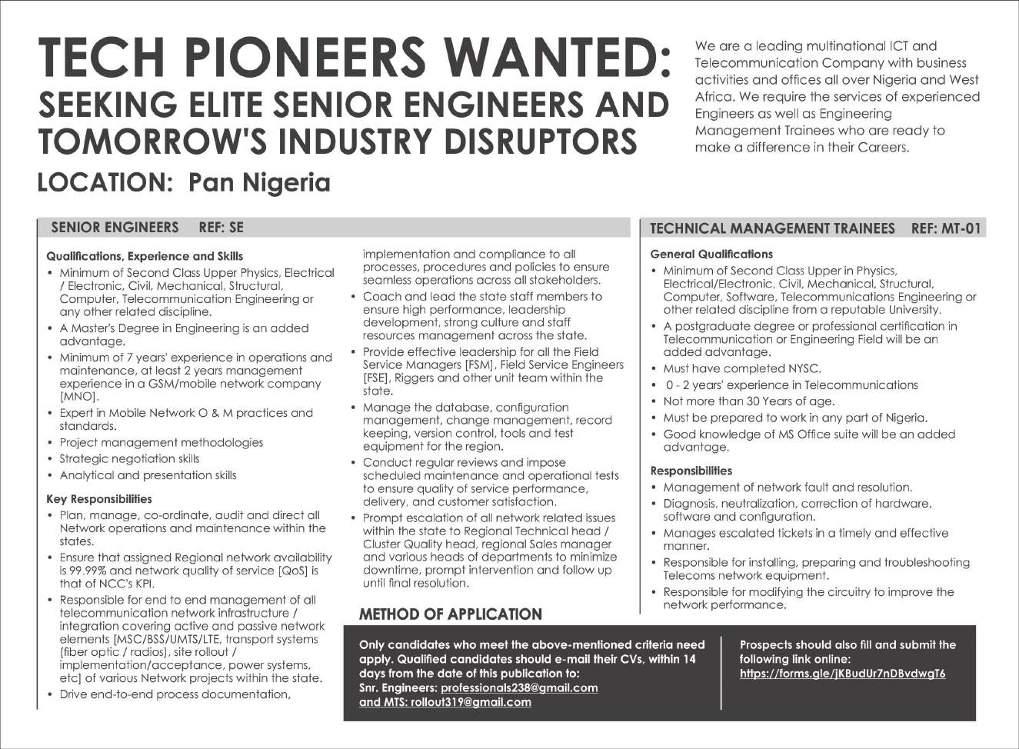
Oriarehu Bonny
Access Bank yesterday unveiled Detty Fusion, a consumer engagement and social impact platform designed to offer seamless access to curated lifestyle, entertainment, and cultural experiences to holiday makers during the yuletide.
Anchored on the bank’s Corporate Social Responsibility (CSR) agenda and longstanding commitment to supporting Nigeria’s creative economy, the Access Bank Detty Fusion platform will spotlight and provide visibility for SMEs, creative entrepreneurs, event organizers, and service providers providing diverse services for the yuletide celebrations in Lagos throughout the December festive period.
Speaking during the partnership unveil event with the ministry, Access Bank Head of Mobility Business, Ishmael
Nwokocha, said that the partnership reflects the Bank’s commitment to strengthening communities, empowering the creative economy people and stakeholders.
According to Nwokocha; “Access Bank has a longstanding commitment to supporting ideas and initiatives that strengthen communities, empower young people, and showcase the richness of our cultural heritage.
With DettyFusion, we are creating a first-of-its-kind entertainment aggregator that allows users to explore event calendars, purchase tickets, access discounts, make safe and seamless payments during the festive season and beyond.”
He added that Lagos’ role as Nigeria’s cultural and creative capital makes this partnership timely and impactful.
Speaking on the collaboration, the Special Adviser to the Lagos State Governor on Tourism, Arts
and Culture, Mr. Idris Aregbe, described the initiative as a welcome boost to the government’s THEMES agenda.
His words, “This partnership with Access Bank aligns perfectly with the Lagos State vision of promoting culture, tourism, and creative enterprise. DettyFusion will help us streamline festive activities, attract more visitors, and ensure Lagos maintains its position as Africa’s entertainment capital.”
Also speaking, the Permanent Secretary of the Ministry, Mrs. Adebopo Oyekan-Ismaila, commended Access Bank for investing in platforms that support tourism development.
She noted that, “This collaboration will greatly enhance coordination across December events and ensure that residents and visitors enjoy a safe, seamless, and world-class festive season in Lagos.”
Emma Okonji
MyCredit Investments Limited also known as FairMoney, a leading microfinance bank in Nigeria, has announced that Global Credit Ratings (GCR), Africa’s leading credit rating agency, has upgraded its national scale issuer ratings.
FairMoney’s long-term rating has been raised from BBB(NG) to BBB+(NG), while its short-term rating
has been upgraded from A3(NG) to A2(NG). The outlook remains stable.
The upgrade reflects improvements in the Nigerian microfinance sector and reinforces FairMoney’s strong industry position, supported by its scale, advanced technology, and operational efficiency.
Commenting on the upgraded rating, Director of FairMoney Nigeria, Henry Obiekea, said: “Over the last
three years, we have consistently managed portfolio credit risk downwards without hurting margins.
FairMoney’s position as a top earner in the micro-lending market is supported by high customer demand and high-volume loan disbursement.
FairMoney has continued to diversify its offering, now offering loans to small and medium scale businesses.”
Majeurs Holdings Limited, a leading African furniture manufacturer specialising in high-quality furniture and interior design, has bagged the Mandatory Conformity Assessment Programme (MANCAP) Certification from the Standards Organisation of Nigeria (SON).
The Certification was presented to the company by the SON at a ceremony held at the Lagos Office of the organisation.
Speaking at the certification presentation ceremony, the Director General, SON, Dr. Ifeanyi Chukwunonso Okeke who was represented by the Director, Lagos Region,
SON, Mrs. Theresa Ojomo commended and congratulated Majeurs and other companies for successfully going through the rigorous screening process and meeting the requirements for the Mandatory Conformity Assessment Programme (MANCAP) certification.
“This achievement demonstrates your commitment to producing high-quality products that meet national standards. In recognition of this accomplishment, we hereby formally present you with the MANCAP Certification”, said Okeke
In her remarks at the ceremony, Demi Samande,
Chief Executive Officer of Majeurs Holdings, described the MANCAP certification as a testament to the company’s commitment to quality standards, offering high-quality furniture and interior design to its customers and clients.
“The MANCAP certification today for MAJEURS really means that we have achieved a milestone that we set for ourselves as an organisation. From the very beginning of our business, we have been committed to standardisation.
Receiving the certificate today means that we are now ready for the next stage of our growth,” she said.
Dike Onwuamaeze
The Cadbury Nigeria Plc, yesterday announced the appointment of Mrs. Folake Ogundipe, the current Finance Director, as the interim managing director of the company.
Ogundipe’s appointment followed the retirement of Mrs. Oyeyimika Adeboye as the managing director, which would
become effective on November 30, 2025, when she would attain the company’s retirement age.
The announcement is contained in a public statement that was issued by the Head, Corporate Communications and Government Relations, Cadbury Nigeria, Dr. Fred Emordi.
According to the statement, Adeboye joined the board of the company in November 2008, as
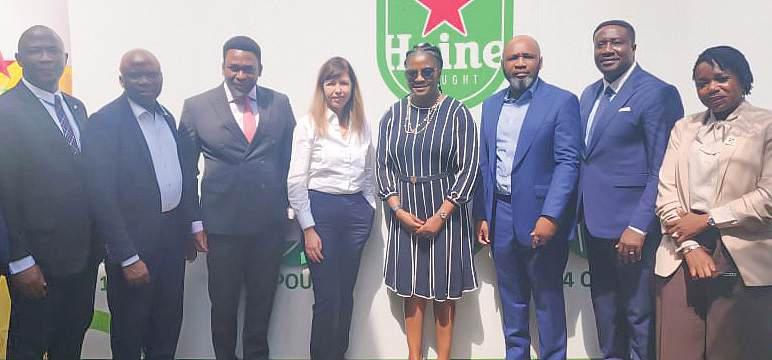
Finance and Strategy Director, West Africa.
She was appointed managing director on April 1, 2019, becoming the first woman to be appointed to that role since the establishment of Cadbury Nigeria in 1965.
During her tenure, she steered the West Africa business through various phases of growth, transformation and macroeconomic volatilities.
Kayode Tokede
With the ongoing rally in the Nigerian stock market, a total of 10 stockbroking firms have transacted N6.6 trillion worth of stocks between January and November 2025.
The 10 stockbroking firms are: Cardinalstone Securities Limited, Chapel Hill Denham Securities Ltd, Stanbic IBTC Stockbrokers Limited,First
Securities Brokers Limited and Cordros Securities Limited. Others are: Meristem Stockbrokers Limited, EFG Hermes Nig Limited, APT Securities And Funds United Capital Securities Limited and CSL Stockbrokers Limited. These 10 stockbroking firms were responsible for 62.57per cent of the total value stocks traded on the NGX from January to November 2025, according to a released broker
performance report by the bourse. According to the “Broker Performance” report by NGX, Cardinalstone Securities traded stocks worth N2.05 trillion or 19.39 per cent of the total value traded on the NGX in the 11 months of 2025.
Also in the review period, Chapel Hill Denham Securities traded N962.2billion or 9.11per cent transactions, followed by Stanbic IBTC Stockbrokers with about N690.24 billion or 6.54per

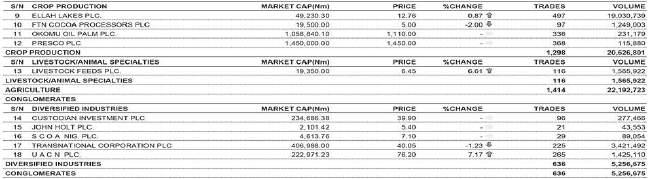
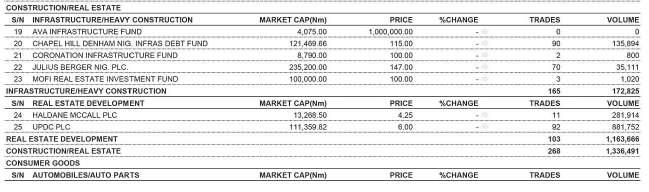
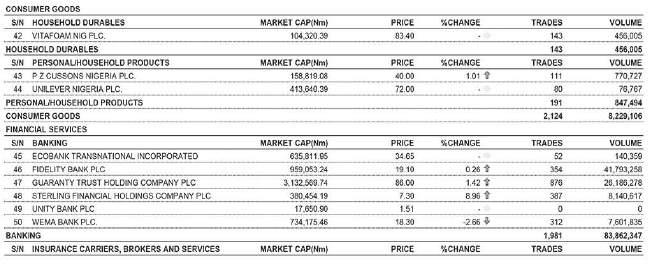
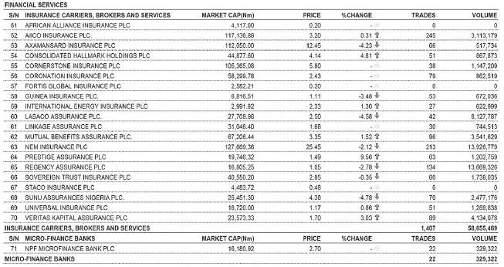
cent of total transactions in the period under review.
First Securities Brokers came fourth when it accounted for stocks worth N616.44 billion or 5.84per cent in 11months of 2025. According to the report, Cordros Securities ranked fifth when it was responsible for N571.7 billion or 5.41per cent worth of stocks trade, while EFG Hermes accounted for N436.18billion or 4.13 per cent value of transactions in the
period under review.
The report also shows that Meristem Stockbrokers traded stocks worth N427.75 billion or 4.05per cent of the total value reported in the 11 months of 2025. It was followed by APT Securities & Funds that traded stocks worth N341.56 billion or 3.24 per cent, and United Capital Securities that accounted for N279.94 billion or 2.65 per cent of the total value of stocks traded on the
Exchange between January and November 2025. In addition, CSL Stockbrokers accounted for N232.96billion of 2.21 per cent worth of transactions, according to the report by NGX.
Also, on the top 10 brokers list by volume was Chapel Hill Denham Securities which traded 43.5 billion or 11.14 per cent of the 191.56 billion transactions in the period under review.

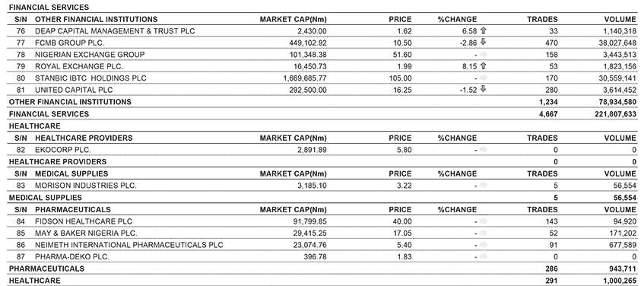
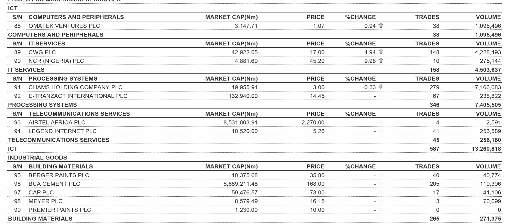
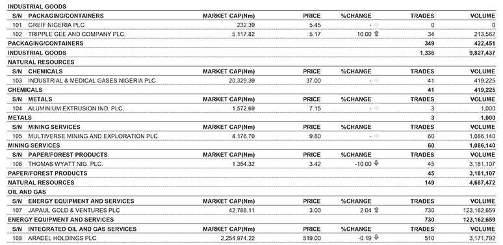
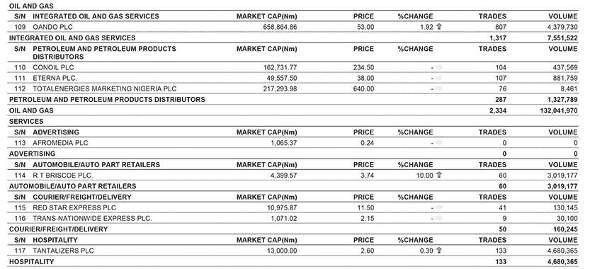
A Mutual fund (Unit Trust) is an investment vehicle managed by a SEC (Securities and Exchange Commission) registered Fund Manager. Investors with similar objectives buy units of the Fund so that the Fund Manager can buy securities that willl generate their desired return.
An ETF (Exchange Traded Fund) is a type of fund which owns the assets (shares of stock, bonds, oil futures, gold bars, foreign currency, etc.) and divides ownership of those assets into shares. Investors can buy these ‘shares’ on the
floor of the Nigerian Stock Exchange.
A REIT (Real Estate Investment Trust) is an investment vehicle that allows both small and large investors to part-own real estate ventures (eg. Offices, Houses, Hospitals) in proportion to their investments. The assets are divided into shares that are traded on the Nigerian Stock Exchange.
GUIDE TO DATA:
Date: All fund prices are quoted in Naira as at 27 November 2025, unless otherwise stated.
Offer price:
with Nicky Okoye ( digitalassets@anabelgroup.com )
Smart Contracts are a critical part of the tokenisation process. Whereas I have provided a detailed and structured guide for the tokenisation of real-world assets in a previous article, I must now give deeper insight into how Smart Contracts play a technical as well as a standardised role in the tokenisation process, which ultimately defines this digital asset class as digital tokens.
It is imperative that my readers fully understand the technical structure of digital tokens. The technical structures of digital tokens must include smart contracts, which are designed to provide the digital tokens with clear rules, coordination and management of cash flows as well as an indication of expected asset management procedure, before, during and post tokenisation.
In this article, I dive deep into clarifying the emerging definitions of strategic digital asset classes. Especially as these digital asset classes become more prevalent, in Africa and across the World. In the global digital asset markets, we are beginning to see two broad types of digital asset classes. As it relates to the tokenisation of real-world assets. And these are digital security tokens and asset-backed tokens. Our Global Investment Advisory Community (GIAC) is providing technical support and assistance for the full adoption of the digital asset markets in Nigeria and subsequently across Africa and the Caribbean.
Digital Security Tokens (DST)
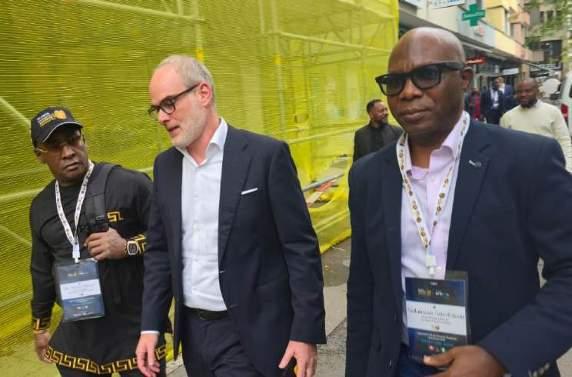
L–R:DrNickyOkoye,founderoftheGlobalInvestmentAdvisoryCommunity,DrJuergKaepeeli,Co-founder&Co-CEO NoumenaDigital,Mr.SulaimanAdedokun,GroupManagingDirectorofMeristemSecurities,onaninspectiontourof
is designed to be embedded with a unique programme for the smart contract on a blockchain, such as Ethereum, Polygon, or Avalanche.
Smart Contracts digital features
These are digital asset classes that are tied to underlying assets that are themselves securities; they are not necessarily physical in nature. Regulated securities are asset classes that already meet the standards and requirements of financial regulators, and as such, tokenising listed securities is a seamless process. Digital Security Tokens are usually tokens that are tied to bonds, stocks, commercial paper, treasury bills etc.
Asset-Backed Tokens (ABTs)
Asset-backed tokens, on the other hand, are digital tokens that are directly tied to a very specific physical tangible asset. Token holders can therefore share in the ownership of the underlying asset. Physical assets that can be tokenised include real estate, artwork, commodities, including gold or oil, etc.
Strategic use of Tokenisation of Real-World Assets
Multiple (Fractional) Owners: We can use this approach to facilitate the fractional ownership of specific real-world assets. In other words, we can break the ownership of the asset up to either monetise it or make it easier to acquire.
Liquidity: We can use this approach to increase the liquidity of traditionally illiquid assets. Illiquid assets that are currently under consideration for tokenisation include farm land, community or ancestral land, aircraft, maritime vessels etc.
Ease of trade and transfer: We can use this approach to expand the trade and transferability, enabling trading of large quantities of physical commodities in their digital form.
GIAC Smart Contract Configuration
A Global Investment Advisory Community standard format for smart contracts, which will drive the tokenisation of real-world assets and their subsequent conversion into token-backed assets or digital security tokens, must be created. This GIAC format
•Fractionalization: Our GIAC smart contracts are designed to provide fractional ownership of the underlying asset. The total number of Asset-Backed Tokens or even Security Tokens that are being created is defined first by the structure of fractionalization, the encoded within the smart contract.
•Governance of Asset-Backed Tokens: The GIAC smart contract format provides for specific voting rights and proposal mechanisms permitting token investors to vote on overall asset management. These voting rights and protocols include the sale of assets, permissions for asset renovations, or even overall management changes and trusteeship oversight.
•Regulatory compliance rules: The GIAC smart contract format can automatically enforce global and local KYC/AML rules. We include certain restrictions for accredited investors. Our GIAC formats include local legal and regulatory jurisdictional rules, and these are encoded into the smart contracts, using on-chain whitelisting and specific access controls.
•Asset-Backed Tokens/ Digital Security Token Transfers: The GIAC smart contract format provides provisions for locking digital tokens during regulatory-required vesting periods. GIAC formats are encoded with protocols that provide provisions for restricting secondary transfers to specific geographic marketplaces or specific investor groups. This supports regulatory and investor governance, post-tokenisation.
•Cash Waterfall and Revenue Distribution: The GIAC smart contract formats provide for the automatic payouts to token investors and stakeholders. Payouts such as real estate assets’ rental income, security token-tied bond yields, or strategic royalties from asset-backed tokens tied to oil fields or music files. These distributions will be based on ownership percentages, and adjusted when verified transactions in token transfers are effected during trading on-chain.
The GIAC smart contract format, using the above guided rules, guarantees the digital token’s integrity and, unlike current capital markets securities such as shares and bonds, GIAC formatted smart contracts can eliminate the risk of non-compliance with SEC and international regulatory rules. GIAC smart contract formats are self-enforcing and, once on-chain, are completely unchangeable. Digital
token attributes that require scalability, such as asset enhancement, are also included in the smart contract.
Issuers can work closely with Digital Asset operators to design and launch tokenisation of real-world asset projects using our guidance and design. The GIAC strategic design focuses on the following areas post-launch of the Tokenisation origination project:
•Income Distribution: Asset-Backed Tokens that are tied to underlying assets which are already producing income, such as commercial real estate, oil & gas fields, power projects, or music file royalties, will require our GIAC smart contract format, which automatically captures the waterfall matrix as required by investors and project promoters. The smart contract provides for the cash flows and dividends that are distributed to verified digital token holders.
•Asset-Backed Token/ Digital Security Token Transfers: Providing for the update of digital token ownership is done in realtime on-chain with automated formats as designed and embedded into the GIAC smart contract format. When the AssetBacked Token changes ownership, new owners are instantly reflected on-chain, and subsequently, they receive their distributions. This technology eliminates reconciliation delays, and it happens in real time. In this respect, the Asset-Backed Token and GIAC smart contracts ensure transparency for all stakeholders.
•Local and International Regulatory Compliance On-Chain: The GIAC smart contract format has embedded codes for local and international regulatory jurisdictions. GIAC smart contract formats are designed to include restrictions for investor status or the underlying asset type. Our smart contract formats can enable SEC-imposed KYC rules, which can limit token benefits, to only verified or accredited investors, as required. The GIAC smart contract format can encode these rules and protocols into smart contracts and ensure that they are executed automatically, ensuring regulatory alignment at all times.
•Audit Trails: Audit trails are easy on the blockchain, as the technology makes it impossible to be non-transparent. Once Asset-Backed Tokens are issued on-chain, all subsequent transactions are recorded on the blockchain. This means that all dividend payouts, all transfers, and all ownership transfers are recorded immutably on the blockchain. Audit trails can be conducted in real-time on the electronic ledger. This approach improves overall
audits, strengthens investor relations and supports investor reporting, as well as regulatory inquiries. All these queries are conducted with unparalleled clarity; this type of transparency is almost impossible with existing capital market structures and systems.
The only true way we can appreciate smart contracts is to study their role in a real-life situation, especially as it relates to the tokenisation of a real-world asset origination project. I have provided above a strategic guide for GIAC smart contract formats. In this respect, I will take this approach further to define how we will design Nigerian and African pilots for tokenisation origination projects in very strategic industries. Certain industries tend to make the tokenisation of real-world assets process more seamless, and this has given GIAC the impetus to draw up a strategic industry preference list.
•Manufacturers: Interesting concepts that are unfolding internationally in regards to tokenisation of real-world assets and smart contracts are with the manufacturing of components. GIAC smart contract formats support the tokenisation of manufacturing components, especially those with strong traceable supply chains. This strategic approach provides local manufacturing with an entirely new source of funding which will supported by the global digital asset markets.
•Marginal Field Operators: Nigeria’s oil and gas industry has three major operating structures for ownership and development of oil and gas fields. The Joint Venture Contracts (JVC), which most of the International Oil Companies (IOC) have running with NNPC as the counterparty. Then in 2005 and 2006, Nigeria introduced the Production sharing contracts (PSC), which allows for private investors to share investment risk with several investors, which may include NNPC, the National Oil Company. And finally, we have the “Sole Risk” ventures (SRV). These are typically the licenses that are associated with the marginal field operators. The GIAC studies indicate that supporting the “Sole Risk” licenses in the tokenisation of marginal field assets will qualify for our pilot project assessment in the oil and gas industry.
•Retailers: Retail chains in the retail business have strong customer bases and an exceptional ability to aggregate loyalty points. Our GIAC smart contract formats can support retailers to tokenise loyalty points as assets globally, which provides the chain with greater program flexibility.
•Music Production and Media companies: Royalties from international music downloads and streaming are ideal for tokenisation and smart contracts. Our GIAC smart contract formats will support the monetisation and subsequent tokenisation projects for music catalogues across Nigeria.
•Healthcare providers: Healthcare records need to be shared across the World and for those patients who need their records to be transferred seamlessly to global medical facilities across the World., the process of smart contracts will be a viable solution. Our GIAC smart contract formats will support the tokenisation of patient medical records for secure data portability.
Nigeria’s quest for a modern and people centered immigration system has taken a remarkable leap forward as the Federal Government prepares to unveil the Single Travel Emergency Passport in January 2026. The announcement made by the Minister of Interior Dr Olubunmi Tunji Ojo during the launch of the ECOWAS Biometric ID Card in Abuja marks yet another milestone in a series of unprecedented reforms that continue to redefine the Nigerian identity management and passport administration landscape.
The Single Travel Emergency Passport is a digital innovation designed to support Nigerians abroad during emergencies, particularly those who lose their passports. With the new system citizens will be able to generate an emergency travel document directly from any mobile device without the burden of visiting an embassy in person. By removing the hurdle of physical appearance the initiative eliminates long standing bureaucratic delays and exemplifies a government committed to efficiency and global standards.
Describing the initiative as a transformative step Dr Tunji Ojo noted that it reflects the Federal Government’s dedication to safeguarding the dignity of Nigerians wherever they may be. The digital passport is also aligned with the ongoing rollout of the ECOWAS National Biometric Identity Card which enhances secure and seamless travel within West Africa while strengthening the region’s identity ecosystem.
The Nigerian Immigration Service recently disclosed that the Single Travel Emergency Passport will replace the Emergency Travel
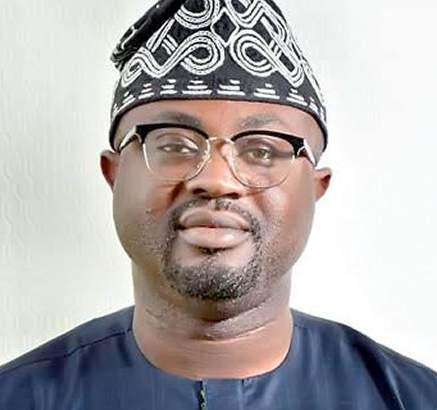
Certificate and will be issued at designated Nigerian embassies and consulates for a single entry. This fits perfectly into the broader reforms aimed at improving border governance enhancing identity management systems and ensuring that Nigeria’s migration operations meet international expectations.
Beyond the introduction of the Single Travel Emergency Passport Dr Olubunmi Tunji Ojo’s leadership in the Ministry of Interior has been widely celebrated for groundbreaking achievements that have restored public confidence in the Nigerian passport system. One of the most notable reforms under his watch is the historic clearance of
massive passport backlogs which had left thousands of Nigerians stranded and frustrated for years. Within a remarkably short period the ministry implemented technological upgrades improved workflow systems and fostered better coordination with passport offices across the country. The result was the swift elimination of the backlog restoring order and transparency to the process.
Equally commendable is the significant reduction in processing time for new passport applications. Nigerians who once had to wait endlessly for their documents now experience a more streamlined and predictable system. Through automation improved logistics
and efficient document handling the waiting period has been drastically shortened. These improvements have extended to diaspora communities who have repeatedly expressed gratitude for the renewed responsiveness of Nigerian passport desks abroad.
Central to these achievements is the steadfast partnership between the ministry and the Nigerian Immigration Service led by the Comptroller General of Immigration Kemi Nandap. Her professionalism commitment to duty and hands on leadership style have played a critical role in the successful execution of these reforms. Under her guidance the Service has embraced modern technology and enhanced operational discipline ensuring that the reforms do not remain policies on paper but visible realities in the lives of Nigerians.
Both Dr Olubunmi Tunji Ojo and Comptroller General Kemi Nandap have become symbols of a new Nigeria where public service is guided by innovation and accountability. Their accomplishments clearly echo the Renewed Hope Agenda of President Bola Ahmed Tinubu which places premium value on rebuilding institutions transforming public administration and restoring trust in government operations. With the forthcoming launch of the Single Travel Emergency Passport Nigeria stands at the threshold of a fully digitised identity and migration management system. It is a bold and progressive step powered by visionary leadership and executed with precision. As the Ministry of Interior continues its journey of transformation Nigerians at home and abroad can look ahead with renewed hope confident that the system is increasingly working in their favour.
A Nigerian-American engineer, Mr. Anthony Ugbebor, has opened his defence in a protracted N152 million property dispute at the Lagos State High Court, Tafawa Balewa Square, insisting he paid for two luxury flats with his “life savings,” only for the developer to later deny having records of the transaction.
The lawsuit, filed by property developer Mr. Olukayode Olusanya and his
company, Oak Homes Limited (Suit No. LD/4471LM/2023), seeks a declaration of trespass and other reliefs against Ugbebor over two secondfloor apartments at No. 14A Musa Yar’Adua Street, Victoria Island, Lagos.
When proceedings resumed, Ugbebor, through his counsel Mr. Nasiru Salau, adopted his witness statement on oath, leading to the admission of several documents as Exhibits DW1 A–J.
Presiding over the case,
Justice Akingbola George allowed Ugbebor to introduce evidence in support of his amended counterclaim, urging the court to dismiss the claimant’s suit for lacking merit and to order the immediate handover of the two flats, which he said he had substantially paid for since 2020.
The engineer testified that he paid N152 million (equivalent to $400,000) out of a total purchase price of N190 million (80% paid) using
($400,000)
his “life savings.”
He stated that on October 11, 2022, he sent a representative to inspect the flats, only for Oak Homes Limited to allegedly claim there was “no record” of his transaction despite the payments made.
During cross-examination by the claimant’s counsel, Mr. Adeleke Agboola (SAN), Ugbebor confirmed he had filed a petition with the Economic and Financial Crimes Commission (EFCC) in
Abuja after suspecting fraud.
He noted that Olusanya was detained following the report but refused to accept repayment, demanding the delivery of the flats instead.
The matter, later classified as civil, was also reported to the police at Zone 2 Command.
Ugbebor acknowledged that part of a charge relating to threats to his life had been struck out by a court.
He further reported the case to the Department of State Services (DSS), citing
threats to his personal safety. He denied sending correspondence to the Ghana chapter of Transparency International labeling Olusanya a murderer or thief, stating he only expressed concern over Olusanya receiving an award despite perceived lack of integrity.
Ugbebor confirmed a contract for the two secondfloor flats, originally scheduled for delivery by February 28, 2019, a deadline that was not met.
Chiemelie Ezeobi
If approved by the National Assembly, President Bola Tinubu’s list of 35 ambassadorial nominees reflects a carefully balanced blend of career diplomats with decades of institutional experience and non-career appointees drawn from politics, business, academia, governance and public service. The career nominees such as Enebechi
Monica Okwuchukwu, Yakubu Nyaku Danladi, Miamuna Ibrahim Besto, Musa Musa Abubakar, and Ambassador Shehu Barde, represent the backbone of Nigeria’s diplomatic corps. They are expected to bring technical expertise in foreign relations, negotiation, consular services, multilateral engagement and the day-to-day machinery of Nigeria’s missions abroad because their grounding in the Ministry of Foreign Affairs ensures continuity and professional stability.
The non-career nominees, on the other hand, come with broad political, administrative and developmental experience that can open new doors for Nigeria’s global partnerships. Former public officers, governors, ministers, legislators,

AYODELE OKE: Veteran Intelligence Strategist
Ambassador Ayodele Oke is widely regarded as one of Nigeria’s most experienced intelligence and foreign operations professionals. With a long career rooted in the National Intelligence Agency (NIA), he has spent decades working across sensitive international theatres where Nigeria’s security, diplomatic interests, and strategic alliances intersect.
AMIN MOHAMMED DALHATU: Seasoned Career Diplomat
Ambassador Amin Mohammed Dalhatu embodies the archetype of a refined Nigerian career diplomat, steady, experienced, and deeply conversant with the machinery of international relations. With decades of service in the Ministry of Foreign Affairs, Dalhatu has cultivated expertise across political affairs, consular services, and multilateral diplomacy.
Retired Col. Lateef Kayode Are is a towering figure in Nigeria’s national security architecture. With a background in military intelligence and public service, he remains one of the country’s most experienced security minds, respected across political and institutional lines.
lawyers, academics and business leaders such as Femi Pedro, Ifeanyi Ugwuanyi, Erelu Angela Adebayo, Reno Omokri and Professor Nora Ladi Daduut are expected to leverage their networks, visibility and sectoral knowledge to advance economic diplomacy, attract investment, strengthen diaspora relations and promote Nigeria’s strategic interests. Collectively, the mix of both groups signals an ambition to reposition Nigeria’s diplomacy, combining institutional professionalism with political influence and global outreach. Besides, out of the 35 ambassadorial nominees forwarded by Tinubu, 10 are women, reflecting his commitment to gender inclusivity. Below is a profile of those picked by the President to represent Nigeria abroad.

OGBONNAYA KALU: Modern Day Media Manager
Ogbonnaya (Neya) Kalu is a media executive, who serves as the Chairman of The Sun Newspaper, where she oversees the organisation’s strategic direction, corporate governance, and overall growth. She represents a new generation of media managers driving modern practices within the industry.
Prof. Mahmood Yakubu is one of Nigeria’s most prominent administrative figures, known for his work in national institutions, public sector reform, and large-scale organisational management. Trained as a historian with advanced academic grounding, Yakubu has spent much of his career balancing scholarship with hands-on governance responsibilities.
ANGELA ADEBAYO: Community Development Champion
Angela Adebayo is a respected figure in Nigeria’s social development landscape, known for her humanitarian work, women-focused advocacy, and contributions to community upliftment. As a former First Lady of Ekiti State, she developed a public identity rooted in service, empowerment, and grassroots engagement.
Ifeanyi Ugwuanyi, former Governor of Enugu State, is widely regarded as a calm, consensus-driven political leader with significant experience in public administration. His career spans legislative service, executive governance, and years of engagement with community development structures.


Tasiu Musa Maigari is a seasoned grassroots politician and former Speaker of the Katsina State House of Assembly. His political career has been shaped by years of constituency engagement, legislative work, and leadership roles within state governance. Maigari’s experience in the House of Assembly exposed him to lawmaking, budget oversight, and parliamentary diplomacy.
Yakubu Gambo is a public sector technocrat with significant experience in education management, state administration, and national development planning. His work in Plateau State’s Executive Council and at the Universal Basic Education Commission (UBEC) positioned him at the heart of policy implementation and institutional strengthening
Prof. Nora Daduut is a respected academic scholar, linguistics expert, and former Senator representing Plateau South. She is known for her contributions to higher education, gender advocacy, and legislature-driven development. Daduut is a professor of French and Applied Linguistics, with decades of teaching, research, and faculty leadership at the University of Jos.
FEMI PEDRO:
Rooted in Governance, Financial Sector
Femi Pedro is a financial expert, former Deputy Governor of Lagos State, and one of the nation’s well-known banking executives. Before entering public office, he held senior roles in Nigeria’s banking sector, including at the defunct Commerce Bank and First City Monument Bank (FCMB). As Deputy Governor of Lagos (2003–2007), Pedro oversaw economic planning, urban development strategy, and investment promotion.
Chief Femi Fani-Kayode is a lawyer, public affairs advocate, and former Minister of Aviation known for his national visibility and long-standing experience in political communication. He previously served as Special Assistant to President Olusegun Obasanjo before becoming Aviation Minister in 2006. During his time in government, Fani-Kayode worked on aviation reforms, safety compliance, and regulatory oversight.
NKECHI LINDA UFOCHUKWU: Legal Practitioner, Public Administrator
Nkechi Ufochukwu is a legal practitioner and administrator with experience in legislative support, public service, and advocacy work. She has been active in state-level governance and policy implementation in Anambra State. Her legal practice intersects with public administration, where she has championed access to justice, women’s rights, and institutional strengthening initiatives.
Mrs. Florence Ajimobi is a former First Lady of Oyo State and a prominent advocate for women empowerment, community health support, and social development. She served in this role from 2011 to 2019 during the administration of her late husband, Governor Abiola Ajimobi.

Reno Omokri is a recognised communicator, author, and public affairs advocate whose work spans media, governance, humanitarian campaigns, and international representation. His profile rose during his service as Special Assistant to former President Goodluck Jonathan, where he worked on New Media strategy and public diplomacy.
LOLA AKANDE: Public Policy Administrator
Lola Akande is a seasoned public policy administrator and former Lagos State Commissioner who has served across different portfolios, including Commerce, Industry and Cooperatives, and later Women Affairs and Poverty Alleviation. Her career has been defined by urban development advocacy, enterprise support, and women-focused economic initiatives.
Senator Grace Folashade Bent is a former Senator representing Adamawa South and a political leader known for her work in national security oversight, policing reforms, and women empowerment. With a background in sociology and administration, Bent became a prominent voice on national security issues during her Senate tenure (2007–2011).
OKEZIE IKPEAZU: Broad Understanding of Governance
Dr. Okezie Ikpeazu, former Governor of Abia State (2015–2023), is a biochemist, academic, and public-sector leader known for his background in environmental science and public health. Before entering politics, Ikpeazu lectured at several Nigerian institutions and worked on research connected to environmental microbiology.
Senator Jimoh Ibrahim is a businessman, investor, lawyer, and current Senator representing Ondo South. Known for his expansive business portfolio and academic accomplishments, Ibrahim is one of Nigeria’s best-recognised entrepreneurs with interests in oil and gas, insurance, aviation, publishing, and hospitality.
PAUL ADIKWU: Former Envoy to Holy See
Paul Oga Adikwu is a career diplomat and former Nigerian Ambassador to the Holy See, with decades of experience in foreign affairs, multilateral engagement, and intergovernmental coordination. His diplomatic career includes postings across Europe and Africa.
Enebechi Monica Okwuchukwu is a career diplomat and one of the Ministry of Foreign Affairs’ experienced foreign service officers. Her career spans embassy postings, consular administration, and multilateral coordination. She has served in roles involving diaspora services, protocol, cultural diplomacy, and administrative oversight, giving her comprehensive exposure to embassy operations.
YAKUBU DANLADI: International Relations Specialist
Yakubu Nyaku Danladi is a seasoned foreign service officer whose experience cuts across diplomatic communications, host-country relations, and political reporting. He has served in multiple missions where he coordinated bilateral correspondence, policy briefings, and engagement strategy.
MIAMUNA IBRAHIM BESTO: Diplomatic Officer & Development Liaison Specialist
Miamuna Ibrahim Besto is a career diplomatic officer with experience in administrative coordination, development liaison, and consular services. Her work in the Ministry of Foreign Affairs includes assignments in protocol, documentation, diaspora engagement, and development project follow-up.
Musa Musa Abubakar is a foreign service professional with experience in economic diplomacy, trade desk operations, and bilateral relations. He has served in missions where he handled economic reporting, investment promotion activities, and trade facilitation.
SYNDOPH PAEBI ENDONI: Diplomat & Maritime/Energy Affairs Specialist
Syndoph Paebi Endoni is a career diplomat with a background in maritime affairs, energy relations, and regional cooperation, fields particularly relevant to Nigeria’s strategic interests. His postings have included roles involving maritime security discussions, environmental agreements, and resource management dialogue.
CHIMA GEOFFREY DAVID: Consular Administration Specialist
Chima Geoffrey Lioma David is a career diplomatic officer with professional experience across consular services, protocol coordination, and host-country engagement. His work in the Ministry of Foreign Affairs has centred on ensuring effective mission operations, citizen protection, and bilateral communication.
MOPELOLA ADEOLA-IBRAHIM: Governance Reform Advocate
Mopelola Adeola-Ibrahim is an administrator and governance reform advocate with years of experience working in public policy coordination, development oversight, and institutional strengthening. Her background spans administrative management, programme development, and gender-focused governance initiatives.
ABIMBOLA REUBEN: Foreign Service Officer
Abimbola Samuel Reuben is a diplomatic officer with experience in political desk analysis, bilateral reporting, and mission coordination. His career in the Ministry of Foreign Affairs includes postings where he contributed to policy briefs, political updates, and embassy–host country engagement. Reuben is trained in diplomatic communication, international relations, protocol management, and political analysis.

YVONNE EHINOSEN ODUMAH: Administrator &
Yvonne Ehinosen Odumah is a development-sector administrator with experience in public service management, donor coordination, and social intervention programmes. Her public service career includes work in roles linked to policy implementation, community engagement, and development oversight.
HAMZA MOHAMMED SALAU: Diplomat & Multilateral Negotiations Officer
Hamza Mohammed Salau is a career diplomat with extensive experience in multilateral negotiations, diplomatic protocol, and international cooperation. He has worked in missions where he handled technical coordination with international organisations, development bodies, and hostcountry ministries.
SHEHU BARDE: Veteran Diplomat & Peacebuilding Facilitator
Shehu Barde is a long-serving career diplomat with extensive experience in bilateral relations, peacebuilding, and foreign mission management. He has served Nigeria in multiple international postings, advancing Nigeria’s interests through negotiation, cultural diplomacy, and political collaboration.
AHMED MOHAMMED MONGUNO: Senior Diplomat with Decades of Experience
Ahmed Mohammed Monguno is a senior career diplomat with decades of service in bilateral and multilateral engagements. Known for his strategic contributions in the Ministry of Foreign Affairs, he has held significant roles in political affairs, regional cooperation, and embassy management.
MUHAMMAD SAIDU DAHIRU: Diplomat & International Cooperation Specialist
Muhammad Saidu Dahiru is an experienced diplomat with service in bilateral affairs, economic diplomacy, and multilateral liaison. His career includes various responsibilities across embassy operations, protocol, and strategic communication.
AHMED SULU-GAMBARI: Career Diplomat
Olatunji Ahmed Sulu Gambari is a member of the Ilorin royal family and a career diplomat with extensive foreign service experience. His background blends cultural leadership with diplomatic administration, giving him a broad perspective on representation and bilateral cooperation.
WAHAB ADEKOLA AKANDE: Senior Diplomat, Consular Affairs Expert
Wahab Adekola Akande is a senior career diplomat with decades of experience in consular affairs, embassy administration, and bilateral representation. He has served in several diplomatic missions, strengthening Nigeria’s visibility and institutional relationships abroad.
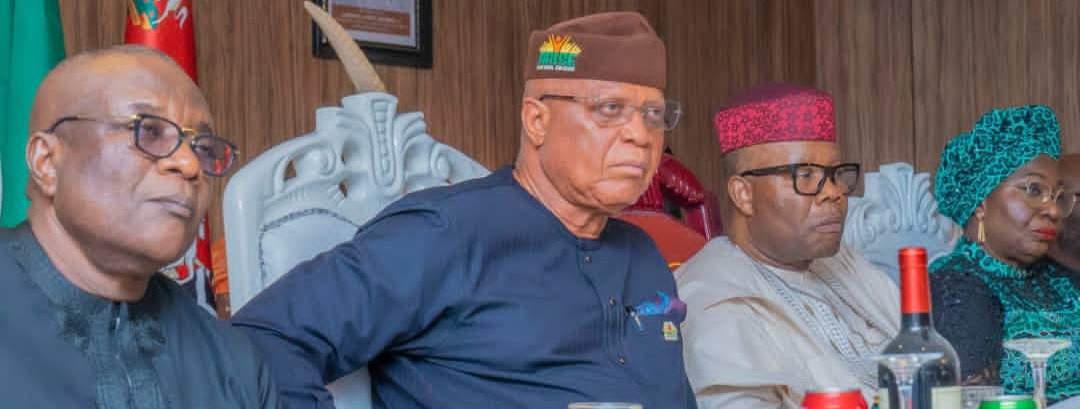
The African Democratic Congress (ADC), has criticised President Bola Tinubu’s latest ambassadorial appointments, describing the list as a settlement list of political 'I owe You' (IOUs).
The party took particular exception to the nomination of Prof. Mahmood Yakubu, the immediate past Chairman of the Independent National Electoral Commission (INEC), saying his appointment, coming only two years after supervising the election that brought President Tinubu into office, would lend credence to the widespread allegation that the former INEC chief might not have been a neutral umpire in the 2023 election and could
further undermine the credibility of INEC.
In a statement signed by Mallam Bolaji Abdullahi, National Publicity Secretary of the ADC, the party said at a time when INEC, was still mired in a major credibility crisis, Yakubu’s nomination for an ambassadorial position sent a dangerous message.
The ADC argued that it was in Professor Yakubu’s best interest to reject what it described as a “brazenly insensitive” nomination and urged the Senate to reject it as a measure of restoring confidence in the nation’s electoral process.
''After waiting for more than two years, and with Nigeria’s diplomacy and global perception in historic tatters, President Bola
for further support.
Over 100 children have benefited from a partnership between the Niger Delta Development Commission (NDDC) and the Sickle Cell Awareness Initiative Ireland-Nigeria (SCAIIN) to bring succour to sufferers of sickle cell anemia in Bayelsa State.
The Sickle Cell Health Prevention and Sensitisation Programme with the theme: “Bridging the Gap in Sickle Cell Disease Management and Care" took place at the weekend at the Federal Medical Centre, Yenagoa. Participants benefited from medical consultation, medical investigation, counselling and dispensing of drugs while they were encouraged to provide their contact details
The programme which is part of a Niger Delta wide campaign is to ensure that the voices of sufferers of sickle cell anemia, which were silent in the past, are heard in order to draw government attention to their plight.
Founder of SCAIIN, Mrs Esther Pepple Onolomemen, who spoke on Sickle Cell and the Awareness, expressed joy that at last, the voices of sufferers were being heard. Onolomemen thanked NDDC for the partnership to bring succour to the sufferers saying the children deserved to get the best care possible.
She also expressed the belief that the awareness would get to the government so that they would do something to ameliorate the pain the children are passing through.
Tinubu presents an outrageously underwhelming ambassadorial list that appears designed to settle his political IOUs rather than fix Nigeria’s urgent international relations crises.
''At a time that Nigeria needs a disciplined and credible diplomatic corps, capable of rebuilding the nation’s collapsing credibility on the continent and the rest of the world after two years of thoroughly damaging
Chinedu Eze
absence, President Tinubu has surpassed himself by presenting a comic cast of political jobbers, corruption suspects, and patronage of wives, children, and relatives of political associates.''
However, ADC said, ''at the heart of this troubling list lies the nomination of Prof. Mahmood Yakubu, the immediate past Chairman of the Independent National Electoral Commission (INEC), who conducted the
election that brought Tinubu in as President of Nigeria.”
In a related development, Human Rights Writers Association (HURIWA), has described as unfortunate and disgraceful, the list of ambassadorial nominees recently sent to the National Assembly.
The group also dismissed some of the nominees as sycophants and men who were ethically challenged, lacking integrity
and selfish.
Reacting to the ambassadorial nomination list, National Coordinator, Comrade Emmanuel Onwubiko, the group said the president spent all of two years and a half into his four year tenure searching for persons to post abroad to represent Nigeria and ended up picking internally displaced politicians, sycophants and persons who were deeply ethically challenged.
Skyway Aviation Handling Company Plc (SAHCO) has announced strong financial performance for the nine months ended September 30, (Q3) 2025, with revenue soaring to N31.68 billion in 2025, up N11.56 billion (57 per cent) from N20.12 billion same period in 2024. The company said this was achieved against the background of strong cargo handling volumes, capacity and Ground Support Equipment (GSE) expansion and renewal, among others.
According to the company, revenue surged 57 per cent
to N31.68 billion as a result of higher cargo processing volumes, while Profit Before Tax jumped 86 per cent to N10.38 billion, reflecting strong operational performance.
Profit After Tax rose 82 per cent to N8.42 billion, Earnings Per Share improved to N6.22 (622 kobo), demonstrating enhanced shareholder value creation.
Balance sheet strength improved meaningfully, with total assets expanding 27 per cent to N53.0 billion, supported by strategic investment in ground support equipment and infrastructure to support higher service throughput.
Chief Executive Officer of the company, Mrs. Adenike Aboderin, in a presentation at a Gateway programme organised by Aviation Correspondents at the weekend, said SAHCO was enhancing financial resilience by improving efficiency, investing in technology, and fostering partnerships, leading to a 27 per cent year-on-year cost reduction through new digital tools and streamlined processes.
Aboderin said, “For future growth, SAHCO is expanding into new markets, adopting eco-friendly equipment, and investing in workforce training and service quality. These efforts deliver strong financial results,
including 82 per cent profit growth, 57 per cent revenue growth, and an N13 billion rise in assets.”
Aboderin stated said despite the turbulent and unpredictable outcomes faced by the aviation industry, SAHCO continued to deliver value to its stakeholders, clients, and airlines across its 22 network locations.
She added that SAHCO had the vision to become the leading provider of Passenger, Ramp, and Cargo Handling Services in the West African sub-region, as it currently operated at 21 airports across Nigeria, including a new airport, Gateway International Airport, in Ogun state.
Kuni Tyessi in Abuja
National Examinations Council (NECO) has expanded its global presence to Burkina Faso, following the successful accreditation of schools to write the Senior School Certificate Examination (SSCE) and the Basic Education Certificate Examination (BECE) in the country.
NECO accreditation team visited the schools to assess their readiness to write SSCE and BECE.
In a statement signed by its spokesperson, Azeez Sani, the accreditation team inspected classrooms, laboratories, libraries, computer laboratories, workshops, examination halls, sport facilities, continuous assessment (CA) as well as
adequacy of teachers and school security to determine their adequacy and suitability and readiness for NECO examinations.
It said after a thorough evaluation and comprehensive assessment, the schools were granted full SSCE and BECE accreditation status.
The statement said, "The accreditation of the schools in Burkina Faso is a testament
to NECO’s commitment to providing quality education and assessment beyond the shores of Nigeria."
It would be recalled that NECO recently established an examination centre in London, in addition to the existing centres in Togo, Benin Republic, Niger Republic, Equatorial Guinea, Ivory Coast, and the Kingdom of Saudi-Arabia.
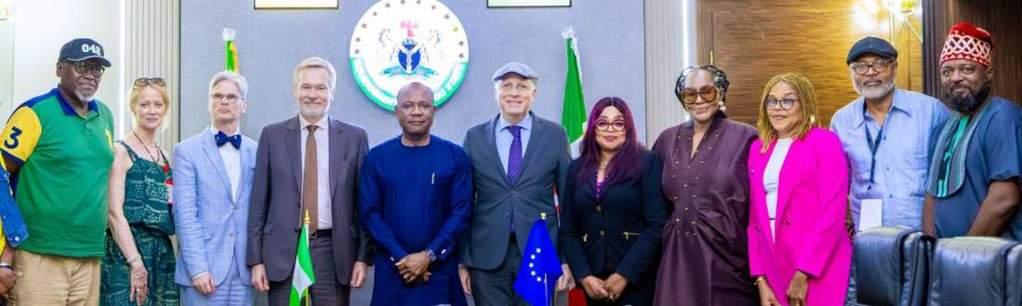
L-R: Advisor, Eastern Nigeria International Film Festival, ENiFF, Chief Philip Maduekwe; Journalist/Flmmaker, Karin Helmstaedt; Ambassador of Belgium to Nigeria, Mr. Pieter Leenknegt; Ambassador of European Union Delegation to Nigeria and ECOWAS, Mr. Gautier Mignot; Governor of Enugu State, Dr. Peter Mbah; Ambassador of Portugal to Nigeria, Mr. Paulos Martins Dos Santos; Policy Affairs Official, European External Action Service, Ugo Sakari-George; CEO l/Cofounder, ENiFF, Ujuaku Akukwe; Programme Manager, Education, EU, Kate Kanebi; MD, Afia TV and Radio, Emeka Mba and Filmmaker/Cofounder, ENiFF, Ike Nnaebue, during a courtesy visit by EU Delegation to Government House, Enugu, at the weekend.
Wale Igbintade
Former President of Nigerian Bar Association (NBA) and maritime law expert, Dr. Olisa Agbakoba (SAN), has called on Minister of Marine and Blue Economy, Adegboyega Oyetola, to urgently implement wide-ranging reforms that can unlock up to N70 trillion in annual revenue from Nigeria’s maritime and blue economy sector.
In a letter addressed to the minister on Sunday, Agbakoba described the maritime industry as Nigeria’s “largest untapped economic frontier,” with potential earnings that could rival or even surpass oil revenues if the government fully executed the reforms contained in the National Policy on Marine and Blue Economy (2025–2034).
He referenced projections by the Nigerian Institution
of Marine Engineers and Naval Architects (NIMENA), which estimated that the sector could contribute $44 billion (N70 trillion) annually to national GDP through strengthened governance, improved regulation, and modernised infrastructure.
According to him, this scale of revenue offers Nigeria a critical pathway to economic stability at a time of deepening fiscal stress.
Agbakoba warned that the country’s financial condition had reached an alarming point.
He said as of June 2025, Nigeria’s total public debt stood at N152.40 trillion, while debt servicing consumed N12.36 trillion, representing 35.26 per cent of the entire 2024 national budget.
The projected N15.4 trillion debt service bill for 2025 surpassed spending
Wale Igbintade
A Nigerian-American engineer, Mr. Anthony Ugbebor, has opened his defence in a protracted N152 million property dispute at the Lagos State High Court, Tafawa Balewa Square, insisting he paid for two luxury flats with his “life savings,” only for the developer to later deny having records of the transaction.
The lawsuit, filed by property developer Mr. Olukayode Olusanya and his company, Oak Homes Limited (Suit No. LD/4471LM/2023), seeks a declaration of trespass
and other reliefs against Ugbebor over two secondfloor apartments at No. 14A Musa Yar’Adua Street, Victoria Island, Lagos.
When proceedings resumed, Ugbebor, through his counsel Mr. Nasiru Salau, adopted his witness statement on oath, leading to the admission of several documents as Exhibits DW1 A–J.
Presiding over the case, Justice Akingbola George allowed Ugbebor to introduce evidence in support of his amended counterclaim, urging the court to dismiss the claimant’s suit for
lacking merit and to order the immediate handover of the two flats, which he said he had substantially paid for since 2020.
The engineer testified that he paid N152 million (equivalent to $400,000) out of a total purchase price of N190 million (80% paid) using his "life savings."
He stated that on October 11, 2022, he sent a representative to inspect the flats, only for Oak Homes Limited to allegedly claim there was “no record” of his transaction despite the payments made.
During cross-examination
by the claimant’s counsel, Mr. Adeleke Agboola (SAN), Ugbebor confirmed he had filed a petition with the Economic and Financial Crimes Commission (EFCC) in Abuja after suspecting fraud.
He noted that Olusanya was detained following the report but refused to accept repayment, demanding the delivery of the flats instead.
The matter, later classified as civil, was also reported to the police at Zone 2 Command.
Ugbebor acknowledged that part of a charge relating to threats to his life had been struck out by a court.
Alex Enumah in Abuja
Eminent Nigerians including the Chairman and Chief Executive Officer of the National Drug Law Enforcement Agency (NDLEA), Brig-Gen. Mohamed Buba Marwa (rtd), Chief Adegboyega Awomolo, SAN, President of the Center for Socio-Legal
Studies (CSLS), Prof. Yemi Akinseye-George, SAN, and others have called for the preservation of Nigeria's "unity in diversity".
Marwa, a former Military Administrator of Lagos State and the legal luminaries gave the charge against the backdrop of current challenges confronting the country.
They spoke over the weekend in Abuja, during the public presentation of the book: Buni Boy, written by late legal criminal justice expert, Mr. Niyi AyoolaDaniels.
The Guest Speaker, Marwa, who spoke on the subject Unity/Strength in Nigeria's Diversity, said the book launching has presented
yet another opportunity to amplify the message.
Noting that the book speaks to the "unity and strength woven through our diversity as Nigerians", the former military administrator, stated that to many people, the author’s narrative may seem distant, almost unreal, as if drawn from another world.
on education, health and defence combined, and far exceeded the World Bank’s recommended threshold of 22.5 per cent for debt sustainability.
Despite the financial distress, Agbakoba said Nigeria continued to overlook enormous revenue opportunities in the maritime sector.
He detailed seven key revenue streams that could immediately transform the country's economic outlook if supported by legislative and institutional reforms.
Agbakoba stated that first, poor port infrastructure continued to cost the country an estimated N20 billion daily, as importers diverted cargo to more efficient ports in neighbouring Benin Republic, Ghana, and Togo.
According to him, enacting the Ports and Inland
Waterways Development Act and amending the NPA and NIWA laws would modernise Nigeria’s ports and unlock about N14 trillion annually from tariffs, cargo handling, and special economic zones. Agbakoba also highlighted the wasted potential of Nigeria’s 42 inland waterways, which he said could generate N10-12 trillion annually if dredged and integrated into a multimodal national transport system. This would reduce road congestion, lower transport costs, and facilitate new revenue lines from tolling, ferry operations and tourism, he said.
He identified the weak enforcement of the Cabotage Act as another major leakage, stating that more than 25,000 foreign vessels traded illegally within Nigeria’s coastal waters.
Hammed Shittu in Ilorin
Authorities of Thomas Adewumi University (TAU), Oko-Irese, in Irepodun Local Government Area of Kwara State, at the weekend said about 16 out of the 63 graduands of the institution bagged First Class honours degrees during the second convocation ceremony of the institution.
The authorities said 40 bagged Second Class Upper Division, and seven in Second Class Lower Division.
Speaking during the event at Oko-Irese, Vice-Chancellor of the university, Professor Francisca Oladipo, said, "TAU is living up ranking
as fastest growing institution in Science, Technology, Engineering, Medicine, and Innovation (STEM-i) ecosystem by surpassing more than 100 per cent in its number of graduating students at the second convocation."
Oladipo reaffirmed the commitment of the institution towards strengthening quality education, innovation, and globally competitive learning.
According to her, “TAU emerged on April 8, 2021, as Nigeria's fastest-growing Science, Technology, Engineering, Medicine and Innovations (STEM-i) ecosystem.
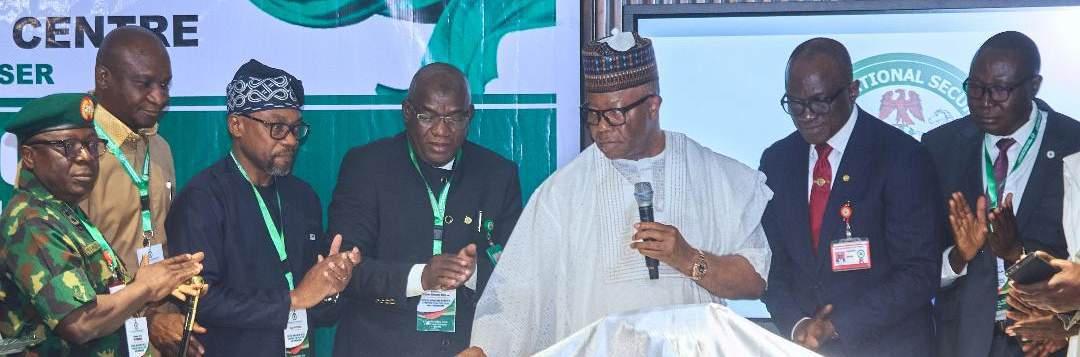
Obi criticises ECOWAS’ leadership over alleged double standard
Chuks Okocha and Emmanuel Addeh in Abuja
Senegalese Prime Minister Ousmane Sonko at the weekend said last week's coup in neighbouring Guinea-Bissau was a sham and demanded its disrupted election be allowed to continue, adding to a chorus of regional anger over the latest power grab. His position aligned with that
of Nigeria’s former President, Goodluck Jonathan, who earlier alleged that President Umaro Embaló staged the military coup in Guinea-Bissau to avoid losing the presidential election.
Jonathan said the military takeover was a “ceremonial coup” and demanded that the election results be announced. But despite the criticism, the junta appeared to be taking
steps to consolidate power, announcing the appointment of Ilidio Vieira Te as prime minister and minister of finance.
It came as Labour Party (LP) 2023 Presidential standardbearer, Peter Obi, reacted to ECOWAS' condemnation of the disruption of the electoral process, calling out the regional body for double standard, having not condemned the
purported ‘electoral glitch’ in Nigeria in 2023.
The coup reflects a continued pattern of instability in Guinea-Bissau, a major cocaine transport hub with a long history of military interventions in politics. Guinea-Bissau military officers installed Major-General Horta Inta-a as transitional president on Thursday, a day after soldiers toppled the civilian leadership
In commemoration of her second year in office, the Senator representing Kogi Central, Senator Natasha Apoti, recently recounted her challenges and projects executed, declaring that the period of her suspension from the National Assembly only strengthened her resolve to serve her constituents with greater dedication.
Speaking at a thanksgiving
gathering, the senator, who began by expressing gratitude to God “for his mercy and strength through every challenge and victory,” noted that divine grace had been her anchor throughout her political journey.
She recalled the mandate given to her two years ago by “brothers and sisters, mothers and fathers, sons and daughters” of Kogi Central, saying she remained “deeply humbled and
eternally grateful” for the trust reposed in her.
She described the past two years as a period marked by trials, oppositions, and moments that tested her resolve.
One of the most defining, she said, was the six-month suspension imposed by the Senate; an action she maintained was unjust.
Despite her absence from legislative duties, she stressed her legitimacy
remained intact, crediting her constituents for resisting what she termed a “despicable ploy” to recall her from the National Assembly.
“It was your resistance that birthed a renewed commitment to service on my part,” she said.
The senator then reeled out a list of constituency projects initiated and completed during the suspension period.
Alex Enumah in Abuja
The Governor of Kano State, Abba Yusuf, has described as "troubling" cases of inmates who spend years behind bars without trial, over an alleged offence.
Yusuf who lamented this prolonged detention is usually occasioned by missing case files or absence of legal representation, stated the situation weakens public trust
in the judiciary as well as the rule of law.
He spoke Saturday night in Abuja, at the 2025 edition of The Creed Magazine's Annual Dinner and Awards, held under the theme: "Law & Society: Leadership, Infrastructural Development, Pursuit of Good Governance."
The governor disclosed the state in the last few years have made deliberate efforts to strengthen the justice
sector, based on its belief that a society that seeks development must first entrench justice.
While observing that in every society, the law serves as the foundation upon which peace, order, and development are built, the governor emphasized that when law functions effectively and fairly, society thrives but, when law is weakened, every other sector suffers.
"Through the Ministry of
Justice, we initiated wideranging reforms to ensure that justice is accessible to all citizens regardless of status, income level, or background.
"Through the Ministry of Justice, we initiated wide-ranging reforms. We recognized that prolonged detentions, delayed trials, and poor access to legal representation weaken public trust and undermine the rule of law.
before the results of weekend presidential and legislative elections could be announced.
The presidential contest pitted incumbent President Embalo against Fernando Dias, a 47-year-old relatively political newcomer who said he was on track to win.
"What happened in GuineaBissau was a sham. We want the electoral process to continue," said Senegal's Sonko, responding to questions from lawmakers. "The (electoral) commission must be able to declare the winner," he added.
The African Union's Peace and Security Council, in an emergency session, also condemned the coup as an
unconstitutional change of government. It suspended Guinea-Bissau from the bloc's activities "until constitutional order is restored," a statement quoted by Reuters said. Meanwhile, LP leader, Obi, noted that while ECOWAS was quick to condemn the Guinea-Bissau military glitch, it remained silent on the 'technology glitch' as witnessed in Nigeria in 2023. Writing on his X handle on Sunday in the article he titled: '’Reflecting on the 'Coup Glitches' in Guinea-Bissau'’, the opposition politician said glitches of any type should be condemned because they undermine democracy.
Linus Aleke in Abuja
The Police Community Relations Committee (PCRC) has honoured seven retired senior female officers as part of celebrations marking 70 years of women’s service in the Nigeria Police Force.
The recognition, according to the committee, highlights the remarkable contributions of women who dedicated their careers to strengthening national security.
Those honoured for their meritorious service were: DCP Dame Stella Obuoforibo Okuyiga KBVM, JP (Rtd); SP Aisha Shaibu (Rtd); SP Phoebe Vincent Niyel (Rtd); DSP Patu Daniel (Rtd); DSP Mariam Daniel (Rtd); DSP Scholastica Ovie (Rtd); and DSP Aina Usman (Rtd).
Speaking at the PCRC’s national meeting in Abuja, the National Chairman,
Alhaji Mogaji Ibraheem Olaniyan, said the honourees represented courage, resilience and exceptional service.
The event, attended by chairmen from the 36 states and representatives from the zonal, airport, railway and marine chapters, also reaffirmed the committee’s solidarity with the Inspector General of Police Kayode Egbetokun.
In a statement by the Director of Global Communications and Media Relations, Olayemi Esan, Olaniyan restated the PCRC’s commitment to supporting the IGP’s leadership and strengthening community policing nationwide.
“We chose today to demonstrate our unwavering support for IGP Kayode Egbetokun. We reaffirm our loyalty and encouragement, and we once again pass a vote of confidence in his leadership," Olaniyan said.

Says govt fully mobilised to hunt down terrorists, bandits, other subversive elements
Hints recent national security emergency not symbolic rhetoric Claims terrorism grew when Obasanjo was president Barau orders security to crush Kano invaders
Again, suspected bandits strike at Eruku, kidnap one Udom Emanuel urges national support Ndume hails army’s daring rescue of 12 abducted girls, insists on better funding
Deji Elumoye, Chuks Okocha, Olawale Ajimotokan, Sunday Aborisade, Linus Aleke in Abuja, Hammed Shittu in Ilorin, Segun James in Lagos, Ahmad Sorondinki in Kano, Ibrahim Oyewale in Lokoja and Laleye Dipo in Minna
President Bola Tinubu, yesterday, declared that to permanently secure the Nigerian people, his administration must reform the national security architecture.
Tinubu said his administration was fully mobilised to hunt down terrorists, bandits, and other subversive elements threatening national security, wherever they might be.
The president, who spoke yesterday in Lokoja at a memorial event for former Kogi State Governor, Abubakar Audu, also vowed to restore the peace craved by every Nigerian.
Represented by Minister of Information and National Orientation, Mohammed Idris, Tinubu stated that restoring peace, strengthening national security, and expanding economic opportunities remained the top priorities of his administration.
He stated, “The recent declaration of a state of emergency on national security underscores the gravity with which we view this challenge. This is not a mere proclamation; it is a declaration of war against all forms of insecurity.
“As part of this, we have
immediately begun the process of expanding the capacity of our armed forces and security agencies in numbers, in advanced weaponry, and in intelligence capabilities.
“We will hunt the enemies of our state wherever they may be and restore the peace that is the rightful inheritance of every Nigerian. But to secure our people permanently, we must reform the very architecture of our security.
“Yet, we are under no illusions about the recent setbacks and security challenges that have tested our nation’s resolve. Let me be unequivocal: the security and welfare of every Nigerian remain the sacred priority of my government. We have therefore taken decisive action.”
Tinubu also stated that the state of emergency declared recently on national security was not a symbolic rhetoric, but a signal of renewed commitment to the expansion of security manpower, modernised intelligence, and strategic reforms, including the advancement of state police as a community-sensitive solution to local threats.
He stated, “This is why my administration is courageously championing the establishment of State Police. We believe that a more localised, communitysensitive security structure is vital to complement the valiant efforts of our national forces.
“It will also boost employment in the grassroots. This is a bold, necessary constitutional step, one that requires our collective will, and we are committed to seeing it through.”
The president assured that the his government was also intensifying international diplomacy to correct false narratives that misrepresented Nigeria’s religious harmony and peaceful coexistence.
He highlighted the ongoing reforms in key sectors of the economy, stating that his administration is modernising livestock farming framework in order to turn areas of historical tension into engines of economic development and peaceful coexistence.
According to Tinubu, “We are launching a comprehensive initiative to modernise the livestock industry. This includes the creation of large-scale ranching schemes, improved animal husbandry, and the integration of the livestock value chain into our national economy.
“Our goal is to transform this critical sector from a source of tension into a bastion of prosperity, creating jobs, ensuring food security, and fostering lasting peace between our farming and herding communities.”
Reflecting on the legacy of the late Audu, Tinubu said the former governor was a pivotal
figure in Nigeria’s democratic evolution.
He said Audu was a leader whose foresight helped to shape the governance foundation of Kogi State and contribute to Nigeria’s transition into stable civilian rule.
The president said Audu’s political career was not an episode of personal ambition, but an enduring contribution to state-building and institutional strength.
He said Audu also viewed leadership in that same spirit where service was measured by impact, not applause.
He stated, “We are gathered to honour a giant. A man whose name is irrevocably woven into the very fabric of our democratic journey.
Prince Abubakar Audu was not just a politician; he was a pathfinder.
“As the first democratically elected Governor of Kogi State, first in 1992 and again as a pioneer in 1999, Prince Audu carved out a vision for Kogi State and helped lay the foundation for our nation’s enduring democracy.
“He was my formidable ally, a brother in the struggle, and one of the founding fathers who, with courage and conviction, laid the foundations upon which our democratic ideals now stand.
“His legacy is not a relic of the past; it is a living, breathing template of bold leadership and
transformative governance. It is a template this administration is committed to honouring, not just in words, but in concrete action.”
The presidency, yesterday, alleged that the ideological foundations and early operational cells of Boko Haram took root during former President Olusegun Obasanjo’s administration due to what he described as weak or indecisive action at the time.
It, however, declared that President Bola Tinubu remained fully committed to securing every inch of the Nigerian territory by confronting terrorists with strength, unity, and an integrated national security approach.
Presidential spokesperson, Sunday Dare, in a statement shared on X via @SundayDareSD, stated, "Under Tinubu, Nigeria Will defeat terrorism. President Bola Tinubu remains committed to securing every inch of Nigeria by confronting terrorists with strength, unity, and a wholeof-government strategy. Let all patriots join hands now and not raise alarms."
Dare dismissed recent remarks by Obasanjo and a few individuals he described as
perennial presidential aspirants, suggesting that the Tinubu administration was “unable to protect Nigerians”. He stated that under Tinubu, Nigeria would overcome terrorism through a united national front, stressing that the administration would not be distracted by “selective amnesia wrapped in elder-statesmanship”, nor allow those who midwifed Nigeria’s early security failures to rewrite history Dare described such comments as hypocritical, misleading, and dangerous. He added that those making the comments ignored the hard truth that Nigeria was currently battling a multi-layered terrorist ecosystem involving internationally recognised terror groups, ISIS-linked and al-Qaeda-linked networks across the Sahel, violent extremist cells posing as bandits, cross-border terror gangs exploiting porous borders, and ideological insurgents operating in ungoverned spaces. According to him, the groups collaborate, share resources, and share intelligence with one aim: to break the Nigerian state. Urging all patriots to join hands with the government rather than raising alarms, Dare insisted that Nigerians must call the enemies of the state their name, which was terrorists.
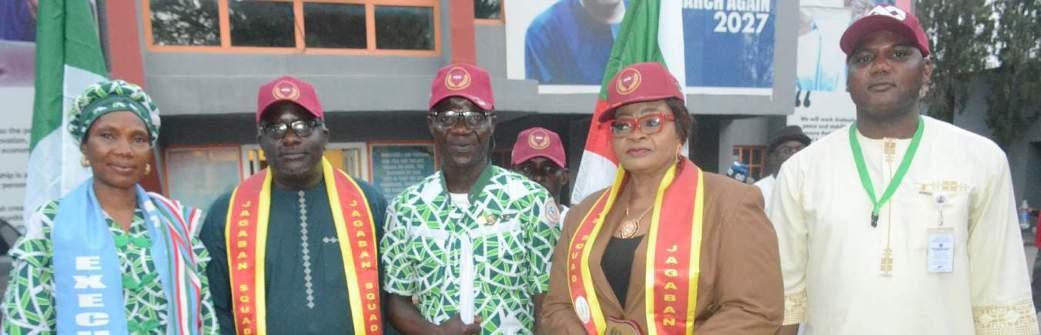
Says he robbed Nigerians to pay cronies Declares two balablu nomenclatures: energy-cost and under-recovery, coined to deceive Nigerians
Former Vice-President Atiku Abubakar has queried the N17.5 trillion spent on pipeline security by the President Bola Tinubu administration, stating that it was more than the twelve years of subsidy put together.
He, however, accused the president of robbing Nigerians to pay his cronies.
In a statement by his media office, Atiku said the report that the Nigerian National Petroleum Company Limited (NNPCL) spent a humongous N17.5 trillion in just 12 months on “securing fuel pipelines and others” stood as one of the most brazen financial scandals in our nation’s history.
''For clarity, Nigeria spent roughly N18 trillion on fuel subsidy over a period of
twelve years — a national programme that directly cushioned millions of Nigerians, stabilised the transport sector, and helped keep food prices manageable.
''Yet, under President Bola Ahmed Tinubu, the country has now expended nearly the same amount in a single year on same subsidy and opaque pipeline security contracts awarded to private firms tied to associates and cronies of the President. Indeed, the action of the President is akin to robbing Peter (Nigerians) to pay Paul (cronies),'' he said.
The former vice-president maintained that this was not governance, instead, he said, ''This is grand larceny dressed as public expenditure.
''The Tinubu administration justified the removal of fuel subsidy by claiming the country could no longer
afford it. Nigerians were told to tighten their belts, endure hardship, and ‘make sacrifices’.
''However, the same administration has now channelled N17.5 trillion — an amount that could transform Nigeria’s power sector, rebuild our refineries, or fund universal healthcare — into opaque security contracts whose beneficiaries are conveniently linked to those in power.
''In some places in the country, a litre of PMS goes for over N1,000 and the justification for this by the Tinubu administration is the wholesome removal of subsidy.
“Yet, according to the records provided by the NNPCL, this same administration has spentN7.13tn on what it
calls, ‘energy-security cost to keep petrol prices stable’; another N8.67tn on what it calls ‘under-recovery’,” Atiku stated.
According to the former president, ''These two balablu nomenclatures: energycost and under-recovery are a new coinage of the Tinubu administration to deceive Nigerians on the government’s fraudulent claim that it was no longer paying subsidies on petroleum products.''
He said it raised fundamental questions of public trust and national integrity, asking: ''Who are the companies paid under these contracts? What specifically justifies a 38.7 percent rise in the amount of energy-cost from N6.25tn in 2024 to N8.67tn in 2025?
''Why is pipeline security
The existing partnership between Enugu State Government and the European Union (EU) is being deepened and expanded beyond the existing two sectorseducation and energy - to cover other sectors.
The two parties agreed on the need to make their partnership stronger when the Governor of Enugu, Mr. Peter Mbah received a delegation of the EU on courtesy visit weekend at Government House, Enugu.
The EU delegation, led by the EU Ambassador to Nigeria and the Economic Community of West African States (ECOWAS), Mr. Gautier
Mignot, included the Belgium Ambassador to Nigeria, Mr. Pieter Leenknegt, his Portuguese counterpart, Mr. Paulos Martins dos Santos, and other senior diplomats.
Mignot told Governor Mbah that the delegation was at Enugu "to talk about the partnership between the European Union and Enugu State, its potential, and your vision about the future".
He said that EU was desirous of strengthening its partnership with Enugu in ways that would meet the expectations of his administration in alignment with its vision.
“Here in Enugu State in particular, we have been partnering in two sectors, which are education and
energy. On energy, we have several projects ongoing. One is Solar for Health, which is implemented by NTU International," Mignot said.
The EU Ambassador noted that Enugu is among the seven states benefiting from the Solar for Health project, under which "we will provide technical assistance and funding for the construction of 20 solar microgrids to power 20 primary health centers and 124 small- and medium-size enterprises".
“We also have the Small Hydro Power for Agroindustrial Sectors Project implemented by UNIDO. Finally, we have the Nigeria Energy Support Programme, which is implemented by the German Agency for
International Cooperation (GIZ),” he further stated.
The EU envoy explained that the project involved "electrification and investment support, training and capacity building, and the funding of three interconnected minigrids up to the capacity of 1 MW to electrify 1,000 beneficiaries.
He also stated that Enugu State was one of the states selected from the six geopolitical zones for the ‘Education and Youth Empowerment in Nigeria, Expand, Integrate, and Strengthen Systems (EISS). This programme, which aims 'to Build Teachers’ Capacity and Resilience’, is being implemented by UNESCO.
now more expensive than a decade-long subsidy that served over 200 million Nigerians? Where are the audit reports, parliamentary oversight findings, and costvalidation documents?
''No administration that presides over this level of fiscal recklessness has the moral authority to demand sacrifice from its people. The Nigerian public cannot continue to suffer crushing inflation, punitive fuel prices, an unending collapse of the naira, and widespread hunger — only for a select
circle of political allies to pocket trillions under the guise of ‘pipeline security’.
“This scandal confirms what Nigerians already know: the Tinubu administration did not end subsidy — it merely redirected public wealth from the entire nation to a privileged cartel anchored around the Presidency.''
Atiku asked that the federal government must, without delay'' Publish the full list of companies awarded these contracts; disclose the scope, deliverables, and duration of each contract.
Olusegun Samuel in Yenagoa
The Special Assistant on Media and Public Affairs to the embattled former Minister of Petroleum, Chief Timipre Sylva, Julius Bokoru, has cried out that four arrested aides and domestic workers of the former minister are still languishing in detention weeks after a raid on his residence.
Bokoru, in a statement titled, Detention of Sylva's Aides: A Call for Reason, Humanity and Due Process, said Mr. Paganengigha Anagha, the first to be arrested was still kept in detention.
He identified others as Musa Mohammed, Chief Sylva’s driver; Police Officer Ayuba Reuben and Mr. Friday Lusa Paul, an escort driver.
Bokoru in the statement said: "Yet the most distressing element of this saga is not the swirl of speculation, but the quiet suffering of innocent men caught in the crossfire.
"These individuals, fathers, husbands, ordinary Nigerians, have been held on grounds
that appear unclear at best, and entirely vague to their traumatised families".
Bokoru wondered why despite clear and formal communication between Sylva and the EFCC, his aides had continued to be held behind bars.
He said: "This persists even after Chief Sylva wrote to the EFCC, reaffirming his readiness to appear before the Commission on a mutually convenient date, subject only to his ongoing treatment for a life-threatening medical condition.
"Before these developments, the public was unsettled by unfounded attempts to link him to a purported coup plot, allegations the federal government and the military have since dismissed in absolute terms.
"One would have expected that such clarity would steady the national conversation. Instead, events escalated further, culminating in public statements from the EFCC that appeared inconsistent with earlier engagements".
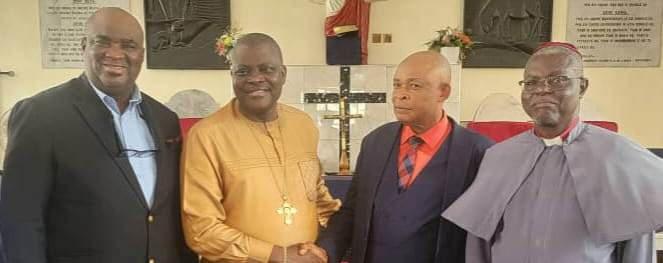
Sunday Aborisade in Abuja
President of the Senate, Godswill Akpabio, weekend, acknowledged what he described as an unprecedented wave of political unity and social cohesion currently taking shape in Akwa Ibom State under Governor Umo Eno’s administration.
A statement by his
Media Aide, Jackson Udom, explained that the Senate President stated this at an Elders’ Meeting of the All Progressives Congress (APC) held at his Ukana country home in Essien Udim Local Government Area.
Akpabio said the renewed atmosphere of harmony across political divides marked a turning point in the state’s history.
He commended Eno for deliberately building bridges of peace and fostering an inclusive climate which, according to him, was vital for the state’s longterm development and stability.
The meeting drew prominent party chieftains including Chief Don Etiebet, Chief
Ita Toyo, Senator Ita Enang, Deputy Governor Akon Eyakenyi, and APC Chairman Stephen Ntukekpo, all of whom echoed the call for unity and reconciliation.
They urged stakeholders to put past disagreements behind them and support the collaborative leadership emerging between Akpabio and Governor
Presidential hopeful, Gbenga Olawepo-Hashim, has paid tribute to the late Sheikh Dahiru Usman Bauchi, describing him as an extraordinary figure whose teachings and vast following significantly strengthened peace and unity across Nigeria.
In his condolence message, OlawepoHashim described the revered Islamic scholar as
a man of deep devotion, uncommon knowledge, and unwavering commitment to national harmony, qualities that defined his decades long service to God and humanity.
He noted that Bauchi’s influence transcended Northern Nigeria, reaching millions of Muslims across the country and beyond.
He said his scholarship, moral discipline, and spiritual leadership provided guidance during some of Nigeria’s most challenging periods.
According to Hashim, the late cleric’s teachings were rooted in the timeless principles of peace, tolerance, and brotherhood, values urgently needed in a nation working to
overcome divisions and heal old wounds.
“Sheikh Dahiru Bauchi was a rallying force for unity. Through his Islamic teachings and the millions of peace-loving followers he inspired, he strengthened the foundations of a united Nigeria. His life was a testimony of humility, scholarship, and service,” he said.
Olawale Ajimotokan in Abuja
Minister of the FCT, Nyesom Wike, has threatened to sack the Coordinator of the Satellite Towns Development Department (STDD), Hon. Abdulkadir Zulkifu and other officials of the administration, involved in illegal contract variations.
The minister issued the threat, weekend, during an inspection of the 15 kms Pai-Gomani-Yangoli
road.
He voiced displeasure that officials of the administration could collude with contractors to vary a legally binding contract approved by the Federal Executive Council (FEC).
He vowed to sanction all officials involved in such a fraud after investigation.
“Frankly speaking, I am not too impressed because that road was awarded before the A2 to
Pai, and we have commissioned that. Well, from what I have observed, it appears there is not much communication gap between the administration and the contractors.
“There appears to be issues of variation, and I am not too comfortable with that. So, we will go back and look at it, and those who do not do what they are supposed to do will have to be sanctioned because people
believe that you can go ahead without certain approval,” Wike said.
He applauded the Tinubu administration for bringing development to the satellite towns, noting the administration had demonstrated the required capacity to tackle the problems of development of all sectors in the country with the ongoing road projects in the rural communities.
Eno for the overall progress of the state.
Eno, in his remarks, encouraged party elders to deepen their cooperation and remain focused on building a stronger Akwa Ibom.
Addressing concerns about political leadership at the grassroots, he clarified that effective
coordination rests with the chapter chairmen and local government council chairmen.
In what appeared to be a unanimous display of solidarity, attendees endorsed President Bola Tinubu, Senate President Akpabio, and Governor Umo Eno as sole candidates for the 2027 general election.
Abuja
The Nigerian government has been advised to allow an environment where civil society organisations (CSOs) thrive in order to aid seamless development of the country.
The advice was given at the weekend by the visiting Secretary-General of ActionAid International, Arthur Larok, during a visit to Nigeria to mark the 25th anniversary of ActionAid Nigeria.
Larok, who paid a visit to Pasepa community in the Federal Capital Territory, Abuja, to assess the contributions of ActionAid in the country, urged the Nigerian government to recognize the vital role civil society organisations play in development and to ensure a supportive environment for their operations.
He said: “When organisations like ActionAid thrive, entire communities thrive with them. The government must acknowledge this and create conditions that allow civil society to operate effectively.”
However, he stressed that NGOs alone cannot achieve
nationwide transformation. He said: “Nongovernmental organisations can only reach a limited number of communities. Government has the mandate, the resources, and the long-term responsibility to deliver services at scale. Our job is to demonstrate what works. Government’s job is to expand it.”
He also highlighted education as a non-negotiable priority for Nigeria’s development.
Larok said: “No country can achieve meaningful transformation without investing in education. Budget decisions must reflect this reality, and every expenditure should have a direct impact on communities.”
He applauded Nigerians for their hospitality and resilience, describing Nigeria as “an impressive nation whose people embody warmth, courage, and a strong sense of community.” He revealed that he arrived the country with mixed expectations but was quickly won over by the sincerity and openness of ordinary Nigerians.
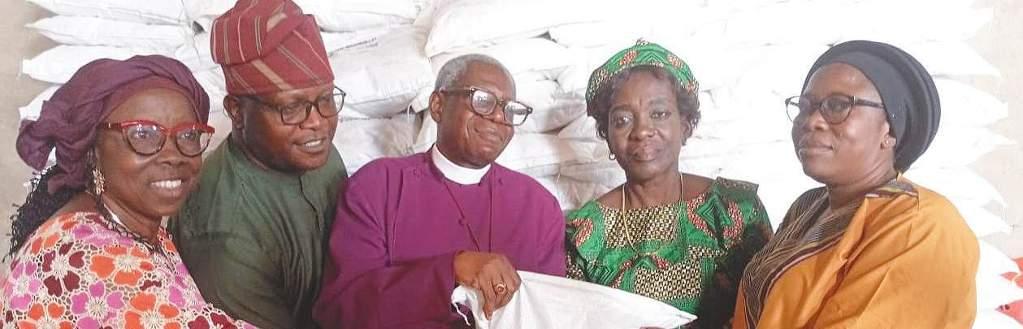
L-r: a Professor of Fish nutrition and aquaculture management, ekiti State University, adejoke adewumi; Secretary, aramoko development association, dr. Sunday Kayode; bishop of ekiti West diocese of anglican church, rt. rev. cornelius adagbada; wife of the Vicar of St James anglican church, aramoko ekiti, mrs. dupe adeoye, and a beneficiary, mrs. ajidahun rufus, during the inauguration of Kikelomo christiana akinluyi Foundation (Kaycee Foundation) in aramoko ekiti...recently
Omon-Julius Onabu in asaba
Delta State Police Command yesterday confirmed the murder of Asaba-born retired female judge, Justice Ifeoma Okogwu last week, revealing that one of the suspected killers had been apprehended while another suspect was still at large. In a statement, officially confirming the incident, the state police command spokesman, Mr Bright Edafe said: “On the 24th of November 2025, the DPO ‘A’ Division Asaba received a complaint from the brother of Justice Ifeoma Okogwu (rtd)
The Fusengbuwa ruling house of Ijebu-Ode in Ogun State has declared that it is eminently qualified for the throne of the Awujale of Ijebu-Ode.
A Prince from the family, Olawale Oriola Adeyemi, who is the first great-great-great-grandson of Olufadekemi, the first male child born during the reign of Oba Fusengbuwa, the 41st Awujale, in a statement made available to our correspondent, said the lineage is qualified for the stool of Awujale contrary to misconception in some quarters.
Olawale, who is a lawyer, emphasised that his claim
rests on clear, direct male-line descent, supported by both historical documentation and chieftaincy laws of Ogun State.
He asserted that his claim is based on established succession arrangements and the historical traditions of Ijebu-Ode, expressing confidence that the Ogun State government and all authorities involved in the sacred duties of selecting the next Awujale will uphold due process and the rule of law.
He said: “I was raised in Ijebu-Ode under the tutelage of my grandfather, the late Prince Fasasi Adebisi Adeyemi (Obanlefa), former head of the Fusengbuwa ruling house who served from 1988 to 2013.”
The inaugural Artistic Pulse Festival (#APF), Africa’s first sustainable recycling festival, will hold in Lagos from December 3 to 7, 2025, at the historic Remembrance Arcade, Tafawa Balewa Square (TBS).
This landmark venue, symbolic of Nigeria’s independence in 1960, will be transformed for five days into a hub of eco-conscious creativity, culture, commerce, and innovation under the festival’s theme: “Footprints of Interconnectivity, Growth and Expansion.” Organisers of the event, NMO Management and PR, said the APF is a groundbreaking cultural showcase that integrates the pillars of Africa’s
creative industries — Music, Fashion, Film (Nollywood), Food, Art, and Technology — while championing sustainability and recycling. The festival is poised to showcase the best of Nigeria’s cultural heritage and creative vitality while pioneering eco-conscious practices that underscore the importance of sustainability in Africa’s evolving creative industries.
Designed to be both immersive and impactful, the event will feature symposiums, debates, a children’s corner, an art gallery, a play zone, creative workshops, and the Artistic Pulse Festival Trade Fair, where ‘Creativity meets Commerce’.
that he visited her residence only to discover her lifeless body in the sitting room with her hands, legs and mouth tied. Upon receipt of the complaint, the DPO swiftly led men to
her residence, where the corpse was evacuated and taken to the mortuary for autopsy.
“One suspect, Lucky Matthew, has been arrested, while the principal suspect,
Godwin Vanem, is presently at large.”
He added that “the case has been transferred to the State Criminal Investigation Department (Homicide section)
for discreet investigation. Preliminary investigation revealed that the said Godwin Vanem is suspected of having committed the dastardly act and fled the apartment.”
The Dangote Group and the Government of Kano State are strengthening partnership to foster business activities and social programmes in the state.
This is coming as participants thronged the company’s pavilion at the 46th edition of the Kano International Trade Fair eager to explore the array of innovative products on
display.
Kano State Commissioner for Investment and Commerce, Shehu Wada Sagagi, told journalists at the fair that the state was strengthening existing partnerships with the Dangote Group and exploring new options.
He said: “The partnership with Dangote Group will strengthen Kano’s industrial
and trade capacity. By linking government policies with private sector initiatives, we are creating opportunities for businesses to grow in Kano State.”
He commended the company for its commitment to economic development of Nigeria, and particularly for supporting the Kano Trade Fair. He said the Kano Government led by Abba
Kabiru Yusuf has created enabling environment for businesses to thrive.
Dangote Group is one of the major sponsors of the 2025 Kano International Trade Fair. A statement from the company confirmed that a key component of its ongoing collaboration with the Kano State Government is the development of a world-class rice milling plant in the state.
Blessing Ibunge in Port Harcourt
Singaporean chemical engineer and clean energy technologist, Chandni Jaga, has said that the Nigeria’s blue economy can generate at least $20 billion by 2035.
Jaga stated this during her presentation at the
‘Nigeria
Kemi
14th annual conference of the Nigerian Institution of Maritime Engineers and Naval Architects (NIMENA) held in Port Harcourt, the capital of Rivers State, at the weekend.
Highlighting strategies for driving innovation in the maritime and blue economy eco-system, Jaga suggested the adoption of open innovation
model and enactment of business-friendly policies, favourable tax systems and a favourable monetary policy to attract investment into the sector.
“A lot of these policies can be implemented in Nigeria at various levels,” she said, adding that digital technological tools should be
incorporated to drive the vision.”
Speaking also, the National chairman of NIMENA, Eferebo Sylvanus, said digital maritime revolution represents an opportunity to reposition Nigeria’s blue economy as a central pillar of national growth, diversification and global competitiveness.
A former presidential candidate in the 2023 general elections, Prof. Oluwamuyiwa Ayodele, yesterday said Nigeria is presently suffering the consequences of its electoral choices, stressing that the 2027 polls offer the citizens an opportunity to redirect the country’s fortunes.
He made the remarks in a statement made available by his Media Consultant, Akinwale Aboluwade, in which he formally announced his intention to contest the 2027 presidential election, marking his third attempt since 2019.
Ayodele, popularly known as ‘The Carpenter l’, while addressing an enthusiastic
gathering in Ibadan, Oyo State, declared that: “The time for favour has come,” stating that recent events in Nigeria and around the world have shown that elections carry direct implications for national welfare.
According to him, “If we learned something globally within the last two years, it is that elections have consequences, and who you
vote into public office matters.” Ayodele maintained that Nigeria’s current difficulties, ranging from economic strain to security challenges reflect past electoral choices, noting that governance is no longer abstract, as governmental decisions now directly impact livelihoods, freedoms, security, health and social wellbeing.
Segun Awofadejiinbauchi
The Bauchi State Government, in a joint venture partnership with Shandong Minsheng Group, a consortium of Chinese investors, has officially inaugurated the Bauchi-Minsheng Corporation Company (BMCC), a new mining firm established in Dass Local Government Area of the state.
This was as the state government assured the people that it is fully committed to creating an enabling environment for the provision of infrastructure, services, and other social amenities that would support investors in the state.
The state Governor, Senator Bala Mohammed, who was speaking at the official ground
breaking for the launch of BMCC held in Dass at the weekend, said: “Since the commencement of this industrial journey, we have provided two exploration licences, and one small-scale mining licence, with more to come.”
Represented by his Deputy, Hon. Auwal Mohammed Jatau, the governor said that the idea behind forming
BMCC emanated from the establishment of a sister-state relation with Shandong province of China. The relationship, the governor explained, led to the signing of a Strategic Cooperation Framework Agreement between Bauchi State Government and Minsheng Group on the mining project in September 2023.
Duro Ikhazuagbe
After a dismal start that saw Nigeria defeated back-to-back by Tunisia and Guinea, D’Tigers resurrected their FIBA Basketball World Cup 2027 African Qualifiers First Round Playoff with a 75-69 defeat of Rwanda on Sunday night in Rades, Tunisia.
It was however not an easy win for D’Tigers as they had to go into Overtime after scores stood at 61-61 at the end of the fourth quarter.
With this victory, Nigeria can still qualify for the World Cup depending on how D’Tigers handle their 3rd, 4th and 5th windows of the Qualifiers in June, August, 2026 and February
2027 respectively.
Yesterday, D’Tigers began their third Group C game with Rwanda sluggishly, losing the first quarter 12-21. They however woke up to take the second and third quarters 13-6 and 20-9 after which they took off feet from the pedal and allowed Rwanda to win the final fourth quarter by as much as nine points (16-25).
Coach Abdulrahman Mohamed and his wards however did a soul- searching and dug deep into their bag of tricks to conjure 14 points in the Overtime as against the only five that the Rwandese could only muster.
Basketball insiders however
confided in THISDAY at the weekend that the failure of D’Tigers in the first two games was expected following the poor preparations of the team ahead of the 2027 World Cup qualifiers.
It was learnt that the squad Coach Abdulrahman Mohamed took to the tournament only camped for two days before heading to Tunisia.
Apart from the poor preparations, it was also learnt that some of the players in the squad were not of the quality known of the D’Tigers, a situation attributed to poor judgement of the coaches in picking the team.
Duro Ikhazuagbe
Ademola Lookman’s resurgence continued on Sunday evening as he again scored in Atalanta’s 2-0 win against Fiorentina in the Italian Serie A fixture at Bergamo. It was the second goal for
Lookman in two back-to-back games as he scored and made another goal assist in a UEFA Champions League 3-0 win at Eintracht Frankfurt midweek
Yesterday, the Super Eagles forward doubled Atalanta’s lead in the 51st minute after Ivorian Odilon Kossounou had
Amusa Kelani beat off a strong field of 100 golfers to emerge winner of the Ikeja Golf Club Championship 2025.
Kelani who first won the Championship in 2023 fired 21 over par in the three-day tournament to win the overall trophy and the Green Jacket on Sunday evening.
Apart from the trophy and the Green Jacket, Kelani was rewarded with an LG 65inches nanocell television set as the Gross winner over three days.
Arun Sharma and Jimoh Ogundare who played 28 over par and 32 over par respectively over the draw-day tournament were similarly rewarded with LG 2-Door 375L refrigerator and
LG Dishwashing machine respectively. There were also quality prizes for winners in number 4th to 10th on the final leaderboard.
Speaking shortly after receiving his trophy and Green Jacket, Kelani said that he was now happy redeeming his pledge to return to winning ways at the tournament
“Winning this tournament was not an easy thing. At some point, I almost gave up but coming to the last day, I knew that it was time for me to reclaim the Championship that I first won in 2023. I am glad that I redeemed my pledge and came out as champion,” gushed the obviously elated Kelani.

broken the deadlock with four minutes left in the first half. Lookman’s goal was a smart tap-in from well inside the box. Atalanta have now risen to 11th position in the standings with 16 points from 13 matches. Under new Coach Raffaele Palladino, Lookman appears to have found a new lease of life and is playing his way back to the form that earned him the African player of the year crown with his stellar form for Atalanta.

Victor Osimhen has declared he is ready to put his body on the line for tonight’s ‘Intercontinental Derby’ against bitter city rivals Fenerbache.
The striker only returned to training on Friday after he was sidelined by a hamstring
injury on Super Eagles duty against DR Congo last month
He has now said he will be available for the Monday showdown notwithstanding doubts over his fitness.
“I know the importance of the Fenerbache Derby and what it means to the fans. I
experienced this excitement last season,” Osimhen told Turkish news outlet Sabahnewspaper at the weekend.
“Galatasaray signed me for such big matches. If necessary, I will take risks and go out on the field and give my all,” stressed the Nigerian star.
Makeshift striker Mikel Merino scored a crucial equaliser against 10-man Chelsea as Arsenal moved five points clear at the top of the Premier League table.
The game’s big moment came in the 38th minute,
when Chelsea midfielder Moises Caicedo was sent off following a video assistant referee review for a late tackle that connected with Merino’s shin - his side’s sixth red card
The BMW Club of Nigeria and Work and Play Promotions, have announced plans for the Lagos Autofest 2025. The event is billed for Sunday December 22nd on the Lagos Marina.
The choice of Marina is for its iconic and historic relevance with globally recognised architectural pieces that give Lagos its right of place as a model city, and a premier tourist destination.
The 2025 Autofest is set to uphold its tradition of delivering a showcase
of automotive excellence, entertainment, and celebration.
Preparations are focused on surpassing the success and grandeur of all previous editions, ensuring this year’s festival becomes one of the highlights of the “Detty December” calendar.
A critical pre-event stakeholders’ meeting was successfully convened last Thursday, November 27, 2025.
The meeting was hosted by Work and Play Promotions at the scenic Work and
Play Place, in Ikeja. The significant attendance by key stakeholders underscored the high profile and anticipation surrounding the Autofest as one of the year’s key social and industry events.
The meeting saw the distinguished presence of representatives from major automotive industry players, government agencies, and vital regulatory bodies, demonstrating a unified, collective enthusiasm and readiness among all partners.
of the season.
But 10-man Chelsea took the lead shortly after half-time when Trevoh Chalobah’s flicked header from a corner looped over David Raya and into the bottom corner.
Arsenal levelled 11 minutes later when Spain international Merino headed in Bukayo Saka’s in-swinging cross at the far post.
There were seven yellow cards to add to Caicedo’s red in a tense, feisty contest as Chelsea dominated much of the first half, with Estevao Willian having two good chances.
Arsenal were without firstchoice centre-backs Gabriel and William Saliba for only the second time since 2021 and their only real effort of the first half fell to Saka, who fired at Robert Sanchez at the near post.
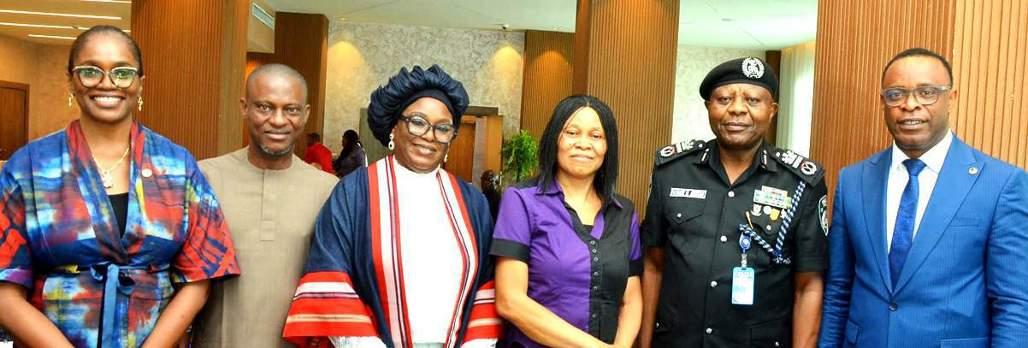
Ishivered and trembled when I first heard that President Bola Tinubu had declared a security emergency all over the country in the wake of terrorists’ killing of an Army General and the upsurge in kidnapping of schoolgirls and church worshippers in four far-flung states. I waited the next minute to hear that he had removed all 36 state governors and the FCT Minister and has replaced them with Ibok-Ete Ekwe Ibas style Military Administrators. In my mind’s eye, I already saw thousands of State Assembly members packing their bags and heading to their hometowns, there to cool their heels for six months as the Rivers State Assemblymen did. I also imagined the scramble that had already started among retired military, naval, air force and even police officers for appointment as Sole Administrators of states.
Nigeria now has thousands, if not tens of thousands, of retired military officers. In the 29 years when this country was under military rule, the most coveted phrase in the barracks was for an officer to get “military posting to a political appointment” as governor, minister, head of a juicy agency or even as an ADC. Even Chairman of a petroleum distribution tax force was coveted in those days. Since 1999, about the only non-military post left in the hands of soldiers is Director General of NYSC, which has been zoned to the Army Education Corps. Our soldiers have been out of power for 26 years now, and thousands of ex-soldiers salivated at Vice Admiral Ibas’ good fortune when he returned as Sole Administrator, for that matter of a juicy state like Rivers, to rule free from restraint and pressure from State Assemblymen, party officials or even voters. Ibas was much luckier than one of his Chief of Naval Staff successors, who had to struggle to secure a plot of Abuja land by posting armed sailors to protect it from FCDA bulldozers. Alas, President Tinubu did no such thing last week. He kept quiet over the fate of governors under a national security emergency. Which must have made the restored Rivers State Governor
Simi Fubara to wonder, “I was suspended for six months because of a political quarrel, when there was no kidnapping in my state. If Niger Delta militants had carted 300 schoolchildren into the creeks, I probably would have been suspended for my whole term.”
Many lawyers argued when Fubara was suspended that the 1999 Constitution did not envisage such a scenario. But since the Supreme Court sat on its hands for six months and refused to take up the case filed by PDP-controlled state governments, we still do not have a judicial pronouncement on this matter. It can therefore happen again. The thirty six governors escaped the hammer this time maybe because they are too many. Probably also because some busybody activists will say, if all governors are suspended due to insecurity, the Presidency and National Assembly should be suspended as well, since
in any case all the security agencies are Federal. Lack of mass suspensions apart, I also thought what the Constitution actually envisages in a state of emergency is the suspension of certain constitutional rights and liberties, such as of movement, association, gathering etc. No such thing was done in last week’s declaration. Here in the Third World, we do not really set much store on constitutional liberties. Any state governor or Police Commissioner can just wake up and stop citizens from going out of their houses because of environmental sanitation or because of an election. In other climes, no one can take away such constitutional liberties without declaration of a state of emergency, but here, it is seen as a minor issue.
Now, the most physical manifestation of a state of emergency in our clime is to flood the place with soldiers. In 2004 when President Obasanjo clamped emergency rule on Plateau State and suspended Governor Joshua Dariye, he flooded the state with security agents. It rapidly brought tit-for-tat sectarian killings to an end. In 2013 too when President Jonathan clamped a state of emergency on the three North Eastern states of Borno, Yobe and Adamawa [without removing the governors], he also moved thousands of soldiers and security agents into the arena. Borno State Government innovatively contributed the Civilian JTF, native civilians with the highest motivation. As a result, Boko Haram insurgents were quickly driven out of Maiduguri and into Sambisa Forest, Mandara Mountains and Lake Chad islets.
The security emergency declared last week did not spell out a lot of measures to be taken, perhaps deliberately. Government cannot lay all its cards on the table, only for the terrorists and bandits to pre-empt it. One announced measure however is that there will be mass recruitment of soldiers and policemen in order to augment their current numbers. Almost all Army Generals and security experts who spoke in the last decade said troop numbers are not enough to meet the
upsurge of crime in the country. Ideally, internal security is the duty of the police but when they couldn’t cope, soldiers were brought in all over the country. They, too have so far been unable to nip insurgency and banditry in the bud, at least partly due to insufficient numbers.
If the mass recruitment begins now, it will still take some time to train, properly orient, equip and deploy the new cops and soldiers. Mass recruitment also has its pitfalls. In the current climate of high unemployment, undesirable elements may sneak into the forces and become a problem down the road. Back in 2000AD when President Obasanjo told the police to recruit 40,000 more men, I went into Kaduna’s Badarawa area one night and saw a group of young men and women laughing heartily. What was amusing? They told me that the most notorious boy in Badarawa had just been recruited into the police! I tried to calm them down by saying that with adequate training, even a young criminal could be turned into a law enforcement officer. The key word there is “adequate.”
In the presidential statement containing the emergency declaration, the President appealed to Fulani cultural groups to drop their arms, stop open grazing of cattle and move towards ranching, which he said is the way to go. Many problems with this “appeal.” To begin with, the socio-cultural groups such as Miyetti Allah have no weapons and no control over the herders who own weapons. The first herders to move from owning sticks to acquiring firearms said they did so to protect themselves from cattle rustlers. But as we saw in other climes, firearms acquire a logic of their own. Once you acquire one for self-defence, you could just as easily slip into attack mode, as we have seen with the rise of industrial-scale banditry and kidnapping in the last 15 years.