Assoc. Prof. Lamyia Anweigi BDS MMedSc MFDS PhD (Qatar)
Dr Ana Cecilia Diniz Viana BDS MD PhD (Brazil)
Dr John Macken BDS PGCertMEd PhD MFDS RCSEng ACIEA FHEA (UK)
Prof. Leonardo Marchini DDS MSD PhD (USA)
Dr med dent Ramiar Karim BDS MSc Paed Dent (Germany)
Dr Elaine Smyth BA BDentSc DChDent (USA)
Prof. Murali Srinivasan BDS MDS MBA MAS PD (Switzerland)
Prof. Sayaka Tada DDS PhD (Singapore)
jida.scholasticahq.com
Irish Dental Association Unit 2 Leopardstown Office Park, Sandyford, Dublin 18.
T: +353 1 295 0072
F: +353 1 295 0092 www.dentist.ie
Follow us! irish-dental-association
Irish Dental Association irishdentalassociation irishdentalassociation
JIDA Science is an official publication of the Irish Dental Association. The opinions expressed in JIDA Science are, however, those of the authors and cannot be construed as reflecting the Association’s views. The editor reserves the right to edit all copy submitted to JIDA Science
What is the best time to brush your teeth? Reviewing the evidence
The advice to delay brushing after an acidic challenge seems to be widespread, but what does the evidence say?
Dr Cristiane da Mata
BDS MFD (RCSI) Dip TLHE MPH Phd FFD RCSI
Honorary Editor
journaleditor@irishdentalassoc.ie
I recently came across a dentist on social media advising patients to brush their teeth before breakfast rather than aer. The reasoning was to remove the overnight biofilm without risking abrasion or erosion.
This struck me as counterintuitive – particularly as the advice was given without much context or indication of when this approach would actually be appropriate. It made me pause and wonder: has one of the most fundamental principles of oral hygiene I’ve learned, and consistently shared with patients – “brush your teeth aer meals” – really changed? Adding to this, I had been hearing other dentists talk about delaying brushing aer an erosive challenge, and had found myself repeating this same advice, without knowing for sure if there was a scientific basis to it.
Looking at the evidence
I decided to look into the research to search for the evidence behind these claims. That’s when I came across a scoping review published in Caries Research in 2024 that explores this debated topic.1 The study has clarified a few issues related to brushing time for me, so I thought it would be worth sharing it with you.
The review aimed to answer the question: should we delay toothbrushing with fluoridated toothpaste aer an erosive or cariogenic challenge? The authors screened 1,545 records and ultimately included 17 studies – 16 addressing erosive tooth wear (ETW) and only one focused on dental caries.
Of the 16 ETW studies, only four supported delaying brushing by 30-60 minutes aer acid exposure. These studies suggested that a remineralisation period (waiting time) reduced abrasion of acid-soened enamel or dentine. However, the majority – nine studies – did not support postponing brushing when fluoridated toothpaste was used. Instead, they demonstrated that fluoridecontaining products significantly reduced enamel loss, even when brushing occurred immediately aer an erosive challenge.
Some studies highlighted the enhanced protective effect of stannous fluoride formulations, which appear to create a protective surface layer and reduce erosive-abrasive wear more effectively than sodium fluoride alone. Across these studies, immediate brushing with fluoride did not exacerbate ETW. In fact, fluoride exposure was consistently associated with reduced surface microhardness loss compared with non-fluoride controls.
Distinct processes
Two studies advocated an individualised approach, emphasising that risk assessment should guide recommendations. This makes sense. We have to remember that ETW and caries are biologically distinct processes: ETW is a chemical–mechanical phenomenon driven by non-bacterial acids, whereas caries
involves biofilm-mediated acid production from fermentable carbohydrates. Fluoride plays a protective role in both, but particularly in caries, where maintaining fluoride availability during pH drops is critical to modulating demineralisation and promoting remineralisation.
The single caries-focused study included in the review reported that postbreakfast brushing with fluoridated toothpaste reduced Streptococcus mutans counts more effectively than pre-breakfast brushing. While limited, this finding aligns with our understanding of fluoride’s local action during and after cariogenic challenges. Delaying brushing in high-caries-risk individuals – especially those consuming refined carbohydrates – may therefore be counterproductive.
In the discussion, the authors directly address the disconnect between current guidelines and available evidence. Some professional recommendations advise delaying brushing for 30-60 minutes aer acidic intake. Yet the review concludes that such generalised advice is not supported by contemporary human-based data when fluoridated products are used. The protective effect of fluoride –particularly stannous formulations – appears to outweigh the theoretical risk of immediate abrasion under typical conditions.
Context matters
The broader message is that context matters. For patients with high erosive risk, toothpaste formulation and dietary counselling may be more impactful than rigid waiting periods. For those at high caries risk, ensuring timely fluoride exposure is paramount. The authors therefore advocate updating international guidance to reflect individualised, risk-based recommendations rather than universal delays.
In conclusion, the answer to my own research question is no, one of the most fundamental principles of oral hygiene I’ve learned – “brush your teeth aer meals” – has not changed. The best available evidence does not justify the advice to “wait 30-60 minutes before brushing”. Immediate toothbrushing with fluoridated toothpaste does not appear to increase ETW risk and remains consistent with caries prevention principles. As ever, our responsibility is to integrate evolving evidence with clinical judgement, tailoring advice to each patient’s risk profile rather than relying on oversimplified rules.
Reference
1. Fernández CE, Silva-Acevedo CA, Padilla-Orellana F, et al. Should we wait to brush our teeth? A scoping review regarding dental caries and erosive tooth wear. Caries Res. 2024;58(4):454-67.
Brian Maloney
Division of Restorative Dentistry and Periodontology
Dublin Dental University Hospital
ORCID: 0009-0006-2735-9277
Henry F. Duncan
Division of Restorative Dentistry and Periodontology
Dublin Dental University Hospital
ORCID: 0000-0001-8690-2379
Corresponding author: Brian Maloney E: maloneb3@tcd.ie
The application of patient-reported outcomes in endodontology – an update for the clinician
Précis: This narrative review presents an overview and summary of the use and application of patient-reported outcomes in endodontology.
Abstract
The primary goal of endodontic intervention is to attain and preserve the health of the periapical tissues. Outcome measures have been incorporated into endodontics for decades to analyse whether this objective has been achieved, thereby documenting treatment effectiveness, evaluating patient care, and facilitating decision-making.
The upsurge of evidence-based, patient-focused practices in endodontics has resulted in a shift in how we define the success of treatment. The importance of patient-reported measures has become more apparent in recent years, with the inclusion of patient-reported outcomes (PROs) in outcome reporting. However, there remains a lack of consensus on a unifying criterion for endodontic outcomes, with clinicians, researchers, and patients all contributing differing ideas of what constitutes success.
The goal of this review is to explore the current use of PROs in endodontology, establish the potential value of including these measures in future endodontic care and research, and to examine the necessary prerequisites for their adoption into a core outcome set for endodontics.
Journal of the Irish Dental Association Science April/May 2026;2(2):24-30
Introduction
It is oen said that there is no such thing as failure, only differing degrees of success. This sentiment is particularly relevant in endodontic care, in that it highlights the challenges of defining treatment success objectively. In endodontology, the primary goal is to attain and preserve the health of the periapical tissues. Outcome measures have been incorporated into endodontics for decades to analyse whether this objective has been achieved, thereby documenting treatment effectiveness, evaluating patient care, and facilitating decision-making. Outcomes may be subclassified into those reported by clinicians and those from the perspective of the patient.
While the delivery of endodontic care is patient centred, outcomes are rarely patient defined. The outcome of endodontic therapy has been traditionally examined from a clinical perspective, with adjunctive imaging technology. Outcome measures have prioritised the technical and clinical aspects of treatment, with little emphasis on the patient perspective. With the advancement of a patient-centred model of healthcare in recent decades, the focus of outcomes has changed. There has been an emerging interest in measures that complement the classic goal of endodontics from the patient’s perspective.
These are termed patient-reported outcomes (PROs).
Despite the increasing volume of outcome research, there is currently a lack of studies relating endodontic therapy to these aforementioned outcomes.1 Recently, endeavours to develop a core outcome set (COS) for endodontics have culminated in several publications on outcome reporting in systematic reviews.2,3 However, there remains a lack of consensus on a unifying criterion for endodontic outcomes, with clinicians, researchers, and patients all contributing differing ideas of what constitutes success.
The objectives of this review are to explore the current use of PROs in endodontology, establish the potential value of including these measures in future endodontic care and research, and to examine the necessary prerequisites for their adoption into a COS for endodontics.
Outcomes: their role in delivery of care
Endodontic therapy encompasses a range of treatment modalities, including nonsurgical and surgical treatments, vital therapies and retreatment procedures. The principal aim of treatment is the prevention or elimination of pulpal and/or periapical disease, to ensure the health of the periradicular tissues and tooth retention. There is a strong focus on outcomes of care in endodontics to determine whether a treatment has been successful in achieving the aforementioned objectives.
Table 1: Outcome measures to assess the effectiveness of endodontic treatment for pulpitis and apical periodontitis for use in the development of European Society of Endodontology (ESE) S3-level clinical practice guidelines.10
Outcomes may constitute any consistently anticipated, measurable consequence of treatment to assess the effectiveness of one therapy over another. Outcome analysis is determinant to substantiate patient decisionmaking when endodontic therapy is weighed against alternative treatment options. Consequently, the availability of pooled data within the literature is used to reassure the public in relation to the validity of endodontic treatment.
CROM Important
CROM Important
Therefore, a clear definition of success and failure is essential when considering endodontics as a valid treatment option for a tooth with pulpal and/or periapical disease.
How successful is endodontic therapy?
The outcome of endodontic treatment can be examined across four distinct
dimensions: clinical (absence/presence of disease/pain); tooth longevity; economic; and, psychological, e.g., quality of life(QoL)/satisfaction.4 Endodontology has traditionally used proxy clinical and radiographical parameters, based on a defined referential comprising clinical and biological data collected about patients by clinicians. Success or failure has been decided based on specific clinical findings, in conjunction with radiographic evidence of a healing periodontium.
A range of terminologies and instruments have been proposed to describe successful root therapy, including strict and loose criteria based on radiographical healing of the periradicular tissues, used by Strindberg’s dichotomous system, to dictate success. Given the ambiguity of terminology in the past, the terms ‘favourable’, ‘unfavourable’ and ‘uncertain’ are currently preferred, in line with contemporaneous guidelines. Based on the aforementioned criteria, endodontic therapy presents an efficacious treatment option.
Limitations of current measures
Clinical outcomes predominate in the literature when assessing the effectiveness of endodontic therapy. A recent scoping review found that only 3% of studies included PROs as primary outcomes of endodontic care.5 Clinician-reported outcomes (CROs) alone oen fail to encapsulate the functional and physiological impact of endodontic disease and its treatment on the patient. While clinicians can make objective observations regarding the effectiveness of endodontic treatment, it is the patient who can most accurately report on how treatment has impacted their life. Patients are unlikely to be aware of the pathophysiology of endodontic disease, but are sensitised to treatment-related factors, alongside concerns over retaining a functional tooth. Consequently, these traditional CROs appear to be more relevant to clinicians and researchers than they are to patients. Additionally, clinical outcomes fail to adequately capture patients’ experiences, from the care they receive to its effect on their oral health and quality of life. The patient, even in the absence of objective signs of treatment failure, may be dissatisfied with the treatment outcome if pain or other features are present. Clinical and radiographic criteria may be irrelevant to patients, who may base their idea of success on personal values and expectations, rather than the presence of healing periradicular tissues. Indeed, even radiography to assess
periapical healing has its limitations, with one study concluding that different evaluators agreed on a diagnosis less than 50% of the time.6 Therefore, clinical and radiographic measures should not be used as the sole means of analysing endodontic outcomes.
A changing perspective on health
The traditional view of oral health has changed over the years, from a narrow, reductive perspective, to one that recognises how oral health impacts daily living. The biomedically oriented, paternalistic view is being replaced by a more patientcentred approach, with emphasis on the disease process within the wider context of health.7 This has led to a paradigm shi in the delivery of oral healthcare to assess treatment needs and outcomes from a patient’s perspective, rather than relying on the perspectives of clinicians alone. The World Dental Federation (FDI) has emphasised that endodontic disease should be considered within the greater context of health, a concept known as endodontic medicine.8 The adoption of a patient-centred approach in endodontology aims to eliminate disease, alleviate pain, restore function, and improve quality of life, representing a multifaceted, modern approach to care.
Patient-reported outcomes
Assessment of treatment outcomes from a patient perspective is an integral component of evidence-based practice, as it is linked to patients’ expectations from treatment. Clinicians oen focus on short-term outcomes by providing treatment, rather than providing overall health outcomes through patient-centred care. Considering the views of the patient may serve to complement or even challenge the viewpoint of clinicians.
Outcomes reporting on the status of patient health, without interpretation by a clinician, are known as PROs. PROs include a broad range of measures but commonly reflect tooth survival, QOL, function and pain. Such outcomes are also likely to consider patient expectations, alongside their desire to participate in their care. The European Society of Endodontology has published a consensus document to highlight appropriate outcomes to assess the effectiveness of endodontic therapies, in a bid to develop the S3-level clinical practice guidelines for the management of pulpal and periradicular diseases (Table 1).
Table 2: Studies using tooth survival as a primary outcome (adapted from Fransson and Dawson, 2023).11
Table 3: Studies investigating quality of life before and aer endodontic treatment.
Author Study design
Dugas et al., 20029
Cross-sectional
He et al., 201726 Prospective
Chew et al., 201927
Hamasha and Hatiwash, 201728
Wright et al., 200929
Gatten et al., 201130
Yu et al., 201231
Iqbal et al., 202032
Wigsten et al., 202033
Liu et al., 201434
Patient-reported outcomes in endodontics
Prospective
Prospective
Cross-sectional
Cross-sectional
Cross-sectional
Prospective
Prospective
There has been a growing interest in the field of endodontic research regarding patient perspectives on treatment and how oral disease can affect an individual’s life.9 While PROs have been researched extensively in healthcare, they have only become of interest in endodontics in the last two decades. According to Azarpazhooh et al., the number of PRO studies has increased from a single study in the 1990s to equate to 36% of all outcome-based endodontic research in the 2010s.5 To assist in systematic review reporting, recent online Delphi surveys were conducted to ascertain outcomes relevant to endodontics from the clinical and patient perspective, and their relative importance was ranked.10
Tooth survival and function
Tooth survival has been reported as the most critical outcome in endodontics. A tooth is said to have survived if it remains as part of the dentition while maintaining functionality.11 Survival rates for endodontics are uniformly high in the literature (Table 2). Even with some persistent disease, if a tooth is asymptomatic and functional, the patient may deem this a success, and may opt not to have further treatment completed, highlighting patient autonomy in setting less demanding goals for treatment. The impact of accepting a tooth with periapical disease is unknown, and more research is needed concerning the risks associated with retaining such a tooth. Despite its importance, the representation of this outcome in the literature is low.5
Pain, tenderness and need for medication
Preoperative pain is the main driving factor that influences a patient’s decision to seek treatment and is the most consistently reported PRO in the literature.24 As such, attaining a pain-free tooth oen overrides all other considerations for the patient. Therefore, postoperative pain is a critical outcome to consider. While pain is an important factor to consider in treatment planning, it is arguably the impact this has on a patient’s daily life that is of most relevance to understand disease burden and the benefit endodontic therapy can provide.
Quality of life
Quality of life (QoL) has been reported as an ‘important’ PRO to consider in endodontics. Endodontic pathology has been associated with a diminished oral health-related quality of life (OHRQoL),25 due to pain/loss of function. Endodontic interventions have been shown to significantly benefit patients’ QOL across all endodontic subspecialties.26 Similar levels of OHRQoL improvement are reported
No
No
No
No
Yes
No
Yes
where endodontic care is contrasted with other interventions in the primary care setting.27 However, this is not a consistent finding in the literature (Table 3). The impact of adverse effects of endodontic treatment, e.g., discolouration/allergies, on QoL should also be considered.
Expectations/satisfaction
While not considered in the recent working group consensus, meeting patient expectations is a fundamental element of patient-centred care. Endodontic therapy has high reported rates of satisfaction, with specialist care having higher satisfaction than treatment in general practice.28 Certain factors have been linked with dissatisfaction, such as costs and duration of treatment. Overall, a limited number of studies consider patient satisfaction as an outcome of treatment.
How PROs
can benefit clinicians and patients
The selection of appropriate PROs is crucial in the bid for patient empowerment within endodontics and in the formulation of positive care outcomes. Emphasising the psychosocial well-being of patients results in a shi from disease treatment to improving a patient’s overall well-being.
In the delivery of holistic, patient-centred care, some authors believe that the patient is in the ideal position to evaluate the care they have received, with some disputing the relevance of clinician-reported outcomes.35 While persistent disease from a biological standpoint may represent a failure, a functional, asymptomatic tooth may be seen as successful to the patient. One study found that 97% of a cohort who had received endodontic treatment were satisfied with their treatment, even though 96% had evidence of disease present.9 While the foremost goal of endodontic therapy should be the treatment of apical periodontitis, the decision to instigate further interventions must be mutually decided with the patient, with consideration for personal values, risks and monetary concerns. Success is said to be in the eye of the beholder, and PROs may serve as a normative guide to the clinical action that should be taken in the presence of emerging/persistent disease.36 This must be carefully considered alongside the risk of future disease progression.
PROs may help clinicians to understand patient expectations from treatment, which is necessary to ensure that clinician and patient goals are aligned, leading to increased satisfaction and improved clinical outcomes. Research has demonstrated that considering the feedback obtained from patients relating to the outcomes of care can improve adherence to treatment and posttreatment instructions.37 While practitioners may strive for complete healing,
Table 4: 6D model for outcomes in endodontics (modification of Fletcher and Fletcher’s 5Ds model, adapted from Azarpazhooh et al., 2022).5
Outcome Adaptation to endodontics
Death
Disease
Discomfort
Fatality due to endodontic cause, i.e., extraction
Signs/symptoms of pulpal/periapical disease
Pain; evoked or spontaneous, swelling
Disability Inability to undertake daily activities due to endodontic disease
Dissatisfaction Emotional aspect of disease and/or its care
Destitution Costs from disease
patients often set less demanding expectations once they can retain the tooth without pain. Therefore, patient-centred care allows clinicians to holistically evaluate the appropriateness of different treatment options in light of the patient’s needs and values.
For a tooth that requires endodontic therapy, a range of options exists outside the realm of endodontic therapy. PROs may facilitate appropriateness in the treatment option chosen when consideration is made for factors beyond cost, such as complexity and the benefits to QoL from the preservation of the natural dentition.
The development of a core outcome set for endodontics
The implementation of evidence-based practice into the clinical setting requires integrating results from high-quality primary research. To overcome the emphasis on technical, clinician-focused outcomes, there has been interest in the formulation of an agreed set of standardised outcomes in endodontic trials, as seen in other areas of dentistry.38 The importance of a COS has been highlighted by the Grading and Recommendations, Assessment, Development and Evaluation (GRADE) group, an international system that assesses the evidence and quality of healthcare research, to form the basis for recommendations in endodontics.
While a limited COS has been published as part of the S3-level clinical practice guidelines development process, recent endeavours have seen the publication of an a priori protocol to reach a consensus on the most critical outcomes to consider in endodontic care, alongside how best to measure them and intervals for their follow-up.39 The critical aspect of this COS is that the patient is the primary focus, thereby highlighting outcomes that may not have been identified previously.
Considerations for PROs at the centre of the COS will bring greater attention to patient-related domains in the future, allowing the formulation of more meaningful, evidence-based conclusions, with an emphasis on the impact of endodontic therapy on patients.
Future challenges
There is a need for sensitive instruments to accurately measure specific PROs, which can discriminate between patients with and without endodontic problems, as well as differences in PROs pre and post treatment. Current instruments, such as the Oral Health Impact Profile 17 (OHIP-17) for QoL, lack the necessary validity and sensitivity to allow comparisons to be made between studies. Alongside the use of ad hoc instruments, the lack of standardisation between studies precludes reliable comparisons from being made.40 To improve reporting consistency, some authors have proposed assigning outcomes to specific domains using the 6D model (Table 4).5 The implementation of disease-specific, multi-dimensional, standardised measures may be required before the inclusion of PROs within the COS for endodontics.41
Type of measure Patient or clinician focused
Survival Patient focused
Success Clinician or patient focused
Pain Patient focused
OHRQoL Patient focused
Satisfaction Patient focused
Treatment costs Patient focused
Discussion
Outcomes have been an integral component of endodontic therapy for decades. The purpose of analysing a defined set of outcomes is to ascertain treatment effectiveness and quality of care. Patients cannot make informed decisions on which therapy to choose without being afforded information regarding the expected outcomes from that treatment. The selection of wellestablished outcomes is critical in the current age of evidence-based dental care, allowing clinicians to make, defend and analyse clinical decisions, together with the patient. Consideration of PROs may result in an improvement in the quality of care, as well as enhancing the effectiveness of treatment interventions.42
The upsurge of evidence-based, patient-focused practices has prompted the endodontic community to reconsider outcomes of care. While clinician-focused measures are still necessary, the importance of patient-reported measures has become more apparent in recent years. Current evidence has demonstrated improved outcomes of care when these measures are employed alongside clinician-based outcomes.
Despite its importance, no core outcome set for endodontic treatment (COSET) currently exists. The selection of relevant outcomes is essential for the formulation of practice guidelines and for conducting systematic reviews of the literature using the GRADE framework.43 Adapting current models to incorporate the COSET to include clinician-based and patient-reported outcomes is fundamental in the modern era of evidence-based endodontic care, as the patient is recognised as a key stakeholder in future guideline development.10 With the inclusion of PROs in outcome reporting, their use is likely to increase, providing valuable information in relation to their benefit in the delivery of endodontic care in the future.
The scarcity of studies investigating PROs is problematic. Integrating PROs into future outcome studies may tailor research questions toward patients and report on those aspects that hold value for them.44 Additionally, the current state of instruments to measure PROs is insufficient to facilitate comparisons between studies. Valid, sensitive instruments may be necessary before the analysis of PROs can become more mainstream.
Conclusion
Outcomes in endodontics have advanced from the dogmatic criteria of Strindberg towards a patient-focused model, with an emphasis on the elimination of symptoms and ensuring tooth survival, even if some areas of periapical disease remain present. A comprehensive, evidence-based approach to assessing endodontic outcomes should consider the judicious selection of PROs, alongside well-validated, clinician-based views, in the bid for patient empowerment, satisfaction with care, and enhanced health outcomes.
References
1. Bergenholtz G, Spångberg L. Controversies in endodontics. Crit Rev Oral Biol Med. 2004;15(2):99-114.
2. Kirkevang LL, El Karim IA, Duncan HF, Nagendrababu V, Kruse C. Outcomes reporting in systematic reviews on non-surgical root canal treatment: a scoping review for the development of a core outcome set. Int Endod J. 2022;55(11):11281164.
3. Shah PK, El Karim I, Duncan HF, Nagendrababu V, Chong BS. Outcomes reporting in systematic reviews on surgical endodontics: a scoping review for the development of a core outcome set. Int Endod J. 2022;55(8):811-832.
4. Bader JD, Shugars DA. Variation, treatment outcomes, and practice guidelines in dental practice. J Dent Educ. 1995;59(1):61-95.
5. Azarpazhooh A, Sgro A, Cardoso E, et al. A scoping review of 4 decades of outcomes in nonsurgical root canal treatment, nonsurgical retreatment, and apexification studies – Part 2: outcome measures. J Endod. 2022;48(1):29-39.
6. Goldman M, Pearson AH, Darzenta N. Endodontic success – who’s reading the radiograph? Oral Surg Oral Med Oral Pathol. 1972;33(3):432-437.
7. Allen PF. Assessment of oral health related quality of life. Health Qual Life Outcomes. 2003;1:40.
8. Peters OA, Seeberger, GK. White paper on endodontic care. FDI World Dental Federation, 2019.
9. Dugas NN, Lawrence HP, Teplitsky P, Friedman S. Quality of life and satisfaction outcomes of endodontic treatment. J Endod. 2002;28(12):819-827.
10. Duncan HF, Nagendrababu V, El-Karim I, Dummer PMH. Outcome measures to assess the effectiveness of endodontic treatment for pulpitis and apical periodontitis for use in the development of European Society of Endodontology S3-level clinical practice guidelines: a consensus-based development. Int Endod J. 2021;54(12):2184-2194.
11. Fransson H, Dawson V. Tooth survival aer endodontic treatment. Int Endod J. 2023;56 (Suppl. 2):140-153.
12. Fransson H, Dawson VS, Frisk F, Bjørndal L, EndoReCo, Kvist T. Survival of root-filled teeth in the Swedish adult population. J Endod. 2016;42(2):216-220.
13. Fernández R, Cardona JA, Cadavid D, Álvarez LG, Restrepo FA. Survival of endodontically treated roots/teeth based on periapical health and retention: a 10year retrospective cohort study. J Endod. 2017;43(12):2001-2008.
14. Ng YL, Mann V, Gulabivala K. Tooth survival following non-surgical root canal treatment: a systematic review of the literature. Int Endod J. 2010;43(3):171-189.
15. Lin PY, Huang SH, Chang HJ, Chi LY. The effect of rubber dam usage on the survival rate of teeth receiving initial root canal treatment: a nationwide population-based study. J Endod. 2014;40(11):1733-1737.
16. Landys Borén D, Jonasson P, Kvist T. Long-term survival of endodontically treated teeth at a public dental specialist clinic. J Endod. 2015;41(2):176-181.
17. Raedel M, Hartmann A, Bohm S, Walter MH. Three-year outcomes of root canal treatment: mining an insurance database. J Dent. 2015;43(4):412-417.
18. Pratt I, Aminoshariae A, Montagnese TA, Williams KA, Khalighinejad N, Mickel A. Eight-year retrospective study of the critical time lapse between root canal completion and crown placement: its influence on the survival of endodontically treated teeth. J Endod. 2016;42(11):1598-1603.
19. Ramey K, Yaccino J, Wealleans J. A retrospective, radiographic outcomes assessment of 1960 initial posterior root canal treatments performed by endodontists and dentists. J Endod. 2017;43(8):1250-1254.
20. Khalighinejad N, Aminoshariae A, Kulild JC, Wang J, Mickel A. The influence of periodontal status on endodontically treated teeth: 9-year survival analysis. J Endod. 2017;43(11):1781-1785.
21. Pirani C, Friedman S, Gatto MR, et al. Survival and periapical health aer root canal treatment with carrier-based root fillings: five-year retrospective assessment. Int Endod J. 2018;51(Suppl. 3):e178-e188.
22. Kwak Y, Choi J, Kim K, Shin SJ, Kim S, Kim E. The 5-year survival rate of nonsurgical endodontic treatment: a population-based cohort study in Korea. J Endod. 2019;45(10):1192-1199.
23. Kebke S, Fransson H, Brundin M, Mota de Almeida FJ. Tooth survival following root canal treatment by general dental practitioners in a Swedish county – a 10-year follow-up study of a historical cohort. Int Endod J. 2021;54(1):5-14.
24. Franciscatto GJ, Brennan DS, Gomes MS, Rossi-Fedele G. Association between pulp and periapical conditions and dental emergency visits involving pain relief: epidemiological profile and risk indicators in private practice in Australia. Int Endod J. 2020;53(7):887-894.
25. Liu P, McGrath C, Cheung GS. Quality of life and psychological well-being among endodontic patients: a case-control study. Aust Dent J. Dec 2012;57(4):493-497.
26. He J, White RK, White CA, Schweitzer JL, Woodmansey KF. Clinical and patientcentered outcomes of nonsurgical root canal retreatment in first molars using contemporary techniques. J Endod. 2017;43(2):231-237.
27. Chew T, Brennan D, Rossi-Fedele G. Comparative longitudinal study on the impact root canal treatment and other dental services have on oral health-related quality of life using self-reported health measures (Oral Health Impact Profile-14 and Global Health Measures). J Endod. 2019;45(8):985-993.e1.
28. Hamasha AA, Hatiwsh A. Quality of life and satisfaction of patients aer nonsurgical primary root canal treatment provided by undergraduate students, graduate students and endodontic specialists. Int Endod J. 2013;46(12):1131-1139.
29. Wright WG, Jones JA, Spiro A 3rd, Rich SE, Kressin NR. Use of patient self-report oral health outcome measures in assessment of dental treatment outcomes. J Public Health Dent. 2009;69(2):95-103.
30. Gatten DL, Riedy CA, Hong SK, Johnson JD, Cohenca N. Quality of life of endodontically treated versus implant treated patients: a University-based qualitative research study. J Endod. 2011;37(7):903-909.
31. Yu VSH, Messer HH, Yee R, Shen L. Incidence and impact of painful exacerbations in a cohort with post-treatment persistent endodontic lesions. J Endod. 2012;38(1):41-46.
32. Iqbal MK, Kratchman SI, Guess GM, Karabucak B, Kim S. Microscopic periradicular surgery: perioperative predictors for postoperative clinical outcomes and quality of life assessment. J Endod. 2007;33(3):239-244.
33. Wigsten E, Kvist T, Jonasson P, EndoReCo, Davidson T. Comparing quality of life of patients undergoing root canal treatment or tooth extraction. J Endod. 2020;46(1):19-28.e1.
34. Liu P, McGrath C, Cheung GSP. Improvement in oral health-related quality of life
aer endodontic treatment: a prospective longitudinal study. J Endod. 2014;40(6):805-810.
35. Black N, Jenkinson C. Measuring patients’ experiences and outcomes. BMJ. 2009;339:b2495.
36. Reit C, Kvist T. Endodontic retreatment behaviour: the influence of disease concepts and personal values. Int Endod J. 1998;31(5):358-363.
37. Deshpande P, Rajan S, Sudeepthi B, Abdul Nazir C. Patient-reported outcomes: a new era in clinical research. Perspect Clin Res. 2011;2(4):137-144.
38. Lamont TJ, Clarkson JE, Ramsay CR. Outcome measures in Cochrane reviews and protocols for the prevention and treatment of periodontal disease. Trials. 2015;16(Suppl. 1):P32.
39. El Karim IA, Duncan HF, Cushley S, et al. A protocol for the development of core outcome sets for endodontic treatment modalities (COSET): an international consensus process. Trials. 2021;22(1):812.
CPD questions
To claim CPD points, go to the MEMBERS’ SECTION of www.dentist.ie and answer the following questions:
1. Which of the following is not a patient-reported outcome?
40. Neelakantan P, Liu P, Dummer PMH, McGrath C. Oral health-related quality of life (OHRQoL) before and aer endodontic treatment: a systematic review. Clin Oral Investig. 2020;24(1):25-36.
41. Boyce MB, Browne JP, Greenhalgh J. The experiences of professionals with using information from patient-reported outcome measures to improve the quality of healthcare: a systematic review of qualitative research. BMJ Qual Saf. 2014;23(6):508-518.
42. Antunes LS, Souza CR, Salles AG, Gomes CC, Antunes LA. Does conventional endodontic treatment impact oral health-related quality of life? A systematic review. Eur Endod J. 2017;3(1):2-8.
43. Guyatt GH, Oxman AD, Kunz R, et al. GRADE guidelines: 2. Framing the question and deciding on important outcomes. J Clin Epidemiol. 2011;64(4):395-400.
44. Azarpazhooh A, Dao T, Ungar WJ, et al. Patients’ values related to treatment options for teeth with apical periodontitis. J Endod. 2016;42(3):365-370.
2. What is the main challenge with the introduction of PROs?
Quiz
Submitted by Dr Emer
l A. Tooth survival
l B. Pain
l C. Quality of life
l D. Resolution of periapical area
l A. Time to carry out survey responses
l B. Lack of sensitivity and validity
l C. Lack of standardisation
l D. All of the above
3. Survival as an outcome dictates that an endodontically treated tooth is still present in the mouth and asymptomatic, even if persistent disease is present:
l A. True
l B. False
O’Leary, specialist orthodontist.
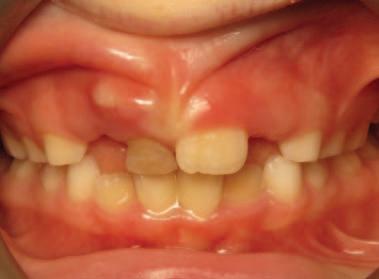
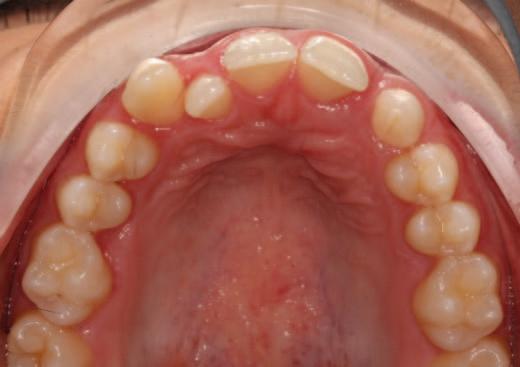
A six-year-old presents to your practice for his first dental check-up. He presents with a discoloured URA and his accompanying parent reports that it has been discoloured since a dental trauma when he was two years old (Figure 1). The ULA exfoliated over six months ago and the UL1 is erupting normally.
Q1. What is the incidence rate of trauma in the deciduous dentition?
A: 1 in 5 children
B: 1 in 7 children
C: 1 in 9 children
Q2. What percentage of traumatised deciduous teeth have sequelae in the permanent dentition?
A: 5-20%
B: 20-50%
C: 50-70%
Q3. What is the best course of action for this patient?
A: Leave for now; the upper right central incisor will eventually exfoliate itself.
B: Extract URA, review eruption of UR1, and refer to orthodontist if needed.
C: Refer to an endodontist.
Answers on page 36
CPD
FIGURE 1.
Clear aligner treatment for dentists: challenges and opportunities
This article provides general dental practitioners with an overview of some of the clinical and planning challenges that frequently arise in the provision of clear aligner treatment.
Introduction
Clear aligner treatment (CAT) continues to grow in popularity, among both patients and treating clinicians. The reasons for this are numerous. For patients, clear aligners are generally accepted, and indeed marketed, as being a more aesthetically pleasing option for straightening the teeth than traditional orthodontic treatment, including fixed appliances.1,2 This makes them particularly appealing for adults, who more oen have jobs or lifestyles that demand a more discreet and somewhat flexible treatment modality, permitting their removal for special occasions, along with eating or drinking. They are also regarded as being more comfortable and less painful, compared to their fixed counterparts, including less so tissue irritation.1
From a clinician’s perspective, CAT can be an attractive option. It is generally a more clinically time-efficient choice, with fewer follow-up appointments, fewer emergency appointments, and less chairside adjustment than fixed appliances.3 Aside from general ease, the time saved here also means that this form of treatment is economically favourable for the prescribing clinician. However, clear aligner treatment is not without its issues.
The problem
There appears to be no need for formal accreditation when it comes to general dentists providing CAT, meaning that the barrier for offering the treatment is very low indeed.4
General dentists are oen led to trust in the ‘simplicity’ of treatment planning. Teeth are moved in 3D computer-aided design, computer-aided manufacture (CAD-CAM) soware, with scant regard as to whether the planned movements are biologically safe or even achievable. General dentists then take these generated simulation plans and use their own, usually limited, orthodontic knowledge to ‘tweak’ them. Unfortunately, there is then a high tendency for such plans to require multiple refinements at best, or intervention from a specialist at the more serious end, to achieve a somewhat acceptable result.5
Dentists’ assumptions about who is planning their CAT were made clear in a recent National Aligner Survey, conducted in 2024.6 Over half of surveyed dentists (52%) working with traditional aligner brands assumed that an orthodontist was planning their treatments. A further 27% expected a dentist to be planning their treatments, 17% expected a non-dentist with clinical training to be planning their treatments, and only 4% expected it to be a non-dentist, trained in 3D CAD-CAM soware. Unfortunately,
Ama Johal
BDS PhD MOrthRCS FDS(Orth) RCS Centre for Oral Bioengineering Institute of Dentistry Queen Mary University of London United Kingdom
Corresponding author: Ama Johal
E: a.s.johal@qmul.ac.uk
it would appear that it is almost always the latter who are planning on behalf of dentists, with consequent questionable and unpredictable outcomes, and the risk of patient dissatisfaction and complaint, given that they are such high-value treatments.
A new way of planning
It would be recommended to get a specialist orthodontist involved from the outset in the case assessment, in determining suitability for CAT and, where appropriate, in the planning and treatment process. The added value of working alongside a specialist orthodontist on clear aligner cases is threefold:
1. Better case selection
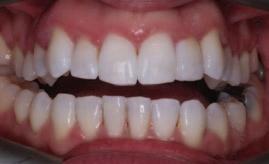
General dentists may be in a position to provide CAT, not only due to their already longstanding, trusted relationship with their patients, but also because they form part of the orthodontic journey – in terms of stabilisation of the dentition, retention, and post-orthodontic cosmetic treatment. However, the challenge facing general dentists lies in selecting the appropriate clear aligner cases, and more importantly identifying whether a case is suitable or unsuitable for them to treat.5 The appropriate support and mentorship of a specialist orthodontist could help general dentists to manage CAT more successfully. This can be illustrated in Figures 1A and 1B, which represent the start and end of treatment. The patient, through prior orthodontic consultations, had been informed that his malocclusion was too complicated for orthodontic treatment alone and required a combination of fixed orthodontic treatment with integrated orthognathic surgery, despite his own request to limit the treatment goals to improvement of anterior alignment. In light of this, the patient’s own dentist was able to understand, with the help of an orthodontist, what movements were safe and
FIGURE 1: (A) Pre-treatment intra-oral photograph showing severe Class III incisor relationship, with anterior and lateral open bites and bilateral posterior crossbites; (B) post-treatment result with clear aligner treatment.
predictable, what results could be expected, and the occlusal traits that would need to be accepted, thus obtaining valid consent. As such, the case illustrates the significant benefits to be achieved when a dentist collaborates with a specialist to work mutually towards delivering treatment for limited but optimal goals (Figure 1B). Without such help and support from an orthodontist, it is understandable that the dentist might have seen the case as untreatable. Case selection also extends to the assessment of all aspects of the presenting malocclusion, and in this regard mentorship from an orthodontist can equally be invaluable in helping to identify ‘hidden’ challenges. This can be illustrated in the second case (Figure 2), where a patient approached her dentist with a desire to improve her anterior alignment, with an impending wedding in six months. Her dentist sought the advice of an orthodontic specialist as to the feasibility of the treatment within this time frame. On clinical inspection, this appeared to be a relatively achievable goal, but in evaluating the radiograph (Figure 3), the orthodontist working alongside the dentist noticed the presence of an unerupted supernumerary tooth in the maxillary incisor root area. Any attempt to align these teeth without first removing the supernumerary tooth could have resulted in either no movement or root resorption of the incisor.
2. Treatment planning
The second perceived advantage of working alongside an orthodontist is more consistent, predictable treatment plans, ultimately leading to better patient outcomes and a reduction in the need for extensive refinements. We need to accept that 3D CAD-CAM treatment planning soware can design very unrealistic tooth movements, and while plans made by traditional aligner
brands might look ‘good’, whether these simulations translate into safe, predictable movement is a completely different – but more important – question. It is sometimes easy to forget that while a technician undertakes the tooth movements, the dentist, as the prescribing clinician, must take full responsibility and therefore liability for the proposed CAT plan, and any negative repercussions that may come of it. Such a predicament is simply not worth the risk for many general dentists, especially when it comes to treating cases at the more complex end of the spectrum. A recent survey revealed that 20% of experienced aligner dentists understandably ‘play it safe’ when it comes to their treatments, opting to only take on what they perceive as mild to moderate cases.6
In contrast, a dentist working alongside an orthodontist, who can both assess and plan the required tooth movements, ensures peace of mind in the treatment plan created, the comparative predictability of the programmed movements and, overall, a better margin of safety.
FIGURE 2: Intra-oral occlusal photographs showing mild upper and lower anterior crowding, with rotation of UL1.
FIGURE 3: Dental panoramic radiograph of the patient, demonstrating the presence of an unerupted early-forming (conical) supernumerary tooth associated with the root of the UL1.
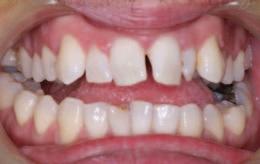
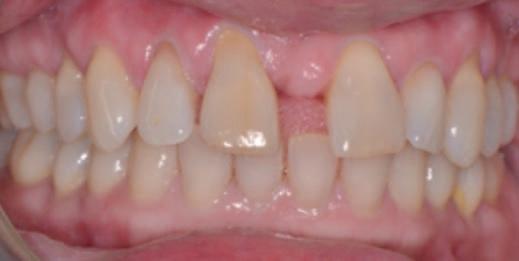
FIGURE 4: (A) Pre-treatment intra-oral photograph showing large maxillary diastema; (B) post-treatment intra-oral photograph showing optimal closure of the median diastema.
Figure 4 highlights these benefits, where resolution of the maxillary midline diastema was the patient’s main goal in undergoing treatment (Figure 4A). Although simply moving the teeth together on 3D CAD-CAM soware might appear to resolve the issue quite easily, the actual movement in the mouth is relatively complex. Without proper planning, including the careful design of attachments, these teeth would most likely tip towards each other, with limited root control, resulting in a rather unsightly black triangle, a loss of overjet, a certain irresolution of the patient’s main complaint, and a high relapse potential. However, with careful, orthodontist-led planning, including the intricate planning of vertical attachments on the central incisors, the result was much more predictably achieved (Figure 4B).
3. Gaining valid consent
Working alongside an orthodontist in planning the CAT allows the dentist to better understand the limitations and risks associated with treatment. In turn, this allows the dentist to obtain valid and informed consent from the patient before the commencement of treatment. As stated earlier, it is vitally important that the dentist understands that they, as the prescribing clinician, must take full legal responsibility and therefore liability for the proposed CAT plan, irrespective of what aligner manufacturer soware-simulated tooth movement is generated for them. In this regard, input from an orthodontist can specifically help the dentist in this key process, with comprehensive case assessment, formulating patient-specific ‘call-outs’ and points of discussion, and a supportive tooth animation movement table, to help the patient understand exactly what is being planned and, more importantly, which traits of their malocclusion are not, if appropriate, being addressed. Again, the patient in Figure 1 is an excellent example of this principle. The value of this is both a dentist and a patient who are better informed of the potential risks of treatment, how they can be mitigated, and whether they ultimately want to go ahead with the treatment.
Connecting with specialists
In the current CAT market, companies are emerging that are not limited to aligner manufacture and provision, but are specially designed to connect general dentists with highly experienced orthodontic specialists, from across the world, in order to provide more predictable CAT plans and patient outcomes. This emerging model looks to specifically incorporate the dentist’s perspective of their patient’s goals and what a ‘good’ outcome looks like for them, as well as the usual pre-treatment records. An experienced orthodontist can then utilise
References
1. Johal A, Damanhuri SH, Colonio-Salazar F. Adult orthodontics, motivations for treatment, choice, and impact of appliances: a qualitative study. Am J Orthod Dentofacial Orthop. 2024;166(1):36-49.
2. Meade MJ, Ng E, Weir T. Digital treatment planning and clear aligner therapy: a retrospective cohort study. J Orthod. 2023;50(4):361-366.
3. Johal A, Bondemark L. Clear aligner orthodontic treatment: Angle Society of Europe consensus viewpoint. J Orthod. 2021;48(3):300-304.
4. Best AD, Shroff B, Carrico CK, Lindauer SJ. Treatment management between orthodontists and general practitioners performing clear aligner therapy. Angle Orthod. 2017;87(3):432-439.
5. Kravitz ND, Dalloul B, Zaid YA, Shah C, Vaid NR. What percentage of patients switch
this information to work alongside an orthodontic technical team, who are highly trained and experienced in CAT, to help facilitate the most effective, predictable, and safe tooth movement.
Such companies permit the dentist to enjoy direct communication with their assigned orthodontist throughout the entire planning process, allowing the dentist to ask questions, and the orthodontist to mentor them through unfamiliar or complex aspects of the case. The importance of this level of specialist support cannot be over-emphasised when it comes to the challenges of case assessment, suitability, consent, and the provision of CAT. In turn, with dentists being solely held responsible and accountable for the provision of this treatment, it is perhaps no surprise that a leading UK defence organisation has publicly endorsed such an approach, not least for the fact that they feel valid consent is being gained.7 These newer approaches to the provision of clear aligners also tend to hold other benefits for general dentists providing orthodontic treatment. While specific aligner providers opt for a one-size-fits-all approach to aligner packages – one material, one trimline, one attachment template – other systems offer the dentist more flexibility and choice, specific to the needs of each patient. For example, these newer systems offer a range of materials, and a choice of trimlines and attachment templates. These new systems are also supporting research developments in CAT, working alongside world-leading research institutes on projects, including one that is designed to understand the training and preferences of dentists undertaking CAT, and another evaluating clear aligner material properties in clinical use.8
Summary
Clear aligners are revolutionising orthodontics, offering patients a more aesthetically pleasing, convenient, and comfortable alternative to traditional braces. However, behind the rapid rise in popularity lies a critical issue: poor treatment planning. Thus, by having the support and mentorship of an orthodontist, dentists wishing to undertake clear aligner treatments can produce safer treatment plans with more predictable outcomes. This collaborative approach supports better case selection, with the potential to reduce refinements, and empowers dentists with mentorship, clear consent protocols, and stronger patient outcomes.
Conflict of interest
Prof. Ama Johal acts as a clinical lead for 32Co in providing mentorship and educational resources.
from Invisalign to braces? A retrospective study evaluating the conversion rate, number of refinement scans, and length of treatment. Am J Orthod Dentofacial Orthop. 2023;163(4):526-530.
6. 32Co. The National Aligner Survey. 2025. https://www.32co.com/2025-nationalclear-aligner-survey
7. Dental Protection. Clear aligners: New partnership with 32co means priority bookings for Dental Protection members. https://www.dentalprotection.org/ireland/publicationsresources/articles/article/clear-aligners-new-partnership-with-32co-means-priority -bookings-for-dental-protection-members. April 18, 2024.
8. Research being undertaken by the author at Queen Mary University of London.
Managing the developing maxillary canine: a practical guide for the general dental practitioner.
Early identification and appropriate investigation of maxillary canine ectopia enable timely intervention, optimise treatment outcomes and reduce the risk of long-term complications to adjacent teeth.
Introduction
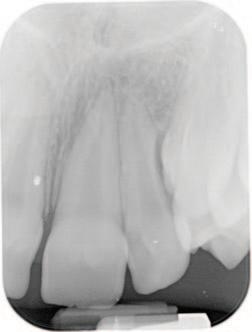
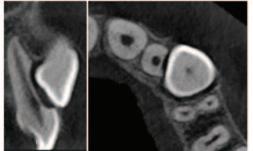
The maxillary canine is second only to the mandibular third molar in its frequency of impaction,1 with a reported prevalence of approximately 1-3%.2 A palatally displaced canine (PDC) is ectopic and oen fails to erupt whereas a buccally displaced canine is generally associated with crowding rather than true ectopia and oen erupts.3 General dental practitioners play a key role in the early detection, investigation and appropriate referral of developing canine ectopia. The most concerning complication associated with an ectopic maxillary canine is root resorption of adjacent teeth, particularly the incisors (Figure 1).1
Clinical tip: Guide to normal maxillary canine development
n By approximately 10-11 years of age, the maxillary canine crown should be palpable in the buccal sulcus,4 slightly distal to the root of the lateral incisor;
n if the canine crown is not palpable, or asymmetry is detected, this may indicate ectopic position and warrant further investigation; and,
n a maxillary canine erupting aer approximately 12.3 years in girls and 13.1 years in boys may be considered late.1
Maeve O’Farrell Senior House Officer in Paediatric Dentistry
Cork
University Dental School and Hospital
Cormac Cotter Postgraduate Orthodontic Student
Cork
University Dental School and Hospital
Clinical tip: Alerts for possible maxillary canine ectopia
Clinical red flags for maxillary canine ectopia:
n absence of a palpable canine bulge in the buccal sulcus by age 10-11;
n asymmetry on bilateral palpation of the buccal sulcus;
n bulge in the anterior palatal vault;
n retained primary canine beyond expected exfoliation time (Figures 2 and 3);
n firm or non-mobile primary canine six months aer exfoliation of the contralateral tooth; and,
n unexplained mobility or discolouration of permanent incisors.
Factors associated with a palatally displaced canine:
n family history of impacted canines;
n late-developing dentition;
n hypodontia elsewhere in the dentition;
n transposition or ectopic position of other teeth;
n Class II division 2 malocclusion;
n peg-shaped, diminutive, invaginated or absent lateral incisor;
n infra-occluded primary molars; and,
n impacted maxillary first permanent molars.
Siobhan Lucey Consultant/Senior Lecturer in Paediatric Dentistry
Cork
University Dental School and Hospital
Declan Millett Professor in Orthodontics/ Consultant Orthodontist
FIGURE 2: Retained primary canines beyond expected time of exfoliation in an 18year-old patient.
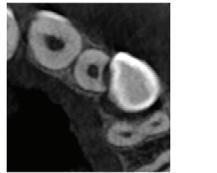
FIGURE 1: 13-year-old boy with resorption of the maxillary left lateral incisor associated with an ectopic maxillary canine shown on a periapical radiograph and CBCT.
Radiographic assessment
Where maxillary canine ectopia is suspected from clinical assessment, radiographic investigation is warranted. Radiographic investigations prior to 10-11 years of age are generally of limited diagnostic value.4 Localisation of the maxillary canine position may be undertaken radiographically using the parallax technique. This involves taking two radiographs, with a tube shift, to determine the buccopalatal position of an unerupted canine.
Clinical tip: Localisation of an unerupted maxillary canine using parallax technique
n Horizontal parallax is more reliable than vertical parallax for unerupted canine localisation ( Figure 4 ).1 This can be achieved with two periapical radiographs (one centred on the upper central incisor and one on the canine region), or by using an upper anterior occlusal radiograph with a periapical view (centred on the canine region).
n Vertical parallax is an alternative, using an upper anterior occlusal and a panoramic radiograph, or a periapical and panoramic.
n The SLOB rule ( S ame L ingual, O pposite B uccal) is employed for interpretation: if the canine crown moves in the same direction as the tube shift, the canine is palatal; if it moves in the opposite direction, it is buccal. Where there is no apparent movement, the tooth is in the line of the arch.
Role of CBCT
Cone-beam computed tomography (CBCT) provides three-dimensional assessment of an unerupted maxillary canine position and adjacent structures. Aside from accurate localisation of an impacted tooth, it also facilitates detection of resorption of adjacent teeth; however, due to its high radiation dose, CBCT should not be prescribed routinely and should be reserved for cases where conventional radiography is insufficient, 3 ideally following specialist advice.
Leave and observe Asymptomatic, patient unconcerned about aesthetics or does not want
Requires ongoing clinical monitoring, treatment, primary canine remains in good condition, no evidence of root risk of late complications. resorption or pathology.
Surgical exposure Favourable position, motivated patient willing to wear fixed orthodontic Prognosis worsens with increasing age, and orthodontic appliances, good dental health, adequate space available or achievable, severe angulation, high vertical position, and alignment canine position within reasonable limits for alignment. medial displacement.
Surgical removal Severe displacement, incisor root resorption attributable to the canine, Potential damage to adjacent teeth/structures orthodontic treatment is declined or unsuitable, acceptable contact during removal. between first premolar and lateral incisor.
Transplantation Specialist procedure reserved for selected cases where alternative options
Risks include ankylosis and root resorption, root are unsuitable. canal treatment may be required depending on root development.
Table 1: Other management options.1
FIGURE 3: 16-year-old girl with a retained upper left primary canine, a palatal bulge in this region, a developmentally absent upper left permanent lateral incisor, and a diminutive upper right permanent lateral incisor.
FIGURE 4: Two periapical radiographs demonstrating horizontal parallax for the localisation of the upper left permanent canine, confirming palatal ectopia.
Clinical tip: Timely extraction of the primary canine may encourage alignment of a PDC
Extraction of a primary canine has been advocated to encourage alignment of a PDC and potentially avoid surgical exposure and orthodontic traction. The most recent related Cochrane systematic review2 found weak evidence that extraction increases the likelihood of alignment of a PDC, and that there is no evidence that it reduces the need for later surgical intervention. Nevertheless, in the absence of evidence suggesting harm in carefully selected cases, particularly where the maxillary arch is uncrowded, and provided the extraction does not require general anaesthesia, interceptive extraction may be considered when clinically appropriate. A specialist orthodontic opinion should be sought prior to any intervention. The outcome is most favourable when:3
n the patient is aged 10-11 years;
n the canine crown lies distal to the midline of the lateral incisor root and is angled no more than 20-30° to the mid-sagittal plane; and,
n the maxillary arch is uncrowded.
Radiographic review should be undertaken within 12 months of extraction. If no improvement is evident, further treatment should be considered. Patients and their caregivers should be informed before extraction that spontaneous improvement is not guaranteed and that surgical-orthodontic management may still be required (Table 1).
References
1. Husain J, Burden D, McSherry P, Morris D, Allen M, Clinical Standards Committee of the Faculty of Dental Surgery, Royal College of Surgeons of England. National clinical guidelines for management of the palatally ectopic maxillary canine. Br Dent J 2012;213(4):171-176.
2. Benson PE, Atwal A, Bazargani F, Parkin N, Thind B. Interventions for promoting the eruption of palatally displaced permanent canine teeth, without the need for
Quiz answers
1. A. 1 in 5
Prevalence rates vary between countries and publications, but this is the average incidence rate in the world in a recent meta-analysis.
2. B. 20-50% of permanent teeth may have sequelae, including enamel discolouration, eruption disturbances, hypoplasia and root dilaceration.
3. B. The upper right primary central should be
Key learning points
n Palpation of the permanent maxillary canines should be performed by age 1011 to identify delayed eruption or ectopia;
n parallax techniques can be used for canine localisation; and,
n extraction of a primary canine may encourage alignment of a PDC in carefully selected cases – parents and caregivers must be informed that:
l evidence for spontaneous improvement in alignment of the PDC is limited; l eruption of the PDC is not guaranteed;
l further surgical-orthodontic treatment may still be required;
l radiographic review is necessary; and,
l if maxillary canine ectopia is suspected, opinion from a specialist orthodontist should be sought before any intervention.
surgical exposure, in children aged 9 to 14 years. Cochrane Database Syst Rev 2021;12(12):CD012851.
3. Cobourne MT, DiBiase AT. Handbook of Orthodontics. 3rd ed. Elsevier – Health Sciences Division; 2024.
4. Ericson S, Kurol J. Longitudinal study and analysis of clinical supervision of maxillary canine eruption. Community Dent Oral Epidemiol. 1986;14(3):172-176.
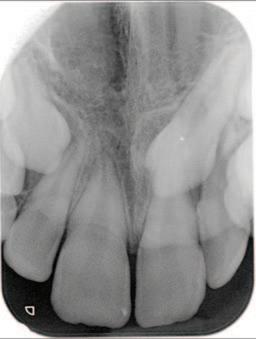
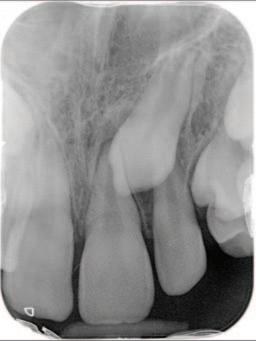
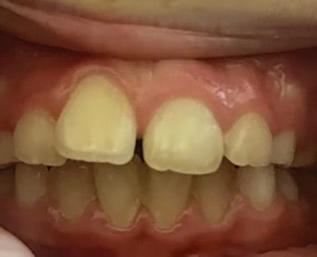
extracted, as was performed for the six-year-old in question here. Extraction will allow the UR1 to erupt into a better position ( Figure 2 ) than if the primary incisor was left in situ for longer (guide being the UL1 was erupted for longer than six months). The patient should be monitored – if at review in three months, there is no obvious improvement in the position of the UR1, the patient should be referred for an orthodontic opinion.
Questions on page 30
FIGURE 2.
Caries in primary teeth and caries in permanent teeth: association and effect modifiers
Wu S, Lo ECM, Chu CH, Wong MCM.
Objectives: To investigate the relationship between caries in primary teeth and caries in permanent teeth among primary school students, and to identify potential effect modifiers of this relationship.
Methods: This retrospective cohort study utilised real-world caries examination data from the School Dental Care Service (SDCS) provided by the Hong Kong SAR Government. Primary school students in grades 3 (P3) or 4 (P4) who participated in the SDCS were recruited from school dental clinics. The exposure was defined as any caries experience in primary teeth in Grade 1. To account for potential confounding factors, the marginal structural model with overlap weight was applied to estimate the average treatment effect for the overlap population.
Results: Among 825 children (mean [SD] age in P1: 6.2 [0.3]; boys 54.7%) without caries in permanent teeth (DMFT=0) in P1, the incidence of caries experience in permanent teeth (DMFT>0) increased to 5.7% and 10.5% in P2 and P3, respectively. Among those with caries experience in primary teeth (dm>0, n=443), 15.4% had caries experience in permanent teeth in P3 compared to only 4.9% among those without (n=382; adjusted risk ratio 2.8 [95% CI: 1.7-4.8; p<0.001]; adjusted risk difference 9.6% [95% CI: 5.4-13.8; p<0.001]). Sex and only-child status significantly modified this relationship, with stronger associations observed in boys and non-only children. Conclusions: Caries in primary teeth increased the risk of developing caries in permanent teeth. This association was modified by sex and only-child status. Clinical significance: Controlling caries in primary teeth is essential for preventing caries in permanent teeth. Risk-stratified interventions targeting boys and non-only children may optimise preventive outcomes and resource allocation in oral health promotion programmes.
Int Dent J. Published online February 27, 2026.
Comparative evaluation of sella turcica morphology and dimensions in Class III malocclusion and cleft lip and palate patients versus Class I individuals
Gul B, Amin E, Hussain U, et al.
Objectives: To compare the morphology and dimensions of the sella turcica in skeletal Class III malocclusion and cle lip and palate (CLP) with Class I.
Material and methods: This comparative cross-sectional study was conducted at the Armed Forces Institute of Dentistry, Rawalpindi, Pakistan, and involved 540 cases (Class I, Class III malocclusion, and CLP) using a non-probability consecutive sampling method. The study included patients aged 12-50 years with Class I or Class III malocclusion or cle palate, while excluding those with previous orthodontic treatment or craniofacial syndromes. Data were collected from digital lateral cephalograms and patient records. The dimensions and morphology of the sella turcica were recorded. The Kruskal-Wallis rank sum test, Dunn’s test, chi-square exact test, and linear regression were applied to analyse the relationship between sella turcica dimensions and malocclusion types.
Results: Sella turcica morphology differed significantly (p<0.001), with normal
morphology most common in Class I (58.33%) and Class III (40.00%), while oblique anterior wall predominated in CLP (30.00%). Sella turcica dimensions also varied significantly (p<0.001), with Class I showing the largest median length (9.0mm), depth (9.0mm), and diameter (11.0mm), followed by Class III, and the smallest values in CLP. Post hoc tests confirmed that Classes I and III had significantly greater dimensions than CLP (p<0.001). Regression analysis indicated that CLP had significantly smaller length (-1.48mm), depth (-1.23mm), and diameter (-1.75mm) (p<0.001), while Class III showed reduced length and diameter. Males had slightly greater length and diameter, whereas age showed no significant effect.
Conclusions: Class III and CLP had smaller sella turcica dimensions and more irregular shapes than Class I, suggesting that monitoring their size and shape could help identify developmental issues early for better diagnosis and treatment planning.
Clin Exp Dent Res. 2026;12(2):e70322.
Impact of scannable healing abutment type on the accuracy of implant impression
Lee HN, Park YK, Shim JS, Lee JY.
Objectives: The objectives of this study are to determine whether scannable healing abutment (SHA) geometry affects implant impression accuracy compared with conventional scan bodies (SBs), and to assess the effect of a detachable cap on SHA accuracy.
Methods: Three partially edentulous mandibular models were fabricated, each with two implants at the right second premolar and first molar, corresponding to three implant systems: IS-III active (Neobiotech), TS-III (Osstem), and Bright Tissue Level (Dentium). For each system, scans were obtained with SBs and SHAs; in the Bright system, a detachable-cap SHA (SHAC-B) was additionally tested. The seven groups were SB-I, SB-T, SB-B, SHA-I, SHA-T, SHA-B, and SHAC-B (n=10 scans per group). Reference datasets were acquired with a laboratory scanner (inEos X5), and intra-oral scans were obtained with an intra-oral scanner (Primescan, Dentsply Sirona). Implants were reconstructed in exocad DentalCAD 2.2 and analysed in Geomagic Control X aer best fit alignment to adjacent teeth. Outcomes were 3D linear and implant angular deviations. Wilcoxon signed-rank tests compared SBs with SHAs within each system and SHA-B with SHAC-B; differences among SHA-I, SHA-T, and SHA-B were assessed with Kruskal-Wallis tests and Bonferroni-adjusted pairwise comparisons (α=0.05).
Results: 3D linear deviations were <70μm for all groups except SHAC-B. For 3D linear deviation, p values (second premolar, first molar) were 0.017, 0.139 (SB-I vs SHA-I); 0.005, 0.013 (SB-T vs SHA-T); and, 0.241, 0.169 (SB-B vs SHA-B). Corresponding angular p values were 0.005, 0.005; 0.005, 0.005; and, 0.074, 0.017, respectively. In the Bright system, adding a cap (SHA-B vs SHAC-B) reduced accuracy (linear 0.009, 0.037; angular 0.005, 0.005). Among SHA groups, differences occurred only at the second premolar, where SHA-B differed from SHA-I and SHA-T; no differences were observed at the first molar.
Conclusions: SHA geometry influenced implant impression accuracy, yet deviations were generally within clinically acceptable ranges. Cap application reduced accuracy, highlighting the need to optimise cap design and connection.
Biomed Res Int. 2026;2026:1061741.
Comparative prosthetic outcomes of two bar attachment systems in mandibular two-implant overdentures: A 5-year pilot study
Abozaed HW.
Purpose: Mandibular two-implant overdentures represent the standard of care for edentulous patients; however, long-term evidence comparing prosthetic maintenance demands among different bar attachment systems remains limited. This pilot randomised clinical study aimed to compare the five-year prosthetic complications and maintenance profiles of bar-locator versus bar-clip attachments to inform clinical attachment selection.
Materials and methods: Sixteen completely edentulous patients were rehabilitated with new maxillary and mandibular complete dentures and received two implants placed in the mandibular canine regions. Participants were randomly allocated to either a bar-locator group (n=8) or a bar-clip group (n=8). Prosthetic complications, including retentive component wear, screw loosening, tooth wear, denture fracture, relining, and other maintenance events, were clinically recorded over a five-year follow-up period.
Results: All participants completed the five-year follow-up (100% retention). A total of 24 prosthetic complications were recorded in the bar-locator group and 13 in the bar-clip group. The mean number of complications per patient was 3.0±1.3 for barlocator and 1.6±0.9 for bar-clip overdentures (absolute risk difference=+1.4; 95% CI: -0.3 to 3.0). Although the bar-locator group demonstrated numerically higher frequencies of retentive insert wear, tooth wear, and minor fractures, none of the between-group differences reached statistical significance (p>0.05). No catastrophic mechanical failures were observed in either group.
Conclusions: Over five years, both bar-locator and bar-clip attachment systems demonstrated reliable mechanical performance and clinical longevity. The barlocator system was associated with a higher overall maintenance burden. In contrast, bar-clip overdentures required relining more frequently, reflecting distinct long-term maintenance profiles rather than differences in durability. These pilot findings support the feasibility of a larger randomised trial and highlight the need for future studies incorporating patient-reported outcomes, cost-effectiveness analyses, and time-to-event assessments of prosthetic maintenance.
J Prosthodont. Published online March 1, 2026.
The association between alcohol consumption and dental implant failure: a systematic review and meta-analysis
Boroomand E, Movahed E, Siahvoshi S, et al.
Background: The impact of alcohol consumption on dental implant failure remains a topic of debate. While some studies suggest a potential link, the overall association remains unclear.
Methods: This study followed the Preferred Reporting Items for Systematic Reviews and Meta-Analyses (PRISMA) guidelines. A comprehensive search was conducted in PubMed, Embase, the Cochrane Library, and Web of Science for studies published up to December 12, 2024. Observational studies assessing the association between alcohol consumption and dental implant failure were included.
Results: Nine observational studies, including 54 to 747 participants each, met the inclusion criteria. The pooled analysis showed no significant association between
overall alcohol consumption and dental implant failure (OR=0.87, 95% CI: 0.50-1.51, p=0.61). However, subgroup analyses revealed that heavy alcohol consumption was associated with a significantly increased likelihood of implant failure (OR=2.78, 95% CI: 2.08-3.91, p<0.001), while low to moderate consumption suggested a potential reduced risk (OR=0.40, 95% CI: 0.21-0.76, p=0.01). Sensitivity analyses confirmed the robustness of these findings, and no significant publication bias was detected. Conclusion: While overall alcohol consumption does not appear to impact dental implant failure rates, heavy alcohol intake is significantly associated with an increased risk. Conversely, low to moderate alcohol consumption may be associated with a reduced risk; however, this finding should be interpreted with caution due to potential confounding factors and the observational nature of the included studies.
Oral Maxillofac Surg. 2026;30(1):41.
Subjective evaluation of denture adhesives in mandibular complete denture patients: a randomized controlled trial
Maqsood
A, Shahidan WNS, Abbasi MS, et al.
Background and aims: Edentulism significantly affects oral function and quality of life, particularly among mandibular complete denture wearers, where reduced retention and stability remain common clinical challenges. Denture adhesives are frequently recommended as adjuncts to improve denture performance; however, limited randomised controlled trials have compared different adhesive forms using standardised control conditions. This study aimed to evaluate and compare the short-term subjective effects of cream, powder, and strip-type denture adhesives on satisfaction and functional outcomes in mandibular complete denture wearers. Methods: This randomised controlled trial included 240 completely edentulous participants aged 40-70 years with moderately resorbed mandibular ridges. Participants were randomly allocated into four groups (n=60 each): cream-type adhesive, strip-type adhesive, powder-type adhesive, and a control group using 0.9% saline solution without adhesive. Subjective outcomes, including general satisfaction, chewing ability, speaking ability, denture cleanliness, retention, and comfort were assessed aer one week using a five-point Likert scale. Data were analysed using χ2 tests with Bonferroni correction, and a p value ≤0.05 was considered statistically significant.
Results: All adhesive types demonstrated significantly higher satisfaction, improved chewing ability, greater retention, and enhanced comfort compared with the control group (p<0.001). Speaking ability was improved with cream and strip adhesives (p<0.001), whereas the powder adhesive showed no significant improvement (p>0.05). The proportion of participants reporting high satisfaction ranged from 26.7% with powder to 50% with strips, effective chewing from 33.3% with powder to 63.3% with strips, and improved speaking ability from 23.3% with powder to 60% with strips. No significant differences in denture cleanliness were observed between the control and adhesive groups (p>0.05).
Conclusion: All adhesive types significantly improve short-term satisfaction, mastication, retention, and comfort in mandibular complete denture wearers. Improvements in speaking ability were observed with cream and strip adhesives only, while denture cleanliness or adhesive removal from dentures remained comparable across all groups.
Health Sci Rep. 2026;9(3):e71897.
Seeking systemic change
Dr Paul Leavy is a Clinical Lecturer at the RCSI School of Dentistry. He has recently completed a PhD as a SPHeRE Programme scholar at the Centre for Health Policy and Management in TCD.
Tell us about your background, what led you to dentistry, and to dental research. I always enjoyed science at school and I was good at art, so I suppose the two led me to dentistry. I’m from a family of medical professionals, and I think there was influence there too. I studied dentistry at the University of Dundee. During my vocational training, I approached Prof. Jan Clarkson with an idea for a study, and she took me under her wing and kindly facilitated this. I then undertook an MSc in primary dental care at Glasgow University. I was fortunate to get a place on the Chief Dental Officer’s Clinical Fellow Scheme in England. That really piqued my interest in policy, workforce, and public health. I moved back to Ireland in 2019, and completed my master’s in dental public health at UCC before undertaking my PhD.
Can you share the primary focus of your recent research and what inspired you to pursue this topic?
To understand the health system factors that influence private general dental practitioners (GDPs)’ participation in publicly funded oral healthcare in Ireland. This is particularly in the context of declining GDP engagement in the medical card scheme, but also the context of implementing the National Oral Health Policy. My interest was rooted in my clinical and policy experience. I worked for many years as a primary care dentist in the NHS, and later in workforce policy development. When I returned to Ireland, I was struck by the significant oral health inequalities here, and the poor access to care for many, in particular, young children.
What challenges did you encounter during your study? How did you overcome them?
The absence of robust oral health workforce data made it difficult to fully appraise the workforce. I had really good information around the number and location of contracts, but very little nuance in the data. The health systems perspective was broadly missing from the literature. Another big challenge was being a dentist researching dentists, trying to maintain objectivity. Thankfully, I had a really good supervisory team, mostly made up of non-dentists. Prof. Sara Burke and Dr John Ford were great for providing methodological guidance and getting me to think outside the dental box.
How do you see your research contributing to clinical practice or patient outcomes in dentistry?
It’s my hope that it will provide new evidence for policymakers and system leaders in Ireland to develop strategies that leverage positive system change and sustain or indeed increase GDPs’ engagement in publicly funded care. Ultimately, the key contribution is improving access to care, especially for very vulnerable populations in Ireland. As we all know, this is very badly needed.
Are there any misconceptions in the field that your research helps to clarify or correct?
One of the main things my research highlights is that money or payment, while very important, is not the only or the main factor influencing GDP engagement in state dental care. The global issue is much more complex. Many dentists I interviewed reported other factors, such as availability of clinical supports, the prior approval process, the lack of clear information, the disconnect between the profession and the public system, and the way in which the profession and the system communicate, which was oen perceived as negative or adversarial.
Which emerging technologies or methods do you believe will most significantly shape the future of dental research?
Realist methods are definitely becoming more prominent and useful in health services research, because many of the challenges in healthcare can’t be fully understood using traditional research methods. Realist research is suited to developing explanations for how and why outcomes occur, and diagnosing problems in complex systems. It can provide actionable insights for policymakers and practitioners who are trying to implement change in real-world health systems.
How important is interdisciplinary collaboration in your work, and can you give an example where it made a key difference?
It’s essential. I was privileged to undertake my PhD under the supervision of nondentists. This allowed me to broaden my thinking, break out of the dental silo, and made a huge difference to the quality of the research. I worked alongside academics from lots of different backgrounds, for example, sociology, health economics, and nursing. This made me realise that, as important as dentistry is, we are just one part of the overall health system.
What advice would you give to young dental researchers just starting out in the field?
Get as much experience in as many different settings as you can. Don’t feel you need to pigeonhole yourself early on – it’s a long career ahead of you. Even if you think you’ve no interest in research, try it out. Seek out mentorship, choose a topic that interests you, and start small. Push on open doors: if opportunities for career advancement or developing new skills present themselves, go for it.
Outside of your research, how do you maintain balance and well-being in such a demanding field?
I love to travel. The promise of a trip away certainly helps sustain me during busy times. I also love to cook – it’s a happy place for me. I have two young dogs, who have so much energy and need lots of walking and attention. They keep me busy!