IDA Annual Conference|The Galmont Hotel Galway|April 26-28, 2018



IDA Annual Conference|The Galmont Hotel Galway|April 26-28, 2018
Dear Colleague,
Fáilte go Gaillimh 2018.
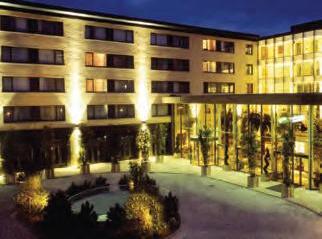
It gives me great pleasure to present to you details of our forthcoming Annual Conference 2018. We return to the ever-popular Galmont Hotel (formerly the Radisson Hotel) overlooking Lough Atalia in Galway from Thursday to Saturday, April 26-28 next.
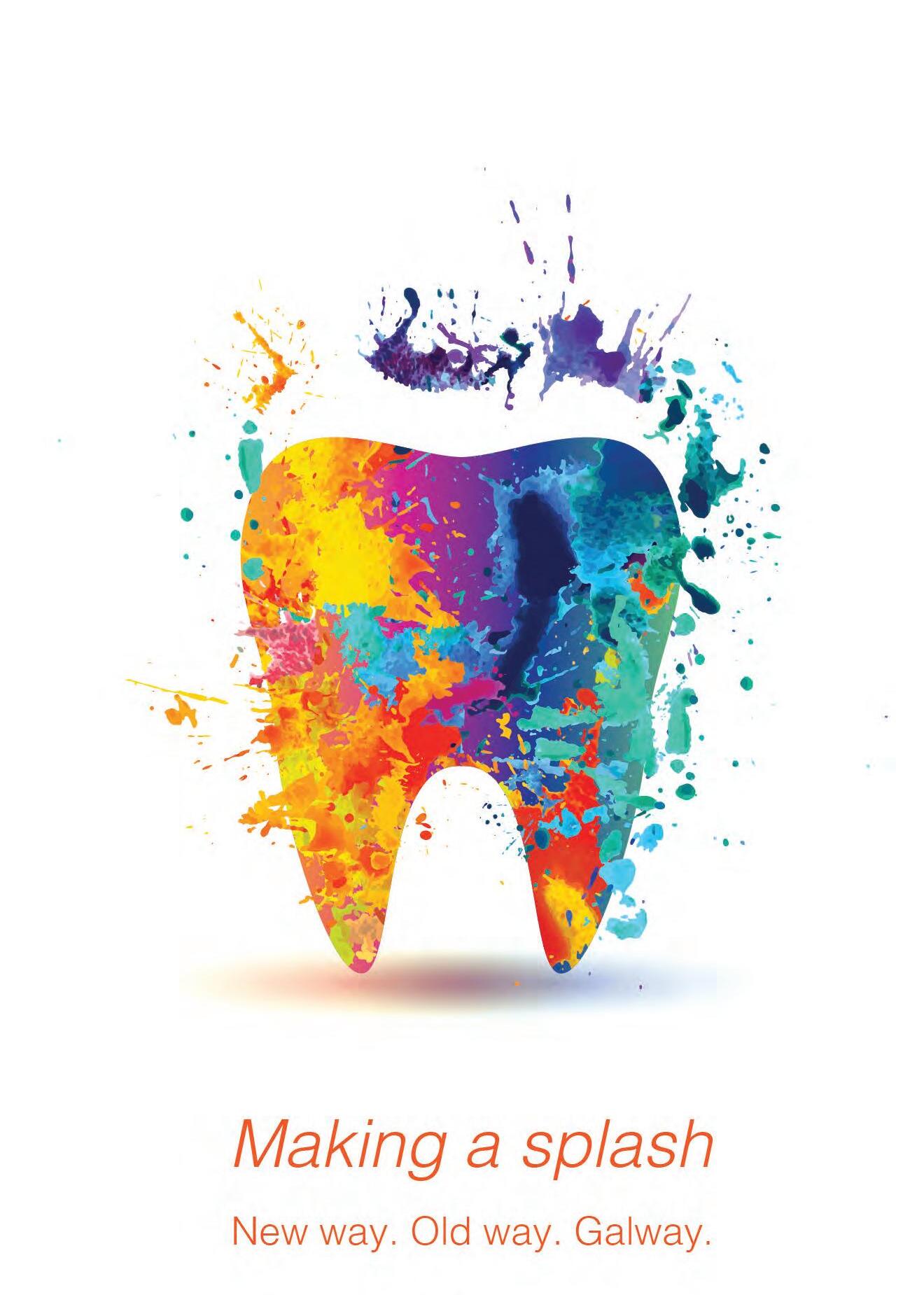
The theme of this year’s conference is ‘Making a splash. New way. Old way. Galway’. I am very grateful to the members of our Conference committee (Dr Mairead Browne, Dr Peter Gannon, Dr Johanna Glennon, Dr Paul Murphy, Dr Judith Phelan and Ms Elaine Hughes) who have worked hard to produce a comprehensive scientific programme. We are very fortunate to have some outstanding national and international speakers to present on a variety of topics. I am especially pleased to welcome world-renowned speakers such as Dr John Alonge (oral surgery), Professor Lars Rasmussen (osteoporosis) and Dr Marty Jablow (America’s Dental Technology Coach).
We are also delighted to have well-known Irish speakers invited to present to us because of their proven track record in delivering high-quality research and clinically relevant presentations.
Our pre-conference day represents a great opportunity to improve our clinical skills with courses from Professor Trevor Burke (posterior composites), Drs Johanna Glennon and Paul McCabe (endodontics), Drs Eoin Fleetwood and Alastair Woods (implant overdentures), and Dr Phil Ower (periodontics).
We will continue with the revised format of parallel sessions on both Friday and Saturday, giving delegates great choice on what presentations they attend. 2018 will also see the continuation of a dedicated dental nurses’ programme. Friday afternoon will again be geared towards all dental team members. Dr Harry Barry will present on stress management and looking after one’s mental health, and the speaker not to be missed this year is Dr Hannah Shields, a dentist who was the first Northern Irish woman to conquer Mount Everest.
Once again, we welcome the involvement of our dental trade colleagues, who will showcase the most up-to-date material, equipment and services on Friday and Saturday at our trade show. Their presence and sponsorship of the Conference allows us to put together such a varied programme of speakers and to attract speakers from abroad.
2018 will see the reintroduction of the Annual GP Meeting, which will take place at 12 noon on Friday, April 27 – all GDPs are encouraged to attend.
Our annual golf competition will take place on both Wednesday and Thursday, April 25 and 26. Our Annual Dinner will take place on Friday, April 27 –all are welcome.
Remember to include ‘Making a splash. New way. Old way. Galway.’ in your diary for 2018.
We look forward to seeing you there!
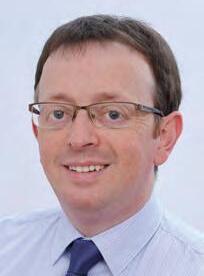
Dr Kieran O’Connor President Elect



2018 will see a dedicated dental nurses’ programme. Dental hygienists are welcome to attend any of the sessions on both Friday and Saturday.
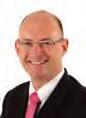

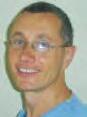
Successful posterior composites
Professor Trevor Burke
With the Minamata Agreement, signed in 2013, signalling the phasing down of amalgam while, at the same time, agreeing a ban on all other mercury-containing devices and products, it is essential that practising dentists become proficient in the placement of alternative restorative materials. While glass ionomer restorations can be placed as quickly as amalgams, their physical properties are not yet appropriate for large load-bearing restorations, leaving the only viable alternative at the present time to be resin composite. This course will discuss the theory of resin composite materials for posterior teeth and the potential problems and, in the hands-on session, will provide a basis for the successful placement of these materials in posterior teeth.
Following attendance on this course, delegates should:
n be aware of the Minamata Agreement and its implications;
n be aware of the latest information on bonding to dentine and resin composite materials, including bulk fill;
n know how to avoid the problems of polymerisation, contraction stress and postoperative sensitivity;
n have knowledge of the literature on survival of posterior composite restorations;
n be aware of optimum cavity design;
n know the matrix systems that will achieve a firm contact point; and,
n be aware of the additional uses of posterior composite restorations, such as cusp replacement.
Implant overdentures workshop
Drs Eoin Fleetwood and Alastair Woods
The 2002 McGill consensus and 2009 York consensus state that a two-implant overdenture should be the first choice of treatment for the edentulous mandible, taking into account performance, patient satisfaction, cost and clinical time. This treatment can take a patient from 10% function with a conventional denture to 60% function. This workshop will examine in detail the ease of use and benefits of locator-style attachment systems. Pick-up impressions of the attachment system and chairside conversion of a denture to an overdenture will be demonstrated. Upon completion of this workshop the attendee should be confident choosing and placing appropriate height abutments, followed by chairside processing of overdenture components into an existing denture.
Keeping endodontics simple and predictable
Drs Johanna Glennon and Paul McCabe
This course allows the practitioner to critically appraise their own endodontic skills with a problem-solving approach to key areas of root canal treatment. These key areas influence the ease at which treatment is carried out safely and effectively. Closer examination and attention to detail in each phase helps to develop a process where we anticipate and prevent problems rather than solve problems retrospectively. Most problems which develop during instrumentation relate to errors not recognised earlier in the treatment process. It is important that we are 'root canal ready' in the busy general practice environment. Microscopes will be used by attendees.
Learning objectives
The delegate will understand:
n how to maximise the information yield from treatment radiographs;
n how to complete isolation in difficult cases;
n access cavity shape, design, orifice location and their impact on problems during instrumentation;
n the importance of keeping our irrigation safe and effective; and,
n keeping the general practice surgery 'root canal ready'.
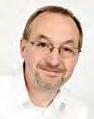
Essentials of periodontics management for the dental team
Dr Phil Ower (open to dentists and hygienists)
Periodontal disease is described as a ‘silent disease’, and it can be easily missed without appropriate management protocols. In addition, we are having to look after more and more patients with implants. This full-day course is designed for dentist/hygienist/ teams and will cover the essential aspects of periodontal and peri-implant management for the busy clinician in general practice. It will cover all aspects of perio management, for both teeth and implants, from diagnosis and assessment to non-surgical treatments, including antimicrobial use, the “when to refer” question, and both tooth and implant maintenance.
Learning objectives
Upon completion of this course, attendees should be able to:
n screen for perio disease fast and effectively;
n assess perio patients in detail;
n diagnose periodontal and peri-implant disease effectively;
n assess patients’ level of risk for periodontitis and peri-implantitis accurately;
n formulate an appropriate management plan suitable for a general practice setting; and,
n plan appropriate supportive care for perio patients and patients with implants.
6.00pm – IDU Annual General Meeting and IDA Annual General Meeting followed by trade show party.
PROGRAMME 1
INIS MÓR 2
9.00am – 10.00am Pulping the pulp. Do we need to?
Dr Paul McCabe
10.00am – 11.00am Managing perio in practice: evidence vs anecdote
Dr Phil Ower
11.00am – 11.30am COFFEE BREAK
11.30am – 12.00pm Medical emergencies in dental practice
Dr Paul Brady
12.00pm – 1.00pm GP MEETING
1.00pm –2.00pm LUNCH
2.00pm – 2.45pm The Hall Techniquekeeping dentistry for children simple!
Dr Eleanor McGovern
2.45pm – 3.30pm Elective treatments –medicolegal concerns
Dr Raj Rattan
3.30pm – 4.00pm COFFEE BREAK
4.00pm – 4.45pm
4.45pm – 5.45pm
PROGRAMME 2
9.00am – 10.00am Life after Minamata
Prof. Trevor Burke
INIS MÓR 3
10.00am – 10.30am Infection control in the dental surgery
Dr Niamh Galvin
10.30m – 11.00pm Ergonomics for dentistry
Eamonn O Muircheartaigh
11.00am – 11.30am COFFEE BREAK
11.30am – 12.00pm The changing face of orthodontics
Dr Conal Kavanagh
12.00pm – 1.00pm Bone grafting/implants
Prof. Lars Rasmusson
1.00pm –2.00pm LUNCH
2.00pm – 2.45pm Minimally invasive exodontia
Dr John Alonge
2.45pm – 3.30pm Osteoporosis and dentistry
Prof Lars Rasmusson
3.30pm – 4.00pm COFFEE BREAK
Both programmes will merge for the last two presentations – two fascinating speakers/topics not to be missed by any dental team member:
Dealing with anxiety and mental well-being Dr Harry Barry
Limits exist only in our minds
Dr Hannah Shields

Friday, April 27 7.00pm Drinks reception
8.15pm Dinner
All dental team members, trade members and friends welcome
10.00am – 11.00am Digital dentistry: the basics on what you need to get started
Dr Marty Jablow
11.00am – 11.30am COFFEE BREAK
11.30am – 12.15pm Tips for managing fractures and injuries
Dr Serpil Djemal
12.15pm – 1.00pm What’s new in high-tech dentistry?
DrMarty Jablow
1.00pm –2.00pm LUNCH
2.00pm – 2.45pm Oral radiology: protecting our patients and ourselves
Dr Catriona Ahern
2.45pm – 3.30pm Temporomandibular disorders: clarifying the issues
Dr Eamon Murphy
3.30pm – 4.00pm COFFEE BREAK
4.00pm – 4.45pm
10.00am – 11.00am Differential diagnosis of oral lesions - an interactive presentation
Dr John Alonge
11.00am – 11.30am COFFEE BREAK
11.30am – 12.15pm Multidisciplinary treatment planning in advanced periodontitis
Dr Tiernan O’Brien
12.15pm – 1.00pm The implications of the Assisted Decision Making Act 2015 for consent in a clinical context
Speaker TBC
1.00pm –2.00pm LUNCH
2.00pm – 2.45pm Tricks in managing luxation injuries
Dr Serpil Djemal 2.45pm – 3.30pm Strategies for providing care for patients with neurological disorders
Dr Alison Dougall
3.30pm – 4.00pm COFFEE BREAK
The pragmatic approach to treatment of tooth wear Prof. Trevor Burke
HANDS-ON WORKSHOP FOR DENTAL HYGIENISTS
Periodontal maintenance around dental implants – Dr John Molloy and Ms Mary Murphy
This short workshop will demonstrate the current clinical approach to maintaining periodontal health around teeth, and specifically implant-retained restorations.
A very practical approach will be discussed and the use of the correct instruments demonstrated.
After the workshop, those attending should:
n have a good understanding of the importance of good oral health and proper maintenance around implant restorations; and,
n be able to determine and measure the health of the tissues around these restorations, and be aware of the correct instruments and techniques to use during treatment
Timings:* 11.00am 12.30pm 2.00pm 2.30pm
* Workshops will be 30 minutes’ duration: (15 mins plus Q+A)
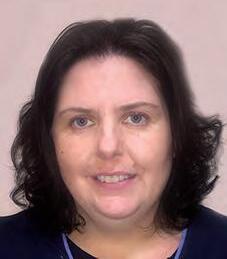
GDP andlecturer in Cork Dental School and Hospital
Oral radiology: protecting our patients and ourselves
This presentation will focus on our responsibility for patient radiation protection. A new directive coming in to Irish law in February 2018 means that all of us involved in the use of ionising radiation will be required to accept and implement patient safety guidelines. This talk will outline the changes and clearly document our new roles and responsibilities, so as to best protect our patients but also ourselves by ensuring that we are fully compliant with our legal obligations.
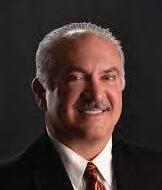
Private practice in oral and maxillofacial surgery and clinical oral surgeon, LECOM School of Dental Medicine, Erie, Pennsylvania, US
Minimally invasive exodontia
This lecture will help you to learn how to perform routine extractions using state-of-the-art minimally invasive atraumatic techniques, which should enhance confidence and proficiency for you and your dental team.
Differential diagnosis of oral lesions –an interactive presentation using audience response polling
This programme is designed to increase the skills of both dentists and hygienists to successfully formulate a differential diagnosis to either treat or confidently refer.
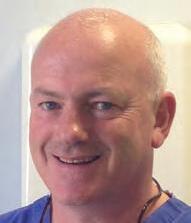
DR PAUL BRADY
Specialist in Oral Surgery, Cork University Dental School and Hospital
Medical emergencies in dental practice
This lecture will present the rationale for taking a good medical history, as well as the importance of preventing medical emergencies from taking place. With a good understanding of a patient’s preexisting conditions, many medical emergencies can be avoided. The management of medical emergencies will also be presented, including the drugs and equipment required.
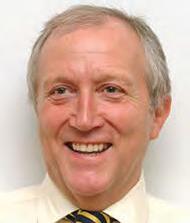
PROF. TREVOR BURKE
Professor, Primary Dental Care, and Consultant in Restorative Dentistry, University of Birmingham
Life after Minamata
Some 147 countries signed an agreement in Minamata, Japan, to reduce the amount of mercury used in industry, lighting and fertilisers. This presentation will look at what an amalgam replacement will look like, examining the pros and cons of the two main alternatives: resin composite and glass ionomer.
Pragmatic approach to toothwear
This presentation will describe:
1. The background to a contemporary method for treating teeth affected by tooth wear.
2. The optimum materials to use for bonding and restoration.
3. The clinical technique, its advantages and disadvantages
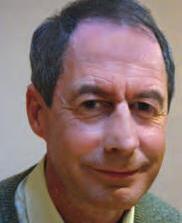
General medical practitioner and mental health advocate
Dealing with anxiety and mental well-being
This presentation will look at how we deal with stress, and at ways we can all avoid stress in our daily lives.
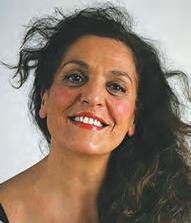
MS SERPIL DJEMAL
Consultant in Restorative Dentistry, King’s College Hospital
Tips for managing fractures and injuries
Serpil will refresh participants’ knowledge on the management of dental fractures and luxation injuries, sharing useful tips and tricks for efficient and successful management. By the end of the lecture, participants will:
1. Understand the aetiology of traumatic dental injuries.
2. Have in-depth knowledge of the different types of traumatic dental injuries.
3. Understand how efficient treatment can ensure the best possible outcomes for patients.
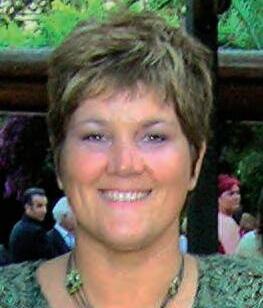
DR ALISON DOUGALL
Consultant, Dublin Dental School and Hospital
Strategies for providing care for patients with neurological disorders
People with acquired and congenital neurological disorders such as multiple sclerosis, Parkinson's disease and epilepsy will commonly present to general dentists in Ireland. Before coming to Ireland, Alison worked in the Royal Neurological Rehabilitation Hospital in the UK for 10 years in a stroke and brain injury multidisciplinary rehabilitation team, and developed a special interest in this area. Her presentation will outline special management considerations, including risk assessment and treatment planning, tips and techniques for overcoming communication and clinical challenges, and post-treatment preventive strategies.
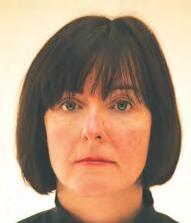
DR JOHANNA GLENNON
Practice limited to endodontics and Assistant Professor in Restorative Dentistry, DDUH
Keeping endodontics simple and predictable
This course allows the practitioner to critically appraise their own endodontic skills with a problemsolving approach to key areas of root canal treatment. These key areas influence the ease at which treatment is carried out safely and effectively. Closer examination and attention to detail in each phase of root canal treatment helps to develop a process where we anticipate and prevent problems rather than solve problems retrospectively. Most problems that develop during instrumentation relate to errors not recognised earlier in the treatment process. It is important that we are ‘root canal ready’ in the busy general practice environment.
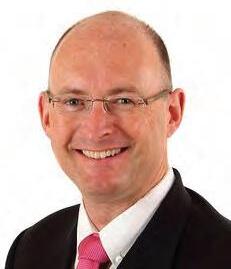
DR EOIN FLEETWOOD GDP, Galway
Implant overdentures workshop
The 2002 McGill consensus and 2009 York consensus state that a two-implant overdenture should be the first choice of treatment for the edentulous mandible, taking into account performance, patient satisfaction, cost and clinical time. This workshop will examine in detail the ease of use and benefits of locator-style attachment systems. Pickup impressions of the attachment system and chairside conversion of a denture to an overdenture will be demonstrated. Upon completion of this workshop, the attendee should be confident choosing and placing appropriate height abutments followed by chairside processing of overdenture components into an existing denture.
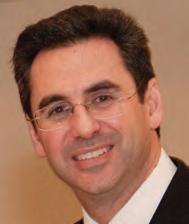
DR MARTIN JABLOW DMD,
America's Dental Technology Coach, New Jersey, US
Digital dentistry: the basics on what you need to get started
Learn how integrating digital technology into your clinical workflow can enhance the patient experience, deliver predictable, quality dentistry, and improve efficiency and productivity for your practice, while leaving a positive impression on your patients.
What’s new in high-tech dentistry?
The goal of this lecture is to give dentists and their staff the information needed to succeed in integrating the latest high-tech dental products and software into their practices. These easy-toimplement and affordable concepts will enable dentists to provide better diagnosis and treatment.
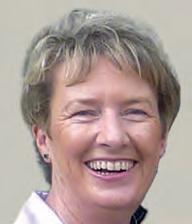
DR NIAMH GALVIN
Principal Dental Surgeon, HSE
Infection control in the dental surgery
Infection control continues to be a major issue for all dental staff. Following recommended infection control procedures can prevent transmission of infectious organisms among patients and dental healthcare personnel. This lecture will discuss the reasons why infection control is important in dental practice. Attendees will learn about recent breaches of infection control in the dental community, modes of dental infection transmission and the length of time bacteria can live on inanimate surfaces, and standard precautions in dental practice. An update on relevant bloodborne infectious diseases and requirements for good infection control will also be covered.
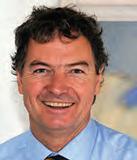
DR CONAL KAVANAGH
Orthodontist, Galway
The changing face of orthodontics
This presentation will examine the different modalities of treatment available to our patients today. With the ever-increasing number of adult patients seeking treatment, combined interdisciplinary treatment plans are needed more than ever. Remarkable results can be achieved when orthodontics is combined with maxillofacial surgery, prosthodontics or periodontology for appropriate patients. The appearance of the appliances we use has also been brought more into focus. While this is understandable in the age we live in, the pursuit of excellence must be our goal in the quality of the treatment we provide. With the advent of advertising, it is important that the dental profession does not over promise and under deliver.
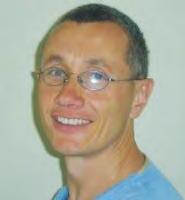
DR PAUL MCCABE
Practice limited to endodontics, Galway
Pulping the pulp. Do we need to?
This lecture will look at the indications for carrying out pulp cappings versus pulpotomies in traumatised teeth. It will review the current techniques and materials, compare the outcomes and review some of the current literature using clinical cases.
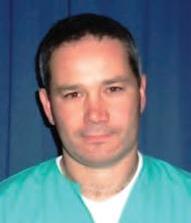
DR JOHN MOLLOY
Practice limited to periodontics, Galway
Periodontal maintenance around dental implants (dental hygienists’ programme)
After this presentation, those attending should have a good understanding of the importance of good oral health and proper maintenance around implant restorations. They will also be able to determine and measure the health of the tissues around these restorations, and be aware of the correct instruments and techniques to use during treatment.
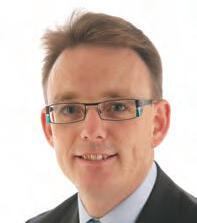
DR EAMON MURPHY
Orofacial pain consultant, Cork
Temporomandibular disorders: clarifying the issues
The treatment of TMD has been defined exclusively in terms of symptom relief. Many treatments are offered but no cures have been found. Each dental discipline seems to have its own favourite approach that is specific to the discipline but not necessarily appropriate for the condition. What does the latest research tell us? Is there are a ‘one size fits all’ approach? Should we still be making splints? Are psychological factors at play?
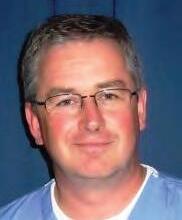
DR TIERNAN O’BRIEN
Practice limited to periodontics, Galway
Multidisciplinary treatment planning in advanced periodontitis
This clinically focused presentation will cover the fundamentals of treatment planning for patients with advanced periodontal disease, from diagnosis to final prosthodontic restoration. It will review the factors involved in decision making and the role of both the dental team and the patient in this. It will propose a system of identifying teeth that can be relied upon for long-term success of prostheses in an environment where assigning an accurate prognosis is difficult. It will look at the role of implants in both the prosthetic restoration and in assisting in the maintenance of periodontally involved teeth. These concepts will be illustrated by clinical cases that have been treated by the Galway team.
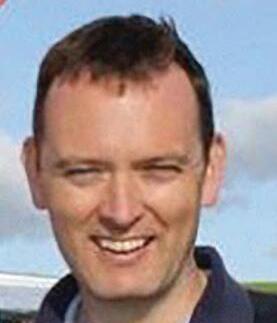
MR EAMONN O MUIRCHEARTAIGH
Chartered Physiotherapist, Kildare
Ergonomics for dentistry
Two out of three dental professionals experience work-related pain that can affect quality of life, productivity and career longevity. In this highly interactive presentation, Eamon will show delegates how to improve their posture, use equipment correctly and sit correctly. A range of exercises and techniques will be shown to help back and neck pain for all dental team members.
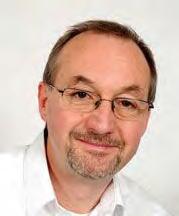
DR PHIL OWER
Specialist in periodontics, UK
Managing perio in practice: evidence vs anecdote In perio management in practice, how much of what we do is based on sound evidence and how much is based on clinical observation, experience, training (maybe years ago) and dogma? This presentation will examine the differences between evidence and anecdote: how to tell them apart and how each can be used in a practice setting. And when you find evidence, how do you know it is any good? Where do you find it? The presentation will use as examples perio prognosis assessment and commonly used treatment techniques in perio management from self-care by patients to non-surgical treatment methods. Prepare to have your received wisdom challenged!
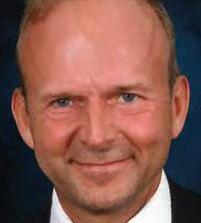
PROF. LARS RASMUSSON
Chair, Dept Oral & Maxillofacial Surgery, University of Gothenburg
Osteoporosis – treatment, side effects and dental-related complications
Osteoporosis is a risk factor for fractures and the condition is common in the elderly, especially in women. Modern treatment protocols can improve the bone mineral density (BMD) and significantly reduce fracture risk. There are, however, side effects, and increasing numbers of cases of, for example, atypical femur fractures and osteonecrosis of the jaw have been reported. This lecture will address the underlying pathogenic mechanisms behind osteoporosis, osteoporotic fractures, treatment options, and how to identify and treat side effects of medication-induced osteonecrosis of the jaw.
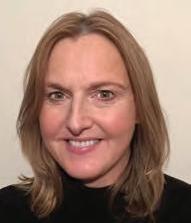
MS MARY MURPHY
Dental hygienist, Galway
Periodontal maintenance around dental implants (dental hygienists’ programme)
After this presentation, those attending should have a good understanding of the importance of good oral health and proper maintenance around implant restorations. They will also be able to determine and measure the health of the tissues around these restorations, and be aware of the correct instruments and techniques to use during treatment.
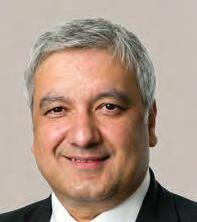
DR RAJ RATTAN Director, Dental Protection
Elective treatments – medicolegal concerns
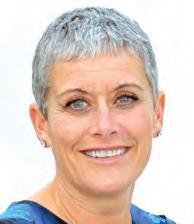
DR HANNAH SHIELDS Dentist and explorer
Limits exist only in our minds
Ultra-marathon runner, explorer, mountain climber and dentist, Derry native Dr Hannah Shields was the first Northern Irish woman to conquer Mount Everest. Approaching her 50th birthday, Hannah took up the multidisciplinary sports of duathlon and triathlon, participating in a wide range of distances from sprint to ironman. She was successful in her new sport, resulting in selection to represent Ireland at international level. In April 2011 she was privileged to be honoured by the Nepalese Ambassador as Honorary Goodwill Ambassador to Nepal. Hannah will give a fascinating presentation on the physical and mental preparation needed to take on such challenges.
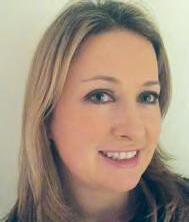
DR ELEANOR McGOVERN
Paediatric dentist, Dublin
The Hall Technique –keeping dentistry for children simple!
This presentation will cover the challenges of managing dental caries in the primary dentition, and in particular will focus on restoration of the primary molar. It will review the various possible treatment options, and will then focus particularly on The Hall Technique. It will also look at the concept of indirect pulp therapy.
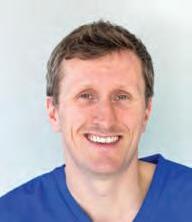
DR ALASTAIR WOODS
GDP, Dublin
Implant overdentures workshop
The 2002 McGill consensus and 2009 York consensus state that a two-implant overdenture should be the first choice of treatment for the edentulous mandible, taking into account performance, patient satisfaction, cost and clinical time. This workshop will examine in detail the ease of use and benefits of locator-style attachment systems. Pickup impressions of the attachment system and chairside conversion of a denture to an overdenture will be demonstrated. Upon completion of this workshop the attendee should be confident choosing and placing appropriate height abutments followed by chairside processing of overdenture components into an existing denture.
PRE-CONFERENCE COMBINATIONS
Please indicate your choice(s) by ticking relevant box
All delegates must register online for the conference. IDA members can register by logging on to the members’ section of www.dentist.ie and selecting "Book CPD Event" from the menu bar. Non-IDA members please go to www.dentist.ie, click "Book CPD Event" on the menu bar and enter your email and password.
If you are unsure of your log in details, or are encountering problems, please call Gráinne in IDA House on 01-295 0072
Pre-Conference Courses
FULL DAY/HANDS ON COMPOSITES – PROF. T. BURKE
FULL DAY/HANDS ON PERIODONTICS – DR P. OWER
FULL DAY/LECTURE
ENDODONTICS – DRS J. GLENNON AND P. McCABE
HALF DAY/HANDS ON
OVERDENTURES –DRS E. FLEETWOOD AND A. WOODS
HALF DAY/HANDS ON
Main Conference Only
Team
Discounted Packages
Programme
Online bookings will close at midnight on Tuesday, April 24, 2018. All bookings after this date must be made on site. Please note that the early bird prices listed will increase by ¤50 on all options after Wednesday, March 21, 2018.
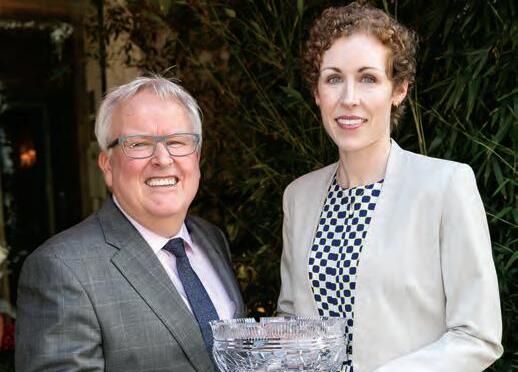
The Dr Joe Moloney Award is awarded to an outstanding Irish presenter/lecturer at our conference, and is chosen by the delegates. The winner of the Award, which is kindly sponsored by the Dental Health Foundation, will be chosen on the final day of the Conference, when all delegates will have the chance to nominate their presenter of choice.

The President’s Golf competition will take place at Galway Bay Golf Resort on Thursday, April 26, from 2.00pm. For anyone booked to do a preConference course on Thursday, we have reserved some tee times on Wednesday, April 25, in the afternoon.
Tee Time: 2.00pmGreen fees: ¤50
Playing in three balls. As well as Conference delegates, accompanying persons and all trade exhibitors are also welcome to play. Only delegates registered for the Conference can be eligible for the President’s Prize.
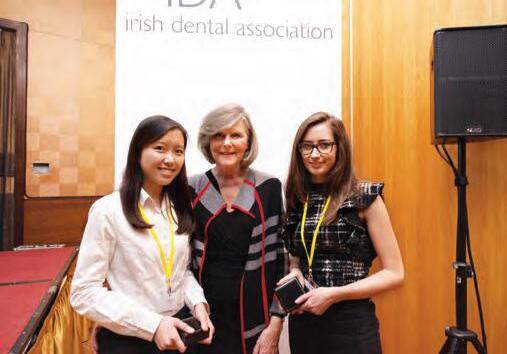
The Costello Medal is awarded to a student or students from one of the dental schools each year for a table demonstration on Friday of the Conference. The competition will be judged on a table demonstration or poster demonstration of not more than 10 minutes’ duration on a subject applicable to general dental practice.
The Irish Dental Association will provide a grant for each demonstration.
IN
–THE GALMONT HOTEL (formerly the Radisson Hotel)
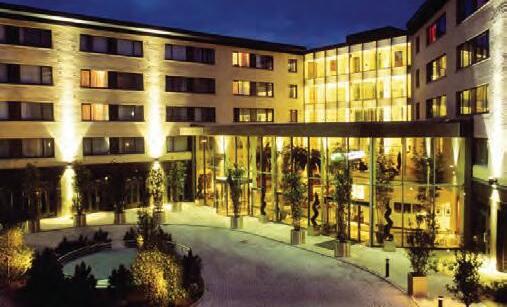
The Galmont Hotel, Lough Atalia Road, Galway T: 091-538300 All bookings for accommodation must be made directly with the hotel.
Booking opens early January