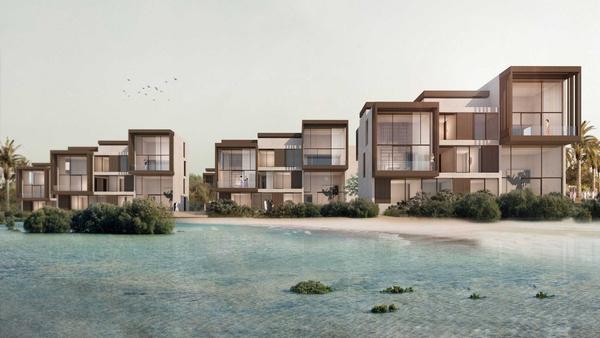
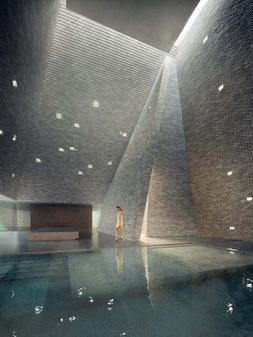
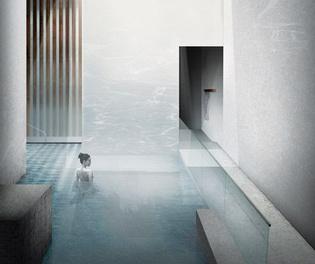
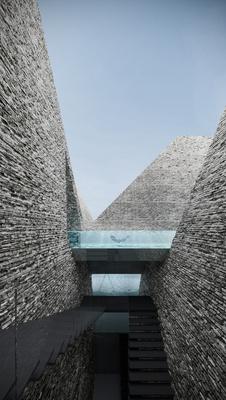
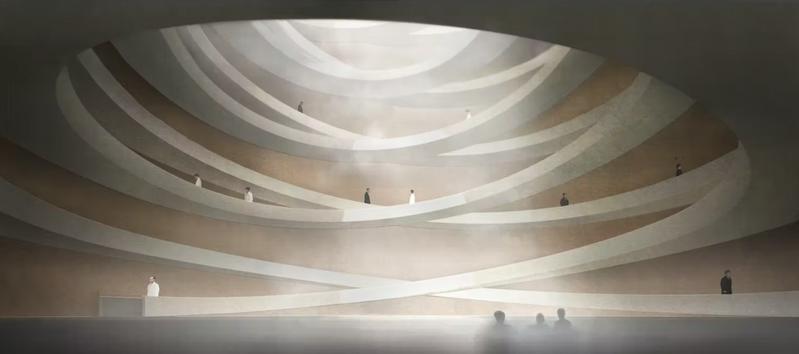
work of architecture that does not express serenity is a mistake '
-luis barragan
1.1 Introduction
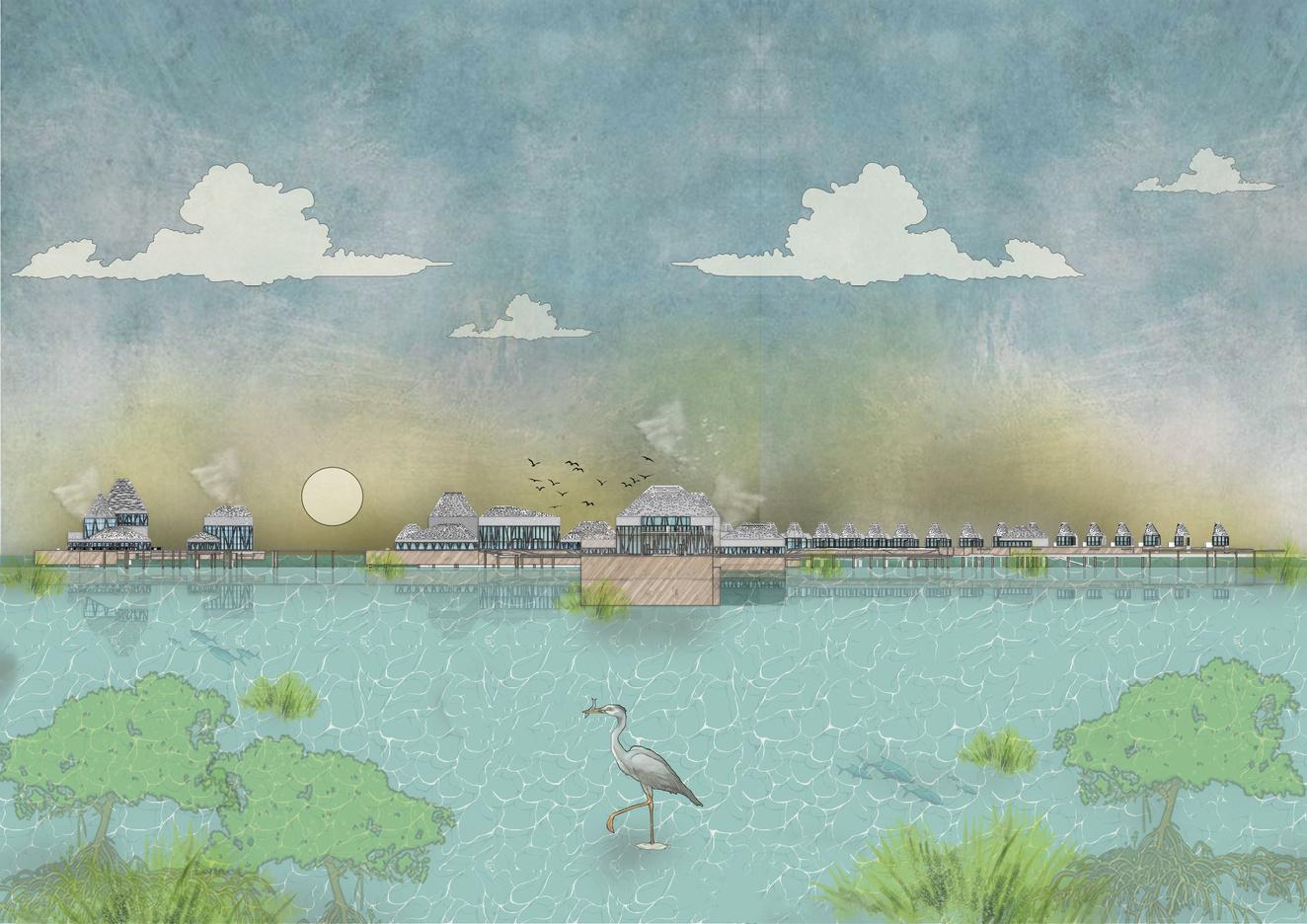
Relaxing and getting away from the city's streets ar Dhabi. While many hotels have spas, my project is un water as an essential part of the project's operatio culture. It's everywhere on the site; you should thi you would about concrete and wood. Water is necessar life to survive. Nearly 70% of the human body is mad presence has helped civilizations grow over time. Water is one of the most common and also one of the most mysterious substances on Earth. It was one of the four primary elements: fire, air, and earth. All known natural phenomena are based on these taken as a whole. Water's ability to change states from solid to liquid to gas and shape the earth's surface over millennia have put it at the center of cultures worldwide. The therapeutic and healing properties of temperate bathing have been central to daily life since the ancient Greeks, and water's symbolic and actual purifying capacity is mentioned in most major religions. The selection of materials, structural systems, and construction methods necessitates a complex set of considerations driven by various factors, including form, cost, and aesthetics. This negotiation is essential to successfully completing any built work and is an essential part of the design process.
1.2 Problem statement
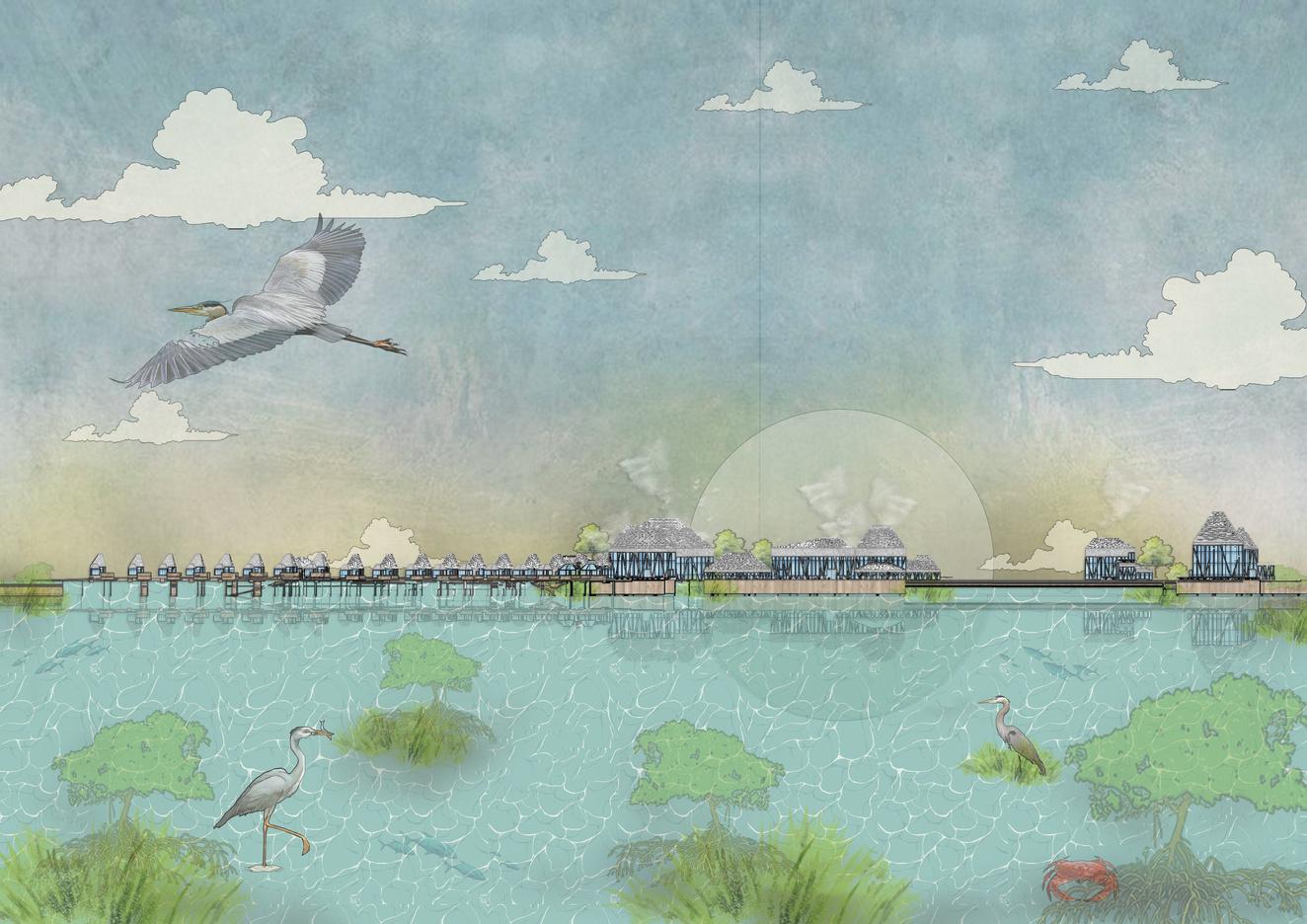
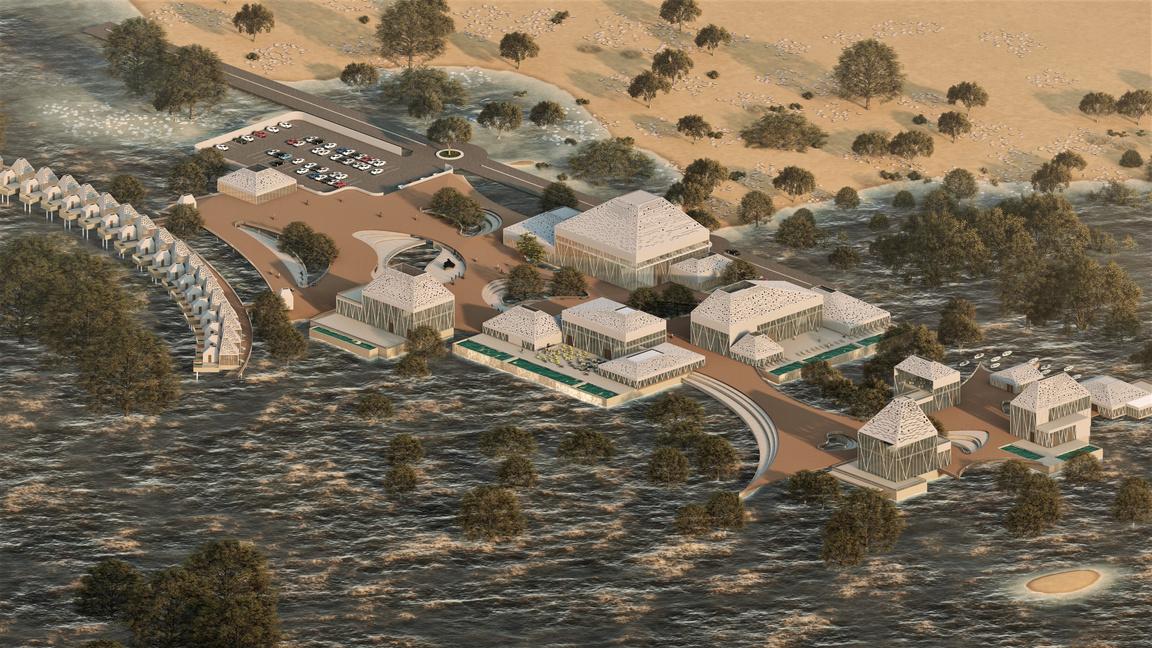
The therapeutic benefits and primitive connection to not changed over time, but the architectural impleme significance of retreats, public baths, and spas hav architectural proposal for a "Wellness Centre and Re extensive heritage to complement the stunning surrou mangroves The Al Jubail development wants to add a healing properties to provide mental and physical relaxation. The project references ancient practices that use water of varying temperatures and states to reenergize and heal people The various environmental conditions required for the facility to function properly and the architectural potential of these conditions are of particular importance.
1.3 Reasons of Choice
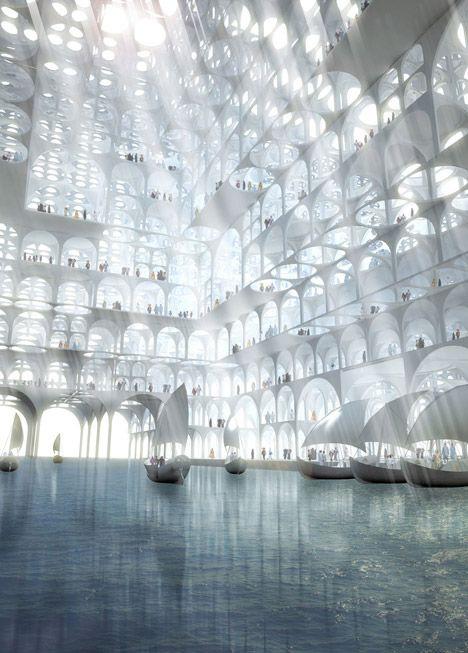
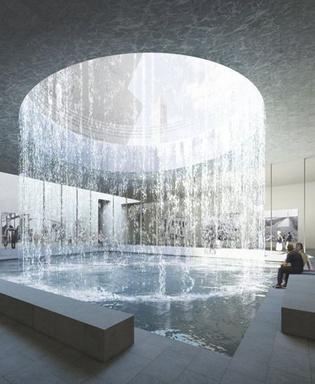
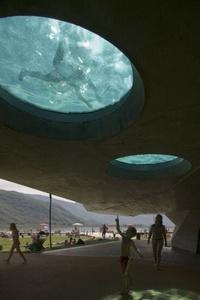
Because retreats have been viewed as a means of escape, I chose this topic. On their way out of the stressful city, users can lose themselves in facilities with natural water connectivity. Some examples don't have a real view of the outside, and the indirect light from above makes it feel like you've stepped into another world.
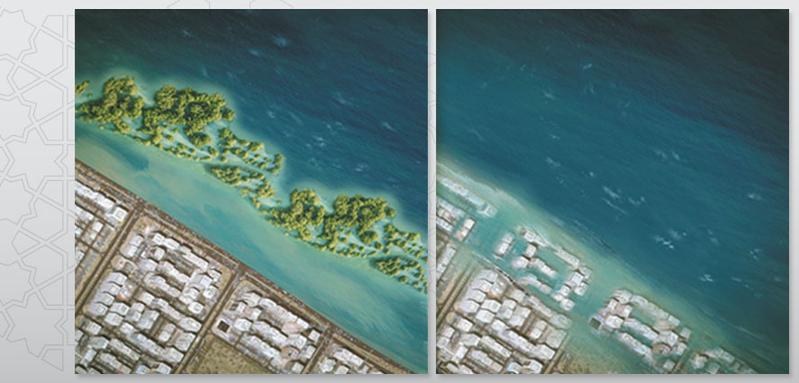
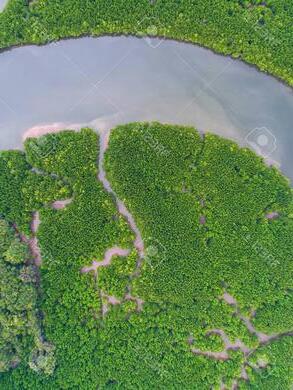
More than 150 square kilometers of the UAE's coastline are thought to be covered by mangroves, which serve as a "green lung" for big cities like Abu Dhabi and Dubai while also providing habitat for wildlife and recreation areas for humans. Mangroves are able to store carbon, and one of their main advantages is that they can cut down on harmful greenhouse gases that cause climate change They transform this greenhouse gas into organic carbon, which they either use to construct their intricate root structures or release into the sediments surrounding them. Mangroves can even reduce the damage and deaths caused by tsunamis by creating a buffer zone, filtering and pacifying tidal flows, and protecting coastal areas from erosion. Mangroves are ited Arab Emirates, and I anticipate that they will play a preventing the erosion of our shorelines as sea levels an important building material in pre-oil times and feed. The microbes that live alongside mangroves are a that is less well-known. Mangrove microbes produce unique tists are working to isolate and identify. These molecules o treat human diseases like cancer
1.4 Proposal
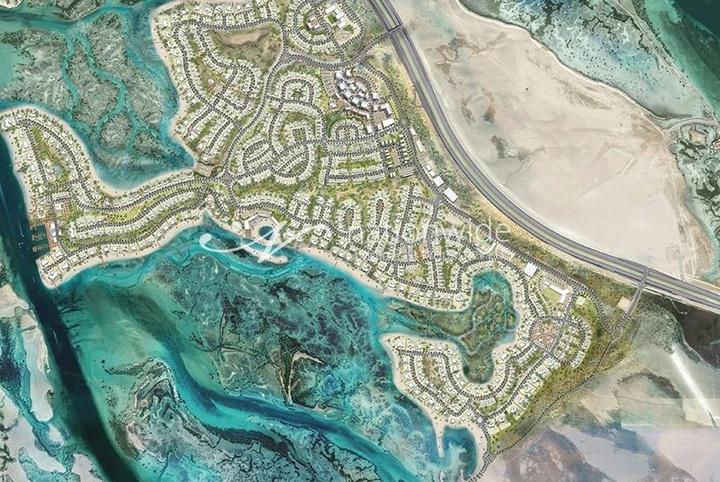
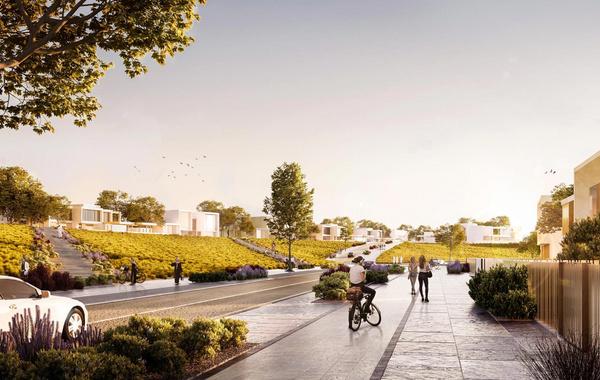
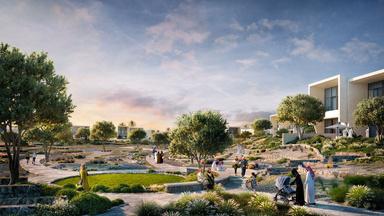
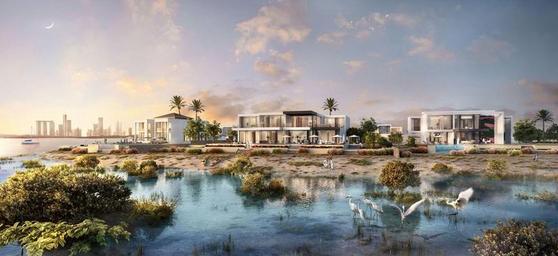
Jubail Island is rapidly developing into neighborhoods that are intertwined with nature in a way that is unlike any other. It is located in a protected natural environment that is breathtakingly beautiful, and the ecosystem that surrounds it supports a variety of wildlife. Its one-of-a-kind intertidal marine setting welcomes a variety of wildlife to its habitat.
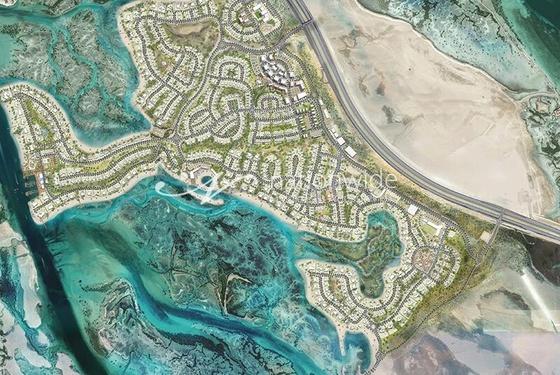
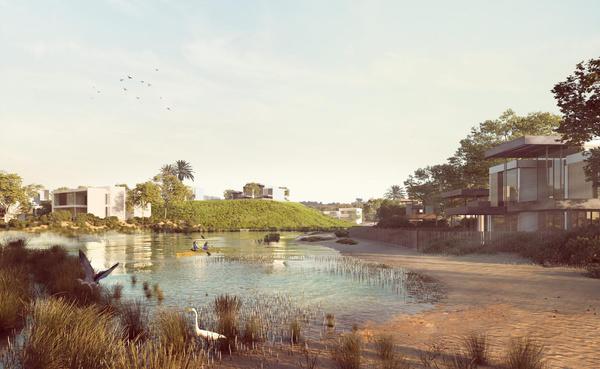
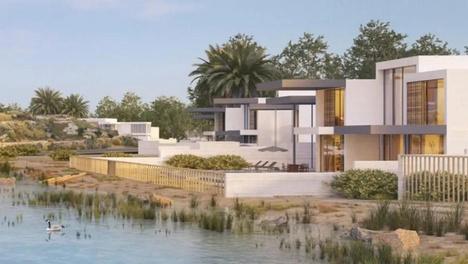
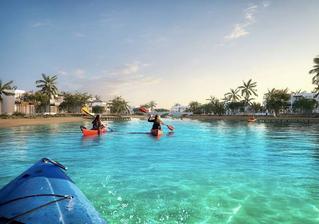
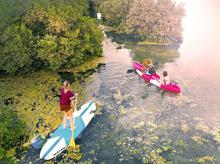
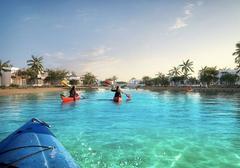
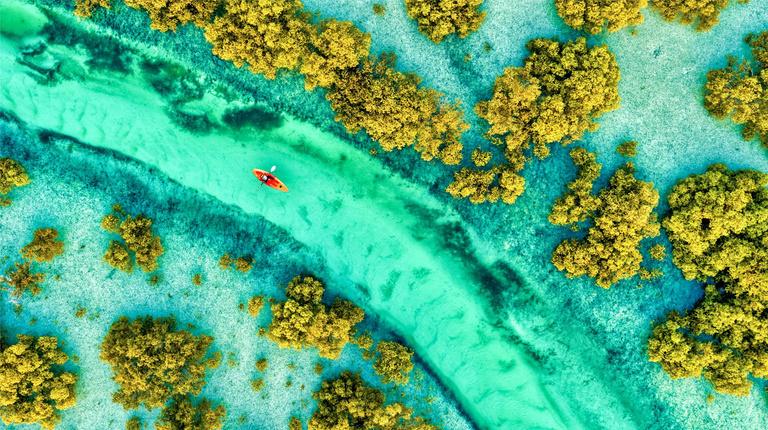
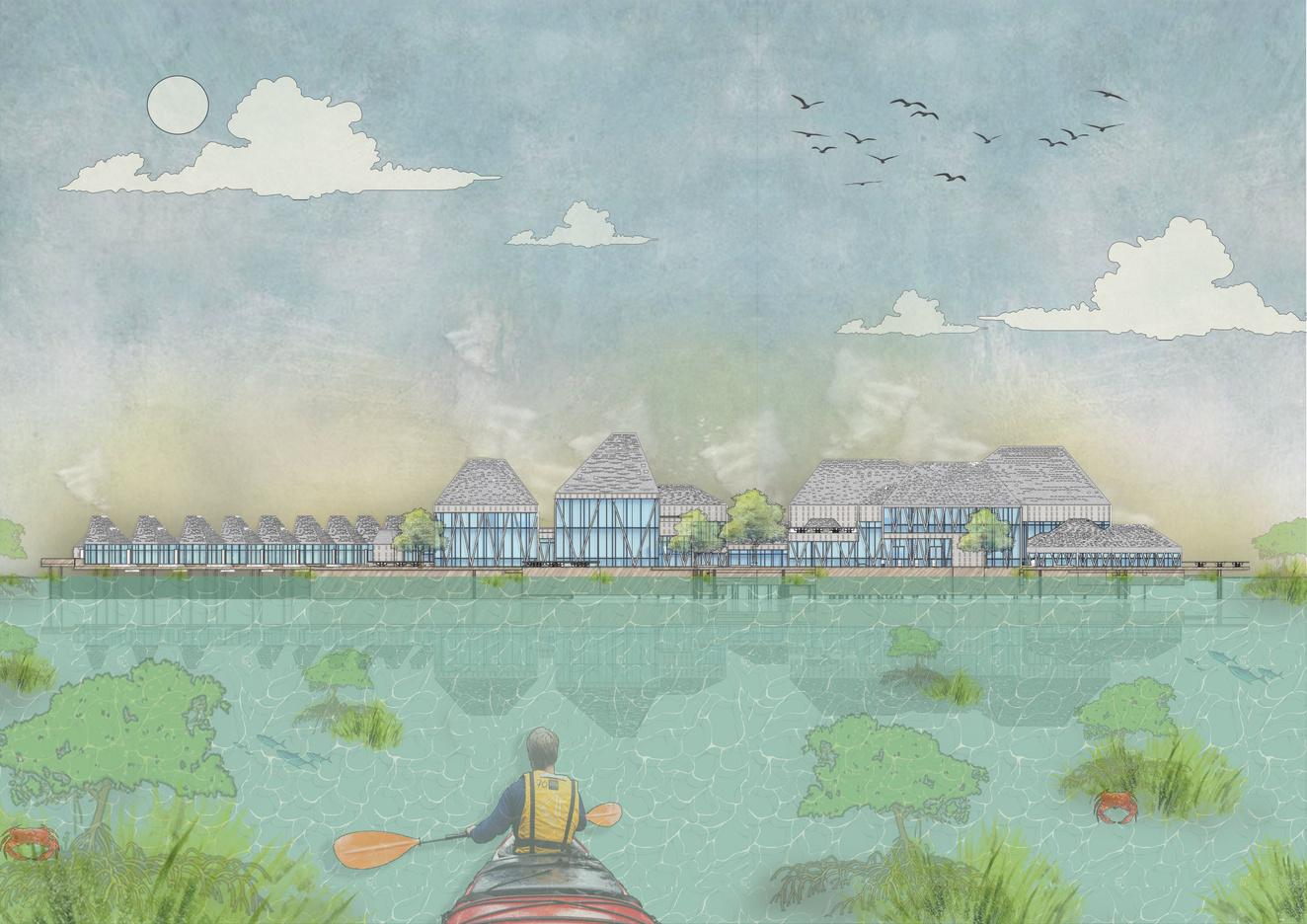
The community here is embraced by the vibrancy of a modern city and the tranquility of pristine island life thanks to its exclusive location. The best part of Ain Al Maha is the rich coastal landscape, which includes secluded beaches and waterfront shores. You can have fun at the beach or paddle around in a kayak with amazing views of evergreen mangroves.
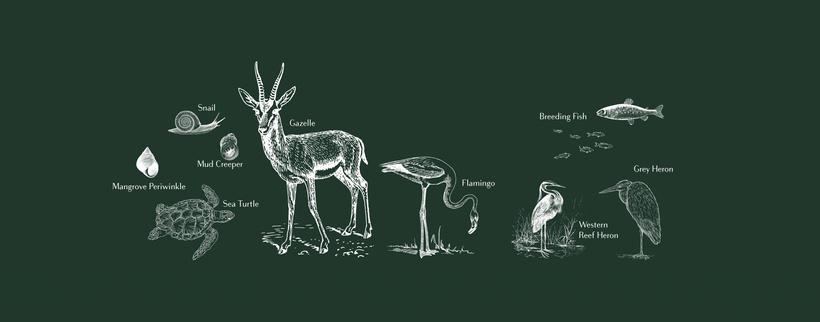
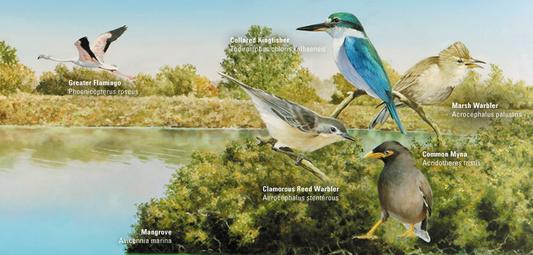
The island's location on an important migratory route makes it common to see exotic and beautiful birds, and residents enjoy occasionally spotting elegant gazelles wandering nearby.
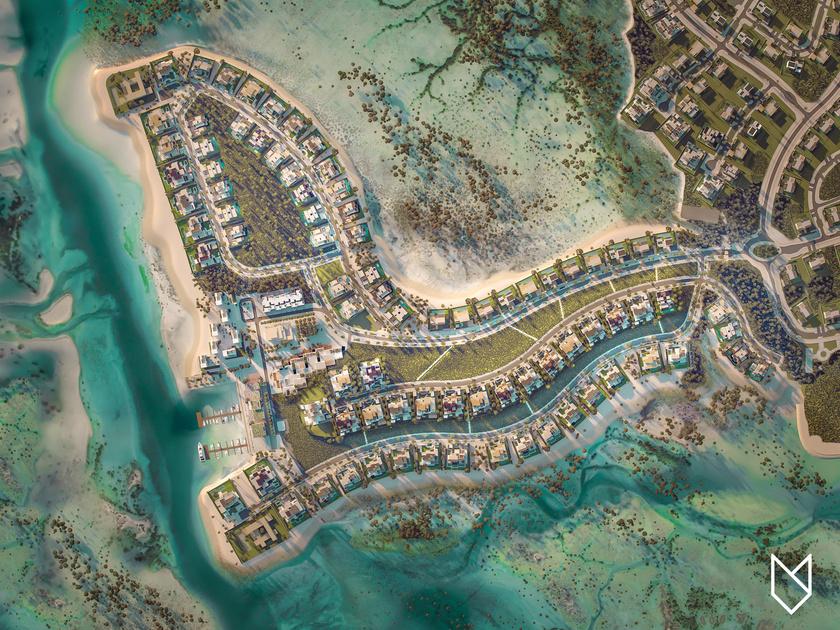
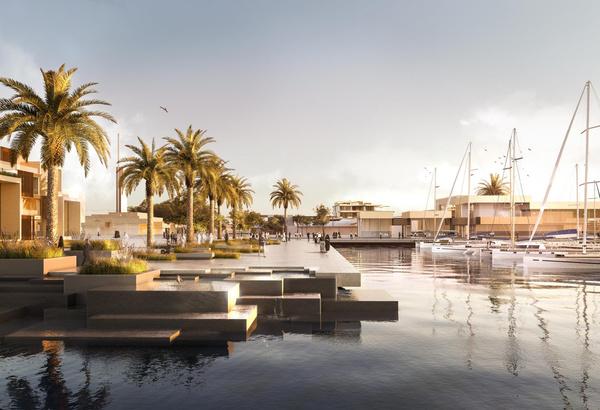
Location#2: Marfaa Al Jubail a luxurious haven with a view of Abu Dhabi Island It has a marina, a clubhouse, high-end villas, boutique apartments, and a variety of shops and restaurants that overlook the mangroves.
Location #1: Ain Al Maha in Al-Jubail Island
1.5 goals and objectives
By creating a mangrove bathhouse resort, the constructio Jubail Island aims to increase the variety of resorts Utilizing the city's wettest land to create a experience for guests is smart. The main idea is enjoyable for visitors, as it is already going to place in Abu Dhabi, and to provide a place to unwind getaway with a stunning view.
1.6 Methodology
Derived data is the process of transforming previously existing data points, which typically come from various data sources, into brand-new data. For this proposition, many sources have been utilized to see further mangrove resorts. E-books, websites, PowerPoint slides, journals, previous thesis projects, handbooks, and blogs, for instance, contained useful data and information. Understanding the services and amenities required to build a resort that works well was made easier by looking at previous mangrove resorts that were built around the world (precedents) and walking through resorts in Abu Dhabi. In addition, gaining a deeper understanding of the sustainable systems that can be combined to create a resort that is self-sufficient has been extremely helpful in determining what is required and what can be incorporated into the design of the mangrove resort.
1.7 History & Backgroun
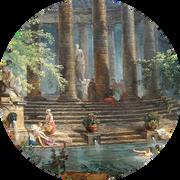
1. Roman baths
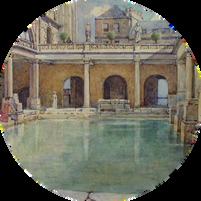
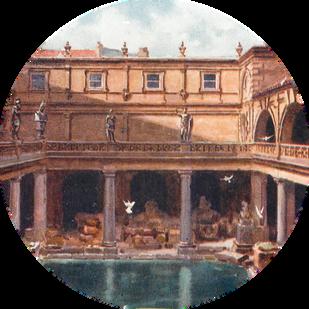
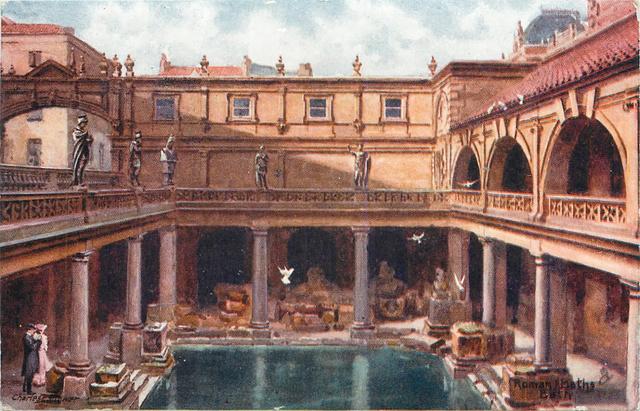
The Roman empire's first resort dates back more than 2,300 years It all started with a public bathhouse for people to use as a place to relax, with separate baths for men and women More bathhouses were built on hot springs to take advantage of the minerals in the water as the Roman empire grew A gymnasium, restaurants, lounges, libraries, stores, and even theaters and museums were all added to the baths over time It began as a health facility but later added social and recreational facilities
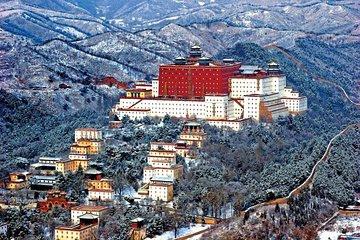
2. Chengde Resort, China
The Chengde Resort in Northwest Beijing, China, took 89 years to build and was finished in 1792. The mountain resort spans 5.9 kilometers square The resort intends to establish a spiritual healing retreat The vast area had palaces for the emperors and the Qing dynasty, as well as gardens, lakes, and mountains (Momin, 2018).
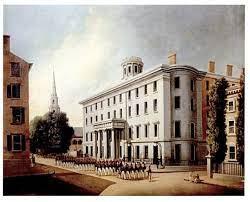
3. Tremont House, Boston, North America
The Tremont House, the first opulent resort in North America, was built in Boston in 1829 After a long time, beach resorts and jungle resorts that combined hospitality and tourism to protect wildlife gained popularity
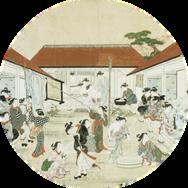
ROMAN EMPIRE'S ROMAN EMPIRE'S BATH HOUSE BATH Ban resort & Spa,Belgium
Resorts in England became trendy
Large-scale Chengde Resort in Beijing, China
Hotel Beae au Lac, Zurich
Tremont House in Boston the first luxurious resort
site overview
"Architecture
should speak of its time and place, but yearn for timelessness."
-Frank Gehry
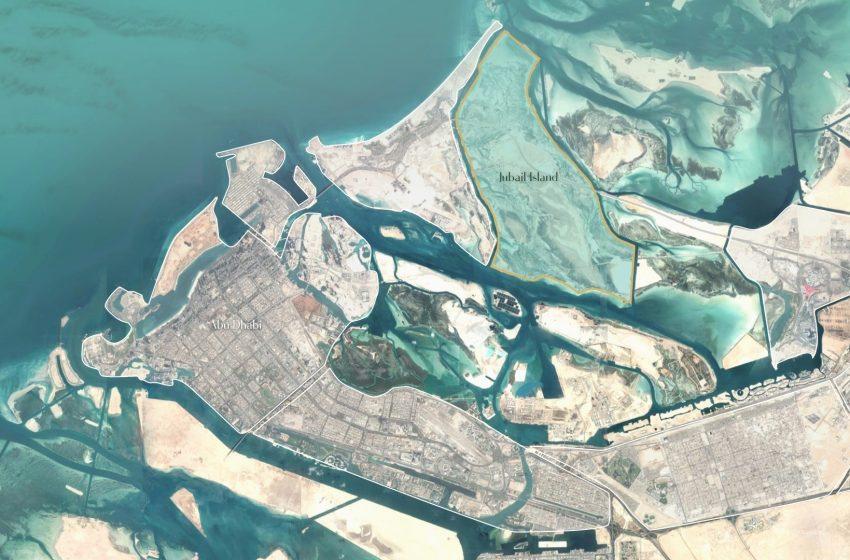
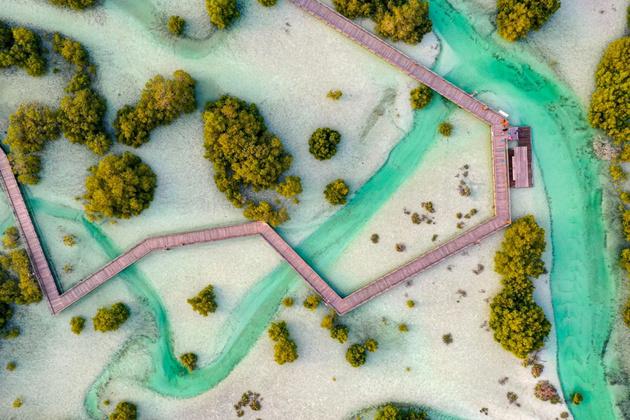
A fantastic city to visit in Abu Dhabi. However, most people come here to see the brand-new skyscrapers and world-famous luxury hotels or even to watch a race on the Formula One circuit. The majority of people are unaware of the fact that incredible natural escapes exist even in a city built on oil revenue. Some tourists know that Abu Dhabi has stunning beaches with white sand, which are ideal for getting a tan Most people are unaware of the amazing Al Jubail Mangrove Park and boardwalk in Abu Dhabi. The park was visited by Prince William on his first official trip to the Emirates This island is direct across from Abu Dhabi, on the mainland. The construction of high-end homes and commercial spaces has just begun there. Developers have sought to integrate their designs with the island's natural beauty rather than increasing the number of homes a mangrove village in the style of Abu Dhabi that is ve and a park, as well as residential neighborhoods. of Abu Dhabi, where there is so much greenery, this ls like an anomaly. Between Saadiyat Island and Yas d is home to the brand-new attraction. The location m Yas Island or Dubai or downtown Abu Dhabi and he opposite direction.
2.1 THE JUBAIL ISLAND
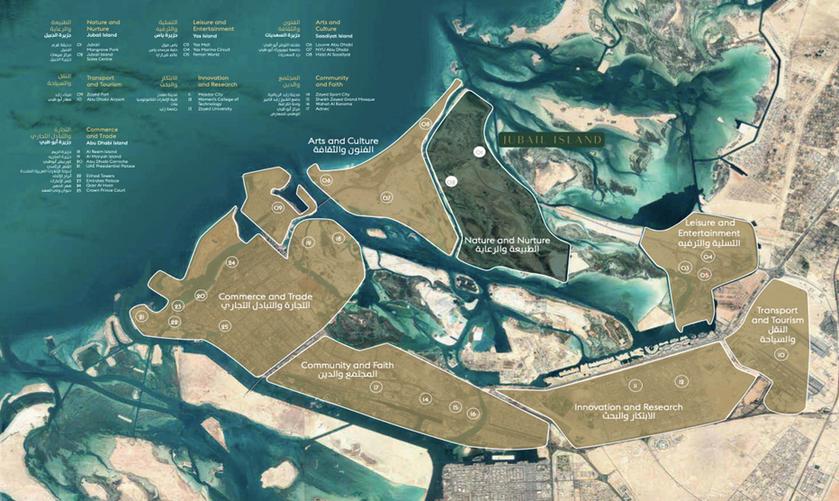
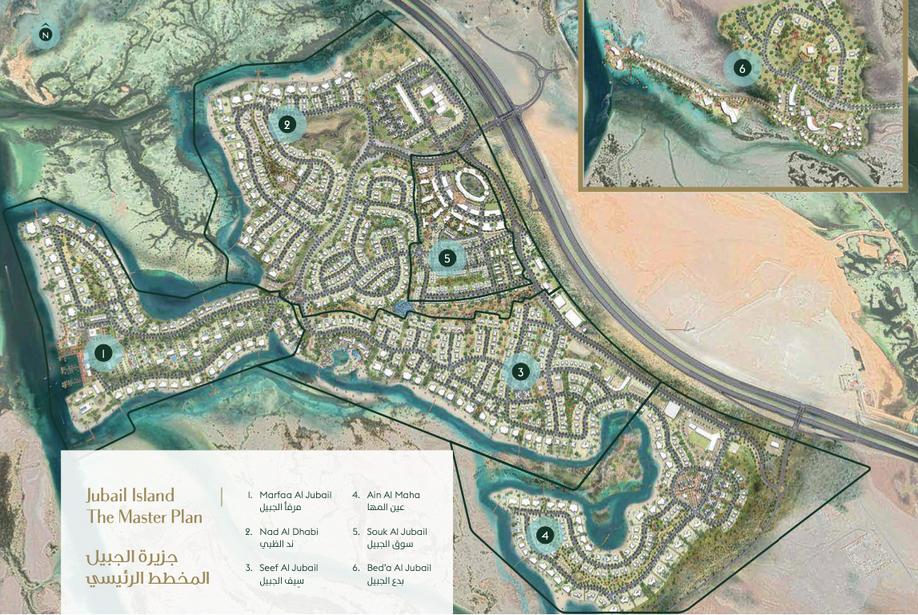
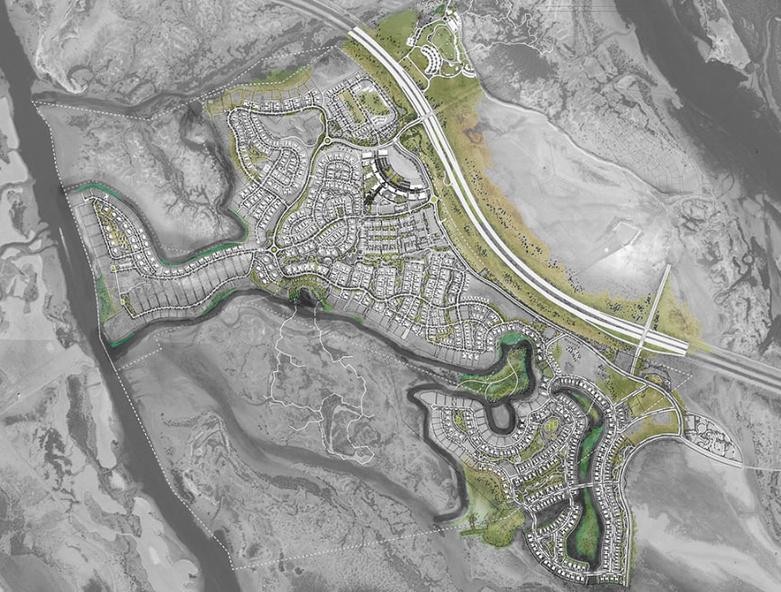
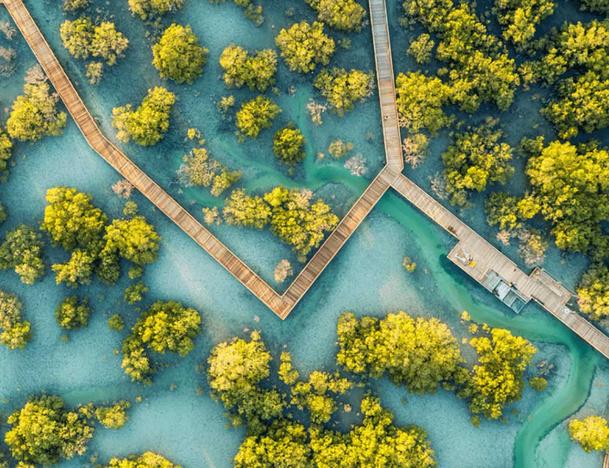
Jubail Island is a unique neighborhood within environment of breathtaking beauty. The ecosystem t home to a wide variety of wildlife Its one-of-a-ki setting welcomes a variety of wildlife to its habit a low-impact, low-density settlement with six distin seamlessly woven across natural landscapes and create a natural, invigorating, and serene living environment unlike any other in the UAE. This approach to community living is one of a kind in the UAE The island's location on an important migratory route makes it common to see exotic and beautiful birds, and residents enjoy occasionally spotting elegant gazelles wandering nearby. the appreciation, comprehension, and awareness of the significant ecological role that mangrove habitats play in supporting biodiversity and protecting the Abu Dhabi Coastline. You can get a sense of Abu Dhabi's essence by strolling along a boardwalk that winds through the mangroves. The overall goal of development on Jubail Island is to preserve, promote, and harmonize the natural environment with the built environment. This will help the community connect with nature, waterfront living at its best, and wellness. With a one-of-a-kind and compelling pedestrian experience that is in complete harmony with the site and the local context, the project will also promote a village lifestyle that is centered on nature.
2.2 SITE SELECTION CRITERIA
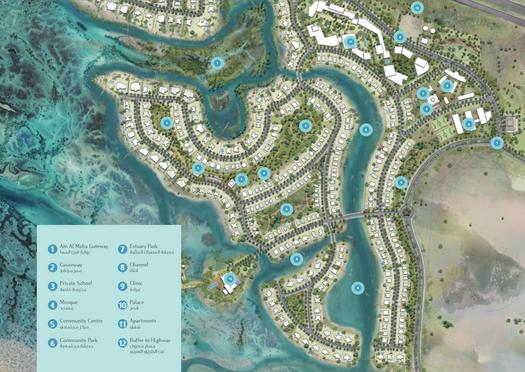
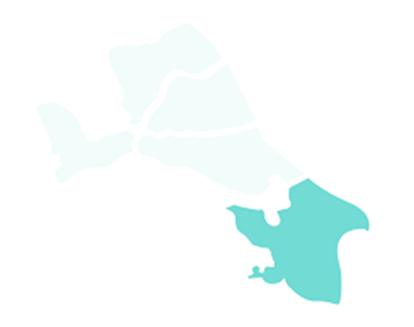
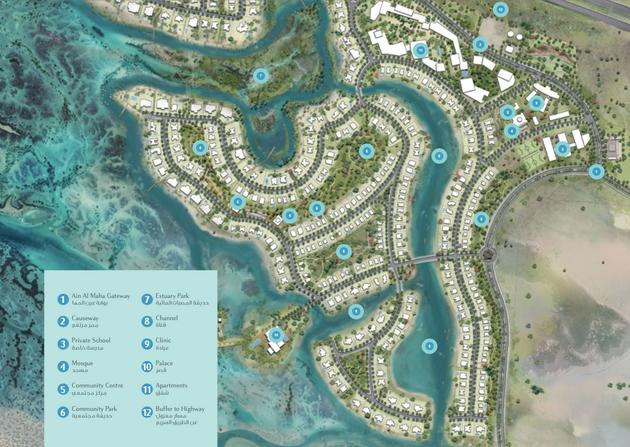
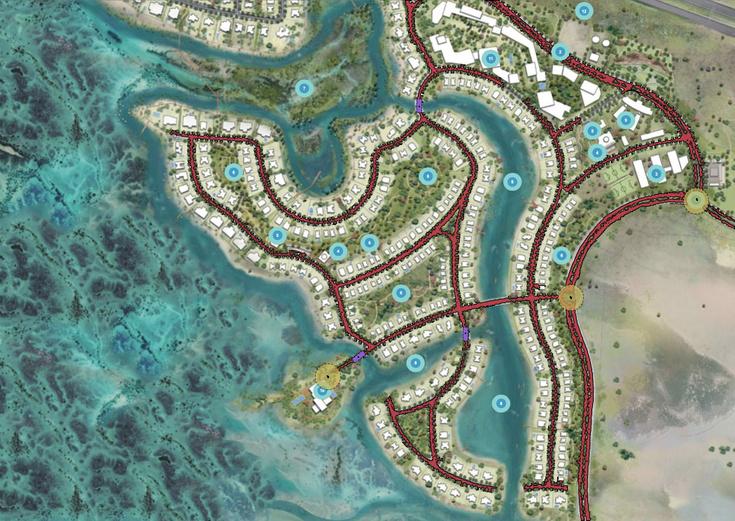
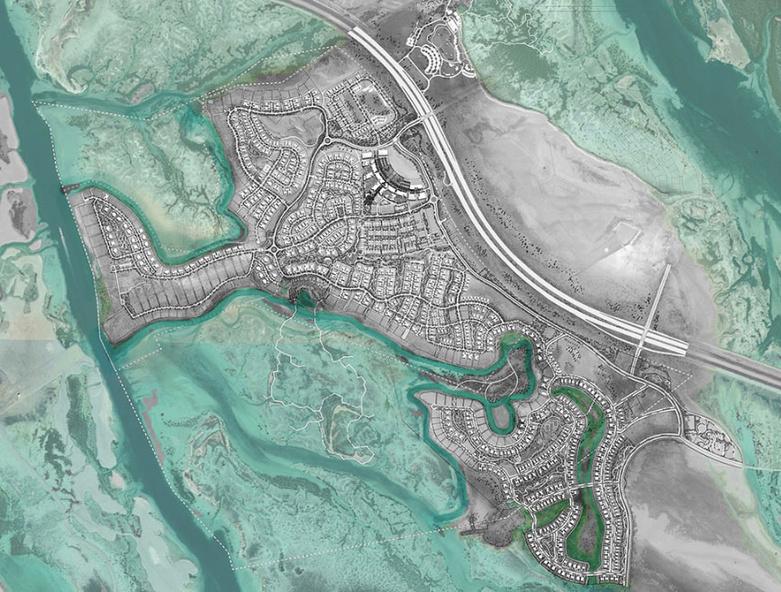
The Abu Dhabi Jubail Island development project's waterfront residential neighborhood, Ain Al Maha village, has been launched The Jubail Island Investment Company (JIIC) launched the 153-hectare neighborhood project. The Ain Al Maha village will be on the southern tip of Jubail Island. It will have approximately 240 waterfront villas. The project will include parks and play areas for children in addition to villas. This will cover a 92,000-square-meter area. Residents and visitors alike will be inspired to lead healthier lifestyles by the parks. The standard of living will be rewritten by the Ain Al Maha village. It will provide residents with a space that is open and balanced. Additionally, extensive natural areas will be created. Two historic communities will also be part of the Ain Al Maha Village Project Dining, retail, healthcare, and educational facilities will be provided by these.
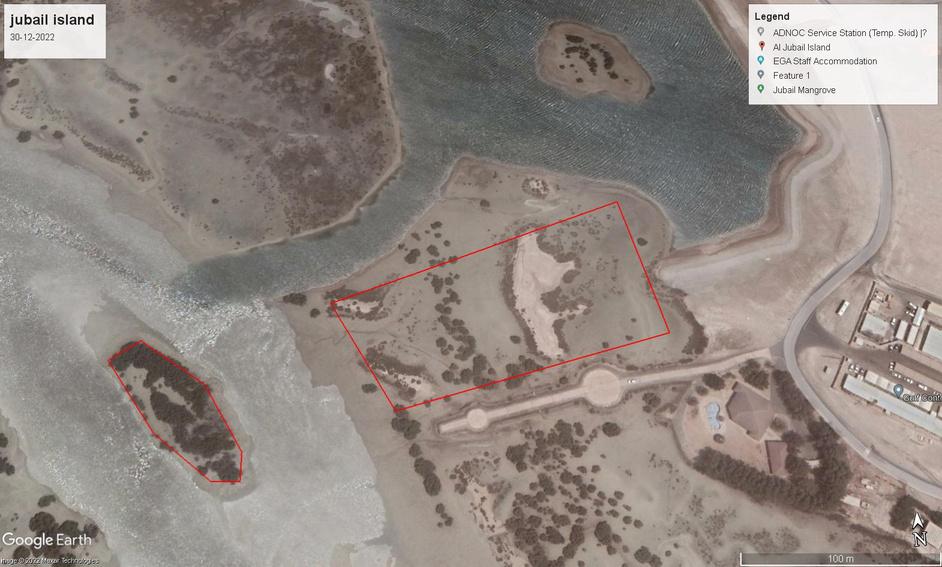
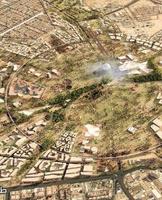
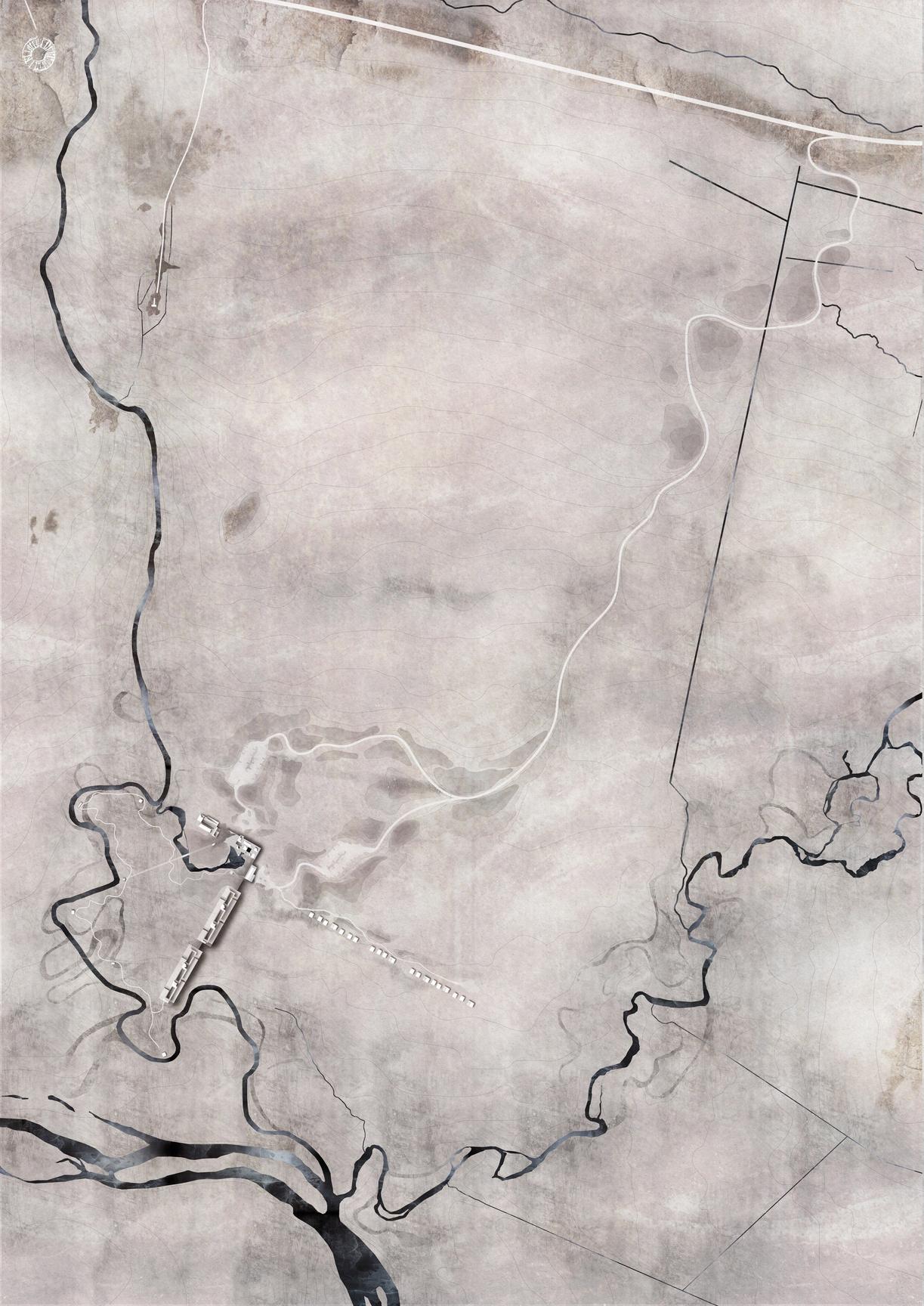
2.3 CLOSE- UP MAP OF SITE
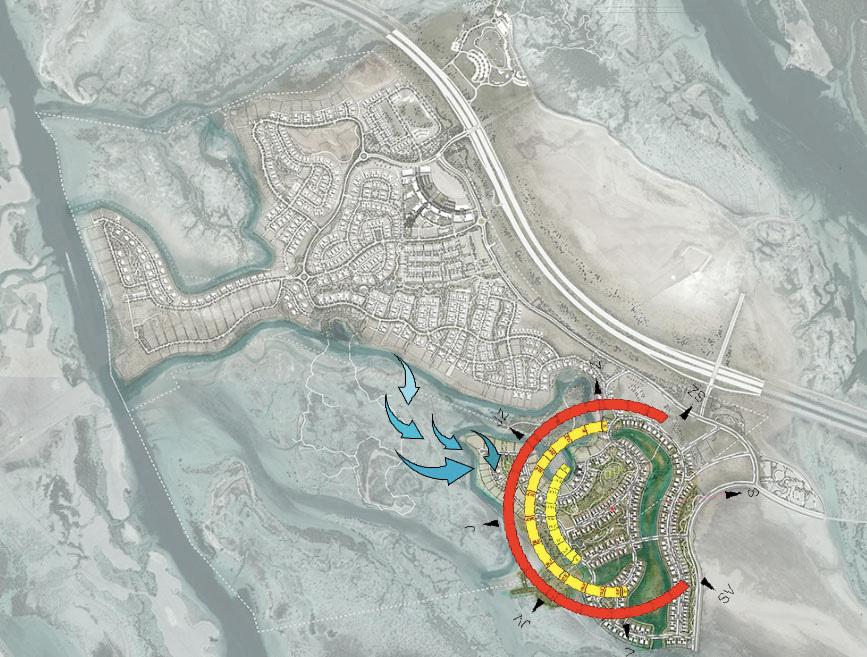
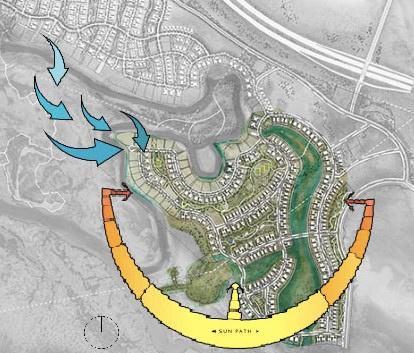
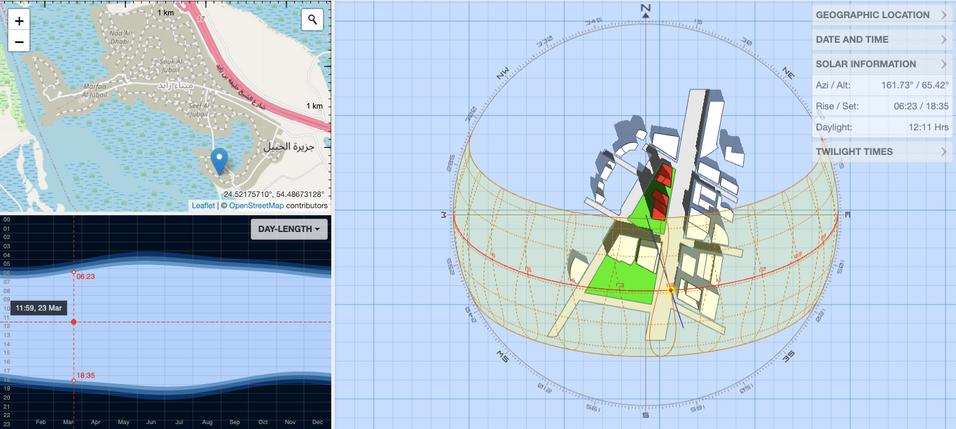
2.4 sun and wind path
The site has many positive aspects and a few of the most important aspects are,
That sits around a generous amount of vegetation and greenery
The Site is surrounded by mangroves.
The Site has a 360 view of everything around it
The Site is in the quiet and peaceful part of the island
The Site can be reached by a bright.
2.5 topography
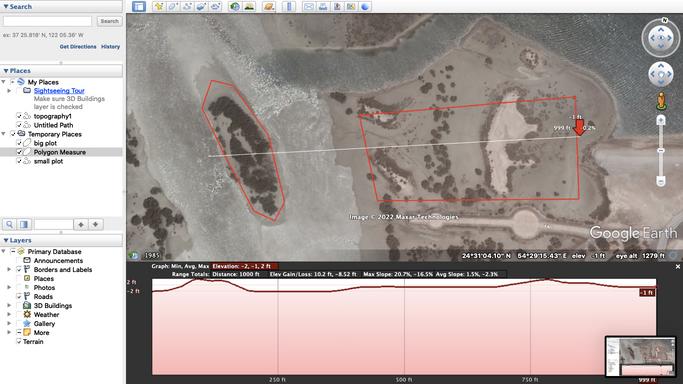
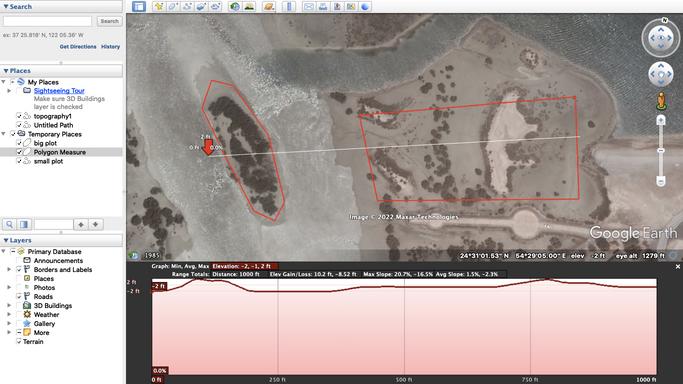
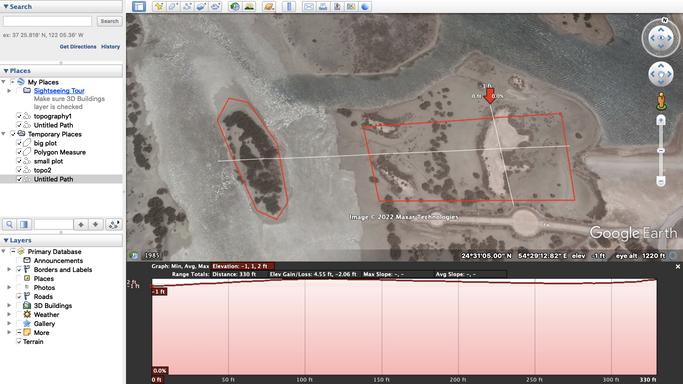
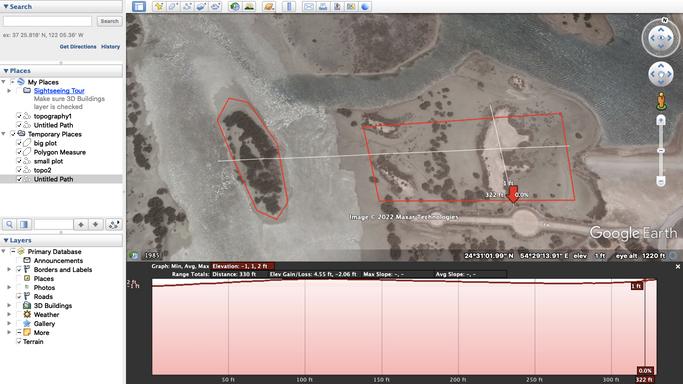
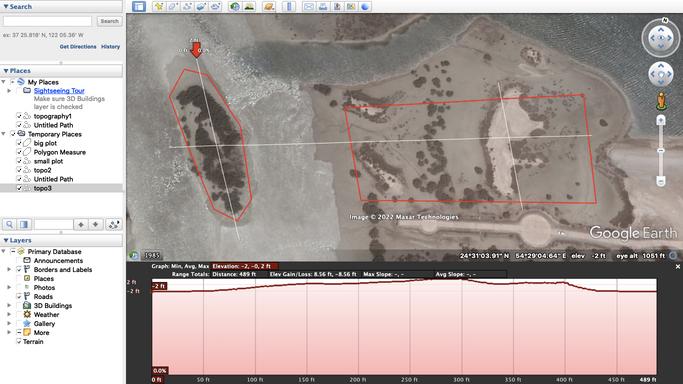
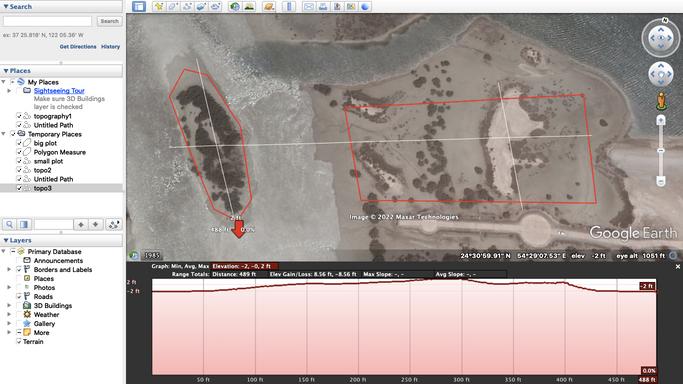
The Topography of this site is imported Since the land is two separate islands and only connected to the rest of the Islands by a bridge, the topography needed to be sectioned three times showing the levels of each two islands vertically and horizontally. both the island is 1 meter above the water ground which is the perfect height since the islands are around mangroves
2.6 ROADS & INFRASTRUCTURE
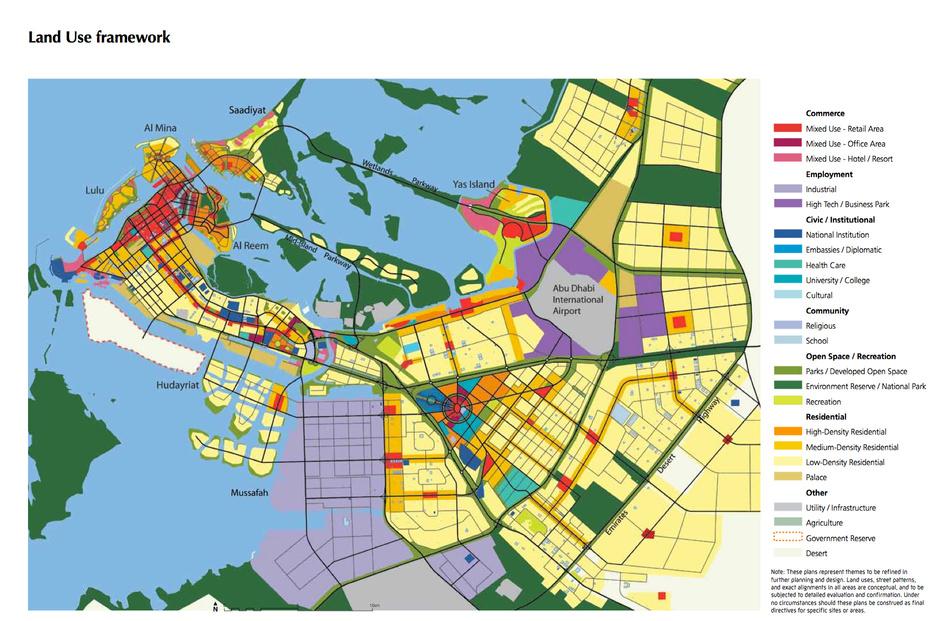
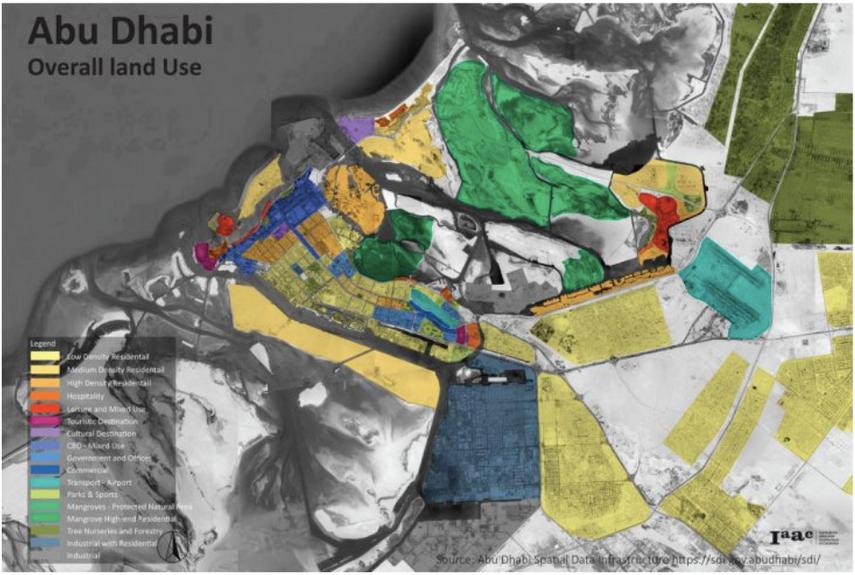
2.7 LANDUSE PLAN ABU DHABI
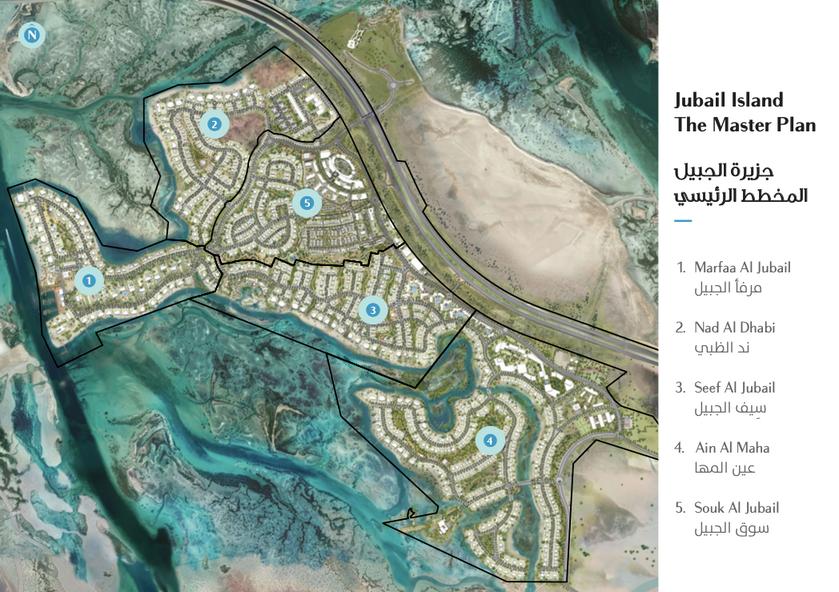
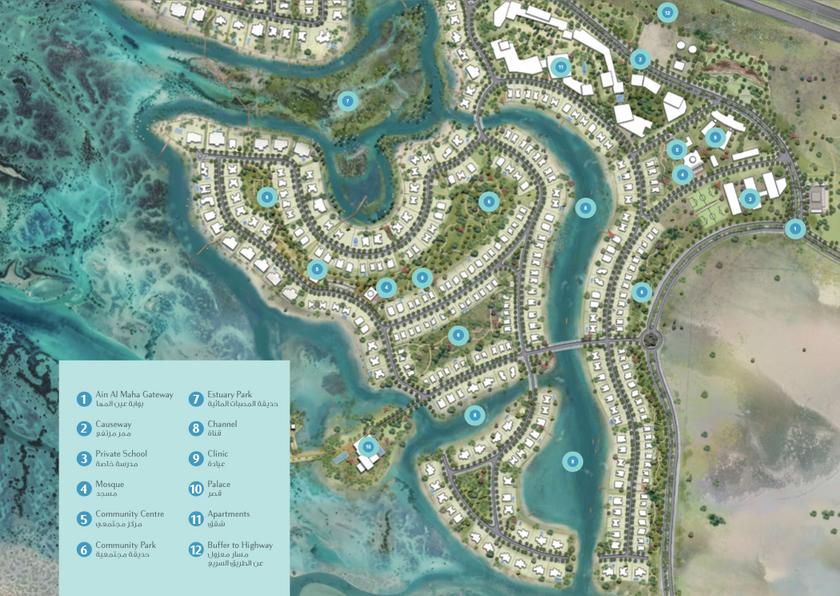
2.8 LANDUSE PLAN Jubail isla
2.9 Natural features
VEGETATION:
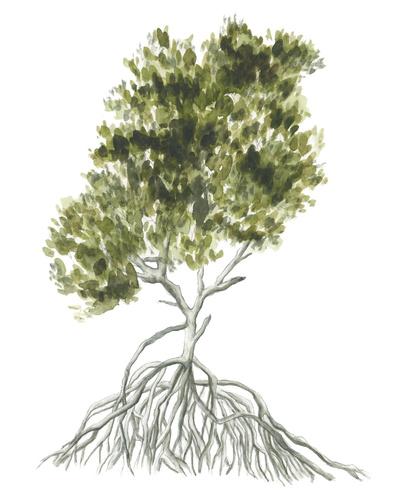
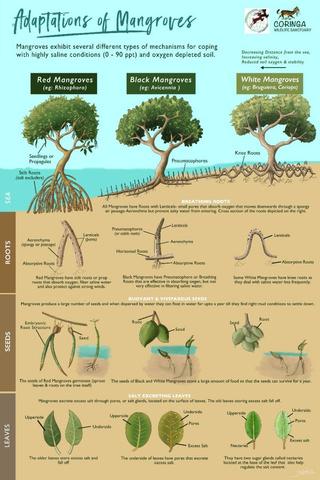
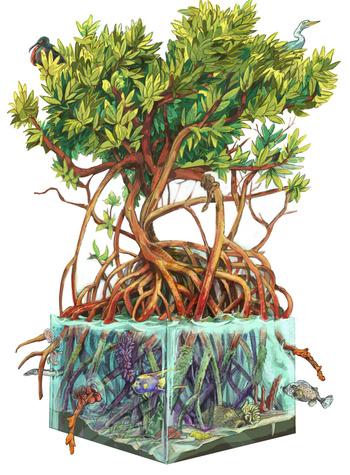
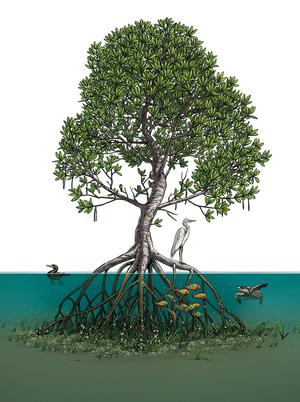
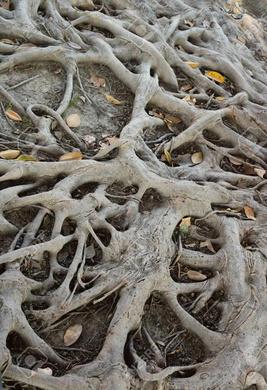
The tides regularly submerge the tree bases, which must withstand a significant amount of water Pneumatophores, or respiratory or prop roots, protrude from the tree's trunk many meters away, giving mangroves their distinctive appearance. These "breathing tubes" or "snorkels" that look like roots and are covered in pores or lenticels allow the plant to move oxygen around Due to the excessive salt in their environment, grey mangroves secrete salts directly from two glands at the base of each leaf The presence of salt crystals on the leaves is what gives the plant its name, " grey or white mangrove "Because freshwater is severely limited in the salty soils of the intertidal zone, mangrove plants restrict water loss through the pores or stomata on their leaves. They can also reposition the leaves to avoid the harsh midday sun and cut down on evaporative water loss
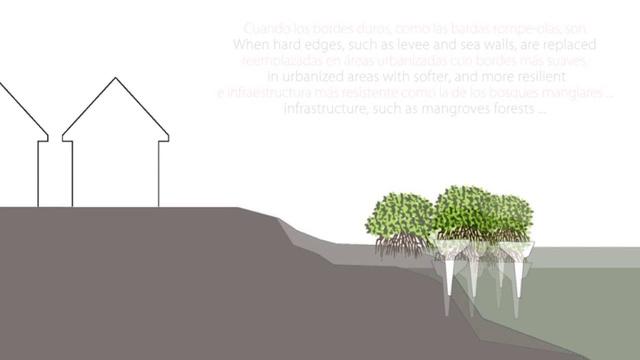
Due to their location in intertidal areas that are typically comprised of very soft mud or sand and are generally inaccessible, mangrove forests are frequently severely undervalued as significant assets, not only in terms of biodiversity but also as coast protectors. Due to their extensive root systems, mangrove trees prevent coastal erosion, property damage, and even death by absorbing and dissipating the force of large waves and storm surges This capacity for protection was clearly demonstrated during the tsunami that struck the Indian Ocean in December 2004 Studies of coastlines after this disaster revealed that areas with mangrove forests were better able to withstand the strongest waves, preserving fragile coastal habitats and possibly saving thousands of lives. Sadly, many mangrove habitats along Abu Dhabi's shoreline have been destroyed by coastal development and urbanization In more recent times, efforts have been made to plant new forests and preserve the existing mangroves as a resilient natural coast protector
2.10 SITE LIVING ORGANISMS
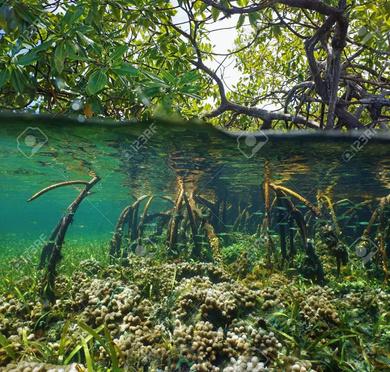
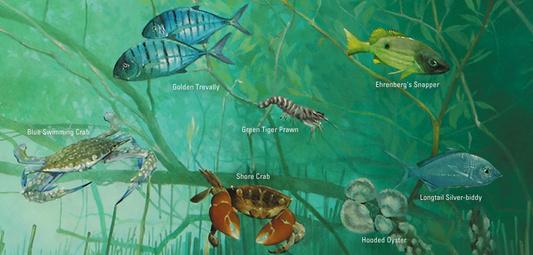
Mangroves support unique ecosystems in which the web of roots provides many organisms, particularly young and vulnerable ones, with a tranquil marine environment. Living beings can moor themselves to the roots and basically trust that food and supplements will clear by on delicate flows Algae, barnacles, oysters, sponges, and bryozoans use this anchorage to filter feed where the roots are permanently submerged The muddy bottom is home to commercially valuable shrimp, lobster, and crabs, while mangrove crabs add mulch to the sediments by burying fallen leaves and other debris.
Mangroves are salt-tolerant forests of trees that grow in the shallow tidal waters of some of Abu Dhabi's coastal areas For their roots to grow, they need slow water currents, a lot of fine organic sediment, and protection from waves with high energy. Sponges, worms, crustaceans, mollusks, and algae can be found in muddy waters, which are also home to marine mammals and birds and contain a wealth of nutrients from decaying leaves and wood Mangroves are necessary for fish nurseries and support the Emirate's commercial fisheries The grey or white mangrove, also known locally as "Qurm," is the naturally occurring species of mangrove (Avicennia marina) found in Abu Dhabi The underside of its leaves is colored white
Technically, the term " mangrove " refers to a plant, whereas "mangal" refers to the plant community and habitat in which mangroves thrive The mangal's plants can be diverse, but each has its own unique way of overcoming anoxia, or a lack of oxygen in wet soil; has a lot of salt in it and is frequently washed away by the tides. Despite the fact that the Emirate only has a small amount of forest on land, it has extensive mangrove forests around its islands and protected coastal areas. Although some of the mangrove stands have been planted recently, the majority of them are naturally occurring Some mangroves are experiencing varying degrees of stress as a result of dredging, sedimentation, and altered flow regimes, particularly in close proximity to coastal developments The total area of mangrove forests in Abu Dhabi spans 547 kilometers of coastline and covers 70 square kilometers.
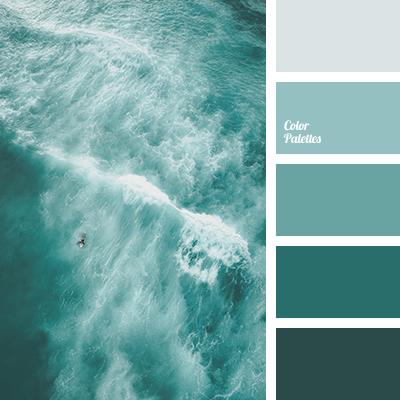
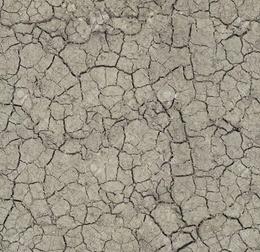
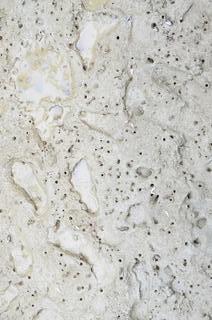
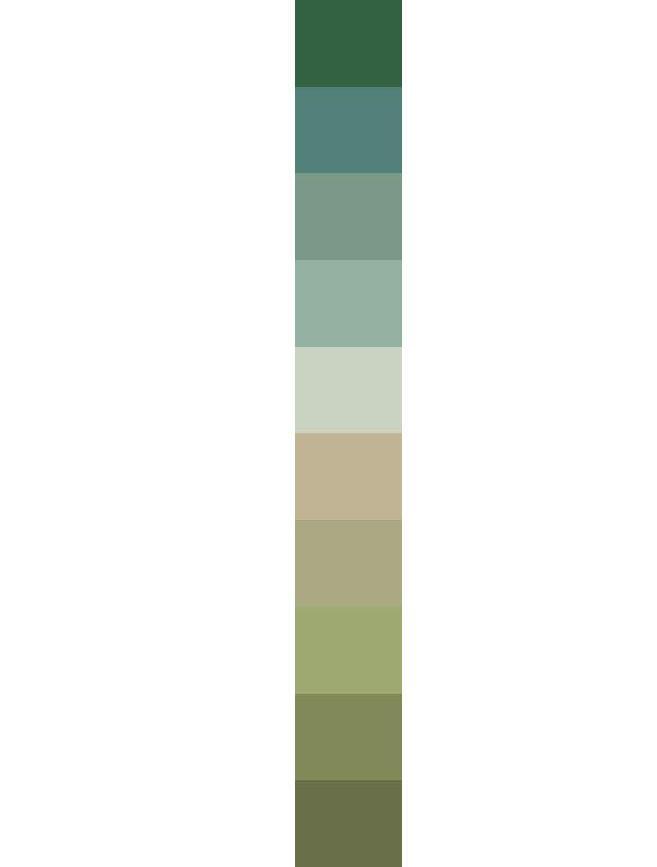
2.11 SITE COLOR SCHEME & TEXTURE
2.12 environmental analysis
1
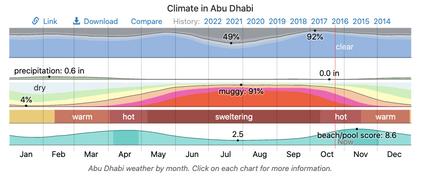
Climate in Abu Dhabi.
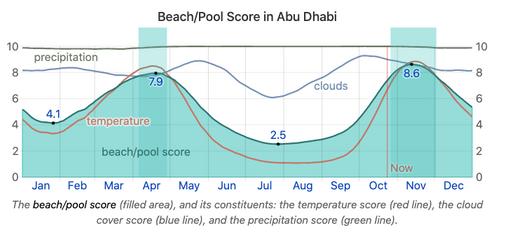
The winters in Abu Dhabi are pleasant, dry, windy, and mostly clear, while the summers are long, oppressive, arid, and sometimes cloudy The temperature typically ranges from 60°F to 104°F throughout the year, rarely falling below 55°F or exceeding 111°F. According to the beach/pool score, April is the best time to visit Abu Dhabi for hotweather activities, followed by late October and early December
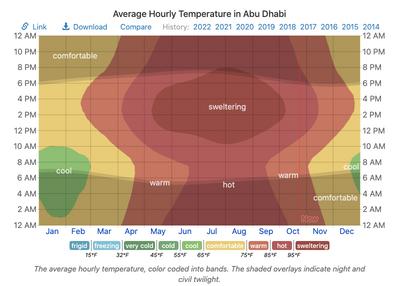
Average hourly temperature in Abu Dhabi.
emperatures for the entire epicted in the figure presented by the our by the vertical axis, ents the typical h hour and day
2
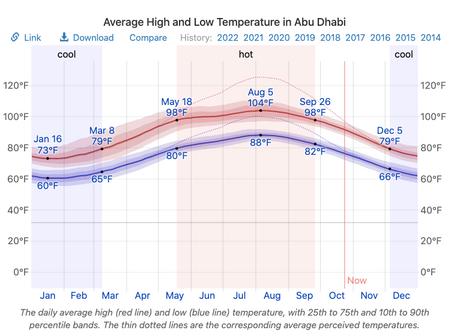
Average high and low temperature in Abu Dhabi.
From May 18 to September 26, the 4.2-month hot season features an average daily high temperature above 98°F August is Abu Dhabi's hottest month of the year, with an average temperature of 103°F and a low of 88°F.From December 5 to March 8, the cool season lasts 3.1 months, with an average daily high temperature below 79°F January is Abu Dhabi's coldest month of the year, with an average temperature of 61°F and a high of 73°F.
4
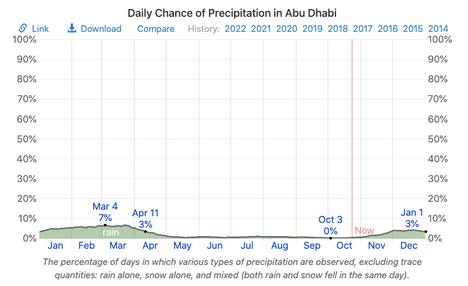
Daily chance of precipitation in Abu Dhabi
The number of wet days in Abu Dhabi days with more than 0.04 inches of liquid or liquid-equivalent precipitation does not vary significantly by season. The frequency has an average of 2% and a range of -0% to 7% We distinguish between rain-only, snow-only, or a combination of the two types of wet days. March was Abu Dhabi's month with the most rain, with an average of 1.9 days. Rain alone is the most common type of precipitation throughout the year, according to this classification, with a peak probability of 7% on March 4
5
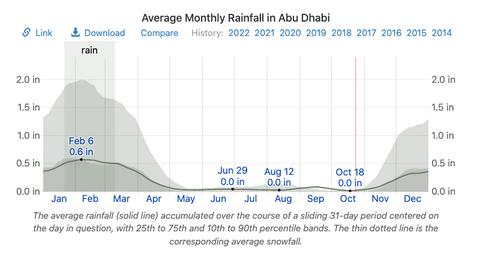
Average rainfall days Abu Dhabi.
We show the rainfall that accumulates over a sliding 31-day period centered around each day of the year to demonstrate variation throughout the months rather than just the monthly totals. Monthly rainfall in Abu Dhabi varies slightly from season to season. The rainy season lasts for 1.6 months, from January 21 to March 10, with at least 0 5 inches of rain every 31 days With an average rainfall of 0 6 inches in February, Abu Dhabi experiences the most precipitation. From March 10 to January 21, there is no rain for ten months of the year. October experiences the smallest amount of precipitation in Abu Dhabi, with an average of 0 0 inches
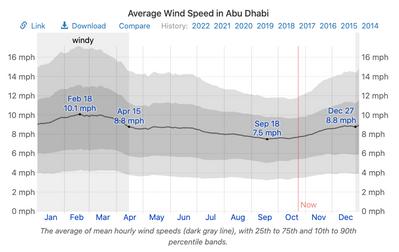
Average wind speed in Abu Dhabi
The wide-area hourly average wind vector (speed and direction) at 10 meters above the ground is the subject of this section Instantaneous wind speed and direction vary more widely than hourly averages, and the wind at any given location is highly dependent on local topography and other factors Over the course of the year, there is a slight seasonal variation in Abu Dhabi's average hourly wind speed From December 27 to April 15, the year ' s windiest period lasts 3.6 months, with average wind speeds of more than 8.8 miles per hour February is Abu Dhabi's windiest month of the year, with an average hourly wind speed of 9 9 miles per hour From April 15 to December 27, an 8.4-month period marks the quieter time of year. September is Abu Dhabi's calmest month of the year, with an average hourly wind speed of 7 6 miles per hour
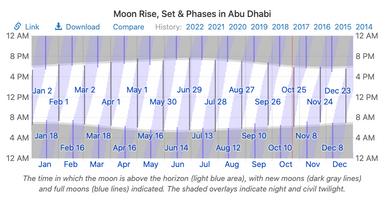
Moon rise, set and phases in Abu Dhabi.
A concise representation of important lunar data for 2022 is shown in the figure below The colored areas indicate when the moon is above the horizon, and the day is represented by the horizontal axis and the hour by the vertical axis. Key Moon phases are indicated by the vertical gray bars for new Moons and blue bars for full Moons
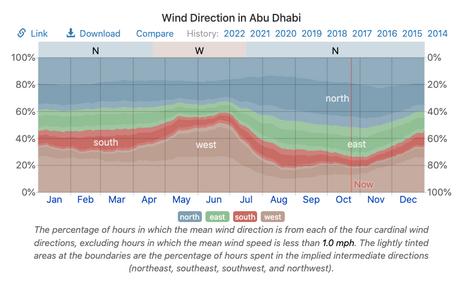
Wind direction in Abu Dhabi
Throughout the year, Abu Dhabi's predominant average hourly wind direction changes
For 2.9 months, from April 19 to July 16, the wind comes mostly from the west, reaching its highest percentage of 52 percent on June 22 For 9 1 months, from July 16 to April 19, the wind comes mostly from the north, reaching its highest percentage of 39% on January 1.
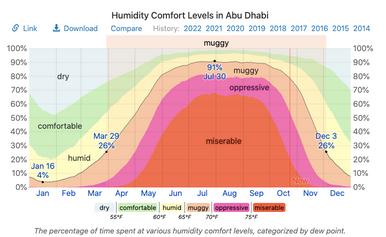
Humidity Comfort levels in Abu Dhabi
Since the dew point determines whether sweat will evaporate from the skin and cool the body, we use it as the basis for our humidity comfort level. Higher dew points feel more humid, while lower dew points feel drier Dew point, on the other hand, changes more slowly between day and night than temperature does. This means that even though the temperature may drop at night, a muggy day will typically be followed by a muggy night The perceived humidity in Abu Dhabi varies greatly from season to season. The wettest time of the year lasts 8.2 months, from March 29 to December 3, and at least 26% of the time, it is muggy, oppressive, or miserable With 28 0 days that are muggy or worse, July has the most humid days in Abu Dhabi. January has the fewest days when it's humid or worse in Abu Dhabi, with 1.5 days.
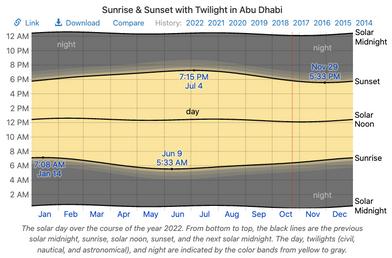
Sunrise & Sunset with Twilight in Abu Dhabi.
On June 9, the sun rose at 5:33 a m , while on January 14, it rose at 7:08 a m , 1 hour, and 35 minutes later. On November 29, the sun sets at 5:33 p.m., while on July 4, it sets 1 hour, 42 minutes later at 7:15 p m
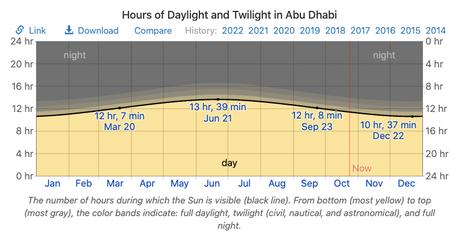
Hour of Daylight and twilight in Abu Dhabi
In Abu Dhabi, the length of the day varies throughout the year December 22 is the shortest day in 2022, with 10 hours, 37 minutes of daylight remaining; June 21 has 13 hours, 39 minutes of daylight, making it the longest day.
Average water temperature in Abu Dhabi
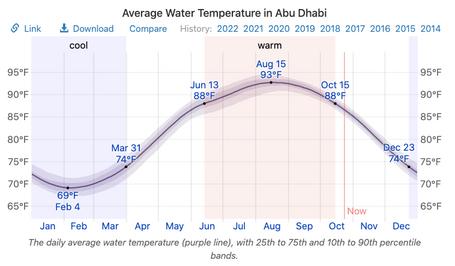
A large body of water, such as the ocean, sea, or large lake, is close to Abu Dhabi The average surface temperature of that water over a large area is discussed in this section. Over the course of the year, there is a lot of seasonal variation in the average water temperature From June 13 to October 15, the season with warmer water lasts for 4 0 months, with an average temperature above 88°F With an average temperature of 93°F, August is the month of the year in Abu Dhabi when the water is at its warmest. From December 23 to March 31, the season with cooler water lasts 3 2 months, with an average temperature below 74°F With an average temperature of 69°F, February is the month of the year in Abu Dhabi when the water is at its coolest.
Cloud Cover categories in Abu Dhabi
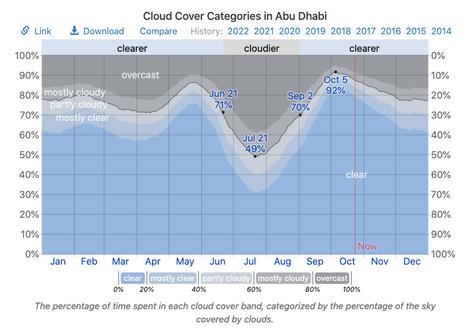
Over the course of the year, the average percentage of the sky that is covered in clouds in Abu Dhabi experiences significant seasonal variation. In Abu Dhabi, the clearer part of the year begins around September 2 and lasts 9 6 months until June 21 October is Abu Dhabi's clearest month of the year, with 89% of the time the sky is clear, mostly clear, or partly cloudy The cloudier part of the year starts around June 21 and lasts 2.4 months until September 2. In Abu Dhabi, July is the cloudiest month of the year, with overcast or mostly cloudy skies 47% of the time
Cloud Cover categories in Abu Dhabi
Clear, dry days with perceived temperatures between 75°F and 90°F are favored by the beach/pool score According to this score, the months of April and late October through early December are the best times to visit Abu Dhabi for hot-weather activities, with a peak score in the second week of November
Frequency of fog per month from 1983 to 2018 in Abu
Dhabi
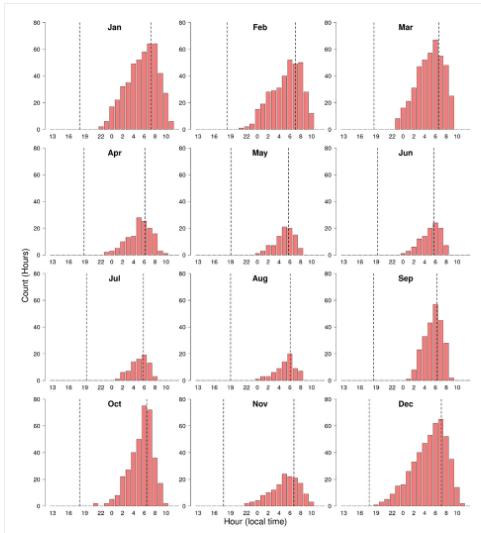
According to the diurnal cycle of fog events, fog occurs most frequently before sunrise Fog can occur between 1900 and 1100 LT The fog typically begins to form around midnight and continues to do so until sunrise. This suggests that in order to reach the dewpoint temperature in the early morning, radiative cooling and the associated calm winds are required throughout the night. Due to the fog's and the surface's thermal heating, the fog quickly dissipates after the sun has risen
2.13 historical developme
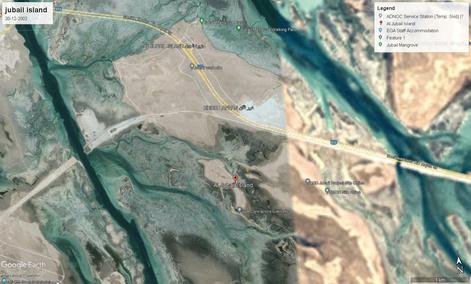
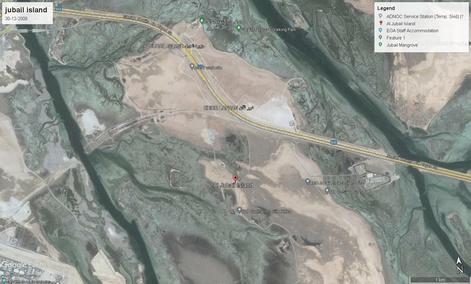
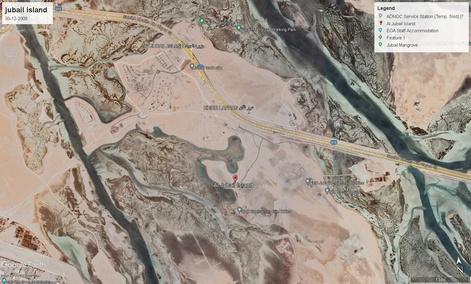
back in 2002, the site was completely empty, and most just a few pieces of vegetation and the rest is sand and mangrove.
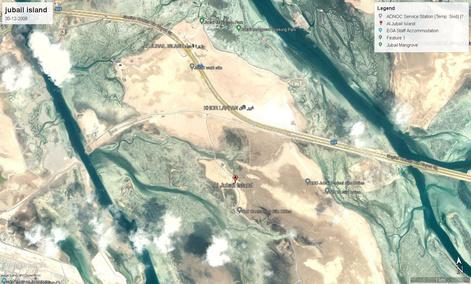
In 2009, the site was still empty, with few pieces of vegetation and islands with mangroves.
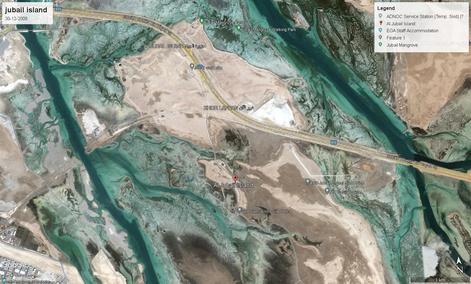
In 2011, the site was still empty, with few pieces of vegetation and islands with mangroves
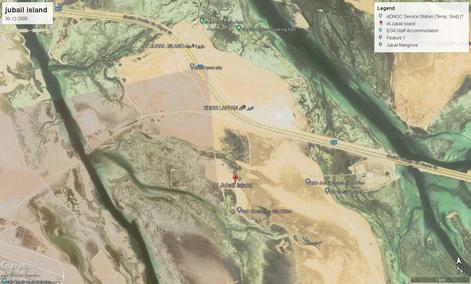
In 2016, the site was still empty, with few pieces of vegetation and islands with mangroves and few new roads.
In 2018, the site was still empty, with few pieces of vegetation and islands with mangroves and few new roads.
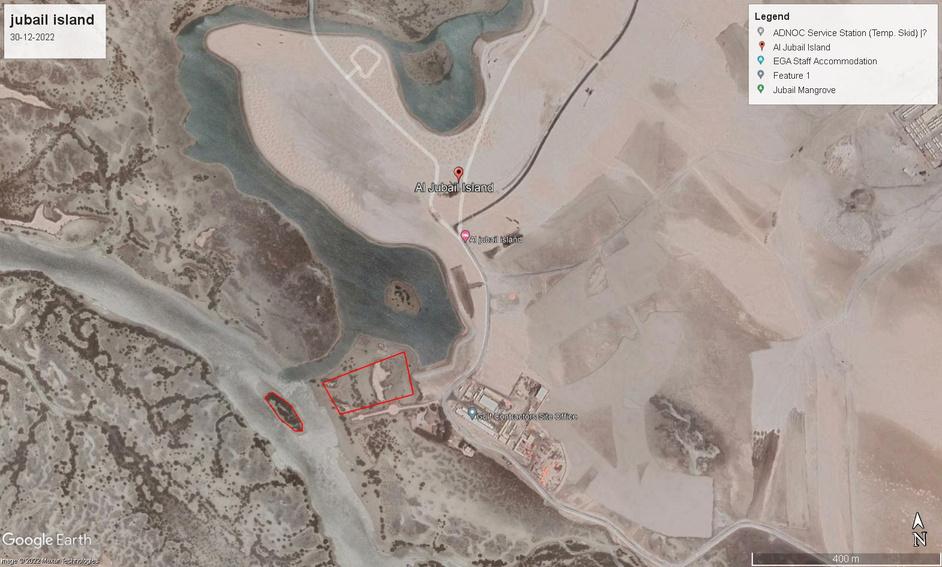
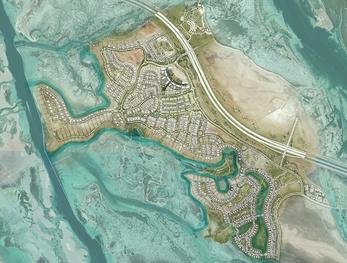
In 2022, the site has few buildings build and the rest is under constriction, with vegetation and islands with mangroves
In 2024, the site will be fully constructed with buildings, roads, vegetations, parks, mangroves, etc.
214 swot analysis
+ The site is a new project that will be completed in 2024, which allows new ideas to flow in and out
+ The site is 20 minutes from the City and 15 minutes away from Yas World.
- The site is an Island isolated from the rest of Abu Dhabi only connected to two bridges from east to west.
+ The site is surrounded by mangroves and beautiful nature views that connect people to nature
+ The site is an Island that will be a long ride away from the city and its noises and the high-rise buildings.
- Some places on the site will not be open to the public.
+ People will be one with nature and will get to experience different types of mangroves animals and vegetation.
+ The site will be surrounded by waters of the mangroves.
+ The Site was a 360 view of the beautiful surroundings.
+ The site will be the perfect place to introduce a bathhouse/ wellness center in the UAE
+ Huge Site that allows one to be creative in design.
- The land is sloppy and is not to one level for building and construction.
+ The water of the mangrove will be used in the project since it is proven that the mangrove water is good for the skin.
- Low activity on the site.
"I
PRECEDENTS
do not believe architecture has to speak too much. It should remain silent and let nature in the guise of sunlight and wind."
-Tadao Ando
3.1 The Retreat at Blue Lagoon.
LOCATION: GRINDAVIK, ICELAND
ARCHITECTS: BASALT Architects
YEARS: 2018
SIZE: 10400 m²
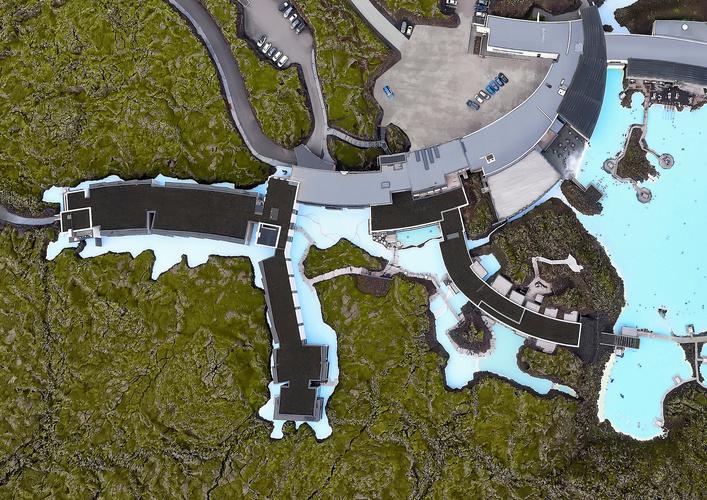
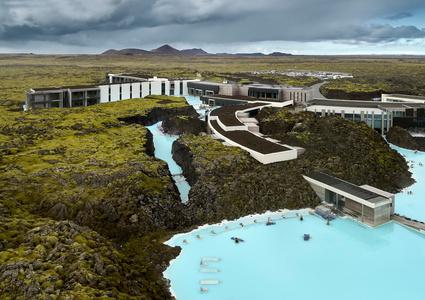
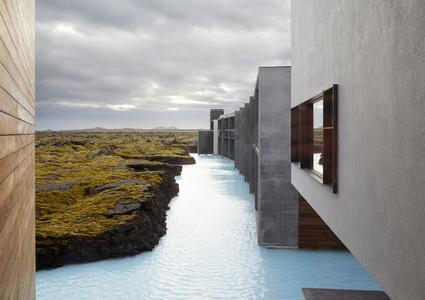
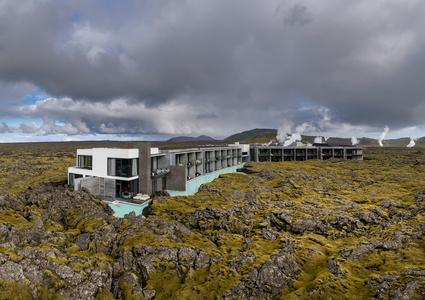
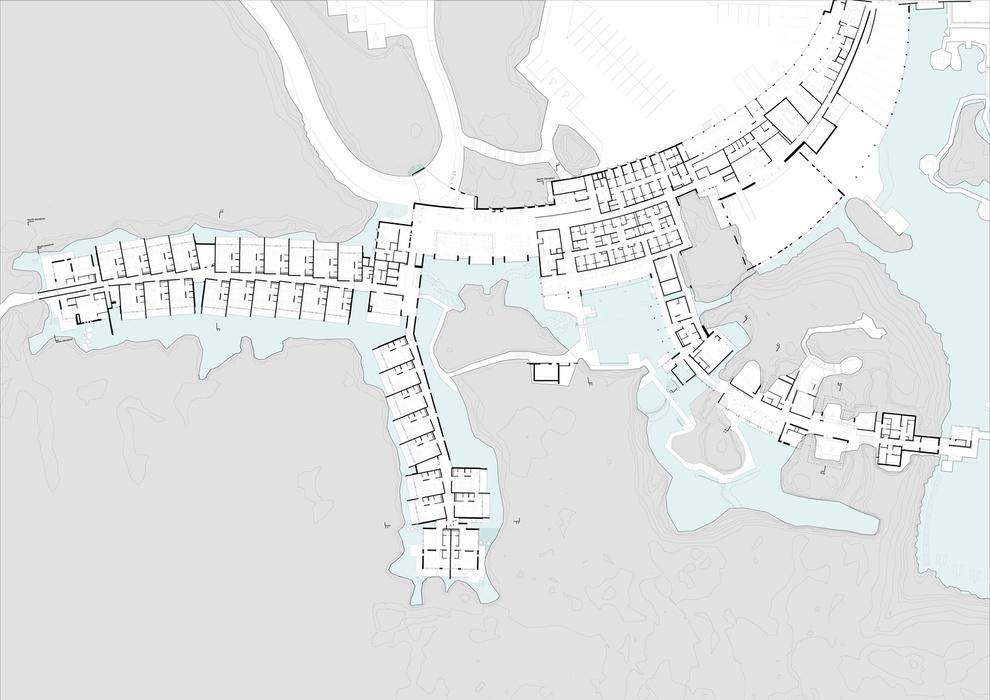
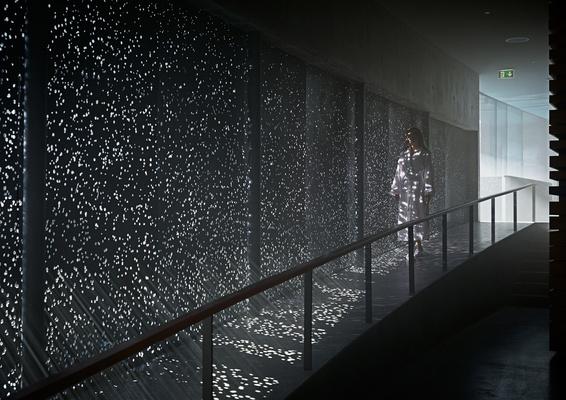
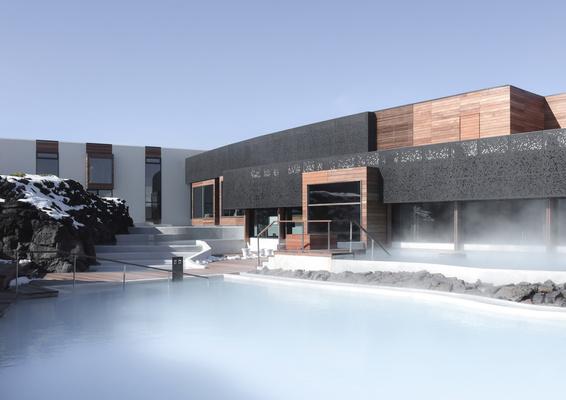
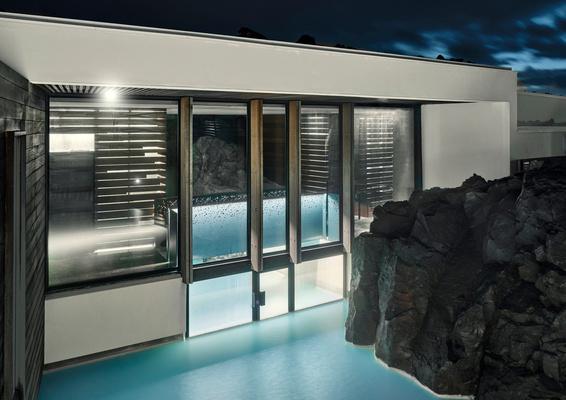
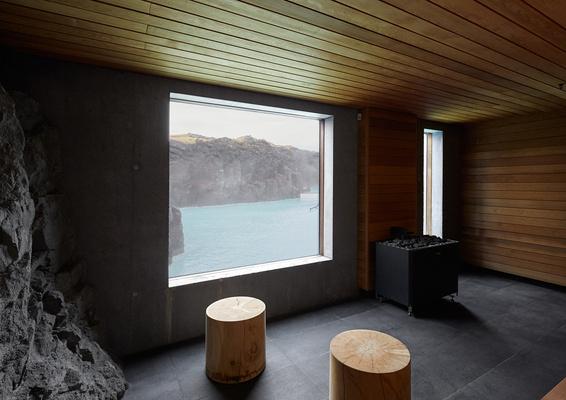
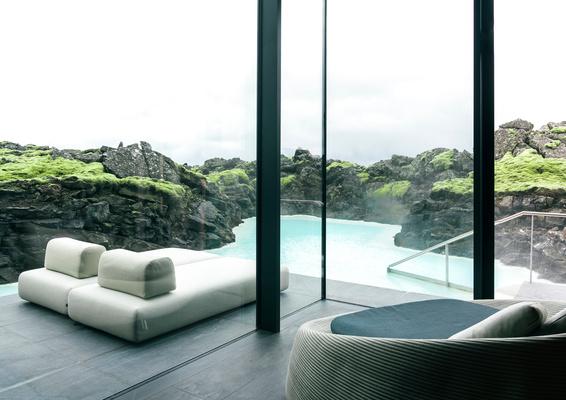
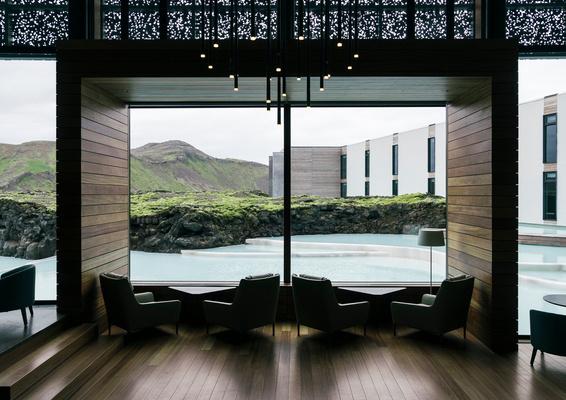
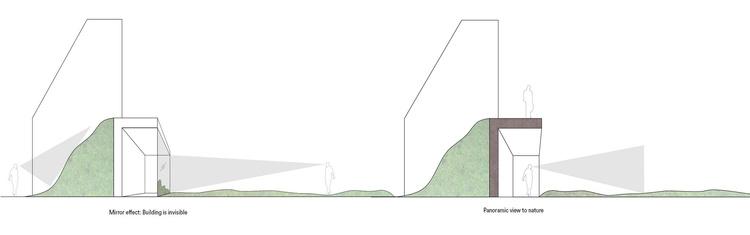
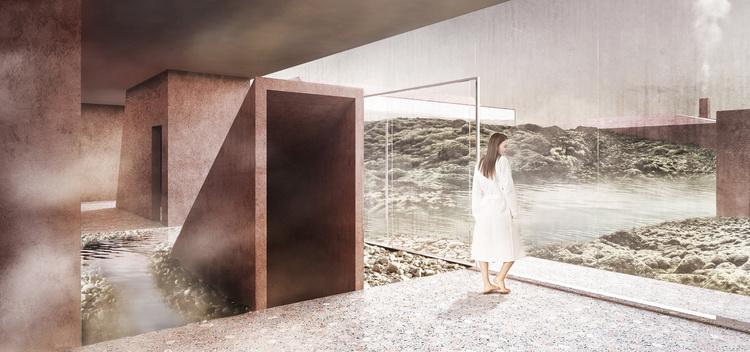
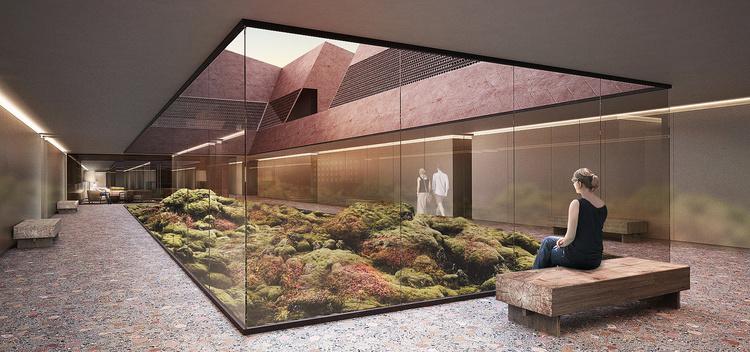
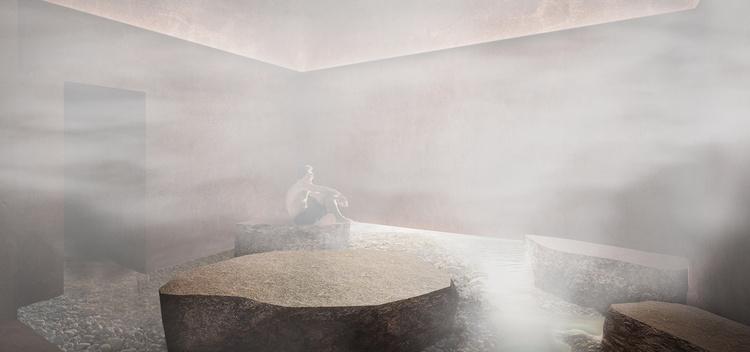
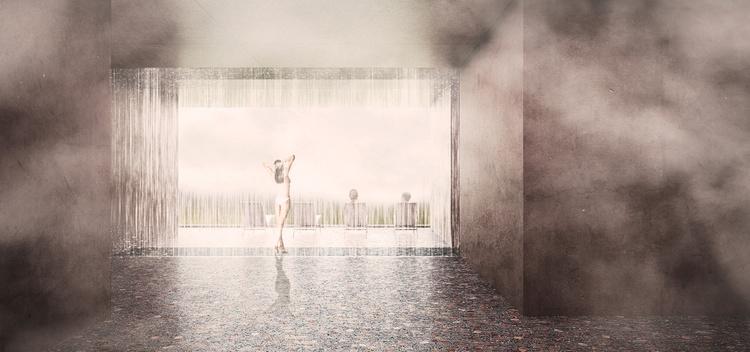
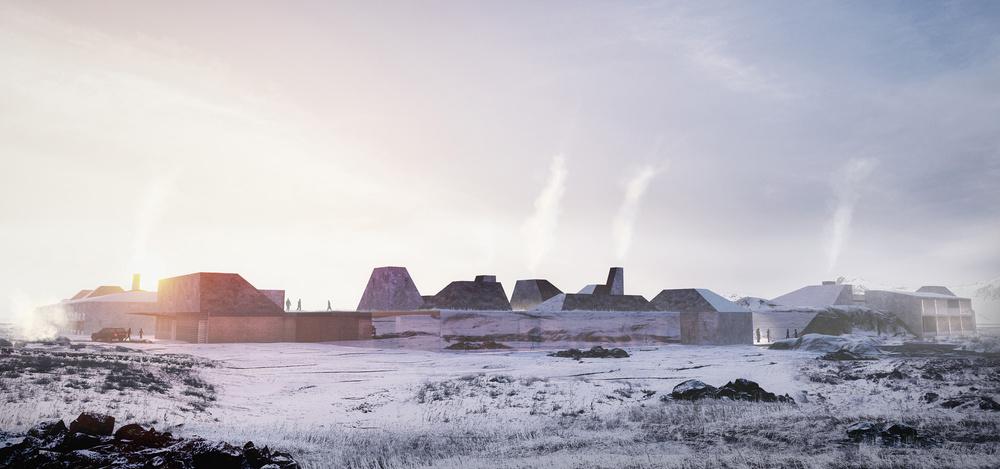
The Retreat at Blue Lagoon is a one-of-a-kind opportunity to learn about Iceland's ancient bathing tradition It was necessary to push the boundaries of architecture, nature, and experience in order to create a location where guests could feel a connection to the magnificent Icelandic landscape
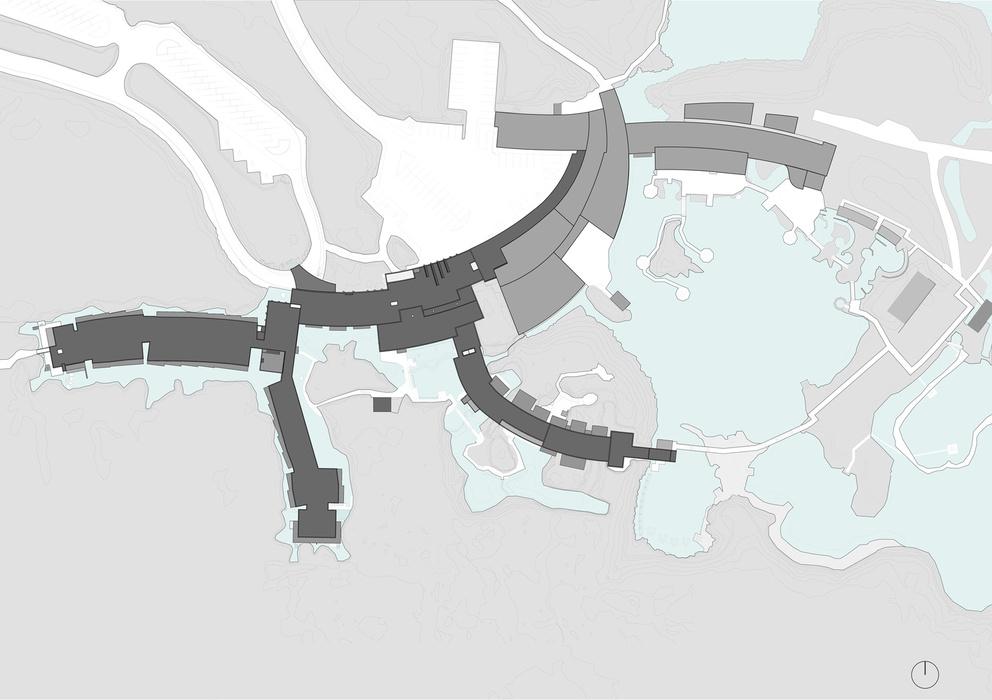
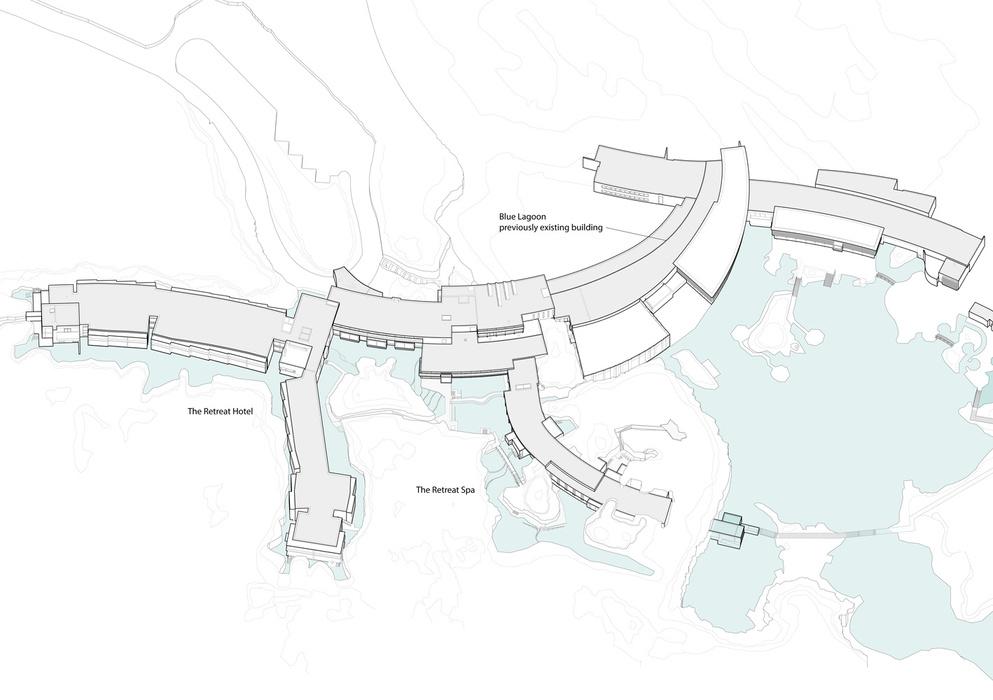
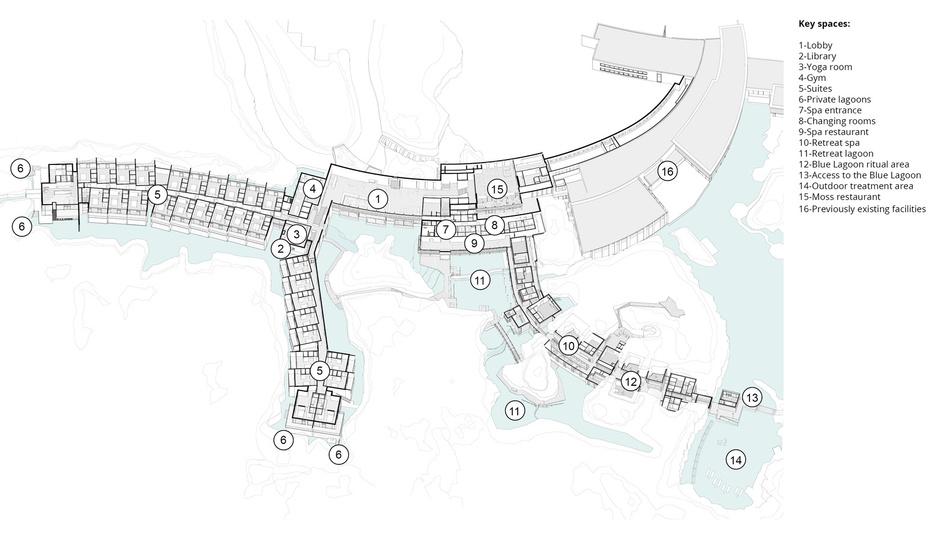
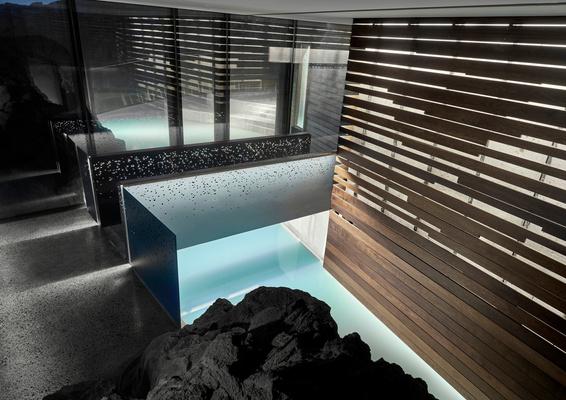
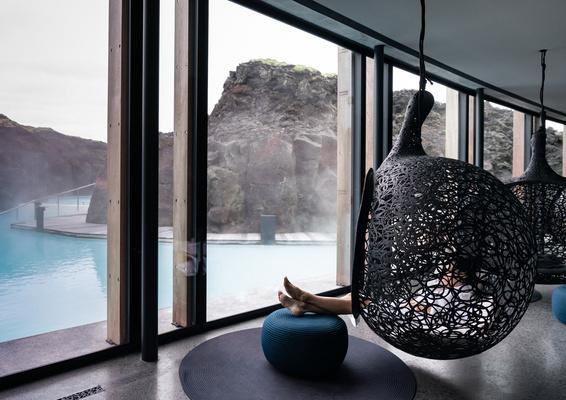
The main Blue Lagoon complex includes The Retreat The Retreat is a 62suite hotel that is built directly into a 755-year-old lava flow in the center of the Reykjanes UNESCO Global Geopark. It also has a subterranean spa, a geothermal lagoon, and a restaurant, and is surrounded by the famous seawaters of the Blue Lagoon
Blue Lagoon gets its energy from the earth's geothermal resources, which provide everything from the complex's electricity to the calming waters of the lagoons. The Svartsengi Resource Park, a world leader in the sustainable use of geothermal resource streams, provides the Retreat's wellspring of renewable energy, which is integral to wellness.
3.2 The Red Mountain ResorT.
LOCATION: Eiðhús, Snæfellsnes Peninsula, Iceland
ARCHITECTS: Kit Sand Ottsen
YEARS: 2017 SIZE: 14,000 m²
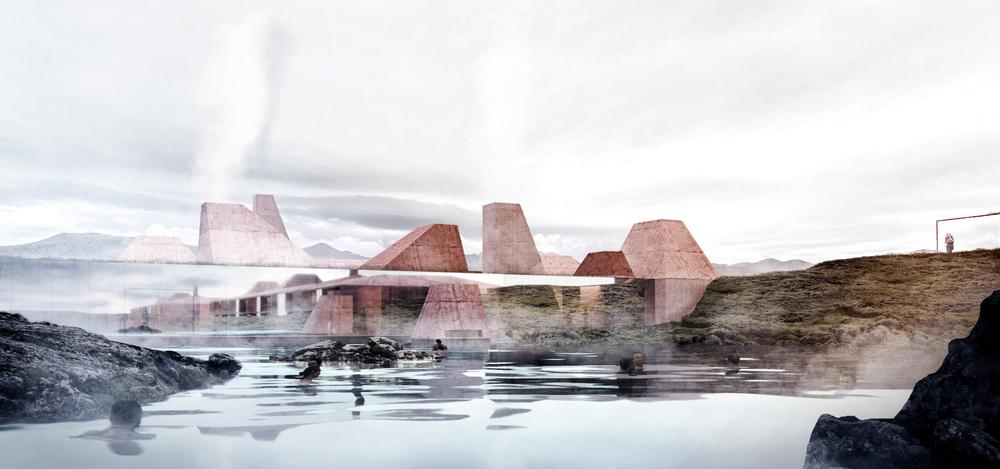
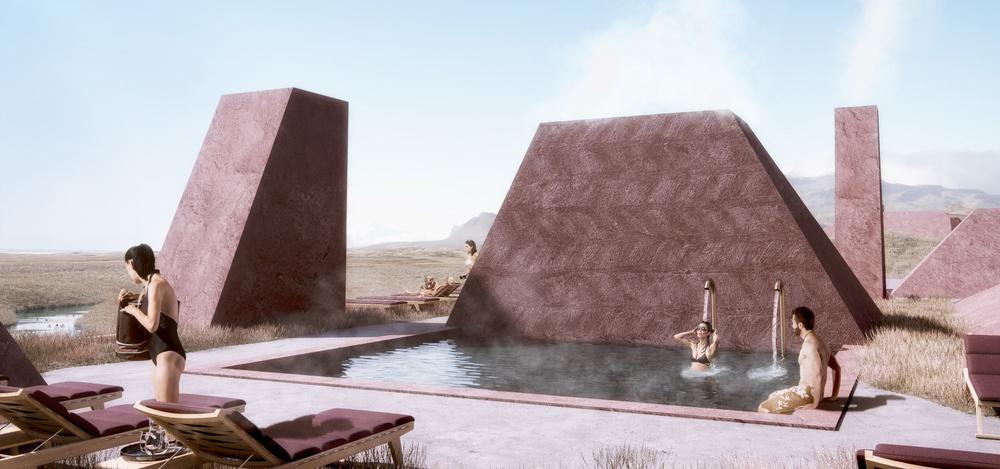
The project's three-phase plan includes a hotel with 150 rooms, 20 bungalows, and a center for the creative industries with artist-inresidence housing and installation space. Johannes Torpe Studios propose constructing an art track along the river to enhance the art experience. The guests will pass through five pavilions designed by local artists on foot
Johannes Torpe Studios created a resort for the modern spiritual traveler, drawn by the mystique and mystery of the Icelandic landscape, where "invisible people" and "half-men, half-trolls" are said to roam
Similar to Bárur Snfellsás, the resort is designed to take guests on a journey of self-discovery An architectural concept that looks at how nature and architecture interact and how they can work together to provide the necessary triggers for an inner journey is what makes the journey easier.
3.3 Waterfront Culture Center.
LOCATION: Copenhagen, denmark
ARCHITECTS: Kengo kuma
YEARS: 2018
SIZE: 10,000 m²
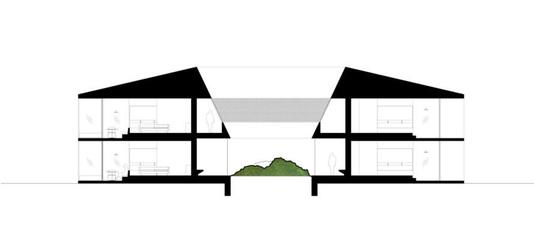
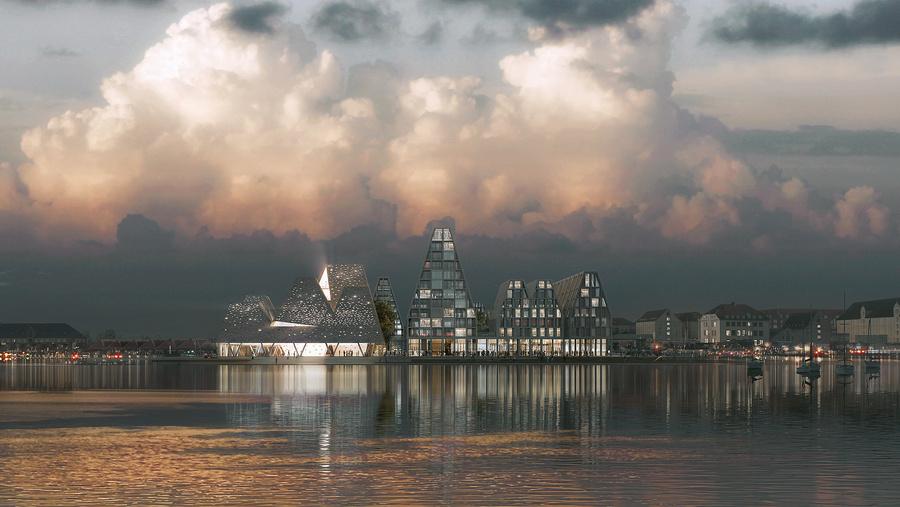
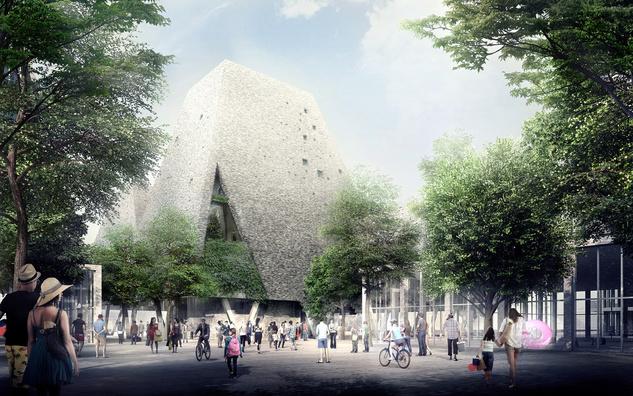
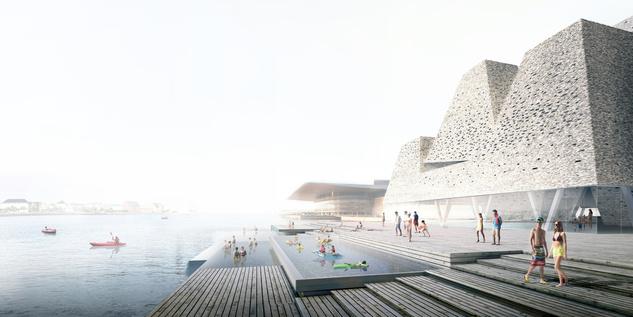
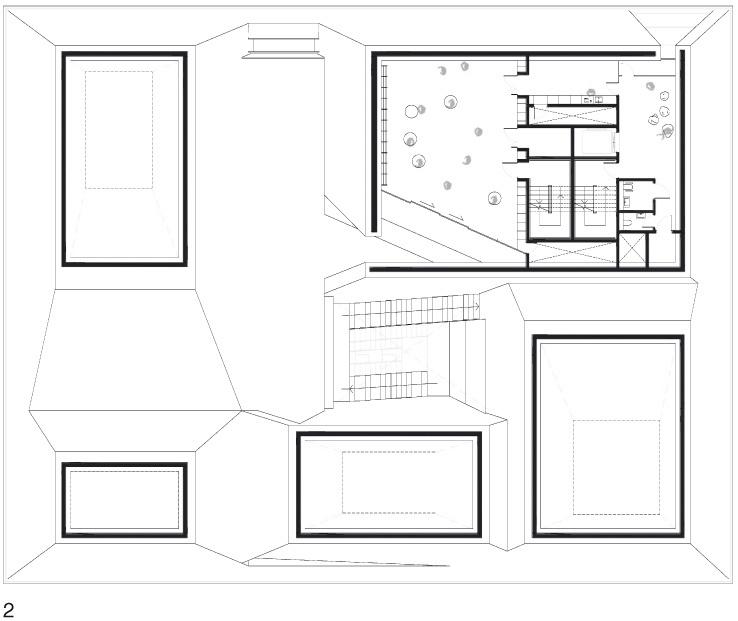
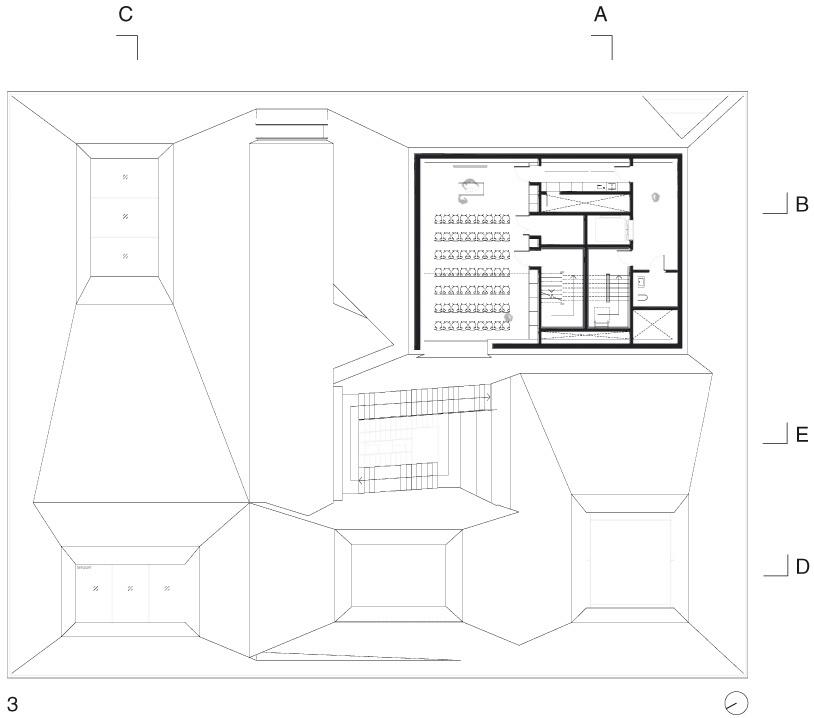
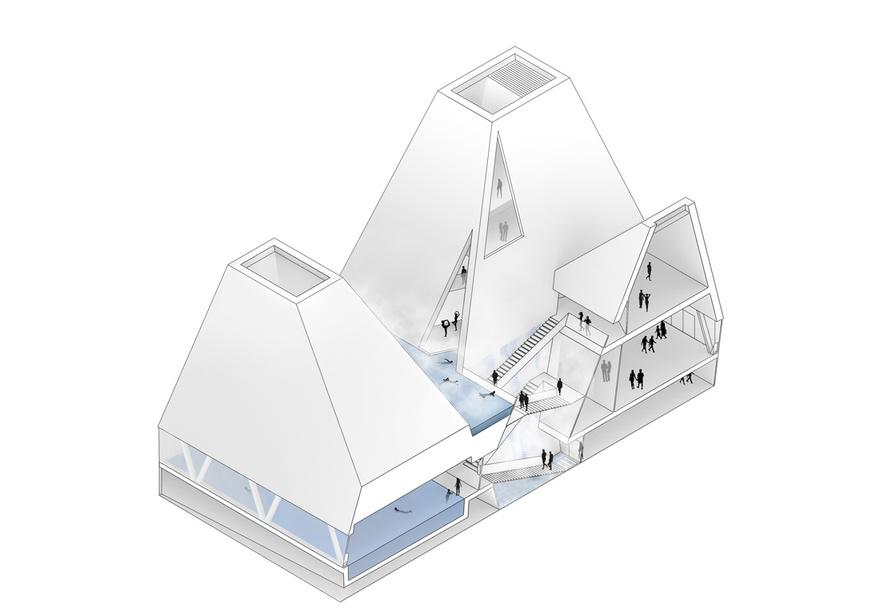
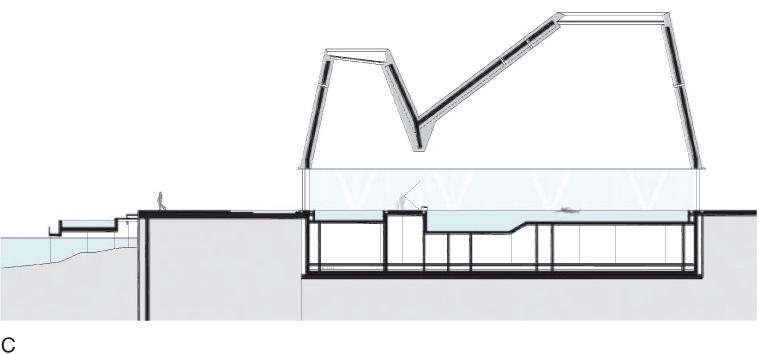
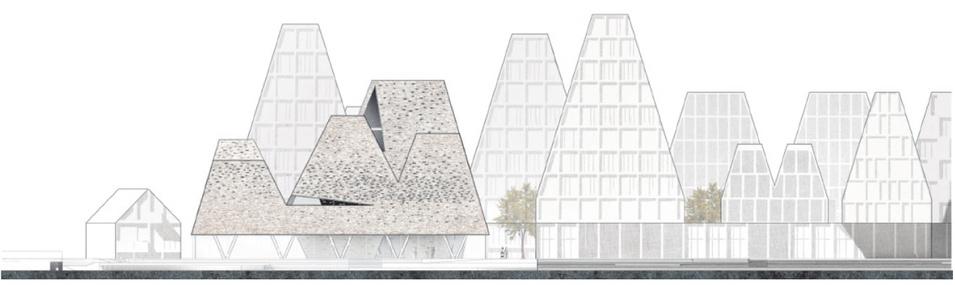
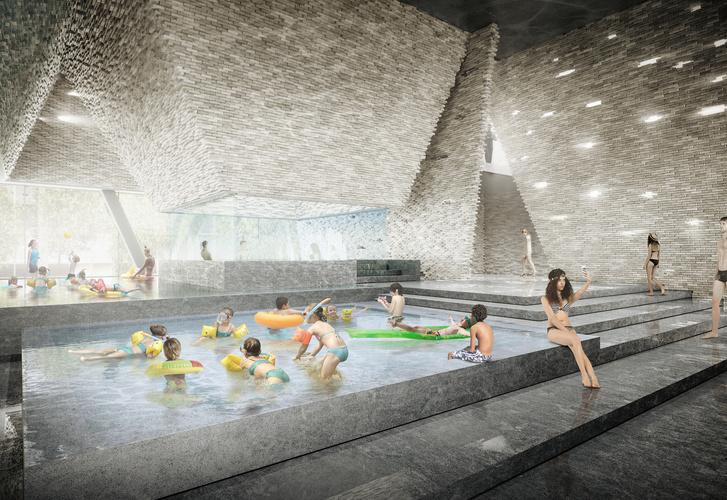
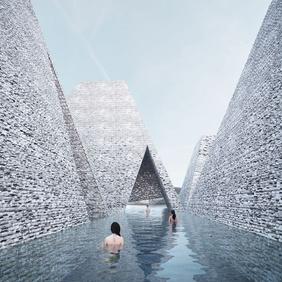
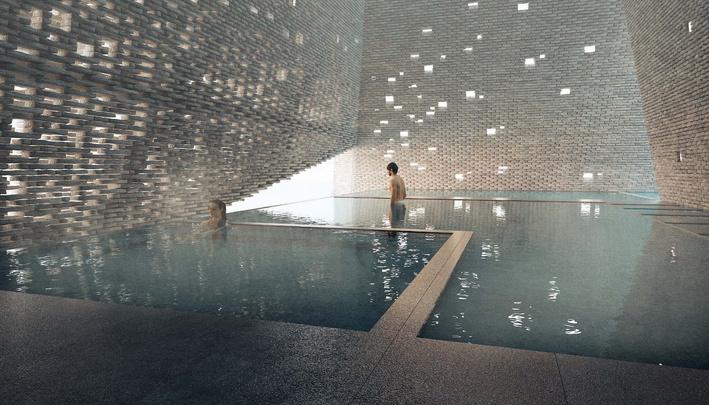
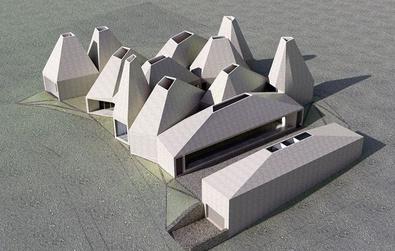
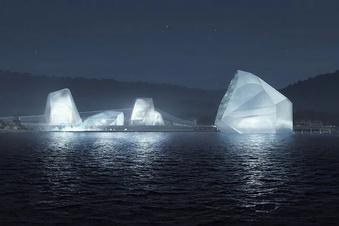
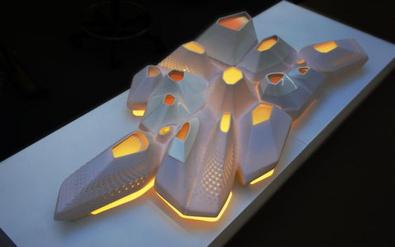
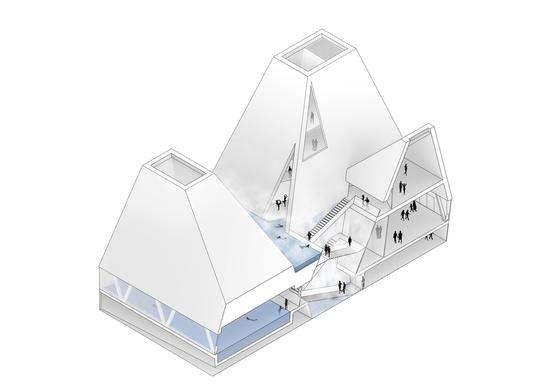
The history, culture, and urban life of Copenhagen have all been greatly influenced by water. The new Water Front Cultural Centre, which was recognized by Kengo Kuma and Associates, will celebrate water in its many forms: steam, flow, shadow, and light reflection. The exaggerated scale of the space above, which corresponds to the distinct pyramid-shaped roofs, will define each of the indoor pools. An open-air pool will pass through a valley that will be created between the coned forms.
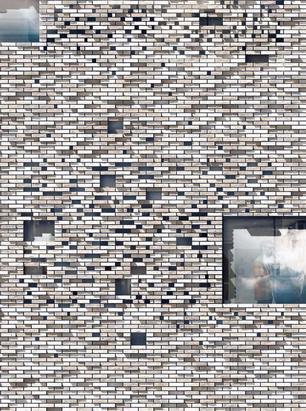
A skylight at the top of each pyramid will allow for a dramatic play of light and shadow reflecting off the water, making shadow and light an important part of the pool's expression. The use of brick and warm, earthy tones reminiscent of traditional Danish crafts will further emphasize the haptic texture of the interior and exterior.
The master plan's prominent corner site will be utilized to its fullest extent in the design; Terraced pools will cascade down the waterfront to create an expansive and continuous view of the water and blur the land's edge. The open public areas unified and defined by the water enable an urban experience outside.
GENERIC DATA
"Architecture is the learned game, correct & magnificent, of forms assembled in the light."
-Le Corbusier
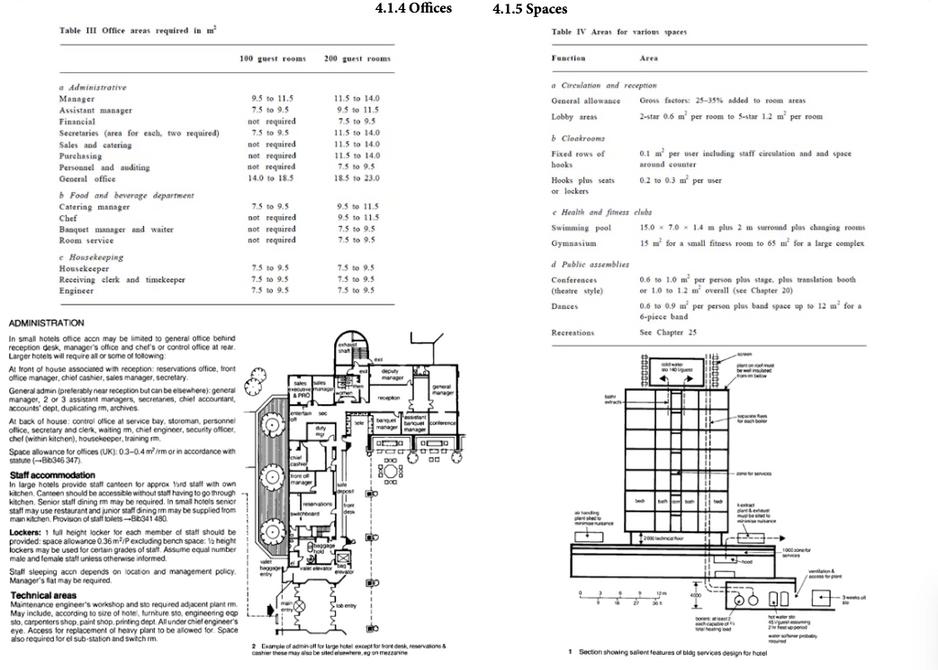
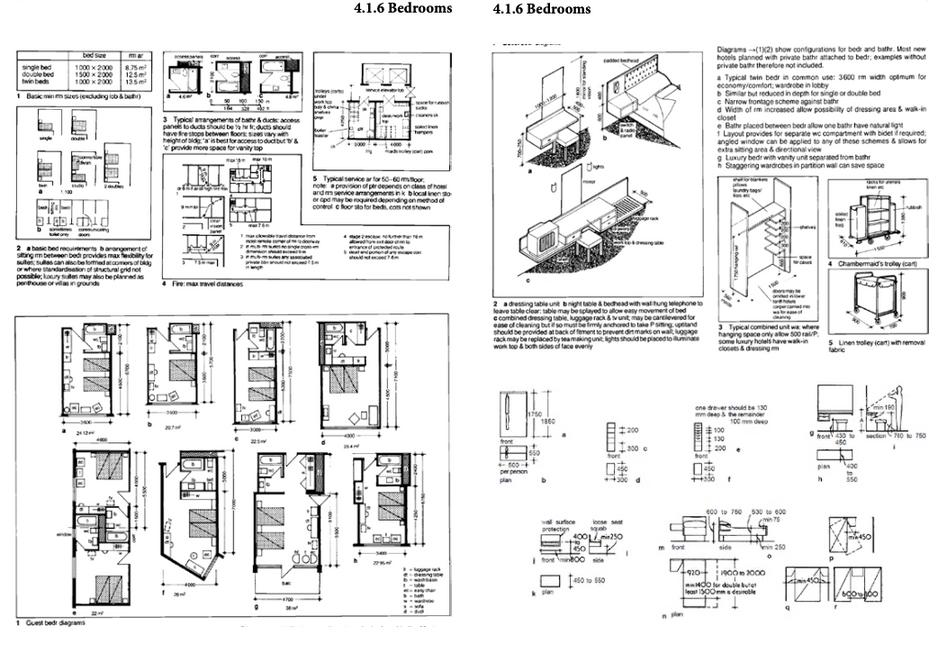
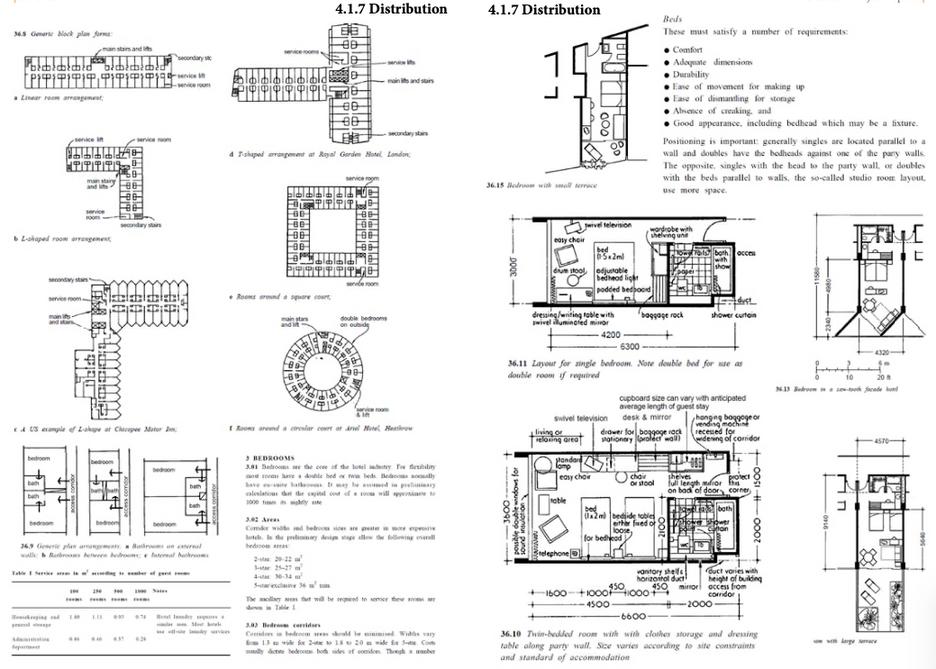
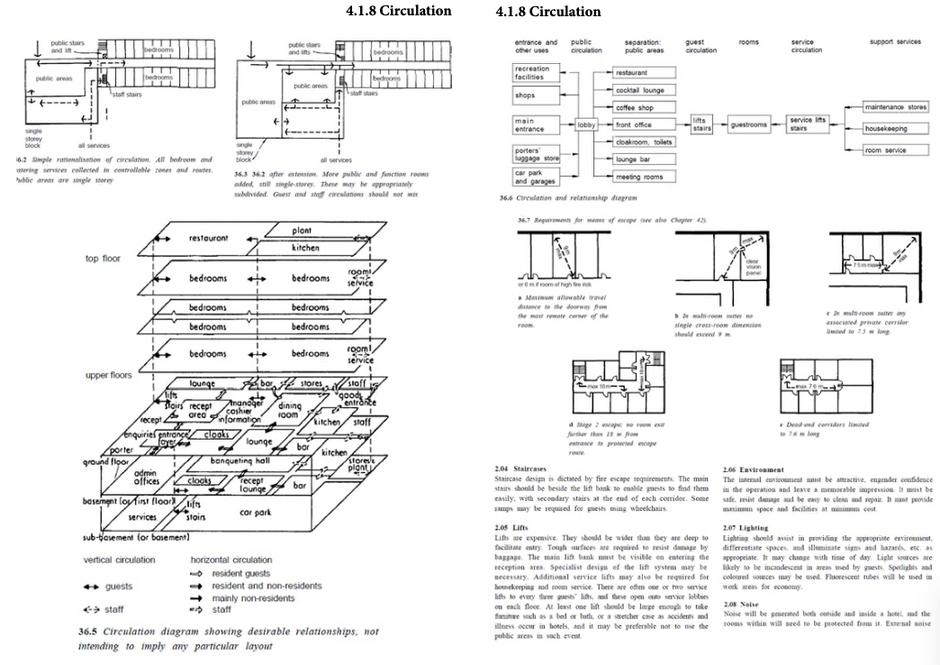
4.1 Metric Standard Dimens
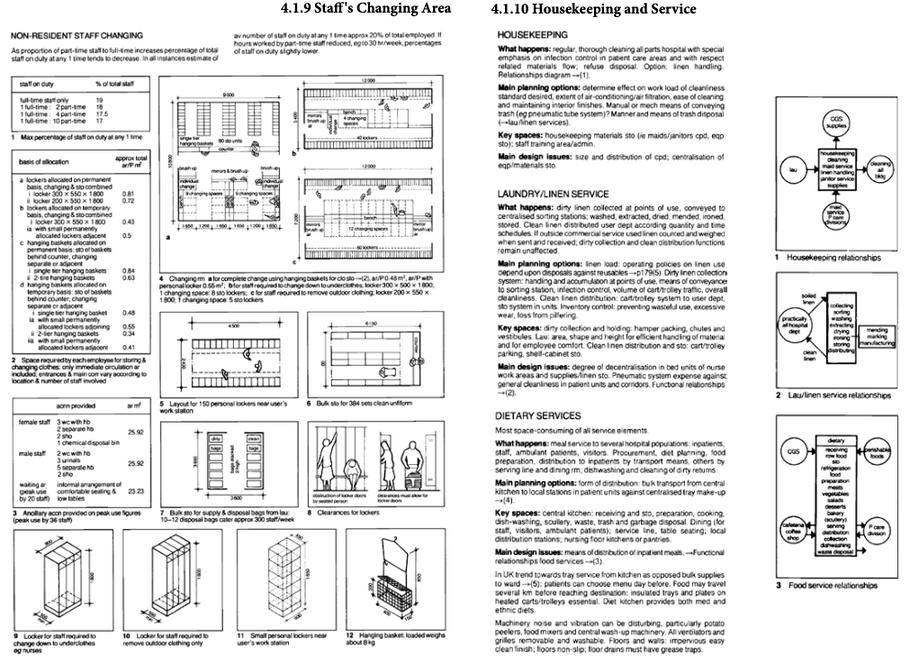
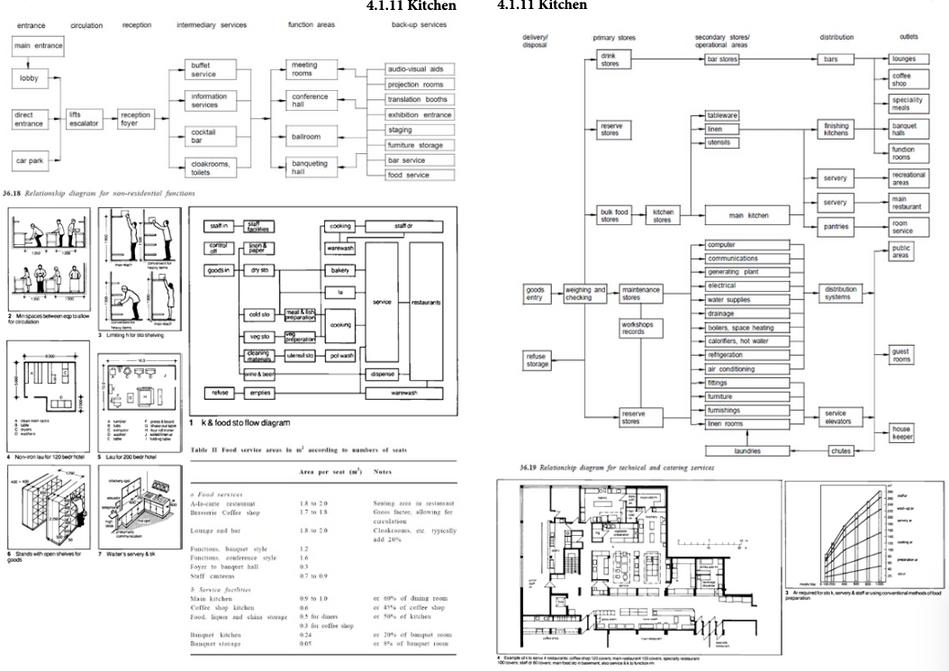
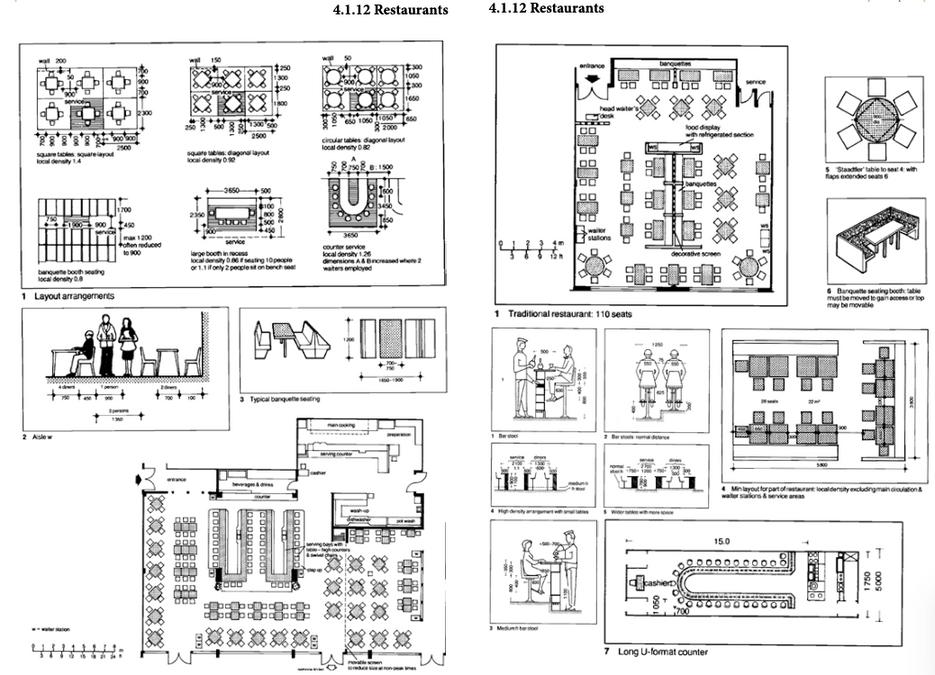
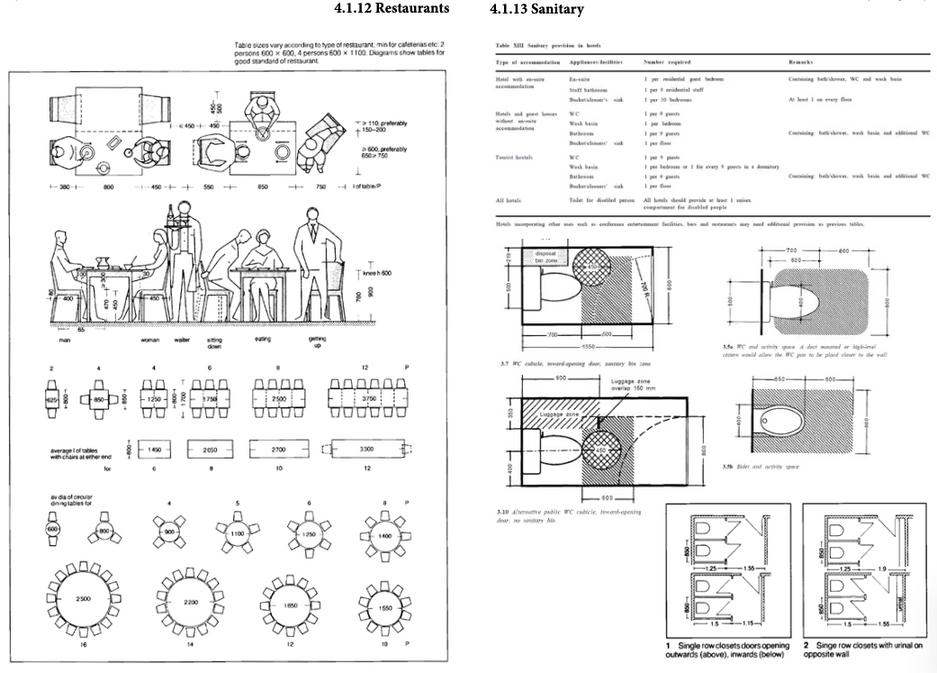
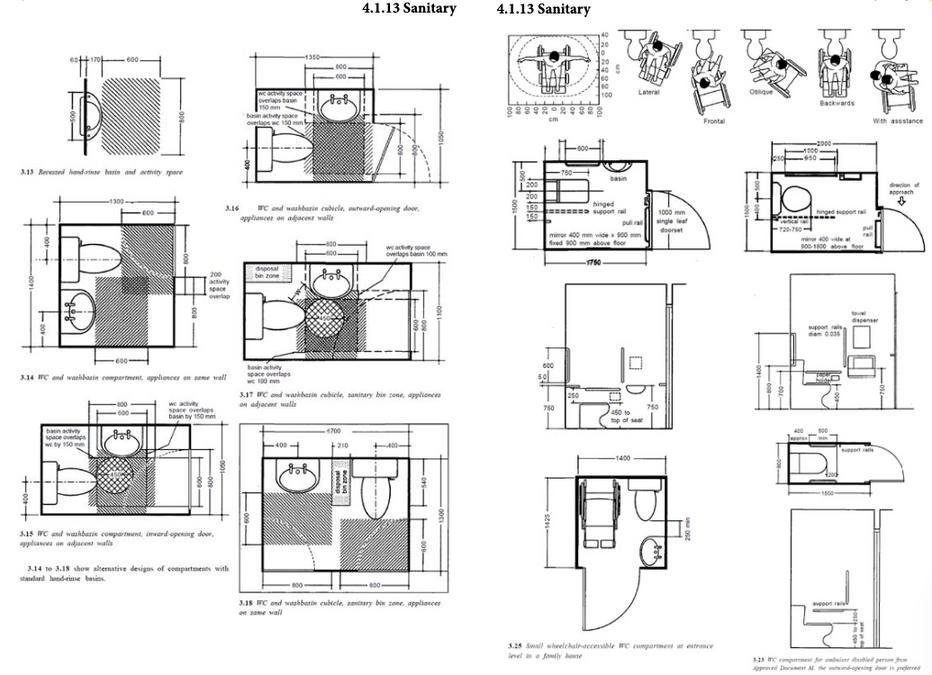
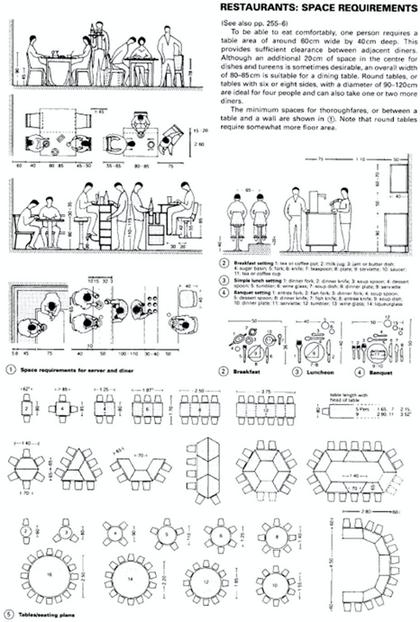
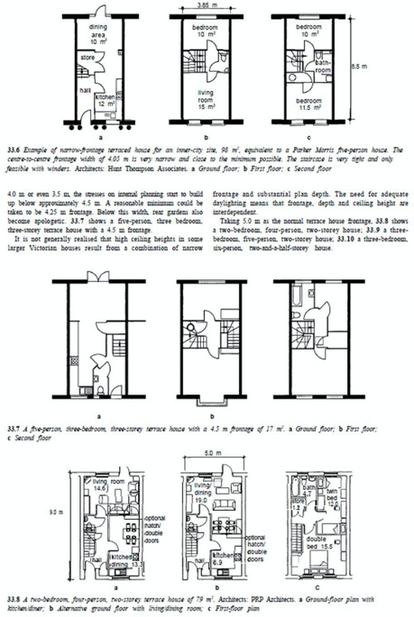
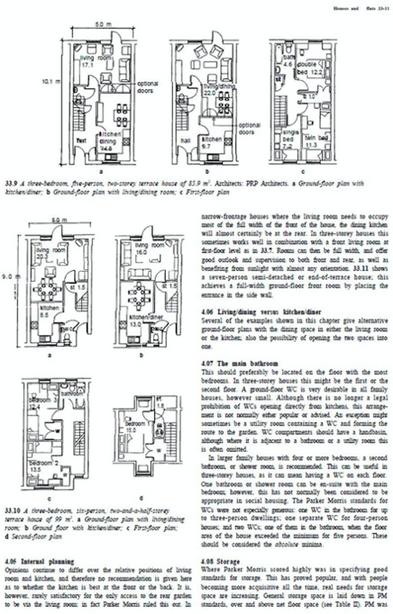
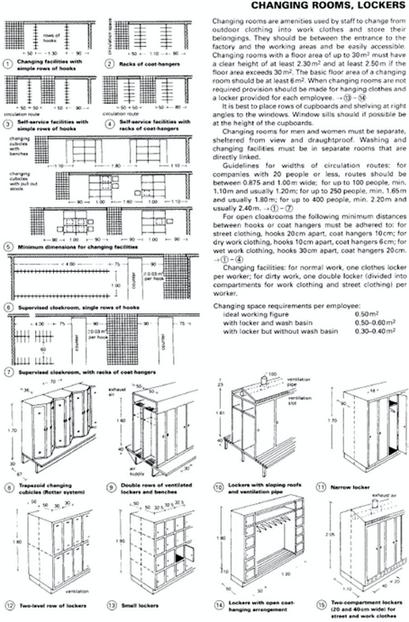
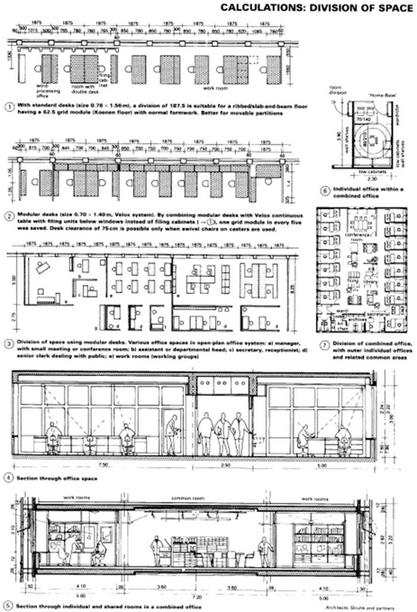
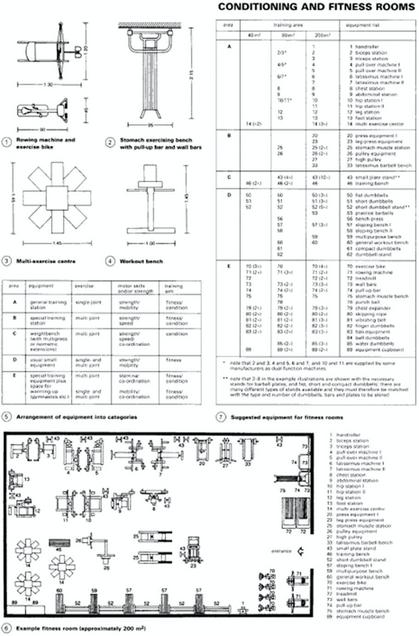
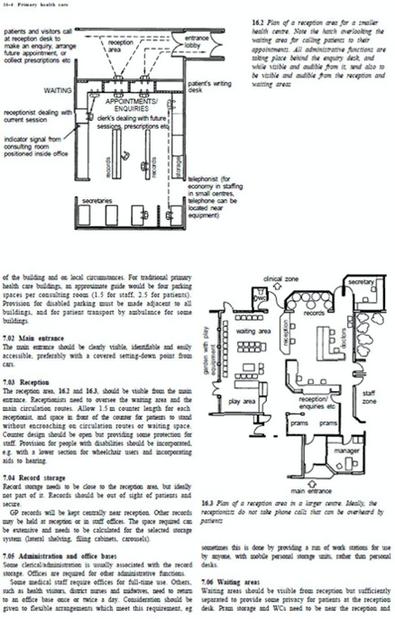
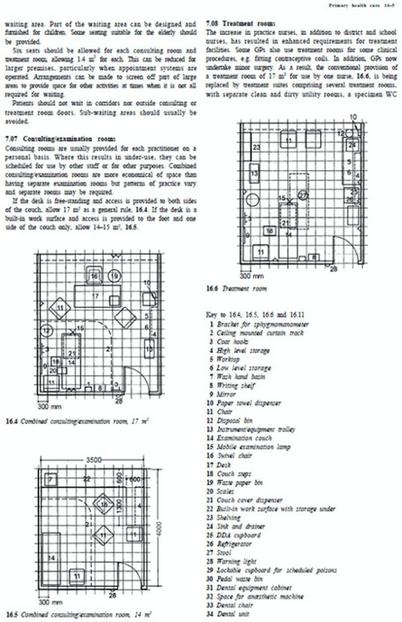
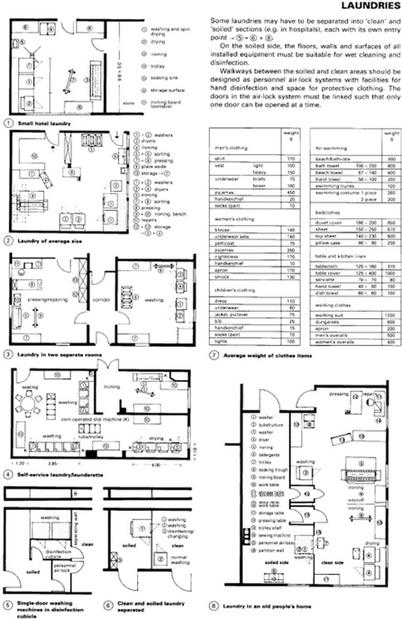
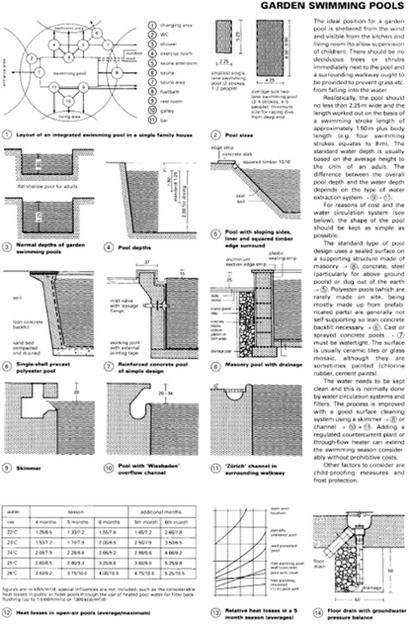
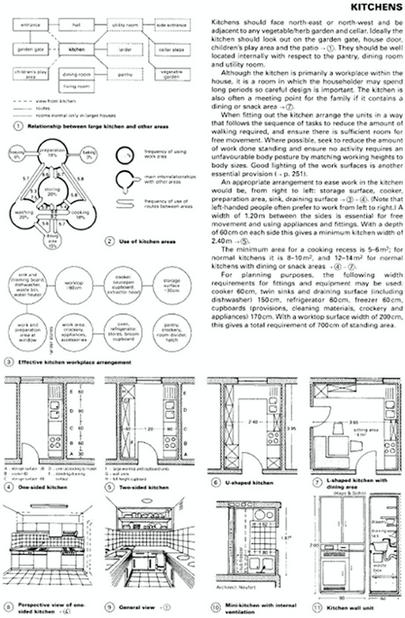
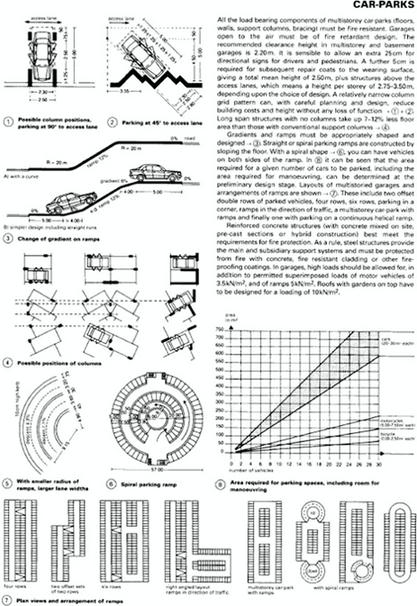
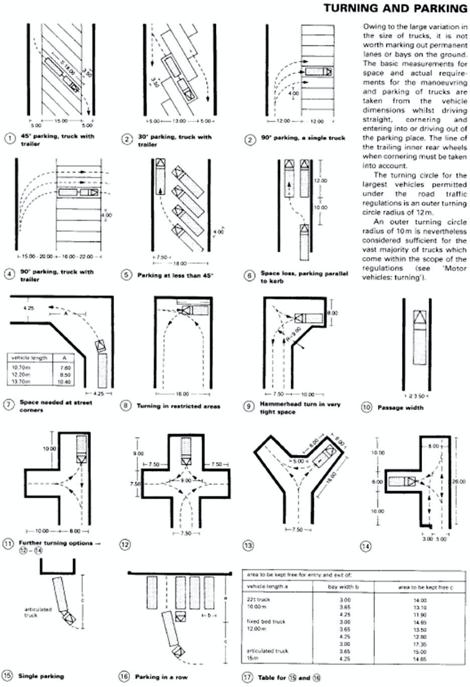
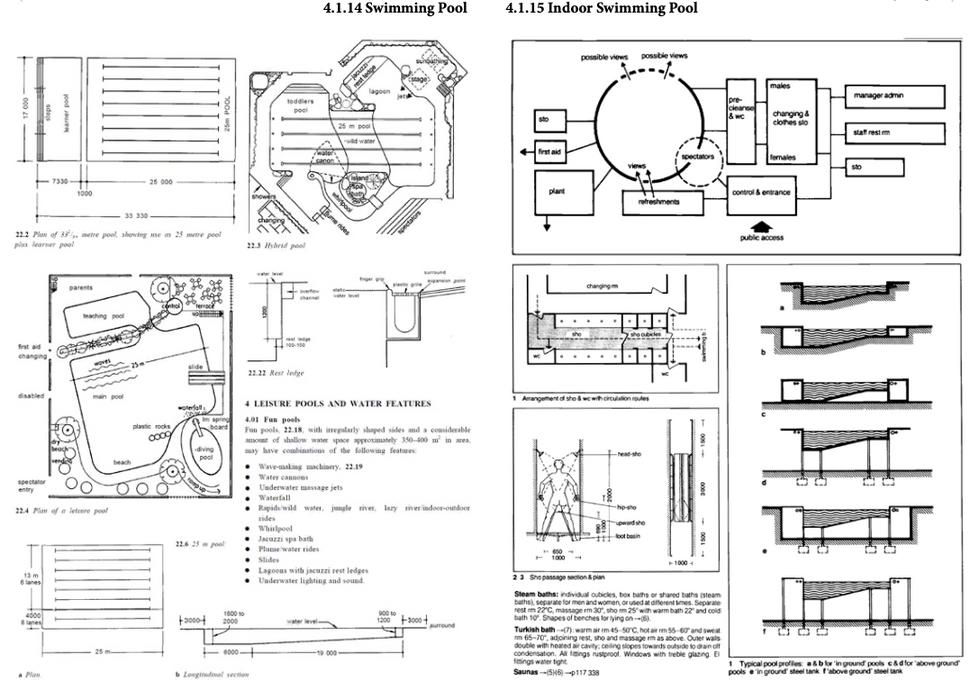
Knowing and understanding the standard dimensions in architectural designs will assure that the spaces are comfortable, functional, and practical.
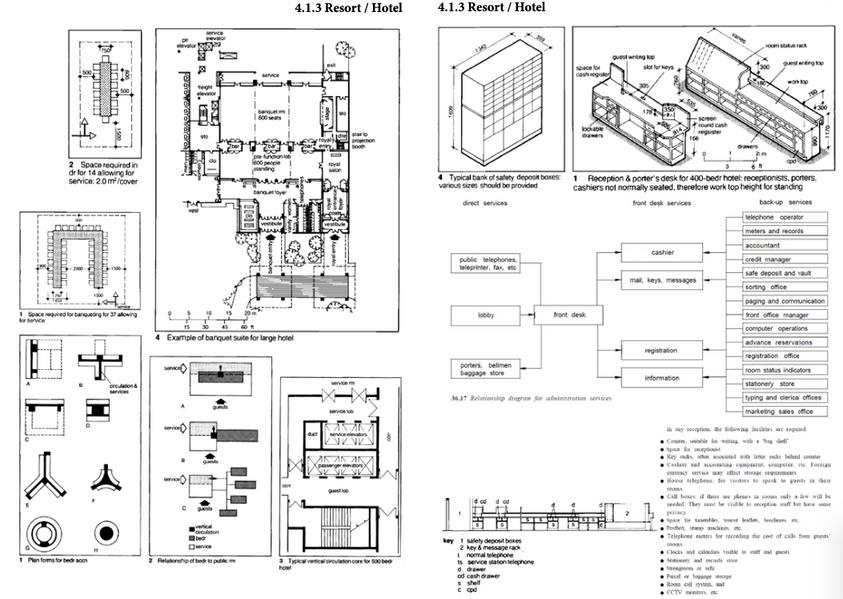
Scale is referred to as the ratio of the size of the object to the actual size of the object. It gives the actual size or dimension of an object or building. The standard scales are given in Ernst Neufert Architects' Data and Metric Handbook Planning and Design Data define scales that architects reference to set the design accordingly. The scale and the sizes of the objects are set based on human dimensions. All the sizes are convenient and handy in accordance with the people living in the building (Khurana, 2019).
In a mathematical relationship with the dimension, the scale intervenes. Scale is the way we perceive the sizes of the elements versus the other forms. Within the scale there are two ways:
- Generic scale: it is the dimension of a constructive element in front of other forms of the context.
- Human scale: it is the dimension of an element or a space with respect to the dimension and proportion of the human body. In three-dimensional spaces, the height is the one that has the most influence, unlike the width and length, because the walls enclose the space and the height will be the one that provides comfort and privacy (Bogenfuerst, 2020).
4116
4117
4118
4123
4124
PROGRAMMING
"Whatever good thing we build ends up building us."
-Jim Rohn.
5.1 ARCHITECTURAL PROGRAMMING
Today, architectural programming is the process of researching and making decisions to determine the scope of the work that needs to be designed."Facility programming," "scoping," and "functional and operational requirements" are all synonyms. During pro-programming, making changes is the most cost-effective. The best time for interested parties to influence a project's outcome is during this phase. Architectural programming offers several advantages:
Prior to beginning the design process, interested parties should be involved in the definition of the scope of work.
Early data collection and analysis should be prioritized to ensure that the design is based on sound decisions.
Benefits accrued by avoiding redesign and subsequent redesign as new requirements emerge during architectural design
5.2
GATHERING INFORMATION
It is crucial to gather relevant information about the project to create the program. There are many aspects of the program that an architect needs to consider before designing the building. For example:
Schedules, activities, and users of the facility: Who is doing what, how many people are participating in each activity, and when?
How much equipment is required for activities to work right away? What is the equipment's size?
How much space (square feet per person or unit) is required for the events to take place? What other design considerations might have an impact on architectural programming: accessibility, acoustics, daylight, design guidelines for the campus or area, historic preservation, etc?
Are there minimum space requirements for various functions that are governed by licensing or policy? What are these requirements?
How much energy is needed and how much is used?
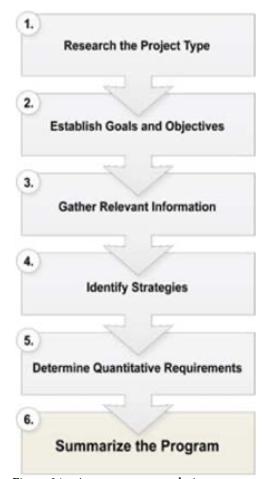
Six-step Process
For design programming for a building, it is proposed to follow this six-step process:
1. Examine the type of project
2. Set goals and objectives for yourself.
3. Collect pertinent data
4. Distinguish systems
5. Determine the requirements in terms of numbers.
6. Summarize the program.
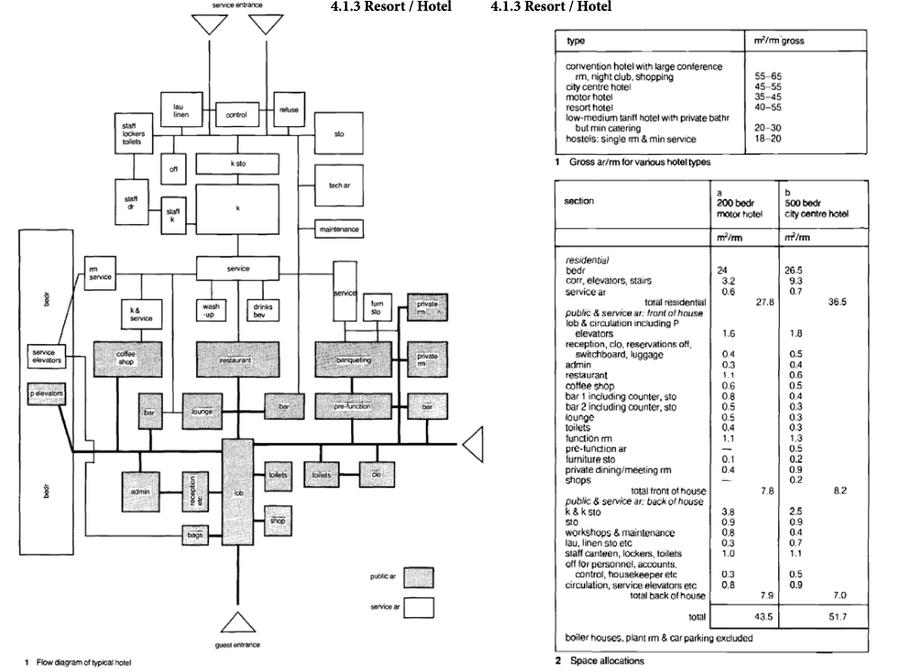
A resort is a building or a group of buildings that are designed to give the guests a relaxing experience. The layout is carefully created to assure a smooth connection between the housing, conference facilities, commercial facilities, community infrastructure and facilities, and open spaces The greatest challenge in designing a resort is the distribution of the layout to give great views of all the guests’ rooms. The placement of activities and attractions is important to improve the guests’ experience in the resort. Resorts usually concentrate their activities near the main attraction, for example in a beach resort, the activities would be closest to the shore. Other resorts can prefer having activities and services near a gold course, open green spaces, lakes, or near the best view (e.g. mountains) The requirements for a high-quality resort depend on the small details that are being considered. For instance, the service routes for the staff entrance and the loading and unloading areas should not be visible to the guests. The guests’ route to the main entrance should not have any service vehicles disturbing it. The access roads for the hotel services should be hidden and distinct from the resort, so the guests can walk through the resort without viewing any service areas (Elmagalfta, 2006).
The following aspects are highly required to design a resort:
• Main resort entrance for guests and luggage handling
• A different entrance for conferences, banquets, and pre-function areas.
• Private entrance for the guests to enter the residential areas.
• Separate access to the clubhouse • Pedestrian paths for the guests
• Main entrance routing for taxis, waiting for bays for the taxi rank.
• Parking access for guests with special needs parking included, and taxi and limousine stop (number of parking lots is defined by marketing demand location resort types and number of guestrooms)
Resorts are expected to obtain specific identifications and standards to be listed as a high-quality resorts:
• Create a tourism destination that would attract visitors.
• Make visitors/tourists into guests of the resort by planning excellent facilities, services, and a cozy environment.
• Creating activities that would occupy and hold the guests to stay in the resort the entire time Amusement and entertainment facilities should be available day and night for all the guests.
• Draw guests with high-quality facilities and technical advancements provided by well-trained and welcoming staff
• Resort rooms are bigger and more comfortable than a typical hotel room because the guests usually stay longer in resorts than in hotels.
The reservation process should be smooth and easy The front desk staff should be professionals because it is the first thing that the visitors experience in the resort The process of checking in and checking out should be fast because waiting for too long shows that the staff is incapable of working professionally. There should be a variety in the resort rooms, whether it is in the room size, the location, the view, and the number of beds for the guests. In addition, the interior of the rooms should have a consistent design with high-quality furniture and comfortable furniture for the guests to relax and enjoy with sufficient daylight to enter the room, proper lighting for the room at night, and proper ventilation
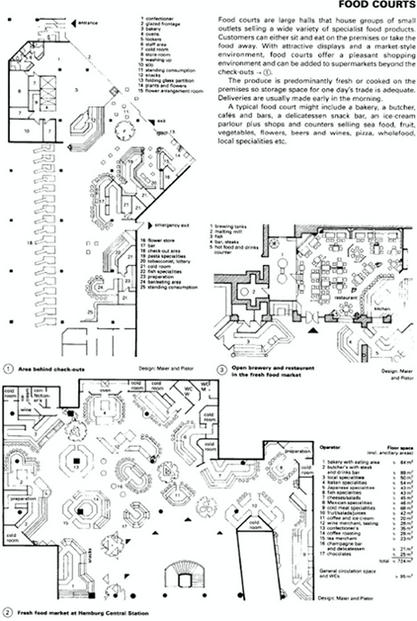
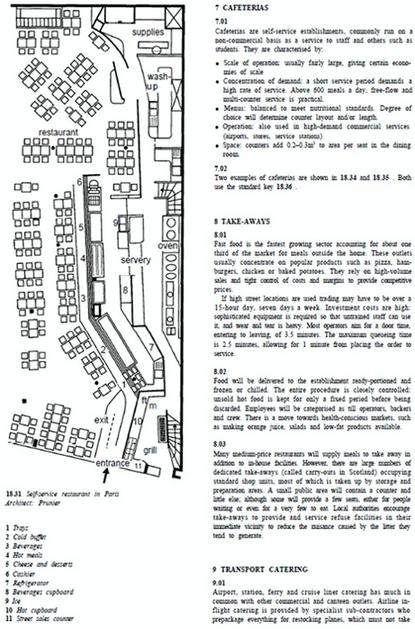
Of course, the feng shui of the furniture of the room should be relaxing and create positive energy in the room where the guests will stay. Housekeeping is the one of most important aspects that need to be planned properly in the resort. A well-designed housekeeping service should be hidden from the guests but function properly and smoothly. Regarding the facilities, it is essential to have a variety of restaurants to give the guests and visitors different options for food. As well as having a 24-hour fitness center, pool(s), spa, and lounge areas distributed throughout the resort.
5.3 Resort's Space Program
RESTAURANTS
Spa & Fitness
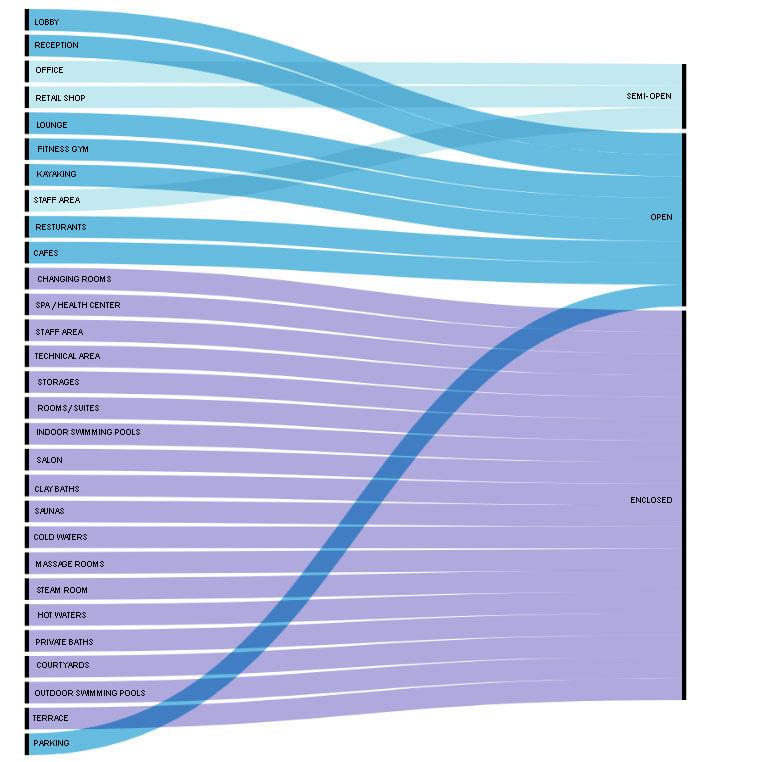
5.4 Sankey diagram
bubble diagram flow
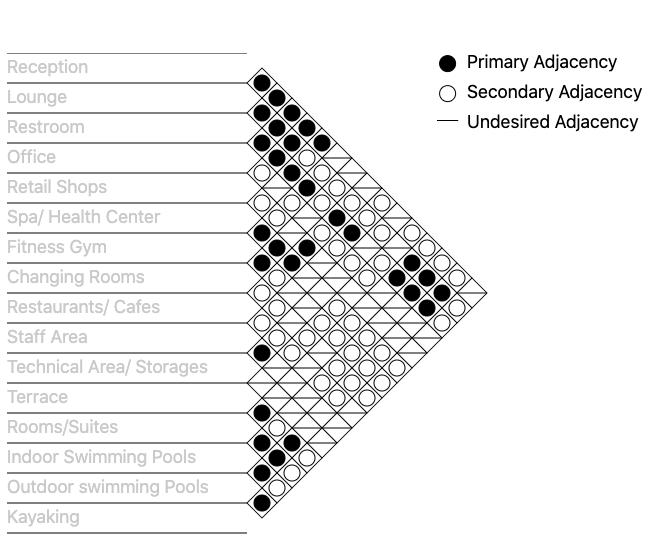
5.6 matrix diagram
Design concept
"Architecture is about trying to make the world a little more like our dreams."
-Bjarke Ingels
6.1 Summary
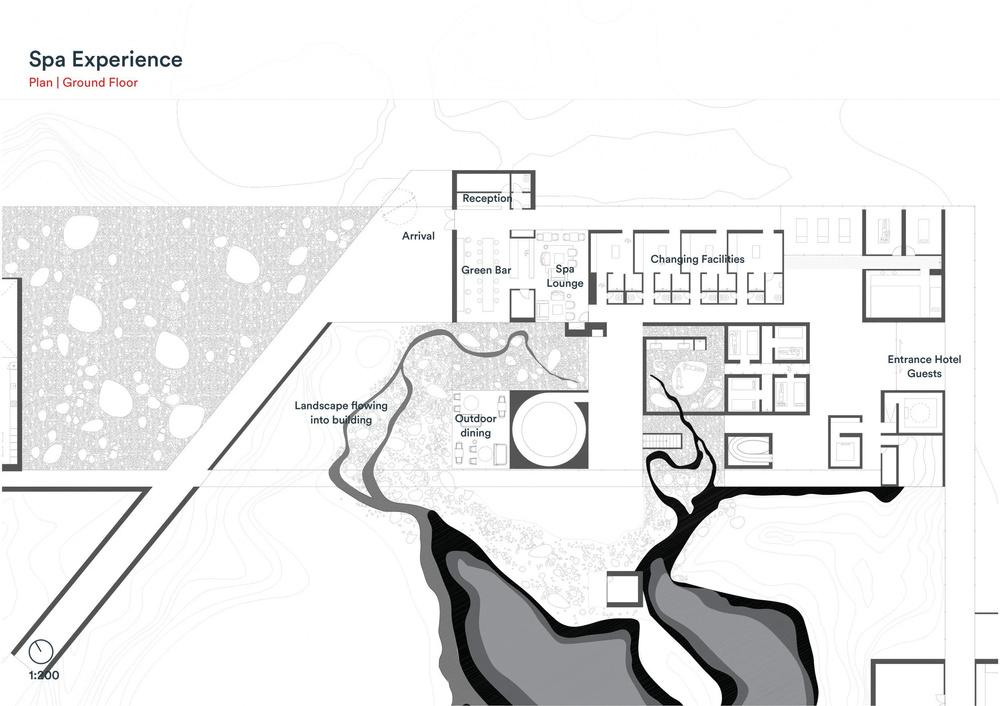
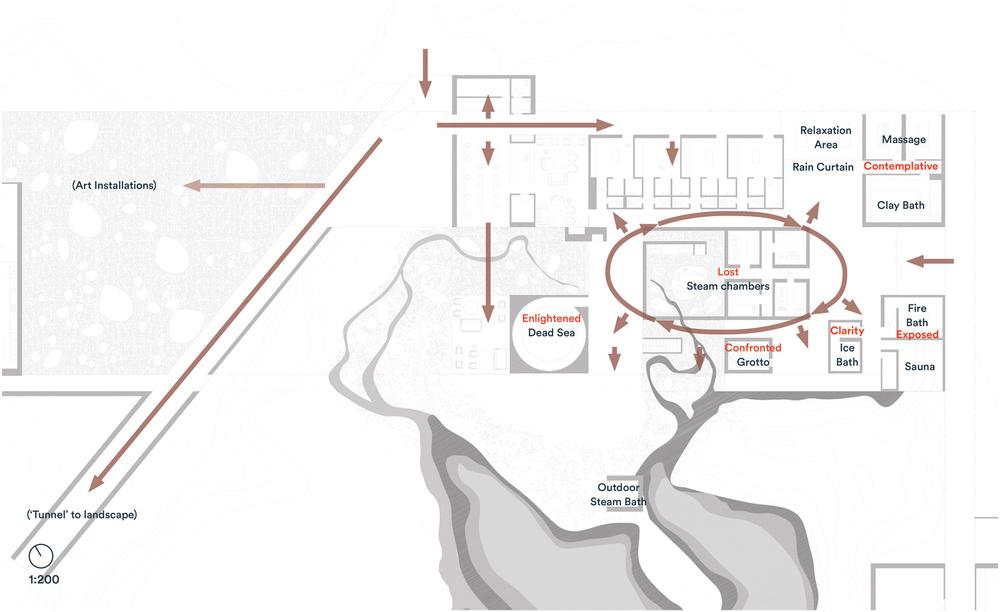
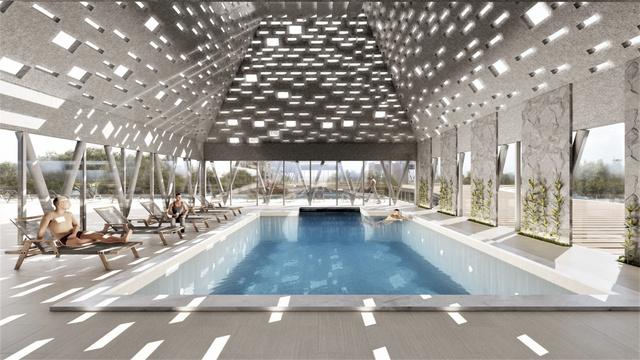
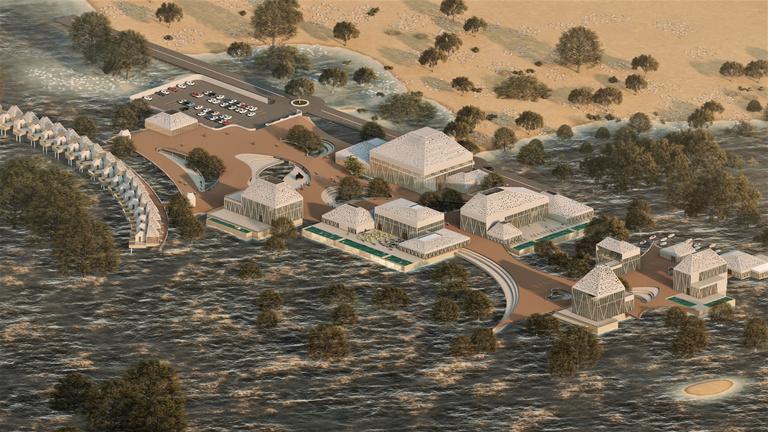
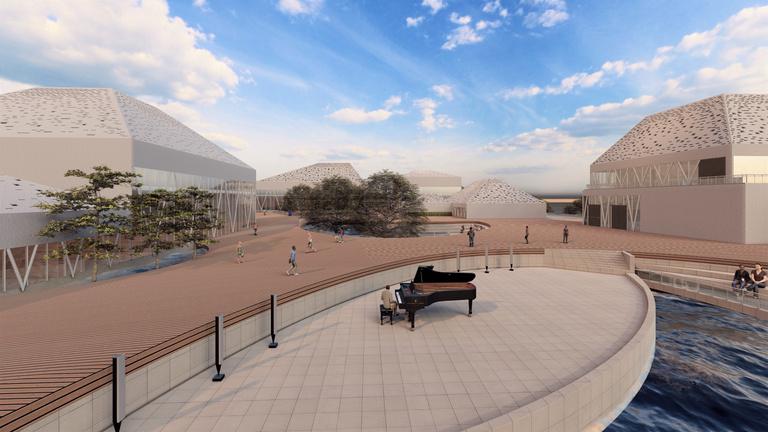
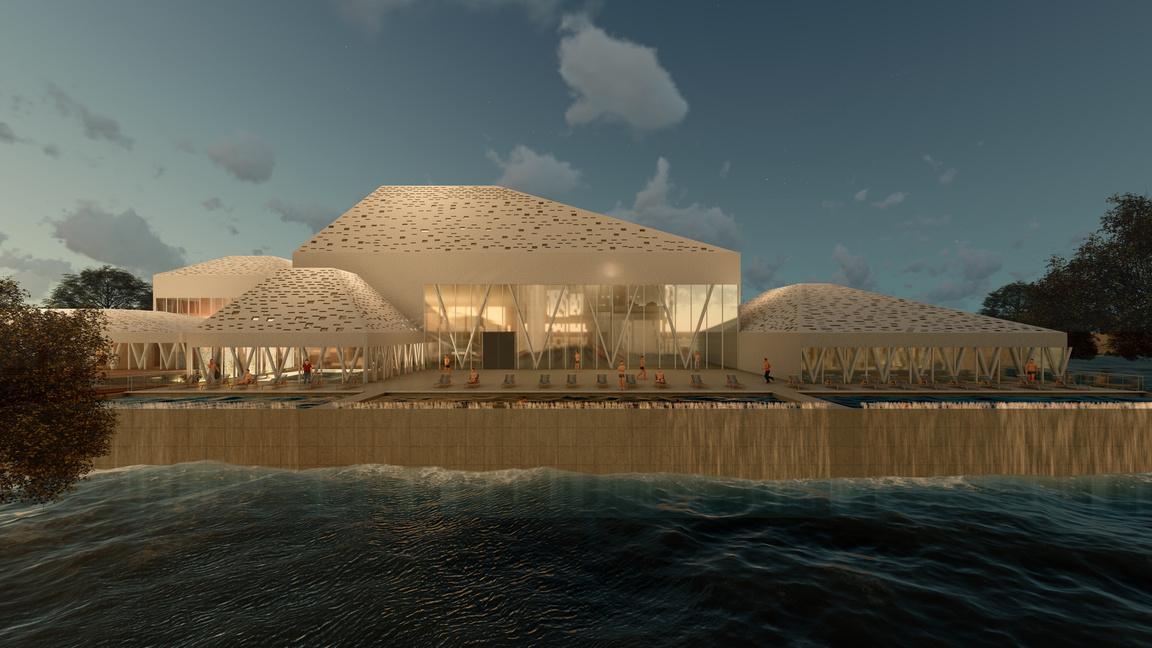
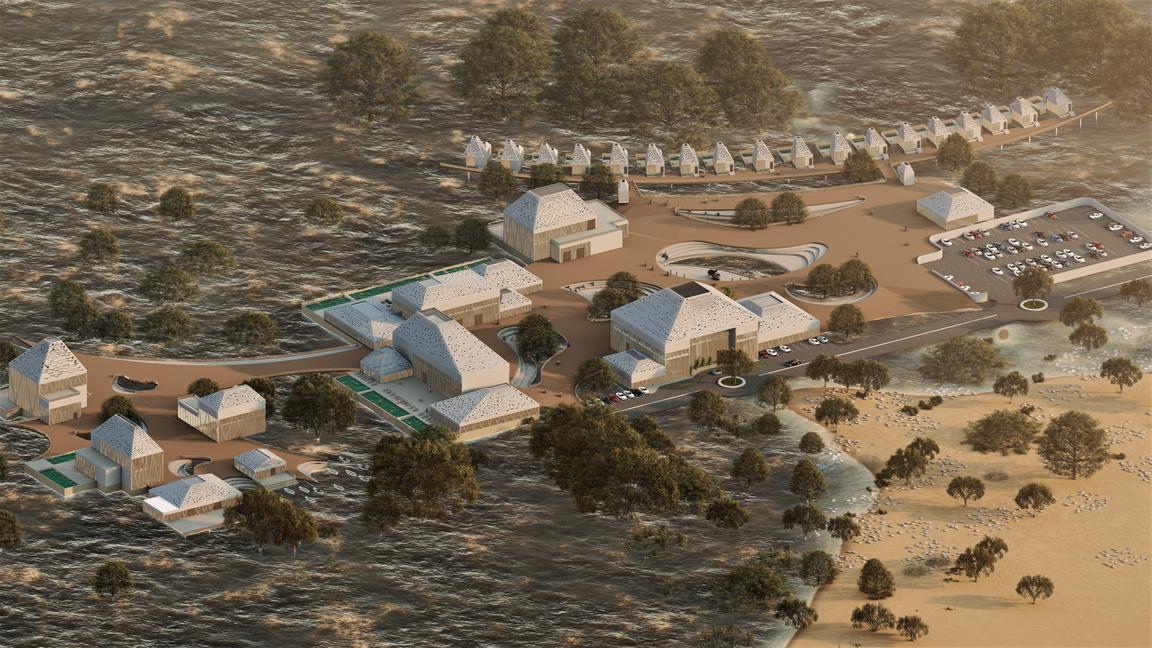
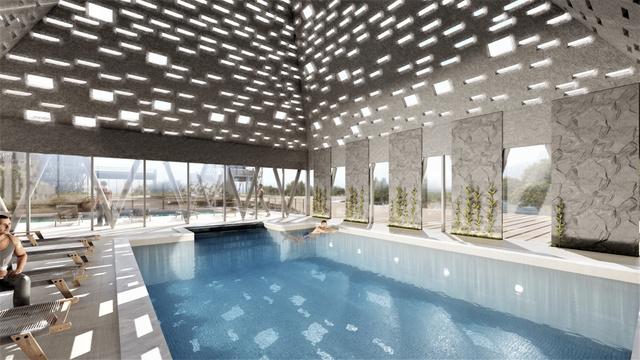
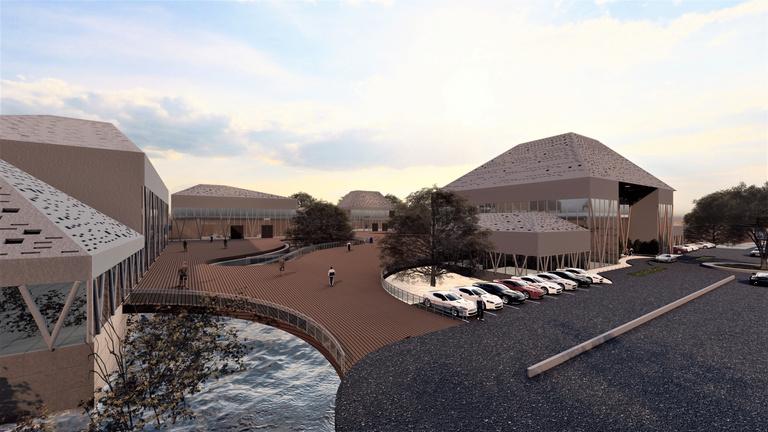
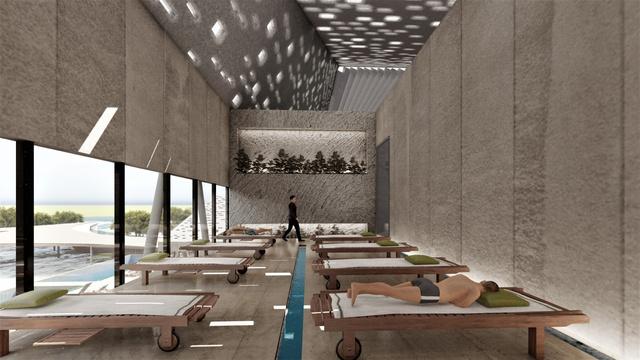
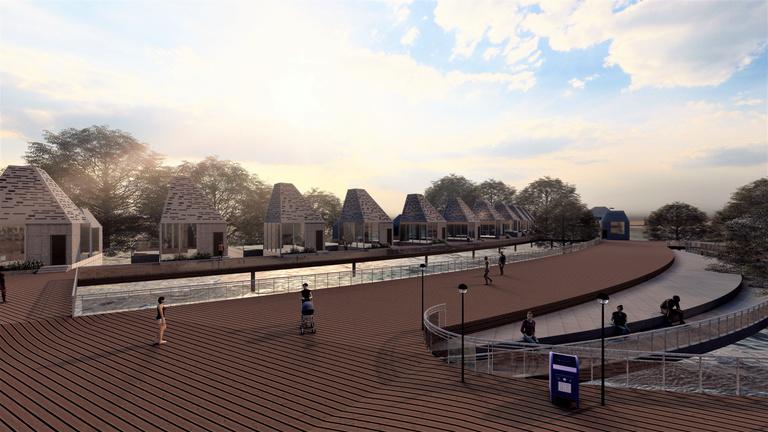
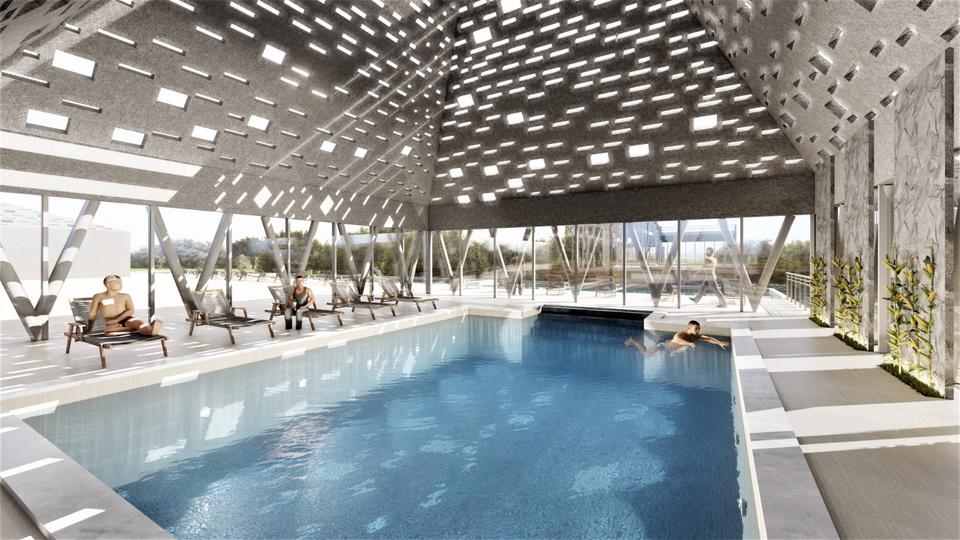
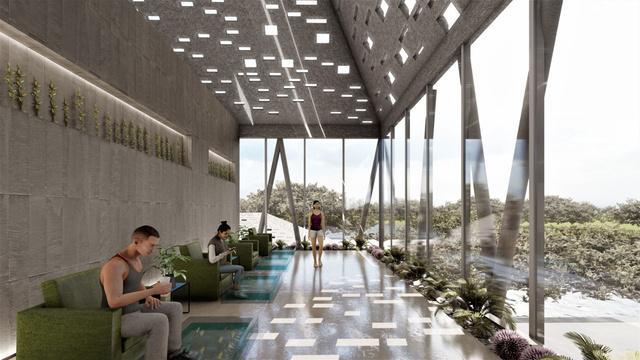
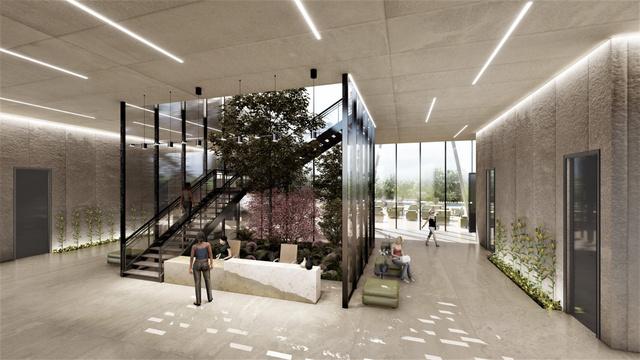
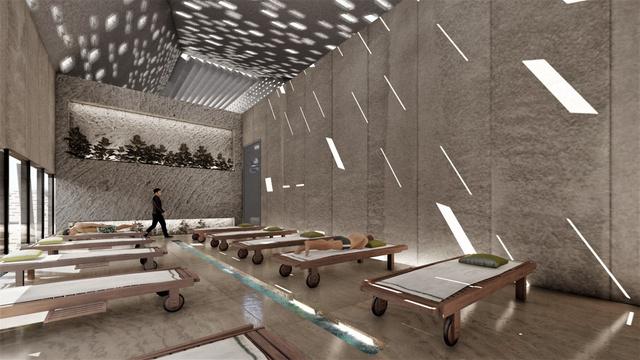
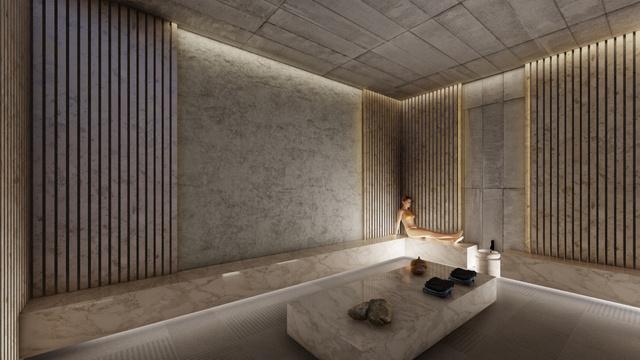
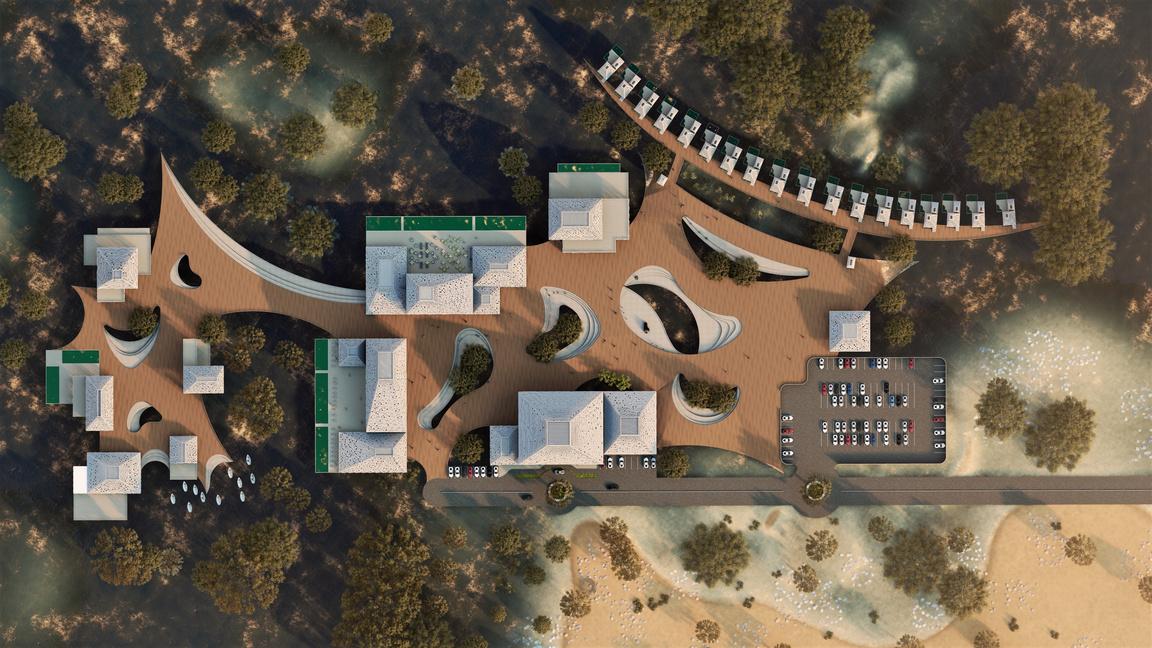
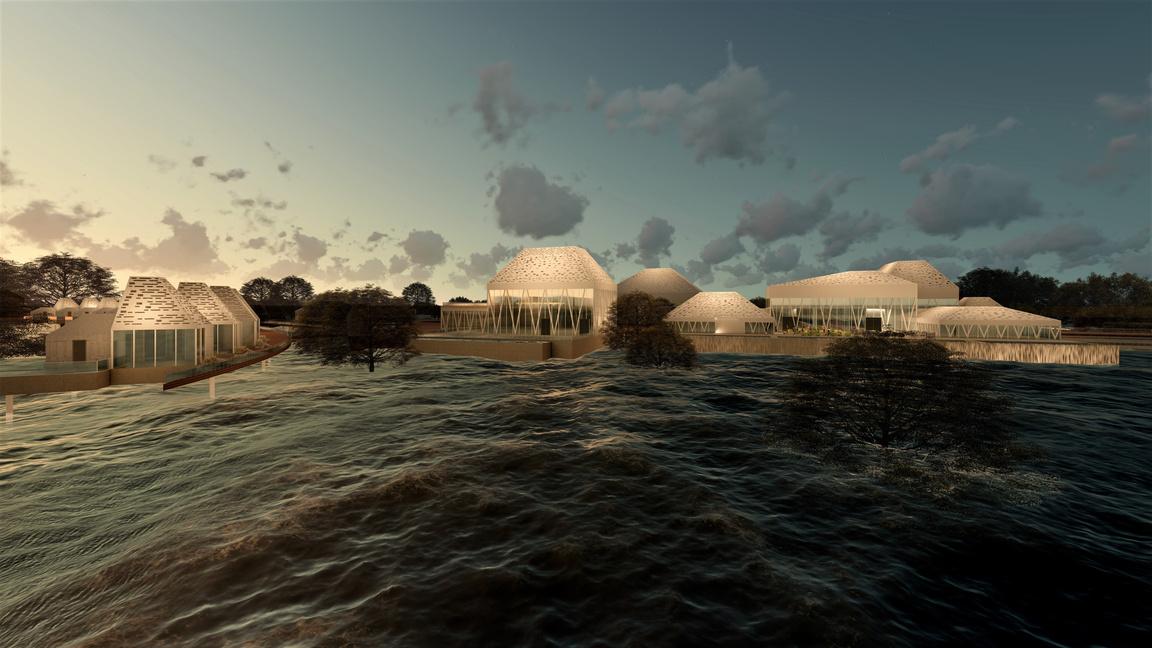
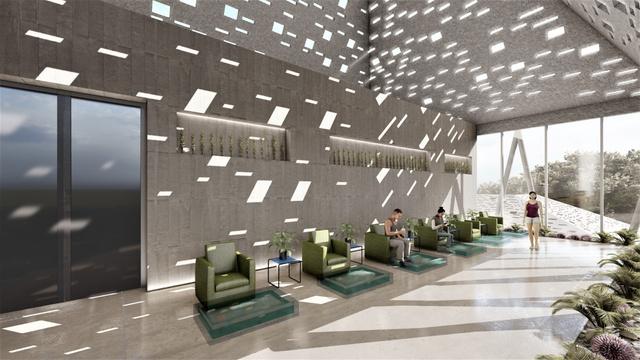
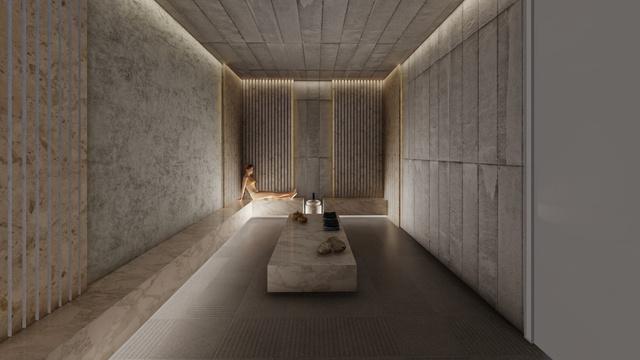
The Serene wellness and retreat center, between sky and water. My design of this project aims to connect people with water; While many hotels have spas, my project is unique in that it uses water as an essential part of the project operation and the bathhouse culture. Retreats have been viewed as a means of escape, so I chose this topic. On their way out of the stressful city, users can lose themselves in facilities with natural water connectivity Some examples don't have a real view of the outside, and the indirect light from above makes it feel like you've stepped into another world. Everything water is what my project is about, hot water pools, saunas, clay baths, kayaking, etc , and even booking a suit to escape the world and to be in serenity
6.2 mood board
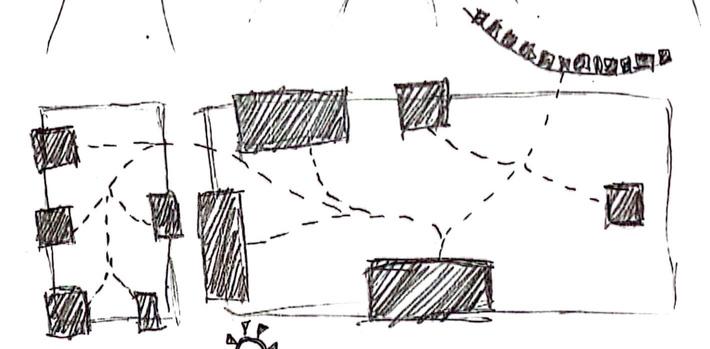
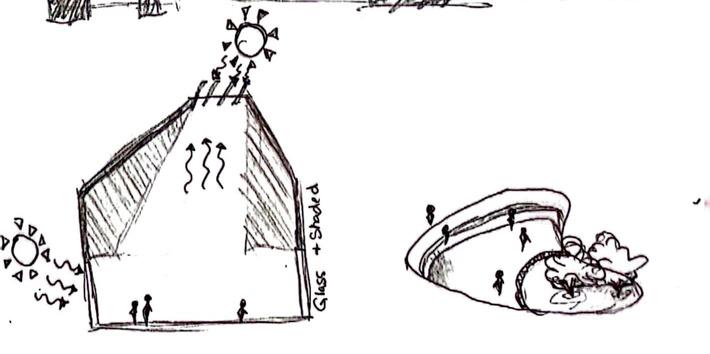
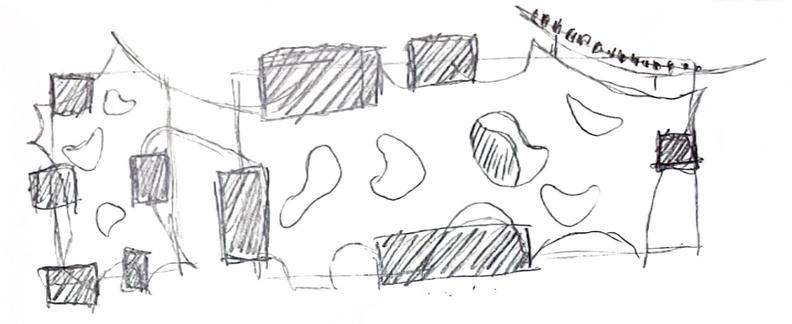
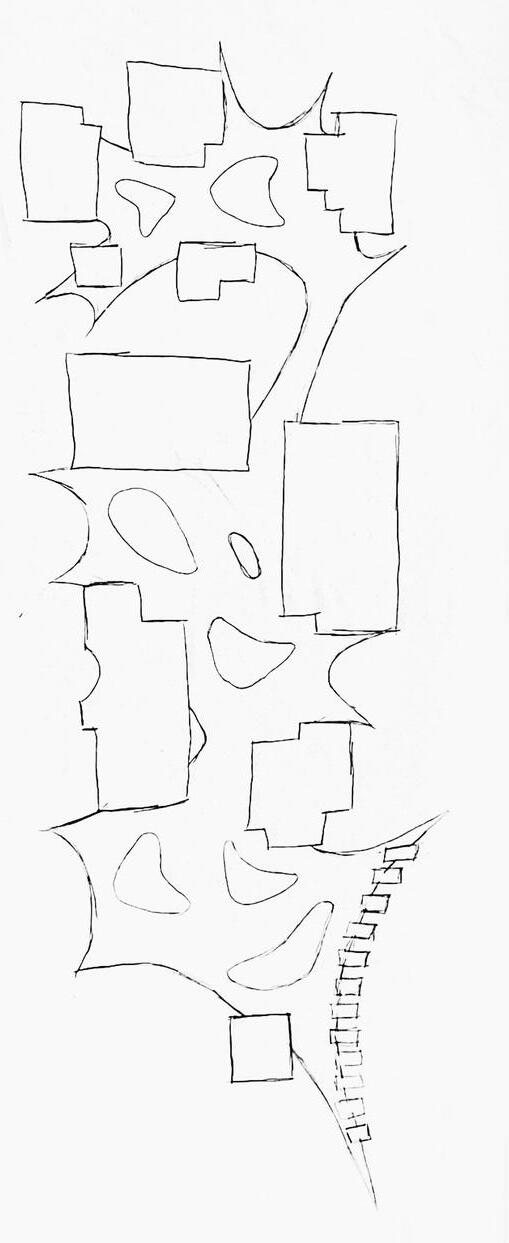
6.3 PERSONAL SKETCHES
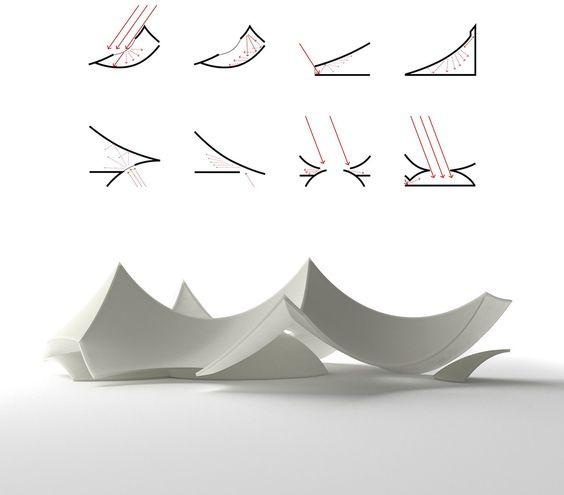
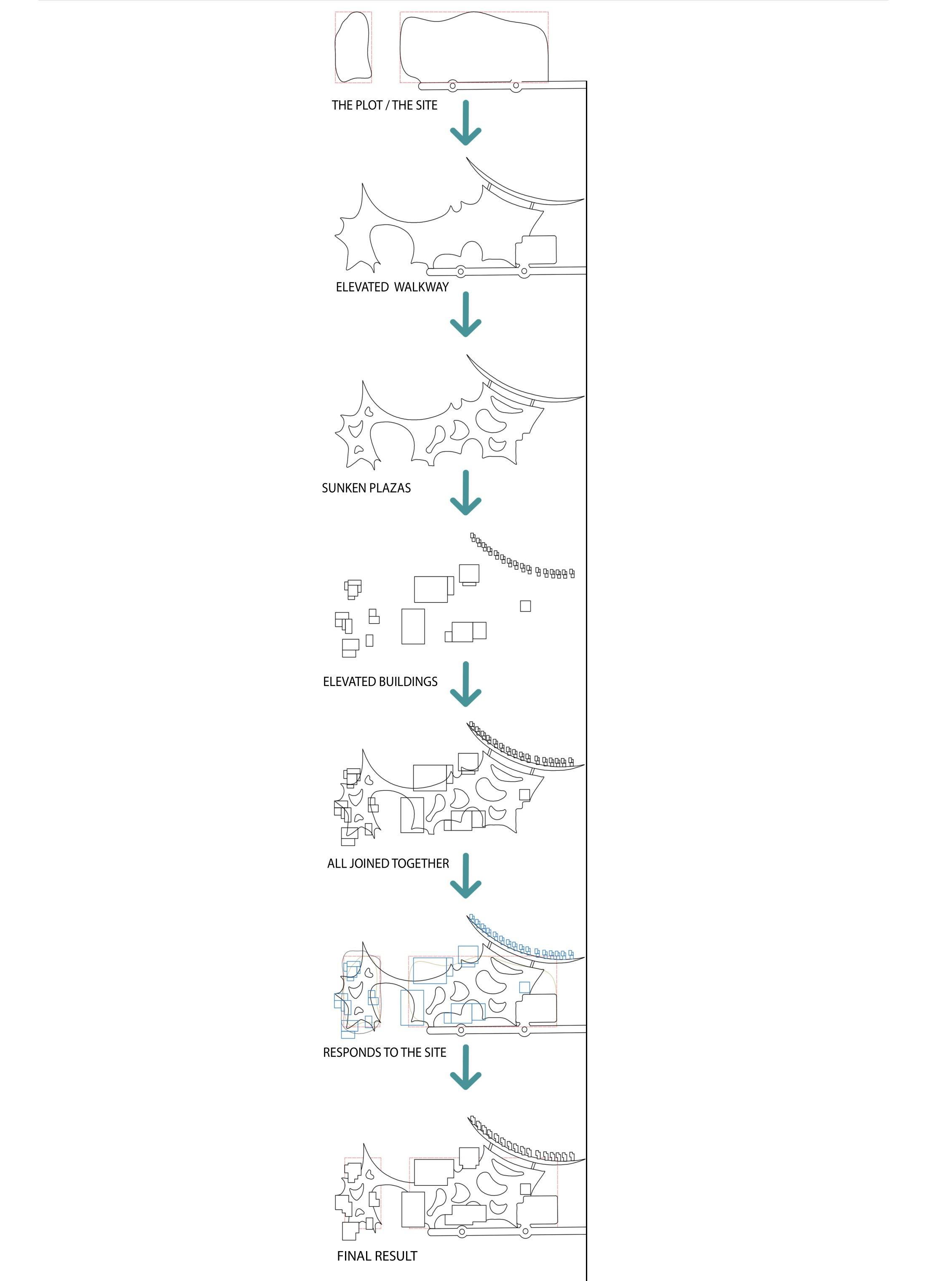
6.4 The Concept
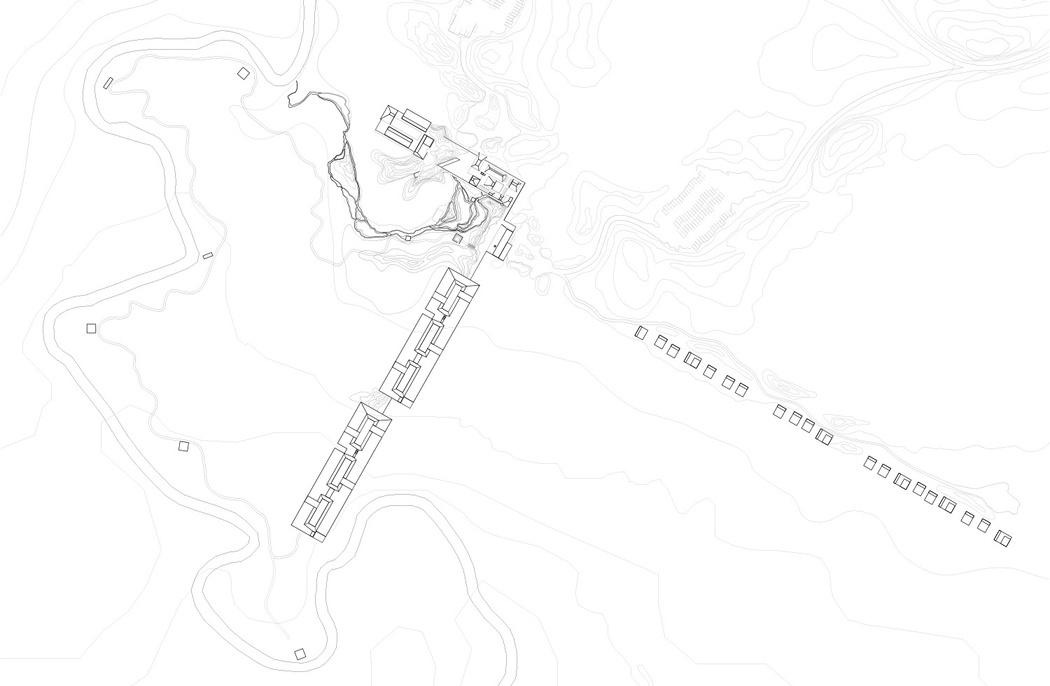
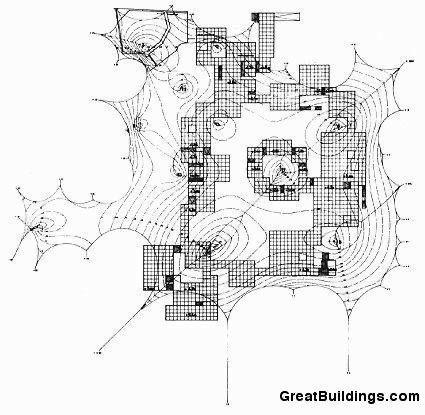
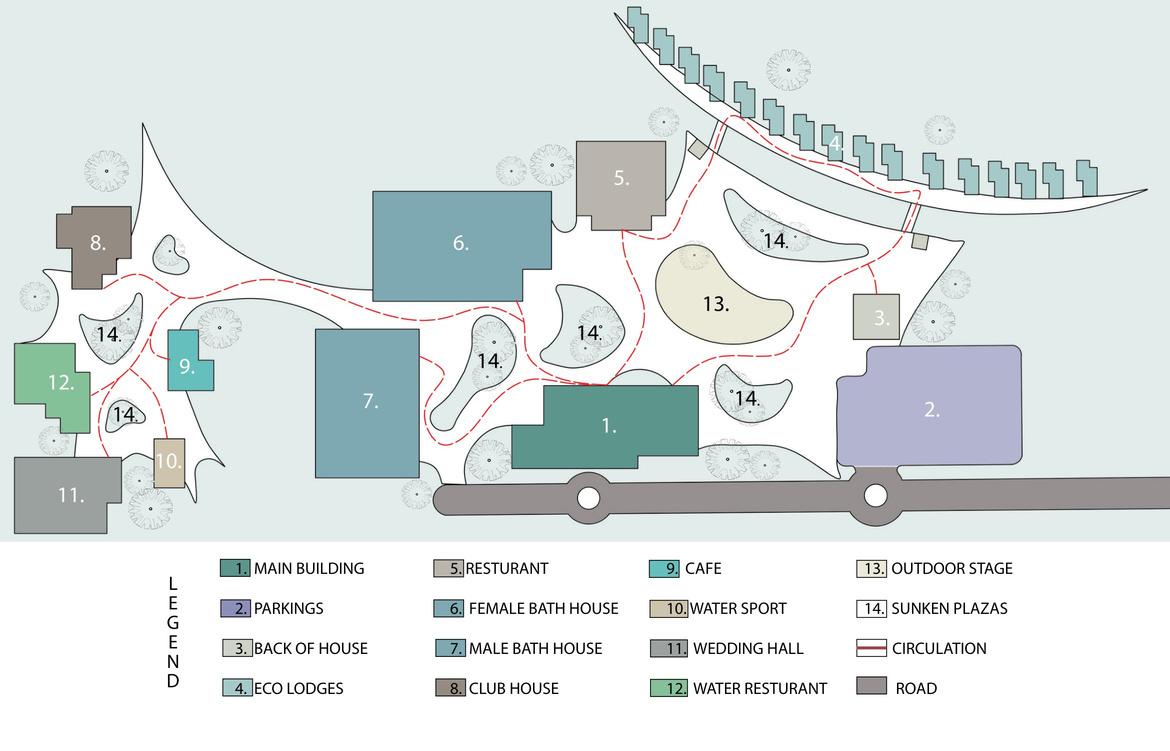
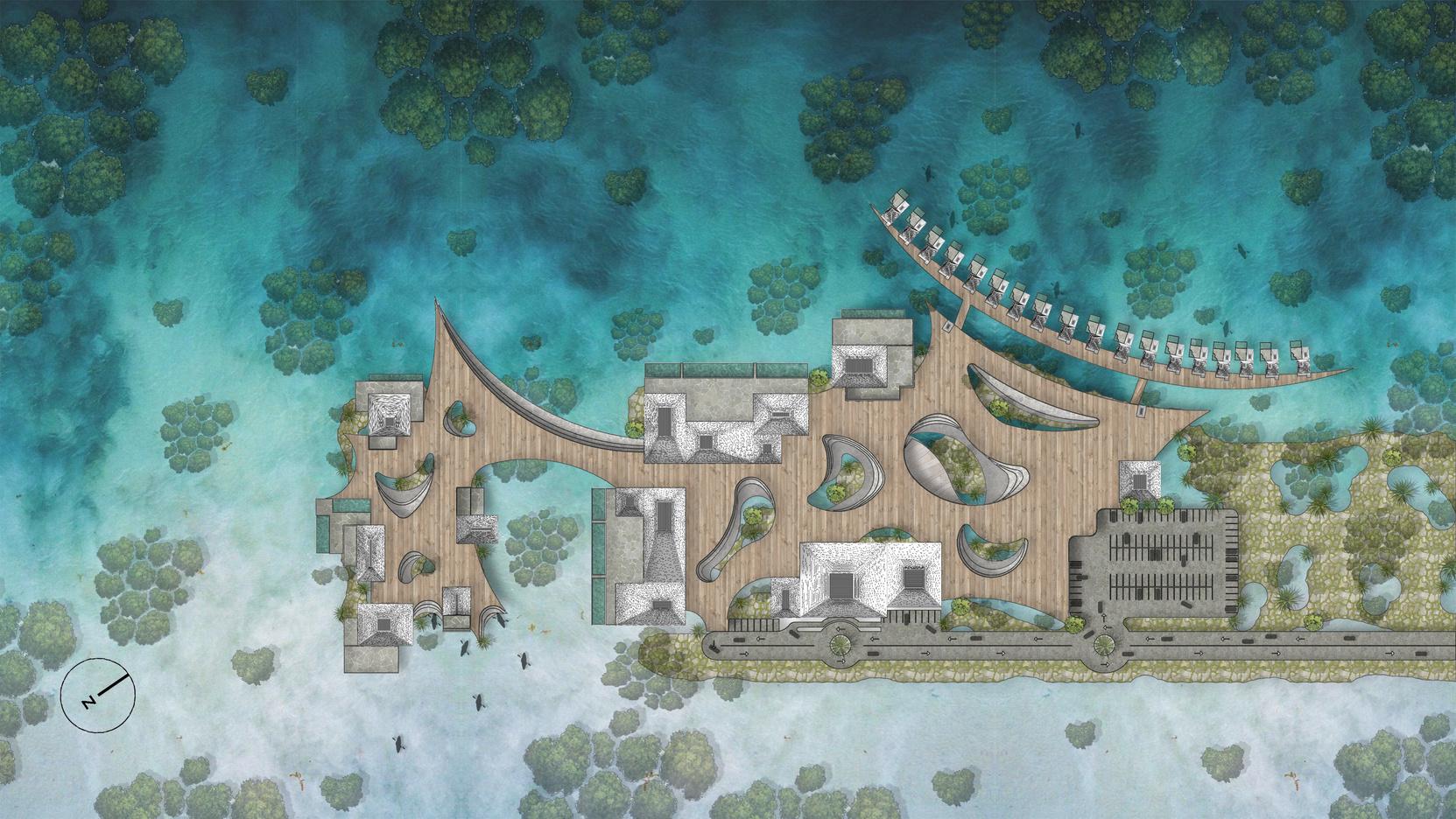
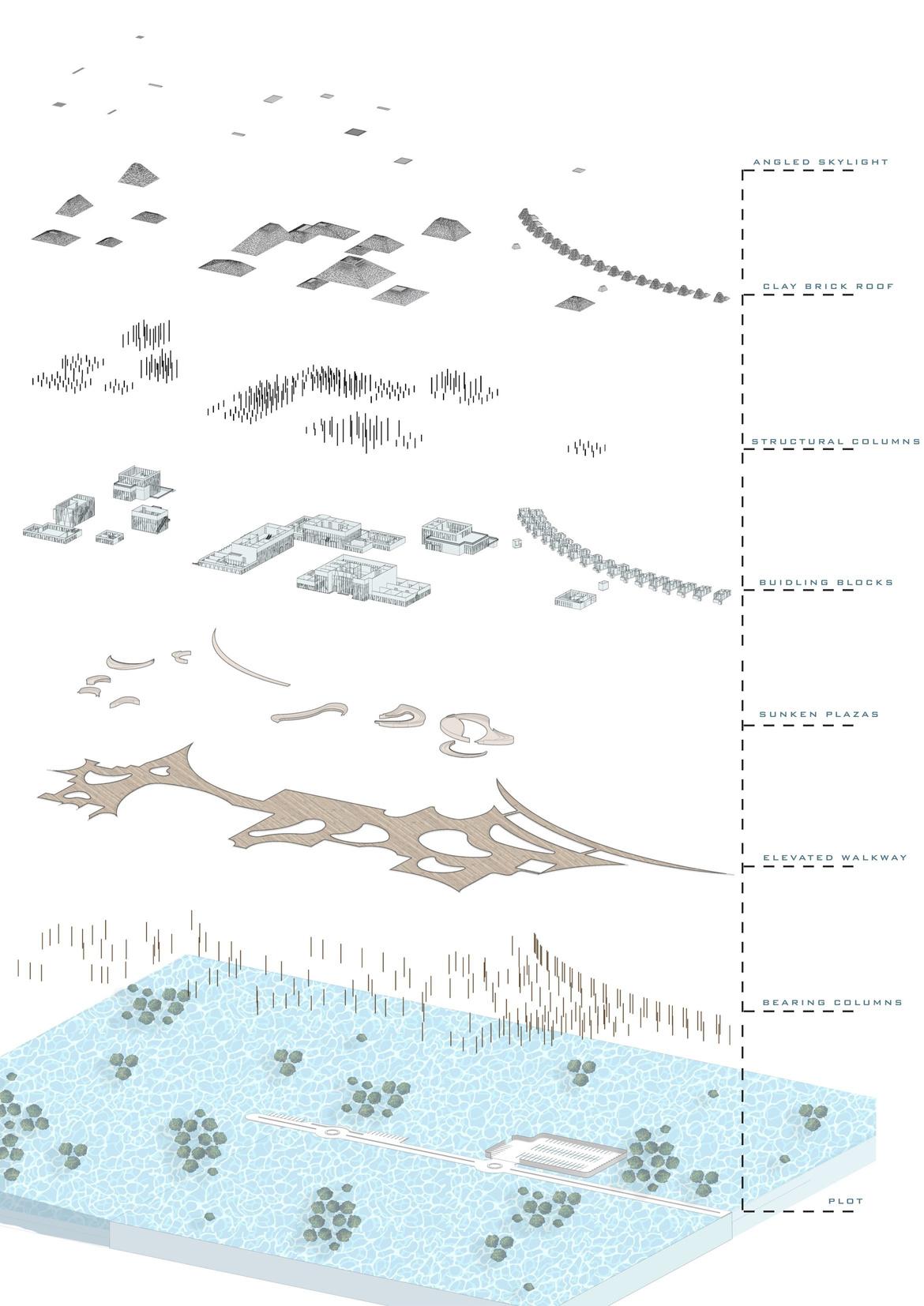
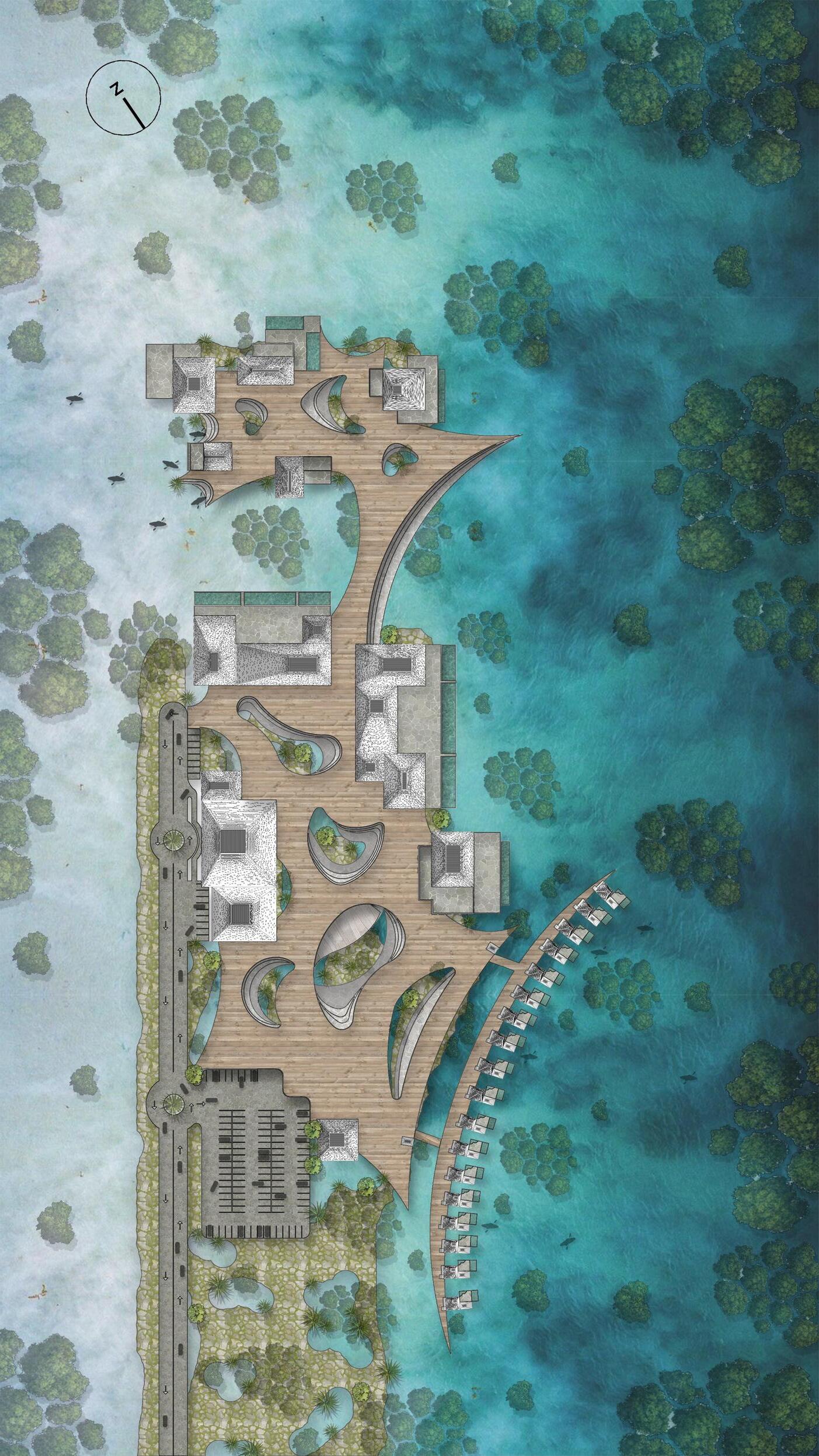
SITE PLAN
6.6 exploded diagram
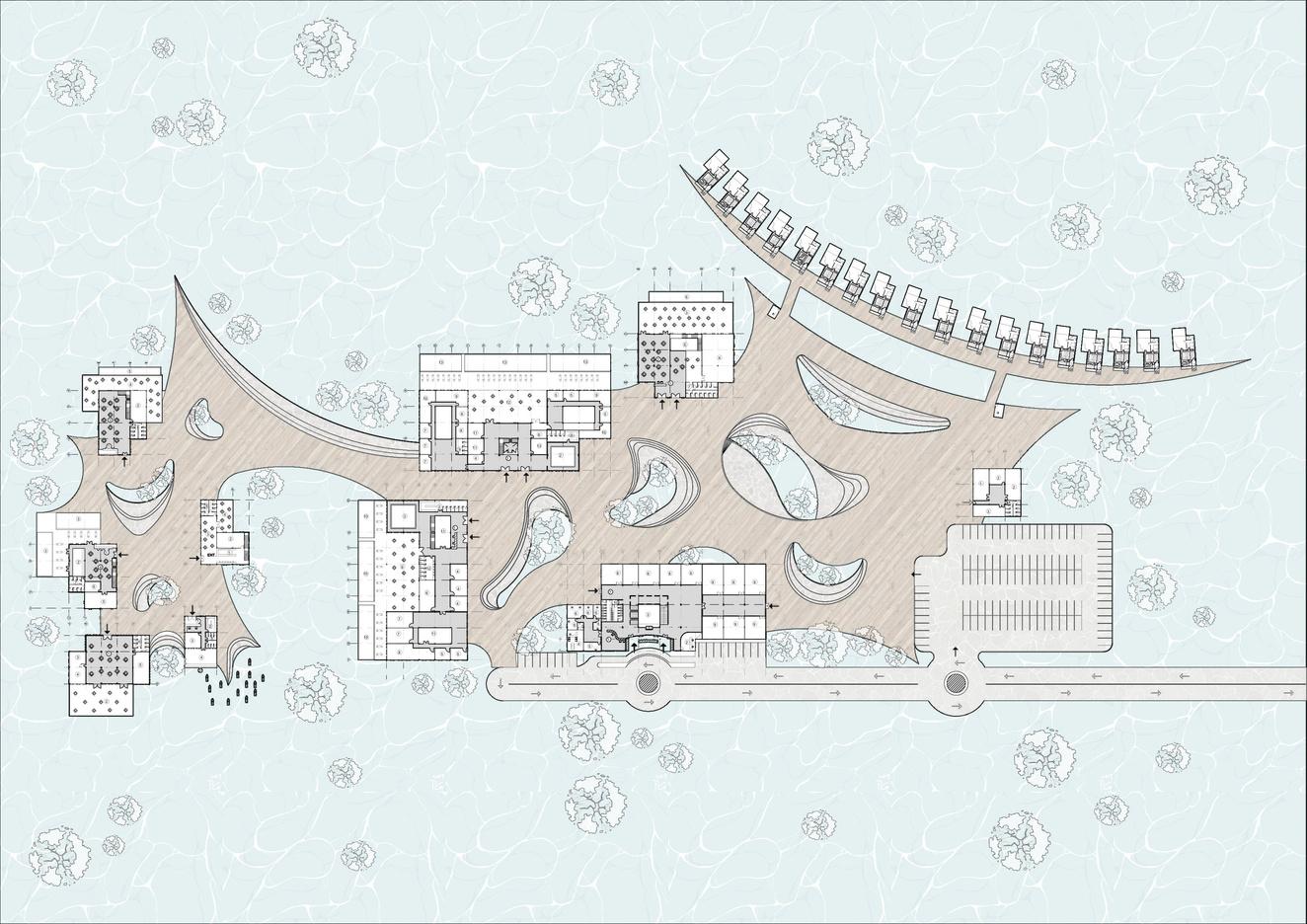
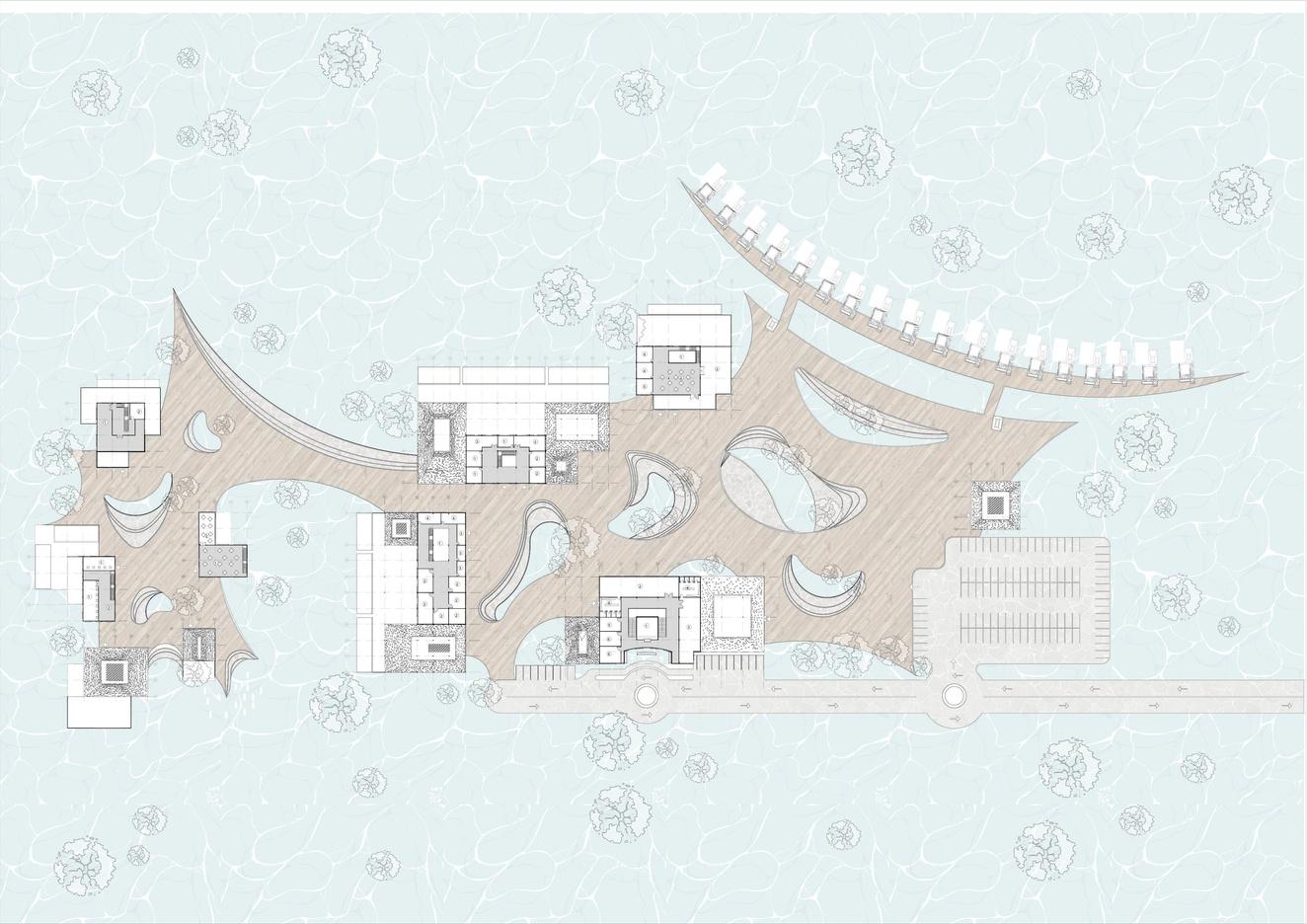
6.7 plans
D FLOOR PLAN
FIRST FLOOR PLAN
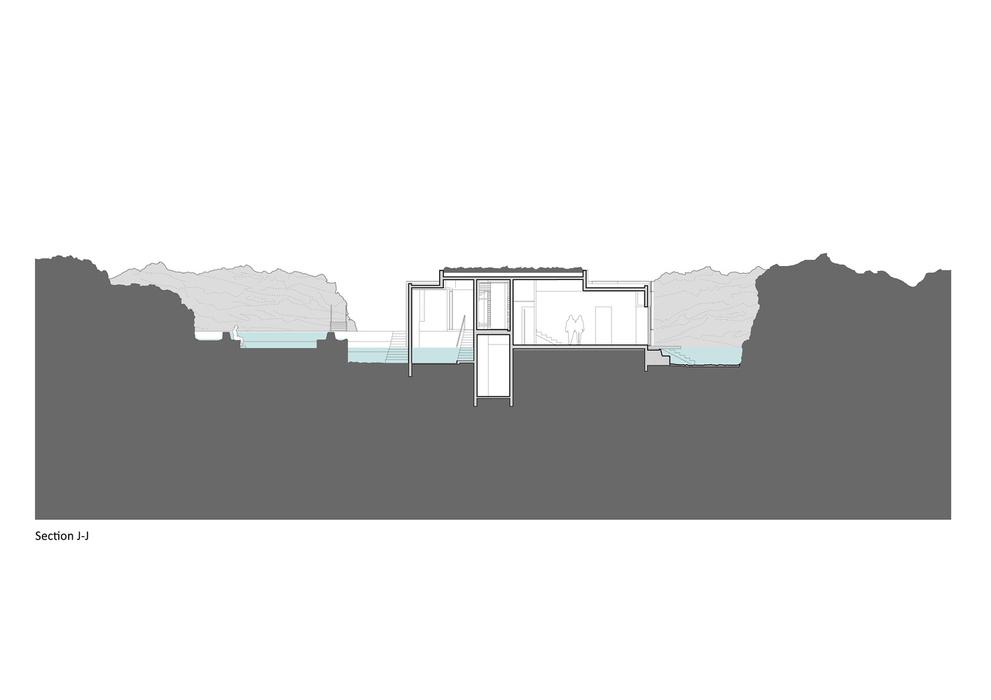
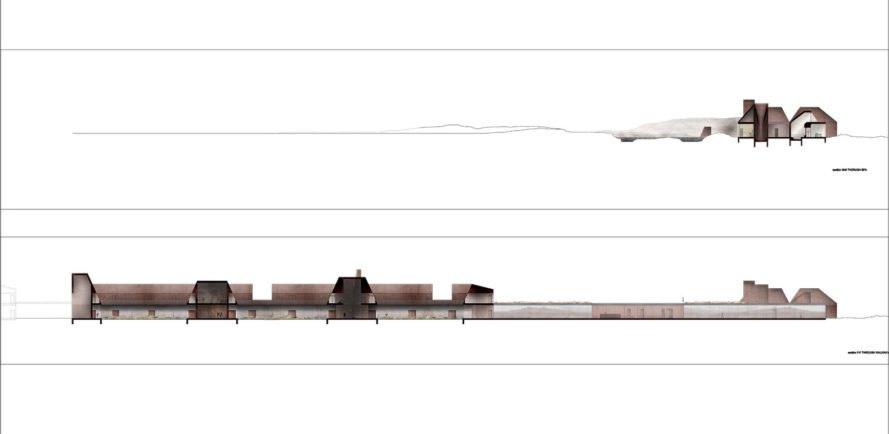
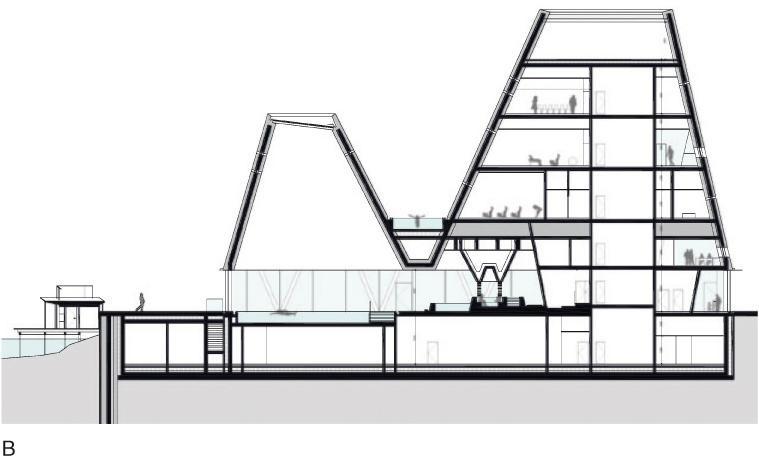
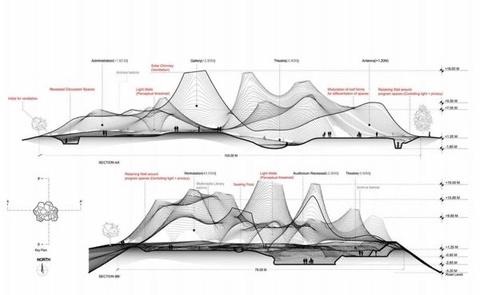
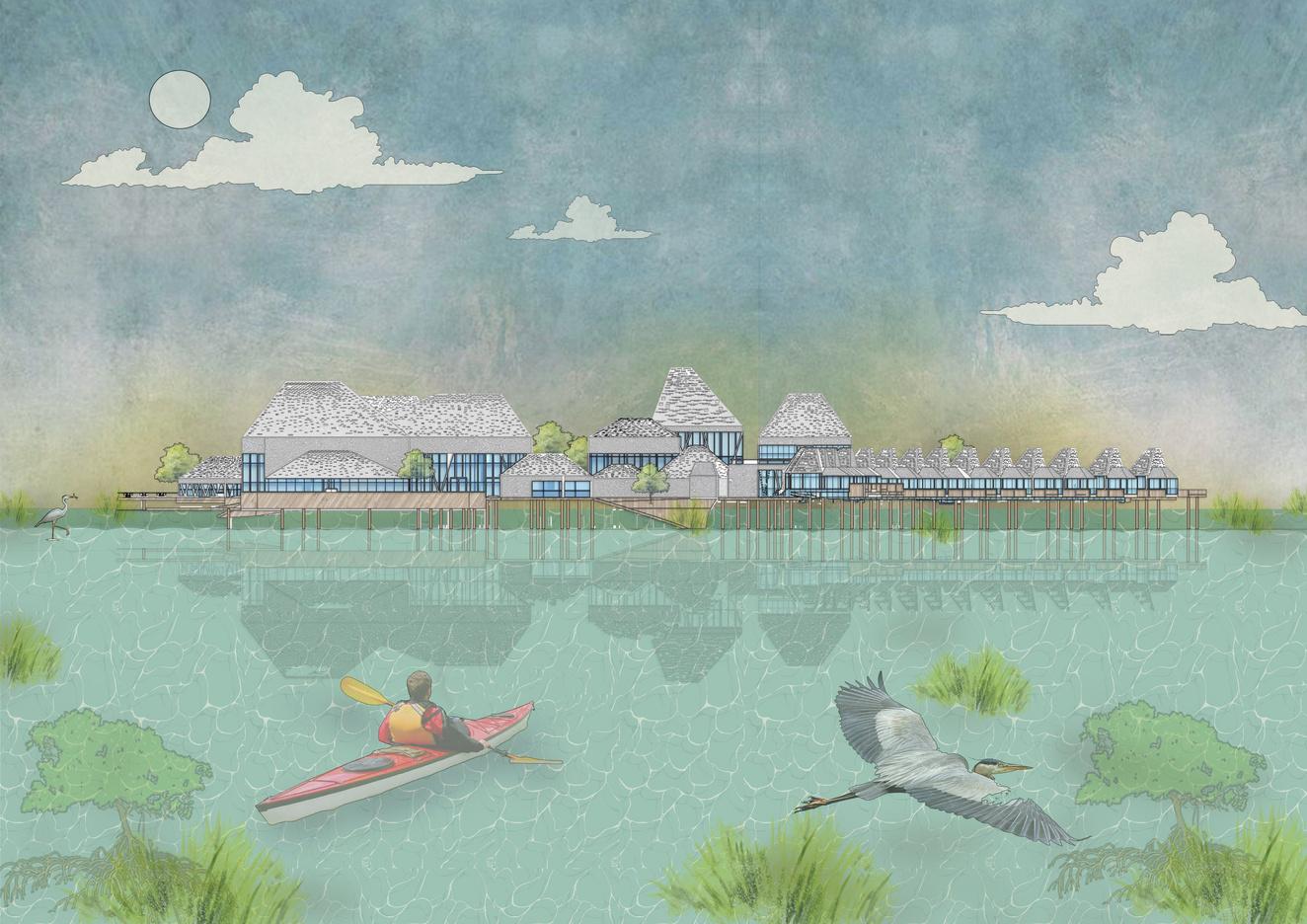
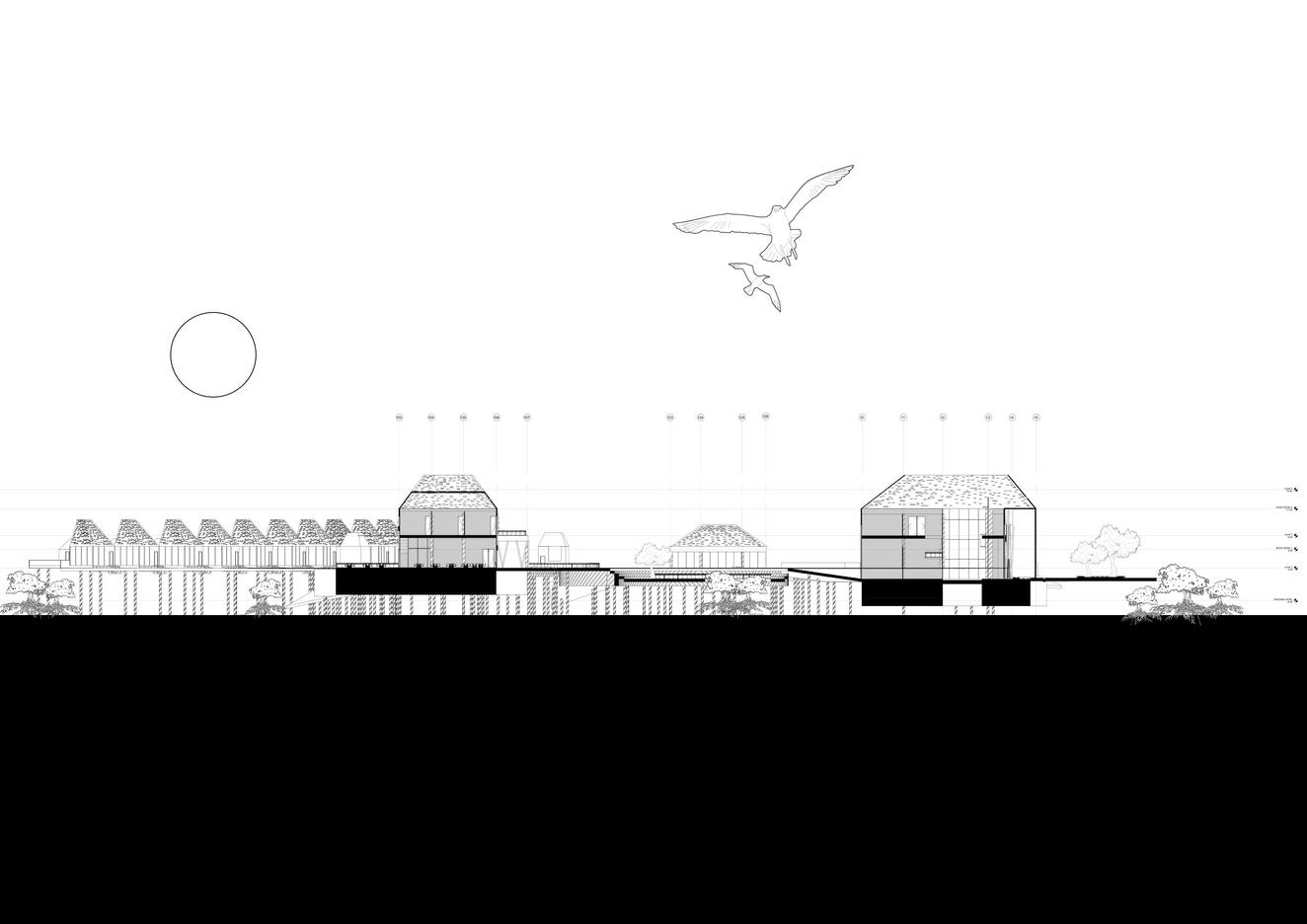
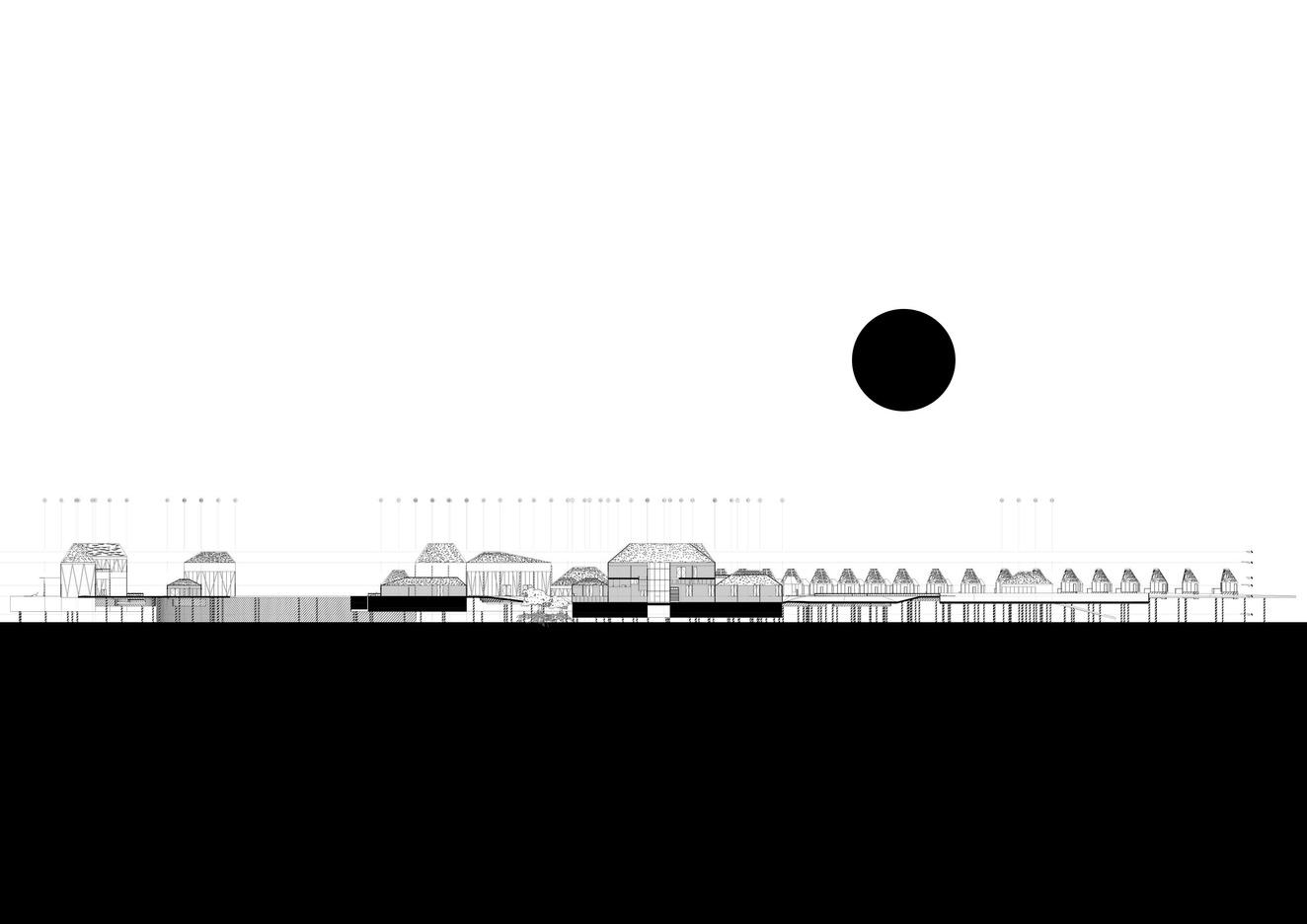
SECTION B-B
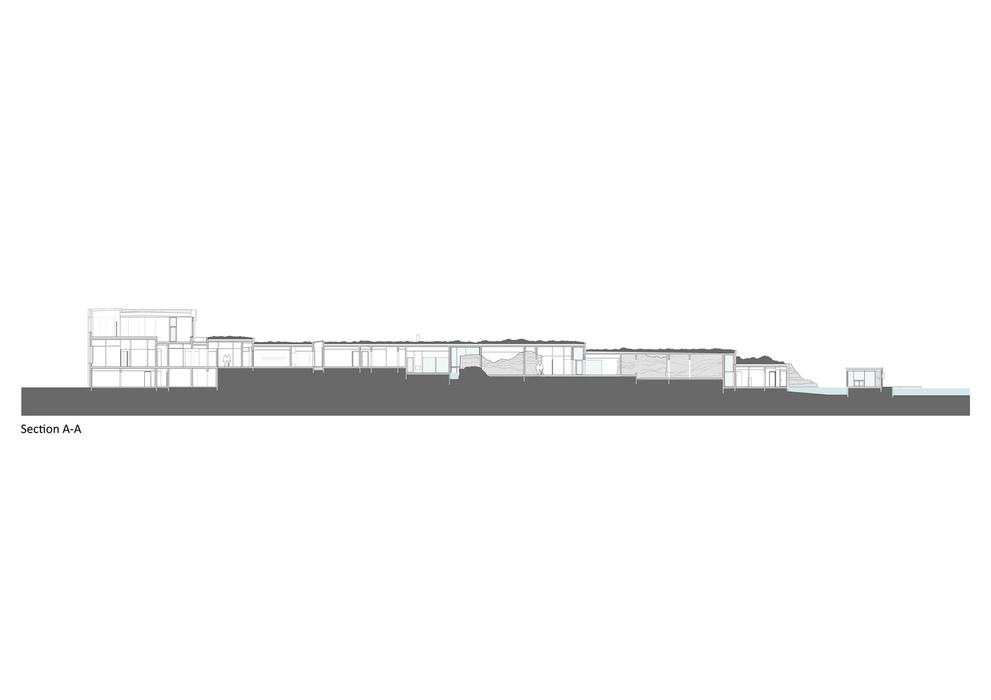
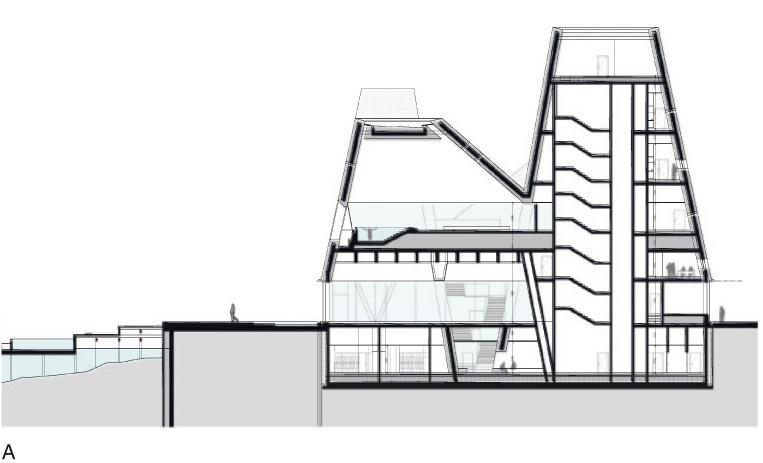
SECTION A-A
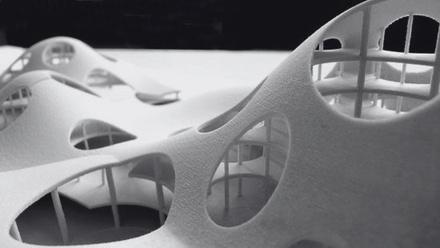
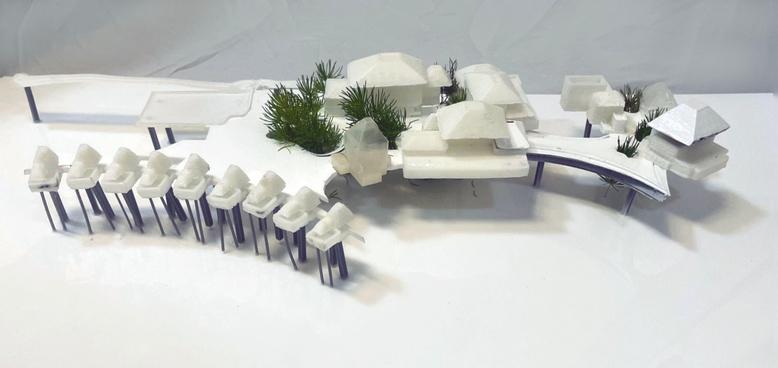
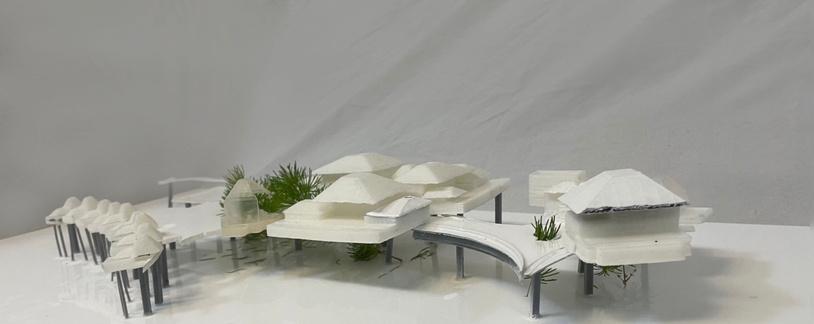
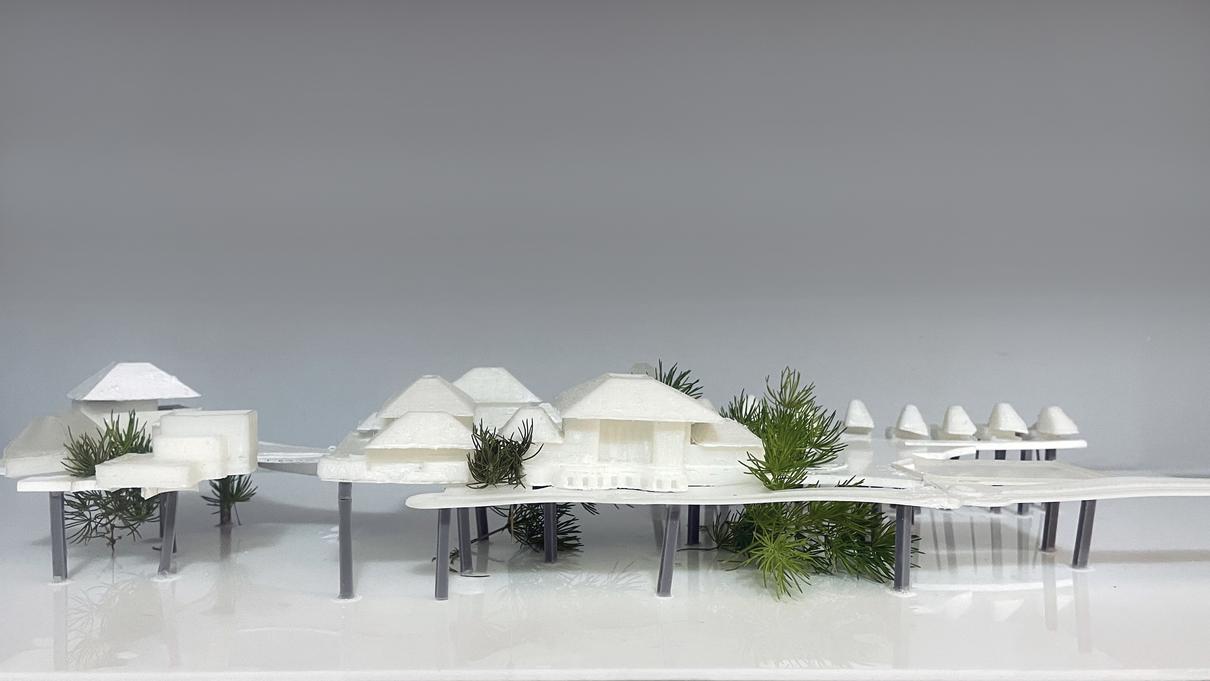
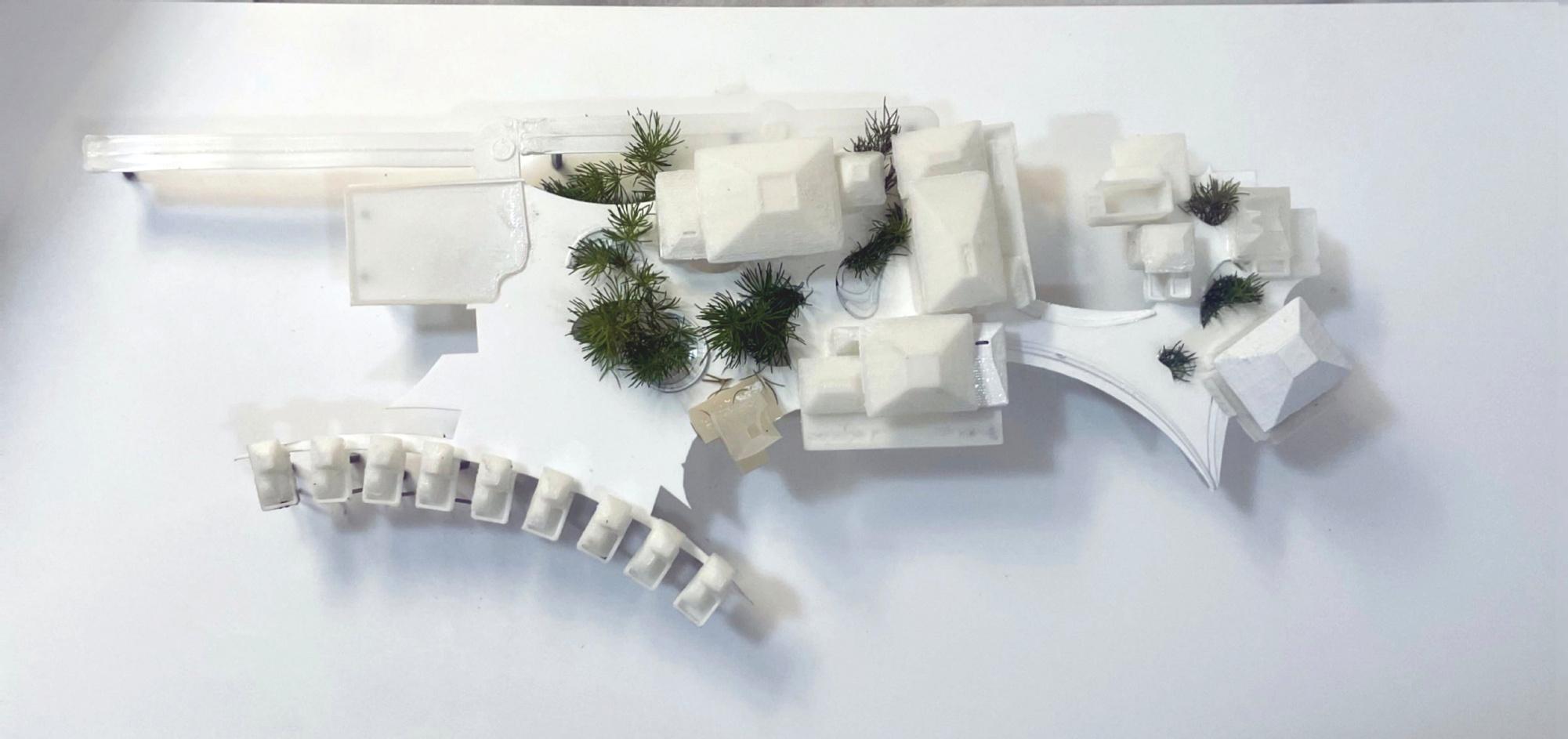
model
REFERENCES
Why the UAE's mangroves are so important a them (thenationalnews.com)
Scenes from New York’s public baths: How tenement dwellers got clean and cool - The Bowery Boys: New York City History (boweryboyshistory com)
Spiraling subterranean bathhouse in the DMZ? - CNN Style 'Thessaloniki's Wet Dream' Thermal Bath Complex Proposal / Not a Number Architects | ArchDaily