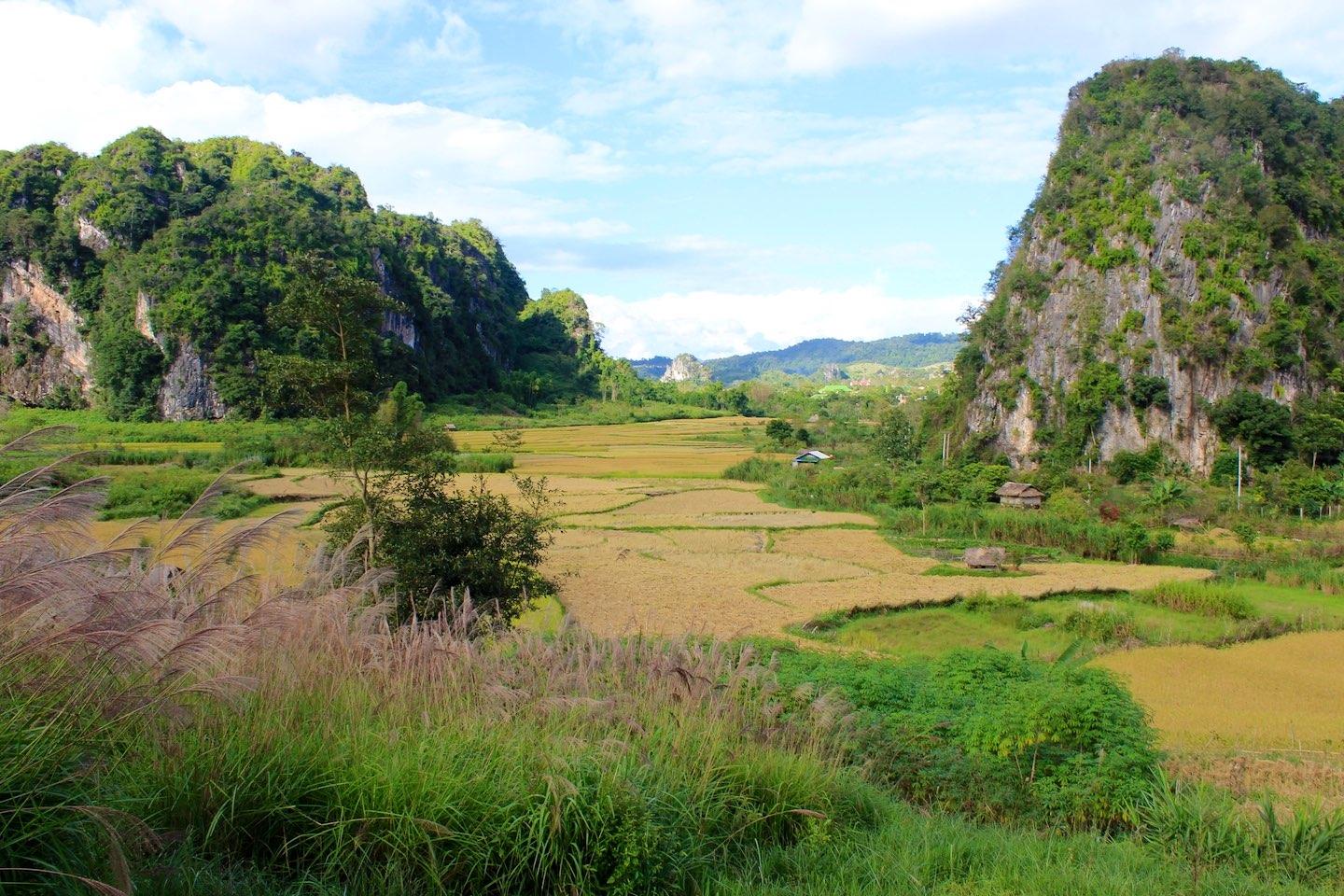
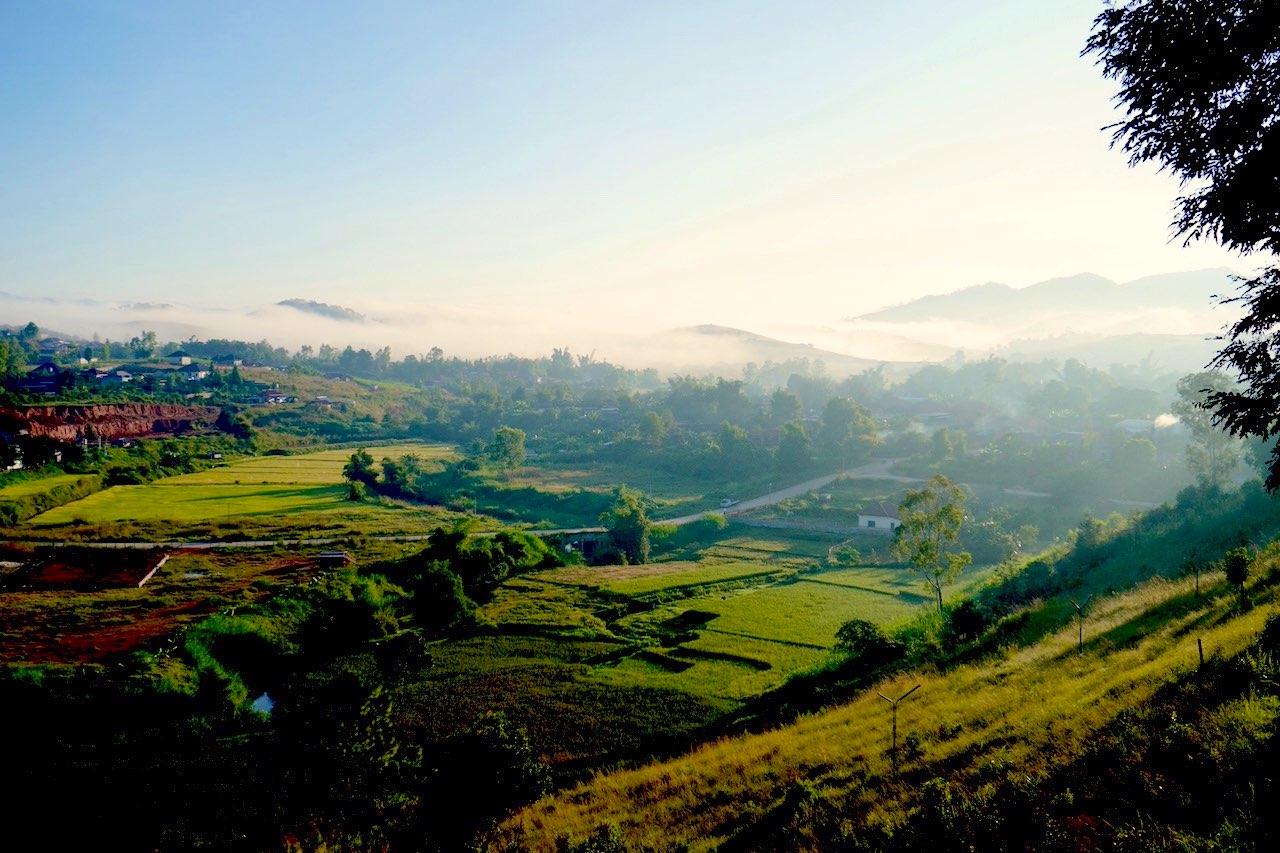
Popular UNESCO Heritage town Luang Prabang aside, most of Laos remains largely untouched by tourism. Some of the most spectacular scenery in Asia lies to east of the country, where the craggy Annamite mountain range provides a natural border with Vietnam. This specially planned tour journeys from the mountainous North Eastern provinces, explores the mysterious Plain of Jars plateau, travels along parts of the famous Ho Chi Minh Trail and across the volcanic Bolaven Plateau to finish beside the iconic Mekong River in the south. Travelling through these little visited parts brings rich rewards; along the way we will explore one of the most stunning caves in Laos, spend an exhilarating day exploring the coffee farms and waterfalls of the Bolaven plateau by vintage jeep, stay in eco-capsules perched beside a spectacular viewpoint, witness sunrise at an ancient Khmer temple – and finally reflect upon our adventures in a beautiful resort beside the Mekong.
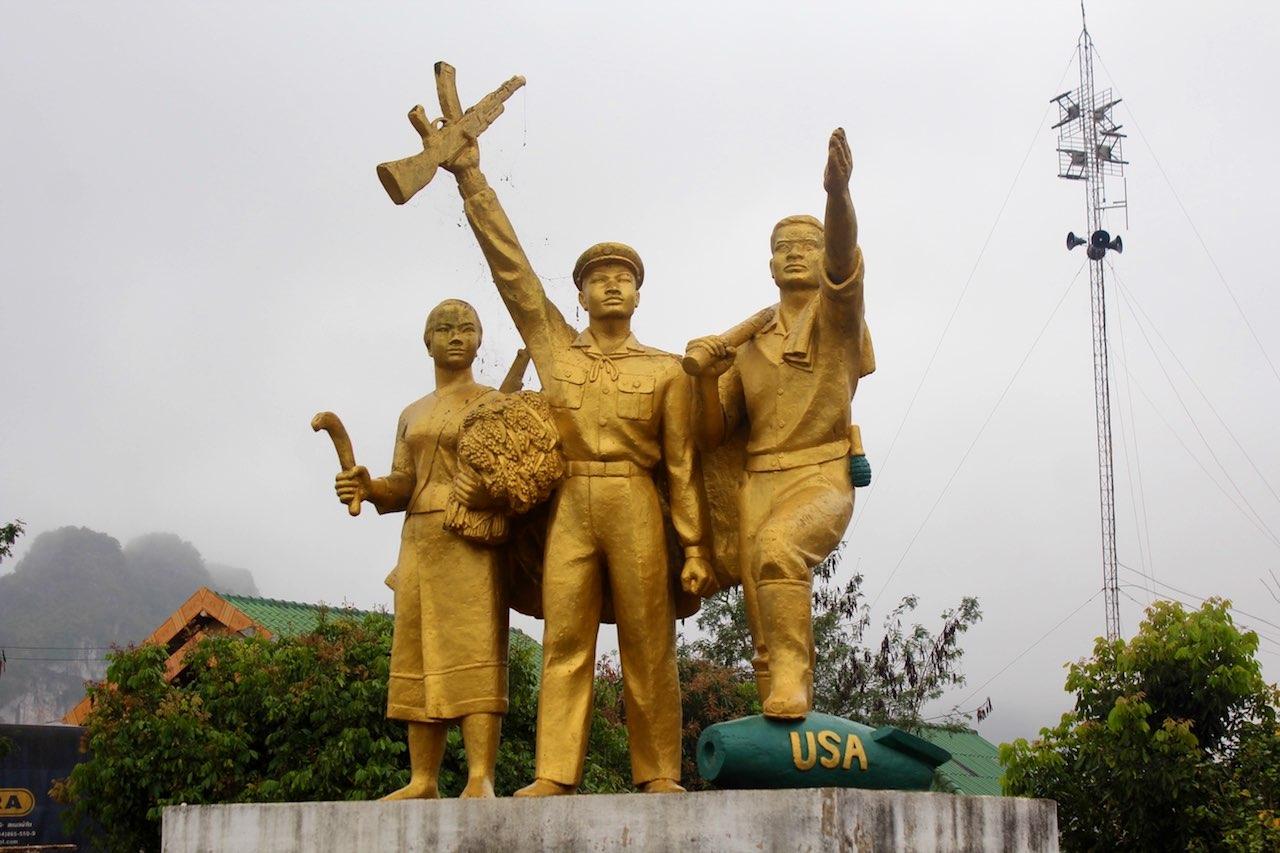
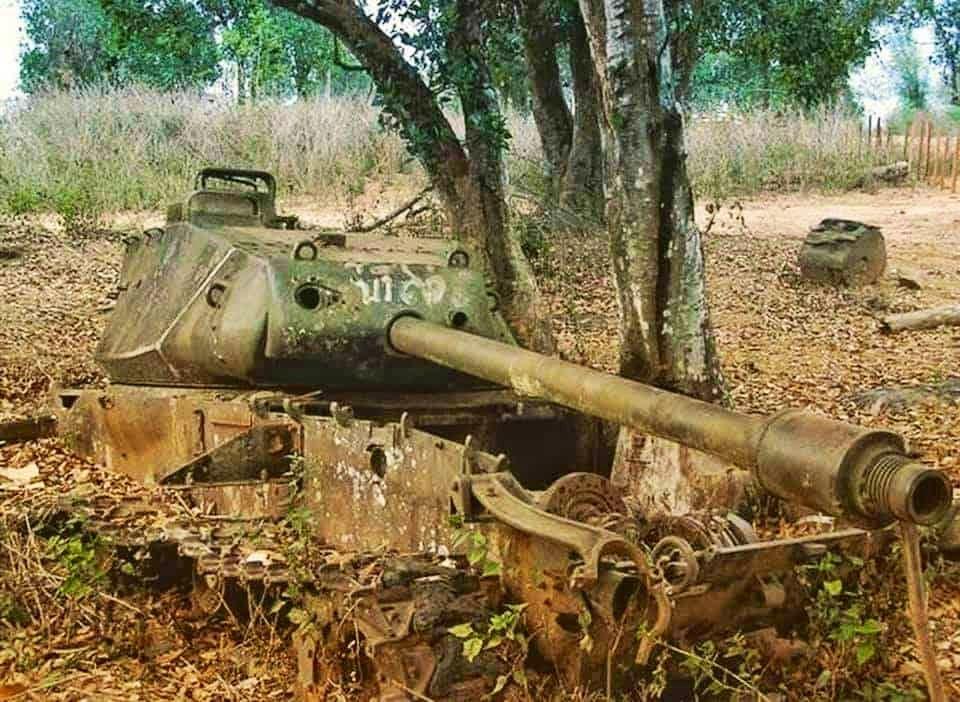
As our journey twists through mountain villages we unfold the story of the ‘Secret War’, a tragic tale of survival through 9 years of intense US bombing. The tour visits significant historical sites from this time, many of which have only opened to the public recently. Highlights include the Memorial Caves at Vieng Xai and Long Tieng, the CIA’s secret airbase. Traveling along the Ho Chi Minh Trail, we’ll witness rusting evidence of the conflict scattered along the road juxtaposed upon the spectacular mountain scenery.
I’ve been planning this tour for many (Covid affected) years, but the 30th anniversary of the Mines Advisory Group’s incredible work in Laos presents the perfect opportunity to tell the story of the ‘Secret War’. I have personally selected local guides for their specialist knowledge to bring the story alive, and along the way you will meet people who lived through the conflict – and those who are now tasked with clearing the deadly legacy of unexploded ordnance.
This is certainly Laos – way off the beaten track! There is little tourism infrastructure in these remote area’s accommodation will be basic at times - and travel uncomfortable. However, I believe travel is all about the journey, the learning, the experience. For those wishing to see Laos at its wildest and most poignant and natural - it will be an unforgettable journey.
Eastern Laos & the Ho Chi Minh Trail
Itinerary overview
✤ Day 1 Arrival - Vientiane
✤ Day 2 Vientiane – fly to Sam Neua – Vieng Xai Caves excursion
✤ Day 3 Xam Neua – Phou Pha Thi excursion
✤ Day 4 Xam Neua – Muang Kham Hot Springs
✤ Day 5 Phonsavan – Plain of Jars tour
✤ Day 6 Phonsavan – Long Tieng excursion
✤ Day 7 Phonsavan – Muang Khoun – The Rock Viewpoint
✤ Day 8 Free day at the Rock Viewpoint
✤ Day 9 The Rock Viewpoint - Ban Thabak – ‘Bomb boat’ cruise and Camping
✤ Day 10 Beach Camp – Ban Nong Bua – Nong Ping
✤ Day 11 Nong Ping – Xe Ban Fai Cave – Boulapha – Xepon (4WD)
✤ Day 12 Xepon – Tay Oy - Paksong (4WD)
✤ Day 13 Tad Lo – Jeep Tour – Champassak (4WD)
✤ Day 14 Champassak – Sunrise at Wat Phou
✤ Day 15 Champassak Departure
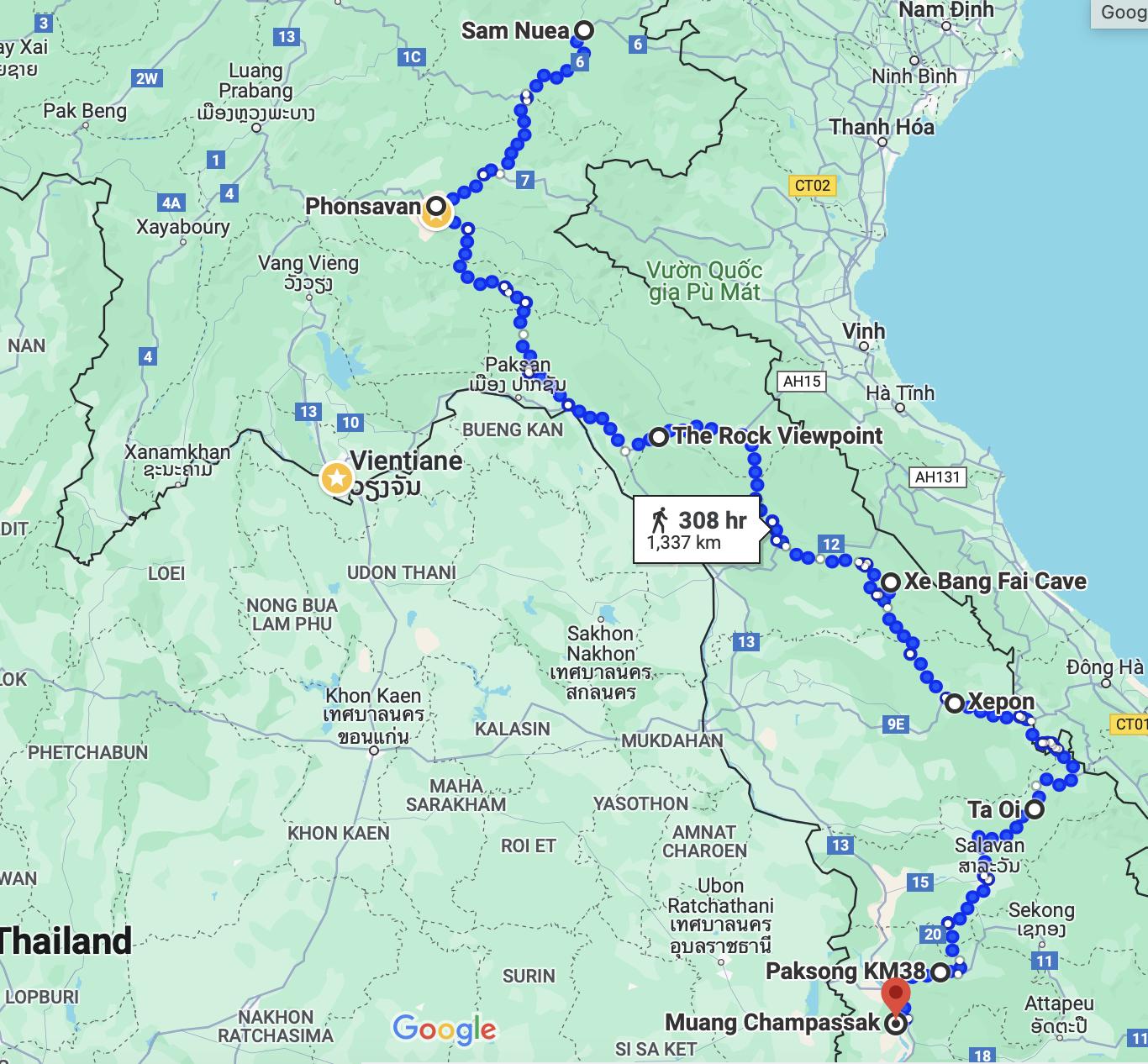
OUR ROUTE (1337 kms)
Day 1: Arrival - Vientiane
✤ I’ll be there to meet you at the airport and manage the transfer to the starting hotel. For those arriving early, we’ll arrange a short afternoon sightseeing tour and dinner.
✤ Overnight in Vientiane at Salana – Deluxe Room
✤ Tonight we’l enjoy our first group dinner together
✤ Should you wish to arrive earlier additional nights accommodation can be arranged (at your own expense).
Day 2: Vientiane - flight to Sam Neua - Vieng Xai Caves
✤ After breakfast we transfer to the airport for a mid-morning flight to Sam Neua, Hua Phan’s provincial capital. Hua Phan is one of Laos’ most remote provinces, bordering Vietnam. The province became the political base for the Lao Revolutionary movement (Pathed Lao) once the leaders moved east from Xieng Khouang in 1964 as the US bombing of the Plain of Jars intensified.
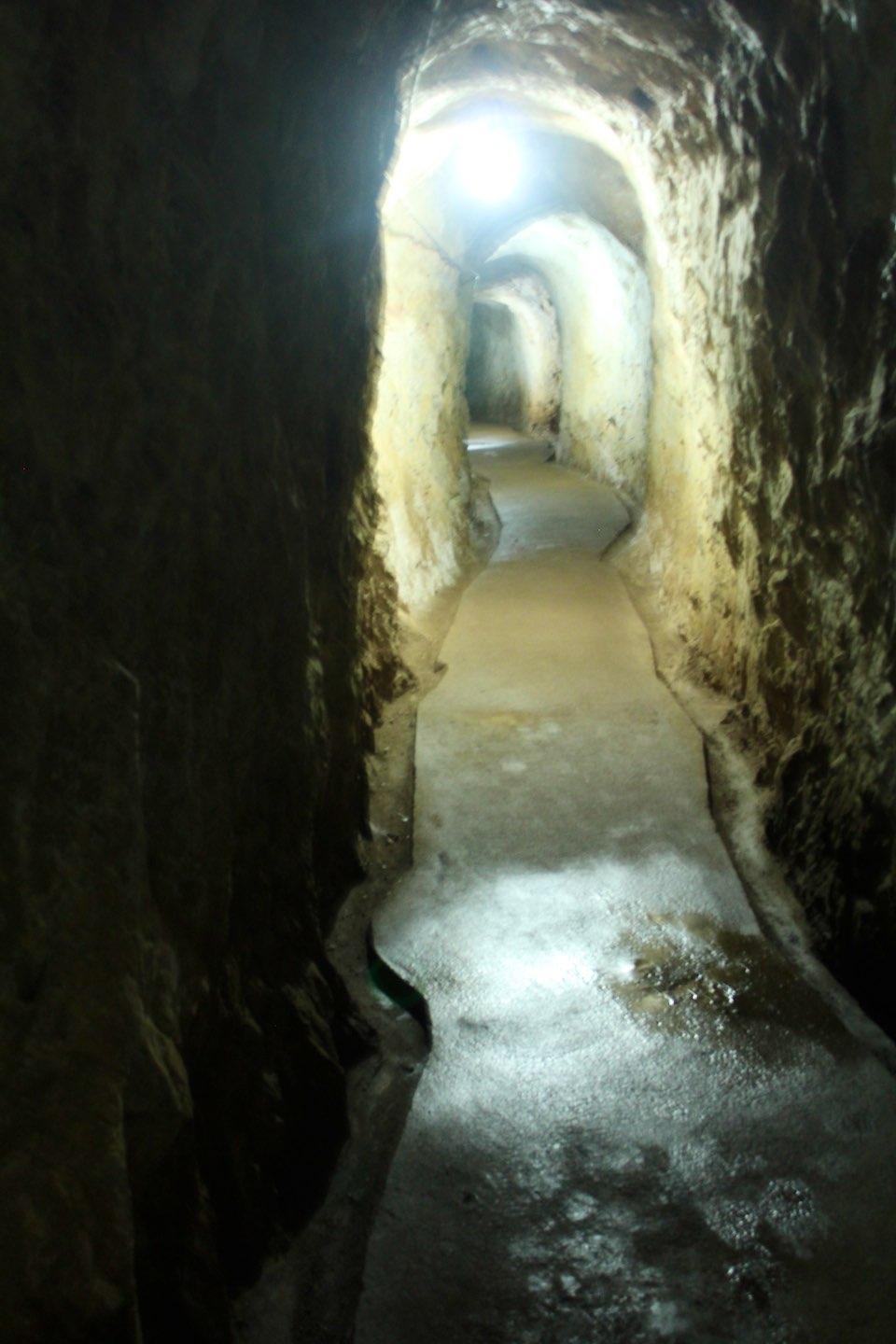
✤ We will head directly to Vieng Xai for lunch. Vieng Xai ‘Victory City’ was the location chosen by the Pathet Lao to base the revolution. A collection of small villages was transformed into a ‘Cave City’ housing more than 20000 people!
✤ After lunch we visit the Vieng Xai Revolutionary Caves. The Pathet Lao leaders lived here during the ‘Secret War’, sheltering from 9 years of constant bombing. This incredible tale is brought to life by a fascinating audio tour which includes visits to the Kaysone Phomvihane’s (the leader of the Lao communist movement) cave, and Prince Soupanouvong’s (the ‘Red Prince’) Cave. We finish with the Artillery Cave enjoying the stunning views over the surrounding countryside.
✤ Late afternoon we transfer an hour by road to Sam Neua and check into our hotel.
✤ Overnight in Sam Neua at Xayphasouk Hotel – Standard Room. Meals: Breakfast, lunch, dinner.
Day 3: Sam Neua - Phou Pha Thi
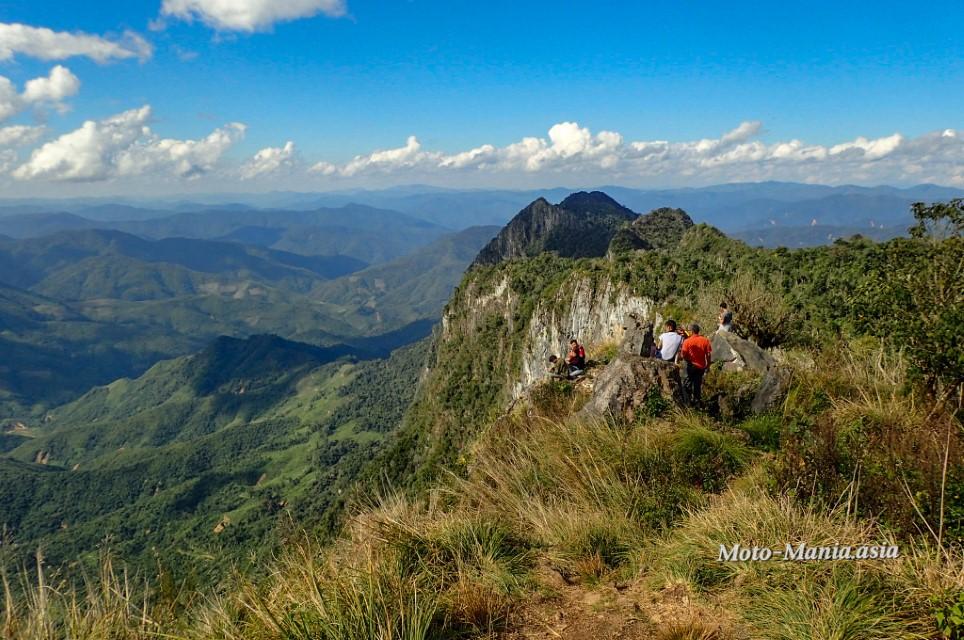
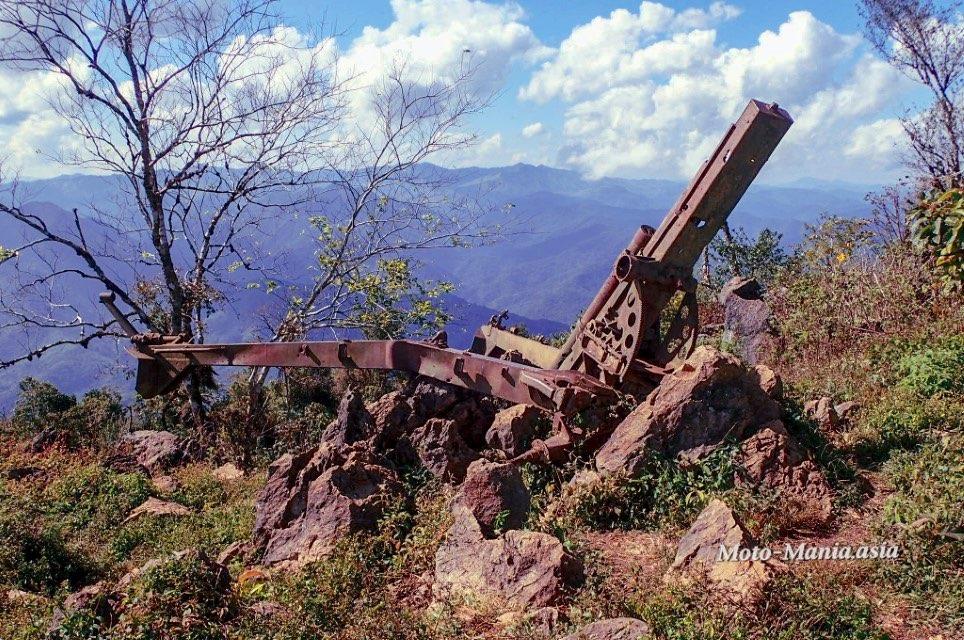
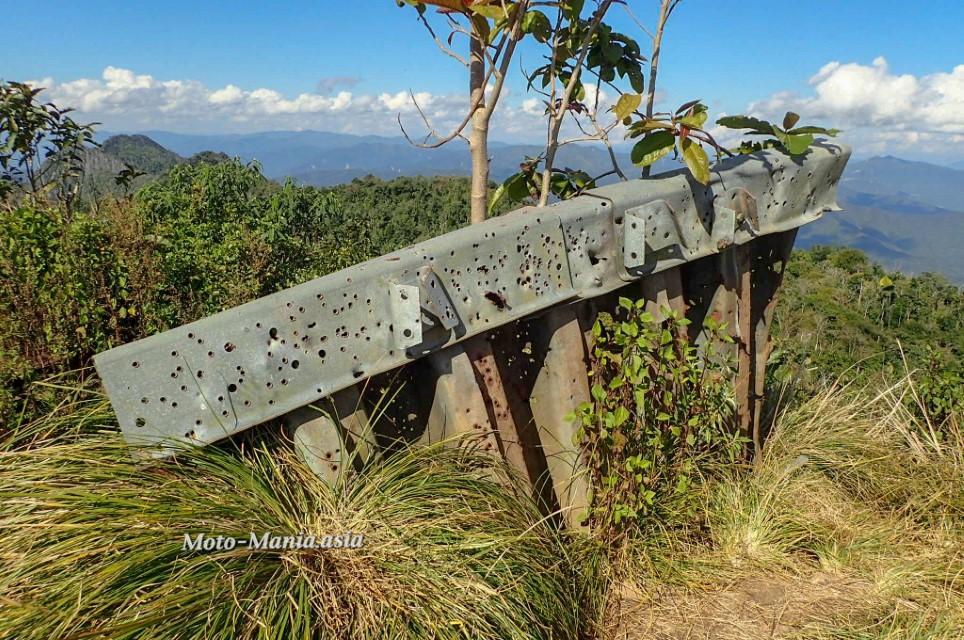
✤ Today we visit the former CIA radio tower, Phou Phat Thi, which fell to the Vietnamese in 1968. The control tower was vital during the conflict to direct bombing raids on Hanoi. Official documents about the tower were not declassified until 1988, and the site only recently opened as a memorial to one of the most daring raids of the Secret War. The site is a 2 hour drive from Sam Neua, after which we ascend the specially built staircase to the top. At the summit we will enjoy spectacular views of the surrounding area towards Hanoi and walk amongst the military scrap left over from the battle. We return to Sam Neua late afternoon.
✤ Phou Phat Thi was codenamed (Lima Site 85) and sits 15 km’s from Vietnam. In late 1967 the tower was upgraded during ‘Operation Rolling Thunder’ allowing the US to strike Hanoi even during the bad weather of the wet season. An army of 1000 Hmong soldiers and Thai mercenaries guarded the site where US military operatives worked, having assumed civilian identities. The sheer drops from 1700m on all sides made the tower impenetrable – or so the defenders thought. In a daring raid in March 1968, 3000 Vietnamese sappers attacked and overran the tower - just 20 days before the US halted Operation Rolling Thunder.
✤ Overnight in Sam Neua at Xayphasouk Hotel – Standard Room
✤ Meals: Breakfast, lunch, dinner.
Photos courtesy of Brian ‘Moto Mania’ Ennion
Day 4: Sam Neua - Muang Kham by road
✤ After breakfast, we begin our journey south west towards the Plain of Jars, making our first stop at Ban Saleuy, a village famous for weaving high quality skirts. We will also visit the nearby waterfall, which cascades 100 metres into a beautiful pool. Our next stop is the mysterious Hintang standing stones. Historically, war and the proliferation of unexploded ordinance kept these menhirs off limits for serious scholars. No one is quite sure who built them, but it is likely they were burial sites or markers. Continuing south after a local lunch at Nam Neun, we visit Tham Piu (coffin cave) an old cave-hospital which was the scene of one of the greatest tragedies of the conflict. In 1968 a solitary rocket fired from a US fighter plane entered the cave killing 374 people sheltering inside. Today the cave and small museum are a sombre memorial to those who perished.
✤ Tonight, we stay nearby at the Asa Hot Springs Hotel, where you can relax in the hot water pools which feed into the complex from natural springs.
✤ Overnight: Asa Hot Springs Hotel, Muang Kham Standard Room
✤ Meals: Breakfast, lunch, dinner.
Day 5: Phonsavan - Plain of Jars tour
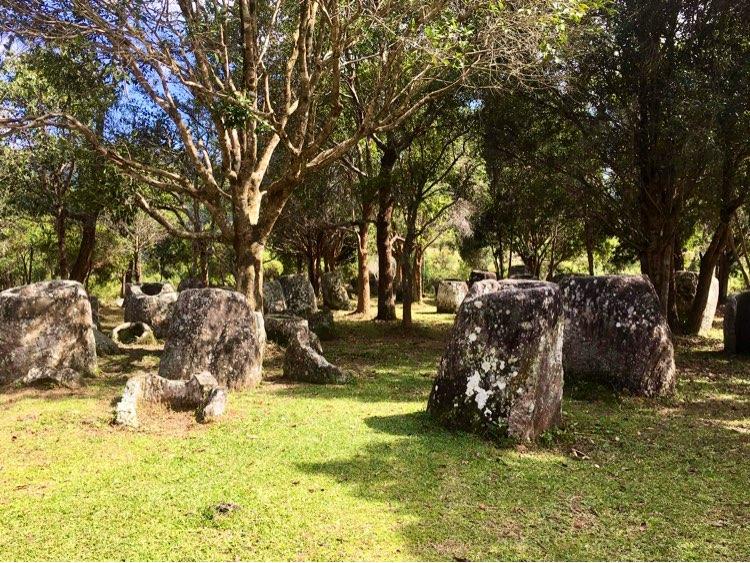
✤ This morning we drive to the provincial capital of Phonsavan, strategically located in the flat plain surrounded by mountains. The province is famous for the mysterious stone funerary jars which lie in clusters across more than 80 locations. The megalithic jars date from the period 500 BCE – 500 CE and, remarkably, most survived the intense bombing of the Plain of Jars during the conflict. In 2019 UNESCO awarded World Heritage status to the enigmatic Iron Age monuments.
✤ We begin by exploring Jar Site 2, where 86 jars and 16 stone markers nestle in the forest. We take an (optional) hour trek along the ridge with great views out across the plain before descending down to Jar Site 3, where over 150 jars form the primary group, located on top of a small hill.
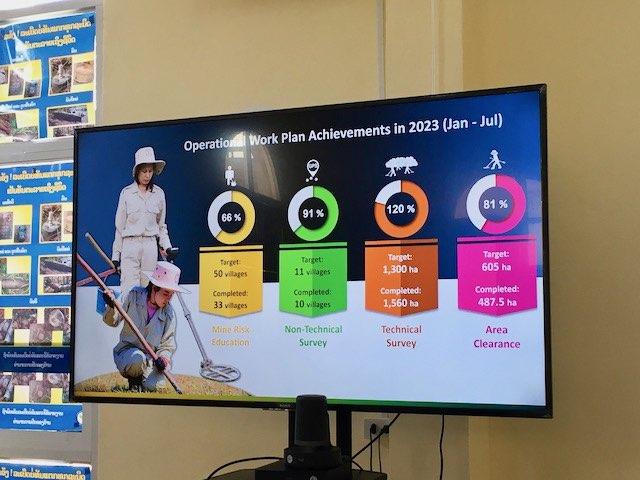
✤ After lunch we return to Phonsavan to visit the offices of UXO Lao, the government ordnance clearance programme. Here we will learn about the vital work this organisation, along with the Mines Advisory Group, do to clear cluster bombs and other unexploded ordnance in the province.
✤ Late afternoon we will conclude our exploration of the Plain of Jars with a visit to Jar Site 1, the largest site, where over 300 jars are scattered in 2 main groups. We will check into our comfortable hotel early evening.
✤ An alternative Plain of Jars programme can be arranged should you have already visited sites 1,2 &3.
✤ Overnight: Vansana Plain of Jars Hotel, Standard Room
✤ Meals: Breakfast, lunch, dinner.
Day 6: Phonsavan - Long Tieng
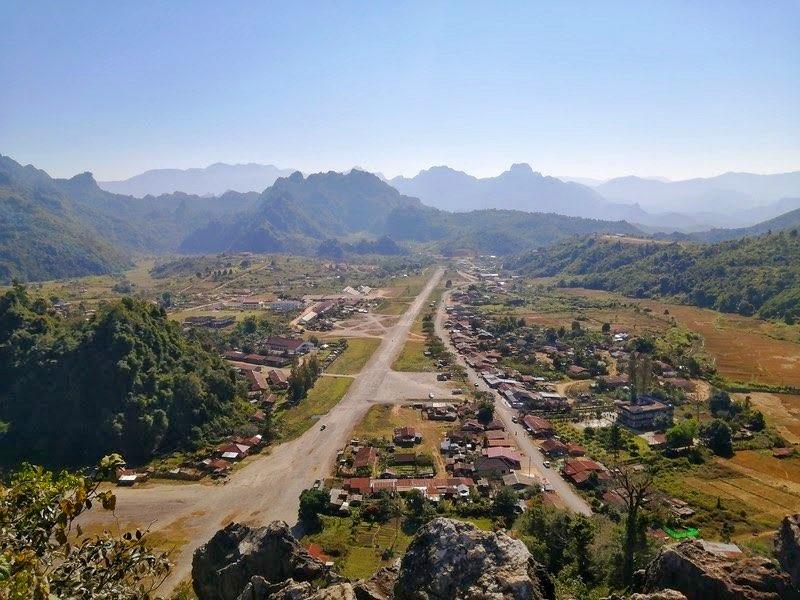
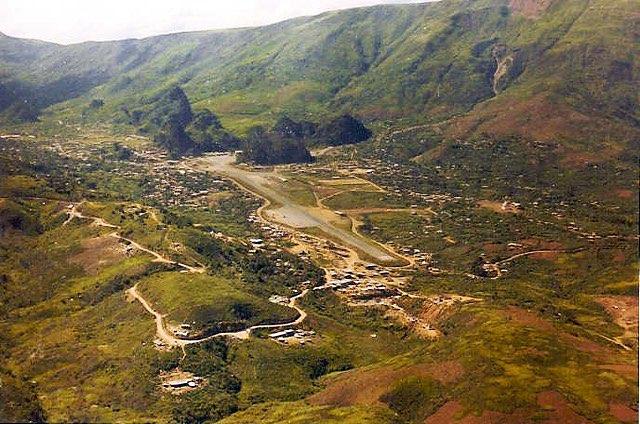
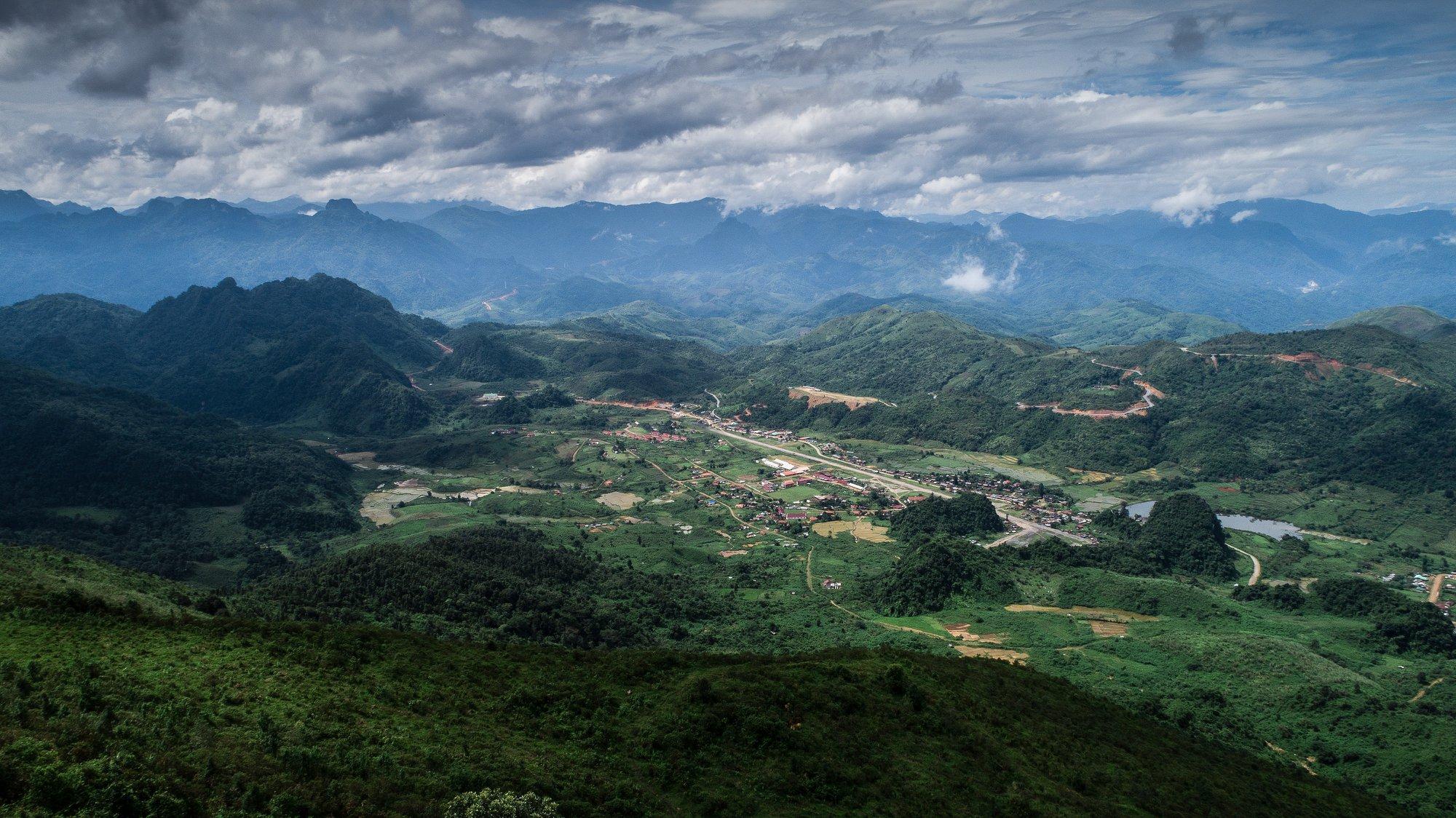
✤ Today we make a special day trip to Long Tieng, the former CIA airbase once dubbed ‘The Most Secret Place on Earth’. Until recently this sensitive site was controlled by the military and off limits to visitors. An early start affords us plenty of time to explore one of the most strategically important military sites from the Indochina conflicts. After a spectacular 3-hour drive from Phonsavan into Xaisomboun Province, the dusty road finally descends through part of the brooding Skyline Ridge into the Long Tieng valley. Here we enjoy our first glimpses of the 1200 metre plus runwaythe ‘vertical hand brake’- guarded on all sides by jagged limestone peaks. We have plenty of time to explore the airstrip and remains of CIA buildings as well as H’mong General Vang Pao’s residence and the King’s Palace. A walk up towards the Skyline Ridge will reward us with a stunning perspective of the Long Tieng site. Travelling back to Phonsavan we’ll pass through Xam Thong (Lima Site 20), an old hospital base where the remains of the Air America staff bunk house are evident.
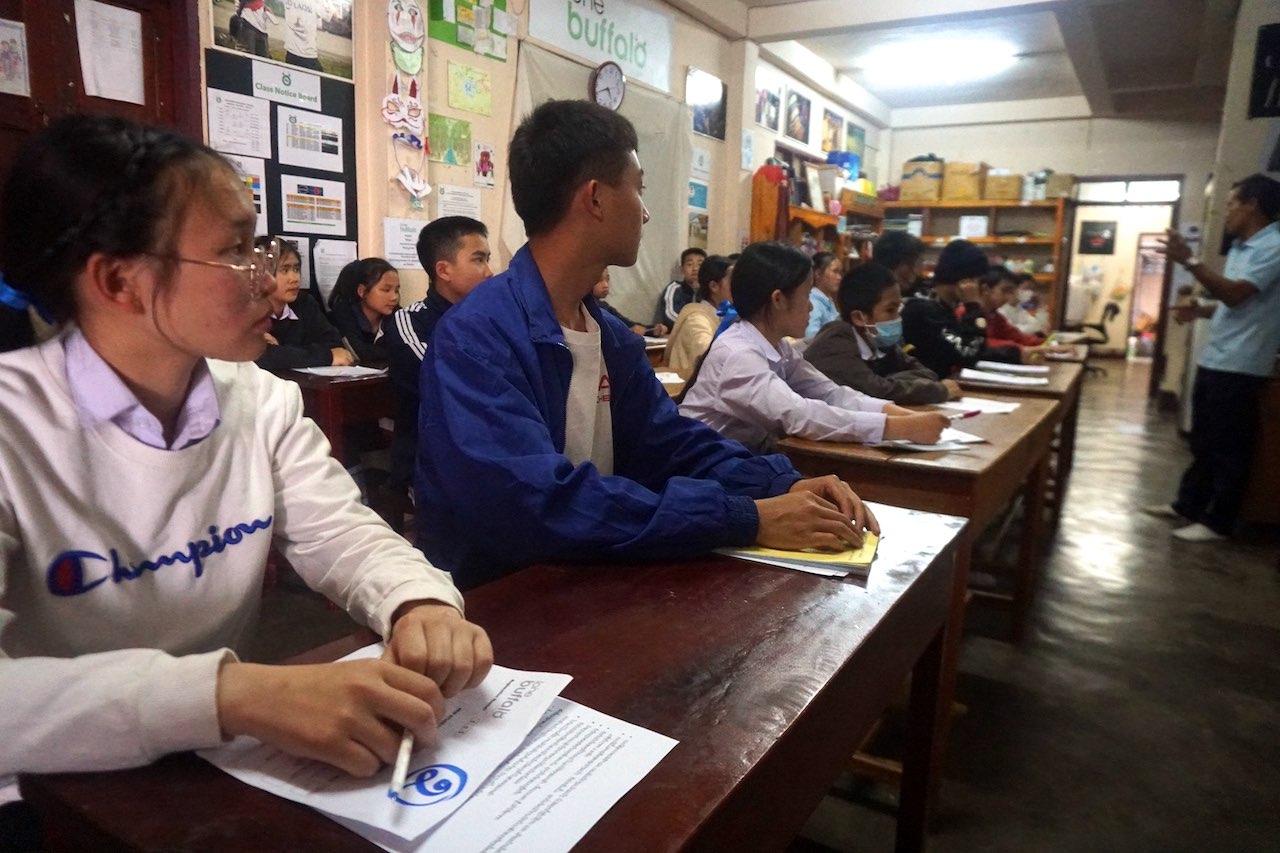
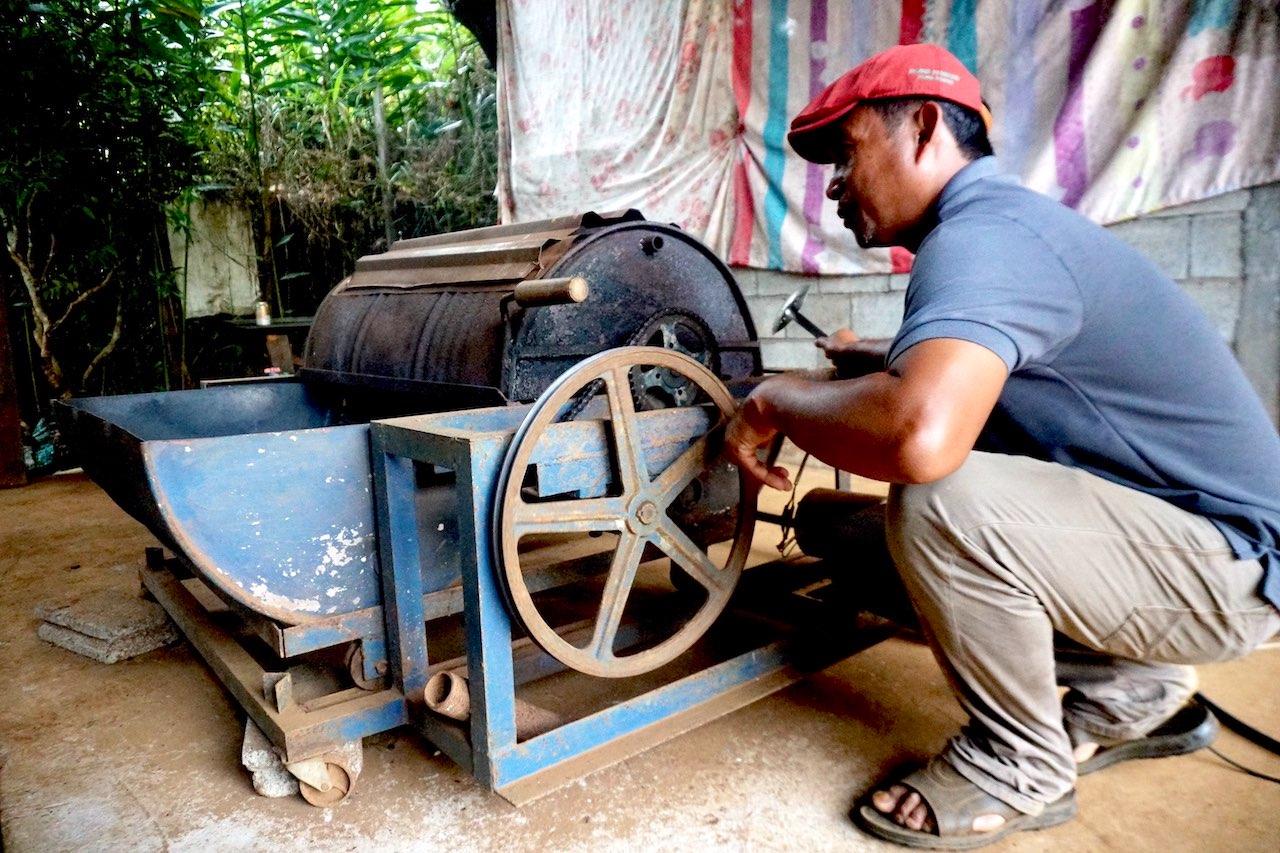
✤ This evening there is a special opportunity to visit Lone Buffalo, the community project (and registered UK Charity) that I co-founded in 2012, which provides free English and life skills training for rural youth. Our project is led by an inspiring team of Lao Managers, Teachers and Student Leaders who improve opportunities for local youth through a variety of programmes. There’ll obviously be an opportunity to pick up some ‘Bombs to Beans’ coffee from the Lone Buffalo Student Coffee Co-operative - a student led initiative that teaches business skills!
✤ Overnight: Vansana Plain of Jars Hotel, Standard Room
✤ Meals: Breakfast, lunch, dinner
✤ Nb. The UK Embassy advises against travelling to Xaisomboun Province. Special insurance will be included for this day (unless you opt out).
Long Tieng (Lima site 20A)
Protected on all sides and to the north by the mighty Skyline Ridge, Long Tieng valley was chosen as the ideal location strategically to control bombing raids on the Ho Chi Minh Trail. At the height of the bombing more than 400 flights a day were taking off from the air strip. The small town boomed into a base for H’mong guerrillas, Thai mercenaries and US military personnel, including the colourful Ravens who often flew in cowboy boots and jeans (immortalised in ‘The Ravens’ by Christopher Robbins).
Despite not appearing on any maps, at its peak the town became the second largest in Laos - and the runway one of the the busiest in the world. Long Tieng was home to around 50 aircraft, mostly flown by Air America and Continental Air Services. The Ravens flew Cessna 0-1 Bird Dogs and T-28 observation planes, guiding bombers towards their targets on the Ho Chi Minh Trail, which they marked with white phosphorous flares.
In In 1972 against the odds, the ragged army of less than 10,000 fighters fought off over 20,000 disciplined North Vietnamese soldiers in a battle that lasted 100 days – the longest of the American War. The base was still being fiercely defended in 1975, when the final peace agreement was signed.
Day 7: Xiengkhuang - Muang Khoun - The Rock Viewpoint
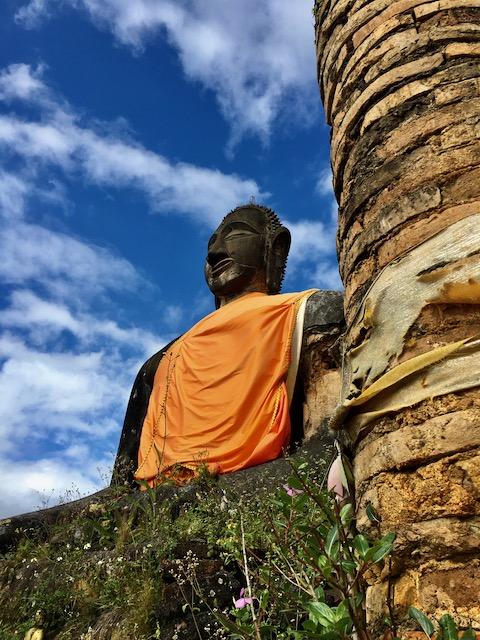
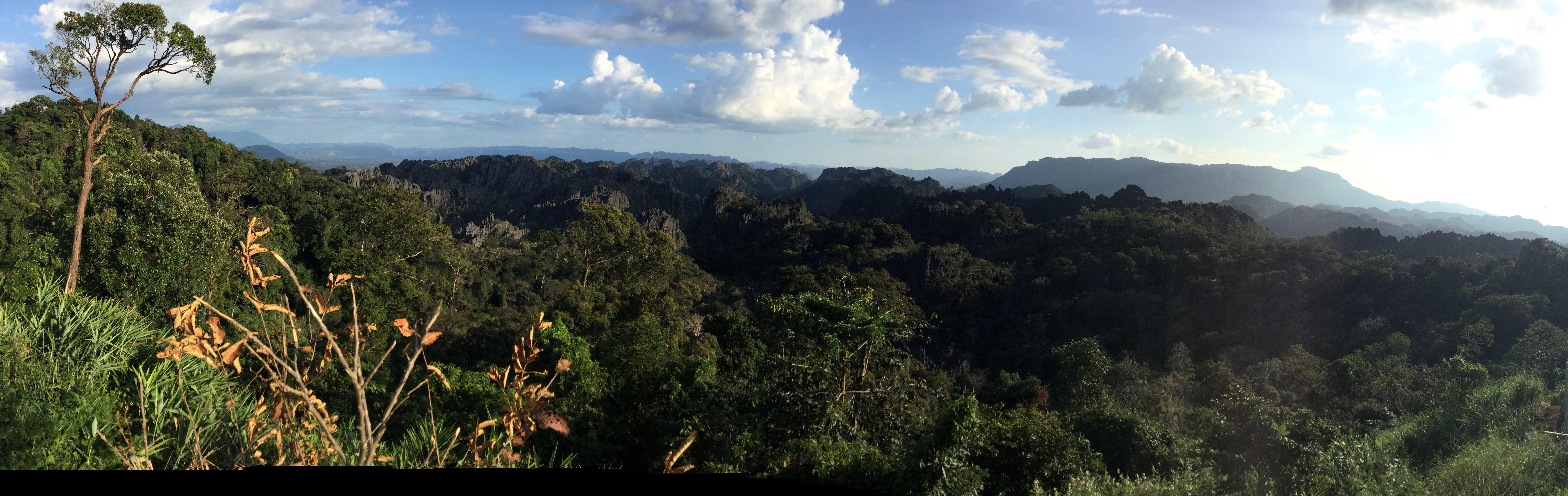
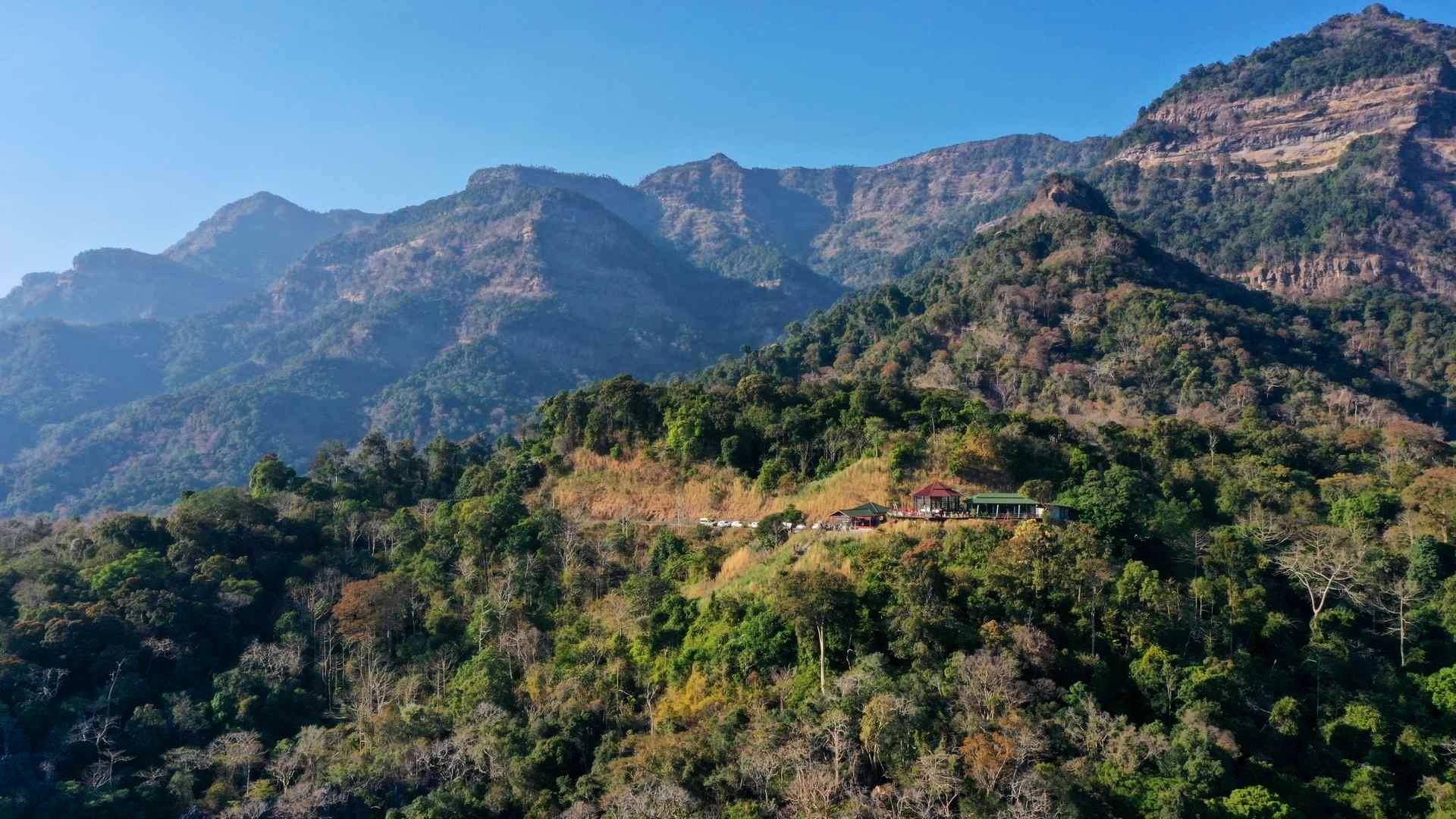
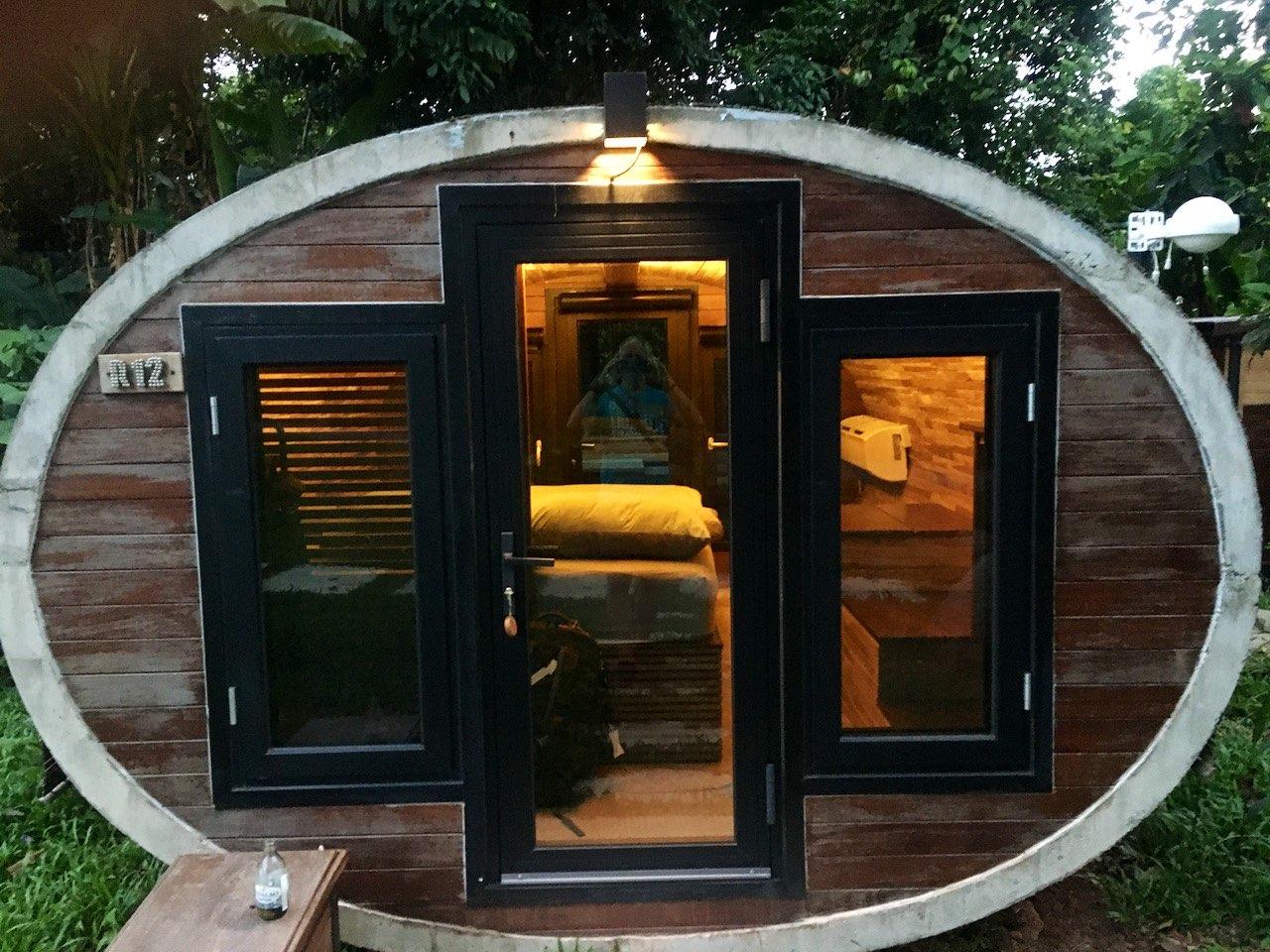
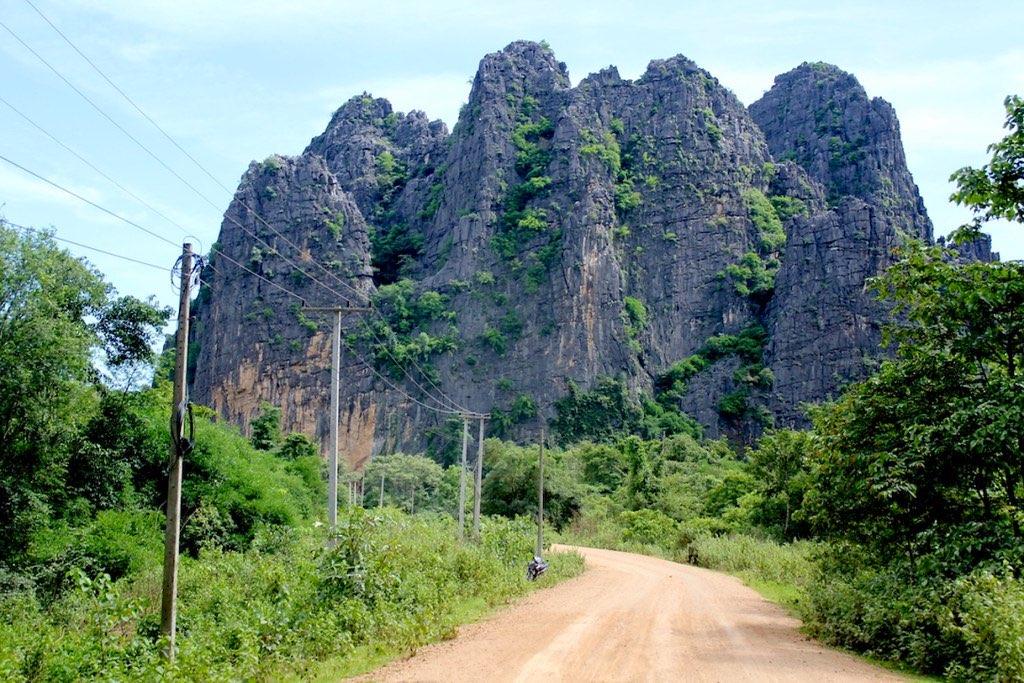
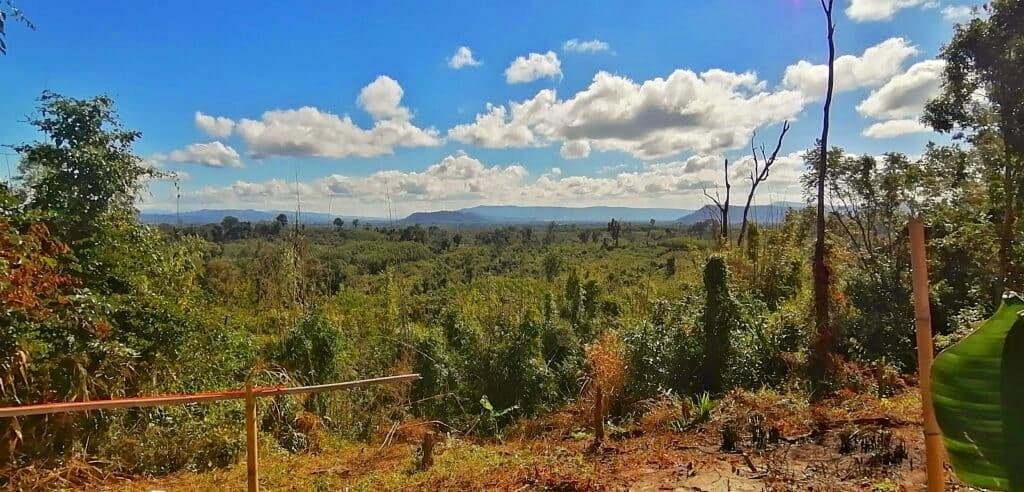
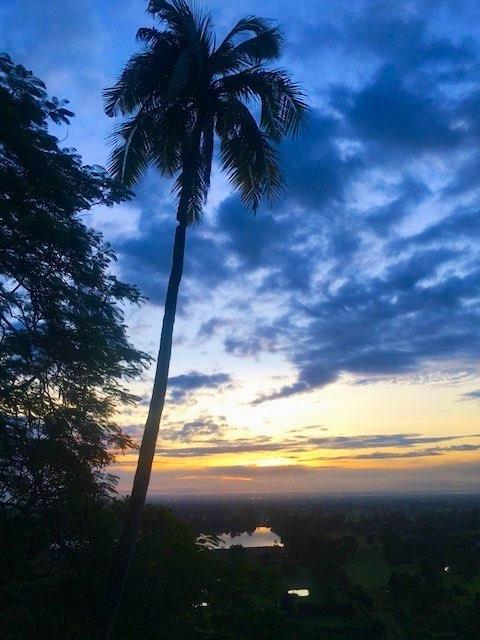
✤ Departing Phonsavan early this morning, we begin our drive south towards the lesser travelled central provinces of Laos. We’ll stop at the former provincial capital town of Muang Khoun, which was completely destroyed during the Secret War. Here we visit Wat Phiawat, a ruined temple containing an enormous ancient, war-scarred Buddha. We then head from the plain up into the mountains giving us impressive views over the surrounding countryside. With the changing landscape, we’ll encounter remote villages nestled between striking limestone karsts. By early evening we’ll arrive at our unique accommodation for the next 2 nights – a comfortable capsule lodge perched on the edge of one of the most spectacular viewpoints in the country.
✤ Overnight: The Rock Capsule Lodge, (single/double options only)
✤ Meals: Breakfast, lunch, dinner.
Day 8: The Rock Viewpoint - free day at the Rock Viewpoint
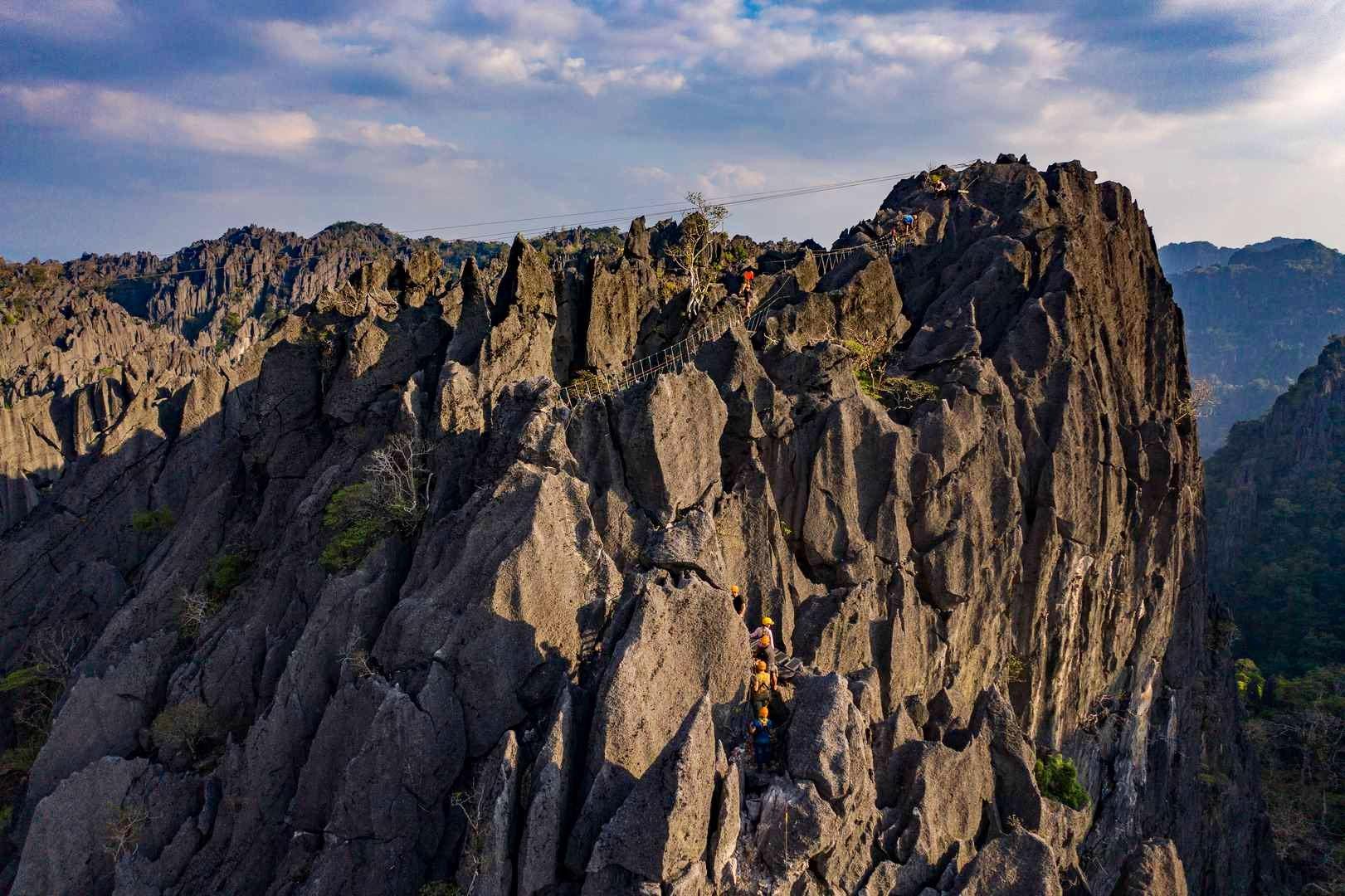
✤ The spectacular ‘Stone Forest’ viewpoint is the perfect place to take a day off from the road. We’ll take a walk in the surrounding forest before breakfast, after which you can decide how active – or inactive – you wish to be! For the adventurous, the area around The Rock Viewpoint has options for exploring - abseiling into a swimming cave or a walk to a waterfall with a natural swimming pool. There is also a spectacular series of zip-lines which take you into the heart of the stone forest. For those just wanting to relax, the restaurant and jungle cafe provide the perfect opportunity to simply rest and take in the views.
✤ Alternatively, a half day trip to the spectacular Kong Lor Cave can be arranged (in advance) for this day. The excursion includes an hour (each way) motorized boat ride through the 7.5 km cave, including stops to explore 2 amazing illuminated rock formations. The cave is located 1.5 hrs. drive from the Rock Viewpoint. Please ask me for more information.
✤ Overnight: The Rock Capsule Lodge
✤ Meals: Breakfast, lunch, dinner
Day 9: The Rock Viewpoint - Ban Thabak - ‘Bomb boats’ and Camping
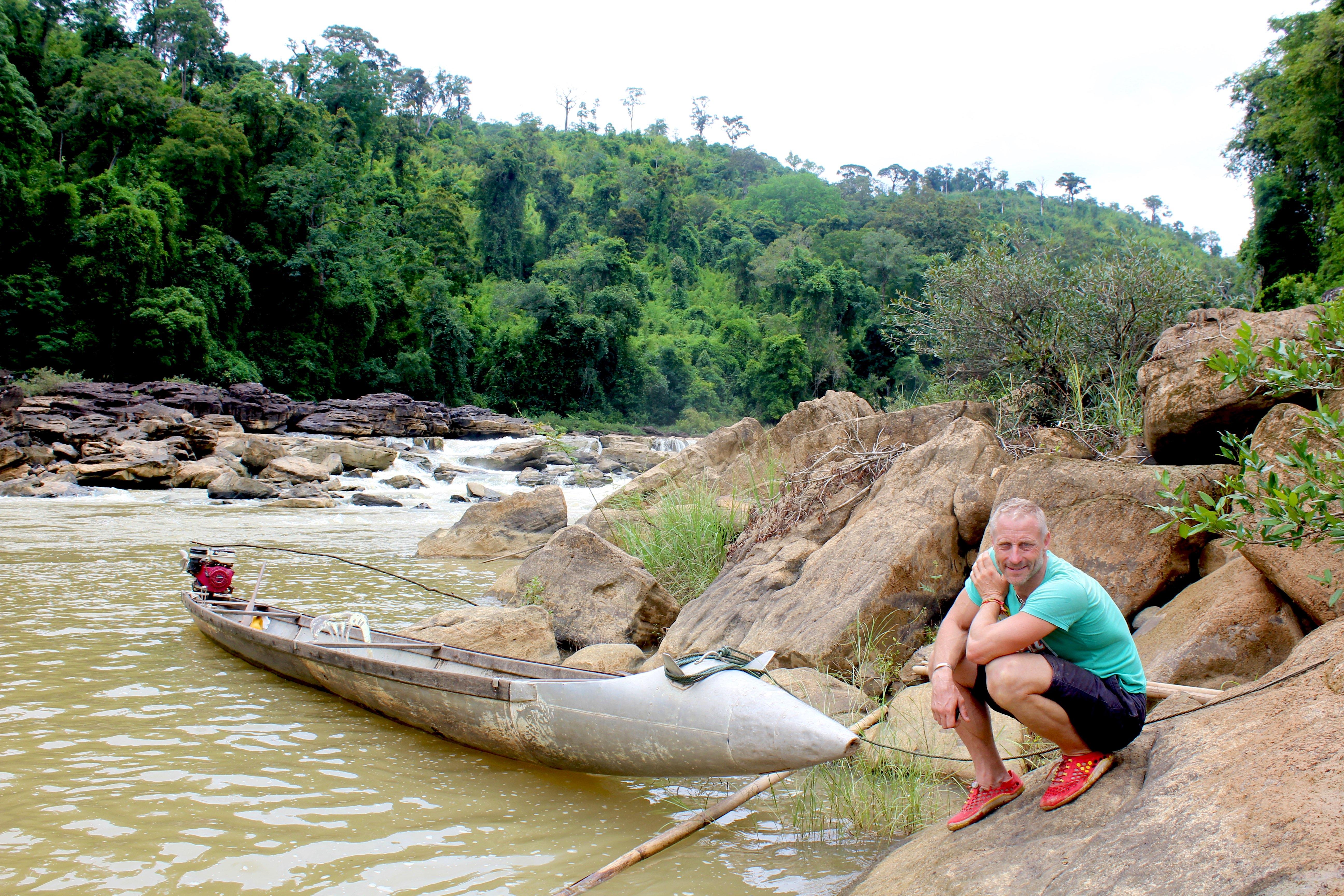
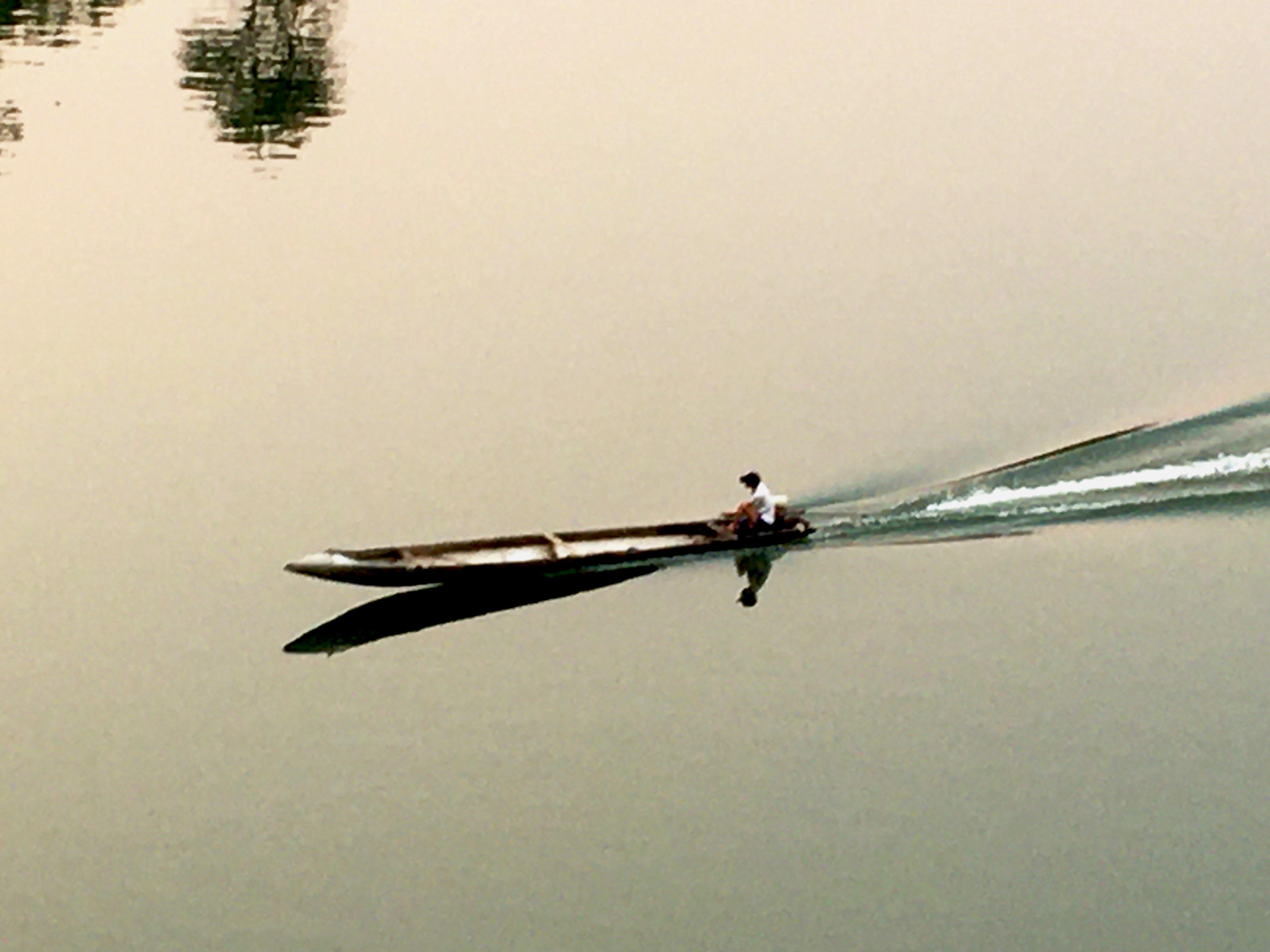
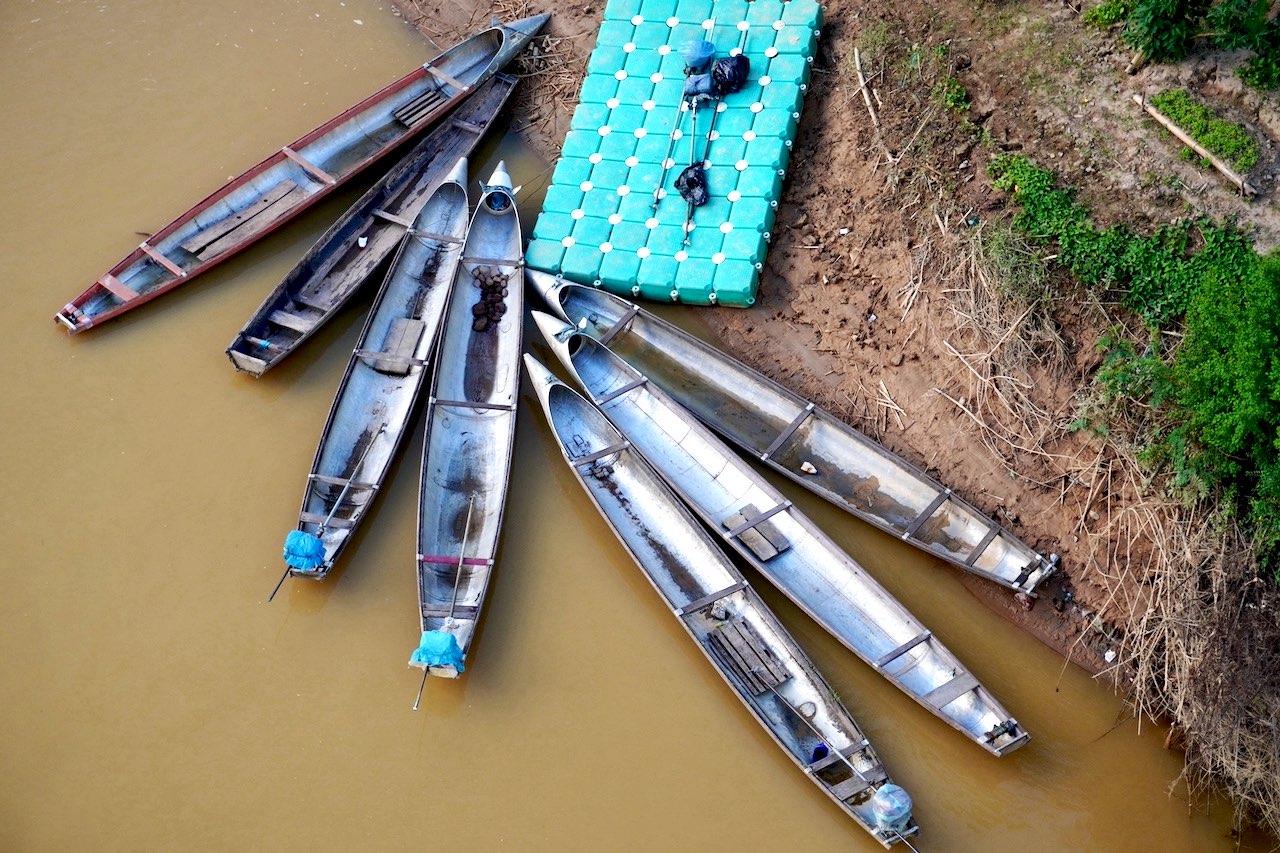
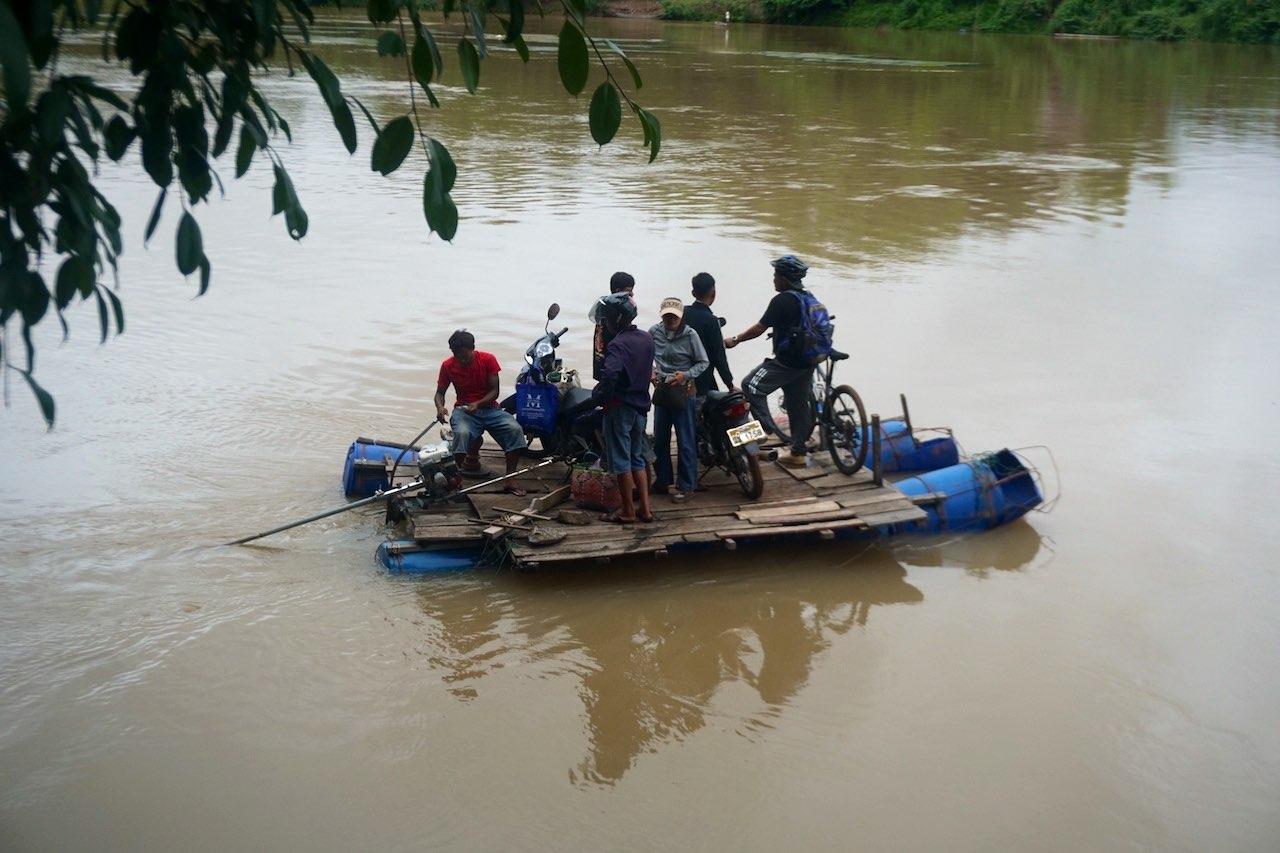
✤ After breakfast, we head back on the road and drive to Ban Thabak, named after the barge service crossing the river. Before a bridge was built here, villagers built boats using discarded aluminium fuel tanks that were dropped by US planes on bombing missions during the conflict. These external tanks were built light and streamlined enough to make excellent boats for fast river travel. Today, we board some of these fuel tank boats for a unique 1½-hour cruise up the Nam Theun River towards the Tha Sala Waterfalls.
✤ We cruise all the way to the Thabak bridge where our transport awaits us. We continue by road west through the historical Lak Sao village, to the Nakai Plateau. This plateau was flooded in 2008, creating a 450 sq. km reservoir for the largest hydropower project in Laos at the time, which started operating in 2010. We continue to one of the relocated villages, Ban Thalang, where we meet our specialist guide who will help us explore this mysterious area by small boat. We’ll weave through the surreal flooded jungle, continuing into The Nakai Nam Theun National Protected Area. This important national park harbours monkeys and a significant number of rare and recently discovered species of wildlife. Some of Laos’ few remaining wild elephants also inhabit the protected area. Cruising upriver we’ll finally reach a sandbank late afternoon to set up camp for the night. After sunset, we’ll relax around the campfire and enjoy a BBQ dinner. We’ll overnight in basic tents, surrounded by the noises of the jungle!
✤ Overnight at a Basic camp site in the Nam Theun NPA. Meals: Breakfast, lunch, dinner
Day 10: Beach Camp - Ban Nong Bua - Nong Ping
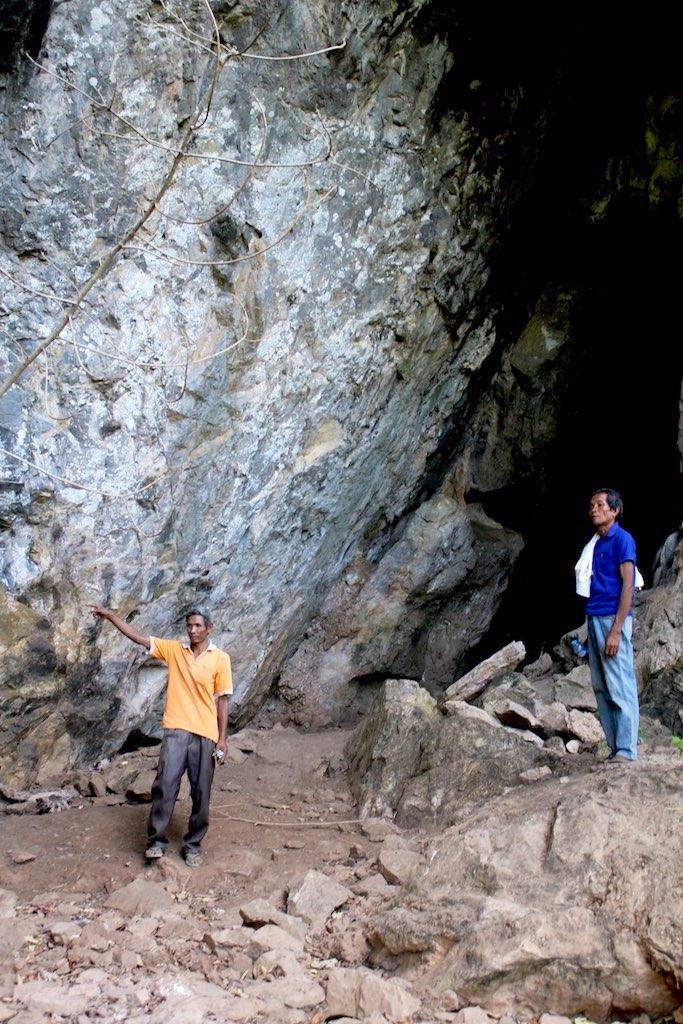
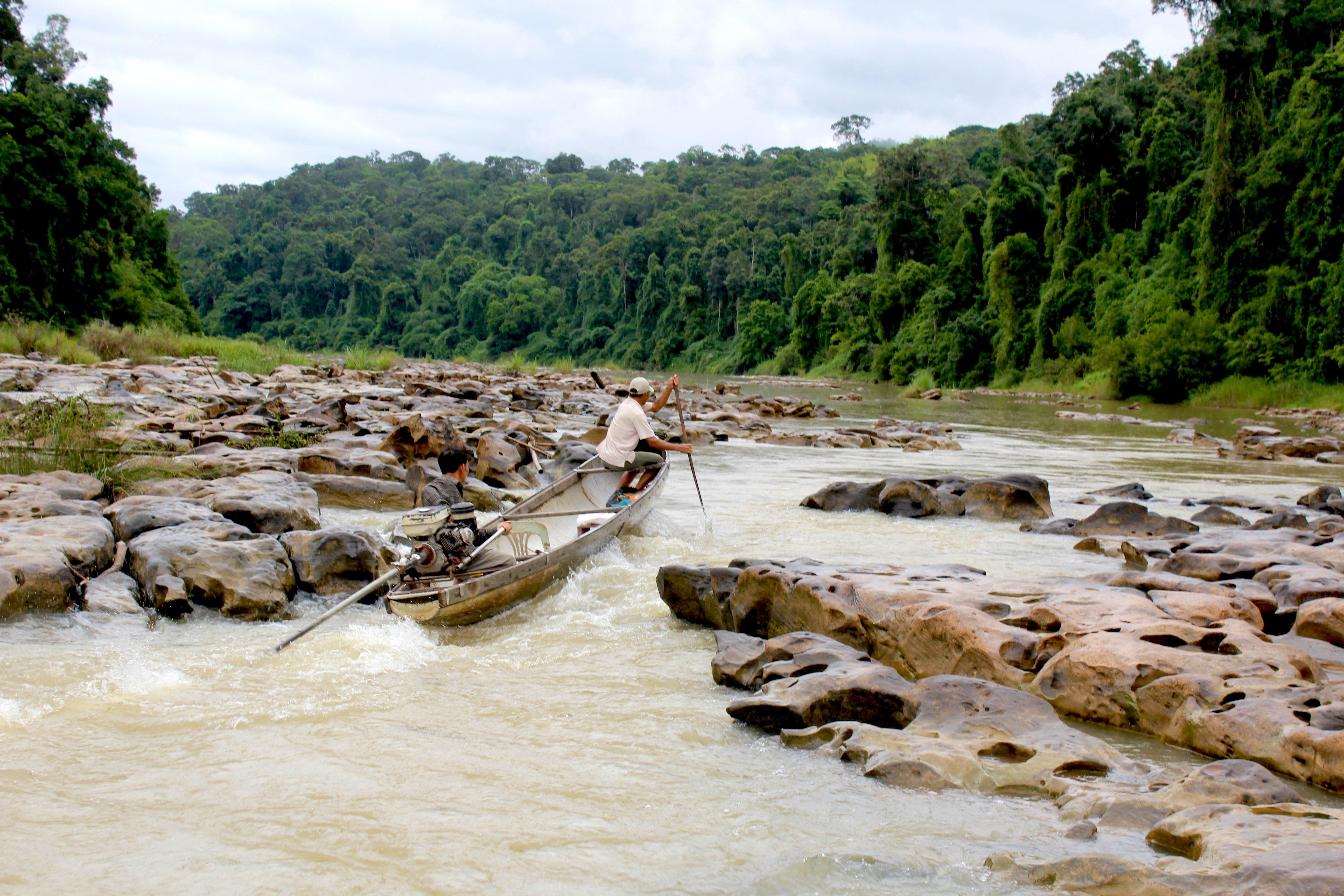
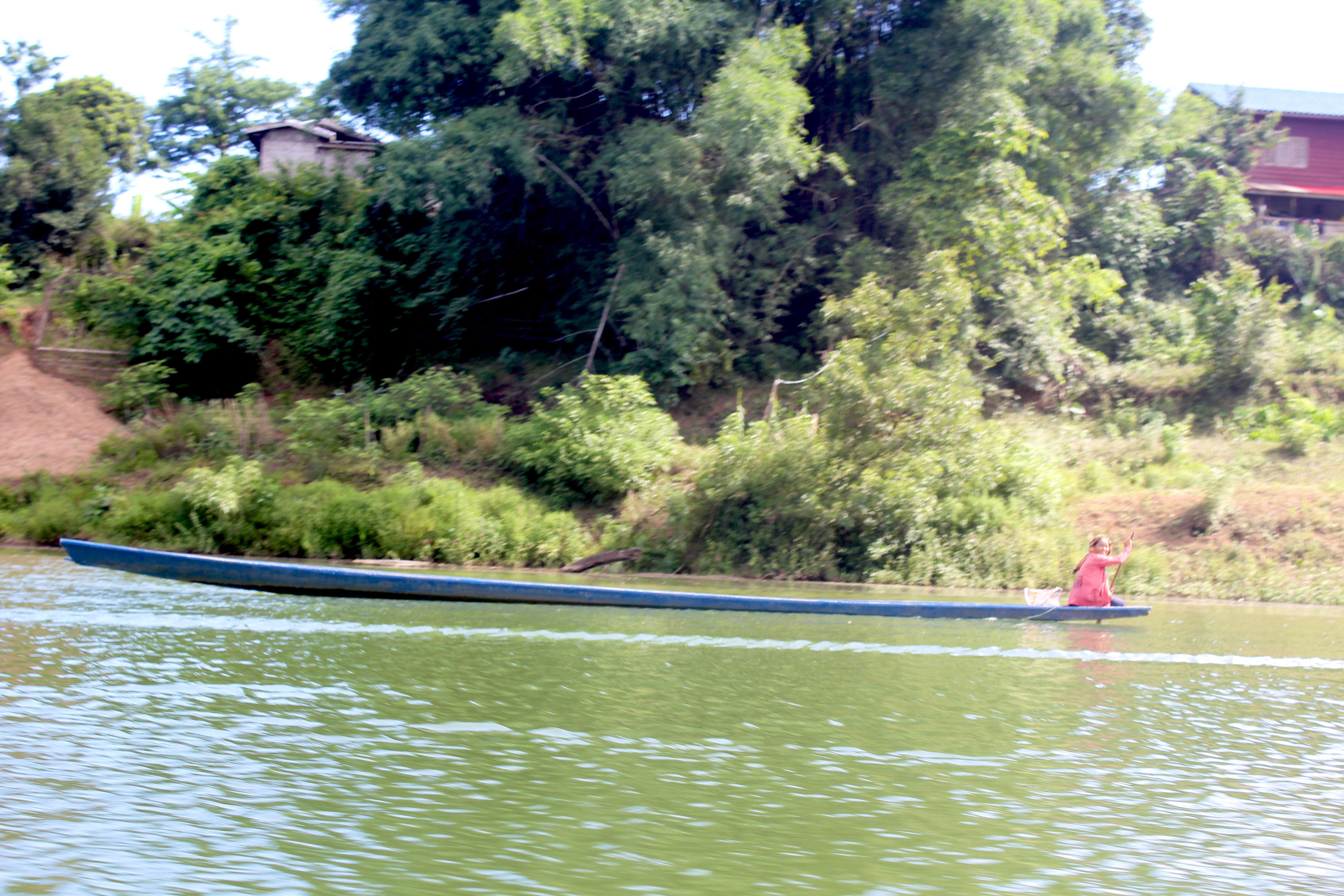
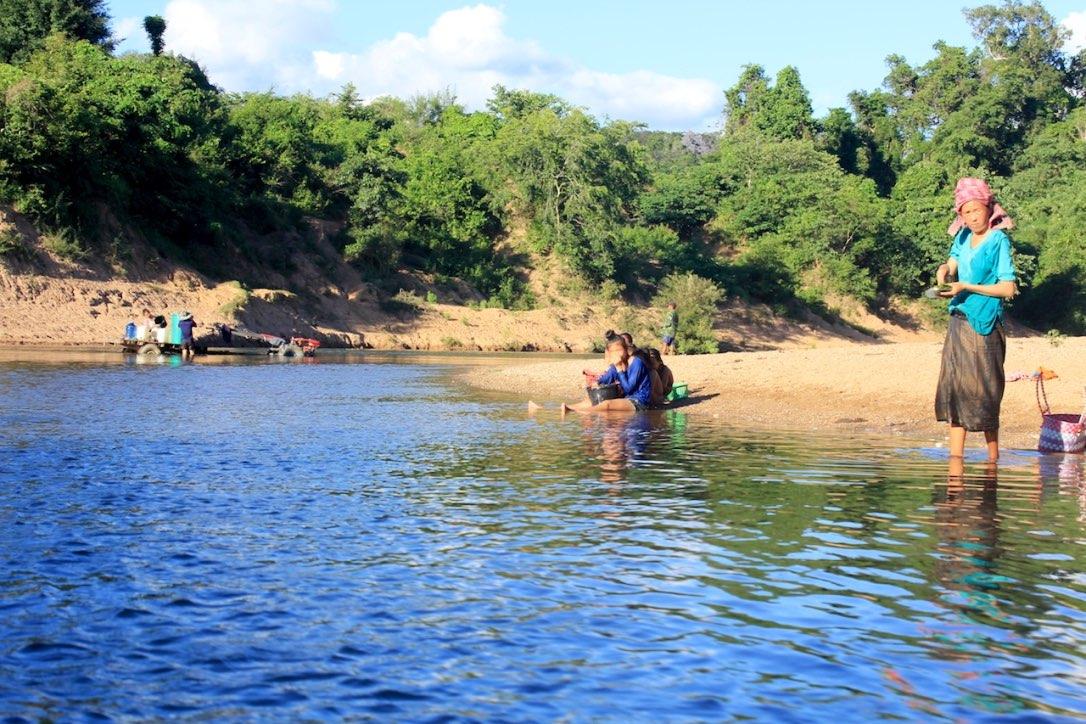
✤ After breakfast on the beach, we cruise back to the Nakai Reservoir and Thalang village, continuing south by road. We stop at the village of Ban Nong Bua which is located on the northern tip of the Ho Chi Minh Trail. Intense US bombing rained down on this area, uninterrupted between 1964 and 1973, forcing villagers to spend those 9 years living in caves. Elderly villagers still share their personal stories of survival and of life in the region during the ‘Secret War’. After sharing lunch with some of these poignant storytellers, we continue south, following the route of the Trail, to the village of Ban Phakpanang. Here, we board narrow ‘longtail’ boats for a magical 2½ hours cruise upstream along the Xe Ban Fai River to the Lao Yaoi village of Ban Nong Ping. Here we overnight in a simple homestay.
✤ Overnight in Nong Ping at homestay. Meals: Breakfast, lunch, dinner
Day 11: Nong Ping - explore Xe Ban Fai Cave - Boulapha - Sepon (by 4WD)
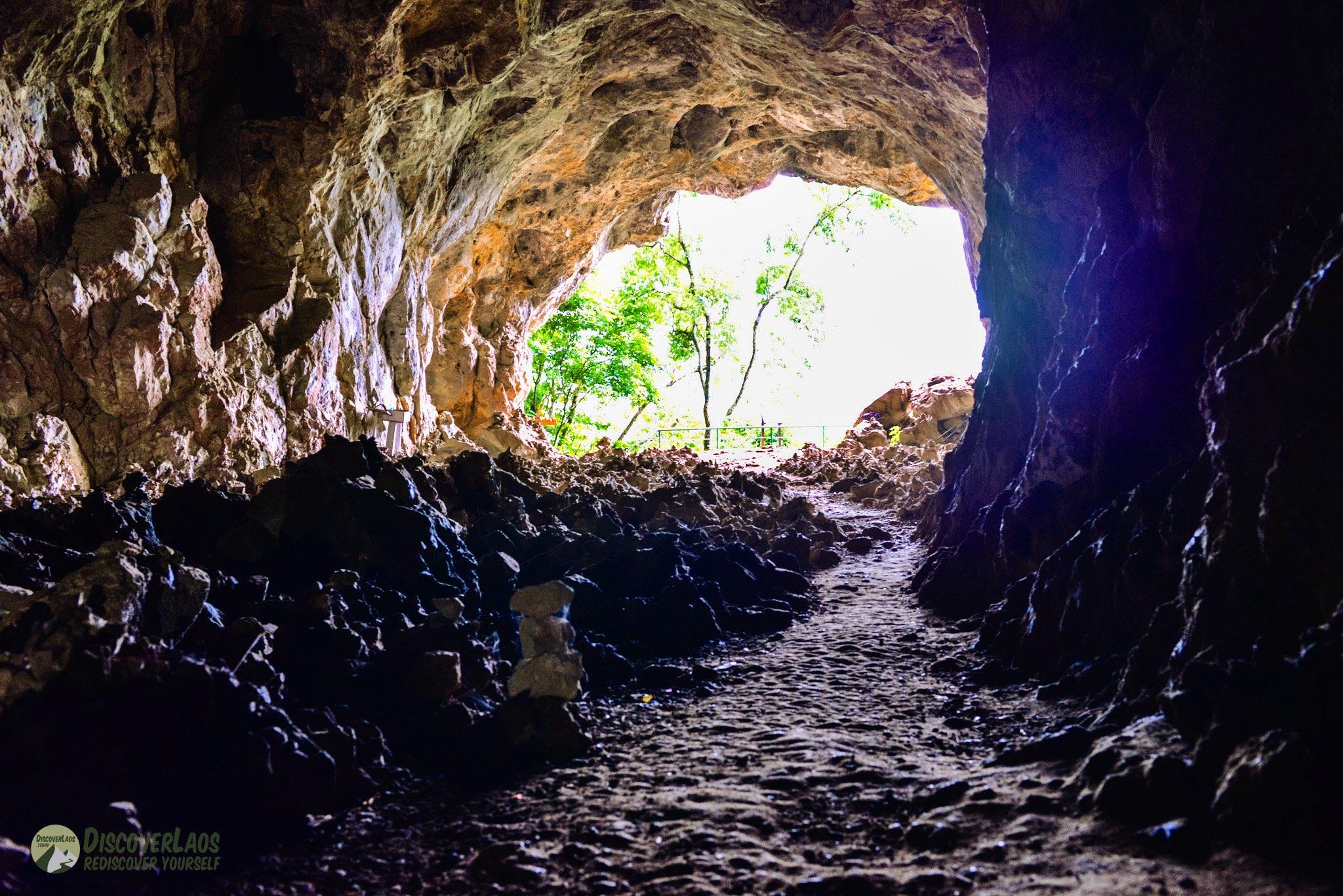
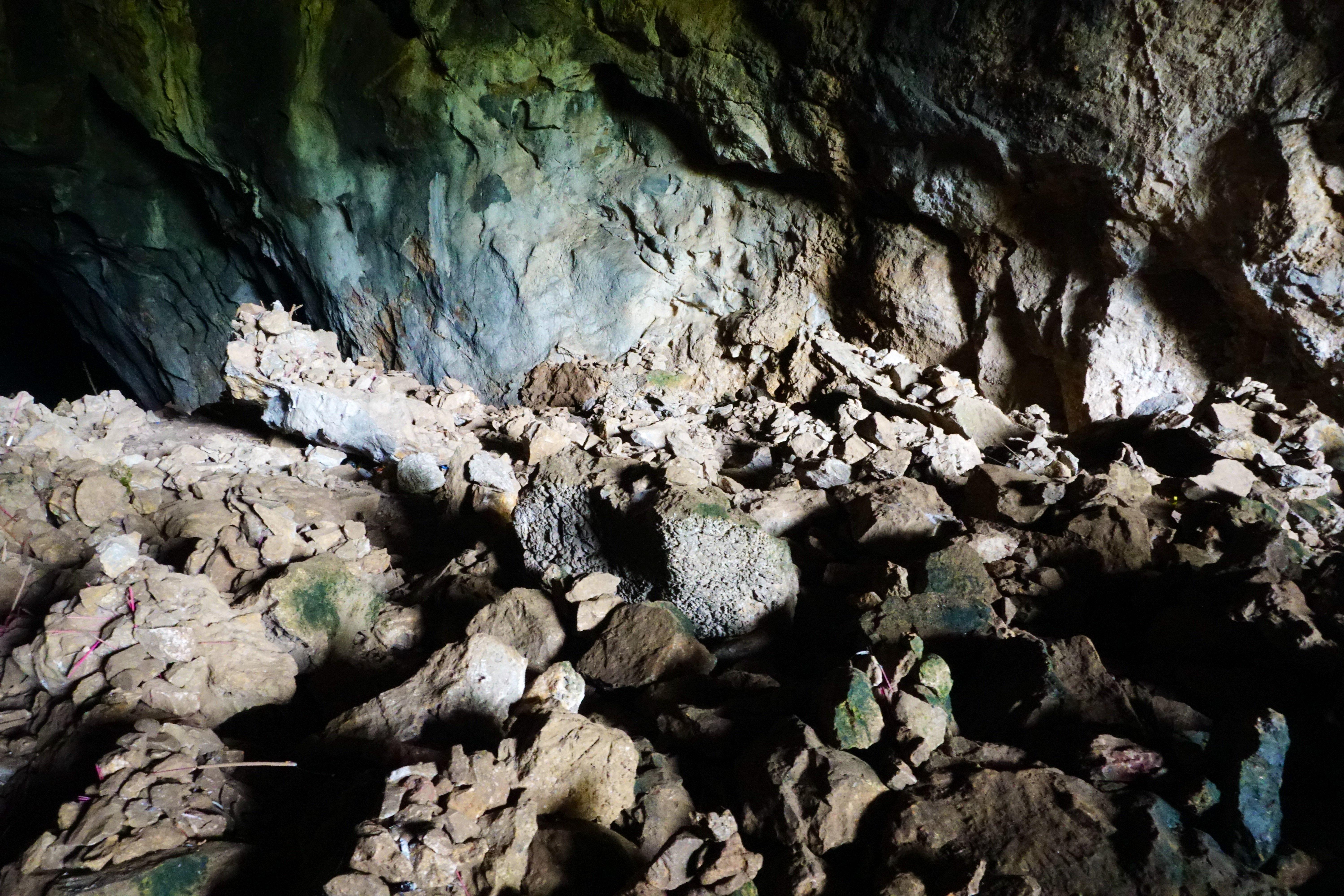
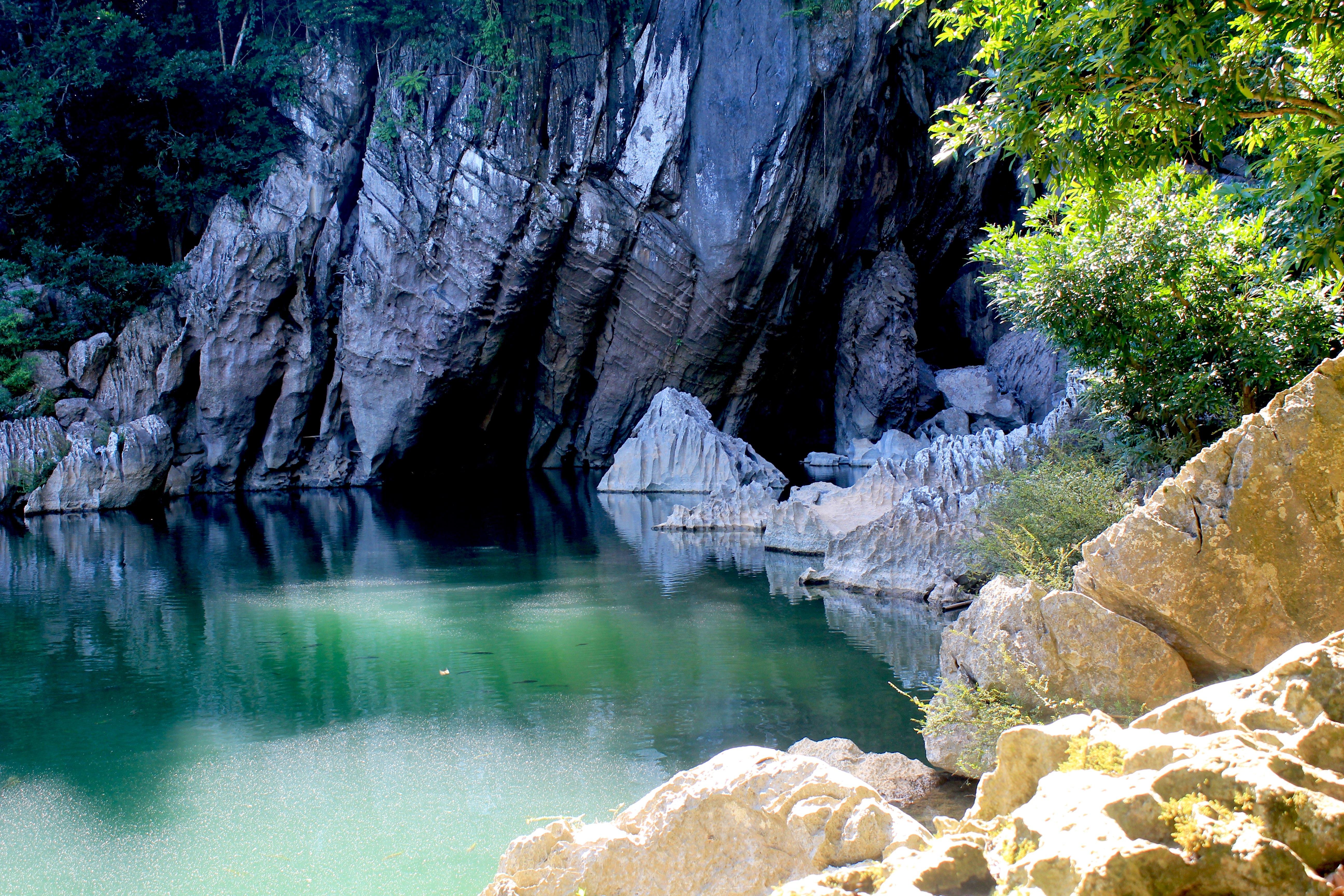
✤ Today we’ll make an early start, following the Xe Ban Fai River further upstream to the Tham Khoun Xe Cave, one of the largest active river cave systems in the world. The remote location of this majestic cave makes it off limits to all but the most intrepid travellers. The cave is around 7km long with an average height of 60 metres and width of 76 metres, the inaccessibility and presence of unexploded ordnance meant the cave wasn't accurately mapped until 1995. We’ll explore the first few hundred metres by small boat as our boatmen oar us towards the first set of rapids. Before the rapids we disembark to take a small torch lit trek to explore the Balcony Cave to experience the incredible rock formations, usually hidden by the darkness of the cave. After completing our cave exploration, we return to the village for breakfast.
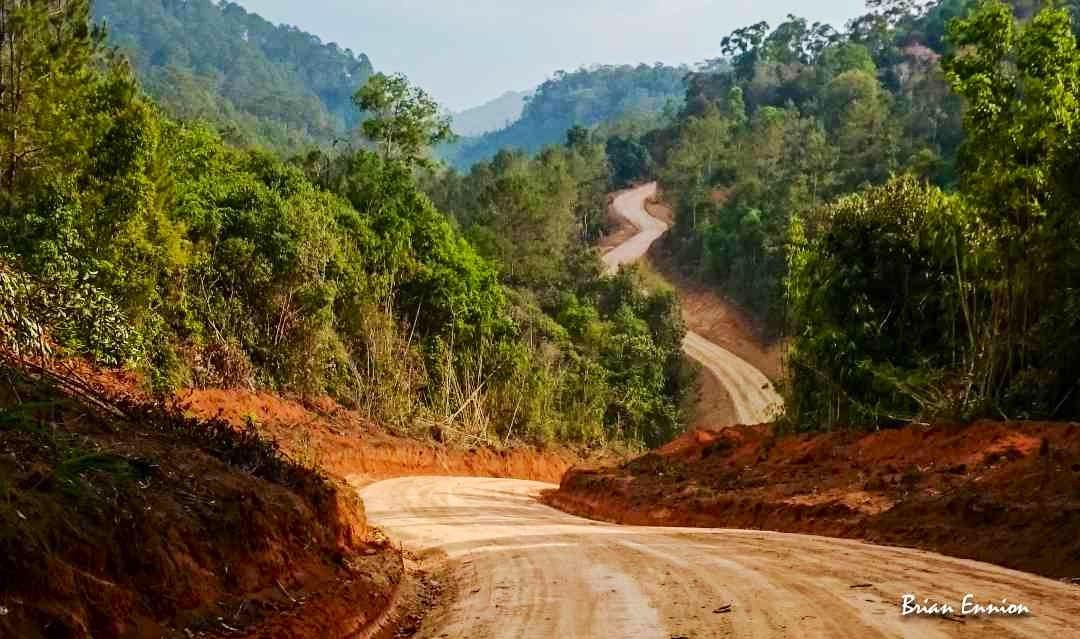
✤ After breakfast we begin our Ho Chi Minh Trail adventure! To conquer the challenges of the road conditions along this piece of living history we’ll need to transfer into 4-wheel drive vehicles. We plan to travel 150 km’s to Xepon. We’ll make stops along the way to take in the breathtaking views as well as witness the remnants of the conflict which litter the route south. After a tough but rewarding day on the trail, we arrive in Sepon in the early evening.
✤ Overnight in Sepon at Viengxay Hotel. Meals: Breakfast, lunch, dinner
Day 12: Xepon - Tay Oy - Paksong (by 4WD)
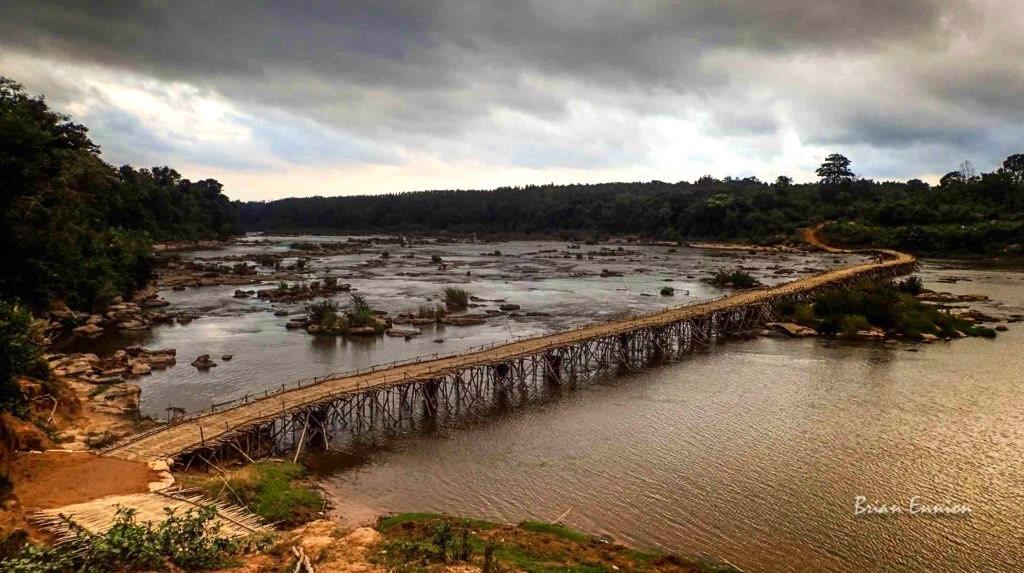
✤ Today we have a further 120 km’s of The Trail to negotiate – some of it unpaved! First stop is the village of Ban Dong, where we visit Lam Son War Museum which has several US tanks, parts of a plane and other war scrap on display. We continue to Muang Nong passing by the old Russian suspension bridge and fenced sections preserving the original Ho Chi Minh Trail stones and an old communication tower. At the small village of Muang Nong we’ll see the 300m long bamboo bridge which is constructed every dry season. Our final drive on The Trail takes us to Ta Oy. This small town housed a U.S ‘Missing in Action’ camp with a 50-man recovery team until 2014. Of the 81 individuals ‘Last known alive’ 19 cases remain unresolved. From Ta Oy we’ll continue south onto the Bolaven Plateau, arriving at our comfortable accommodation by early evening.
✤ Overnight in Sabaidee Valley. Meals: Breakfast, lunch, dinner
Photo courtesy of Brian ‘Moto Mania’ Ennion
The Ho Chi Minh Trail
The Ho Chi Minh Trail was the American name for the Đường Trường Sơn, the collection of trails, passes and tunnels developed by the North Vietnamese to supply their troops in the south. The trails origins were as ancient trade paths, but the it developed into a strategic military network during the first Indochina conflict with France.
The Ho Chi Minh Trail was a singular path or road but a network of trails which formed a clandestine supply route to move troops, weapons, food and equipment from the north to the south of Vietnam. The Trail ran along Vietnam’s borders with Laos and Cambodia where dense jungle could provide three canopies of tree cover to disguise ground operations. Starting south of Hanoi, the main trail swung south west entering Laos, with numerous side trails running east into South Vietnam. The main trail continued southwards through eastern Cambodia finally reaching South Vietnam near Dalat. In total the route ran about 1,000 kilometres in length, requiring more than 40,000 people to keep the networks operational. Dummy routes (to confuse the Americans) and side exits meant the trail could stretch to a width of over 70 km’s. By the early 70’s the trail was wide enough to accommodate heavy trucks, and some roads had been paved linking the hospitals, fuel storage depots and supply caches that provided the route’s underground support facilities.
The trail became the scourge of the US military. From 1964 onwards, Operations Barrell Roll and Steel Tiger pummelled the trail with over 30 daily sorties. Defoliants, including lethal Agent Orange, were dropped on the trail along with mud making chemicals - and even beer! The US military also tried cloud seeding to extend the rains - but the supplies kept flowing right up until the fall of Saigon on 1975. Ultimately, the importance of the Ho Chi Minh Trail in the North Vietnamese victory led the US National Security Agency to concede the trail system was “one of the great achievements of military engineering of the 20th century.”
Photo courtesy of Brian ‘Moto Mania’ Ennion
Day 13: Tad Lo - Jeep Tour - Champasak
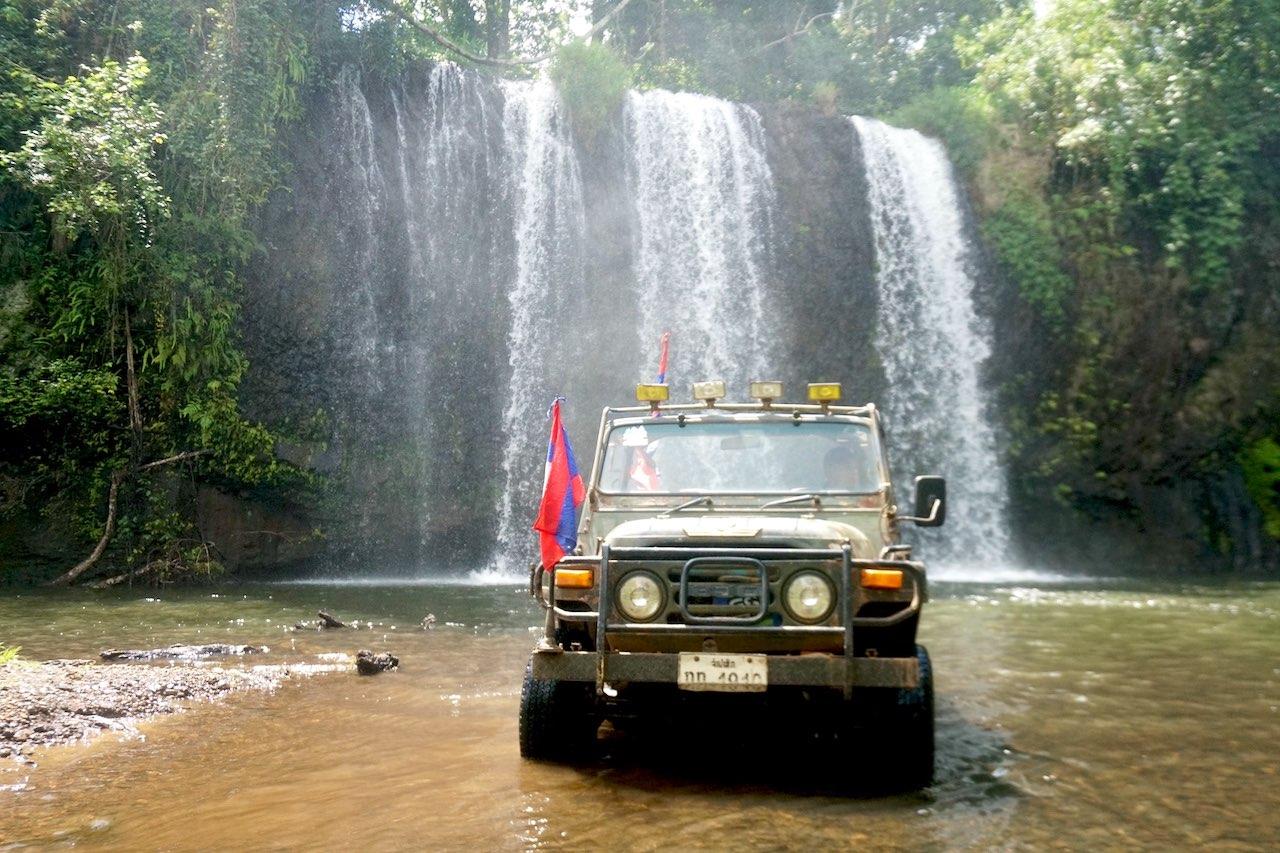
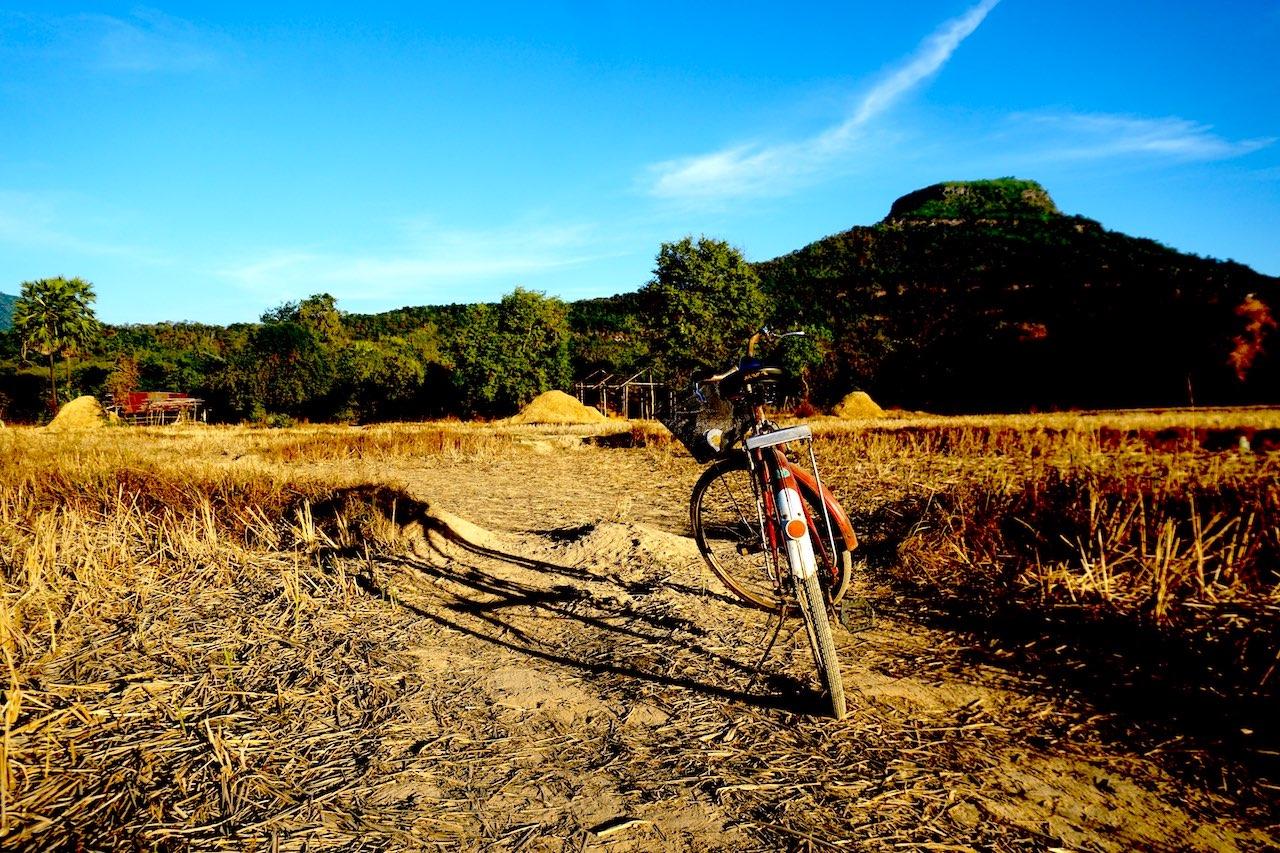
✤ Today our adventure continues into the heart of the Bolaven Plateau, one of the most beautiful parts of Laos. This lush fertile plateau sits at around 1000m, the altitude, cooler climate and rich volcanic soil have made the region home to Laos’ specialist coffee industry. Transferring to vintage jeeps for the day allows us to off road into the heart of the plateau with our specialist guide, unlocking spectacular waterfalls and scenery usually off limits to visitors.
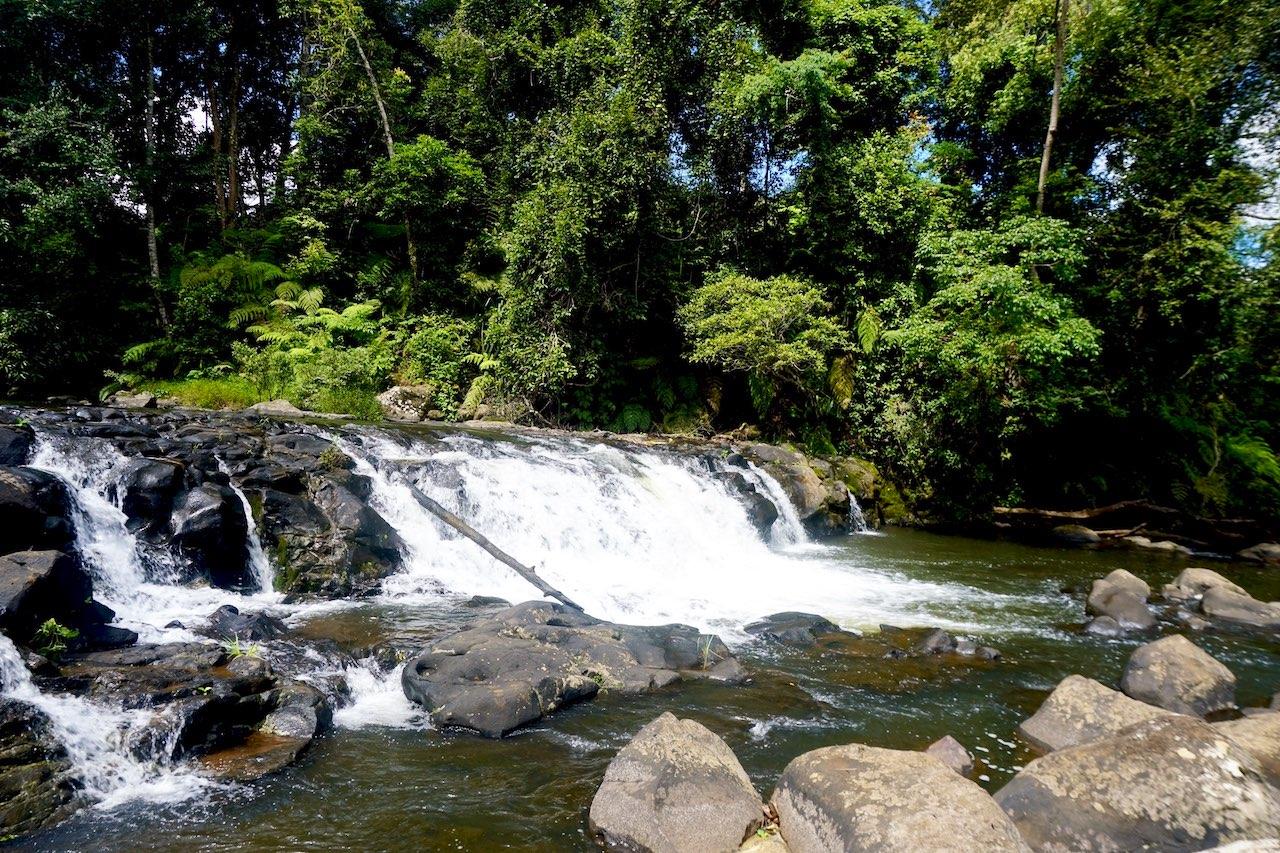
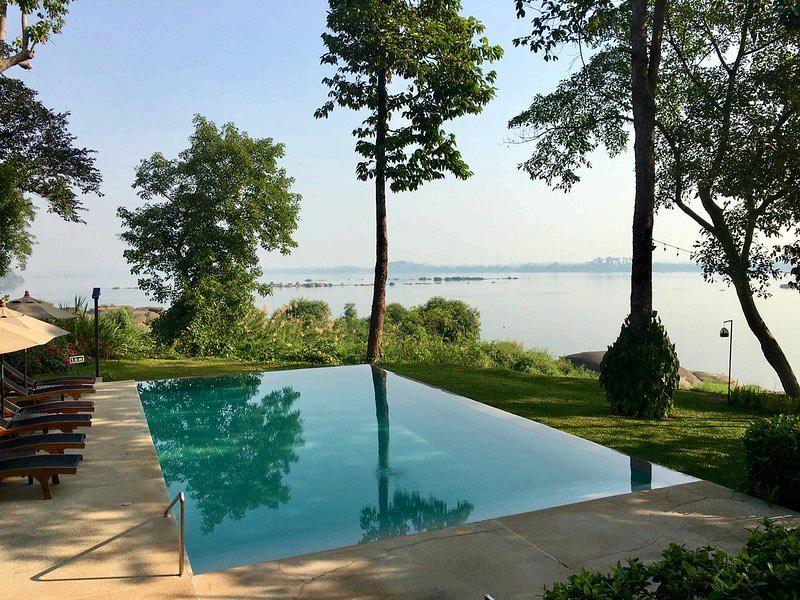
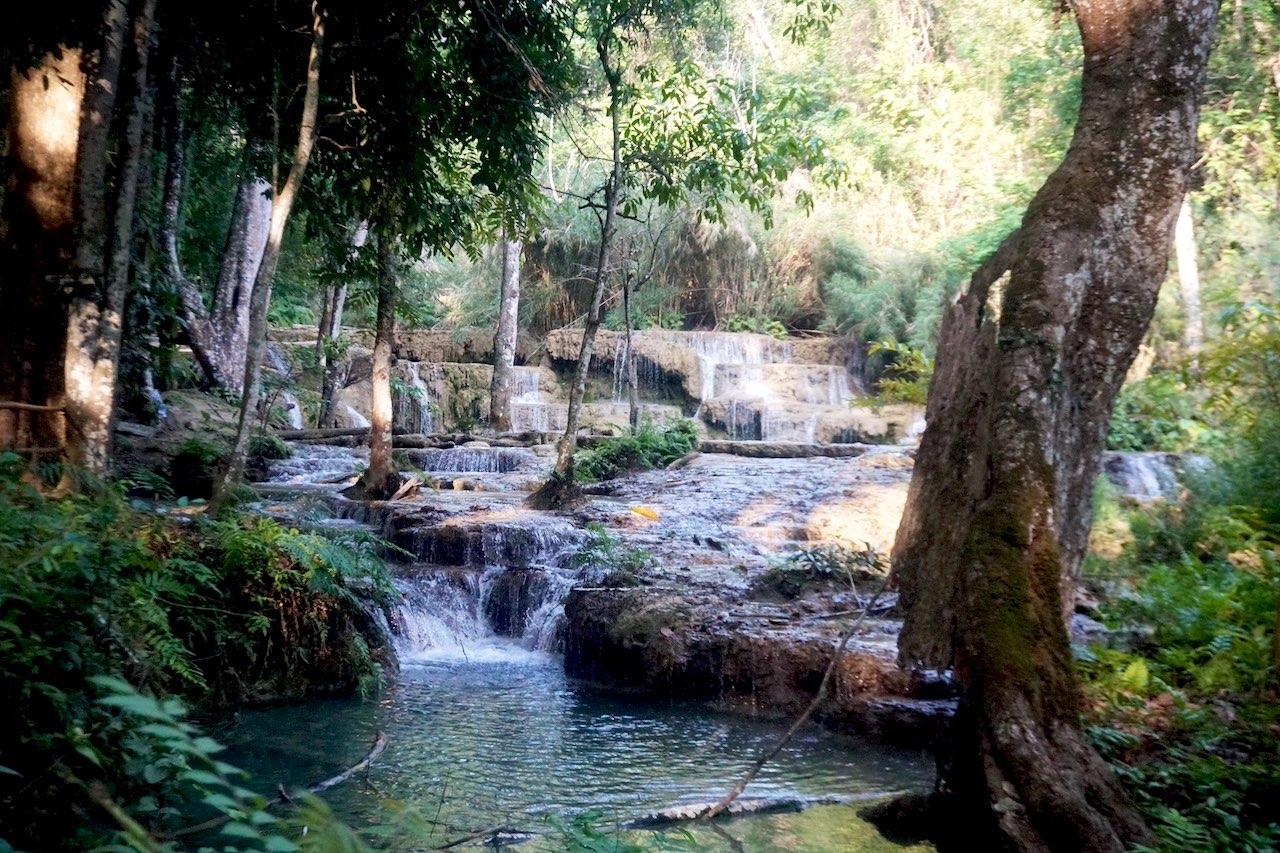
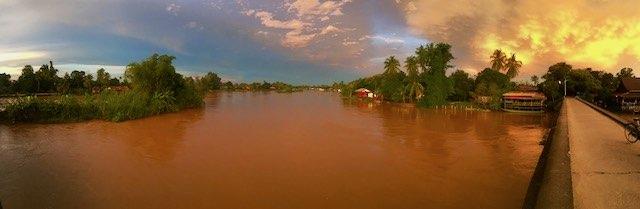
✤ We take the backroads onto the plateau, stopping at the double waterfall of Tad Mare Louk and the beautiful Tad Moan waterfall. After time to relax or swim, we continue by jeep to the centre of the plateau where we reach an altitude of 1200m. From here we’ll take an easy hour walk through the coffee plantation to ‘Mystic Mountain’ – our hosts family farm. While the family prepare a delicious home-cooked lunch, we’ll learn from our host about the coffee roasting process and explore the viewpoints around the plantation. After lunch, we conclude our jeep adventures by stopping to explore the traditional wooden houses at Hueay Sam village, before rejoining the tarmac. Our final drive of the tour takes us to the sleepy town of Champassak, and our lovely resort beside the Mekong River.
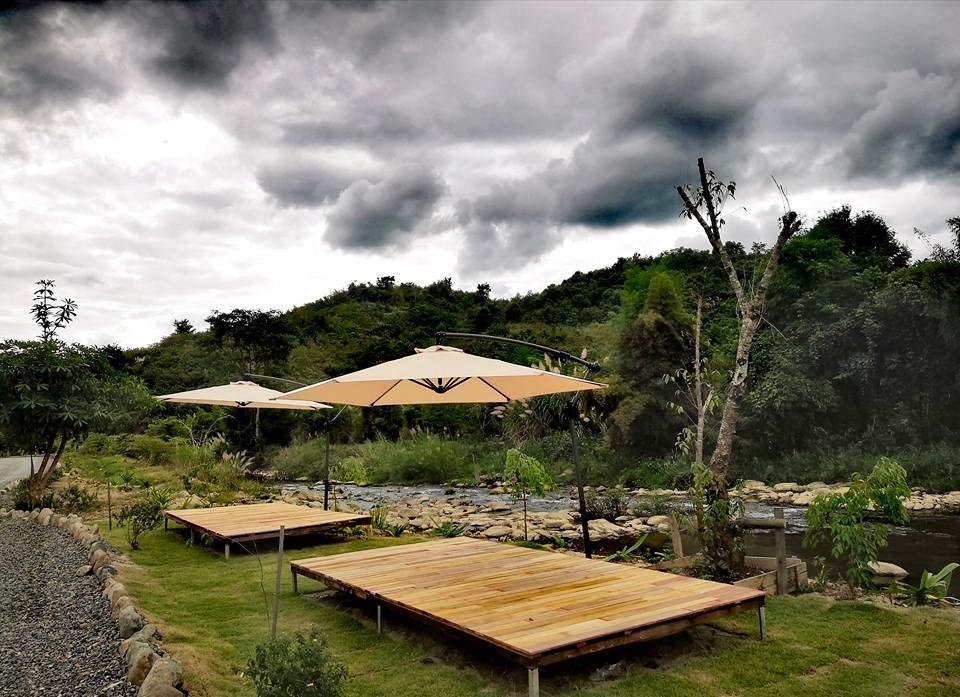
✤ Overnight in Champassak at River Resort. Meals: Breakfast, lunch, dinner
Day 14: Champassak - Sunrise at Wat Phou Temple
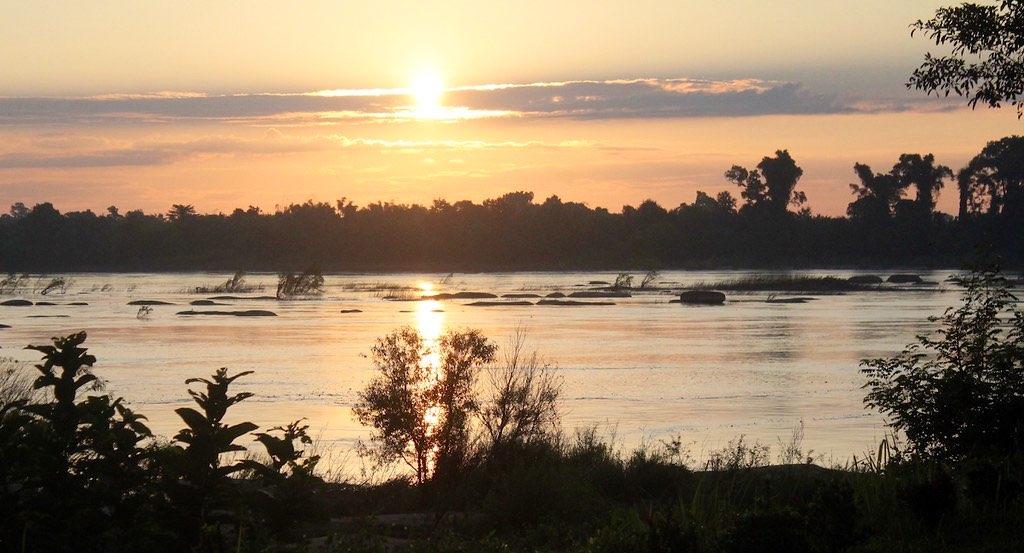
✤ A private sunrise over the Mekong from the ancient temple mountain of Wat Phou, makes for the perfect end to our journey. We’ll access the UNESCO World Heritage site before it officially opens, ascending the old Khmer steps to reach the dramatically sited religious complex. After sunrise we will explore the temple and surrounds, parts of which date back to the 5th Century, before returning to our lodge for breakfast.
✤ The rest of day is left free to relax and enjoy the resort facilities, doubtlessly reflecting on the memorable journey that we’ve experienced during this unique tour.
✤ Overnight in Champassak at River Resort. Meals: Breakfast, lunch, dinner
Day 15: Champasak - Departure
✤ Transfer to Pakse or Ubon Ratchathani (Thailand) for your departure flight.
Tour extension highlights
Should you want to see a little more of Laos, it is possible to arrange several private extensions to the main tour from Champassak. To follow are couple of options – please ask for more specific details or alternatives.
Luang Prabang Extension
A tailor-made extension can be prepared for you to enjoy this picturesque UNESCO World Heritage Town. Highlights include the botanical gardens, the lovely Kuang Si Waterfall and the Royal Palace. Alternatively, spend a couple of days exploring the temples and restaurants, soaking up the town’s charmingly laid-back atmosphere at your own pace. International departure flight options are available from Luang Prabang.
4000 Islands Extension
It’s possible to extend your trip further south into the area known in Lao as ‘Siphandon’.
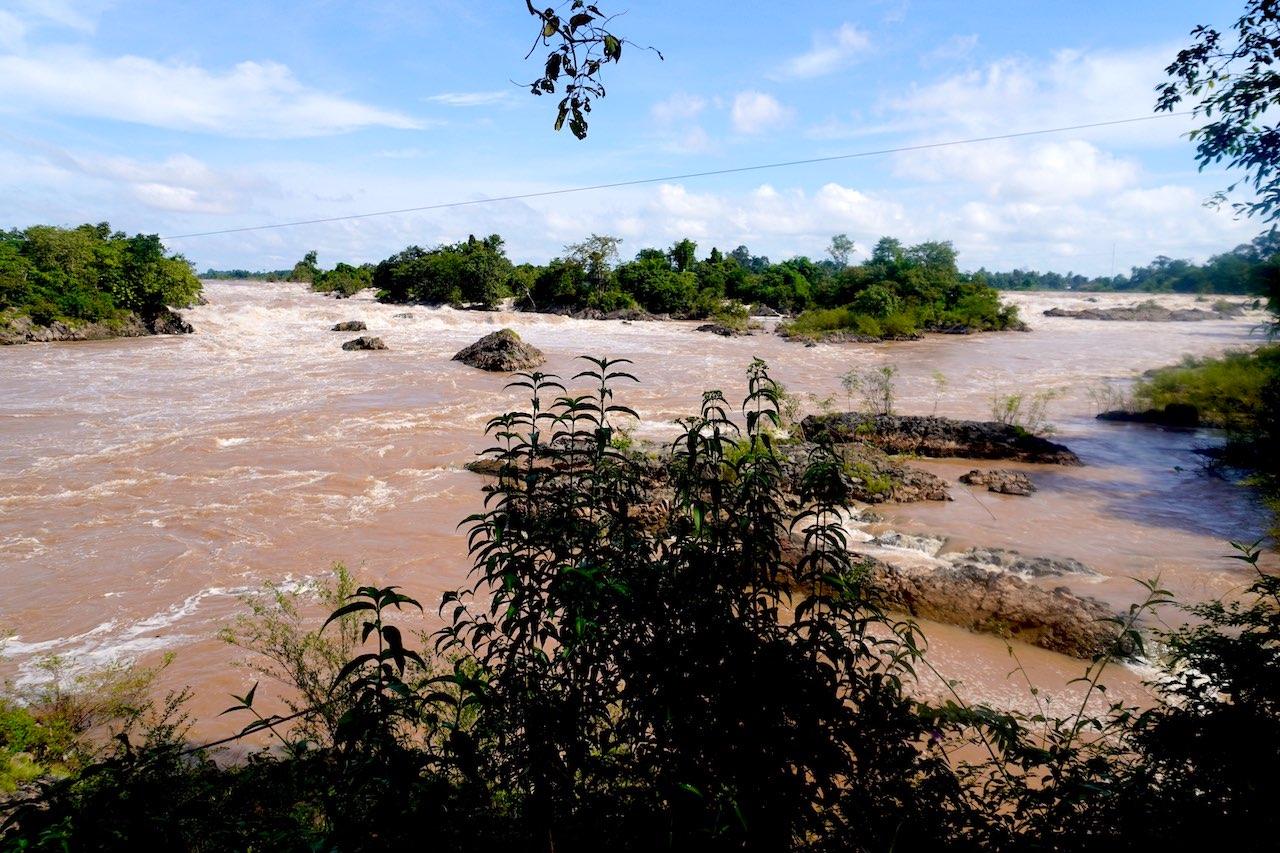
This is where the Mekong River is at its widest and wildest, crashing around waterfalls, small islands and outcrops across a width of 12 km’s in places. You can enjoy the area with a private Mekong cruise, or for the more active island hopping by mountain bike is also an option.
Tour Essentials
Provisional Start date
Inclusions
✤ All meals from dinner on day 1 to breakfast on day 15
✤ Tips for local guides, fixers and drivers
✤ All transfers for international flights
✤ Non-alcoholic drinks, local snacks and water refills
Entrance fees
Specialist insurance
for day 6 (Long Tieng)
“As Tour Leaders we are always searching for the ultimate traveller experience, unlocking destinations to dig deeper into their culture, history and personalities. I’ve planned this fantastic journey to encompass all that is special about Laos, simultaneously telling the incredible survival tale of the Lao people during the ‘Secret War’.
‘Unique’ is an overused word in our industry, but this tour is guaranteed to deliver a memorable experience that only the most intrepid of travellers can truly appreciate.”