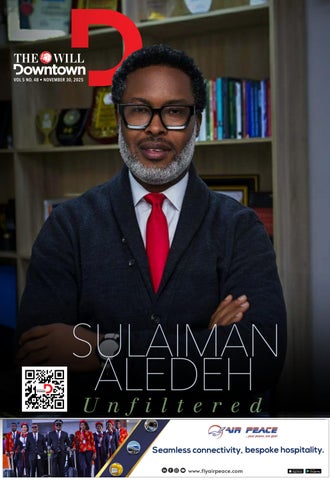

SULAIMAN ALEDEH


U n f i l t e r e d




EDITOR’S NOTE
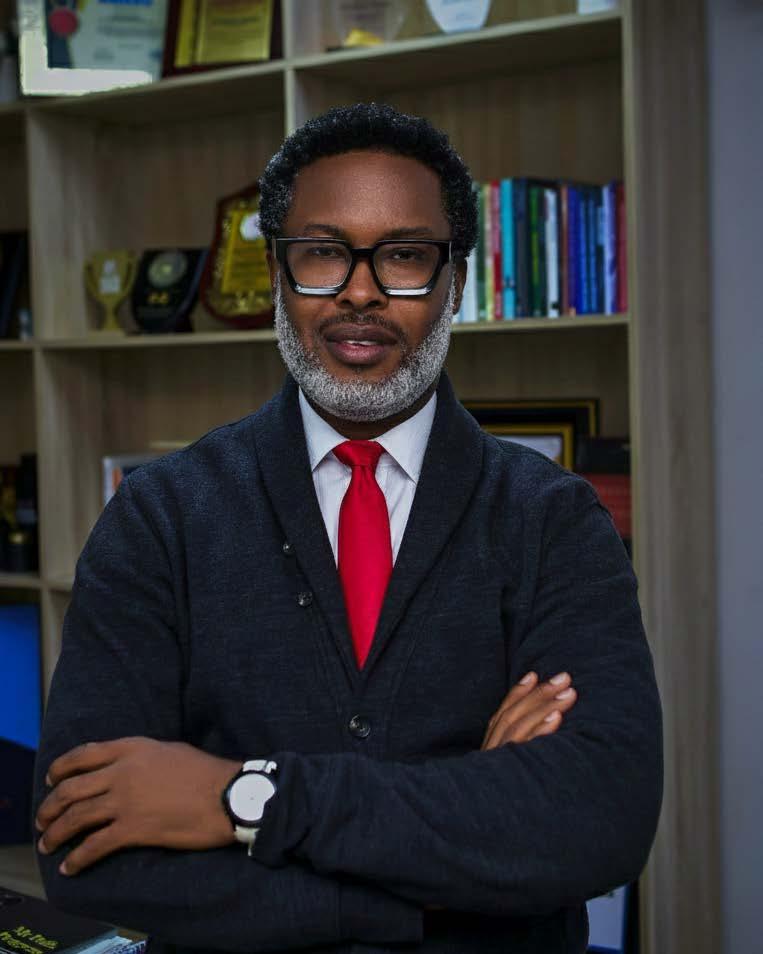
Many of you will remember Sulaiman Aledeh from your TV screens, but did you know that before Channels and Arise News, he began his career at Edo Broadcasting Service (EBS)? It all started with his love for listening to people speak. He listened to the radio quite often and told his elder brother that he could do better than the radio presenters. His brother then drove him to Edo Broadcasting Service and told them what he said. He auditioned for a radio slot and got the job. He was on the radio for two weeks, then television came calling: the Controller Presentation took him to her husband —still at EBS — to start a new program. But his big break came after he launched The Weekend Rendezvous in the mid-90s. After that, he went on to launch another program: The Entertainment News, where he started the Billboard Top 20 Countdown. Another show he created and is still running to date is The Breakfast Show. Aledeh spent the early years of his career at Edo Broadcasting Service and has now returned as Managing Director.
Read Sulaiman Aledeh’s story on pages 8 to 10 of this issue.
We are all part of each other’s story: that person you walk or drive past on the street, that person you kindly hold the door open for or hold the lift for, all make up part of your story on earth, even though you didn’t officially meet them, you met them along the way. That’s what luxury silk is about this week. I urge you to read it on page 11.
One of the films we review on page 16, our movie review page, is The Running Man, a remake of the 1987 film starring Arnold Schwarzenegger. The review score is not bad, so I’ll definitely be seeing this one. Will you?
Until next week, enjoy your read.


@onahluciaa + 2348033239132

AUSTYN OGANNAH
PUBLISHER/EDITOR-IN-CHIEF
Executive Editor: Onah Nwachukwu @onahluciaa
Writer: Johnson Chukwueke
Design & Layout: Olaniyan John ‘Blake’
Digital Media: Oladimeji Balogun
Consulting Art Director: Sunny Hughes ‘SunZA’

+234 810 345 2286, +234 913 333 3888

Aledeh




Boluwatife Adesina @bolugramm
- Contributing Writer
Boluwatife Adesina is a media writer and the helmer of the Downtown Review page. He’s probably in a cinema near you.
Dorcas Akintoye @mila_dfa_ - Contributing Writer
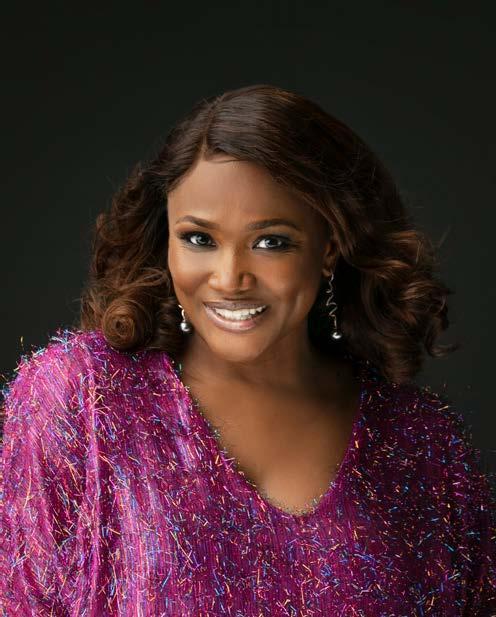
Dorcas Akintoye is a dedicated writer with 5 years prolific experience in writing articles ranging from food, entertainment, fashion and beauty. She loves writing, listening to music and playing scrabble. She is a highly-skilled, enthusiastic, selfmotivated professional writer.
Sally Chiwuzie @unshakable.is.a.state.of.mind
- Contributing Writer
Sally Chiwuzie is a non-practising barrister who owns the brand #Unshakable. She is the author of Silent Symphonies, a fictional love story, and the creator of the podcast Chronicles of #Unshakable Truths.
Ada Obiajunwa @aaddaahh
- Contributing Writer
Ada Obiajunwa writes from Lagos about the big truths tucked inside ordinary moments — friendship, self-discovery, and the quiet revolutions of everyday life. She believes in the power of presence, good banter, and decoding the unsaid. Through her fragrance studio, WhiffWonders, she also crafts scents that weave memory and emotion into experiences that feel like home.









WEAR CHECKERS 5 STYLISH WAYS TO

BY DORCAS AKINTOYE
Checkered outfits never go out of style. They are bold, fun, and can easily turn a simple look into something eyecatching. The best part is that you can dress them up or down depending on where you are going. If you love fashion or are just looking for fresh outfit ideas, this article will show you five simple yet stylish ways to rock checkers and look good effortlessly.
CHECKERED SHIRT
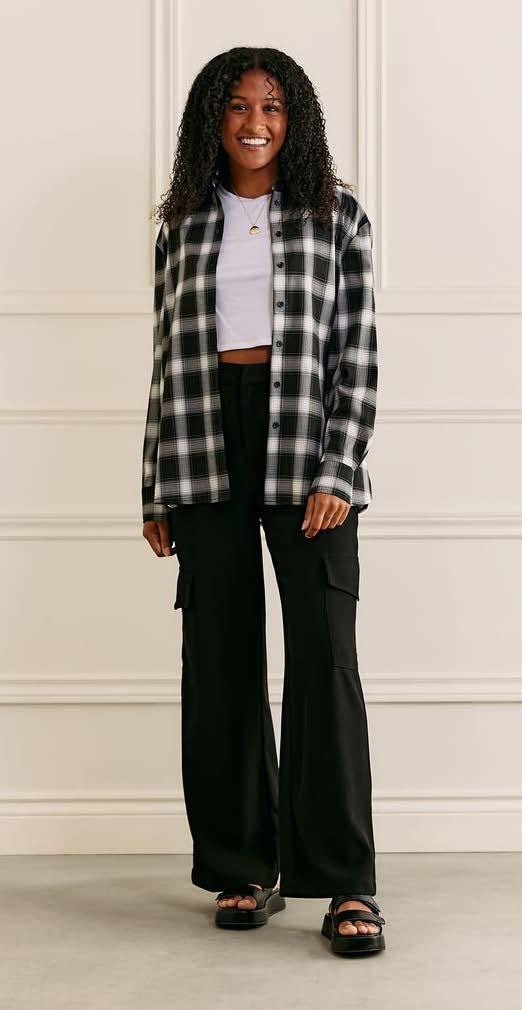
A checkered shirt is one of the easiest ways to wear this pattern. The trick is to allow the shirt to be the centre of attention by pairing it with plain trousers, jeans, or a skirt. Because the pattern already has a lot going on, plain bottoms help balance the look so you don’t appear too busy. If you want something relaxed, leave the shirt unbuttoned and wear a simple top inside. For something sharp, tuck it in and add a belt. With this combination, you look stylish without trying too hard.
CHECKERED DRESS
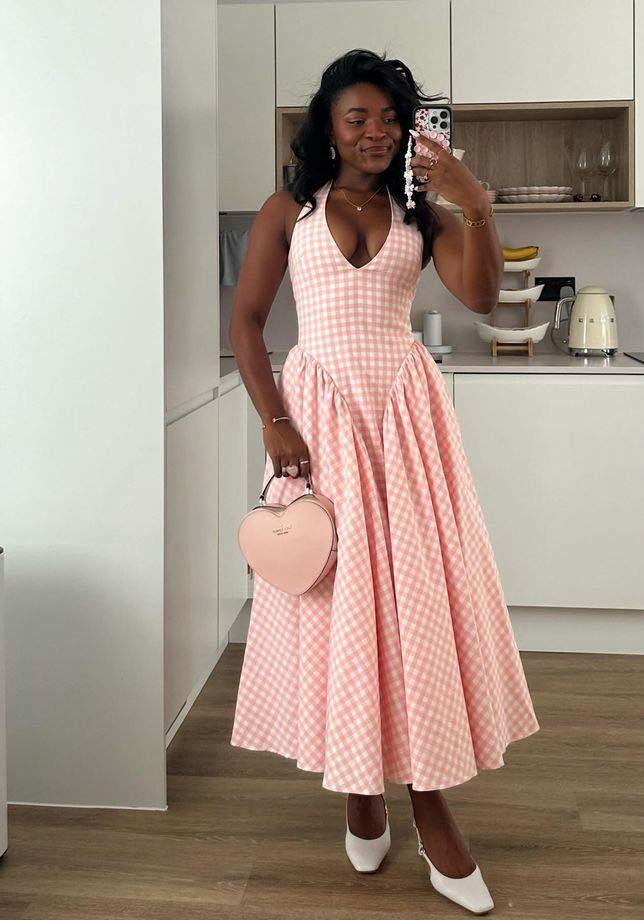
A checkered dress is perfect when you want to look chic with zero stress. The pattern naturally draws the eye, so you don’t need to do much styling. You can go for a short dress for a playful vibe or a midi dress if you prefer something more classy. This style works for brunch dates, casual Fridays, and weekend hangouts. To keep it simple but stylish, pair your checkered dress with neutral shoes like white sneakers, black sandals, or nude heels.
CHECKERED BLAZERS
A checkered blazer instantly lifts your outfit. It gives the same effect as adding spice to food; it just makes everything better. You can wear it over a plain top and jeans, a fitted dress, or even trousers.matching This is an excellent option for office meetings,wear, or events where you want to look serious but still stylish. If you choose a blazer in softer colours like grey or brown, it becomes even easier to match with what you already have in your wardrobe.

CHERCKERED TROUSERS
Checkered trousers are for days when you want to look stylish but different. They help you stand out without shouting. To style them well, keep your top plain. A white shirt, black top, or simple tee will do. You can wear them with sneakers for a casual look, or with loafers or heels for a more polished look. This style is great for work, school, and even simple outings. It shows you pay attention to fashion but still like comfort.


CHECKERED ACCESSORIES
Not everyone wants to wear a complete checkered outfit, and that’s fine. If you prefer something small, try checkered accessories. A scarf, bag, cap, or even shoes with checkers can add life to a plain outfit. This is one of the easiest ways to enjoy the pattern without overdoing it. For example, a plain black dress can look instantly more interesting when paired with a checkered bag.
Checkers are versatile and always in style; they will always add charm and confidence to your look. Once you understand the balance between plain pieces and patterned ones, styling checkers becomes very easy.



SALLY CHIWUZIE @unshakable.is.a.state.of.mind
UNTOLD TRUTHS THE WAITING SEASON
Last week, we explored what happens when the answer to your prayer is ‘no.’ That piece leaned, quite naturally, into the grief of death — the kind of ‘no’ that tears through your life like a storm you didn’t see coming. Today, let’s talk about what happens after the no; not the moment of breaking, no…but the long, hollow, silent stretch that follows — the part nobody prepares you for. The waiting season.
There is a strange kind of ache that accompanies unanswered prayers. I do not refer to the sharp pain of loss, but the dull, lingering pain of uncertainty — the pain of waking up each day wondering if the universe heard you at all. You ask because what do you do when you have lost your faith, lost your faith not out of rebellion or bitterness, but out of exhaustion or disappointment? When the no was so loud, so deafening, that it drowned out every affirmation, every manifestation, every desperate plea you threw into the universe with your whole chest.
Some of us are social butterflies. We know many living people, and as a result, we know many dead people too. It comes with the territory of being fully alive. So you pray, fervently, anxiously, fiercely, against premature death only to discover that sometimes, no matter how loudly your heart screams, death still comes. And worse, death is final. Some of those ‘no’s’ will never make sense…not today, not decades from now. Eventually, though, you learn to make peace with them, to let them live gently in a corner of your heart marked ‘maybe one day.’

but sometimes nothing good comes at all. What then?
It finds you in love, too, because yes, ideally love is black and white, but real humans live in the grey. There are marriages that should never have happened, relationships held together by hope, history, and a fear of starting over. Sometimes two people are simply wrong for each other, and walking away, despite all the counselling, all the tears, all the unlearning, is the bravest thing they will ever do. Staying would have been easier. Leaving is the death no one mourns publicly.
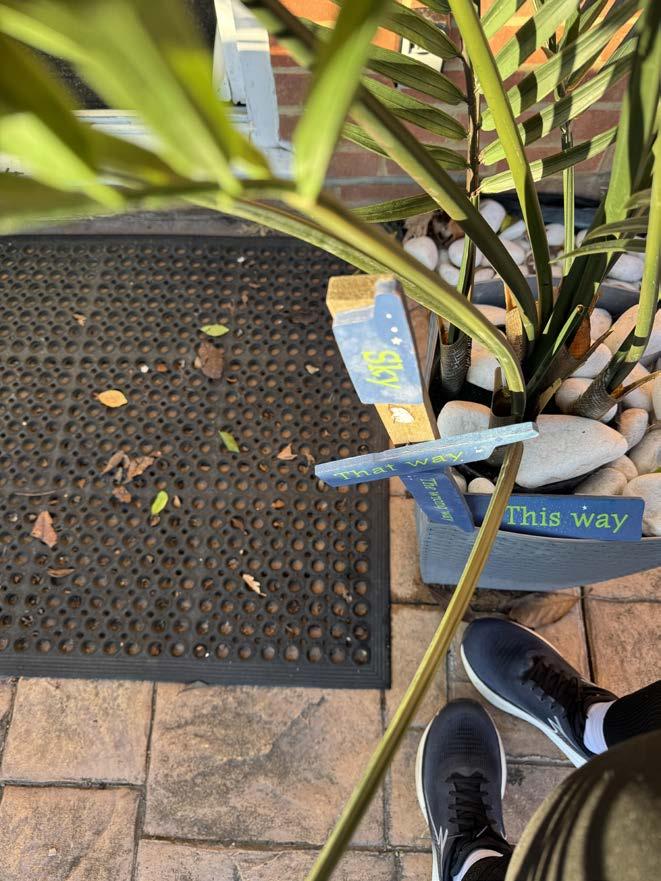
It is the uncomfortable space between what used to be and what will one day become. It is a hallway with no visible door. A tunnel where you cannot see even a speck of light ahead. A long, long pause in the story of your life. And yet… for reasons we seldom understand, this is the part that shapes us the most. Waiting is where faith is rewritten. It is where identity is stripped bare. It is where pride dissolves. It is where illusions die. It is where we learn that control was always a myth. Waiting reveals you to yourself. You begin to discover the things you truly believe when nothing is happening. You learn the tone of your own soul when the world goes quiet. You recognise which voices in your life are anchors —and which are storms. It is in the waiting season that you confront the version of yourself you can no longer be. And slowly — through small mercies you didn’t ask for, something begins to shift. A laugh escapes your mouth unexpectedly. A burden lifts, not all at once, but enough to breathe. A friend calls at the exact moment you were breaking. A sunrise looks different today, and a door you definitely were not looking at suddenly opens. Then you realise not in a grand revelation, but in a quiet moment that you are still here. Still living. Still becoming. Still capable of receiving a yes in a future you cannot yet see.
So what do you do after the no, but before the next door opens? You wait. Not passively, not hopelessly, but with a soft kind of courage; the kind that trusts that the hallway is not your home, and the tunnel is not your grave.
The waiting season is not only about death. It finds you at the start of a new career that you thought would fly — you planned, you invested, you manifested, and still it refuses to take off. They say nothing good comes easy,
The waiting season stretches across all these moments —the death of a loved one, the death of a dream, the death of a relationship.
The #Unshakable truth is this: The waiting season is not a punishment. It is preparation. And one day —sometimes suddenly, sometimes quietly, a door you didn’t pray for will open, and you will understand why the others didn’t.
See you next week.
SULAIMAN ALEDEH

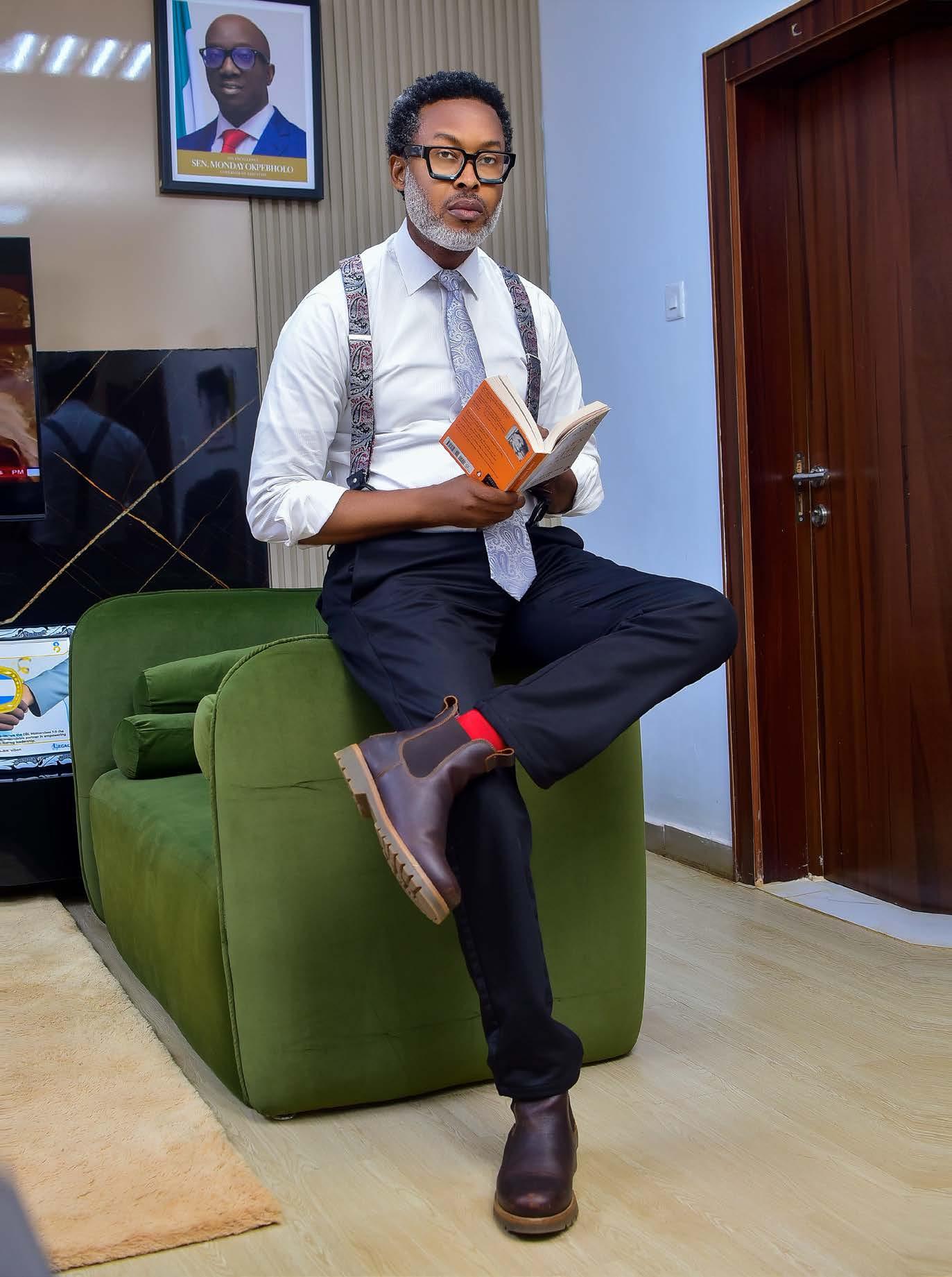
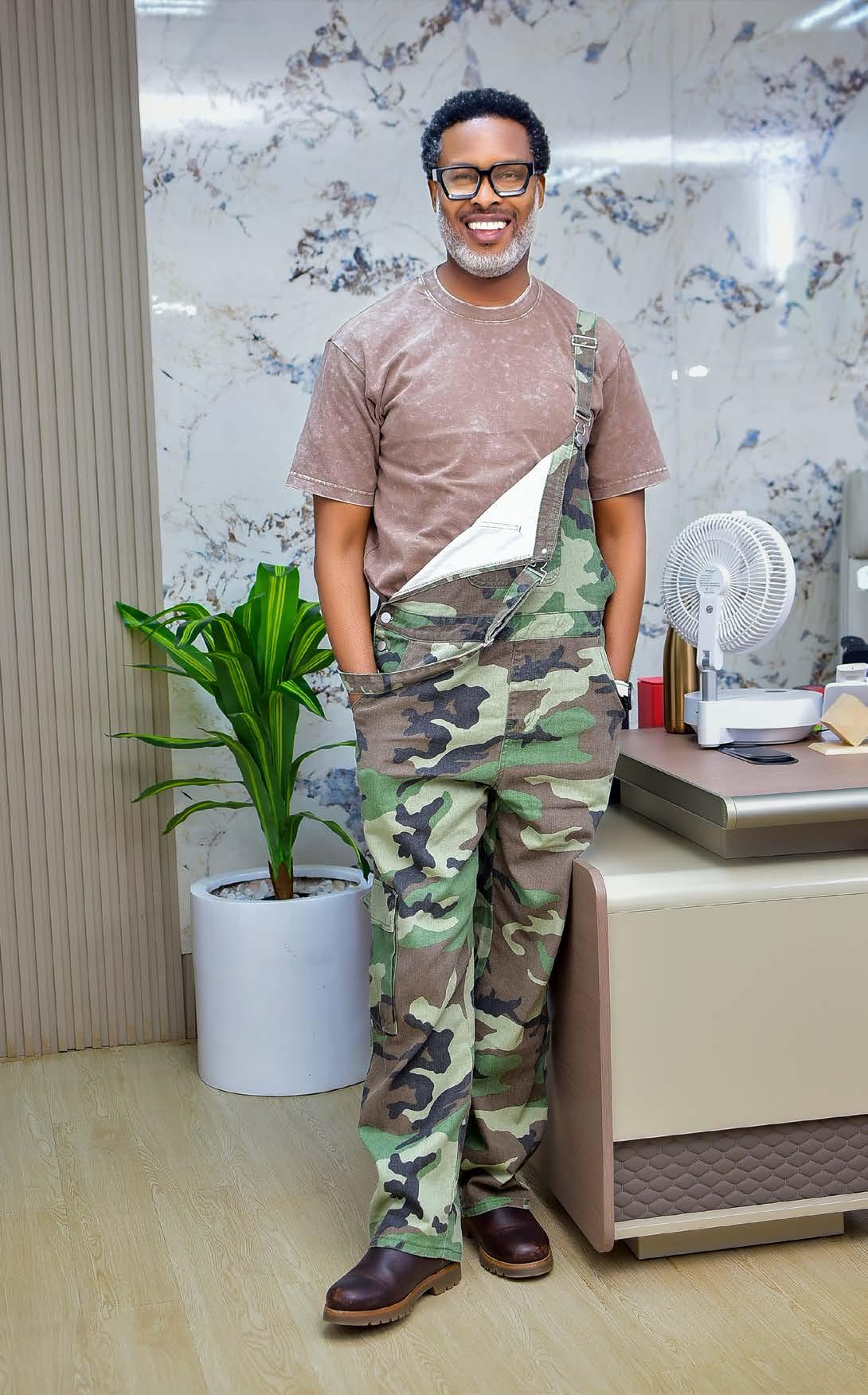
In an industry where credibility is hard-won and trust is often fragile, Sulaiman Aledeh stands out as one of Nigeria’s most recognisable and respected voices in journalism. With a career spanning more than two decades across radio, television, and international newsrooms, he has built a reputation grounded in clarity, integrity, and a mastery of the broadcast craft. Many Nigerians first encountered him on their TV screens, delivering news with calm authority; others know him from his thoughtful interviews, his smooth presence on Channels TV, or his sharp political analyses on Arise News. But long before he became a familiar figure in Nigerian media, Aledeh was a young philosophy student in Benin City, discovering the power of storytelling and the role of media in shaping society.
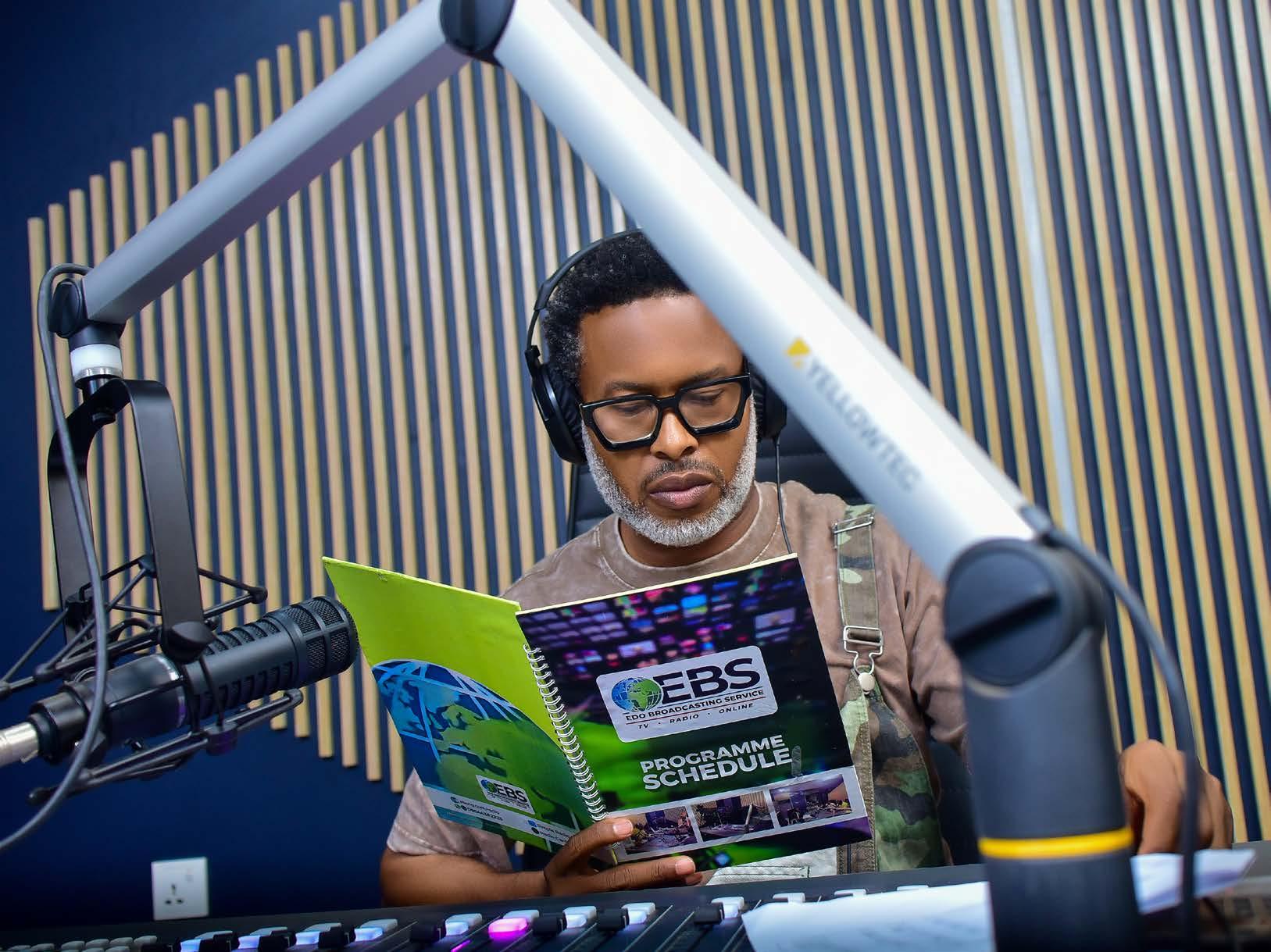
His journey has taken him from local newsrooms to global platforms, where he has worked with respected outlets like Al Jazeera, SABC, and GB News UK. Yet even with international exposure, he remains deeply connected to Nigeria’s media landscape and its growth opportunities. This commitment took a new turn with his recent appointment as Managing Director of the Edo Broadcasting Service (EBS), a homecoming to the station where he once began his career as a student. Today, he returns not as an intern, but as a leader shaping the future of a state-owned broadcaster.

Beyond the Newsroom, however, is a man who enjoys life with curiosity and humour, one who reads widely, travels often, values good conversations, and appreciates the simple joys outside the intensity of breaking news. As a communicator, consultant, broadcaster, and now media executive, Sulaiman Aledeh represents a rare blend of professionalism and personality.
In this exclusive interview with THEWILL DOWNTOWN’s Johnson Chukwueke, Sulaiman Aledeh takes time out of his busy schedule to discuss his beginnings, growth, new leadership role, and the man behind the microphone.
You began your broadcasting journey very young. What was the moment you realised journalism was the path for you?
I have always taken a keen interest in how people speak. I have always loved to listen to radio presenters, and quite early in life, I felt I could do better. I still remember telling my eldest brother that I could do better, and my brother drove me to Edo Broadcasting Service (EBS) and told them what I said. At that point in time, the Manager Programs, they called him MP, Sheikh Mukta Momoh said, “Okay, they will carry out an audition to find out if I was suitable.” I passed, I was scheduled on the radio, and the rest, they say, is history. One thing they kept asking me after the audition was why I wasn’t using my real voice, and I told them it was my actual voice, and they were surprised at how well I spoke. So I was on the radio for two weeks, then I got called to television. My first break was a private television program within EBS still. The CP, which was an acronym for Controller Presentation, had a program with her husband called Here and There. She took me to her husband, and that was how I started the program, which was surrounding lifestyles, human angle stories, that sort of program. That was also where I met Cordelia Okpei, she was a presenter while also doing her National Youth Service Scheme. Then the actual big break on television came through a program also on EBS called The Weekend Rendezvous in the mid-90s. I created a program called The Entertainment News, where I started doing the Billboard Top 20 Countdown. At that time, there wasn’t the internet, and people were amazed that I still managed to get hold of such songs on the Billboard. I had to make use of the Short Wave Band, which had my favourite channel, Voice of America, hosted by Ray McDonald. He did the actual Top 20 Billboard, which I recorded, played back, and then use that to do my scripting. Two things I was learning from him were scripting and pronunciation. I even got an Oxford dictionary to help me with the pronunciation.
“I love to go visit my mom and dad. My dad is my biggest fan; wherever I was working, he became the number one fan of that station as well. I remember working at News Central, and at that point, News Central wasn’t on DSTV; it was only on Star Times. It wasn’t even on GOTV. My old man had to go buy Star Times just to see me. ”
Cordelia Okpei has also been a big influence on my career. She was a core member when we met(my senior in radio). At the time I was at Metro FM, I worked with Frank, he was a big name there. I remember when I left Radio Nigeria, Cordelia was concerned and told me I was taking a risk leaving the government station for a private one. I told her that if I were lazy, I would get sacked, but if I was not, then I would get through. The moment I went for the TVC audition, we were almost a thousand who came for the audition, but somehow, I pulled through. So I began my work with TVC there for two years, back then TVC was known as G65, in fact, many people do not know that I was a pioneer staff at TVC. So yeah, two years past, I got to Channels Television, I finally met the legendary John Momoh, who helped ease me into the big shows such as Sunrise Daily, which I started as an anchor. John Momoh took a special interest in me, which I value and cherish, and at that time, I perhaps was the only one who did two primetime shows simultaneously, Sunrise Daily and News at 10. I remember after the news, while walking back, we would be looking at our phones, expecting a call from John Momoh. He is a professional through and through, and he will call you back to tell you what you did right and what you didn’t do well, so we were always eager to get that call.
What was the first thing you wanted to change or improve when you stepped into the Managing Director role?
the WhatsApp platform. He was talking about not understanding life anymore, so I wanted to change all of that. One of the ways to go about this is to get into the minds of the staff that they are capable of doing better. Another way was branding, the EBS was already seen as an outfit that would never do well, negative impressions all over, once there is rainfall or the weather changes, the station goes off-air, there was no electricity, no good generators, no vehicles, the signboard present has been the one they had when I was a child, so yeah, things needed to change.
If you could describe your vision for EBS in one sentence, what would it be?
I brought everybody together, told them that the vision for EBS is for EBS to become a world-class organisation that is felt and seen, heard everywhere, and also for EBS to showcase our rich cultural heritage of our Nigerian people, basically having EBS seen as one of those Nigerian brands.
It’s your one-year anniversary of your appointment. What has been the most fulfilling part of the job so far — the moment that made you think, “Yes, this is why I took this role”?
The most fulfilling part is to see EBS on TV. When I came, EBS was not looking good on television. EBS right now is looking really beautiful, but we are not still there yet. EBS wasn’t on terrestrial in the sense that it wasn’t on regular antenna, but now, after the frequency reallocation, we are on channel 45. We got a few engineers who came in from outside the state and brought EBS back on terrestrial. Another big break is that EBS is now online. The Newsroom was empty, but now we have got it all looking good, and we have gone fully digital.
When you’re not on TV or in a boardroom, what does a perfect “Sulaiman Aledeh off-day” look like?
I also created the Breakfast Show, in fact, I was surprised to come back and see that it is still running. The program at that time was for younger people, because we were young when it was created.
Was there a voice, a broadcaster, or a moment early in your life that shaped your approach to storytelling?
Oh yes, it’s basically the gentleman, Ray McDonald. I never even met him. At some point, I started Googling him and found he had left Voice of America many years ago. He influenced me a great deal; I learnt consciously and unconsciously from him. I was always inquisitive, and I wanted to know why he was doing what he was doing. I came to find out that people liked what he was doing, so I said if I liked the way he was speaking, and people liked the way he was speaking, then that means I must be doing something good. Then, I have always loved John Momoh. I met John Momoh on television, NTA to be precise, back then my father was a news person, he always listened, and that was how I met John Momoh, reading news with his trademark Gongola cap. He is a man I call a living legend in the industry.
I wanted to change the perception that nothing good can come out from EBS, and that EBS is already dead. Mind you, EBS has trained loads and loads of professionals across the country; talents have been taken from this very same platform. It got to a point where we found out that there was no talent again, and the few talents present were made to believe they were no good. That’s the worst thing you can do to any human: make them think they are substandard. Unconsciously, that was done to EBS, and the staff were broken. I have about 60 people who were hired thanks to the last administration, who got them onboard, but no thanks as well, because they weren’t paid for 6 months. So you have that crowd of people moving for 6-7 months without pay; it wasn’t until the 7th month that they were paid. So mentally, they were already beaten. I remember someone who was also suicidal on
“I love to go visit my mom and dad. My dad is my biggest fan; wherever I was working, he became the number one fan of that station as well. I remember working at News Central, and at that point, News Central wasn’t on DSTV; it was only on Star Times. It wasn’t even on GOTV. My old man had to go buy Star Times just to see me. ”
Well, I like to work out, and I have not been doing that a lot. I work out some dumbbell routines, jump ropes, I also play chess. Many people always ask if I have children, and I do, I talk to them. I love to go visit my mom and dad. My dad is my biggest fan; wherever I was working, he became the number one fan of that station as well. I remember working at News Central, and at that point, News Central wasn’t on DSTV; it was only on Star Times. It wasn’t even on GOTV. My old man had to go buy Star Times just to see me. Right now, my relieve moment is to have maybe a lunch or breakfast time with my mother or my big brother who has always been a politician, and you know, they always ask me if I am a politician, and I tell them I am because you can’t be a journalist without getting involved in politics, you have to play the whole

thing. But anyways, that’s how I unwind. I try to play catch-up with family when I am not working.
What’s one fun fact about you that your viewers or listeners would never guess?
One fact is that I know I am funny, and my humour comes from sarcasm, and my sarcasm sometimes will be me telling you the hard truth. I use that a lot. That’s why sometimes I tell people, I say no jokes. On the radio, I can be sarcastic, but I’m telling you the truth. Like today, I was talking
about a child whose life was lost after falling into a well. I said on the radio that it is sad Nigeria is still making use of wells at this age. I said this is a call to all states, Edo state included, to bring back the water board. Another aspect of me is that I am fearless. A lot of times, people even take professionals like us in this field as people that aren’t street smart because we have our fancy suits on, suspenders, a tie and everything. But it comes to a point that I will say what I want to say, and I will say it respectfully as well, even at Arise, a large percentage of my colleagues call me fearless. Before I send a message across, I am watching out for two things: the grammar or spelling, and also, if I need to send this because I have to think if I am going to regret it or not. This is the same with spoken communication when you go on air.
If you weren’t a journalist, what alternate career would you be living today and why?
If I weren’t a journalist, I think I would have been a philosopher and be teaching. I studied Philosophy. There’s a learning aspect of me that, even during the editorial meetings, I see it as part of a learning process. I believe that even though I have a whole lot of stuff in my head, I also have a lot to say, to teach, and I believe I need to die empty. So teaching is definitely it for me. I mean, look at it, Jesus was a teacher, Muhammed, Abraham, Socrates, Aristotle, these were great teachers as well, especially in the world of Philosophy. If you look at all their teachings, till this time of the year, it is still fuelling our world. I would have wanted to be an Islamic teacher 15-20 years back, but now I restrict myself. I want to be able to speak to people across spectrum, across sectors all over the world. I believe what I am doing right now, every time I open my mouth, every time I write, I am influencing someone’s life, and thinking, that’s why I am grateful that God pushed me somehow to study Philosophy.


ADA OBIAJUNWA @aaddaahh
THE PEOPLE YOU MEET WITHOUT MEETING
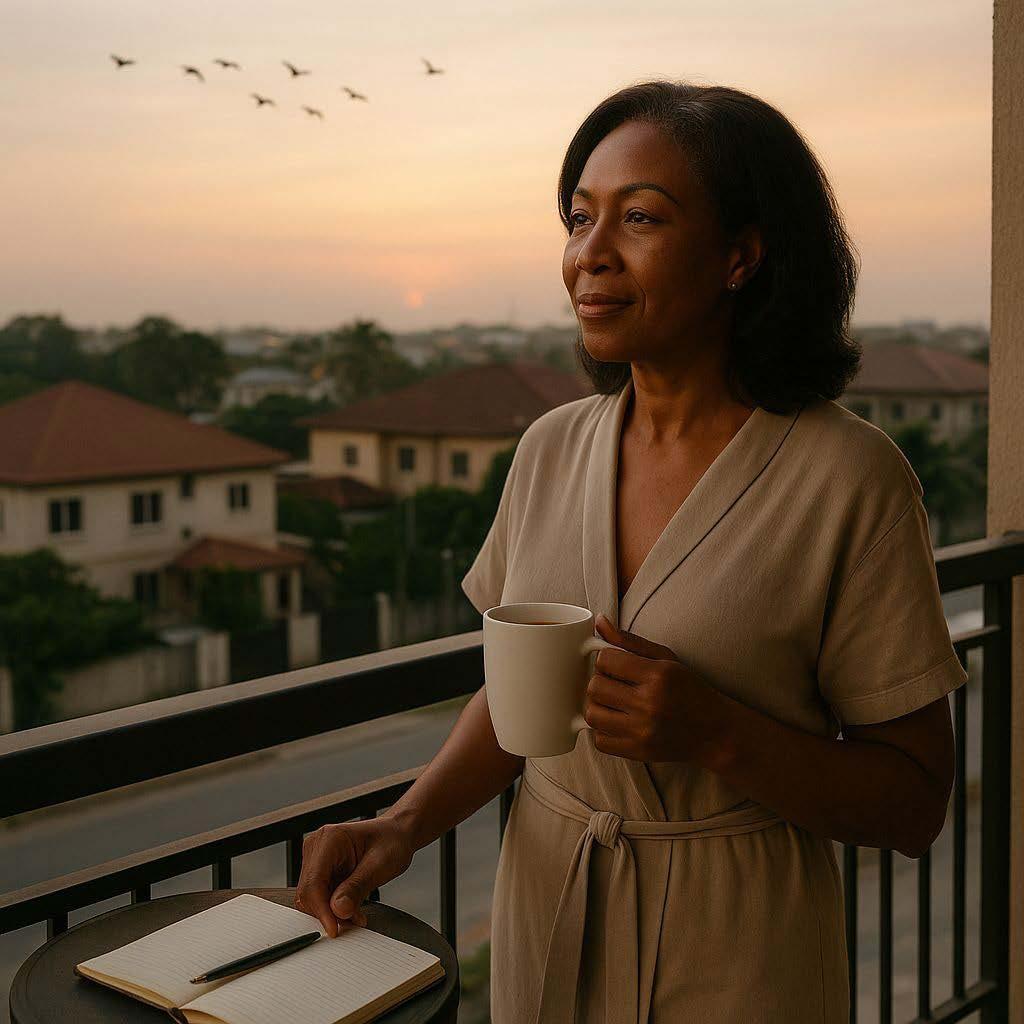
My new favourite thing these days is waking up early, stepping onto my balcony with a cup of coffee, and just watching the world wake up. The birds start their gossip, and trust me, they gossip in droves. You see them flying in their perfect little formations, not shutting up about whatever birds discuss at 6 a.m.
The sky slowly changes its mind about the night, the clouds drift like they are still half-asleep, and the air is calm enough for me to think. It is my small ritual of quiet before the day starts claiming pieces of me.
One morning, while I was out there enjoying the stillness, I noticed two cars coming from opposite directions slow down at the speed bump on the road beside my estate. Just two strangers minding their business. One slowing down from one side, the other slowing down from the other side. They crossed paths for a split second and kept going.
And something whispered in my mind:
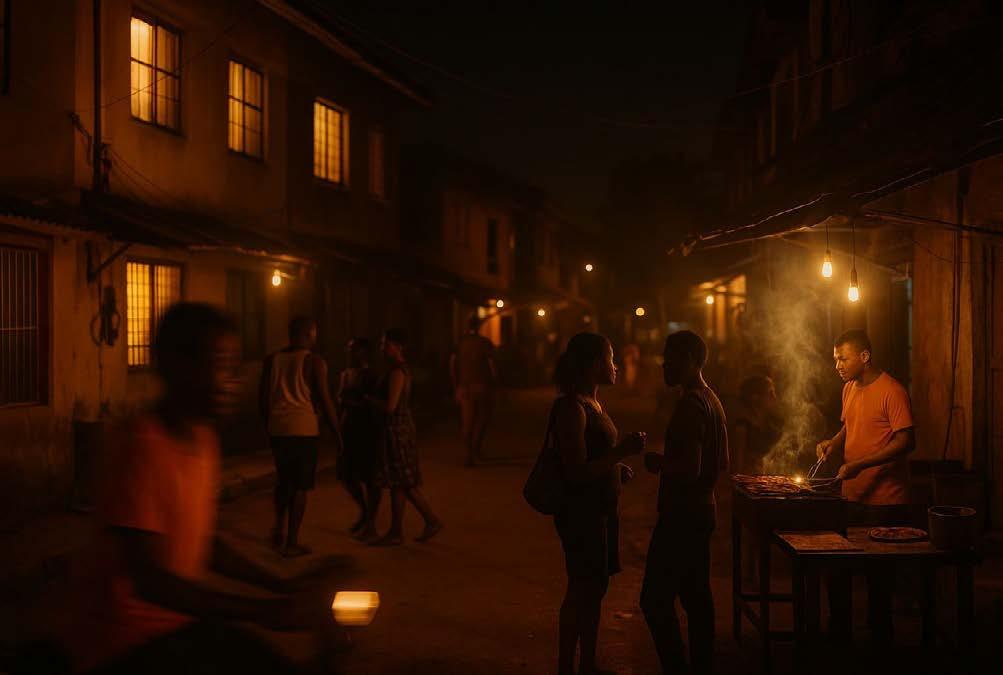
The fact that these two drivers have never met does not mean they are not part of each other’s journey. And that thought stayed with me. Because that is how life works. A long road filled with people you may never shake hands with, but who shape your direction all the same. Think about it.
The stranger who held the lift door for you when you were already late.
The teacher who liked you enough to give you confidence you still use today.
The person who annoyed you into learning patience by force.
The colleague who quit suddenly and opened a door you were not even praying for.
The neighbour whose generator noise taught you what real forgiveness looks like. And it is not just here in Lagos.
Someone in London might remember the driver who let them merge into traffic on a stressful morning.
Someone in New York might remember the cashier whose random kindness held them together that day.
Someone in Dubai might never forget the stranger who helped them pick up a dropped item while they were juggling kids and bags.
Different corners of the world, same truth:
People you do not know shape you.
We like to believe life is shaped only by the big connections, the people we love, the people who hurt us, the people we know well. But sometimes the biggest shifts come from tiny intersections. The people who pass you for two seconds and somehow adjust your direction. The ones who give you clarity without conversation. Life is full of these unspoken relationships.
Invisible threads weaving us into each other. And it works both ways.
Whether you know it or not, you are part of someone’s story too.
Maybe someone saw you stand up for yourself and learned courage.
Maybe someone watched you survive a hard season and found hope.
Maybe your smile on a stressful day made someone feel seen.
Maybe your consistency made someone believe in discipline again.
Maybe your healing gave someone permission to begin theirs.
We influence each other quietly.
Even the people we never meet.
And there is something comforting about that.
It means our lives are bigger than we think.
It means our impact is not limited to our circle.
It means our journey is not a solo trip.


Even the tough crowd, the skeptics, the logical ones, know this.
If you trace your own life backwards, you will notice something. Your biggest turning points came from a mix of your choices and complete accident. Right place, wrong place, right time, wrong time, all working together without your permission. That is the hidden architecture of life.
It is never just you. It is all the people you meet and the ones you do not.
As I watched those two cars continue on their separate roads, the message settled quietly. Life is always happening in layers.
Seen and unseen. Known and unknown. Connected and quietly connected.
We are all part of each other’s journey, even when the introduction never happens.
Maybe that is the real Luxury Silk.
BEAUTY
HOW TO CHOOSE FOR SENSITIVE SKIN SUNSCREEN
BY DORCAS AKINTOYE
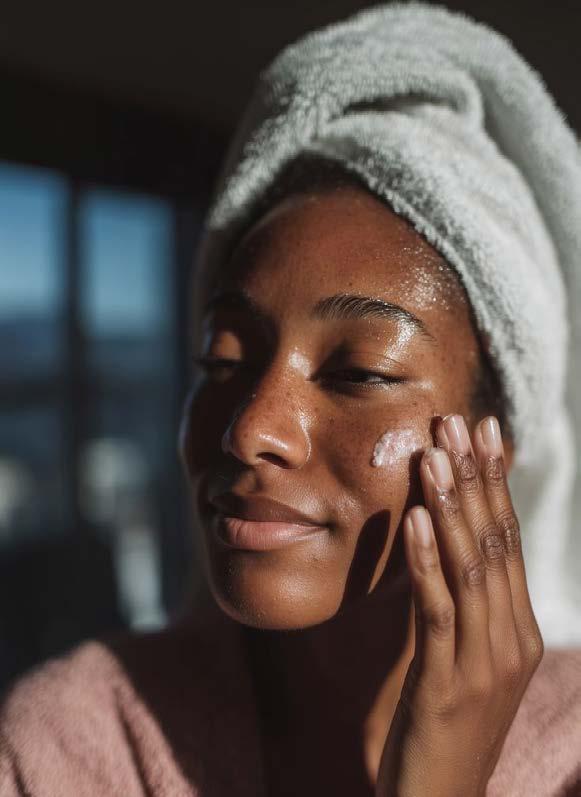
If you have sensitive skin, you probably already know how easily it reacts; use the wrong product, and you’ll be dealing with itching or irritation for days. Sunscreen is one product your skin absolutely needs every day, but finding the right one for sensitive skin can be tricky. The wrong sunscreen can cause breakouts, stinging, or even worsen your sensitivity. In this article, we will show you how to choose the best sunscreen for your sensitive skin.
OPT FOR MINERAL (PHYSICAL) SUNSCREEN INSTEAD OF CHEMICAL ONES
The first and most important step is choosing the right type of sunscreen. There are two main kinds: chemical and mineral (or physical) sunscreens. Chemical sunscreens absorb UV rays, whereas mineral sunscreens sit on top of your skin and reflect them away. For sensitive skin, mineral sunscreens are the better choice because they contain gentler ingredients like zinc oxide and titanium dioxide. These ingredients are less likely to cause irritation or allergic reactions. Chemical sunscreens, on the other hand, often contain ingredients like oxybenzone or avobenzone, which can sting or burn sensitive skin, especially if you have conditions like eczema or rosacea.
CHOOSE A FRAGRANCEFREE OR ALCOHOL-FREE FORMULA
Fragrance might smell nice, but it’s one of the biggest triggers for sensitive skin. Even “natural” or essential oil scents can irritate. The same applies to alcohol; it can dry out the skin and break down your protective barrier, leading to redness and peeling. When selecting sunscreen, check the label for fragrance-free, alcohol-free, or formulations suitable for sensitive skin.
LOOK FOR MOISTURISING INGREDIENTS
Sensitive skin often has a weaker barrier, making it more prone to dryness or inflammation. That’s why choosing a sunscreen that hydrates while offering protection is ideal. Look out for moisturising ingredients like Hyaluronic acid, Ceramides, Aloe vera, and Glycerin. A sunscreen that also acts as a moisturiser helps keep your skin calm and balanced.





PICK A BROAD-SPECTRUM SPF 30 OR HIGHER
Regardless of your skin type, always use a broad-spectrum sunscreen. This means it protects you from both UVA rays (which cause ageing) and UVB rays (which cause sunburn). For sensitive skin, select an SPF of 30 or higher; it provides effective protection without clogging pores or feeling too heavy. Using a sunscreen with a lower SPF means your skin remains exposed to damaging UV rays, increasing the risk of further sensitivity over time.
ALWAYS PATCH TEST BEFORE FULL USE
Even if a sunscreen claims to be “gentle” or “made for sensitive skin,” it’s still wise to carry out a patch test before applying it all over your face. To do this, apply a small amount of the sunscreen behind your ear or on your inner arm, then wait for 24 hours. If you notice any redness, burning, or itching, it’s not suitable for you. But if your skin remains calm, you can use it confidently.
Choosing sunscreen for sensitive skin doesn’t have to be stressful. The key is to opt for gentle, moisturising, fragrance-free formulations with mineral-based protection. Remember, protecting your skin from the sun is one of the best ways to prevent premature ageing and irritation, but it must be done with the right product.
WELLNESS ON A BUDGET

BY JOHNSON CHUKWUEKE
Who says wellness has to cost a fortune? In an age where self-care is packaged as spa days and trendy supplements, real wellbeing often lives in tiny, affordable changes. Wellness can feel exclusive, but it doesn’t have to be. Whether you’re juggling work, family, or a social life, tiny routines add up. Think of wellness as practical, such as small rituals, mindful movement, better food choices, digital boundaries, and real rest. These are accessible steps that deliver big returns. There are simple ways you can improve your overall wellness starting right now. Find out how small daily habits can rewrite your energy, mood, and life, without draining your bank account.

Start With a Two-Minute Morning Ritual
You don’t need a sunrise routine filmed for social media. Two minutes of stretching, deep breathing, or listing three things you’re grateful for can set your day’s tone. Consistency compounds: tiny rituals anchor your mindset. Try a quick gratitude list on your phone or a single sun salute to wake your body.

Move Without the Membership
If a gym isn’t for you, make movement part of daily life. Walk to nearby shops, take stairs, dance in the kitchen, or try bodyweight circuits at home. Short, frequent movement bursts beat sporadic, intense sessions for long-term habit building. Aim for movement that feels joyful so you’ll actually keep doing it.

Eat for Energy, Not Trends
Healthy eating is less about expensive superfoods and more about balance. Prioritise whole grains, beans, seasonal produce, and water. Cook at home when you can; meal prepping simple staples saves money and reduces stress during busy weeks. Swap one packaged snack a day for fruit or nuts and notice the steady energy shift.

Micro Digital Detoxes
Screen time steals attention and sleep. Try micro-detoxes: 15 minutes of device-free time after lunch or 1 hour before bed. Use that time to read, breathe, or step outside. Small breaks rebuild focus and reduce anxiety. Turn off nonessential notifications to protect pockets of calm throughout your day.
Treat Sleep as Non-Negotiable
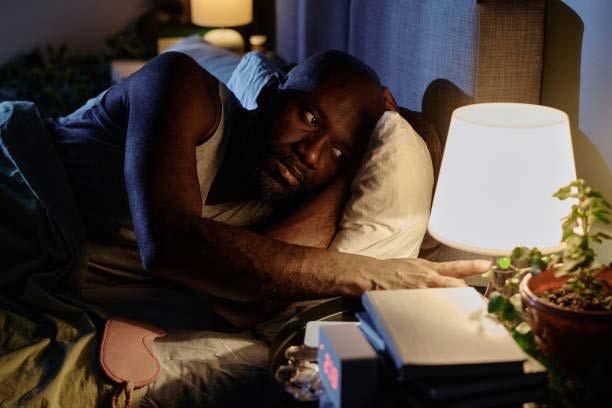
Sleep is the most powerful free wellness tool. Create simple sleep cues: dim lights, a cool room, and a short wind-down routine. A regular bedtime strengthens mood, immunity, and memory more than a weekend-long binge of rest. Commit to a bedtime window and guard it as you would any important appointment.
Wellness on a budget is both radical and kind. These simple, but effective habits cost little but change much because they build consistency and resilience. Start tiny, be patient, and celebrate small wins. Over time, these choices become a lifestyle, one that nourishes your body, steadies your mind, and frees you to enjoy life. The most meaningful investment you can make is in daily care; it pays dividends in energy, focus, and joy. Begin today, choose one habit, stick with it for two weeks, and watch how small things quietly transform your everyday. Your future self will thank you every day.

SHINING IN A CROWDED MARKETPLACE
BY JOHNSON CHUKWUEKE
So, you’ve built something incredible, maybe a sleek app, a groundbreaking product, or a startup idea with the potential to change the game. But now comes the tricky part: getting it noticed. Many brilliant minds in the tech world are great at creating but struggle with showcasing their work. Promoting your startup can feel intimidating if you’re an introvert or someone who feels more comfortable coding than pitching.
The truth is that even the most revolutionary ideas won’t go far if they remain hidden. The world is full of noise, and standing out requires strategy, effort, and a little creativity. That’s where this guide comes in. Whether you’re just starting or looking to gain more traction, these tried-and-true methods will help you give your startup the exposure it needs—without turning you into someone you’re not.
Let’s get your innovation the attention it deserves.

Leveraging Social Media
Social media is a free and effective way to showcase your work. Platforms like LinkedIn, Twitter (X), and Instagram can help you connect with audiences who share your interests. Start by creating engaging posts that highlight your product’s purpose, the story behind its creation, and its unique features.
Collaborate With Influencers And Content Creators
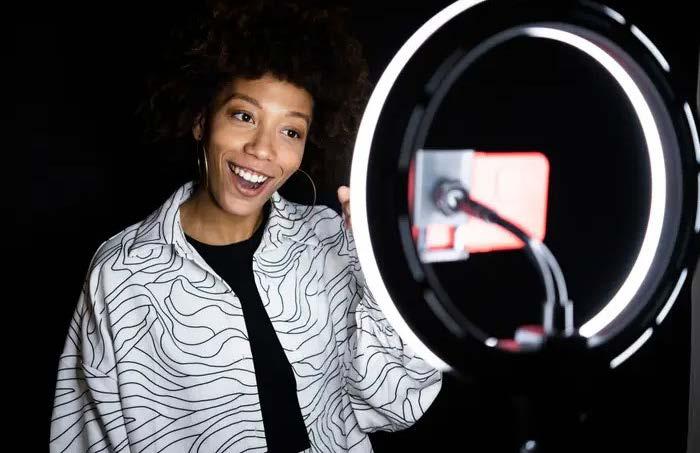
Influencers in the tech or startup world already have a following of people interested in innovations. Collaborate with them to showcase your product to their audience. Whether it’s a YouTuber doing a review or a LinkedIn thought leader sharing your story, their reach can amplify your product’s visibility. Look for micro-influencers; they may have smaller audiences, but they’re often more engaged and relevant to niche communities.

Participate in Business Events And Hackathons
Tech expos, startup showcases, and hackathons are excellent opportunities to present your product to an audience actively seeking innovation. These events often attract investors, media, and potential users who can help propel your startup forward. Prepare an elevator pitch. You may only have 30 seconds to leave a lasting impression.

Create a Demo or Explainer Video
If a picture is worth a thousand words, a video is worth even more. A short, engaging demo video that showcases what your app or product does, how it works, and why it’s unique can work wonders for your outreach. Post your video on platforms like YouTube and your website, and share it across your social media accounts.

Network With Like-Minded Professionals
Building professional relationships is vital, even if you’re an introvert. Networking doesn’t have to mean attending large events; it can be as simple as joining online communities or forums where tech entrepreneurs gather. Share your work, ask for feedback, and build genuine connections. Platforms like Product Hunt are ideal for launching your product and gaining feedback from business communities.
You’ve done the hard part by creating something amazing; now it’s time to ensure the world sees it. Remember, the best ideas don’t always sell themselves; they need a push, a voice, and a plan. Take these steps, and let your innovation shine. Your audience is out there waiting; you just have to find them.

cassy’s chronicles
HIS PLACE
Idon’t even know the exact moment things changed between Daniel and me. Maybe it had been brewing quietly for months, hiding under all the teasing and foolish jokes he threw at me. He had always been dramatic about wanting me. Anytime we hugged, he would whisper something ridiculous like, “One day, you’ll be mine.” I always laughed it off because that was Daniel, the same person who told me about girls he slept with, the way people gist about movies.
I shouldn’t have been comfortable with my friend making advances, but somehow, I never got angry. Maybe because I thought he was just being his playful self. Maybe because deep down, I liked the attention more than I admitted.
One day, he told me in full detail how he imagined having sex with me after I jokingly told him to tell me the first thing he would do to me if I gave him the chance. He narrated it like a story, and the crazy thing was that my body listened. Every word sank into me like memory. I pretended to laugh, but I felt it. I felt him. And that scared me a little.
But nothing prepared me for the day it actually happened.
I was at his place, sitting on the couch while talking about work. I was stressed and ranting, using hand gestures like someone fighting a spiritual battle. He was quiet... too quiet. I didn’t notice he was staring at my lips until he said softly, almost like a confession he didn’t plan to say aloud, “Your lips are distracting me… can I kiss you?”
I froze.
Before my brain produced a single response, I felt his lips on mine.
It was soft at first, as if he were testing me, waiting to see if I would push him off. But I didn’t. My eyes were still open, shocked, and his were closed, like he had been waiting for this moment forever. And God… the boy could kiss.


holding his breath for months. I pulled him closer, my hand sliding behind his head, and he groaned, a low sound that went straight through my body.
There’s a way a good kisser touches your mouth that makes your whole body forget its responsibilities. The kiss was slow but deep, firm but gentle, like he wanted to learn every corner of my lips. Every brush of his mouth felt intentional, like he was telling me something he never dared to say. Then something in me gave in. I closed my eyes and kissed him back.
The moment I did, everything changed. He exhaled against my lips like he’d been
His hands were on my waist, then my back, pulling me into him like he had rights. The room felt hotter. Our breathing turned heavy.
The kiss deepened, grew messier, hungrier. Every part of me was reacting as if I had been starving for this without knowing it.
One thing led to another fast, too fast, and before I could pause to think, clothes were no longer where they were supposed to be. His touch was everywhere. I felt wanted in a way that shook me. It was the kind of closeness that made it hard to breathe, hard to think, hard to pretend it didn’t matter.
When he entered me, I held onto him like I needed him to stay standing. The moment was hot and overwhelming, our bodies moving like they had been waiting for this for a long time. Every thrust, every sound, every breath felt like it pulled me deeper into something I couldn’t control. It was intense, too intense, like we had crossed a line we couldn’t come back from.
And when it was over, we stayed tangled together, breathing hard, hearts still racing, both of us knowing something had changed forever.
I wasn’t sure what would happen next.
But I knew one thing clearly.
I would never be able to laugh off his teasing again.
BY BOLUWATIFE ADESINA
The Running Man
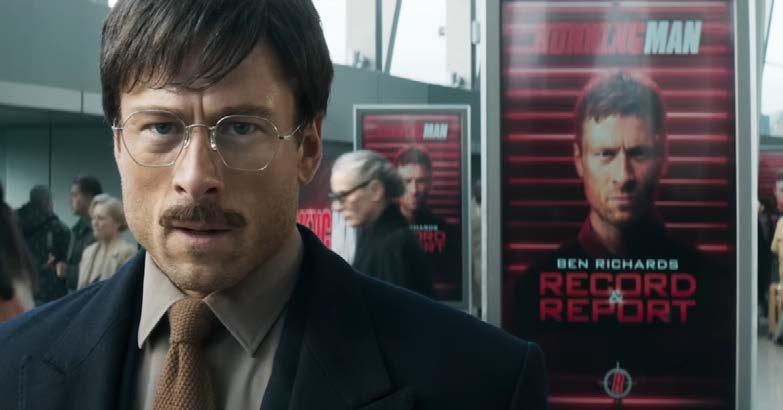
Stephen King’s 1982 novel, The Running Man, imagined an authoritarian America in 2025, ruled over by a giant corporation that controls the flow of information while keeping the underclass in its place. The only feasible way out of the rat race is to qualify as contestants on one of the violent game shows aired on the allpowerful Network’s Free-Vee platform, which serves up a mix of propaganda, Kardashians-adjacent inanity and gladiatorial spectacle to entertain the masses and discourage them from thinking about how ruthlessly the system is stacked against them.
The book’s time frame now converges with our own, while the distance has also shrunk between the dystopian world it depicts and present-day reality. The prescience of King’s sci-fi volume, originally published under the pseudonym Richard Bachman, is undeniable. Its contemporary relevance should translate to a heightened sense of urgency. But Edgar Wright’s update of the 1987 Arnold Schwarzenegger adaptation of the same name, while it has no shortage of action and adrenaline, ends up feeling hollow.
Written by Wright with his Scott Pilgrim vs. the World collaborator Michael Bacall, the new version hews far more closely to the source material than its predecessor. But the jokey qualities and irreverent personality that have energised Wright’s best films sit somewhat awkwardly against the grim picture of class and wealth inequality, poverty, inadequate healthcare and oppressive law enforcement. It’s somehow both fast-moving and lumbering, exciting and numbing (pacing is such a difficult thing to nail, and this movie really didn’t do that). I was with it for a good while, but it wore me down.
Ben Richards (Powell) has a spotty employment record with reports of insubordination frequently earning him a pink slip. He’s a hothead who was blacklisted by his last employer for intervening to save co-workers in a life-threatening situation and now desperately needs work to buy meds for his sick two-year-old daughter.
Reluctant to let his exhausted wife Sheila (Jayme Lawson) work back-to-back shifts waitressing at a seedy club for wealthy men, Ben makes an impulsive decision to apply at the Network for a spot on one of the shows. Sheila makes him promise he will not sign up for the ultra-violent top-rated contest, The Running Man, which offers $1 billion in prize money
that no one has ever gotten far enough to claim.
The long, snaking lines of people queuing to apply suggest that half the country is in a similar position to Ben, struggling to provide for their families. But his quick temper gets him fast-tracked upstairs to undergo rigorous physical and mental aptitude tests used to decide which show is the best fit for each potential contestant.
Naturally, Ben qualifies for The Running Man, along with punky queer daredevil Jenni (Katy O’Brian) and scrawny goofball Tim Jansky (Martin Herlihy), clearly earmarked for early elimination. Later, it’s explained that contestants are chosen according to three different character types — the “Hopeless Dude,” who usually lasts less than 48 hours; the “Negative Dude,” who just wants to go out in a blaze of glory; and the self-explanatory “Final Dude.” It’s not hard to guess who’s who in Ben’s group.
Determined to honour his promise to Sheila, Ben rejects the selection offer, but Network head Dan Killian (Josh Brolin, wasted here as a colourless villain we rarely see in person) proves persuasive. He uses intimate knowledge of Ben’s personal situation to make the show seem his best chance of getting his family out of Slumside. Ben is told during the selection process that he’s “the angriest man ever to audition,” and assured by Killian, who prides himself on his nose for talent, that he has what it takes to go the distance.
The ‘distance’ in this case is 30 days, during which the contestants must stay alive while being pursued by a kill team known as the Hunters, led by the fearsome masked McCone (Lee Pace, wasted). Unlike the 1987 film, in which the endurance test took place within a sprawling confined space, the arena here is the entire fictional Co-Op City and beyond, with the contestants’ faces plastered on every screen.
The television studio serves as the Colosseum, with a live audience whipped into a frenzy and baying for blood while following the action on a jumbo screen. The folks at home are also encouraged to play for cash prizes through the “Record and Report” program, in which anyone who sights a contestant can become an informant.
The popular host of The Running Man is Bobby T. (played to the hilt by Colman Domingo), a slick showman whose commentary is both unctuous and sadistic. He takes special delight in reading contestant bios that paint them as depraved villains, which is, of course, pure fiction.
Having waded through the elaborate setup and established the stakes with his customary jazzy energy and sharp


Scan this with your camera or click to access the playlist (Youtube Music) Scan this with your camera or click to access the playlist (Spotify)
visuals, Wright (and the film) then slips into a rut in the middle third of the film. Ben manages to stay one short step ahead of the Hunters despite some very close calls, but there’s a rote feel to the action as he hops a train first to New York and from there to Boston.
He gets help along the way from various citizens running their own resistance campaigns to thwart the exploitative Network and expose its corruption — Molie (William H. Macy), a crotchety underground anarchist who supplies Ben with disguises and fake IDs; cool-headed radical Bradley (Daniel Ezra), aka “The Apostle,” who posts incendiary antiestablishment videos; and dedicated rebel Elton (Michael Cera), who provides a safe house for Ben but proves an unpredictable ally.
Cera (reuniting with his Scott Pilgrim director and writer) gets some laughs from the livewire subversive, for whom the thrill of taking out a law enforcement goon squad outweighs the risk. He is also in the scene that, unfortunately, kills the pacing of the film for me.
That leaves an awful lot resting on Powell’s shoulders. He’s the engine in just about every scene, and his hard-driving physicality suggests the influence of Tom Cruise’s mentorship, not least in a climactic sequence on a plane with a lethal crew. But Powell has more easygoing charm than blinding charisma. He throws himself into the bloody, brutal action and the ferocious determination of Ben. But he lacks the certain spark to make the character a standout everyman hero, even if his endurance and his refusal to bow to Killian’s demands turn public opinion in his favour.
Powell is a good sport about playing along with his hot hunk persona in a scene during which the Hunters descend on Ben in a dive hotel, just as he’s on his way to the shower, wrapped only in a low-slung towel. Which of course falls off, but don’t get too excited, that’s where the careful noirish lighting comes in. The actor’s most memorable performances remain in Top Gun: Maverick and Hit Man.
Perhaps the real disappointment is that this is more of a journeyman effort from Wright than usual, without the ricocheting momentum and clockwork precision of Baby Driver or the dazzling style and enveloping mood of Last Night in Soho.
Here and there, you can see the director itching to have more fun with the material, for instance, in a quick shot of the TV studio dancers that instantly evokes the Lycraclad showgirls of the Arnie version with their obscene Paula Abdul choreography. But Wright seems almost constrained by a film that ends up neither as compelling nor as deep nor as wildly entertaining as it seems to believe. The saddest thing I can say about the film is that, for a director with such a unique style, this movie feels like it could have been made by just about anyone. Missed Potential.
Rating:6.5/10
Fell off a cliff about halfway through :(

The title “It: Welcome to Derry” suggests a few things.
The new HBO Max series delivers on some of them. That it’s only some is not necessarily a bad thing.
The series is a prequel to It, the doorstop 1986 Stephen King novel that inspired two previous versions, one a TV miniseries with Tim Curry defining the evil clown Pennywise for the ages, the other a two-part theatrical release in 2017 and 2019, of which the first part was much better than the second.
Andy Muschietti, who directed the two theatrical films, created It: Welcome to Derry, along with his sister Barbara Muschietti and Jason Fuchs. So, of course, you’d assume you’ll see Pennywise, which you do, eventually. (He’s played by Bill Skarsgård, reprising the role from the latter films.) And that you’ll learn what led to the events of the novel and the movies, which you also do, sort of.
The series, set in a Cold War-crazy 1962, opens with a boy named Matty (Miles Ekhardt) sneaking into a theatre to watch The Music Man. He’s caught and sent out. He gets picked up by a happy family and tells them he wants to go anywhere but home, anywhere but back to his dad.
It all seems pleasant enough, except
when the daughter starts eating from a container of raw liver. Things get decidedly worse from there. Decidedly. It is truly one of the more disturbing scenes you’ll find in a TV series, even a horror one. Disturbingly entertaining, I should note. If you’re an It aficionado, you will recall that It, the monster that feeds on fear, returns every 27 years. And that it doesn’t have to take the shape of a clown.
After the title sequence, we meet more kids, Phil (Jack Molloy Legault) and Teddy (Mikkal Karim-Fidler) and Phil’s sister Susie (Matilda Legault). Then there is Loonly Lilly Bainbridge (An excellent Clara Stack), home from a stint in a psychiatric hospital after the death of her father in a pickle factory. The kids team
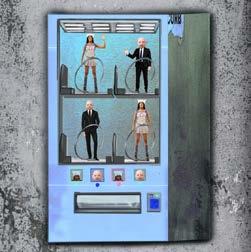

up with Ronnie to try to figure out what happened to the missing Matty, after Lilly hears his voice through the bathtub drain — and his fingers reach out to her.
It’s a lot, yes, and we’re just getting started. Several of the characters are visited by nightmares, or nightmarish versions of their fears, much like in the films. Here they are especially terrifying. What’s more, Muschietti and the other creators are not averse to making some shocking decisions. Kill your darlings, the advice for writers, takes on a whole new meaning here.
That uncertainty only adds to the tension. And again, the series does not skimp on the gore. Not everything works. Do we really need a long and detailed explanation for how It came to be? You might think so, but after this, you may rethink that notion.
What makes King’s writing so inviting is the communities he builds. It suffers from repetition as a novel, but we learn a lot (a lot) about the characters and their town. Here, either it’s assumed we know more, or character development was a casualty of the writing process. Either way, some characters are written pretty thin.
Luckily, the young actors are all engaging, making up for a lot of that. And if you like horror, it sounds as if horror would be self-evident in a horror series, but fans of the genre know it can be surprisingly lacking. It: Welcome to Derry won’t disappoint. At least not much.