





MMakeup:
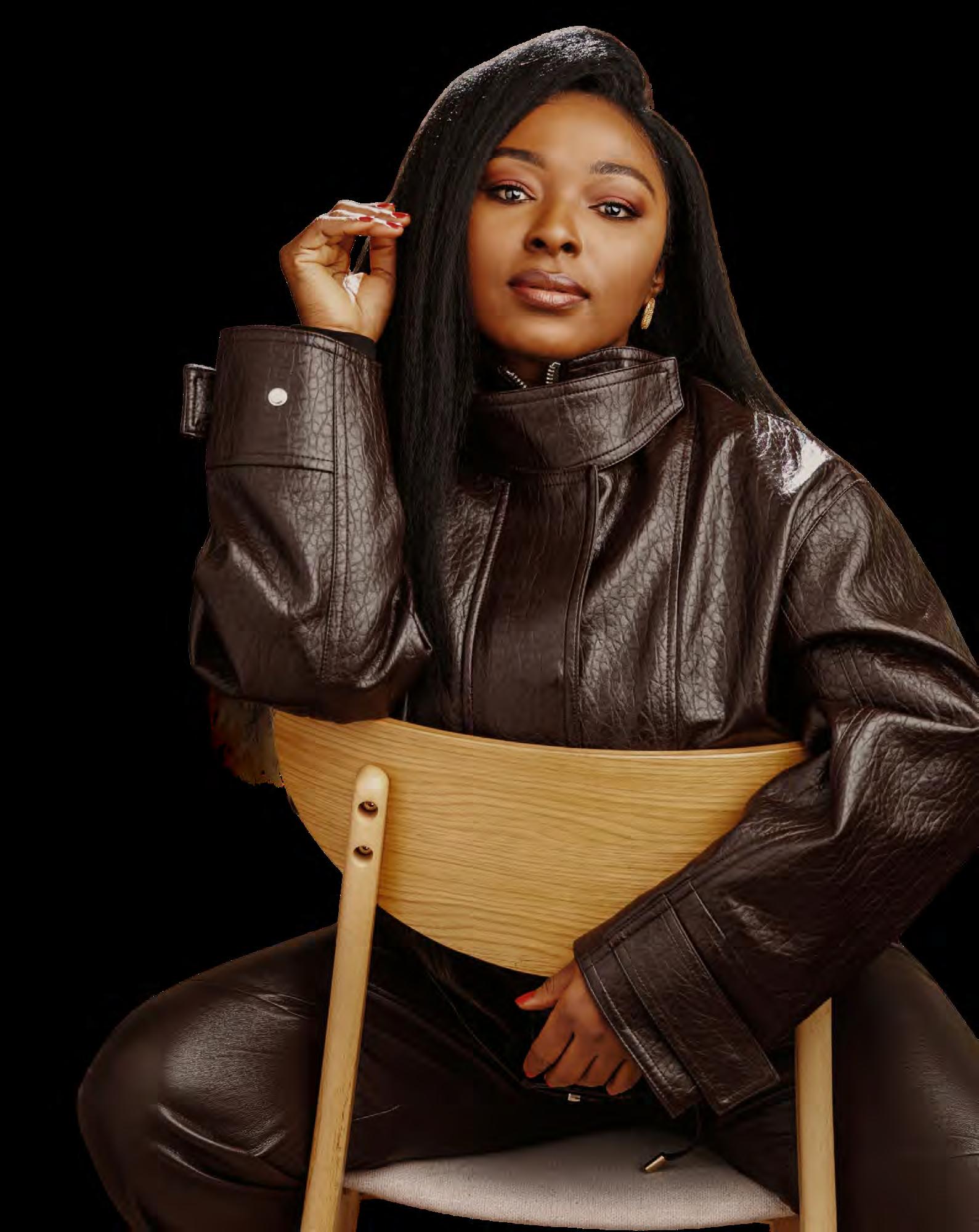
eg Otanwa left a corporate career for acting, and at the time, it felt both terrifying and exhilarating. She remembers sitting on her desk at the office and staring at her desktop, feeling she was meant for something else. The fear was real as she walked away from predictability, a defined path, and money. What that leap taught her is that fear is a sign that something matters deeply to you. She had to trust that the restlessness she felt wasn’t recklessness, but her intuition leading her toward her purpose.
Otanwa is known to be selective with roles. She is drawn to scripts that respect the intelligence of their audience, looking for characters who feel like real people, women with contradictions and complexities. For Otanwa, a script becomes impossible to ignore when it challenges her, when she reads it and thinks, ‘I don't know how to do this yet, I’ll need to figure it out.’
Read Meg Otanwa’s interview on pages 8 to 10.
The fertility conversation can be very uncomfortable, especially for couples who have yet to conceive. However, times are changing, and people are beginning to challenge the stigma and have open conversations about reproductive health because reproductive health is not just about the woman alone. Learn more about this topic on page 14.
Repeating outfits is not a fashion crime. In fact, when you understand your wardrobe, you can mix and match clothes so no one will guess you wore the same outfit the week before. Our fashion pages show you how to combine your clothes like a pro for maximum effect. Scroll to pages 4 and 5 for this.
Don’t forget you can download the playlist on page 20 for a really cool selection of music.
Until next week, enjoy your read.


@onahluciaa +2348033239132

Maintaining
Colours

Boluwatife Adesina @bolugramm
- Contributing Writer
Boluwatife Adesina is a media writer and the helmer of the Downtown Review page. He’s probably in a cinema near you.

AUSTYN OGANNAH
PUBLISHER/EDITOR-IN-CHIEF
Executive Editor: Onah Nwachukwu @onahluciaa
Writers: Johnson Chukwueke And Dorcas Akintoye Design & Layout: Hogan Effiom
Digital Media: Oladimeji Balogun
Consulting Art Director: Sunny Hughes ‘SunZA’


Sally Chiwuzie @unshakable.is.a.state.of.mind - Contributing Writer
Sally Chiwuzie is a non-practising barrister who owns the brand #Unshakable. She is the author of Silent Symphonies, a fictional love story, and the creator of the podcast Chronicles of #Unshakable Truths.



Ada Obiajunwa @aaddaahh
- Contributing Writer
Ada Obiajunwa writes from Lagos about the big truths tucked inside ordinary moments — friendship, self-discovery, and the quiet revolutions of everyday life. She believes in the power of presence, good banter, and decoding the unsaid. Through her fragrance studio, WhiffWonders, she also crafts scents that weave memory and emotion into experiences that feel like home.


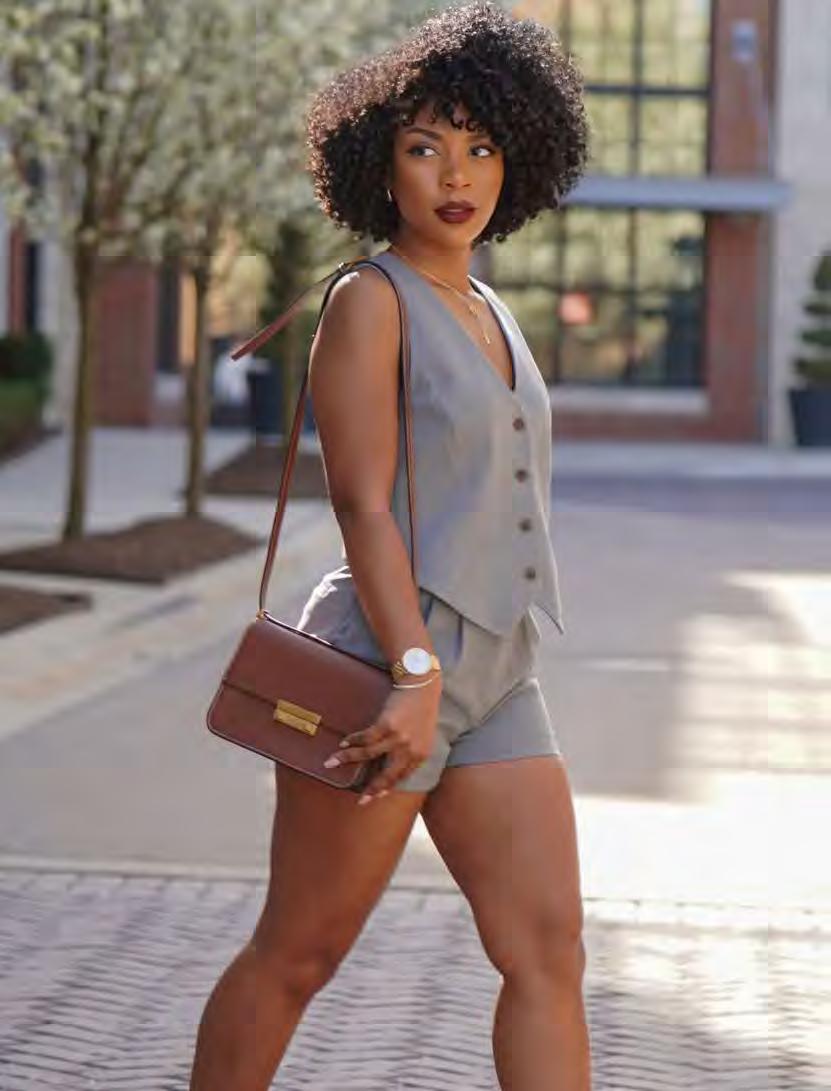
One of the easiest ways to repeat an outfit is by styling it differently.The same dress or top can look like a new outfit just by switching how you wear it. For example, a dress you wore with heels can be worn again with sneakers or flats for a more casual look. A shirt you tucked in last time can be worn loose or tied at the waist next time.You can roll up sleeves, layer it over another top, or wear it under a jacket. Styling changes the whole mood of an outfit, even when the clothes stay the same.
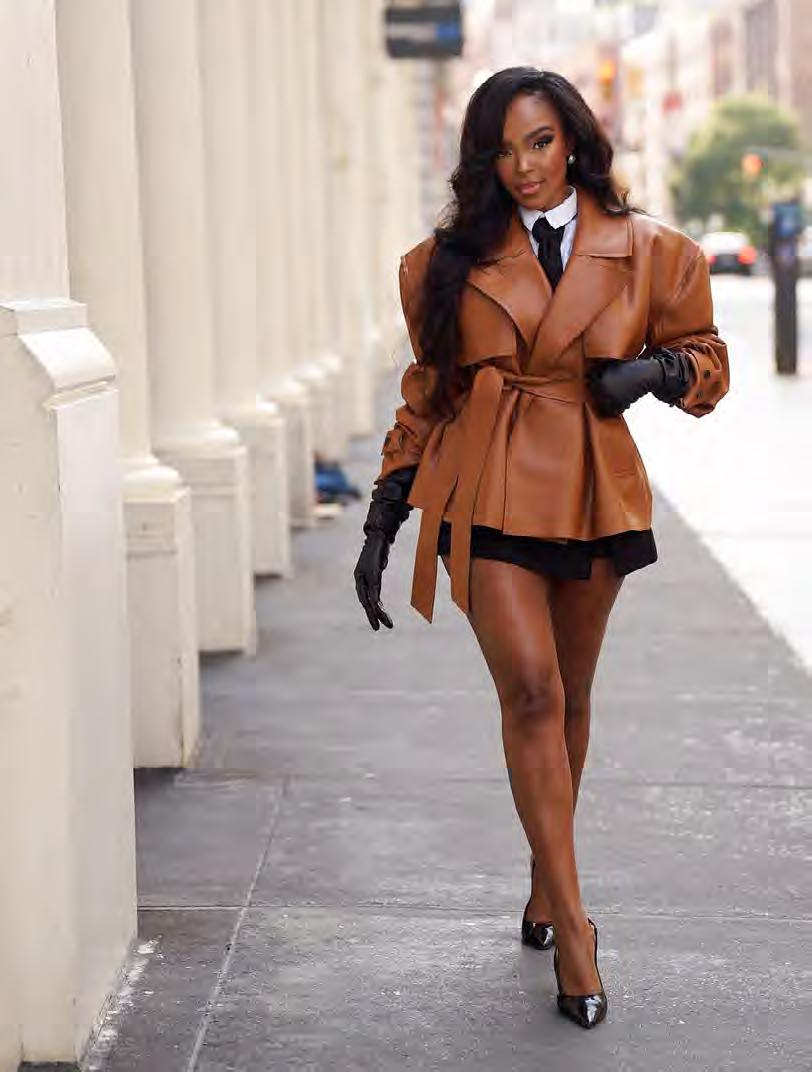
Layering helps you get more looks from one piece of clothing. A simple top can be worn alone, under a blazer or cardigan, or layered with a sleeveless dress. A shirt can be worn normally, tied over a dress, or worn open like a light jacket. Layering adds depth and interest to your outfit, making it harder for people to notice that you’re wearing the same clothes.
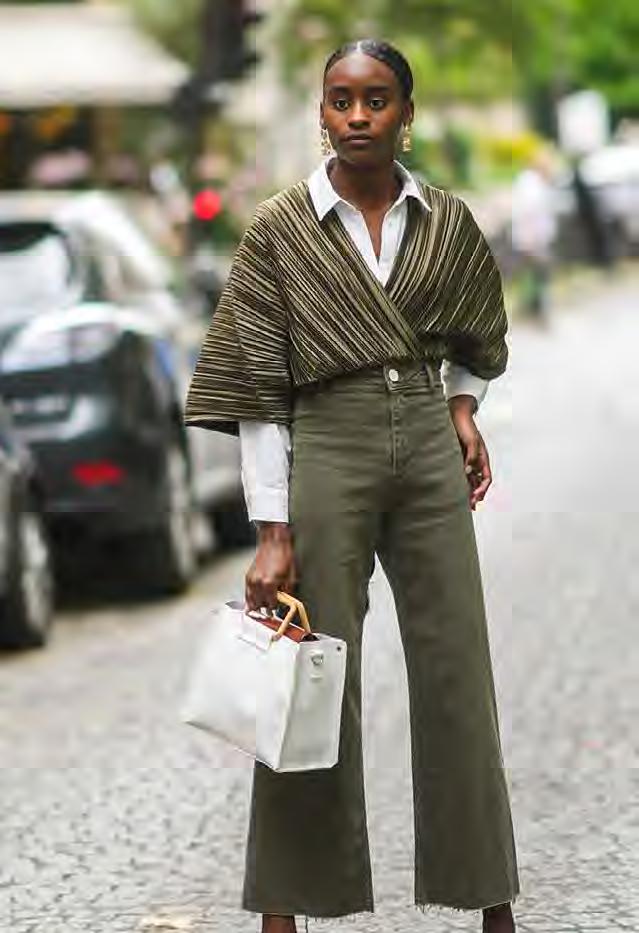
Accessories are your secret weapon. Bags, shoes, belts, scarves, jewellery, and even sunglasses can completely change how an outfit looks.Wearing the same black dress with gold jewellery today and silver jewellery another day already creates a different feel.

When your clothes follow a similar colour range, outfit repetition becomes easier and smarter. Neutrals like black, white, beige, brown, denim, and grey mix well with almost anything.When most of your clothes work together, you can switch pieces around without stress.

Repeating outfits isn’t about lack; it’s about knowing what works for you and using it well. Fashion is not about how many clothes you own, but how well you wear them. With these hacks, you can repeat outfits, save money, reduce wardrobe stress, and still look like you know exactly what you’re doing.



SALLY CHIWUZIE @unshakable.is.a.state.of.mind
(PART FOUR OF THE BRIOCHE & KRIS WITH A K ARC)
Three weeks ago, I told you the story of Brioche and Kris with a K; two best friends who did everything together for decades, right down to receiving their cancer diagnoses just weeks apart.
Two weeks ago, we wrestled with the unbearable question: What happens when the prayers are the same, but the outcomes are not?
Last week, you read about waiting to die; the kind of grief that begins before the funeral, the kind that settles into the room long before the body does.
And now, here we are because this story is layered, because reality outdoes fiction, or at best, mirrors it and especially because some lives cannot be told in one neat instalment.
If you haven’t followed the arc, scroll back. If you cannot find it, ask me, and I will share it. I am unpicking this story thread by thread.
Today, we turn to someone we have not yet examined - Brioche’s husband.
He was faithful. Loyal. Kind. Willing. He cared for her with everything he had: heart, body, soul. They built a life together that people envied. A home. An empire of shared friends, family, and colleagues. Twenty-five years of woven history.
Until irreconcilable differences crept in. A bruised ego here and a broken heart there. Human emotion did what it does best and complicated perfection.
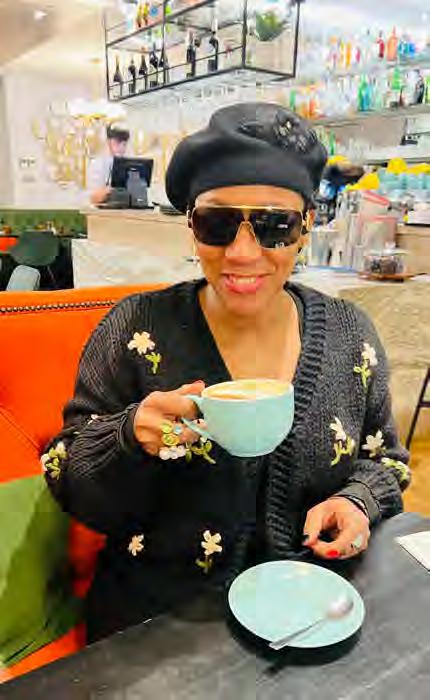
should he seek permission to rebuild his life?
On paper, he deserved happiness. In reality, he found it, but happiness and grief are not mutually exclusive.
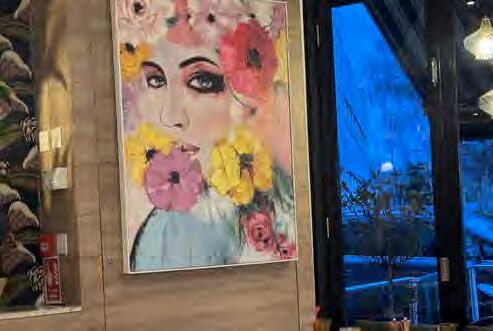
He was happy, heartbroken, relieved that her suffering had ended, devastated that she was gone. He did not regret moving forward. He sometimes wondered what might have been.
What a mess.
Grief is rarely tidy. It does not respect timelines, labels, or legal documents. It does not consult social etiquette before arriving.
Their reign ended with drama, fatigue, misalignment and the quiet understanding that sometimes love shifts into something else. It was a shame, but c’est la vie.
They both moved on. Then Brioche died.
Here is where the story refuses to behave, because grief does not follow relationship status.
He was no longer her husband. A quarter of a century does not evaporate because the paperwork changed. When Brioche passed, he was left with a grief that had no socially acceptable container. He could not claim widower. He could not claim primary mourner. He was not the man standing at the head of the casket, but he was grieving.
Worse still, the new love of his life was someone Brioche had once called a friend. It had been a bitter argument when that relationship began, but he put his foot down; after all, Brioche had moved on, too, and he hadn’t been consulted. Why
He would wake at night, remembering the way Brioche used to laugh at something only they found funny. He would remember hospital corridors. He would remember how fiercely she once loved him. Then he would turn to the woman beside him, who was very much alive, and swallow the ache. How do you mourn your ex-wife in the presence of your new one? How do you grieve a life you once built without dishonouring the life you are building now?
Brioche’s family were not offering him warmth or absolution. Their grief was sharp, territorial. To them, he had forfeited certain rights when the marriage ended. There were no hugs waiting for him there. So, he stood alone, grieving someone he was no longer supposed to grieve, missing someone he was no longer supposed to miss, loving someone he was absolutely allowed to love, and feeling the quiet guilt of it.
This is not just a story about death. It is a story about what death exposes – unfinished emotions, complicated loyalties and how little room we give people to feel two things at once.
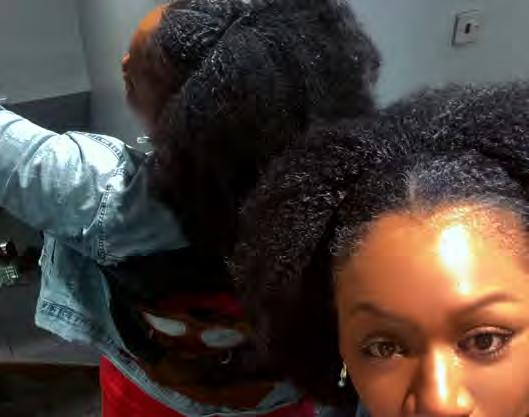
And sometimes the grief no one wants to validate is the most suffocating kind, because there is no public script for it, no sympathy card, no rightful place to stand.
So, what does one do?
Perhaps you allow the grief to exist without justification, you accept that loving again does not erase loving before, or perhaps you make peace with the fact that happiness after loss is not betrayal — it is survival.
The #Unshakable truth is this:
Life is rarely clean. People are rarely singular, and grief does not ask for permission before it moves in.
Sometimes the bravest thing a person can do is hold joy in one hand and sorrow in the other, and refuse to drop either.
See you next week.
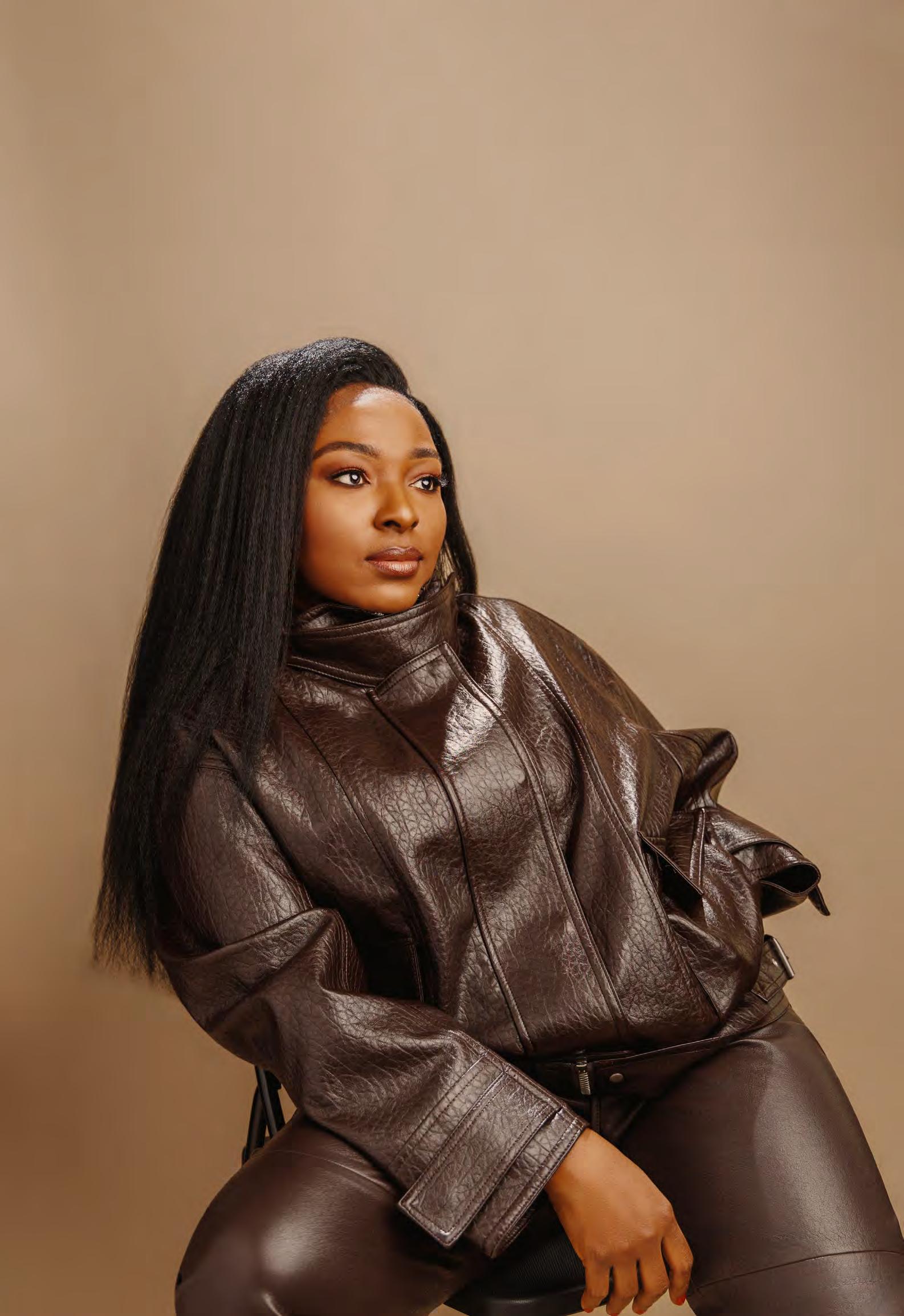
Meg Otanwa is the kind of actress whose presence lingers long after the screen fades to black. In an industry often driven by speed and spectacle, she has built a career anchored in intentionality, restraint, and emotional truth. From her earliest roles to her most recent performances, Otanwa has consistently chosen stories that ask deeper questions about womanhood, vulnerability, resilience, and the quiet complexities of everyday life.
What makes her journey particularly compelling is how deliberately it has unfolded. Before Nollywood, Otanwa lived a different life entirely: corporate, global, structured. Armed with degrees from institutions across Nigeria, Tunisia, and France, and professional experience at the African Development Bank, she could have remained comfortably within the corporate world. Instead, she made a bold pivot into acting, a decision driven not by impulse, but by conviction.
Since her debut, Otanwa has carved a niche as an actress unafraid of emotional weight. Whether portraying grief, love, ambition, or inner conflict, she approaches her roles with a sincerity that feels grounded and human. Performances in projects like October 1, Hush, Before 30, and For Maria Ebun Pataki have not only showcased her range but also affirmed her commitment to stories that resonate beyond entertainment. Her AMVCA win further cemented her reputation as one of Nollywood’s most thoughtful performers.
Off-screen, Otanwa is reflective, articulate, and refreshingly honest about growth, pressure, and the realities of navigating success as a woman in a demanding industry. She represents a generation of creatives who value purpose as much as visibility, and depth over noise.
In this conversation, with THEWLL DOWNTOWN’s Johnson Chukwueke Meg Otanwa opens up about her craft, her choices, and the evolving version of herself she continues to meet along the way.
You left a stable corporate career for acting. What did that leap teach you about fear and faith in your own instincts?
You know, leaving the corporate world at the time I did felt terrifying and exhilarating in equal measure. I remember sitting in my office one day, staring at my desktop and feeling an overwhelming certainty that I was meant for something else at that moment. The fear was real. I mean, I was walking away from predictability, from a defined path, from money (laughs). But what that leap taught me is that fear is often just a sign that something matters deeply to you. Faith, I learned, isn't the absence of fear; it's choosing to move forward despite it. I had to trust that the restlessness I felt wasn't just recklessness, but my intuition guiding me toward my purpose. That decision taught me to listen to the quieter voice inside, the one that knows what's true even when logic tries to drown it out. It's a skill I carry into every role I choose now.
You're known for being selective with roles. What makes a script impossible for you to ignore?
I'm drawn to scripts that respect the intelligence of their audience. I look for characters who feel like real people, women with contradictions, complexities, and agency. I want to see her making choices, not just reacting to the world around her. A script becomes impossible to ignore when it challenges me, when I read it and think, 'I don't know how to do this yet, I’ll need to figure it out. I also need the writing to be honest. I can tell when a character has been written with care versus when she's a convenience for the plot. If I can't find her humanity on the page, I know I won't be able to bring it to the screen, and increasingly, I ask myself: Does this story add something meaningful to the conversation? Will it make someone feel seen, or think differently, or simply feel less alone? If the answer is yes, then I'm in, and oh! I read in pictures. The quickest test for me is how vivid the picture is in my mind’s eye.
How has your international education and exposure shaped your approach to storytelling in Nollywood?
My international experiences gave me exposure to different storytelling traditions, but more importantly, they taught me that good storytelling is universal. A well-crafted story in Lagos resonates the same way as one in London or New York because human emotions transcend geography. For every time I spend outside the shores of Nigeria, what I bring back from those experiences isn't a desire to imitate what I saw elsewhere, but a deeper appreciation for the stories only we can tell and the artists telling them brilliantly. When you watch Dami Orimogunje's nuanced portrayal of postpartum depression in For Maria Ebun Pataki, or Mildred Okwo's The Meeting and Rita Dominic embodying Clara Ikemba, you’re reminded that these stories require our specific cultural fluency, our lived understanding.
"A
well-crafted story in Lagos resonates the same way as one in London or New York because human emotions transcend geography."
bed, expecting her to agree to a threesome. For me, playing Aisha Saharattu Mahman was revelatory. Here was a Northern woman navigating expectations of submission and subservience, but refusing to shrink herself, even confronting her husband when he violated her boundaries. I think audiences, especially women, saw themselves in those moments of quiet rebellion, of choosing self-respect over keeping the peace. The show didn't try to moralise or tie everything up neatly, and I loved that. I think it helped the audience see me as someone who could inhabit characters that feel like real friends, flawed, trying, and figuring it out as they go. That's a connection I still feel when people reach out to talk about the show.
As a woman in Nollywood, what conversations do you think still need to be louder?
I think it made me more conscious of craft, the mechanics of character development, the rhythm of a scene, the economy of good dialogue. But it also reinforced my commitment to authenticity. Nollywood has its own language, its own rhythm, and I've learned not to impose external frameworks where they don't belong. Instead, I try to bring rigour and intentionality to the stories we're already telling, elevating them without erasing what makes them distinctly ours.
Winning an AMVCA early in your career, did it change anything for you internally or professionally?
Winning that award was affirming in a way I didn't know I needed. Early in your career, you're constantly questioning yourself, am I good enough? Do I belong here? The AMVCA felt like a validation that yes, the work I was doing mattered, that people were paying attention. Professionally, it opened doors to more scripts and bigger opportunities. But it also clarified something for me: I became more selective, not less. Success gave me the confidence to say no to roles that didn't serve my growth, even when they came with visibility or money. Internally, I think it taught me something more nuanced: that recognition is wonderful, but it can't be the reason you do the work. Awards are external, and they come and go. What remains is your relationship with your craft. So while that AMVCA was a milestone I'm deeply proud of, it also reminded me to stay grounded, to keep challenging myself even when the accolades come, and especially when they don't.
We need louder conversations about the depth and range of roles available to women. Too often, female characters are still written as extensions of the male protagonist's journey. We're the love interest, the suffering mother, the temptress. We need more stories where women are at the centre, driving the narrative, making choices that matter. And we need those stories to reflect the full spectrum of who Nigerian women are, our ambitions, our contradictions, our power, and honestly, we need conversations about what it means to truly support each other as women in this industry, and that extends to the culture around us. When fan communities are built on tearing other women down rather than celebrating their favourites, it creates a toxic ecosystem that harms all of us. There's room for all of us to thrive, but only if we're intentional about creating that space and refusing narratives that pit us against each other. Collaboration over competition, that's the conversation I want to keep having.
"Winning that award was affirming in a way I didn't know I needed. Early in your career, you're constantly questioning yourself, am I good enough? Do I belong here?
The AMVCA felt like a validation that yes, the work I was doing mattered, that people were paying attention. "
What role did Before 30 play in shaping how audiences connect with you today? Before 30 was special because it felt deeply personal to so many people. The show captured this very specific moment in life, that space between your twenties and thirties where you're figuring out who you are and what you want, often while feeling like you're running out of time. I think the audience connected with that honesty, with seeing their own anxieties and hopes reflected on screen. I remember the audition process like it was yesterday. The audition scene was where Aisha (my character) had a blowout with her husband for bringing another woman into their matrimonial
What does success mean to you now, compared to when you first started acting? When I first started, success felt very external: booking the role, getting the recognition, building the resume, and those things still matter; they're markers of progress. But now, success feels much more internal and sustainable. It's about the quality of the work I'm doing, not just the volume. It's about whether I'm growing as an artist, whether I'm challenged and fulfilled. Success is also about balance now. Can I do work I'm proud of while also having a life outside of it? Can I protect my peace, my relationships, my sense of self? I've learned that you can achieve everything externally and still feel empty if you're not honouring what matters to you internally. So success, for me now, is alignment. Doing work that feels meaningful, with people I respect, in a way that doesn't compromise who I am or what I value.
Has your idea of balance—career, personal life, rest—changed over time?
It has, though maybe not in the way you'd expect. I've always been selective about roles, even early on, I trusted my instincts about what work to take. But what's changed is my understanding of what balance actually requires. I used to think that being selective about projects was enough. If I chose good
work, everything else would fall into place. But I've learned that you can be selective about roles and still burn out if you're not protecting your energy in other ways, saying yes to every interview, every event, every request for your time. Now I understand that balance isn't a destination; it's a daily practice. It's about knowing when to say no, even to good opportunities, because protecting your energy is essential to sustaining your creativity. Rest isn't indulgence, it's strategic. I've learned that I do my best work when I'm not running on fumes. So I'm much more intentional now about boundaries, about creating space for relationships, for stillness, for the parts of life that feed me outside of work. It's an ongoing negotiation, but it's one I'm committed to.
How do you want audiences to feel after watching a "Meg Otanwa performance"? I want them to feel something real. Whether that's discomfort, joy, sadness or recognition. I want the emotion to land. I want the audience to see the truth in the performance, to feel like they've witnessed something honest, even if it's messy or complicated. I don't need them to like the character, but I want them to understand her, to see her humanity. Ideally, I want people to leave thinking about the character long after the credits roll. I want them to debate her choices, to see pieces of themselves in her, or to question their own assumptions because of what they've watched. If I can make someone feel less alone in their experience, or give them language for something they've felt but couldn't articulate, then I've done my job. A great performance should linger; it should stay with you and make you think.
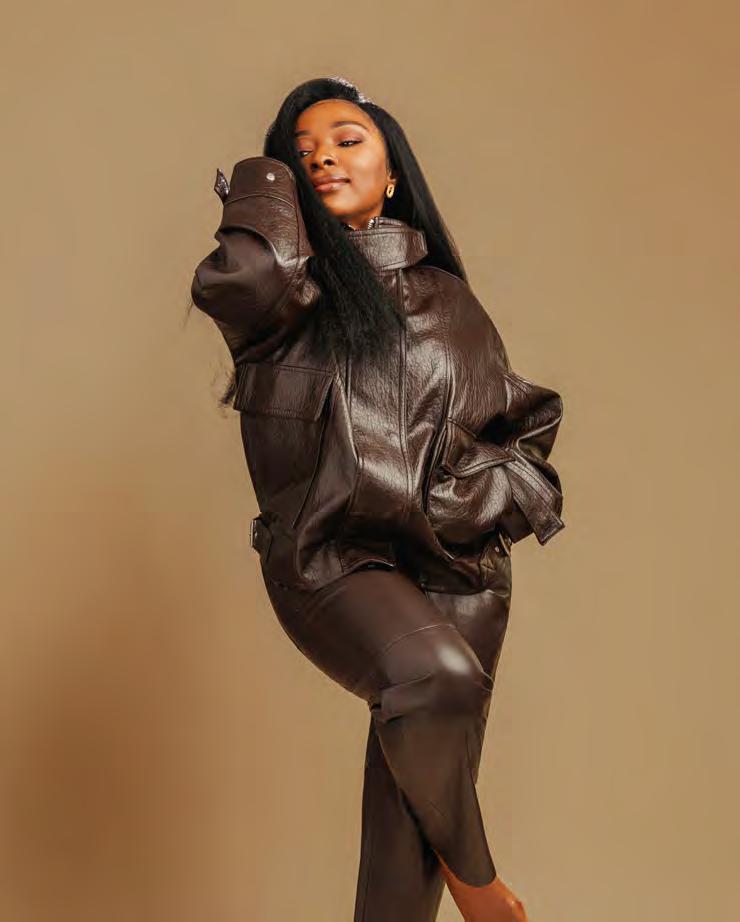

Looking ahead, what kind of woman, not just an actress, are you intentionally becoming?
I'm becoming someone who is unafraid of her own voice and clarity. I want to be a woman who speaks with conviction, who doesn't shrink herself to make others comfortable, but who also leads with kindness and empathy. I'm working on being more courageous, not just in my career choices, but in my personal life, in how I show up for the people I love, in how I advocate for what I believe in.
Part of that courage is refusing to be boxed in. I'm an actress, a filmmaker, and a data scientist, and I could be a pilot tomorrow if I wanted. Learning feeds me. I've learned that being multifaceted isn't about proving anything to
anyone; it's about honouring my own curiosity and refusing narratives that say women, especially creative women, can be only one thing. I'm also intentionally becoming someone who creates space for others. I've been given opportunities, mentorship, and grace along the way, and I want to extend that to other women, especially those just starting out. I want to be someone who builds, not just for myself, but for a community. And on a deeper level, I'm becoming someone who values presence over productivity, who measures her worth by the depth of her connections and the integrity of her choices, not just by her achievements. That's the woman I'm striving to be: grounded, generous, and wholly herself.

@aaddaahh
It doesn’t happen all at once.
There’s no announcement. No moment where someone sits you down and says, “From here on, it’s on you.” It just shows up one day, quietly, and refuses to leave.
You look around and realise that what needs to be handled… you’re the one handling it. Not because you suddenly became brave. Not because you asked for more responsibility. But because life kept moving, and at some point, the support you assumed was still there stopped showing up without telling you it had left.
At first, the realisation feels heavy. A little unfair. Like you missed a meeting where decisions were made and roles were assigned. You think about how much easier things felt when someone else was checking the details, making the calls, holding the bigger picture.
And then it clicks.
There’s no one to hand it back to.
So, you adjust.
Not in a dramatic way. More like muscle memory forming without your permission.
You start doing things you didn’t plan for. Making decisions you would rather talk through. Carrying outcomes that don’t care whether you feel ready or not.
You don’t make a speech about becoming an adult. You don’t even realise you’ve crossed a line.
You just start showing up differently.
You handle things faster.
You pause less.
You take responsibility before anyone asks. From the outside, nothing looks dramatically different. Your life still looks like your life. But inside, something has shifted. The weight has
moved, and no one announced the transfer. Once that settles, something else begins to change.
Not your responsibilities.
You become careful with your energy without ever sitting down to decide to be. You cancel plans more thoughtfully. You reschedule less. You realise that every interaction costs something, and some days you’d rather spend that cost on getting through the day.
From the outside, people might read this as distance. Or maturity. Or being busy.
From the inside, it just feels like prioritising.
You’re not disappearing. You’re reorganising around what can’t be postponed anymore. Bills. Deadlines. Decisions that don’t wait for feelings to catch up.
You don’t explain this shift.
You don’t announce it.
You just adjust.
And one day, you notice that fewer people know the full version of what you’re carrying. Not because you don’t trust them, but because carrying it has quietly become part of who you are now.
This is the part no one really prepares you for.
Not the responsibility itself, but how silently it rewires you. How competence grows without applause. How strength starts looking less like confidence and more like followthrough.
Your relationships.
You notice who you call when things feel uncertain, and who you don’t. Not because you’re angry. More because you’re tired. You learn which conversations actually help, and which ones just delay what still needs to be done.
You stop reaching for reassurance the way you used to. Not because you don’t need it, but because reassurance doesn’t carry the outcome. You realise that comfort and responsibility are no longer the same thing.
You answer “Are you okay?” with shorter sentences. You keep some things to yourself, not because they’re secret, but because they’re unfinished.
You don’t wake up and decide to be resilient. You just keep responding. Keep adapting. Keep figuring things out as they come.
Over time, that becomes your normal.
The risk isn’t that you’re doing something wrong. It’s that the adjustment is so subtle, you don’t notice it becoming permanent. You don’t always stop to ask what you’ve normalised. What you’ve absorbed. What you’ve stopped questioning.
So this isn’t about undoing responsibility.
It’s about recognising it.
About noticing how much you’ve been holding, often without naming it. About realising that most people don’t step into adulthood. They drift into it, carrying more each time until it feels fixed.
Most people don’t realise they’ve learned how to carry life until they pause long enough to see the pattern.
And maybe that’s the real moment.
Not that no one is coming.
But that you’ve already been showing up for longer than you thought.
And maybe that’s the Luxury Silk.
BY DORCAS AKINTOYE
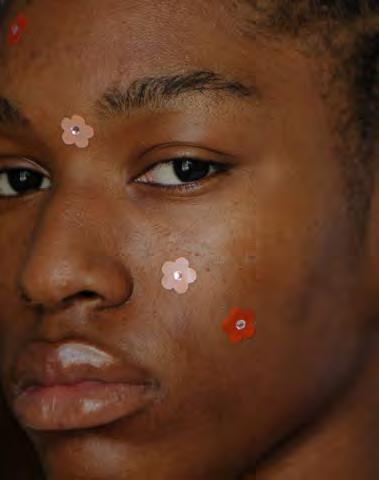
Pimple patches have become a quick fix for sudden breakouts, especially when you want a spot to calm down fast. They look simple, but knowing how they work and how to use them makes a big difference. In this article, we will show you five key things to understand before you stick one on.

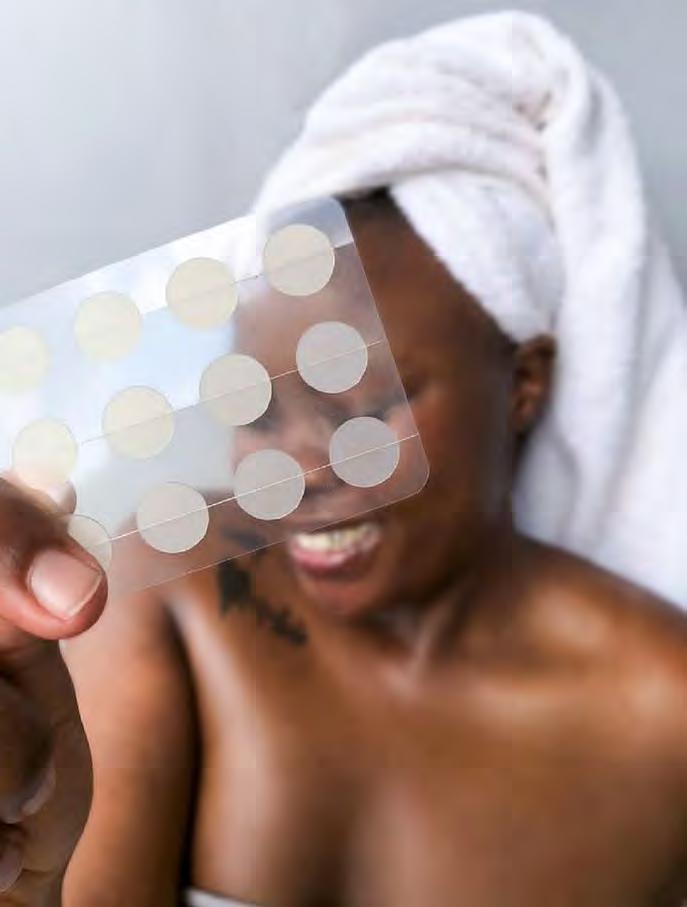
Most pimple patches are made from hydrocolloid, a material that pulls out pus and fluid from a pimple while keeping the area protected. This reduces swelling, speeds healing, and prevents you from touching or picking the spot. Some patches come with extra ingredients, such as salicylic acid or tea tree oil, but the hydrocolloid's absorbent action does most of the work.

THE PIMPLES THEY HELP AND THE ONES THEY DON’T
Pimple patches work best for whiteheads and small, surface pimples with fluid near the skin’s surface. They don’t work for deep, painful cystic acne or hormonal bumps because those sit too deep for the patch to reach. Knowing the difference helps you avoid disappointment and choose the right treatment.

COMMON
THAT MAKE THEM LESS EFFECTIVE
Apply patches on clean, dry skin so they stick properly. Place the patch directly over the pimple and leave it on for several hours or overnight. When you remove it, you’ll often see the patch turn white, indicating that it has absorbed fluid. Avoid applying heavy creams under the patch to keep it sealed and effective.
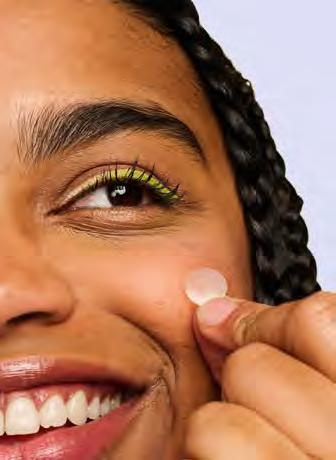

Using patches on broken or squeezed pimples can irritate the skin. Applying them to oily or sweaty skin makes them fall off. Reusing patches is unsafe, and using them on deep acne won’t give results. They work beautifully when used correctly, but they aren’t a cure-all for every kind of breakout.
Plain hydrocolloid patches are great for overnight use, while salicylic acid or niacinamide patches are effective if you want extra acne-fighting benefits. If you have sensitive skin, go for thin, fragrance-free patches. Always pick a size slightly bigger than the pimple so it seals properly.

BY JOHNSON CHUKWUEKE
In a world where busy schedules often dictate family life, true connection can easily slip through the cracks. Between work calls, school runs, and endless screen time, family moments are becoming fleeting luxuries rather than daily norms. But what if wellness wasn’t just about fitness goals or green smoothies? What if it were about finding balance together through small, intentional rituals that heal the body, calm the mind, and strengthen the family bond? That’s what family wellness routines are all about, turning everyday habits into moments of shared joy and rejuvenation.
Here’s how families can begin to nurture both health and harmony in their daily lives.

START THE DAY TOGETHER — MORNING MINDFULNESS OR STRETCH SESSIONS
Mornings can set the tone for the entire day. Beginning with intentionality can mean having a morning devotion, a 10-minute stretch, deep breathing, or a gratitude circle. It’s simple, grounding, and helps every member step into the day feeling connected and calm, even before breakfast hits the table.

COOK AND EAT TOGETHER — NOURISH MORE THAN JUST THE BODY
There’s magic in a shared meal. From meal prep to dining, families can turn cooking into a time of connection. Kids can chop, stir, and learn healthy habits along the way. When everyone’s involved, food becomes more than nutrition — it becomes an act of love.

MOVE AS A UNIT — FAMILY FITNESS FUN
Forget the treadmill — try a weekend walk, bike ride, or living room dance party. Shared movement strengthens not just muscles, but memories. It’s about laughter, teamwork, and discovering joy in being active together.

UNPLUG AND RECONNECT — SCREEN-FREE EVENINGS
In today’s digital chaos, taking time away from screens can feel revolutionary. Try one “no-tech night” each week. Whether it’s storytelling, board games, or simply sitting under the stars, these unplugged moments remind everyone what real connection feels like.

REFLECT AND RESET — WEEKLY FAMILY CHECK-INS
Wellness isn’t just physical — it’s emotional too. Setting aside time each week to talk about highs, lows, and hopes helps families communicate better and stay emotionally in tune with one another. It’s like a reset button for the soul.
In the end, wellness at home isn’t about perfection; it’s about presence. It’s found in shared laughter, warm hugs, and simple acts of care. When families choose to slow down and breathe together, they discover that true health isn’t measured in steps or calories — it’s in love, balance, and togetherness.

ForBY JOHNSON CHUKWUEKE
too long, fertility has been the unspoken word at dinner tables and social gatherings. In many cultures, especially in Africa, conversations about reproductive health are often shrouded in silence, shame, or myths. Whether it’s about delayed conception, sperm count, menstrual health, or IVF, many men and women find it hard to open up about the realities of their fertility journeys. But times are changing. Today, people are beginning to challenge the stigma, seek professional help, and embrace open dialogue about reproductive wellness, because fertility is not just a woman’s issue, it’s a human one. This is not just about having babies; it’s about understanding our bodies, our choices, and the science that supports them. So, let’s break it down, one honest conversation at a time.

Many still believe fertility is purely a woman’s responsibility, but science says otherwise. Fertility challenges can be male, female, or both. Opening up this dialogue means debunking myths and encouraging couples to see fertility as a shared journey, one that requires compassion, education, and medical insight.

Modern medicine has made incredible strides; IVF, egg freezing, hormone therapy, and even fertilitytracking apps have transformed reproductive health. These technologies are empowering individuals to make informed decisions about when and how to start a family, giving hope to many who once thought it was impossible.

ROLE OF LIFESTYLE IN REPRODUCTIVE HEALTH
What you eat, how you sleep, and how you handle stress can all influence fertility. From eating a balanced diet rich in antioxidants to avoiding excessive alcohol and smoking, small lifestyle changes can make a big difference. Regular exercise and mindful living are not just good for the body; they help create the right internal environment for conception.

Fertility talk shouldn’t be a woman-only affair. More men are beginning to take charge of their reproductive health through testing, lifestyle changes, and emotional support. This shift is helping normalise conversations that were once considered taboo, and it’s about time.

Support systems are everything. Whether it’s through fertility support groups, counselling, or just open conversations with loved ones, breaking the silence helps remove shame and isolation. The more we talk, the more we normalise, and the more people realise they’re not alone.
Fertility should never be a subject whispered about behind closed doors. The modern wellness movement is teaching us that our reproductive health deserves the same attention as our mental or physical health. By shedding stigma, embracing technology, and fostering honest conversations, we create a future where fertility isn’t a taboo, it’s simply another chapter in our shared human experience.

Open And Honest Communication
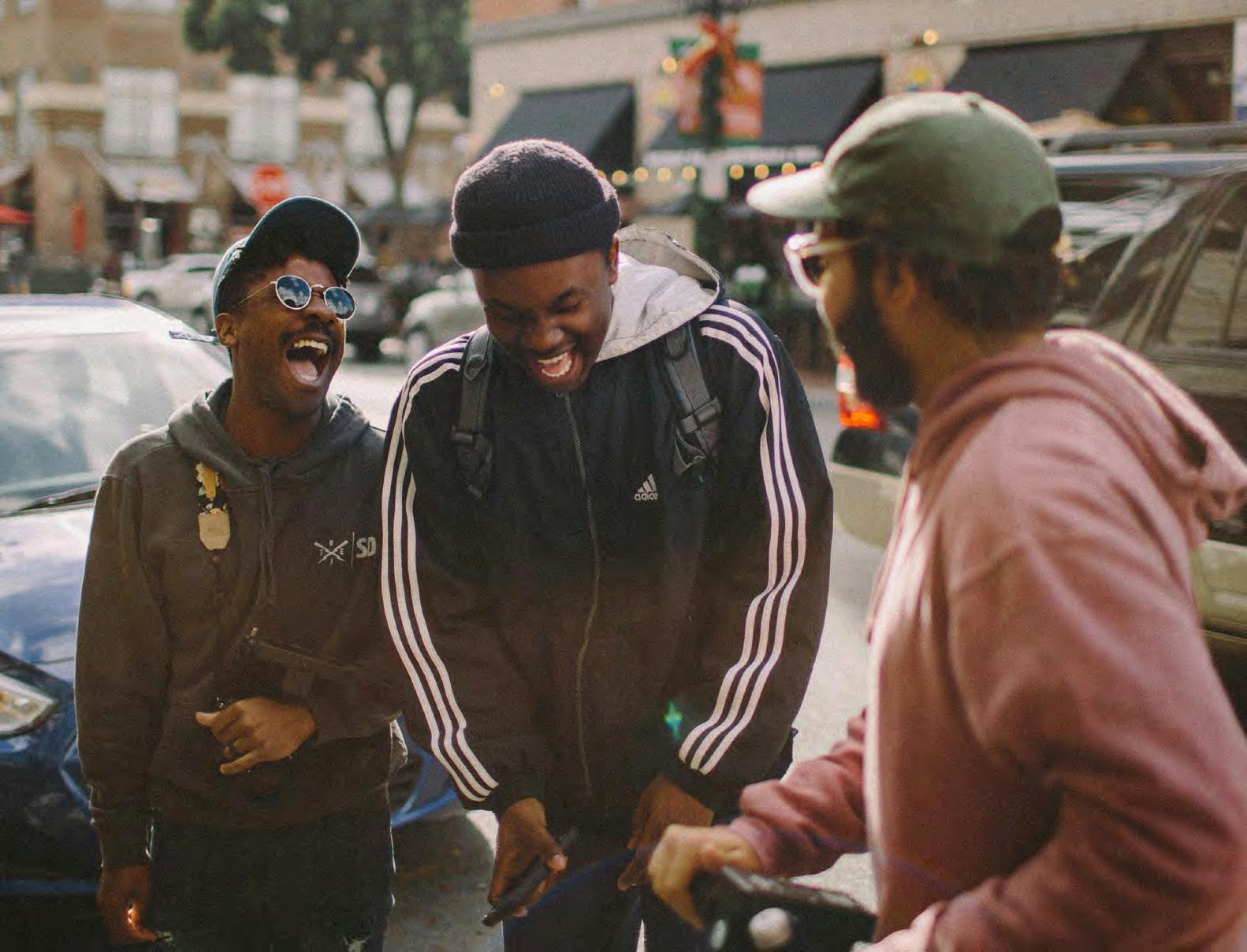
At the heart of most conflicts is poor communication. When friends don't express their feelings or thoughts clearly, misunderstandings can arise. The first step to resolving any conflict is open and honest communication. Instead of harbouring resentment or avoiding the issue, address it head-on with a calm, open conversation. Listening to your friend’s perspective is equally important; sometimes, simply hearing each other out can defuse tension.


Empathy is key to resolving conflicts because it helps you understand where the other person is coming from. By putting yourself in your friend's shoes, you can gain insight into their emotions, motivations, and reactions. Empathy doesn't mean you have to agree with everything your friend says, but it does mean you can acknowledge their feelings and show that you care.

Focus on Solutions, Not Blame Set Boundaries
Setting boundaries is an essential aspect of any healthy relationship. Conflicts with friends can sometimes arise because of unmet expectations or crossed boundaries. Whether it’s about time, space, or emotional energy, it’s important to communicate your limits clearly. Discussing and respecting each other’s boundaries can prevent misunderstandings and unnecessary friction.
When conflicts arise, it’s easy to get caught up in assigning blame. However, focusing on who’s at fault rarely leads to resolution. Instead of blaming, shift your attention to finding a solution. Work together to identify what went wrong and how to fix it. Ask yourself and your friend what can be done to prevent the conflict from happening again. This solution-oriented approach not only resolves the current issue but also helps in preventing future disagreements.
BY JOHNSON CHUKWUEKE
Friendships are like any other relationship; they can experience conflict between the individuals involved. While disagreements are inevitable, the strength of a friendship sometimes lies in how well conflicts are handled and resolved. Misunderstandings, unmet expectations, and communication breakdowns can cause discord, but with the right strategies, it's possible to overcome these challenges and preserve the bond. Here are five practical and proven guides to help you resolve conflicts with friends.

Once a conflict is resolved, it’s important to truly let go of the issue. Holding on to past grievances only breeds resentment and creates more tension in the friendship. Forgiveness is a powerful tool that allows both parties to move on and focus on the positive aspects of the relationship. It’s crucial to acknowledge that no one is perfect and that mistakes happen.
Conflict with friends is natural, but it doesn’t have to damage the relationship. By following these guidelines, you can overcome conflicts and maintain a strong, healthy friendship.
BY DORCAS AKINTOYE
Whenit comes to bathrooms, the right colour can completely transform the space. Whether your bathroom is big or small, modern or traditional, the right shade can make it feel more relaxing, luxurious, or even more spacious. The good part is that you don’t have to stick to just one design style to find the perfect colour. There are versatile shades that work well across different styles, from minimalistic to bold, cosy to contemporary. Here are five bathroom paint colours that can match any design style and instantly upgrade your bathroom.
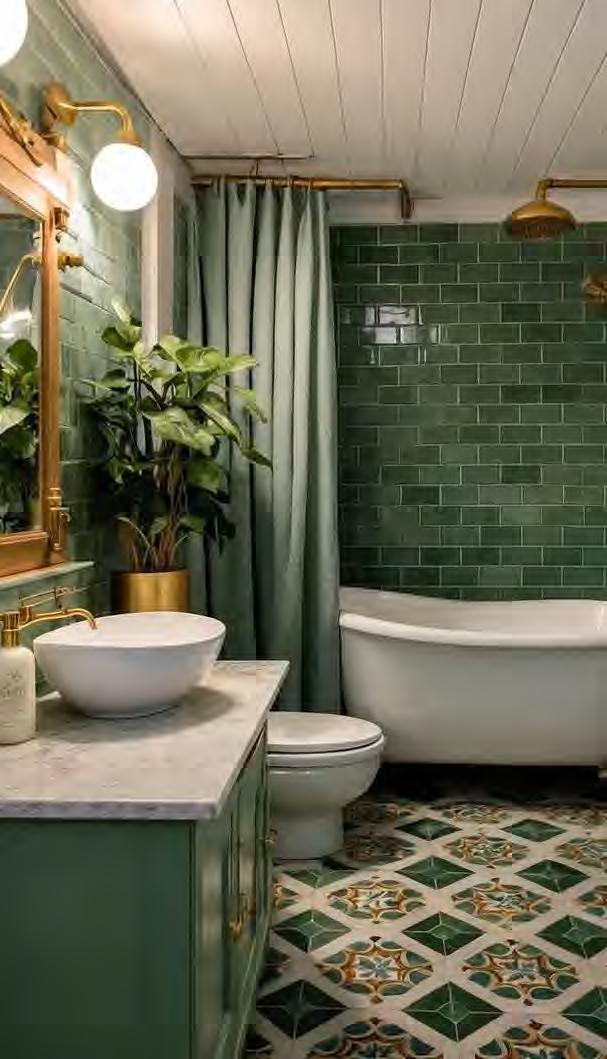
For a bathroom that makes a statement, deep green is the perfect choice. Shades like forest green, emerald, or olive create a rich, luxurious feel that instantly elevates the space. This shade is great for modern luxury bathrooms, vintage-inspired spaces, or minimalist designs that need a bold accent.
If you want your bathroom to feel warm and inviting while still maintaining a sense of elegance, beige or taupe is the way to go. These soft neutral shades add warmth without being overpowering, creating a balanced backdrop that works with almost any décor.
A soft, muted blue instantly turns your bathroom into a calming retreat. The colour naturally gives off a peaceful, spa-like vibe, making it the perfect choice for a place where you want to relax after a long day.

If you want a neutral colour that still feels stylish, light grey is your best friend. It’s subtle but adds enough depth to make your bathroom look refined and well put together. Grey is also extremely flexible; it blends well with both cool and warm tones, making it easy to match with different flooring, tiles, or bathroom accessories. To brighten up the room and make the grey pop, consider using white trims, cabinets, or even mirrors with sleek frames.
White will always be a classic choice for bathrooms, and for good reason. It’s fresh and clean, making the space feel bigger and brighter. Soft white shades like ivory or warm white give your bathroom a cosy, inviting feel rather than the harsh “hospital white” look. It’s extremely versatile and pairs well with any material or accent, whether you have marble countertops, wooden vanities, or colourful tiles. To make your white bathroom feel more stylish, pair the walls with black fixtures for a modern vibe or with gold accents for a touch of elegance.




Your bathroom paint colour sets the tone for the entire space. Whether you want a calm, spa-like retreat, a clean, minimalist vibe, or a bold, stylish look, these five versatile colours will work beautifully with any design style.


Your environment shapes your energy. Keep your desk clutter-free, add personal touches like photos or a plant, and, if possible, position your chair near a window for natural light. A clean, well-lit, and personalised space can instantly refresh your mood and help your brain switch into “focus” mode.
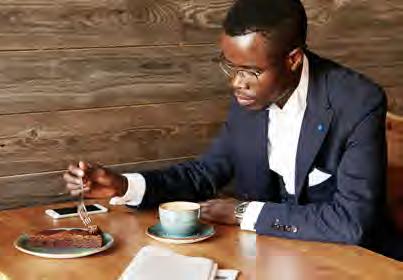
Staring at your screen for hours is productivity’s silent killer. Step away every 45–60 minutes to stretch, walk, or do a breathing exercise. Short breaks prevent burnout, improve circulation, and give your mind space to reset. Sometimes, the best way to move forward is to step back.

Isolation, especially in remote setups, can kill motivation fast. Check in with colleagues, join virtual coffee chats, or share updates in group chats. Human connection, even a quick laugh or friendly message, can remind you that you’re part of a team, not just a to-do list.

When tasks pile up, motivation dwindles. Instead of waiting for big results, celebrate small victories, such as sending that email, finishing a report, or crossing one task off your list. Progress fuels momentum, and every little win builds confidence to tackle the next challenge.
BY JOHNSON CHUKWUEKE
We’ve all been there, that mid-day slump when your to-do list looks endless, your beverage is gone cold, and motivation feels miles away. Whether you’re working from home or stuck in an office cubicle, finding the energy to stay focused and inspired can feel like an Olympic sport. But with the right mindset and a few practical tweaks, your desk can become a hub of creativity, not a source of exhaustion.
Workdays can blur together when your desk becomes your entire world. The constant screen time, sounds of notifications, and fixed routines can really drain the joy out of even the most passionate professional. But staying motivated isn’t just about waiting for bursts of inspiration; it’s about creating habits and moments that reignite your focus. The good news? You don’t need a new job or fancy gadgets to feel better about work. Just a few intentional changes can turn the grind into something more fulfilling. Here’s how to boost motivation when you’re glued to your desk without having to take any caffeine to keep yourself up.
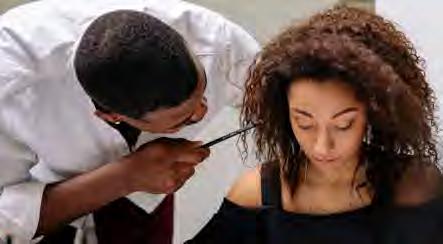
Constant availability leads to fatigue. Set clear work hours and honour them. When your day ends, truly unplug, no emails, no quick checks. A healthy boundary between work and rest fuels long-term motivation and creativity.
Staying motivated isn’t about working harder; it’s about working smarter and kinder to yourself. By creating a workspace that feels good, pacing your energy, and celebrating progress, your desk can become more than a place of deadlines; it can be where you rediscover your drive. So the next time motivation slips, don’t panic. Adjust, breathe, and remember: you’re not stuck, you’re just one mindful change away from getting back in flow.
BY JOHNSON CHUKWUEKE
Being “healthy” on the label doesn’t always mean healthy in real life.
Walk through any supermarket, and you’ll see it everywhere: “low fat,” “natural,” “high protein,” “organic,” “gluten-free.” Modern food packaging knows exactly how to appeal to people trying to eat better. The problem? Some of the foods marketed as healthy are only half the story. Healthy eating isn’t just about branding. It’s about ingredients, portions, and how often something ends up on your plate. Many everyday foods carry a wellness halo but quietly contain added sugar, excess sodium, or heavy processing. Here are some common foods that look healthy, but deserve a second look.
FLAVOURED YOGHURT
Yoghurt is great for gut health, but it can become a dessert in disguise. Many flavoured varieties are packed with added sugar, artificial flavourings, and sweet syrups. A single cup can contain as much sugar as a soft drink. The solution isn’t to avoid yoghurt entirely, but to choose plain options and add fresh fruit yourself.
GRANOLA AND “HEALTHY” CEREALS
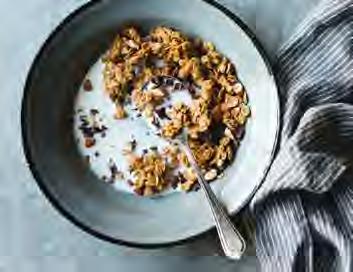
Granola is often marketed as wholesome and natural, but many brands are loaded with sugar, oils, and sweeteners to enhance flavour. Even small servings can be caloriedense. The same goes for cereals labelled “whole grain” or “high fibre.” Always check ingredient lists, not just the front label.
Fruit sounds healthy, and it is, but juicing removes fibre and concentrates sugar. Bottled juices and smoothie drinks often contain added sweeteners and preservatives. Even 100% fruit juice can spike blood sugar when consumed in large amounts. Whole fruit remains the better option.

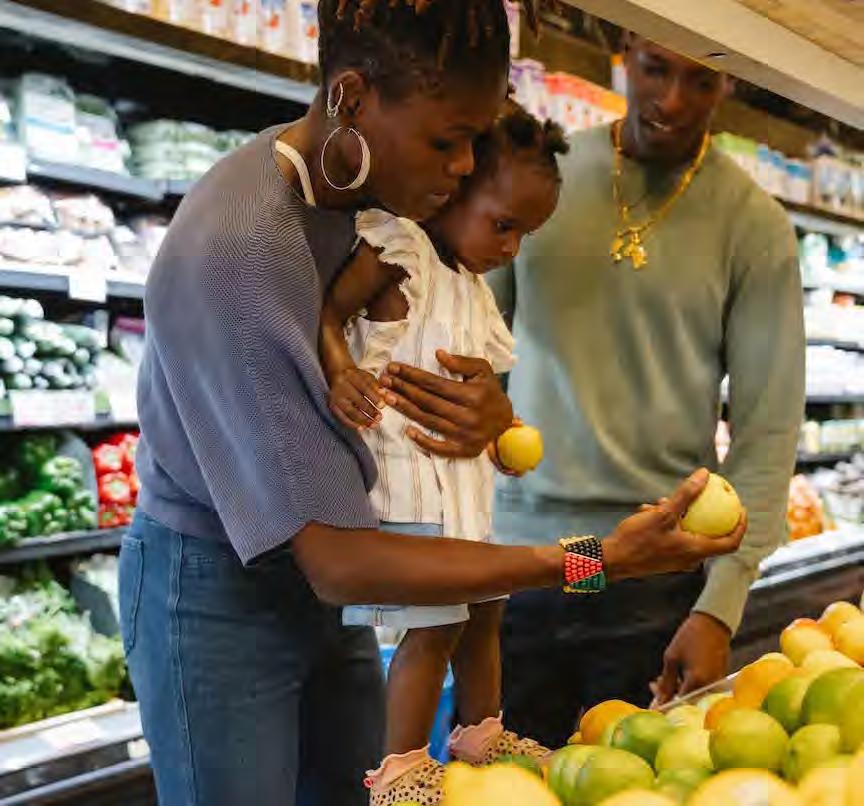

Protein bars are convenient, but many resemble candy bars with a protein boost. Some contain high levels of sugar alcohols, syrups, and processed fats. They can be useful occasionally, especially on busy days, but shouldn’t replace balanced meals.
LOW-FAT OR FATFREE PRODUCTS
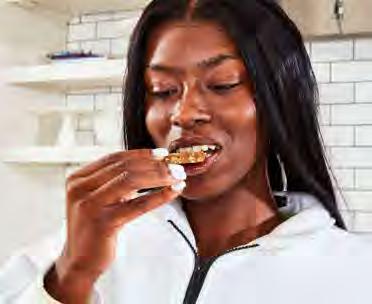
When fat is removed from food, something often replaces it, usually sugar, starch, or artificial additives to maintain taste and texture. Lowfat does not automatically mean low-calorie or healthier. In some cases, moderate portions of full-fat options are more satisfying and less processed.

Healthy eating isn’t about fear; it’s about awareness. Food marketing is powerful, but reading ingredient labels and understanding portion sizes makes all the difference. A product can be convenient yet not ideal for everyday use. The goal isn’t perfection. It’s a balance. Because real wellness isn’t built on labels, it’s built on informed choices.



Iloved Biodun. I can’t deny that. He was my first love; the first person I gave my heart to in a way that left me trembling. But he was also the first man who made my body react before my brain could catch up. Before him, I had crushes. Cute ones. Harmless ones. But Biodun? He was the first person who made me understand what people meant when they said “urge.” The first time he hugged me too
long, I went home confused. The first time he looked at me in that slow, steady way, I couldn’t sleep that night.
And the funny thing is, he never even treated me that well.
We were in that strange space. We were both not official and casual. He could disappear for days and come back as if nothing happened. He would say things that made me feel special, then turn around and make me question myself. Sometimes I would sit on my bed and ask, “Is it me? Am I asking for too much?”
I loved him. I won’t lie. I loved him in that deep, foolish way where you think if you just hold on, he will finally choose you properly.
But I got tired.
Tired of shrinking myself. Tired of feeling like I had to compete for basic attention. So I left. Not because I stopped loving him immediately. I left because I loved myself just enough to know I deserved peace.
Six months passed.
I healed slowly. I started dating someone new. Someone steady. Someone kind. Someone who didn’t make me feel like I was in a competition I didn’t sign up for.
And just when I was finally okay, Biodun came back.
Of course he did.
This time, he was different. Softer. More attentive. He called. He showed up. He listened. He did everything I once cried about.
If he had acted like this before, maybe things would have been different.
But something inside me had changed.
I didn’t love him anymore, not like that. When he touched my hand, my heart didn’t ache. When he smiled at me, I didn’t melt.
But my body remembered, and that scared me a little.
Because he was still the first man who ever woke that part of me up. The first man who made me curious. The first man who made me imagine things I had never imagined before.
And we never crossed that line back then.
Now that he is back, we've gotten close so many times. Close enough for the air to feel heavy. Close enough for me to go home shaking. It was hard to ignore the fact that my body still wanted him.
Eventually, we had sex.
It wasn’t because I loved him. It wasn’t because I wanted him back.
It was because I wanted to close that chapter properly.
That night, he looked at me like he thought he had finally won. Like, after all this time, I was choosing him again.
But I wasn’t choosing him.
I was choosing the version of me that once felt powerless.
I was choosing to experience what I had always wanted to have with him.
This time, I was in control.
If only he knew that the hold he had on me was broken.
He was my first sexual urge. My first real temptation. But he wasn’t my forever. And he definitely wasn’t my weakness anymore.
Sometimes closure doesn’t come from distance. Sometimes it comes from facing the thing that once controlled you and realising it no longer does.
And for the first time, the scales were in my favour.
BY BOLUWATIFE ADESINA
MOVIE REVIEW:

It’s clear from the way Mike Davis meticulously collects his stray hair and dry skin in a tarp before he heads out on a job that he is not an ordinary criminal.
Sure enough, the opening scenes of Crime 101 follow Mike as he executes a daring but carefully organised heist. Mike is efficient and calculating but not violent. When something does not go according to plan, he stays calm and improvises his way through. He’s the sort of thoughtful thief who wears a ski mask and coloured contact lenses to disguise the one visible part of his face. When the LAPD shows up to investigate his latest crime, the detective on the case, Lou Lubesnick, almost sounds like he admires his suspect. “He’s got rules! And he sticks to ’em!” Lubesnick gushes to his sceptical partner.
Who could blame Lou for his enthusiasm? Everyone loves a film crook who creates his own set of rules and then sticks to ’em. Nevermind that stealing millions in diamonds from a jeweller breaks a pretty big societal rule in the first place; thieves like Mike Davis are fun to root for in movies. They appeal to ordinary viewers who follow the rules in their own lives and would never even contemplate executing a high-stakes robbery — but who like to think that if they did, they’d be like Mike: Smart, strong, tough (but not cruel), and extremely good at his job.
Mike sees himself as a sort of Robin Hood, taking from the rich to give to the poor (i.e. himself). That is a delusion, but it is a pleasant one to base a hardboiled thriller around. And Crime 101 is thoroughly pleasant from top to bottom. It’s not the sort of procedural littered with gore and dead bodies. It’s about the joy of a consequence-free car chase, and the satisfaction of a well-executed plan that doesn’t involve too much collateral
damage.
It does contain some pained attempts at subtext. The dialogue occasionally veers from the clipped speech patterns of stoic pros to Say Something Important about How We Live Now™. When LA cop Lou Lubesnick questions a woman tangentially related to the Davis case, within 90 seconds of their introduction he accuses her of trying to grab “a piece of the American pie” and she responds with an aphorism about how “every human interaction creates a pattern,” it’s like the two are having a conversation based entirely on things they read on inspirational desk calendars.
Then again, Crime 101 suggests a pattern of its own, one created by the long-running strain of crime fiction about the symbiotic relationship between cop and crook. This latest instance bears strong similarities to films like Heat and to TV shows like The Wire (2 of my all-time favourites!). At one point, two characters compare the merits of their favourite Steve McQueen film, Bullitt, and in a movie where people repeatedly question the nature of coincidences, it doesn’t feel like one that Crime 101 specifically calls out that title.
Some elements of Crime 101 feel like outright theft of earlier works, but of course, a thief like Mike Davis (Chris Hemsworth) would see no problem stealing from the likes of Michael Mann or David Simon. They’re exactly the kind of target Mike likes; the rich kind that’s well-insured and can afford a loss. Working with a grizzled old fence (Nick Nolte), Mike locates pricy jewels around Los Angeles, acquires inside information about weak points in their security, and then exploits those weak points as quickly and as safely as he can.

Scan this with your camera or click to access the playlist (Youtube Music)
While Crime 101 is an action movie, the role is something of a departure for Hemsworth, whose typical hero is that of an almost literal god so supremely confident in their own abilities that they cannot concern themselves with mortal emotions like anxiety or disappointment. Mike still bears Hemsworth’s hulking frame and rugged jaw line, but he’s a constant bundle of nerves; eyes darting, fingers fidgeting, like he assumes there is someone waiting around every corner to arrest or kill him. Neurotic isn’t a type I’ve come to expect from Hemsworth, but he pulls it off surprisingly well here.
Living out of a suitcase in a series of rented furnished apartments, constantly switching cars, leaving no trace evidence of his crimes, Mike may be uncatchable — at least until he turns down a job that seems too risky. His inside man quickly replaces him with another criminal, played by Barry Keoghan, who is as chaotic as Mike is orderly, and whose reckless activities threaten to expose the entire scheme.
Meanwhile, Lubesnick (a rumpled and brooding Mark Ruffalo) draws closer to finally proving his theory that a string of robberies along the 101 freeway in Los Angeles (hence the film’s name) has been perpetrated by a single “Lone Ranger” — i.e. Mike. But unlike Mike, Lubesnick does not follow the rules, at least the unwritten ones that dictate that members of the LAPD’s Robbery Division care more about their clearance rates than actually solving mysteries.
Lou’s inquiries eventually lead him to the other key figure in this drama, an insurance salesman named Sharon, played by Halle Berry. She insured some of Mike’s stolen gems, and her company does not want to pay off the policy. Nor do they want to promote Sharon to partner, despite her seniority. That gives Berry a juicy supporting role to play as a middleaged woman spurned by the boys’ club of corporate America. Repeatedly disrespected, Sharon slowly becomes another weak point for Mike to exploit as part of his crimes.
For a while,

Scan this with your camera or click to access the playlist (Spotify)
Mike, Lou, and Sharon proceed along parallel tracks, with enough moments where they unwittingly pass one another on freeways, and enough discussion of classic muscle cars to suggest Paul Haggis’ Crash could be another source of swiped inspiration. (Crime 101 is based on a Don Winslow novel.) There’s even a subplot sparked by a fender bender; after Mike gets rear-ended by a young Hollywood publicist (Monica Barbaro), sparks begin to fly, and Mike develops second thoughts about the ascetic existence he maintains in order to preserve his anonymity and safety.
The ways in which the characters keep passing one another only to become completely entangled in each other’s lives before a big finale require a fair amount of suspended disbelief. But the way screenwriter/ director Bart Layton seamlessly shifts between the three interconnected storylines via invisible match cuts is slick and impressive. Layton also delivers several extremely taut robbery sequences, including a climactic one that’s a masterclass in squirmy suspense. Crime 101’s car chases might not measure up to Bullitt, but they’re solid; good enough that the characters name-checking Bullitt onscreen isn’t a total embarrassment. A few clunky lines of dialogue aside, the movie mirrors the honourable thief at its centre: Methodical, cool, and effective.
Rating:7/10
it’s surprisingly fun