





























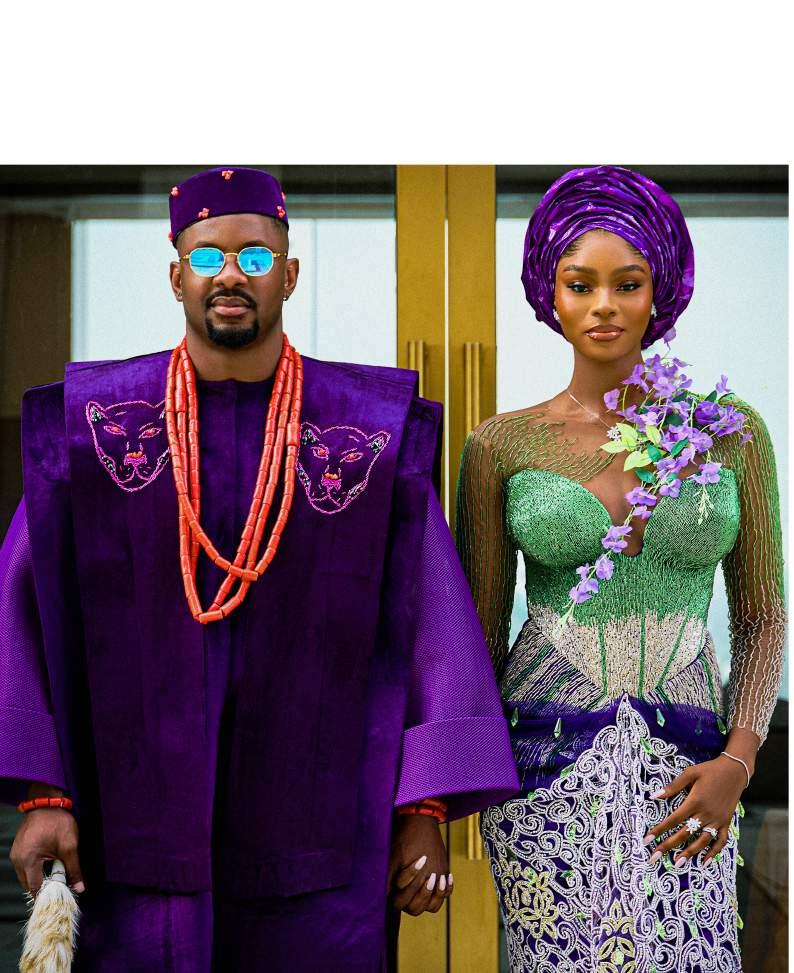





FKola Oshalusi @insignamedia Makeup: Zaron
ive years ago, THEWILL DOWNTOWN began— featuring trending topics, celebrities, politicians, business leaders, and philanthropists. Since then, we have increased the number of pages to bring you more content, as you’ve invited us into your homes. We have celebrated fashion, beauty, wellness, careers, and more.
This anniversary issue is a thank-you note. To our readers, writers, contributors, and partners: you built this with us; we couldn’t have done this without you. To the people who trusted us with their stories: we are grateful. To the Publisher: thank you for believing in me. As we look ahead, we promise to stay curious and honest, bringing you content that you will find interesting. We will continue to spotlight ideas that feel exciting and last a lifetime, and we’ll keep making a magazine rich in content. This anniversary issue is not just a milestone; it is a moment of reflection and resolve. Through changing times, one thing has remained constant: our commitment to excellence and authenticity.
For our cover story, we look back at some of the most memorable interviews and features from the last year, highlighting stories that capture our vision, growth, and continued commitment to purposeful storytelling. Check it out on pages 8 to 10.
Technology was created to simplify life, and yet for many people, notifications interrupt focus, leaving little room for rest. The challenge remains learning to engage technology on your own terms. Our tech page highlights ways to stay digitally connected without losing control. Scroll to page 17 for this. Here’s to the future.
Until next week, enjoy your read.

you Learn to Soften Without Losing Yourself
Apply Moisturiser the Right Way For Maximum
Boluwatife Adesina @bolugramm - Contributing Writer
Boluwatife Adesina is a media writer and the helmer of the Downtown Review page. He’s probably in a cinema near you.

AUSTYN OGANNAH
PUBLISHER/EDITOR-IN-CHIEF
Executive Editor: Onah Nwachukwu @onahluciaa
Writers: Johnson Chukwueke And Dorcas Akintoye
Design & Layout: Hogan Effiom
Digital Media: Oladimeji Balogun
Consulting Art Director: Sunny Hughes ‘SunZA’


Sally Chiwuzie @unshakable.is.a.state.of.mind - Contributing Writer
Sally Chiwuzie is a non-practising barrister who owns the brand #Unshakable. She is the author of Silent Symphonies, a fictional love story, and the creator of the podcast Chronicles of #Unshakable Truths.
Decor Essentials for First-Time Homeowners How to Collect Moments, Not Things I Was Wrong Cities To Explore on Foot Iconic Dishes Every Food Lover Should Try Once
Ada Obiajunwa @aaddaahh - Contributing Writer
Ada Obiajunwa writes from Lagos about the big truths tucked inside ordinary moments — friendship, self-discovery, and the quiet revolutions of everyday life. She believes in the power of presence, good banter, and decoding the unsaid. Through her fragrance studio, WhiffWonders, she also crafts scents that weave memory and emotion into experiences that feel like home.


BY DORCAS AKINTOYE
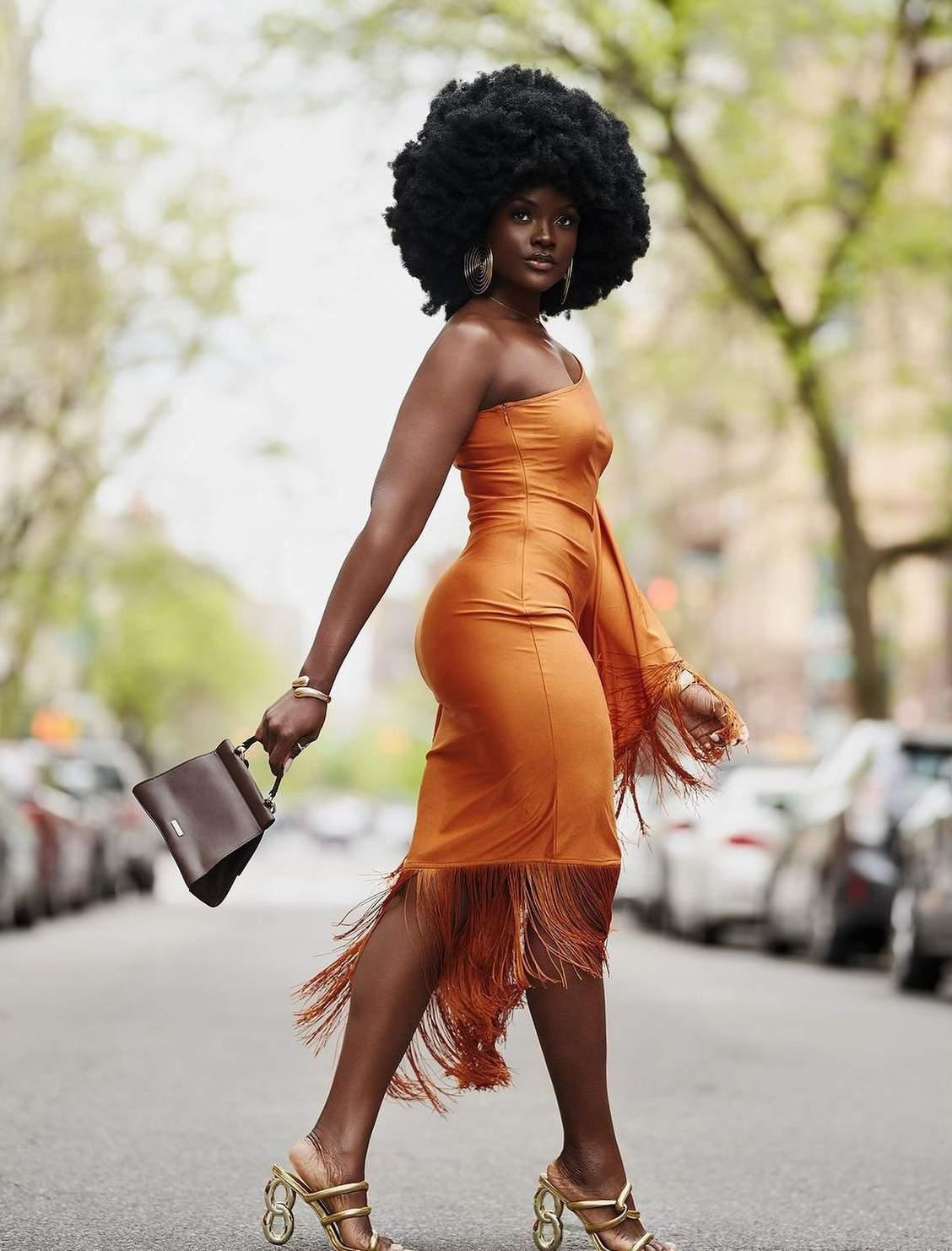
Personal style is not about wearing expensive clothes or copying what influencers are wearing online. It is about how you show up and how your clothes speak for you before you even say a word. Evolving your personal style simply means learning what works for you now and making better choices over time. In this article, we will show you four easy and practical tactics to help you grow into a better, more confident version of your style.
Before changing anything, take time to understand your current style. Look at the clothes you wear often.Your repeated choices say a lot about your style. If you always reach for simple dresses, oversized shirts, or neutral colours, that is a clue. Evolving your style does not mean throwing everything away. It means improving what you already enjoy wearing and refining it.
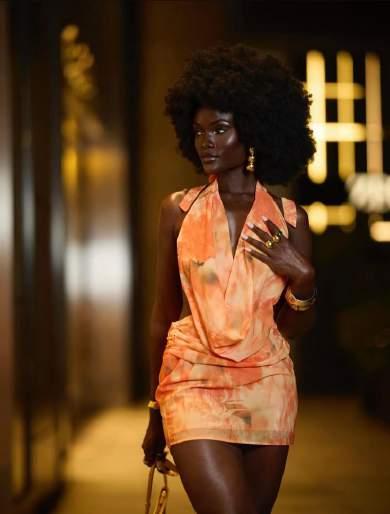
Good style starts with a good fit.You can wear the nicest outfit in the world, but if it does not fit you well, it will not look good. Understanding your body type helps you choose clothes that fit well and make you feel comfortable.This does not mean hiding your body. It means knowing what cuts, lengths, and fabrics work best for you.

A strong personal style is built on basics. Basics are simple pieces you can mix and match easily. Think plain tops, good jeans, skirts, trousers, simple dresses, and comfortable shoes. When you have a solid foundation, getting dressed becomes easier. You can add trendy or bold pieces without looking confused.
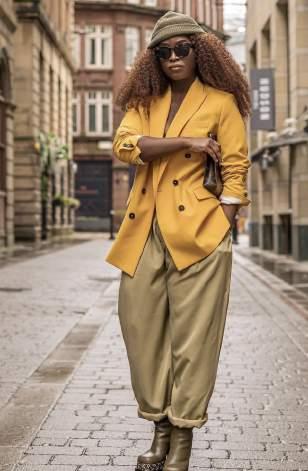
It is okay to get inspiration from fashion pages, celebrities, or people around you. But copying someone else’s style fully will not always work for you. Your lifestyle, body, and personality are different. Instead, pick ideas you like and adjust them to suit you. Maybe you like someone’s colour choices, not the full outfit. Or you like how they layer clothes. Use inspiration as a guide, not a rule.
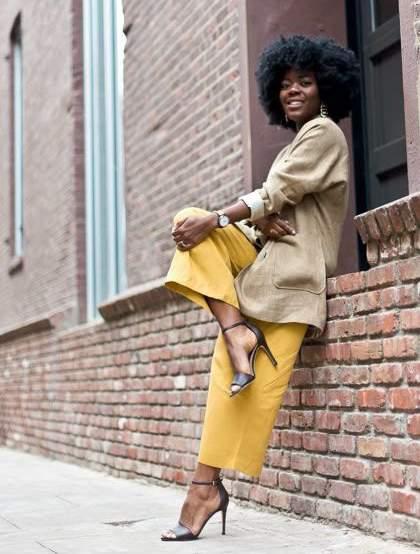
Evolving your personal style is about learning, trying, and becoming more confident in your choices. Keep it simple, stay true to yourself, and remember that the best style is one that makes you feel comfortable and confident every day.







SALLY CHIWUZIE @unshakable.is.a.state.of.mind
Two weeks ago, I told you the story of Brioche and Kris with a K. They were two best friends, four decades of shared life and two cancer diagnoses delivered just weeks apart, as if illness itself had decided they would not walk this road separately.
I told you then that in a cruel twist no one could have prepared for, Kris with a K outlived Brioche despite being the one medically prepped to die first, despite having the more aggressive prognosis, and in spite of having already rearranged her life in anticipation of the end.
Kris with a K had even changed her will because she outlived the beneficiary of a significant portion of her estate. That beneficiary was Brioche.
So, here is what I thought I would tell you next. What no one talks about is what happens after survival rearranges itself unexpectedly, what happens when the person who prepared to die is left behind to wait. Waiting to die is a different kind of grief. It is not the grief we recognise. It is neither the grief of absence nor the grief of after. It is grief that exists while you are still breathing.

Kris with a K had already said her goodbyes. She had made peace with leaving. She had done the emotional accounting required when you believe your time is nearly done. And then Brioche died. This threw her off. It was so sudden. It was right in the middle of a painful divorce, with an estate complicated by unfinished decisions, unresolved relationships, and a life that did not get the dignity of closure.
Kris with a K was left holding a future she had already released. She begged God until she got tired of begging. She moved through seasons that didn’t follow logic.
There was a period of fierce determination: walking miles, raising money for charity, proving to herself and to the world that she was still alive.
And then came the collapse. Blackout blinds drawn. A cold, dark room. The world shut out completely.
She wondered what people were thinking while she was still here. She wondered whether they were watching her with pity; whether they were already practising life without her.
In many ways, they were. Her family mourned her
quietly while she was alive. Friends walked on eggshells, careful with words, careful with hope. Some disappeared entirely, not from lack of love, but from fear - fear of saying the wrong thing, fear of proximity to mortality.
People rallied around her in the weeks they believed were her last. Love came in waves. They were all sincere, generous and overwhelming. However, one friend stood out. This friend disturbed her deeply. This friend behaved as though Kris with a K had already died. She grieved openly. Constantly. Every conversation felt like a farewell that had already happened. Eventually, Kris with a K asked her about it. The friend said something neither of them had language for before:
“We know how to grieve when someone is dead, but nobody teaches you what to do with grief when the person is still alive.”
Kris with a K had no answer. She said only, “Brioche would have known what to say.”
…and so, they sat in silence that was comfortable enough, but ever so unbearably loud. This is the untold truth.
Some grief begins long before death. Some goodbyes

happen while people are still breathing. Surviving when you were prepared to die is not relief…it is disorientation.
Kris with a K had already let go of life. No one tells you

what to do in that space. This is not a story about fairness. It is not a lesson neatly tied with meaning.It is simply this:
Waiting to die rearranges everything. It rearranges your relationships, your faith, your identity, your place in the world, and when death finally comes, those who waited are not spared grief, no. They inherit a heavier version of it because they grieved twice.
See you next week.

BY DORCAS AKINTOYE
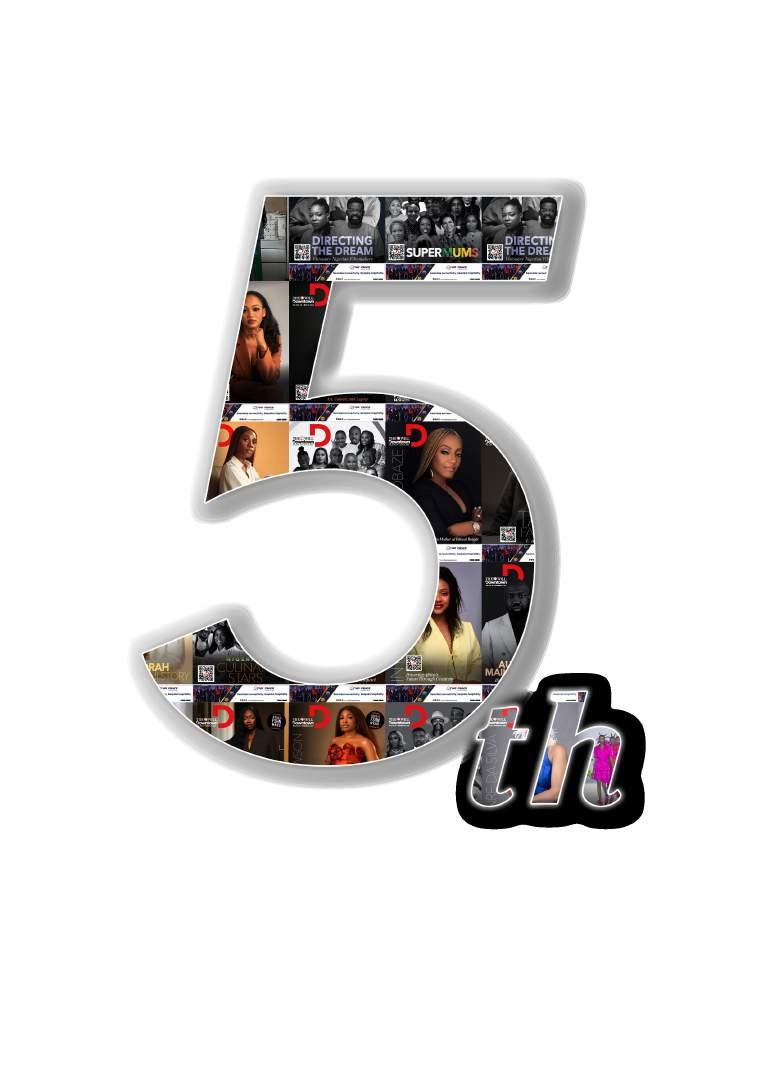
THEWILL DOWNTOWN magazine was launched on February 14, 2021, with one clear goal: to tell meaningful lifestyle stories that people can relate to and learn from. Over the past five years, we have stayed true to that purpose by delivering thoughtful interviews, engaging features, and stories that reflect fashion, beauty, wellness, culture, and everyday life. Through the voices of our writers and Executive Editor, we have continued to spark conversations and shine a light on excellence across different industries. So far, we have published 262 editions, each one driven by passion and intention.
As we mark our fifth anniversary, we are not just counting the years; we are reflecting on the impact. This milestone is a celebration of the stories we have told, the people who trusted us with their journeys, and the readers who have grown with us. In this special cover story, we look back on some of the most memorable interviews and features from the last year, highlighting stories that capture our vision, our growth, and our continued commitment to storytelling with purpose.
20 April 2025


16 March, 2025
Lisa Folawiyo is one of the designers who changed how African fashion is seen around the world. Known for turning Ankara into luxury fashion, she built a brand that blends culture, craftsmanship, and modern style. Through her label, Lisa Folawiyo, she demonstrated that African fabrics can sit comfortably on global runways while remaining true to their roots. In her conversation with THEWILL DOWNTOWN’s Johnson Chukwueke, Folawiyo speaks openly about her journey into fashion, which began with a simple desire to fill a gap she noticed in the industry. Trained as a lawyer, she followed her creative instincts and chose fashion as a more natural path. What stood out was her belief that fashion is a universal language that connects people across cultures. She also shared the challenges of running a luxury brand in Africa, especially funding and access to skilled talent, and how persistence helped her push through. Folawiyo emphasised collaboration, sustainability, and storytelling as key to her brand’s growth.

Hon. Imaan Sulaiman-Ibrahim is one of the women reshaping leadership and public service in Nigeria. With over two decades of experience across humanitarian work, governance, and policy reform, she has built a career driven by purpose, compassion, and results. She currently serves as the Honourable Minister of Women Affairs, where she continues to advocate for women, children, and marginalised communities nationwide.




May 25, 2025
With nearly two decades of experience in psychiatry, psychotherapy, and mental health advocacy, Dr Maymunah Kadiri has built Pinnacle Medical Services into a trusted mental health hub, serving individuals, families, and corporate organisations across Nigeria. Dr Kadiri combines medicine, coaching, writing, filmmaking, and technology to make mental health accessible, relatable, and stigma-free. In this interview with THEWILL DOWNTOWN’s Dorcas Akintoye, Dr Maymunah Kadiri opens up about her journey as Nigeria’s beloved “Celebrity Shrink.” Dr Kadiri’s work revolves around empathy, education, and community. She challenges misconceptions, showing that mental illness is not weakness or spiritual failure, but a treatable health condition. She stresses that mental well-being is fundamental to purpose, productivity, and living fully. From counselling individuals to guiding corporate wellness programs, her advocacy empowers Nigerians to speak up, seek help, and care for their minds. Her message is clear: mental health matters, community matters, and young women especially should know that nurturing their minds is as important as chasing their dreams.



July 20, 2025
In this interview with THEWILL DOWNTOWN's Johnson Chukwueke, Valerie Obaze shares how R&R Skincare began in 2010 as a mother’s quest for gentle, natural products for her daughter, Rebecca-Rose, and has since grown into a luxury African beauty brand. Driven by ethical sourcing and women’s empowerment, Obaze’s NGO, the Women of the Savannah Development Project (WSDP), helps rural Ghanaian women build co-operatives, earn fair income, and preserve traditional methods.



November 23, 2025
Over the past year, THEWILL DOWNTOWN has brought readers closer to the best of Nigeria’s creative scene, and GTCO FSHN WKND 2025 was a standout moment.

September 7, 2025
As Chief Executive, Nigeria, at the Malala Fund, Aguele leads advocacy, grant-making, and partnerships to help girls access and finish school. In this issue, she highlights challenges like child marriage, adolescent pregnancy, and poor school funding, but sees opportunities in Nigeria’s young, women-led organisations and the voices of girls themselves. Aguele believes that educating girls improves communities, boosts the economy, and breaks cycles of poverty.


Held on November 8–9 at the GT Centre, Victoria Island, Lagos, the event celebrated its 8th edition under the theme “Fashion is Freedom.” It brought together global designers, local brands, and fashion lovers for two days of style, learning, and creativity. From masterclasses to retail showcases, the weekend highlighted how fashion is not just clothing—it’s selfexpression, identity, and opportunity.
November 30, 2025



Sulaiman Aledeh shares his story as one of Nigeria’s most respected journalists. His career began in Benin City as a young philosophy student who loved listening to radio presenters. He started at Edo Broadcasting Service (EBS), first on radio and then on television, creating shows like The Entertainment News and the Breakfast Show. His career later took him to Channels TV, Arise News, and international platforms, yet he always stayed connected to Nigeria’s media growth.
U n f i l t e r e d
Returning to EBS as Managing Director, Aledeh has focused on changing negative perceptions, motivating staff, and modernising the station. He has rebuilt the newsroom, improved TV quality, and expanded the online presence, aiming to make EBS a world-class platform showcasing Nigeria’s culture. Off-air, he enjoys family time, chess, humour, and staying curious. Fearless and thoughtful, Aledeh believes journalism is a way to teach and influence, and through EBS, he continues to inspire both audiences and young media professionals across the country.

November 16, 2025
In this interview with THEWILL DOWNTOWN’s Executive Editor, Onah Nwachukwu, Lanre Da Silva reflects on 20 years of building her iconic label, LDA, and shares insights from her remarkable journey. Since 2005, Da Silva has remained true to her African roots, blending heritage, culture, and elegance in every design. From her early sketches at her dining table to international runways in New York, London, and Milan, she has created a brand admired for craftsmanship, attention to detail, and timeless style.






December 28, 2025
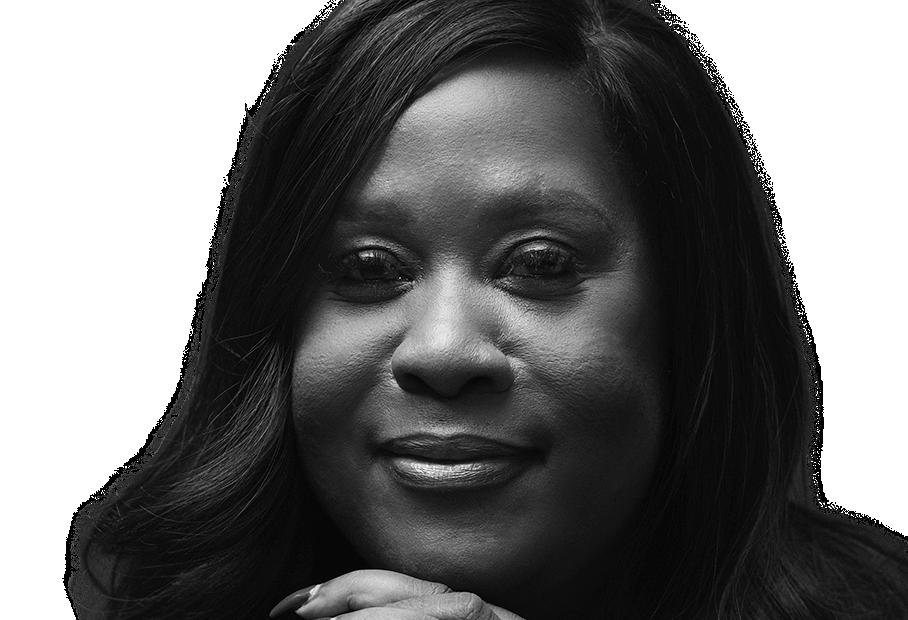
Chef Stone, born Abiola Akanji, is one of the leading voices shaping modern Nigerian cuisine today. Through his work as a chef, educator, and food entrepreneur, he has helped change how Nigerian food is cooked, presented, and experienced. From founding Red Dish Chronicles Culinary School to creating dining concepts like The Burgundy and Truck Central, Chef Stone has built platforms that train young chefs, celebrate African flavours, and push Nigerian cuisine beyond home kitchens into global conversations.

January 25, 2026
This issue looks back at Nigeria’s cultural journey over the last ten years. It compares Nigeria then and now across everyday parts of life that many people easily relate to. From beauty and fashion to religion, entertainment, social media, and popular personalities, the piece shows how small lifestyle habits and big cultural moments have quietly changed.
In this article, Dorcas Akintoye reflects on how Nigerian culture has grown, evolved, and found a stronger global voice.


December 21, 2025
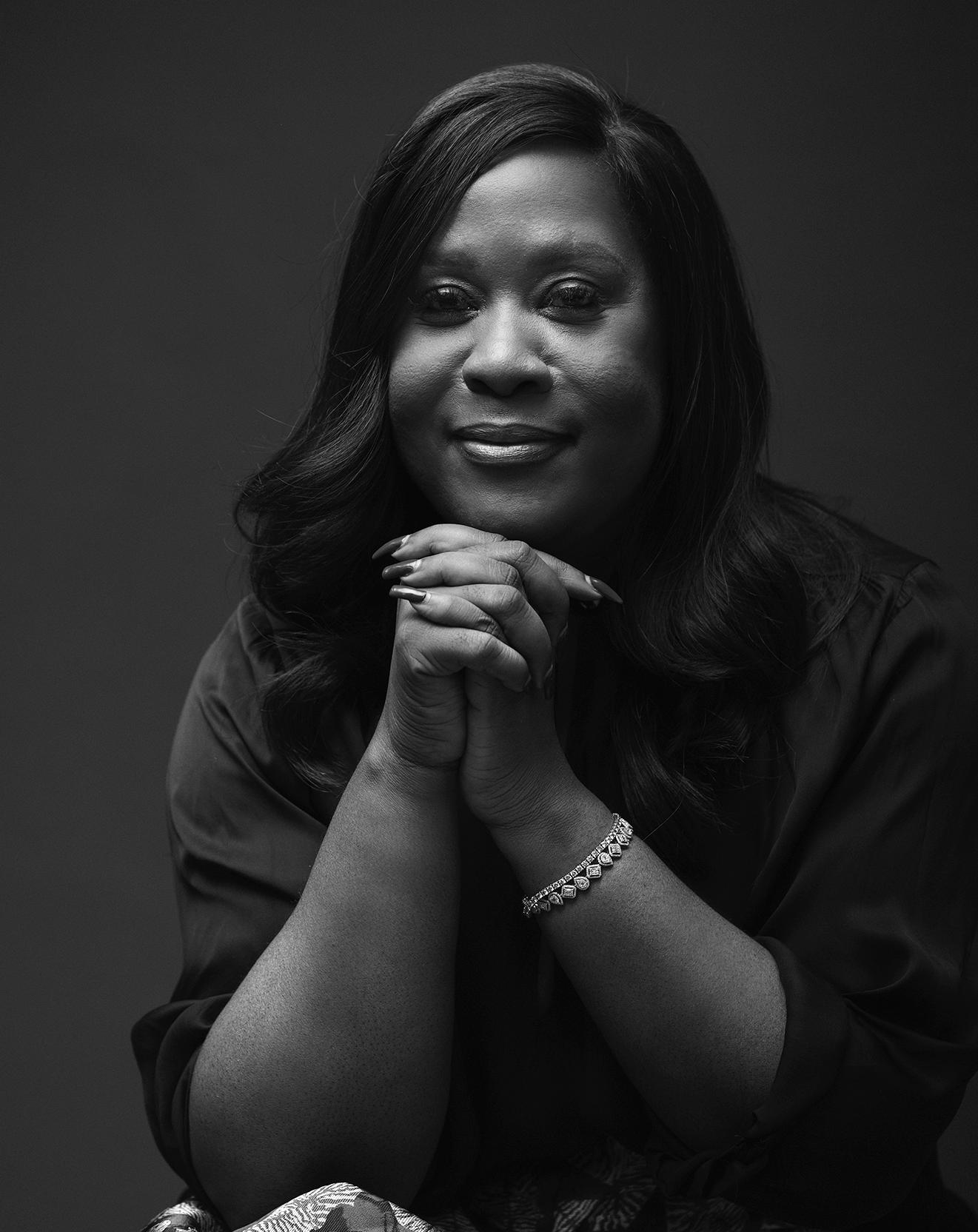
Known for bold prints, strong shapes, and timeless designs, Odio Mimonet has always stood for meaning beyond trends. In this interview with THEWILL DOWNTOWN’s Executive Editor, Onah Nwachukwu, Odio Oseni reflects on 30 years of building Odio Mimonet, a brand that has shaped how Nigerian women dress and express themselves. Oseni shares how her love for art, culture, and storytelling helped her create designs that celebrate the female form while giving women confidence and freedom. She speaks on finding the brand’s voice through deep connection with her clients and staying true to her vision.




Sometimes love isn’t about being chosen. It’s about realising you don’t have to stay braced all the time.
It doesn’t happen all at once. There isn’t a day when you wake up and decide to soften. No declaration. No grand emotional shift. It usually begins much more quietly than that.
You notice it in your body before your language catches up.
You stop clenching through conversations. You stop rehearsing responses before anyone has even spoken.
You stop bracing for disappointment as a default setting.
Not because life suddenly became gentle, but because you’ve been carrying enough to know that staying hard all the time is expensive.
Most people learn how to brace before they learn how to rest.
They learn how to manage. How to anticipate. How to stay alert. How to keep things moving. How to be useful. How to be reliable. How to not fall apart in public.
And for a long time, that works.
Being braced keeps you functioning. It keeps you respected. It keeps you in control of outcomes. It teaches you how to survive busy seasons, heartbreaks, unmet expectations, and responsibilities that arrived early.


You just notice that some things don’t need defending anymore.
This is the part people misunderstand.
But eventually, something starts to feel off. Not dramatic. Just… tight.
You’re doing all the right things, but you’re tired in a way sleep doesn’t fix. You’re loved, but you don’t always feel open. You’re capable, but rarely at ease.
So you begin to adjust.
Not in a self-care, scented-candle kind of way. More practical than that.
You start choosing conversations that feel easier on your chest.
You let yourself enjoy moments without immediately asking what they lead to.
You stop turning every interaction into a performance review.
You don’t announce this change. You probably don’t even name it.
Softening isn’t weakness. It’s efficiency.
It’s realising that not every situation requires armour. That staying guarded long after the danger has passed doesn’t make you wise, it just makes you tired. You don’t soften because life became safe.
You soften because you’ve learned the difference between caution and constant tension. Around Valentine’s, this realisation hits differently.
Because love, in all

its forms, has a way of exposing how braced we’ve been. Romantic love, especially. It shows you where you’re still holding your breath. Where you’re negotiating instead of receiving. Where you’re protecting yourself from things that haven’t actually happened.
Some people read this season through longing. Some through disappointment.
Some through indifference they pretend is maturity.
But beneath all of it is the same quiet question. What would it feel like to be less on guard?
For some, softening looks like letting themselves want again without apologising.
For others, it’s staying present instead of preparing for the ending.
For many, it’s learning that being independent doesn’t mean being unreachable.
Softening doesn’t erase your boundaries. It refines them. You still say no. You still choose carefully. You still protect what matters. But you stop confusing emotional numbness with strength. You stop mistaking distance for discernment.
You let yourself enjoy people without needing certainty first.
That’s the shift.

You don’t lose yourself when you soften. You stop carrying parts of yourself you no longer need.
This is often when relationships change. Not because people did anything wrong, but because you no longer relate from survival mode. You stop bonding over exhaustion. You stop staying in conversations that drain you just to prove loyalty. You stop performing competence where honesty would do.
From the outside, it can look like calm. Or maturity. Or ease. From the inside, it feels like exhaling. And maybe that’s the point.
Love, at its healthiest, doesn’t demand that you stay braced. It doesn’t require you to be smaller, tougher, quieter, or constantly impressive.
It invites you to be present.
So if this season feels tender for you, that doesn’t mean you’re behind. It might mean you’re finally letting yourself feel without armour.
And if it feels lighter than you expected, that doesn’t make you cold. It might mean you’ve learned that love doesn’t always arrive loudly. Sometimes it shows up as peace.
Either way, softening isn’t something you rush. It’s something you allow.
And maybe that’s the Luxury Silk.
BY DORCAS AKINTOYE
Moisturising may seem simple, but many people don’t reap the full benefits because they apply it incorrectly. Some apply too much, some use it on dry skin, and others rush the process. When done properly, moisturiser helps your skin stay soft, smooth, healthy, and glowing. It also protects your skin barrier and reduces dryness, irritation, and early signs of ageing. In this article, we will show you how to apply moisturiser properly so your skin can truly benefit from it.

APPLY MOISTURISER ON A DAMP SKIN, NOT DRY SKIN
One of the biggest mistakes people make is waiting until their skin is completely dry before moisturising. Moisturisers work best when your skin is slightly damp. This is because damp skin helps lock in water, making your moisturiser more effective. After washing your face or bathing, gently pat your skin with a towel. Do not dry it completely. While your skin is still slightly moist, apply your moisturiser. This helps retain moisture and keeps your skin soft for longer. If you apply moisturiser to dry skin, it may sit on top and do little.
Using too much moisturiser can make your skin feel heavy, greasy, or clogged. Using too little can leave your skin dry and tight. The key is balance. For your face, a pea-sized amount is usually enough. For your body, use enough to cover each area evenly without overloading the skin.

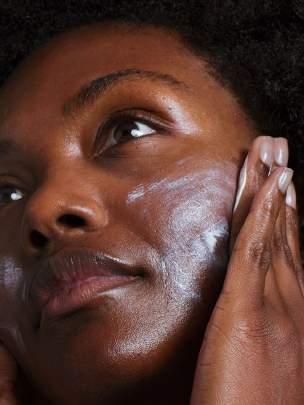
Timing is very important. The best time to moisturise is within 3 minutes after bathing or washing your face. At this time, your skin has absorbed water and is ready to lock it in. Applying moisturiser immediately helps trap that moisture and keeps your skin hydrated throughout the day or night.
CHOOSE A MOISTURISER THAT MATCHES YOUR SKIN TYPE USE THE RIGHT AMOUNT
APPLY IN GENTLE UPWARD AND CIRCULAR MOTIONS
How you apply moisturiser matters more than people think. Rubbing harshly or dragging your skin can cause irritation and, over time, lead to sagging. Use gentle upward strokes on your face and circular motions on your body. This helps improve absorption and is kinder to your skin.


Even the best application method won’t work if the moisturiser is wrong for your skin. Dry skin needs thicker, richer creams. Oily skin needs light, non-greasy lotions or gels. Sensitive skin needs simple, gentle formulas without strong fragrance.
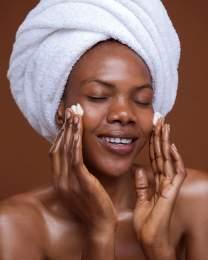

Moisturising is not just about applying cream and moving on. It’s about how, when, and what you apply. When used correctly, moisturiser helps your skin glow, stay healthy, and feel smooth all day.

BY JOHNSON CHUKWUEKE
Fitness doesn't need suffering to be effective, and for many people, the hardest part of fitness isn’t motivation, it’s sustainability. Not everyone wants to wake up before sunrise, commit to hour-long gym sessions, or structure their lives around workout plans. When exercise feels like punishment, it quickly becomes something we avoid. The truth is, the body responds better to consistent movement than to occasional bursts of intensity. Low-effort workouts work because they respect real life, busy schedules, fluctuating energy levels, and days when “doing the most” simply isn’t possible. Fitness doesn’t need to be dramatic to be effective. It needs to be repeatable. So let's see what routines you can implement.

Walking is often dismissed because it looks too easy, but it’s one of the most effective forms of exercise. Regular walking improves cardiovascular health, supports weight management, boosts mood, and reduces stress, all without straining the joints. A 20- to 40-minute walk, done consistently, does more for your body than an intense workout you only do once a week.

SHORT WORKOUTS REMOVE THE PRESSURE
Low-effort fitness thrives on simplicity. Ten to twenty minutes of movement, such as stretching, bodyweight exercises, dancing, or light yoga, is enough when done regularly. Short workouts reduce resistance and make exercise easier to fit into everyday life. When workouts feel manageable, consistency naturally follows.

HABIT-BASED MOVEMENT WORKS BETTER THAN MOTIVATION
Waiting to “feel motivated” is unreliable. Lazy-butconsistent fitness relies on habits instead. Walking during phone calls, stretching while watching TV, using stairs instead of lifts, or doing squats while brushing your teeth turns movement into part of daily life. When exercise blends into routine, it stops feeling like effort.

PROGRESS SHOWS UP QUIETLY
Low-effort workouts don’t always produce dramatic before-and-after moments, but they deliver meaningful change. Better sleep, increased energy, improved mood, less stiffness, and stronger everyday movement are real signs of progress. Fitness doesn’t have to hurt to work; it just has to be consistent.

ENJOYMENT IS THE SECRET INGREDIENT
The best workout isn’t the hardest one; it’s the one you’ll repeat. Walking, swimming, cycling, stretching, yoga, or dancing all count. When you choose movement you don’t dread, you remove the biggest obstacle to fitness: quitting.
Being “lazy but consistent” isn’t a weakness; it’s a strategy. Fitness works best when it fits into your life instead of fighting against it. Small, low-effort movements done regularly will always outperform extreme routines you can’t sustain. Consistency wins—every time.
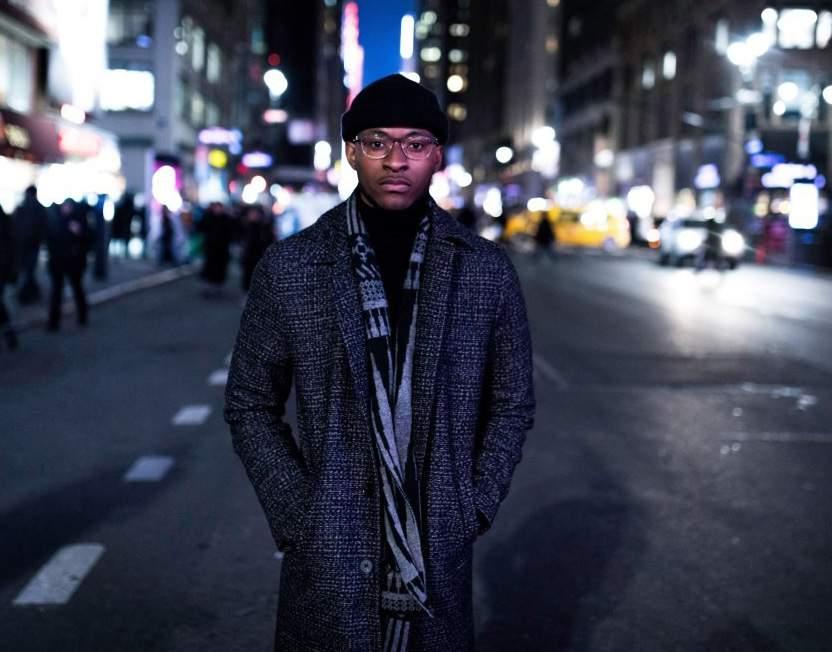
BY JOHNSON CHUKWUEKE
There’s something undeniably romantic about discovering a city one step at a time. Whether it’s the rhythm of cobblestone streets beneath your shoes, the scent of fresh pastries wafting from a corner bakery, or the spontaneous joy of stumbling upon a street musician, walking allows you to feel a city’s pulse. In a world obsessed with speed, these cities invite you to slow down and take it all in — one stride at a time.

Move over, Paris, Lyon has quietly become one of Europe’s most rewarding cities to explore on foot. From its Renaissance-era Old Town (Vieux Lyon) to the modern vibrancy of Presqu’île, the city’s layout is compact yet full of charm. The Traboules, Lyon’s secret passageways, weave through old buildings, linking hidden courtyards and quiet corners that whisper stories of silk merchants and revolutionaries. Add a walk along the Rhône River promenade at sunset, and you’ll see why Lyon’s rhythm is best savoured step by step.

Set between mountains and ocean, Cape Town is made for wanderers. A walk along the V&A Waterfront offers world-class dining and views of Table Mountain, while Bo-Kaap’s technicolor streets feel like an openair art gallery. Venture into the Company’s Garden, and you’ll find a peaceful green heart in the midst of the city’s buzz. Cape Town’s blend of natural beauty, urban energy, and cultural diversity makes every step an adventure.

If Lyon is subtle, Seville is all fire and flair. The Andalusian capital’s streets are a sensory overload — the strum of flamenco guitars, the scent of orange blossoms, and the golden glow of the Plaza de España. Its historic core, from the Giralda Tower to the Alcázar Palace, is a pedestrian paradise. Narrow alleyways unfold into lively tapas bars and sunlit courtyards where locals sip sangria and laugh until late. In Seville, walking isn’t just a mode of transport; it’s a cultural experience in motion.

Florence is an open-air museum, best explored without a car. From the Duomo to the Ponte Vecchio, every cobblestone street drips with history. Cafés spill onto piazzas, artists sketch by the river, and the air smells faintly of espresso and romance. Walking through Florence feels like travelling through time, each turn revealing another masterpiece.

Kyoto is a masterclass in serenity. Stroll through Gion, where geishas still glide through lantern-lit streets, or wander the Arashiyama Bamboo Grove, where the wind hums softly through towering stalks. Temples like Kiyomizu-dera and Fushimi Inari Shrine, with their endless torii gates, make every walk a spiritual experience. The city encourages you to slow your pace and pause; in doing so, you find beauty in every detail.
The best travel stories aren’t always found in luxury resorts or guided tours. They unfold in the quiet moments between destinations, when you slow down, wander, and walk. Whether it’s the romance of Paris, the serenity of Kyoto, or the vibrancy of Cape Town, these cities remind us that sometimes, the best way to move forward is to take it one step at a time.

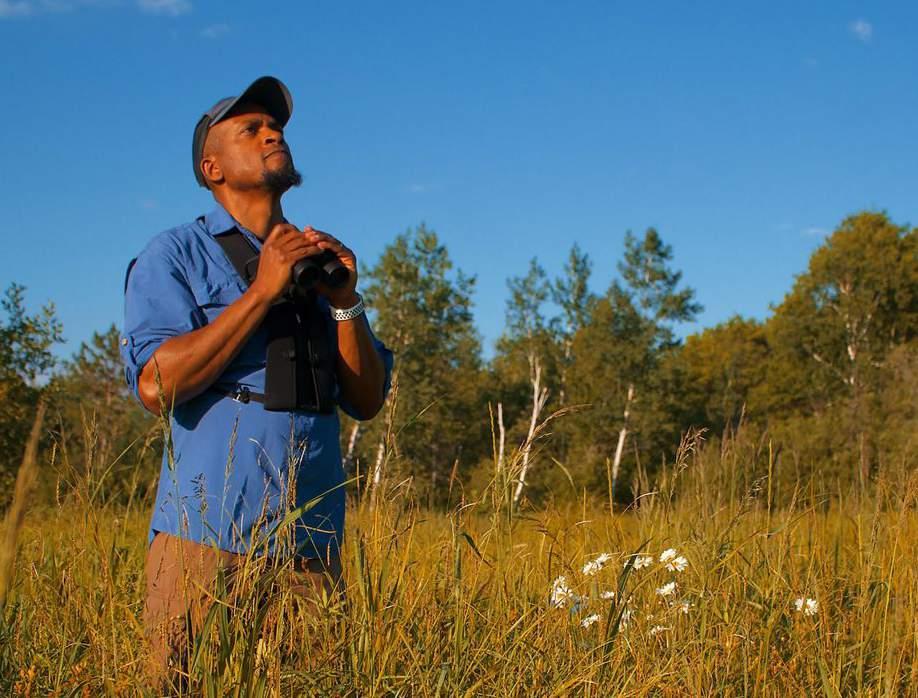

Prioritise Experiences Over Purchases
Before clicking “add to cart,” ask yourself: Would this bring me lasting joy or just temporary excitement? Instead of another impulse buy, invest in experiences such as taking a cooking class, attending a concert, or planning a weekend getaway. Memories age beautifully; objects don’t.

Say Yes to New Adventures
Moments worth remembering often come from saying yes—whether it’s trying sushi for the first time, joining a hiking group, or signing up for salsa lessons. The goal isn’t perfection; it’s participation. Experiences shape who you are far more than the things you own.

BY JOHNSON CHUKWUEKE
We live in a world that often tells us happiness is hidden in shopping bags, shiny gadgets, and wardrobes stuffed with the latest trends. But ask anyone to describe their fondest memory, and chances are it won’t be about a new phone or designer shoes—it’ll be about a moment. A beach trip with friends, the laughter around a dinner table, the thrill of trying something new for the first time. Life isn’t meant to be hoarded, it’s meant to be lived, and the richest people aren’t the ones with the most possessions—they’re the ones with the most stories. So how do you shift from collecting things to collecting moments? Let’s break it down.
You don’t have to fly across the world to experience something new. Even a short trip to a nearby city can leave you with unforgettable stories. Travel challenges your comfort zone, introduces you to new cultures, and gives you moments that will live longer in your heart than souvenirs on a shelf.

Travel Whenever You Can Capture, But Don’t
Taking photos and videos is a great way to preserve memories, but don’t get so caught up in creating the perfect Instagram shot that you miss the actual moment. Sometimes, the best memory is the one you fully experience without your phone in the way.

Celebrate the Everyday Moments
Not every memory has to be a grand adventure. Some of the most beautiful moments happen in the ordinary—sharing a laugh with a loved one, watching a sunset, or enjoying a simple homemade meal. When you learn to treasure the small things, life feels infinitely richer.
At the end of the day, our lives are a collage of moments—some bold and colourful, others quiet and soft. No matter how much we own, it’s the experiences that shape us, move us, and linger in our hearts. So the next time you feel the urge to splurge, pause and think: would I rather have another thing gathering dust, or a memory I’ll smile about for years? Choose the moment. Choose the story. Choose life.
BY DORCAS AKINTOYE
Gettingyour first house is a thrilling accomplishment. It's an opportunity to design a room that appeals to you and represents your individuality. However, decorating your first house can feel overwhelming, especially if you don't know where to begin. To help, we've compiled a list of decor essentials every first-time homeowner should consider.

A home can feel incomplete with bare walls, but you can easily add your personality to the room by decorating the walls with artwork. A gallery wall of your favourite prints, framed paintings, or family photos can all tell a story. Local market prints or do-it-yourself artwork can be excellent choices if you're on a tight budget. Don’t forget mirrors, which reflect light, make a space feel larger and brighter, and are decorative. Be deliberate about where you put things; for instance, to optimise natural light, hang a huge mirror opposite a window.
A dining table serves as a gathering place for family and friends, whether it be for a meal, a game night, or an in-depth discussion. A small round table, or one that folds up for storage when not in use, is a good option for limited spaces. If you have additional space, a rectangular table can make a statement and accommodate larger gatherings.

As a first-time homeowner, you'll quickly see how crucial storage is to maintaining a clutter-free, orderly home. Functional storage furniture can be beneficial, particularly in smaller homes or apartments. Consider beds with built-in storage underneath, coffee tables with drawers, or ottomans with concealed compartments. Shelving is another excellent way to display and store items. For instance, floating shelves don't take up floor space and can hold books, plants, or ornamental items. To maintain a neat home, use baskets and bins to store items such as kids' toys, cords, and remote controls.
Your living room is likely the heart of your home, and a comfy couch is a must-have. A high-quality couch adds comfort and establishes the mood of your living area, whether you're entertaining guests, watching movies, or just relaxing after a long day. Consider the size of your living space while selecting a couch. You don't want something too small that appears out of place or too large that makes the room feel cramped. Select a neutral hue that complements practically any decor style, such as beige, grey, or navy. Throw in some colourful or patterned cushions to add personality. Choose a long-lasting couch because it's an investment in both comfort and style.



It doesn't have to be difficult to decorate your first house. By starting with these fundamentals, you'll have a strong base to build on. Keep in mind that your house is a reflection of who you are, so don't be scared to add elements that make it distinctly yours. You can quickly make a room seem like home with a soft couch, a functional dining table, smart storage solutions, chic wall décor, and warm lighting.

BY JOHNSON CHUKWUEKE

LET TECHNOLOGY SUPPORT YOUR
Technology should enhance real-world habits, not substitute them. Use apps to organise your day, track movement, support problemsolving, or support learning, but not to replace conversations, rest, or reflection. When technology supports your goals instead of dictating your time, it becomes a quiet assistant rather than a demanding presence.

Most digital fatigue comes from unconscious use. Before opening an app, pause and ask yourself why. Are you responding to a message, learning something new, or simply filling time? Purposeful use keeps technology efficient and prevents endless scrolling. When tech serves a clear goal like work, it becomes a tool, not a distraction.

Every alert competes for your attention, and constant interruptions quietly increase stress. Turning off non-essential notifications creates instant mental space. Emails, group chats, and social updates don’t require immediate responses. By deciding when to engage rather than reacting automatically, you regain focus and reduce anxiety.

Being online all the time leaves no room for mental recovery. Creating phone-free moments during meals, in the morning, or before bed allows your mind to reset. These intentional breaks improve concentration, sleep quality, and emotional balance, without needing a full digital detox.
Technology was created to simplify life, to help us work smarter, connect faster, and access information effortlessly. Yet for many people today, it feels overwhelming. Notifications interrupt focus, social media fuels comparison, and constant connectivity leaves little room for rest. The challenge isn’t rejecting technology, but learning how to engage with it on your own terms. Using technology well is about intention, not avoidance. Here’s how to stay digitally connected without losing control.

Your attention is valuable, and digital platforms compete aggressively for it. Curate your online space intentionally. Unfollow accounts that drain you, mute unnecessary group chats, and prioritise content that adds value. What you consume daily shapes how you think, feel, and focus more than you realise.
Technology isn’t the problem; unconscious use is. When you decide how, when, and why you engage with digital tools, control returns to you. The goal isn’t to disconnect from the world, but to stay connected without being consumed by it. Let technology support your life, not run it.
BY JOHNSON CHUKWUEKE
Forget the usual food-bucket-list meals, and get your culinary passport into flavours, textures, and traditions that aren’t mainstream, but absolutely should be. Travelling the world through food is one of life’s purest pleasures. It’s the kind of adventure you can embark on without a visa, a suitcase, or even leaving your living room, just curiosity and an open mouth. But while many people dream of tasting pizza in Italy or sushi in Japan, some of the most remarkable dishes on the planet never make it to social media trends or restaurant billboards. They live quietly in local kitchens, in family traditions, in centuries-old recipes that tell stories of migrations, spices, seasons, and culture.
This list isn’t about what you already know. It’s about the dishes that may surprise you, the ones food lovers whisper about, the ones that define a country far more deeply than its tourist-friendly meals. From ancient stews and fermented wonders to coastal treasures and rich comfort foods, these plates hold soul, history, and the kind of flavour you never forget.
So buckle up. Your taste buds are about to go on a world tour.
Instead of the usual sushi or ramen, Okonomiyaki is a savoury Japanese pancake layered with cabbage, batter, seafood or meat, and a glossy, sweetsavoury sauce. Hiroshima style builds it in layers (with noodles!), while Osaka mixes everything into one hearty bite. It’s comforting, messy, and unforgettable.
ITALY –CACCIUCCO
Forget lasagna, this is Italy at its most rugged and soulful. Cacciucco is a hearty Tuscan seafood stew traditionally made by fishermen who used whatever the day’s catch brought in. Think mussels, clams, squid, prawns, monkfish, slow-cooked in a rich tomato-wine broth with garlic and chillies. It’s bold, rustic, and unapologetically Italian. A true taste of the coast.
To many, Thailand’s best dish isn’t pad thai, it’s Khao Soi. This Northern Thai coconut-curry noodle soup mixes soft egg noodles with crispy ones, then crowns it with slow-cooked chicken or beef. Creamy, spicy, aromatic, and layered, it’s pure magic in a bowl.



A classic, yes, but still underexplored. Bouillabaisse, born in Marseille, blends Mediterranean fish, shellfish, saffron, fennel, and herbs into a luxurious seafood broth served with toasted bread and rouille. It’s elegance, tradition, and flavour in perfect harmony.
DE RES
The moment’s focus will be away from Tacos and on Birria de Res, a deeply seasoned beef stew from Jalisco, slow-cooked with chillies, cinnamon, cumin, and herbs until the meat falls apart. Served with consommé and fresh corn tortillas, it’s smoky, spicy, and unforgettable. Many say it’s the dish that defines real Mexican comfort food.


Food is one of the most beautiful ways to understand the world. These dishes aren’t just meals, they’re stories, heritage, and invitations to taste life from a different angle. So next time you crave an adventure, skip the obvious and try one of these global gems. Your palate will thank you.

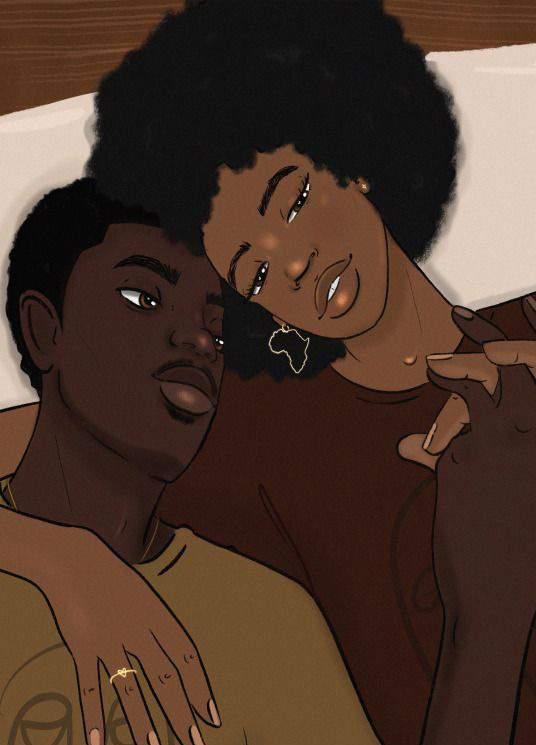
pictures before ordering food when I heard a knock at the door.
It was Deji.
Ihad never been a fan of blowjobs and cunnilingus. I’d always hear my girls talk about it, how they almost went crazy, how it was such a big deal. But it never cut it for me. The idea of giving one disgusted me, and I didn’t care much for receiving one either. Thankfully, all the men I’d been with before never tried it with me, until I met Deji.
We met at an event. He was one of the vendors, just like I was. He looked too calm for the kind of face he had; tall, darkskinned, with a model-like handsomeness that felt unfair. I noticed him the moment I stepped into the hall, but I didn’t try to talk to him. I was busy capturing moments for my clients.
Later, I took a break to eat lunch. I didn’t
even notice when he sat beside me because I was lost in my phone. Then we started talking.
As if the calm face wasn’t enough, he had a calm, cool voice too. Deji was… easy. We bonded quickly, gisting about everything and nothing, laughing like we’d known each other for longer than a few hours. Somewhere in that conversation, I learned we were staying at the same hotel.
That evening, I returned to my room exhausted but happy. I pulled off my dress and headed straight to the bathroom. After my shower, I changed into a spaghetti-strap top and very short shorts, no bra.
I decided to sort through the event
I was genuinely surprised.
“How did you find my room?” I asked, stepping aside to let him in.
“My room is right opposite yours,” he said easily. “I was going to get dinner and thought I’d ask if you wanted anything too.”
“Oh... yeah, definitely. I just want to finish sorting these pictures first,” I said, pointing at my laptop on the bed.
“In that case, let me get the food. What do you want?”
“Anything. Just get the same thing for both of us.”
When he left, concentrating became impossible. I liked his energy. And the thought of leaving the next day suddenly made me sad.
When he returned, I was done with the pictures. We ate on my bed, talking, laughing, vibing. Even after the food was gone, the conversation kept flowing. Somewhere along the way, I forgot what I was wearing, or maybe I remembered and just didn’t care.
He said something that made me laugh hard. Then there was a brief silence. Just two seconds.
He looked at me and said, quietly, “I like you already.”
I’d heard those words before, but his felt different. I swallowed hard, suddenly aware of my breathing.
I smiled, about to respond, when I felt his lips on mine.
It happened so fast I didn’t see it coming.
His lips were soft, unhurried, and confident. I melted into the kiss almost immediately. In that moment, professionalism, logic... everything else disappeared.
I kissed him back.
That was all the permission he needed.
He pulled me closer, his eyes searching mine before he gently slipped one strap off my shoulder. My skin met air, and my breath caught. He looked at me like I was something he wanted to take his time with.
When his mouth found my chest, I forgot how to think.
Then he paused and asked, “Can I go down on you?”
I was still trying to recover from how he’d made me feel with just his mouth and hands. I nodded, barely processing the question, and shifted instinctively.
What followed rewrote everything I thought I knew.
It was intense. Slow and deliberate. Overwhelming in the best way. My body responded in ways it never had before, sounds escaping me before I could stop them. I clutched the bedsheet for balance, my fingers digging into his skin, holding on like I needed the anchor.
When I came, I was breathless, undone, and completely unprepared. It was my first time, and it took me by surprise in the most powerful way.
After that, everything flowed naturally. Nothing forced. Nothing rushed. Just two people completely present with each other.
Later, we lay tangled on the bed, bodies warm, breaths slowly evening out. He pulled me into him, and we fit together effortlessly, spooned as if it were instinct.
He leaned in and whispered, “You’re beautiful. And sweet.”
In my head, I laughed softly.
All that time, I’d been so sure of what I didn’t like. So confident in my boundaries. And maybe I wasn’t wrong, maybe I had just never met the right person.
As I closed my eyes, still wrapped in his arms, one thought stayed with me: Some experiences aren’t bad. They’re just waiting for the right moment. And the right person.
BY BOLUWATIFE ADESINA

Lifein the wild is nasty, brutish and short. The same could be said of Ben, the domesticated and, unfortunately, for his owners, accidentally rabid chimpanzee who serves as the title character of Primate, and also for the movie itself. Working from his own smartly stripped-down screenplay (with Ernest Riera), British horror specialist Johannes Roberts, whose resume includes the Jaws knock-off 47 Meters Down, packs enough gratuitous simian-on-humanviolence into 89 minutes to satisfy even the most bloodthirsty viewer. Limbs are bitten off, scalps are torn, and jaws get twisted off their hinges; if we’re talking pound-for-pound destructiveness, King Kong ain’t got nothing on Ben.
Certainly, the shadow of Skull Island’s favourite son falls over Primate, but the movie’s existence seems derived from a more recent source; the plot setup and photorealistic CGI creature design suggest the “Gordy” sequences from Jordan Peele’s fantastic Nope (2022) distended to feature length. (Some of Ben’s scenes were achieved using practical and makeup effects; the integration with digital imagery is stylised but seamless.
Where Nope unfolded smartly as a meditation on Hollywood’s history of animal exploitation and spectacle in general as an idea, Primate is content to simply be about exploitation, straight up; an ignoble mandate with its own perverse terms of endearment. What its scenario lacks in subtext it more than makes up for via sheer, sadistic technique, stranding its gaggle of winkingly expendable college-age characters in a secluded mansion with an apex predator and letting things get Darwinian from there.
The plot, such as it is, is organised around a homecoming: the return of Lucy (Johnny Sequoyah) to the Hawaiian island paradise after a year in self-imposed exile. Lucy loves her younger sister Erin (Gia Hunter) but had to flee following the death of their mother, a renowned primatologist whose legacy is being carried on by her husband, Adam

(Troy Kotsur).
Despite Lucy’s arriving with a couple of party-hearty gal pals in tow, the vibes are bad. Erin resents Lucy’s absence and lets her know it. Both young women are annoyed that Dad keeps travelling to hawk his latest book.
Meanwhile, Ben, who’s introduced to the guests as a de facto family member, is lurking around, rubbing his arm and drooling — a bad sign considering the opening credit sequence takes pains to define the causes and symptoms of hydrophobia. In the classic Cujo, Stephen King used rabies as a metaphor for something more demonic; here, it just seems Ben is the victim of bad luck (and a sickly local mongoose).
For material like this to work, the director at the controls must be alert and resourceful, and Roberts — aided mightily by production designer Simon Bowles — navigates the pileup of contrivances and clichés adroitly. Having already set a precedent for aquatic suspense via the shark attacks of 47 Meters Down, Roberts tops himself with an extended set piece located in and around a cliffside infinity pool; Ben can’t swim, but the gang can only tread water in relative safety for so long before they need to make a move.
The chimp-and-mouse game is absorbing and freaky on its own neo-B-movie terms. It’s refreshing to watch a genre movie that understands how to keep its setting and its stakes small-scale, and knows the difference between cheesy, Cocaine Bearstyle shtick and authentically wry humour. For instance, the bit where Ben menaces his owners through the pronouncements of his personalised animal-speaking device evokes classic horror touchstones, to say nothing of how Roberts pulls off the rarest of things — a surprising and genuinely witty Shining homage.
There isn’t much more to “Primate” than a few good jolts and a handful of laughs (sometimes at the same time), and yet it’s hard to say if it’d be a better movie with a more evolved approach. Metaphors for grief and trauma are all well and good, but sometimes, a rabid chimpanzee is just a rabid chimpanzee: the fundamental things apply.
Rating:7/10
Knows what it is, just like Cocaine Bear.

Scan this with your camera or click to access the playlist (Youtube Music)
For three seasons, Bridgerton cut such a dashing, fun and devilishly risqué figure that it could dance around its more obvious flaws. But in season 4, it finally hits the wall.
The once-comfortingly familiar cycle of Regency England balls and promenades aimed at finding romantic matches has grown stale. Even the racier content that helped make the Shonda Rimes-produced Netflix show a phenomenon in 2020 seems obligatory now. One quick close-up of a naked backside is so jarring that it must have been inserted late in the editing process by someone who just saw Heated Rivalry.
That moment arrives late in the batch of four episodes released on Thursday, Jan. 29, in a divided season that resumes Feb. 26. Splitting last season, which finally matched beloved Penelope (Nicola Coughlan), bold author of the Lady Whistledown gossip column, with lifelong crush Colin Bridgerton (Luke Newton), made sense. Season 3’s Episode 4 played as a true cliffhanger, while the final episode of this season’s first half is almost an invitation to stop watching.
A comedown was predictable given Season 4’s focus on Benedict (Luke Thompson). The male sibling between smouldering Anthony and sincere Colin, Benedict tries to come off as bohemian through his artistic pursuits and sexual open-mindedness. Yet he remains just another bored and boring rich guy.
Other characters call Benedict a “rake,” something he is not. But the tried-and-true Bridgerton formula, established in the first season by the delicious Duke of Hastings (Regé Jean-Page), insists on the taming of the scoundrel.
Thompson is likeable enough and becomes more so as the season progresses, and Benedict’s kinder instincts emerge. But there is no intrigue to his character, even after he dons a mask for a costume ball, the first event of the season. When eligible young women grow aflutter in his presence, it speaks more to their desperation and his wealth than to his actual appeal.
Benedict at least shows the good sense to recognise someone who does have real presence when he spots a guest at

Scan this with your camera or click to access the playlist (Spotify)

the masquerade in shimmering silver played by the captivating Yerin Ha (HBO’s Dune Prophecy). Her character, Sophie, is “selfpossessed,” the instantly smitten Benedict keenly observes.
Ha exudes inner strength, curiosity and a wariness tinged with hope — all while still behind her silver mask. When Bridgerton follows Sophie home, it stops being a thirdstring version of itself and turns fascinating, despite the beyond-cliché nature of her eventual storyline.
The show’s aesthetics also continue to sparkle. Bridgerton remains that rare period piece where outfits and furnishings look fresh



and modern for their era, instead of like musty museum pieces.
The lovable Coughlan remains a standout as Penelope hides among potted plants to try to glean scoops for her gossip column, after her cover was blown last season. Penelope and determined spinster Eloise Bridgerton (Claudia Jessie) are still besties, but Eloise has evolved little as a character and mostly sits around looking dour.
One could speculate that Eloise’s portrayal is meant to mirror the fate of real Regency-era women who did not want to marry. But this is Bridgerton, it’s not that deep.


