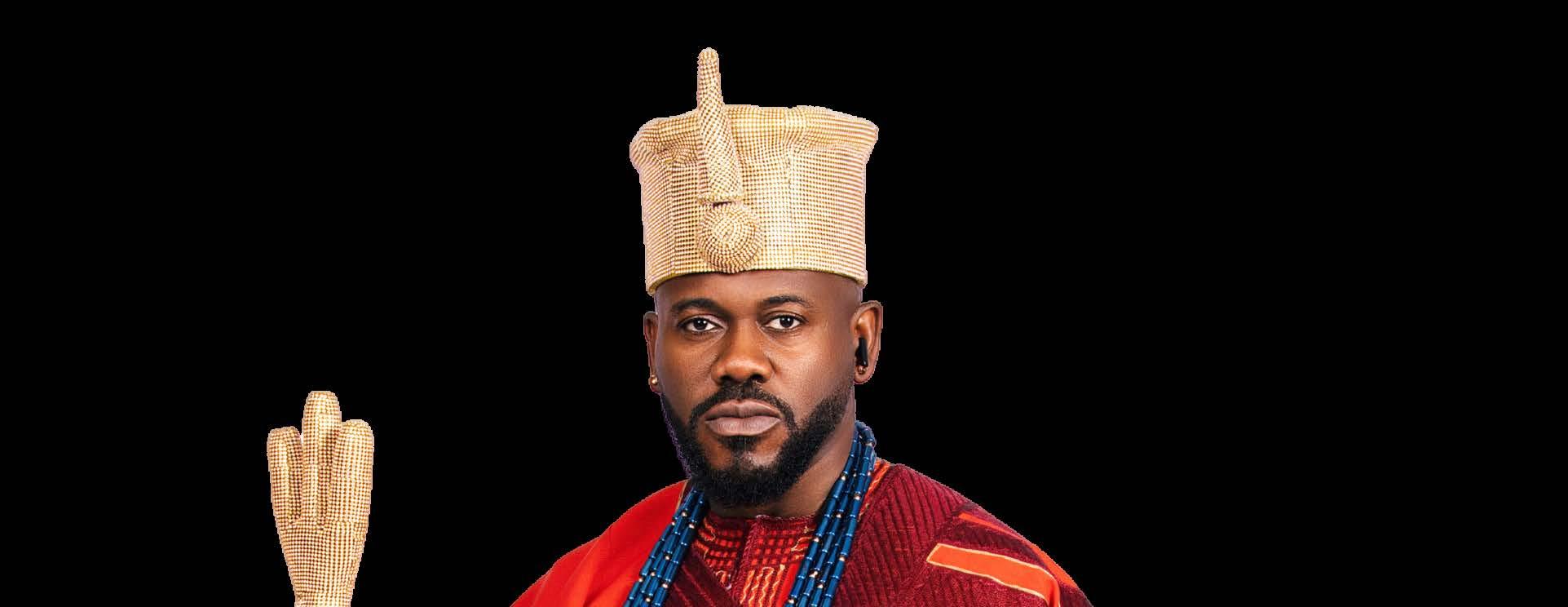






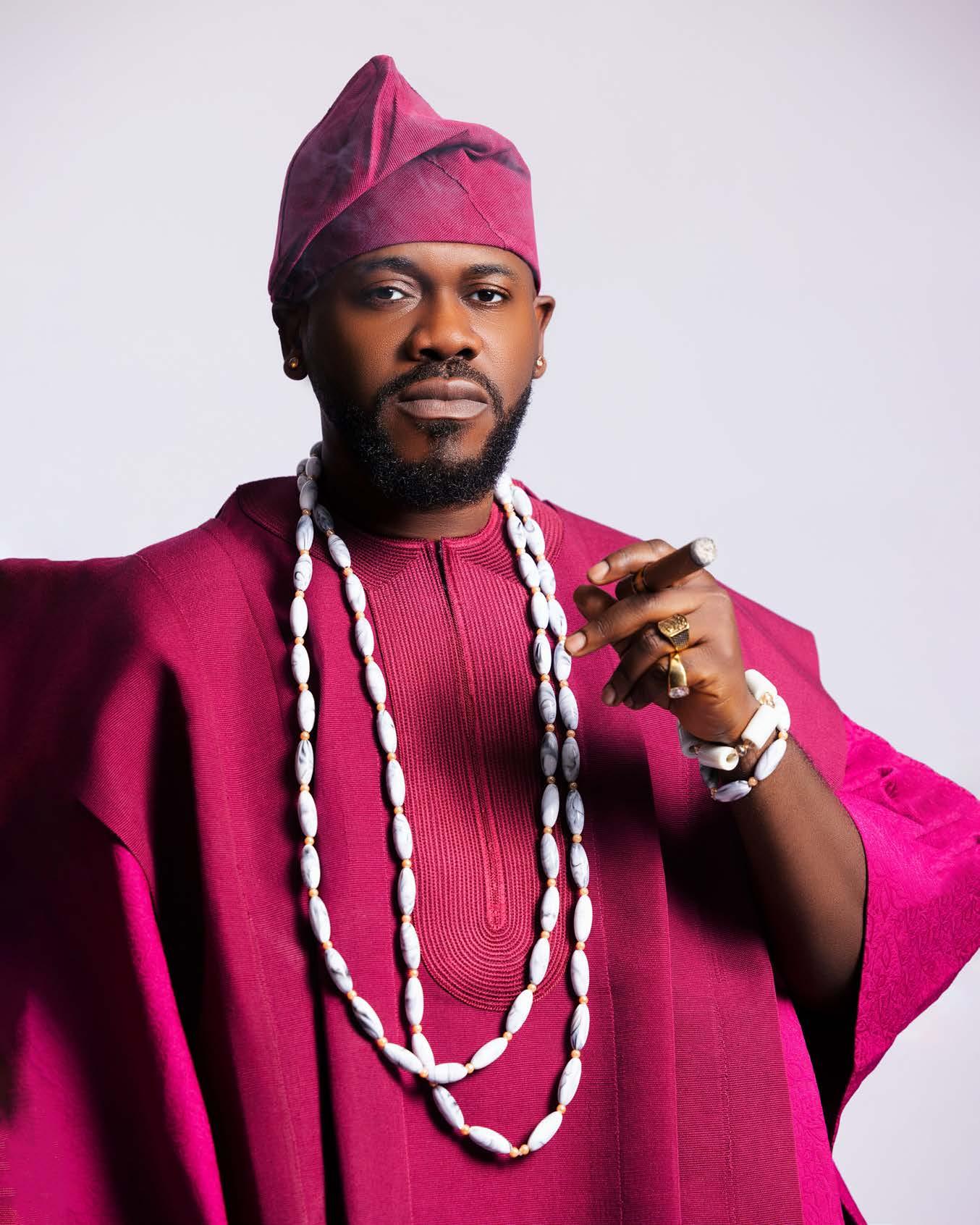
DPhoto: Kola Oshalusi @insignamedia Makeup: Zaron
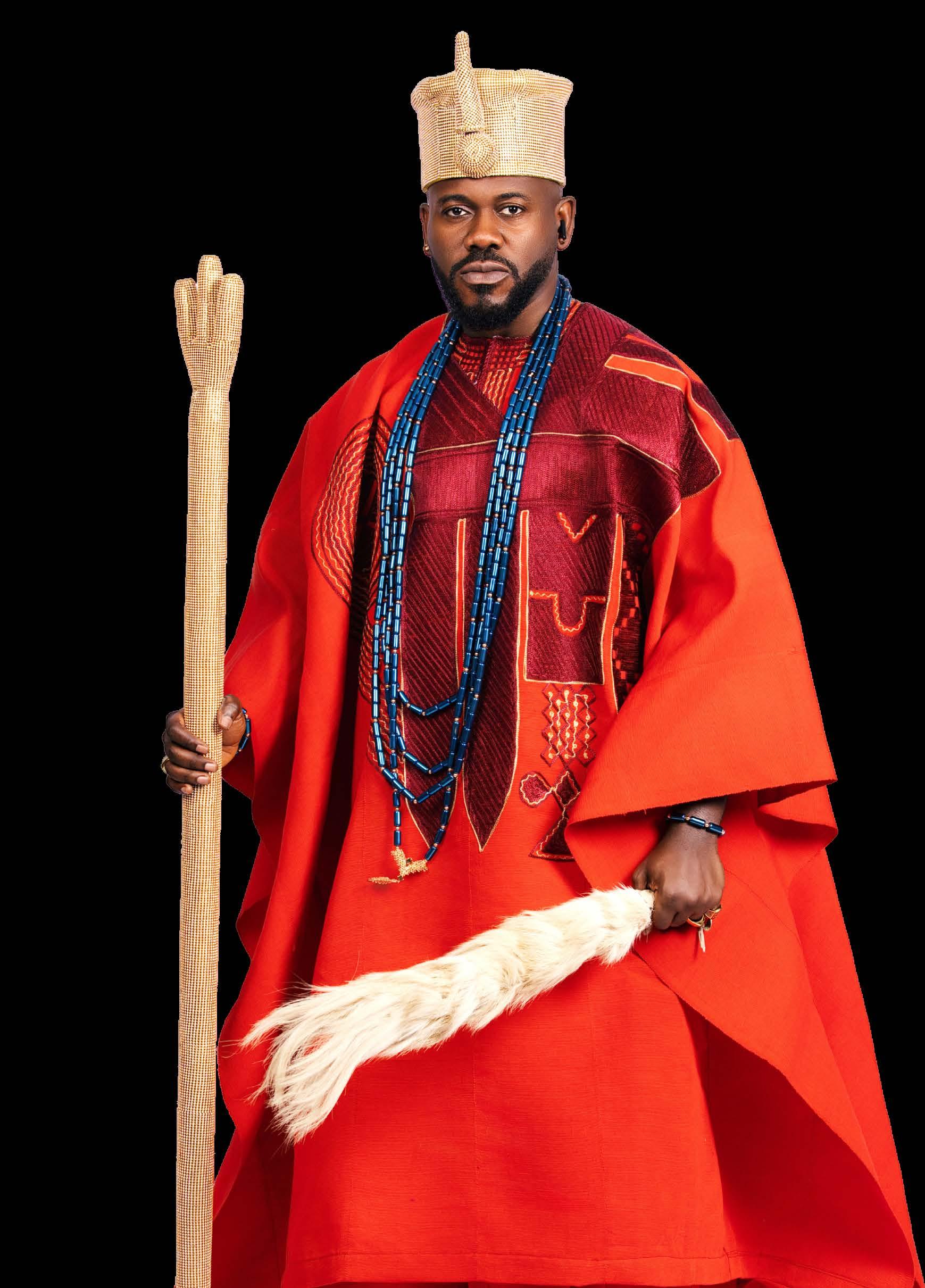
eyemi Okanlawon has always loved acting. From the age of five, he was in school plays and at nine, he had booked a national commercial. Okanlawon was always reading storybooks, and he had a vivid imagination, so the stage was the best place to express it. As an adult, even though he studied Chemical Engineering, he joined the Christian drama group at the university. Okanlawon was very active in the church drama group; he was good at what he did, and he enjoyed it, so they sent him for training at Dell York. Dell York invited people from the New York Film Academy to Nigeria to train them, and that’s how he studied acting for film.
In 2013, he made a decision to leave his job and pursue acting for a year; alas, that year has turned into 12 years.
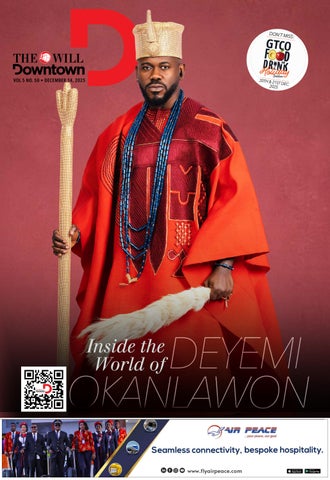
Read Deyemi Okanlawon’s story on pages 8 to 10 of this issue; it makes for a fascinating read.
Dressing up can feel stressful, and this is especially so on days when nothing in your closet feels like it’s the right outfit for you. Looking put together doesn’t require guesswork; you have to be intentional. Our fashion pages this week show you what to wear when you are unsure. Scroll to pages 4 and 5.
It’s a busy season, and the last thing you want to worry about is your hair, so we have put together a list of hairstyles you can rock this December hasslefree. You’ll find this on page 13.
Check out the playlist on page 16; you’ll enjoy the songs.
Until next week, enjoy your read.


@onahluciaa + 2348033239132
AUSTYN OGANNAH
PUBLISHER/EDITOR-IN-CHIEF
Executive Editor: Onah Nwachukwu @onahluciaa
Writer: Johnson Chukwueke
Design & Layout: Olaniyan John ‘Blake’
Digital Media: Oladimeji Balogun
Consulting Art Director: Sunny Hughes ‘SunZA’
www.thewilldowntown.com thewilldowntown thewilldowntown

36 AA Remi Fani-Kayode Avenue, GRA, Ikeja. Lagos, Nigeria. +234 810 345 2286, +234 913 333 3888
04-05 FASHION
#UNSHAKABLE TRUTHS
5 Tips for What to Wear When You Are Unsure of What to Wear
Untold Truths The Life You Almost Lived 07
8-10
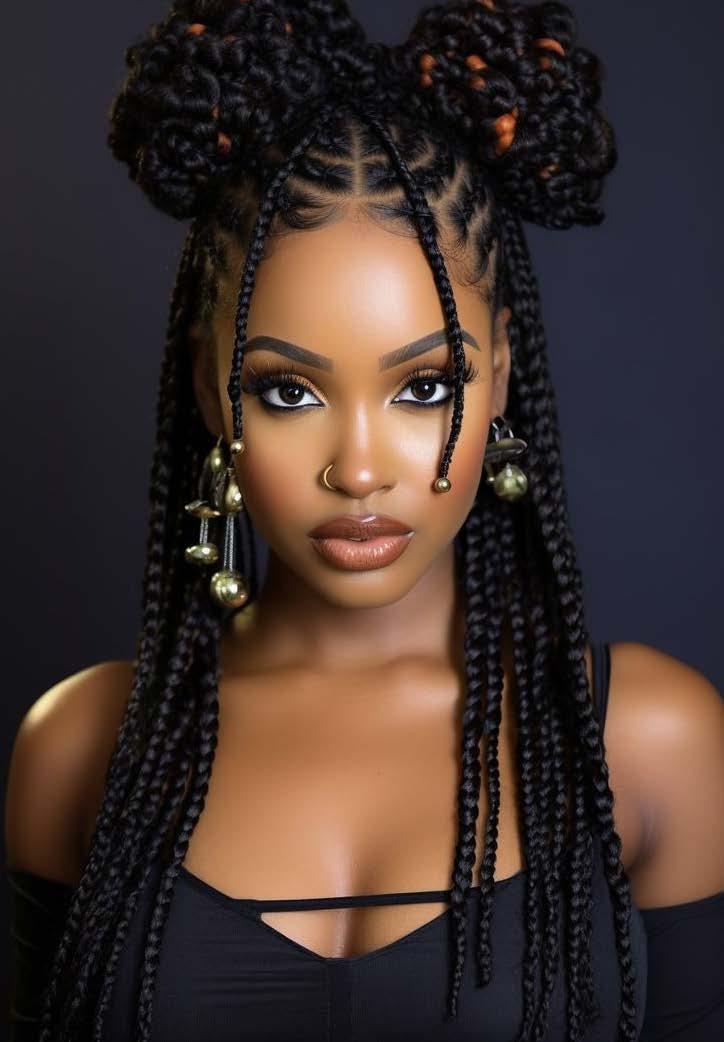
5 Hairstyles For A Fresh Look This December 13
14 BEAUTY
Gen Z vs the 9–5 How Young Professionals Are Rewriting Workplace Culture
15 16 REVIEW DOWNTOWN CONFIDENTIAL COVER Inside the World of Deyemi Okanlawon Finally, Us
12 The Mirror And The Microphone
LUXURY SILK
Zootopia 2


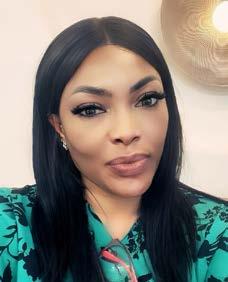
Boluwatife Adesina @bolugramm
- Contributing Writer
Boluwatife Adesina is a media writer and the helmer of the Downtown Review page. He’s probably in a cinema near you.
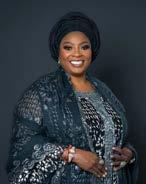
Dorcas Akintoye @mila_dfa_ - Contributing Writer
Dorcas Akintoye is a dedicated writer with 5 years prolific experience in writing articles ranging from food, entertainment, fashion and beauty. She loves writing, listening to music and playing scrabble. She is a highly-skilled, enthusiastic, selfmotivated professional writer.
Sally Chiwuzie @unshakable.is.a.state.of.mind
- Contributing Writer
Sally Chiwuzie is a non-practising barrister who owns the brand #Unshakable. She is the author of Silent Symphonies, a fictional love story, and the creator of the podcast Chronicles of #Unshakable Truths.
Ada Obiajunwa @aaddaahh
- Contributing Writer
Ada Obiajunwa writes from Lagos about the big truths tucked inside ordinary moments — friendship, self-discovery, and the quiet revolutions of everyday life. She believes in the power of presence, good banter, and decoding the unsaid. Through her fragrance studio, WhiffWonders, she also crafts scents that weave memory and emotion into experiences that feel like home.











BY DORCAS AKINTOYE
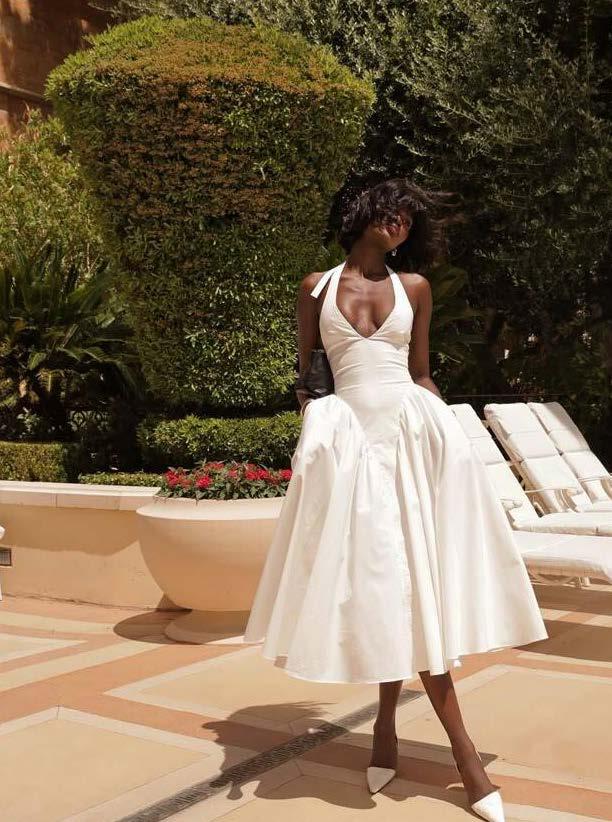
Getting dressed can feel surprisingly stressful, especially on days when nothing in your wardrobe seems right. You may stand in front of your closet, trying on outfits one after the other, yet nothing feels “perfect.” The good thing is that looking put-together doesn’t require guesswork. In this article, we will show you tips to help you dress confidently, even when you have no idea what to wear.
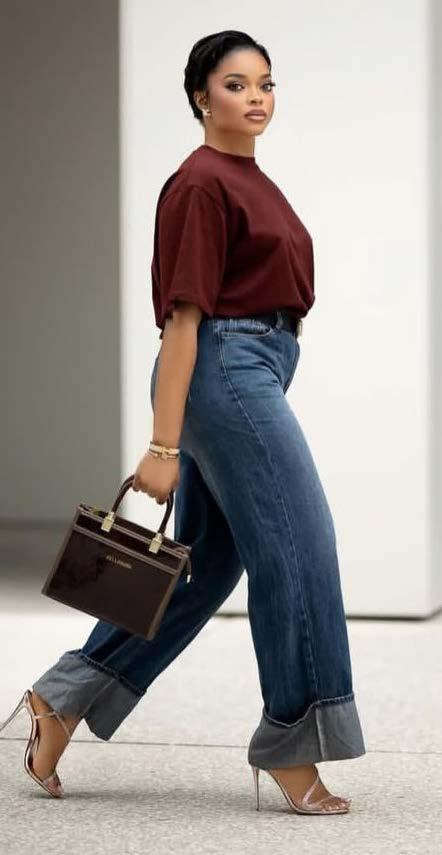
START WITH A SIMPLE BASE OUTFIT
When you’re confused, go back to basics. A simple outfit, like a clean pair of jeans and a fitted top, or a plain dress, can save you from stress. The reason this works is that basics never look “too much” or “too little.” They give you a clean foundation, and you can always dress them up or down depending on where you’re going. A simple base outfit is your safety net on days when overthinking wants to win.
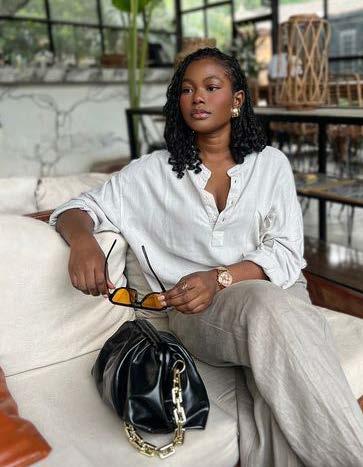
Neutral colours make dressing easier because they blend effortlessly. Colours like black, white, beige, grey, navy, and brown always look calm and classy, no matter the setting. When you’re unsure, wearing neutrals reduces the chance of clashing colours or looking out of place. You can pair any two neutrals with confidence that they will work together.
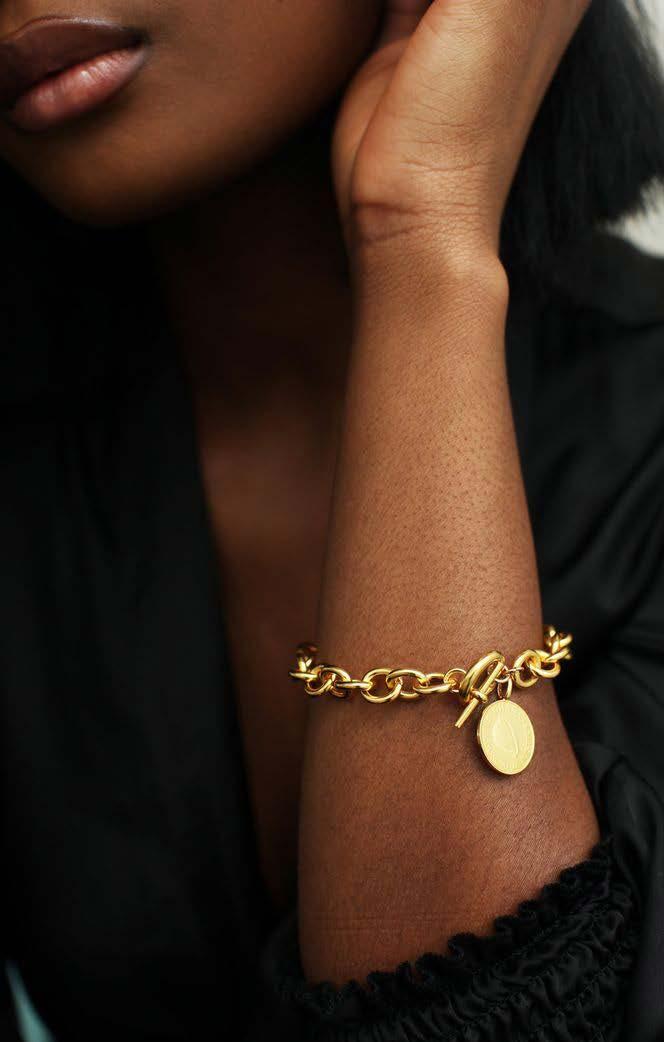
Adding one standout piece can lift your whole look without overwhelming it. This could be bold earrings, a colourful bag, a structured blazer, or stylish shoes. One statement item helps your outfit look intentional, even if you threw it together last minute. The key is balance; keep the rest of your outfit simple so the statement piece can shine.
When you’re unsure of what to wear, comfort becomes your best friend. If you feel uncomfortable, it will show in how you move and carry yourself. Choose outfits that fit well, allow you to breathe, and make you feel confident. A good fit always looks stylish, even if the outfit is simple. Comfort also helps your mind relax, because you’re not constantly adjusting your clothes or feeling self-conscious.
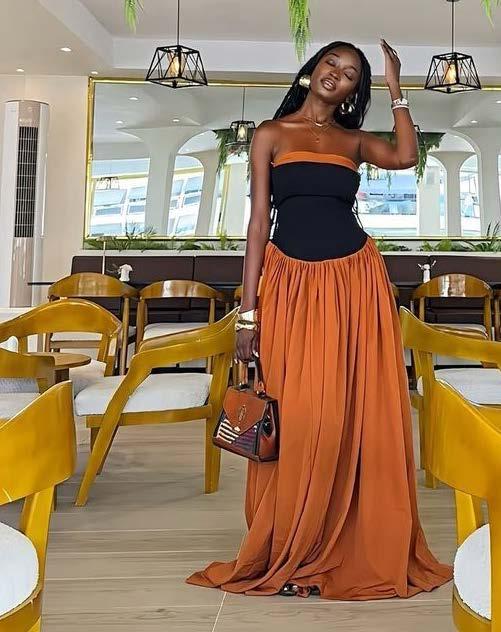
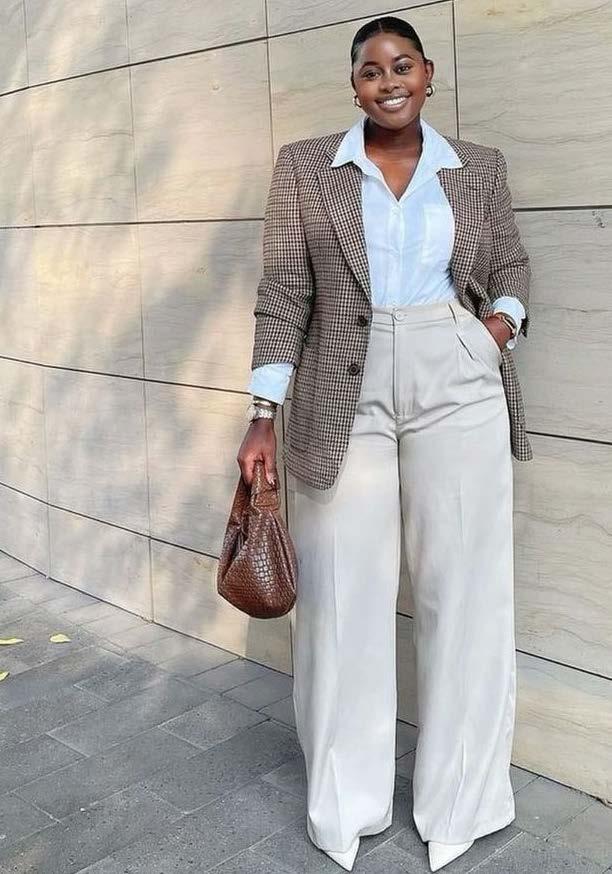
The “third piece rule” means adding one extra layer to complete your outfit. Your top and bottom are pieces one and two. A third piece, a jacket, cardigan, kimono, scarf, or even a hat, instantly makes you look put-together. It adds structure and gives your outfit a finished look. This rule works like magic, especially when your clothes feel plain or too casual. It’s one of the easiest ways to upgrade any outfit.

SALLY CHIWUZIE @unshakable.is.a.state.of.mind
Now that we have explored the no, the wait, and the silent yes, there is one more truth quietly tugging at the edges of every life: the life you almost lived.
Do you ever sit and wonder what would have happened if you had gone right instead of left at a crossroad? If you had said yes instead of no, or no instead of yes? If you had stayed longer, left earlier, married differently, or remained exactly where you were planted? I think about this sometimes. More than I admit aloud. What if I had married someone else? What if I had stayed married? What if I had stuck to my initial career path, you know - the one that made so much sense on paper, and never branched out, never risked reinvention, never listened to that quiet tug in my chest that whispered, ‘Try this instead.’
Sometimes I sit with the ghost versions of my life; the alternate Sallys I could have become. The ones who took different risks, made different choices, loved different people, or refused to leave certain stories behind. If I am honest, there are days I mourn them, not because my life isn’t full — it is, not because I regret where I am — I don’t. It’s because the mind is an exquisite storyteller, capable of crafting perfection from the unknown. It can build fairy tales out of the fragments of ‘what might have been.’ It can romanticise the roads we didn’t take to the point where they shimmer. However, when I sit with myself more honestly, with a mature heart and a clearer gaze, I understand that every detour, every pivot, every risk — the brilliant ones, the reckless ones, the ones I am proud of and the ones I still wince about. They all shaped me. There are versions of me that had to die so the right one could live. There are decisions I made that led to heartbreak, but also led me

home to myself. There are choices I made blindly that later revealed a wisdom I didn’t know I possessed. There are mistakes that turned out to be disguised blessings. There are delays that turned out to be protection. There are endings that felt catastrophic but were ultimately redirections.
We like to pretend we are fully in control of our becoming, that
destiny is something we sculpt with intention, affirmations, manifestations, strategies, and yes, to some degree, that is true. We can steer fate in one direction or another; we can choose our next step; we can choose the stories we enter and the ones we walk away from. But there is also something else moving. A subtler intelligence. A sacred timing. A pattern behind the pattern. There are certain roads you could have taken that would have looped you right back to where you were meant to be anyway, not because everything is pre-written, but because your deepest truths have a way of drawing you home, no matter how far you wander. And on that basis, if where you were ‘meant to be’ is not where you find yourself today, perhaps the truth is simpler: you were meant to outgrow that version of destiny, too. The life you almost lived is not a mistake. It is a mirror. A reminder of your possibility. It is, but a testament to the endless ways you could have unfolded. But it is not an indictment of the life you are living now. Because the life you are living now is the one your spirit chose each time it stepped forward instead of backwards, each time it listened inward instead of outward, each time it refused to settle or refused to shrink. The life you almost lived is simply an echo. The life you are living is the embodiment.
So yes…sometimes I sit and imagine what Sally would have been had I chosen differently. Sometimes I grieve the fairy tale my imagination creates out of the unknown. But more often now, I look at my present life with softer eyes. I see the method inside the madness. I see the coherence inside the chaos. I see the thread that was pulling me forward through every detour, every heartbreak, every leap. Call it intuition. Call it alignment. Call it grace. Something was shaping me even when I thought I was the one making all the decisions.
And so, the #Unshakable truth is this:
The life you almost lived is a beautiful story, but the life you are living is the one that was strong enough to hold you and brave enough to change you. See you next week.
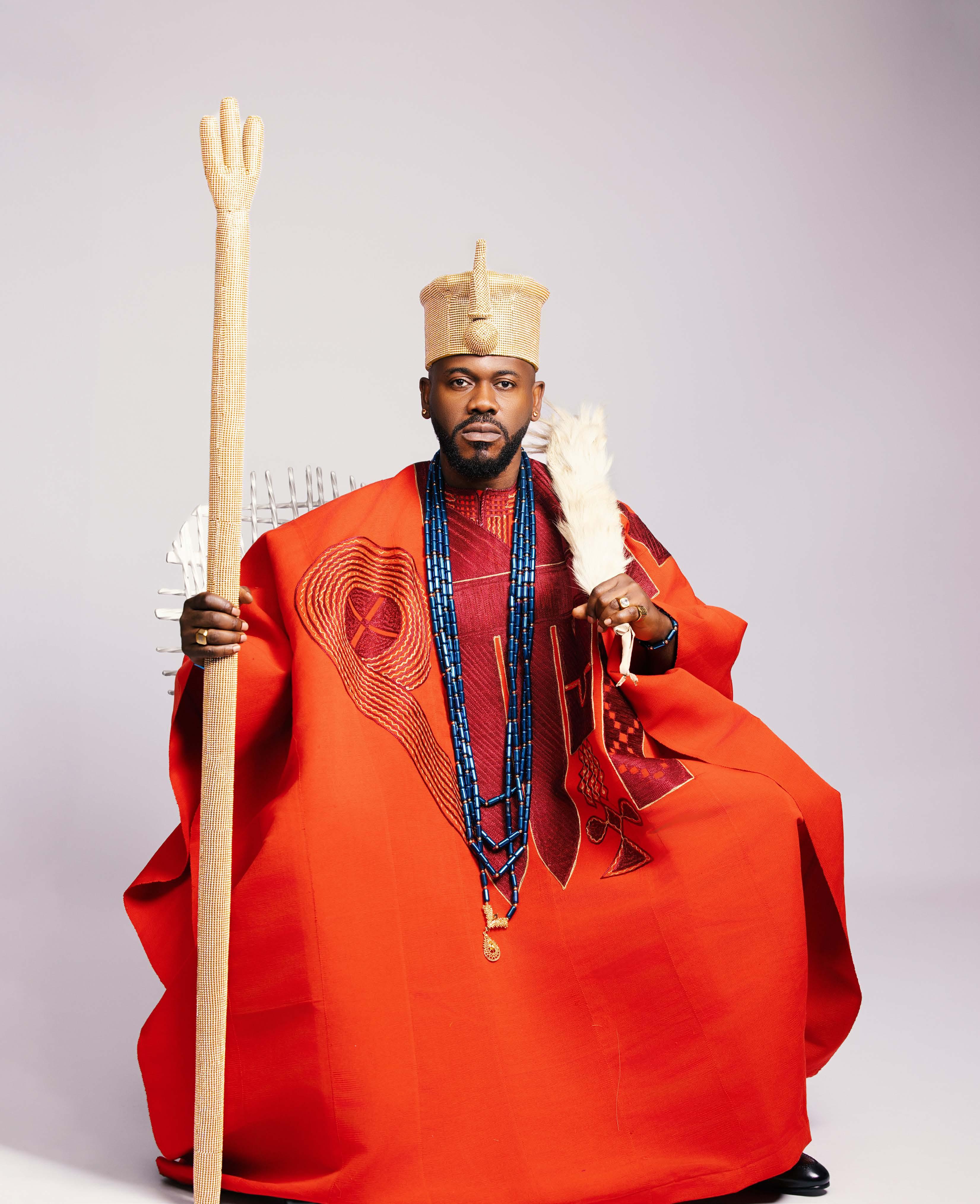
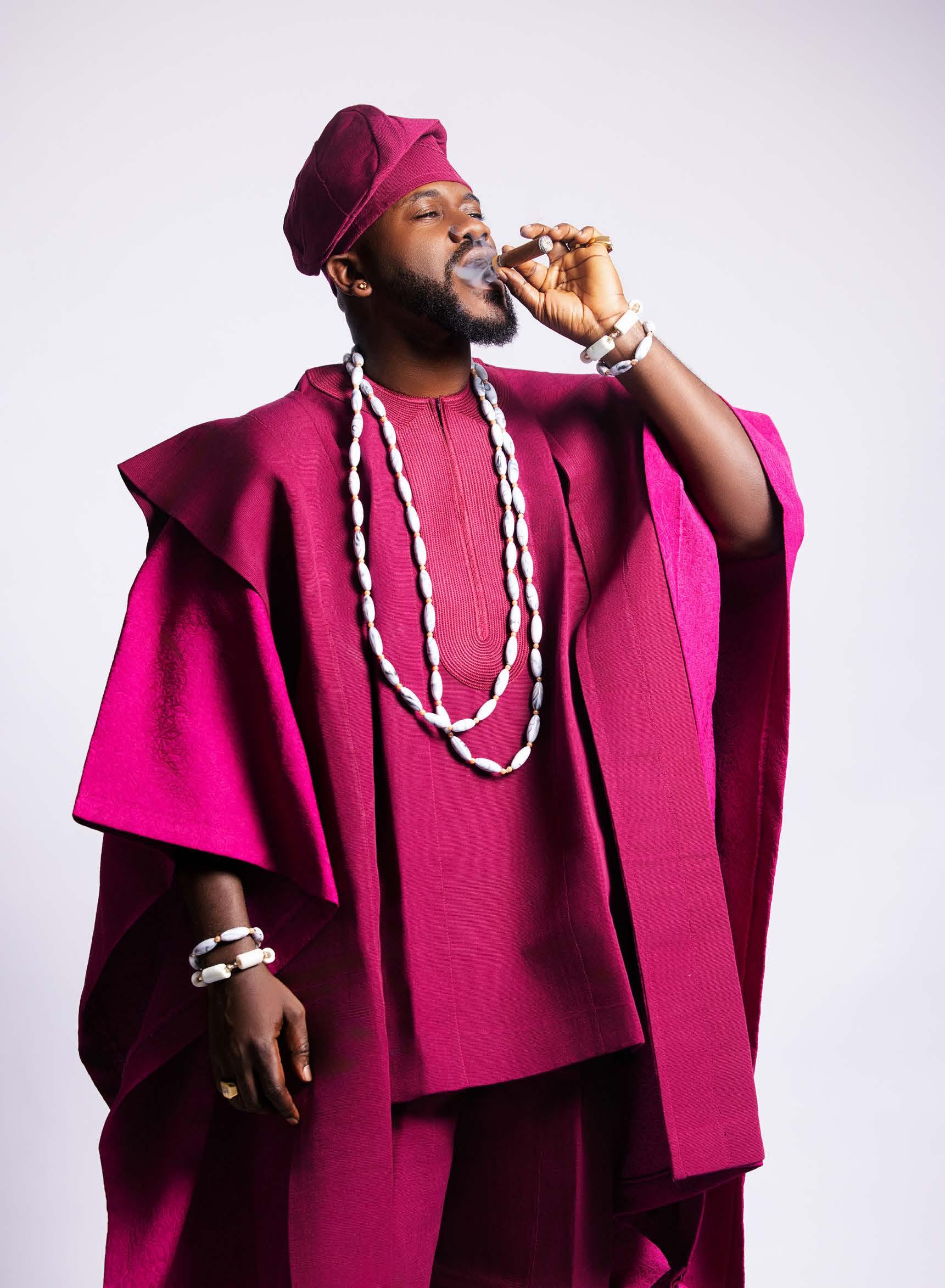
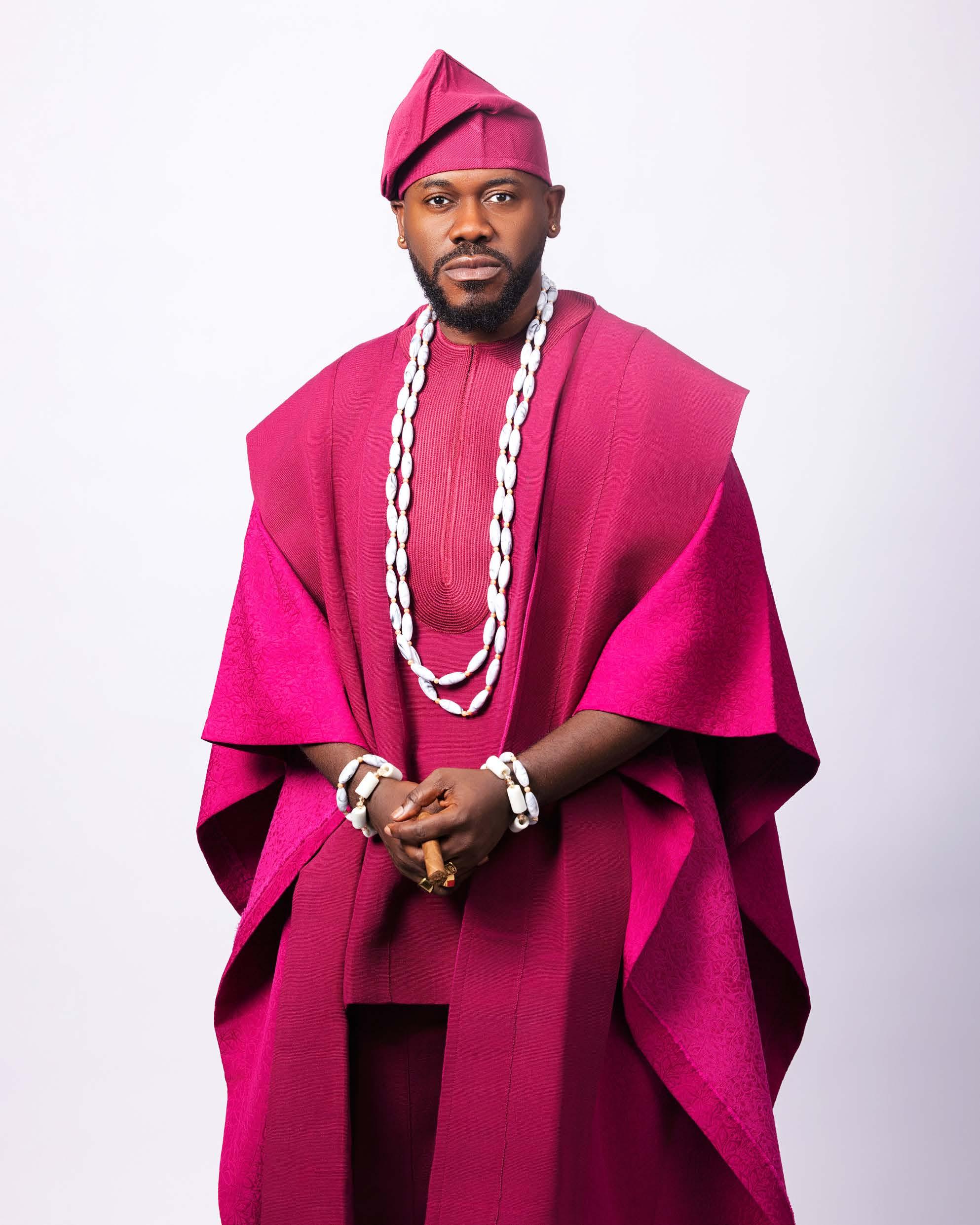
Fewactors in Nollywood embody intentionality, discipline, and reinvention as seamlessly as Deyemi Okanlawon. Widely regarded as one of the industry’s most intellectually grounded performers, Deyemi is the kind of actor whose presence on-screen feels both immersive and carefully engineered. He is equal parts artist and strategist, a rare blend in an industry where many stumble into fame, but Deyemi built his career brick by brick.
From starring in school plays at age five to earning a certificate in Acting for Film from the New York Film Academy, his trajectory has always been rooted in excellence. Before Nollywood embraced him, he held degrees in Chemical Engineering and built a corporate career that sharpened the discipline and structure he now brings to his craft. But in 2013, he made a defining leap, walking away from the familiar to pursue acting full-time. Nollywood hasn’t been the same since.
With standout performances in Blood Sisters, Gidi Up, The Wait, King of Boys: The Return of the King, Crossroads, and more than 50 film and TV credits, Okanlawon has carved a reputation as one of the most reliable, versatile, and emotionally intelligent actors working today. Yet beyond the polished performances is a man deeply committed to storytelling, family, personal evolution, and the future of the industry.
In this exclusive interview with THEWILL DOWNTOWN’s Johnson Chukwueke, he speaks about his journey, growth, philosophies, personal life, and what drives him to remain one of Nollywood’s most intentional creatives.
You started acting at age five and booked a national commercial at nine — what do you remember about those early days that told you this was your path?
I remember I enjoyed it. I was always reading storybooks, and even as a child, I had a very vivid imagination, so being on stage was my own way of expressing it. I really liked it, and I also got positive feedback about my performance. People like to watch me perform when I am at a party. I tell them an improv story, I get applauded, and you know, just doing these things encouraged me. Even in the TV commercial, which was a family planning campaign, I remember being the only child who didn’t have issues with lines or movements; I just took instructions and executed as required. So that’s what I remember from back then.
You studied Chemical Engineering, trained at New York Film Academy, and worked in sales and marketing — at what moment did you know it was time to commit fully to acting?
“I don’t prepare differently; it’s the same. For different roles, I am basically creating a new entity, creating a new character, so even when the character seems to be similar in age, values, or whatever measure, I am still very careful not to be myself. So I am always building these characters, and the process is the same; none is easier than the other.”
I knew I was going to study engineering, just like my father, even though I was reading novels and other literature books because I enjoyed them. So I got into the university, studied chemical engineering, and while I was there, I joined a Christian drama group. The third thing I did while on campus was run a business where I sold my mother’s bread. At that time, she owned a bakery, so from time to time, I would take the bread and cake and sell them. Even after the university, I worked with my mum for two years, and after that, I started a business. Now, I was very active in church drama during the entire period, and the church sent me for training at Dell York. Dell York invited people from the New York Film Academy to Nigeria to train us. That’s where I studied acting for film. I took one month off work, and since I am the kind of guy who delivers, they allowed me to work remotely, and this was way before remote jobs even became a thing. They allowed me to work remotely while I did my training. While working sometime ago I met some guy who studied engineering as well, we got talking, he asked what else I do, I told him I do a bit of acting in the church, and he informed me about an audition coming up, he sent the information for the audition, I went in, did my thing, and they offered me the role on the spot. The director of that short film was Daniel Etim Effiong. Daniel was my first director in a film. I went to training after that as well, understood what is required, understood where the knowledge gap is, and where the skill gap is as well. I think two years or three years after my first film, I was head of marketing at OLX at that time. Then I got this really big film offer. I had been doing short films, web series, and then one of the projects I had done became very big on Ndani TV, which is Gidi Up. They needed to shoot a proper season, no longer a web series, and they needed me for two months. That’s when I decided to resign from my job and become an actor full-time. I said I would act for a year, and now that year has turned into 12 years.
What role has challenged you the most emotionally or mentally, and why?
It’s really difficult to answer that question because it’s like asking me which one of my children I love the most. You see, for me, I am not acting in the sense of pretending; I am becoming the character, and the process is an intense one. That’s why I can’t look at it just at
the surface level and say I enjoyed playing a certain character more than I enjoyed playing other characters, or this character was more than that. I have had much mental, emotional, and physical intensity in the different roles I have dealt with. There are just different challenges that come with different roles, for example, Hakeem Seeking Justice, which is an action film; I got physically exhausted on that one. Then there is a Japanese series coming out on the 13th of December in Japan, it’s titled Queen of Mars. It is a sci-fi series that happens on Earth and on Mars. My character plays the Elon Musk of the future. The Japanese believe that in 100 years or so, Africa will be the wealthiest continent, and the biggest billionaires, the wealthiest people in the world, will come from Africa. So I was playing this futuristic Elon Musk who finally travelled and lives on Mars. For me, going to Japan, and dealing with the Japanese people, their ways, culture, food, and general environment, their work ethic, if we think we work hard in Nigeria, then we haven’t met the Japanese. They will outwork you a million times over. When they put a call time for 9 am, if you get there at 9 am, you are already late, and it’s a thing of honour and respect to be very conscious of whatever you do, as it impacts the next person. So I was dealing with that while also trying to be the best performer that I could be. They were speaking Japanese, while I was speaking English, so understanding them needed to be timed perfectly. I needed to know what they were saying, and when to reply.
In the movie, we have a device that, no matter the language you speak to anyone, they will understand instantly. So all these things come with the different roles and all of that. Another example is the Blood Sisters movie, where I played the character who was abusive, and I had to become that character even though I haven’t raised my hand to a woman in my adult years, but I had to bring this character to life.
bad. If you have a not-so-good script and put it in the hands of somebody who is excellent at their job, you can potentially have a great film come out of that. So first of all, it’s who is approaching me, if the person can successfully get my attention, then we now go to the script. The movie will be pitched to me, and I understand the why and where I fit in. Then we go to the part of me reading the script, and I read a script like I am watching a movie and just enjoying it as an audience member. I find out if I identify with the character in any way, or it could even be a character who is the complete opposite of me. The character must speak to me in order for me to connect with the character, empathise with it, and then I go into more details. I can already tell the calibre or the category of filmmaking that anyone is coming to me with. You know, we have micro, mid, and then high-budget movies, as well as the people who specialise in these different types of movies. I generally tend to work with the high-budget producers, because they are the ones who have the risk appetite. They know that they are excellent, so they can risk putting in more investment into their film. I am also somebody who strives for excellence. I want to work with much bigger budgets, and also, the financials have to make sense. I have to be assured that there is no undercutting or underpricing; it has to be something worth my time, energy, and effort. I do have lots of responsibilities to take care of, and that’s number one. I have a sense of the kind of films I want to be in, so it’s very easy for me to say this works or doesn’t work for me.
You’ve worked in high-intensity thrillers and lighthearted dramas. How do you prepare differently for different tones?
I don’t prepare differently; it’s the same. For different roles, I am basically creating a new entity, creating a new character, so even when the character seems to be similar in age, values, or whatever measure, I am still very careful not to be myself. So I am always building these characters, and the process is the same; none is easier than the other.
What story or genre do you feel Nollywood hasn’t explored deeply yet that you would love to be part of?
“I mean, as an engineer, I am able to compartmentalise quite easily. I separate my two lives; they are very separate. My work is my work, my home is my home. I am just trying to be a great actor as well as a great father. While acting, I am at 100%, when I am home, I am also 100% a father.”
What do you look for first in a script — character depth, storyline, message, or something else?
I have come to understand that the people behind the project are more important than the project itself. As a production, a film would rise and fall to the level of the producers. So if you read a great script, but the people you are working with don’t have the spirit of excellence, then it’s going to go
I don’t believe in putting Nollywood under any pressure to fulfil my fantasies. The filmmakers are doing what they can within this environment, and that’s okay. There are some people who are doing internationallevel work, you know, they are submitting films to film festivals and the like, then there are films all over the world that require African actors. So I am looking for stories all over the world that I can serve. It’s never going to be a case of me saying we should be doing more of this. There was a time we weren’t really doing great action movies, but now we are doing it, it’s an evolution. I am just here as Nollywood evolves, and as long as I am evolving alongside it.
Outside of acting, what’s your ideal way to unwind after a long filming day?
Go home if it’s early enough, hang out with my kids, draw some energy, love, and light from them. Tuck them in bed, lie back, watch a good movie, and just relax at home with the family, that’s it.
You’re a husband and father — how has fatherhood shaped your approach to your craft?
I mean, as an engineer, I am able to compartmentalise quite easily. I separate my two lives; they are very separate. My work is my work, my home is my home. I am just trying to be a great actor as well as a great father. While acting, I am at 100%, when I am home, I am also 100% a father.
What’s something surprising about you that fans wouldn’t guess from your on-screen persona?
I am a hopeless romantic. I don’t know if they will know that, but I am one. I love romance, and unfortunately, I don’t get to do a lot of romantic movies, but I am romantic at heart, and that’s how I was raised.
If you weren’t acting, what other career could you see yourself thriving in today?
A pastor. I was in the drama ministry in church, and I got to a bit of a crossroads where I was really serving through drama, and it wasn’t just a hobby; it was a ministry. I felt like I had to choose when I was younger. However, I realised that the ministry has more drama than drama.


ADA OBIAJUNWA @aaddaahh
Ididn’t plan to become a Gen Z analyst, but something happened recently that made everything about them click in a new way. I have admired them quietly for a while now, and at this point, I am sure people think I am obsessed.
Maybe I am. They fascinate me. I love good character development, and they deliver it with style.
The more I watched them, the more I realised their boldness didn’t just come from attitude. It came from the world that shaped them. And to really understand that, you have to look back at how other generations were raised.
Older generations grew up in a world that behaved like a mirror.
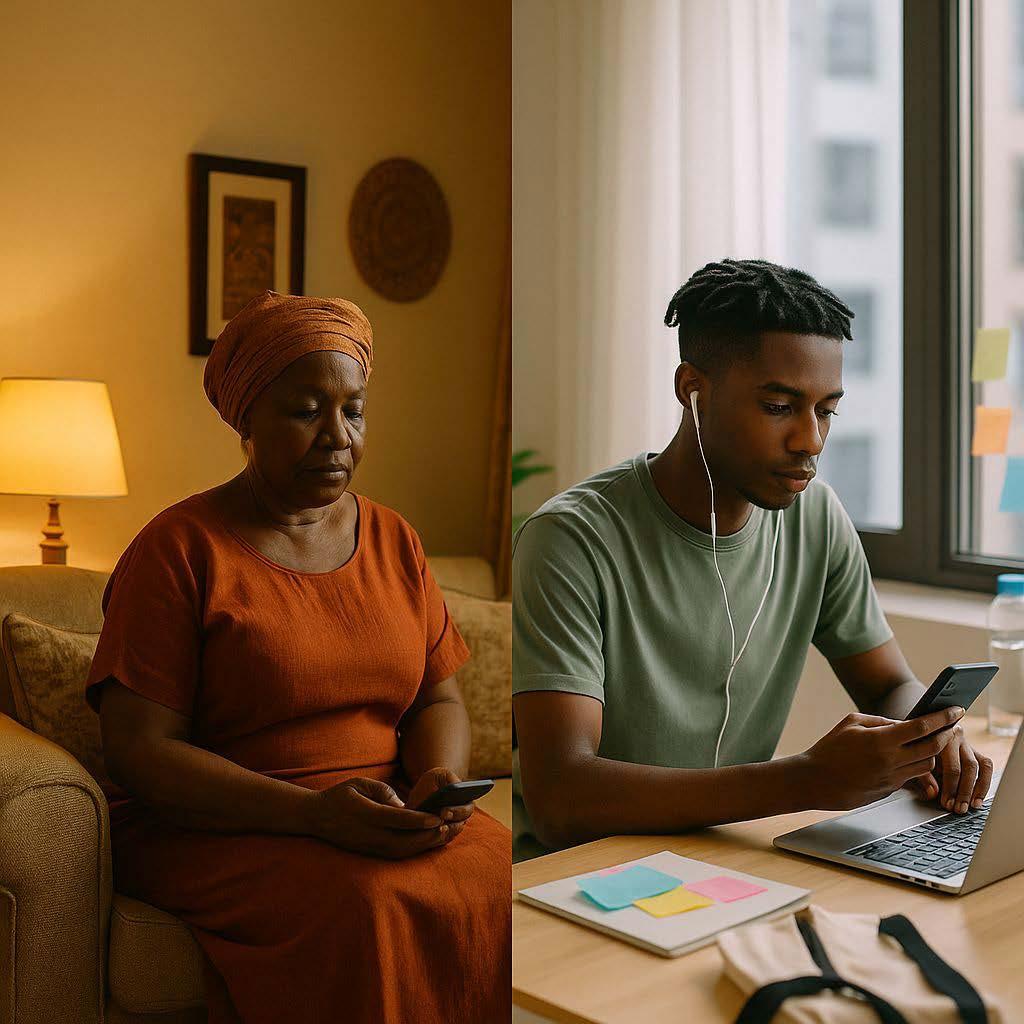
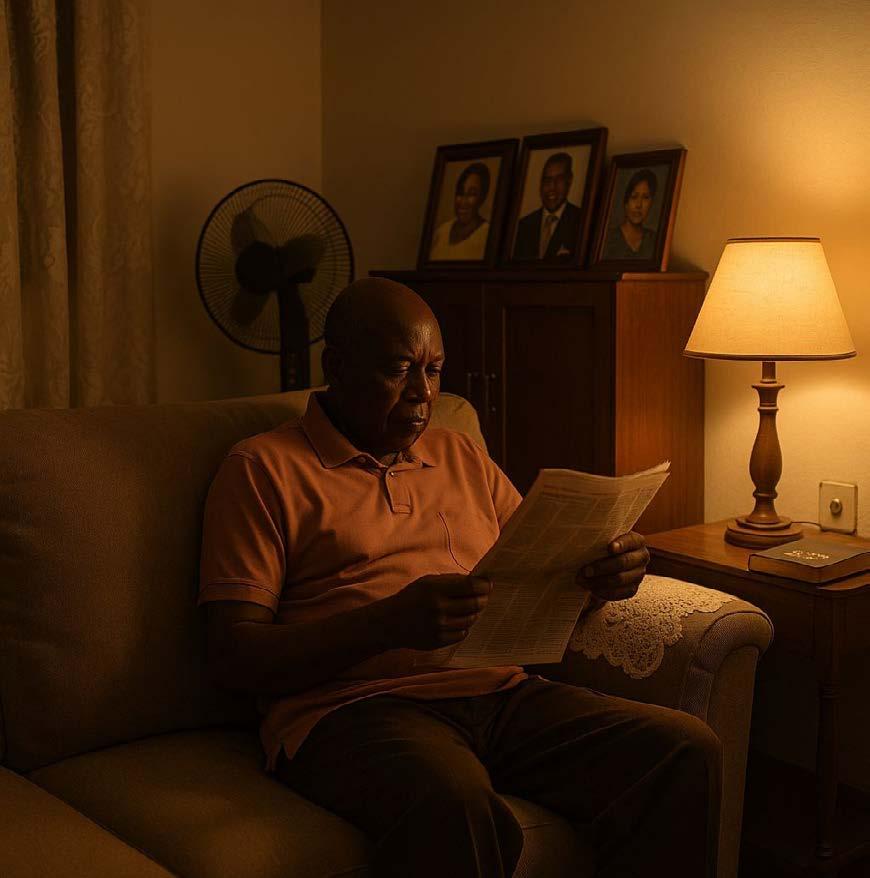
You mostly saw your family, your school, your church, your neighbours and your workplace. A mirror only reflects what is already in front of you, so your understanding of life came from whatever your environment showed you.
If your parents were strict, that was normal. If no one talked about mental health, it did not exist.
If work was draining, it was simply adulthood.
People learned to endure because the mirror showed the same picture every day.
But Gen Z did not grow up with mirrors. They grew up with microphones.
A girl in Kenya openly talks about burnout. A boy in Canada explains boundaries like a therapist.
A woman in Brazil shares her healing journey.
A teenager in Lagos speaks on TikTok
with the confidence of a lawyer.
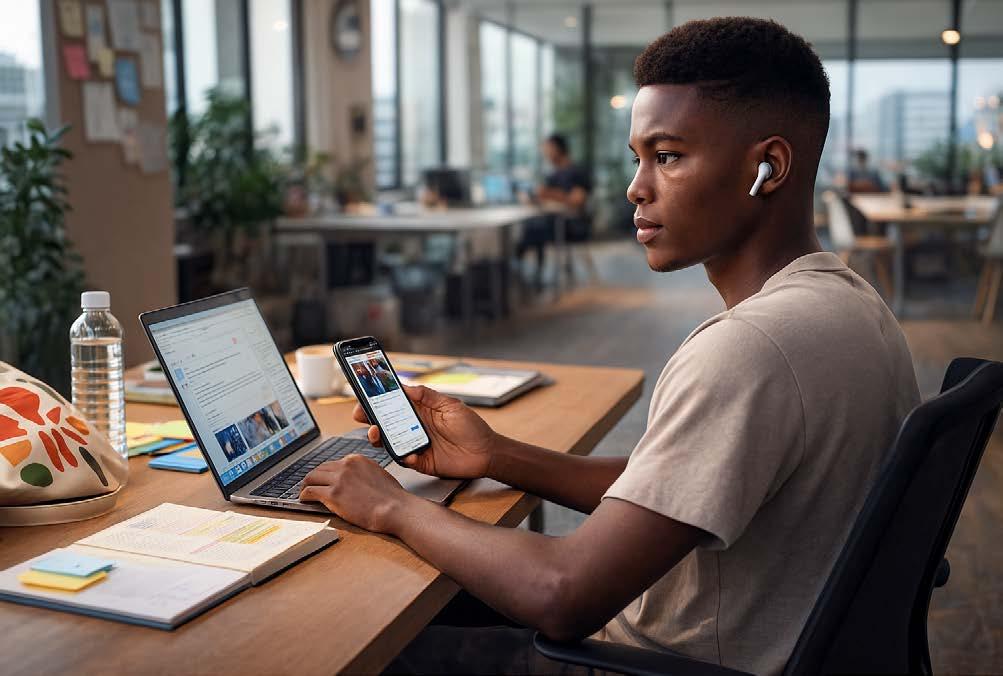
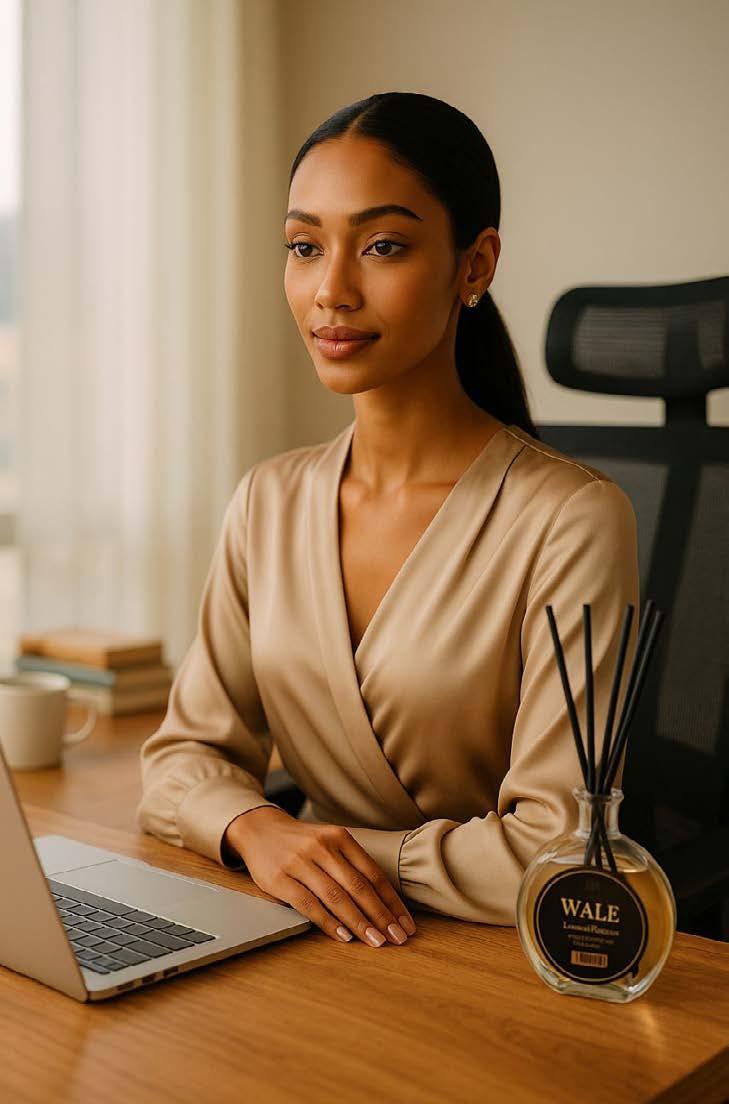
And Gen Z watched all of this unfold in real time. They did not wait for parents, teachers, pastors, bosses or governments to interpret the world for them. They saw it directly, raw and unfiltered.
That kind of exposure rewires an entire generation. It makes them bold. It makes them question quickly. It makes them allergic to hypocrisy.
And their confidence shows up in the funniest, simplest ways.
A Baby Boomer will stay and complain. Gen X will endure quietly.
A Millennial will think about leaving the group chat for weeks.
Gen Z will exit mid-sentence without greeting. Calm restored. Nervous system balanced.
You see the same thing at work.
A Gen Z will say, “I won’t be available after 6, but I’ll handle it tomorrow,” in the same tone they use to order lunch.
Meanwhile, their Gen X supervisor is sweating because boundaries have entered the meeting uninvited.
And here’s the truth that many people avoid:
The shift didn’t start with Gen Z alone.
Millennials cracked the door open.
Gen Z walked through and asked why the furniture was arranged like that.
That is where the misunderstanding often sits.
Gen Z is not rude. They simply grew up in a world where information didn’t come with hierarchy. They do not see age as automatic authority. They believe respect is mutual, not inherited. They question because questioning protected them from repeating the mistakes they watched in high definition.
Every generation is shaped by its tools.
Traditionalists had radio. Boomers had television.
Gen X had global news.
Millennials had the early internet.
Gen Z was raised on the internet.
They didn’t come with the internet. The internet came fully assembled with them.
If we had grown up with the same access, many of us would be moving the same way.
So instead of arguing about who is right or wrong, maybe the real lesson is that each generation is carrying something useful.
The older ones bring steadiness.
Millennials bring balance.
Gen Z brings clarity and courage.
Together, we are building something new.
A world where questions are not feared. Where truth is not swallowed.
Where people are allowed to be fully human.
The mirror taught us who we are.
The microphone is teaching us who we can be.
Maybe that is the real Luxury Silk.
BY DORCAS AKINTOYE
December in Nigeria has its own special energy. From concerts to weddings, beach parties, and Detty December hangouts, your hair needs to look good and survive all the running around. With all that movement, you need a hairstyle that won’t embarrass you after two hours of sweating or dancing. You want something that stays neat, looks fresh, and still gives you that effortless beauty in every picture. This article will show you five hairstyles that will survive the whole of December and still keep you looking amazing.
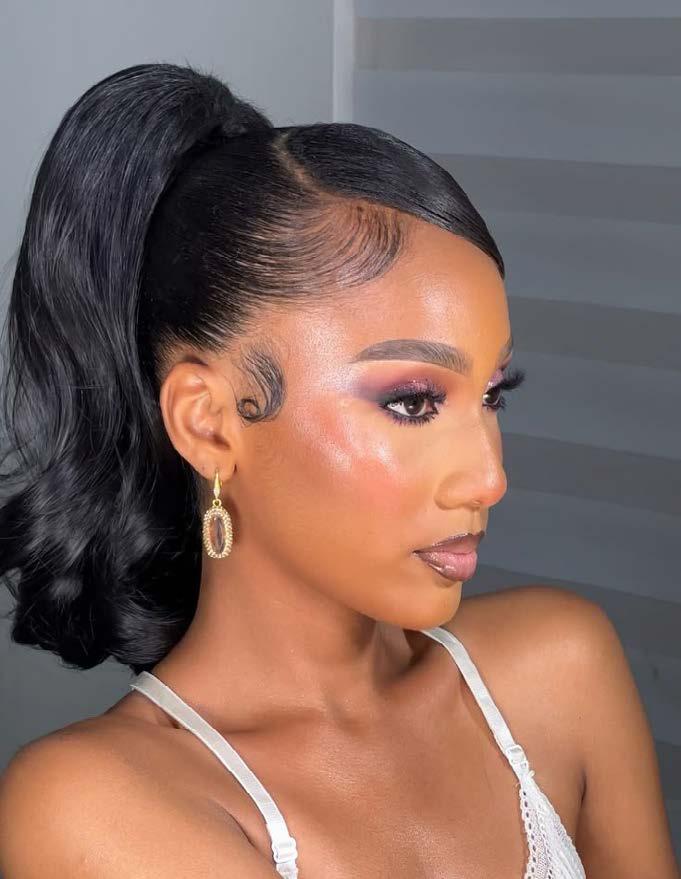
A sleek ponytail is a versatile hairstyle that always impresses, regardless of the occasion. Whether you’re attending a night concert, a wedding, or just going out with friends, it provides a tidy and uplifted appearance. It frames your face beautifully and instantly elevates your outfit. As long as you use a strong gel that can withstand Nigerian heat, your ponytail will remain firm, neat, and camera-ready throughout the day.
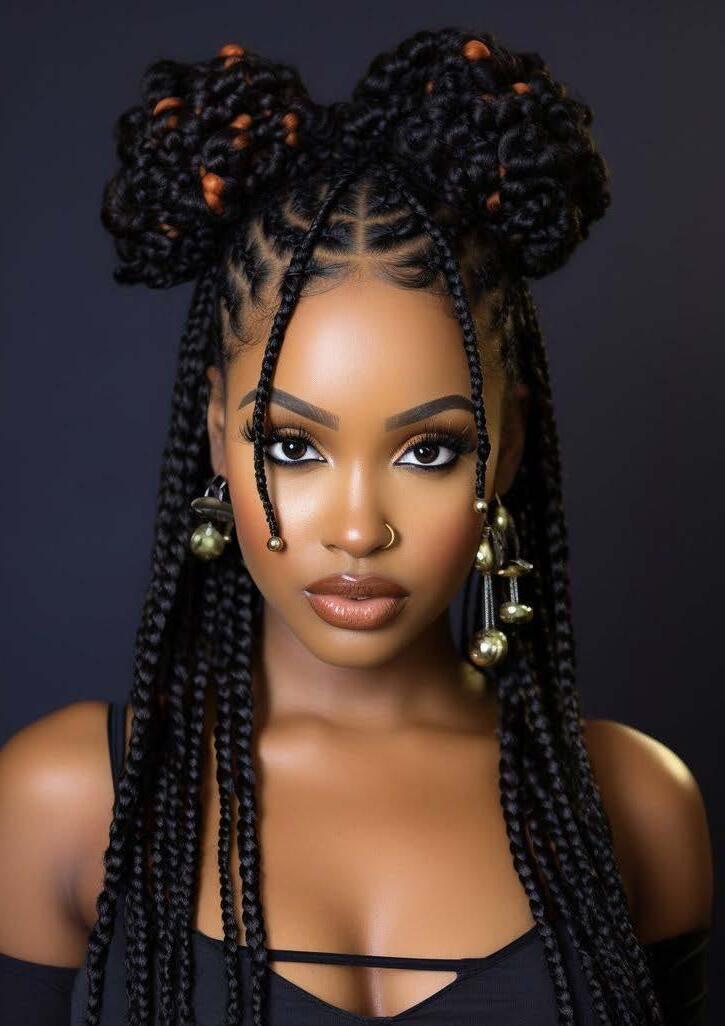
Boho braids are the perfect mix of fine and playful. They’re lightweight, easy to style, and always in fashion. The loose curls give your hair a soft, pretty look, and the best part is that even when they get older, they still look nice. You can wear them in a bun, leave them hanging, or pack them half-up when you’re going for a fun, girly vibe. A little mousse on the curls here and there is all you need to keep them fresh throughout the month.
A curly wig is every girl’s emergency plan that never disappoints, especially during a busy month like December. When you’re rushing out for a lastminute outing, or you’re too tired to lay edges and style your hair from scratch, you can simply throw it on and still look like you tried. A quick spritz of water and curl cream brings the curls back to life instantly, making it one of the easiest hairstyles to maintain when you’re moving from event to event.
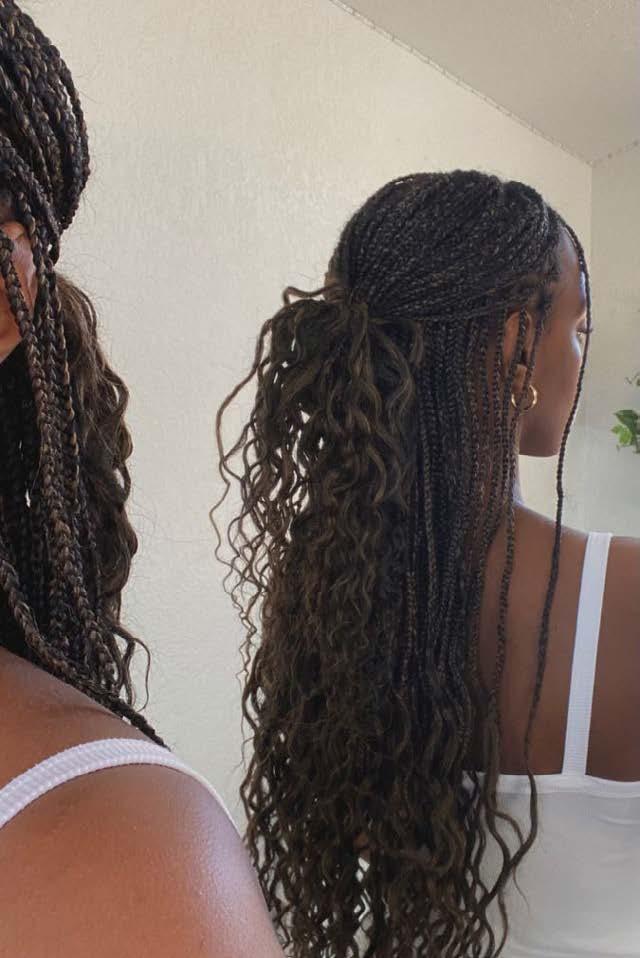
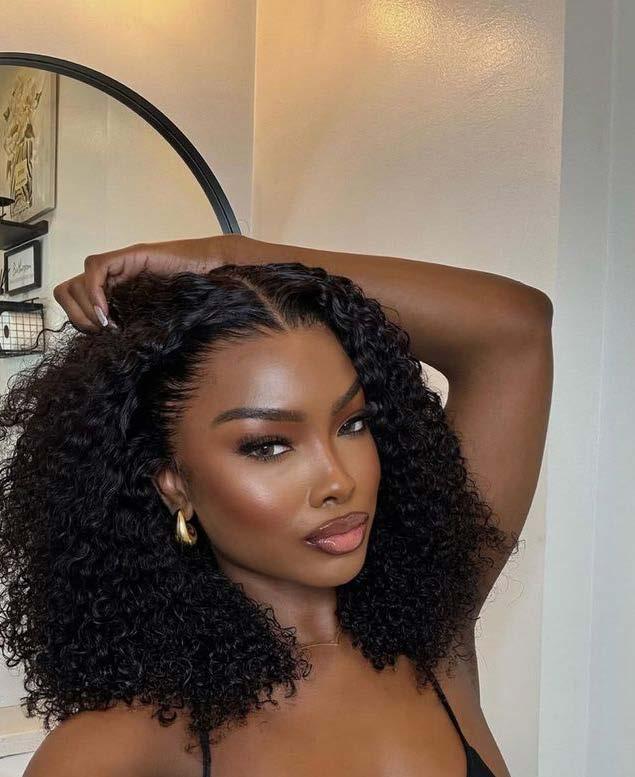
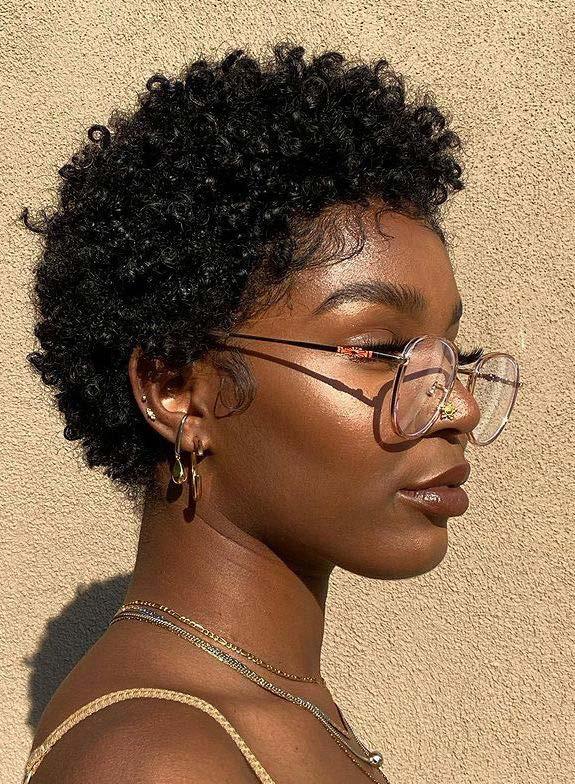
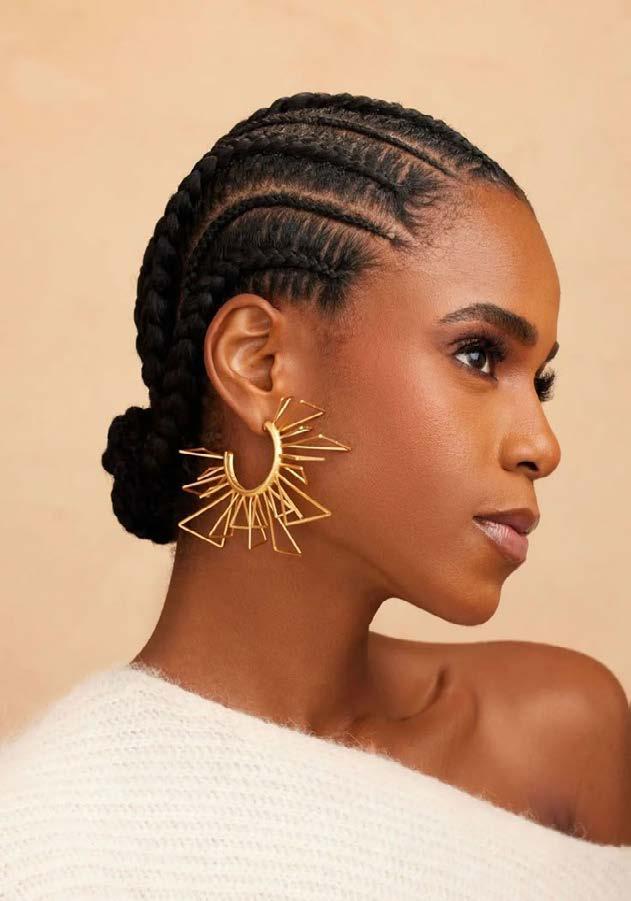
SHORT CUT (Pixie, Finger Waves, or Low Cut With Waves)
Short hair in December feels like freedom. It’s cool, bold, and stress-free. A pixie cut or finger waves instantly sharpens your features and gives you a classy, confident look without needing much effort. All you usually need is mousse, a brush, and maybe a little styling gel. A shortcut also suits almost every kind of event. If you want to switch things up, adding a pop of colour like wine or honey blonde will make you stand out in the crowd.
Cornrows are one of the most reliable hairstyles you can opt for in December. They are neat, simple, and long-lasting. Once your stylist styles them well, they can stay neat for up to three weeks or more without requiring much touch-up. Cornrows also suit any type of December plan. They’re easy to maintain and won’t frustrate you when you’re busy moving around during the festive season.
December is a busy month, and your hair deserves to be just as ready as you are. These five hairstyles don’t just look good; they will keep you looking fresh without stressing you.
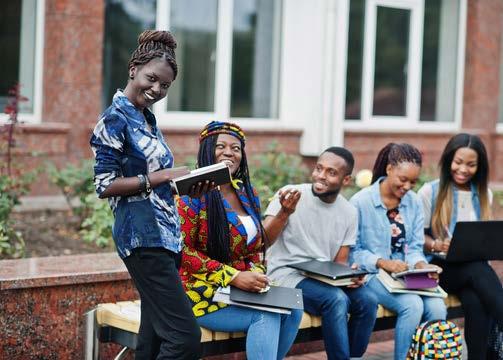
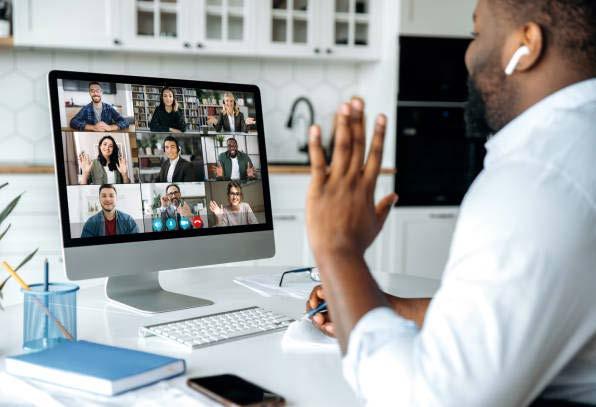
Gen Z is not impressed by rigid hours or mandatory office days simply for optics. They prefer hybrid systems that focus on outcomes rather than clock-ins. To them, work should adapt to human needs, not the other way around. Their attitude is pushing companies to rethink outdated policies and introduce remotefriendly, freedom-focused environments that actually boost productivity.

Work Must Have Meaning, Not Just Money
Unlike previous generations who valued stability above all, Gen Z wants purpose, roles that align with their values, creativity, and long-term impact. They gravitate toward companies that champion inclusivity, innovation, climate consciousness, and social responsibility. If a job feels empty or exploitative, they’re out. Quickly.
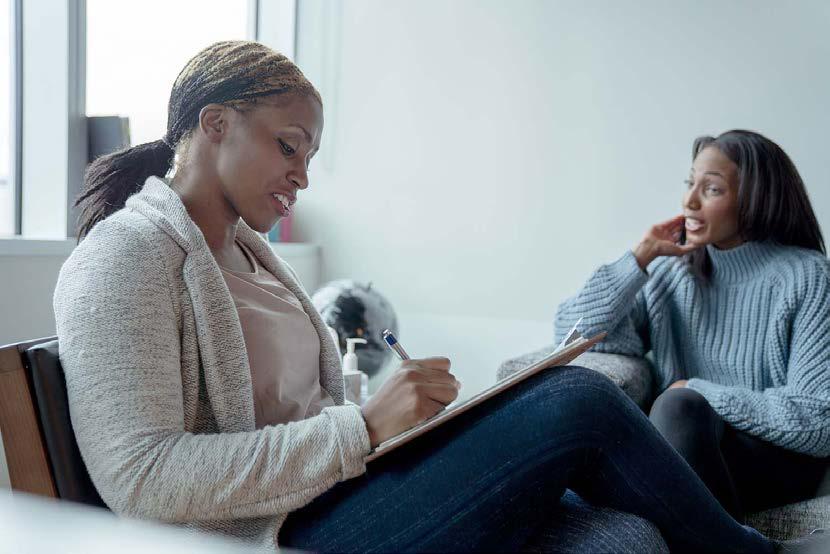
This generation doesn’t hide stress behind “I’m fine.” They openly discuss burnout, therapy, rest, and boundaries, forcing employers to take emotional well-being seriously. Gen Z expects mental-health days, compassionate leadership, realistic workloads, and work cultures that don’t glorify exhaustion.

Transparency is the New Workplace Currency
Gen Z wants honesty about salaries, promotions, expectations, leadership, and company values. They dislike vague communication and performative corporate culture. Open conversations about growth, pay, and feedback are essential for them to thrive and feel respected in any role.
BY JOHNSON CHUKWUEKE
They’re bold. They’re uncompromising. They want purpose, freedom, and peace, and they’re not afraid to challenge an entire system to get it. They are the Gen Z generation. It’s no news that the workplace has changed before, but never quite like this. As Gen Z settles into offices, start-ups, co-working hubs, and remote desks around the world, the traditional 9–5 model is facing its biggest upset yet. This generation is bringing a new energy, one fueled by self-awareness, mental-health consciousness, digital fluency, and a refusal to romanticise struggle. They’ve watched older generations burn out while chasing a dream that didn’t always deliver, and now they’re rewriting the script with a fresh set of values that include balance, flexibility, authenticity, and impact. But beyond the stereotypes and social media discussions, there’s a more detailed story unfolding. Gen Z isn’t “anti-work” — they’re pro-life, and they want work to fit into that life meaningfully. From redefining productivity to demanding better leadership and prioritising wellness as much as salary, they are reshaping workplace culture across industries. Here’s how they’re doing it: one boundary, one Zoom call, and one honest conversation at a time.
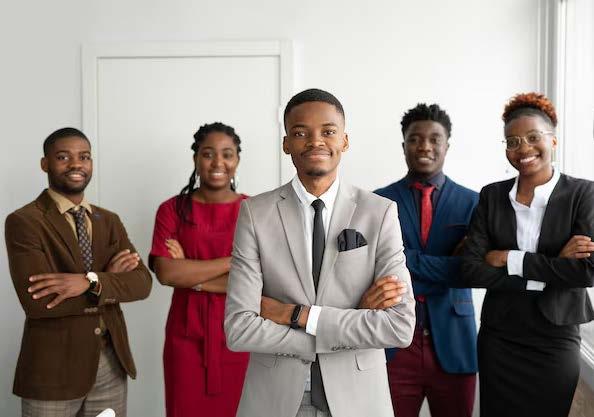
Gone are the days of staying in one job for years out of loyalty. Gen Z is moving toward roles that offer faster learning, clear advancement, and new experiences. They invest heavily in upskilling and prefer companies that support constant evolution rather than expecting decades-long commitment without progress.
Gen Z isn’t destroying workplace culture; they’re rebuilding it into something more humane, creative, flexible, and emotionally intelligent. Their approach might challenge the traditional 9–5, but it also challenges companies to adapt, innovate, and treat employees like actual people. And honestly? The workplace might be better for it.

IHis name was Tade.
We worked in the same office, but that wasn’t why I liked him. I liked him because he was gentle. He noticed things without me having to say anything. When work stressed me, he saw it. When I tried to pretend everything was fine, he didn’t push, but he didn’t disappear either. He just stayed close enough for me to feel less alone.
That kind of thing can make your heart start something you didn’t plan.
The first real shift happened one evening after work. I was tired beyond words, the kind of tired that settles in your bones. I sat alone at my desk, staring at my laptop, and he came and stood beside me.
“You look worn out,” he said softly.
“I’m fine,” I lied. He didn’t argue. He just sat on the edge of the table, close but not too close.
“You don’t have to be strong every day,” he said.
Something about that sentence touched a part of me I had ignored for too long. That night, when I got home, I caught myself thinking about him. Not in a dramatic way. In a warm way. A way that made me smile for no reason. After that, the fantasy started.

deeper somehow. By the time we got to my gate, neither of us reached for the door.
It felt like we were both waiting for something, even if we didn’t say it.
Then came the Friday night that changed everything.
We had a small team hangout. Nothing serious. Drinks, music, gist. I didn’t plan to stay long, but seeing him made me relax in a way I didn’t expect. When the hangout ended, he offered to drop me off because I looked tired.
I didn’t pretend. I just said, “Okay.”
The drive to my house was peaceful. The roads were almost empty. We talked about normal things, but the conversation felt
He turned down the car radio.
“You’ve not been yourself lately,” he said.
“I’m just overwhelmed.”
“I noticed.”
The way he said it made me look at him fully. His eyes were soft, almost careful, like he was holding something he wasn’t sure I was ready for.
“Can I ask you something?” he said.
“Ask.”
The kiss that followed didn’t rush. It wasn’t wild. It was slow, warm, and full of all the things we had been hiding for months. His hand held my waist gently. Mine found the back of his neck. The world felt far away inside that quiet car. The more we kissed, the more the air changed between us. It became heavier, softer, deeper. My heartbeat was loud in my ears. His breath was warm against my skin. Everything felt too real and too right at the same time. Things got intense. Very intense. And neither of us stopped it.
I don’t know what tomorrow holds.
But that night?
I finally let myself feel every part of what I had been imagining.
BY BOLUWATIFE
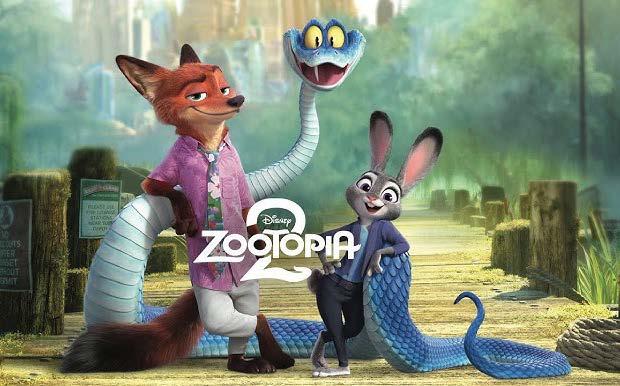
Aesopgot it. You can use cute talking animals to teach important life lessons. So when Disney once again opens the gates to a city filled with anthropomorphic animals for Zootopia 2, you know there’s more than just sight gags and big adventure.
The first film was released in 2016, and with co-director Rich Moore and co-writer Phil Johnston having departed Disney (for Sony and Netflix, respectively), Zootopia 1 (2016) screenwriter Jared Bush takes over sole writing duties while joining returning director Byron Howard at the helm. That pairing gives an undoubted sense of continuity. It’s needed, since the near-decade gap between films is only a week in the city of Zootopia, a place where all animals coexist in their comfortable, climatecontrolled zones. That utopia is all the work of the Lynxley family, and if the city’s benefactors want to expand their frozen tundra sector, who’s to complain? Especially since the only creatures to be dispossessed are the underclass out in Marsh Market, and some of them are lizards.
Zootopia 1 was, at heart, about how people can be more than the expectations laid at their door. Boisterous and brave bunny Judy Hopps (Ginnifer Goodwin) was always going to be a police officer, and streetwise fox Nick Wilde (Jason Bateman) was always going to be a petty criminal, and it took them teaming up and saving the city for anyone to see otherwise. Now they’re both cops and partners, and they’re investigating what could be the first snake in Zootopia in a century. A terrible crime and a whisper campaign led to snakes’ exile, and now gentle pit viper Gary De’Snake (Ke Huy Quan) must prove that reptiles belong just as much as any other animal. The first film was both a fun and furry buddy cop comedy, alongside being a gentle metaphor for acceptance and cohabitation. Zootopia 2 goes further down that path in a fashion that is unabashedly moralising when it comes
to how some groups are excised and othered in a community, and how gentrification can be a tool of oppression. However, it’s done in no more overt a way than how Lady and the Tramp took on class, or Elemental explored how migrant communities integrate while retaining their identity. It’s the kind of important lesson, wrapped up in humour and compassion, that no studio does as well as the House of Mouse. After the heavy-handed anti-colonial subtext of Frozen II and the utter hollowness of Wish, it’s somehow reassuring to know that Disney can still be a moral compass.
True, Zootopia 2 does fall prey to the modern plague of an excess of celebrities in bit parts. (Did we really need WWE wrestlers CM Punk and Roman Reigns for a handful of lines as the Zebros?) However, that expanded recording booth is lucky to have the always endearing Quan, as well as Fortune Feimster as a conspiracy-peddling beaver.
But the heart of the story remains Hopps and Wilde, and the sparkling, witty, and endearing energy between them. Her belief that Nick can change is predicated on the unspoken idea that he can change to be like her, an idea at odds with the film’s subtext of acceptance. However, her big heart and valiance mean she never becomes less of a hero as she and Nick navigate the mystery, their own shortcomings, and their interspecies romantic tension, which Bush’s script also deftly navigates.
And a quick note to anyone who thinks that the story of rich beasts holding on to power by demonising a minority is too pointedly political. Maybe you should listen to the bunny.
Rating: 8/10

Scan this with your camera or click to access the playlist (Youtube Music)
In the first episode of this four-hour docuseries about Sean “Diddy” Combs, his former business partner Kirk Burrowes has a Come to Jesus moment. He had ignored a troubling incident back in the Nineties, dismissing it as a passing dark moment for Combs. “Does that make me part of the Sean Combs cult?” Burrowes asks himself in a to-camera interview.
It’s a question he and others in the Diddy camp have probably asked many times, after dismissing glaring signs of this man’s harmful potential. “I may have been the first disciple, believer and then overall protector against all odds,” he admits. But Burrowes didn’t just turn a blind eye; he was a victim himself.
Burrowes’ journey echoes the stories of other interviewees in Netflix’s Sean Combs: The Reckoning. People fall under Diddy’s spell, then get unnerved, then dismiss the worst of him as he dangles carrots to seduce them further, until they can’t see a way out from under his boot. It’s surprising just how many interviewees The Reckoning production team managed to secure, as we hear again and again how scary it is to speak out against someone this dangerous and this powerful. He’s in prison right now, which may be why people feel safe to open up, but this series alleges that the music industry gatekeeper is someone who can take revenge if you cross him.
While The Reckoning is a well-crafted series about the rise and fall of Combs, it is relentless. By the time it finishes, you’ll be exhausted by the seemingly endless list of misdeeds, of all the terrorising and manipulating, which paints a portrait of a terrifying individual with far too much power.
The problem with Diddy, we learn, is that he is so rich, he is “the 1 per cent of the 1 per cent of the 1 per cent”, and believes he’s “Black Superman”. He had everything, so what else was there to do but control everyone around him? The series lines up and explains accusations of manipulation, abuse and violence, some we know and many we don’t. They go on and on and on – and on. While much time is spent on the past, the most uncomfortable scenes arrive when we get to the nearpresent. The many months of drug-fuelled confusion experienced by Lil Rod while inside Diddy’s whirlwind, producing the rapper’s most recent album, The Love Album, feel chilling in a different way.

Scan this with your camera or click to access the playlist (Spotify)
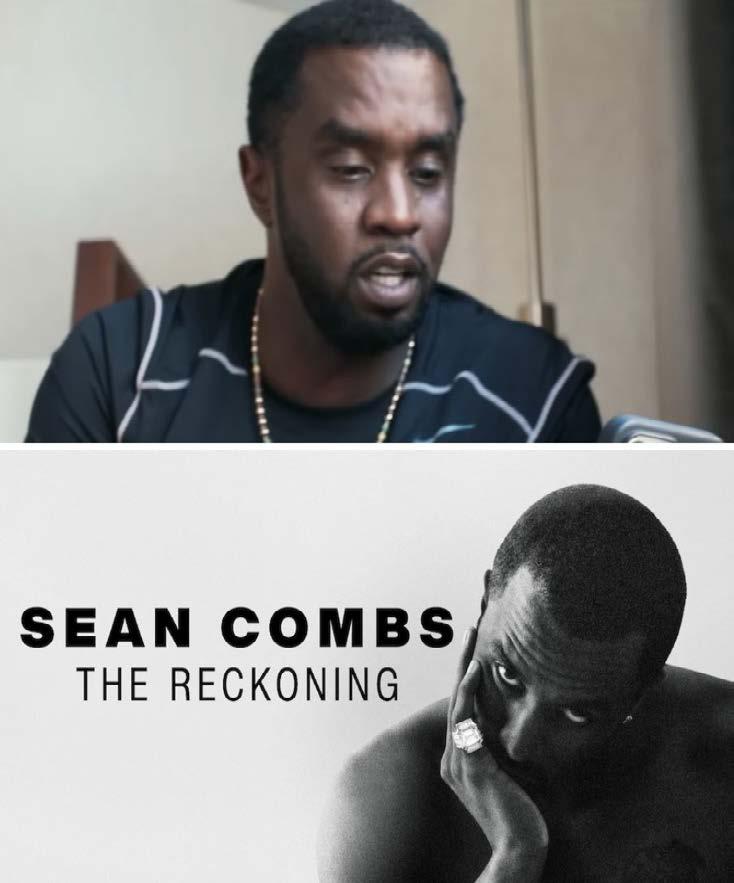
But the smaller twists and turns of Diddy’s criminal activity and alleged abuse become suffocating and a little hard to follow. This is clearly the aim of this series: to build the ultimate case file against this man. It’s achieved that, though it would have benefited from more narrative-building. 50 Cent, a bona fide Diddy hater since the initial allegations from ex-girlfriend Cassie broke, is the executive producer. They have been feuding for more than 20 years, but he says the project isn’t motivated by any kind of personal beef. He announced
early on that he intended to make a documentary exposing Diddy’s alleged connections to abuse and death, and you have to admire his follow-through. No stone is left unturned.
It’s disappointing not to see more time spent on the 2025 mammoth legal battle that ends the series: United States of America v. Sean Combs. Diddy was found guilty of transportation for prostitution but cleared of more serious charges of sex trafficking and racketeering conspiracy. Frustratingly, at least one juror lacked understanding of the nuanced dynamics experienced by abuse victims and perpetrators. “You cannot have it both ways,” this juror says in a talking-head interview, of Cassie repeatedly going back to Diddy. Ex-Diddy aide Capricorn Clark, who was present in the courtroom, explains that jurors seemed to be charmed by Diddy in a way that would impact their neutrality. “They were starstruck,” remarks Clark, damningly.
Has the cult of Diddy been broken up? Not entirely, but The Reckoning –and any of the other documentaries that are inevitably in the works – will be part of just that process.