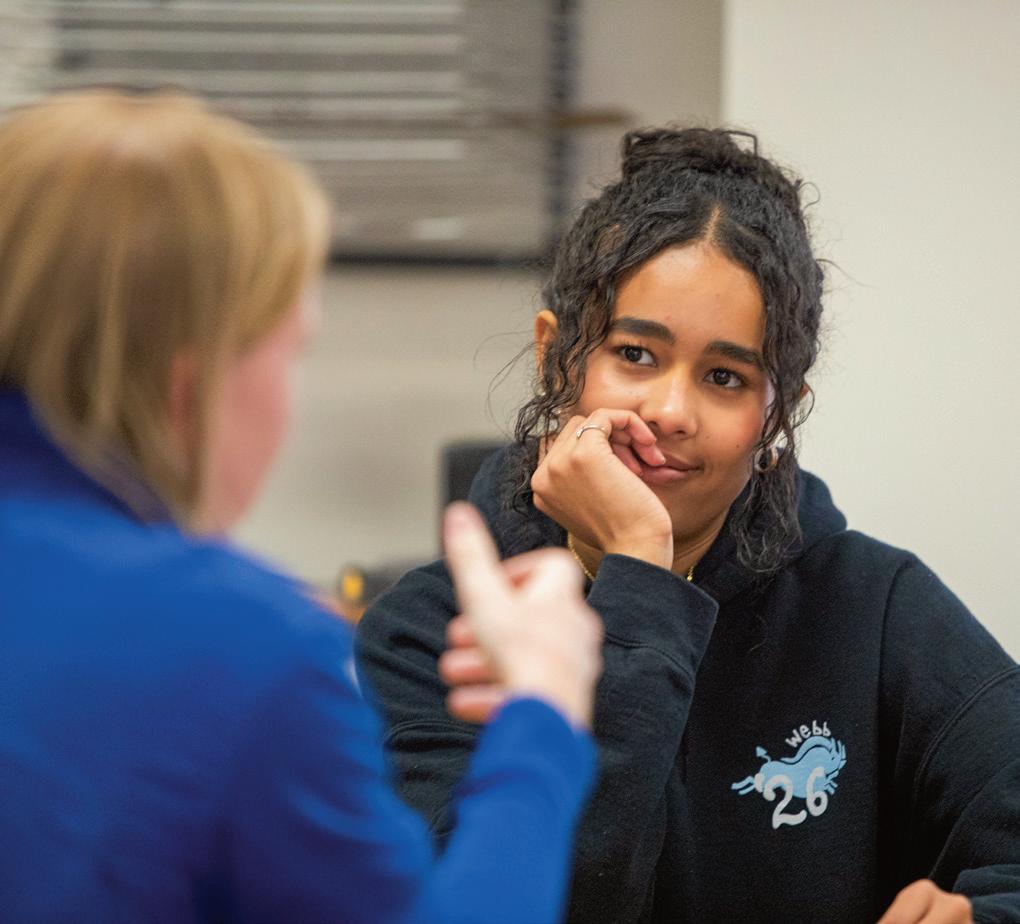


What shape of beak best serves a bird diving to hunt? Will sound waves reduce drag on an airplane’s wings? How might fish swarm algorithms inform A.I. development? These are just some of the questions researchers are taking up at the USC School of Engineering Labs I visited in the fall.
My recent visit to USC, graciously arranged by Professor Eva Kanso P’26 (and complete with a visit to the rocket lab where an undergraduate team built the recent record setter After Shock II!), was part of ongoing research into a central question: How can we create a dynamic educational environment at Webb that prepares young people to build a better tomorrow?
Many people think of education as static—a group of students learning a body of knowledge. This view omits the vital starting point for learning: asking good questions and being curious enough to seek out the answer. I don’t mean googling it and just accepting the first item that pops up. I mean asking the kinds of questions that aren’t easily answered or haven’t been answered yet.
In this new digital era, one of the most essential skills for students to develop is analytical rigor. How do we know what we know? How do we evaluate sources of information? Whether it be assessing lab results or a video link in an Instagram feed, what criteria do we use? In a world where computing hallucinations and deep fake sources abound, Webb students must learn to assess the validity of information with speed and accuracy. And though the skills at play are similar to those historians have been using for decades, the variety and volume of imposter information is unprecedented and only growing.
What type of a school program will best prepare students for this future? A great educational program must look to foster intellectual risk-taking, build student confidence and strengthen flexibility and resilience. The program must enable students to experiment and fail, fail early, and fail often (as the Silicon Valley principle suggests). Students cannot be afraid to test an idea, or a robot. They have to learn how to create and live in collaborative environments that engage diverse viewpoints and draw on individual strengths. Gone are the days of the solo genius, if they ever really existed. Webb students need to build relationships, develop empathy, and better understand themselves and others.
At Webb, we are leaders in creating a dynamic educational environment for the future, in part because we live this question daily. We are constantly challenging ourselves to think about the evolving world and the best ways to prepare our students to lead in it. Take, for example, our opening meetings this year. Our entire faculty and staff participated in a futurist thinking workshop led by Stanford educator Laura McBain. Drawing on work from the Stanford d.School, we asked ourselves big questions about how the world might shift in 20, 50, even 100 years. We imagined multiple futures, pushing ourselves to think creatively and expansively and to consider how Webb could help create, not just react to, the future.
Our academic program is intentionally designed to foster this kind of ongoing experimentation and enable flexibility. An inherent goal is for it to be nimble and constantly evolving. In the great spirit of California innovation, our faculty are not afraid to try something new, and our students are excited to be part of an entrepreneurial environment where innovation is a core part of learning. Take our Humanities program, where we have 65 Humanities courses overall in the course guide. Even with such a vibrant program, our Humanities team continues to assess and add to the offerings. That investigation led to a few new courses this year, including Advanced Studies Literature and the Machine. Part of The AI Project@Webb, this course looks at the ways writers and thinkers have responded to and been shaped by technological innovation.
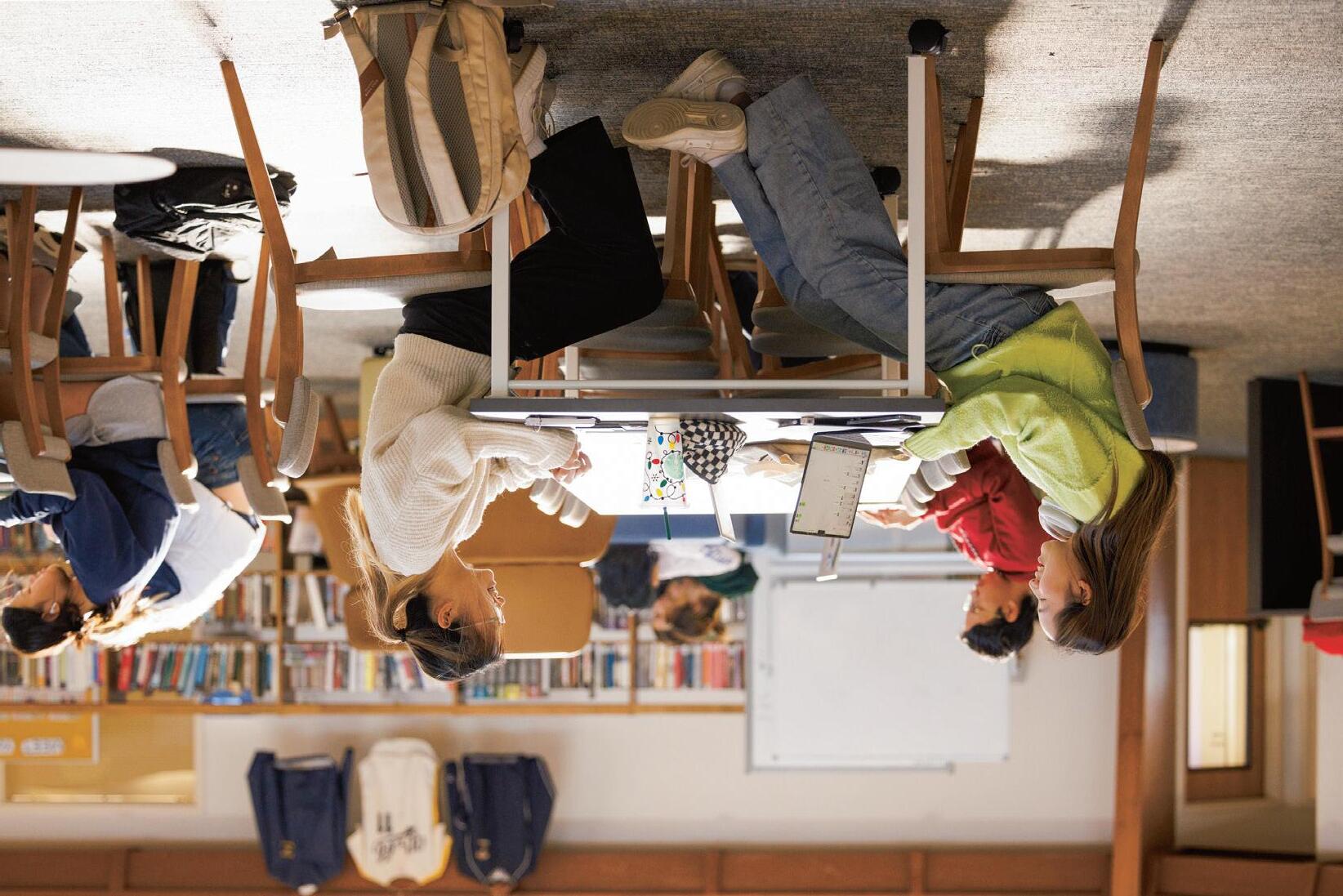
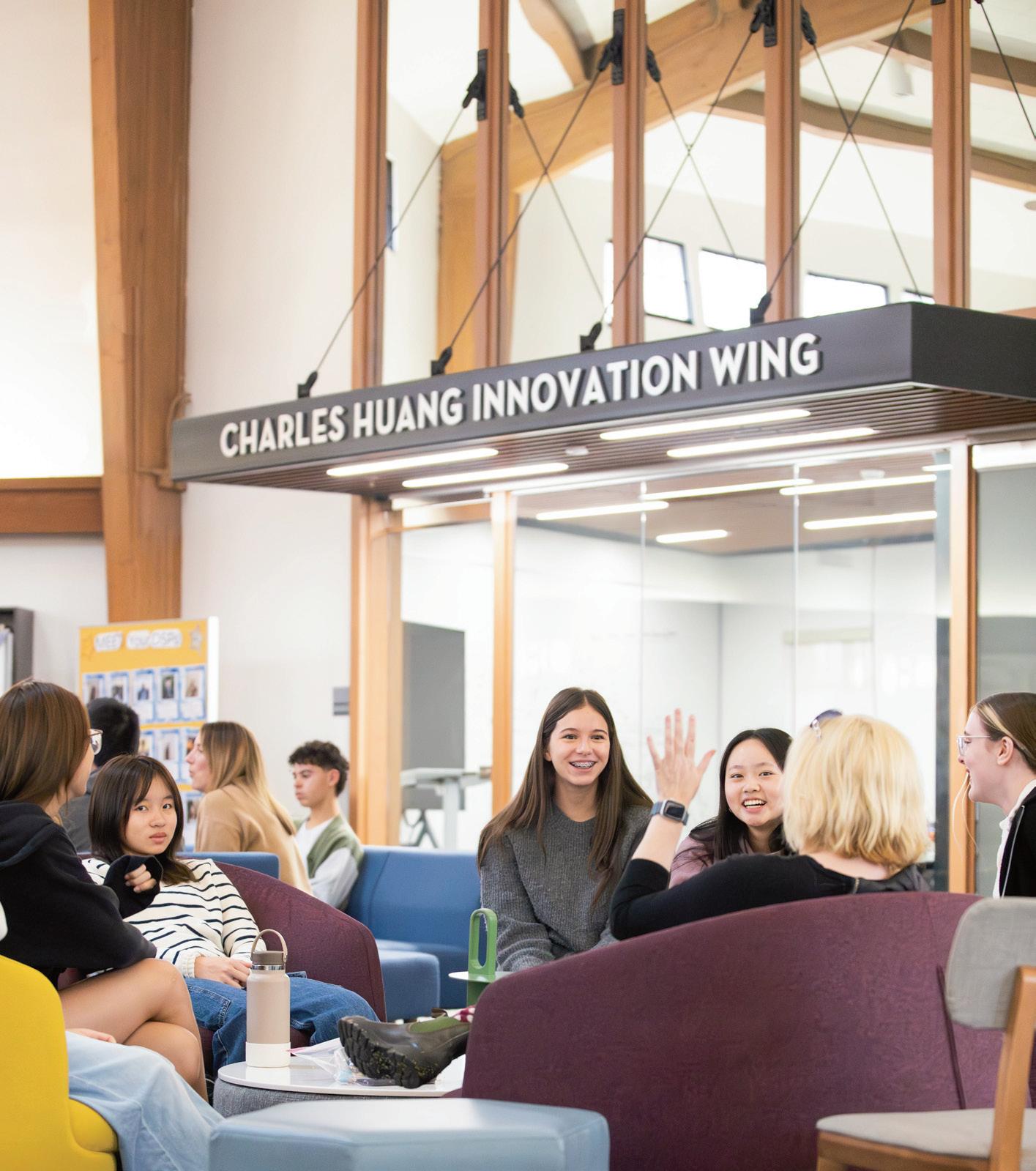
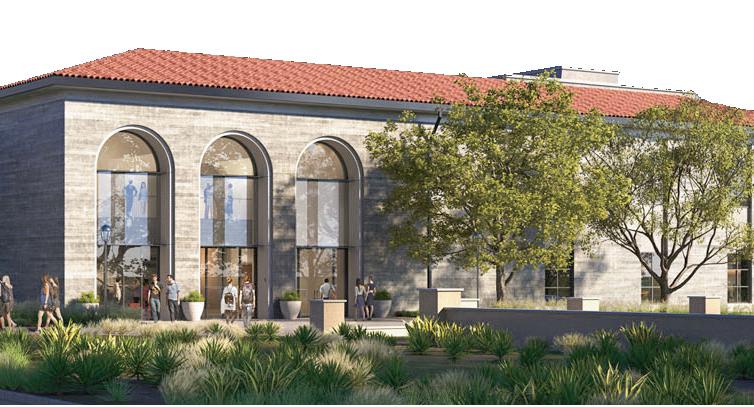
Our Huang Innovation Wing in Fawcett Library, just opened in late November 2024, now serves as a hub for this spirit of innovation. What I love about this space is watching students bring it to life. Our robotic arm training and usage protocols, for example, are mainly being designed by students who helped to select this model.
Our video editing suite, complete with systems selected with input from CNN video engineers, and
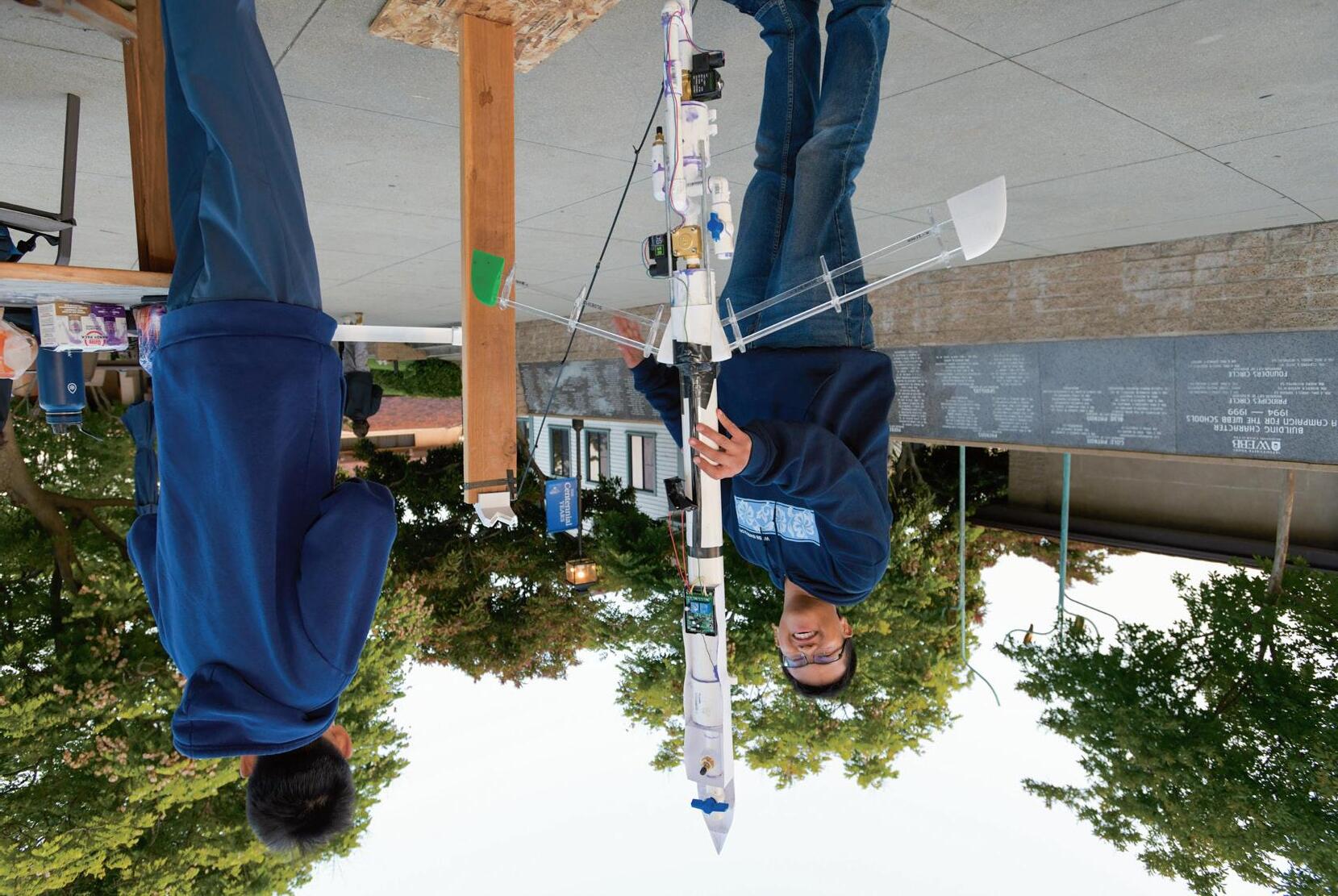
sound booth enables a new level of production for students in our recently launched filmmaking course. And our new Technology and Innovation Seminar, inspired in part by our ongoing collaboration with Professor Zach Dodds at Harvey Mudd College, has provided an academic space for students in our Bluebird rocket team, enabling them to get ready for their next launch, a process not unlike their USC counterparts.
to do your own laundry.
Many times, people contrast academic skills with life skills, such as managing your finances, knowing what to do when you have a flat tire, or cooking dinner for four. Webb’s program has always understood the link between our residential community and student learning. That Webb’s academic program lives as part of a 24/7 learning community focused on nurturing and inspiring young people enables its success.
Exciting developments are underway at Webb! In the new year, we have additional site visits planned as we refine our programs and chart a bold path for the future. With our Centennial celebration behind us, we now look ahead to the next 100 years with a clear and compelling vision. Webb is transforming the boarding school experience for a new generation, cultivating bold and honorable leaders ready to make a global impact. Building on our remarkable legacy, we are just getting started— and the future is boundless!
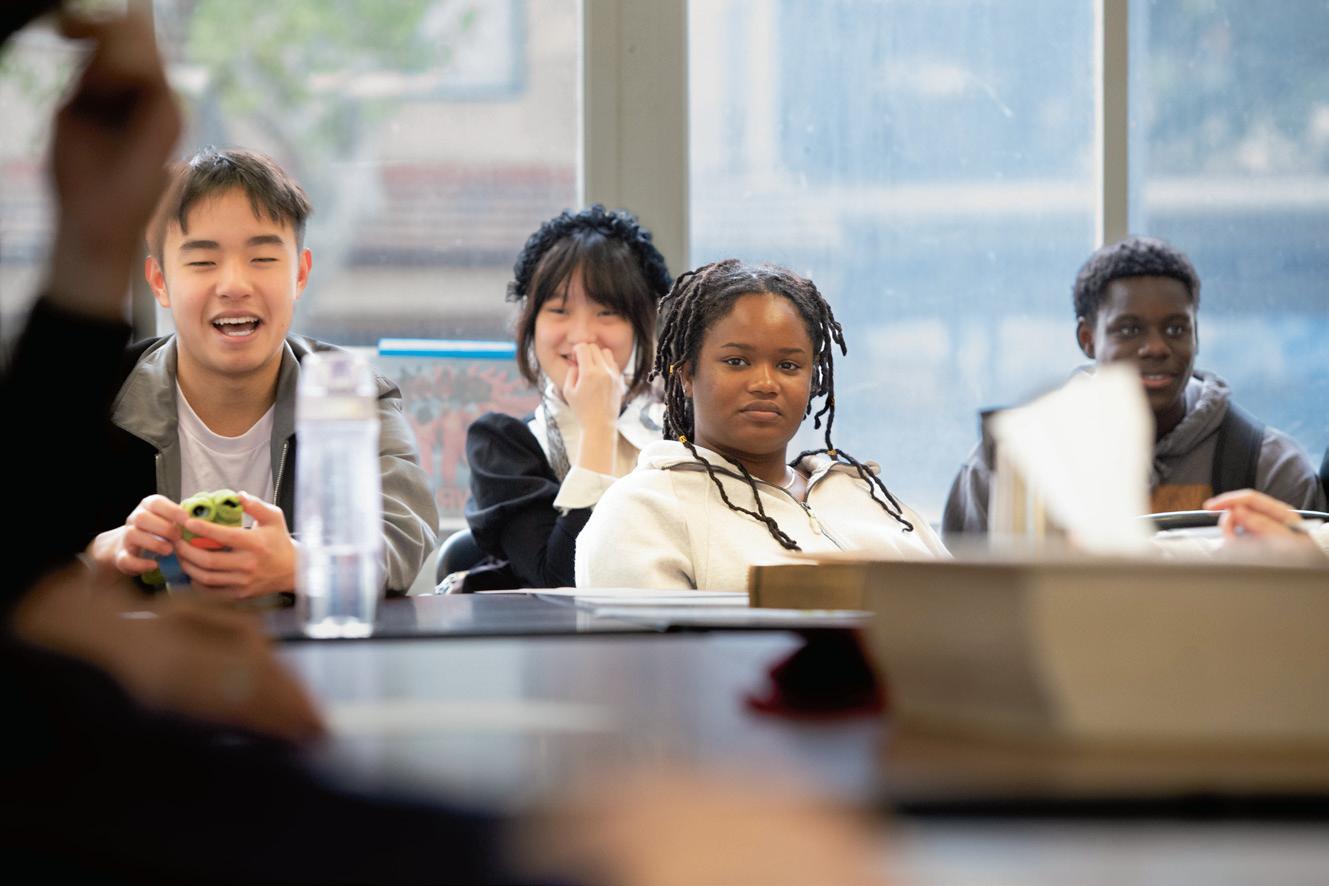


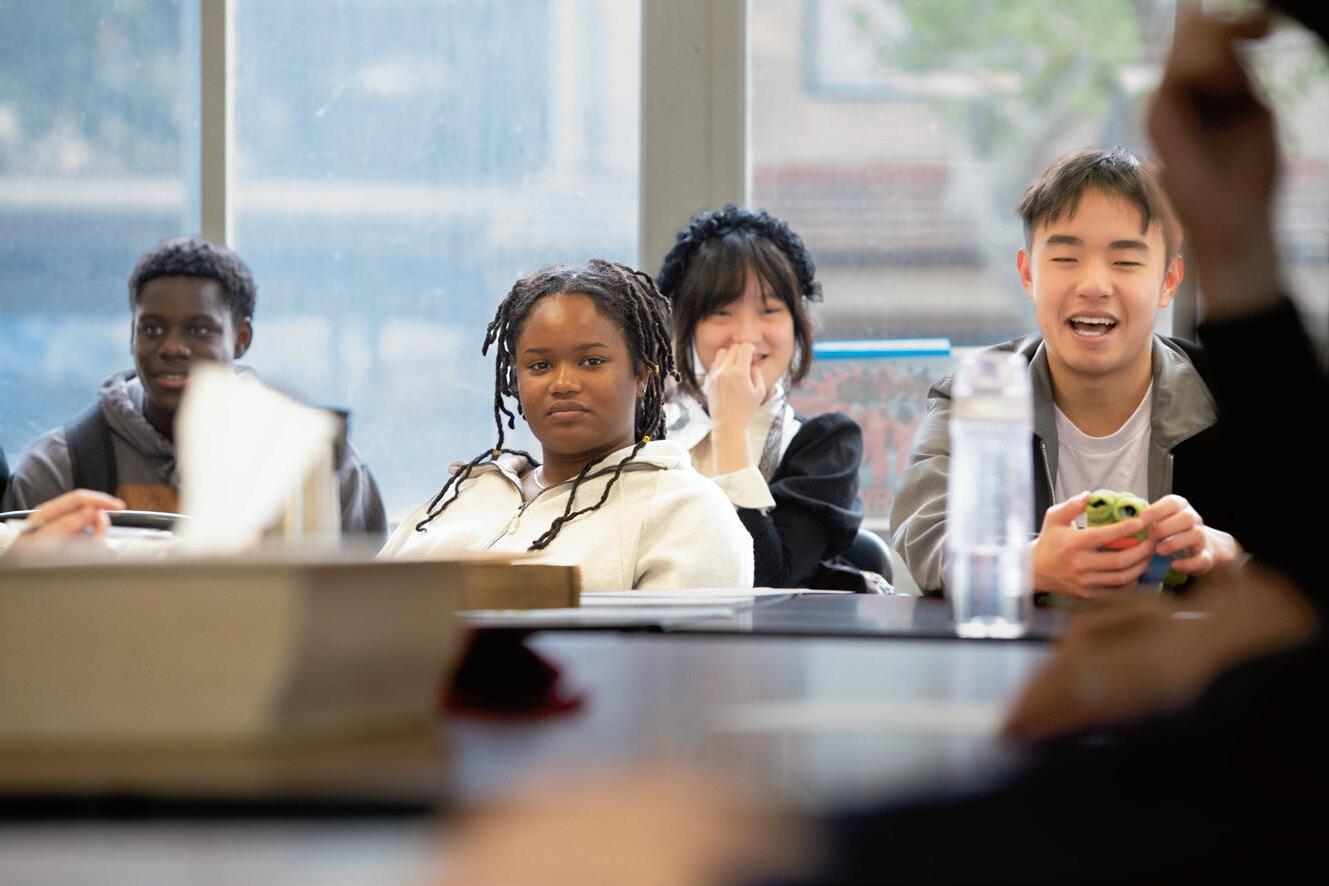
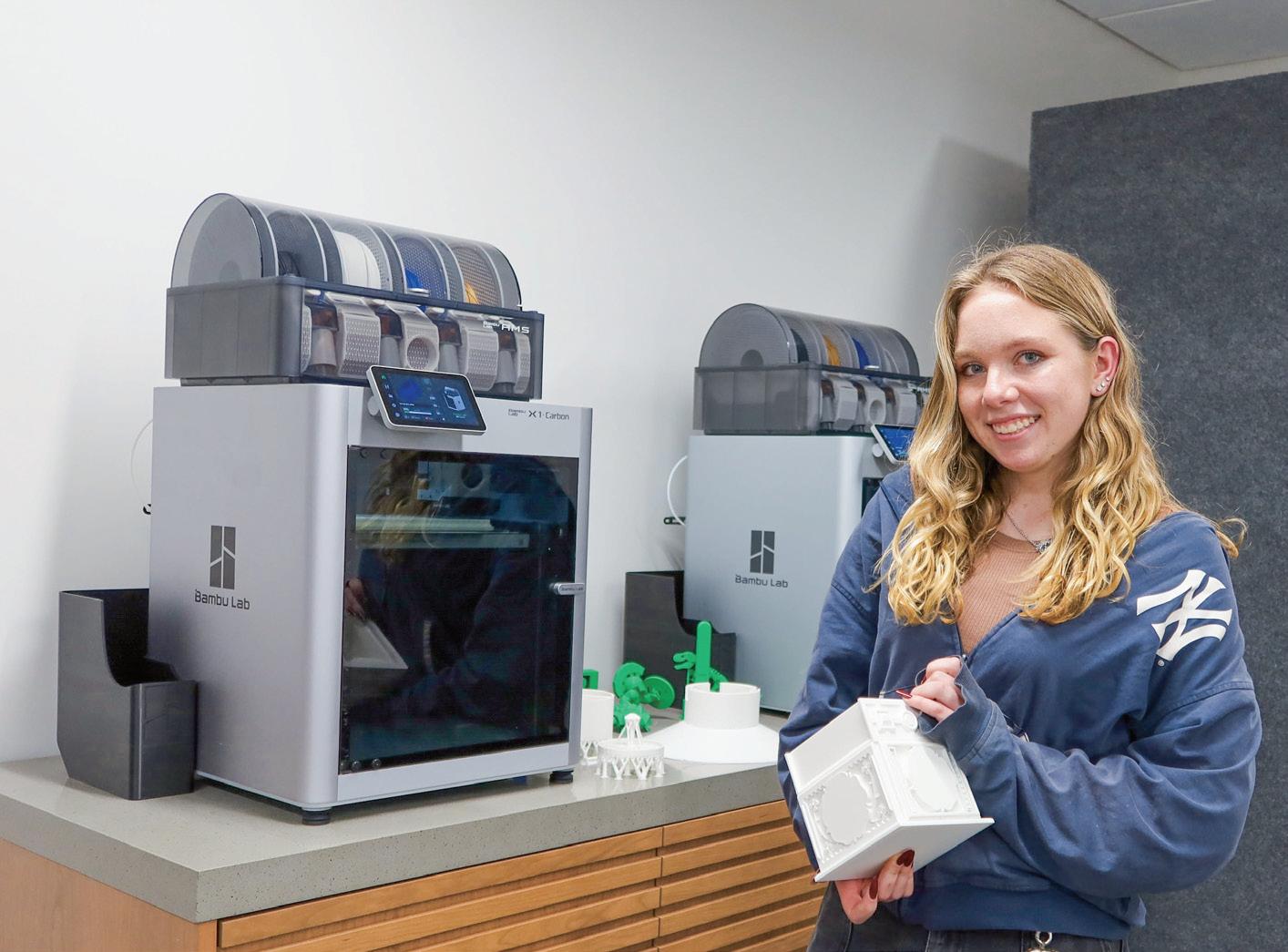
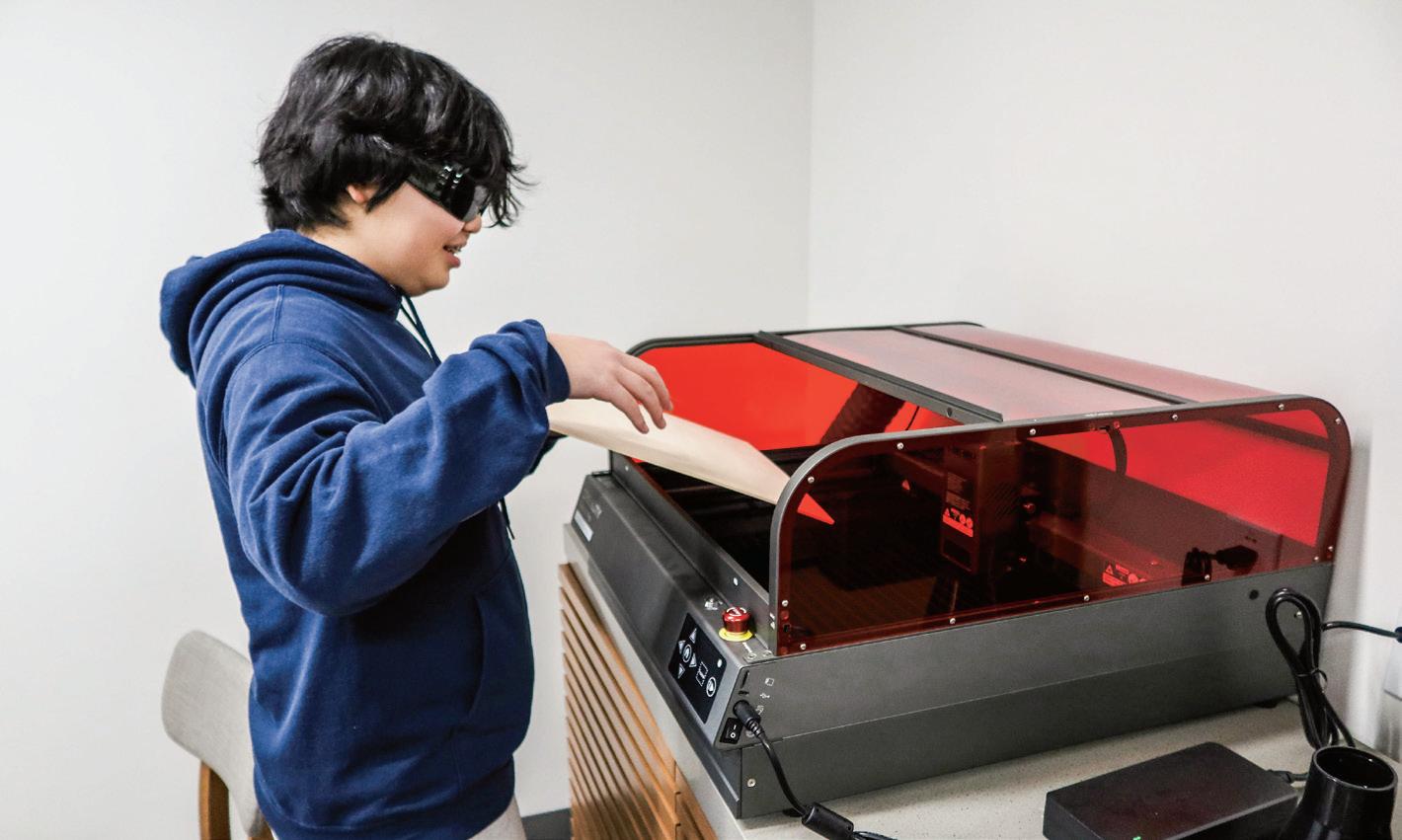
Since its opening in November 2024, the Huang Innovation Wing has been a dynamic addition to Webb’s Fawcett Library, designed to foster creativity and hands-on experimentation. This cutting-edge space features multiple studios, including a generously sized, flexible classroom where students can ideate, incubate, and bring ideas to life using powerful processing computers, 3D printers, a robotic arm, and a rapid prototyping laser cutting machine.
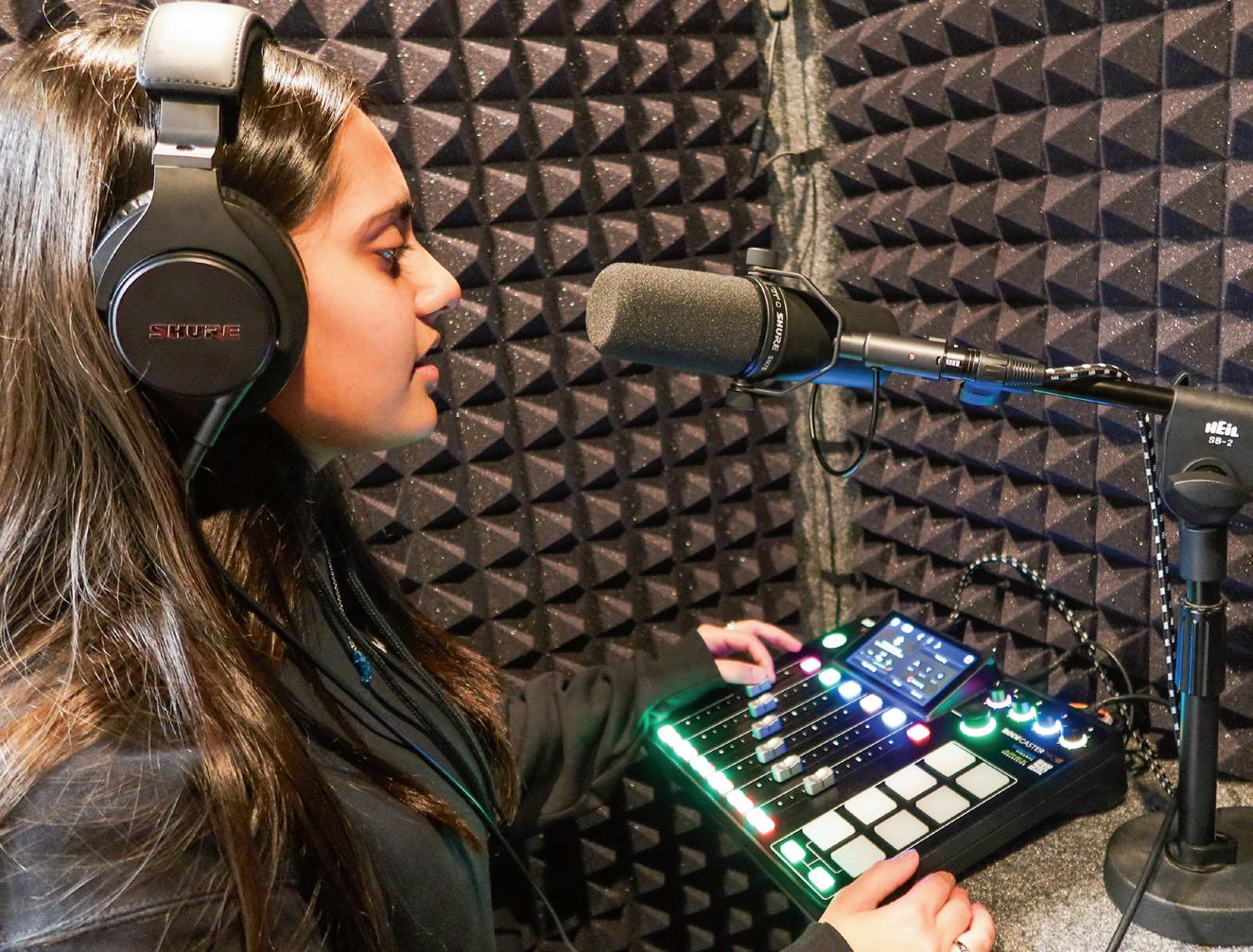
Guided by Webb’s expert faculty, students engage in advanced programming, filmmaking, and digital media production, leveraging high-performance video editing and processing technology. The wing also houses a dedicated podcast studio used by Webb Canyon Chronicle students and others. As an integral part of the library, the Huang Innovation Wing is an accessible and inspiring creative space for unbounded student exploration and innovation.
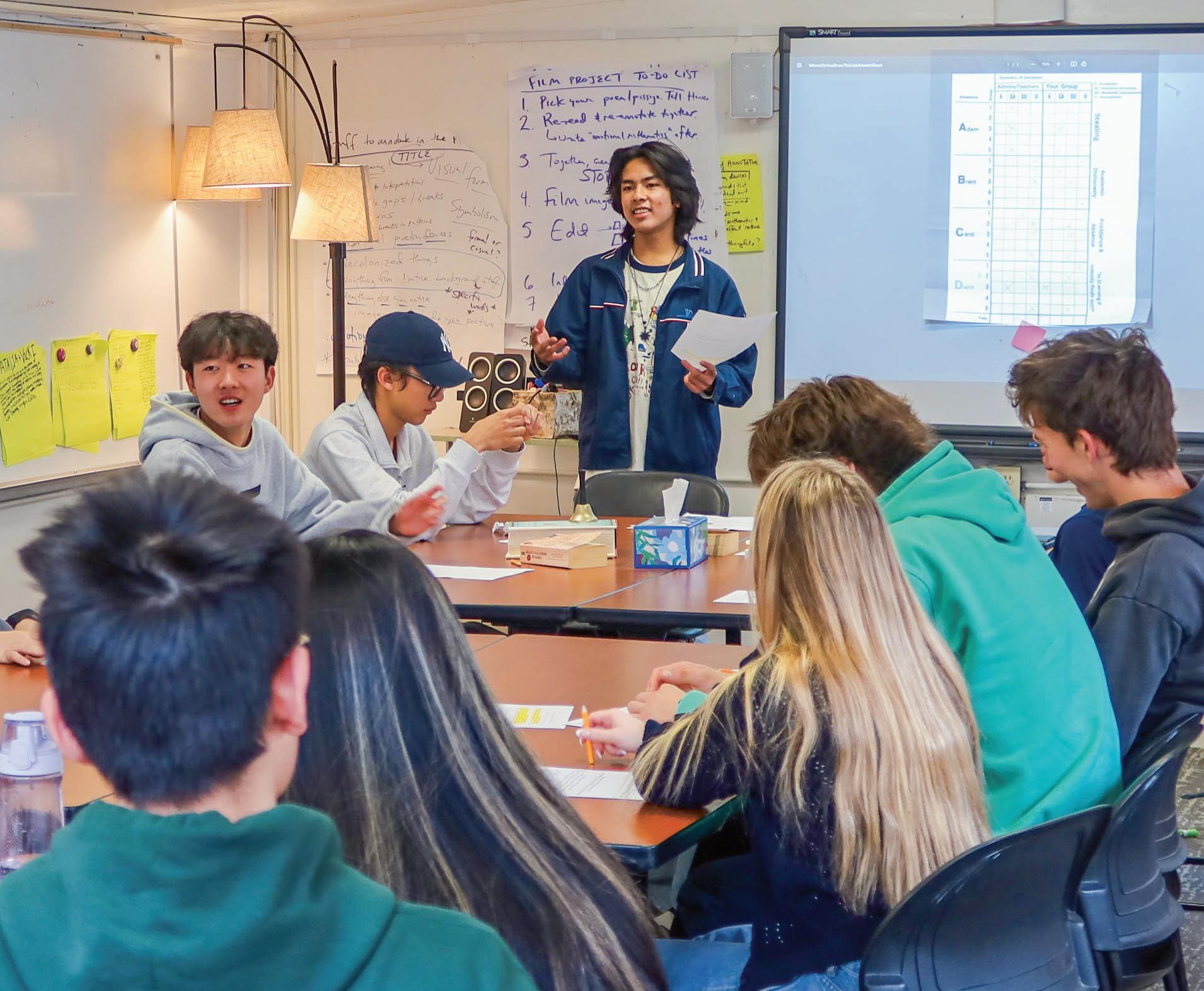
Webb students must also be able to communicate their ideas clearly and powerfully. In each lab we visited at USC, professors asked their graduate student researchers to summarize their work, pushing them to articulate the complexity of their projects in terms we could understand and that emphasized the potential implications of their findings. Scholars create graphics and videos to illustrate their work. They write persuasive pieces aimed at demonstrating how their work challenges current understandings. They lend their own voice to the world in myriad ways. These are skills you need to be a research scientist.
A
OR ONE OF THE MANY CAREERS OUR STUDENTS WILL TAKE ON THAT HAVEN’T BEEN INVENTED YET.
• UFACTORY X-ARM 6 robotic arm A 6-axis robotic arm with built-in software and an accessible graphical user interface. Accessories include a BIO Gripper, X-Arm Gripper, and an X-ArmVacuum.
• (3) Bambu Lab X1C 3D Printers accommodate multiple colors and printing materials, have dual auto bed leveling, and are high-speed capable.
• RØDECaster Pro II is an integrated audio production studio with superior sound quality.
• Falcon2 laser cutter and engraving machine is used for rapid prototyping.
• (2) Mac Pro Apple M2 Ultra computers
• (3) Mac Studio Apple M2 Ultra computers
• 64 TB QNAP data storage
• (8) ViewSonic 2k and 4k LED monitors
(2) ViewSonic 75” 4k UHD Wireless Presentation Displays
• ViewSonic 86” 4k Display
• Sennheiser 4k Video Conferencing Bar
• (6) Soundfield 6.5” TwoWay Pendant Speakers
• 4k laser projector (4) Soundfield 6.5” TwoWay Pendant Speakers
UPCOMING AND RECENT SITE VISITS
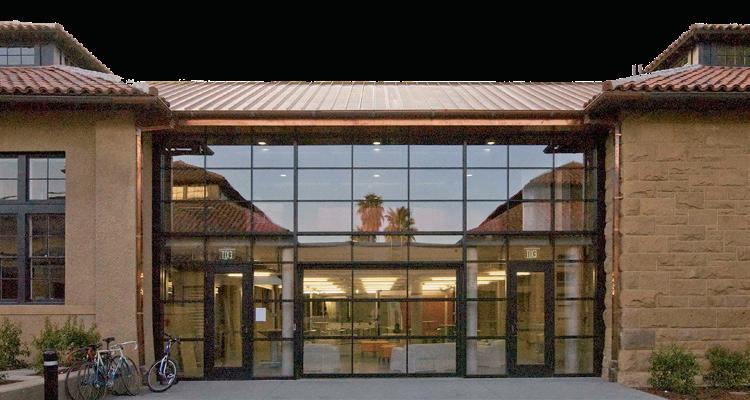
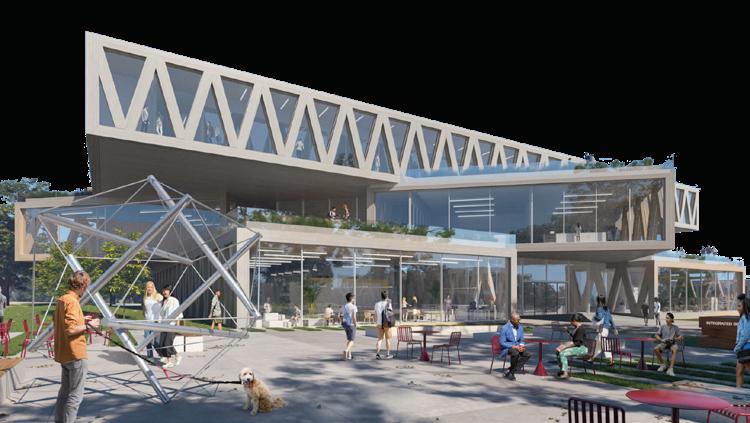
As part of our ongoing research, Webb will visit leading California institutions of higher learning in the new year, including:
The AI Project is advancing steadily. This fall, we conducted a comprehensive technology audit to ensure our campus infrastructure and IT systems are equipped to support our exploration of AI. The audit report is in, and we’re actively addressing the recommended improvements.
We recently launched a self-contained version of WebbGPT, providing faculty, staff, and students with secure access to the latest Claude LLM model. This ensures users can retrieve information without sharing any inputs back to the external model. Last week, we introduced the latest version of WebbGPT, featuring image generation and an agent builder, to students. We are currently monitoring test cases, evaluating optimal uses, and gathering feedback through small focus groups. These efforts include discussions on backend customization and ethical safeguards to promote safe, responsible, and effective use within our community.
This month, we’re hosting a WebbGPT agent design challenge, encouraging faculty, staff, and students to personalize AI tools for their unique needs. Simultaneously, we’re building a formal partnership with USC’s Center for Artificial Intelligence in Society (CAIS). Professor Phebe Vayanos, the center’s co-director, will visit campus in May to share her groundbreaking research. CAIS’s focus on leveraging AI to tackle pressing social issues aligns seamlessly with Webb’s mission to think, act, lead, and serve.
WebbGPT is awesome! We are excited to have this powerful learning tool available to students in a safe, controlled environment. Using the chatbot engages student curiosity and requires them to exercise their skills in asking the right questions—an essential skill that Webb cultivates in students in all areas of study. Queries and data input into WebbGPT stay within Webb's technology system, allowing students to safely develop hands-on experience with chatbot interactions for myriad uses, such as automating repetitive tasks and debugging code.
Teachers and coaches are testing the system to streamline and improve everyday tasks; for example, our Golf Coach (and English and Humanities Department Co-Chair), Stephen Hebert, is using the system to create individualized practice plans for his team. "The agent I've created in WebbGPT allows me to make individual practice plans for efficiency. I can, for example, have the agent determine how many balls a student should use during a drill or consider the most efficient use of a set of time," said Hebert. "The ability to train WebbGPT with a database of drills and material from instructors I trust allows me to surface potential solutions and teaching materials that I may not have considered before."
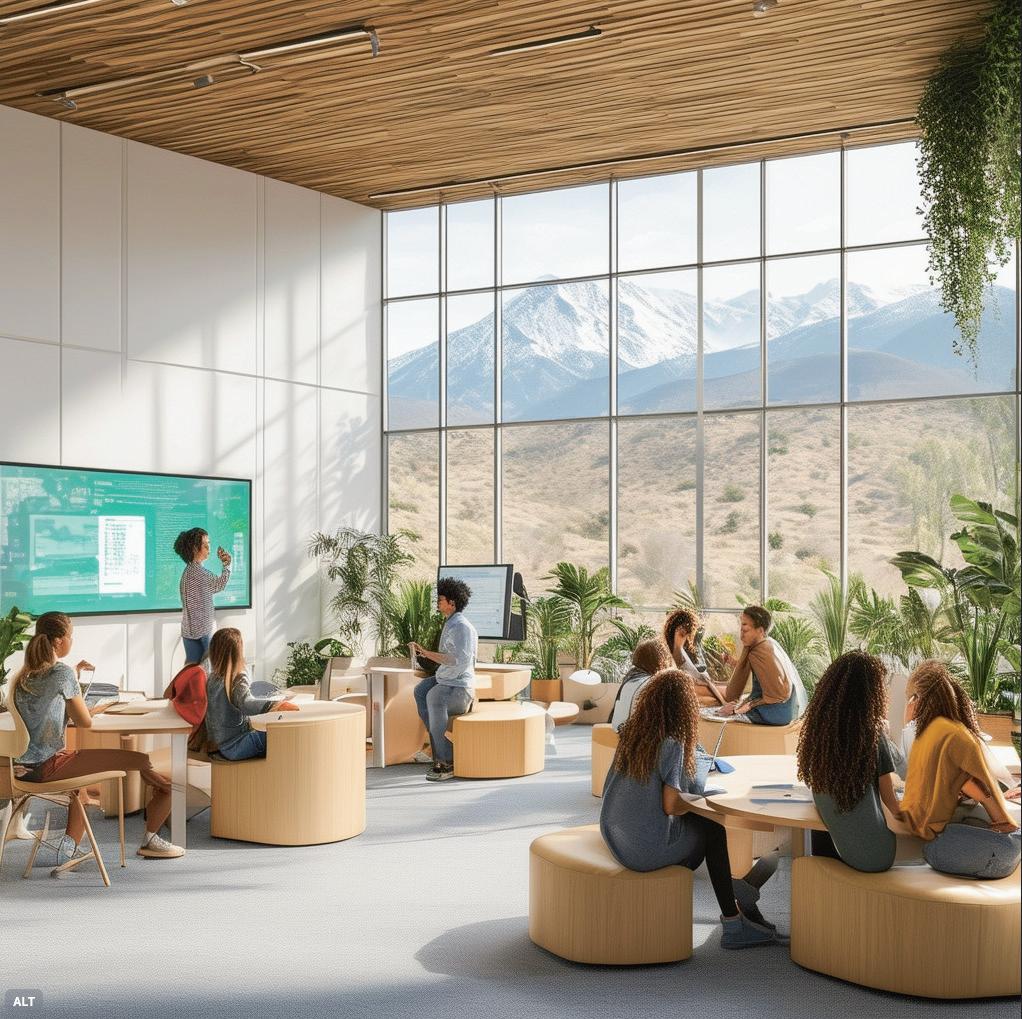
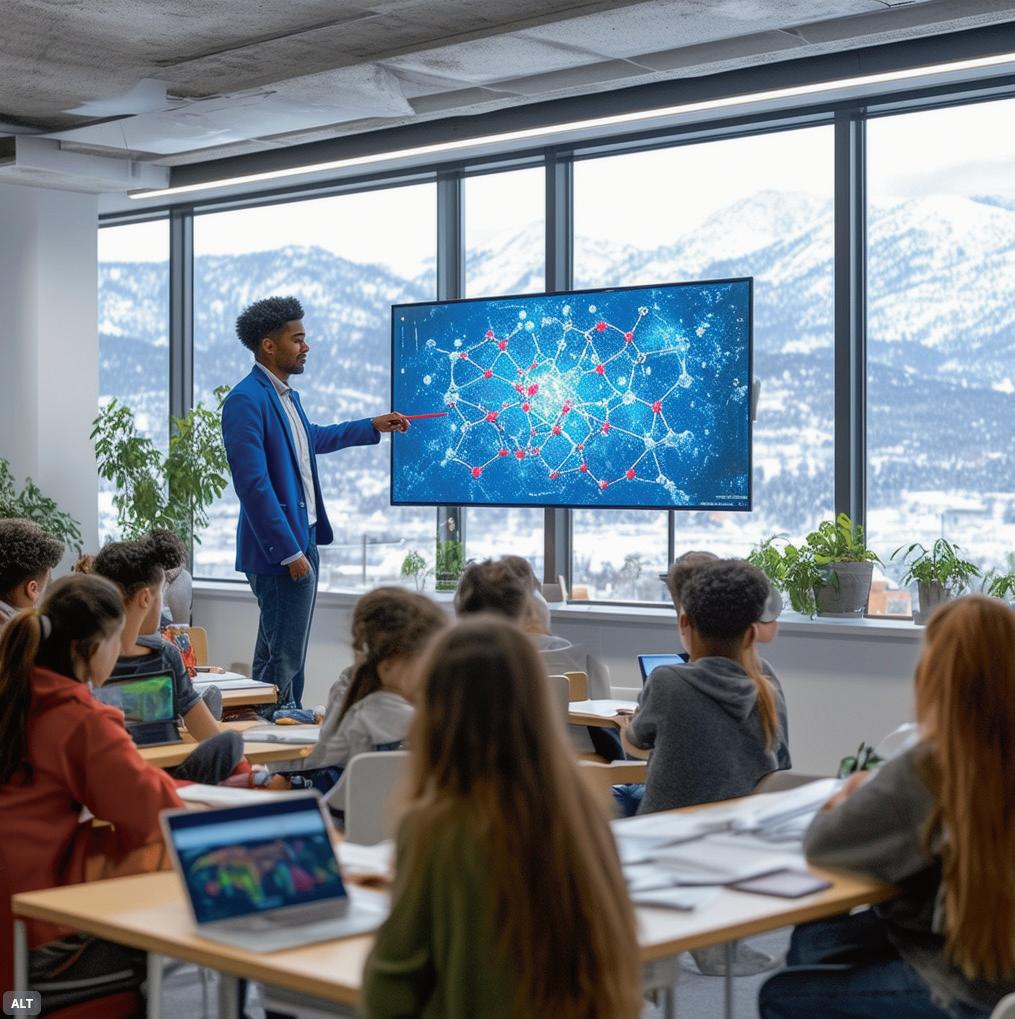
The system also has a powerful image generator, using stable diffusion to turn words into images in seconds. Students can use this for a wide range of solutions, including backgrounds for videos, rapid prototyping with digital modeling and simulations, and even things like looking behind internal organs (if the proper prompts, including images) are input into the system. Because Webb GPT continuously improves through reinforcement learning from student and faculty engagement, it improves with every interaction. Here is a simple visual demonstration using Webb GPT’s image generator.