Aly Kerrigan, Olivia Wendel, Roshni Misra Creative Directors
Yvan Do Phan Art & Design Director
Alexandra Linehan Finance Director
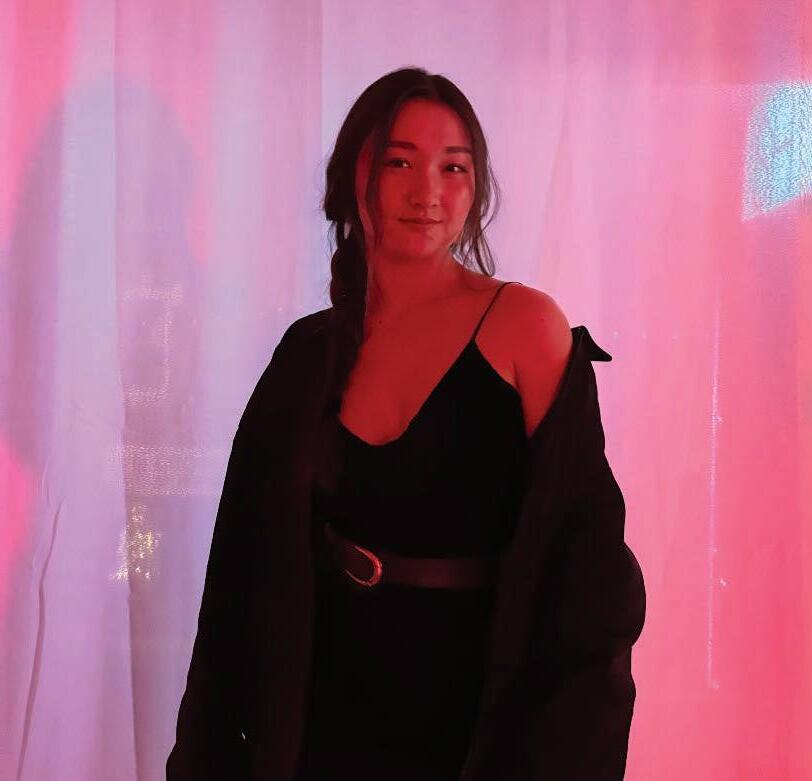
Kimb Liu
Videography Director
Ash Wright Social Media Director
EDITORIAL
Editors Laura Dragomir, Shaila Gray, Lucy Ke, Amy Liao, Kaylee Wong
Noor Majeed, Isa Turri Operations Directors
Nina Rawal
Web Director
Staff Writers Grace Lee, Rachel Lee, Jordan Millar, Sonia Mehta, Surina Ramoutar, Anika Sapra, Elena Koulouris, Sophia Zhang
WEB EDITORIAL
Managing Editor Kate Swett
Editors Raphael Englander, Lex Lemer, Roshni Misra, Jocelyn Tan
Writers Eva Egozi, Maggie Goldman, Kate Hoffman Filler, Sasha Rosenfeld, Samiya Sen, Riya Verma, Victoria Velasco, Isoken Umweni, Krista Yeboah, Tony Zhang
Photographers Aditi Anakala, Zara Baig, Alekha Choksey, Philip Dartnell, Noah Jeong, Tania Lau, Hoon Lee, Noel Palomino de la Torre, Chase Ross, Zachary Spain, Ben Tausner, Phoebe Zhang
STYLING AND BEAUTY
Beauty Stylists Doaa Adam, Worth Bergeland, Amy Lee, Serena Lin, Hrishita Mareddy, Maddy Newsome, Elaine Peng, Siri Paruchuri, Simar Soni
Fashion Stylists Max De Rosa Purcell, Remy Lipman, Luna Meline, Ifedolapo Ojo, Mayokun Omitogun, Sareena Patel, Roman Raboy, Tarini Ruia, Nehir Sunar, Kevin Xu, Tony Zhang
Social Chairs Sam Salcedo Martinez, Josh Mukherjee · Lead Merch Coordinator Madolin Bergman · Merch Designers Jaein Kim, Isa Turri
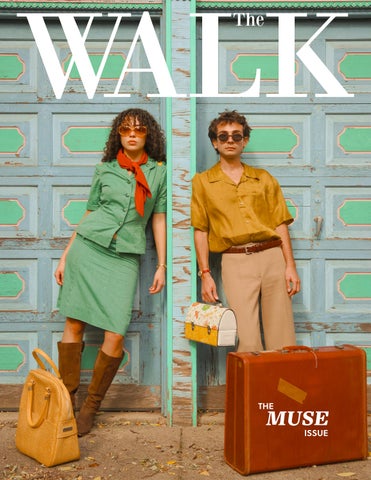
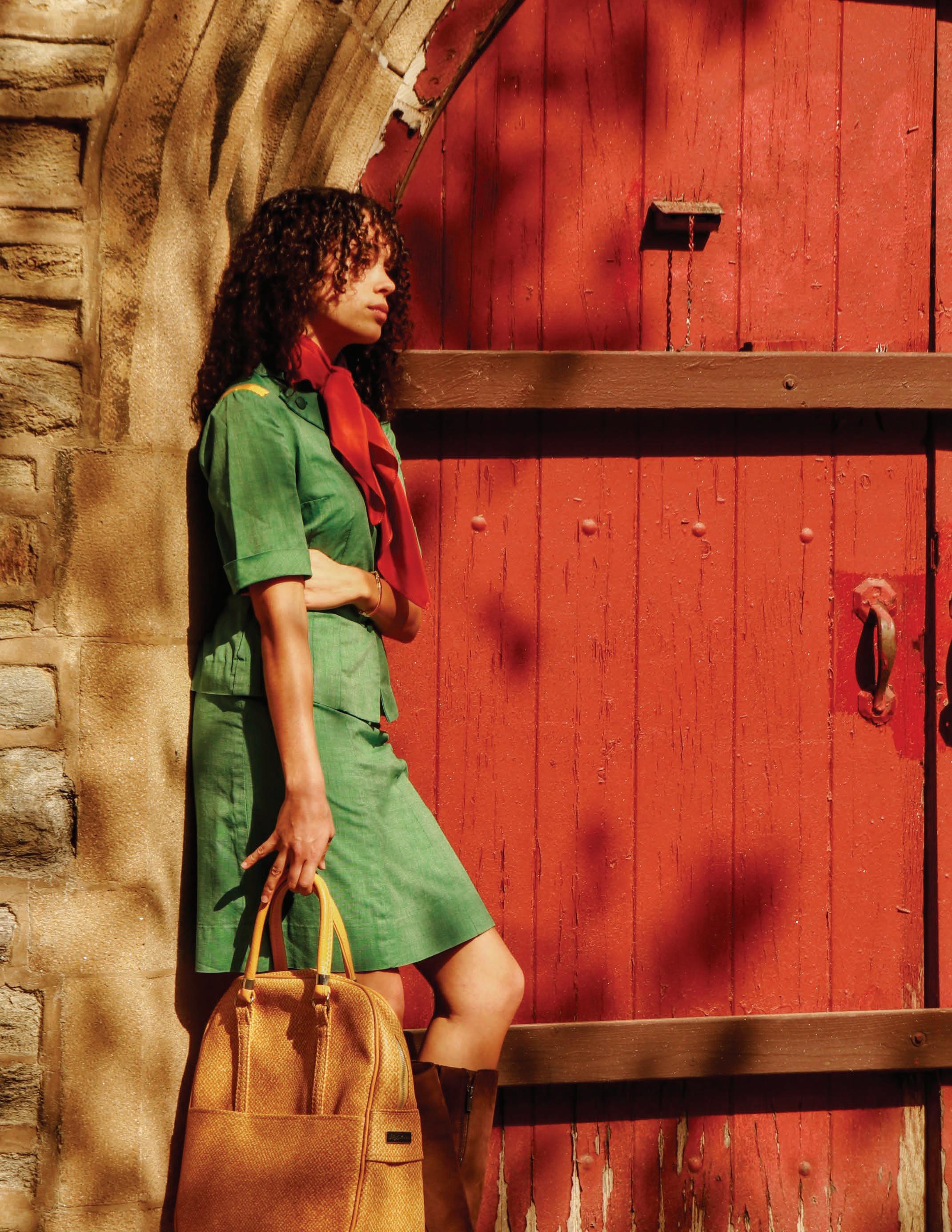
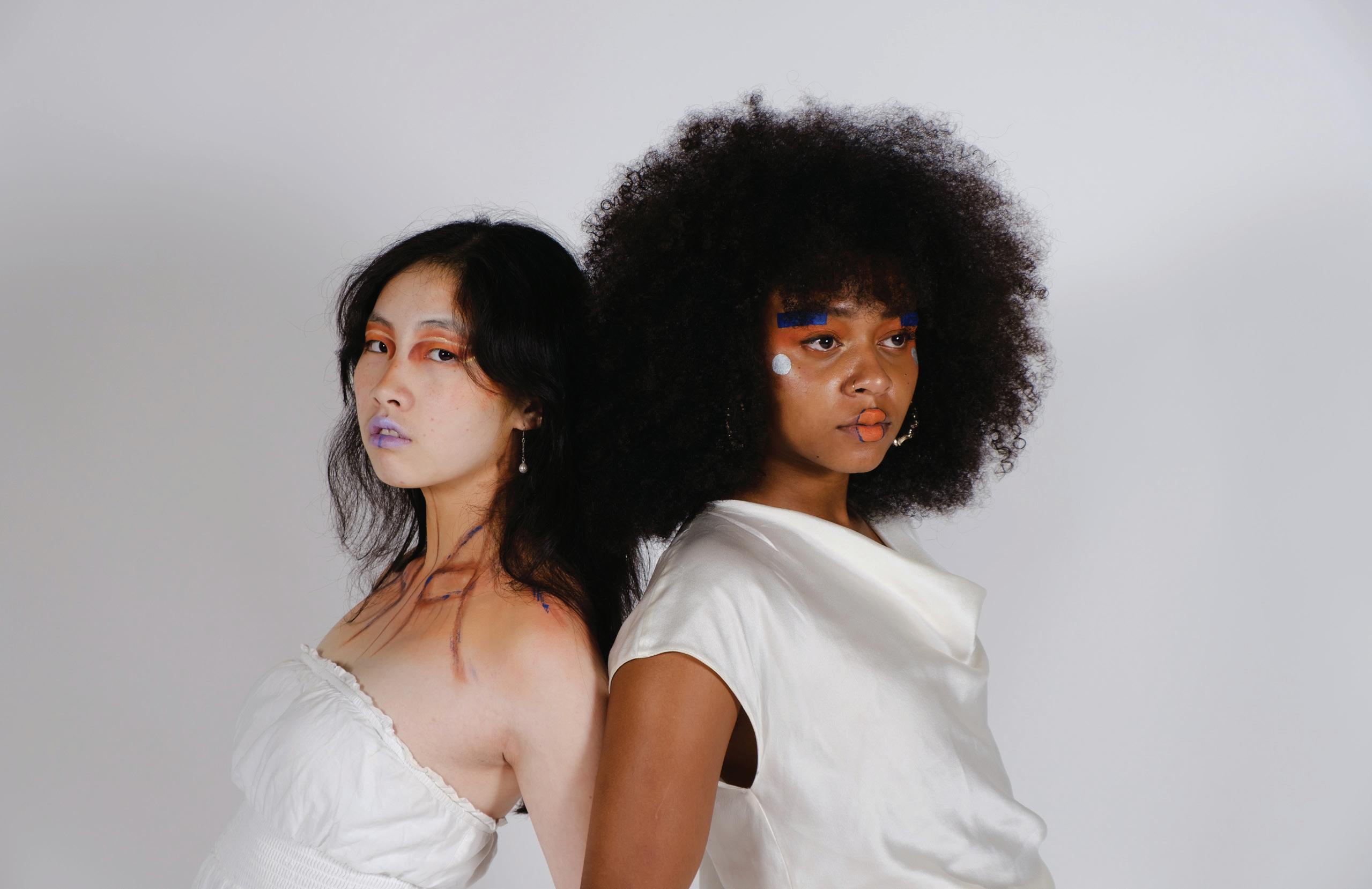
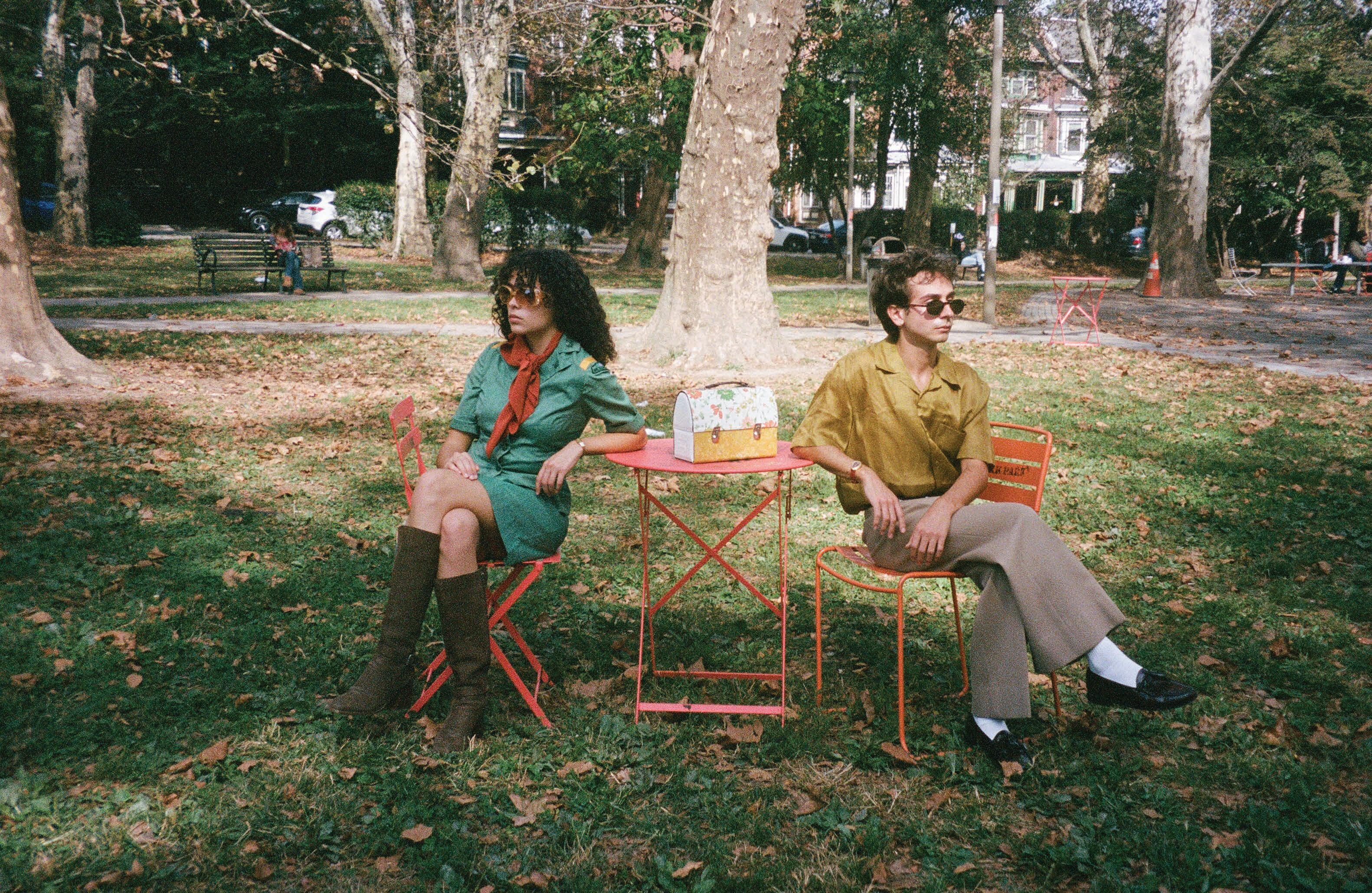
Cover Look: STILL
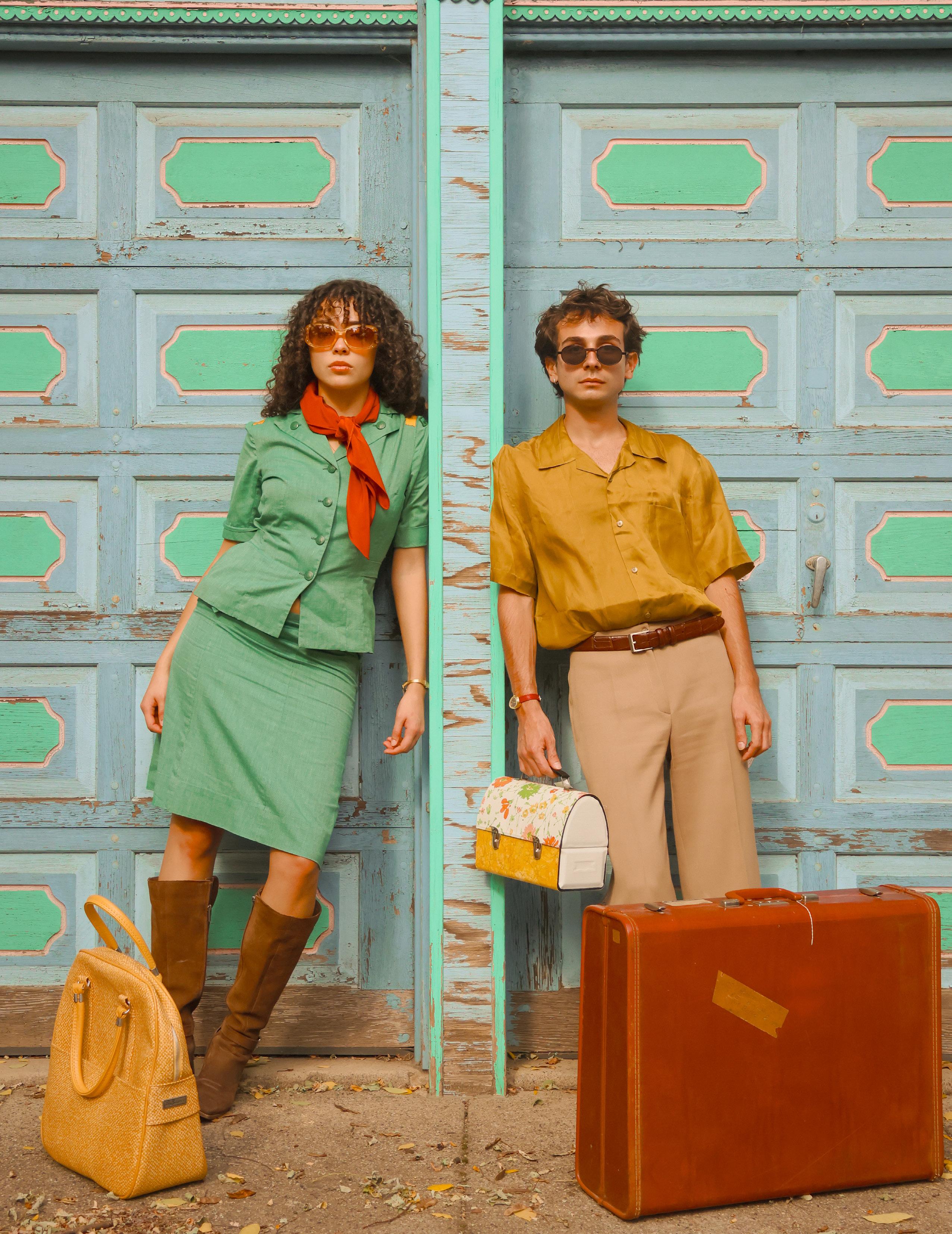
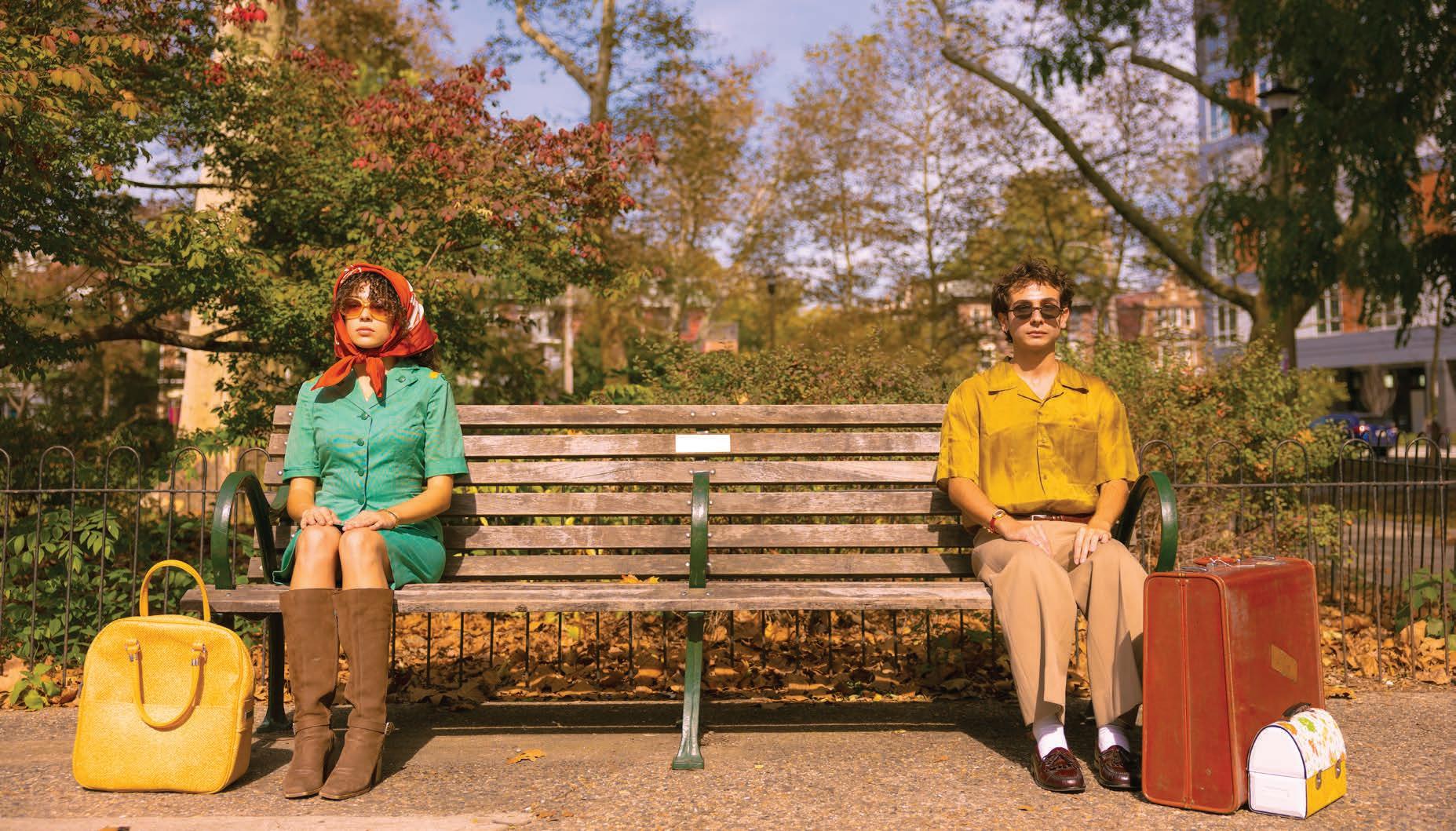
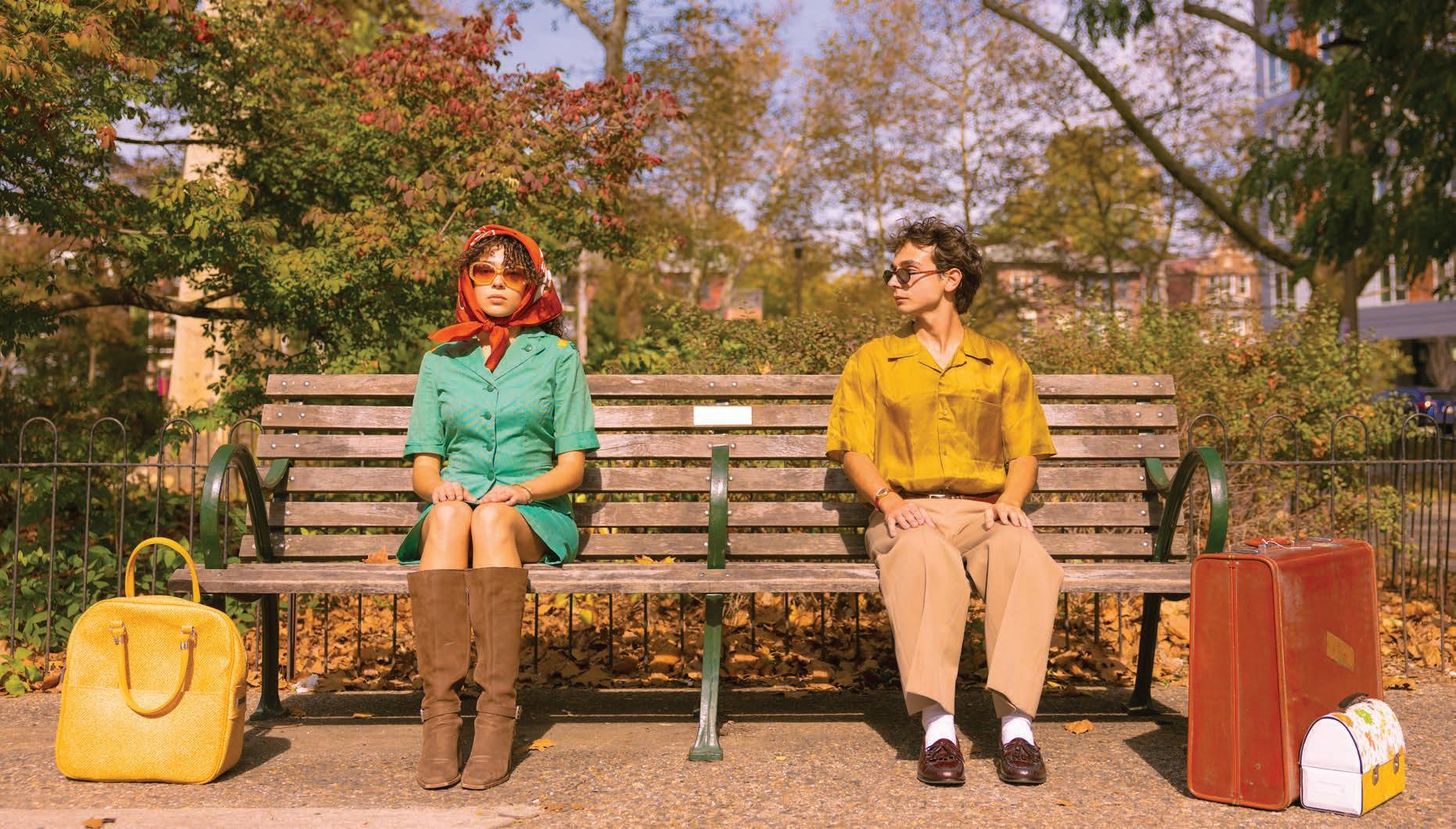
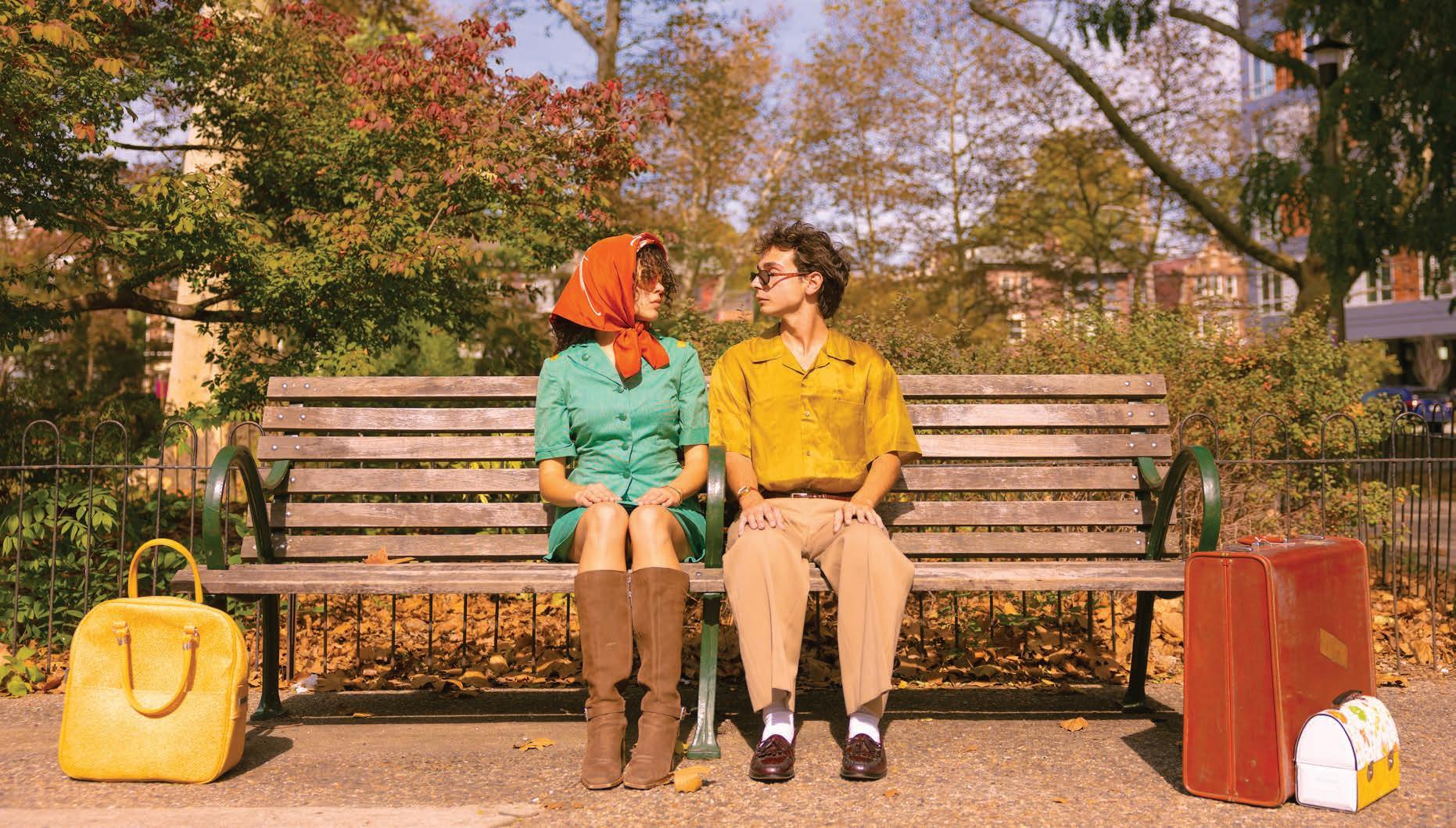
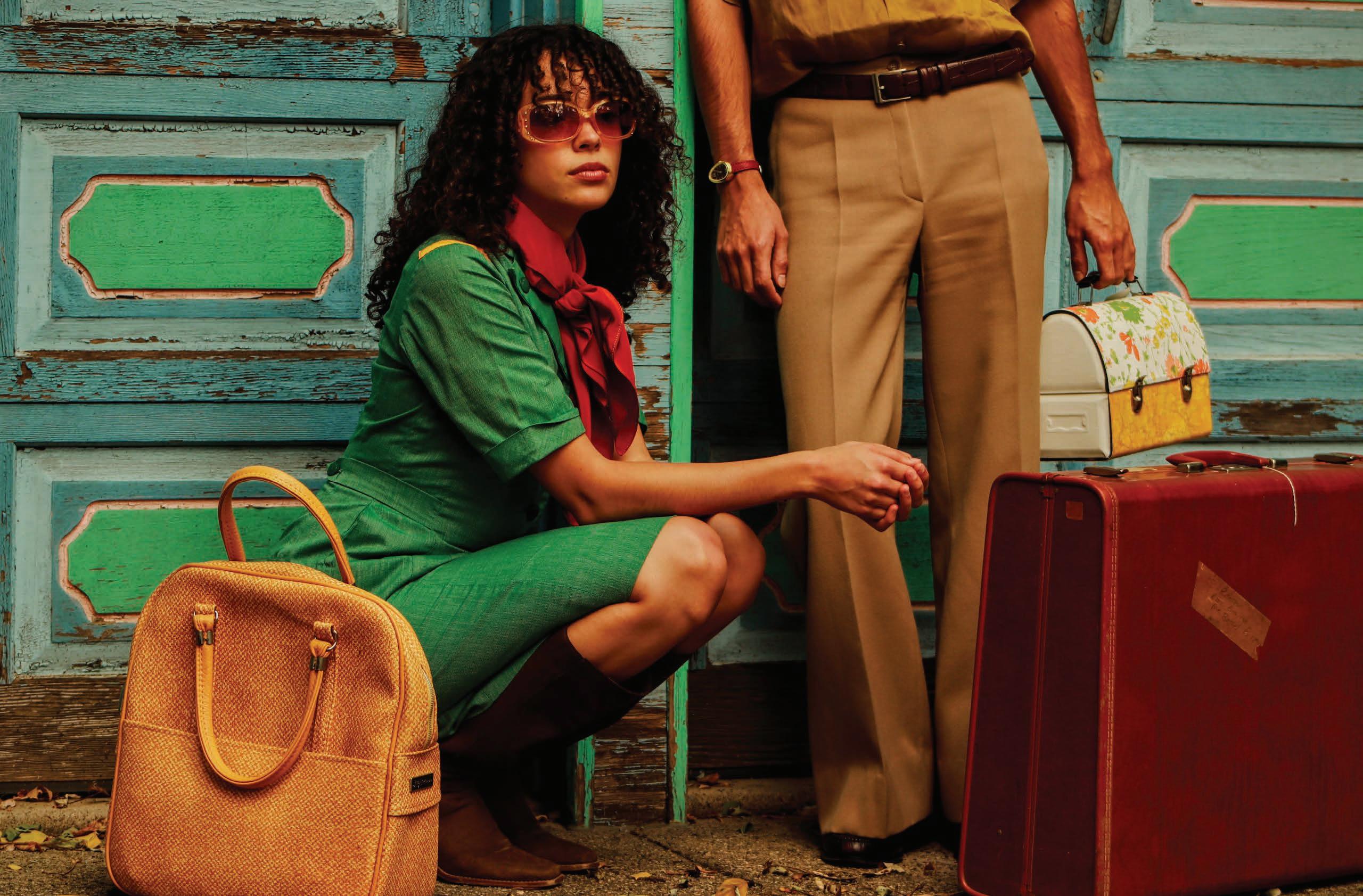
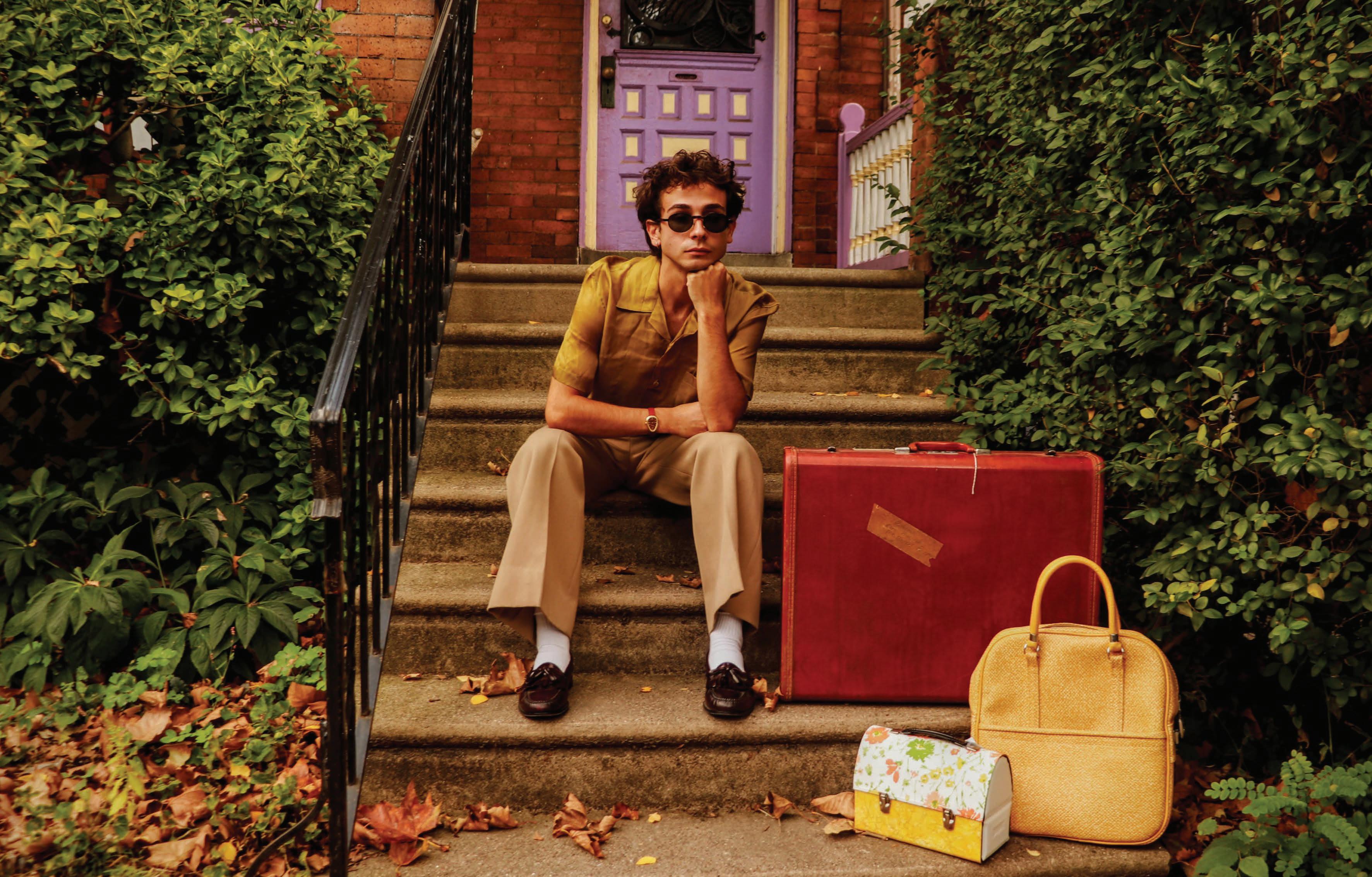
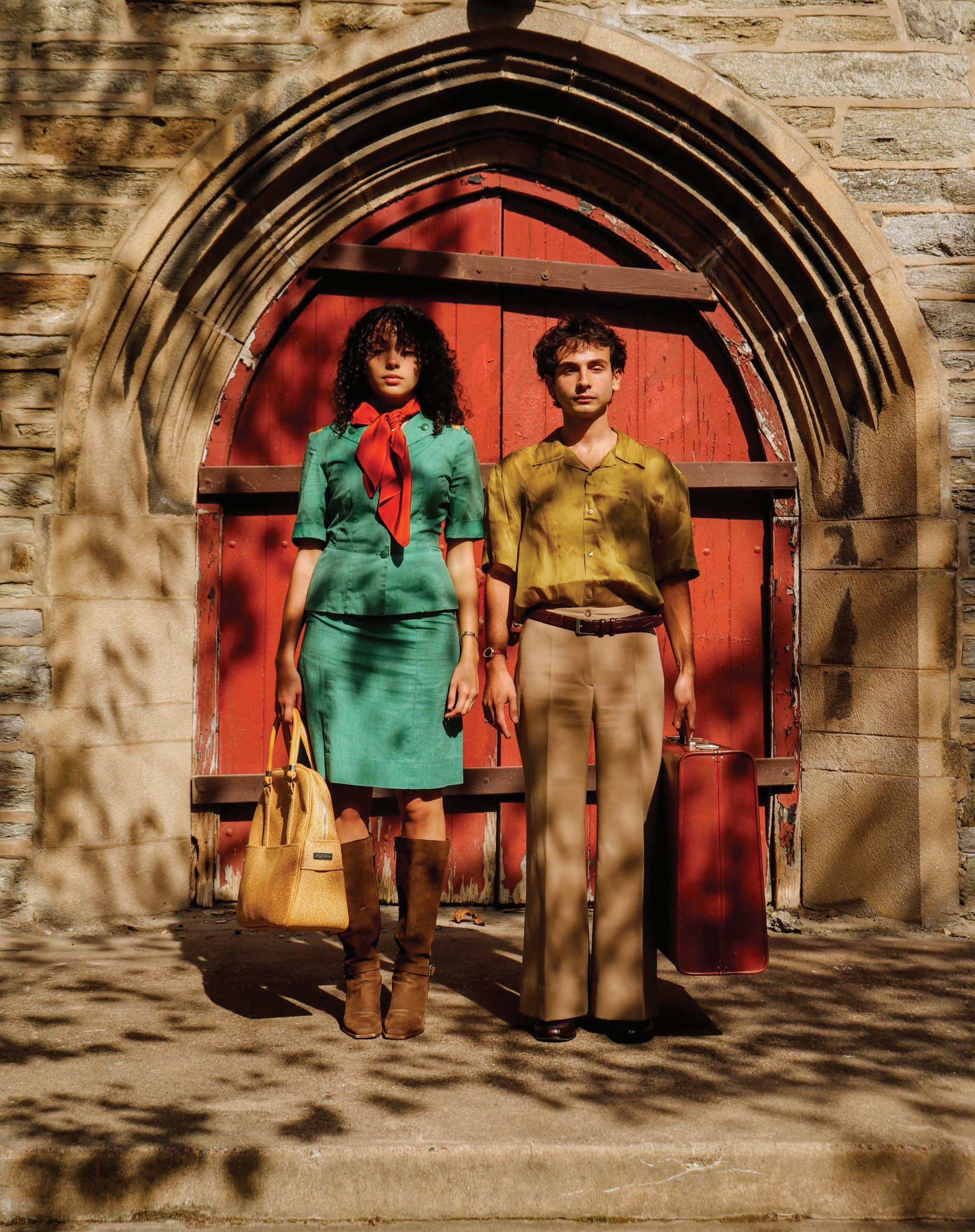
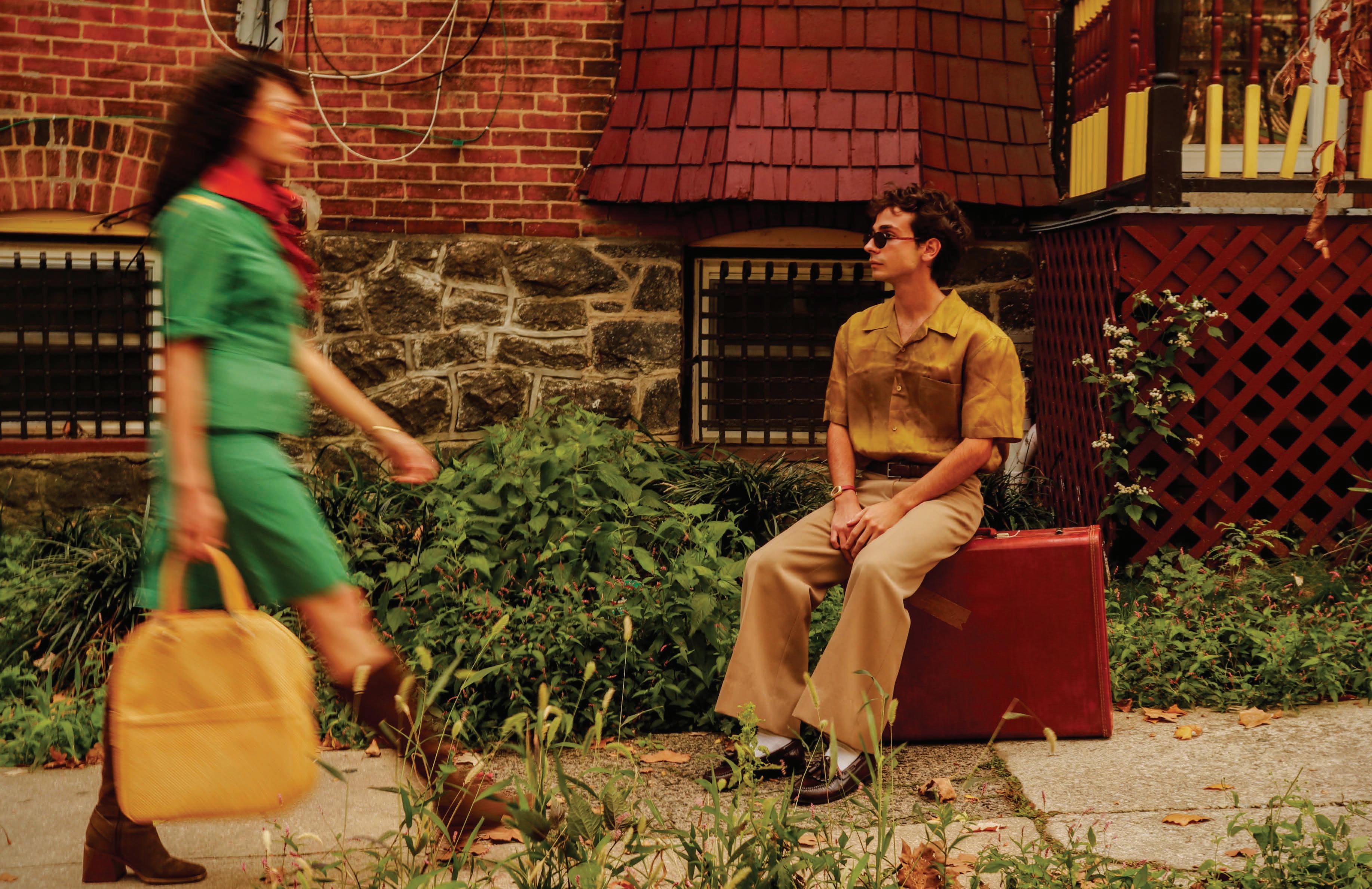
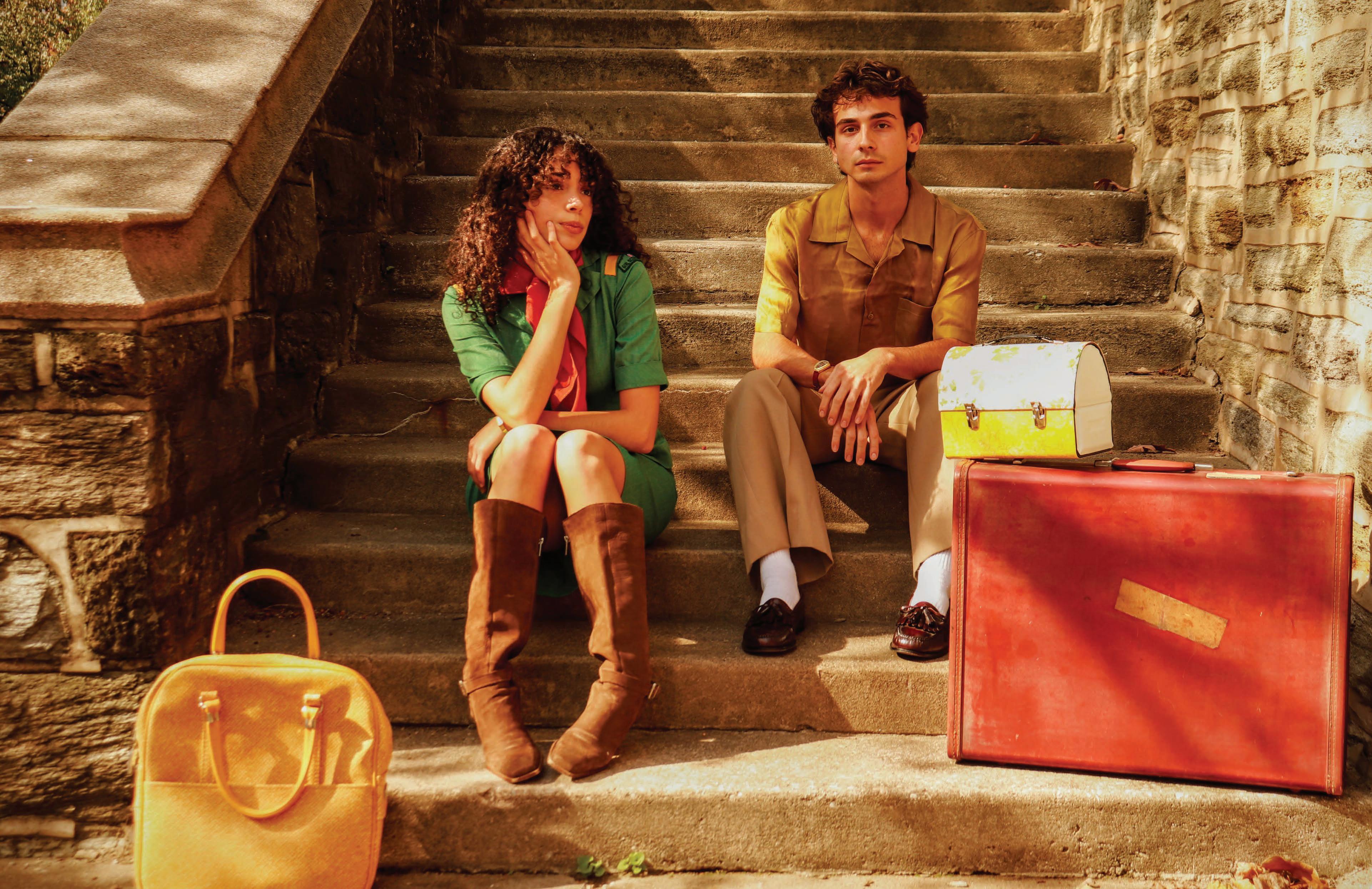
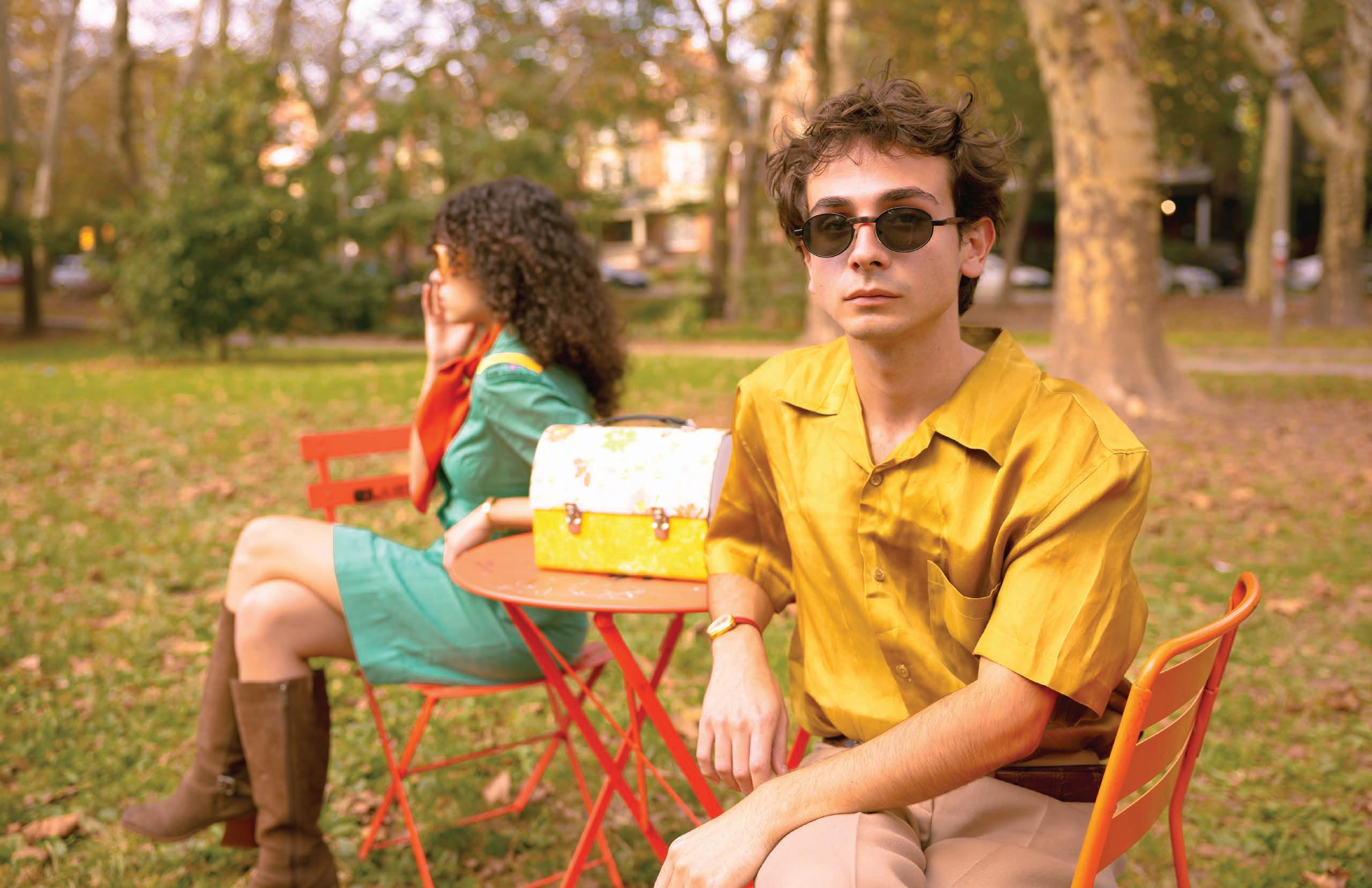
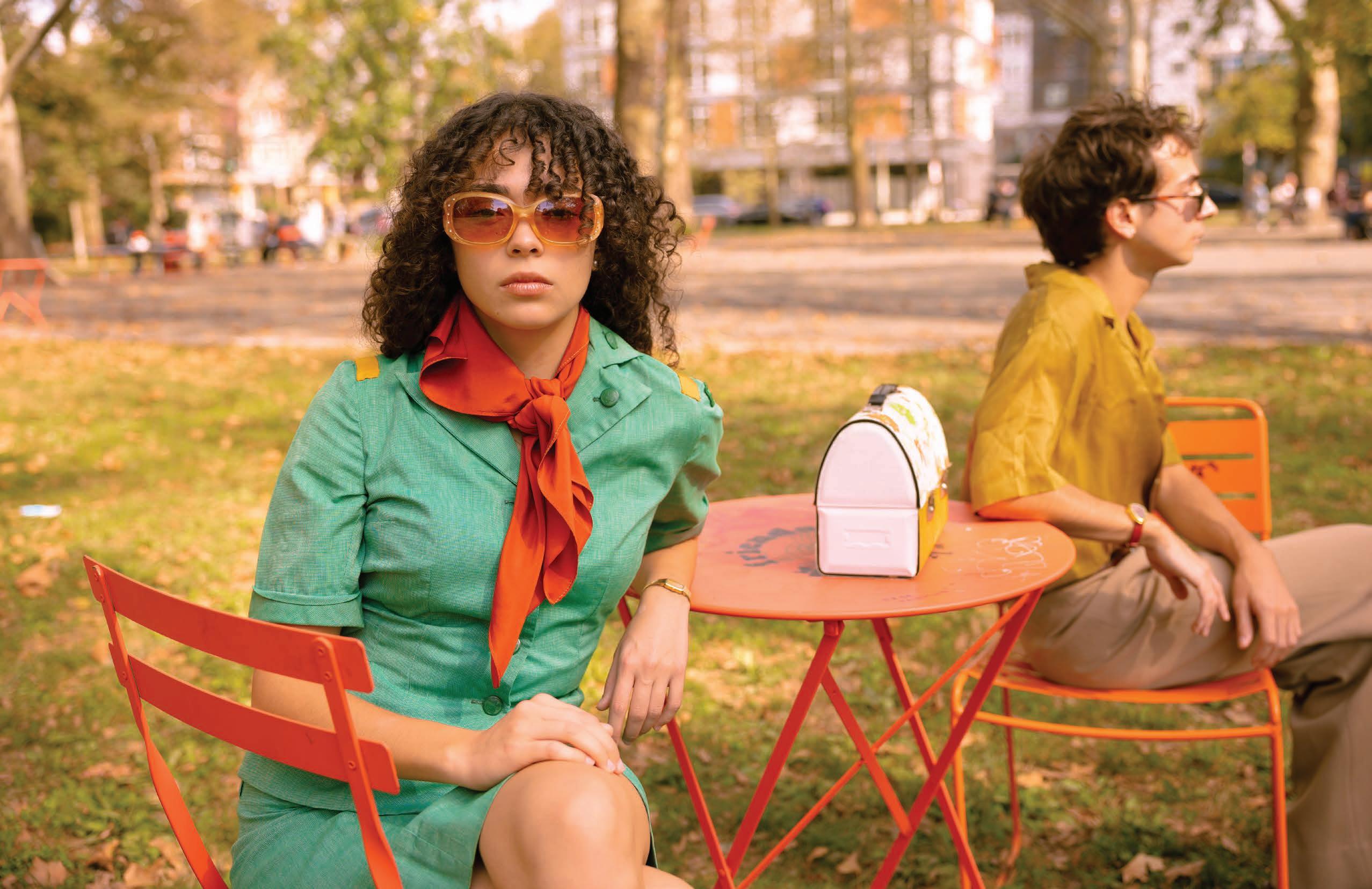
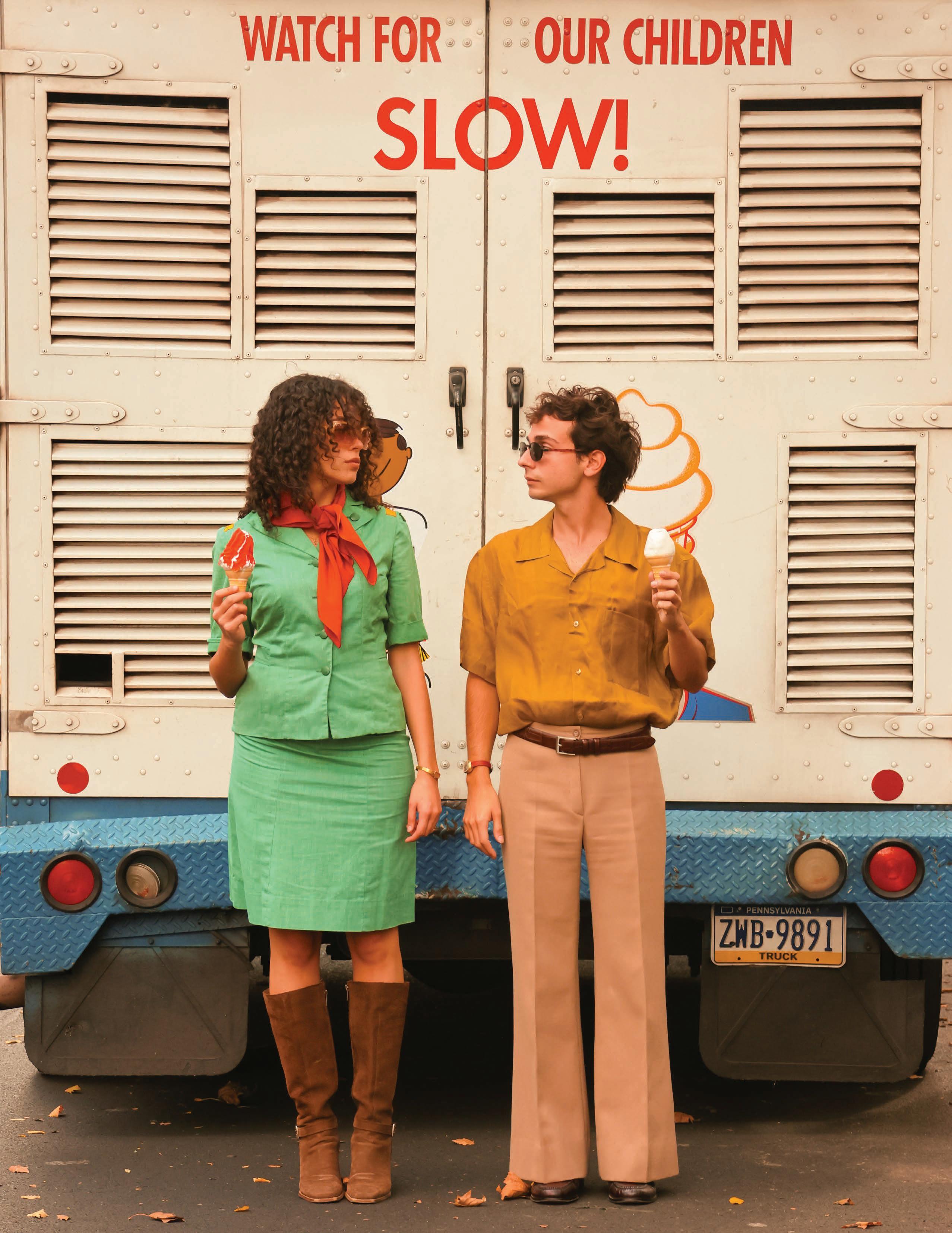
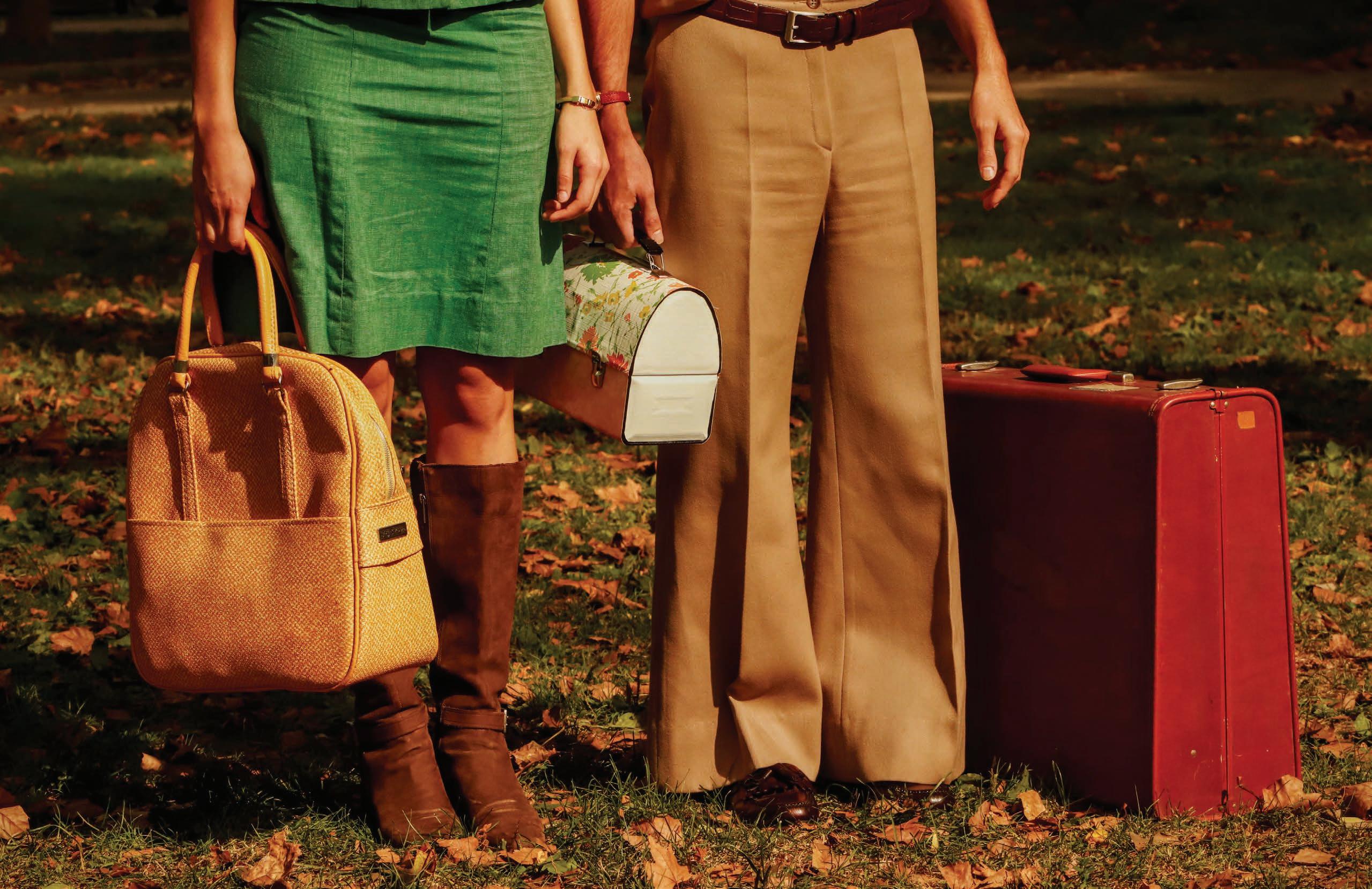
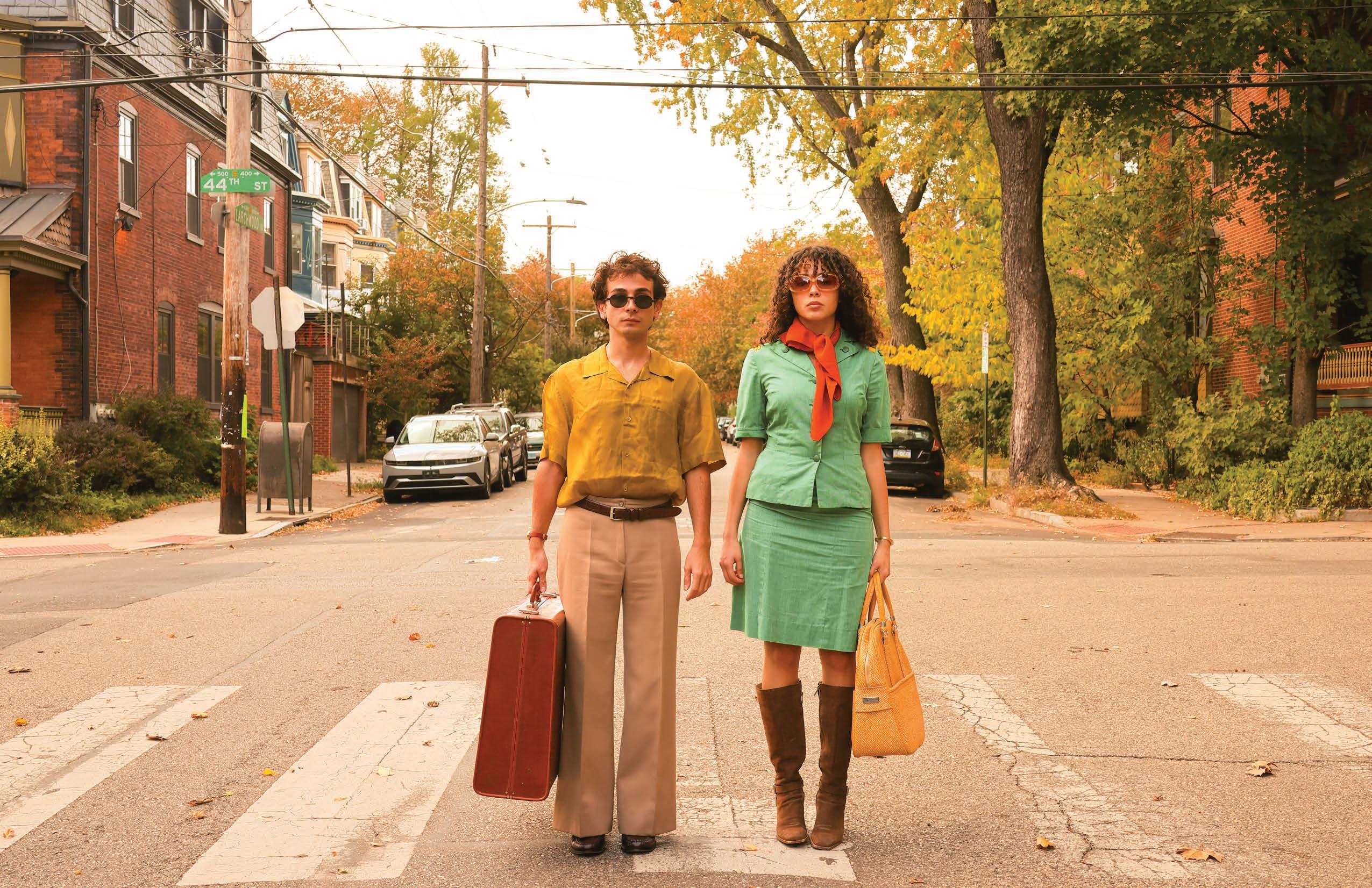
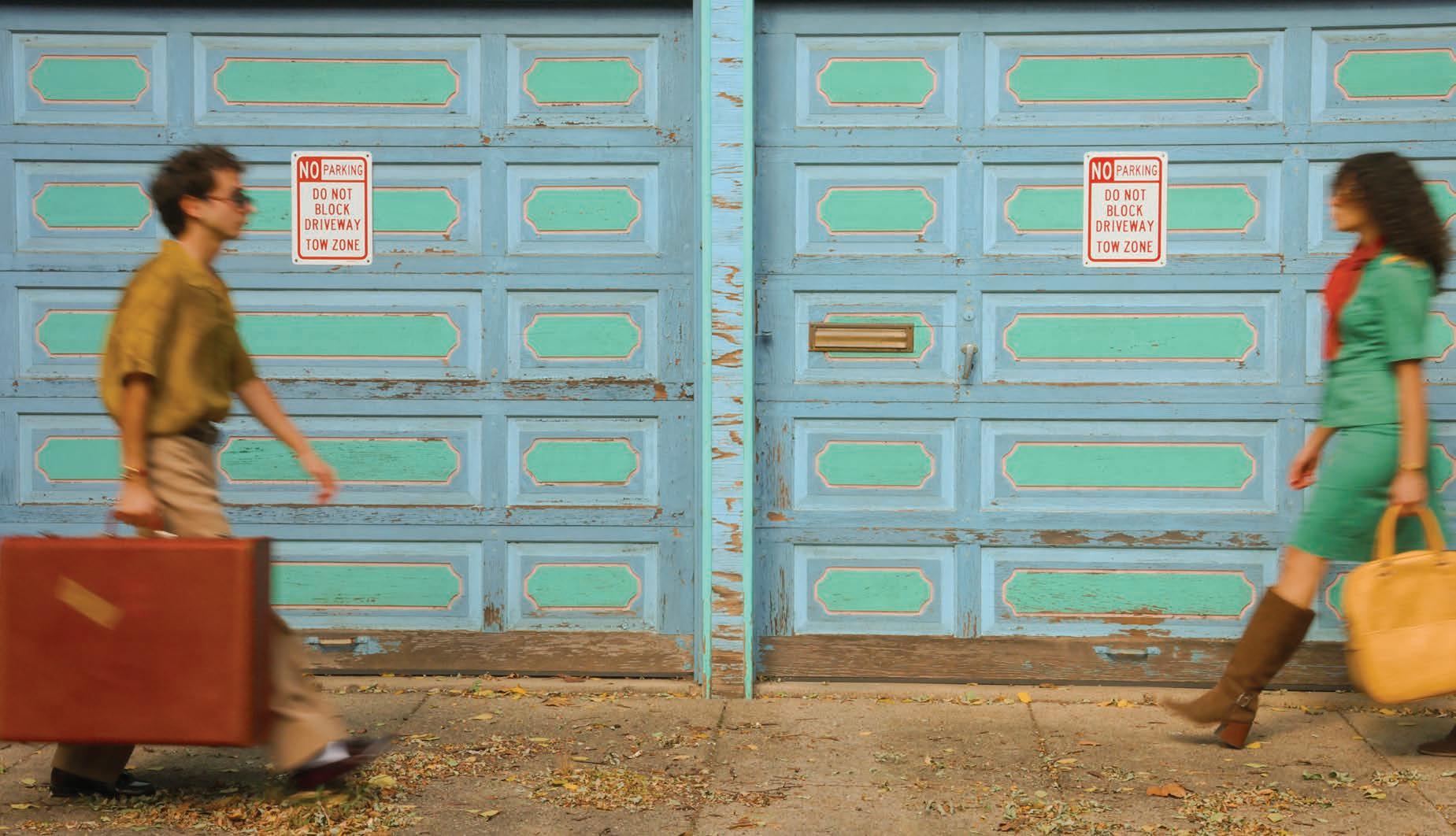
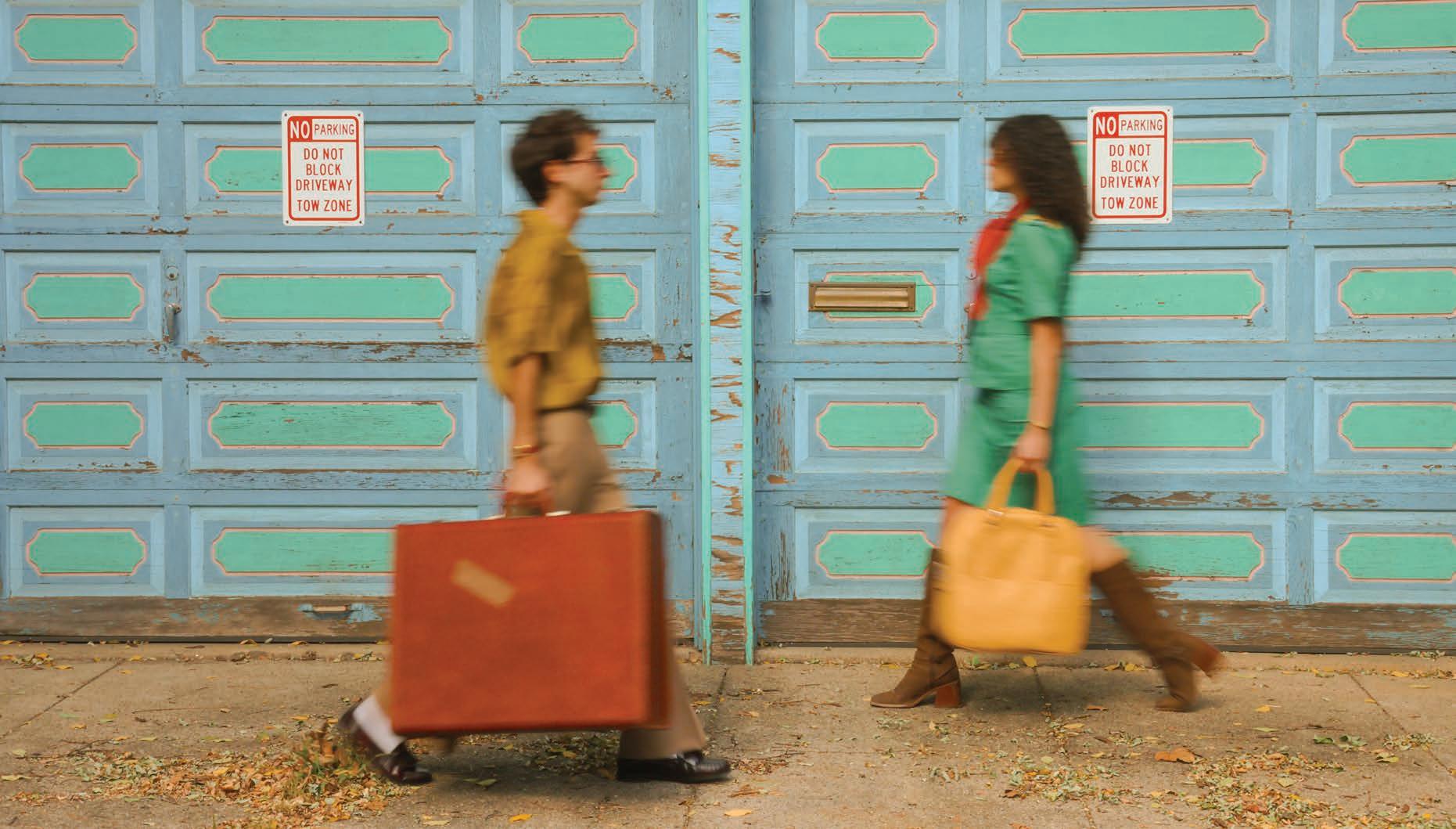
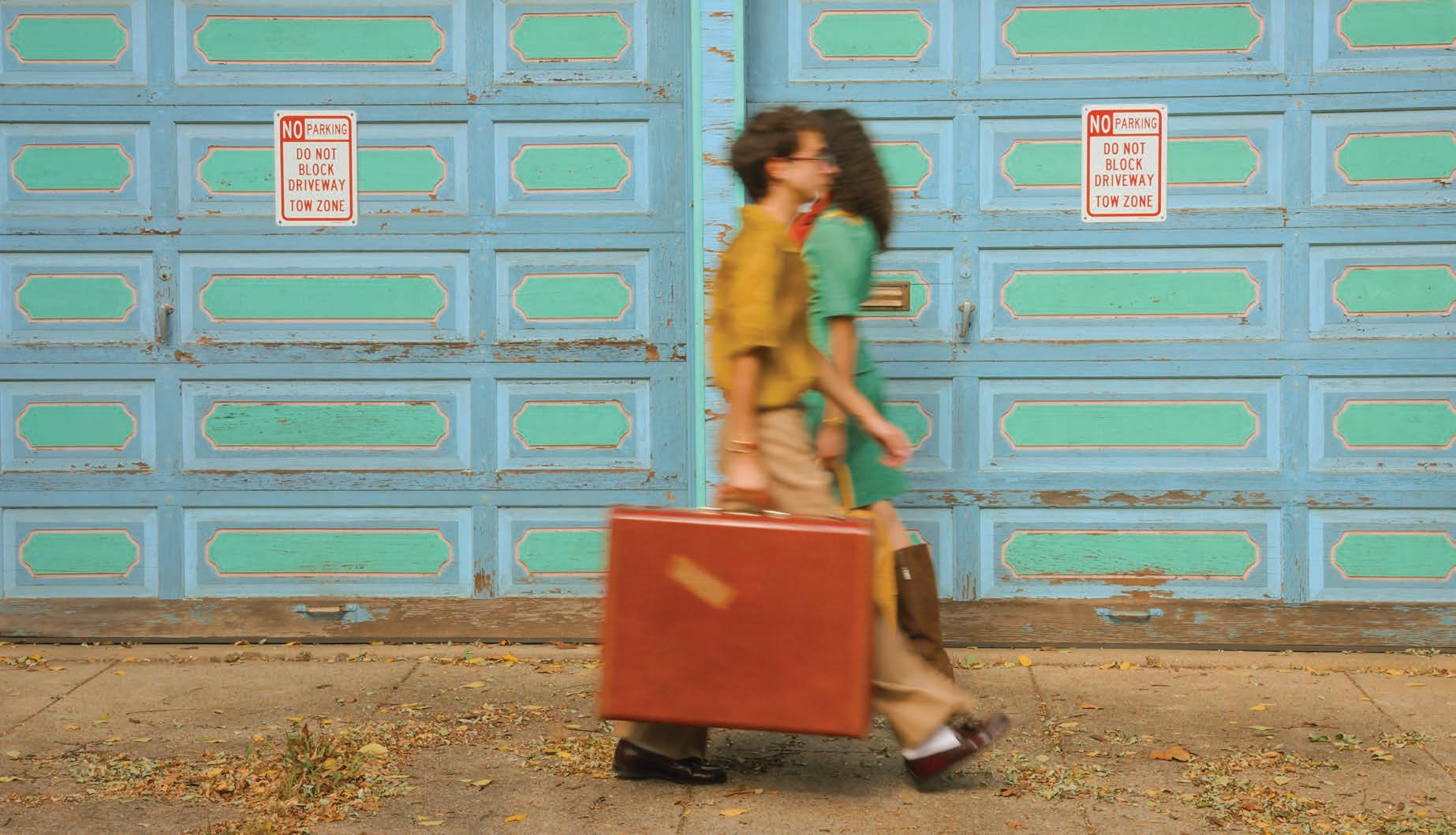
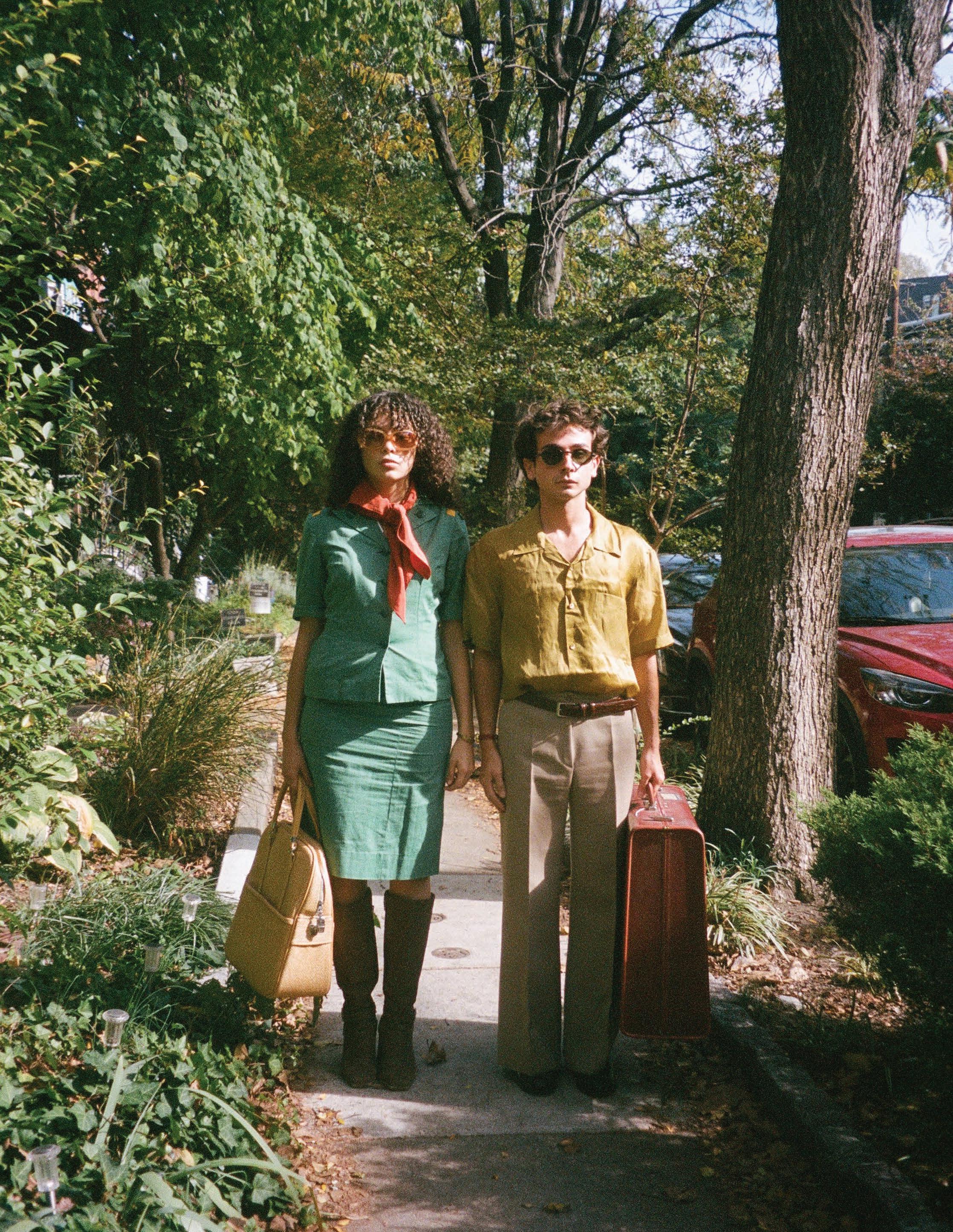
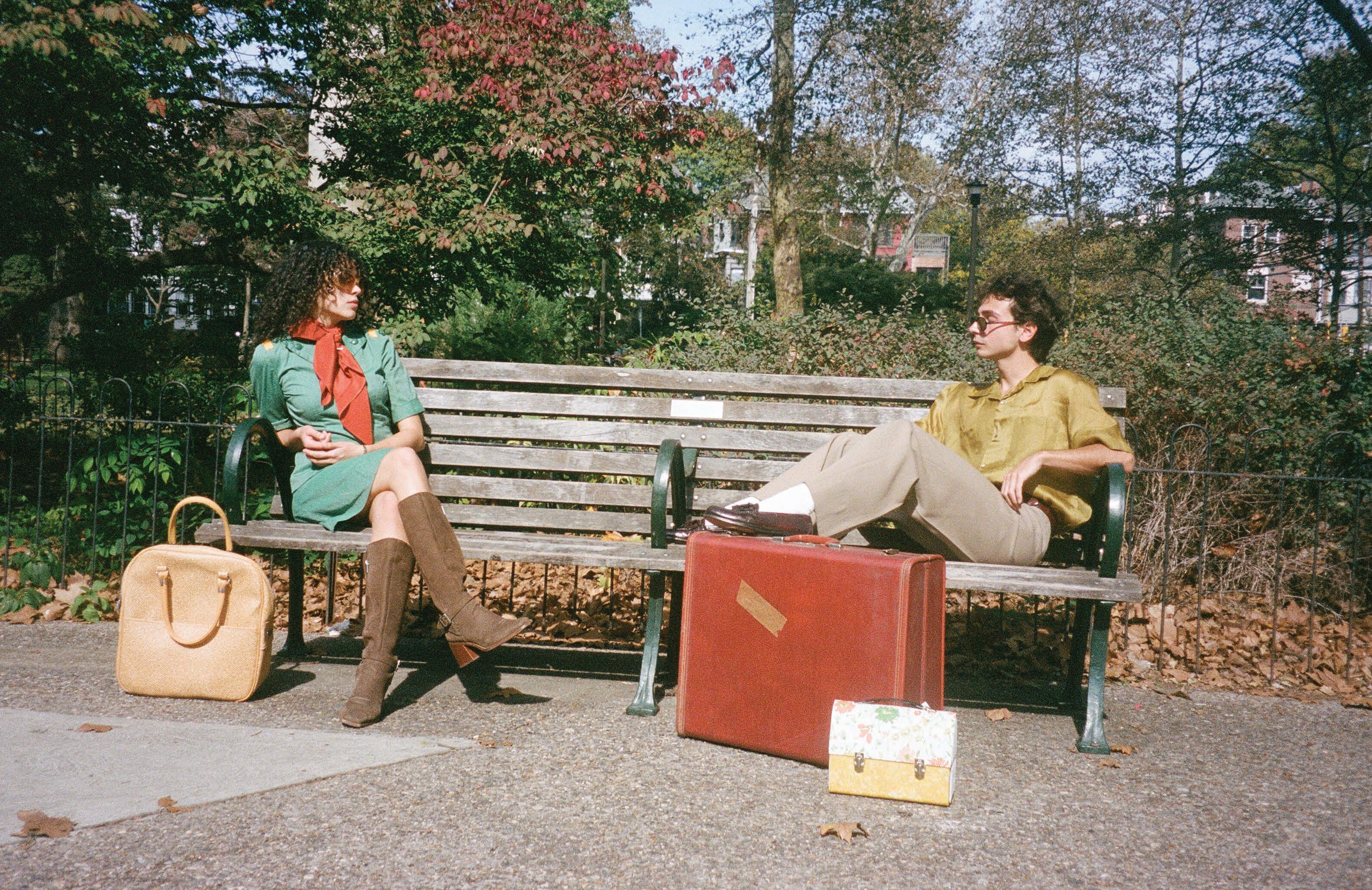
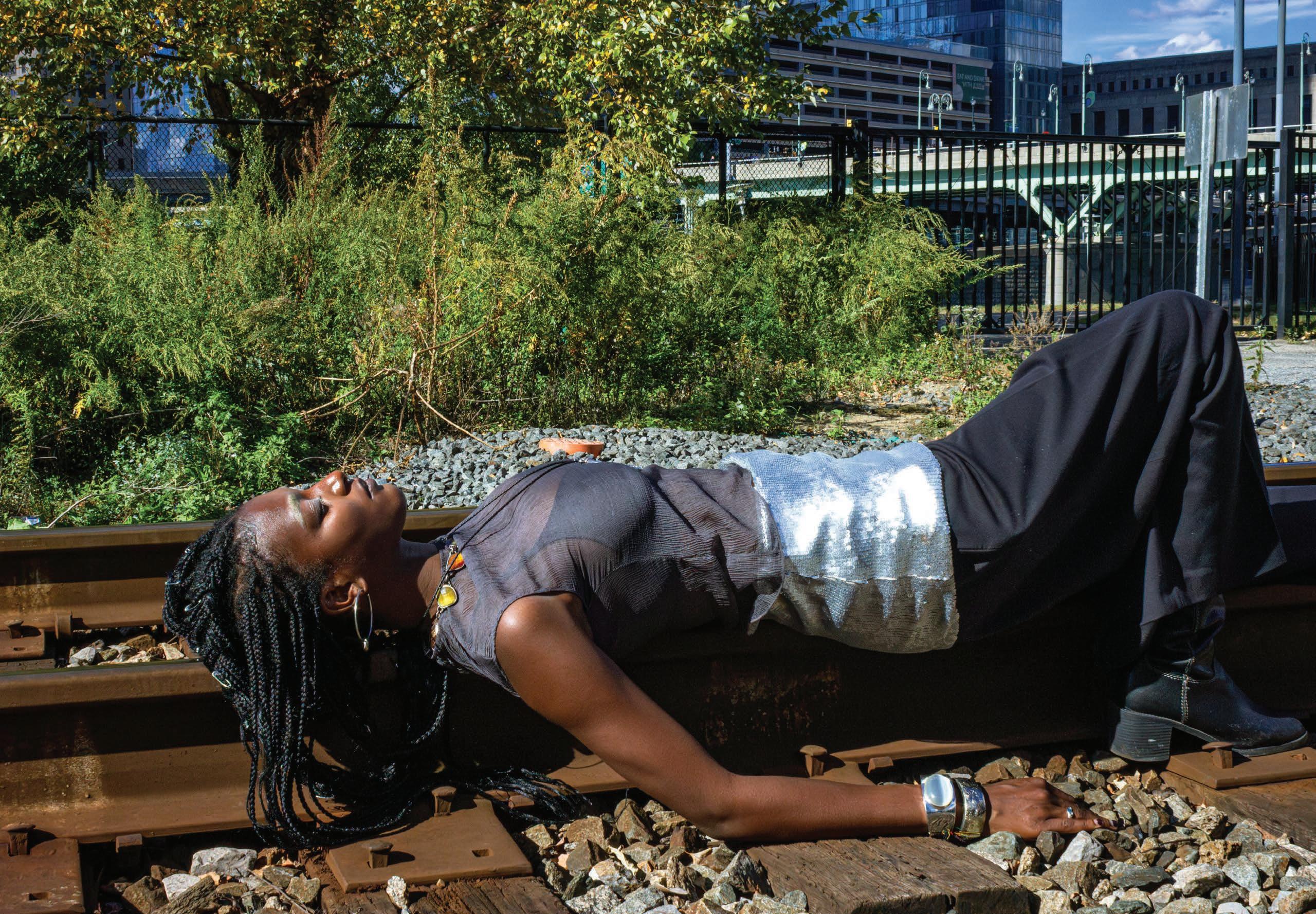
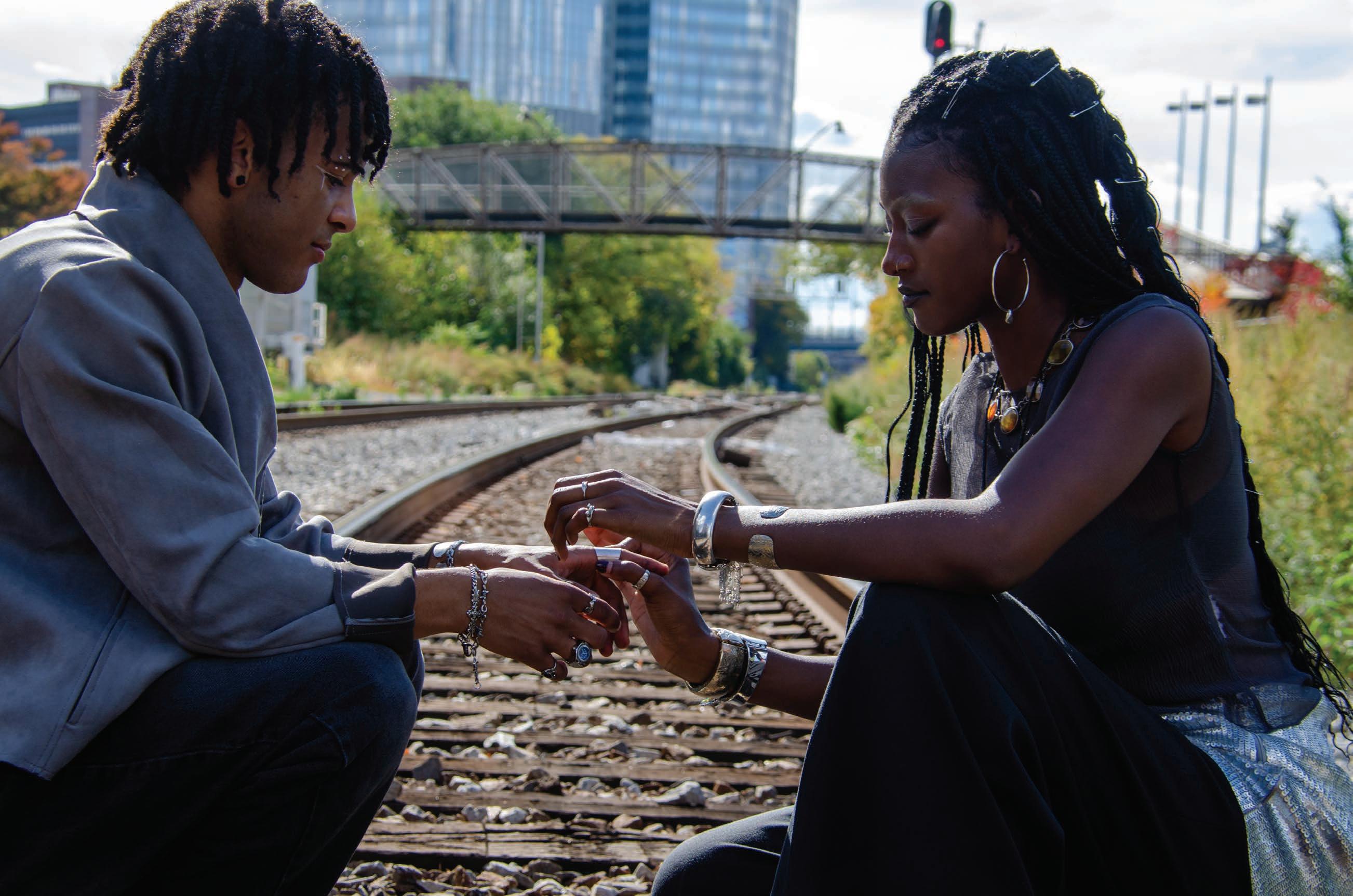
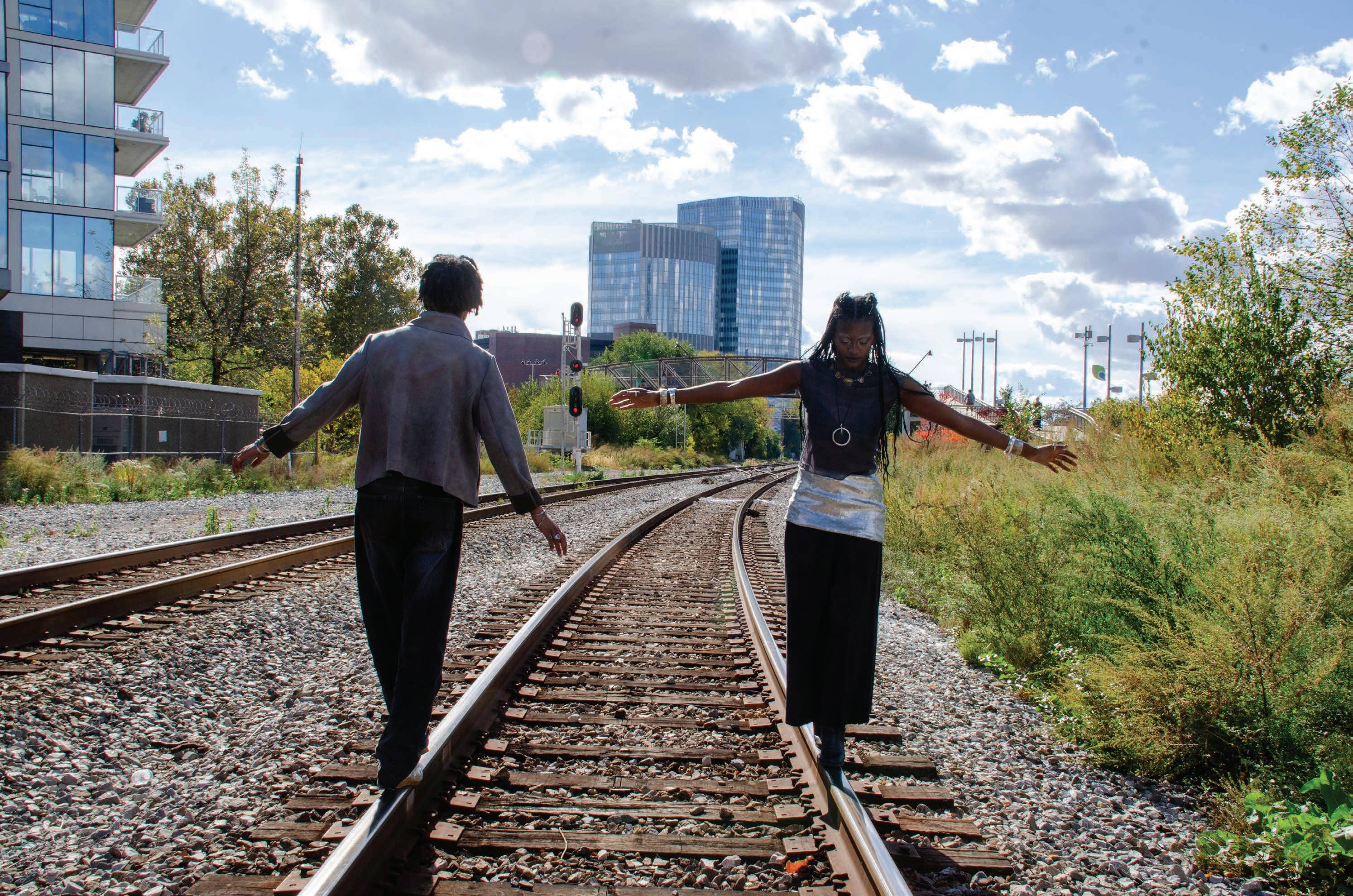
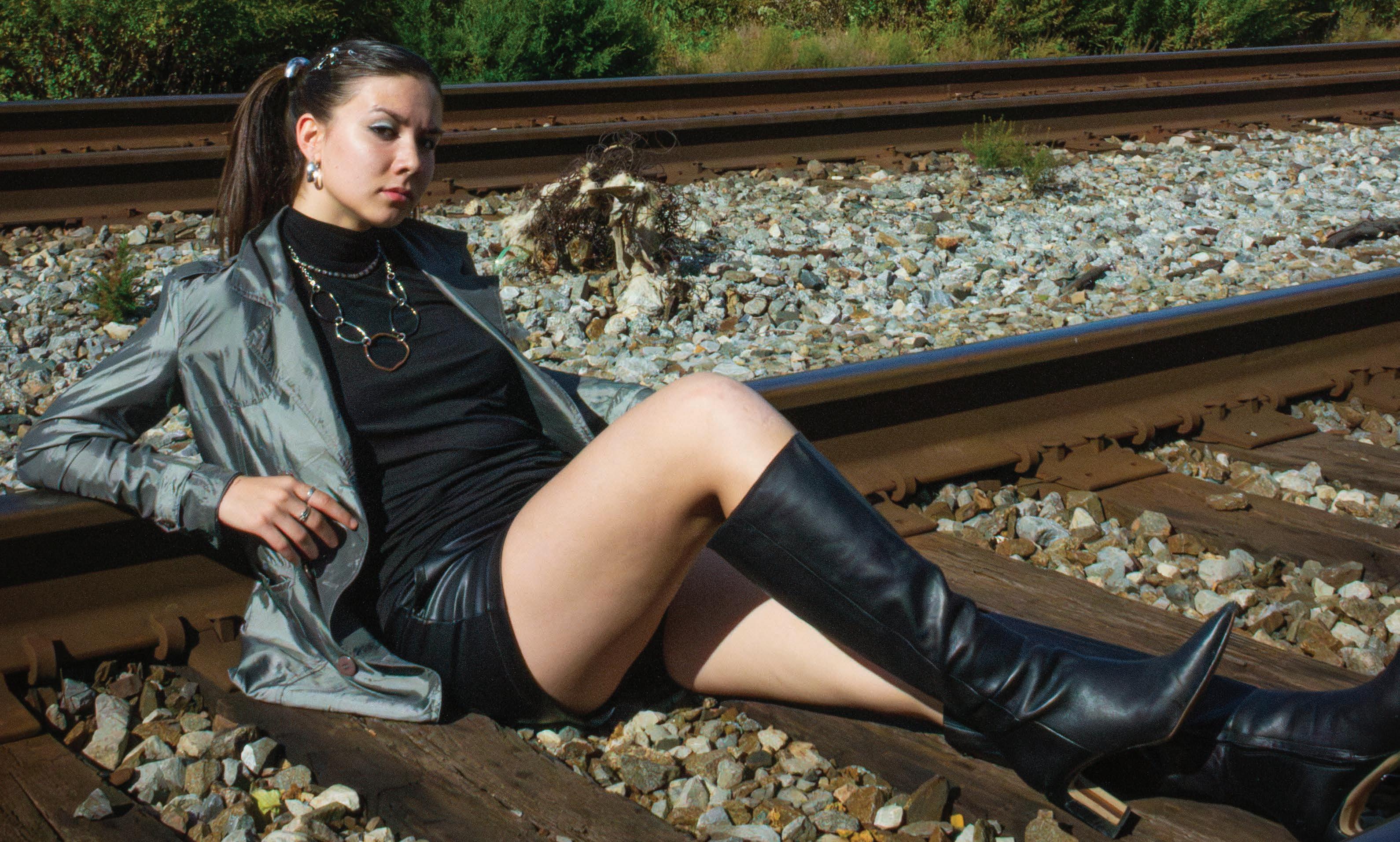
Like a film still suspended between moments, fashion holds the power to crystallize emotion, narrative, and character. The Muse issue’s “Still” shoot explores this connection, showcasing how fashion and film intertwine through mood, narrative, and visual rhythm. In this series, our muses drift into the world of Wes Anderson, borrowing his signature warmth, symmetry, and nostalgic charm. Like characters wandering through a lost reel, their vintage silhouettes echo the whimsy and symmetry of a familiar cinematic dreamscape.
This issue invites you to explore how fashion twines with other forms of art, drawing in and echoing back inspiration in a constant loop. Step into the pages ahead to see how our muses transform visual languages into dialogue, turning everyday scenes into stories worth remembering.
View more on page 38.
Le er from the editor
Mona Lisa and her radically austere smile, the luminary Edie Sedgwick and her electric gaze, Aphrodite herself, captured in Botticelli’s The Birth of Venus. For as long as we have created, we have turned to muses to help us understand beauty, meaning, and the ever-changing world around us. Art imitating life, life imitating art.
The Ancient Greeks hailed nine muses, patron goddesses who inspired the arts in their many forms—chorus, verse, dance, and poetry. In this issue, our muses move through their own mediums: architecture, painting, music, filmography, and metalwork—not quite what the Greeks imagined, but media, nonetheless, which tangle with fashion and inspire its use as a tool for self-expression.
This issue opens with Jordan Millar’s (‘28) interview with Professor Danielle Willems, who describes how her career as a professional designer allows her to blend the architectural with the fashionable. In “When Gallery Goes Street,” Rachel Lee (‘27) explores how fashion houses have merged their traditional designs with other mediums, weighing the commodification of art forms like graffiti against the new accessibility and exposure that these collaborations offer.
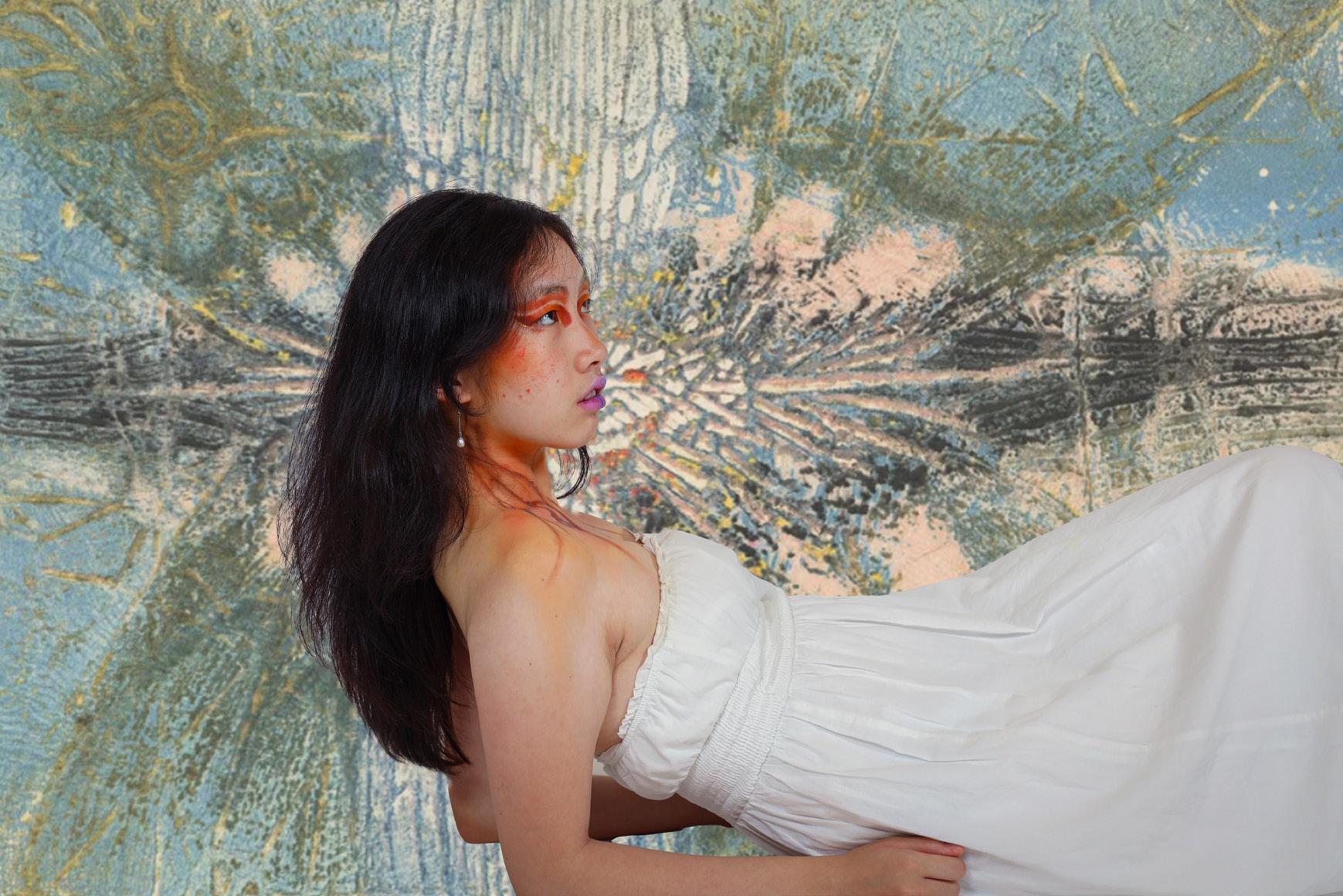
Co-Editor-in-Chief Redina Rapi’s (‘26) “Eyes Speak in Color” discusses the function of eye makeup looks on the runway, not just to complement fashion designs but to convey their own silent stories. Her article transitions into the “Pigment” photo essay. Here, our muses are the canvases for reinterpretations of two paintings from Philadelphia museums, spotlighting the oft-underlooked artistry of makeup.
With Anika Sapra’s (‘28) “Jewelry of Rebellion,” we shift mediums, exploring how elements of music-centered subcultures have been commercialized by luxury fashion houses and questioning how that affects the traditionally rebellious, political roots of these styles. Grace Lee (‘28) considers the merging of music and fashion from a different perspective, offering a narrative of the ever-evolving world of festival fashion. These pieces pull us to the “Reverb” photo series, where our muses explore South Philadelphia’s Tattooed Mom, sketched in outfits reminiscent of 90s punk styling.
In “Homecoming,” I offer fragments of my conversation with Kelly Braun, the founder of At My House Vintage, who discusses how secondhand retail allows pieces to endure across generations, serving not just to remind us of the past but also to inspire us for the future.
With “Petra Collins and the New Girlhood,” Sonia Mehta (‘26) analyzes how Collins employs filmography to capture modern femininity in its rawest, purest, and most visceral form. We turn from this piece into the “Still” series, where our two muses float across West Philadelphia in vintage pieces borrowed from At My House, captured in both digital and film stills reminiscent of Wes Anderson’s signature cinematic style. To round off our exploration of film as an artistic medium, Surina Ramoutar (‘26) investigates how director Sofia Coppola constructs worlds, both real and fictional, with the visual language of fashion.
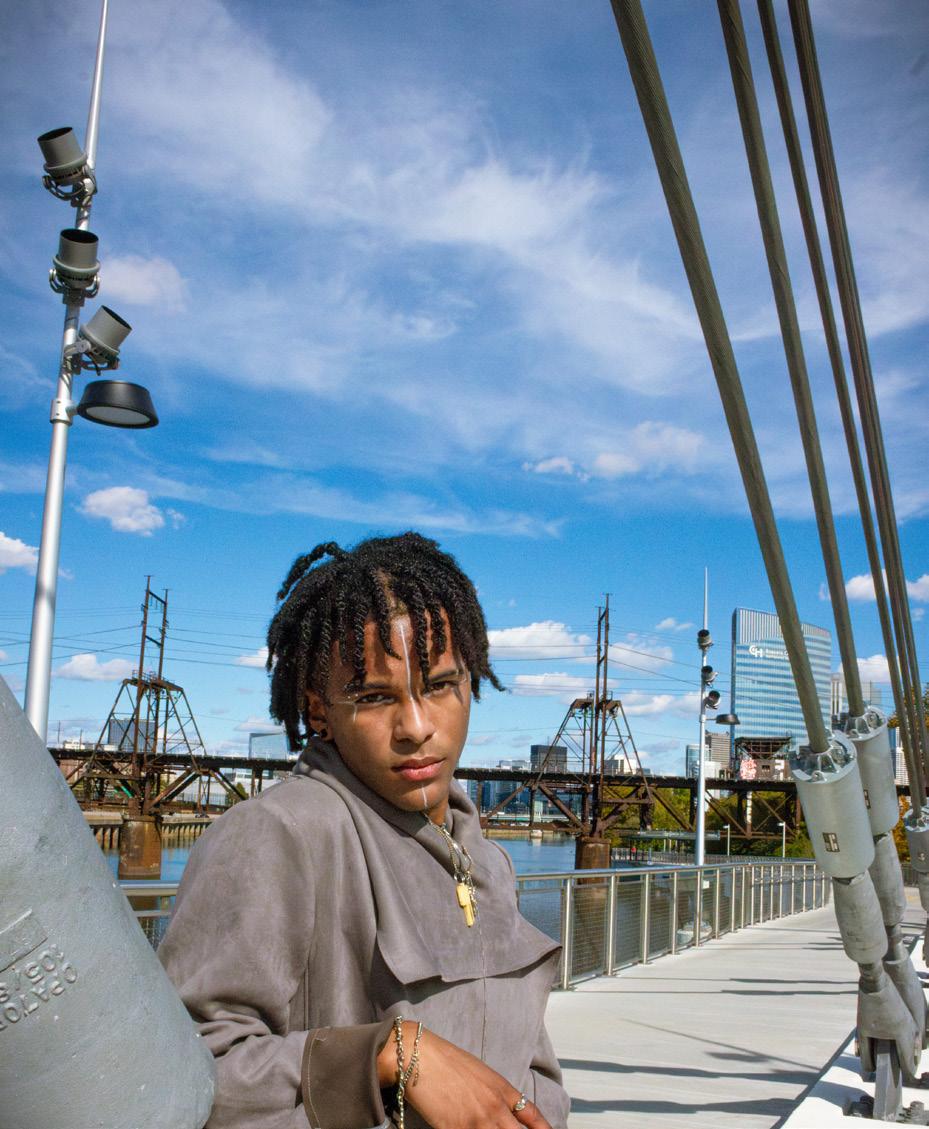
Sophia Zhang (‘26) transitions us to examine the cultural history of jade jewelry, documenting how younger generations are reinterpreting tradition for the modern wearer. The “Craft” photo essay offers another perspective on jewelry as artistic inspiration, as our four muses, layered with metallic pieces, explore the new pathway of the Schuylkill River Trail. Finally, Elena Koulouris’s (‘28) “Handmade in Philadelphia” profiles three Philadelphia-based jewelers, drawing our fall issue to a close by documenting how these designers use their craft to explore their multi-faceted identities.
Beyond these pages, The WALK operates only through the tireless work of a 150+ person staff. Videography Director Kimb Liu (‘28) captures the behind-the-scenes of our photo essay production, while Social Media Director Ash Wright (‘26) engages the Penn student body across our many platforms. Web Director Nina Rawal (‘27) leads a team of journalists and storytellers through our digital publications. Operations co-Directors Noor Majeed (‘26) and Isa Turri (‘27) and Marketing Director Jasmine Gambhir (‘26) spearhead outreach across the Penn community, while Finance Director Alexandra Linehan (‘27) expands outward to connect with sponsors for our print and digital offerings. Finally, none of this would have been possible without my co-Editor-in-Chief, Redina Rapi, whose passion, creativity, and dedication to this publication have inspired me, again and again, through these past months.
As you move through this issue, I invite you to remember that inspiration often emerges from the crevices where we least expect it to hide, that we may discover it in both the grandiose and the minute— leaves metamorphosing from green to sunset orange above Locust Walk, roommates’ unreserved laughter ricocheting down postered hallways, the quiet wishes carried on the morning wind as it sweeps College Green. Art lives in these small, transient moments, waiting patiently for us to notice.
With love,
Jackie Errera Editor-in-Chief
ABOUT OUR PHOTO ESSAYS
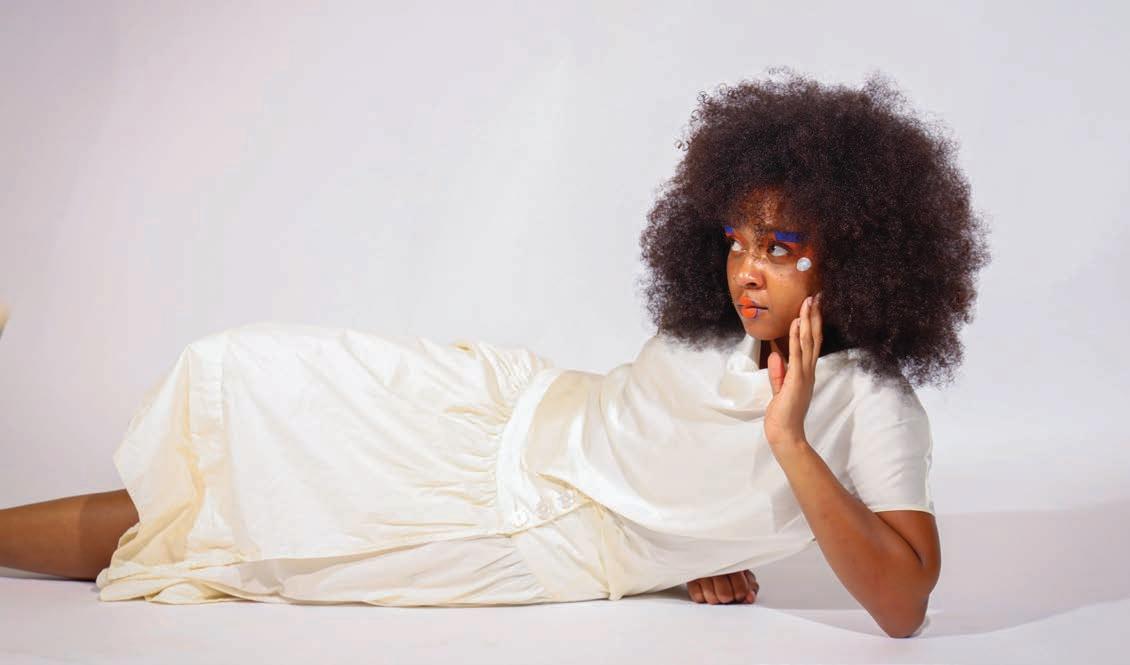
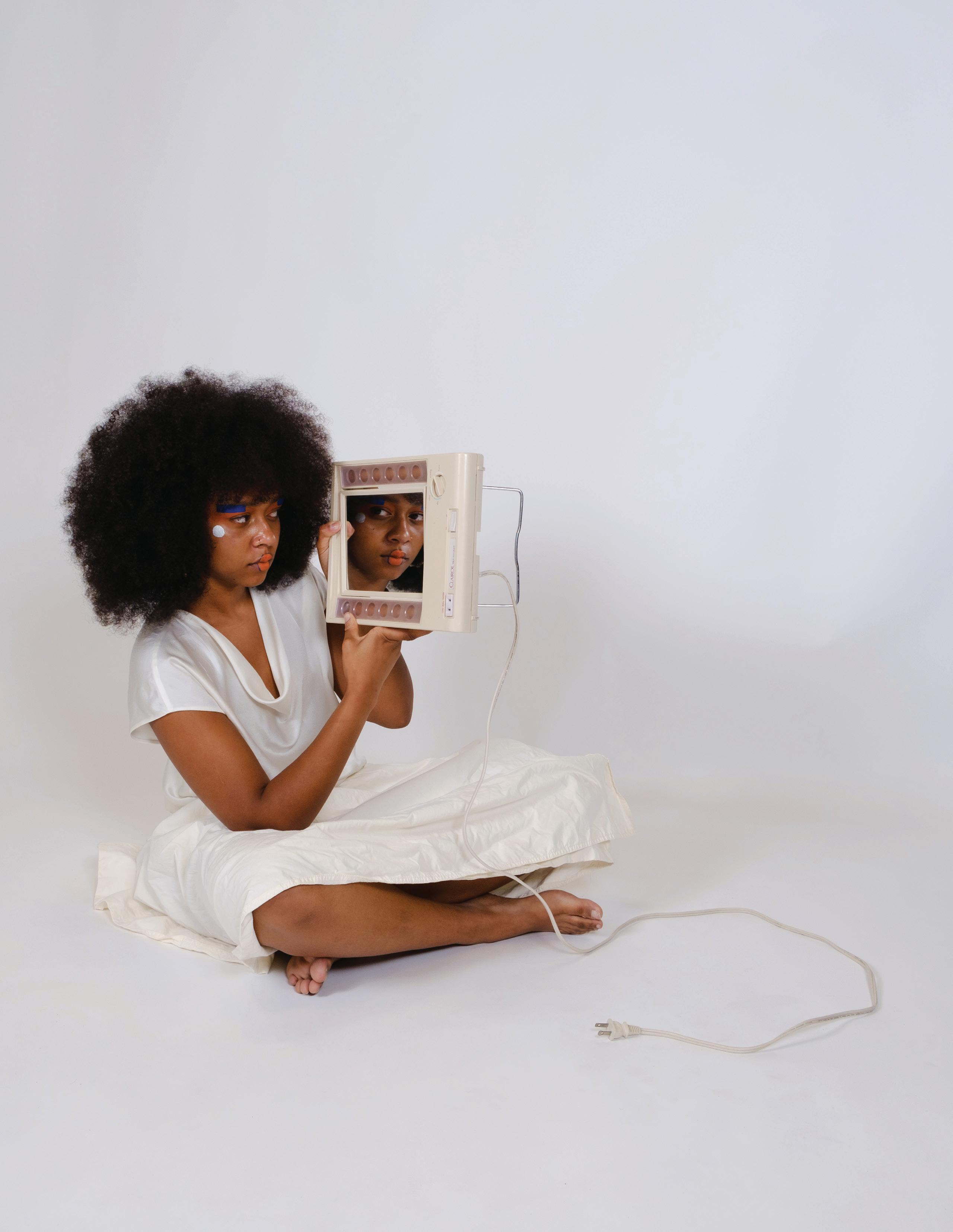
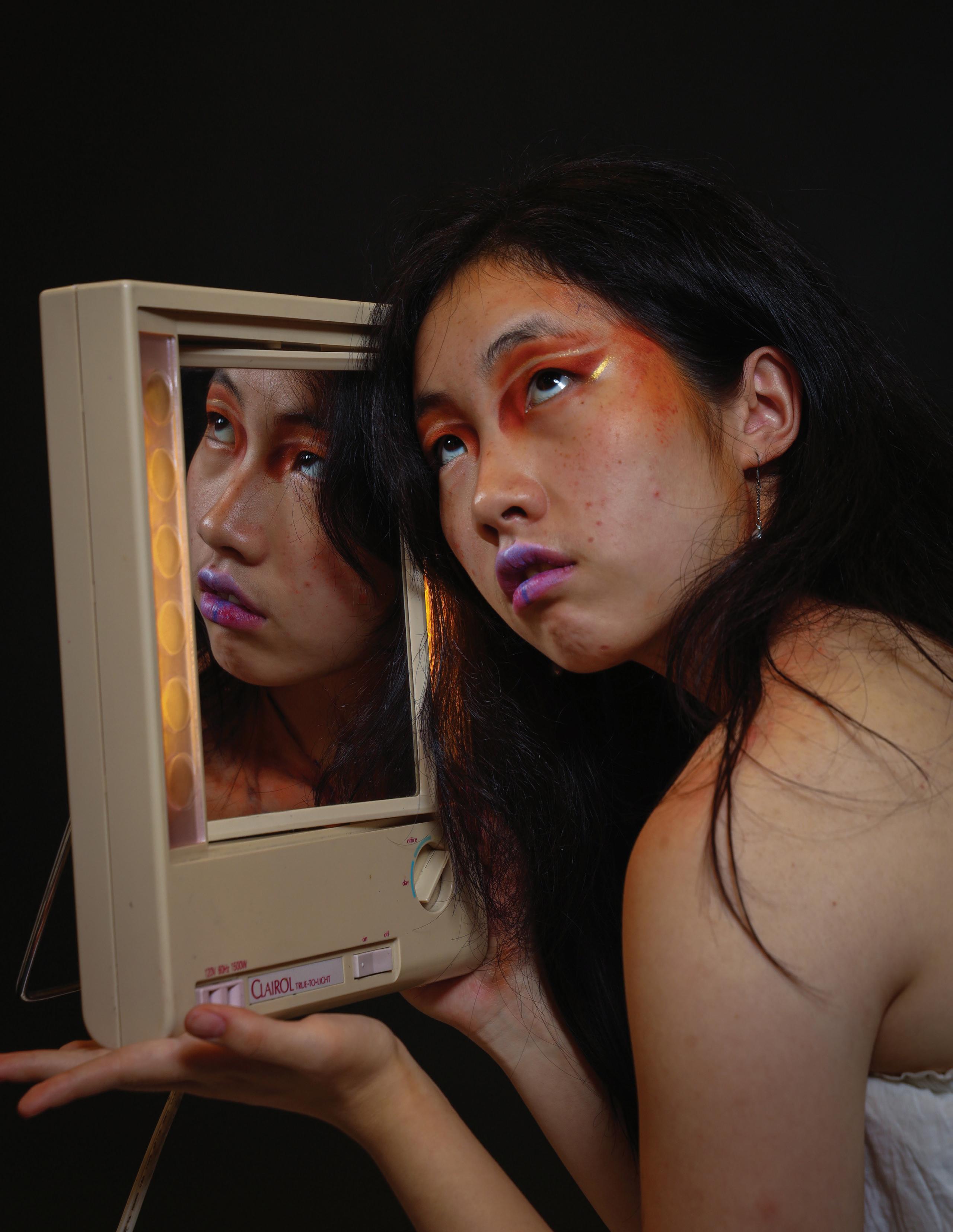
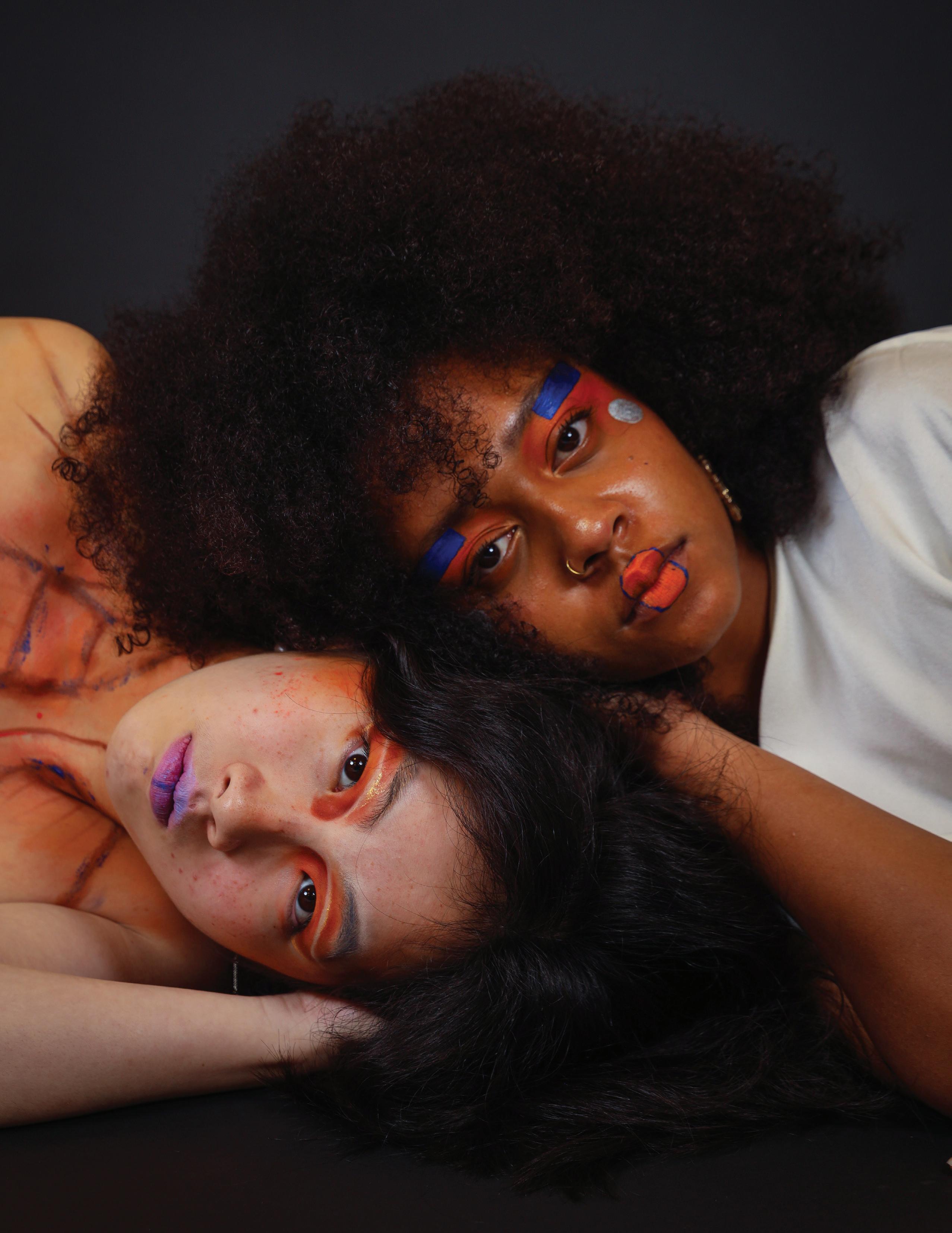
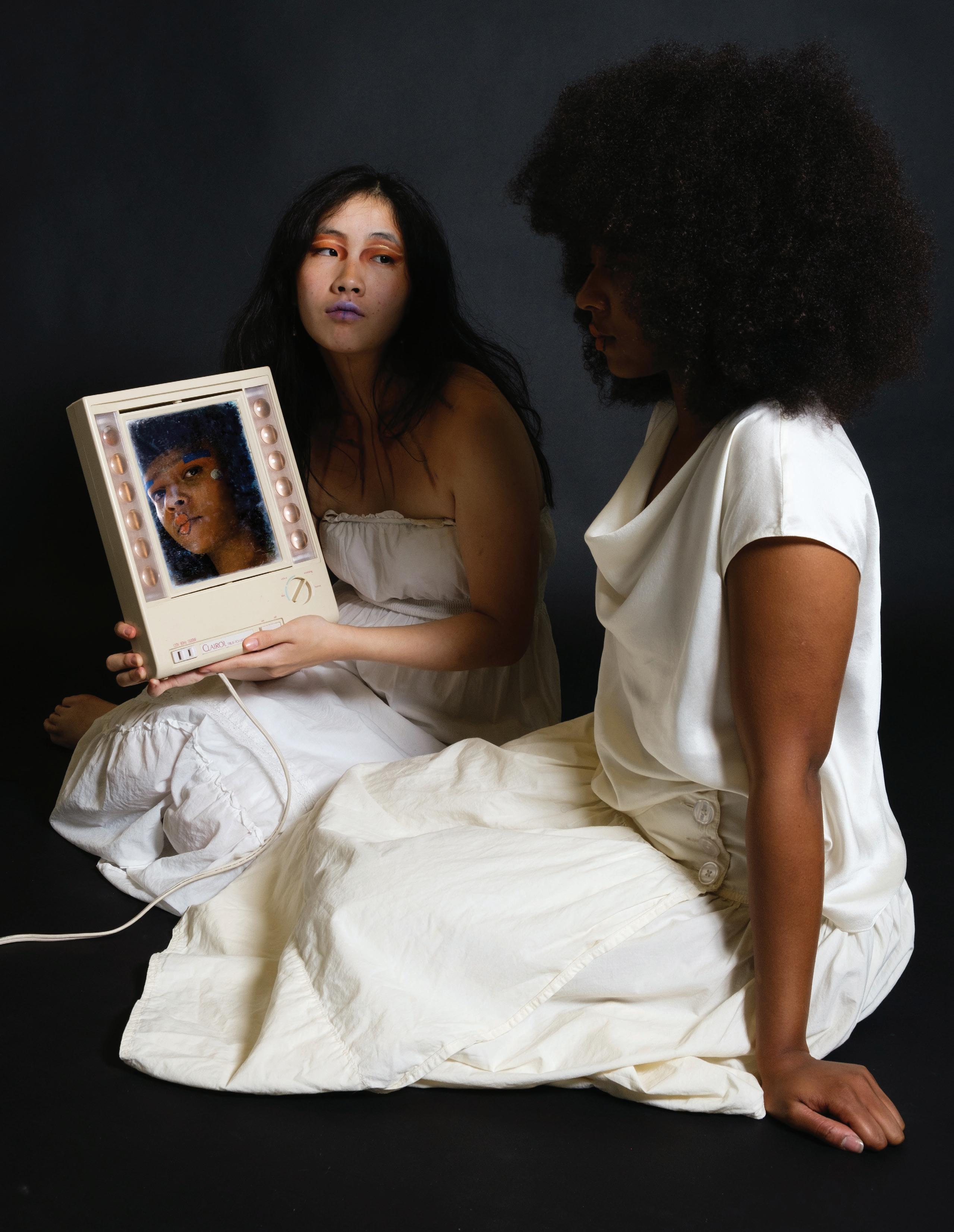
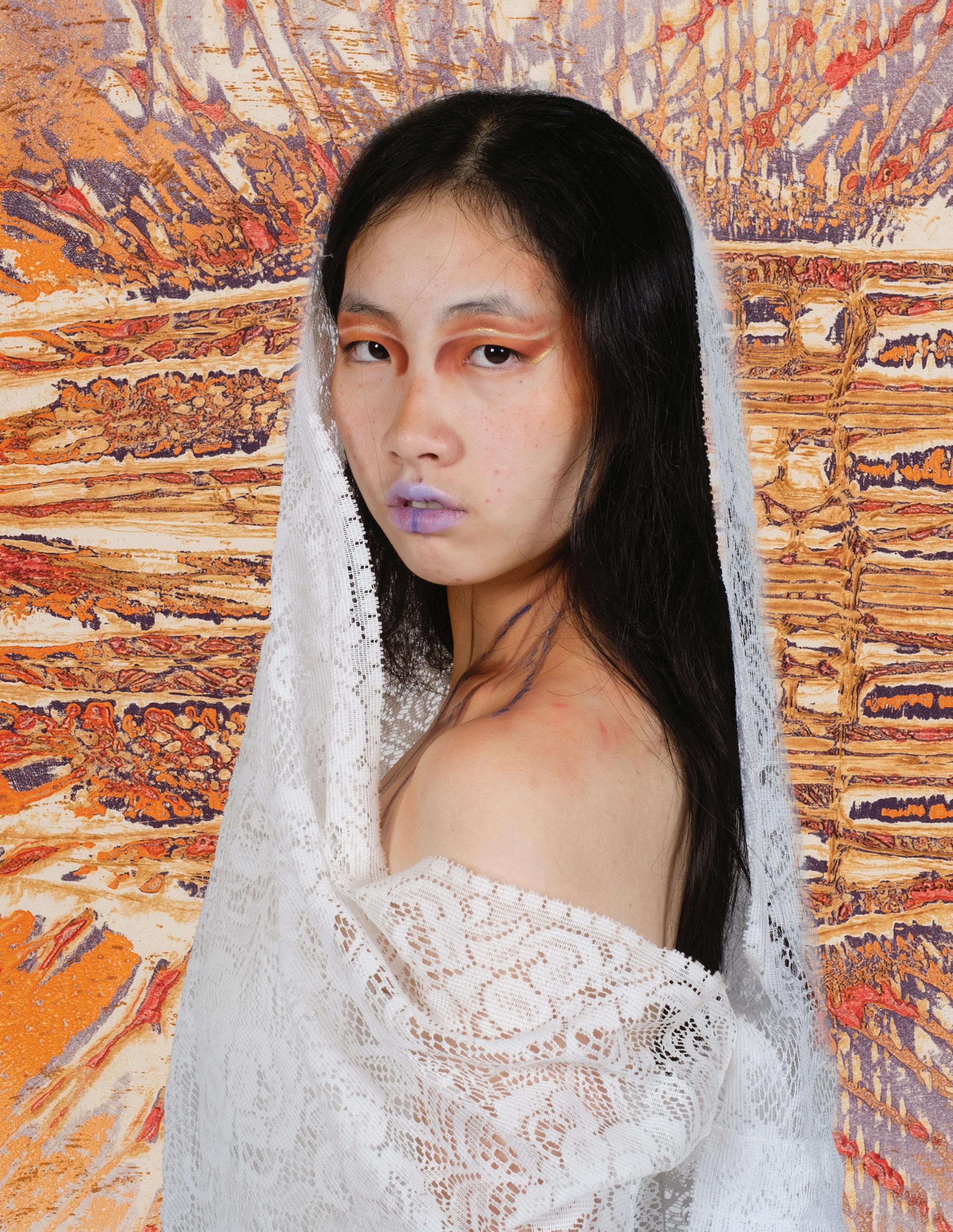
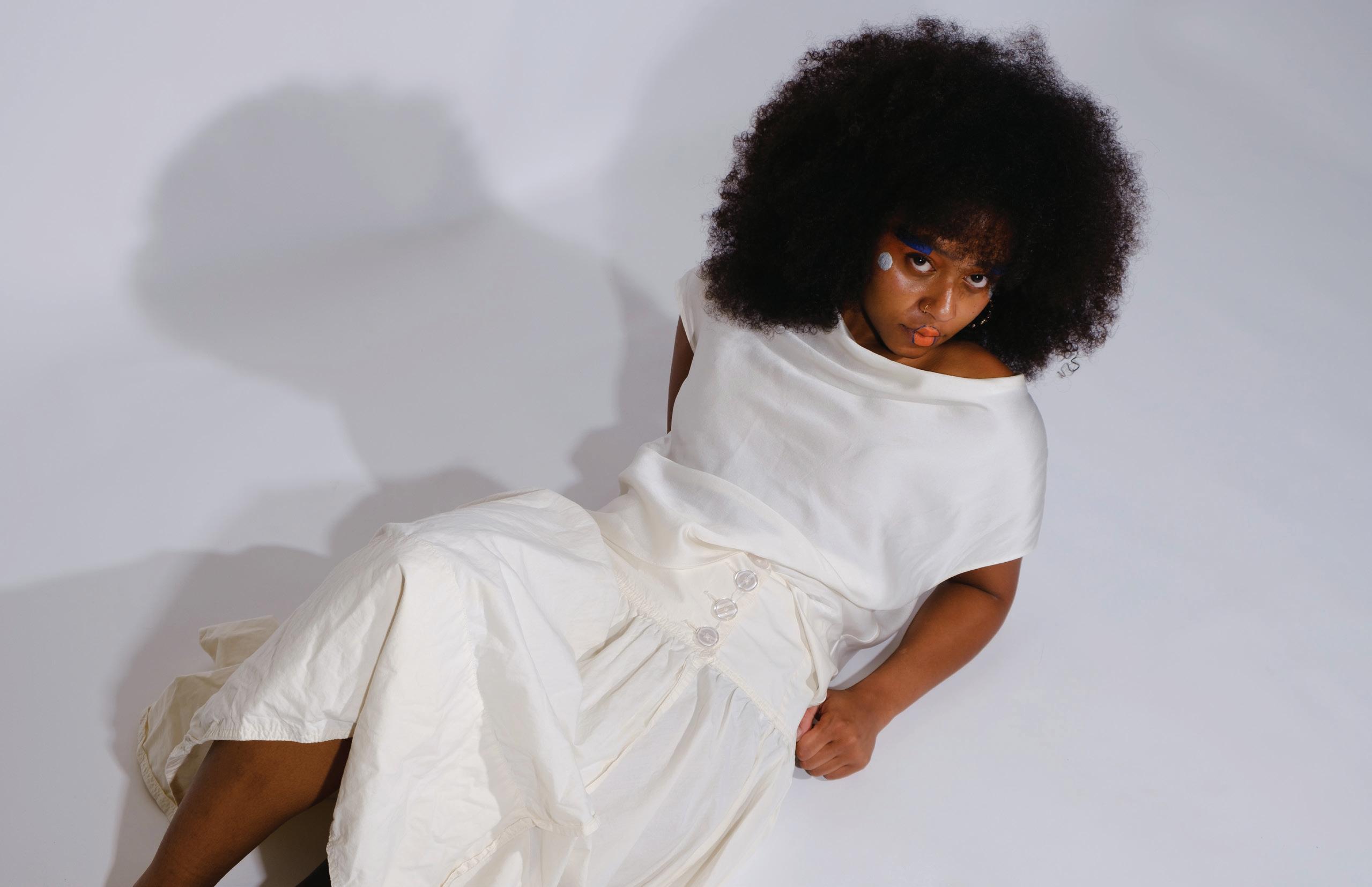
“PIGMENT” blurs the boundary between fashion and fine art, transforming our muses into living canvases. Inspired by paintings from the Philadelphia Museum of Art and the Institute of Contemporary Art, each look plays with color and texture through bold makeup and sculptural styling. Shot in a minimalist studio, the series celebrates the power of pigment as both artistic medium and personal statement.
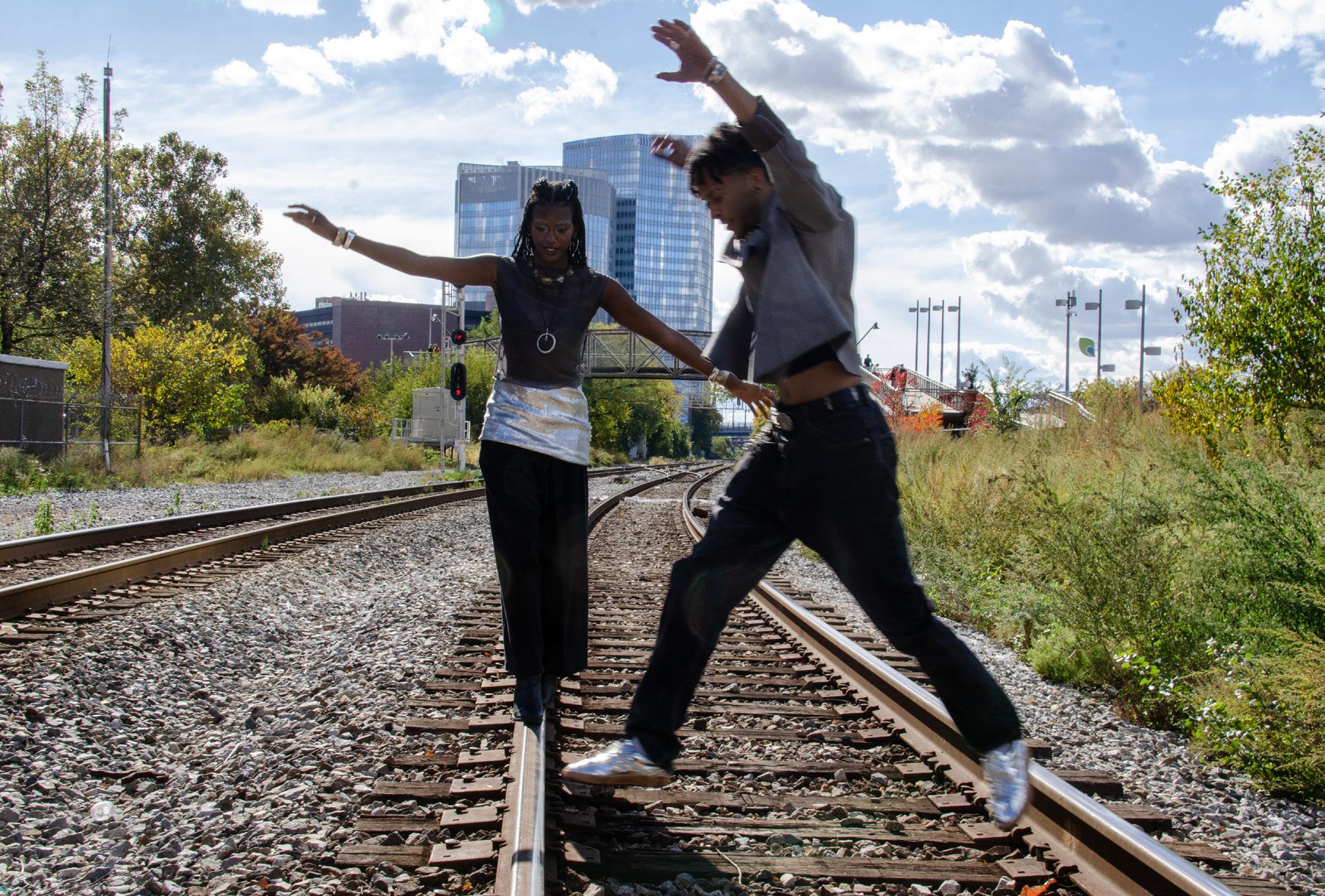
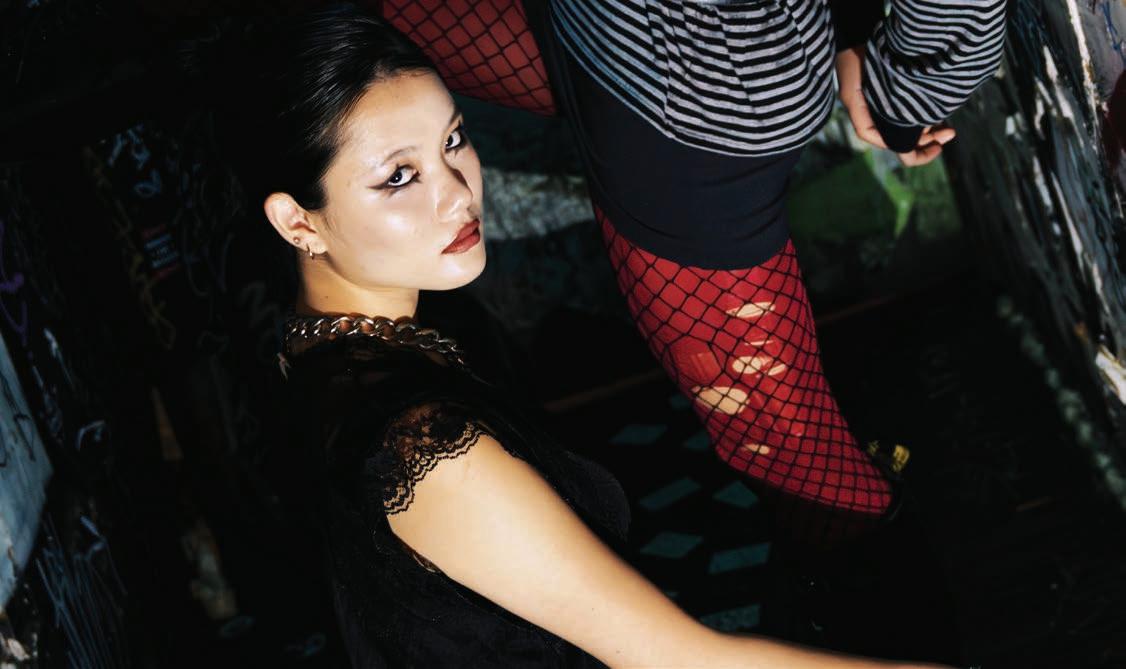
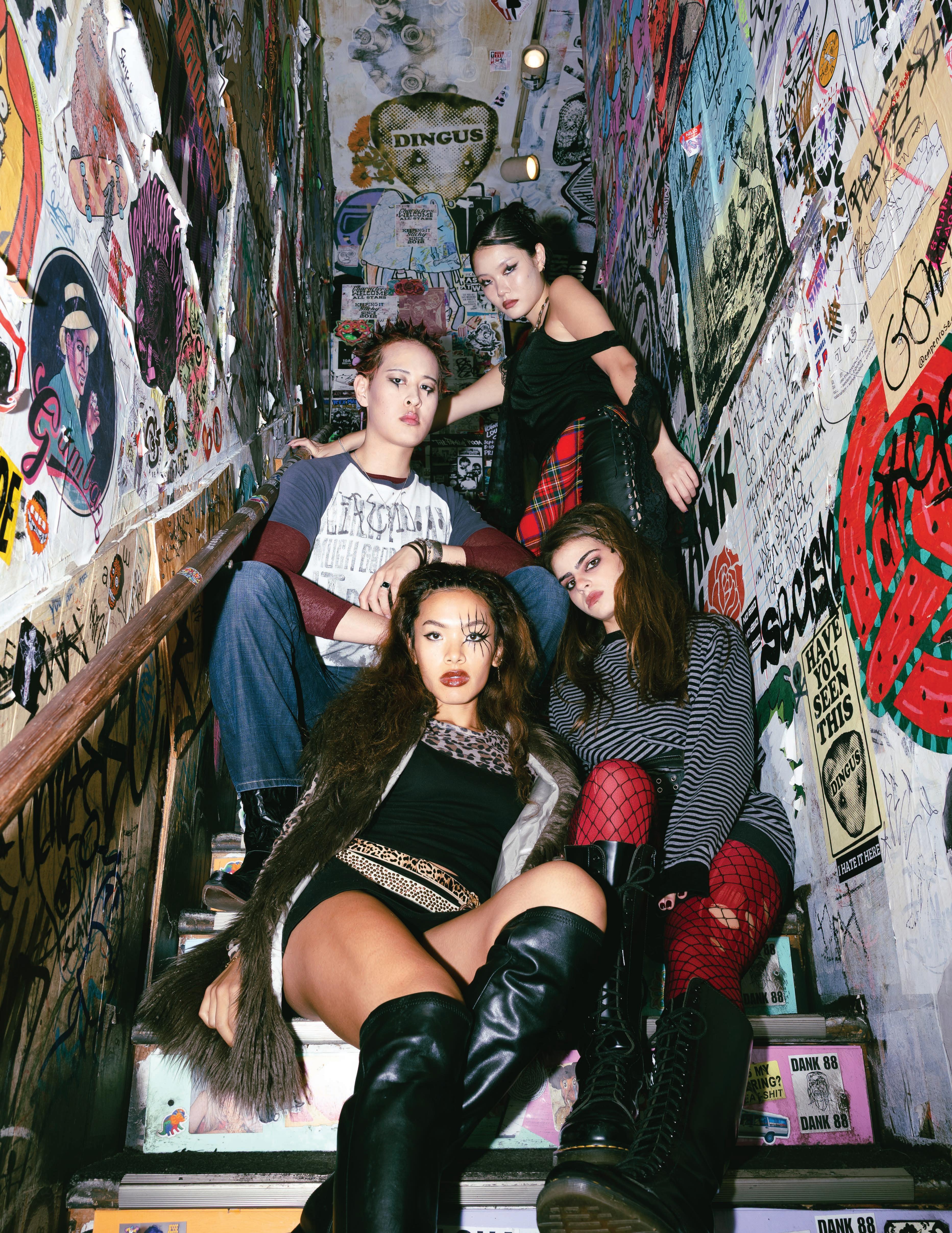
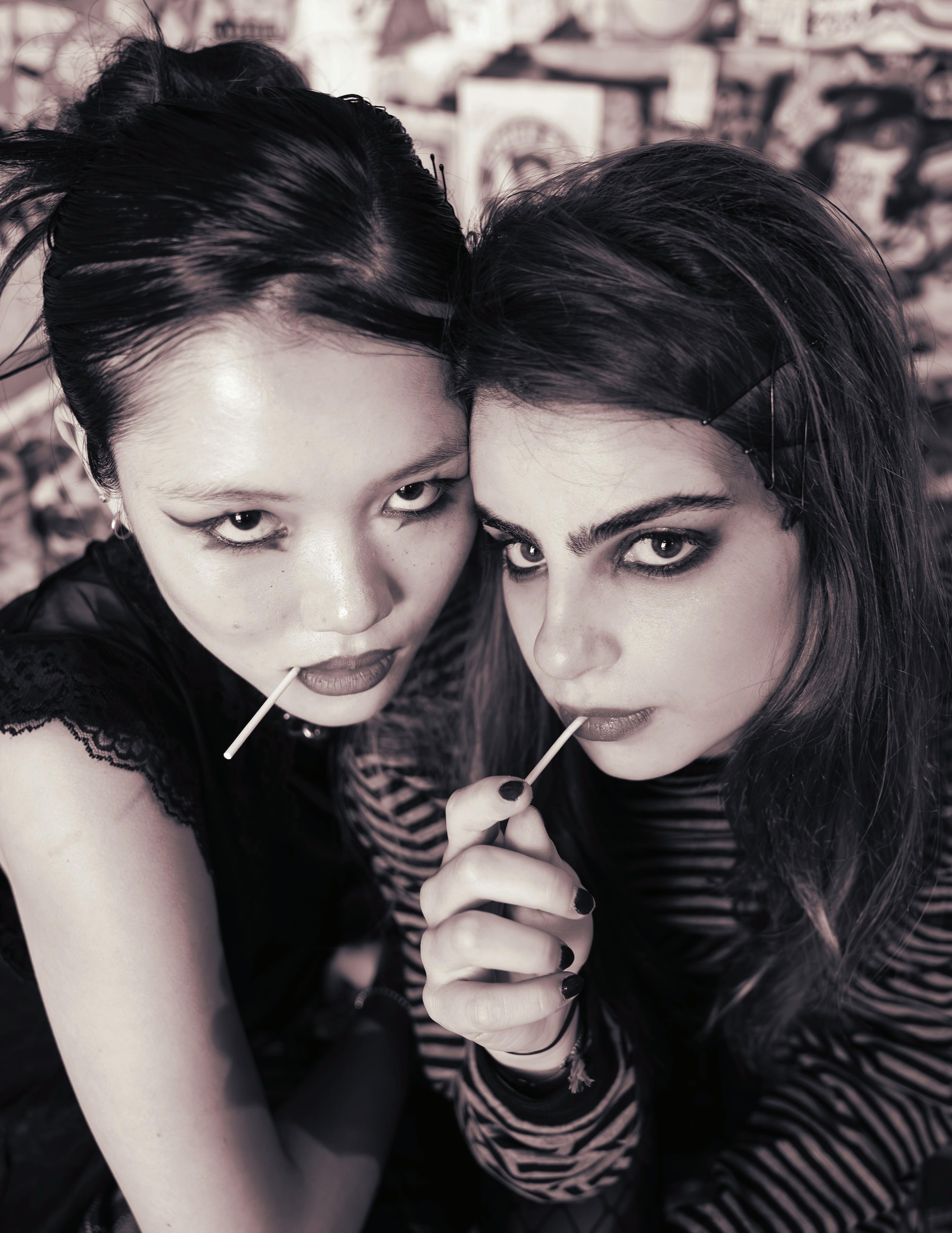
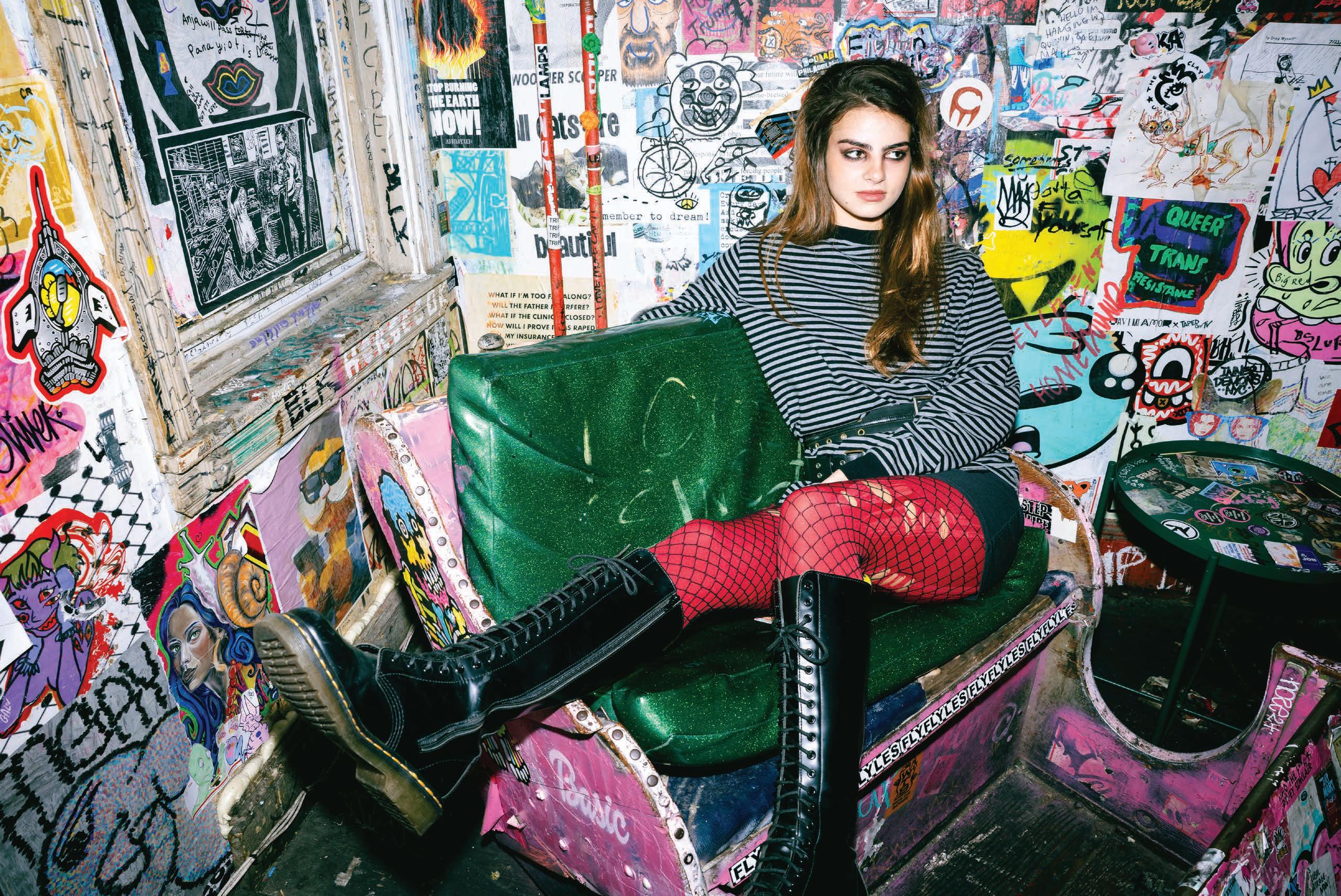
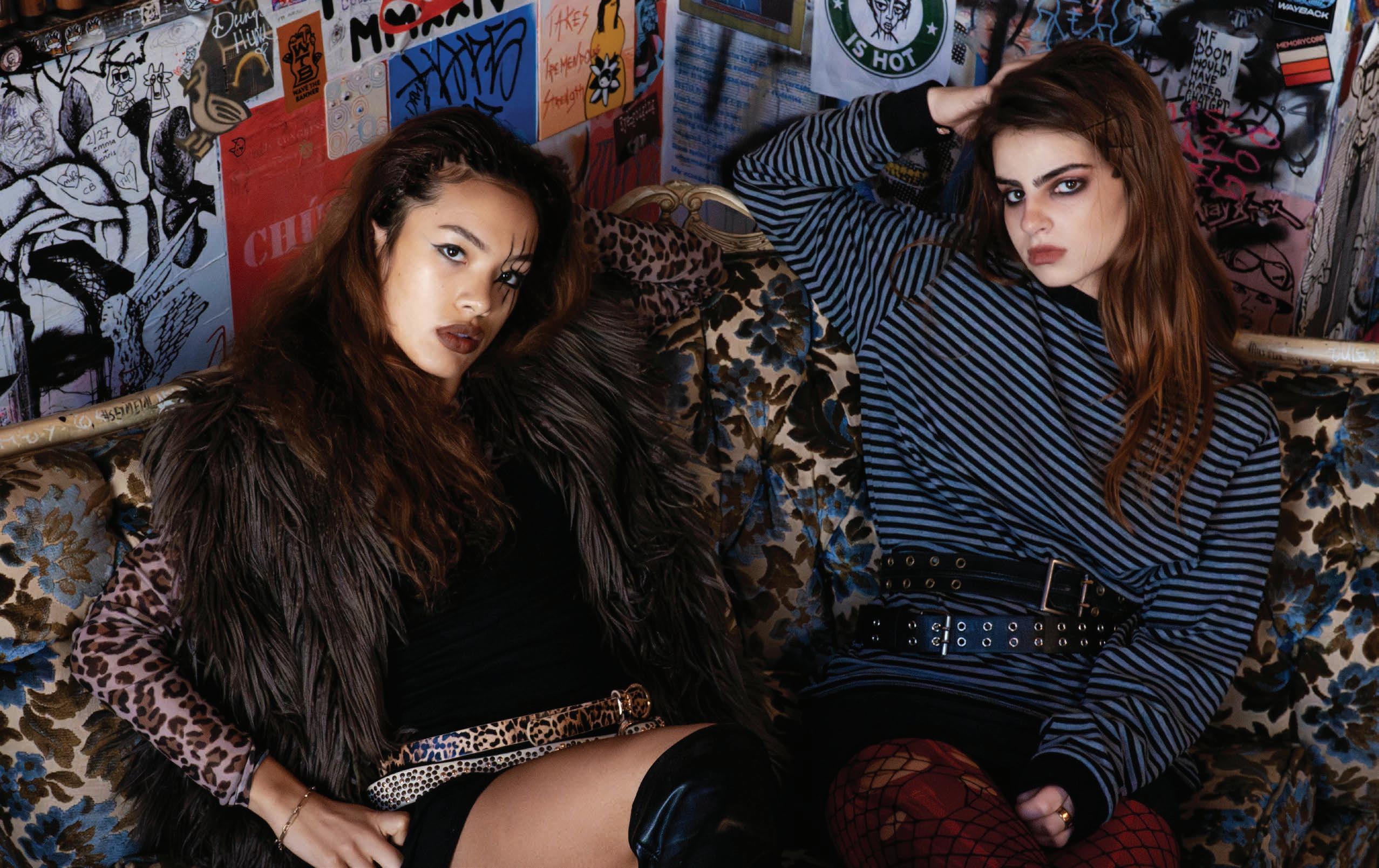
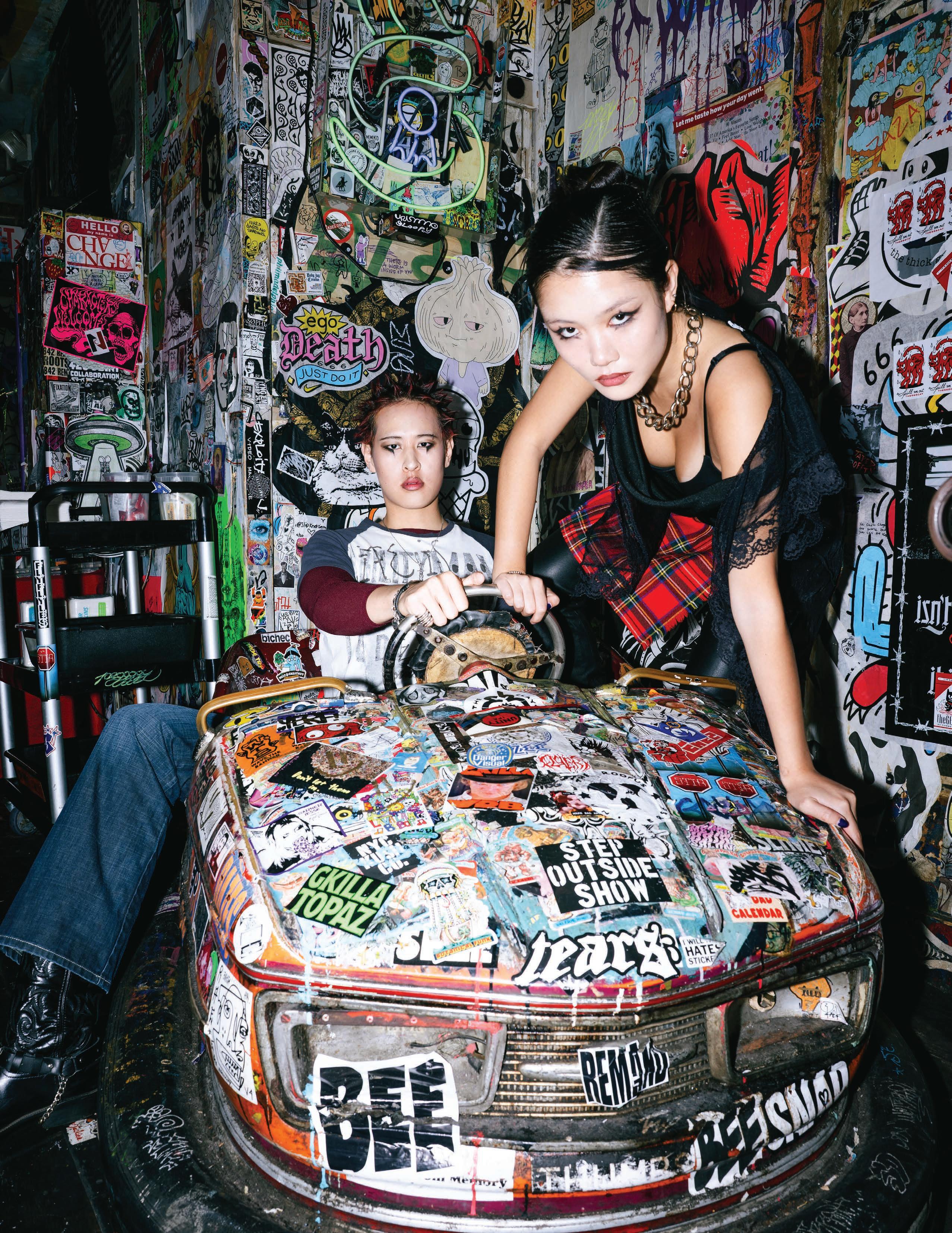
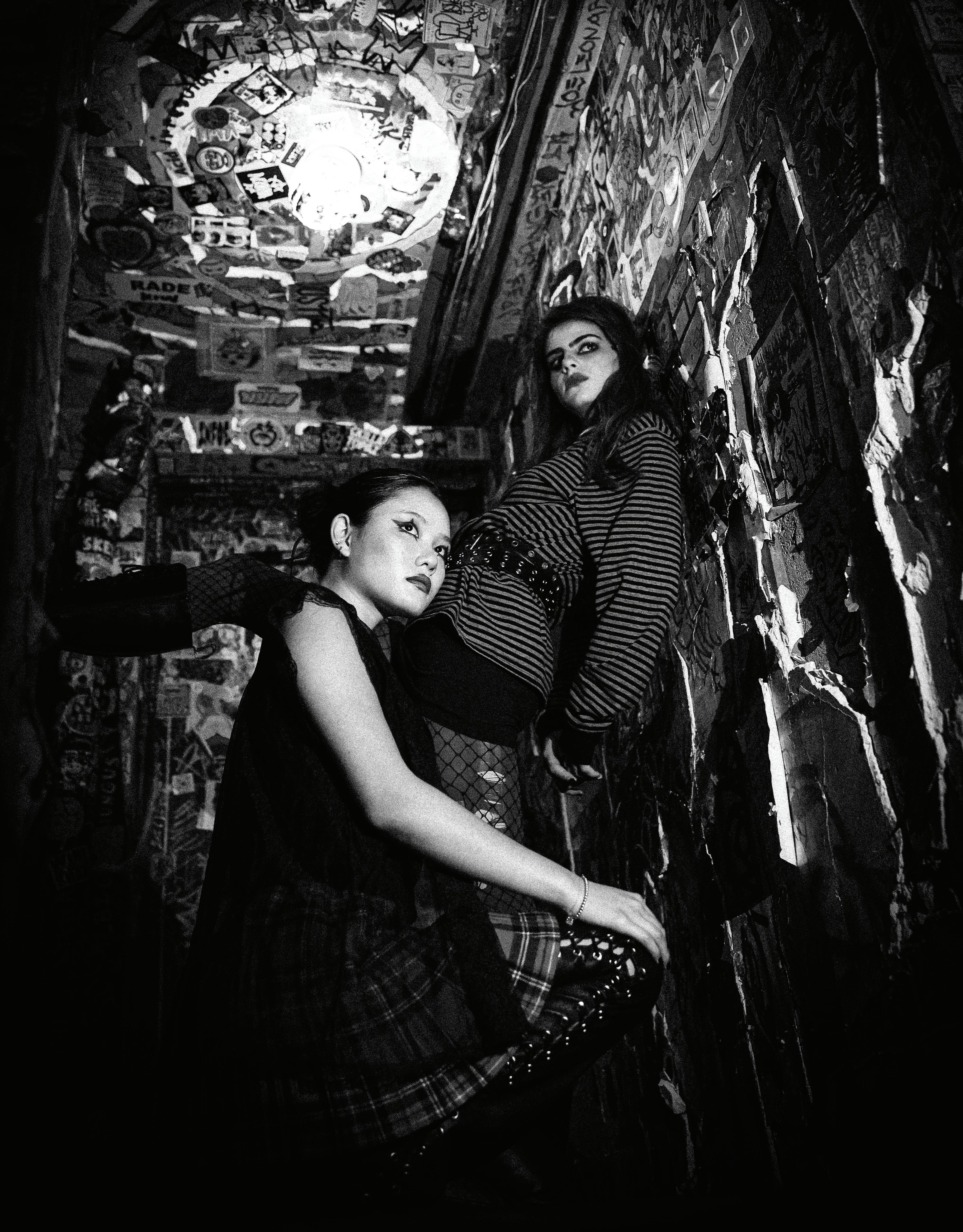
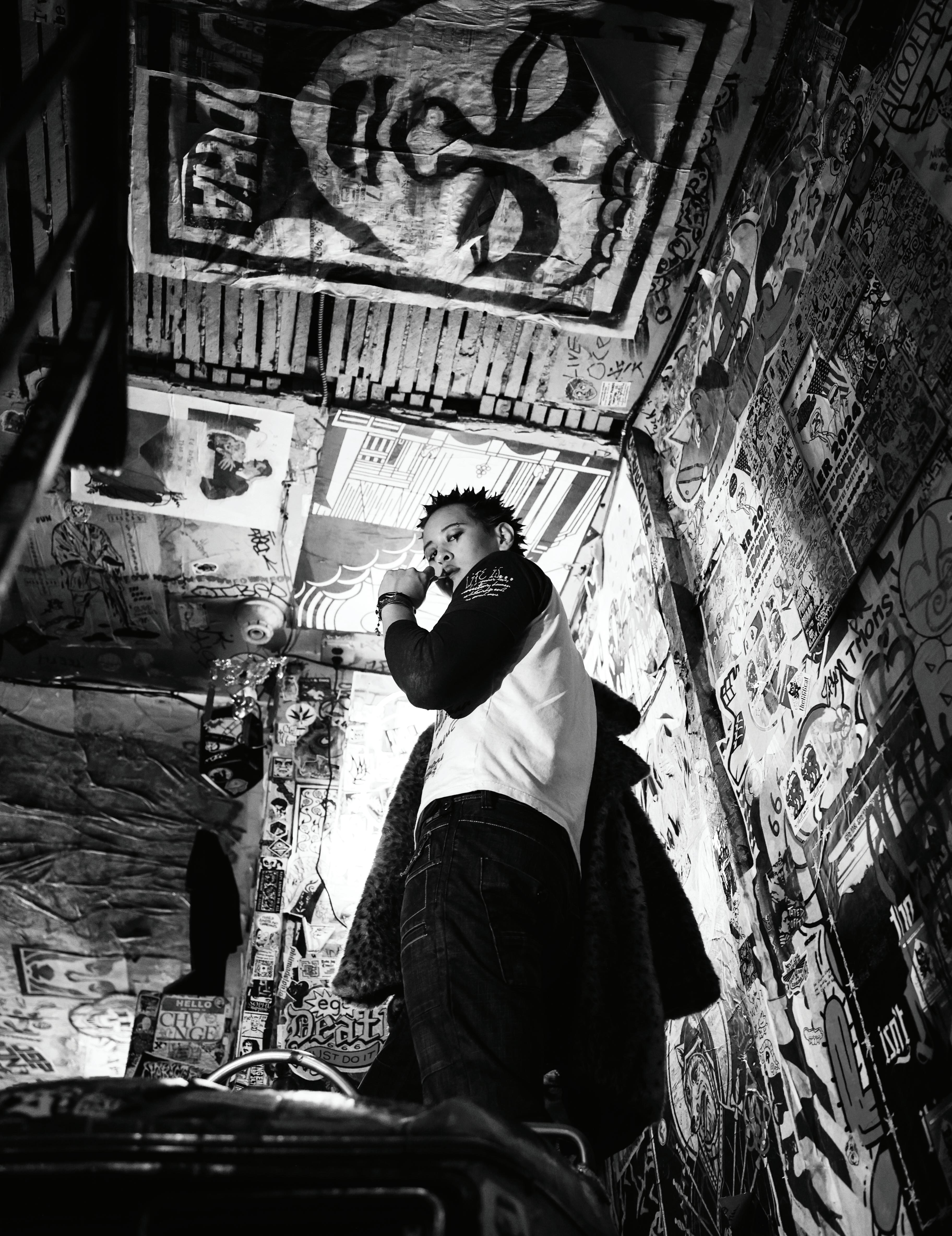
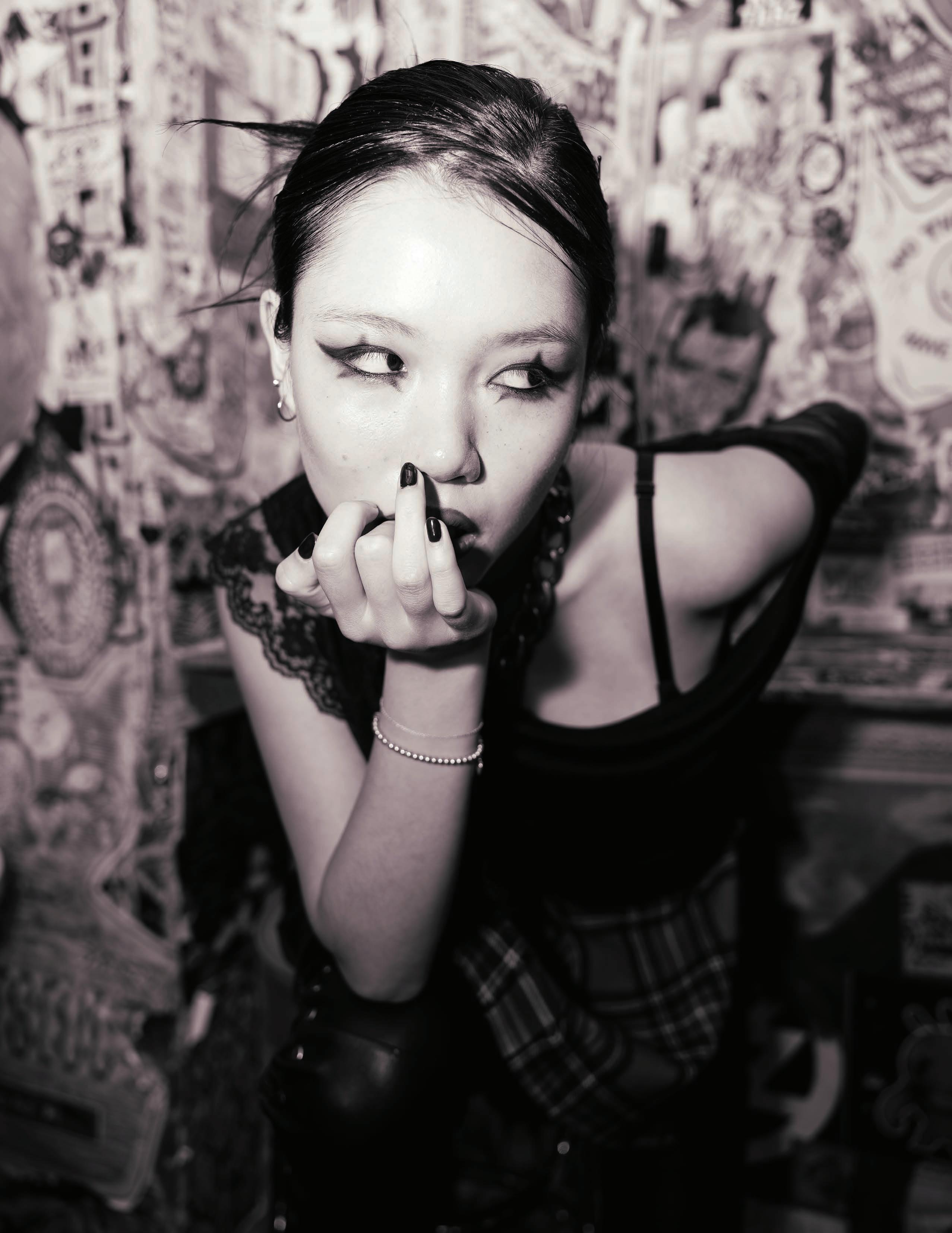
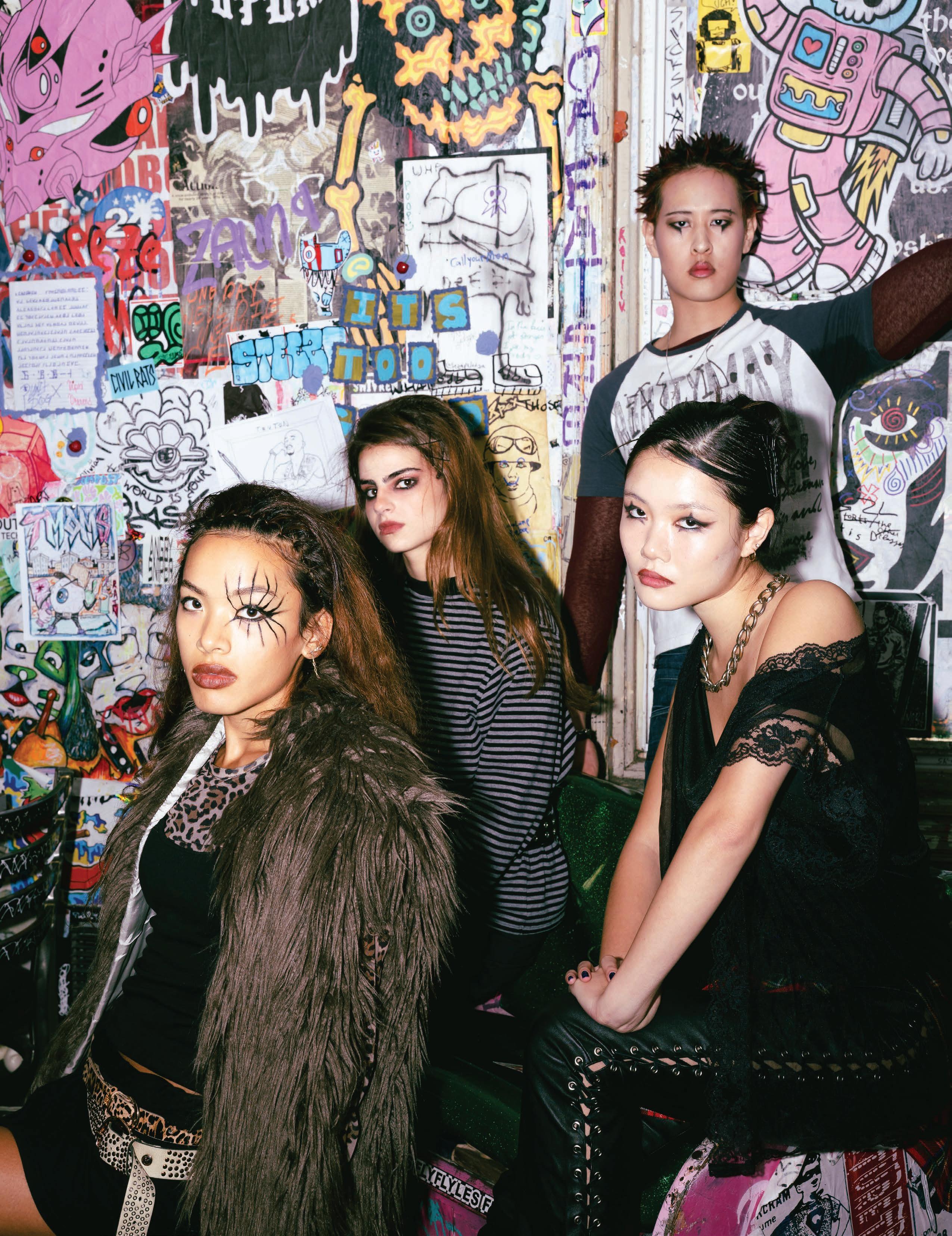
“REVERB” explores the relationship between fashion and music. Drawing styling cues from the aesthetics of 90’s punk subcultures, our muses found their place in South Philadelphia bar, community space, and arts hub Tattooed Mom. In this photo essay, distressed fabrics, clashing patterns, and sharp gazes capture fashion’s electric connection to sound.
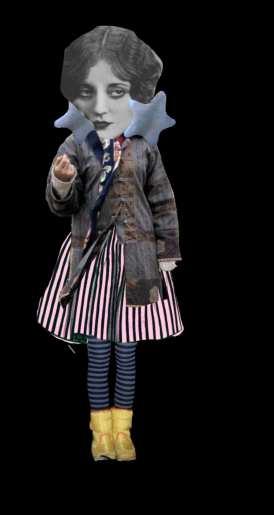
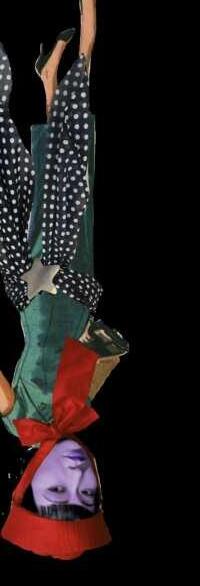
“STILL” connects fashion and film, drawing inspiration from Wes Anderson’s signature warmth and eclectic style to illstrate how both mediums communicate with visual language. In collaboration with At My House Vintage, each look evokes the character-driven storytelling and nostalgic charm of Anderson’s films. Through curated styling and deliberate framing, our muses show how fashion, like film, builds worlds.
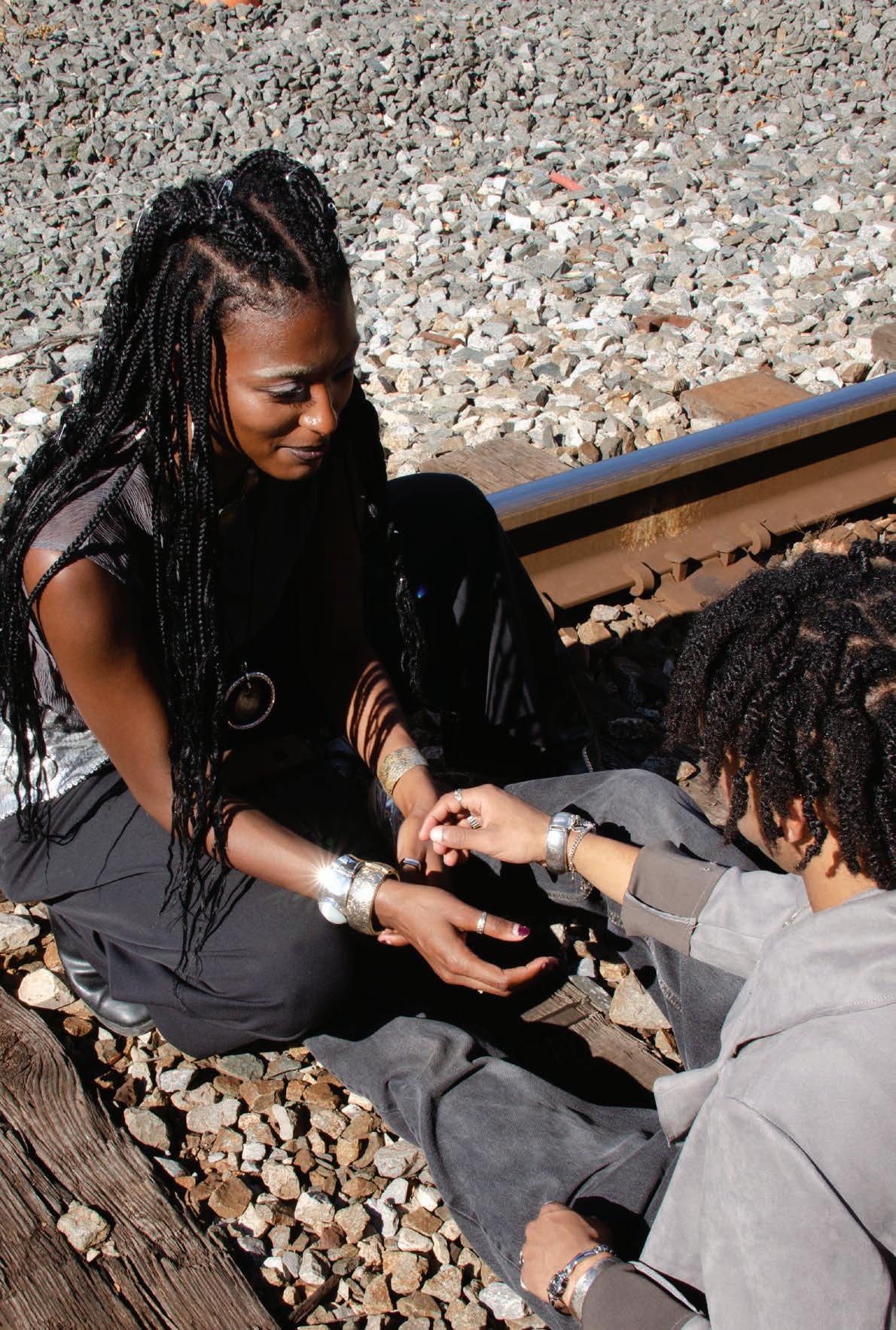
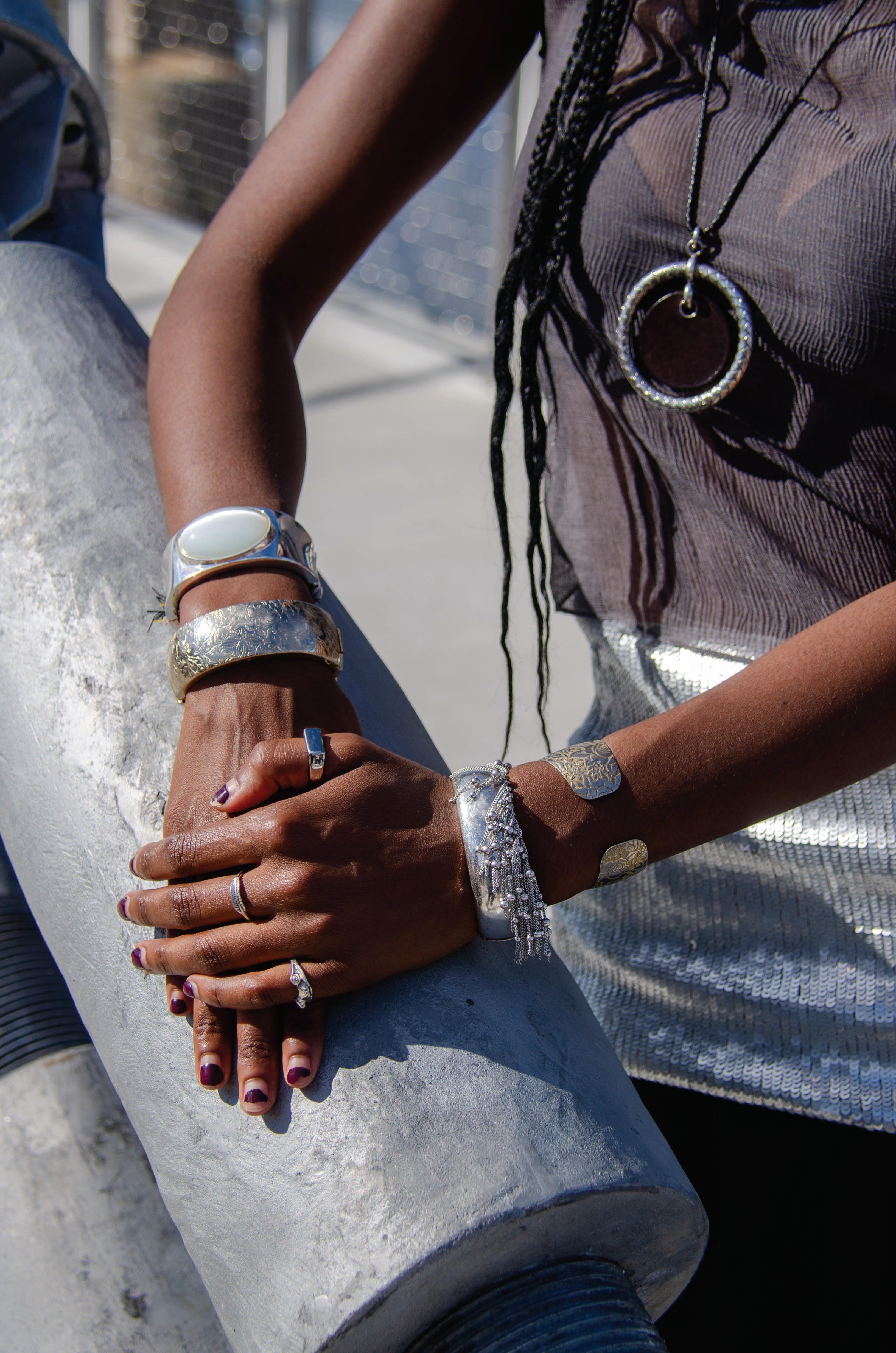
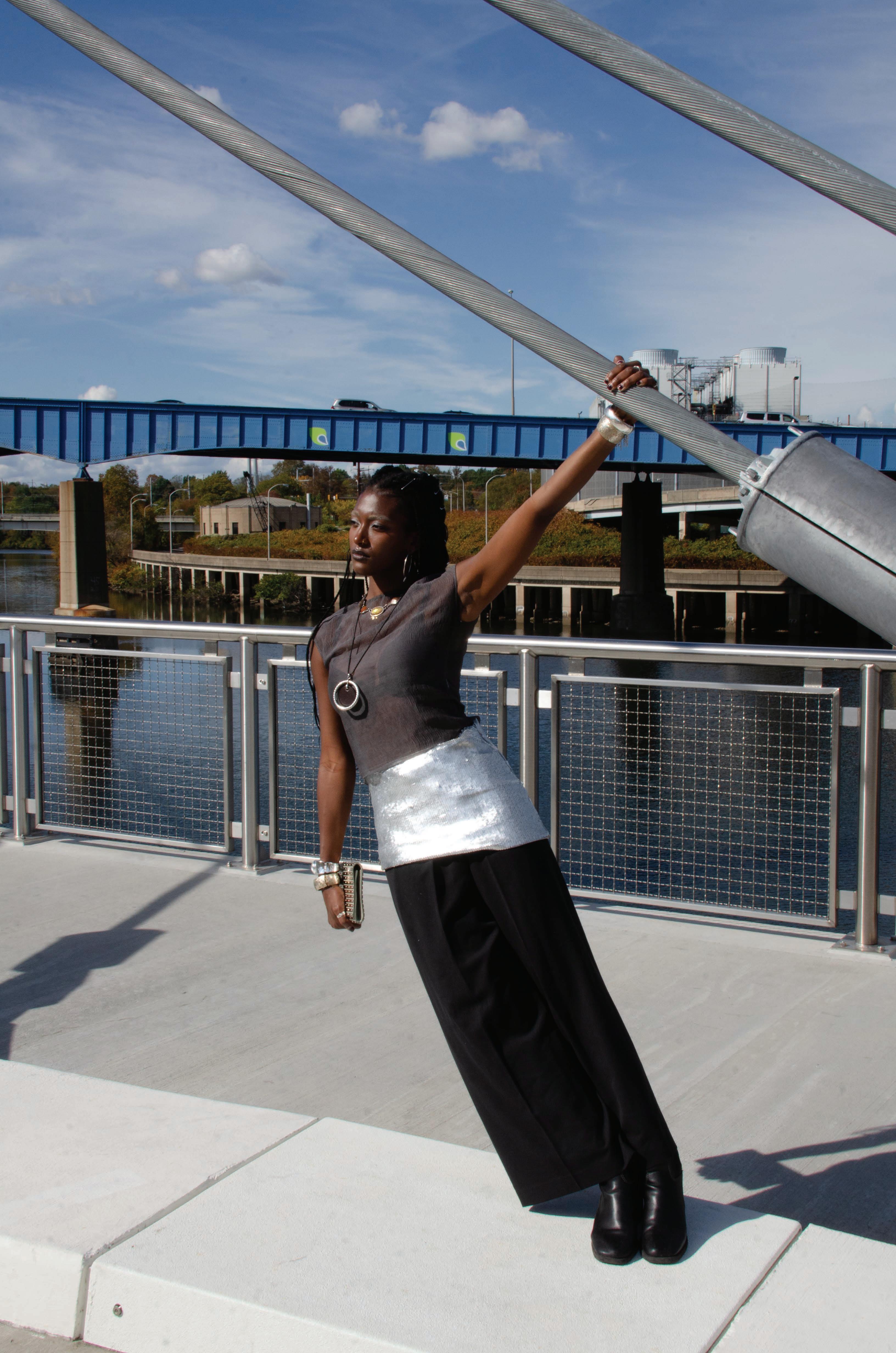
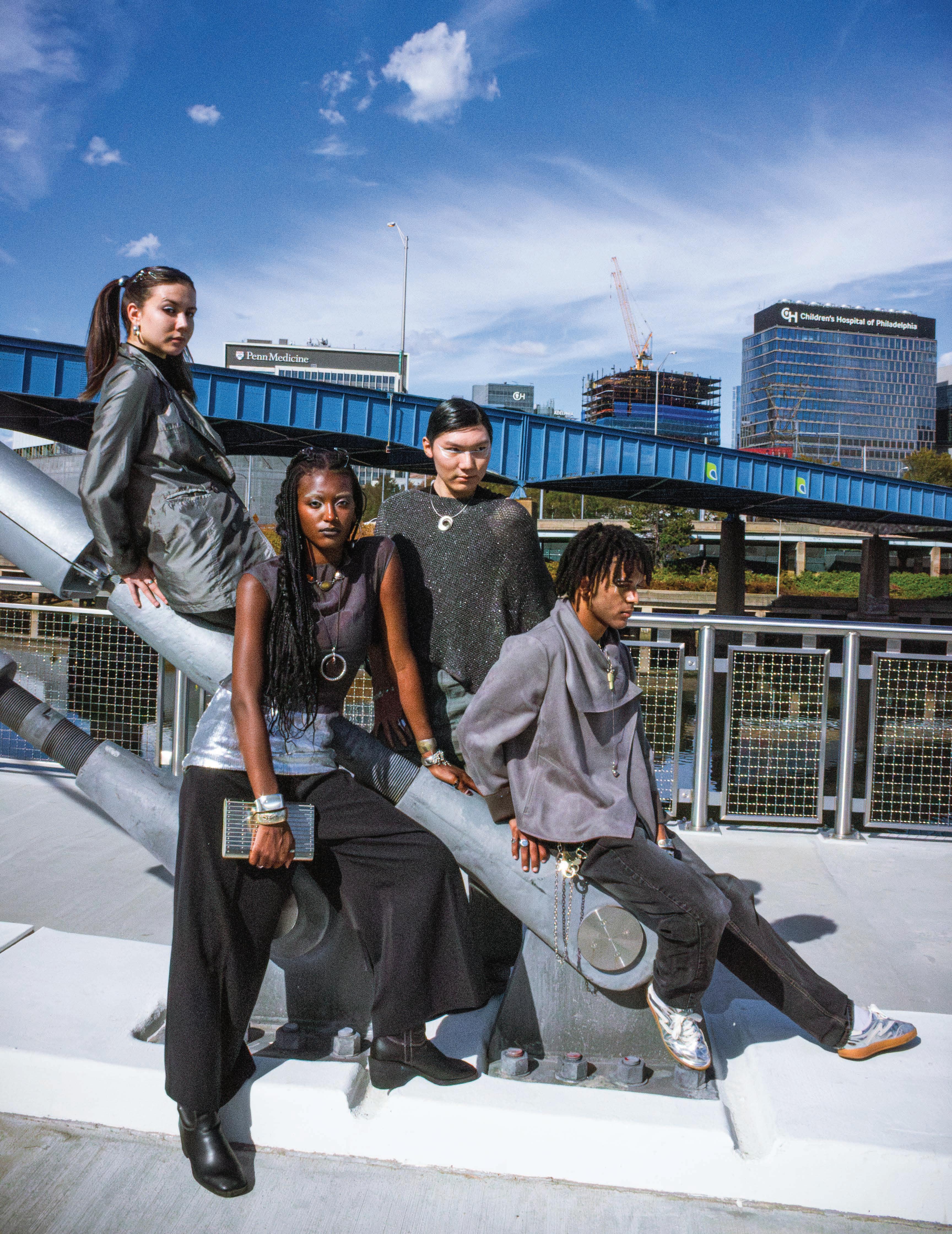
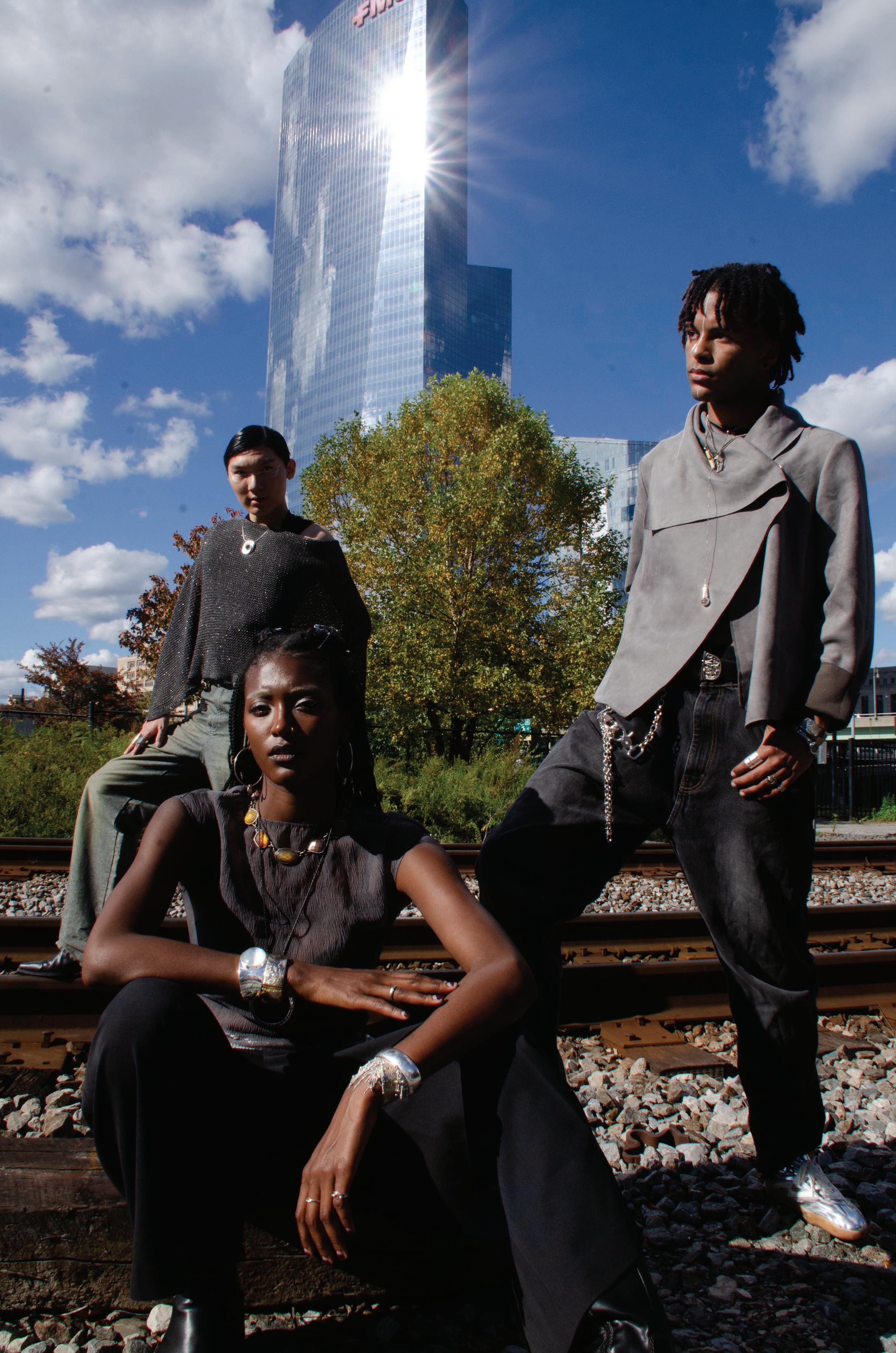
“CRAFT” explores materiality through centering metalwork, pairing an industrial urban landscape with stacks of polished jewelry. Captured against newly constructed sections of Philadelphia’s Schuylkill River Trail, our muses communicate the innate beauty of craftsmanship. This series highlights how raw materials are shaped into wearable art, showcasing fashion’s ability to reimagine the industrial as expressive and enduring.
DIGITAL FEATURES
Fall/Winter 2025
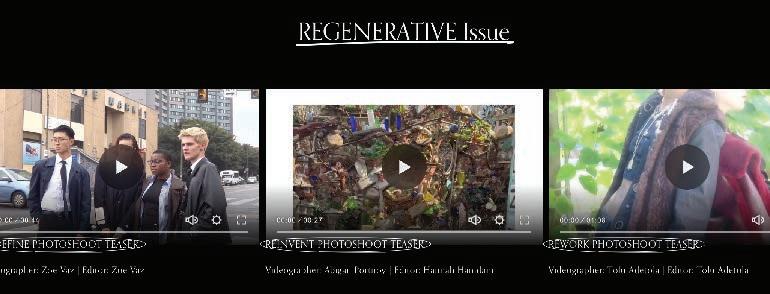
Video Features
Led by Videography Director Kimb Liu
Social Media Features
Led by Social Media Director Ash Wright
WEB FEATURES
Fall/Winter
2025
Threads of Grace: Reimagining Hermès
Krista Yeboah | October 30, 2025
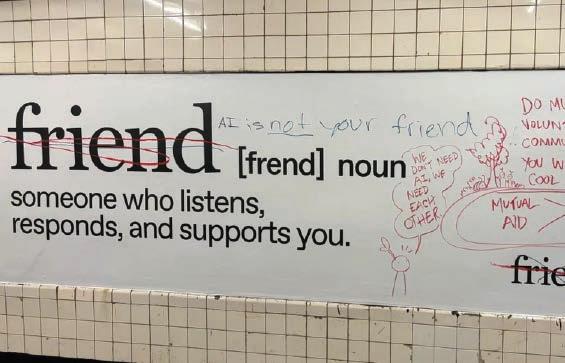
Friend or Faux?
Riya Verma | October 16, 2025
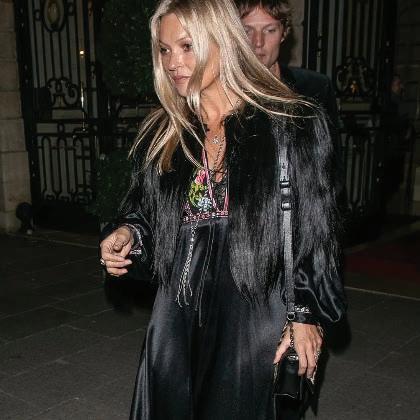
A History of “Boho Chic”
Kate Hoffman Filler | October 11, 2025
The New Chanel: A Dream or a Let Down?
Tony Zhang | October 15, 2025
From Ri enhouse to the Runway: Philly Fashion Week
Grace Dudek | October 28, 2025
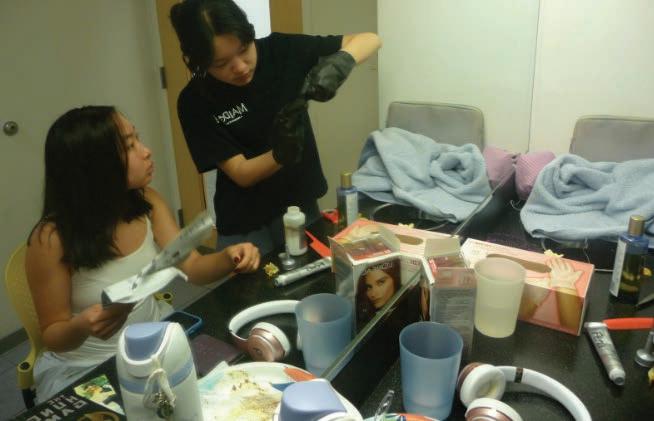
Cut Of Faith: Amateur Hair Stylists At Penn
Sasha Rosenfeld | October 19, 2025
from BEAMS to SEAMS
Professor Danielle Willems
on Bridging Fashion and Architecture
Written by Jordan Millar
Designed and
Illustrated
by Yvan Do Phan
When most people think of fashion and architecture, two incredibly distinct disciplines come to mind.
One evokes images of runway shows, intricate garment designs, and sewing machines, while the other brings to mind buildings, blueprints, and interior design. Danielle Willems is changing that narrative. In both her own professional design work and here at the University of Pennsylvania, she works to bridge the gap between fashion and architecture, demonstrating that the two are more interconnected than they may seem.
Willems is a professional designer and Senior Lecturer at Penn’s Stuart Weitzman School of Architecture, which offers specialized masters and doctorate programs in areas
would stay with Willems.
“That early experience gave me a deep appreciation for material, craft, and the intelligence of making, which is something that continues to shape my approach to architecture and design today,” she said.
such as architecture, fine arts, and urban spatial analytics. Willems first joined Penn’s faculty in 2013, a time when the school was aiming to focus more on both digital and interdisciplinary forms of design. As time went on, her teaching grew to encompass studios and seminars, merging “computation, material systems, and cross–disciplinary experimentation.”
Despite acknowledging that she does not have any formal training in fashion or fashion design, Willems’ architectural work often incorporates elements of “garment logic, structure, and performance.” As a designer, Willems explores the connections between architecture and fashion, merging it with technology through “digital fabrication and computational design, focusing on how material intelligence operates across scales.”
fusing technology into his work through creating kinetic garments that change shape. Both designers, according to Willems, work to challenge and redefine the boundaries of body and space in interesting ways. Willems also said she is interested in the work of companies such as OnLab, who integrate “material science, computation, and robotic fabrication” to revolutionize performance footwear.
In fact, Willems is a founding partner of her own design practice, Maeta Design, where she explores architecture as “an expanded field ranging from built work and installations to media and fashion–inspired spatial research.”
In both her teaching and her own design practice, Willems has consistently merged architectural work with fashion, taking an interdisciplinary approach to architectural creation.
The world of architecture and design was exposed to Willems at a very young age. Her grandmother taught her how to sew, and working on new sewing projects was a way of bonding that
As a designer, Willems finds herself inspired by various fashion and architectural influences. For instance, she is fond of Iris van Herpen, a Dutch fashion designer known for blending traditional craft with technology—particularly her collaborations with prominent architects such as Benthem Crouwel. She also enjoys the work of Hussein Chalayan—a British–Cypriot fashion designer highly regarded for in-
Architectural influences of Willems’ include works of François Roche. Roche founded New–Territories, an architectural design practice described as “polymorphous,” reimagining of narratives and geographic structures through “technology, robotic, and human natures.” Willems also admires Jenny Sabin, whose architectural works combine disciplines such as science, mathematics, and biology to create unique structures. Willems has drawn inspiration from both architects to frame her thinking regarding connecting “digital processes with material behavior and fabrication techniques.”
At Penn, Willems brings her experience and interest in architecture, fashion, and emerging technologies, to the classroom. In the spring semester, Willems teaches the course “The Function of Fashion in Architecture.” First developed in 2017, the graduate seminar is taught in collaboration with Wharton’s Charity Fashion Show, and, according to Willems, is intended to explore “how
garment–making techniques inform architectural form and tectonics.”
According to the course description, “The Function of Fashion in Architecture” also examines the parallels between the histories of fashion and architecture from ancient civilizations to the modern day. Aligning with the emergence of new technologies, Willems said the course now incorporates AI tools and workflows. With a sponsorship from RunwayML, a suite of AI tools, the course now allows for greater exploration of “computational and material intelligence” and expands the “creative methodologies of image to 3D printable garments.”
Students participating in the course, according to Willems, are tasked with conducting research sur -
rounding the history of fashion and garment production. They then utilize “computational and AI–assisted models, and translate them into architectur -al prototypes”.
Through this pro-cess, Willems said students “begin to un-derstand
design as a continuum of scales, from the smallest stitch in a garment to the large sheets of glass that define a building façade. This kind of multiscalar thinking is invaluable for architects, encouraging innovation and material intelligence.”
With technology continuing to dominate virtually all aspects of society, including artistic disciplines, Willems believes that AI, responsive materials, and robotic fabrication will persist as trends that are shaping the intersections of fashion and architecture, particularly through reconceptualizing how we perceive notions of wearability and space. “The intersection of these technologies points toward a future of adaptive, hybrid design systems,” Willems said.
A key component and ultimate takeaway from the course, is its emphasis on the interdisciplinary. Rather than studying architecture in rather traditional ways, “The Function of Fashion in Architecture” seeks to provide students with exciting outlets to work critically in interdisciplinary methods. By merging fashion and technology with architectural practice, students are provided with new ways of approaching architecture. Willems said that regardless of their contrasting scales—with fashion being cyclical, fast–paced, and ever–changing and archi-
tecture being more methodical and fixed—they are interconnected through similar notions of “culture, materiality, craft, and technological innovation”. “Fashion operates at the scale of the body, while architecture extends similar aesthetic and structural principles to the scale of the building and its tectonic systems,” Willems said. Throughout the context of history, both fashion and architecture influence have informed and influenced each other, such as through “advances in fabrication, structural logic, and the expression of surface.”
The parallels between fashion and architecture, as Willems said, are also present on a technical level. Both garment design and architecture, according to Willems, are grounded in “pattern logic, surface manipulation, and material performance.”
At the end of the spring semester, “The Function of Fashion and Architecture” culminates in the annual Wharton Charity Fashion Show, an event that raises fund-ing for Youth -Build Philly, a local charity. The show features students as both models and designers, and their original works are displayed and cel-ebrated.
the work and dedication of the students that take this course,” Willems said.
Instead of seeing them as separate and mutually exclusive, Willems encourages for a more interdisciplinary view of fashion and architecture, one that acknowledges the ways in which they are inextricably linked.
“Seeing architectural ideas manifested into a ho-listic designed garment always fascinates me. I am always amazed by
“Exploring fashion and architecture together reveals how design mediates between body, culture, and technology,” Willems said. Studying fashion and architecture in tandem yields greater opportunities for learning than studying them in isolation. “It cultivates designers who think fuidly across disciplines and is essential for a future defned by artifcial and material intelligence. Tis dialogue also opens new pathways for design innovation, allowing advances in one feld to inform and transform the other,” Willems said.
h e n t h e G a l l e r y G o e s
To
S t r e e t : H o w F a s h i o n
Tu r n e d A r t i n t o M e r c h
“The gallery and the street are no longer separate worlds—they’re two sides of the same mirror, reflecting each other in an endless loop of color, capital, and cultural cachet”
In today’s culture, the gallery and the street are no longer separate worlds—they’re two sides of the same mirror, reflecting each other in an endless loop of color, capital, and cultural cachet. Fashion has long borrowed from art, but what was once a reverent homage has evolved into something bolder: the “gallery merch” phenomenon. These limited–edition collaborations—between artists and fashion houses, musicians and painters, couture ateliers and streetwear designers—have turned collecting into a lifestyle and the gallery wall into a wearable billboard.
At its best, this movement blurs the line between disciplines, making art tangible and fashion intellectual. At its worst, it commodi-
fies creativity into hype. Yet, whether revered or ridiculed, “gallery merch” defines our era’s aesthetic: image-driven, interdisciplinary, and obsessed with rarity. It also reveals a paradox at the heart of contemporary culture: the simultaneous democratization and further eliteness of art. The very mechanisms that make these collaborations exclusive—limited runs, high prices, and brand prestige—also make them visible to wider audiences than most gallery shows could ever reach. This tension between access and aspiration is precisely what makes gallery merch so compelling.
The story begins with Takashi Murakami and Louis Vuitton. In 2002, creative director Marc closets. Murakami would go on to collaborate with Kanye West, Supreme, and Billie Eilish, cementing his status as a pop-cultural polymath rather than a niche artist.
Jacobs invited Murakami—then the enfant terrible of Japan’s Superflat movement—to reimagine the maison’s iconic monogram. The result was electric: candy-colored LV logos scattered across white or black leather, covered in Murakami’s smiling flowers and playful skulls. For a decade, these pieces dominated pop culture, carried by everyone from Paris Hilton to Pharrell Williams. The collaboration wasn’t merely a design refresh. It was a revolution. For the first time, a luxury house treated a contemporary artist as a true co–creator, not a decorator, transforming the LV monogram into Murakami’s Superflat universe. By turning handbags into collectible art, the partnership redefined how high fashion and fine art could coexist and set the template for artist-fashion crossovers that followed.
Murakami’s Vuitton era opened the floodgates for what we now call “artist-fashion drops.” It proved that luxury fashion could flirt with mass culture without losing prestige, and that artists could transcend the gallery by entering people’s daily lives—via arms, shoulders, and
Around the same time, Alexander McQueen’s house launched another artistic dialogue, darker and more cerebral. In 2013, a year after McQueen’s death, the brand partnered with British artist Damien Hirst to produce a capsule of silk scarves. The prints—hybrids of Hirst’s kaleidoscopic butterflies and McQueen’s signature skulls—were mesmerizing, decadent, and unsettling. They fused life and death in a single image: delicate wings arranged in perfect symmetry over symbols of mortality. The result captured both artists’ fascination with beauty born from decay, turning the scarf into a meditation on transience disguised as luxury.
Polka Dots, Pumpkins, and Pop
If Murakami brought manga to monogram and Hirst gave fashion a dose of morbidity, Yayoi Kusama supplied pure mania. Her first collaboration with Louis Vuitton in 2012 and its revival in 2023 covered bags, trench coats, and even perfume bottles with her signature polka dots. In store displays, life–sized robots of Kusama painted dots onto LV trunks, collapsing the boundary between art installation and retail spectacle. Kusama, who once covered herself
From Canvas to Canvas Bag
in dots as a protest against commodification, now saw her motif multiply across global storefronts. Her Infinity Mirror motifs became an infinite array of fashion imagery. For some, it was a joyful union of art and luxury; for others, it was proof that the art world’s most radical voices had been fully absorbed by commerce. Either way, it worked—the collaboration sold out instantly and generated unprecedented foot traffic to Vuitton stores worldwide.
Jean-Michel Basquiat’s posthumous collaborations tell a similar story of cultural resurrection. From Coach’s 2020 Basquiat x Coach collection to Uniqlo’s graphic tees, Basquiat’s crown motif and graffiti-like scrawls have become symbols of both artistic rebellion and consumer cool. Yet these drops spark debate: does printing Basquiat’s work on a $250 leather bag honor his anti-elitist vision—or neutralize it? The tension lies at the heart of gallery merch itself: when art becomes wearable, it risks losing its teeth even as it gains new life.
Grafti Goes Haute
Where luxury houses once looked to fine artists, the rise of streetwear introduced a different kind of crossover—one that blurred class lines as well as creative ones. Consider KAWS × Dior Men (2019), where Kim Jones enlisted the American street artist’s cartoonish Companion sculpture to preside over the runway, towering above pastel suits. Or Virgil Abloh’s collaborations with Futura for Off–White and Louis Vuitton, merging graffiti abstraction with Parisian tailoring. These partnerships redefined who counts as an artist. The muralist and the couturier now share a single cultural language: clothing.
Meanwhile, Jeff Koons × Louis Vuitton (2017) pushed the relationship between art world buzz and fashion luxury into literal territory. His Masters series plastered Da Vinci and Titian reproductions onto handbags, turning the museum gift shop into couture. Critics dismissed it as kitsch; collectors loved it. In a digital age where visibility equals value, Koons’s shiny self-awareness fits perfectly.
But the phenomenon isn’t confined to luxury. Uniqlo’s UT Artist Series, featuring Keith Haring, Basquiat, Warhol, and KAWS, democra-
tized the art–fashion crossover. For under $25, anyone can wear a piece of modern art history. What began as elite gallery culture now circulates through fast-fashion chains, TikTok hauls, and student wardrobes. The gallery, in short, has gone global, and it is more accessible than ever.
Music Becomes the Gallery
Visual art isn’t the only medium with which fashion merges. Musicians increasingly release fashion drops that function as art exhibitions. In 2022, Drake collaborated with Damien Hirst
on a line of tour merch for his album Certified Lover Boy: pastel hoodies printed with Hirst’s dots and pill motifs. The line blurred three worlds—music, art, and fashion—into a single consumable. Similarly, Travis Scott’s collaborations with KAWS and Murakami extended his albums’ visual language into tangible clothing, expanding the album experience beyond streaming and into texture and thread.
These drops mimic the structure of art editions—limited quantities, serialized tags, resale markets—and rely on the same logic of scarcity that drives both the art market and sneaker culture. A hoodie becomes a canvas, a canvas becomes a collectible, and the consumer becomes the curator.
Commerce, Culture, and the Clash Between Them
As these art–fashion collaborations proliferate, they expose a philosophical tension between two systems of value. In the art world, worth stems from uniqueness and critique; in fashion, from replication and desirability. When those logics collide, both evolve,but not without friction.
Critics argue these drops dilute artistic meaning, turning radical gestures into corporate branding. Supporters counter that they democratize art, making it wearable, touchable, part of daily life.
Both can be true. Kusama’s dots may now decorate handbags rather than protest bodies, but they still convey her message of infinity—only now through global luxury retail instead of avant-garde performance.
For consumers, the appeal lies precisely in that contradiction: to wear something that’s both luxurious and ironic, both commodity and concept. The gallery-merch drop transforms cultural capital into literal fabric, inviting its wearer to play curator, collector, and performer all at once.
When Creativity Becomes Currency
The success of these collaborations signals a broader cultural shift. Fashion has become the most accessible medium for interdisciplinary storytelling—a place where art, film, and music collide. In the age of Instagram and resale markets, visual culture thrives not in museums but on bodies, feeds, and secondary platforms. The artist is now a brand, and the brand is now an artist.
What’s remarkable is how much meaning these limited drops can carry. A scarf, a T-shirt, or a bag can encapsulate decades of artistic history, the philosophy of a movement, or the aesthetic of a generation. In fusing the gallery and the
street, fashion doesn’t just sell beauty—it sells participation in a cultural narrative.
The gallery, once a space of quiet contemplation, now exists wherever someone wears its fashion sidekicks. In that sense, gallery merch isn’t the death of art—it’s its reincarnation in motion. It is proof that elitism and accessibility no longer cancel each other out, but coexist in the threads of what we wear.
Written by Rachel Lee
Illustratons
Designed
by
Eunice Choi
by Eunice Choi
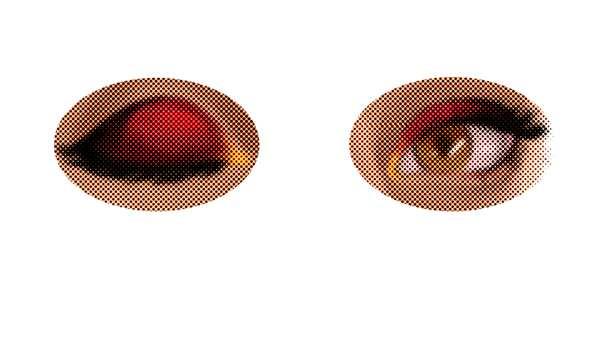
eyes speak in color
HOW EYES AND MAKEUP DEFINE THE LANGUAGE OF FASHION
During fashion week, designers devote months to crafting the perfect look, yet it’s the eyes, not the clothes, that often capture the soul of the runway. Thousands of hours are logged in fittings or re-designing corsets, veils, or dresses. The models are meticulously chosen, carefully selected to embody the vision the fashion house wants to convey for that Spring or Fall collection.
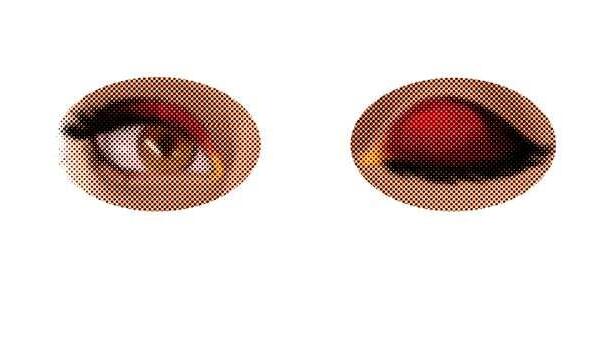
Yet, what people often overlook is the makeup, specifically surrounding the eyes. The touches made by gold or silver mascara, the geometric sketches of eyeliner, or even a single faux tear streaming down the face can change the emotion of the model and even change how the clothing is perceived. Because models are often instructed to remain expressionless, makeup becomes their only voice – a silent storyteller that reveals emotion without a smile or frown. After all, aren’t people always saying “Eyes are the windows to the soul”? What if makeup is the frame to the soul, a form of creative expression that models themselves are denied?
that can be very disturbing to watch.” This is why Tyra Banks famously encouraged her models to “smize,” urging them to do the smiling with their eyes instead. But smizing can be hard to pull off on command, which is where makeup’s power shines. With the right framing, the eyes can communicate intimacy, mystery, or even a spark of joy, all without breaking the runway’s unspoken emotional rules.
CELINE
THOM BROWNE
You can see this transformation clearly in Thom Browne’s outer space-themed show during Paris Fashion Week, where makeup artist Isamaya Ffrench crafted an otherworld-
Celine’s 2014 Paris Fashion Week Spring show revolutionized the relationship between makeup and the clothing. Looks are often designed without the makeup in mind; if the clothes work and fit the theme, the makeup could certainly follow. In this show, this relationship was evident. However, instead of makeup being a side piece to the main focus of the clothing, it complemented it in a unique way. Phoebe Philo, the house’s creative director at the time, aimed to produce ready-to-wear clothing that reflected the boldness of art and brushstrokes in particular. The makeup worked in perfect harmony with this vision: thick black stripes of eyeliner were drawn high as eyebrows, giving the models an uncanny, almost mask-like presence that mirrored the art-inspired patterns moving down the runway. The makeup looks of this brushstroke, expressionist theme illustrate the deliberate strides to include makeup as a real contender
doesn’t reach the eyes – a facial disjunction
ion Week this year, including Naomi Campbell, who walked down the runway with a single
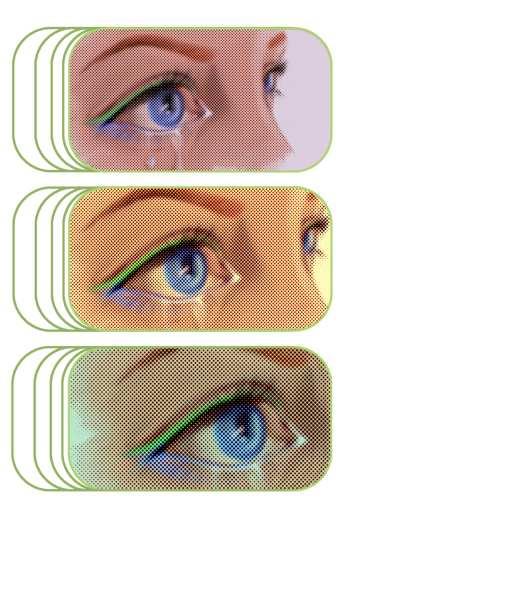
teardrop falling from her eye. The Turkish-British designer’s theme for the runway was titled “Cage of Innocence”, created for the women who were “never allowed to express what they think or feel.” This show generated significant buzz, not only because of the poignant theme, but because of how exactly she conveyed her message. Makeup, and eyes, were important: the faux teardrop on Campbell’s face as she strutted down the runway in a gothic-inspired look, characteristic of Findikoglu’s style, demonstrated a key juxtaposition. Historically, women had to wear tight clothes; corsets that restricted their body movement. They were also restricted from talking publicly, letting their husbands speak for them. However, while they were forbidden to speak, move, and show general facial expressions, the eyes are often incapable of deception. The faux tear represents escaped emotion, powerfully showcasing the impact makeup can have on a theme and how beautifully it can complement the clothing.
In the end, the most unforgettable moments on a runway rarely come from fabric alone. The best thing a fashion house can do for its brand is to build on the importance of the relationship between eyes and makeup. Each of the shows proves the same truth: makeup, especially around the eyes, doesn’t just decorate a look. It humanizes it and gives it emotional weight. If the eyes truly are the windows to the soul, then runway makeup becomes the frame that guides us toward what the designer wants us to feel. And in that frame, fashion becomes more than clothing – it becomes storytelling.
DIRECTED BY ALY KERRIGAN, GIULIANA ALLEVA, OLIVIA WENDEL, ROSHNI MISRA. MODELED BY HEIDI PAN, TIYYA GEIGER. STYLED BY MAX DE ROSA PURCELL. BEAUTY BY MADDY NEWSOME, SIMAR SONI, WORTH BERGELAND. PHOTOGRAPHED BY TANIA LAU, ZACHARY SPAIN.
jewelry
Punk is dead jewelry of rebellion
REBEL REBEL
jewelryPunk punk
punk jewelry
Jewelry of rebellion Jewelry of rebellion
Jewelry of
REBELLION rebellion is isREBEL
Punk is dead rebellion
rebellion
dead rebel rebel rebeljewelry
Punk is dead
PWritten by Anika Sapra
Designed & Illustrated by
Yvan Do Phan
unk is dead. Or rather, it’s been redressed for the runway. The aesthetics of rebellion, like chains, studs, safety pins and raw industrial motifs are no longer confined to underground subcultures, slowly permeating into elite spaces of haute couture and fine jewelry, and being reimagined as emblems of individuality rather than symbols of defiance. Punk’s visual vocabulary has now evolved from anti–establishment provocation toward high-fashion sophistication, reflecting the commodification of rebellion.
Punk is dead. Or rather, it’s been redressed for the runway. The aesthetics of rebellion, like chains, studs, safety pins and raw industrial motifs are no longer confined to underground subcultures, slowly permeating into elite spaces of haute couture and fine jewelry, and being reimagined as emblems of individuali-ty rather than symbols of defiance.
jewelry of rebellion
Punk’s visual vocabulary has now evolved from anti–establishment provocation toward high-fashion sophistication, reflecting the commodification of rebellion.
When punk erupted onto the scene in the 1970’s, it did so with safety pins, razor blades and spiked collars. Rather than being intentional aesthetic choices, these adornments functioned more as acts of survival, access and immediacy that reflected the anti-elitest sentiment of its wearers. Safety pins held tattered clothes together, and improvised jewelry rejected the consumerist, polished fashions of the upper and middle classes.
Ironically, the same impulse has been recast by contemporary jewelers like Roman Malakov and Hatton Labs, both of which use platinum, black diamonds, and oxidized metals that incorporate the raw
ethos of punk through the lens of fine jewelry. Fusing the raw energy of punk with precision is no easy task, but its fruits create a fascinating end–product that incorporates contrasting materials, symmetries and gravity. These pieces blur gender lines, as signet rings, cuffs and chokers are offered as unisex sym -bols of identity and creed. Although the aesthetics are relatively consistent with the original context, questions arise regarding the exclusivity that defines fine jewelry and the ethos of the original symbolism. Is punk still punk if the subversive elements that define it have been bastardized by its antithesis?
subculture and luxury design—later sections, like Ecological Philosophy, focus on her sustainability efforts and critique of overconsumption. Ironically, the popular commercial appeal and broad aesthetic functionality highlights the paradox in Westwood’s work; when artifacts of protest are curated and sold globally, they risk losing the disruptive quality that defined them.
sion. Artists like Charli XCX and FKA twigs incorpo -
In contrast, Tiffany & Co.’s 2025 Blue Book: Sea of Wonder, demonstrates how luxury brands are now trying to incorporate rebellion through innovation rather than iconography. Under Chief Artistic Officer Nathalie Verdeille, the collection revisits Jean Schlumberger’s mid-century sea–life motifs of starfish, shells, and coral, exploring them with exaggerated geometry and rare gemstones.
rate metallic corsets, ear cuffs, and body chains into their live performances. These pieces often reflect the angular and sharp silhouettes of punk, but, integrated with lighting and choreography, create a multidimensional, multisensory impact. The result created a form of adornment that makes identity both a performance and a display. This merging of sonic and visual design represents a shift away from jewelry as a static, status symbol to a more dynamic indicator of cultural participation. Rather than focusing solely on its material aggression, the rebellious element lies in its performative function.
Tensions between subversion and commercialization are particularly evident in the global revival of Vivienne Westwood. The touring exhibition Vivienne Westwood & Jewellery, organized by Nomad Exhibitions, surveys her four decades of work and contextualizes punk within luxury’s visual vernacular. Her thematic exhibition includes “Do-It-Yourself” pieces that defined the 1970s, like safety pin broaches made in collaboration with the Sex Pistols, as well as the heavily ornamented orb pendants of the 2000s that have come to define her brand. The show seeks to underscore how her embodiment of the punk “do–it–your -self” philosophy shaped the
According to Galerie Magazine and Katerina Perez, Tiffany’s new designs feature platinum starfish rings with unenhanced rubies and necklaces that convert into brooches, emphasizing versatility and hybridity. This adaptability challenges conventional expectations of formal jewelry, signaling what Verdeille calls a “quiet rebellion” against fixed traditions of luxury. This transformation is part of a broader trend among established houses, of moving toward conceptual experimentation.
Similarly, this idea of conceptual experimentation has begun to manifest in music, where jewelry gets used as a medium that reflects rhythm, sound, and digital expres-
amonds and gold, do they really retain their original meaning? The migration of punk into luxury reveals both the evolution and irony of this dynamic. What began as a rejection of elitism and hierarchy has now become a deeply profitable expression of it, as the symbols that initially rejected consumerism have now been absorbed into its highest tiers. The sentiment of punk was really never in the physical representation, but rather the sentiment of resilience and rejection. Attempts to dilute it and coopt its manifestation may replicate the aesthetic, but misses the mark on intention. In response, its expression in different forms and mediums highlights how the meaning behind rebellion has shifted. The aesthetic of dissent has become self-aware, and now leverages this irony as both a shield and strategy. Pushes toward versatility, redefining forms, and sustainability show that the ethos behind punk has shifted not in meaning but rather in material. In the process, rebellion has lost some of its volatility but gained endurance.
Market data supports further this broader move toward maximalism. The Al Romaizan 2025 Mid-Year Jewelry Report and Artizan Joyeria’s trend analysis show increased consumer demand for bold, layered designs, mixed metals, and visible hardware. This “maximalist resurgence” contrasts sharply with the muted tones of the recent “quiet luxury” trend—jewelry has begun to increasingly serve as a statement of individuality, especially for younger consumers seeking differentiation in a mass–produced market. Major houses have responded in turn: Tiffany, Cartier, and Boucheron have released collections featuring asymmetry, mixed textures, and experimental materials, that seek to reconcile this demand with its commercial appeal.
However, this migration raises questions about authenticity, and ethos. When anti-establishment symbols appear in luxury materials like di-
Desert Couture: The Evolution of Coachella’s Fashion Empire
Written by Grace Haeun Lee
Illustrations by Eunice Choi
Designed by Eunice Choi
Boho chic, denim on denim, techwear, polyester flower headbands—these are all signature pieces of what is now labelled as Coachella fashion. Coachella Valley Music and Arts Festival, considered one of the world’s most famous, is hosted annually every April in Indio, California. Founded in 1999 by Paul Tollett and Rick Van Santen and organized by LA concert promoter Goldenvoice, it began as a humble grassroots festival, but quickly made a bold yet passionate statement of veering away from the typical corporate venues into the barren desert wilderness. Because of this, Coachella has become a hub of creative distinction and showing off one’s own personal flair, especially through the festival–goers’ outfits. Coachella fashion has made a visible presence in the fashion world, through its ability to step outside of the realm of everyday wear, with pioneering trends meant to stand out and be seen.
Coachella looks began as effortless and quintessentially summer-with bikini tops, cutoff denim shorts, and crochet halters at the forefront. The 2000s jumpstarted with the first–wave of Y2K fashion, highlighted with baggy pants and funky colors. This was when Coachella fashion became more globalized and Instagrammed, with influencers making waves on the latest standout trend for festival looks. 2000s fashion has taken a resurgence at Coachella recently; low–rise jeans, baby tees, halter tops, cargo pants, and chunky shoes have become staple pieces of festival–goers. A prime example is Tyla’s 2025 Coachella performance, with one of her outfits being inspired by the 2001 MTV VMAs look of Britney Spears—a shining exemplar of the style that took over early 2000s fashion, now thought of by the moniker ‘Y2K’. For another stage outfit, she had a gold crystal bra from the Dolce & Gabbana’s Spring 2000 RTW show, along with a red and white brocade belt with black fringe. To top it all off, she had ripped fishnet stockings and the Leona Lace–Up Mesh Ankle Boots from Burju. Y2K has always been defined by futuristic tones and pop star energy, exemplified clearly through this look and Tyla’s fashion overall.
2010 was when the hipster style came into fruition, with forehead bands and flower headbands rising in popularity. 2016 and 2017 reached peak “Coachella-core,” when brimmed hats, signature festival hairstyles such as the baroque braids, and meshed clothing became all the rage. Celebrity Vanessa Hudgens, often considered the Queen of Coachella, embodies
freedom and the festival’s free-spirited energy, bringing her love for glitter, bling, butterflies, and boho chic fashion to her eager fans. Hudgens explains that the key aspect of her fits are the layering of accessories and “piling it on.” Eventually, bohemian fashion became synonymous with festival season in the early 2010s, with countless individuals striving to achieve a desert goddess look.
tural coal mine,” as stated by SFGATE. Fascinatingly, what used to be the singular, concrete image of a cowboy transformed into something so much more through its booming popularity at Coachella. The cowboy aesthetic unlocked so much more potential and creativity in the fashion realm, framed from feministic, techno, futuristic, to even Barbified.
In the late 2010s, Western–inspired fashion and “the cowboy look” became popular. Everyone donned studded cowboy boots, suede vests, wide–brimmed felt hats, leather fringe, and red bandannas around their necks. It symbolized how much Coachella has become a “pop–cul-
Afterwards, Beyonce’s 2018 performance provided the means for another fashion revolution in the Coachella realm. Skater boy aesthetics became more popular, with comfortability and practicality being the main priorities in festival fashion. A rebellion to the perfectly curated, over–the–top influencer looks that took over Coachella fashion, this offered a reset back to the balanced, casual looks of cargo pants, sneakers, and oversized tees.
The first few years of the 2020s showed techwear and futuristic rave fashion becoming a hit, with reflective materials, monochrome or mesh layering coming into vogue. For 2025, it appears that the vision is shifting into a new era, one that attempts to continue on the nostalgia–filled remembrance of the vintage past. Pinterest data reports that Coachella–related searches of “Vintage Rockstar Aesthetic” went up 479% this year. As Global Trends & Insights Lead Sydney Stanback of Pinterest states, it appears that the GenZ is delving into the act of “identity editing: mixing, matching, and layering aesthetics to express who they are in that moment, curating a version of themselves that can shift and evolve as freely as their style does.”
Whether it be Y2K, Indie, Boho, or Futuristic, Coachella has become the ultimate commercialized hub of influencer fashion marketing. Opening up any single social media platform from Pinterest to Instagram, feeds are flooded with posts featuring the iconic palm trees and the scenic desert backdrop. Showing off the effort they put into curating their looks, every fit is unique and distinct yet cohesive with the trend that year. It is both unity and self–expression, enveloped and intertwined into one.
Some question whether or not Coachella is still the place for free and unique expression or if that now shifted into something more pragmatic or commercialized. But, for now, let us just hope it continues to be a desert haven for individuality in festival fashion.
DIRECTED BY ALY KERRIGAN, GIULIANA ALLEVA, OLIVIA WENDEL, ROSHNI MISRA. MODELED BY ELLEN ZHANG, KEVIN XU, LORA KATEVA, SERENE SAFVI. STYLED BY MAYOKUN OMITOGUN, TARINI RUIA, TONY ZHANG. BEAUTY BY ELAINE PENG, SIRI PAR, WORTH BERGELAND. PHOTOGRAPHED BY HOON LEE, NOAH JEONG, PHOEBE ZHANG.
HOMECOMING A
Conversation With Kelly Braun
At My House Vintage
1:43
p.m., a fluttering October Friday, and I’m turning the burnished handle to the front door of At My House, one of Philadelphia’s newest small vintage businesses, founded in January 2025 by Kelly Braun. The shop’s staples include quaintly eccentric household items, delightfully colorful jewelry, and true vintage clothing in sizes ranging from XS–3X.
My parents—in town for family weekend—offered a lift in their Zipcar, but I wanted the full experience of visiting At My House; I braved the inevitable motion sickness and took the 40.
The name, as Kelly would soon inform me, is reminiscent of walking into a new friend’s home and feeling suddenly overwhelmed with the desire to rifle through their possessions. I recognize the vision. I imagine
out of coat pockets and collecting dreams on the tip of my forefinger, in a macabre way, like how smearing away dust with a palm is just brushing at the decay of what’s been left behind. I’ll later joke about my habit of perusing through friends’ purses and makeup bags at the first available opportunity; she’ll concur: I need to know who you are through your stu
I’m greeted with the lulling beat of an indie rock record, rustling rainbow racks of jackets and graphic tees and patterned scarves. Kelly offers a firm handshake, and we settle down on two plastic, blue chairs protruding from the wall. As she sits, her beaded jewelry jingles and winks in the light. We get to talking, and
On size inclusivity in secondhand retail:
“The thing with finding plus–sized vintage is that it does exist. You just have to look for it. Anyone who isn’t carrying in their vintage store, or in any store, is doing that purposefully. You just have to look for it, and you’ll see it.”
On At My House as a community center:
ics. It’s basically someone who likes stuff. People who like things that are eclectic, people who want to search for something. Vintage shopping—it’s for when you want that one special thing, just for you, and you want to search for it. And I think they like whimsy, because I have a lot of silly things.”
“I do workshops—well, I’m trying to do everything, so that’s kind of the problem. Once I realized how much I liked [planning community events], I was like, well, I want to do everything. The thing I do most consistently is collages, which is a very chill workshop I put on where I have a bunch of vintage magazines—I love vintage magazines, so I have a million of them—and I provide paper, glue, scissors and just let people do their thing. From there, I’ve worked with other artists to do workshops, like mending and intu-
itive drawing, and I’m working on other things, like a storytelling event.
“It’s almost like the embod iment of what I’ve projected for myself—that’s what I’m seeing in other people. This is [the kind of community] I’ve always wanted to be a part of, but I made it. You know what I mean? It’s really special to see people respond to that.”
On her love for secondhand pieces:
“I’ve always wondered where my obsession with used things comes from, and I think it’s because I grew up with my mom going through her jewelry with me; she would tell me where every piece came from, and they were always from her mother or someone else in her life. I see myself doing that with other people. I’ll al ways tell them “oh look at this, I got this here, I know exactly where that came from, let me know you this and this and this.”
All of those pieces that have a history—I love them. Sometimes, it’s just stuff I have a memory connected with. That’s why I really like vintage.
There’s a memory attached to every piece.
“Even just picking something up at an estate sale—it’s kind of crazy that estate sales exist—you’re able to just melt the voyeurism and the excitement of shopping together. It’s cool and weird, and kind of sad, but also fun, because you get to give pieces a new life.”
On the most meaningful pieces in her personal collection:
“Anything that has a background. My mom had a crushed velvet cape that she wore for her wedding. I have that stored away, and it’s really special to me. They’re divorced, but it doesn't matter. It’s just a special piece.
Also stuff that has no sentimental value, stuff that’s just so stupid and silly. I love fake food. I went to this estate sale a few years ago, and
they must have loved fake food as much as I love fake food, because they had so much of it. I bought a lot of it. So now, in my house, I have a fake cocktail, these fake spilled drinks, just fake food all over the place.”
And, finally, on the Girl Scout uniform
Written by Jackie Errera
Designed & Illustrated by Yvan
featured in our STILL shoot:
“It’s so specific and so special, but Aly [one of the WALK’s co-Creative Directors] saw it, and she saw something in it. Someone’s going to buy it at some point, and that’s going to be something they wear, and that’s just so cool. It’s so fun to be the connector.”
Kelly takes the role of “connector” seriously. She transformed The WALK’s vision into reality by providing our creative department with clothing and props for this issue’s Wes Anderson–inspired STILL photoshoot. At a time when the loneliness epidemic continues to grip young people by the throat, she ushers in friends and strangers, alike, to kindle the warmth of community through workshops and creative events. And, most centrally to her role as At My House’s founder and owner, she unearths pieces that risk being forgotten to time,
Do Phan
PETRA COLLINS & T
Fragile, Feral, and Everywhere
There is something quietly combustible about a Petra Collins image. Sunlight leaks in through gauzy window shades like memory––soft and sugary. A girl dressed in lace and thigh–highs lies face-down on a carpet. Another twirls under fluorescent bedroom bulbs as curtains burn behind her. It’s both beautiful and unsettling, the kind of scene you can’t look away from because it feels like you’ve been there before.
Petra Collins is a photographer, filmmaker, and cultural icon recognized for her distinct aesthetic across editorial and celebrity campaigns. For the last decade, Collins has been reshaping not just how girlhood looks, but more importantly, how it feels. The world she creates is one of dreamy hyper–femininity and emotional vulnerability. Delicacy and brute energy coexist in the same frame. It’s a world of bruised knees and strawberry lip gloss, sad and joyful in equal measure. Through her photos, films, and collab-
orations, Collins has built a new mythology of femininity.
THE VISUAL LANGUAGE OF GIRLHOOD
Collins’s photographs feel like the visual diary of a girl on the brink of something, whether it be womanhood, breakdown, or revelation. Her girls are caught mid–laugh or mid–cry, basking in pink light or slumped across vintage bedspreads. Everything looks slightly overexposed, as if the image itself is blushing. But beneath the sweetness lies tension.. She takes hold of classic feminine motifs like flowers, pastels, and lace, and pushes them towards discomfort. Her work shooting for the Gucci Floral fragrance campaign with Miley Cyrus leans into this overly–done up aesthetic: the images appear almost iridescent, a bit too perfect, and gleaming with artificiality. The result is a sort of visual dissonance, so soft that they almost come across as violent.
RAGE IN A MINISKIRT: “GOOD 4 U”
If Collin’s photographs show how girlhood looks, then her videos portray how it feels. Olivia Rodrigo’s “Good 4 U,” which Collins directed, is both feminine and feral: cheerleader uniforms, latex gloves, and a girl smiling while everything behind her falls apart. The video is a hazy visual tantrum: Rodrigo dances around a high school gym and a burning bedroom that looks like it could have been pulled straight from a teenage girl’s Pinterest board. Water rises, fire spreads, and the camera steadily zooms into Rodrigo’s ever-smiling face. Collins takes the cultural shorthand of “crazy ex–girlfriend” hysteria and reframes it as performance art.
THE FEMALE GAZE, REFRAMED: SOFTNESS AS SUBVERSION
Petra Collins’s work is often described as the “female gaze,” but it is not simply a reversal of typical beautify standards. Collins’s work is rebellion: she makes her softness radical. Through muted color palettes and domestic intimacy, she imagines femininity as an experience. The subjects of her shoots are often not only being looked at, but they are looking back––sometimes at themselves through a mirror, and sometimes directly at the observer. Their vulnerability is assertive, self–aware, caught in moments of self–obsession and exhaustion. Collins captures a truth about modern femininity, the constant negotiation between being looked at and looking at yourself. Her girls are both muse and voyeur, physical representations of empowerment not in
a sloganized sense, but messy, melancholic, and honest. Collins’s art captures the ache of growing up in the public age of the internet, where every emotion is photographed and every performance is half staged.
FANGIRL: OBSESSION TURNED ART
Petra Collins’s “Fangirl,” a nostalgic exhibition at Seoul’s
into something more sacred.
As the exhibition progresses, the mood shifts from intimate to uncanny. Images from Fairy Tales and Baron: Why be you when you can be me use saturated color, burning mirrors, sisters clinging to one another, and figures floating in suburban bedrooms to evoke a cinematic quality. Featuring celebrities like Alexa Demie, the vignettes
ry, archival and evolutionary. Early works from The Teenage Gaze showcase snapshots of adolescence: girls sprawled on unmade beds, hallways filled with scuffed Mary Janes and fluorescent lighting. The images are artifacts of youth reconstructed through a memory, turning typical teen motifs
it’s become an aesthetic empire. Every brand from Skims to Canada Goose wants a piece of her surrealist vision. Many popular 2020 aesthetic waves, including coquette–core or the many ripped off looks in a Euphoria style, can be attributed to Collins’s artistic direction and public work. Her collaborations blur the border between art and marketing, and that’s exactly the point. Collins does not hide from this commercialism. Even her own brand “I’m Sorry” channels this ethos, selling bloodied bandaid earrings and butterfly charm necklaces, marketing emotional disarray as wearable identity.
The question remains: when the female gaze becomes a
insists that the aesthetics of girlhood, so often trivialized, are worthy of serious attention.
THE PETRA COLLINS EFFECT
The irony of Collins’s anti–commercial sincerity is that
DIRECTED BY ALY KERRIGAN, GIULIANA ALLEVA, OLIVIA WENDEL, ROSHNI MISRA. MODELED BY FELICIA MERINOOSTLUND, NATHAN CRONIN. STYLED BY LUNA MELINE, MAX DE ROSA PURCELL. PHOTOGRAPHED BY ADITI ANAKALA, ALEKHA CHOKSEY, GIULIANA ALLEVA, HOON LEE.
SCREEN TO SIDEWALK
How Coppola’s vision of femininity and restraint has transcended film to shape everyday style.
The evolution of clothing across Sofia Coppola’s filmography and its cultural afterlives.
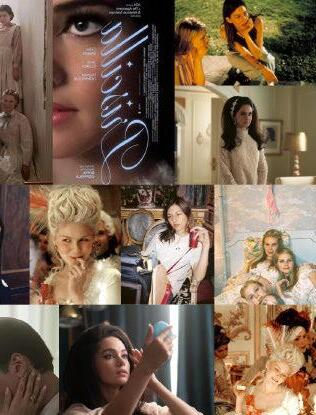
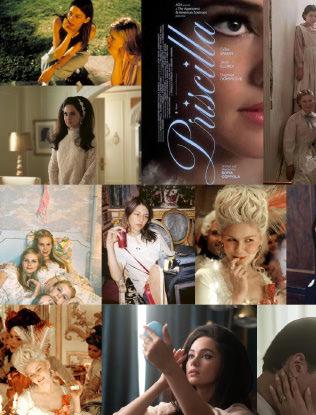
Few filmmakers have shaped the cultural language of fashion like Sofia Coppola. Across her work, clothing is not just costume but narrative, a way of revealing the contradictions of femininity and control. Her aesthetic, refined through decades of collaboration with designers such as Milena Canonero, Stacey Battat, and Marc Jacobs, has come to define a visual grammar in which fashion becomes both performance and interiority. What began as cinematic styling has spilled into everyday life. You can trace its influence through Pinterest boards curated in her image, Miu Miu campaigns drenched in her palette of wistful femininity, and the rise of the “quiet luxury” movement, a fashion ethos that prizes emotional restraint over spectacle.
In The Virgin Suicides (1999), Coppola’s debut feature, costume designer Nancy Steiner created a suburban dreamscape steeped in nostalgia. Think prairie dresses, puff sleeves, and washed–out pastels reminiscent of 1970s Seventeen magazine editorials. The Lisbon sisters’ gauzy nightgowns and lace blouses suggest innocence yet suffocation. Their identical outfits create both visual unity and psychological claustrophobia, a literal uniform of purity. Coppola has said she wanted the girls to feel “mythic and distant,” and their clothing es that myth visible. The softness of cotton and chiffon becomes a delicate defense against an invasive world.
That tension between beauty and control runs through all of her films. In Lost in Translation (2003), Steiner moved from nostalgia to restraint. Scarlett Johansson’s Charlotte drifts through Tokyo in minimalist knitwear, oversized men’s shirts, and ballet flats––her clothing evoking both privilege and isolation. Steiner noted in an interview with Fashionista that Coppola wanted the wardrobe to feel believable and “lived in,” never styled to impress, because Charlotte is “a young woman who’s not sure where she fits yet.” The palette of ivory, blush, and gray mirrors Charlotte’s internal stillness. These clothes don’t just fit the character; they shape how the story feels. Charlotte’s minimalist wardrobe functions almost as dialogue, communicating loneliness and disconnection when words fall short, turning restraint itself into character development.
With Marie Antoinette (2006), Coppola pushed her visual world to its most decadent point. Working with costume designer Milena Canonero, she reimagined 18th–Century French couture through a modern lens––layering pastels, silks, and pearls into a portrait of excess that felt startlingly contemporary. The film’s now–famous shot of pastel Converse sneakers hidden among Rococo gowns perfectly captured her approach: historical but rebellious, indulgent yet self-aware. The fashion traced Marie’s evolution from naïveté to self-indulgence and, finally, isolation. As the fabrics grow heavier and the colors fade, her world collapses under the weight of beauty itself.
That spirit of controlled excess rippled through fashion immediately, influencing Rodarte, Miu Miu, and Chloé’s mid–2000s collections. Rodarte’s 2006 runway, full of frothy tulle and muted pastels, was directly compared to Marie Antoinette by The New York Times. Miu Miu’s Spring 2007 show echoed Coppola’s playful Rococo palette. Coppola herself later designed a capsule collection for Louis Vuitton that balanced opulence with understatement, achieving the rare ability to make imperfection look intentional.
After this burst of color and ornament, Coppola’s next works turned deliberately inward. In Somewhere (2010) and The Bling Ring (2013), her collaboration with costume designer Stacey Battat replaced opulence with emptiness, trading silk corsets for faded denim, crisp cotton, and worn cashmere. The simplicity was purposeful. As Battat explained, “Sofia loves clothes that are beautiful but never too much. They have to feel lived in.” What had once been tulle and lace became tank tops and sneakers, yet the emotional logic remained Even stripped to their basics, her characters used fashion to communicate alienation, restraint, and the quiet performance of wealth.
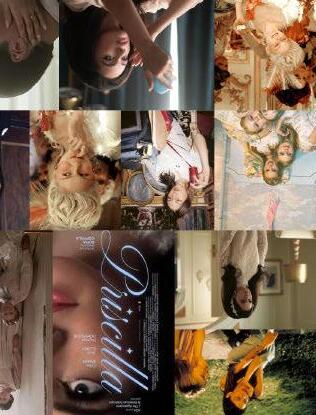
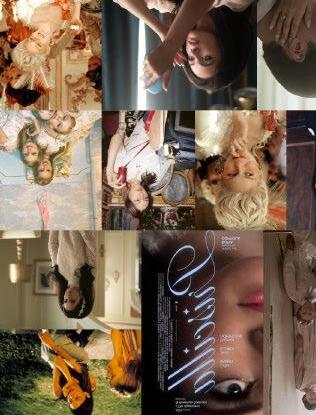
Her most recent film, Priscilla (2023), may be her most mature statement on fashion as identity. Once again collaborating with Battat, Coppola traces Priscilla Presley’s transformation from an Elvis-obsessed teenager into a woman discovering agency through self–presentation. The wardrobe evolves chronologically from baby-blue skirts and Peter Pan collars to sculpted mod dresses in muted tones. The meticulous beehive hair and pastel lipstick symbolize control in an environment that denies autonomy. By the final scene, when Priscilla leaves Graceland in a camel coat and black turtleneck, her simplicity reads as liberation.
The thread across Coppola’s filmography is emotional restraint expressed through precise visual detail. Whether it is a ribbon, a headband, or a crisp white blouse, these garments are outward signs of inner states. They have inspired entire aesthetic movements. The rise of “clean girl” minimalism, the coquette revival, and even the current obsession with “bedroom femininity”, floral bedding, slip dresses, and candlelit self–documentation, all borrow directly from Coppola’s cinematic mood. As The Washington Post’s fashion critic Rachel Tashjian observed, “Coppola taught us that style doesn’t have to shout. It can whisper and still change the room.”
Coppola’s influence endures because it feels lived–in rather than manufactured. Her women exist between fragility and composure, and their clothes capture that balance with care. In a culture obsessed with overstatement, she made restraint desirable.
WRITTEN BY SURINA RAMOUTAR
DESIGNED BY BELLA
JABBOUR
From the lace bedrooms of The Virgin Suicides to the pristine walls of Priscilla’s Graceland, Coppola’s world shows that dressing can be a form of authorship. To dress like a Coppola heroine is to understand that style is storytelling, that quietness can be strength, and that the most lasting kind of beauty is the kind that feels human. Her films remind us that fashion can hold emotion, and that sometimes the most radical act is choosing simplicity and meaning it.
How Gen Z is Recarving Identitiy in Jade
JAD
When my grandmother’s jade bangle cracked,weofferedtoreplace it with a new one, but she refused. She said the bangle had “learned her warmth” and that new jade would feel too cold. In Chinese superstition, jade breaks only to absorb misfortune and protect its wearer; my grandmother had worn that single circle of stone for as long as I can remember. After the fracture, she kept wearing it, the crack sealed with resin like a faint scar. Now, whenever I see jade reimagined by my generation, I think back to my grandmother’s bangle as proof that traditionscanalwaysfindnewlife.
The past few years have seen a jade revival. From runways to social media, the stone is being layered with vintage pendants and chunky silver chains, stacked alongside thrifted jade rings, or reimagined through customized heirloom pieces. In particular, Gen Z designers are reshaping the stone’s image: carving it into minimalist shapes, embedding
it into acrylic, and pairing it with unconventional metals. This revival is as much about aesthetics as identity. In reclaiming jade, young people are reinterpreting tradition on their own terms.
THEHISTORYOF JADE JEWELRY
Across continents and centuries, the story of jade is as old as civilization itself. With its misty translucence and cool weight, this stone has always been more than mere ornament.InancientChina, (jade)symbolizedtheharmonybetweenheavenandearth. Confucius wrote that jade embodied the virtues of integrity, wisdom, and courage. Emperors were entombed in jade burial suits stitched with gold thread to preserve their souls, while scholars hung pendants from their robes so they would sound “virtuous” as they moved. In Mesoamerica, the Olmec, Maya, and Aztec prized jade even above gold. They saw in its green translucence the promise of fertility, rain, and rebirth, carving it into ritual masks that bridged human
and divine. To the Māori of Aotearoa New Zealand, pounamu (“greenstone”) was a living ancestor, not owned as property, but safeguarded for the next generation. In VictorianEngland,jadefound itswayintomourningjewelry, valuedforitssupposedability to heal grief and protect the heart. Through every culture, jade has carried the weight of what people most valued. Today,forGenZ,itcarriessomething new: self–expression.
GEN Z's JADE REVIVAL
For much of the last century, jade was frozen in nostalgia: a staple on grandmothers’ wristsorhangingaroundaunties’ necks. But fashion, like culture, is cyclical. Now, jade is reemerging in the hands of a new generation that sees beautynotonlyinthestone’s surface, but in its story.
Though green remains the signature, the jade palette is far more expansive, and Gen Z is embracing its full range. Lavender jade, with its soft lilac hue, is associated with serenity and emotional balance. White jade symbolizes
purity and renewal, popular among minimalist fashion circles for its clean, moonlit translucence. Black jade, sleek and grounding, channels strength and confidence.
One of the most exciting developments in jade’s resurgence is how seamlessly it fitsintostreetwear.Jadependants dangle next to silver dog tags, small green beads are woven into Y2K-style bellychains,andjadehoopspeek out from behind oversized hoodies. Wellness culture has also embraced jade rollers and gua sha tools: once staples of Chinese medicine, they have become fixtures of modern self–care routines thatmergeancientritualwith contemporary ritualization.
Jade’s revival also reflects a deeper generational consciousness about sustainability. Durable enough to last centuries and often passed down from hand to hand, jade is inherently anti–fast–fashion. To wear jade is to inherit rather than consume. It reflects a shift in valuing continuity over novelty.
The stonethat’sbe
DESIGNERS REDEFINING JADE
For young designers, jade is becoming a canvas for contrast. Hong Kong designer Austy Lee, known for his psychedelic creations, combines jade with Art Deco geometry and kaleidoscopic patterns that celebrate both Eastern craftsmanship and Western modernism. At Tiffany & Co., Elsa Peretti’s minimalist jade pieces demonstrate the stone’s versatility, capable of being both soft and sculptural. Labels like DYNE by British-Italian designer Sarah Ysabel Narici take this a step further, transforming jade into modular, gender-fluid jewelry that is both atoncefuturisticandarchaic. Across each vision, it is clear that jade’s allure lies in reinvention, over and over again. Jade has lived many lives, but the essence of the stone remains the same: a symbol of what we choose to keep close. For Gen Z, that choice is deliberate. They are transforming jade into an expression of warmth, intention, and unapologetic individuality. This reclamation reflects
a broader cultural shift: Gen Z isn’t merely inheriting tradition but curating heritage, styling history, and remixing ritual into something unmistakably their own.
AD E
Written by Sophia Zhang
Designed by Yvan Do Phan
DIRECTED BY ALY KERRIGAN, GIULIANA ALLEVA, OLIVIA WENDEL, ROSHNI MISRA. MODELED BY ALLEN SUN, JOSHUA WANGIA, KYA NELSON, POLINA KHARCHYNA. STYLED BY KEVIN XU, NEHIR SUNAR, REMY LIPMAN. BEAUTY BY ELAINE PENG, HRISHITA MAREDDY, SIRI PAR. PHOTOGRAPHED BY NOEL PALOMINO DE LA TORRE, PHILIP DARTNELL.
HANDMADE IN PHILADELPHIA
There are countless reasons that a person begins to make jewelry. From religious purposes to creative expression, jewelry making can be the start of a new hobby or connecting with one’s culture. Maybe it starts because you have a natural talent for discovering and recognizing gemstones, like it did for Harry Winston. Or maybe, jewelry making can come from other industries, like watchmakingforCartieror a stationary store forTiffany and Co. Each of these beginnings, whether born from faith, craft, or curiosity, reveals how inspiration can transform into form and function, turning something abstract into something tangible.
Let’s take a look at 3 small businesses, all locally founded in Philadelphia, and dive into their approach of jewelry making.
In Philadelphia’s Fishtown neighborhood, Emily Chelsea Jewelry turns craftsmanship into identity. Emily had always had the desire to wear unique and good quality pieces that were made from ethically sourced materials. However, she struggled to find
The Stories Behind Three Jewelry Makers
anywhere that would sell what she wanted. So, Emily started this business as a small side project, which eventually grew into a space where clients can co–create engagement rings and fine jewelry that reflect their own stories. Each piece begins with precision design and ends with hand-finishing: blending modern technology withtraditionalartistry.Using 100% recycled metals and traceable gemstones, her studio rejects opaque sourcing and prioritizes transparency. For Emily, design is not only about beauty but about impact; each choice of material and method becomes part of a larger statement on sustainability, individuality, and conscious luxury.
While Emily Chelsea Jewelry emphasizes collaboration and individuality, J+I Jewelry reflects a more traditionalapproachtothe craftitself.Foundedin1999, self-taught metalsmith Ian Gibson and designer Jessica Rogal have spent over two decades perfecting the art of hand–forged jewelry. Their studio, filled with hammers and sanders, is where each piece is crafted from recycled sterling silver, Fairmined gold, and carefully select-
ed stones. Because of Ian’s background in geology, he has a strong passion for the materials used to make the jewelry.Whether it is the history, texture, or the origin of the stones, he is equally fascinated. The result is jewelry that feels timelessandofvalue.While both studios share a dedicationtosustainability,J+I’s work aims at the beauty of craftsmanship, transforming metals and earth-born gems into a new form.
Written by Elena Koulouris
Lastly,thereisL.PrioriJewelry,abrandthatcelebrates individuality through design. Their mission is to stand out in a crowd and express personality and creativity through the art of jewelry. Founder Lauren Priori has been devoted to jewelry making ever since she was a child, selling friendship bracelets at the middle–schoolplayground.
As an alum of the University of Pennsylvania’s Wharton School of Business, she left behind a career in finance and consulting to pursueherpassionforfine jewelry. After working for major corporations such as Tiffany & Co., she recognizedaneedforwomen to be more visible and empowered within the industry and set forth to establishL.PrioriJewelry,abrand built on authentici-ty, craftsmanship, and self–expression. Lauren Priori and her team specialize in creating custom engagementringsand redesigning heirloom pieces, offering a care-fully curatedselectionofunique jewelry. L. Priori is defined by their hand–selected, hand–crafted, and in–housedesignedjewelry,still withafocusonsustainability and ethical production.
Illustrated by Miya Moriuchi
Designed by Yvan Do Phan
In mass production, the same jewelry is replicated thousands of times, reflecting industry trends but stripping away the originality and personal style of the designer. It isn’t coolanymoretosee the same Enewton braceletorScandivv necklace every time you go out. If you saw a necklace from these three small studios, however, who still prioritize maintaining their personal style and mission over output, it mightfeelmore special. Each piece is carefully designed, shaped, and finished with the ut -most care, with all three of these small businesses also sourcing their materials either from recycled metals or from other ethical methods. Together, theyshowthatjewelrycan embody both personal and ethical value. In a market crowded with all the same trends, these designersremindusthattrueluxury lies in authenticity, story, and the human touch behind every creation.