By NEIL HARTNELL Tribune Business Editor nhartnell@tribunemedia.net
BAHAMIAN citizens and companies must brace for double-digit percentage hikes in the minimum fees charged for virtually all commercial and civil legal services with effect from New Year’s Day 2026 - a move sparking mixed opinions and divided reactions among attorneys themselves.
‘Happy medium’:
Maximum cheque value limits unveiled
• Central Bank proposes $10k cap on cheque payments
• And $1,000 upper restriction on over-the-counter cashing
• Regulator, banks opt against ‘big bang’ cheque phase-out
By NEIL HARTNELL Tribune Business Editor nhartnell@tribunemedia.net
PROPOSALS to impose maximum limits on the transaction value and over-the-counter cashing of cheques, which would take effect by year-end 2026 at latest, were yesterday described as part of a “happy medium” approach to eliminating this payment mechanism in The Bahamas.
The Central Bank, unveiling the launch of a swift public consultation that will close by end-January 2026, said itself and its Bahamian commercial bank licensees are proposing a $1,000 maximum limit on the value of a cheque that can be cashed over-the-counter at a financial institution. And they are also suggesting that the maximum value of a transaction that can be paid for by a cheque be limited to $10,000.
Both reforms, if they proceed, will take effect “no later” than December 31, 2026. This would mark a major cultural shift, especially for construction
workers and other professions accustomed to being paid by cheque and cashing it at a bank to obtain cash proceeds. Pay cheques worth more than $1,000 would, instead, have to be deposited under the new proposals.
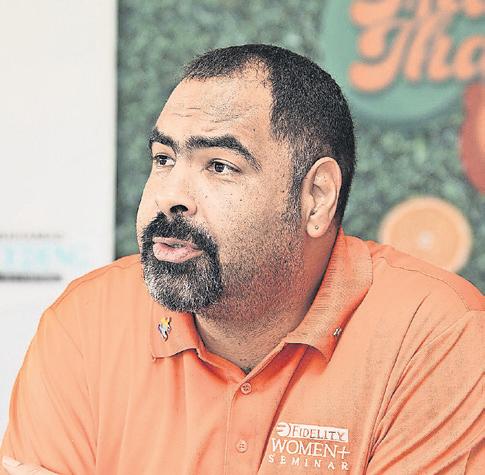
Gowon Bowe, Fidelity Bank (Bahamas) chief executive, who co-chairs the steering committee overseeing the cheques initiative alongside John Rolle, the Central Bank governor, told Tribune Business that the consultation marks the first step in a more measured approach that, in its initial phase, seeks to
Multiple senior attorneys, speaking on condition of anonymity, yesterday told Tribune Business that the Bahamas Bar Association’s December 3, 2025, memorandum setting out new minimum recommended rates for services such as real estate conveyances, wills, trusts, Immigration work permits and company incorporations has sparked questions over how the new charges were derived, whether there was due
consultation and if the new levies schedule itself is even legal.
The Bar Association, in unveiling the new rates, said they were designed to account for the impact of inflation since the last adjustment took place in November 2006 - almost two decades ago. It added that the latest revisions, which are set to take effect in just over three weeks’ time, also include new minimum per hour and per day rates specifically for King’s Counsels or KCs.
Disclosing that the new rates are based on research by an accounting firm, the Bar Association wrote: “The following [22] tables are prepared having regard to the memorandums from Oracle Business Partners, accountants, dated February 15, 2024, by which a review of the rates for counsel and attorney, set out in the November 2, 2006,
memo take into account inflation up to 2022.”
Explaining that data on Bahamian inflation for 2023 and 2024 had not been available when the review was conducted, the Association added in the memo obtained by Tribune Business: “In addition, having regard to local allowances, custom and practice, hourly rates for King's Counsel have been introduced. Kindly take notice that the effective commencement date is the first day of January 2026.”
The fee schedule detailed in the Bar Association’s memorandum sets a floor, or minimum fee scale, that Bahamian attorneys should charge but does not prevent them from levying higher rates. The concern, at least from a public perspective, is that lower and middle income Bahamians could be priced out of accessing
By NEIL HARTNELL Tribune Business Editor nhartnell@tribunemedia.net
A CABINET minis-
ter yesterday asserted “there is nothing phantom about anything involved” with the Government’s Renaissance at Carmichael housing project amid ongoing challenges by the Opposition’s leader over whether a $20m loan has “hit the ground at that land”.
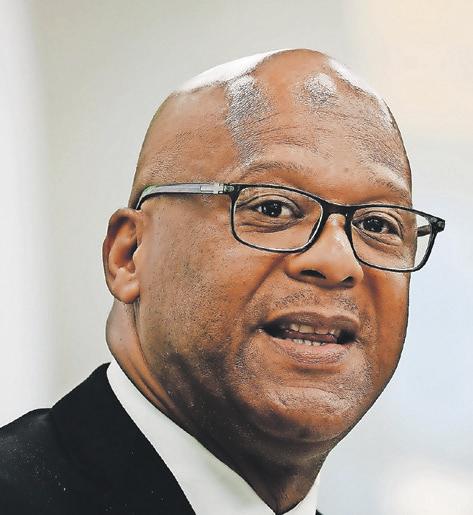
Keith Bell, minister of housing and urban renewal, vehemently rejected assertions by Michael Pintard, the Free National Movement (FNM) leader, that the special purpose vehicle (SPV) formed to oversee the development,
Carmichael Village Project Development Company, is a “phantom” entity that does not exist from a corporate perspective, Responding to Mr Pintard’s previous challenge for the Government to disclose why $20.2m in Bahamian taxpayer funds have been advanced to the SPV, the minister told the House of Assembly that it was formed in 2022 as a government-owned entity that was “legally incorporated, properly constituted and publicly disclosed”.
through the Government’s established systems, questioned in this House and answered in this House. Every contract, every expenditure and every stage of construction is traceable. Nothing was hidden, because nothing needed to be hidden. What some now describe as secrecy is, in fact, the result of disclosures made by this administration,” Mr Bell argued. Noting that the project’s roots lie with a 60-acre Crown grant that was executed by the last Ingraham administration in 2009, some 16 years ago, he added that there had been many promises but
“Its financial arrangements were reported
Vendors put out of business on market demolition delay
By ANNELIA NIXON Tribune Business Reporter anixon@tribunemedia.net
AT least two vendors at the Blue Hill Road Farmers Market have been forced out of work due to the 18-month delay in demolishing the site with a new date still to be announced.
Stephen Wilson, vice-president of a group of vendors who operate under the Farmer’s Market Association name, told Tribune Business yesterday the group backs the Government’s plan to demolish the market site and reconstruct it. However, they voiced concerns to the Ministry of Agriculture in a “cordial” meeting yesterday that this Christmas holiday is not the
proper time to begin the demolition process. Tribune Business understands demolition was set to begin yesterday, but Mr Wilson explained that, following the meeting, he is unsure how the Government will proceed. He has insisted that demolition and construction begin in the New Year after vendors benefit from the uptick in business they normally see during the Christmas season.
“So the market is really up on the move, but it has come to a point now that it really needs to be revamped, and the derelict structures that are there, a lot of them need to come down,” Mr Wilson said.
“But what our concern was, and what we were expressing to the ministry
Fly fishing chief renewing call for conservation fund
By ANNELIA NIXON
Business
THE Bahamas Fly Fishing Industry Association’s (BFFIA) president yesterday asserted that a conservation fund established by law was never truly implemented as he slammed the Government’s “lip service” in protecting and preserving the sector for Bahamians.
Prescott Smith told Tribune Business that the Fisheries Resources (Jurisdiction and Conservation) (Flats Fishing) regulations 2017 created a conservation fund that was to be funded by flats fishing licence fees and used for the management and protection of the flats and other fisheries resources.
“The conservation fund that was passed was never actually implemented,” he said. “And it needs to be implemented so that
resources go directly back into the industry to strengthen and further build capacity in the industry for education, and for conservation and education. That’s very critical.
“It was never established even though it was passed by law. It says 50 percent of the funds from the fishing licence fee should go into a conservation fund… It was never implemented. And it needs to be implemented.”
Mr Smith also reiterated his call for the
Government to declare the industry reserved exclusively for Bahamian participation. “Another thing is the Government cannot be shy about declaring this industry to be developed for and by Bahamians,” he added.
“And the reason I'm very adamant about this is from a conservation standpoint, because you cannot expect Bahamians to protect something if you're not prepared
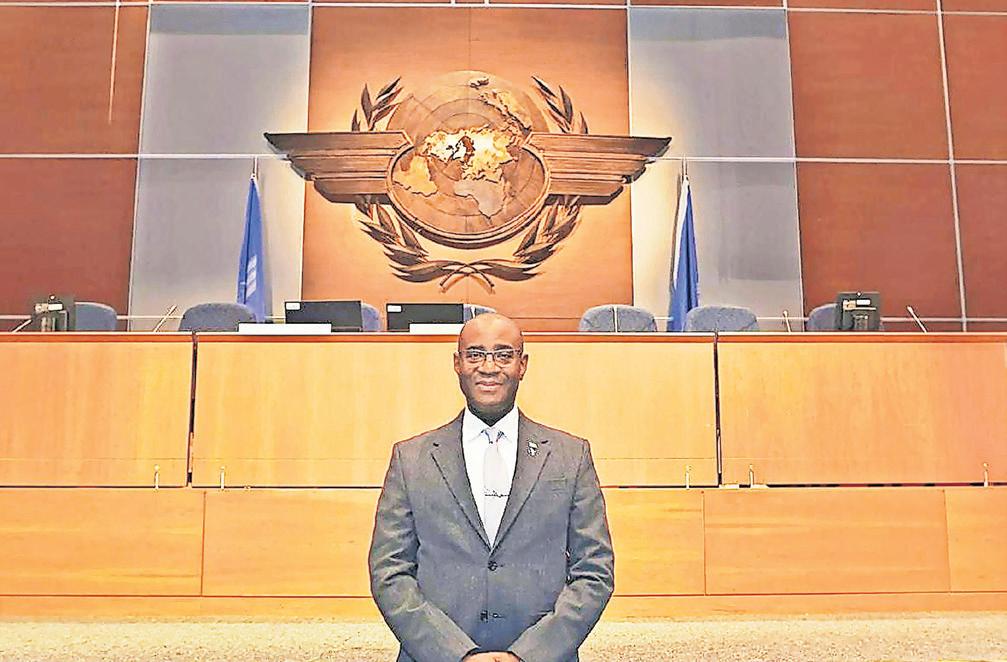
CHESTER Cooper, deputy prime minister and minister of tourism, investments and aviation, and Dr Kenneth Romer, director of aviation, visit ICAO’s global headquarters.
BAHAMAS AVIATION PLANS ALIGN WITH ICAO VISION
THE Bahamas’ aviation chief says this nation’s strategic plan for the industry aligns with the vision harboured by its global regulatory body.
Dr Kenneth Romer, director of aviation and deputy director-general of tourism, speaking as the world celebrated International Civil Aviation Day, said: “As a respected global leader in aviation and sustainability, The Bahamas’ National Aviation Strategic Plan is aligned with ICAO's vision by prioritising safer skies, championing sustainable and environmentally responsible solutions, exploring seamless travel, building strategic partnerships, advancing digital innovation and driving social and economic development.”
The International Civil Aviation Organisation (ICAO) has 193 member states including The Bahamas. During the 42nd Session of the ICAO Assembly, held in Montréal from September 23 to October 3, 2025, 32 resolutions were unanimously adopted to provide a mandate for change.
“ICAO's vision for this transformation is clear: Safer skies and a sustainable future for all.
Achieving this vision will depend on the choices we make together. Growth must include everyone. Innovation must accelerate. And responsibility for our environment must guide every step. Progress will follow from real partnership. Governments, industry and communities must find strength in common purpose”, said ICAO council president, Salvatore Sciacchitano.
The Bahamas, together with the United Nations and other countries, has also adopted ICAO’s long-term
strategic plan for 2050. This highlights the importance of aviation as an engine of global connectivity.
“The journey ahead calls for courage and creativity. It calls for governments and the United Nations to build new partnerships across aviation, energy, finance, technology and beyond. It calls for action that is ambitious, united and unwavering”, said ICAO secretary-general, Juan Carlos Salazar. December 7 was celebrated globally as International Civil Aviation Day, under the theme, ’Safe skies and a sustainable future for all’.
WATER CORP TANKERING SUPPLIES
AMID CENTRAL ELEUTHERA CUT-OFF
By ANNELIA NIXON Tribune Business Reporter anixon@tribunemedia.net
THE Water and Sewerage Corporation (WSC) yesterday said it will provide tanker water to Central Eleuthera customers whose supply has been cut-off amid repairs to a damaged line at the Naval Base reverse osmosis plant.
The state-owned utility, in a statement, said customers from Windermere
Island to Gregory Town had been impacted. “Our team completed interim repairs to a damaged water line at the Naval Base Plant on Sunday,” it added. “Due to the nature of the repair, a minimum of 24 to 48 hours is required before we can resume full operations. Consequently, we have been operating the system at reduced pressure since Sunday evening in an effort to protect the repair while keeping water flowing
Bahamas told: AI can unlock your potential
USING artificial intelligence (AI) responsibly
could be the critical link to unlocking The Bahamas’ potential, attendees at the largest-ever AI forum held in this nation were told.
Montino Roberts, founder and executive chairman of Proficient Business Services (PBS), told the PBS AI & Innovation Forum to consider how the technology could be used for good and to benefit The Bahamas.
The event, held last Thursday at the British Colonial hotel, saw speakers talk about AI and its implementation. Attendees included representatives from Bahamas Customs, the Royal Bahamas Police Force, the Royal Bahamas Defence Force, the Public Hospitals Authority and the Ministry of Finance, as well as private banks and businesses.
Among the speakers was Noelle Russell, a fivetime Microsoft AI MVP and part of the team that created Amazon’s Alexa. Organisers said the event was designed to kickstart the conversation on AI use in The Bahamas and the Caribbean in a bid to unlock the country’s potential - from the public service to major financial services providers.
Mr Roberts said: “AI is here, whether we embrace it or resist it, so it is important
to have the conversation about what it can do for us all, and how we should be using it.
“This forum saw many great voices talking not just about the technical aspects of AI but also the leadership that goes with it, the decisions that need to be made as you introduce it. Time and again, people reiterated that AI is something that can help your workforce, rather than replace it, giving your staff the tools to make their time count.”
Ricardo Parchment, a systems engineer at Fortinet, added: “The presenters were great and there were very thoughtful questions. AI is not a replacement; it is to reduce the busy work and allow people to focus on then improving things. The more you allow people to do meaningful work rather than filling various forms or simply doing repetitive tasks, the more you can make the most of their skills.”
Alessandro Major, from Sapodil, a Bahamian digital company, said: “I think AI is important because the life of our country is the small business community. AI can help people get more done with their day.
“AI can help businesses to see where the gains are. The Bahamas is placed in a way where we are very much exposed to AI on a daily basis. Most of us
to as many customers as possible.
“At this time, several issues are occurring simultaneously, including low storage levels and the need to manage system pressure while the repair continues to cure. These factors have caused some customers, particularly those in elevated areas, to experience periods of low pressure or no water supply.”
The Water & Sewerage Corporation said water pressure gradually
improved throughout Monday, and added: “Water tankering support is being provided to customers without water, and all requests are being addressed promptly.
“Barring no additional impediments, the system is expected to return to full operation by today [Tuesday]. Please note that, in an effort to fill our storage tanks, nightly conservation measures will continue throughout this week. Once storage levels are fully
WATER & SEWERAGE CORPORATION
restored, the repaired works will be revisited to complete a more permanent repair to strengthen the line and help prevent future interruptions.
Bahamas targets UK visitors via immersive 3D experience
THE Ministry of Tourism, Investments & Aviation (BMOTIA) yesterday announced a partnership to bring UK audiences directly to The Bahamas through the use of an immersive 3D out-ofhome (OOH) experience.
The ministry, in a statement, said The Bahamas is the first Caribbean destination to collaborate with Hypergram, a division of Disturbed Media, in using
3D technology to bring this nation’s natural beauty, culture and warmth to life in bold and visually striking formats.
It added that the move builds on the ministry’s successful participation at World Travel Market London, where a co-ordinated media and trade campaign highlighted The Bahamas’ 16 different islands in a bid to boost the destination’s profile.
UK audiences will now experience high-impact 3D HyperGraphic visuals featuring Bahamian landscapes, waters and vibrant marine life. An accompanying augmented reality (AR) component allows viewers to engage with Bahamian-inspired digital elements on their mobile devices, further elevating the destination’s presence. Chester Cooper, deputy prime minister and minister
of tourism, investments and aviation, said: “Bringing The Bahamas to life in this new format is incredibly exciting for us. Hypergram’s 3D technology gives people a taste of our islands’ energy and beauty in a fresh, engaging way.
“We are pushing beyond traditional marketing to meet travellers where they are, and this activation sends a powerful messageThe Bahamas is innovative, bold and ready to lead the region in redefining how destinations connect with global audiences.”
Latia Duncombe, the Bahamas’ director-general of tourism, added: “This partnership strengthens how we share The Bahamas with the world. By integrating immersive 3D technology into our global outreach, we are expanding the ways travellers can experience the depth and character of our islands before they arrive.
“It reflects our ongoing commitment to innovation, to elevating our visibility in priority markets, and to inspiring meaningful
“It must be highlighted that this recent interruption that occurred this past weekend is not related to any prior challenges.”
HEADQUARTERS travel, most of us import shipping. That is what is happening, bringing a lot of AI into our daily lives.”
His colleague, Gerrard Johnson, added: “AI can take that workload off you. You are taking something that can take 30 minutes, and that frees up your time to focus on something more meaningful.”
“In my field, I have had presentations from foreign companies,” said Enrique Rolle, of the Ministry of Finance’s national targeting centre. “It would be advantageous if we could get a local company to do these kind of things. The agricultural community, healthcare, I would see those areas benefiting from AI here in The Bahamas.”
Mr Roberts concluded:
“The response from people has been very strong. There is a real eagerness to learn how to make the most of AI. Many people are very early in their AI journey, and want to find the right way to use it, so events like these allow people to talk, exchange ideas and learn what is working for others –and what the fears are.
“This gave people a chance to connect and have that conversation, and I hope that conversation continues through the coming weeks and months. There is a real opportunity for The Bahamas to use AI to make the most of its potential, and I hope this can serve as a springboard to that.”
connections with all 16 island destinations.”
As part of the promotional activities, Superclubs Breezes has offered fivenight stays for two, including return flights, giving participants the opportunity to visit and experience The Bahamas first-hand. The ministry said the 3D activation aims to inspire travel to The Bahamas, spotlight the country’s 16 island destinations, and strengthen the nation’s visibility in one of its most important tourism markets.
MONTINO KNOWLES ON STAGE AT THE FORUM
KEYNOTE SPEAKER NOELLE RUSSELL
AUDIENCE MEMBERS AT THE AI AND INNOVATION FORUM
Multiple legal reforms to reduce cheque reliance
PAYMENT - from page B1
“significantly reduce cheque usage” in The Bahamas.
Central Bank data revealed that some $3.8bn worth of cheque transactions, numbering 823.1m, were processed in The Bahamas in 2024, although this represented a decline in volume and value by 14.5 percent and 1.9 percent, respectively. Yesterday’s consultation announcement comes after the Central Bank abandoned its original target of eliminating paper cheque use by year-end 2024.
It said this was because “a compelling fraction” of Bahamians need more time to adjust, and the initial timeline was “deferred” to be “reassessed” in 2026.
Mr Bowe yesterday said that while he and others preferred “the big bang” approach of eliminating cheque usage all at once, the committee had opted for a more phased approach to ease the transition for Bahamian consumers, businesses and the wider economy.
“I think there are slightly different views,” the Fidelity
Bank (Bahamas) chief revealed. “I think there is a consensus that there’s a benefit certainly to seeing a significant reduction in the usage of cheques.
“There are some, me included, who think that we should go with a big bang approach and eliminate them, but there are others who have reservations in terms of the adaptation of general society and, with a total elimination, is it going to be appropriate and cause more damage to the economy than the benefit of future digital payments?
“This is why you’re seeing a phased approach. It’s the happy medium. There’s a consensus that it [cheque usage] needs to be significantly reduced.” Mr Bowe acknowledged that Bahamian businesses and citizens need to be further educated on the benefits and advantages of using digital payments, and reassured about any concerns they have over costs, functionality and security.
He added that, to achieve this, it was critical that digital payments and their associated technology and
infrastructure not be treated
“as a profit centre” so that Bahamians realise this mechanism “doesn’t put you at a disadvantage compared to using cheques”. Asserting that the efficiency and convenience of digital payments will grow once the cost aspect is “rationalised”, Mr Bowe said: “If persons think about the real cost of using cheques, with fraud and persons stealing through that mechanism, it’s probably a lot less than digital mechanisms, which have an audit trail and are based on higher efficiency than cheques.
“But we have to convey that so the average citizen, if they see that, will realise it’s reality and not a sales pitch. The national strategy is to not have this as a combative approach. We’ve had some policymakers take the uninformed position that this is negative for the economy, but we have to give respect to their representations and they are in contact with persons on the ground. The phased approach achieves the same objective; just at a slower pace.”
The Central Bank, in its consultation document, said it is also proposing reforms to multiple Bahamian laws that would “remove references to cheques as a mandatory or singular form of payment,
and replace them with flex-
ible, technology-neutral payment provisions” to give persons options as to which method they prefer. The Bills of Exchange Act and Payment Systems Act would also be amended to “phase out statutory treatment of cheques and accommodate substituted digital payment instruments”.
Among the laws that would have to be amended to give effect to these proposals are the Employment Act, Supreme Court Act, Partnership Limited Liability Act, Hotel regulations, Public Trustee Rules, Buildings Regulation Rules, Friendly Societies Act and Parliamentary Elections Act “to modernise payment provisions and enable future innovation”.
The Central Bank, recalling its path to payments system modernisation and the issue of cheque usage, said: “In 2022, the Central Bank engaged an external legal consultant for advice on the implementation of its cheque elimination project. The objective was to effect the elimination of the use of cheques in The Bahamas.
“Subsequently, the Central Bank formed a steering committee of key stakeholders to guide consultation on the process. This led to a revised objective, focused on
encouraging a reduction in cheque usage, and deferred timeline of December 2025 when the Bank intended to revisit its policy concerning cheque usage. “The consultants conducted an analysis of the legal, policy and socio-economic framework impacting the use of cheques in The Bahamas. They reviewed Bahamian legislation and practices governing cheques and negotiable instruments, and also considered the approach taken in several comparable jurisdictions that have implemented legislative frameworks to facilitate the elimination of cheques,” the Central Bank added.
“These jurisdictions included South Africa, Namibia, Canada, New Zealand, the United Kingdom and Barbados. Based on the findings, several recommendations were made for legislative and policy changes required to effect a phased approach to the discontinuance of cheques and to implement substituted forms of payment.”
Besides imposing a maximum limit on the transactions a single cheque can pay for, and for overthe-counter cashing, as a means to “positively contribute towards incentivising reduces use of
cheques”, the recommendations also call for greater education of customers by Bahamian commercial banks and the proposed legislative amendments.
“The Central Bank was advised that in order to fully support the validity of its supervised financial institutions’ approach to discontinuing cheque services - not only the provision of, but the processing and payment of cheques - it would be necessary to amend and/ or repeal certain legislative provisions which give legal recognition to the cheque as a negotiable instrument, and which mandate it as a singular mandatory form of payment,” the Central Bank added.
Mr Bowe yesterday acknowledged that “there’s always resistance to change”, which often stems from the need for more education, but he added that the experience with both VAT’s arrival and elimination of the one-cent coin showed persons often “under-estimate” the ability and speed at which Bahamian businesses can adapt.
“The objective is to be more open-minded to discontinue cheque usage, but not to do it as a force-feeding exercise and use education,” he added.
to give them full ownership in it, so then they protect it for themselves and their children, future generations. So it doesn’t mean that you can’t have partnership externally with persons in the industry, but the industry should be developed by Bahamians.
“Most of The Bahamas’ resources and its wealth is in 85 percent of the country, which is the marine environment. So advocating for Bahamian ownership to develop this industry, it doesn’t mean that you are excluding foreign partnerships in terms of how the industry is connected to the
companies that own the rods, the reels. They’re still benefiting. But if they come in here and build all the lodges and bring in foreign guys, then what are you going to say? What are the roles for Bahamians to play? And so that’s the issue.”
Mr Smith pointed to the minister of foreign affairs, Fred Mitchell, who spoke out when the Progressive Liberal Party (PLP) was in opposition. Mr Mitchell, in a video posted years, back stated that if voted in, the PLP would reinstate legislation that protected the flat fishing industry.
“This is what he [Mr Mitchell] said in Opposition,” Mr Smith said. “He
said this government, and he was speaking to the FNM administration, saying that they caved to foreign interests, and that they feel that the industry should be reserved for Bahamians. So he said that while he’s in Opposition, but he has said nothing about it while he now is the minister and the [party] chairman.” Mr Mitchell declined to comment when contacted by Tribune Business.
Mr Smith also said exemption is needed for certified guides to expand the industry, create additional revenue for The Bahamas and generate a higher level of service when it comes to the standard of equipment and safety for the guides and anglers.
“When I state certified guides, it means then that all guides will be forced to become compliant, because they know that in order to
benefit if I want to bring in a new truck or a jeep or this or that, I need to be certified,” he added. “That, within itself, means that National Insurance, captain’s licence, boat registration, all of these things. It also means additional revenue for the Government. But you’re talking about expanding the fishery. It means more foreign exchange coming into the economy.”
Mr Smith also called for more regulation for conservation purposes “because there are some islands that cannot afford to have people just walking out on the flats and fishing”.
“If a bonefish five pounds, it’s going to take six to seven years to get that size. So if you got a school of 100 bonefish, and let’s say you have two anglers come through catching 20 bonefish at that school, half of them get eaten by sharks, then the next angler come and does the same thing. You could destroy that whole fishery in in a couple months or a month just by doing that,” Mr Smith argued.
“Also, there are certain flats that you should not be walking on. Some of them have coral on the bottom.
And so professional guides know that there are some areas where you pull a boat, some areas where you walk.
“And then even, safety of the angler as far as sharks,” Mr Smith said. “So sometimes you have sharks come on the flat a certain size at a low tide. But you could have a 10, 15-foot shark come on the same flats on a rising tide.
“And if an angler out there who don’t even know because they come from England, Germany, they’re so excited. And you can have people getting killed here on these flats because they’re out there, waist deep in water, landing a bonefish, bleeding. And once the shark come in, that’s it. Then your country ends up with a bad reputation.”
Mr Smith said regulation and proper zoning can help avoid overfishing, noting that islands such as Acklins, Eleuthera, Exuma and Long Island “are being hammered.”
“It’s a growing issue throughout the country,” Mr Smith said. “And then many anglers are not even buying a fishing licence. And then you have, in violation of the legislation, you have foreign
guides coming in and running fishing operations in The Bahamas from Inagua to Mayaguana to Acklins, fishing on the west coast of Andros. These are the issues that we’re currently facing.
“You need to have zoning where people can go and do it yourself, but the fishing licence fees for persons to do-it-yourself should be increased dramatically. And a proper zoning is required from a conservation standpoint because it’s not fair for guides who have anglers who are paying with a guide,” he added.
“They go to fish in a particular area and then you meet eight and ten do-it -yourself anglers on those same flats. I mean, how does it look to the angler who’s paying a guide at the end of the day? So you’re impacting the overall industry. That angler is saying, ‘Why the hell do I need to pay a guide when you get people just walking all over the very flats that they come to fish on?”
Mr Smith also reiterated that the warden programme needs to be expanded to include the flats.
Attorneys query if Bar minimum levies legal
critical legal advice when it comes to their likely biggest investment, buying a home, and in areas such as estate planning.
As an example, while attorney fees on residential real estate transactions are typically equal to 2.5 percent of the purchase price, the Bar Association memorandum sets out significant increases. For property conveyances of “unregistered land”, the fee is doubled to 5 percent of the purchase price, while for “registered land” it is being raised to 3.5 percent - the references to “registered” land likely linking to the Government’s recent land reforms.
Elsewhere, the Bar Association’s updated minimum fees raise the cost of drawing a will or codicil by almost 73 percent - from $202.40 in 2006 to $350 with effect from New Year’s Day 2026. And the minimum charge for administering someone’s estate, including resealing, is rising almost 40 percent - from $607.30 to the new $850 - where the gross value involved is $100,000 or less.
The minimum fees for satisfying a mortgage or debenture are to increase from $151.80 in 2006 to $250, a 64.7 percent jump, while those for the release of a mortgage or conveyance are to rise by 42 percent from $404.90 to $575. Fees for preparing affidavits are also rising, from $101.20 to $150, while
those for power of attorney are set to rise by almost $100 - from $303.70 to $400. As for Immigration matters, the minimum fees will rise across all permit and residency categories. As examples, the levy for work permit applications will from New Year’s Day be set at $1,125 compared to the prevailing $809.80, while the charge for permanent residency and citizenship applications is set to rise by $450 - going from the $1.124.70 set in 2006 to the new $1,675.
As for the recommended rates for per hour billing by attorneys, those for counsel with up to three years standing are to increase by between 76.4 percent and 94 percent - rising from $141.70 to between $250$275 per hour. For attorneys with more than 20 years’ standing, these per hour fees will rise by between 48.2 percent and 77.8 percent - jumping from $506.10 to between $750 to $900. And, on a daily or per diem basis, the rates for attorneys with up to three years’ standing at the Bar are set to double through increasing from the present recommended minimum of $1,012.20 to between $2,000-$2,200 - a rise of between 97.5 percent to 117.3 percent. For attorneys with more than 20 years’ standing, their daily recommended minimum rate is to rise by between 48.2 percent and 77.8 percent, surging from $4,048.90 to
Pintard: Minister address raises ‘additional concern’
CONSTRUCTION - from page B1
precious little action to develop the long-pledged 303-home community by the Government until the after the Davis administration was elected to office in September 2021.
“In 2022, the Government publicly disclosed that the continued development of the Carmichael subdivision would be overseen through a wholly government-owned company called the Carmichael Village Project Development Company, incorporated on March 18, 2022. The company exists. It was properly constituted. It was created for one purpose only: To oversee the delivery of homes for Bahamian families,” Mr Bell said.
“This House was further advised that the entity would secure project financing in the amount of $20m, and this administration answered multiple questions on the company and
its financing structure. With a proper, efficient, structure in place, the project finally moved forward.
“In July 2023, over a decade after this project was announced, the first completed homes were delivered to Bahamian families. Additional homes have since been completed, and more are under active construction today,” the minister added.
“The company is real. The homes are real. The families living in those homes are real. The dozens of contractors working on the site are real. After a decade of promises, the project has come to fruition – it is real progress for real Bahamians.”
Mr Bell said some 65 homes have been constructed in Renaissance at Carmichael, while 35 more are underway and work on two 24-unit condominium buildings at the same location is scheduled for completion by June 2026.
$6,000-$7,000 come New Year’s Day. Corporate Bahamas, too, will not be immune. Minimum company incorporation fees are to increase by 38.9 percent to $2.250, with the cost of obtaining a bank and trust company licence set to rise 38.3 percent to $14,000 as opposed to the present $10,122.40. Obtaining an Insurance Act licence, including company incorporation, will result in minimum legal fees rising from $8,097.90 to $11,250.
Multiple Tribune Business sources said the legal profession’s reaction to the new minimum recommended fees has been mixed. “There has been quite a lot of feedback. Some attorneys are in favour, some are against. There’s various What’s App messages going around among attorneys,” one contact, speaking on condition of anonymity, told this newspaper. The initial minimum recommended legal fees were released in 1984, and only adjusted for the first time in 2006 to account for inflation during those 22 intervening years. The latest missive by the Bar Association thus marks only the second time these have been changed in four decades - some 41 years - and will likely come as an unexpected and unpleasant shock to some clients.
However, some attorneys yesterday questioned how the new fees have been calculated, and argued that cross-border comparisons with other jurisdictions should have been taken into account as well as inflation so as to maintain The Bahamas’ competitiveness
He added that the Carmichael Village Project Development Company’s Board consists of senior civil servants. However, Mr Pintard told Tribune Business that Mr Bell’s address had “absolutely not” satisfied the Opposition as it failed to deal with most of the questions he had set out in two recent letters to Prime Minister Philip Davis KC. Asserting that the minister’s presentation has “raised additional concerns”, he argued that Mr Bell had “side stepped” the issues. The minister yesterday signalled that the $20.2m advanced to Carmichael Village Project Development Company by the Government in two separate tranches, one for $10m and the other for $10.2m, was intended to enable it to repay a $20m loan previously taken out to finance the subdivision’s launch. It will itself repay the Government from the proceeds of home sales at Renaissance at Carmichael. Tribune Business records show that, in summer 2022, some $20m was secured
as an international financial centre (IFC). Some even asserted that they had been blindsided by the Bar Association announcement, and queried whether there had been any consultation.
And questions were even raised over whether the minimum recommended fee schedule released by the Bar Association is legal.
At least two senior attorneys pointed to the Legal Profession Act’s section 28, which seems to prohibit this by saying: “Nothing in this Act shall be construed as, or have the effect, of authorising the imposition or sanction by the Bar Association or Bar Council of a minimum scale of fees for services rendered by a counsel or attorney.”
One leading attorney added: “One of the points is that I think there’s a provision in the Legal Profession Act that actually makes it unlawful to prescribe minimum fees. These are minimum and have been prescribed as guidance. I’m not sure whether, as a matter of interpretation, what they’ve done affects the provisions of the statute.
“There is a conversation among various members of the Bar over the process that went into updating the minimum recommended fees and rates, how it was done and what are the adjustments actually based on. Typically, if you are going to do this, one expects the reasons for the adjustments to be more clearly explained to practitioners and the public.
“These guidelines, to the extent they are relied on by practitioners to charge the public, if it extends beyond the reach of the profession,
from Jamaican finance house, Proven Wealth Ltd, to finance the 365-lot Renaissance at Carmichael subdivision with the transactions arranged through Bahamas-based alternative financing provider, Simplified Lending. However, the financing was dogged by controversy over three years ago, after then-housing minister, Jobeth Coleby-Davis, told the House of Assembly “there is no agreement with Simplified Lending and Proven Wealth Management” from the Government’s perspective. This was just weeks after the deal was hailed with great fanfare at a press conference featuring both the Prime Minister and Mrs Coleby-Davis, who said it will set “a new standard” for housing public-private partnerships (PPPs). Both Proven and Simplified Lending representatives were present. At the time, Mrs Coleby-Davis said in written House of Assembly answers that the $20m loan proceeds had yet to be received and disbursed, with the monies
then the public deserves to be engaged in this process. Transparency and rational principles apply to explain why this is needed.”
Another senior attorney said the newly-recommended 5 percent and 3.5 percent fees for real estate conveyances represented a legal profession dream rather than reality. “It’s a joke,” they charged. “There’s no sense getting excited by that. We can’t get more than 2 percent now on real estate. It’s wonderful, but we’re not going to get it. We can only get what the market can bear.
“We’ll never get 3.5 percent for conveyancing. We’re not getting 2.5 percent now. We’re only getting 2 percent at best.”
One senior attorney, echoing similar sentiments, said the profession’s present real estate conveyancing fee charges start at 2.5 percent of the purchase price and then “go down on a sliding scale as the price goes up to 1 percent”.
They added that some attorneys were seeking a higher percentage to bring them into line with the 6 percent commission earned by Bahamian realtors on property sales, which increases to 10 percent for the latter if it is vacant land, but warned: “It’s going to make it so expensive for someone to buy a property. Are realtors going to lower their fees?
“At the KC level it’s under heavy discussion. There’s not a whole lot in favour of it. No one knows where this came from and, quite frankly, some people are astonished. I don’t think it was discussed ever. I think the sole practitioners are for
set to finance the development and build-out of the 70-acre site set to feature 200 homes in the first phase at Renaissance at Carmichael.
Mr Pintard yesterday queried the rush and need to pay the initial $20m loan in full, arguing that the extent of Renaissance at Carmichael’s development and current work suggested that the full sum advanced has not been invested on the ground in the project.
“He ought to say what happened to the $20m loaned. We have not seen the purpose for that loan, and on what basis did the Government step in to provide the $20m. What precipitated that?” the Opposition leader argued. “What specifically happened to those funds, who received them and how was it disbursed? I know that the quantity surveyor quit that job.
That’s why I feel I can say that not all that money has been on the ground. I went in there, took pictures, spoke to several work crews. Some were working on the condos, others individual structures. There was not one Bahamian worker working on that job; not one. The question we raised from the beginning was: If a quantity surveyor did an assessment of that property how many of those properties were constructed with the $20m loan?”
it, but we should have comparisons with rates for the big firms against Cayman and other jurisdictions. What are the rates in the market? The market sets the rates. It’s a free market.
“These [the minimum fees] are really a guide for taxation. When you win a case, the court has some guide as to what people can claim on their bill of costs. It does need to be resolved. The question is: Are the figures too high? They seem high compared to other jurisdictions.”
One attorney, speaking in favour of the revised fees, said there had been “numerous meetings” about them at the Bar Council. “I think it’s needed,” they said. ”Litigators need it because when they go to court they are faced with the courts using that scale as a reference [for cost awards].
“For property attorneys, when you talk to them privately, they are complaining that realtors take 6-10 percent for doing nothing. Secretly, they are happy…. This is a way for the Bar to attempt to regulate itself given the criticism we’ve run into with compliance on real estate and the cost issue with taxation on bills. We can’t be the ones doing the compliance and not getting paid.
“It’s going to be interesting. Change is necessary. When you compare it [the new fee schedule] to other jurisdictions it’s not that bad. I remember looking at a bill from someone in Cayman a few years ago. I was at $400-$500, and the one from Cayman was charging $800. It was double.”
Mr Pintard had previously made similar assertions in the House of Assembly, questioning whether a quantity surveyor can “find $20m or $10m” spent on that site and alleging that the Government is “repaying a loan that has not hit the ground at that land”. He yesterday described the minster’s address as “a red herring”, and asked the Government to confirm whether construction contracts for Renaissance at Carmichael were awarded via competitive bidding; identify the main contractor and sub-contractors; and name the directors for the Carmichael Village SPV.
Mr Bell, meanwhile, said the Government remains committed to tackling The Bahamas’ affordable housing shortage. “For decades, every serious assessment has concluded that The Bahamas has not been building enough homes to meet the needs of our people. A 1984 national study found that New Providence required more than 1,700 new homes each year,” he added.
“By 2016, the Inter-American Development Bank (IDB) in its report, “The state of social housing in six Caribbean countries’, indicated that 3,600 new homes or housing repairs would be needed annually in The Bahamas. Yet between 2012 and 2020, construction levels consistently fell short by more than 2,000 homes each year. This is the deficit this administration has been working to close and Carmichael Village is one of the clearest examples of that progress.”
Notice is hereby given that in accordance with Section 138(4) of the International Business Companies Act. 2000, INDORAMA GROUP INVESTMENTS LIMITED is in dissolution as of December 2, 2025.
International Liquidator Services Ltd. situated at 3rd Floor Whitfield Tower, 4792 Coney Drive, Belize City, Belize is the Liquidator.
this morning is that, yes, we want these structures to come down. It should have been done 18 months ago, because we have persons who were waiting for this to be begin but it didn’t happen until until now.
“So the ministry had intended to carry out this demolition process now. We’re saying to the ministry wait until January when the period gets slower, and persons would have already made their Christmas money with persons coming in to purchase. [And] they’ll be able to come in and freely purchase their fish [and] food supplies without any interruption from the debris and stuff that’s happening during the daytime with the demolition going on,” he added.
“People come from all over. People come from the Family Islands to the farmers’ market to buy fish.
People come from all over - eastern district, western district, right to the farmers market. They don’t want to have go to the hassle of going to Potter’s Cay and to Montague. They prefer to come right there to the market, sit down, have a nice cold beer at one of the restaurants, while their fish is being cleaned or get something to eat from one of our local restaurants or takeaways.”
Mr Wilson said following the meeting he understands that demolition of the site, where seafood is sold and restaurants and takeaway shacks have been established, will occur mostly during the night. However, he added that those market vendors who run restaurants and takeaways must be considered because they depend on the night life for sales.
“But again, we’re not only looking at the fish vendors,” Mr Wilson said. “We’re looking at if you have restaurants and bars as well. And they depend on the night time to do this kind of thing. And so we are really asking the Government to just hold back for us until the New Year starts but, be that as it may, they will make a decision and we’ll just have to work against those decisions that are made.”
According to Mr Wilson, the demolition was initially set for 18 months ago, and at least two vendors shut down their operations around that time in preparation but it never happened. Leaving the meeting with the Ministry of Agriculture, Mr Wilson still questions the timeline of the break down and construction.
“It was supposed to happen from last year June,” he said. “I have members who would have closed up their shops and who would have stopped
NOTICE
NOTICE is hereby given that CAMERON JAMES MARKHAM of P.O. Box N-7805, #7 Neco Cottage, Ruby Avenue, Cable Beach, New Providence, Bahamas is applying to the Minister responsible for Nationality and Citizenship, for registration/ naturalization as a citizen of The Bahamas, and that any person who knows any reason why registration/naturalization should not be granted, should send a written and signed statement of the facts within twenty-eight days from the 9th day of December, 2025 to the Minister responsible for nationality and Citizenship, P.O. Box N-7147, Nassau, Bahamas.
renovating because they wanted to see this process happen and happen fast.
“But there’s been such a long delay in the process, there are persons in the market that don’t know exactly what they’re going to do - how they’re going to be able to support and feed their families. So when we talk about demolition, when are we going to rebuild? These are all questions that need to be answered.
“We still feel that more needs to be done in terms of when is it going to happen, and how long it’s going to take, and when is the rebuilding process going to start and so on, so that members can can go back into their businesses as soon as possible. Like I said, we have members out there who have been out of work now for 14 months - at least two members. There’s two members who who’ve lost income for almost 18 months,” Mr Wilson added.
“They were waiting for the demolition to take place and the reconstruction to start. And I would have presented a letter to the Government outlining our concerns on the way forward, which we believe can work out smoothly. We can have the demolition process going on and have the reconstruction being carried out at the same time. We’re working with the Government, and we hope that they’ll work with us to really make this as smooth a transition as possible. But at the moment it’s rough.”
Mr Wilson said he has sought compensation for
his own takeaway business within the market, which has shut down since last week due to his electricity being shut off without his consent in preparation for the demolition. However, he said he has received a “favourable response” from
NOTICE
NOTICE is hereby given that BENGIE PETIT-HOMME of Fox Hill, Armbrister Street, New Providence, The Bahamas, is applying to the Minister responsible for Nationality and Citizenship, for Registration/ Naturalization as a citizen of The Bahamas, and that any person who knows any reason why registration/naturalization should not be granted, should send a written and signed statement of the facts within twenty-eight days from the 9th day of December 2025 to the Minister responsible for nationality and Citizenship, P.O. Box N-7147, Nassau, New Providence, The Bahamas.
the ministry’s permanent secretary, Neil Campbell.
“For me, my building, they had a meeting in the Farmers Market last week Thursday. I was not present. Right after the meeting, my electricity was disconnected. Someone come from BPL (Bahamas Power & Light) and took the meter box out,” he added.
“What I’m saying to the ministry is that I need to be compensated because somebody went in there and disconnected my electricity, pick up my meter box. BPL management is saying to me that they have nothing to do with it. I’m out of business right now. So I’ve gotten a favourable response from the permanent secretary that they will deal with the matter as far as my loss is concerned.
“Their management team, somebody from the management team, they decide they can just go in there and dismantle my meter box and my electricity without even getting permission from BPL or myself to do so. My shop is being operated on a daily basis. You can’t just come and break down my stuff like that,” Mr Wilson added.
“I just need to now say to them exactly what my loss would have entailed over the past week as a result, and then see if other person who would have been out for several months, more than a year, to see if any compensation can be had for them.”
Tribune Business was unable to reach Mr Campbell for comment.
NOTICE is hereby given that JEAN REMY PIERRE of Minnie Street, New Providence, Bahamas is applying to the Minister responsible for Nationality and Citizenship, for registration/ naturalization as a citizen of The Bahamas, and that any person who knows any reason why registration/naturalization should not be granted, should send a written and signed statement of the facts within twenty-eight days from the 2nd day of December, 2025 to the Minister responsible for nationality and Citizenship, P.O. Box N-7147, Nassau, Bahamas.
NOTICE is hereby given that RONICK HENRY of P.O. Box N-7060 #28 Karl Road, New Providence, Bahamas is applying to the Minister responsible for Nationality and Citizenship, for Registration/ Naturalization as a citizen of The Bahamas, and that any person who knows any reason why registration/naturalization should not be granted, should send a written and signed statement of the facts within twenty-eight days from the 2nd day of December 2025 to the Minister responsible for nationality and Citizenship, P.O. Box N-7147, Nassau, New Providence, The Bahamas.
Photos:NIKIA CHARLTON/Tribune Staff
JUDGE PARKER
BLONDIE
TIGER
CALVIN & HOBBES
DENNIS THE MENACE
Hundreds turn-out for Junkanoo Jingle to Bay 5k
By JEFFARAH GIBSON Tribune Features Writer jgibson@tribunemedia.net
HUNDREDS of Santas flooded Bay Street on Saturday morning as Junkanoo Jingle to Bay 5K returned with a vibrant burst of holiday cheer, drawing families, fitness groups, corporate teams, and tourists for one of the most spirited races of the season. The event, now in its third year, once again blended culture, community, and Christmas magic - this time rallying support for a cause close to the hearts of many Bahamians.
This year’s race benefited The Blue Rose Foundation, a nonprofit organisation supporting adolescent leukemia survivors and offering music scholarships in honour of the late Minerva Kemp. Organisers said the partnership added deeper purpose to the festivities, reminding participants that their steps were contributing to the wellbeing of children navigating serious health challenges.
The turnout as “uplifting and inspiring,” noting that the crowd surpassed expectations.
The race began promptly at 6am, with a sea of red Santa suits heading down historic Bay Street to the rhythms of Junkanoo. Families and children, many experiencing their first official 5K, revelled in the lively environment. Adults embraced the fun just as eagerly, posing for photos soaking up the community spirit that has quickly become synonymous with the event.
Organisers said the race’s growth is a testament to the power of combining fitness, culture and philanthropy.
The Santa Village, located near the start and finish line, was also a
THERE are so many great things about fall and winter - changing leaves, pumpkin patches, Christmas decorations and family gatherings. But as the weather starts to turn cold and dreary, you may experience the winter blues. To help combat those feeling, try eating certain foods known to help boost your mood.
“The foods we eat not only affect our mood, but our sleep patterns and our energy levels,” says Cleveland Clinic, OH, psychologist Susan Albers, PsyD. “And that can impact us throughout the entire day.”
Studies have found that the change in seasons often leads to an increase in emotional eating, says Dr. Albers.
“In this study, individuals who feel blue during the winter and fall months, due to the short days, experience an increase in snacking, craving starchy foods and sugary foods, as well as eating more in the evenings,” she says.
Foods to avoid or cut down on during the winter months are sugar, alcohol, starchy foods, and processed foods.
Foods sweetened with sugar like soda and cookies, as well as flour-based foods like bread, crackers and baked goods might give you a quick energy boost, but their low nutritional value could leave you with low energy and in a down mood later on.
“If you’re someone who loves salty snacks, swap out the chips for spicy roasted chickpeas,” says Dr. Albers. “Not only are those going to give you a great crunch, but they also give you a great boost of nutrients.”
There are plenty of foods that affect your mood in a positive way. Ease into it and you’ll see rewards.
major attraction, transformed into a festive hub with local vendors, corporate partners, and activity stations for children. Organisers continued their practice of prioritising Bahamian creatives and businesses, offering them a platform to showcase products to both locals and visitors.
This year’s title sponsor, JS Steel and Supply, played a key role, along with longstanding partners including Caribbean Bottling
The connection between food and your mood
Company, Radio House Outreach, Guardian Radio, Alectronic Media, The Counsellors Limited, Doctors Hospital, Thompson Trading, Nassau Agency Limited, BWA, Bahamas Waste, and Health Wise.
Organisers expressed deep gratitude to each partner, emphasising that the event’s success is rooted in broad community support.
Part proceeds from the race will be donated to The Blue Rose Foundation for the organisation to allocate toward its highest-priority needs. Organisers said they hope the visibility generated through the event will further strengthen awareness of the foundation’s mission and encourage continued public support. Looking ahead the team remains focused on expanding Junkanoo Jingle to Bay into the premier sports-tourism holiday race in The Bahamas. With growing momentum, strong participation, and increasing interest from visitors, organisers believe the event is well-positioned for long-term national and regional appeal.
“The foods we eat not only affect our mood, but our sleep patterns and our energy levels,” says Cleveland Clinic, OH, psychologist Susan Albers, PsyD. “And that can impact us throughout the entire day.”
Studies have found that the change in seasons often leads to an increase in emotional eating, says Dr Albers.
Oranges, mangoes, lemons, kiwi, broccoli, bell peppers and strawberries are great options if you’re hoping to increase your vitamin C intake. Vitamin C can help with anxiety, Alzheimer’s disease and depression.
Get your protein fill with foods like beef, chicken, turkey and eggs.
Work in foods rich in vitamin D like red meat, but try to limit to less than 6 ounces per week, mushrooms, egg yolks, tuna, salmon and sardines. You should also look for items fortified in vitamin D like milk, yogurt and cereal.
“During the winter months, people who have more emotional eating have been shown to have lower levels of vitamin D, which is associated with more anxiety and depression,” says Dr Albers.
Oranges, mangoes, lemons, kiwi, broccoli, bell peppers and strawberries are great options if you’re hoping to increase your vitamin C intake. Vitamin C can help with anxiety, Alzheimer’s disease and depression.
“One of the best things you can do to help your immune system and to boost your mood is to add foods that are high in vitamin C,” says Dr Albers. Get your protein fill with foods like beef, chicken, turkey and eggs.
“Those foods are linked to higher levels of dopamine and norepinephrine, which are brain chemicals that play an important role in our mood, our motivation and our concentration,” says Dr Albers.
If you are vegan or vegetarian, you can opt for chickpeas, lentils or tofu to get that much-needed protein fix.
With comfort-food-laden holiday menus in your future, try subbing out white potatoes for sweet potatoes,
“Too often we focus on removing or subtracting foods from our diet,” says Dr Albers. “Think about additions, trying to add one food a day. Make it a goal to add one of these foods a day and over time, you’re going to see an improvement in your mood.”
which are a good source of vitamin A.
“Sweet potatoes contain fiber, which breaks down really slowly and can help your blood sugar,” says Dr Albers. “This, in turn, helps to keep your cravings and emotional eating down.”
Sweet potatoes are also rich in magnesium, which has been shown to help lower anxiety levels. Beets are a good bet, especially if you’re feeling anxious or stressed. “Beets can lower your blood sugar,” says Dr Albers. “Eating beets can also help lower your blood pressure in just a matter of a few hours.”
A study in which participants were given a handful of walnuts for five days showed a significant reduction in appetite hunger and cravings for starchy and sugary foods. Adding walnuts to your meals is great for cognitive functions like your memory, attention and language. They can also help to boost your mood.
Warming up with a hot cup of cocoa will also do you some good, Dr Albers says. “Not only is it soothing and sweet during the cold
winter months,” she says. “But cocoa is also a great source of polyphenols.”
Polyphenols are very potent antioxidants, which help with your mood thanks to their anti-inflammatory effects. Polyphenols have been shown in many studies to boost your concentration levels and your focus.
Regardless of your diet during the winter, don’t be too hard on yourself, says Dr Albers.
“As the holiday season approaches, move aside dieting. This is often stressful for people and instead focus on mindful eating,” says Dr Albers. “This is slowing down, being in the moment, enjoying and savouring your food, instead of trying to stay away from certain foods.”
There are so many great things about fall and winter - changing leaves, pumpkin patches, Christmas decorations and family gatherings. But as the weather starts to turn cold and dreary, you may experience the winter blues. To help combat those feeling, try eating certain foods known to help boost your mood.
“In this study, individuals who feel blue during the winter and fall months, due to the short days, experience an increase in snacking, craving starchy foods and sugary foods, as well as eating more in the evenings,” she says.
Foods to avoid or cut down on during the winter months are sugar, alcohol, starchy foods, and processed foods.
Foods sweetened with sugar like soda and cookies, as well as flour-based foods like bread, crackers and baked goods might give you a quick energy boost, but their low nutritional value could leave you with low energy and in a down mood later on.
There are plenty of foods that affect your mood in a positive way. Ease into it and you’ll see rewards.
“Too often we focus on removing or subtracting foods from our diet,” says Dr. Albers. “Think about additions, trying to add one food a day. Make it a goal to add one of these foods a day and over time, you’re going to see an improvement in your mood.”
Work in foods rich in vitamin D like red meat, but try to limit to less than 6 ounces per week, mushrooms, egg yolks, tuna, salmon and sardines. You should also look for items fortified in vitamin D like milk, yogurt and cereal.
“During the winter months, people who have more emotional eating have been shown to have lower levels of vitamin D, which is associated with more anxiety and depression,” says Dr Albers.
If you are vegan or vegetarian, you can opt for chickpeas, lentils or tofu to get that much-needed protein fix.
With comfort-food-laden holiday menus in your future, try subbing out white potatoes for sweet potatoes, which are a good source of vitamin A.
“Sweet potatoes contain fiber, which breaks down really slowly and can help your blood sugar,” says Dr Albers. “This, in turn, helps to keep your cravings and emotional eating down.” Sweet potatoes are also rich in magnesium, which has been shown to help lower anxiety levels.
Beets are a good bet, especially if you’re feeling anxious or stressed. “Beets can lower your blood sugar,” says Dr Albers. “Eating beets can also help lower your blood pressure in just a matter of a few hours.”
A study in which participants were given a handful of walnuts for five days showed a significant reduction in appetite hunger and cravings for starchy and sugary foods. Adding walnuts to your meals is great for cognitive functions like your memory, attention and language. They can also help to boost your mood.
Regardless of your diet during the winter, don’t be too hard on yourself, says Dr Albers.
“As the holiday season approaches, move aside dieting. This is often stressful for people and instead focus on mindful eating,” says Dr Albers. “This is slowing down, being in the moment, enjoying and savouring your food, instead of trying to stay away from certain foods.”
By ALESHA CADET
MEN’S health remains one of the nation’s quietest crises; an area where too many suffer in silence and far too few seek timely help.
That concern took centre stage at The Cancer Society of The Bahamas’ recent Monthly General Meeting on Men’s Health Awareness. The information shared through Shaquille Jones, the Society’s Public Relations and Marketing Coordinator, noted that the evening’s guest speaker, gastroenterologist Dr E Marcus Cooper, delivered a wake-up call many Bahamian men desperately need to hear.
Dr Cooper delved into the cultural habits, silent struggles, and medical realities that place Bahamian men at heightened risk. He said assumptions about masculinity often set the tone for poor health outcomes.
“Like in other countries, the stigma around men’s health in The Bahamas results from traditional norms of masculinity, which equate suppression of emotions with strength” he said.
“Due to a fear of being seen as feminine or unmanly, many men in The Bahamas hesitate to seek help for physical and mental health problems.”
He explained that this reluctance to reach out for help is often compounded by avoidance of medical care altogether. Dr Cooper noted: “Compared to
Stronger futures begin with healthier men
women, men are less likely to visit doctors for regular health check-ups, causing health conditions to often go undetected until serious symptoms appear.” Even when men do go, he added, there is another barrier: “When seeking medical attention, men often do not fully report their symptoms, which reduces their chances of receiving an accurate diagnosis.”
From cardiovascular disease to diabetes, the list of health challenges affecting men continues to grow; yet many remain unaware of the seriousness of their symptoms until their bodies are overwhelmed. Dr Cooper shared that men tend to develop cardiovascular disease earlier than women, often experiencing chest pain, shortness of breath, and fatigue long before they seek help. Cancer also remains a major concern. Prostate cancer is the most common cancer among Bahamian men;
Dr E Marcus Cooper
testicular cancer, although less frequent, poses a significant risk for young men. Adding to this picture is the
alarming rise in colorectal cancer nationally, affecting both men and women in increasing numbers.
Diabetes also presents an urgent challenge. Dr Cooper explained that men often develop Type 2 diabetes at a younger age and lower body weight than women; if unmanaged, it can lead to kidney failure, blindness, and severe nerve damage. Even sexual health is not exempt from the conversation. “Many men experience erectile dysfunction, which can be attributed to physical conditions, such as diabetes and high blood pressure, and mental health issues, such as anxiety and depression,” he said. He added a striking observation: “Frequent marijuana use is a leading cause of erectile dysfunction among young men in The Bahamas.”
Despite the weight of the issues, Dr Cooper offered hope and practical steps that men can begin taking immediately. He encouraged regular check-ups to monitor blood pressure, cholesterol, and glucose levels, as these are key indicators of overall health. Screening remains one of the strongest tools available, particularly for prostate and colorectal cancers, where early detection dramatically improves treatment outcomes. Movement matters too; just 150 minutes of moderate exercise each week can boost energy, strengthen the body, and reduce stress. And at the centre of it all is diet: a balanced plate filled with fruits, vegetables, and lean proteins can significantly lower the risk of chronic diseases
that continue to affect men across the country.
Beyond education, The Cancer Society of The Bahamas continues to play a vital role in supporting patients and families.
The Society provides free accommodations and transportation for Family Island residents undergoing treatment in New Providence; emotional and mental support through their Adult Support Group; and quarterly social gatherings for young cancer survivors aged two to seventeen through the Freedom Kids Club. The Financial Treatment Assistance Programme, funded by the Bahamas Hope Challenge, offers critical help to unemployed or uninsured individuals navigating a cancer diagnosis. The Society also hosts monthly free Pap smears and PSA screenings throughout the Family Islands, ensuring access to early detection services where they are needed most.
The organisation encourages members of the public to get involved in any way they can: through volunteering, advocacy, or simply spreading awareness. Every small effort, the Society believes, helps shape a healthier future for The Bahamas.
For more information on programmes or ways to support their mission, visit their website at www. cancersocietybahamas.org/ newsletter call (242) 3234441 or (242) 325-2483, or email admin@cancersocietybahamas.org.
GATSBY DINNER HONOURS HEALTH STARS
Under the crystal shimmer of golden chandeliers, the Gennie Dean Caring and Sharing Cancer Support Group hosted a sold-out Gatsby Gala that blended 1920s opulence with heartfelt purpose. Beaded gowns, sequins, fascinators, and fun-filled Le Chateau as survivors, supporters and friends gathered for an unforgettable evening in aid of the fight against cancer. Guests arrived draped in feathers, fringes, and pearls - each outfit adding its own sparkle to the room’s Art Deco ambience. The Central Drive Collective Band delivered soulful sounds throughout the night, moving the crowd with jazz-filled gyrations that transported the event straight into the heart of the Roaring Twenties. Music, laughter, and the quiet strength of shared stories created a celebration that felt both joyful and deeply meaningful. The highlight of the evening was the recognition of medical professionals, locally and abroad, who continue to stand on the front lines of cancer care in The Bahamas. Honoured during the gala were Enesca Smith of Oaktree Medical,
Lead Nurse Beverley Williams of the Public Hospital Authority, Rose Rahming, Bahamas County Manager for Baptist Health International, Dr Erika Thompson of Doctors Hospital, Theresa Major of Cancer Surgery Bahamas, and Dr Marcus Cooper of GastroCare Bahamas. Also recognised was Dr Gregory Pinto, whose award was accepted on his behalf by Enesca Smith.
The gala served as both a tribute to their work and a reminder of the critical role community organisations play in supporting those facing diagnosis, treatment, and recovery. Through events like this, the Gennie Dean Caring and Sharing Cancer Support Group continues to expand its mission of providing emotional care, practical assistance and a sense of solidarity to families across the country.
As the final notes of jazz drifted into the night, guests left with full hearts - carrying the spirit of the evening forward and reaffirming their commitment to stand with survivors, honour those lost, and strengthen the fight against cancer in The Bahamas.
Yolanda Huyler accepting the award for Sarah Demerrite who was also presented the Heart of Service award
The gala was an opportunity to honour those individuals and organisations who support Gennie Dean in their ongoing outreach to those affected by the disease
Enesca Smith accepted awards for OakTree Medical Center and on behalf of Dr Gregory Pinto
Lead Nurse Sister Beverly Williams, Princess Margaret Hospital Oncology Department of the Public Hospital Authority, was also honoured
Rose Rahming accepted the award for Baptist Health International, one of the international medical groups that supports The Bahamas in our fight against cancer
Doctors Hospital was among the organisations honoured with Dr Erika Thompson accepting the award
Mrs Theresa Major accepting the award for Cancer Surgery Bahamas
Dr Marcus Cooper, GastroCare Bahamas, along with Gennie Dean president Duquesa Bain and her husband Trevor Bain
Judy Lundy Miller pictured with her husband Mr Delvon Miller as she accepted the award for exemplary service and support
By CARA HUNT Tribune Features Writer cbrennen@tribunemedia.net
ALL the Christmas movies depict it the same way - Santa and Mrs Claus working together to ensure that the children of the world have the happiest of holidays.
Never once does Mrs Claus complain about the time Santa needs or how much money it must take to create magic around the world.
But imagine if the pair were not on the same page. Imagine if Santa were married to the North Pole equivalent of the Grinch and Mrs Claus was of the mindset to let those little brats fend for themselves
This is the exact scenario facing several couples who find themselves on different ends of the holiday spectrum.
“My husband is 100 per cent Santa Claus,” says Larissa. “He wants to go all out for our threeyear-old son who is our only child. He buys him all the ride-ons every truck and lego in the store all the name brand tennis and jewellry. Last Christmas, he spent probably about $1,000 on his Christmas gifts and now he is taking about he want to buy him a PS5 this year, which I think that is way too much for a three year old.
“I feel like a decent holiday budget is around $300- a big gift and maybe a few smaller things. We already have a house covered in toys, it’s too much man.”
However, she says that for her husband, it’s equally about his own childhood.
“I get it. My husband grew up very poor and there was no money for Christmas gifts, there was barely money for food and necessities. He went to school in holey socks and so all of that is
why he is obsessed with buying for our son. He never wants him to feel the way, he felt.”
Larissa says that while she understands, she feels like they have to strike a balance between giving their son enough to feel special without facing credit card debt in the new year.
“And the other thing is this is fine when it’s only one child and we can somewhat afford it, but what happens when we can’t afford it and he gets disappointed because he thinks it’s normal or we have another kid?”
It’s a subject that they have gone round and round over, but in the spirit of Christmas she usually just gives in.
“I know it is very important for him to be able to do this, I know it’s more than the amount spent, it’s an emotional thing and so that is why I don’t want to be Scrooge all the time.”
Megan says that the situation is reversed in her home.
“ I love Christmas, for me it is the most wonderful time of the year. I love decorating and I like the house to be different so when I get in the store and see all the colours, I always want to change my tree. I like to freshen up the house and get the matching pjs and the family photos. I like to buy all the treats, I feel like Christmas is the time of year to splurge after you use finanical restraint for the rest of the year.”
And of course the mom of two little girls ages four and seven say that includes new hair styles and nails and enough presents under the tree to rival a toy store.
“My husband is the love child of a female Grinch and Ebenezer Scrooge. It’s so annoying, every day from October 1 he starts the nagging.
“Honey you think we can have a quiet Christmas this year- no
we can not I only have 18 Christmases with my kids, so if you do the math I almost halfway done with the girls.”
“Then he starts in with we don’t need to paint the house or change the bedding and swap furniture that can wait til January- so really I must have people come to visit for the holidays and the house looks bad - I mean what’s the point of even decorating, if that is the case.”
She also noted that she doesn’t see what the problem is with spoiling her kids.
“Yes it can be expensive, but I shop sales and I try to get the best bargains and I buy them things I know they will like and play with and what they need. He needs to just give me the credit card go with the flow and let me be Santa.”
Oh. What. Fun. is a light, frivolous Christmas comedy – about motherhood and female rage
With less than a month to go, the telltale signs that Christmas is coming have begun appearing in shops and malls around the country. Fairy lights and tinsel adorn store displays while Mariah Carey’s All I Want for Christmas plays on repeat. Nowhere is the intersection of tradition and commercialisation more apparent than in the Christmas movie genre. Not surprisingly, the viewing of these films has become a holiday tradition in itself.
Oh. What. Fun. is Prime Video’s most recent foray into the festive season genre. In a self-referential gesture, wife, mother and grandmother Claire Clauster (Michelle Pfeiffer) wonders in a voice-over “where are the holiday movies about moms?” before pointing out “I could name a dozen about men”.
The film promises to subvert genre expectations through foregrounding a disenchanted, disgruntled maternal point of view.
FACING THE MENTAL LOAD
As her name would suggest, Claire comes into her own at Christmas. She shops, bakes, and lovingly decorates the family’s Texan home complete with “Don’t get your tinsel in a tangle” sequined cushions and life-size inflatable figures of Santa for the front lawn.
This year, all Claire really wants for Christmas is appreciation – preferably in the form of a nomination for the Holiday Mom of the Year contest from talk show host Zazzy Tims (Eva Longoria).
The opposite occurs when the family embarks on an outing
without Claire, unwittingly leaving her home alone (in a clear nod to the 1990 John Hughes classic). Feeling bereft and abandoned, Claire sets off on a road trip across the state.
Recent motherhood movies have been “heavy on despair”, intent on mapping the disjuncture between culturally valorised maternity and mothers’ more lonely, dissatisfying experiences. While Oh. What. Fun.’s lighter, more frivolous tone under director Michael Showalter sets it apart from these examples; its portrayal of the depleting effects the holiday season can have on mothers is serious.
Social media posts and blogs are replete with such examples. Predecessors can also be found in the Christmas movie genre. A Bad Moms Christmas (2017) and Catherine O’Hara’s iconic
“Kevin!” scream in Home Alone (1990) both offer comic depictions of the mental load mothers carry. Emma Thompson’s quietly devastating performance in Love Actually (2003) reveals the efforts mothers make – often at the expense of their own happiness –to ensure Christmas is a magical experience for their children. Research indicates that the pressure to manage Christmas is worsened when systemic inequities are at play: domestic and family violence rates surge during the holiday season, and, in the current economic climate, many families are struggling to provide basic necessities, let alone celebratory food and presents.
EMBRACING THE FEMALE RAGE
In framing Christmas from the beleaguered mother’s point of
view, Oh. What. Fun. unabashedly targets middle-aged women, a decision that is entirely in keeping with the Hallmark holiday film.
But where the cable channel’s Christmas movies purport to be timeless and “your place to get away from politics”, Oh. What. Fun. taps into the current zeitgeist of female rage. Rage is increasingly accepted as a normal part of contemporary motherhood, coexisting with feelings of love. Far from dissipating as children mature, research suggests these ambivalent maternal feelings endure. And, as Claire herself acknowledges, they are even exacerbated by fears of no longer being needed by one’s children.
In a society where women’s value is defined by either their appearance or reproductive
capabilities, ageing women are often rendered obsolete. Claire’s refusal to vanish can be read as indicative of changing social and cultural conversations surrounding menopause. These seek to normalise the many hormonal, neurological and social changes perimenopause brings, which can include a reduction in people-pleasing. The shift from amenability to assertiveness Claire undergoes is also the source of many of the film’s pleasures: watching Pfeiffer flirt with an older cowboy, use profane language on national television, and badmouth her family while sipping neat whiskey is an undeniable delight.
Of course, Oh. What. Fun. It wouldn’t be a Christmas movie without a happy ending. It’s no spoiler to reveal the denouement satisfies genre expectations with a grand gesture, heartfelt apology and flash forward to one year later, depicting a champagne-swilling Claire luxuriating in a cedar hot tub while her family preps Christmas lunch.
While I’m here for holiday escapism and invocations to give mothers their due, I couldn’t help feeling curiously deflated at the film’s conclusion. Despite the promise offered in the sly, selfaware opening, Oh. What. Fun. reneges on its radical potential, sliding into sentimental cliche instead.
Like other recent films critiquing maternity, its suggestion that all mothers need is a hand in the kitchen, combined with some quality “me time” (preferably at a high-end ski resort), invariably falls short.
In Claire’s own words, “this has been a nice little publicity stunt, y’all, but nothing’s really changed”.
From burn out to balance
Mother, mentor and businesswoman offers perspective on navigating holiday pressure
BY JEFFARAH GIBSON Tribune Features Writer jgibson@tribunemedia.net
DECEMBER arrives with music, colour, and celebration, but for many Bahamian women the season brings something quieter and heavier.
It is the pressure to make everything beautiful and meaningful while quietly holding up the emotional and financial backbone of their families. It is the stretch between end-of-year business demands and the desire to show up fully for the people they love.
Carla Williams understands that tension intimately. Her company, Carli Communications, was not born out of ambition alone. It grew out of survival. She began her career while raising children and
building a business in a culture where women often become the centre of everyone else’s needs. She still remembers the moment she realised that countless Caribbean women were building remarkable brands without anyone truly seeing them.
“I saw brilliant women doing incredible work, but their expertise was hidden behind responsibility and cultural expectation,” she said. “My work became personal because I had lived the reality of juggling motherhood, entrepreneurship, and the pressure to be everything to everyone.”
Her mission now is simple. She wants Caribbean entrepreneurs to step into the spotlight with clarity and intention. She wants their stories to be heard. And she wants women to
stop believing that exhaus-
tion is a prerequisite for success.
The holiday season, she said, amplifies the imbalance. December in The Bahamas is a marathon for women in business. Clients push for last-minute promotions while households shift into Christmas mode. Children come home with concert schedules. Churches increase their community outreach. Families expect tradition to be honoured. And many women feel obligated to meet every demand with grace.
Carla has learned that the only way through the season is with structure and boundaries. She does not pretend it is easy.
“As women, we often feel obligated to serve everyone and smile through it all,” she said. “But you cannot pour from an empty vessel,” she Her December is filled with media deadlines, client campaigns, and planning sessions for the new year. Yet she protects her energy with precision. Her daughter celebrates a birthday during the holiday rush. Her infant son needs consistency. Her clients expect excellence. She honours all of it by choosing what actually matters.
“December does not need a superhero version of me. It needs a present version of me,” she said. She believes the emotional load carried by Caribbean women is widely
misunderstood. The expectation to make Christmas magical is only the surface. Beneath it sits the responsibility of managing households, extended family obligations, financial pressures, and the unspoken duty to keep everyone grounded. Women become the emotional thermostat in December. Their presence sets the tone. Their fatigue shifts it.
“Caribbean women aren’t naturally stronger,” she said. “They have simply learned to handle more than they should ever have to. The holiday season magnifies that,” she said
This is exactly why burnout becomes a silent epidemic among women
entrepreneurs at the end of the year. The push to make December financially successful often blurs into frantic activity. Carla urges women to work differently. For her, strategy takes precedence over hustle. Intention shapes income. And clarity becomes its own form of self-preservation
“Your energy and creativity are business assets,” she said. “You cannot build a successful new year if you end the current one depleted.” She tells women to plan strategically rather than chase volume. She reminds them that comparison is the quickest path to exhaustion. She encourages rest that is scheduled and protected. And in a season known for generosity, she gently pushes women to show some of that generosity to themselves.
Her strongest message comes when she speaks to women who feel invisible during the holidays. The ones who work quietly. The ones who feel stretched thin.
The ones who pour into everyone else and barely recognise their own reflection by the time the year ends.
“You are doing more than enough. You deserve to be seen, not for what you produce but for who you are. December is a season, not a test.
She believes visibility is the bridge to confidence and opportunity. Women
who allow themselves to be seen are often the ones chosen, remembered, and invited. Visibility, she explains, becomes even more important during the holiday rush because customers are already watching and preparing for the new year. When a brand is silent, someone else receives the trust and attention meant for them.
“The most successful women are not always the most talented. They are the most visible.”
As 2026 approaches, Carla hopes Bahamian women will enter the new year with intention rather than exhaustion. She wants them to choose alignment instead of overwhelm. She wants them to build sustainable businesses rather than survive endless cycles of hustle. And she hopes they will walk into the new year believing that their voice, story, and presence still carry weight.
“Your dreams deserve to see the light of day and so do you,” she said.
“Your brilliance is not accidental. It is necessary.” December may demand more from women than any other month, but Carla’s message is soft and steady. She believes women can honour the season without disappearing inside it.
MARINE FORECAST
Ethelyn Davis is redefining strength in “Motion”
By ALESHA CADET Tribune Features Reporter acadet@tribunemedia.net
IN a world where heavy-duty vehicles, commercial licences, and truck yards are often associated with men, one Bahamian woman has rewritten the script entirely. Her journey did not begin with a blueprint, a boardroom, or a business plan; it began with a prayer.
In an interview with Tribune Woman, Ethelyn Davis, President and owner of Motor Vehicle Training School (MVTS) said her mission was not simply to create a company, but to fill a national gap and champion a new generation of trained, confident drivers across The Bahamas. Her story is one that reminds women and girls that purpose often begins with a simple question: “What can I build that will truly serve my community?”
What followed for her was revelation. She became aware of a significant void in the country’s transport system: although the Commercial Driver’s Licence was written into the Road Traffic Act decades ago, it had never been brought to life. “My entry into this industry; one night I asked God to show me what is missing in my community, and what can I create that will add real value to people’s lives?’ That question opened the door to my assignment,” said Ethelyn.
From that single moment of clarity, MVTS began shaping the landscape of transport training nationally.
“I became aware of a national gap so significant that it had gone unnoticed for decades. The Bahamas had no operational Commercial Driver’s Licence system,” said Ethelyn.
MVTS became the institution that built the module, curriculum, assessments, and certification system that finally made CDL functional in The Bahamas.”
In 2021, she and her team presented their CDL framework to the Minister of Transport, the Hon Jobeth Coleby-Davis. “She approved it immediately, before we could finish the presentation,” said Ethelyn. The Ministry later engaged a legal consultant to draft the amendments required for national activation. By 2025, the results were extraordinary: The Bahamas went from having zero certified commercial drivers to thousands. “This transformation shaped my leadership to be purpose-driven, clear, and resilient. I lead not from ego, but from obedience to the vision God gave me,” said Ethelyn. Today, her school continues to produce drivers equipped with both technical expertise and the right mindset. Heavy-duty driving, she shared, is far more than operating machinery. “Heavy-duty driving is a mindset as much as it
“
This transformation shaped my leadership to be purpose-driven, clear, and resilient. I lead not from ego, but from obedience to the vision God gave
me.”
credibility in a male-dominated arena meant proving that MVTS was rooted in structure, strategy, and standards. “I earned credibility by designing the national standard with a very competent team. Together, we built the structure, curriculum, and certification pathway for CDL training in The Bahamas. When professionals interact with MVTS, they can immediately see the intentionality and excellence behind the programme. People respect consistency, and they trust systems that are well-designed. I didn’t enter the industry to fit in: I entered with a mandate to raise the bar,” said Ethelyn. Despite the seriousness of the field, training comes with moments of joy. “Students often climb into a truck for the first time and say, ‘Wait, this is bigger than I thought!’ Even tough trainees laugh. Others talk to the truck during their exercises: ‘Please don’t roll back, I’m begging you!’
These moments make learning joyful,” said Ethelyn. Looking ahead, MVTS is preparing for even greater impact as the country continues modernising its transport sector. “MVTS plans to: expand CDL access nationwide; introduce new endorsements; strengthen national road safety; implement commercial vehicle inspections; and support the creation of a national Commercial Enforcement Unit (CEU),” said Ethelyn. She added that a CEU is a natural next step for The Bahamas, explaining that internationally such units conduct roadside inspections, load and weight enforcement, credential checks, and safety audits. “The CEU is not punitive, it is protective. It ensures that the nation’s roads, supply chains, and commercial fleet meet international standards,” said Ethelyn. MVTS stands ready to support this advancement through certified drivers and standardised training modules. Her final message is one tailor-made for the women and girls who will read this in search of direction, courage, or confirmation. “To Bahamian women: don’t pursue approval, pursue the assignment. If God gave you the vision, He will supply the strategy. You were created to break barriers, shift atmospheres, and redefine every space you enter,” said Ethelyn.
Ethelyn Davis, President and owner of Motor Vehicle Training School