
what’s hot this week


to the third issue of Around da Islands, our new full-colour supplement, free every week with Friday’s Tribune.
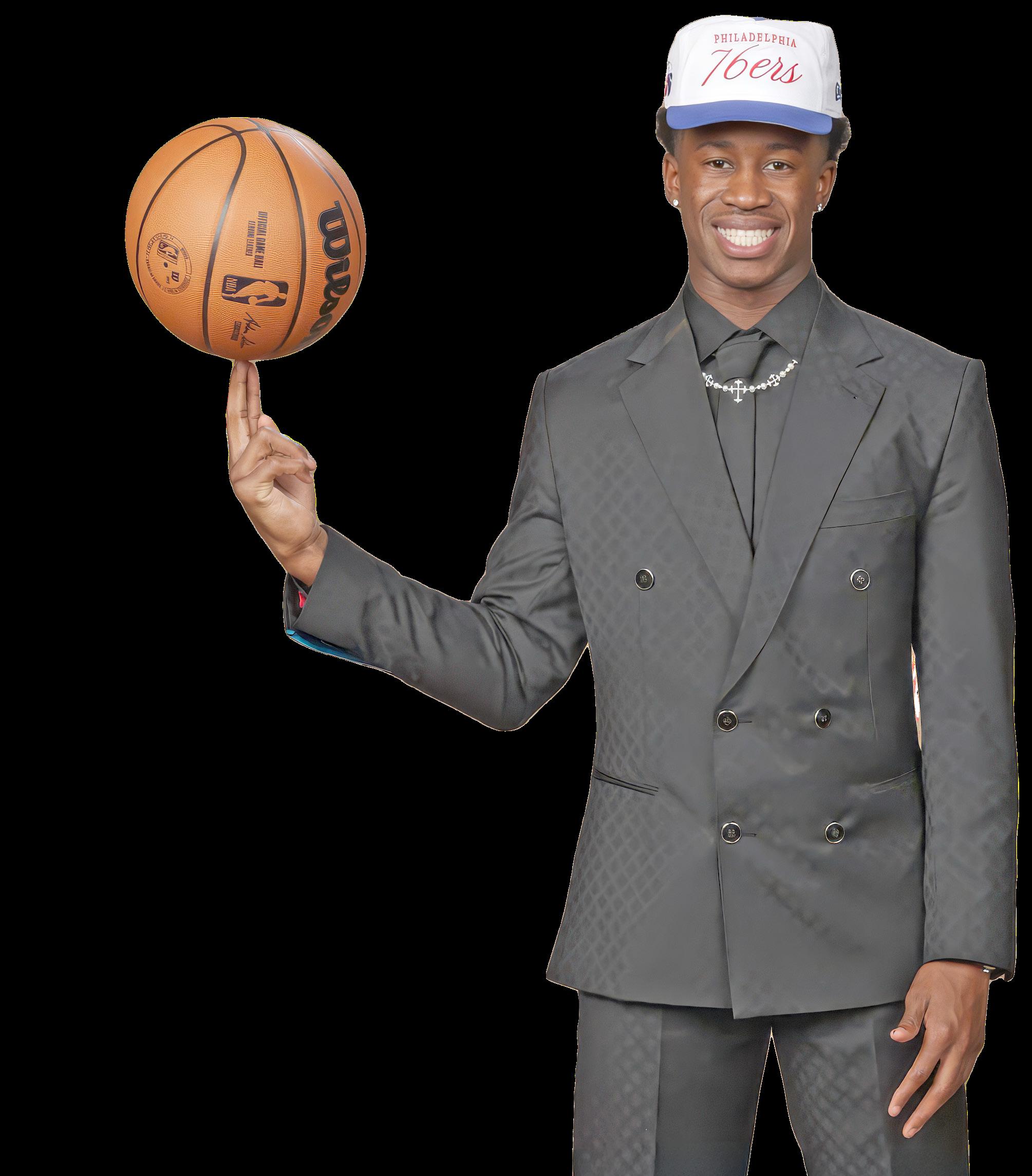
This week, teenage basketball sensation VJ Edgecome’s mom Bendra Rolle tells us about the remarkable passion and drive that took her 19-year-old superstar son from Bimini to securing a four-year, $50.4m contract with the Philadelphia 76ers – and a record-breaking rookie season.
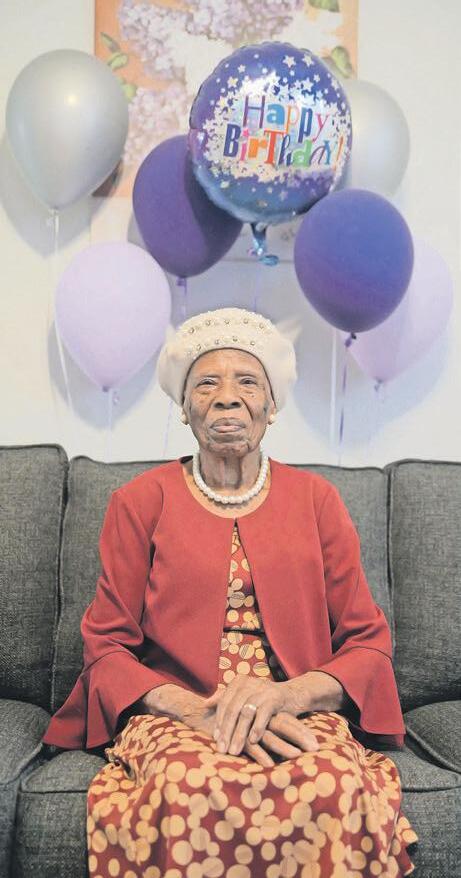
And special birthday wishes to Rebecca Zillah Rolle - 100-years-young today - who talks about growing up in Exuma with open-air kitchens, barefoot ringplay and Sunday school recitations. A young girl who grew into a woman known for both her baking and her Bible.
Having teamed up with Grand Bahama 242 News, Around da Islands will highlight news, features and developments from Grand Bahama and the Family Islands, o!ering a broader national perspective beyond Nassau.
And don’t forget, this is your supplement too! Send us your story ideas, features and tips –we can’t run them all, but we’re committed to strong, fair representation from across the islands.
From all of us here at The Tribune – The People’s Paper.



This WEEK in Around da IslandsBahamian News, Features & Culture
GRAND BAHAMA NEWS
Pg 4 — GB Shipyard: Labour Shortages reaten Growth
Pg 5 — MSC Cruises: $1B Investment Vision for Grand Bahama
Pg 6 Ambulance Wait Times Reach Alarming Levels
Pg 7 — LIS Hosts "One World" Model UN Conference
BIMINI FEATURES
Pgs 8 & 9 — Pro"le: VJ Edgecombe
• His "Bigger an Life" Work Ethic
• NBA Rookie of the Year Frontrunner
EXUMA FEATURES
Pgs 10 & 11 — Rebecca Celebrates 100 Years of Baking & Faith
Pg 12 — Island Brainwaves
CAT ISLAND FEATURES
Pg 13 — Junkanoo: Northern Scrappers vs. South Rockers
BIMINI FEATURES
Pg 14 — e Irresistible Pull of Bimini
Pg 15 — Second Wave Marina’s Community Giving

• AA Launches First US Non-Stop Flights
ABACO FEATURES
Pg 16 — Abaco: Hearts Unite for Valentine’s Shelter Event
By BARBARA WALKIN barbara@ barefootmarketing.net
THE Grand Bahama Shipyard is challenged with a critical shortage of certifed and experienced Bahamian tradespeople that is slowing growth and costing the island valuable opportunities, according to its CEO Christopher Earl.
Mr Earl told the audience at the 27th Grand Bahama Business Outlook that while the yard’s infrastructure is world-class, its ability to deliver depends on people.
“The shipyard is really challenged in sourcing certifed, trained and experienced personnel to support our customers and their expectations,” he said. “The truth is that we are struggling to get and keep the internationally certifed workers that we need for our international customers to come and to succeed in the projects that they deliver.”
Mr Earl explained that certifed trade labourers are currently working 60 to 70 hours a week to meet demand, with many not having had a day of since Christmas.
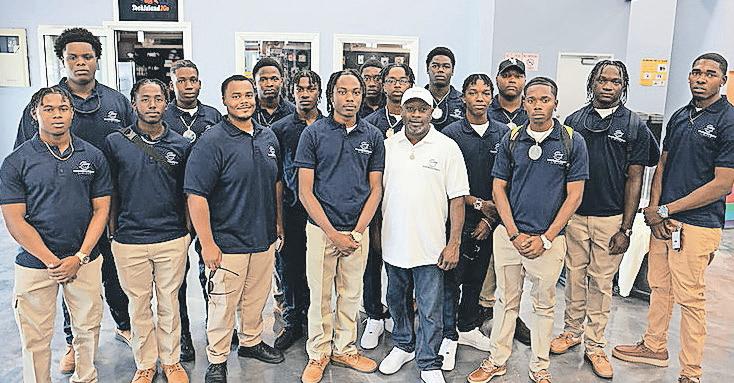

He pointed to high travel costs, limited hotel room availability during peak periods, and work permit delays as factors undermining competitiveness. Following the recent docking of Radiance of the Seas, a Royal Caribbean vessel, contractors were sent home upon completion of the project, underscoring the transient and high-demand nature of the work.

“Work permitting challenges are undermining the shipyard’s ability to grow,” Mr Earl said, adding that highly qualifed tradespeople have resigned or declined opportunities in The Bahamas because of administrative delays.
The labour shortage has also forced difcult
We must focus on the ecosystem, because without it, the shipyard won’t achieve its full potential,” he said.
He described that ecosystem as the network of trades, training institutions, suppliers, logistics providers, accommodations, government agencies and community infrastructure that collectively support maritime operations.
When functioning properly, he said, “costs come down, reliability goes up, innovation accelerates, and value multiplies.”
The yard’s new 2XL Dock at East End is now operational in Freeport and has successfully completed its frst ship docking. Meanwhile, the highly anticipated “Megadock,” the largest foating dock in the world, to be known as Lucayan, has been accepted from its build yard in China and is
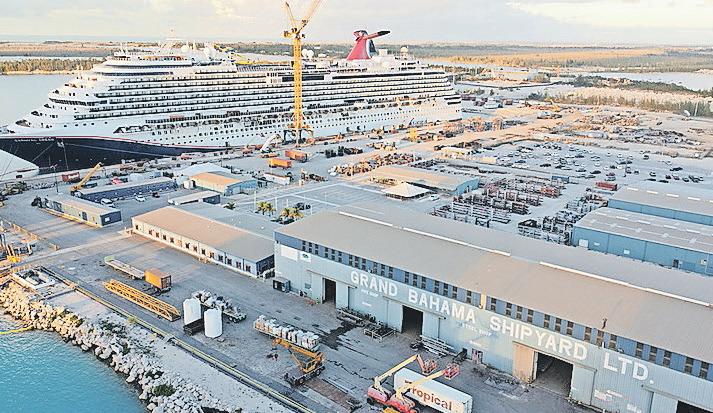
expected to arrive later this year.
“The Megadock isn’t even here yet,” Mr Earl said, emphasising that the frst wave of peak demand has already exposed “fragility in labour, logistics and services.”
Once fully integrated, the new docks will signifcantly expand capacity, positioning the Grand Bahama Shipyard to become one of the largest and most capable cruise repair facilities globally.
“This is not a theoretical opportunity,” he said. “The investment is real and ongoing.”
Economically, the stakes are high. Mr Earl stated that every dollar spent by the shipyard generates nearly $2 in local economic impact. In 2025, approximately $60 million is projected to fow into the local economy. By 2030, that fgure could reach $225 million annually, but only if the surrounding ecosystem scales accordingly.
internal decisions. “I’ve reduced the number of apprentices this year because the shipyard lacks the supervision and mentorship needed for young Bahamians to succeed,” he said. “Jobs lost and Bahamians have missed out on worldclass training because of this.”
Mr Earl emphasised that the issue extends beyond the shipyard gates.
“Focusing only on the shipyard is not enough.

“Over the last six months, thousands of hours of work have been turned away due to the lack of qualifed labour,” he said. “Our customers are watching, and they are making decisions now that will be felt for years to come.”
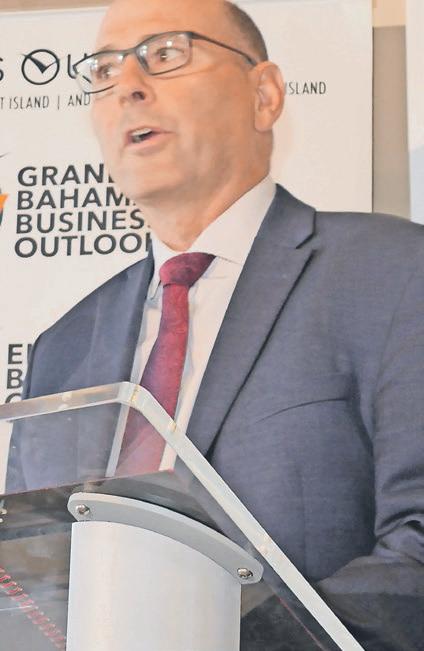
Mr Earl called for coordinated action among industry, government and the wider community, including stronger support from the Labour Board, National Insurance Board and Immigration Department to facilitate the timely processing of work permits while investing in local talent development.
“If we really want to be seen as the maritime centre of the Americas, we need to employ the best talent in the world and use them to attract world-leading companies and to train and mentor our signifcant investments in local talent,” he said.
By BARBARA WALKIN barbara@ barefootmarketing.net
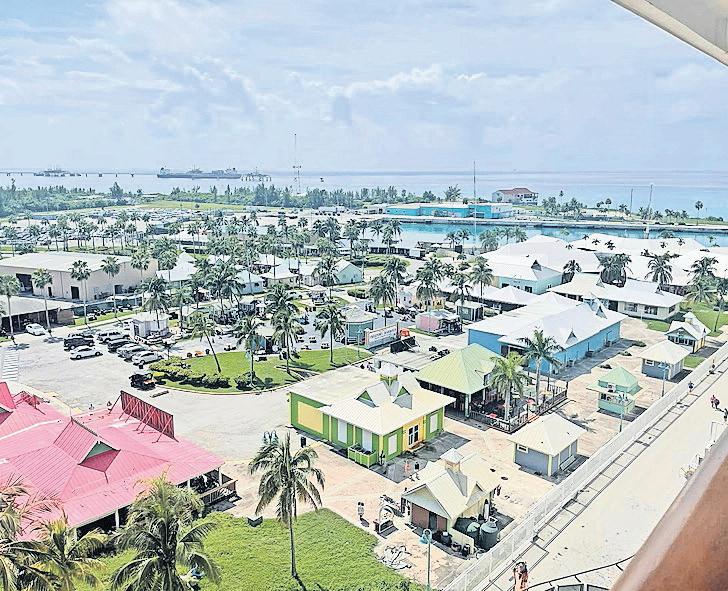
The new Freeport Cruise Port at the harbour is set to become a powerful engine for jobs, small business growth, and long-term opportunity in Grand Bahama, marking a decisive new chapter for cruise tourism in The Bahamas, according to Rick Sasso, Chairman of MSC Cruises North America.
Mr Sasso outlined a sweeping, long-term investment strategy for Grand Bahama at the recent 27th Grand Bahama Business Outlook.
Speaking on the topic, ‘Cruise Tourism and The Bahamas: Building Opportunity, Together,’ he emphasised that the company’s commitment is not episodic or transactional.
“This has to have decades behind it,” he said, stressing that MSC’s presence in The Bahamas is built on a long-term partnership, not shortterm gain.
Designed to accommodate up to six ships per day, Mr Sasso said the modern terminal will dramatically increase visitor arrivals, unlock new commercial activity, and position Freeport as a shared, open-access gateway for the global cruise industry. He furthered the port is being developed as a high-capacity facility available to all cruise lines, not just MSC, ensuring broad-based industry participation and sustained trafc.
Mr Sasso said: “Hundreds of jobs are expected to be created, with hundreds more permanent roles once the port becomes operational.”
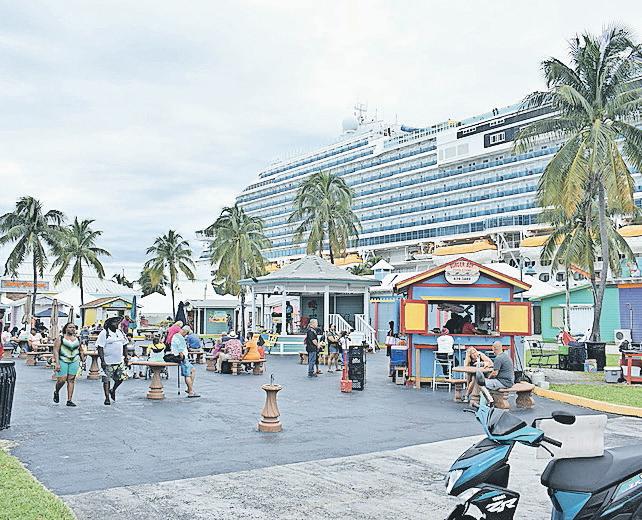

It means sustained infrastructure development, expanded maritime capacity, and a stronger platform for small businesses that serve cruise visitors."
transportation, tours, retail, dining, and local services,” he said.
The success of cruise tourism, he argued, depends on whether local communities see tangible benefts: skills training, stable employment, small-business opportunities, and a meaningful role in shaping development.
MSC is part of the MSC Group, a private, family-owned enterprise with worldwide operations spanning container shipping, logistics, and luxury cruise vessels which gives it the capital and operational depth to invest consistently across economic cycles.
For Grand Bahama, Mr Sasso said, the vision goes
beyond ships calling at port. “It means sustained infrastructure development, expanded maritime capacity, and a stronger platform for small businesses that serve cruise visitors,” he said.
Emphasising that Grand Bahama has ‘always been a maritime gold mine,’ Mr Sasso noted that the next phase
of development will build on that legacy.
“MSC’s cargo division has operated in The Bahamas for decades, and further investments, new cranes and port upgrades, are planned to strengthen Freeport’s competitiveness as a logistics hub,” he said.
Together, the redevelopment of Freeport Harbor, the Freeport
Cruise Port, expansion at Ocean Cay, and upgrades to maritime infrastructure represent close to $1 billion in private-sector investment, with more than 1,000 jobs projected during construction and early operations on top of substantial sums already invested in Ocean Cay and the shipyard.
Mr Sasso emphasised the economic impact extends beyond direct employment.
“Increased cruise capacity brings higher visitor spending in
“This people-frst approach is intended to make growth inclusive and durable. By embedding Bahamians as employees, suppliers, entrepreneurs, and longterm partners, MSC aims to create a virtuous cycle: stronger communities supporting stronger tourism, which in turn generates broader economic resilience,” Mr Sasso said.
He added that MSC’s message to The Bahamas is one of continuity, noting the company’s cargo operations have been present for decades and its cruise business is now expanding with intent for the decades ahead.


reported being advised that no ambulance was immediately available, while others described being coached through emergency procedures over the phone while waiting.
“It’s frightening,” said one Eight Mile Rock resident who asked not to be named. “When you call for an ambulance, you expect immediate help, not to be told to wait.”
A longtime winter resident who sufered a serious fall at a popular Lucaya restaurant on Valentine’s Day would have been left lying on the cold concrete deck for an indefinite period of time if not for the actions of her friends after they were told an ambulance was not available.
Photo: BARBARA WALKIN
GROWING concerns over ambulance response times and availability in Grand Bahama have residents frustrated and worried, with multiple complaints reaching the news desk about wait times of 30 minutes to two hours because of emergency vehicles being unavailable.
Among those speaking out is Freeport resident Lynn Barranco, who described a devastating ordeal when her father experienced severe breathing difculties at their home.
“I called the ambulance when my father was struggling to breathe,” Ms Barranco said. “The dispatcher told
me none [no ambulance] was available.”
Ms Barranco said the call was then abruptly ended. As her father’s condition worsened, she called back.
“He could not be moved. We were trying everything,” she recalled. “The dispatcher began walking us through CPR procedures over the phone.”
For nearly 45 minutes, family members attempted to assist while waiting for help to arrive.
“The ambulance arrived 45 minutes later,” she said quietly. “But I knew my father had already taken his fnal breath.”Ms Barranco’s experience mirrors accounts from other residents

who say emergency crews took between 30 minutes to an hour to respond. Some
The customer, a retired ER nurse, knew the fall had damaged her hip in some way and was in severe pain. Fortunately, a vacationing frefghter happened to be present. Working with her friends and using a folding table, they loaded her safely onto the makeshift stretcher and into the back of her SUV to take her hospital.
Emergency medical services on Grand Bahama operate primarily through the Rand Memorial Hospital, the island’s main public healthcare facility located in Freeport. Ambulances stationed there are responsible for responding to emergencies across a wide geographic area, including Eight Mile Rock, West End, and in the east, to High Rock and beyond.
Residents have previously voiced concerns about limited ambulance feets, mechanical issues, and stafng shortages, even calling for ambulances to be stationed at the Eight Mile Rock Clinic and East End.
Around Da Islands reached out to Tevard Bastian, Administrator of Rand Memorial Hospital, for comment on the reported delays and the condition of the ambulance feet. Up to press time, there was no response.
Eforts to contact Dr. Michael Darville, Minister of Health and Wellness, were also unsuccessful.
Community advocates note that response times can be afected by vehicle availability and stafng levels, however, many residents fear it is a deeper problem. Businessman and Talk Show Host Darren Cooper raised the matter during a recent program on Da Riddim 102.7 FM, recounting what he described as a troubling sight.
“I personally saw an ambulance being towed,” Cooper said. “If the vehicles that are supposed to save lives are breaking down, that’s a serious problem. What happens when someone is fghting for their life and there’s no working ambulance to respond?”
Mr Cooper called on health ofcials to address what he described as a “critical service gap” afecting residents across the island.
“Lives are at stake,” Mr Cooper emphasised. “This is not politics, this is people’s mothers, fathers, and children.” For families like the Barrancos, the issue is deeply personal.
“No one should have to wait like that,” Ms Barranco said. “No one should lose a loved one wondering if help would have made a diference.”
As public concern grows, many residents say they are waiting for answers and solutions, before another life is placed at risk.

By BARBARA WALKIN barbara@
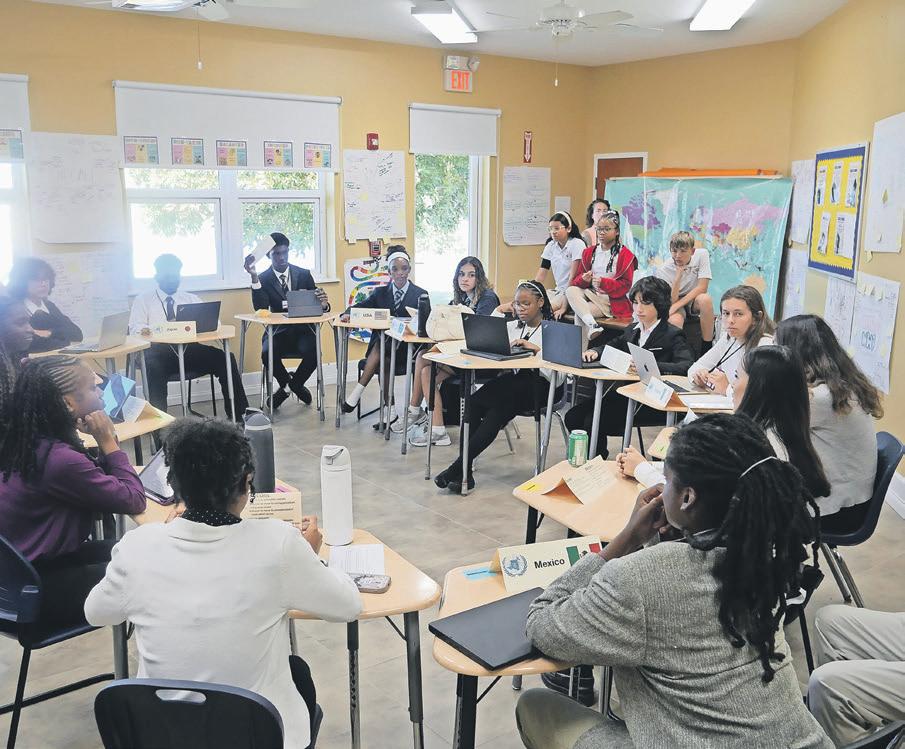
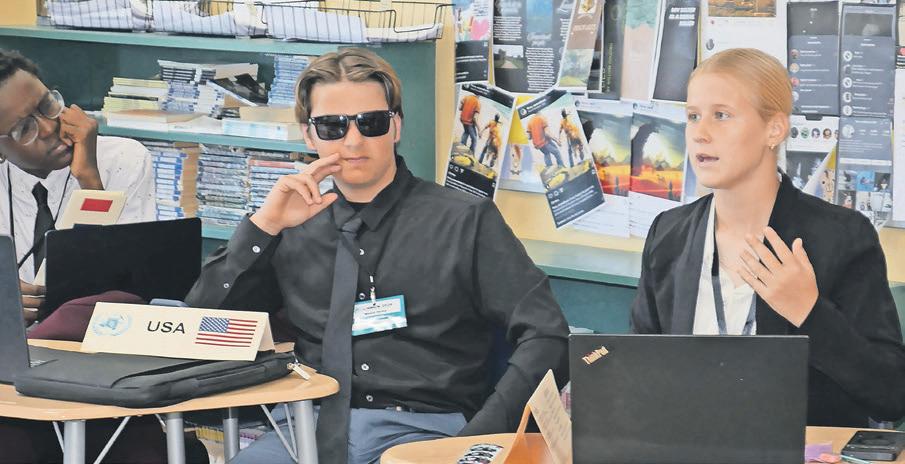
STUDENTS engaged in discussions on diplomacy, debate and global cooperation during the Lucaya International School’s (LIS) Model United Nations (MUN) Conference last week.
Under the theme, “One World, Many Perspectives”, the one-day event covered the full spectrum of international afairs, with four distinct councils of students tackling some of the world’s most pressing issues: culture and education, human rights and social justice, development and economics through teamwork, and complex global challenges.
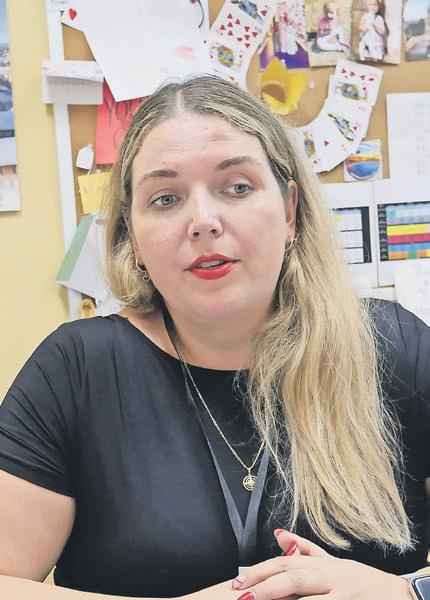
Notwithstanding different viewpoints, MUN Club advisor Barbara Mastna said the councils all shared one overarching goal: cooperation.
“The heart of Model United Nations is collaboration and sharing diferent perspectives and listening to one another,” she said. “We want to bring our students the opportunity to represent someone else's points of view.”
Ms Mastna, who also serves as IBDP Coordinator at LIS, emphasised that MUN challenges students to set aside their personal beliefs and instead research and advocate for the positions of assigned countries.
“When we start to understand different perspectives, we do understand one another,” she said. “In the heart of the IB program is open-mindedness and international-mindedness, and I think a Model UN conference like this defnitely refects that.”
“We vote on things so they learn how the real world works or how it should,” Ms Mastna explained. “Sometimes what you want doesn’t win because you don’t necessarily have enough votes, but it doesn’t mean you cannot be part of the team.”
Secretary-General Vito Lumitao described the day as an immersive simulation of the United Nations.
a little. It’s important to bring it back and realize that the way to solve problems is to sit next to each other and have a conversation.”
The conference was entirely student-driven, with teachers present for supervision and safety. Students determined the debate topics, structured the conference and flled leadership roles in a democratic process.
Beyond formal debate, students also engaged in creative and dramatic exercises designed to mirror the unpredictability of global afairs. The “entire gamut” of the United Nations was on display, including a mock assassination attempt with tight security on hand to remove the would- be assassin, and even two lighthearted mock weddings between representatives of diferent nations.
“Well, we do hope that real UN can be excluded from attempted assassinations,” Ms Mastna said with a smile. “But there is turmoil in the world, and sometimes diplomacy seems to be disappearing
The LIS MUN Club has experienced remarkable growth. When Mastna revived the club three years ago following disruptions caused by Hurricane Dorian and the COVID-19 pandemic, only six students participated.
“I started with six brave students who ran the frst MUN, and it was a success,” she said. “This year, 33 students signed up.”
This year’s conference also welcomed visiting schools, including Sunland Baptist Academy and Windsor School, strengthening interschool relationships across The Bahamas.
Ms Mastna added that the conference provides valuable preparation for life beyond the island.
“Lots of our students are growing up here in
Grand Bahama; it’s a beautiful island, but it’s a small community,” she said. “The majority are leaving for universities abroad, and this gives them the opportunity to practice meeting people with diferent opinions and from diferent places in the world.”
Mr Lumitao echoed that sentiment, highlighting the practical skills gained.
“There’s public speaking, which is very important,” he said. “There’s also being able to talk to people, make deals and collaborations, teamwork and debating skills, learning when to stand your ground and when to listen.”
A delegation of 22 LIS students is expected to travel to New York City in March to participate in Global Citizenship MUN at the Sheraton New York Times Square Hotel. During their visit, they will also tour the headquarters of the United Nations.
“We go through simulations of lobbying, merging resolutions and debating what resolutions should move forward,” he said.

By FAY SIMMONS
BIMINI is the kind of place where potential does not go unnoticed.
A small island. A tight community. The kind of environment where a pastor can also be your principal and your coach — and where discipline is shaped long before the spotlight fnds you.
On a Family Island like Bimini, success is never individual. It is nurtured in small classrooms, on church pews and on brightly coloured outdoor basketball courts, under watchful eyes that refuse to let potential slip.
Long before national rankings and college commitments, VJ Edgecombe was simply a boy growing up in a community already preparing him for stages far beyond its shores.
Gilbert Rolle Jr, principal of Gateway Christian Academy and one of his earliest mentors, has known VJ since he was seven or eight years old, when the gym in Bimini was already becoming his second home. His connection to VJ was never limited to one role. He served as pastor, principal and coach, watching him grow — on the court and in the classroom.
“Bimini is a small community — very small. I’ve known VJ since he was about seven or eight years old. We have a gym here in Bimini, and he always loved to play basketball. That’s really where it started,” said Mr Rolle.
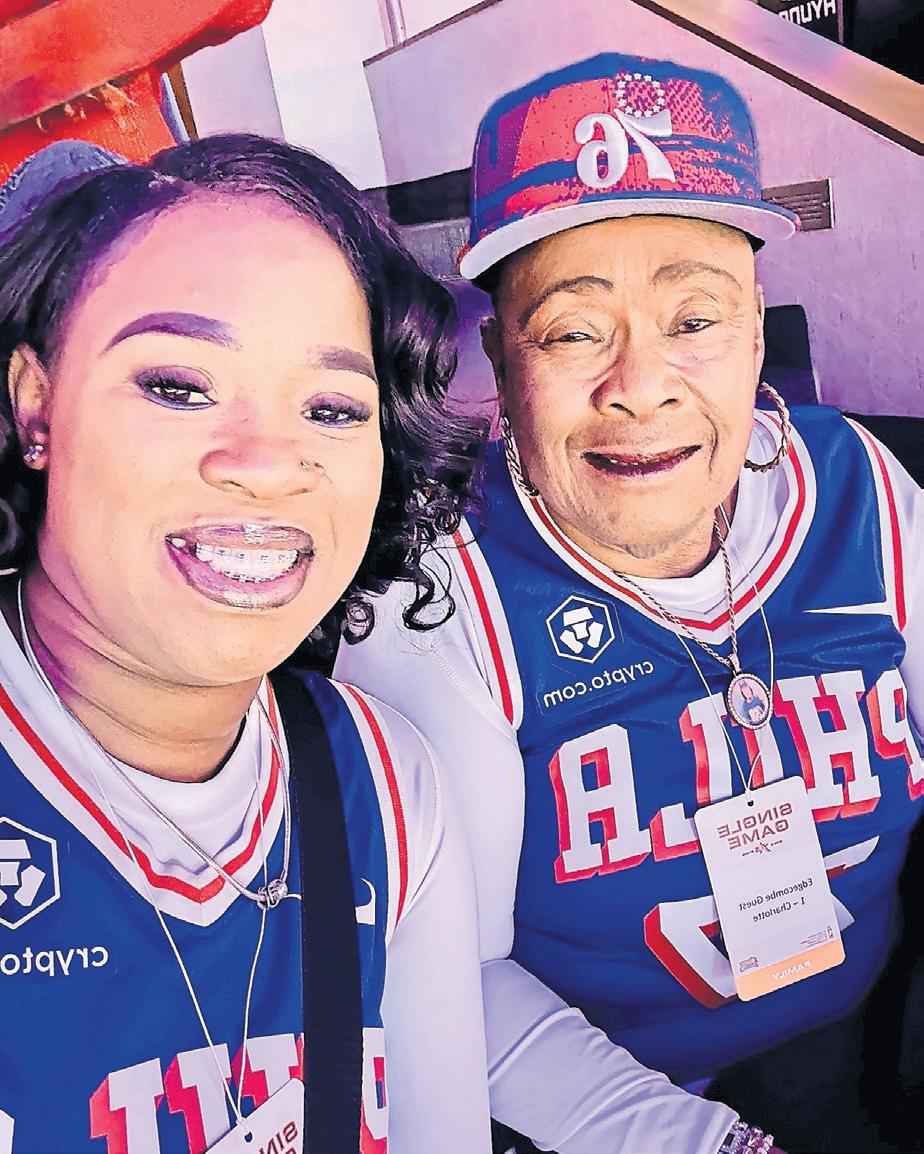
“VJ's ambitious attitude and work ethics were bigger than life - a bouncing ball and a belief beyond Bimini,” says mom Bendra
spent two years sharpening his game while learning to live away from the close-knit support of home. He later transferred to Long Island Lutheran in New York, immersing himself in one of the country’s most competitive prep programs.
The stage was bigger. The athletes were stronger. The margin for error was smaller. He adjusted. By the time he graduated, he was no longer simply a promising guard from a small island — he was regarded as one of the top prospects in his class, drawing national attention and climbing recruiting rankings.
When it was time for the next step, he committed to Baylor University, carrying with him the pride of a community that had watched him grow from the beginning.
At Baylor, his freshman season confrmed what many had predicted. Thrust into high-major college basketball, he quickly established himself as one of the most dynamic young guards in the country — explosive, versatile and relentless on both ends of the foor.
tract with the Philadelphia 76ers, $22.7m guaranteed, a deal that carries him through the 2028–29 season and transforms an island dream into generational security
For Bimini — and for The Bahamas — it marked another milestone: a young man who once played on outdoor courts under island skies now preparing to hear his name called on basketball’s biggest stage.
Even as his career accelerated, his ties to home never loosened.




“The only thing he was lacking at that time wasn’t heart — he had that. It was just physical development.”
The body would catch up. The drive, focus and discipline were already there — traits that did not form by accident, but were shaped at home under a young single mother who set the standard early and refused to lower it.
Mr Rolle credits her with placing VJ in the right environments — in school, in church, and under steady mentorship — ensuring he was held accountable not only as an athlete, but as a student. Her expectations were clear: excellence was required in both academics and behaviour.
“His mother had a lot to do with who he is,” said Mr Rolle.
“We had very little, but VJ's ambitious attitude and work ethics were bigger than life - a bouncing ball and a belief beyond Bimini.
“I love my child more than life itself and sacrifced everything. When you have very little or nothing, the rewards far outweigh the risks. I prayed, cried, and agonized for years, but believed in my son's work ethics to succeed.” Her faith anchored the household. Her expectations shaped his discipline. Where others saw a talented boy, she saw a dream that required sacrifce. Most days were spent outside — in the yard with cousins or on one of the island’s outdoor courts, salt air brushing against rusted rims. In Bimini, games were constant and competition was ferce. That is where another early voice entered his life.
Grathen “Sugar” Robins, a beloved youth coach on the island, was among the frst to see something diferent. He pushed the boys hard. Demanded efort. Spoke belief into them before belief felt
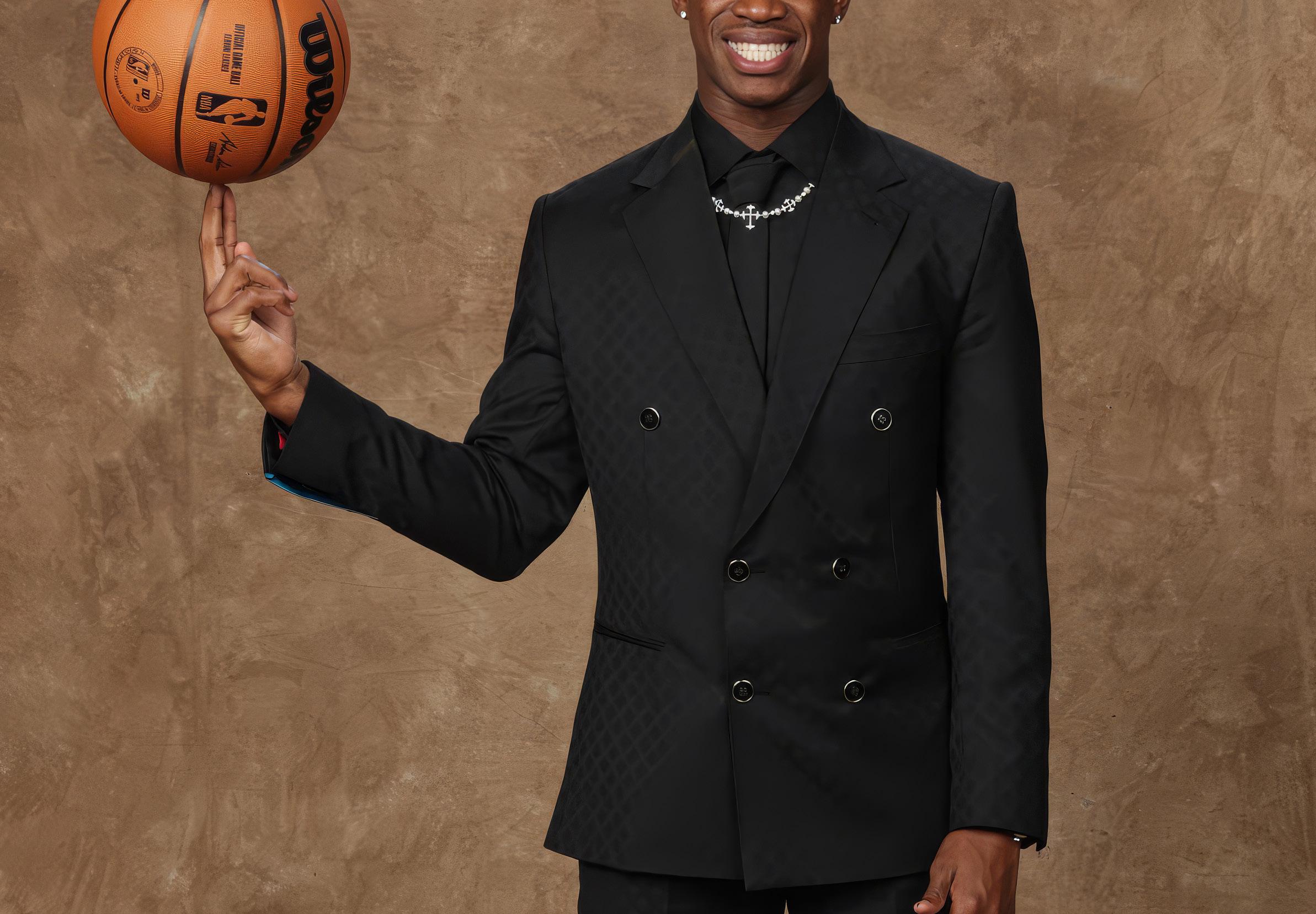
He earned conference and national recognition during his lone collegiate season, showing poise against ranked opponents and an ability to impact games beyond the stat sheet. By season’s end, he was widely projected as a frst-round selection in the NBA Draft. On draft night, stitched quietly into his suit, was a single word: “Sugar.”
“He came to me through diferent camps and activities we held at the gym, and we built a great relationship from there. Then he came to our school in the seventh grade. Over the years he also came to our church, so it became a mentorship — pastor, coach, principal — all in one relationship.”
Mr Rolle witnessed VJ’s growth in both skill and character. By seventh grade, he was already playing up — competing with the senior team, travelling to Hugh Campbell, Family Island nationals and of-island tournaments, holding his own against older, stronger players. But it was not a win that convinced him VJ was special.
“I always tell people the frst time he travelled with us to Abaco, we lost in the semifnal game. The way he cried after that game… that’s when I saw the passion and dedication. I knew there was defnitely something there,” he said.
“She made sure he was in the right environments. She never let up. She made sure he did his work. He was on the honour roll. The expectations were set high — in character and in academics — and that was something he had to live up to.”
What many did not see were the quiet realities of life at home.
For years, the family relied on a generator for electricity — a reminder that comfort was never assumed and nothing came easily. But VJ has often said they never felt deprived. They had what they needed. Food on the table. Structure. Faith. Discipline.
For his mother, Bendra Rolle, the journey has always been about more than basketball.
“VJ demonstrated basketball talent. More importantly, I saw a drive and determination that was about his basketball dreams beyond Bimini,” she told Around da Islands.

A tribute to the coach who frst dared to speak the dream — and who did not live to see it realised.
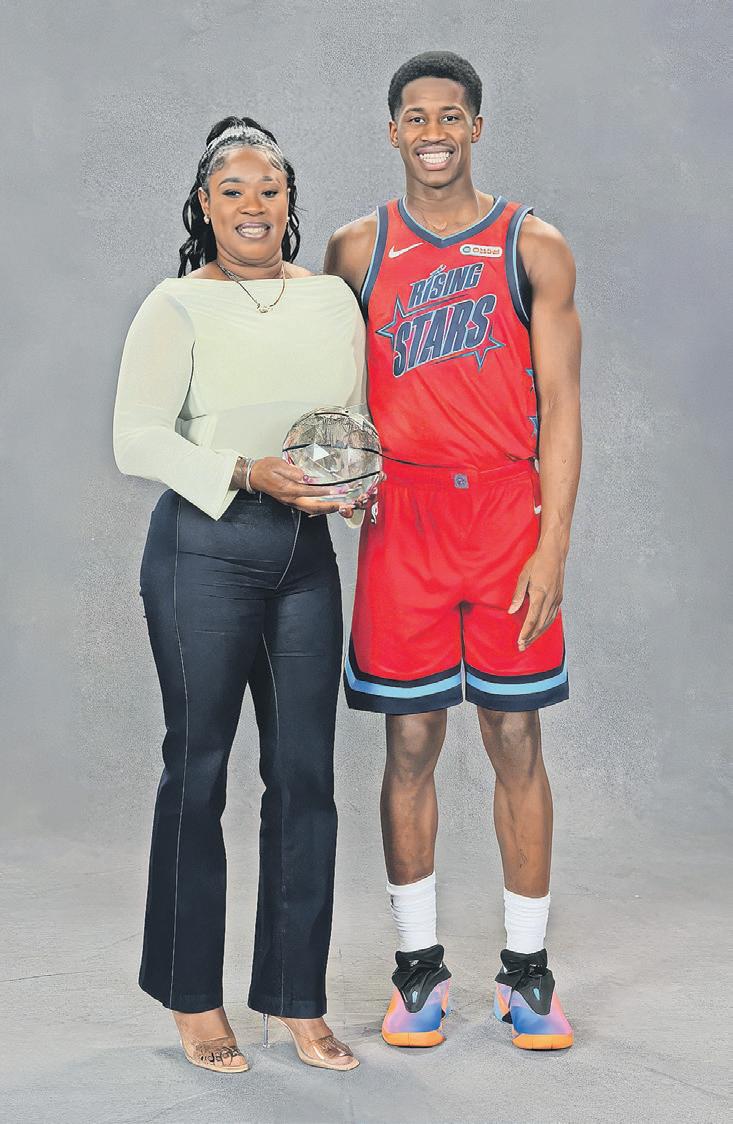



6-feet, 4-inches, 180-pounds
Each of-season, he has returned to Bimini — not for ceremony, but for purpose — hosting youth clinics and tournaments on the same courts where his own journey began. He spends time with young players, talks to them about discipline and academics, and reminds them that talent alone is never enough.
For Mr Rolle, those visits matter as much as any stat line.
“For me, it’s what it’s all about — helping the next generation,” he said.
“He’s a template. I use his story to inspire the kids behind him. He sat in these same rooms. He played in these same tournaments. You just never know who’s among you.”
To watch him now at the professional level, Mr Rolle says, is both pride and perspective. Pride in the player he has become — and perspective in knowing the work continues.
“I’m very proud and excited,” he said.
“We hope it doesn’t stop at VJ. As he continues to inspire the next generation — not just from Bimini, but The Bahamas at large — that’s the real win.”
That night altered the trajectory of his life forever— selected third overall in the 2025 NBA Draft, the boy who grew up in a modest house with no running water secured a four-year, $50.4m rookie con-
Years after watching him chase a dream on outdoor courts in Bimini, and months removed from hearing his name called on basketball’s biggest stage, Ms Edgecombe said she is still processing it all.
“From the NBA draft day, frst game historic stats, regular season games winning magic to Allstar MVP, I'm still in awe. I say it repeatedly - VJ is humble and hungry,” she said.
“We came from nothing and thank God for everything. This is so much bigger than me and VJ.
“VJ's success is a testimony for all parents and young people to know it never matters where you come from but where you dream and dare to go.”
On a small island, success is shared. And every time he steps onto a professional court, Bimini steps with him.
By BRENT STUBBS Chief Sports Editor bstubbs@tribunemedia.net
rising phenom Valdez 'VJ' Edgecombe has placed himself in a unique position to complete his debut in the National Basketball Association as the 2026 Rookie of the Year. The 20-year-old from Bimini, has been performing for the Philadelphia 76ers beyond his initial season as the third pick in the frst of the NBA 2025 draft on June 25 at the Barclays Center in Brooklyn, New York.
So far, the 6-feet, 4-inches, 180pounds shooting guard out of the Baylor Bears NCAA Division One basketball programme, has found himself displaying some unique statistics as he surpassed the performances of some of the alltime greats in the sport.
The McDonald's All-American, who claimed both the Big 12 Freshman of the Year and All-Freshman Team, scored 14 points in the frst quarter of his NBA debut on October 10 against the Boston Celtic, surpassing LeBron James' record of 12 set in 2003.
He ended up scoring 34 points, the most by any NBA player on their debut since 1974, trailing only Wilt Chamberlain, who produced 43 in 1969 and Frank Selvy with 36 in 1954.
VJ is the only player in the 21st century to score 30 or more points in their NBA debut and he is the frst player in NBA history to achieve this specifc stat line in a debut.
To everyone’s surprise, he emerged as the frst player in 76ers’ history to suit up with number 77 on his jersey. He lived up to his advanced billing by breaking Allen Iverson's franchise record of 30 points in a debut.
The high fying Edgecombe also raised eyebrows as he became just one of three other players in the NBA, joining the legendary Magic Johnson and Oscar Robertson, in averaging 20+ points, 5+ rebounds and 5+ assists per game to start the season. Through the 76ers' frst 54 games this season, placing them sixth in the Eastern Conference with a 30-24 win-loss record, Edgecombe has posted a scoring average of 14.9 with 5.4 rebounds, 4.1 assists and 42.3 feld goal percentage per game. He was named to the Rising Star game during the NBA All-Star Classic over the weekend of February where he led Team Vince to victory, scoring 17 points in the semifnal before hitting two free throws to end the fnal He is currently contending with the Dallas Mavericks' center Cooper Flagg, the No.1 pick in the 2025 draft, for the Rookie of the Year award.
Prior to making his debut in the NBA, Edgecombe was featured on The Bahamas men’s national team that fell short in the fnal of the FIBA Americas Qualifer to host Spain for the fnal spot for the 2024 Olympic Games in Paris, France. He is now playing against three of his Bahamian teammates in the NBA, including center DeAndre Ayton of the Los Angeles Lakers, Chavano ‘Buddy’ Hield from Grand Bahama, now with the Atlanta Hawks, and shooting guard Eric Gordon now a Memphis Grizzle after previously playing with Edgecombe in Philadelphia. The 76ers’ regular season ends on April 10 against the Milwaukee Bucks. Hopefully, they will clinch a spot in the playofs and continue the run for their fourth NBA title, the last coming in 1983. The frst for the team came in 1955 as the Syracuse Nationals, and then in 1967 in Philadelphia.
By ALESHA CADET Tribune Features Reporter acadet@tribunemedia.net
F walls in Rolle Town, Exuma, could speak, they would tell stories of open-air kitchens, barefoot ringplay, Sunday school recitations and a young girl who grew into a woman known for both her baking and her Bible.
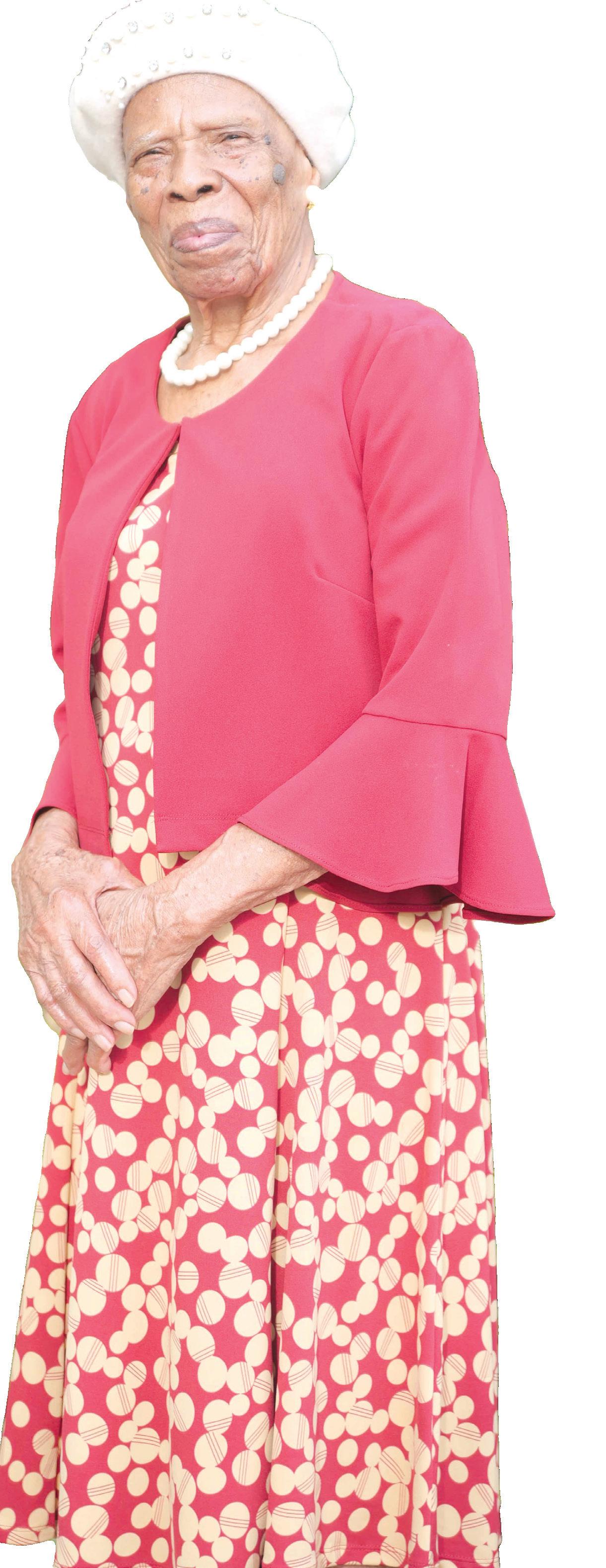
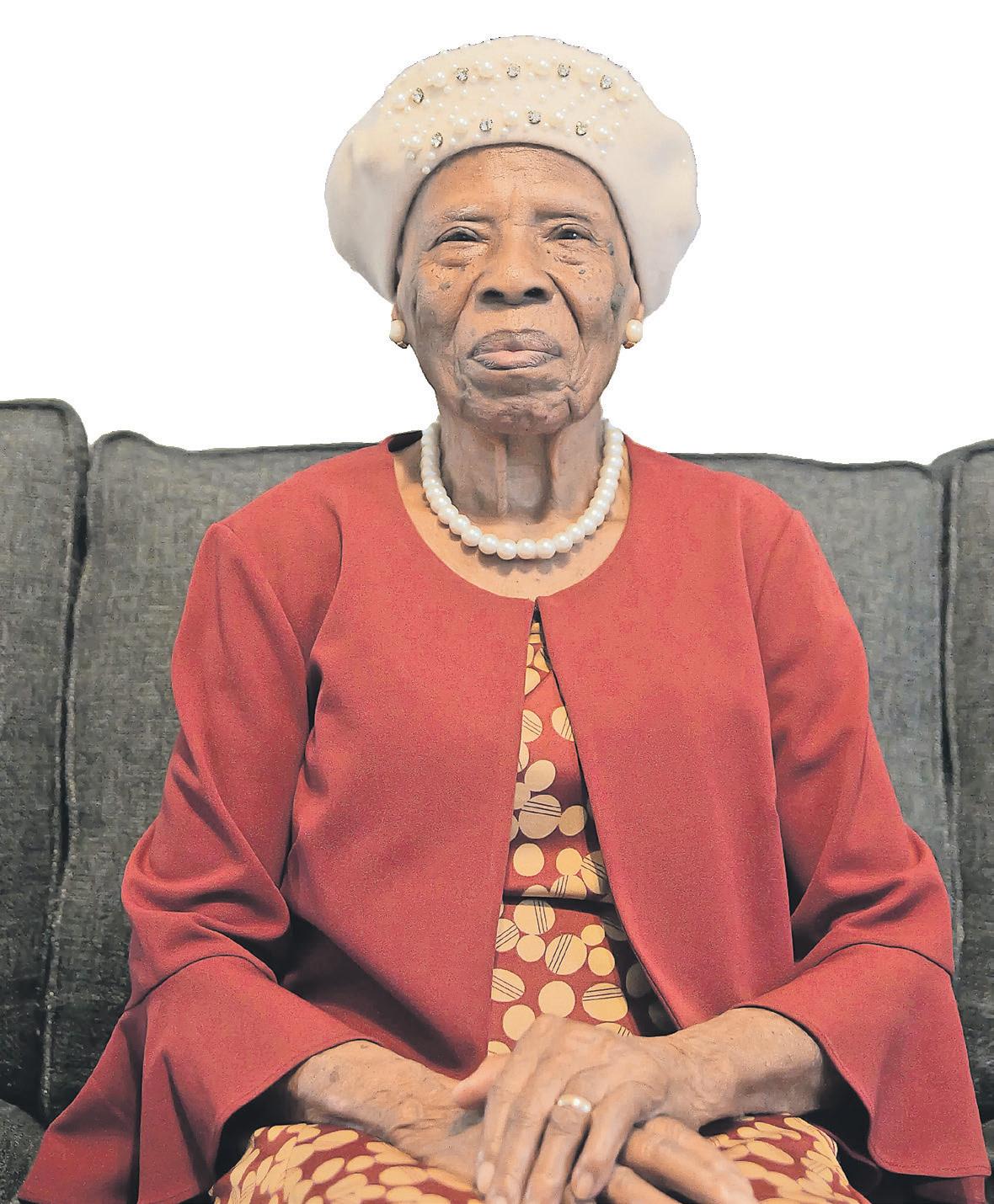
Today, February 20, 2026, Rebecca Zillah Rolle celebrates 100 years of life. A full century. Not simply a birthday, but a living archive of Family Island history. Surrounded by relatives in Nassau, including family travelling in from the United States and across The Bahamas, Ms Rolle marks the occasion with gratitude and anticipation.
Her mind still travels easily back to Exuma.
As a child in Rolle Town, play was simple and communal. There were no distractions of modern devices, only movement, laughter and togetherness.
“As a young girl growing up, we loved to play. We use to play games like skipping, hopping, and things like that. And then we liked to play ringplay. The girls would join hands together and we would go round and round,” she said.
But childhood in Exuma was not only about games. Responsibility came early. By the age of 12, she was already helping to educate others.
“I grew up in Rolle Town and that is where I went to school. I was also a monitress where I would teach the other classes, and younger children. I was only about 12 years of age. We taught spelling classes, how to write the alphabet, and other things like that,” said Ms Rolle.
Church life framed her upbringing. Attendance was expected, participation was natural, and scripture was memorised with discipline.
“We just had to go to church. I remember the Sunday school teachers where I learned a lot myself. As I grew older and up in age, I became a teacher in Sunday school myself,” she said.
“That's what the Bible said, that you ought to love your neighbour as yourself, right? I was very kind to the old people. I think that's some of the reason why I lived a long life. I was very kind and loved to do for them.”
Rebecca Zillah Rolle
At 21, she made what she describes as the defning decision of her life.
“I became a Christian when I was about 21 years old. And I accepted Christ as my personal saviour. And I was baptised. After my baptism, I joined the Mt Carmel Baptist Church in Rolle Town. And in the church, the frst step I made was becoming a part of the
choir. From there, I held the ofce of vice president in the women's department of the church. And from there, as I got older, I became the president,” said Ms Rolle.
She later took on the role of secretary in the church, holding the position for about 30 years.
“I was in that church until I left from home in Exuma and came down here to Nassau. I love being in the Christian life. I love that. I grew up in that. And up to now, as old as I am, I still go to church with my granddaughter down here,” said widowed Mrs Rolle, mother to daugh ters Cleora Ferguson and Rosemary Wildgoose, and her deceased son Irvin.
A century brings com parison. When refecting on cultural shifts between her youth and today, her tone grows frm.
“The things that are happening today, never happened in our days. Like the young people now, they just don't accept Christ as their saviour. We used to do it, you see? In our days, we accepted.
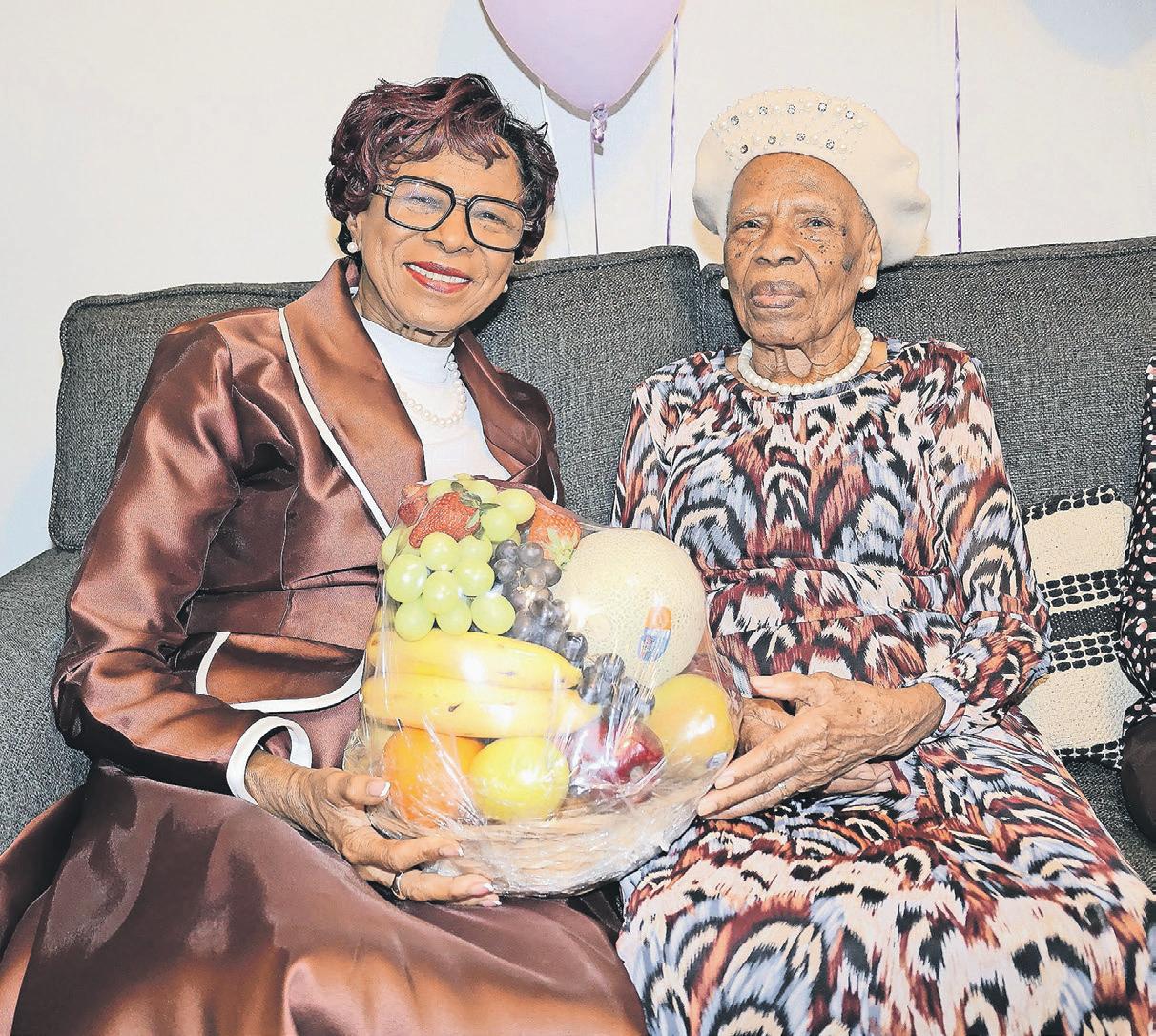
GOVERNOR General, Her Excellency Dame Cynthia Pratt made an official visit to Mrs Rebecca Zillah Rolle to congratulate her on the occasion of her 100th birthday celebration along with family members on Wednesday, February 18.
We accepted Jesus Christ as our saviour. And in these days, they don't have no respect for God as we used to,” said Ms Rolle.
She continued: “In those days, we had the fear of God. We were taught the commandments, we were told to accept Him, be born again, or you cannot enter the kingdom of God. We learned bible verses so when it was time to go back to Sunday school, you'd have to repeat those things you learned,” she said.
Yet Exuma was not only shaped by sermons. It was shaped by smoke from outdoor kitchens and the scent of fresh bread.
Long before electric stoves, cooking meant tending fre.
“Back in the day, I used to cook outside on the stove in an outdoor kitchen. Some people had a kitchen on the outside, and you would have to cook that on fre. I actually still have that kitchen, it is just detached from the house at the back,” said Ms Rolle.
And she misses it.
“The food tasted better, cooking the potato bread outside on the oven, I miss that,” she said. Baking was not merely domestic routine. It became her reputation. During Regatta
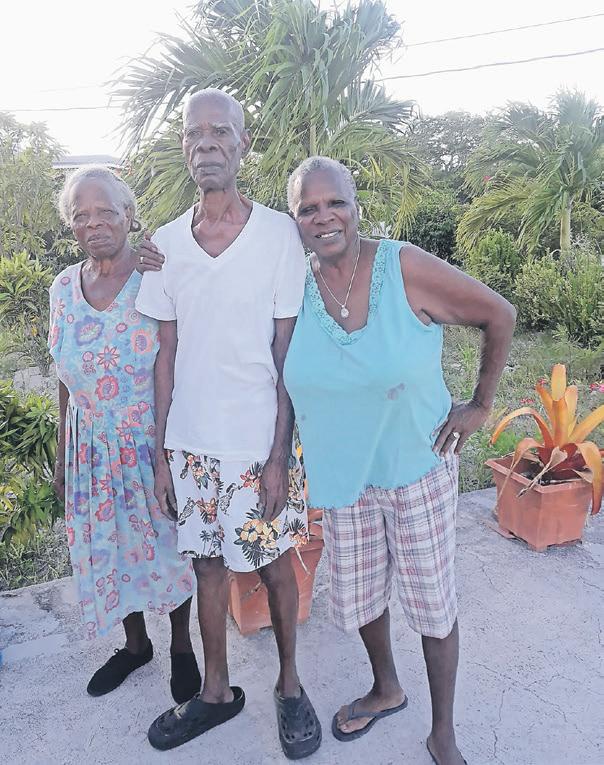
Mrs Rolle with siblings Leonard Dames and Majorie Saunders
visiting other churches. We had a bus that used to carry us around. I miss that,” she said.
Tonight, her family will honour her with a celebratory dinner.
“My relatives are having a dinner for me. There are more relatives coming in from the United States and the islands to celebrate with me,” she said.
But as she refects on a century lived, her gaze stretches beyond this milestone.
BIS Photos/Patrick Hanna
season on the island, especially, her home was a destination.
“I baked a lot of bread in my time. I also enjoyed making tart, and I would sell those things that people would come looking for,” she said.
But perhaps more meaningful than the selling was the giving. Service to neighbours was woven into everyday life.
“As a young woman growing up in Rolle Town, we had a couple of old folks, you know, and we used to do for them too. We'd go and clean their houses, and tote water from the well for them.
And where I was known to bake bread. I had an old lady not living far from me that I would bake bread for. She enjoyed the johnny cake bread so much. I had to do that for her every week,” said Ms Rolle.
She recalled how helping others was not an occasional act but part of daily life.
“We would also go and clean people's yards for them. Like kneel down and scrub the foor; board foors. It was always about being good to your neighbours. Especially for elderly people, who couldn't do for themselves,” said Ms Rolle. For her, that service was also rooted in scripture and intention.
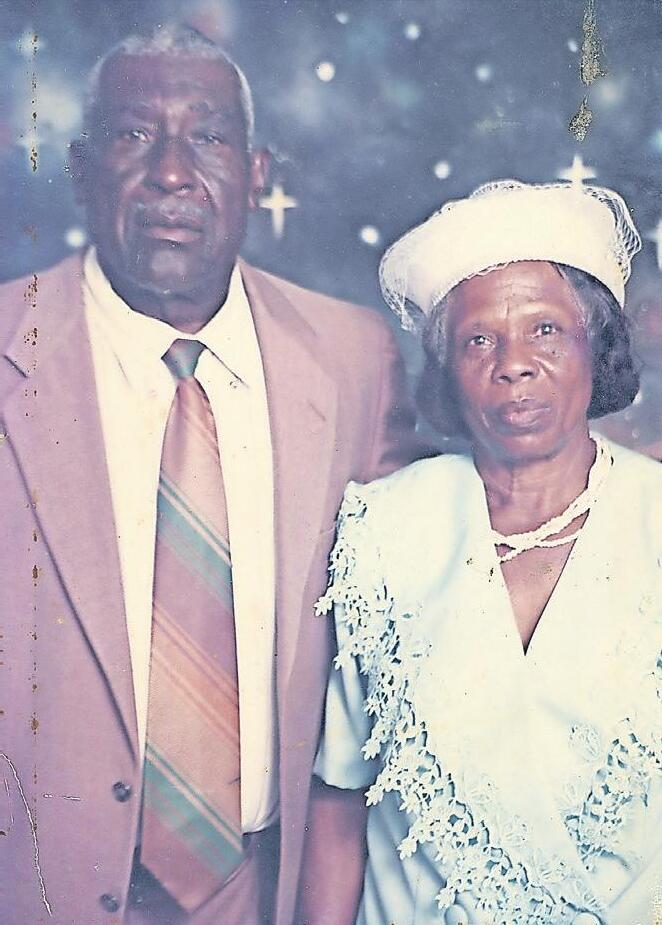
Mrs Rolle with her late husband Levi
“That's what the Bible said, that you ought to love your neighbour as yourself, right? I was very kind to the old people. I think that's some of the reason why I lived a long life. I was very kind and loved to do for them,” she said.
When asked what has sustained her through 100 years, she answers without hesitation.
“Faith and family are number one. When it comes to family; it is the closeness, the togetherness, the camaraderie, and so much more. They are Christian people. They love the Lord and they serve the Lord. Because again, we had more fear of God. I love my family, we grew up with love,” she said.
The kindness she once extended has, in her view, returned to her.
“Yes, yes, yes. They are kind to me,” she said when asked about the younger generation being kind to her.
Her days now are quieter but still anchored in worship.
“I enjoy watching TV. I like to watch the church services. I love the singing. I love the way they carry on during the praise and worship. That was my best thing growing up, singing. So I enjoy watching it,” said Ms Rolle.
Though she has lived in Nassau for the past three years, Exuma remains home in her heart.
“I love and miss everything about Exuma. I miss the conventions, programs, concerts and
Like the young people now, they just don't accept Christ as their saviour. We used to do it, you see? In our days, we accepted. We accepted Jesus Christ as our saviour. And in these days, they don't have no respect for God as we used to."
“I am looking forward to that day when the Lord will take me home. May we all be ready for such an hour, because when you think not, the son of man cometh. So, I'm ready and I'm looking for that day when Jesus will come to take me home. I've lived my life for God here on earth,” said Ms Rolle. She continued: “I live for him. And that is why I can look forward to that day when he takes me home,” she said.
One hundred years is not ordinary. It is layered with decades of service, prayer, frewood kitchens, Sunday hymns and neighbourly love.
In celebrating Rebecca Zillah Rolle today, Exuma celebrates one of its own: a woman whose century has been rooted in faith and carried by kindness.
One letter stands for another. In this example, A is used for the three L’s, X for the 2 O’s, etc. Single letters, apostrophes, the length and formation of words are all hints. Each day the code letters are different.
Sudoku is a number-placing puzzle based on a 9x9 grid with several given numbers. The object is to place the numbers 1 to 9 in the empty squares so the each row, each column and each 3x3 box contains the same number only once. The difficulty level of the Sudoku increases from Monday to Sunday





Photographed by Yontalay S. Bowe-Kirkendall of Cat Island Photography

By CARA HUNT
Tribune Features Writer
cbrennen@tribunemedia.net
FOR the frst time, North and South Cat Island came together to listen to the sweet sounds of Junkanoo in a friendly competition between the Northern Scrappers and the South Rockers.
The parade took place at the North Point Regatta site on Valentine’s Day to the delight of visitors and tourists alike and by the last drum beat it was announced that the South Rockers had won in every category.
They took spectators on a journey to explore the various countries of the world.
Group leader Dwain Adderley said: “I’m extremely proud of my
players, especially the young kids in the brass and the back line. They really surprised me. I was impressed with how well they executed. The students did a remarkable job. They were pretty confdent, especially the guys from the brass and back line. They wanted to really win the overall music category, that was what their goal was focus on. So they was hype up when they hear we got frst in overall music, they were really excited.”
He added that he was impressed by the north group who were competing in their frst ever performance.
“I expected the other groups to come strong as well,” said Mr Adderley. “I was watching their colours and theme when they performed. Their theme was love so I thought they would have

had a solid presentation, but they came with something totally diferent.”
Philip Johnson, leader of the North Scrappers, said that despite the loss, they had an absolutely good time and enjoyed the parade.
“We lost every category, but we had fun, you know the Junkanoo Cry, they rob us!” he joked.
Fun was exactly what the group had wanted to achieve. He said that that they had little resources for costuming and instruments, but still wanted to encourage the youngsters to enjoy the process rather than try focus just on competition.
He noted that they chose the theme because of all the chaos in the world right now.
“We just need love,” he said.


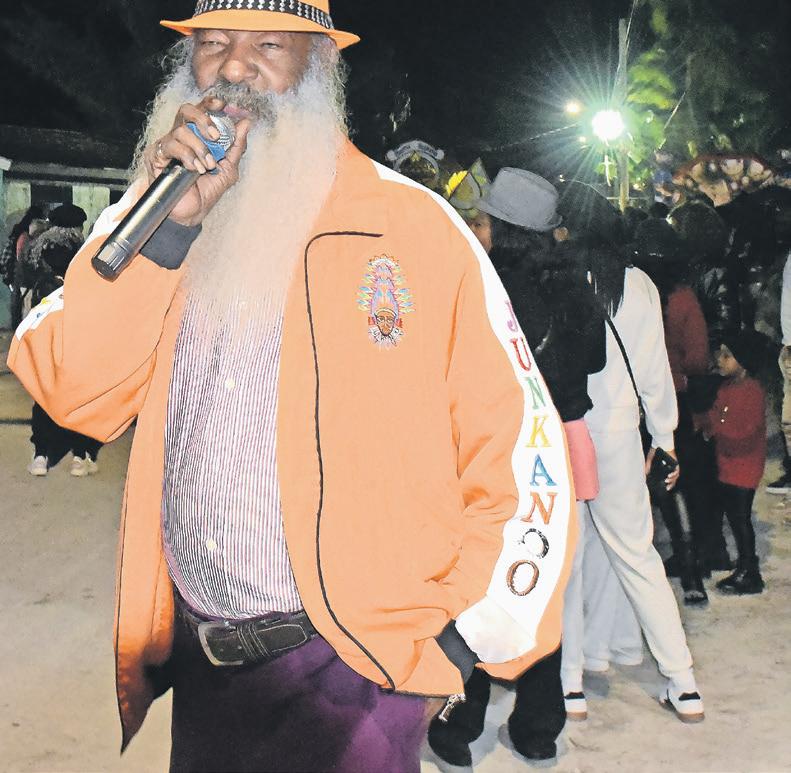


Photography by Shawn Hanna/Tribune Staff
By FAY SIMMONS Tribune Business Reporter jsimmons@tribunemedia.net
THERE is something about Bimini that slows your pulse before you even realise it has happened.
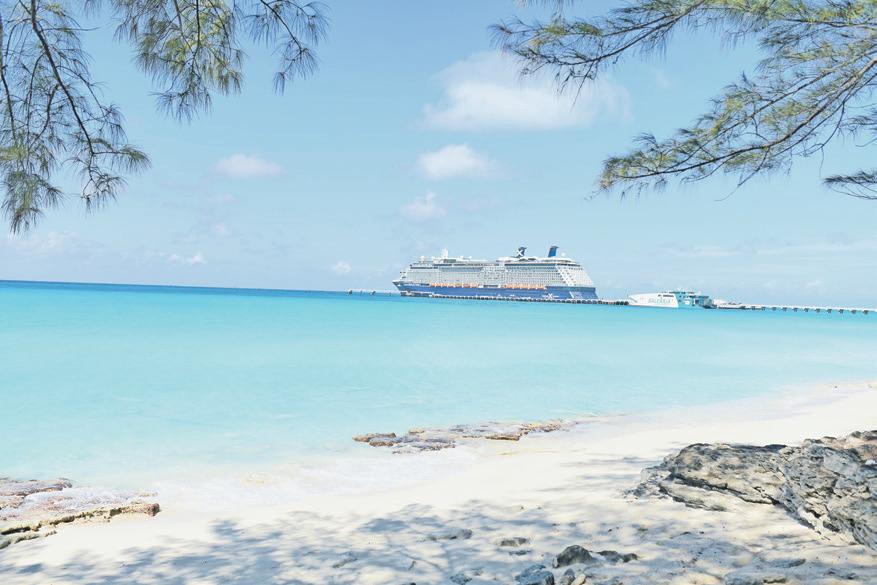
Maybe it is the way the water announces itself frst — impossibly blue, stretching in shades most postcards fail to capture. Or, maybe it is the rhythm of golf carts humming past, pelicans perched lazily along the docks, and that cool ocean breeze that never seems to stop moving. On this narrow strip of island, barely seven miles long, life does not rush. It unfolds.
By mid-morning, Radio Beach is alive. Cruise passengers spill onto the
sand, phones raised toward those famous turquoise shallows.




Locals weave easily through the crowd. Vendors line the edge of the beach with handmade jewellery, straw crafts, and bright souvenirs that will eventually fnd their way into suitcases bound for the world.


Just steps away, plates of cracked conch, stew fsh, and grilled snapper move steadily out of kitchens like those at Anchorage Restaurant and Beach Bar, where beachgoers drift in barefoot and sun-warmed, ordering Kaliks and local favourites before heading back to the shore.
several times, but he always returns.
“It’s the water,” he says, gesturing toward the fats.
“The seafood. The people. You can leave, but Bimini pulls you back.”
A few docks away, a young boy sits quietly with a simple fshing line cast into the water, bare feet dangling just above the tide. He watches the surface patiently, hopeful. No rush. No noise.




Just the steady rhythm of the sea.
Across the island, the stories are layered.
At Dolphin House Museum, a three-storey mosaic tribute built by local educator and artist, Ashley Saunders, history lives in fragments of tile, shell, and sea glass. Constructed beginning in 1993 from salvaged and marine materials, the structure is both art installation and cultural archive, a monument to Bimini’s dolphins and its heritage. Step inside and you feel it: this is not just a tourist stop. It is testimony.
For those drawn ofshore, Bimini Big Game Club Resort & Marina ofers diving and snorkelling excursions into waters that have made the island legendary among anglers and adventurers. Reef sharks glide in clear visibility. Snorkellers foat above coral gardens. Bonefsh skim across the fats that once drew Ernest Hemingway and Dr Martin Luther King Jr here decades ago.
And then there are the signatures. At local bars and waterfront hotspots, benches are etched with names of visitors who promised to return. Frames are flled with vacation snapshots. Dollar bills, signed and dated, paper the walls — small monuments to memories made in salt air.




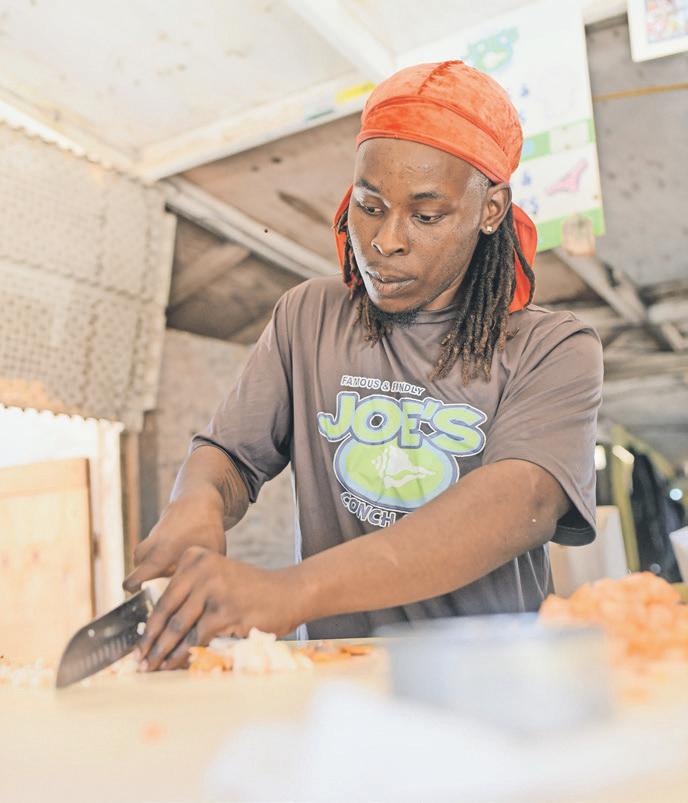
On the other end of the island at Joe’s Conch Stand, the real work is happening in the back.
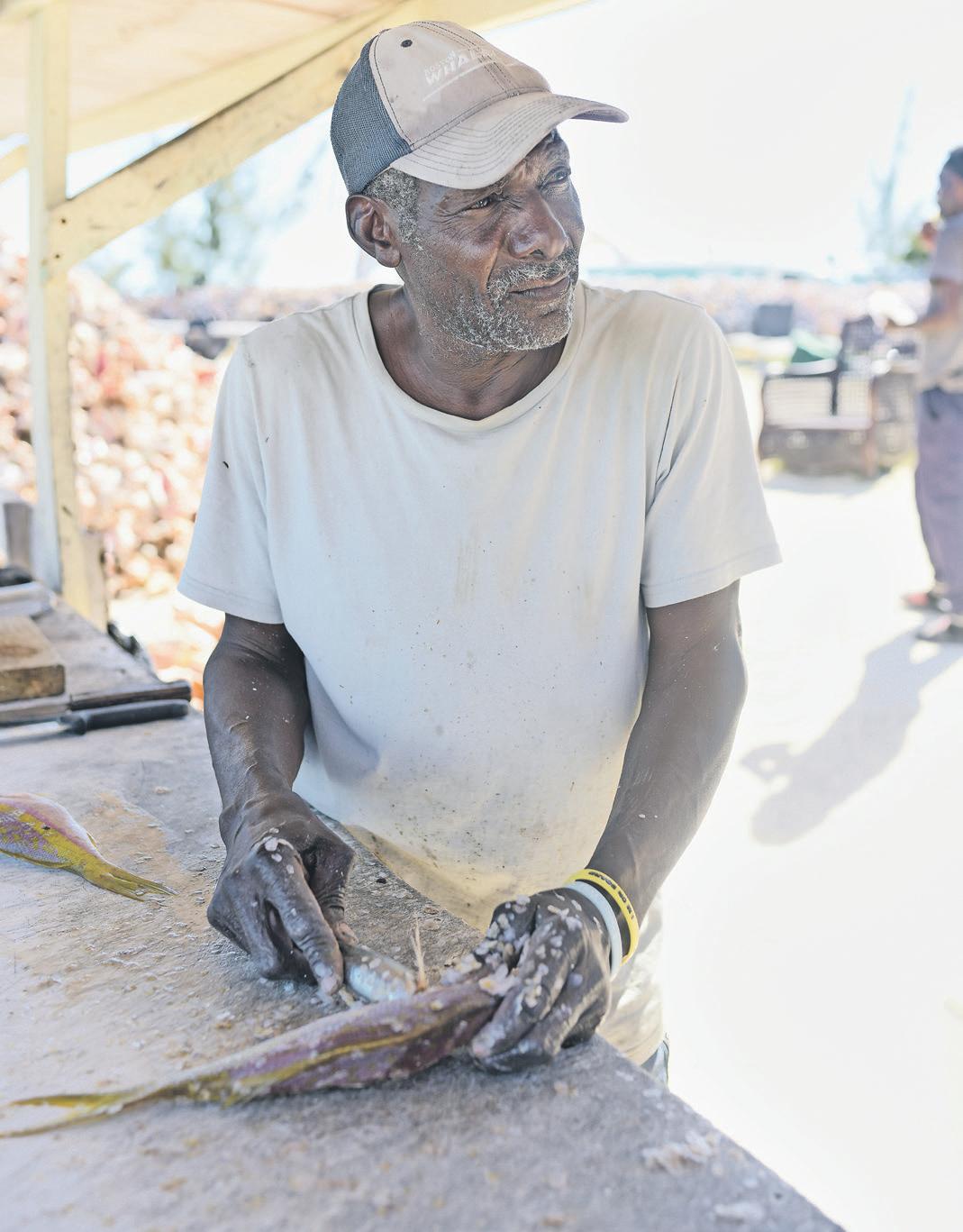
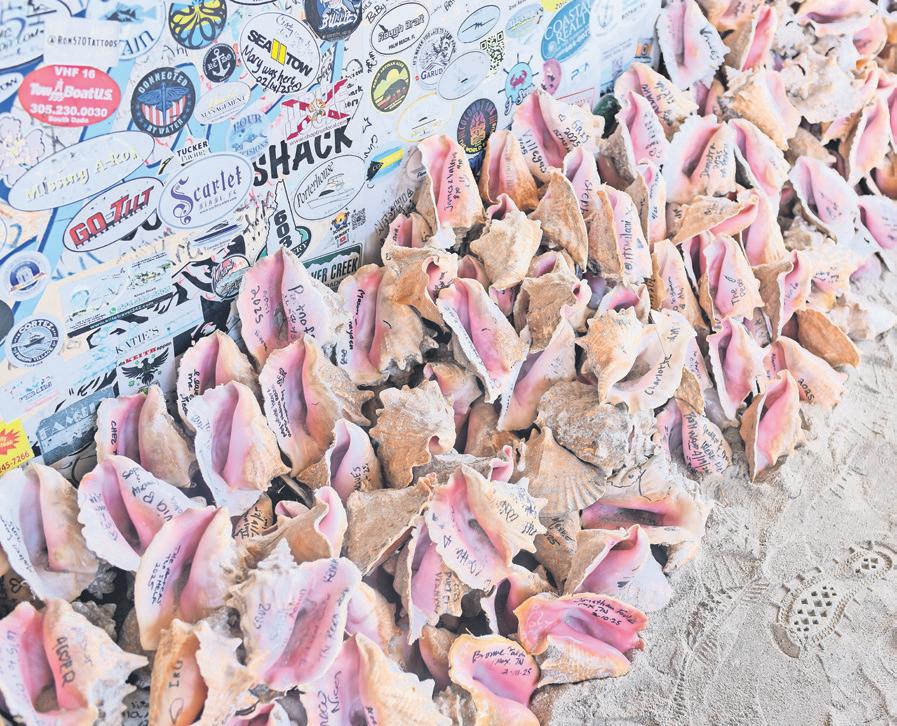
Big Derek stands near the water’s edge, knife moving with practised precision, as he cleans freshly caught fsh. Conch shells pile nearby — harvested that morning, destined for salad by lunchtime. The salt air carries the scent of the sea and citrus.

Derek frst moved to Bimini in 1977. Since then, he has relocated
In Bimini, even childhood feels unhurried.
Out on the roads, children lounge in golf carts as easily as others might lean against bicycles. Couples cruise slowly past pastel homes. There is no real hurry here. Whether you are staying at a luxury property or tucked into a locally-owned guesthouse like Sluggo & Renee’s — where visitors are just as likely to receive island tips as room keys. The views remain the same: endless water, low skies, and sunlight that seems to stretch the day longer than expected.
“People come for the beach,” Renee laughs, when asked what keeps guests returning year after year. “But they fall in love with the people.”
By sunset, the pace softens even further. Music carries across the marina. Someone is grilling. Someone else is telling a story about the one that got away. The sky turns sherbet orange, then lavender.
Bimini does not overwhelm. It invites.
It invites you to slow down. To eat fresh conch cut from the shell just minutes ago. To talk to the fsherman instead of scrolling your phone. To learn history from mosaic walls. To drive nowhere in particular in a golf cart just because you can.
Some visitors come for a day. Some for a weekend. Some, like Big Derek, leave and fnd their way back. Because in Bimini, the water is only part of the story.
The rest is the people who make you feel, even briefy, like you belong.
By CARA HUNT Tribune Features Writer cbrennen@tribunemedia.net
THE island of Bimini has always been a second home for Cameron Capo.
And now the 17-year-old Florida resident wants to give back to the community that has become so close to her heart.
“For as long as I can remember, Bimini has been my second home,” she said. “Growing up, I spent my time on the island playing with the local children and donating clothes I had outgrown. As I grew older, I became aware of how island geography and isolation limited access to necessities like clothing.”
Cameron knew that she wanted to give back in a more tangible way and the idea came to her on a street in France far away from the Bahamas.
“I was walking down the street and saw that they had these bins outside in these residential areas and I was just super curious and then I learnt that they were put out for residents to place their donations and I knew that was what I wanted to do in Bimini.”
She explained that she wanted to give back in a thoughtful way and since she had already been in the habit of donating clothing items to residents, she decided to continue that idea just on a larger scale.
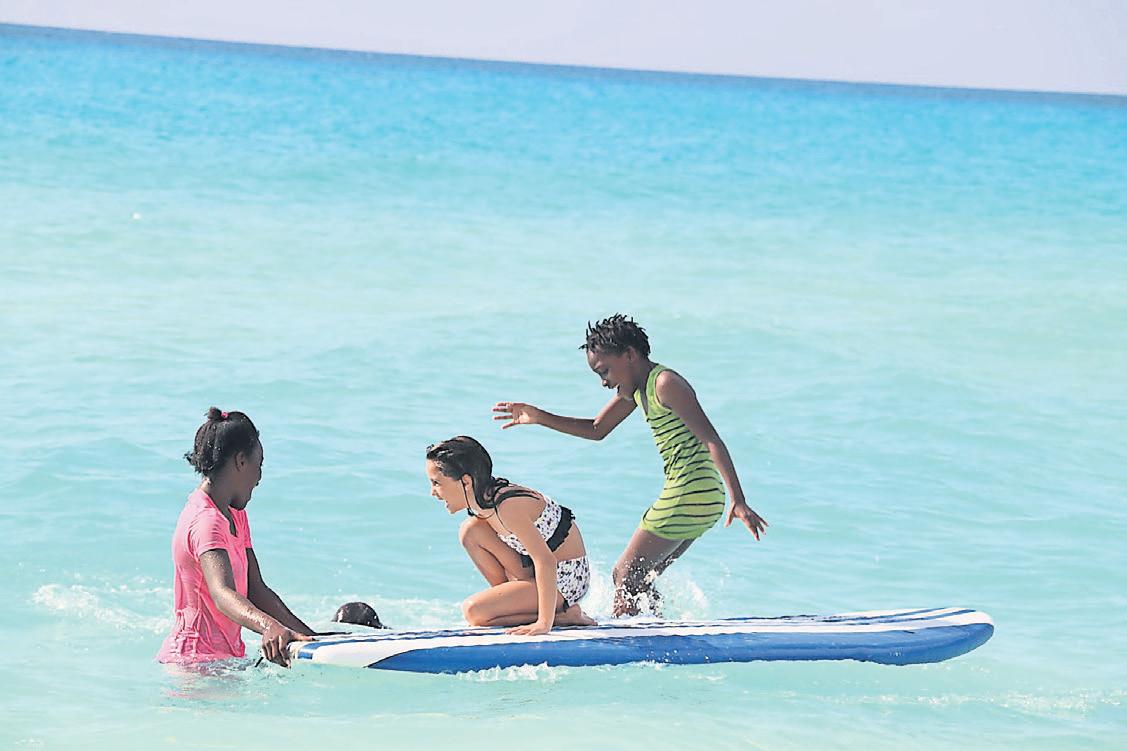
She founded Second Wave which is a community-based initiative establishing a permanent marina-based clothing receptacle.
“We focus on ensuring that quality clothing circulates where it is most useful in order to refect the rhythms of island life and the value of shared responsibility. Our goal is simple to support everyday life
in Bimini in a natural and locally informed way.”
The premise is simple and yet so efective. Vistors can just place their donated items in bins at the marina as they arrive or leave.

“Having a specifc donation bin allows tourists and visitors to give back to a community they enjoyed before heading home. I worked to turn a personal habit into a sustained,
permanent, and communi ty-centered solution. This helped me think inten tionally about impact, responsibility, and design ing systems that last in a community dear to my heart,” she explained.
The collected items will then be given to churches and other organisations who can then distribute them where they are needed.
The initiative has already yielded great results.
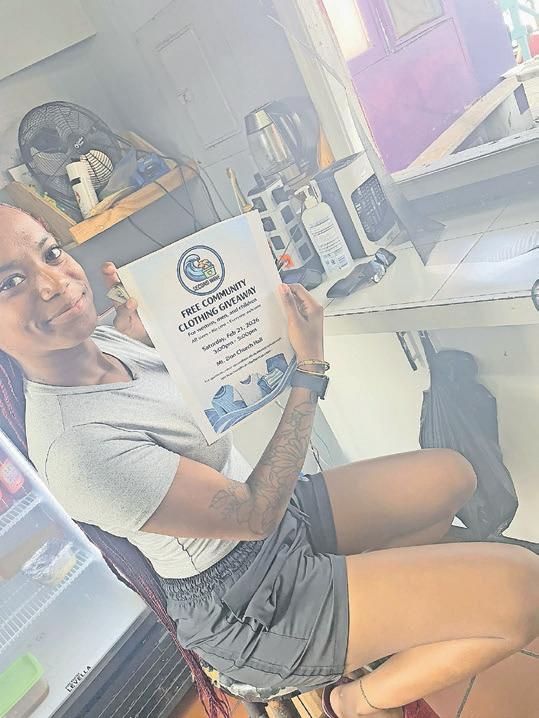
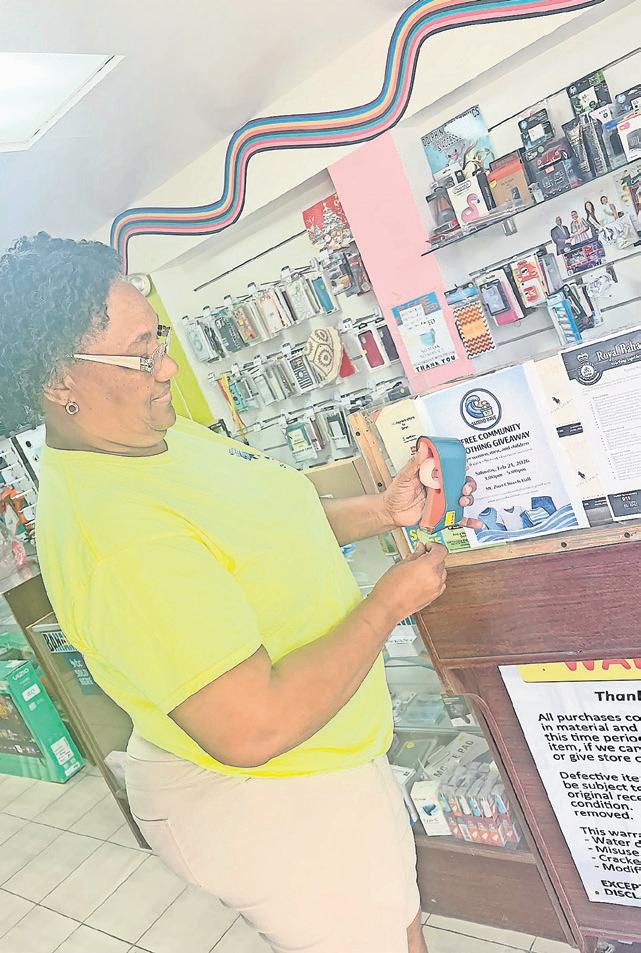
“Tomorrow (Feb 21), I am hosting a free community cloth ing giveaway for the
people of Bimini, and so far, I have collected over 900 items of clothing,” she said proudly. It will take place from 3pm to 5 pm at the Mt Zion Church hall.

Cameron also encouraged other young people to fnd simple and efective ways to better the world around them.
“I think that it is very important that they fnd ways to give back. I would encourage the things that they are passionate about and then fnd ways to expand that into ways of giving back,” she said.
Interested persons can learn more about Second Wave by visiting https:/secondwavebahamas.com/



THE Bahamas
Ministry of Tourism, Investments & Aviation has announced a new era of connectivity for Bimini, welcoming the launch of the frstever non-stop service from the United States.
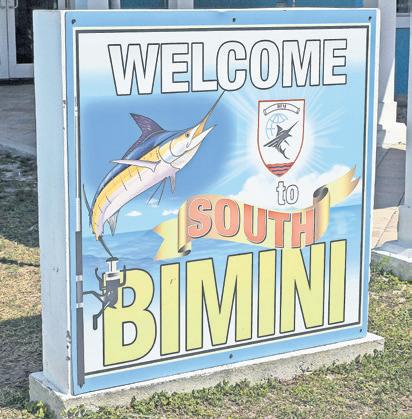
The new American Airlines fights from Miami International Airport (MIA) to South Bimini Airport (BIM) provided travellers with seamless access to the vibrant island, known as The Gateway to The Bahamas.
The new service marks a signifcant milestone, strengthening The Bahamas’ position as a leading tourism destination and reinforcingongoing commitment to expanding access to the Out Islands.
“This is a game-changer for Bimini,” said Chester Cooper, Deputy Prime Minister and Minister of Tourism, Investments & Aviation.
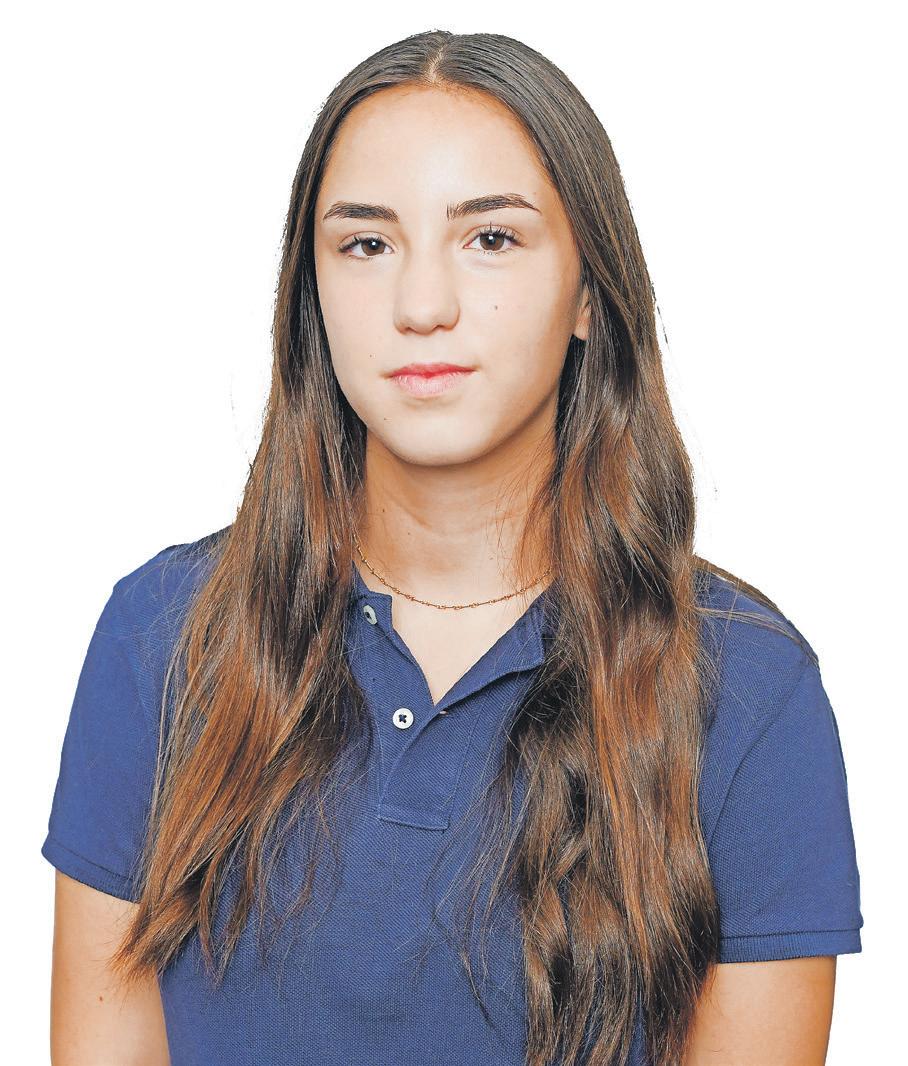
“This non-stop connection with a major U.S. city not only enhances accessibility but also signals a new phase of growth for the island’s economy. It is a testament to our ongoing eforts to elevate our tourism product and to partner with world-class airlines to meet global demand for our diverse islands.”




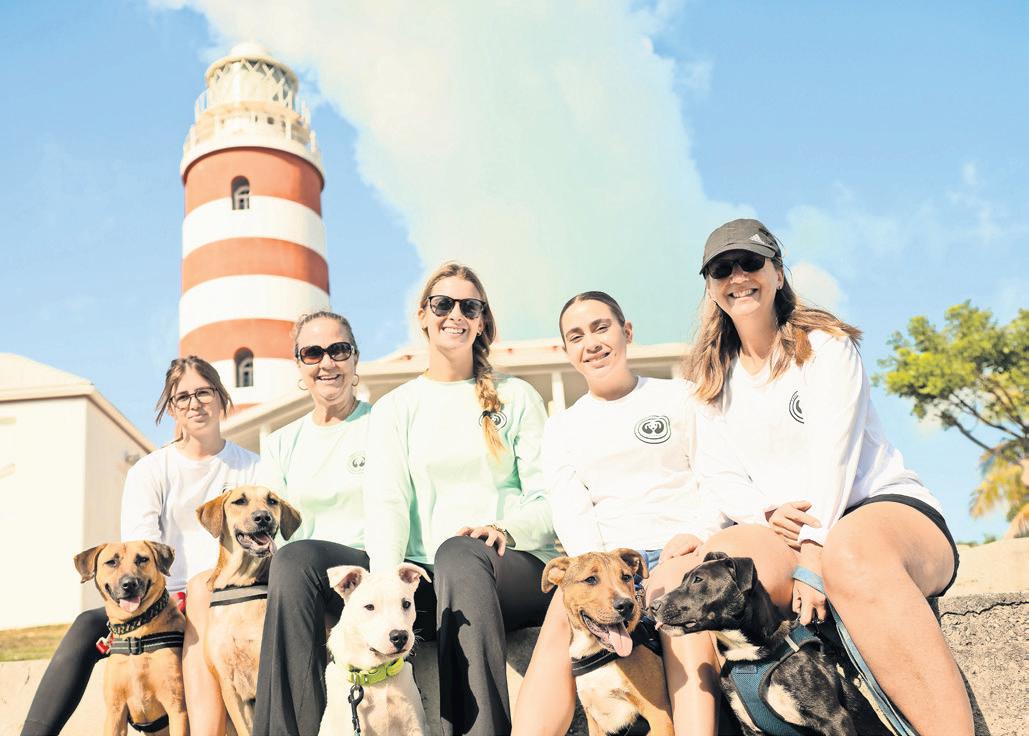
THE love was fowing on Valentine’s day as the Elbow Reef Lighthouse Society and the Abaco Shelter joined forces for a special open house celebrating community, conservation, and compassion.
The event at the historic Elbow Reef Lighthouse unveiled a meaningful collaboration between two vital nonprofts. Both organisations operate primarily on volunteer power and depend on community donations to sustain their missions.
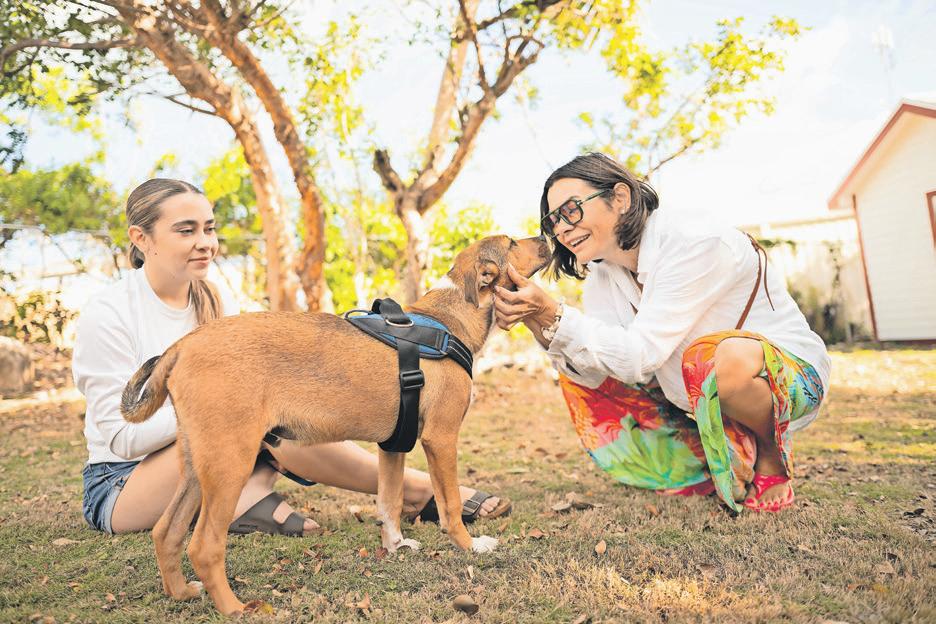
Guests were able to immerse themselves in the history of the lighthouse while also enjoying puppy kisses and tail wags from the adorable Royal Bahamian Potcake. Two of the dogs were adopted during the event.
The partnership extends beyond the open house through the Lighthouse Society's 2026 annual ornament, which features a Bahamian Potcake alongside the iconic tower. Proceeds from this year’s ornament will support both the lighthouse's daily maintenance and the shelter's critical animal welfare work.
"We were thrilled to host this 'Step into History' open house at the lighthouse to remind both residents and visitors to Elbow Cay just how remarkable our local history is," said an ERLS spokesperson.
"This is the last lighthouse of its kind on the planet because a handful of Elbow Cay's caring residents chose to preserve their historic tower in its original hand-wound, kerosene-burning state when the rest of the world—including The
Bahamas—automated theirs with electricity, erasing the guilded-age technology of the 1800s forever."
Together, these organisations demonstrate that preservation— whether of historic landmarks or abandoned animals—requires commitment, community support, and hearts willing to answer the call.
The ERLS 2026 fundraising goal of $250,000 will allow the Society to continually combat the ever-present rust and perform critical repairs and maintenance of the station including the lantern and lens-turning machinery.
And the Abaco Shelter relies entirely on donations to care for more than 50 rescued potcakes that have been rescued.
Their 2026 fundraising goal of $350,000 will give Abaco's potcakes the care they deserve while helping them fnd forever families and help to complete their shelter including building facilities, planting shade trees, and preparing proper kennels. Their 2026 fundraising goal of $350,000 will give Abaco's potcakes the care