TUESDAY, MARCH 1, 2022
•Perfor
•T

TUESDAY, MARCH 1, 2022
•Perfor
•T
•Mem

TUESDAY, MARCH 1, 2022 • 7:00PM
TRIBUTES BY
Aloe Blacc
The Belafonte Alumni Band
Laurence Fishburne
Doug E Fresh
Danny Glover
Whoopi Goldberg
Amy Goodman
Bill T. Jones
Alicia Keys
Spike Lee
Lenny Kravitz
John Legend
Michael Moore
Q-Tip
Tim Robbins
Rev. Al Sharpto
Bryan Stevenson
Sweet Honey in the Rock
Mr. Wave
Jesse Williams
Alfre Woodard
RECIPIENTS OF THE INAUGURAL HARRY BELAFONTE SOCIAL JUSTICE AWARD
Angela Davis
Rashad Robinson
Kimberlé Crenshaw
Dr. Cornel West
Darren Walker
Hank Willis Thomas
Eric Holder
Congresswoman Barbara Lee
LARRY ZUCKER, Executive Director
MELAY ARAYA, Artistic Director
JEFF MANN, Marketing Director
KEITH SHERMAN, Publicity
SCOTT KLEIN, Publicity
TED LAMBERT, Chief Operating Officer
BILL DEHLING, Technical Director
CARL ACAMPORA, Production Manager
ALEX KOVEOS, Digital Media Manager
DENNIS RAKAUCKAS, Graphic Designer
Sankofa.org was founded by Harry Belafonte, his daughter Gina Belafonte, and Raoul Roach in 2012. Its mission is to educate, motivate, and activate artists and allies in service of grassroots movements and equitable change. Sankofa.org focuses on issues of injustice that disproportionately affect the disenfranchised, the oppressed, and the underserved, which left unaddressed will continue to impact the lives of too many individuals and remain a scar on our nation’s moral character. The non-profit organization is fiscally sponsored by Social Environmental Entrepreneurs.

This year’s inaugural Harry Belafonte Social Justice Awards were created to acknowledge the vast reach of Mr. Belafonte’s contribution to social justice and American history. For their unwavering commitment to justice, award recipients include Angela Davis, Rashad Robinson, Kimberlé Crenshaw, Dr. Cornel West, Darren Walker, Hank Willis Thomas, former Attorney General Eric Holder and Congresswoman Barbara Lee.
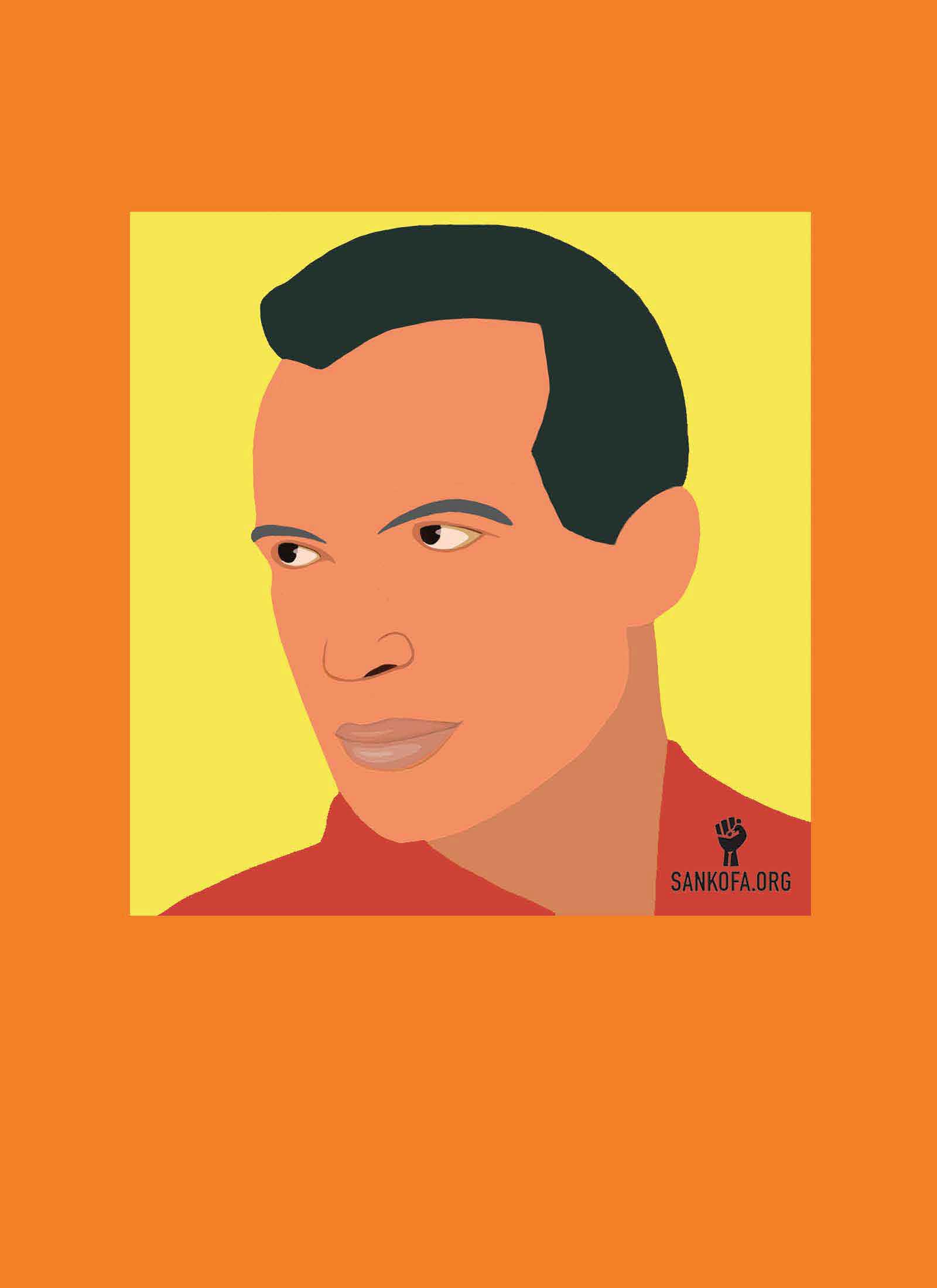
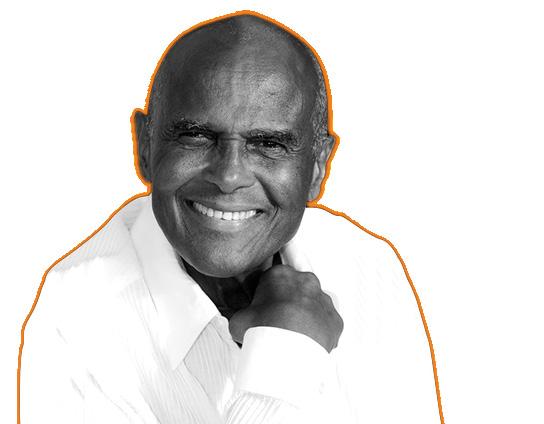
Harry Belafonte was born in Harlem in New York City in 1927. Overwhelmed and intimidated by its ghetto streets and thinking the islands to be a safer place, his immigrant mother sent him back to the island of her birth, Jamaica. The island and all its variety became his cultural reservoir.
At the outbreak of World War II, his mother retrieved him from the island and brought him back to Harlem. He tried to adapt to his new environment, a process that came with great difficulty. Unable to finish high school, he enlisted in the United States Navy and served for almost two years as a munitions loader. After his tour of duty ended, he was honorably discharged and returned to New York City where he worked both in the garment center and as a janitor’s assistant.
For doing repairs in an apartment (of Clarice Taylor and Maxwell Glanville), Belafonte was given, as his gratuity, a ticket to a production of HOME IS THE HUNTER at a community theater in Harlem - the American Negro Theatre (A.N.T.). The world that the theater opened up to him put Belafonte, for the first time, face to face with what would be his destiny - a life in the performing arts. He joined the Dramatic Workshop of the New School of Social Research under the tutelage of the renowned German director, Erwin Piscator. With classmates
like Marlon Brando, Walter Matthau, Bea Arthur, Rod Steiger and Tony Curtis - just to name a few - Belafonte became thoroughly immersed in the world of theatre. Paralleling this pursuit was his interest and love of jazz. He developed a relationship with the young architects of the art form, the geniuses of modern jazz, and on the occasion of his first professional appearance, he had Charlie Parker, Max Roach, Tommy Potter and Al Haig as his “back-up band”. Since that launching, Belafonte has sustained an inordinately successful career:
His RCA album “Calypso” made him the first artist in industry history to sell over 1 million LP’s, creating the gold record.
His first Broadway appearance in John Murrary Anderson’s Almanac earned him the coveted Tony Award.
As the first black producer in television, he won an Emmy for his CBS production of “Tonight with Belafonte”.
At the dawning of his cinematic film career, Carmen Jones took top critical honors and attracted Oscar nominations.
His many firsts in the overturning of numerous racial barriers in the world of culture in America are legend. Belafonte met a young Dr. Martin Luther King, Jr. on his historic visit to New York in the early 50s. From that day until the leader’s assassination, Belafonte and King developed a deep and abiding friendship that for Belafonte still stands as one of the most precious of his experiences. Dr. King said of his friend, “Belafonte’s global popularity and his commitment to our cause is a key ingredient to the global struggle for freedom and a powerful tactical weapon in the Civil Rights movement here in America. We are blessed by his courage and moral integrity.”
Disturbed by cruel events unfolding in Africa due to war, drought, and famine, Belafonte set in motion the wheels that led to “We Are the World” on January 28, 1985. He contacted manager, Ken Kragen, and they, along with others, guided and directed the project known as USA for Africa.
Belafonte was prominent in the contribution to the ending of the oppressive apartheid government of South Africa and for the release of his friend, Nelson Mandela after twenty-seven and a half years of incarceration. Belafonte was appointed by President John F. Kennedy to be the cultural advisor for the Peace Corps. He served for five years.
In 1987, Belafonte accepted the appointment as UNICEF Goodwill Ambassador, thus making him the second American to hold this title - the first being Danny Kaye, upon whose death Belafonte assumed the position. Belafonte has continued to devote himself globally to civil and human rights issues, focusing in particular on the United States and Africa.
Belafonte penned his much-anticipated memoir “My Song” released in October 2011. In conjunction with the release of the book, HBO debuted the critically acclaimed superior bio-documentary Sing Your Song, directed by Susanne Rostock, the same week. The film chronicles the life and times of one of America’s most groundbreaking entertainers and social activists through his own words, eye-witness accounts, FBI files and archival footage, and seeks to answer two profound questions about who we are, especially as artists and what meaning we find in our own commitments.
Both the film and the book not only tell Belafonte’s stirring life story, but place that life in the context of its times, and portrays it with the kind of depth and breadth that makes one wonder why it has not been told before.
Aside from being an EGOT, having been awarded the Emmy, Grammy, the Oscar honorarium, and a Tony, Harry Belafonte has been honored many times by such diverse groups as the American Jewish Congress, the NAACP, the City of Hope, Fight for Sight, The Urban League, The National Conference of Black Mayors, the Anti-Defamation League of B’nai B’rith, the ACLU, the State Department, the Boy Scouts of America, Hadassah International and the Peace Corps. He has received awards such as The Albert Einstein Award from Yeshiva University, the Martin Luther King, Jr. Peace Prize, the Acorn Award from the Bronx Community College for his work with children, and, in 1989, he received the prestigious Kennedy Center Honors for excellence in the performing arts. He was the first recipient of the Nelson Mandela Courage Award and was honored at the White House with the 1994 National Medal of Arts from President Clinton for his contributions to our nation’s cultural life. He has received honorary degrees from City University of New York, Spellman College in Atlanta, Tufts University, Brandeis University, Long Island University, Bard College and most recently Doctor of Humane Letters from Columbia University and many others. And he is the 2013 recipient of the Spingarn Medal, the most prestigious award bestowed by the NAACP.
Born and raised in New York City, Gina Belafonte has spent her life in the arenas of entertainment and activism where her professional work thrives today. As the youngest child of Julie and Harry Belafonte, whose impact in these fields is among the most influential and progressive in the world, Gina’s passions come as no surprise. Ms. Bellafonte is currently involved in many artistic ventures and cultural initiatives through sankofa.org. She is also producing a documentary film titled, SING YOUR SONG, exploring the extraordinary life and legacy of Harry Belafonte that was selected as the opening film for the Sundance Film Festival in 2011.
After many years working as actress in NYC, with several off broadway and touring companies like The National Shakespeare Company and The Mirror Repertory Company in NYC, under the Artistic Direction of John Strasberg, alongside greats such as Geraldine Page, F. Murray Abraham, Anne Jackson and Elisabeth Franz, a series of opportunities to work in film and television moved her to Hollywood, where she appeared in several guest-starring roles, and landed a television series, THE COMMISH. After two formative years on screen with the series, her lifelong passion for stage production ultimately led her to produce theater in Los Angeles. Gina’s technical expertise and insight into the world of film and television production were developed while collaborating with Paula Weinstein and Barry Levinson at Baltimore Spring Creek/Warner Brothers.
After becoming a mother, Gina followed her early childhood environment by immersing herself in activism. Collaborating with leading gang interventionist, Bo Taylor, Gina developed a deeper understanding of gang culture by working in the California prison system, and co-founded a non-profit organization called The Gathering For Justice. This multicultural, multi-generational organization focuses on youth incarceration and the criminalization of poverty. She currently sits on the Board of 2nd Call a community based organization designed to save lives, by reducing violence and assisting in the personal development of high risk individuals, proven offenders, ex-felons, parolees and others who society disregards and the internationally acclaimed Actors Gang Theatre founded by Tim Robbins.
After dedicating over a decade to addressing gang intervention and
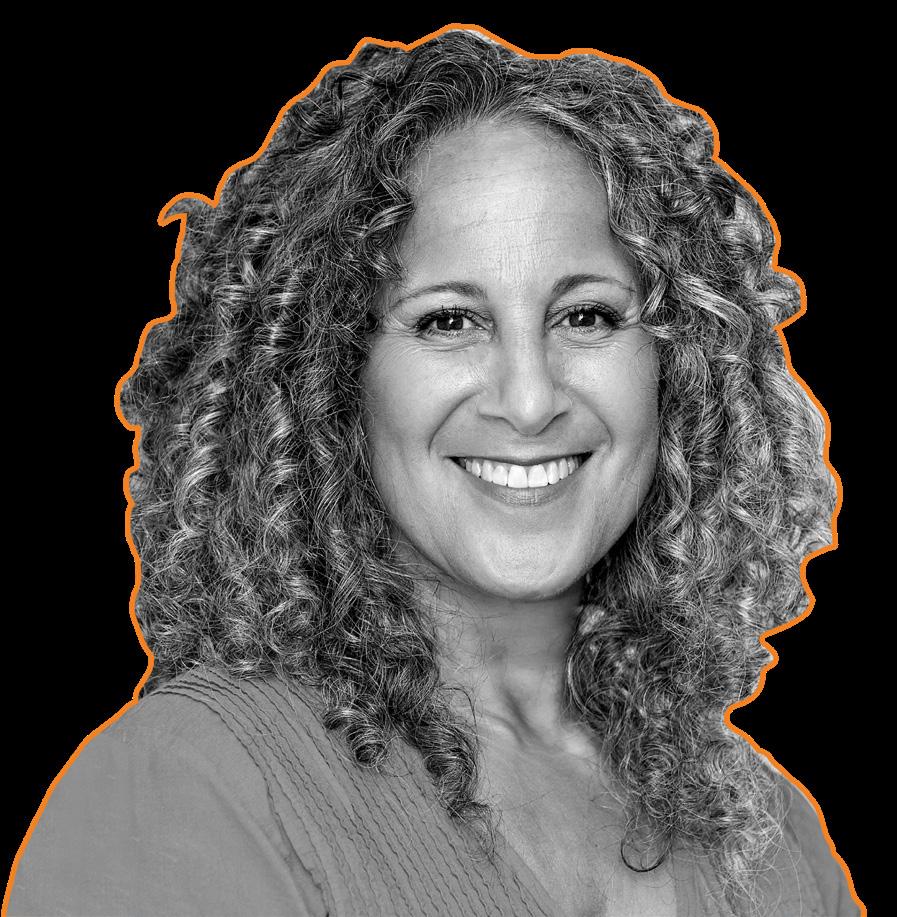
incarceration, Gina traveled around the world with her father to bring together two inspiring generations of art and activism with the critically acclaimed HBO film SING YOUR SONG.
Today, Gina lives in LA and New York, and is collaborating with diverse artists, activists and organizations worldwide to promote cultural and civic engagement in the 21st century. Ms. Bellafonte is currently involved in many artistic ventures and cultural initiatives through sankofa.org. She is also producing a documentary film titled Another Night In The Free World that explores the lives of three young women activists, their struggles and challenges and the difference they are making in the world, developing alongside her father with Martin Scorsese, Ben Affleck, and Scott Budnick a cinematic presentation about the colonization of the Congo by Leopold the 2nd. She and her father are the executive producers of Lyrics from Lockdown - a hip-hop theater, multimedia production addressing the impact of wrongful imprisonment and mass incarceration. Driven by her passion for the arts and activism, Gina reflects: “After we finished Sing Your Song, I knew then as long as my dad had an idea, I would do whatever I could to help bring those ideas to fruition, continue the best of my elders’ traditions, and preserve our
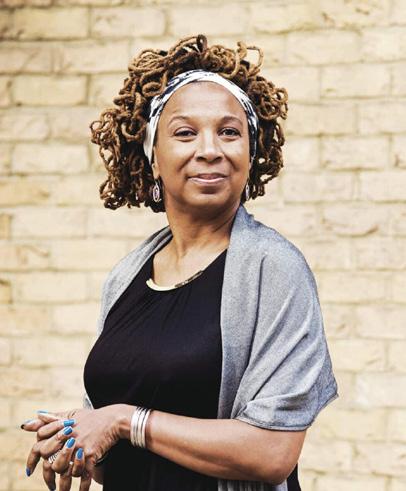
In the 30 years since Kimberlé Crenshaw first wrote about intersectionality, the term has swept to the forefront of conversations about feminism and racial justice. It is used by activists, in HR training in some of the world’s largest corporations – and is at the heart of the rightwing backlash against identity politics.
Crenshaw’s early academic work was also an important building block in the development of critical race theory, which revolutionized the understanding of race in the US’s legal system and is taught in law schools across the country.
Before the world knew what intersectionality was, the scholar, writer and activist was living it, arguing not just for Black liberation, but for the rights of women and queer and transgender people as well. She became a symbol of the struggle for Black liberation, anticapitalism and feminism. Activist, author, and professor, Angela Davis was born in Birmingham, Alabama, on January 26, 1944, the daughter of two teachers. Active at an early age in the Black Panthers and the Communist Party, Davis also formed an
interracial study group and volunteered for the Student Nonviolent Coordinating Committee while still in high school. At fifteen, after earning a scholarship, Davis traveled to New York to complete high school. In 1960, Davis traveled to Germany to study for two years, and then to the University of Paris for another year. After returning to the United States, Davis attended Brandeis University, where she graduated magna cum laude in 1965. Davis then returned to Germany for further study before enrolling in the University of California, San Diego, where she earned her M.A. degree in 1968.
Upon earning her master’s degree, Davis became an assistant professor at UCSD, but due to her connections with the Panthers and the Communist Party, she was removed a year later. Following her dismissal, Davis worked to free the Soledad Prison Brothers and befriended an inmate, George Jackson. In August of 1970, Jackson and several other inmates attempted to escape from the Marin County Courthouse, and a judge and three others were killed. Davis was quickly put on the FBI’s most wanted list, despite the fact that she was not at the crime scene, and was apprehended in New York. After spending eighteen months in jail during her trial, Davis was acquitted in 1972. While in prison, Davis wrote her first book, If They Come in the Morning: Voices of Resistance, entirely by hand. After her acquittal, Governor Ronald Reagan vowed she would never teach in California again, but nevertheless, she was immediately hired by San Francisco State University, where she stayed for another twelve years. Entering the political ring, Davis ran on the Communist Party ticket as vice president in 1980 and 1984. When the Soviet Union began to fall apart, however, Davis gave up communism. Davis continued to teach in the History of Consciousness Department at the University of California, Santa Cruz.
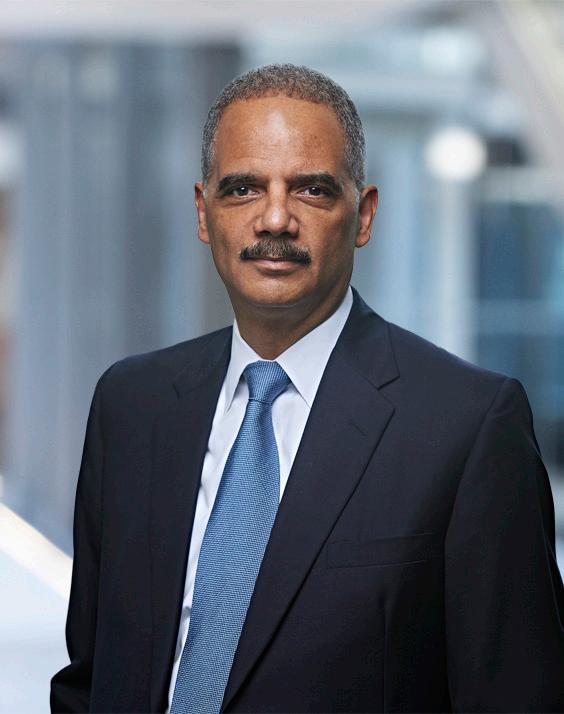
Eric H. Holder, Jr. serves as Chairman of the National Democratic Redistricting Committee. Mr. Holder is an internationally recognized leader on a broad range of legal issues and a staunch advocate for civil rights. He served in the Obama Administration as the 82nd Attorney General of the United States from February 2009 to April 2015, the third longest-serving Attorney General in U.S. history and the first African American to hold that office.
Under Mr. Holder’s leadership, civil rights, including voting rights, were a top priority at the Justice Department. Mr. Holder vigorously defended voting rights, including the enforcement of the Voting Rights Act of 1965. He criticized politically motivated voter ID laws that were designed to suppress minority and youth votes, and he led the Justice Department’s efforts to overturn these laws around the country.
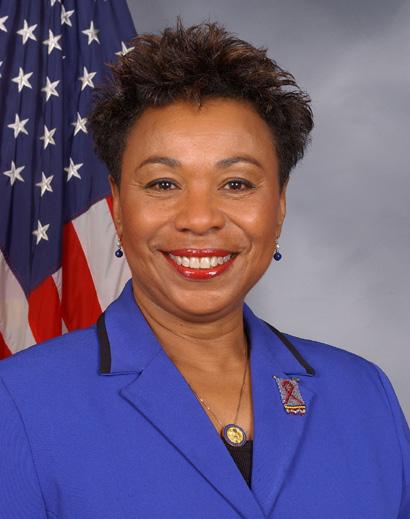
Congresswoman Barbara Lee was born in segregated El Paso, TX and attended St. Joseph’s Catholic School, where she was taught by the Sisters of Loretto, an order dedicated to promoting justice and peace. Her father was a veteran of two wars and her mother broke many glass ceilings and racial barriers. After grammar school, Congresswoman Lee moved to San Fernando, California and worked with the local NAACP to integrate her high school cheerleading squad.
As a single mother raising two sons, Congresswoman Lee attended Mills College and received public assistance while building a better life for her family. As president of Mills College’s Black Student Union, she invited Congresswoman Shirley Chisholm, the first African American woman elected to Congress, to speak on campus. As a result of this meeting, Congresswoman Lee registered to vote for the first time and worked on Congresswoman Chisholm’s historic presidential campaign, including serving as her delegate at the 1972 Democratic National Convention in Miami, FL.
Congresswoman Lee received her Masters of Social Work from the University of California, Berkeley, specializing in psychiatric social work. During her graduate work, Congresswoman Lee founded the Community Health Alliance for Neighborhood Growth and Education (CHANGE, Inc.) which provided mental health services to many of the East Bay’s most vulnerable individuals. In 1975, Congresswoman Lee joined the staff of Congressman Ron Dellums, where she eventually rose from an intern to chief of staff. During the eleven years she worked for Congressman Dellums, Congresswoman Lee was one of only a few women and persons of color to hold a senior position on Capitol Hill. After leaving Congressman Dellums’ office in 1987, Congresswoman Lee founded a facilities management company that grew to employ over 500 people. As a small business owner in the East Bay, Congresswoman Lee worked with people from all walks of life.
In 1990, Congresswoman Lee was elected to the California State Assembly, where she served until 1996 when she was elected to the State Senate. As a California legislator, Congresswoman Lee authored 67 bills and resolutions that were signed into law by Republican Governor Pete Wilson. This legislation addressed a wide spectrum of issues, including public safety, education, healthcare, and environmental protections. In the legislature, Congresswoman Lee was an early champion of LGBT issues and authored the 1995 California Schools Hate Crimes Reduction Act. As the first African American woman elected to the State Senate from Northern California, Congresswoman Lee created and presided over the
California Commission on the Status of African American Males and the California Legislative Black Caucus, while working to defeat the punitive “three strikes law.” Congresswoman Lee also served as a strong advocate for women in the legislature, where she authored and passed the first California Violence Against Women Act and served as a member of the California Commission on the Status of Women.
In 1998, Congresswoman Barbara Lee was elected to serve California’s 9th congressional district (now the 13th) in a special election. In 2001, Congresswoman Lee received national attention as the only Member of Congress to oppose the authorization for the use of military force (AUMF) in the wake of the horrific events on September 11th. The Congresswoman believed this AUMF would become a blank check for endless war. As of 2013, this authorization had been used more than 30 times to engage in military action without Congressional oversight. Congresswoman Lee is working to repeal this blank check and restore Congress’s constitutional oversight to matters of war and peace. She was also an outspoken opponent of the Iraq War.
Congresswoman Lee has long advocated for legislative action to end poverty. In 2007, she worked with a diverse coalition of Members to create the Out of Poverty Caucus. In 2013, she became chair of the Democratic Whip Task Force on Poverty and Opportunity. As chair, she leads more than 100 Members of Congress in crafting and advancing legislation to lift millions of American families out of poverty and into the middle class.
Since her time in the California legislature, Congresswoman Lee has been a fierce advocate for ending HIV and ensuring an AIDS-free generation. Since entering Congress, she has authored or co-authored every major piece of HIV/AIDS legislation including the legislative frameworks for the President’s Emergency Plan for AIDS Relief (PEPFAR) and the Global Fund to Fight AIDS, Tuberculosis and Malaria. Congresswoman Lee’s legislation establishing a USAID special advisor for orphans and vulnerable children was enacted into law in 2009. In 2011, Congresswoman Lee formed the bipartisan and bicameral Congressional HIV/ AIDS Caucus, which she co-chairs.
Currently, Congresswoman Lee serves on the Budget Committee and the powerful Appropriations Committee, which oversees all federal government spending. She serves on three subcommittees (Chair, State and Foreign Operations; Labor, Health and Human Services, Education; and Agriculture, Rural Development, Food and Drug Administration) of the Appropriations Committee. In January 2021, she became the first African-American to chair the House Appropriations Subcommittee on State, Foreign Operations, and Related Programs.
Congresswoman Lee is the highest ranking African American woman in Democratic Leadership, serving as Co-Chair of the Policy and Steering Committee. As Co-Chair, Rep. Lee works to ensure that committees reflect the diversity, dynamism, and integrity of the Democratic Caucus. She also works to advance the policies that comprise the Democratic “For the People” agenda. In addition, she currently serves as the Chair of the Majority Leader’s Task Force on Poverty and Opportunity, Co-Chair of the Pro-Choice Caucus, and Co-Chair of the Cannabis Caucus. She is the former chair of the Congressional Black Caucus (111th Congress) and co-chair of the Congressional Progressive Caucus (109th & 110th Congresses).
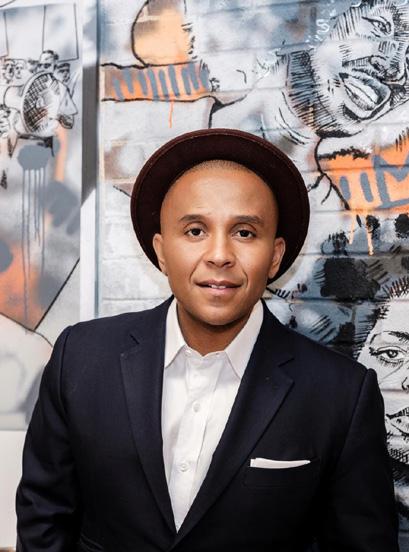
Rashad Robinson, The President Of Color Of Change, Is Holding Corporations Accountable And Building Black Political Power.
Rashad Robinson, President of Color of Change, the nation’s largest online racial justice organization with over seven million members, understands that racism can only be ended by tackling it in all areas, including saving the vote. Robinson has spent his career advocating and fighting for people in marginalized communities. He previously served as senior director of media programs for GLAAD where he focused on transforming the representation of LGBTQ people in the media, equity within the media industry, and shifting attitudes and behaviors toward the LGBTQ community in daily life. During Robinson’s time at GLAAD, he decried the lack of leadership striving to change distorted media representations of race. Robinson was drawn to Color of Change for their innovative, integrated approach to racial justice and has had a significant impact in improving the lives of Black people with the intention of saving our democracy.
Robinson has spearheaded campaigns in the recent months that have resulted in helping 8 million people demand justice for Black people killed by police, for Black people disproportionately impacted by the pandemic, and for Black communities targeted by election misinformation on poorly managed social media accounts.
One of his key accomplishments during his tenure has been holding corporations accountable for the failure to protect Black people. His findings about the correlation between corporations and voter suppression has been disconcerting. For example, he argues that benefits such tax breaks that corporations are able to leverage in largely conservative states are fueled by voter suppression.
“Companies in Georgia such as Delta, Coca-Cola and UPS, companies aim to lift up Georgia’s economy – but their own employees and customers from historically
marginalized communities are being silenced and shut out of the political process,” “Corporations would like us to believe they’re guileless when it comes to voter suppression, innocent bystanders in their own communities,” Robinson said. “That’s simply not true. Corporate silence is complicity. These companies have the power and the resources to take a stand, and their consumers must hold them accountable to doing so. We have the power to pressure corporations, civic leaders and influencers to do the right thing and fight with us to protect our civil rights.”
Color of Change not only demands accountability, but also works to reshape the norms of society, and advocate for the systemic changes that will keep Black people safe. Robinson and the team at Color of Change are working effortlessly to save the vote by mobilizing members of the Black community to turn up at the polls and by stressing the importance of their vote for the integrity of our democracy.
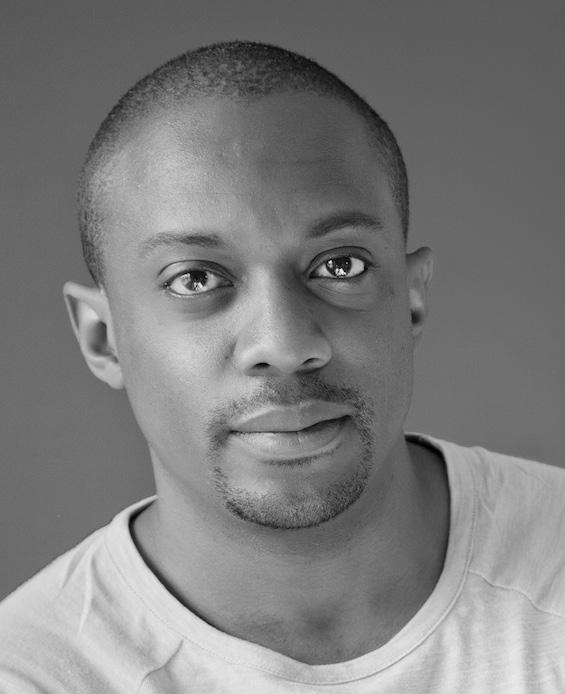
Born in 1976 in Plainfield, New Jersey, and raised in New York, Hank Willis Thomas is a conceptual photographer whose work addresses issues of identity, politics, popular culture, and mass media as they pertain to American race relations. He earned a BFA in photography and Africana studies at New York University’s Tisch School of the Arts (1998) and a MFA in photography, along with an MA in visual criticism, from the California College of the Arts, San Francisco (2004).
Thomas’s body of work constructs dialogues around the stereotypical images of African Americans that media outlets seek to exploit and profit from in film and television as well as advertisements for alcohol, apparel, food, hair-care products, and cigarettes, among other items. Thomas situates the photographs within their historical context and addresses how these stereotypes have been pervasive in American culture since the antebellum period. Particularly interested in the literal and figural objectification of the African American male body, Thomas’s B®anded series (2006) appropriates advertising copy and superimposes a Nike swoosh logo onto the bodies of black men, recalling the branding of slaves by their owners. The series Unbranded: Reflections in Black by Corporate America (2005–08) was a direct response to the B®andedproject. Taking mostly magazine ads of African Americans starting in 1968 during the civil rights movement to contemporary times, Thomas digitally stripped the images of all logos and text. In doing so, he allowed for commentary on how the advertising industry commodifies African American identity with even the simplest imagery. Thomas’s photographs draw parallels between the past and present and remind viewers of how dominant cultural tropes continue to shape notions of race and race relations.
In 2012 Thomas became Institute Fellow at Columbia College, Chicago, as part of his concurrent video installation project, Question Bridge: Black Males (2012), a collaboration with artists Chris Johnson, Bayeté Ross Smith, and Kamal Sinclair. The work is an accumulation of interviews with hundreds of African American men throughout the United States documenting their views on a range of subjects such as family, love, education, and community during the Barack Obama administration. Thomas has had solo exhibitions at Jack Shainman Gallery, New York (2009); Baltimore Museum of Art (2009); Goodman Gallery, Cape Town, South Africa (2010); and Corcoran Gallery of Art, Washington, D.C. (2011). His work has appeared in group exhibitions, including those at the Wadsworth Atheneum, Hartford, Connecticut (2007); Rubell Family Collection, Miami (2008); Museum of Art and Design, New York (2010); and the Istanbul Biennial (2011). His first monograph, Pitch Blackness (2008), garnered him the first annual Aperture West Book Prize. Thomas lives and works in New York.
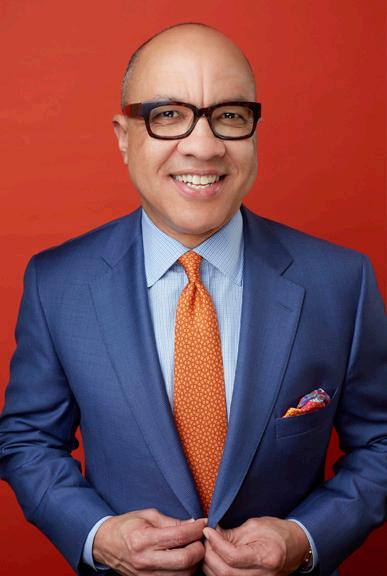
Darren Walker is president of the Ford Foundation, a $16 billion international social justice philanthropy. He is a member of the Reimagining New York Commission and co-chair of NYC Census 2020. He chaired the philanthropy committee that brought a resolution to the city of Detroit’s historic bankruptcy. Under his leadership, the Ford Foundation became the first non-profit in US history to issue a $1 billion designated social bond in US capital markets for proceeds to strengthen and stabilize non-profit organizations in the wake of COVID-19.
Before joining Ford, Darren was vice president at Rockefeller Foundation, overseeing global and domestic programs. In the 1990s, he was COO of the Abyssinian Development Corporation, Harlem’s largest community development organization.
Darren co-chairs New York City’s Mayoral Advisory Commission on City Art, Monuments, and Markers, and has served on the Independent Commission on New York City Criminal Justice and Incarceration Reform and the UN International Labour Organization Global Commission on the Future of Work. He co-founded both the US Impact Investing Alliance and the Presidents’ Council on Disability Inclusion in Philanthropy and is a founding member of the Board Diversity Action Alliance. He serves on many boards, including Lincoln Center for the Performing Arts, the National Gallery of Art, Carnegie Hall, the High Line, the Committee to Protect Journalists, and the Smithsonian National Museum of African American History & Culture. In the summer of 2020, he was appointed to the boards of
Block, Inc and Ralph Lauren. He is a member of the Council on Foreign Relations, the American Academy of Arts and Sciences, the American Philosophical Society and is the recipient of 16 honorary degrees and university awards, including Harvard University’s W.E.B. Du Bois Medal.
Educated exclusively in public schools, Darren was a member of the first Head Start class in 1965 and received BA, BS, and JD degrees from the University of Texas at Austin. He has been included on numerous leadership lists: Time’s annual 100 Most Influential People, Rolling Stone’s 25 People Shaping the Future, Fast Company’s Most Creative People in Business, Ebony’s Power 100, and Out magazine’s
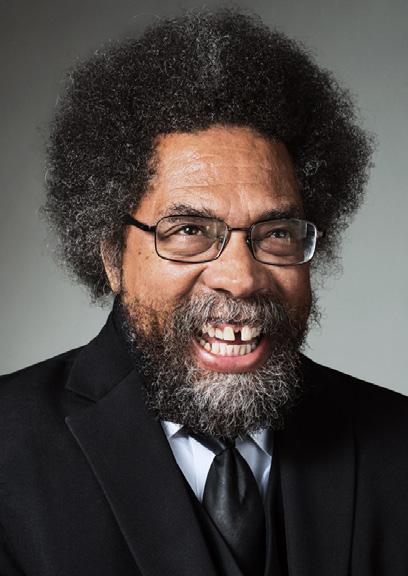
Dr. Cornel West is a prominent and provocative democratic intellectual. He is Professor of the Practice of Public Philosophy at Harvard University and holds the title of Professor Emeritus at Princeton University. He has also taught at Union Theological Seminary, Yale, and the University of Paris. Cornel West graduated Magna Cum Laude from Harvard in three years and obtained his M.A. and Ph.D. in Philosophy at Princeton.
Professor West has written 20 books and edited 13. Best known for his classics Race Matters and Democracy Matters, and his memoir, Brother West: Living and Loving Out Loud, his most recent book Black Prophetic Firehas also received critical acclaim. Dr. West is a frequent guest on the Bill Maher Show, Colbert Report, CNN, C-Span, and Democracy Now.
West made his film debut in The Matrix – and was commentator (with Ken Wilbur) on the official trilogy released in 2004. He also has appeared in over 25 documentaries and films including Examined Life, Call & Response, Sidewalk, and Stand.
He has made three spoken word albums including Never Forget, collaborating with Prince, Jill Scott, Andre 3000, Talib Kweli, KRS-One, and Gerald Levert. His spoken word interludes were featured on Terence Blanchard’s Choices (which won the Grand Prix in France for the best Jazz Album of the year of 2009), The Cornel West Theory’s Second Rome, Raheem DeVaughn’s Grammy-nominated Love & War: MasterPeace, and most recently on Bootsy Collins’ The Funk Capital of the World. In short, Cornel West has a passion to communicate to a vast variety of publics in order to keep alive the legacy of Martin Luther King, Jr. – a legacy of telling the truth and bearing witness to love and justice.
Haymarket Books is a radical, independent, nonprofit book publisher based in Chicago, a project of the Center for Economic Research and Social Change.
Our mission is to publish books that contribute to struggles for social and economic justice. We strive to make our books a vibrant and organic part of social movements and the education and development of a critical, engaged, international left.
We take inspiration and courage from our namesakes, the Haymarket Martyrs, who gave their lives fighting for a better world. Their 1886 struggle for the eight-hour day—which gave us May Day, the international workers’ holiday—reminds workers around the world that ordinary people can organize and struggle for their own liberation. These struggles continue today across the globe—struggles against oppression, exploitation, poverty, and war.
Radically independent, Haymarket seeks to drive a wedge into the riskaverse world of corporate book publishing.
Our authors include Angela Y. Davis, Howard Zinn, Keeanga-Yamahtta Taylor, Naomi Klein, Eve Ewing, Noam Chomsky, Arundhati Roy, Mariame Kaba, Rebecca Solnit, and José Olivarez, among many others.
Proceeds from this evening will benefit Sankofa.org and several of its programs including an innovative virtual/alternative reality technology and arts reentry program created to impact the capacity of returning citizens to develop critical core skills for a sustainable successful transition back to the community. This scientifically validated art-based program with virtual reality has been used to create breakthrough treatments for Post-Traumatic Stress Disorder and is showing promise in the treatment of many other mental health conditions.
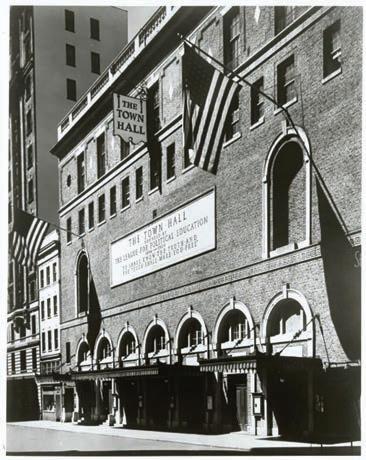
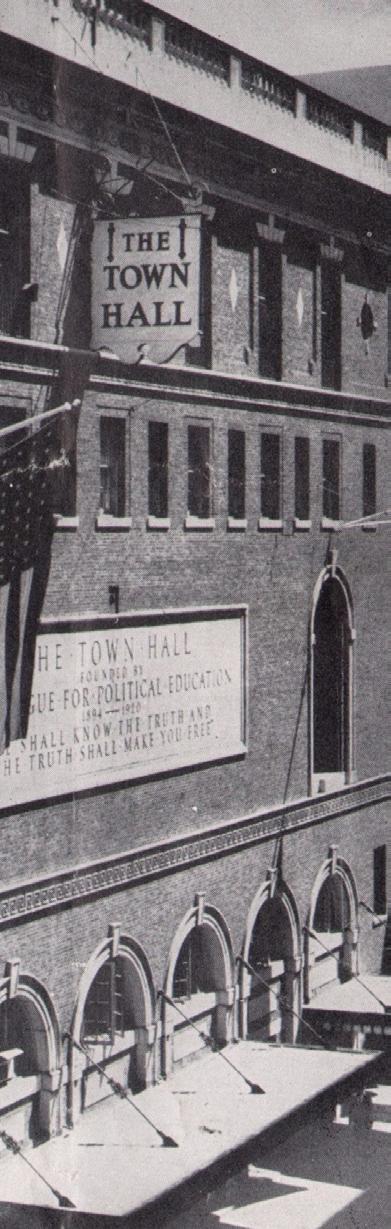
The Town Hall was built by a group of suffragists called the League for Political Education. They created the Hall as a space for all New Yorkers to gather and learn and discuss the issues of the day. When the founding mothers opened the doors of Town Hall in 1921, they welcomed everyone--there were no racial barriers, no gender barriers-everyone was welcome to The Town Hall. It is those founding principles of inclusiveness and equality that helped create The Town Hall’s landmark history.
The Town Hall is a non-profit National Historic Landmark built by the League for Political Education, a group of women suffragists who wanted the space to be a home to adult education, consciousness raising and civil discussion. Since its opening in 1921,The Town Hall has played an integral part in the electrifying cultural fabric of New York City for over 100 years with enriching, entertaining, and educational programs.
Known as the home of the debut, artists such as Isaac Stern, Marian Anderson, Billie Holiday, Glxenn Gould, Leontyne Price, The Thelonious Monk Orchestra, Bob Dylan and Whitney Houston have performed their concert hall debuts at The Town Hall. The list of artists who recorded albums at the Hall include The Louis Armstrong All-Stars, The Thelonious Monk Orchestra, Nina Simone, Pete Seeger and Judy Collins.
The hall holds an important place in American classical music history as one of the only spaces to welcome African American classical musicians.
In the first few decades of the hall, over 500 concerts featured African American classical musicians including performances by Hazel Scott, Jessye Norman and Don Shirley, and the debuts of Marian Anderson, Roland Hayes, Dorothy Maynor and Leontyne Price.
The Town Hall has been home to musical milestones as well as civic discourse. As our founders intended, The Town Hall’s landmark radio program America’s Town Meeting of the Air (1935-1956) was a program that invited guests to discuss and debate important issues of the day. Guests included Langston Hughes, Eleanor Roosevelt, Jackie Robinson, Frances Perkins, Mary McLeod Bethune, and hundreds more Nobel and Pulitzer Prize winners, political and social leaders, education and science pioneers, authors, poets and civil rights leaders.
The great Paul Robeson held his first solo concert at The Town Hall, and performed at Town Hall over three decades. His groundbreaking concerts, which told the history of the civil rights struggle through song and story, are what inspired Coretta Scott King to create her Freedom Concerts, which she also debuted at Town Hall, in 1964.
The Town Hall is where the legendary contralto, Marian Anderson, performed her first concert, some thirty years before she was finally invited to perform at many of the country’s renowned opera houses. The iconic songwriters Billie Holiday, Nina Simone, Bob Dylan, Judy Collins, and Leonard Cohen performed their first concerts at The Town Hall.
The musical and civic threads of The Town Hall’s history are embodied by the many artists who have come to the hall to express their social visions, support causes and raise consciousness. Harry Belafonte, Paul Robeson, Pearl S. Buck, Miriam Makeba, Diego Rivera, James Baldwin and many other artists have taken to The Town Hall stage to advocate for others. On one historic night in 1964, Lorraine Hansberry rose out of her sick bed to make her last public appearance here at The Town Hall in an event titled “The Black Revolution and the White Backlash.”
As The Town Hall celebrates our first hundred years, we are reflecting on our history and committing to a second century of artistic programming that centers on our values of cultural equity, civic education, and freedom of expression. As is our legacy, Town Hall will continue to be a stage of radical inclusion, where all voices are heard.
Learn more about our centennial programming, history and ways to support by visiting TheTownHall.org.


The Town Ha ll is s ea rc hing for:
•Progr am s & S t ag ebi ll s
•Photo s
•Perfor man ce Reco rdi ng s & Fi lm s featu ri ng the H al l
•T ic ket S tubs
•Show Poster s
•Mem or a bi lia f ro m m oments in o ur histor y
Pleas e co ntac t :
Me l ay Ar aya / Artistic Director 212- 99 7-1003 ex t. 22 |
The Town Hall’s mission is to provide affordable world-class entertainment by new and established artists to a diverse audience; to inspire the youth of our community to appreciate and participate in the arts at The Town Hall and in schools through our Education Outreach Program; and to preserve and enhance The Town Hall as a historic landmark venue for the enjoyment and cultural enrichment of generations to come.
PRESIDENT
Tom Wirtshafter
PRESIDENT EMERITUS
Marvin Leffler
EXECUTIVE VICE PRESIDENT
Susan Zohn
VICE PRESIDENT AND GENERAL COUNSEL
Ellen Miller-Wachtel
TRUSTEES
Teniola Adedipe
Shauna Denkensohn
Anne Frank-Shapiro
David F. McCarthy
Ellen Miller-Wachtel
Rita Robbins
Madhu Southworth
Timothy Stambaugh
Nevin Steinberg
LIFE TRUSTEES
Leona Chanin
Mary Dettling-Wright
VICE PRESIDENT
Alfred H. Horowitz
VICE PRESIDENT
Bruce S. Leffler
TREASURER
Andrew T. Miltenberg
SECRETARY
Phyllis Putter Barasch
ADVISORY COUNCIL
Kathleen Rosenberg, Chair
Nancy Berman
Sandy Horowitz
Elizabeth Iannizzi
Candace Leeds
Zita Rosenthal
Rhoda Rothkopf
ARTS IN EDUCATION
ADVISORY COUNCIL
Dr. Charlotte K. Frank, Chair
Dr. Sharon Dunn
Michael Fram
Gary Hecht
Ernest Logan
Dr. Eloise Messineo
Dr. Lisa Mars
Dr. Pola Rosen
Leona Shapiro
George Young
The photographing or sound recording of any performance or the possession of any device for such photographing or sound recording inside the theatre without the written permission of the management is prohibited by law. Violators may be punished by ejection and violations may render the offender liable for monetary damages.
The exit indicated by a red light and sign nearest to the seat you occupy is the shortest route to the street. In the event of fire or other emergency please do not run, WALK TO THAT EXIT.
Thoughtless persons annoy patrons and endanger the safety of others by lighting matches or smoking in prohibited areas during the performances and intermissions. This violates a city ordinance and is punishable by law.
DIRECTORY OF THEATRE SERVICES
ADMINISTRATIVE OFFICES: 212.997.1003
Mon-Fri 9:30 am to 5 pm, for rental & membership info
BOX OFFICE: 212.840.2824 Mon-Sat 12 noon to 6pm. 24/7 Recording
TICKETMASTER: 800.982.2787 to charge tickets by phone.online Ticketmaster.com
LOST AND FOUND: 212.997.0113
CELL PHONE POLICY
Cell phones should be silenced prior to the performance as a courtesy to the performers and audience.
LOBBY REFRESHMENT BY Theatre Refreshment Company of NY
This program is supported, in part, by public funds from The New York City Department of Cultural Affairs in partnership with the City Council. Town Hall’s Education Outreach Program, Judy Collins, Darlene Love and Storytellers Lab are made possible, in part, by the New York State Council on the Arts with the support of Governor Kathy Hochul and the New York State Legislature. The Centennial Concert Series is funded, in part, by Howard Gilman Foundation. We would like to thank the following foundations, corporations, and government institutions for their support:
Bank of America
Consolidated Edison Company of New York Cowen, Inc.
The Hearst Foundations, Inc.
The Hyde & Watson Foundation
Edythe Kenner Foundation
Gund Investment Corporation
MultiFaith Alliance
New York City Department of Cultural Affairs

New York State Council on the Arts
Henry Nias Foundation
Howard Gilman Foundation
Office of City Council Member Darma V. Diaz
Office of City Council Member Ben Kallos
Office of City Council Member Keith Powers
Office of the President, Borough of Manhattan, Gale A. Brewer
S&P Global
The Shubert Foundation

As of Feb 18, 2022
Join the next generation of Town Hall supporters! Town Hall’s Young Patrons Circle is a special membership group, ages 21-40, that engages in social and educational activities through exciting events, performances, and programming. We are brought together by a shared love of the arts, a deep interest in social change, civic engagement, and a desire to become part of a growing group of like-minded individuals that support town Hall.
For more information about the Young Patrons Circle, please contact Barbara Matovu, Development Manager - development@thetownhall.org
Town Hall has played an integral part in the electrifying cultural fabric of New York City for more than 90 years. A group of Suffragists’ fight for the 19th Amendment led them to build a meeting space to educate people on the important issues of the day. During its construction, the 19th Amendment was passed, and on January 12, 1921 The Town Hall opened its doors and took on a double meaning: as a symbol of the victory sought by its founders, and as a spark for a new, more optimistic climate. In 1921, German composer Richard Strauss performed a series of concerts that cemented the Hall’s reputation as an ideal venue for musical performances. Since, Town Hall has been home to countless musical milestones: The US debuts of Strauss, and Isaac Stern; Marian Anderson’s first New York recital; in 1945, Dizzy Gillespie and Charlie Parker introduced bebop to the world; Bob Dylan’s first major concert in ‘63; and much much more.
LEARN MORE. VISIT THETOWNHALL.ORG/TOURS
Barbara Abis
Charles Alter*
Irwyn Applebaum*
Robin Arndt**
Margot Astrachan*
Wanyong & Chris Austin*
William Beck
Neal Beeber*
Lori Berisford*
Gerard Briscoe**
Vicki Carbone
Mike Chilelli
Jenny Cook*
Barbara Cooper
Dr. Michael DeMeo
Shelley DeVost
Michael & Allison Dietz*
Barbara Dobkin**
Robert Evanson**
Hazel & Russel Fershleiser**
Edmond FitzGerald
Corey & John Fowler
Matthew Frank**
Donna Frankel
Susan & Michael Furman**
Laura Garn**
Stuart Gelwarg**
Patricia Green**
Agnes Gund**
Fran & Richard Habib**
Cynthia Theresa Harvey-Murphy
Gary Hoenig
Allen Honigman
Bruce Horten & Aaron Lieber**
Christopher Joy**
Dr. David Kaminester
Adele Karig*
Robert M. Kaufman*
Eric & Sandra Kransoff*
Judith Krupp
John Kuehn
Judy & Steven Kunreuther*
Ted Lambert**
John Larson*
Abigail Latour*
Candace Leeds**
Dr. Charlotte Frank & Marvin Leffler**
Goldfarb & Fleece LLP**
Ellen & Martin Levine
Claire Lew
Daniel Lewis**
Ivy Beth Lewis**
Robin & Jay Lewis**
Adam & Melony Lewis**
Aaron Lieber & Bruce Horten
Karyn Mashima
Martin McCarthy*
John McGuire, Jr.**
Laur and Brian McHale
Alan & Ellen Miller-Wachtel**
Dorinda J. Oliver**
Shelly Packer**
John Palmer
Patricia Pamulo
Brendon Ratner*
Dr. M. I. Reiser
Jason Rivas
Brad Robins*
Felix Roman**
A. Jeffrey Rosen
Zita Rosenthal*
Rhoda Rothkopf**
Louis Salamone**
Janet Scapin*
Susan & Victor Shedlin**
Jennifer Smith
Heidi Jo Spiegel
Timothy J. Stambaugh**
Paige Price & Nevin Steinberg**
Kara Unterberg*
Anthony Valentino
Bob Walter
Bruce Weiss
Weston Wellington**
Carol Marks & Tom Wirtshafter**
Melissa Wohlgemuth*
Jane Zimmy
Susan Zohn**
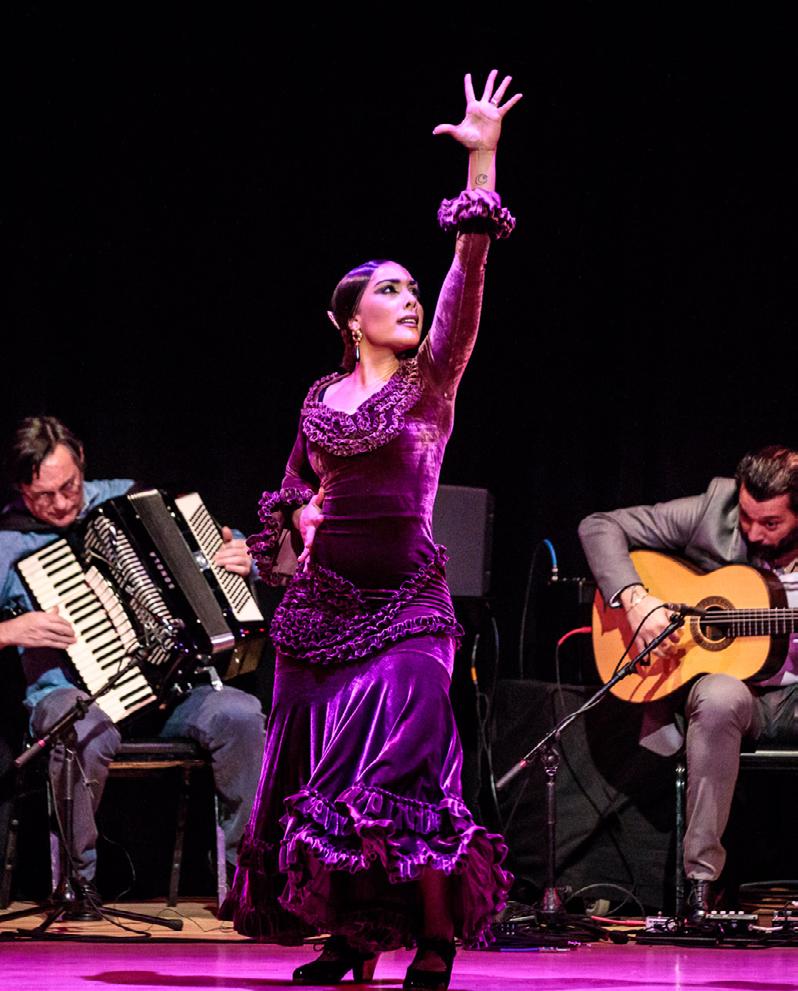
We i nvi t e yo u t o s uppo r t the Hall a t a n y l evel , and e n j oy the exclusi ve bene fi ts of be coming a Tow n H all Me m be r.
Advance Ticket Access
Notification of Presale & Discounts for concerts and Events
Member Discounts at local restaurants
Access to PATRON
Reserved Seats to Town Hall Presents concerts and other select events ( with special pricing, when available )
Complimentary Tickets to select Town Hall Presents Shows & Events
Complimentary Tickets to Town Hall G ala
Special Invitations to Sound Check or Dress Rehearsal Seat Plaque in The Hall
Complimentary Advertisement in Town Hall G ala Journal
Invitations to an Artist Meet & Greet after a select Town Hall Presents Concert
All Members Receive Special Recognition in Town Hall Programs
A