The Southern Accent
Pressing Issue, page 2
Students protest Sabbath policy at Oakwood University
Pressing Issue, page 2
Students protest Sabbath policy at Oakwood University
pursue the theme for this year’s program.
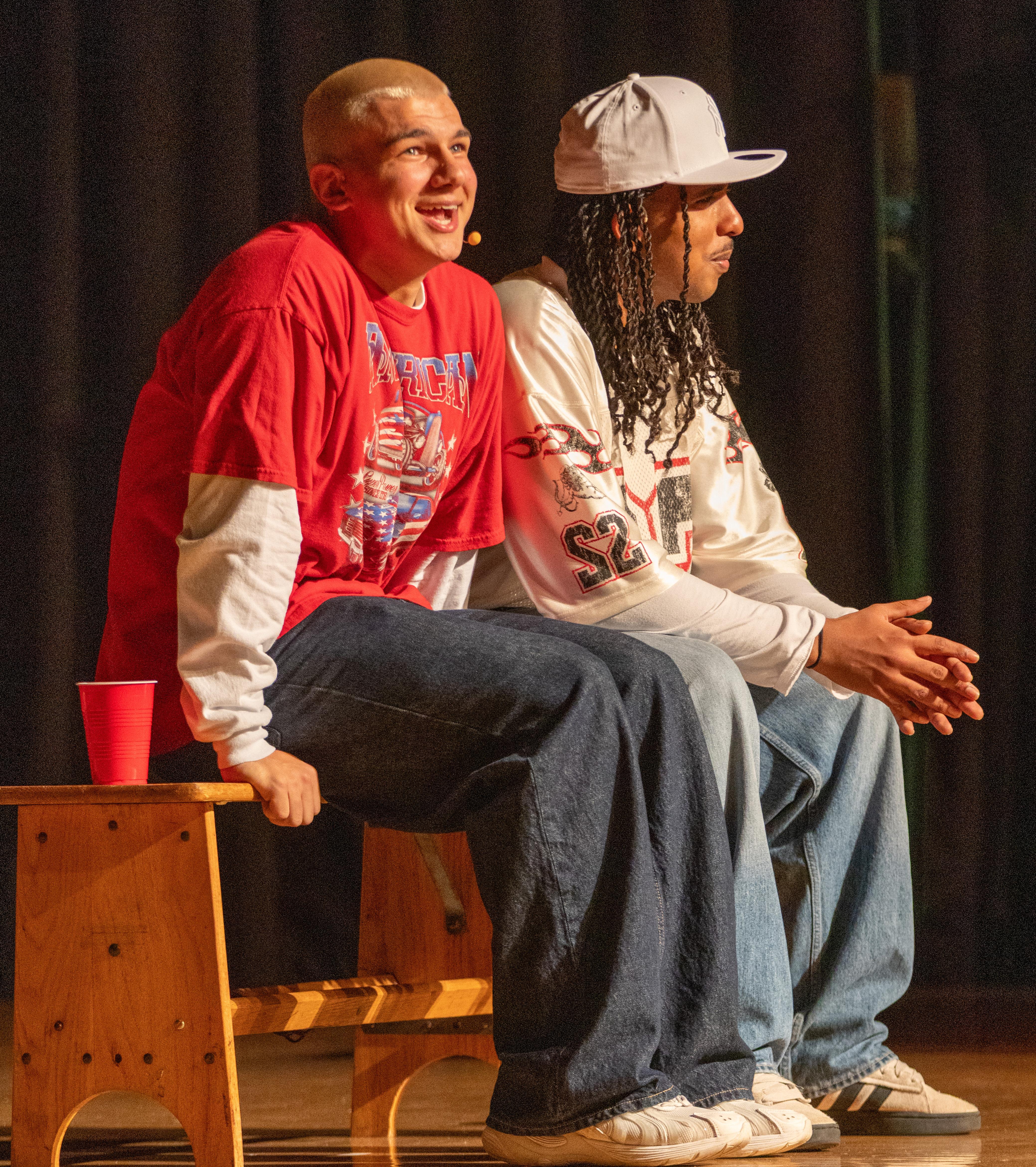
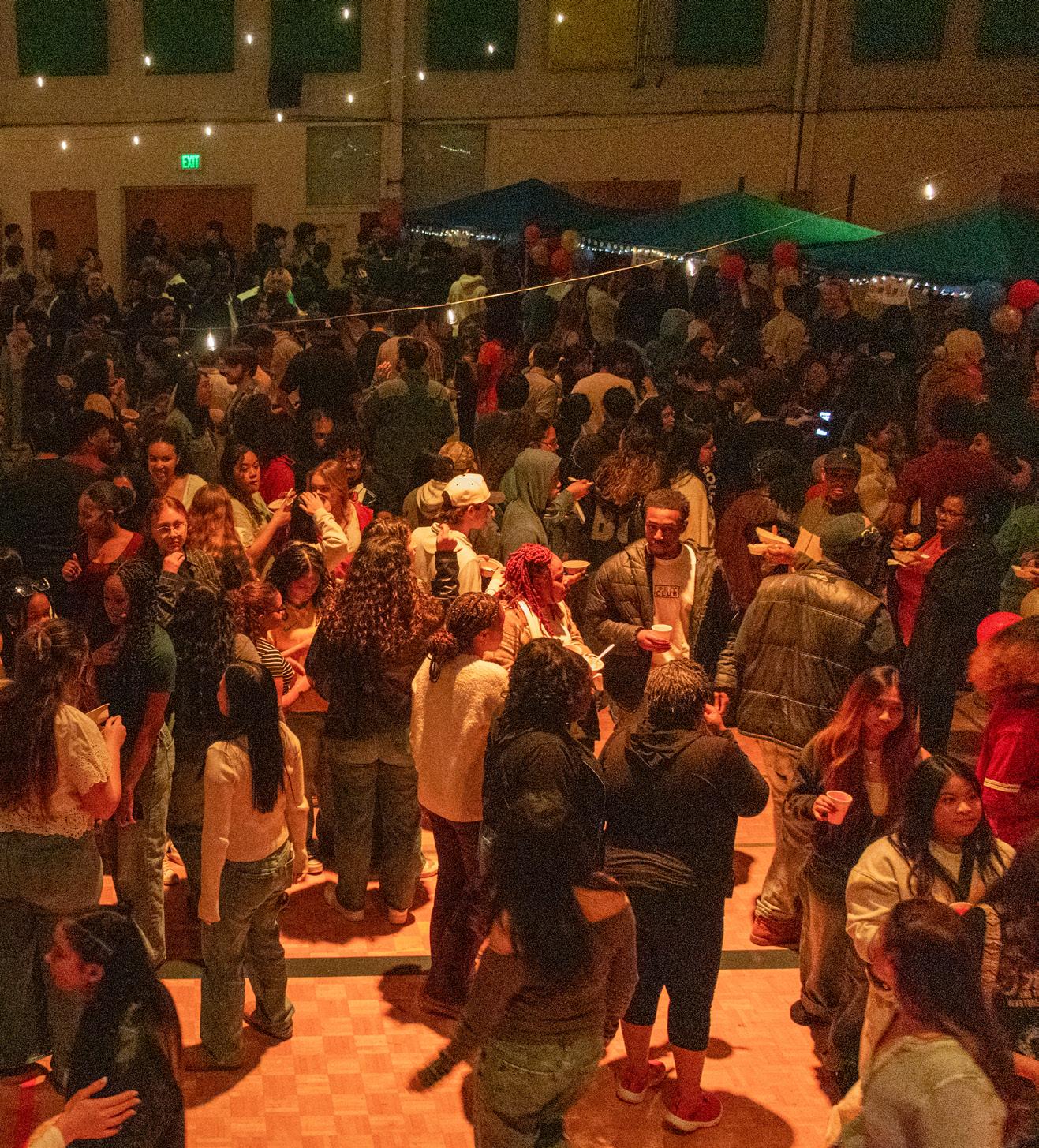
On Feb. 28, Black Christian Union’s (BCU) cultural night, "The Cookout,” honored the big and small traditions that bring people together. BCU President and BCU Night director Daniela Dreke, a junior industrial organizational psychology major, said that the program was less focused on cultural education, as it had been in previous years, and more heavy on celebration.
“We really just wanted to express our culture and celebrate where we come from—different parts of the Black diaspora,” Dreke said.
According to Dreke, the theme of a cookout had been floating around the planning committee of officers and sponsors for previous BCU Nights but had never been done.
Before the beginning of the fall semester, Dreke and the others agreed to
After struggling to find someone who could write a play around their theme, the planning committee approached Naiya Brown, a Southern alumna who graduated last December and wrote and directed the BCU night program last academic year. According to Brown, the script initially presented a challenge because the topic was difficult to adapt for the stage. Once she turned to her personal experiences and other BCU members for inspiration, the ideas started to flow.
“The dominoes game, the line dances, the food that was mentioned, all of it is things that I've personally experienced,” Brown said, “as well as just the community, being around people that you feel like you can just exhale and breathe and be yourself in their presence.”
The storyline of the program focused
See BCU Night on page 3
“We really just wanted to express our culture and celebrate where we come from–different parts of the black diaspora.”
- Daniela Dreke
Jehiely Balabarca Reporter
A group of Oakwood University students gathered to protest a new policy last month, according to Student Movement officials.
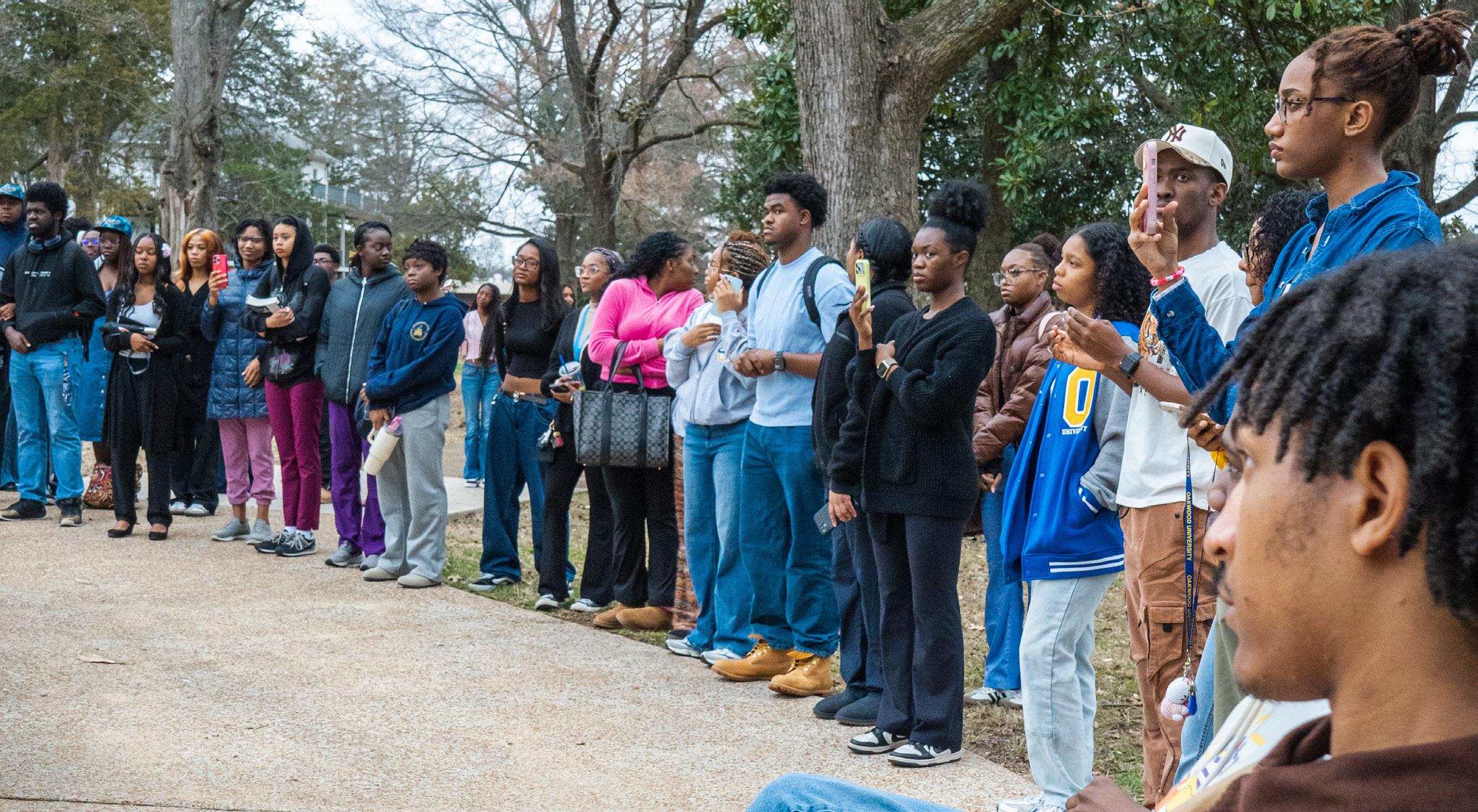
Approximately 50 to 60 students gathered at 11 a.m. on Wednesday, Feb. 18, 2026, at the Bell Tower located at the center of campus, according to organizers of the demonstration.
Student leaders said the demonstration stemmed from dissatisfaction with the administration’s handling and enforcement of a recently implemented Sabbath policy.
A document sent to the university’s students and parents outlines policy changes for the 2025–2026 school year.
“Residential Halls will be closed every Saturday from the hours of 11-2pm,” the documented stated. “As an Adventist University, we believe our day of rest and worship begins at sunset Friday evening until sunset Saturday evening. This time of the week is known as ‘Sabbath.’ Our worship services normally are held on Saturday morning beginning at 11am and normally worship ends around 2pm in most cases.”
According to the student handbook, the policy is enforced through room checks and disciplinary action for those who do not follow the rule.
“If a violation of this policy arises, you will be addressed with love and respect... Repeat-
ed infractions will result in progressive disciplinary action, and refusal to adhere to the policy may result in dismissal from the University,” the document states.
Matthew Dormus, a junior public policy major and executive vice president of the United Student Movement (USM), said the protest reflects frustration with how the policy was introduced and applied.
“The student body is unsatisfied with the administration’s handling of the Sabbath policy,” Dormus said.
One student cabinet member, who requested anonymity to keep the focus on the issue
rather than on an individual leader, said students identified three primary concerns: perceived gaps in communication between administration and student leadership, the implementation of a policy without what many believed was sufficient student input and concern about how the Sabbath policy has affected students’ spiritual experience and freedom of conscience.
Gabriel Morency, USM president and a senior applied math major with an engineering emphasis , said tensions intensified when details of the policy circulated among students prior to an official announcement.
He said student leadership engaged in meetings, town halls and written correspondence with administrators over several months.
Morency acknowledged that some concerns were addressed through compromise, but said dissatisfaction remained.
“I think many students don’t necessarily feel like they know this administration,” Morency said.
Dormus said earlier and more consistent inclusion of student leadership in discussions could have led to better student response.
“I believe providing students a seat at the decision-making
table earlier and more frequently could’ve deescalated the matter,” he said.
Despite criticism of administrative decisions, student leaders emphasized that the protest was not rooted in hostility toward university leadership.
“With love do we lift our voices for change,” Dormus said. University administration has not issued a formal public statement regarding the protest as of publication. The Accent contacted the university for comment but did not receive a response.
Anaya Miller Reporter were joined by an assortment of colleagues and students.
Kuhlman said that about two dozen people attended, more than usual, according to his father.
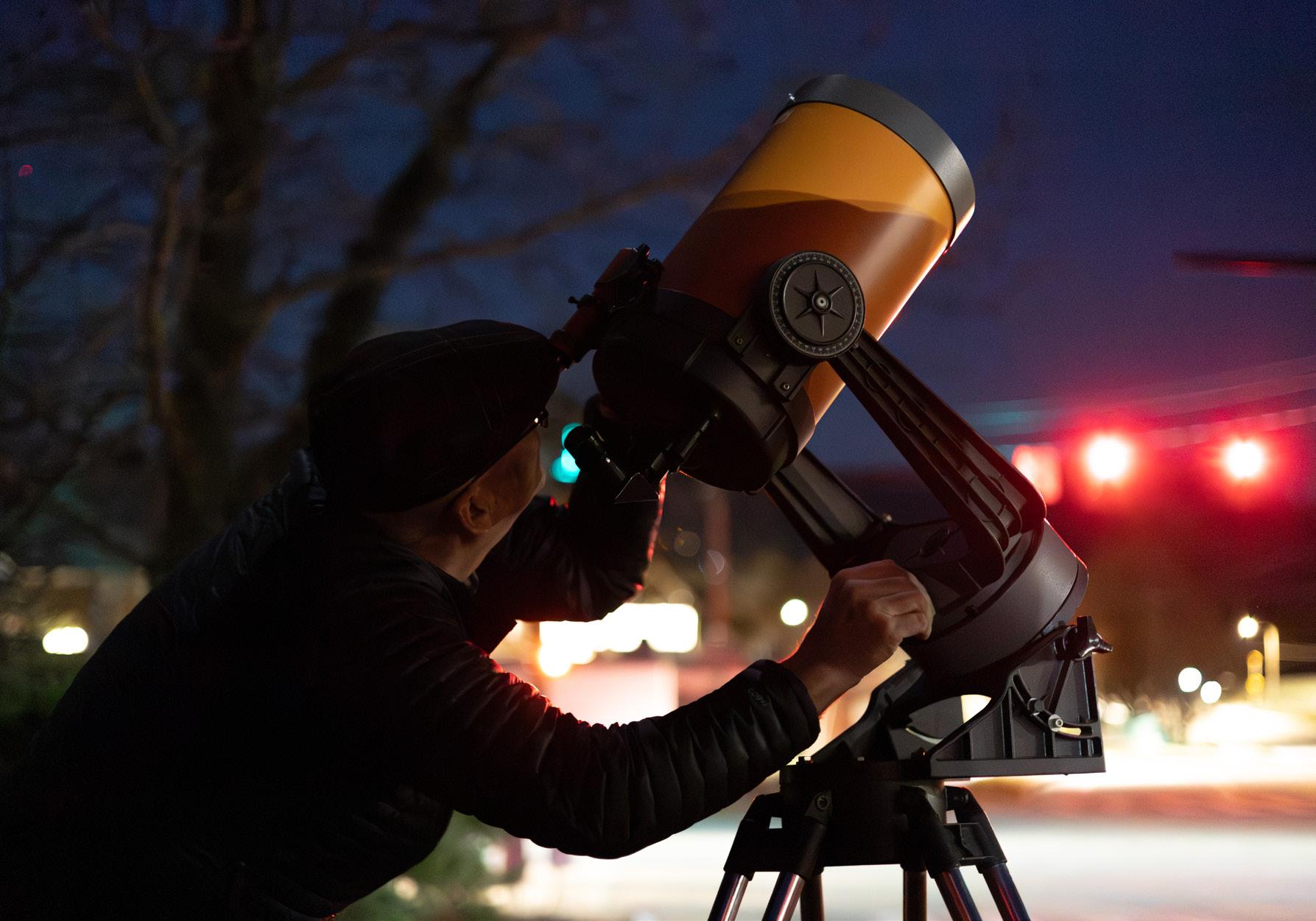
The School of Engineering and Physics hosted Star Watch on Feb. 27, an hour-long event showcasing stars at night. This event, which takes place in Hickman Science Center’s parking lot, is not widely known, despite its monthly occurrence. During this Star Watch, the department’s two telescopes were trained on Jupiter, a nebula, and Earth’s moon.
Steven Kuhlman, an adjunct in the School of Engineering and Physics, and his wife, Lisa, an associate professor in the School of Business, are frequent attendees of the monthly event, which was started by his father.
Kuhlman’s father, Henry Kuhlman, PhD, is an adjunct professor in the School of Engineering and Physics and has been watching the stars since his department bought a telescope in 1972. After the department moved from Daniells Hall to the Hickman Science Center, Star Watch moved to the Hickman parking lot, where it's been since 1997.
That Friday, the Kuhlmans
The group usually views the moon, planets such as Jupiter or Saturn and seasonal constellations.
“One of the other things that I like looking at is, if you look long enough, you can see some satellites,” Kuhlman said.
He and his wife consulted a sheet detailing daily satellite and rocket sightings to find that a satellite would pass overhead around 7:37 p.m. According to Kuhlman, the group can expect to see anywhere between six to 10 satellites in the hour they watch the stars.
Henry Kuhlman’s favorite part of Star Watch is hearing people say “ooh” when they look through the telescope for the first time.
Of the people gathered at Star Watch, many were students. Reginald Taylor, a junior computer science major, and Isabel Williams, a junior archaeology major, were among those in attendance. That Friday was Taylor’s first Star Watch.
“This was very nice,” Taylor said. “More engaging, I’d say, than most little gatherings. My favorite part is ... I got to see
Editor-in-Chief Hayden Kobza
The Accent encourages readers to write articles and voice their opinions. However, not all topics and views are endorsed by Southern Adventist University or the Seventh-day Adventist Church.
For any questions, comments and article submission information, email the editor at haydenjkobza@southern.edu.
For all advertising inquiries, email alvajohnson@southern.edu.
Managing Editor
Eliana Morales
News Editor Chloe Smith
Photo Editor
Katie McConnell
Social Media Management
Emma Boughman
the moon and I think Jupiter, too. I didn’t know that Jupiter had four moons. I haven’t been into astronomy much, but it’s pretty interesting to see all the planets and nebulas.”
Williams participated in Star Watch during her first semester at Southern and has kept going back because she likes how the night sky is always changing.
“You’re always going to be able to see something different,” Williams said. “Even if you’re looking up every night, for every day of the year, it’s going to look different. I like going back because it’s a way for me to see new things up close through the telescopes and to have knowledgeable people point out things that I
wouldn’t have known are out there.”
Kuhlman invited more of the campus to attend the nighttime events.
“Come see the stars; come see the planets,” he said. “Get a good chance to be outside, to visit with friends and start the Sabbath right. Start the Sabbath in nature.”
Lifestyle Editor
Seitz
Religion Editor Nina Bueno
Sports Editor
Taylor
Staff Sponsor Alva James-Johnson
Opinion Editor Maddie Schmidt
Reporters
Jehiely Balabarca
Kyla Wetmore
Asher LeVos
Anaya Miller
Yoly Viera
Ava Schmidt
Lillian Lelko
Copy Editors
Gabrielle Young
Yoly Viera Southern Accent
Julie Herter
Gianelli Banuchi
Circulation Manager
Norelie Cabrera
Sienna Escobar
Lillian Lelko
Kyla Wetmore
Photographers
Sam Tooley
Christian Bass
Layout Designers
Nyah Jackson
Lindsey Hazen
Office Manager
Collegedale Reporter
Leif Bromme
continued from page 1
on Cam, a fictional music artist who returns to his hometown for inspiration to finish writing an album. Upon returning, Cam discovers that a lot of things have changed, and not everyone appreciates the fact that he left for Hollywood years before and never came to visit or tried to stay connected. However, a cookout hosted by Simone, Cam’s high school sweetheart, paves the way for some reconnections and helps Cam to remember where he comes from.
Jack Bell, a senior health science major, played Josh, Cam’s best friend and manager. Bell said that he started preparing for the role towards the end of the fall semester, eventually
practicing around two hours a night, three to four times a week to learn the acting part and dances.
Bell shared how he felt after everything came together for the performance.
“I’m elated, like, I'm so happy right now,” Bell said. “It couldn't have gone any better, in my opinion.”
Bell said that the energy of performing with his castmates made it challenging to keep his composure during the play.
“I think one of the hardest things is just keeping a straight face when I'm supposed to be serious, because all the actors, all my friends, are super funny,” Bell said.
Other elements of the night included cultural dances and a scripted dating show interspersed in the play.
Isaiah Lawrence, a senior
theology major who choreographed one of the dances for the show, said that he got inspiration from Jamaican Dancehall, as well as other Caribbean and African influences. He enjoyed the way dancing with other students made him feel.
“I just feel really happy,” Lawrence said. “I know that's pretty cliché, but it's a chance to allow people to understand and share culture. I really especially love including other people, even if they can't dance or they don't think they know how to dance.”
Before the program started, a preshow in the front of the gymnasium featured booths with yams, mac and cheese, corn on the cob and other foods, as well as dominoes and arcade basketball.
Angel Hidalgo, a freshman engineering student, said that
the atmosphere at the preshow was fun and “hyper.”
“They [BCU] put a lot of good work into this, so you can feel the rhythm [and] the vibe,” Hidalgo said.
Xavier Lopez, a sophomore finance major, said the night’s theme resonated with his personal experiences.
“I thought the part about giving back to community was really good and stood out to me, because my community did a lot for me growing up and I really appreciate them,” Lopez said. “I'm actually Mexican and cookouts were a big part of my childhood, [so] it's a really comforting setting.”
Candy Dolcy, an assistant professor of the School of Social Work and a BCU sponsor, reiterated that the night was about celebrating the way people unite over food and
time together. Having grown up going to cookouts, many of the elements explored in the program, such as playing dominoes together, were familiar to her.
Creating the program together with other BCU officers and sponsors helped her to see both the similarities and differences in how various communities celebrate together. For college students, Dolcy believed the main takeaway was to continue inviting each other to gatherings of family and friends despite having different backgrounds.
“The message of the cookout is to know that although we may differ in our food, in our games and our music, we still all can be invited to the cookout. We still can all eat together. We can share each other's culture,” Dolcy said.
tions Manual, which states, “All decisions made by the SA Elections Management Task shall be final, unless overturned by a two-thirds majority vote of the SA Judiciary Council.”
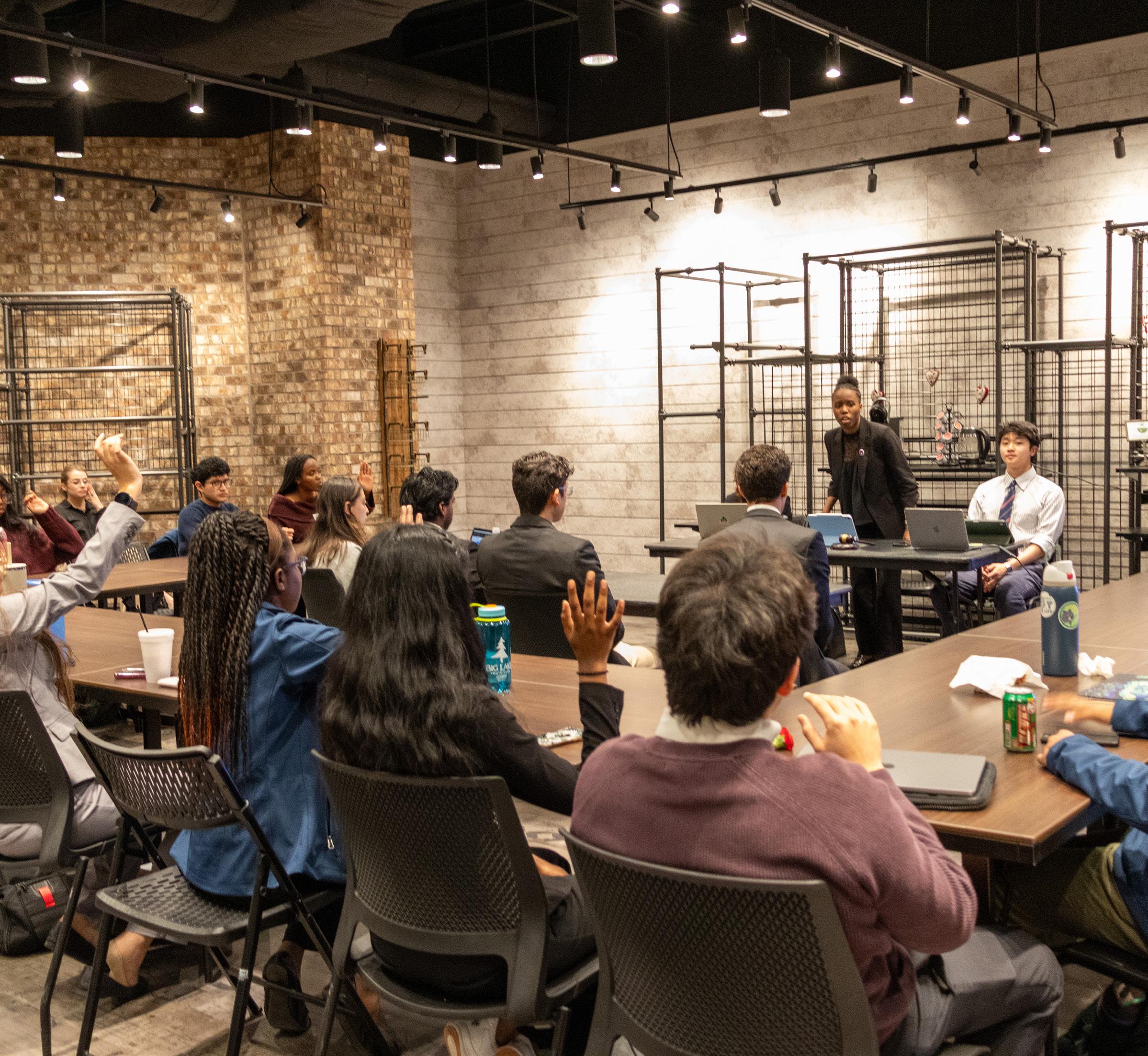
On Feb. 26, Student Association (SA) Senate called an emergency meeting to discuss issues with the SA election. The deliberations were in response to a Feb. 19 glitch in the voting system, which prevented 59 students from receiving ballots. At the time, the SA Bylaws Committee did not know how many students were unable to vote due to the glitch. The committee decided to hold a revote for the social vice presidency due to the race being closely decided.
Dennis Negrón, vice president of Student Development, said that a statistician ran the numbers and found that there was only a .005% chance that a revote for the entire election would change the results. However, some senators, such as Heidi Burke, argued that it was an ethical issue and a matter of representing their constituents.
“For me, this has nothing to do with statistics,” Burke said. “This has nothing to do with the outcome. This has everything to do with representing ourselves as a democratic [body]. Democracy depends on a free, fair and competitive election.”
She mentioned Article I, section 5, number 2 of the Elec-
Although the Bylaws Committee made a decision in accordance with the Elections Manual, it could be overturned.
“I would say that I will veto any action,” said Negrón. He said that the purpose of the meeting was for discussion, not to overturn the Bylaws Committee’s decision.
The possibility of a full student body revote was quickly eliminated.
“Are we saying that those people who chose not to vote the first time should get a chance to vote the second time?” Negrón said. “There is no fairness there.”
Among the other options discussed was sending official ballots to the 59 students who did not get to vote.
“I think opening up an opportunity to vote just for those 50-something [students] would strengthen their trust in Senate,” Senator Tata Tsikrai said.
Negrón made it clear once again that he would veto a decision involving an official revote. Regardless, Senator Arianne Milosavljevic suggested that Senate send a formal statement to students to clarify the situation.
Considering that the 59 stu-
dents’ votes would not change the results and that a formal decision to revote would be vetoed, options began to narrow. After further debate about how to proceed, Senator Houston Beckworth moved to uphold the decision of the Bylaws Committee not to hold an official revote and, out of formality, send a ballot to the 59 students who were unable to vote.
Milosavljevic moved to amend the motion to include a formal statement to the student body explaining what occurred during the election. The amendment was seconded and approved. The amended motion passed with 13 yes votes and 10 no votes.
The three voting members of the Bylaws Committee were among the 10 who voted against the motion.
“We felt that the symbolic vote would send out mixed messages,” a committee member said. “But we’re okay with [sending] the statement.”
Burke voted against the motion because it retained the original election results.
“I am concerned,” Burke said. “Out of fear of a veto, we never even made a motion that got vetoed. We stopped before we even came close. Instead, we gave [the students] a symbol, but the problem is, the symbol doesn’t mean anything.”
Senator Andrew Cornelius, who represents mostly busi-
ness majors, voted against the motion. He agreed that Senate should give a formal statement but disagreed with the symbolic vote because of how students could perceive it. He said if students view it as a real chance to vote without realizing the election has already been called, they might lose trust in Senate.
Senator Lukas Castillo, who represents mostly liberal arts, nursing and biology majors, voted in favor of the motion.
“It was a really tough decision, to be honest,” he said. “We’re trying our best to support all the students and make sure they are all represented.”
After the meeting, Beckworth, who made the motion for the symbolic ballots, reflected on a missed opportunity.
“It would have been valuable to at least move to redo the election…and have it vetoed by Dr. Negrón, to show that we are acting to our full extent,” he said. “Aside from that, I feel like we have done as much as we can do to address the issue.”
Negrón said he hopes students believe that Senate works with integrity and realize that the bylaws and election manual are documents Senate tries to follow faithfully.
“I think this [meeting] was an example of them trying to follow the letter and spirit of the law,” he said.
A wide consensus was that
the bylaws need to be amended so a similar situation does not reoccur.
According to Negrón, the symbolic ballots were sent on the morning of Feb. 27, and students had until 5 p.m. to send their responses. Of the 59 students who were given ballots, only 8 cast votes. For Naomi Ann Martinez, two students voted yes and six voted no. For Alejandro Robles, seven students voted yes and one voted no. For the 2026-2027 school year, Martinez remains the elected student body president and Robles the executive vice president, as announced on Feb. 19.
“Hearing that [the ballots were] more of a survey, rather than an actual ballot that’s going to be counted for or against one of the people running, is interesting,” Katherine Shivel, a freshman nursing major, said. “Even if it was only 59 students, those 59 students have an opinion that matters. I think it’s odd they would have voted towards something like that and give us the impression that it may have actually mattered.”
Malcolm Maynes, a freshman fine arts major, said that, while sending out ballots makes sense from a fairness standpoint, he does not believe it makes a difference because the results remain unchanged.
As required by the motion, the Bylaws Committee provided the following statement:
“On behalf of the SA Bylaws Committee, we would like to provide clarification regarding the recent social vice president election,” read the statement. “When the election results were released, the margin between the candidates for social vice president was extremely close. At the same time, it came to our attention that a number of students were unable to receive or submit their ballots due to a system glitch affecting those enrolled in arranged, online, or directed studies courses. Because the number of impacted students could have potentially influenced the outcome of the race, we, as the Bylaws Committee, were required to make a decision to ensure fairness and integrity in the election process.”
The statement continued, “After careful consideration, the committee voted to hold a student body revote for the social vice president position so that all eligible students would have a fair opportunity to participate and confidence in the final result. A revote for the presidential race was not pursued.
“In addition to the margin being large enough that the system issue would not have affected the outcome, sponsors exercised their authority to veto the option of reopening that race. We remain committed to transparency, fairness, and upholding the integrity of the Student Association election process.”
Editor's Note: The Southern Accent has produced a one page Collegedale News section this issue as part of a national initiative to enhance community news coverage. The local effort, led by Southern's School of Journalism and Communication in conjunction with the Center for Community News (CCN) at the University of Vermont, places student journalists at the forefront of addressing the news desert crisis, a phenomenon caused by the decline of newspapers in local communities. The Accent believes local news is vital to a thriving democracy, and we remain committed to reporting about important issues, novel occurrences and interesting people in the greater Collegedale area. We will publish this special section in five issues of the newspaper this semester. To submit tips or press releases, go to https://southern-accent.org.
Last August, a mugshot of 28-year-old Emerald House was posted along with 10 others on the Collegedale Police Department’s (CPD) Facebook page, under the headline of “Joint FBI-Collegedale Operation Leads to 11 Human Trafficking Arrests.”
House described how she felt as she read through the negative comments under the post during a recent interview with the Accent.
“I started crying and thinking, ‘How could they just put me with people that I don’t even know, and put me with a bunch of pedophiles?’” House said, referring to the police department’s post on social media. “Like, I’m not the type of person.”
The post with the mugshots referenced a human trafficking sting operation conducted by local, state and federal law enforcement in Collegedale. Eleven individuals were arrested, including House, who was charged for patronizing prostitution. Those arrested had no established connection to one another, despite a misunderstanding among some in the general population that they were part of a human trafficking ring.
Of the 11 arrestees, only House and two others were not charged with solicitation of a minor. According to the incident report filed by the CPD, House contacted an undercover police officer through an online post. After negotiating a price to engage in sex acts, House met the officer at a hotel and was subsequently arrested.
In an interview from the day of the arrest—obtained by the Accent through a CPD public records request—House claimed she faced misgivings when initially meeting with the officer.
“He gave me a really creepy vibe,” she said. “I was scared I was going to die.” House said that she set down the money the undercover officer gave her as payment and wanted to leave the hotel, but officers rushed into the room to detain and question her.
Under TN Code § 39-13-514 (2024), patronizing prostitution is labeled as a criminal offense, regardless of whether the parties involved engaged in the conduct solicited.
Originally, House was booked for patronizing prostitution, a class A misdemeanor in the state of Tennessee. However, on Nov. 19, she pleaded guilty
to attempted patronizing prostitution and was represented by a court-appointed lawyer, Kevin Loper. By reducing the charge to an “attempt,” it became a class B misdemeanor on her record, said the late Judge Kevin Wilson at her trial. A class B misdemeanor can be sentenced up to six months in jail and no more than a $500 fine, but House was only required to pay a $50 fine with no jail time, dependent on good behavior.
Public reaction
The CPD’s post announcing the arrests of House and the other arrestees garnered a significant number of comments, reactions and shares. Over 120 comments flooded the CPD Facebook page, each with its own varying take on the sting.
One user showed a lack of understanding in the sting operation, suggesting that the defendants might be connected.
“Okay, but what [if the] 3 individuals were the ones actually in charge of exploiting [and] 8 were attempting and just got caught up in it,” the user posted. “Or were none of them in charge?”
Another user addressed confusion caused by the wording in the CPD’s post.
“When the word ‘human trafficking’ is used in the headline, it makes it sound like you busted a ring of people that are abducting people and then selling them,” the user stated. “What really took place here from the listed charges... [was] a prostitution sting and busting people with a bait prostitute. Which is great, I appreciate your work, but you’re making [it] sound like something more than it is.”
Others expressed disgust toward the arrestees.
“So glad these despicable perverts are off the streets,” a user stated. “Lock them up and throw away the key!”
Some comments escalated to more threatening language.
“Fire up the woodchipper,” read one comment.
“Dead sex offenders don’t reoffend,” stated another.
House said the post and comments have seriously impacted her life.
“I’ve been getting death threats,” she said. “People think I’m kidnapping kids.”
Police response
In response to questions concerning the CPD’s posting of the information, Assistant Chief of Police Jamie Heath explained that because the CPD is a government organization, everything it does is public record, including active investigations.
Additionally, Heath noted
that the CPD has a responsibility to maintain the city’s public safety.
“While we don’t publish every mugshot of every arrest that is made by our officers, we do post the information for any incident that we feel might be necessary to the maintenance of continued public safety,” he stated in an email to the Accent. “Human Trafficking operations, like the two our agency worked [on] in 2025, are considered of high importance at local, state and federal levels.”
According to Heath, CPD leadership is dedicated to transparency and has abided by transparency standards for several years. As of 2021, important news pertaining to the public is available in CPD reports, he explained.
“We will continue to uphold our commitment [to] transparency to our citizens,” Heath stated.
While people can empathize with individuals in difficult circumstances, such as House, Heath believes it’s important to consider personal responsibility.
“If you’re worried about personal safety, then avoiding situations and circumstances where your safety can be compromised would likely be the wiser course of conduct,” he stated in response to House’s safety concerns. “When you go out of your way to commit a crime and place yourself in a bad situation, as Ms. House’s most recent arrest report alleges, there are going to be consequences.”
Criminal record
House did not have a clean record before her sentencing in November. According to details she provided in interviews and information found in a Hamilton County case search, she pled guilty to domestic assault occurring on Oct. 15, 2015, just a few days after her 18th birthday. At the time, she was sentenced to 11 months and 29 days in a county workhouse, but the sentence was suspended for good behavior.
House was also required to go to Parkridge Valley, a mental and behavioral healthcare facility, for assessment and care. She said she was in jail for 14 days before her sentence was suspended.
On Feb. 12, 2020, House went to court to face two more assault charges occurring in December 2019, according to the Hamilton County case search.
Again, she received a judgment of 11 months and 29 days in the county workhouse, which was suspended for good
Are questions keeping you up at night? Too scared to go to vespers because you don’t have the guts to ask out your crush? Is the CIA stalking you? Scan the QR code to let us know!


behavior.
Before her judgment was suspended, House said she met a woman in the Silverdale Detention Center. The woman persuaded House to post provocative content online for money after they both were released from jail, according to her interview with the CPD. House said that the woman posted House in her content and took all of the money.
In a CPD interview obtained by the Accent, House said that from 2022 up until her arrest, she posted her own ads soliciting business on websites, after breaking ties with the woman she met in jail. She added that she tried to take the ads down a couple times but was unsuccessful.
Personal struggles
House said she has repeatedly faced violence throughout her life and most recently was raped by a transportation service driver in July 2025. She said she reported the incident to the transportation company but didn’t get the response she hoped for.
“They didn’t even care,” House recalled. “They said, ‘Okay, well, we’re glad you’re okay.’”
After being arrested in the August 2025 human trafficking sting, House said she decided to drop the rape charges.
“I didn’t think that the judge would give me protection against the person and [I would] be able to file a rape charge on somebody after I got caught for prostitution,” House said, “because they’re going to sling it in a different way, like, ‘Oh, she wanted money and claimed rape’ or something.”
House said her circumstances are exacerbated by ongoing medical issues and unem-
ployment. In December of 2024, she had a stroke, and in February 2025 she underwent heart surgery, she said in an interview with the Accent. She has also faced many mental health challenges, she said, but is unable to find care that her marketplace insurance will cover.
House said her health conditions were a major motivator to accept sex work.
“The reason why I was prostituting was because I had a stroke and just had heart surgery for a PFO closure, and I wasn’t able to work for six [to] seven months,” she said. “So, in order for me to make money, pay my car, pay all this stuff that I had to pay, I had to make money some kind of way.”
House said she tried many methods to find a job in the months since her conviction.
“I've called staffing companies,” she said. “I’ve applied [to] multiple places. They don’t want to hire me due to my background.”
She said the health issues prevented her from working, and she has been unable to find a job since.
“Nobody wants to hire me because I can’t lift anything,” House explained. However, she reiterated her desire to find employment. In her sentencing on Nov. 19, Judge Wilson asked if she had any questions, and she only had one.
“Can somebody recommend me for a job?”
Effects of reactions
House said the public’s reaction to her most recent conviction has contributed to serious mental health problems.
“[With] people threatening my life and telling me to kill myself, ever since then, I’ve
Leif Bromme Collegedale Reporter
The Protocols of the Elders of Zion first surfaced in 1903, in what was then the Russian Empire. The book, consisting of fraudulent meeting minutes belonging to a fictional group of Jewish elites, aided the growth of antisemitism in Europe. According to the United States Holocaust Memorial Museum, The Protocols was one of the main tools that Adolf Hitler used to harness antisemitic sentiments and justify the Holocaust.
In retrospect, propaganda like this is easily identified. It is bold, bigoted and outrageous. But propaganda has not disappeared—it has merely evolved. Subtler now, it circulates through memes, deepfakes and coordinated digital campaigns that reshape public perception.
Nottingham Trent University describes memes as “short, shareable pieces of visual or textual content that use humor, symbols and cultural references to convey meaning.” This modern definition grew from the term that evolutionary biologist Richard Dawkins described as “a unit of cultural information.”
At least a decade before the internet age began, Dawkins used the study of memes, memetics, to analyze how populations spread and perceive information. Memes can convey truth or spread falsehood, inspire humor or subtly reshape how we perceive the world. In recent years, the strategic exploitation of memes and online content has inspired a new name: memetic warfare. Memetic warfare is dangerous due to the medium; memes and short reels offer little opportunity to engage with an issue seriously. However, some internet spaces go beyond oversimplification and risk normalizing serious issues.
An article by The Observer highlighted TikTok accounts such as “try unredacted,” which post content related to notorious child-sex predator Jeffrey Epstein. The account in question releases AI-generated clips of Epstein dancing and sells merchandise, including replicas of his monogrammed quarter-zip.
Similar accounts exist on multiple platforms. According to the article, #JeffreyEpstein is associated with more than 64,000 videos on TikTok. These references range from legitimate news coverage to AI-generated clips and dark-humor
Emerald continued from page 4
had two [suicide] attempts,” she said in late February. “I was recently unresponsive. I took a bunch of pills, and I was put in the hospital.”
House said the implications of her arrest and public response to it made her want out from under the circumstances that she is currently experiencing.
“I don’t want to be here anymore, since I’ve been arrested for that type of charge, because everybody looks at me crazy,” she said. “I get nothing but judgment... The jobs are afraid I’m going to solicit their clients. I can’t go anywhere without somebody knowing my face from being arrested.”
Since her mugshot was posted online and tied to the human trafficking sting, House said, she has felt socially ostracized. She described being scared to go outside and driving out of the city she lives in to get gas. She said she now
memes. The result is a confusing slurry of information that only serves to blur the lines of reality.
As the memeification of the Epstein files continues, it is easy to forget that the core of the matter is not a joke, but a serious criminal case involving documented exploitation and abuse.
The government has also used internet humor to disseminate information. Both
Donald Trump and the White House social media team have interspersed memes and AI-generated clips among more traditional posts.
A Feb. 13 White House post on X presented satirical Valentine’s Day cards based on recent political events, including the Greenland conflict, mass deportations, and the capture of Nicolás Maduro, former president of Venezuela.
Trump has also posted additional controversial content, including an AI-generated clip of Democratic Representative Hakeem Jeffries wearing a fake mustache and sombrero, and another clip depicting former President Barack Obama and his wife, former First Lady Michelle Obama, as apes.
While these posts are controversial and widely criticized, they differ from covert memetic warfare because their source is identifiable.
Most dangerous are the waves of content posted by shadow organizations and foreign governments. Independent or private internet users can misconstrue and minimize reality but less often coordinate their efforts.
Other governments, however, have clear political goals and vast resources. Information distributed by these governments can present a cohesive narrative aimed at undermining the American system.
According to a joint statement from the Office of the Director of National Intelligence (ODNI), Federal Bureau of Investigation (FBI) and Cybersecurity and Infrastructure Security Administration (CISA) on Nov. 1, 2024, Russian influence actors were responsible for a video distributed during the U.S. election cycle that falsely depicted illegal immigrants from Haiti voting in the election.
Another video falsely accused a Democratic official of taking a bribe. The statement explained that these posts were components of a broader effort to discredit the integrity of the 2024 U.S. election. In
faces severe anxiety in public, because she believes people misunderstand the nature of her arrest.
“Every time somebody mentions my name, it has to do with me kidnapping people, and I didn’t kidnap anybody,” she said. “I try to explain to them that sex trafficking is labeled as prostitution now, because a lot of sex traffickers prostitute the women, but it’s not that in my case.”
Systemic issues & solutions
Deana Lane, a coordinated community response specialist at the Family Justice Center, said many women involved in situations such as House’s are themselves the victims of sex trafficking.
“The trauma was often deeply rooted and complex, impacting brain function, behavior, and decision-making, and frequently compounded by societal judgment,” Lane stated. “Many individuals living under this level of duress also have negative involvement with the legal/judicial system, which
the leadup to election day, the committee said they expected Russia “to create and release additional media content that seeks to undermine trust in the integrity of the election and divide Americans.”
The European Union Institute for Security Studies explored the issue of memetic warfare in a brief released late in 2024. The report connected China and Iran to election interference during the 2022 midterms and Russia to interference during the 2016 and 2024 general elections. The brief provided several specific examples of involvement in the 2024 election.
“In January, a fabricated video depicted President Biden urging New Hampshire voters to abstain from voting in the state’s Democratic primary,” the brief states. “Similarly, following Biden’s withdrawal, a deepfake of Vice-President Harris appearing to speak incoherently circulated on TikTok. Fake audio clips of Trump mocking Republican voters were also spread.”
The Institute expanded their research globally, where they discovered that at least 130 deepfakes had been used to influence elections in less than two years.
According to The New York Times, Russian government agencies and media companies often outsourced their propaganda efforts to U.S.-based platforms. This included chan-
neling nearly 10 million dollars to Tenet Media, a Tennessee-based company employing conservative influencers such as Benny Johnson, Dave Rubin and Tim Pool.
The Chinese government also produced content related to LGBTQ+ issues, racism, drugs and gun control, all while camouflaging their true origin behind fake accounts.
According to the European Union brief, the Iranian government favored Harris during the 2024 campaign. One intervention tactic involved sending fake, threatening emails from the Proud Boys, a far-right extremist group, to registered Democrats, with the intention of motivating the voter base.
Wired published an article that dug deeper into Russian interference in the 2016 election, an effort spearheaded by the country’s Internet Research Agency (IRA). The IRA used X accounts and other social media platforms to spread memes that stoked division between Americans. Posts included an image of a puppeteer accompanied by a fake George Orwell quote, calls to third party voting and Pepe the Frog memes aimed at right-leaning millennials.
The truth behind our social media feeds may be concerning, but it reflects the nature of the internet: less accountability and more content than ever before.
According to a recent Harris

can make stability and self-sufficiency feel unattainable from their perspective.”
Lane emphasized the importance of effective and supportive frameworks to bring about change in these cases.
“I have seen significant change occur when hope is introduced in a tangible and intentional way, through structured planning, consistent support and clear pathways forward,” she stated. “When hope is paired with practical resources and support, it can become a catalyst for stability, healing and long-term positive outcomes.”
According to Inza Hagan-Dyer, executive director of Love’s Arm Outreach Ministry, individuals with a history of exploitation and abuse often go on to face other traumatic experiences, including encounters with the law and continued physical and mental health issues. Hagan-Dyer believes care and intervention are key to altering the cycle.
“There are lots of opportunities to receive trauma-informed
Poll study 85% young people receive news from social media, a stark departure from the days when citizens turned to mainstream news and national newspapers.
Memes and clips can also do a lot of good. Visuals transcend culture and age, while shortform content communicates information with ease. Social media plays an important role in making young people more politically engaged.
Still, we are becoming increasingly comfortable with compressing our news into simple, sanitized boxes. We are eager to smile, swipe and forget—oblivious to the issues our humor excuses and the motives of those who produce our content.
Propaganda has always latched onto the flaws in humanity: hate, fear and frustration about the world. It may have been more public in the past, contained in books such as The Protocols of the Elders of Zion that told bold-faced lies.
But propaganda did not end with Nazi Germany, and it is not exclusive to distant, authoritarian countries. It is subtle yet present, shifting how we treat issues and see the world.
As we navigate conflict in our country, it is important to look beyond the haze of information that fogs our screens and toward the real issues: the lives that are affected, the policies at stake and the true aims of those who lead us.

care, which is so important for recovery and healing and to help that person get their dignity back,” Hagan-Dyer said.
According to Hagan-Dyer, scenarios like House’s are very common within their organization.
“I would say that over 90% of the survivors that we assist have similar stories,” Hagan-Dyer said. “We have learned that the question to ask is, ‘What happened to you?’ as opposed to ‘Why did you do this?’, or ‘Why did this happen?’”
Hagan-Dyer emphasized the necessity of looking past labels.
“So many women are stigmatized and ostracized because they have the label of prostitute, sex worker or criminal,” Hagan-Dyer said. “So we don’t see any of that; we see an individual who is beautiful, who is loved and who has a lot to offer.”
House’s future
In an interview with the Accent at her sentencing, House said her latest arrest was a major turning point in her life.
“When I got arrested, I said, ‘Thank you,’” House said. “I’ve been waiting for something to happen because I asked God to change my ways.”
House said law enforcement seemed confused that she was grateful for being arrested but hadn’t chosen to stop prostitution for herself.
"It’s like telling a drug addict to stop doing drugs, even though they’re addicted,” she said she told them. “The fast money is what it was.”
House now lives with her mother and stays home, except for when she goes to Narcotics Anonymous meetings. When asked what she wants people to understand about her, she said that she wishes people could see all of the factors that contributed to her decisions.
“I just wish that people would stop trying to judge me,” she said. “... Never judge the cover of a book before you open and read it and get to know somebody.”




Johanne Mendoza Contributor
The use of e-commerce increased rapidly in capitalistic countries during the coronavirus pandemic, since it provided house-bound individuals with instant gratification, fast shipping and momentary happiness. Many companies that hoped to ride this wave of success have hired social media influencers to push their products, making many people feel as if they’re “out of the loop” for not having the same things that others do. This sort of comparison causes many of us to feel unsatisfied with what we have and to always want more.
If we believe that having products is necessary to achieve the “perfect look,” then it’s easy to get wrapped up in buying things we don’t necessarily need.
Buying the newest hair curling tools or the perfect jeans is not necessarily what creates genuine happiness, and it certainly doesn’t guarantee satisfaction. Manufacturers even tell you to call customer if you’re unsatisfied with their products.
The happiness we can derive from physical items usually lasts only a few days or until the products are no longer considered new or trendy.
People who constantly shop for the newest things often find that their satisfaction quickly leads to discontentment. This may cause some people to rely on purchasing items and constantly shopping for the newest things, only to find fleeting satisfaction and a lack of contentment.
I have certainly fallen into the
trap of following buying trends to be perceived a certain way.
However, after reading the book “If Cats Disappeared From the World” by Genji Kawamura, I realized that the material things we collect don’t always add lasting value to our lives.
Getting the best out of life is actually about all of the interpersonal connections we make.
Some of those connections can turn into happy memories, lifelong friendships, sweet moments with the family, or even a strong bond with your
favorite pets.
Cynics may point out that such connections could also lead to agony over complicated conversations, the aching pain in your chest after heartbreak, or even nights spent crying on the floor.
But even though relationships can sometimes cause more pain than tangible products, I’m convinced that the connections we make now will mean the most to us throughout our lives. I am not condemning anyone
for making purchases that will bring them joy.
Aquiring tickets to attend a concert with your friends or family, taking time to go on a nice vacation or even buying a sweet treat to reward yourself after a long week are all great ways to create memories while nourishing yourself.
It’s essential to stay aware of why we want specific items find a balance with the purchases we make and. Being self-aware and knowing one’s limits is critical in not making impulse
purchases we may regret after they ship and arrive at our door.
Let this article be a reminder that we don’t always need the newest things being pushed to consumers on social media.
Finding the root of the “why” in our spending will bring perspective to our purchases, which may help us avoid overconsumption in this digital age.

Matthew Taylor Sports Editor
On March 2, the School of Health and Kinesiology debuted the new kickball intramurals. Based on the hundreds of students participating across the three leagues, the new sport seems to be a home run!
The sheer numbers speak to the sport’s immediate popularity. The Co-Ed league alone boasts 27 teams with over 300 participants. The Men’s League has 17 teams with over 150 participants. The Women’s League has 6 teams with over 50 participants. Overall, a sixth of the enrolled undergraduate student body is participating in the new sport, as the overall attendance reaches over 500.
To put that massive number to reference, the popularity of pickleball was highly noted in its 2022 debut, though it only amassed 65 participants in its first year. It increased to 125 the following year, yet that increase is only a fourth of kickball’s starting numbers. While much of the difference can be explained by the larger teams, it is clear that the addition is a welcome one in the student community.
So what is that that sets kickball apart?
For many, the draw isn’t just about the scoreboard. It’s about the unique social atmosphere that kickball fosters. Jacob Boyd, a senior BT Construction Management major, noted that the inclusivity of the sport is what makes it stand out. “I think Co-ed just gives you the opportunity to play on a team with all of your friends, guys and girls alike,” Boyd said. “Not many of Southern’s intramurals give that as an option, and I think kickball is the perfect coed sport.”
That sentiment of community and “trying something new” is
a recurring theme among this year’s players. Chloe Armstrong, a sophomore Kinesiology major, decided to form an all-girls team this season. “Kickball is a great sport for people of all athletic abilities to come together and have fun,” Armstrong remarked. “This season, I made a girls’ team with a few friends, and we are all excited to play and try something new together!”
Other students joined for the chance to de-stress with familiar faces. Addy Van Zant, a freshman nursing major, said she joined to “have a good time with friends” and to use the hour as an escape from schoolwork. For Brock Baer, a senior nursing major, the new league
provided a final milestone. Baer noted he joined specifically to play “one last intramural season” with his housemates before their upcoming graduation.
For students that feel like they are missing out, the final deadline to join a roster is March 23, with the option to join a team by request or as a free agent. Teams must main-
tain a roster of at least seven players (and no more than 17), with co-ed teams requiring a balanced split of at least three males and three females. Whether you are a seasoned athlete or someone just looking for an hour-long escape from the stress of nursing clinicals or business labs, the kickball field is proving to be the place to be.

Maddie Schmidt Opinion Editor
The other day, I was scrolling on Instagram and came across a reel compilation of funny fails. I watched the whole video, which was at least two minutes long. After spending so much time watching that one video, multiple other fail videos popped up on my feed. My algorithm recognized what I was interested in and produced similar videos for my viewing pleasure.
Algorithms have snuck their way into our lives, to the point where I hardly think about what my social media is pushing at me. However, it should be at the forefront of our minds.
We live in a time where individuality is highly praised and sought after, but how much of what influences our personalities and self-expression has been curated by algorithms? If we’re not careful, our individuality will no longer be discovered; it will be engineered.
Algorithms give us the illusion of choice. The fact that our feeds are personalized can feel empowering and satisfying, as though we are the ones selecting what we view online. However, for the most part we only see what our algorithms want us to see. Only by searching for something specific are we actually choosing what we ingest as a consumer. Otherwise, we are only viewing what social media predicts we will enjoy, based on the content we interact with.
This means that over time, if gone unchecked, our perspective can become increasingly
narrowed. We are not really choosing from infinite options. We are choosing from curated ones.
Not only does the algorithm choose what we get to view online, but it also guides our personal tastes. I wouldn’t know or care about even half of the music I listen to, the fashion choices I make, or the political opinions I form if I didn’t first see or hear about them through my social media. Even my sense of humor has been shaped by the algorithm. If we truly were dictating our own consumption, then we wouldn’t all quote the same viral videos and hop on all the same trends. There are trends that wouldn’t have existed at all without social media.
One example is the Sephora 12-year-olds who started posting their “get ready with me” videos online. The next thing we knew, Sephora was bombarded by young girls terrorizing the employees and wrecking the products in the store.
This odd cultural shift in young girls becoming obsessed with skincare at the tender ages of 10 to 12 probably wouldn’t have happened in the same way if their algorithms weren’t pushing this content and making them want to hop on the trend.
Trends used to thrive off broad cultural appeal, but now our algorithms can identify small audiences that will engage with niche content. Since our algorithms push those micro-trends on us, they can feel like a widespread movement. Because of this, our algorithms don’t simply reflect culture; they steer it.
Our algorithms also impact us psychologically and play a part in shaping our identities. Often times, when we post online, we are not being genuine. We are posting what we think will gain the most attention or receive the most positive feedback. I know I only post the highlights of my life and hide away the parts that aren’t so aesthetically pleasing.
We often feel validation through the amount of likes we get or the number of positive comments we receive on our posts. We post the parts of our personality that we think will perform well.
Sometimes, this causes us to adjust ourselves to fit into trends, and the different facets of social media that normally we would not think twice about. Our identities become something that we optimize for engagement. We begin viewing our acceptance through our social media, not through our in-person interactions.
This causes us to prioritize our “brand” instead of our actual identity, which should be discovered through our reallife experiences, not through algorithms.
Algorithms are not all bad; they can have positive effects, such as helping us discover new hobbies and niche communities that would otherwise remain unknown. They can expand our access to information, new ideas and creativity. I have made plenty of cool and interesting discoveries through my algorithm that aren’t harmful just because they were curated by my algorithm. In fact, some of my favorite hobbies, such as drawing and
reading, have been pushed by my algorithm, and I am grateful to have access to such content.
However, we do need to be aware of how much our tastes and personalities are shaped by algorithms. The danger is not in the algorithm itself, but in blindly following it. The different facets of our personality should not be created wholly by what we consume online, nor should we place too much importance on how we
are viewed on social media—by how much we “fit in” to our algorithms.
Our self-value and uniqueness should not be determined by micro-trends or by whatever “aesthetic” we want to adhere to. Maybe the real question is not whether our algorithms have taken our individuality, but whether we are aware of how much of ourselves we are outsourcing.

Samuel Calvelage Contributor
The year was 1821, and for the Greeks, the time had come for revolution. After centuries of rule under the overbearing Ottoman Empire, the Greek people had reached a breaking point. They wanted their independence, and they wanted it now. They moved quickly. Greek revolutionaries successfully took over the capital, Athens, forcing the Turks to retreat to the highest ground in the city: the Acropolis. To the world, the Parthenon—the temple built on the Acropolis—was a masterpiece of ancient architecture; to the Greeks, it was the soul of their history. Originally a temple for the Greek goddess Athena, it had been an Orthodox cathedral for centuries before the Ottomans converted it into a mosque and, eventually, a fortified garrison. The Turks had turned this sacred site, perched atop a rocky outcrop, into a fortress by lining the ancient walls with cannons. But as the weeks of the siege dragged on, the Turks began to run out of ammunition. Desperate for lead to cast into bullets, the Turkish soldiers began chipping away at the Acropolis’s Parthenon columns. They were searching for the lead joints used by the ancients to hold the massive stones together. They were quite literally dismantling a wonder of the world to keep the war going. When the Greeks realized that their enemies were destroying the temple to create weapons, they faced a radical choice. Under the suggestion of Kyriakos Pittakis, they did the unthinkable: They sent the Turks bullets.
They provided ammunition to their own enemies. Why? To stop the destruction of the temple they loved so dearly. They would rather be shot at than watch the foundation of their temple be torn apart piece by piece.
This story causes us to ask: Do we have a temple in our lives? Are we sending the enemy bullets to keep our temple from being destroyed?
The Greeks were willing to endure enemy fire in order to keep their temple standing. In our lives, we might run into the same problem. When the Devil begins to use our shaky foundations to shoot at us, we can love them so much that we send him bullets to shoot back at us. We can, by holding onto a weak foundation, give the devil the ammunition he needs to take us out.
The devil goes around like a roaring lion, seeking someone
to devour. And just like the Turkish soldiers, he often pulls his ammunition from the foundation of our lives.
James 1:14-15 (NIV) warns us that we are tempted when we are drawn away by our own desires. “But each person is tempted when they are dragged away by their own evil desire and enticed. Then, after desire has conceived, it gives birth to sin; and sin, when it is full-grown, gives birth to death.”
When we give in to sin instead of surrendering to Christ, we are building a shaky foundation and essentially handing the enemy bullets that he can use to fire right back at us.
As Christians, we are told in Ephesians 2:19-21 (NKJV): “Now, therefore, you are no longer strangers and foreigners, but fellow citizens with the saints and members of the household of God, having been built on
the foundation of the apostles and prophets, Jesus Christ Himself being the chief cornerstone, in whom the whole building, being fitted together, grows into a holy temple in the Lord.”
In The Desire of Ages, Ellen White tells a story from the building of the first temple.
A stone of “unusual size and peculiar shape” was brought to the quarry. Because the builders could not see where it fit, they rejected it. It sat in the sun and the storm, an annoyance in their way.
But when it came time to lay the cornerstone—the piece that would bear the weight of the entire structure—every other stone they tried crumbled under the pressure.
Finally, they turned to the rejected stone. It had survived the elements without a crack. It was brought to its position, and it was an exact fit.
If our lives are built on the shaky foundations of this world, the enemy will always find lead in your columns to use against you. But when you have a good foundation in Christ, the enemy is left empty-handed. He has nothing to use, because Christ is the solid Rock. A life built on Him is impenetrable, with no loose stone for the enemy to chip away and no metal for him to forge into a bullet.
If Christ is not your solid Rock today, your temple is at risk. You don’t have to keep arming your enemy. Surrender yourself to Christ today. Let Him be the foundation that cannot be shaken, the Cornerstone that holds every piece of your soul together. Stop providing the ammunition for your own destruction and stand firm on the only Rock that survives the storm.

Understanding the power of saying hello: Your next conversation could have the power to change your life
Rhett Seitz Lifestyle Editor
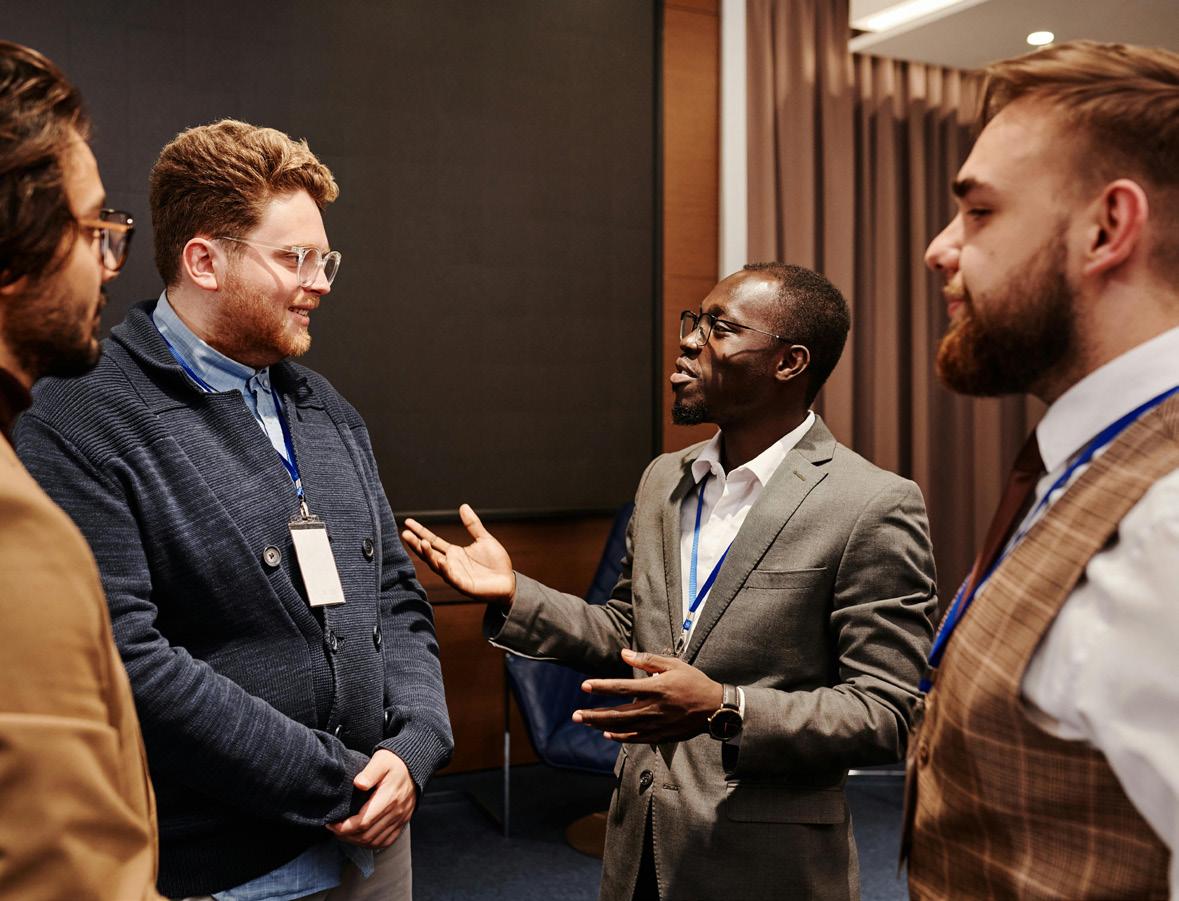
Last week, Southern hosted Meet the Firms, the bustling event where students shake hands with potential employers and graduate school recruiters. Amid the sharp suits and printed resumés, I got to do what I love doing most: networking.
But “networking” is a loaded term. Some people loathe hearing this term. I get it—I was once one of those people.
To truly understand networking, we must back up a little bit. If you have spent any time in college, you have inevitably heard the age-old cliché: “It’s not what you know, but who you know.”
For a long time, I had a love-hate relationship with this phrase. On one hand, I secretly loved the comforting reminder that no matter how badly I bombed a test, I could theoretically “network” my way out of my imposter syndrome or lack of knowledge (I’m kidding, mostly).
On the other hand, I hated the phrase because it felt deeply unfair. It made me wonder if all my hard work, studying, and resumé-building would be rendered useless simply because I didn’t have an uncle who was a CEO or a pocket full of insider connections.
However, through personal experience, I have come to realize that this phrase isn’t about nepotism. It is about human connection.
Networking, stripped of its corporate jargon, is simply
the act of establishing and nurturing relationships. It is meeting people. This should be as natural to us as eating or sleeping. After all, God wired us to be social creatures. Yet, as a digitally native society slowly emerging from a post-COVID world, we seem to have forgotten how powerful this basic human function really is.
When done authentically, networking can open doors you never even knew existed.
Let me give you two examples from my own life. A while back, I made an effort to befriend and reach out to one of my lab teaching assistants. That simple connection led the TA, who was an assistant camp director, to ask if I would be interested in working as a camp counselor at a summer camp I had never even heard of. I was actually applying to a different camp at the time, but I decided to say yes.
That single “yes” created a domino effect. While working at that camp, I took my campers on a river tubing trip. We had to take a bus to get to the river, and instead of zoning out in the back to get some much-needed rest, I decided to sit near the front and strike up a conversation with the bus driver. We had a great time talking.
It turned out that the bus driver was the head men’s dean at a high school boarding academy. He was so impressed by our conversation that he later asked me to serve as a task force dean for the school that year. I accepted, and it led to a profoundly blessed year
serving as a student missionary, which grew me in ways I never anticipated.
All of that happened because of the power of networking. I could have easily sat in silence on that bus. I could have decided not to talk with that Lab TA. My life would have looked entirely different today.
If you are looking to build your own network but don’t know where to start, you only need to look in two places. First, join a LifeGroup, an intramural team or a campus club. This is the lowest-pressure way to meet people. The friends you make here could become your future coworkers, your bridesmaids or groomsmen, or even your spouse.
Second, talk to your professors. They are easily the most overlooked resource on campus. If you treat them with respect and show genuine interest, they will champion you and open career doors you could only dream of. After all, they are literally getting paid to be a resource for you.
As an extreme extrovert, I realize it can be easy for me to downplay the anxiety that comes with introducing yourself to strangers. You are dealing with real people who have their own unpredictable thoughts and moods.
But networking is not something to be feared; it is something to be excited about. Think of it as an opportunity to share your story. You have absolutely nothing to lose. The vast majority of people actually want to talk to you. And honestly, networking is a lot like dating.
Sometimes you get a “yes,” sometimes you get a “no,” but you keep putting yourself out there. With every conversation, the awkwardness fades and you become more natural at it. Southern Adventist University is a uniquely incredible place to practice this. We might not be Harvard, and our career fairs might not feature Congress or Wall Street executives, but we have a distinct advantage. We are surrounded by people from all over the world who share a faith-based foundation. The connections we make on this campus have the potential to carry us not just through our careers, but into eternity. This human element is more vital today than ever before. In every computer science and tech class I have taken, recruiters and advisors echo the same truth: The most important skill in the industry is not a specific coding language or system
architecture. It is communication. If you can communicate, you can learn and adapt to almost any technical skill. Furthermore, building authentic relationships is the one thing you will always be better at than artificial intelligence is. It is ultimately what life is all about.
Ultimately, only two things will truly open doors for your future: God and the people He puts in your path. Proverbs 22:29 tells us, “Do you see a man skilled in his work? He will stand before kings; he will not stand before obscure men.” Skill gets you in the room, but relationships pull up the chair. So, the next time you are standing in line for food or waiting for a class to start, put your phone in your pocket. Step out of your comfort zone and say hello. You never know where that single conversation might take you.
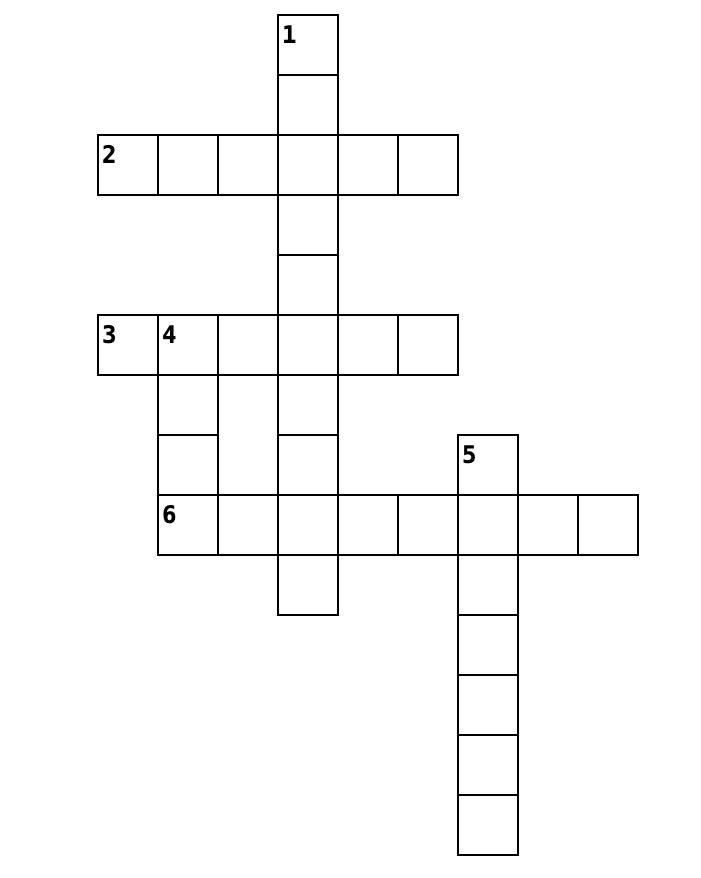
Created by Nyah Jackson

3:30 pm Academic Administration Coun-
cil @ Wright Hall Robert Merchant Room
7:30 pm Adventist Colleges Abroad Pre-Departure Orientation @ Lynn Wood Hall Chapel


• 10:00 am SOAP: Cross-Campus Zipline @ Promenade
• 11:00 am Convocation: Schutte Family Lecture Series, Michele Borba @ Iles P.E. Center
• 7:00 pm Musical: “King of Me” @ Ackerman Auditorium
Wednesday (Co-Ed)
6:00 pm
- Kickin’ It vs Balls to the Wall
- Lights, Camera, Action vs chalibu
- kickbruhs vs Ryan’s 19
7:00 pm
- kicks seven vs Team Villarruel

• Payday: Hourly/Students
• 6:30 pm Vespers: Manuel Gomez @ Collegedale Church of Seventh-day Adventists
6:41 pm Sunset
7:30 pm AfterGlow @ Collegedale Church of Seventh-day Adventists South Atrium
8:30 pm Vespers: Manuel Gomez @ Collegedale Church of Seventh-day Adventists
• Soccer Team Signup Begins
• 7:30 pm Concert: Southern Symphony Orchestra @ Collegedale Church of Seventh-day Adventists
• 11:59 pm Campus Research Day: Departmental Interest in Student Research Recognition Due
• 10:00 am - 11:15 am French Sabbath School @ Lynn Wood Hall Room 3050
• 10:00 am SOAP: Sabbath Hike @ Off-Campus (Rainbow Lake Preserve)
• 6:00 pm Evensong: Brenna Wiinanen, flute @ Collegedale Church of Seventh-day Adventists
• 7:30 pm Musical “King of Me” @ Ackerman Auditorium 8:00 pm Tournament: Evangelistic Resource Center @ Iles P.E. Center
7:00 pm Archaeology Museum Lecture: Raging Bull and Peaceful Hippo @ Lynn Wood Hall Chapel
Nothing Scheduled
- Canon Balls vs Team Moore
- Kick & Morty vs kicks and giggles
8:00 pm
- Ihoppity vs New kicks on the block
- Rizzed at Tilted Towers vs Light Work
- FireBallz vs Incrediballs
9:00 pm
- kick legends vs k-ickers
- One Kick Wonders vs Ball-Stars
- matthew kickson vs bal yagu
Thursday 6:00 pm
- Balls to the Wall vs Love Muffins (Men’s)
- Kick-Fil-A vs Ball of Duty (Women’s)
- kermit’s kick vs supa strikas (Women’s)
7:00 pm
- Shalom Yahweh vs Soccer Baseball (Men’s)
- Kicks 7 vs Kick’n Chicken (Men’s)
- 4th grade all stars vs Run Like He Texted K (Women’s)
8:00 pm
- Great balls of fire vs The kick ers (Men’s)
- Team Scott vs Big Bad Wolves (Men’s)
- Singles Inferno Season 6 Cast vs SEA monkeys (Men’s)
9:00 pm
- Team Simpson vs clankers (Men’s)
- Kick magnets vs beaverton news 9 (Men’s)
Become an advanced practice nurse and earn a doctor of nursing practice at the same time.
The BSN to DNP program mentors bachelor’s degree-level graduates as they gain necessary RN experience through an advanced nursing practice emphasis of their choice.
Options include:
• DNP/MBA
• Lifestyle Medicine
• Nurse Educator
• Nurse Practitioner (emphases include Acute Care–Adult/Gerontology, Primary Care–Adult/Gerontology, Family, and Psychiatric Mental Health)
Call or visit online to find out how to get started.