Every year, when the first snow settles outside my window, I’m reminded of how the world can shift in an instant. The familiar becomes softer, quieter, almost as if the season itself is urging us to take a breath. I find myself lingering a little longer in the mornings, coffee in hand, watching the light bounce off fresh snow and feeling an unexpected sense of calm. It’s in these small pauses that I’m reminded just how much there is to appreciate.
The holiday season has that same effect. Between the gatherings, the traditions, and even the chaos that inevitably sneaks in, there are these little flashes of warmth—someone’s laughter, a handwritten card, a moment of connection you didn’t realize you needed. These are the things that stay with us long after the decorations are packed away.
So as we move through these winter days, I hope you’ll join me in soaking in the magic that this time of year brings. Let’s welcome the snow not as an inconvenience, but as a quiet reminder to slow down.
Let’s embrace the holidays not for their perfection, but for the imperfect, beautiful moments they’re made of. Here’s to finding joy in the simple things, comfort in the cold, and gratitude in the season’s gentle reminders. Wishing you warmth, peace, and heartful moments this holiday season.
We’re especially excited to celebrate a little “Christmas in July” with our upcoming Pink Energy Run. While the season of giving may be months away, the heart behind it is already here: supporting wellness, uplifting local families, and championing the mission of breast cancer and prostate cancer research for a cure. We are partnering up with Germanfest. The run will be Friday night, July 24, 2026 starting at the Summerfest grounds during Germanfest. A 5k/walk and free kiddos dash. Please visit www.pinkenergyrun.com for more details.
-Amanda Editor-in-chief
POSITIVE AGING
EMBRACE LIFE. AGE WELL. KEEP READING.
Contact
For information on advertising or to submit articles call, 262-343-5163, or Email: positiveaging@wi.rr.com.
Disclaimer
POSITIVE AGING is published on the first of each month . The articles in this publication are in no way intended to replace the knowledge or diagnosis of your doctor. We advise seeing a physician whenever a health problem arises requiring an expert’s care.
Images - istock.com
Special Thanks -To all the local professionals that provide us with articles containing new information and keeping all our readers informed of the latest in positive living. And to all our advertisers, and you the readers!
MyPositiveAging.com
Positive Aging is distributed throughout the Milwaukee, Waukesha, Ozauakee and Washington county.
How to Combat Winter Blues with Essential Oils
By: Kristine Stein, Naturopathic Practitioner, Certified Herbalist, Level One Certified Aromatherapist, BS, MS
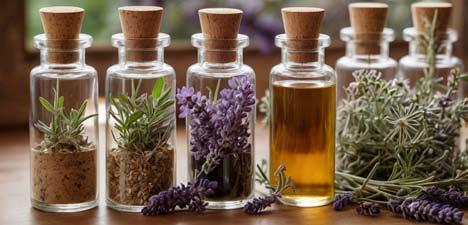
The days are getting longer, which is great news for those of us that live in northern latitudes where sunlight is limited to less than nine hours a day in the dead of winter. However, as we all know, the cold will be around for a while which can have a negative effect on people’s mood and outlook. I am going to share some information on chemical constituents in essential oils that can be very effective in improving one’s mood and outlook. I will also share a simple recipe that will help bring some sunshine and positivity to your daily life.
How Essential Oils Improve Your Mood
Scents have a direct impact on the amygdala. The amygdala is a structure deep within the brain that elicits various emotional responses and helps to process memories. The olfactory bulb is connected to this primitive part of the brain. This is why certain scents or smells can take us back to a previous place in time and provoke memories. Essential oils are a simple, yet effective tool that can be very beneficial to improve negative thoughts and effects of stress by utilizing the olfactory bulb/amygdala connection.
The following essential oils are rich in a chemical family known as esters. Esters are a by-product of a chemical reaction that occurs between an alcohol and an organic acid. They are anti-inflammatory, have a balancing effect on the central nervous system (especially in the case of anxiety, depression and stress), can act as a sedative, and help to release muscular and nervous tension. Some essential oils that contain high amounts of esters include lavender, bergamot, clary sage, ylang ylang and Roman chamomile. I will focus on bergamot, clary sage and Roman chamomile.
Benefits of the Bergamot Essential Oil
Bergamot (Citrus bergamia) comes from Southern Italy and the essential oil is produced from the peel of the ripe fruit. It has a bright, citrus-like scent. It helps to balance the hypothalamus gland which is the center of deeper emotions like fear and anger. The hypothalamus is very much impacted by stress as well, which bergamot works well to support. In Traditional Chinese Medicine, bergamot helps to harmonize the Shen (spirit) and helps move liver energy (Qi). One thing to note is that bergamot is phototoxic, which means it can make you more sensitive to sunlight possibly causing sunburns or dermal inflammation.
Benefits of the Clary Sage Essential Oil
Clary Sage (Salvia sclarea) is an herb native to the Mediterranean and yields a sweet, yet earthy scent when distilled. As a member of the mint fam-
Winter Wellness for Seniors: Finding Warmth and Rhythm
Winter often brings challenges for older adults. The cold air, shorter days, and icy sidewalks can make it harder to stay active and connected, sometimes leading to feelings of isolation. Yet this season can also be an opportunity to embrace new routines that nurture both body and spirit. Winter wellness is about more than staying warm; it’s about finding ways to remain energized, joyful, and engaged even when the world outside feels quiet and still.
One of the most effective ways to support health during the colder months is by paying attention to the basics: warmth, nutrition, movement, and mental well-being. Seniors benefit from dressing in layers, keeping indoor spaces cozy, and ensuring hydration and balanced meals rich in vitamin D to offset the lack of sunlight. Gentle exercise, whether stretching, yoga, or walking in safe indoor spaces, helps maintain circulation and mobility. Just as important is tending to mental health—light therapy lamps, social calls with friends, or creative hobbies can all help lift spirits and reduce the effects of
seasonal affective disorder.
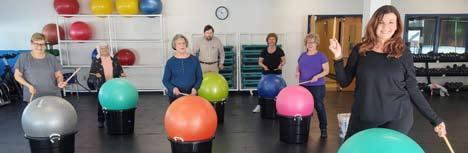
Alongside these traditional wellness practices, drumming offers a unique and uplifting way to thrive in winter. Far from being reserved for musicians, drumming is accessible to anyone and can be adapted to all levels of mobility. The rhythmic act of striking a drum or percussion instrument stimulates both body and mind. Physically, it encourages coordination and keeps joints flexible without strain. Mentally, the steady beat sharpens focus, reduces stress, and creates a meditative state that calms the nervous system. Perhaps most importantly, drumming fosters connection. Whether in a group circle or a small gathering, shared rhythm builds community, combats loneliness, and brings joy to the darker months.
, 2025
Integrating drumming into a winter wellness routine can be simple. A short morning rhythm session can energize the day, while mindful evening drumming can serve as a calming ritual before bedtime. Seniors who join community drum circles often find themselves not only exercising but also laughing, bonding, and rediscovering a sense of play. Even drumming alone at home can be a powerful form of self-expression, turning the quiet of winter into a season of creativity.
Insurance Considerations for Seniors
Wellness also means financial peace of mind, and insurance plays a vital role in protecting seniors during winter and beyond. Most retirees rely on Medicare, which covers hospital and medical services, but many choose to add Medicare Advantage plans for bundled coverage or Medicare Supplement (Medigap) plans to reduce out-of-pocket costs. Seniors with limited income may qualify for Medicaid, which provides additional support. Beyond health coverage, dental, vision, and long-term care insurance are important options to consider, since these services are not always fully covered by Medicare. For those retiring before age 65, the Affordable Care Act marketplace offers plans that can bridge the gap until Medicare eligibility.
For more information on healthy aging call Gina at 414-840-6410.
Celebrating Aging Through Connection, Movement, and Lifelong Learning
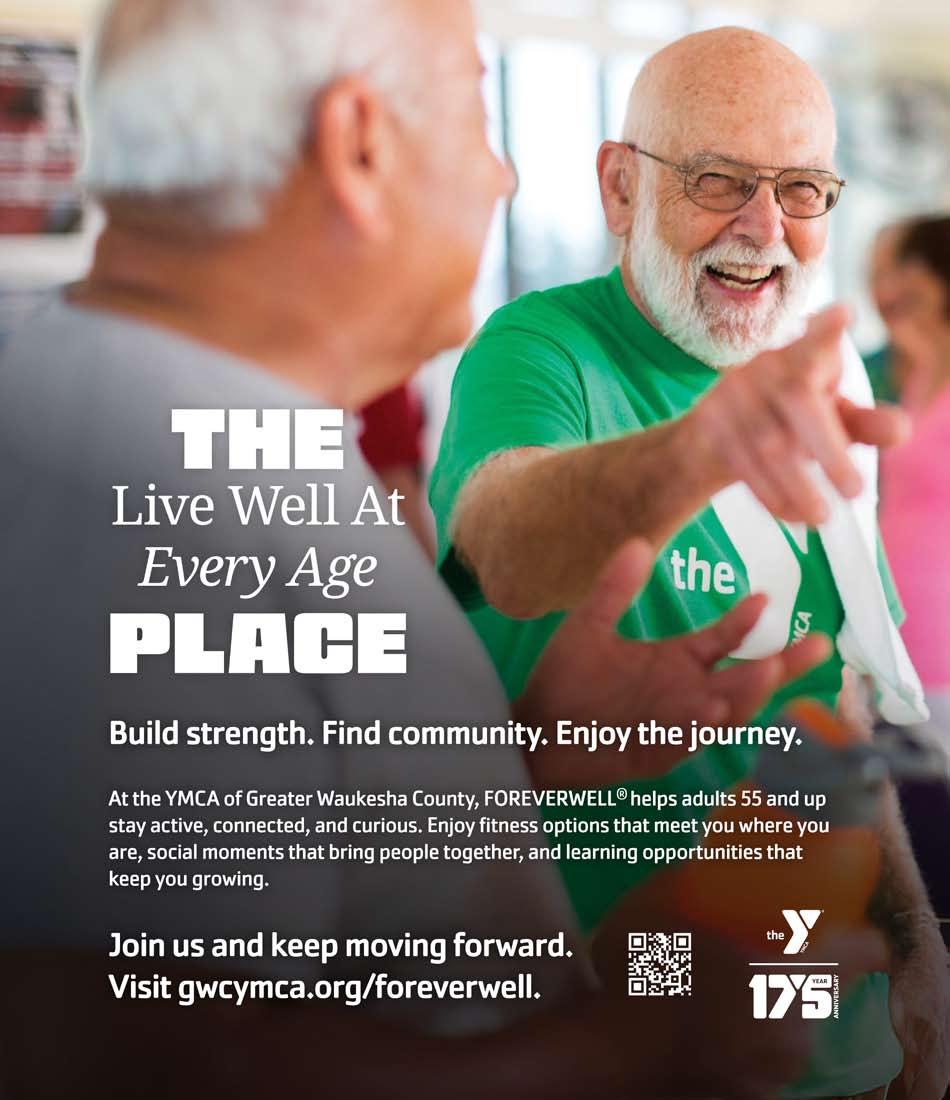
INTRODUCING FOREVERWELL® AT THE YMCA OF GREATER WAUKESHA COUNTY
something to shy away from. It is full of opportunity. It’s a stage of life where people often finally have the time to focus on themselves, build relationships,
and explore new interests. That mindset is at the heart of the YMCA of Greater Waukesha County’s program for adults ages 55 and up: FOREVERWELL. FOREVERWELL is more than a new label. It reflects a shift in how we view aging and what it means to live well later in life. Rather than centering on limitations, the program highlights the many ways adults can continue to grow, stay active, expand their social circles, and strengthen their well-being. Designed with a whole-person approach, FOREVERWELL is built on three core pillars: moving, connecting, and discovering. Each one supports healthy aging in meaningful and practical ways.
Moving is a key part of staying independent and feeling good. The YMCA of Greater Waukesha County offers over 130 FOREVERWELL group exercise classes each week across our Association, all included with membership. These classes aren’t one size fits all. They are intentionally designed for a wide range of abilities, interests, and comfort levels. Whether someone is just beginning their fitness journey or has been active for years, there is a class that fits. The Y’s Healthy Living programs also play a valuable role, addressing common health concerns like pre-diabetes, high blood pressure, cancer recovery, cardiac conditions, and balance issues. These programs are evidence-based and empower adults to manage their health proactively. Together, these options help older adults stay strong, mobile, and confident in their daily lives.
Connecting may be one of the biggest contributors to overall well-being, especially as loneliness and isolation become more common with age. FOREVERWELL creates intentional, welcoming spaces where relationships can grow naturally. Monthly socials, free for members, bring people together for fun, food, and conversation. Beyond that, the YMCA offers clubs and activities nearly every day of the week, from Sheepshead and Euchre to walking club, WII sports, and a long list of other social games and gatherings. These moments of connection help people feel grounded, supported, and part of
Discovering reflects the belief that curiosity doesn’t fade with age. Many adults find joy in continuing to learn, ask questions, and explore new ideas. To support this, the YMCA regularly invites local health and wellness professionals to lead educational talks on topics that matter to the 55+ community. These sessions cover fraud prevention, memory care, nutrition, brain health, and much more. They allow individuals to stay informed and empowered while gaining tools that support daily
One of the things that makes FOREVERWELL stand out is its accessibility. The YMCA recognizes that everyone’s circumstances are different. That is why programming happens not only inside YMCA branches but also in local senior living communities. By bringing classes, social programs, and educational workshops directly to older adults, the Y ensures that staying active and connected is possible for everyone.
Aging is a meaningful part of life, one that deserves encouragement, joy, and community.
Our goal is to enhance the independence of older adults through active living that’s personalized for everyone’s needs Call today for a tour! 1919 N. 60th St, Milwaukee 7:00 a.m. - 4:30 p.m.
Through FOREVERWELL, the YMCA of Greater Waukesha County celebrates that journey, offering the tools, support, and connection adults need to thrive. With FOREVERWELL, growing older isn’t about stepping back. It is about stepping into a fuller, healthier, more connected life together.
istock.com/Harbucks
Curiouser and Curiouser
By Doreen Giesfeldt
By nature, I have always been an inquisitive person. Some might call it nosy, but on the other hand, I have learned the most curious things. Let’s jump right in: a butterfly’s wings have to warm to 65-80 Fahrenheit degrees in order for it to fly. (source: insectlore.com)
A cloud can weigh 1.1 million pounds. The composition is made up of droplets and ice crystals suspended in air. (Source : https://www.usgs.gov/waterscience-school/science/how-much-does-a-cloud-weigh:)
Kelp seagulls gather in flocks of 1000 or more. I filmed them in Johnson Creek in a parking lot. (Source : https://ebird.org/atlaswi/news/kelp-gull-
nesting-in-wisconsin-viewing-information}
Walking lesson from a blind friend. She said we tend to walk on a slight angle thus we tend to steer anyone next to us to the edge of the curb. I was truly sorry my friend almost tipped over onto the road. I had to stop talking about the seagulls because I knew I would do it again. (Source: Wisconsin Center for the Blind and Visually Impaired (WCBVI)).
Large machinery is always a magnet for me. I happen to snag the foreman of a crew and ask what does that machine do that sounds like giant vacuum. A hydro vac is a non-destructive excavation tool that uses a combination of high-pressure water to break up soil and a powerful vacuum system to remove the resulting slurry. I did mention that would be fun to run. No takers. I moved on to the backhoe. The small backhoe is ideal for sidewalk dirt removal. The foreman’s hand and arm were guiding the operator. With a bent elbow he extends his arm to show that the edge of the hoe was in alignment, he rolls his hand into a fist to tell the operator to use the dipper stick to scoop up the soil. “That must be fun to do.” Sidling away from me, I knew it was hopeless to ask to just try one scoop. (Source: Machineomatic)
I have been a lifelong learner; there has never been a time I wasn’t in some class. I always chose things I didn’t know about and left with another piece of knowledge.
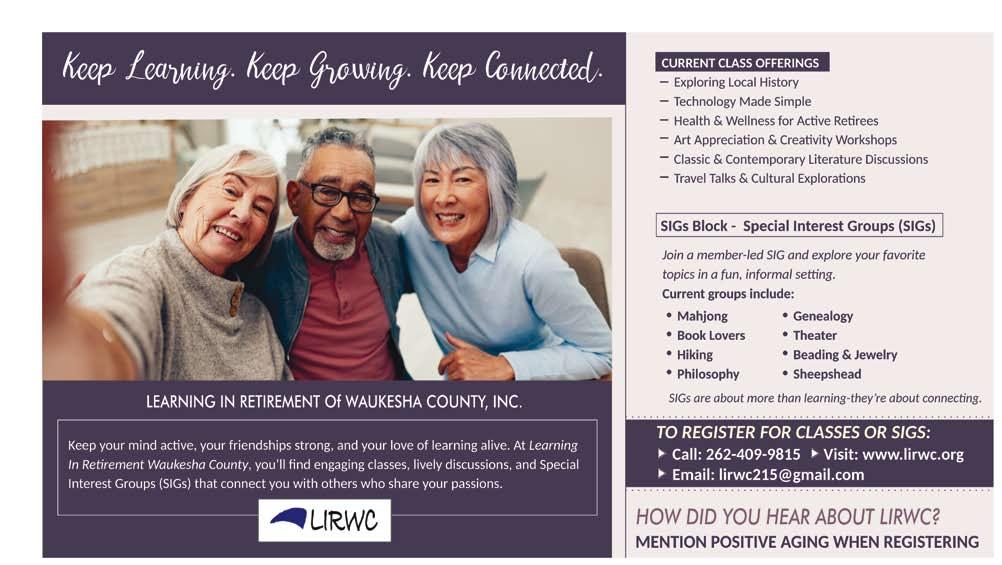
Here’s where my journey of learning went. After high school I went to WCTI and loved every minute of it. I wrote for their newsletter. I keep taking classes, a class in computers that was obsolete by the time I finished, making books, painting and writing. I’m not done learning. You may be inspired to try new things by asking a simple question – why not take a class now that I’m retired? Currently in Learning In Retirement of Waukesha County I took a weather class with Bart Adrian, Indigenous People of Wisconsin, and Forgotten Music of Broadway. Want to get in on the fun: www.lirwc.org or 262-409-9815 or lirwc215@ gmail.com
Oliver goes to Zoom class too. He is studying not to bark.
istock.com/Jacob Wackerhausen
VOCTAVE: IT FEELS LIKE CHRISTMAS
A Night of Holiday Harmony
The holiday season has a way of filling our schedules with to-do lists, commitments, and the hustle of preparing for celebrations. Taking time to go out—whether for a performance, a community event, or a simple evening away—offers a much-needed pause from the rush. Experiences like Voctave’s holiday spectacular invite us to be fully present, to feel the music resonate in a shared space, and to reconnect with the joy and wonder this time of year is meant to inspire. Stepping outside the routine gives our minds a break, renews our energy, and reminds us of the beauty found in moments of togetherness.
Attending seasonal events also strengthens our sense of community during the winter months, when colder weather and early sunsets can make us feel more isolated. Gathering with family, friends, and neighbors for a night of live music fosters connection, warmth, and tradition. It enriches the season with memories that last far beyond December and supports the performing
arts organizations that help bring festive magic to our communities year after year. Going out isn’t just entertainment—it’s an uplifting way to celebrate the season, nurture well-being, and embrace the spirit of togetherness. Voctave is a dynamic 11-member a cappella group hailing from Central Florida, renowned for their intricate and captivating vocal arrangements. Founded in the winter of 2015 by esteemed producer and arranger Jamey Ray, Voctave brings together a rich tapestry of musical backgrounds. The group’s members have performed globally and contributed to numerous recordings, showcasing their versatile talent.
Voctave has collaborated with a host of Grammy, Dove, and American Music Award winners, earning acclaim for their exceptional performances. They are proudly represented by Opus 3 Artists management, a testament to their esteemed place in the music industry.
Their impressive discography boasts multiple #1 songs and albums on platforms like iTunes, Amazon, and Spotify, and they have made significant strides on Billboard Magazine’s charts, ranking in the top 25. With over 200 million views across social media platforms, Voctave’s impact on the a cappella scene is undeniable. Their albums are widely available on all digital music and streaming platforms, allowing fans worldwide to experience their stunning vocal artistry.
Voctave: It Feels Like Christmas Saturday, December 20, 2025 7:30PM 9:30PM
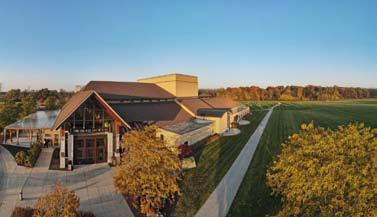
Sharon Lynne Wilson Center for the Arts 3270 Mitchell Park Drive Brookfield, WI 53045 www.wilson-center.com.
Voctave’s 11-member vocal ensemble brings incredible harmonies to favorites from Disney to the Broadway stage. This a cappella sensation has over 150 million social media views of their videos and has appeared on countless recordings. Voctave’s holiday spectacular, It Feels Like Christmas, includes a stocking full of holiday favorites from their chart-topping album and is sure to be a magical evening of music for the whole family. Jazz Weekly, raves “Voctave brings a cappella music to a new dimension.”
Holiday Entertaining The FoodTrients Way
By Grace O
Ilove to open up my home and invite friends and family over for celebrations. And the holiday season provides irresistible opportunities to throw great parties that people will remember. My first priority is always my guests, and I ensure that they are well fed, entertained, and delighted.
Good food is vital to any party. Hungry guests are not happy guests, so I have a wide variety of food available for the duration of the party. During the holidays, a time when people tend to overeat and overindulge, I offer some healthful party fare in addition to seasonal favorites. Here’s where my FoodTrients recipes can shine! These recipes in my cookbook, FoodTrients: AgeDefying Recipes for a Sustainable Life, and on my website feature essential compounds I call FoodTrients, powerful nutrients that promote health, wellness, and longevity.
I’m a huge fan of appetizers. The varieties are endless. In my cookbook, I offer a simple recipe featuring a nutrient-dense ingredient, quinoa, Quinoa
Tabbouleh on Pita. Give your appetizer trays a FoodTrients boost by adding nuts, mushrooms, cruciferous vegetables (broccoli, cauliflower, radish), and edamame (soy beans).
I can’t remember a party where I didn’t serve a full meal. During the busy holiday season, I prefer to lay out a grand buffet with dishes that echo my childhood meals. I plan the buffet carefully so that it’s always colorful and varied: a good way to ensure your guests are getting a balance of essential vitamins and minerals. I keep things colorful with lots of vegetables and fruits. I also like to include vegetarian proteins like tofu or beans for my friends with restricted diets so they aren’t stuck with only salad or side dishes.
My health-protecting Spinach and Grapefruit Salad served with my Tangy Ginger Dressing, provides amazing antioxidant and anti-inflammatory benefits. You can use the same dressing with my Green-Tea Noodles with Edamame. My Seafood with Wild Rice, Veal Meatballs with Parsley and Mushroom Gravy, and Tofu and Vegetable Stir-Fry all lend themselves nicely to a holiday buffet.
You can make your own party favorites more healthful by adding foods, herbs, and spices that increase energy and vitality, help prevent the diseases of aging, and taste great. For example, add curry powder to a rice dish, garlic and ginger to a stir-fry, citrus to a sauce for poultry. Or consult my “Guide to Age-Defying FoodTrients” at the back of my cookbook, which identifies all 26 powerful FoodTrients featured in my recipes, as well as their food sources and their benefits to your health and well-being.
I personally don’t drink alcohol, so I like to have some nonalcoholic party beverages available to my guests. My Mint Agave Tonic is inspired by the Cuban mojito, my Soursop Lassi is a healthful alternative to frothy, tropical blended drinks, and my recipe for Chia Frescas takes this fruit drink to a new, fun level.
And what’s a holiday meal without dessert? In my cookbook and on my website, I put healthful spins on popular desserts such as Pear and Apple Tart and tapioca (Mango Tapioca) and introduce stunning and delicious recipes, such as my Almond-Blueberry Gelatin Parfaits, which will electrify your dessert table. My Cinnamon Coffee and my Gingerroot Black Tea complement any dessert. Holiday recipes at foodtrients.com istock.com/it:grafvision
A Positive Path to Wellness
By Genevie L. Kocourek, M.D.,
Over 13% of the population of the United States are 65 years of age or older. Caring for ourselves as we grow older is challenging. Often times, care of the older adult involves children or relatives. They often assist in day-to-day activities such as house cleaning and shopping, driving their loved-ones to appointments, offering financial support, and providing companionship.
Health concerns can change as we age, too. For instance, it is uncommon for a young person to have osteoporosis, but it is a common diagnosis in women over age 70. Eye diseases, often painless, can rob senior citizens of their vision. Falls and injuries can result in significant injury, including fractures and bleeding in the brain (hemorrhages). Therefore, it is wise to be aware of the most common conditions affecting senior citizens, and the steps that can be taken to protect us and our loved-ones. Nutrition.
Nutritional concerns in the elderly include lack of money for purchasing groceries, lack of motivation for cooking a meal when living alone, and loss of taste leading to a poor appetite. Try sharing a meal with a friend, going to social gatherings in the community or at your church, or eat with family.
Physical activity.
istock.com/ FollowTheFlow
As we grow older, it is very important to continue physical activity. Even a daily walk of 15-20 minutes can be very helpful. Many health clubs have a low-cost plan for senior citizens. Clubs often have a warm-water pool, which can be an ideal way for a senior citizen to get exercise, while limiting the stress on joints.
Falls and injuries.
This is one of the greatest concerns for senior citizens. Falls can result in broken hips, hospital stays, and a reduced quality of life. Sometimes after a fall, the person never returns to his or her prior functioning. Therefore, fall prevention is essential. Remove all loose rugs from your home, and have grab bars installed in your bathrooms. Every stairway should have a handrail, even if it has only a few steps. Every stairway should be well-lighted. Sleeping pills.
Many senior citizens have difficulty sleeping. Some of them use sleeping pills to help with sleep. However, there is a risk with sleeping pills, in that they can make a person so drowsy they are unable to travel safely to the bathroom in the middle of the night. Whenever possible, avoid the use of sleeping pills. Vision.
As we grow older, the risk for eye diseases increases, including macular degeneration, cataracts, and glaucoma. These diseases are painless. Therefore, it is wise to have a dilated eye examination each year. If you need a referral for an examination, talk with your doctor. Keep your prescription for eyeglasses current. Poor vision can lead to falls and injuries.
For 75 years, TOPS Club has helped people take off, and keep off, the weight.
istock.com/Zinkevych
Hearing.
Loss of hearing is common in the senior citizen. The greatest concerns are the inability to hear fire alarms in your home or sirens on the road. It is also important to hear other things as well, such as instructions from your doctor regarding how to take your medications. Arthritis.
Pain in the joints from arthritis can make it difficult for the senior citizen to move about freely. Sometimes stiffness and pain in the joints leads to the need for pain medications. Such medications can cause drowsiness and falls. This is especially true when a person takes the pain medication prior to going to sleep, and then awakens in the middle of the night and has to use the bathroom. Discuss your arthritis pain and pain medications with your doctor. Cancer.
Senior citizens with cancer can feel sick from chemotherapy treatments, have nausea or vomiting, or generally feel weak. Any of these symptoms can lead to falls and injuries. If you are in the midst of chemotherapy, consider having a friend or family member with you in your home or available at a moment’s notice the day or two following treatment. Parkinson.
Parkinson’s disease is a movement disorder. Symptoms can include a tremor in the hands, difficulty when starting to walk, and a jerking motion with footsteps. Individuals with Parkinson’s need to be aware that they have a high risk for falling. It can be tremendously helpful to wear a safety device that automatically calls for help when a person falls, or to use a device that allows a person to push a button when they need help.
Incontinence
Incontinence can lead to several concerns. A person with incontinence might find that they do not want to leave the house. This can lead to depression, and loneliness. The body fluids that leak can also lead to rashes of the skin, and sores. Discuss incontinence with your doctor. There may be treat-
ments that will improve your symptoms.
Dizziness.
The greatest concern with dizziness is that a person is more likely to fall. If you suffer from dizziness on a regular basis, talk with your doctor. It may also be wise to have a bed that is lower (closer to the ground), and to have a cushioning mat on the floor. The mat will provide some protection if you do fall out of bed.
Hypertension (high blood pressure).
Many, many senior citizens have high blood pressure. Uncontrolled blood pressure can lead to kidney failure, strokes and heart attacks. Blood pressure that is too low can result in dizziness. Therefore, it is vital for you to see your doctor regularly if you have high blood pressure. Your doctor will work with you to control your blood pressure and limit side effects, such as dizziness. Diabetes.
Many senior citizens have diabetes. Diabetes can lead to vision loss, numbness of the feet and loss of sensation in walking, heart disease, and episodes of dizziness from low blood sugar. Any of these symptoms can result in falls and injuries. See your doctor regularly if you have diabetes. It is beneficial to keep your diabetes in control, but as we grow older, sometimes it is wiser to have a slightly higher goal for your hemoglobin A1c than when you were younger.
Medications.
The average number of prescriptions taken by a person age 65-69 is fourteen, and for a person 80-84 it is 18! Juggling medications—and supplements—can be complicated and lead to further health problems. Use a pillminder that will accommodate all of the medications you take in one week. Place your pills in your pill-minder once per week. Do not allow yourself to be interrupted when you are filling your pill-minder. If you need assistance in taking your medication properly, ask a friend or relative to help, or tell your doctor. Many assisted-living facilities provide this support to their residents, but people living alone may also need help. Also, ask your doctor if any medications can be safely eliminated.
The Specialized Realtors You Need.
As Certified Senior Real Estate Specialists, we are dedicated to providing the best possible customer experience, whether you are buying or selling a home!(or both). With a combined 35+ years of experience in the real estate industry, we understand that this is more than a transaction it’s personal.
If you are contemplating if the time is right to make a move, give us a call and lets have a conversation.
Ways You Can Keep Your Mind, Spirit, And Body Youthful
It seems like everyone is obsessed with looking young these days. And hey, who can blame them? We all want to look young for our age. But the truth is, there’s only one thing better than looking young: feeling young and living young longer.
Consider this: 61% of men describe their current energy level as lower than their energy level 5 years ago, and 65% of men say that they experience brain fog and think their mind is not as sharp as it used to be.
Once thought to be hard-wired after early childhood, the brain actually has a remarkable ability to change and heal itself. Known as neuroplasticity, this remodeling due to our environment, behavior, and feelings happen throughout our lives. Given the flexibility of your brain, how will you rewire it to help you live younger longer?
Dr. Myles Spar, Chief Medical Officer of Vault Health, is an expert when it comes to men’s physical, emotional, and sexual health. He has shared 13 ways you can keep your mind, spirit, and body youthful regardless of your age. Here are his 13 tips to live younger longer:
1.Meditate
When it comes to keeping you young, meditation has been shown to actually change the brain. Sara Lazar, a neuroscientist at Harvard Medical School and Massachusetts General Hospital, conducted studies involving brain scans of meditators. She found that people who had been meditating for a long time had increased grey matter in the auditory and sensory cortex, which she attributes to the mindful attention paid to breathing, sounds, and other stimuli during meditation. She also discovered more grey matter in the frontal cortex, the part of the brain associated with memory and decision making. According to Lazar, meditators in their fifties had the same amount of gray matter in one part of the prefrontal cortex as people in their twenties in spite of the fact that the cortex is known to shrink as we age. Why not incorporate this brain-boosting practice into your life?
2.Play
Have you seen ads for brain-training games and wondered if they were legit? According to recent research, the answer is yes. A new study found cognitive training increased the energy efficiency of participants’ brains. In the randomized clinical trial, adults aged 56 to 71 were either given twelve weeks of cognitive training or assigned to one of two control groups. Measuring brain activity, researchers found those in the cognitive training group showed a significant increase in the association between reaction time and frontal lobe activity compared to the control groups, meaning their brains didn’t have to work as hard to perform tasks. The study’s authors hope their findings pave the way for further research that attempts to harness the po-
3.Get Busy
According to Dr. Oz, having loving sex a couple of times a week increases testosterone in men and can reduce your “real age” by nearly three years. Even if you’re not romantically involved, spending time with friends and family keeps you from isolating yourself as you get older. Volunteering, too, can be a nice way to ward off loneliness while helping your community. The website volunteermatch.org can help you figure out where your skills can best be put to use.
4.Stretch it Out
Flexibility decreases as we age, but the National Academy of Sports Medicine says following a systematic and progressive flexibility program can help keep you limber. Even a few minutes of light stretching every morning can make a difference. The National Institute on Aging provides some good information and exercises here.
5.Socialize
It’s probably a given that loneliness takes a toll on your mental health, but did you know it can actually affect your genes—and maybe even shorten your life? Research suggests being lonely can have a negative impact on telomeres, the segments of DNA at the end of our chromosomes that shorten each time a cell divides and may indicate how long we’ll live. Longer telomeres are associated with slower aging, fewer age-related diseases, and generally greater life spans. In a study of African grey parrots in captivity, those who were housed alone had shorter telomeres compared to those who lived with a companion bird. This finding supports a growing body of evidence showing that social isolation and other stressors can be detrimental to our telomeres. Loneliness can also increase your risk of depression, cognitive decline, heart disease, and other serious conditions in ways similar to obesity and smoking. Schedule a dinner with a buddy you haven’t seen in a while or take your spouse out for a night on the town. You could also consider volunteering in your community, which gives you a chance to help others while you interact with them.
6.Exercise
Not only does exercise benefit your body and mind, research shows it could also keep your muscles young by stopping or even reversing the decline in their cellular health that comes with aging.
7.Eat Clean
A balanced diet high in whole foods provides your body with the nutrients it needs to stay in top form. Avoid refined sugar, which causes inflammation linked to diseases like diabetes and Alzheimer’s. Unsure what to eat? Check out livestrong.com’s list of anti-aging foods here.
8.Sleep Well
According to a survey by Vault Health, 41% of men get 6 hours or less of sleep on an average night. It’s common for sleep patterns to shift as we age. Taking steps like cutting caffeine intake and putting your devices down well before bed can help you get the rest you need. And while it might be tempting to exercise in an attempt to wear yourself out, don’t work out too close to bedtime or you’ll have a hard time winding down.
9.Manage Stress
If left unchecked, chronic stress can lead to depression, heart disease, and other serious conditions, potentially shaving years off your life. Try a relaxation technique like yoga or meditation, both scientifically proven to lower stress levels. Or consider tai chi, a practice that may improve balance and stability in older people while reducing anxiety.
10.Consider Supplements
Even if you eat well you’re probably lacking nutrients important for healthy aging. And many supplements have been shown to protect the body from disease—fish oil, for example, is associated with prevention of heart disease and stroke.
11.Have a Drink
Moderate alcohol consumption has been shown to bump up HDL (“good”) cholesterol, and red wine in particular may have additional heart-healthy powers. As far as nonalcoholic beverages go, both green tea and coffee contain antioxidants that may help you fight off age-related illnesses.
9 Ways to Make Your Apartment Radiate Holiday Cheer this Winter Season
The holiday season is upon us, and it’s the perfect time to infuse your apartment with festive cheer and warmth. Whether you’re a seasoned decorator or new to the craft, we’re here to help you out. Here are nine ways to elevate your apartment’s ambiance throughout the holiday season.
Decorate with holiday colors
Christmas would not be Christmas without a green tree with red and gold accents. Hanukkah would not be itself without blue and white decor. Kwanzaa would not be Kwanzaa without the green, red and black kinara. These colors shape our understanding of seasonal holidays and can be used to make a home feel more festive. Integrate any of these holiday colors into the décor
of your home as you deem fit to celebrate your way!
If you do not celebrate a holiday but still want to get in on the fun, decorate with the color white, which is resemblant of the snow that covers the ground.
Big, fluffy, cozy blankets
There is nothing like being wrapped up, all warm and comfortable, in a blanket inside while the snow swirls outside. A warm blanket can help you accomplish just this while also a great decoration. Use blankets that use holiday colors, have holiday patterns, or simply ones that bring you the most joy during the cold season. Either drape these throws over your couch or place them in a woven basket for a luxe yet relaxed feeling.
Holiday scents
The smell of your favorite holiday scent and warmth of a flickering candle is sure to bring you all of the comfort during the season. Candles provide not only a great scent to fill the air, but also act as a great centerpiece on a coffee or dining table. Surround the candle (but not too close!) with other seasonal décor such as pinecones or fir. Alternatives to candles include essential oil diffusers or diffusers that plug into the walls. If you are sensitive to smells, try out flameless candles which will still cozy up your home.
Hot beverage station
Cider, hot cocoa and tea – oh my! Fill your hearts (and stomachs) with warmth with a hot beverage station! This can be done by your coffee maker. Deck out your counter with festive mason jars that hold cider, hot cocoa and tea packets. Provide ample add-ons such as cinnamon or peppermint sticks, cinnamon powder, liquid flavorings (peppermint, caramel, vanilla, etc.) and marshmallows! You can then surround the area with classic holiday décor.
Switch up your artwork
Remove your fall imagery from your walls and swap it with artwork that displays the holiday season! Change pictures of jack-o’-lanterns to snowmen. Display photos of a snow-covered cabin and put away the haunted house imagery you have up. Switching out these photos will provide you with a more enriching holiday experience.
Tudor Oaks Senior Living Community
Home Care Services!
Tudor Oaks Senior Living Community, a trusted name in the Muskego area for over 40 years, is now offering Home Care Services to area residents!
Tudor Oaks Home Care Services provide a variety of supportive options to assist seniors who wish to remain in their own home.
to Better Brain Health
If you love starting your day with a warm cup of green tea, you’re in for exciting news: recent research suggests that your favorite beverage does more than just provide a gentle boost of energy—it could also help protect your brain as you age.
The Cognitive Perks of Green Tea
For years, green tea has been praised for its numerous health benefits, including:
Supporting heart health
Lowering blood sugar levels
Providing smooth, sustained energy without the jitters
Now, scientists are adding brain health to that impressive list. A study from Japan examined 8,700 older adults and found that those who drank three or more cups of green tea daily had fewer signs of damage in the brain’s white matter—the network essential for communication between brain regions. When this wiring is damaged, it can lead to a host of issues, including memory loss, balance difficulties, and even dementia.
What’s even more encouraging is that people who start drinking green tea later in life can still enjoy these protective benefits!
How Green Tea Supports Your Brain
Green tea is rich in antioxidants, natural compounds that shield your brain from harmful free radicals that can damage cells over time. Here’s how it’s thought to support your brain:
Reduces inflammation
Lowers blood pressure (a major risk factor for brain changes)
Enhances blood flow, ensuring your brain gets the nutrients it needs
Supports the production of brain chemicals linked to memory and mood
Plus, green tea contains an amino acid called L-theanine, which promotes calm focus without making you feel drowsy.
How Much Green Tea Should You Drink?
For maximum brain benefits, researchers recommend:
Drinking at least three cups of green tea daily
Choosing freshly brewed, loose-leaf green tea whenever possible
Avoiding bottled, powdered, or sweetened varieties, which typically contain fewer antioxidants
A Word of Caution
While green tea is generally safe for most people, drinking too much can lead to side effects, and concentrated green tea supplements may interact with certain medications. Before adding large amounts of green tea or supplements to your routine, it’s wise to consult your doctor.
Remember, no single food or drink is a magic solution for optimal health. Sip
Where A New Chapter Begins
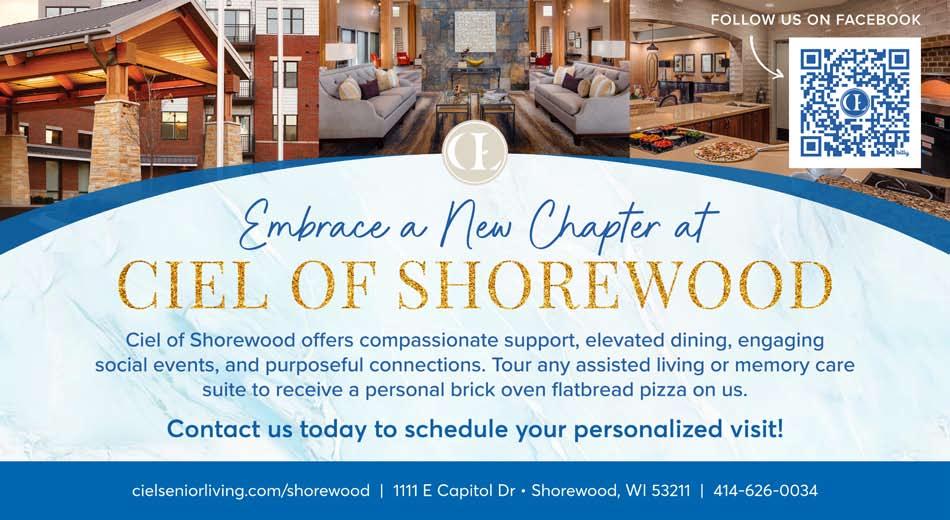
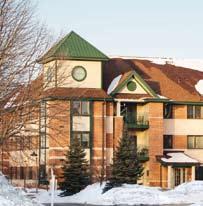
When you or a loved decide to downsize and move into an assisted living community or independent living apartment , it’s not just about safety or healthcare; it’s also about finding your new home. A place where you feel happy and comfortable!
The transition into a retirement community is a major life decision. That’s why it is best to visit several different senior living communities. Look for quality, safety, and most importantly – a great reputation. Read the community’s online reviews.Though it’s tempting to choose a community that’s closest to your current home or possibly the most affordable option, don’t settle if you think there may be better options that can meet your current and
future healthcare needs.
After you’ve decided what communities you’ll be visiting, here are a few tips to keep in mind during your tour:
1) Ask questions. Don’t be afraid to ask a lot of questions, even if they seem unnecessary in the moment. Tour guides should be willing and happy to answer all questions that may arise. Ask what kind of meal plans are available and if the kitchen takes special requests for dietary requirements. Inquire when visitors are allowed and if overnight accommodations can be provided for them. Learn about the community’s social activities and whether transportation is provided to off-campus appointments and events.
2) Find reviews or feedback from residents. During your tour, make sure to talk to residents and ask how they feel about living in the community. Or, look for reviews of the community on the internet to see what others are saying.
3) Enjoy a meal. The food should taste great! Quality of food is important to your overall health and happiness; so if possible, join the residents for a meal. Find out if you can order items other than what is being offered, and if the kitchen takes note of special dietary restrictions or food allergies.
4) Observe the state of the building and grounds. Note how well-maintained the parking lots, walkways and landscaping are as you’re walking into the building. There should also be some outdoor areas for residents to gather and enjoy the fresh air. Once inside, pay attention to how clean the hallways and communal areas are. The senior community should smell fresh and be as dust-free as possible. Again, the best way to get an accurate “feel” for the community is to visit on an off-day; not during an open house.
5) Meet the staff and residents. While on your tour, talk with staff members as well as the residents. Take note of their attitudes; are they friendly, courteous, and seem happy to be there? Do the residents look like they are engaged and energized? The happiness of current residents can speak volumes about the community. For more information call the Centennial Senior Apartments at (414) 762-7762 or Silvernail at (262)896-2100.
istock.com/Zinkevych
MDs Offer Tips To Make The Most Of Your Next Eye Exam
By Cheryl L. Dejewski
One of the best ways of improving your health is to plan regular check-ups—with your doctor, dentist and eye care specialist. However, many of us procrastinate because we think, ‘if it isn’t broken, why fix it?’ Or, we are hesitant about what to do or ask. But, regular checkups not only protect your body—they help your wallet by keeping future health costs to a minimum,” says ophthalmologist Brett Rhode, MD. He and his partners at Eye Care Specialists provide the following tips to help make the most of your next visit to an eye doctor or other physician.
Reasons to Schedule
According to Daniel Ferguson, MD, an ophthalmologist who treats thou-
sands of patients each year, “Poor vision or changes to your sight should not be dismissed. Have regular eye exams every two years and schedule an appointment right away if you notice concerns.” These include:
• Foggy, fuzzy or blurred vision
• Sensitivity to light and glare
• “Starbursts” around lights
• Holding items closer to view
• Needing brighter light to read
• Fading or yellowing of colors
• Difficulty judging stairs or curbs
• Difficulty seeing to drive at night
• Vision affects ability to do tasks
• Vertical lines appear wavy
• Dark or blind spots in vision
• Glasses and prescription changes don’t improve your vision
When You Schedule
1. Concisely describe any vision problems you know you have.
2. Ask if your eyes will be dilated.
Will you be able to drive yourself?
How long will your vision be affected?
3. Ask about cost & payment policies.
Do they accept Medicare, state or any other insurance(s) you have?
What to Bring Michael Raciti, MD, an eye surgeon who also performs vision-saving medication injection treatment for diabetic patients, recommends that family members attend appointments to help learn and remember exam results and treatment guidelines. He also advises people to bring the following:
Eye & Health-Related Information
• Any existing eye problems
• Previous eye injuries or surgeries
• Your health condition (allergies, chronic problems, operations, etc.)
HEALTH
The Benefits of Living Moment by Moment
Paying attention to what’s going on right this second can be hard. We often spend more time thinking about what’s coming up in the future. Or dwelling on things in the past we can’t change. We can miss out on experiencing the present.
It’s possible to train yourself to focus on the present moment. You become aware of what’s going on inside and around you—your thoughts, feelings, sensations, and environment. You observe these moments without judgment. This is called mindfulness.
“We’re looking at our thoughts and feelings with curiosity, gentleness, and kindness,” explains Dr. Eric Loucks, director of the Mindfulness Center at Brown University.
Mindfulness has its roots in Buddhist meditation. Meditation is a practice that aims to increase awareness of the mind and concentration.
In recent years, mindfulness has become a household term. Mindfulness programs are now commonly found in schools, workplaces, and hospitals.
Mindfulness can involve a sitting meditation that’s practiced in a quiet space. In this practice, you focus on your breathing or sensations in your body. If your mind wanders—like thoughts popping in about things you need to do—you try to return your mind to the present moment.
But mindfulness doesn’t have to be done sitting still or in silence. You can integrate the practice into things you do every day, like walking or eating. You can also be mindful while interacting with others.
Health Benefits of Mindfulness
Studies suggest that focusing on the present can have a positive impact on health and well-being.
Mindfulness-based treatments have been shown to reduce anxiety and depression. There’s also evidence that mindfulness can lower blood pressure and improve sleep. It may even help people cope with pain.
“For many chronic illnesses, mindfulness meditation seems to improve quality of life and reduce mental health symptoms,” says Dr. Zev SchumanOlivier of Harvard University.
One of the first mindfulness-based therapies was used for depression. Many studies have shown that it can be effective for some people.
Mindfulness appears to help with depression in two ways. First, it helps you develop the ability to stay grounded in the present, explains Dr. Sona Dimidjian of the University of Colorado Boulder. She studies the use of mindfulness-based treatments to prevent relapse of depression, including among pregnant women.
With depression, “your attention can get hijacked into the past or future,” she explains. You spend time focusing on past negative experiences or worrying about things to come.
Istock.adobe.com/ FATNA
Second, mindfulness can help you “de-center” from such thoughts. “It’s like being able to sit on the riverbank and watch thoughts floating by like leaves on a stream,” Dimidjian says. “Developing the skill of mindfulness can help stop you from being pulled into any one thought and carried down the stream. People often experience thoughts like, ‘nothing ever works out for me,’ or ‘it’s always going to be this way. Over time, and with practice, you can develop the ability to stand back from these painful thought patterns.”
Researchers are now studying whether mindfulness training can help with a variety of other conditions, including PTSD, eating disorders, and addiction.
Schuman-Olivier is looking at whether mindfulness can help reduce anxiety among people being treated for opioid use. This could help prevent relapse.
Developing Healthy Habits
Being mindful may also help you make healthier choices. Loucks’s team at Brown created an eight-week mindfulness program for people with high blood pressure.
They studied whether the program increased participants’ awareness of their habits. This included how they ate. The study found that participants chose a healthier diet after taking the course.
You can bring mindfulness to your eating habits, too. Studies suggest that it can help reduce binge eating and emotional eating. Paying closer attention to your body can help you notice signals that you’re full and help you better enjoy your food.
This body awareness seems to be one part of how mindfulness helps people adopt healthier habits. If you’ve just eaten a jelly donut, you may be more likely to notice an unpleasant sugar crash, Loucks explains. Remem-
of it improving our mood, and then we can use that reward to actually train ourselves,” Loucks says.
Mindfulness may also help with setting a goal. “We can place our mind on being more active or eating more fruits and vegetables. And if we place our intention there, it may be more likely that we’re going to carry through and make it happen,” Loucks explains.
Learning To Be Mindful
If you want to practice mindfulness, there are many online programs and apps. But they’re not all created equal. Experts suggest looking for resources from medical schools and universities. Check to see if they’re evidence-based.
Dimidjian’s team developed an eight-week self-guided online mindfulness program. Her studies showed that the program helped reduce symptoms of depression more than a standard treatment alone.
“If you end up having difficulty with an app, though, don’t take it personally or think that you’re somehow bad at mindfulness, or it’s not meant for you,” Schuman-Olivier says. You can also try finding a teacher or someone with the skills to guide you in mindfulness training.
And just like any skill, mindfulness takes practice. “Just because something is simple, doesn’t mean that it’s easy,” Dimidjian says.
Mental training can take time and dedication. Aim for a few minutes of mindfulness each day to start.
A body scan meditation can be a good way to connect with your body. It helps make you aware of how your body feels as you mentally scan from head to toe.
Start in a comfortable position with your eyes closed. Take several deep breaths. Then, notice your feet. How do they feel?
This goes for positive feelings too. “With physical activity, just about everybody feels better afterwards. So, with mindfulness training we’re aware
Let your scan travel up your body—legs, stomach, arms, hands, neck, and finally, head. Notice any sensations or discomfort. Try not to change or judge these feelings—you’re simply checking in. Doing body scans on a regular basis can help increase mindfulness.
Environmental Wellness At Home: Simple Ways To Start Today
When considering your wellness, you might think about exercise, nutrition or mental health. But one important dimension that’s sometimes overlooked is environmental wellness — the way your surroundings impact your overall well-being. At home, your environment can have a profound effect on your health, mood and quality of life. As a preview of National Healthcare Environmental Services Week, let’s talk about the environment where you live.
What is environmental wellness?
One of the seven dimensions of wellness, environmental wellness means living in harmony with the world around us. In the home, it’s about creating
safe, comfortable and sustainable spaces that support our well-being. This includes everything from the air we breathe to the way we use natural resources like energy and water.
Why it matters at home
Your home should be a sanctuary — a place where you can recharge your body, mind and spirit. Scripture attests that “the earth is the Lord’s, and everything in it” (Psalm 24:1). When you honor the environments you inhabit — in the home, community and the natural world — you are also honoring God, the Creator who entrusts this gift.National Healthcare Environmental Services Week: second full week in September
David Millett, PHS director of engineering and environmental services, says, “PHS is devoted to environmental wellness in our communities. The environmental services teams at PHS communities strive to maintain uncompromising levels of cleanliness in our buildings and grounds. Our housekeeping teams clean diligently with effective, eco-friendly chemicals. Our maintenance and engineering teams respond quickly to service requests and meet expectations and standards that keep our communities well maintained, in good repair and safe. They ensure good air quality with regular filter changes, system maintenance and advanced needlepoint bi-polar ionization that cleanses the air throughout residents’ homes and the community spaces.”
Practical ways to bring wellness into your home
Here are a few simple, everyday practices that balance health, comfort and sustainability:
Make your home safe – create clear pathways and remove trip and fall hazards such as throw rugs.
Declutter one space at a time – start with a drawer, a closet or a countertop.
Reduce, reuse, recycle – avoid single use items, repair or donate useable
WELL continued on page 25
istock.com/Alina Bitta
A Natural, Eco-Friendly Way to Honor a Life
An Overview of Natural Burial
Natural or green burial is the practice of placing an unembalmed body into the earth in a simple, natural state. Used for thousands of years and revived in popularity since the 1990s, it offers a dignified, environmentally conscious alternative that reduces one’s carbon footprint. Prairie Home Cemetery features a dedicated Natural Burial Prairie (Section 12), a serene landscape intentionally restored to native habitat.
Wildlife is a natural part of this environment. The prairie attracts a wide variety of birds, butterflies, and small animals. Visitors often see bird watchers, walkers, and individuals who stop to sit, reflect, and appreciate the peaceful surroundings. Please enjoy the prairie respectfully—removal of seeds, flowers, or plants is strictly prohibited.aBody Preparation
Natural burial typically avoids traditional embalming. The body may be wrapped in a simple shroud or placed in a fully biodegradable casket made of natural materials. Green-friendly embalming techniques are available for families who wish to hold services prior to burial. In most cases, interment occurs within 24–48 hours after death.
Caskets
Common natural-burial caskets include wicker, seagrass, or unfinished wood—materials free of metal or synthetic components. No burial vault is used, allowing the body and materials to return naturally to the earth.
Committal Area
Prairie Home Cemetery’s new committal area serves two meaningful purposes:
A gathering space for families and clergy to hold services
A permanent site for memorialization of individuals laid to rest in the prairiCenotaphs
Large cenotaphs located within the committal area will display the names of those buried in the prairie section. Prairie Home Cemetery began with the sale of three acres of land by Nathaniel Walton to Waukesha Township on December 3, 1849—a tradition of honoring life that continues today.
For more information, please contact 262-524-3540.
WELL from page 24
goods, follow the community recycling guidelines.
Let in fresh air – open windows daily when weather allows. Add greenery – choose low-maintenance houseplants for natural air filtration.
Embrace natural light – pull back curtains, arrange spaces to maximize sunlight.
Switch to LED bulbs – save energy and reduce your consumption.
Unplug devices – cut down on “phantom energy” use.
Create a “peaceful space” – arrange a chair, soft blanket, plant and lamp for daily renewal.
David and the environmental services team also offer helpful tips for residents living in PHS communities:
Always report any maintenance issues or concerns with your apartments. Run the HVAC fan in the “on” position to maintain air flow and good air quality.
Vacuum regularly to reduce dust and allergens. Keep a clean house and, if helpful, call on housekeeping services to maintain a healthy home.
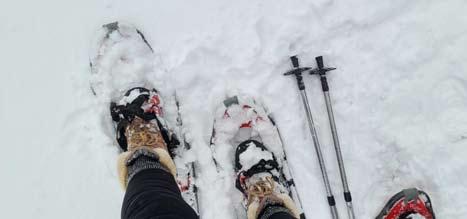
Health Benefits of Snowshoeing
Due to the fluffy snow acting as a buffer between you and the hard ground, snowshoeing can have a lower impact on your joints than other workouts. People who are advised to be easy on their knees, hips, and ankles may be able to comfortably head out snowshoeing. You can also adjust how intense the activity is, from a casual stroll on a flat path to a more intense hike up and down hills.
Over time, snowshoeing can build muscle in the quadriceps, hamstrings, glutes, and calves. The more consistently you do it, the stronger those muscles will get and the easier it can get to go further or longer on the snowshoes. This is just one of the many health benefits of snowshoeing!
Good cardiovascular workout
Like walking, snowshoeing is a great cardio workout! You’ll get your heart pumping without doing too strenuous of an activity, especially if something
like running is hard on your knees or joints. Not only does a cardiovascular workout feel great during and immediately after, but cardio also has excellent long-term health benefits, like decreasing the likelihood of heart disease and other health conditions.
Before you get started, it’s always a good idea to talk with your doctor about your cardiovascular health and how you can safely add cardio exercise to your movement routines.
Enjoy time outdoors
Winter and the cold make it more difficult to get out in the sun and fresh air, but snowshoeing is a fun way to get out there! You can mix up the location of your trek and get new perspectives each time you go out, or you may find a favorite trail that you go back to for a nice, comfortable walk in the snow. Hitting the trails with family or friends is a great way to socialize while enjoying time outside as well!
Boost your mood
Increasing your serotonin, or “happy hormones,” during the darker months is a great way to boost your mood and relieve some stress. Studies show that exercise can do this, plus being outside in the fresh air is an added bonus. By strapping on a pair of snowshoes this winter, you can try a new activity, get some great movement in, and enjoy the many health benefits of snowshoeing! For more health and wellness tips and suggestions for fun winter activities, keep reading the CapTel blog at captel.com.
Photo credit istock.com/ Anita Warren-Hampson
Low-Impact Exercise: The soft snow acts as a cushion, absorbing shock and making it gentle on your joints (knees, hips, and ankles), making it a great option for people with joint concerns or those recovering from injuries.
Improves Balance and Agility: Moving across variable terrain challenges your balance, strengthening the micro-muscles that help with body awareness (proprioception).
The CapTel® Captioned Telephone shows word-for-word captions of everything a caller says, letting you read anything you cannot hear over the phone. CapTel is a NO-COST, federally funded technology available under the Americans with Disabilities Act
To qualify, users need:
Hearing loss
• Internet connection
• Landline telephone service
Keeping Our Hearts Open Anyway
By Rose Kumar M.D.
This year has been a challenge for many to remain aligned with the deep Self and to stay open hearted, as sadly, people have separated themselves from one another due to differences of opinion, political loyalties and unprocessed emotional material that inevitably rises up and is projected onto others. In the midst of the chaos and confusion of the past few years, it is even more imperative to anchor ourselves in integrity and lovingkindness. It is difficult to do when we want to react and project onto another, but it is the only way for us to stay true to our Spiritual path, especially in the midst of fear and uncertainty.
As I was searching for inspiration to keep myself anchored in my heart during the chaos of this past year, I came upon this poem which really resonated with how I try to live my life. I wanted to offer this to you as a gift and a reminder to continue to persevere for what is good and kind. It is a sacred reminder of how important it is to keep our hearts open to one another even when we want to close them down, and how we can mentor and inspire one another during difficult times by keeping them open anyway. It is the only way to get through difficult times together and emerge from them transformed for the good of all.
Anyway
Author: unknown
People are illogical, unreasonable and self-centered. Love them anyway.
If you do good, people will accuse you of selfish, ulterior motives. Do good anyway.
If you are successful, you will win false friends and true enemies. Succeed anyway.
The good you do today will be forgotten tomorrow. Do good anyway.
Honesty and frankness make you vulnerable. Be honest and frank anyway.
The biggest men and women with the biggest ideas can be shot down by the smallest men and women with the smallest minds. Think big anyway.
People favor underdogs but follow only top dogs. Fight for underdogs anyway.
What you build for years may be destroyed overnight. Build it anyway.
People really need help but will attack you if you help them. Help people anyway.
Give the world the best you have and you will get kicked in the teeth. Give the world the best you have anyway.
istock.com/Jacob Wackerhausen
Beyond the Medicine Cabinet: The Natural Path to Arthritis Relief
By Charles Platkin, PhD, JD, MPH
For the millions living with arthritis, the quest for relief often leads beyond prescription medications to the kitchen and supplement aisle.
As daily activities become challenging exercises in pain management, many are turning to food and natural supplements to help manage their symptoms and improve quality of life.
Arthritis affects over 54 million American adults and comes in more than 100 different forms. The most common types—rheumatoid arthritis (RA) and osteoarthritis (OA)—may have different causes, but both involve inflammation that drives pain, stiffness, and reduced mobility.
While conventional medications play an important role in treatment, their
side effects—including stomach problems, fatigue, and increased cardiovascular risks—push many to explore complementary approaches. But separating fact from fiction in the world of natural remedies can be challenging.
Dietary Approaches with Proven Benefits
Our research team, using advanced AI research tools to analyze clinical studies, has found that certain eating patterns can significantly reduce arthritis symptoms and inflammation. These aren’t miracle cures, but they can make a meaningful difference in daily comfort and function.
Mediterranean Diet: A Strong Foundation
The Mediterranean diet—rich in vegetables, fruits, olive oil, fish, and whole grains—consistently shows benefits for arthritis sufferers. People with rheumatoid arthritis following this eating pattern experience measurable improvements in disease activity and fewer swollen joints.
The Mediterranean diet works through multiple pathways. It provides anti-inflammatory compounds like oleocanthal in olive oil, which functions similarly to ibuprofen, along with beneficial omega-3 fatty acids from fish.
The diet’s emphasis on fruits and vegetables also delivers antioxidants that help protect joints from oxidative damage, while its lower content of processed foods reduces exposure to inflammatory compounds.
Plant-Based Eating: Powerful Results
Vegan and vegetarian diets show even more dramatic benefits for some arthritis patients. Research has found that a plant-based eating pattern can significantly reduce joint inflammation and pain.
This approach likely works by eliminating potential inflammatory triggers from animal products while increasing plant compounds that naturally combat inflammation. The high fiber content also supports a healthy gut microbiome—increasingly recognized as important for immune system balance and inflammation control.
Elimination Diets: Personalized Relief
For some arthritis sufferers, removing specific foods provides significant
NATURAL continued on page 30
istock.com/:yacobchuk
relief. Research has shown that diets eliminating meat, gluten, and dairy can reduce inflammatory markers and improve quality of life for certain patients. These “privative diets” work by removing potential trigger foods that may cause inflammatory responses in sensitive individuals. While not necessary for everyone, they can be transformative for those with specific food sensitivities.
Supplements Supported by Science
Beyond dietary patterns, specific supplements show promise for arthritis relief:
Omega-3 Fatty Acids: Essential for RA
For rheumatoid arthritis patients, omega-3 fatty acids from fish oil stand out as particularly effective. Clinical studies show they can reduce tender joint count, morning stiffness, and overall disease activity.
The research on omega-3s for RA is quite compelling. At doses around 2.5 grams of EPA and DHA daily, many patients experience significant symptom improvement, with some even able to reduce their medication use.
Interestingly, while omega-3s work well for RA, they show less benefit for osteoarthritis—highlighting the importance of matching supplements to your specific condition.
Curcumin: Turmeric’s Golden Compound
Curcumin—the active component in turmeric—has powerful anti-inflammatory properties that benefit osteoarthritis patients. At doses around 1000mg daily, it significantly improves pain and physical function in knee OA.
Curcumin blocks inflammatory enzymes through mechanisms similar to pharmaceuticals but with fewer side effects. However, because curcumin is poorly absorbed on its own, look for supplements that include black pepper extract (piperine) or use enhanced delivery systems for better absorption.
Ginger: Natural Pain Reliever
Ginger offers natural relief for osteoarthritis pain. Research shows that ginger supplements not only reduce pain but also lower inflammatory markers without the digestive side effects common with pain medications.
The active compounds in ginger—gingerols and shogaols—interrupt inflammatory pathways while offering additional benefits like improving circulation and digestive health. A typical effective dose is around 250mg daily.
Vitamin D: The Essential Nutrient
Many arthritis patients have insufficient vitamin D levels, and correcting this deficiency can improve symptoms. Supplementation with 2000-3000 IU daily often leads to reduced pain and better physical function.
Vitamin D plays crucial roles in both bone health and immune regulation, providing dual benefits for arthritis sufferers. Regular blood testing can help determine if supplementation is needed and guide appropriate dosing.
Putting It All Together: A Practical Approach
For those looking to use diet and supplements to manage arthritis, I recommend a stepped approach:
Start with dietary foundations. Adopt Mediterranean diet principles as a baseline—more vegetables and fruits, olive oil as your main fat, fatty fish regularly, and fewer processed foods.
Consider appropriate supplements based on your arthritis type:
For rheumatoid arthritis: Omega-3 fatty acids, vitamin D (if deficient)
For osteoarthritis: Curcumin, ginger, vitamin D (if deficient) Manage your weight. Excess weight increases inflammation and puts mechanical stress on joints. Even modest weight loss significantly reduces symptoms.
Add complementary lifestyle practices:
Regular, gentle movement (swimming, walking, yoga)
Stress management techniques (meditation, deep breathing)
Good sleep hygiene
Track your response. Keep a simple journal noting pain levels, stiffness, and activities you can perform. This helps identify what’s working for your unique situation.
Beyond Diet: The Whole-Body Approach
While diet and supplements form important tools in arthritis management, they work best within a comprehensive approach.
The Mediterranean diet emerges as a comprehensive dietary pattern that narrows the healthspanlifespan gap.
Living Longer vs. Living Better Longevity in Modern Aging
By Charles Platkin
The Science of Foods That Impact Healthspan
While much attention has focused on caloric restriction and fasting, emerging research reveals specific foods and their compounds that may bridge the healthspan-lifespan gap. A comprehensive review by Park et al. (2023) synthesized over 400 studies on foods that promote longevity and healthspan, revealing fascinating patterns.
Berries lead the evidence base, accounting for 13% of all food-related lifespan studies. Blueberry extracts rich in anthocyanidins have been shown to extend lifespan in model organisms by approximately 10% through enhanced antioxidant enzyme expression. Cranberry extracts demonstrate similar effects, with studies showing protection against oxidative stress and neurodegenerative changes. These aren’t just laboratory curiosities—cohort studies suggest that regular berry consumption correlates with reduced allcause mortality and improved cognitive function in aging populations.
The Mediterranean diet emerges as a comprehensive dietary pattern that narrows the healthspan-lifespan gap. This predominantly plant-based eating pattern centers on olive oil as the primary fat source, with high consumption of vegetables (especially leafy greens, tomatoes, artichokes), fruits (citrus, berries, pomegranates), whole grains, legumes, nuts, and seeds. It includes moderate consumption of fish and seafood, low to moderate intake of poultry, eggs, and dairy (mainly cheese and yogurt), and low intake of red and processed meats. Wine is consumed moderately, typically with meals. The emphasis on fresh, seasonal, local, and minimally processed foods—often prepared simply as salads, stews, or raw—distinguishes this pattern from other diets.
Recent systematic reviews and meta-analyses demonstrate that higher adherence to the Mediterranean diet is consistently linked to both increased lifespan and improved healthspan. Studies show that individuals with greater adherence experience a delay in mortality by 6–8 years and a lower risk of frailty and disability, indicating more years lived in good health, not just longer life. The diet’s benefits are attributed to its anti-inflammatory, antioxidant, and gut microbiome-modulating properties, which target the cellular and molecular hallmarks of aging.
Green tea and its components represent another well-studied category. The compound EGCG (epigallocatechin-3-gallate) has shown remarkable effects in extending lifespan in animal models by inhibiting inflammatory pathways and activating longevity-associated genes like FOXO and SIRT1. A long-term study in rats showed that EGCG supplementation extended
MODERN continued on page 33
Memory Care at Tudor Oaks
istock.comJLco - Ana Suanes
Complete Care specializes in short term rehabilitation to get you back home safely, and long term care. Be at peace knowing your loved one is receiving outstanding care with the amenities of home in a serene setting.
Complete Care specializes in short term rehabilitation to get you back home safely, and long term care. Be at peace knowing your loved one is receiving outstanding care with the amenities of home in a serene setting.
Find a Complete Care center near you to learn more and schedule a tour!
Find a Complete Care center near you to learn more and schedule a tour!
GLENDALE CARE AND REHAB CENTER
6263 N Green Bay Avenue, Glendale, WI 53209
414.351.0543 | glendalecrc.com
GRANDE PRAIRIE CARE AND REHAB CENTER
GLENDALE CARE AND REHAB CENTER
10330 Prairie Ridge Blvd, Pleasant Prairie, WI 53158
HALES CORNERS CARE CENTER
262.612.2800 | grandeprairiecrc.com
OUR CARE SERVICES
• Inpatient Dialysis
OUR CARE SERVICES
• Physical, Occupational, and Speech Therapy
• Inpatient Dialysis
• Wound Care
• Behavioral Health
• Physical, Occupational, and Speech Therapy
• Respite Care
• Wound Care
• VA Contracting
• And Much More
• Behavioral Health
• Respite Care
• VA Contracting
RIDGEWOOD CARE CENTER
3205 Wood Road, Racine, WI 53406 262.554.6440 | ridgewoodcarecenter.com
SOUTHPOINTE CARE AND REHAB CENTER 4500 West Loomis Road, Green�ield, WI 53220
RIDGEWOOD CARE CENTER
414.325.5300 | southpointecrc.com
6263 N Green Bay Avenue, Glendale, WI 53209
9449 W Forest Home Ave, Hales Corners, WI 53130
3205 Wood Road, Racine, WI 53406
414.351.0543 | glendalecrc.com
GRANDE PRAIRIE CARE AND REHAB CENTER
KENSINGTON CARE AND REHAB CENTER 1810 Kensington Drive, Waukesha, WI 53188 262.548.1400 | kensingtoncareandrehab.com
414.529-6888 | www.halescornerscarecenter.com
10330 Prairie Ridge Blvd, Pleasant Prairie, WI 53158
262.612.2800 | grandeprairiecrc.com
KENSINGTON CARE AND REHAB CENTER
1810 Kensington Drive, Waukesha, WI 53188
262.548.1400 | kensingtoncareandrehab.com
VIRGINIA HIGHLANDS CARE AND REHAB CENTER W173 N 10915 Bernie’s Way, Germantown, WI 53022 262.509.3300 | virginiahighlandscrc.com
262.554.6440 | ridgewoodcarecenter.com
SOUTHPOINTE CARE AND REHAB CENTER 4500 West Loomis Road, Green�ield, WI 53220 414.325.5300 | southpointecrc.com
VIRGINIA HIGHLANDS CARE AND REHAB CENTER W173 N 10915 Bernie’s Way, Germantown, WI 53022 262.509.3300 | virginiahighlandscrc.com
Scan to Learn More
• And Much More Scan to Learn More
ing-related genes.
But here’s the critical point: most of these studies have been conducted in model organisms like C. elegans and Drosophila. While valuable for understanding mechanisms, we need more human clinical trials to confirm these effects translate to our species. Personal Implications: What This Means for You
Understanding these distinctions isn’t just academically interesting—it should fundamentally change how you approach your own health and aging. If your doctor is only tracking traditional risk factors for mortality, you’re missing half the picture. You need to be asking about functional trajectories, about maintaining cognitive capacity, about preserving the abilities that matter for your quality of life.
The evidence on specific dietary interventions is compelling. Regular consumption of polyphenol-rich foods—berries, green tea, cocoa, citrus fruits— shows consistent associations with improved healthspan markers. The Mediterranean diet pattern shows particularly strong evidence for narrowing the healthspan-lifespan gap. But it’s not just about adding “superfoods” to your diet. The timing and pattern of eating matter too. Time-restricted eating and intermittent fasting show promise for extending healthspan independent of weight loss effects.
The interventions that extend healthspan aren’t always the same as those that extend lifespan. Exercise, for instance, might add only modest years to life expectancy, but it dramatically improves functional capacity, cognitive performance, and quality of life in later years. Social engagement, purpose in life, and continued learning show similar patterns—modest effects on mortality but profound impacts on healthy aging. The Path Forward
The distinction between lifespan, healthspan, and longevity isn’t semantic hairsplitting—it’s fundamental to how we understand and address aging in the 21st century. We’re at a critical juncture where medical technology can extend life far beyond what previous generations imagined. The question is whether we’ll use this power wisely.
The evidence from the Nature Communications Medicine study suggests we haven’t been. The healthspan-lifespan gap represents one of the great failures of modern medicine—we’ve become excellent at preventing death without becoming equally good at preserving health. This needs to change.
For researchers, this means developing better tools to measure and track healthspan, designing interventions that explicitly target functional outcomes, and studying diverse populations to understand the full spectrum of healthy aging. The regional differences identified by Garmany and Terzic provide natural experiments we can learn from.
For policymakers, it means moving beyond life expectancy as the primary metric of population health, investing in preventive interventions that maintain function, and redesigning healthcare systems to support healthy aging rather than just treating disease. The study’s call for region-informed solutions and health-centric system reform provides a clear direction.For healthcare providers, it means having honest conversations with patients about quality versus quantity of life, prescribing interventions that preserve function, and recognizing that the goal isn’t always to extend life at any cost.
And for individuals, it means taking ownership of your healthspan. The choices you make today—about exercise, nutrition, social engagement, and purpose—might not dramatically change when you die, but they’ll profoundly affect how you live in your later years.
A New Vision for Aging
We need to fundamentally reimagine what successful aging looks like. It’s not about denying mortality or pursuing endless youth. It’s about maintaining vitality, purpose, and engagement for as long as possible, then experiencing a relatively brief period of decline. This “rectangularization” of the survival curve—living well until near the end of life—should be our collective goal.
The comprehensive global analysis by Garmany and Terzic shows us both the magnitude of the challenge and the possibility of progress. With some regions showing smaller healthspan-lifespan gaps, we have proof that this gap isn’t fixed—it can be narrowed through the right combination of medical care, public health interventions, and social policies.
Reducing Your Risk of Cancer: What You Need to Know
By Ann M. Maguire, MD, MPH, FACP
Cancer is a complex disease, and its development can be influenced by a mix of genetic, environmental, lifestyle and biological factors. While not all cancers are preventable, some can be avoided through informed choices and proactive health care. Understanding the most significant risk factors – and what you can do about them – is an important step toward reducing your risk.
Understanding the Risk Factors
Some cancer risk factors are beyond your control. For example, age, diseases that weaken the immune system or cause chronic inflammation, and inherited genetic mutations play a role. If you have a strong family history of certain cancers, genetic counseling may help assess your risk and guide early detection or prevention strategies.
However, most cancers are not inherited. Instead, they result from a combination of factors including environmental exposures or lifestyle habits that occur over time. This includes factors like smoking, unhealthy diet, physical inactivity, alcohol use and exposure to harmful substances including radiation.
Lifestyle and Environmental Influences
Tobacco use remains the leading preventable cause of cancer. Smoking has been directly linked to lung, throat, mouth, pancreas, bladder and many other cancers. Even secondhand smoke exposure increases risk. Avoiding all tobacco products and quitting if you currently smoke is one of the most powerful cancer prevention strategies available.
Diet and nutrition also play a significant role. Diets high in red and processed meats, low in fruits and vegetables or excessively high in added sugars have been associated with increased cancer risk. Emerging research suggests that sugar may not only contribute to obesity (a known cancer risk factor) but might also influence cancer growth directly through metabolic and inflammatory pathways.
Alcohol is another factor to consider. Regular alcohol consumption has been linked to several cancers, including those of the breast, liver, mouth and colon. According to current evidence, there may be no truly “safe” level of alcohol consumption when it comes to cancer risk.
Being overweight or obese is associated with at least 13 types of cancer, including colorectal, postmenopausal breast, endometrial, kidney and pancreatic cancers. Physical inactivity contributes to this risk. The good news is that regular exercise not only helps with weight management but also strengthens the immune system and reduces inflammation – both of which may play a role in cancer prevention.
Exposure to UV radiation from the sun or tanning beds significantly in-
Outsmart Aging: Science Says Certain Nutrients
Here’s a simplified way to refresh your wellness routine
Aging isn’t just about the number of candles on a birthday cake; it’s also a biological response to everything your body endures day after day. From poor sleep and pollution to chronic stress and not-so-great eating habits, life constantly chips away at your cellular resilience. But here’s the good news: Science has found ways to fight back.
Today’s most advanced wellness strategies include micronutrients that support your body where it’s under the most pressure. These aren’t generic
multivitamins. They’re carefully selected ingredients that research has shown help refresh your skin and support your overall wellbeing. The result? You look and feel more rejuvenated, and bounce back more easily.
Why just look younger when you can age differently?
Chronic stress from lack of sleep, anxiety and a poor diet can accelerate biological aging in a number of ways. Energy levels plummet. Mental clarity fades. Skin may look tired and dull. And you may recover more slowly from workouts and late nights out with friends.
Real healthier aging results don’t come from hype. They come from smart ingredients that target the main drivers of premature, stress-related aging. These ingredients include:
•Multi-collagen peptides type I, II, III, V, X plus Nicotinamide Riboside: These clinically backed ingredients have been shown to support healthier, firmer skin. They also support cellular energy, which the body uses to drive its repair processes.
•KSM-66 Ashwagandha plus BioPerine: Science shows these ingredients help manage stress-driven inflammation and keep cortisol levels in balance, so you can recover more easily from everyday stressors. BioPerine also improves nutrient absorption, for smarter absorption and stronger ingredient performance.
•Resveratrol, grape seed extract and cranberry: These well-studied ingredients are rich in antioxidants to support your body’s daily defenses and give skin a healthy glow.
More tips for better aging
To age differently, it’s important to protect your body against the destructive, age-accelerating effects of toxins and stress. Limiting your toxic burden may involve:
•Reducing your exposure to dietary and environmental toxins. Small-butsmart changes include keeping windows open when air quality is good, limiting consumption of alcohol and heavily processed foods, and switching to nontoxic cleaning and products.
•Consistently taking time to recharge. To avoid the negative effects of chronic stress and burnout, take time to replenish and return to your pre-
istock.comJacob Wackerhausen
stress level of functioning.
•Supplementing your diet with the right ingredients: “That doesn’t mean having multiple supplements in your medicine cabinet, and trying to figure out if you’re getting the right dosages. EZZDAY Triple Anti Solution, the world’s first triple-layered gummy is scientifically engineered to outsmart aging from the inside out. It was created to slow the internal processes that contribute to premature aging,” explains Khoa Nguyen, EZZDAY’s biomedical advisor. “It uses proven nutrients and botanical extracts to support tissue rejuvenation, metabolism and cellular resilience with a gummy format that ensures superior absorption and convenience.”
•Establishing boundaries. In today’s digital world, it’s easy to feel pressure to be available 24 hours a day. Establish work/life boundaries for yourself. That might mean making a rule not to check email from home in the evening, or not answering the phone during dinner.
•Getting plenty of good-quality sleep. Restorative sleep is one of the body’s most powerful healing tools, especially when it comes to recovering from environmental stressors such as pollution, noise and everyday stress.
Smarter aging starts with a smarter formula
Find Triple Anti Solution at https://ezzday.com/ and get 20% off your first order. EZZDAY formulas come with a 30-day money back guarantee.
Biography: Khoa Nguyen, Ph.D.
Khoa Nguyen, Ph.D., is a highly respected and sought-after research scientist recognized for his expertise in immunology, metabolism, neuroscience and biotechnology. His pioneering research has been published in numerous prestigious biomedical journals. As scientific co-founder of Tranquis Therapeutics, he is now playing a pivotal role in the development of pharmaceutical drugs targeting nutrient signaling pathways in brain diseases. Nguyen earned both an undergraduate degree in biological science and a doctorate in immunology from Stanford University.
Older adults’ unique nutrition needs
Simple adjustments can go a long way toward building a healthier eating pattern. Follow these tips to get the most out of foods and beverages while
meeting your nutrient needs and reducing the risk of disease: help foster healthy aging.
Enjoy a variety of foods from each food group to help reduce the risk of developing diseases such as high blood pressure, diabetes, and heart disease. Choose foods with little to no added sugar, saturated fats, and sodium.
To get enough protein throughout the day and maintain muscle, try adding seafood, dairy, or fortified soy products along with beans, peas, and lentils to your meals. Learn more about protein and other important nutrients.
Add sliced or chopped fruits and vegetables to meals and snacks. Look for pre-cut varieties if slicing and chopping are a challenge for you.
Try foods fortified with vitamin B12, such as some cereals, or talk to your doctor about taking a B12 supplement. Learn more about key vitamins and minerals.
Reduce sodium intake by seasoning foods with herbs and citrus such as lemon juice.
Drink plenty of water throughout the day to help stay hydrated and aid in the digestion of food and absorption of nutrients. Avoid sugary drinks. Meal planning
Image linking to 5 tips for choosing healthier foods as you age infographic
Read and share this infographic to learn about making healthier food choices as you age.
Answering the question “what should I eat?” doesn’t need to leave you feeling baffled and frustrated. In fact, when you have the right information and motivation, you can feel good about making healthy choices. Use these tips to plan healthy and delicious meals:
Plan in advance. Meal planning takes the guesswork out of eating and can help ensure you eat a variety of nutritious foods throughout the day.
Find budget-friendly foods. Create a shopping list in advance to help stick to a budget and follow these SNAP-friendly recipes.
Consider preparation time. Some meals can be made in as little as five minutes. If you love cooking, or if you’re preparing a meal with or for friends or family, you may want to try something a little more challenging.
creases the risk of skin cancers, including melanoma. Wearing sunscreen, protective clothing, and avoiding tanning devices can help protect your skin.
Other environmental exposures include radon (a naturally occurring gas that can cause lung cancer), air pollution and certain occupational chemicals. Testing your home for radon and minimizing exposure to industrial pollutants when possible can help reduce risks.
Infections and Cancer
Some viral infections are known to cause cancer. For example, human papillomavirus (HPV) can lead to certain head and neck cancers, as well as cervical and other reproductive cancers, while hepatitis B and C infections increase the risk of liver cancer. Vaccinations against these viruses (such as the HPV and hepatitis B vaccines) are powerful tools for cancer prevention.
The Role of Screening and Prevention
Screening plays a critical role in cancer prevention and early detection. For cancers such as colorectal, cervical, breast and (in certain long-term smokers) lung, screening can identify precancerous changes or detect disease early when there may be more treatment options. Speak with your doctor or clinician about screenings that are appropriate for your age, family history and lifestyle.
Putting Prevention into Practice
Although no single strategy guarantees cancer prevention, combining healthy lifestyle habits and regular medical care can dramatically reduce your risk. The key is to be consistent and proactive.
Cancer prevention isn’t about perfection — it is about progress. Every step you take to reduce harmful exposures and strengthen your body’s defenses can make a difference.
Ann M. Maguire, MD, MPH, FACP, is an internal medicine physician with a focus on hereditary cancer risk management with the Froedtert & the Medical College of Wisconsin health network.
VISION from page 21
• Family history of eye problems (glaucoma, cataracts, etc.)
• Any vision-related questions
Your most recent pair of glasses and/or contact lenses. Being able to check what you are used to wearing helps your doctor to determine a new prescription that best suits you.
Any eye-related medication(s) or drop(s) you use. “This helps us evaluate how well it is working or if a change is needed in medication or dosage,” explains Raciti.
Medicare and state or other insurance card(s).
A list of your other medications (oral, injectable, over-the-counter, and herbal). “This is especially important if you take medications for high blood pressure, diabetes, asthma, infections or arthritis, since these may affect your vision and/or adversely react with certain eye medicines,” says medical optometrist David Scheidt, OD.
Questions to Ask
A respected continuing education lecturer for fellow eye care professionals, Daniel Paskowitz, MD, PhD, encourages patients to be educated partners in their care by reading the free booklets and handouts his practice offers. He also suggests asking the following questions:
• What is my visual acuity–20/__?
• Do I have any eye disorders?
• What caused my condition?
• Is this condition hereditary? Should my family members be checked?
• How will it affect my vision and lifestyle—now and in the future?
• Should I watch for and notify you of any particular symptoms?
• What tests do I need? Why? When?
• What is the best medical/surgical treatment for me?
• When will treatment start, and how long will it last?
• What are the risks, side effects, benefits and success rates of treatment?
• Are there foods, drugs, or activities I should avoid?
• Are other treatments available?
• If I need to take a medication, what should I do if I miss a dose?
• Would diet, exercise or lifestyle changes improve my condition?
• Would eye-related vitamin and mineral supplements be helpful?
• When should I schedule my next appointment?
Free Information
Eye Care Specialists’ doctors are dedicated to providing the highest quality, diabetic, glaucoma, cataract, and macular degeneration care. They frequently lecture to the public and fellow physicians and have written their own series of booklets on these conditions.
Call 414-321-7520 ext. 235 for FREE copies. If it’s time for an eye exam or you would like a second opinion (which is typically covered by Medicare and/or insurance), Eye Care Specialists has offices on 7th & Wisconsin Ave., Mayfair Road across from the mall, or 102nd & National Ave. They also offer detailed information about the most common eye conditions at www.eyecarespecialists. net.
ily, this plant can grow up to 3 feet tall and has impressive blue and purple flowers. Clary sage has a long history of medicinal use that dates as far back as Ancient Greek and Roman times. In Traditional Chinese Medicine, it replenishes Qi energy that is depleted and helps to move energy that is “stuck.”
The essential oil is good for depression, anger, mental fatigue, and fragility.
Benefits of the Roman Chamomile Essential Oil
Roman Chamomile (Chamaemelum nobile) is another great herb from the Mediterranean. Roman chamomile is in the aster family and produces small, daisy-like flowers. The foliage has an apple-like scent that is detectable in the essential oil. The scent of Roman chamomile has a calming and restorative effect on the nervous system. It is a great herb to utilize when stress is the culprit of depression or anxiety.
Recipe for a Spritzer for Depression or Anxiety
The following recipe is a spritzer that can be used as often as needed for depression or anxiety. It can be sprayed on clothing, linens, or even on the skin.
Note: Due to potential allergies, I suggest people do a patch test with any essential oil before applying it to the skin. Simply apply one drop to the inside of the wrist and wait approximately 30 minutes. If no reaction occurs, you most likely do not have a sensitivity to that oil.
This recipe is a 2.5% dilution which is safe, but therapeutic.
Ingredients:
1 oz. amber bottle with atomizer (the amber glass helps to prevent light from degrading the essential oils)
1 oz. distilled water
Essential oils of bergamot, clary sage and Roman chamomile (For a 2.5% dilution, we will use approximately 15 drops per ounce.)
Directions:
Add 3 drops of Roman chamomile, 4 drops of clary sage, and 8 drops of bergamot to bottle. Finish the spritzer by adding distilled water to the bottle, shake well and you’re all done! Now you can spray as often as you wish to help elevate your outlook and mood.
1. Why is Rudolph so good at answering trivia questions?
2. I fall in the North Pole but never get injured. What am I?
3.What do elves play poker with?
4. What is a snowman’s favorite breakfast?
5. What kind of bug hates Christmas? 1. He nose alot.
Answers
Humbugs.
Mind Teasers
Stair Crest
S67W14765 Janesville Road Muskego, WI
414-367-2400
StairCrest.org
Fairway Knoll
N112W17500 Mequon Road Germantown, WI
262-735-7900
FairwayKnoll.org
Avalon Square
222 Park Place Waukesha, WI
262-446-9300
AvalonSquare.org
Kirkland Crossings*
700 Quinlan Drive Pewaukee, WI
262-695-5800
KirklandCrossings.org
Dickson Hollow W156N4881Pilgrim Road Menomonee Falls, WI