Welcome to Lothian Oval Racing Club, Scotland’s newest oval racing venue.
We thank you for choosing to join our club and we hope you enjoy racing with us, and we want your experience to be the best it can be as we strive to be Scotland’s Premier Oval Racing Club.
This welcome pack is intended to provide all the information you will need; however, we understand that there will always be questions we have not foreseen, and we are always open to any feedback and suggestions anyone has, we are an open, welcoming and inclusive club.
For any questions or feedback please direct these to a member of the team who will be only too happy to engage and discuss these with you, they are-
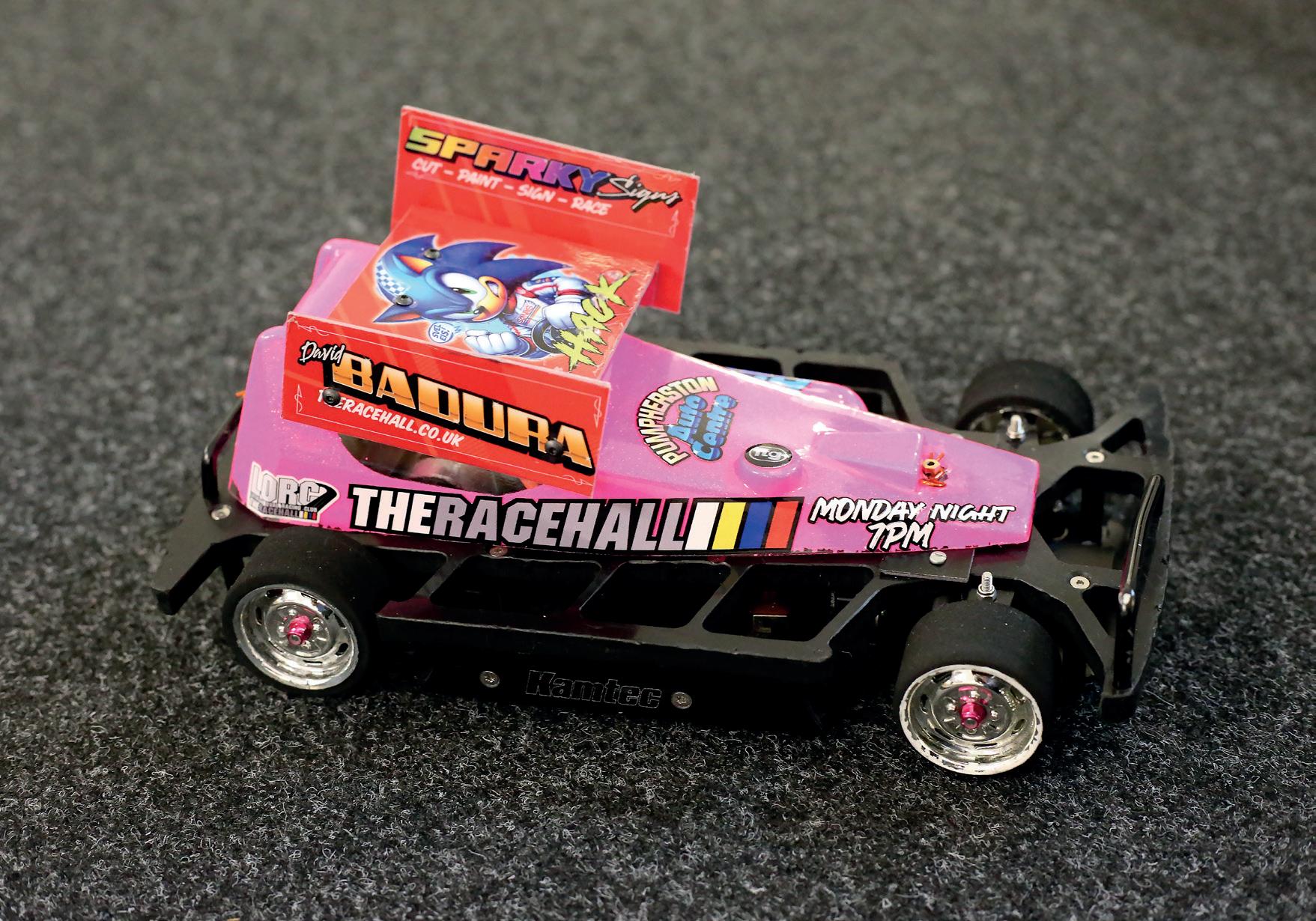
David Badura, or “Hack” as he is perhaps better known, he is our club chairman and will be able to help with most queries or questions.
Allan Williams the club treasurer as well as one of our race control team, Allan is a seasoned racer with many years’ experience across many disciplines.
Blair Cockburn is our club secretary, while relatively new to the oval scene he is again an experienced buggy racer with a wealth of experience to draw on from other disciplines.
For any queries or guidance on anything relating to car construction/build rules or rule interpretations we have 2 vastly experienced guys who make up the scrutineering team.
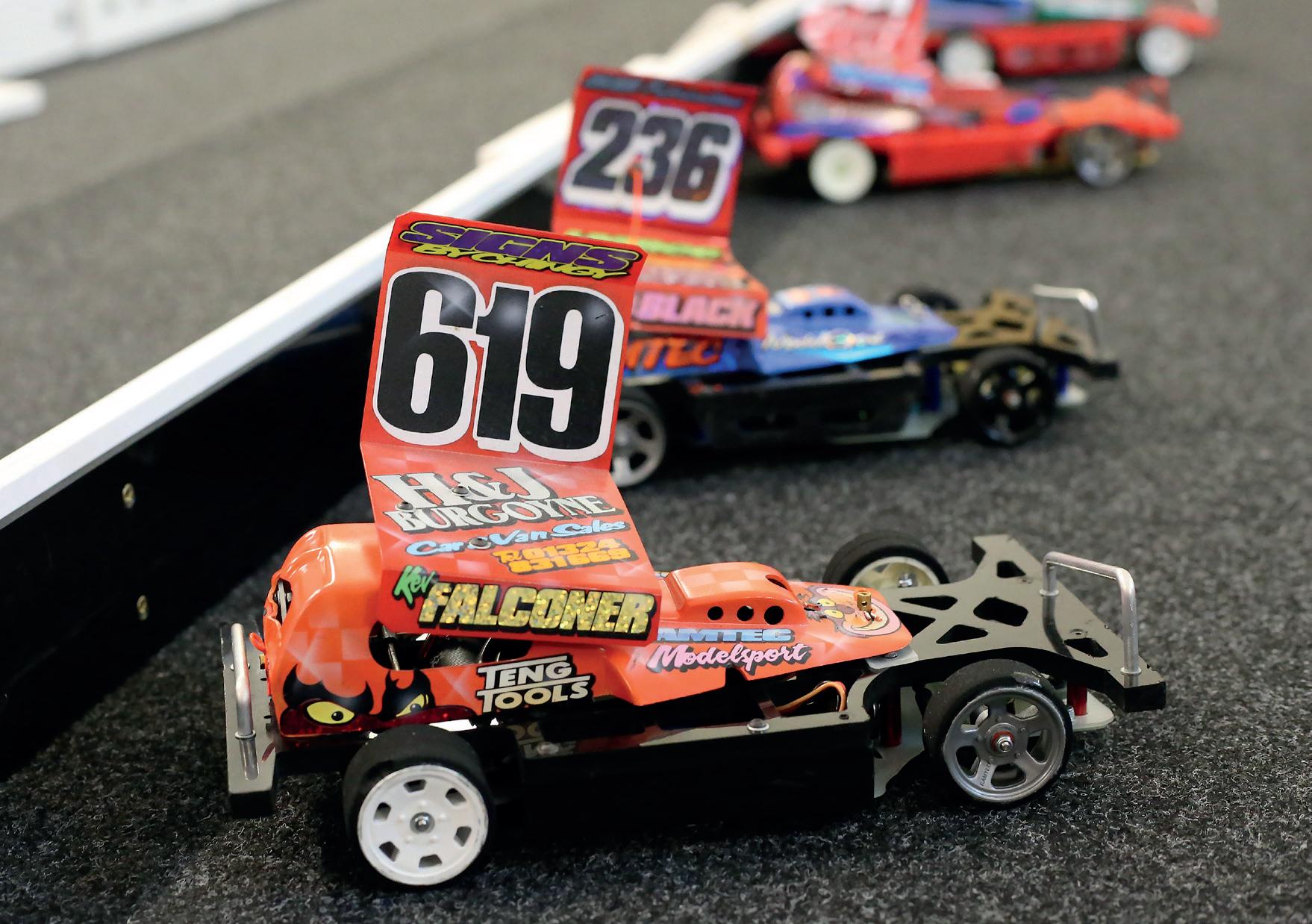
Kevin Falconer is one of the most experienced and knowledgeable guys around the oval scene, if it has been raced on an oval then Kev has probably raced it at some point, always friendly and approachable for a chat or advice.
Mark McCabe, or “Sparky” as he is better known is another vastly experienced oval racer who again much like Kev is always approachable and happy to take questions and offer advice.
Encouraging a positive environment, on and off the track
A socially-minded standard of behaviour is expected from everyone within the RC Motorsport community. By participating in a RC Motorsport event, in any capacity, you are agreeing to follow the values of the governing body’s Respect Code:
• Respect
• Integrity
• Fair Play
• Self-control
• Good Manners
We therefore ask all members to pledge to #RaceWithRespect and:
• Contribute to a welcoming and friendly environment that ensures the safety and welfare of all participants
• Always behave with integrity and uphold fairness in the sport; play your part in Keeping the sport safe through your actions
• Treat everyone with respect, regardless of their gender, ethnicity or socio-economic background, language, religious or other beliefs, disability, sexual identity or other status
• Recognise that we all represent the sport and therefore have a duty to be polite and respectful to all staff, officials, competitors, volunteers, as well as fans and supporters
• Respect the rules, regulations and authority of the officials and BRCA
Breaching the above obligations may result in disciplinary action.
The aim of this article is to offer guidance as to what is and isn’t acceptable for BRCA members to post online, specifically with regard to racing incidents and judicial matters, regulations, fellow competitors, paddock rumours and speculation, Club management and race meeting officials.
Social media and personal websites - Facebook in particular - are extremely powerful tools both in terms of communications and interactivity, and provide a valued platform for RC Motorsport competitors and enthusiasts alike. Since it is in the public domain, interactive and open-ended, there is however a more significant onus of responsibility on competitors to behave courteously, politely and without becoming significantly provocative to others. It is clearly futile to try to discourage the use of social media since it offers more positives than negatives, however this document is intended to assist BRCA members in avoiding some of the common pitfalls that can arise and to help social media to be used in a responsible way.
BRCA members should present themselves online as they would when meeting face to face, and avoid posting anything that could be seen as aggressive, deliberately controversial or disparaging towards fellow competitors, race meeting officials or the Club itself. This includes not only comments but also deliberately provocative media, whether posts on websites, blogs and forums or the likes of Videos/Memes and social media.
Competitors are reminded that they are participating in a sport, and sporting decisions are governed largely by volunteers. Abuse towards such officials is as unacceptable online as it is in person. If you feel a sporting decision is incorrect then BRCA/Club procedures should be followed to appeal rather than online vilification in a fashion to the detriment of the Section, Club, Officials, and ultimately competitors, whether on social media or a person website/blog.
For disagreements of a less official nature, please be reminded that if friendly resolution is not possible face to face, then working to resolve differences is always better in private, rather than in the public eye, for the good of yourselves and the sport in general.
Members are also reminded that statements written and published online (whether on social media or a personal website) that defame the character of a person, business or organisation are no different to those same words in written print and are equally libellous, whereupon legal action may be taken.
For the avoidance of doubt, by registering for a BRCA Membership, Affiliated Club series or championship, the Club and competitor agrees to be bound by the above guidelines of online behaviour. As such, BRCA reserves the right to cancel any membership should online actions of an individual – or persons representing an individual – contravene the above.
• Don’t write something that you wouldn’t be prepared to say to someone.
• When posting on a social media website, assume that anybody can access that post.
• Determine whether you are participating in a personal or official capacity and consider whether your opinions and activity are appropriate in that context.
• Remember that participating in social media results in your comments being permanently available and open to being re-published by other media outlets. It should be assumed that anything published in social media will remain available indefinitely, even if it is deleted from the original site.
• Respect confidentiality, stay within the legal framework and be aware that safeguarding, libel, slander, copyright and data protection laws apply.
• Be aware that your interaction with social media may attract interest from the wider media, so proceed with caution whether you are participating in an official or personal capacity.
• Never use social media to insult anyone directly or indirectly.
• BRCA Members who hold a position of trust and/or responsibility over young people (ie those under 18 years of age) in the course of their duties should be very careful when interacting with those young people via social media.
• You should be mindful at all times that UK law continues to be applicable in the online
1300 SALOON STOCK CARS
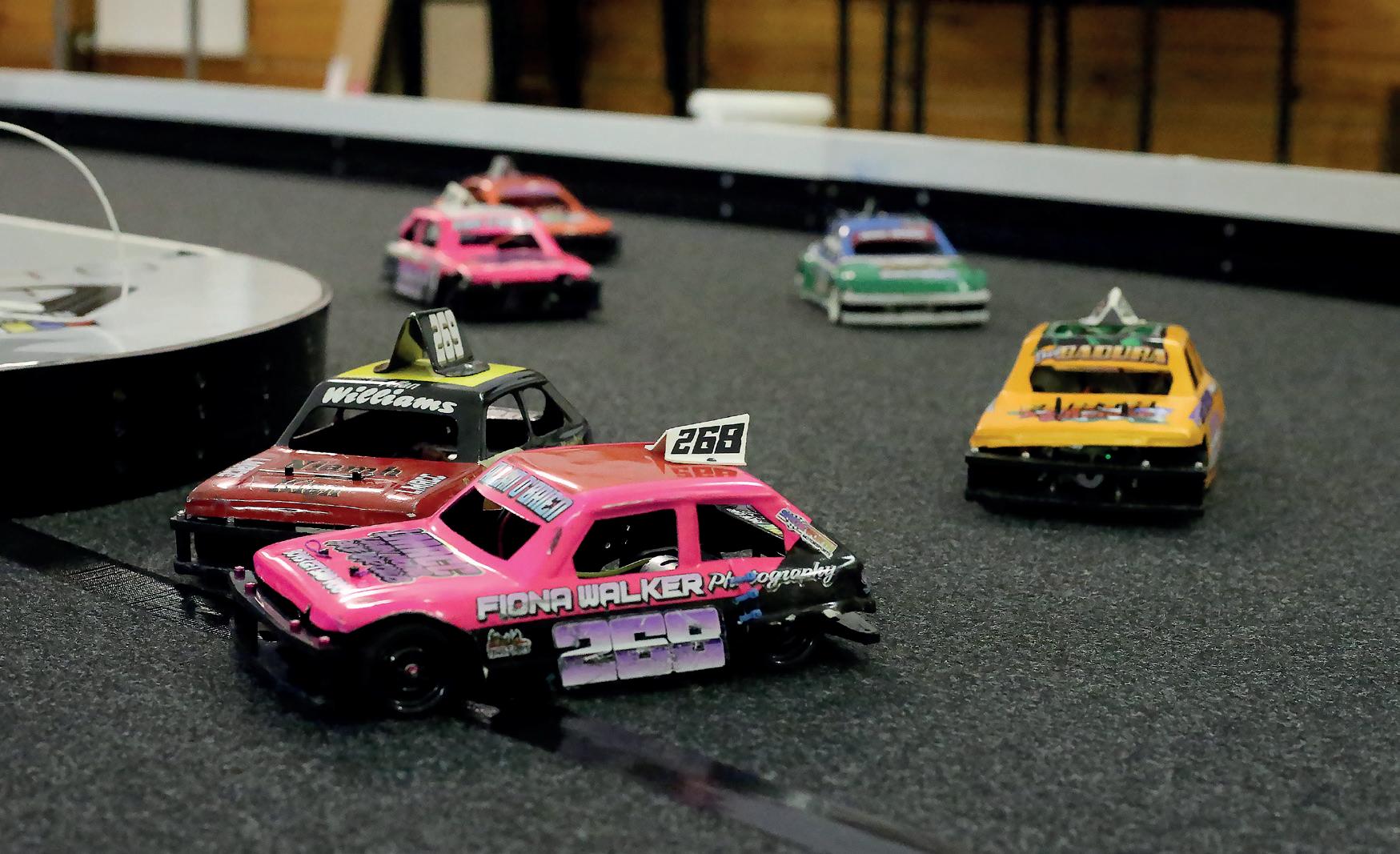
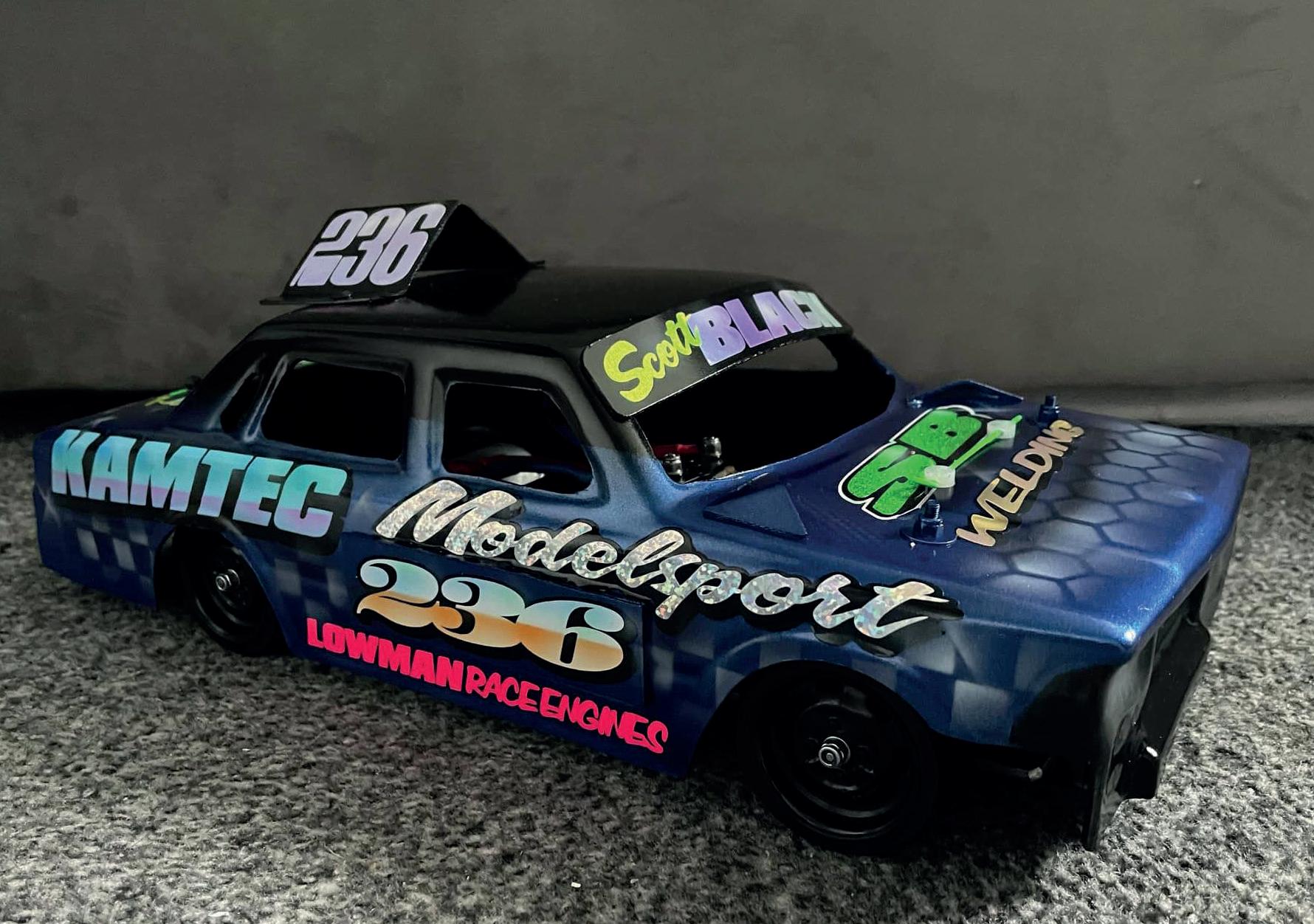
1. Body to be ABS and a reasonable representation of a full size 1300/1400 stockcar. Spoilers are not permitted. Shells to be of a ‘hot hatch’/ ‘cc’ style no estates or saloon styled shells. Windows Must be fully cut out.
2. The chassis component will consist of one continuous sheet of aluminium or glass fibre-reinforced plastic only. Chassis must extend from a minimum 10mm ahead of the front axle line and runs continuously along the car to end a minimum of 25mm behind the rear axle line. Winged style chassis is permitted provided it is available in a kit from.i.e. Kamtec/mardave/tic/large.
3. Mardave/ Kamtec type rear pod base plate, pivot ball and standard V12 spring location, or equivalent parts in shape and construction and mounting locations. 2 rear springsonly.
3a) Standard Mardave/Kamtec A-arm style front wishbones Only. To be made of plastic only no alloy. NO zen, Schumacher, Rsgt, Rxgt, Atom, venom style parts are to be used. (GT12 parts not eligible).
4. External plastic bumpers to be fitted to the chassis front and rear. Front to be grid & representative of a fullsize stock car. Min height of 25mm and max height of 35mm from chassis to top of the bumper. If a single rail rear bumper is used, it may be spaced up from the chassis. Spacers to be a max length of 8mm. If a grid bumper is used on the rear it must follow all rules of the front bumper. Fixings are not included in height measurements.
5. Overall maximum width of the rolling chassis to be 160mm (178mm including body and bumpers).
5a) Wheelbase of 205mm +/-5mm only.
6. Materials used in the rolling chassis may only be steel, brass or aluminium. Special materials (such as titanium or carbon) are not allowed. Brass and lead only may be used as identifiable weights. 6a) Chassis must not have any extra holes drilled or added to allow extra ‘flex’ in the chassis component and that the chassis must be a solid design not slotted to achieve extramovement.
7. Damper tubes are not allowed. Oil filled shocks and dampers are not allowed.
8. Front suspension may be independent provided that the suspension design does not have any pivot, rod or other mechanism that alters the wheel camber or castor in roll relative to the chassis during its full travel. and must use the standard two bolt fixing, and not modified/elongated.
8b) Ride height/castor can be adjusted with shims/washers. Shims and washers must be made from a solid substance to be a consistent thickness start to finish and rigid. No wedge-shaped spacers or ‘o’-rings are to be used on any chassis mounting points.
9. Rolling element (ball) bearings are allowed on the front and rear axles.
10. Min 25mm, max 26mm width of tyres and Max 60mm diameter no Min diameter of tyres, but the tyre must cover the entire wheel edge to edge. Tyre additives are NOT allowed..
11. Diffs are not permitted
12. Gearing is limited to a 32dp pitch for pinion and Spur gear.
13. Z drives and alloy pods are permitted. Height adjustable rear pods are not permitted.
14. Any 12th scale single bolt wheel to be used, mounted onto a steel axle only.
15. Powered by 4cell brushed setup. cell layout is free and open for driver’s choice. Motors permitted to follow the BRCA F2 motor spec and list. Currently HPI Saturn 20, Kamtec, K21 and Schumacher Core21.
15a) Speed controller maximum RRP of £50. Electronic speed controller or mechanical Resistor type speedo controller permitted.
16. Steering servo to be of a maximum of £50 RRP low profile servos are permitted providing they do not exceed the RRP.
17. No GT12 hybrid style cars to be used.
18. Additional holes may be drilled for the re-mounting of the body post and aerial mast locations only.
19. Parts from other manufacturers may be used as long as they serve the same purpose as the part they are replacing.
20. Minimum ride height of 3mm.
21. All added weights must be bolted to the chassis with a nut and bolt.
22. Scratch built cars can be used as long as they are deemed legal after regular scrutineering.
permitted shell list
Vauxhall Nova - Kamtec Modelsport
Nova Stock Saloon & Nova Standard Saloon
Vauxhall Tigra - Kamtec Modelsport
Toyota Starlet - Kamtec Modelsport
Starlet Box Arch & Starlet Standard Arch
Nissan Sunny - Kamtec Modelsport
Nissan Micra - Kamtec Modelsport
Talbot Sunbeam - Danza Modelsport
Fiesta MK6 - Kamtec Modelsport
Vauxhall Corsa -Kamtec Modelsport
Ford KA - Kamtec Modelsport
Honda Civic Hatch - Kamtec Modelsport
Honda Civic Mk3 - Kamtec Modelsport
Honda CRX - Kamtec Modelsport
Mazda 323 - Kamtec Modelsport
Renault Clio Mk1 - Kamtec Modelsport
Peugeot 206 & 206 CC - Kamtec Modelsport
Peugeot 205 - Kamtec Modelsport
VW Golf Mk1 - Kamtec Modelsport
This list is not exhaustive, if you want to race a shell that isn’t on the list, please contact the club beforehand who will advise on legality and add it to the list if neccessary.
f2 STOCK CARS
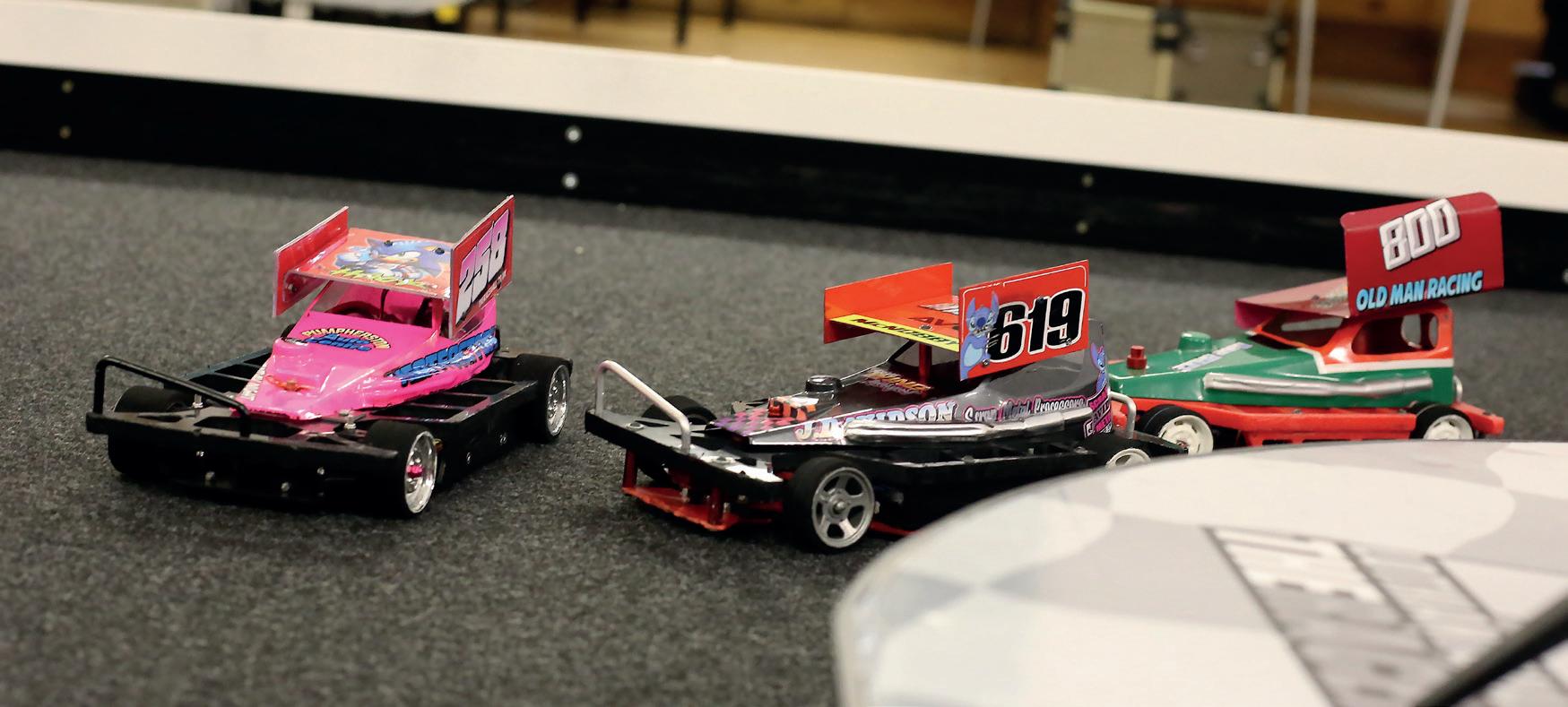
1. Models to be a reasonable representation of a full-size open wheel F2 Brisca stock car. F2 Stock car Body for all Championship meeting. Front wings allowed.
2. No car shall be constructed so as to be dangerous to persons or cause damage to competitor’s cars, or to the track surface. No sharp or protruding objects are allowed on the cars.
3. Overall chassis length to be between 285mm and 310mm. Overall chassis width to be a maximum of 163mm. Overall Chassis thickness (contact surface) between 9mm and 16mm and be consistent thickness throughout all parts. Chassis MUST be made from one continuous piece of plastic (this MUST include the front and rear bumpers and nerf rails.), with one gap permitted for the location of the spur gear. (B) Minimal notching for steering and suspension components.
4. The maximum bumper height must not exceed 46mm (measured at the top of the bumper) and have a minimum height of 27mm (measured from the bottom of the bumper) ALL bumpers, Top chassis and nerf rails must be plugged and have no sharp edges.
5. Over riders must be fixed with a Bolt or nut to front and rear bumpers. The height from the top of the bumper to the top of the overrides must be between 19mm and 32mm at the front and must have a maximum of 19mm at the rear.
6. The baseplate can be constructed from alloy, glass fibre or carbon sheet, and must not have splits or cuts for suspension.
7. Rear suspension to be of the pod type, with a single pivot at the front and simple spring arrangement. No oil filled shock absorbers.
8. Independent front suspension can be used (a simple Spring arrangement) with no damping allowed. No oil filled shock absorbers. No beam axle and no alloy wishbones.
9. Ball raced Axles are allowed front and rear.
10. 10) There is a minimum ground clearance of 3mm, this includes any protruding screws, 1mm clearance for spur gear.
11. Tyres must be foam or rubber, Tyre additives are not allowed.
12. Tyres must have a minimum 20mm and maximum 26mm width, and a maximum 60mm diameter.
13. The use of multiple speed transmissions (gearboxes) is not allowed, only 32dp pitch gears will be allowed. Limited slip devices and differentials of any kind are not allowed, solid rear axles only. Single nut fixing at either end are allowed only. No carbon axles allowed.
14. The cost of the rolling car (excluding all radio, batteries, Esc, and motor) must not exceed £180.00.
15. MOTORS. Only one drive motor per car. Only motors that meet the following specification to be used. (see scrutineer if unsure)
16. BATTERIES. Cells to be sub-C sized, 4 cell, 4.8v Nominal. Any capacity is allowed.
17. Mechanical or Electronic Speed Controllers may be used. Maximum RRP of £85.
18. All cars must have reverse fitted and working at the start of the race.
19. Body and chassis must be securely joined at the start of a race and must remain on car during the race. When initially entered at a meeting the bodyshell must be neatly finished and complete.
20. Bodies and aerofoils must be made from ABS or polycarbonate, (LEXAN). Metal bodies or aerofoils are not allowed. Front wings allowed.
21. ABS Bodies must have all four windows cut out, LEXAN bodies can have their windows uncut but must be left clear. The height of the body roof from the floor to be between 88mm and 126mm. Aerofoils if fitted must have no sharp edges and be mounted in a safe manner. The maximum size of the centre panel to be no more than 126mm126mm, and the side panels 126mm-70mm.
22. The roof must be painted down to the waistline of the body with the driver’s grading colour if an aerofoil is not fitted. If an aerofoil (roof fin) is fitted, this alone may be painted with the driver’s grading colour.
23. Driver’s race number must be displayed on the exterior of the car. The drivers name must also be on the outside of the body or aerofoil.
24. Steel whip aerials and rollover masts are not allowed.
25. If you intend to alter your car in any way that is not covered by the rules, you must check with the class scrutineer for approval. We expect all drivers to use common sense when modifying cars and to enter into the spirit of the sport.
26. Racing is in an anti-clockwise direction only.
27. Contact is allowed, though no follow ins, striking stranded cars or roof shots. Anyone seen to be deliberately doing any of the above will be asked to remove their car from the track.
28. Wheels only dog drive wheels with notches (standard) to be used, with a maximum width of 26mm only . No LMP or GT12 style bolt wheels allowed. Only single bolt wheel and axle fittings allowed.
29. There must be a minimum distance of 23mm between the baseplate and the Top chassis, this distance must be maintained between the wheelbase of the car.
30. Race ready cars to race on track must have a minimum weight of 1200g, this will be measured before every race.
31. F2 stockcar wing, when a wing is fitted it should be central to the car, Not offset to one side of the car, with a visible gap between roof and wing.
This list is not exhaustive, if you want to race a shell that isn’t on the list, please contact the club beforehand who will advise on legality and add it to the list if neccessary.
F2 Shells should have an exhaust and air filter moulded into the shell, with the exception of the topolino shell.
f1 STOCK CARS
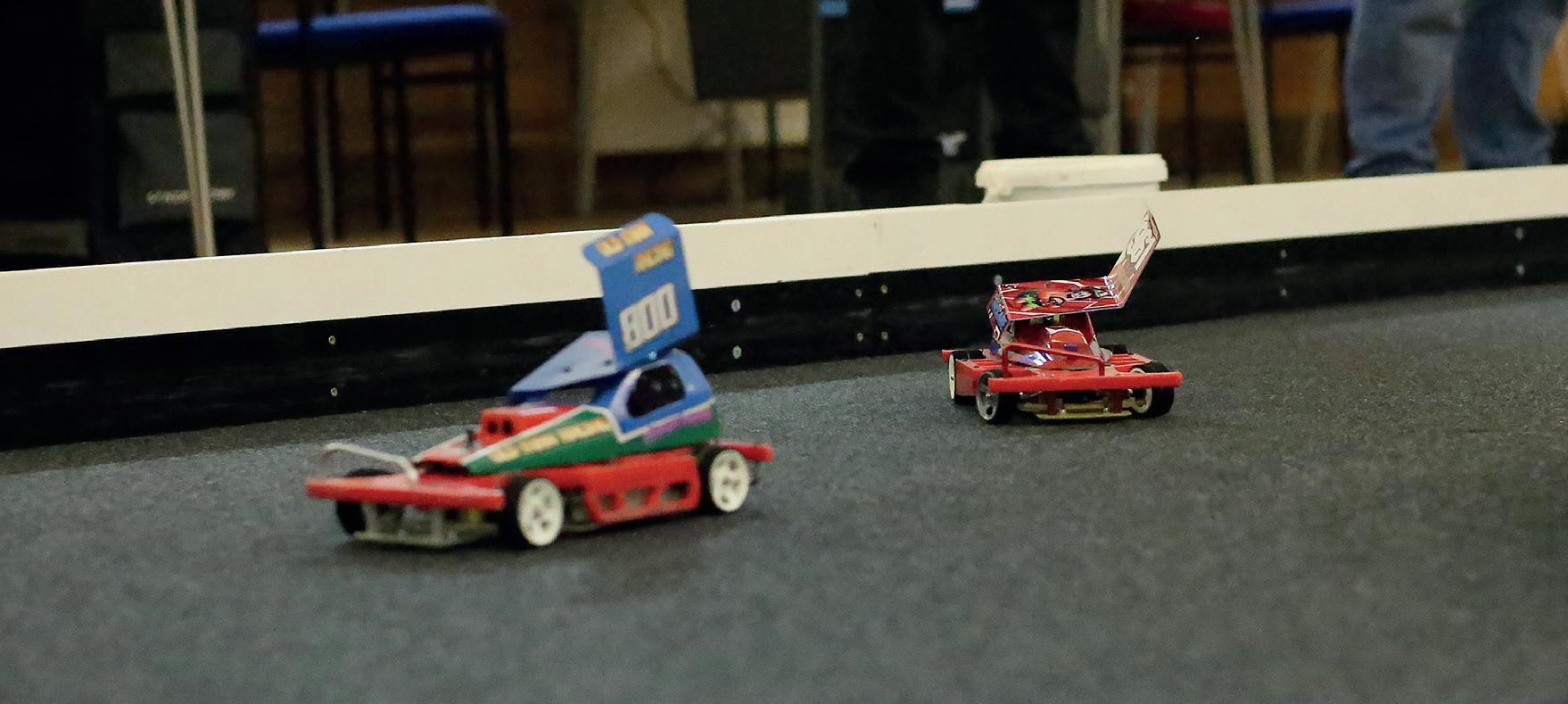
1. Models to be a reasonable representation of a full-size open wheel Brisca F1 only.
2. No car shall be constructed to be dangerous to persons or cause damage to competitor’s cars or to the track surface. No sharp or protruding objects are allowed on the cars.
3. Overall chassis length to be between 285mm and 310mm. Overall chassis width to be a maximum of 160mm.
4. Front and rear bumpers must be fitted and have a contact surface between 9mm and 16mm. The distance between the bumper centreline and the ground must be between 32mm and 41mm. All bumpers must be plugged and have no sharp edges and must be constructed from a non-metallic material.
5. Over riders must be bolted to front and rear bumpers. The height from the top of the bumper to the top of the overrides must be between 19mm and 32mm at the front and must have a maximum of 19mm at the rear. Any over rider mounted underneath the chassis as rear shock absorber protection must not overlap the rear tyres.
6. Nerf bars must be fitted on the same level as the bumpers and attached to the chassis rails with a maximum contact surface of 12mm.
7. Body and chassis must be securely joined at the start of race and must remain on car during the race. When initially entered at a meeting the body shell must be neatly finished and complete. *Bodyshell must be neatly finished and complete at the start of the meeting, bodyshell must be secured to the car with a minimum of 2 fixings and the bodyshell must remain in its correct position for the duration of all races. Any car losing a fixing that causes the bodyshell to become detached must be removed from the track and be re-secured. Failure to do so incurs a zero score from that round/DQ for final.
8. Bodies and aerofoils must be made from ABS or polycarbonate, metal bodies or aerofoils are not allowed. All windows must be cut out on both Lexan and ABS Shells. The height of the body roof from the floor to be between 88mm and 126mm. Aerofoils if fitted must have no sharp edges and be mounted in a safe manner. The maximum size of the centre panel to be no more than 126mm126mm, and the side panels 126mm-70mm. If an aerofoil is fitted, this alone may be painted with the driver’s classification colour, if an aerofoil is not fitted then the roof of the shell must be painted in the drivers classification colour.
9. Driver’s race number must be displayed on the exterior of the car, with a minimum height of 10mm. Any colour may be used but it must be legible. The drivers name must be on the outside of the body or aerofoil. If a driver plans on racing at national meetings they should check that their number is available and register with the 1/12th F1 National Committee.
10. The cost of the complete car in kit form excluding all electrics must not exceed £250.00. In the case of scratch-built cars the entrant must be prepared to produce exact replicas of the car in kit form if so required for a price of £250.00 or less. Including wheels, tyres, wing and shell.
11. Aerial tubes to be a maximum height of 200mm from track surface. Steel whip aerials and rollover masts are not allowed.
12. Tyres must be foam or rubber, you can change them from kit supplied and use sleeves, Tyre additives are not allowed. Tyres must have a minimum 12mm and maximum 26mm width, and maximum 60mm diameter.
13. Rear tyres to be used by the F1 section must be 37sh red banded Contact tyres only.
14. Ball races are allowed on the front and rear axle. Limited slip devices and differentials of any kind are not allowed, solid rear axle only. Single nut fixing at either end of the axle are allowed only. No carbon axles allowed, Steel rear axle only to be used.
15. All cars must have a maximum baseplate thickness of up to 3.2mm, with motor blocks bolted directly to the baseplate. Maximum 2 cut slots to provide flex / suspension. Minimum 1x and Maximum 2x telescopic shocks must be fitted with a minimum of 1 mounted to the top deck. No guide pins or extra springs are permitted. The only damping permitted is to be via the shocks. No spacers allowed between the motor blocks and base plate.
16. The only devices that may be connected to the in-car radio receiver are- Steering servo, E.S.C., Transponder, Roof Lights, Power Cap.
17. The use of multiple speed transmissions (gearboxes) is not allowed, any 32dp pitch gears and holders are allowed. Pinion gears: size (number of teeth) is free. Single Idler gears of any size are permitted as a means of reversing motor rotation, these are to be mounted between the motor pinion and the spur gear.
18. There is a minimum ground clearance of 3mm, this includes any protruding screws, 1mm clearance for spur gear.
19. Servo savers, track rods and track rod ends can all be up-rated from kit supplied.
20. All cars must have reverse fitted and working at the start of the race.
21. Cars are to be powered by either a brushed or a brushless system as defined below Brushed System - Kamtec K21, Saturn 20 or Core 21 brushed motors. These must remain unopened, and unmodified. Motor cleaning fluids / additives are allowed. Cars will be powered by 1s Lipo or 4 to 6 cell 6 sub C sized batteries with 1.2v nominal voltage, conforming to the current Electric Board battery list.
Brushed Speed controllers are without restriction providing that they include an operating reverse function and are commercially available with a recommended retail price not exceeding £65.
Brushless system - Motors - Core RC Star 10.5t Fixed timing motor (CR856), Core RC Star 13.5t Fixed timing motor (CR857), Speed Passion v3 10.5t or 13.5t motor only with standard 10-degree sensor plate. All motor parts must be factory standard as originally issued.
Brushless speed controllers - the Pace 45R, Pace 60R, Pace 95R or Pace 100R speed control must be used. ESC must run in Blinky Mode i.e., the “ROAR blinking LEDs mode.”
22. Lipos - All Lipos used in any competitions MUST be hard-cased. Soft cases or no cases are not allowed. Cars to be powered by a 1S LiPo conforming to the current BRCA Electric Board homologation 1S stick LiPo list and safety considerations.
23. Race ready cars to race on track must have a minimum weight of 1400g. This will be measured before each race and after each final. Weight failure after the finals will mean car/driver will be DQ and placed last in that final.
Weight must be bolted securely into the car and within the confines of the car. No metallic weights are to be used on any exterior surface of the car such as any bumper, side pod, bodyshell and/or wing. This is primarily for the safety of anyone who may need to handle the car and protect the carpet.
24. Front suspension can be used with no damping allowed. One o-ring can be added to the front beam under ball joints only.
25. The Club reserves the right to retain a speed controller and motor after the conclusion of a meeting to measure its performance against the above criteria in a controlled environment. The equipment, or identical new replacements, will be returned to the competitor within 5 working
permitted f1 shell list
Bandit Bodyshells
Bandit Long Track, Elite/Speaky, Tom Harris, Andy Smith/Sworder, Murray Harrison, Bandit F1, Bandit Dutch, Bandit Shale, Bandit Harrad, Bandit Short Circuit, John Lund, Bandit Smithy, Wainman Wedge, Leyton/Smith, Bandit Pop, Harry Smith, Bandit Coupe, Bandit Cooper, Chisolms, Finnikin, Cronshaws, Glynn Perry, Bandit Oldie,
Kamtec Modelsport
SS1 Stu Smith, FW1 Wainman, FW2 Wainman, FW3 Wainman, AS1 Smith, AS2 Smith, NZ1, Pinky, KAM 2, KAM 3, Tom Harris.
This list is not exhaustive, if you want to race a shell that isn’t on the list, please contact the club beforehand who will advise on legality and add it to the list if neccessary.
bangers
Chassis
1. It must be as per the standard 3mm counter sunk Mardave alloy chassis available in various anodized colours, hot rod chassis with rear lip, or the 3mm Kamtec/Large It/Tic alloy chassis with the following limitations: - If left to the original kit length, the chassis must be used with a shell that is made to fit its size properly. Countersunk chassis and screw set may be used.
2. Limousine chassis must be the same thickness as the alloy V12 (maximum 3mm) & must have the correct body shell to fit, maximum length for a Limousine chassis with body shell is 2 ½ ft.
3. Any Limousine entered must represent a full counterpart.
4. No GRP or Carbon chassis are permitted.
5. All holes must line up with a 1mm tolerance.
6. Any sharp edges must be smoothed out on the chassis.
7. There must be no additional strengthening of the chassis, by adding material along the length of it to prevent the chassis from bending.
8. Rear extension plates are allowed, but should be no wider than the chassis, be no thicker than 3mm alloy or GRP and must be covered by the shell and must have a minimum of 1” (inch) or 25mm gap between the shell & mounting plate.
9. Stepped chassis (benno) maybe used but not in any micro meetings, if used at any time there must be a minimum gap of 1” (inch) or 25mm between the chassis & body shell.
10. No front extensions allowed.
11. A chassis will be used for scrutineering.
12. Chassis and Top Plate maybe off-set a maximum of 5mm from the centre of the chassis.
Top Decks
13. Original Mardave alley top plate; or GRP top plate maybe used, Kamtec or Large-IT ones are recommended. Milsy and Fuller top plates are also permitted.
14. Any top plate must not protrude any further forward than in line with the steering servo saver.
15. The width of the top plate should not extend past the centre line of the wheels.
16. Top plate must have a maximum 3mm thickness.
17. No full length double decks.
Batteries
18. Only 4 cell Sub C Ni Cads & ni-mh cells permitted.
19. Max 5000 Mah for heats and finals and max 3700 Mah for DD.
20. They must be covered in clear heat shrink or the manufacturers covering with identification clearly visible. Battery bars must be no wider than the battery.
21. Only plastic or nylon battery retainers permitted no extra plates inside the car.
22. Cells running down the centre of the chassis / top plate may have a 5mm off-set tolerance from the centre of the chassis plate. All components must remain within the width of the chassis plate unless the battery is in the standard Kamtec / Large-IT position.
Speed Controllers
23. Mardave/Large It/Tamiya/Kamtec mechanical & resistor type speed controllers only (K9 microswitch is acceptable).
24. No Electronic Speedos (ESC).
25. No additional material allowed on the top plate, with the purpose of it being to protect the manual speed controller. The top part of the K9 is permitted however.
26. Speed Controllers maybe off-set a maximum of 5mm from the centre of the chassis.
28. Only standard spur gears to be used - Mardave / Kamtec / Tic / Lee12, 46, 48, 49, & 50 tooth only.
29. Gear sleeves/clips are allowed on the gear arms.
30. Derlin gears, alloy drive hubs or Z Drives are not permitted.
31. Standard Mardave / Kamtec / TIC / Lee 12 axles can be used.
32. Ball races may only be used on the back axle.
33. Standard Plastic Mardave / Kamtec / TIC / Lee 12 motor pod only.
34. A pivot ball must be used and the pod base must be fastened to it by the cup on the plate as originally intended. However the use of a small clip, the same width as the cup may be used to prevent it coming off and a bolt/screw can be fastened through the cup into the pivot ball. The new Kamtec motor pod set is permitted.
35. No GRP or alloy rear pods.
36. Any new release Gear, motor pod or axle hop up be agreed on by the RCBWS committee before use.
Wishbones, Steering Arms & King Pins
37. Steering arms can be standard or may be modified to the ball and link type.
38. Wishbones are to be standard; either the basic injection moulded Mardave / Kamtec / TIC / Lee 12 ones and must be hollow. No alloy wishbones. The Mardave diamond wishbone is not permitted.
39. All wishbone holes must remain in their original position.
40. No wishbone protectors or any other strengthening of wishbones.
41. Front springs must be fitted to all lengths of vehicles.
42. Only standard, hardened and stainless Kingpins allowed.
43. No pipe to be fitted to kingpins.
44. No adjustable kingpins to be fitted.
45. Strut braces are not permitted.
46. Any new release wishbone, steering arm or king pin hop up be agreed on by the RCBWS committee before use.
48. Front Wings must be cut to replicate their full size counterpart.
49. A small ABS bumper may be added to the front of the wings for realism, by using 2 small screws/ bolts (Granadas & Crowns only). These must be for decoration and not strengthening.
50. Inner wings can be either body or chassis mounted and can be melted to fit inside the shell.
51. If the wings are body mounted then you can use 4 bolts to fasten the wings to the shell.
52. If the wings are chassis mounted then no more than four bolts to be used.
53. No folding under or gluing of the wings.
54. Any new release inner wing kits to be agreed on by the RCBWS committee before use.
Permitted Motors
55. Mardave G1 & G2, HPI Saturn 20T & 27T, Kamtec Satan 20T, Kamtec 21T, Core 21, Axial 20T, Etronics 20T, Minimum 20T, any motors not listed are to be approved in advance by the RCBWS Committee.
56. Tamiya Mabuchi 540 Silver Can with black end bell.
57. Heat sinks can be fitted.
58. Original label must remain intact and motor tabs remain untouched.
59. Fans must remain intact for RCBWS Heats & finals, no part of the motor internals can be modified.
60. Use of motor cleaning fluids and additives allowed.
61. TAMPERING WITH MOTORS WILL NOT BE TOLERATED - Anyone seen or any evidence of tampering or anyone suspected of tampering, the driver will be asked to change the motor. If found to be tampered with, the driver will lose all points scored and excluded.
Tyres & Wheels
62. Must be foam tyres and commercially available.
63. No tyre additives permitted.
64. Any aftermarket wheel must be of the same diameter as per Mardave, Kamtec, Contact Wheels, or
TIC Bruno Wheels.
65. Ball raced front wheels are not permitted.
66. Alloy wheels are NOT PERMITTED.
67. No cut down wheels that allows shells to be slammed.
68. Wheels must be 26mm width.
Shells
69. All shells to be cut to the cut lines.
70. Wheel arches must be cut to the lines or lips marked not above or below unless running inner arches when the front arches can be cut higher.
71. No flared arches on shells.
72. Sills may be cut or folded to resemble a full scale counterpart.
73. Windows must be completely removed as close to original car as possible.
74. Front window must have at least ¾ of the plastic removed to allow a name visor.
75. No window gussets.
76. Roping and gluing of pillars is permitted.
77. No unsightly, rude or offensive slogans or gestures on the shells.
78. Shells must be in line with the agreed shell lists.
79. When mounting the shell the arch must not come lower than the top of the wheel lip unless the shell has a low rear wheel arch (e.g. mk10 Jag, DS420), when the rear arch must not be lower than the top of the rear wheel nut.
80. There must be a 3mm gap between the shell and the floor.
81. Any shell with bumpers removed the shell must remain the same height as if they was still fitted, for example mk7/8/9 Jaguar bumpers maybe removed but the shell must remain the same height as if they were on there, in other words no slamming!.
82. Shells used must be correct to the chassis, i.e. no SWB shells on LWB chassis, , no LWB on minster or XL chassis.
83. No unpainted shell permitted for Championship finals.
84. XXLWB Shells maybe held together by 0.5mm alloy (same as used in alloy bangers).
Body Mounts
85. Cars to have 4 mounting points.
86. These may be of any non-metallic material, not exceeding 10mm in width and must not protrude more than 10mm through the body shell.
87. Mardave V10 & Kamtec B10 style mounts may be used. If you use two V10 or B10 style mounts, no other shell securing points, i.e. posts can be used,. Only 2 V10 or B10 mounts can be used to secure the shell to the chassis.
88. If you are using V10 or B10 mounts at the front and on the top plate, you must remove any rear V10 & B10 mounts.
89. If you are using front and rear V10 or B10 mounts, you can keep the bottom part of the V10 or B10 on the top plate, provided it is not used to secure the shell. (We recommend using front posts).
90. If anyone loses their boot, they are permitted to use the bottom half of a V10 or B10 mount to protect the rear pod.
91. If you use the V10, you can use all six mounting points and secure the shell using clips through all 6 lugs.
92. You may use 4 M3 coach screws or M3 nuts, bolts and washers to secure the shell, rather than body clips.
93. Body clips/M3 nuts can be cable tied at the ends and together to prevent them coming loose from the body mount. Tape must not be used to cover the cable ties.
94. Shell strut. Only plastic/rubber/metal washers, slightly bigger than the post size but not exceeding 1” square to be allowed to raise the shell up off the posts.
95. Body mounting for XXLWB (600mm chassis) you may use two body mounts per 200mm so six would be allowed.
96. Cable ties must be trimmed back.
Roof Fin
97. The roof fin must be fitted to the roof of the car and must not have sharp edges.
98. It must be plastic and no larger than the standard Kamtec roof fin.
99. It must have the driver’s number clearly visible on both sides.
100. It must not be mounted forward of the half way point on the roof.
101. No mascots, dummies, or bolt on engines etc. on the outside of the body shell.
Shell Repairs
102. You may use glue sticks, tape, cable ties, and plastic/solvent weld with joining plates in conjunction with nuts & bolts as to their full size counterparts for REPAIRS only.
103. The above repair methods are allowed anywhere on the INSIDE of the body, except if using tape, whereby you can use tape on the outside, but can only overlap the crack/split/decimation by 1” either side of the damage.
104. If using plastic for repairs;
1. Any size piece of plastic for the repair can be used, but it can only overlap the crack by 1” either side.
2. If you lose the front, rear or corner of the shell you can replace this, but it can only be attached with a 1” overlap of the original shell.
3. 1 layer of plastic repair only (no overlapping patches).
4. Cable ties only to repair broken patches after that.
105. Neither armouring nor the use of mastic allowed.
106. No double skinned body shells.
107. Each club to specify what repair methods can be used (i.e.. Pipe weld is not permitted at Fast Food Raceway, Devon).
108. NO REPAIRING OF SHELLS BEFORE THE FIRST RACE.
Ride Height
109. Scrutineers will have a 3mm clearance plate, which your vehicle must run freely over the top of, including the shell. Should it scrape in any way your vehicle will fail scrutineering.
110. This is in the interest of protecting the race carpet from damage.
Ballast and Weights
111. Adding extra corner weights or ballast is not permitted.
Bumpers
112. No internal or external bumpers permitted.
Servo Savers
113. Any type of servo saver or bell crank style servo saver is permitted.
114. A small piece of ABS is allowed behind the servo saver as a servo saver protector.
115. Servo Saver protectors are permitted.
BREAKING OF RULES
116. Anyone found to be breaking any of the above rules, being abusive to other racers or organisers; touching cars on the track during a race; lowering shells; using a twisted motor, will be banned from any remaining RCBWS Rounds and RCBWS Title events.
117. PLEASE NOTE: IT IS YOUR SOLE RESPONSIBILITY AS THE DRIVER, OR PARENT OR A JUNIOR DRIVER TO ENSURE YOUR CAR IS BUILT TO THE ABOVE RULES. FAILURE TO DO SO WILL RESULT IN POINTS BEING REMOVED FOR THAT MEETING WITHOUT ANY NOTICE OR EXPLANATION. A SECOND OFFENCE WILL RESULT IN DISQUALIFICATION FROM THE REMAINDER OF THE SERIES.
• Club Nights will begin with a drivers briefing in front of race control outlining the format and expectations from drivers.
• Racing will be over 3 rounds and a final with a maximum of 7 cars in each race. 8 cars shall be permitted in exceptional circumstances.
• Heats will be mixed and of 5 minutes in duration, shortened to 4 minutes when each round consists of 5 races or more.
• There will be no break between rounds during heats unless there is time to do so. There will be a short break before the finals begin.
• Qualifying for finals will be best 2 scores from 3 with first 6 qualifying for the A-Final and the next 7 in B-Final and so-on.
• Race control reserves the right to adjust the number in each final to ensure races are as equal as possible, with emphasis being placed on the A-Final achieving as many cars as possible.
• B-Final winners will be promoted onto the A-Final grid and will be raced first to allow drivers ample time to prepare for the A-Final.
• All races will be filmed for promotional purposes and, if required, for any disputes that may arise.
club night format Racing Etiquette
• The aim of stockcar racing is to complete the highest number of laps in the allotted time over the other drivers in your race.
• Contact is permitted to move the car in front to gain positions and attempt to win a race.
• Drivers are expected to marshall the race after their own and if unable to are expected to find a replacement. Only persons with a BRCA membership are able to marshal, this includes Non Racer Memberships.
• Juniors members can marshal if they feel able to but must use a marshal stick. If they are unable or uncomfortable marshalling, it is expected that they will nominate an able person to marshal on their behalf.
• There are some instances where you may be asked to remove your car from the track, these are detailed below -
-Transponder stops working
-Missing a wheel
-Bodyshell becomes loose and is not securely attached
-Repeatedly targeting drivers with no attempt to take the corner
-Batteries loose and hanging out the car
-Driving Standards below what is expected
• All drivers are expected to race with respect and anyone straight lining, turning away from the racing line to target drivers, following in with no attempt to take the corner, repeatedly targetting drivers and not racing with respect will be warned in the first instance and if it continues, will result in further disciplinary action.
• Due to the nature of racing it is not always be deliberate and the club understands this, which will always be taken into account, however repeated instances will not be tolerated.
• Drivers will score points for heat results in all three races and finals.
• Heats will score as follows
1st 10 pts, 2nd 9 pts, 3rd 8 pts, 4th 7 pts and so on...
• Final will score as follows 1st 50 pts, 2nd 48 pts, 3rd 46 pts, 4th 44 pts.
• 1300 Saloon Track Championship will be 23 rounds with a drivers best 18 scores to count. WR events and W&Y events do not count to the track championship.
• F2 Track Championship will be 19 rounds with a drivers best 16 scores to count. Lothian Open, Saltire Open & W&Y events do not count to the track championship.
• F1 Track Championship will be 19 rounds with a drivers best 16 scores to count. Shootout, Lothian Open & Saltire Open will not count to the track championship.
• Tie breaks on points will be decided by the highest single round score, then highest 2 round scores etc until the tie is broken.
1300 saloon wr series points format Track Championship
• Drivers will score points towards qualifying for the World Championship by three avenues - Attendance at ALL LORC saloon meetings (Excluding W&Y series events) - Attendance & Performance at LORC WR events (WR1, WR2, WR3, Lothian Open 25 & Saltire Open 25, WF 25, ORCi 25, Superbowl 25) -Performance in LORC Track Championship.
• All members who attend normal meetings will receive 5 points for each meeting attended.
• All members who attend WR events will receive 10 pts for each WR meeting attended.
• All members who race WR 1-3 will receive points for ther final positions as follows
1st 30 pts
2nd 28 pts
3rd 26 pts and so on...
• All members who race Lothian Open, Saltire Open, ORCi Championship or Superbowl will receive points for their final positions as follows
1st 50 pts
2nd 48 pts
3rd 46 pts and so on...
• All members who race the World Championship will receive points for their final positions as follows
1st 70 pts
2nd 68 pts
3rd 66 pts and so on...
• Track championship points after 18/8/25 will be frozen and points allocated as follows.
• All rounds count towards the final table with the driver on most points becoming White & Yellow Series Champion 2025.
• A driver can only score points while they hold a White or Yellow grade.
• If a driver is graded Blue or above they will not be eligible to score points while holding that grade but remain eligible for the final on 25/11/25 if they remain in the top 7.
• Points will be scored as normal with 10 pts for a heat win and 50 points for a final win.
• W&Y rounds will not score towards the track championship.
• Tne winner of the series will be entitled to run a white & Yellow chequered roof for the following season.
• The W&Y final will be a one off race on 25/11/25 for the top 7 drivers in the W&Y table who have booked in and the winner will be entitled to wear a white/yellow 10mm chequered stripe for the following season.
• Racing will be over 4 rounds on Tuesday nights.
• All rounds count towards the final table with the driver on most points becoming LORC Shootout Champion.
• Races will be run on a handicap format as follows
White - 14 laps
Yellow - 9 laps
Blue - 5 laps
Red - 2 laps
Superstar - 0 laps
• Races will be run over 5 minutes with the winner being the driver having done the most laps after the handicaps are applied.
• Each driver will have a joker which can be played at any round before racing starts, this is done by way of a slip which all drivers must hand in before heat 1 with either yes or no for their joker. This is into a locked box which nobody will have access to until after the meeting to ensure no targeting of drivers with a joker being played. This can only be played once per driver per series.
• Points will be scored as normal with 10pts for a heat win and 50pts for a final win, with a joker giving the driver double points for that meeting.
• The winner of the shootout series will be entitled to run two silver 10mm stripes for the following year.
White & yellow series f1 shootout series grading periods
• Drivers will be graded amongst their peers while racing at the club based on points scored at all meetings.
• Grading periods are as marked on the calendar with a drivers previous 6 scores being taken into account with an average across all 6 meetings providing a rank amongst other drivers.
• Grading periods are roughly 6 meetings each, but if a driver does less than 6 in a period they will have previous period scores taken into account to make up 6 scores.
• A driver can be upgraded as many grades as necessary in one period but can only be downgraded one grade at a time.
• A driver must have raced at least 2 times in a grading period to be eligible to move down or 3 times to move up.
• The grader will have sole discretion on gradings however as a guide drivers will be graded in the following on the basis of 20 driversWhite 4 (20%), Yellow 4 (20%), Blue 4 (20%), Red 6 (30%), Superstar 2 (10%)
• Each driver will race in 4 heats with the best 3 counting for final qualifying.
• Top 14 will qualify for two semi final races with the top 3 from each qualifying into the final.
• The 4th placed driver with the most laps in their semi final will take the final place on the 7 car final grid.
• Non Qualifiers from the semi finals will take part in a B/C Final before the Lothian Open final to allow time for the semi final drivers to prepare.
• The winner of the Lothian Open final will be entitled to wear the Blue/White chequered roof until the 2026 event.
• Each driver will race in 3 heats with the best 2 counting for final qualifying.
• Top 6 will qualify straight to the final with the next 7 qualifying into the Consolation.
• The winner of the consolation will qualify into the final to give a 7 car final for the title.
• The winner of the Saltire Open Final will be entitled to wear the Saltire roof until the 2026 edition.
lothian open format saltire open format ORCi Champs format
• Each driver will race in 3 heats with the best 2 counting for final qualifying.
• Top 6 will qualify straight to the final with the next 7 qualifying into the Consolation.
• The winner of the consolation will qualify into the final to give a 7 car final for the title.
• The winner of the ORCi Championship will be entitled to wear the Orange/White chequered roof until the 2026 edition.
1300 superbowl format
• Each driver will race in 4 heats with the best 3 counting for final qualifying.
• Top 6 will qualify straight to the final with the next 7 qualifying into the Consolation.
• The winner of the consolation will qualify into the final to give a 7 car final for the title.
f1/f2 Champion of champions
format
• The top 7 drivers in the Race Winners table for each formula will qualify for the Champion of Champions Race.
• The order of qualification will be as follows
A Final Winners
Heat Winners
B Final Winners
Tie Breaks will be decided on track championship position.
• The next 8 booked in drivers for the meeting will race the LCQ race with the winner joining the grid. This will be held as the first race of the night with the CoC race being held as the final heat in round 1.