

Carrie Pages, Cody Jussell, John Garey, Emma Wood, aria Sievers, Samantha Wood, ABC Fitness, Tracey Nicholson and Gaby Noble
The Pilates Journal would like to acknowledge and pay respects to the Gadigal people of the EORA nation as the traditional custodians of the place we call homeSydney - where this journal is produced
The Pilates Journal pays respects to their elders, past, present and emerging, and acknowledges all Aboriginal and Torres Strait Islander peoples

EMBRACING CHANGE WHILE HOLDING ONTO CORE VALUES
by Carrie Pagès
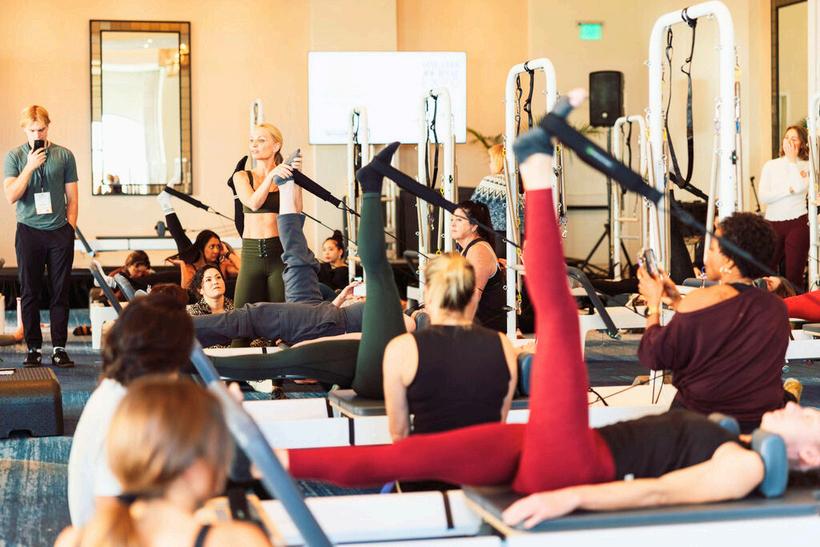
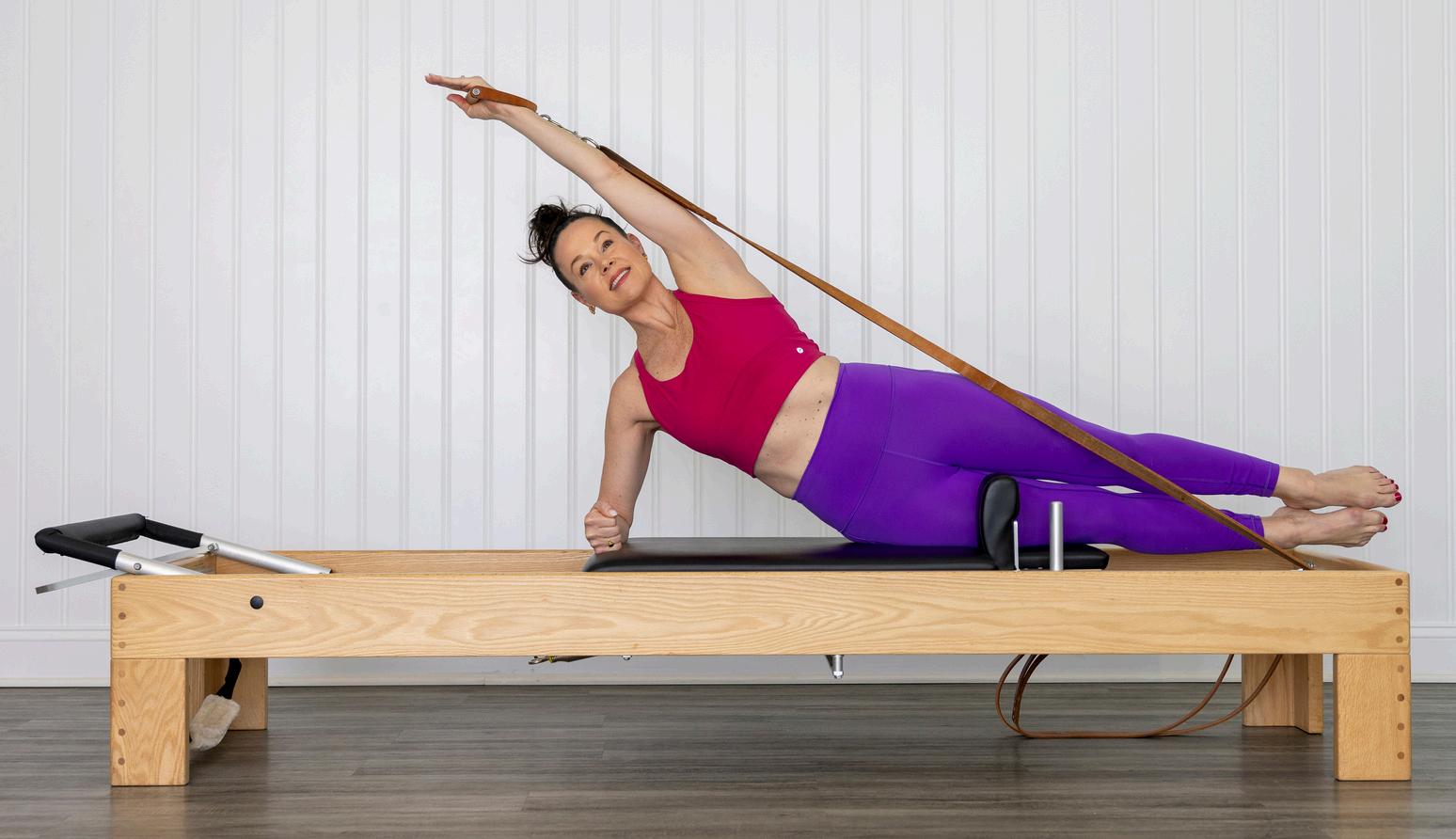
After twenty-five years of teaching Pilates, I've come to realize that evolution is not something that happens in a single moment It's an ongoing journey through every class, every cue, and every client we teach year after year after year Our teaching grows and changes because we do The experiences that shape our lives, including injuries, aging, pregnancy, successes, challenges, and even moments of doubt, all find their way into how we show up for our students
When I began teaching, I believed there was one "right" way to do an exercise, one "correct" way to teach the work. I clung tightly to what my mentors taught me, fearful that if I strayed from their structure, I would somehow be "less authentic. " However, through time, experience, and thousands of hours with clients, I've come to realize that there isn't one right way There are many true ways, each revealed through curiosity and lived experience
The Art of Adaptation
The Pilates landscape today looks nothing like it did when I started teaching in the early 2000s Back then, there were no Instagram tutorials, online memberships, or virtual mentorships. We learned through long days of practice and observation
We watched bodies move, learning from mistakes, and repeating exercises again and again until the concepts landed in our bones
Now, education is everywhere Teachers can access workshops, tutorials, and masterclasses from all over the world with a few clicks It's inspiring and empowering and AMAZING, but it can also feel overwhelming The sheer volume of information available makes it easy to lose sight of what truly matters: the connection between teacher and student.
I've learned that adaptation doesn't mean throwing out the old and adopting every new trend. It's about discerning what supports your teaching and what distracts from it It's all about staying true to myself because I will teach with passion what I'm connected to For me, that means filtering new ideas through my core values: integrity, movement quality, and connection.
Integrity reminds me to stay honest about what I know and what I don't Movement quality keeps me grounded in precision and intention rather than fancy choreography or trends. For me, connection is the most important value of all It ensures that regardless of how the industry evolves, the heart of my teaching remains rooted in the human experience of movement and relating to the person standing in front of me.
When I mentor instructors, I often hear a version of the same worry: "I feel like I'm not doing it right " We live in an era where perfectly executed Pilates sequences flood our social media feeds It's easy to internalize the message that good teaching means perfect teaching But the truth is, perfection can be the enemy of growth
Real teaching lives in the moments between the plan and the execution When a client surprises you with a movement breakthrough, when you adjust on the fly, or when you throw your choreography out the window to meet your students where they are, those are the moments when teaching becomes art
Allowing yourself to evolve means releasing the need to be flawless and embracing the practice of being present It's in presence that we notice what our students really need It's in presence that we reconnect with why we teach in the first place
There have been times in my career when I've felt drained and uninspired Often, it wasn't because I'd fallen out of love with Pilates; instead, it was because I'd stopped growing. I had gotten caught up in increasing my client base, keeping the studio tidy, and returning client emails
When we stop learning, we lose access to the creative spark that first drew us in For me, the antidote to burnout is curiosity Taking a workshop, revisiting a classical sequence with new eyes, or simply getting back on the Reformer for my own practice always reignites my teaching.
I firmly believe that maintaining a consistent Pilates practice is essential to prevent burnout You have to do Pilates to stay excited about Pilates. My personal practice doesn't always look like a perfect 55-minute session Sometimes it's 15 minutes before my clients begin to arrive for the day, but I make sure to move my body and get excited about teaching movement that day
With all the evolution, it's easy to lose sight of our foundation I often remind myself to come back to what first drew me to Pilates For me, it was the feeling of strength, control, and grace brought back into my life after a career-changing dance injury Pilates gave me purpose again It offered a language for healing and expression when I needed it most
Every teacher has some version of a story like this A moment or feeling that first connected them to the work Reconnecting to that story grounds us in authenticity When we teach from that place, our voice becomes unmistakably our own.
Evolution doesn't mean starting over or abandoning what you've learned. It means circling back to what matters most with deeper understanding and renewed perspective My teaching today looks different than it did twenty years ago There's more softness, more humor, more grace, and more humanity in it I still hold the same respect for the classical work, but I allow it to breathe, to live in the bodies in front of me rather than in the rigidity of my memory
“When we stop learning, we lose access to the creative spark that first drew us in.”
So if you're feeling uncertain, uninspired, or like your teaching is shifting in unexpected ways, take heart It's supposed to That's the beauty of this career It grows with you and in you Let yourself evolve Stay curious Hold onto your values That's where the magic lives
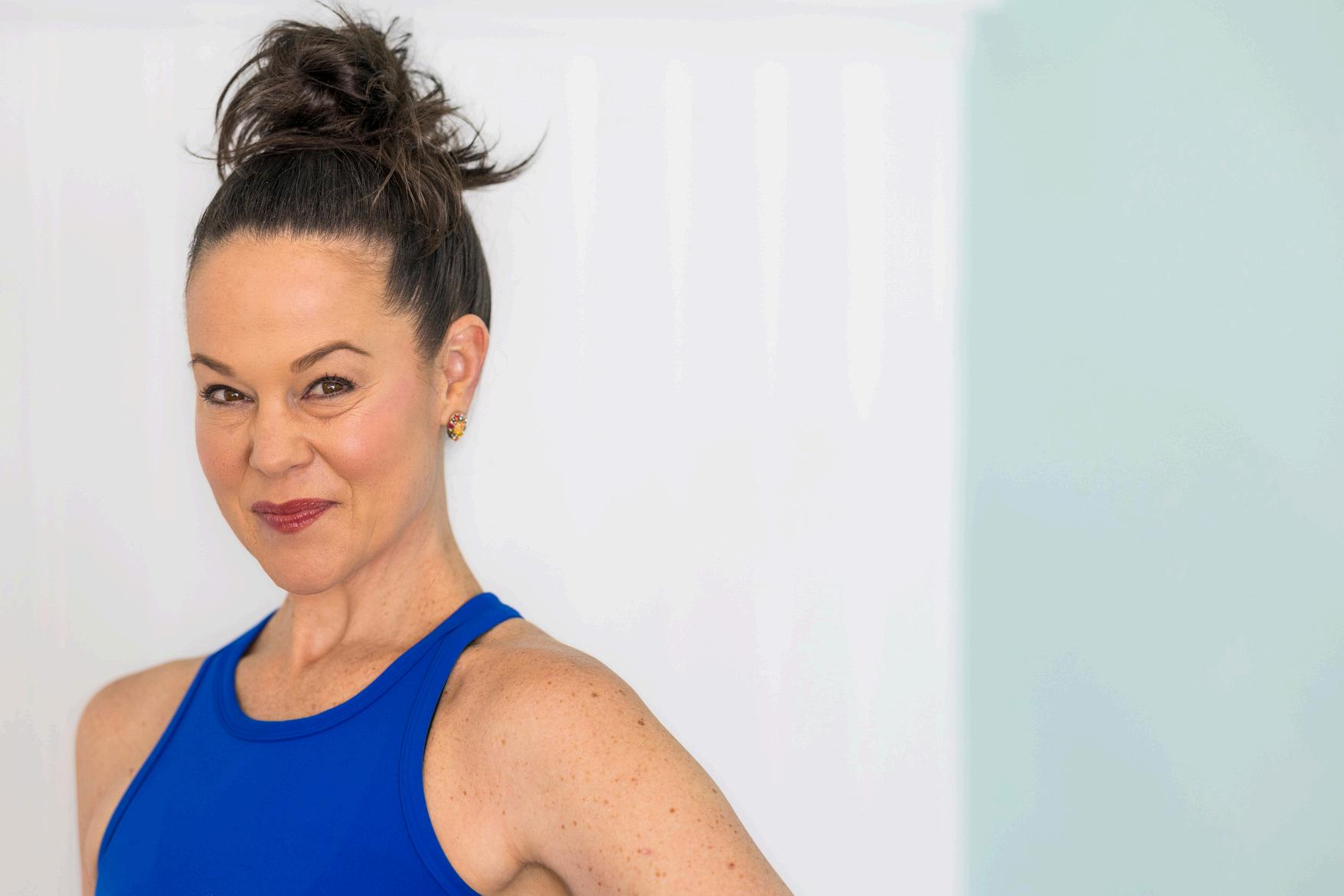
For over two decades, Carrie Pagès has dedicated her career to sharing the transformative power of Pilates through teaching, mentorship, and creative programming. She is the owner of In Balance Pilates Studio in Wilmington, NC, founder of CarriePagesPilates com, and a sought-after workshop leader and teacher trainer who supports instructors worldwide.
STRONG Pilates has unveiled enhanced programming across its global studios, introducing more than 100 new exercises alongside a new six-category class structure The updated model follows a 12-week rotation designed to maximise progressive overload while delivering greater variety and progression for members
As part of the evolution, STRONG has also introduced new Pilates-focused formats including Pilates Strength, Pilates Only, and STRONG Body - a balanced full-body session combining Pilates-inspired training with cardio bursts The additions reflect member demand for a more refined balance between strength, Pilates and cardio within the STRONG format
To build the program, STRONG restructured its internal programming team and invested in a four-week STRONG Academy development series to upskill instructors, consulting with experts across Pilates and strength and conditioning The process was designed to ensure the expanded exercise library and new class formats are delivered with consistency and technical understanding across the global studio network
“We know our members love Pilates combined with strength training, but want to balance out the cardio, ” said co-founder Michael Ramsey “This next phase is about delivering on that ask with precision and continually challenging our community to come back for more ”
We sat down with Club Pilates President Tianna Strateman to learn more about the thinking behind the brand’s first new class format in seven years
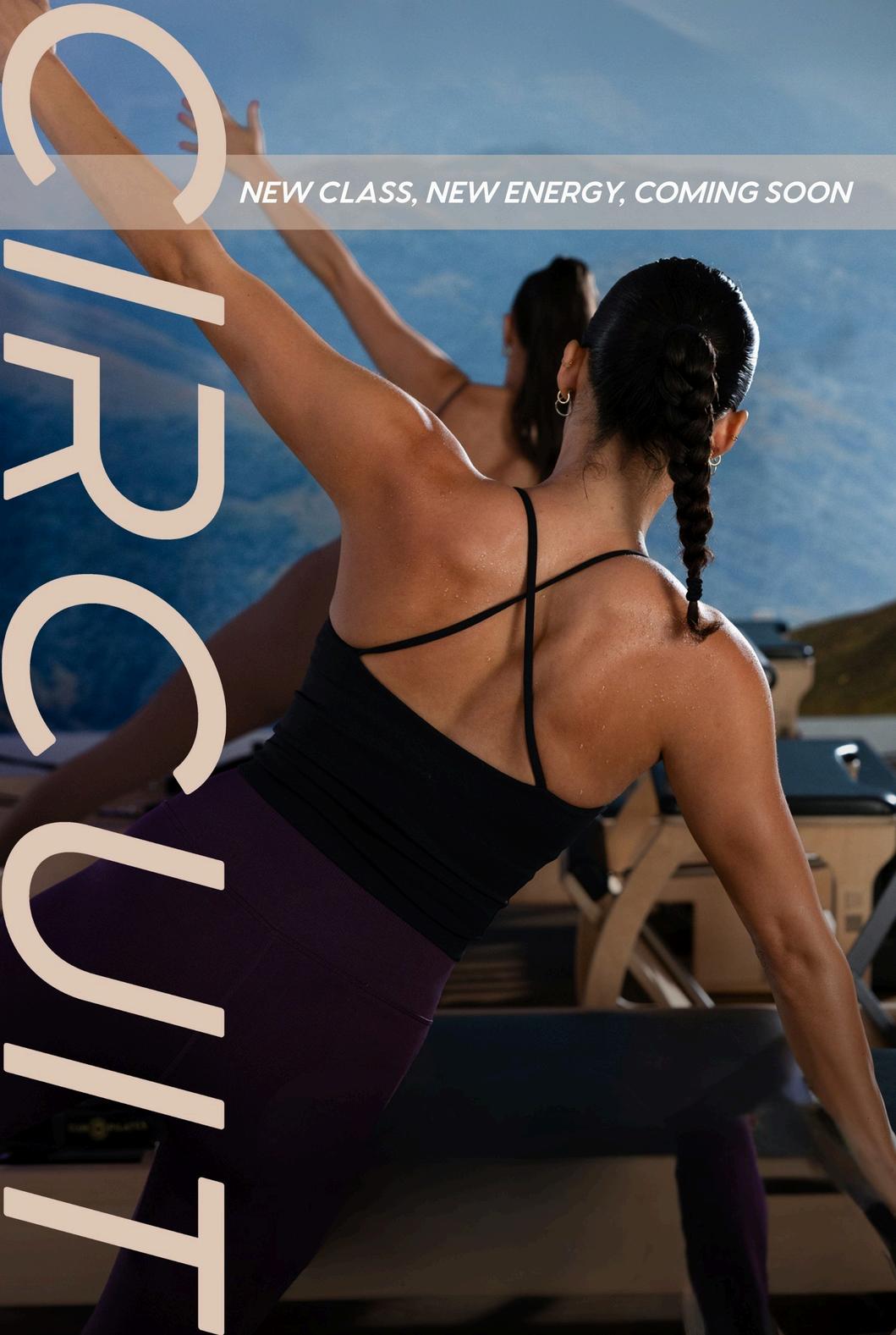
For a brand as established as Club Pilates, introducing a new class format is not something that happens lightly In fact, it has been seven years since the company last added a new offering to its schedule That’s why the recent launch of the Circuit class marks an important moment in the brand’s ongoing evolution We sat down with Club Pilates President Tianna Strateman to understand what sparked the idea, what members are asking for, and how the new class fits into the broader future of Pilates At its core, the new format grew out of listening closely to the community
“Feedback from members and teachers told us that something was missing, ” Tianna explains “There was interest in a more athletic approach to Pilates ”
The Circuit class was designed to respond to that need while still staying true to the foundations of Pilates The goal was not to replace existing formats, but to complement them with a new type of challenge
“Certain members want something a little faster paced, that burn, or more repetition, ” she says. “They need a different way of engagement and approach Of course, we know that you should feel the work in every class, but it’s different for everybody ”
The class structure introduces a rotating circuit format that allows members to move through stations while maintaining the core Pilates principles Importantly, it remains accessible to both beginners and intermediate practitioners. “We wanted it to be approachable for beginner and intermediate members while still challenging them in a different way, ” Tianna explains
Before launching the format across studios, the program went through a long development process
“We tested it, revised it, and refined it, ” she says. “By the end of 2025 we felt confident it was ready ”
So far, the response has been strong
“The feedback from members and studios has been really positive, ” Tianna says
While Club Pilates is widely known for its Reformer Flow classes, still the most popular format across the brand, the Circuit class introduces a slightly different training stimulus
“The goal is to bring a bit more strength into the workout, ” she says “We’re not using 20-pound weights It’s strength in terms of repetition Members move through three rounds in the circuit ”
Even though Pilates has always included strength elements, the format allows that concept to be explored in a more structured way
“We might use three-pound weights, but the focus is repetition and endurance Higher weights might be something in the future, but the intention here is still Pilates ”
The class also complements other formats already familiar to members, including jumpboard sessions and functional standing work
“We see it sitting alongside things like Jumpboard classes or TRX-style functional standing movement, ” Tianna explains Behind the scenes, the development of Circuit was led by the education team.
“Our education team really led the change, ” she says “We wanted to create something unique that makes sense for our brand ”
That mindset, constantly asking what’s next, is central to the company’s growth strategy
“We’re always asking: what are we doing well, what can we do better, and what should we do next?”
For Tianna, the bigger picture goes far beyond a single class format. The rise of Pilates itself continues to shape the industry. “Pilates is the number one modality in fitness right now, ” she says “We’ve seen it explode ”
But she believes the next phase will bring a more informed consumer
“As more people spend time in our industry, they’ll start to learn more and gravitate toward different styles, classical, contemporary, or Pilates-inspired fitness, or perhaps on a megaformer ”
Meanwhile, the brand’s global footprint continues to expand. “We just opened our first location in Mexico last week, and Thailand is next month, ” she says “Seeing Club Pilates grow around the world is incredibly exciting Pilates really is a universal language ”
And despite the surge in popularity, Tianna is confident the movement is far from a passing trend
And despite the surge in popularity, Tianna is confident the movement is far from a passing trend
“Pilates will absolutely still be here in ten years, ” she says “We’re still very much in the growth phase, not only in the number of studios around the world, but also in the training we provide instructors and the tools we give franchises to succeed ”
If anything, the introduction of the Circuit class signals exactly that: an industry still evolving and a brand determined to evolve with it
by John Garey
Most Pilates teachers spend years studying anatomy, refining programming, and mastering technique But one of the most powerful teaching tools has nothing to do with what you know. It has everything to do with how you communicate In my work developing The Pilates IT Factor™ framework, I have found that exceptional teaching is not simply about delivering cues It is about creating space for clarity, connection, and understanding One of the most overlooked vocal foundations in Pilates teaching is the pause
In a Pilates class, clients are processing a great deal at once. They are moving, breathing, listening, and trying to coordinate unfamiliar patterns When teachers speak continuously, even with excellent information, clients often cannot absorb what they are hearing. A pause gives the cue time to register, and it gives the body time to respond Clear teaching is not about saying more It is about saying what matters most, then allowing it to land
Pausing also changes how the brain listens When we speak in a constant stream, the nervous system begins to predict the pattern and attention can drift But when you introduce variation, especially silence, it naturally signals importance. A pause acts like a spotlight It tells the client, “Pay attention, this matters ” In that moment, listening sharpens, and cues are received more clearly
Silence is not empty. It is a teaching tool.
Many teachers fill silence without realizing it Sometimes it shows up as filler words like “like, ” “okay, ” or “um ” Other times it shows up as filler cues, phrases that are repeated so often they lose their effectiveness A filler cue may have started as a useful instruction, but when it becomes automatic, it stops landing In many cases, changing the cue, or saying nothing at all, is the better choice Pausing creates space for clarity instead of verbal noise
Most teachers worry that pausing will feel too long or awkward at first But what feels like a long pause to the teacher is usually only a second or two to the client In that moment, the client is not waiting They are processing, moving, and integrating One of the most effective ways to build comfort with pausing is to record yourself teaching and watch it back Many teachers are surprised to see that their “forever pause” was barely a beat
g
cue and respond physically
Pausing becomes even more powerful when used intentionally before and after important cues. A brief silence creates anticipation and signals that what comes next matters It helps clients focus on the one thing you want them to hear most clearly Pausing after an important cue allows the client to execute it, rather than being overwhelmed by stacked information
When Pilates teachers learn to pause with intention, everything improves. Cue clarity strengthens. Clients hear and respond to the important information They see you as more confident Teaching becomes more engaging and more impactful This is why pausing is a core part of the Vocal Foundations in The Pilates IT Factor™ . It is not a sign that you are unsure of what you are saying It is a learnable communication skill that can elevate every class you teach
Now, take a breath and pause
To explore the full framework, including vocal foundations, body language in teaching, and The 5 Pilates Teacher Archetypes™ , you can learn more in The Pilates IT Factor Guide: Mastering the Art of Connection in Every Class
Link to the Pilates IT Factor Guide: https://www pilatesgradschool com/pilates-it-factor-guide
John Garey is the Founder of Pilates & Fitness TV, one of the longest-running online Pilates membership platforms, launched in 2015. With more than 35 years in the Pilates and fitness industry, he has been a pioneer in bringing studioquality Pilates to the digital space while building a sustainable recurring-revenue model and global online community. A Master Pilates Teacher and respected educator, John serves on the Board of Directors for the National Pilates Certification Program (NPCP) and chairs its Marketing Committee, offering deep expertise in digital content, subscription strategy and brand growth.
UNDERSTANDING PROGRESSIVE LOADING TO BUILD STRONGER, MORE CAPABLE BODIES
by Cody Jussell
In the Pilates world, we’re often taught to be cautious: move mindfully, avoid “pushing, ” protect the client at all costs. And while safety is absolutely essential, being overly conservative with load can quietly undermine a client’s health far more than the occasional, well-managed overload ever will
Underloading doesn’t just slow progress, it contributes to muscle loss, instability, and the long-term consequences of a sedentary lifestyle If we want to help clients get stronger, move better, and age resiliently, we must understand the science of progressive loading
Sedentary Lifestyles Are the Real Risk
Modern life has engineered movement out of daily routines
Sedentariness is now considered an independent risk factor for chronic disease Research links low physical activity to increased all-cause mortality, cardiovascular disease, metabolic dysfunction, and musculoskeletal decline
Sedentary behavior is associated with higher risk of early death and chronic illness, even when adults meet minimum exercise guidelines (Ekelund et al , 2016)
Prolonged inactivity results in rapid loss of muscle mass, strength, and bone density-beginning in as little as 1–2 weeks (Dirks et al , 2016)
Low levels of mechanical loading contribute to osteopenia and osteoporosis (Turner, 1998)
Bone density and tendon health also require regular mechanical stimulation to maintain integrity (Turner, 1998; Kjaer, 2004).
In other words: insufficient load is dangerous Many Pilates clients arrive with years of under-stimulation Protecting them from “too much” load often inadvertently prolongs weakness and fragility.
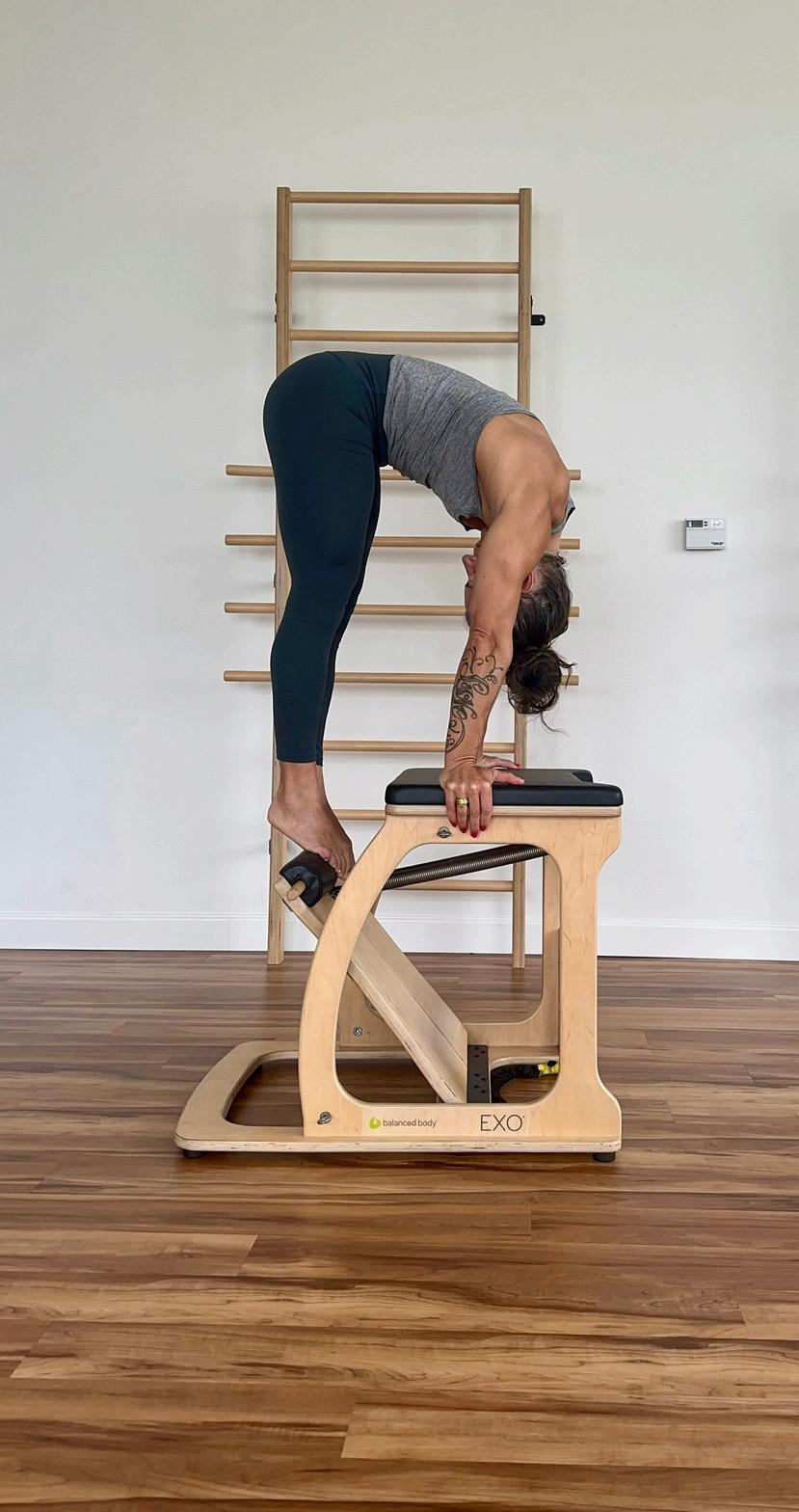
Why Underloading Creates More Long-Term Harm
1 Clients Don’t Stimulate Strength or Tissue Adaptation
Tissues adapt based on the imposed demands- this is the SAID Principle (Specific Adaptation to Imposed Demands) If the load is too light, the nervous system and musculoskeletal system simply don’t respond
Muscles need mechanical tension beyond normal daily activity to grow stronger (Schoenfeld, 2010)
Connective tissues require progressive stress to remodel and increase resilience (Kjaer, 2004)
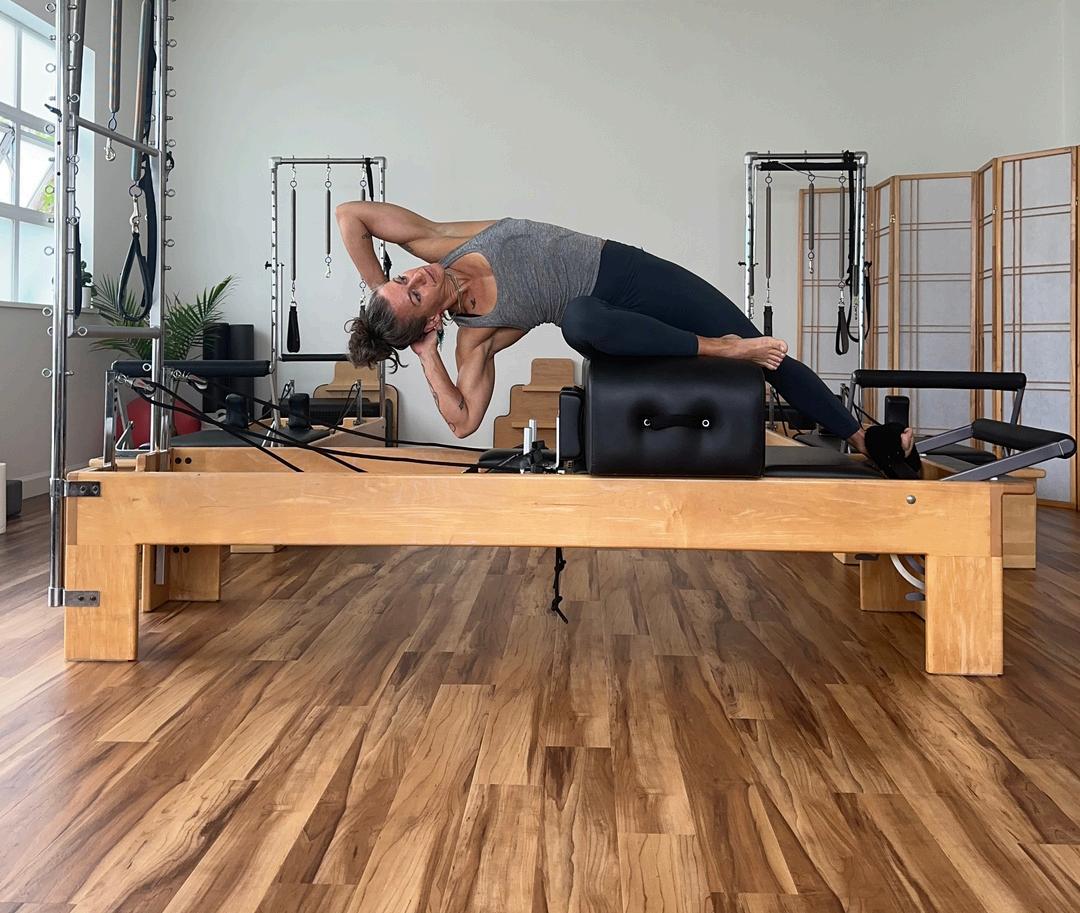
If the load is consistently too light, the body never receives a signal to adapt Clients essentially “train” their tissues to remain weak
2 Underloaded Clients Plateau and Lose Motivation
When clients see little change in strength, coordination, or posture, they may feel their efforts are wasted. The problem isn’t the method- it’s the insufficient load Over time, this can erode adherence and reduce long-term health benefits
3. Underloading Contributes to Injury Risk
Weakness, not load, is the bigger predictor of injury Ironically, avoiding load to prevent injury often creates conditions that increase injury risk:
Weak muscles, underdeveloped tendons, and poor coordination are strong predictors of falls and musculoskeletal injuries (Lauersen et al , 2014)
Strengthening tissues through progressive load improves resilience, joint stability, and functional capacity.
Low muscle strength is strongly associated with falls and mobility loss as adults age
Underloading may feel safe in the short term, but it often leads to cumulative vulnerability If we avoid loading clients because we fear injury, we ironically create the very fragility we were trying to prevent
“If the load is consistently too light, the body never receives a signal to adapt. Clients essentially “train” their tissues to remain weak.”
Occasional Overload Safely Applied Drives Progress
We’re not advocating reckless pushing Excessive or poorly planned overload carries risk But occasional, intentional overload is essential for adaptation.
Progressive overload can involve gradual increases in:
Resistance (springs, body weight)
Repetitions or sets
Time under tension
Range of motion
Speed or tempo
Complexity of coordination
Even small, controlled increases in load can trigger significant tissue adaptation, without causing harm
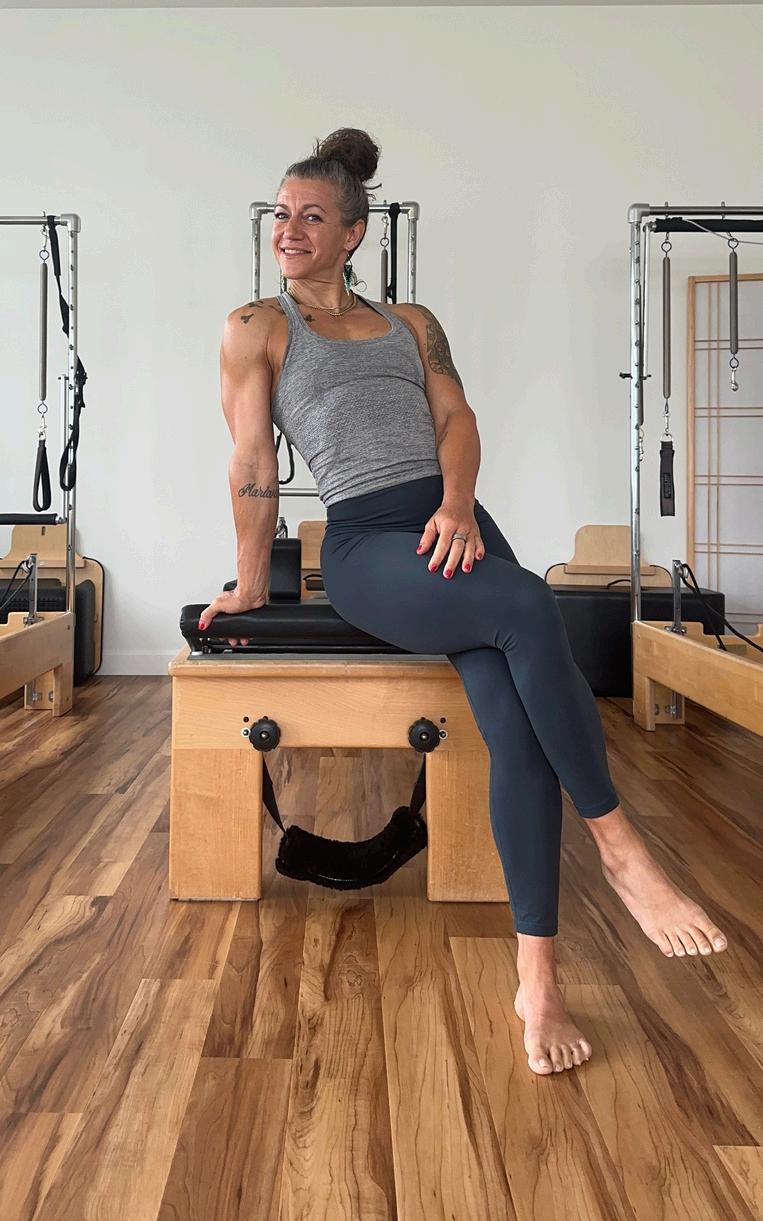
Research consistently shows:
Gradual load progression improves muscle strength, joint stability, and bone density (ACSM, 2022; Kohrt et al , 2004)
Strength training is protective against age-related functional decline (Fragala et al , 2019)
Exposure to controlled overload improves tissue tolerance and reduces injury risk over time (Kjaer, 2004; Schoenfeld, 2010)
In short: occasional overload isn’t dangerous when programmed intelligently, it’s what drives the positive changes clients need
Pilates is uniquely suited for safe, incremental load progression Here’s how you can apply it:
Adjust spring resistance gradually – slightly increase tension or resistance as strength improves
Anatomy of Pilates helps Pilates instructors feel more confident teaching people with pain and injury through anatomy and post-rehab courses, workshops, and 1:1 coaching
“In short: occasional overload isn’t dangerous when programmed intelligently, it’s what drives the positive changes clients need.”
1 Modify body leverage – move closer or farther from the spring anchor to change demand
2 Increase range of motion – larger arcs challenge muscles and connective tissues more.
3 Alter tempo – slow down eccentric phases or pause at peak contraction
4 Add complexity – incorporate asymmetry, balance challenges, or combined movements.
5 Increase volume – add reps, sets, or sequence length progressively
6 Progress toward functional load – include weight-bearing or multi-joint variations to enhance real-world strength.
By integrating these strategies, you can move a client from deconditioned to strong, coordinated, and resilient, without ever needing to “risk” unsafe overload.
Reframing Your Role as a Pilates Professional
Healthy load is not the enemy Fragility and under-stimulation are When you apply progressive loading wisely, you help clients: Build strength and bone density
Improve joint stability and coordination
Enhance metabolic and cardiovascular health
Reduce long-term injury risk
Gain confidence and autonomy in movement
Our goal is not to keep clients comfortable, it’s to make them capable
Key Takeaway
Underloading may feel safe, but it contributes to long-term weakness, fragility, and the negative consequences of a sedentary lifestyle Occasional, intentional overload, delivered through a structured, progressive approach, is not only safe, it is essential for tissue adaptation, functional strength, and long-term health
By embracing progressive loading, Pilates instructors empower clients to build stronger, more resilient bodies so they can move through life safely, confidently, and with strength that lasts
References on page 39
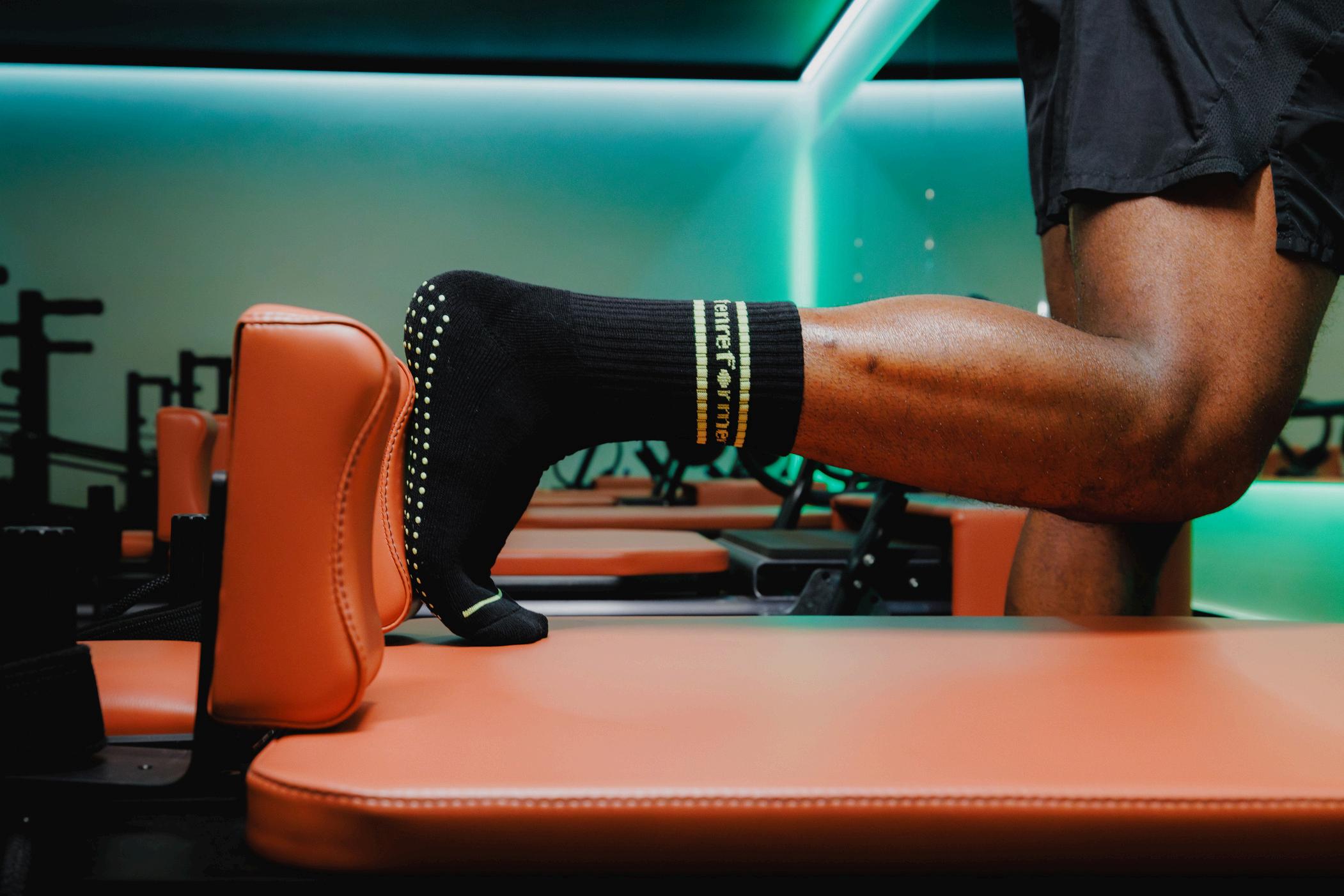

by CJ Zarb
When CEO of tenreformer and Ten Health & Fitness Joanne Mathews first discovered Pilates in the UK, it wasn’t through trend, curiosity, or the growing wave of boutique fitness It was through necessity.
In 2007, a serious car accident left her with “a rotated pelvis and a lot of soft tissue damage, I could hardly walk, ” she recalls “It was a difficult year. I lost my job. Everything changed. ” Having come from a background of sport and team activity, she had never been someone who lived in the gym Pilates, specifically reformer Pilates, changed everything “I could get fit, strong, and balanced, ” she says and that personal transformation shaped the future of the business she would go on to build
Fast forward eighteen years and Ten Health & Fitness now stand as one of the most respected multisite, multiservice, brands in the UK, with an integrated clinical approach, one that spans injury rehab, recovery, wellness, and fitness “We’ve been doing this quietly for 18 years, ” Joanne says “Our physios use Pilates clinically. It supports injury to recovery, then maintenance, wellness, and fitness It’s a modality that works across the full spectrum of someone’s life ”
Today’s Pilates landscape looks markedly different from when Ten first opened its doors New concepts emerge at pace, price-point accessibility is reshaping the market, and a younger generation of fitness consumers is discovering reformer Pilates through entirely new formats.
“The world is very different now, ” Joanne reflects “I want to evolve what we do so it’s far more accessible to a wider group of people - more Pilates for more people, in more places. ”
That intention underpins tenreformer, a considered evolution of Ten’s offering Designed to be both safe and sustainable, the concept meets the modern consumer where they are: energetic, curious, time-poor and seeking meaningful results without compromise
“I was a bit annoyed, ” she admits, with a smile “Pilates went from something few people were interested in, to exponential growth almost overnight Ten has the credentials to help make Pilates part of the mainstream - done properly ”
It was this conviction that led Joanne to present the tenreformer franchise concept to her investors Driven and clear in her vision, she is unapologetically focused “I’m single-minded, ” she says “I want to take Ten international - authentically - with the education team in place to deliver it. We can scale quickly. We’ve built a new brand and a business-in-a-box to support that growth ”
Unlike many low-cost, high-volume reformer models, tenreformer is grounded firmly in fundamentals. Every instructor follows a rigorous education pathway through TenEducation - Ten’s inhouse academy - ensuring depth of knowledge, consistency of delivery and, critically, safety “Consistency matters, ” Joanne says “It’s how you protect both the client experience and the method itself ”
“It’s hard to find instructors So, we built a pathway Our Head of Education is BASI trained and a Balanced Body educator. We’re a Balanced Body accredited centre ”
The philosophy is simple: everyone deserves Pilates done well And everyone deserves to feel like they belong. This is where Ten has always stood firmly apart from the polished, intimidating
aesthetic often associated with reformer studios. Joanne doesn’t shy away from acknowledging the stereotype - and challenging it
“There’s this image of skinny women in Lycra on Instagram Ten is not about that. Ten is a positive (number) and inclusive and educative she says It supports people “post-accident or injury or those going through menopause - this is not about aesthetics It’s about fitness, strength, sustainability, and being healthy ”
Culture is everything tenreformer is about Pilates for every bodya non-judgemental environment, ” she stresses We are building a community a place where people feel they belong It’s about relationship and engagement. It’s a human interface. We invest in people ”
tenreformer classes sit across a structure that empowers everyone to access Pilates at their level - whether they’re beginners, runners, fitness lovers, or seasoned Pilates practitioners “People are accessing at their level They’re fit They’re runners, ” Joanne says The Ten brand pioneered dynamic Pilates in the UK years ago, with a pay-as-you-go structure that welcomed people into the modality in an accessible and modern way Now, tenreformer deepens that commitment with class styles like Move, Burn, and Focus - supported by warm-ups, cool-downs, mindfulness moments, breathwork, and strong cueing
Even the studio design reflects care and thought “We wanted to ground people in the space, ” she explains Light shifts subtly with class intensity, scent is used to anchor people into presence, and music supports experience without overpowering movement “It tells you to forget everything and be in your space - to look inward ”
For Joanne, Pilates has never been a passing phase It is something deeper, more enduring - a practice that evolves alongside the body itself “Pilates is a life-stage product, ” she says “In your twenties, you explore it In your thirties, it adapts around pregnancy and recovery Later, it becomes integral - supporting rehabilitation after surgery, playing a role in clinical settings, and offering vital support through menopause ”
It is this adaptability, she believes, that makes Pilates such a powerful modality Intelligent, precise, endlessly relevant - a system designed not to push the body beyond its limits, but to sustain it for the long term
Yet Joanne is unequivocal on one point: accessibility should never dilute quality. The rise of low-cost, high-volume reformer studios has democratised Pilates, and she acknowledges their place But longevity, she says, belongs to those who prioritise expertise, attention and integrity “Only the brands that deliver real quality will last. ”
In an industry that is expanding at speed, Joanne’s perspective is a reminder that true wellness is not about trends - it’s about practices that endure, evolve and continue to serve the body, year after year
Despite the turbulence the sector has faced - including the loss of more than 80 per cent of her workforce post-Covid - Joanne remains resolutely forward-looking There is a sense of momentum at Ten, underpinned by a franchise model that prioritises community, accountability and shared purpose
For Joanne, tenreformer’s success lies in alignment. “Owneroccupied works best, ” she says “It feels like a natural extension of us - shared risk, shared belief ” That philosophy has allowed Ten to grow without diluting its values, creating environments where clients feel supported and staff can build meaningful, long-term careers “We change clients’ lives every day, ” she adds “And we give our teams careers with real purpose ”
Looking ahead, Ten is leaning decisively into the longevity conversation Strategic wellness partnerships, deeper community engagement and a continued commitment to bridging the gap between the medical sector and premium fitness are shaping the next chapter. “Ten is beautifully poised to look at longevity, ” Joanne says “We sit between medical and mainstream fitness The question is no longer just how to move - it’s how to live longer, better We’re broadening both the space and the narrative. ”
One thing hasn’t changed since 2007: Joanne’s belief in Pilates as a life-changing force
“We can solve a lot of problems, ” she says simply And with tenreformer, she intends to take that solution to more people, in more places than ever before
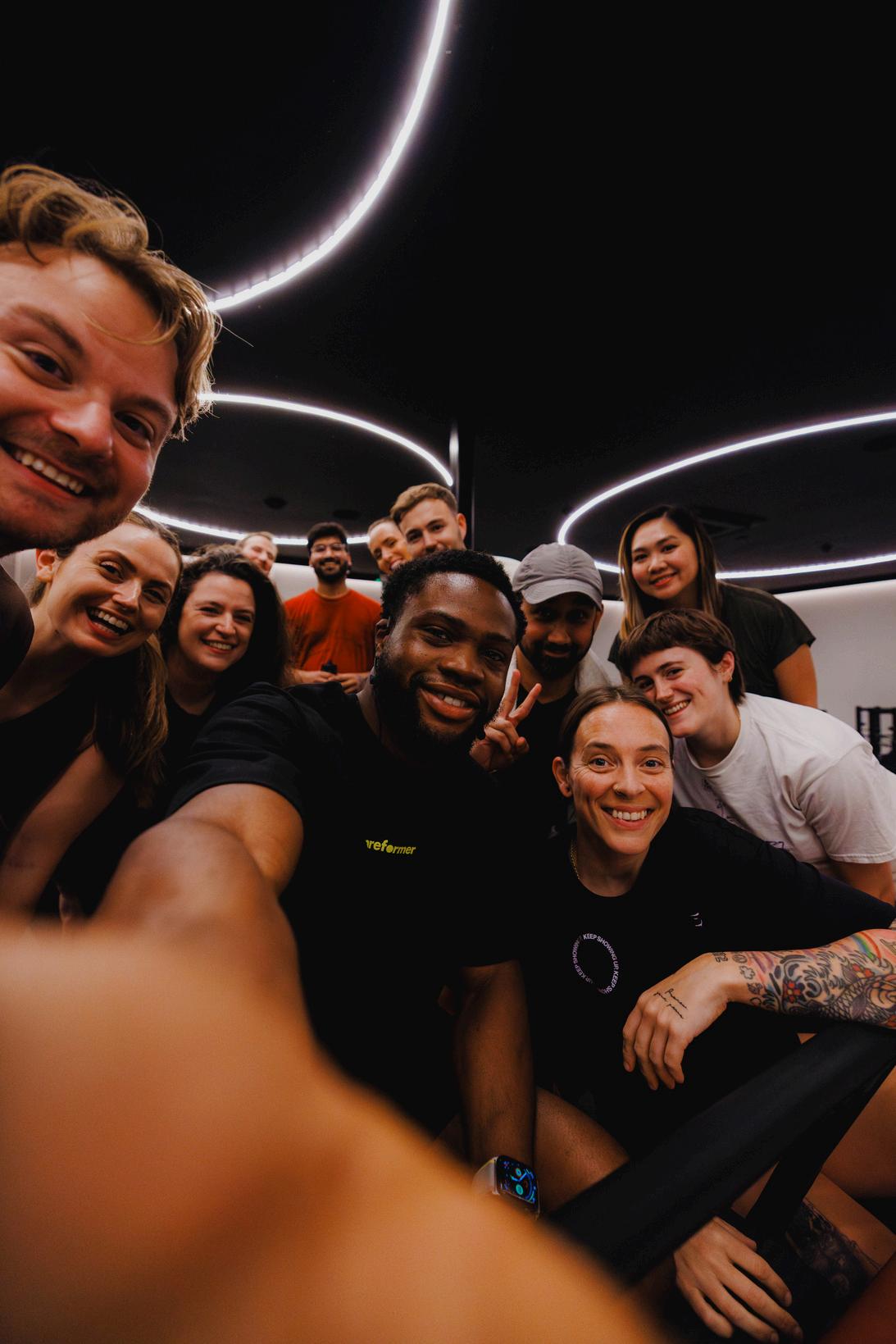
Joanne Mathews is the founder and CEO of tenreformer and Ten Health & Fitness, inspired to launch the business in 2007 after a life-changing car accident led her to reformer Pilates . Nearly two decades on, she has built one of the UK’s most respected Pilates brands, championing expert education and inclusive, accessible movement for every body
KIRSTEN KING’S MISSION TO SUPPORT THE NEXT GENERATION THROUGH FUNCTIONAL MOVEMENT
by CJ Zarb
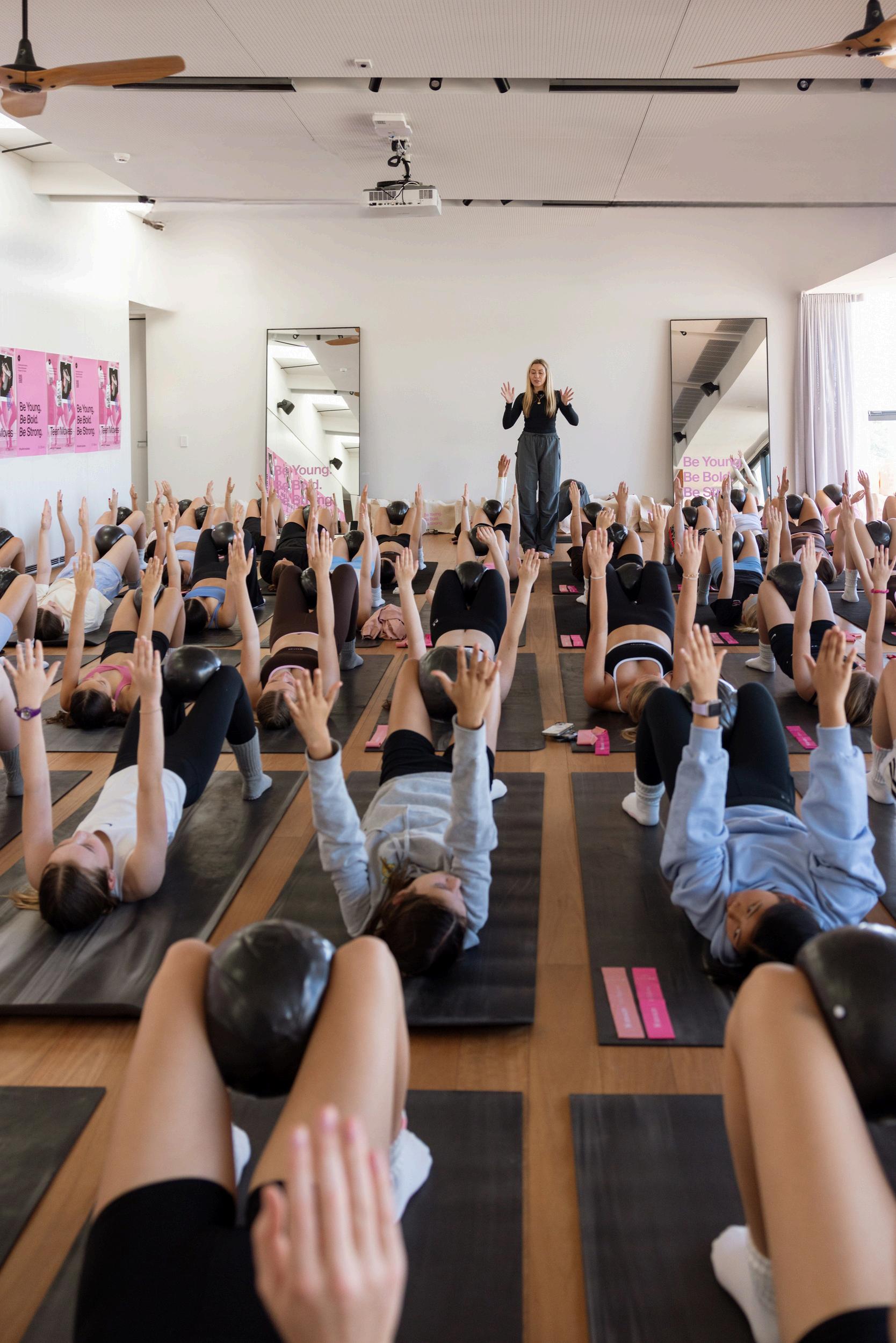
When internationally respected Pilates educator Kirsten King, also known as Kee, founder of Fluidform, began working with her eldest daughter after a major surgery, she had no idea the experience would spark a movement program designed to support teenagers everywhere
“My eldest daughter Charlie underwent an appendectomy when she was 12 years old, ” Kee explains “I worked with her over 12 months to gently reconnect her abdominals post-surgery, bringing them back together through breath work and functional movement. ”
What emerged from that year was more than physical rehabilitation - it was a deeper understanding of how profoundly teenagers need movement that is considered, functional, and emotionally supportive
“Body awareness, core strength and stability is an area I feel deeply connected to and passionate about, ” Kee says. “When it comes to guidance and education in this space, resources are limited ”
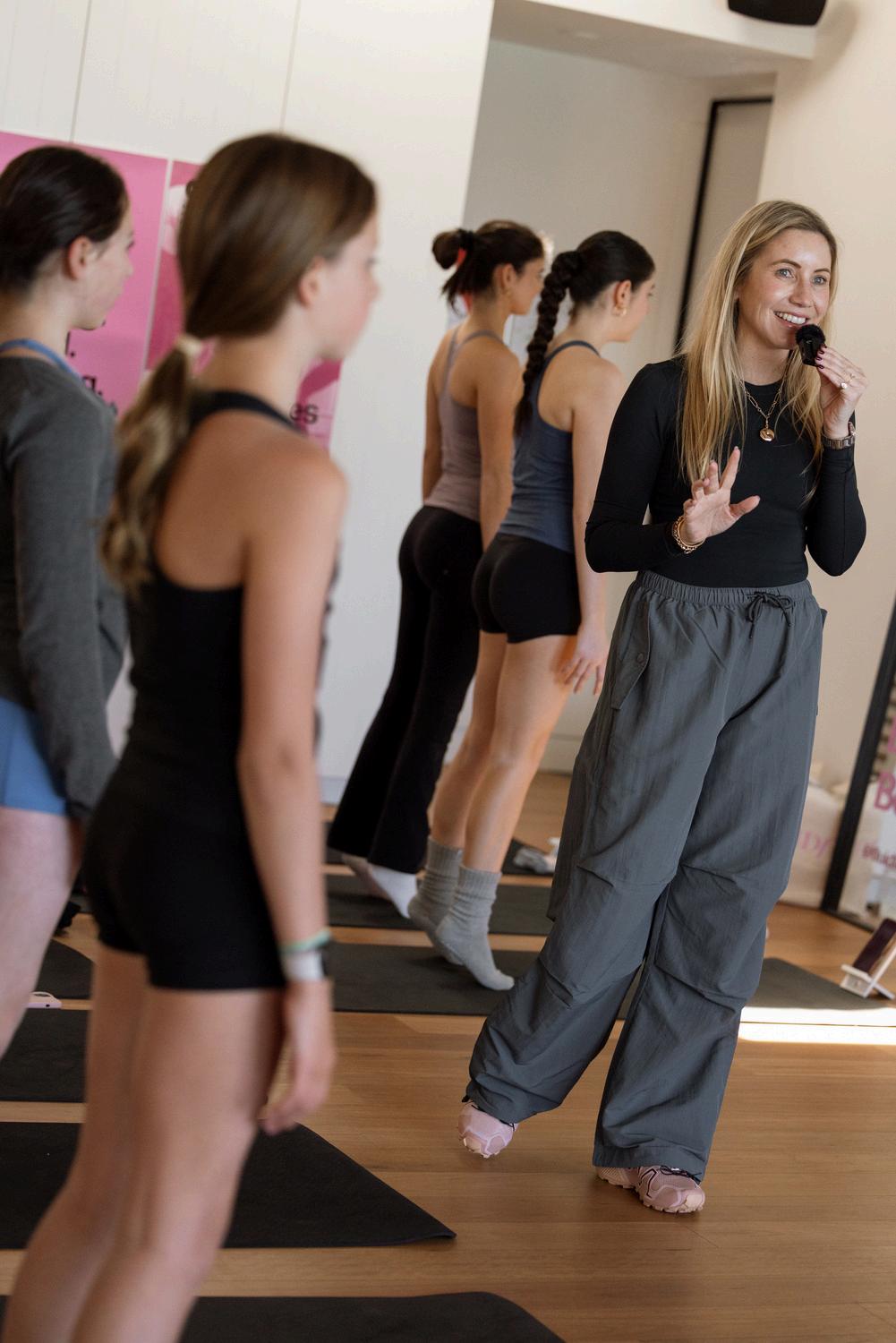
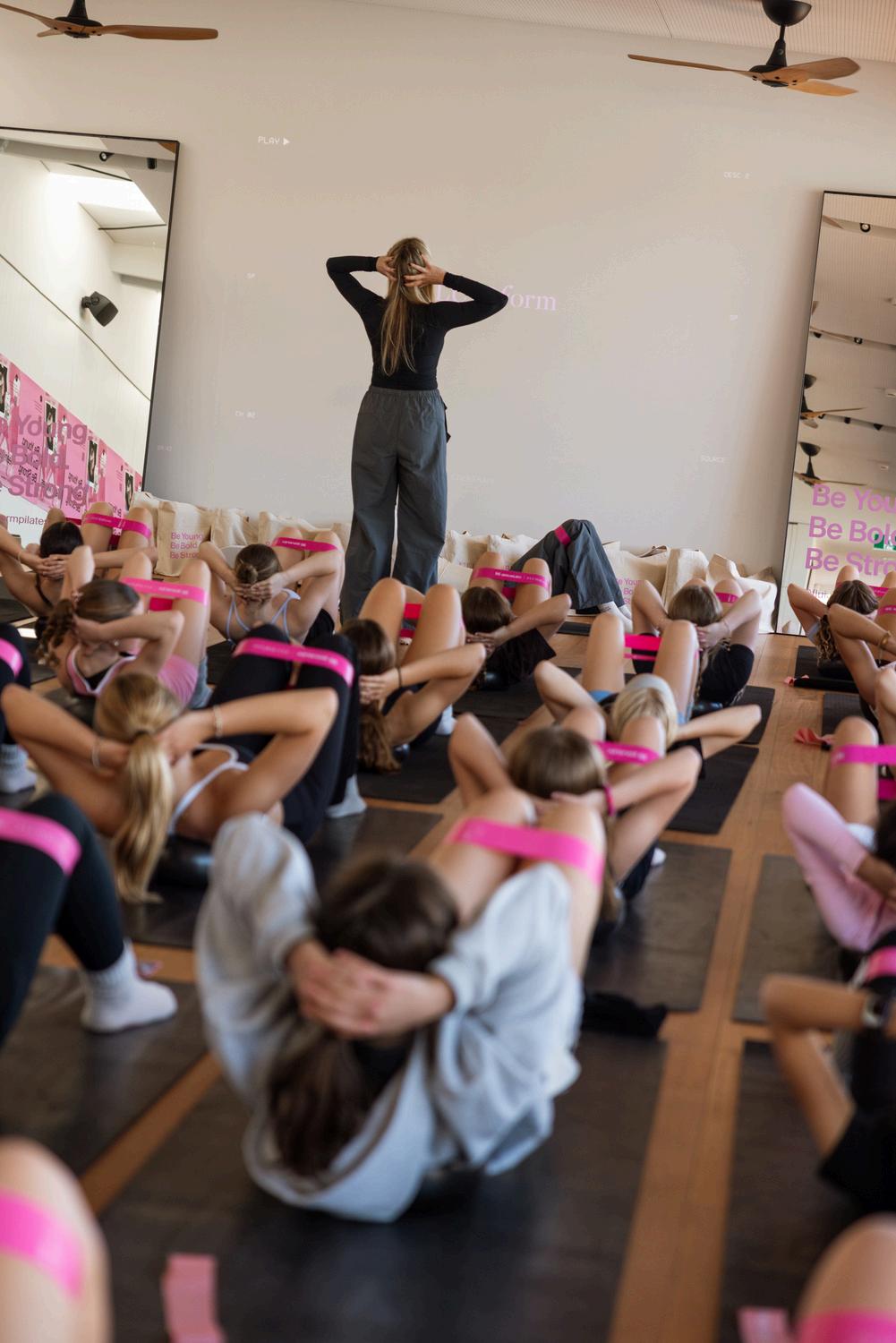
This gap in education, combined with the realities of teen life today, became the catalyst for Teen Moves with Fluidform - a dedicated tween and teen Pilates program that is supporting teenagers across the globe
Why Teenagers Need Better Support
According to Kee, growing bodies endure enormous physical and emotional load Heavy school bags, academic pressure, long hours sitting at desks or hunched over screens, and the social intensity of adolescence all leave their mark, often in ways teens don’t yet recognise
And while for some, compulsory sport drops off in later highschool years, screen time, online trends, and comparison culture accelerate The result? A generation navigating posture issues, body image challenges, and movement imbalances without the tools to support themselves
The statistics speak clearly:
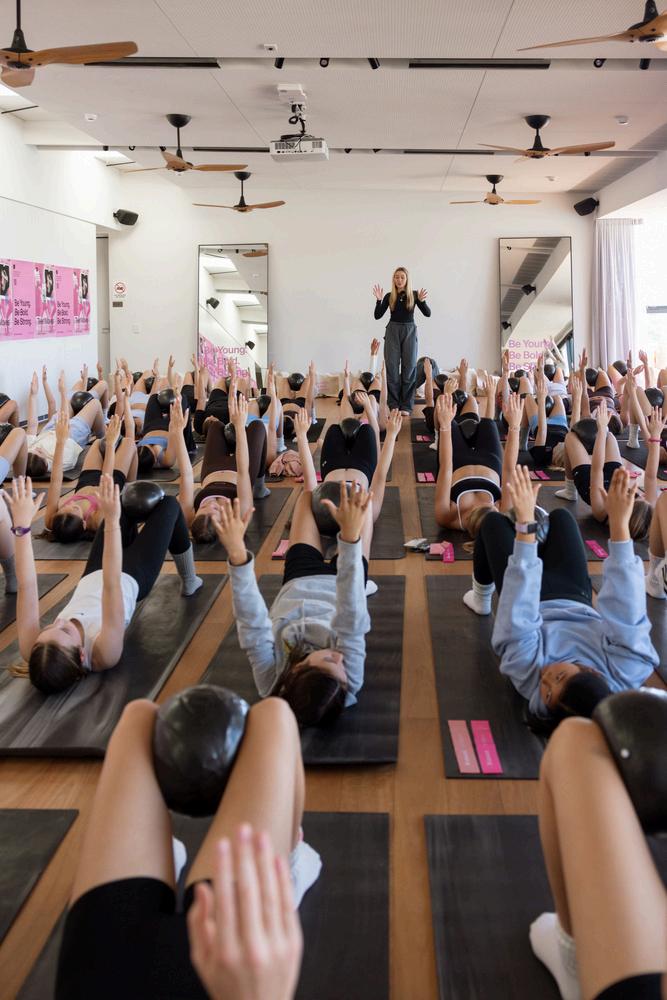
By age 14, 43% of girls who once considered themselves “sporty” disengage from sport* Their reasons include:
Fear of being judged
Lack of confidence
Academic pressure
Not feeling safe outdoors
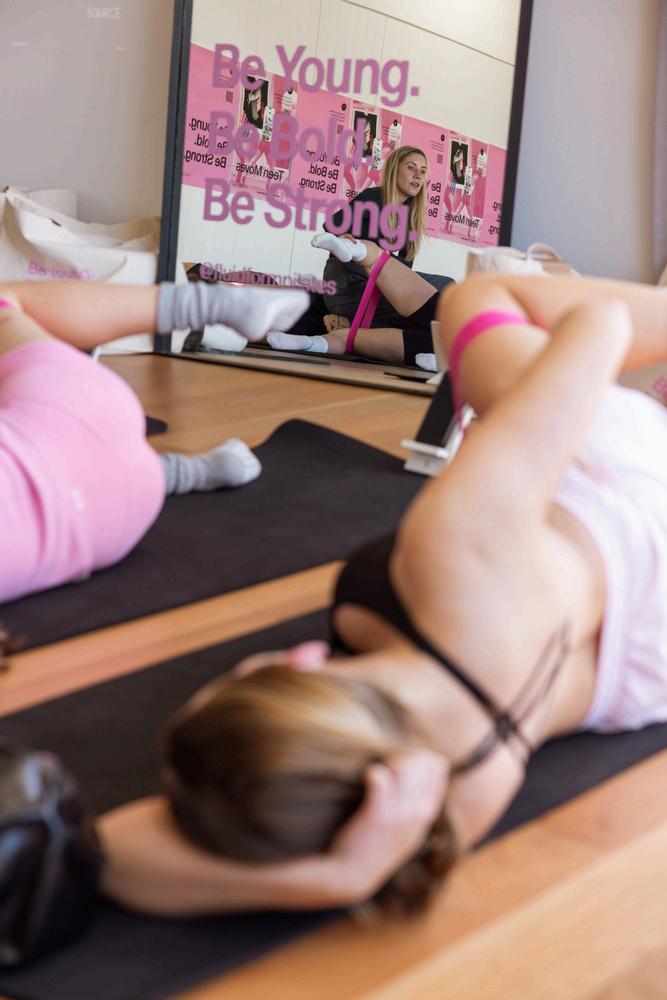
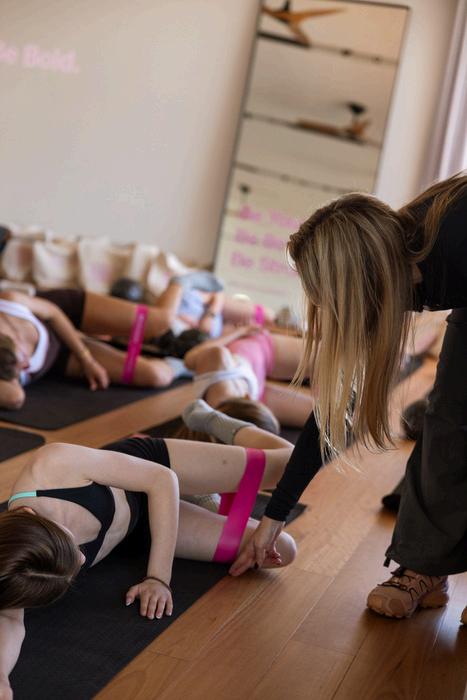
Kee sees the consequences daily - particularly in young girls seeking aesthetic-based exercise trends online. “Young girls are following YouTube workout videos or taking up running in order to look a certain way, ” she says “Coupled with carrying oversized school bags and playing intense sports, our teens are overusing joints and muscles without any concept of body awareness, core connection and stability ”
The physical implications - hip, lower back and pelvic imbalancescan have long-term consequences But Kee is equally concerned about the emotional impact: “Not to mention the d to their confidence and sense of self ”
A Mother, a Teacher, and a Movement Advocate
As a mother of three daughters and a teacher to th parents and young people, Kee understands firsth complexity teens face today
“I hope to help navigate positive body awareness through discovering a mind-body connection, teac importance of core strength and the power of func movement, ” she says “I want to teach young peop goes beyond physical benefits- it has the ability to way we breathe, move and live with confidence ”
“Teen Moves was shaped by my studioexperience realised young people lacked trustworthy, clear gu movement that supported their developing bodies created this hybrid program, dedicated teen classe paired with a comprehensive online program for h making high-quality, safe instruction accessible to everywhere, ” she explains
“I want to teach young people that exercise goes beyond physical benefits- it has the ability to transform the way we breathe, move and live with confidence.”
Why Pilates Works for Teens Joseph Pilates himself understood the importance of early movement education:
“In childhood, habits are easily formed – good and bad Why not then concentrate on the formation of only good habits and thus avoid the necessity later on in life of attempting to correct bad habits and substituting them for good habits ” Joseph H Pilates, 1934
Kirsten King is the Founder of Fluidform Pilates. You can find out more about her method via fluidformpilates.com/ or her Fluidform Training program training.fluidformpilates.com/
by Gaby Noble
A cue is never just a direction It’s an invitation An image A bridge between the mind and the body. And for it to truly work, it must be given space to land, to be heard to be absorbed before something new is added
The same cue will not land the same way for every client. We all process information differently
Some clients respond well to anatomical language, though many don’t Others light up with imagery “melt your ribs”, “float the arms”, “grow tall through the crown”. Some need tactile feedback Some need demonstration And some simply need space
The art of cueing lies in recognizing these differences Visual, auditory, kinesthetic learning styles shape how cues are received and embodied
Yet regardless of the style of Pilates you teach, there is one universal truth: too much information overwhelms the nervous system
Especially for new clients
When we over-cue, over-explain, or layer instruction upon instruction, the body doesn’t integrate, it braces
For a cue to truly land, it needs space
The cue is offered
The client hears it
They digest it
And then, it translates into the body
That translation takes a moment
Less is more
As teachers, we often fill the silence because we are uncomfortable with it Silence can feel like we are not “doing enough ” We may worry the client needs more clarity, more guidance, more direction
But often, the opposite is true
The quiet moments are where the work happens
When we step back, the client steps in They begin to organize themselves They sense They adjust They take ownership And most importantly, they feel.
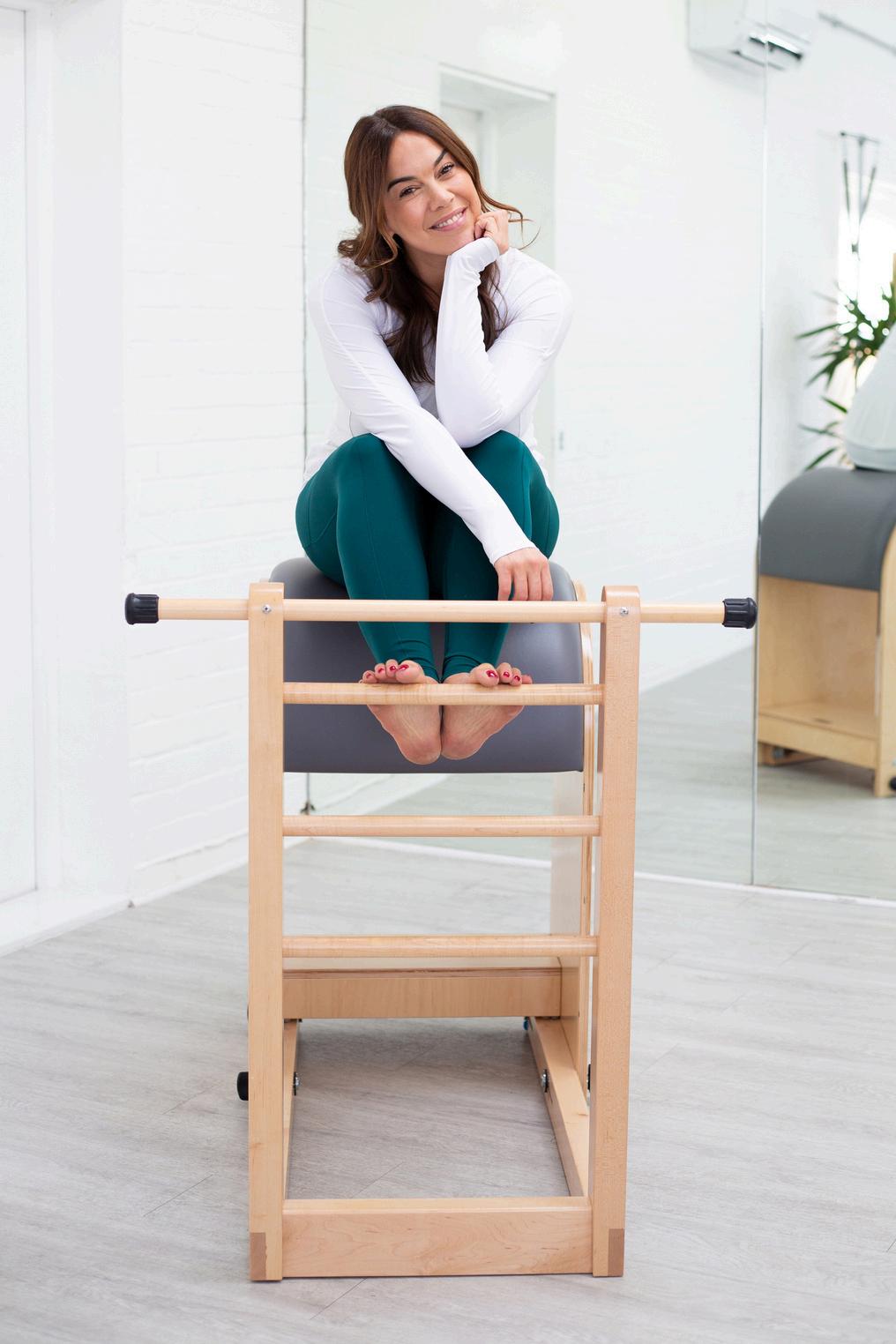
y that noise, a Pilates studio can become something different A place to switch off A place to reconnect and realign
A place where fewer words carry more weight
Where one precise cue replaces five corrections
Where the client learns to trust what they feel and build their practice from the inside out
Effective cueing isn’t about saying more, it’s about saying what matters
As practitioners advance, the work requires less and less external direction Eventually, the client no longer waits for instruction because the body understands by moving from within That is where the real practice begins and it’s certainly an empowering place to be
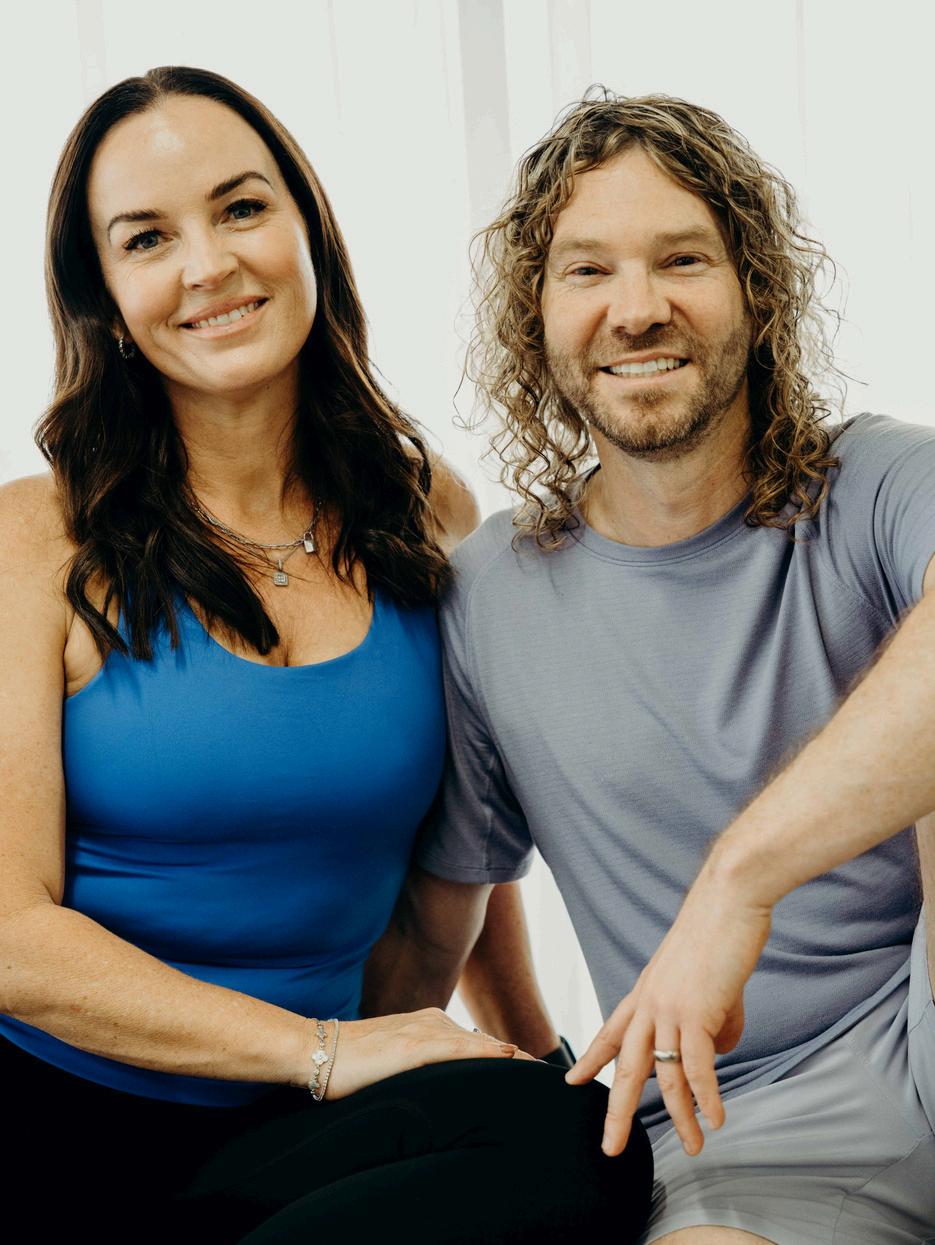
Gaby Noble, founder of award-winning Exhale Pilates London, brings over two decades of experience in practicing and teaching Pilates. With a dedication to the method's truest form, Contrology, Gaby's expertise extends beyond her 3 London studios As an industry authority and educator within the global Pilates community, she has established her own Teacher Training school, shaping the next generation of Pilates teachers.
by Emma Wood
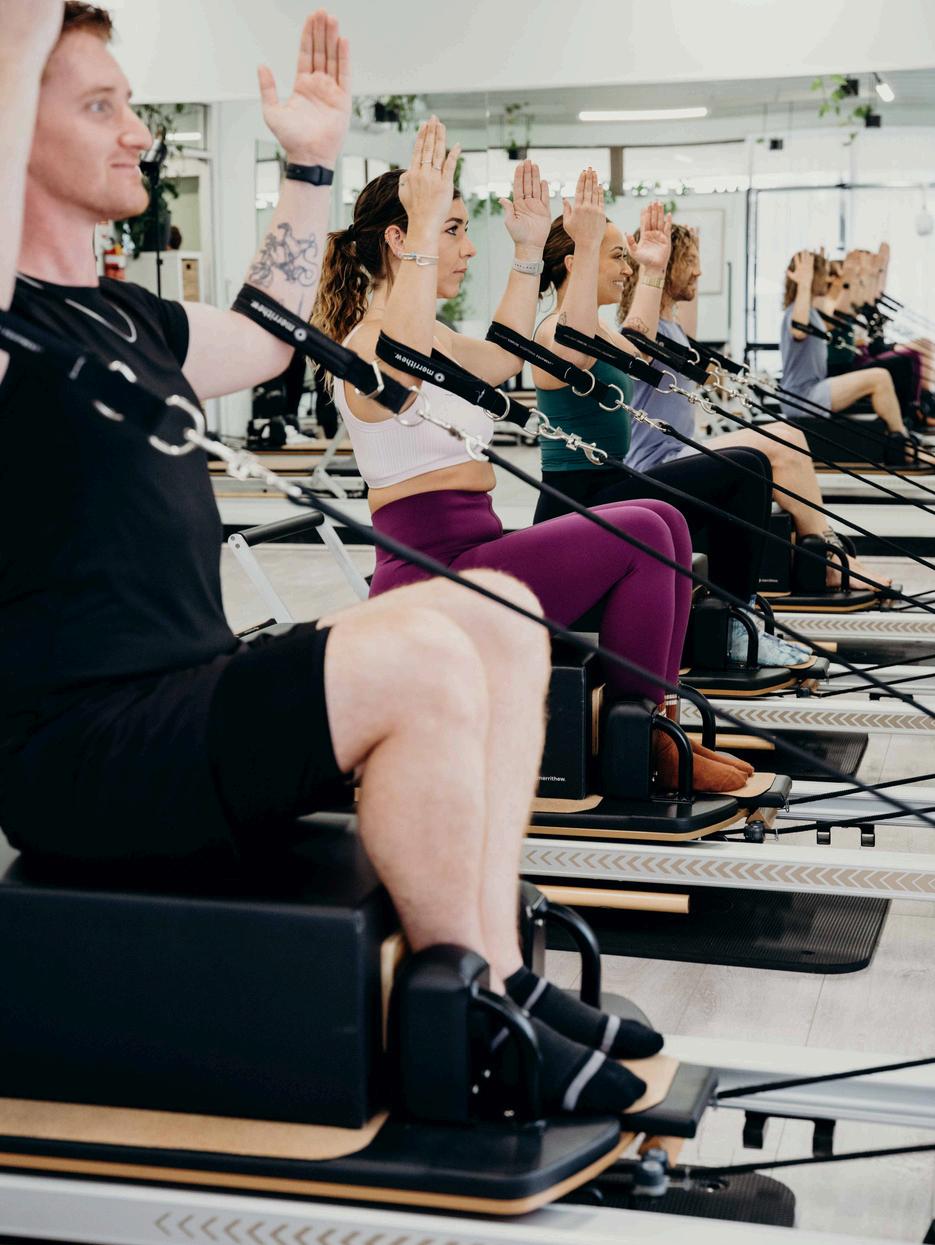
In today’s evolving Pilates landscape, studio owners are faced with a critical decision: invest in standard equipment or invest in excellence
For Rebecca Andrews, founder of Pilates Utopia Perth, Australia, the choice was clear from the beginning
“My journey into Pilates began through a deep interest in movement, ” she explains. “Being in the professional dance industry as a child, teaching dance into adulthood, and having five children, my body definitely had its fair share of wear and tear This is when I found Pilates ”
Rebecca completed her full certification with STOTT Pilates and, through dedication and rigorous study, became an Instructor Trainer for the STOTT Pilates method, travelling across Asia and Australia to educate other instructors. Years spent working alongside physiotherapists delivering rehabilitation sessions reinforced her belief in precision-based, evidence-informed movement

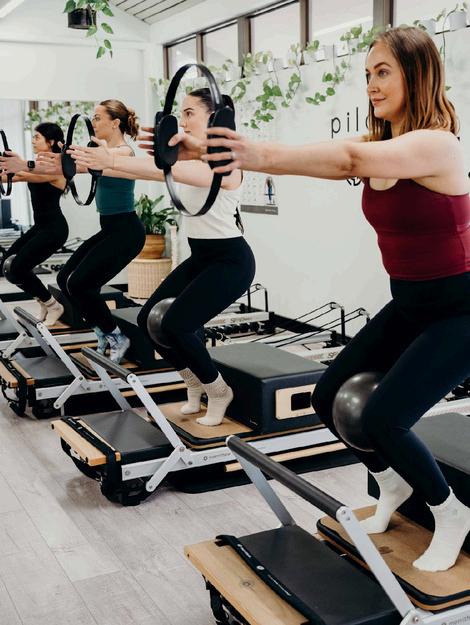
“I was drawn to the ability to be able to transform not just how people move, but how they feel in their bodies both physically and mentally, ” she says “Opening Pilates Utopia Perth with my husband was a natural progression for us; we wanted to create a space that reflects excellence in education, movement integrity, and a genuine sense of community ”
When it came time to design her studio, Rebecca approached equipment selection with the same standards she applies to teaching
“Quality, durability, and precision were non-negotiables for us. I also did my training on all of the Merrithew equipment so I knew the quality was the best We wanted equipment that aligned with our teaching standards and could support a wide range of clients Merrithew equipment ticks all the boxes for us. ”
From her experience across multiple brands, the difference is unmistakable
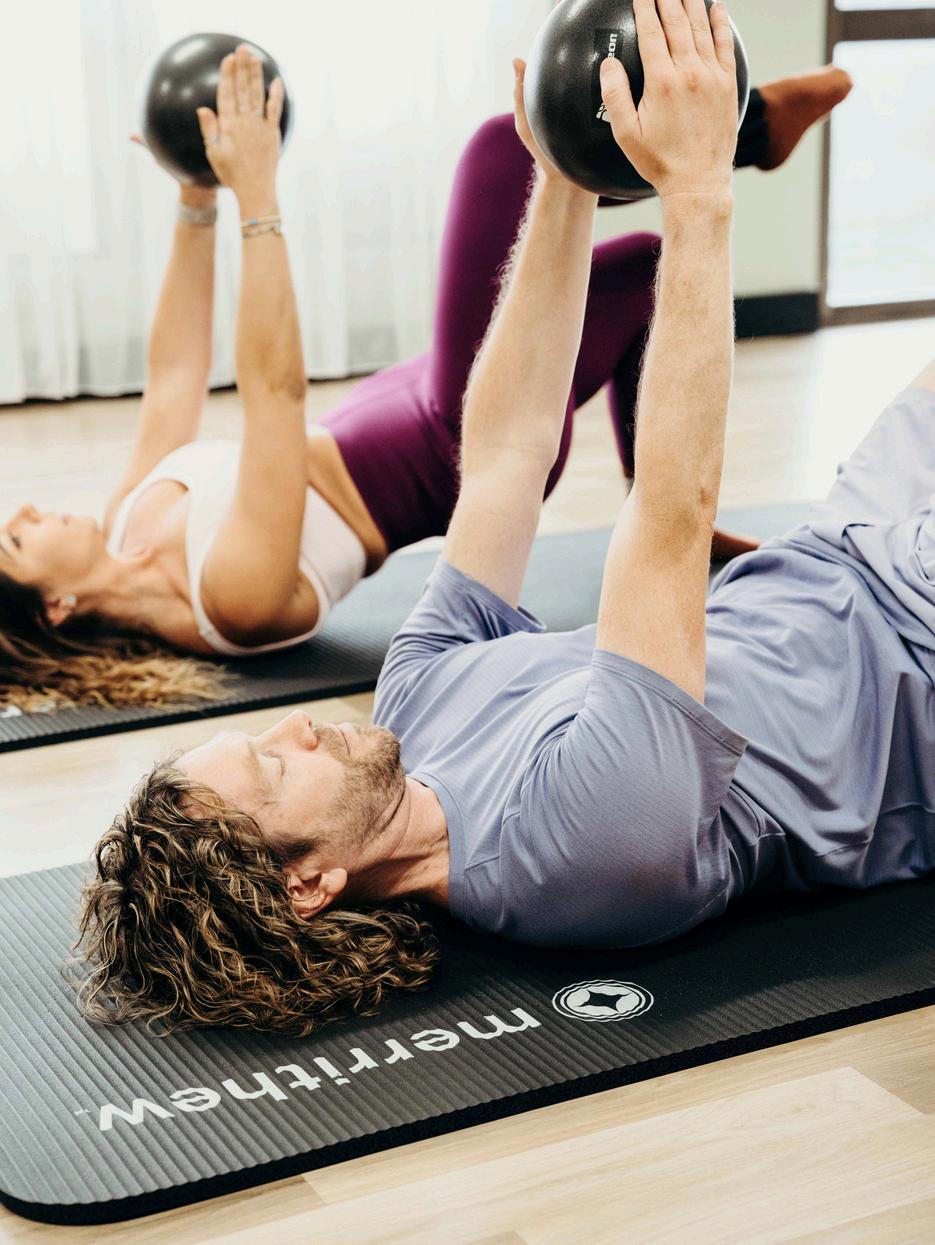
“First of all the quality - it’s the difference between flying economy versus first class, ” she says “The durability and the ‘harder’ feel give clients great feedback The spring resistance feels ‘heavier’ than other brands on the market, making them excellent for building strength. ”
She also highlights one of Merrithew’s signature features: “The retractable rope system on the reformers is fantastic It allows instructors to adjust rope lengths quickly and easily, which is great in a class setting ”
Beyond performance, longevity matters
“They last, maintenance is easy, and there are replacement parts for wear and tear which means you don’t need to buy a whole new machine if something breaks ”
At Pilates Utopia, the philosophy is clear: every client deserves a premium, personalised experience
“We aim to create an environment where clients feel supported, challenged, and empowered, whether they’re rehabilitating, building strength, or enhancing performance It’s about delivering a premium, personalised experience every time. ”
Merrithew equipment supports that mission through versatility and precision
“The versatility and adjustability of the equipment are key It allows us to seamlessly modify or progress exercises, making it suitable for everyone from rehabilitation clients to high-level athletes, all while maintaining safety and precision ”
Clients notice the difference.
“They consistently comment on how comfortable, supportive, and smooth the equipment feels Many also notice the difference in quality compared to other studios, which reinforces their trust in both the experience and our expertise ”
For Rebecca, that trust is invaluable in a competitive market
“Clients are becoming more discerning, and premium equipment plays a significant role in both their experience and perception of your brand It reflects professionalism, commitment to quality, and attention to detail It not only needs to look good, but also be functional for what you’re using it for. ”
Rebecca’s advice to studio owners considering an upgrade is simple:
“Invest in quality from the start While it may be a bigger upfront commitment, it pays off in longevity, client satisfaction, and overall studio reputation. Also, choose a supplier that offers strong support and understands the industry ”
Looking ahead, Pilates Utopia Perth continues to grow as a centre of excellence. As a Host Training Centre for STOTT Pilates, the studio delivers high-level education in a professional environment and Merrithew remains central to that vision
“As we expand, Merrithew equipment will continue to play a central role in supporting our growth We are looking forward to upgrading our studio by incorporating towers and mat converters with our SPX Max Reformers, allowing us to introduce tower classes and further enhance our programming and client experience ”
For Rebecca Andrews, the formula is clear: exceptional education, intentional community, and equipment that performs at the highest level
Because when your mission is excellence, your equipment should be first class.
If you’re interested in finding out more contact Mark from Leisure Concepts at mark@leisureconcepts.com.au or call 0434 149 440
Find out more about Leisure Concepts.
by CJ Zarb
In an industry often driven by youth, aesthetics and intensity, one studio is quietly and powerfully shifting the narrative
At Harmony Pilates in Victoria, Australia, founder Aislinn Butler has created something both refined and revolutionary: Golden Girls an intimate, premium Pilates experience designed exclusively for women over 60. Not as rehabilitation. Not as a simplified alternative But as a celebration of strength, longevity and connection in one of life’s most vibrant chapters
The inspiration came from a gap Aislinn could no longer ignore.
“We saw a real need for women over 60 who wanted to continue moving in a way that felt elevated, intentional and in a beautiful space, not as an afterthought, ” she explains “Many of my clients were recovering from injuries and wanted an experience that felt inspiring ”
“In my view, traditional community or council-run classes didn’t always provide the small-group attention or the luxury experience that people were looking for, so hence Golden Girls was born to celebrate this stage of life - strong, social, and deeply connected ”
A Boutique Approach
“We wanted to create deliberately intimate classes, ” says Aislinn “Our Golden Girls sessions are capped at just six clients and led by highly experienced instructors with a deep understanding of women’s health, bone density, postural change and age-related strength considerations, and our programming focuses on what matters most at this stage of life ”
“Every session is designed around functional strength, mobility, and balance, but delivered with the warmth and personalisation of a private session ”
She is equally intentional about the environment
“We also understand that the experience itself is just as important The studio is calm, softly lit, beautifully scented It’s a far cry from a fluorescent hall or generic gym setting it’s a place our Golden Girls genuinely look forward to coming to ”
Each 45-minute session incorporates targeted, practical work:
• Targeted balance training
• Strength development to support muscle mass and bone density
• Guided mobility work for healthy range of motion
• Individualised attention to ensure safe and effective movement
And then - something just as important: Connection
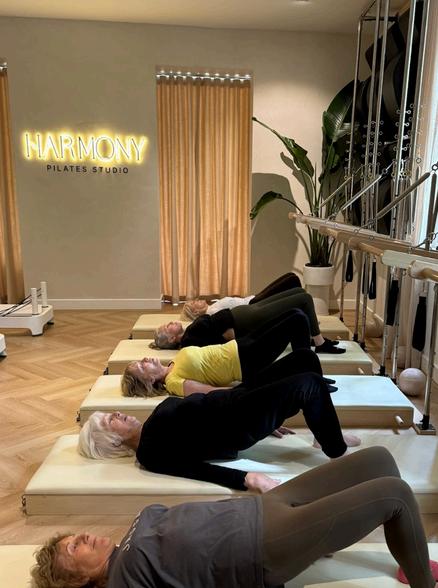
“After class, our clients stay for tea and conversation The ritual transforms the session from exercise into community It creates rhythm in the week, accountability in attendance and genuine friendships, ” she says
Aislinn frequently encounters misconceptions about exercise later in life
“I often hear that it’s too late to start, or that strength work is unsafe. In my view, it’s never too late to improve bone density, balance, and muscle tone and movement plays a huge role in cognitive and emotional health too ”
The focus isn’t perfection - it’s confidence
“We often remind our clients: the goal isn’t perfection or flexibility, it’s confidence, control, and connection in how your body moves through everyday life ”
The boutique format allows for thoughtful modifications “Our boutique classes are also able to cater for each person’s needs We have plenty of props to make positions more comfortable if needed, sheep skin for under bones, boxes to support forearms as an alternative to bearing weight on hands and wrists, varying heights of head rests, stability poles and soft mats ”
It’s clear that the results speak for themselves
“We’ve seen clients improve their posture, confidence, and balance but also rediscover their sense of community and that social connection creates accountability to keep them moving, ” she explains
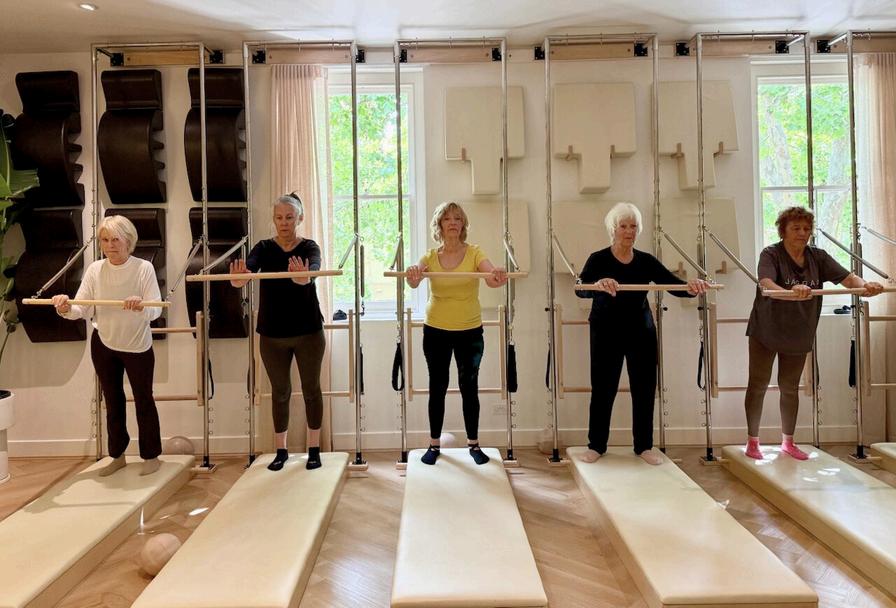
“The class and catch up creates structure for the day ”
For Aislinn, the group dynamic is the heart of the program. “It’s everything The group energy is joyful, encouraging, and nurturing There’s no ego, no pressure, just women each other on That sense of belonging turns movement thing they want to do, rather than something they should at’s where the magic happens ” head
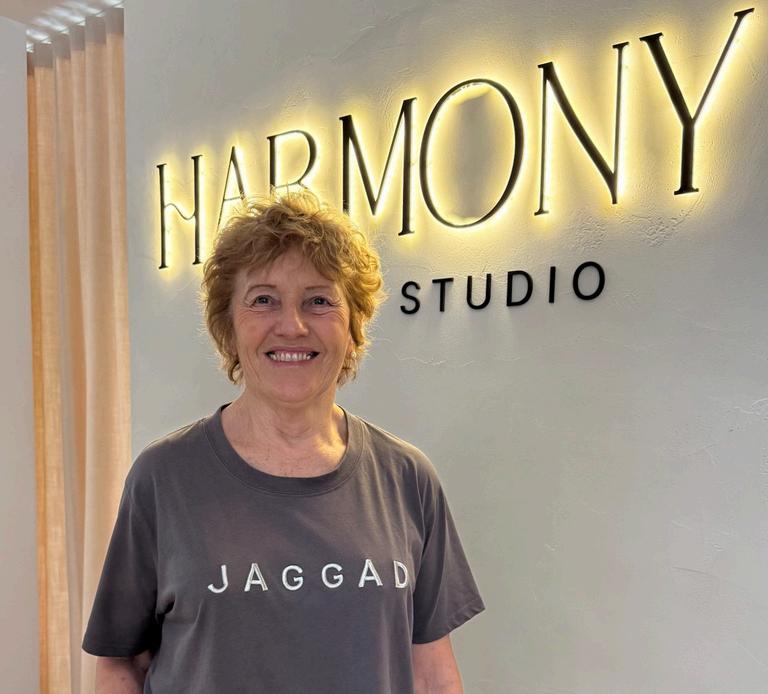
ontinues to grow. onse has been fabulous, so we’re adding new class times emand and exploring ways to expand the concept into a embership with like-minded partners that can add value autiful Golden Girls community. ”
n hopes the industry takes note
e to see more Pilates spaces recognising this hic not as an afterthought, but as a vibrant, loyal, and ommunity deserving of premium, purposeful ing ”
rls is a reminder that strength has no expiry date and gramming, environment and community align, movement something women choose, not something they feel do.
utler’s the owner of Golden Girls Albert Park in Victoria, She’s been practicing Pilates since the age of 10 er Ballet training Now retired from dance has now hing for 15 years. Ash studied Mat, Reformer and equipment through Peak Pilates and is certified in pre and post natal, Barre, Spin, TRX, kettlebells and Oov instructor
by Mara Sievers
If you’ve been around the Pilates world for any length of time, you’ve probably heard both sides of the “how much detail is too much?” debate.
On one hand: People just need to move more Stop micromanaging Stop over-cueing Let them move
On the other: Nuance matters The details matter Pilates is all about moving BETTER, not just MORE
As Joseph Pilates himself put it:
“Contrology is not a fatiguing system of dull, boring, abhorred exercises repeated daily 'ad-nauseam ” and
“Concentrate on the correct movement each time you exercise, lest you do them improperly and lose all vital benefits ”
Pilates a method rooted in intentional movemen repetition If we want to help someone truly imp move, we have to guide them purposefully
I’ve seen this firsthand.
My back has been cranky lately, and I’ve learne hypermobile lumbar spine needs stability
But if I do the entire stomach series on a day w feels weak, it only makes things worse Becaus to do too much of a good thing
Dosage matters!
The same goes for knee pain Strengthening yo muscles can absolutely create stability around y random jumping, running, or even long walks m worse
When you lay it out like that, it sounds obvious answer is: it depends
And yet we still contradict ourselves all the time.
We say “just move more” but also obsess over every cue We say “move with control” but also “don’t overthink it” We preach precision . . . and then remind people to “just keep going”
Here’s the paradox: Both sides are valid
Yes, most people benefit from simply moving more Just getting out of the chair or off the couch is already a huge win
But HOW you move matters, too
It’s not either/or It’s Yes, And Yes, move more
And pay attention to how you move when you can Train to build muscle memory, so precision becomes automatic
Because the goal is to build toward more movement AND better movement
This “yes, and” principle doesn’t just apply to Pilates, it shows up everywhere
In fact, it’s actually a core rule in improv comedy, where performers are taught to accept what their fellow actors throw out there (“yes”) and then build on it (“and”) It’s how skits keep moving, ideas evolve, and possibilities stay open And, honestly, that mindset has helped me way beyond the studio
I believe in it so deeply that I recently got a vanity license plate that says YES AND Not kidding
Because any time I try to force one thing to be true and dismiss the other, I get stuck.
Mentally Emotionally Physically.
I feel frustrated and rigid because I’m trying to fight a paradox that isn’t meant to be SOLVED It’s meant to be LIVED
That’s what the ancient Chinese philosophy of Yin and Yang captures so well - the idea that opposing forces in life (like light and dark, hard and soft) aren’t static or in conflict They’re always interacting, shifting, and working together to stay balanced.
They’re not enemies - they complete each other
So let’s stop acting like we have to pick a side.
Instead of fighting over whether it’s better to get people moving or better to refine the details, let’s do both
Some days, we just need to move more To shake off the stiffness and get our blood flowing
Other days, we need one very specific exercise to feel better. Some people, at one stage in their life, benefit from general movement
But then, at another stage (after a joint replacement or an injury, for example), they need highly specific, targeted support Let’s teach in a way that honors nuance - without trying to cancel out its counterpart
We don’t need to erase intensity to value precision Simple intense movements (think pulses, isometrics, and slow motion) can be the pathway to precision - especially when we strip away distractions and focus on what matters.
And we don’t need to demand perfection to care about doing things well Because excellence doesn’t have to come from pressure. It can come from presence.
Let’s help people move - by choosing the right (amount of) exercise for the right person at the right time
That’s how we meet people where they are instead of where we (or they) wish they were Because Pilates isn’t about doing the most it’s about doing what’s most helpful
And remember: You don’t have to have all the answers You just need to stay curious
To listen
To meet the body in front you with both structure and softness Clarity and compassion
When you do, you’re not just teaching Pilates You’re guiding someone back to their body - and back to their life
WHAT
by ABC Fitness
Pilates is no longer a niche modality; it is one of the most powerful forces in global boutique fitness
Since 2019, participation in Pilates has grown from 9 2 million to 12.9 million people, a nearly 40 percent increase, according to Women’s Health Women now make up 70% of members at Pilates studios, and the category continues to mature
Yet the most interesting shift isn’t just growth - it’s behaviour. According to ABC Fitness data (November 2025), while Pilates saw a 6% drop in new joins year-over-year, it experienced a 4 3% increase in check-ins and a 9% decrease in cancellations The message for studio owners?
Commitment is deepening
Those who are doing Pilates are doing it consistently and staying longer Behind that loyalty sits a powerful driver: technology
A Unique Inflection Point
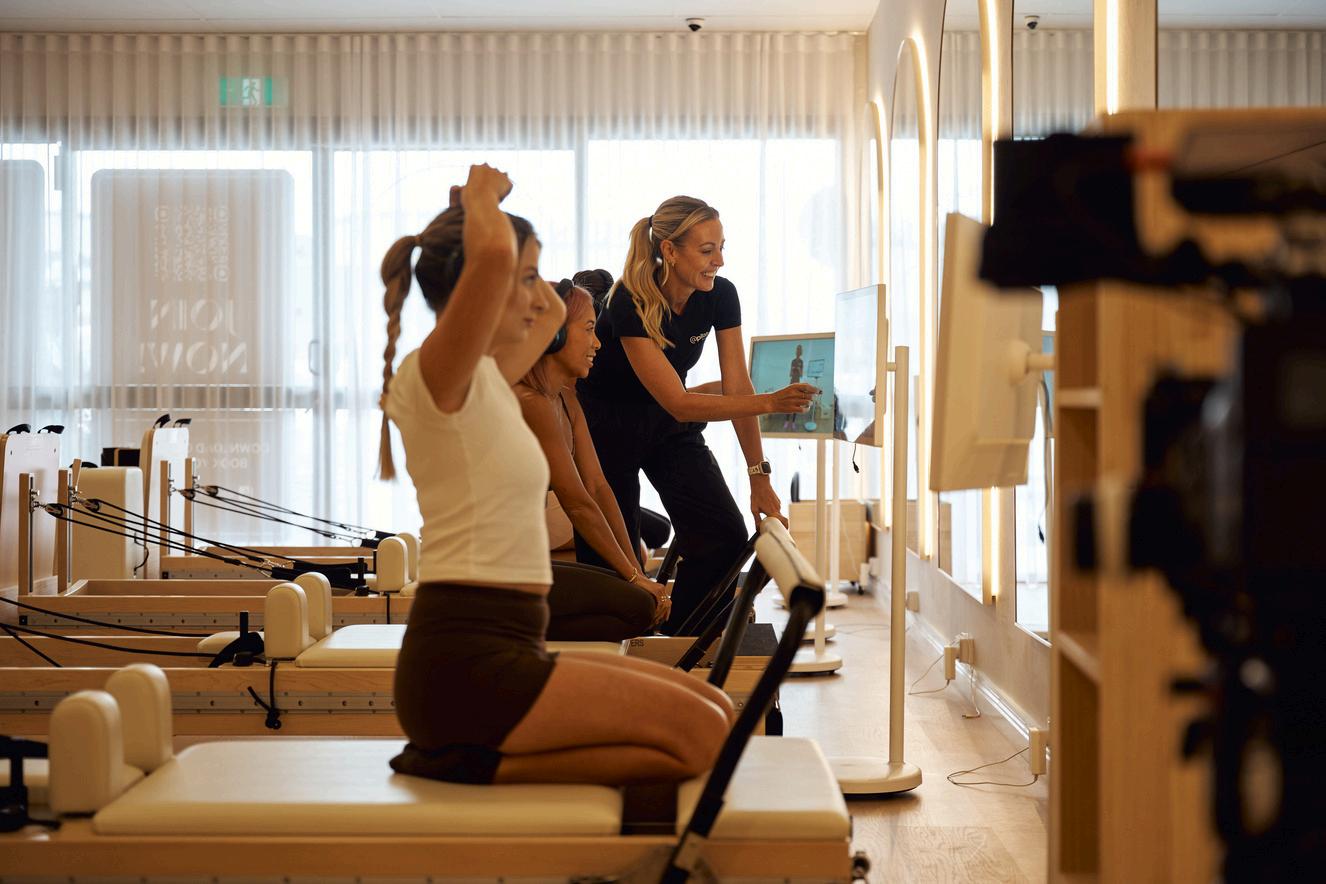
“Pilates hit a unique inflection point during the pandemic, when timing, accessibility, and consumer mindset all aligned, ” says Melissa Knowles, VP, Global Key Accounts at ABC Fitness.
“It adapts seamlessly to both virtual and in-person formats, which helped studios stay connected while other modalities struggled. At the same time, the in-studio experience offers something people were craving: community, personalization, and human connection ”
The blend of boutique experience with digital capability has separated Pilates from other fitness categories
For operators, however, this growth also brings complexity Rising demand, instructor shortages, and increasing consumer expectations mean that traditional systems are no longer enough
Technology is no longer a support tool. It is a growth engine. A Case Study in Scaling Smart: @pilates 24/7
Few operators understand this better than Tara Jarrett, CoFounder and CEO of @pilates 24/7 in Australia
“I have been part of the fitness industry since 1992, ” Tara explains. “This experience gave me a unique perspective on the evolution of the Pilates industry, particularly during the significant shift in member behaviour following the events of 2020 ”
Rather than following traditional studio models, Tara chose to study behaviour
“I spoke with hundreds of people. It became clear there was a growing disconnect between what the industry offered and what consumers wanted ”
What emerged was a tech-first, member-led model designed for accessibility, personalisation and scale Since launching its first franchise studio in June 2023, @pilates has sold over 50 studios across Australia and New Zealand and built a community of more than 20,000 members
Central to that growth? Data and systems
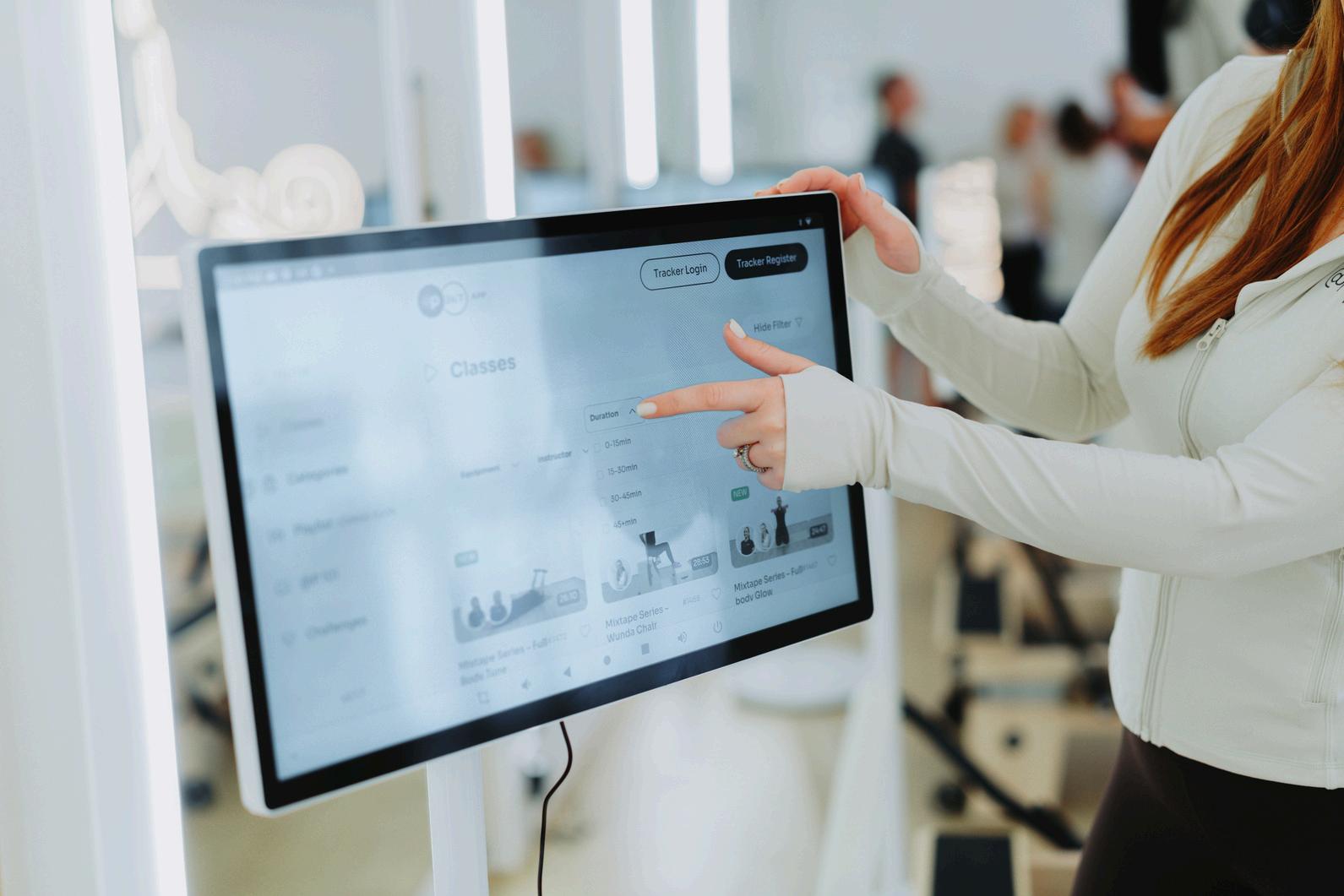
For studio owners, this distinction matters Time spent managing systems is time taken away from coaching, culture and community
More importantly, the data visibility changes decision-making entirely
“From a retention and loyalty perspective, the platform enables us to identify at-risk members early, automate targeted communications, and proactively re-engage members before disengagement occurs ”
Retention is no longer reactive, it’s predictive.
Data as a Strategic Advantage
At @pilates, data has evolved from reporting to strategy
“We believe data and information are power, ” Tara says “We can see exactly how members engage, what classes they participate in, preferred durations, instructor styles, focus areas, and training frequency. ”
This insight informs programming, scheduling, staffing and expansion decisions
For studio owners navigating tighter margins and increasing competition, these real-time metrics like lifetime value, utilisation rates and churn patterns provide clarity once reserved for enterprise brands
“The platform enables us to identify at-risk members early, automate targeted communications, and proactively re-engage members before disengage.”
Why ABC Fitness Became the Backbone
“Our partnership with ABC Fitness has played a critical role in supporting efficiency, retention, loyalty, and scalable growth, ” Tara says
@pilates began working with ABC Fitness in 2021 during development of its class delivery platform and studio systems. ABC Glofox, ABC Fitness’ boutique management platform, now sits at the centre of operations
“It has become central to our member communications, operational processes, membership management, billing, and reporting, ” she explains “This has significantly reduced administrative burden, allowing both HQ and franchisees to focus more time and energy on member experience rather than back-end administration ”
As Melissa Knowles explains, “Studios can now optimize schedules, improve class utilization, and engage members more meaningfully without increasing operational strain Consumers expect seamless digital experiences as part of their fitness journey, which makes technology a core growth lever rather than a support function ”
ABC Fitness supports over 30,000 customers globally, including major Pilates brands and fast-growing independents. Pilates customers have grown year-over-year, both through new studios and expansion from existing operators
The takeaway is clear: systems drive scale
Preparing for the Next Phase of Growth
With the global fitness market projected to exceed $520 billion by 2035, growing by 14 3% year after year, Pilates operators are stepping into an increasingly competitive landscape.
“The next phase of growth will favor operators who focus on long-term retention and sustainable scale, not just expansion, ” says Knowles.
For studio owners reading this, the question is no longer whether technology matters It’s whether your current systems are strong enough to support where the industry is going.
Download ABC Fitness’ ebook From Passion to Profit to discover how data-driven systems can future-proof your Pilates studio
Download ABC Fitness’ ebook From Passion to Profit to discover how data-driven systems can future-proof your Pilates studio.
EACH MONTH WE WILL SUMMARISE THE BEST/MOST RECENT PUBLISHED ARTICLES IN THE INDUSTRY
Comparing the Effects of One-to-One and Group-Based Clinical Pilates for Women With Fibromyalgia
In a 2020 randomized controlled trial, Cağlayan and colleagues investigated the differential effects of one-to-one versus groupbased clinical Pilates interventions for women with fibromyalgia The study enrolled 42 participants who were randomly assigned to either individual or group Pilates sessions Both formats followed identical protocols: twice-weekly 60-minute sessions over six weeks comprising a 10-minute warm-up, 40 minutes of mat-based clinical Pilates using stability balls and resistance bands for progressive challenge, and a 10-minute cool-down period. All sessions were conducted under qualified physiotherapist supervision
Assessment was performed by a single physiotherapist at baseline and after the six-week intervention using validated measures: the Fibromyalgia Impact Questionnaire (FIQ) for disease impact, Health Assessment Questionnaire (HAQ) for functional status, Beck Anxiety Inventory (BAI) for anxiety levels, Short Form-36 (SF-36) for quality of life, and a biopsychosocial questionnaire (BETY-BQ) for holistic status evaluation
The findings revealed complementary strengths between the two delivery methods. Individual Pilates sessions produced superior improvements in disease impact and quality-of-life measures, likely attributable to the personalized approach addressing specific physical limitations Conversely, group sessions yielded greater enhancements in functional status and anxiety reduction The researchers attributed these benefits to the positive psychological influence of peer support observing others with similar conditions successfully performing exercises provided both motivation and anxiety relief Interestingly, both approaches demonstrated comparable improvements in biopsychosocial status
The researchers concluded that while clinical Pilates proves beneficial for fibromyalgia management regardless of delivery format, the optimal approach should be tailored to individual patient needs Those experiencing severe disease impact and compromised quality of life may benefit most from one-to-one sessions, while patients with heightened anxiety may achieve better outcomes through group-based instruction
Çağlayan, B C , A Keskin, E G Kabul, B B Calik, U B Aslan, and U Karasu 2020 “Effects of Clinical Pilates Exercises in Individuals with Fibromyalgia: A Randomized Controlled Trial.” European Journal of Rheumatology 8 (3): 150-155
Samantha Wood, MPT, MBA, NPCT, RYT, is a licensed physical therapist, a National Pilates Certified Teacher (NPCT), and a Yoga Alliance–certified teacher. She created and teaches BASI’s Pilates for Injuries & Pathologies advanced education courses. Click here to view 2026 course dates and locations.
Her new book, Pilates For Rehabilitation, 2nd edition is available now from HumanKinetics com and Amazon com
EXPLORING THE "INVISIBLE" SKILLS THAT MAKE GREAT TEACHERS: ENVIRONMENT, COMMUNICATION, CONNECTION & CONFIDENCE
by Tracey Nicholson
After decades of teaching, mentoring and learning, one truth stands out: it’s not just what we teach in Pilates, it’s how we teach it. Sure, we all need to understand anatomy and biomechanics, be fluent in cueing, and confident in the repertoire But what truly elevates an instructor is their ability to connect, communicate, and inspire with intention
In every class I teach, I see how much the "soft skills" matter They’re the invisible threads that turn a Pilates session into something much more than exercise, they create an experience that moves body, mind and spirit Below are some of the most important elements I’ve learned to cultivate over the years
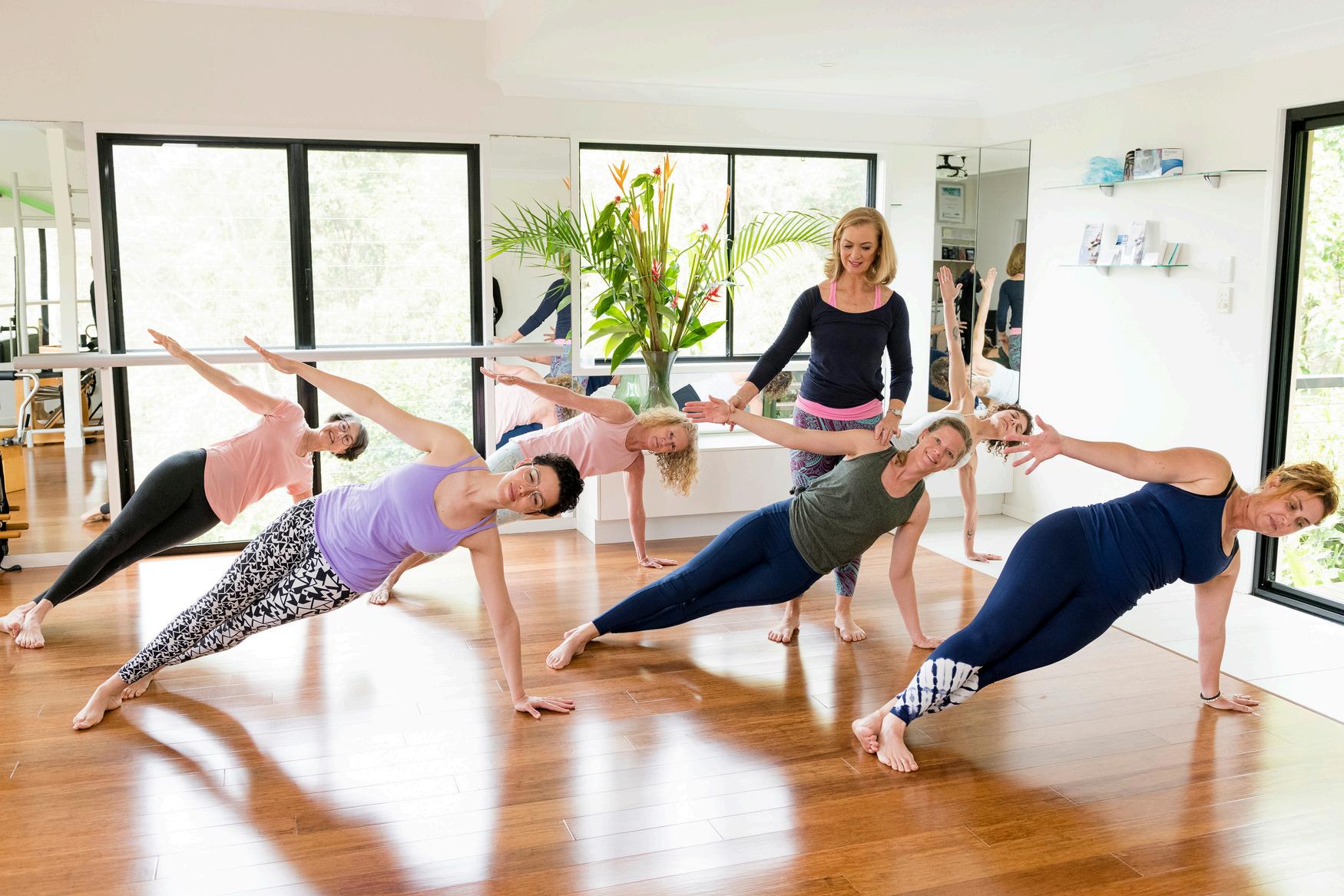
Your Environment Is Your Silent Partner A Pilates session can be an hour of physical activity or it can be a carefully crafted movement experience The difference? Environment
As instructors, we are the designers and facilitators of the entire experience Think about your layout: does every client have enough space? Can they see you clearly? Is your room cluttered or calm? Consider what clients see when lying supine, are they staring into bright fluorescent lights or a serene ceiling?
Soft lighting and gentle background music can work wonders to shift the nervous system and elevate the mood The temperature should be comfortable, and air flow should be fresh
Even your flooring matters Is it clean, comfortable, free from hazards? These may seem like small details, but they set the tone for everything that follows
Communication Is a Full-Body Experience
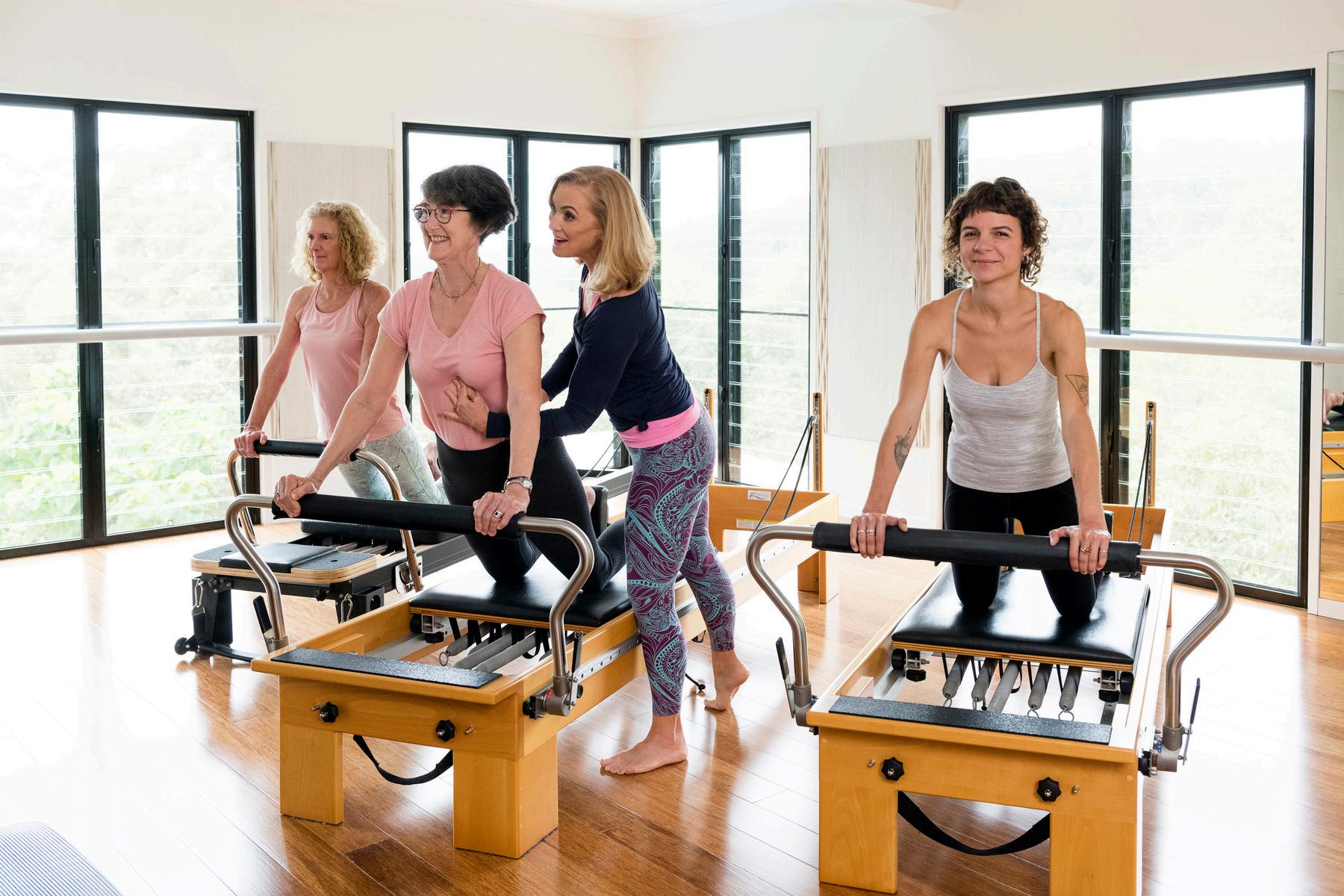
Communication in Pilates isn’t just what we say- it’s how we say it, how we look when we say it, and the energy we bring into the room It’s a feedback loop, a dance between you and your clients
Allow them the opportunity to ask questions, and offer explanations and feedback
Voice modulation matters The tone we use can support the intention behind the movement Soft, internal exercises call for a gentle, calm tone High-energy or global movements benefit from strong, directive language and presence Think about how your voice mirrors the movement- when shoulder blades are gliding, your voice should too
And body language? That speaks louder than any cue ever could We’ve all heard Paul Watzlawick’s famous words: “You cannot not communicate ” Clients are constantly reading our posture, facial expressions, and energy
In fact, studies show that:
55% of communication is body language
38% is the tone and modulation of your voice
Only 7% is the actual words you use
In other words, how you show up matters greatly
Language That Lands
As instructors, our job is to make movement accessible and meaningful That means translating anatomical language into something digestible for everyday people. Many clients may not know where their “scapula” is - but they’ll understand “shoulder blades ” Once they understand how their shoulder blades move we can drip feed them more complex anatomical language We also need to read the room. Your Tuesday night footballers probably won’t resonate with balancing an imaginary teacup on their pelvis And animal lovers won’t appreciate metaphors involving impaled butterflies! Use imagery that’s relevant, inclusive, and educational.
We’re not dumbing things down we’re lifting people up Clients become more engaged when they understand the why behind what they’re doing
Watch out for negative instructions too As instructors we are very good at telling clients what ‘not to do’ It helps to know what we are striving to achieve in our bodies, and work towards the positive instead of avoiding the negative There is a significant difference
A great Pilates class honours different learning styles Some clients are visual- watching your every move Others are auditoryhanging on every word Many are kinaesthetic - learning through feel and sensation And most use a combination
This is where variation in cueing becomes critical Use tactile feedback, imagery, demonstrations, and clear verbal cues Provide opportunities for clients to ask questions Encourage reflection Allow silence Adult learners thrive when they’re seen, heard, and included in the process.
One of the most powerful tools we have as teachers is feedbackboth giving it and receiving it Ask clients how things feel Notice what lands and what doesn’t. Observe when performance improves and when it falters
Once your participants have gained an understanding of an exercise it might be time to change your teaching strategy. Studies show that a group of clients who were given plenty of information and feedback during sessions performed the exercises better than clients who had less information
However, this was only true whilst they were following instructions Their performance deteriorated when no instructions were given This means that a combination of teaching methods may lead to a more successful long term outcome for clients.
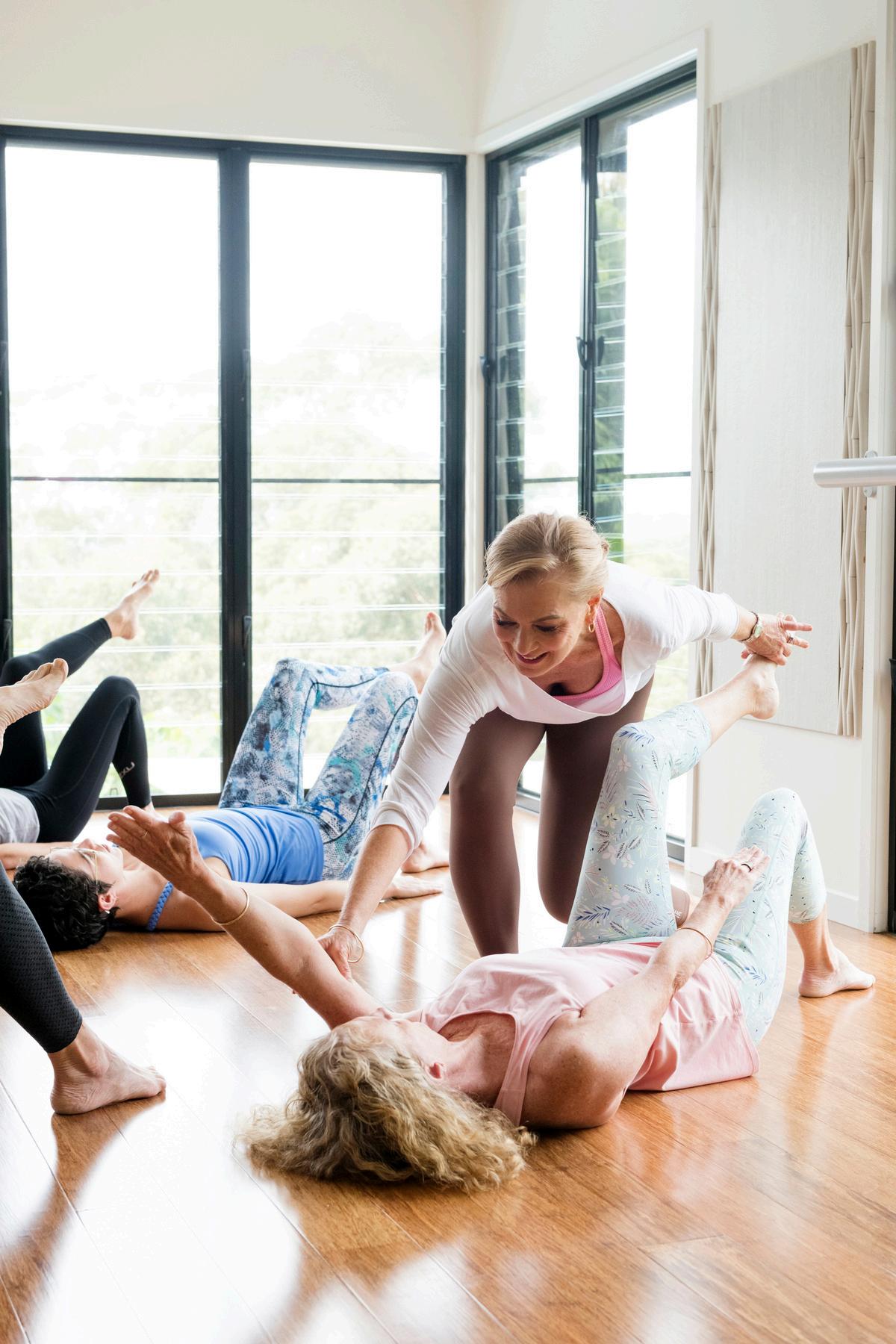
Understand the different learning styles
In any group class, you’ll likely be teaching a mix of learning styles, so it’s essential to vary your cueing:
Visual learners need to see the movement - your form must be clear and accurate.
Auditory learners rely on hearing - use clear, well-paced verbal instructions
Kinaesthetic learners learn by feeling - allow time, stillness, and use tactile or imagery-based cues.
Most people use a combination of styles, often favouring one In Pilates, developing a strong kinaesthetic sense is especially helpful. Remember: how someone takes in information may differ from how they process or apply it Teaching with this in mind helps make your sessions more inclusive and impactful
Confidence as an instructor doesn’t come from knowing it all, it comes from being comfortable with what you do know, and being open to growth It’s about owning your presence, being grounded in your values, and caring deeply about your clients’ progress
This means managing the energy of the group, acknowledging different personalities, and building rapport Greet everyone Make newcomers feel welcome Mirror clients’ tone and body language to build connection
When tensions arise and they will it’s our role to read the group, adjust the pace, adapt the structure, and keep the mood positive but focused
The secret of effective teaching is to maintain a balance However, ‘balance’ resides in the perception of the participants rather than in outside reality
Does that mean being an exceptional Pilates Instructor means you’re a bit of a mind reader, absolutely, we do have extraordinary skills as Pilates Instructors, never take for granted the importance of your role and the positive impact it has on all those who come into your classes
Simply be the best you can and truly care about your clients! And, most importantly enjoy what you’re doing, as your passion as an instructor feeds the enthusiasm of your clients
Tracey Nicholson is the Director of Tensegrity Training an RTO that offers several different levels of training to help you at any stage of your career in Pilates .
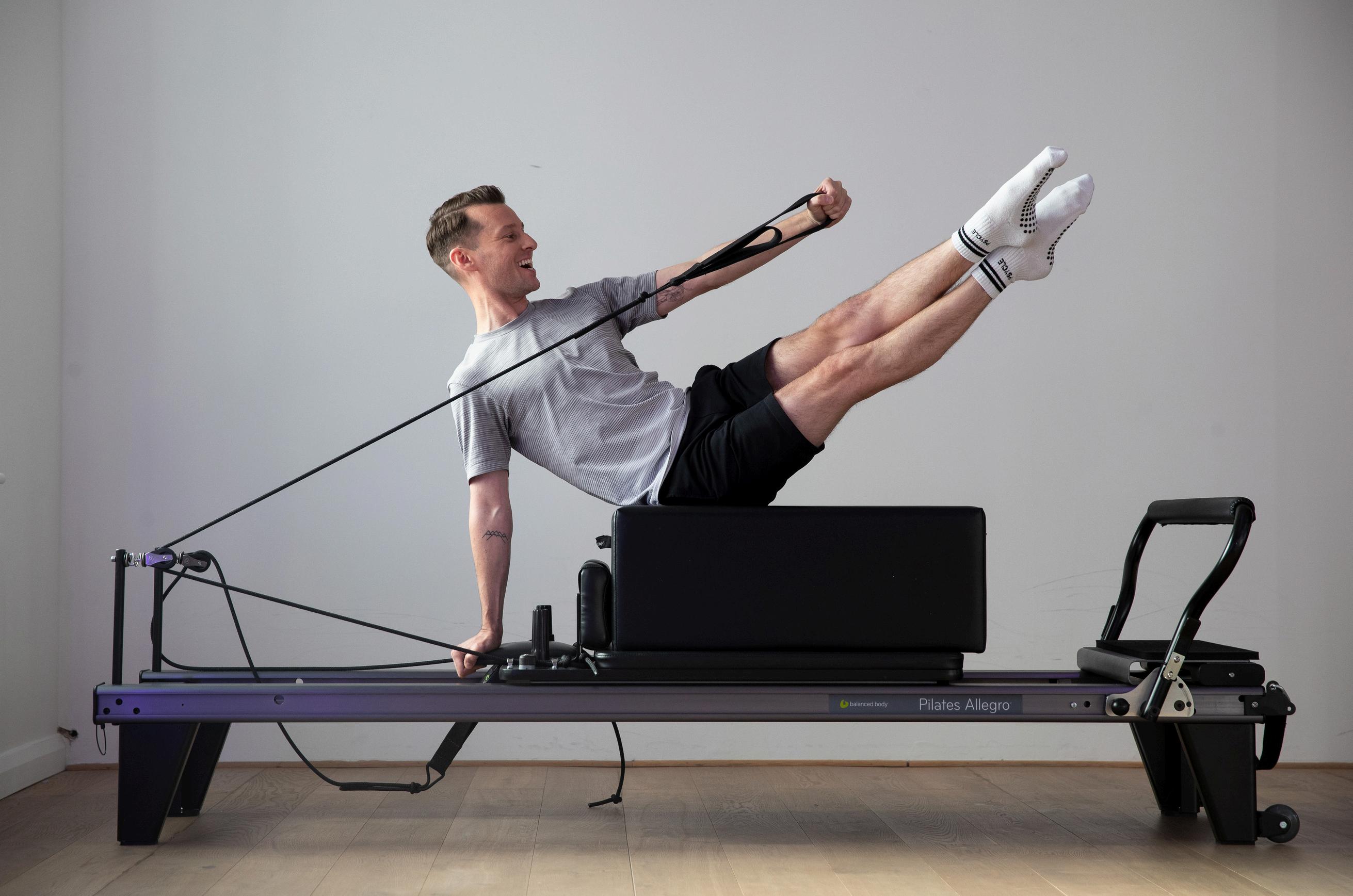
Tell us a little about yourself and your Pilates background?
My name is Ben, I live in London where I work at two studios teaching group classes and I run teacher training programs and CPD workshops all over the UK. I started my Pilates journey in 2016 and have since worked with a variety of studios/company’s I asked my best mate how they would describe me and they said “Brave and inspired ” And before you ask, no I didn’t pay them to say that!
How did you discover Pilates?
By doing it myself I couldn’t find anything that I enjoyed that would make my body stronger and in the long term healthier, someone recommended Pilates and I’ve never looked back. For me the concentration and connection to how and why you are moving your body allowed the practice to become my therapy both physically and mentally
How do you keep learning? What inspires you in your work?
I think it’s important to keep exploring, go to different studios, different teachers, different styles of classes, learn from all the excellent peers we have in this industry Also I put the time in, I spend hours and hours practicing myself, playing with repertoire. I started working with Korin Nolan in 2019 and she has been a huge influence on me
The best advice you were ever given as a teacher…
Not everyone is going to connect with your work and THAT IS OK! You will find your tribe, keep doing what makes you passionate about the practice.
Is there something you try and instil in each of your clients?
Commitment, consistency and JOY!
The best Pilates course you ever did was…
I loved my Active IQ Level 3 in Education and Training course, I know we all feel as Pilates instructors like educators but this course really advanced that part of my skill set
Q.
A. Q. A. Q. A. Q. A. Q. A. Q. A.
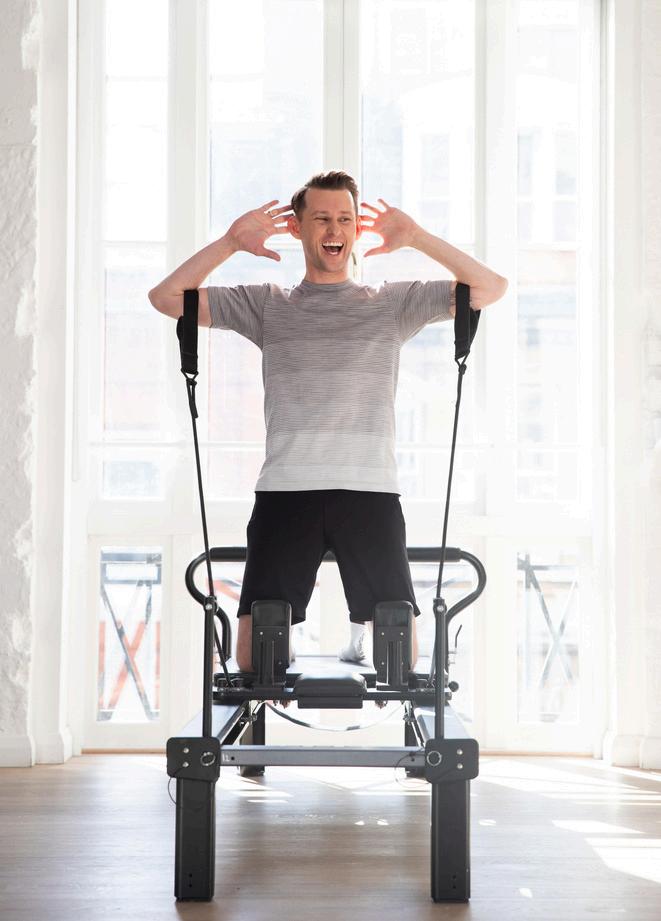
clients in studio and why?
Don’t make me choose! A parent mustn’t have favourites!!! OK, I’ll say reformer, it wins for me as there are many variables that make a class truly inclusive, but I think the reformer is universally the most successful at that
How do you stay motivated?
My clients keep me motivated. Their journey never ends, what they need, what they must improve on The better they get the better I have to be
What makes you laugh the most?
The people I love, my husband, my friends, my family I’m very lucky to be surrounded by silly, glorious people
What’s your favourite way to spend a day off?
Taking my dog for an adventure, a long walk somewhere that we can enjoy the outside and just explore
How many pairs of grip socks do you own? Do you love or hate a stretch band?
I own hold on I’m going to count them I own 64 pairs of grip socks I’m gonna speak to a therapist about it! I love a stretch band, I don't use them very often to be honest
Does your family ‘really know’ what’s involved in your job?
They haven’t a clue, they think I’m either a yoga teacher or they think I’m secretly an MI5 agent I’ve told them my actual job is harder than either of those things!!!

Why Underloading Your Client Is Worse Than Occasionally Overloading Them