The Journey of being a Speaker and Legislator in Meghalaya
PAGE 234
Levelling the playing field for the Territories in Australia
PAGE 236
Mindfulness for Parliamentarians
PAGE 238
Potential of Commonwealth Youth via innovation
PAGES 241 & 244
Barriers to women’s representation in politics in The Gambia
PAGE 247
How to kill a Bill at state-level in India
PAGE 254
THE COMMONWEALTH CHARTER 10 YEARS ON: VALUES AND PRINCIPLES FOR PARLIAMENTS TO UPHOLD
The ten-year anniversary of the Commonwealth Charter offers an opportunity to review the relevance of its values and principles, as well as measuring how the Commonwealth is progressing against these commitments.

Journal of the Parliaments of the Commonwealth
Established in 1920 | Over 100 years of publishing 2023 | Volume 104 | Issue Three | Price £14
THIS ISSUE
TheParliamentarian
PAGES 200-232
IN
Register for the CPA Parliamentary Academy Now
Free courses for CPA Members
The CPA has designed a curriculum of online courses specifically for Parliamentarians and parliamentary officials.

Our courses are intended to strengthen your capacity to fulfil constitutional and statutory obligations as well as to enhance your knowledge and understanding of the role of Parliament in the democratic governance process. These accessible courses offer an adaptive and flexible learning approach, with both written and visual content along with access to a variety of useful resources. So if this sounds right for you, register for the Academy now and get started!
To register for the CPA Parliamentary Academy, please email hq.sec@cpahq.org or fill out a ‘Contact Us’ form on our website. More information can be found on our website: www.cpahq.org/parliamentary-academy
2023
September
Calendar of Forthcoming Events
Updated as at 25 August 2023
15 September 2023 International Day of Democracy
18 to 19 September 2023 United Nations SDGs Summit, New York, USA - also CPA showcase for the CPA Parliamentary Academy and the new SDGs course
30 Sept to 6 Oct 2023
October
66th Commonwealth Parliamentary Conference, Accra, Ghana including 39th CPA Small Branches Conference; Commonwealth Women Parliamentarians (CWP) and Commonwealth Parliamentarians with Disabilities (CPwD) meetings; 66th CPA General Assembly; CPA Executive Committee meetings; and the 57th Society of Clerks at the Table (SoCATT).
12 to 15 October 2023 43rd CPA Canadian Parliamentary Regional Seminar, Ontario, Canada
15 to 21 October 2023 CPA Parliamentary Academy: Parliamentary Development Residency Course, Edinburgh, Scotland

23 to 27 October 2023 147th IPU Assembly, Angola
24 October 2023 United Nations Day
November
1 to 3 November 2023 40th CPA Australia and Pacific Regional Conference, Brisbane, Queensland
13 to 17 November 2023 Commonwealth Local Government Forum (CLGF) Conference, Kigali, Rwanda
25 November 2023
30 Nov to 12 Dec 2023
December
International Day for the Elimination of Violence against Women
COP28: 28th session of the Conference of Parties to the UNFCCC, Dubai, United Arab Emirates
3 December 2023 International Day of Disabled Persons
10 December 2023 UN Human Rights Day
2024
3 to 6 January 2024 27th Conference of Speakers and Presiding Officers of the Commonwealth (CSPOC), Kampala, Uganda
23 to 27 March 2024 148th IPU Assembly and related meetings, Geneva, Switzerland
w/c 20 May 2024
20 to 27 July 2024
53rd CPA British Islands and Mediterranean Regional Conference, St Helena (TBC)
60th CPA Canadian Regional Conference, Toronto, Ontario, Canada
21 to 25/27 October 2024 27th Commonwealth Heads of Government Meeting (CHOGM), Apia, Samoa
4 to 8 November 2024 67th Commonwealth Parliamentary Conference, Sydney, New South Wales, Australia.
Dates TBC 2024
12th Commonwealth Youth Parliament, New Zealand
The CPA calendar fosters the exchange of events and activities between CPA Regions and Branches. For further information on any events, please contact the CPA Branch concerned or the CPA Headquarters Secretariat via hq.sec@cpahq.org or visit www.cpahq.org. CPA Branch Secretaries are asked to send notices of all events to the CPA Headquarters in advance of the publication deadline to ensure the calendar is accurate.
PAGE 186
CONTENTS
THE PARLIAMENTARIAN: 2023 ISSUE THREE
VIEWS & COMMENT
Editor’s Note
The Commonwealth Charter
10 years on Page 176
View from the CPA Chairperson
10 years of the Commonwealth Charter? Page 178
View from the Commonwealth Women Parliamentarians (CWP) Chairperson
Looking ahead to 66th CPC in Ghana: The Gender Quota Perspective
Page 180
PAGE 190
NEWS & PHOTOS
CPA news
News reports include:
• CPA Small Branches Disaster Risk Workshop Dominica Virtual PostElection Seminar
• CPA Parliamentary Academy Residency in Alberta

CPA Branch visits to Wales, Isle of Man, The Gambia
• 59th CPA Canada Regional Conference in Saskatchewan
PAGE 217
45th CPA Caribbean Regional Conference in Turks and Caicos
• 85th CPA Africa Executive Committee in Tanzania
9th CPA India Regional Conference in Rajasthan
Pages 186-198
View from the Commonwealth Parliamentarians with Disabilities (CPwD) Chairperson
Evaluating the Commonwealth's Performance on Disability Inclusion
Page 181
View from the CPA Small Branches Chairperson
Lessons from CPA Workshop on Disaster Risk Management
Page 182
View from the CPA Secretary-General Reflection on CPA activities ahead of 66th CPC in Ghana
Page 184
Commonwealth Women Parliamentarians (CWP) news
Reporting on CWP activities including CWP Chair in Botswana, Women's Caucus launching in Wales, CWP Regional Conferences in Canada and Caribbean Regions, CWP Seminar in Jamaica.
Pages 250-253
174 | The Parliamentarian | 2023: Issue Three | 100 years of publishing
Main images: CPA Headquarters Secretariat. Additional images: CPA Branches and Shutterstock. Front cover image: Shutterstock_2200943083_Commonwealth_flags.
PAGE 211
CONTENTS
THE COMMONWEALTH CHARTER 10 YEARS ON: VALUES AND PRINCIPLES FOR PARLIAMENTS TO UPHOLD
Cornerstones, Institutions and Rulesbased System
The IPU Secretary-General's view
Page 200
Upholding human rights and values
The Chair of Commonwealth Forum of National Human Rights Institutions
Page 202
Living up to the Commonwealth Charter?
A human rights perspective from CHRI
Page 205
Examining the Commonwealth's future role
Co-Chair of the UK Parliament’s APPG for the Commonwealth
Page 208
The People's Charter and the role of civil society
A view from the Commonwealth Foundation
Page 211
History is calling
The President of the Australian Senate asks does the Charter meet the diverse needs of the Commonwealth’s citizens?
Page 214
Potential on the global stage
Examining 10 years of the Commonwealth Charter in an global context
Page 216
Investing in human potential
Higher Education and the Commonwealth Charter with the ACU
Page 218
Bridging the gap
The Commonwealth of Learning and the Commonwealth Charter
Page 220
The Commonwealth Charter and the business world
A view from the CWEIC
Page 222
The Commonwealth and media freedom
Protecting journalists and media freedoms
Page 224
What, if anything, unites the Commonwealth?
View from the Centre for Commonwealth Affairs
Page 228
The convening power of the Commonwealth
A view from the Royal Commonwealth Society
Page 230
FEATURE ARTICLES
The Journey of being a Speaker and Legislator
A view from Meghalaya
Page 234
Levelling the playing field for the Territories in Australia
Self-determination for ACT and NT
Page 236
Mindfulness for MPs
Training can be a useful tool
Page 238
Potential of Commonwealth Youth via innovation
Role of Parliamentarians
Page 241
Power of Participation
How young people may transform our politics
Page 244
Barriers to women's representation in politics
Experiences of a Gambia MP
Page 247
How to kill a Bill
What happens when State Governors withhold or delay consent to Bills
Page 254
PARLIAMENTARY REPORTS
Parliamentary Reports and Third Readings
Reports from India, Australia, Trinidad and Tobago, British Columbia, Canada, New Zealand, Uganda, UK and South Africa
Pages 256-271
CPA DIRECTORY


CPA Organisational Structure
CPA Executive Committee, CWP and CPA Small Branches Steering Committees, CPwD Regional Champions and CPA Regional Secretaries
Page 272
The Parliamentarian: Journal of the Parliaments of the Commonwealth Volume 104 | 2023: Issue Three The Parliamentarian ISSN 0031-2282
Issued and published by the Commonwealth Parliamentary Association, CPA Headquarters Secretariat, Richmond House, Houses of Parliament, London, SW1A 0AA, United Kingdom.
Tel: +44 (0) 20 7799 1460
Email: hq.sec@cpahq.org
www.cpahq.org
Twitter @CPA_Secretariat Facebook.com/CPAHQ
Stephen Twigg CPA Secretary-General
Mr Jeffrey Hyland Editor, The Parliamentarian editor@cpahq.org
Annual subscription: Four issues including supplements: UK: £44 inc. postage. | Worldwide: £46 surface post and £52 airmail
Price per issue: UK: £14 cover price plus UK or worldwide postage.
Disclaimer: Opinions and comments expressed in articles and reviews published in The Parliamentarian are those of the individual contributors and should not be attributed to the Secretariat of the Association.
Contributors: Thank you to all contributors for this issue.
Printed in: United Kingdom by Warners Midlands, PLC; and Times Printers, Singapore.
Limited print run - contact editor@cpahq.org for details of print copies for CPA Branches.
The Parliamentarian | 2023: Issue Three | 100 years of publishing | 175
THE COMMONWEALTH CHARTER 10 YEARS ON: VALUES AND PRINCIPLES FOR PARLIAMENTS TO UPHOLD
The signing of the Commonwealth Charter ten years ago was an important milestone in the history of the Commonwealth, and the values and principles that were agreed gave the organisation a renewed focus in the 21st century. It was the first time that the Commonwealth’s values were brought together in one place and showed the world the serious aims and aspirations of the 56 nations that make up the Commonwealth.
For the Commonwealth Parliamentary Association, as the parliamentary wing of the Commonwealth, many key articles within the Commonwealth Charter influence its work – including Article I on Democracy; Article II on Human Rights; Article VI on the Separation of Powers between the Executive, the Legislature and the Judiciary; Article VII on the Rule of Law; Article VIII on Good Governance; Article IX on Sustainable Development. The Charter also influences the work of our networks – Commonwealth Women Parliamentarians (Article XII Gender Equality); CPA Small Branches (Article XIV Recognition of the needs of Small States); and Commonwealth Parliamentarians with Disabilities (Article XVI Role of Civil Society) as well as our youth work (Article XIII Importance of Young People).
The ten-year anniversary of the Commonwealth Charter offers an opportunity to review the relevance of its values and principles, as well as measuring how the Commonwealth is progressing against these commitments. This issue of The Parliamentarian examines the theme of ‘The Commonwealth Charter 10 years on: Values and principles for Parliaments to uphold’ with case studies and expertise from a number of different organisations as well as from within the CPA membership. This theme will also be examined at the forthcoming 66th Commonwealth Parliamentary Conference in Ghana.
The Chairperson of the CPA Executive Committee, Hon. Ian Liddell-Grainger, MP (United Kingdom) looks at the importance of the Commonwealth Charter’s values for the CPA.
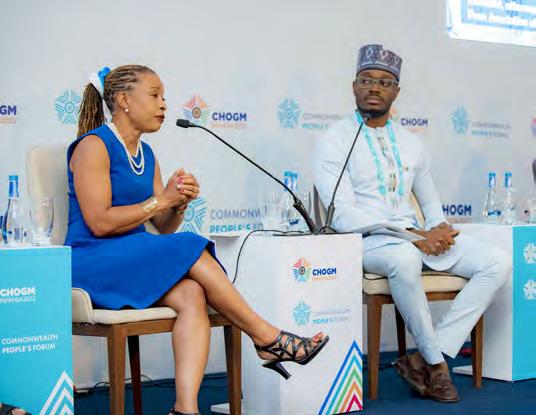
The Commonwealth Women Parliamentarians (CWP) Chairperson, Hon. Dr Zainab Gimba, MP (Nigeria) looks ahead to the 66th Commonwealth Parliamentary Conference in Ghana with a perspective on gender quotas.
The Chairperson of the Commonwealth Parliamentarians with Disabilities (CPwD) network, Hon. Laura Kanushu, MP (Uganda) asks how we can evaluate the Commonwealth’s performance on disability inclusion.
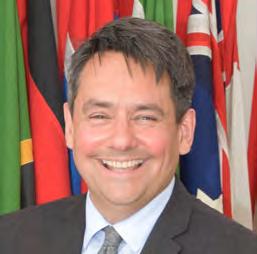
The CPA Secretary-General, Stephen Twigg in his View article also looks forward to the 66th CPC and its theme on the
Commonwealth Charter and reflects on recent CPA activities.

The Secretary-General of the Inter-Parliamentary Union (IPU), Martin Chungong reflects on the 10th anniversary of the Commonwealth Charter and the impact of the rules-based international system.
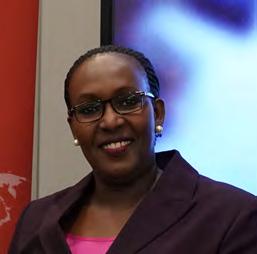
The Chair of the Commonwealth Forum of National Human Rights Institutions (CFNHRI), Marie Claire Mukasine from Rwanda outlines how Parliaments and Parliamentarians can uphold the human rights principles in the Commonwealth Charter. The Chair of Commonwealth Human Rights Initiative (UK), James Robbins asks if we can live up to the Commonwealth Charter from a human rights perspective.
A Co-Chair of the UK Parliament’s All-Party Parliamentary Group (APPG) for the Commonwealth, Lord Syed Kamall examines the Commonwealth’s future role as its membership grows.
Dr Anne T. Gallagher from the Commonwealth Foundation asks if the tenth anniversary of the Commonwealth Charter is an appropriate moment to reflect on how well we are fulfilling its bold aspirations and connecting with both civil society and young people.
As Australia prepares to hold a referendum on establishing an Aboriginal and Torres Strait Islander Voice to Parliament, the President of the Australian Senate, Senator Hon. Sue Lines examines how the 10th anniversary of the Commonwealth Charter provides an opportunity to reflect on its progress and to ask if it meets the diverse needs of the Commonwealth’s citizens.
In his article for The Parliamentarian, Lord Purvis of Tweed (United Kingdom) says that the Commonwealth has huge potential on the global stage but needs to assert its authority to remain relevant.

Education and youth have a huge focus in the Commonwealth Charter. Dr Joanna Newman from the Association of Commonwealth Universities (ACU) asks how we can invest in human potential through higher education. Dr Venkataraman Balaji writes about the work of the Commonwealth of Learning (COL) in bridging the gap for adult learners.
The values and ideas of the Commonwealth Charter such as the rule of law and good governance make the Commonwealth an attractive place to do business. The CEO of the Commonwealth Enterprise and Investment Council (CWEIC), Rosie Glazebrook, explains why.
Recently, Commonwealth Law Ministers unanimously adopted the Commonwealth Media Principles on Freedom of Expression and the Role of the Media in Good Governance. William Horsley from the Commonwealth Journalists Association asks if these principles will expand upon the Commonwealth Charter’s Article V on Freedom of Expression
176 | The Parliamentarian | 2023: Issue Three | 100 years of publishing EDITOR’S NOTE
Mr Jeffrey Hyland, Editor, The Parliamentarian, Commonwealth Parliamentary Association
The Director of the new Centre for Commonwealth Affairs, Sam Bidwell, looks at how the Commonwealth Charter is central to its work while also reviewing how its principles are put into practice.

Dr Linda Yueh from the Royal Commonwealth Society examines the huge convening power of the Commonwealth and outlines the RCS’s work.
This issue of The Parliamentarian also features articles on a wide range of other topics. The Chairperson of the CPA Small Branches, Joy Burch, MLA, Speaker of the Legislative Assembly of the Australian Capital Territory, writes about lessons from the recent CPA Small Branches Workshop on Disaster Risk Management and provides two case studies from the ACT bushfires.
The Speaker of the Meghalaya Legislative Assembly, Hon. Thomas A. Sangma, MLA writes about his journey to be both the Speaker and a Legislator in Meghalaya.
Two Federal Members of the Australian Parliament - Hon. Alicia Payne, MP and Hon. Luke Gosling, MP - who co-sponsored a rarely passed Private Member’s Bill which aims to restore the rights of self-
determination to the people and Parliaments of the Australian Capital Territory (ACT) and the Northern Territory (NT), explain its impact.
Commonwealth Parliamentarians and parliamentary staff face many unique mental health stressors in their working lives. The Co-Chairs of the UK Parliament’s Mindfulness All-Party Parliamentary Group - Hon. Jessica Morden, MP and Hon. Tim Loughton, MP - explain how mindfulness training can be a useful tool.
Hon. Fatoumatta Njai, MP, a Member of the National Assembly of the Gambia, writes about her personal experiences of barriers to women’s representation in The Gambia and how they can be overcome.
Parliamentary expert, Dr Vivek K. Agnihotri writes about a recent case in the Supreme Court of India which raised the issue of what happens when State Governors withhold or delay consent to Bills passed in the State Legislative Assemblies.
2023 is also the ‘Commonwealth Year of Youth’, which gives an increased focus to the 60% of the Commonwealth’s 2.5 billion people who are aged under 30 years. Mas Liza Maslan, Parliamentary Research Officer at the Parliament of Malaysia, writes about the role of Parliamentarians in unlocking the potential of Commonwealth youth via innovation. The CEO of The Young Foundation, Helen Goulden, calls on Parliamentarians and Parliaments to recognise the lasting, valuable impact when young people participate in social action and policy change.
Ahead the 66th Commonwealth Parliamentary Conference (CPC) hosted by the Parliament of Ghana and CPA Ghana Branch in Accra, Ghana from 30 September to 6 October 2023, the CPA Headquarters Secretariat are delighted to publish a supplementary magazine to this issue of The Parliamentarian. The Ghana supplement features articles by Members of Parliament who examine many different areas of the political and cultural life of the country.
News reports in this issue of The Parliamentarian include the CPA Small Branches Disaster Risk Workshop; Dominica Virtual Post-Election Seminar; the CPA Parliamentary Academy Residency in Alberta; CPA Branch visits to Wales, the Isle of Man and The Gambia; the 59th CPA Canada Regional Conference in Saskatchewan; the 45th CPA Caribbean, Americas and the Atlantic Regional Conference in Turks and Caicos Islands; the 85th CPA Africa Region Executive Committee in Tanzania; and the 9th CPA India Regional Conference in Rajasthan.
The Parliamentary Report and Third Reading section includes parliamentary and legislative news from Canada Federal; British Columbia; Trinidad and Tobago; New Zealand; India; South Africa; Uganda; United Kingdom and Australia Federal.
We look forward to hearing your feedback on this issue of The Parliamentarian and to receiving your future contributions.
Jeffrey Hyland, Editor, The Parliamentarian editor@cpahq.org
The Parliamentarian | 2023: Issue Three | 100 years of publishing | 177 EDITOR’S NOTE
Left: The Head of the Commonwealth, HM King Charles III signs the Commonwealth Charter in the presence of Commonwealth Foreign Ministers and the Commonwealth Secretary-General at a reception held ahead of Commonwealth Day 2023 in March. The original Commonwealth Charter was signed by the late Queen Elizabeth II in 2013.
Image: Rwanda Ministry of Foreign Affairs/Commonwealth Secreariat.
10 YEARS OF THE COMMONWEALTH CHARTER
The importance of the values within the Commonwealth Charter a decade on and the vital role that the CPA has in upholding and strengthening these are as relevant today as they were when Her late Majesty, Queen Elizabeth II, as Head of the Commonwealth signed this historic document in 2013. It was the first time in the Commonwealth’s history that we brought together key declarations in one place. The Commonwealth’s principles and its commitment to democracy, human rights and good governance are the cornerstone of the CPA’s work, and they play a part in everything that we do. It is imperative that as Commonwealth Parliamentarians, we encourage our peers to stay true to these values and discourage those who seek to undermine them.
As a global community, we have faced many challenges in the decade since the document’s signing and I have no doubt that we will face many more in the near and distant future. Together, as individual Parliamentarians and as an organisation, we must continue to embody the Commonwealth Charter in our practice and work with civil society to ensure the promotion of democracy and prosperity within the Commonwealth.
It is very fitting therefore that our theme for this year’s Commonwealth Parliamentary Conference (CPC) is 'The Commonwealth Charter 10 years on: Values and Principles for Parliaments to Uphold'. As I write this View Article in The Parliamentarian, almost a year after my election as the CPA Chairperson, it gives me great pleasure to recall the work of the CPA since the last 65th CPC in Halifax, Canada and, in turn, look forward to the 66th CPC in Accra, Ghana. I am very grateful to the Speaker of the Parliament of Ghana, Hon. Alban Bagbin, our CPA President, for hosting the annual conference, and I hope to see as many of you as possible in Ghana in October 2023.
The CPA Executive Committee and the CPA General Assembly will meet at the 66th CPC and, as I’m sure many of you are aware, an issue

high on the agenda will be that of the CPA’s legal status. As ever, I am fully committed to ensuring that the CPA can establish itself as a noncharitable organisation this year and I passionately champion the desire of our membership to be acknowledged as an international, interparliamentary organisation. Our CPA Secretary-General and I remain hopeful of positive movement in this regard by the UK Government and we will be in a position to update Members further in Ghana.
The CPC not only provides us with the time to deliberate on matters of CPA Governance, but it also presents the opportunity for Parliamentarians and global experts to discuss major political and parliamentary issues. At the 66th CPC, eight learning and development workshops will be held during the main Conference, with an additional four workshops held as part of the 39th CPA Small Branches Conference. Having taken part in these workshops in previous years, I can say first-hand that they are a brilliant way of engaging on a topic and sharing best practice with counterparts from across the Commonwealth – introducing case studies and approaches that I was previously unfamiliar with and have since greatly benefited from. I encourage all those delegates attending the 66th CPC to participate in these workshops and I look forward to the enriching and productive conversations that will no doubt ensue. Reports of these workshops will also feature in the next edition of The Parliamentarian. I also very much look forward to the inaugural lecture being held in memory of my predecessor as CPA Chairperson, the late Hon. Emilia Monjowa Lifaka, MP from Cameroon, which I am certain will be a well-attended and well-received event.
CPA Regional Conferences provide us with a fantastic occasion to engage with Members and Clerks to discuss the issues of importance to each Region. This year’s 45th CPA Caribbean, Americas and the Atlantic (CAA) Regional Conference was held in Providenciales, Turks and Caicos Islands, which I was honoured to attend alongside the CPA Deputy Secretary-General, Jarvis Matiya. It provided an excellent
178 | The Parliamentarian | 2023: Issue Three | 100 years of publishing
VIEW FROM THE CPA CHAIRPERSON
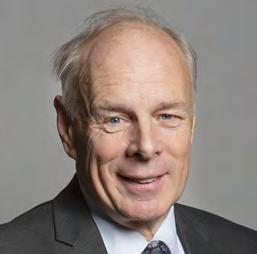
Hon. Ian Liddell-Grainger, MP, Chairperson of the CPA Executive Committee and Member of the United Kingdom Parliament.
“As a global community, we have faced many challenges in the decade since the document’s signing and I have no doubt that we will face many more in the near and distant future. Together, as individual Parliamentarians and as an organisation, we must continue to embody the Commonwealth Charter in our practice and work with civil society to ensure the promotion of democracy and prosperity within the Commonwealth.”
TURKS AND CAICOS ISLANDS HOST 45th CPA CARIBBEAN, AMERICAS AND ATLANTIC REGIONAL CONFERENCE
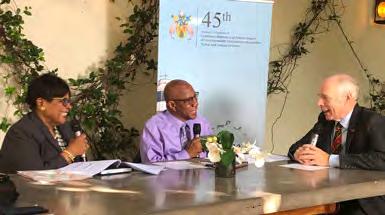

The House of Assembly of the Turks and Caicos Islands hosted the 45th CPA Caribbean, Americas and the Atlantic (CAA) Regional Conference in Providenciales from 21 to 28 July 2023. The Regional Conference brought together Parliamentarians and Clerks from jurisdictions across the CPA CAA Region for discussions on the theme of ‘Building a resilient region in the face of global challenges’. Sessions covered topics including disaster preparedness, biodiversity and climate change with delegates hearings from parliamentary leaders, including seven Speakers of Parliament, plus external experts from the law enforcement, banking and health sectors. The CPA Chairperson, Hon. Ian Liddell-Grainger, MP, and the CPA Deputy SecretaryGeneral, Jarvis Matiya, were also in attendance.
At the opening ceremony, Turks and Caicos Islands Premier, Hon. Charles Washington Misick, OBE, discussed the focus on sustainability at the Regional Conference, telling delegates: “I believe what we are looking at today is a more comprehensive definition of sustainability. When I think of sustainability, I think of turbulent change, adaptation, sustainability in terms of infrastructure –institutional, our social systems [and] ecosystems.”
The CPA CAA Regional Chairperson, Hon. Gordon Burton, MHA, Speaker of the Turks and Caicos House of Assembly spoke about how the CPA gives Caribbean nations a voice on the international stage, saying: “We are small island states in the Caribbean but together we have a voice that can resonate throughout the Commonwealth and impact decisions made on a global scale.”
During the week, the CAA Region also held the 13th CAA Regional Conference for the Commonwealth Women Parliamentarians (CWP) as well as the 16th CPA CAA Regional Youth Parliament for young people from across the region to debate and exchange ideas.
opportunity to engage not only with familiar figures, but also those newer to the CPA and to the politics within the Region.
I was honoured to give remarks at the opening ceremony alongside esteemed Caribbean colleagues such as the Turks and Caicos Islands Premier, Hon. Charles Washington Misick, OBE, and the Speaker of the Turks and Caicos Islands House of Assembly and CPA CAA Regional Chairperson, Hon. Gordon Burton, MHA. The Speaker spoke passionately about how the CPA gives Caribbean nations and territories a united voice on the international stage, and as in agreement, I stated in my response that: ‘We work together because achievement by any measure over the last millennia is done by working together. That is the most crucial thing we can give.’
The Regional Conference itself, with the theme ‘Building a resilient region in the face of global challenges’, also provided the opportunity to discuss matters of vital importance for the CPA CAA Region and the wider Commonwealth. This year, the
issue of food security and sustainable agriculture was prominent. The Regional Conference provided a forum for us to share our concerns on this matter and discuss how we might approach what is becoming a critical issue for many island states. We were also afforded the opportunity to listen to several parliamentary leaders from across the region, as well as external experts from a number of sectors, give their views on ever-present issues such as disaster preparedness, biodiversity and climate change.
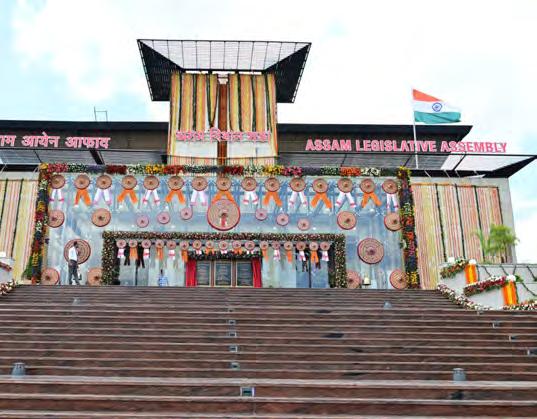
Remaining on the topic of CPA Regional Conferences, I was pleased to attend the 9th CPA India Regional Conference in the Lake City, Udaipur, in August 2023, alongside the CPA SecretaryGeneral, Stephen Twigg. I am grateful to Hon. Dr C. P. Joshi, Speaker of the Rajasthan Legislative Assembly and CPA Rajasthan Branch President for his kind invitation to the Regional Conference, which was an excellent opportunity to meet with and listen to Parliamentarians and Legislators from across the CPA India Region.
The Parliamentarian | 2023: Issue Three | 100 years of publishing | 179 VIEW FROM THE CPA CHAIRPERSON
Above: The CPA Chairperson was interviewed on local radio in Providenciales, Turks and Caicos Islands.
Image: Turks and Caicos House of Assembly.
LOOKING AHEAD TO THE 66th COMMONWEALTH PARLIAMENTARY CONFERENCE IN GHANA: THE GENDER QUOTA PERSPECTIVE
Parliamentarians (CWP)

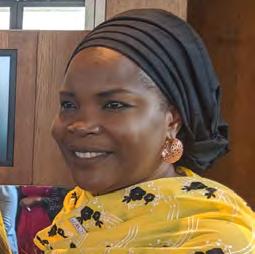
Chairperson, Hon. Dr Zainab Gimba, MP, Member of the Federal Parliament of Nigeria
Article 1 (1) and (2) of our dear Association state her aims and objectives as the promotion of constitutional, legislative, economic, social and cultural aspects of parliamentary democracy, with particular reference to the Commonwealth countries.
Over the years, the CPA has consistently upheld these ideals through parliamentary exchange visits, publications, information dissemination, conferences, seminars, workshops, meetings and study groups. One of such activities is the annual CPA Conference, this year the 66th Commonwealth Parliamentary Conference (CPC), for which we are all gathered in Ghana.
As the newly elected Chairperson of the Commonwealth Women Parliamentarians (CWP), the onus is on me to provide directional leadership and strategic focus aimed at maximising the influence of women across the Association. It is also about championing equal gender representation across climes in line with the CWP’s mission of promoting the representation of women in CPA Branches and women’s full and equal participation in all political and parliamentary leadership positions at all levels.
You will recall that at the 65th CPC, which took place in August 2022 in Halifax, Canada, various speakers and presenters shared ideas on how to effectively combat all forms of abuse and harassment in Parliaments, promote gender-sensitivity, diversity, inter-sectionalism, financial empowerment and synergize to positively influence one another. The new CWP Gender-Sensitising Parliaments Field Guide was also launched.
Also in December last year, Commonwealth Parliamentarians from 12 different jurisdictions came together in Canberra, Australia for a CWP Workshop on ‘Champions for Gender Equality’. Part of the take away from that workshop is that women should act in synergy and as catalysts to empower other women to positions of prominence in political leadership. Other pertinent issues such as unequal access to resources, gender equality, discriminatory practices and the development of gender parliamentary caucuses for the promotion of a gender sensitive Parliament were also discussed.
Over time, these series of intervention programs have been part of the CWP’s policies, but there seems to be no serious paradigm shift as gender inequality, discrimination and insensitivity to the plight of women and the girl child still remains a recurring decimal globally.
To date, women are still faced with numerous challenges
ranging from violence, harassment and intimidation during election campaigns, gender inequality, inability to secure election campaign funding, difficulty in securing the support and acceptance of political parties and unwholesome cultural practices to balancing private, family and political life.
The latest statistics show the performance of countries based on the monthly ranking of the numbers of women in Parliament globally (as at 1st July 2023) and they confirm that out of 190 countries, apart from Rwanda, New Zealand, South Africa, Namibia and Mozambique, most Commonwealth countries are not among the first twenty places. Statistics also show that globally, only 24.9% of Members of Parliament are women while the remaining 75.1% are men.
These statistics clearly show that a lot more work needs to be done to ensure the inclusion of women in governance and leadership positions, and in key decision making. We therefore need to look inward for gaps that have been left unfilled, we need a further scrutiny of our plans, actions and inactions, and we need to interrogate further our processes and procedures. This calls for serious brainstorming.
The 66th CPC in Ghana provides another opportunity for a stock take of our achievements, challenges and prospects. We must deepen our understanding of the CWP guidelines and checklist for gender-sensitizing Parliaments, not just as a mantra or a slogan, but in actual practice and bring to the fore the challenges faced in the process.
We must put in place an action plan with timelines on set targets. We must identify the needed inputs that can generate the desired outputs and outcomes we seek. Our outcomes must be measurable and there must be a feedback mechanism to measure ongoing performance with a view to taking corrective action where necessary to ensure conformance/conformity.
There must also be synergy between our local pressure group champions and our various regional and international bodies aimed at information sharing, reinforcement and backup where necessary.
This is doable; we have the capacity and the capability to make it happen so we can change our present narratives and move on to other bigger issues.
I wish you all a successful deliberation as we meet again at the 66th CPC in Ghana.
The CWP Chairperson's article 'Progressonthe10-yearanniversaryoftheCommonweathCharter' appeared in TheParliamentarian 2023 Issue One (page 6).
180 | The Parliamentarian | 2023: Issue Three | 100 years of publishing VIEW FROM THE COMMONWEALTH WOMEN PARLIAMENTARIANS
Commonwealth Women
DECADE OF PROGRESS AND THE JOURNEY AHEAD: EVALUATING THE COMMONWEALTH'S PERFORMANCE ON DISABILITY INCLUSION
In 2023, the Commonwealth marks the 10-year anniversary of the Commonwealth Charter, a milestone that presents an opportune moment for reflection and evaluation. As the Chairperson of the Commonwealth Parliamentarians with Disabilities (CPwD) network, I offer this perspective on the Commonwealth's performance in upholding the principles and values enshrined in the Charter, particularly concerning persons with disabilities. The Commonwealth Charter, adopted on 14 March 2013, is a powerful document that reaffirms the Commonwealth's core values, including democracy, human rights, gender equality and the rule of law. At its heart, the Charter seeks to promote inclusivity, respect for diversity, and sustainable development among its member states. While the Charter is not legally binding, it is a joint commitment to uphold shared values and principles, promoting cooperation and collaboration among the various countries that make up the Commonwealth.
Over the past decade, the Commonwealth has made notable progress in promoting disability rights and social inclusion. First and foremost, the Commonwealth Parliamentarians with Disabilities (CPwD) network was established in 2017 as a significant initiative to advocate for the rights and representation of persons with disabilities within the Commonwealth's Parliaments. The network was formed to address the unique challenges faced by persons with disabilities and to ensure their meaningful participation in decision-making processes and policy formulation.

Secondly, several member states have taken significant steps to ratify and implement the United Nations Convention on the Rights of Persons with Disabilities (UNCRPD), signalling their commitment to protecting and advancing the rights of persons with disabilities. Encouragingly, disability rights have received increased attention in several countries’ national policies, legislation and development agendas. Many jurisdictions have introduced or strengthened disability-specific laws and policies, laying the groundwork for a more inclusive society.
One area in which the Commonwealth has demonstrated progress is in promoting the political representation of persons with disabilities. Many member states have witnessed the emergence of leaders who champion disability rights and act as advocates for a more inclusive political landscape. This shift in representation not only empowers persons with disabilities but also sets an example for other nations to follow.
Education and employment are crucial pillars of inclusivity. The Commonwealth has witnessed advancements in promoting inclusive education and improving employment opportunities for persons with disabilities. Member states have been working towards integrating persons with disabilities into mainstream educational institutions and vocational training programs, fostering an environment of equality and diversity.
Advancements in technology have played a vital role in promoting disability inclusion within the Commonwealth. Several Governments and organisations have embraced technological advances to make public services, digital platforms, and communication channels more inclusive and accessible. This progress is a testament to the Commonwealth's commitment to leveraging technology for the greater good of all citizens.
Despite the commitment to the principles of the Commonwealth Charter, there are disparities in the protection of disability rights and inclusive policies across member states. The Commonwealth must encourage stronger coordination and cooperation among member countries to ensure a more uniform approach to disability inclusion.
Reliable and comprehensive data on disability prevalence and the status of disability rights within the Commonwealth remains scarce. Robust data collection and monitoring mechanisms are essential for evidence-based policymaking and tracking progress towards disability inclusion. Moreover, persons with disabilities face significant socio-economic disparities, including limited access to healthcare, education, employment and social services. The Commonwealth must address these disparities and foster an environment that promotes equal opportunities for all citizens. Stigma and discrimination against persons with disabilities persist in various forms across the Commonwealth. Raising awareness, promoting disability-inclusive campaigns, and implementing antidiscrimination measures are crucial in combating these issues.
As we celebrate the 10-year anniversary of the Commonwealth Charter, we acknowledge the progress made in promoting disability rights and social inclusion within the Commonwealth. However, challenges persist, and there is much work to be done to achieve total inclusivity and equality for persons with disabilities.
In this endeavour, the CPwD network plays a pivotal role in advocating for the rights and needs of persons with disabilities. Collaboration between Parliamentarians, governments, civil society organisations and disability rights advocates is essential to drive positive change and accelerate progress. The Commonwealth must be a global leader in promoting disability inclusion, demonstrating that inclusivity is not a mere aspiration but a tangible reality for all citizens. By working together, we can build a more equitable, accessible and inclusive Commonwealth that celebrates diversity, values all its citizens and leaves no one behind.
As the Chairperson of the CPwD network, I call upon the Commonwealth and its member states and territories to continue their commitment to disability rights and inclusive policies. By sharing experiences, best practices and knowledge, the Commonwealth can work together towards building a future where every citizen, regardless of their abilities, can fully participate and contribute to their societies. Looking ahead to the next decade, the Commonwealth must redouble its efforts to ensure that disability inclusion is at the forefront of its development agenda. Let us seize this moment to renew our dedication to the principles of the Commonwealth Charter and to create a truly inclusive and equitable Commonwealth for generations to come!
The Parliamentarian | 2023: Issue Three | 100 years of publishing | 181 VIEW FROM THE COMMONWEALTH PARLIAMENTARIANS WITH DISABILITIES
Commonwealth Parliamentarians with Disabilities (CPwD) Chairperson, Hon. Laura Kanushu, MP, Parliament of Uganda
A
WHEN DISASTER STRIKES IT IS ESSENTIAL FOR COMMONWEALTH PARLIAMENTS TO BE PREPARED
Lessons from the CPA Small Branches Workshop on Disaster Risk Management.

Small jurisdictions face unique challenges in managing disaster risk. Often with limited resources and capacity, they may struggle to adequately prepare for and respond to natural disasters, which can have devastating consequences for their communities. Small jurisdictions are also more susceptible to the effects of climate change, which can exacerbate the frequency and intensity of natural disasters. As a result, it is critical that Parliamentarians from small jurisdictions are equipped with the knowledge and skills necessary to develop effective disaster risk management strategies and establish connections with the broader research and policy community.
The CPA Small Branches Workshop on Disaster Risk Management was held from 24 to 26 May of this year, in partnership with the Institute of Hazard, Risk and Resilience, Durham University and hosted at the Guildhall, City of London in the UK. It was facilitated by experts in the field and was designed to provide small jurisdictions with a platform for knowledge sharing and collaboration.
The workshop was well attended, with 23 Commonwealth Parliamentarians from 6 CPA Regions. Participants shared their lived experience and engaged in open and informative discussion with each other and the experts in the field.
A range of themes, policies and approaches were explored with a clear introduction to disaster risk management, the importance of resilience and understanding community vulnerabilities and capacities, among others.
The workshop noted the importance of maintaining democratic processes during disasters, decision-making under pressure, ensuring accountability and transparency in disaster management and the role of Parliamentarians. Participants gained an understanding of the impact of decisions made during disasters and afterwards on recovery efforts. They also learnt from the experiences of Parliamentarians in disaster-affected communities and the importance of planning for post-disaster recovery.
Having a range of experts as part of these workshops helped the discussion explore the psychological and social factors that influence disaster preparedness and response, as well as strategies for increasing community trust and social connections. Participants considered what needed to be included in a
community-based disaster preparedness plan and the role of Parliamentarians in the development of community response plans. Sessions explored the use of technology to support disaster risk management and enhance disaster resilience. Participants discussed the economic impact of disasters, the cost of disaster preparedness and mitigation, and the importance of investing in disaster resilience. Having a range of experts available provided significant benefit for participants in understanding the role of research in disaster risk management and the ways in which research can be used to inform policy and practice.
Many of the participants shared their lived experience of disaster on their communities. For the Australian Capital Territory (ACT), my own community, I shared stories of the impact of two bushfires on Canberra.
In 2023, disaster and emergency responses continue to be felt across many Parliaments and regions. Just this summer significant bushfires have been experienced. In Spain alone, in the first half of 2023, more than 65,000 hectares were burned. It represents 55% of all the burned land in the European Union.
In Canada, as of 25 July 2023, 4,709 fires had burned 11,994,987 hectares (29,640,258 acres) about three percent of the entire forest area of Canada and four times the yearly average. Of the 1,078 active wildfires, 659 were deemed "out of control". Smoke emitted from the wildfires has caused air quality alerts and evacuations in Canada and the United States. By late June it had crossed the Atlantic reaching Europe.
In August 2023, wildfires in Rhodes and Greece were burning out of control. It is estimated that around 19,000 people were evacuated from Rhodes over one weekend. The Greek government said authorities were carrying out the largest evacuation ever undertaken in the country.
Being prepared for natural disasters and other emergencies is a reality that faces all Parliaments. The CPA Small Branches Workshop on Disaster Risk Management provided much needed and relevant information to participants. It is imperative that we continue discussions with the experts so that we are all better informed and prepared for when we are confronted with disasters.
182 | The Parliamentarian | 2023: Issue Three | 100 years of publishing VIEW FROM CPA SMALL BRANCHES CHAIRPERSON
Chairperson of the CPA Small Branches, Joy Burch, MLA, Speaker of the Legislative Assembly of the Australian Capital Territory
CASE STUDY: ACT BUSHFIRES 2003
On Saturday 18 January 2003, bushfires which had been burning in the hills to the west of Canberra for more than a week, reached the perimeter of the city, and subsequently Canberra experienced a major bushfire event.
The first public emergency warning on 18 January, was broadcast about 2.40pm. The Chief Minister of the ACT declared a state of emergency at 2:45pm on the 18 January and 15 minutes after declaring a state of emergency, fire began tearing through the urban suburbs of Canberra.
More than 5,000 people were evacuated to emergency centres and many more fled to safety with family and friends. Four people died, 435 were injured and almost 70% of the ACT was burned. More than 500 homes were destroyed, and 23 government and commercial buildings were also destroyed, including the internationally renowned Mount Stromlo Observatory. Over 50,000 Canberran residents lost their utilities (electricity, gas, water) post-fire, and up to 1,600 households reported some damage to property and sought assistance from government services. The estimated financial cost of the fires was between AU$600 million and AU$1 billion.

Any major emergency presents an opportunity to review authorities’ preparedness and how they perform when put to the test. The bushfire disaster prompted a series of major inquiries, including the ACT Government’s McLeod Inquiry and the ACT Coroner’s Inquiry. Both inquiries criticised the authorities for underestimating the scale of the firestorm and made recommendations to improve the ACT’s future fire response. The McLeod inquiry commissioned by the ACT Government, made 61 recommendations including legislative changes. All of these were accepted by government and implementation of all recommendations were completed by 2016. Of great significance, the McLeod report highlighted structural inefficiencies in the ACT’s emergency services operations and led to the Emergencies Act 2004 and the creation of the Emergency Services Agency (ESA), Australia’s first unified emergency agency. After the 2003 fires, the Executive developed the Security and Emergency Management Committee of Cabinet. Decisions of the Emergency Management Committee of Cabinet are subject to the Freedom of Information Act, which requires the Chief Minister to make information publicly available about each Cabinet or Cabinet Committee decision made after commencement of the Act.
CASE STUDY: ACT BUSHFIRE 2020
Again in 2020, the ACT experienced another bushfire emergency. Again, the fires were burning to the south-west of Canberra. Our emergency services were very active in alerting the community to risks and preparedness.
The January 2020 Orroral Valley fire swept through Namadgi National Park just outside of Canberra, burning about 80% of the National Park (82,700 hectares) and 22% of Tidbinbilla Nature Reserve (1,444 hectares) and 3,350 hectares of rural lands.

A searchlight on an MRH-90 Taipan army helicopter started the bushfire in the Namadgi National Park. The helicopter was assisting bushfire prevention efforts in the ACT at the height of Black Summer during 2019/20 and was looking for remote helipads. The crew on an army helicopter were landing for a toilet break when they inadvertently ignited the monster blaze.
The fire started about 1:30pm on 27 January and by 2:25pm it had burned 20 hectares. Later that afternoon, it had burned more than 1,000 hectares and was out of control, and soon after 6pm, it had burned 18,000 hectares. It was not put out for five weeks
In lessons learnt from 2003, including the need for greater parliamentary transparency, the 2020 Canberra bushfire emergency which necessitated an emergency response and involved 19 Cabinet decisions made between 2 January and 3 February 2020, saw all Cabinet decisions published. The publications of these decisions provided community transparency on the decision-making process associated with this disaster and subsequent responses.

The Parliamentarian | 2023: Issue Three | 100 years of publishing | 183 VIEW FROM CPA SMALL BRANCHES CHAIRPERSON
Image: Australian Capital Territory Legislative Assembly.
Image: Australian Capital Territory Legislative Assembly.
REFLECTIONS ON CPA ACTIVITIES AHEAD OF THE 66th COMMONWEALTH PARLIAMENTARY CONFERENCE IN GHANA
The issue of the CPA’s legal status remains my top priority as we continue efforts to persuade the UK Government to legislate whilst, at the same time, doing the work to set up a new non-charitable entity and prepare benchmarks for a potential relocation of CPA Headquarters outside of the United Kingdom.
CPA Regional Conferences provide excellent opportunities for the CPA Branches with others in their Region to get together and learn from each other. I am always grateful to be invited to attend Regional Conferences. At the time of writing, I have returned recently from the 59th CPA Canada Regional Conference in Regina, Saskatchewan and the 9th CPA India Regional Conference in Udaipur, Rajasthan with the CPA Chairperson. During the same week that the CPA Canada Region met, it was also the Regional Conference for the CPA Caribbean, Americas and the Atlantic (CAA) Region where the CPA Headquarters was ably represented by our Chairperson, Hon. Ian Liddell-Grainger and the CPA Deputy Secretary-General, Jarvis Matiya. Later this year, I look forward to attending the 40th CPA Australia and Pacific Regional Conference in Brisbane, Queensland, Australia. Earlier this year, I also attended the 52nd CPA British Islands and Mediterranean (BIM) Regional Conference in London. I am delighted that we have been able to return to a programme of CPA Regional Conferences this year.
CPA’s Regions are a source of great strength. I attended the CPA Africa Regional Conferences in Abuja, Nigeria and Freetown, Sierra Leone in 2021 and 2022 respectively. At both, I was impressed by the powerful voices of women Parliamentarians expressed through the Commonwealth Women Parliamentarians network. Hon Zainab Gimba, who is now the CWP Chairperson, delivered a passionate speech in Abuja at the opening ceremony of the Conference in 2021.
Sierra Leone’s recent election saw a very welcome increase in the number of women elected to Parliament. Increasing women’s representation is an important priority for the CPA and CWP. It is part of our wider work to promote Gender Sensitive Parliaments.
This issue of The Parliamentarian also features an article on overcoming the barriers to women’s representation in The Gambia by Hon. Fatoumatta Njai, MP, Chairperson of the National Assembly Committee on Gender, Children and Welfare who I met on my visit to the CPA Gambia Branch earlier this year.
When I visit CPA Branches and Regional Conferences I often ask about communication. The CPA brings together thousands of legislators and parliamentary staff. Some are very involved in the CPA’s work, but many are less familiar with what we do. The Parliamentarian is a vitally important channel of communication, and I am immensely grateful to all contributors as well as the members of the Editorial Advisory Board. The CPA Order Paper is a newer initiative sharing crucial information via email throughout the year. I am always grateful for thoughts and feedback about how we can best communicate with our membership, and I am mindful that communication is a two-way process. The CPA Headquarters is keen to hear from you as well as being determined to provide accessible information for our Members and parliamentary staff across the Commonwealth. Research undertaken by our Communications team looked into the ways in which recent CPA Parliamentary Academy participants had heard about the Academy. The highest scoring answer was ‘from a colleague’. This finding demonstrates something very significant for an organisation like ours. We can often maximise our impact by engaging well with Members and then encouraging those Members to ‘spread the word’. Parliamentarians and parliamentary staff are busy people which is why the CPA Parliamentary Academy was devised to be flexible and available online so that courses can be undertaken as and when participants have the time. In June 2023, the CPA Alberta Branch and Legislative Assembly of Alberta kindly hosted the third CPA Parliamentary Academy Residency programme in Canada, following the first two Residency programmes in Sydney and Cape Town last year. The next Residency programme will be hosted by the Scottish Parliament in October 2023, and I look forward to meeting the participants there.
At the end of May 2023, I was pleased to be part of a CPA site visit to Accra, Ghana, as part of our preparations for the forthcoming 66th Commonwealth Parliamentary Conference (CPC). Since then, we have been working closely with the CPA Ghana Branch and the Parliament of Ghana to prepare for the Conference. I am delighted that, as part of the 66th CPC, Ghana will host the inaugural Emilia Monjowa Lifaka Lecture. The Hon. Emilia Lifaka was the Chairperson of the CPA from 2017 until her sad and untimely death in 2021. The Lecture is intended
184 | The Parliamentarian | 2023: Issue Three | 100 years of publishing VIEW FROM THE CPA SECRETARY-GENERAL
The Secretary-General of the Commonwealth Parliamentary Association, Stephen Twigg
to provide a fitting tribute to her work. I am pleased that Betty Abeng will be delivering the inaugural Lecture. Betty is the Chief Executive Officer of the Commonwealth Education Trust, formerly the Commonwealth Institute. Born in the late Hon Lifaka’s beloved home country of Cameroon, Betty will address the importance of education in the Commonwealth. This will be timely as 2023 is the mid-point of the UN’s Agenda 2030. Sustainable Development Goal 4 (SDG4) focuses on the importance of education.
The SDGs are an important theme throughout the work of the CPA. Currently, our Programmes Team is developing a CPA Parliamentary Academy course on the SDGs, which we plan to launch at the UN SDGs Summit in New York in September 2023. Agenda 2030 sets out a detailed and ambitious set of goals, targets and indicators. Achieving them was always going to be challenging but the impact of the COVID-19 pandemic has made this challenge even more formidable. The CPA is keen to support our Members to be an important part of the response to this challenge.
In May 2023, the CPA Small Branches network held a workshop kindly hosted by the City of London Corporation to address disaster risk management and the issues faced by the smallest jurisdictions in the world when disaster strikes. Attendees came from thirteen Parliaments from across the Commonwealth and the workshop was organised in partnership with the Institute for Hazard, Risk and Resilience at Durham University. It was a very positive and constructive week and demonstrated once again that the CPA Small Branches network provides a vital platform to address some of the major issues
CPA PHOTO GALLERY
facing the Commonwealth and the wider world.
The UN SDG16 seeks to “promote peaceful and inclusive societies for sustainable development, provide access to justice for all and build effective, accountable and inclusive institutions at all levels". Strong, independent Parliaments are a vital element in the delivery of all of the Global Goals but especially, and most explicitly, they are crucial for SDG16. The CPA’s ‘Recommended Benchmarks for Democratic Legislatures’ were first published in 2006 and updated in 2018. Recently, we have been allocated funding from the United Kingdom’s Foreign Commonwealth and Development Office (FCDO) for a Good Governance Project which will enable further CPA Benchmark assessments to be undertaken across the Pacific, Asia and Africa in 2023/2024 and we look forward to working with Commonwealth Parliaments on this project.
2024 will mark the 75th anniversary of the modern Commonwealth. For the CPA, this will be an opportunity to restate the importance of good governance, sustainable development and human rights and the vital part played by Parliaments and Legislatures throughout the Commonwealth. This will follow this year’s milestone, the 10th anniversary of the Commonwealth Charter, which provides the theme for our 66th CPC in Accra, Ghana - 'The Commonwealth Charter 10 years on: Values and Principles for Parliaments to Uphold'. I look forward to meeting many of you there if not before.
In the meantime, please always feel free to contact me with any ideas, suggestions or questions for the CPA.
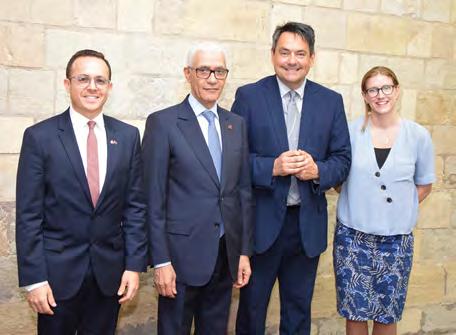
Right: The Speaker of the House of Representatives of the Kingdom of Morocco, Hon. Rachid Talbi El Alami, MP met with the CPA Secretary-General, Stephen Twigg during a visit to the UK Parliament. The Speaker was able to discuss potential areas of collaboration with the CPA and many shared interests between Parliaments, particularly across the CPA Africa Region. The Parliament of the Kingdom of Morocco is also a member of a number of inter-parliamentary organisations and assemblies who work with the CPA on different projects and initiatives including the Inter-Parliamentary Union (IPU) and the Parliamentary Assembly of the Mediterranean (PAM), which signed a cooperation agreement with the CPA in 2021. The Speaker was visiting the UK Parliament as part of a bilateral programme and was also meeting with the Westminster Foundation for Democracy (WFD). The Speaker was accompanied by the Ambassador of the Kingdom of Morocco to the United Kingdom, His Excellency Mr Hakim Hajoui.
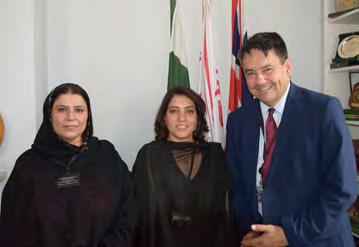
Right: The CPA Secretary-General, Stephen Twigg met with Senator Naseema Ehsan and Senator Palwasha Mohammad Zai Khan from the Senate of Pakistan during their visit to the United Kingdom in June 2023. The CPA SecretaryGeneral was able to update the two Senators on a number of CPA initiatives on good governance and the work of the Commonwealth Women Parliamentarians (CWP) network.
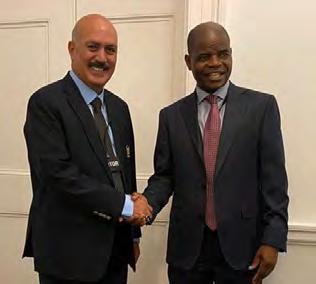
Left: In July 2023, the CPA Deputy SecretaryGeneral, Jarvis Matiya met with Senator Bahramand Khan Tangi from the Senate of Pakistan at the CPA Headquarters in London, UK. Discussions were held on the CPA’s support to Parliamentarians in promoting democracy including the CPA’s Benchmarks for Democratic Legislatures. The Senator was accompanied by the Deputy High Commission of Pakistan in the UK.
The Parliamentarian | 2023: Issue Three | 100 years of publishing | 185 VIEW FROM THE CPA SECRETARY-GENERAL
Image credits: CPA Headquarters Secretariat.
EXAMINING FREEDOM OF EXPRESSION ON SOCIAL MEDIA AND POLITICAL ENGAGEMENT AT 59th CPA CANADA REGIONAL CONFERENCE IN SASKATCHEWAN
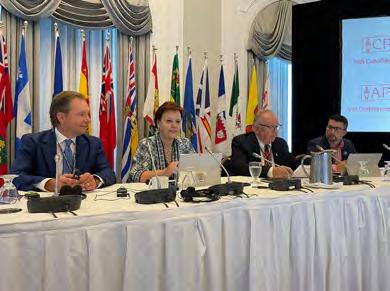
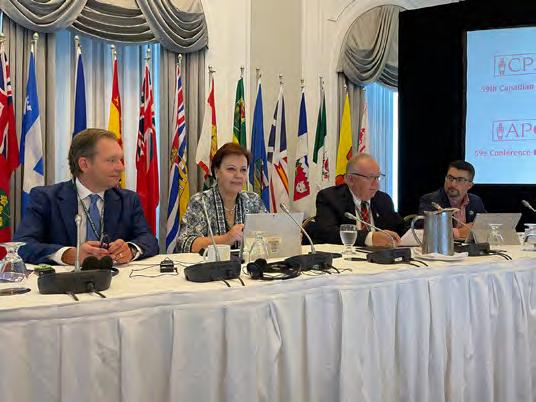
Over 60 Commonwealth Parliamentarians and Parliamentary Clerks recommitted to increasing parliamentary strengthening at the 59th CPA Canada Regional Conference, which took place in Regina, Saskatchewan from 22 to 29 July 2023. Delegates were welcomed to the CPA Canada Regional Conference by Hon. Randy Weekes, Speaker of the Legislative Assembly of Saskatchewan and CPA Saskatchewan Branch President.

The CPA Canada Regional Conference was attended by Members of the Federal, Provincial and Territorial Legislatures of the Region. Delegates attended workshop sessions on a wide range of topics including freedom of expression and cyber-violence: the use of social media and its effects on political engagement with presenter, Hon. Nathalie Roy, Speaker of the Québec National Assembly; women in the economy with leading women entrepreneurs from Western Canada; Members’ orientations experiences from Members and parliamentary staff; and an examination of harassment in the workplace practices. Parliamentarians also examined methods for ensuring legislative debates remain civil in today's modern discourse with Hon. Alexandra Mendès, Assistant Speaker in the Canada House of Commons and CPA Canada Federal Chairperson; Hon. Nathan Cooper, Speaker of the Alberta Legislative Assembly; Hon. Ted Arnott, Speaker of the Ontario Legislature; and Hon. Bill Oliver, Speaker of the New Brunswick House of Assembly.
The CPA Secretary-General, Stephen Twigg attended the Regional Conference to reiterate the CPA’s commitment to the CPA Canada Region as well as updating delegates on CPA activities ahead of the 66th Commonwealth Parliamentary Conference (CPC). He said: “I was very pleased to hear of the innovative work being undertaken in the CPA Canada Region to address the challenges for Legislatures in their engagement with the citizens of Canada. It was interesting to hear the different perspectives from Commonwealth Parliamentarians in Canada as well as the opportunity for Members to learn from each other.”
IPU PRESIDENT MEETS CPA CHAIRPERSON DURING VISIT TO UK PARLIAMENT
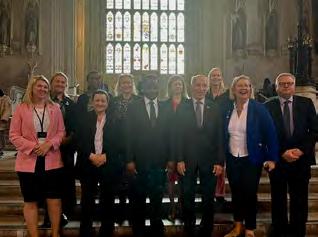
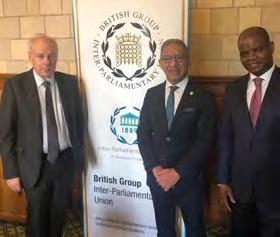
The President of the InterParliamentary Union (IPU), Hon. Duarte Pacheco (Portugal) met with the CPA Chairperson, Hon. Ian Liddell-Grainger, MP (United Kingdom) and the CPA Deputy Secretary-General Jarvis Matiya during a visit to the UK Parliament. The IPU President was able to discuss many areas of collaboration with the CPA to promote good governance and democracy including the IPU’s Indicators for Democratic Parliaments and the CPA’s Benchmarks for Democratic Legislatures. The CPA also supported the IPU’s #Parliaments4thePlanet campaign for World Parliament Day. The IPU President was visiting the British Group of the InterParliamentary Union (BGIPU) at the UK Parliament.
CPA JERSEY DELEGATION VISIT UK PARLIAMENT
A delegation of Deputies from the States Assembly of Jersey visited the UK Parliament in May 2023 for a threeday programme aiming to strengthen the ties between Jersey and the UK Parliament. The programme was organised by the CPA UK Branch and included meetings with UK Members of both Houses and the Channel Islands All-Party Parliamentary Group to discuss a range of issues affecting UK-Jersey relations.The delegation also met with the CPA Deputy Secretary-General, Mr Jarvis Matiya to discuss the CPA’s support for Members through professional development and networking.
For the latest CPA and Commonwealth news please visit www.cpahq.org or follow the CPA on social mediaTwitter @CPA_Secretariat | Facebook.com/CPAHQ | LinkedIn | Instagram @cpa_secretariat
186 | The Parliamentarian | 2023: Issue Three | 100 years of publishing CPA NEWS
Images: Tonga Parliament
PRESIDENT OF GHANA BECOMES CPA VICE-PATRON AHEAD OF 66th COMMONWEALTH PARLIAMENTARY CONFERENCE
The President of Ghana, His Excellency Nana Akufo-Addo has agreed to become the Vice-Patron of the Commonwealth Parliamentary Association for 2023, ahead of the 66th Commonwealth Parliamentary Conference due to be hosted by the Parliament of Ghana and CPA Ghana Branch from 30 September to 6 October 2023 in Accra, Ghana. Since 1989, the Vice-Patron of the Commonwealth Parliamentary Association has traditionally been the Head of State or Government of the CPA Branch hosting the forthcoming annual Commonwealth Parliamentary Conference.
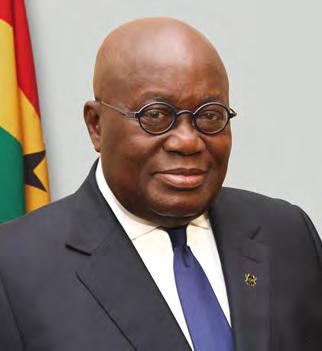
The President of Ghana has served in the role of Head of State since 2017. He previously served as Attorney General (2001 to 2003) and as Minister for Foreign Affairs (2003 to 2007). He worked as a lawyer and was called to the Ghanaian bar in July 1975, having previously been called to the English Bar in 1971.
One of the largest gatherings of Commonwealth Parliamentarians, the 66th Commonwealth Parliamentary Conference will bring together over 500 Parliamentarians, parliamentary staff and decision makers from across the Commonwealth for this unique conference and networking opportunity. The 66th CPC will be hosted by the CPA President (2022-2023), Rt Hon. Alban Bagbin, MP, Speaker of the Parliament of Ghana and will be attended by Speakers, Presiding Officers and Members of Parliament from across the membership of the Commonwealth Parliamentary Association (CPA).
During the 66th Commonwealth Parliamentary Conference, there will also be a number of additional conferences and meetings including: 39th CPA Small Branches Conference; meetings of the Commonwealth Women Parliamentarians (CWP) and Commonwealth Parliamentarians with Disabilities (CPwD) networks; 66th CPA General Assembly; meetings of the CPA Executive Committee; and the 57th Society of Clerks at the Table (SOCATT) meetings.
Information about 66th Commonwealth Parliamentary Conference (CPC) can be found at the CPA website www.cpahq.org/66-cpc.
CPA DELEGATION VISIT PARLIAMENT OF GHANA AHEAD OF 66th COMMONWEALTH PARLIAMENTARY CONFERENCE
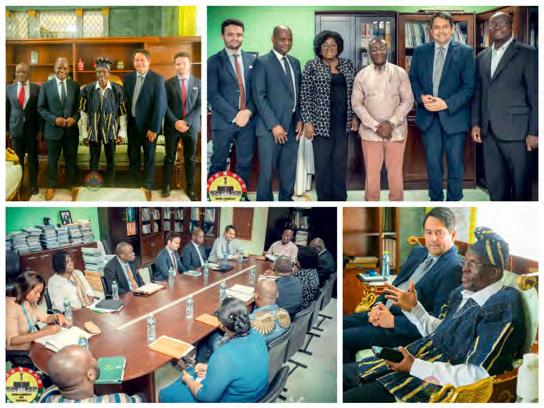
From 29 to 31 May 2023, a CPA Headquarters Secretariat delegation visited the Parliament of Ghana to discuss preparations for the 66th Commonwealth Parliamentary Conference (CPC), set to be held in Accra, Ghana, from 30 September to 6 October 2023. The CPA delegation also had the opportunity to visit the facilities and hotels to be used for the 66th CPC later this year.
During the visit, the delegation, comprising the CPA SecretaryGeneral, Stephen Twigg, CPA Deputy Secretary-General, Jarvis Matiya, and CPA Governance Officer, Tom Marino, met with CPA President (2022-23), Rt Hon. Alban S. K. Bagbin, Speaker of the Parliament of Ghana, at Parliament House in Accra. They also met with CPA Vice-Chairperson, Hon. Osei-Kyei Mensah Bonsu, MP, Majority Leader; Hon. Cassiel Ato Forson, MP, Minority Leader; Hon. Patricia Appiagyei, MP, President of Commonwealth Women Parliamentarians (2022-23); and Cyril Nsiah, Clerk of Parliament.
Beyond Parliament, the CPA Secretariat team met Joseph Whittal, Commissioner of Ghana's Commission on Human Rights and Administrative Justice, and officials from the hospitality and transport industries who will be providing logistical support to the Conference.
85th CPA AFRICA EXECUTIVE COMMITTEE HELD IN TANZANIA
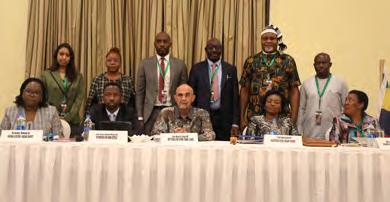
Commonwealth Parliamentarians met for the 85th CPA Africa Region Executive Committee meeting held from 3 to 7 August 2023. Members were welcomed by the CPA Africa Regional Chairperson, Hon. Catherine Gotani Hara, MP, Speaker of the National Assembly of Malawi and the guest of honour was the Deputy Speaker of the National Assembly of Tanzania, Hon. Mussa A. Zungu, MP as hosts. The ViceChairperson of the Commonwealth Parliamentary Association, Hon. Osei Kyei-MensahBonsu, MP, Majority Leader and Member of the Parliament of Ghana, updated Members on the forthcoming 66th Commonwealth Parliamentary Conference. The meeting is held twice a year to plan the regional activities of the CPA Africa Region and to discuss issues of concern to Members. The Commonwealth Women
Parliamentarians Africa Regional Steering Committee and the CPA Africa Finance SubCommittee also met at the event. The CPA Africa Region comprises 63 national and subnational Legislatures.
The Parliamentarian | 2023: Issue Three | 100 years of publishing | 187 CPA NEWS
Image credit: Parliament of Ghana.
Image credit: National Assembly of Tanzania.
COMMONWEALTH MPs ENHANCE THEIR PROFESSIONAL DEVELOPMENT SKILLS AT THIRD CPA PARLIAMENTARY ACADEMY RESIDENCY PROGRAMME IN ALBERTA
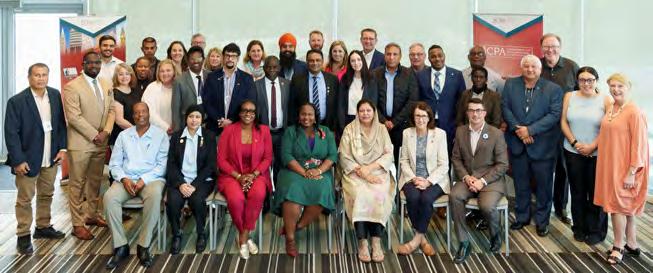
Thirty-five Commonwealth Parliamentarians and Members-elect from across the CPA’s membership attended the Advanced Professional Development and Skills-Building Residency Course in Edmonton, Alberta, Canada from 12 to 16 June 2023. This CPA programme is the third CPA Parliamentary Academy residency programme, and it examined how Members of Parliament can enhance their professional development skills on topics ranging from leadership and strategic thinking to communications and team management.
Over five days, the delegates developed skills that are applicable both in Parliaments and in many different spheres. Delegates were mentored throughout the programme by current Parliamentarians from across the CPA’s membership including Speakers and Members from British Columbia and Alberta as well as experts in professional development. The programme was co-hosted by the Commonwealth Parliamentary Association Headquarters Secretariat and the Alberta Legislative Assembly and delegates attended from: Antigua and Barbuda; Bangladesh; Belize; Jersey; Kiribati; Rajasthan; Malawi; New South Wales; Northern Territory; Northwest Territories; Sri Lanka; Nova Scotia; Saint Lucia; St Kitts and Nevis; Tasmania; Turks and Caicos; Western Australia; British Columbia; and Alberta.
Delegates were welcomed to Canada by the Speaker and Member-elect of the Alberta Legislative Assembly, Hon. Nathan Cooper who said: “It was with great pleasure that I could welcome Parliamentarians from across the Commonwealth to Canada and the Province of Alberta to participate in this valuable programme. It was clear from throughout the week’s activities that we shared the goal of improving the communities we serve and the overall enhancement of good governance across our jurisdictions.”
In a message sent to delegates attending the programme, the CPA Secretary-General, Stephen Twigg said: “I am very grateful to the CPA Alberta Branch for hosting the third CPA Parliamentary Academy Residency Programme in Canada and for their time during the programme to support Parliamentarians attending the event. The opportunities for mutual learning and sharing best practice are vital to the CPA’s work and the CPA Members attending this programme from across the Commonwealth will have benefitted from this once again this week.” The CPA residency programme provides an extension of the CPA Parliamentary Academy, the CPA’s portfolio of online courses, training and resources specifically for Parliamentarians and parliamentary officials. The residency courses are intended to complement the online courses, providing face-to-face interactive learning and knowledge-sharing at a more advanced level. Previous residency programmes have been co-hosted with the New South Wales Parliament and the Western Cape Provincial Parliament. The next programme will take place in partnership with The Scottish Parliament in October 2023.
CPA BENCHMARKS REPORT PROVIDES THE MALAWI PARLIAMENT WITH AN OPPORTUNITY FOR PARLIAMENTARY REFORM
A newly published report from the Commonwealth Parliamentary Association provides a total of 19 recommendations to strengthen the governance, independence and administration of the Parliament of Malawi, following extensive consultation and assessment. The Parliament of Malawi worked with the CPA Secretariat to support a self-assessment of the Legislature against the CPA's Recommended Benchmarks for Democratic Legislatures.
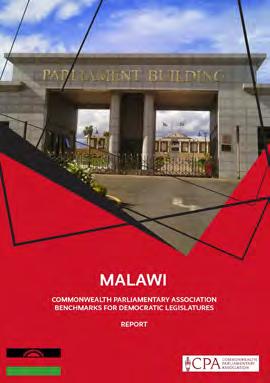
From 27 February to 3 March 2023, two CPA Secretariat staff visited the Parliament of Malawi to undertake consultations with a large cross-section of stakeholders, including the Speaker of Parliament, current and former Members, members of civil society groups, the judiciary, government and parliamentary officials and the media. The concluding report, which the CPA has now published, proposes a wide range of recommendations from greater financial independence and transparency, updating and greater clarification around legal and procedural matters, stronger leadership from Members on the governance of the House and increased staffing support. The 30-page outcomes report will also play an important role in developing the effectiveness of the Parliament of Malawi and will contribute to its implementation of the Sustainable Development Goals, in particular SDG16 on strong and sustainable democratic institutions.
The Speaker of the Parliament of Malawi and CPA Malawi Branch President, Rt Hon. Catherine Gotani Hara, MP said: “Working with the CPA Secretariat on the CPA Benchmarks self-assessment has given us the opportunity to scrutinize our parliamentary procedures and the recommendations in the outcomes report will help us to further examine the reforms outlined in the Parliament of Malawi’s 2021-2026 Strategic Plan.”
For the latest CPA and Commonwealth news please visit www.cpahq.org or follow the CPA on social mediaTwitter @CPA_Secretariat | Facebook.com/CPAHQ | LinkedIn | Instagram @cpa_secretariat
188 | The Parliamentarian | 2023: Issue Three | 100 years of publishing CPA NEWS
Image credit: National Assembly of Seychelles.
CPA HOSTS HYBRID POST-ELECTION SEMINAR FOR DOMINICA HOUSE OF ASSEMBLY
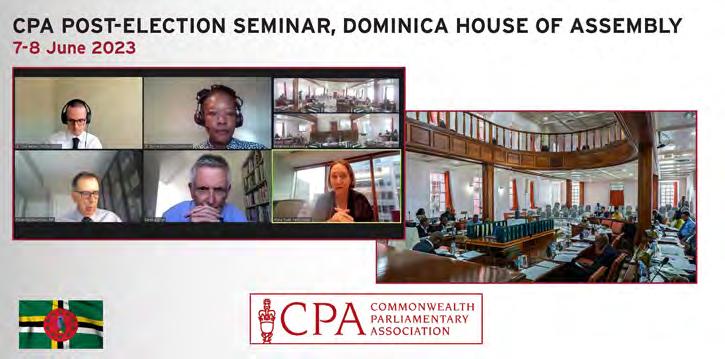
The CPA Secretariat hosted a hybrid CPA PostElection Seminar for the House of Assembly of Dominica on 7 and 8 June 2023. The seminar equipped new and returning Parliamentarians with an in-depth understanding of parliamentary practice and procedure and the skills required of them in their roles as representatives. The programme covered topics including the role of Committee Systems, technological innovation in Parliaments, public outreach and engagement, media relations, engagement with civil society, and equality and diversity.
Opening the CPA seminar, the Speaker of the House of Assembly of Dominica, Hon. Joseph Isaac, told Members gathered in the Chamber and guests joining virtually: “It is my hope that all of you will help in the process of building a more robust, stronger democratic nation through your leadership at the constituency and national level. Parliament is a space where we can have fruitful debate, honest debate, well-researched debate, but debate with respect and tolerance.” Speaking via video link, the CPA SecretaryGeneral, Stephen Twigg, highlighted the geographical diversity of experts in attendance, saying: “Partnership is vital to our work at the CPA and critical to your work as Parliamentarians, so it is wonderful to see such a range of organisations contributing to the CPA Post-Election Seminar this week, including universities, parliamentary strengthening organisations and Commonwealth networks.”
During the hybrid seminar, Members heard from global parliamentary experts, including Dr Rick Stapenhurst from McGill University; Professor Derek O’Brien from Oxford Brookes University and Alisha Todd, Director-General of ParlAmericas, about how civil society, academic research and interparliamentary organisations can support Parliamentarians to be more effective in their role. This was followed by a session exploring the significance of including persons with disabilities and other minority groups in parliamentary procedures to bring diverse perspectives to the Parliament. Presenters in this session included: Hon. Jeremiah Norbert, Deputy Speaker of the House of Assembly of St Lucia; Hon. Wilma Newhoudt-Druchen, Member of the National Assembly of South Africa; and Dr Carola Weil from the School of Continuing Studies at McGill University. The Minister for Finance, Economic Development, Climate Resilience and Social Security, Hon. Dr Irving McIntyre, speaking on behalf of the Prime Minister of Dominica, praised the progressiveness of the seminar programme, adding: “Like every other institution, the Parliament must move with the times to respond appropriately to the needs of our people. The focus on technology, media relations and research is therefore quite timely to equip our Members with knowledge of our changing environment and the skills to remain relevant.”
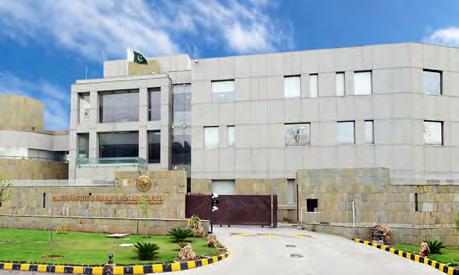
CPA PARTNERS WITH PAKISTAN INSTITUTE FOR PARLIAMENTARY SERVICES TO PROMOTE PARLIAMENTARY STRENGTHENING
A new partnership agreement between the Commonwealth Parliamentary Association (CPA), with its network of almost 180 Parliaments and Legislatures across the Commonwealth, and the Pakistan Institute for Parliamentary Services (PIPS) will benefit legislators across the Commonwealth. The partnership will provide Parliamentarians across the CPA Asia Region – which includes Pakistan (national and provincial Legislatures), Bangladesh, Sri Lanka and The Maldives - with greater training and development opportunities, including programmes on parliamentary strengthening. The partnership will help to further both organisation’s key objectives in areas of parliamentary strengthening, particularly towards achieving UN Sustainable Development Goal 16 on building effective, accountable and inclusive institutions at all levels.
The CPA Secretary-General, Stephen Twigg said: “The signing of this Memorandum of Understanding is a vital step towards strengthening the work of the Commonwealth Parliamentary Association in the CPA Asia Region. Our partnership work with the Pakistan Institute for Parliamentary Services (PIPS) dates back several years on a number of different programmes and thematic workshops and this new MoU will further promote our ability to work together to provide professional development and training for our membership.”
Pakistan Institute for Parliamentary Services (PIPS) Executive Director, Muhammad Anwar said: “This new partnership with the Commonwealth Parliamentary Association will allow us to strengthen the tradition of parliamentary democratic values in general and learning best practices and parliamentary processes through capacity building in particular. This will provide an opportunity to cooperate towards achieving our mutual goal of serving key decision and policy makers through knowledge-sharing activities.”
The Pakistan Institute for Parliamentary Services (PIPS) was established in 2008 and since then, has hosted more than 400 capacitybuilding programmes and thematic roundtables for Members of Parliament and more than 150 programmes for parliamentary staff.
The Parliamentarian | 2023: Issue Three | 100 years of publishing | 189 CPA NEWS
Image credits: Dominica House of Assembly/CPA Headquarters Secretariat.
COMMONWEALTH PARLIAMENTARIANS FROM THE CPA INDIA REGION FOCUS ON DIGITAL ENGAGEMENT AT 9th CPA INDIA REGIONAL CONFERENCE IN RAJASTHAN
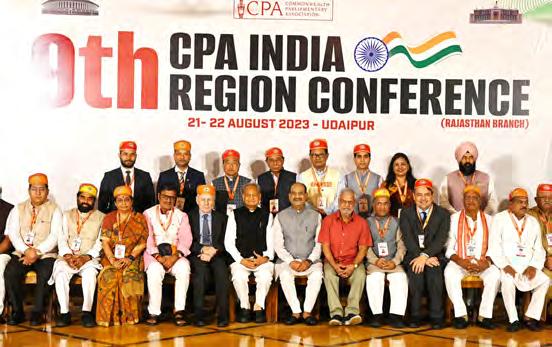
Members of Parliament from the federal and state level in India met for the 9th CPA India Regional Conference in Udaipur, Rajasthan, India from 21 to 22 August 2023. Hosted by the Rajasthan Legislative Assembly and the CPA Rajasthan State Branch on behalf of the CPA India Region, the Regional Conference brought together Commonwealth MPs to share their experiences of parliamentary democracy. The theme of the Regional Conference was ‘ Strengthening democracy and good governance in the digital age’.
The Chairperson of the CPA India Region, Hon. Om Birla MP, the Speaker of the Lok Sabha of India spoke to delegates of India as the largest functioning democracy in the world and he said that Legislatures must embrace new technology to ensure that public engagement remains high and there is active participation in democracy.
Speaking at the opening ceremony, the CPA Chairperson, Hon. Ian Liddell-Grainger MP said: “The Commonwealth Parliamentary Association is led by its Members, and it enhances parliamentary democracy through its activities.” During the Regional Conference, delegates examined how Parliamentarians can be more effective and efficient at encouraging good governance through digital empowerment and the role of Members of Parliament in strengthening India through its democratic institutions.
The Regional Conference was also attended by the Chief Minister of Rajasthan, Hon. Ashok Gehlot; the Speaker of the Rajasthan Legislative Assembly, Hon. C. P. Joshi, MLA; and Rajya Sabha Deputy Chairman, Harivansh Narayan Singh. The CPA Treasurer, Hon. Shri Anurag Sharma, MP (Lok Sabha, Parliament of India) also attended the Regional Conference and the CPA Secretary-General, Stephen Twigg met with Speakers and Members from CPA Branches in the CPA India Region. The CPA India Region comprises of the Lok Sabha and Rajya Sabha (the Federal Parliament of India), and the 31 State Legislative Assemblies of India.
SPEAKER OF INDIA INAUGURATES NEW ASSEMBLY BUILDING IN ASSAM
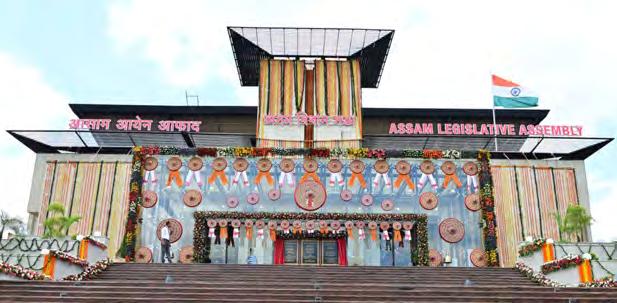
The CPA India Regional Chairperson, Hon. Shri Om Birla, MP, Speaker of the Lok Sabha at the Parliament of India led the inauguration of the new building of the Assam Legislative Assembly in Guwahati on 30 July 2023. The new building is the first permanent Assembly building for the state in 51 years.
The Lok Sabha Speaker said that the newly inaugurated building was a wonderful synthesis of Assamese modernity, together with heritage and culture. "The building of any State Legislative Assembly is not just a building. This is a temple for our democracy. Sitting in this temple, we work only for public welfare. That is why, in the journey of 75 years of this democracy, through socio-economic development, we have taken the nation forward," he stated.
The new building has many state-of-the-art features including audio-visual equipment and IT, and planning is underway for a paperless e-Parliament (e-Vidhan). The Assembly complex is spread over 10 acres of land and has main and annexe buildings for both Members and parliamentary staff. The main chamber has seating for up to 180 Members (currently 129 MLAs are elected). The new building was inaugurated in the presence of Assam Chief Minister, Shri Himanta Biswa Sarma; Union Minister, Shri Sarbananda Sonowal; Minister of State, Shri Rameswar
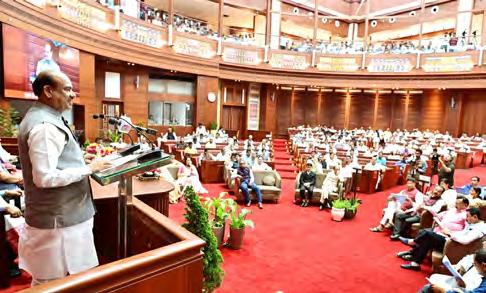
Teli; the Speaker of the Assam Legislative Assembly, Shri Biswajit Daimary and many other dignitaries.
For the latest CPA and Commonwealth news please visit www.cpahq.org or follow the CPA on social mediaTwitter @CPA_Secretariat | Facebook.com/CPAHQ | LinkedIn | Instagram @cpa_secretariat
190 | The Parliamentarian | 2023: Issue Three | 100 years of publishing CPA NEWS
Image credits: Assam Legislative Assembly.
Image credits: Assam Legislative Assembly.
Image credits: Rajasthan Legislature/CPA India Region.
CPA SECRETARY-GENERAL ATTENDS ISLE OF MAN’S TYNWALD DAY CEREMONY, ONE OF THE OLDEST CONTINUOUS PARLIAMENTS IN THE WORLD

The CPA Secretary-General, Stephen Twigg, visited the Isle of Man in July 2023 to take part in the Annual Tynwald Day celebrations. The CPA Secretary-General joined Members and parliamentary staff of the House of Keys and the Legislative Council, the judiciary, local campaigners and the general public to celebrate the National Day of the Isle of Man. The Lieutenant-Governor of the Isle of Man, His Excellency Lieutenant-General Sir John Gordon Lorimer, KCB DSO MBE presided over this year’s occasion. At the sitting of the Tynwald, a number of acts were promulgated as per the Isle of Man’s Statutes. Usually celebrated on 5 July every year, the ancient Tynwald Day has been celebrated for over 1,000 years and involves a sitting of the Tynwald (Parliament) that takes place in the Royal Chapel of St John and outside near Tynwald Hill. Members of Parliament from Jersey, Guernsey, Wales, the United Kingdom and the Republic of Ireland also attended the event.
Whilst on the Island, the CPA Secretary-General also toured the Legislative Chambers with joint CPA Isle of Man Branch President and the President of Tynwald and Legislative Council, Hon. Laurence Skelly, MLC, and met with joint CPA Isle of Man Branch President and Speaker of the House of Keys, Hon. Juan Watterson. The CPA Secretary-General commented: “It is a pleasure to be able to celebrate Tynwald Day with the CPA Isle of Man Branch and others. During my first official visit to the CPA Isle of Man Branch, it is excellent to be able to take part in such a special and longstanding tradition of the Commonwealth’s oldest continuous parliamentary body. It is fascinating to see the rich Manx history celebrated in modern life, showcasing principles of openness, democracy and good governance. The interaction and closeness between the Legislature (and other branches of government) on the one hand and the people on the other is striking.”
CPA SECRETARY-GENERAL VISITS WELSH PARLIAMENT
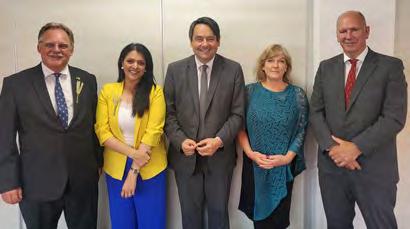
The CPA Secretary-General, Stephen Twigg met Members and parliamentary staff from the Welsh Parliament (Senedd) on 20 June 2023. During the visit, the CPA Secretary-General was welcomed to Parliament by the Llywydd (Presiding Officer) and CPA Wales Branch President, Elin Jones MS, the Deputy Presiding Officer and CPA Wales Branch Vice-President, David Rees MS and the Clerk of Parliament and CPA Wales Branch Secretary, Manon Antoniazzi. At a meeting with Members of the CPA Wales Branch Executive Committee (including David Rees, MS, Rhiannon Passmore, MS, Sam Rowlands, MS, Natasha Asghar, MS, Alun Davies, MS and Mark Isherwood, MS), the CPA Secretary-General answered questions on the legal status of the CPA and the upcoming 66th Commonwealth Parliamentary Conference in Accra, Ghana. He also met Rhun ap Iowerth, MS, CPA Wales Branch Chair and newly elected leader of Plaid Cymru, and Huw Irranca-Davies, MS, who was part of the Welsh delegation to the 65th Commonwealth Parliamentary Conference in Halifax, Canada in August 2022.
During a tour of the Senedd building in Cardiff, opened in 2006, the CPA Secretary-General heard about its many sustainability features, including a rainwater harvesting system and a biomass boiler, and Commonwealth connections, such as the funnel and canopy made of Canadian cedar wood and the parliamentary mace gifted by the Parliament of New South Wales. Reflecting on the visit, the CPA SecretaryGeneral said: "It was a great pleasure to visit the Senedd and hear from Members of the CPA Wales Branch. I was particularly impressed by their active championing of youth participation in democracy through the Welsh Youth Parliament, which is made up of 60 Members aged 11 to 18. The Youth Parliament's system of electing youth Members both directly and through partner organisations to ensure a truly representative and diverse youth Parliament is a pioneering example of best practice for youth engagement."
TOGO DELEGATION VISIT CPA HEADQUARTERS
The CPA Deputy Secretary-General, Jarvis Matiya met with a delegation from Togo on 5 July 2023 at the CPA Headquarters in London led by Ms Aicha Pere, Head of the Togo Presidential Delivery Unit, who was accompanied by officials from the Government of Togo and the Acting High Commissioner of Togo in the United Kingdom, Mr Kpalete A. Kpade. Togo became the 56th member of the Commonwealth on 25 June 2022 following approval from Commonwealth leaders during the Commonwealth Heads of Government Meeting (CHOGM) in Kigali, Rwanda. The Togo delegation emphasised their intention to join the CPA and reiterated their commitment to the values and ideals of the Commonwealth.
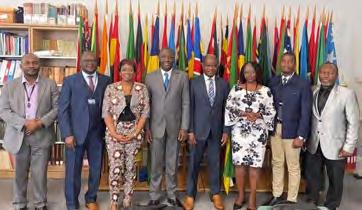
The Parliamentarian | 2023: Issue Three | 100 years of publishing | 191 CPA NEWS
Image credits: Tynwald Parliament of Isle of Man/CPA Headquarters Secretariat. Image credits: CPA Headquarters Secretariat. Image credits: CPA Headquarters Secretariat.
DISASTER RISK DECISION-MAKING ON THE AGENDA FOR COMMONWEALTH POLITICIANS AT CPA WORKSHOP FOR SMALL PARLIAMENTS
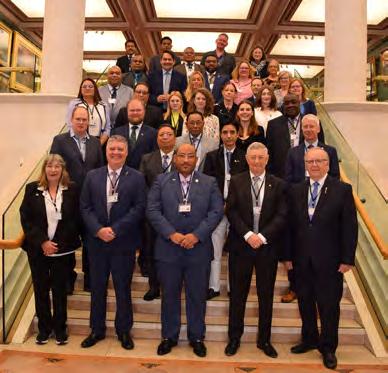
Members of Parliament from 13 small Parliaments in the Commonwealth attended a workshop on disaster risk management organised by the CPA’s Small Branches network and the Institute for Hazard, Risk and Resilience at Durham University. The workshop, hosted at the City of London’s Guildhall in the UK, from 24 to 26 May 2023, connected Parliamentarians from Small Island Developing States (SIDS) and other small jurisdictions with world-leading academics and practitioners from the field of disaster risk management. Across three days of sessions, participants shared their personal experiences of disasters and their impact on small communities, including hurricanes, the COVID-19 pandemic and landslides, and discussed strategies for effective disaster risk management, informed by the latest research.
The Chairperson of the CPA Small Branches network, Joy Burch, MLA, Speaker of the Australian Capital Territory Legislative Assembly, attended the workshop. Reflecting on the lessons learned across the three days, she said: “I would like to thank all the academics from the Institute of Hazard, Risk and Resilience at Durham University and the other world-leading experts who have shared their deep expertise with us this week. The workshop has been an excellent learning opportunity for Members, and I expect us all to go back to our Parliaments with clear ideas about how to strengthen disaster planning.”
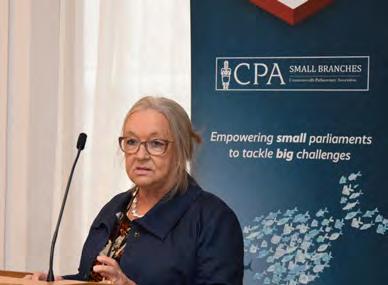
Members from the Cayman Islands, Fiji, Isle of Man, Sikkim (India), Tonga, and Turks and Caicos Islands presented on their experiences of recent disasters affecting their jurisdictions. Lord Fakafanua, Speaker of the Fale Alea 'o Tonga (Legislative Assembly of Tonga), gave a compelling testimony on the impact of the 2022 Hunga Tonga–Hunga Haʻapai volcanic eruption and tsunami. He described the psychological trauma experienced by the Tongan community and issues with co-ordination, communication and insurance during the disaster recovery period. Workshop convenor Professor Kate Cochrane, Professor in Practice at the Institute of Hazard, Risk and Resilience and Head of Resilience for NHS Highland, added: “I have really enjoyed organising this workshop and bringing together colleagues from across the field of disaster risk management to provide Members of Parliament with a truly holistic and systemic perspective on what effective disaster planning, resilience and recovery looks like. I am excited to see how the lessons from the workshop are taken forward across the Commonwealth.”
Speaking at the opening ceremony, CPA Secretary-General, Stephen Twigg said: “The CPA Small Branches network has played a critical role in supporting small Parliaments and giving them a voice within the wider CPA membership. This workshop forms part of a growing body of work on issues relating to sustainable development, climate change, the environment, biodiversity and disaster risk."
SPEAKER OF TRINIDAD AND TOBAGO PARLIAMENT MEETS WITH CPA SECRETARYGENERAL TO DISCUSS AREAS OF CO-OPERATION FOR THE CPA CARIBBEAN REGION
The Speaker of the House of Representatives of the Republic of Trinidad and Tobago and Joint CPA Trinidad and Tobago Branch President, Hon. Bridgid Annisette-George met with the CPA Secretary-General, Stephen Twigg during a visit to the UK Parliament from 11 to 14 July 2023. The Speaker was able to discuss areas of collaboration with the CPA, including training and support for Parliamentarians and parliamentary staff as well as other projects like the Commonwealth Youth Parliament, which was hosted by the CPA Trinidad and Tobago Branch last year.
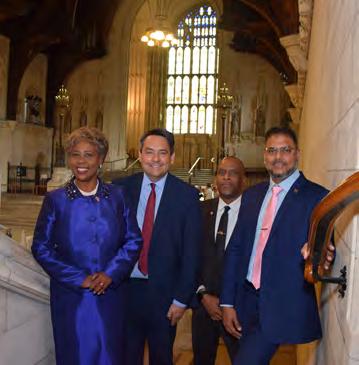
The Speaker was accompanied by the Vice-President of the Senate, Senator Dr Muhammad Yunus Ibrahim; Senator Dr Paul Richards, who is also the Region’s representative for the Commonwealth Parliamentarians with Disabilities (CPwD) and the Clerk of the Senate, Mr Brian Caesar. The CPA Trinidad and Tobago delegation were visiting the UK Parliament for a bilateral programme organised by the CPA UK Branch which included meetings with the Speaker of the UK House of Commons, Rt Hon. Sir Lindsay Hoyle, MP.
For the latest CPA and Commonwealth news please visit www.cpahq.org or follow the CPA on social mediaTwitter @CPA_Secretariat | Facebook.com/CPAHQ | LinkedIn | Instagram @cpa_secretariat
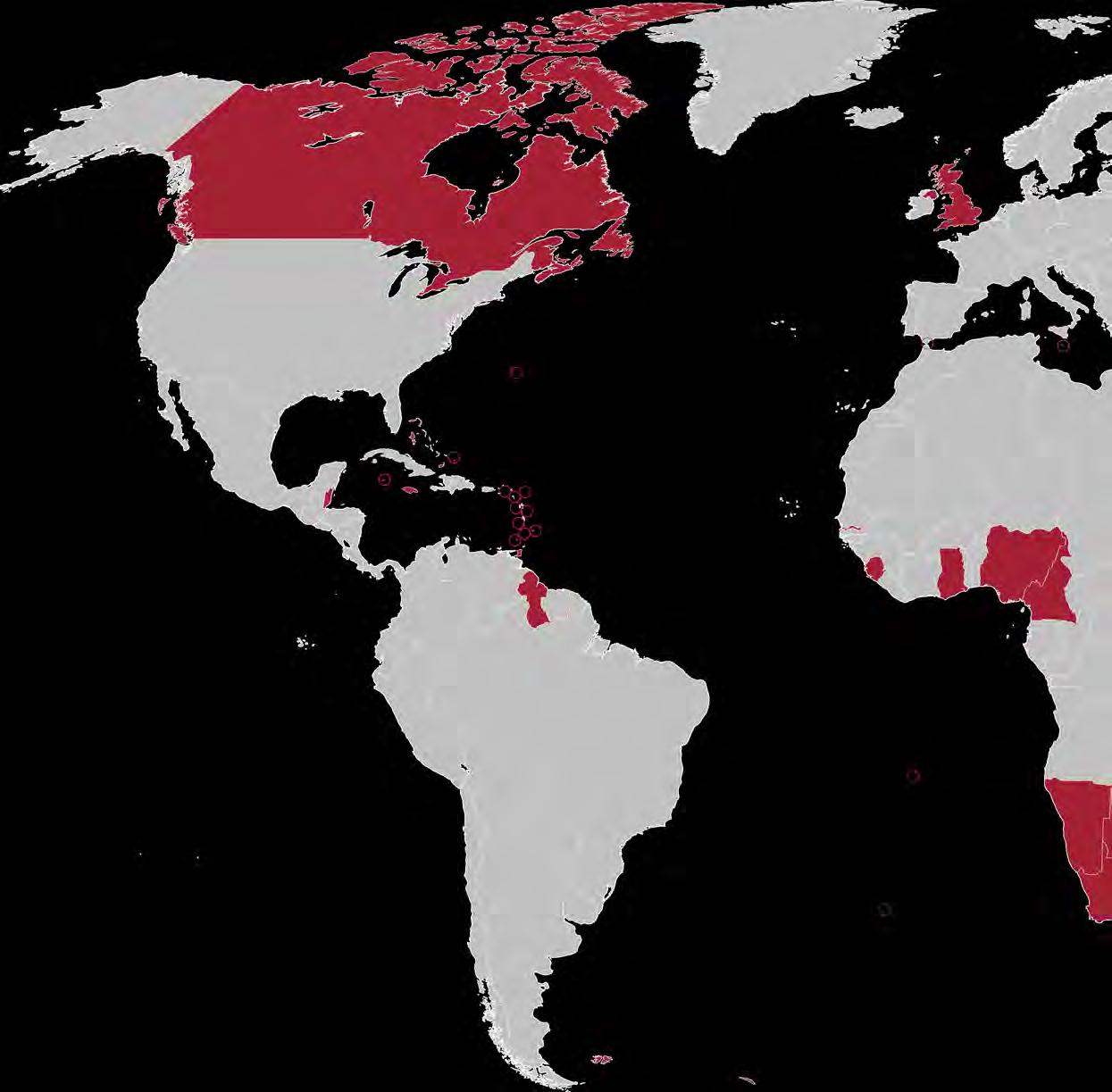
192 | The Parliamentarian | 2023: Issue Three | 100 years of publishing CPA NEWS
Image credit: KwaZulu-Natal Legislature.
Image: CPA Headquarters Secretariat.
NEW FCDO/CPA PROJECT AIMS TO STRENGTHEN PARLIAMENTARY DEMOCRACY AND GOOD GOVERNANCE ACROSS THE COMMONWEALTH
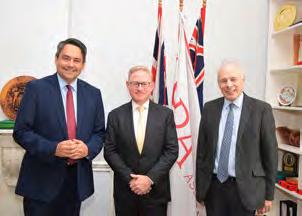
The Commonwealth Parliamentary Association, together with project funding from the UK Foreign, Commonwealth and Development Office (FCDO) is embarking on a new project to further parliamentary democracy and good governance across the Commonwealth. The CPA’s Recommended Benchmarks for Democratic Legislatures provide a framework for excellence in Commonwealth parliamentary and legislative practice. The CPA Benchmarks, which were adopted by the CPA’s 180 Commonwealth Parliaments and Legislatures, provide a minimum standard and a guide on how a Parliament should be constituted and how it should function. They play an important role in developing the effectiveness of parliamentary institutions. By supporting Parliaments to undertake CPA Benchmark assessments to produce outcomes reports and accompanying recommendations, these institutions and their leadership will be able to identify clear roadmaps for effective and targeted reforms. The CPA, through FCDO project funding, will be able to support these Parliaments to fulfil these recommendations through CPA Technical Assistance Programmes, which could involve updating the rules of procedures, training for Parliamentarians and parliamentary staff, or developing corporate policies. These project outputs will strengthen parliamentary institutions for improved good governance.
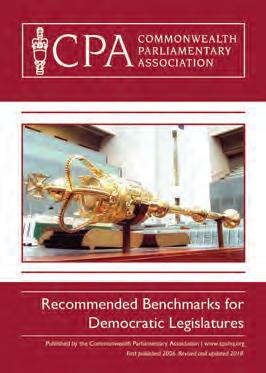
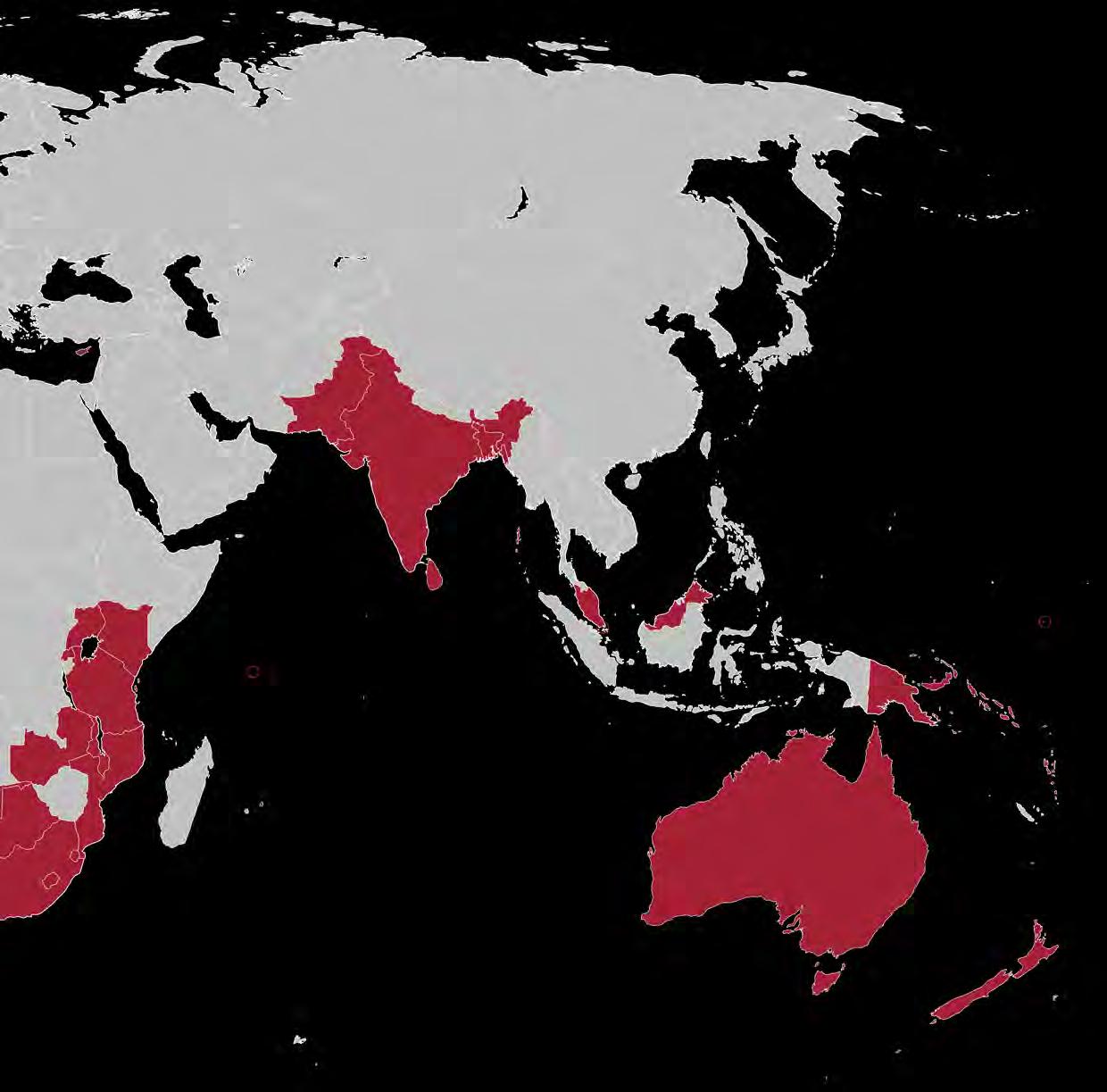
Jo Lomas, the UK Commonwealth Envoy said: “We value our ongoing collaboration with the CPA and are pleased to support the CPA’s Benchmarks project. This project champions Commonwealth values and in particular [its] proud history of acting to strengthen good governance. This timely project will give Commonwealth Parliaments additional tools to tackle the complex challenges that they face and thereby enhance good governance and democracy across the Commonwealth.”
Stephen Twigg, CPA Secretary-General said: “Effective Parliaments are the cornerstone of good governance, and this project will ensure that Legislatures can function to their maximum potential. The CPA/FCDO Benchmarks Project will seek to ensure that Parliaments can vigorously scrutinise and hold the Executive accountable, implement high-quality legislation and provide adequate services and resources needed to enable Parliamentarians to represent their communities.”
Outcomes from recent CPA Benchmarks assessments have included the National Assembly of Kenya translating their Standing Orders into Kiswahili and the publishing of an e-newsletter to increase public outreach. In Belize, following a CPA Benchmarks assessment, the House of Representatives developed a new Code of Conduct, updated their Standing Orders and established a Women’s Parliamentary Caucus, demonstrating the valuable use of the CPA Benchmarks across the Commonwealth.
NEW CPA VICE-PRESIDENT VISITS CPA HEADQUARTERS
The new CPA VicePresident, Hon. Ben Franklin, MLC, President of the Legislative Council of New South Wales, visited the Headquarters of the Commonwealth Parliamentary Association in London where he met with the CPA Chairperson, Hon. Ian Liddell-Grainger, MP, the CPA Secretary-General, Stephen Twigg and the CPA Deputy SecretaryGeneral, Jarvis Matiya to discuss ongoing collaboration with the CPA New South Wales Branch and the wider CPA Australia Region.
The CPA Vice-President assumed his new role following his election to the position of Presiding Officer of the Legislative Council in May 2023. The CPA New South Wales Branch and the Parliament of New South Wales are due to host the 67th Commonwealth Parliamentary Conference (CPC) in November 2024. Traditionally the CPA President and CPA Vice-President are Presiding Officers from the next two CPC hosts. The 66th Commonwealth Parliamentary Conference will be hosted by the CPA Ghana Branch and the Parliament of Ghana from 30 September to 6 October 2023.
To find out more about this project please email hq.sec@cpahq.org.
KENYAN SPEAKER MEETS CPA SECRETARY-GENERAL
The Speaker of the National Assembly of Kenya, Rt Hon. Moses Wetang’ula, E.G.H., MP met with the CPA SecretaryGeneral, Stephen Twigg and Deputy Secretary-General, Jarvis Matiya at CPA Headquarters on 25 May 2023. A delegation of Kenyan Parliamentarians and parliamentary staff also attended the meeting, including Samuel Njoroge, Clerk of the National Assembly. The meeting was held following the CPA Post-Election Seminar with the Parliament of Kenya that was held early in 2023 and the Speaker was also briefed on ongoing CPA activities in the CPA Africa Region. The visit also coincided with Africa Day, an annual commemoration of the foundation of the Organisation of African Unity (later the African Union) on 25 May 1963.
The CPA Kenya Branch was formed in 1964, shortly after Kenyan independence was formally declared. The CPA Africa Region, comprising 63 national and sub-national Legislatures, provides Parliamentarians with the opportunity to discuss issues and build consensus on areas of common interest.
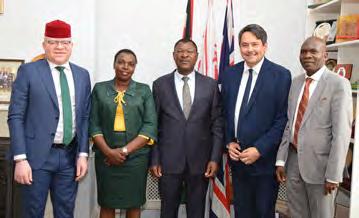
The Parliamentarian | 2023: Issue Three | 100 years of publishing | 193
CPA NEWS
QUEENSLAND HOSTS REGIONAL SITTING OF PARLIAMENT IN CAIRNS
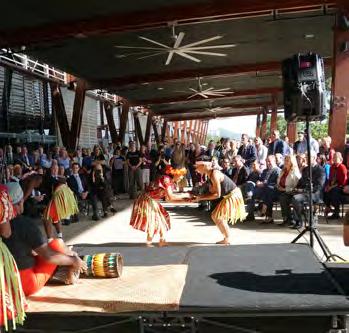
The Queensland Parliament hosted its 6th Regional Sitting of Parliament in Cairns, in the far north of the Australian State from 9 to 11 May 2023. Regional Sittings of Parliament are hosted away from Brisbane, the state capital, giving people from other parts of the State the chance to experience democracy in action. A full parliamentary sitting week was held in Cairns, alongside other events including school visits, Youth Parliaments, a free community breakfast and sports sessions.
The first Regional Sitting of the Queensland Parliament was held in Townsville, North Queensland in 2002. Since then, the cities of Cairns, Mackay and Rockhampton have held Regional Sittings, attracting thousands of visitors from across the regions of Queensland. Regional Sittings are a great example of how to 'bring Parliament to the people' and build engagement with different communities. Similar initiatives have been established by other Commonwealth Parliaments, such as the Western Cape Provincial Parliament (South Africa), which has twice held the official opening of Parliament outside of Cape Town, the provincial capital, since 2020.
VANUATU MPs VISIT QUEENSLAND PARLIAMENT AS PART OF PARLIAMENTARY TWINNING
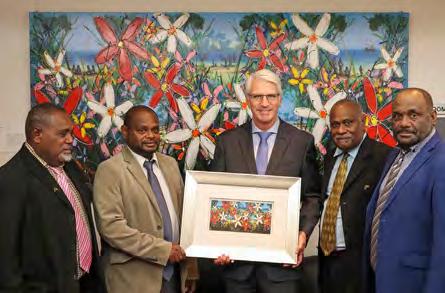
The Acting Speaker of the Queensland Parliament, Mr Joe Kelly, MP, welcomed a delegation of Parliamentarians from Vanuatu led by the 2nd Deputy Speaker, Jack Kalmet, MP on 8 June 2023. The visit provided an opportunity to renew the twinning between the two Parliaments – which takes place under the auspices of the Commonwealth Parliamentary Association in the CPA Pacific and CPA Australia Regions and supports parliamentary strengthening, training and exchanges across the two Regions. The Queensland Parliament is ‘twinned’ with the Vanuatu Parliament and extends to cultural and economic connections as well as parliamentary exchanges. The Acting Speaker of Queensland presented the Vanuatu Parliament with a framed replica of David Hart’s ‘Australia Mural’ which hangs on the walls of the Queensland Parliament and depicts some of the story of Australia following colonisation and the new life symbolised by flowers.
NEW ZEALAND SPEAKER LEADS VISIT TO SAMOA PARLIAMENT
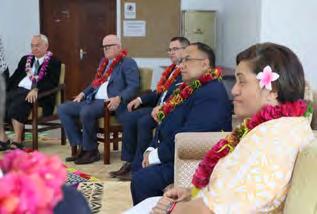
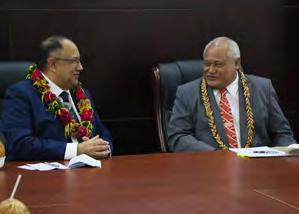
The Speaker of the New Zealand House of Representatives, Rt Hon. Adrian Rurawhe, led a delegation from the New Zealand Parliament to visit the Parliament of Samoa. The Speaker of the Legislative Assembly of Samoa, Hon. Papalii Lio Taeu Masipau and the Deputy Speaker, Hon. Au’uapaau Mulipola Aloitafua, MP greeted the New Zealand delegation ahead of a traditional welcome ceremony. Discussions focused on areas of cooperation between the two Parliaments and across the Pacific Region.
SPEAKER OF KWAZULU-NATAL MEETS CPA SECRETARY-GENERAL
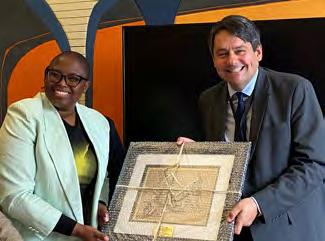
The Speaker of the KwaZulu-Natal Legislature, Hon. Nontembeko Boyce and a delegation of Members of the Provincial Legislature met with the CPA Secretary-General, Stephen Twigg during a visit to the UK Parliament. The CPA KwaZulu-Natal Branch in South Africa recently hosted a team from the CPA Headquarters on a number of projects including a gender selfassessment for the Legislature using the Commonwealth Women Parliamentarians network’s Gender Sensitization Guidelines, and professional development opportunities for MPs. The KwaZulu-Natal Legislature also hosted the 84th CPA Africa Region Executive Committee meeting in Durban in April 2023 on the theme of ‘An Activist, People-Centred Legislature’.
For the latest CPA and Commonwealth news please visit www.cpahq.org or follow the CPA
194 | The Parliamentarian | 2023: Issue Three | 100 years of publishing CPA NEWS
LinkedIn
Instagram
on social mediaTwitter @CPA_Secretariat | Facebook.com/CPAHQ |
|
@cpa_secretariat
Image credits: Parliament of Queensland.
Image credits: Parliament of Queensland.
Image credits: Parliament of Samoa.
Image credits: CPA Headquarters.
CPA MARKS WORLD PARLIAMENT DAY 2023 WITH #PARLIAMENTS4THEPLANET CAMPAIGN TO HIGHLIGHT ENVIRONMENTAL SUSTAINABILITY
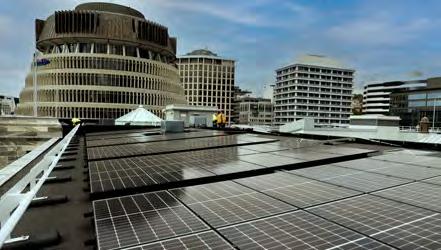
The International Day of Parliamentarism, also known as World Parliament Day, is celebrated every year on 30 June. It was established in 2018 through a United Nations General Assembly Resolution and also marks the anniversary of the establishment of the Inter-Parliamentary Union (IPU).
To mark World Parliament Day 2023, the CPA supported the #Parliaments4thePlanet campaign by the IPU and highlighted how Commonwealth Parliaments are leading by example on climate action by introducing sustainable policies and practices within their own institutions.
The CPA Secretary-General, Stephen Twigg said: “On World Parliament Day 2023, the CPA is pleased to be supporting the #Parliaments4thePlanet campaign. To fully convey to the public the urgency of climate action, Parliaments can provide inspiration for others to follow by establishing ambitious sustainability policies and practices within their own institutions. Many Commonwealth Parliaments have shown leadership in this area, and we are pleased to be highlighting these examples as part of the IPU’s #Parliaments4thePlanet campaign.”
The CPA shared many examples from around the Commonwealth such as staff at the Papua New Guinea Parliament planting 68 bottlebrush trees around the precincts of Parliament House as part of a day of activities promoting awareness of environmental issues and the New Zealand Parliament installing 560 solar panels on their roof which will produce more than 200kW of electricity to help power Parliament. To mark World Parliament Day, the CPA also published a new blog titled ‘Eight People Powering Parliaments’ which examines some of the ancient and modern 'behind-the-scenes' roles undertaken by staff in Commonwealth Parliaments.
CPA MALAWI AND CPA SCOTLAND BRANCHES CONTINUE LONG STANDING PARTNERSHIP
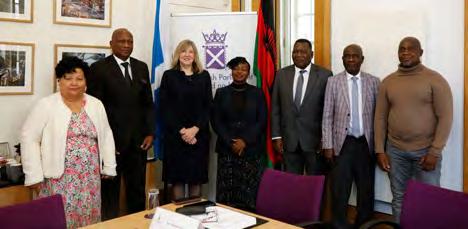
The CPA Malawi and CPA Scotland Branches of the Commonwealth Parliamentary Association met in Edinburgh recently, continuing a longstanding partnership between the two jurisdictions. The Speaker of the Parliament of Malawi, Rt Hon. Catherine Gotani Hara, MP and the Presiding Officer of The Scottish Parliament, Rt Hon. Alison Johnstone, MSP held bilateral discussions on shared agendas and parliamentary processes.
CPA UK DELEGATION VISIT FIJI AND NEW ZEALAND
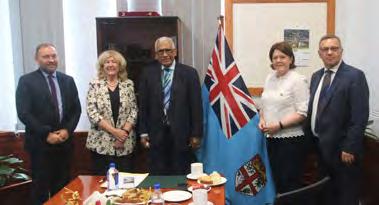
A delegation from the UK Parliament, led by the CPA UK Branch Chairperson, Rt Hon. Dame Maria Miller, MP visited the CPA Pacific Region to share common challenges and develop future partnerships between the Legislatures. The CPA UK delegation met with the Speaker of the Parliament of Fiji, Hon. Ratu Naiqama Lalabalavu, CPA Fiji Branch President to discuss bilateral exchange and projects. The visit to Fiji was followed by a programme in New Zealand, where the UK Parliamentarians met the CPA New Zealand Branch Chairperson, Hon. Gerry Brownlee, MP and Ms Anahila Kanongata’a-Suisuiki, MP, CWP New Zealand representative. This was followed by a tour of the Wellington constituency of Mana with Barbara Edmonds, MP and Melissa Lee, MP, which underlined the role of Maori and Pasifika-led organisations in the local community, and how these communities shape New Zealand’s past and future. The CPA UK delegation included Rt Hon. Baroness Taylor of Bolton; Hon. Ian Murray, MP; and Hon. Craig Whittaker, MP.
COMMONWEALTH PARLIAMENTARIANS ATTEND FIRST SPEAKERS OF THE ISLES CONFERENCE
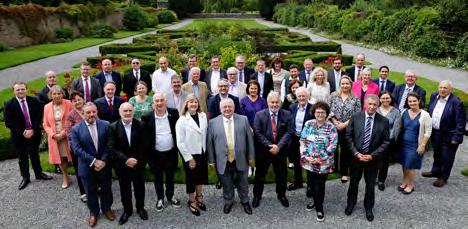
The Ceann Comhairle (Speaker) of the House of the Oireachtas (Parliament the Republic of Ireland), Seán Ó Fearghaíl, TD, hosted the inaugural Speakers of the Isles Conference at Kilea Castle, near Dublin in July 2023. The conference demonstrated the shared commitment from legislative partners to maintaining strong interparliamentary relations in a ‘post-Brexit world’. The participants comprised the Speakers and Clerks of a number of Parliaments and Legislatures including Ireland, the UK, Guernsey, Isle of Man, Jersey, Northern Ireland, Scotland and Wales. The event was an opportunity to share knowledge
and experience across parliamentary networks and enhance working relationships. Delegates discussed a number of topics including parliamentary privilege, ethics and standards in public life, and public discourse and security in political life.
The Parliamentarian | 2023: Issue Three | 100 years of publishing | 195 CPA NEWS
Image credit: The Scottish Parliament.
Image credit: CPA UK/Fiji Parliament.
Image credit: House of the Oireachtas.
Image credit: New Zealand Parliament.
BUILDING STRONG AND RESILIENT PARLIAMENTS IS THE FOCUS AT 52nd PRESIDING OFFICERS AND CLERKS CONFERENCE FOR PACIFIC AND AUSTRALIA REGIONS IN SOLOMON ISLANDS
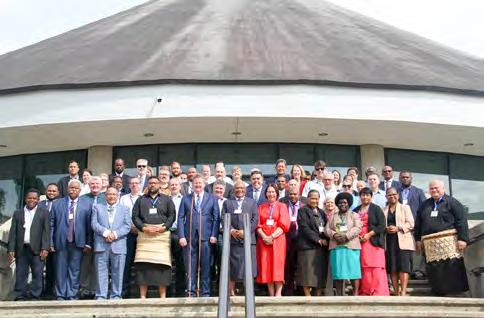
Parliamentarians from the Pacific and Australia Regions have focused on building strong and resilient Parliaments at the 52nd Presiding Officers and Clerks Conference (POCC), hosted by the National Parliament of Solomon Islands in Honiara from 2 to 6 July 2023. More than 50 Presiding Officers, Speakers and Clerks from 18 Parliaments in the Pacific and Australia Regions attended the conference including Australia Federal, New Zealand, Papua New Guinea, Nauru, Vanuatu, Bougainville, Tuvalu, Tonga, Kiribati, Solomon Islands and the Australian State Parliaments.
The Speaker of the National Parliament of Solomon Islands, Patteson J. Oti said: “The 52nd Presiding Officers and Clerks Conference provides a valuable opportunity for the Pacific Presiding Officers and Clerks to come together with our counterparts from across the Pacific and Australia Regions to exchange ideas, share experiences and expand our knowledge of parliamentary practice and procedure. The theme for the 52nd POCC of ‘Building Strong and Resilient Parliaments’ underscores our commitment to the development of robust democratic institutions in our Region.” The Speaker also made specific mention of the small Parliaments in the Region and the challenges that they face. The POCC conference was attended by the CPA Small Branches Chairperson, Joy Burch, MLA, Speaker of the Australian Capital Territory who highlighted the work of the network in supporting the smallest Parliaments in the Commonwealth. In his keynote address, the President of the Congress of New Caledonia, Hon. Roch Wamytan, UC, highlighted the significance of strong parliamentary institutions and their role in shaping a better future for the Region. During the conference, delegates discussed the strengthening parliamentary security and how Parliaments can best meet the challenges of a rapidly changing world for the people they represent. They also participated in workshops and presented conference papers on a range of topics. Highlighting the importance of resilience and innovation, the President of the Australian Senate, Senator Hon. Sue Lines, the Speaker of the Solomon Islands, Hon. Patteson J. Oti and the Clerk of the Parliament of New South Wales, David Blunt provided insightful presentations on the innovative approaches and measures required for building resilient Parliaments that can adapt to the evolving challenges of the modern world.
The annual conference is hosted by a different Parliament each year for the Parliaments of Australia and the Pacific, and it is open to Presiding Officers and Clerks across the two Regions. In the margins of the conference, there were also meetings held between the twinned Parliaments of the CPA Pacific and CPA Australia Regions. The twinning project supports parliamentary strengthening, training and exchanges across the two Regions. This was the second time that the National Parliament of Solomon Islands has hosted the conference, the first being the 43rd POCC in July 2012. The 52nd POCC was supported by the United Nations Development Program (UNDP), the Australian, New Zealand and Japanese Governments. The next 53rd POCC will be hosted by the Parliament of South Australia in 2024.
GUYANA PARLIAMENT MARKS ITS 70th ANNIVERSARY
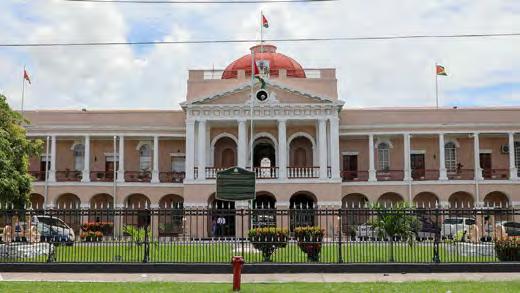
The 70th anniversary of the Elected Assembly of Guyana took place on 8 May 2023. Now named the Parliament of the Co-operative Republic of Guyana, the Assembly met for the first time under universal adult suffrage on 8 May 1953 when the first elected Members of the new House of Assembly gathered at Parliament House. On 27 April 1953, General Elections were held under the first-past-the-post system for 24 seats in the new House of Assembly.
The Speaker of the National Assembly, Hon. Manzoor Nadir, MP hosted a reception to mark the anniversary and an open house was held from 23 to 25 May 2023 for members of the public to visit the Parliament building.
The CPA Secretary-General, Stephen Twigg sent a message of congratulations to the Speaker and Members of the Parliament of Guyana on the occasion of their 70th anniversary and said: “This is a key milestone in the country’s history, and we wish the Parliament all the best in its commemorative events. An Open House of Parliament is an excellent way to mark the anniversary and encourage engagement with the country’s citizens on the function of the Parliament and the crucial roles Parliamentarians play in upholding democracy. The CPA stands ready to support the Parliament of the Co-operative Republic of Guyana whenever necessary and looks forward to continuing this relationship to the next milestone and beyond.”
The CPA Guyana Branch was formed on 1 January 1939 and Guyana joined the Commonwealth in 1966.
For the latest CPA and Commonwealth news please visit www.cpahq.org or follow the CPA on social mediaTwitter @CPA_Secretariat | Facebook.com/CPAHQ | LinkedIn | Instagram @cpa_secretariat
196 | The Parliamentarian | 2023: Issue Three | 100 years of publishing Please note: The annual Presiding Officers and Clerks Conference (POCC) is not a CPA event but is organised by the Parliaments of the Pacific and Australia Regions.
Image credit: Parliament of the Solomon Islands.
Image credit: Parliament of Guyana.
COMMONWEALTH NEWS
SPEAKERS AND MPS AT 18 th CONFERENCE OF SPEAKERS AND PRESIDING OFFICERS OF THE COMMONWEALTH AFRICA REGION IN CAMEROON

Commonwealth Speakers and MPs have met for the 18th Conference of Speakers and Presiding Officers of the Commonwealth (CSPOC) Africa Region, hosted by the Parliament of Cameroon on the theme of ‘African Parliaments and the Agenda 2063’. The conference was opened by the Prime Minister of Cameroon, Chief Dr Joseph Dion Ngute, representing the President of Cameroon, H.E. Paul Biya, who said to delegates: “Your presence here today reflects the cordial ties and perfect cooperation that exist between our countries, which share a fundamental cultural value. Given the determination of the Heads of State and Governments of the African Union and the relevance of Agenda 2063, it is up to us to remain confident and to believe in our potential more than in the past. In your capacity as representatives of the people, whose aspirations and hopes you represent, and in your dual role as legislators and monitors of public action, your role is decisive for the implementation of Agenda 2063.”
The welcome address was given by Hon. Mary Muyali Epse Meboka, MP (Cameroon), Chairperson of the Organising Committee of CSPOC Africa 2023, on behalf of the CSPOC Africa Chairperson and Speaker of the National Assembly of Cameroon, Hon. Cavaye Yeguie Djibril, MP, in which she said: "The Parliament of Cameroon is delighted and honoured to welcome Speakers from the National and Sub-National Parliaments of Africa for the 18th CSPOC Africa Conference. Gatherings such as this conference are an invaluable opportunity to come together, as Speakers, Presiding Officers and Members of Parliament, so that together we can discuss issues concerning our Parliaments and the development of Africa. Together, we can seek ways and means of contributing to the realisation of the vision set for Africa by 2063; the transformation of Africa into the centre of economic influence for the future.”
The CPA President, Rt Hon. Alban Bagbin, Speaker of the Parliament of Ghana attended the 18th CSPOC Africa to update delegates ahead of the hosting of the 66th Commonwealth Parliamentary Conference in Accra, Ghana. Other attendees included the Chairperson of the CPA Africa Region, Hon. Catherine Gotani Hara, MP, Speaker of the National Assembly of Malawi and the Speakers of Botswana, Tanzania, South Africa, Nigeria and The Gambia. The conference ran from 17 to 21 July 2023 and brought together 18 national Branches of the Commonwealth Parliamentary Association (CPA) Africa Region including Botswana, Cameroon, Eswatini, Ghana, Kenya, Lesotho, Malawi, Mauritius, Mozambique, Namibia, Nigeria, Rwanda, Seychelles, Sierra Leone, South Africa, Tanzania, Uganda and Zambia as well as several Nigerian State Branches and the Speakers of the South African Provincial Legislatures as observers. The CSPOC conference brings together the Speakers and Presiding Officers of the Parliaments and Legislatures of the Commonwealth. The CSPOC Africa Conference is a separate independent organisation, although many of its participants are also members of the Commonwealth Parliamentary Association.
The 19th Conference of Speakers and Presiding Officers of the Commonwealth (CSPOC) Africa Region will be hosted by the Parliament of Botswana in 2025 with the Speaker of the National Assembly of Botswana, Hon. Phandu T. C. Skelemani elected as the new CSPOC Africa Chairperson. Botswana previously hosted the CSPOC Africa Region in Kasane in 2007.
COMMONWEALTH HEADS OF GOVERNMENT TO MEET IN SAMOA IN 2024
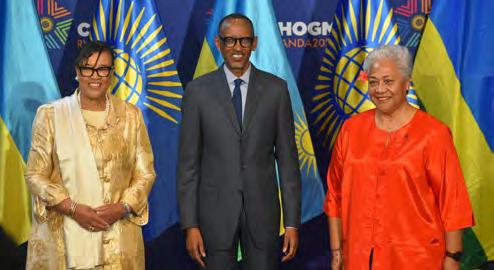
The Prime Minister of Samoa, Hon. Fiamē Naomi Mataʻafa, and the Commonwealth Secretary-General, the Rt Hon Patricia Scotland KC, have announced that the next Commonwealth Heads of Government Meeting (CHOGM) will be held in Apia, Samoa, beginning on 21 October 2024. CHOGM – customarily held every two years – is the Commonwealth’s primary political meeting. Building on progress since CHOGM 2022, leaders will deliberate on global economic, environmental and security challenges, and discuss how the contemporary Commonwealth can work together to build resilience, boost trade, innovation, growth, and empower the Commonwealth’s 1.5 billion young people to build a more peaceful, sustainable future. Commonwealth Leaders selected Samoa as the incoming Chair-In-Office and host of the next CHOGM at last year’s Heads of Government Meeting in Rwanda. It will be the first CHOGM to be held in a Pacific Small Island Developing State and the first since Gabon and Togo officially joined the Commonwealth, increasing the number of member nations to 56.
The Samoa Prime Minister said: “We look forward to welcoming the Commonwealth family to our home. We are weathering unprecedented times as the Commonwealth and the world in general; the adaptive response is anchored in solidarity and building resilience as a matter of survival."
The Commonwealth Secretary-General stated: "As we continue to deliver the mandates from our fantastic CHOGM in Kigali last year, we are already looking forward to CHOGM 2024. And it comes at a vital time –especially as the impacts of climate change intensify – so it is fitting that our global family will meet for the first time on a Pacific Island."
The Parliamentarian | 2023: Issue Three | 100 years of publishing | 197
COMMONWEALTH NEWS
Image credit: Commonwealth Secretariat.
Image credit: CHOGM 2022/Commonwealth Secretariat.
45th MEETING OF THE CONFERENCE OF HEADS OF GOVERNMENT OF CARICOM IN TRINIDAD AND TOBAGO MARKS 50 th ANNIVERSARY OF THE COMMUNITY
Parliamentarians from across the CPA Caribbean, Americas and Atlantic Region attended the 45th Meeting of the Heads of Government of the CARICOM (Caribbean Community) in Trinidad and Tobago from 3 to 5 July 2023.
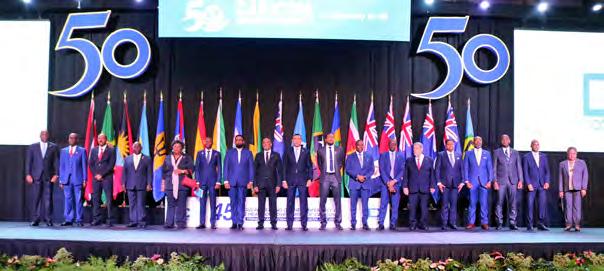
The United Nations Secretary-General, António Guterres spoke at the opening of the meeting to call for climate action, debt relief and urgent aid for Haiti from Caribbean leaders. The UN Secretary-General said that climate action, focusing attention on the plight of small island developing states is a manifestation of the spirit of CARICOM and nations should work together to face the ‘enormous’ challenges in the Caribbean including the post-COVID-19 recovery of the region’s tourism industry and export revenues. Delegates were welcomed by the Incoming Chairman of CARICOM, Hon, Roosevelt Skerrit, Prime Minister of Dominica; Hon. Dr Keith Rowley, the Prime Minister of Trinidad and Tobago; and the CARICOM Secretary-General, Dr Carla Barnett. The Commonwealth Secretary-General, Rt Hon. Patricia Scotland, KC also addressed the meeting and said: "The Caribbean, despite its relatively small size, has consistently been at the forefront of tackling the most significant challenges of our time. Their contributions have enriched our Commonwealth family in immeasurable ways, and today our partnership, grounded in principled and practical action, on a wide array of initiatives is stronger than ever before.”
In 2023, the Caribbean Community (CARICOM) is celebrating its 50th anniversary, following its establishment by the Treaty of Chaguaramas on 4 July 1973. Chaguaramas lies in the north-west peninsula of Trinidad, west of Port of Spain, and was the location for the signing of the treaty that established the organisation. CARICOM members include: Antigua and Barbuda; The Bahamas; Barbados; Belize; Dominica; Grenada; Guyana; Haiti; Jamaica; Montserrat; Saint Lucia; St Kitts and Nevis; St Vincent and the Grenadines; Suriname; Trinidad and Tobago. Associate Members: Anguilla; Bermuda; British Virgin Islands; Cayman Islands; Turks and Caicos Islands.
COMMONWEALTH TRADE MINISTERS PAVE THE WAY FOR AN INCLUSIVE AND SUSTAINABLE DIGITAL TRANSITION
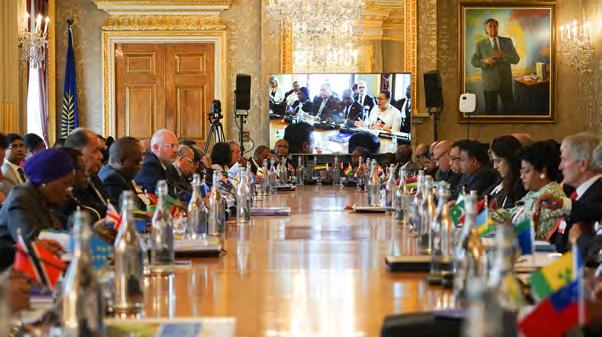
Commonwealth Trade Ministers concluded their latest meeting in London, UK with a strong emphasis on cooperation for resilient, inclusive, green and digital economies. Building upon the initiatives agreed upon by Commonwealth Heads of Government in Kigali, Rwanda, in June 2022, the Trade Ministers exchanged views on the challenges facing the global economy and highlighted the importance of building sustainable and resilient economies for the post-COVID recovery. They expressed their shared commitment to deepen collaboration to support all members, especially developing countries, least developed countries, small states and small island developing states, to reap the gains from international trade.
One of the key outcomes was to mandate that the Commonwealth will focus on generating an investment plan of action, with the goal of increasing investment flows among member countries. This initiative aims to support economic growth, particularly in infrastructure development and clean, green investments. Furthermore, the Commonwealth Trade Ministers emphasised the need to foster a digital transition and facilitate digital trade for inclusive growth and development. To address the digital divide and skills gaps, Commonwealth members emphasised the need to focus on developing digital public infrastructure, ensuring affordable access to digital technologies, and promoting digital financial services.
The Chair of the meeting, Dr Jean Chrysostome Ngabitsinze, the Minister of Trade and Industry for Rwanda said: “Practical and actionoriented commitments should be the outcome of our meeting, noting the tremendous efforts made so far. Commonwealth principles and values must continue to drive our deliberations and commitments, taking bold and ambitious steps to respond to the important mandate given to us by our heads of government.”
The Commonwealth Secretary-General, Rt Hon. Patricia Scotland, KC said: “The Commonwealth is committed to strengthening the multilateral trading system, deepening trade and investment, fostering sustainability, and enabling a digital transition. I am looking forward to continued collaboration between our members towards a brighter and more prosperous Commonwealth.”
For the latest CPA and Commonwealth news please visit www.cpahq.org or follow the CPA on social mediaTwitter @CPA_Secretariat | Facebook.com/CPAHQ | LinkedIn | Instagram @cpa_secretariat
198 | The Parliamentarian | 2023: Issue Three | 100 years of publishing
Image credits: CARICOM.
Image credit: Commonwealth Secretariat.
COMMONWEALTH NEWS

THE COMMONWEALTH CHARTER
10 YEARS ON: VALUES AND PRINCIPLES FOR PARLIAMENTS TO UPHOLD
CORNERSTONES, INSTITUTIONS AND THE RULES-BASED INTERNATIONAL SYSTEM
Reflections on the 10th anniversary of the Commonwealth Charter by the SecretaryGeneral of the Inter-Parliamentary Union (IPU).
The Inter-Parliamentary Union (IPU) and the Commonwealth Parliamentary Association (CPA) share a number of fundamental characteristics, most notably, 1) voluntary membership of state institutions 2) a core belief in democracy as an ideal and a system of government. We have a common goal of international understanding and world peace.
In this article on the occasion of the 10th anniversary of the Commonwealth Charter, I want to reflect on the significance of cornerstones and institutions for the rules-based international system.
The Commonwealth Charter, adopted in 2013, is such a cornerstone. It is a collective statement of the aspirations of the membership. Within the diversity of nations that make up the Commonwealth, it clearly sets out the values and principles that are shared by all members. When the future is uncertain, it provides an anchor that holds firm in the storm. For the IPU, the 1997 Universal Declaration on Democracy is a similar cornerstone.
The Commonwealth Charter, like the Universal Declaration on Democracy, emerged at a point of time in the organisation’s history. It emerged at the time when the organisation was ready to state its core beliefs. These core beliefs were not created ex nihilo in order to write a Charter; instead, the Commonwealth Charter is a reflection of decades of discussions, decisions, disagreements and ultimately consensus among members.
People ask: what purpose does this serve? Why does it matter today? If you did it again, would you do this differently? We live in a fractured world of competing interests. There is competition within countries and between countries. Inequalities abound, as do injustices.
Dialogue, based on principles of tolerance, respect and understanding, is the only possible solution. Dialogue takes place
within institutions that are trusted by their members. And institutions need cornerstones that provide the foundation for that trust: The cornerstone is a statement that says: This is what we believe in. This is the standard to which we hold ourselves. In the past, the present and the future.
People will argue that there is a need to update it to reflect changing views or emerging issues. A key characteristic of democracy is that it is always perfectible. Maybe cornerstones can be perfect as well?
I don’t believe a cornerstone should be changed lightly. I suggest we think about the Commonwealth Charter in the same way as one thinks of a national constitution. It provides clarity and certainty. The principles that it expresses are enduring. Getting to a point of agreement among members is a huge political challenge. Tinkering with what has been agreed creates risks of diminishing or diluting the original document.
On the twentieth anniversary of the Universal Declaration on Democracy in 2017, the IPU’s Member Parliaments reaffirmed their attachment to this instrument and its principles. They acknowledged that it represents a coherent whole and a political settlement and decided against reopening debates that had been fought over and settled. In that sense, the cornerstone is not only enduring but also persistent.
While the Commonwealth Charter reflects the values and principles of the Commonwealth membership at a point in time, it is also timeless and in some ways a very forward-looking document. I admire the Commonwealth Charter for its inclusion of a specific reference to protecting the environment. Its drafters saw clearly that the values and principles have to find their expression in political action. As the climate emergency deepens, the political choices are getting starker every day. Political leadership is required to
Martin Chungong is the Secretary-General of the Inter-Parliamentary Union (IPU) and made double history by becoming the first-ever African and the first non-European to be elected as IPU Secretary-General in the organisation’s over 130-year history. Following a 14-year career with the Cameroonian Parliament, he has dedicated his professional life to promoting and building democracy worldwide. A key focus is driving the IPU’s efforts to bring more young people into Parliaments worldwide and he is a leader in helping Parliaments become more transparent, accountable and representative. He is the Chair of the Global Board of the International Gender Champions; a network of decision-makers, male and female, who have committed to breaking down gender barriers. He also promotes dialogue and conflict resolution, issues that remain at the heart of the IPU’s global work. His focus on helping countries emerging from conflict or in transition has been widely acknowledged by the IPU membership and partners globally.
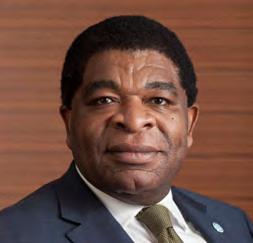
200 | The Parliamentarian | 2023: Issue Three | 100 years of publishing
ensure the green transition as a means of enhancing the social and economic well-being of the people they represent.
I admire the Commonwealth Charter for its ambition to be people-oriented and for the consultative process through which it was developed. I salute the Charter’s recognition of the role that civil society plays in promoting and supporting core values and principles. The fundamental tenet of democracy is that everyone should have the right to participate in the management of public affairs. This means listening to the voices of all people, men and women, young and old as well as the voices of those who may be marginalised. Public engagement can be slow and expensive. It brings out contradictions and competing interests. The benefits of consultation, however, are immeasurable. Decision-making is improved. Laws are more effective. Trust in and legitimacy of the democratic system of government is reinforced.
A cornerstone is a product of its time. It is of course possible that a different process at a different time might potentially lead to
10 YEARS ON: VALUES AND PRINCIPLES FOR PARLIAMENTS TO UPHOLD

a very different document. If we were to set out today to write a Commonwealth Charter from scratch or to write a new or alternative Universal Declaration on Democracy, my suspicion is that the result would be very similar. These cornerstones articulate the soul of the organisation. They are not subject to political winds but are an expression of something altogether deeper.
When members voluntarily join or participate in an association of equals, at whatever level, they are expressing their willingness to dialogue and cooperate with others. This is not to say that members will agree on everything. Nor should they! A Charter or a Universal Declaration is not a denial or a flattening of differences, or an attempt to impose uniformity on a diverse membership.
What a cornerstone does is provide an understanding of core values and principles upon which all members do agree. This sense of shared purpose creates the space in which international cooperation can take place. It provides a framework in which members can reach consensus on political issues or agree to continue to discuss them until a consensus can be found. It allows States, and Parliaments, to express their commitment to a rulesbased international system in which rights and responsibilities are shared among all. This is what I have observed in my three decades in the service of the Inter- Parliamentary Union, during which the organisation has evolved rapidly under the guidance and support of its member Parliaments. I suspect the same is true for the Commonwealth.
I congratulate The Commonwealth and the Commonwealth Parliamentary Association on the tenth anniversary of the Commonwealth Charter. I fervently wish that the values and principles of the Commonwealth Charter continue to inspire members and others for the next decade - and beyond - to pursue new levels of international understanding and world peace.
The Parliamentarian | 2023: Issue Three | 100 years of publishing | 201
THE COMMONWEALTH CHARTER
“
I admire the Commonwealth Charter for its ambition to be people-oriented and for the consultative process through which it was developed. I salute the Charter’s recognition of the role that civil society plays in promoting and supporting core values and principles. The fundamental tenet of democracy is that everyone should have the right to participate in the management of public affairs.”
THE COMMONWEALTH CHARTER 10 YEARS ON: VALUES AND PRINCIPLES FOR PARLIAMENTS TO UPHOLD
UPHOLDING THE VALUES OF THE COMMONWEALTH CHARTER: THE ROLE OF PARLIAMENTS AND PARLIAMENTARIANS IN PROTECTING HUMAN RIGHTS
The Chair of the Commonwealth Forum of National Human Rights Institutions (CFNHRI) from Rwanda outlines how Parliaments and Parliamentarians can uphold the human rights principles in the Commonwealth Charter.
I. Introduction
The Commonwealth Charter, adopted in 2013, serves as a guiding document for the 56 member states of the Commonwealth, fostering cooperation, shared values, and a commitment to the promotion of human rights, democracy and the rule of law. As Parliaments are central to the democratic process in Commonwealth nations, Parliamentarians play a crucial role in upholding the principles outlined in the Commonwealth Charter, particularly when it comes to safeguarding human rights.
The National Commission for Human Rights of Rwanda is the current Chair of the Commonwealth Forum of National Human Rights Institutions (CFNHRI). Equipped by Parliament with strong legal powers, we have a clear role to play in human rights-based legislative reforms that align with international standards.
Partnership working between Parliamentarians and National Human Rights Institutions are fundamental to effectively translating the Commonwealth Charter into national action to create stronger and fairer societies.
The promotion and protection of human rights are central to fostering inclusive and democratic societies. National Human Rights Institutions (NHRIs) and Parliaments play crucial roles in upholding these values and ensuring that human rights are respected, protected and fulfilled.
NHRIs and Parliaments can create a powerful partnership that advances human rights, strengthens accountability and fosters a culture of human rights within their respective countries.
NHRIs are independent bodies established by governments to promote and protect human rights at the national level. These institutions act as advocates for human rights, monitor compliance with international human rights standards and provide recommendations to improve policies and practices. NHRIs play a crucial role in bridging the gap between the government and the citizens, ensuring that human rights are upheld, and holding authorities accountable for any violations. This article examines
the ways that Parliaments and Parliamentarians can fulfil their responsibilities and contribute to a better, more just world by prioritizing human rights.
II. Parliaments and the authority to ensure that human rights principles are integrated into national laws and policies
1. Legislation and Law-making
One of the primary functions of Parliaments is to enact laws and policies that reflect the values and principles of the Commonwealth Charter. Parliamentarians must ensure that their legislative efforts prioritize the protection and promotion of human rights for all. This involves introducing and passing laws that prohibit discrimination, protect freedom of expression, guarantee the right to peaceful assembly and defend vulnerable groups from exploitation and abuse.
Moreover, Parliaments should engage in a thorough review of existing legislation to identify and rectify any laws that are inconsistent with human rights principles. Continuous monitoring and assessment of the legal framework can ensure that it evolves with societal changes and advances in human rights standards.
2. Oversight and Accountability
Parliaments have a vital role in holding the Executive branch accountable for its actions. Ensuring that governments act in accordance with human rights principles requires rigorous oversight by Parliamentarians. They should scrutinise government policies, decisions and actions to ensure they align with the commitments outlined in the Commonwealth Charter.
Parliamentary Committees dedicated to human rights issues can be established to investigate and address alleged violations effectively. These Committees should collaborate with Civil Society Organisations and human rights bodies to gather comprehensive information and propose appropriate measures to rectify any gaps.
Marie Claire Mukasine is the Chair of the Rwanda National Commission for Human Rights and the Chair of the Commonwealth Forum of National Human Rights Institutions (CFNHRI). She is a lawyer and holds an MBA in Public Administration. She has served in various leadership positions in Rwanda including as a Senator from 2011 until 2019. She has also served as President of the Rwanda chapter of the Africa Parliamentarians Network Against Corruption (APNAC). She has served as a Permanent Secretary in the Rwanda Ministry of Gender and Family Promotion and the Ministry of Infrastructure. She has also been DirectorGeneral of the National Insurance Corporation Sonarwa and the Director-General of the Rwanda Investment Group (RIG).
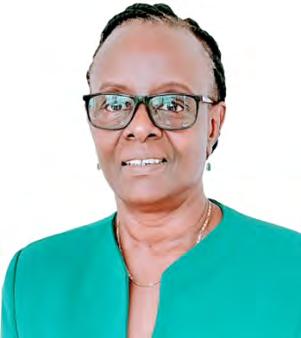
202 | The Parliamentarian | 2023: Issue Three | 100 years of publishing
3. Public Awareness and Education
Parliamentarians have a unique position to influence public dialogue and raise awareness about human rights issues within their constituencies. Through public engagement, education and awareness campaigns, Parliamentarians can foster a culture of respect for human rights and inclusion. By collaborating with local NGOs, educational institutions and media outlets, they can promote human rights values and advocate for their universal acceptance.
4. International Cooperation and Solidarity
The Commonwealth is a diverse and interconnected community, making international cooperation crucial in promoting human rights globally. Parliamentarians have the opportunity to strengthen bonds between member states and work together to address human rights challenges that transcend national borders.

Parliaments should actively participate in Commonwealth Parliamentary Association (CPA) meetings and other international forums to exchange best practice, share experiences and collaborate on strategies for advancing human rights. Additionally, they can build relationships with Parliaments in countries facing human rights crises and provide support in strengthening their democratic institutions.
5. Protecting Minority Rights
Respecting and protecting the rights of minorities is a key aspect of upholding human rights principles. Parliamentarians must ensure that the interests and rights of minority groups, including ethnic, religious and linguistic minorities, are adequately represented in the legislative process.
Creating platforms for minority communities to voice their concerns and grievances can foster inclusivity and strengthen the democratic fabric of Commonwealth countries. It is also essential to enact specific legislation and policies that safeguard minority rights and ensure their equitable access to opportunities and services.
Parliaments in the Commonwealth are the legislative bodies responsible for enacting laws, overseeing government actions and representing the interests of the people. Through their legislative
and oversight functions, Parliaments have the authority to ensure that human rights principles are integrated into national laws and policies. They provide a platform for dialogue, debate and scrutiny, allowing human rights issues to be addressed effectively and comprehensively.
III. Collaboration between NHRIs and Parliaments
1. Policies Advocacy
NHRIs can engage with Parliaments to advocate for human rightscentered policies and legislation. By providing expert advice, research and analysis, NHRIs can assist Parliamentarians in drafting laws that align with international human rights standards. This collaborative approach ensures that the laws enacted reflect the needs and concerns of the people while safeguarding their rights.
2. Human Rights Impact Assessment
NHRIs can conduct human rights impact assessments of proposed legislation, allowing Parliaments to understand the potential consequences of laws on human rights. This process aids Parliamentarians in making informed decisions and addressing any potential negative impacts on human rights before enacting legislation.
3. Monitoring and reporting
NHRIs play a critical role in monitoring the human rights situation in the country. By sharing their findings and recommendations with Parliaments, they contribute to a better understanding of human rights challenges and assist lawmakers in addressing issues of concern.
4. Oversight and Accountability
Parliaments can use NHRIs' reports and recommendations as valuable tools for holding the government accountable for human rights violations. NHRIs provide independent assessments of the government's actions, which empower Parliamentarians to demand transparency and rectify human rights abuses.
The Parliamentarian | 2023: Issue Three | 100 years of publishing | 203
THE COMMONWEALTH CHARTER 10 YEARS ON: VALUES AND PRINCIPLES FOR PARLIAMENTS TO UPHOLD
YEARS ON: VALUES AND PRINCIPLES FOR PARLIAMENTS TO UPHOLD
5. Public Engagement
Collaborative efforts between NHRIs and Parliaments can lead to more inclusive and informed decision-making. By involving civil society organisations and the public in their work, NHRIs and Parliaments ensure that a diverse range of perspectives are considered in shaping human rights policies and legislation.
Several Commonwealth countries have demonstrated the positive outcomes of collaboration between NHRIs and Parliaments:
1. Regular consultations between NHRIs and Parliamentary Committees have led to human rights-based legislative reforms that align with international standards and recommendations.
2. NHRIs and Parliaments have jointly conducted awareness campaigns on human rights, promoting a culture of human rights and enhancing citizens' understanding of their rights and responsibilities.
IV. The CFNHRI work
After being approved as the Chair of the Forum, the Rwanda National Commission for Human Rights realised it needed to have some guidelines in order for the work to go well; so, it prepared a draft CFNHRI Strategic Plan 2022-2024 based on the suggestions given by the members in the biannual meeting that took place in Kigali, Rwanda in June 2022.
The draft strategic plan was prepared in collaboration with the Northern Ireland Human Rights Commission, after which the members offered their suggestions online. The strategic plan has five key pillars including Sports, Business, Climate Change, Women's and Children’s Rights and Health.
The draft CFNHRI Strategic Plan 2022-2024 was discussed at the 2023 annual meeting in-person in Geneva and approved at the follow-up meeting held online on 28 April 2023.
After the CFNHRI’s Strategic Plan 2022- 2024 was adopted, the working groups and their members were approved too. Members have also expressed an interest in chairing the working groups. The working groups are as follows:
• Sports and human rights is chaired by the Northern Ireland Human Rights Commission;
• Business and human rights is chaired by Rwanda National Commission for Human Rights;
• Climate change and human rights is chaired by the Human Rights Commission of Maldives;
• The working group on the rights of Women and Girls is chaired by the New Zealand Human Rights Commission;
• and lastly the working group on Health and human rights is chaired by the UK Equality and Human Rights Commission.
The CFNHRI Steering Committee was put in place and its first meeting took place on 11 May 2023 where the terms of reference of the Steering Committee were endorsed and it began the discussion on long term sustainability of the CFNHRI Permanent Secretariat.
It was noted that having a Permanent Secretariat established as a legal entity will help in the coordination of the forum. The Steering
Committee presides over the coordination of the CFNHRI’s strategic priorities led by its Chair and works closely with the Permanent Secretariat in the management of the day-to-day activities of the Forum.
The Steering Committee, with the support of the Working Groups, will facilitate capacity building and knowledge sharing among the CFNHRI members and ensure that international human rights standards are respected across the Commonwealth.
V. Challenges and Way Forward
While Parliaments and Parliamentarians have immense potential to uphold human rights in line with the Commonwealth Charter, several challenges may impede progress. Political divisions, limited resources, cultural barriers and vested interests can hinder efforts to address human rights violations effectively.
To overcome these challenges, fostering a culture of human rights within Parliaments and promoting education on human rights principles is vital. Engaging NHRIs, human rights defenders, Civil Society Organisations and the public in the legislative process can help build a stronger commitment to upholding human rights.
VI. Conclusion
The Commonwealth Charter provides a solid foundation for member states to build and nurture democratic societies that uphold human rights, among other shared values. Parliaments and Parliamentarians play a crucial role in translating these principles into tangible actions that promote and protect human rights.
By enacting human rights-centred legislation, promoting accountability and advocating for the rights of their constituents, Parliaments and Parliamentarians can create positive change within their countries and contribute to advancing human rights across the Commonwealth and the world. Upholding the values of the Commonwealth Charter is not just a duty but a collective responsibility that requires unwavering commitment and collaboration from all stakeholders.
204 | The Parliamentarian | 2023: Issue Three | 100 years of publishing THE COMMONWEALTH CHARTER
10
LIVING UP TO THE COMMONWEALTH CHARTER? A HUMAN RIGHTS PERSPECTIVE
The Commonwealth Charter should be one of the association’s chief glories. On the face of it, it could be. After all, 10 years after its adoption, we’re reflecting on a joint commitment by more than 50 states to uphold democracy, good governance and human rights. That’s a big achievement, even if the price of reaching consensus means the Commonwealth Charter stops well short of some specific commitments in the most controversial areas.
The Commonwealth Charter was intended to be short - an accessible statement of core values which might strengthen the Commonwealth and perhaps make it seem more relevant and modern to its citizens all around the world.
In Britain, when the text was formally presented to Parliamentarians in March 2013, the UK Government made clear its view of both the scope and limitations of the Charter.
“We recognise that the Charter is not an exhaustive document. It is an overarching summary which brings together the values and commitments of the Commonwealth that are set out in more detail in previous declarations and affirmations.”
That points to a risk inherent in the Commonwealth Charter - that by avoiding detail, it may even dilute those earlier Commonwealth declarations which contained more comprehensive and often more demanding commitments. Those declarations still exist, but can governments and legislators choose to ignore them because something newer and perhaps less demanding is now in place?
By the time of the Commonwealth Charter’s adoption in 2012 and its formal signing by the late Queen Elizabeth II in 2013, had the Commonwealth already reached its own highwater mark standing up for human rights, good governance and the rule of law? Was the Commonwealth already retreating from the commitment to, and enforcement of, its own internal rules?
If so, when was that high water mark?
Harare Declaration of 1991
I feel myself lucky to have started reporting regularly from Commonwealth Summits by attending first the Commonwealth Heads of Government Meeting (CHOGM) in Harare in October 1991. It felt like an annus mirabilis - a miraculous year - for the organisation in the warmth of early spring in the southern hemisphere.
Nelson Mandela was there - not yet elected to lead South Africa, of course - but at least finally out of prison for the past year and a half.
His presence underlined that this was the Commonwealth’s golden moment after decades when the member states had responded to public opinion and campaigned so vigorously against apartheid. The Commonwealth had (with the exception of Britain) acted largely in unison to isolate and sanction South Africa for the many obscenities of rigid racial segregation, and the cruelties and violence used to maintain white supremacy.
The achievement of that CHOGM over 30 years ago was the adoption of the Harare Declaration. It greatly strengthened the shared commitment to fundamental and inalienable human rights, including the right to participate in free and democratic political processes, as well as the right to the rule of law, the independence of the judiciary, and just and honest government.
Crucially, the Harare Summit also opened the way for the Millbrook Declaration four years later, which established the Commonwealth Ministerial Action Group and thus armed the Commonwealth with punitive powers against member governments who erred and strayed from the Commonwealth's shared fundamental political values, including the separation of powers, the rule of law and human rights. Movement on protecting rights seemed to be very much in a positive direction.
A Commonwealth with teeth
What followed was a period of new Commonwealth assertiveness in the field of human rights and (to some extent) a period of what might be called global leadership by Commonwealth example.
The Commonwealth Ministerial Action Group (CMAG) was - and should still be - a powerful court of Commonwealth Foreign Ministers to punish serious violations of the Harare Declaration. A group of countries serve in rotation.
CMAG’s initial focus in the mid-1990s was on dictatorships and coups d’état. That meant business was brisk. The Action Group had to confront a significant number of military leaders who had seized power or outright civilian autocrats who had abandoned democracy. There were undoubted successes for CMAG, including suspensions from membership of countries including Fiji, Nigeria, Pakistan and Zimbabwe. I can’t think of another association of states which has done half as much to police and to punish its own.
Importantly, the language that CMAG used in its official public pronouncements was notably muscular and blunt.
James Robbins is the Chair of Commonwealth Human Rights Initiative, UK. He is a British journalist who worked for BBC News for over 33 years in several roles, including Diplomatic and Royal Editor, and as correspondent for Southern Africa and Europe. He has covered most of the Commonwealth CHOGMs since Harare in 1991 and he has reported from many Commonwealth countries.
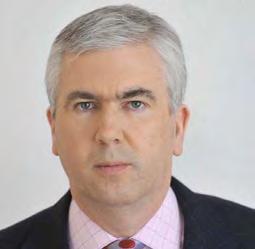
The Parliamentarian | 2023: Issue Three | 100 years of publishing | 205 THE COMMONWEALTH CHARTER 10 YEARS ON: VALUES AND PRINCIPLES FOR PARLIAMENTS TO UPHOLD
So, for instance, here’s an extract from the Concluding Statement of the Group after a meeting at Marlborough House in London on 6 June 2000: “CMAG unanimously condemned the use of armed force against Fiji's democratically elected Prime Minister and his government by a group of extremists and expressed concern over the subsequent imposition of martial law in Fiji Islands and the abrogation of the Fiji Constitution Amendment Act (1997) which constituted serious violations of the Commonwealth's fundamental principles, as enshrined in the Harare Commonwealth Declaration. The Group decided that according to the steps set out in the Millbrook Commonwealth Action Programme on the Harare Declaration, Fiji should forthwith be suspended from the councils of the Commonwealth, pending the restoration of democracy and the rule of law in that country.”
But the clarity of that messaging didn’t last. The mandate of the Ministerial Action Group was extended in 2011, so that (according to the Commonwealth Secretariat website): “…it could engage more proactively and constructively with countries where Commonwealth fundamental political values are at risk. The group now assesses concerns such as the unjustified postponement of elections, egregious violations of human rights, the undermining of the judiciary, lack of space for the opposition, and systematic constraints on civil society and the media.”
Coincidentally or not, the period since that enlarged mandate seems to have resulted in years of pronouncements which appear far more guarded, far less targeted, perhaps even bland and toothless.
This is an illuminating extract from the concluding statement of CMAG’s most recent session in March 2023, the day after a highly symbolic signature was added to the new Charter:
“ 4. Ministers noted that this year marks the 10th Anniversary of the signing of the Commonwealth Charter by Her Late Majesty Queen Elizabeth II…
5. Ministers reaffirmed their support for the Secretary-General’s Good Offices, a mechanism to protect and promote those values
and principles. Ministers welcomed the report from the SecretaryGeneral on her Good Offices engagements with member states…
6. In line with its strengthened mandate, the Group continued to review developments in some Commonwealth member states and noted emerging and evolving situations that may require the Secretary-General’s Good Offices…”
Note the failure to name any member state and the vagueness of “emerging and evolving situations”.
Note too that we’re back to an emphasis on “Good Offices” rather than either exemplary public pressure from Ministers or any hint of possible future punishment to encourage better behaviour across member governments. This far blander, private approach is hardly going to excite citizens, still less inform them of what’s actually being done in their name.
Does it signal a Commonwealth in retreat from peer group pressure at the highest level? Pressure which can create a positive climate where people can believe that their own government really does have to account for itself in a transparent way to other governments.
CMAG feels weaker over time. It needs to be stronger.
Lessons for Legislators
Legislators as well as governments need to be especially vigilant to ensure states uphold Commonwealth standards and values to their fullest extent, particularly in the areas of good governance, the rule of law and human rights.

Parliamentarians are key to ensuring that international human rights law and standards are properly implemented under domestic legal systems. Legislators play a unique role in adapting national legislation to give effect to a State's international obligations, and this includes the Commonwealth Charter.
The Commonwealth Human Rights Initiative (CHRI) is a small charity with big ambitions: to champion, defend and try to embed rights wherever and whenever we can.
206 | The Parliamentarian | 2023: Issue Three | 100 years of publishing THE COMMONWEALTH CHARTER 10 YEARS
ON: VALUES AND PRINCIPLES FOR PARLIAMENTS TO UPHOLD
I would point to just a couple of areas of particular concern where CHRI has focussed its limited resources…
Ending contemporary forms of slavery
Slavery, however much it’s often disguised and hidden from view, exists in modern form throughout the Commonwealth.
The latest Global Estimates report that 50 million people were living in modern slavery in 2021.1 Of these people, 28 million were in forced labour and 22 million were trapped in forced marriage. The 2018 Global Slavery Index reported that 40% of those enduring modern slavery were living in the Commonwealth. Modern slavery had risen significantly in the last five years.
At CHRI, we are proud of our efforts, particularly providing the Secretariat for the Commonwealth 8.7 Network, a global coalition of 90 civil society organisations with a shared vision to eradicate contemporary forms of slavery, forced labour and human trafficking. Together, through collective effort they are committed to reporting on these abuses of individual rights and advocating for positive action to combat them.
One of many ways that Parliaments can help is by ensuring that legislation to outlaw slavery is up to date and provides, where necessary, for proper punishment of offenders.
I say “proper punishment of offenders”, because another focus of CHRI’s work, led from our Delhi office in India as well as in Accra in Ghana, is on efforts to protect the rights of detainees and sentenced prisoners in those regions.
Access to Justice and the treatment of detainees and prisoners
It’s often been said that a good measure of the health of a democracy is the way it treats its prisoners. There are often few votes to be gained through positive police and prison reforms, but the rights of those in detention or in custody need to be defended and protected. The CHRI police reforms programme aims to strengthen police accountability in the Commonwealth. In the regions of South Asia and East Africa where the programme is active, policing is often characterised by brutality, torture, partiality, illegal arrest and detention, corruption and frequent abuse of due process. CHRI works with the police, governments, independent institutions and civil society actors to improve policing, advocating for human-rights based, accountable police practices.
We also believe that a person behind bars is not beyond justice. We strive to ensure that legal safeguards reach out to the last person in the queue – the prisoner, by increasing transparency of a traditionally closed system. We stress monitoring of prison conditions, enhancement of legal aid mechanisms, reform of prison management and fostering cooperation between the various agencies of the criminal justice system, in particular the judiciary, prison administration and police, legal aid providers, lawyers and probation officers.
Because police and prison services need to work within the law, sometimes the laws surrounding the entire criminal justice system need to be strengthened and safeguards instituted to meet the requirements of international human rights and humanitarian law, but also about the function of governments and other entities that impact our lives.
In addition, laws that guarantee access to information are indispensable for empowering people and embedding transparency in public affairs. CHRI continues engagement with government
bodies as well as citizenry in South Asia and Africa in law making and implementation processes in relation to access to information legislation, as only 35 of 56 Commonwealth member states have enacted Right to Information (RTI) laws, and several face issues in implementation.
Keeping up with the highest evolving international standards in human rights
There are plenty of immediate opportunities for the Commonwealth to show how it is living up to its Charter. In Zimbabwe, the conduct of the August council, parliamentary and presidential elections under the scrutiny of a Commonwealth Observer Group, as well as its human rights record will be crucial factors in the continuing assessment of the case for the country’s possible return to membership. It’s going to be hard for Zimbabwe to earn its way back. It should be hard. The Commonwealth Charter demands that.
In Uganda, the persecution of the LGBT+ community is a huge cause for concern. Placed alongside other breaches of the Charter’s values, the country’s leaders have a substantial case to answer. Here too, the credibility of the Commonwealth Charter is at stake.
Another big cause for concern is the regular use of intimidation and violence against journalists in many parts of the Commonwealth. It’s often just one tool in wider political repression designed to shrink the space for civil society to play its full and vital role in genuine democracy.
Here too the Commonwealth has a great opportunity to strengthen the Charter.
The Commonwealth Charter states that the Commonwealth is “committed to peaceful, open dialogue and the free flow of information, including through a free and responsible media, and to enhancing democratic traditions and strengthening democratic processes.” The new 'Commonwealth Principles on Freedom of Expression and the Role of the Media in Good Governance' were adopted by the Commonwealth Law Ministers in November 2022. The degree to which all member states live up to the agreed standards to protect media freedoms and journalists will be a further test.
The direction in which the Commonwealth Charter points is very clear - there needs to be constant effort to strengthen good government and good governance, to protect fully functioning democracy, the rights of civil society organisations and of individuals including, of course, the right to free expression.
The best way of celebrating the 10th anniversary of the Commonwealth Charter is simply to meet its obligations and, whenever possible, to exceed them.
The Commonwealth Human Rights Initiative (CHRI) is an international, independent, non-governmental organisation that works towards the practical realisation of human rights across the Commonwealth. CHRI has offices in London, UK; New Delhi, India; and Accra, Ghana. Since 1987, it has focused on human rights issues related to Access to Justice, Access to Information, Media Freedom and Freedom of Expression, and Contemporary Forms of Slavery, Forced Labour and Human Trafficking. Visit www.humanrightsinitiative.org for further information.
References:
1 https://www.ilo.org/global/topics/forced-labour/publications/WCMS_854733/
The Parliamentarian | 2023: Issue Three | 100 years of publishing | 207
THE COMMONWEALTH CHARTER 10 YEARS ON: VALUES AND PRINCIPLES FOR PARLIAMENTS TO UPHOLD
lang--en/index.htm
10 YEARS ON: VALUES AND PRINCIPLES FOR PARLIAMENTS TO UPHOLD
EXAMINING THE COMMONWEALTH’S FUTURE ROLE
Soon after I was elected as Co-Chair of the UK Parliament’s All-Party Parliamentary Group (APPG) for the Commonwealth, I was invited by the Institute of Commonwealth Studies to attend a speech by Hon. Michael Kirby, a former Justice of the High Court of Australia and a member of the Commonwealth Eminent Persons Group (EPG) that proposed the articles of the Commonwealth Charter. He recalled that after the EPG was established in 2009, the Chairman, Tun Abdullah Badawi proposed a new charter. Tun Badawi had been Prime Minister of Malaysia when his country ratified the Association of South-East Asian Nations (ASEAN) Charter in 2008. According to Justice Kirby, Tun Badawi probably believed that since ASEAN had an institutional constitution, the Commonwealth should have one too.
However, Justice Kirby saw a problem since “the constitutional documents of the Commonwealth were … vague and uncertain” as a result of its evolution from the British Empire to the current Commonwealth. Therefore, EPG members believed it was not appropriate to have a constitution focused on structures and functions. Eventually they agreed that there should instead be a charter of aspirations and values, for which there was some precedence. The first Commonwealth Heads of Government Meeting (CHOGM) in 1971 had produced ‘The Singapore Declaration of Commonwealth Principles’, while subsequent CHOGM meetings issued further declarations relating to shared aspirations and values. Justice Kirby believed that a Commonwealth Charter should draw upon these CHOGM declarations.
He explained how, after being the only volunteer, he was tasked with producing a first draft of the charter. On one of his long flights back to Australia he asked the Qantas flight attendant for a heap of paper napkins on which jotted down his initial thoughts. When he arrived in Australia, he dictated his napkin notes so his Secretary could type them up. After several edits, he arrived at a draft version that he was happy to send to his EPG colleagues, a version of which was attached to the EPG report. Despite initial reluctance, the draft was distributed at the 2011 CHOGM in Perth, and after lengthy debates and further redrafting became the Commonwealth Charter
that we know today. Incidentally, when I asked Justice Kirby what happened to the napkins, he told me that he asked his Secretary to send them to the Commonwealth Secretariat to be stored in the archives.
As Co-Chair of the UK Parliament’s APPG for the Commonwealth, I am conscious of the range of views on the Commonwealth amongst UK Parliamentarians (which do not necessarily follow party political lines), civil servants and academics. Some take a dim view of the Commonwealth, viewing it as an embarrassing legacy of the former British Empire which should be allowed to wither away. At the other end of the spectrum of opinions is a view that the Commonwealth is an under-utilised asset of British foreign policy. As an academic who teaches courses on international governmental organisations (IGOs), I am interested in the thesis that while you probably wouldn’t invent it today, it is important to understand both why existing member states find it useful to remain part of this voluntary association as well as the attraction of the Commonwealth to countries that are interested in joining, including countries that were not historically part of the British sphere of influence. For example, the last four countries to join the Commonwealth - Rwanda, Mozambique, Gabon and Togo - have no historical ties to the British Empire.
Therefore, the APPG for the Commonwealth has launched the ‘Vision for the Commonwealth’ series of talks, where we invite High Commissioners and representatives of the fifty-six nations of the Commonwealth to give a frank assessment of the Commonwealth and to share their vision for its future. We were fortunate that the highly erudite Vikram Doraiswami, the High Commissioner for India to the UK was our guest speaker at the launch meeting. He praised the Commonwealth as a diverse and a uniquely cohesive assembly of nations, with their own unique history of contact and connections. He also suggested we consider our shared heritage, including common law traditions, Westminster-style legislatures, linguistic bonds, educational institutions etc., before expanding the Commonwealth or considering expansion solely as an administrative process.
Lord Syed Kamall is a Member of the UK House of Lords since 2021 and is a Professor of Politics and International Relations at St Mary’s University, Twickenham. He has held a number of UK Government roles including Parliamentary Under Secretary of State at the Department for Digital, Culture, Media and Sport (2022) and at the Department of Health and Social Care (2021-2022). Previous roles include Academic and Research Director at the Institute of Economic Affairs; Co-Chair of the European Conservatives and Reformists; and Leader of the Conservatives in the European Parliament. He is a Co-Chair of the UK Parliament’s APPG for the Commonwealth.
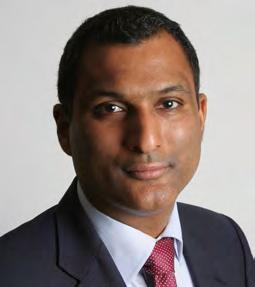
208 | The Parliamentarian | 2023: Issue Three | 100 years of publishing
As the Commonwealth’s membership grows, the Commonwealth Charter continues to remain relevant as a reminder of our shared values.
THE COMMONWEALTH CHARTER
His comments highlight a crucial issue in the debate over the Commonwealth’s future, i.e. wider versus deeper. Sound familiar?
As we found during the UK’s 47-year membership of the European Union, these positions need not be mutually exclusive. While ‘deeper’ might suggest a Commonwealth based more on shared values, a ‘wider’ one need not be at the expense of values. My colleague Baroness Prashar, a former President of the Royal Commonwealth Society regularly reminds us that it is the values of the Commonwealth, i.e. rule of law, parliamentary democracy and free speech which enable open societies and free trade to flourish within the Commonwealth.
Whether the Commonwealth becomes deeper or wider or both, the Charter will continue to remain relevant as a reminder of our shared values. As the Commonwealth considers admitting new members, the first two articles of the charter, democracy and

THE COMMONWEALTH CHARTER
10 YEARS ON: VALUES AND PRINCIPLES FOR PARLIAMENTS TO UPHOLD
human rights, may well be tested. For example, there have been reports of Gulf States interested in joining. Were any of these expressions of interest to turn into formal applications, could the Commonwealth find a way to admit nations ruled by absolute monarchs , however benign, and where there are concerns over human rights? Therefore, if one or more of the Gulf States were to join the Commonwealth, how could this be squared with Zimbabwe remaining outside the Commonwealth after initially being suspended for violating these principles? Indeed, can we honestly say that all current existing Commonwealth countries are liberal democracies with spotless human rights records? For example, Brunei has been a member of the Commonwealth since 1984, however it doesn’t hold democratic elections for the Legislative Council and therefore isn’t a member of the Commonwealth Parliamentary Association.
Russia’s invasion of Ukraine and China’s aggressive behaviour towards its neighbours has prompted interest in the Commonwealth as, what my colleague Lord Howell (also a former President of the Royal Commonwealth Society) describes, a ‘neo-non-aligned’ safe space for countries worried about Russian and Chinese aggression as well as US dominance. However, it also presents challenges for the charter’s third principle, international peace and security. Some Commonwealth Parliamentarians have raised concerns that India and South Africa have not sufficiently condemned the
The Parliamentarian | 2023: Issue Three | 100 years of publishing | 209
“
Whether the Commonwealth becomes deeper or wider or both, the Charter will continue to remain relevant as a reminder of our shared values. As the Commonwealth considers admitting new members, the first two articles of the charter, democracy and human rights, may well be tested.”
Above: The Commonwealth flags are held aloft by youth representatives of each nation outside Westminster Abbey for the Commonwealth Day Service 2023.
Image credit: Commonwealth Secretariat/RCS images.
10 YEARS ON: VALUES AND PRINCIPLES FOR PARLIAMENTS TO UPHOLD
Russian invasion. But, why should they? After all, did not the late Queen Elizabeth II acknowledge that the modern Commonwealth bears “no resemblance to the Empires of the past. It is an entirely new conception … an equal partnership of nations and races.” Therefore, can we really expect all Commonwealth nations to align with each other on all aspects of foreign policy? Our friends and neighbours in the EU have also found it difficult to maintain a consensus against Russia considering their different national interests and histories.
One could examine each of the charter’s 16 principles and reveal tensions between words and action, but the Commonwealth Charter could also be credited with driving some of the organisation’s recent initiatives. For example, the 14th article recognises the needs of small states. The establishment of the Commonwealth Offices for Small States in New York in 1981 and in Geneva in 2011 to help small states coordinate their positions before United Nations meetings demonstrates a Commonwealth keen to live up to this article of the Charter.
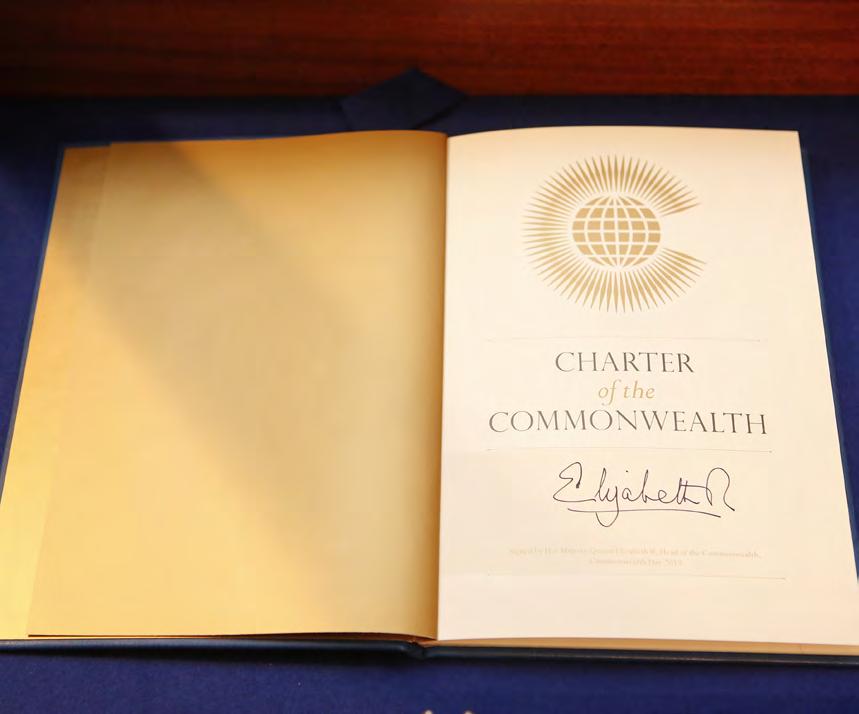
We should also remember that the Commonwealth is more than an intergovernmental organisation. Timothy Shaw, former Director of the Institute of Commonwealth Studies writes about ‘the Commonwealths’ (in the plural). The over 80 affiliated and other unaffiliated Commonwealth civil society organisations and networks are active in addressing many of the articles of the Charter. The Commonwealth Foundation prides itself as the Commonwealth agency for civil society focusing on health (Article 11), environment (Article 10) freedom of expression (Article 5), but also addressing the cross-cutting themes of gender equality (Article 12), small and vulnerable states (Article 15) and freedom of expression (Article 5). Its Director, Anne Gallagher, has been very supportive of the APPG for the Commonwealth’s ‘Vision for the Commonwealth’ series.
In my first meeting with Linda Yueh, Chair of the Royal Commonwealth Society (RCS), she was keen to stress the need to focus on young people in the Commonwealth (Article13). The RCS also coordinates a Commonwealth Youth, Gender & Equality Network (CYGEN).
You can read about the work of the Commonwealth Foundation on page 211 and the Royal Commonwealth Society on page 230 in this issue of The Parliamentarian
The work of the Commonwealth Parliamentary Association in running training courses for Parliamentarians and parliamentary
clerks is proof of the commitment to the separation of powers, the rule of law and good governance (Articles 6, 7 and 8). In addition, the Commonwealth Office of Civil and Criminal Justice Reform (OCCJR) supports member states in delivering access to justice and sustainable development through the creation of fair and effective national laws, while the Commonwealth Lawyers Association (CLA) organises projects, conferences and workshops to improve legal education in order to uphold the rule of law.
The Commonwealth Fund for Technical Co-operation (CFTC) delivers technical assistance and training (Article 11) in a number of areas including sustainable development and the environment (Articles 9 and 10).
The few examples of Commonwealth civil society activities above merely scratch the surface of a multi-faceted Commonwealth which is much more than its governments, Parliaments or member states.
While individual member states’ governments may not always live up to the ideals of the Commonwealth Charter, we should remember that the original drafters deliberately avoided a constitution of structures and functions in favour of a Charter that exerts a more subtle form of pressure by continuing to remind Commonwealth citizens of our shared values.
Beyond the member state governments, there exists many nonstate actors and Commonwealth civil society organisations and networks that continue to work directly with citizens of individual countries to build a more inclusive Commonwealth, inspired by the values encapsulated in the Commonwealth Charter that remain relevant ten years after its signing.
210 | The Parliamentarian | 2023: Issue Three | 100 years of publishing THE COMMONWEALTH CHARTER
THE PEOPLE’S CHARTER: A VIEW FROM THE COMMONWEALTH FOUNDATION
Ten years ago, Commonwealth Member States signed up to a document that set out the principles, values and aspirations that would unite the Commonwealth and guide its work. The Commonwealth Charter 1 emerged from a landmark report delivered by the Eminent Persons Group (EPG), a body set up by Commonwealth Heads of Government in 2009 to advise them on Commonwealth reform. The decision to explore ways to strengthen the Commonwealth came at a time of global economic crisis and widespread instability. It was also a time when public understanding was growing about the fact of climate change and its impacts, most especially on the Commonwealth’s Small Island States. Heads of Commonwealth countries appreciated that such a world needed a stronger, more resilient, and progressive Commonwealth; one that placed its people and their values at the centre of decision-making. They understood that a resilient and relevant Commonwealth must continue to draw on its rich diversity and build a global consensus around the issues that matter to its people. The Commonwealth Charter, which begins with the words ‘We the People’ , was seen as the Commonwealth’s statement of its place and its purpose: a single document to express the organisation’s firm and long-term commitment to the values of peace, democracy, the rule of law, human rights, gender equality, economic development and freedom of expression.
The Foundation and the Charter
The tenth anniversary of the Commonwealth Charter is an appropriate moment to reflect on how well we are fulfilling its bold aspirations. In my role leading the Commonwealth Foundation, I feel a strong obligation to both encourage and participate in that reflection. The Foundation is the pillar of the Commonwealth’s intergovernmental structure that works to advance the voice of civil society in public life. Our core commitment is to ‘participatory governance’: the idea that credible, honourable and effective governance is not just the job of a few of us. Rather, it is a collective
endeavour, requiring the direct involvement of people in shaping the policies and decisions that affect their lives.
The Foundation has made the Commonwealth Charter a core reference point for all our work. We have sought to take forward the spirit of the Charter in a multitude of ways: in our increased focus on young people; in our values-based advocacy around issues of equality, justice and freedom; and in our resolute championing of the Commonwealth’s smallest and most vulnerable Member States. We have also placed the Commonwealth Charter front and centre in debates and discussions on the future of the Commonwealth that we have convened over the past several years, including at the 2022 Commonwealth People’s Forum.
The Foundation saw the anniversary of the Commonwealth Charter as the perfect opportunity to bring people together to consider the achievements and challenges of the past ten years and to reaffirm the political values and aspirations that must guide us into the future. It matters very much what the Commonwealth’s 56 Heads of Government think about the Charter and the future trajectory of their organisation. But the views of the people should always be our guiding light.
In the lead-up to Commonwealth Week earlier this year, which coincided with the ten-year anniversary of the Commonwealth Charter’s adoption, the Foundation launched a multimedia campaign to catalyse - and capture - a truly international conversation on the Charter’s relevance for the organisation and its citizens. In response to our campaign, which reached 600,000 people on social media, thousands of individuals have since 'co-signed' the Commonwealth Charter and hundreds have shared self-recorded videos discussing their vision for its future.
The digital campaign culminated in two linked Critical Conversations during Commonwealth Week: the first was an online event focussed squarely on the young people of the Commonwealth. A Decade of the Commonwealth Charter: Young Leaders’ Dialogue2 brought together over 700 young
Dr Anne T. Gallagher, AO is Director-General of the Commonwealth Foundation. As Director-General, Anne is an ambassador for civil society in the Commonwealth system: working closely with Member States to advance people’s participation in all aspects of public dialogue. Prior to the Foundation, Anne served the United Nations for 12 years, including as a special adviser to the UN High Commissioner for Human Rights, Mary Robinson. Her work for human rights, justice and equality has been widely recognised, earning her, among other honours, the Australian Freedom Award and the ‘Peace Woman of the Year’ award for the Women’s International League for Peace and Freedom. Anne is the current Chairperson of Girls Not Brides, which leads the global movement against child marriage.

The Parliamentarian | 2023: Issue Three | 100 years of publishing | 211
The tenth anniversary of the Commonwealth Charter is an appropriate moment to reflect on how well we are fulfilling its bold aspirations and connecting with both civil society and young people.
THE COMMONWEALTH CHARTER 10 YEARS ON: VALUES AND PRINCIPLES FOR PARLIAMENTS TO UPHOLD
Commonwealth citizens from almost every Member State. The second event, A Decade of the Commonwealth Charter: Where to Now?3 was held in-person a few days later, jointly hosted with the High Commission of South Africa in the United Kingdom. This intergenerational event, led by a panel of speakers including one of the original drafters of the Commonwealth Charter, explored the document's impact and how it can be used to advance the principles and values it enshrines over the next decade. Prior to the event, the current and former Commonwealth SecretariesGeneral were invited to share their thoughts on the Charter; what it means to them, and what it means to the Commonwealth. A video of their contributions 4 was aired at the event, which filled South Africa House to capacity - a clear indication that the future of the Commonwealth is something that many, many people care deeply about.
The People Speak
No engagement can ever be sufficiently broad or deep to truly capture the views of 2.5 billion people. But the Foundation’s
celebration of the Commonwealth Charter’s anniversary helped us better understand what citizens of the Commonwealth are thinking and feeling. This is important information for all those who care about the Commonwealth; those who have a perspective on its past and those who have a stake in its future.
What then, are the views of the people when it comes to taking stock of the Commonwealth at the ten-year mark of the Charter? At the risk of over-simplification, it is possible to draw out a few central themes, with perhaps the overwhelming one being a sense that all is not well. While much has been done to advance the principles and values of the Charter, many of its core tenets are seen to be under real threat. Creeping authoritarianism, dysfunctional governance that is unable to deliver basic services; widespread and growing inequality; internal and external conflict; and persistent restrictions on freedom have all shaken the foundations of the international system and tested the Commonwealth’s commitment to the ideals of the Charter.
Today, the Commonwealth is seen to be standing at a crossroads, with the very identity of the organisation becoming less clear. Membership has expanded over recent years to include countries with looser ties to the Association’s values and history than older Members share. Some argue that the Commonwealth is now merely an association of political convenience as opposed to one built on a determination to embody and uphold shared ideals and values. The Commonwealth’s 1.5 billion young people - whose attitude to the Association will surely determine its relevance in the future - are rightly asking whether the Commonwealth is fit to address modern-day threats to democracy, peace and the health of our planet.
The Foundation’s engagement with the people of the Commonwealth has convinced us that any renewal or reinvention will have to start with a new story of what the Commonwealth is, and what it is striving to do. The old story, which spoke to the idea of a voluntary grouping of like-minded, independent countries, united by ties of history, law and language, is widely seen as no longer fit for purpose. A new story should reaffirm the Commonwealth as a values-based organisation - one that elevates the principles of human rights, democracy and equality in ways that resonate for the Commonwealth’s citizens. In practical terms, that would require the organisation to pay closer and more careful attention to what matters for its people: issues such as environmental degradation; inadequate healthcare; public sector corruption; economic underdevelopment; legally entrenched discrimination against those who are already vulnerable; and the slow, inexorable erosion of personal liberties we see right across the wider Commonwealth.

212 | The Parliamentarian | 2023: Issue Three | 100 years of publishing THE COMMONWEALTH CHARTER 10 YEARS ON: VALUES
AND PRINCIPLES FOR PARLIAMENTS TO UPHOLD
“ The tenth anniversary of the Commonwealth Charter provides a timely entry point for a consideration of the crucial role that Parliamentarians play in safeguarding and promoting the Commonwealth's shared values of democracy, human rights and the rule of law.”
Image credits: Commonwealth Secretariat/CHGOM 2022.
Our celebrations of the ten-year anniversary of the Charter brought up very practical questions around how the Commonwealth can work to ensure that its identity as a values-based organisation can be protected. It was repeatedly pointed out that the Commonwealth used to be better at demanding - if somewhat unevenly - a certain standard of conduct from its Members. It famously stood up to South Africa (and the United Kingdom) over apartheid. Suspension has also been occasionally used, especially in response to military coups. But the timidity that has marked its more recent years is seen to be disappointing. Participants in our dialogues widely agreed that Member States should be prepared to demand of each other a basic standard of governance and human rights. To be paralysed in the face of egregious violations of the Commonwealth Charter reflects badly on everyone.
And there is wide agreement that the Commonwealth could do much more to walk the talk of familial solidarity. The fact that its smallest and most vulnerable countries remained unvaccinated through the worst of the COVID pandemic was repeatedly cited as an example of a missed opportunity - a moment when the Commonwealth could have demonstrated its commitment to the notion that it is a ‘family’ of nations. Many are worried that something similar will happen in relation to climate change. The Commonwealth is home to most of the world’s small island developing states, for whom global warming is a genuinely existential threat; it should be leading the charge on the world stage when it comes to basic issues such as loss and damage compensation. Instead, it appears constrained and muted.
A Role for Commonwealth Parliamentarians
The tenth anniversary of the Commonwealth Charter provides a timely entry point for a consideration of the crucial role that Parliamentarians play in safeguarding and promoting the Commonwealth's shared values of democracy, human rights and the rule of law. Parliamentarians are not just lawmakers. They can also be bridge-builders, fostering cooperation and dialogue among the Commonwealth's diverse membership. As we confront the global challenges of climate change, inequality and threats to democracy, the role of Parliamentarians in facilitating cross-border dialogue and collaboration becomes ever more critical. With a window on both government and civil society, they are uniquely positioned to advocate for climate justice, push for inclusive growth and defend democratic ideals, thereby leading the charge towards a more sustainable, equitable, and peaceful Commonwealth.
The critical role that Parliaments play in holding governments accountable is also relevant because it is through this function that Parliamentarians can ensure that the lofty ideals of the Commonwealth Charter are translated into action and that Members do not falter in their commitment to these values. To be truly effective, the principles enshrined in the Charter must permeate every level of governance, and it is through the robust oversight of Parliaments that this becomes possible.
Towards the future
Our reflection on the Commonwealth Charter's anniversary confirms a palpable and widespread yearning for the Commonwealth to return to its core
10 YEARS ON: VALUES AND PRINCIPLES FOR PARLIAMENTS TO UPHOLD
ideals, where democracy, human rights and equality are not just inscribed in a document, but practiced with resolve and vigour. The people look to the Commonwealth not just for membership and networking, but for leadership and courage in an increasingly uncertain world.
It is our collective duty to use the Charter as a beacon, guiding our actions in the years to come. We must reclaim our identity as a values-based organisation that stands up for its principles, even when it is uncomfortable to do so. Rather than shying away from the hard conversations, we must embrace them, for it is through dialogue and engagement that we can strive towards unity and progress. We owe it to the Charter, to ourselves, and to generations yet unborn, to make the Commonwealth a force that truly upholds peace, democracy and equality. Commonwealth Parliaments and Parliamentarians are an essential element of this shift because they are not just defenders of the Charter but also its torchbearers, leading the way in each Member State of the Commonwealth towards a brighter, more inclusive future.
And the story of the Commonwealth must evolve. We must reimagine our narrative to reflect the realities of the present and the aspirations of the future. We must do this not only for the 1.5 billion young people who will carry the mantle but also for all those who believe in the transformative power of the Commonwealth. It is a formidable task, but the sentiments expressed during the Charter celebrations fill us with optimism for a future where the Commonwealth embodies its principles in deeds, not just words. The people of the Commonwealth deserve nothing less.
To find out about the work of the Commonwealth Foundation please visit www.commonwealthfoundation.com
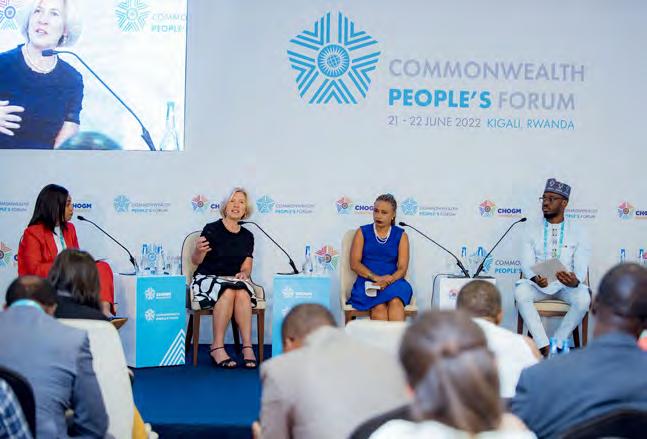
References:
1 https://commonwealthfoundation.com/about-us/the-commonwealth-charter/
2 https://www.youtube.com/watch?v=qSn8EV6Hkhw
3 https://commonwealthfoundation.com/events/a-decade-of-the-commonwealthcharter/
4 https://www.youtube.com/watch?v=aZEYoRukspg
5 https://twitter.com/commonwealthorg/status/1635223029801426946
The Parliamentarian | 2023: Issue Three | 100 years of publishing | 213
COMMONWEALTH CHARTER
THE
Image credits: Commonwealth Secretariat/CHGOM 2022.
THE COMMONWEALTH CHARTER 10 YEARS ON: VALUES AND PRINCIPLES FOR PARLIAMENTS TO UPHOLD
HISTORY IS CALLING: IS AUSTRALIA PREPARED TO ANSWER?
As Australia prepares to hold a referendum on establishing an Aboriginal and Torres Strait Islander Voice to Parliament, the President of the Australian Senate examines how the 10th anniversary the Commonwealth Charter provides an opportunity to reflect on its progress and to ask if it meets the diverse needs of the Commonwealth’s citizens.
The Derbal Yerrigan, also known as the Swan River, flows through the city of Perth in Western Australia, connecting the Indian Ocean to the Perth Hills. Winding alongside the Derbal Yerrigan you will see eucalyptus trees and native plants like the kangaroo paw.
When the local Aboriginal people, the Whadjuk, first saw big sailing ships coming down the Derbal Yerrigan in 1829, they thought they were big birds flapping their wings and bringing ancestors back to the land.
When Australia was colonised, British explorers deemed the country to be terra nullius. This means ‘nobody’s land’. However, for at least 60,000 years Aboriginal and Torres Strait Islander peoples have lived on these lands. These are the lands of the oldest living culture in the world.
Aboriginal and Torres Strait Islander peoples continue to feel the long-lasting impacts of colonisation. For over 150 years, Aboriginal and Torres Strait Islander peoples were forcibly removed from their families by Federal and State Governments and church missions. These Children are known as the Stolen Generations. Not only were many of the children abused – psychologically, physically or sexually – after being removed and while living in group homes or adoptive families, but they were also deprived of their culture alongside their families.
Commonwealth countries are still reckoning with their colonial past. In Australia, Aboriginal and Torres Strait Islander peoples have offered a generous invitation to all Australians to walk in a movement for a better future for all.
In May 2017, a series of dialogues were held across Australia leading up to the National Constitutional Convention at Uluru. Over 250 Aboriginal and Torres Strait Islander Delegates participated in 12 dialogues and one regional meeting, resulting in the most significant consultation of First Nations peoples in Australia’s history. These 250 delegates met in the shadow of Uluru and signed the historic declaration – the Uluru Statement from The Heart
The Uluru Statement from the Heart calls for constitutional change and meaningful, structural reforms based on justice and self-determination for Aboriginal and Torres Strait Islander
peoples. It calls for an Aboriginal and Torres Strait Islander Voice to Parliament enshrined in the Australian Constitution, and a Makarrata commission to supervise processes of agreement-making between governments and First Nations, and truth-telling about our history.
The Aboriginal and Torres Strait Islander experience in Australia is best articulated in the statement:
Proportionally, we are the most incarcerated people on the planet. We are not an innately criminal people. Our children are aliened from their families at unprecedented rates. This cannot be because we have no love for them. And our youth languish in detention in obscene numbers. They should be our hope for the future. These dimensions of our crisis tell plainly the structural nature of our problem. This is the torment of our powerlessness.
Aboriginal and Torres Strait Islander children are incarcerated and detained at 17 times the rate of a non-First Nations child despite making up less than 6% of the population. First Nations people face many issues that others in Australia do not - shorter life expectancy, lower levels of education and employment, intergenerational trauma, high imprisonment rates, substance abuse and lack of political representation – all a direct result of the legacy of colonialism in Australia.
When we have power over our destiny our children will flourish. They will walk in two worlds and their culture will be a gift to their country.
The sequential reforms of Voice, Treaty and Truth are necessary in making practical steps to reconciliation. As a 122-year-old Federation, and 234-year-old migrant-settler history in Australia –the time is now.
As part of the Australian Government’s commitment to implement the Uluru Statement from the Heart, a referendum will be held later this year to recognise Aboriginal and Torres Strait Islander peoples in the Australian Constitution by establishing an Aboriginal and Torres Strait Islander ‘Voice to Parliament’.
The Voice is about two things: firstly, to recognise the unique status of our First Nations peoples as the original owners and inhabitants of this land; and secondly, listening, to acknowledge
Senator Hon. Sue Lines is the President of the Senate in the Federal Parliament of Australia. She was first chosen by the Parliament of Western Australia in 2013 to represent the State in the Senate and was subsequently elected to the Senate for Western Australia in 2016 and 2022. She has held a number of parliamentary roles including as Deputy President and Chair of Committees from 2016 to 2022. Prior to her parliamentary service, she worked as a teacher and as a union organiser.

214 | The Parliamentarian | 2023: Issue Three | 100 years of publishing
that after generations of being silenced and ignored in our country’s founding document, specific measures are required to raise Aboriginal and Torres Strait Islander voices and ensure that they are consulted on issues that affect them.
In my reflections on the upcoming referendum, I have often thought about the Commonwealth Charter and the values that Australia, as a member state has subscribed to.

The Commonwealth Charter is a document of the values and aspirations which unite the Commonwealth. It expresses the commitment of member states to the development of free and democratic societies and the promotion of peace and prosperity to improve the lives of all the peoples of the Commonwealth.
It seeks to reflect the shared values of the Commonwealth’s nations and citizens and its tenth anniversary this year provides an opportunity to reflect on its progress and to ask if it meets the diverse needs of the Commonwealth’s citizens.
The inequality Aboriginal and Torres Strait Islander peoples experience in this country is a contemporary reflection of the historic colonial agenda that they were subjected to. This inequality that they continue to experience can be directly linked to systemic discrimination.
The Commonwealth Charter is committed to the Universal Declaration of Human Rights and other relevant human rights covenants and international instruments. The Charter is committed to equality and respect for the protection and promotion of civil, political, economic, social and cultural rights, including the right to development, for all without discrimination on any grounds as the foundations of peaceful, just and stable societies.
I acknowledge that diversity and understanding the richness of our multiple identities are fundamental to the Commonwealth’s principles. These rights are universal, indivisible, interdependent and interrelated and cannot be implemented selectively.
In the way that the Commonwealth Charter acknowledges and recognises the colonial past of Commonwealth nations, the Voice is a way for Australia to reconcile with its colonial history.
[Sovereignty]..has never been ceded or extinguished, and co-exists with the sovereignty of the Crown.
As Gumatj clan leader, Dwaja Yunupingu stated “Australia is built on an ancient foundation. Let the voice of our people be in the constitution. Let it be a given shape by our Parliament. Let us then have the conversations that make things right, for the children that will inherit the nation from us.”
Voice, Treaty and Truth will unite us as a country. Truth telling will allow us to go down the path of reconciliation and revere the more than 60,000 years of Aboriginal and Torres Strait Islander culture that has survived.
As the father of reconciliation, Senator Patrick Dodson said “reconciliation means that we will walk together towards a better future. My hope is that the Voice referendum this year will be Australia’s greatest act of reconciliation. Let us deliver a successful referendum for a Voice that will be heard across generations to come.”
This year, Australians will have an opportunity to make a choice to move forward in a reconciled country or continue to live in the shadows of our colonial past. I am hopeful, that the day after the referendum, Australians will wake up to a country that their children will be proud to inherit.
The Parliamentarian | 2023: Issue Three | 100 years of publishing | 215
THE COMMONWEALTH CHARTER
10 YEARS ON: VALUES AND PRINCIPLES FOR PARLIAMENTS TO UPHOLD
Image credit: AUSPIC/Parliament of Australia.
THE COMMONWEALTH CHARTER
10 YEARS ON: VALUES AND PRINCIPLES FOR PARLIAMENTS TO UPHOLD
EXAMINING 10 YEARS OF THE COMMONWEALTH CHARTER
Perhaps no other global organisation offers more opportunity for positive human development but struggles to realise its potential. I am a dedicated and consistent supporter of the Commonwealth, and what it represents, what it hopes for and opportunities for people it can bring. I am also realistic.
Having been a member of the UK House of Lords for the last decade, I have also followed the path of the Commonwealth Charter over this period. At its mid-way point, I co-chaired with the then Nigeria Trade Minister a UK Parliament trade out of poverty group-led inquiry into intra-Commonwealth trade and the opportunities this could provide - to investigate if we saw a sea change in approach. Latterly I have served as my party’s Foreign, Commonwealth and Development spokesperson.
During the trade out of poverty inquiry, a witness told us something which amused me but also has stuck in my mind since. She was a small business leader from the African continent, and she said there were two really good things about the Commonwealth. “The first is,” she said, “America is not a member. The second is neither is China” A global network of equals, making decisions by consensus, learning by combined endeavour and mistakes is a remarkable thing. Its longevity a testament to its ongoing currency in a changing world. Beyond member states, the people-to-people Commonwealth is inspiring. I’ve been fortunate to visit a high number of Commonwealth countries. Even more fortunate, I have met countless people from diverse backgrounds who have found common interest. From young town planners to Trade Ministers; teachers and young scholars to elite athletes. A Commonwealth cliché I know but there is almost something for everyone in it.
But consensus and common interest brings challenges. Not far from consensus on difficult issues lurk conflict and common interest can often be biased toward the richest and ablest. It means that lofty ambition without drive and capacity to take it forward can leave a lingering disappointment.
The Commonwealth Charter sought to, and in many ways continues to, frame the relationships and differences very well. Someone once told me that codifying the Commonwealth would be the beginning of its end. Its relevance, however, is not based in its history but what opportunities membership of all its networks means for the future. How well the Charter frames the future
compared to reflecting the past will need to be considered by leaders and people to come. The Charter, however, remains highly relevant in a decade of upheaval in the world, and one where technology and change bring new challenges and opportunities. But global disparities are growing not shrinking, contrary to many assumptions in 2013. A global pandemic where many saw vaccine hoarding by wealthy Commonwealth countries at the expense of emerging economies and when financial headwinds impacted the richest nations, they cut official development assistance programmes with little to no notice. Reliable and dependable partnerships within the Commonwealth have been strained when the richest members looked away from the ideals of the Charter when they had challenges at home.
I have said on several occasions in the UK Parliament that if the Commonwealth members achieved the Sustainable Development Goals (SDGs) then the global goals would be on the way for success for the whole planet. As it stands the signs are that with some exceptions, we are considerably off track. This is despite great work by parliamentary groups and caucuses in Commonwealth members seeking to put pressure on their governments and the good work by the Commonwealth Parliamentary Association in promoting them. Equally, many members will not find solutions in the Charter for the existential challenges they face with the climate emergency, citizen data as a commodity, artificial intelligence, which only partially was on the agenda in 2013. All these challenges to members impinge on rights, freedoms and can foster conflict.
I am not alone at having raised concerns about reductions in rights and freedoms not their expansion in the Commonwealth. There’s a greater division between the wealthiest and those least able to withstand external shocks such as the COVID response or climate justice. We saw little Commonwealth solidarity on travel discrimination towards African nations and support on climate transition has been patchy to say the least.
Intra-Commonwealth trade continues to punch well below its potential weight. This is despite many across the whole network wanting to see a Commonwealth premium in more common regulation, standards, access to finance - especially for womenand electronic trade. Whilst there are welcome advances, even the UK in its trade agreements with Australia, New Zealand and now in
Lord Purvis of Tweed has been a Member of the UK Parliament’s House of Lords since 2013. He is the Liberal Democrats Spokesperson on Foreign and Commonwealth Affairs, International Development and International Trade. He was previously a Member of the House of Lords International Relations Committee. He was a Member of the Scottish Parliament for Tweeddale, Ettrick & Lauderdale from 2003 to 2011. He is Co-Chair and Member of several UK Parliament All Party Parliamentary Groups (APPGs) on Constitutional reform, Global Goals, human rights, democratic participation and supporting Scottish industries such as textiles and whisky.
216 | The Parliamentarian | 2023: Issue Three | 100 years of publishing
The Commonwealth has huge potential on the global stage but needs to assert its authority to remain relevant.
discussions with Canada has not sought Commonwealth support as allowed for under WTO rules. Never has the UK missed a greater opportunity to realise meaningful Commonwealth support in the areas asked for by the Commonwealth trade networks.
The Commonwealth Charter has commitments which deserve real praise and have moral authority: “We are committed to equality and respect for the protection and promotion of civil, political, economic, social and cultural rights, including the right to development, for all without discrimination on any grounds as the foundations of peaceful, just and stable societies.” But when Commonwealth members put forward and then enact egregious discriminatory practices which remove rights, threaten individuals, and stigmatise parts of society, the Charter loses, piece by piece, such authority.
Similarly, the ambitions of the Charter on the rule of law and democracy set a gold standard for a global membership body. But when such standards become uncomfortable for geopolitical or tactical reasons they can easily be set aside. Some countries have been excluded from membership on grounds of actions inconsistent with the principles of the Charter, and this can only be a positive thing. But a danger is that if there is a desire to readmit even when systematic breaching continues, the lustre of the gold standard is lost. Those who have a responsibility of being a custodian of the Charter must hold that responsibility with great care.
The concluding words of the Charter are those which I endorse fully: “We aspire to a Commonwealth that is a strong and respected
TWO CPA UK DELEGATIONS VISIT CANADIAN PARLIAMENT IN OTTAWA
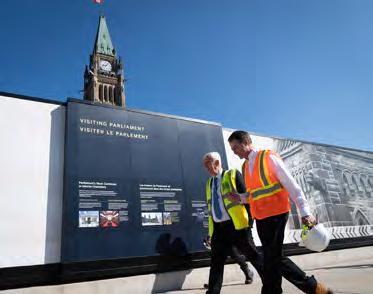
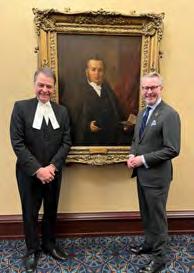
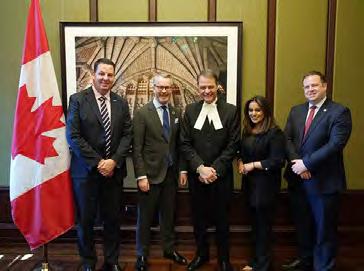
voice in the world, speaking out on major issues; that strengthens and enlarges its networks; that has a global relevance and profile; and that is devoted to improving the lives of all peoples of the Commonwealth.”
In the tumultuous decade we have just seen and with clear challenges member countries, and the world, have had to endure, I am surely not alone in wanting to have seen the Commonwealth ‘speaking out on major issues’ more clearly. Calling out the richer countries during and after the pandemic, new and egregious discriminatory practices and laws, acting quicker when standards of good governance fall below the Charter’s ideals. Should this be the Commonwealth Secretary-General, the Chair-in-Office, the membership as a whole? As a student and a young person, I felt then that the Commonwealth did take a more strident position on global injustices. The Charter has been an excellent summary of what the Commonwealth should and can be. For young people and the next generation, we all know the challenge ahead is for it to retain global relevance. This is a shared task.
So for all these reasons, the next decade of the Commonwealth Charter will need to be one of renewal and relevance, and a clearer understanding of monitoring and then acting on areas where it is not being adhered to. This is not going to be easy. I said I was realistic after all.
Human development needs the Commonwealth to live up to its high potential. I for one am a passionate supporter of it and will do what I can to assist in this process.
A cross-party delegation of MPs and Lords from the UK Parliament conducted a bilateral visit to the Parliament of Canada in Ottawa in May 2023. The CPA Canada Branch President and Speaker of the House of Commons, Hon. Anthony Rota, MP met with the UK delegation comprising Hon. Stephen Doughty, MP; Hon. Andrew Percy, MP; Hon. Anum Qaisar, MP; and Lord Jeremy Purvis to discuss a number of topics including increasing the participation of under-represented and minority groups in politics. The Head of Delegation, Lord Purvis, was born in Berwick-upon-Tweed, England, where the first Speaker of the first session of Canada’s first Parliament, James Cockburn, was also born. Elected to the Canadian House of Commons in 1867, Cockburn was the only Speaker to be a Father of Confederation. The UK delegation met with James Maloney, MP, Chair of the Canada-United Kingdom InterParliamentary Association (RUUK) to discuss bilateral trade, women’s and youth economic participation, Indigenous peoples, and common foreign policy priorities.
Later in May 2023, the Speaker of the UK House of Commons, Rt Hon. Sir Lindsay Hoyle, MP and the Deputy Speaker, Rt Hon. Nigel Evans, MP visited the Parliament of Canada where they were welcomed by the Speakers of both Canadian Houses of Parliament, watched Members’ Question Period in the Chamber and viewed the restoration of the historic Parliament buildings. They also met with the Canadian Minister of International Trade and Export Promotion, Hon. Mary Ng to hear more about trade and investment links between Canada and the UK.
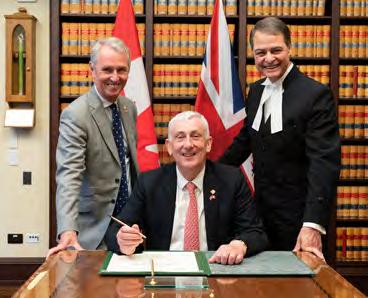
The Parliamentarian | 2023: Issue Three | 100 years of publishing | 217
THE COMMONWEALTH CHARTER 10
YEARS ON: VALUES AND PRINCIPLES FOR PARLIAMENTS TO UPHOLD
Images: Parliament of Canada.
THE COMMONWEALTH CHARTER
10 YEARS ON: VALUES AND PRINCIPLES FOR PARLIAMENTS TO UPHOLD
INVESTING IN HUMAN POTENTIAL: HIGHER EDUCATION AND THE COMMONWEALTH CHARTER
The Commonwealth Charter is a valuable and ambitious document. Distilled from a series of 27 declarations, the names of which alone – Langkawi, Harare, Magampura, Perth – evoke the breadth and reach of their signatories, it sets out the pillars and principles on which this unique network of nations is based. It gives us a compass point, a ‘north star’ perhaps, for the Commonwealth ideals of collaboration and cooperation, and a guide for the road ahead. But the Commonwealth Charter is about more than ideals. It is explicitly about improving lives – and this is why it resonates so deeply with the work of the Association of Commonwealth Universities (ACU).
As the only organisation representing higher education in the Commonwealth, our core belief is that higher education improves the lives of people everywhere. Through teaching and learning, universities shape generations of skilled, employable graduates –tomorrow’s leaders, teachers, law-makers, and innovators – whose knowledge and training bring social and economic developments to their societies and nations. University research, meanwhile, is yielding the knowledge and innovation needed to tackle the world’s most profound and pressing challenges, from the development of drought-tolerant crops to life-changing vaccines. And in a polarised world, universities create a space for critical thinking and the open exchange of ideas that can broaden minds and transcend borders. It is, in short, an invaluable public good.
Reflecting this belief, the ACU has aligned its work directly with the UN Sustainable Development Goals (SDGs), and it’s always interesting to note how closely the Goals – launched two years after the Commonwealth Charter – echo its values and aspirations: equality, peace, and protecting the planet among them. Both seek to guide and galvanise our collective efforts towards a more just and sustainable world, and both place collaboration at their heart.
Frameworks for action
Of course, the challenge for both the Commonwealth Charter and the SDGs alike is how to transform their far-reaching ambitions into tangible, positive change. And here, organisations like the ACU provide a valuable framework for action. With 500 member institutions across 50 countries, the ACU’s network of universities is a meeting point for the wealth of knowledge, ideas and experience that exists within them. What unites us is a shared commitment to
building a better world through international collaboration in higher education.
What this means in practice is a range of vital projects and initiatives that have a lasting positive impact: collaborative research into mitigating the effects of climate change or tackling the scourge of marine pollution; projects that fortify universities’ capacity to get vital research into the hands of those that need it most; funded initiatives to promote gender equality of campus and, most recently, a toolkit to ensure fairness in international partnerships.
Our five thematic networks, many of which speak directly to the Commonwealth Charter’s aims, are another inspiring example of what our founders, more than a hundred years ago, described as ‘common action in the common interest’. Our Commonwealth Climate Resilience Network, for example, connects universities on the frontline of climate change to share practical knowledge of building resilience on campuses and in their communities, and is steered by universities across three small island states. Our Peace and Reconciliation Network, meanwhile, is a multidisciplinary collective of academics exploring the role that universities play in peacebuilding, reconciliation and truth-telling, both within their institutions and in the societies they serve.
But another example at the heart of our work is international mobility – the opportunity to study or undertake research in another country. International experiences not only promote the interchange of knowledge, skills and ideas, but create intercultural awareness and understanding. Through these transformative experiences, powerful bonds are forged between people and places – connections that endure and grow long after the student returns home. I’m reminded here of a line from the Commonwealth Charter itself, which in invoking the importance of tolerance and respect, points to the fundamental need for ‘understanding the richness of our multiple identities’
The ACU has a long and vibrant history of promoting opportunities in this area, including our management of the Commonwealth Scholarships. We are also proud custodians of the Queen Elizabeth Commonwealth Scholarships, which are unique in offering opportunities for students from all parts of the Commonwealth to study at a university in the Global South. This is in marked contrast to most international scholarships schemes, and
Dr Joanna Newman,

MBE
FRSA is Chief Executive and Secretary-General of the Association of Commonwealth Universities (ACU) – the world's oldest international network of universities, dedicated to building a better world through higher education. Joanna represents the ACU on the United Nations Sustainable Development Solutions Network’s Leadership Council, and the High-level Advisory Group for Mission 4.7. She is a lay member of the Council of Cardiff University, sits on the board of the Council for At-Risk Academics (CARA) and is a member of the Talloires Network Steering Committee. Joanna’s previous roles include as Vice-Principal (International) at King’s College London, where she is a Senior Research Fellow in History. From September 2023, Professor Joanna Newman will become the Provost of the SOAS at the University of London.
218 | The Parliamentarian | 2023: Issue Three | 100 years of publishing
is an important acknowledgement of the wealth of knowledge and expertise that exists right across the globe.
Investing in human potential
But this brings me to another central tenet of the ACU’s work: the right to access higher education. This is a major challenge in many parts of the Commonwealth. Sub-Saharan Africa, for example, has a population of over a billion, 70% of whom are under the age of 30. Yet the gross tertiary enrolment ratio in the region is just 9.4%, significantly below the global average of 38%. Such figures are a stark reminder that access to higher education is still too often dictated by geography, wealth and circumstance.
Realising the aspirations of the Commonwealth Charter relies on young people everywhere being able to access the opportunities they need to fulfil their potential and create the world they want to see. In fact, this potential is something the world cannot afford to waste. While this point speaks directly to the Commonwealth Charter’s 13th pillar – the importance of young people – I believe there is no part of the Charter in which higher education doesn’t play a vital role.
It could be argued, for example, that countries with robust systems of tertiary education are often themselves more resilient societies, better equipped to resolve complex issues across social, economic and political spheres.
There are a number of factors at play here. First is the university’s role as a space for pluralism, problem-solving, and the free and open exchange of ideas – all essential ingredients to any healthy democracy and a potent antidote to totalitarian or populist narratives.
Then there is their civic role: the contribution that universities make to the economic, social, cultural and environmental wellbeing of the places in which they are located. Here, universities combine academic knowledge with the experience and expertise of their communities to address social disadvantage and local challenges, or to co-produce research, with mutual benefits for all.
And third is the fact that strong and stable democracies rely on young people having the opportunities to contribute to – and have a stake in – their societies. Without this, entire generations are at risk of alienation and disenfranchisement, which in turn deepens divides and fuels mistrust. These are threats not only to wellbeing and prosperity, but to peace and stability alike.
Investment in higher education, then, is an investment not only in human potential but in the future of every society and every nation.
A public good
Despite these arguments, higher education still struggles to achieve the recognition and investment that it needs and deserves. For governments around the world, and at global summits of their leaders, the focus is still too often on basic education reform, leaving higher education struggling to compete for funding and recognition. But this either/or dynamic overlooks the bigger picture, in which universities are a cornerstone of international development and the education ecosystem as a whole.
There are, however, hopeful signs that the status quo is starting to shift, thanks in part to campaigning by organisations like the ACU. The SDGs were the first such global goals to include tertiary education. Their forerunners, the Millennium Development Goals, made no mention of higher education, either as a development

target itself or as a driver for international development more broadly. Its explicit inclusion in the SDGs arguably signalled the start of a long-overdue shift: from viewing higher education as something primarily benefitting the individual towards its rightful role as a public good. But there is still work to be done.
Through the Commonwealth’s valuable forums, the ACU are vocal advocates for higher education in the Commonwealth and beyond. We make the case that investment in higher education is a vital investment in the development of every society and nation –and one that no government cannot afford to ignore.
In 2022, we represented our members at the 21st Conference of Commonwealth Education Ministers – a summit of Government Ministers from Commonwealth nations – to whom we made a series of recommendations, created in consultation with our members. These included: ensuring equitable access to higher education, addressing the digital divide as key to that, and recognising higher education’s vital contribution to international sustainable development. The Ministerial statement issued from the summit not only endorsed the recommendations but also called for increased investment in tertiary education. These recommendations were later submitted to the Commonwealth Heads of Government Meeting (CHOGM) in Rwanda, sounding a clarion call on a global stage.
Ahead of the CHOGM in 2024, and the next Conference of Commonwealth Education Ministers a year later, we are continuing this work in earnest through our leadership of a newly established Commonwealth Higher Education Working Group, working closely with the Commonwealth Secretariat, the Government of Kenya and the Commonwealth Education Ministers Action Group to realise and sustain these important commitments.
But as we reflect on this point, it’s impossible to avoid the fact that direct references to tertiary education are notably missing from the very document this article seeks to celebrate. In fact, education as a whole is mentioned just once in the Commonwealth Charter – grouped together with health, food and shelter under pillar #11. Given education’s pivotal role in realising all 16 of the Commonwealth Charter’s pillars and principles, we hope that its tenth anniversary could be an opportunity to reflect upon and review its core tenets, sending a signal to the world about the value that higher education brings to the lives of people everywhere.
The Parliamentarian | 2023: Issue Three | 100 years of publishing | 219
To find out about the work of the ACU please visit www.acu.ac.uk THE COMMONWEALTH CHARTER 10 YEARS ON: VALUES AND PRINCIPLES FOR PARLIAMENTS TO UPHOLD
Image credit: Association of Commonwealth Universities.
THE COMMONWEALTH CHARTER 10 YEARS ON:
VALUES AND
PRINCIPLES FOR PARLIAMENTS TO UPHOLD
BRIDGING THE GAP: THE COMMONWEALTH OF LEARNING AND THE COMMONWEALTH CHARTER
In the sphere of international diplomacy, where declarations and charters often fall victim to verbosity, the Commonwealth Charter of 20131 shines as an illuminating beacon. Its articulation of principles central to the democratic fabric – human rights, the rule of law, and sustainable development – does not merely resonate on paper but finds tangible manifestations in today's pressing global challenges. The interplay of these principles with current imperatives such as gender equality, environmental stewardship and the welfare of vulnerable youth is particularly intriguing.
Since 1987, the Commonwealth of Learning (COL) has played a pivotal role in crystallising these ideals into reality. Partnerships are at the core of COL’s work. Hosted by the Government of Canada with headquarters in Burnaby, British Columbia, Canada, COL is the world’s only intergovernmental organisation solely concerned with the promotion and development of distance education and open learning.
Learning for Sustainable Development: A Delicate Balancing Act
The global clarion call for "sustainable, inclusive economic growth and transparent governance" finds an echo in the Commonwealth Charter, and COL's alignment with the United Nations' Sustainable Development Goal 4 (SDG4) serves as a testament to this commitment.
Since adopting Learning for Sustainable Development as its framework for action in 2015, COL has been at the forefront of integrating lifelong and distance learning at all levels with the development of open educational resources. Tailoring solutions to the diverse and unique challenges faced by Commonwealth countries, COL’s work stands as a harbinger of economic progress that aligns with environmental sustainability and social equity. Through support for policymaking, capacity building of professionals in the education sector and increasing access to learners for skill development and livelihood improvement, COL has contributed to helping impact all three dimensions of economic empowerment, social inclusion and environmental conservation. Innovation is at the heart of COL’s work with Member States.
Gender Equality: From Rhetoric to Realisation
The Commonwealth Charter's emphasis on gender equality and women's empowerment has been met with more than just verbal agreement. Through COL's unwavering commitment to these principles, tangible steps have been taken to empower women
and girls in far-flung and under-resourced regions. For instance, in Bangladesh's Sundarbans region, COL's collaboration with local organisations has opened up technology-enabled centres, bringing online skill training to thousands of women for the first time. COL’s GIRLS Inspire2 initiative has trained approximately 130,000 women in skills for income generation. Most live in disadvantaged circumstances and locations in member countries in Africa, Asia and the small island developing nations of the Pacific.
CommonwealthWiseWomen3 is a unique initiative that brings together foremost women leaders and experts in Commonwealth countries to mentor aspiring younger women in living and working in remote locations, benefitting hundreds. Through its work in gaining formal recognition for its outcomes of informal learning, COL has facilitated the linking of over 80,000 learners in the last two years to traditional financial resources. Most of the learners are women. Such initiatives translate grand pronouncements into concrete actions, reflecting a genuine realisation of the Charter's goals.
Environmental Stewardship: Crafting a Green Learning Agenda
Environmental sustainability is no longer a mere buzzword; it's an imperative that commands global attention. The Commonwealth Charter's focus on "sustainable development and environmental protection" finds a passionate advocate in COL. Working closely with Ministers of Education, universities and NGOs, the organisation has laid down a Green Learning Agenda4 that is robust and multifaceted.
Reduction, Raising awareness, Reskilling, and Resilience – these four R's are at the heart of the COL's push for climate action in education. COL’s advocacy of open and distance learning (ODL) – based on sound practices for control of carbon emissions for ODL – has a carbon footprint that is just one-third of typical face-to-face learning.
Besides offering open online courses for thousands of learners on the Blue Economy and adaptation to climate change, COL’s work with assetless farmers has focused on teaching techniques of soil and water-conserving agriculture. The farmers are reached using innovative methods that involve basic mobile phones. Over the last two years, nearly 50,000 have undergone such training in eleven countries alone. Over 150,000 teachers have received training through COL’s Green Teacher programme in Africa and Asia. Whether it's large-scale online courses on environmental literacy or the empowerment of assetless farmers, the green learning agenda
Dr Venkataraman Balaji is the Vice-President of the Commonwealth of Learning (COL), based in Metro Vancouver, Canada. He has been a senior member of COL since 2010. Active in applying technology to increase the access of people in remote and rural areas to education and training, Dr Balaji’s interests in technology include informal as well as formal learning. During the past ten years, he has developed innovative educational technology products such as Aptus – a micro-server that can help learners in remote areas access highquality digital educational resources. His current work is focused on bringing the advantages of generative AI to communities and institutions in the Pacific region.
220 | The Parliamentarian | 2023: Issue Three | 100 years of publishing
bears testimony to COL's comprehensive approach to environmental stewardship.
Addressing Youth: A Future Ensured
The Commonwealth Charter's commitment to ensuring access to essential human needs has energised COL's initiatives targeting youth. Through its well-regarded Open Schooling initiative, spanning countries across the Caribbean, Africa and Asia, the organisation's outreach towards out-of-school youths is indeed expansive. The COVID-19 pandemic, rather than stalling these efforts, has provided a platform for innovation through partnerships with global educational leaders like Coursera, Google and Udemy. COL has admitted about 350,000 citizens from 20 Commonwealth countries in the effort to offer skills development online. These collaborations have tangibly impacted the lives of youths across the Commonwealth. Some governments have mainstreamed the partnerships using their own resources due to their relevance, as well as the immediacy of outcomes. A recent example is the development of a new soil testing service by an entrepreneur in Kenya who underwent an online course on the Internet of Things (IoT) with COL’s support.
Small States of the Commonwealth: A Resilient Outlook
For the Commonwealth, Small States aren’t merely geographical entities; they represent a diverse, rich cultural tapestry. The Commonwealth Charter's commitment to assist small states is manifested through COL's pioneering Virtual University for the Small States of the Commonwealth (VUSSC), which has developed a unique Transnational Qualifications Framework (TQF) to facilitate the mobility of qualifications and courses across national boundaries. While the disruption caused by COVID-19 led to learning losses everywhere, COL’s support to Small States has been both timely and transformative. In Trinidad and Tobago, almost 50% of school teachers were trained by COL to shift to online teaching during the disruption. COL has also trained over 5,000 teachers in digital literacy and the use and adoption of OER in the nine Small Island Developing States in the Pacific. These actions, including the ongoing fortification of data management systems in Ministries of Education in some Pacific countries, are vital building blocks in enhancing the resilience of Small Island nations. Building resilience is the stated priority of the Pacific Ministers of Education. Besides building teachers’ capacities, COL’s work also contributes to climate-proofing the education infrastructure.
From Aspiration to Action: A Dynamic Partnership
The Commonwealth Charter, far from a lifeless document, pulses with commitment. Through the determined work of the Commonwealth of Learning, its lofty ideals find expression across the Commonwealth's expansive geography and rich cultural mosaic.
The transition from idea to implementation is complex. However, COL's achievements illuminate what can be attained through determination, collaboration and alignment with shared values. For Commonwealth Parliamentarians, these successes not only inspire but serve as concrete examples of possibility.
In a time often marred by the disconnect between promise and fulfilment, the Commonwealth of Learning stands as a beacon of hope. By adeptly bridging the gap between the Commonwealth Charter's noble intentions and the urgent needs of our era, COL underscores that focused action can indeed forge an equitable and sustainable future. It resonates as a profound reminder that words when paired with steadfast resolve and purposeful action, can catalyse collective progress.
The triumph of the Commonwealth of Learning is a true testament to the potency of partnerships. When allies harmonise, they compose a symphony filled with hope, inclusivity and a mutual commitment to a luminous future. This achievement transcends the Commonwealth, presenting a model for global collaboration in an increasingly interdependent world.
To find out about the work of the Commonwealth of Learning visit www.col.org

References:
1 https://thecommonwealth.org/charter
2 https://www.col.org/skills/girls-inspire/
3 https://www.col.org/projects/ commonwealthwisewomen/
4 https://oasis.col.org/server/api/core/ bitstreams/3b5e245d-d8a4-4d3d-ae1e-e4438faf827c/ content
The Parliamentarian | 2023: Issue Three | 100 years of publishing | 221
THE COMMONWEALTH CHARTER 10 YEARS ON: VALUES AND PRINCIPLES FOR PARLIAMENTS TO UPHOLD
Image credits: COL
THE COMMONWEALTH CHARTER
10 YEARS ON: VALUES AND PRINCIPLES FOR PARLIAMENTS TO UPHOLD
THE COMMONWEALTH CHARTER AND THE BUSINESS WORLD
make the Commonwealth
Enterprise
All too often, the role of the Commonwealth’s vibrant private sector is overlooked – and yet, more than ever, thriving business communities play a key part in realising the values of the Commonwealth Charter.
The focus of my organisation, the Commonwealth Enterprise and Investment Council (CWEIC), is precisely that: supporting and enabling the Commonwealth business community. We work across a host of sectors to facilitate trade and investment throughout the 56 Commonwealth member states. Our network includes around 140 Strategic Partners from more than 35 countries and territories, including Standard Chartered, Zenith Bank, TPP, and Commonwealth national governments such as Cameroon and The Bahamas. We also work under an official mandate from the Commonwealth Heads of Government to deliver the biannual Commonwealth Business Forum, the largest gathering of Commonwealth business leaders, and one of the four official Commonwealth Forums that happens alongside CHOGM.
Our Country Hub network enables us to understand local business environments and build relationships on the ground with the help of our Country Directors. In April 2023, we launched new hubs in Singapore and Cameroon, which will help us to strengthen our links in two of the Commonwealth’s most interesting markets.
While our work brings us into contact with the political leaders within the Commonwealth, CWEIC is by no means a political organisation. It is however, one of the Commonwealth’s more than 80 accredited organisations which are committed to the values of the Commonwealth Charter.
The values and ideas that the Charter celebrates are part of what makes the Commonwealth such an attractive place to do business. The Commonwealth Charter informs our work, and, in turn, we hope that our work can bolster the ideas which underpin the Charter.
One of the most attractive aspects of doing business in the Commonwealth is the ‘Commonwealth Advantage’. For a variety of reasons – cultural, institutional and linguistic - bilateral trading
costs within the Commonwealth are an average of 21% lower than between non-Commonwealth countries. That Commonwealth Advantage is not the result of a single, deliberate policy. It is the culmination of a multitude of factors, some of which are specifically highlighted by the Charter.
In particular, adherence to the rule of law and commitment to good governance are two of the Commonwealth’s most attractive features for businesses and investors. In this current economic climate, it is no surprise that businesses remain cautious. When putting their own money on the line, they want to be sure that agreements will be respected and that they can trust their business partners.
Commonwealth jurisdictions have cultivated a justified reputation for trustworthiness and fairness that sets them apart from their peers. While each of the 56 member states have their own strengths and weaknesses, the Commonwealth as a whole still carries a deserved reputation for high standards. At the heart of this reputation are the rule of law and good governance.
Delivering on these commitments is more than an intellectual exercise. Where the right conditions exist, governments will find it easy to attract foreign investment. Businesses will seek out opportunities and take greater risks, knowing that they can rely on the rules of the game.
However, fail to deliver on those values, and investors will think twice before spending their limited resources. Countries which are prone to corruption, or to arbitrary interventions from Government, will find it difficult to build thriving and sustainable business climates. In turn, opportunities to build national prosperity will become increasingly difficult.
So what does that look like in practice?
Implemented correctly, the rule of law ensures that contracts are honoured, property rights are protected and that laws are applied consistently. A robust, independent judiciary is not just a guarantor of political freedom – it also lays the groundwork for private
Rosie Glazebrook has been the Chief Executive of the Commonwealth Enterprise and Investment Council (CWEIC) since May 2022. Rosie has wide board experience including chairing the Copyright Licensing Agency, an industry-owned body generating revenues for its members and is a member of BSI Group’s Standards Policy and Strategy Committee. She also completed a 5-year term as a Civil Service Commissioner, chairing senior appointments across UK government departments, and was previously on the boards of health and science-led bodies as well as Book Aid International, which works with partners in 19 countries, mainly in Africa. Her earlier career was in media, publishing and health data organisations, working both in the UK and internationally.

222 | The Parliamentarian | 2023: Issue Three | 100 years of publishing
The values and ideas of the Commonwealth Charter such as the rule of law and good governance
an attractive place to do business. The CEO of the Commonwealth
and Investment Council (CWEIC) explains why.
sector growth. The stability and consistency that the rule of law provides allows businesses to make long-term decisions about their future and encourages them to operate on the basis of trust and transparency.
As part of our work, CWEIC has set up the Commonwealth Legal Network (CLN), which hosted its inaugural roundtable in July 2021. The CLN is a commercial legal network that provides business referrals, acts as a knowledge exchange service, and strengthens the ties between Commonwealth law firms and businesses from the CWEIC network and beyond. In turn, that work helps to sustain and maintain the kind of healthy legal cultures which lay the foundations for the rule of law.
Similarly, adopting best practice around good governance enables governments to reap the rewards of engagement with the private sector. Fair tendering processes, rigorous anti-corruption measures, and transparent decision-making systems build trust between the public and private sectors. Businesses and investors will be more likely to work with governments, national and local, when they feel that they can rely on them not to abuse their authority.
And that’s where the work of Parliamentarians intersects with the work of business organisations like CWEIC. Taking the appropriate political steps towards good governance and the rule of law is the role of elected politicians, but it is also what makes our work possible. We encourage Commonwealth Parliamentarians to take inspiration from the Charter, and to look to other Commonwealth member states as examples of best practice.
That said, this relationship is a symbiotic one. It isn’t just a question of what the Commonwealth Charter can do for CWEIC, but of what CWEIC can do to advance the aims of the Charter.
In particular, I want to highlight Article IX’s commitment to Sustainable Development. Since its inception, the modern Commonwealth has recognised the importance of economic resilience and economic opportunity. Crucially, it has also always recognised the role of the private sector in building and promoting these ideals.
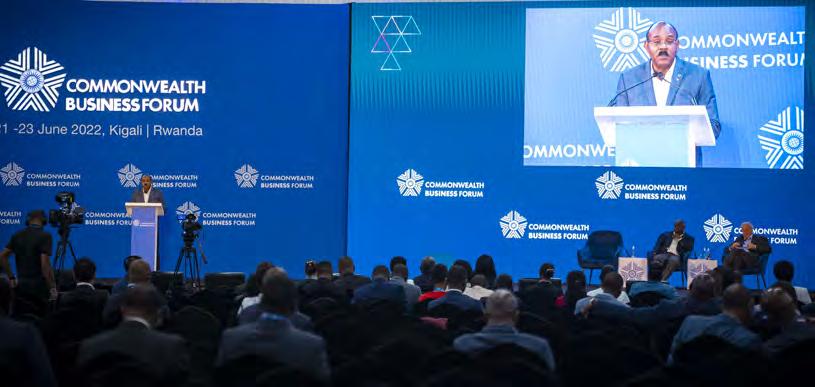
As long ago as the Singapore Declaration of Commonwealth Principles in 1971, a link was drawn between those two conceptseconomic opportunity, and the importance of the private sector. An explicit connection is made in the text between “raising standards of life” and “the freest possible flow of international trade”
It’s encouraging to see that approach continue through to the modern day, enshrined in the Commonwealth Charter. The “effective, equitable, rules-based multilateral trading system” mentioned in Article IX can only be sustained by a vibrant, active business community which understands the value of the Commonwealth. Building and expanding that community is exactly what CWEIC exists to do.
Working with our global network of strategic partners, CWEIC helps to promote sustainable growth in some of the world’s
fastest growing markets. We give platforms to governments and businesses to help develop financial instruments such as Green Bonds, as well as offering partnerships with global institutions, universities, charities and NGOs with shared values and aspirations.
A thriving Commonwealth business community means more opportunities for the Commonwealth’s fast-growing youth populations, and more investment for businesses looking to get started or scale up. As history shows us, the emergence of homegrown private sector growth is the precursor to national prosperity. I sincerely hope that CWEIC can contribute towards that vital growth.
As we move forward into the Commonwealth Charter’s second decade, I look forward to continuing CWEIC’s engagement with national and regional governments across the Commonwealth. Politicians have a crucial role in developing vibrant business and investment climates and should look to the Charter for inspiration in doing so.
In delivering our forward programme, CWEIC will continue to build on and draw on the values of the Commonwealth Charter. We will host two international conferences within the next few months, firstly in Bangladesh in September, and in London, UK in November. The appetite for meeting, mixing and mingling remains strong amongst the Commonwealth’s business community and is testament to the immense power of this network.
We also aim to continue our engagement with other Commonwealth advocacy organisations. Alongside the Royal Commonwealth Society and the City of London Corporation, we host the annual Commonwealth High Commissioners’ Banquet here in London, which brings together diplomatic representatives and Commonwealth business leaders. We also look forward to maintaining our close communication with the CPA.
The opportunities for greater trade and investment between the Commonwealth’s 56 member states will only grow in the years to come. This global family is now home to some of the fastest growing economies in the world, a trend which shows no sign of slowing. Seizing those opportunities, with the Charter’s values as a foundation, could deliver prosperity for billions of people across the Commonwealth.
The Parliamentarian | 2023: Issue Three | 100 years of publishing | 223
THE COMMONWEALTH CHARTER 10 YEARS
To find out about the work of the Commonwealth Enterprise and Investment Council (CWEIC) please visit www.cweic.org
ON: VALUES AND PRINCIPLES FOR PARLIAMENTS TO UPHOLD
Above: The Prime Minister of Antigua and Barbuda, Hon. Gaston Browne, MP addresses business leaders at the Commonwealth Business Forum which took place at CHOGM 2022 in Rwanda.
Image credit: CHOGM 2022 Rwanda.
THE COMMONWEALTH CHARTER
10 YEARS ON: VALUES AND PRINCIPLES FOR PARLIAMENTS TO UPHOLD
‘TO PROTECT THE TRUTH, WE MUST PROTECT THE TRUTHTELLERS’: THE COMMONWEALTH AND MEDIA FREEDOM
Recently, Commonwealth Law Ministers unanimously adopted the Commonwealth Media Principles on Freedom of Expression and the Role of the Media in Good Governance. How will these principles expand upon the Commonwealth Charter’s Article 5 on Freedom of Expression?
In November 2022, a long, arduous advocacy campaign led by six professional and civil society associations resulted in a landmark event for the Commonwealth on the eve of the 10th anniversary of its Charter. The Commonwealth Principles on freedom of expression and the role of the media in good governance were first drawn up by that Working Group of associated professional bodies and published in 2018. After detailed scrutiny and some editing of the original text by member states during 2021, Commonwealth Law Ministers meeting in Mauritius unanimously adopted the 11-point Media Principles in their revised form.
The Commonwealth Charter’s Article 5 on Freedom of Expression makes a general commitment to “peaceful, open dialogue and the free flow of information, including through a free and responsible media, and to enhancing democratic traditions and strengthening democratic processes”. The Media Principles have put flesh on the member states’ commitments. They provide guidelines to address pressing concerns related to media freedom and the safety of journalists, which have risen up the United Nations’ and international agendas as the checks and balances of liberal democracy have come under extraordinary strain across the world.
Commonwealth Law Ministers acknowledged the valuable contribution of the civil society groups whose determination brought these matters onto the agenda of member state governments: the Commonwealth Journalists Association, Commonwealth Parliamentary Association, Institute of Commonwealth Studies, Commonwealth Lawyers Association, Commonwealth Legal Education Association and Commonwealth Human Rights Initiative. The project is in the spirit of the “surge in popular demand for democracy and human rights” which was recognised in the Commonwealth Charter that was signed in 2013.
The Commonwealth Law Ministers have recommended the Media Principles to the Commonwealth Heads of Government who will meet in Samoa in 2024. If duly approved at CHOGM, the
Media Principles will have a place among the Commonwealth’s fundamental political principles alongside the Commonwealth Latimer House Principles of 2003, which provide guidance on the separation of powers and the constitutional functions of the three branches of government. The Commonwealth Latimer House Principles underlined the role of the media in promoting transparency and accountability, saying it “must be protected by law in its freedom to report and comment on public affairs”
The Commonwealth Media Principles go further, stating that member countries should ensure that their public officials “respect their international legal obligations” and “establish a safe and enabling environment for journalists and media workers.” The part on media regulation (Article 10) calls for independent broadcasting regulators and mechanisms to prevent undue concentration of media ownership - vital safeguards against manipulation and weaponisation of the media.
So the ‘Fourth Estate’ is recognised as an organic part in the machinery of a functioning democracy. The attention and commitment of Legislatures and the judicial authorities as well as elected governments in every Commonwealth country will be called on to make a success of this initiative in the eyes of the world. Article 4 addresses the role of Parliaments in respecting the role of the media to inform the public and hold governments to account. These principles can encourage legislators across the Commonwealth to give a higher priority to oversight of the Executive branch and amending bad laws. They imply, too, that Parliamentarians should be strictly protected against reprisals for opposing arbitrary government actions.
How these guiding principles are implemented in the years ahead will be a test of the relevance of the Commonwealth in an age in which media manipulation and authoritarian forms of government present a grave risk to people’s democratic rights and the traditional liberal order.
William Horsley is an Executive Board member of the Commonwealth Journalists Association and Co-Chair of the Working Group of civil society professional networks which published the Commonwealth PrinciplesonFreedomofExpressionandtheRoleoftheMediainGoodGovernance in 2018. For over 20 years, he reported for BBC Radio and TV from across Asia and Europe as a foreign correspondent. Since 2008, he is the International Director of the Centre for Freedom of the Media at the University of Sheffield, which directs the activities of the UNESCO Chair on media freedom and the issue of impunity. He is a member of the UK Advisory Board of Reporters of Without Borders (RSF), and has advised UNESCO, the Council of Europe and the Organization for Security and Cooperation in Europe (OSCE) on policies related to media and the rule of law. He has written several books and articles on the safety of journalists.

224 | The Parliamentarian | 2023: Issue Three | 100 years of publishing
Freedom of the press 'under attack everywhere'
“Freedom of the press is the foundation of democracy and justice, the very lifeblood of human rights, but in every corner of the world freedom of the press is under attack.”

That warning by the United Nations Secretary-General Antonio Guterres in May this year came after UNESCO announced that 86 journalists were killed for their work during the past year, the highest annual death toll for four years. Mr Guterres has condemned the “pandemic of disinformation” and the increase in national laws that expand censorship, stating that “When journalists are targeted, societies as a whole pay a price”.
So, it is disappointing that the Commonwealth Law Ministers did not act on the Recommendation placed before them by the Commonwealth Secretariat at their November 2022 meeting, which urged them to “take concrete and meaningful steps to implement the revised principles within their domestic frameworks.” Similar written submissions were made to the meeting by Commonwealthaffiliated organisations, but the call for follow-up action was not debated. The reluctance to match lofty declarations with practical actions in crucial fields of human rights protection is frustrating and discouraging to members of civil society whose role is precisely to “promote and support Commonwealth values and principles”.
The Commonwealth Charter contains the Commonwealth’s public commitment to “the Universal Declaration of Human Rights and other relevant human rights covenants and instruments,” and 47 of its 56 member states have ratified the all-important International Covenant on Civil and Political Rights, which is binding in international law. Yet the Commonwealth has clung to its self-imposed limitations as a consensus organisation and its self-image as a “family”, shrinking from the necessity to match fine words with deeds, in a world where critical public scrutiny has replaced deference.
For all the good work of its constituent parts, the Commonwealth’s refusal to adopt its own mechanisms to achieve member governments’ compliance with their public pledges, or to make public statements condemning blatant abuses of power, has diminished its credibility and profile on the international stage. Some serious historians and
scholars on the Commonwealth have derided what they describe as its “empty pronouncements” and its “struggle with hypocrisy”
To raise public understanding of the issues, last year the Commonwealth Foundation commissioned the Institute of Commonwealth Studies (ICWS) to conduct research into the environment for free and independent media in member states, which was published as the Media Freedom Summary Report shortly before the meeting of Commonwealth Law Ministers. The Report examined the trends, current environment and broad regional variations in major aspects of media freedom across the Commonwealth. It found that a total of at least 21 journalists were killed in 2021 and 2022 in member countries, and that the overall record on safeguarding free and independent media is “in serious disrepair and urgent need of correction”. The Summary Report also pointed to evidence of hostile conditions in member countries and regions arising from acts of violence and intimidation, censorship, arbitrary closures and state capture of media, and aggressive denigration of journalists by public figures.
Areas of acute concern include the arbitrary misuse of law, overly restrictive legislation, and a soaring level of impunity – as high as 96% in cases involving killings of journalists in Commonwealth member states, according to UNESCO’s Observatory of Killed Journalists . This troubling picture shamefully contradicts the Commonwealth’s public commitments to the rule of law and to the United Nations’ Sustainable Development Goals, including SDG 16 which calls for access to justice for all, and “effective and accountable institutions”
Meeting international standards with actions, not just words
Kingsley Abbott, the present Director of the Institute of Commonwealth Studies, until recently held a senior post in the International Commission of Jurists. Commenting on the 10th anniversary of the Commonwealth Charter, he said: “Talk of ‘commitment’ to the values contained within the Commonwealth Charter is meaningless unless states implement their international human rights legal obligations, including with respect to freedom of expression. Media freedom is being eroded aggressively around
The Parliamentarian | 2023: Issue Three | 100 years of publishing | 225
THE COMMONWEALTH CHARTER
“
10 YEARS ON: VALUES AND PRINCIPLES FOR PARLIAMENTS TO UPHOLD
How these guiding principles are implemented in the years ahead will be a test of the relevance of the Commonwealth in an age in which media manipulation and authoritarian forms of government present a grave risk to people’s democratic rights and the traditional liberal order.”
10 YEARS ON: VALUES AND PRINCIPLES FOR PARLIAMENTS TO UPHOLD
the world, including through legal and physical attacks on journalists, with hundreds currently imprisoned for merely carrying out their important work. States need to end these attacks and amend or repeal laws being misused to target journalists. The international community, including the Commonwealth, must engage meaningfully with States failing to meet their international human rights obligations to seek compliance and offer assistance where appropriate. At the same time, support and funding should be provided to civil society, including media defence organisations, to facilitate monitoring and documentation of violations, access to legal aid for journalists and the use of strategic litigation.”
Professor Abbott’s prescription deserves serious attention from leaders who want the Commonwealth to flourish as a global actor which is not afraid of scrutiny, and which can show it is capable of correcting serious democratic failings in its own ranks. Representative civil society groups want a meaningful plan of action, made in consultation with non-government stakeholders and experts, to implement the Media Principles; and a transparent process to review and update the plan periodically to upgrade the commitments and adapt to changes in the media environment.
Can the Media Principles text itself serve as a roadmap for actions taken together or by member states on their own authority? Yes, the Commonwealth Journalists Association (CJA) and like-minded Commonwealth professional associations believe it can. They urge the leaders of the 56 member states, as well as Commonwealth Parliamentarians, public bodies and representatives of civil society, to use the forward-looking provisions which they have approved to fulfil those commitments without delay.
The Media Principles (Article 2) say member states “should consider repealing or amending laws which unduly restrict the right to freedom of expression”. Commonwealth leaders are being publicly called on to repeal colonial-era laws that unduly restrict freedom of expression and criminalise journalists. Karuna Nundy, an advocate at the Indian Supreme Court and member of the High-Level Panel of legal experts on media freedom is the author of a Research Report published earlier this year. It maps national laws on blasphemy around the world and urges the repeal of laws dating from the colonial era which breach international standards of protection and are used to silence critical voices.
The Panel will issue further authoritative Research Reports that clarify how international standards should apply to other areas of law, including defamation and sedition, national security, hate speech and ‘fake news’, and Internet shutdowns. States can request the Panel’s advice on their domestic laws. For the Commonwealth,
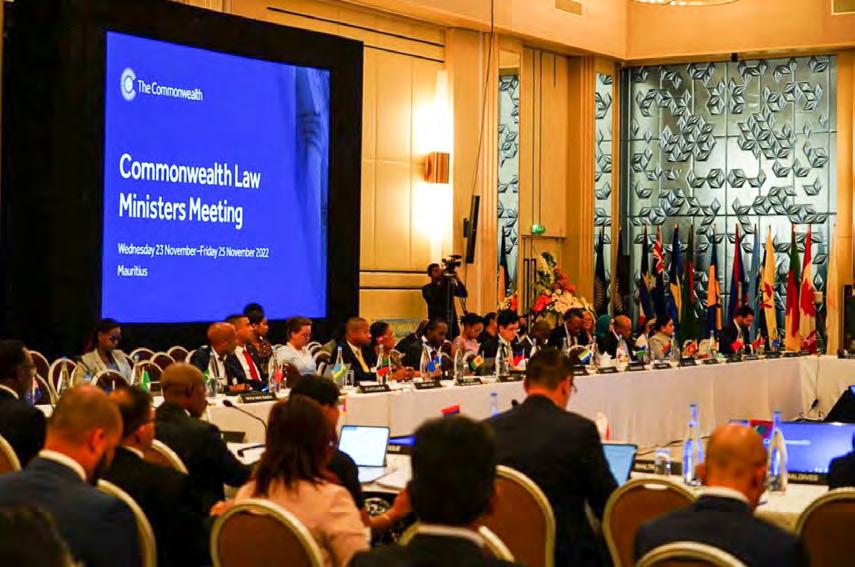
the Research Reports can prompt common action and provide expert guidance to achieve the aims set out in the Principles.
Article 7 states that member states “should put in place effective laws and measures to establish a safe and enabling environment for journalists and media workers to work without fear of violence”. The words mirror those in the UN Plan of Action on the Safety of Journalists and the Issue of Impunity. That multi-agency plan was launched in 2012 as a response to the worldwide increase in targeted attacks against journalists and newly emerging threats and barriers to their lives and work. The UN Plan’s multiple action lines and expert resources cover all aspects of protection, from monitoring and building national protection mechanisms to raising standards of judicial independence and training public officials as well as journalists. The Commonwealth can demonstrate its serious intent to fulfil the expectations of the Commonwealth Principles by “implementing the Plan of Action”, as Article 8 urges member states to do.
Article 8 says the states “should act decisively to end impunity through impartial, prompt and effective investigations” into attacks on journalists and “prosecutions to bring the instigators and perpetrators of such crimes to justice”. Assassinations of prominent journalists and editors have a particular resonance for millions who rely on their reporting to remain informed and make evidencebased decisions. The Commonwealth’s desperately poor record of 96% impunity in such cases represents a severe blot on its record which demands the attention of decision-makers.
Take the shocking cases of Gauri Lankesh, shot dead in 2017, who risked her life to speak up for marginalised communities in India; Daphne Caruana Galizia, the Maltese investigative journalist, blogger and government critic who was blown up in a car bomb attack, also in 2017; and Deyda Hydara, founder of The Point newspaper in Gambia, shot dead in 2004 in the capital Banjul after receiving death threats. Those murders all took place in Commonwealth member countries, and they are alike in one respect, that for years after the murders their families have not seen justice done and all those responsible duly punished.
226 | The Parliamentarian | 2023: Issue Three | 100 years of publishing THE COMMONWEALTH CHARTER
Image credit: Commonwealth Secretariat.
How can the Commonwealth be part of the solution?
In a lecture earlier this year marking the 10th anniversary of the Commonwealth Charter, its main author, the former Australian High Court Judge, Hon. Michael Kirby, recalled how he and others closely involved had proposed the creation of a Commonwealth Human Rights Commissioner to counter “unacceptable” breaches of the Charter. When the idea was, in his words, “arbitrarily rejected”, the reformists were dismayed, believing that without such a mechanism “nothing would ever get done”. The remark proved prescient. Civil society groups have since that time been dismayed at the failure of the Commonwealth Ministerial Action Group (CMAG) to live up to its mandate to oppose egregious violations of human rights and “systematic constraints on civil society and the media” . CMAG has proved too deferential and weak to challenge such abuses, prompting the jibe that it should instead be called a “Ministerial Inaction Group”
The Commonwealth could yet learn from others and profit from their example. The Organization for Security and Cooperation in Europe (OSCE), a consensus-based body with 57 participating states which grew out of the Cold War era, has created dynamic mechanisms with independent mandates in the fields of freedom of the media, national minorities, democratic institutions and human rights. Those bodies lack powers to enforce remedial action, but they have significant influence thanks to the authority vested in them to act as watchdogs and publicly remind countries of their commitments, as well as delivering assistance to comply with agreed standards.
The time has come for fresh thinking, and the 11 Commonwealth countries which have joined the 50-member global Media Freedom Coalition are well placed to spearhead Commonwealth-focused reforms leading to effective protections for journalists, both in law and in practice. The Commonwealth countries in the Coalition are Australia, Belize, Botswana, Canada, Cyprus, Ghana, Guyana, the Maldives, New Zealand, Sierra Leone and the United Kingdom.
The Coalition was set up by an initiative led by the UK and Canada in 2019, at the same time as the High-Level Panel of legal experts. The organic link between media freedom and the rule of
THE COMMONWEALTH CHARTER
10 YEARS ON: VALUES AND PRINCIPLES FOR PARLIAMENTS TO UPHOLD
law was explicitly acknowledged, raising the protection of independent media as a “first-order” issue for international attention. Countries in the Coalition have signed a public pledge to promote media freedom at home and abroad through advocacy, diplomatic interventions at the highest level, legal reforms, events and funding; and the Coalition is committed to working closely with civil society, legal experts, multilateral organisations and journalists.
The Commonwealth has a readymade pool of civil society experts and stakeholders who are able and willing to play their part, together with UNESCO and other guardians of international law. Les jeux sont faits
References:
• To protect the truth, we must protect the truth-tellers: the credo of the HighLevel Panel of Legal Experts on Media Freedom https://www.ibanet.org/
IBAHRIsecretariat
Commonwealth Secretary-General welcomes Law Ministers’ unanimous agreement on Media Principles, 24 November 2022; Commonwealth Secretariat: https://thecommonwealth. org/news/commonwealth-secretarygeneral-welcomes-law-ministersunanimous-agreement-media.
Commonwealth Media Principles adopted as revised by Commonwealth Law Ministers in November 2022.
• Media Principles: the text as published in April 2018 by six Commonwealth civil society organisations.
• Media Freedom Summary; Institute of Commonwealth Studies, 2019 https:// commonwealth.sas.ac.uk/research-projects/media-freedom-commonwealth/ media-freedom-summary-report UNESCO Observatory of killed journalists https://www.unesco.org/en/safetyjournalists/observatory

• Commonwealth Ministerial Action Group: https://thecommonwealth.org/ commonwealth-ministerial-action-group
The Commonwealth Charter and its Contemporary Relevance, Lecture by Hon. Michael Kirby, 15 March 2023; Institute of Commonwealth Studies.
• High-Level Panel of Legal Experts on Media Freedom: ‘On religious Freedom and Discontent; Report on International Standards of Blasphemy Laws’, Ms Karuna Nundy.
• Media Freedom Coalition: https://mediafreedomcoalition.org/
• Commonwealth Law Ministers Meeting Outcome Statement, Meeting in Mauritius, 22 to 25 November 2022.
The Parliamentarian | 2023: Issue Three | 100 years of publishing | 227
10 YEARS ON: VALUES AND PRINCIPLES FOR PARLIAMENTS TO UPHOLD
WHAT, IF ANYTHING, UNIFIES THE COMMONWEALTH?
The Director of the new Centre for Commonwealth Affairs looks at how the Commonwealth Charter is central to its work while also reviewing how its principles are put into practice.
Since setting up the Centre for Commonwealth Affairs earlier this year, this is the question that I’ve been asked more than any other.
All of the traditional answers prove unsatisfying. Despite the misconceptions of some, it certainly isn’t about a connection to the British monarchy. Just fifteen of the Commonwealth’s fifty-six member nations maintain a formal constitutional relationship to the Crown; Commonwealth membership has been open to republics since the London Declaration of 1949.
It isn’t just an alumni club for the British Empire either. To label the Commonwealth as such would be to diminish the contributions of figures like Kwame Nkrumah (Ghana), Milton Obote (Uganda), and Lee Kuan Yew (Singapore). The Commonwealth has a long history of defending racial equality and supporting social justice which runs contrary to the empires of old. In any case, four Commonwealth member states – Rwanda, Mozambique, Gabon and Togo – have no historic link to the British Empire at all.
While English remains the organisation’s official language, many of the Commonwealth’s 2.7 billion citizens are not fluent English speakers. Shared principles like a Westminster model of parliamentary democracy and the role of Common Law remain influential, but are by no means necessary or sufficient for Commonwealth membership.
So, where does that leave us?
Whatever its unifying features, the Commonwealth today is a modern, dynamic network, which stretches to every corner of the globe. It is a web of international connections, which brings together political, professional and civil society organisations, often touching on areas of shared interests. Centuries of cultural crosspollination have produced a familiarity and trust which enables Commonwealth countries to work together.
Perhaps then, in keeping with this fluidity, the Commonwealth should be defined by values, rather than by prescriptive rules or regulations. That’s the theory of the Commonwealth Charter, which marks its tenth anniversary this year. In its own words, the Charter “is a document of the values and aspirations which unite the Commonwealth”. It outlines sixteen of these values and aspirations,
adherence to which – in theory – unites the Commonwealth’s member states.
This is an attractive idea, but the reality isn’t quite so straightforward. In truth, the Commonwealth Charter is aspirational rather than descriptive. Even accounting for a wide range of fair interpretations, many Commonwealth member states do not meet the expected standards. Without drawing on any particular examples, it isn’t difficult to think of cases within the Commonwealth where democracy is imperfect and where human rights have been violated.
Such is the difficulty of defining an association by adherence to rights and principles. These abstract ideas will, necessarily, be interpreted differently in different national cultures and political contexts. It is trivially easy to identify those states who flagrantly violate the rights of their people or undermine democratic values. It isn’t quite as easy to rule on those ambiguous cases, the grey areas between adherence and violation.
And that ambiguity isn’t just about differing opinions on moral questions. Take the Article 6 commitment to the Separation of Powers. While an agreeable idea on its face, it could be argued that the Separation of Powers is not properly realised in Westminster model parliamentary systems. After all, the British Prime Minister – the head of the political Executive – is drawn from Parliament, the Legislature. Parliament, in turn, has the authority to overturn the rulings of the Judiciary. This is hardly an exemplar case of the Separation of Powers in action, and yet there are few calling for the UK’s expulsion from the Commonwealth for its failure to comply with the Commonwealth Charter or the Commonwealth Latimer House Principles on the Separation of Powers.
Clearly, if shared values are to be the Commonwealth’s defining feature, we must take a more nuanced approach. Proponents of the Commonwealth Charter’s values must embrace their aspirational nature and accept that some of those values will be easier to instil than others. They should also look to the historical development of these values and recognise that their full realisation within the Commonwealth will be a slow, gradual process, which will look different in each member state.
Sam Bidwell is the Director of the Centre for Commonwealth Affairs. Since graduating with an LLB in Law from the University of Cambridge, he has worked as a Parliamentary Researcher in London, UK

228 | The Parliamentarian | 2023: Issue Three | 100 years of publishing
THE COMMONWEALTH CHARTER
Too often, these facts are omitted from conversations about values. What remains is hectoring and finger-wagging, with little practical understanding of how to promote values in practice.
In order to turn the principles of the Commonwealth Charter into reality, Commonwealth Parliamentarians should focus on building robust, stable institutions, looking to best practice elsewhere as inspiration. In doing so, they will create environments in which political and social rights can flourish.
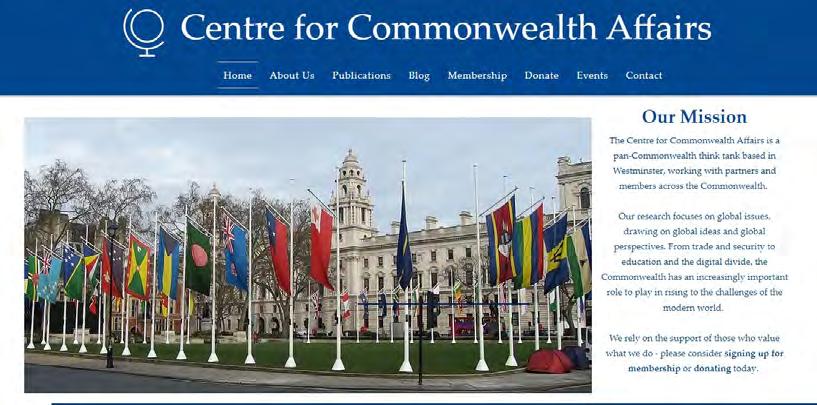
Using the example of the British civil service, let’s explore this theory in action. The NorthcoteTrevelyan Report, published in 1854, is generally regarded as the founding document of the British Civil Service. It promoted the idea of an impartial, objective civil service, with its members appointed on merit – and crucially, able to transfer their loyalty between governments.
These steps were all taken with practical, procedural considerations in mind. However, and in tandem with other institutions like the Judiciary and Parliament, they gradually helped to foster a free, fair political system capable of vindicating basic rights. Its commitment to impartiality ensured that it behaved according to the principles of good governance. Its meritocratic selection process was a boon for social mobility and economic opportunity. Its non-partisan nature strengthened democracy, ensuring that the state would always be run by reliable experts, rather than by partisan loyalists.
While Britain’s civil service has its flaws, it has historically promoted the rights and values that lie at the heart of the Commonwealth Charter. It has helped to create the stable conditions needed for a relatively free and relatively prosperous society in the UK. Just as importantly, it has worked with other institutions to pursue aims like the protection of the environment and the widening of access to healthcare, education, food and shelter.
The lesson to be learned is not that Commonwealth countries should copy Britain’s civil service – far from it. This story simply serves as a reminder of the role that good institutions can play in promoting Commonwealth values. For this theory to work, these institutions must be tailored to their particular context, reflecting national needs and local peculiarities. Get it right, and the result will be the gradual, grassroots emergence of Commonwealth values.
However, institutions don’t tell the whole story.
Parliamentarians would also do well to place more emphasis on the Commonwealth’s potential as a network for economic development. Commonwealth businesses enjoy a 21% cost advantage when trading in the Commonwealth, and foreign direct investment between Commonwealth countries produces greater profits and employment on average. Policymakers have a role to play in highlighting and enhancing this so-called ‘Commonwealth Advantage’, diversifying national trading portfolios in the process.
10 YEARS ON: VALUES AND PRINCIPLES FOR PARLIAMENTS TO UPHOLD
In the first instance, greater intra-Commonwealth trade would work to support the Commonwealth Charter’s commitment to Sustainable Development - but this isn’t just about promoting national prosperity. Where populations have their economic needs met, they will find it far easier to advocate for their civil liberties. It is difficult to focus on bureaucratic irregularities when one is struggling to put food on the table. While economic prosperity and civil liberties do not always travel hand-in-hand, there is an undeniable link between the two.
It may also be time to update the Commonwealth Charter, inserting an additional commitment to National Sovereignty. In a world of intense competition between would-be global hegemons, the Commonwealth has a role to play as a forum for states interested in maintaining a diverse range of diplomatic partnerships. It provides a space in which states of all shapes and sizes can come together, and work together as equal partners. It is significant that the Commonwealth today is the largest international organisation which does not include the United States, China or the Russian Federation.
A National Sovereignty clause would also fit neatly with the Commonwealth Charter’s other commitments. It would supplement the needs of small and vulnerable states, while complimenting the Charter’s commitment to international security. It would also serve as a signal that the Commonwealth recognises its role in reforming the international system along fairer and more equitable lines.
I hope that the Centre for Commonwealth Affairs’ work can help to furnish Parliamentarians with the policy ideas needed to deliver on the values of the Commonwealth Charter. In cooperation with our international network of research partners, we are working to strengthen the modern Commonwealth, and deliver practical value for its 2.7 billion citizens. The mission of the Commonwealth Charter is central to that work – but with a decade of hindsight, it may be time to revisit how we put its principles into practice.
The Centre for Commonwealth Affairs is a pan-Commonwealth think-tank based in Westminster, UK working with partners and members across the Commonwealth. Its research focuses on global issues, drawing on global ideas and global perspectives. From trade and security to education and the digital divide, the Commonwealth has an increasingly important role to play in rising to the challenges of the modern world. www.commonwealthaffairs.co.uk
The Parliamentarian | 2023: Issue Three | 100 years of publishing | 229
COMMONWEALTH CHARTER
THE
THE
10 YEARS ON: VALUES AND PRINCIPLES FOR PARLIAMENTS TO UPHOLD
THE CONVENING POWER OF THE COMMONWEALTH
A view from the Royal Commonwealth Society.
“Throughout the ages, Charters have been seen as special documents, designed with care to stand the test of time. The Charter I will sign today, on behalf of you all, represents a significant milestone as the Commonwealth continues its journey of development and renewal. We now have, for the first time, a single document that captures the core values and aspirations of the Commonwealth and all its members. It will light the path of all those involved in the work of the Commonwealth, and of those who follow in our footsteps. I hope the carefully chosen words of the Charter will reinvigorate efforts, already begun to make the Commonwealth fit and agile for the years ahead, so that it can apply its global wisdom in the hopes and needs of this and future generations.” 1
These were the words of our late Patron Queen Elizabeth II on Commonwealth Day 2013 before signing and ratifying the Commonwealth Charter as Head of the Commonwealth. Earlier this year on Commonwealth Day 2023, His Majesty King Charles III signed this Charter and reaffirmed our collective commitment to this special network.
The signing of the Commonwealth Charter was a milestone moment for the Commonwealth, a symbol of the Commonwealth’s modernisation and a wish to be at the forefront of international cooperation. The Charter gave the Commonwealth 16 principles, values and aspirations that would guide its work. Core values included peace, democracy, the rule of law, human rights, gender equality, economic development, freedom of expression, protecting the environment, the importance of young people in the Commonwealth and the role of civil society.2
As the oldest civil society organisation dedicated to the Commonwealth, the Royal Commonwealth Society is committed to improving the lives and prospects of Commonwealth citizens. Our unique position within the Commonwealth family allows us to play a pivotal role in convening and connecting the Commonwealth’s political and diplomatic representatives, civil society, business and youth leaders, on a wide range of issues. The Charter has been a guide as we work towards a better world for all Commonwealth citizens. The Society has focused on issues including gender equality, protecting the environment, championing youth voices and promoting the value and values of the Commonwealth through our events, including the annual Commonwealth Day Service of
Celebration at Westminster Abbey and the High Commissioners’ Banquet, and youth-oriented programmes, most recently with a Commonwealth Youth Exchange Programme.
Almost every Commonwealth event and publication contains mention of the significant fact that over 60% of the Commonwealth’s 2.5 billion people are under 30 years of age.3 It is an astonishing statistic that reinforces how many of the world’s future leaders are currently growing up in Commonwealth countries. Listening to the voices of today’s youth, and working to address their concerns, should be important for all the world, but especially the Commonwealth. Because of our longstanding focus on youth leadership, the Royal Commonwealth Society has an ever-growing network of inspiring and engaged young people, who are keen to be involved with the Commonwealth and make a difference.
I’m pleased to share some of the practical examples from RCS programmes, centred on youth, that demonstrate how Commonwealth values are utilised to make a positive difference.
Literacy
The last ten years has seen far greater space given for youth voices, including the Commonwealth Youth Forum at the Commonwealth Heads of Government Meeting (CHOGM) and the 12 separate networks dedicated to convening and promoting youth leadership in the Commonwealth.4 Deciding that this year, the 10th anniversary of the Commonwealth Charter, would also be the Commonwealth Year of Youth 2023, shows the importance of Article XIII of the Charter for the future success of the Commonwealth’s aims.
Youth is central to much of the Royal Commonwealth Society’s work, whether through the inspiring young people who are selected each year to bear their nation’s flag at the Commonwealth Day Service of Celebration, or the community work of the young leaders in our Associate Fellow network, many of whom were originally selected as Queen’s Young Leaders and whose work continues with the RCS.
The Commonwealth Charter’s values are certainly evident in our flagship literacy programme, The Queen’s Commonwealth Essay Competition (QCEC), the world’s oldest school writing competition, which for 140 years has offered anyone under 18 years of age the opportunity to express their views on global issues of importance.
Dr Linda Yueh, CBE is Executive Chair of the Royal Commonwealth Society. She is Fellow in Economics at St Edmund Hall, University of Oxford and Adjunct Professor of Economics at London Business School. She was Visiting Professor at LSE IDEAS and Chair of the LSE Economic Diplomacy Commission. Her latest books are: The Great Crashes: Lessons from Global Meltdowns and Howto PreventThem and TheGreatEconomists:HowTheirIdeasCanHelpUs

230 | The Parliamentarian | 2023: Issue Three | 100 years of publishing
Today
COMMONWEALTH CHARTER
Back in 1982, there was a young Kenyan teenage winner who wrote about the energy crisis and the need to explore renewable energy!
This year, the QCEC received entries from almost 35,000 young people and more than 100,000 entries have been received over the last five years alone. For the 4% of entrants who receive a Gold Award, it is often a life changing experience, as some have been featured on national news and met with political leaders.
To expand the reach of the QCEC, the RCS has created a new creative writing programme, entitled Write Around the World The RCS has partnered with the Royal Society of Literature to develop an online literacy programme that children and teachers will be able to access from across the Commonwealth for free.
Child literacy is a fundamental way to empower young people, and there has been notable progress in the Commonwealth.5 There is still work to do, particularly since the pandemic has particularly impacted children’s education.
Through these programmes, the RCS helps countries achieve the UN Sustainable Development Goal 4 (Quality Education).
Equality
The Royal Commonwealth Society has long advocated for a Commonwealth where all people are treated equally within their communities and before the law, regardless of their sex, gender, sexual orientation, gender identity or other status. To advance gender equality, the Society launched the Commonwealth Youth Gender and Equality Network (CYGEN) at the 2015 Commonwealth Heads of Government Meeting (CHOGM) in Malta. As Secretariat to CYGEN, the RCS supports the meaningful inclusion of youth voices on gender equality issues in local, national, regional, Commonwealth and international agendas. CYGEN is recognised by the United Nations as a youth voice for gender equality in the Commonwealth.6
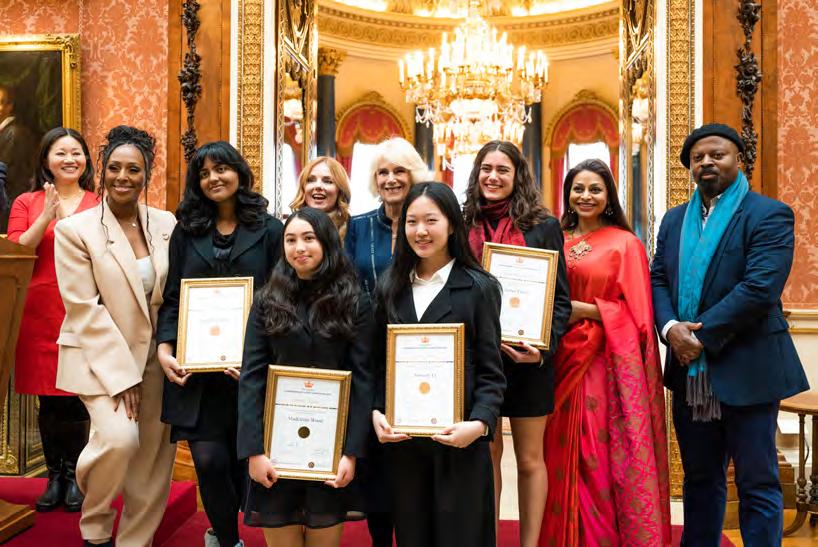
In 2018, the RCS founded with partners the Equality and Justice Alliance, a multi-year project that sought to build a fairer Commonwealth by highlighting discriminatory laws and advocating for positive change. The Equality and Justice Alliance brought together Parliamentarians in February 2019 in Cape Town, South Africa to discuss important reforms that had been made and how to support and learn from other Commonwealth countries. The project successfully concluded with a conference in Seychelles in February 2020 that was opened by an address by then President Danny Faure.
Work in this area continues, with the Commonwealth Declaration for Gender Equality and the Empowerment of Women released last year.7 The Commonwealth has also renewed its commitment, not
THE COMMONWEALTH CHARTER
10 YEARS ON: VALUES AND PRINCIPLES FOR PARLIAMENTS TO UPHOLD
just to Article XII, but to Articles II Human Rights and IV Tolerance Respect and Understanding.
Communities
Articles XIV and XV of the Commonwealth Charter emphasise the need to connect, collaborate and communicate.8 It’s the peopleto-people links that makes the Commonwealth work and the RCS has long served as a trusted convenor providing those crucial connections.9
It was in this tradition that the RCS has run the Commonwealth Youth Exchange Programme for the past few years. The Society partnered with Clarion Futures for this exchange programme to send a group of young leaders from Clarion’s social housing across the Commonwealth to develop their social action projects. So far, the exchanges have focused on small islands states and participants have learned about the issues faced by these nations. Most recently, in 2023, an exchange took place between the UK and Malta. Participants built up knowledge and social action skills through residential workshops and then had the opportunity to share their social action projects with government departments and diplomats, including His Excellency The President of the Republic of Malta, and officials from the Ministry for Housing and the British High Commission. The participants were further inspired to implement their social action projects in their communities, all tied to values of the Commonwealth Charter.
Environment
One of the most pressing issues for small island states is climate change and environmental degradation, especially in marine environments. The inclusion of Articles IX and X show the Commonwealth’s recognition of this issue.
The RCS co-founded The Queen’s Commonwealth Canopy (QCC) at the Commonwealth Heads of Government Meeting in Malta
The Parliamentarian | 2023: Issue Three | 100 years of publishing | 231
Above: Her Majesty Queen Camilla (as HRH The Duchess of Cornwall) hosts an Award Ceremony at Buckingham Palace for the winners of The Queen’s Commonwealth Essay Competition 2022.
Image credit: Royal Commonwealth Society.
10 YEARS ON: VALUES AND PRINCIPLES FOR PARLIAMENTS TO UPHOLD
in 2015, the first environmental project in The late Queen’s name. Queen Elizabeth II remarked upon its launch, “I have been especially touched by one such project. The Queen’s Commonwealth Canopy, which has been proposed by Commonwealth countries wanting to harness their collective expertise and resources to protect the world’s forests” 10 In 2022, panCommonwealth commitment was achieved and announced by King Charles at CHOGM in Kigali, Rwanda. The QCC has resulted in conservation of a vast range of sites around the Commonwealth. More than 115 sites and projects around the Commonwealth have been dedicated to the initiative, conserving more than 12 million hectares of indigenous forests and botanical gardens. The QCC is an example of Commonwealth nation coming together in common cause, guided by the Charter.
Ocean conservation will be an important issue in the lead up to CHOGM in Samoa next year since plastics in our oceans is an issue that unduly affects the Commonwealth. Commonwealth member states account for 36% of the world’s national marine waters, and 49 out of 56 countries have marine coastlines.11 Not only is this issue impacting coastal communities, but research shows the damage caused by micro-plastics and other chemicals entering into our ecosystems via waterways.12 It is another area where panCommonwealth support could make a significant difference, and the values of the Charter would urge that every Commonwealth country help to protect our shared ecosystem.
The Royal Commonwealth Society is therefore aiming to prevent 1 million pieces of plastic from entering our waterways by 2025. This new campaign seeks to involve the entire Commonwealth, be youth-organised and volunteer-led. Education will be a key focus, encouraging people around the Commonwealth to become more aware of this issue in their own countries and how they can help. In advance of CHOGM 2024, we would welcome the support of all Commonwealth member states in achieving this aim.
Conclusion
The Commonwealth Charter opens with the statement that this is “an era of changing economic circumstances and uncertainty, new trade and economic patterns, unprecedented threats to peace and security, and a surge in popular demands for democracy, human rights and broadened economic opportunities.”13 It is particularly prescient and is as apt today as it was in 2013, if not more so.
As the Royal Commonwealth Society plays a pivotal role particularly in the Third Pillar, the non-governmental sector of the Commonwealth, in supporting the values of the Charter, we look forward to continuing our collective efforts to engage youth and together shape the future of the Commonwealth.
To find out more about the work of the Royal Commonwealth Society please visit www.royalcwsociety.org
References:
1 A speech by The Queen at the Commonwealth Reception, 2013 | The Royal Family website
2 Commonwealth Charter https://thecommonwealth.org/charter
3 Youth | Commonwealth https://thecommonwealth.org/our-work/youth
4 Youth Networks – YourCommonwealth https://yourcommonwealth.org/youthnetwork/
5 Literacy - Our World in Data - https://ourworldindata.org/literacy
6 Commonwealth Youth Gender and Equality Network | United Nations https://www. un.org/en/civil-society/commonwealth-youth-gender-and-equality-network
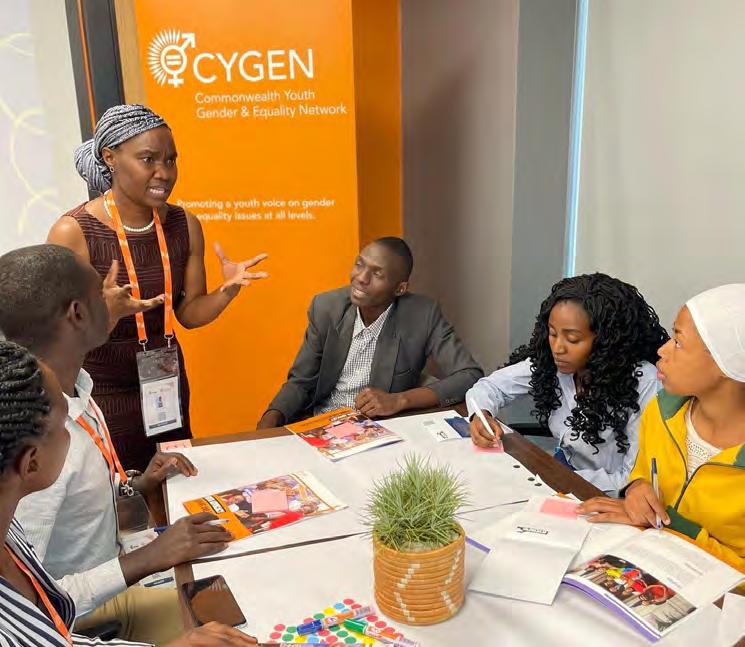
7 Commonwealth Declaration for Gender Equality and the Empowerment of Women 2022–2030 D19065_COM_Gender Declaration 2022.pdf (production-newcommonwealth-files.s3.eu-west-2.amazonaws.com)
8 Commonwealth Charter https://thecommonwealth.org/charter
9 Our History | Royal Commonwealth Society https://www.royalcwsociety.org/ourhistory
10 A speech by The Queen at the Commonwealth Heads of Government Meeting in Malta, 2015 | The Royal Family website
11 Commonwealth Blue Charter https://thecommonwealth.org/bluecharter
12 Microplastics in freshwater and soil | Royal Society - https://royalsociety.org/topicspolicy/projects/microplastics-in-freshwater-and-soils
13 Commonwealth Charter https://thecommonwealth.org/charter
232 | The Parliamentarian | 2023: Issue Three | 100 years of publishing THE COMMONWEALTH CHARTER
Above: Members of the Commonwealth Youth Gender & Equality Network (CYGEN) launch the Commonwealth Knowledge Hub during an event at the Commonwealth Youth Forum in Rwanda 2022.
Image credit: Royal Commonwealth Society.
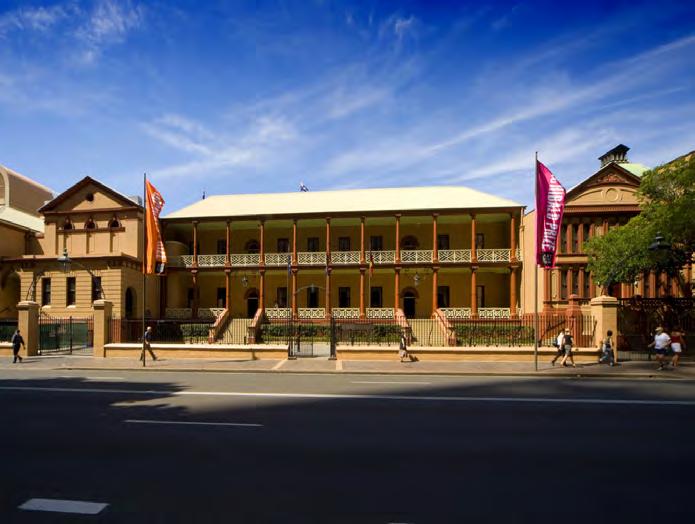
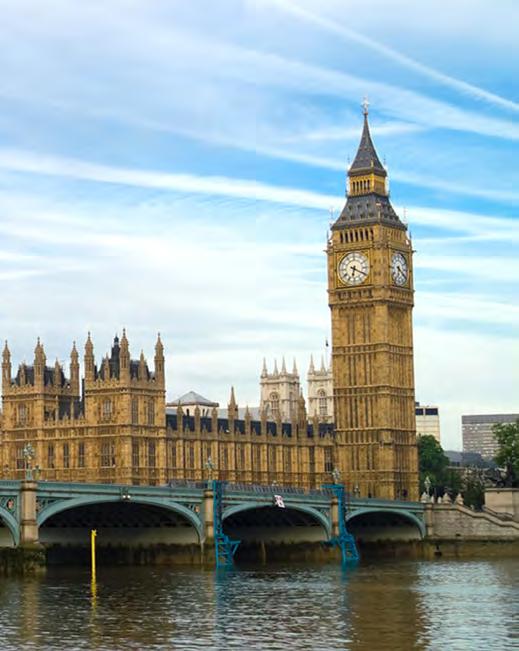
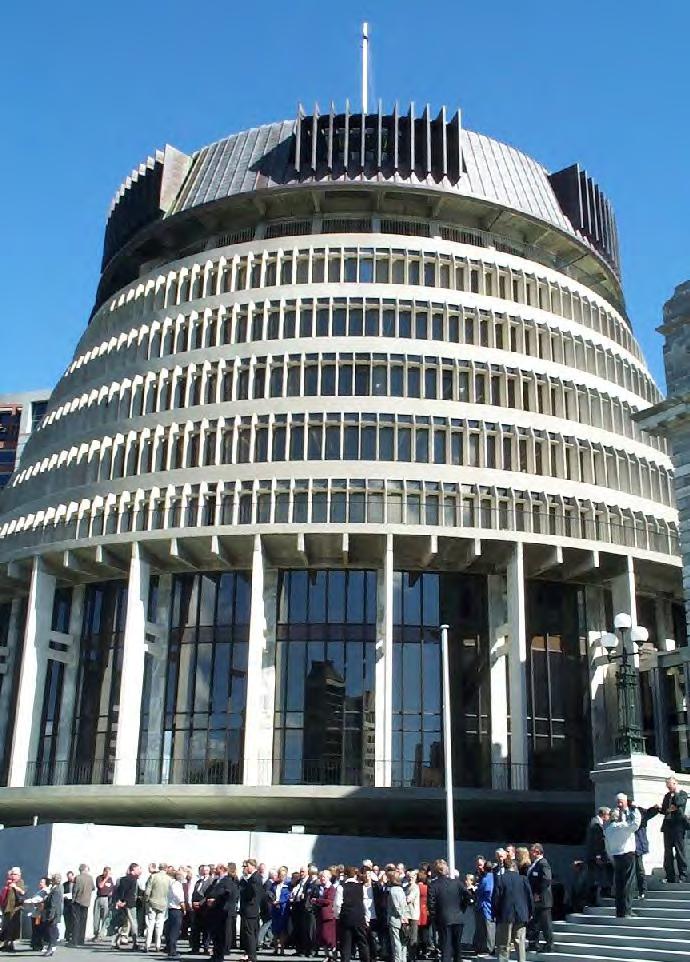
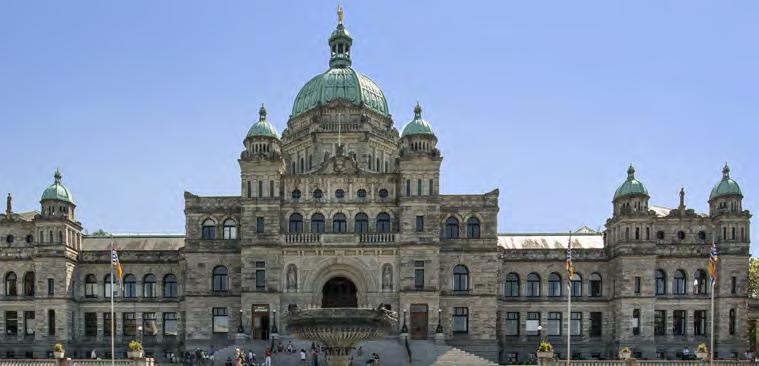
DID YOU KNOW THAT CPA HAS RESOURCES AVAILABLE FOR COMMONWEALTH PARLIAMENTS? DOWNLOAD CPA’S NEW PUBLICATIONS AND TOOLKITS Visit www.cpahq.org or email hq.sec@cpahq.org www.cpahq.org
THE JOURNEY OF BEING A SPEAKER AND LEGISLATOR IN MEGHALAYA
It is with astounding honour and joy that I pen this article for the CPA’s journal about my journey as the Speaker of the Meghalaya Legislative Assembly, a position that I never imagined I would hold. Being entrusted with the responsibility of presiding over the proceedings of the Assembly and ensuring that the voices of the people are heard has been an incredibly humbling experience.
The journey so far has been filled with challenges and learning opportunities. I have had the privilege of witnessing first-hand the diverse opinions and perspectives of the legislators, which has broadened my understanding of governance and democracy. Moreover, I have been able to contribute to the development and implementation of policies that directly impact the lives of the people in Meghalaya.
In recent times, we have seen dynamic changes in progress in the House as well as in the wider state. The legislators have been actively engaging in debates and discussions, leading to the introduction of new Bills and initiatives aimed at addressing pressing issues. This dynamic environment has allowed for the exploration of innovative solutions and the potential for positive change in Meghalaya. The current Government has brought in several development projects and policies that have the potential to transform the state's economy and improve the quality of life for its residents. These include infrastructure developments, the promotion of tourism, and initiatives to boost agriculture and entrepreneurship. Additionally, efforts are being made to improve education and healthcare facilities, ensuring better access to quality services for all citizens.
A couple of years ago, we encountered the COVID-19 pandemic, and this brought a halt to many of these activities. The pandemic forced the state to redirect its resources towards managing the health crisis and supporting affected industries.
I am very glad to have been able to attend the CPA Small Branches Workshop on Disaster Risk Management in London,
UK from 24 to 26 May 2023, which connected Commonwealth Parliamentarians from Small Island Developing States (SIDS) and other small jurisdictions with world-leading academics and practitioners from the field of disaster risk management. This particular meet-up and discussions helped me understand more about the best practices and strategies for managing health crises and supporting affected industries. The insights gained from the CPA workshop will undoubtedly contribute to our state's efforts to effectively address future challenges and ensure the well-being of our citizens.
With this, I would like to highlight a few key personal contributions that I am making to the state's welfare as a sitting MLA in my constituency. One is the project of the HUNAR Hub Medical Skills Development Centre at Dumindikgre, Babadam. This was sanctioned by the Ministry of Minority Affairs for 151 crores under the 50-North Tura Constituency, and it also includes the recently launched P. A. Sangma Integrated Stadium in Tura (sanctioned for Rs. 127 crore). These two development projects aim to improve
Hon. Thomas A. Sangma, MLA is the Speaker of the Meghalaya Legislative Assembly. He was previously elected as a Member of the Rajya Sabha (Parliament of India’s Upper House) from 2008 to 2013 where he worked towards implementing progressive policies that benefited citizens. He was elected as a Member of the Meghalaya Legislative Assembly from 2018 to 2022 when he served as the Chief Adviser to the Chief Minister of Meghalaya, and elected again in 2023, when he became the Speaker. Before his legislative career, he was the Chair of the Tura Municipal Board and a Member of Railways Consultative Committee, where he implemented a number of infrastructure projects and services for the community. He was also the National General Secretary of the National People’s Party from 2013 to 2018.
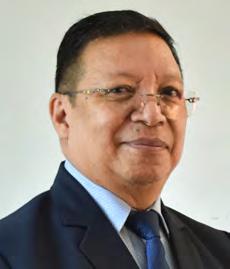
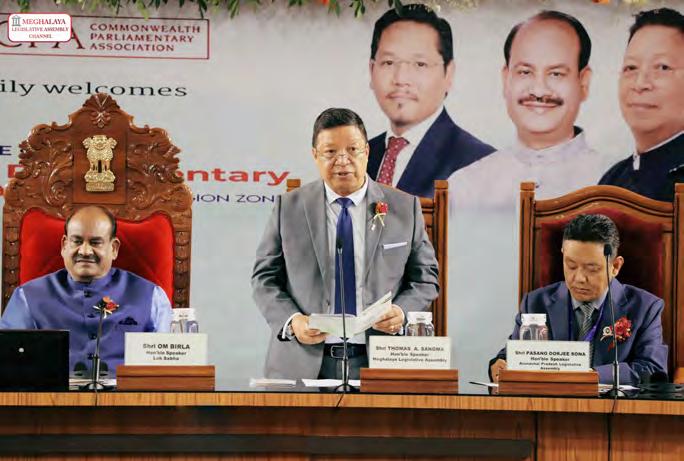
THE JOURNEY OF BEING A SPEAKER AND LEGISLATOR IN MEGHALAYA 234 | The Parliamentarian | 2023: Issue Three | 100 years of publishing
Images: The Legislative Assembly of Meghalaya.
both the healthcare and sports infrastructure in Tura and provide educational opportunities in the medical and pharmaceutical fields. The Hunar Hub Medical Skill Development Centre will offer comprehensive training in nursing, pharmaceuticals and paramedical fields, while the P. A. Sangma Integrated Stadium will provide a modern sports facility for the community.
I believe in my people and the opportunities for strengthening them, so they are equipped to be resilient and face any challenges that come their way. By investing in healthcare and sports infrastructure, we are not only improving the quality of life for our community but also empowering young individuals to pursue careers in the medical and pharmaceutical fields, ultimately contributing to the overall development of our beautiful state of Meghalaya.
I would like to conclude by stating that by creating a healthy and active environment, we are fostering a sense of pride and unity among our citizens, encouraging them to work together towards common goals, and creating a strong sense of community. This will not only lead to a happier and more fulfilled population but also attract businesses and investments, further boosting the economy of Meghalaya.
About Meghalaya:
• Meghalaya is a state in north-east India that was created on 21 January 1972 from two former districts from the state of Assam. The population of Meghalaya is estimated to be 3.25 million and the state covers an area of approximately 22,429 square kilometres. The capital of Meghalaya is Shillong.
• The state is known as one of the wettest regions of India, with some areas in the southern Khasi Hills recording an average of 12,000 mm of rain a year. About 70% of the state is forested and the Meghalaya sub-tropical eco-region is notable for its biodiversity of mammals, birds and plants.
• Meghalaya has a predominantly agrarian economy with a significant commercial forestry industry. The important crops are potatoes, rice, maize, pineapples, bananas, papayas and spices. The service sector is made up of real estate and insurance companies. The state has about 1,170 km (730 mi) of national highways. It is also a major logistical center for trade with Bangladesh.
• The Meghalaya Legislative Assembly has 60 Members. Meghalaya has two representatives in the Lok Sabha (Parliament of India), one each from Shillong and Tura. It also has one representative in the Rajya Sabha (Upper House).
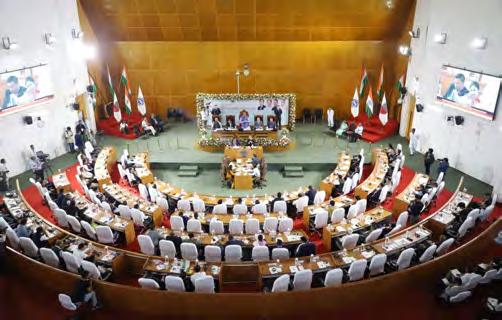
MEGHALAYA HOSTS CPA INDIA ZONE III CONFERENCE WITH A FOCUS ON MANAGING NATURAL DISASTERS
The Legislative Assembly of Meghalaya and CPA Meghalaya Branch hosted the 20th CPA India Region Zone III Conference in Shillong, Meghalaya from 29 to 30 July 2023.
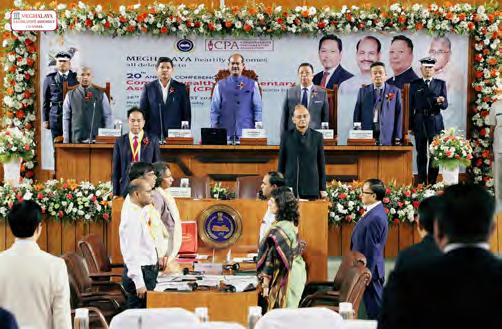
The CPA India Region Chairperson and Speaker of the Lok Sabha, Hon. Om Birla opened the Conference, which focused on managing natural disasters and improving connectivity. In attendance were the Chief Minister of Meghalaya, Shri Conrad Sangma; the Deputy Chairman of the Rajya Sabha, Shri Harivansh Narayan Singh as well as Presiding Officers and Parliamentary Clerks from a number of Legislative Assemblies across the North-East of the CPA India Region. During the Conference, delegates looked at the topics of natural disasters and strategies for their management within the Region and Regional connectivity for IT to bring the NorthEast Region in line with other areas of India. The plenary session was chaired by CPA India Region Zone III Chair and Speaker of the Arunachal Pradesh Legislative Assembly, Hon. Pasang D. Sona and the CPA India Region Zone III Vice-Chair and the Speaker of the Meghalaya Legislative Assembly, Hon. Thomas A. Sangma who were also able to share their insights from the recent CPA Small Branches Workshop in Disaster Risk Management, which took place in London, UK in May 2023.
At the conclusion of the conference, the Governor of Meghalaya, Phagu Chauhan said that he hoped that the new ideas and perspectives that emerged from the deliberations on natural disaster management and regional connectivity will result in new policies that will provide development for the Region.
OF BEING
The Parliamentarian | 2023: Issue Three | 100 years of publishing | 235
THE JOURNEY
A SPEAKER AND LEGISLATOR IN MEGHALAYA
Images: The Legislative Assembly of Meghalaya.
LEVELLING THE PLAYING FIELD FOR THE TERRITORIES IN AUSTRALIA
A rarely passed Private Member’s Bill - The Restoring Territory Rights Bill – was introduced in the Australian Federal Parliament in 2022 which aims to restore the rights of self-determination to the people and Parliaments of the Australian Capital Territory (ACT) and the Northern Territory (NT). The two Federal Members of Parliament who co-sponsored the Bill explain its impact.
For 25 years, Australians living in the two mainland Territories of Australia (Australian Capital Territory and the Northern Territory) have had fewer democratic rights than their neighbours who live in the States (New South Wales, Queensland, South Australia, Tasmania, Victoria, and Western Australia). This is because the Federal Parliament (known in Australia as the ‘Commonwealth Parliament’) passed laws in the 1990s to prohibit the elected Legislative Assemblies of the Northern Territory (NT) and Australian Capital Territory (ACT) from debating and legislating on voluntary assisted dying. It created a two-tier democracy in Australia, where the extent of your democracy was determined by your place of residence.
This was possible by virtue of Australia’s Federation, in which the legislative powers of State Parliaments are enshrined in the Australian Constitution, whereas the powers of the Territories are enabled by Federal legislation and can be amended like any other law. While the NT and ACT have Legislatures that govern and make laws for their jurisdictions, the lack of constitutional protection means the Federal Parliament can place limits on their legislative powers whenever it sees fit.
Background
The issue of Territory Rights was thrust into the spotlight a quarter of a century ago when the Northern Territory passed the Rights of the Terminally Ill Act 1995, legalising voluntary assisted dying. The Northern Territory was the first jurisdiction to take this step anywhere in the world.
In response, the then Federal Member for Menzies, Hon. Kevin Andrews, a conservative member of the Liberal Party, introduced the Euthanasia Laws Bill 1996 which amended the Northern Territory and Australian Capital Territory Self Government Acts. The effect of the amendment was to prohibit the Territories’ ability to legislate on matters relating to voluntary assisted dying. The Bill – which was commonly known as the Andrews Ban, Andrews Law or Andrews Bill – passed the Australian House of Representatives by 88 votes to 35 and the Australian Senate by 38 votes to 33.
Hon. Alicia Payne, MP is the Australian Federal MP for Canberra since 2019. Her background is in economics and social policy, and previously she worked as a Research Fellow at the National Centre for Social and Economic Modelling (NATSEM), at the Australian Treasury and as a policy adviser to the Federal Labor Party.

While specifically targeting the Rights of the Terminally Ill Act, Mr Andrews made sure to include in his Bill the same prohibitions on the ACT, Australia’s most progressive jurisdiction. Had the Federal Parliament the constitutional power, we would probably have seen this prohibition extended to the State Parliaments as well. Indeed, one Member of the House of Representatives, Mr Terry Young MP, argued in the recent debate that: “We need to have a good conversation about the Constitution in this country, and we need to change a few things so that the federal government can take its rightful place and lead when it comes to... matters of conscience such as euthanasia... and not hand it to the States.”
So, for over twenty years the NT and the ACT remained gagged and bound by this ban, despite many attempts by passionate campaigners and Parliamentarians to right this wrong. And while the Andrews Bill had the primary effect of stripping the Territory Parliaments of the right to legislate on this specific issue, the broader signal it sent to residents of the ACT and NT was clear: your democracy is fallible. Your democratic rights are not the same as those of your neighbours living on the other side of the border. You are second class citizens.
Case for Change
Since the Andrews Ban came into effect, many jurisdictions around the world have debated and legislated voluntary assisted dying.
In 1995, the NT law was not only an Australian first but was world leading. One of the argued justifications for the discriminatory Andrews Law had been to stop the Territories from getting too far ahead of the rest of the country. But the political landscape around voluntary assisted dying laws has shifted significantly in the years since the 1990s. Every Australian state has now voted to introduce voluntary assisted dying laws, meaning the Territories were being left behind – held back by the Andrews Law.
The battle to restore Territory rights has been waged ever since the Andrews Law came into effect, with eight attempts over 25 years to repeal the Andrews Law.
Hon. Luke Gosling, OAM MP is the Australian Federal MP for Solomon, which covers Darwin and Palmerston. He was elected in 2016, 2019 and 2022. Previously, he was a military officer in the Australian Army, in particular serving in Timor-Leste, then he was an Advisor to the President of Timor-Leste and CEO of the St Vincent de Paul Society.

THE RIGHTS OF SELF-DETERMINATION IN AUSTRALIA
236 | The Parliamentarian | 2023: Issue Three | 100 years of publishing
Community advocates and the Territory Legislative Assemblies were strong advocates to overturn the Bill, including former NT Chief Minister Marshall Perron, ACT Minister for Human Rights Tara Cheyne, Chief Minister Andrew Barr, and former Chief Minister Katy Gallagher. Senator Gallagher continued this advocacy in the Federal Parliament when she was elected to the Senate, while ACT Labor MP Hon. Andrew Leigh, and former Senators Lyn Allison, Bob Brown, and Richard Di Natale were among those who unsuccessfully tried to overturn the Andrews Law in the past. The last bid, in 2018, was defeated in the Australian Senate by just two votes.
One of the deciding votes in 2018 was ACT Senator Zed Seselja, who voted No against the clear wishes of the vast majority of his constituents. In 2022, he was replaced by Senator David Pocock – an advocate for Territory rights.
The tide turned in 2021 when then Labor Opposition Leader Anthony Albanese pledged to allow a vote to restore the rights of the Territories if Labor won the 2022 election. Labor won a majority in the 2022 election and now Prime Minister of Australia, Anthony Albanese confirmed that his government would allow debate on a Private Member’s Bill early in the 47th Parliament – something that had been a hefty hurdle in previous Parliaments where governments who were unsupportive of this reform controlled the agenda of the lower house.
The Bill
As MPs representing the Territories, we agreed that we would co-sponsor a Private Member’s Bill to repeal the Andrews legislation to restore Territory rights. On behalf of the overwhelming majority of people who call the Territories home, we introduced the long overdue Restoring Territory Rights Bill 2022 on 1 August 2022.
The Restoring Territory Rights Bill did not legislate voluntary assisted dying in the Territories. It sought to simply repeal the Andrews Law, thereby restoring the rights of self-determination to the people and Parliaments of the ACT and the NT. It would allow the people of the ACT and NT to debate the matter and decide for themselves. Both Labor and Coalition MPs were granted a conscience vote on the issue, and the Bill passed the House two days later, on 3 August 2022, with 99 votes for and 37 against. The Bill then passed the Senate on the voices after a long debate on 1 December 2022 – the last night of Parliament for the year.
It is important to note that this Private Member’s Bill did not legislate on voluntary assisted dying. Members of Parliament were not voting on the issue of voluntary assisted dying, but on the rights of Territorians to decide for themselves. The Bill did not automatically revive the NT’s Rights of the Terminally Ill Act 1995

That Act has no force or effect. This Bill was about democratic equality and fairness. For too long, Australians living in the Territories had been treated as second class citizens when it comes to legislating
on matters that impact their own lives. It was well past time for that to end. It was called the Restoring Territory Rights Bill because that is all it sought to do – to level the democratic playing field and restore legislative rights to the Territories. As federal legislators, it was not our role to treat this as a vote by proxy for or against voluntary assisted dying. That was not our responsibility. That responsibility lies with the democratically elected Members of the NT and ACT Legislative Assemblies, should they choose to introduce legislation on this issue. The Restoring Territory Rights Bill 2022 simply removed constraints that the Federal Parliament placed on the legislative powers of the NT and ACT a quarter of a century ago. The Bill restores the democratic rights of citizens in the Territories by removing a constraint on the legislative authority of their elected representatives which does not exist on any other issue anywhere else in Australia.
Conclusion
Many in Australia in 1996 were not ready for the reality of voluntary assisted dying. But in 2022, our Bill ensured that the Parliaments of both the NT and the ACT, and the people they represent, can interrogate the issue in a time and manner of their choosing. And if they do choose to legislate on this matter, they will have the full advantage of being able to draw on the legislative legwork done by all of the Australian States, plus that of other nations.
Voluntary assisted dying is an issue with strong views on either side of the discussion and implications for many. Some people have legitimate concerns about voluntary assisted dying. One of the Bill’s sponsors, and authors of this article, Luke Gosling MP, is on the record as being against euthanasia. His priority is to ensure strengthened palliative care and for any future voluntary assisted dying legislation to have strong safeguards to protect the vulnerable. But it's not our job in the Federal Parliament to decide on that issue itself. It is our job to ensure that all Australians have an equal right to the discussion. It is a debate that the Territories really need to have and should be allowed to have. This Bill enables both the NT and ACT to do that.
Ultimately, it will be up to the NT and ACT Legislative Assemblies to do an extended and thorough consultation with all Territorians on whatever legislation they might choose to bring forward to ensure that the matter is thoroughly understood before it may be enacted.
During the debate, many colleagues expressed concerns about voluntary assisted dying for reasons relating to their faith or for other personal reasons. But as the passage of the Bill shows, many of them were united in knowing that their support of this Bill did not automatically confer support for voluntary assisted dying. Instead, we had asked our colleagues from around the country to support our constituents to have the same democratic rights that their constituents already did. We did not legislate for that. We were simply righting an old wrong and ensuring that all Australians had equal democratic rights. That was our job – to ensure fairness across the board for all our citizens, regardless of whether they live in a State or a Territory.
As the Bill passed the Federal Parliament, it was immensely gratifying to know that we had, after 25 years, succeeded, and that its passage helped to make the rights of Territorians equal to those of other Australians.
Further Reading: The Parliamentarian 2023: Issue One featured a Third Reading report from the Australia Federal Parliament about the Private Members Bill which allowed the ACT and NT to pass laws on this issue.
THE RIGHTS OF SELF-DETERMINATION IN AUSTRALIA The Parliamentarian | 2023: Issue Three | 100 years of publishing | 237
MINDFULNESS FOR PARLIAMENTARIANS
Commonwealth Parliamentarians and parliamentary staff face many unique mental health stressors in their working lives. The Co-Chairs of the UK Parliament’s Mindfulness All-Party Parliamentary Group explain how mindfulness training can be a useful tool.
The Mental Health Toolkit for Commonwealth Parliaments (published by the CPA in 2022) refers to mindfulness training in both the British and Canadian Parliaments as examples of initiatives that have positively supported the mental health and well-being of Parliamentarians and parliamentary staff.
It is ten years since mindfulness training was first introduced to the UK Parliament and this September, a new report titled ‘Mindfulness in Westminster’, will summarise first-hand accounts from Parliamentarians on the personal and interpersonal benefits they have experienced from it.
Mindfulness refers to an innate and trainable capacity that enables people to pay attention to what is happening in their internal and external worlds, with an attitude of openness, curiosity and care.
As a psychological intervention, mindfulness training has a substantial evidence base, with Mindfulness-Based Cognitive Therapy (or MBCT) recommended in the UK by the National Institute for Health and Care Excellence (NICE) as an intervention for the prevention and treatment of depression. Clinical mindfulness interventions have also been used to treat stress and anxiety, and have been found to be as effective as prescription medication in certain circumstances. Beyond this, mindfulness equips individuals with tools that can support human flourishing and positive wellbeing; strengthening inner resources that are extremely relevant to those working within a political context – either as a Parliamentarian, or a member of their staff.
In 2013, following a request from academic expert Lord Richard Layard, and then Member of the UK Parliament, Chris Ruane, teachers from the University of Oxford psychiatry department were invited to run an eight-week mindfulness training programme in the UK Parliament for Members of the UK House of Commons and the UK House of Lords. A similar programme was offered to parliamentary staff at the UK Parliament and within ten minutes of it being advertised, the staff course was fully subscribed, with a waiting list of 90 people accumulating within an hour. Sign-up to all of these courses was voluntary.
Hon. Jessica Morden, MP is the Member of the UK Parliament for Newport East. She was first elected in 2005 and became the first female MP in South-East Wales. She is Co-Chair of the UK Parliament’s Mindfulness All-Party Parliamentary Group..
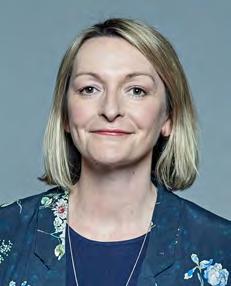
Following positive feedback, and support from the Speakers of both Houses in the UK Parliament, mindfulness training courses continued to be offered, separately for reasons of confidentiality, to Parliamentarians, and to parliamentary staff, supplemented by ‘dropin’ sessions that were available to people regardless of whether they had done a course. Teachers from the University of Oxford continued to run these mindfulness sessions within Westminster voluntarily until 2020, when, following a formal tender process, Awaris, a training organisation that specialises in mindfulness and has experience working in parliamentary settings, picked up the provision of sessions.
During the ten years that have followed its introduction, over 300 Parliamentarians and approximately 800 members of parliamentary staff have done a mindfulness class or course at the UK Parliament, with some participating in the programme more than once. As one UK Member of Parliament recently said, “it really is quite a success story… in terms of the operation of the British Parliament over the years.”
But what are the pressures that politicians face, and how has mindfulness helped?
It is a privilege to be a national representative in your Parliament, but it can also take its toll on one’s wellbeing. Long hours, extended time away from family, being subject to open scrutiny in public and by the press, online harassment, operating in an adversarial environment, being required to process large quantities of information in a short space of time, and making critical decisions on issues of urgency and complexity - these are just some of the everyday pressures facing Parliamentarians in the role that they undertake.
These pressures in turn can impact the level of performance and the service Parliamentarians offer to those they represent, as stress has been shown to effect essential cognitive functions such as emotional regulation, perspective taking and working memory.
A study from 2016 found that Parliamentarians from the UK House of Commons have higher rates of mental health problems than the wider UK population. A more recent study amongst parliamentary
Hon. Tim Loughton, MP has been a Member of the UK Parliament for East Worthing and Shoreham on the south coast of England since 1997 and is Co-Chair of the UK Parliament’s Mindfulness All-Party Parliamentary Group.
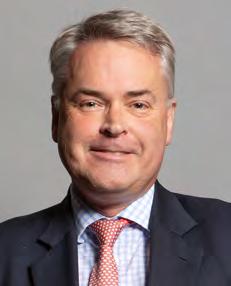
MENTAL HEALTH TOOLS FOR COMMONWEALTH PARLIAMENTS
238 | The Parliamentarian | 2023: Issue Three | 100 years of publishing
staff showed elevated signs of psychological distress compared to the population at large.
When mindfulness training was first introduced within the UK Parliament, the need to maintain and look after one’s mental, as well as physical, health was much less openly talked about than it is now. Through the group mindfulness training programme, Parliamentarians found they were able to sit openly and talk with Members from other parties, perhaps for the first time, about the professional and personal pressures of being a Parliamentarian. This really was rather a unique experience for many, and perhaps contributed to an opening up of discussions around wider wellbeing initiatives, including mindfulness. It underscored the fact that well-being is something that impacts all of us, and that having psychological tools, such as mindfulness, to support us is not only a nice to have; it is a necessity to be able to better perform in our roles, and to support an inclusive and representative Parliament.
On an individual level, by enabling Parliamentarians to pay attention to what is taking place internally and externally in any given moment, mindfulness has acted as a useful self-regulation tool that has enabled many of us in stressful times to step back, reorder one’s priorities, and better manage the frenetic pace of everyday political life.
The forthcoming report on ‘Mindfulness at Westminster’ details examples of Parliamentarians speaking about mindfulness helping them to be more efficient in managing their busy diaries, of them using it to ‘help anchor’ them before public speaking, and of it helping to calm them down and regulate their nervous system – as one MP puts it: “ten minutes of practice and all of a sudden you’re in a much better place.”
The report also draws out the extent to which the mindfulness training programme has provided a unique space for colleagues from all sides of the political spectrum to recognise each other’s common humanity, and that this has shifted interpersonal relationships in a positive way too. One particular outcome from the course that Parliamentarians have noted is that they are better able to pause in response to challenging moments and respond to them rather than habitually reacting to them in a way which may not always be helpful. Mindfulness practice has enabled some of us to listen more deeply, be open to other’s perspectives, and not to simply launch into disagreement or arguments as a point-scoring exercise.
The cross-party understanding of mindfulness has certainly helped us to “disagree better” , an important observation highlighted from Parliamentarians who have done mindfulness training. Undoubtedly, many of the Parliamentarians who have been through the mindfulness course have a more balanced approach to debate and have ‘calmed down’ in response to challenges. This brings a civility, change in tone and level of respect to an adversarial debating system which could underpin a better form of conducting politics in a way that serves everyone’s best interests.
As well as exploring the difference that mindfulness can make to human flourishing for those working within Parliament, a number of UK Parliamentarians have also turned attention to the impact it could have on the people we serve, with a realisation that there are many sectors and interests where mindfulness can have a significant positive impact.
Both the authors of this article are Co-Chairs of a Mindfulness AllParty Parliamentary Group (MAPPG) at the UK Parliament. This group was formed in 2014, after a group of cross-party Parliamentarians who participated in mindfulness training wanted to explore whether and how it could be used to address particular policy concerns, and to benefit society more broadly.
The MAPPG consists of Members of both Houses across the political spectrum. After its initial formation, its Members worked with several academics and experts in the field of mindfulness to hold a series of inquiries in Parliament that assessed the evidence base for mindfulness across four different sectors – health, education, criminal justice and the workplace – and made policy recommendations in relation to each of these areas. Those inquiries
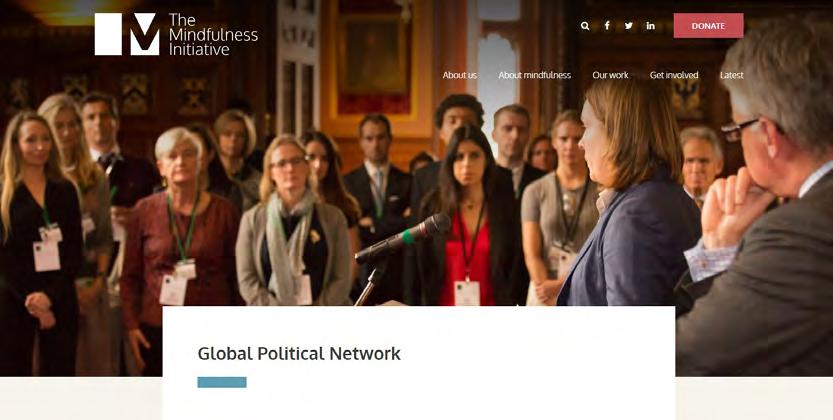
MENTAL HEALTH TOOLS FOR COMMONWEALTH PARLIAMENTS
“
The Parliamentarian | 2023: Issue Three | 100 years of publishing | 239
On an individual level, by enabling Parliamentarians to pay attention to what is taking place internally and externally in any given moment, mindfulness has acted as a useful selfregulation tool that has enabled many of us in stressful times to step back, reorder one’s priorities, and better manage the frenetic pace of everyday political life.”
culminated in the Mindfulness All-Party Parliamentary Group and the Mindfulness Initiative publishing Mindful Nation UK, a groundbreaking report, that has since been translated into several different languages. The Mindfulness All-Party Parliamentary Group continues to meet, and to look at the ways in which evidencebased mindfulness training may be able to meet policy and societal concerns. It is convened and administered separately to the teaching programme but is open to any MP who has an interest in the wider impact mindfulness could have.
Finally, whilst the UK has had a considerable measure of success in the introduction and integration of mindfulness within a political environment, it is not the only Legislature to have done so. Mindfulness programmes have been introduced in several Parliaments across the globe, including Canada, Denmark, Estonia, Ireland, France and the Netherlands, to name but a few.
The Mindfulness Initiative, a policy institute that clerks the MAPPG, has an international network of representatives or advocates from around 50 different countries across the globe. That network is led by former Member of the UK Parliament Chris Ruane, who brings his depth of experience in introducing mindfulness into Westminster. It meets approximately three times a year and is an opportunity for advocates to share experience, evidence and best practice for introducing mindfulness training into political contexts. The recent inclusion of mindfulness in the Commonwealth Parliamentary Association’s Mental Health Toolkit is testament to the impact and reach of mindfulness programmes in a relatively short space of time.
The Speaker of the UK House of Commons, Rt Hon. Sir Lindsay Hoyle, MP, continues to offer extremely valuable support to the mindfulness programme – communicating the success of the
programme and offering valuable insights to Speakers in other countries looking to introduce a programme, and kindly hosting the launch of the Mindfulness at Westminster report in the Speakers’ State Rooms later this year.
There is still more work to be done to assess the precise impacts and potential of psychological trainings such as mindfulness on individuals and culture within a workplace setting, including in the UK Parliament. However, the Mindfulness in Westminster report shows many positive examples of the ways in which individual politicians believe it has enhanced their mental wellbeing and interpersonal relationships.
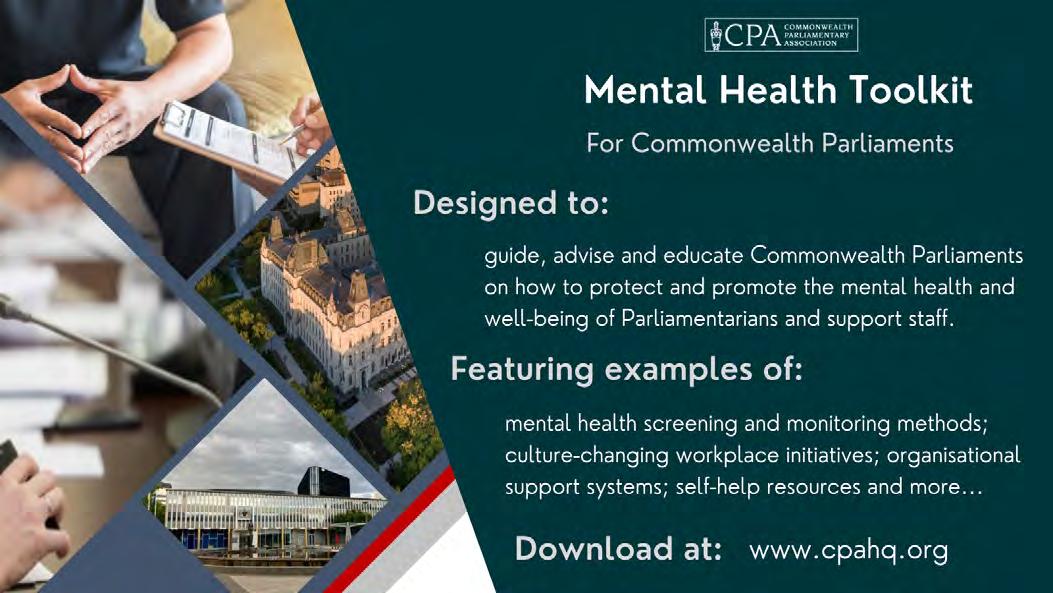
By enabling them to pay better attention to what they are doing, and how they are doing it, mindfulness training has the potential to better connect Parliamentarians and parliamentary staff to themselves, each other, and the wider world in a way that could drive human flourishing both at an individual, and a collective level: it is a capacity we encourage Commonwealth Parliaments to give serious attention to when considering how to best support Parliamentarians and parliamentary staff in effectively carrying out their roles.
For more information about the UK Parliament’s Mindfulness All-Party Parliamentary Group, the ‘Mindfulness at Westminster’ report or to find out more about the Global Network or to contact them, please visit the Mindfulness Initiative webpage www.themindfulnessinitiative.org
240 | The Parliamentarian | 2023: Issue Three | 100 years of publishing MENTAL HEALTH TOOLS FOR
COMMONWEALTH PARLIAMENTS
THE ROLE OF PARLIAMENTARIANS IN UNLOCKING THE POTENTIAL OF COMMONWEALTH YOUTH VIA INNOVATION
2023 is the ‘Commonwealth Year of Youth’ and this article examines how youth innovation can fuel sustainable development.
Innovation now serves as a catalyst for social progress, economic expansion and increased competitiveness on a global scale. By enabling nations to create cutting-edge technologies and services that benefit the populace, it can also assist them in gaining a competitive edge in the international market. Innovation can also result in the growth of new industries that can support job creation and economic expansion.1
Recognising the potential of innovation, nations all over the world are actively investing in research and development (R&D), encouraging entrepreneurship and fostering an innovation culture. Within the Commonwealth nations, a diverse group of countries spanning six continents, innovation has also emerged as a crucial component in maximising the potential of its youth population. The importance of innovation in fostering economic growth and development is well-known among lawmakers. It can boost output, boost effectiveness and produce fresh goods and services that can benefit the economy.
Parliamentarians are crucial in assisting and facilitating the success of youth in the innovation ecosystem because they can give them access to resources, support and direction. Politicians can also develop initiatives to support young people who want to pursue innovation and entrepreneurship. This will promote an innovative culture and build a more inclusive society. This article investigates how lawmakers can encourage youth innovation. It emphasises the significance of their participation in influencing policies, promoting resource access and fostering an environment that supports young innovators.
Understanding the Youth Demographic in the Commonwealth
The Commonwealth, comprising 56 nations, exhibits various economic structures, population demographics and cultural heritages. The demographic of these member nations' estimated 2.5 billion inhabitants includes many young individuals. In numerous
Commonwealth countries2, a significant proportion, exceeding 60% of the population, is categorised within the youth demographic, encompassing individuals aged 15 to 29.
Since the beginning of the 21st century, there has been a notable transformation in this demographic, characterised by increased participation of young individuals in higher education and employment. Hence, to achieve success, Parliamentarians must develop a deeper understanding of the desires and expectations of the younger generation. Recognising the challenges these young individuals encounter is imperative, and policymakers must strive to cultivate a conducive environment that nurtures their growth and progress. For example, India, which encompasses approximately 356 million individuals, is not only the largest democracy globally but also a member of the Commonwealth.3 Harnessing the potential of this group is thus crucial for societal progress, economic growth and environmental sustainability.
Parliamentarians as Champions of Youth Innovation
Parliamentarians in the Commonwealth are in a unique situation to help young people develop new ideas. As chosen officials, it is their job to speak up for the wants and hopes of their people, including the youth. Using their political power, Parliamentarians can change policies and pass laws that encourage and support creativity led by young people. Also, they can bring about change by getting different groups to work together, such as government organisations, university institutions, big businesses and civil society groups. Using evidence-based planning4, lawmakers can ensure that young creators' wants and goals are met. These rules cover access to funding and financing, intellectual property rights, schooling and skills development, legal systems and access to funding and financing. Parliamentarians can also make it easier for government departments, universities and companies to talk to each other.5 This creates an atmosphere that is good for growth.
Mas Liza Maslan is a Parliamentary Research Officer at the Research and Library Division, Parliament of Malaysia. She studied for a Master’s Degree in Public Policy and Management from University Brunei Darussalam and Georgetown University. The scope of her research is focused on public policy, within the field of research and development (R&D). She presented a paper entitled 'Malaysia's Parliamentary System, Structures and Work' for a Seminar organized by the ASEAN Inter-Parliamentary Assembly (AIPA). Recently, she was appointed to the editorial board for a book titled 'Parliament of Malaysia: Pillar of The Nation's Democracy'. She is also appointed as the editor and writer for MERCU, a collection of research papers published by the Research and Library Division. In addition, she is part of the secretariat of the Parliament of Malaysia’s electronic-Parliamentary Research System (e-PRS) and actively writes articles on current issues in major Malaysian newspapers.
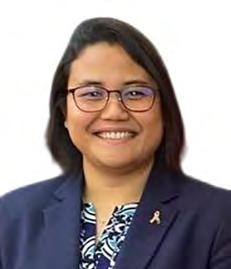
The Parliamentarian | 2023: IssueThree | 100 years of publishing | 241 COMMONWEALTH YEAR OF YOUTH
Additionally, lawmakers may push to include innovation and entrepreneurship education in school curricula to give students the tools they need to successfully navigate the changing employment market.6 To that end, the mentoring and resources they need must be available to these young innovators. By interacting with the appropriate Ministries and Government organisations, legislators may promote the creation of innovation centres, incubators and accelerators that provide young inventors with access to infrastructure, money and mentoring. These programmes may catalyse interaction, information exchange and networking amongst young innovators, business professionals and financiers. To foster new ideas and entrepreneurs, lawmakers should collaborate with financial institutions to develop credit programmes and grants specifically for young people. By encouraging collaborations between universities, research institutes and the corporate sector, legislators may also improve access to facilities for research and development. This will help young inventors turn their concepts into workable solutions.
Capacity Building and Skills Development
Parliamentarians may support legislation by recognising the significance of capacity building and skills development, and advocating for measures that provide young people with the education and training they need to succeed in the developed economy. This involves fostering programmes7 for technical and vocational training and STEM education (science, technology, engineering and mathematics). Public-private partnerships8 must also support internship, apprenticeship and mentoring programmes that expose young people to actual innovation ecosystems. Furthermore, by participating in cross-border exchange programmes and receiving scholarships supported by legislators, young innovators may gain knowledge from experiences and best practices worldwide. Furthermore, programmes should prioritise to support the participation of underrepresented and marginalised populations and make innovation available to everyone.9 Thanks to the Commonwealth, Parliamentarians have a unique platform to work together on young innovation projects. It enables Parliamentarians to exchange knowledge, best practices and lessons from their respective countries through peer-topeer learning, policy exchanges and joint research initiatives to foster innovation ecosystems across member countries through the Commonwealth Parliamentary Association (CPA) and other multilateral forums. Parliamentarians may also push for expanded international collaboration in R&D, technological transfer and funding for innovation.
The Power of Innovation in Youth Development
Innovation has a vast potential to help young people grow. Youth are given the tools they need to think critically, creatively and entrepreneurially, allowing them to make significant contributions to society. Young people may solve social issues, provide employment and promote economic progress via innovation. Additionally, innovation fosters a culture of experimentation, curiosity and lifelong learning, allowing youth to adjust to fast-shifting socio-economic environments.10
The Commonwealth has embraced innovation as a vital factor in empowering the youth because it recognises the transformational potential of innovation. One initiative to encourage cooperation between Commonwealth countries in technology, entrepreneurship and research and development is the Commonwealth Innovation Hub. It is a digital networking platform for innovation to connect, unlock and unleash the creative potential of the 2.5 billion persons who live in the 56 countries that are members of the organisation to overcome the most difficult challenges in the path to sustainable development. Professionals, corporations, civil society and youth networks are among their target audiences.11
Recognising the contributions of young people to innovation is also essential. Awards such as the Commonwealth Innovation Awards honour innovative solutions to urgent global issues. These awards recognise and commemorate Commonwealth member nation individuals and organisations that have developed innovative technological, social impact and sustainability solutions. The awards seek to promote and highlight innovative ideas that have the potential to positively impact communities and contribute to the achievement of sustainable development objectives. Winners of the awards receive recognition, assistance and opportunities for networking to sustain and expand their innovations. The Commonwealth Innovation Awards are designed to encourage and inspire innovation among Commonwealth nations.12
Furthermore, the Commonwealth Secretariat and some of the world's leading youth organisations13 have signed a historic agreement that heralds the launch of a new era of youth empowerment. Following the ratification of the Memorandum of Understanding, the Commonwealth Alliance for Quality Youth Leadership has identified areas for collaboration, such as promoting volunteerism, offering young people the practical experiences needed to compete in the labour market, creating an environment where collaboration and innovation can thrive, and supporting the development of leadership and useful life skills.14 There will be over 250 youths that will gain skills development through this groundbreaking agreement.
An example of support specifically directed to young innovators is the Young Innovation Fund, founded by the World Bank Group. This grant initiative was developed for the purpose of assisting and financing creative projects headed by youth around the world. The fund gives financial support to youths with innovative ideas and solutions towards pressing social, economic and environmental issues.15 This effort emphasises that young people have unique views, new ideas and a spirit of entrepreneurship that may lead towards effective change. Furthermore, the initiatives provide chosen candidates with financial assistance as well as mentoring, coaching and networking opportunities. The fund’s comprehensive strategy helps to develop the youths’ entrepreneurial skills and ability to manage the hurdles of launching new ventures.
Conclusion
Legislators need to give youths the authority to take responsibility for their own ideas, projects and futures, ultimately impacting their communities' environmentally sustainable development. Through investments made in youth-led innovation, they will become active participants in the process of discovering innovative solutions.
COMMONWEALTH YEAR OF YOUTH 242 | The Parliamentarian | 2023: Issue Three | 100 years of publishing
Investing in youth empowers them to effect positive social change and make contributions to the Sustainable Development Goals (SDGs) established by the United Nations.
The goal of the Commonwealth to cultivate an innovation culture is shown in the establishment of programs such as the Commonwealth Innovation Hub, the Commonwealth Innovation Awards, and the Commonwealth Alliance for Quality Youth Leadership. These programs provide a stage for young people to demonstrate their capabilities and highlight the Commonwealth's dedication to this end. In addition, youth in the Commonwealth are strongly encouraged to seek out additional sources of finance to assist them in achieving their potential in future innovative endeavours.
The Commonwealth is fostering the development of a generation of young innovators who will be able to drive sustainable development within their communities and build a better future by giving youths in the Commonwealth the right resources, support and recognition. Innovation is essential for the sustained growth of member nations.
Parliamentarians can unlock the youths’ potential by creating policies, supporting legislation and encouraging innovation. They must collaborate with member countries to equip youths with sufficient resources, mentoring and capacity-building. Parliamentarians may use international cooperation and collaboration to establish a global ecosystem that empowers youth via innovation. Thus, Parliamentarians must realise the transformational potential of innovation and encourage Commonwealth youth innovation to ensure a better future for the next generation.
References:
1 Bank, European Central. “How Does Innovation Lead to Growth?” European Central Bank, November 18, 2021. https://www.ecb.europa.eu/ ecb/educational/explainers/tell-me-more/html/growth.en.html.
2 Commonwealth. “Youth.” Accessed June 12, 2023. https:// thecommonwealth.org/our-work/youth.
3 “India Has World’s Largest Youth Population: UN Report,” November 18, 2014. https://www.thehindubusinessline.com/news/India-has-world%E2%80%99slargest-youth-population-UN-report/article20914019.ece.
4 “Young People Need ‘Seat at the Table’ as Agents of Change to Help Build Better, More Inclusive World, Speakers Stress as Annual Youth Forum Concludes | UN Press.” https://press.un.org/en/2019/ecosoc6968.doc.htm.

5 Lent, George E. “Tax Incentives for Investment in Developing Countries.” IMF Staff Papers 1967, no. 002 (January 1, 1967). https://doi. org/10.5089/9781451947250.024.A003.
6 Education for Sustainable Development Goals: Learning Objectives. Paris: UNESCO, 2017.
7 “Regional Mapping: STEM and Digital Skills for Girls“. UNICEF. https:// www.unicef.org/eca/media/19301/file
8 Commonwealth. “Young Leaders Put Forward Innovative Solutions to Fund Youth Development.”. https://thecommonwealth.org/news/youngleaders-put-forward-innovative-solutions-fund-youth-development.
9 “Successful Strategies Facilitating the Inclusion of Marginalized Groups in Customary and Democratic Governance: Lesson from the Field” International Institute for Democracy and Electoral Assistance (IDEA). https://www.idea.int/sites/default/files/publications/successful-strategiesfacilitating-the-inclusion-of-marginalized-groups.pdf
10 “Unleashing young people’s creativity and innovation: European good practice projects”. European Commission. https://ec.europa.eu/assets/ eac/youth/library/publications/creativity-innovation_en.pdf
11 Commonwealth. “Innovation Hub.” https://thecommonwealth.org/innovation.
12 Commonwealth. “Commonwealth Innovation Awards 2021 Winners.” https://thecommonwealth.org/innovation/awards-2021.
13 The global youth organisations include; (i) AIESEC, (ii) The Duke of Edinburgh’s International Award (The Award), (iii) International Federation of Red Cross and Red Crescent Societies (IFRC), (iv) Volunteer Service Overseas (VSO), (v) World Young Women’s Christian Association (World YWCA), (vi) World Organization of the Scout Movement (WOSM), (vii) World Association of Girl Guides and Girl Scouts (WAGGGS), (viii) World Alliance of Young Men’s Christian Association (World YMCA).
14 “Commonwealth Alliance for Quality Youth Leadership.” Commonwealth, https://thecommonwealth.org/alliance-quality-youth-leadership.
15 “Youth Innovation Fund – Y2Y Community.” https://y2ycommunity.org/ yif-2/.
COMMONWEALTH YEAR OF YOUTH The Parliamentarian | 2023: Issue Three | 100 years of publishing | 243
Above: The Parliament of Malaysia holds regular youth engagement events throughout the year. Here, young people attend the Malaysia Parliament Lecture Series 3.0: Rebuilding the Nation Through Reforms, which was also attended by Members of Parliament and officials.
Image credit: Parliament of Malaysia.
Celebrating the 'Commonwealth Year of Youth' 2023, the CEO of The Young Foundation calls on Parliamentarians and Parliaments to recognise the lasting, valuable impact when young people participate in social action and policy change.
In late 1890s USA, economic inequality was at an all-time high; political comity and social cohesion an all-time low. A culture of individualism marked the end of the so-called ‘Gilded Age’. And yet – seemingly against the odds - the following 50 years delivered a dramatic increase in equality, community cohesion and political collaboration, and an emerging culture of ‘we' over 'me'.
As Robert Putnam forensically sets out in his book ‘The Upswing’, this change was led by innovative young people aged under 30, who were seized by a moral fervour to create a fairer future. It was driven by grassroots innovation, and by sharing across different localities. It birthed new institutions, such as secondary education and long-lasting associations through which people from different backgrounds could meet. It wasn’t led from the top. It was a moral and cultural awakening.
The extent to which we can or should draw comparisons with this chapter of US history is open to question - but there are dotted lines linking the mood of young people in America in the first half of the 20th century with those of today. As they reel from the COVID19 pandemic, and come to terms with a rapidly warming planet, the challenges are profound, even existential. The sands have shifted for the 1.5bn young people of the Commonwealth since 2020, with many living with an ever-present, gnawing uncertainty about what awaits them tomorrow, and in the years to come. That the World Health Organisation reports around 20% of young people under 30 across the world have a mental health condition is alarming but, sadly, not surprising.
Narratives of a ‘lost generation’ are unhelpful to taking positive and courageous steps into the future, both for young people themselves, and for institutions and governments seeking to support them. Understanding how and in what ways all young people – regardless of their background – can participate in social, economic and environmental change is key to creating a new kind of ‘upswing’. One led by a younger generation who have vision,
imagination and a vested long-term interest in shaping a fairer, sustainable, survivable world.
Shifting perspectives
At The Young Foundation, we see how broadly young people interpret the idea of participation in social change. Gone are traditional notions of seeking change purely through volunteering. More present are fluid ideas of creating social transformation through all aspects of life, from meaningful employment to digital and direct activism. Working with young people in the UK, we see an overwhelming desire to tackle issues of equity and climate change1, above all else.
The active participation of us all - young or old, working across boundaries, in collaboration to tackle shared challenges - is necessary for any successful future, and the critical need to enable participation is endemic across populations, sectors and governments. Yet with around a third of people2 claiming they would not help someone in need if they disagreed with their point of view, not only do younger people live in a world of uncertainty and deep challenge, it's one where the foundations of political comity and the threads of social fabric are being actively eaten away; accelerated by algorithmic communication - and people and groups for whom chaos is a ladder.
It is incumbent upon those of more advanced years to help birth a more communitarian, other-regarding political economy and society to counterbalance the individualistic, libertarian ethos that precedes it. An era which - despite affording conveniences, benefits and rewards for many at an individual level - has ushered in a period where equality and trust (in each other, our institutions and our democracies) is precipitously low.
The rise of participatory power
As with all deep challenge and change, if we pay attention, the seeds of solutions are already there. The last decade or so has
Helen Goulden, OBE is the Chief Executive Officer of The Young Foundation. She leads a multi-disciplinary team of researchers and innovators to support stronger communities across the UK. Previously, she worked at NESTA, supporting funding and innovation in civil society, and in other roles within the private sector which included developing digital solutions for global corporate clients. She also worked with the Cabinet Office, Office of the Deputy Prime Minister and then the Department for Communities and Local Government (DCLG), developing national innovation programmes for local government and leading research and development for interactive TV public services.

COMMONWEALTH
‘BY UNLEASHING THE POWER OF PARTICIPATION, YOUNG PEOPLE MAY YET TRANSFORM OUR POLITICS AND SOCIETY’
YEAR OF YOUTH
244 | The Parliamentarian | 2023: Issue Three | 100 years of publishing
seen a rise in new forms of participation in our democracies3; from citizens assemblies to participatory budget-making and participatory policy development. We see many local governments integrating opportunities for greater engagement with people, and real commitment to amplifying the voices and experiences of marginalised, disadvantaged or otherwise ignored communities.
We see - in the UK at least - a surge in the demands for decision-making and local assets to rest in the hands of local people; from community-led housing to ownership of social infrastructure, such as libraries and shops, and locally owned energy production. This all requires active engagement in processes that test our patience and our understanding of other people’ perspectives. Like anything that is worth having, this can often be hard won and takes time.
In the private sector too, we see increasing motivation and willingness to participate and engage with employees, suppliers and communities on a range of social issues. It is easy to be cynical about these endeavours, but the trend towards increased participation in social change and sustainability is only going in one direction.
Young people and participation
These burgeoning innovative practices have a profound and important role in reinvigorating civic, social and democratic participation of young people across the Commonwealth in three ways: firstly, through building a belief in individual young people that they can make a difference to some of the injustices and challenges they see around them. Secondly, that young people and particularly children can participate in serious and high-impact decisions and trade-offs, which have historically created polarised and ideological entrenchment. And thirdly, that through creating opportunities – and accepting young people’s chosen channels - for creating social change, an entirely new kind of policymaking can emerge. One more fit to navigate deeply embedded societal cultures and behaviours, which prove so impossible to crack through bluntedged, top-down policy.
All children should have opportunities to experience how to make change, either through individual, collective or democratic activities in schools. As ‘The Ties that Bind’, the UK Parliament’s House of Lords report, evidenced in 2019, the teaching of citizenship in British schools has fallen into a ‘parlous state’ where ‘very few schools take Citizenship Education seriously.’ That it has become conflated with, and often taught within, Personal, Social, Health and Economic education (PHSE) is telling. PHSE is focused on individual development, Citizenship on the role that we take in society – and in the UK we are currently teaching our children to privilege one over the other. Yet evidence is clear that action-oriented teaching of citizenship has a ‘positive, long-lasting and independent’ effect. While teaching the functions of local government or the governance structure of the EU is not to be downplayed (although guaranteed to induce a soporific effect in any classroom), a pupil learning how
to find a place within a society must be experiential if it is to be internalised.
Cases in point
Take as an example, the Big Education Trust4, a small chain of schools in East London. Here, citizenship is all about action, with pupils supported to be agents of change through social action and community projects. Some joined a campaign to reduce the profit margins taken by the UK Home Office in processing the child citizenship applications, for example, to ensure those who are rightfully British are not financially excluded from being recognised as UK citizens. Some, appalled by rat infestations in their friends’ homes, successfully fought for local change. With 25% pupils living in temporary accommodation in Surrey Square Primary School, children wrote letters on rat-shaped postcards, distributing hundreds to their local authority. Southwark Council heard the children's concerns and took action. This 'win' was both powerful and empowering. And other initiatives - such as the UK’s Smart Schools Council5, which is part of our Young Academy Social Investment portfolio6 - also offer integrated tools and methods for young people to live and breathe democracy within the school walls.
And what of the idea that young people’s engagement can help navigate polarising policies and practices? Here in the UK, net zero policies - particularly those that relate to traffic and air pollution - have become highly charged debates, often creating division in local communities, and being overtly politicised in the run up to our 2024 General Election. Any change in habits is challenging, particularly when it favours some people and disadvantages others. Yet genuine progress can be made when there is agreement about the need to solve a problem. So while ‘Low Traffic Neighbourhoods’ and ‘15-Minute Cities’ have created highly toxic debate, the UK city of Bradford has pioneered a different approach. Poorer areas of the UK – such as Bradford - typically have poorer air quality, increasing health inequalities which disproportionately affect children and older people. The creation of a ‘Clean Air Zone’ involves the participation of 240 children across 12 schools, acting as ‘citizen scientists’ to capture air pollution data through mobile sensors.
COMMONWEALTH YEAR OF YOUTH The Parliamentarian | 2023: Issue Three | 100 years of publishing | 245
COMMONWEALTH YEAR OF YOUTH
Engaging children in this long-term study of young people’s health connects them to large-scale policies, which not only helps them understand how they can change the world around them but introduces an additional ‘voice’ into the debate and brings the need for cleaner air into sharper focus.
Finally, through the exercising of the power of participation by young people across the Commonwealth, we may also see – if we have the vision to do so – entirely new ways of transforming our politics and society. As a highly centralised democracy in the UK, we are perhaps worse than most in issuing edicts from Westminster with little knowledge of local context and implementation in our villages, towns and cities. We suffer from an unerring belief that blanket national policy – usually as one kind of competitive grant fund or another - will be successful in tackling deeply entrenched challenges, such as young people’s experience of serious violence. One policy initiative will never wield the creative power required to tackle such endemic problems as this. That’s why The Young Foundation is working with UK funders, commissioned by the Youth Endowment Fund, to support mass-scale, youth-involving research and youth-led social action to understand the causes and roots. Statistics on the problem are depressing, with 4% of UK teenagers aged 13 to 17 falling victim to violence in the last 12 months; 39% having witnessed to serious violence in the same period; and 69% modifying their lives to keep themselves safe. Some 14% resort to staying out of school in fear of what awaits them.
‘Tangible and powerful’
While the peer research undertaken by young people as part of this work to tackle serious violence has resonance with national MPs,
the social action and engagement of thousands of young people in a movement for change feels tangibly more powerful. Young people are reframing the challenge and deepening their understanding of the issue, taking thousands of small social actions to mitigate and resolve it. This is movement-making more than policymaking, and its efficacy is in its youth-led approach. That’s hard to mandate from the centre. And it’s impossible to implement without ceding some control, agency and resources to those who have, for too long, been cast as ‘beneficiaries’, ‘victims’ or ‘perpetrators’.
Young people get social movements. They get what it means to be part of something bigger than themselves; whether that’s Me Too, Black Lives Matter or the climate strikes. It’s time for those of us in positions of institutional and political power to catch up. We must create the conditions for distributed youth action and innovation on big social and environmental issues. The conditions and the energy are there to catapult us into another ‘upswing’ - if we choose to believe it.
To find out more about The Young Foundation’s work please visit www.youngfoundation.org
References:
1 https://www.youngfoundation.org/institute-for-community-studies/ourwork/the-civic-journey/
2 https://www.edelman.com/trust/2023/trust-barometer
3 https://www.youngfoundation.org/campaign-for-community-power/
4 https://bigeducation.org/
5 https://home.smartschoolcouncils.org.uk/
6 https://www.youngfoundation.org/the-young-academy/
BARRIERS TO WOMEN’S REPRESENTATION IN THE GAMBIA AND HOW THEY CAN BE OVERCOME
The personal experiences of a Member of Parliament.
I am a female Member of Parliament, not only in a chamber predominantly male-dominated but also in a patriarchal society where the girl child can only be seen but not heard. That is my reality!
It is thus a double jeopardy, a great ladder to climb. It is apparently not only daunting to contest an election against four male candidates, but to be re-elected against a candidate of the ruling party and the other two major parties as an independent candidate. This term in Parliament that I am currently serving is far more challenging.
In this article not only I am looking into the barriers to women’s representation in The Gambia and how they can be overcome, but I shall also look specifically into the level and the challenges of women’s representation from 2017 to 2022, with a specific focus on the 2022 Parliamentary elections. Furthermore, I shall provide mitigating effects based on my personal experiences as a two-term female politician and how I overcame all the odds to be re-elected for a second term in office. With these experiences, I shall then offer guidance to other women who intend to enter politics on how to navigate these unavoidable challenges without losing momentum.
In The Gambia, as is evident in many places in the world, women’s representation in elected and decision-making positions has dwindled. It has been since the country gained its independence in 1965 and gained a republican status in 1970.
Despite the numerous laws and policies that have been passed, in addition to several sensitisation campaigns for the advancement of gender equality and women and girls’ rights, the situation remains worrisome – and not likely to change any time soon.
In spite of The Gambia’s progressive constitutional provisions, specifically section 28(1) Rights of Women, that: “Women shall be accorded full and equal dignity of the person with men” and section 33(1), Protection from Discrimination, which states: “All persons shall be equal before the law”, it is rather unfortunate and undesired that inequality in the country still persists due to the sharp contrasts between the law and what happens in practice.
These specifics in the country’s Constitution, together with other relevant laws of the nation, including the Women’s Act, 2010, include progressive provisions to ensure that women are not only eligible to participate in political life at all levels, but are also legally accorded equal rights of participation in all decision-making bodies. These rights are not only limited to contesting for elective positions for the National Assembly, but also accord them equal rights to be appointed at the Executive level.
Notwithstanding these good constitutional and legal frameworks, these provisions fail to take cognisance of our strict cultural and societal beliefs. These socio-cultural norms are so deeply rooted in a highly patriarchal nation, making it difficult to effectively implement enshrined laws of the land without further affirmative action.
It is therefore our fervent opinion that ‘affirmative action’ would address and rectify these much undesired ‘de facto’ limitations. Limitations that not only constrain the facilitation of the muchrequired effective participation of women in decision-making processes, as well as in elective positions, but it also makes it undesirable and impossible for many that would have been good candidates to emerge. It is therefore imperative that only through affirmative action can we achieve, emphasise and implement the provisions of sections 33 and 28 of the Constitution.
As one of few elected female Members of Parliament in the country (three out of fifty-three current Members), which represents 5.7% of the elected representation in the Assembly, I attempted to present a Bill according to section 101 of the Constitution, which provides that “…a Bill or motion may be introduced in the National Assembly by a Member of the Cabinet or by a Member of the National Assembly and the National Assembly shall consider Bills and motions so introduced.”
Although unsuccessful, it was unprecedented and work has since commenced for it to be re-introduced, this time by the same constitutional provision but instead of a Private Member’s Bill, it is intended be presented as a Committee Bill by the Gender and Children’s Welfare Committee which I equally chair. This shall also
Hon. Fatoumatta Njai, MP is a Member of the National Assembly of the Gambia. She is the Chair of the Gender and Children’s Welfare Committee and a leading advocate for women’s representation. She has represented The Gambia at the Economic Community of West African States (ECOWAS) where she has spoken on social affairs, gender and women’s empowerment in the Africa Region. She is the Founder of the Yayi Denton Programme for Youth, Women and Vulnerable People, a youth and women empowerment organisation focused on skills training and capacity building to help vulnerable populations improve their livelihoods. Having worked for over 10 years in banking, she has vast experience in both the public and private sector. She holds a bachelor’s degree in Politics and International Relations, a postgraduate diploma in Law, and an MBA.

The Parliamentarian | 2023: IssueThree | 100 years of publishing | 247 OVERCOMING BARRIERS TO WOMEN’S REPRESENTATION IN PARLIAMENT
OVERCOMING BARRIERS TO WOMEN’S REPRESENTATION IN PARLIAMENT
be unprecedented as no Committee has ever tabled a Bill in the history of the National Assembly.
If this Bill is successfully passed, it would ensure that the provisions of the rights of women as enshrined in the constitution on women’s political representation and participation, as well as the Women’s Act 2010 in particular, are given legal impetus. The Bill shall call for the reservation of specific seats for women, to ensure that women not only enjoy genuine ‘de facto’ equality on an equal basis with men, but makes it recognisable by the constitutional amendment.
Representation of women over the years 20172022 (including the 2022 parliamentary elections)
In the 2017 elections in The Gambia, I was one of only three women elected out of the 53 Members of the National Assembly. Similarly, in the 2022 parliamentary elections, only three female Members were elected, and I was the only woman to retain her seat.
The 2022 elections, a much heated one – the second after the ousting of a 22-year-old dictatorship and an attempt for transition. The electoral cycle that began in 2021 with the Presidential elections, followed by the 2022 parliamentary elections and then the 2023 local government elections. This cycle, the second after the transitional government that removed the authoritarian government in 2016, was not expected to be an easy one, especially after the 2016 coalition government collapsed with the Independent elected President forming his political party in the mid-term of his tenure in 2019.
The 2017 Parliamentary elections were exercised under a coalition government, although different parties contested under the umbrella of their respective political parties. The relationship of the coalition was still recognised in 2017, with most coalition members agreeing not to contest against each other in some constituencies, called ‘tactical alliance’.
Also in 2017, out of the 238 candidates, only ten were women, three of which were from my party. Out of the ten female candidates, only three were successful, making it a mere 5.6% women’s representation in the National Assembly. With the benevolence of the President, he nominated three female Members out of the five additional Members that he was able to nominate, one of whom became the Speaker of the National Assembly in accordance with the Constitution. The Presidential nominations are a constitutional power granted to the Head of State under section 88 of the Constitution. These additional nominees brought the number of female Members in the National Assembly to six, a percentage of 10.3% women’s representation, still way below the principles of the Maputo Protocol, signed by 43 out of the 55 African states as of July 2022 according to Equality Now
The 2022 parliamentary elections saw an increase from 10 to 19 female candidates, however again only three were successful in being elected to the National Assembly. It should be noted that the total number of candidates overall also increased from 238 to 251. With this, it also represents a low percentage of only
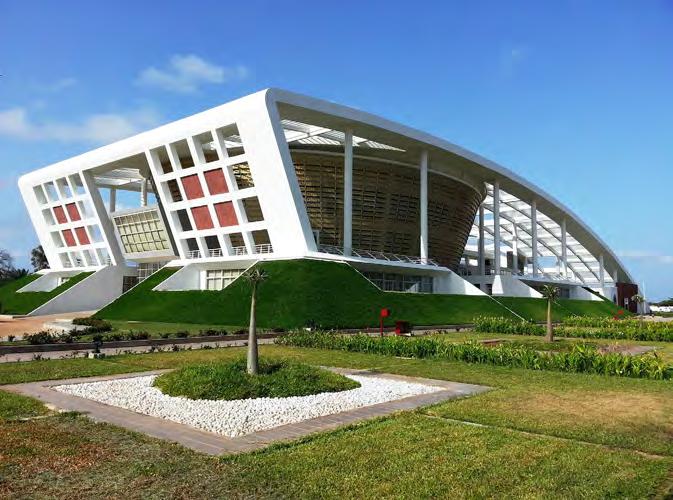
7.6% female participation. This also saw a reduction in the number of nominated female Members from three to two, and the loss of the Speaker’s position also to a male Member, another setback in female representation in the Parliament.
Challenges to women’s representation
After the 2021-2023 electoral cycle in The Gambia, the challenges of women’s representation became more apparent.
Before the 2022 Cabinet reshuffle, it had been an informal tradition for the Vice-President’s office to be held by a woman, with a brief exception from June 2018 to March 2019 when Lawyer Ousainou Daboe became the Vice-President. Up to that time since 1997, it had been a position held by a woman. In 2022, again this tradition was broken with the appointment of Gambian politician and civil servant, Alieu Badara Joof in May 2022 until his demise in January 2023. This was again followed by another male appointment, Mr Muhammed BS Jallow to the disappointment many women leaders who asked for a return to the tradition of a women Vice-President when the President was male.
This further confirms the opinion that only legislation can address and remedy this ‘de facto’ limitation. Equally in the National Assembly, the fact that both the Speaker and the Deputy Speaker are male further confirms this assertion.
To add to these challenges, politics had become so financially focused that it further pushed out many women from the game. In 2022, the election campaign became so financially biased when the ruling party declared that it had disbursed a large amount of money, approximately GMD500,000 to each of its candidates. This makes it apparent that The Gambia needs campaign financing legislation to protect under privileged women to whom resource mobilisation is a great obstacle.
248 | The Parliamentarian | 2023: Issue Three | 100 years of publishing
Above: The Legislative building for the National Assembly of The Gambia.
Mitigating factors and lessons learned
To mitigate this financial obstacle as mentioned above, we need campaign financing laws that would protect the vulnerable candidates, most of whom are women, and the independent candidates similar to me. These candidates do not have the strong backing of a political party or a strong structural base.
In addition, there is the need to legislate for the control of election financing as well as political party registration. It is evident that the high cost of elections is also a major deterrent for women who wish to contest elections. It is thus a necessity to introduce electoral laws to include not only the control of finances, but to govern how these resources are acquired by ensuring that there is a declaration of finances over a certain level.
Although finance can be a determination in the results of elections, another important factor to consider is the relationship with constituents. It could be said that men can have closer relationship with potential electors as for women, encounters can be restricted to a certain level. As homemakers and in a patriarchal society, there are many gatherings that women cannot fully participate in. This is more so in the rural areas of the country. This theory is affirmed both in the 2017 and 2022 elections, where all three successful female Members of the National Assembly were elected from the urban perimeter.
Personal experiences
I believe that my success in the 2022 parliamentary elections was due to the relationship I had built with my constituency over many years. My re-election campaign started the day after my election in 2017. My campaign promises became my working tool and I strived to fulfil those promises as much as possible. Pertinently, my focus was on
education, health and youth engagement, and therefore this political participation paid dividend when the elections came around. To drive these promises to reality, I established a foundation to enhance the capacities of people in my constituency, to enlighten them as well as providing offers of scholarships for further studies abroad.
Unlike the President’s remarks that “when you campaign you can say anything”, my campaign promises became working tools and I endeavoured to deliver 90% of my promises. The one closest to my heart is the establishment of a centre where the people of my constituency can find refuge for learning and attaining their full potential. This is my only promise not yet fulfilled and I am working on this to be complete in this term.
In The Gambia, the barriers for women’s representation are endless, but one strives to defeat them and turn them into opportunities. The expulsion from my party was turned to an opportunity. Contesting as an independent candidate broadened my options. As a Parliamentarian, I can now be more independently minded, using my experiences and the support of my constituency as a template for the next generation of female decision makers.
This has also provided the opportunity to create a youth movement, “Team Mbojo Mbojo”. This movement aims to build politicians instead of activists. Instead of only calling for change, we decided to be the change. I decided to inspire political aspirants with the consequence of delivering the aspirations of the people. This initiative of engaging with the youth serves as a mentorship and introduces them into politics at an early stage. Through my experiences, I help to build future politicians that would follow in my values and beliefs. This also addresses the barriers facing young women, due to the lack of female role models and the unconducive political environment to contest elections.
The CPA Secretary-General, Stephen Twigg visited the National Assembly of The Gambia, the first visit by a CPA Secretary-General since the CPA Gambia Branch re-joined the Association in 2019. He was received by the CPA Gambia Branch President and the Speaker of the National Assembly, Rt Hon. Fabakary Tombong Jatta. The meeting was also attended by the CPA Gambia Branch Secretary and Clerk of the National Assembly, Mr Momodou A. Sise and the Deputy Clerk Legal and Procedural Matters, Kalipha M. M. Mbye. The CPA Headquarters delegation included the CPA Deputy Secretary-General, Jarvis Matiya and CPA Governance Officer, Tom Marino. They discussed a range of topics, including international cooperation across the Commonwealth and professional development for Members of Parliament and parliamentary staff.
The CPA delegation then met with the Deputy Majority Leader of the House, Hon. Abdoulie Ceesay, MP, and Hon. Alhagie S. Darbo, MP, Minority Leader. The CPA Secretary-General also met with the Chairperson of the National Assembly Committee on Gender, Children and Welfare, Hon. Fatoumatta Njai, MP to discuss issues affecting women in politics and the strategies available to overcome them. The Commonwealth Women Parliamentarians (CWP) Chairperson, Hon. Dr Zainab Gimba, MP (Nigeria) led a CWP Africa delegation on a visit to The Gambia the previous month to discuss women’s political participation and representation as key objectives of the network.

OVERCOMING BARRIERS TO WOMEN’S REPRESENTATION IN PARLIAMENT The Parliamentarian | 2023: Issue Three | 100 years of publishing | 249
CPA SECRETARY-GENERAL VISITS NATIONAL ASSEMBLY OF THE GAMBIA IN FIRST VISIT SINCE THE BRANCH RE-JOINED THE ASSOCIATION
Images: National Assembly of The Gambia/CPA Headquarters.
CWP CHAIRPERSON VISITS THE PARLIAMENT OF BOTSWANA TO DISCUSS WOMEN’S POLITICAL PARTICIPATION AHEAD OF FORTHCOMING ELECTIONS
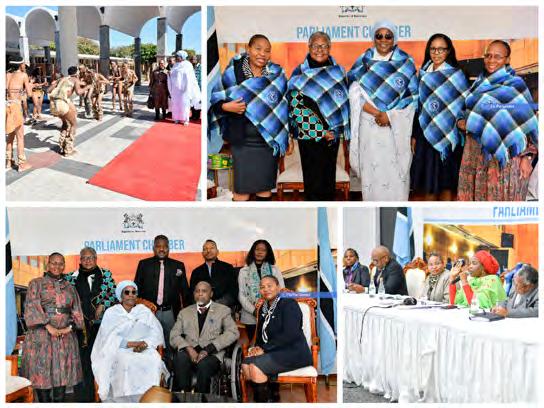
The Commonwealth Women Parliamentarians (CWP) Chairperson, Hon. Dr Zainab Gimba, MP (Nigeria) has led a delegation of the CWP Africa Region on a visit to Botswana ahead of the forthcoming elections. The Speaker of the National Assembly and CPA Botswana Branch President, Hon. Phandu Chaka Skelemani MP welcomed Hon. Zainab Gimba, in her additional role as the CWP Africa Region Chairperson, along with the CWP Africa delegation to discuss women’s political participation and representation as key objectives of the network. The CWP Africa delegation met with the Executive Committees of political parties in Botswana as well as women's groups within the parties and also met with women’s civil society organisations and NGOs. The CWP delegation were also received by the President of the Republic of Botswana, His Excellency Dr Mokgweetsi Eric Keabetswe Masisi during the visit from 12 to 14 July 2023. According to the latest IPU data, 11.1% of Members of the National Assembly of Botswana are women (7 out of a total of 63 elected Members).
WOMEN PARLIAMENTARIANS FROM CARIBBEAN, AMERICAS AND ATLANTIC REGION ADDRESS WOMEN’S LEADERSHIP AND YOUTH CRIME AT REGIONAL CONFERENCE
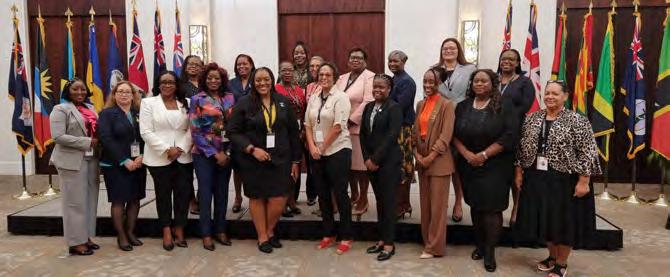
The Caribbean, Americas and the Atlantic (CAA) Region of the Commonwealth Women Parliamentarians (CWP) network hosted their 13th Regional Conference in Providenciales, Turks and Caicos Islands from 21 to 23 July 2023. Opening the CWP Regional Conference, Hon. Valerie Woods, Speaker of the House of Representatives of Belize and Chairperson of the CWP CAA Region, stated: “The purpose of a women’s parliamentary network in the region is because women are still under-represented. If Parliaments are to be truly representatives of the people, then it needs reflect this in its numbers and currently in the Region, it does not. There is much more work to do.” The two-day conference addressed the crucial role of women Parliamentarians in democratic governance, the shared experiences across the Region of women in leadership and the issue of youth crime. The CPA CAA Region comprises 19 Legislatures, including Small Island Developing States, British Overseas Territories in the Caribbean and Central and South American states, such as Belize and Guyana.
CPA PARTNERS WITH UN WOMEN TO PROMOTE GENDER EQUALITY

Commonwealth Parliamentarians will benefit from a new partnership that will provide development programmes on gender equality. A new agreement between the Commonwealth Parliamentary Association (CPA) and its Commonwealth Women Parliamentarians (CWP) network, and UN Women, the United Nations Entity for Gender Equality and the Empowerment of Women, aims to ensure that the legal needs of women and girls are better addressed through parliamentary debate and legislation. The partnership will help to further both organisations’ key objectives in the areas of gender equality and the eradication of discriminatory laws, particularly towards achieving Sustainable Development Goal 5.
UN Women Executive Director, Ms Sima Sami Bahous, said: “Globally, more than 2.5 billion women and girls are affected by unequal laws or a lack of legal protection. The full realization of women’s rights is dependent on the repeal and eradication of such laws and the unbiased and effective rule of law. UN Women is committed to structured engagement to achieve legislative and
constitutional reforms for just, peaceful and inclusive societies; environmental and climate justice; equal participation in decisionmaking at all levels; universal access to essential public services; and economic prosperity for all. This partnership with CPA is a strategic opportunity for the achievement of our shared goals of gender equality and the empowerment of women, as well as making progress toward equality in law for women and girls by 2030.”
The CWP Chairperson, Hon. Dr Zainab Gimba, MP said: “The signing of this partnership is a vital step towards strengthening the work of the CWP network in tackling the global gender inequality that we face. By working together with UN Women, the CWP will be able to provide expertise and training on gender equality for the CPA’s wider membership. The CWP network continues to promote women’s equal participation at all levels and to improve the awareness and ability of all Parliamentarians, regardless of gender, to include a gender perspective in all aspects of their rolelegislation, oversight and representation.”
250 | The Parliamentarian | 2023: Issue Three | 100 years of publishing
COMMONWEALTH WOMEN PARLIAMENTARIANS NEWS
Images: Parliament of Botswana.
Image: Turks and Caicos House of Assembly/CAA Regional Secretariat..
INSPIRING LEADERSHIP FOR WOMEN IN POLITICAL LIFE AT COMMONWEALTH WOMEN PARLIAMENTARIANS CANADIAN REGIONAL CONFERENCE
Ahead of the 59th CPA Canada Regional Conference in Regina, Saskatchewan, the Commonwealth Women Parliamentarians (CWP) Canada Regional Conference took place from 22 to 24 July 2023. The CWP Canada Regional Chair, Hon. Lisa Thompson, MPP (Ontario) chaired the meetings which focused on inspiring leadership for women in political life. Delegates heard from the Mayor of the City of Regina, Sandra Masters, the first female Mayor and one of the youngest women to head a metropolitan council in Canada.
The CWP delegates also heard from women leaders on their tools to attract, prepare and support women into public office and from 11-year-old Mady Adamson who has become a social media sensation by sharing videos online about agriculture in Saskatchewan. Members had the opportunity to hear about CWP Canada activities and to emphasise the importance of promoting the CWP to Parliamentarians across the Region.
IMPORTANCE
Commonwealth Women Parliamentarians (CWP) from the CPA Caribbean, Americas and the Atlantic (CAA) Region joined with women leaders at a Regional Conference on Women’s Political and Parliamentary Leadership hosted by the Parliament of Jamaica and CPA Jamaica Branch in New Kingston on Wednesday 12 July 2023. The hybrid event was held under the theme, ‘Empowering Women in Politics and Parliament: Inspiring Leadership, Driving Change’ with guest speakers joining both in-person and virtually.
The Speaker of the Jamaica House of Representatives, Hon. Marisa Dalrymple-Philibert opened the event and said that it marked a significant moment “in our collective pursuits of gender equality and inclusive political representation. The conference theme… encapsulates the essence of our shared vision. It is a vision where women’s voices are heard, their perspectives are valued, and their leadership is celebrated.” The Speaker noted that despite the progress made, there is still a significant gender gap in parliamentary representation globally and this under-representation not only denies women their rightful place in the decision-making process but deprives them of the diverse perspectives, talents and expertise that women undertake “and have always brought to the table”
The CWP Vice-Chairperson and CWP Caribbean, Americas and Atlantic Regional Representative, Hon. Valerie Woods, Speaker of the House of Representatives at the National Assembly of Belize spoke at the seminar via video link and outlined the importance of women driving change in the Caribbean Region. She said: “Nothing is more transformative than the sisterhood of women, united in the common cause as we continue to address women’s under-representation in Parliament, gender inequality and inequity, and the need to make the Legislature more gender-senstive and the legislative process more gender responsive.”
Jamaica’s Minister of Culture, Gender, Entertainment and Sport, Hon. Olivia Grange, said the event aimed to educate women Parliamentarians about the positive role and functioning of a Women’s Parliamentary Caucus and to “sensitise non-Parliamentarians about the legislative process and to explore how women’s issues may be promoted in the Legislature and identify how the legislation can be used to protect women and vulnerable groups in Caribbean society.” The Minister outlined that Jamaica has one of the highest numbers of women in parliamentary leadership in the Region, noting that the figure has risen to 29% cent since 2000. “With this achievement, Jamaica was and still is poised to empower women to engage in leadership and decision-making by promoting economic development and gender equality,” the Minister stated.
The Parliament of Jamaica recently amended its Standing Orders to establish a Women’s Parliamentary Caucus which promotes constructive dialogue on issues of importance among women Parliamentarians across party lines and in both Chambers. Jamaica’s Houses of Parliament currently have a total of 26 women Parliamentarians, comprising 18 Members of Parliament and eight Senators.
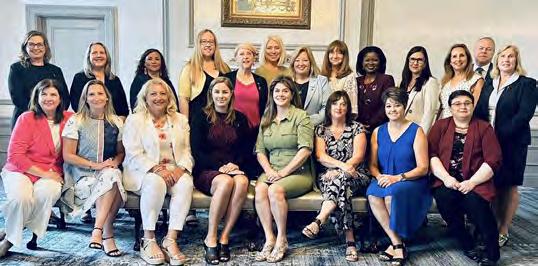
The CWP CAA Regional Conference also featured different presentations including CWP Coordinator, Bénite Dibateza on advocating for women's representation through ensuring that Parliaments are gender-sensitive institutions, and ParlAmericas Eilish Elliott on multiparty women's caucuses and their application. The CWP Regional Conference in Jamaica was facilitated through a funding grant from the Commonwealth Women Parliamentarians (CWP) Regional Strengthening Funds.
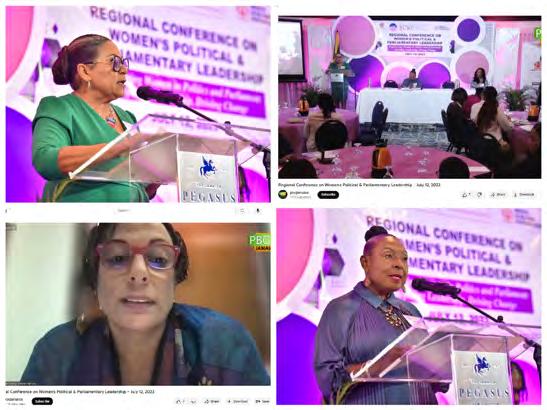
The Parliamentarian | 2023: Issue Three | 100 years of publishing | 251 COMMONWEALTH WOMEN PARLIAMENTARIANS NEWS
OF WOMEN’S ENGAGEMENT IN PARLIAMENTARY LEADERSHIP UNDERSCORED AT CWP REGIONAL SEMINAR IN JAMAICA
Image: CWP Canada Region/Parliament of Canada.
Image credits: Donald De La Haye/JIS.
COMMONWEALTH WOMEN PARLIAMENTARIANS NEWS
COMMONWEALTH WOMEN PARLIAMENTARIANS AT 10 th ANNIVERSARY WOMEN POLITICAL LEADERS SUMMIT
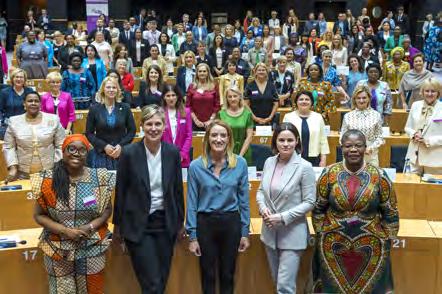
Commonwealth Women Parliamentarians from across the network attended the Women Political Leaders (WPL) Summit, which was held between 7 and 8 June 2023 in Brussels, Belgium. Celebrating its 10th anniversary, the WPL Summit 2023 welcomed more than 200 politicians from 80 countries around the world, who joined panels and speeches on the topics of peace, security, and the key question of ‘Why representation matters’
The European Parliament and the Belgian Federal Parliament co-hosted the largest gathering of women political leaders where delegates discussed ideas and solutions on how to further advance society, increase equality between women and men and promote and positively develop the number of women in leadership positions.
Panel sessions included the role of women in geopolitics; how to lead like a woman; why there can be no durable peace without women at the table; sexism in politics; and political violence against women. Four current and former Heads of State or Government received the WPL Trailblazer Awards which recognises leaders for breaking political glass ceilings and reaching the highest levels of political leadership. Recipients were: Sahle-Work Zewde, President of Ethiopia; Sanna Marin, Prime Minister of Finland; Natalia Gavrilița, Prime Minister of Moldova (2021-2023); Mary Robinson, President of Ireland (19901997). The next Women Political Leaders Summit will be held in Armenia in October 2023.
WOMEN PARLIAMENTARIANS FROM UK PARLIAMENT MEET COUNTERPARTS IN KENYA
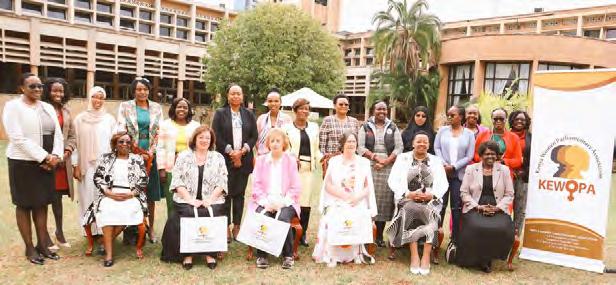
A delegation of women Parliamentarians from the UK Parliament met with their counterparts from the Kenya Women Parliamentary Association (KEWOPA) led by Hon. Leah Sankaire, MP (Kajiado County) to discuss a wide range of issues including women’s representation in Parliament and leadership positions and key areas of interest including gender-based violence, child marriage, FGM and teenage pregnancies. The KEWOPA is a cross party caucus of women Parliamentarians in the National Assembly of Kenya with a fellow parliamentary caucus based in the Kenya Senate, the Kenya Women Senators Association (KEWOSA). The delegation also met with the two CPA Kenya Branch Presidents, the Speaker of the Kenya Senate, Senator Rt Hon. Amason Jeffah Kingi, EGH and the Speaker of the National Assembly, Hon. Moses M. Wetang'ula, EGH, MP, to discuss areas of mutual collaboration. The Kenya visit was organised by the CPA UK Branch and the UK Parliament delegation comprised Hon. Lyn Brown, MP, Shadow Minister for Africa; Hon
SOUTH AFRICA PROVINCIAL LEGISLATURES UNDERTAKE GENDER SELF-ASSESSMENTS WITH THE SUPPORT OF THE CPA
The CPA Headquarters Secretariat is supporting two South African Provincial Legislatures to undertake a gender self-assessment using the Commonwealth Women Parliamentarians Gender Sensitization Guidelines.
The KwaZulu-Natal Legislature’s Speaker, Hon. Nontembeko Boyce, CPA KwaZulu-Natal Branch President met with James Pinnell, CPA’s Deputy Head of Programmes and Bénite Dibateza, Programmes Manager and Commonwealth Women Parliamentarians (CWP) Coordinator to engage on a number of projects including the gender self-assessment for the Legislature and professional development training for MPs.
The CPA team also met with the Secretary of the Western Cape Provincial Parliament and CPA Western Cape Branch Secretary, Romeo Adams to discuss the gender self-assessment for the Legislature and met with Members, parliamentary staff and local experts as part of the self-assessment process.
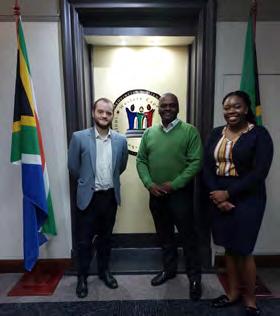
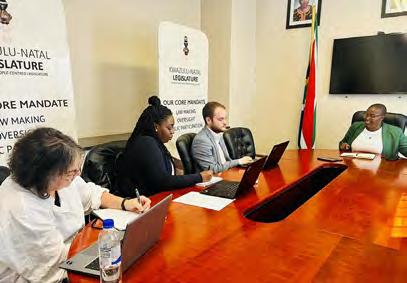
252 | The Parliamentarian | 2023: Issue Three | 100 years of publishing
Pauline Latham, MP and Baroness Rosalind Scott.
Image: WPL Summit.
Image: KEWOPA/Kenya Parliament/CPA UK.
Image: KwaZulu-Natal Provincial Legislature.
Image: Western Cape Provincial Parliament.
WELSH SENEDD WOMEN DRIVE VISION FOR GENDER EQUAL POLITICS WITH
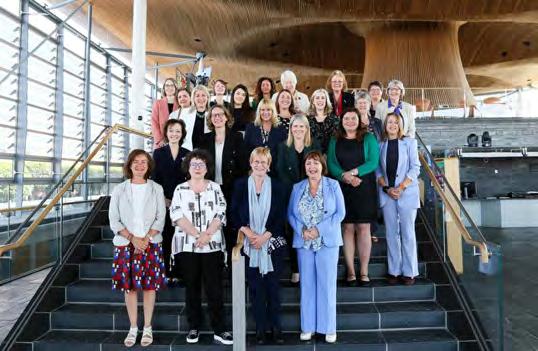
NEW WOMEN’S CAUCUS
An equal and fully inclusive Wales, where everyone is empowered to engage with politics regardless of their gender, is the vision of the new Welsh Senedd’s Women’s Caucus. The cross-party group will bring together women Members of the Senedd to promote and support wider participation in politics. The Caucus will advocate for policies, laws, and initiatives that advance gender equality in the Senedd and in wider society.
At the launch of the new Senedd’s Women’s Caucus on 7 June 2023, the Llywydd (Presiding Officer) and CPA Wales Branch President, Rt Hon. Elin Jones, MS, said that women’s caucuses worldwide have contributed towards advances in the rights of women, and the Members of the Senedd are eager to learn from others. “Internationally, women’s caucuses have contributed towards legislation to advance the rights of women and created new spaces for women’s voices to be heard in political debates. The Women’s Caucus is an important development designed to promote and support women’s participation in politics and shine a light on current barriers within our parliamentary system. Twenty years since the then National Assembly became the first gender equal legislature in the world, we know that there is still much work to be done to ensure a fully equal and inclusive Wales.”
Senator Fiona O’Loughlin, Chair of the Irish Women’s Caucus in the Oireachtas (Parliament of Ireland) joined the launch event in Cardiff to share her expertise with Members and to examine the role of Parliaments in driving gender equality in society. “It is a privilege to be able to provide an international context and speak about the Irish experience and the power and potential of parliamentary women’s caucuses.”
The Chair of the Senedd Women’s Caucus is Joyce Watson, MS, who has previously represented the CPA British Islands and Mediterranean on the Commonwealth Women Parliamentarians
(CWP) International Steering Committee. She said: “I am delighted to be chairing the Senedd Women’s Caucus. The caucus presents an opportunity to bring together women Parliamentarians across party lines to provide peer support and advance gender equality. Regardless of gender, class, ethnicity or disability, everyone in Wales should feel empowered to engage with politics at all levels and over the next few years the Senedd Women’s Caucus will be working hard to make this a reality."
Establishing Women’s Parliamentary Caucuses is a key focus for the Commonwealth Women Parliamentarians (CWP) network with several examples across the Commonwealth. In addition, the Commonwealth Parliamentary Association recently launched a new online course on ‘Effective Women’s Parliamentary Caucuses' as part of the CPA Parliamentary Academy, which offers an introduction to the main methods used to establish and run effective women’s parliamentary caucuses, based on the experiences of Parliaments across the Commonwealth and beyond.
WOMEN IN TRADE WORKSHOP LOOKS AT THE EFFECTS OF WOMEN’S POLITICAL PARTICIPATION ON TRADE IN THE COMMONWEALTH
Twenty-five women Parliamentarians from across the Commonwealth came together to discuss the impact of trade agreements on gender equality, poverty alleviation and women’s economic empowerment at a CPA UK workshop from 20 to 22 June 2023. Discussions focused on deepening technical knowledge of international trade – from how agreements are negotiated to how Parliamentarians can exert influence over the process as well as looking at the role that Parliaments play in scrutinising trade agreements. The final session also looked at the barriers to their political participation that women face including targeted online abuse, which provided a platform a number of Commonwealth Parliamentarians to share their experiences in politics, the barriers they have faced, and their hopes for the next generation. Panellists included: CPA UK Chairperson, Rt Hon. Dame Maria Miller, MP; Hon. Akierra Missick, MP (Turks and Caicos); Hon. Teima Onorio (Kiribati); Hon. Theo Clarke, MP (UK); and Hon. Eleni Petinos, MP (New South Wales).
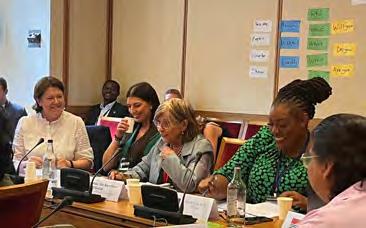
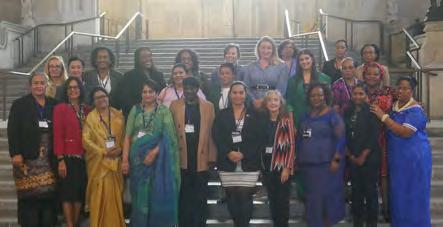
The Parliamentarian | 2023: Issue Three | 100 years of publishing | 253 COMMONWEALTH WOMEN PARLIAMENTARIANS NEWS
Image: Senedd Wales.
‘HOW TO KILL A BILL’
On 24 March 2023, the Supreme Court of India sent a strong message to the Governors of the States that they should return the Bills that they do not agree to “as soon as possible” and not sit over them. Although the bench did not assign any timeline to clear or return the Bills, as demanded by the Government of Telangana, the bench’s “as soon as possible” remark was recorded as a judicial order. The phrase “as soon as possible” has a significant content and must be borne in mind, the court noted. The order was passed against the backdrop of the communication received from the Office of the Governor which said that there were no Bills pending with her. The court disposed of the petition but kept open the question that arose from the issue for consideration in an appropriate case.
The bench was dealing with a petition filed by the Government of Telangana against the Governor alleging inaction in respect of several Bills sent to her by the State Legislature for assent. It was stated that about ten Bills were pending with the Governor since September 2022 onwards. It was argued that in terms of Article 200 of the Constitution of India, the Governor is required to give her/his ascent, or return the Bill for the reconsideration of the Legislative Assembly or reserve the Bill for the consideration of the President, in which case it has to be sent to the Ministry of Home Affairs, Government of India. The Governor may or may not give assent to the Bill. However, a decision should be taken this way or that rather than keeping the Bills pending for months indefinitely. Indefinite delays in giving assent to important Bills is leading to a constitutional impasse and also obstructing the Legislature from carrying out the will of the people. After the State Government petitioned the Supreme Court some of the Bills were returned with a message for reconsiderations and clarifications in respect of some others were sought.
This is indeed not the first instance in which a State Government has complained against a State Governor for delay in giving his/ her ascent to a Bill passed by the State Legislature. The states of Chhattisgarh, Kerala and Tamil Nadu, among others, have had similar grievances in the past. In the meanwhile, the Tamil Nadu Legislative Assembly passed a resolution urging the President of India and the India Union Government to advise the Governor to decide on the Bills passed by the State Legislature within a
reasonable time period. The Government of Tamil Nadu also urged other State Governments to get similar resolutions passed by their respective Legislative Assemblies and send them to the President. Giving a twist in the tale, the Governor of Tamil Nadu allegedly observed that the Governor has the power to kill a Bill by withholding assent.
The Supreme Court of India has repeatedly ruled that the legislative power of State Governors is extremely limited and that they are bound by the aid and advice of the Council of Ministers. From the judgment of a seven judge constitutional bench in Shamsher Singh and Anr vs. State of Punjab (AIR 1974 2192) to the 5 judge constitutional bench in Nabam Rebia vs. Deputy Speaker and Ors. [(2017) 13 SCC 326], the Supreme Court has consistently held that the State Governor can normally act only on the aid and advice of the Council of Ministers and cannot exercise any Executive powers as an independent authority. In Nabam Rebia (2016), in particular, the court came to the conclusion that the discretionary power given to the State Governor is limited to the scope postulated in Article 163(1); its ambit is not open to broader interpretation; there should not be any conflict of interest; and its exercise should not be final and immune from judicial review. The court observed that “…such a nominee cannot have overriding authority over the representatives of the people, who constitute the House or Houses of State Legislature…”
The State Governor’s power to withhold assent or return a Bill, with a message, for reconsideration, is mistakenly seen as discretionary. In the constituent assembly, it was explicitly clarified that returning a Bill was to be done only on the advice of the Council of Ministers and that it was an enabling provision for the government to recall a pending Bill in case it had second thoughts on it. But this is quite ambiguous; why would a government introduce a Bill in the Legislature, in the first place, if it was not interested in its passage? Moreover, the government can always withdraw a Bill which has been introduced in the Parliament or the Legislative Assembly / Legislative Council with its approval. Why then get the State Governor involved in the process?
Dr Vivek K. Agnihotri is a retired IAS officer of 1968 batch of the erstwhile Andhra Pradesh cadre of India. He has a Ph. D. in Public Policy Analysis and Design from IIT Delhi. He was a Visiting Fellow at the University of Oxford. He retired as Secretary to Government of India, Ministry of Parliamentary Affairs (2003-05). Post retirement, he was a Member of CAT (2006-07) and Secretary-General, Rajya Sabha, in the Parliament of India (2007-12). He was conferred with the Paul H. Appleby Award in 2018 by the Indian Institute of Public Administration, New Delhi. He is currently Director-General, Golden Peacock Award Secretariat, Institute of Directors, New Delhi and a member of the Court of the University of Pondicherry. Email vkagnihotri25@gmail.com

LEGISLATIVE PROCEDURE IN INDIA
254 | The Parliamentarian | 2023: Issue Three | 100 years of publishing
A recent case in the Supreme Court of India raised the issue of what happens when State Governors withhold or delay consent to Bills passed in the State Legislative Assemblies.
According to Article 200, when a Bill has been passed by the Legislature of a State, it shall be presented to the State Governor, and they shall declare either that he/ she assents to the Bill or that he/she withholds assent therefrom or that he/she reserves the Bill for the consideration of the President. In the case of withholding assent, the State Governor is required to return the Bill, “as soon as possible” , together with a message for reconsideration of the Bill. When the Bill is presented a second time to the State Governor, they shall not withhold assent therefrom.
The State Governor may reserve the Bill if in his/her opinion it will so derogate from the power of the High Court as to endanger its position. According to Article 201, when a Bill is reserved for the consideration of the President, the President shall declare either that he/she assents to the Bill, or he/she withholds assent. The President may direct the Governor to return the Bill to the Legislature with a message. When a Bill is so returned, the Legislature shall reconsider it accordingly “within a period of six months” from the date of receipt of such a message.
As regards the State Governor acting with the aid and advice of the Council of Ministers, Article 163 indeed provides for it. However, it further states that the State Governor may act in his discretion insofar as he is by or under the Constitution required to exercise his functions as such. It further states that any question relating to whether any matter is or is not a matter in which the Governor is required to act in his/her discretion, the decision of the Governor shall be final and the validity of anything done by him/her shall not be called in question.
The discretionary powers of the State Governor, even though unquestionable, are not limitless, as mentioned earlier. They are normally exercisable in respect of the reservation of Bills for the consideration of the President; making recommendations for the imposition of the President’s rule under Article 356; and seeking information from the Chief Minister with regard to the administrative and legislative matters of the state. In addition, the State Governors also have situational discretion such as appointment of the Chief Minister when no party has a clear-cut majority; dismissal of the government when it fails to establish its majority in a floor test; and dissolution of the State Assembly when the Council of Ministers resigns and there is no alternative. However, these powers have
to be exercised very carefully, impartially and without prejudice in order to avoid charges of bias or political partisanship. A plain reading of the Constituent Assembly debates makes it amply clear that withholding assent to a Bill is not one of the discretionary powers of the State Governors.

The grievance of the State Governments and State Legislatures is legitimate and needs serious consideration. As mentioned above, it is to be noted that according to Article 200, the State Governor can return a Bill only once for reconsideration. Thus, constitutionally speaking, ultimately the will of the people has to prevail. Further, Article 201 provides a time limit for State Legislatures for the consideration of a Bill after it is returned by the President, having been earlier reserved by the State Governor for his/her consideration. Perhaps the phrase “as soon as possible”, used in the first proviso to Article 200, needs to be qualified to provide a time limit of either some months or subsequent sessions of the Legislature, such as “but not later than six months or the next two sessions of the State Legislature, whichever is more, unless it is reserved for the consideration of the President”.
All said and done, the constitution or the courts, for that matter, cannot be expected to use the language of the Indian Penal Code to advise authorities occupying high constitutional positions such as the President, the State Governors, and the Speakers of State Assemblies, who must discharge their duties in a time bound manner. Thus the words “as soon as possible” should be persuasive enough for the State Governors to make up their mind within a decent interval of time without any coaxing or cajoling.
Image credits: shutterstock_292058285 LEGISLATIVE PROCEDURE IN INDIA The Parliamentarian | 2023: Issue Three | 100 years of publishing | 255
Above: The High Court in Mumbai is one of the oldest High Courts of India.
COMMONWEALTH LEGISLATIVE NEWS
PARLIAMENTARY REPORTS AND THIRD READINGS FROM PARLIAMENTS AROUND THE COMMONWEALTH

INDIA
Report from Eleventh Session of Seventeenth Lok Sabha
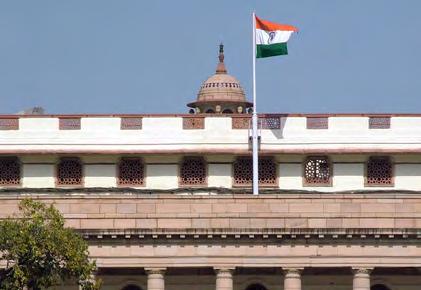
Page 257
TRINIDAD AND TOBAGO
Local Government Eletion ruling
Page 262
UNITED KINGDOM
Committee report on former UK Prime Minister
Page 269
AUSTRALIA
New Members, Budget Debate and dictionary launch
Page 258
CANADA
Changes to Standing Orders in the House of Commons
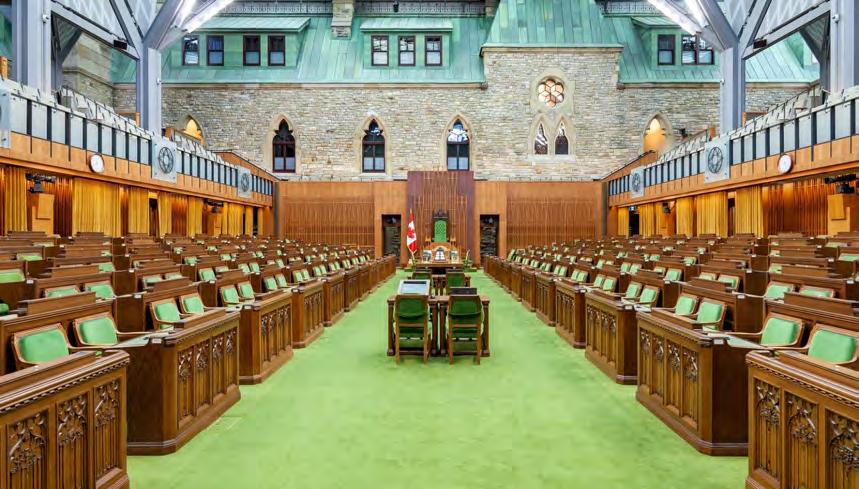
Page 266
UGANDA
President opens third Session of the 11th Parliament of Uganda
Page 270
THIRD READING REPORTS
Australia Federal Page 260
South Africa Page 263
New Zealand Page 264
British Columbia Page 268
256 | The Parliamentarian | 2023: Issue Two | 100 years of publishing
REPORT FROM THE ELEVENTH SESSION OF THE SEVENTEENTH LOK SABHA
The Eleventh Session of the Seventeenth Lok Sabha at the Parliament of India was held in two parts. The First Part of the Session was held from 31 January to 13 February 2023. The House was adjourned on 13 February 2023 to subsequently reconvene for the Second Part of the Session on 13 March 2023 and the Session concluded on 6 April 2023.
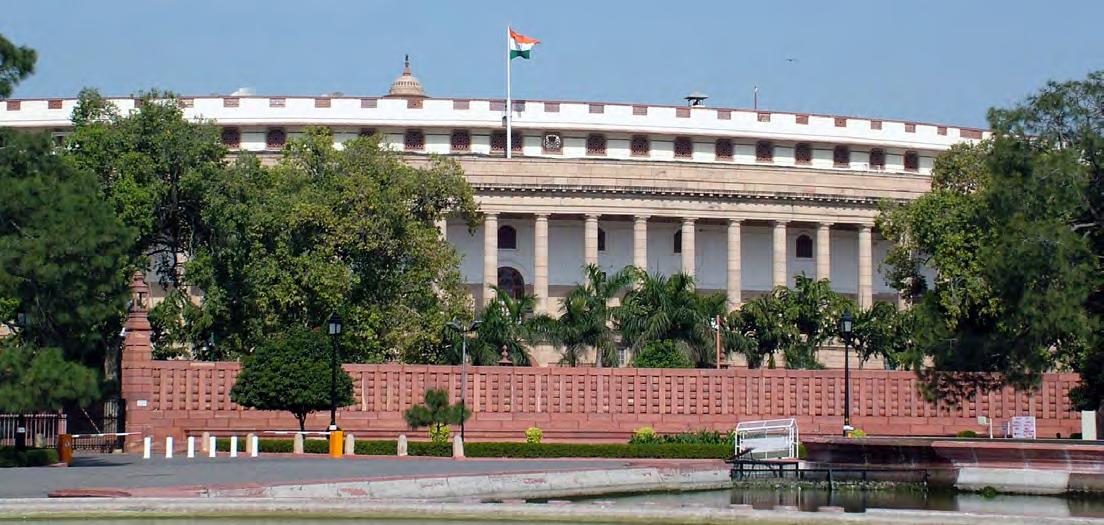
During the Session, the House held 25 sittings, which lasted for about 45 hours 55 minutes and transacted important Financial, Legislative and other Business.
During the Eleventh Session, the House witnessed repeated disruptions and adjournments on numerous occasions throughout February, March and April 2023 leading to a loss of session time. The Speaker of the Lok Sabha, Hon. Shri Om Birla made continuous efforts for the smooth conduct of proceedings and consistently appealed to Members to maintain decorum in the House.
On 15 March 2023, the Speaker also observed: ‘If we want to work for public welfare and consider this House as a temple of democracy, then I would request you not to make comments, at least on this House. This is your temple of democracy and the centre of our faith. You should take care not to comment on the Parliament, whether inside the House or outside the House since it is not appropriate.’
During the Session, eight Government. Bills were introduced and six Bills were
passed. Some of the important Bills passed were: The Finance Bill, 2023 and the Competition (Amendment) Bill, 2022.
A Private Member’s Bill regarding the ‘Beautification and Modernization of Railway Stations under the Adarsh Station Scheme’ that was moved by Shri Reddeppa Nallakonda Gari on 16 December 2022 was further discussed on 13 February 2023. However, the discussion was not concluded.
During the session, Members raised 133 ‘Matters of Urgent Public Importance’ in the House during ‘Zero Hour’, and Members also raised or laid on the table, 436 matters under rule 377. Ministerial Statements were frequently made to the House and 2,799 papers were laid before the Table of the House.
Sixty-two reports from Parliamentary Standing Committees were presented to the House. All of these reports are available on the Lok Sabha homepage (www.loksabha.nic.in).
The Union Budget for 2023-2024 was presented by the Finance Minister of India on 1 February 2023, followed by a General Discussion on the Union Budget on 8, 9 and 10 February 2023.
During the session, the Speaker made references to the passing away of several Members and former Members of the House including Sarvashri Santokh Singh Chaudhary and Girish Bhalchandra Bapat, sitting Members; Sarvashri Basavanagoud
Kolur, Satyanarayan Kaikala, Sharad Yadav, Brijendra Pal Singh, Anand Ratna Maurya, Siddheswar Prasad, Satya Brata Mookherjee, Sohan Potai, Rangaswamy Dhruvanarayana, Innocent and Smt. J. Jlamuna, all former Members.
During the session, the Speaker of the Lok Sabha welcomed several parliamentary delegations including:
• A parliamentary delegation from South Sudan led by Hon. Ms. Jemma Nunu Kumba, Speaker of the Transitional National Legislative Assembly of South Sudan on 5 April 2023.
• An Israeli parliamentary delegation led by H.E. Mr. Amir Ohana, Speaker of the Knesset (Parliament) of the State of Israel from 31 March to 4 April 2023.
• A Zambian parliamentary delegation visited on 2 February 2023 led by Hon. Nelly B. Mutti, Speaker of the National Assembly of Zambia.
• H.E. Mr. Wangchuk Namgyel, Speaker of the National Assembly of Bhutan and Members of the parliamentary delegation from Bhutan visited on 6 February 2023.
The Eleventh Session of the Seventeenth Lok Sabha was adjourned sine die on 6 April 2023 after playing of the National Song. The House was prorogued by the President of India on 10 April 2023.
The Parliamentarian | 2023: Issue Three | 100 years of publishing | 257 PARLIAMENTARY REPORT INDIA
Parliamentary Report by Utpal Kumar Singh, Secretary-General of the Lok Sabha and CPA India Union Branch Secretary.
NEW MEMBERS, BUDGET DEBATE AND DICTIONARY LAUNCH AT PARLIAMENT OF AUSTRALIA
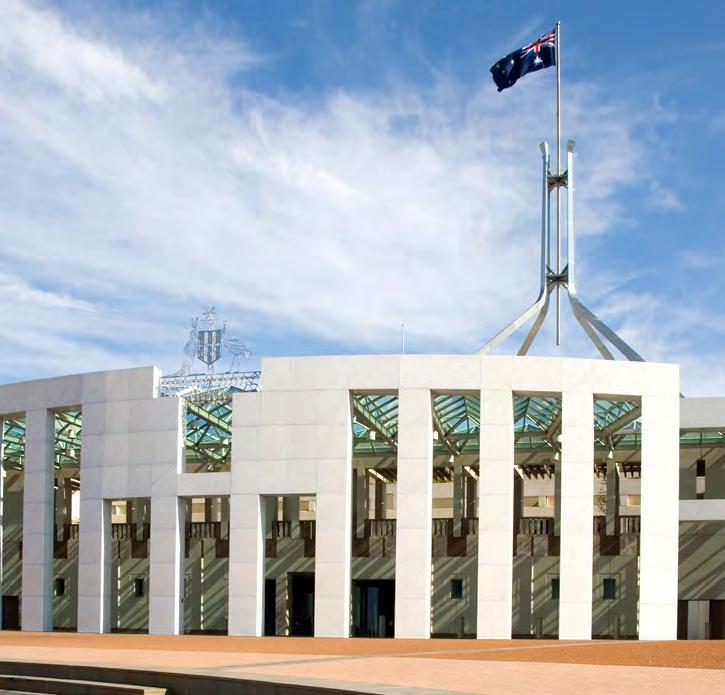
NEW MEMBER OF THE HOUSE OF REPRESENTATIVES
On 22 May 2023, the Speaker, Hon. Milton Dick, MP informed the Australian House of Representatives that on 18 May he had received a letter from Hon. Stuart Robert, MP (Liberal National Party of Queensland) resigning his seat as the Member for Fadden. The Speaker announced that the date of the by-election for Fadden would be 15 July. The seat was won by Mr Cameron Caldwell (Liberal National Party of Queensland). Labor candidate Ms Letitia Del Fabbro conceded defeat shortly before 8.00pm on the day of the poll. Mr Caldwell was sworn in on 31 July.
The electorate of Fadden was created in 1977 and consists of part of the Gold Coast City Council and part of the Redland City Council in Queensland. It was named in honour of Sir Arthur William Fadden, 1895–1973, Prime Minister of Australia (August–October 1941) and a Member of the House of Representatives (1936–1958).
2023 – 2024 BUDGET BILLS
On 9 May 2023, the Treasurer, Hon. Dr Jim Chalmers, MP (Australian Labor Party), introduced Appropriation Bill (No. 1) 20232024 (the Main Appropriation Bill) and gave the Budget speech. Following the Budget speech, Appropriation Bill (No. 2) 20232024 and Appropriation (Parliamentary Departments) Bill (No. 1) 2023-2024 were introduced by the Assistant Treasurer, Hon. Stephen Jones, MP (Australian Labor Party). The Budget reply was given by the Leader of the Opposition, Hon. Peter Dutton, MP (Liberal National Party of Queensland) on Thursday 11 May.
On 22 May 2023 the House agreed to a debate management motion relating to the Budget Bills. The Leader of the House, Hon. Tony Burke, MP (Australian Labor Party), acknowledged that it was customary to have more of the Budget debate take place in the House, but that due to debate on the Constitution Alteration (Aboriginal and Torres Strait Islander Voice) 2023, contributions on the Budget Bills would take place principally in the Federation Chamber. The latter is an alternative venue to the Chamber of the House for a restricted range of business, primarily the Second Reading and consideration in detail stages of Bills,
and resumptions of debate on motions moved in the House. The Federation Chamber operates in parallel to the Chamber of the House to allow two streams of business to be debated concurrently. The resolution provided for a cognate debate for the Main Appropriation Bill and the two associated Budget Bills. During the Second Reading debate for the Main Appropriation Bill, the scope of discussion is usually very broad, because the Standing Order which applies the rule of relevancy to the question makes debate on the motion of the Second Reading for the Main Appropriation Bill one of the exceptions to its provisions, and allows ‘public affairs’ to be debated. However, this year, many Members’ contributions were focused on the Budget itself, with the costof-living issue dominating the debate.
Members of the Australian Labor Party spoke about the Government’s Budget measures including the Cheaper Child Care scheme and the Energy Price Relief Plan (the Member for Lyons, Mr Brian Mitchell, MP); reducing the cost of medicines and strengthening the
Medicare system (the Member for Hawke, Mr Sam Rae, MP); increases to the base rate for some social security payments including JobSeeker, Austudy and youth allowance (the Member for Blair, Hon. Shayne Neumann, MP); upgrades to social housing (the Member for Jagajaga, Ms Kate Thwaites, MP); measures to support women in the workplace, including in the early childhood and care sectors (the Member for Dunkley, Ms Peta Murphy, MP); investment in tertiary education (the Member for McEwen, Mr Rob Mitchell, MP); fee-free TAFE places, women’s health and wellbeing measures, and homelessness services (the Member for Pearce, Ms Tracey Roberts, MP) and more funding for veterans to access GPs (the Member for Burt, Hon. Matt Keogh, MP).
Members of the Opposition expressed concerns about inflation, small businesses and pharmacies (the Member for Forrest, Hon. Nola Marino, MP); access to healthcare and child care services in the regions (the Member for Mallee, Dr Anne Webster, MP); electricity prices, infrastructure investment and regional
258 | The Parliamentarian | 2023: Issue Three | 100 years of publishing
PARLIAMENTARY REPORT AUSTRALIA
Parliamentary Report by Fleur Hall, Parliament of Australia.
The Australian Federal Parliament in Canberra.
projects (the Member for Hinkler, Hon. Keith Pitt, MP and the Member for Flynn, Mr Colin Boyce, MP); struggling small businesses (the Member for Casey, Mr Aaron Violi, MP) and the biosecurity levy imposed on farmers and struggling families in the bush (the Member for Braddon, Mr Gavin Pearce, MP).
On the crossbench, the Member for Kooyong, Dr Monique Ryan, MP (Independent) said that she commended the Government for making some improvements to the healthcare system but urged it to consult experts about data collection to provide better healthcare. The Member for North Sydney, Ms Kylea Tink, MP (Independent) said that while some aspects of the Budget were welcomed, such as the boost given to Medicare, the Budget overall lacked ‘long-term structural reform and clear vision.’
The Second Reading debate concluded on 1 June 2023, with a total of 8 hours and 18 minutes of debate.
In accordance with the resolution, the Main Appropriation Bill was returned to the House from the Federation Chamber on 13 June 2023, and as the first item of government business, the question on the Second Reading was put and passed, and the Main Appropriation Bill was read a second time. The Bill then stood referred to the Federation Chamber, and consideration in detail commenced there later that afternoon. The resolution set the timetable for the consideration of portfolios and when each question ‘That the proposed expenditure be agreed to’ would be put. The proposed expenditures for each portfolio were considered in accordance with the timetable. The proposed expenditures were each agreed to and the final question, ‘That the Bill be agreed to’ was put and passed on 15 June. The two other Budget Bills were then read a second time and were ordered to be reported to the House without amendment. In the House later that afternoon, all three Bills were read a third time.
In the Senate, the particulars of the Budget Bills underwent scrutiny through the Senate Estimates process which was held between 22 May and 2 June 2023. The Budget Bills were introduced in the Senate on 16 June and the Second Reading on each was agreed to on 22 June. The Bills were read a third time on 22 June. They received royal assent on 28 June, ahead of their 1 July 2021 commencement date.
LAUNCH OF ‘ORDER, ORDER!’: A BIOGRAPHICAL DICTIONARY OF SPEAKERS, DEPUTY SPEAKERS AND CLERKS OF THE HOUSE OF REPRESENTATIVES
The printed edition of ‘Order, Order!’: A Biographical Dictionary of Speakers, Deputy Speakers and Clerks of the House of Representatives was officially launched at Australia’s Parliament House on 19 June 2023. The project was a collaboration between the Australian Dictionary of Biography, ANU Press and the Department of the House of Representatives.
The Clerk of the House of Representatives, Ms Claressa Surtees, warmly welcomed those attending the launch: the Speaker of the House of Representatives, Hon Milton Dick, MP; Members of the 47th Parliament; six former Speakers (Professor Hon. Stephen Martin, Hon. David Hawker, Ms Anna Burke, Hon. Bronwyn Bishop, Hon. Tony Smith and Mr Andrew Wallace, MP); a former Deputy Speaker, Hon. Bruce Scott; a former Clerk of the House, Mr Bernard Wright, AO; a former Deputy Clerk of the House and key contributor to the project, Ms Catherine Cornish, and the family members of two former Clerks, Allan Tregear and Jack Pettifer.
Ms Surtees also welcomed collaborators from the Australian National University (ANU): Dr Stephen Wilks, the editor of the Dictionary, from the Research School of History; postgraduate researchers and staff from the Australian Dictionary of Biography and Research School of Social Sciences at the ANU, and some of the authors of the biographical entries in the Dictionary.
In his remarks, the Speaker, Hon. Milton Dick, MP, said that he was ‘truly humbled’ to be in the presence of the former Speakers gathered. The Speaker said that ‘central to civics education is making sure we have the resources available to learn the history of our democracy and institutions. We can learn a lot about our institutions by looking at the people who have dedicated their lives to serve them. So, by learning about our past Speakers, Deputy Speakers and Clerks we can understand and appreciate the contribution they’ve made in shaping the House of Representatives, its practice and procedures.’ The Speaker added that their stories ‘offer valuable insights into the way the Parliament has evolved and responded to the various challenges since
Federation [which] include two World Wars, the Great Depression, the Constitutional Crisis of 1975 and more recently COVID-19.’ Former Clerk, Mr Wright, remarked that the publication was welcome because ‘the stories that it tells of 65 office holders are so interesting and informative.’ He added that, because ‘Members’ responsibilities for the nation’s present and for its future allow little time for public reflection on its own history [the book] is doubly welcome because it should encourage a little institutional reflection.’ Mr Wright said that the book would help future Speakers, Deputy Speakers and Clerks to see their work in a wider context.
In the final speech of the morning, the book’s editor, Dr Wilks, observed that outside the Australian War Memorial is a statue, erected only recently, of General Sir John Monash, the Australian military commander of the First World War, in civilian garb. He is brandishing not a weapon, but rather a book, and gazing purposefully towards Parliament. Dr Wilks said that the inscription on the statue is a quote from Monash himself: ‘The only hope for Australia is the ballot box and an educated public.’ These are two concepts, Dr Wilks said, to which he hopes ‘Order! Order!’ will make its own small contribution.
Find out more at: Biographical Dictionary of the House of Representatives – Parliament of Australia - https:// www.aph.gov.au/About_Parliament/House_of_ Representatives/Biographical_Dictionary
PARLIAMENTARY REPORT FROM THE CPA AUSTRALIA REGION
30th GOVERNOR OF VICTORIA ANNOUNCED
On 5 June 2023, the Premier of Victoria, Hon. Daniel Andrews, MP announced that eminent academic and President and ViceChancellor of Monash University, Professor Margaret Gardner, AC, will be appointed as the 30th Governor of Victoria, with her five-year term as Governor to commence on 9 August.
The term of the 29th Governor, Her Excellency Honourable Linda Dessau, AC CVO, concluded on 30 June. In the interim period, the Lieutenant-Governor of Victoria, Professor James Angus, AO, has been administering the State of Victoria.
The Parliamentarian | 2023: Issue Three | 100 years of publishing | 259
PARLIAMENTARY REPORT AUSTRALIA
Constitution Alteration (Aboriginal and Torres Strait Islander Voice) 2023
The Constitution Alteration (Aboriginal and Torres Strait Islander Voice) 2023 proposes an alteration to the Constitution to recognise First Peoples of Australia by establishing an Aboriginal and Torres Strait Islander Voice to make representations to the Parliament and the Executive Government of the Commonwealth on matters relating to Aboriginal and Torres Strait Islander peoples.
The Bill was passed by an absolute majority of each House of the Parliament, thereby enabling the proposal to be submitted to the electors for approval in a referendum not less than two months and not more than six months after its passage, as provided for in section 128 of the Constitution.
This Bill was introduced on 30 March 2023 in the Australian House of Representatives by the Attorney-General, Hon. Mark Dreyfus, MP (Australian Labor Party). The Attorney-General told the House that the Bill was ‘a powerful marker of our respect for the First Nations peoples of Australia, their cultures and their elders past and present.’ He said that ‘Aboriginal and Torres Strait Islander peoples have occupied the Australian continent for over 60,000 years and represent the oldest continuous living cultures in human history. They have maintained a relationship with Australia’s land, waters and sky since time immemorial. Yet Aboriginal and Torres Strait Islander people are not recognised in our Constitution.’ He added that the Bill was the first formal step towards holding a referendum by the end of this year, and described the constitutional recognition as both ‘practical and substantive…and it is the form of constitutional recognition supported by the overwhelming majority of the Aboriginal and Torres Strait Islander delegates who…gathered to endorse the Uluru Statement from the Heart.’
The Attorney-General explained that, if approved at the referendum, the new Chapter IX in the Constitution would contain a new section 129. The introductory words, he said, recognise Aboriginal and Torres Strait Islander peoples as the First Peoples of Australia. The Attorney-General then outlined the proposed provisions of section 129:
• Subsection (i) provides for the establishment of the Voice. This provision, he said ‘will ensure the Voice is an enduring institution allowing it to be independent from
Government and effectively represent views of Aboriginal and Torres Strait Islander peoples at the national level. The Voice will be an independent representative body. The intention is that its members will be selected by Aboriginal and Torres Strait Islander peoples based on the wishes of local communities.’
• Subsection (ii) sets out the primary function of the Voice: making representations to the Parliament and the Executive Government about matters relating to Aboriginal and Torres Strait Islander peoples. These would include ‘matters specific to Aboriginal and Torres Strait Islander peoples and matters relevant to the Australian community but which affect Aboriginal and Torres Strait Islander people differently to other members of the community.’ The AttorneyGeneral said that the Voice ‘will not have to wait for the Parliament or the Executive to seek its view before it can provide them. But nor will the constitutional amendment oblige the Parliament or Executive to consult the Voice before taking action.’
• Subsection (iii) provides Parliament with a broad power to make laws about matters relating to the Voice. This provision, he said, ‘will ensure the Voice can evolve to meet the future needs of Aboriginal and Torres Strait Islander peoples and Australia as a whole. The matters on which the Parliament will have power to make laws include processes to select Voice members, the way the Voice performs its functions, its powers and procedures.’ Concluding his speech, the AttorneyGeneral said that ‘it is time to accept the generous invitation in the Uluru Statement from the Heart. It is time to listen.’
Debate on the Second Reading continued on 22 May 2023, shortly after the Deputy Chair of the Joint Select Committee on the Aboriginal and Torres Strait Islander Voice Referendum presented its advisory report, which noted that ‘the Committee is satisfied that the Bill is fit for purpose and meets the request expressed in the Uluru Statement from the Heart.’ During the week, the House agreed to suspend Standing Orders to facilitate an extended debate on the Bill; in total 118 Members contributed.
The Leader of the Opposition, Hon. Peter Dutton, MP (Liberal National Party of Queensland), argued that ‘changing our Constitution to enshrine a Voice will take our country backwards, not forwards. The Voice is regressive, not progressive, and it should
be very clear to Australians by now that the Prime Minister is dividing our country, not uniting us.’ Mr Dutton told the House that ‘The Prime Minister refuses to provide even the most basic of detail on the Voice model. Details should come before the vote, not the vote before the details.’ Mr Dutton said that ‘Both of the major parties support seeing Aboriginal and Torres Strait Islander Australians recognised in the Constitution… but the Prime Minister is seeking to conflate constitutional recognition and enshrining the Voice…and wants to leverage the overwhelming public support for constitutional recognition to piggyback his poorly defined, untested and risk ridden Canberra Voice model.’ Concluding his remarks, Mr Dutton described the proposal as ‘risky, divisive, unknown and permanent change to our Constitution. And Australians will be asked to vote on a constitutional change that has not been fully scrutinised and is fundamentally uncertain.’
The Prime Minster, Hon. Anthony Albanese, MP (Australian Labor Party), during his contribution told the House ‘in the words of the Solicitor-General: section 129 is not just compatible with the system of representative government prescribed by the Constitution, but an enhancement of that system.’ He said these were ‘powerful words, backed up by people such as former Chief Justice French, former Justice Hayne, the leading academic on constitutional matters Professor Twomey and so many others.’
The Minister for Indigenous Australians, Hon. Linda Burney, MP (Australian Labor Party) told the House about some of the design principles developed by the Referendum Working Group: that ‘the Voice will give independent advice to the Parliament and the Government; be chosen by Aboriginal and Torres Strait Islander people based on the wishes of local communities; be representative of the Aboriginal and Torres Strait Islander communities; be gender balanced and include youth and, of course, people from the Torres Strait; be empowering, community led, inclusive, respectful and culturally informed; be accountable and transparent; work alongside existing organisations and traditional structures; not have a program delivery function; and not have a veto power over this Parliament.’
The Leader of the Nationals, Hon. David Littleproud, MP, said that ‘The Nationals
260 | The Parliamentarian | 2023: Issue Three | 100 years of publishing
THIRD READING REPORT AUSTRALIA
Third Reading Report by Fleur Hall, Parliament of Australia.
believe that adding another layer of bureaucracy in Canberra will not genuinely close the gap for Aboriginal and Torres Strait Islander Australians.’ He said that ‘a core component that underpins our free, liberal, democratic society in Australia is the fundamental principle that every citizen is considered equal under the law. A constitutionally enshrined advisory body to Parliament based solely on a person’s race does not align with this.’
The Leader of the Greens, Mr Adam Bandt, MP, said that ‘the Greens want to see [the Voice] succeed not only because it is a key element of the Uluru statement but because failure will take us further away from truth and treaty.’
Others on the crossbench to express their views were the Member for Indi, Dr Helen Haines, MP (Independent) who said ‘I support the Voice because it is a considered proposal backed by cultural authority’ and the Member for Mayo, Ms Rebekah Sharkie, MP (Centre Alliance), who said ‘of course, to support the exercise of every Australian voter’s right to participate in this referendum, I will be supporting this Bill.’ The Member for Mackellar, Dr Sophie Scamps, MP (Independent) said ‘Our First Nations people are asking two things of us: to be recognised as first Australians and to be listened to. We have been repeatedly reassured by constitutional experts that there is nothing to fear from those simple requests.’
The Speaker put the question on the Second Reading on 31 May 2023; this was carried on division (120:25). In consideration in detail, two amendments moved by an Opposition Member were disagreed to. The House then divided on the question that the Bill be agreed to, which was carried (121:25). The House also divided on the question
that the Bill be read a third time, which was carried by an absolute majority, as required under the Constitution (121:25).
The Bill was introduced in the Australian Senate on 13 June 2023. The Assistant Minister for Indigenous Australians, Senator Hon. Malarndirri McCarthy (Australian Labor Party) said ‘We may have what some in here may say is an imperfect road - you know: ‘Is there enough detail?’ ‘Don’t touch the Constitution. It’s too precious.’ ‘It’s too risky.’ All of these things I’ve heard as reasons for why we shouldn’t embark on this journey. But they still are not strong enough reasons to not try. We must try. We have to improve the lives for our people across the country, First Nations and all Australians. We will be a better country if we get this right.’ She told all Australians: ‘we need you…to say ‘yes’…and walk with us.’ She also urged First Nations Australians not to ‘give up’, saying ‘it’s hard walking in the Westminster system of Parliament. But it’s the only system we have to be able to try and influence in a better way.’
Senator Lidia Thorpe (Independent) said that her position on the Bill was ‘now as clear as the air before colonisation. This Bill is for a referendum that Labor and the Greens are using to absolve colonial Australia of its responsibility. They have presented it as a great solution to the stain on the nation that is the poverty and incarceration of First Nations people. The Voice, they have promised, will give First Nations a say, and, with that, all will be well with the Aborigines; the Aboriginal problem will be fixed. But the truth is: it is just constitutional recognition, with a powerless advisory body as window dressing.’ She said that ‘in the name of the black sovereign movement’ she would be voting no to the Bill.
Senator Jacinta Nampijinpa Price (Country Liberal Party) said that ‘through their Voice the Albanese Government seeks to constitutionally enshrine class division in our nation’s founding document.’ She also told the Senate that the Uluru statement ‘was the result of a closed process of activists and academics and signed by just 250 unelected people after just 12 regional consultations. So, 12 consultations with 1,200 hand-picked - invite only - unelected individuals who participated in the Uluru Dialogue. But there were 811,528 of us who were not invited to attend.’
Senator David Pocock (Independent) said that he was struck by the ‘generosity’ of Aboriginal and Torres Strait Islander people, who are ‘still welcoming people to their country after the brutal history of colonisation, knowing that we’re one of the only developed countries - if not the only one - without a treaty.’ He said that ‘there is a deep desire to see this referendum succeed in terms of what it will mean for our country’ and that constitutional change, together with practical action, was ‘a step on the road to reconciliation.’
The Leader of the Nationals in the Senate, Senator Hon. Bridget McKenzie said that she was ‘firmly committed to addressing disadvantage. I am a very respectful no, but a firm no nonetheless.’ She argued that the ‘implementation poses great risk to our democratic institutions, to the decisions of future governments and to national cohesion.’ She said that her concerns ‘are shared not just by constitutional experts but also by many Indigenous Australians who also do not want our founding document to be permanently divided along the lines of race and culture.’
The Bill was read a second time on 16 June 2023. During the Committee of the Whole debate, amendments moved by Senator Lidia Thorpe and Senator Hon. Richard Colbeck were disagreed to. On 19 June, the Bill was agreed to and the question on the Third Reading was agreed to by an absolute majority of the Senate, as required by the Constitution. The referendum must be held between mid-September and mid-December 2023, but the date has not yet been announced. Speaking at the Garma Festival in the Northern Territory, the Prime Minister said, in relation to timing, that he would keep the Top End’s wet season in mind.
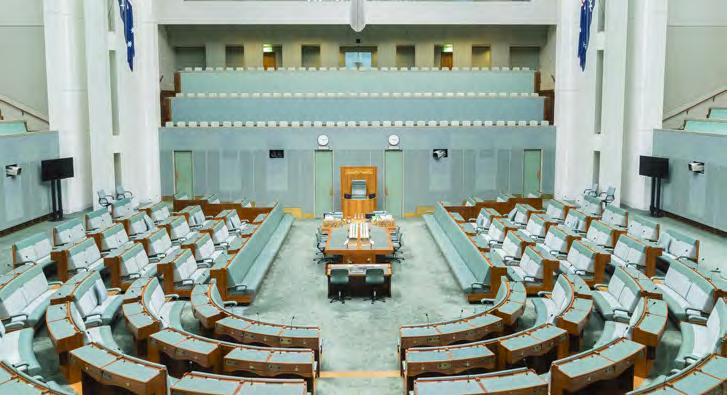
The Parliamentarian | 2023: Issue Three | 100 years of publishing | 261
THIRD READING REPORT AUSTRALIA
TRINIDAD AND TOBAGO
LEGISLATIVE NEWS FROM TRINIDAD AND TOBAGO PARLIAMENT
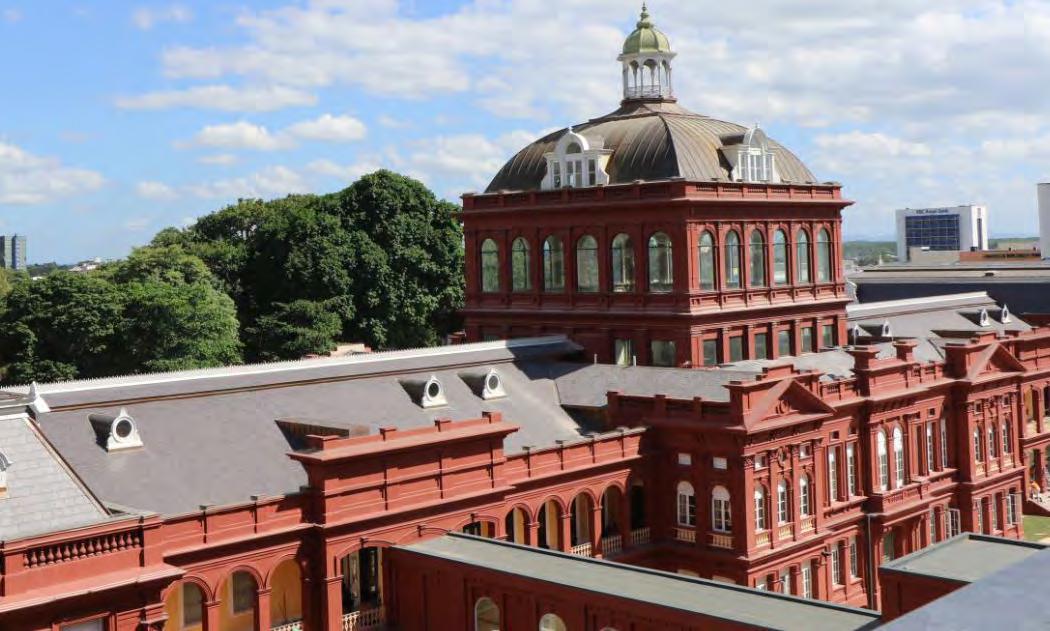
TRINIDAD VOTES IN LOCAL GOVERNMENT ELECTION AFTER PRIVY COUNCIL RULING
Trinidad is set to vote in local government elections, following a move by the Trinidad and Tobago Government to extend the term of local government representatives by a year. The Prime Minister of Trinidad and Tobago, Hon. Dr Keith Rowley announced that the local government election would take place on 14 August 2023. Over 1.1 million electors are on the Electors List.
The announcement followed a ruling by the Judicial Committee of the Privy Council (JCPC) on 18 May 2023 by a 3-2 majority that the Government of Trinidad and Tobago had encroached on the rights of its citizens by proposing an extension of the term of office for local government from three to four years.
In their judgment at the Supreme Court in London, the Privy Council supported an appeal regarding the dismissal of a lawsuit claiming that the move was unlawful, that was brought by political activist Ravi Balgobin Maharaj. In a majority decision, three Law Lords ruled that the High Court and the Court of Appeal were all wrong when they dismissed Maharaj’s case.
Lord David Richards, who presented the majority decision, pointed out that if the Parliament of Trinidad and Tobago had intended to give the Government such a power, it is reasonable to expect that it would done so expressly. He said: “The legislation does not do so, nor does it appear that any consideration was given to this possibility in any of the steps
which led to the changes made by local government in 2022.”
He also pointed out the importance of election in a representative democracy, like Trinidad and Tobago. “At the end of the period for which they were elected, the electorate has the right to decide whether the incumbent representatives can remain in office, assuming they stand for re-election.”
Following the decision by the Privy Council, there were demands in Parliament for the local government elections to be held.
The Leader of the Opposition, Hon. Kamla Persad-Bissessar, MP called on the Prime Minister to fix the date for local government elections and demanded answers on whether councillors and aldermen would have to return their salaries.
The Attorney-General, Senator Reginald Armour, in response, said that nothing in the Privy Council’s ruling suggested that the Government was seeking to disenfranchise its citizens’ rights to vote or that the Government had breached the Constitution. He added the Government has accepted the Privy Council’s ruling but maintained it would be incorrect to state Government committed a constitutional breach.
The Judicial Committee of the Privy Council is the court of final appeal for the several Commonwealth countries, including Trinidad and Tobago. When the country became an independent nation in 1962, it continued that the Judicial Committee of the Privy Council would act as its final appellate court. Despite this, there have been calls from several quarters that Trinidad and Tobago should relinquish
its relationship with the Judicial Committee of the Privy Council and refer all legal matters to the Caribbean Court of Justice, which is located in Trinidad.
PROPERTY TAX DEBATE IN THE SENATE
The Leader of the Opposition in the Senate of Trinidad and Tobago, Senator Wade Mark has criticised a ‘controversial’ property tax saying that if his party is elected to Government that it would be reversed. During the debate on the Valuation of Land (Amendments) Bill 2023, he outlined that the Government had originally said in 2018 that the property tax would only be activated if a percentage of all types of property were registered, but this definition had changed so that if any category of land, such as residential land, reached 50% registration, the tax would take effect for that category. He called on the Government to withdraw the measure as people were now experiencing a cost-of-living crisis.
Independent Senator Maria Dillon-Remy proposed that the property tax should start from one percent to three percent over a period of time. “I think it’s a good idea for the corporation to be collecting the taxes, and I understand that they will be receiving taxes from commercial, individual and agricultural categories. I am concerned about corporations in rural areas. Will they collect residential taxes to do the work they have to do?” she said.
Opposition Senator Damien Lyder noted that Clause Three of the Bill, which amends the Land Valuation Act, introduces an element of subjectivity into the valuation process.
Government Senator Allyson West said that funds collected from taxes would help Regional Corporations to form the additional revenue that they would need to fulfil their new responsibilities, such as monitoring and evaluation, municipal police and disaster management.
500 VOLUNTEERS TO HELP WITH COMMONWEALTH YOUTH GAMES
The Trinidad and Tobago Minister of Sport and Community Development, Hon. Shamfa Cudjoe addressed over 500 volunteers who would be assisting with the Commonwealth Youth Games, due
262 | The Parliamentarian | 2023: Issue Three | 100 years of publishing PARLIAMENTARY REPORT
Parliamentary Report by Paras Ramoutar, Freelance Journalist based at the Parliament of Trinidad and Tobago.
to be held from 4 to 11 August 2023 with over 1,000 athletes aged between 14 to 18 from 71 Commonwealth countries and territories.
“We have young and senior people from all different walks of life showing up to support and extend their help as we get ready to host the most exciting version of the Commonwealth Youth Games. It’s the first time that Trinidad and Tobago will be hosting a multi-sport of this nature and the first time for the Caribbean Region” she said.
The Minister added “This year, the Commonwealth celebrates the Year of Youth so hosting these games is a signatory event for the Commonwealth. I would like to salute the Trinidad and Tobago Olympic Committee and the Trinidad and Tobago Commonwealth Games Association for having the guts and vision that we can host these games.”
CRIME AND BURGLARIES CONTINUE TO AFFECT TRINIDAD RESIDENTS
Two Members of the Trinidad and Tobago Parliament has called on more action from the Government to combat high levels of crime.
Hon. Vandana Mohit, Member of Parliament for Chaguanas East, said “now that the figures are out in the public domain, the people of Cunupia and by extension, Central Trinidad, are demanding of the Minister, full protection against the criminal elements.” The MP, who was previously the Mayor of Chaguanas, said that home invasions and burglaries had increased across the country and asked why there had been no increase in patrols by police or a heightened level of security.
Chaguanas West MP, Hon. Dinesh Rambally said that citizens want to remove the political rhetoric when it comes to crime matters. Speaking on an Opposition Motion in the House of Representatives, he said: “People want an abandonment of the political rhetoric with which the Minister deals with increases in crime. They want meaningful changes with which the Minister deals with crime. They want meaningful change in how we implement laws, policies being formulated, reflected in legislation and proper implementation.” He also noted that there was an increasing level of violence against women and girls, and he called on the Government to analyse how the criminal justice system is failing women and girls.
The Minister of Education, Hon. Dr Nyan Gadsby-Dolly, MP in her response said that the Minister of National Security, Hon. Fitzgerald Hinds, MP had assured her that the school system would receive assistance by way of community policing to ward off potential criminal activities in the school areas.
The National Assembly of South Africa passes Bill that recognises SA Sign Language as its 12th official language
The National Assembly of South Africa has approved a Constitutional amendment to include South African Sign Language (SASL) as an official language to promote the rights of persons who are deaf and hard of hearing. Previously, the South African Constitution provided for 11 official languages: Sepedi, Sesotho, Setswana, siSwati, Tshivenda, Xitsonga, Afrikaans, English, isiNdebele, isiXhosa and isiZulu. The adoption of this Constitutional amendment on 2 May 2023 will bring to 12 the number of official languages in South Africa, once the President has signed the Bill into law.
Primarily, the amendment seeks to advance the cultural acceptance of SASL as part of the deaf culture; to ensure the realisation of the rights of persons who are deaf and hard of hearing to equal protection and the benefit of the law and human dignity; and to promote inclusive and substantive equality and prevent or eliminate unfair discrimination on the ground of disability, as guaranteed by section 9 of the Constitution.
The Bill was introduced and referred to the Portfolio Committee on Justice and Constitutional Development on 12 January 2023. The Committee was briefed by the Department of Justice and Constitutional Development on the contents of the Bill on 27 January 2023.
In response to the call for public comment, the Committee received 58 written submissions from individuals and organisations. The majority of the submissions were in support of the Bill.
The Committee noted the opposing views expressed by a few commentators but submitted that the recognition of SASL, as a twelfth official language, was an important step towards the realisation of the rights of persons who are deaf and hard of hearing. Further, the Committee acknowledged that SASL is not a universal language (different countries have their own sign language and regions have dialects) but submits that, in South Africa, it is in the promotion and development of SASL that the various dialects are also recognised.
The Committee also noted that the use of South African Sign Language is mentioned in legislation such as the Use of Official Languages Act 12 of 2012, the South African Schools Act 84 of 1996, and the Pan South African Language Board Act 59 of 1995.
Adoption of the Bill could impact the scope and purpose of the reference to sign language in future legislation. Relevant departments administering this and related legislation have been advised to take note of this Constitutional amendment recognising SASL as an official language in terms of section 6 of the Constitution and consider whether the adoption of the Bill may require consequential amendment to associated legislation for purposes of clarifying the status of SASL as expressed in the Constitution.
Glynnis Breytenbach, MP (Democratic Alliance) lamented the fact that it took many years for the Bill to be finalised and passed by the National Assembly. “This is sadly an example of Parliament dragging its feet to the detriment of approximately four million deaf and hearing impaired South Africans,” she said.
Brett Herron MP (Good Party) highlighted that it was Parliament’s constitutional duty to build a nation that is inclusive. “For too long, special needs, differently abled or disabled South Africans have been relegated to navigate a state that is unprepared and underdeveloped for them,” he said. He urged all spheres of governments to do more for those who are excluded because of their disability. “By recognising [sign language] as a 12th official South African language, we take one giant step for the rights of deaf South Africans. But we take only one small step for the human dignity and rights of all South Africans who are excluded or underserviced because of their disabilities.”
The Bill was adopted without opposition in the National Assembly of South Africa. The Bill passed to the National Council of Provinces (NCOP) for approval before the legislation was signed by the President of South Africa on 19 July 2023.
The Parliamentarian | 2023: Issue Three | 100 years of publishing | 263 THIRD READING REPORT SOUTH AFRICA
Third Reading Report by Editor of The Parliamentarian.
Employment Relations (Extended Time for Personal Grievance for Sexual Harassment) Amendment Bill
The Employment Relations (Extended Time for Personal Grievance for Sexual Harassment) Amendment Bill was read for a third time on 7 June 2023. The purpose of the Bill is to extend the time available to raise a personal grievance that involves allegations of sexual harassment from 90 days to 12 months. It is a Member’s Bill, drawn from the ballot and introduced by Hon. Dr Deborah Russell, MP (Labour) and taken to the Third Reading by Marja Lubeck, MP (Labour).
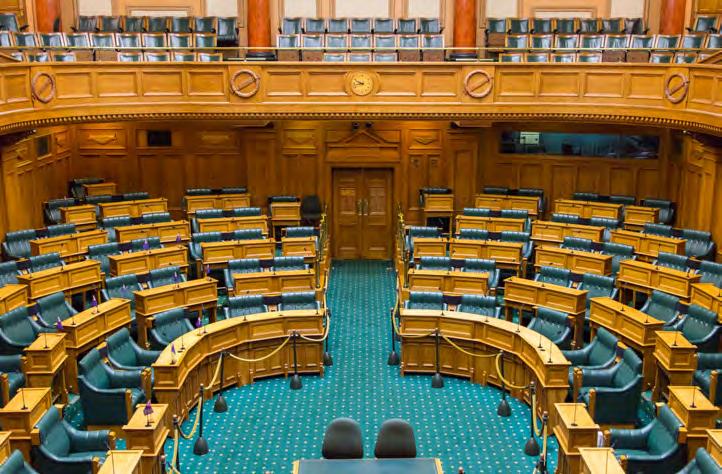
Several speeches acknowledged Zoë Lawton, a member of the public who raised with Russell the need for the Bill. Lawton published a blog where lawyers submitted their accounts of sexual harassment and assault in the workplace, which led to a New Zealand Law Society survey finding that one in three female lawyers in New Zealand have been sexually harassed during their career. Sarah Pallett, MP (Labour) said, “Every submitter is brave. Zoë Lawton is brave. This House is brave to bring this legislation forward.”
The new 12-month time frame, as Ibrahim Omer, MP (Labour) noted, allows victims of sexual harassment “more time to consider what has happened before deciding whether to raise a personal grievance, offering a more survivor-centric approach… Victims of sexual harassment often take a prolonged period of time to come to terms with their experience and report it. Delays to reporting can be attributed to embarrassment, lack of understanding of what happened, selfblame, fear of what others will think, and shame. Further to this, there is an inherent power imbalance in the workplace, placing victims in a very vulnerable situation.”
Hon. Paul Goldsmith, MP (National) offered context for the time frame: “There were some who wanted it to be more than one year, but five years, or to have no limit, and we were still conscious of the need for some sense of certainty, particularly for the small-business owners who have to try and get on with their business. So I think where we’ve landed is sensible and it will make a small difference.”
Speaking in the Second Reading debate, Penny Simmonds, MP (National) explained
that the Bill had been amended to clarify that it did not apply retrospectively: “we sought to get an amendment which has come into the legislation saying, ‘in respect of a personal grievance if the action alleged to amount to the personal grievance occurred or came to the notice of the employee on or after the date of commencement of the… amendment Act.’ So it’s important, of course, that anything that might have occurred prior will be dealt with under the legislation as it was at that time.”
The ACT Party supported the Bill while expressing caution, with Chris Baillie, MP (ACT) claiming that “If there is an imbalance of power, the pendulum has well and truly swung in the other direction. Employees must be protected, but any abuse of the system must be treated just as seriously as the offence itself. Lives can be and are regularly ruined by false accusations.”
Jan Logie, MP (Green) supported the Bill and called for more work to be done in the area of bullying and harassment at work. She noted that “One in five people in our workplaces are experiencing bullying, and we have not extended the periods for them to come forward, even though we know the dynamics and the impacts of those forms of abuse, and the processes that people need to go through in their thinking and understanding of it themselves - let alone talking it through with others - and finding a pathway are very similar to
sexual harassment. And I definitely believe we need to be doing that work.”
The Bill received unanimous support at its Third Reading and received the Royal Assent on 12 June 2023.
Grocery Industry Competition Bill
Read for a third time on 21 June 2023, the Grocery Industry Competition Bill aims to help new competitors enter the retail grocery market by establishing a regulatory regime for the wholesale supply of groceries. This enables all retailers to buy at wholesale prices, helping smaller retailers to offer competing prices. The Bill also introduces a Grocery Commissioner role to oversee the regulatory regime and report on the grocery industry, and a grocery supply code that promotes fair conduct and transparency between grocery retailers and suppliers. A more competitive grocery market would lessen the effects of the current supermarket duopoly, reducing grocery costs for the consumer.
This Bill follows the Commerce (Grocery Sector Covenants) Amendment Bill which was passed in 2022 to restrict covenants on land and leases that limit opportunities for new competitors in the grocery industry. These two Bills were created after the Commerce Commission’s market study found that the grocery sector in New Zealand is dominated by two major retailers, which makes it difficult for new
264 | The Parliamentarian | 2023: Issue Three | 100 years of publishing
THIRD READING REPORT NEW ZEALAND
Third Reading Report by Lizzie Hendy, Alex Halstead and Sraddha Venkataraman, Parliament of New Zealand.
entrant competitors and discourages competitive pricing.
All parties agreed that it was important to reduce inflated grocery costs to help ease high costs of living. In the Third Reading, Minister of Commerce and Consumer Affairs, Hon. Dr Duncan Webb, MP (Labour) said “It is an absolutely momentous day as we proceed to the final vote, and to pass this important Bill, to benefit New Zealand consumers - all New Zealanders - to put money back into their pockets by giving them a better deal at the checkout. This is a key step forward in addressing the cost of living.”
Ricardo Menéndez March, MP (Green) was in support of the Bill, saying “it will, in the long term, ensure that the smaller players are able to…provide cheaper goods and services for people.” He talked about the next steps for ensuring a greater diversity food supply in New Zealand, saying “I think we need to ask - after the passage of this legislation - what comes next? … we still, as a country, don’t have a long-term food strategy. We don’t have enough funding for even things like mahinga kai or urban food gardens or greater strategies around publicly-owned food markets, where growers can take their produce directly to consumers.”
David Bennett, MP (National) stated that while the National Party was supporting the Bill, he had concerns that it would not achieve its purpose, and that consumers should focus on shopping selectively at smaller local stores to get the best prices. His view also was that high costs of fruit and vegetables came from high costs faced by growers, and supermarkets lowering their prices would negatively impact local produce growers, saying that, “The reality is that our fruit and veggie growers do not get a return on their investment. You look at kūmaras (sweet potato) at the moment - completely destroyed because of the weather this year. Very expensive; going to be very expensive next year as well… we need to give the growers the return they need.”
The ACT Party did not support the Bill at the Second Reading, with Damien Smith, MP (ACT) arguing that there would still be barriers preventing international grocery retailers coming to New Zealand, including things like zoning, resource consent and alcohol licensing. Smith stated that the Bill
should be rewritten to think of the longterm impacts, saying “the Committee… it hasn’t done the job of providing longterm benefits over the 20-year view. And I guarantee you, we will be going to the same supermarkets unless we change those things.”
The Grocery Industry Competition Bill was read for a third time on 21 June and received the Royal Assent on 26 June 2023.
Therapeutic Products Bill
The Therapeutic Products Bill was read for a third time on 18 July 2023. The Bill introduces a new regime to regulate therapeutic products in New Zealand, including medical devices, cell, gene and tissue therapies, and natural health products, and modernises the existing regulatory arrangements for medicines.
In her Third Reading speech, Health Minister, Hon. Dr Ayesha Verrall, MP (Labour) outlined the need for the Bill: “The Medicines Act currently provides insufficient coverage for many products used in modern healthcare delivery, and dietary supplement regulations are not fit for purpose, are inflexible and are out of date. So the Bill is truly a once-in-ageneration change for our health system.”
Speaking in opposition to the Bill, Matt Doocey, MP (National) highlighted the Bill’s potential risks, saying “Let’s be very clear, the natural health product market is a billion-dollar industry. This Bill puts that at risk. The medical devices industry, it’s a billion-dollar industry as well. Let’s not forget the debacle we’ve got with cosmetics that is now under the natural health product definition tangled up in this Bill, and that is going to put an industry at risk for New Zealand as well.”
Toni Severin, MP (ACT) also opposed the Bill, saying “This Bill still leaves a whole lot of unanswered questions, especially for those people with cancers and rare disorders. Even though things have been improved, they have not improved enough to give them certainty to be able to get the treatment that they require, especially with medicines that are overseas.”
Many speeches highlighted the Bill’s inclusion of rongoā Māori (Māori medicine). Associate Health Minister, Hon. Peeni Henare, MP (Labour) explained that “Māori have always determined what rongoā
means, how it’s practised, and who can practise it… To simply try and define it to something such as a pill is incorrect… The Bill sets out that rongoā and mātauranga (knowledge) remain in the hands of our people.” He said that “What this Bill adds to the practice of rongoā is the protection for this taonga (treasure) from those who may wish to exploit it - in short, those who want to make a quick buck off ancient mātauranga Māori. They might want to ship it in bulk overseas, or even denigrate its value, or leverage off years of mātauranga Māori in the development of a particular product.” He said that it would be regulated when “being sold for commercial wholesale activity, such as supplying rongoā products in bulk to a chain of pharmacies or grocery stores, either here or overseas. If that was the case, then rongoā products would be regulated as natural health products.”
Te Paati Māori conditionally supported the Bill at its Second Reading after proposed changes to ensure that rongoā activities operating from marae (meeting houses) continued as usual. Hon. Meka Whaitiri, MP said “we do question why these changes weren’t made during the Select Committee process - an opportunity for parties to work together and make the necessary amendments before the Bill was brought back to the House… The Crown has no right to bring rongoā into Pākehā law, putting rongoā practitioners at risk of civil and criminal penalties.”
Ricardo Menéndez March, MP (Green) spoke of the potential risks of the Bill’s regulation-making powers but said: “I do want to push back on the argument that the issue with this Bill is the red tape that it creates. Because, actually, there are many instances where there are harmful medical devices that are still out there and being used in our communities. I think of, particularly, surgical mesh. That is an example of a medical device that its banning is well overdue and this Bill will create an avenue to finally put an end to the use of surgical mesh… So the Green Party will be supporting this Bill, but with the caveat of us maintaining that really, really close scrutiny to ensure the regulations work.”
The Therapeutic Products Bill was read for a third time with 74 votes to 42, and received the Royal Assent on 26 July 2023.
THIRD READING REPORT NEW ZEALAND The Parliamentarian | 2023: Issue Three | 100 years of publishing | 265
PARLIAMENTARY NEWS FROM FEDERAL PARLIAMENT OF CANADA
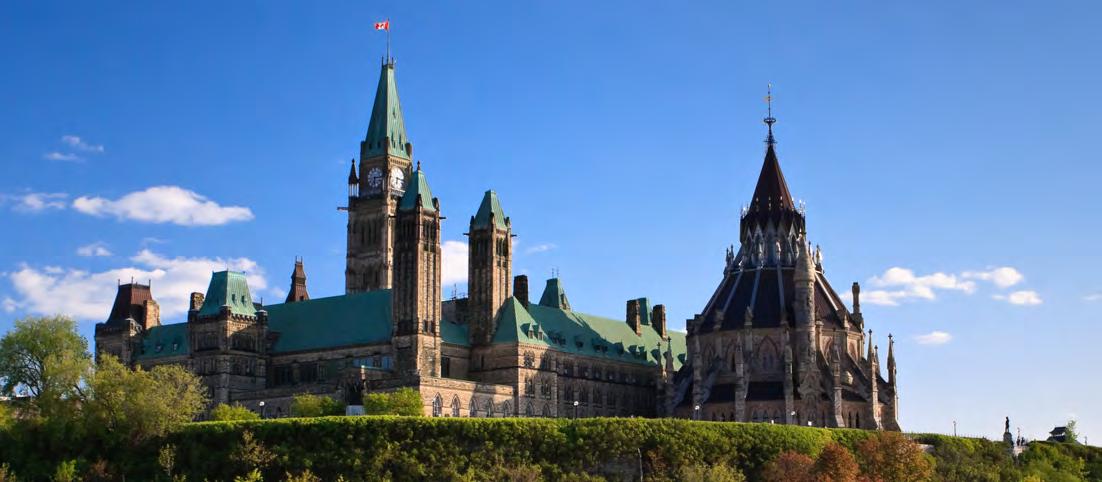
CHANGES IN THE CANADIAN SENATE
On 14 May 2023, Hon. Patricia E. Bovey retired from the Senate. She had been a Member of the Upper Chamber since 2016, representing the Province of Manitoba. During her tenure, she was a member of the Independent Senators Group between 2017 and 2020 and, at the time of her retirement, she was a member of the Progressive Senate Group. Before being appointed to the Senate, she worked as a curator, historian and arts consultant.
Two new Senators were named to the Upper Chamber on 7 July 2023. Hon. Paul Prosper was appointed to the Senate to represent the province of Nova Scotia. Prior to joining the Upper Chamber, he was a Mi’kmaq lawyer specialising in Indigenous legal issues as well as being the former Chief of the Paqtnkek (Afton) Mi’kmaw Nation. In 2020, he was elected as Regional Chief for Newfoundland and Nova Scotia at the Assembly of First Nations. Hon. Judy White was appointed to represent the Province of Newfoundland and Labrador. She is a Mi’kmaq who worked as a public servant for the government of the province, notably as Assistant Deputy Minister of Indigenous Affairs and Reconciliation. She is also the former Chairperson of the Human Rights Commission of Newfoundland and Labrador, among other roles. Both currently sit as nonaffiliated Senators.
On 11 July 2023, Hon. Colin Deacon, who represents the Province of Nova Scotia,
joined the Canadian Senators Group. He had previously been sitting as a member of the Independent Senators Group since 2018.
As of 7 August 2023, the standings in the Senate were: Independent Senators Group 38, Conservative Party of Canada 15, Canadian Senators Group 15, Progressive Senate Group 12 and non affiliated 11. Fourteen seats were vacant.
CHANGES IN THE CANADIAN HOUSE OF COMMONS
Four federal by-elections occurred on 19 July 2023. Each constituency remains represented by the same political party as prior to the by-elections. Anna Gainey, MP, representing the Liberal Party, was elected in Notre-Dame-de-Grâce-Westmount (Québec). Arpan Khanna, MP, from the Conservative Party of Canada, won in Oxford (Ontario). Branden Leslie, MP, also from the Conservative Party of Canada, was elected in Portage-Lisgar (Manitoba). Finally, Ben Carr, MP, from the Liberal Party of Canada, won the seat that his late father, Hon. Jim Carr, MP, occupied in Winnipeg South Centre (Manitoba) before his passing.
Another by-election was held on 24 July 2023 in the constituency of Calgary Heritage, in the Province of Alberta, following the resignation of Bob Benzen, MP. The constituency remains represented by the Conservative Party of Canada as Shuvaloy Majumdar, MP was elected.
In addition, on 12 June 2023, Hon. Erin O’Toole, MP made his farewell speech
in the House of Commons, following his announcement on 31 March 2023 that he would resign his seat at the end of the current parliamentary session. Mr O’Toole has represented the constituency of Durham, in the Province of Ontario, since first being elected in 2012. He was the leader of the Conservative Party of Canada and Leader of the Official Opposition from August 2020 to February 2022. He was Minister of Veterans Affairs between January and November 2015. As of 7 August 2023, his seat is not officially vacant, and no by-election has been called.
The standings in the House of Commons as of 7 August 2023 were: Liberal Party of Canada 158, Conservative Party of Canada 118, Bloc Québécois 32, New Democratic Party 25, Independent 3 and Green Party of Canada 2.
CHANGES TO THE STANDING ORDERS OF THE HOUSE OF COMMONS
As a response to the COVID-19 pandemic, both the Senate of Canada and the House of Commons adopted a series of temporary changes to their Standing Orders in order to be able to continue their work. Since 2020, these changes, adopted by motion, came with an expiration date at which they could be renewed.
On 15 June 2023, the House of Commons amended its Standing Orders with the main purpose of making hybrid sittings of the House permanent. The changes allow
266 | The Parliamentarian | 2023: Issue Three | 100 years of publishing PARLIAMENTARY REPORT CANADA
Parliamentary Report by Gabrielle de Billy Brown, Parliament of Canada.
for either virtual or in-person participation of Members, with some exceptions such as Committee Chairs, who must attend Committee meetings in person. The changes also permit documents to be tabled electronically with the Clerk and allow for the continued use of electronic voting.
CHANGES TO CABINET
The Prime Minister of Canada, Rt Hon. Justin Trudeau, MP, announced a wide series of changes to the Ministry on 26 July 2023. Seven MPs were selected to join Cabinet: Hon. Gary Anandasangaree, MP is now Minister of Crown-Indigenous Relations; Hon. Arif Virani, MP was appointed Minister of Justice and Attorney-General of Canada; Hon. Terry Beech, MP is now Minister of Citizens’ Services; Hon. Soraya Martinez Ferrada, MP is the Minister of Tourism and Minister responsible for the Economic Development Agency of Canada for the Regions of Québec; Hon. Ya’ara Saks, MP has been appointed Minister of Mental Health and Addictions; Hon. Jenna Sudds, MP has been named Minister of Families, Children and Social Development; and Hon. Rechie Valdez, MP is now the Minister of Small Business.
In total, 30 out of 38 Members of Cabinet saw a change in their roles.
FOREIGN INTERFERENCE IN CANADIAN DEMOCRACY
The Independent Special Rapporteur on Foreign Interference, Rt Hon. David
Johnston, former Governor-General of Canada, was tasked in March 2023 to assess the extent and impact of foreign interference in Canada’s electoral processes. His first report was tabled on 23 May 2023. It concluded that attempts at foreign interference in Canadian democracy are undoubtable and much remains to be done to counter these attempts, that there are shortcomings that must be addressed in the intelligence community to address these attempts, and that, while more should be done to address the issues related to foreign interference, a public inquiry is not recommended at this time.
Members of the Opposition criticized the work of the Independent Special Rapporteur and continued calling for a public inquiry. A motion asking the Independent Special Rapporteur to step down was adopted by the House of Commons on 31 May 2023. Following this criticism, Rt Hon. David Johnston resigned as Independent Special Rapporteur on 9 June 2023.
The two House of Commons Committees that have been studying the issue of foreign interference, the Standing Committee on Access to Information, Privacy and Ethics and the Standing Committee on Procedure and House Affairs, have continued their work on the topic.
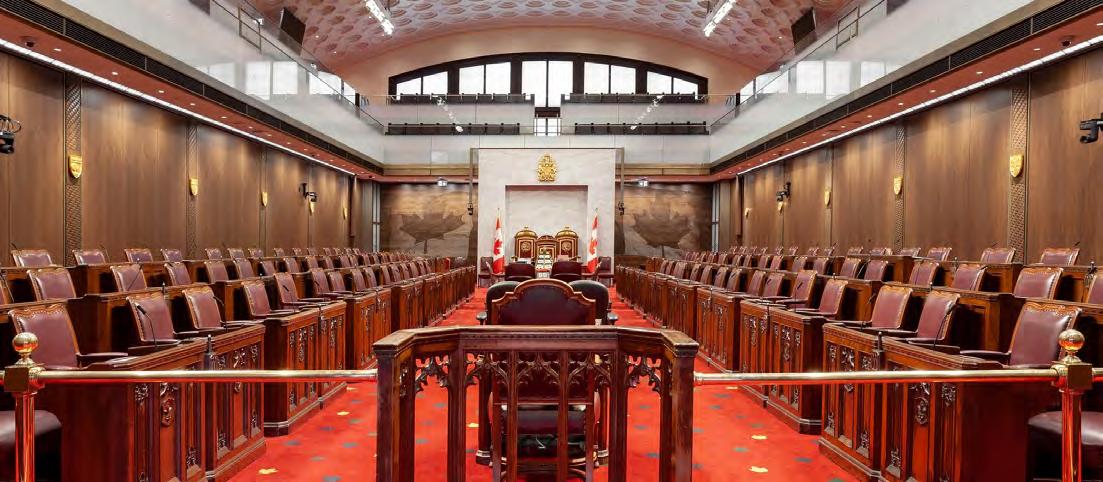
SELECTED LEGISLATION
On 20 June 2023, Bill C-13, An Act to amend the Official Languages Act, to enact the Use of French in Federally Regulated
Private Businesses Act and to make related amendments to other Acts, received Royal Assent. This Act, known under the short title “An Act for the Substantive Equality of Canada’s Official Languages”, modernises Canada’s Official Languages Act. Since its adoption in 1969, the Official Languages Act ensures Canadians’ linguistic rights and protects official language minority communities. Bill C-13 strengthens the bilingual obligations of federal institutions, entrenches minority-language education rights, reinforces the role of the Commissioner of Official Languages, and improves access to justice in the official language of one’s choice. This modernisation had been a request of many official language minority communities for many years.
On 22 June 2023, Bill C-18, An Act respecting online communications platforms that make news content available to persons in Canada, also known as the Online News Act, received Royal Assent. The Bill creates a regulatory framework so that online companies such as Meta and Google must negotiate with news businesses before using their content on their platforms. Bill C-18 also allows small news businesses to join for additional bargaining power when negotiating with digital news intermediaries. Following the adoption of the Bill, both Meta and Google announced that they would block Canadian news content on their platforms.
The Parliamentarian | 2023: Issue Three | 100 years of publishing | 267
PARLIAMENTARY REPORT CANADA
Bill 18, Haida Nation Recognition Act
Bill 18, Haida Nation Recognition Act, was introduced on 4 April 2023. The Bill affirms that the Government of British Columbia recognises that the Haida Nation, one of more than 200 First Nations in British Columbia, has rights of governance and self-determination and that the Council of the Haida Nation is the government of the Haida Nation. The Bill represents a significant step in the long process of reconciliation between the Haida Nation and the Province of British Columbia, clarifying the legal position of the Council as the sole rights holder and legal representative.
The Haida are an Indigenous people who have traditionally occupied the coastal bays and inlets of Haida Gwaii, an archipelago off British Columbia’s west coast. Approximately 15% of the islands are protected through the Gwaii Haanas National Park Reserve and Haida Heritage Site, which preserves the region’s unique natural environment and the Haida’s rich cultural heritage. The Council of the Haida Nation was founded in 1974 to organise its citizens into one political entity and to work towards a land settlement. In 2003, a constitution was adopted which mandates the Council to settle the issue of title and rights.
Together, the Haida Nation, British Columbia and Canada have been working toward reconciliation for more than two decades. An historic 2021 GayG̱ahlda Changing Tide framework agreement between the three parties is based on recognition of the Haida Nation’s inherent title and rights with respect to the Haida Gwaii area, including the inherent right to self-government. The framework commits to negotiations in good faith and describes a series of agreements that build on each other over time to implement title and rights. Bill 18 is a step forward on that path and the process of Tll Yahda, or “making things right”, with the Haida Nation as they wish to redefine and reconstruct their relationship with the provincial government. Canada is expected to introduce federal recognition legislation within the coming year.
At Second Reading, the Minister of Indigenous Relations and Reconciliation, Hon. Murray Rankin, MLA, KC, explained that shared decision-making between
the provincial government and the Haida Nation began in 2010 with the Haida Gwaii Reconciliation Act. This Act restored the name Haida Gwaii (the islands were known as the Queen Charlotte Islands between 1787 and 2010) and strived to apply what the Haida Nation had previously secured in the courts by establishing joint and shared decision-making processes for land and natural resource management. The Minister highlighted that Bill 18 is the first time that the provincial government provides formal legal recognition of an Indigenous governing body outside a modern-day treaty. The Minister acknowledged that the Bill is about changing British Columbia’s colonial legal structures to recognise the Council of the Haida Nation as the governing body of the Haida Nation and Haida people, just as their own people have recognised them for decades.
Michael Lee, MLA, Shadow Minister of Indigenous Relations and Reconciliation, expressed support for the Bill while acknowledging a Supreme Court of Canada ruling that had, in part, led to Bill 18, and the difficulty of defining the province’s relationship with First Nations through the courts. Lee highlighted the importance of shared decision-making between the provincial government and the Haida Nation and its role in resource and protected areas management. Lee added that the Bill would allow the Council of the Haida Nation, on behalf of the Haida Nation, to enter into agreements and contracts, commercial and other financial arrangements, to acquire, hold and dispose of property and assets, and to bring or defend actions before courts and he emphasised that this is the kind of recognition that a nation should have. He also discussed the importance of extending this type of legislation to other nations and continuing to work toward economic reconciliation with First Nations and other Indigenous nations in British Columbia.
Adam Olsen, MLA, Third Party House Leader, shared support for the Bill and emphasised that building consensus is an important part of reconciliation. He recognised the patience and leadership of the Haida Nation and Indigenous communities across the province in bringing this legislation to fruition. Olsen noted that from the Haida Nation’s perspective, this is not a treaty, as it does not grant the Haida rights, it simply recognises the existence of their inherent rights to governance and self-determination.
At the Committee stage, Michael Lee, MLA asked about the meaning of the Haida Nation Recognition Act for other First Nations in the province that might seek a similar level of recognition. Minister Rankin stated that the Haida Nation was in a unique situation as they had developed a strong relationship with the provincial government over time and have had a stable governing body in place for over 40 years. He also noted that the provincial government is at different stages of reconciliation with other nations. Finally, the Minister acknowledged the longevity and transparency, accountability to members of the Haida Nation, and the way in which hereditary and elected governance systems work together, as notable elements of the Council of the Haida Nation.
On 9 May 2023, the proceedings of the Legislative Assembly of British Columbia were opened with a blessing given by Elder Shirley Alphonse of the T’Souke Nation. Prior to Third Reading of the Bill, the Assembly adopted a motion that members of the Council of the Haida Nation be permitted to address the Legislative Assembly from the floor of the House. Erica Reid (Giding Jaad), Council of Haida Nation Elected Representative, delivered a prayer and Jason Alsop (Gaagwiis), President of the Haida Nation, addressed the Assembly. In his remarks, Gaagwiis noted that the Haida see reconciliation as “good people working together to make things right” and emphasised, “We can bring hope to each other, to others, to show an example of Indigenous title and rights to self-governance and self-determination. British Columbia and Canadian systems can find a way to interact and interface in a respectful way and to move forth based on that principle of respect, with integrity, with dignity, and move forward and heal a system.” The ceremony also included remarks by Minister Rankin, Lee, and Olsen. The Haida Nation Recognition Act passed its Third Reading on 9 May 2023.
268 | The Parliamentarian | 2023: Issue Three | 100 years of publishing
THIRD READING REPORT BRITISH COLUMBIA
Third Reading Report by Danielle Migeon, Legislative Assembly of British Columbia.
UK PARLIAMENT: COMMITTEE REPORTS, NEW ACTS AND BY-ELECTIONS
COMMITTEE REPORT ON FORMER UK PRIME MINISTER
With the 2022-23 session of the UK Parliament approaching its close and no more than 18 months until the next UK General Election, the early summer in Westminster saw the UK Government seeking progress on a number of highprofile legislative initiatives.
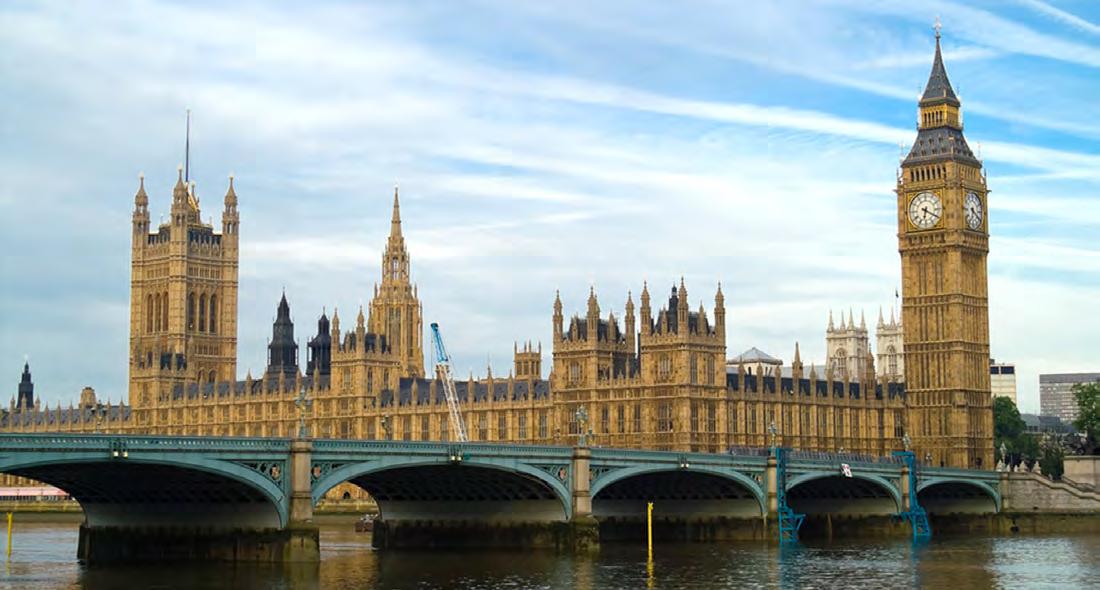
Attention was, however, again drawn to events outside the UK Government programme, as the House of Commons Procedure Committee published its report into the conduct of former UK Prime Minister, Rt Hon. Boris Johnson, MP. The Committee was investigating whether the former Prime Minister had misled Parliament in relation to parties which had taken place at 10 Downing Street. Before the Committee’s report had been published, Mr Johnson announced on 9 June 2023 that he would resign his seat in the House of Commons, claiming that he had been “forced out” and that the Committee was a “kangaroo court”.
The report was published on 15 June 2023 and concluded that Mr Johnson had misled the House of Commons in relation to gatherings at No 10, and that his “denials and explanations were so disingenuous that they were by their very nature deliberate attempts to mislead the
Committee and the House… we conclude that Mr Johnson’s conduct was deliberate and that he has committed a serious contempt of the House”. It also argued that Mr Johnson’s decision to make a statement criticising the Committee inquiry before it had reported was “in itself a very serious contempt”. It noted that it had provisionally concluded that Mr Johnson should face a sanction which would trigger a recall procedure under the Recall of MPs Act 2015 (further information about this process may be found under the Parliamentary by-elections section below).
The Committee ultimately concluded that “in light of Mr Johnson’s conduct in committing a further contempt on 9 June 2023, the Committee now considers that if Mr Johnson were still a Member, he should be suspended from the service of the House for 90 days for repeated contempts and for seeking to undermine the parliamentary process”. It also stated that “we recommend that he should not be entitled to a former Member’s pass”. The UK Government brought forward a motion to approve the Committee’s report on 19 June 2023, with the Leader of the House of Commons, Rt Hon. Penny Mordaunt, MP, stating that “it is for Members to decide whether the Committee’s findings, conclusions and
proposed sanctions are correct and reasonable. That is the question in front of us today”.
Rt Hon. Harriet Harman, MP, who was the interim Chair of the Committee, stated that “we have done the work we were asked to do. This is the moment for the House, on behalf of the people of this country, to assert its right to say loud and clear: ‘Government will be accountable. Ministers will be honest. There is no impunity for wrongdoing.’” The report was ultimately approved by 354 votes to 7.
ILLEGAL MIGRATION ACT
Coverage of the UK Parliament in the spring and summer was dominated by the passage of the Illegal Migration Act. The Act follows coverage of the increase in small boat crossings to the UK from France across the English Channel and is intended to prohibit migrants who have arrived in the UK illegally from being able to remain in the country. Those found to have entered illegally will be removed either to their home country or to a third country; separate to the legislation the UK made an agreement with the Government of Rwanda for it to be the specified third country for removals, though its implementation has been delayed by legal action.
The Parliamentarian | 2023: Issue Three | 100 years of publishing | 269 PARLIAMENTARY REPORT UNITED KINGDOM
Parliamentary Report by Simon Keal, Parliament of the United Kingdom.
UNITED KINGDOM
The Act was controversial throughout its passage through Parliament, with some MPs and peers arguing it breached international law. The opposition Labour Party proposed a reasoned amendment declining to give the Bill a Second Reading in the House of Commons on the basis that, among other points, it “fails to meet its core objectives, lacks any effective measures to tackle the criminal activity of people smuggler gangs”, and “will increase the number of people in indefinite accommodation in the absence of return agreements”. The reasoned amendment was defeated by 312 votes to 249, with Second Reading ultimately being approved by 312 votes to 250. Similarly, when the Bill passed to the House of Lords for consideration, Liberal Democrat peer Lord Paddick proposed an amendment to the Second Reading motion to decline a Second Reading, an unusual measure in the UK Parliament’s Upper House. The amendment was rejected by 179 votes to 76. Following a “ping pong” stage, during which the House of Commons considered amendments from the House of Lords, the Bill secured Royal Assent on 20 July 2023, just before the summer break.
UK PARLIAMENTARY BY-ELECTIONS
Three by-elections were held simultaneously on 20 July 2023 for seats in the UK House of Commons, replacing three Conservative MPs who had resigned: Nigel Adams, MP, who represented the northern England seat of Selby and Ainsty; Rt Hon. Boris Johnson, MP, who represented Uxbridge and South Ruislip in Greater London; and
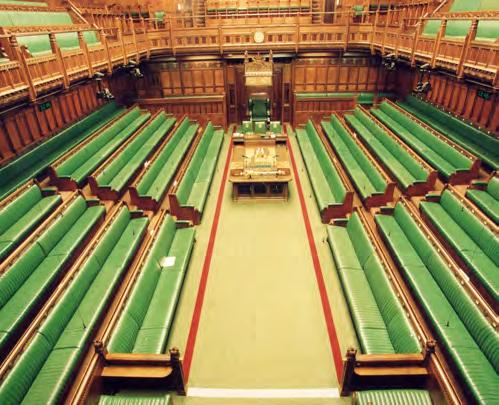
David Warburton, MP, who represented Somerton and Frome in the west of England.
The governing Conservative Party was predicted to lose all three by-elections owing to its significant deficit in the opinion polls. In the event, it lost the by-elections in Selby and Ainsty, with Labour candidate Keir Mather winning a majority of 4,000 votes, and in Somerton and Frome, where the Liberal Democrat candidate won with a majority of 11,000 votes. In Uxbridge and South Ruislip, the Conservatives narrowly won the seat with a margin of 495 votes, with the Labour Party candidate in second place.
RECALL OF SCOTTISH NATIONAL PARTY MP
A further by-election will be held in the Scottish seat of Rutherglen and Hamilton West following the removal of Scottish National Party MP Margaret Ferrier under the terms of the Recall of MPs Act 2015 The Act enables the triggering of a ‘recall’ mechanism if the incumbent MP is found to have committed specific wrongdoing breaching a threshold. The thresholds include committing an offence that receives a custodial sentence, or being suspended from the House of Commons for 10 days or more.
In the case of Margaret Ferrier, the House of Commons Standards Committee had recommended that she be suspended from the House of Commons for 30 days, following its finding that she had breached COVID-19 regulations in September 2020; the House of Commons approved this recommendation on 6 June 2023.
Once a recall is triggered, a petition is then opened in the MP’s constituency; if 10% of the electorate sign the petition before the closing date, the MP is removed, and a by-election is called. The petition ran in the constituency from 20 June to 31 July 2023 and attracted nearly 12,000 signatures, nearly 15% of the electorate. The by-election is expected to be held in autumn 2023.
On 7 June 2023, President Yoweri Museveni officially opened the 3rd Session of the 11th Parliament of Uganda. The ceremony was held at Kololo Independence Grounds, a short distance away from Parliament Building in Kampala, the same venue where the country received its instruments at independence in October 1962.
Legislators, parliamentary staff and invited guests arrived early to take up their seats in covered tents due to social distancing still being maintained. Separate sitting areas were also marked for the Government, Opposition and Independent sides so as to create a ‘floor’ like in the Chamber.
The President was welcomed by the Speaker, Hon. Anita Annet Among, MP; Deputy Speaker, Hon. Thomas Tayebwa, MP; and the Clerk to Parliament, Adolf Mwesige
The special parliamentary sitting was attended by invited guests including Hon. Joseph Ntakirutimana, Speaker of the East African Legislative Assembly; Hon. Emmanuel Bugingo, MP, Chairman of the Committee on Foreign Affairs, Cooperation and Security in the Parliament of Rwanda; and Rt Hon. Sanguma Temononde Mossai, the Second Vice-President of the Senate of the Democratic Republic of Congo.
The President’s State of the Nation Address is provided for under Article 101 (1) of the Constitution, which provides that: the President shall, at the beginning of each session of Parliament, deliver to Parliament an address on the state of the nation.
In his address, President Yoweri Museveni said that the country’s economy had grown 30 times from about US$1.5 billion when the Government gained power in 1986 to the current US$49.4 billion. He projected an improvement in economic growth due to economic stability as a result of low inflation; the establishment of more manufacturing plants or factories; increased support to small and medium-scale enterprises through various programmes; an increase in oil and gas sector activities; and the growth in regional trade and the positive impact of the continued recovery of the economies in the Middle East, Asia, Europe and the USA, which provide markets for Ugandan exports.
“The economic growth rate for this year is projected at 5.5% in real terms,
270 | The Parliamentarian | 2023: Issue Three | 100 years of publishing PARLIAMENTARY REPORT
PRESIDENT OPENS THIRD SESSION OF THE 11th PARLIAMENT OF UGANDA
Report by Mohammed Katamba, Parliament of Uganda. compared to 4.7% in the last Financial Year 2021/2022. Over the next five years, the economy is projected to grow at an average rate of 6.57% per year,” he said.
On international trade, the President said that export revenue of goods and services was worth US$6 billion for the calendar year ending 2022, of which export of goods merchandise was worth US$4.3 billion. Giving a breakdown, he said that for the twelve months to February 2023, Uganda had exported 5.7 million bags (each 50 kilogrammes) of coffee worth US$858.7 million; fish exports worth US$166 million; beans worth US$132 million; sugar US$146 million; maize US$131 million and industrial products worth US $348.9 million, going to mainly the regional markets.
President Museveni said that the many businesses and financial transactions happening in the country using the internet and other online avenues were improving efficiency and creating jobs for the youth.
“Although the country has been faced with economic shocks, household businesses have responded positively to Government investments, especially in infrastructure and the various wealth creation initiatives. As a result, 60% of households increased their incomes in the year ending December 2022, compared to 43% whose incomes increased in the same period a year ago. This means that the Government’s effort to create wealth at the household level is taking root,” he said.
The President briefed legislators about the performance of different sectors in the economy including agriculture, tourism, infrastructure development, energy, education, strengthening security and good governance, giving a report of the army’s operations against rebels based in the DRC.
He pledged that Uganda Government will prioritise infrastructure that supports industrialisation, the production of oil and gas, and the promotion of tourism. These include industrial parks, electricity power substations, extending and upgrading electricity transmission lines, water for industrial use and ICT infrastructure.
On education, the President said that the Government is now rehabilitating primary schools and the traditional Government
secondary schools to meet the increase in demand for free education.
“With our oil money, we shall be able to complete our targets of a Government primary school per parish and a Government secondary school per subcounty,” he said adding that “The railway, electricity, technical and science education as well as some national roads, will be the elements our oil money will deal with.”
In the second session that ended in May 2023, the 11th Parliament of Uganda held 105 sittings in which it passed 38 Bills and 39 resolutions. Ten of these resolutions were out of motions for private legislators seeking leave to introduce Private Members’ Bills. Further, the Parliament of Uganda adopted 67 reports and concluded three petitions.
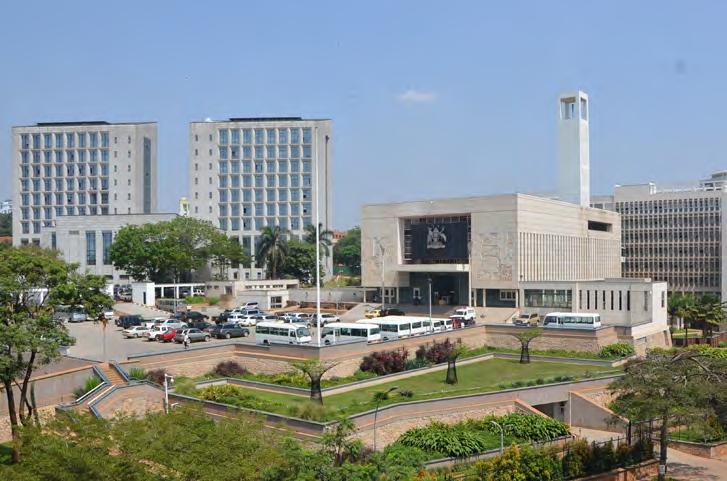
The Speaker of the Parliament of Uganda, Hon. Anita Annet Among, commended the performance of Parliament in the Second Session and said that the institution had continued to make significant milestones.
“We are happy to report that Parliament has continued to make significant milestones in promoting peace, order, development and good governance in the country, as it is envisaged in Article 79(1) of the Constitution of the Republic of Uganda, through its performance in the mandate that is given to the Legislature, of oversight, legislation, representation and appropriation,” said the Speaker.
“The Bills passed in the second session exceed the 23 Bills that were passed in the first session by 15 Bills, meaning we had an improvement in terms of processing bills... this is a testimony of the efficiency and effectiveness of you, the 11th Parliament,” she added.
She said that the government’s legislative agenda is usually aimed at aiding the attainment of specific policy and development targets of the government, urging the Leader of Government Business to ensure that the Third Session witnesses a better achievement of the Government’s legislative agenda than the second session.
The Speaker urged legislators to effectively serve their voters through regular attendance and participation both in the House and in Committees.
“As leaders and Presiding Officers, we realised there is a gap that should be fixed regarding attendance, both at the Committee level and in the House. You are here to represent the people outside there; you are the voice of the voiceless and so, you must be in the House to speak for those people who cannot speak for themselves in this House,” she said, adding that “We owe it to those electorates. As a people-centred Parliament, we will play our role to ensure we do all it takes for our people.”
The third session of the 11th Parliament of Uganda will run until May 2024.
The Parliamentarian | 2023: Issue Three | 100 years of publishing | 271
Parliamentary
PARLIAMENTARY REPORT UGANDA
Office
Holders
CPA Executive Committee
CPA Officers
of the Commonwealth Parliamentary Association
CPA AUSTRALIA REGION
Regional Representatives
CPA PRESIDENT: (65th CPC to 66th CPC - 2022-2023): Rt Hon. Alban Bagbin, MP, Speaker of Parliament (Ghana)
CPA VICE-PRESIDENT: (65th CPC to 66th CPC - 2022-2023): Hon. Ben Franklin, MLC, President of the Legislative Council (New South Wales)
CHAIRPERSON OF THE CPA EXECUTIVE COMMITTEE: (65th CPC to 68th CPC - 2022-2025):
Hon. Ian Liddell-Grainger, MP (United Kingdom)
CPA VICE-CHAIRPERSON: (65th CPC to 66th CPC - 2022-2023):
Hon. Osei Kyei Mensah Bonsu, MP (Ghana)
CPA TREASURER: (65th CPC to 68th CPC - 2022-2025): Hon. Shri Anurag Sharma, MP (Lok Sabha, India Union)
COMMONWEALTH WOMEN
PARLIAMENTARIANS (CWP)
CHAIRPERSON: (65th CPC to 68th CPC - 2022-2025): Hon. Dr Zainab Gimba, MP (Nigeria)
CPA SMALL BRANCHES
CHAIRPERSON: (65th CPC to 68th CPC - 2022-2025): Joy Burch, MLA, Speaker of the Legislative Assembly of Australian Capital Territory
COMMONWEALTH PARLIAMENTARIANS
WITH DISABILITIES (CPwD)
CHAIRPERSON: (65th CPC to 68th CPC - 2022-2025): Hon. Laura Kanushu Opori, MP (Uganda)
The CPA Coordinating Committee comprises the CPA Chairperson, Vice-Chairperson, Treasurer, CPA Small Branches Chairperson and the Chairpersons of the Commonwealth Women Parliamentarians (CWP) and the Commonwealth Parliamentarians with Disabilities (CPwD) networks.
Commonwealth Parliamentary Association Office
Dates of membership below. Some Members are completing terms started by other Members. *TermdatesextendedasnoCPAGeneralAssemblyheldin2018,2020and2021.
CPA AFRICA REGION
Hon. Dr Makali Mulu, MP, Kenya (63rd CPC to 66th CPC- 2017-2023)*
Vacant (63rd CPC to 66th CPC- 2017-2023)*
Hon. Osei Kyei Mensah Bonsu, MP, Ghana (64th CPC to 67th CPC - 2019-2024)* - Also CPA ViceChairperson
Rt Hon. Dr Abass Bundu, MP, Speaker, Sierra Leone (64th CPC to 67th CPC - 2019-2024)*
Hon. Solomon Lechesa Tsenoli, MP, Deputy Speaker of the National Assembly, South Africa (65th CPC to 68th CPC - 2022-2025)
Hon. Raymond Nkhata, MP, Malawi (65th CPC to 68th CPC - 2022-2025)
CPA ASIA REGION
Hon. Dr Lal Chand Ukrani, MPA Sindh, (63rd CPC to 66th CPC - 20172023)*
Hon. Mahinda Yapa Abeywardana, MP, Speaker, Sri Lanka (64th CPC to 67th CPC - 2019-2024)* Completing term started by another Sri Lanka Member.
Hon. Kazi Nabil Ahmed, MP Bangladesh (65th CPC to 68th CPC2022-2025)
Vacant (63rd CPC to 66th CPC- 2017-2023)*
Senator Hon. Sue Lines, President of the Senate, Australia Federal (64th CPC to 67th CPC - 2019-2024). Completing term started by other Australia Federal Senators.
Hon. Mark Shelton, MP, Speaker of the Legislative Assembly, Tasmania (65th CPC to 68th CPC - 2022-2025)
CPA BRITISH ISLANDS AND MEDITERRANEAN REGION
Hon. Leona Roberts, MLA Falkland Islands (63rd CPC to 66th CPC - 2017-2023)*
Hon. Chris Elmore, MP, United Kingdom (64th CPC to 67th CPC - 2019-2024)* Completing term started by other UK Members.
Hon. Stuart McMillan, MSP, Scotland (65th CPC to 68th CPC - 2022-2025)
CPA CANADA REGION
Hon. Randy Weekes, MLA, Speaker of the Legislative Assembly of Saskatchewan (63rd CPC to 66th CPC- 2017-2023)* Completing term started by Nova Scotia.
Hon. Terry Duguid, MP, Canada Federal (64th CPC to 67th CPC - 2019-2024)* Completing term started by another Canadian Member.
Hon. Donna Skelly, MPP, Deputy Speaker of the Legislative Assembly of Ontario (65th CPC to 68th CPC - 2022-2025) Completing term started by another Ontario Member.
Holders
CPA CARIBBEAN, AMERICAS AND THE ATLANTIC REGION
Hon. Claudius J. Francis, MP Speaker, Saint Lucia (64th CPC to 67th CPC - 2019-2024)* Completing term started by another St Lucia Member.
Hon. Gordon J. Burton, MHA Speaker, Turks & Caicos (64th CPC to 67th CPC - 2019-2024)* Completing term started by another Turks & Caicos Member.
Hon. Arthur Holder, MHA Speaker, Barbados (65th CPC to 68th CPC- 2022-2025)
CPA INDIA REGION
Shri Biswajit Daimary, MLA Speaker, Assam (63rd CPC to 66th CPC- 2017-2023)* Completing term started by another Assam Member.
Hon. Shri Uday Pratap Singh, MP, Lok Sabha, India Union, (64th CPC to 67th CPC - 2019-2024)*
Completing term started by other India Members.
Smt. Ritu Khanduri Bhushan, MLA Speaker of Uttarakhand Legislative Assembly (65th CPC to 68th CPC2022-2025)
CPA PACIFIC REGION
Hon. Therese Kaetavara, MHR
Deputy Speaker, Bougainville (63rd CPC to 66th CPC- 2017-2023)*
Completing term started by another Bougainville Member
Hon. Ratu Naiqama Lalabalavu Speaker, Fiji (64th CPC to 67th CPC2019-2024)*
Hon. Gerry Brownlee, MP, New Zealand (65th CPC to 68th CPC2022-2025)
CPA SOUTH-EAST ASIA REGION
Hon. Lim Biow Chuan, MP Singapore (63rd CPC to 66th CPC2017-2023)* Completing term started by another Singapore Member
Hon. Dr Dato’ Noraini Ahmad, MP, Malaysia (64th CPC to 67th CPC - 2019-2024)* Completing term started by another Malaysia Member
Hon. Dato’ Law Choo Kiang, MLA, Speaker, Penang (65th CPC to 68th CPC - 2022-2025)
272 | The Parliamentarian | 2023: Issue Three | 100 years of publishing
CPA Small Branches Steering Committee
CPA SMALL BRANCHES CHAIRPERSON
Joy Burch, MLA, Speaker, Australian Capital Territory
CPA AFRICA REGION
Hon. Churchill Gill, MNA Seychelles (2021-2024) - CPA Small Branches Vice-Chairperson
CPA ASIA REGION
Hon. Eva Abdulla, MP Maldives (2022-2025)
CPA AUSTRALIA REGION
Hon. Mark Monaghan, MLA
Speaker, Northern Territory (20202023)
CPA BRITISH ISLANDS AND MEDITERRANEAN REGION
Deputy Adrian Gabriel Guernsey (2023-2026)
Commonwealth Parliamentary Association (CPA)
CPA CANADA REGION
Hon. Brian Warr, MHA, Deputy Speaker, Newfoundland and Labrador (2022-2025)
CPA CARIBBEAN, AMERICAS AND THE ATLANTIC REGION
Hon. Barbara Webster-Bourne, MHA, Speaker, Anguilla (2020-2023)
CPA INDIA REGION
Shri Arun Kumar Upreti, MLA Speaker, Sikkim (2022-2025)
CPA PACIFIC REGION
Hon. Lord Fakafanua, Speaker, Tonga (2022-2025)
CPA SOUTH-EAST ASIA REGION
Hon. Hamizan bin Hassan, MLA Perlis (2020-2023)
Commonwealth Women Parliamentarians (CWP) Steering Committee
CWP PRESIDENT
Hon. Patricia Appiagyei, MP Ghana (2022-2023)
CWP CHAIRPERSON
Hon. Dr Zainab Gimba, MP Nigeria (2022-2025)
CPA AFRICA REGION
Hon. Kayanga Baroda Watongola, MP, Uganda (2022-2025)
CPA ASIA REGION
Hon. Selima Ahmad, MP Bangladesh (2021-2024)
CPA AUSTRALIA REGION
Hon. Kate Doust, MLC Western Australia (2022-2025)
CPA BRITISH ISLANDS AND MEDITERRANEAN REGION
Rt Hon. Dame Maria Miller, MP United Kingdom (2021-2024)
CPA CANADA REGION
Hon. Lisa Thompson, MPP Ontario (2020-2023)
CPA CARIBBEAN, AMERICAS AND THE ATLANTIC REGION
Hon. Valerie Woods, MP Speaker of the House of Representatives, Belize (2021-2024) - Also CWP ViceChairperson (2022-2023)
CPA INDIA REGION
Smt. Sunita Duggal, MP Lok Sabha, India (2020-2023)
CPA PACIFIC REGION
Hon. Lenora Qereqeretabua, MP, Deputy Speaker, Fiji (20230-2026)
CPA SOUTH-EAST ASIA REGION
Hon. Alice Lau Kiong Yieng, MP Malaysia (2022-2025)
Commonwealth Parliamentarians with Disabilities (CPwD) Regional Champions
CPwD CHAIRPERSON
Hon. Laura Kanushu Opori, MP Uganda (2022-2025)
CPA AFRICA REGION
Hon. Timothy Wanyonyi, MP Kenya (2020-2023)
CPA ASIA REGION Vacant (2020-2023)
CPA AUSTRALIA REGION
Hon. Liesl Tesch, MP New South Wales (2020-2023)
CPA BRITISH ISLANDS AND MEDITERRANEAN REGION
Hon. Paul Maynard, MP United Kingdom (2020-2023)
CPA Regional Secretaries
CPA AFRICA REGION
Ms Nenelwa Joyce Mwihambi, Parliament of Tanzania
CPA ASIA REGION
Mrs Kushani Rohanadheera, Parliament of Sri Lanka
CPA AUSTRALIA REGION
Ms Alex Cullum, Parliament of Australia
CPA BRITISH ISLANDS AND MEDITERRANEAN REGION
Mr Jon Davies, Parliament of the United Kingdom
CPA CANADA REGION Vacant (2020-2023)
CPA CARIBBEAN, AMERICAS AND THE ATLANTIC REGION
Senator Hon. Paul Richards Trinidad and Tobago (2020-2023) Also: CPwD Vice-Chairperson
CPA INDIA REGION
Smt. Supriya Sule, MP India (2020-2023)
CPA PACIFIC REGION
Hon. Viam Pillay, MP Assistant Minister for Agriculture, Waterways and Environment, Fiji (2020-2023)
CPA SOUTH-EAST ASIA REGION
Senator Hon. Isaiah Jacob Malaysia (2020-2023)
CPA CANADA REGION
Mr Jeremy LeBlanc, Parliament of Canada
CPA CARIBBEAN, AMERICAS AND THE ATLANTIC REGION
Mr Pedro E. Eastmond, Parliament of Barbados
CPA INDIA REGION
Shri Utpal Kumar Singh, Parliament of India
CPA PACIFIC REGION
Ms Amber Walters, Parliament of New Zealand
CPA SOUTH-EAST ASIA REGION
Ms Lavinia Vyveganathan, Parliament of Malaysia
CPA Headquarters Secretariat
Stephen Twigg
CPA Secretary-General
Commonwealth Parliamentary Association, CPA Headquarters Secretariat, Richmond House, Houses of Parliament, London SW1A 0AA, United Kingdom
Tel: +44 (0)20 7799 1460
Email: hq.sec@cpahq.org
www.cpahq.org
Twitter @CPA_Secretariat
Facebook.com/CPAHQ
Instagram @cpa_secretariat
LinkedIn | YouTube
A full A to Z listing of all CPA Branches can be found at: www.cpahq.org
InformationassuppliedbyCPABranchesandCPARegionstoCPAHeadquartersSecretariat
SUBSCRIBE TODAY THE PARLIAMENTARIAN To subscribe to The Parliamentarian, please email editor@cpahq.org Members of Parliament: Please contact your CPA Branch Secretary for print and digital copies. Individual subscriptions also available.
