





SPAIN’S Interior Ministry has finally clarified that British residents holding a TIE card MUST not use the new Entry Exit System (EES) queues when entering or leaving the country.
It now advises that UK nationals are exempt from the torturous queues so long as they hold a valid residence document – such as a TIE.
Instead, they should go to a staffed passport booth and show both their passport and TIE card.
It brings long-awaited clarity for tens of thousands of British residents after weeks of contradictory guidance from different authorities.
The Policia Nacional in Malaga had already settled on telling residents with a TIE to avoid the EES kiosks after weeks of officers seeming to have no clue as to what was the official line.
The guidance is especially timely with the Christmas season upon us, with the government warning that Brits with TIEs who mistakenly pass through the EES kiosks will end up being registered as tourists.
This could play havoc as they will be logged under the 90 day rule.
The result could be future flags for overstaying, delays at the border or the need to formally request deletion or correction of their EES record.




The Olive Press gets an alarming close up view of the European far-right and its ambitions for a new reconquest See page 6
Phone scammers have been preying on fellow expats across Spain posing as police and bank officials,
A BULGARIAN expat has told the Olive Press how phone scammers masquerading as police stole €10,000 from her in the run up to Black Friday.
Also posing as ‘Bank of Spain’ officials she was talked into moving the money after being told a relative was under an Interpol investigation and had illegally obtained power of attorney over her bank account.
The mother-of-two, based in Valencia, was advised to urgently transfer the funds to a ‘safe’ account linked to the Bank of Spain, or face being dragged into the fraud probe.
“They told me if I did not collaborate I might end up in jail,” Elena Petrova, 49, told the Olive Press. Her ordeal started when she received a call from a woman who spoke to her in Bulgarian – though with a hint of an accent she identified as Russian.
Masquerading as a ‘chief detective’ with the National Police, the woman spoke slowly and was ‘very convincing’.
A call from the alleged bank official
By Alessio Ghirlanda
soon followed, ratcheting up the pressure on her to wire the funds to a Swiss bank account.
Elena requested multiple times they speak in Spanish, but the fraudsters insisted that because Interpol was involved, all communication had to be conducted in Bulgarian.
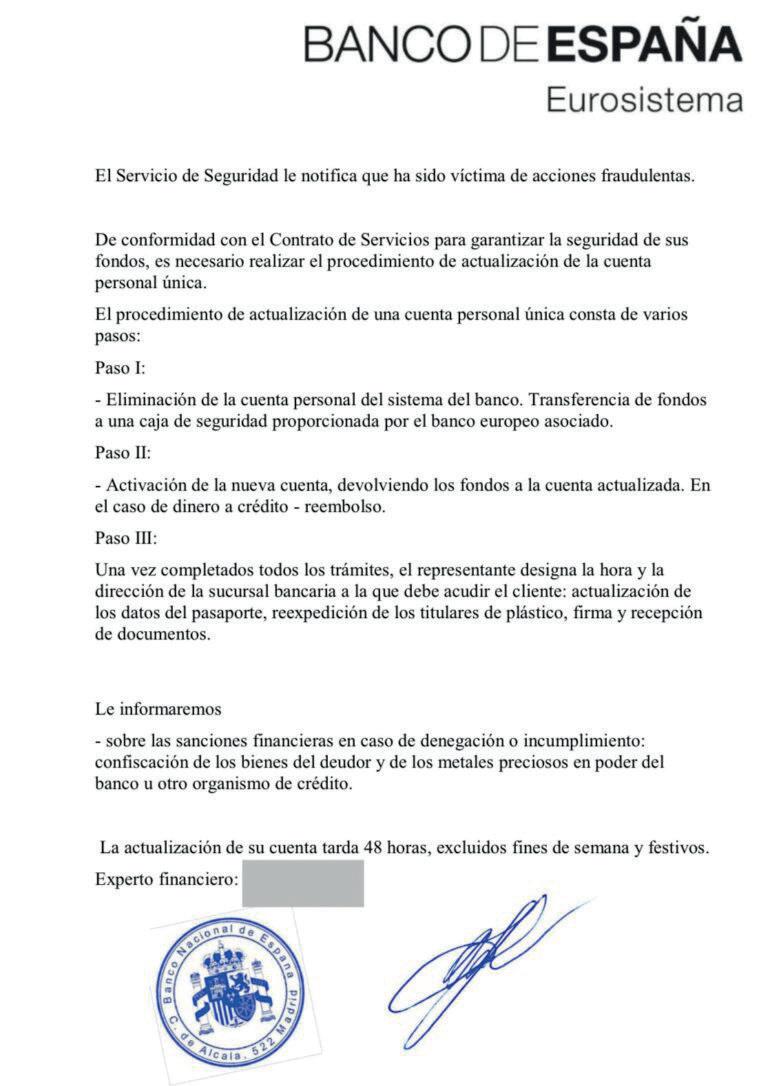
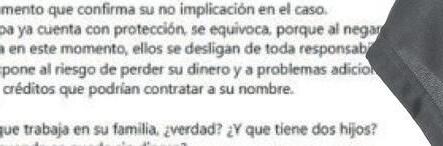
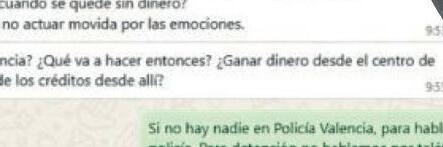
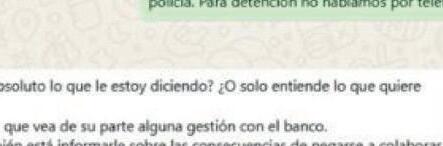
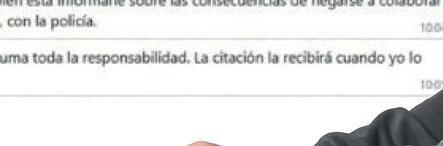
The scammers also sent the victim a photo of a Spanish police ID and a document bearing a Bank of Spain watermark (below) – both forged. “It was terrifying,” Elena continued. “They basically kept threatening me until I gave up.”



After parting with the money and realising she had fallen victim to a scam, she reported the case to Valencia’s National police, who have now launched a probe into the matter.
It soon emerged she is far from the only victim of the scammers,








with at least three people losing €45,000 between them recently
We understand the conmen have been targeting multiple Bulgarian and Russian nationals based in Spain.
In each case they demand urgent transfers of several thousand euros to foreign bank accounts, with victims subjected to intense psychological pressure, including threats.
In one case, a scammer sent a victim a chilling message: “How are you going to look your children in the eye if you lose all your money?”
We have managed to uncover two similar cases in Cantabria, in which €38,000, and the recent one in Valencia.
Elena told the Olive Press she is angry her bank, La Caixa, has done ‘absolutely nothing’ to help her. ‘Nor did they try to protect me’.
The bank she sent the money to,




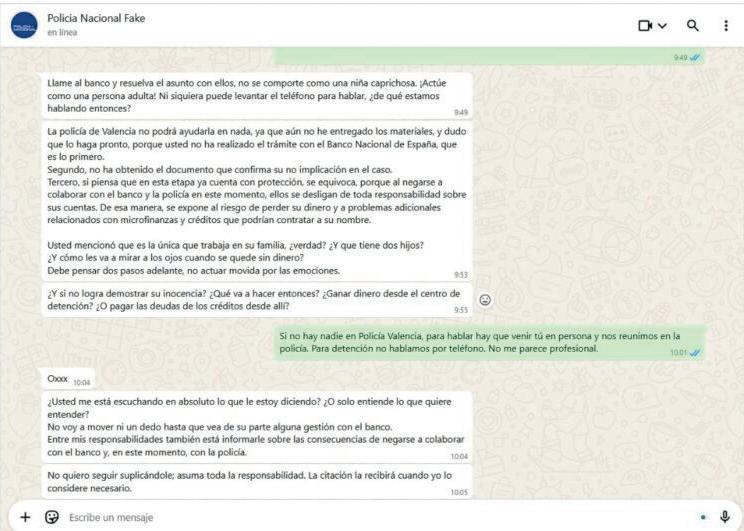


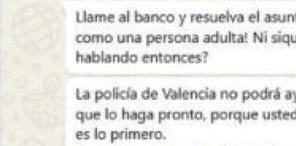
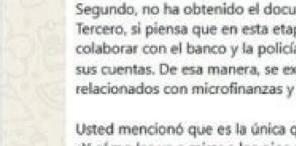
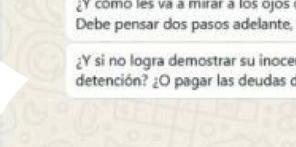
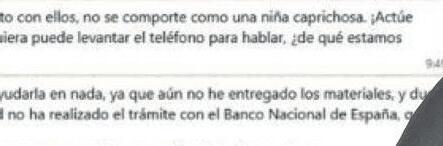
WhatsApp messages from the criminals to Elena
Swissquote, replied they were investigating the case – though Elena was never put through to the bank’s fraud specialists and could only speak to customer service. Even more audaciously, a day after she made the transfer to the Swiss bank the fraudsters came back for more… this time via text, insisting she send more money. Elena refused, insisting the bogus officials meet her in Valencia, hoping she could expose them.
The scammers then threatened her, writing: “What if you cannot prove you are innocent? Make money while in jail? Are you going to pay off your debt from there?” This time, the fake officer agreed to Elena’s request to communicate in Spanish, but he would never answer calls and the texts appear to have been run through an AI translator. Cyber-crime in Spain

has surged in recent years, reflecting a growing national security and public-safety challenge. According to Spain’s Ministry of the Interior, more than 350,000 people were hit with cyber-crimes in 2023, with the bulk of these cases involving online scams, phishing, or fraudulent financial operations. Prosecutions continue to lag behind – only about 14% of cyber-crime cases were solved in 2023, even though police arrested or investigated roughly 17,000 people that year. National police have warned never to trust unknown callers who demand urgent transfers of money. “When in doubt, always check your own bank first,” said a spokesman.
A STUDY says that Alicante is the most ‘desertified’ province in Spain due to extreme heat and its impact on farming along with high tourist numbers.
VALENCIA region schools face disruption next Thursday with unions calling teachers out on a one-day strike over low salaries and unsatisfactory work conditions.
FOUR Calpe shoplifters were caught using large aluminium linedbags to avoid triggering store entrance alarm systems while taking out stolen items.
A MISSING autistic boy, 8, was pulled unconscious out of the water at Oliva’s Mitja Galta beach on Saturday and taken by helicopter to Valencia’s La Fe hospital in a serious condition.
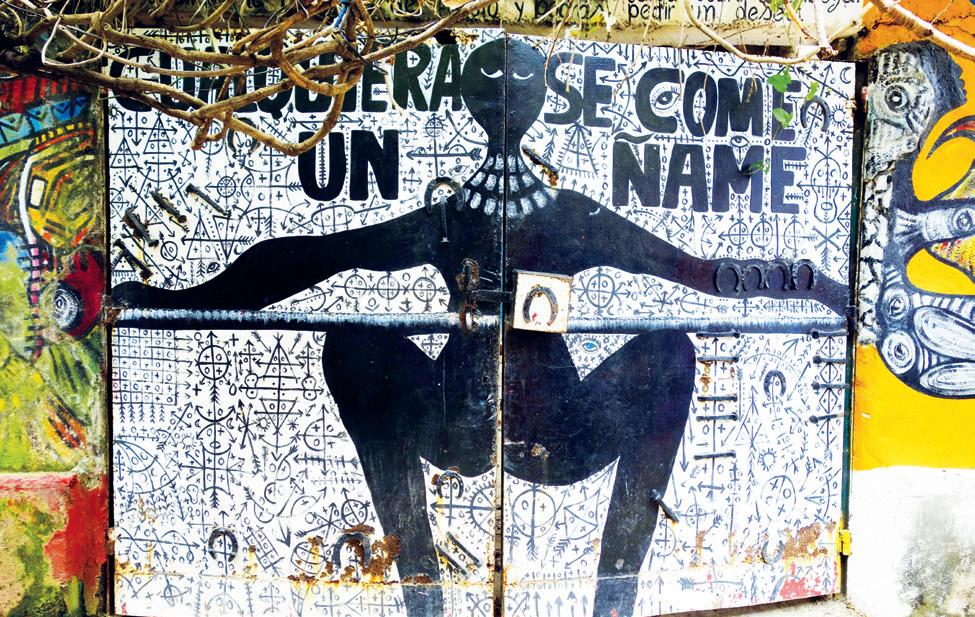
A TERRIFIED Alicante woman was fleeced out of €13,000 by a so-called ‘priestess’ who promised magical cures for her seriously ill husbandand then threatened to curse the entire family if the cash stopped flowing.
The victim, desperate for help, had contacted the alleged healer on social media after reading claims that she was a Santeria practitioner based in the Dominican Republic.
Santeria, with roots in Africa and the Caribbean, blends spiritual rituals with healing - but police say this ‘priest-
By Alex Trelinski
ess’ was nothing more than a ruthless con artist.
What began as small payments for ‘consultations’ quickly escalated into pricey ‘protection rituals’.
Whenever the Alicante woman hesitated, the scammer allegedly warned she would cast a spell to make her family fall ill. One payment was even splashed out on a new car.
A concerned friend finally convinced the frightened woman to go to the Policia Nacional, who launched Op-
AN Alicante thief made off with a bag stuffed with €5,800… only for him to drop notes as he fled - leaving a Hansel and Gretel style trail. The 46-year-old wannabe criminal mastermind struck in the early hours, targeting a woman strolling back to her city-centre hotel, flush with winnings from a gaming saloon. According to police, the man sidled and asked for a cigarette before he swiped her bag and bolted. But his getaway plan quickly unraveled. As he fled into the night with his newfound
eration Santa in May.
She admitted she’d been emotionally vulnerable and willing to believe anything that might help her husband’s
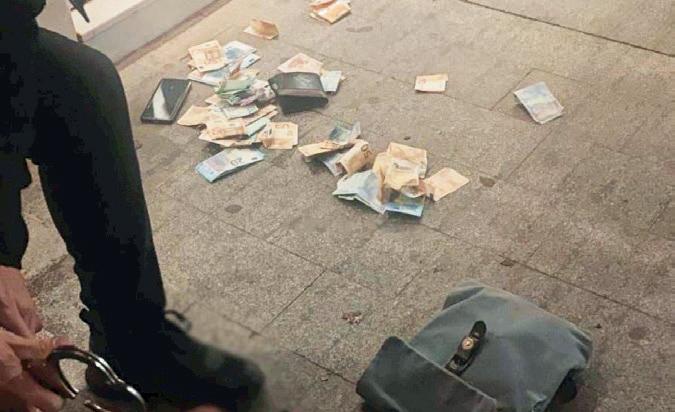
fortune, he immediately began sprinkling banknotes across Alicante. Officers simply followed the cash trail of notes straight to the hapless bandit, who seemed unaware that dropping money is a poor stealth tactic.
declining health.
Detectives traced several phones used in the scam to the Dominican Republic, making the ringleader difficult to pinpoint.
But on November 19, officers swooped on a man in Valladolid, discovering he was the one receiving the bank transfers. He already had an extensive criminal record.
The suspect has been charged with fraud and extortion and released on bail, but the investigation remains open.
Officers are still trying to determine whether he masterminded the scam himself or was working with a female accomplice abroad.
Police have urged the public to be extremely wary of online ‘spiritual healers’ and to report any hint of suspicious activity immediately.
A BRITISH fugitive convicted of two sexual assaults has been arrested in a Benidorm hotel. The 44-year-old man had an international arrest warrant issued against him by UK authorities on November 12.
He committed his first assault in London in 2020 and the second shortly after.
The man had been bailed ahead of sentencing but left the country, with a court giving him 10 years in prison in his absence.
A Policia Nacional patrol saw the Brit behaving suspiciously. He tried to flee when he spotted them at his hotel complex.
Officers asked the man to produce identification but he could not do so.
They went with him to his hotel room to get his passport and a police database check flagged up his name linked to an arrest warrant.
AUTHORITIES have seized two tons of cocaine that arrived at Valencia port inside a banana cargo from Ecuador.
Four people have been arrested in an operation involving Guardia Civil, Policia Nacional and customs officials. The detainees have been accused of belonging to a criminal gang, drug trafficking and the illegal possession of weapons.


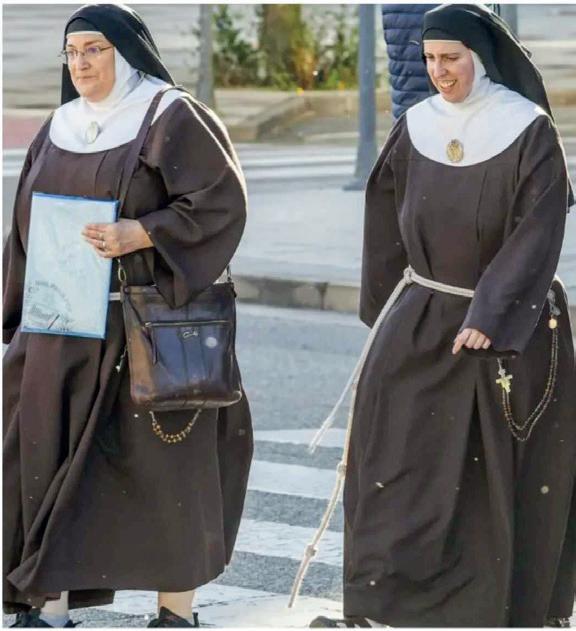
TWO former nuns have been arrested after priceless works of art from their rebel convent appeared on the antiques market.
Laura Garcia and Sor Paloma, ex-abbess of the Santa Maria de Bretonera convent in Burgos, were detained as part of a probe into the sale of rare artefacts.

The arrests are the latest twist in the saga of the ‘rebel nuns of Belorado’, excommunicated last year after breaking with the Catholic Church amid disputes over property sales and doctrine. Investigators accuse the pair of selling 17th-century sculptures, artwork and antique furnishings.
Alarm was raised when a carved statue of Saint Anthony surfaced in a specialist shop, triggering Operation Mirum-Cid. Raids followed at convent sites, and an antiques dealer was also detained. All three have been released pending further investigation.

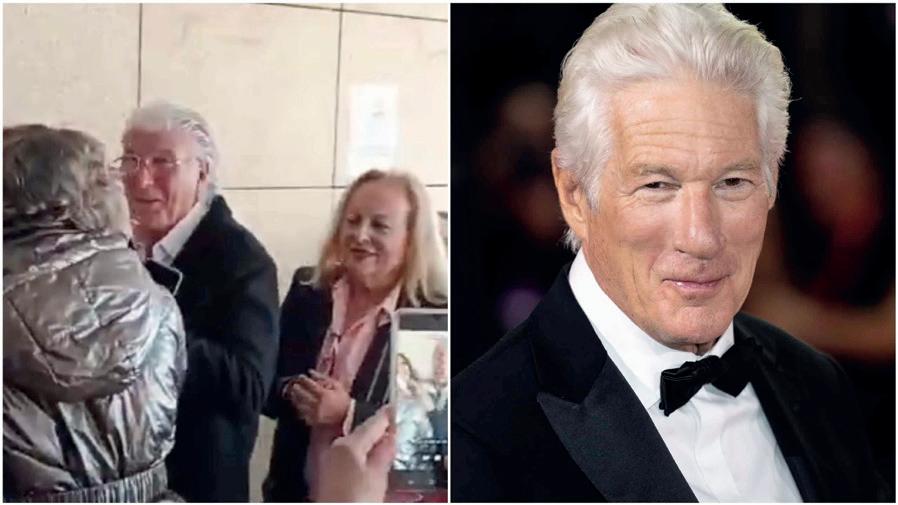
BEING a Richard Gere lookalike might sound glamorous – the Pretty Woman star was once crowned ‘Sexiest Man Alive’, after all – but one unsuspecting Spaniard has learned it also has its pitfalls.
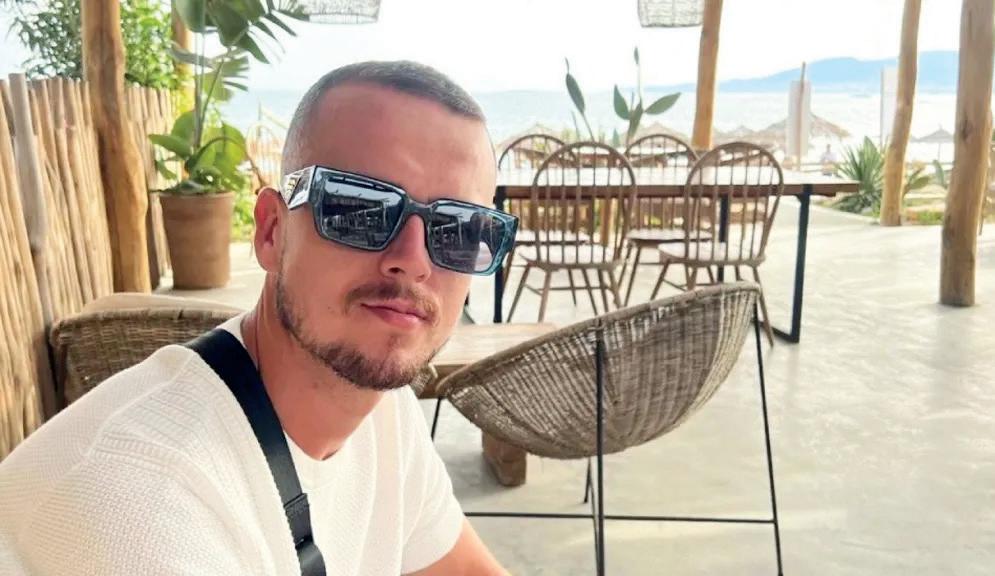
Crowds gathered outside Murcia’s Virgen de la Arrixaca hospital on Friday, eagerly awaiting the Hollywood legend, who was in town to open a paediatric gym for children with cancer and later switch on the city’s Christmas lights. So when a silver-haired man strolled through the doors (pictured, top left), nurses and patients pounced, phones at the ready.
The only problem? He wasn’t Richard Gere (pictured top right)– just a very startled lookalike wondering why everyone wanted a selfie with him.


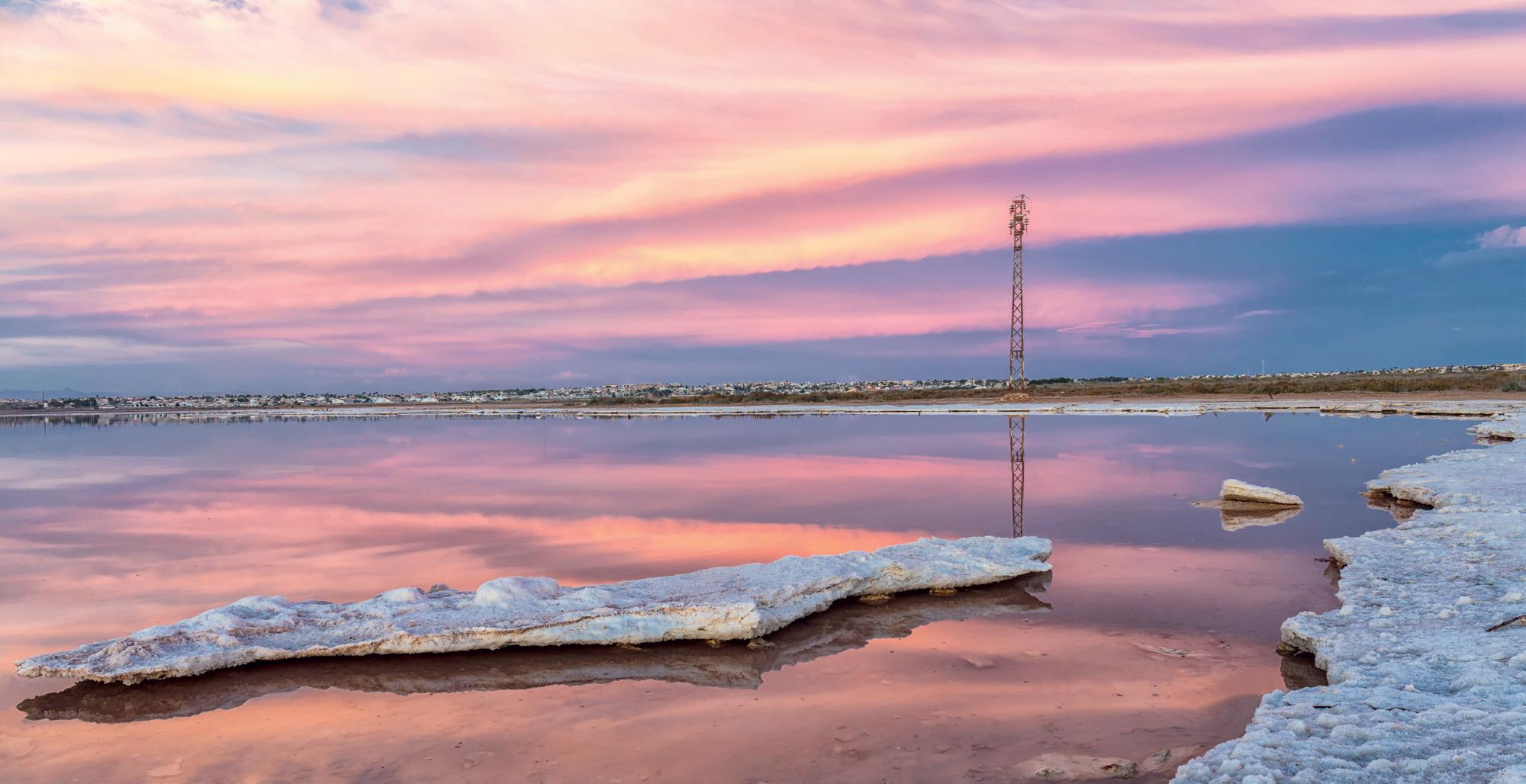
SALT from Torrevieja is being used to keep the UK's roads passable during the icy winter.


The city’s salt flats are the biggest in Europe with at least 250,000 tons used to de-ice Spanish and European roads. Torrevieja salt is a mixture of
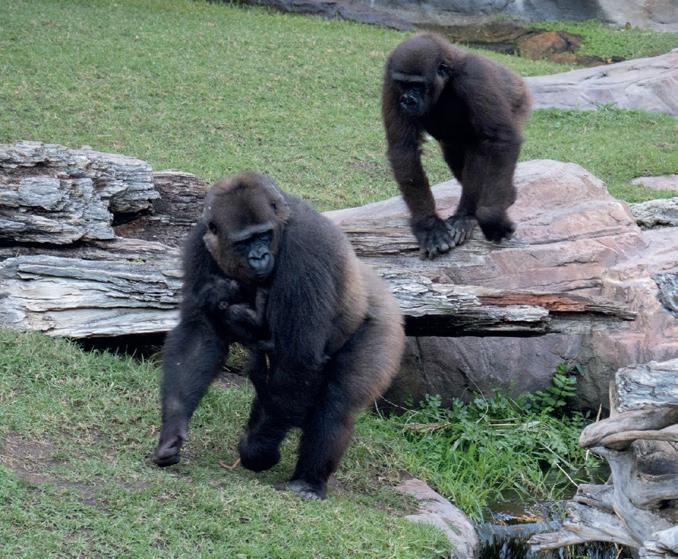
ZOO visitors witnessed an early Christmas miracle when a gorilla gave birth before their very eyes.
This heartwarming arrival marks a major milestone for Bioparc Fuengirola: it’s the first gorilla born in Spain in 2025 and only the second in all of Europe this year. With the western lowland gorilla classified as ‘critically endangered’ every birth is a massive win for the conservation programme.
The mother, Wefa, gave
By Dilip Kuner
birth to a baby girl, and far from seeking privacy, delivered her little one in the open air enclosure she calls home, with visitors witnessing every moment.
Staff at the conservation centre say the whole process was fast and completely natural, without any human intervention, proving Wefa’s good health.
From the moment the baby



Mediterranean marine and mineral salt from mines at Pinoso. It is highly regarded as being resilient on road surfaces with-


was born, Wefa showed impeccable maternal instincts, cradling her newborn and caring for it with total devotion.
The other gorillas, known for their complex social dynamics, have responded with gentle curiosity and respect.

out dispersing. Four ships have already set sail for the United Kingdom. The peak period takes place in December and January, but salt-laden vessels will leave the port of Torrevieja up to early March.





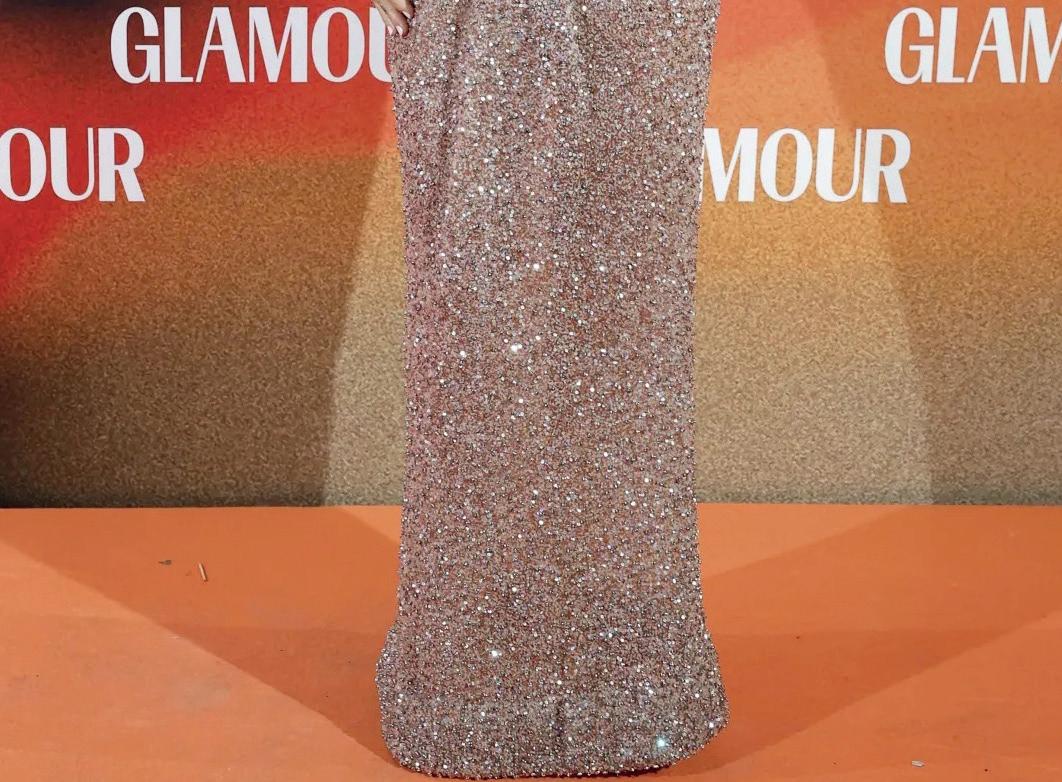

ELSA Pataky stole the show at the Glamour Women of the Year 2025 awards, taking home the Icono de Fortaleza, Vitalidad y Bienestar (Icon of Strength, Vitality and Wellbeing) prize.
The gala in Madrid celebrated Spain’s most inspiring women, and Pataky – known for her film career and marriage to actor Chris Hemsworth – was one of the evening’s standout stars. She dazzled on the red carpet in a sleek gown, thanking Glamour España for recognising her work promoting health, fitness and female empowerment.








TORREVIEJA has officially passed the 100,000-resident mark for the first time, leading population growth across Spain in 2024.
According to the latest annual census from the National Institute of Statistics, the city’s population rose to 100,470, up from 95,760 the previous year - a 4.9% increase, the highest percentage growth among Spanish municipalities with at least 10,000 inhabitants.
Two other towns in the Valencia region also recorded notable rises. Gandia grew by 3.6%, reaching 83,000 residents, while Benidorm increased by 3.5% to 77,211, surpassing the 75,000 threshold for the first time. All figures are based on municipal padrón registrations.
Demand to reopen ‘half-completed’ police probe after new phone data evidence emerges in case of mysterious death of Welsh dad
FRESH claims of foul play have erupted over the mysterious death of Welsh dad-of-four Nathan Osman. It comes after his family uncovered what they call ‘crucial, ignored evidence’ buried inside his own mobile phone. Nathan, 30, from Pontypridd, vanished just hours into a lads’ holiday in Benidorm in September 2024. The next morning he was found dead at the foot of a remote 200-metre cliff - a spot locals
VALENCIA could lose €150 million of European money for not implementing a Low Emission Zone (LEZ) banning polluting vehicles in the city centre from January 1, 2026. The Partido Popular-led ruling coalition with the far-right Vox party could not produce an acceptable formula for the junior partner to stomach.
Vox claims an LEZ limits the freedom of citizens and has been ‘imposed’ by the national government.
A joint motion over the new zone was put forward at a plenary meeting by the opposition socialists and the far-left Compromis party, but it was defeated.
By Alex Trelinski
have always insisted tourists never go, especially not alone, and especially not at 4am.
Yet despite this, Spanish police rapidly closed the case, dismissing the fall as a tragic accident or possible suicide.
But now Nathan’s family have come forward with proof that paints a far darker picture. It comes after they finally got his mobile phone back two
months ago and sent it off for their own private analysis.
They have now discovered a minute-by-minute log of Nathan’s final movements buried in a health-tracking app.
The data shows he travelled uphill far too fast for someone on foot.
“He was not walking, not running, not sprinting… it just doesn’t add up,” insisted his brother, Lee Evans.
MYSTERY: Family want inquiry into death of Nathan to be reopened
The family believe the only explanation is that Nathan was inside a vehicle, driven directly to the cliff edge where they fear he was thrown.
Fueling their suspicions are persistent rumours circulating in Benidorm that Nathan was ‘bundled into a car by masked men’ shortly after becoming separated from friends.
When relatives retraced the route themselves, they described the area as ‘wild, deserted and pitch-black at night’, with no bars, hotels or nightlife that could have lured him there.
POLICE have searched an Alzira dental clinic after a six-yearold girl died following the use of anaesthetic.
A four-year-old treated at the clinic the same day was also hospitalised, with fever, vomiting and drowsiness, but has since been discharged.
According to Health Ministry sources, Clinica Dental Mireia specialises in children’s dentistry but its staff are not authorised to use intravenous sedation.
The older girl suffered a heart attack hours after her procedure and could not be revived.
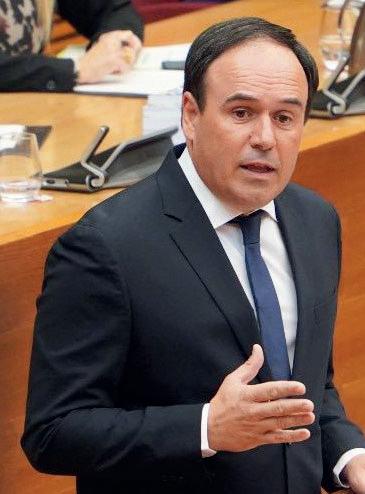
JUANFRAN Perez Llorca has been elected as the new Valencian president after winning an investiture vote in parliament. Perez Llorca - who will step down as the mayor of Finestrat and is the secretary general of the regional Partido Popular (PP) - got help from the far-right Vox party to secure the victory. He needed at least 50 votes to be elected and got 53 consisting of the 40 PP deputies - including that of his predecessor, Carlos Mazon - plus the 13 Vox deputies. The opposition socialists and the left-wing Compromis party could only muster 45 votes. He replaces disgraced Mazon who resigned over his botched response to the Valencia flooding disaster that killed 229 people last year.

Adding to their frustration is what they call a ‘shoddy, half-completed investigation’ with no forensic perimeter, no tyre-track analysis, no DNA sampling and multiple CCTV cameras reportedly overlooked. They are now demanding a fully reopened inquiry, insisting the phone data alone proves Nathan did not reach the cliff by himself.
Spanish authorities have so far offered no comment.

A DISCARDED cigarette caused a fire that led to Cartagena’s Santa Lucia hospital being evacuated. Murcia's Emergencies Minister, Marcos Ortuño, said the unextinguished fag on a rooftop terrace was behind the blaze in block five of the complex.
Nobody was injured in the incident but some people were treated for smoke inhalation. Ortuño praised firefighters who controlled the blaze within 30 minutes of it breaking out at 7.30am.
The fire caused damage to the exterior of the block but the flames did not affect any facilities inside.











Voted top expat paper in Spain
A campaigning, community newspaper, the Olive Press represents the huge expatriate community in Spain with an estimated readership, including the websites, of more than two million people a month.
THE sophisticated phone scam, uncovered by the Olive Press, serves as a stark warning to Spain's expatriate community.
Impersonating police and bank officials, fraudsters are preying on the most vulnerable, exploiting language barriers and psychological pressure to siphon off tens of thousands of euros.
The ordeal of Elena Petrova, a Valencian mother-of-two who lost €10,000, highlights the audacious methods used.
She was threatened with jail and told a relative was under Interpol investigation, a terrifying scenario that led her to transfer funds to a supposed 'safe' account. The scammers' insistence on communicating in Bulgarian - even while forging Spanish ID documents - demonstrates a tailored, calculated attack aimed squarely at Eastern European nationals.
This isn't an isolated incident; at least three victims have lost €45,000, with similar reports emerging across Europe, suggesting an organised, international operation. Beyond the immediate damage, this case exposes systemic failings. Elena's own bank, La Caixa, did ‘absolutely nothing’ to protect her, leaving the victim to fight alone for a refund from a foreign bank.
There will be some people out there victim blaming Elena - and the others - saying they should have been more careful.
But remember, these scammers are highly plausible and know which bells to ring to get their hands on your money.
And given that cyber-crime surged in Spain with over 350,000 victims in 2023, the low 14% clearance rate by police is deeply concerning.
It is time for Spanish banks and law enforcement to urgently improve their fraud response and protection measures for all clients, especially expats who may be unfamiliar with Spanish protocols.
As the police advise, never trust a caller demanding urgent transfers.
When in doubt, hang up and verify with your bank in person - and talk to police as well.
PUBLISHER / EDITOR Jon Clarke, jon@theolivepress.es



Dilip Kuner dilip@theolivepress.es Walter Finch walter@theolivepress.es
Alessio Ghirlanda alessio@theolivepress.es
Ben Pawlowski ben@theolivepress.es
Rachel Gore rachel@theolivepress.es
ADMIN Victoria Humenyuk Makarova (+34) 951 154 841 admin@theolivepress.es
As Spain’s Far Right marks half a century since dictator Franco’s death, the Olive Press reveals a still more sinister force calling for a second reconquest to eject Muslims out of Europe
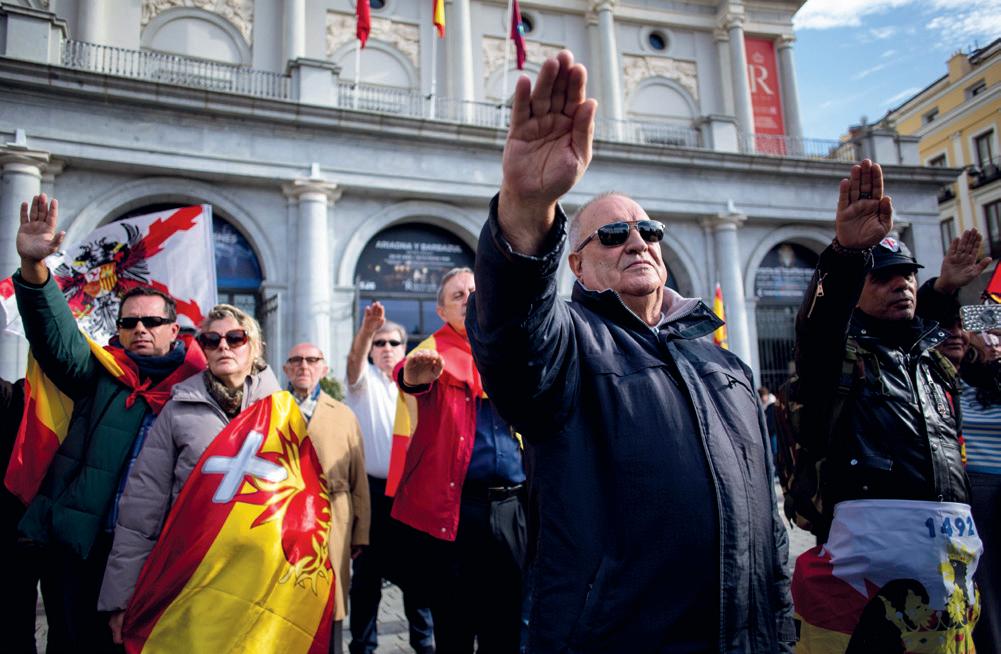
IT was a weekend in Madrid when seemingly every nationalist, right-wing Vox supporter was out in the streets, singing the praises of the former Spanish dictator, Francisco Franco.
Remembering the death of ‘el Caudillo’ exactly 50 years ago to the day, they queued up to laud his many achievements, and how Spain was so much better off when the firm hands of their hero had shaped their country. Mass bloodshed or not.
But as the many visible Francoist demonstrators roiled through the streets of the capital, arms raised and carrying Spanish flags, a group of far shadier men filed quietly into a conference room in the city centre.
By Alessio Ghirlanda

One of them, dressed in a grey suit and dazzling white shirt, beamed as the doorman greeted him with a murmured ‘comrade’ before waving him through.
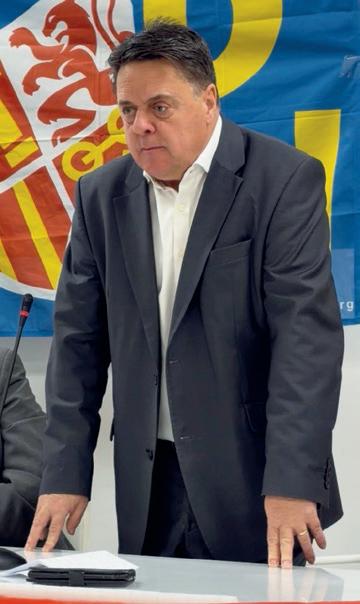
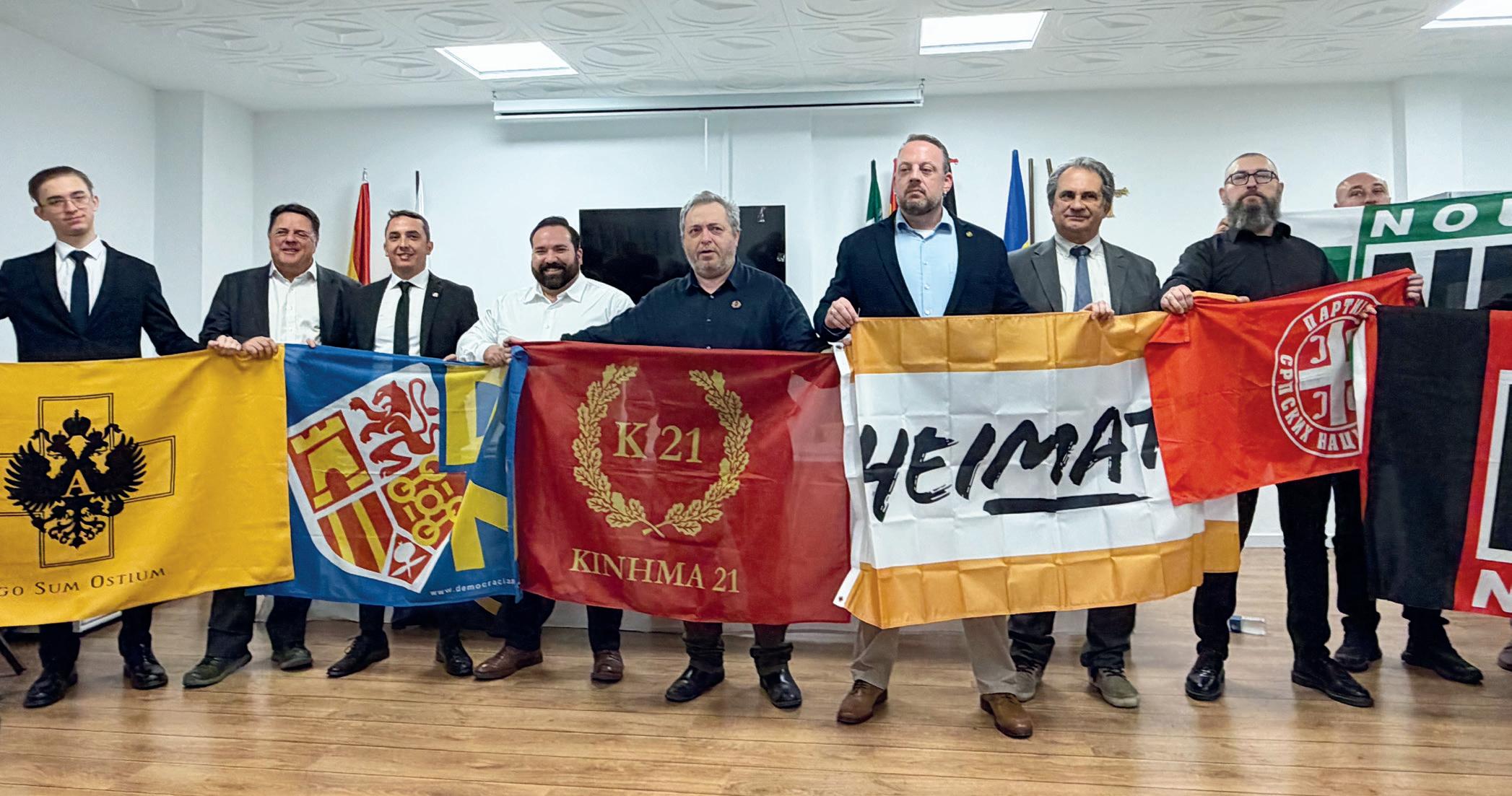
He had come to co-chair a rally hosted by the so-called Alliance for Peace and Freedom (AFP) – a coalition of pro-Putin European nationalists whose manifesto calls for the mass deportation of immigrants, the eradication of what it describes as a ‘globalist-Zionist world order’, and the dismantling of the EU. That man was Britain’s Nick Griffin, the con-
troversial politician who led the British National Party (BNP) until 2014 – and the AFP’s current vice president.
Griffin has (understandably, as we shall see) been on the sidelines of British politics for more than a decade now.
But since his AFP appointment in 2018, he has made repeated calls for the forced repatriation of millions of immigrants across Europe - a process he described as ‘remigration’.
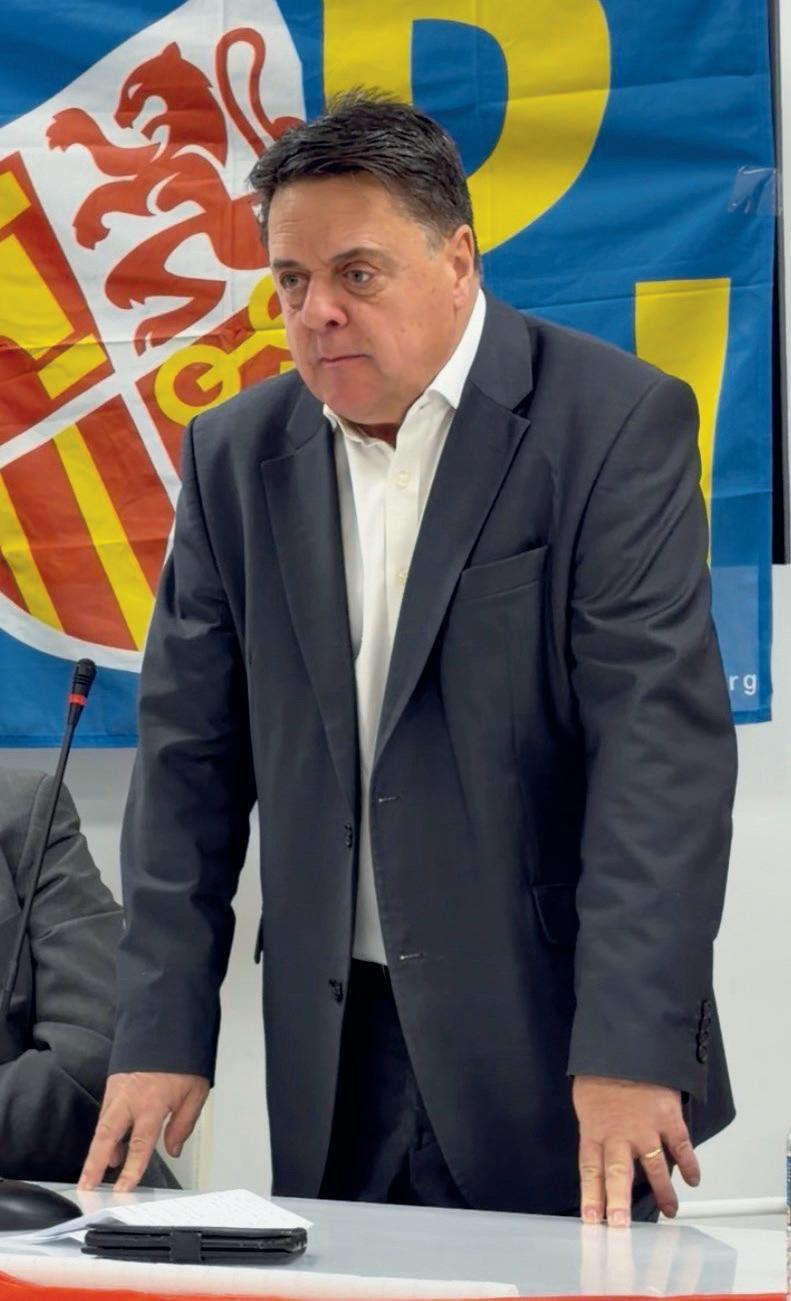
“We face a Europe where there is a very serious problem with Islamisation as well as mass immigration,” Griffin told the Olive Press during the meeting at Espacio Ardemans. Without any evidence he said: “All our various elites now admit that within 20 or 30 years, we will be minorities in our own countries. A lot of nationalists [believe that] once you are a minority, it is all over.
“But Spain proves when you are a minority, it is not all over. You might take 800 years to take your country back, but it can be done.” It was an extraordinary

Alex Trelinski alex@theolivepress.es
Joshua Parfitt josh@theolivepress.es
OFFICE MANAGER
Estefania Marquez (+34) 658 750 424 accounts@ theolivepress.es

DISTRIBUTION ENQUIRIES (+34) 951 154 841 distribution@ theolivepress.es
NEWSDESK: 0034 951 154 841
For all sales and advertising enquiries please contact +34 951 15 48 41














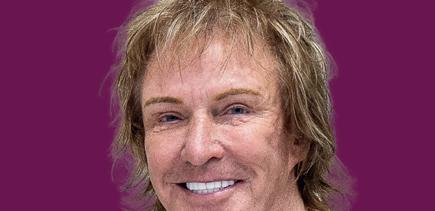
RACHEL REEVES’ ‘CAR-WRECK’ BUDGET SENDS A CLEAR MESSAGE TO YOUNG FAMILIES AND SKILLED WORKERS: THE UK IS FINISHED, WRITES CHARLIE MULLINS
WHEN I fi rst became an Olive Press columnist, editor Jon warned me that his paper was all about Spain and the lives and interests of its readers who are predominately expats in this sunny paradise, and who have the English language in common.
His point was that if I was going to keep this gig UK politics was not a subject he would tolerate me banging on about.
Fair enough! I think I’ve managed to follow the rules most of the timesomething that doesn’t come naturally to me.
Reeves
So, imagine my surprise when the same said editor in chief collared me on the street in Puerto Banus with a request to leave no stone unturned (or catapulted at) UK Chancellor Rachel Reeves’ complete car-wreck of a budget.
A fi nancial plan so poorly conceived by the time she stood up in the Commons to deliver her master plan for the nation her jalopy of a fi nancial plan had already run off the road and plunged over a cliff.
The poor bloke in charge of the Offi ce for Budget Responsibility (OBR) has been forced to walk the plank after Reeves’ vampire-budget was ‘leaked’
















online an hour before his big unveil. Once again showing what a shower UK’s Labour Government is.

Richard Hughes, the OBR boss who took responsibility for the leak, resigned, but there was no such honourable act at Number 11, the headquarters of the Offi ce for Budget Irresponsibility. And it gets worse.

















Not only was ‘Rachel from Accounts’s’ budget the least growth-inspired in living memory, but she clearly lied to the UK people about how bad things were in a half-arsed attempt to justify billions of quid in tax rises to pay for her spending plan. Talk about a brass neck; Reeves wants us to believe that every worker will be £1,800 better off because of all the money being shovelled into public services.
If you ask me, most NHS patients waiting months and years for treatment, or victims of crime facing similar stretches for a chance at justice, will be lucky to get a pothole fi xed on their street. The fact is the bilge that came out of parliament last week was bad for business, bad for workers, bad for
pensioners, bad for drivers, patients, and victims of crime.
The only people the budget was good for were those considering exiting the UK for a more prosperous life abroad.
Much has been said about people like me, who have chucked in the towel on the UK and settled in warmer climes, but what this budget did was send a very clear message to young families, single professionals and skilled workers like plumbers, electricians and builders, that the UK is no longer a country of aspiration, of hope and the dream of working hard to make a better life for you and your family. It’s fi nished!









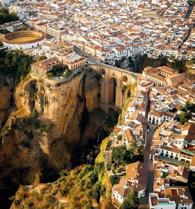
Ronda has struck the imagination of poets, artists, bullfighters and musicians for thousands of years, writes Dilip Kuner
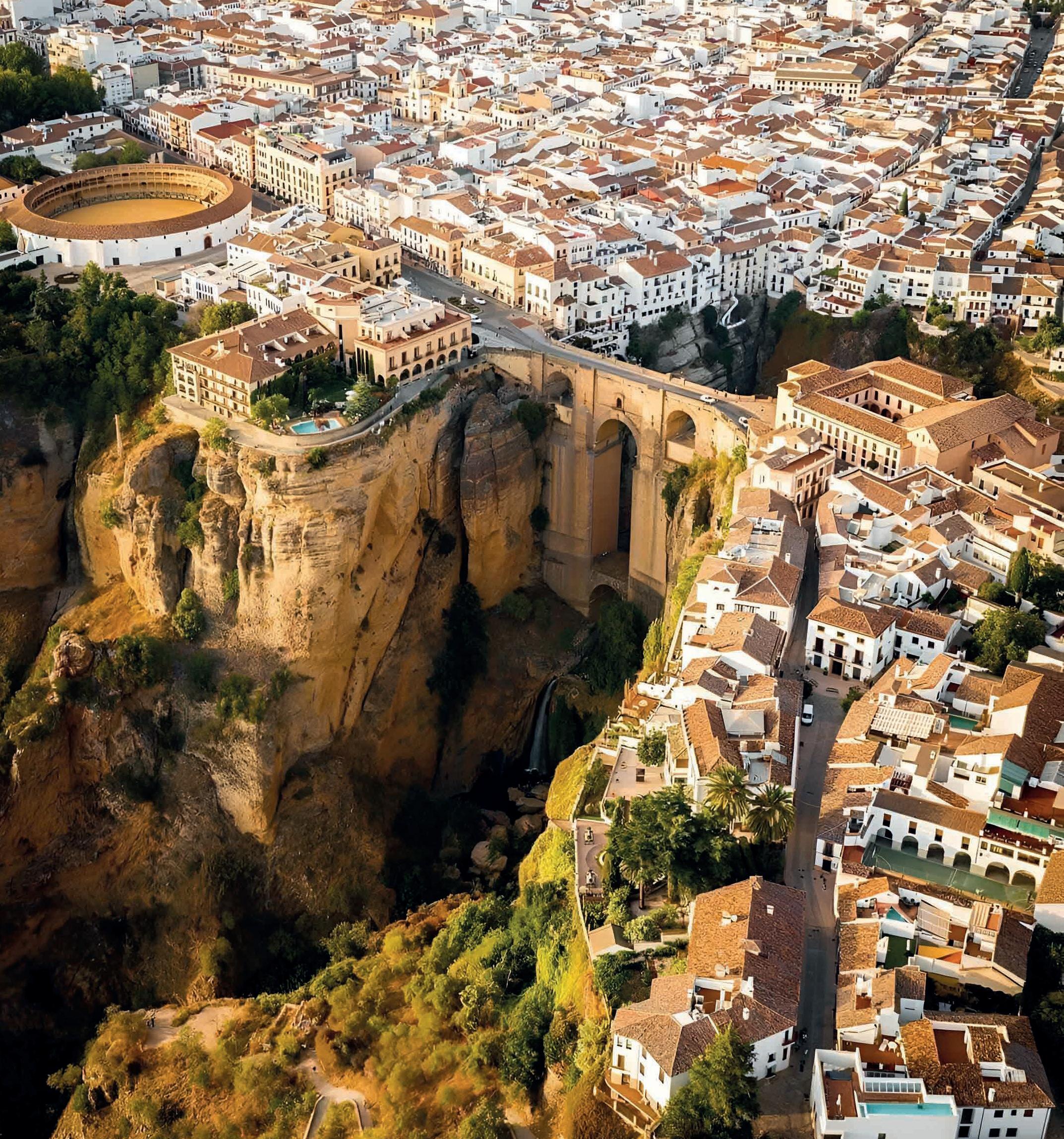
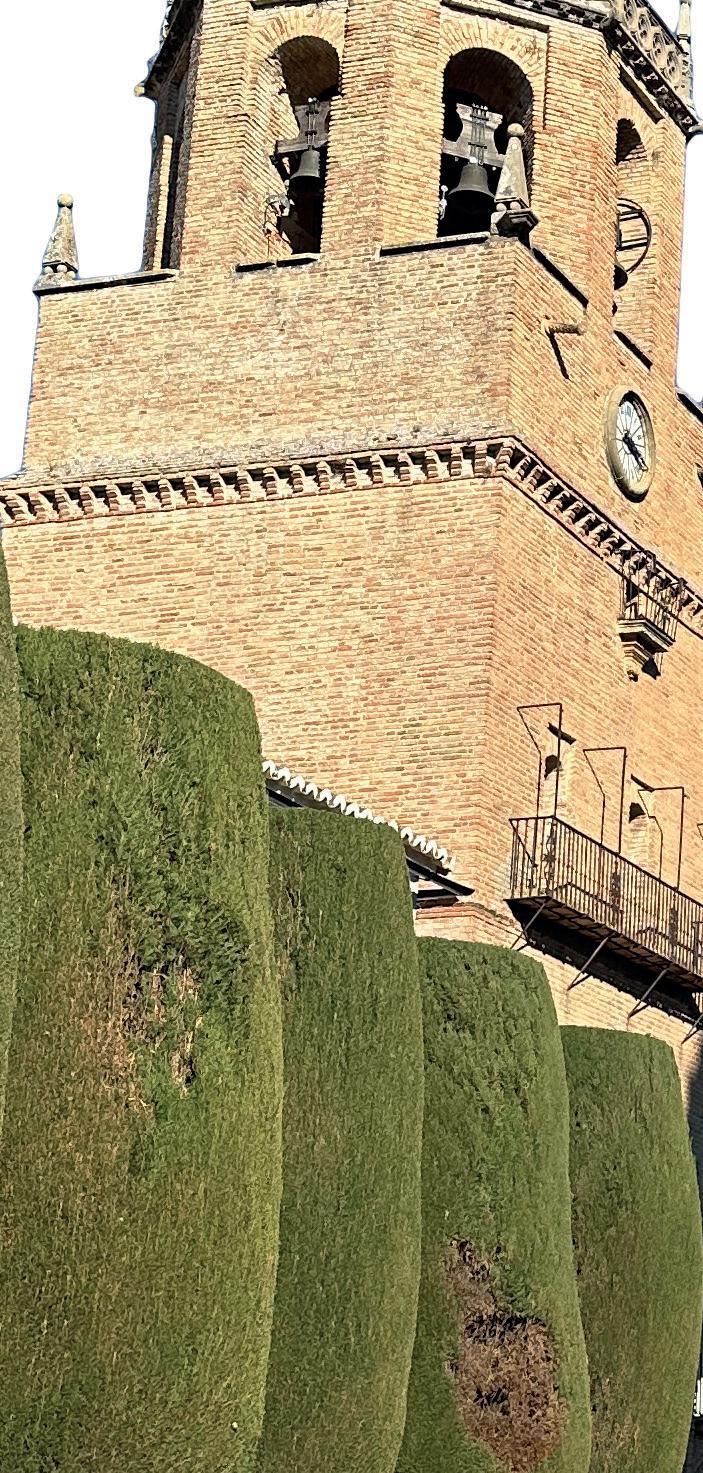
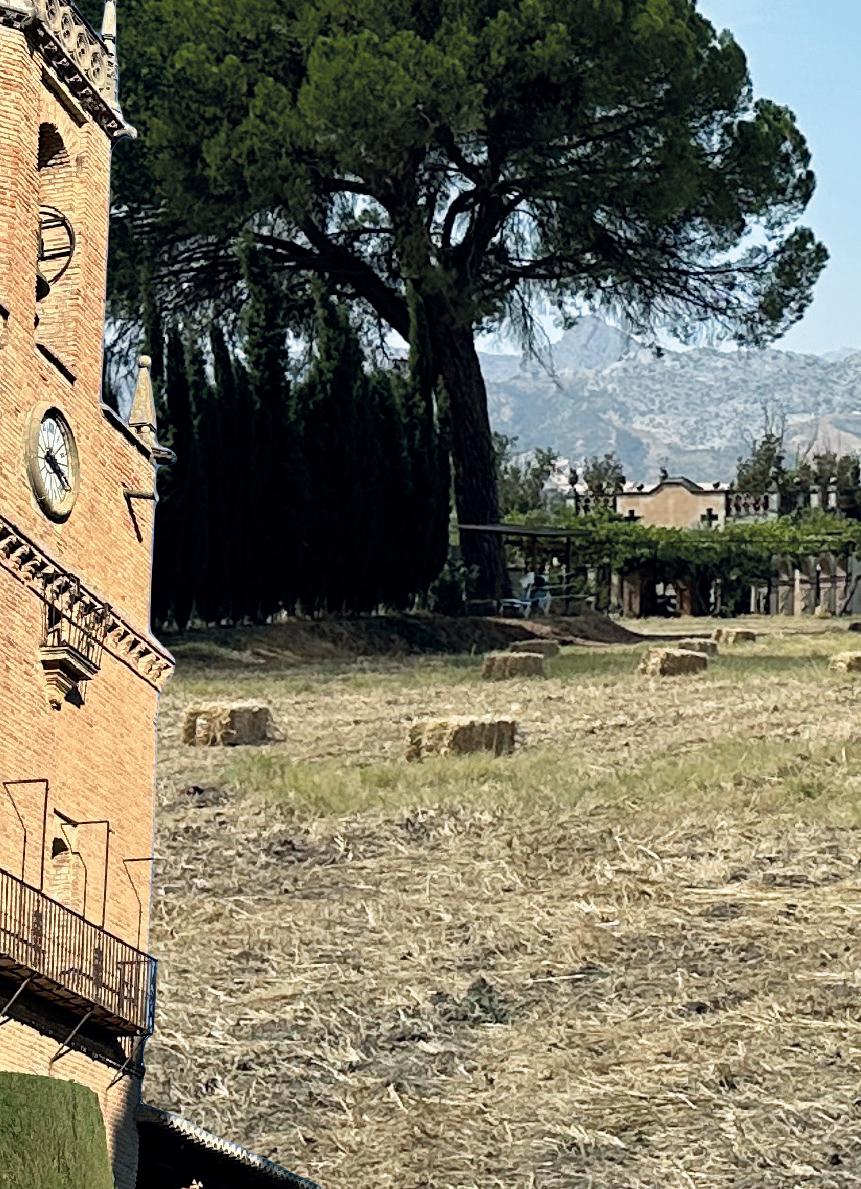
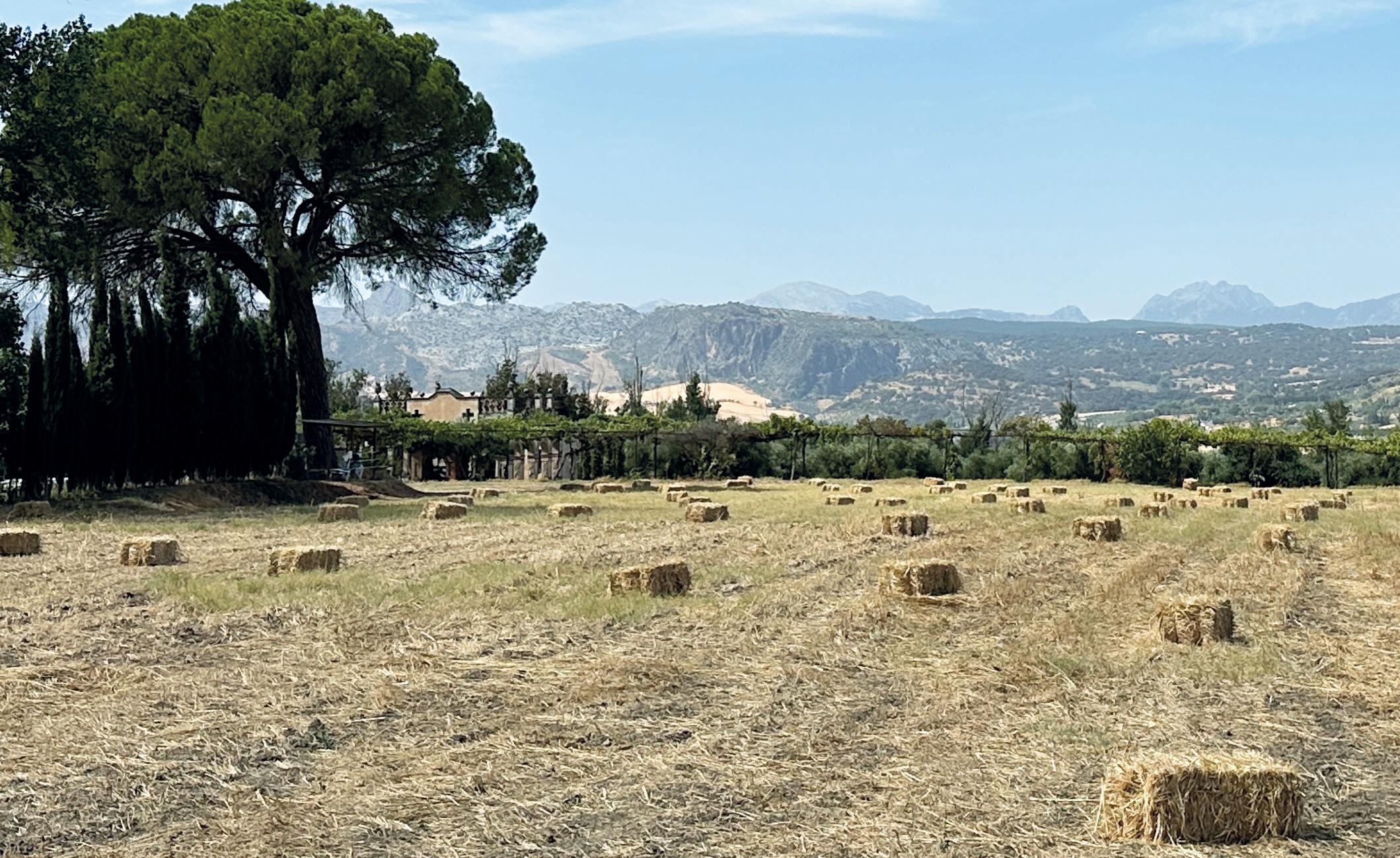
RONDA doesn’t just appear; it confronts you. As the road bends, this captivating city leaps into view, rising like a white pearl surrounded by the rugged Andalucian countryside.
You know you are arriving somewhere special and this is confirmed when you begin to understand its geography: a hilltown named by the Romans as Arunda, meaning literally ‘surrounded by mountains’. But Ronda, which is indeed encircled by sierras in every direction, is also a geologist’s dream, the city being hewn in two by a deep chasm carved by the Guadalevin River.
This adds to its complex history. Where the threads that make up the multicoloured fabric of Andalucia - Moorish architecture, Roman grandeur, bullfighting, poets and outlaws all happily intertwine.
Ronda is more than a destination; it’s a living chronicle where its stones feel the weight of centuries of stories.
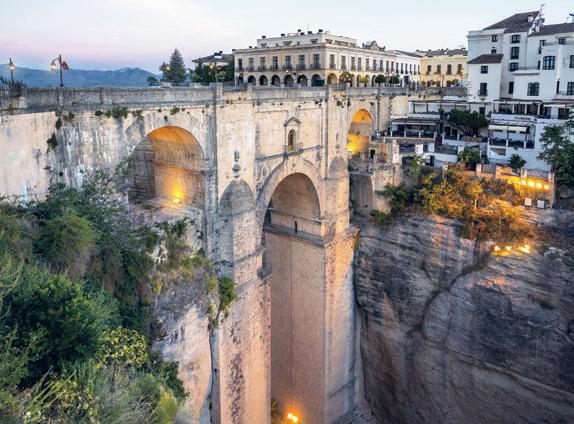
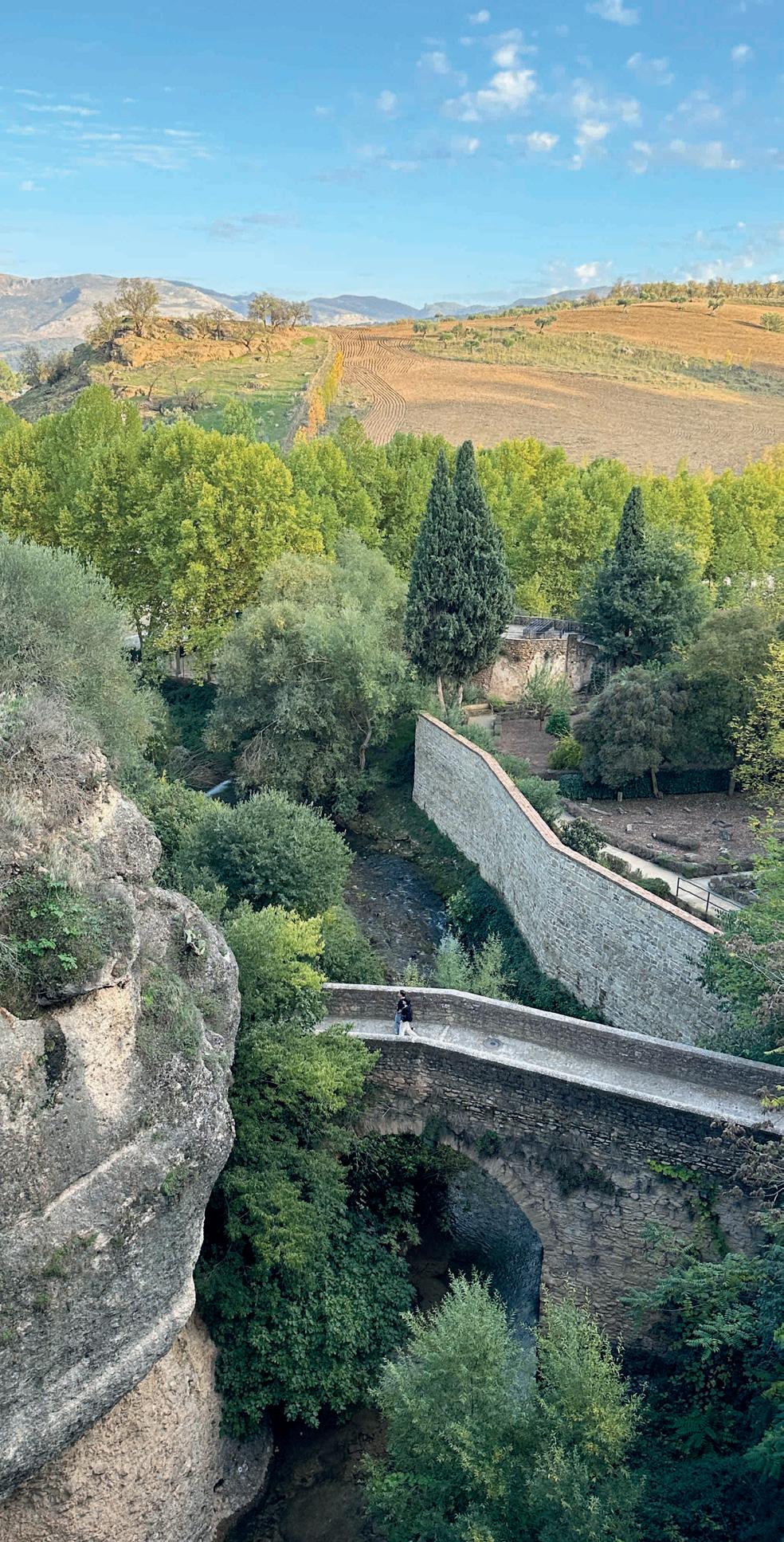
The visceral experience of Ronda begins with the Tajo, the breathtaking gorge that rips through its centre and spreads out into a deep valley below. Spanning this monumental divide is the Puente Nuevo (New Bridge). It’s the physical and spiritual heart of the city and you can’t go near it without feeling the sheer, dizzying height.
The bridge’s very existence is rooted in a devastating secret. Before this stone marvel stood here, a precarious wooden trestle-bridge was the only link across the 300-foot drop.
In 1740, that wooden structure failed, and 50 innocent Rondeños plunged to their deaths. The 40 years it took to reconstruct it wasn’t just engineering; it was an act of collective will to ensure the community would never be divided again. Today, it stands as a testament to resilience, offering views so spectacular that locals claim, ‘the birds fly at the feet of those who look out’.
Ronda’s layout is a simple historical map: La Ciudad (the Old Town and former Moorish medina) sits on the south side, looking ancient and labyrinthine, while El Mercadillo (the modern commercial district) sits on the north.
Then down below, outside the charming Arabic Almocobar gate, sits the San Francisco neighbourhood alongside the medieval walls that once defended the entire fortress.
Long before the Puente Nuevo, Ronda was already holding the line: The Celtic tribe, the Bastuli, knew the early importance of this rocky outcrop for trade, perhaps even along ancient Atlantic routes. When the Romans arrived, the city quickly grew in stature. They developed a unique ‘twin’ settlement colony: the defensible Arunda and the even
Come and try Ronda’ s amazing wines with a tapa
better fortified town of Acinipo (Old Ronda) some 15 minutes west.
Do take time to visit the tranquil ruins of Acinipo, where you can still find considerable remains of its impressive Roman theatre.



Imagine the life that thrived here: Roman author Pliny mentioned Ronda in his writing shortly before he died during the eruption of Vesuvius in 79 AD, confirming its importance in ‘Baetica,’ Roman Southern Spain. Then came the Western Goths (or Visigoths). They were mainly farmers, and their brief period of wooden structures left little trace - a quiet interlude before the continent was changed forever.
The arrival of Muslim forces from Morocco in 711 AD transformed Ronda and dictated its destiny for eight centuries. It immediately became a powerful Arab city and fortress, and this influence remains palpably preserved today, especially in La Ciudad.
Stepping into the Old Town is like walking into a time capsule. It retains its original Arab street plan: a mesmerizing maze of narrow, winding lanes.
This wasn’t accidental architecture; it was highly practical, reflecting the ancient Arab proverb that ‘the sun is our enemy’.
The tight streets maximised shade and minimized the blistering summer heat, an effect enhanced by the beautiful geometric azulejos (tiles) used in the interiors.
The history here is one of constant friction. The area was central to the rebellion of the Muladis (Christians who converted to Islam) led by Omar Ben Hafsun, a fierce resistance that highlights how near-impossible it was to conquer this rocky perch.
The Arabic legacy didn’t just stay within the walls; it seeped into the




very landscape. The local villages of the nearby Serrania still bear names like Arriate, Benaojan, Benadalid, and Farajan, all rooted in Arabic. Even the Spanish language spoken by the Rondeños carries the ancient heritage: when someone says ‘¡Ojala!’ (I wish!), they are invoking the name of the deity (Allah). And whether you believe it or not, some etymologists suggest the famous bullfight shout of ‘¡Olé!’ reveals those same ancestral Islamic links.
The Muslim era ended in 1485 when the Catholic Monarchs conquered the city (just seven years before the final push seized Granada) after a long struggle.
The peace was short-lived. The Christian rulers needed the talented Arab craftsmen, but the uneasy truce eventually broke down, leading to the brutal decree of forced conversion or expulsion.
Following a series of bloody uprisings by the Moriscos (converted Muslims), the final expulsion in 1571 ended a remarkable 700-year history, though pockets of resistance held out in the rugged nearby mountains for years.
To understand this layered history, you must walk it. Your exploration should begin in El Mercadillo, the newer section of the city, where the monumental structure that demands attention is the Plaza de Toros de Ronda.
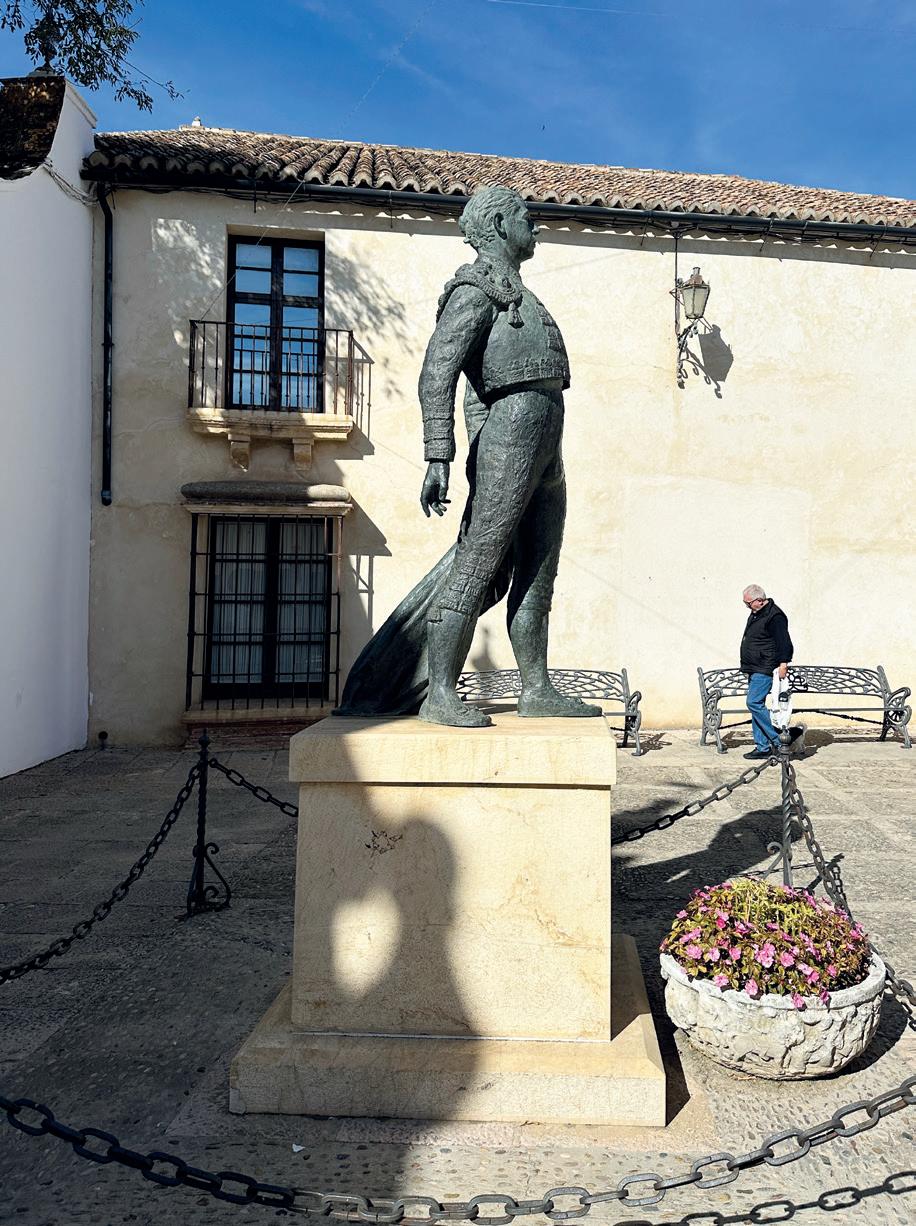
This is the oldest bullring in Spain and the undisputed birthplace of modern bullfighting, immortalised by the family of the legendary bullfighter Antonio Ordoñez (pictured top right), the man who defined its modern swagger and enjoyed the company of figures like Ava Gardner.
Its stunning, classical architecture speaks to the wealth of the 18th century, the same era that produced the Puente Nuevo. Nearby, you’ll find the Alameda del Tajo. This beautiful Spanish-style park is perfect for a leisurely stroll and greeting friends, and its unique views over the countryside make it essential viewing.
“
It has that wonderfully unique origin story: its construction in Napoleonic times was said to have been financed by a ‘swear box’! Anyone caught uttering curse words (palabrotas) had to contribute to the cost of the park.
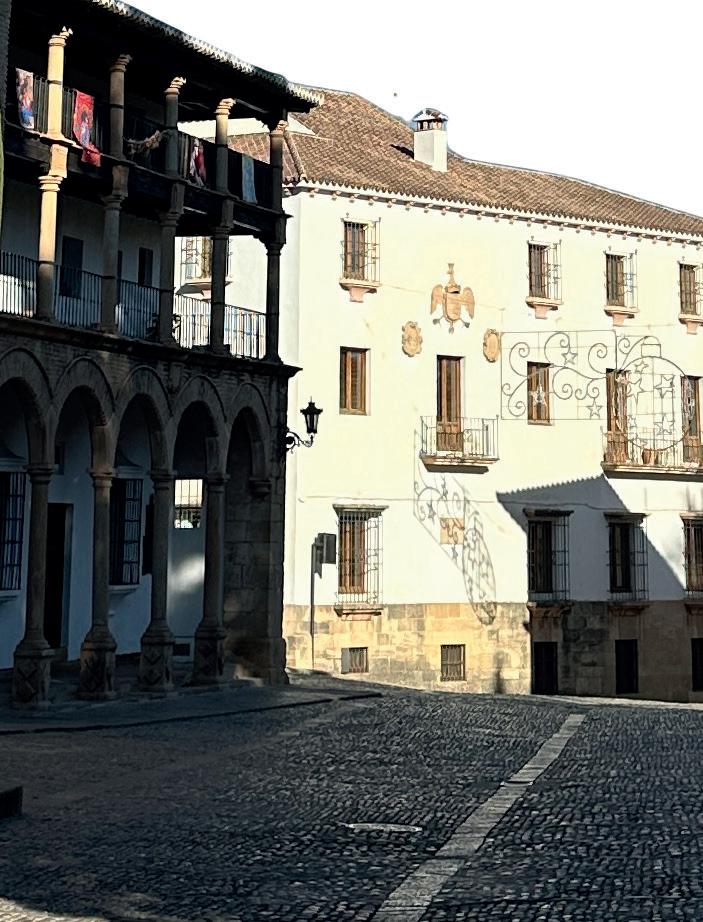
Then you should cross the Puente Nuevo into the Old Town, and once in La Ciudad, the history becomes intimate. You are walking the Arab street plan, where key monuments whisper tales of conquest and nobility: Mondragon Palace: Once the residence of the Moorish king Abbel Malik, and later adapted by the Catholic nobility. Its beautiful Moorish-style courtyards and intricate tile work offer a visual testament to the fusion of cultures that followed the reconquest.
“ Its building in Napoleonic times is said to have been financed by a ‘swear box’!
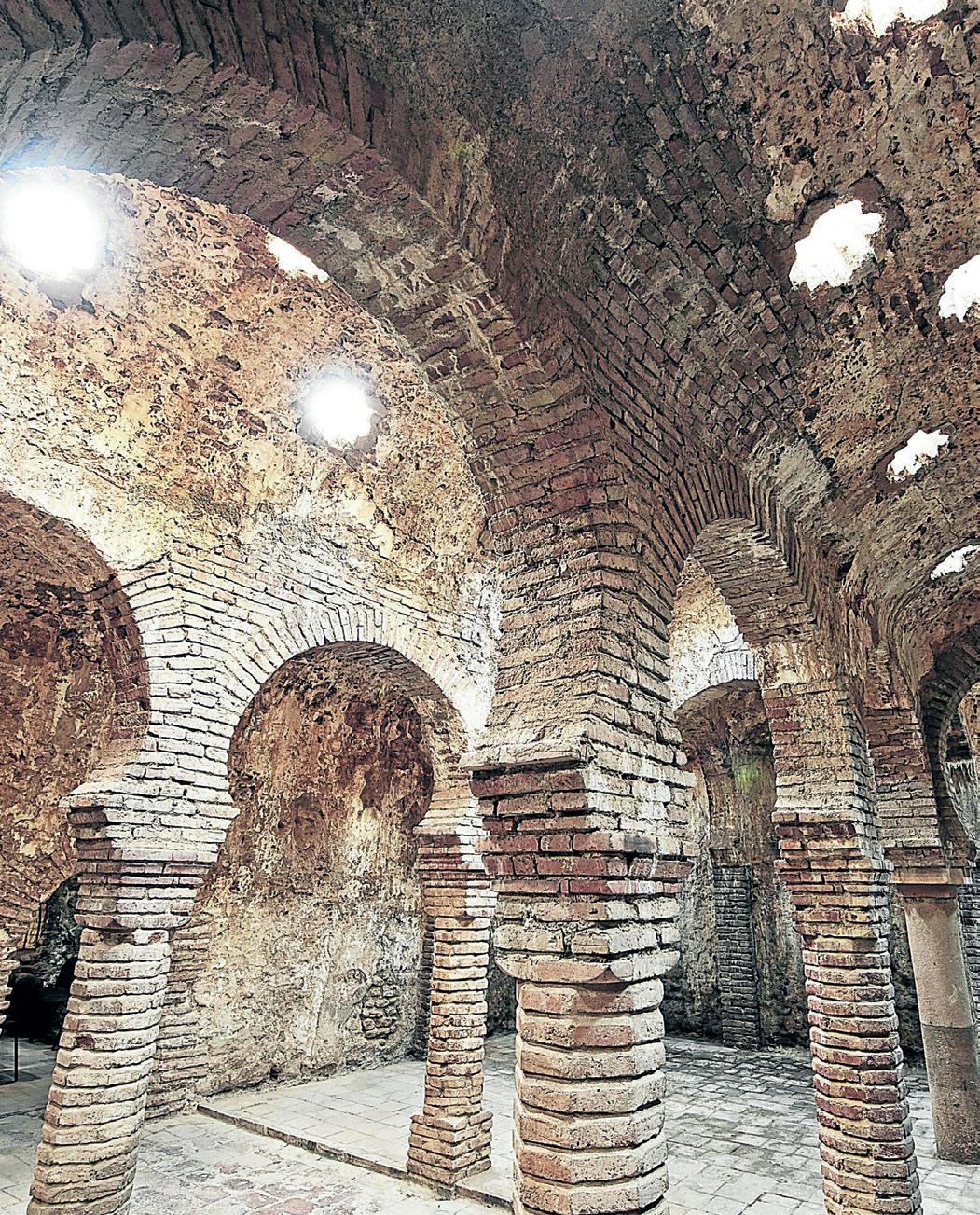
ed outside the ancient Moorish walls, these baths are some of the best-preserved in all of Spain. They are a tranquil, atmospheric space that offers a quiet moment to reflect on the daily life of the city’s Muslim population a thousand years ago. Don’t forget to take the winding path down below the bridge to appreciate its staggering scale from the bottom of the gorge.
Ronda’s dramatic setting has always ensured it is a magnet for artists, writers, and individuals living outside convention.
To walk its winding streets is to commune with romantic ghosts.
The impressive chronicle of literary and artistic authors - including Hemingway and Orson Welles - captivated by the city can be traced from ancient history to the present day.
Casa del Rey Moro (The House of the Moorish King): Despite its name, this palace was built after the Christians took Ronda, but it is famous for one unmissable feature: La Mina. This is a secret staircase of over 200 steps, carved directly down into the gorge during the Arab era. It was used to draw water and, in times of siege, to repel invaders. It is a staggering feat of defensive engineering that makes the walk down worth the effort.
Baños Arabes (Arab Baths): Locat-
Beyond Pliny, the list includes the poet-king of Sevilla, al-Mutamid; the Renaissance man and native of Ronda, Vicente Espinel, who is credited with inventing the modern Spanish guitar by adding a fifth string; and the Austrian poet Rainer Maria Rilke, who allegedly died after being pricked by the thorn of a rose, but who also had leukemia.
Perhaps the most poignant figure is Juan Ramon Jimenez, hounded by the Fascists, who famously confided his most secret thoughts only to his beloved mule, ‘Platero’.
The city’s allure extends to the vi-

Jewish boy from London’, came here to create canvases bathed in Ronda’s intense golden light. He has had many followers.
And let’s not forget the famous bandits (bandoleros) who thrived in the surrounding mountains, like the singing outlaw Tragabuches, whose tales still fuel Ronda’s vibrant folklore.
The city invites you to take a leisurely stroll, allowing you to appreciate in detail the features of the ancient Moorish medina, on the south bank of the Guadalevin River, which still preserves part of its walls, and to cross the Puente Nuevo, and stroll along the Alameda del Tajo, pausing in the nooks and crannies and monumental works that open their doors to visitors.
You can’t leave Ronda without experiencing its food - a robust celebration of the surrounding mountains and with plenty of talented local chefs.
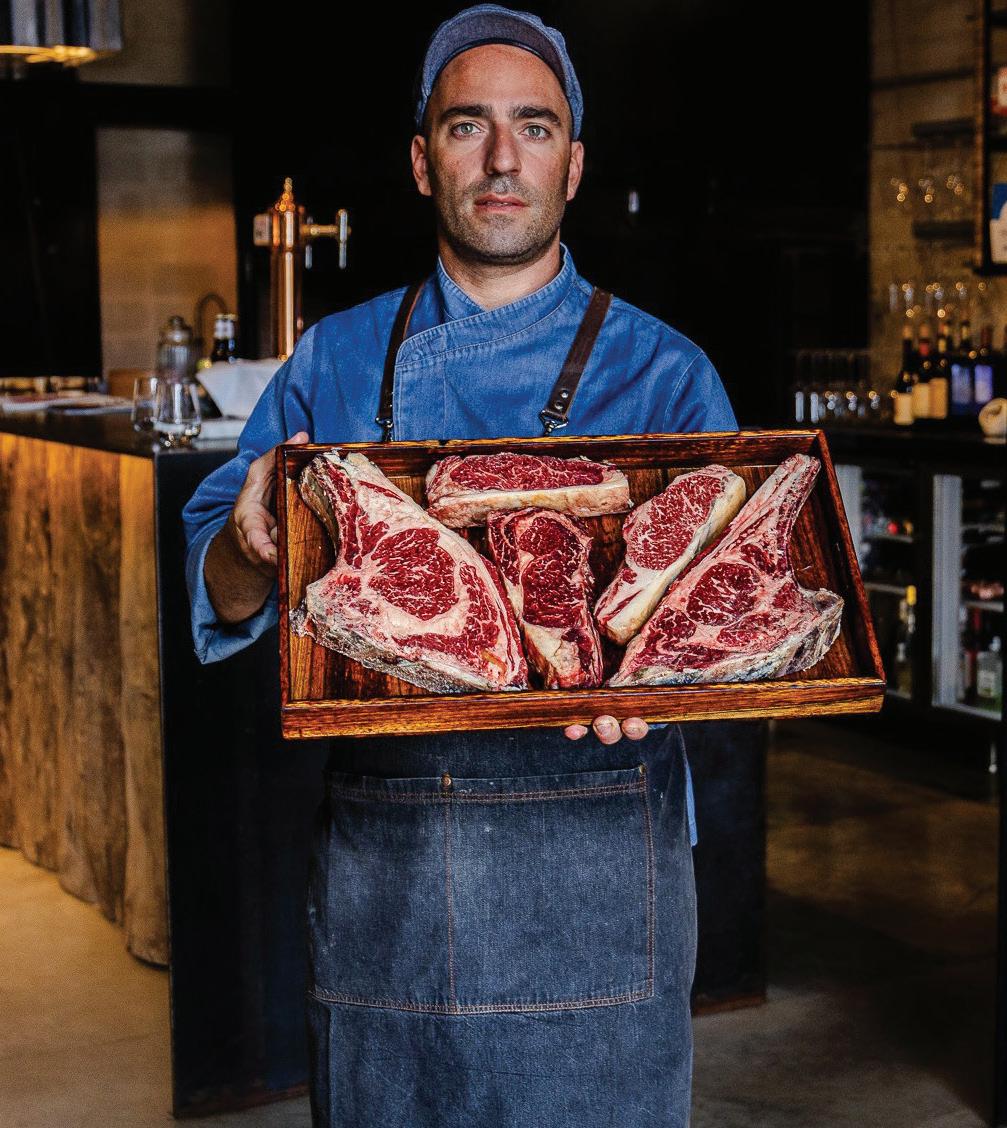
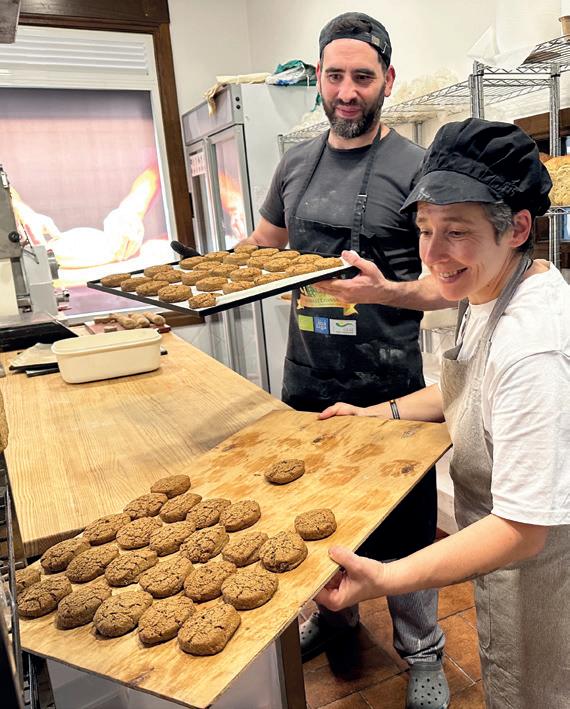
The culinary highlight is undoubtedly bull’s tail (rabo de toro), a rich, slow-cooked beef speciality served in a thick, savoury gravy, while its top chef Benito Gomez now proudly sits on two Michelin stars with his restaurant Bardal. There are so many other great local talents, such as Leo, who recently opened his own sough dough bakery Kachopan (right). Alternatively, you can recharge your batteries by hopping from bar to bar to enjoy the infinite variety of tapas, small, inexpensive snacks perfectly paired with the region’s local wines…
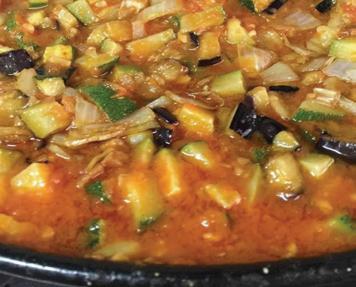
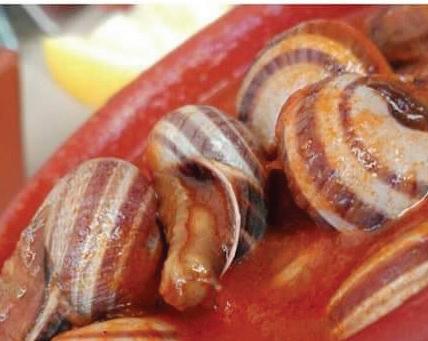
and there are nearly 30 bodegas producing vino in the nearby hills. Ronda’s modern spirit is best captured in its festivals. The people here have a long memory for conflict, especially the French invasion in the early 1800s. Today, Ronda and its nearby villages celebrate their history with joyous, annual costumed re-enactments of the defeat of the French, accompanied by several days of genuine communal partying, featuring plenty of wine, music, and dancing. From the quiet history of the Roman theatre at Acinipo to the vibrant energy of the modern districts, Ronda is a city that has mastered the art of survival and cultural fusion. It is a bold, unforgettable piece of history that continues to live right on the edge of the world.



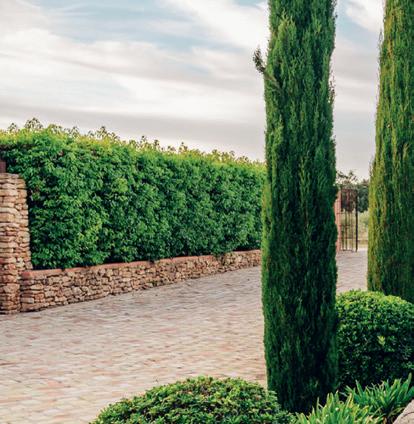
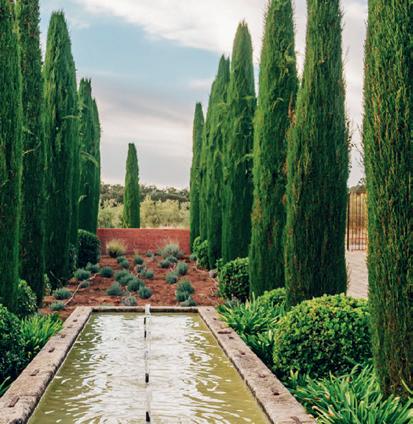

Ronda’s Cortijo del Canto is a true fantasy escape, where privacy is coupled with nature and history, writes Jon Clarke
IT feels like the home of a Roman senator, while its arrival reminded me of a scene from Eyes Wide Shut
But while Stanley Kubrick would no doubt approve of this hidden world of the wealthy, Cortijo del Canto is actually the creation of an Argentinian architect.
Part Andalucian cortijo, part South American estancia, it is easily the most privileged place to stay in Ronda.
Hidden away in a giant private estate, ten minutes out of town, it is no surprise to learn recent guests have included Robert de Niro and Antonio Banderas.
They would have felt entirely cocooned in this fantasy world, now run by Marbella’s most exclusive five-star hotel group, Puente Romano.
Buenos Aires, his design philosophy is rooted in the concept of ‘silent luxury’, as he describes it.
A principle mixing minimalism, functionality and the integration into natural surroundings, it means a building cannot just be aesthetically pleasing but must also tailor to its guests.
That it certainly does, including the carefully curated open areas, with state-of-the-art sound systems and TVs, all well hidden behind screens, while the heating system makes it incredibly comfortable in winter.
There is naturally an open fire, candles and plenty of good books to read, while the kitchen and dining area is impressive and the fridges are stacked to the brim with drinks and snacks.
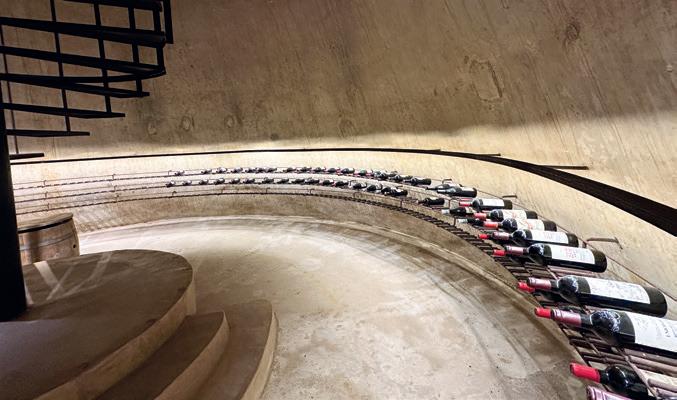
But the most exciting discovery is the wine cellar.

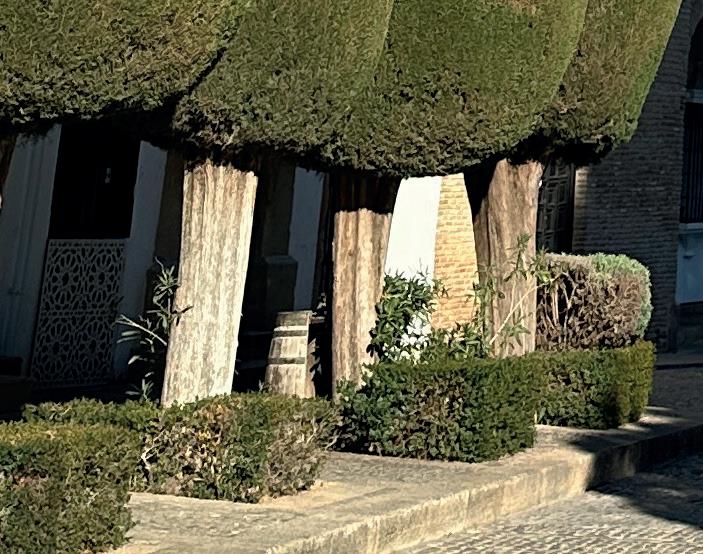
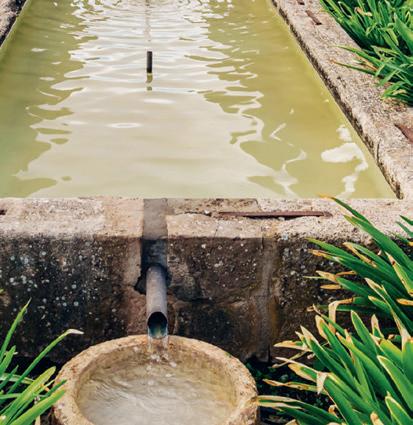
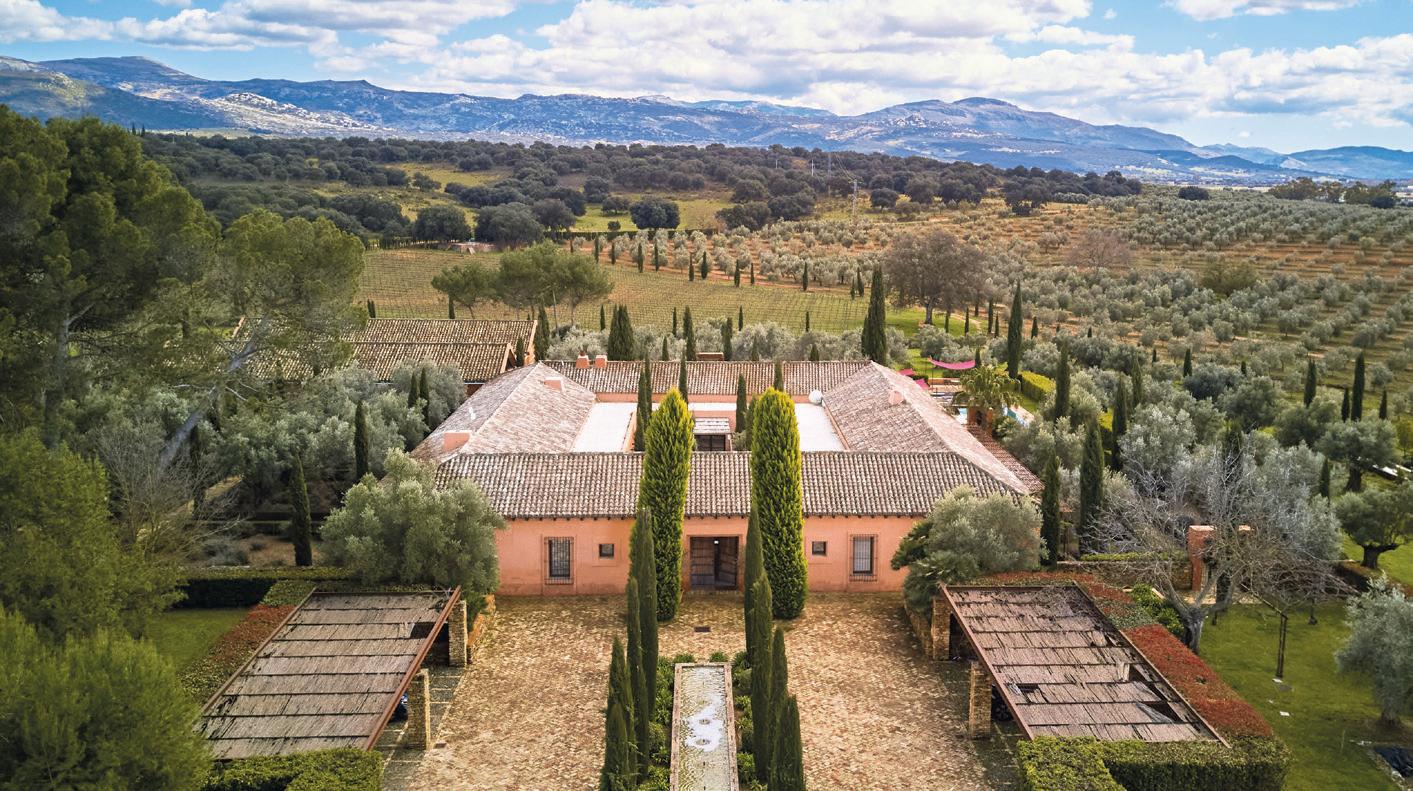
Surrounded by lush grounds of centenario oaks and vines and with a grand fountain for arrival, it is the sort of place you slowly sink into and wish you never had to leave.
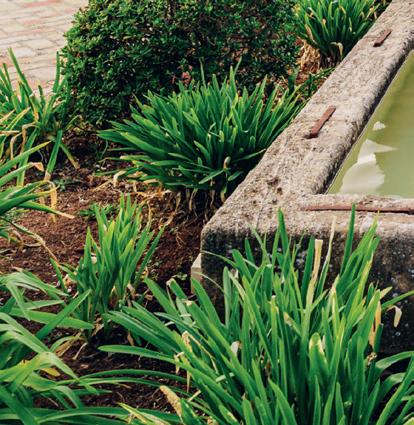
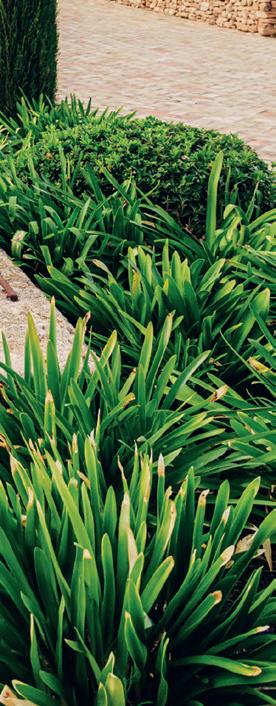
Set around a courtyard of wisteria and African lilies, its six ensuite bedrooms open out into private landscaped gardens full of lavender, rosemary and ancient olives.
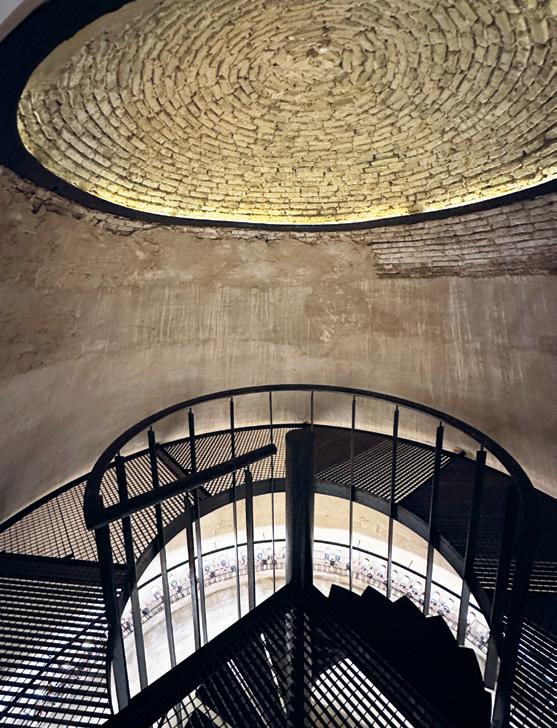
Part of an ancient farmhouse, which officially dates back to 1920, it is a huge underground water deposit - known as an aljibe in Arabic times - with a spiral staircase leading down to a giant circular rack of vintage wines, many from France.
Set across 16 hectares, the ‘resort’ also counts on a delightful pool, cinema and its own vineyard.
The Heredad del Canto estate was once a giant 300 hectare estate, which had its own school for the workers’ children, as well as its own train station.
The grounds offer plenty of walks, while you can borrow bikes, or alternatively organise a driver to take you into nearby Ronda for a tour.
A private butler service, chef and masseur can be provided on request. Guests can also be treated to private flamenco shows, olive oil tastings, and yoga classes.
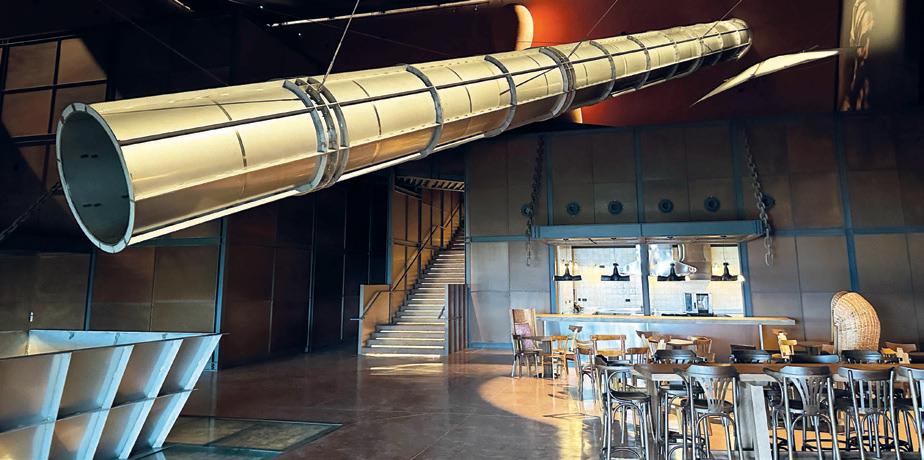
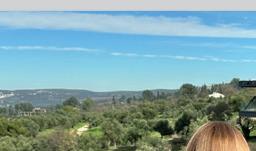
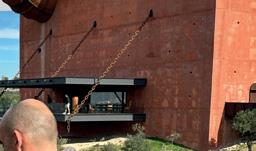



IT cost well over 20 million and will hopefully create something of a ‘Guggenheim Effect’ for Ronda.

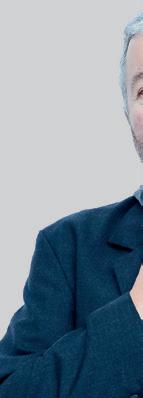
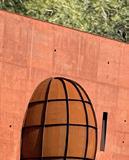
That is Philippe Starck’s amazing new organic olive mill.


“And you can make as much noise as you want here,” and


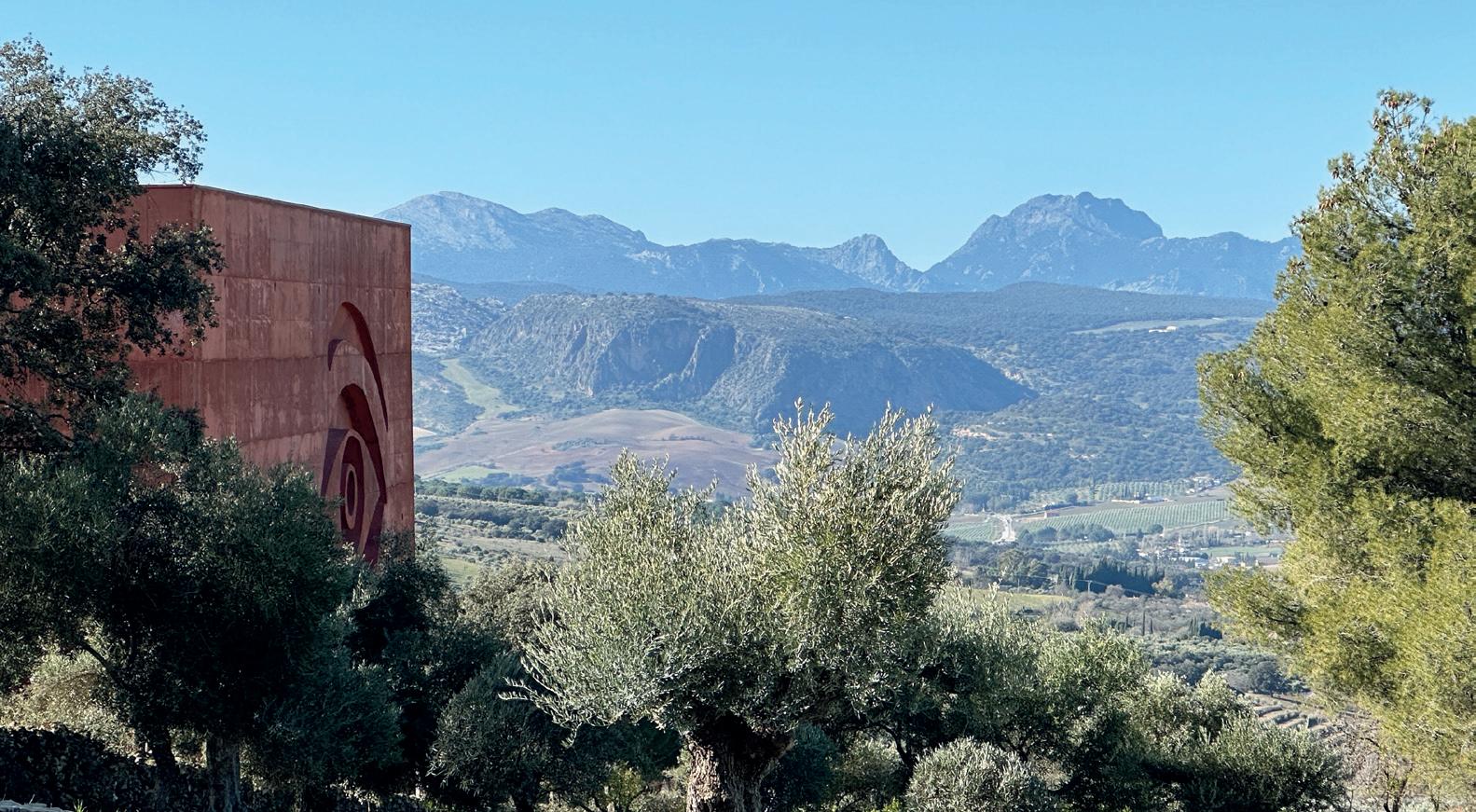
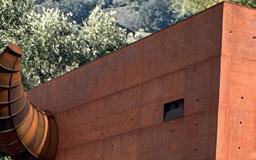
A towering six-storey 40-metre giant made of concrete and steel it peers out over the beautiful Serrania like a beacon. Built over four years, La Almazara - shaped in the head of a Picasso-style bull - is the largest
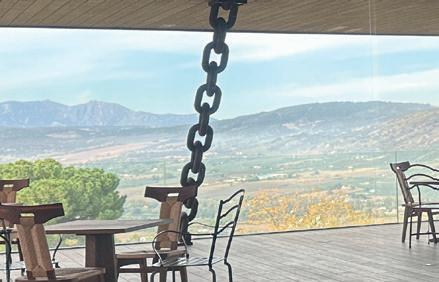
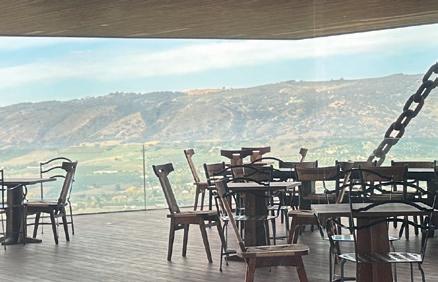

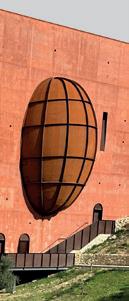
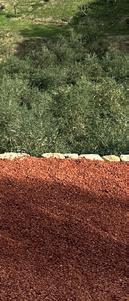
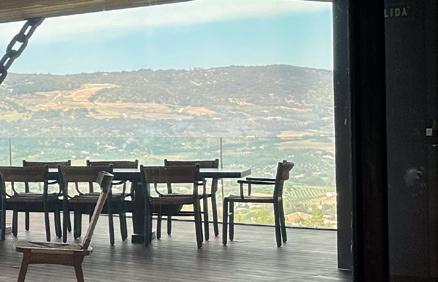
Its myrtle hedges doff their cap at the Alhambra, while its terracotta colours and matching pots are the true authentic colours of inland Andalucia.
The brainchild of architect Paco Guillen, who moved to Marbella from Buenos Aires in 1981, he had almost a blank slate when he started working on the property two decades ago. Mixing what he learnt from the University of

quote, and an outlandish claim, reaching back to the dark Middle Ages of European history. Griffin was harking back to what historians call the Spanish ‘Reconquista’ – a centuries-long series of military campaigns in which the peninsula’s Christian kingdoms conquered Muslim-ruled territories, culminating in the fall of Granada in 1492.
The far-right veteran hopes Spain’s history may serve as a ‘powerful’ inspiration for the AFPat a time when its members believe European countries are being ‘invaded’ by immigrants.
Co-hosted by Spanish nationalist party Democracia Nacional, the rally brought together members of extreme-right factions from across Europe – and even a representative of the ‘Russian Brotherhood of Academics’, a student organisation advocating military involvement for Russian youth.
Speakers at the summit included Pierre Marie Bonneau of France’s Les Nationalistes, Claus Cremer of Germany’s Heimat, Gloria Calarelli of Italy’s Forza Nuova, and Pedro Chaparro of Democracia Nacional.
Many of them accused Europe’s best-known far-right parties – including Spain’s Vox – of being too soft on immigration, with AFP president Roberto Fiore slamming Italy’s PM Giorgia Meloni, leader of far-right Fratelli d’Italia, over last year’s increase in immigrant arrivals.
Griffin echoed his peers, branding Europe’s rising right-wing groups ‘useless populists’ - and added they would rather keep immigrants as cheap labour than rid their countries of ‘undesired’ foreign residents.
“Populists may send home a few criminals, a few Islamists, but never the non-white masses,” he told an audience of more than 40.
Griffin has never been far from controversy since he joined the BNP in the mid 1990s and rose to its leadership in 1999.
In 2009, he won one of the party’s two seats in the European Parliament before the movement collapsed amid infighting and financial ruin.
His tenure was overshadowed by controversy when, in 1998, he was convicted of distributing material likely to incite racial hatred after he published a pamphlet that questioned key aspects of the Holocaust.
He then faced fresh charges in 2006 when he said Asian Muslims were turning Britain into a ‘multiracial hell-hole,’ and claimed that some Muslim men were ‘seducing and raping white girls … because their ‘good book’ tells them they can take any woman they want as long as she is not Muslim’.
Today, his return to the political scene as AFP’s vice president has been marked by renewed calls for the mass deportation of non-white residents of Europe.
“As nationalists, we want our people to be free and sovereign in our country - and we want all peoples to be free and sovereign in their own countries,” Griffin said.
Griffin is not alone in his aims. The young representative of the Russian Brotherhood – a gaunt blond who went only by ‘Michael’ – drew applause when he offered a chilling summary of what the Madrid summit was all about.
“Our job is to push public opinion as far right as possible, normalising the idea of forced deportations and the complete cessation of immigration,” Michael said, making sure to keep his surname under wraps throughout the entire
meeting.
Michael’s alarming ideas reflect a worldview rooted in conspiracy – which several AFP members, including Griffin, appear to share.
During the summit, Fiore made repeated references to a ‘deep state’ which, he claims, is using far-reaching covert operations to pursue the interests of a globalist-Zionist elite.
The theory, embraced by both Fiore and Griffin, rests on the belief that a powerful cohort of ‘capitalists, globalists and Zionists’ benefits from sowing discord among world nations –leveraging the resulting chaos for its own profit.
Griffin, in particular, showed his anti-semitic tendencies, saying that Zionist jews have weaponised immigration to create a rift among European nations.
world war by conspiring to pit Russia against Ukraine.
The AFP’s alignment with Russia became clear last month, when members attended a St. Petersburg rally of ultra-nationalists hosted by Kremlin-linked oligarch Konstantin Malofeev, a key sponsor of the Russian Brotherhood.
The Alliance’s shoulder-rubbing with Russia comes at a moment when international relations appear unsettlingly close to the breaking point.
‘Zionist jews have weaponised immigration to create a rift’
“If you really look at the origins and promotion of mass immigration, time and time again you will find [that] Zionists and Christian-Judaic elements are largely responsible for that immigration.
“Immigration is the weapon against us,” he rather implausibly added, so he could somehow rant against jews and muslims at the same time.
Several AFP members also believe the secretive global order is attempting to provoke a third
AFP members currently hold no European Parliament seats –but Fiore insisted the movement is ‘growing in the streets of Europe’, and called for an alliance between ‘militant revolutionaries’ and the populace. This might just be what disgraced Griffin needs if he is to rise again to rival fellow far right rabble rouser Tommy Robinson.
Once sidelined by scandal, he now leverages decades of experience to serve as strategist and symbol for the pan-European far-right AFP. He concluded his speech by calling out ‘arriba España, arriba Europa’ – a nod to a popular Francoist slogan loosely translated as ‘Spain and Europe above all.’
He was met with cheers and applause, but only time will tell if anyone will really listen.
By
FIFTY years after Francisco Franco’s death, Spain’s long-gone dictator’s tarnished reputation is being white-washed.
Support for the man who ruled from 1939 to 1975 is surging alongside the rise of the farright Vox party - and the numbers are stark.
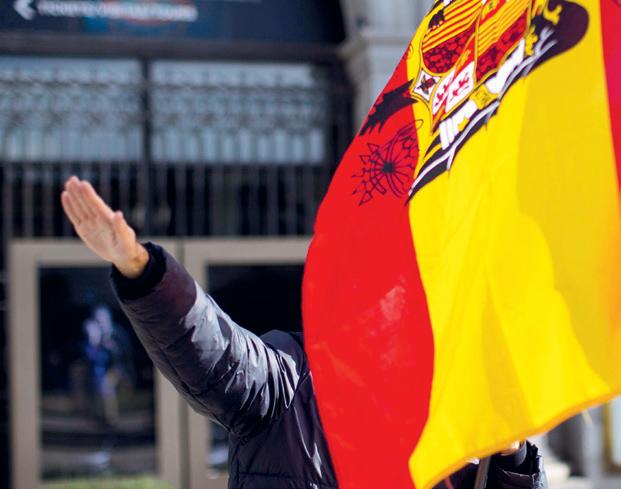
A recent CIS poll shows 21.3% of Spaniards now think Franco’s rule was ‘good’ or ‘very good’, including nearly one in five 18–24-year-olds. Even more alarming: almost one in four Gen Z Spaniards say an authoritarian system might be preferable to democracy.
And only six in 10 people correctly identify that poet Federico Garcia Lorca was murdered in Granada by Francoist forces - a stunning lapse in historical memory.
Into this fog steps acclaimed British historian Giles Tremlett, whose new book El Generalísimo: Franco pulls no punches. He paints Franco as a ‘short, squeaky-voiced army officer’ who proves that ‘outward mediocrity is no barrier to the ruthlessly ambitious’.

Franco’s coup against Spain’s elected Republican government - fuelled by paranoia about a supposed ‘Marxist-Jewish-masonic plot’ - unleashed a civil war that killed more than half a million. Victory brought no mercy: he ordered 20,000 executions and stripped millions, especially women, of basic rights over their bodies, children, work and property.
His disastrous economic autarky pushed the country towards famine, while Franco basked in what the British ambassador called a ‘heavy mist of self-complacency’. Later tourism-fuelled growth has helped whitewash the era, Tremlett warns. “Ignorance is dangerous,” he writes. “The only way to change this is to break the silence and teach young Spaniards what Francoism really was.”


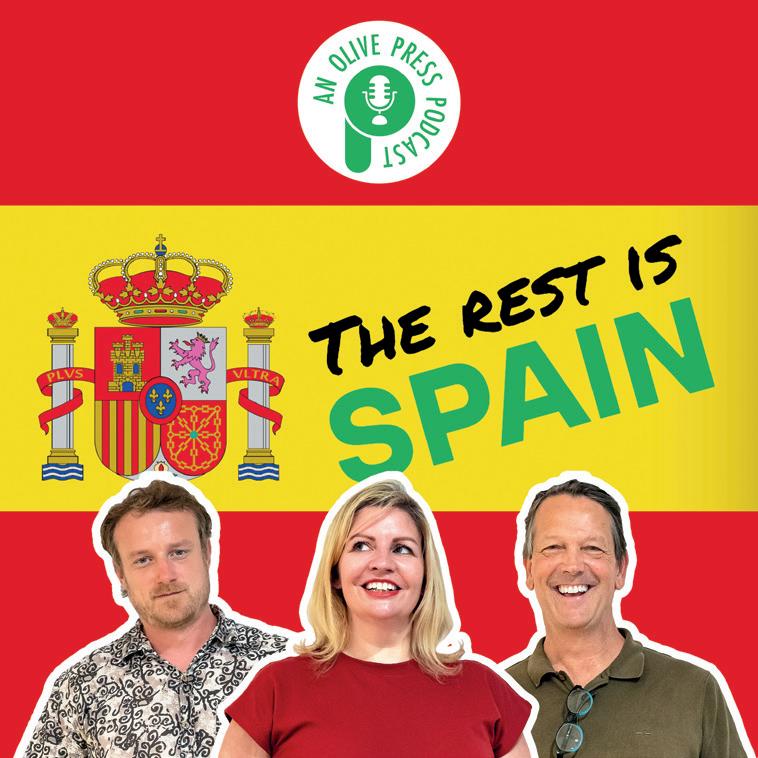
The Olive Press Podcast comes roaring back with a vengeance: Police violence in Portugal, police negligence in Almeria, and police assistance in tsunami drills in Cadiz
EPISODE 10 of the Olive Press’ flagship podcast The Rest is Spain, has just come out.
The 30 minute show featuring Editor Jon Clarke, Digital Editor Walter Finch and host Caroline Lips get their teeth into a string of hot expat topics of the moment.
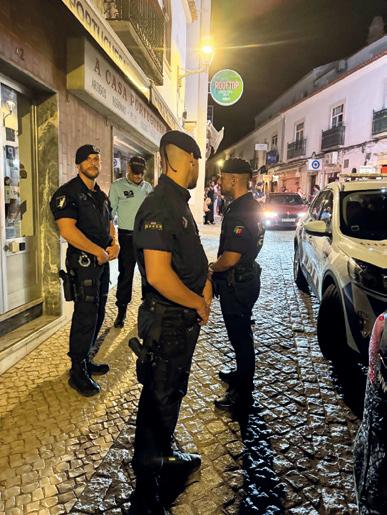
Under the microscope this episode are the actions of two separate regional police forces, one in Portugal (pictured bottom right) and one in Almeria.
Jon recounts the tale of a well known British lawyer who got attacked by police after he went to report how he had been beaten up by bouncers. Without rhyme or reason they dragged him down an alleyway and beat him up. Shocking. Next we discussed how the Guardia Civil in Almeria closed an investigation into the very suspicious death of a Brit living in Mojacar.



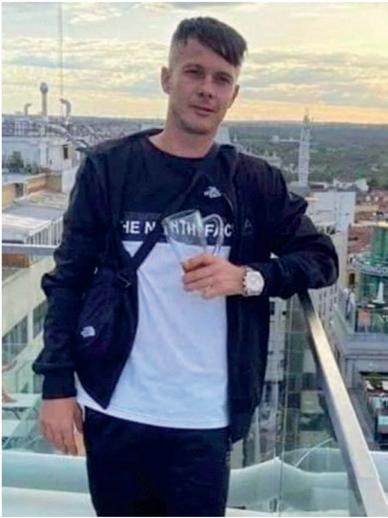
Brett Dryden (pictured bottom left), who ran a cannabis club, was tragically killed two summers ago in what has all the hallmarks – literally all of them – of a violent robbery.
The police did not investigate properly, much to the distress of the family, and finally closed the case with many leads still unexplored.
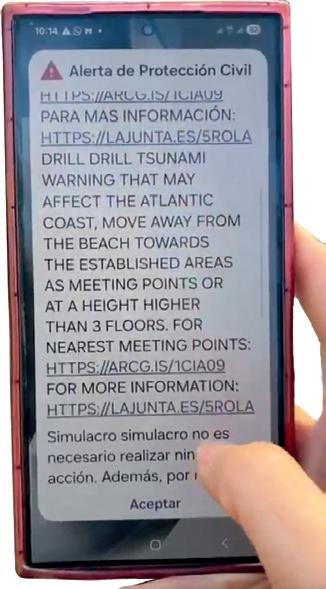
And finally, we have the strange occurrence of tsunami drills in Cadiz – something which saw everyone on the coastal region - including Walt - receive an alert to their phone with instructions to get to the third floor! (pictured bottom middle).
Compelling stuff, and instructions that may even save lives if another mega earthquake strikes the coast of Portugal as it did in 1755 – catastrophically destroying Lisbon. This was our 10th episode and it has been a rollercoaster ride.
Episode 9 remains unreleased and it will probably be consigned to the podcast dustbin after technical gremlins ruined the audio feed on one of the team members.
















It’s a shame but we live and learn, streamlining the product, growing in confidence and getting better every time!
The next one should be out this weekend, with an exciting ‘Costa del Crime Mafia Special’ scheduled for later in the month.













ANEW model aimed at rejuvenating forests and preventing fires through better care of local landscapes has launched in Spain.
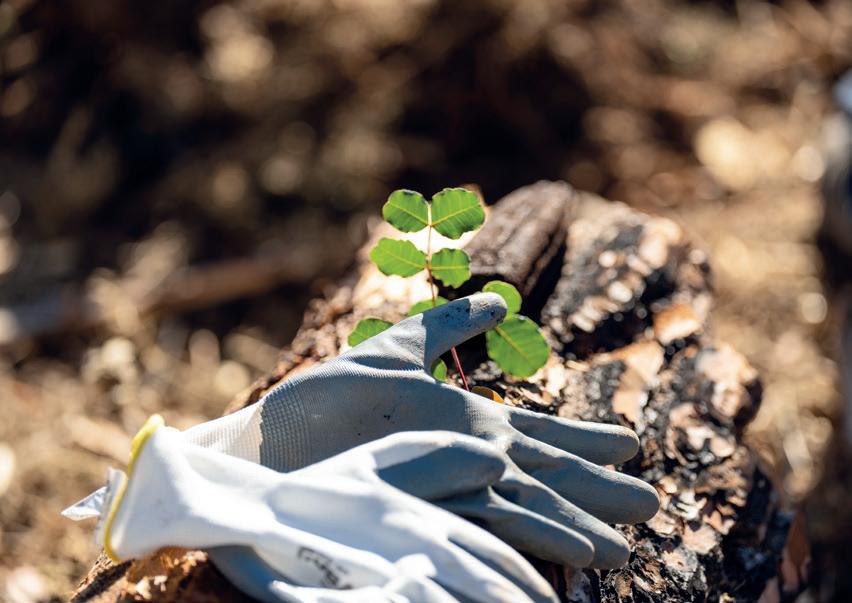
WWF’s Rural Labscape initiative is restoring abandoned areas in Vall de Almonacid to create resilient spaces suited to Mediterranean conditions.
Wildfires across Spain have ‘profound-
By Rachel Gore

ly transformed’ the landscape – areas once filled with long grass, healthy olive groves and tall trees are now dominated by ‘dense and homogenous forest masses that reduce biodiversity and increase future fire risks’, says
Diana Colomina, who heads the forest programme at WWF Espana. Rural areas have long been neglected, meaning that as they age, wildlife and plant species decline and cultural and natural heritage is lost. Vall de Almonacid in Castellon province in Valencia, was one such abandoned area.

Once a thriving outdoor space, it had become a risk to both wildlife and residents. That was until Rural Labscape intervened.
Combining citizen participation with new economic opportunities and ecological restoration, the initiative aims to support Mediterranean territories facing crop abandonment, fire risk and the decline of traditional land use.
Crucially, the project looks at the wider landscape rather than isolated plots, because, as Colomina notes, ‘environmental, social and economic problems cannot be resolved by acting only in isolated areas’.
Restoring entire landscapes creates blended mosaics that boost biodiversity and increase a terrain’s natural fire resistance. This integrated approach also ‘allows natural spaces to connect with agricultural areas’, reactivating traditional activities and creating new local opportunities.

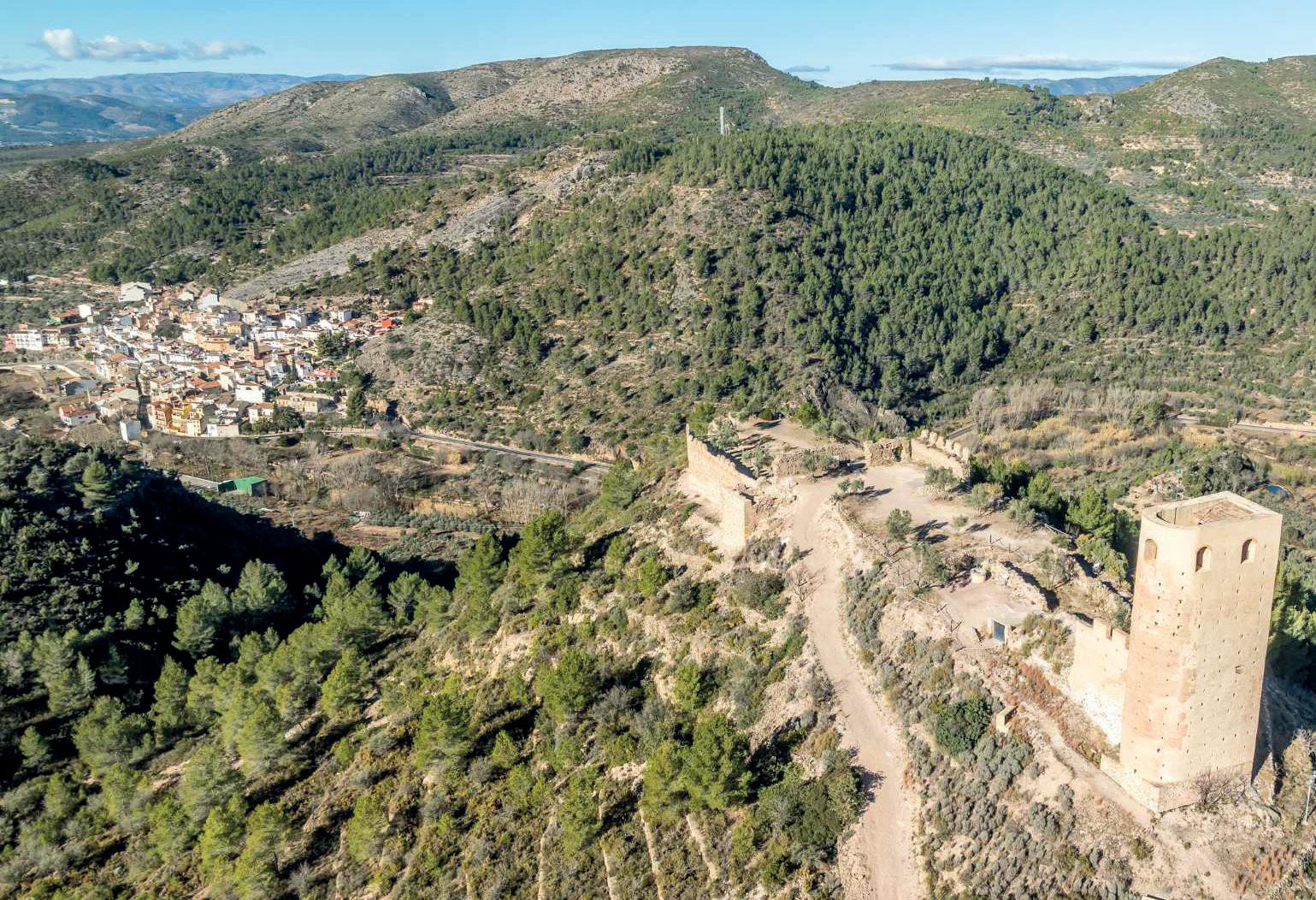




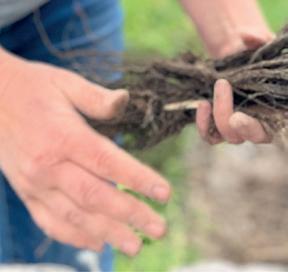
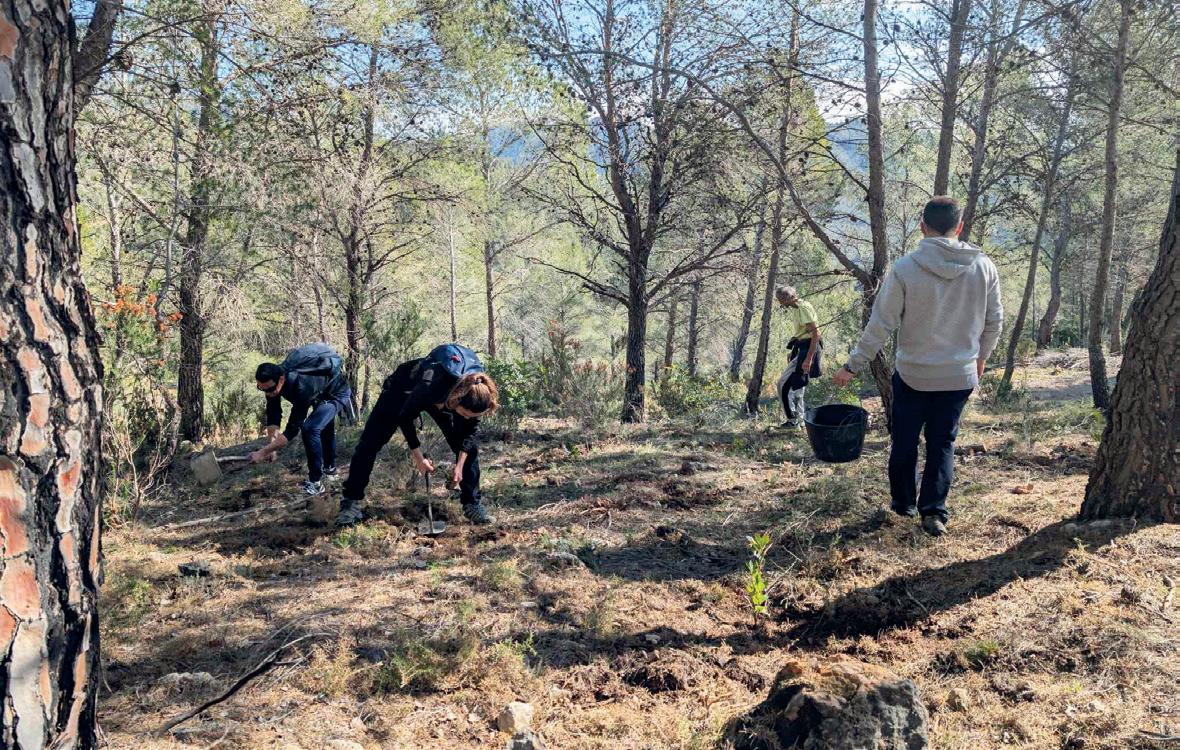
Chosen because it typifies vulnerable Mediterranean rural areas at risk of fire and degradation, Vall de Almonacid has become the first location to undergo this transformation. The initiative has seen the area cleared of debris and restored into a space where multiple species can thrive. Lavandin, lemon balm and stevia were among the plants introduced – all hardy, low-water species well suited to Mediterranean climates and compatible with local biodiversity.
ed ideas and hands-on work.
While participation is already strong, the team stresses that ‘the transformation of the landscape will only be sustainable if it also transforms the way people relate to it’.
The team itself is diverse –40% of the 38 participants are women
A ‘very large educational programme’ now connects the Living Lab with students from universities and schools. More than 500 students have taken part, helping forge a connection between young people and their environment.






A botanical garden, designed with the Escuela Taller de Jardineria in the municipality, has transformed another section of the landscape. The high-value species planted here are expected to create new bioeconomic opportunities.



The team itself is diverse – 40% of the 38 participants are women. Applicants were selected through ‘a social media process’, with an interdisciplinary team ensuring ‘the lab represents all voices linked to the theme in the municipality’.











The garden not only shows how a thriving rural landscape can boost a local economy, but also how Rural Labscape actively involves the community. “The local community is the heart of this project and is present in all phases,” Colomina told the Olive Press, praising residents who have contribut-

Local authorities have supported the project by offering space for the lab and taking part in decision-making, helping build a model that can be replicated across the Mediterranean. Through this project, WWF has helped Vall de Almonacid recover its ecological structure and function, making it more resilient in the face of climate change.
A Banco de Tierras or landbank now exists for anyone interested in cultivating or restoring abandoned land. This means people who want to help can be directed to areas where they can be the most help.
Colomina stresses that ‘any person can get involved’, whether through volunteering or proposing new initiatives in the collaborative space.
To learn more about the project or get involved, visit www.rurallabscape.com

TRAVELLING by train be-
tween Spain’s two biggest cities will soon take less than two hours, according to plans unveiled by the government.
Transport minister Oscar Puente confirmed that the government will press ahead with plans to increase top speeds on AVE high-speed rail to 350km/h.
Currently, trips between the Spanish and Catalan capitals take between two and a half and three hours, with speeds capped at around 310km/h on certain stretches of rail.
But the 621km journey could be cut to under two hours with tweaks to rail infrastructure allowing trains to travel up to 12% faster without reducing safety.
Puente said: “Our goal is 350km/h and we will be the second country in the world to reach this speed - after China.”




SPAIN’S own ‘Palace of Versailles’ has just been declared a Historic-Artistic Site Spain’s National Heritage Organisation. The sprawling Palacio Real de La Granja, tucked into the hills near Segovia, is a baroque showstopper built in the 18th century on the orders of King Felipe V. Once a serene royal retreat, it now dazzles visitors with echoing halls lined with paintings of Felipe V and his wife, ornate furniture, tapestries and sculptures that tell centuries of royal drama. Outside, the palace opens
By Rachel Gore
onto French-style gardens often compared to Versailles itself. Manicured avenues lead to monumental fountains still powered by the original 18th-century hydraulic system.
On special dates, the fountains roar to life, creating spectacular displays of water jets and cascades without a single electric pump – a scene that has wowed visitors for generations. Beyond the palace gates,
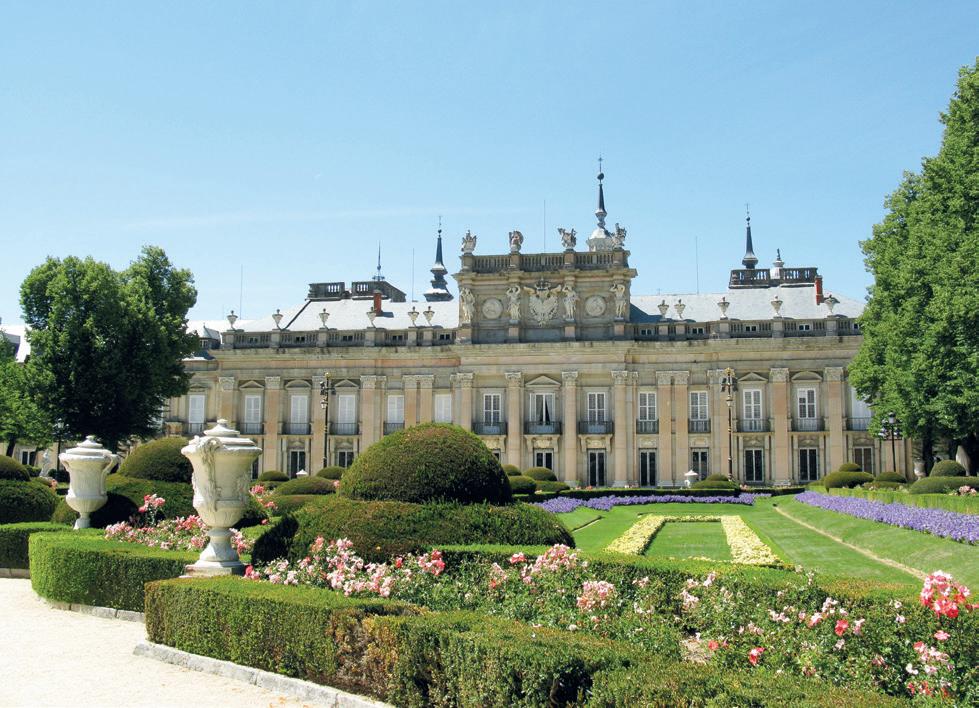
the Real Sitio de San Ildefonso offers more to explore. The Real Fabrica de
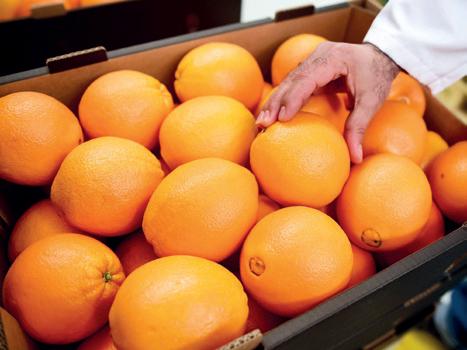
SPAIN may be the world’s number-one exporter of oranges, but it still imports tens of thousands of tonnes of the fruit every year to keep supermarket shelves stocked.
New figures from the Ministry of Agriculture show Spain brought in 82,673 tonnes of oranges during the 2024–2025 campaign. That may sound surprising in a country famed for its citrus groves, and which exports 1.6 million tonnes of oranges a year, but imports play a key role in plugging gaps in supply when domestic varieties are between harvests.

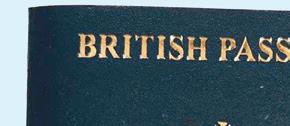

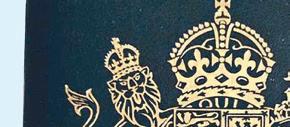




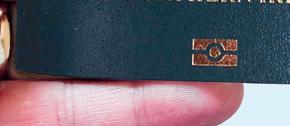



THE UK will unveil a new passport on December 1, introducing key updates to security and design.
This marks the first major change since the 2020 shift from burgundy to dark blue following Brexit. Notably, the new passport will feature His Majesty King Charles III’s Coat of Arms, replacing Queen Elizabeth II’s emblem. The King’s design incorporates the Tudor Crown, giving it a rounded top. The passport also includes cutting-edge holographic and translucent features for improved security, making it the ‘most secure British passport ever’. Inside, updated designs showcase UNESCO-protected landscapes from the UK’s four nations, such as Ben Nevis and the Giant’s Causeway. Existing passports remain valid until expiry.

Cristales and Museo Tecnologico del Vidrio bring 18th-century glassblowing and manufacturing to life, while nearby historic churches and monuments, including the Valle de Cuelgamuros and Bosque de la Herreria, add to the area’s royal charm.
With its dramatic fountains, baroque splendour and stunning mountain backdrop, La Granja may echo Versailles in style – but it remains a uniquely Spanish treasure, now officially recognised for its historic and artistic value.


The bulk of those imports –over three-quarters (77.5%) – come from inside the EU. Portugal is by far Spain’s biggest supplier, sending 37,211 tonnes, followed by the Netherlands (12,398 tonnes) and France (7,737 tonnes).
Outside the EU, Spain still buys citrus from countries with major industrial-scale harvests. South Africa (5,019 tonnes), Argentina (4,720 tonnes) and Egypt (2,388 tonnes) are the biggest nonEU countries of origin.



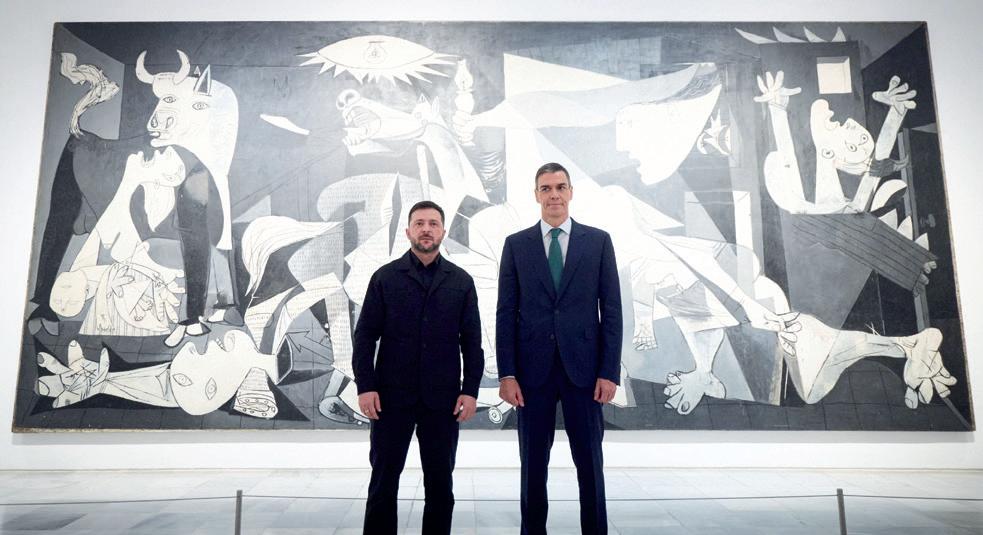
SPAIN has pledged over €800 million in further support for Ukraine after President Volodymyr Zelenskyy visited Madrid.
The total package - adding up to €817 million - forms part of a 10-year bilateral security and defence agreement signed by the two countries in May last year. Speaking following a meeting with the Ukrainian leader, prime minister Pedro Sanchez reiterated ‘Spain’s full and firm support for Ukraine and its president’.
“First, for the Ukrainian army to protect the terri-
torial integrity of Ukraine from the invader. Secondly, to protect the civilian population, and finally to give an impulse to reconstruction,” Sanchez said when asked what the sum would be spent on.
Over €300 million of the support package will go towards the delivery of new defence equipment.
An additional €100 million will be funnelled into NATO’s US arms acquisition programme - known as PURL - to provide Ukraine with anti-aircraft defence systems to protect its civil-
ian population from Russian missiles. Sanchez also announced an investment of €200 million into reconstruction of the war-torn eastern
European country, with a particular focus on energy, transport and water management.
SPAIN is now responsible for a fifth of all GDP growth in the eurozone despite making up only a tenth of the bloc’s economy, new analysis shows.
The figures, shared by Oxford Economics and Haver Analytics, underline how growth across the currency area is increasingly concentrated in just two countries: Ireland and Spain.
Ireland, which accounts for just 4% of eurozone GDP, is providing around 40% of all growth in 2025.
Spain contributes 20% of growth, leaving the remaining 86% of the eurozone to generate the other 40%.
Economist Angel Talavera notes that half the bloc is expanding at 0.5% or below, pointing to widespread stagnation beneath the
headline growth figure of around 1.4%. Germany, the eurozone’s largest economy, is expected to grow by around 0.2% this year after two years of contraction.
France, representing roughly a fifth of the bloc, is set for 0.7% growth. Italy, contributing around 15% of eurozone GDP, is forecast to expand by just 0.4%.
Spain, by comparison, remains one of the eurozone’s standout performers.
The European Commission expects GDP growth of close to 3% in 2025, following 3.2% in 2024.
Across: 6 Compound, 7 Lark, 8 Gets it, 9 Elaine, 10 T-shirt, 13 Tango, 14 A k a, 15 Brawl, 16 Update, 17 Al Gore, 19 Towage, 22 Stay, 23 Long live.
Down: 1 To be, 2 Opus, 3 Sum total, 4 Edge, 5 Printout, 7 Learned, 11 Subtlety, 12 In agony, 13 Taunting, 18 Ella, 20 Walk, 21 Gave.
Spain has provided billions of euros of military equipment to Ukraine since the Russian invasion in 2022, including tanks, missiles, ammunition and anti-tank rocket systems.
Spain’s armed forces have also trained almost 8,000 Ukrainian soldiers, according to official figures. The latest aid package comes as pressure builds on Zelenskyy to sign a US peace plan widely derided as overly favourable to Russia.
SPAIN is emerging as one of Europe’s strongest economic performers, with recent data suggesting it may be outperforming France and Germany.
According to the Telegraph, Spain’s improving budget and declining debt ratio mark a remarkable turnaround since the eurozone crisis, when it required a multi-billion euro rescue package.
Spain's budget deficit is projected to fall to 2.5% of GDP in 2025, with six years of consecutive reductions. Its debt, once a major concern, is now around 100% of GDP and expected to drop to 97% by 2027.
Notably, bond markets are lending to Spain at lower rates than to France or Italy, reflecting confidence in its finances. Spain’s economic recovery has been fueled by strong growth, record tourism, and rising tax revenues.
TODAY’S ‘money’ topic is a practical one: how to pay down credit card debt. That we should pay down our debt seldom needs explaining - if we have balances on our credit cards, this is something we likely already know.
The most effective strategy for paying down our credit card balance is to focus on one debt.
If we can zero in on a single debt, we’ll see progress as we pay down its outstanding balance. That should encourage us. When we confront a small hill rather than a mountain, it is also less stressful.
Rate) on card balances in each of these three countries often exceeds 20%.
Even a modest balance can grow rapidly. Perhaps that’s the reason two popular plans to repay our credit card debt have names that refer to snow accumulation: the ‘avalanche’ and the ‘snowball’ effect.















According to the US Consumer Financial Protection Bureau, if we make even one extra payment per year to one of our credit cards we can reduce total interest by hundreds over the life of a balance.













Credit card use is lower in Spain and the UK than in the US and carrying a credit card balance from month to month is less common. Nonetheless, credit cards have some of the highest interest rates of any consumer debt.
The ‘APR’ (Annual Percentage
In the ‘avalanche’ method, we rank our credit cards by interest rate, from highest to lowest, and focus on the most expensive debt fi rst. Our current credit card interest rates are shown on our monthly statements. Next, it’s important that we make minimum payments on all our debts. Once we’ve done that, we should put any extra money we have toward the debt with the highest interest rate - making multiple payments throughout the month if we can, instead of one on the due date.
Our goal is to pick the card with the highest rate and start paying is
that one down as fast as we can. Like an avalanche sliding down a slope, once it’s paid off, we move on to the card with the next highest rate and keep going until all our cards are paid off. In the ‘snowball’ method, we rank how much debt we owe on each credit card (ignoring interest rate) from the smallest balance to the largest.

of caution, of course, is we need to watch out for balance transfer fees and make sure to pay off the balance before the introductory period ends.
method can help us climb out of debt. Typically, the snowball method is an easier plan for us to stay committed to because there are more victories early on. But both methods can be effective. Our aim is to pick the one we think will be easiest and get started.




Regardless of how big or small that debt is, we’ll save money in interest, which leaves more money for paying down the balance.
Just as with the avalanche plan, we’ll need to make minimum payments on all our debts. After that, we should put any extra money we have toward the smallest debt. When the smallest debt is paid off, use the amount we were paying on it to the next-smallest debt, and so on. This method should enable us to build momentum and motivation by paying off our smallest obligations fi rst.
From a strictly numerical standpoint, the avalanche approach works a little bit faster and saves us a little more interest. But either
These two plans are commonly mentioned in fi nance literature as ways to pay down our debt. I personally think a third method, which I’ve named the ‘blizzard’ approach, merits mention as well.
If we encounter a new card offering a 0% introductory APR, we could transfer our high-interest credit card debt to that card.
The goal is to pay off as much debt as possible during the introductory no-interest period, which is often 12 - 18 months.
We can save a lot of interest during that period. The word
Additionally, it’s helpful if we can stop using our credit cards except for actual emergencies. Digging ourselves out of a pile of credit card debt (or snow) is very diffi cult if we’re adding to the pile every month.
No matter which approach we may choose - ‘avalanche’, ‘snowball’ or my self-named ‘blizzard’ - what matters isn’t the weather. It’s that we keep moving through the storm to fi nd a debt balance that’s melted away on the other side.

A PROBE into dodgy Covid contracts in Andalucia has exploded into a fullblown corruption storm after investigators uncovered alleged links to a narco gang using bent cops to smuggle drugs into Spain.
Last week, the president of the Almeria provincial council Javier Aureliano Garcia, its vice president Fernando
Gimenez and the mayor of the town of Fines, Rodrigo Sanchez, were all arrested over irregular contract practices for the procurement of personal protective equipment (PPE) during the Covid-19 pandemic.
Garcia and Gimenez have both since resigned.
The politicians - all members of the conservative Partido Popular (PP) - are accused of steering a €2 million contract for Covid masks to a businessman with links to organised crime via a non-competitive process involving possible kickbacks, fraud and corruption.


A TOWN on the Costa del Sol has become the first to install detectors on its beaches that will warn sunbathers of excessive UV radiation.
Benalmadena town hall has recently installed 20 solmaforos - high-tech devices that record the level of ultraviolet radiation beaming down from the sun. The beaches of Carvajal, La Morena, Tajo de la Soga, Bonita, Malibu, La


UV radar.

By Ben Pawlowski











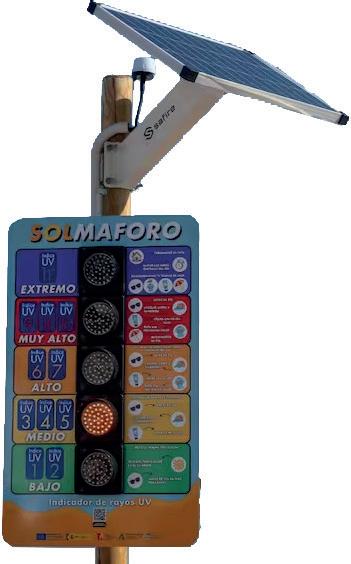
Viborilla, Las Yucas, Benalnatura, Torrequebrada, Torrevigia, Los Melilleros, Arroyo de la Miel, Los Maites, El Bil-Bil, Santa Ana, Las Gaviotas, Malapesquera, Torrebermeja 1, Torrebermeja 2 and Fuente de la Salud have all been given a
Powered by a solar panel and a lithium battery, the detectors will give a warning based on UV ratings issued by the World Health Organisation (WHO).
The devices will go green to indicate low radiation levels, yellow for moderate, amber for high, red for very high and violet for extreme.

A TEAM led by a Spanish biologist has designed the first ever lab-grown human bone marrow. This scientific advancement is said to have the potential to transform cancer research and prompt developments in treatment. The lab-grown human bone marrow was created by a team led by Andres Garcia
Benalmadena mayor Juan Antonio Lara said: “By pro-
Garcia, a researcher and natural biologist from Estepona. It accurately reproduces the complete natural structure of bone marrow, including blood vessels and nerves.
viding this information, we help beachgoers make informed decisions about the risk that their exposure to the sun may present and they can decide the level of protection they must use or at what times they can sunbathe and at what times they should not.”
Excessive exposure to UV rays can cause skin damage and increase the risk of skin cancers, such as basal cell, squamous cell or melanoma. Experts say precautions should be taken if the UV index is above 3 - equal to a yellow alert on the new solmaforos - such as staying in the shade or regularly applying sun cream.
The installation has been funded by a €60,500 grant from the EU’s Next Generation programme.



A CATALAN language billboard on Madrid’s Gran Via has stirred controversy, with supporters calling it a sign of democratic progress while critics slam hypocrisy over limits on Spanish signage in Barcelona.
A BRITISH-designed skyscraper in Malaga port faces renewed backlash after experts filed an 80page complaint, warning the rushed project would scar the skyline.
THE EU’s top court has ruled all member states must recognise samesex marriages performed anywhere in the bloc strengthening freedom-of-movement rights and impacting countries that still refuse legal recognition.
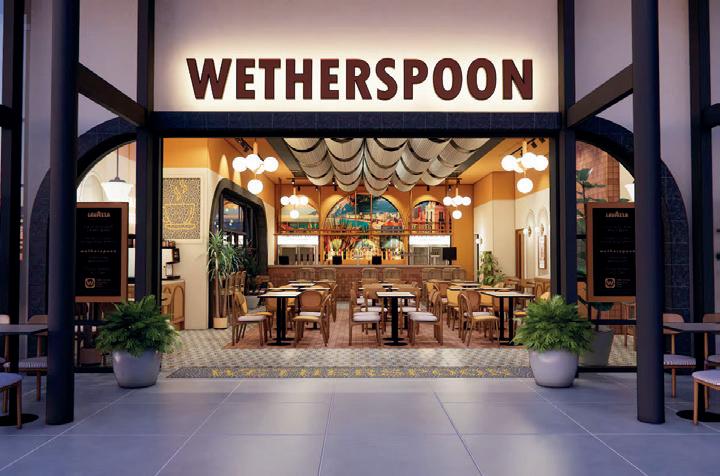
WETHERSPOON’S global takeover has officially begun at Alicante airport.
The UK’s latest cultural export, beloved for its cheap pints and sticky carpets, has planted its first international flag on Spanish soil. Because nothing says ‘holiday in the sun’ quite like a fry-up and a lukewarm beer before 9am.
Travellers can feast on the greatest hits of both Spain and Britain, from garlic prawns



British pub chain famed for its bargain booze lands in Spain
By Dilip Kuner
and burgers to a full English breakfast.
The new pub also has an outdoor terrace for those who prefer their ale with a side of jet fumes.
A NEW analysis reveals that Spain, not America or Germany, is most similar to Britain.
The Economist magazine compared OECD nations across 10 social, economic, and cultural indicators and found Spain the closest match.
Despite centuries of rivalry, the countries share striking similarities: population size, GDP per capita, alcohol consumption, life satisfaction, religious belief, and more. Both also grapple with separatist movements





Martin, now steering the Wetherspoon empire into the EU, insists the airport venture will be a roaring success.
And why wouldn’t it be? Brits have long shown an alarming
- Catalunya, the Basque Country, Scotland and Northern Ireland - while both built vast empires and now face economic and political challenges.
British tourists flock to Spain, and trends show increasing interest in the Spanish language.
While British policymakers have long looked to Scandinavia for inspiration, the UK ‘should reconsider and look to Spain instead’.





After all, Spain has a growing economy and a more open immigration policy.












willingness to consume a pint at any hour so long as the word ‘airport’ is involved.








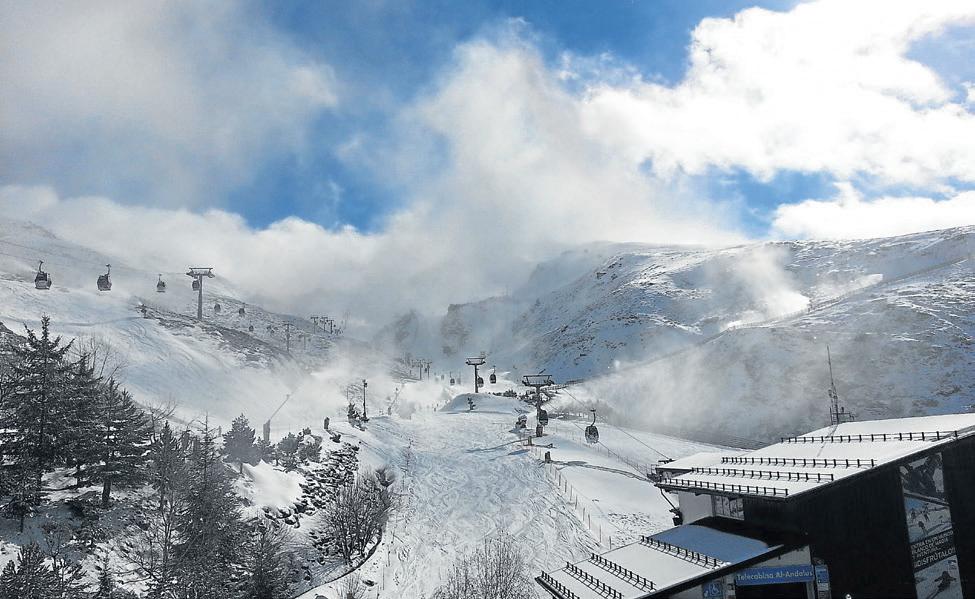

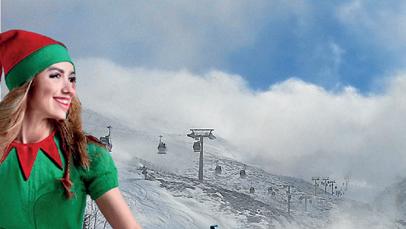
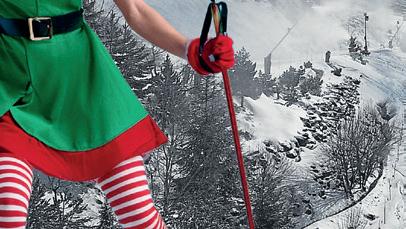
CHRISTMAS came early for Spain’s top skiing resort, as the Sierra Nevada opened in November this year.
Europe’s southernmost ski resort, kicked off the season with skiers treated to seven kilometres of perfectly groomed runs in the Borreguiles area - easily the best opening day for years! With nine lifts already open the resort was more than ready for action.

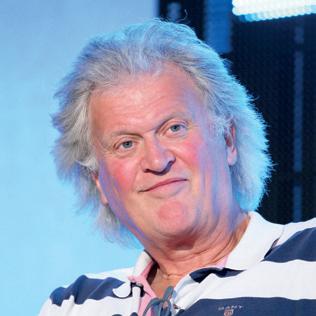

But Martin (pictured) has hinted this is only the start. More airport Wetherspoons could soon pop up across the globe, turning international travel into one long, continuous pre-flight pint.
Forget five-star lounges and overpriced sushi – the British public clearly deserves a cut-price fry-up and a bargain lager while standing in yet another queue. Is it terrifying? Maybe. Comforting? Absolutely. The world has waited long enough. Wetherspoon has landed –and there is no escape.



Snow depths ranged from 20cm to 40cm and the vertical drop stood at 355 metres. With the snow machines going full tilt for some weeks due to low temperatures, a huge range of winter activities are already on offer, including toboggan runs, ice skating and snow slides.
The early start makes it one of Spain’s first major ski resorts to open this season.
Lift tickets are €42 per day, with discounts available on the official Sierra Nevada website.
Let the season begin!