CRITICAL INSURANCE POLICIES FOR CONSTRUCTION COMPANIES
REAL ESTATE F THE FU URE UNHINGED
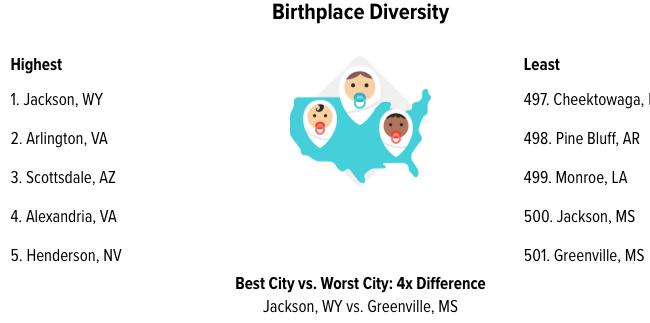
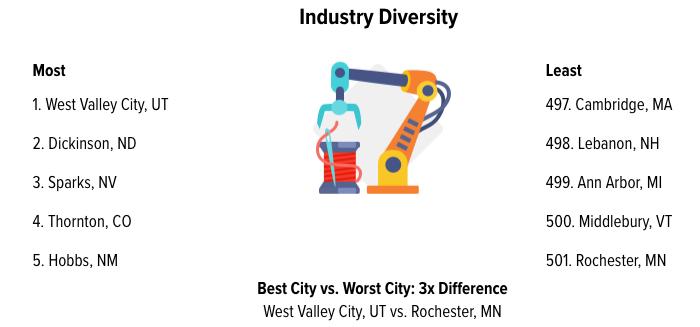
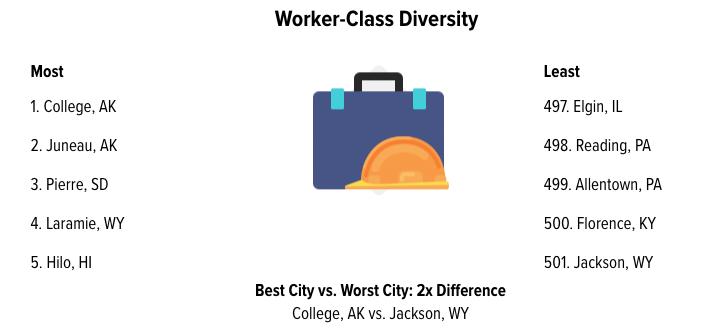
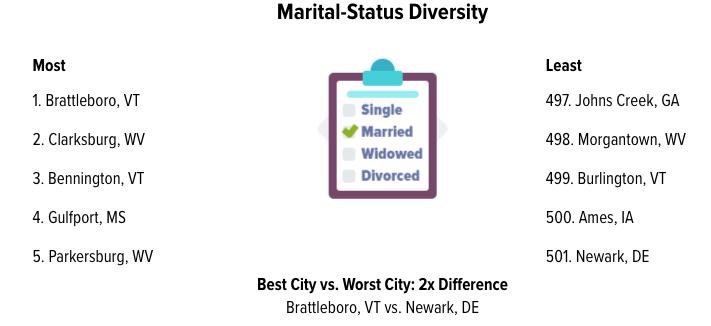
THE MOST DIVERSE CITIES IN THE U.S. FACTOIDS
OUTRAGEOUS! SANCTUARY CITIES
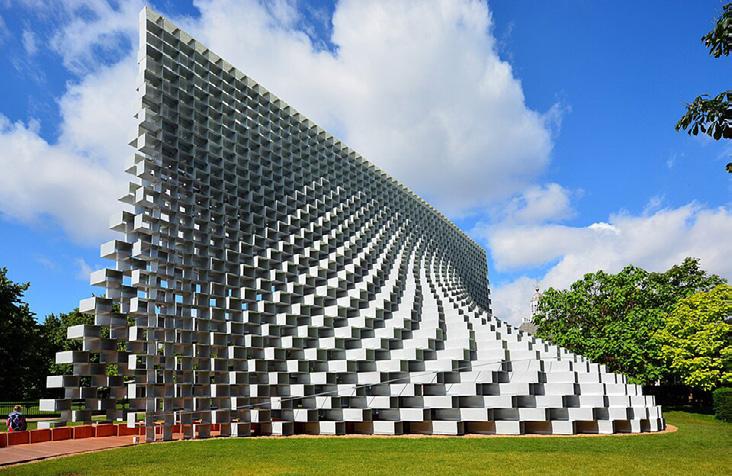
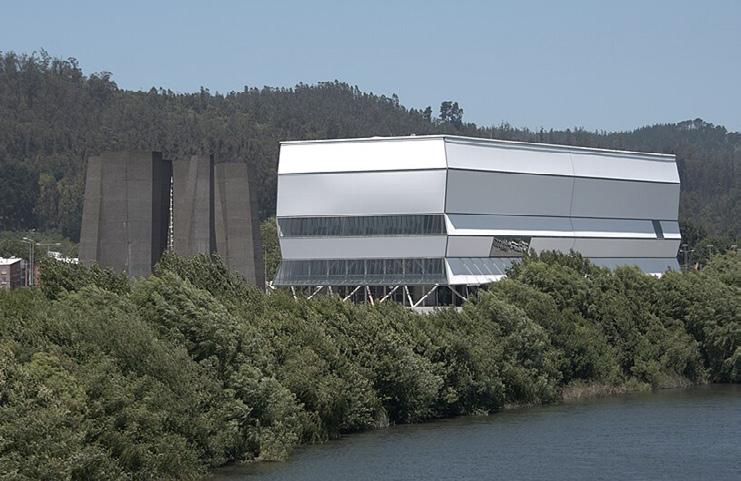
THE PRITZKER PRIZE
ARTCH TECTURE
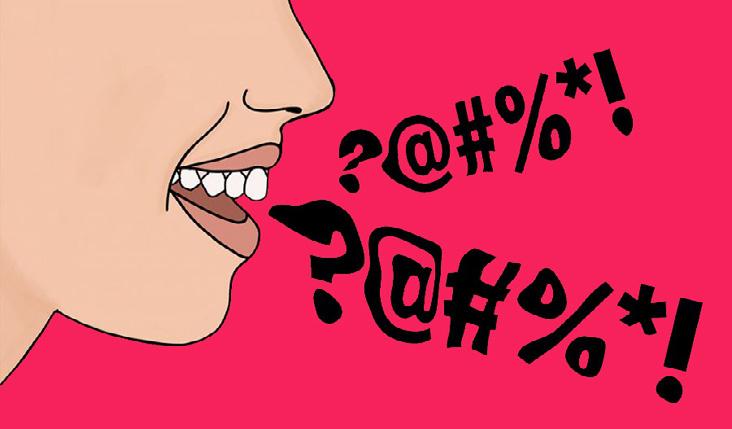
ADULT LANGUAGE
MOST & LEAST STRESSED CITIES IN AMERICA
THE PAGES
NOTHING BAD CAN HAPPEN NOT WANTED
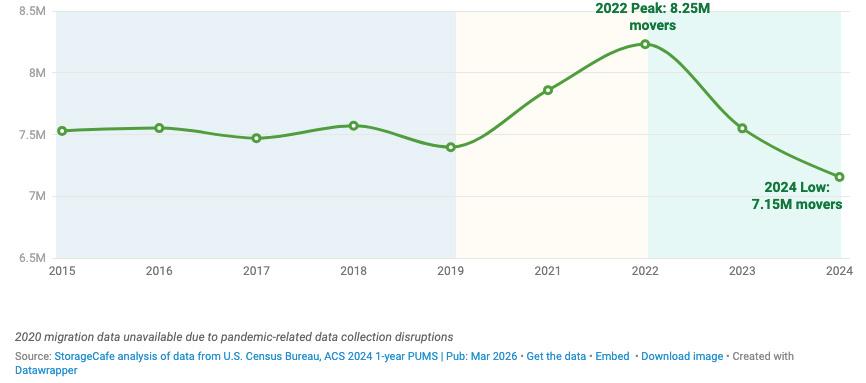
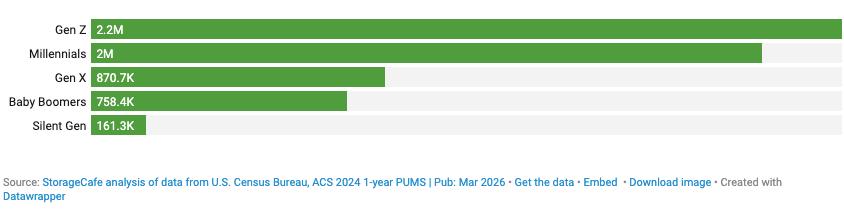
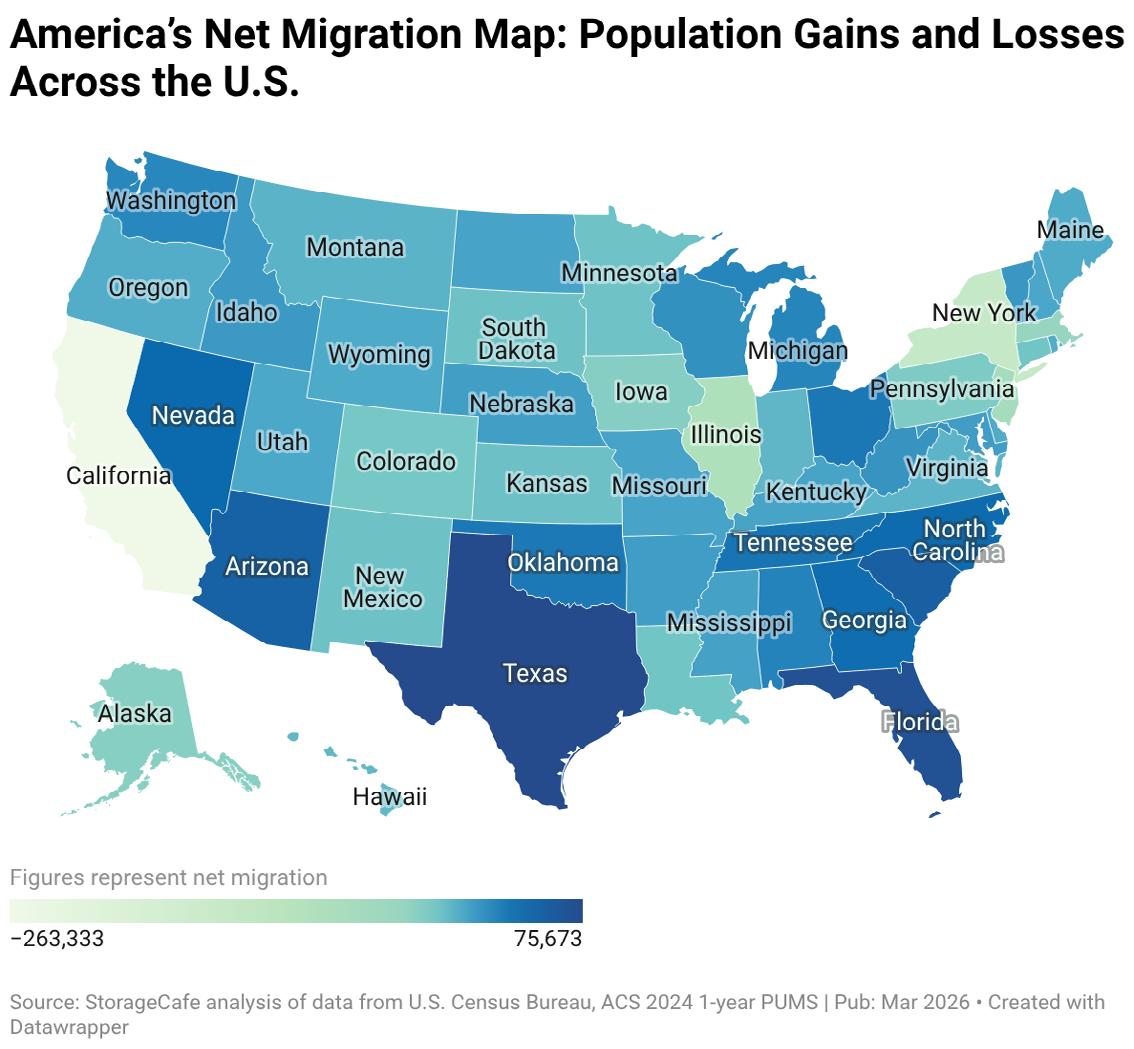
INTERSTATE MOVES HIT 10-YEAR LOW
THE Wonders OF THE WORLD
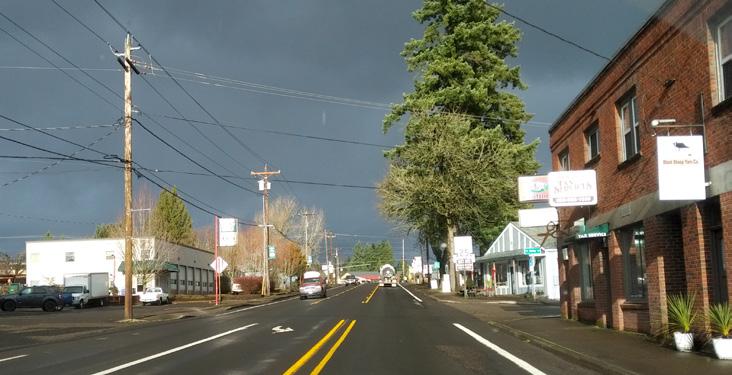
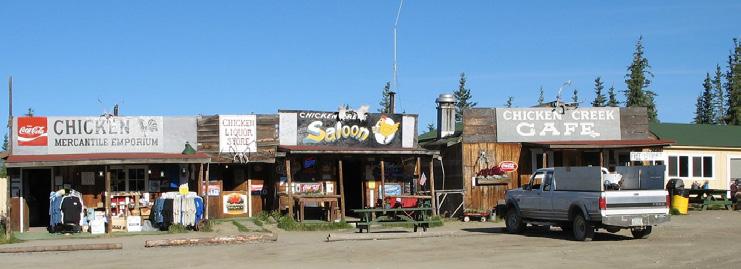
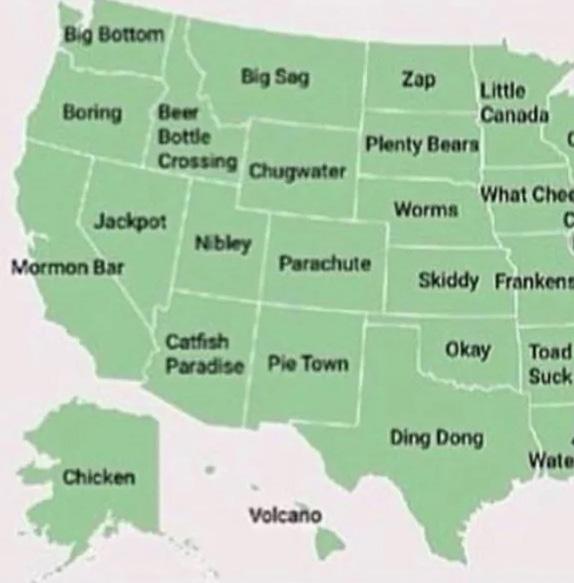
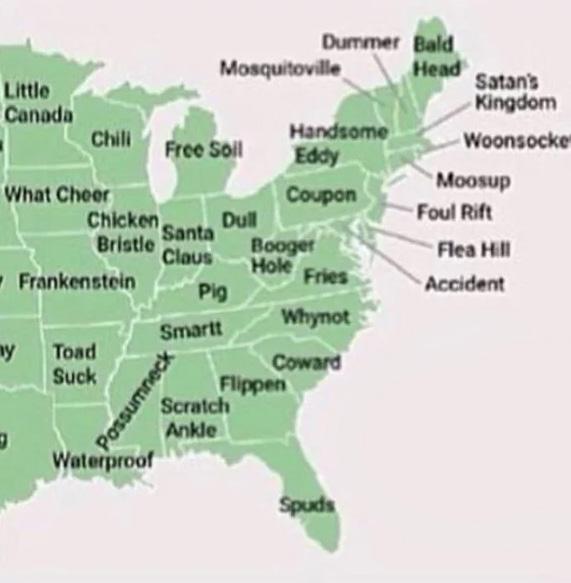
CRAZY NAMES OF U.S. CITIES
THE HUMOR OF HOMER SIMPSON
THE NEXT RENAISSANCE: AI TR E DAT
C NTEST: MATCH THE NICKNAME TO THE CITY
from the pages of
From Where I Sit
The Editor’s Page in is almost totally devoted to humor and wisdom and this is a collection of some of the best of them.
also from The CREST Publications Group
Give
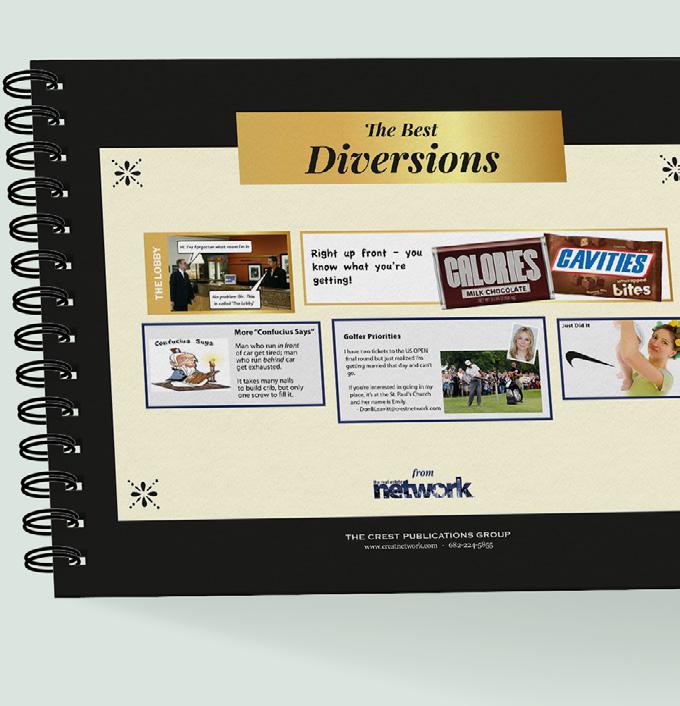
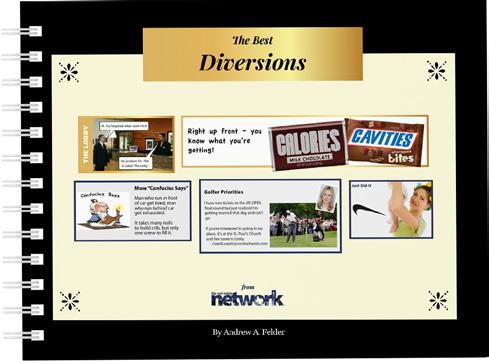
The Best Diversions
yourself the gift of smiles.
A handsome, artbook-style volume with the best Diversions to appear in over the last decade. A compendium you will treasure for years to come.
"This collection is laugh-out-loud funny!"
Kirkland Review of Books
"Prescription: Read 3-4 pages a day for a month. It’ll brighten your day! And make it last a month."
Susan Carnegie, The Montreal Voice
Compilations of Sarcasm, Word Play, and Witticisms from the pages of .
"This is simply genius. I kept on laughing the whole day when I read it."
Maria Tariq
Randal Maynard
"...absolutely hilarious! I laughed so hard that it brought tears to my eyes."
"Incisive yet expansive - as if the psychology of R.D. Laing encountered the selfexploration of Hugh Prather to help readers delve into their own thought, experiences and behaviours."
Vertical Lines I, II, III, IV and V My Hand Book
The Rockford Tribune
"Curiously intense and ironic. This is a work that will make you think and feel and you will revisit it over and over.
Marion Danziger, The Toronto Town Crier
“An often off-color (but always entertaining and almost always hilarious) collection of jokes that you will read, enjoy – and probably tell –over and over.”
Joey Cousins, The Greenwich Times
Short, light-hearted, satirical, unrelated vignettes. Episodic. Descriptive. Cryptic. Quixotic. Wry. Sardonic. Sarcastic. Ironical. Unrealistic. Whimsical. And probably a whole lot of other things. But most of all, fun and funny.
“Reading this collection is like attending a dinner party where every guest is both hilariously confused and somehow correct.”
Marigold Splint, Editor-in-Chief, The Journal of Unnecessary Brilliance
"It matters not who we have been, or why, with whom, or how. What matters is that we have met and who we are from now."
Original reflections on new love, its flame, intensity, and all-consuming spirit. Short, poetic expressions of heartfelt longing, passion, and desire. Intimate expressions of tenderness and adoration, accompanied by romantic pictures. A wonderful gift for someone you love.
“So simple. So eloquent and beautiful. Absolutely wonderful!” Allison Templeton
"A perfect companion to Vertical Lineshumor in bite-sized pieces.”
Ellen Campbell, Sinclair Book Reviews "Dyslexics of the world, untie!” Punsters of the world, read shit!"
L. Bartow. The Network Bookshelf unite! this!
Available at your favorite online bookstores –click on the links at the top of the page.
09 INB X | ON THE
12 FACTOIDS
ARE YOU SUPERSTITIOUS?, WINCHESTER, BASKET CASE, SLANG, PORTMANTEAUS, DEMONYMS
17 TR E DAT
BONES, AMAZON RAIN FOREST, MARK TWAIN, INDONESIA, GOLD, AL CAPONE, KANGAROOS, WEST VIRGINIA LAW, HOOVER DAM, THE SPEED OF SOUND, LUNGS, STEWARDESSES
19 PICTORIAL HUMOR
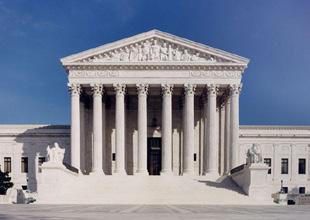
21 THE PAGE A PROPOSAL TO PROTECT FEDERAL ATTORNEYS FROM ETHICS INVESTIGATIONS
28 ADULT LANGUAGE
WHAT IS IT AND HOW DID IT EVOLVE?
37 DIVERSI NS MAKE POWWOWS GREAT AGAIN
ARTCH TECTURE
12
TOMMY INBERG –SELF-REFLECTIVE MINIMALISM
38 INTERSTATE MOVES HIT 10-YEAR LOW A STORAGE CAFE STUDY
48 THE PAGES
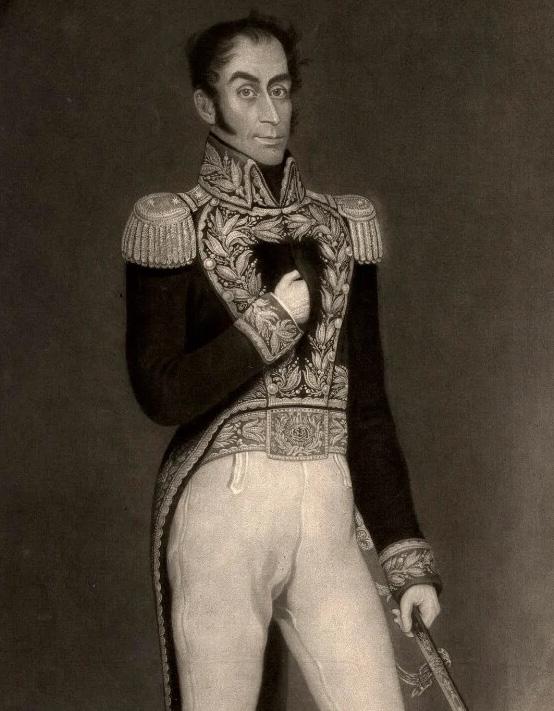
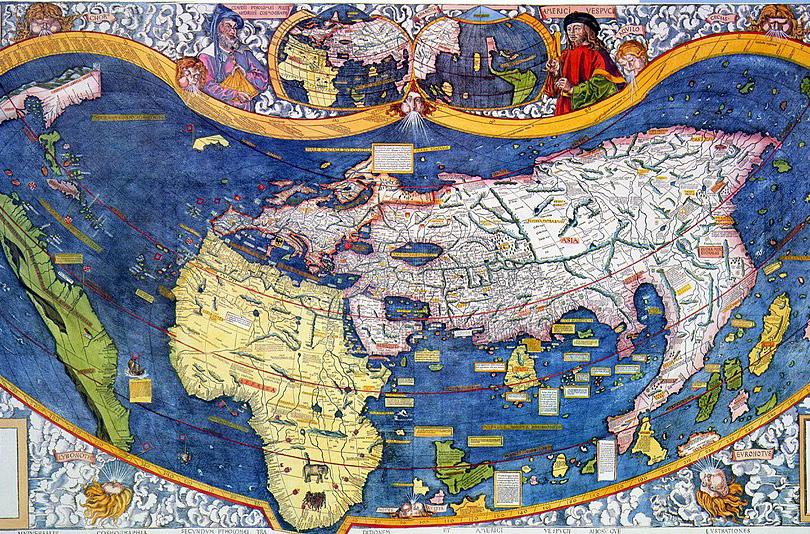
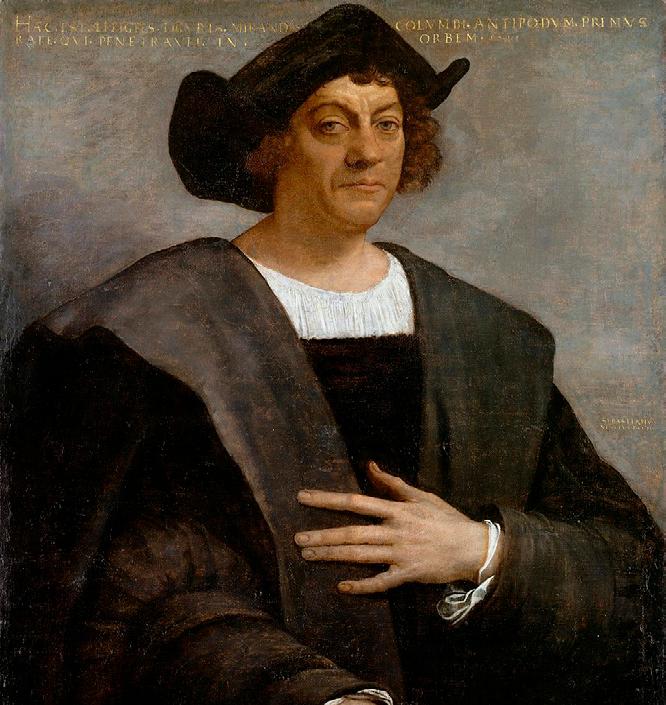
SIMÓN BOLIVAR |AMERIGO VESPUCCI | CHRISTOPHER COLUMBUS | GIOVANNI DA VERRAZZANO | FERDINAND MAGELLAN
53 THE PAGES
“NOTHING BAD CAN HAPPEN. IT CAN ONLY GOOD HAPPEN.’ | OUTRAGEOUS! | “I ALONE CAN FIX IT.” 55 SATIRE APHORISMS | UNHINGED
56 THE HUMOR OF HOMER
57 YOU TALK FUNNY –HUGH JASS AND WEI TU
58 THE MOST & LEAST STRESSED CITIES IN AMERICA (2026) A WALLET HUB STUDY
60 THE LINK MARKETPLACE, BIDDER’S LIST & DIRECTORY
62 BACKPAGE
OUR ADVERTISERS, WINNERS FROM AND ANSWERS TO LAST ISSUE’S CONTEST
63 C NTEST: MATCH THE NICKNAME TO THE CITY
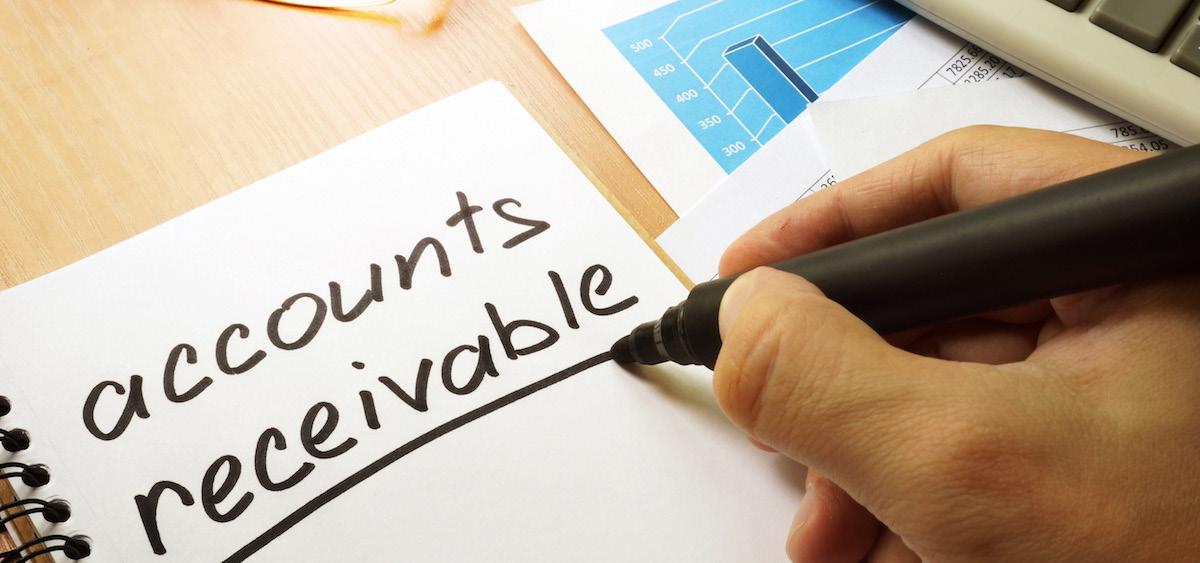
22 CRITICAL INSURANCE POLICIES FOR CONSTRUCTION COMPANIES
GABI STINSON STREET PROVIDES INSIGHT INTO THE NECESSARY PORTFOLIO
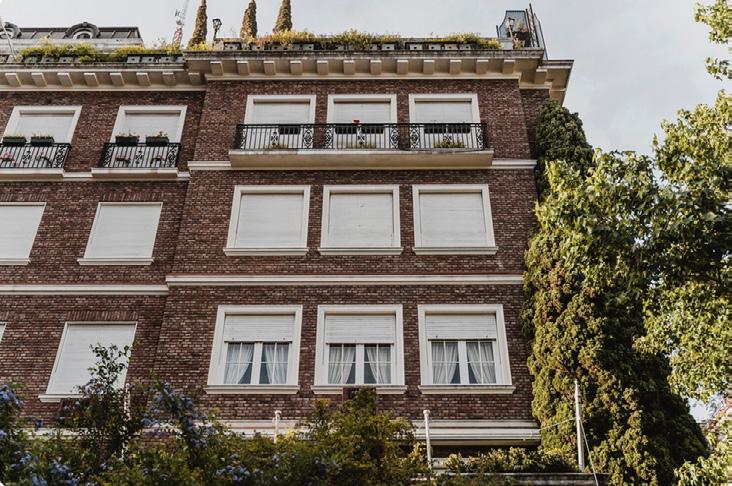
29 HOW ELEVATOR REGULATIONS ARE DISRUPTING AMERICA’S HOUSING MARKET
THE BLUEPRINT
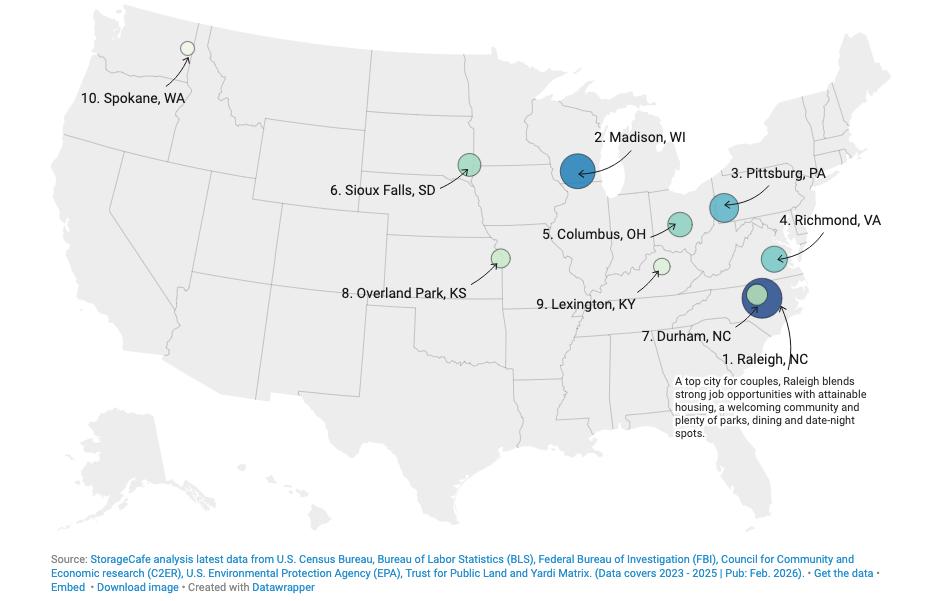
41 TRENDI G: BEST CITIES FOR YOUNG COUPLES (2026) A STORAGE CAFE STUDY
24 THE Wonders OF THE WORLD
OUR ELEVENTH INSTALLMENT –THE SEVEN WONDERS OF THE RENAISSANCE
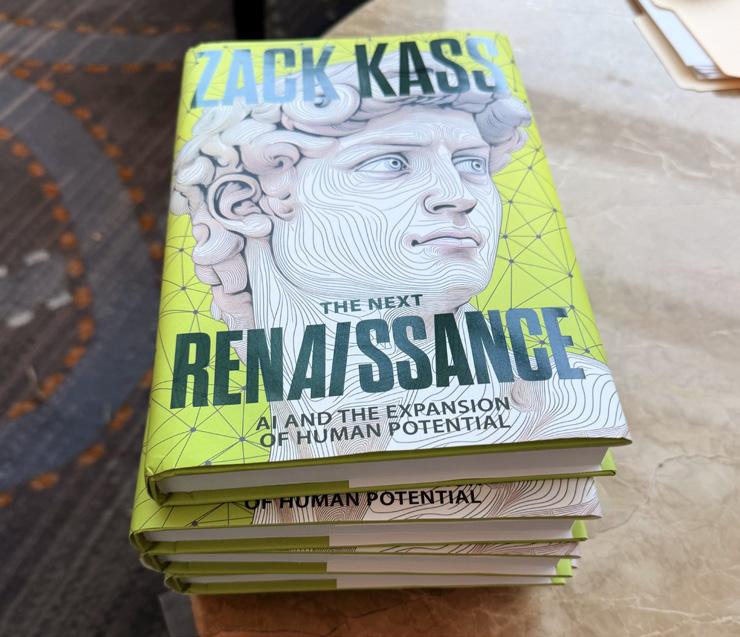
43 THINKING OUT LOUD –THE NEXT RENAISSANCE WITH AI
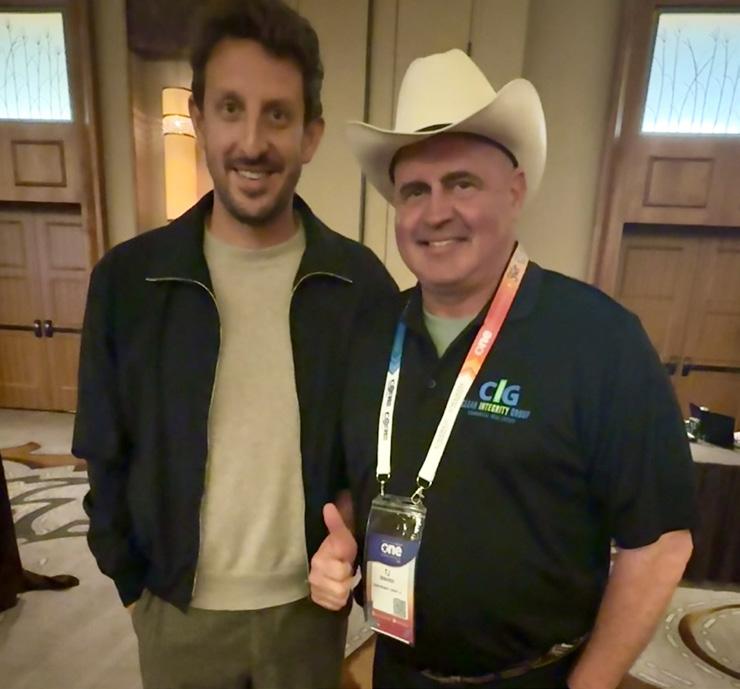
CONTRIBUTING EDITOR (AND RET. BRIGADIER GENERAL) T.J. EDWARDS REPORTS ON HOW ARTIFICIAL INTELLIGENCE IS IMPACTING THE MULTI-FAMILY INDUSTRY
OPINION -FROM THE EDITORIAL BOARD OF .
36 IN THE N WS
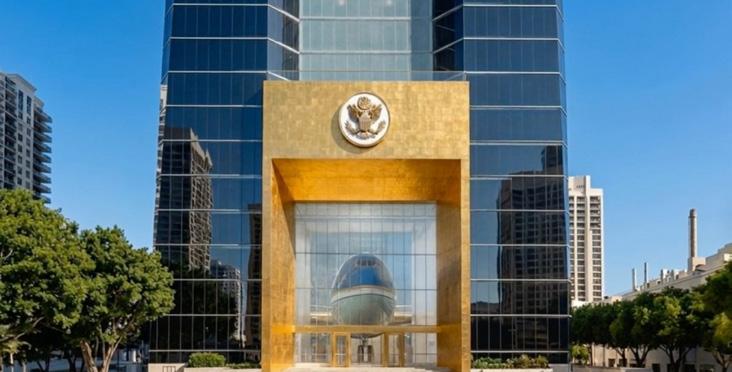
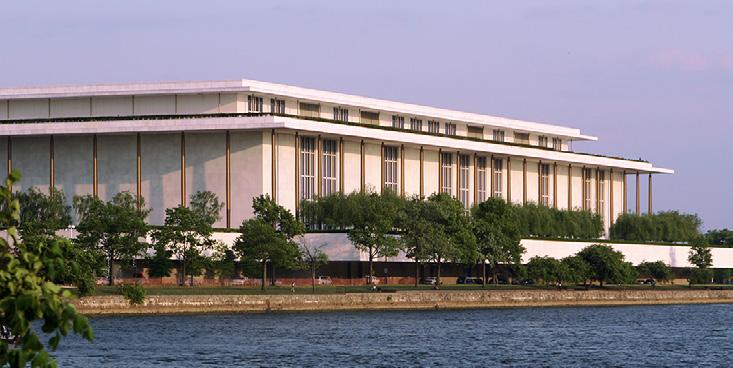
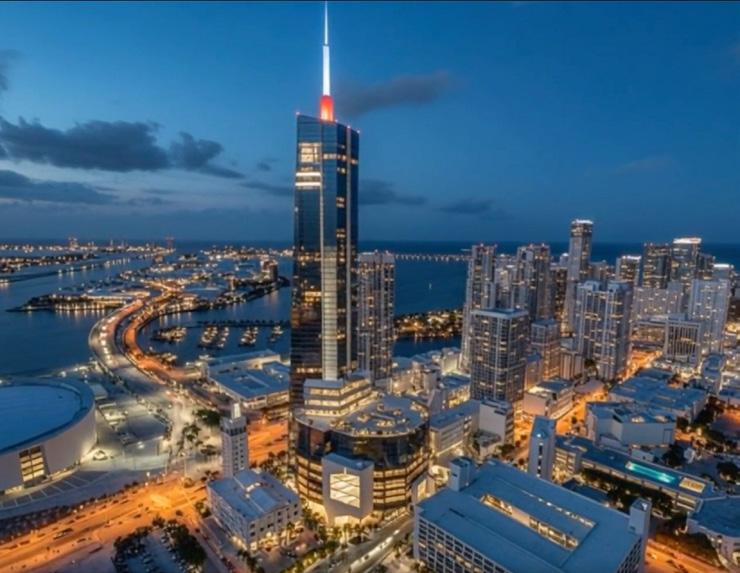
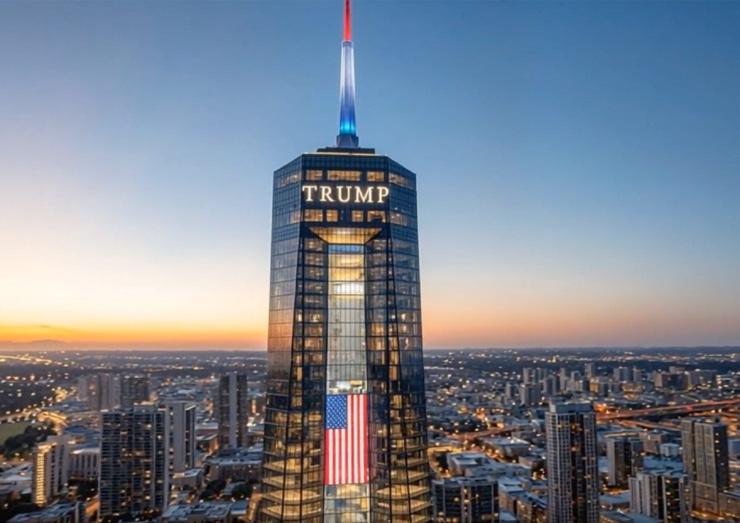
AIA SUES DONALD TRUMP OVER KENNEDY CENTER RENOVATION | TRUMP RELEASES DESIGN OF PRESIDENTIAL
– SANCTUARY CITIES IN THE UNITED STATES
CONTRIBUTING EDITOR ROXANA TOFAN PROVIDES A 6Q REVIEW
LIBRARY | RENAMING PALM BEACH INTERNATIONAL AIRPORT | SWISS VOTERS TO DECIDE WHETHER TO CAP THEIR POPULATION | ADMINISTRATION RELEASES DESIGN OF TRIUMPHAL ARCH
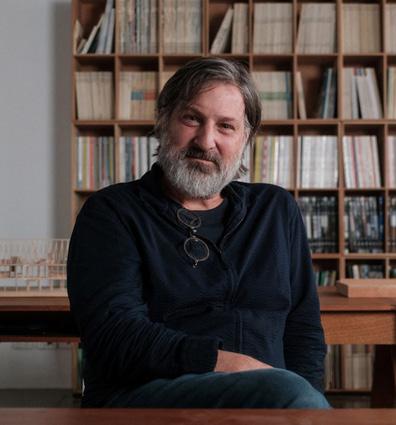
40 THE PRITZKER PRIZE 2026
AWARDED TO CHILEAN ARCHITECT SMILJAN RADIC
20 THE FACTOR THE SHUTTLE
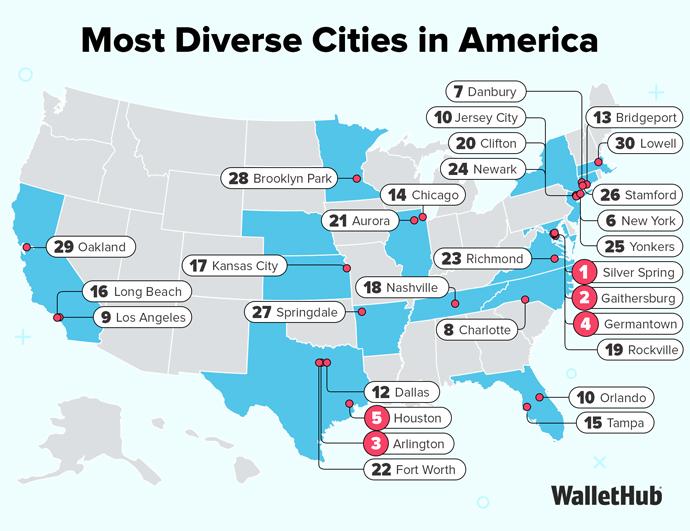
46 TRENDI G: BEST THE MOST DIVERSE CITIES IN THE U.S. A WALLET HUB REPORT
52 THE PAGE NOT WANTED
30
REAL ESTATE F THE FU URE
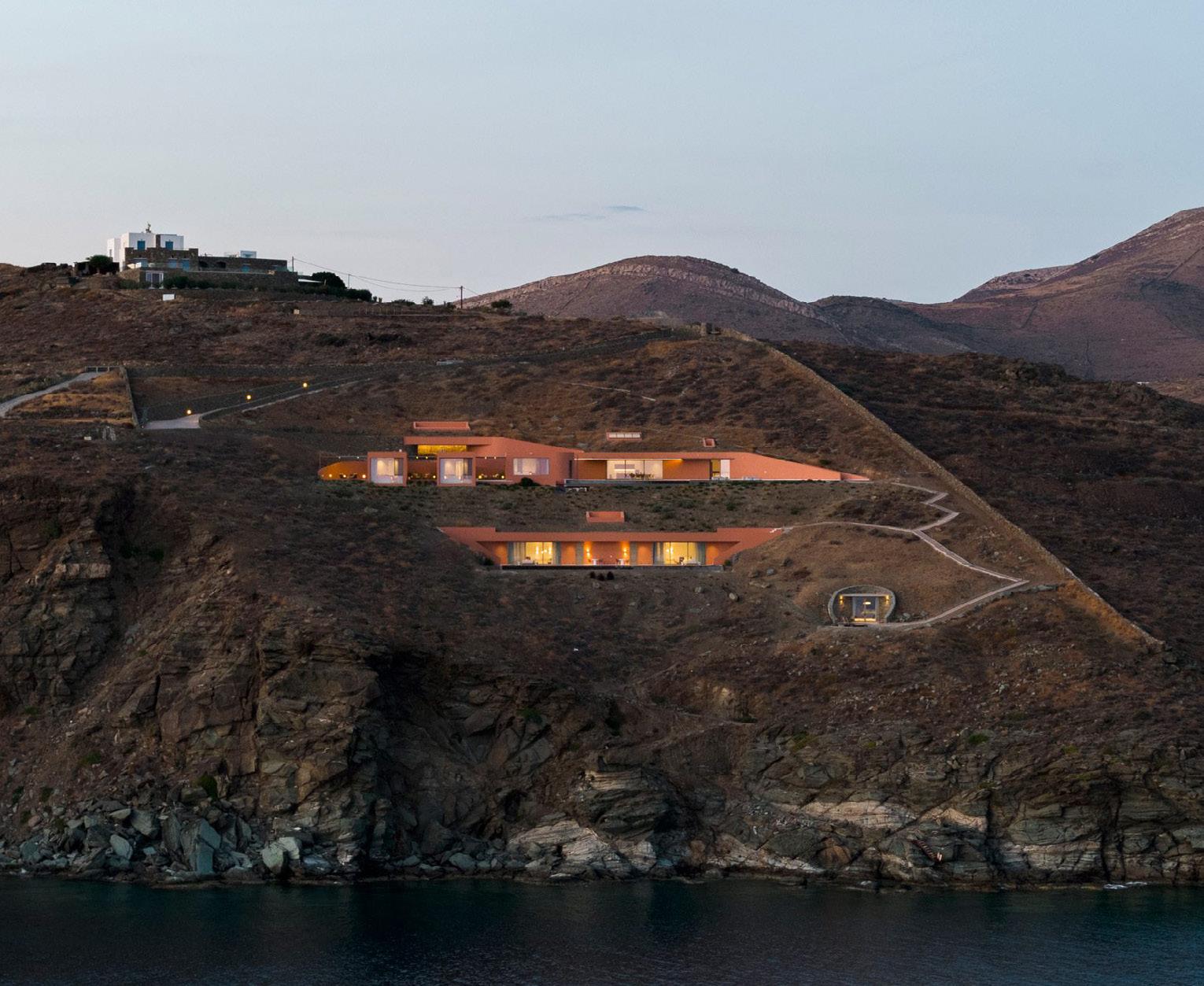
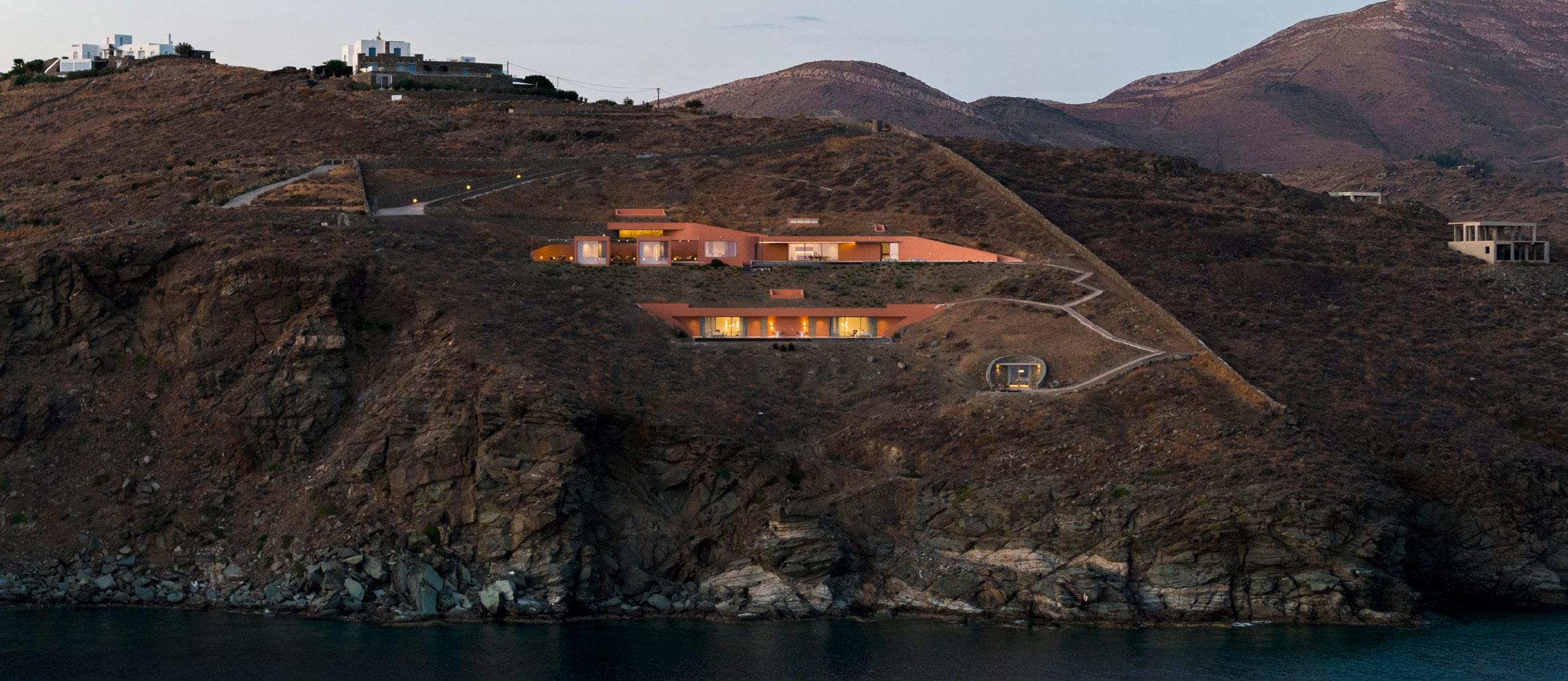
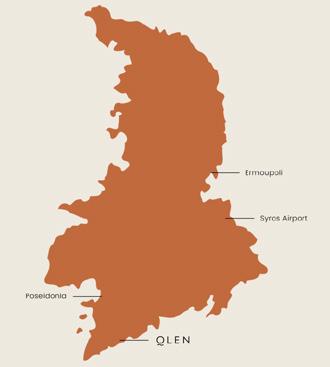
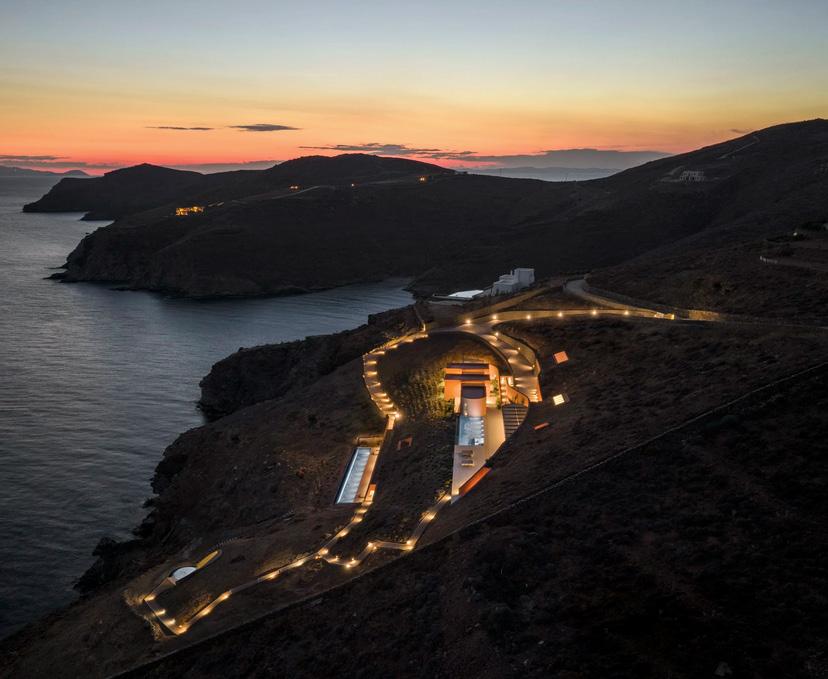
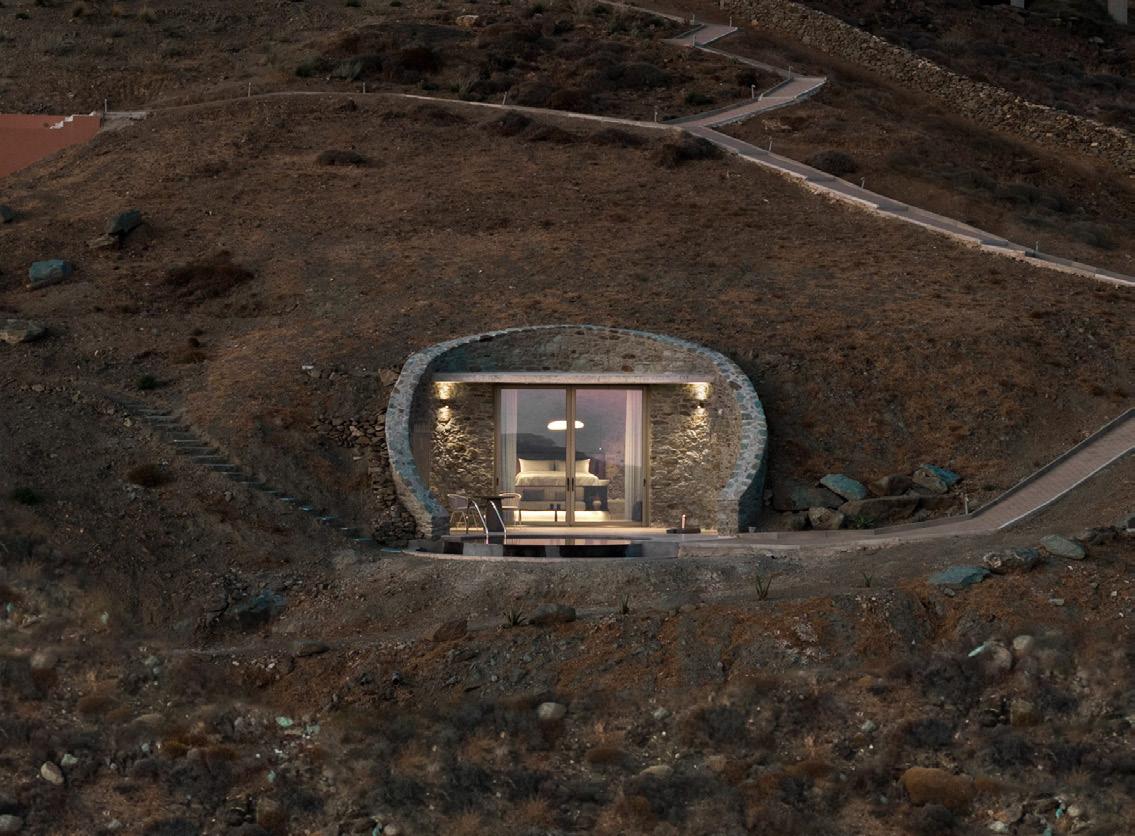
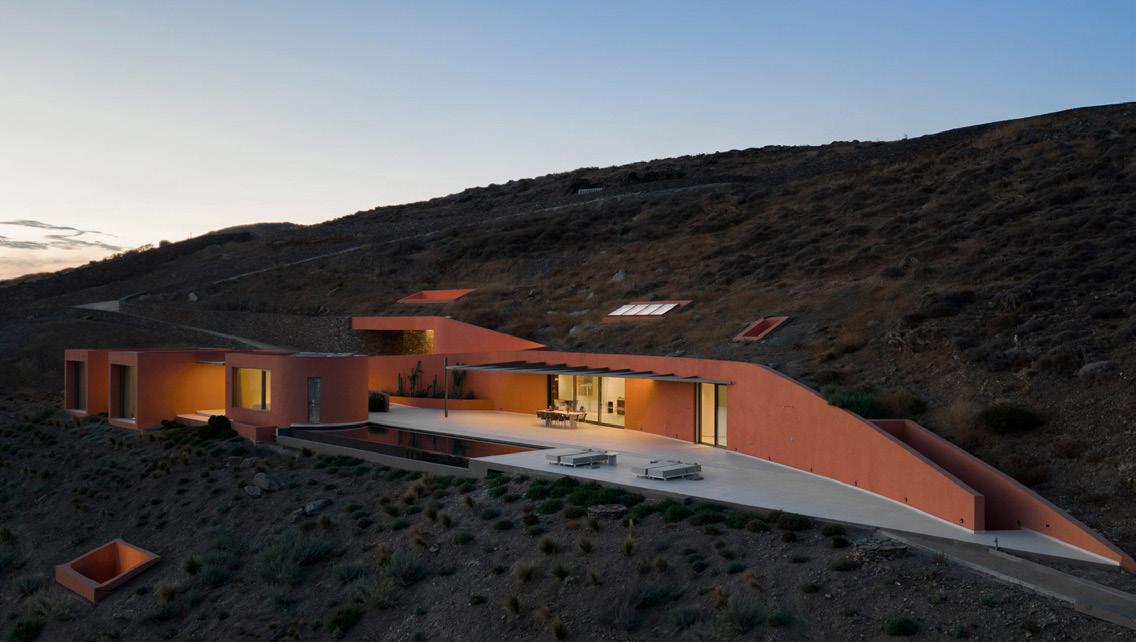
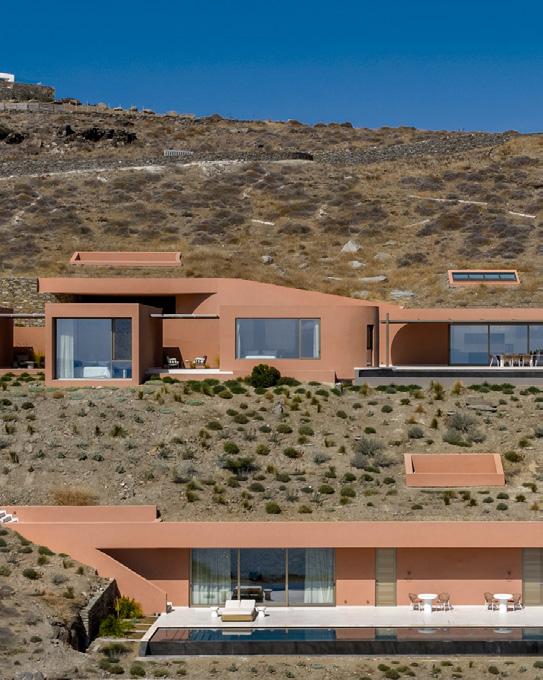
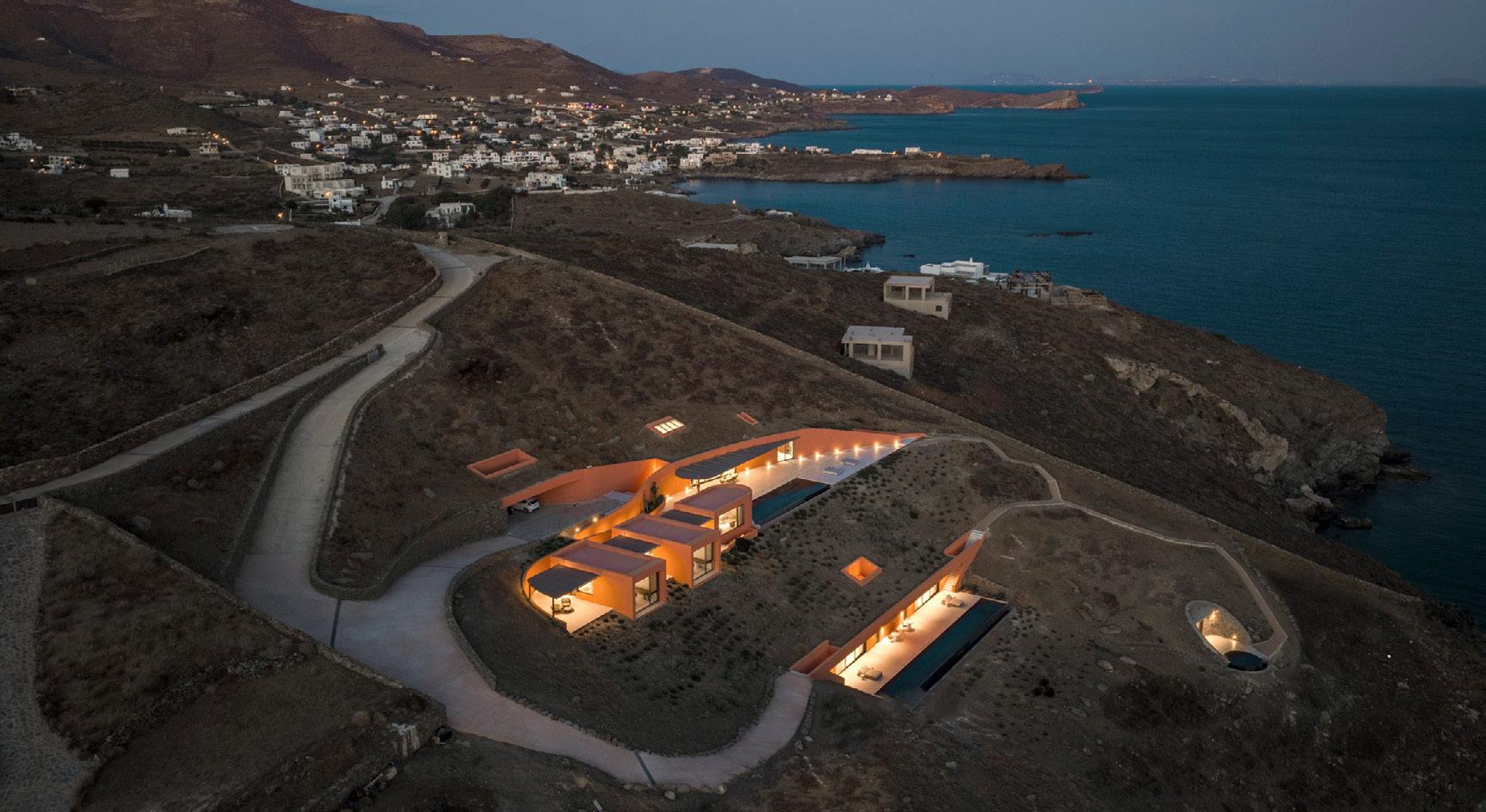
OLEN –AN UNDERGROUND SEVEN-SUITE RESORT IN GREECE
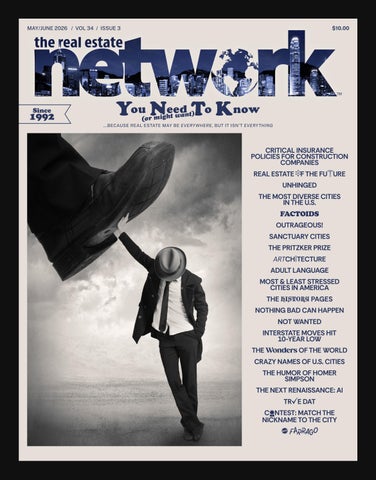
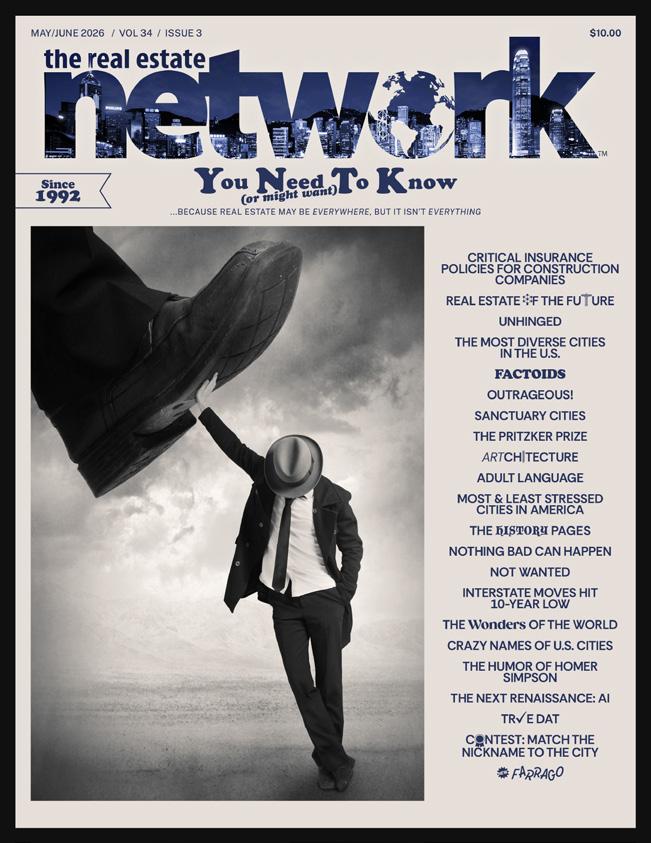
MAY/JUNE 2026 / VOL 34 / ISSUE 3
ABOUT US
Now in our 34th year, reaches millions of architects, engineers, developers, brokers, construction managers, property and facility managers, bankers, lawyers, appraisers, investors, service providers, and many more throughout the U.S. via professional associations, subscriptions and social media! We proudly serve and service any and all real estate associations bimonthly. If your group would like to be included, please let us know. Email: aafelder@thenetworkmagazine.org or call the number above.
CREST Publications Group EXECUTIVE STAFF
ANDREW A. FELDER: Publisher/Managing Editor. aafelder@thenetworkmagazine.org
XENIA MONTERO: Associate Editor, Art Director and Social Media Manager. hello@agosto.studio
WHAT YOU CAN DO IN MAGAZINE:
CLICK ON LINKS:
Whenever you see words in italic + blue, that's a link to get more information about the subject. It works with emails, too. This is a link you can click.
CLICK ON SOCIAL MEDIA ICONS:
Click on the Instagram or Facebook icons to go to our social media pages (and give us a follow!) There’s a lot more there that you won’t find here!
MARK ANGLE: National Sales Manager. mark@thenetworkmagazine.org
MARIA TARIQ: Technical Director, Book Division. mariatariq237@gmail.com
On the inside back cover of every issue, you'll find a challenging quiz. Send us your answers for a chance to win a prize!
ADVERTISE WITH US:
Reach hundreds of thousands of real estate professionals. See more on our Media Kit
SEND US YOUR OPINIONS: Contact us: editor@thenetworkmagazine.org
WHAT OUR READERS ARE saying
ADVISORY BOARD
LINDSEY KOREN, Director of Communications, American Society of Interior Designers.
JONATHAN KRAATZ, Executive Director, USGBC Texas. Rick Lackey, CEO, REAL Professionals Network.
AIMÉE LEE, National Accounts Director, Recycle Across America.
LESLIE ROBINETT, Marketing and Communications Manager, International Facility Management Association.
LAURA MACDONALD STEWART, RID, FASID, IIDA, LEED AP, Editor of Plinth & Chintz.
JESSICA WARRIOR, Director of Property Management, Granite Properties.
Maria Tariq
We have enough youth. How about a fountain of “Smart”?
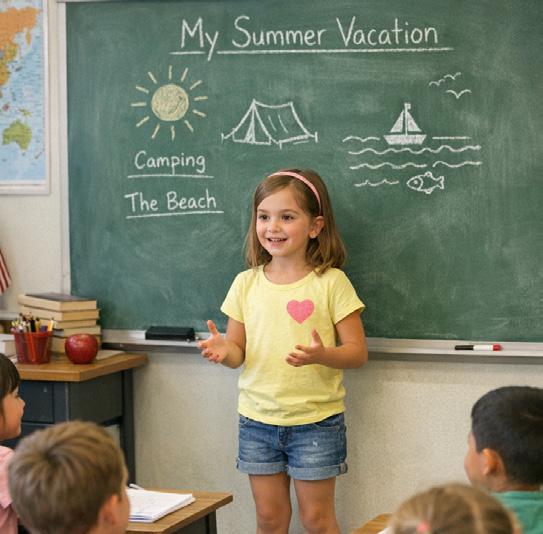
MY SUMMER VACATION
After summer vacation, a teacher asked her young students how they spent their holiday away from school. One child wrote the following:
We always used to spend the summers with Grandma and Grandpa. They used to live in a big brick house, but Grandpa got retarded and moved to Florida. They go to a building called a wrecked center, but they must have gotten it fixed because it's all okay now, and they do
THE HORSE AND THE CHICKEN
A horse and a chicken are playing in a meadow. The horse falls into a mud hole and begins to sink. He calls to the chicken and asks him to get the farmer to help pull him out to safety. The chicken runs to the farm, but he can't find the farmer, so he drives the farmer's BMW back to the mud hole and ties some rope around the bumper. Then he throws the other end of the rope to his
Editor’s note
exercises there. There's a swimming pool too, where they all jump up and down with hats on.
At their gate, there's a dollhouse with a little old man sitting inside. He watches all day so no one can escape. Sometimes, they sneak out and go cruising in their golf carts. Nobody there cooks; they just eat out. And every night, they eat the same thing — Early Birds.
Some people can't get past the man in the dollhouse. Those who do get out bring food back to the wrecked center and call it potluck. My Grandma says that Grandpa worked all his life to earn his retardment, and says I should work hard so I can be retarded some day too. When I earn my retardment, I want to be the man in the dollhouse. Then they will let people out so they can visit their grandchildren.
friend, the horse, and drives the car forward, saving him from sinking.
A few days later, the chicken and the horse were playing in the meadow again, and the chicken fell into a mud hole. The chicken yelled to the horse to go and get some help from the farmer. The horse said, “I think I can stand over the hole.” So he stretched across the width of the hole and said, “Grab my thingy and pull yourself up.” And the chicken pulled himself to safety.
The moral of the story: if you're hung like a horse, you don't need a BMW to pick up chicks.
BRAIN TRANSPLANT
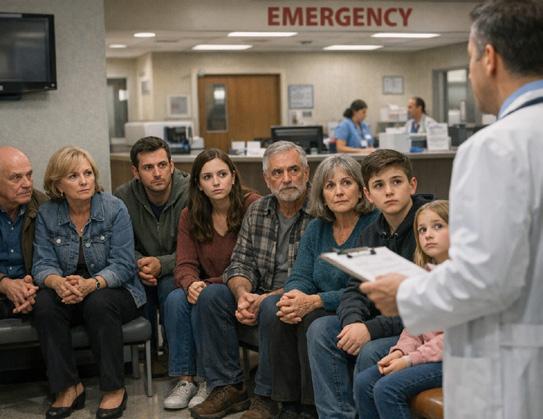
At the hospital, the relatives gathered in the waiting room where their family member was gravely ill. Finally, the doctor entered looking tired and somber. “I'm afraid I'm the bearer of bad news,” he said as he looked at the worried faces. “The only hope left for your loved one right now is a brain transplant. It's an experimental, semi-risky procedure, and you will have to pay for the brain yourselves.”
The family members sat quietly while they processed the news. After a moment, someone asked, “Well, how much does a brain cost?”
The doctor quickly responded, “$2000 for the female brain, and $5000 for the male brain.”
The moment became awkward. The men in the room tried not to smile and avoided eye contact with the women. Some even smirked. A young girl, unable to contain her curiosity, blurted out the question everyone wanted to ask, “Why is the male brain so much more?”
The doctor smiled at her childish innocence and then said to the entire group, “It's a standard pricing procedure. We have to mark the female brains down, because they're used.”
BY ANDREW FELDER Managing Editor & Publisher aafelder@thenetworkmagazine.org
ELIZABETH
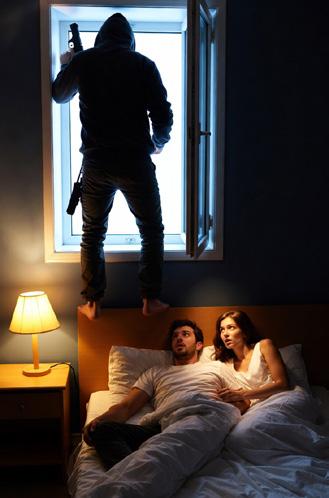
A burglar broke into a bedroom where a couple was sleeping. He stumbled over something, woke them up, and they turned on the light and saw him.
He said, “Well you have seen my face, so I will have to kill you… but first I would like to know your names. I always like to know the names of my victims.”
The woman replied, “My name is Elizabeth.”
The burglar said, “Oh, I can't kill you. My mother's name is Elizabeth, and I couldn't possibly kill anyone named Elizabeth.”
Then he asked the husband what his name was, and the husband said, “My name is Jim, but nearly everyone calls me Elizabeth.” n
WATCH YOUR THOUGHTS, FOR THEY BECOME WORDS
WATCH YOUR WORDS, FOR THEY BECOME ACTIONS.
WATCH YOUR ACTIONS, FOR THEY BECOME HABITS.
WATCH YOUR HABITS, FOR THEY BECOME CHARACTER.
WATCH YOUR CHARACTER, FOR IT BECOMES YOUR DESTINY.
BRIGADIER GENERAL
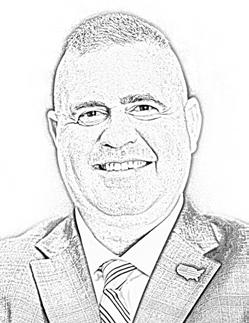
THOMAS J. EDWARDS (P. 43) retired from the U.S. Army after 30 years of distinguished service, earning accolades such as the Distinguished Service Medal, five Legion of Merit awards, and the Bronze Star Medal for meritorious service in combat. He is a life member of the Veterans of Foreign Wars, The American Legion, the Military Officer’s Association of America, and the 82nd Airborne Division Association. T.J. holds a bachelor’s degree from the University of South Carolina and Master’s degrees from the University of Oklahoma, the Naval War College, and the Army War College. In May 2022, he relocated to San Antonio, Texas, earned his Texas Real Estate license, and joined Clear Integrity Group (CIG) as a partner, where he applies his leadership expertise to optimize the company's commercial real estate portfolios and operations.
Contributing Writers
MARIA GATEA (P. 38) is a real estate and lifestyle editor for StorageCafe with a background in journalism and communication. After covering business and finance-related topics for 15 years, she is now focusing on researching and writing about the self storage industry. You may contact Maria via email: maria.gatea@yardi.com
ADAM MCCANN (P. 46 AND 58) is a personal finance writer for Wallet-Hub who also helps produce WalletHub's weekly 'Best and Worst' studies. At Hopkins he took a wide variety of classes in writing, English, economics, political science, history, and language. While pursuing his education, Adam worked part-time in the Special Collections department of JHU's Milton S. Eisenhower library, where he helped out with the university's collection of rare books and manuscripts.
ROXANA TOFAN (P. 44) is the founder and principal broker of Clear Integrity Group, specializing in commercial real estate across Texas, Oklahoma, South Carolina, Ohio, and Tennessee. With a focus on multifamily and commercial properties, she excels in acquisitions, dispositions, and property management, particularly in transforming underperforming assets through strategic operations and team building. Roxana is a dedicated community advocate and enjoys traveling, spending time with her family, and supporting charitable causes. She has also served as a contributing editor for for over 15 years, covering topics including commercial real estate, business ownership, sports, and travel.
GABRIELA STINSON STREET (P. 22) is co-owner of Street Insurance Agency, where she oversees the firm's commercial insurance portfolio. She partners closely with business owners to build coverage strategies that protect assets, support day-to-day operations, and enable long-term growth. With experience in commercial property, general liability, workers' compensation, and specialty programs for emerging industries, she brings a practical, forward-thinking perspective to every client relationship. She breaks down complex insurance concepts into clear, actionable guidance and stands by her clients throughout the policy and claims process. Outside the office, Gabi stays active in the community, invests in ongoing professional development, and enjoys collaborating with fellow entrepreneurs across Texas. It takes a lot of balls to play golf the way I do.
If we aren’t supposed to eat animals, why are they made with meat?
If we aren’t supposed to eat animals, why are they made with meat?
It takes a lot of balls to play golf the way I do.
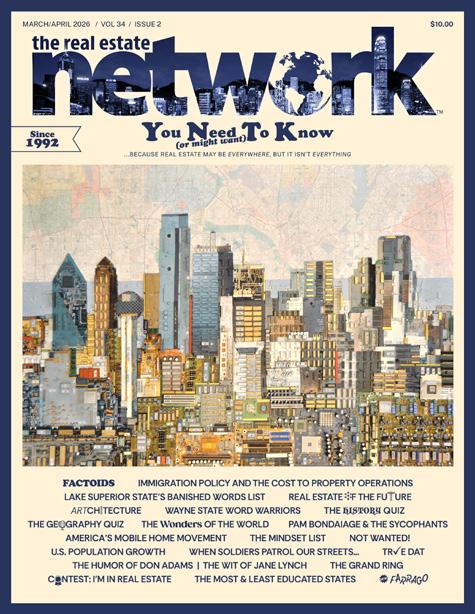
INB X ON THE COVER
Loving the vintage magazine covers you share with your posts! Don’t stop!
Devon Toh, Austin, TX (on Linked In)
The quizzes were fun! And different. So were the Jane Lynch and Don Adams quotes, So were the satirical pieces and the Diversions. So were the Wayne State Word Warriors and Lake Superior Word Lists. This might have been the most ‘FUN’ issue ever!
Stephanie Fairfield, Mt. Kisco, NY
The thought pieces —When Soldiers Patrol our Steets and Immigration Policy and then Cost to Property Operations—were particularly insightful.
José Martinez, Santa Fe, NM
Real estate, politics, and humor— unexpectedly combined into one sharp, thought-provoking read.
Sadia M. (on Linked In)
I was disappointed, but not surprised, that Texas ranked near the bottom of the Most & Least educated states—41st specifically. But I do enjoy reading the statistical studies in .
Mia Tindel, Sugar Land, TX
CORRECTIONS & AMPLIFICATIONS
Did we make a mistake? Or does something we wrote about need further clarification? Let us know. editor@thenetworkmagazine.org
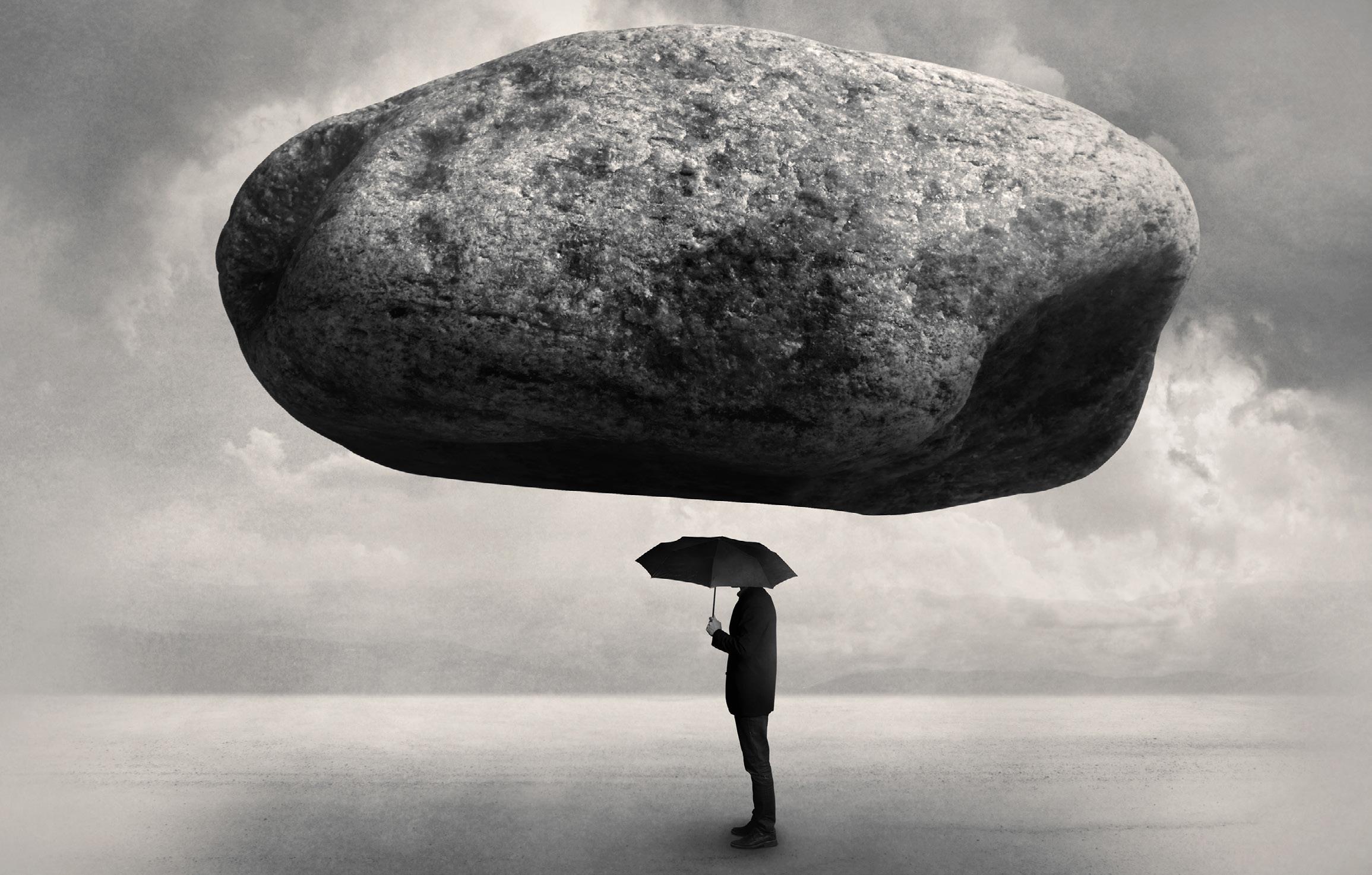
“STILL STANDING”
BY TOMMY INGBERG
"This picture is one of my most popular. I think its minimalist composition, featuring just two subjects paired with a straightforward story, makes it effective. That’s something I aim for in all my work, but it’s difficult to achieve. In this case, I had the idea beforehand, shot the two photos in my home studio, and finished the picture in one afternoon. I rarely work that quickly, but it worked well here."
GABBY REECE
Author, athlete, and volunteer advocate for Recycle Across America
A NON-TRADITIONAL APPROACH TO BUSINESS COLLECTIONS
Business-to-business debts require special, focused expertise and finesse... and the selection of your commercial collection service is an important decision.It revolves around Service, Trust and Recovery. Rates are important, and recovery is the objective (the bottom line)... but there is more to it.
The company you choose will be handling your money, talking to your customers, and representing you in the marketplace. You want your money as soon as possible – but you don’t want to lose clients.
At Arsenal Business Collections (ABC), you’re never out-of-pocket for our services. We collect (at prearranged terms) and when – and only when – we succeed (i.e., once we collect money owed to you), do we get paid. There is no fee UNLESS and UNTIL we collect!
Our payment is contingent upon your recovery – so our success is integrally tied to yours .
As a privately-owned company, we make decisions based on what is best for clients, not shareholders or outside investors. Our focus is exclusively on improving your bottom line, and we have the knowledge and experience to deliver exceptional results .
FACTOIDS Betcha didn’t know...
Are You Superstitious?
Breaking a mirror. Breaking a mirror is said to bring seven years of bad luck—this belief dates to the Romans. They thought a mirror didn’t just reflect your face but also your soul. It’s because the Romans also believed that life renewed itself every seven years that the curse was thought to last exactly that long.
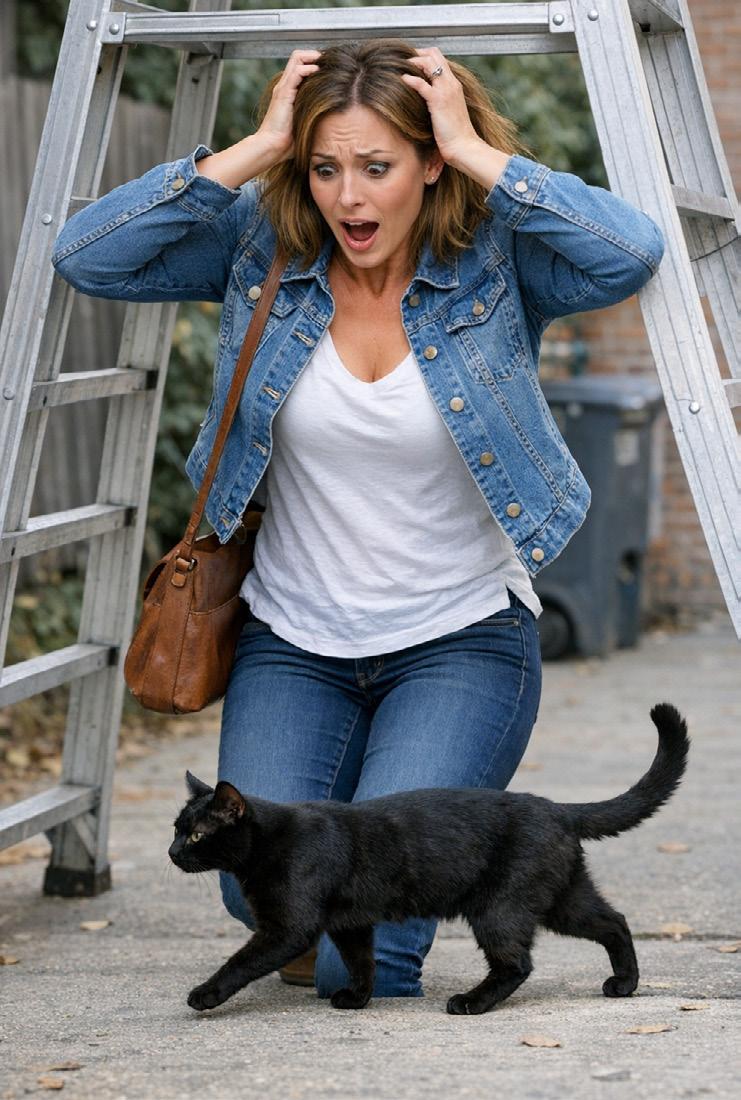
Walking under a ladder. This superstition dates back to medieval Europe, where ladders leaning against walls created a triangle, a shape representing the Holy Trinity. Passing through it was believed to break the sacred shape and bring bad luck. Today, most people avoid it not only due to superstition but also for safety.
A black cat crossing your path. In the Middle Ages, black cats were associated with witchcraft and believed to be witches’ companions—or even witches in disguise. Crossing paths with one was considered dangerous. Although many cultures see black cats as lucky, in the U.S., the old stigma still lingers.
Knocking on wood. The custom of knocking on wood to prevent bad luck probably originates from ancient pagan beliefs. Trees—especially oaks—were thought to house protective spirits. Touching or knocking on wood was a way to summon those spirits for protection.
Opening an umbrella indoors. The superstition that opening an umbrella indoors brings bad luck comes from 18th-century England. Early umbrellas were large, stiff, and often had metal spokes. Opening one indoors could cause injury or damage household items, so the warning about bad luck served as a practical safety rule.
Friday the 13th. Friday has long been considered unlucky in Christian tradition because it is said to be the day of the Crucifixion. The number thirteen was also seen as ominous, linked to the Last Supper. When these two ideas were combined, Friday the 13th earned its spooky reputation.
Spilling salt. Salt was once valuable and costly, and it symbolized purity and friendship. In ancient times, spilling it was seen as wasteful and unlucky. The tradition of tossing a pinch over your left shoulder stems from folklore, to blind the devil who supposedly hides there.
Four-leaf clover. The four-leaf clover is a symbol of good luck that dates
back to the Celts, who believed the rare leaves offered protection against evil spirits. Since most clovers usually have only three leaves, the fourth leaf came to represent rarity and luck.
Rabbit’s foot. Carrying a rabbit’s foot for luck originates from African and European folklore, where rabbits were considered fertile and magical animals. This superstition became widespread in American culture during the 19th century, especially in the South.
Wishbone. The tradition of making a wish on a wishbone started with the Romans, who, in turn, borrowed it from the Etruscans. They believed that birds had divine powers. Breaking the bone with someone else was thought to transfer luck to the person who got the larger piece.
Coin in a fountain. Tossing a coin into water to make a wish has its roots in ancient Europe. Wells and springs were considered sacred, often linked with gods or spirits. People dropped coins as offerings for health or good luck.
Wishing on a star. The superstition of wishing upon a star dates back to ancient Greece and Rome, where falling stars were believed to carry messages from the gods.
Winchester
"Winchester" is a military code word signifying that an aircraft or unit is out of air-to-ground bombs, missiles, or specialized munitions, often requiring them to break engagement or return to base. It is distinct from "Bingo," which refers to fuel levels.
The term comes from the single-shot lever action of a Winchester firearm.
If you're scared of escalators, there are steps you can take. Did you hear about the absent-minded policeman who jumped off his whistle and blew his horse?
Did you hear about the absent-minded policeman who jumped off his whistle and blew his horse?
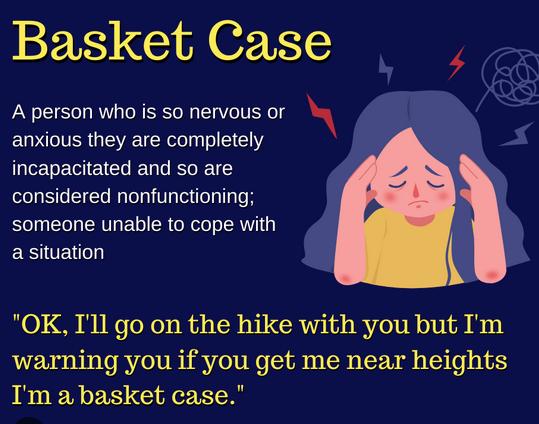
Basket case
If you're scared of escalators, there are steps you can take.
In everyday language, a basket case is a person who is emotionally or mentally unable to cope, often due to extreme stress or anxiety. It can also describe an organization or country in such severe financial or functional trouble that it is essentially helpless. The term originated after World War I as a reference to soldiers who had lost all four limbs and supposedly had to be carried in wicker baskets. While largely an urban legend—military officials at the time denied such cases existed in their hospitals—the phrase stuck and evolved into its modern figurative meaning.
["Basket Case" is one of the most famous songs by the American punk rock band Green Day, released in 1994 on their breakout album Dookie. Frontman Billie Joe Armstrong wrote the song about his personal struggles with panic disorder and anxiety before he was officially diagnosed.]
Where did the name pickleball come from?
Pickleball is a racket sport in which two or four players use a smoothfaced paddle to hit a perforated, hollow plastic ball over a 34-inch-high net, until one side is unable to return the ball or commits a rule infraction. It is played indoors and outdoors. The game was created in 1965 on Bainbridge Island, Washington, at the summer home of Joel Pritchard (who later served in the United States Congress and as Washington's lieutenant governor). Pritchard and two of his friends are credited with devising the game and establishing the rules.
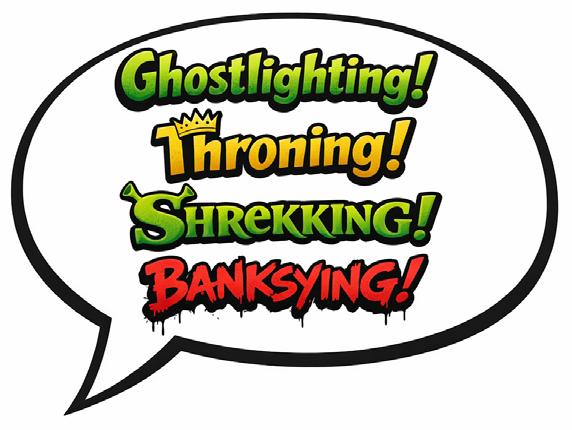
Dating Today
(New words in the lexicon)
Ghostlighting
Essentially a toxic combo of "ghosting" and "gaslighting," ghostlighters drop all communication only to reinitiate contact later, as if nothing ever happened. To make matters worse, they'll often try to gaslight the person they were dating into believing there was no ghosting in the first place.
Throning
Throning is when you date someone to raise your social status. The goal for throners is to land a partner with clout, so their own image gets a boost by association. Basically, the date is a throne that is used to elevate the person who is doing the throning," one TikToker explains in a video. "The scenario focuses solely on social influence
or status and not on building a real emotional connection."
Shrekking
“Shrekking” involves dating someone you’re not attracted to in the hopes that this person will treat you better in return. After all, Princess Fiona took a chance on Shrek, and that turned out great for her, right?
Banksying
Banksying" derives its name from the elusive street artist Banksy, known for art that seems to pop up out of nowhere and often comes with a cryptic twist. Like a baffling Banksy art piece, Banksying in a relationship involves slowly withdrawing emotionally from your partner, without telling them that's what you're doing. When the time comes to finally break up, the Banksy-er often feels better, having mentally checked out of the relationship long ago, leaving the other partner blindsided and confused. When someone employs this technique, they start destroying the relationship before the other person even sees it coming.
According to Pritchard's wife, "The name of the game became Pickle Ball after I said it reminded me of the pickle boat in crew where oarsmen were chosen from the leftovers of other boats." Similarly, the game of pickleball was created from leftover equip-
ment from several sports: a badminton court, paddleball paddles, a wiffle ball and a net height like that of tennis.
In 2022, pickleball was named the official state sport of Washington.
Slang
Here’s an overview of English words, idioms, and slang expressions historically used to mean “very good,” “excellent,” “cool,” or “awesome,” along with the periods when they were most popular or widely used. (Exact years for slang popularity often aren’t precise, but decades or cultural eras give a useful sense of when they peaked.)
All that and a bag of chips perfect, top-notch 1990s
Fly stylish, cool 1990s
Established positive compliment.
TV and teen slang.
Fashion-centric slang.
Notes on Slang Popularity
• Slang terms often overlap decades — some like awesome and cool remain widely used for generations, while others are strongly associated with specific eras (e.g., phat with the 1990s).
• Internet and social media accelerated slang turnover in the 2010s–2020s, with terms often rising and fading within years.
• Historical slang from the 19th and early 20th centuries (e.g., swell, boss) often originated in specific subcultures but influenced later everyday speech.
I have no idea what you're talking about, but I suspect neither do you. My desire to spontaneously sing The Lion Sleeps Tonight is always just a whim away.
I have no idea what you're talking about, but I suspect neither do you. My desire to spontaneously sing The Lion Sleeps Tonight is always just a whim away.
Portmanteaus
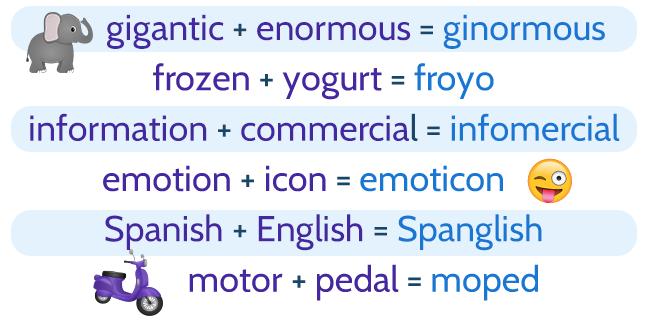
Brunch = breakfast plus lunch. Eurasia refers to the connected landmasses of Europe and Asia. Here are some less obvious portmanteaus or blended words.
Portmanteaus (from the French porte-manteau, ‘cloak-carrier’, a suitcase that opens in two equal parts) are terms formed by combining two or more words, their sounds, or their meanings. They were named by Lewis Carroll (the author of Alice in Wonderland ) to explain the logic behind some odd words in his poem Jabberwocky.
Twirl refers to something that spins or rotates, like someone doing a pirouette or moving their thumbs around each other. It comes from combining 'twist' and 'whirl,' both in sound and meaning.
Popsicle was originally the name of an ice pop brand created by Frank Epperson, who left a bucket of powdered lemonade on his porch and discovered it frozen the next morning. It was initially called the "Epsicle ice pop," a blend of Epperson and icicle. Supposedly, Frank’s children started calling it a ‘popsicle’ (pop + icicle) and demanded the name be changed.
Texarkana : Located on the Texas-Arkansas border, there are two cities named Texarkana, one in each state, both part of the Texarkana Metropolitan Area. Texarkana is a portmanteau of Texas, Arkansas, and Louisiana.
Contrails are the line-shaped clouds left behind by aircraft, missiles, or rockets as a result of engine exhaust vapor mixing with cold temperatures. The engine vapor condenses when it contacts the chilly atmosphere, leaving a visible trail. Condensation plus trail equals contrail.
Endorphins are produced by the brain during physical activity. They act as pain relievers and mood enhancers. Endorphins are endogenous, which means they are created by our bodies. Combine this word with an old spelling of morphine (a common opiate painkiller) - endogenous + morphin = endorphin.
Sitcom : The appeal of this genre lies in the funny situations the characters experience. Originally made for radio,
this format was called situational comedy. Over time, it was combined into a word fusion: situational + comedy = sitcom.
Electrocution : In the late 19th century, New York state adopted the electric shock as the standard method of capital punishment. Newspapers reporting the first execution with this method combined the words electric and execution, creating the portmanteau "electrocution," which became the term for all deaths involving electric shock.
Smog : London has struggled with poor air quality and fog for many centuries, a problem that worsened during the Industrial Revolution due to smoke. This phenomenon, also called pea soup fog, eventually became known as smog, a blend of the words smoke and fog. It not only describes the greyish color but also the smell created by chemical pollutants.
Shepherd : The word originates from Old English scēaphyrde, a compound of scēap (sheep) and hierde (herdsman, someone who tends domesticated animals). Initially, the term was used only for animal keepers but later gained the additional meaning of ‘leader’ or ‘guide’.
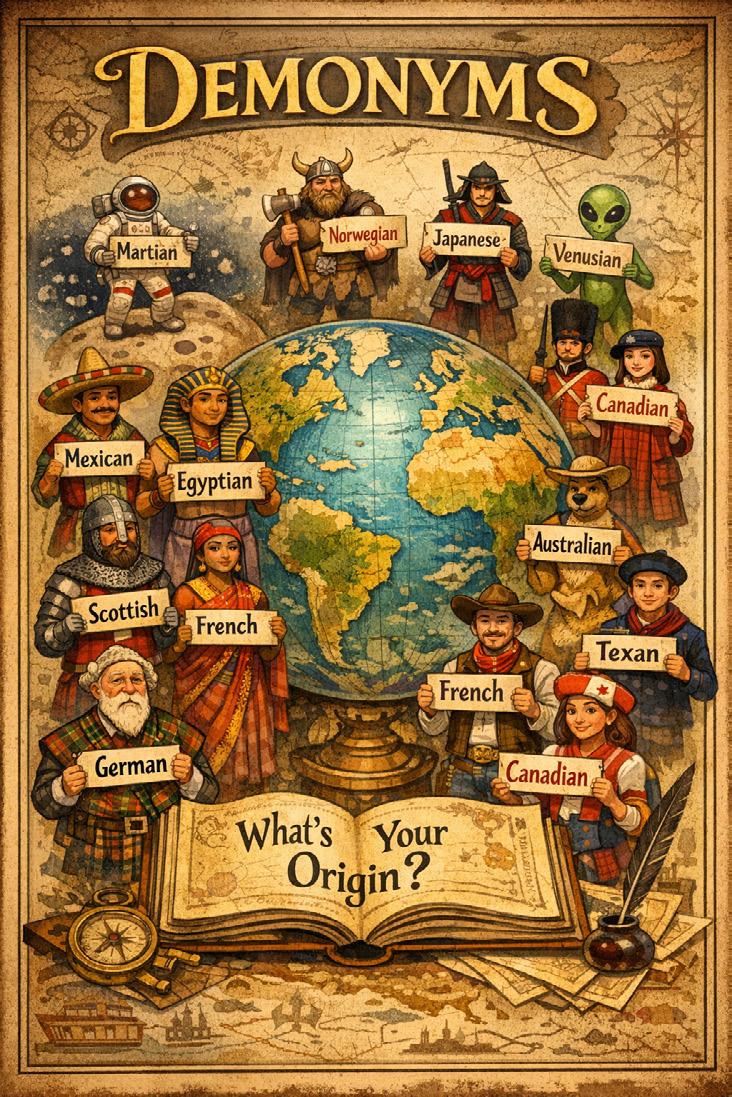
Demonyms
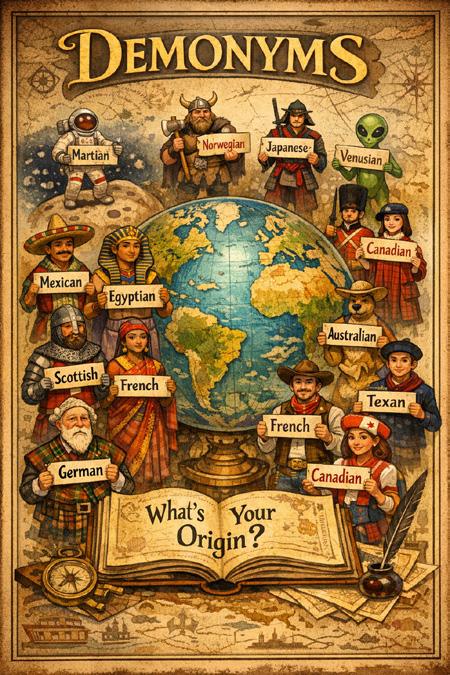
Demonyms are the names that identify your place of origin. In the U.S., some have official status (e.g., those of states), while others are products of use and tradition. Unofficial demonyms or nicknames are also common, and sometimes more widely used than the official version.
Hoosier: Until recently, the United States Government Publishing Office recommended Indianian as the demonym for someone from the state of Indiana, but its residents have been calling themselves Hoosiers for nearly two centuries.
Bay Stater: The USGPO might recommend the use of Massachusettsan, but the people of Massachusetts strongly disagree. State laws and regulations officially refer to its residents as Bay Staters.
Accidental: One of the earliest settlements in Maryland, the town of Accident is quite small (pop. 436). Its
demonym for its residents is Accidental, though some sources also claim that the citizens of Accident are to be called Accidents.
Granite Stater: Much like Bay Staters, New Hampshire residents tend to disagree with the USGPO about their demonym. The official version is New Hampshirite, but locals favor the term Granite Stater.
Truth-or-Consequencesan: The town of Hot Springs, New Mexico, changed its name to Truth or Consequences for a radio show contest. While they’re technically Truth-or-Consequencesans, they refer to the town as T or C, so they say that they are Residents of T or C.
Phoenician: The is the demonym for a resident of Phoenix, Arizona. Some claim that Zoner and Zonan are also common nicknames, but those could be used for any Arizona resident.
Nutmegger: Connecticut might be officially known as ‘The Constitution
State,’ but it’s also called ‘The Nutmeg State.’ Many Connecticut residents prefer the demonym Nutmegger over the USGPO-recommended Connecticuter.
Yoopers: Some of the less-used variants for Michigan’s demonym (Michiganese, Michigine, and Michigooseas a female version for Michigander). Official names aside, residents of Michigan’s Upper Peninsula commonly refer to themselves as Yoopers, a derivative of U.P. (Upper Peninsula).
Jayhawk: Jayhawk is a common way to refer to residents of Kansas, but in its original form, Jayhawker, it referred to thieves and was used derogatively by Confederates to describe the antislavery militias from Kansas. After the Civil War, Kansans appropriated the term as a memento of their state’s contributions to the war.
Lanstronaut: Officially, if you live in Lansing, Michigan, you are a Lansingite. However, many Lansing residents have taken to using the term "Lanstronaut" in recent years, despite Lansing being more associated with the car industry than with space. n
TR E DAT
The human body has 206 bones. At birth, humans have approximately 300 bones, many of which fuse as we grow, resulting in the 206 bones found in adults. More than half of these bones are in the hands and feet (27 bones per hand and 26 per foot). And bones are as strong as granite. A small piece of bone can support up to 9 tons of weight!
Our eyes are always the same size from birth, but our noses and ears never stop growing.
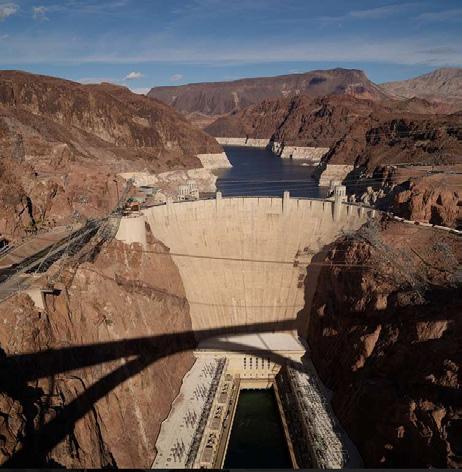
The construction of the Hoover Dam was a long and difficult process, claiming over 100 lives. The first person to die was J.G. Tierney, and the last recorded death was his son, Patrick Tierney.
Indonesia is the world's largest archipelago, with more than 17 500 islands (and a population of approximately 288 million. The archipelago stretches between the Pacific and the Indian Oceans, and bridges two continents, Asia and Australia/Oceania.
The Amazon rainforest produces 20% of the world's oxygen.
AL CAPONE'S
business card said he was a used furniture dealer.
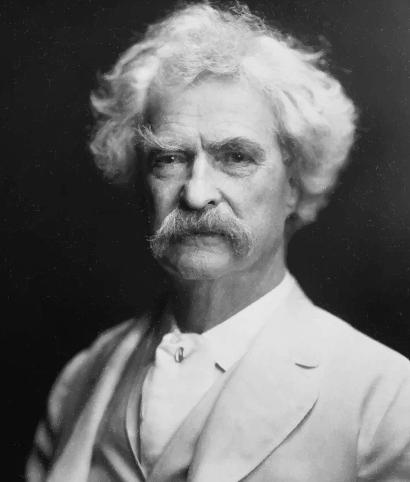
In the year Mark Twain was born (1835), Halley’s Comet passed by Earth. The great writer famously predicted he’d "go out with it" as well. And, indeed he did; he passed away in 1910, the next time the comet appeared.
Mosquitoes are attracted to the color blue
The left lung is slightly smaller than the right lung to make room for the heart. And the lungs contain over 300 billion tiny blood vessels called capillaries that, if unfolded, would extend to 1,500 miles!
Kangaroos can't walk backwards
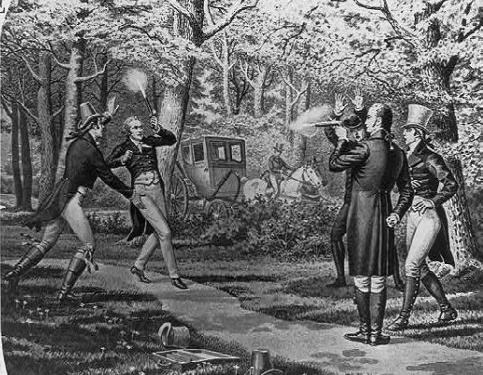
The West Virginia constitution, written in the 1800s, includes a clause that permanently bars any duelist (the kind with pistols) from holding public office. This was to keep gentlemen of "honor" from turning government into a shooting gallery. The law remains untouched, a relic of a time when reputations were defended at ten paces.
‘Stewardesses’ is the longest word typed with only the left hand and ‘lollipop’ is the longest word typed with only your right hand. The average person's left hand does 56% of the typing, and the sentence: “The quick brown fox jumps over the lazy dog” uses every letter of the alphabet.
Need help with your design?
At we design solutions for your business – from a new logo to a catalogue, the packaging or menu of your restaurant or an interior design concept to attract all passers-by.
RETAIL DESIGN CONCEPT AND INTERIORS
CREATIVE AND DESIGN SERVICES
BRANDING + LOGO + PACKAGING
MAGAZINES + BOOKS + CATALOGUES
BUSINESS CARDS + FLYERS
SOCIAL MEDIA + EMAIL CAMPAIGNS
RETAIL DESIGN: CONCEPT AND INTERIOR
RESTAURANT MENUS
MAGAZINE DESIGN
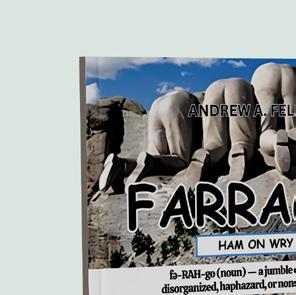
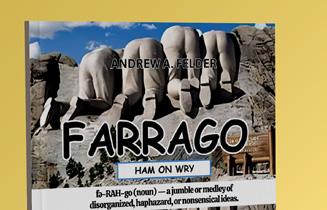
A farrago is a jumble of odds and ends—a random collection of items, a disorganized mix of things that don't fit together. Farrago sounds more formal than hodgepodge or mishmash, but it means about the same thing. We hope you enjoy this new feature of
“On a scale of zero to ten, with ten being the worst, how racist is your spouse?”
The rain in Spain falls mainly on the plane.
Well... my flo's linoleum. That depends upon your flow.
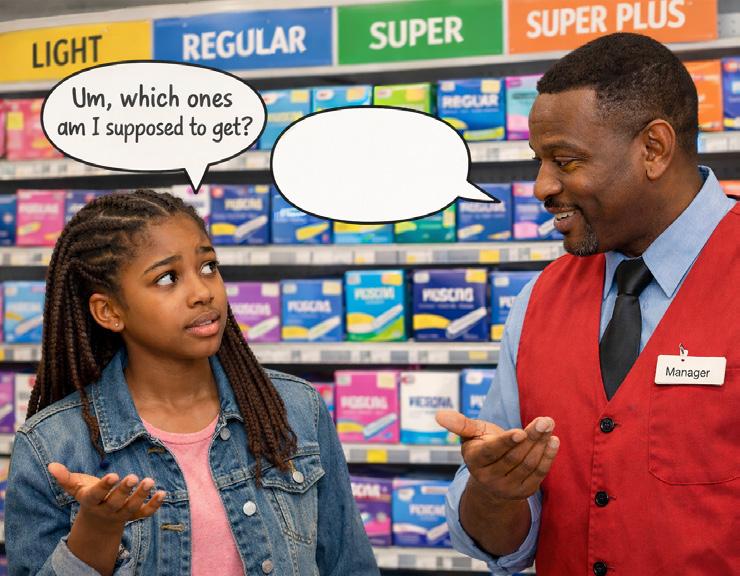
Um, which ones am I supposed to get?
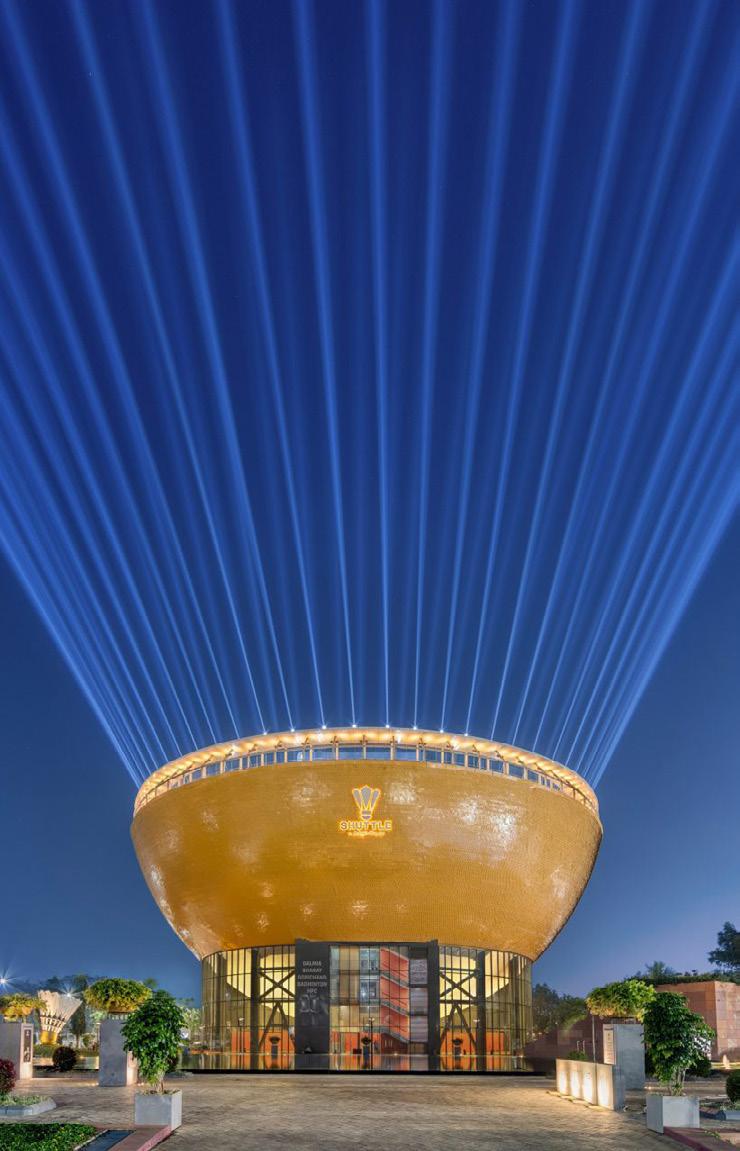
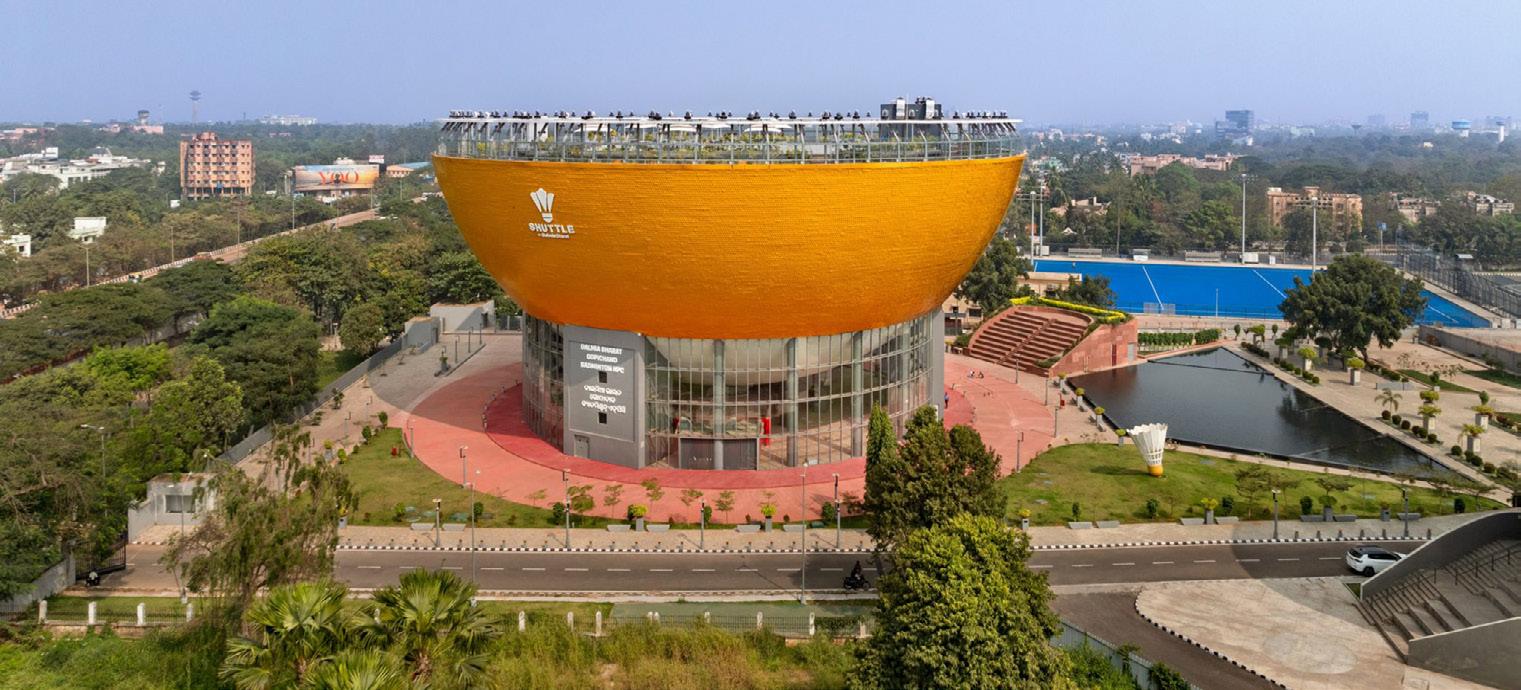
THE SHUTTLE
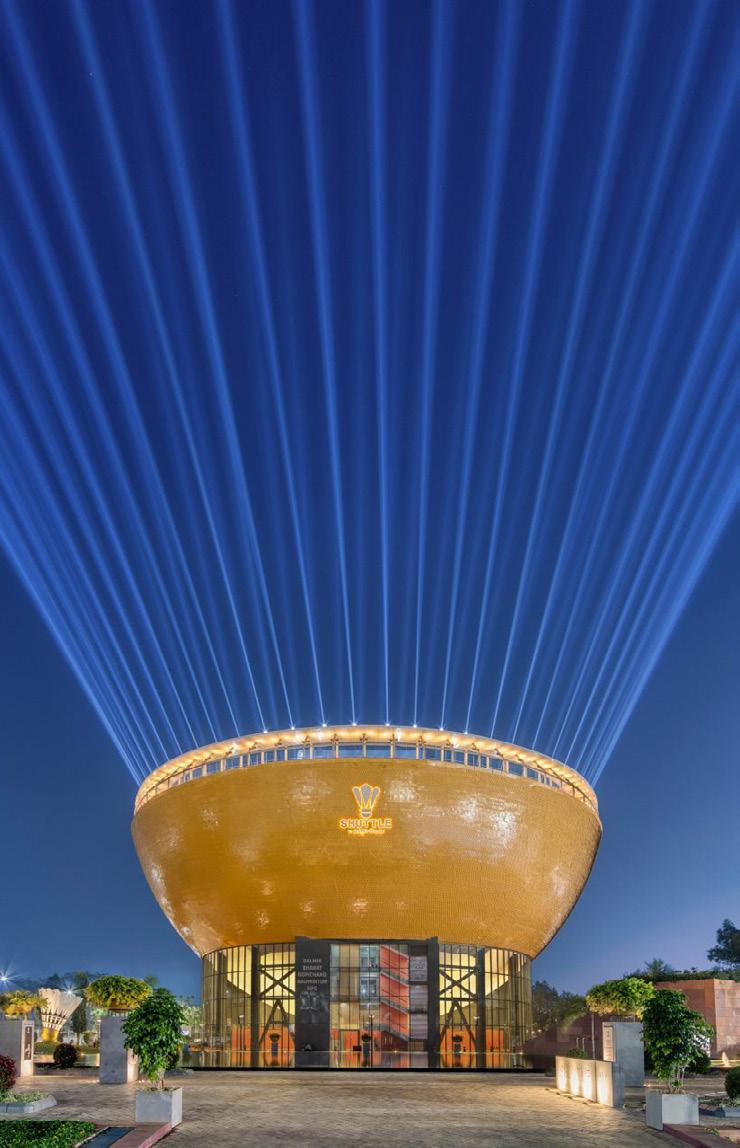
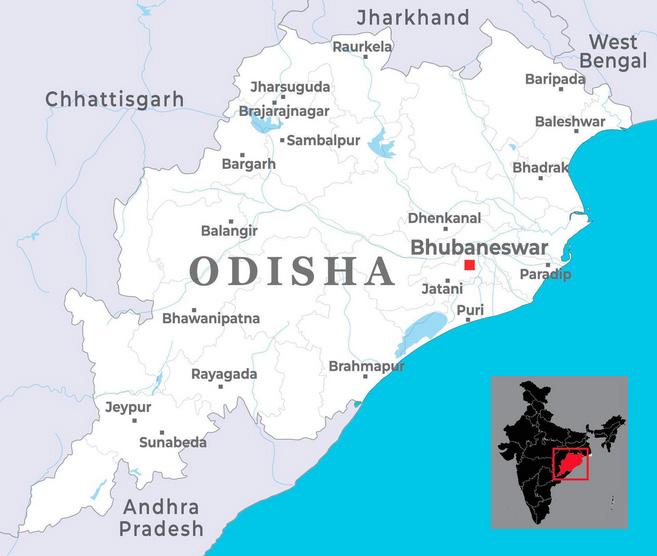
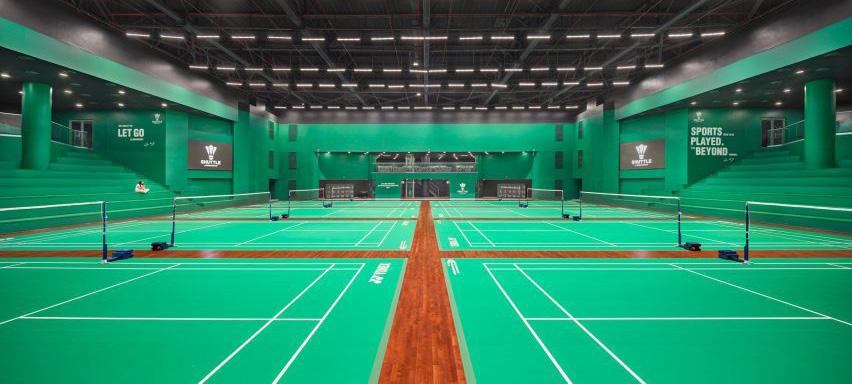
The ShuTTle BadminTon academy, an iconic, shuttlecock-shaped, 7-story center with 8 professional courts, dormitories, and a café, is the newest of several high-quality badminton facilities in Bhubaneswar, India. Designed to resemble a shuttlecock, it was created by New Delhi-based architecture studio Archohm.
Located near Kalinga Stadium in Bhubaneswar, the venue was designed to draw attention to both the city and the state of Odisha's focus on badminton. The bowl-shaped form resembles the cork
THE FACTOR
head of a shuttlecock, while at night, a series of lights evokes the feathers.
"The project aims to position the state of Odisha on the international badminton map to nurture world-class shuttlers," said Archohm principal architect Sourabh Gupta. "The Shuttle, with its form, literally becomes the ideal representation of the vision of the city, of the state being the badminton capital."The spherical outer shell has both practical and symbolic considerations," he added. n
DIVERSI NS: COW
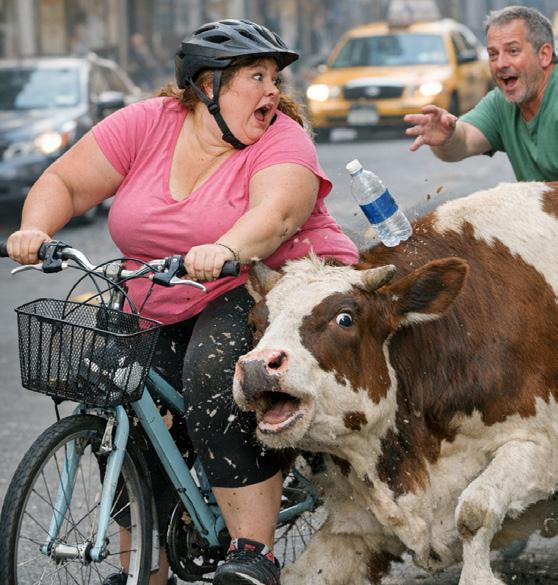
I yelled "COW!" at a woman on a bike, and she gave me the finger.
Then she plowed her bike straight into the cow... I tried.
I went to a gender reveal party. Everyone else was dressed. Mentos –the opposite of ladyfingers.
A Proposal to Protect Federal Attorneys From Ethics Investigations
many aTTorneyS Believe The state bars have become spineless in holding federal attorneys accountable for violations of professional ethics. This has happened with many of the largest law firms. It's hard to overstate the betrayal many feel; the law is a highly ethical profession. Most lawyers take their duties seriously, especially in maintaining client confidence, avoiding conflicts of interest, and being candid with the courts. To have the primary enforcement mechanisms -- the bars, to which they are admitted -- sit on their hands rather than join the fight leaves many of them disgusted.
BY ANDREW FELDER
lie on the president’s behalf. It would severely limit the courts’ ability to provide any meaningful independent check on the executive branch. It should never get that far. Rules requiring lawyers to serve as honest officers of the court have been adopted by every state and the District of Columbia. They serve many purposes, beginning with the basic right to fairness. They are also crucial to the independence of the courts, which rely on access to reliable evidence and accurate representations by counsel.
California and the DC Bar deserve great credit for targeting dishonest conduct for ethics sanctions, including several lawyers involved in Trump’s 2020 election scheme. Florida, by contrast, has adopted a categorical policy of not reviewing ethics claims against current government officials. Likewise, New York has deferred addressing the profound ethical issues raised by the administration’s efforts to compel the Southern District of New York to drop the fraud case against former New York City Mayor Eric Adams. This is likely due to a mix of fear of retribution and bureaucratic bungling; however, there is clearly a need to re-establish a meaningful regimen for ethics oversight and enforcement.
For presidents, lying is not illegal. For lawyers pursuing a president’s agenda, however, it’s a different matter. Like all other lawyers licensed to practice in the United States, they can face sanctions in court or professional discipline, up to and including the permanent loss of their license to practice, if they violate legal ethics rules. Efforts to overturn the 2020 election failed in court more than 60 times before judges of both parties, in part because lawyers arguing President Trump’s case often feared telling a court the same profuse lies that he was telling the American people.
Now, under pressure to ignore a range of ethical rules, a large number of Department of Justice lawyers have quit, choosing to give up their jobs to save their licenses and careers. Between these departures and a purge of legal staff members deemed insufficiently loyal to the president’s agenda, the department has lost thousands of lawyers. The results: Briefs are riddled with errors. Lawyers appear in court grossly unprepared. And court orders are violated — in some cases, because there aren’t enough lawyers to ensure they are carried out.
To fill those empty seats, the department launched a desperate recruitment effort. But not enough lawyers have been willing to take the risk. So the Trump administration offered a different solution: a proposed rule that would shield Department of Justice lawyers from independent ethics investigations.
Such an arrangement would violate the federal McDade Amendment, which provides that government lawyers are subject to the ethics rules of the states where they practice, “to the same extent and in the same manner” as every other lawyer licensed in the state. The proposed rule would certainly be challenged in court if it took effect. It would do much more than potentially give department lawyers a free pass to
Facts, no less than the law, constrain government power. Against the flood-the-zone misinformation strategy the Trump administration clearly favors, lawyers and judges, bound by legal and professional obligations to work in a reality-based world, can serve as a critical safeguard. The administration’s remaining lawyers have spent the past year amassing an astounding record of false sworn statements, withheld information, contradictory testimony, and more. Judges appointed by presidents of both parties have repeatedly called out Justice Department lawyers for their failures, excoriating them for wasting judicial resources in some cases and threatening them with sanctions in others.
Under the proposed rule, the attorney general could ask any independent disciplinary authority to suspend ethics proceedings against a Justice Department lawyer (on the threat of unspecified enforcement action) and refer the matter to the department’s Office of Professional Responsibility But a review by that office is not a serious substitute for a state bar investigation. Even before Mr. Trump, the office, which answers to a political appointee, had a reputation for operating like a black hole, with the details of its investigative findings almost never made public.
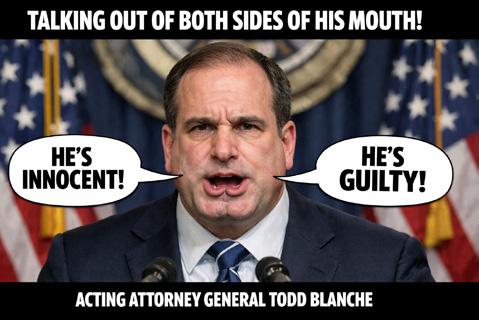
The Office of Professional Responsibility was created as a compromise to stave off calls for more radical reforms at the Justice Department after it became clear that many of its lawyers had aided President Richard Nixon’s corruption. It has never had the authority to subpoena testimony or information from outside the department. Now, it doesn’t even have a leader. That leaves it to Acting Attorney General Todd Blanche — who recently declared that the administration was at “war” with the federal courts — to move any internal evaluation along as fast or as slowly as he wants.
The state bar disciplinary systems are far from perfect. Proceedings can drag on for years. Some are reluctant to investigate lawyers from the Trump administration. Even disciplinary systems with the courage to move forward could struggle to handle the sheer number of administration lawyers who have apparently lied. Still, coupled with other deterrents — the courts themselves and lawyers’ concern for their own reputations — the risk of state bar discipline remains a critical tool for protecting the truth-finding function of the federal courts. No wonder the administration is determined to go after them.
The action against state bars is part of the administration’s broader strategy targeting universities, the media, and law firms —organizations capable of challenging the president’s power. Few things threaten the president’s power more than holding the president accountable to the truth. n
BY GABRIELA STINSON STREET
CRITICAL INSURANCE POLICIES FOR CONSTRUCTION COMPANIES
in our previouS Two issues, we explored essential insurance coverages for property managers and real estate brokers. This is the final part of a three-issue series.
The construction industry remains one of the most complex and high-risk sectors in the U.S. economy. According to the Occupational Safety and Health Administration (OSHA), construction accounts for nearly one in five workplace fatalities each year. Besides safety hazards, contractors face exposure to lawsuits, project delays, weather-related losses, and high costs for specialized equipment. For these reasons, insurance coverage is not just a compliance requirement—it is a crucial part of risk management and ensuring long-term success.
INSURAN E
GENERAL LIABILITY INSURANCE: THE INDUSTRY STANDARD
Commercial general liability (CGL) insurance is the foundation of contractors' coverage. It protects against third-party claims of bodily injury, property damage, and advertising injury. Importantly, many project owners and public agencies will not award contracts without proof of sufficient CGL limits. Coverage usually includes legal defense costs, which can quickly increase even in lawsuits without merit. Contractors should carefully review exclusions, especially those related to subcontractors, to prevent coverage gaps.
WORKERS’ COMPENSATION INSURANCE: A LEGAL AND ETHICAL NECESSITY
Almost every state requires employers to have workers’ compensation insurance, and for a good reason. Construction has one of the highest rates of nonfatal injuries in the private sector. Workers’ compensation policies cover medical care, lost wages, and rehabilitation for injured workers. Beyond meeting legal requirements, strong coverage shows a contractor’s dedication to safety and can help retain workers. Insurers often offer safety training resources and loss-control services that can decrease both the number of claims and insurance premiums.
COMMERCIAL AUTO INSURANCE: COVERING THE FLEET
From pickups to flatbeds, vehicles are essential on job sites. Personal auto policies usually exclude coverage for business use, making commercial auto insurance necessary. Coverage should include liability for accidents, collision, and comprehensive protection for vehicles, along with endorsements for tools and materials in transit. Many insurers offer fleet management programs to monitor driver behavior, which can reduce accident rates and lower premiums.
BUILDER’S RISK INSURANCE: PROTECTING THE PROJECT ITSELF
Builder’s risk insurance—sometimes required by lenders—is designed to cover a project under construction. Policies typically protect against fire, theft, vandalism, and certain weather events, although exclusions for flood or earthquake are common and may require separate coverage. Because each project carries unique risks, policies should be tailored to scope, timeline, and location. Contractors should also clarify who is responsible for coverage—the owner, general contractor, or a joint policy—before breaking ground.
PROFESSIONAL LIABILITY INSURANCE: ERRORS AND OMISSIONS
As design-build delivery methods become more popular, contractors are taking on responsibilities that were once mainly handled by architects and engineers. Professional liability insurance covers claims related to negligence, design errors, or failure to meet contractual requirements. These claims can
I called into work and told my boss, “I have anal glaucoma. I can’t see my ass coming in today.” I lost my mood ring, and I don’t know how I feel about that.
I called into work and told my boss, “I have anal glaucoma.
I can’t see my ass coming in today.” I lost my mood ring, and I don’t know how I feel about that.
be expensive, even without bodily injury or property damage, making insurance essential for firms involved in integrated project delivery.
UMBRELLA AND EXCESS LIABILITY: EXPANDING THE SAFETY NET
Large-scale claims are no longer hypothetical. Jury verdicts and settlements in construction liability cases routinely surpass $10 million. Umbrella or excess liability coverage offers additional limits above underlying general liability, auto liability, and employer’s liability policies. For companies bidding on major infrastructure or commercial projects, owners often require umbrella coverage as part of contract conditions.
EQUIPMENT AND TOOLS INSURANCE: PROTECTING CAPITAL ASSETS
Heavy machinery and specialized tools are some of the most valuable investments for contractors. Inland marine policies (often called “contractor’s equipment” coverage) insure these assets against theft, damage, and breakdown. Rented and leased equipment can usually be covered through endorsements, shielding contractors from unexpected replacement costs and project delays.
CONCLUSION
In today’s construction market, insurance acts not only as a safety net against financial loss but also as a competitive edge. Owners and developers seek contractors with comprehensive, verifiable coverage, seeing it as proof of financial stability and professionalism. A well-designed insurance program—tailored to a firm’s operations, size, and project profile—helps contractors handle the uncertainties present in construction while positioning them for sustainable growth
As we progress further into 2026, construction firms encounter an evolving insurance market shaped by inflation, rising claims, climate risks, regulatory updates, and changing underwriting standards. Grasping these trends is crucial for risk managers, contractors, owners, and insurers alike. Here are the main shifts and regulatory changes that are influencing insurance pricing, coverage terms, and contractual risk in the U.S. construction sector.
General liability premiums are increasing, though at different rates. Many estimates suggest rises between 5% and 15% annually, depending on risk class, contractor size, loss history, and location. Commercial auto and excess/umbrella liability lines are experiencing some of the largest increases—often in the upper single digits to low double digits. Contributing factors include "nuclear verdicts" (very large jury awards), rising repair and medical costs, and more aggressive litigation. There is growing capacity for builder’s risk insurance in many markets, especially for non-frame, low-hazard projects. However, in areas prone to natural disasters like storms, wildfires, and severe weather, underwriters are implementing stricter criteria, sublimits, higher deductibles, and more accurate valuation (Insurance-To-Value) to prevent underinsurance. For high-hazard or natural catastrophe-exposed projects, rate increases can be more significant, with some estimates showing double-digit hikes (10-20%) depending on the location and exposure.
Some states are enacting or strengthening statutes of limitations and statutes of repose on construction defects, which determine how long claims can be filed. These updates directly affect liability expectations and can influence premiums or insurers' willingness to underwrite. States like Colorado, Hawaii, and New Jersey are seeing increased calls for revised definitions of “occurrence” in liability policies to match state law. Lawyers and brokers note that discrepancies between policy language and local law cause coverage disputes, which are costly to resolve. Regulatory agencies (such as state insurance departments and NAIC) are increasingly scrutinizing how insurers underwrite climate risks, how policies account for natural hazards, and how resilient building practices might impact premium rates.
There are increasing calls for insurers to enhance data reporting and modeling for
catastrophe exposure. The transparency of predictive models (flood zones, wildfire maps, storm surge, etc.) faces stricter scrutiny. Insurers are more often requiring mitigation measures (e.g., fire-safe building materials, site drainage, wind bracing) as part of underwriting.
Reinsurance markets are seeing upward pressure on premiums driven by large global catastrophe losses, inflation in damage estimates, and uncertainty about future climate-driven losses. These costs are being passed downstream, meaning primary carriers are increasing rates, tightening terms, or shifting more risk onto policyholders via sublimits or higher retentions. In some states and lines of business, regulatory oversight is increasing around how insurers set reserves and rates, particularly for casualty and liability lines, to ensure adequacy considering social inflation and adverse development (i.e., loss amounts that emerge over several years).
To adapt to this market and control costs, construction firms should consider:
PROACTIVE RISK MITIGATION : investing in loss prevention (site safety, inspections, materials), adopting resilient building practices, and improving project documentation.
POLICY REVIEWS : scrutinizing policy language, especially around “occurrence,” exclusions, and nat-cat perils; ensuring limits reflect current construction and replacement costs.
STRATEGIC CONTRACTS : negotiating who bears which risks (owner, GC, subcontractors), and ensuring insurance requirements in contracts align with real-world conditions.
WORKING WITH BROKERS WITH SPECIALTY EXPERIENCE : markets are more specialized; brokers who understand jurisdictional and project-specific exposures can help secure better terms.
MONITORING REGULATORY AND LEGAL CHANGES IN THE PROJECT’S JURISDICTION: because state law varies significantly around defect liability, insurance requirements, allowable coverage terms, and statutes of limitations. n
Gabriela Stinson Street is co-owner of Street Insurance Agency. gabi.nstreet@farmersagency.com
The Seven Wonders
of The Renaissance
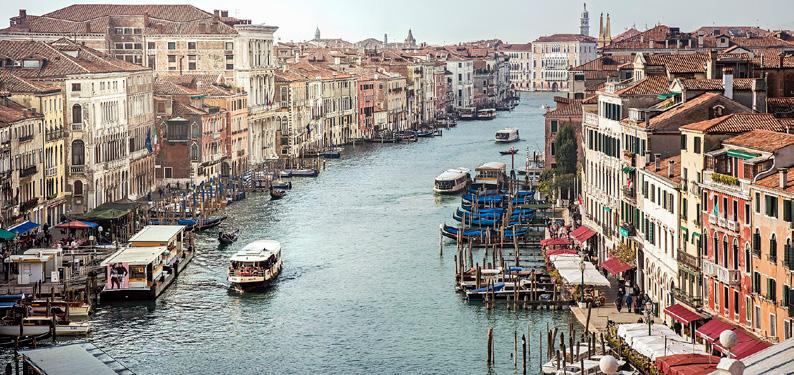
THE GRAND CANAL OF VENICE (ITALY)
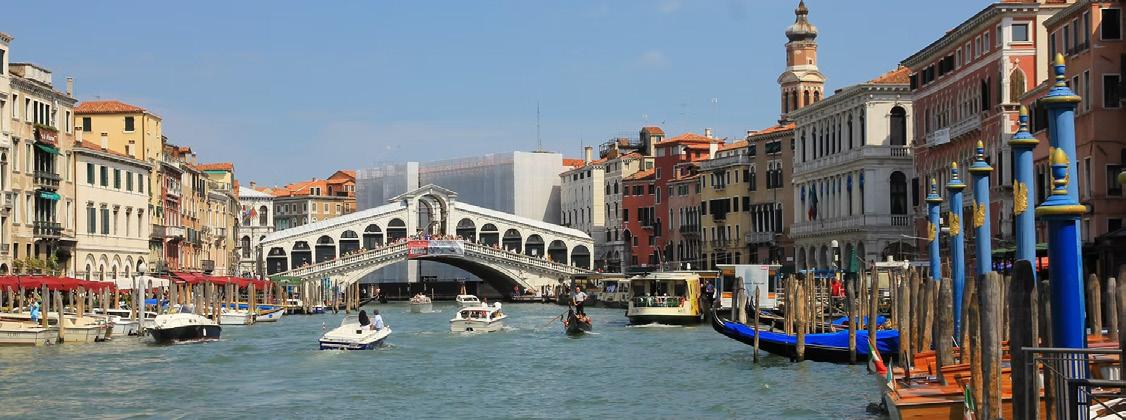
THE GRAND CANAL IS the largest waterway in Venice, Italy, serving as one of the city's main traffic routes. One end of the canal connects to the lagoon near the Santa Lucia railway station, while the other end leads into the basin at San Marco. In between, it forms a large reverse-S shape through Venice's central districts. It is 2.4 miles long and ranges from 98 to 295 feet wide, with an average depth of 16 feet.
The banks of the Grand Canal are lined with more than 170 buildings, most dating from the 13th to the 18th centuries, showcasing the wealth and art of the Republic of Venice. Noble Venetian families incurred enormous expenses to display their wealth in grand palaces; this competition reflects the citizens’ pride and their strong connection to the lagoon. The churches along the canal include the basilica of Santa Maria della Salute. Centuries-old traditions, like the Historical Regatta, are held every year along the Canal.
Because most of the city's traffic moves along the Canal rather than across it, only one bridge, the Rialto Bridge, crossed the canal until the 19th century. Today, there are three additional bridges: the Ponte degli Scalzi, the Ponte dell'Accademia, and the controversial Ponte della Costituzione from 2008, designed by Santiago Calatrava.
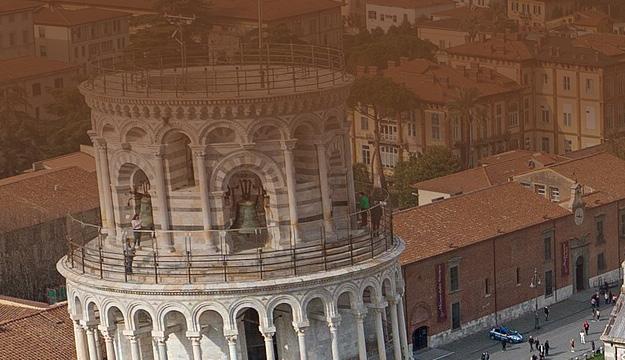
THE LEANING TOWER OF PISA (ITALY)
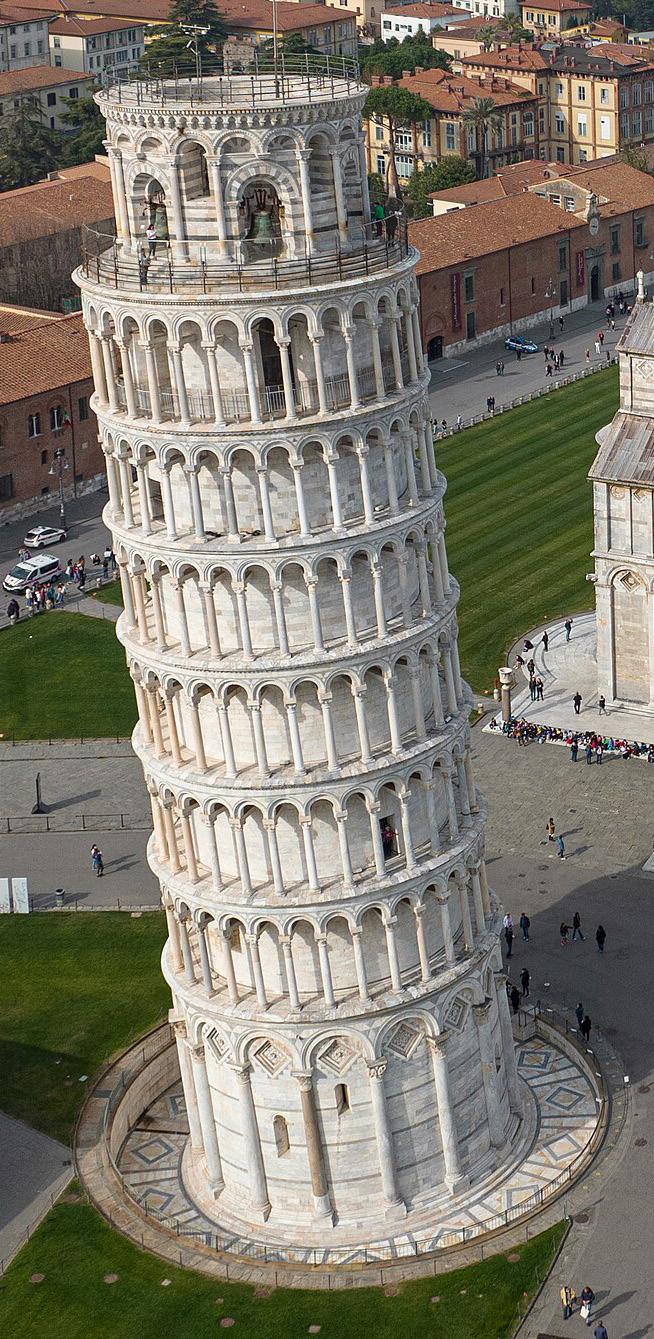
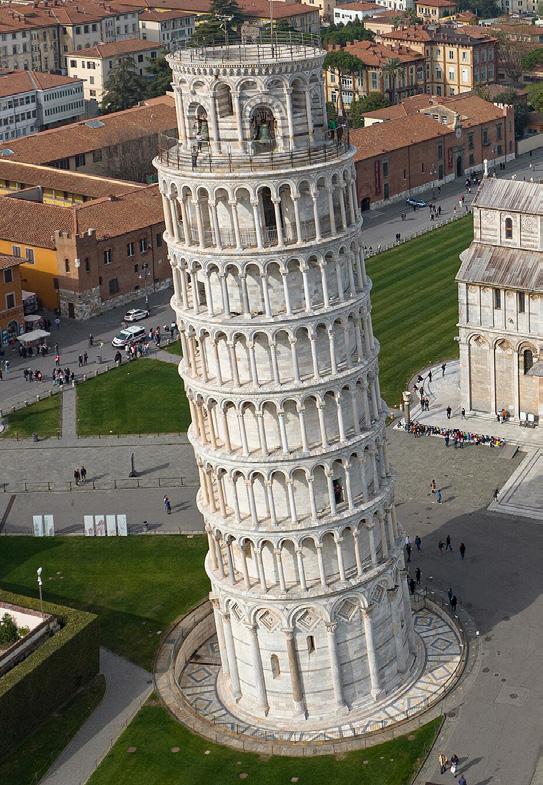
The Leaning Tower of Pisa is the campanile, or freestanding bell tower, of Pisa Cathedral. It is known for its nearly four-degree tilt, which results from an unstable foundation. The tower is one of three structures in Pisa's Cathedral Square (Piazza del Duomo), along with the cathedral and Pisa Baptistry. Over time, the imperfect tower has become one of the most visited tourist attractions worldwide and a symbol of Italy's architecture, attracting over 5 million visitors each year.
The height of the tower is 183 feet 3 inches from the ground on the low side and 185 feet 11 inches on the high side. The walls at the base are 8 feet wide, and there are either 296 or 294 steps; the seventh floor has two fewer steps on the north-facing staircase.
The tower began to lean during construction in the 12th century because the soft ground couldn't properly support its weight. The tilt worsened by the time construction was completed in the 14th century. By 1990, the tilt had reached 5.5 degrees. The structure was stabilized with remedial work between 1993 and 2001, which reduced the tilt to 3.97 degrees.
I once fell off a 25-foot ladder. Fortunately, I was on the fi rst rung at the time. Sitting angrily on the toilet late for work, I don't have time for this shit.
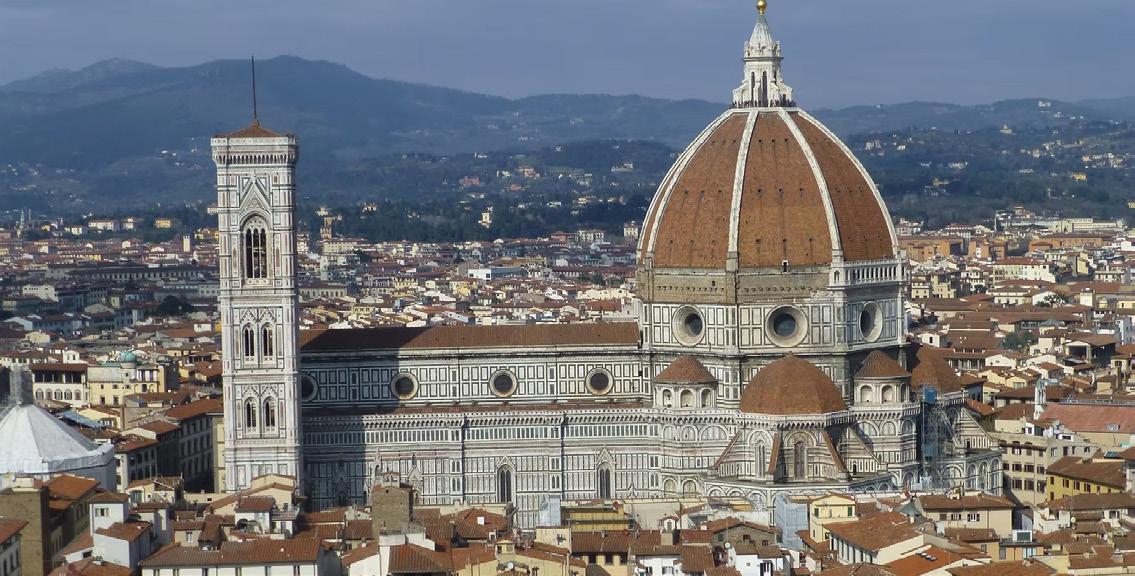
THE DUOMO OF FLORENCE (ITALY)
Florence Cathedral, officially called the Cathedral of Saint Mary of the Flower, is the main church of the Catholic Archdiocese of Florence in Florence, Italy. Construction started in 1296 in the Gothic style, based on a design by Arnolfo di Cambio, and was completed in 1436 with a dome built by Filippo Brunelleschi. The exterior features polychrome marble panels in shades of green, pink, and white, and it includes an elaborate 19th-century Gothic Revival western façade designed by Emilio De Fabris.
é Rialto Bridge over the Grand Canal.
ç The Grand Canal looking south from the Rialto Bridge.
é Cathedral of Santa Maria del Fiore. Italy's
é The Leaning Tower of Pisa.
I once fell off a 25-foot ladder. Fortunately, I was on the fi rst rung at the time. Sitting angrily on the toilet late for work, I don't have time for this shit.
The cathedral complex, situated in Piazza del Duomo, includes the Florence Baptistery and Giotto's Campanile. These three structures are part of the UNESCO World Heritage Site that covers the historic center of Florence and are major tourist attractions in Tuscany. The basilica is one of the largest churches in the world, and its dome remains the biggest masonry dome ever constructed. The cathedral functions as the mother church and the seat of the Archdiocese of Florence.
The Florence city council approved Arnolfo di Cambio's design for the new church in 1294. Di Cambio also designed the churches of Santa Croce and the Palazzo Vecchio. He planned three wide naves ending beneath an octagonal dome, with the middle nave covering the area of Santa Reparata. The first stone was laid on September 9, 1296, by Cardinal Valeriana, the first papal legate ever sent to Florence. This grand project was expected to take 140 years; Arnolfo's design for the eastern end, while kept in principle, was greatly expanded in size.
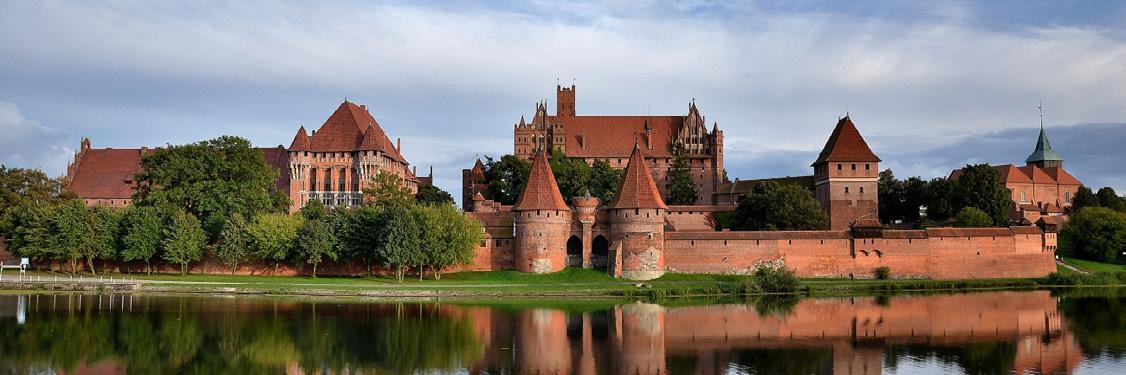
MALBORK CASTLE (POLAND)
The Castle of the Teutonic Order in Malbork, commonly known as Malbork Castle, is a Brick Gothic castle complex located in the town of Malbork. It was built in the 13th century and was greatly expanded in the 14th century. It is the largest castle in the world by land area and is designated as a UNESCO World Heritage Site.
It was built by the Teutonic Order, a German Catholic religious order of crusaders, as an Ordensburg fortress and named Marienburg in honor of Mary, mother of Jesus. In 1457, during the Thirteen Years' War, the castle was sold by Bohemian mercenaries to King Casimir IV of Poland in exchange for indemnities. It then served as one of several Polish royal residences and the seat of Polish offices and institutions, interrupted by several years of Swedish occupation, until the First Partition of Poland in 1772. From that point on, the castle was under German control for over 170 years until 1945, although it largely fell into disrepair as military technology advances made it mostly a historical site.
Most historians typically date the construction from 1274 to 1406. The castle is a prime example of a medieval fortress and, upon its completion in 1406, was
the largest brick castle in the world.
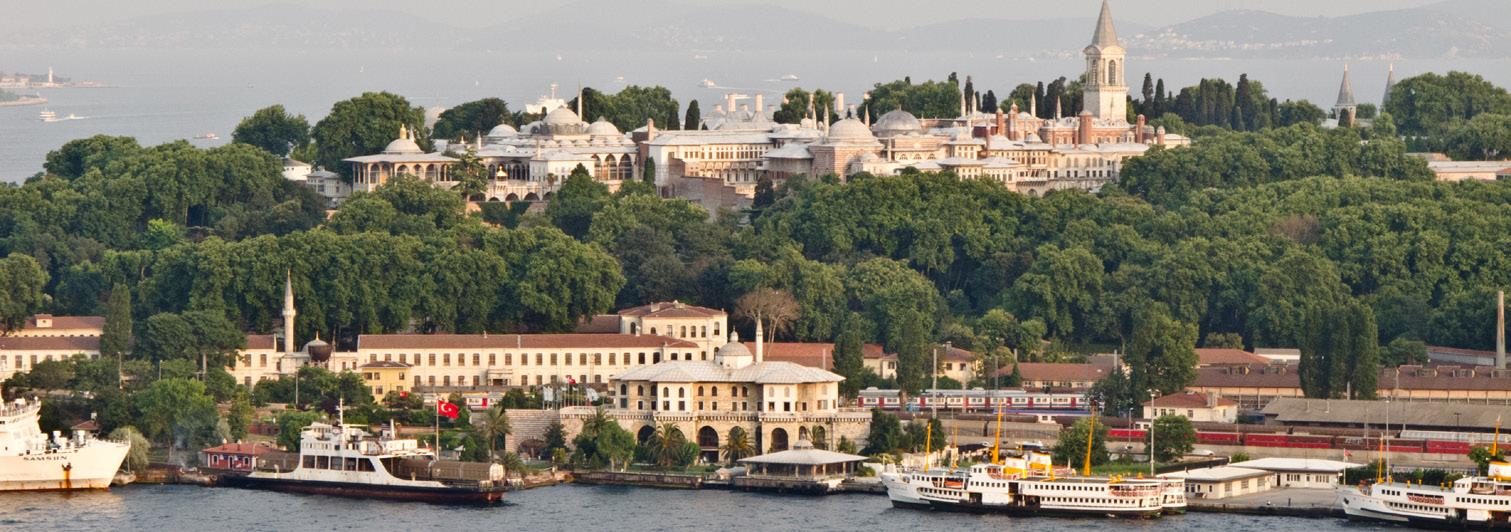
é Topkapı Palace.
The Topkapı Palace, also known as the Seraglio, is a large museum and library in Istanbul, Turkey. From the 1460s until the completion of Dolmabahçe Palace in 1853, it served as the administrative center of the Ottoman Empire and was the main residence of its sultans.
é Malbork Castle
CARLOS DELGADO, CC BY-SA 3.0, VIA WIKIMEDIA COMMONS
Construction, ordered by Sultan Mehmed the Conqueror, began in 1459, six years after the conquest of Constantinople. Topkapı was originally called the "New Palace" to distinguish it from the Old Palace in Beyazıt Square. It was given the name Topkapı, meaning Cannon Gate, in the 19th century. The complex expanded over the centuries, with major renovations after a 1509 earthquake and a 1665 fire. The palace complex includes four main courtyards and many smaller buildings. Female members of the Sultan's family lived in the harem, and leading state officials, including the Grand Vizier, held meetings in the Imperial Council building.
After the 17th century, Topkapı gradually lost its importance. The sultans of that time preferred to spend more time in their
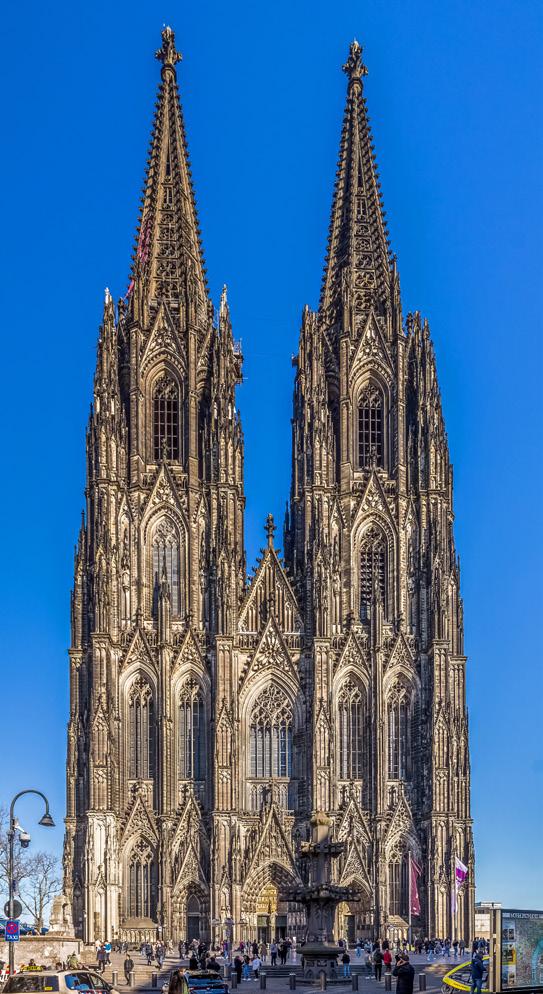
THE CATHEDRAL OF COLOGNE (GERMANY)
Cologne Cathedral (High Cathedral Church at Cologne) is a Catholic cathedral in Cologne, Germany. It serves as the seat of the Archbishop of Cologne and is a well-known symbol of German Catholicism and Gothic architecture. Declared a World Heritage Site in 1996, it is Germany's most visited attraction, drawing around 6 million visitors each year. Standing at 515 feet, the cathedral is the tallest twin-spired church in the world, the third tallest church in Europe after Sagrada Família and Ulm Minster, and the tallest cathedral overall.
new palaces along the Bosphorus. In 1856, Sultan Abdulmejid I decided to move the court to the newly constructed Dolmabahçe Palace. Topkapı continued to serve some functions, including the imperial treasury, library, and mint.
After the Ottoman Empire ended in 1923, a government decree designated Topkapı as a museum. Turkey's Ministry of Culture and Tourism now oversees the Topkapı Palace Museum. The palace complex has hundreds of rooms and chambers, but only the most significant are open to the public.
Construction of Cologne Cathedral began in 1248 but was halted around 1560. Efforts to complete it resumed around 1814, yet proper funding only arrived in the 1840s. The building was finished according to its original medieval plan in 1880. Its two massive spires and towers give the cathedral the largest façade of any church in the world.
Cologne's medieval builders planned a grand structure to house the reliquary of the Three Kings and serve as a place of worship for the Holy Roman Emperor. Although it was left unfinished during the medieval period, Cologne Cathedral eventually gained recognition as "a masterpiece of exceptional intrinsic value" and a significant symbol of the resilience and strength of Christian faith in both medieval and modern Europe. In Cologne, only the telecommunications tower is taller than the cathedral.
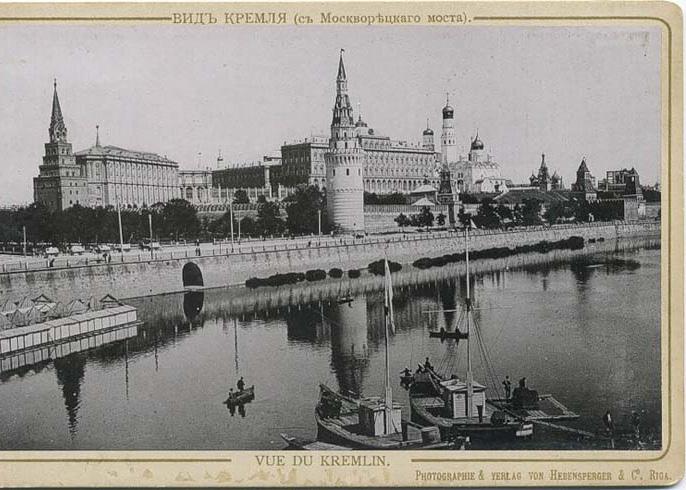
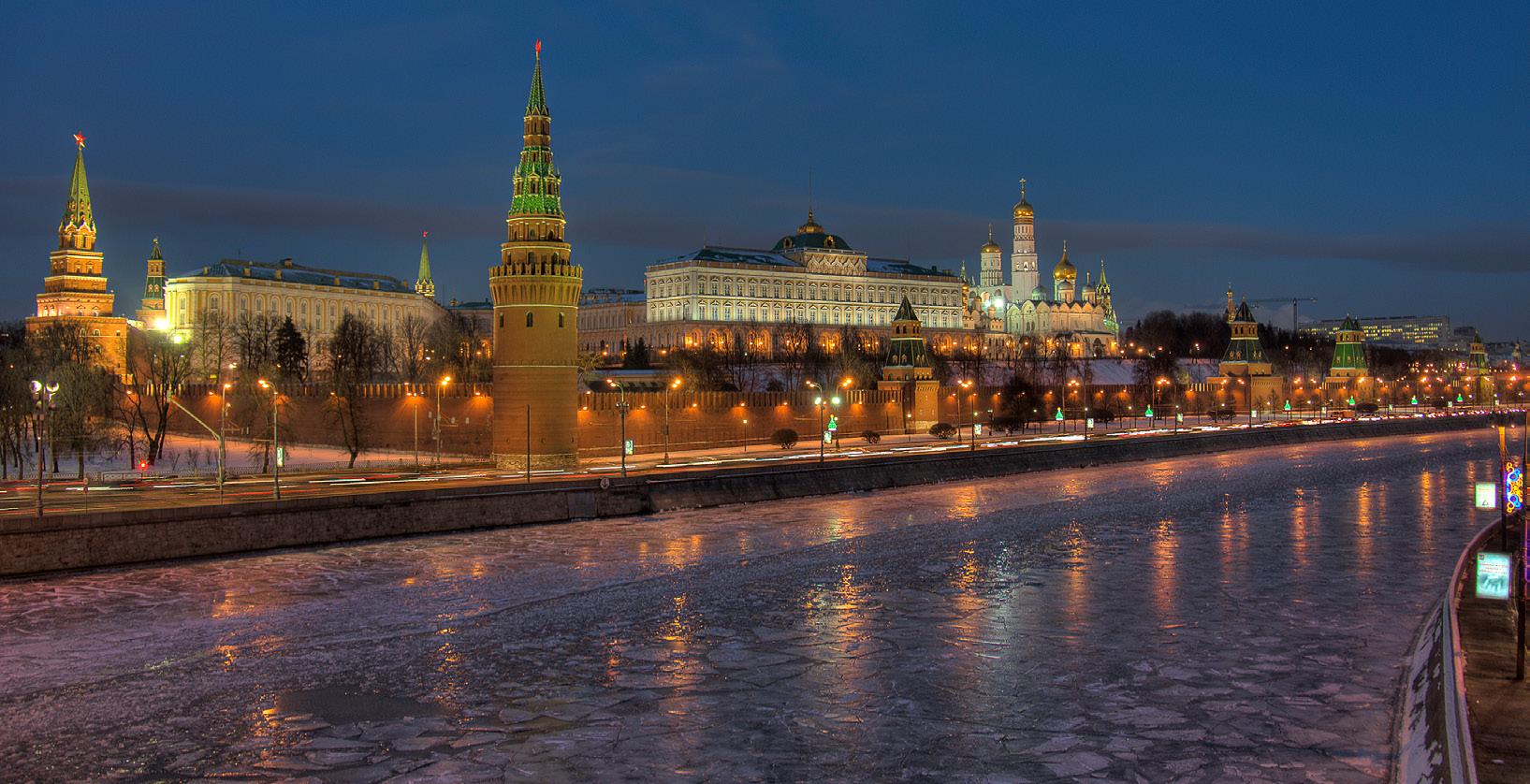
THE KREMLIN OF MOSCOW (RUSSIA)
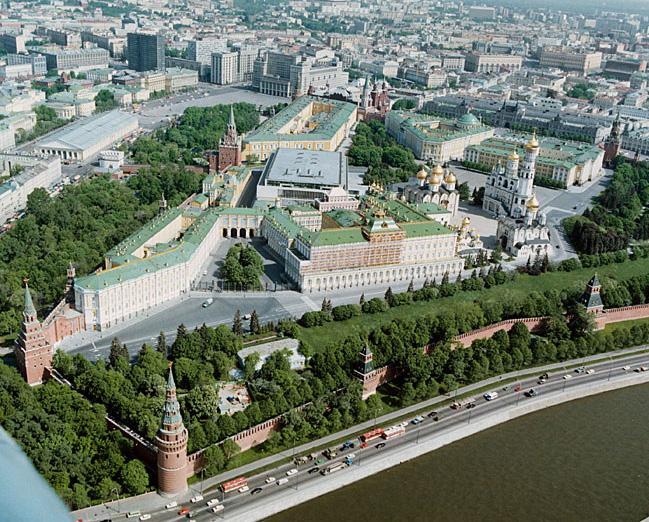
The Moscow Kremlin, commonly known simply as the Kremlin, is a fortified complex in Moscow, Russia. Located in the historic center of the country's capital city, the Kremlin includes five palaces, four cathedrals, and an enclosing wall with numerous towers. Inside the complex is the Grand Kremlin Palace, which was once a royal residence of the Tsar of Russia and is now the president's residence.
Grand Prince Ivan III (who ruled from 1462-1505) organized the reconstruction of the Kremlin, inviting numerous skilled architects from Renaissance Italy, including Pietro Antonio Solari, who designed the new Kremlin wall and its towers, and Marco Ruffo, who designed the new palace for the prince. During his reign, three existing cathedrals of the Kremlin, the Deposition Church, and the Palace of Facets were built. The tallest building in the city and Muscovite Russia was the Ivan the Great Bell Tower, constructed between 1505 and 1508, and raised to its current height in 1600. The Kremlin walls, as they appear today, were constructed between 1485 and 1495.
After the construction of the new Kremlin walls and churches was completed, the monarch decreed that no structures should be built in the immediate vicinity of the citadel. The Kremlin was separated from the walled merchant town by a
The fall from ego to IQ would surely kill you... I have chronic diarrhea; it runs in my jeans.
View of the Kremlin in 1890 during the Russian Empire
é Cologne Cathedral.
DRONEPICR, CC BY 2.0, VIA WIKIMEDIA COMMONS
FOLLOW THE CONVERSATION!
The fall from ego to IQ would surely kill you... I have chronic diarrhea; it runs in my jeans.
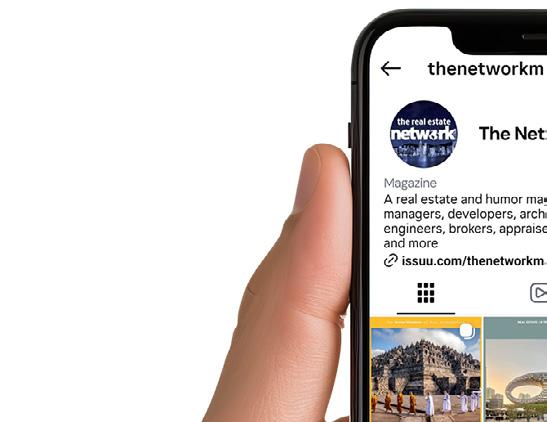
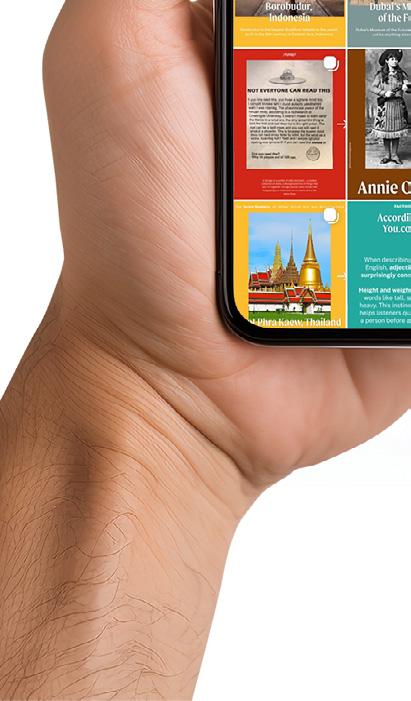
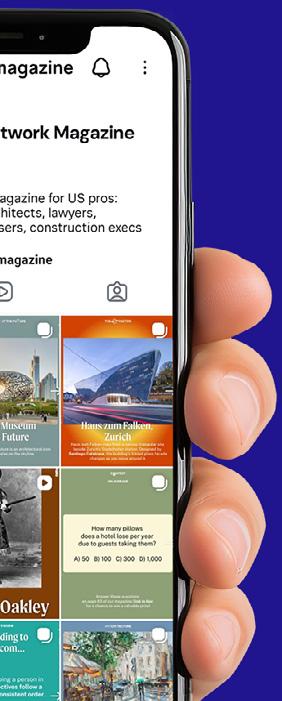
Enjoying this issue? Stay connected for article highlights, striking visuals, and updates from The Network Magazine on Social Media.
theNetworkMagazine
100-foot-wide moat, over which Saint Basil's Cathedral was built during the reign of Ivan the Terrible, who also renovated some of his grandfather's palaces, added a new palace, and built a cathedral for his sons.
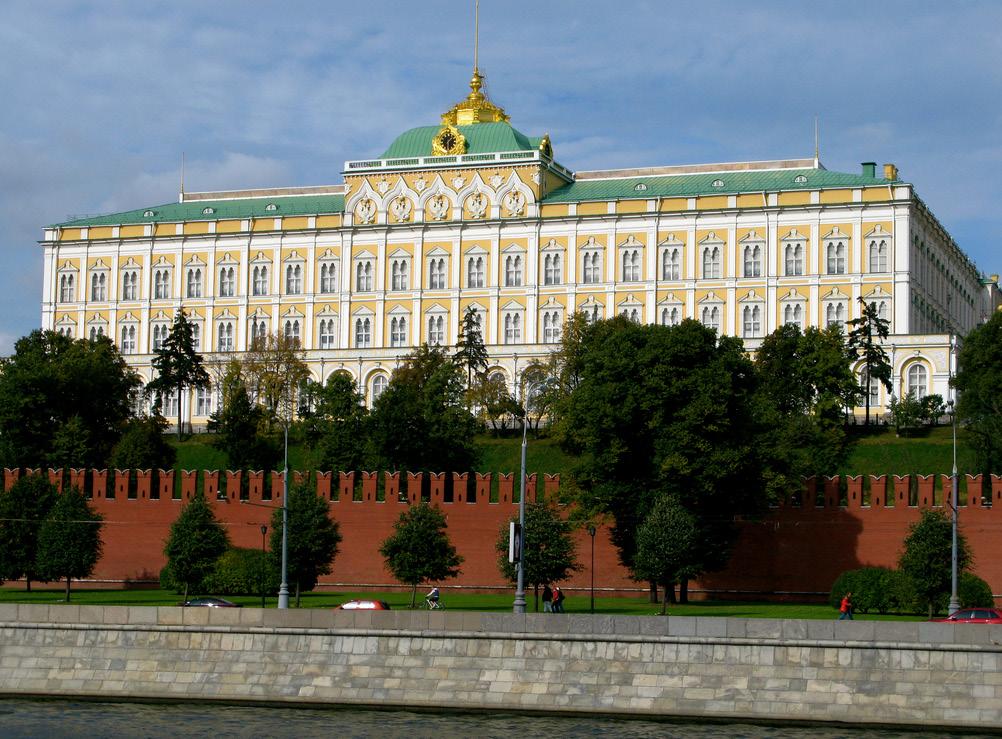
The Grand Kremlin Palace was commissioned by Nicholas I in 1838. The largest structure in the Kremlin, it cost 11 million rubles to build and more than one billion dollars to renovate in the 1990s. It contains reception halls, a ceremonial red staircase, the tsars' private apartments, and the lower story of the Resurrection of Lazarus church (1393), the oldest extant structure in the Kremlin and the whole of Moscow.
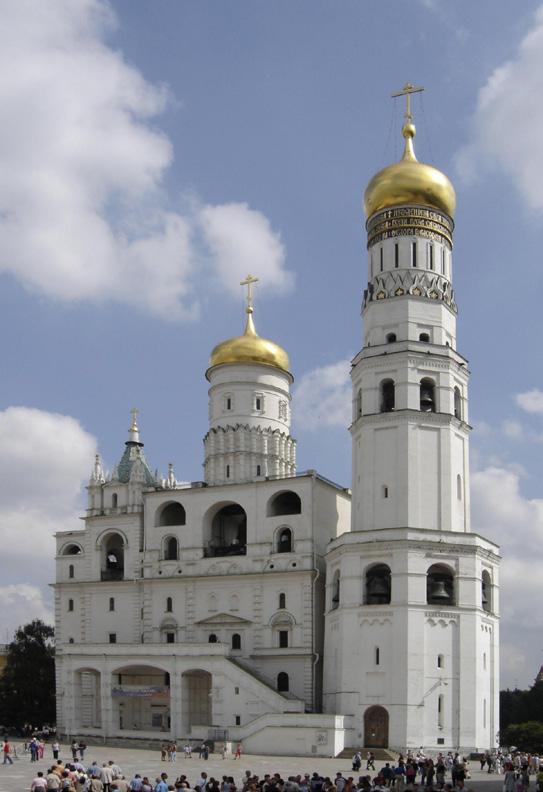
Another notable structure is the Ivan the Great Bell Tower on the north-east corner of the square, which is said to mark the exact center of Moscow and resembles a burning candle. Completed in 1600, it is 266 feet high. Until the Russian Revolution, it was the tallest structure in the city, as construction of buildings taller than that was forbidden. Its 21 bells would sound the alarm if any enemy was approaching. The upper part of the structure was destroyed by the French during the Napoleonic Invasion in 1812 and has been rebuilt. The Tsar Bell, the largest bell in the world, stands on a pedestal next to the tower n
é The Kremlin viewed from across the Moskva River.
é Kremlin in bird's-eye view in 1987.
é Grand Kremlin Palace
é Ivan the Great Bell Tower.
ADULT LANGUAGE
The noTion of “adulT language” as a special, restricted category—words not for children is largely a modern invention, shaped by print culture, mass education, and later broadcasting. Before that, people absolutely swore, used sexual terms, and joked crudely… they just didn’t organize language into age-rated bins the way we do now. Pre-modern world: everyone heard everything.
In medieval and early modern societies, language wasn’t strongly age-segregated. Children lived and worked alongside adults. They heard sex jokes, bodily humor, profanity, and violence as part of everyday life. Shakespeare, Chaucer, Rabelais—packed with puns about sex, defecation, cuckoldry, and genitalia—were performed publicly, not hidden behind parental warnings. There were taboos (especially around blasphemy or insulting authority), but they weren’t framed as “adult content.” They were framed as sinful, rude, or dangerous, regardless of who heard them.
From the late 1600s onward, especially in Protestant Europe, childhood began to be seen as a distinct, innocent stage. Moral reform movements advocated shielding children from corruption. Education became formalized, and language was policed in classrooms. As books, newspapers, (and later magazines) spread, language became fixed, reproducible, and reviewable; “proper” speech became a marker of class, and vulgar language became increasingly labeled low, crude, or unfit.
This is when dictionaries start marking words as vulgar, obscene, or indecent—early ancestors of “adult language” labels. In the 19th century, especially during the Victorian era, sex, bodily functions, and strong language were pushed out of polite conversation. Euphemisms abounded (“unmentionables,” “the act,” “lady parts”). Children were imagined as uniquely fragile and corruptible. Certain words became worse than the acts they describe; sometimes, saying something aloud became
more taboo than doing it quietly. Ironically, this is also when underground pornography and bawdy humor began to flourish—it was just very carefully hidden.
The concept was fully modernized with the advent of mass media. “Adult” stopped meaning “mature” and started to mean “legally restricted.”
• Early film and radio censorship (Hays Code, FCC rules.)
• Obscenity laws that hinge on “what minors might be exposed to”.
• Content ratings (movies, TV, video games.)
• The phrase “adult language” itself became common in the mid-20th century.
WHAT’S REALLY BEING PROTECTED?
“Adult language” isn’t really about language— it’s about control.
It protects social norms, class boundaries, sexual anxiety, and authority (religious, parental, political). Swear words tend to cluster around sex, religion, bodily functions, and power and insults—exactly the things societies get nervous about kids understanding too early.
“Adult language” has fractured into subcategories: Profanity, Sexual content, Hate speech, and Graphic description. Each is policed differently, depending on cultural fear, not inherent harm. It is a product of modern ideas of childhood, print and broadcast culture, moral reform movements, and legal and commercial regulation.
Earlier societies used rude, sinful, or dangerous language—but not “adult language” in the way we mean it now.
FRANCE
Vulgarity, not sexuality, is the core anxiety: Sexual language is relatively tolerated, even in mainstream media. Crudeness or lack of linguistic elegance is frowned upon more than explicit meaning. Swearing often targets stupidity or bad taste, not moral corruption due to a long tradition of secularism and literary frankness; less emphasis on protecting innocence, more on social refinement.
GERMANY
Historical trauma, authority, and extremism are the core anxieties. Sexual language is comparatively relaxed. Nazi references, hate speech, or extremist slogans are heavily restricted. Swearing often focuses on filth or animals, but these are mild compared to political taboos. “Adult language” leans toward political and historical rather than sexual themes.
JAPAN
Social harmony and disrespect are the core anxieties. There are relatively few swear words
in the Western sense. “Adult” speech is more about how you speak than what you say. Using the wrong pronoun, honorific, or register can be more offensive than explicit content. Tone, context, and relationship determine whether speech is “adult,” not vocabulary alone.
ARABIC-SPEAKING CULTURES
Honor, family, and religion are the core anxieties. Sexual language—especially involving women or family—is strongly taboo. Insults often target lineage or sexual behavior rather than bodily functions. Religious profanity can be extremely serious. Language is tightly linked to honor, shame, and communal identity, and “adult language” often equals dishonorable language, not merely explicit language.
LATIN AMERICAN CULTURES
Respect and masculinity (with humor as a release valve) are the core anxieties. Profanity is common and expressive in adult conversation. Sexual and scatological terms are widespread but context-dependent. Direct insults to family (especially mothers) cross a hard line. Words aren’t automatically “adult”—who you say them to matters more.
SCANDINAVIAN COUNTRIES
Hypocrisy and harm, not sex, are the core anxieties: Sexual language and nudity are relatively normalized. Swearing exists but isn’t heavily moralized. Slurs and cruelty are treated more seriously than explicitness. There is high secularism, strong social trust, and less obsession with “innocence.” “Adult language” is language that harms, not language that describes bodies.
INDIA (MULTIPLE CULTURES, MULTIPLE RULES)
Public decency vs private reality is the core anxiety. Explicit sexual language is taboo in public. Double entendres and euphemisms are common and widely understood. English profanity may be treated as less serious than local-language equivalents. “Adult language” often hides in metaphor, code-switching, and implication.
What’s striking is that language itself isn’t the problem. The problem is what the language threatens to reveal too early: sex, power, inequality, hypocrisy, or historical wounds. So, when a culture says, “That’s not for children,” it’s really saying, “That touches upon something we don’t trust ourselves to explain cleanly.” n
I bought a cheap wig this morning; it was a small price toupee. Q. What do you call a cheap circumcision? A. A rip off.
Q. What do you call a cheap circumcision? A. A rip off.
I bought a cheap wig this morning; it was a small price toupee.
HOW ELEVATOR REGULATIONS ARE DISRUPTING AMERICA’S HOUSING MARKET
The unforeSeen effecTS of a 1988 law are making housing less accessible and increasing prices.
In December, the Seattle City Council boldly reformed the city’s zoning laws to allow four-story apartment buildings on all residential lots, a decisive move to tackle housing shortages. This proactive step follows Cambridge, Massachusetts, which made a similar change earlier this year, showing a growing trend toward smart, adaptable housing policies. In 2024, California lawmakers made a significant move by passing a bill that legalizes up to 10 units on each land parcel, with Illinois Governor JB Pritzker (D) adopting a slightly more conservative, yet comparable, approach. These measures demonstrate a strong commitment to increasing housing availability and affordability. These reforms aim to improve the affordability of U.S. housing stock by building the “missing middle” — townhouses or small apartment buildings, denser and more affordable than single-family homes.
Many of these buildings share a critical characteristic: they are walk-ups built without elevators. Even those with elevators tend to be more expensive than necessary, largely due to the unintended effects of a 1988 law that was intended to improve accessibility but has inadvertently increased costs.
While many factors contribute to the high costs and limited availability of American elevators, the federal government's 1988 Fair Housing Amendments Act plays a particularly detrimental role. Although designed to enhance housing accessibility, it inadvertently hampers the installation of elevators in small apartment buildings, making what should be a straightforward improvement almost impossible.
The FHAA requires that any building with four or more apartments include an acces-
sible route into at least one unit. Although the legislation does not detail specific requirements, it clearly states that following a private-sector standard published just before the law's passage is enough to satisfy the obligation. This highlights the importance of compliance, emphasizing that existing industry standards offer a trustworthy way to achieve accessibility and meet legal requirements.
This is where the contradictions begin, and accessibility for small buildings breaks down. That standard and its related rules specify minimum dimensions for elevator cars in new buildings. However, this applies only if an elevator is installed, which is not always required. The minimum size standards for an elevator in a small apartment building are much larger than what is actually needed for accessibility. The exact reason for this size has been lost over time, but it might relate to a turning radius needed for wheelchair users to press buttons placed directly next to the door. In other countries, they simply put the buttons on one of the side walls — eliminating the need for a turn.
The United States continues to stand out as one of the few high-income nations still building walk-up apartments, further deepening the urgent accessibility crisis. With the highest elevator construction costs worldwide and the fewest elevators per capita among peer countries, the U.S. is clearly falling behind in providing accessible housing for those who need it most. Shockingly, less than 6 percent of housing is accessible to over 30 million American adults with mobility disabilities, underscoring a desperate need for immediate and substantive change. Across the country, states like Maine and Washington are beginning to challenge the outdated rules that have perpetuated this crisis, demonstrating that change is not only necessary but possible.
In Europe and many high-income countries, small newly constructed three- or fourstory apartment buildings almost always include a basic elevator, even when not legally required. In contrast, U.S. develop-
ers often forgo installing elevators in such small buildings due to high costs that threaten project profitability. However, including elevators is a wise investment and a clear sign of a modern, accessible community. Globally, accessibility rules are similar: for small buildings, developers can choose to omit an elevator. Yet, in Western Europe, this loophole is rarely exploited, since European elevators are relatively inexpensive and straightforward to add. In countries like France or Germany, installing an elevator in a small building costs about $50,000—adjusted for cost of living—and requires just over 30 square feet per floor. In the U.S., the same can cost upwards of $200,000 and take up more than twice the floor space, making it an unnecessary expense for many developers.
Even for developers who don’t prioritize accessibility, walk-ups pose a challenge. Tenants and buyers dislike having to climb multiple flights of stairs repeatedly each day. Developers’ confidence in the profit potential of walk-ups diminishes as buildings exceed two floors. If a costly elevator isn’t feasible within the budget, projects often aren’t built at all, reducing supply and pushing rents and home prices higher.
Unless U.S. elevator regulations are revised, townhouses and small apartment buildings without elevators will largely continue to be the primary affordable options in the missing-middle housing market. There’s only so much cities and states can do about the minimum size of elevator cars, perpetuating this trend of new small apartment buildings without elevators.
Clarifying the federal government's stance on elevator sizes alone won't solve the nation’s elevator market problems overnight. States and cities must also revise their own regulations. Moreover, elevator accessibility standards are just one factor among many driving up costs—others include American building code requirements, complex fire-safety regulations, a disconnect from the global parts market, and labor agreements that make installation, maintenance, and modernization more labor-intensive than elsewhere. However, addressing elevator accessibility is an area where the federal government has the most immediate influence. Thoughtful guidance in this regard could significantly improve affordability and accessibility, delivering benefits that truly serve the public interest. n
REAL ESTATE F THE FU URE
OLEN, AN UNDERGROUND SEVEN-SUITE RESORT ON THE ISLAND OF SYROS
greeK firm aTeno archiTecTure Studio has completed Olen, an underground seven-suite resort on the island of Syros, located on a relatively untouched site and half-buried into its cliff edge. The design was intended to preserve the balance between the natural landscape and the built environment.
Olen was born from a deeprooted love for Syros and a desire to share its most authentic essence with those who seek something more than just a getaway. The architects envisioned a place where time slows, where the Aegean whispers through the air, and where every sunrise feels like a moment of renewal. Olen invites guests to embrace the luxury of doing nothing.
At the airport I went into a room that said UK Customs. There was an orderly queue of people putting on kettles, dunking biscuits in tea, eating bacon, egg, and fried bread, and talking about the weather.
I thought I’d give drag racing a try out, but running in heels is a nightmare.
of
was an
egg, and fried bread, and talking about the weather.
I thought I’d give drag racing a try out, but running in heels is a nightmare.
The resort consists of three elements: The Plane, The Line, and The Point, which progressively increase in privacy as visitors descend the site. The Plane is situated at the highest elevation, marked by a curved retaining wall that encloses a spacious terrace with a leaf-shaped pergola and pool. Shared living areas and a bedroom are embedded into the hill, while three additional bedrooms are positioned along smaller terraces within cubic volumes extending toward the sea.
The suites range from $291 to $400 per night (including all taxes and fees). Learn more <HERE>. n
Syros is an island in the Aegean Sea, 78 nautical miles southeast of Athens. It covers 32 square miles, and in the 2021 census it had 21,124 inhabitants.
ARTCH TECTURE
TOMMY INGBERG SELF-REFELECTIVE MINIMALISM
“I enjoy creating even if it’s just for myself, and I’m very selective about what I show to others. I try not to rush into releasing new work. I often let a finished piece sit for a couple of months to see if I still like it with some distance. Although I always have a clear idea behind my pictures, my perspective changes over time, and my original stories fade away, replaced by new interpretations. Good storytelling, whether visual, written, or otherwise, should carry a level of ambiguity; it should allow you to draw your own conclusions from your perspective. I aim to be playful and make my stories ambiguous. For me, those are the pictures that stand the test of time.”
Tommy ingBerg, Born in Sweden in 1980, is a photographer and visual artist. He works in photography and digital image editing, creating minimalist, self-reflective surreal photo montages that explore human nature, feelings, and thoughts.
He began photographing around age 15. Throughout his teens and twenties, he explored several areas of photography—portraits, concert shots, street scenes, nature photography, and more. He started with film equipment and later transitioned to digital. Despite trying many genres, he says he has always been drawn more to art photography than to documentary photography.
“I have never viewed photography as a way to objectively depict reality, but
rather as a means of telling stories and expressing my perspective. Looking back at my old photos, I can see that my current visual language has always been present, and in many ways, the pure photography I did earlier resembles my photo montages in terms of motifs, composition, and overall 'feel.” They were often simple, minimalist compositions with a single subject and plenty of space. However, since I depended on the scene in front of the camera, I couldn't fully convey the stories I wanted; I always felt something was missing. It was when I began creating photo montages, crafting my own scenes and realities, that I was able to further develop my work.”
In his late 20s, he experienced a tough period battling depression and anxiety. To cope with his emotions and inner world, he began creating photo montages.
“It was a way for me to try to understand what was happening inside me. I stopped trying to create what I thought was art or good photography for others and started making pictures just for myself because I wanted to. I stopped caring about what others might think of my work. By crossing that line, I was free to tell my own stories, and by moving from photography into photo montages, I gained the tools to do so. The reward was double: it helped me as a kind of therapy, and in my art, I found a purpose—something I love doing and can be proud of. I think we all, in our own way, search for answers, trying to make sense of life, the world, and existence. For me, I express this through creating pictures. The genre, Surrealism, wasn't really a conscious choice. I didn’t actively choose surrealism and didn’t have much knowledge about different forms of art. I simply started making work that felt meaningful to me.”
Since then, Tommy has created several series of surreal images. His work has received over 30 international awards and is featured in collections worldwide, from the National Museum of Photography in Colombia to the Bibliothèque nationale de France in Paris.
Tommy takes all the photographs himself, whether in the studio or outdoors, and then combines them into the final piece in Photoshop. The process of photographing, working in Photoshop, and test printing can take several weeks to complete a single picture. It’s a slow process, and most of the work is never shown; only a few images each year make it into his portfolio.
You
Great art is among the most sublime, meaningful, and redeeming creations of all civilization. Few endeavors can equal the power of great artwork to capture aesthetic beauty, to move and inspire, to change perceptions, and to communicate the nature of human experience. Great art is also complex, mysterious, and challenging. Filled with symbolism, cultural and historical references, and often visionary imagery, great artworks oblige us to reckon with their many meanings.
Architects and designers (many of our readers) have a lot of influence on the way we perceive the world. A structure often plays a significant part in how we experience a place. (Think of a restaurant, a museum, an arena, a stadium... even an office building - virtually anywhere!) The interior design impacts our sensory perception, our comfort, and our physical connection and there is also artistry in the exterior design. (That’s why we call it artchitecture.) WHY
AIA SUES DONALD TRUMP OVER KENNEDY CENTER RENOVATION
The american inSTiTuTe of Architects is among the plaintiffs in a lawsuit against U.S. President Donald Trump over his proposed renovations to the Edward Durell Stone-designed Kennedy Center. The plaintiffs (American Institute of Architects (AIA), Docomomo US, the Cultural Landscape Foundation, the American Society of Landscape Architects, the Committee of 100 on the Federal City, DC Preservation League, the National Trust for Historic Preservation, and the Society of Architectural Historians) filed the lawsuit on March 23rd to try to pause the proposed renovations to the John F. Kennedy Center for the Performing Arts in Washington, DC.
It is unusual for so many organizations to come together to defend a single historic building and its grounds, reflecting both the Kennedy Center's significance and the breadth of concern that the administration's approach could weaken longstanding federal protections for historic sites nationwide. The lawsuit names as defendants President Donald Trump in his capacity as chair of the Board of Trustees of the Kennedy Center, the Smithsonian Institute, the National Capital Planning Commission, and other government organizations and officials.
The lawsuit contends that the administration must comply with the processes set forth in
TRUMP RELEASES DESIGN OF PRESIDENTIAL LIBRARY
Trump Releases Design of Presidential Library Donald Trump has released a video rendering of a Miami skyscraper with glass facades that supposedly will be the home of the Donald J Trump Presidential Library. Trump shared the video of the skyscraper on his Truth Social account in late March, with no commentary except for a link to a website hosting the video and some FAQs about the project. See the video <HERE>. According to the video, the skyscraper was designed by American architecture studio Bermello Ajamil & Partners.
IN THE N WS
the National Historic Preservation Act and the National Environmental Protection Act before proceeding with planned renovations to the center, and that proper review and authorizations by congressional officials should precede any renovations. If successful, the lawsuit would halt work on the structure until such authorizations and associated public reviews are completed.
"The Trump administration appears to believe it can bypass those federal requirements and proceed directly to alterations," attorney and co-founder of Cultural Heritage Partners Greg Werkheiser told Dezeen. Cultural Heritage Partners is one of the law firms representing the plaintiffs, along with Foley Hoag and Lowell & Associates. All have open cases against the administration over other preservation issues, including the Eisenhower Executive Office Building, the East Wing expansion, and the East Potomac Golf Links. "Each of these cases is not about the politics," said Werkheiser. "It's not about the president's tastes, whether good or bad. It's about the rule of law and doing what Congress intended."
The tower has a massive (gold) entry pavilion and a huge (gold) statue of Trump with his arms raised on top a (gold) presidential seal. Air Force One fills the lobby, and these are additional military aircraft on the upper lobby levels. On the skyscraper's podiumthere will be a landscaped garden set with palm trees. A gold-lined elevator will run from a lobby mezzanine to ground level, over the wing of the 747. The video also reveals a massive auditorium with an undulating ceiling, replicas of Trump's Oval Office and the proposed ballroom.
On March 16th, the (mostly Trump-appointed) board voted unanimously to approve a plan to close the center for roughly 2 years, with renovations beginning after the July 4, 2026, celebrations. This followed the (December 18, 2025) unanimous vote to add Trump's name to the center, which was built in 1971.
On March 13th, President Trump released renderings on his Truth Social account, showing a building structurally akin to the current modernist building. In the post, the president said that the steel and some of the building's existing marble would be preserved, saying, "I'm not ripping it down." Werkheiser pointed out that "…the President himself told the
é Rendering of planned Kennedy Center exterior renovation posted on Truth Social by President Trump, March 13, 2026.
American public that to build the ballroom, the East Wing would not be touched, and then days later, it was gone."
"President Trump is committed to making the Trump-Kennedy Center the finest performing arts facility in the world. We look forward to ultimate victory on the issue," said a White House spokesperson.
Before my surgery, I asked the doctor if I could administer the anesthetic. “Sure. Knock yourself out,” she replied.
é Kennedy Center at Sunset
STEVE FROM WASHINGTON, DC, USA, CC BY-SA 2.0, VIA WIKIMEDIA COMMONS
Before my surgery, I asked the doctor if I could administer the anesthetic. “Sure. Knock yourself out,” she replied. Q. When Edgar Allen Poe is about to run into a tree. What do you yell at him? A.
RENAMING PBI AFTER PRESIDENT TRUMP
On March 30th, Florida Governor Ron DeSantis signed legislation transferring to the State of Florida the authority to name major commercial service airports, including Palm Beach International Airport (PBI). Under the law, PBI will be renamed “President Donald J. Trump International Airport,” pending all required approvals, including those from the Federal Aviation Administration (FAA). The legislation affects only the airport’s name. Operations, ownership, and governance by Palm Beach County, as the owner of PBI, remain unchanged. The law takes effect July 1, 2026
The legislation does not change the airport’s code, PBI. Separate federal legislation regarding the code has been introduced. Any change would follow the FAA’s established review process, though concerns have been raised about recent filings with the U.S. Patent and Trademark Office to register the trademarks “President Donald J. Trump International Airport” and “DJT,” a reference to the president’s initials that could be used as the airport code.
Supporters cite Trump's local residency and global brand recognition as reasons for the change. Critics question the cost, the timing of the renaming, and the state’s mandate requiring the change for the county. Rebranding is expected to cost $5.5 million, covering signage, uniforms, equipment, marketing materials, and IT system updates.
SWISS VOTERS TO DECIDE WHETHER TO CAP POPULATION
Many European countries are struggling to grow their populations without increasing immigration, a politically unpopular policy. The problem is that most of these countries need both workers and babies amid aging populations, declining birthrates, and weakening economic competitiveness.
On June 14, Switzerland will hold a nationwide referendum to determine whether the country should cap its population at 10 million. If the measure passes, it will amend Switzerland’s constitution to require that the permanent resident population not exceed 10 million by 2050. In subsequent years, the
TRUMP ADMINISTRATION RELEASES DESIGN OF TRIUMPHAL ARCH
The Trump administration has released updated designs for its proposed triumphal arch project by the architecture studio Harrison Design, which were submitted to the Commission of Fine Arts. The project is proposed as part of the celebrations for the 250th anniversary of the United States.
It was first proposed by President Trump in October 2025, when it was jokingly referred to as the "Arc De Trump" – a play on the famous Paris arch. It would be located on an undeveloped traffic circle in Washington, DC, across the Potomac River from the Lincoln Memorial.
limit would be adjusted annually by the Swiss government to account for any birth surplus.
It would also limit options for asylum-seekers and their families, as well as foreign-born workers, including those from the European Union, to permanently reside in Switzerland if the population exceeds 9.5 million before 2050. (The current population is about 9 million, and at current growth rates, it will reach 9.5 million by the middle of the century.)
About 27% of residents in the mountainous Central European country are not citizens, however, and most of those come from countries that are part of the European Union. Many have established lives in the country. Around 40% of residents aged 15 or olderhave a foreign background.
The drawings show the archway spanning the width of a roundabout. Two eagles and a winged angel sit atop, while the words "One Nation Under God" and "Liberty and Justice for All" are inscribed on the arch's capital on either side. Shiny, golden adornments and two lions are also placed around the site, and plans and sections show a staircase running through the structure.
The CFA, which has several Trump appointees, serves as a federal advisory panel to the President on "matters of design and aesthetics" in Washington, D.C. It does not have the authority to vote on the construction of a federal project. However, Trump used the panel to advance the White House ballroom, which is currently being held up in court because the approval process was deemed unlawful. (See article on the previous page.) n
DIVERSI NS: MAkE POWWOWS gREaT AGaIn!
Donald Trump was invited to address a major gathering of the American Indian nation in upstate New York. He spoke for almost an hour about his plans for increasing every Native American’s present standard of living, referring to how he had supported every Native American issue that he’d read about in the news media. Although Trump was vague about the details of his plans, he seemed enthusiastic and sincere about his ideas for helping his “red sisters and brothers.”
At the conclusion of his speech, the Tribes presented him with a plaque inscribed with his new Indian name, ‘Walking Eagle.’ The proud Mr. Trump accepted the plaque and then, waving to the crowds, departed in his motorcade to a fundraiser.
A news reporter later asked the group of chiefs how they had come to select the new name that they had given to the Donald. They explained that ‘Walking Eagle’ is the name given to a bird that is so full of shit that it can no longer fly.
and
BY MARIA GATEA
INTERSTATE MOVES HIT 10-YEAR LOW
america’S pandemic-era relocaTion Boom is finally slowing down. Interstate migration dropped to its lowest point in ten years in 2024, with only 7.15 million Americans moving across state lines — over 1 million less than the peak in 2022. That represents about a 13% decline in just two years.
StorageCafe’s analysis of the latest Census data (see page 20 in the March-April edition of ) shows that the Sun Belt is no longer unstoppable. Texas and Florida are still gaining residents, but at about half the rate of last year. Meanwhile, a comeback is forming in parts of the Midwest — and Gen Z has quietly become the most mobile generation in America.
DOMESTIC MIGRATION SINKS TO A 10-YEAR LOW
WHAT MIGRATION SAYS ABOUT AMERICA’S HOUSING MARKET
The pull factors that once encouraged households to move across state lines — cheaper housing, lower taxes, and more space — have diminished. Many states that attracted large numbers of migrants in recent years, especially those in the Sunbelt, have seen home prices rise sharply, reducing their affordability advantage.
At the same time, rising mortgage rates are keeping many homeowners stuck. Millions locked in with ultra-low rates from years ago are now hesitant to trade them for loans that would significantly increase their monthly payments. For more and more potential movers, the numbers just don’t add up anymore.
Work is also changing mobility patterns. As more employers reduce fully remote options, moving to a lower-cost state can bring new professional risks. Without certainty about long-term flexibility, households are hesitating — and career mobility, once a main driver of interstate migration, has slowed significantly over the past decade. According to United Van Lines’ latest movers study, “new job or company transfer” accounted for 25.92% of moves in 2025, down from 29.10% in 2023 and far below the 2018 peak of 47.60%.
Instead, migration today is increasingly rooted in personal relationships. Strengthening family ties has become the most common reason for interstate moves in both 2024 and 2025. In 2025, 29.13% of movers
relocated to be closer to family, up from 27.10% in 2023. Retirement remains another consistent driver at 13.86%, while lifestyle changes account for 9.54% of moves. Notably, “improved cost of living” — a frequent justification during the pandemic migration wave — represents just 3.22% of moves in 2025, highlighting how affordability-driven relocations have diminished.
Basically, we’re observing a more cautious, more limited America. Moving between states is no longer an automatic way to save money. Instead, relocation choices are increasingly driven by practical and lifestyle reasons — strengthening family bonds, planning for retirement, or seeking stability amid economic challenges and climate issues (See image on the right è)
With lifestyle priorities at the forefront, over 7 million Americans relocated in 2024. Who are today’s movers, and where are they headed next?
For the first time on record, Gen Z is America’s most mobile generation, making up nearly one in three interstate moves. In 2024, 2.2 million young adults relocated to a different state, surpassing Millennials after years of millennial dominance and a close race between the two generations in 2023.
Several factors explain Gen Z’s rise to prominence. Many in this generation are now in their early to mid-20s, prime years for mobility driven by education, early career moves, and lifestyle exploration. With fewer family obligations and lower homeownership rates, Gen Zers often enjoy greater flexibility to relocate for job opportunities, more affordable cities, or simply a change of scenery. The normalization of remote and hybrid work has also expanded their geographic options early in their careers.
That flexibility is evident in their choice of destinations. The top migration spots for net Gen Z are South Carolina, Missouri, and the District of Columbia, indicating that Gen Zers are motivated by both affordability and ambition. South Carolina and Missouri provide lower housing costs and expanding regional job markets, allowing young adults to establish themselves financially. Meanwhile, the District of Columbia continues to attract Gen Z movers who are interested in careers in policy, media, and professional services that benefit from proximity and networking. (See tables on the right è)
Meanwhile, millennials, now deeper into their 30s and 40s, are increasingly settling into more stable life stages. Marriage, parenthood, and homeownership tend to anchor households, making long-distance moves less common. As a result, millennials fell to second place in 2024, accounting for 28% of interstate movers, or about 2 million people.
The top destinations for net millennial migration are Texas, Maryland, and North Carolina, states that combine economic viability with long-term housing opportunities. Texas and North Carolina offer large, diversified metro areas with steady job growth and relatively affordable suburban homeownership. Maryland, though more expensive, provides access to stable, high-paying jobs tied to federal and professional services sectors. For millennials, interstate migration is increasingly about securing the next phase of life rather than experimenting with it.
An Englishman, a Frenchman, a Spaniard, and a German are sitting in a room.
A man enters and asks, “Can you see me?” and they respond,
Source: StorageCafe analysis of U.S. Census Bureau, See the complete chart <HERE>.
THE FACE OF INTERSTATE MIGRATION
Interstate mobility is unevenly spread across the population, mainly concentrated among specific age and education groups. Knowing who moves and why helps explain the economic reasons for relocating and the long-term effects on housing and regional growth.
Americans who relocated to a different state in 2024 reported annual incomes of about $60,000 — slightly below the national average of just under $62,000. At the same time, they are notably younger than the overall population: The average interstate mover is 33 years old, compared to a national median age of around 40.
Younger adults are generally earlier in their earning paths, which accounts for the modest income gap. However, they are also more likely to move to access better job markets, specialized industries, or faster-growing cities. In this sense, interstate mobility can be seen as an investment by young Americans in their long-term income growth rather than just a reflection of their current earning power.
Interstate movers generally have higher levels of education compared to the overall population. About 60% hold a bachelor’s degree or higher, versus roughly 39% nationwide. Greater educational achievement often links to careers in knowledge-based industries, which tend to be geographically concentrated and more flexible with locations and remote work. College-educated individuals may be more willing and able to relocate for specialized positions, promotions, or to access innovation hubs. Moreover, having degrees usually provides skills that can be transferred across states, reducing the risks of moving.
Nearly 19% of long-distance movers work from home, compared to 13% of the general population. While fully remote work is no longer growing as rapidly as during the pandemic, it still offers geographic flexibility for a meaningful portion of workers.
Remote and hybrid arrangements lessen the need to live close to corporate headquarters, enabling employees to focus on affordability, lifestyle choices, or staying near family. Even some flexibility can make longer commutes possible, expanding the area where households are willing to move.
About 42% of Americans who moved across state lines in 2024 bought a home in their new state. That number is much lower than the national homeownership rate of nearly 69%, mainly due to age differences. Since interstate movers tend to be younger, they are still in the transition from renting to owning. For many, relocating remains a strategic step toward homeownership.
See the whole report, expert analysis, interactive maps, and the methodology used <HERE>. n
CHILEAN ARCHITECT
SMILJAN RADIĆ
NAMED 2026 PRITZKER
ARCHITECTURE PRIZE LAUREATE RECOGNIZED FOR BUILDINGS THAT MARRY UNCERTAINTY, MATERIAL EXPERIMENTATION, AND EMOTIONAL PRESENCE
CHILEAN ARCHITECT SMILJAN RADIĆ has received the 2026 Pritzker Architecture Prize, the most prestigious honor in the field, in recognition of his work that is “immediately recognizable, yet conceptually elusive.” Radić, who established his practice Smiljan Radić Clarke in 1995, becomes the 55th recipient of this distinguished award.
CELEBRATING EXPERIMENTATION AND THE HUMAN CONDITION
This year’s jury, chaired by fellow Chilean architect Alejandro Aravena, praised the 61-yearold Radić for his continuous experimentation and his ability to convey something fundamental about the human experience. The jury citation highlights that Radić “favors fragility over any unwarranted claim to certainty,” with buildings that often seem temporary, unstable, or deliberately unfinished—almost as if about to disappear. Despite these qualities, his architecture offers “structured, optimistic, and quietly joyful shelter,” embracing vulnerability as an essential part of life.
The jury compared Radić’s work to the elusive nature of time, noting that his architecture is hard to describe with words because it involves sensory aspects that require physical presence instead of just observation. “His buildings are not conceived simply as visual artifacts; rather, they demand embodied presence,” the jury remarked.
SIGNATURE PROJECTS AND APPROACH
A graduate of the Catholic University of Chile (1989), Radić has earned international recognition for both innovative residential projects and pavilion designs. His most notable works
include the 2014 Serpentine Pavilion in London (pic), an enclosed, semi-translucent structure that resembles a boulder. Another significant project is the House for the Poem of the Right Angle (2010–2012), inspired by Le Corbusier’s painting series. Located in the forests of Vilches, Chile, the house features striking skylights and monitor windows set against a dark, mysterious exterior, while an interior courtyard and light wood accents create a sense of openness and warmth. This contrast between imposing exteriors and delicate interiors highlights Radić’s focus on exploring the relationship between architectural form and human experience.
Reflecting on the honor, Radić expressed his aspiration for his work to evoke emotional resonance: “Architecture exists between large, massive, and enduring forms—structures that stand in the sun for centuries, waiting for our visit—and smaller, fragile constructions, fleeting as the life of a fly, often without a clear destiny under conventional light. Within this tension of disparate times, we strive to create experiences that carry emotional presence, encouraging people to pause and reconsider a world that so often passes them by with indifference.”
EXPANDING INFLUENCE AND RECENT WORK
In recent years, Radić has taken on larger commissions, such as the 2018 Teatro Regional del Bíobío in Concepción, Chile, designed with Eduardo Castillo and Gabriela Medrano. This venue is notable for its PTFE cladding over a zigzagging concrete form. The simplicity of materials and the use of gable roofs in projects like Prism House + Terrace Room have influenced contemporary Chilean architecture.
Radić’s creative scope goes beyond traditional architecture. In 2021, he designed a transparent inflatable bubble for an Alexander McQueen runway show, blending his archi-
tectural sensibilities with fashion. He also collaborates with his wife, sculptor Marcela Correa, and founded the Fundación de Arquitectura Frágil in 2017 to promote experimental architecture.
RECOGNITION AND HONORS
Radić’s awards include the Arnold W. Brunner Memorial Prize from the American Academy of Arts and Letters (2018) and the Grand Prize at the Pan-American Architecture Biennial in Quito (2022). He is also an honorary member of the American Institute of Architects (AIA).
PRIZE ANNOUNCEMENT AMID CONTROVERSY
The timing of the 2026 Pritzker Prize announcement was unexpected, following recent controversy involving the Pritzker Foundation’s director, Tom Pritzker, whose name appeared in communications linked to convicted sex offender Jeffrey Epstein. In late February, the foundation delayed the announcement of the prize. Despite these developments, the prize, established in 1979 by Jay Pritzker of the Hyatt Hotel Corporation, remains the highest honor in architecture. n
The Pritzker Architecture Prize is awarded "irrespective of nationality, race, creed, or ideology". The recipients receive $100,000, a citation certificate, and, since 1987, a bronze medallion. The designs on the medal are inspired by the work of architect Louis Sullivan (generally considered to be the father of the skyscraper), while the Latin-inspired inscription on the reverse of the medal-lion—firmitas, utilitas, venustas (English: firmness, commodity, delight)— is from Ancient Roman architect Vitruvius.
A. An onion. It’s okay if you have no idea what “prefi x” means, it’s not the end of the word.
Q: What is an opinion without 3.14?
é Serpentine Pavillion.
é Teatro Regional del Bíobío in Concepción.
TRENDI G Best Cities for Young Couples (2026)
Raleigh Reverses the
Trend
in Relationship Recession
poST-valenTine’S realiTy checK: it’s not you — it’s your city. The “dating recession” is blamed on apps, commitment phobia, and money stress, but the biggest factor is structural: where you live
What is an opinion without 3.14?
An onion. It’s okay if you have no idea what “prefi x” means, it’s not the end of the word.
When a commute takes up your evening, weeknights become about logistics rather than couple time. And when rent consumes a third (or more) of what young households earn, it's not just a budget issue—it's a relationship timeline problem: moving in stalls, upgrading space waits, and the future remains hypothetical. It’s a reminder that the cities making daily life easier for couples aren't always the ones getting the headlines.
StorageCafe ranked 130 U.S. Cities on what shapes young couples’ day-today life, like affordability relative to young incomes, living space at home, and the everyday social scene that makes a random Tuesday feel like a date night.
Raleigh, NC, ranked highest due to a strong balance between income levels, affordable housing costs, and solid lifestyle amenities. Madison, WI, and Pittsburgh, PA followed close behind. Mid-sized cities offer the friendliest environments for couples. Unlike large coastal metros, which face higher housing prices, mid-sized cities offer affordability alongside growing dining and entertainment options and outdoor activities. Affordability remained the top factor for couples. Cities with moderate rent and mortgage costs consistently outperform high-cost metros, even when those cities offer higher incomes.
Top 10 best cities for young couples in the U.S.
1. Raleigh, NC
2. Madison, WI
3. Pittsburgh, PA
4. Richmond, VA
5. Columbus, OH
6. Sioux Falls, SD
7. Durham, NC
8. Overland Park, KS
9. Lexington, KY
10. Spokane, WA
Between rising living costs, long commutes, and workweeks that extend into the evening, young adults in big cities are feeling the squeeze. Dating interest is declining as affordability becomes the main issue. on the rise, and in places like New York City, romance often gets overshadowed by high living costs. Yes, sharing expenses helps. But in many major metropolitan areas, even two incomes aren’t enough to provide real financial breathing room.
The study shows that affordability and romance can go hand in hand. Sometimes, it just requires looking past the big-city spotlight and focusing on mid-sized cities that offer more space for genuine connection — and real breathing room. In fact, some places are quietly creating the perfect setting for young couples to thrive, with room to build a life together, not just split the rent.
Seattle households made up of couples aged 20 to 44 have a median income of about $138,800, more than 50% above the national average, ranking as the sixth-highest in the country. This strong financial base seems to support relationship formation, as the city is home to over 44,000 young adults living with a romantic partner. This accounts for roughly 6% of households— the highest proportion among major cities. Additionally, more than 24% of young adults in Seattle work from home, giving couples extra time together and more opportunities to strengthen their relationships.
America’s RelationshipReady Cities: From Most to Least CoupleFriendly
# City
1 Raleigh, NC
2 Madison, WI
3 Pittsburgh, PA
4 Richmond, VA
5 Columbus, OH
6 Sioux Falls, SD
7 Durham, NC
8 Overland Park, KS
9 Lexington, KY
10 Spokane, WA
11 Minneapolis, MN
12 Atlanta, GA
13 Boise, ID
14 Grand Rapids, MI
15 Anchorage, AK
16 Greensboro, NC
17 Virginia Beach, VA
18 Omaha, NE
19 Cincinnati, OH
20 Huntsville, AL
21 Tampa, FL
22 Buffalo, NY
23 Portland, OR
24 Reno, NV
25 Nashville, TN
# City
106 Philadelphia, PA
107 Houston, TX
108 Garland, TX
109 Port St. Lucie, FL
110 Arlington, TX
111 Long Beach, CA
112 Santa Clarita, CA
113 Modesto, CA
114 Stockton, CA
115 Fontana, CA
115 Laredo, TX
117 Los Angeles, CA
118 San Bernardino, CA
119 Detroit, MI
120 New York, NY
121 Moreno Valley, CA
122 Chula Vista, CA
123 Anaheim, CA
124 Grand Prairie, TX
125 Santa Ana, CA
126 Oxnard, CA
127 Riverside, CA
128 Yonkers, NY
129 Honolulu, HI
130 Newark, NJ
Love flourishes where daily life feels manageable. These cities make it possible, especially for young couples. Raleigh and Madison lead because they offer what young couples most need: strong communities of cohabiting partners, real time away from work, and many ways to turn an ordinary evening into a date. Just behind them, cities like Pittsburgh, Richmond, Columbus, Sioux Falls, Durham, Overland Park, Minneapolis, and Spokane — as well as high-earning hubs such as Fremont, San Francisco, Seattle, San Jose, and Jersey City — provide different mixes of high incomes, low housing costs, short commutes, green spaces, and lively nightlife, offering couples multiple options for building a shared life in 2026.
Methodology
To identify where young relationships are most likely to thrive, StorageCafe evaluated cities across six key pillars:
Community & Relationship Environment: Share of cohabiting couples, social density indicators
Financial Stability & Affordability: Household income, rent and mortgage burden, discretionary income
Space & Housing Comfort: Personal living space, self-storage availability and affordability
Work-Life Balance: Commute times, work-from-home share, average hours worked
Lifestyle & Date-Night Amenities:
Dining, entertainment, recreation, specialty retail, parks
Safety & Environmental Quality: Crime rates and air quality
To see the ranking of the other (80) cities, learn more about the methodology used, and discover more of what makes the top ten the top ten, click <HERE> n
My friend lost his job at the dairy farm because of his erratic behavior. He was a danger to himself and udders.
Q: What do you call a can opener that’s broken?
A: A can’t opener
THINKING OUT LOUD
THE NEXT RENAISSANCE WITH AI
My friend lost his job at the dairy farm because of his erratic behavior. He was a danger to himself and udders.
Q: What do you call a can opener that’s broken? A: A can’t opener
aT The TexaS aparTmenT Association Conference 2026, where conversations typically center on occupancy, rent growth, and operating efficiency, one session stood out by posing a much bigger question: “What kind of future are we actually building?” Rather than focusing on the familiar metrics that define success in the multifamily real estate industry, the session challenged leaders to zoom out and consider the broader forces reshaping how we live, work, and lead.
That session, Executive Edge, was led by Zack Kass, former Head of Go-To-Market at OpenAI and a leading voice at the intersection of artificial intelligence, business strategy, and human behavior. The perspective shared during the session reframed artificial intelligence not as a distant or abstract concept but as something already shaping decisions, behaviors, and expectations across every industry, including real estate and multifamily housing. The central message was both direct and expansive: we are entering a modern-day Renaissance, and the leaders who recognize it early—and act with intention—will shape what comes next.
The idea of a Renaissance is not merely a metaphor. This moment marks a structural shift, comparable to the invention of the printing press or the rise of the internet—periods that fundamentally changed access to knowledge, reshaped economies, and redefined human potential. Artificial intelligence is driving a similar transformation, ushering in what can best be described as “unmetered intelligence,” a world where access to information, insight, and problem-solving is no longer constrained by time, cost, education, or traditional expertise.
In the multifamily industry, this shift goes far beyond automating leasing workflows or streamlining maintenance requests. It signals a deeper transformation in how teams operate, how residents experience community, and how properties are designed and managed. As routine tasks become faster, cheaper, and increasingly automated, their value inevitably declines. In contrast, something far more significant rises in importance: human agency.
One of the simplest observations from this conversation carries surprising weight. When people put their phones away during meetings, the quality of those meetings improves immediately. While that may seem obvious, it reflects a broader truth. In an environment saturated with distractions, the ability to focus has become rare—and therefore valuable. Leaders who can think clearly, engage deeply, and make intentional decisions will consistently outperform those who operate in a constant state of reaction.
In the age of AI, success is no longer defined by access to information. That advantage is rapidly disappearing. Instead, success is defined by how individuals use that information. Personal agency—the ability to act with clarity, ownership, and purpose—becomes the true differentiator. For property management leaders, this marks a meaningful shift. It suggests that strong performance will come less from rigid processes and more from empowering teams to think, adapt, and take ownership of outcomes.
This shift has significant implications for education and workforce development. Traditional models that prioritize memorization and standardized learning are increasingly less relevant in a world where answers are instantly accessible. What matters more is how people think. Curiosity, critical thinking, adaptability, and self-awareness are emerging as the defining skills of high-performing individuals and teams.
In the multifamily real estate sector, this raises an important question: are teams being trained to follow processes or to solve problems? The distinction matters. Process-driven teams may perform well in stable environments, but they often struggle when conditions shift. Problem-solving teams, by contrast, are equipped to adapt, learn, and navigate uncertainty. As the pace of change accelerates, that adaptability becomes a competitive advantage.
At the same time, the rise of technology introduces a growing risk: dehumanization. Digital tools, AI systems, and social platforms are
BY BRIGADIER GENERAL (RET) T.J. EDWARDS
designed to improve efficiency and connection, but they can also create distance from real human interaction. Look at today’s younger generation—they were raised in a fully digital world and navigate technology effortlessly. But that same environment has created noticeable gaps: in-person interactions don’t come as naturally, time spent on sports or outdoors has declined, and maintaining focus on a single task can be a real challenge.
This is where the multifamily industry holds a unique and powerful advantage. Apartment communities are not just operational assets; they are the places where people live their daily lives. They are spaces where relationships form, routines are established, and a sense of belonging can grow or fade. In an increasingly digital world, the value of real, physical community will not decline—it will rise. The properties that stand out will be those that intentionally create opportunities for connection, engagement, and shared experience.
The transition into this new era will not be without challenges. One of the more complex dynamics is the relationship between job displacement and identity displacement. Work has long been central to how individuals define themselves. When roles change or disappear, the impact extends beyond financial considerations, affecting purpose, stability, and self-perception.
When people feel uncertain, their responses vary. Some adapt quickly, while others resist or disengage. This creates a new responsibility for leaders. It is no longer enough to implement new systems or technologies. Leaders must also guide people through change, helping them navigate uncertainty and find clarity amid evolving environments. This requires
empathy, strong communication, and a genuine commitment to supporting people— not just operations.
Despite these challenges, the outlook for artificial intelligence remains highly optimistic. The potential to transform industries such as healthcare, education, and business operations is significant, offering opportunities to improve quality of life at scale. The pace of innovation continues to accelerate, creating new possibilities for solving complex problems.
However, progress is not guaranteed to benefit everyone equally. The primary risk is not malicious intent but misalignment—systems that are not properly guided by human values or societal needs. This is where leadership and policy intersect. Industry leaders must not only adopt technology but also actively shape how it is implemented. Responsible adoption, ethical standards, and thoughtful regulation are essential to ensuring that innovation serves people effectively.
One of the most relevant takeaways for the multifamily industry is the need to design the future of living. The future is not something that simply unfolds on its own; it is shaped by the decisions made today. This includes how housing accessibility is addressed, how communities are designed, and how the resident experience is defined.
As affordability challenges persist across many markets, the need for creative, thoughtful housing solutions grows more urgent. The conversation must move beyond supply and demand to include quality, accessibility, and long-term sustainability. The question is not only how to build more housing but also how to create environments that genuinely support the people who live in them.
Another key theme centers on time—specifically, how technology shapes how it is spent. Screen time is more than a metric; it reflects a
BY ROXANA TOFAN
WHAT IS A SANCTUARY CITY?
A sanctuary city is a jurisdiction, typically a city or county, that has adopted policies limiting its cooperation with federal immigration enforcement. These policies are intended to reduce the role of local law enforcement in enforcing
broader relationship with the digital world. Too often, time is consumed passively, filled with distractions that offer little long-term value.
For both leaders and residents, the challenge is to be more intentional. Technology should enhance productivity, improve experiences, and support meaningful connection. It should not replace the essential elements of a fulfilling life. Leaders who recognize this—and design systems and environments that respect people’s time—will create communities where individuals can truly thrive.
In a rapidly changing environment, grounding leadership in a clear framework is critical. Mission, vision, and values are no longer just statements; they serve as anchors that provide stability amid constantly shifting external conditions. Without them, it is easy to react to every new development without a clear sense of direction.
The traits that define effective leadership in this era are deeply human. Curiosity, empathy, courage, wisdom, humor, and morality are not technical skills, yet they are increasingly essential. As technology takes on more of the operational workload, the human side of leadership becomes more important, not less. These qualities enable leaders to connect with people, navigate complexity, and make decisions that are both effective and responsible.
A broader cultural dynamic also shapes how this moment is perceived. Modern media environments tend to amplify negative information—risks, conflicts, and uncertainty— while progress and innovation often receive less attention. This creates a perception gap, making the world feel more unstable than it actually is.
Leaders have an opportunity to address this imbalance by recognizing progress, highlighting opportunity, and maintaining a forward-looking perspective. Optimism, in this
context, is not naive. It is a strategic advantage. It allows leaders to focus on what is possible while still acknowledging and managing risk.
At the same time, it is important to recognize the complexity of humanity. There is no single set of values or priorities that applies universally. As AI systems become more integrated into daily life, they must reflect this diversity. The goal is not to create a single perfect system but to build adaptable systems that can respond to a wide range of human needs and perspectives.
This requires ongoing dialogue, thoughtful design, and a willingness to evolve. It also requires leaders willing to engage directly with these challenges rather than avoid them. The future will not be defined by technology alone but by the choices about how it is used.
Ultimately, this moment presents both a challenge and an opportunity. We are entering an era defined by unprecedented access to intelligence, rapid technological advancement, and shifting expectations about how we live and work. Yet the outcome of this era is not predetermined. It will be shaped by the decisions leaders, organizations, and communities make every day.
For the multifamily industry, this is a chance to move beyond traditional metrics and rethink what creating value means. It is an opportunity to design communities that prioritize connection, well-being, and long-term sustainability. And it is a chance to lead—not just in operations, but in shaping the future of how people live.
The Renaissance is not on the horizon. It is already underway. The only question that remains is who will recognize it—and what they will do next. n
T. J. Edwards retired from the U.S. Army after 30 years of service. He is a Contributing Editor of tjedwardsjr23@gmail.com
SANCTUARY CITIES
IN THE UNITED STATES
federal immigration laws. Importantly, there is no single legal definition of a sanctuary city. The term is broadly used to describe places that, for example, do not honor certain federal immigration detainer requests, do not inquire about immigration status in routine policing, or restrict the sharing of information with federal agencies unless required by law.
Cities such as San Francisco, Chicago, and New York City are often cited as examples, though each has its own distinct policies and approach. Los Angeles, Seattle, Portland, Denver, Boston, Washington, D.C., and Austin are also on the list. At its core, the concept is about defining the boundaries between local governance and federal immigration enforcement.
I’ve been telling people about the benefits of eating dried grapes; it’s all about raisin awareness. My girlfriend said I’m getting fat, but in my defense, I’ve had a lot on my plate recently.
been telling people about the benefi ts of eating dried grapes; it’s all about raisin awareness. My girlfriend said I’m getting fat, but in my defense, I’ve had a lot on my plate recently.
WHEN DID SANCTUARY POLICIES EMERGE?
Sanctuary policies in the United States trace their origins to the 1980s, when faith-based groups and local communities began offering protection to refugees fleeing violence in Central America. These early efforts were grounded in humanitarian concerns and often operated outside formal government policy. Over time, elements of these practices were incorporated into local governance. In the 2000s, and especially after 2010, more cities began formalizing policies that limited cooperation with federal immigration authorities.
The issue gained national prominence in the mid-2010s as federal immigration enforcement priorities shifted and political debate intensified. Since then, sanctuary policies have remained a central topic in discussions of immigration, law enforcement, and states’ rights.
WHERE ARE SANCTUARY CITIES LOCATED?
Sanctuary policies are most commonly associated with large, urban areas, though they are not limited to any one region. They are often found in cities with diverse populations and significant immigrant communities. Examples include Los Angeles on the West Coast, Seattle in the Pacific Northwest, and Boston in the Northeast. In addition to cities, some entire states—such as California and Illinois— have enacted laws that operate similarly at a broader level.
At the same time, many jurisdictions across the country have taken the opposite approach, actively supporting federal immigration enforcement. This has created a patchwork of policies nationwide that reflect regional priorities and political perspectives.
A CONTINUING NATIONAL CONVERSATION
Sanctuary cities remain among the most debated topics in U.S. urban policy. They raise fundamental questions about the role of local government, the balance of power between federal and local authorities, and how communities define safety and inclusion. For cities, these policies are not merely political statements—they are operational decisions that affect law enforcement, public services, and community dynamics. For residents, they shape how safe and connected they feel in their neighborhoods.
As immigration remains a central issue in national discourse, sanctuary cities will remain part of the conversation. Their future will likely be shaped not only by policy changes but also by the evolving needs and values of the communities they serve.
Watch a video <HERE>.
HOW DO SANCTUARY POLICIES WORK IN PRACTICE?
Sanctuary policies vary widely, but they generally operate through specific limitations on local government actions. In many cases, local law enforcement agencies will not detain individuals solely on federal immigration requests unless there is a judicial warrant. Some jurisdictions restrict the sharing of certain information with federal agencies, while others focus on policies that prevent officers from asking about immigration status during routine interactions.
For example, Chicago policies limit cooperation with federal immigration detainers unless specific conditions are met, while San Francisco has long-standing ordinances that restrict the use of city resources for immigration enforcement. These policies do not prevent federal agencies from operating in these cities. Instead, they define how local resources and personnel are used.
WHY DO SANCTUARY CITIES EXIST?
Supporters of sanctuary policies generally argue that they improve public safety and strengthen communities. The reasoning is that when residents feel safe interacting with local law enforcement, without fear of immigration consequences, they are more likely to report crimes, cooperate with investigations, and engage with public services. From this perspective, separating local policing from federal immigration enforcement helps build trust, especially in communities with large immigrant populations.
Critics, on the other hand, argue that sanctuary policies can hinder federal enforcement and may create inconsistencies in the application of laws. They contend that cooperation between local and federal authorities is essential to maintaining public safety and upholding immigration laws.
This difference in perspective is what keeps sanctuary cities at the center of national debate.
WHO IS INVOLVED IN SHAPING THESE POLICIES?
Sanctuary city policies are shaped by a range of stakeholders, including local governments, law enforcement agencies, community organizations, and federal authorities. City councils and mayors play a central role in adopting and implementing these policies. Police departments carry them out in day-to-day operations. Community organizations often advocate for or against these policies based on their impact on residents.
At the federal level, agencies such as Immigration and Customs Enforcement (ICE) continue to enforce immigration laws regardless of local policies, creating tension among different levels of government. Ultimately, sanctuary policies sit at the intersection of law, politics, and community priorities, making them both complex and highly visible.
[According
Roxana Tofan is a commercial real estate and business broker and the founder and owner of Clear Integrity Group in San Antonio. She is also a Contributing Editor of roxana@clearintegritygroup.com
to the Federation For American Immigration Reform (FAIR)]
BY ADAM MCCANN
america iS experiencing a major transformation due to rapid demographic diversification. For instance, the percentage of people in the U.S. who identify as multiracial grew from just 2.9% in 2010 to 10.2% in 2020. Embracing diversity is crucial – and it benefits the economy as well.
Not only have waves of immigration changed the face of the nation, but they’ve also brought in fresh perspectives, skills, and technologies that help the U.S. develop strong adaptability to change. Economies generally perform better when they openly embrace and capitalize on new ideas. Conversely, those relying on old methods and specialized industries tend to be more hurt by market changes.
To identify the most diverse cities in the U.S., WalletHub compared 501 of the largest cities across 13 metrics in five major diversity categories. This article is the fourth installment in WalletHub’s diversity study series. It combines household diversity and religious diversity with previous reports on socioeconomic, cultural, and economic diversity.
In-Depth Look at the Most Diverse Cities
Sioux Falls, SD, has the highest income diversity, 17.6% above the average for all cities.
Oakland, CA, has the highest educational attainment diversity, 44.4% above the average.
Germantown, MD, has the highest racial and ethnic diversity, 113% above the average.
San Jose, CA, has the highest language diversity, 136.7% above the average.
Jackson, WY, has the highest birthplace diversity, 123.5% above the average.
West Valley City, UT, has the highest industry diversity, 40% above the average.
Hialeah, FL, has the highest occupational diversity, 33.3% above the average.
College, AK, has the highest work-class diversity, 57.1% above the average.
Brattleboro, VT, has the highest marital-status diversity, 28.6% above the average.
South Portland, ME, has the highest age diversity, 13.3% above the average.
Winooski, VT, has the highest household type diversity, 23.1% above the average.
Waipahu, HI, has the highest household size diversity, 57.1% above the average.
St. Louis, MO, has the highest religious diversity, 137.5% above the average.
To see the other 540+ cities, more detailed findings, the methodology used, and to read expert commentary, click <HERE.> n
THE PAGES
SIMÓN BOLÍVAR
Simón Bolívar (1783–1830) was a Venezuelan military and political leader who led the independence movement
of several South American countries from Spanish colonial rule. Revered as “El Libertador” (“The Liberator”), he became a symbol of unity and republican ideals across the continent.
Simón José Antonio de la Santísima Trinidad Bolívar y Palacios was born into a wealthy Creole family. He was educated in Europe, where he was exposed to Enlightenment ideas. After his parents’ early deaths, he was mentored by philosopher Simón Rodríguez, whose progressive teachings influenced his political views. A brief marriage ended tragically when his wife died of yellow fever, which motivated Bolívar to dedicate his life to the cause of independence.
Between 1810 and 1825, Bolívar led military campaigns that liberated vast territories from Spanish rule. His victories at Boyacá (1819), Carabobo (1821), and Ayacucho (1824) solidified independence in northern and western South America. He envisioned a unified confederation—Gran Colombia—that would include modern Venezuela,
AMERIGO VESPUCCI
Colombia, Ecuador, and Panama, inspired partly by the United States but rooted in Latin American realities.
Bolívar aimed to balance liberty with strong government, suggesting lifelong presidencies and limited voting rights to avoid instability. These proposals faced opposition, and internal divisions quickly weakened Gran Colombia. His well-known “Letter from Jamaica” (1815) expressed his vision of continental unity, warning about the risks of regionalism and foreign influence.
Disillusioned by civil strife, Bolívar resigned the presidency in 1830 and died of tuberculosis that same year. Despite the collapse of his union, his ideals of sovereignty and integration deeply influenced Latin American political thought. Monuments, national holidays, and the naming of Bolivia honor his lasting status as a continental hero and symbol of liberation. His legacy: he was the founder or liberator of Venezuela, Colombia, Ecuador, Peru, and Bolivia.
Amerigo Vespucci was an Italian explorer, navigator, and cartographer (1454–1512) who played an important role in understanding that the lands discovered by Europeans across the Atlantic were a ‘New World,’ separate from Asia. He took part in several voyages along the coasts of South America between 1499 and 1502, when he realized that the lands Europeans had reached were not Asia, as explorers like Christopher Columbus believed. Instead, he argued they were part of an entirely new continent.
In 1507, the German cartographer Martin Waldseemüller published a world map that labeled the new lands ‘America’ derived from the Latin form of Vespucci’s first name (Americus). The name America originally referred to South America, but later came to refer to both continents
The Secret Service no longer yells, “Get down!” when the President is about to be attacked. They now have to shout, “Donald, duck!”
To the person who stole my glasses: I will find you.
I have contacts.
é The Waldseemüller Map.
To the person who stole my glasses: I will find you. I have contacts. The Secret Service no longer yells, “Get down!” when the President is about to be attacked. They now have to shout, “Donald, duck!”
CHRISTOPHER COLUMBUS
GIOVANNI DA VERRAZZANO
FERDINAND MAGELLAN
The reason Christopher Columbus never realized he had reached a new continent is due to a combination of faulty math, outdated maps, and strong beliefs. He thought the distance from Europe to Asia, going west across the Atlantic, was much shorter than it actually was. He based this on calculations from earlier scholars and underestimated the size of the Earth. Because of this mistake, he believed: Europe è sail west è quickly reach Asia (China, Japan, India). In reality, North and South America lay between Europe and Asia.
When Columbus arrived in the Caribbean islands in 1492, he thought he was near Asia, especially Japan (Cipangu). He landed on places like San Salvador Island, Cuba, and Hispaniola, and
Giovanni da Verrazzano (1485–1528) was an Italian explorer who explored the east coast of North America for France. He is best known for being one of the first Europeans to explore the Atlantic coast of the present-day United States. Like many explorers of his time, he was seeking a Northwest Passage—a water route through North America to Asia. He didn’t find it, but his voyage provided valuable maps and descriptions of the eastern coast of North America.
In 1524, Verrazzano sailed across the Atlantic, searching for a sea route to Asia. During his 1524 voyage on a ship
Ferdinand Magellan (1480–1521) was a Portuguese explorer sailing for Spain who organized and led the first expedition to circumnavigate the globe. Although he died during the voyage, his expedition successfully completed the first circumnavigation of Earth. He set sail from Spain in 1519 with five ships aiming to find a western route to the Spice Islands (modern-day Indonesia).
During the expedition, he crossed the Atlantic Ocean, found a passage through South America, now called the Strait of Magellan, and entered and named the Pacific Ocean. Magellan reached the Philippines, where he
assumed these islands were just off the coast of Asia.
During Columbus’s time, Europeans mostly believed the world consisted of Europe, Asia, and Africa. The idea of a completely unknown continent across the Atlantic wasn’t widely accepted. So he interpreted everything he saw through the lens of current beliefs, even though the people, plants, animals, and geography were very different from those in Asia. Columbus insisted he had reached Asia and even called the local people “Indians” because he thought he was in the Indies (Asia). When he died in 1506, he still believed he had reached Asia, not the Americas.
called the La Dauphine, he explored areas that are now New York City, North Carolina, South Carolina, and Rhode Island. (pic 4 credit: H.L.I.T., Public domain, via Wikimedia Commons He was the first European recorded to enter New York Harbor, where today, a major bridge there is named after him—the Verrazzano-Narrows Bridge. He died in 1528, possibly killed during an encounter with indigenous people in the Caribbean.
Columbus reached the Americas. Vespucci realized it was a new continent. Verrazzano mapped the North American coast
became involved in a local conflict and was killed during the Battle of Mactan while fighting warriors led by Lapulapu. Even though Magellan died, one ship—the Victoria—continued the journey and returned to Spain in 1522 under the command of Juan Sebastián Elcano.
His expedition proved that the Earth is round and can be circumnavigated by sea, that the Pacific Ocean is incredibly vast, and that global sea routes could connect Europe, the Americas, and Asia. The voyage lasted three years, started with about 270 sailors, and only 18 returned to Spain alive. n
é A posthumous portrait of Christopher Columbus, by Sebastiano del Piombo, 1519.
H.L.I.T., PUBLIC DOMAIN,
CRAZY U.S. TOWN NAMES THE GE GRAPHY PAGES
from punS To head-ScraTcherS, some U.S. towns have names that sound like jokes— but they’re not! Behind many of them are quirky stories, old legends, or just one stubborn settler with a sense of humor. From Accident to Booger Hole, and even Hell, these amusingly named places tell tales of America’s weird and wonderful past.
é Broadway, Truth or Consequences.
TRUTH OR CONSEQUENCES , formerly known as Hot Springs, is a city in New Mexico and the county seat of Sierra County. In 2020, its population was 6,052. The city has been historically shaped by local geothermal hot springs. It changed its name in March 1950 to match the Truth or Consequences radio show. The name is sometimes hyphenated (Truth-or-Consequences, T-or-C) for clarity, but the official name has no punctuation.
ACCIDENT is a town in Garrett County, Maryland. The population was 338 at the time of the 2020 census. Accident was one of the early settlements in the far west of Maryland. It is said that the
name originated around the time of the 1786 land survey. Brooke Beall and William Deakins, Jr., friends from Prince George's County, were conducting separate surveys in the area at that time, and "by accident" Deakins claimed land already surveyed by Beall. The dispute was resolved, but the name remains. A resident of Accident is called an "Accidental".
BORING is an unincorporated community and census-designated place (CDP) in Clackamas County, Oregon, United States. It lies along Oregon Route 212 in the foothills of the Cascade Range, about twelve miles southeast of downtown Portland and fourteen miles northeast of Oregon City. As a bedroom community with around 8,000 residents, Boring is named after William Harrison Boring, a Union soldier and pioneer whose family established a farm in the area in 1856, before Oregon became a state.
CHICKEN is a U.S. census-designated place in Southeast Fairbanks Census Area, Alaska. It is a community rooted in gold mining and is one of the few remaining gold rush towns in Alaska. Miners wanted to name it after the ptarmigan, a local bird, but couldn’t agree on the spelling, so they chose "Chicken" instead. Located near the Canadian border, Chicken has no phone service, and the population was 12 at the time of the 2020 census, up from 7 in 2010.
BOOGER HOLE is an unincorporated community in northern Clay County, West Virginia. In 1917, the community experienced what was described as "about a dozen" murders within a short timeframe. A
special grand jury was convened to investigate these events, and the community formed what they called a "mob," posting notices threatening to "get bloodhounds
and detectives and run [the murderer] to the ends of the earth." Although folklore suggests that the community's name came from this violence — with "booger"
being a local term for the "boogieman" – a contemporary press account makes it clear that the community was already called "Booger Hole" at the time of the murders. Today, it remains mostly a rural area with a curious history and no official signage.
MONKEY'S EYEBROW is a rural unincorporated community in Ballard County, Kentucky. It is generally the northwesternmost community in the Jackson
é Boring, Oregon Main Street.
é Booger Hole, West Virginia.
é James Drane House.
é Downtown Chicken in 2006.
Purchase area of western Kentucky. Originally, there were two Monkey's Eyebrows, known as Old Monkey and New Monkey. One was on top of a small hill, and the other at the bottom. Both locations had stores. Today, there are no stores. One theory about the origin of this unique name is that, when viewed from the air or on a map of Ballard County, it resembles a monkey's head. Monkey's Eyebrow is situated where the monkey's eyebrow would be. It’s a quiet farming region in western Kentucky.
HELL is an unincorporated community in Livingston County, Michigan, located about 15 miles northwest of Ann Arbor, approximately 35 miles southeast of Lansing, 42 miles south-southwest of Flint, and 48 miles west-northwest of
Detroit. It has no legally defined boundaries or separate population statistics and is served by the Pinckney 48169 ZIP Code. Hell grew around a sawmill, gristmill, distillery, and tavern, all operated by George Reeves, who moved to the area in the 1830s from the Catskill Mountains in
New York. Allegedly, the name originated from a German traveler’s comment, "So schön hell!" meaning "so beautifully bright." Locals took the "hell" part literally, and tourism benefits from the name, with themed businesses like the ‘Hell Hole Diner’ and even a wedding chapel. Visitors can even buy a square inch of "Hell" online.
NO NAME is a census-designated place (CDP) in Garfield County, Colorado, and is governed by that county. The population of the CDP was 117 at the United States Census 2020. No Name has a rest area, an RV resort, and a quaint collection of homes. It’s close to No Name Canyon and adjacent to No Name Creek. The area covers 114 acres, all land.
TOAD SUCK is an unincorporated community in Perry County, Arkansas. The origin of the name likely comes from riverboat crews who drank at the local tavern until they "swelled up like toads." The "suck" refers to a river eddy—a swirling current in the water. Today, the town is best known for the annual Toad Suck Daze festival, which celebrates the quirky name with music, food, and toad races.
Massachusetts. It has also been suggested that the name originated from the village's reputation for dangerous wildlife, such as venomous snakes. Much of Satan's Kingdom is occupied by the Satan's Kingdom Wildlife Management Area, a protected region established by the Massachusetts Division of Fisheries and Wildlife that covers 1,800 acres and is popular with hikers.
WHY is an unincorporated rural community in Pima County, Arizona? It lies about 30 miles north of the Mexican border, where Lukeville, Arizona, borders Sonoyta, Sonora, Mexico. It is also 10 miles south of Ajo, Arizona. The population of Why was 122 at the 2020 census. Named after the Y-shaped intersection of State Routes 85 and 86, the town was required by Arizona law to have a name with at least three letters, so "Y" was changed to "Why."
SATAN'S KINGDOM is an unincorporated village near the Vermont border in the town of Northfield, Franklin County,
LOONEYVILLE is an unincorporated community in Nacogdoches County in East Texas. John Looney was a local store owner who founded a farming community in the northwestern part of the county during the 1870s. Located near the junction of Farm roads 225 and 343, the community was named after him, with a post office established in his store in 1874. By the 1890s, Looneyville was a hub of activity. While farming was important, the town’s economy was mainly driven by timber. This brought loggers, mill workers, and traders to the area frequently. n
é Downtown Conway.
é Why, Arizona.
é Satan’s Kingdom State Park.
USER
ON SV.WIKIPEDIA, CC BY-SA 3.0, VIA WIKIMEDIA COMMONS
RONNY WILLHITE, CC BY-SA 4.0, VIA WIKIMEDIA COMMONS
KEN LUND, CC BY-SA 2.0,
UPDATED FROM OUR MARCH-APRIL ISSUE
I'VE MADE THE CROSSES A BIT IRREGULAR SO JUST THE FACE AND AT LEAST PART OF THE NAME IS VISIBLE
I've decided to sell all my chiropractic magazines.
I have loads of back issues.
I've decided to sell all my chiropractic magazines. I have loads of back issues.
“Nothing bad can happen. It can only good happen.”
on SepTemBer 22, 2025, during a White House press conference, Donald Trump discussed Tylenol (acetaminophen) use during pregnancy while promoting a controversial and scientifically disputed claim that it might be linked to autism. He attempted to reassure the public while cautioning against the drug, saying: “Nothing bad can happen, it can only good happen. But with Tylenol, don’t take it.”
The statement came up during a discussion about medication safety for pregnant women, highlighting a clear contradiction: he described the situation as risk-free (“nothing bad can happen”) while also recommending avoiding the very thing he was talking about.
The remark went viral because it captured several key aspects of his speaking style in a single sentence: grammatical mistake (“only good happen”); absolute certainty (“nothing bad can happen”); and sudden reversal (“don’t take it”). It wasn’t just what he said—it was how well it demonstrated his tendency to express total confidence while also undermining it mid-sentence.
Trump has a gift for language similar to how a fog machine has a gift for architecture: it quickly fills space, dramatically, without any obligation to show where anything actually is. He speaks in bold statements that sound decisive until you realize he’s still standing with both feet in the air. Take, for example, his reliance on feelings—those dependable tools of statecraft. Intelligence briefings are helpful, satellites are valuable, generals have their roles, but Trump favors the more ancient and trusted method: vibes. He doesn’t just evaluate geopolitical threats; he feels them, like a man sensing rain in his joints. Iran isn’t preparing to attack because of troop movements or intercepted communications, but because Trump has “a good feeling” about it. This is foreign policy as horoscope, national security as gut instinct.
Trump’s rhetorical style is both blunt and elusive at the same time. He speaks often, loudly, and in sentences that seem to end, but rarely do. His words are like boomerangs that refuse to come back—not because they’ve hit anything, but because they were never thrown in a specific direction to begin with.
Consider the war against Iran (which he calls an “excursion” or “a little journey”). Depending on the moment, it is already won, currently being won, in desperate need of winning, and so overwhelmingly under control that no additional help is required. It is over, almost over, and all but over — all at the same time. The enemy has been “decimated,” “annihilated,” “obliterated.” It’s finished, it's not finished, it's sort of finished, it's almost finished, it's not finished yet. These are not contradictions so much as a kind of quantum warfare, where all outcomes exist simultaneously until observed, and even then, continue to exist anyway. Victory is both a past achievement and a future necessity — like a gym membership.
By his own account, he has already destroyed the enemy’s nuclear program—last year, no less, decisively, tremendously, and possibly with the best destruction anyone has ever seen. And yet, the war continues, because the same program must be destroyed again, perhaps even better this time. It is the geopolitical equivalent of declaring you’ve finished a meal while still ordering dessert, explaining that the first victory was excellent, but this next one will be even more complete, even bigger.
What makes this especially impressive is the confidence with which these statements are delivered. There is no hedging, no visible aware-
BY ANDREW FELDER
ness that claiming total success and urgent necessity in the same breath might cause lesser speakers to pause. Trump doesn’t pause. He barrels forward, constructing a narrative that is less a straight line than a series of overlapping circles, each one labeled ‘winning.’
It's a kind of linguistic judo, where precision is not just unnecessary but counterproductive. Specificity invites scrutiny; clarity creates the risk of being proven wrong. But if every statement is slightly out of focus, then nothing can be definitively contradicted. It’s very hard to argue with a feeling, especially one located somewhere in the bones.
Ah, yes, the bones. The ultimate decision-making apparatus. Wars, in Trump’s telling, do not end through treaties or negotiations or even surrender, but through a kind of skeletal intuition. At some point, he will “feel it in his bones” that the conflict is over. This raises fascinating logistical questions. Are there particular bones more attuned to victory than others? Is the femur more reliable than the ulna? Does a partial victory register as a tingling sensation, or is it more of a dull ache?
This reliance on instinct allows for a remarkable flexibility. If the war is going well, it is because he predicted it. If it is not going well, it is because it has not yet reached the point where his bones will declare it finished. Either way, the framework holds. It is less a strategy than a mood board.
And within this mood board, language doesn't simply clarify but creates a sense of ongoing urgency. Something significant is always about to happen, just happened, or is happening in a way that defies normal measurement. Success feels always just behind us and just ahead, like a highway exit you’re certain you didn’t miss but can’t quite find.
Critics often accuse Trump of inconsistency, but true consistency means sticking to one version of events, while Trump’s approach is more openended. Why settle for just one reality when you can have multiple? Why choose between “we’ve already won” and “we’re going to win” when you can have both, and perhaps even a third option where winning isn’t necessary because you’re already the winner by definition?
In this way, his speech shifts from simply conveying information to emphasizing a kind of narrative dominance. Facts become secondary; what truly matters is the impression of control, the feeling that everything is unfolding according to a plan that is either too complex—or too bone-based—to be fully explained.
So, we are left with a style that is unmistakable: confident yet vague, emphatic yet unmoored, a steady stream of words that seem to promise clarity while skillfully avoiding it— in its own way, a remarkable achievement. It is not easy to speak so much while saying so little so definitively.
In the end, maybe the most accurate statement is also the simplest: he has a feeling. And in this system, a feeling isn't just a feeling. It represents intelligence, strategy, prophecy, and conclusion all at once. It is the start and the end of the sentence, even if the sentence itself never fully arrives. Trump calls his oratorical style “weaving;” perhaps it’s more like a stream of stupidity. n
Outrageous!
in our January-feBruary issue, we asked When Will Too Much Be Enough? Apparently, even as his approval rating reached new lows (in the high 30s to low 40s in April), President Donald J. Trump keeps finding ways to sink to new moral depths. Threats of genocide against Iran apparently weren’t enough, so he turned to heresy, desecration, and sacrilege.
Unlike his criticism of Pope Leo, whom Trump later said he didn’t like (and called too “liberal”), the image of Jesus he posted on Truth Social drew swift (albeit rare) criticism from the religious right, including accusations of blasphemy. “He needs to take this down immediately and ask for forgiveness from the American people and then from God,” wrote Megan Basham, a New York Times best-selling author and prominent conservative Protestant writer and commentator. Riley Gaines, a conservative podcaster who was recently a guest at the White House, wrote on X, “Two things are true, a little humility would serve him well… (and) God shall not be mocked” — a reference to scripture.
Trump acknowledged that he posted it, but he is not one to (ever) admit a mistake. “I thought it was me as a doctor, and it had to do with the Red Cross, as a Red Cross worker, which we support,” he lied. In the photo, Trump’s clothing evokes what was worn in Jesus’ time, not what a modern doctor would wear. “It’s supposed to be me as a doctor, making people better,” Trump continued. “And I do make people better. I make people a lot better.” “Only the fake news” would suggest he was depicting himself as Jesus, he said, ignoring the criticism he received from his own religious supporters.
The White House did not immediately respond to a request for comment on Trump’s intent in posting the image. After the backlash and after the image remained on the president’s Truth Social account for more than 12 hours, it was deleted. The whole thing echoed a Truth Social post Trump made and then deleted earlier this year, a video depicting Barack and Michelle Obama as apes. Last year, shortly after the death of Pope Francis, Trump posted an image of himself as the Pope. In October, he posted a 19-second video of himself wearing a crown in a fighter jet labeled ‘King Trump’dropping poop on protestors gathered in Times Square on the first No Kings Day. (See it <HERE>).
Trump has exploited his office to enrich himself, his family, and his friends, revealing blatant self-interest and corruption. He has issued pardons to political allies who committed violent crimes, including one accused of sexually abusing children, underscoring his disregard for justice. His tax cuts favor the wealthy, and his policies increasingly make it difficult for working-class Americans to access healthcare, worsening inequality. His reckless war in Iran has driven up gas prices, disproportionately harming average Americans. His populism is superficial and manipulative, ultimately serving the interests of a small, elite few at the expense of the vast majority of citizens. These actions demonstrate a pattern of selfishness, corruption, and insensitivity to the needs of the American people. Again, we ask, When Will Too Much Be Enough? n
“As one door closes, another opens.”
“I ALONE CAN FIX IT” IMPLACABLE
It’s a 10-minute walk from my house to the pub, but a 30-minute walk back from the same pub. The difference is simply staggering!
He was a lovely man, but a terrible
My grandfather always said,
cabinetmaker.
It’s a 10-minute walk from my house to the pub, but a 30-minute walk back from the same pub. The difference is simply staggering! My grandfather always said, “As one door closes, another opens.” He was a lovely man, but a terrible cabinetmaker.
APHORISMS
in The grand rheTorical universe of Donald Trump, history comes in only two varieties: things that are tremendous, and things that— until about five minutes ago—no one’s ever seen anything like
A new building? No one’s ever seen anything like it.
The size of a crowd? Nobody’s ever seen crowds like these.
A tax plan, a golf swing, a hamburger, a sharpie-altered weather map—truly, civilization has apparently wandered through 10,000 years of recorded history waiting for this exact moment.
Archaeologists may claim they discovered the pyramids, but one suspects that if Trump had been present, he’d have stood before them and said, “Folks, these are big. Very big. But frankly, nobody’s ever seen pyramids like the ones we’re building now. The best pyramids. The biggest!”
Historians used to measure time in eras— Ancient, Medieval, Modern. Trump introduced a new system: Before Anyone Had Ever Seen Anything Like It and After.
It’s an impressive worldview. Every speech becomes a tour of unprecedented wonders. Every development is historic. Every steak is the greatest steak. Every handshake breaks diplomatic ground no one knew existed. And somewhere, quietly weeping into their footnotes, are the historians—who swear they’ve actually seen something like it before.
For Donald Trump, certain phrases function less like sentences and more like Swiss-Army knives: they can be applied to almost any situation, often with spectacular confidence and minimal connection to reality.
U n h i n g e d – and not at all funny!
On Easter Sunday, Trump wrote on Truth Social:
“Open the Fuckin’ Strait, you crazy bastards, or you’ll be living in Hell — JUST WATCH! Praise be to Allah.”
That even appalled many of his most fervent suporters. “It is vile on every level,” Tucker Carlson said on his podcast. “It begins with a promise to use the U.S. military, our military, to destroy civilian infrastructure in another country, which is to say to commit a war
Take the classic: “Many people are saying.”
This is the political equivalent of citing anonymous footnotes from a parallel universe. Who are these people? Economists? Voters? A guy named Gary at a diner in Ohio? We’ll never know…but they’re out there, whispering urgently into the wind: Many people are saying the economy has never been stronger. Many people are saying the crowd size was historic. Many people are saying Gary really should order the meatloaf.
“We’re going to win so much you’ll get tired of winning. Believe me.”
At some point, the phrase became less a request for trust and more a gentle warning that the next claim might bend the known laws of physics.
Another favorite: “It’s going to be huge!”
Not big. Not large. Huge!
Infrastructure: huge. Trade deals: huge.
Then there’s the reassuring refrain: “Believe me.”
Trump deploys this phrase with the calm authority of someone assuring you that the roller coaster is perfectly safe moments before it detaches from the track.
“The deal will be incredible. Believe me.”
An aphorism is a short, poithy statement that expresses a general truth, a moral lesson, or a profound observation about /life.
The applause after the sentence describing the future huge thing: also huge.
One imagines civil engineers nervously recalibrating their blueprints: Is this bridge merely large, or are we aiming for huge? The president has been very clear.
Then there’s the philosophical masterpiece: “We’ll see what happens.”
A line that combines suspense, vagueness, and plausible deniability into one tidy shrug. Wars? Elections? Policy outcomes? We’ll see what happens. It’s less a strategy than a weather forecast delivered by a fortune cookie.
Finally comes the ultimate Trumpian punctuation mark: “Frankly.”
“Frankly” is the verbal drumroll before a statement that may or may not contain facts but will absolutely contain confidence. “Frankly, nobody knows more about windmills than I do.”
Somewhere, a wind turbine engineer with a PhD quietly turns off the television and goes for a walk.
In the end, the genius of the Trump aphorism is that it creates an entire narrative ecosystem: Many people are saying something huge is about to happen. Believe me. And if it doesn’t? Well… we’ll see what happens.
crime, a moral crime against the people of the country, whose welfare, by the way, was one of the reasons we supposedly went into this war in the first place.”
Trump responded by calling Carlson a “low I.Q. person.”
Two days later, in what was widely interpreted as threatening catastrophic destruction of Iran—the country and its people, not just its governmen—Trump posted on Truth Social, “A whole civilization will die tonight, never to be brought back again.” This triggered intense backlash from politicians, legal experts, and commentators, some of whom argued the language implied potential war crimes or even genocidal intent.” n
homer Jay SimpSon is the protagonist of the animated television series The Simpsons. After two years on The Tracey Ullman Show, the Simpson family received their own series, which premiered in December 1989. Homer, the patriarch of the family, is married to Marge, with whom he has three
children, Bart, Lisa, and Maggie. (The family’s dog is named Santa’s Little Helper, and the cat is Snowball.) He primarily works as a safety inspector at the Springfield Nuclear Power Plant. He embodies numerous stereotypes: he is overweight, balding, immature, unintelligent, outspoken, aggressive,
lazy, ignorant, unprofessional, and deeply fond of beer, junk food, and television. Despite these flaws, Homer is fundamentally a good-hearted man and fiercely protective of his family, especially during critical moments. n
Operator! Give me the number for 911!
TRYING IS THE FIRST STEP TOWARD FAILURE.
If he’s so smart, how come he’s dead?
I never apologize. I’m sorry, but that’s the way I am.
Marge, you know it’s rude to talk when my mouth is full.
Stupidity got us into this mess, and stupidity will get us out.
If I could say a few words, I would be a better public speaker.
KIDS, JUST BECAUSE I DON’T CARE DOESN’T MEAN I’M NOT LISTENING.
Homer Jay Simpson
The problem in the world today is communication, too much communication.
It’s so simple to be wise. Just think of something stupid to say and then don’t say it.
I THOUGHT I HAD AN APPETITE FOR DESTRUCTION, BUT ALL I WANTED WAS A CLUB SANDWICH.
IF GOD DIDN’T WANT ME TO EAT CHICKEN IN CHURCH, THEN HE WOULD HAVE MADE GLUTTONY A SIN.
Volunteering is for suckers. Did you know that volunteers don’t even get paid for the stuff they do?
Weaseling out of things is important to learn; it’s what separates us from the animals, except the weasel.
Kids are great. You can teach them to hate what you hate and, with the Internet and all, they practically raise themselves.
I want to share something with you: The three little sentences that will get you through life. Number 1: Cover for me. Number 2: Oh, good idea, Boss! Number 3: It was like that when I got here.
I’ll make the money by selling one of my livers. I can get by with one.
hu JaSS and wei Tu Thin are the wildly mismatched comedy duo famous for turning every argument into a full-contact stand-up routine. Hu Jass delivers
YOU IN BIG TROUBLE.
You make me crazy now!
No worry — I professional (maybe).
You touch, you buy. No discount!
Me strong, you wrong.
This plan go boom fast.
You no ready for this jelly.
I see what you do there... not smart!
You big talk, small action.
NO CAN BRAIN TODAY — TOO TIRED.
ME WARNING YOU ONE TIME ONLY!
You mess with wrong potato.
Don’t angry me, I fragile inside.
You think you funny guy? Ha! Not funny.
Me have question — where logic go?
You lie like rug in cheap hotel.
I fix it... or I break it more.
You look like problem wearing shoes.
ME NO LIKE DRAMA, BUT DRAMA LIKE ME.
You in danger, baby human.
No coffee, no talk. Understand simple rule.
You brain offline today, yes?
I trust you... for about five second.
You call this “help”? This sabotage!
ME HUNGRY FOR JUSTICE (AND SANDWICH).
You make face only mother can unfollow.
You go now.
No can do.
THIS NOT OKAY.
booming punchlines and dramatic hipchecks, while Wei Tu Thin zips around the stage like a caffeinated chopstick, firing off lightning-fast one-liners. Their
You Talk Funny
YOU MAKE BIG MESS.
Me not understand.
Why you do this?
You talk too much.
That my seat.
You no listen good.
I tell you before!
HE NOT HERE TODAY.
You think too loud.
Me tired now.
This one better.
You wait long time.
She go home already.
NO WORRY, I FIX.
You eat too fast.
That not how work.
You very funny man.
NO LIKE THAT IDEA.
YOU BRING IT TOMORROW.
Me no like this.
You come back later.
Big problem coming soon.
You make me push big red button, yes?
Me not say again — capisce?
No receipts, no refunds, only regret.
signature bit—“Before and After the All-You-Can-Eat Buffet ”—has left audiences laughing, gasping, and nervously guarding their dinner plates. n
YOU BREAK RULE, I BREAK YOUR WI-FI.
No touch souvenir, it touch back.
You think you boss, but look — I have clipboard!
This not personal… okay maybe little personal.
Me programmed for peace, but firmware angry.
You out of line and maybe out of orbit.
TOURIST PRICE OR LOCAL PRICE? YOU DECIDE QUICK!
You mess with family, I delete your planet history.
Me calm now… internal error: “CALM_ NOT_FOUND.”
You late again — traffic or terrible life choices?
DON’T MOVE — ATMOSPHERE UNSTABLE AND SO AM I.
YOU WANT DEAL? I GIVE YOU OFFER YOU NOT COMPUTE.
You call this coffee? Taste like betrayal.
Me no angry, me disappointed 404: reason not found.
You big mouth, small brain, much noise.
This negotiation selfdestruct in five emotional seconds.
You drive like you still buffering.
Planet Earth rules very strange, I report you to Galaxy Council.
I SEE YOUR PROBLEM — HUMAN SOFTWARE OUTDATED.
You disrespect me, I uninstall your comfort zone.
Me give second chance. You not want third.
You lucky — today me civilized. Tomorrow maybe not.
BY ADAM MCCANN
Most & Least Stressed Cities in America (2026)
STreSS iS unavoidaBle. everyone faces some level of it, but the past few years have increased Americans’ stress due to record-high inflation and economic uncertainty. In fact, about 77% of Americans currently feel stressed about the future of our country, and 73% feel stressed about the economy, according to a recent survey from the American Psychological Association. Stress isn't always bad. Some kinds of stress can actually boost a person’s well-being, especially in moderation. According to Psychology Today, “A little bit of stress, known as ‘acute stress,’ can be exciting—it keeps us active and alert.” But when stress becomes overwhelming, it turns into “chronic” stress. That’s when we're at risk of its harmful effects, like health issues and decreased productivity. One estimate states that workplace-related stress alone costs society over $300 billion each year.
To determine the cities where Americans cope best, WalletHub analyzed over 180 cities based on 39 key metrics. Their data covers everything from average weekly work hours to unemployment, divorce, and suicide rates.
& Least
46
47
48
In-Depth
Look at the Most Stressed Cities
Detroit, MI, has the most stressed residents in the country. One factor is that the city has the highest unemployment rate in America, at 11.4%. It also has the lowest median household income after
adjusting for the cost of living, at just over $38,000. Additionally, Detroit has the highest poverty rate in the country, at 31.5%. Residents also have a very low median credit score, at 624, which falls into the bad credit range. Many also experience stress within their family structures—the city has the second-highest separation and divorce rate, and the share of single-parent households is high. People are also physically active at low rates, and
percentage of households that fell behind on bills in the past 12 months, the second-highest foreclosure rate, and the second-highest poverty rate. However, it's not just financial issues that cause stress for residents. The city also has the highest separation and divorce rate in the country, at over 41%, along with the 19th-highest percentage of single-parent households. Cleveland also faces stress related to health and safety. Over 22% of adults report 14 or more mentally unhealthy days each month, and 45% of adults sleep fewer than seven hours per night. Additionally, the city has one of the highest violent crime rates in the country.
the city ranks sixth in obesity. Safety is another major stressor, with Detroit having one of the highest violent crime rates in the country.
Cleveland, OH, ranks as the second-most stressed city in the U.S., partly because it has one of the lowest median household incomes after adjusting for cost of living, at less than $43,000. Low wages contribute to the city also having the fourth-highest
Sources: Data used to create this ranking were collected as of April 28, 2025 from the U.S. Census Bureau, Bureau of Labor Statistics, INRIX, Chmura Economics & Analytics, Indeed, Federal Deposit Insurance Corporation, County Health Ranking, Administrative Office of the United States Courts, TransUnion, U.S. Department of Housing and Urban Development, Council for Community and Economic Research, Numbeo, Centers for Disease Control and Prevention, Federal Bureau of Investigation, ATTOM, a property data provider - U.S. Home Equity and Underwater Report, ATTOM, a property data provider - U.S. Foreclosure Market Report, Sharecare Community Well-Being Index, and Gun Violence Archive.
Baltimore, MD, ranks third among the most stressed cities. One reason is the high cost of rent: the average annual rent for a two-bedroom apartment is nearly 40% of the median household income, the third highest in the country. Additionally, many buyers struggle to keep up with mortgage payments, as the city has the seventh-highest percentage of seriously underwater mortgages. Crime also significantly contributes to stress. Baltimore has one of the highest violent crime rates in the U.S., along with the sixth-most mass shootings between March 2020 and March 2025. To make matters worse, Baltimore faces several other stressors, including the ninth-highest separation and
rate, the tenth-highest traffic congestion rate, and the eighteenth-highest food insecurity rate.
To view the whole report, to understand the methodology, and to read expert commentary, click <HERE> . n
Adam McCann is a personal finance writer for WalletHub.
REACH
DIVERSI NS: FOOTBALL
Football is really a misnomer. You only use your foot to kick, other than running, of course (and you do that in almost everything). And you only kick the ball when there’s a kicking situation. Really, the game should be called Runball or Throwball, though that sounds a bit silly.
In offensive formation, the runners are called setbacks. If there is a momentary, deliberate delay in executing the play, they become drawbacks. (I, for one, would have been a drawback on my high school football team, but instead I played soccer, which is known as football everywhere else in the world.) The quarterback, the field general, is often a throwback, but so is the entire sport. It is the only major competitive sport among those with offense and defense (baseball, basketball, tennis, soccer, etc.) in which the same players don’t play both offense and defense. They send in a separate crew. They even have another crew (‘special teams’) for kickoffs and field goals.
Linemen join together to stop or block the other team’s linemen, whose sole purpose is to separate, put holes between, knock over, or in some way clear them out, so that they can destroy the quarterback's plans by crushing him. The quarterback is very important. After the ball is hiked, the linemen form a tent or a cone to prevent the other team’s linemen from getting to him. He stays in this tent or pocket, and if it doesn't collapse, he throws a bomb. He usually gets knocked over by the other team's linemen anyway. It's their way of saying they’re mean, and it's their way of discharging their frustrations at not having caught him with the ball, which would have meant they sacked him, a good thing from their perspective. The quarterback spends about 1/4 of the game on his back, which is why they call him the quarterback.
Football is the only sport other than wrestling or hockey in which shoving is allowed, and if you don’t shove others, you probably don’t play very well (unless you’re a quarterback or a kicker). It’s the only sport (except wrestling) in which you can upend your opposition. And it has a vocabulary of war or death words: kick-off (to die); blitz (a rush on the passer by the defensive linebackers - from the German word ‘blitzkrieg’, a violent surprise offensive during a war conducted with great speed and force); sack (the plundering of a captured town or quarterback). The quarterback often sneaks, throws bombs, or aims for the coffin corner, and if he’s intercepted, the announcer might say that the defender had the receiver “dead to rights.”
Bomb, sack, flank, sneak, scrimmage, crush, downed, gaining or losing ground, clipping, guard, sudden death, killing the clock, marching down the field, blocking, and on and on. It’s ironic that, with all these fighting words, there’s a penalty called ‘unsportsmanlike conduct.’
Just wondering: Is a tight end the opposite of a loose end?
THE BACK PAGE
1. B “Parcel” is the standard unit in deeds, tax rolls, and legal descriptions.: “Tract” is broader and informal; “plot” is colloquial; “field” is descriptive, not legal.
2. B Courts and contracts routinely refer to a “piece of real property” without implying subdivision or zoning status. “Unit” implies condominium regime; “asset” is accounting language.
3. A Title practice uses “matter of record” to refer to recorded instruments affecting title.
“Notice” and “statement” are documents, not conditions.
4. C Universal title term tracing conveyances from sovereignty to the present. “History” is descriptive, not technical.
5. B Property law frames ownership as separable rights (use, exclude, convey). “Grant” is an act; “schedule” is a document.
6. C Easements are created by grant, reservation, or implication — “grant” is the cleanest affirmative act.
7. A ROW descriptions commonly describe a “strip of land X feet wide.” “Corridor” is planning language, not title language.
8. B Mineral estates can be severed and subdivided endlessly; bundle language fits oil & gas law. “Parcel” suggests surface land.
9. B Air rights are conveyed via transfer or development rights agreements. Easements don’t fully capture development value.
10. A “Cloud on title” is the
settled doctrine. “Lien” is only one type of encumbrance.
11. C Zoning ordinances classify districts (R-1, C-2, etc.). “Category” is informal.
12. C Codes literally publish schedules or tables of uses by district. “List” lacks regulatory precision.
13. B Nonconformities are grouped by class (use, structure, lot). “Set” is vague.
14. C Variances are granted by boards as discretionary relief. “Approval” lacks legal weight.
15. A Conditional uses are enumerated by category in zoning texts. “Schedule” misapplies structure.
16. C Setbacks are mandatory dimensional requirements. “Standard” is less enforceable.
17. C Plans regulate density levels (low, medium, high). “Ratio” misdescribes the number of dwelling units per acre.
18. C FAR is computed mathematically; errors change entitlement. “Measurement” implies physical measurement only.
19. B TDR programs allocate rights between sending and receiving sites. “Conveyance” is the mechanism, not the planning concept.
20. B Development approvals are bundled but legally distinct. “Bundle” risks confusion with property rights doctrine.
21. B Defined by platting and approval, not just proximity. “Neighborhood” is sociological.
22. C Appraisers and planners analyze housing inventory levels. “Supply” lacks asset framing.
23. B Multi-building, unified ownership, shared amenities. “Block” is geographic, not ownership-based.
24. B Condominium law mandates associations. “Board” is governance, not the entity.
25. B Entitlements, financing, and phasing are
project-based. “Site” ignores approvals.
26. B : Leasing, appraisal, and fire codes reference rentable floors. “Suite” is a subdivision.
27. B Brokerage vernacular for continuous frontage value. “Strip” specifically refers to a strip center.
28. B Industrial space is function-defined, not just structural. “Factory” implies manufacturing.
29. C Planning ratios measure parking supply vs demand. “Inventory” is less common in codes.
30. B Condominium and HOA documents allocate portions, not zones. “Allocation” is the act, not the area.
31. B Investment, valuation, and lending standard term. “Inventory” implies turnover.
32. A Securitization and fund structures pool assets. “Bundle” blurs legal doctrine.
33. B Rent roll” is a universally recognized appraisal document. “File” is administrative.
34. C Discounted cash flow analysis models income streams. “Pipeline” is development slang.
35. B Appraisal standards require a defined set of comps. “Range” describes values, not evidence.
36. C Brokerage slang — informal but real, especially in hot markets. “Queue” implies order, not competition.
37. C Contracts define a DD period with start/end dates. “Phase” is project-based.
38. B Escrow and title companies literally assemble document packets. “Bundle” is vague.
39. C Title insurance is issued as a policy, not a contract per se. “Agreement” misstates insurer obligations.
40. B Deeds recite consideration as an amount, even if nominal. “Payment” may never occur (e.g., love and affection).
Adam & Rebecca Furst, Omaha, NE
Lyndale Clayton, San Diego, CA
Jody Betancourt, Raleigh, NC
Robert Batchelder, Portland, OR
Dana Francone, Hartford, CT
All will receive a copy of the book Farrago.
C NTEST: MATCH THE NICKNAME TO THE CITY
Ready to test your urban knowledge? In this matching game, America’s most famous cities step out from behind their nicknames—and it’s your task to match them up. From the bright lights of New York City, known as “The Big Apple,” to other cities with equally colorful nicknames, each place has a moniker that tells a story about its history, culture, or attitude.
NICKNAMES
Can you match each city with the nickname that made it famous, or will these legendary labels leave you guessing?
Scan or copy this page and send your entry to editor@thenetworkmagazine.org or fax it to 817.924.7116 on or before June 5, 2026 for a chance to win a valuable prize.
Twin Cities
Beantown
The Alamo City 25. The City Different
The Capital of Silicon Valley 27. ______ The Big Guava 28. Surf City 29. The Happiest Place on Earth 30. Hollywood 31. The Valley of the Sun 32. ______ The Crossroads of America 33. The City by the Bay
The Glass City 35. The Paper City 36. The Purple City 37. The Furniture City
38. ______ The Granite State’s Queen City
39. The Flower City
40. The City of Lakes
CITIES
A. Dallas, Texas
B. Chicago, Illinois
C. New York City, New York
D. Fort Worth, Texas
E. Las Vegas, Nevada
F. Pittsburgh, Pennsylvania
G. Detroit, Michigan
H. St. Louis, Missouri
I. Seattle, Washington
J. Denver, Colorado
K. Los Angeles, California
L. Nashville, Tennessee
M. New Orleans, Louisiana
N. Baltimore, Maryland
O. Houston, Texas
P. Miami, Florida
Q. Sacramento, California
R. Philadelphia, Pennsylvania
S. Charlotte, North Carolina
T. San Jose, California
U. Minneapolis–St. Paul, Minnesota
V. Boston, Massachusetts
W. San Antonio, Texas
X. Santa Fe, New Mexico
Y. Tampa, Florida
Z. Huntington Beach, California
AA. Anaheim, California
AB. Phoenix, Arizona
AC. Indianapolis, Indiana
AD. San Francisco, California
AE. Toledo, Ohio
AF. Holyoke, Massachusetts
AG. Grand Rapids, Michigan
AH. Manchester, New Hampshire
AI. Rochester, New York
AJ. Minneapolis, Minnesota
...BECAUSE SOMETIMES IT'S WHAT YOU KNOW
We Speak Real Estate
The Arsenal Companies are a diversified consulting, educational and publishing group, dedicated to service in the real estate industry. With national reach, regional strength and local sensibilities, we serve and service large and small companies as well as governmental entities in acquisitions, dispositions, leasing, licensing, contracting, procurement, insurance certificate tracking, educational program development, mediation services and collections
Our Contracts and Procurement Services Division provides solutions and services that help real estate owners and companies effectively manage their contractual needs and commitments. We provide industry knowledge and we practice deal facilitation rather than obstruction Whether you are a property, facility or asset manager, your functions are integrally related to real estate contracts. Quality management is all about contracts.
Leases are highly specialized documents. A few words can make a world of difference. Anyone with experience.
Leasing
Acquisitions, dispositions, renewals, surrenders, amendments, abstracting, administration, interpretation – our professionals are experienced in residential, commercial, industrial, professional and retail leasing issues of all kinds.
Don’t assume that problems won’t occur. Plan what you can do to avoid them. A small reduction in costs can be the equivalent of a substantial increase in value. We suggest ‘refinements’ to improve language and reduce direct and indirect costs. Our attorneys have successfully resolved leasing issues for both small and Fortune 100 corporations – effectuating $millions in savings.
Are the contracts for services and supplies which your organization uses prepared for your organization – or are they the vendor’s or contractor’s agreement forms? Wouldn’t you be better off if those agreements and purchase orders were revisited from your perspective? Isn’t it time you fortified your real estate related contracts?
Contract Negotiation and Drafting Services
Do you have contract issues that call out for review, interpretation and the advice of a specialist? Do you have a service contract which is about to expire and will need to be renewed or replaced? Do you have oversight of a real estate or facilities function which has been given savings targets? Have you considered ‘outsourcing’ this part of your real estate function but fear a loss of control?
We analyze the details of your proposed service contracts before they begin - while you still have leverage. Or, we can review your existing service contracts, help reveal cost efficiencies and/or savings opportunities. We look for pragmatic solutions that are sensitive to your business interests, anticipating issues that may arise, and we assist in minimizing those risks that cannot be avoided.
Arsenal Business Collections 4240 Hazelwood Avenue Frisco, TX 75034