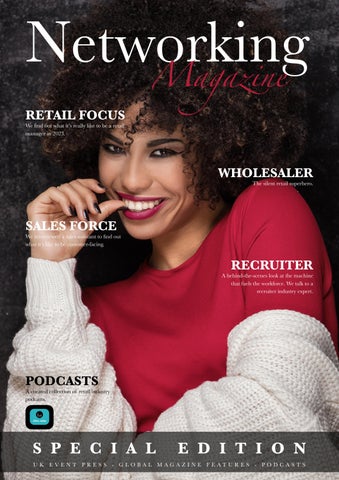
Networking Magazine
RETAIL FOCUS
We find out what it’s really like to be a retail manager in 2023.
SALES FORCE
We interviewed a sales assistant to find out what it’s like to be customer-facing.
A curated collection of retail industry podcasts.

RECRUITER
SPECIAL EDITION
WHOLESALER The silent retail superhero.
A behind-the-scenes look at the machine that fuels the workforce. We talk to a recruiter industry expert.
PODCASTS
UK
-
EVENT PRESS - GLOBAL MAGAZINE FEATURES
PODCASTS
RETAIL FOCUS
PODCAST SPOTLIGHT
www.networkingmagazine.co.uk
Shop till you drop
The retail sector has undergone a significant transformation over the past few years thanks to the rapid technological advancements. From apps to virtual reality, retailers leverage the latest specialised tools to enhance the customer experience, streamline operations, and boost sales.
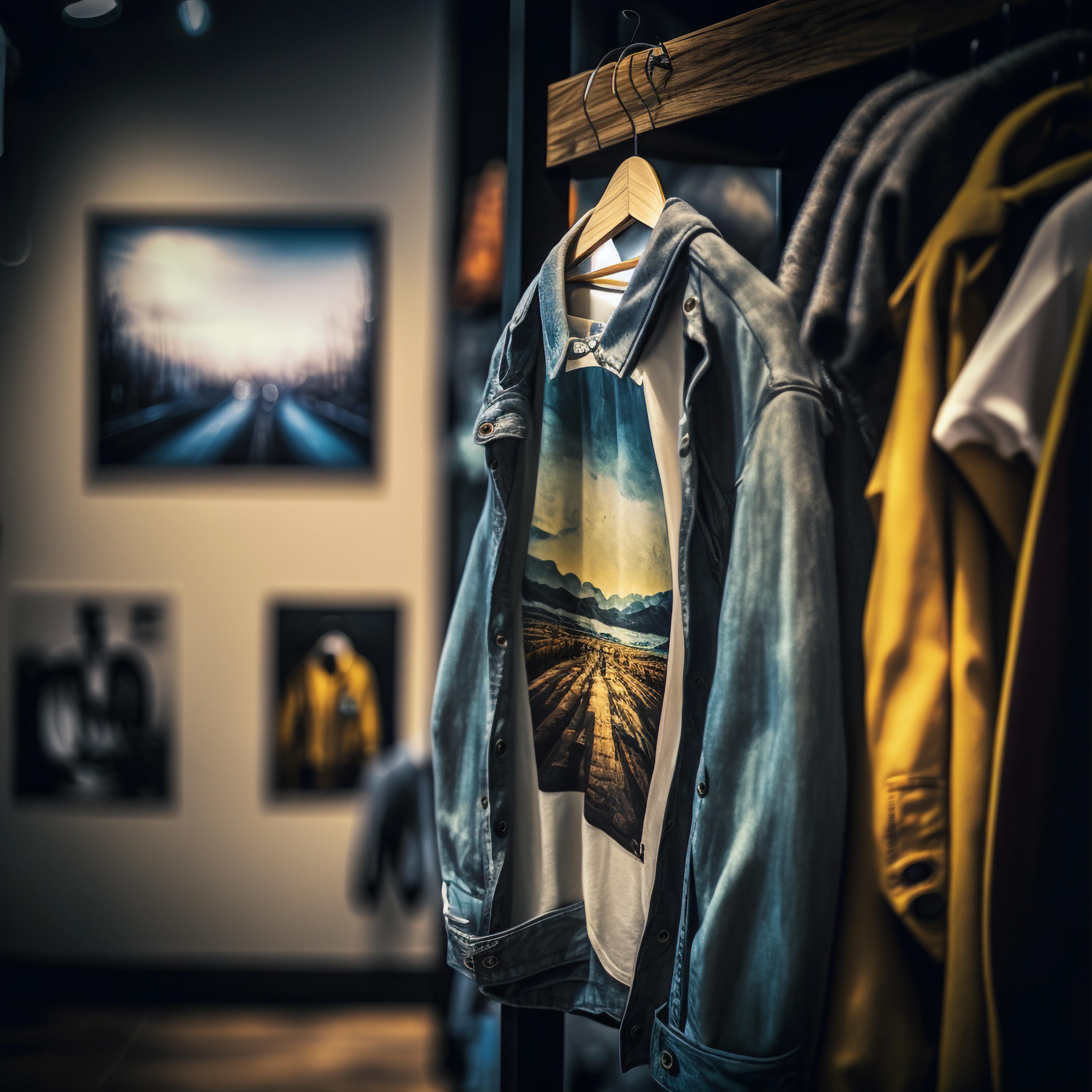
Enhanced Customer Experience
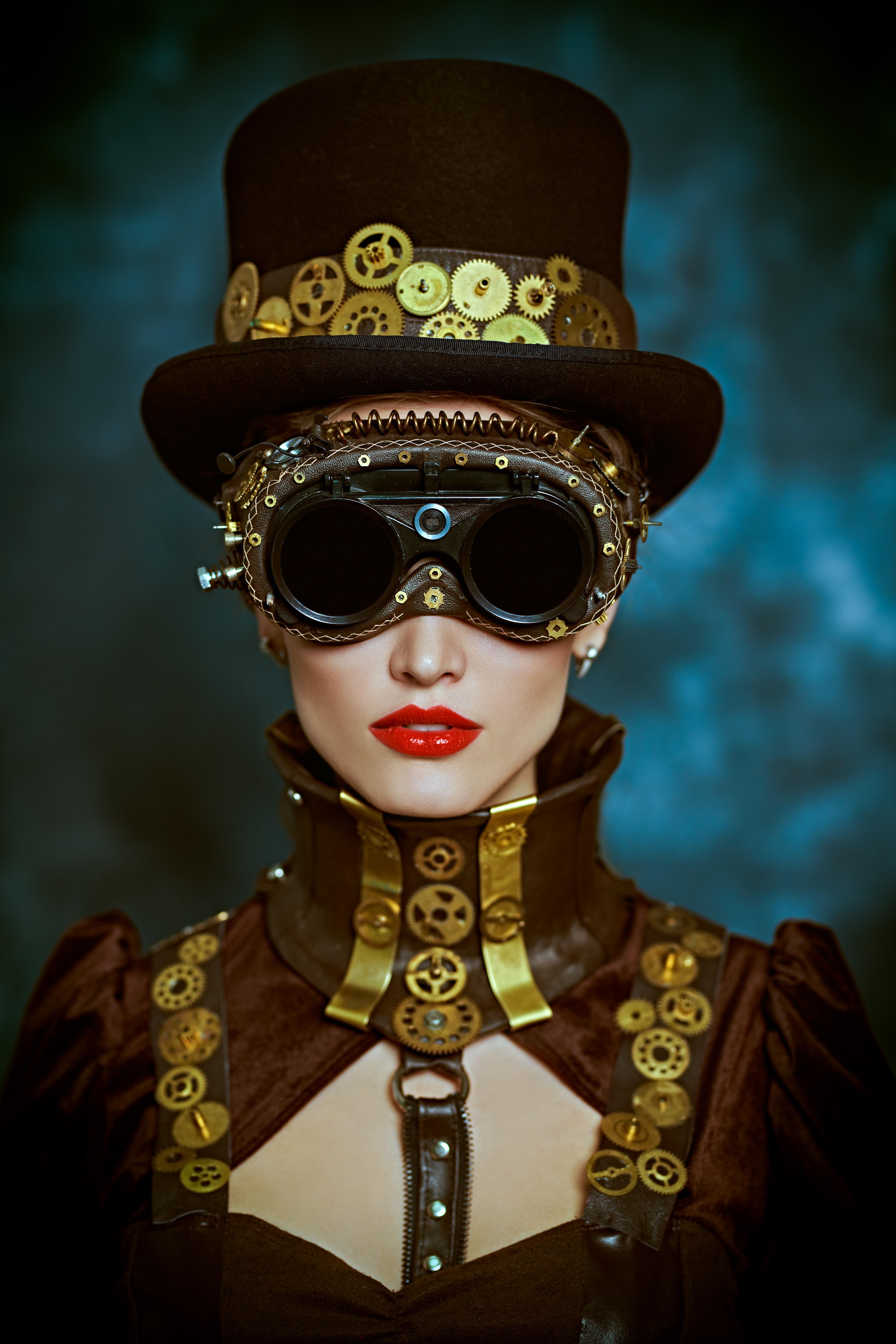
One of the significant impacts of technology on the retail industry is the enhanced customer experience. Retailers are leveraging technology to offer personalised shopping experiences to their customers. For instance, retailers use customer data to provide recommendations based on historical purchases, browsing history, and preferences. This, in turn, has led to increased sales and customer loyalty.
Improved Inventory Management
ciently track inventory levels and restock products in real time. This helps retailers reduce inventory costs, minimise stock loss, and avoid overstocking.

Increased Efficiency
Technology has also increased efficiency in the retail industry. Retailers use technology to automate manual tasks such as inventory management, order fulfilment, and checkout processes. This, in turn, has reduced the workload on employees and increased

productivity. Retailers can also use analytical data to identify areas for improvement, optimise store layouts, and streamline operations.
Seamless Shopping Experience
revolutionised the shopping experience. With the emergence of mobile apps and e-commerce platforms, customers can now shop from anywhere at any time. Retailers are also using augmented and virtual reality to create immersive customer shopping experiences. This has not only increased convenience but has also led to increased sales.
Improved Marketing Strategies
Lastly, technology has impacted the retail industry by improving marketing strategies. Retailers use data analytics to understand customer behaviour and create targeted marketing campaigns. They can use the social media landscape, email marketing, and online advertisements to reach customers more effectively. This has led to increased brand awareness, customer engagement, and sales.
Over the last few years, there has been a significant increase in the
Special edition
The Networking Magazine Ka-Ching
EXPECTATION
MEZURASHII
RETAIL FOCUS
Ka-Ching
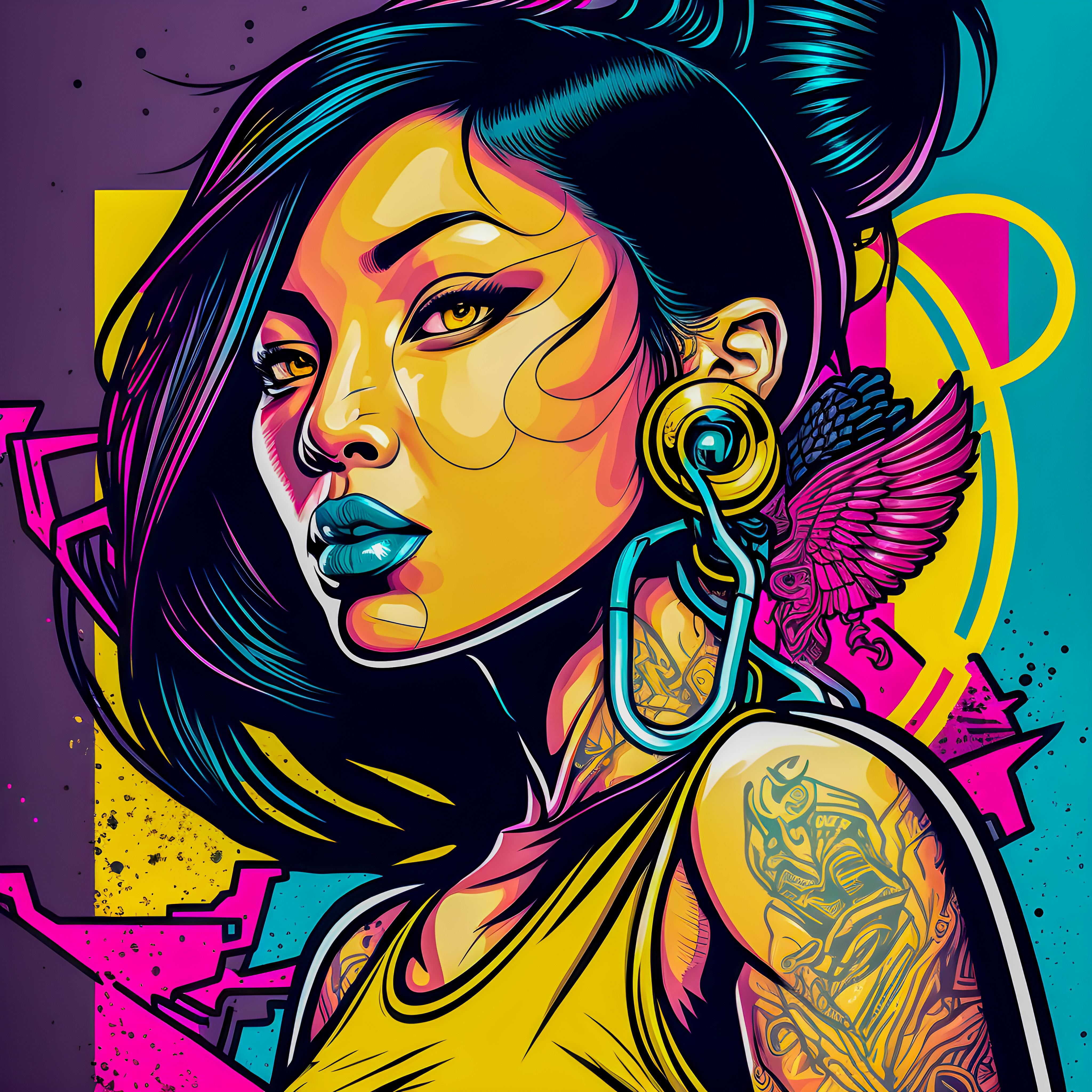
number of online customers. This trend has been driven by several factors, including the convenience of online shopping, the broader range of products available, and the ability to compare prices easily.
One of the main reasons more customers are shopping online is
ONLINE
The rise of virtual sales.
Another reason for the increase in online shopping is the broader range of products available. Online retailers have access to a global marketplace, which means they can offer more product diversity than traditional brick-and-mortar stores. This is particularly beneficial for customers who live

THE TREND
The new now.
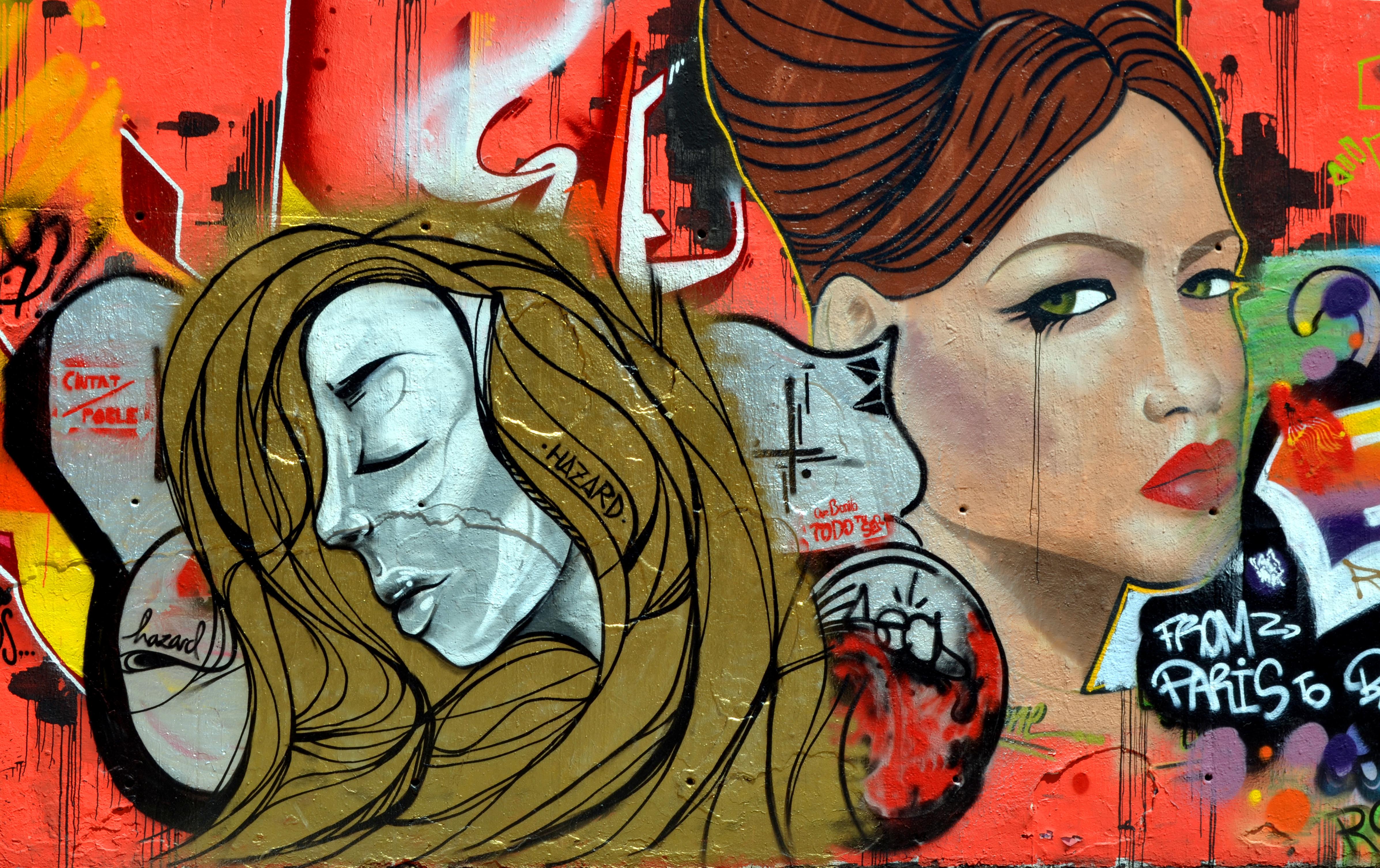
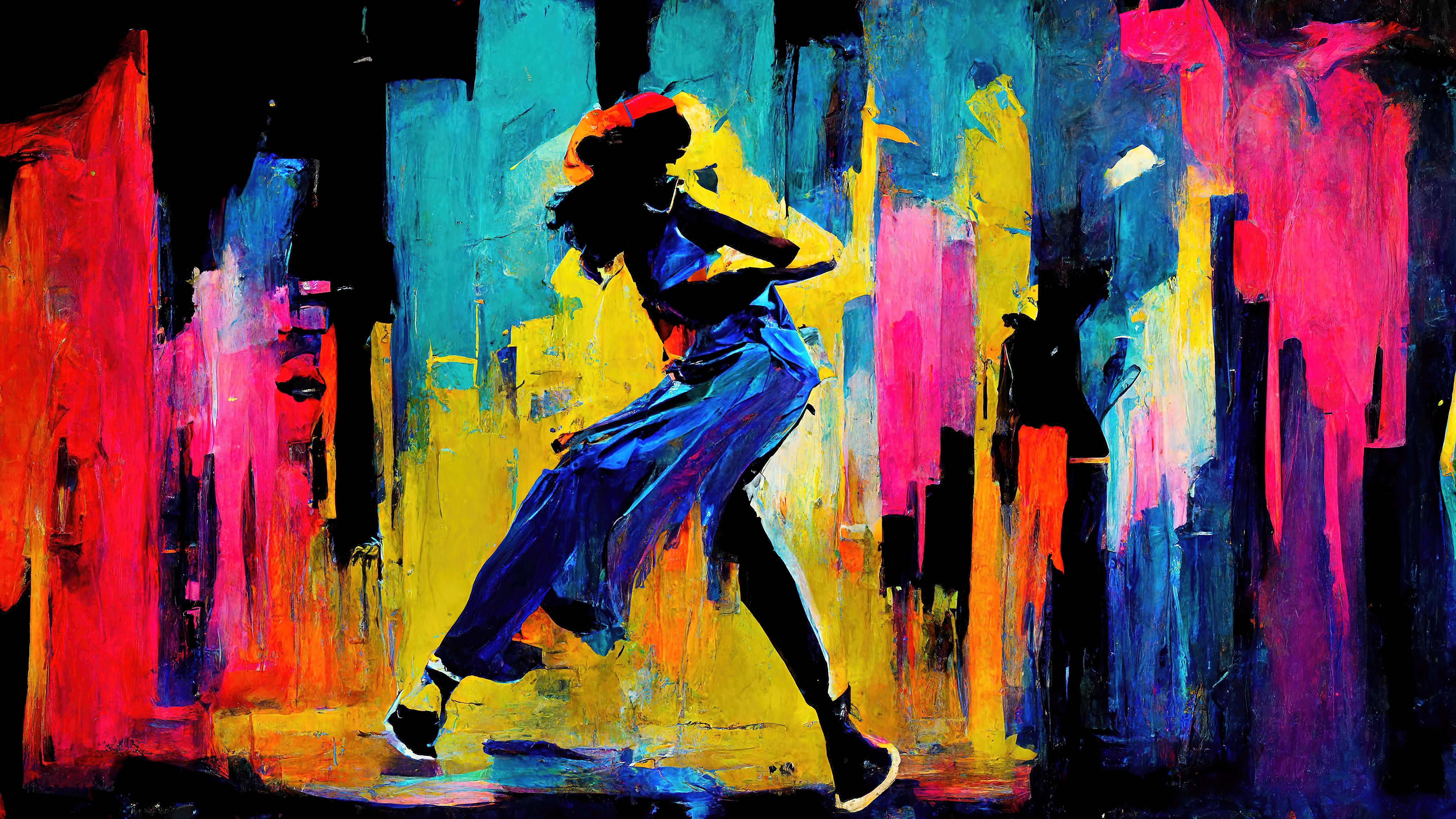
convenience. They can shop from the comfort of their homes at any time of the day or night. They don't have to worry about getting dressed, finding a parking space, or navigating crowds of people. Online shopping also eliminates the need to carry heavy bags or boxes home, as items are
delivered directly to the customer's doorstep.
PRODUCT DIVERSITY
prices from different retailers. This means that customers can nd the best deals without visiting multiple stores, which is particularly beneficial during sale periods.

Finally, the COVID-19 pandemic has accelerated the trend towards online shopping. With many physical stores closed or operating at reduced capacity, customers have been forced to turn to online shopping to
in rural or remote areas, where access to certain products may be limited.
Price comparison is also much more accessible online, with many websites offering tools that allow customers to compare
purchase the products they need.
From enhancing the customer experience to improving inventory management and increasing efficiency, retailers leverage the latest technological tools to stay ahead of the competition. With technology evolving rapidly, we can expect more innovations that will continue to transform the retail industry in the coming years.
Special edition
“The customer is always right.”
-Marshall Field
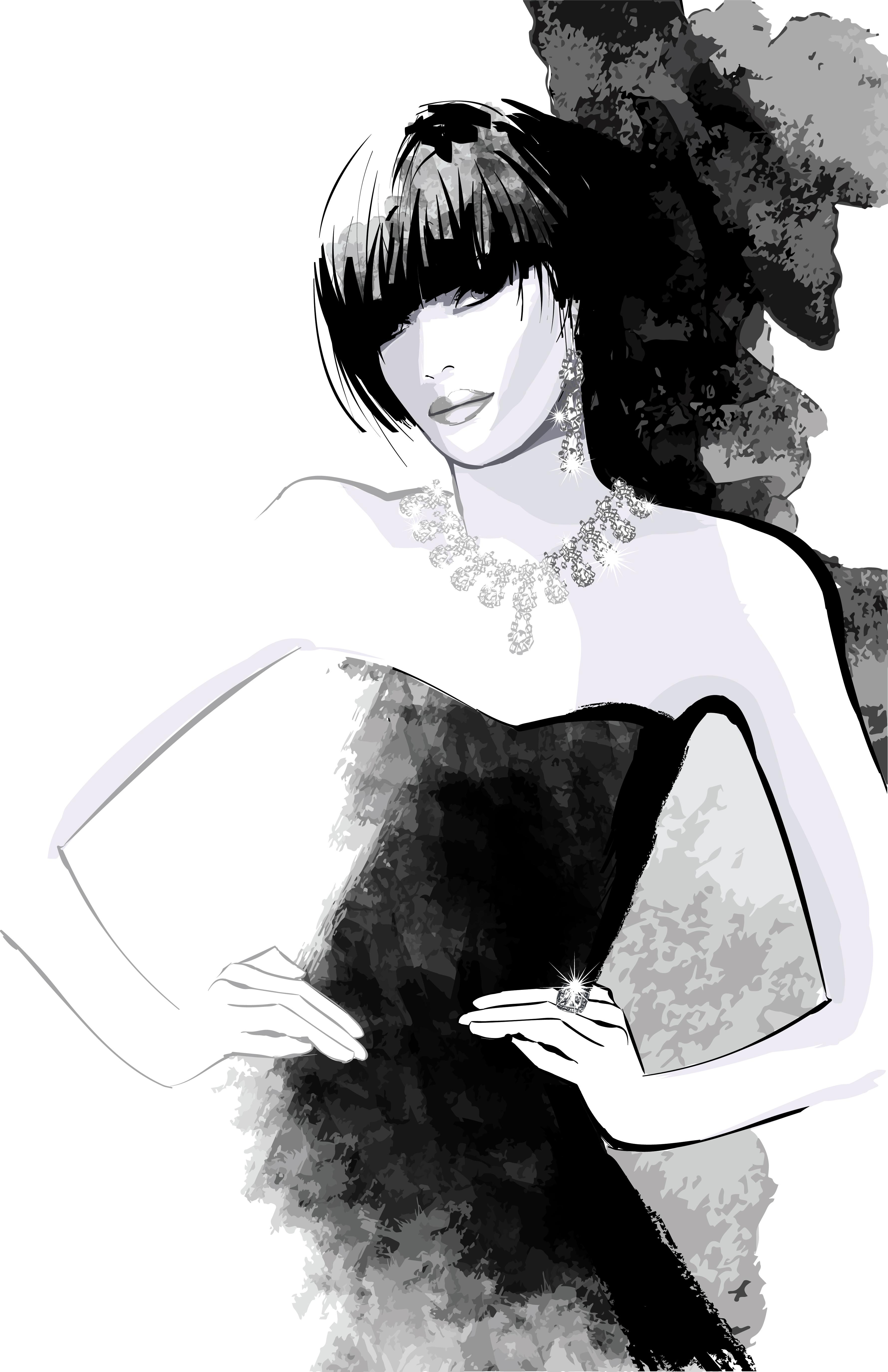
Fashion Designer, Illustrator & Instructor.
ZEYNEP DENIZ
"Drawing the fashion frontier: unleashing creativity in fashion illustration”. -
Fashion illustrators are essential in the design process as they help designers visualise and refine their ideas before producing the actual garments. Through their illustrations, they can experiment with different shapes, colours, and textures, enabling designers to make informed decisions about the final product.
Additionally, fashion illustrators contribute to the marketing and promotion of fashion brands. Their illustrations are often used in advertising campaigns, look-books, fashion magazines, and social media platforms to showcase the latest designs and create a visual impact. These illustrations help create a connection between the brand and its target audience, attracting attention and generating interest in the fashion industry.
By Sanj Saigal
Furthermore, fashion illustrators bring a unique artistic perspective to the fashion world. Their creativity and ability to capture the essence of fashion trends and styles through their illustrations contribute to the industry's overall aesthetic and artistic representation.
Unsung heroes who shape the fashion landscape are vital in translating ideas into visual form, aiding in the design process, and promoting fashion brands. They bring creativity, artistic flair, and a unique perspective to the industry, making them an integral part of the fashion world.
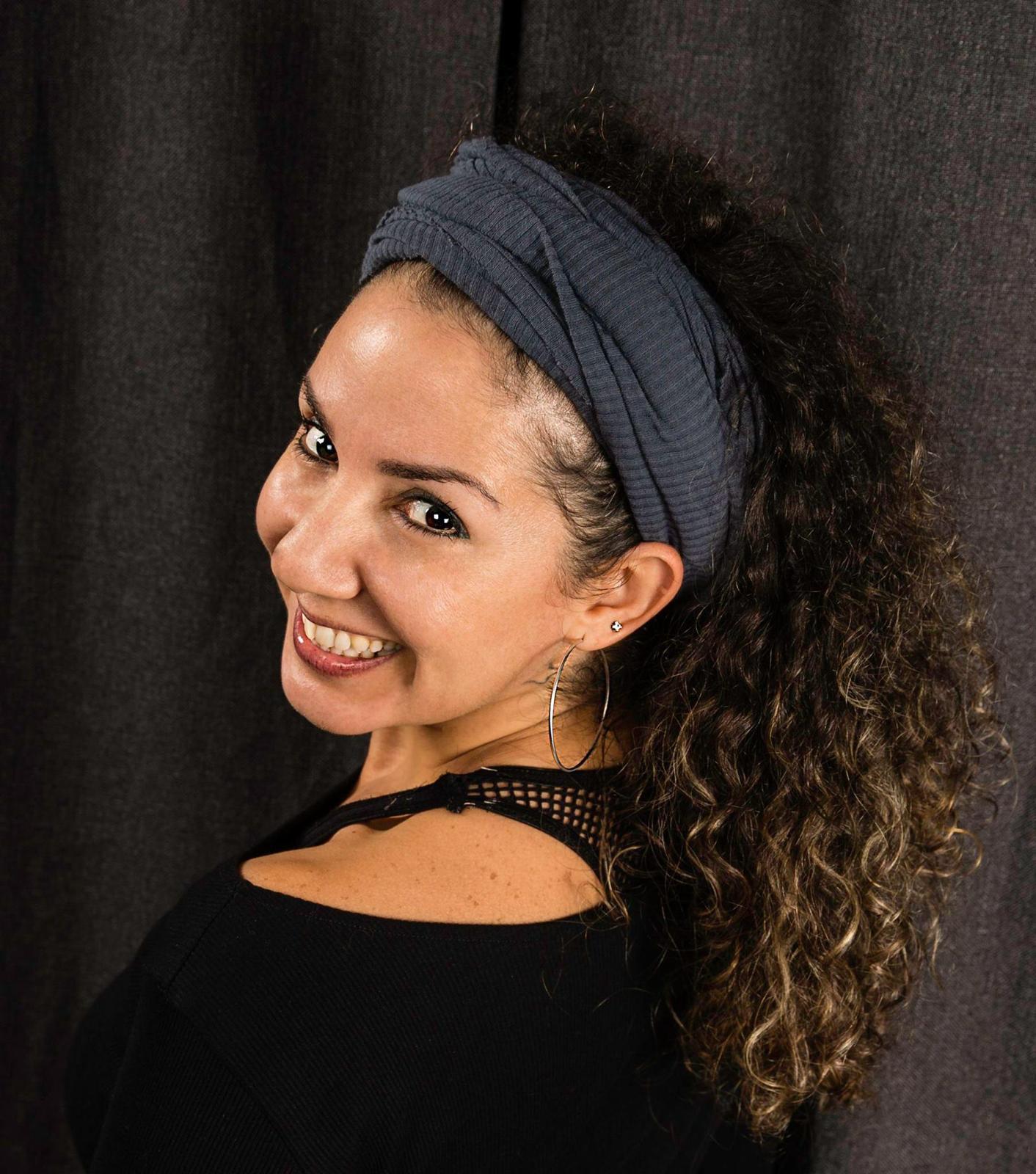
Zeynep Deniz is a fashion designer, illustrator & instructor. We caught up with the iconic illustrator based in Turkey.
A fashion illustrator plays a crucial role in the fashion industry. They are responsible for visually communicating the designs and ideas of fashion designers, brands, and publications. Their illustrations help bring concepts to life and allow others to understand and visualise the intended look, style, and details of a garment or collection.
“I’m a very private person; recognition for my work is all I want”. - Zeynep Deniz
RETAIL FOCUS
ZEYNEP DENIZ
"Drawing the fashion frontier: unleashing creativity in fashion illustration”. By Sanj Saigal
How did you develop your unique illustration style?
I have been drawing since the age of four. My mother took drawing classes back then. She would ask me to pose for her, and she would create pencil portrait sketches of me. I was so inspired by her that I started drawing as well.
Then there was my aunt, who was also a very talented sketch artist, and I became inspired quickly. I kept drawing all through primary school and high school. After moving to Istanbul to attend the University of Fine Arts to study ceramics, I attended several classes with very talented teachers.
FASHION DESIGN
I knew ceramics was not my path, but it was a stepping stone to transfer to study Fashion Design in Italy. Being a curious and passionate person, I kept researching and drawing, and just by continuing to draw, I got a lot of practice.
Then when I was accepted to FIT (Fashion Institute of Technology) to do the International Fashion Design Program in Florence, Italy and New York, Fashion became my lifestyle. The most inspiring and precious teachers added to my personal style.
FOCUS
The more I sketched, the more confident and comfortable I became. Instead of comparing myself to other designers or illustrators, I focused on myself, my lines, and my sketches. I only wanted to be better than my previous self, and most importantly, I had so much fun drawing and practising, fun being the focal point.
Designer, Illustrator & Instructor.
ZEYNEP DENIZ
I am truly grateful to my parents for supporting my dreams and to my instructors at FIT for inspiring me and lighting the fire in me even more. As I look back on my life as a fashion student, I have a big smile on my face and a warm fuzzy feeling in my heart. I feel so lucky..!
How do you stay up-to-date with current fashion trends?
I am a fashion designer who believes in wearing what suits you, what makes you feel good. I don't follow the trends because I believe in sustainable, timeless, ageless, spaceless fashion. People should shop smartly and buy durable, practical, and timeless clothes.

Observing what people wear is key; what they do, where they go, and how they live. My greatest source of inspiration comes from nature and animals. They are the jewels of this
www.networkingmagazine.co.uk
“We think your story needs to be told”.
earth. Trees, flowers, birds, cats, fish, and horses deeply inspire me and profoundly impact my designs.
Can you walk me through your creative process when starting a new illustration?
Sometimes it comes all of a sudden. Even a photo can inspire me, sometimes subconsciously dreaming about the image in my dreams. So there are many different methods for me.
If I'm involved with a collection, I first develop a theme that enlightens me and take it from there, deciding on colours and materials. Truly understanding my client's profile, price range and other specifications. Brainstorming, visualising and feeling play a part even before I pick up a pencil, marker or pen. Sketching follows as ideas flow until making a selection.
What materials do you prefer to work with when creating fashion illustrations?
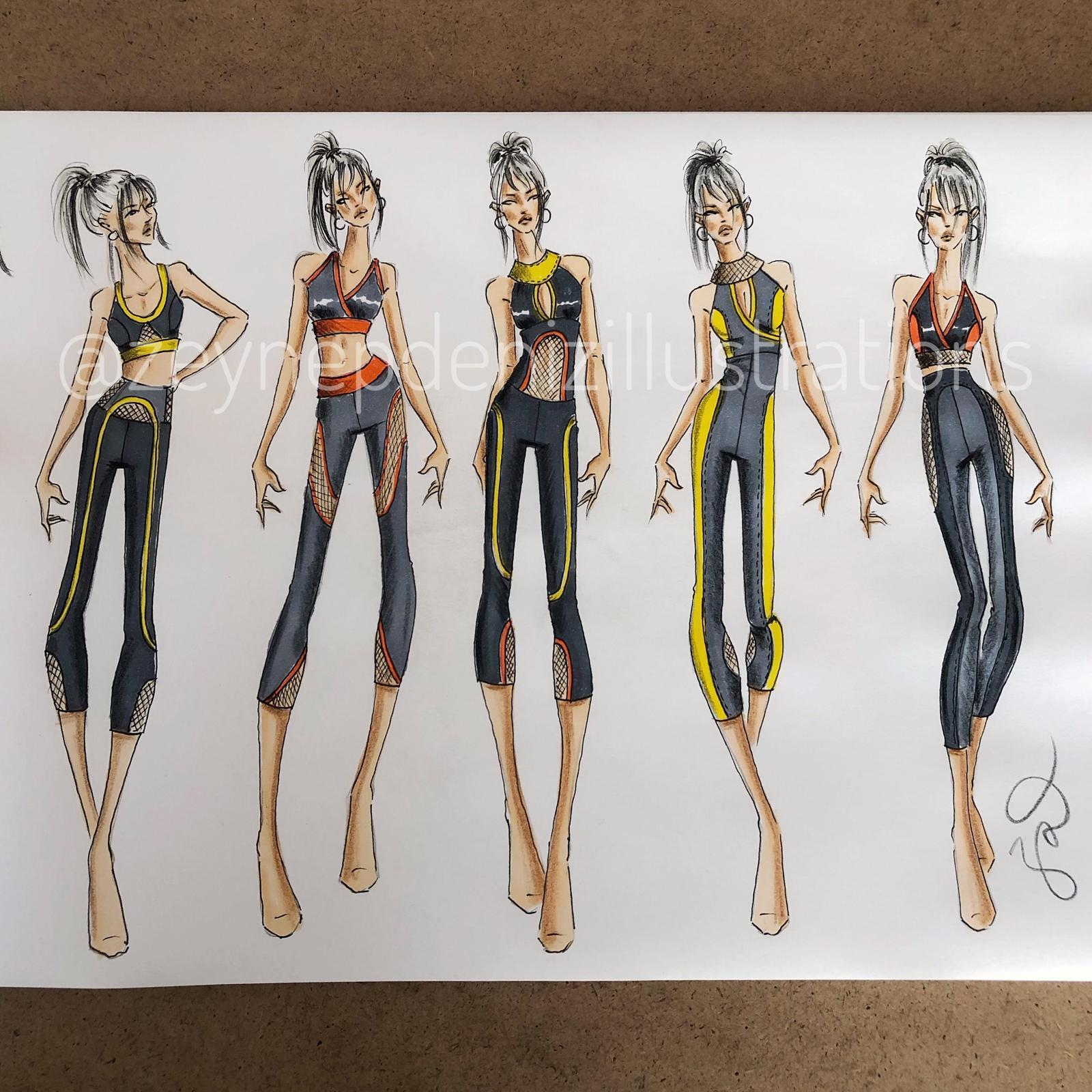
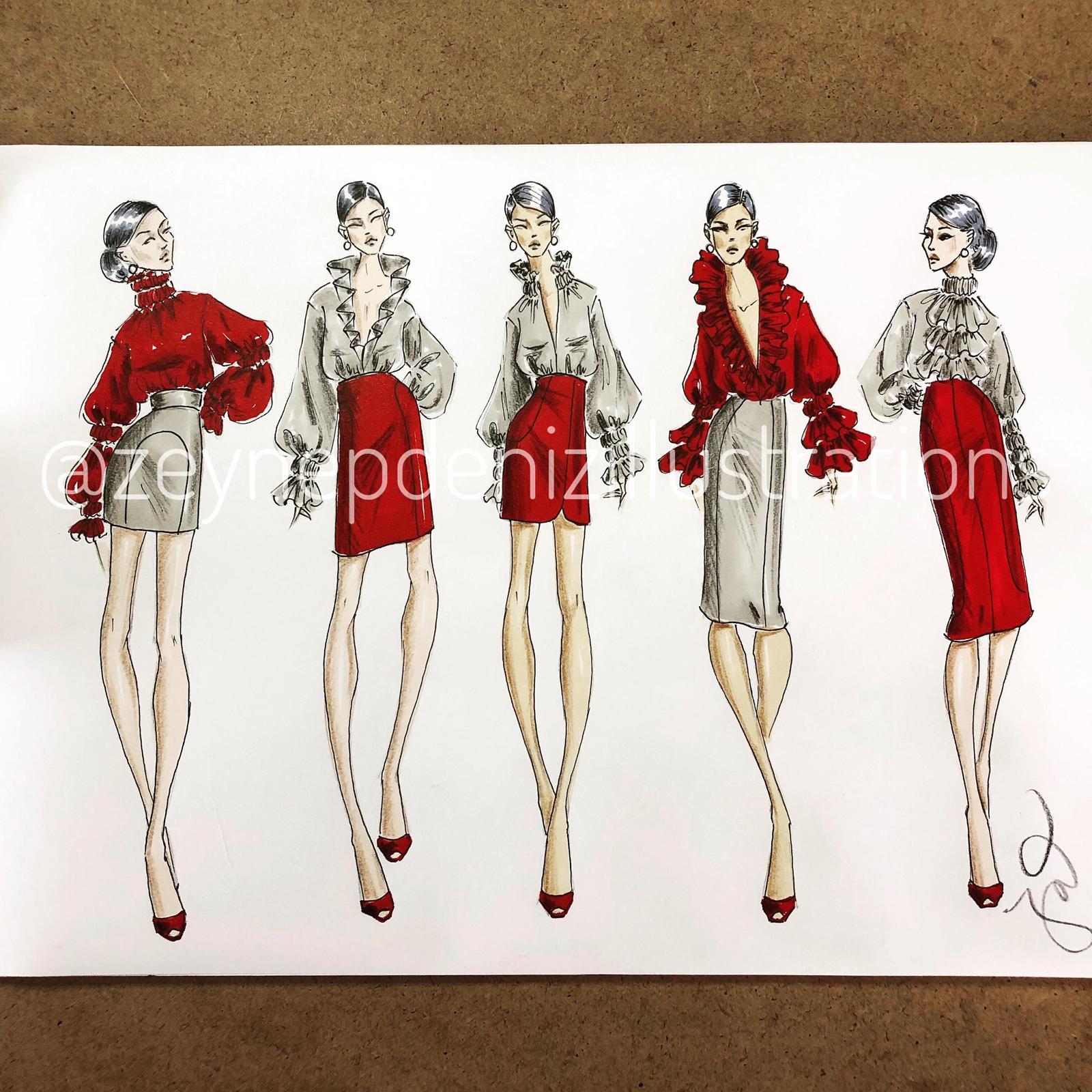
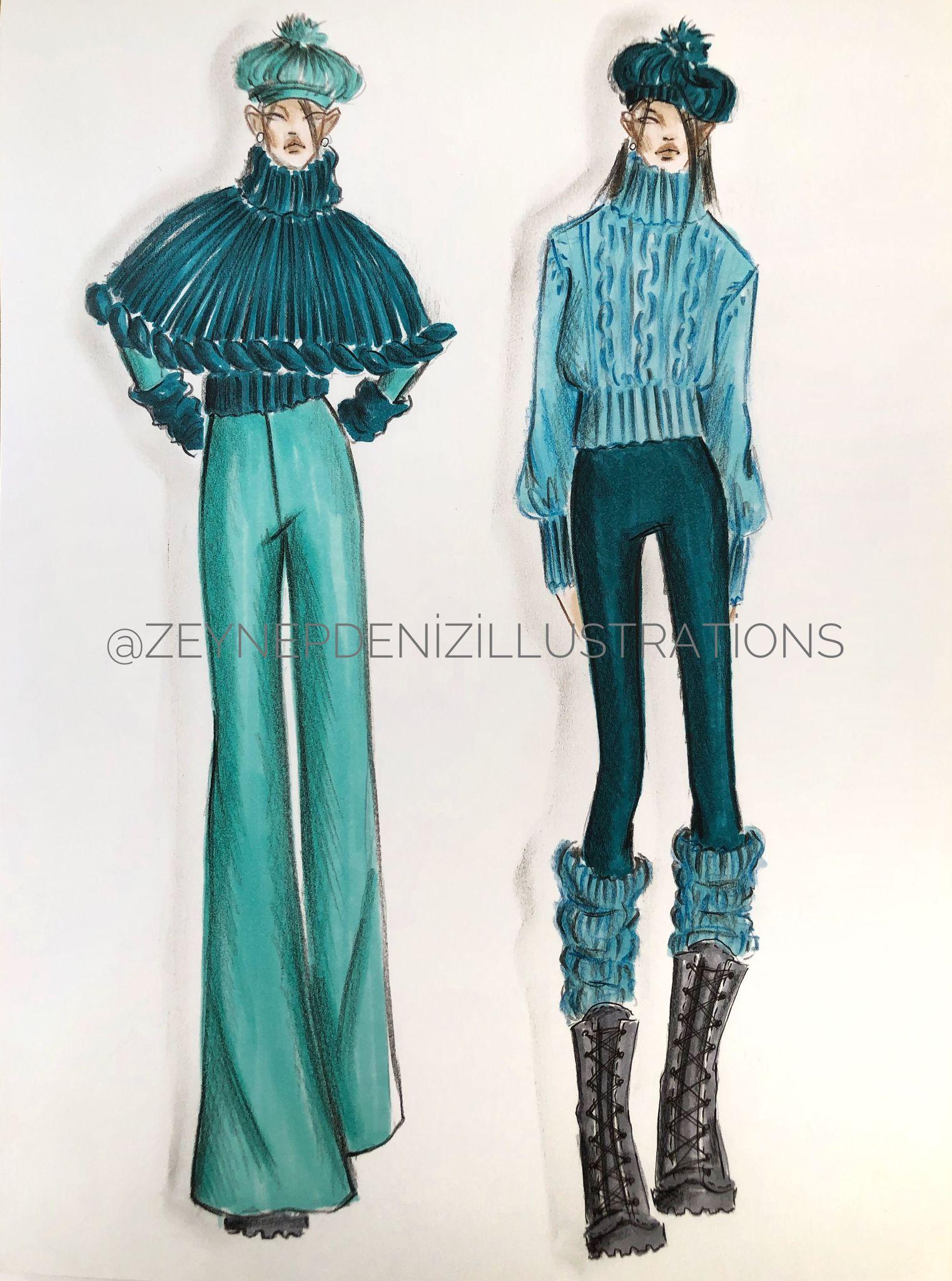
I love creating pencil sketches. There is something about the lead and the sound of it on a smooth piece of paper. It personally feels like the fresh smell of bread or the scent of the earth after rain.
After the pencil sketch, I either use markers for colouring or watercolours. Markers are faster, but watercolours are more fun. I always use coloured pencils, markers, watercolours, and art liners. Actually, I like all kinds of materials as long as they look aesthetic and artistic.
How do you incorporate colour and texture into your illustrations to bring them to life?
I have a good sense of colour and colour combinations. Of course, it also helps to learn the theory behind using them and applying colour schemes. When working on an illustration, I try to make it look realistic but not too realistic cause it's an illustration, not a painting. So giving a sense of a threedimensional effect is enough. The most basic technique is using light, medium and dark shades of the colour that I'm using and creating an illusion of a light source. Experimenting with different materials for texture, such as make-up and textured fabrics, are also important to me.
Do you have any favourite fashion designers or brands that inspire your illustrations?
There are so many. I am especially crazy about vintage fashion; Dior, Balenciaga, Madame Gres, Yves Saint Laurent, and many more.
Back then, there was a sense of aesthetics, femininity, naive looks, and purity. Today's fast fashion ideas and looks do not appeal to me.
“Always Learn”. - Zeynep Deniz
Fashion
RETAIL FOCUS
ZEYNEP DENIZ
"Drawing the fashion frontier: unleashing creativity in fashion illustration”.
How do you ensure your illustrations accurately represent the garments or outfits you are illustrating?
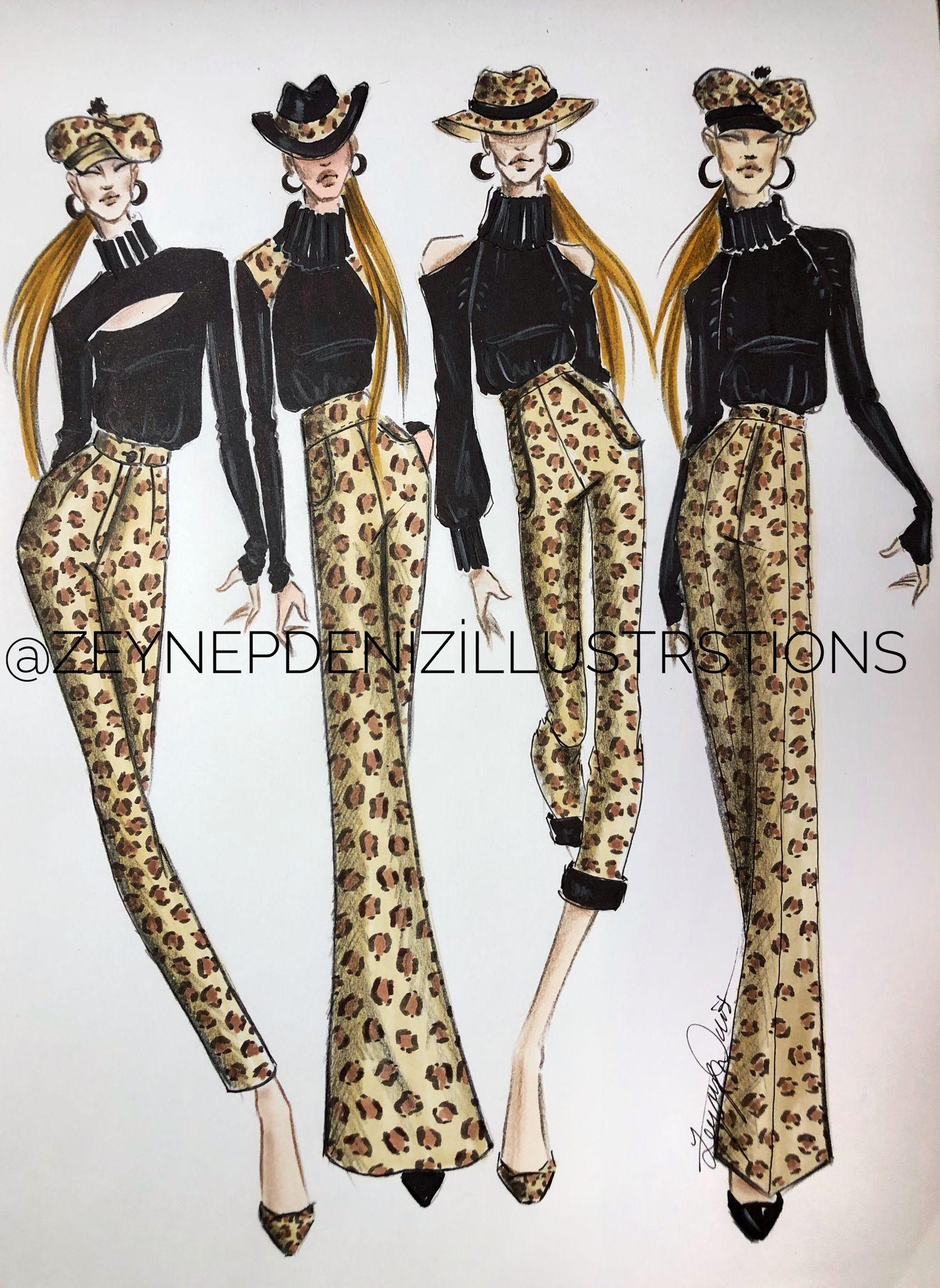
If I'm sketching from my imagination or creating my own design, I know exactly how I want it to look like so there's no problem :)
If I'm illustrating an existing garment, I ensure I have good reference photos. If I'm working with a client, I ensure I get all the info and details I can, ask a lot of questions, and ask for reference photos. It has to be clear to me in my mind. Only then can I start sketching, and along the way, I send photos to my client to ensure we're on the same page.
Have you ever collaborated with fashion designers or brands to create illustrations for their collections? If so, what was that experience like?
Yes, I have; the experience depends on the client. However, being a very detailoriented person, I ask many questions in the beginning about the customer profile, the materials they want me to use, colours, fabrics, and accessories. There are many details to consider. If I'm working with professionals like myself, it's a true pleasure for me since I love what I do.
What challenges do you face as a fashion illustrator, and how do you overcome them?
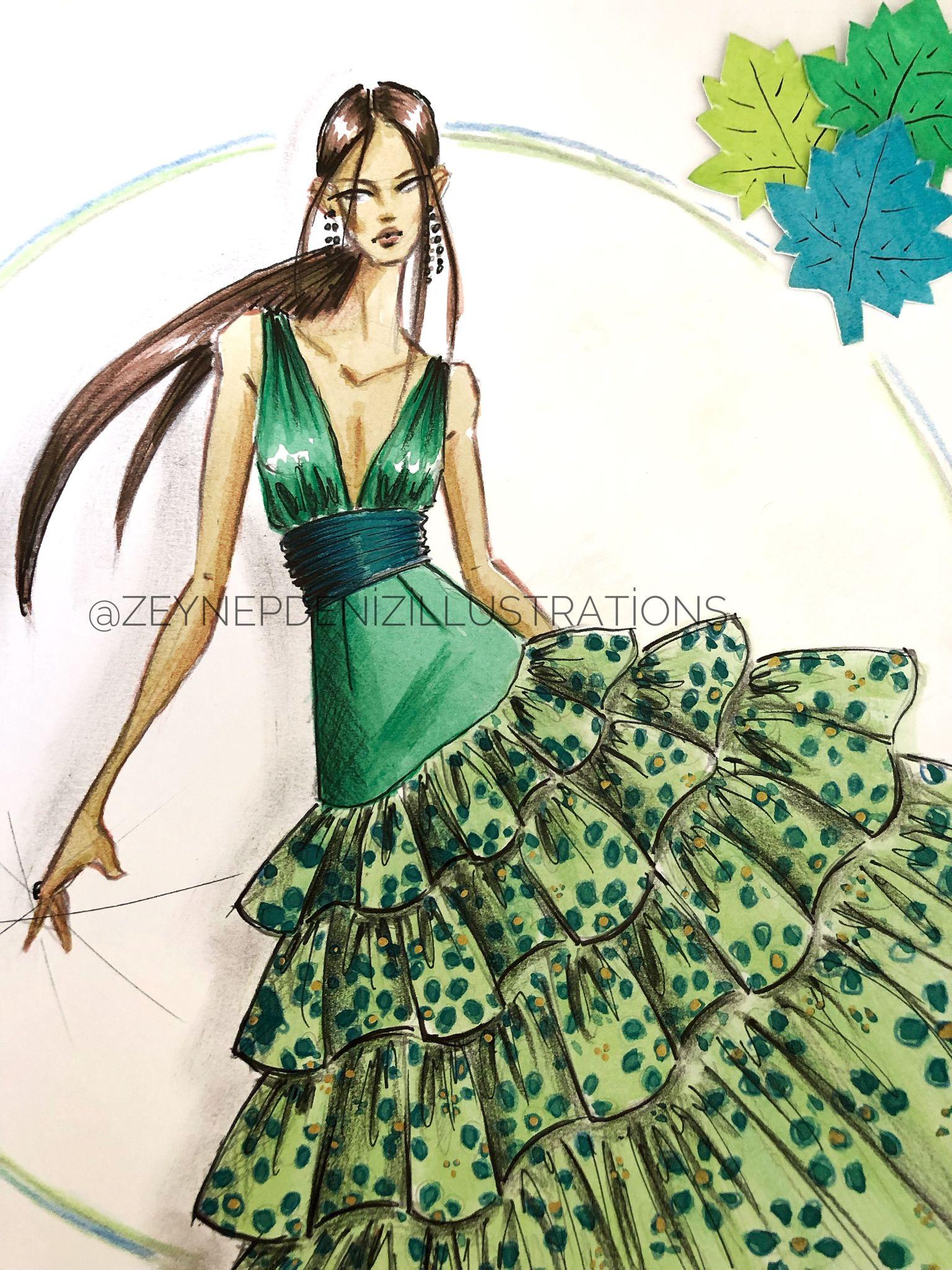
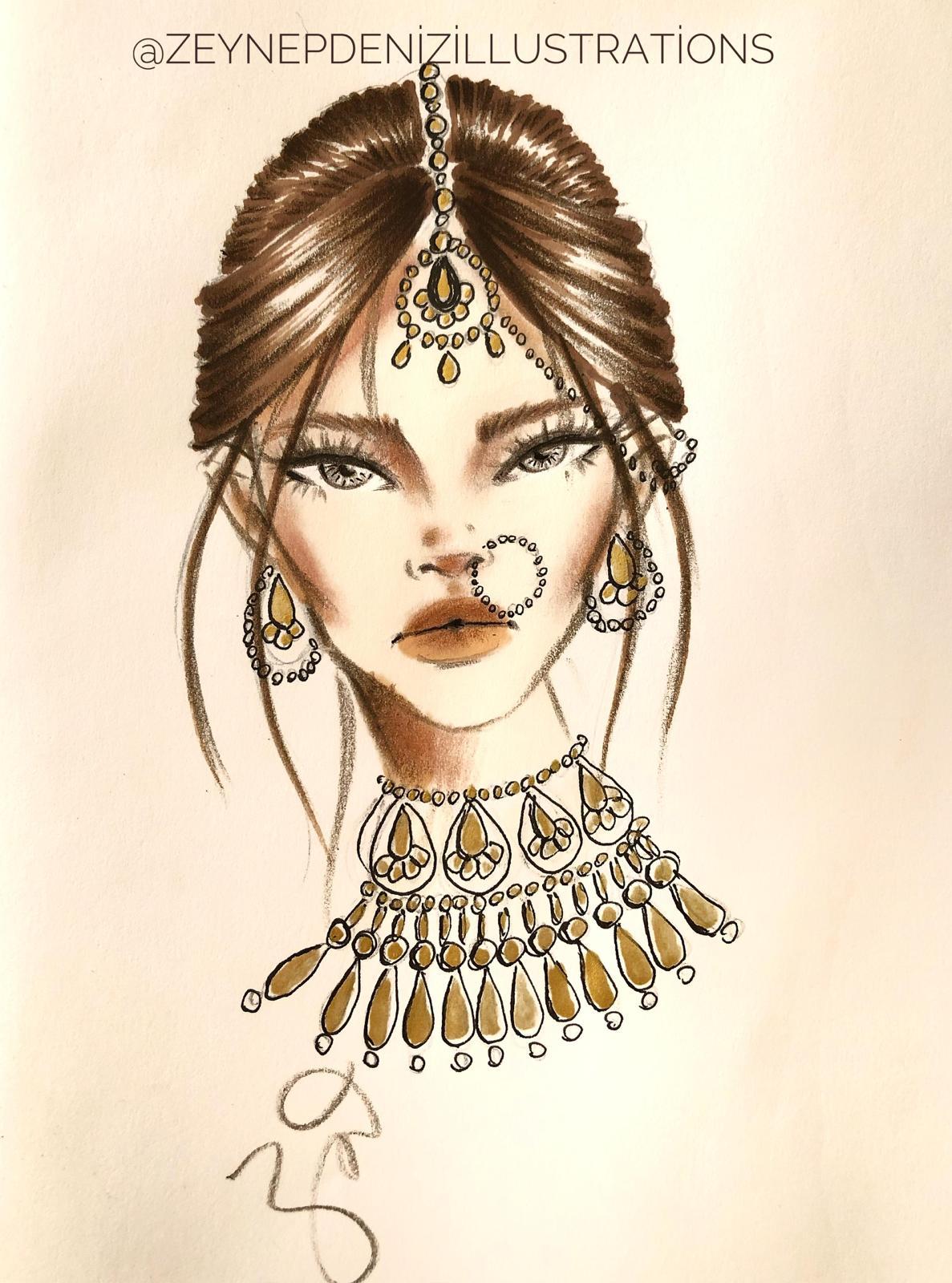
Promoting myself is not my strong suit. That is the biggest challenge for me. I need a manager who will put together all my work, create a website, a print shop, take videos etc.; then I can reach more people with my work. At the moment, I do everything by myself, and since I have to think about too many things, it overwhelms me, and I don't feel like I'm using my full potential.
Can you share any tips or advice for aspiring fashion illustrators looking to pursue a career in the industry?
SOCIAL MEDIA
Ever since I was a little child, I always followed my heart, my passions and my creativity. I did what I loved most, and I am so grateful that I did that. I never felt like I had to work. I turned my hobbies and passions into work and had so
By Sanj Saigal
much fun doing it. So my advice is to follow your heart, go where the joy is, and create your own joy. Create a life full of joy; you will never regret that. Life is supposed to be fun and colourful, and joyful.
Interact with the images on this page that flash in blue. They will open a YouTube player within the magazine so that you can support and follow Zeynep’s journey.
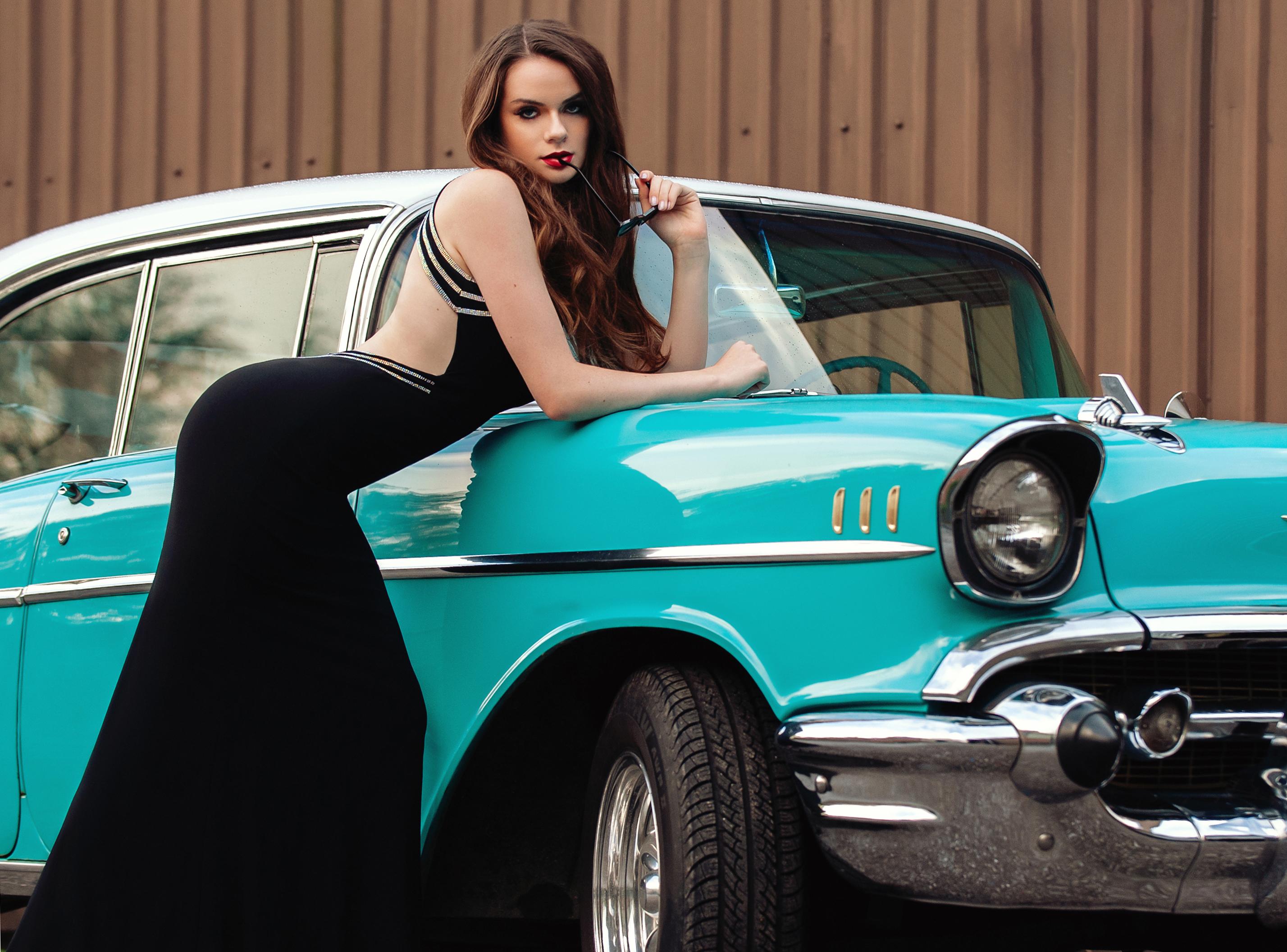
FEATURED PHOTOGRAPHY
BY JULIA MINDAR
If you are unfamiliar with the name, let me tell you first-hand that her brand has amassed some 200k social media followers and growing. A highly educated creative, Julia Mindar turned her passion for photography and modelling into the dizzy heights of a celebrity influencer.
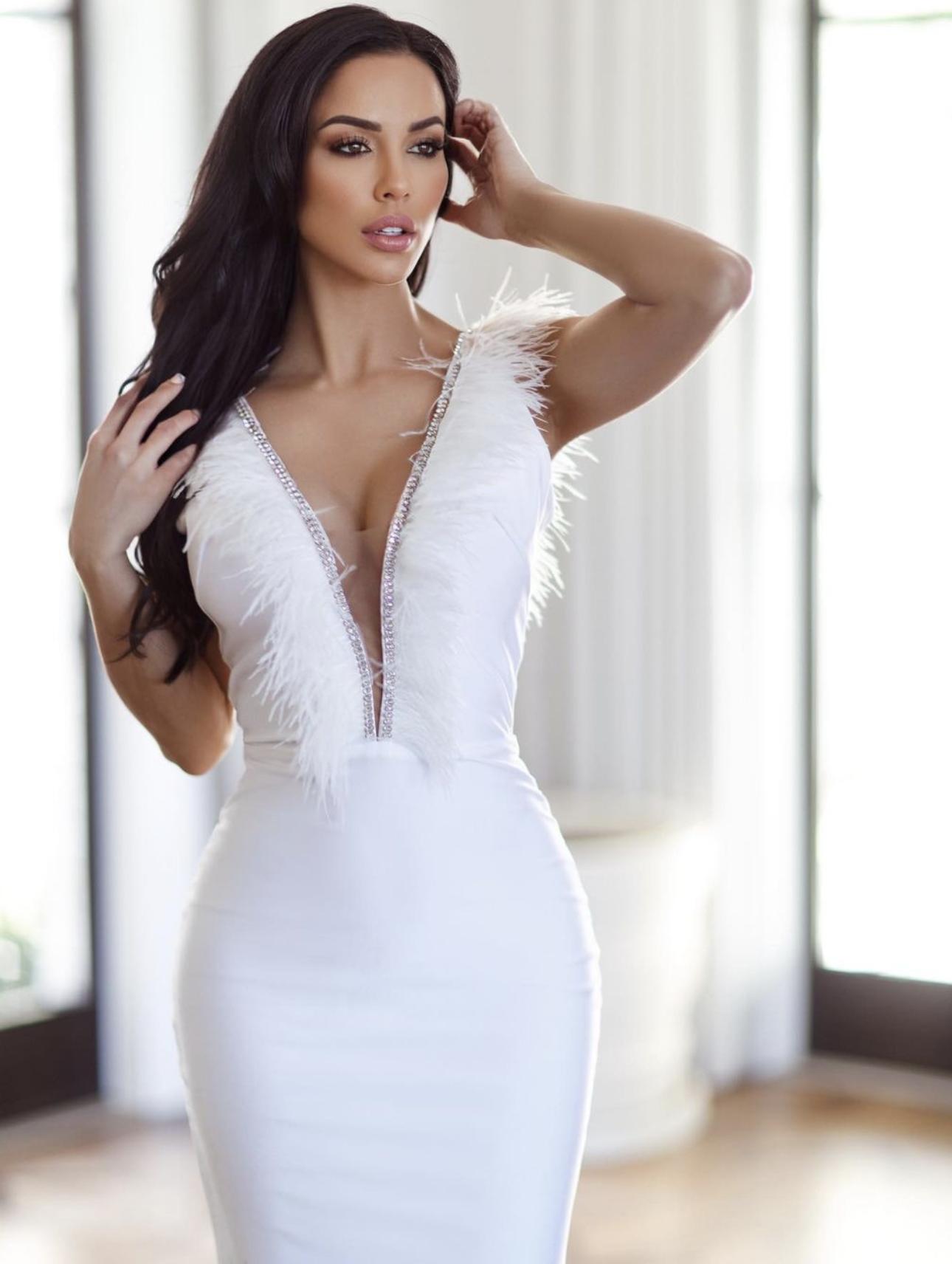 Photography by Julia Mindar ©
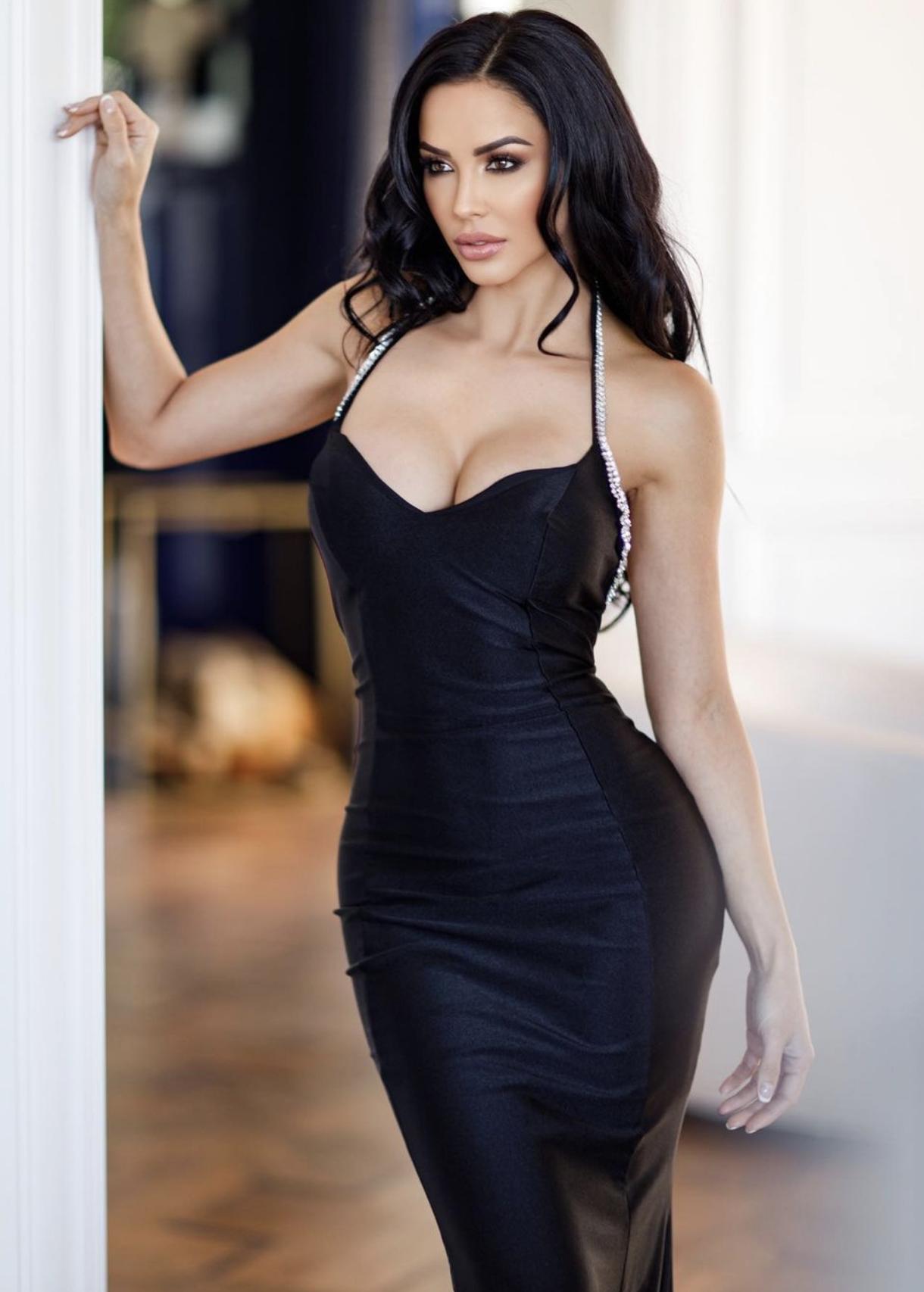 Photography by Julia Mindar ©
 Photography by Julia Mindar ©
 Photography by Julia Mindar ©
Networking Magazine
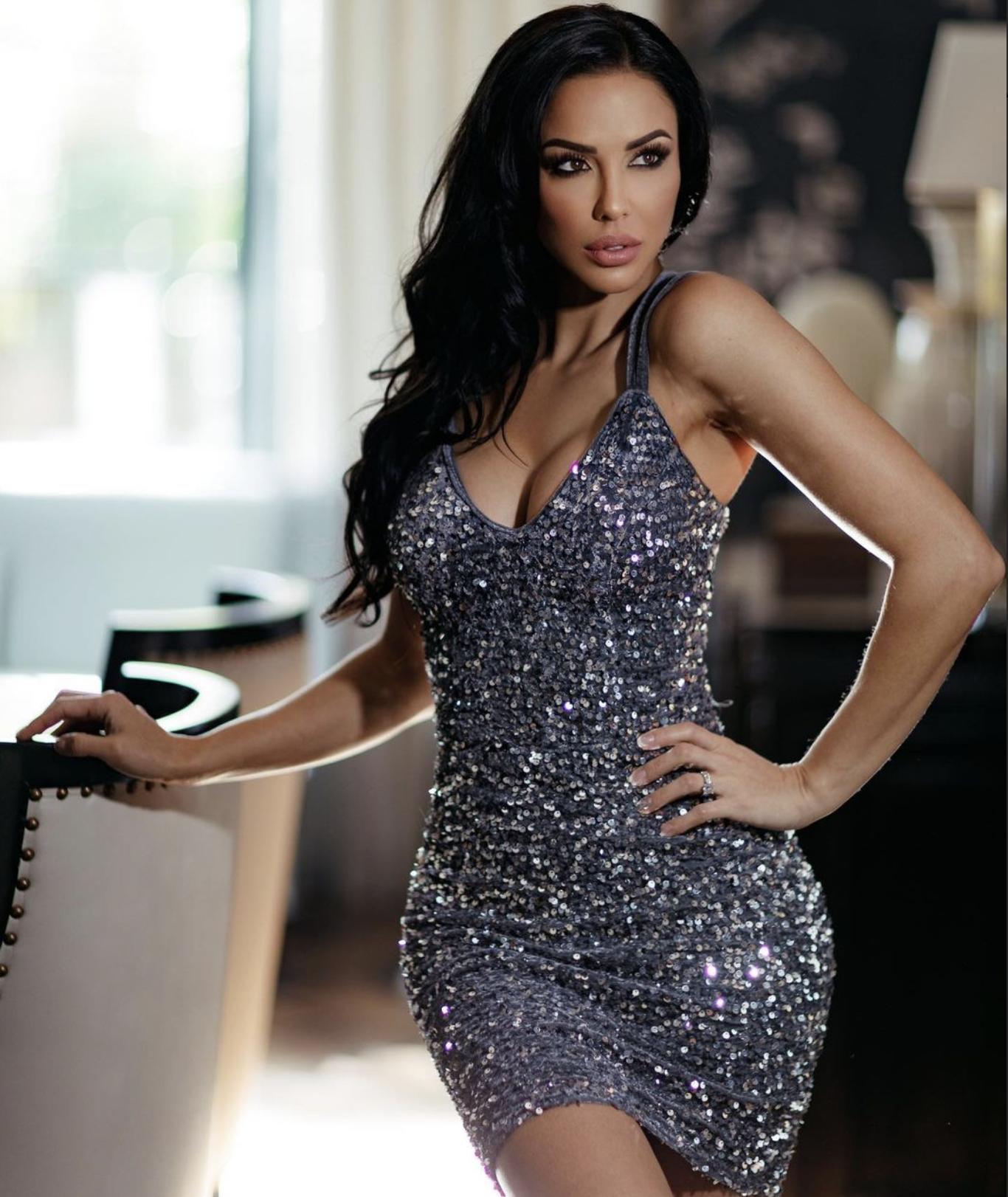 Photography by Julia Mindar ©
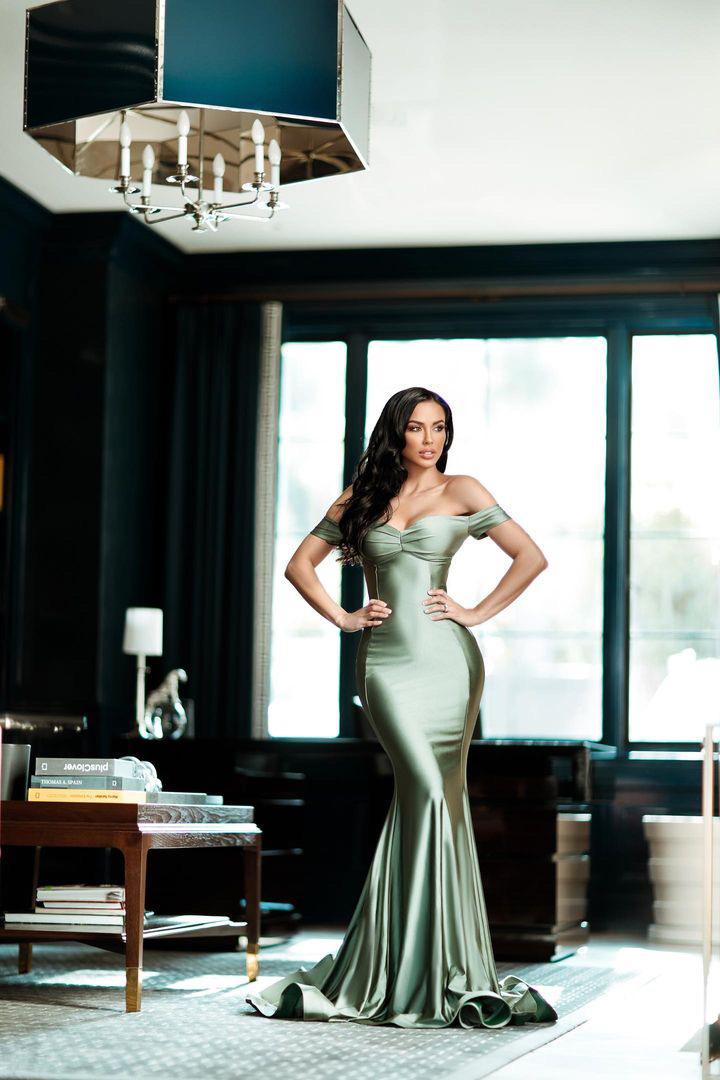 Photography by Julia Mindar ©
 Photography by Julia Mindar ©
FEATURED PHOTOGRAPHY
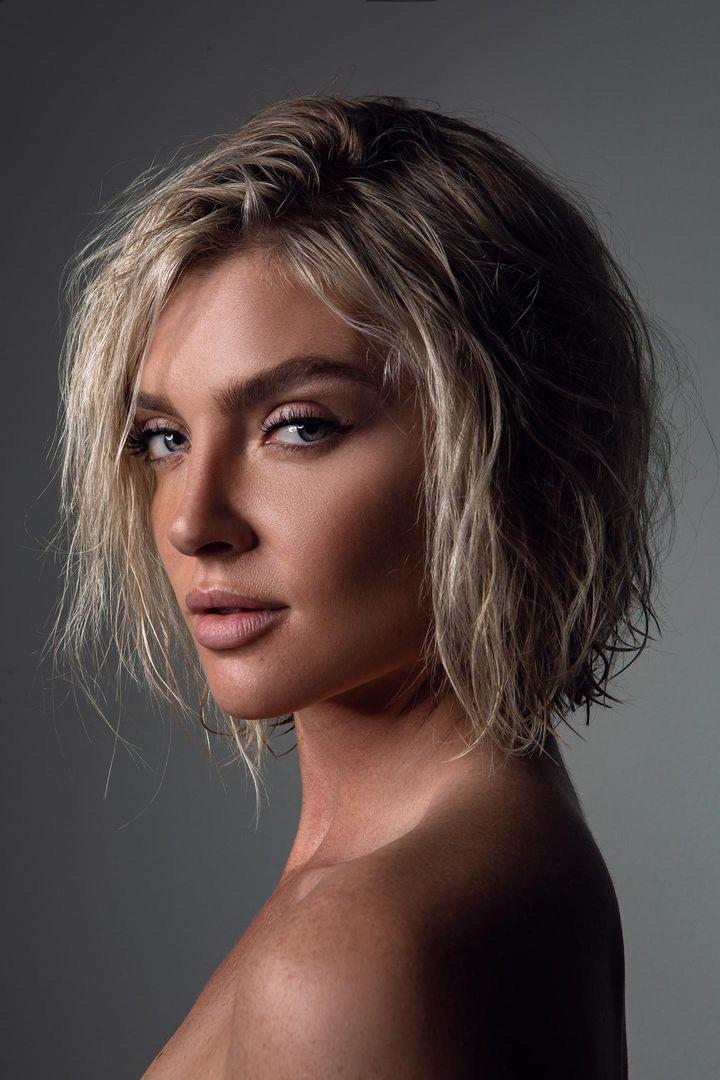
BY CARL RYAN
Carl Ryan is a visionary fashion photographer with an incredible eye for capturing the essence of style and beauty. With a relentless pursuit of perfection, he continuously pushes the boundaries of his craft, seeking to create images that evoke emotions and tell captivating stories.
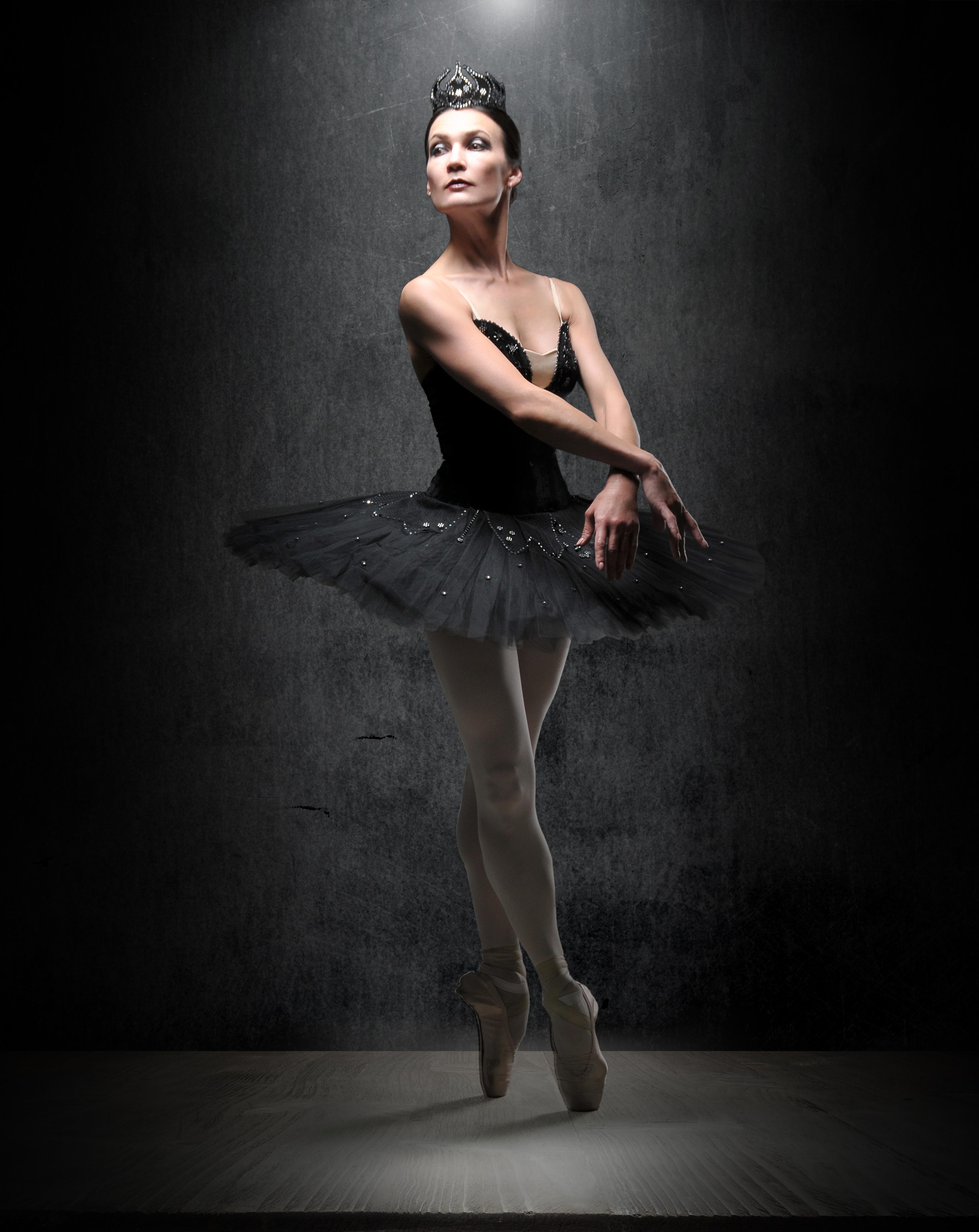 Photography by Carl Ryan ©
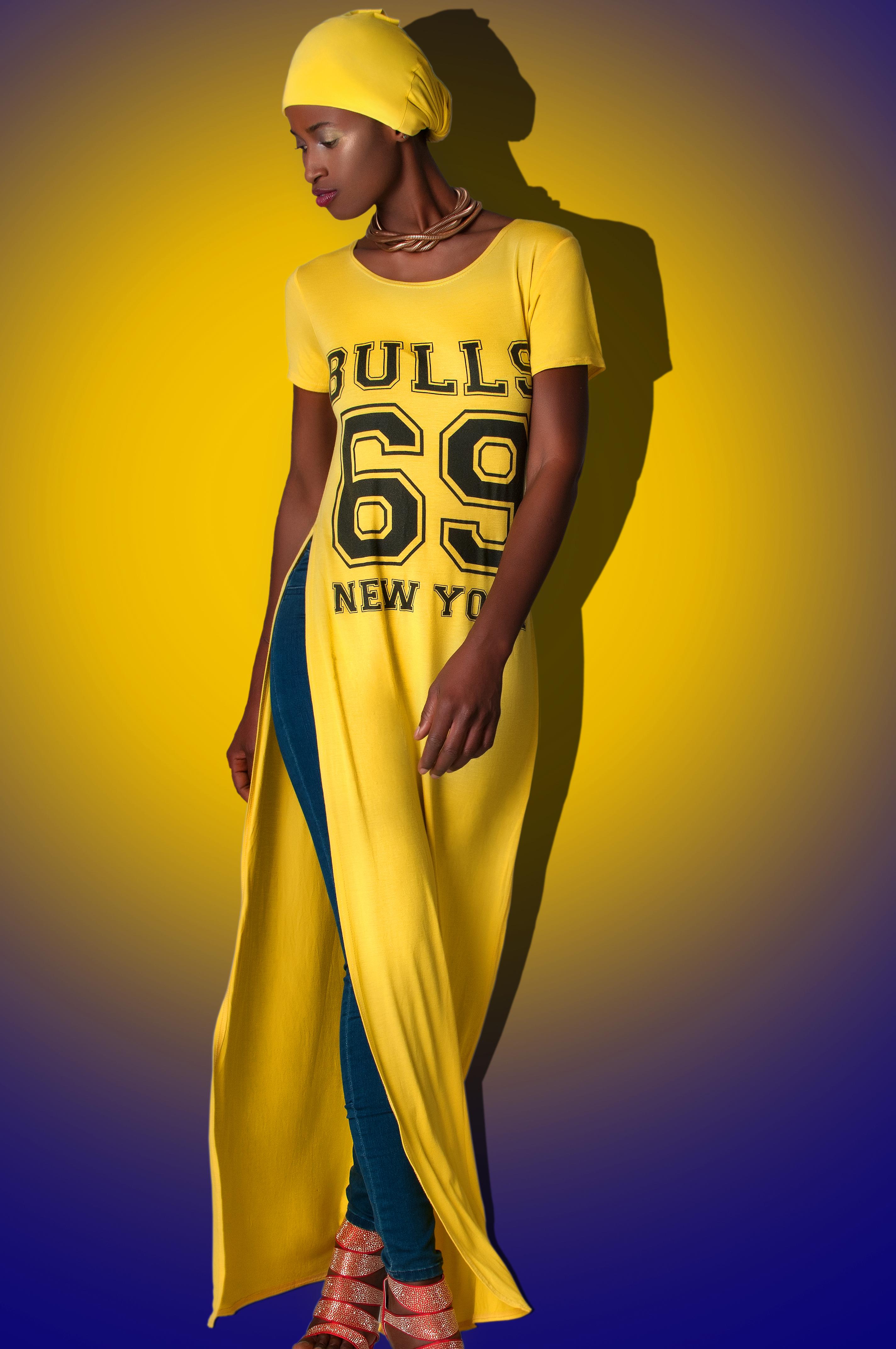 Photography by Carl Ryan ©
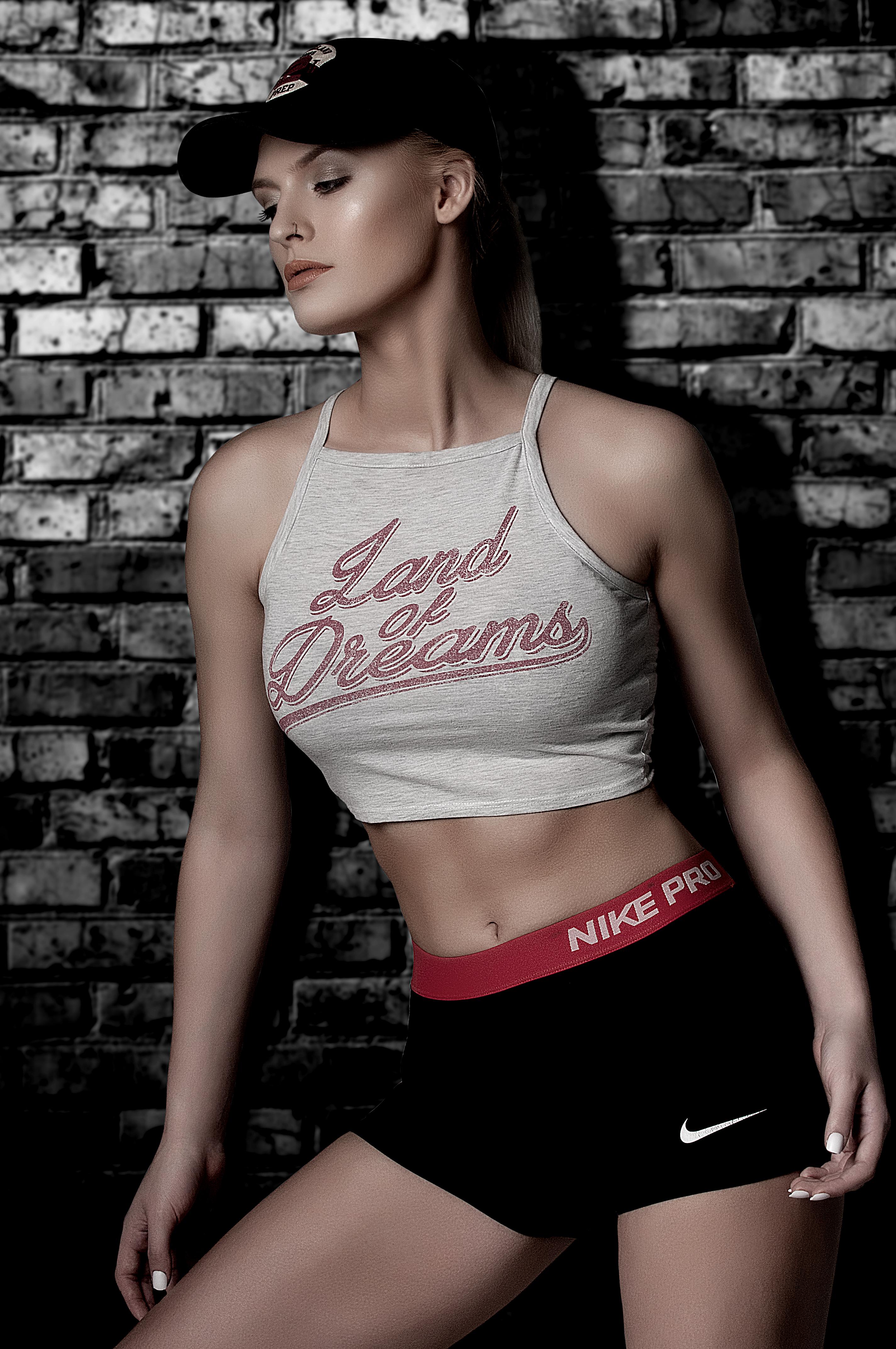 Photography by Carl Ryan ©
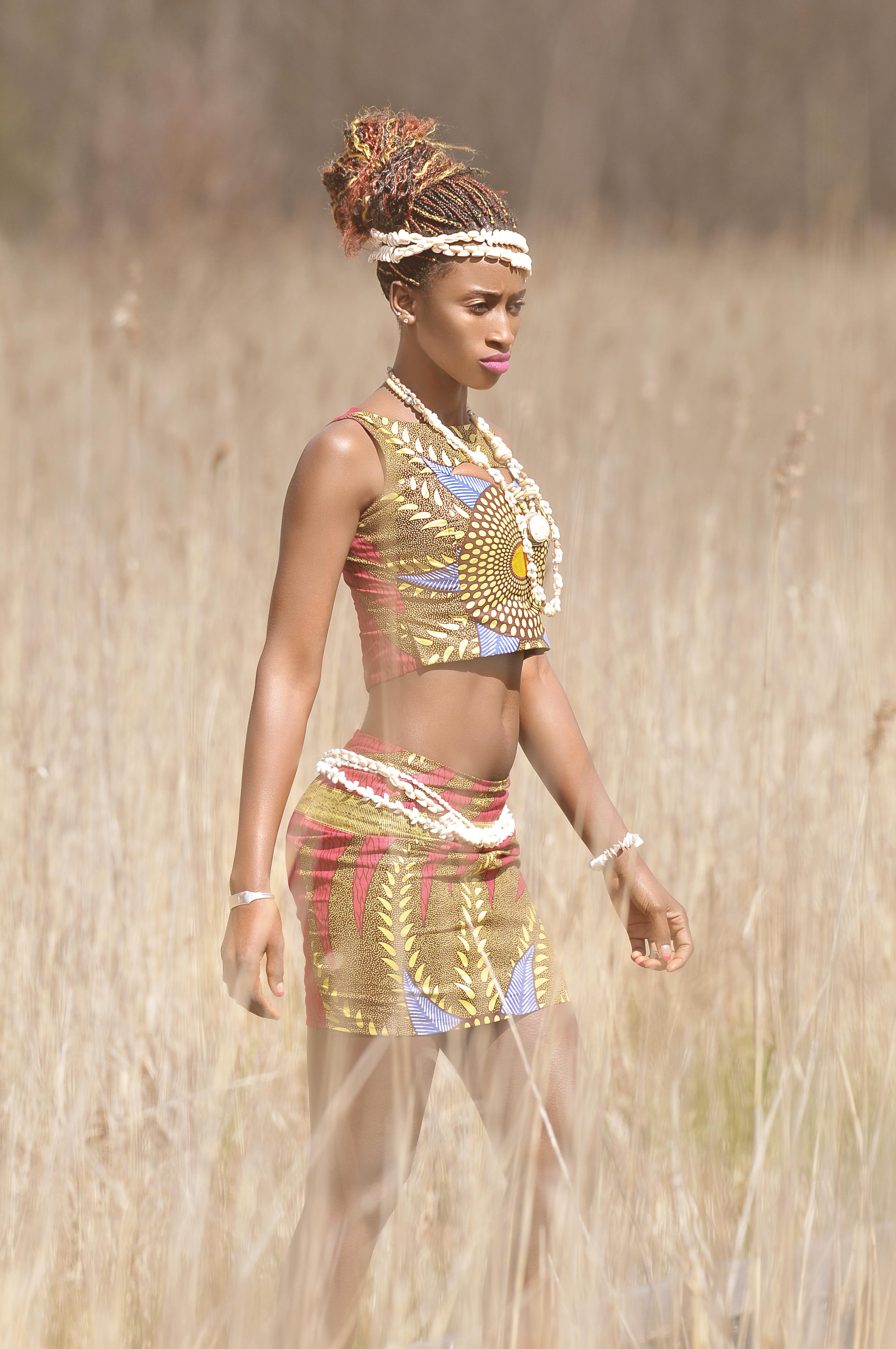 Photography by Carl Ryan ©
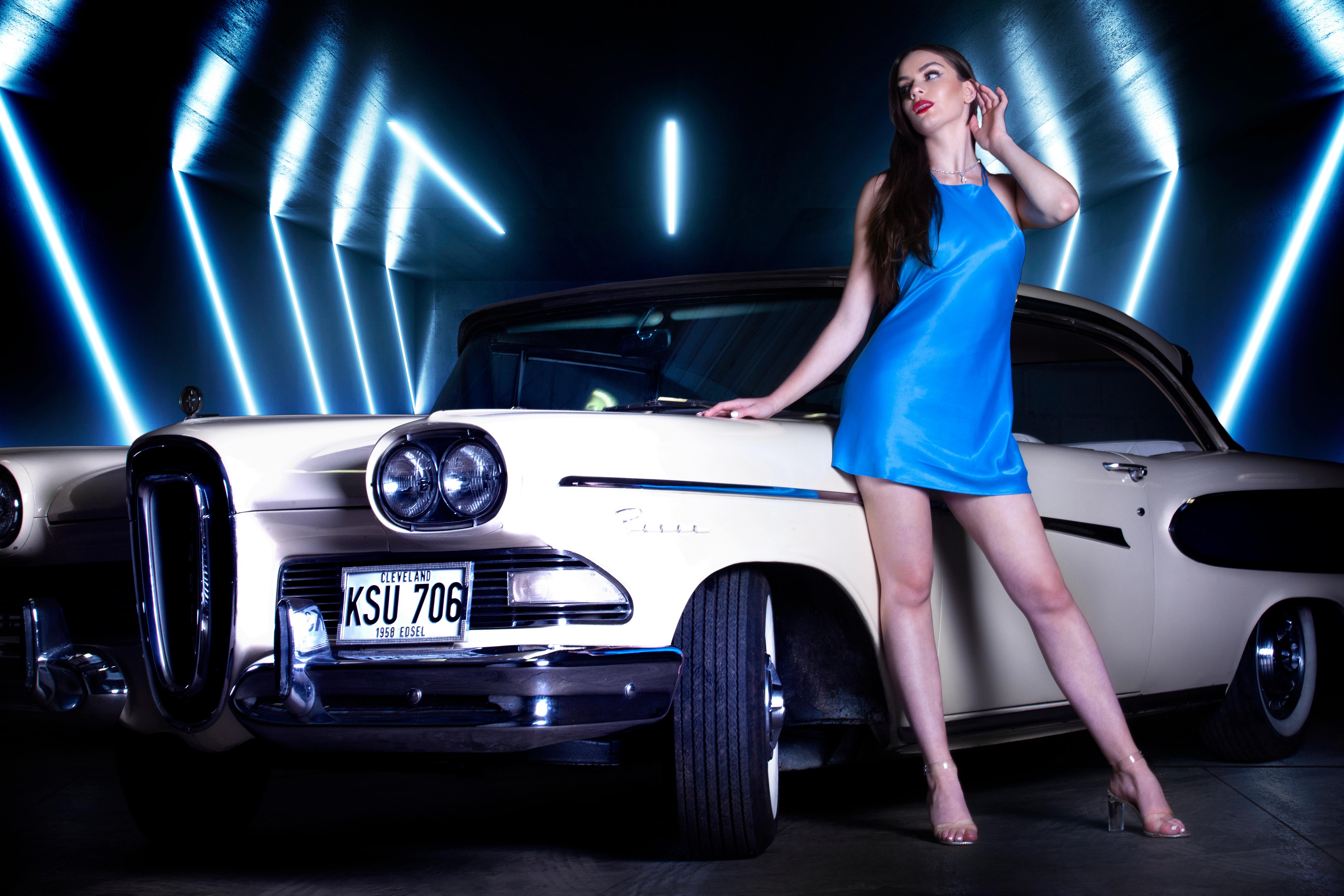 Photography by Carl Ryan ©
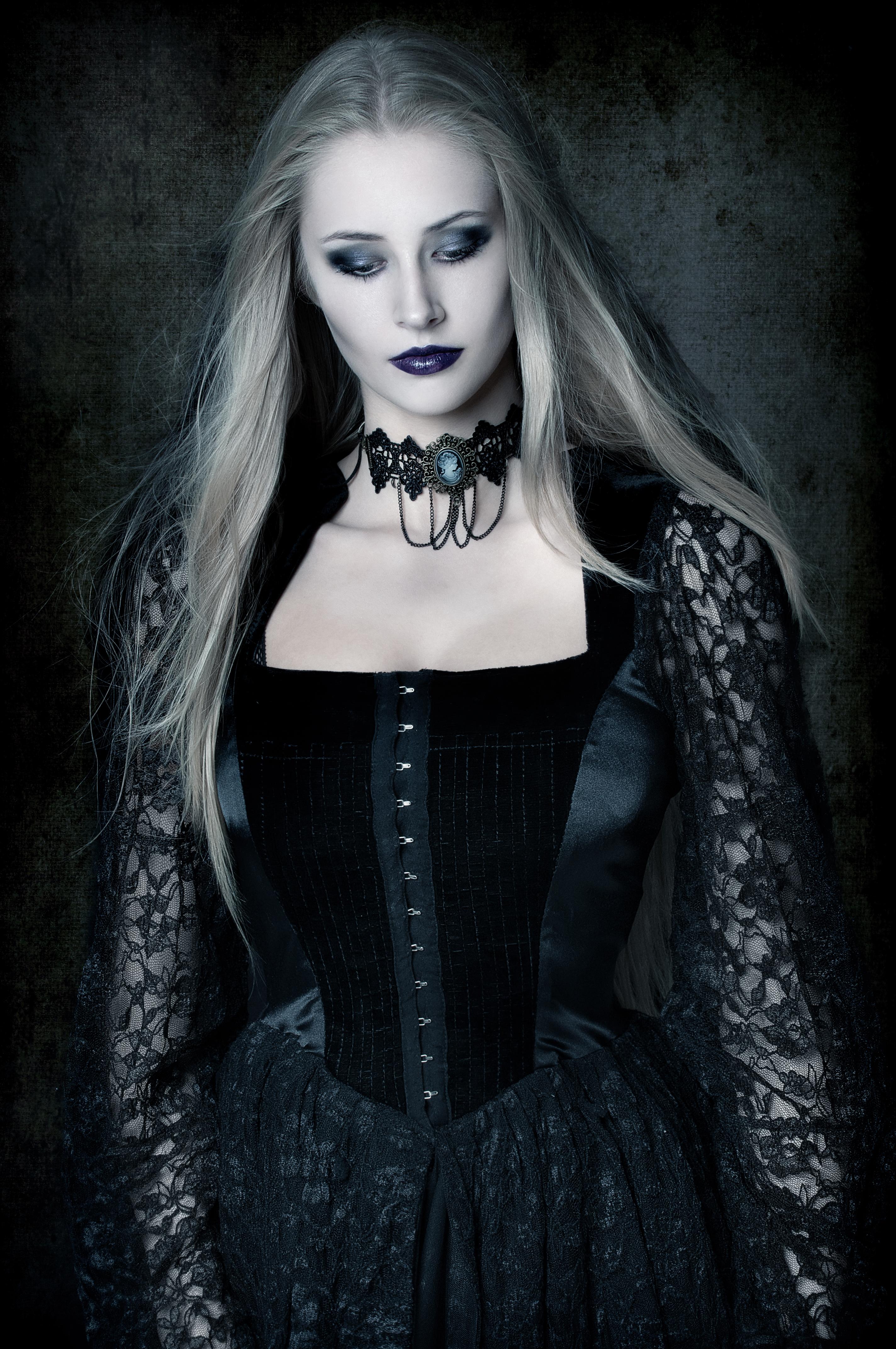 Photography by Carl Ryan ©
“We want to write about you”.