ONTARIO’S HOSPITAL CRISIS IN COLLABORATION WITH QSURJ
BIOTECH BLUEPRINT: CARDIAC ORGANOIDS IN DISEASE MODELLING
PATHOPROFILE: ALICE IN WONDERLAND
SYNDROME
TABLE OF CONTENTS ARTIST:
SOPHIA CHAU
Bachelor of Health Sciences (Honours), Class of 2028, McMaster University
Welcome to Issue 49 of The Meducator!
Connection and collaboration drive every step of our lives. We are built by our surroundings, our people, and our communities. For better or for worse, whether through happenstance or intention, a simple few words can change the trajectory of our future. From the very first concepts discussed for Issue 49, this phenomenon is what we wished to explore: the stories that change lives, the stories that change us.
This Issue, based thematically on fables and whimsical fairy tales, reflects the many stories we have told to McMaster from Issues 1 through 49 in anticipation of our quarter-century anniversary. In Issue 49, we begin with editors Atta Yazdy and Matthew Olejarz exploring novel treatments and screening methods for diseases across the world. In PathoProfile, Allison Lee and Andrew Yang take on Alice in Wonderland Syndrome, while Noelle Di Perna and Joel Abraham talk with Dr. Dawn Bowdish in Interview Spotlight. In a pair of editorial-led papers, Sruti Prabakaran and Iman Yaser discuss the Two-Eyed Seeing Method for Editor Project, and Emily Wang and Kathy He review the use of organoids for modelling. Finally, Kumkum Anugopal, Rowan Fricke, and Zahra Tauseef explore the potential for AI use in healthcare in low- and middle-income countries.
Ultimately, Issue 49 has become a work of widespread collaboration. For this publication, we partnered with the Queen’s Science Undergraduate Research Journal for an article on Ontario’s hospital crisis, and with SABCR and IWCH to showcase the top abstract from their abstract competitions. Also published is the winning abstract from The Meducator’s first abstract competition. To conclude The Meducator’s largest issue to-date, we feature a number of articles submitted externally, from McMaster and beyond.
We are honoured to share these stories in Issue 49, and we are overjoyed to continue bringing stories into the future. We want to extend a tremendous congratulations to Evan Sun and Aarani Selvaganesh as the incoming Editors-in-Chief for the 2026-2027 school year, a passionate and talented duo who have tremendously impacted The Meducator over the past several years. This same energy is persistent throughout the entire Meducator team. We thank the over 100 members and faculty reviewers without whom Issue 49 would not be possible.
To our executive team: Aarani, Camela, Cynthia, Elaine, Evan, Henin, Henry, Jacqueline, Jia Jia, Megan, Michelle, Mishal, Raymond, Ria, Ruhani, Ryan, and Serena—thank you for your support. For many of you, a wonderful graduation is soon to come. It has been an absolute joy watching you all not only passionately support The Meducator, but also grow as people and learners. You are an incredible group. To the McMaster community: a story is nothing without a listener. Sincerely, thank you for your immense support. And finally thank you, our reader, for engaging with our work. It means more to us than you could ever imagine.
GANGEMI Bachelor of Health Sciences (Honours) Class of 2027
GRIGNANO Bachelor of Health Sciences (Honours) Class of 2027
VERONICA
DOMINIC
Unauthorized Use of GLP-1 Drugs in Canada
CANADA | January 2026
AUTHORS: ATTA YAZDY1 & MATTHEW OLEJARZ2
1 Bachelor of Science (Honours Kinesiology), Class of 2026, McMaster University
2 Bachelor of Health Sciences (Honours), Class of 2026, McMaster University
ARTIST: KATHERINE LY3
3 Bachelor of Science (Honours Life Sciences Co-op), Class of 2028, McMaster University
The rise of GLP-1 drugs such as Ozempic has led to a growing interest in similar weight-loss products across Canada. However, this public interest has led some Canadians to turn to counterfeit, unapproved versions of drugs containing the same product. In 2026, Health Canada issued a warning concerning these unauthorized drugs, citing several risks that may be associated with their consumption. These risks include infections and allergic reactions, among other health concerns, resulting from dangerous ingredients, contaminants, and improper handling of the products. The public is advised to consult healthcare professionals, licensed pharmacists, and the Health Canada Drug Product Database to make informed decisions about drug usage.1
Nobel Prize Awarded for Defining The Role of Regulatory T Cells
USA | October 2025
Many serious diseases arise when the immune system loses its ability to distinguish between harmful threats and the body’s own cells. Autoimmune diseases occur due to an overactive immune system, while cancer can develop when immune regulation is too weak. The 2025 Nobel Prize in Physiology or Medicine recognized the discovery of regulatory T cells (Tregs), a specialized population of immune cells that maintain this balance by suppressing harmful immune reactions.6 Researchers showed that defects in these cells lead to severe autoimmunity. This breakthrough helped explain how immune tolerance is maintained, laying the foundation for modern Treg therapies. Treg activity can be enhanced to treat autoimmune disease and transplant rejection, or inhibited to strengthen anti-cancer immune responses.6
Effectiveness of Polylaminin for Spinal Cord Injuries has Warranted Clinical Trials
BRAZIL | January 2026
Researchers in Brazil have taken a historic step toward a treatment for spinal cord injuries, a condition that often causes permanent paralysis and currently has no effective cure. Scientists at the Federal University of Rio de Janeiro developed an experimental protein-based polymer called polylaminin, which forms a scaffold that mimics the embryonic extracellular matrix.9 This matrix guides severed axons to reconnect, which reduces inflammation and supports tissue repair.9 Early animal studies and preliminary human testing demonstrated restored movement and partial recovery in some cases, sparking worldwide interest. Brazil’s health regulator, ANVISA, recently authorized the first Phase 1 human clinical trial to evaluate polylaminin’s safety in acute spinal cord trauma. This milestone is a major advancement in regenerative medicine, offering new hope for reversing paralysis if later trials confirm safety and effectiveness.
AMT-130 as a Novel Effective Treatment for Huntington’s Disease NETHERLANDS | September 2025
Huntington’s disease is a rare, inherited brain disorder that causes motor, cognitive, and psychological symptoms, leading to disability and death.5 A new gene therapy called AMT-130 is being tested as a one-time treatment designed to reduce the production of the toxic huntingtin protein that causes the disease. In a pivotal Phase I/II trial, patients given high-dose AMT-130 showed about a 75% reduction in the rate of symptom progression over three years when compared with matched controls.5 While previous treatment options have focused on symptom management, AMT-130 serves as the first disease-modifying option for Huntington's patients.
Plasma Proteins for Cancer Patients
SWEDEN | December 2025
Researchers at the Karolinska Institutet recently developed a triage tool for cancer patients that distinguishes their condition from autoimmune, inflammatory, and infectious diseases. In the study, over a thousand proteins in the blood were assessed for their correlation with cancer diagnoses. Blood samples were collected before diagnostic work-up for multiple patients presenting with generic symptoms. After diagnoses were confirmed, the model was able to distinguish patients who had an eventual cancer diagnosis from those who did not based on plasma protein levels. The model requires further refinement, but highlights the importance of considering blood proteins as predictive biomarkers in cancer diagnosis.4
Early Detection Leprosy Campaign MADAGASCAR | January 2026
Leprosy remains a relevant health concern in Madagascar, with hundreds of newly reported cases each year. National active screening campaigns have been launched several times in endemic areas to diagnose patients early, interrupt transmission chains, and prevent disabilities. This initiative also targets the stigma against those with the disease. Individuals with leprosy typically present with patches on the skin, subjecting them to social exclusion. With more cases being detected earlier, the World Health Organization and Madagascar Ministry of Health hope to make treatment and information more accessible, with the goal of completely eliminating leprosy by 2030.3
Screen Time Effect on Children’s Behaviour JAPAN | August 2025
Earlier in August 2025, a report from Hokkaido, Japan sought to better understand the relationship between screen time and children’s behaviour. The Strengths and Difficulties Questionnaire was used to assess behaviour and mental health problems across individuals between the ages of 7 to 17 years old. The researchers determined that increased time spent playing video games was associated with an increase in problematic behaviour. This relationship was not seen for watching television or videos. In addition, problematic behaviour was influenced by sex, age, and whether screens were used on weekdays or weekends.2
Large-Scale Use of Artificial Intelligence in Medicine
TAIWAN | December 2025
Taiwan is emerging as a leader in artificial intelligence (AI)-driven healthcare. Taiwan’s smart healthcare projects began in 2019, when several private academic institutions launched a 4-year precision medicine project. This initiative recruited 565,390 participants, establishing a large-scale bio-bank for DNA profiling and AI driven analysis.7 In December 2025, Taiwan partnered with Google to leverage its Gemini AI platform for diabetes screening across 20,000 patients. This project would typically take tens of professionals several weeks to do, yet Gemini processed each case in just 25 seconds.8 Taiwanese health officials have announced a multi-year partnership with Google to further integrate AI into their national healthcare system.
AL CE IN WONDERLAND SYNDROME
INTRODUCTION
doi: 10.35493/medu.49.04
AUTHORS: ALLISON LEE1 & ANDREW YANG2
1 Bachelor of Health Sciences (Honours), Class of 2028, McMaster University
2 Bachelor of Health Sciences (Honours Biochemistry), Class of 2027, McMaster University
ARTIST: ISRA CHOWDHURY3
3 Bachelor of Science (Honours Life Sciences Co-op), Class of 2026, McMaster University
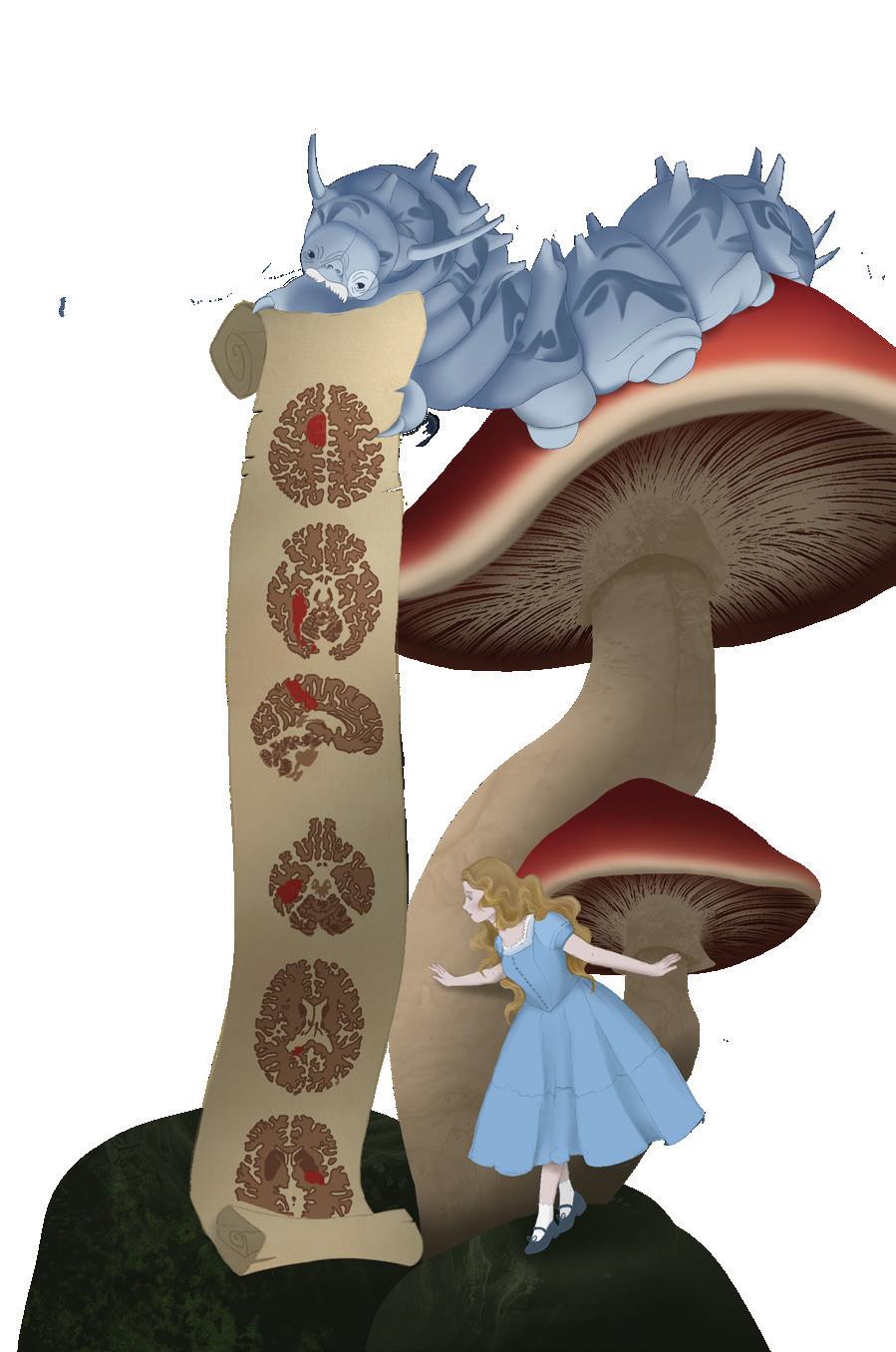
First described in 1955, Alice in Wonderland Syndrome (AIWS) is a unique, often episodic neurological disorder where patients report visual, temporal, and auditory sensory distortions.1,2 The name of the syndrome refers to Lewis Carroll’s Alice’s Adventures in Wonderland, as Alice feels her body growing larger and smaller which mirrors the characteristic distortions of this syndrome. The frequency of AIWS is largely unknown due to the absence of wide scale epidemiological studies, and as a result, cases may be misdiagnosed or undiagnosed entirely. This deficit likely results from its variable presentation and short symptomatic period, with episodes often lasting only minutes to hours in patients.2 Furthermore, AIWS lacks an accepted diagnostic definition, and is not included in the DSM-5 or ICD10.1 In 2013, Lanska et al. developed a classification system to organize the diverse symptoms of AIWS.3,4 Patients may experience extrapersonal distortions: micropsia (objects appear smaller), macropsia (objects appear larger), metamorphopsia (distortions in shape), and telopsia (distortions in distance).3,4
ETIOLOGY
Current understanding of the prevalence of AIWS is based on small scale studies and case reports. A number of underlying conditions have been proposed as etiologies for AIWS, including migraines and infectious disease.1,2 Psychiatric conditions have also been proposed as possible etiologies; however, it is important to recognize that perceptual distortions from AIWS are distinct from hallucinations caused by psychosis.5
Migraines are the most common cause of AIWS, with the highest occurrence being in adults. In 1989, Abe et al. conducted a study on episodic micro/macropsia in 3,224 high-school students aged 13 to 18 years.6 9% of students reported to have experienced an episode in the 6 months prior to the survey, but were not diagnosed with AIWS.6 Notably, the frequency of comorbid migraines were three times higher in students that experienced an illusory episode.6 AIWS symptoms can present before, alongside, or after migraines, and often go unreported.5 Infectious diseases are another etiological factor of AIWS, with Epstein-Barr Virus (EBV) infection being most frequently documented alongside AIWS symptoms in pediatric populations.7
Cinbis and Aysun8 emphasize that AIWS symptoms often appear 1-2 weeks prior to physical symptoms of EBV infection. While migraine-associated AIWS episodes are brief, EBVassociated AIWS lasts hours at a time and recurs daily for weeks.9 A cross-sectional study in Latin America identified COVID-19 infection as another potential trigger for AIWS.10
In a cohort of adults with consistent post-COVID headaches, 25.2% reported AIWS symptoms including time distortion and derealization.10
PATHOGENESIS
Although the pathophysiology of AIWS remains unclear, there is evidence for the malfunction of the brain’s sensory integration hub: the temporal-parietal-occipital (TPO) junction.2 This may result from a mismatch in higher-level visual processing; specifically, micropsia is linked to hypoactivation in the occipital lobe alongside hyperactivation in the parietal lobe.11 A 2022 functional magnetic resonance imaging study by Piervincenzi et al.,12 revealed that brain patterns in patients with AIWS showed significant overlap with migraine patients. Migraines are driven by a wave of hyperactivity followed by inhibition that moves across the cortex. This wave, known as cortical spreading depression, passes through the TPO junction and triggers AIWS symptoms.13 The TPO junction is also impacted by neuroinflammation resulting from EBV infection.13 Using Single-Photon Emission Computed Tomography, Kuo et al. found hypoperfusion in the TPO during EBV-induced AIWS.13,14 As viral inflammation subsides, blood flow is restored and sensory illusions recede.14
AIWS is also associated with the malfunctioning of specialized cortical networks found throughout the brain.15 Friedrich et al. suggested that lesions in the right extrastriate body area (EBA) and left inferior parietal lobe (IPL) disrupt sensory circuits in the brain and may be implicated in AIWS.15 The EBA processes both visual and somatosensory information.15 The EBA and IPL contribute to a sensory network that links body perception with scale estimation. researchers found that over 90% of the lesions that caused AIWS showed positive connectivity to the EBA, increasing activity. The IPL plays a role in estimating size, scale, magnitude, and distance of objects.15 found that lesions consistently showed negative connectivity to the IPL, decreasing activity in this area.15 This specific pattern of connectivity is unique to AIWS, suggesting that AIWS is not caused by damage to a single sensory hub, rather by a malfunction of the network.
CURRENT TREATMENT EFFORTS
Currently, there are no international evidence-based guidelines for the treatment of AIWS.2 Since neuroimaging and electroencephalography findings are often unremarkable in AIWS patients, practice-based strategies tend to involve pharmacological or other medical treatment aimed at the suspected underlying etiology.
Patients with viral infections such as EBV usually resolve symptoms by naturally outlasting the course of the sickness, paired with psychological reassurance that AIWS is not harmful.16,17 Corticosteroids (ganciclovir, acyclovir) are also often administered to EBV AIWS patients to reduce encephalitis due to their anti-inflammatory characteristics, though some limitations exist.18 In 2023, a study by Hodzic et al. found no statistically significant survival benefit for steroid treatment in viral encephalitis compared to controls.19 Fortunately, patients with AIWS and concomitant viral infection often do not manifest long-term neurological symptoms.
In adult cohorts with vestibular migraines, AIWS tends to endure for the few minutes of the migraine episode. case studies suggest treating the migraines with migraine prophylaxis.7,16 This utilizes monotherapies or combinations of anticonvulsants (topiramate, lamotrigine), antidepressants (nortriptyline, venlafaxine), and calcium channel blockers.16 These treat epilepsy, depression, and hypertension, respectively. In one cohort study, this resulted in a complete resolution of symptoms in 55% of patients, with partial resolution in another 40%.
PHARMACEUTICAL ONSET
Beyond naturally occurring pathologies, recent pharmacovigilance data has implied specific medications in the onset of AIWS. A 2024 analysis of VigiBase®, the WHO’s global database, included 87 AIWS patients.21 In the youth population, significant statistical associations were identified for montelukast and methylphenidate, with the latter likely influencing temporal and visual processing via dopaminergic overactivation in the prefrontal cortex. In adult populations, triggers also include sertraline, topiramate, and aripiprazole.21 The clinical progression of drug-induced AIWS appears reversible, as recovery was documented in 72.2% of pediatric cases and 79.3% of adult cases following drug dechallenge.21 The high prevalence of anxiety (43%) and depression (31%) among AIWS patients further suggests that the syndrome’s pathophysiology is rooted in fluctuating neurotransmitter levels.16 This VigiBase® study thus showcases the ability to reverse the adverse drug reactions to ameliorate symptoms. It is worth noting that this novel data presents a clinical paradox in which the pharmaceutical drugs can act as both treatment for migraine-induced AIWS and a trigger for others.
junction, depending on the physiological function of the area targeted.23,24 This process aided one patient into complete remission during a 4-month follow up and an 8-month follow up after a second session.24 Another technique is ECT, which employs brief electrical stimulation with good clinical effects on catatonia, psychotic depression, and acute suicidality. The working mechanism is far from elucidated, and so far it is unknown whether people with AIWS might benefit from it.25 Until these neuromodulatory techniques are validated through larger-scale clinical trials, they remain experimental alternatives to the standard of psychological reassurance and treatment of primary triggers.
LIMITATIONS & FUTURE DIRECTIONS
Because neuroimaging and EEGs are unrevealing, the lack of standardized diagnostic protocols results in high misdiagnosis rates as symptoms are misidentified as other disorders such as psychoses.2,7 The lack of a uniform diagnosis requirement in primary care also results in diagnostic delays.26,27
To advance AIWS research, future directions must transition from isolated case reports to a structured approach. Central to this evolution is raising awareness among health professionals regarding the nature of AIWS. This should be supported by comprehensive epidemiological studies within both the general population and specific patient groups, such as those with migraine or epilepsy, to establish reliable prevalence rates.7,16
Furthermore, research should also prioritize cohorts with shared symptomatic profiles, such as micropsia or prosopometamorphopsia, to better elucidate underlying etiologies and move beyond the current “spectrum” of unmeasured symptoms. These efforts would provide the necessary evidence base for developing standardized pharmacological and medical treatment protocols.26,27 Finally, the formal introduction of AIWS as a diagnostic category into major psychiatric and neurological classifications (e.g., DSM, ICD) and medical textbooks is essential.7,16 Integrating such a framework would not only allow for the isolation of AIWS from its comorbid status but also ensure that mental health screening for prevalent conditions like anxiety and depression becomes a core component of standardized care.
REVIEWED BY: DR. JAN DIRK BLOM (MD, PHD) & DR. STEPHANIE TOWNS (PSYD)
EXPERIMENTAL TECHNOLOGIES
Preliminary technological trials of neuromodulation interventions such as repetitive transcranial magnetic stimulation (rTMS) and electroconvulsive therapy (ECT) have shown promise in two notable case studies, though the anecdotal evidence lacks vigorous clinical data necessary for it to be adopted as a standard.21 rTMS utilizes non-invasive techniques that apply magnetic pulses to brain structures located 1-2 cm beneath the skull. These inhibit or excite regions such as the TPO References can
Dr. Jan Dirk Blom is a professor of clinical psychopathology at Leiden University, Netherlands. His primary research interests are in the field of psychotic disorders, notably hallucinations, and other rare perceptual phenomena.
Dr. Stephanie Towns is an associate professor of neurology and clinical neuropsychologist at the Yale School of Medicine, United States. Her primary research interests involve the relationship of sleep and cognitive symptoms in patients with neurological disease.
EDITED BY: ATTA YAZDY & MATTHEW OLEJARZ
INTERVIEW SPOTLIGHT
AUTHORS: JOEL ABRAHAM1 & NOELLE F. DI PERNA1
1 Bachelor of Health Sciences (Honours), Class of 2028, McMaster University
ARTIST: AVA FONG2 & CAMELA TEMACINI3
2 Bachelor of Health Sciences (Honours), Class of 2029, McMaster University
3 Bachelor of Health Sciences (Honours Biochemistry Co-op), Class of 2028, McMaster University
Dr. Dawn Bowdish, Hamilton-born scientist, is an Associate Professor at McMaster University and a Canada Research Chair in Aging & Immunity. Dr. Bowdish completed her PhD at the University of British Columbia, focusing on the antiinfective properties of antimicrobial peptides. Her postdoctoral work was completed at the University of Oxford where she studied how macrophages recognize the bacteria that cause tuberculosis. Shortly afterwards in 2009, she started her lab at McMaster, where she leads a team of postdoctoral fellows, graduate, and undergraduate students.
TELL US ABOUT YOURSELF.
I’m a professor in the Department of Medicine at McMaster University and the Executive Director of the Firestone Institute for Respiratory Health situated in St. Joseph’s Hospital. My research interests are understanding the aging immune system and how it interacts with microbes that live on and within us, including our microbiome, as well as the pathogens that make us sick. I have a special interest in respiratory infections and vaccinations in older adults, and I sit on the board of directors of the Lung Health Foundation. I work to increase awareness about lung health issues and advocate for research, funding, and policy changes to improve the lives of the one in five Canadians living with lung disease.
AS A STUDENT, DID A CERTAIN EXPERIENCE OR INDIVIDUAL INSPIRE YOU TO PURSUE THIS FIELD?
I grew up in Hamilton, and in high school, I did a co-op at McMaster University in a pharmacology lab in the hospital’s Blue Section. Every day after lunch, I’d take the bus down from the mountain to McMaster. I had the chance to work with an incredibly inspiring postdoc along with some amazing grad students and professors. That is when I decided to pursue a career in science, even though I did not know exactly what I wanted to study. It was after I went to and took my first microbiology class that I realized I just loved
the University of Guelph and took my first microbiology class that I realized I just loved infectious diseases —and that is where I wanted to build my career.
YOU RECENTLY ADVOCATED FOR CANADA TO HAVE A NATIONAL VACCINE REGISTRY. HOW HAS YOUR OPINION GROWN OR CHANGED OVER THE COURSE OF YOUR WORK, GIVEN CANADA’S LOSS OF MEASLES-FREE STATUS?
One of the mantras that I go by is: don’t blame people for systemic problems. There are many reasons as to why vaccination rates have fallen in Canada, including the fact that we don’t have an easy way to look up our vaccine records. In most other countries, if you wanted to see if you’ve been vaccinated for something or check up on one of your childhood vaccines, you would simply enter your health card number into an online portal to see exactly when you were vaccinated and which vaccines you received. We cannot do that in Canada, and if you’ve moved countries or provinces, it is especially difficult to figure out when you’ve been vaccinated. Consequently, many people may not be up to date on their measles vaccines—not through misinformation or antipathy towards vaccines, but because they legitimately don’t know that they’re not up to date. A vaccine registry is a system that would help families, doctors, and researchers identify who needs to be vaccinated. Creating a national registry is challenging because each provincial health system operates independently, but it’s something we should absolutely be working towards.
WHAT FUTURE ENDEAVOURS DO YOU HAVE IN THE FIELD OF AGING AND IMMUNITY?
There are many projects in our research that I’m really excited about. One thing I’ve felt was important to understand was the long-term health consequences of serious infections, especially respiratory infections. For decades, we’ve known that people who are hospitalized with serious respiratory infections have higher rates of dementia, loss of mobility, and frailty. Yet, we don’t have any way to stop that, other than by telling people not to get sick in the first place. Even if everybody were fully vaccinated, there would still be sickness. So, how do we keep
people healthier for longer? One project focuses on finding new drugs and treatments to help prevent long-term health issues that can develop after respiratory infections. I’m also fascinated by how our immune system changes with age and exposure. We’re born with immune systems that are blank slates, but they change with every exposure we have. Understanding the features that protect older adults or the environmental influences that change them will always keep me occupied and interested.
IF YOU WERE TALKING TO YOUR YOUNGER SELF, WHAT MIGHT YOU TELL THEM? WHAT WOULD YOU ADVISE STUDENTS INTERESTED IN PURSUING IMMUNOLOGY RESEARCH?
There are so many different ways to be a really good scientist and use your time and talents in this field. Different kinds of science appeal to different people, and we need all sorts of scientists. We need people who are process-driven and detail-driven. We need creative types. We need people who are good at data visualization, writing, and are passionate about all the different elements of science. I think there is a place for everybody: people who are computational, and people who want to do clinical work that directly impact others’ lives. I just think it is such a wonderful field that no matter what your particular interests and talents are, there is room for you in immunology. So yeah, I’d say come join me in the most wonderful job in the world. It’s really quite delightful. What would I tell my younger self? I mean, at the end of the day, I’m pretty happy with all the decisions I’ve made. I don’t think I’d tell myself anything. You need to figure out the problems, have some misadventures, and make some mistakes to grow. So no hints, no spoilers—you just need to work through it.
WHEN PREPARING FOR THIS INTERVIEW, WE DISCOVERED A PIECE THE HAMILTON SPECTATOR WROTE ABOUT YOUR ONE-WOMAN SHOW AT THE HAMILTON FRINGE FESTIVAL. HOW HAS CREATIVITY BEEN AN ASSET TO YOUR ROLE?
My gifts as a scientist have been the fact that I’m a creative thinker, and I often see connections in ways that are different from others. I think creativity is a muscle you have to flex — if you don’t flex your creative muscle, it will atrophy. One of my inspirations for creating my one-woman show, which I debuted in 2024 at the Hamilton Fringe Festival and then took to the Toronto Fringe Festival in 2025, was to tell the stories that I wanted to tell. During the pandemic, I did a lot of science communication, but it was often sad; it was rarely good news. However, I didn’t get into science because it’s sad, but rather because it’s silly and fun and makes me smile. The show was an opportunity to flex my science communication muscles, to do something different, and bring science to a new audience, in a new way. To this day, I’m doing it for some charity events, so the show lives on. I may bring it back to a Fringe Festival or two because performing in front of a live audience is terrifying, but also really fulfilling.
WHAT CHALLENGES HAVE YOU FACED MANAGING AND RUNNING YOUR OWN LAB? HAVE YOU DEVELOPED OR ENHANCED CERTAIN SKILLS IN THE PROCESS?
I think the hardest part of running a lab is keeping it funded, so everyone can stay employed and do the science they want to do. When times are tight for grants, it becomes incredibly stressful, and I find it really hard to go back and tell the lab that I didn’t get one of those grants. I tell them that it’s not a reflection on how hard they’ve worked or the importance of their research. The amount of concentration and time away from both the lab and my personal life to keep the lab funded is extremely high. I also spent a lot of time listening to management podcasts, and I think there are a lot of transferable lessons. I really feel like running a lab is like running a small business: you have to get funding, you have to have products that people are interested in, you have to train people and find the right people for the right jobs. Because I can give a good talk or I can write a good paper, a lot of people think that means it comes easily for me, but in fact, it’s a skill that I hone — I spend a lot of time working on my writing and communication skills.
WHAT LEGACY
AND MESSAGE DO YOU
HOPE TO LEAVE WITH YOUR WORK?
One of the things I’ve learned about aging after speaking to a lot of older adults is that people are often thinking about end of life and their legacy. Some of the great Greek philosophers said that the key to living a good life is to imagine your funeral and think about your legacy and how you’ll be remembered. I have had the chance to think about that, and ultimately, I would like to be remembered as someone who was kind, made opportunities for others, and always brought that lens to my work.
Bachelor of Health Sciences (Honours Biochemistry Co-op), Class of 2028, McMaster University
ARTIST: CAMELA TEMACINI
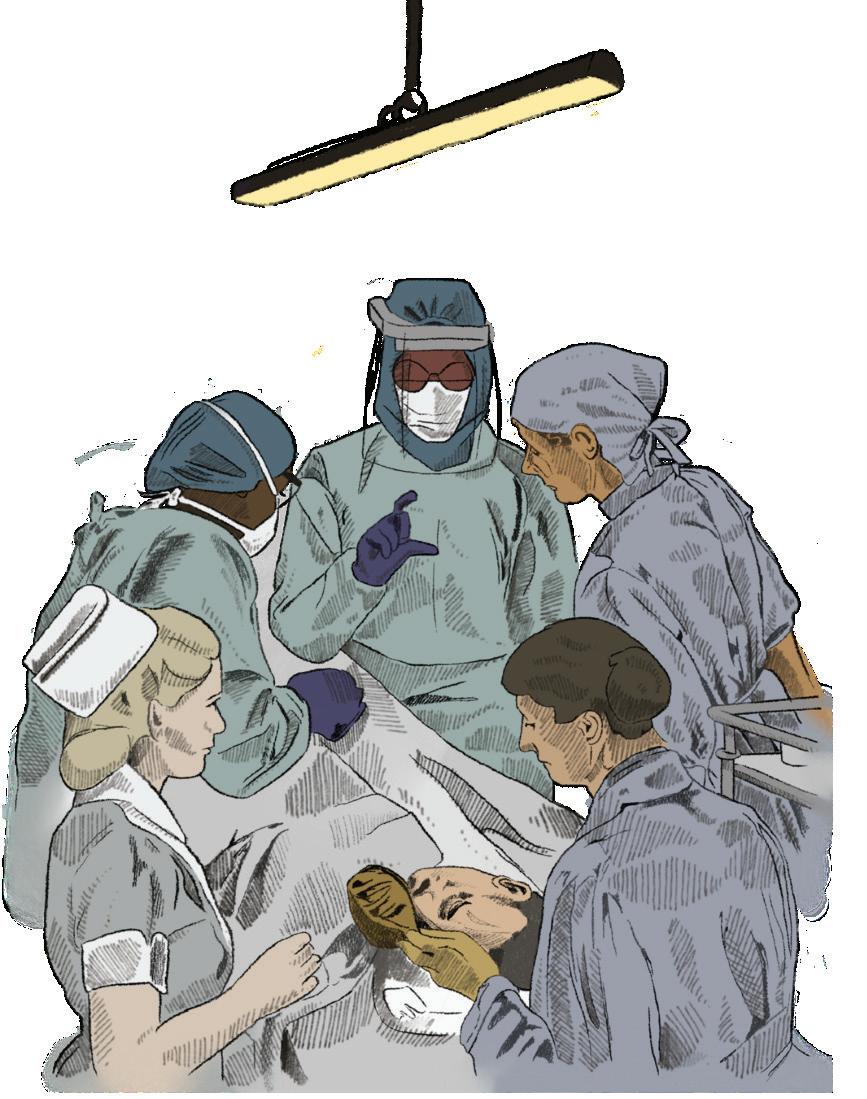
“ALL HANDS ON DECK
- THE EVOLUTION OF WOMEN IN MEDICINE“
This piece is an homage to the women who came before us, who fought for a place in both research and clinical medicine. Through the portrayal of women across different time periods, it reflects the evolution of their roles and recognizes the strength, resilience, and progress that have shaped the many fields within medicine today. The illustration draws inspiration from the storytelling style of folklore and Aesop’s fables, using block colours and cross-hatching to convey a sense of history and narrative.
doi: 10.35493/medu.49.10
AUTHORS: KUMKUM ANUGOPAL,1 ROWAN FRICKE,2 & ZAHRA
TAUSEEF3
1 Bachelor of Health Sciences (Honours), Class of 2028, McMaster University
2 Bachelor of Health Sciences (Honours), Class of 2029, McMaster University
3 Bachelor of Health Sciences (Honours), Class of 2026, McMaster University
INTRODUCTION
Artificial intelligence (AI) models are predictive algorithms that use patterns in datasets to make inferences. This capability proves beneficial in healthcare settings, as these models can automate statistical and analytical tasks. Optimism surrounding these benefits has driven substantial contemporary investment in AI development.
ARTIST: ZOE SO4
4 Bachelor of Health Sciences (Honours Biochemistry), Class of 2027, McMaster University
The improvement of AI models exhibits sublinear scaling, resulting in diminishing returns on investment. Consequently, development is concentrated in countries with advanced economies capable of facilitating long-term investments at scale.1-3 When these models are developed for healthcare-specific niches, local healthcare data is often overrepresented within the cumulative training data.⁴ This leads to models that generalize region-specific population demographics despite often global approaches to implementation.⁵ Notably, uncertainty concerning model transferability rarely deters implementation within under-resourced countries.⁶
Low- and middle-income countries (LMICs) are often underresourced, thus facing staffing and training shortages. AI models are often used to compensate for these gaps, including diagnostic support, prognostic risk stratification, and clinical decision making.⁶ These models frequently succeed at these tasks; however, success is closely coupled to the epidemiological, socioeconomic, and infrastructural contexts within their training data.7 Accordingly, models developed on data from predominantly high-resource settings may make erroneous assumptions leading to diminished health outcomes. Although AI is increasingly deployed in underresourced healthcare settings, evaluations of translational model performance and impact remain scarce.
APPLICATIONS
Integrating AI tools in LMICs increases diagnostic capacity, expands services, and facilitates more efficient healthcare development pathways. While not specific to LMICs, a rapid evidence synthesis by the McMaster Health Forum explored if AI tools could be used to reduce administrative burden among front line healthcare providers. They found that AI-driven technologies showed promise in reducing clinician administrative workloads.⁷ This suggests that an AI-enabled system, when thoughtfully adapted, could meaningfully improve efficiency.
In LMICs, AI applications with medical imaging and natural language processing (NLP) can support local health care workers by interpreting complex clinical data and enabling earlier detection of conditions. Deep learning and NLP models are valuable in settings where specialists are scarce as the models can assist physicians in identifying conditions that might otherwise go unnoticed.6 AI can also be integrated into telemedical platforms in rural communities to support decision making and symptom interpretation in regions affected by
physician shortages and underdeveloped infrastructure.9 For example, AI models using acoustic cough analysis and demographic features have shown high accuracy in screening for tuberculosis, which can reduce the reliance on expensive infrastructure and specialists.10 This can be applied to other conditions that frequently go undetected in low-resource settings until they reach advanced stages. In LMICs, AI models can triage cases and improve outcomes by prioritizing timely and accessible interventions.
Beyond supporting clinicians, AI offers LMICs the ability to bypass traditional healthcare development pathways that are constrained by funding, political support, and infrastructure.9 By adopting AI-enabled telemedicine and other digital tools, health systems can provide care without extensive physical facilities, making infrastructure less of a limiting factor.10 For instance, AI-powered telehealth can offer specialist consultations remotely and reach rural populations that previously lacked access to basic services. The successful deployment of AI can also attract investments from global funders, non-governmental organizations, and biotechnology companies by signalling innovation and readiness.11 Such investments can catalyze broader economic development by increasing the likelihood of local researchers and developers acquiring funding.11
Hence, if responsibly implemented, AI has the ability to reduce health inequities, improve early disease detection, and catalyze sustainable health and innovation ecosystems in resource-limited settings.
LIMITATIONS
Despite their transformative promise, AI healthcare tools developed in high-resource settings often reproduce structural and ethical failures when deployed in contexts for which they were not designed. When IBM Watson for Oncology, an American AI-powered healthcare platform, was deployed in rural China, discordance rates with local physician expertise for gastric cancer ranged from 12% to 88%.12 When a UK-trained AI model for COVID-19 diagnosis was deployed to hospital datasets from Vietnam, accuracy dropped by nearly 50%.13 By embodying the biases of the health systems in which they were created, AI models can fail to capture the cultural, environmental, and epidemiological realities of LMICs. Ultimately, such models can perpetuate what some scholars describe as a form of ‘AI colonialism,’ imposing epistemic dominance and risking under-diagnosis, exclusion, and resource misallocation in already fragile health systems.14,15
This is not to say that AI-powered tools designed for LMICs do not exist. Novel AI models, such as malaria diagnostic tools validated in rural Sierra Leone and a large language model designed to generate electronic medical records for maternal healthcare in rural Pakistan, illustrate the potential of LMICspecific innovation.16,17 Additionally, researchers have shown that the implementation of algorithmic-level bias mitigation methods can significantly narrow AI model performance gaps across global settings.18 However, these equity-focused projects remain scattered and struggle to achieve sustained funding, visibility, and integration within the rapidly expanding AI research landscape. Additionally, many LMIC facilities lack the electrical stability, internet connectivity, and data storage capacity to maintain AI applications at scale.19 Even where local innovation thrives, it is frequently overshadowed by externally developed systems that, owing to heavy marketing, are perceived to possess greater investor legitimacy. This imbalance reinforces a cycle in which local knowledge is undervalued, and innovation becomes synonymous with importation rather than co-creation.20
Public health researchers Shipton and Vitale argue that AI in LMICs often reflects a “politics of avoidance,” where technological solutions are embraced through the overshadowing of chronic underfunding, inadequate infrastructure, and other structural roots of health inequities.20 Focusing on AI interventions tends to emphasize downstream problems in healthcare rather than upstream determinants of health inequity, diverting attention from reforms that would require sustained investment in health systems, governance, and equitable resource distribution.18 In Kenya, for example, researchers and international partners have developed AI models that can predict acute child malnutrition up to six months in advance. However, many Kenyan towns continue to face deeply structural issues related to water access, food security, and sanitation that directly drive these health outcomes in children.21
The concentration of AI development and agenda-setting power in high-income countries further reinforces this pattern, as global health priorities often align with corporate interests rather than locally articulated needs.14 For example, AI startups attracted 46% of total global healthcare investment in 2025. In the same year, global health financing declined by nearly 21%.22,23 Additionally, there is limited evidence on the longterm effects of AI in LMICs on health system performance, financing, and equity. What is known comes from small, heterogeneous, disease-specific pilots, which offer limited context-dependent insights.19 Ultimately, these disruptions and innovations in global health driven by AI tools both challenge and enhance the healthcare landscape in LMICs.
CONCLUSION
The convergence of rising enthusiasm for technological innovation and donor-driven investment suggests that AI adoption will increase globally. The benefits of this implementation, however, may not be equally distributed. The use of AI in LMICs has immense potential, yet these gains may not fully occur if AI is not adapted to each region’s unique circumstances.
While AI is often framed as a replacement for traditional healthcare systems, it is best used as a component of a larger strategy. Sustained investment into infrastructure, practitioners, and locally representative data is still needed to facilitate its implementation. AI must be deployed reflexively: continuous re-evaluation, robust regulation, and regional representation are essential to ensure that AI supports, rather than hinders, global healthcare equality.
REVIEWED BY: DR.
KAELAN MOAT (PHD)
Dr. Kaelan Moat is an Assistant Professor in the Department of Health Research Methods, Evidence, and Impact at McMaster University and the Managing Director of the McMaster Health Forum. Dr. Moat’s work focuses on health systems and supporting the use of research evidence in policymaking and practice.
EDITED BY: JOEL ABRAHAM & NOELLE F. DI PERNA
EDITOR PROJECT
ARTIST: IRIS QIAN1
1 Bachelor of Health Sciences (Honours), Class of 2028, McMaster University
doi: 10.35493/medu.49.12
AUTHORS: SRUTI PRABAKARAN2 & IMAN YASER3
2 Bachelor of Science (Honours Integrated Sciences), Class of 2027, McMaster University
3 Bachelor of Science (Honours Life Sciences), Class of 2027, McMaster University
Two-Eyed Seeing Method: The Bridge Between Indigenous Knowledge and Western Sciences
INTRODUCTION
“Indigenous knowledge was never meant to be static and stay in the past; rather, it must be brought into the present so that everything becomes meaningful in our lives and in our communities” (Elder Murdena, co-developer of the Two-Eyed Seeing Method).1 Etuaptmumk, or the Two-Eyed Seeing Method (E/TES), is an interconnected learning approach developed by Elder Albert Marshall of the Mi’kmaw community in Eskasoni, Nova Scotia.2 The principle refers to incorporating Indigenous ways of knowing with the strengths of Western knowledge systems (e.g. incorporating talking circles during hospital visits).3 Ultimately, this collaborative framework highlights Indigenous knowledge as a distinct and holistic system that exists alongside Western science, rather than being secondary to it. This paper seeks to provide an overview of incorporating E/TES in the context of the current Canadian healthcare landscape.
E/TES was applied to Western science by Elder Albert in 2004.1 He was an inmate of the residential school system throughout most of his youth, and later became the designated voice on environmental matters for Mi’kmaw Elders in Unama’ki-Cape Breton, Nova Scotia. Alongside his wife, Murdena Marshall, the mother of the Muin (Bear) Clan in Nova Scotia, he co-founded E/TES for the Cape Breton University Integrative Sciences program. Their goal was to enhance Indigenous student participation in science programs and enrich mainstream science curricula with Mi’kmaw teachings and other Indigenous knowledge. With this, they aimed to emphasize that Indigenous students did not need to abandon their traditional knowledge to practice Western science. By 2012, 27 Mi’kmaw First Nations students graduated with a science or sciencerelated degree, compared to fewer than five before the program’s inception.
There are several important considerations for upholding Indigenous knowledge within E/TES, the first being that “Indigenous knowledge” is not a single, unified system. Instead, this
term encompasses a variety of distinct, place-based knowledge systems. Additionally, to ensure authentic implementation of curricula, information should be validated by recognized community Elders and knowledge holders.1,5 This ensures that future generations are taught accurate information that reflects the values of Indigenous knowledge systems. Multiple appropriate sources should also be consulted for each topic. While Elders and knowledge holders possess valuable expertise, no one individual is an expert on all Indigenous practices, especially considering the diversity of Indigenous communities and Indigenous knowledge in Canada.1,4 Due to the fact that Indigenous knowledge encompasses a broad range of epistemologies, academics must be mindful of the many formats in which knowledge can be shared, and incorporate them intentionally throughout E/TES. Lastly, Indigenous knowledge cannot be acquired in a few years and should therefore be treated as a continual process.1 Through these principles, scientists can better recognize Indigenous knowledge as a distinct field alongside Western sciences.2
APPLICATIONS
The significance of E/TES becomes most evident when examining its application across health care, research, and institutional systems in Canada. While originally a guiding philosophy for integrative science education, E/TES has evolved into a practical framework for addressing structural inequities faced by Indigenous peoples, particularly within health systems that have historically failed to meet their needs. Indigenous peoples in Canada experience disproportionately high rates of suicide, substance use disorders, violence, and poverty, all of which are outcomes closely tied to the enduring impacts of colonization and residential schools. Conventional Western health systems have often been ill-equipped to address these realities, in part because they fail to recognize Indigenous knowledge as legitimate or necessary.6
In a study conducted in Northeastern Ontario, researchers applied E/TES within the Seeking Safety treatment model to address intergenerational trauma and substance use disorders among Indigenous communities. Seeking Safety is an evidencebased counselling model designed to help individuals attain safety from trauma and substance use by teaching coping skills, emotional regulation, and grounding strategies without requiring
participants to revisit traumatic memories in detail. Rather than replacing Western therapeutic approaches, Indigenous practices such as ceremony, storytelling, and Elder involvement were incorporated alongside evidence-based psychological treatment. This approach directly addressed well-documented challenges within Indigenous mental health care, including high treatment dropout rates and underutilization of services due to culturally unsafe environments. These findings emphasized that E/TES enables research and treatment designs that reflect holistic Indigenous conceptions of wellness.6
A separate study examining Indigenous primary health care in Alberta revealed how dissatisfaction with the federal healthcare system has led to the emergence of “parallel systems” of Indigenous healthcare across Canada.7 This study identified a complex network of Indigenous-led organizations, informal care pathways, and community-based services operating alongside provincial systems. The authors argue that these systems should be recognized as innovative responses grounded in Indigenous knowledge and self-determination. Adequate funding and integration of these parallel systems is crucial for advancing health equity.7 This aligns directly with E/TES, which supports the coexistence of Indigenous and Western systems without forcing assimilation into a single dominant model.
Beyond health care, E/TES has also gained traction as a guiding framework for research methodologies. It has been applied in participatory action research as a means of reconciling Indigenous worldviews with academic research demands. Within this framework, research is conducted in ways that are relevant, reciprocal, respectful, and responsible to Indigenous communities. Knowledge is co-created rather than extracted, and outcomes are designed to directly benefit communities.8 This application illustrates E/TES’s capacity to shift research paradigms away from colonial practices and toward accountability, ensuring that Indigenous voices are not only included but centered throughout the research process.
However, as the popularity of E/TES increases, scholars and Elders have raised concerns about its potential misuse. Many caution that it is at risk of being diluted as it becomes more widely adopted within academic and institutional contexts. Elder Albert has noted that “the work can all too easily slip into a lazy, tokenistic approach in which E/TES, and similar efforts quickly become mere jargon, trivialized, romanticized, coopted, or used as a ‘mechanism’ where pieces of knowledge are merely assembled in a way that lacks the spirit of co-learning.”9 In response to these concerns, a study examining hospital-based Indigenous wellness services in the Northwest Territories applied E/TES as an overarching guiding principle rather than a discrete method in a community-engaged qualitative research design. E/TES shaped how relationships were established with Indigenous partners, how knowledge was understood and generated, and how reflexivity was practiced within the research team. The study found that this holistic approach strengthened trust, supported culturally safe hospital engagement, and allowed Indigenous wellness services to be understood on their own terms. At the same time, the authors caution that when these relational processes are absent, E/TES risks becoming symbolic rather than transformative.9
As E/TES continues to emerge in medical research and practice, identifying principles that support authentic implementation remains essential. For instance, a focused narrative review examining effective use in Indigenous-partnered medical research found common principles such as strong relationship-building, community control over research processes, and collaborative data analysis. The authors note that E/TES requires researchers to move beyond extractive research models and engage in longterm, trust-based partnerships with Indigenous communities.10
With this, it is also important to consider the current power and structural inequities that presently stand as a barrier to E/TES. While the goal of E/TES is to coexist with Western knowledge systems without hierarchy, this does not fully address the reality that these systems do not currently operate on equal ground. Western systems continue to hold institutional power in healthcare, research, and funding structures. If this imbalance continues to remain unaddressed, E/TES may be integrated in ways that reinforce existing inequities rather than challenging them.
CONCLUSION
In this sense, E/TES is not a final solution but an ongoing process. It demands humility, reflexivity, and a willingness to share power. When applied authentically, it allows Indigenous and Western knowledge systems to coexist without hierarchy. As demonstrated across health care delivery, research methodology, and medical practice, E/TES has already begun reshaping how knowledge is produced and applied in Canada. Its continued success will depend on honouring its origins, facilitating funding and policy changes, protecting it from tokenization, and committing to its relational and lifelong nature; principles that echo the very teachings upon which it was founded.
REVIEWED BY: TRISTAN BOMBERRY (MSC, MD STUDENT)
Tristan Bomberry is a medical student at McMaster University and the vice-president of Indigenous Health for the McMaster Medical Student Council. Tristan earned his Master of Science degree at McMaster University through his work on the COVID CommUNITY in collaboration with the Population Health Research Institute. Tristan’s research interests include bringing community perspectives into research settings and investigating more culturally-aware approaches to healthcare.
Dual-Phase Exosome-Mediated SiRNA and Bispecific Antibodies for Tumour Suppression in
Grade II Astrocytoma
doi: 10.35493/medu.49.15
AUTHORS:
MINUKI PEIRIS,
1 Bachelor of Health Sciences (Honours Biochemistry), Class of 2028, McMaster University
ARTIST:
SUMAIYYA MAHMOOD2
2 Bachelor of Science (Honours), Class of 2028, McMaster University
The patient is diagnosed with Grade 2 astrocytoma, characterized by persistent headaches, decreased concentration, and increasingly targeted using precise function-preserving therapeutic approaches.1
Grade 2 astrocytomas present as non-enhancing T2hyperintense lesions2 with edema on MRI, demonstrating progressive symptom development over months. Within the right precentral gyrus containing the motor cortex, it causes weakness, involuntary movement, and impaired finemotor coordination.3 fMRI confirms location, while DTI demonstrates corticospinal tract displacement. Bispecific antibody therapies are investigated in glioblastomas;4 however, application in astrocytomas remains limited, while siRNA offers promising solutions in targeted therapy.
Grade 2 astrocytomas present surgical difficulty due to diffuse infiltration.5 The proposed therapy involves CD44targeted exosome6,7 delivery aptamer-siRNA8 to silence mutant IDH1, decreasing 2-hydroxyglutarate production, slowing uncontrolled proliferation and increasing susceptibility to immune attack.9 Bispecific antibodies bridge CD3 on the patient’s T cells using VCAM-1 on the tumour cells, eliminating remaining tumour cells.10 Risks include potential inflammation in the brain due to T-cell activation, which can be mitigated through smaller repeated doses and aptamers with a short half-life.11 This approach aims to reduce tumour burden, limit recurrence and preserve neurological function.8,10
The proposed RNA-based approach raises important considerations. Socially, it preserves neurological function, supporting long-term quality of life.12 Economically, despite the high upfront cost to develop the therapy, it reduces recurrence, disability, and reliance on chemotherapy and radiation, reducing downstream healthcare burdens.12 Ethically, the tumour-specific and non-invasive nature minimizes harm to healthy brain tissue, while the reversible nature allows dosing to be adjusted, paused, or discontinued in response to any side effects.13
Cardiac Organoids in Disease Modelling
doi: 10.35493/medu.49.16
AUTHORS: EMILY WANG1 & KATHY HE2
1 Bachelor of Health Sciences (Honours), Class of 2026, McMaster University
2 Bachelor of Health Sciences (Honours Biochemistry), Class of 2027, McMaster University
ARTIST: NICOLE KIM1
ABSTRACT
Human cardiac organoids (hCOs) are emerging in vitro models that are transforming cardiovascular disease research. Derived from pluripotent stem cells, these three-dimensional (3D) systems recapitulate key structural and functional features of the human heart. Recent methodological advances have enhanced tissue maturation and enabled organoid vascularization, further improving their physiological relevance. Although challenges in reproducibility persist, hCOs offer a promising platform for disease modelling and drug discovery.
INTRODUCTION
Accurate disease modelling is essential for understanding disease pathology and developing targeted therapies. Traditional animal model systems have been invaluable within this research area; however, they struggle to capture the complexity of human development, physiology, and pathology, thereby limiting their translational relevance.1 Organoids have emerged as a major advancement in biomedicine, as these miniature 3D culture systems closely replicate in vivo conditions within an in vitro environment.2 Organoids can be derived from pluripotent, embryonic, or adult stem cells and are engineered to self-organize into their respective tissue structures.3 Currently, organoids are most commonly used to model organs such as the brain, heart, liver, lungs, and kidneys.3 Given that cardiovascular disease (CVD) remains the leading cause of death worldwide, the development of biologically-relevant human models to study its pathogenesis and the effectiveness of therapeutic interventions is of high interest amongst researchers.4 hCOs serve as an attractive option for studying the mechanisms underlying fetal heart development and congenital heart diseases, particularly given the ethical limitations of in vivo human studies.4-6 Current research involving cardiac organoids can be characterized into two main branches: improving the quality and translational potential of organoid models, and applying organoids to disease modelling and drug discovery.4,7 Various approaches have been developed to produce cardiac organoids that closely mimic the
complex microenvironment of the human cardiovascular system. These approaches employ human pluripotent stem cells (hPSCs) which are induced into the cardiac mesodermal lineage.4,8 The self-organization of these hPSCs into 3D tissue structures recapitulates complex intercellular interactions among diverse cardiac cell populations, thereby providing a physiologically-relevant human model for cardiovascular research.
CURRENT DEVELOPMENTS & RESEARCH APPLICATIONS
In 2021, Drakhlis et al. created a heart-forming organoid (HFO) by embedding hPSC aggregates into a basement membrane matrix called Matrigel, a biologically derived matrix sourced from mouse tumour secretions.7,9-11 Cardiac differentiation was induced by modulating the WNT pathway, a signalling pathway involved in cell fate determination and organogenesis.10 The morphology of the HFO resembled that of the early human heart and foregut primordia—the earliest recognizable stages of organ development— in embryos.10 Researchers utilized a similar process to create a HFO with a knockout for a transcription factor essential for normal cardiac development. This model was then compared to mice with the same transcription factor knockout.10 Although the HFO did not exhibit the contractile defects observed in the mice, it did show reduced cardiomyocyte adhesion and hypertrophy, consistent with the disease phenotype.10 Overall, this study established HFOs as a promising avenue for investigating genetic defects and early heart development. Lewis-Israeli et al. also used hPSCs to generate hCOs, which exhibited chamber-like structures, atrioventricular specification, and action potential waves resembling regular heart contractions.5 In addition to WNT pathway modulators, growth factors were incorporated and observed to improve chamber formation and vascularization.5 Notably, this protocol also resulted in the development of epicardial tissue, which engages in crosstalk with myocardial tissue and contributes to multiple cardiac lineages, such as fibroblasts, vascular smooth muscle cells, and pericytes.5,12
One challenge that arises in developing self-organized hCOs is achieving adequate cell maturation, which is crucial for modelling diseases that extend beyond fetal development.4,13 Even after one year in culture, hPSC-derived cardiomyocytes do not reach levels of maturation comparable to age-matched in vivo tissue.4 However, in 2025, Pocock et al. identified key drivers of hCO maturation and found that transient activation of AMP-
activated protein kinase and estrogen-related receptor produced directed maturation hCOs (DM-hCOs) which exhibit enhanced expression of mature sarcomeric proteins compared to the control.13 Additionally, DM-hCOs demonstrated increased metabolic capacity and expression of mature oxidative phosphorylation proteins, further enhancing their resemblance to the adult human heart, which relies almost exclusively on oxidative metabolism.13,14
Establishing vascularization remains another notable challenge in the field, with some models developing necrosis due to limited perfusion.4 In 2023, Voges et al. developed an hCO with a greater abundance of endothelial cells compared to earlier models by combining vascular cells with hPSC-derived cardiac cells.15 Notably, the inclusion of vascular cells was observed to enhance both the maturation and contractile force of the hCOs, emphasizing their importance in developing physiologically similar cardiac models.15 Although the vascular cells in these hCOs formed capillary-like structures, they still lacked full structural maturity.15 Subsequently, in 2026, Abilez et al. were able to create an hCO with a spatially organized, branched, and lumenized vascular network using growth factors and small molecules.6 The ability to induce robust vascularization in organoids is essential for preventing necrosis and supporting larger organoid growth.6
Despite these challenges, hCOs have been used extensively in the study of various CVDs. For instance, in a 2025 study, Haim et al. used hPSC-derived hCOs to model heart failure with preserved ejection fraction (HFpEF), which accounts for approximately half of all heart failure cases and is believed to arise from an interplay between diabetes, hypertension, and obesity.16 Following exposure to a combination of comorbidity-inspired conditions, the hCOs exhibited key hallmarks of HFpEF, highlighting their value in modelling complex CVD pathophysiology.16 This is pertinent given the limited availability of in vitro models for HFpEF, which has hindered therapeutic development.16 Following this study, Liu et al. fused human sympathetic ganglion organoids with HFOs to sympathetically innervate them.17 These models enabled the study of crosstalk between sympathetic ganglia and peripheral targets, such as the heart, further demonstrating the potential that organoids hold as advanced models for in vivo systems.
LIMITATIONS & FUTURE RESEARCH
Despite advances in hCO development, challenges associated with matrix composition and protocol standardization remain key barriers to reproducibility and clinical translation. Organoids are typically cultured in Matrigel; however, Matrigel poses several issues due to its poorly defined and xenogeneic composition, containing over 1,800 mouse-specific proteins.11 Consequently, these compositional discrepancies alter cell-matrix signalling pathways that are critical for physiologically accurate organoid development. For instance, studies have reported that it lacks a key basement membrane component that regulates cell migration, causing impaired tissue development.18 Additionally, Matrigel’s protein content can vary substantially between production batches, introducing potential
immune incompatibility risks and hindering clinical translation.11 Currently, researchers are exploring tissue-derived hydrogel as alternatives, as extracellular matrix hydrogels from decellularized animal tissue better mimic the natural tissue environment and reduce the risk of an immune rejection.19 Furthermore, the inherent complexity of organoids exacerbates challenges related to protocol standardization.20 The lack of standardized culture protocols, monitoring techniques, and data analysis methods contribute to inconsistent findings across research groups, thereby limiting crossinstitution validation.20 Inconsistent organoid growth, differentiation, and data collection limit reproducibility in hCO research. To address these challenges, researchers are increasingly integrating artificial intelligence into hCO research, using it to establish benchmarks for normal cardiac developmental patterns and to refine culture conditions and experimental parameters.21,22 Ongoing advances in hCO development are transforming the biomedical field by developing more consistent, functional, and clinically relevant models for CVD research and therapeutic discovery.
REVIEWED BY: DR. MANDEEP K. MARWAY (PHD)
Dr. Marway completed her PhD in Biomedical Engineering and her MSc in Chemical Biology at McMaster University. She is currently a postdoctoral fellow working with Dr. Ryan Wylie and Dr. Boyang Zhang in the field of biomaterials and organ-on-a-chip systems. In addition to her academic work, she is a former YouTuber known for her “Science with Mandeep” series, in which she demonstrated how to perform experiments using simple household materials and delivered short, accessible lectures on a range of STEM topics.
EDITED BY: SRUTI PARABAKARAN & IMAN YASER
UNDERSTAFFED AND OVERWHELMED: ONTARIO'S HOSPITAL
CRISIS THROUGH THE LENS OF KINGSTON AND HAMILTON ARTIST: MISHAL HOSSAIN1
doi: 10.35493/medu.49.18
AUTHORS: JASMIN AN,2 & DILNOOR RANDHAWA3
2 Bachelor of Health Sciences (Honours), Class of 2028, Queen’s University
3 Bachelor of Health Sciences (Honours), Class of 2027, McMaster University
INTRODUCTION
“Ontario hospitals are riddled with hallway healthcare, long waits, unsafe bed occupancy levels, widespread violence against staff, burnt-out staff, and backed-up emergency rooms,” observes Doug Allan, senior researcher at the Canadian Union of Public Employees (CUPE).1 This reality has become prevalent across the province. In January 2024, nearly 2,000 patients received daily care in spaces like break rooms and hallways—spaces that were never intended for medical care.2 Patients typically have to wait in the emergency department for an average of 9 to 19 hours before an inpatient bed is available.3 Behind these numbers are real people who are impacted: a 16-year-old who passed while waiting for care, families lacking the space to support loved ones seeking care, and overworked healthcare providers who bear the burden of navigating excessive patient loads.4
Ontario’s hospital crisis is compounded by a severe staffing shortage, affecting every aspect of care delivery. In 2023, the province had only 651 registered nurses per 100,000 people, a decline from 661 in the previous year.3,5 Ontario has 23.5% fewer hospital staff per capita than all other reported provinces; matching the rest of Canada’s staffing levels would mean adding 48,249 fulltime hospital positions.5 Each empty staffing position equates to increased waiting time, compromised quality of care for patients, and increased workload for existing staff. This issue results from decades of systemic underfunding. Ontario hospital expenditure per 100,000 people stands at $232.2 million, compared to $252.8 million for the rest of Canada. Closing this gap of 8.9% would require increasing Ontario hospital spending by $3.2 billion.1,5 Ontario previously aligned with Canada-wide funding trends, but began falling behind in the early 2000s.5 Between 2013 and 2022, Ontario hospitals experienced 7 years of per capita spending cuts, with half of Ontario’s hospitals ending the year in deficit by 2024.6 More than 1000 positions have been eliminated across multiple hospitals as institutions manage budget pressures.3,5
Hospital bed capacity has also declined over the past decade, dropping from 231 staffed beds per 100,000 population in 2014-2015, to 220 beds per 100,000 in 2025-2026.5 Projections estimate a further decline to 203 funded hospital beds per 100,000 Ontarians by 2027-2028.5 Hospital bed occupancy reached 97.6% in Fall 2024, exceeding the 95% threshold above which patient safety and staff capacity to respond to emergencies becomes compromised.2 The average emergency room wait time for admission is 20.4 hours, and only 25% of patients are admitted to the emergency room within eight hours.2,3
Some patients even leave before receiving care. Data from 2024 indicates approximately five percent of people in Ontario left emergency departments before seeing a physician.2,3 Healthcare workers experience the direct impact: another study conducted in 2024 found workers expressing dissatisfaction and frustration with working conditions.7 One operating room nurse witnessed patients arriving at the operating room
having developed pressure ulcers from waiting days for surgery with inadequate repositioning in the hospital itself.7 These are preventable complications occurring due to insufficient staffing.
These issues are caused by several interconnected system failures. Notably, the shortage of primary care physicians increases hospital usage. Approximately 2.3 million Ontarians currently lack a family doctor.2,3 Without adequate primary care access, patients rely on emergency departments for conditions that could be managed in community settings.2,3 Additionally, limited long-term care capacity further strains the system. Elderly patients requiring alternate levels of care remain in acute hospital beds despite no longer needing intensive medical intervention.2,8 These system failures result in long wait times, healthcare provider burnout, and overall poor quality of care.
KINGSTON & HAMILTON SPOTLIGHT
Kingston and Hamilton, despite being both mid-sized cities that function as regional healthcare hubs, appropriately demonstrate how systemic staffing issues manifest in healthcare delivery. In 2021, Kingston’s census metropolitan area had a population of 172,546, however the city functions as a major referral centre for Southeastern Ontario.10,11 This referral role significantly increases demand relative to Kingston’s local population. Kingston Health Sciences Centre (KHSC), which encompasses Kingston General Hospital and Hotel Dieu Hospital, serves as the region’s primary acute-care provider.11 Through partnerships with regional institutions such as Providence Care and surrounding county hospitals, KHSC’s reach extends beyond its immediate catchment area.12 KHSC serves over 650,000 patients across Kingston, Frontenac, Lennox and Addington, Hastings, Prince Edward County, and parts of Northern Ontario.13 Workforce dissatisfaction and poor retention present a major challenge to providing highquality care to such a large population. A provincial survey examining the mental health toll of working in Ontario’s hospitals found that 62% of workers said they were dealing with exhaustion and high stress, 41% reported dreading going to work, and 44% said they had trouble sleeping.14 These numbers were found to be higher in Kingston, as 70% reported anxiety, 43% reported dreading going to work, and 50% reported trouble sleeping.14
Hamilton, with a 2021 metropolitan population of 785,184, faces similar workforce shortages.15,16 Hamilton Health Sciences (HHS) is one of Canada’s largest hospital networks, serving a broad catchment area throughout Southwestern Ontario. Alongside St. Joseph’s Healthcare Hamilton, HHS provides specialized tertiary and quaternary services. Like Kingston, Hamilton therefore functions as a regional referral hub whose demand exceeds its municipal population. In contrast to Kingston, however, Hamilton’s staffing crisis is closely linked with revenue instability. HHS has reported projected deficits for four consecutive years, including a recent shortfall of approximately $40 million on a $1.6-billion operating budget.17 Despite nearly 1,000 unfilled positions as of March 2025, the hospital reviewed
vacant roles in response to rising labour and operational costs.17 Union representatives argue that prolonged vacancy reviews function as hiring freezes, limiting workforce stabilization.17 With nearly one thousand unfilled positions in a high-volume urban hospital network, the result is increased patient-to-staff ratios, longer emergency department waiting times, and heavier workloads for existing staff.17 Reports from 2021 to 2023 indicate that due to staffing shortages, some Hamilton nurses worked such extensive overtime that their annual earnings exceeded twice the salary of a standard full-time position, with the longest documented shift lasting 24 consecutive hours.18 While overtime can temporarily maintain service delivery, long-term reliance raises concerns about fatigue, patient safety, and staff retention. At the same time, Hamilton hospitals spent millions from 2022 to 2024 on private staffing agencies.18 These patterns point to systemic issues and signal worsening consequences if underlying workforce shortages are not addressed.
INSTITUTIONAL RESPONSE
The repeal of Bill 124 is one of the most prominent responses to this shortage undertaken by the Ontario Government. This legislation capped public sector wage increases at 1% annually for 3 years, and was struck down as unconstitutional by both the Ontario Superior Court in November 2022 and the Court of Appeal for Ontario in February 2024.19-21 Arbitration awards then provided retroactive wage increases to healthcare workers, with the government estimating compensation costs at approximately $6 billion by 2024.19-21 Government funding initiatives have focused on managing immediate pressures rather than systemic reform. In 2023-2024, Ontario invested around $1.5 billion to support the operation of over 3,500 acute, postacute, and critical care beds added during the pandemic.2 $3.5 billion was committed over three years to stabilize the home and community care workforce and expand services from 2022-2025.2
At the hospital level, institutions have been taking measures to maintain operations under severe resource constraints. To solve nursing shortages, hospitals increasingly rely on expensive agency staff: one emergency department spent approximately $8 million on agency nurses in 2023 compared to $2.4 million in 2022 and less than $1 million in 2020.3 Higher agency pay and flexibility pull permanent nurses away from hospitals, forcing more reliance on agency staff.3 Some hospitals have developed patient flow strategies, such as authorizing nurses to begin assessments before physician consultation, but there has been no systematic province-wide sharing of effective approaches.3
The Emergency Department Locum Program was created in 2006 to provide urgent physician coverage as a temporary measure, but it has become essential for many rural hospitals.3 In 2023, the program provided over 60,200 hours of coverage compared to 27,400 in 2019. Ontario Health estimated that the program would avert over 400 emergency department closures in 2023, yet 203 temporary emergency department closures still occurred due to nursing shortages.3 While this program improves physician availability, it does not provide long-term solutions for communities struggling to retain healthcare workers. Without coordinated strategies that address workforce development and infrastructure investment, Ontario’s hospitals will continue cycling through crises instead of building sustainable solutions.
CUPE’s Ontario Council of Hospital Unions estimates the province must improve bed capacity and staffing levels by 22% over the current ~37,136 to meaningfully address needs of an aging and growing population over the next four years. This translates to approximately 8,170 more hospital beds and 60,000 additional staff. Based on current projections, staffing and capacity will grow by less than 4% each.5 The government’s plan to add 3,000 beds over ten years falls short of addressing demand.2,9 The union also proposes standardizing compensation across the health sector to prevent staff migration to higher-paying institutions.5 Expanding the scope of practice for nurse practitioners and physician assistants could redistribute workload more effectively.5 The government committed approximately $56 billion over the next decade for health infrastructure, including over $43 billion in capital grants supporting 50 hospital projects.5 These investments must align with changing patient demographics and increased service usage.
Ontario’s hospital crisis reflects the cumulative effects of chronic underfunding, declining bed capacity, persistent
workforce shortages, and inadequate post-acute and community supports. These pressures are intensified in regional hubs such as Kingston and Hamilton, which demonstrate how provincial-level structural constraints manifest locally as prolonged emergency department waits, worsening staff burnout, and compromised patient care. While recent government actions, including the repeal of Bill 124 and targeted investments in home, community, and hospital beds, have provided short-term relief, they do not address the underlying drivers of system instability. Sustainable improvement will require coordinated, long-term strategies that expand hospital and long-term care capacity in alignment with demographic realities, strengthen workforce recruitment and retention, standardize compensation across sectors, and support expanded scopes of practice to better distribute workloads. Without comprehensive planning and investment, Ontario’s hospitals will continue to operate in crisis mode, unable to meet the needs of a growing and aging population.
REVIEWED
BY:
DR. RUSSELL J. DE SOUZA (SCD, RD)
Dr. Russell J. De Souza is a Registered Dietitian and Associate Professor in the Department of Health Research Methods, Evidence, and Impact at McMaster University. He received his doctoral degree in nutritional epidemiology from the Harvard School of Public Health and completed postdoctoral training in systematic reviews and randomized trial methodology at McMaster University and St. Michael’s Hospital in Toronto. His research examines how nutrition and the broader health environment contribute to chronic disease risk across the lifespan, with a particular focus on underserved populations including Indigenous communities and South Asian Canadians. Through his longstanding collaborative work with community and institutional partners across Ontario, he brings familiarity with the province’s health systems context to his review of this article.
EDITED BY: HADI FARES
1. Katawazi M. Report warns of longer wait times, overcrowded Ontario hospitals amid government budget constraints [Internet]. CTV News. 2026. Available from: www.ctvnews. ca/toronto/article/report-warns-of-longer-wait-times-rushed-care-and-overcrowdedontario-hospitals-amid-government-budget-constraints/ [cited Feb 17].
2. Ontario Hospital Association. Ontario Hospitals - Leaders in Efficiency, Second Edition. Toronto, Ontario: Ontario Hospital Association; August 2024. Available from: www.oha.com/ Bulletins/OHA-Hospital%20Efficiency%20Paper_August2024_FINAL.pdf [cited Feb 17].
3. Office of the Auditor General of Ontario. Emergency Departments. Toronto, Ontario: Office of the Auditor General of Ontario; 2023. Available from: www.auditor.on.ca/en/content/ annualreports/arreports/en23/AR_emergencydepts_en23.pdf [cited Feb 17].
4. Lim R. Ontario couple whose teenage son died after 8-hour wait in ER calls for law reform [Internet]. CBC. 2025. Available from: www.cbc.ca/news/canada/toronto/ont-teendeath-1.7616220 [cited Feb 17]
5. Ontario Council of Hospital Unions, CUPE. Driven to the brink: Projected cuts to intensify hospital crisis [Internet]. 2026. Available from: https://cupe-my. sharepoint.com/personal/znoorsumar_cupe_ca/_layouts/15/onedrive. aspx?id=%2Fpersonal%2Fznoorsumar%5Fcupe%5Fca%2FDocuments%2F1%2E%20 OCHU%2F1%2E%20OCHU%202026%20campaigns%2F1%2E%20Capacity%20 tour%20%28January%29%2F1%2E%20Report%2FOCHU%20
6. Longhurst A. Hollowed out: Ontario Public Hospitals and the Rise of Private Staffing Agencies [Internet]. Canadian Centre for Policy Alternatives. 2025. Available from: www. policyalternatives.ca/news-research/hollowed-out/ [cited Feb 17].
7. Brophy JT, Keith MM, Hurley M, Slatin C. Running on empty: Ontario hospital workers’ mental health and well-being deteriorating under austerity-driven system. New Solut. 2024;34(3).
8. Maisonnave M, Rajabi E, Taghavi M, VanBerkel P. Alternate level of care patients in Canada: a scoping review. Can Geriatr J. 2024;27(4):519–30. Available from: pmc.ncbi.nlm.nih.gov/ articles/PMC11583893/.
9. Government of Ontario. 2025 Ontario Budget: Chapter 1B: Delivering Better Services [Internet]. Ontario.ca. 2025. Available from: budget.ontario.ca/2025/chapter-1b-services. html [cited Feb 17].
10. Statistics Canada. Focus on Geography Series, 2021 Census - Kingston (Census metropolitan area) [Internet]. 2022. Available from: www12.statcan.gc.ca/census-recensement/2021/ as-sa/fogs-spg/page.cfm?lang=E&topic=1&dguid=2021S0503521 [cited Feb 17].
11. Kingston Health Sciences Centre. About KHSC [Internet]. Kingston Health Sciences Centre. 2015. Available from: kingstonhsc.ca/about-khsc [cited Feb 17].
12. Kingston Health Sciences Centre. Regional Programs and Partners [Internet]. Kingston Health Sciences Centre. 2015. Available from: kingstonhsc.ca/regional-programs-andpartners [cited ].
13. Kingston Health Sciences Centre. KGH Site Quick Facts [Internet]. Kingston Health Sciences Centre. 2015. Available from: kingstonhsc.ca/about-khsc/who-we-are/our-legacy-hospitalsites/kingston-general-hospital-site/kgh-site-quick-facts [cited Feb 17].
14. Dorey M. 90 per Cent of Kingston hospital workers lack confidence in province’s health care plans [Internet]. Kingstonist. 2024. Available from: www.kingstonist.com/news/90-per-centof-kingston-hospital-workers-lack-confidence-in-provinces-health-care-plans/ [cited Feb 17].
15. Nickerson C. Hamilton hospitals short 3,348 staff and 473 beds, report says [Internet]. CBC. 2023. Available from: www.cbc.ca/news/canada/hamilton/hamilton-hospital-staffshortages-1.6932514 [cited Feb 17].
16. Statistics Canada. Focus on Geography Series, 2021 Census of Population. - Hamilton, Census Metropolitan Area [Internet]. Government of Canada. 2025. Available from: www12.statcan.gc.ca/census-recensement/2021/as-sa/fogs-spg/page. cfm?dguid=2021S0503537&topic=1&lang=E [cited Feb 17].
17. Frketich J. Hamilton hospitals relying on lines of credit amid budget crisis [Internet]. Ontario Health Coalition. 2025. Available from: www.ontariohealthcoalition.ca/index.php/hamiltonhospitals-relying-on-lines-of-credit-amid-budget-crisis/ [cited Feb 17].
18. Frketich J. Ontario is on track to lose thousands of nurses and hospital beds; local MPP says situation a “disaster” for Hamilton [Internet]. The Hamilton Spectator. 2025. Available from: www.thespec.com/news/hamilton-region/hamilton-hospitals-health-cuts-nurse-shortagesovercrowding/article_526bbc6d-598c-53ea-9f3c-b60b7555664a.html [cited Feb 17].
19. Legislative Assembly of Ontario. Protecting a sustainable public sector for future generations act, 2019 [Internet]. Legislative Assembly of Ontario. 2019. Available from: www.ola.org/en/ legislative-business/bills/parliament-42/session-1/bill-124 [cited Feb 17].
20. Sheldrick C. Ontario’s Bill 124 – Impact, Strategies, and Aftermath. Industrial Relations Centre - Queens University. 2024. Available from: irc.queensu.ca/ontarios-bill-124-impactstrategies-and-aftermath/ [cited Feb 17].
21. Jones A. Ontario has to pay public sector workers $6B and counting in Bill 124 compensation [Internet]. CBC. 2024. Available from: www.cbc.ca/news/canada/toronto/ bill124-compensation-ford-government-1.7144793 [cited Feb 17].
MEDUCATOR ABSTRACT
The Cost of Convenience: Algorithmic Medicine and Clinical Deskilling
1 Bachelor of Engineering (Honours Materials & Biomedical Engineering), Class of 2029, McMaster University
2 Bachelor of Health Science (Honours Health, Engineering Science, & Entrepreneurship), Class of 2027, McMaster University
3 Bachelor of Science (Honours Psychology, Neuroscience, & Behaviour), Class of 2027, McMaster University
ARTIST:
HENIN YE4
4 Bachelor of Science (Honours Life Sciences), Class of 2026, McMaster University
Artificial intelligence (AI) has been rapidly integrated into healthcare, outpacing long-term oversight. AI systems aid physicians in diagnoses, spotting cancer, and automating clinical documentation.1,2 Yet, as these tools become embedded in training and practice, physicians’ decision-making and judgement are increasingly ceded to AI.
Over-reliance on AI can erode established clinical competence (deskilling), embed biases and errors from AI into physician judgement (mis-skilling), or impede the development of expertise in trainees (never-skilling).3 These processes are reinforced by automation bias, where clinicians defer to automated decision making, even when inaccurate.4
One field seeing frequent use of AI is gastrointestinal endoscopy, where computer-aided detection (CADe) is used to screen for pre-cancerous adenoma in real-time.5–7 A meta-analysis of randomized controlled trials shows that CADe decreases the miss rate of adenomas by 54% compared to standard care.7 Though these gains are compelling, they come with the risk of deskilling in clinicians. Empirical evidence shows that AI exposure affects endoscopists’ visual search patterns and muscle memory, reducing scan path length and lowering adenoma detection rate from 28.4% to 22.4%.8,9 For trainees still developing these skills, early dependence on AI risks never-skilling.3 While AI continues to be adopted across healthcare disciplines, legislative efforts are necessary to hold institutions responsible for standardized frameworks to evaluate AI systems.
AI use can be optimized through periodic unaided assessments that preserve competence alongside AI integration, promoting reuptake (reskilling) or improvement of skill (upskilling).10 Upskilling requires iterative collaboration between physicians and AI, where AI outputs are evaluated through unbiased prompting, contextual judgement, and structured human feedback. By 2025, frameworks such as DEFT-AI were developed to help instructors cultivate AI literacy while introducing AI tools as learning assistants.11 Currently, medical institutions such as the University of Toronto are adopting these frameworks into their curricula.12,13 Ultimately, medical deskilling demonstrates the importance of independent human judgement–not only in medicine, but in any discipline adopting algorithmic automation.
Exploring predictive factors associated with oncologic outcomes of inpatient chemotherapy in gynecologic oncology
doi: 10.35493/medu.49.23
AUTHORS:
RYLEIGH TAYLOR (BSc),1 XINYE SERENA WANG (MD, MSc, FRCSC),2 KAREENA THAKUR,1 CLARE J. READE (MD, MSc, FRCSC),2 WALDO JIMENEZ (MD, MSc),2 SARAH J. MAH (MD, MSc, FRCSC)2
1 McMaster University, Hamilton, Ontario, Canada
2 Divison of Gynecologic Oncology, Department of Obstetrics and Gynecology, McMaster University, Juravinski Cancer Centre, Hamilton, Ontario, Canada
ARTIST:
SUMAIYYA MAHMOOD3
3 Bachelor of Science (Honours Life Sciences), Class of 2028, McMaster University
INTRODUCTION
Inpatient chemotherapy (IC) is considered for gynecologic oncology patients admitted to hospital despite lacking guidelines to identify optimal candidates and evaluate potential oncologic benefits against morbidity and mortality risks. This study presents descriptive characteristics and outcomes of IC recipients in gynecologic malignancies.
METHODS
A retrospective chart review identified all IC recipients ≥18 years with histologically confirmed gynecologic cancer between January 1, 2010, to December 31, 2020. Elective admissions for inpatient regimens were excluded. Descriptive statistics summarized cohort characteristics and treatment patterns with subgroup analyses performed of ovarian cancer cases.
RESULTS
Among 107 cases, median age was 62.6 years (IQR 52.8–71.2), with advanced disease (42.1% stage 3, 53.3% stage 4) primarily of tubo-ovarian (63.8%) origin. Most admissions were for bowel obstruction (30.8%) or infection (29.9%). Majority of regimens were switched to single-agent carboplatin (27.1%) for frailty. Morbidity was high: 57.9% represented to emergency (25.9% ≤30 days, 41.7% ≤90 days), 51.4% were readmitted (23.2% ≤30 days, 38.9% ≤90 days) and 8.4% died during index hospitalization. 57.9% did not complete the line of treatment. Median survival posttreatment was 176 days (IQR 64–361). Mean survival of platinumsensitive ovarian cancer cases was 8.5 months, and only 27% received palliative care consultation despite 5.9% dying in hospital. Mean survival of platinum-resistant cohorts was 2.3 months.
IMPLICATIONS FOR WOMEN’S HEALTH
Despite low treatment completion rates, high morbidity, and poor prognosis, palliative consultation for IC recipients was low. This suggests missed opportunities for early palliative intervention. Patient selection and counselling is critical when considering IC.
ARTIST: Jessica Segall1
Bachelor of Science (Honours Life Sciences), Class of 2029, McMaster University
doi: 10.35493/medu.49.25
AUTHORS:
MONIC GALSTYAN2 & SEHEJ BHASIN3
2 Bachelor of Health Sciences (Honours), Class of 2029, McMaster University
3 Bachelor of Science (Honours Life Sciences), Class of 2029, McMaster University
ABSTRACT
Analysis of Ontario’s healthcare sector reveals persistent congestion, with alternate level of care (ALC) patients occupying acute care beds and affecting patient flow. In light of such overcrowding, the Ontario government has introduced new legislation. Bill 7, also known as the More Beds, Better Care Act (2022), allowed for medically stable older adults to transition to long-term care (LTC) facilities without obtaining patient consent. The available literature indicates that congestion is a considerable issue within the healthcare sector. Simultaneously, evidence indicates that LTC facilities exhibit significant disparities in resources, support, and health and safety. Although Bill 7 may temporarily alleviate congestion, it fails to offer a sustainable and ethical solution for Ontario’s healthcare system.
BACKGROUND
Patients are designated as being in ALC when they are medically stable and no longer require specialized treatment, but are unable to be discharged due to insufficient capacity in subsequent care settings. ALC patients contribute to worsened access to care due to high hospital bed occupancy which overburdens hospitals. Some regions in Ontario report that ALC patients occupy up to 15% of hospital bed-days, reflecting significant delays in patient flow.1
Compared to acute care settings in hospitals, LTC facilities are intended to provide ongoing care and supervision to patients who are no longer capable of living on their own but require less intensive care. With limited bed space in provincial LTC facilities, older individuals may wait months before being admitted, depending on regional availability.2 Additionally, some LTC facilities face staffing shortages and resource limitations that result in varying quality of care.3 Consequently, hospitals must continue caring for patients who no longer require acute care. In response, efforts to expedite patient transfers to LTC settings emerged, prompting legislation such as Bill 7.
OVERVIEW OF BILL 7
Bill 7 was brought forward to address the burden on Ontario hospitals caused by delays, emergency department volumes, and
ALC patients occupying acute care beds.4 While this legislation aims to enhance patient flow by encouraging the discharge of medically stable older adults to LTC facilities, it modifies consent rules and introduces additional financial constraints for patients.5 Under Bill 7, hospitals and placement coordinators may conduct assessments for LTC and transfer patients to a LTC home without their approval, even to placements up to 150 kilometers away.6 If a patient withholds their consent to admission, hospitals can charge rates up to $400 per day for occupying an acute care bed.7 When compared to provincial policy goals, Bill 7 aligns with the Ford government's aims to improve access to care by freeing beds for patients with more acute medical needs while aligning with patient safety.1,8 While Bill 7 appears to improve hospital efficiency, it also challenges patient autonomy. The objective of this review is to critically evaluate whether Bill 7 appropriately balances systemwide requirements for ALC with the rights and welfare of older individuals by referencing relevant research on hospital crowding and LTC capacity.
HEALTH POLICY ANALYSIS
To assess Bill 7, the concerns and benefits identified by implicated parties must be considered. This bill aims to ease the burden on hospitals in Ontario by moving medically stable ALC patients into healthcare facilities that provide ongoing care. By doing so, healthcare facilities can reduce wait times in emergency care, decrease traffic in patient care spaces, and increase acute care capacities.4 Reports by the Government of Ontario show that many medically stable older adults do not require any further emergency care, and thus may be better suited to the services provided in LTC facilities.8 Ethical frameworks in public health also recognize that during periods of crisis, the government may need to adopt measures that prioritize the collective good. The COVID-19 pandemic serves as a precedent to this, where civil liberties were balanced against the demands of public health amidst a global crisis.9 Although these elements do not eliminate concerns about autonomy, they illustrate the theorized practicality of Bill 7 for policymakers responding to exigent circumstances.
Despite this, Bill 7 introduces many concerns for the people being moved. It has been noted that LTC facilities exhibit variabilities in staffing, infection control, and safety.7 Furthermore, mandatory transfers may relocate older people away from their loved ones and cultural communities, increasing vulnerability to seclusion, loneliness, and adverse health outcomes, particularly for those with cognitive impairments. Bill 7 also places a greater emphasis on relocating
patients than addressing the underlying systemic issues that contribute to hospital overcrowding, including underinvestment in LTC facilities, regional infrastructure inequities, and staffing shortages.5 Relocating ALC patients from hospitals increases internal capacity but fails to address the root cause of the shortage of care. While Bill 7 helps address the acute issues associated with overcrowding, it still raises concerns regarding efficiency and its effects on patient care.
ETHICAL & LEGAL ANALYSIS
Bill 7 introduces a tension between potential benefits and prospective harms in the healthcare system.10 Prolonged hospital stays expose older people to hospital-acquired infections, delirium, and deconditioning, and transfers to LTC facilities could improve stability and provide them access to 24-hour support.11 However, some LTC placements struggle with staff shortages, inconsistent quality of resident care, and a lack of cultural support.12 Abrupt LTC placements also risk isolation, psychological distress, and reduced treatment opportunities. A contemporary research initiative suggests a positive relationship between living in LTC facilities and the aforementioned symptoms.13,14 Questions of ethics introduce further complications. Bill 7 allows for an attending clinician to expedite patient transfer to LTC facilities without approval from the patient or their substitute decision-maker.15 The Bill places the burden of system failures onto the older population. The care of older individuals is thus involuntarily compromised to address underfunding, staff shortages, and inadequate capacity.16
From a legal perspective, Bill 7 significantly alters the Health Care Consent Act, circumventing core consent protections by creating a parallel placement process.17,18 Moreover, sections of the Canadian Charter of Rights and Freedoms may be breached. Section 7, which protects the liberty and security of the person, is undermined by an involuntary relocation to institutional care.18 Section 15, which protects against discrimination, requires reconsideration as older adults experience different, disadvantageous treatment.19 Thus, these issues highlight the legal and ethical uncertainties that arise with Bill 7 and call for further research into their impacts.
CONCLUSION
Ontario’s hospitals are operating under strain, and improving patient flow is imperative to the province’s development of a reliable healthcare system.16 Hospitals are not designed for long-term living, and prolonged stays are often associated with physical decline in patients.20 In contrast, LTC homes provide rehabilitative services, meals, and daily assistance to support extended stays.21 However, Bill 7 emphasizes
emphasizes short-term improvements over long-term sustainability and ethical standards, particularly by permitting expedited transfers that risk concealing unresolved structural issues within LTC. The policy also disproportionately affects the older population and can undermine the integrity and trust of medical care.22 Bill 7 initiates necessary changes to reduce overcrowding, but it also entails detrimental tradeoffs. Its impact ultimately depends on LTC facilities offering safe, high-quality, and appropriate services. Addressing Ontario’s hospital crisis needs structural reforms that do not compromise the autonomy of vulnerable populations and put patient integrity at the heart of healthcare priorities.
REVIEWED BY: ELIZABETH ZHOU (MSC STUDENT)
Elizabeth Zhou is a Master of Science student in the Health Research Methodology program at McMaster University. At the GERAS Centre, she leads two research studies in aging care: a meta-analysis evaluating the effectiveness of exercise interventions on the sixth vital sign — gait speed, and an Ontario population-based cohort study investigating how relational continuity of care influences long-term care admissions and associated health outcomes.
EDITED BY: EMILY WANG & KATHY HE
1. Costa AP, Hirdes JP. Clinical characteristics and service needs of alternate-level-of-care patients waiting for long-term care in Ontario hospitals. Healthc Policy. 2010;6(1):16-22. Cited: in: PMID: 21804837
2. Jones A, Mowbray FI, Falk L, Stall NM, Brown KA, Malikov K, Malecki SL, Lail S, Jung HY, Costa AP, Verma AA, Razak F. Variations in long-term care home resident hospitalizations before and during the COVID-19 pandemic in Ontario. PLoS One. 2022 Nov 4;17(11):e0264240. doi: 10.1371/journal.pone.0264240. eCollection 2022. Cited: in: : PMID: 36331926
3. Chen L, Patel R, Wong M. Staffing patterns and quality outcomes in long-term care facilities: a provincial analysis. J Geriatr Care. 2018;14(2):85–94. doi: 10.1097/00004010200404000-00004. Cited: in: : PMID: 15192983
4. Ontario Hospital Association. Ontario Hospitals – Leaders in Efficiency, 2024. Toronto (ON): Ontario Hospital Association; 2024. Available from: https://www.oha.com/Bulletins/OHAHospital%20Efficiency%20Paper_August2024_FINAL.pdf
5. The Advocacy Centre for the Elderly. “More Beds, Better Care Act” (Bill 7) Charter Challenge. Toronto (ON); 2025. Available from: https://www.acelaw.ca/more-beds-better-care-act-bill7-charter-challenge/
6. More Beds, Better Care Act, 2022, S.O. 2022, c 16. Government of Ontario; 2022. Available from: https://www.ontario.ca/laws/statute/s22016
7. Financial Accountability Office of Ontario. Long-term care homes program: progress review. Toronto (ON): FAO; 2023. Available from: https://fao-on.org/wp-content/ uploads/2024/08/Long-term-care-homes-program.pdf
8. Government of Ontario. Your health: a plan for connected and convenient care. Toronto (ON): Ontario Ministry of Health; 2022. Available from: https://www.ontario.ca/page/your-healthplan-connected-and-convenient-care
9. Varkey B. Principles of clinical ethics and their application to practice. Med Princ Pract. 2021;30(1):17-28. Available from: doi:10.1159/000509119.
10. Collier R. Hospital-induced delirium hits hard. CMAJ. 2012;184(1):23–24. Available from: doi:10.1503/cmaj.109-4069.
11. Centre for Equality Rights in Accommodation. Submission: Older Persons Living in Long-Term Care Homes and the Right to Adequate Housing in Canada. Toronto (ON): Centre for Equality Rights in Accommodation; April 2022. 44 p.
12. Lapane K, Lim E, McPhillips E, Barooah A, Yuan Y, Dube CE. Health effects of loneliness and social isolation in older adults living in congregate long-term care settings: A systematic review of quantitative and qualitative evidence. Arch Gerontol Geriatr. 2022;102:104728. Available from: doi:10.1016/j.archger.2022.104728.
13. Boamah SA, Weldrick R, Lee TSJ, Taylor N. Social Isolation Among Older Adults in LongTerm Care: A Scoping Review. J Aging Health. 2021;33(7-8):618-632. Available from: doi:10.1177/08982643211004174.
14. Ontario e-Laws. More Beds, Better Care Act, 2022, S.O. 2022, c. 16 - Bill 7 [Internet]. 2022. Available from: https://www.ontario.ca/laws/statute/s22016 [cited 2025 Dec 5].
15. Longhurst A. Hollowed Out: Ontario public hospitals and the rise of private staffing agencies. Toronto (ON): Canadian Centre for Policy Alternatives; May 2025. 47 p.
16. Meadus JE, Lane A. Discharge from Hospital to Long-Term Care in the Wake of Bill 7: Important Information You Need to Know. Toronto (ON): Advocacy Centre for the Elderly; 2023.
17. Ontario e-Laws. Health Care Consent Act, 1996, S.O. 1996, c. 2, Sched. A [Internet]. 2023. Available from: https://www.ontario.ca/laws/statute/96h02 [cited 2025 Dec 5].
18. Justice Canada. Canadian Charter of Rights and Freedoms [Internet]. 2025 Apr 16. Available from: https://www.justice.gc.ca/eng/csj-sjc/rfc-dlc/ccrf-ccdl/ [cited 2025 Dec 5].
19. Schattner A. The spectrum of hospitalization-associated harm in the elderly. Eur J Intern Med. 2023;115:29-33. Available from: doi:10.1016/j.ejim.2023.05.025.
20. Government of Ontario. Explore your care options [Internet]. 2024 Nov 14. Available from: https://www.ontario.ca/page/explore-your-care-options [cited 2025 Dec 5].
21. Flood CM, MacDonnell V, Thomas B, Wilson K. Reconciling civil liberties and public health in the response to COVID-19. FACETS. 2020;5(1):887-898. Available from: doi:10.1139/ facets-2020-0070.
22. Williams-Roberts H, Abonyi S, Kryzanowski J. What older adults want from their health care providers. PXJ. 2018;5(3):84-86. Available from: doi:10.35680/2372-0247.1307.
CRITICAL REVIEW
Gut Microbiome Dysbiosis In Endometriosis:
Current Insights And Future Directions
doi: 10.35493/medu.49.28
AUTHORS:
ELSA JISA SAJI1 & ANAHITA TADAYYON2
1 Bachelor of Health Sciences (Honours), Class of 2027, McMaster University
2 Bachelor of Health Sciences (Honours Biochemistry), Class of 2027, McMaster University
ARTIST: AYMEN SAEED3
3 Bachelor of Science (Honours Life Sciences), Class of 2026, McMaster University
ABSTRACT
Endometriosis is a chronic, estrogen-dependent inflammatory condition affecting one in ten females worldwide.1 Despite its high prevalence, diagnosis remains challenging due to the lack of sensitive and specific biomarkers.2 Emerging research suggests that the gut microbiome may play a significant role in the pathophysiology of endometriosis through interactions involving estrogen metabolism, immune regulation, and metabolites.3 Altered microbial composition, including increased abundance of β-glucuronidase-producing bacteria and reduced short chain fatty acid (SCFA)-producing taxa, can elevate circulating estrogen, disrupt immune balance, and support endometriotic lesion persistence.4,5 However, findings across studies remain inconsistent, influenced by methodological heterogeneity, small sample sizes, confounding factors, and limited applicability of mouse models.6-8 Moreover, while some studies report shifts in specific taxa, large scale analyses have failed to consistently detect significant changes in microbial diversity, challenging the reliability of previous findings.5, 7-12 Nonetheless, advances in metagenomics and microbiome-based therapeutics, including probiotics, a SCFA-focused diet, and fecal microbiota transplantation, highlight promising future diagnostic and treatment approaches.13,14 Overall, current evidence suggests potential but inconclusive links between the gut microbiome and endometriosis, underscoring the need for standardized, longitudinal, and large cohort studies to clarify their clinical relevance and translational potential.15
INTRODUCTION
Endometriosis is an estrogen-dependent condition that causes chronic pelvic and abdominal pain, heavy menstruation, infertility, abdominal bloating, and nausea.1,10 This condition is characterized by the growth of endometrial lesions and stromal cells surrounding the pelvic cavity. The origin of endometriosis is unknown, however, common hypotheses suggest that menstrual endometrial tissues are deposited in the peritoneal cavity due to retrograde tubular or menstrual flow. Genetic, anatomical, endocrine, inflammatory, and environmental factors can further impact the implantation of the tissue.10
The most common ways to diagnose endometriosis are pelvic exams, abdominal ultrasounds, MRIs, and laparoscopies. Although laparoscopic surgeries are the gold standard for diagnosis, they are expensive and invasive, thus carrying the potential for surgical complications.
Meanwhile, non-invasive methods such as transvaginal ultrasound and MRI can only detect advanced stages of endometriosis; they lack sensitive and specific biomarkers which delay diagnosis and treatment of the disease.
approved non-invasive diagnostic procedures available for endometriosis, which highlights the need for further research.
Emerging literature shows an association between the gut microbiome and endometriosis.
The gut microbiome is a complex ecosystem of commensal, symbiotic, and pathogenic microbes, and studies consistently demonstrate its strong influence on overall health.
essential metabolites, such as vitamin K and B12, which support intestinal mucosal integrity, and further promotes epithelial repair, angiogenesis, and healthy immune function.10 Extensive evidence links gut microbial dysregulation to the development of inflammatory bowel disease, cardiovascular disease, hypertension, colorectal cancer, and type II diabetes.17 Additionally, clinical biomarkers, such as fasting plasma glucose and C-reactive protein, have been associated with variations in gut microbiome composition.18 These findings prompt further investigation into how dysregulation of the gut microbiome may contribute to diseases such as endometriosis.
REVIEW FINDINGS
The interaction between the gut reproductive axis in endometriosis appears to be shaped by hormonal, microbial, and metabolic pathways. Increasing evidence shows that individuals with endometriosis exhibit a higher overall bacterial abundance in endometrial tissue and menstrual blood.10 Estrogen plays a central role in regulating the microenvironment of the female lower genital tract by increasing epithelial thickness, glycogen stores, and cervical mucus production. This hormone also indirectly lowers vaginal pH through the enrichment of the lactic acidproducing Lactobacillus species. However, the gut microbiome can also promote estrogen degradation and reabsorption through secretion of β-glucuronidase and β-glucosidase enzymes by Bacteroides,Bifidobacterium,Escherichiacoli,and Lactobacillus 5
This increased estrogen recycling supports the growth and persistence of endometriotic tissue.4,5 Notably, studies have shown significantly increased E. coli levels in the feces of individuals with endometriosis, corresponding with elevated circulating estrogen levels commonly observed in this condition. Despite these associations, the factors that trigger increased β-glucuronidase activity and the mechanisms regulating its expression remain poorly understood.5
Microbiome analyses further reveal altered diversity across gut, vaginal, and peritoneal environments in individuals with endometriosis. For instance, Lactobacillus commonly dominates the lower female reproductive tract, producing a low pH environment through the production of bacteriocins and hydrogen peroxide to protect the host against pathogens. Notably, Lactobacillus abundance is significantly reduced in those with endometriosis.10 Clinically, this decline is accompanied by increased levels of Corynebacterium, Enterobacteriaceae, Flavobacterium, Pseudomonas, and Streptococcus.10 Additionally, the Firmicutes/Bacteroidetes ratio is often used as a marker of gut microbial health and is disrupted in affected individuals.4,10
Variations in microbial composition have also been observed across different stages of endometriosis, suggesting that dysbiosis may evolve alongside disease progression.10
Microbial changes are biologically meaningful, as certain gut bacteria produce SCFAs such as butyrate, which help maintain intestinal barrier integrity, regulate immune activity, and support mitochondrial function. Endometriosis has been linked to a reduction in SCFA-producing taxa and lower butyrate levels. Experimental studies further demonstrate that gut-derived butyrate can suppress the growth of endometriotic lesions in mice.5
Collectively, these findings suggest that microbiota-driven changes in estrogen metabolism and SCFA-mediated immune regulation contribute to the inflammatory, hormone-dependent environment of endometriosis. This highlights the growing potential for microbiome-targeted treatments and diagnostic approaches.5,10
Figure 1: Gut Reproductive axis pathways contributing to endometriosis (Created with BioRender).
BARRIERS AND LIMITATIONS
There is considerable heterogeneity across the results of studies examining the relationship between gut microbiome and endometriosis. Many reports describe shifts in specific taxa, such as increased Escherichiacoli and reduced Lactobacilli.10 However, contradictory evidence exists. A recent meta-analysis found no significant differences in intestinal alpha diversity, with unchanged Shannon index values across four studies (357 participants), indicating no differences in species evenness and unchanged Simpson index values across two studies (65 participants), indicating no differences in microbial diversity.9 Similarly, a cohort study across 1000 participants found no statistically significant difference in the alpha and beta diversity of gut microbiome between women with and without endometriosis.11
Because the cohort study did not find a statistically significant difference, it raises important concerns about the reliability of earlier and smaller studies. This suggests that the microbial differences in previously reported studies may reflect sampling bias, methodological variation, uncontrolled confounding variables, and selective reporting rather than true biological effects. Accordingly, the claims regarding distinct gut microbiome signature in endometriosis remain speculative until larger, reproducible, and well-controlled studies demonstrate otherwise.
A major methodological challenge is the lack of standardization across studies. Sample collection varies widely, including fecal pellets, cecal content, and cervical or peritoneal fluids, which
introduce biological variability.6-8 Additionally, microbiome quantification and taxa designation methods differ, such as 16S rRNA sequencing and transcriptome analysis.7,8 These technical inconsistencies influence which taxa are detected and their relative abundances, making direct comparisons and meta-analyses unreliable. For example, while most studies showed increased Firmicutes and decreased Bacteroidetes abundances in endometriosis, two studies observed the opposite pattern.10 Such inconsistencies raise concerns regarding unstandardized procedures.
Confounding factors are a further concern. The gut microbiome is highly sensitive to age, ethnicity, diet, medication use, body mass index, antibiotic usage, and menstrual cycle phase; variables that many studies poorly measure or fail to control consistently.5,10,12 Patients with endometriosis often have altered hormone levels and may take pain medications, hormonal therapies, or antibiotics more frequently.5,12 This makes it difficult to determine whether observed microbiome changes are a consequence of the symptoms, treatment, or the disease itself. As a result, whether the gut microbiome contributes to endometriosis or is merely correlated with it remains unclear. Without rigorous control of these variables, especially through longitudinal study designs, reported associations may be misleading.5,10,12
Small sample sizes further exacerbate these issues. Most human studies only include a few hundred participants, limiting statistical power and increasing susceptibility to random variation and population-specific influences, such as geography and diet.10 As a result, observed differences in specific
Moreover, many studies are conducted on mice, which introduces additional limitations, as the biology of mice differs from humans in ways that directly affects endometriosis. For instance, rodents do not menstruate and have a closed reproductive tract, thus they do not develop endometriosis naturally.19 Instead, disease is induced through surgical implantation or injections, bypassing key aspects of human pathology, such as natural hormone cycling and spontaneous lesion formation. Overall, while mouse models are valuable, their anatomical and physiological differences lead to difficulties interpreting findings.19 Continued refinement of preclinical approaches are needed to better mirror the complexity of human endometriosis.
The current evidence linking the gut microbiome to endometriosis is limited and inconsistent, largely due to methodological variability, small sample sizes, confounding factors, and reliance on mouse models that do not fully replicate human disease. Thus, larger, standardized, and well-controlled human studies should be conducted to determine whether reproducible microbiome signatures exist and to clarify their role in disease pathogenesis. Until such data is available, claims of a distinct gut microbiome profile in endometriosis remain preliminary and should be interpreted with caution.
FUTURE IMPLICATIONS
Emerging evidence suggests the gut microbiome may become a promising avenue for improving endometriosis diagnosis and treatment. Metagenomic profiling already shows that gut microbial signatures can outperform cervical mucus markers for early, noninvasive detection, supporting the development of microbiota-
Meanwhile, fecal microbiota transplantation and increased dietary intake of SCFAs are being explored as personalized interventions to restore immune balance and slow lesion progression.13,14
The gut-brain axis further links microbial imbalance to chronic pelvic pain, gastrointestinal disturbances, and mood disorders. This indicates that microbiome-focused therapies could simultaneously improve physical and psychological outcomes.14,15 Collectively, these advances point toward a future where microbiome profiling informs early diagnosis, and microbiota-targeted therapies become integral components of precise endometriosis treatment.21 However, to fully establish these associations, future research must include large, diverse, and longitudinal cohorts to determine whether these microbial patterns truly correlate with the disease and identify standardized biomarkers.15
CONCLUSION
The relationship between the gut microbiome and endometriosis is a rapidly growing area of research, offering valuable insight into how hormonal, immune, and microbial pathways interact in this complex disease.3 While many studies suggest meaningful microbial alterations in individuals with endometriosis, these insights must be analyzed cautiously. Considerable inconsistencies across studies driven by small sample sizes, heterogeneous methodologies, inadequate control of confounding variables, and limited translational relevance of animal models underscore the need for rigorous, standardized human research.5-8,10,12,19 Because of these challenges, the true contribution of the gut microbiome to endometriosis is still uncertain and requires cautious interpretation. Even so, ongoing advances in microbiome science
large-scale, well-designed studies are essential to determine whether microbiome-based tools can meaningfully support diagnosis and management of the disease.
REVIEWED BY:
ISABELLA PASTORE (MSC STUDENT)
Isabella Pastore is doing a Masters in Medical Sciences in Dr. Mathew Leonardi’s lab, working on a clinical trial to assess how the mediterranean diet influences pelvic pain in patients with endometriosis.
EDITED BY: NIRUJAH SUTHARSAN & SOPHIA WANG
1
Oncolytic Viruses: Challenges in Systemic Delivery and Recent Breakthroughs
ARTIST: FIONA DUYU1
Bachelor of Integrated Sciences (Honours), Class of 2027, McMaster University
doi: 10.35493/medu.49.32
RACHEL KANG2 & MICHAEL PROSYAK3
2 Bachelor of Health Sciences (Honours), Class of 2029, McMaster University
3 Bachelor of Science (Honours Life Sciences), Class of 2029, McMaster University
ABSTRACT
Since the first documentation of its potential as a cancer therapeutic in the late 1890s, the clinical translation of oncolytic virotherapy has remained elusive until its revival in the 21st century. Constrained by issues in systemic delivery, specifically rapid immune clearance and sequestration by organs, the rise of molecular engineering has aimed to improve viral persistence in vivo. While intratumoural injection has proven effective, only recent advances in anatomical accessibility have enabled its use in some metastatic lesions. The use of PEGylation, the method of attaching polyethylene glycol (PEG) chains to the viral capsid to extend the circulatory half-life of viral vectors, also comes with some of its own limitations. One of the most recent breakthroughs in this field is a combination therapy of oncolytic viruses and genetically engineered bacteria as an attempt to bring together the advantages of both. This review will look into the bioavailability challenge of oncolytic viruses and three different solutions, examining their respective methods and limitations.
INTRODUCTION
Oncolytic viruses (OVs) are viruses that selectively infect, replicate in, and lyse cancer cells while sparing healthy tissue.1 Early associations between viral infection and tumour regression were reported in the late 19th and early 20th centuries, when physicians noted temporary remission in cancer patients who developed viral illnesses.2 These observations were most commonly reported in leukemia patients who showed a transient reduction in tumour burden following natural infection.3 In 1949, clinical trials involving 22 individuals with Hodgkin's lymphoma marked the first deliberate attempt to translate incidental observations into therapeutic intervention.2 Patients were treated with hepatitiscontaining tissue to induce infection following reports suggesting viral hepatitis could have therapeutic effects across many human diseases.2 14 of the treated patients developed hepatitis, including one death attributed to infection. Among the patients who contracted hepatitis, seven showed clinical improvement, with four demonstrating tumour reduction.2 Given such limited clinical success, it was necessary to facilitate a safer environment for oncolytic experimentation. During this period, breakthroughs in ex vivo human cell culturing enabled implantation into laboratory animals, providing in vivo OV evaluation, albeit with limited predictive power for clinical efficacy.2 Subsequent work by Alice Moore of the Memorial Sloan-Kettering Cancer Center demonstrated persistent human pathogen activity in rodents, establishing a foundation for the use of OVs in animal models.2 Still, early oncolytic virotherapy was hindered by recurrent safety limitations, with many potential OV candidates demonstrating substantial toxicity to nontumour tissues, as well as concerns that a non-human virus may exhibit increased virulence in a naïve host.2
CHALLENGE
Although intravenous (IV) administration is ideal for the treatment of disseminated tumours, multiple biological obstacles hinder the effective delivery of OVs to tumour sites.4 Many candidate OVs, such as reovirus, vaccinia virus, and measles, have been widespread among Western populations.5 As a result, pre-existing immunity in many individuals may hinder systemic delivery—specifically for IV-administered ‘naked’ viruses that are rapidly neutralized by circulating antibodies, complement proteins, and blood cells.5 However, pre-existing immunity is not always detrimental, as emerging evidence suggests it can enhance OV-induced antitumour immune responses while limiting off-target viral toxicity.6 Even in the absence of pre-existing immunity, circulating OVs may still be cleared by innate immune mechanisms, including complement activation, antiviral cytokines and nonspecific uptake by peripheral organs.7 During the early development of oncolytic virotherapy, viral oncolysis was assumed to occur regardless of host susceptibility as their relationship was unknown.2 This concept was supported by Alice Moore’s pioneering work with the Russian Far East encephalitis virus, a human pathogen, which exhibited antitumour activity in a rodent model.8 Despite later preclinical success with the avian Newcastle disease virus, concerns surrounding the introduction of non-human pathogens into a naïve host have historically limited their development as oncolytic therapeutics, though advances in virology safety profiling have reduced this barrier.2 Collectively, these early findings highlight that the goal of modern oncolytic development is to limit its detrimental effects on tumour delivery while preserving it in contexts where it may enhance safety or therapeutic efficacy.
DIRECT INJECTION TO TUMOUR
A practical strategy to bypass neutralization of OVs is through direct intratumoural (IT) administration, which remains the most commonly employed method in clinical and preclinical settings.4 Depositing viral particles directly into the tumour mass can minimize exposure to circulating antibodies and complement proteins.7 The clinical utility of IT delivery is exemplified by Talimogene laherparepvec (T-VEC), the first OV to be approved by the FDA for the treatment of unresectable melanoma that is recurrent post-surgery.9 T-VEC was approved following the results of a pivotal 2015 randomized phase III trial.10 In this study of 436 patients, T-VEC administered through IT delivery achieved a durable response rate of 16.3% compared to 2.1% in the control arm. Complete remission was also observed in 10.8% of individuals, demonstrating substantial and persistent tumour regression following local viral administration.10 While advances in precision-guided delivery have facilitated broader intratumoural administration in anatomically complex lesions, this approach remains less practical for widely metastatic disease.5,11 Although, OV-induced antitumour immune responses can potentially target specific distal or metastatic tumours. The central focus of ongoing OV research is not whether systemic delivery is necessary, but rather how to optimize such administration to preserve viral
bioavailability and therapeutic efficacy following delivery.12,13
PEGYLATION
PEGylation is the primary method for chemical shielding that involves the chemical attachment of PEG chains to the viral surface, allowing the virus to evade rapid clearance by the liver and neutralizing antibodies (nAbs).14 Studies on PEGylation show how chemical modifications can extend the circulatory half-life of viral vectors.15
The use of PEGylation for viral vectors, particularly adenoviruses, gained significant traction in the late 1990s and early 2000s.16 The primary method involves chemically bonding activated monomethoxy PEG to lysine residues on the viral capsid, physically masking viral epitopes from immune recognition.17 Studies on the PEGylation of viral vectors consistently demonstrate significantly reduced nAb binding and the prevention of opsonization, the process by which pathogens are marked by proteins for destruction by phagocytes.17 Similarly, PEGylated adenoviral vectors retained infectivity even when exposed to potent nAb titers.17 PEGylated viruses also have a dramatically extended circulatory half-life, providing them sufficient time to passively accumulate in tumour tissues. For instance, in murine models, PEGylation extends the plasma half-life of adenoviral vectors from approximately 3 to 30 minutes.18 Moreover, in animal models, PEGylation can enable systemic delivery without inducing the immediate, and often lethal, inflammatory shock associated with high doses of naked viruses. This can reduce inflammatory cytokine levels, such as IL-12, by 50% compared to unmodified vectors.14
Despite its success, PEGylation faces a critical limitation known as the Accelerated Blood Clearance phenomenon, where the immune system generates anti-PEG IgM antibodies after the initial dose, causing subsequent doses to be cleared faster than uncoated viruses.19 Additionally, the dense polymer coating can create steric hindrance which physically blocks the virus from binding to its target receptor on cancer cells, reducing overall infectivity.18,19 To overcome these hurdles, researchers are pivoting toward zwitterionic polymers such as polysarcosine, which mimic the hydration properties of water to better evade the immune system and antibody responses observed with PEGylation.19 Beyond biological barriers, the transition from simple viral vectors to complex, polymer-coated formulations introduces significant hurdles, as the multi-step conjugation and purification processes increase production complexity and reduce overall yields.20 These manufacturing considerations must therefore be balanced with the need for next generation coatings aimed to maintain the protective benefits of shielding while preserving the virus’ ability to effectively infect and lyse tumour cells.
GENETICALLY ENGINEERED BACTERIA
A recently emerged breakthrough in overcoming the translational barriers of oncolytic virotherapy is the convergence of genetically engineered bacteria (GEB) and viruses into programmable hybrid vectors. While OVs are typically restricted to the tumour’s periphery due to their reliance on metabolically active, oxygenated cells for replication, anaerobic bacteria like Salmonella preferentially colonize the hypoxic, necrotic core.21 Since a pivotal study in 2014 on the possibilities of utilizing both OVs and
bacteria, this combination has been thought to be capable of attacking the tumour architecture from both insideout and outside-in.22 However, until the rapid acceleration of engineering techniques over the past decade, the ability to safely and systemically transport these viral payloads with GEB had remained elusive.
To survive the hostile environment of the body, modern hybrid vectors employ a spectrum of advanced strategies that shield the viral payload from the immune system. These range from passive encapsulation to active transportation systems.23 For instance, a 2023 study by Ban et al. utilized the outer membrane vesicles (OMVs) of bacteria, coated in a calcium phosphate biomineral shell, to act as a package for DNA OVs like adenoviruses, allowing viral antigens to remain hidden, prevent hepatic filtration, and extend circulation time.23 In a more recent study, published in August 2025 by Singer et al., a more aggressive active transport system, referred to as Coordinated Activity of Prokaryote and Picornavirus for Safe Intracellular Delivery (CAPPSID), was developed.24 In CAPPSID, live bacteria actively transports the viral genetic blueprint into cancer cells for in situ transcription, utilizing the bacteria’s invasive properties to shield the virus while attempting to navigate the immunological challenges of systemic circulation.24
Research has increasingly focused on refining the spatial control of dual-replicating systems to ensure that viral activity remains localized to the tumour microenvironment. As oncolytic viruses are typically attenuated by design or by the host’s innate immune system, contemporary methods employ strict metabolic dependencies to synchronize viral mutation with the bacterial carrier.23,24 In 2023, a physical containment method, like the biomineral shells, were used in OMVs, serving as temporal release mechanisms that only degrade upon reaching the acidic tumour microenvironment.23 Similarly, in 2025, viruses were engineered to require bacterial enzymes for maturation, ensuring that infectious particles can only form in the presence of specifically engineered bacteria.26 As the engineered bacteria preferentially colonize the hypoxic, immune-suppressed tumour core and are rapidly cleared from healthy, oxygenated tissues by the immune system, the activating protease is absent outside the tumour.24 These programmable defense mechanisms address the historical concern of uncontrolled viral spread.
Hybrid vectors have produced notable results in murine models that surpass traditional monotherapies. A recent study found complete tumour regression and 100% survival rates in mice experimental groups, which shows that there is a strong potential if it could be translated into human patients.23 Most notably, both the OMVs and the CAPPSID display the ability to treat distant, noninjected metastases.23,24 This demonstrates that bacterial vectors can facilitate successful viral translocation to secondary sites, a result rarely achieved with naked adenoviruses due to clearance by the liver.25 Furthermore, despite the potency of the combination, all mice maintained body weight and showed negligible bacterial counts in major organs, signalling progress toward resolving the trade-off between systemic potency and patient safety.23,24
Despite these promising results, significant limitations still remain. For example, these successes have been restricted to
IV introduction of bacterial components, even when shielded, carries an inherent risk of inducing sepsis-like inflammatory responses in immunocompromised patients, a challenge highlighted by the failure of early clinical trials using unshielded bacteria.26 Beyond immunological risks, it is also difficult to manufacture these multi-component vectors at scale under sterile conditions as they cannot be heat-sterilized.27 Consequently, the path to clinical translation is obstructed with strict regulatory frameworks.28 Approving a therapy that combines two genetically modified pathogens requires establishing standardized protocols for dosage, containment, and ethical compliance.
CONCLUSION
The trajectory of oncolytic virotherapy has evolved from the unexpected observations of spontaneous remission in the 19th century to an era of precision genetic engineering, yet the effective systemic delivery still remains a challenge. While IV administration has proven increasingly effective through refined viral design and dosing strategies, investigating alternative delivery platforms, such as hybrid bacterial-viral systems, remains a valuable parallel approach to navigate diverse physiological barriers.27 Moving forward, the translation of these sophisticated hybrid vectors from preclinical murine models to human clinical trials constitutes the most critical hurdle for the field. The success of these therapies will depend on overcoming manufacturing bottlenecks and establishing robust regulatory frameworks that can accommodate the unprecedented complexity of living, replicating drug delivery systems.
Dr. Karen Mossman is a virologist and professor in the Department of Medicine at McMaster University. She received her PhD from the University of Alberta in 1997, and joined McMaster as a full time faculty member in 2001. From July 2020 to June 2024, she was McMaster’s Vice President of Research. Dr. Mossman’s research interests include the mechanisms of innate antiviral immunity and distinct pathways of common viruses.
REVIEWED BY: DR. KAREN MOSSMAN (PHD)
EDITED BY: ADELE FENG & ANGELA HONG
A "SACRIFICE ZONE"
INDIGENOUS ENVIRONMENTAL INJUSTICE IN CANADA’S
“CHEMICAL VALLEY”
doi: 10.35493/medu.49.36
AUTHOR:
DIYA GUPTA1
1 Bachelor of Arts (English & Cultural Studies), Class of 2028, McMaster University ARTIST:
YUEWEN GAO2
2 Bachelor of Health Sciences (Honours), Class of 2028, McMaster University
INTRODUCTION
At the border between Ontario and Michigan lies a hotspot of petrochemical plants known as “Chemical Valley.” Clustered close to the Aamjiwnaang First Nations Reserve in Sarnia, Ontario, these chemical plants account for 40% of Canada’s chemical industry.1 Due to air contaminants released by these toxic facilities, nearby residents face disproportionate harm to their wellbeing, a form of environmental racism necessitating justice.2 As defined by the United States Environmental Protection Agency, environmental justice is determined by the equitable distribution of environmental harm and benefit without discrimination on the basis of factors such as socioeconomic status (SES), race, or residence. Pertinently, First Nations reserves disproportionately face environmental harm, with efforts to acknowledge and rectify this injustice often encountering mixed results.2 Campaigns increasing pressure on governments to shut down facilities in the area have resulted in the successful closure of one plastics plant, while a joint pilot project with the Aamjiwnaang in 2025 has been implemented with pending results.3 Chemical Valley Sarnia presents itself as a prominent case study on environmental exposure as a social determinant of health, and how to move forward by remediating its effects and uprooting its sources.4
HEALTH IMPLICATIONS
In 2018, Olawoyin et al. studied the impact of heavy metal contamination on human health in Chemical Valley Sarnia.5 A major air pollutant discussed was particulate matter (PM), produced by industrial processes. Other pollutants, such as heavy metals and polycyclic aromatic hydrocarbons, absorb onto PM to pollute plants, land, and water. From 2014 to 2017, the median concentration of fine PM2.5 across
Sarnia, a standard measure of particulate matter, was approximately 4.4 times greater than the World Health Organization air quality guidelines. Many health risks linked to such air pollution include risk of damage to cardiovascular, developmental, and reproductive health, as well as increased cancer risk and incidence.6
Specifically, Wilms Tumor (WT) is a rare kidney cancer arising from abnormal persistence of embryonal kidney tissue into infancy.7 Children under five years of age make up majority of the diagnoses, with a 2015 study finding increased positive associations of WT incidence with prenatal carcinogenic exposure in the third trimester.8 Such timing aligns with prenatal kidney formation, indicating a correlation to the origin of the tumor. A 2013 report showed an increase in WT incidences in 2001 in Marine City, Michigan, across the border from Sarnia, which makes the presence of carcinogenic exposure in Chemical Valley and WT risk a relevant concern for residents.7 Cancer risk in Chemical Valley Sarnia is not isolated to WT incidence.5 The aforementioned 2018 study conducted in Sarnia also evaluated total excess cancer risks (TECR), which sums the incremental lifetime cancer risk from inhalation of PMbound carcinogenic elements.5 TECR exceeded the acceptable cancer risk threshold (10-6) by approximately 270-670 times for children and 10-100 times for adults across the Chemical Valley Sarnia areas. A 2006 community survey was conducted by the Aamjiwnaang Health and Environment Committee, in which residents reported the health effects of pollution to include asthma, learning disabilities, and cancer.1 Residents commonly reported associated fears, including fear of the outdoors, warning sirens from industrial facilities, and unreported incidences.1
HEALTHCARE ACCESS IMPLICATIONS
A 2011 study determining the effects of air pollution on healthcare access and utilization across the city of Sarnia found that low income of respondents only significantly hindered their access to a General Practitioner (GP) if they were facing high or medium exposure.10 This demonstrates a worrying correlation between high burdens of social stress, environmental stress, and their conjoining negative impact on access to healthcare. Additionally, those in areas of high exposure were noted to spend an extra 20 minutes travelling and waiting for GP consultations compared to their low exposure counterparts, despite their worse present condition.10 Therefore, both negative health effects and limitations on primary healthcare service access disproportionately burden those with lower SES and higher exposure rates in Sarnia.
CULTURAL AND PSYCHOSOCIAL IMPLICATIONS
There was notable scandal regarding mercury contamination in 1970, when it was discovered that large amounts of mercury were released by a local plant into the St. Clair River in Sarnia.11 Although this plant has since shut down and mercury levels in marine wildlife have dramatically reduced, a 2017 study on human mercury levels amongst Aamjiwnaang still notes a significant diet shift away from seafood, a longstanding staple in Indigenous diets.12 Furthermore, 88% of mothers and 64% of children report feeling anxiety or fear regarding the pollutants still emitted by nearby facilities. This may especially be due to the contamination of the Talfourd Creek, which many children have been noted to enjoy playing in before being told to stop due to health concerns, as detailed in a 2010
study conducting in-depth interviews with the Aamjiwnaang.13 During these discussions, many residents described the chemical plants as destructors of their sacred sites, and the reason why their lands could no longer be considered therapeutic. Residents explained that the land’s historical and spiritual significance stemmed from generations of Aamjiwnaang’s ancestors’ inhabitation and burial, as well as the persisting closeness they felt with their neighbours, both of which centered the grounds as home for the community. The consequent distress caused by the erosion of land is also amplified by the Indigenous belief of land as a Mother Earth whose health is harmonized with every individual’s health.13 This belief is also reminiscent of the Indigenous medicine wheel, in which the circle shape represents how all things, including the natural world, are connected and constantly move toward their intertwined destinies.1⁴ This also brings the destruction of wildlife and plant life into precedence, with residents particularly noting the disappearance of the monarch butterfly, most fruit trees and apple orchards, and many plants.13 The impacts of Chemical Valley are evidently resounding for all manners of life and health, fundamentally changing how the Aamjiwnaang navigate their lands and practice their culture.
SOLUTIONS
Community protesting to enact appropriate legislation to protect Aamjiwnaang health has seen varying degrees of success. In April 2024, air monitors picked up large spikes of benzene, causing the reserve’s Chief and council to declare a state of emergency.1⁵ It was only after this incident that the provincial and federal government ordered a plastics plant to cut its benzene emissions, leading to the plant’s permanent closure. Other facilities, however, continue to pollute the atmosphere despite the Aamjiwnaang’s persistent urges to the government for further action.
As of February 2025, a pilot project has begun between the reserve and the federal government to address the health and safety concerns of the Chemical Valley Sarnia community.3 This followed Bill C-226 in 2024, and aimed to address environmental racism.3 The project proposes a joint committee to address contaminants and co-develop “tangible and meaningful” solutions.3 Due to its recent introduction, there have been no reported results of the initiative as of yet.
The importance of collective action when working with Aamjiwnaang cannot be overstressed, as further illustrated in the case study on Community-Based Participatory Research (CBPR) conducted by Tobias et al. on the Anishinabe communities in Northern Ontario, otherwise known as the Grassy Narrows First Nation.16 This community has been afflicted with symptoms of mercury poisoning after a paper mill dumped approximately nine tonnes of the toxins into the English-Wabigoon River System in northwestern Ontario throughout the 1960s and 70s.1⁷ CBPR’s approach consisted of two concepts: relational accountability and mindful reciprocity.1⁶ Use of CBPR resulted in increased engagement and knowledge from Grassy Narrows residents to effectively utilize Indigenous methodologies to improve health outcomes.
Community-directed approaches have also been implemented for the Grassy Narrows community after much campaigning, including virtual rallying and repeated urging from Grassy
Narrows Chiefs.18 The result has guaranteed construction of a Mercury Care Home and Wellness Centre, a facility whose goals and design have been created through collaboration of Indigenous Services Canada and the Grassy Narrows community leaders.19 As of 2025, the Minister for Indigenous Services confirmed a federal investment of $82 million for construction of the centre, as well as placing $68.9 million in a trust over the next 30 years to ensure the Care Home can continue to operate.19 Its facilities will include assisted living supports, rehabilitation, traditional healing, and cultural activities for residents afflicted with health consequences from mercury exposure.
It should be noted that this comes after much delay; the facility was first promised in 2017, and was held back due to issues with finalizing the deal, and later the pandemic.20 Further, despite initial clean-up, a 2021 study found that the river continues to be polluted as the government opted to wait for natural recovery in the 1980s, which has not yet occurred.1⁷ These delays and reluctance to act are consistent with governmental responses to the Aamjiwnaang, evidencing a pattern for resolution that can only be achieved with persistent advocacy.
CONCLUSION
The placement of industrial facilities and other pollutants has been documented to disproportionately affect the wellbeing of marginalized groups, especially Indigenous communities across Canada and beyond. The burden on the Aamjiwnaang of Chemical Valley is a glaring example of persistent environmental racism spanning decades, as extractivism has been prioritized over local health and wellbeing. Although Bill C-226 and a resulting project that prioritizes centering Aamjiwnaang voices have been introduced, increasing collaborative measures and pressure on governments is essential to see long-lasting remedial results. Only through this collective approach can the UNlabeled “Sacrifice Zone” of Chemical Valley Sarnia, and burdened areas elsewhere, see increasing and sustained health equity.21
REVIEWED BY: DR. ALLISON WILLIAMS (PHD)
Dr. Allison Williams is a professor in the School of Geography and Earth Sciences at McMaster University, with a specialized focus on health geography. Additionally, she is a Tier I Canada Research Chair in the Care Economy, Aging and Policy. Dr. Williams received her PhD from York University, has spent nearly three decades focusing on the gendered dimensions of the care economy, particularly in unpaid carers and carer-employees. Her work has been looked upon highly by the United Nations, specifically for her approach to the Sustainable Development Goal 5, gender equality.
References can be found on our website, www.themeducator.org
EDITED BY: GRACE HUR & IAN KIM
Rethinking the Pause on Inherited Gene Editing
doi: 10.35493/medu.49.40
AUTHORS: MAÏKA HARVEY1
Bachelor of Science (Honours Biomedical Sciences), Class of 2028, University of Ottawa
ARTIST: JENNY YONG2
Bachelor of Integrated Science (Honours), Class of 2027, McMaster University
reproduction, effectively blocking such trials from moving forward. However, these measures fall short of a categorical ban on privately funded, in vitro germline editing research that does not proceed to implantation. This leaves a gap in governance in the regulation of HHGE in the United States.7-9 In comparison, in the United Kingdom, licensed researchers may gene-edit embryos for research up to 14 days after fertilization; however, implanting 6,10 In China, ethical guidelines explicitly prohibit clinical germline editing. This comes after an incident in He Jiankui’s unauthorized use of germline editing led to the birth of gene-edited infants, triggering widespread ethical concern and international condemnation.11 These discrepant global policies emphasize caution yet reveal disagreement about whether HHGE should move from the laboratory into the clinic.3,6
A temporary pause on HHGE is ethically justifiable because it creates space to address safety, governance, and However, a permanent ban would have serious ethical costs, such as eliminating potential treatment for families living with lethal inherited diseases.3,5
SOMATIC SUCCESS AS A MORAL DATA POINT
Recent advances in somatic gene therapy have reshaped how inherited disease is understood and treated.5,12 Duchenne muscular dystrophy (DMD) is a rare X-linked disorder that begins in early childhood, causes progressive muscle weakness, and often leads to loss of ambulation in adolescence and For decades, care only slowed patient decline, though it could not alter overall trajectory.12
The approval of Elevidys, the first gene therapy for eligible patients with DMD, marked a shift in potential patient outcomes.12 Initially authorized in 2023 and expanded in 2024, Elevidys delivers a shortened but functional version of the dystrophin gene to muscle cells using a viral vector.12-14
Although not curative, clinical evidence suggests it can slow progression and preserve muscle function, offering improved quality of life and delayed disability.12 However, these therapies are extremely expensive. As a result, access is largely limited to patients with substantial financial resources or comprehensive insurance coverage, raising serious equity concerns.13,14
The therapeutic effects of Elevidys reflect a shift in the plausibility of genetic correction. As genetic editing moves away from the theoretical and towards the practical, the development of ethical guidelines must also reflect such growth.5,12 Critics of HHGE argue that somatic therapies, with preimplantation genetic testing, remove the need for germline intervention.3,4 Yet these approaches treat diseases after they have begun and may fail to prevent them in instances where all embryos carry a pathogenic mutation.3,4 For families facing conditions like DMD or spinal muscular atrophy, each generation confronts near-certain disease.11 In this context, preventing a mutation in an embryo is qualitatively different from treating conditions after symptom onset.3,5
RISKS, DISABILITY JUSTICE, AND EUGENICS CONCERNS
Opposition to HHGE is grounded in serious ethical concerns.3,4 Risks include mosaicism, off-target genetic changes, and unknown long-term effects that could be passed on to future generations.3,4,14 The heritability of germline edits means errors extend beyond a single patient and may affect subsequent generations. Therefore, ethical concerns focus on the long-term health risks and threat to individual autonomy and consent.3,4
Beyond technical and consent-related risks, broader social concerns also shape opposition to HHGE. Disability advocates warn that framing certain traits as problems to be erased reinforces ableist assumptions.15 Closely related are fears of enhancement and eugenics, where genetic technologies could be used to select for traits related to appearance, deepening inequality and reviving historical abuses.3,15 In contrast, many note a distinction between preventing serious monogenic diseases and pursuing enhancement, which suggests that some potential uses of HHGE may be more ethically defensible than others.2-5 The key question is how HHGE can be governed responsibly on a case-by-case basis with limits that prioritize disease prevention and guard against eugenic or inequitable uses.3,4
However, strict prohibition does not necessarily prevent misuse. In the He Jiankui case, germline genome editing for reproductive purposes was formally prohibited in China, yet he proceeded secretly in violation of those rules, exploiting gaps in ethical review and enforcement.11 This suggests that clear and enforceable rules, combined with strong governance, may ultimately be safer than purely prohibition that risks pushing germline editing into unregulated practice.3,4
A heavily regulated approach may therefore offer greater protection in practice.2,3 At a minimum, ethical guidelines should: restrict HHGE to severe, life-shortening monogenic diseases; require evidence that somatic or reproductive alternatives cannot reasonably meet needs; and mandate international registries, transparent reporting, and regular policy review.2,3
ECONOMICS AND EQUITY: WHO BENEFITS?
Questions of access and justice further complicate the HHGE debate.3 Current somatic gene therapies highlight how unevenly genetic medicine is distributed.13 Single-dose treatments such as Elevidys carry multimillion-dollar price tags, placing them far beyond the reach of most patients worldwide.13 Funding instability and industry volatility also limit access to clinical trials and contribute to slow progress, particularly for rare diseases.16 These barriers fuel arguments that a safe and effective germline intervention could offer a more efficient alternative to repeated, high-cost somatic treatments.5,16
Fragmented regulation creates conditions for the arbitrage of ethical guidelines, where researchers or companies gravitate toward countries with weaker supervision.6,17 This exposes participants to greater risk and sidelines public health and accountability.6,17
Any future HHGE program that benefits only wealthy individuals would fail as ethical progress.3,12 If germline editing is ever considered, equity must be built in from the beginning. World Health Organization-coordinated governance could link the ability to conduct such research to shared safety standards, affordability requirements, and support for trials in low- and middle-income countries, while ensuring that impacted populations are meaningfully included in decisionmaking.2,3,12 In fact, the 2025 moratorium statement encourages global governance and public trust, pointing toward the need for guardrails rather than permanent restrictions.1
CONCLUSION
Debate over HHGE is often framed as a choice between two unacceptable extremes.3,4 On one end lies full permissiveness, where weak regulation could open the door to genetic enhancement, profit-driven trait selection, and a loss of public trust.3,4 On the other end lies permanent prohibition, which ignores progress already achieved through gene therapy and accepts hereditary illness as an inevitable cost of caution.3,5
A more responsible alternative lies between these poles.2,3 A temporary moratorium is justified only if it is used to build the conditions for careful, limited use rather than indefinite, inconsistent restraint.1-3 Looking ahead, HHGE should be permitted only to prevent severe, life-shortening inherited diseases, and only under strict global rules that prioritize safety, equity, and transparency.2,3,12 Such an approach recognizes both the risks of germline intervention and the moral cost of refusing to consider prevention where no reasonable alternatives exist.3,4
REVIEWED BY:
DR. AARON ROBERTS (PHD)
Dr. Aaron Roberts is a Research Associate at the Institute on Ethics & Policy for Innovation at McMaster University. He completed his PhD in Philosophy, Applied Ethics, and Health Policy at McMaster back in 2022, and has since had global prevalence in navigating ethical concerns in healthcare. He is on the Board of Directors of the Canadian Bioethics Society, serves as the Ethics Advisor at Canada’s Drug Agency, has led presentations in the United Nations, has even participated in a closed expert workshop with Bill Gates on malaria eradication strategies.
EDITED BY: FIRDOSE KHAN & ADITYA MISRA
1. Alliance for Regenerative Medicine, American Society of Gene & Cell Therapy, International Society for Cell & Gene Therapy. Joint statement calling for a 10-year moratorium on heritable human genome editing Internet. Washington (DC): Alliance for Regenerative Medicine; 2025. Available from: https://alliancerm.org/press-release/moratorium-on-hhge/ [cited 2025 Dec 20].
2. World Health Organization. Human genome editing: a framework for governance. Geneva: World Health Organization; 2021. 272 p.
3. Ormond KE, Mortlock DP, Scholes DT, Bombard Y, Brody LC, Faucett WA, et al. Human germline genome editing. Am J Hum Genet. 2017;101(2):167-76. Available from: doi:10.1016/j. ajhg.2017.06.012.
4. Baylis F, Darnovsky M, Hasson K, Krahn TM. Human germ line and heritable genome editing: the global policy landscape. CRISPR J. 2020;3(5):365-77. Available from: doi:10.1089/ crispr.2020.0082.
5. Cavaliere G. Genome editing and assisted reproduction: curing embryos, society or prospective parents? Med Health Care Philos. 2018;21(2):215-25. Available from: doi:10.1007/s11019-017-9793-y.
6. Walters L, Cook-Deegan RM, Adashi EY. Governing heritable human genome editing: a textual history and a proposal for the future. CRISPR J. 2021;4(4):469-76. Available from: doi:10.1089/crispr.2021.0043.
7. Johnston J. Budgets versus bans: how U.S. law restricts germline gene editing. Hastings Cent Rep. 2020;50(2):4-5. Available from: doi:10.1002/hast.1094.
8. Cohen IG, Adashi EY. The FDA is prohibited from going germline. Science. 2016;353(6299):545-6. Available from: doi:10.1126/science.aag2960.
9. Genetic Literacy Project. United States: germline/embryonic gene editing [Internet]. 2019 Dec 30. Available from: https://crispr-gene-editing-regs-tracker.geneticliteracyproject.org/ united-states-embryonic-germli ne-gene-editing/ [cited 2025 Dec 20].
10. Genetic Literacy Project. United Kingdom: germline/embryonic gene editing [Internet]. 2019 Dec 21. Available from: https://crispr-gene-editing-regs-tracker.geneticliteracyproject.org/ united-kingdom-germline-embr yonic/ [cited 2025 Dec 20].
11. Chemistry World. All clinical research using germline genome editing banned in China [Internet]. 2024 Jul 18. Available from: https://www.chemistryworld.com/news/all-clinicalresearch-using-germline-genome-editing-ban ned-in-china/4019847.article [cited 2025 Dec 28].
12. Mendell JR, Al-Zaidy SA, Shell R, Arnold WD, Rodino-Klapac LR, Prior TW, et al. Single-dose gene-replacement therapy for spinal muscular atrophy. N Engl J Med. 2017;377(18):1713-22. Available from: doi:10.1056/NEJMoa1706198.
13. Buedo P, Bianchini A, Klas K, Waligora M. Bioethics of somatic gene therapy: what do we know so far? Curr Med Res Opin. 2023;39(10):1355-65. Available from: doi:10.1080/03 007995.2023.2257600.
14. U.S. Food and Drug Administration. FDA approves first gene therapy for treatment of certain patients with Duchenne muscular dystrophy [Internet]. 2023 Jun 22. Available from: https:// www.fda.gov/news-events/press-announcements/fda-approves-first-gene-therapy-treatme nt-certain-patients-duchenne-muscular-dystrophy [cited 2025 Dec 28].
15. Garland-Thomson R. Human diversity and the future of the genome. Hastings Cent Rep. 2018;48(S2):S13-7. Available from: doi:10.1002/hast.905.
16. Parikh MC. Gene editing: developments, ethical considerations, and future directions. J Community Hosp Intern Med Perspect. 2025 Jan 6;15(1):1-4. doi:10.55729/2000-9666.1445.
17. Zeps N, Lysaght T, Chadwick R, Erler A, Foo R, Giordano S, et al. Ethics and regulatory considerations for the clinical translation of somatic cell human epigenetic editing. Stem Cell Reports. 2021;16(7):1652-65. Available from: doi:10.1016/j.stemcr.2021.06.004.
RESEARCH INSIGHT
The Pain You Cannot See: Understanding Patient-Perceived Success in Chronic Pain
AUTHORS: SANA ALIBHAI1
(Honours), Class of 2026, McMaster University ARTIST: ERIKA CHIANG2
INTRODUCTION
Chronic pain (CP) is characterized by persistence for longer than three months which may vary in intensity, quality, and duration, reflecting diverse pathophysiology.1,2 It is associated with decreased quality of life and daily functioning, often leading to disability. Unlike acute pain, which typically resolves as tissue heals, CP often persists without a clear cause. Therefore, its evaluation can be complex, as medical, psychological, and social factors interact to produce highly individualized pain experiences.2
Historically, pain management has followed a biomedical model that prioritizes symptom reduction. However, this approach has proven insufficient for addressing the complex and persistent nature of CP. More recently, a biopsychosocial understanding of pain has gained prominence, recognizing that biological processes interact closely with psychological factors. These factors include pain self-efficacy (one’s level of confidence that some degree of control can be exerted over their pain), pain catastrophizing (the tendency to magnify the value of pain, ruminate on it, and feel helpless in managing it), and readiness for behavioural change (moving from pre-contemplation to contemplation, action, and maintenance of behaviour). Psychological factors are central to evaluations as they can strongly influence pain outcomes.3
This shift in understanding has led to the emergence of interdisciplinary chronic pain management programs (ICPMPs) as the gold standard for treatment.4 These programs bring together professionals from multiple disciplines to provide integrated multimodal treatment. Rather than focusing solely on pain elimination, ICPMPs aim to improve daily functioning through strategies such as medication management, graded physical activity, and cognitive-behavioural training to change adverse thinking patterns around pain. A central goal of this holistic model is to support self-management and adaptive coping, helping individuals engage in meaningful activities despite ongoing pain.5 For many patients, reframing success away from complete pain elimination and toward improved functioning and quality of life can be both challenging and transformative.
ICPMPs have been shown to improve general mediating factors, such as pain self-efficacy and pain catastrophizing.6,7 However, a notable gap exists in outlining the characteristics of patients who are most successful in these programs. Even fewer studies have examined outcomes from a patient-oriented perspective, despite the subjective nature of CP. This study quantitatively examines the factors that differentiate highly successful patients from others undergoing ICPMPs, using patient-perceived goal accomplishment as the primary indicator of success. By centering the voices of people with lived experience, this research aims to inform more personalized and relevant approaches to CP management.
METHODS
The present study sought to identify factors that distinguish individuals who report high levels of success following participation in an ICPMP, with particular emphasis on success as defined by patients themselves.
This retrospective study used archival data from patients who completed the five-week ICPMP at the Michael G. DeGroote Pain Clinic in Hamilton, Ontario, Canada. The program is
grounded in a biopsychosocial model of CP care and integrates medical, psychological, and physical interventions delivered by an interdisciplinary healthcare team. To examine change over time, patients completed standardized self-report measures at program admission and discharge, capturing various domains relevant to CP management. These domains include pain intensity, pain disability, pain acceptance, pain catastrophizing, readiness for behavioural change, depressive symptoms, anxiety levels, recent bothersome symptoms, fear of movement, sensitivity to pain traumatization, subjective happiness, and expectations for return to work.8
Central to this study was the assessment of patient-perceived success, evaluated using a group of satisfaction questionnaires. At program admission, participants were asked to outline their personal goals across a range of life domains. At program completion, participants rated the extent to which they felt they had accomplished these goals during the five-week intervention using the Self-Evaluation Scale. Based on these self-evaluations, patients were grouped into low (poorly to fairly), medium (well), or high (very well to excellent) goal accomplishment categories for between-group analyses. Open-ended responses accompanying these ratings provided additional qualitative context, allowing for a more nuanced understanding of how individuals defined and experienced success within the program. Case managers also independently evaluated patient goal accomplishment using the Patient Evaluation Scale.8
RESULTS
Table 1: Mixed ANOVA Results Examining the Effects of Time (A & D), Sex, and Goal Accomplishment Group on Outcome Measures.
In total, 90 patients were initially enrolled. 81 completed all discharge measures and were included in the final analysis. Highly significant improvements (p<0.001) with small to medium effect sizes (ηp2 = 0.09–0.58) were observed from admission to discharge across the total sample for nearly all outcome measures (Table 2).
Between- and within-subjects analyses of variance examined differences across the three self-evaluated goal accomplishment groups (low, medium, and high). Significant between-group differences emerged in pain intensity, pain acceptance, recent and bothersome symptoms, depressive symptoms, pain catastrophizing, the stages of change, and sensitivity to pain traumatization. Outcome variables that did not yield significant results included pain disability, anxiety, fear of movement, expectations to return to work, and subjective happiness. Post hoc
analyses were conducted to explore these differences further. The findings showed that readiness for change and pain acceptance consistently and significantly (p<0.001) distinguished all three goal accomplishment groups (Table 2).
Table 2: Program Benefits, Goal Accomplishment, and Satisfaction Measures.
Table 2 displays satisfaction outcomes at program discharge as reported by patients and their respective case managers. Patient self-evaluations were closely aligned with case manager assessments, supporting the validity of patient-perceived differences in improvement. Significant between-group differences were observed across all satisfaction domains, with a clear stepwise pattern indicating that individuals who perceived the greatest goal accomplishment reported the greatest improvements in physical, emotional/mental, and social well-being domains.
DISCUSSION
Our study aimed to explore the patient characteristics associated with experiencing greater-than-average success after an ICPMP, using patient-perceived success levels as markers. Overall, there were meaningful improvements at discharge across a range of biopsychosocial outcomes, regardless of goal accomplishment group or demographic variables. This further emphasized the effectiveness of holistic approaches in CP treatment.6,7,8
Unlike the existing literature in this area, our study uniquely categorized participants into low, medium, and high selfevaluated goal accomplishment groups. This allowed for direct comparisons between individuals who felt highly successful following the program and those who did not. While clinical pain outcomes such as pain intensity and pain disability improved across the total sample at discharge, these factors did not appear central in determining whether patients perceived their treatment as successful. Notably, pain disability did not differ significantly between the goal-accomplishment groups, suggesting that functional limitations may not influence patients’ own definitions of successful treatment to the same degree as other factors.
These patterns were further supported by the high goal accomplishment group having the greatest magnitudes of improvement in depressive symptoms, pain catastrophizing, and pain acceptance, consistent with previous literature.9,10 Together, these findings suggest that patients may require substantial psychological and behavioural change to perceive
themselves as meaningfully improved following treatment.8 Pain catastrophizing has consistently been linked to poor treatment outcomes across studies, as individuals who ruminate on their pain or feel helpless in managing it are less likely to engage in therapeutic activities or behaviour change.11,12 While reductions in catastrophizing were associated with higher perceived goal accomplishment in our study, a concurrent increase in pain acceptance was observed among successful participants as well. A meaningful shift from rumination towards pain acceptance enables individuals to participate in daily activities despite pain and promotes adaptive coping, the key goal of ICPMPs.8,13
As readiness for behavioural change and pain acceptance emerged as key differentiators of patient-perceived success, these constructs may serve as valuable clinical targets for intervention and progress monitoring. Supporting patients in shifting expectations away from complete pain elimination and toward adaptive coping may improve how patients evaluate their own progress.14 Clinicians may benefit from assessing readiness to change early in treatment and tailoring support accordingly, particularly for individuals who remain resistant to long-term self-management strategies.
CONCLUSION
This study highlights the importance of patient involvement in defining treatment goals. The alignment observed between patient self-evaluations and case manager assessments reinforces the validity of patient-perceived success as a meaningful indicator of improvement. Actively incorporating patientdefined goals into treatment planning and evaluation may foster greater autonomy and satisfaction, ensuring that care is tailored to what matters most to the individual. More broadly, these findings contribute to ongoing efforts within healthcare to move beyond purely clinician-defined outcomes and toward models of care that value patient voice and nuance.
Dr. Eric P. Seidlitz is an assistant professor in the Department of Anesthesia at McMaster University. He is also an instructor in the Honours Health Sciences Program at McMaster University. Dr. Seidlitz completed his PhD in 2009 in bone cancer pain research, with a specific focus on chronic pain for nearly three decades.
EDITED BY: EVAN ZHAO
1. Raja SN, Carr DB, Cohen M, Finnerup NB, Flor H, Gibson S, et al. The revised International Association for the Study of Pain definition of pain: Concepts, challenges, and compromises. Pain. 2020;161(9):1976–82. Available from: doi:10.1097/j.pain.0000000000001939.
2. Stretanski MF, Kopitnik NL, Matha A, Conermann T. Chronic pain [Internet]. In: StatPearls [Internet]. Treasure Island (FL): StatPearls Publishing; 2025 Jan-. Available from: https://www.ncbi.nlm.nih. gov/books/NBK553030/ [cited 2026 Jan 12].
3. Takahashi N, Kasahara S, Yabuki S. Development and implementation of an inpatient multidisciplinary pain management program for patients with intractable chronic musculoskeletal pain in Japan: Preliminary report. J Pain Res. 2018;11:201–11. Available from: doi:10.2147/JPR. S154171.
4. Katz L, Patterson L, Zacharias R. Evaluation of an interdisciplinary chronic pain program and predictors of readiness for change. Can J Pain. 2019;3(1):70–8. Available from: doi:10.1080/24 740527.2019.1582296.
5. Clark TS. Interdisciplinary treatment for chronic pain: is it worth the money? Proc (Bayl Univ Med Cent). 2000;13(3):240–3. Available from: doi:10.1080/08998280.2000.11927682.
6. Jomy J, Hapidou EG. Pain management program outcomes in veterans with chronic pain and comparison with nonveterans. Can J Pain. 2020;4(1):149–61. Available from: doi:10.1080/247 40527.2020.1768836.
7. Hapidou EG, Pham E, Bartley K, Anthonypillai J, Altena S, Patterson L, et al. Chronic pain program management outcomes: Long-term follow-up for veterans and civilians. J Mil Veteran Fam Health. 2021;7(S2):74–91. Available from: doi:10.3138/jmvfh-2021-0054.
8. Shaikh M, Hapidou EG. Factors involved in patients’ perceptions of self-improvement after chronic pain treatment. Can J Pain. 2018;2(1):145–57. Available from: doi:10.1080/24740527.2018. 1476821.
9. Mailis A, Deshpande A, Lakha SF. Long term outcomes of chronic pain patients attending a publicly funded community-based interdisciplinary pain program in the Greater Toronto area: Results of a practice-based audit. J Patient Rep Outcomes. 2022;6(1):44. Available from: doi:10.1186/ s41687-022-00452-z.
10. Vora A, Kennedy-Spaien E, Gray S, Estudillo-Guerra A, Phillips G, Mesia-Toledo I, et al. Interdisciplinary pain program participants with high catastrophizing scores improve function utilizing enriched therapeutic encounters and integrative health techniques: A retrospective study. Front Psychol. 2024;15:1448117. Available from: doi:10.3389/fpsyg.2024.1448117.
11. Kardash L, Wall CL, Flack M, Searle A. The role of pain self-efficacy and pain catastrophising in the relationship between chronic pain and depression: A moderated mediation model. PLoS One. 2024;19(5):e0303775. Available from: doi:10.1371/journal.pone.0303775.
12. Quartana PJ, Campbell CM, Edwards RR. Pain catastrophizing: A critical review. Expert Rev Neurother. 2009;9(5):745–58. Available from: doi:10.1586/ern.09.34.
13. Esteve R, Ramírez-Maestre C, López-Martínez AE. Adjustment to chronic pain: The role of pain acceptance, coping strategies, and pain-related cognitions. Ann Behav Med. 2007;33(2):179–88. Available from: doi:10.1007/BF02879899.
VIDEO TEAM
ALIEN HAND SYNDROME EXPLAINED
THE MEDUCATOR OFFICIAL CHANNEL
EXPLAINING YOUR BRAIN ON COCAINE
ARTIST: FIONA DUYU
Bachelor of Integrated Sciences (Honours), Class of 2027, McMaster University
STAFF
EDITORS-IN-CHIEF
Dominic Gangemi & Veronica Grignano
EDITORIAL BOARD
Managing Editors
Ria Patel, Evan Sun, & Ruhani Khattra
Editors
Firdose Khan
Joel Abraham
Adele Feng
Noelle Di Perna
Hadi Fares
Rita Gergis
Emily Wang
Nirujah Sutharsan
Iman Yaser
Sruti Prabakaran
Rowan Fricke
Angela Hong
Aditya Misra
Kumkum Anugopal
Evan Zhao
Grace Hur
Patricia Zhang
Kathy He
Zahra Tauseef
Ian Kim
Andrew Yang
Atta Yazdy
Sophia Wang
Matthew Olejarz
Allison Lee
Dilnoor Randhawa
GRAPHICS & DESIGN
Creative Directors
Mishal Hossain, Henin Ye, & Camela Temacini
Graphic Designers
Aymen Saeed
Yuewen Gao
Nicole Kim
Iris Qian
Fiona Duyu
Sophia Chau
Esther Chai
Isra Chowdhury
Katherine Ly Ava Fong
Jessica Segall
Jenny Yong
Erika Chiang Sumaiyya Mahmood
Zoe So
SENIOR ADVISORS
Elaine Wang & Jacqueline Chen
Michelle Shin
Eleojo Audu
Dina Wei
William Ji
Aaron De Leon
VIDEO TEAM
Video Managers
Megan Lee & Ryan Liu
Video Producers
Shauna Vanderhorst Aleena Khan
Tiffany Vo
Raymond Zhou
MEDUEVENTS
Directors
Michelle Giang & Aarani Selvaganesh
MeduEvent Planners
Julia Tate
Hemtoj Deo
Angeline Vo
Adelina Zhao
Vireshwar Jagdeo
MEDUPROMO
Director
Serena Wei
Medupromoters
Krish Devgan
Emma Yuan Tenzin Tsarong
MEDUFINANCE
Directors
Henry Tsai & Jia Jia Lu
ADDRESS
The Meducator, BHSc (Honours) Program
Michael G. DeGroote Centre for Learning and Discovery Room 3308
Faculty of Health Sciences 1280 Main Street West Hamilton, Ontario L8N 3Z5
CONTACT US THROUGH EMAIL the.meducator@gmail.com
VISIT OUR WEBSITE FOR PAST ISSUES www.themeducator.org
FOLLOW UPDATES ON INSTAGRAM www.instagram.com/the_meducator