ROADBOOK An all-time classic route amid the mountains of the Lake District



ROADBOOK An all-time classic route amid the mountains of the Lake District
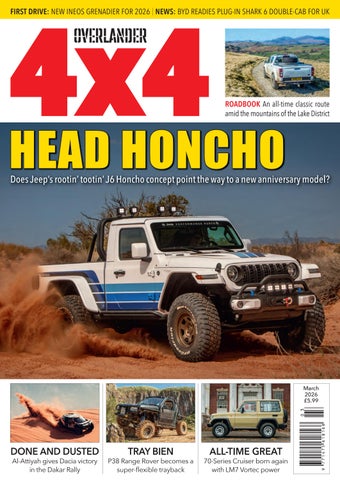
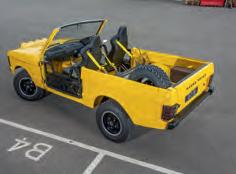
Does Jeep’s rootin’ tootin’ J6 Honcho concept point the way to a new anniversary model?













































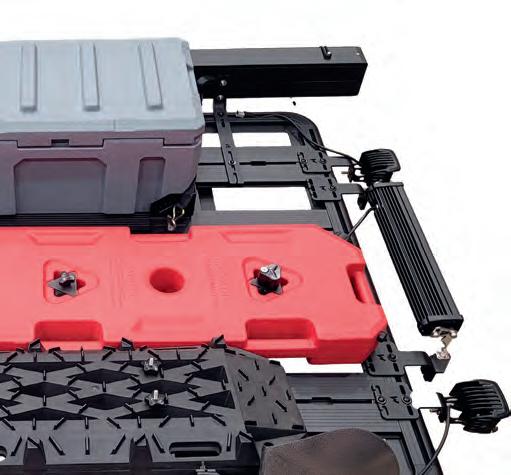
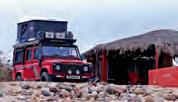
GET EXPEDITION READY WITH OUR CUSTOMISABLE ROOF RACK.
1. SELECT ROOF RACK
2. SELECT MOUNTING KITS
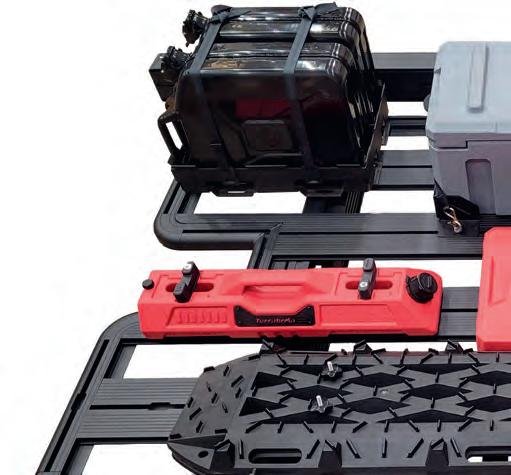
Terrafirma’s aluminium roof rack is the perfect platform for all your camping and expedition equipment. Its sturdy black powder coated extruded slats and rails all include 10mm T slots to enable a wide range of equipment and accessories to be securely attached.
TF8005 Defender 90 1.8m (L) x 1.25m (W)
TF8006 Defender 110 2.0m (L) x 1.25m (W)
With an extensive selection of mounting kits to choose from, you can customise your roof rack to your individual requirements.
TF8007 Jerry Can Holder Single
TF8008 Jerry Can Holder Double
TF8009 Mounted Awning Brackets Pair
TF8012 Mounted Spotlight Brackets Set of 4
TF8014 Storage Box Mounts Set of 4
TF8015 HiLift & Spade Mounts Set of 4
TF8016 Sand Track Mounts Set of 4
TF8017 Roof Rack Access Ladder
3. SELECT ACCESSORIES
With an extensive selection of mounting kits to choose from, you can customise your roof rack to your individual requirements.
TF900 Storage Box
TF1708 Hard Case Awning
TF716 Spotlight
TF712 Lightbar
TF1726 Expedition Shovel
GHL4 Hi-Lift Jack
TF999 Recovery Boards
TF1750R 3.8L Terra Can with single triangle lock type mounts
TF1751R 7.6L Terra Can with single triangle lock type mounts
TF1752R 19L Terra Can with double mounts (one triangle lock, one triangle screw)
TF1753R 6.5L Terra Can with double mounts (one bar lock, one bar screw)
BUILD A ROOF RACK THAT MEETS YOUR EXPEDITION REQUIREMENTS IN 3 EASY STEPS

> Roof Racks & Accessories
> Underbody Protection
> Recovery Equipment
> Raised Air Intake
> Rock Sliders


Tel: 01283 742969
Email: admin@pistonpublications.co.uk
Web: www.totaloffroad.co.uk www.4x4i.com
Online Shop: www.toronline.co.uk
Facebook: www.facebook.com/totaloffroad www.facebook.com/4x4Mag
Editor Alan Kidd
Design Ian Denby-Jones
Contributors
Mike Trott, Gary Martin, Olly Sack, Dan Fenn, Gary Noskill, Paul Looe, Mark Fraser, Kenny Tucker, Tom Alderney, Kaziyoshi Sasazaki
Photographers
Richard Hair, Vic Peel, Harry Hamm
Advertising Sales
Colin Ashworth
Tel: 01283 742969 colin.ashworth@assignment-media.co.uk
Subscriptions Agency
WW Magazines, 151 Station Street, Burton on Trent, DE14 1BG Tel: 01283 742970
Publisher Alan Kidd
Email: editorial@pistonpublications.co.uk
To subscribe to 4x4, or renew a subscription, call 01283 742970. Prices for 12 issues: UK £42 (24 issues £76); Europe Airmail/ROW Surface £54; ROW Airmail £78
Distributed by Marketforce; www.marketforce.co.uk
Every effort is made to ensure the contents of 4x4 are accurate, but Piston Publications accepts no responsibility for errors or omissions nor the consequences of actions made as a result of these. When responding to any advert in 4x4, you should make appropriate enquiries before sending money or entering into a contract. The publishers take reasonable care to ensure advertisers’ probity, but will not be liable for loss or damage incurred from responding to adverts
Where a photo credit includes the note ‘CC BY 2.0’ or similar, the image is made available under that Creative Commons licence: details at www.creativecommons.org
Overlander 4x4 is published by Piston Publications Ltd, PO Box 8830, Burton on Trent DE14 9QW © Piston Publications Ltd, 2026
overlander4x4.co.uk






Pay quarterly by direct debit and you can get Britain’s only all-marques 4x4 magazine delivered to your door – for less than half the price on the front cover!
4 News
BYD gets ready to hit the UK double-cab market with the plug-in hybrid Shark 6, Kia adds yet another electric SUV to its range and Volkswagen’s hot looking and high-tech new T-Roc goes on sale
8 Motorsport
Sick and tired of hearing about what Land Rover did in the Dakar? Here’s the story of how Dacia’s Nasser Al-Attiyah won it overall
12 Rights of Way
How green laning is a key to the countryside for people with limited mobility – and in turn a beacon for better mental health
14 Products
Eezi-Awn’s latest new roof tent arrives at ABP, and the wait is over at last for BFGoodrich’s hotly anticipated new KO3 All-Terrain
Month
52 Subscribe
Get Overlander 4x4 delivered for a fraction of the cover price
64 Next Month
Performance SUVs can be surprisingly good at taking you off the beaten track
18 Ineos Grenadier
The biggest set of updates since launch makes the latter-day hardcore off-roader a little more civilised but still as capable as ever
24 Trayback Range Rover
People said you couldn’t modify the P38, it was too complicated – but here’s the proof that those live axles really do mean business
32 Head Honchos
Jeep’s High-Top and J6 Honcho concepts hark back to the mid-70s – and could provide a clue to a throwback special edition to come
38 Chevy Cruiser
A standard looking 70-Series Land Cruiser hides a legendary V8 engine beneath its bonnet
44 Lakeland by G
A hundred grand’s worth of Mercedes G-Class hits the green lanes of the southern Lake District
54 ROADBOOK The Lake District
After a taster on the preceding pages, one of the most scenic laning routes we’ve ever featured
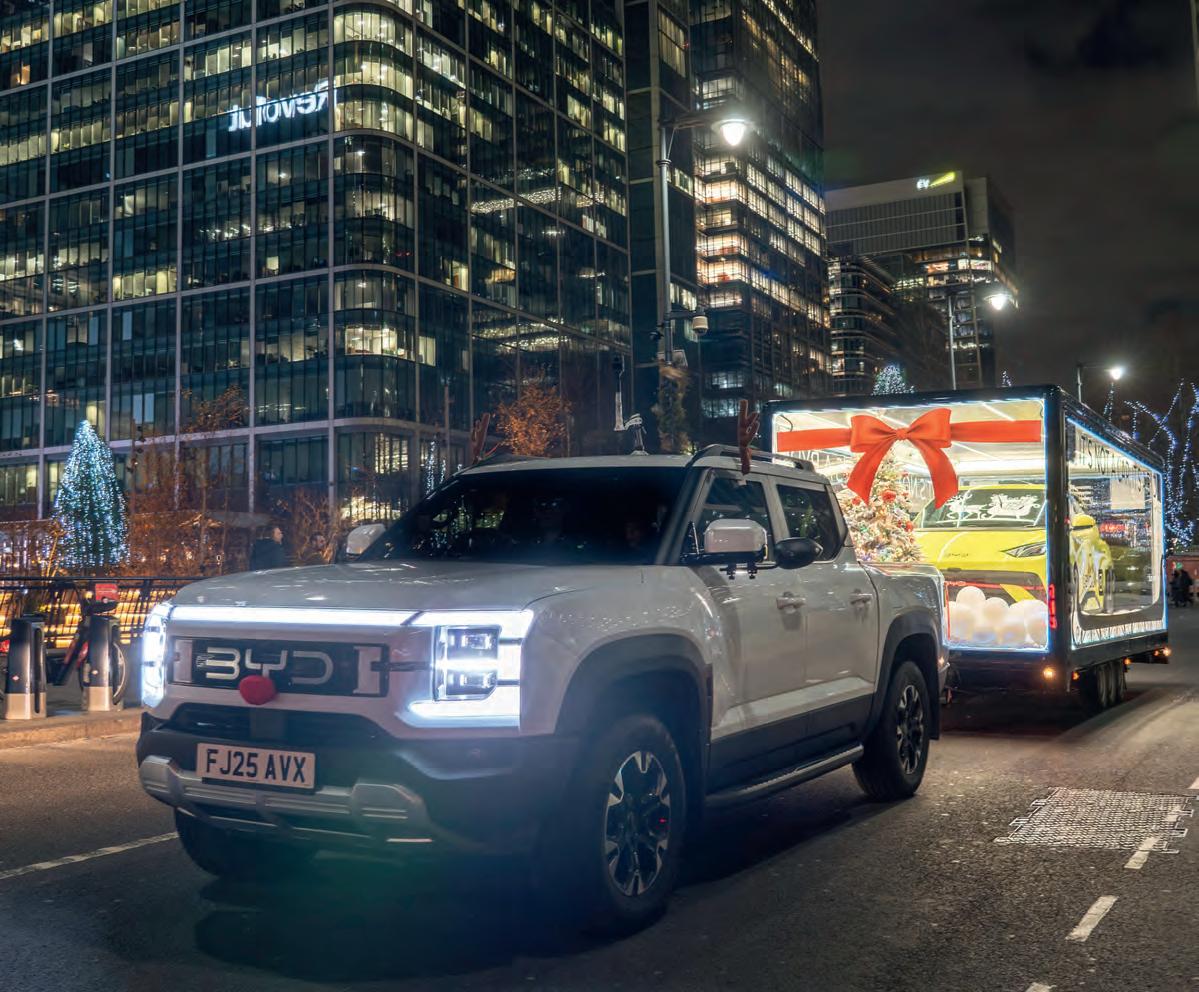

The resurgent double-cab market is set to grow yet further in the near future, as BYD readies the Shark 6 DMO for the UK. The Chinese company, whose SUVs have become a familiar sight over the last two or three years, first launched the vehicle in Mexico during 2024 and will bring it here in plug-in hybrid form, featuring what it calls a Dual Mode Off-Road powertrain.
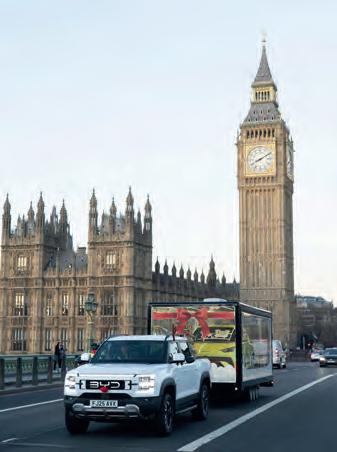
While no official announcement has been made about a UK launch, officials from BYD’s British arm confirmed it in an interview with Auto Express last autumn. And shortly before Christmas, the company made its intentions clear with a charity event in which a UK-registered Shark towed a display trailer containing its stablemate, a Dolphin Surf, to various locations in London and Manchester.

Towing and carrying weights for UKplated examples are yet to be disclosed, however examples sold in other markets currently quote a payload of 790kg and a braked trailer limit of 2500kg.
The Shark’s hybrid system develops up to 430bhp and 480lbf.ft, so it certainly doesn’t lack the effort required to haul weights more becoming of a pick-up. Whether this matters to BYD and its target audience depends largely on whether it positions the truck as a commercial vehicle or a lifestyle machine. The new tax regime may make its sub-1000kg payload figure less of a disaster than it would otherwise have been, though for anyone seeking to use it for serious work the towing limit would likely be a deal-breaker.
With electric power starting to creep into the pick-up market, the Shark will join
the Ford Ranger in offering a plug-in hybrid option. A lifeline for company car users, possibly – though it’s unlikely to impress traditional pick-up fans for whom diesel remains the only option.
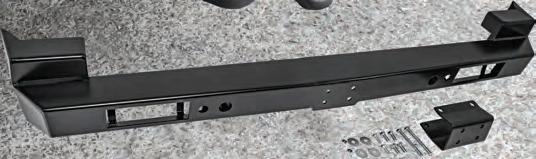
DA5647 | Heavy-Duty Rear Bumper Discovery 1 - 300Tdi - will also fit 200Tdi.
One piece heavy-duty rear bumper manufactured from 5mm steel with incorporated steel end caps
Finished in black
Provision for NATO/recovery point in centre of bumper
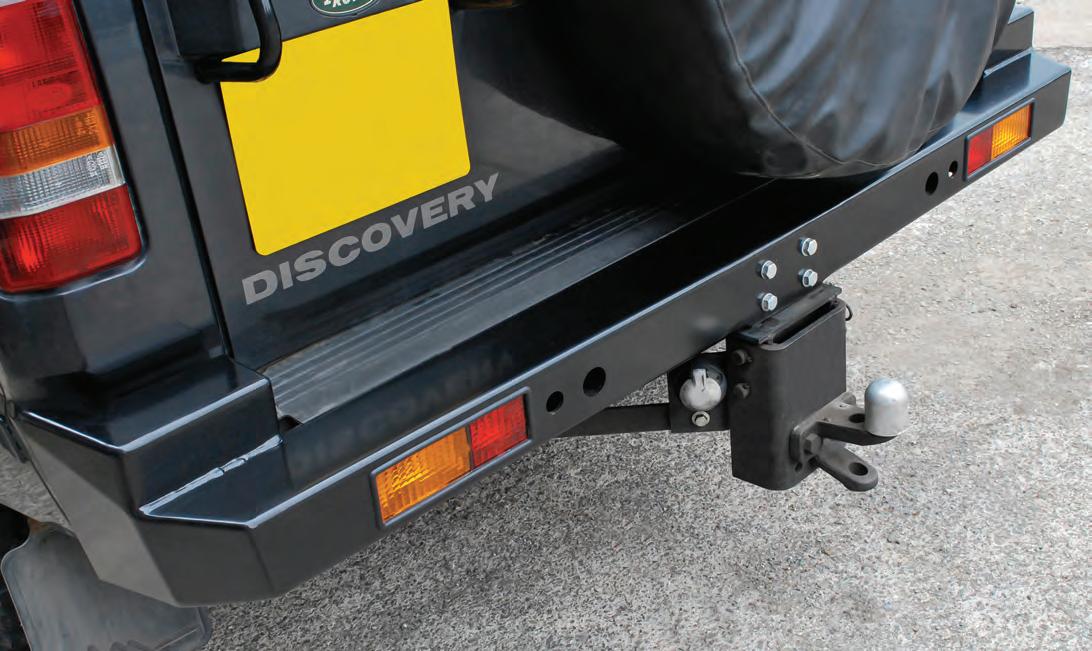
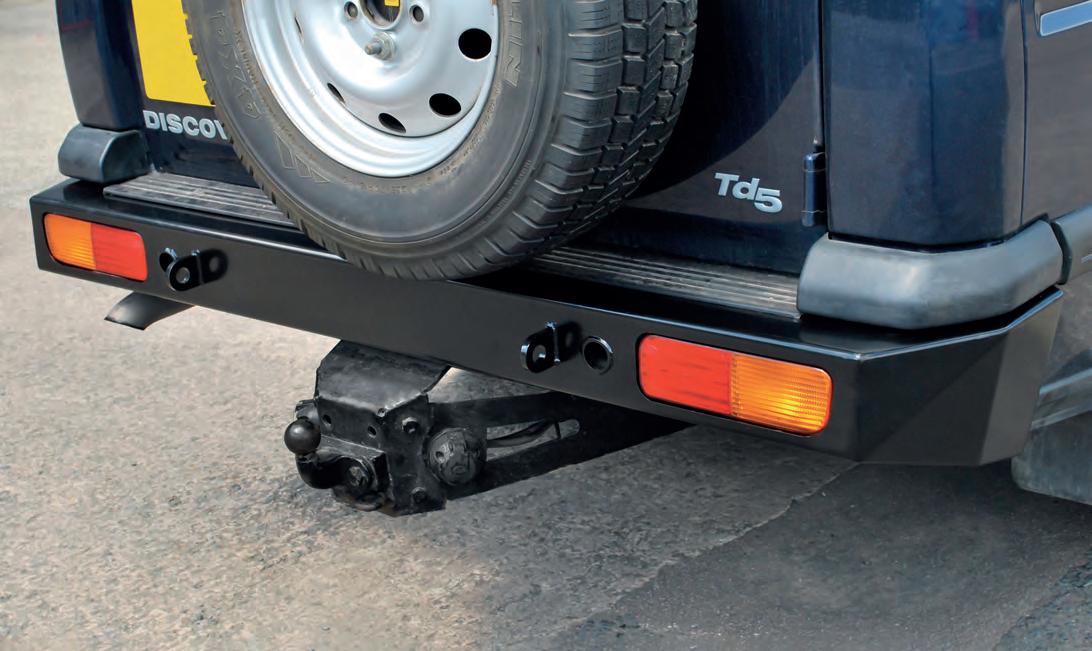
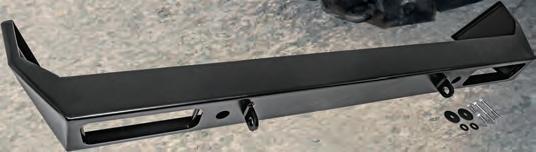
DA5646 | Heavy-Duty Rear Bumper Discovery 2
One piece heavy-duty rear bumper manufactured from 4mm steel with incorporated steel end caps, finished in black
2 Recovery points and 2 Hi-Lift jacking points included
Replacement fitting kit for heavy-duty bumper DA5646


Listen carefully, children. What’s the number that comes nest in this sequence: 6, 9, 3, 4, 5?
The answer is of course 2. Well, it is when you add the letters EV before each number to get the burgeoning range of pluh-in crossovers and SUVs from Kia.
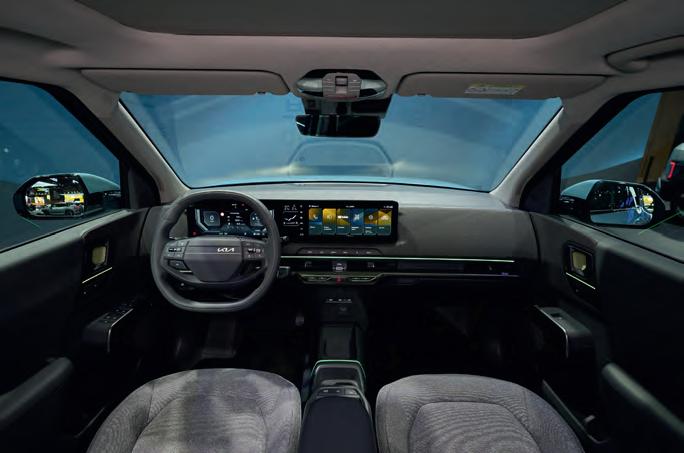
The EV2 joins its fellow models, giving Kia a small SUV to below the excellent EV3. Promising advanced infotainment and the latest in safety and connectivity tech, the vehicle will be available with a choice of 42.2 and 61kWh batteries; provisional figures point to ranges of 197 and 278 miles respectively, with rapid charging times in the region of 30 minutes.
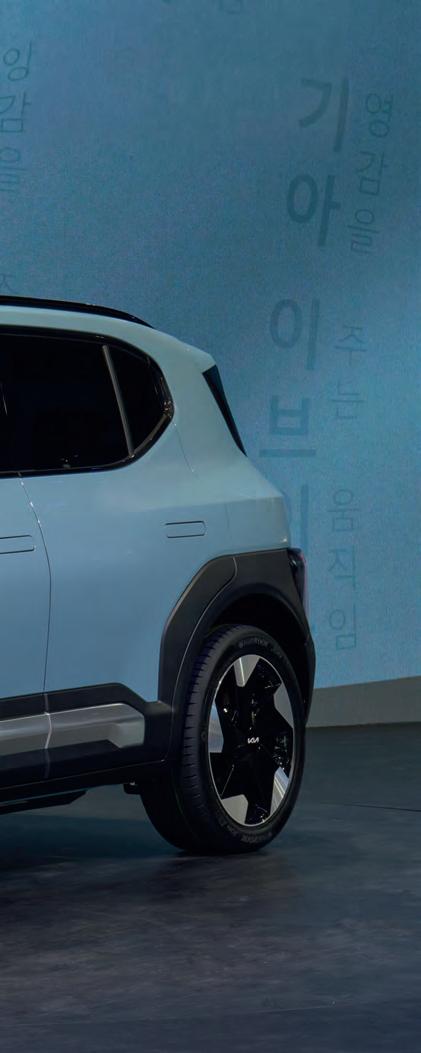
Built in Slovakia and designed for Europe, the EV2 features Kia’s latest three-way wraparound screen with distinct media, climate and dash displays. It also has a new sliding and reclining rear seat design, allowing it to maximise legroom and cargo capacity alike.
Prices are yet to be confirmed, but Kia says the EV2 will be ‘the brand’s most accessible entry into its EV line-up.’ That means it’s likely to start just over £25,000 at launch and top out at around the £30,000 mark. Production is due to commence in February, with long-range and higher-spec GT-Line models following by summer.
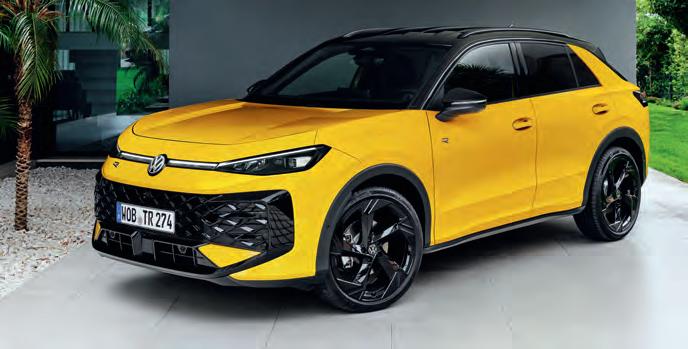
Volkswagen’s second-gen T-Roc is on sale now, priced from £31,620 on the road. Based on the same MQB evo platform as the existing Tiguan and Tayron, the new model gains hardware and software features from these bigger models, including autonomous driving functions for parking and motorway use.
At launch, the T-Roc is available with a 1.5-litre mild hybrid turbocharged petrol engine offering a choice of 116 and 150bhp outputs. We’ve driven the latter in the Tiguan and closely related Skoda Kodiaq and it’s a very smooth and extremely frugal unit – though you can expect fuel economy figures to get better yet when the range expands later this year with the addition of two full hybrid systems.
What you won’t get is all-wheel drive. The T-Roc is exclusively front-driven, with all power trains using a seven-speed DSG automatic gearbox.
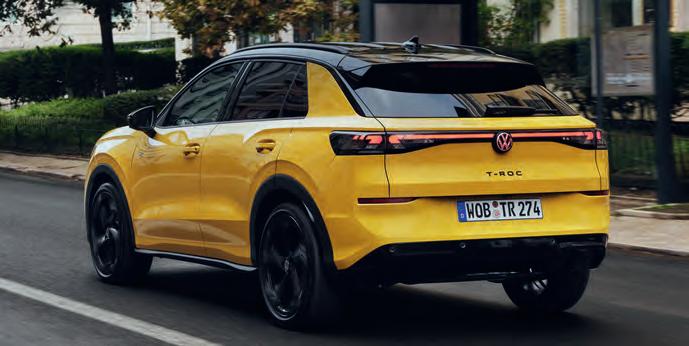
The T-Roc has always been an attention-grabber among Volkswagen’s SUV range, and this new model continues along those lines with a coupé-like rear profile, up to 20” alloys, bold LED lighting and a range of in-your-face colours. Canary Yellow continues to feature, and that’s always a sign of a car that wants to be seen. Inside, meanwhile, new dash materials and lighting features combine with a 12.9” info screen to create what VW describes as ‘a lounge-like atmosphere.’ Premium features, depending on trim, include head-up display and massage seats.
In addition to the standard kit, the new range includes a variety of option packages ‘tailored to customer preferences.’ The launch line-up has a range of three models called Life, Style and R-Line, with screen prices topping out at £38,920.











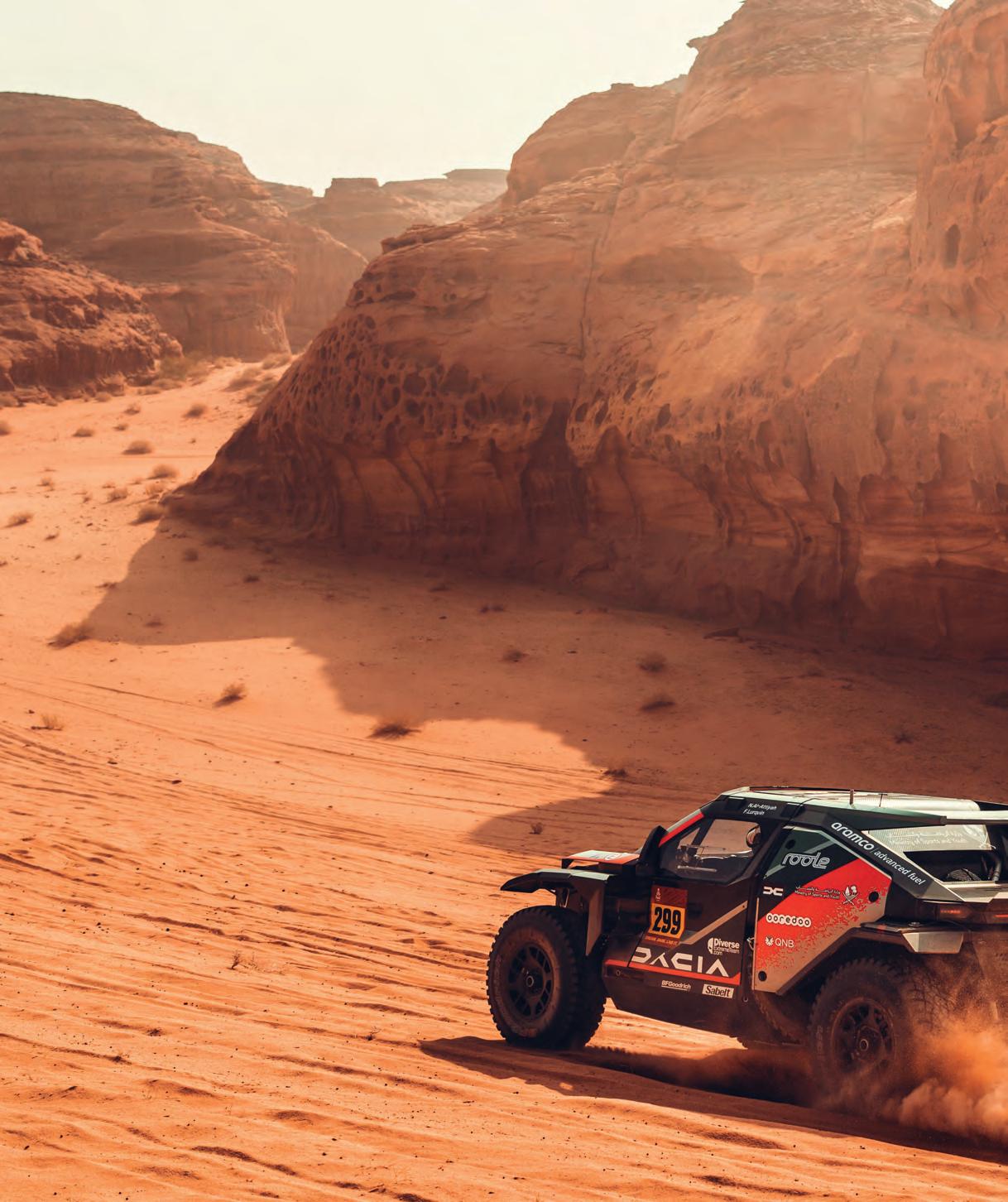













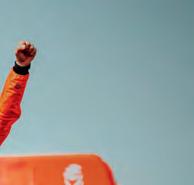



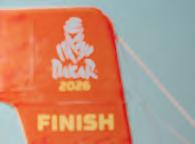



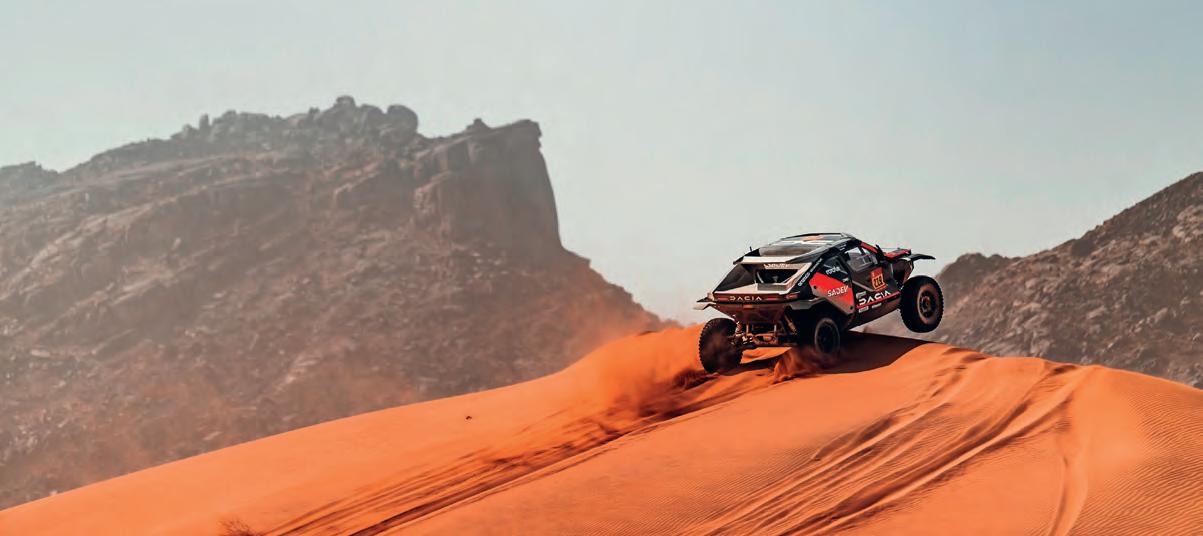
Nasser Al-Attiyah won his sixth overall victory in the 2026 Dakar Rally, leading the way as the Dacia Sandriders team took four of the top eleven places in the legendary desert event. Navigated by Belgium’s Fabian Lurquin, the Qatari driver won by 9’ 42” ahead of second-placed Nani Roma’s Ford Raptor.

Ford also took third, with Sweden’s Mattias Ekström completing a podium laden with Dakar experience. However it was Dacia whose star shone brightest after two weeks in the dunes and mountains of Saudi Arabia, with Sébastien Loeb hot on Ekström’s heels in fourth, defending world champion Lucas Moraes seventh and Cristina Guttierez eleventh.





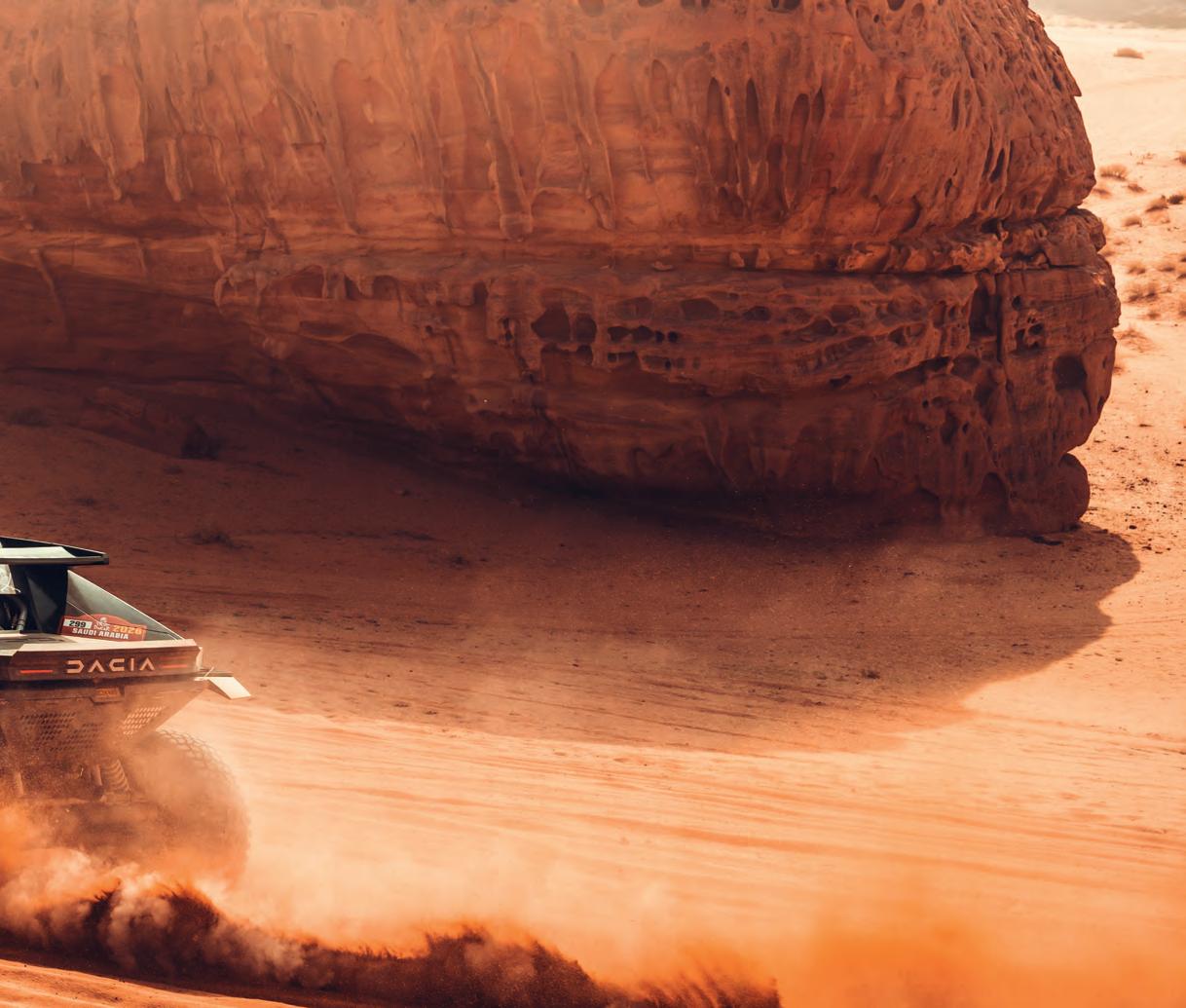
Thus the full complement of Dacias all finished the event, in what was only the team’s second participation in the Dakar. Their success illustrated the importance of consistent driving and mechanical reliability, too – they picked up only two stage victories throughout the fortnightlong rally, both achieved by Al-Attiyah, but what matters most is to be on the pace day after day and in this, the Sandriders team excelled. Following the usual ups and downs in the running order in the first few days of competition, all four crews settled into a rhythm that saw them maintain their places with little in the way of variation as the second half of the really ran its course.





There was nonetheless a wobble for Al-Attiyah on Stage 9, when both Roma and Ford team-mate Carlos Sainz managed to sneak past him and take the top two places. Perhaps the stage suited the Raptors’ 5.0-litre V8 engines, but Roma’s lead over Al-Attiyah was only 70 seconds – and the following afternoon, when the teams arrived in Bisha at the end of a 368km marathon special stage, the Qatari had not just regained the lead, he had stretched it to 12 minutes.
After that, Dacia’s lead driver was never likely to surrender his lead, and so it proved until the final stage in Yanbu –where Al-Attiyah and Lurquin nursed their car around the short out-and-back route


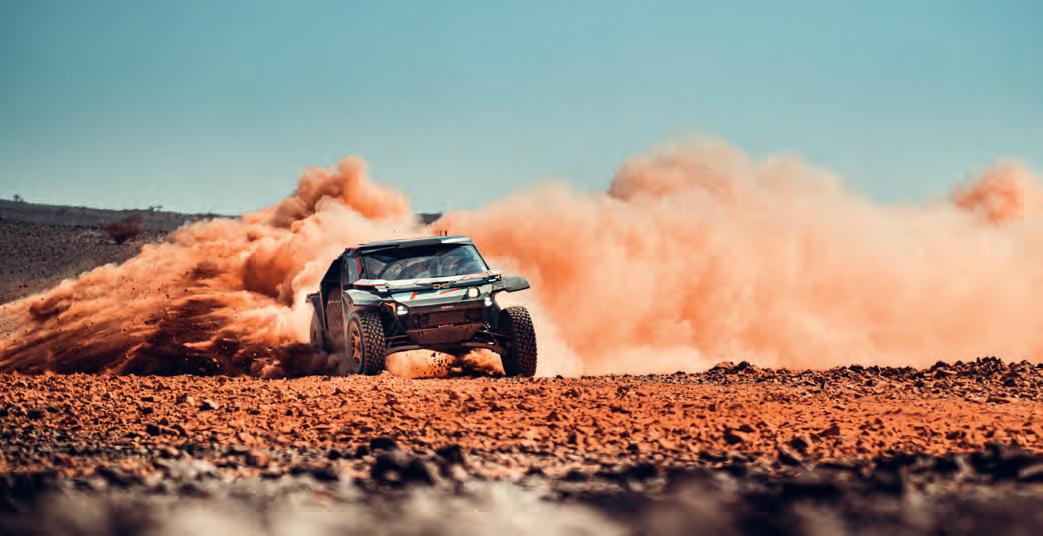
to finish a distant 36th on the day – but a dominant 1st overall.
‘To win this Dakar with our team, The Dacia Sandriders, is amazing,’ said AlAttiyah. ‘Really, I am so happy to win the Dakar six times in my career. Thanks to Fabian, I was so pleased to help him also, because he deserved to win the Dakar for the first time.
‘The last stage was really very tricky because there are a lot of things in the mind. But we did a good job, we took it easy, let two cars pass and followed all the way. I feel really great.’
Designed using the extensive in-house motorsport knowledge both of Dacia’s Renault Group partners and of worldclass specialist partner Prodrive, the Sandrider itself is a tubular spaceframe special whose 3.0-litre V6 petrol engine sends 360bhp and 397lbf.ft to all four wheels via a 6-speed sequential box. All-round independent double-wishbone suspension gives just under 14” of travel at each corner, while 37” tyres and a 118” wheelbase provide stability at speed as well as the capacity to deal with extremely rough terrain.
‘We win the Dakar after the first full season of competing, so it’s a wonderful result,’ commented Team Principal Tiphanie Isnard. ‘Congratulations to everyone who made this incredible victory possible, especially to Nasser and Fabian who performed so well from start to finish. The perfect performance.
‘This victory was the result of outstanding teamwork and commitment for which I am so very proud. To have all our four cars finishing inside the top eleven is really impressive and testament to the efforts of our brilliant team.’




• Escape Gear
• ...and many more!

• Aluminium canopies
• Roof tents and roof racks



• Off-road fridges and 12v gear
• Drawer systems and slides









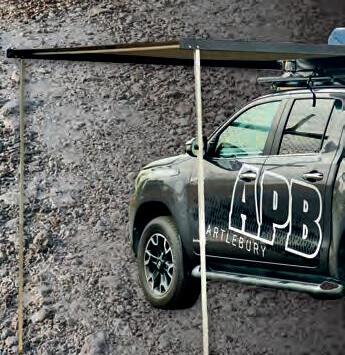


• Bumpers, side steps and vehicle protection
• Campsite essentials, tables and chairs


































IT HAS LONG BEEN UNDERSTOOD THAT 4X4 ACCESS TO THE COUNTRYSIDE, via what’s left of the green lane network, can be a lifeline for people with limited mobility. And as if to remind us of just how valuable the lanes are, Lancaster Insurance has shared the story of a couple for whom the hobby has allowed them to regain their positivity in the face of chronic health issues.
An official insurance partner of the Green Lane Association, Lancaster introduces Colin, 52, and Tamara, 36, both from Northamptonshire, who became a couple some 15 years ago. Back then, they were avid walkers – but both went on to suffer physical problems that put a stop to their old pastime. Tamara suffered a slipped disc in 2014 and was later diagnosed with osteoarthritis and permanent nerve damage. She also has recently undergone spinal fusion surgery. Colin, meanwhile, who lives with
fibromyalgia, experiences widespread pain and extreme fatigue.
It could have been a permanent retreat from the outdoors for the couple. But instead their challenges led to a new beginning – thanks to the discovery of green laning. Being able to access the great outdoors on four wheels has allowed them to manage the frustrations of their conditions, meet new people and get back out into the countryside once more.
‘At first, I couldn’t see much happiness in my future,’ explains Tamara. ‘Whenever I tried to look ahead, all I could see was that I was limited because of my physical health. All I focused on were the negatives.
‘Having something to look forward to is important for your mental health and wellbeing. So, being able to say, “Sunday looks nice, we’ll go out and check out a couple of green lanes and take a little picnic along” makes such a difference to your week.’
Being based in Northamptonshire could limit the couple’s laning to just the summer months, as the county is (in) famous for its widespread use of winter TROs. But Colin and Tamara regularly head further afield, too, to explore the lanes of Wales and Derbyshire.
In addition, Colin has volunteered as the Green Lane Association’s Northamptonshire Rep. In this role, he helps to keep lanes open, welcomes new members and liaises with the local authority, police and other stakeholders.
‘I make the most of the summer evenings and take members out, and some of them have commented that they didn’t know the lanes were there,’ says Colin. ‘It’s so rewarding to help people find things they didn’t know were there and discover the countryside.’
Summarising the couple’s love of their new passion, Tamara comments: ‘Green laning has given me something to look


forward to enjoying again. I’ve been able to get back into nature, which is where I tend to be happiest.
‘We’ve made some good friends. It gives me peace and relaxation and has done wonders for my mental health.’
The couple’s story is a testament to the immense value of the rights of way hierarchy – and the vital work the Green Lane Association does in preserving England and Wales’ historic network of green lanes and making the countryside accessible to everyone that uses it.
As we all know, green lanes are under constant threat of closure. Their management is a delicate balancing act, and one to which the Green Lane Association brings a huge amount of skill and experience as a stakeholder, however there is also constant pressure by malignant self-interest groups whose aim is to see the countryside purged of all motor vehicles and those who use them – people just like Colin and Tamara, though the anti-freedom movement is only too happy to perpetuate a dishonest and inaccurate narrative of green laners being little more than vandals and thugs.
Lancaster Insurance hopes that with its continued support of the Green Lane Association, stories like Colin and Tamara’s will becoming more widely recognised as the truth of what green laning is really like. Together, the organisations champion responsible access to the lanes, ensuring







that they can be enjoyed by current and future generations.
Lancaster’s Yvonne Gosney comments: ‘We’re proud to partner with the Green Lane Association and raise awareness of the important work they do. Colin and Tamara’s story shows just some of the benefits that exploring the great outdoors can have, and the joys that green laning can bring to everyone.’
Tristan Craddock, director of the Green Lane Association, adds: ‘Colin and Tamara’s story illustrates the many mental and physical health benefits that green laning brings to people of all ages. We’ve done a lot of work in recent years to help those with mobility and health issues to access our network of byways and unclassified roads and we believe that these historic roads are a wonderful resource to enable truly inclusive access to the countryside.’
Reflecting on his and Tamara’s journey, Colin reflects: ‘Rather than being stuck at home watching television all the time, green laning has brought the outdoors back to us.’ Every time a lane is closed, another nail is hammered into the coffin of countryside access for people with mobility issues – a stark reminder of just how greedy the anti-vehicle faction really is, and of how important it is that we have the Green Lane Association standing up for a freedom that’s even more precious than most of us know.














IF YOU’RE A GREEN LANE USER WHO’S EVER BEEN OUT AND ABOUT IN THE AREA JUST SOUTH OF SWINDON, you might be in a position to help save Gypsy Lane. This is a byway running west from the A346 to its conclusion at a junction with a minor road close to Barbury Castle.
The problem with the lane is that long ago, it became established following the wrong line on the ground. This can occur for many different reasons and often enough it happens without any issue, however in this case the ground is also home to two scheduled ancient monuments. Advice from English Heritage was, needless to say, that the lane must immediately be closed to all motor vehicles, however it remains free of any official closure.
It is, however, also free of vehicles, thanks to various DIY blockages put in place by landowners – principally at the road junction at its western end. As a result, many parts of the lane have become heavily overgrown. To make matters worse, confusion over the correct access point has led to some users taking the wrong route in error.



Wiltshire Council says that it is ‘working in partnership with English Heritage, Swindon Borough Council and local landowners to restore the byway on the official route,’ and that until this is done all traffic must use an alternative byway to the north – a section of the Old Ridgeway which, surprise surprise, had become increasingly pot-holed over the last few years.
The Green Lane Association has been part of the discussion for some time –hence the need for user evidence, which is required by a deadline of 16 January.
So, time to scour the memory banks. If you’ve used Gypsy Lane in the past (and it would be well in the past – we tried and failed back in 2003 and it was already in a state by then), your evidence could help swing the balance in favour of a positive outcome. You can get in touch by emailing Wiltshire rep John Lippiatt at wiltshire. rep@glass-uk.org.
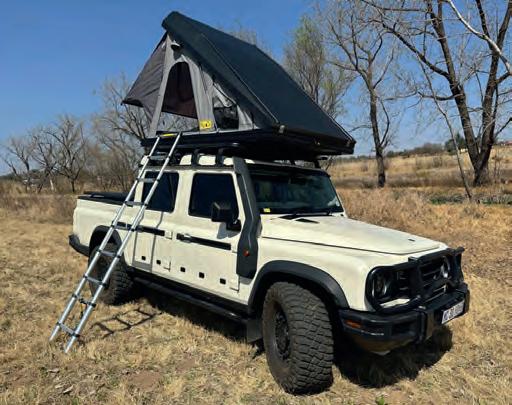
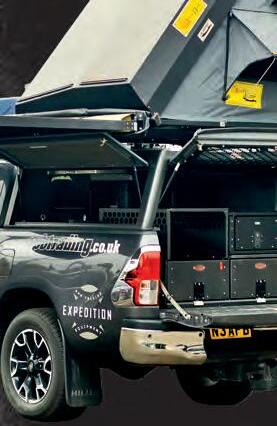
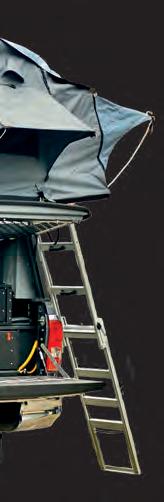
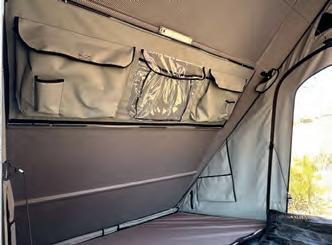
The latest Eezi-Awn roof tent to come to the UK is the Xplor, a hard clamshell design which promises to ‘push the boundaries of roof-top comfort and practicality.’ Designed and manufactured in South Africa, it’s brought to the UK by the company’s long-time importer APB Trading.
Weighing in at 82kg, the Xplor has fully insulated top and base aluminium shells and dual-layer 260gsm polycotton canvas, the latter being teflon coated for extra durability. Inside, its 80mm high-density foam mattress has a footprint of 2.2 x 1.38 metres, so there’s little danger of you not being able to stretch out on it.
Eezi-Awn has been in the expedition business for more than four decades and is well known for the quality of the kit it
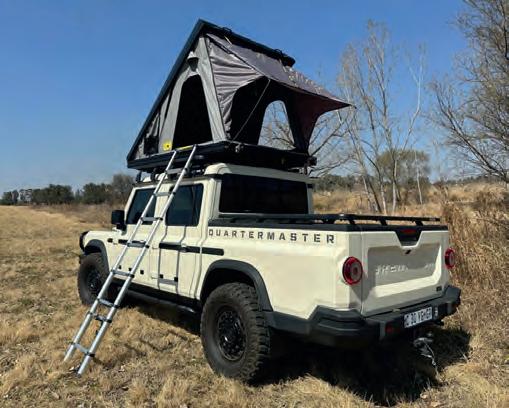
makes, and the Xplor has its trademark blend of rugged build and premium materials. It also comes with the company’s deep know-how built in, with smart access and ventilation features as well as a flat profile allowing its upper shell to be used for mounting load bars, solar panels and so on.
As is now normal with roof tents, you get built-in USB-A and USB-C ports, dual
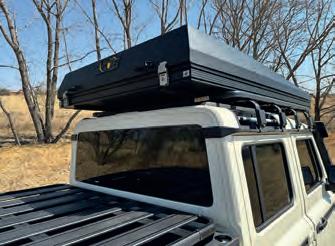
Anderson plugs for solar or external power input and LED interior lighting. The design also features large zippered windows with mosquito netting, and the exterior canopy can be rolled up for a clear view of the sky. Two different ladder options are available, and there are ventilation points which can provide air flow or be used with external heater pipes.
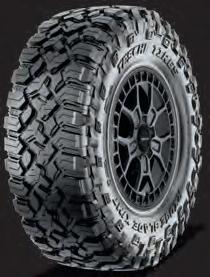
TESCHE IS A PRETTY NEW NAME in the tyre market, but you can always rely on Tyres Direct Online to find brands you’d never heard of before. This one’s a Chinese outfit whose name comes from ‘teen’ and ‘schedule’ – meaning ‘passionate’ and ‘unparalleled,’ apparently.
The company’s products include the Ridge Blade X/RT, X/T Pro and M/T. The names make every bit as much sense as you’d expect from someone who thinks the word ‘schedule’ means ‘unparalleled’ but there’s an all-terrain and a mud-terrain in there so that’s all good. The latter is what you see to the right; it has the deep tread grooves and sharp shoulders of a classic mud tyre, as well as promising efficient self-cleaning and rim protection. Its carcass and reinforced sidewalls are designed to be robust, hard-wearing and resistant to damage, and variable lug profiles along the edge of the tread are there to minimise noise.
The three different tyres are available from Tyres Direct Online in a variety of sizes to suit rims from 15-20”. Prices range from around £90-£140 per corner. You’ll find them at tyresdirectuk.co.uk
ca
| www.britpart.com
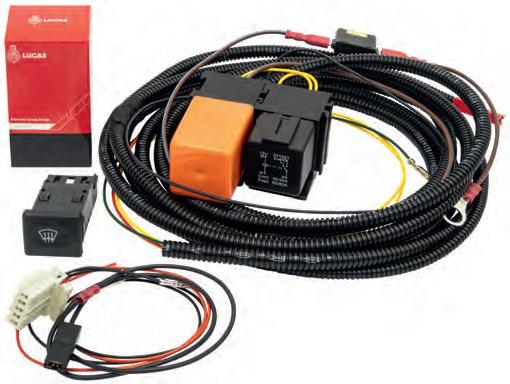
ONE OF THE MOST POPULAR UPGRADES YOU SEE on old-shape Defenders is the addition of a heated windscreen. It might do the same as a diesel-burning pre-heater but in the absence of such a thing, it means you can have a clear screen in the morning after a couple of minutes rather than the if-ever-at-all you get from relying on what comes out of the vehicle’s heater.
This is the season when that gets critical, so Britpart has timed it perfectly by ranging a Mobile Centre heated screen wiring kit. Supplied with a Lucas Classic OEM-style switch, this is suitable for use with the screen with two tabs or wires, one in each corner, as used in the Defender from 2002 onwards.
Requiring minimal connections (positive and negative power, ignition live and illumination live), the kit is rated to 20A and has an ‘on’ time of around 10 minutes. It has a 500mm power cable from the relay set to the battery, terminated with M8 rings, a 3000mm supply cable from the relay to the screen, terminated in an insulated female spade, and a 500mm screen earth cable terminated with a female spade and M8 ring.
ca £50 inc VAT | www.britpart.com
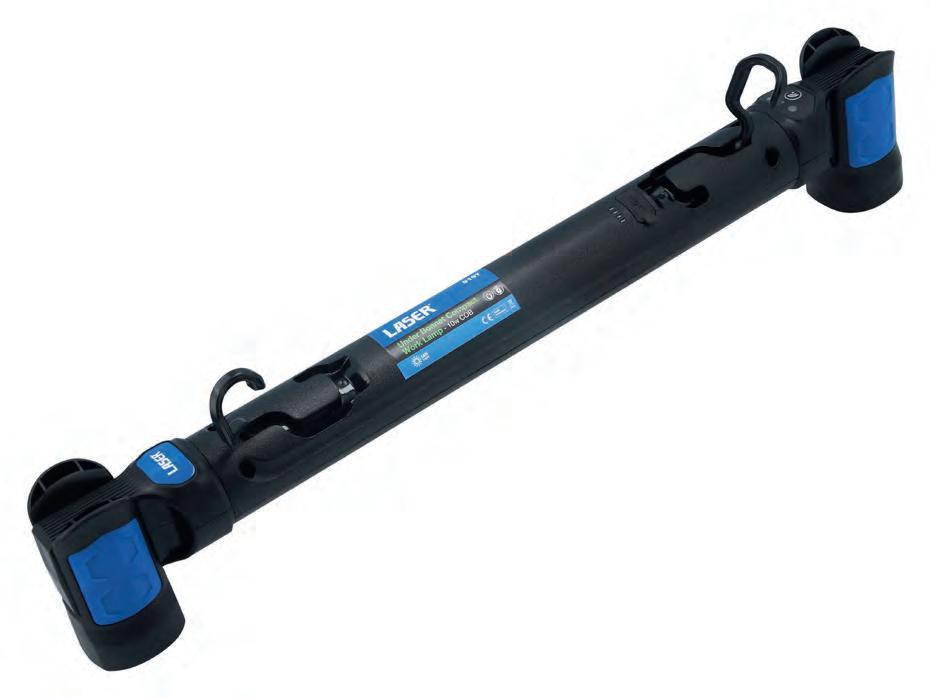
LASER TOOLS’ 10W UNDER BONNET COMPACT WORK LAMP has adjustable magnetic ends – and also includes a pair of hanging hooks, A work light to suit every 4x4



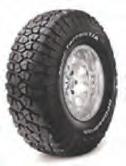
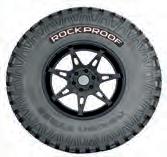

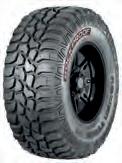

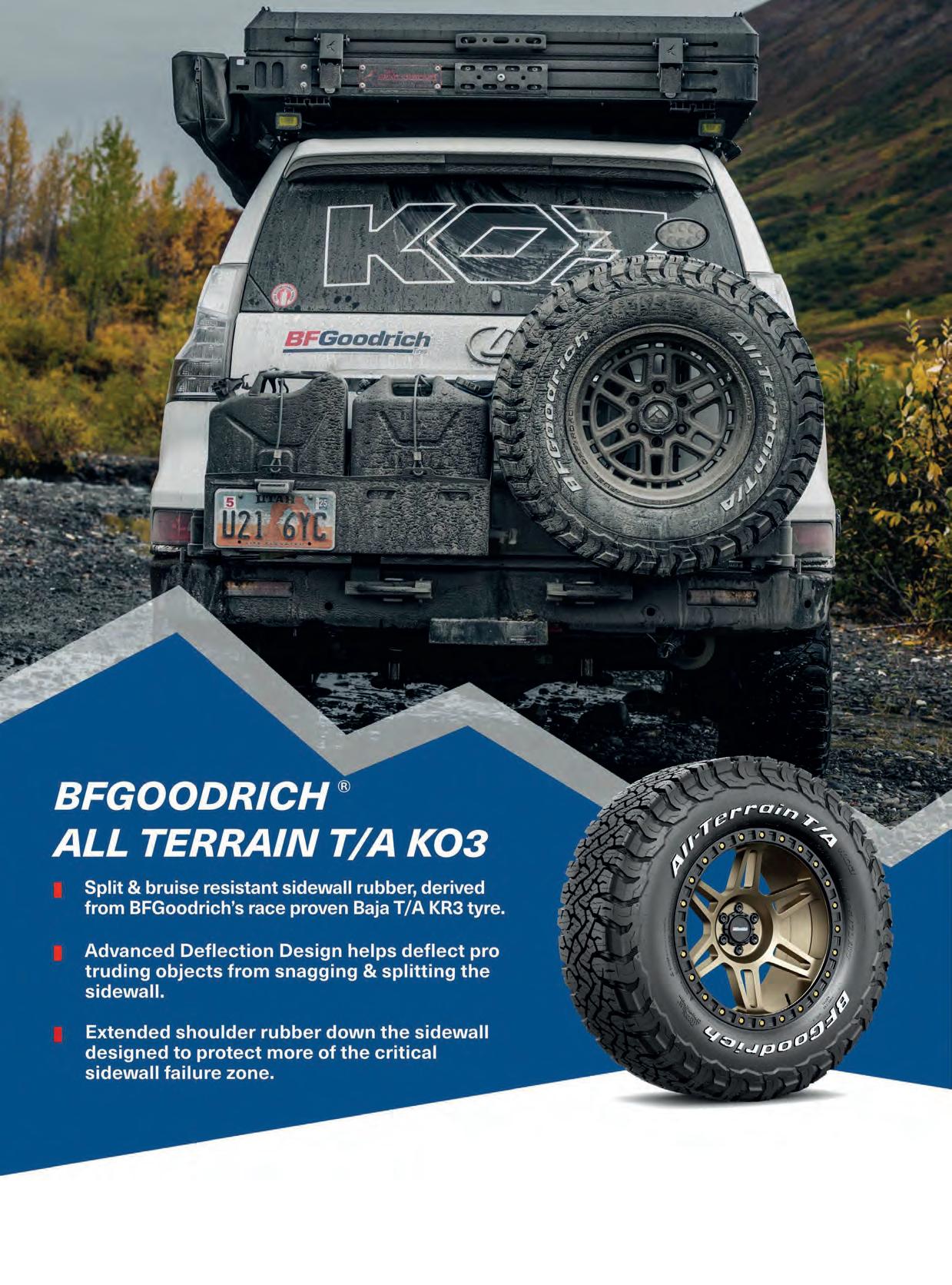
FOR A DECADE, THE BFGOODRICH® ALL-TERRAIN T/A KO2 SET THE BENCHMARK FOR DURABILITY, TRACTION AND RELIABILITY. Now, BFGoodrich is raising the bar once again with the launch of the new KO3 pattern – a tyre designed to meet the evolving demands for those who enjoy off-road adventures.
FOR A DECADE, THE BFGOODRICH® ALL-TERRAIN T/A KO2 SET THE BENCHMARK FOR DURABILITY, TRACTION, AND RELIABILITY. Now, BFGoodrich is raising the bar once again with the launch of the new KO3 pattern—a tyre designed to meet the evolving demands for those who enjoy off-road adventures
The KO2 has earned its reputation as a go-to choice for 4x4 owners, thanks to its robust construction and all-terrain versatility. The new KO3 pattern takes everything drivers love about the KO2 and enhances it with the latest advancements in tyre technology. The new tyre is built to overcome any challenges thanks to the CoreGard technology; offering increased sidewall toughness from split and bruise-resistant tread compound, derived from the BFGoodrich® race proven tyre.
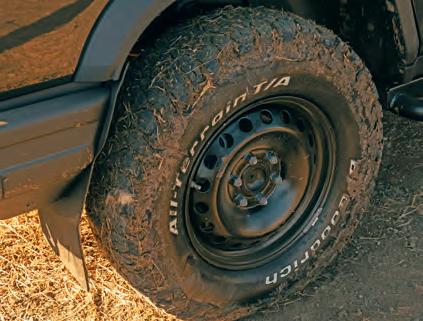
The KO2 is built for excellent mud and snow traction with 3PMSF (3 Peak Mountain Snowflake) certification.
• Advanced Tread Design: The KO3 features a re-engineered tread pattern that delivers superior grip and stability, especially on challenging surfaces.
• Stronger Sidewalls: Reinforced sidewall technology provides extra protection against punctures and abrasions, with an updated Serrated Shoulder design and Mud Phobic Bars, engineered to maximise handling on and off-road.
• Optimised Performance:
Whether you’re navigating wet roads or loose gravel, the KO3 is built to perform in all conditions, giving you confidence to go wherever your adventure takes you.
The KO3 will be introduced to the UK market in a carefully planned rollout over the next 12 months. New sizes will be released in stages, ensuring that drivers can find the perfect fit for their vehicles. As the KO3 range expands, it will gradually supersede the KO2, offering 4x4 enthusiasts the latest in all-terrain performance.
*Please note not all fitments will have Raised White Letters
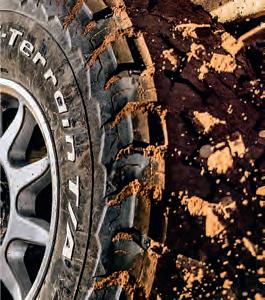


The arrival of the KO3 marks an exciting new chapter for drivers who demand the best from their tyres. With its blend of proven durability and cutting-edge innovation, the KO3 is set to become the new standard for off-road excellence.
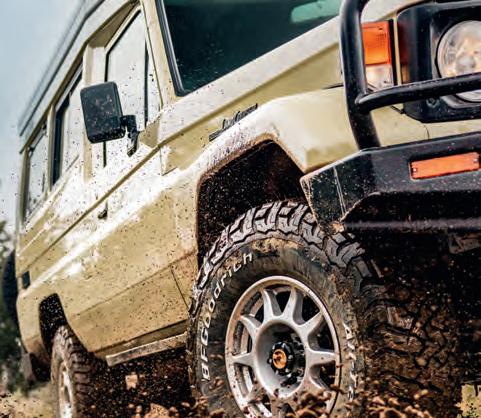
Words Graham Scott Pictures Ineos Automotive


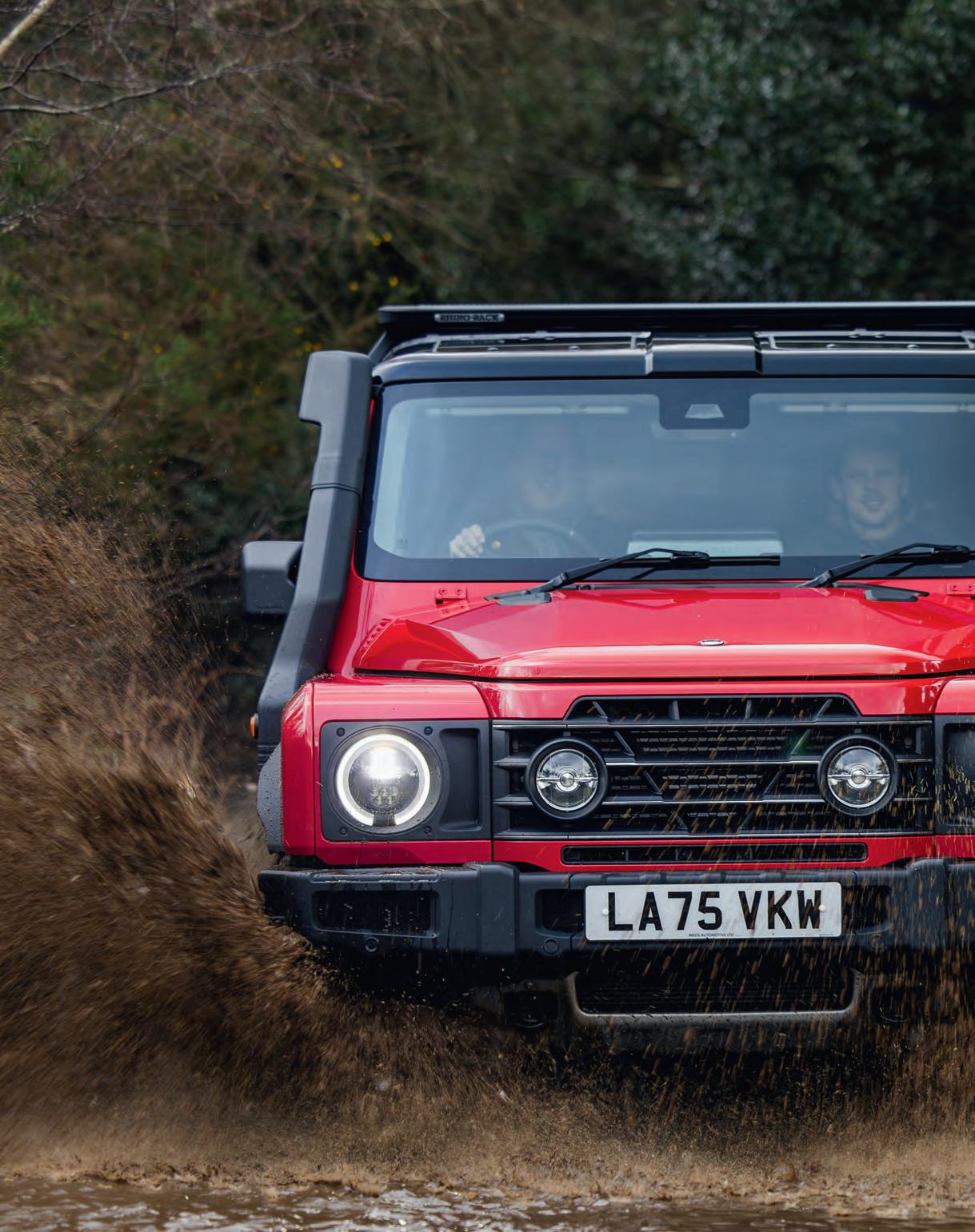
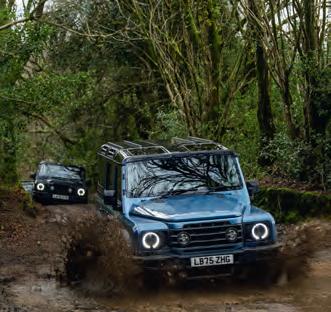
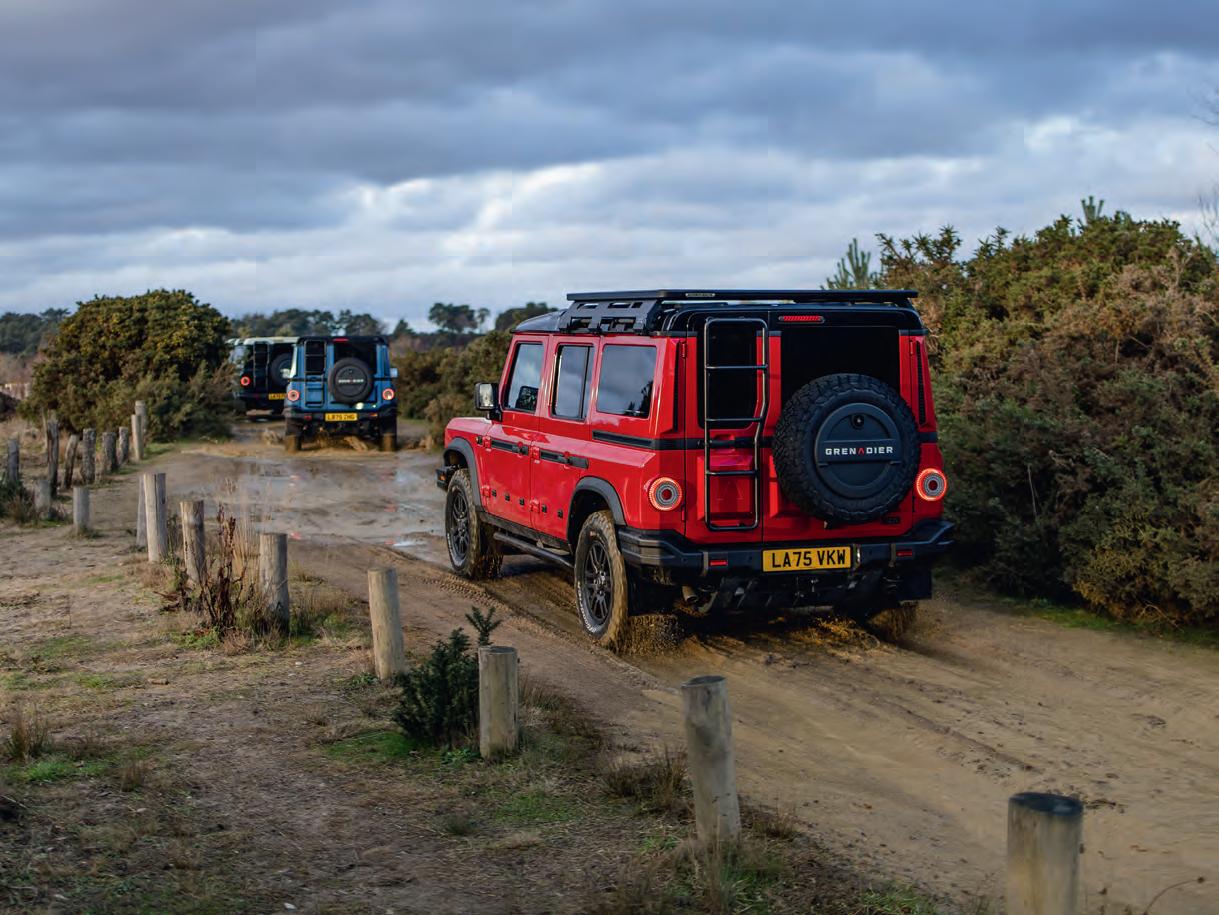
The high and mighty driving position and the abundance of glass was depressing. Because it had started to rain the night before and it hammered down all day. Amphibians would remember it as one of those magical days. Humans, not so much.
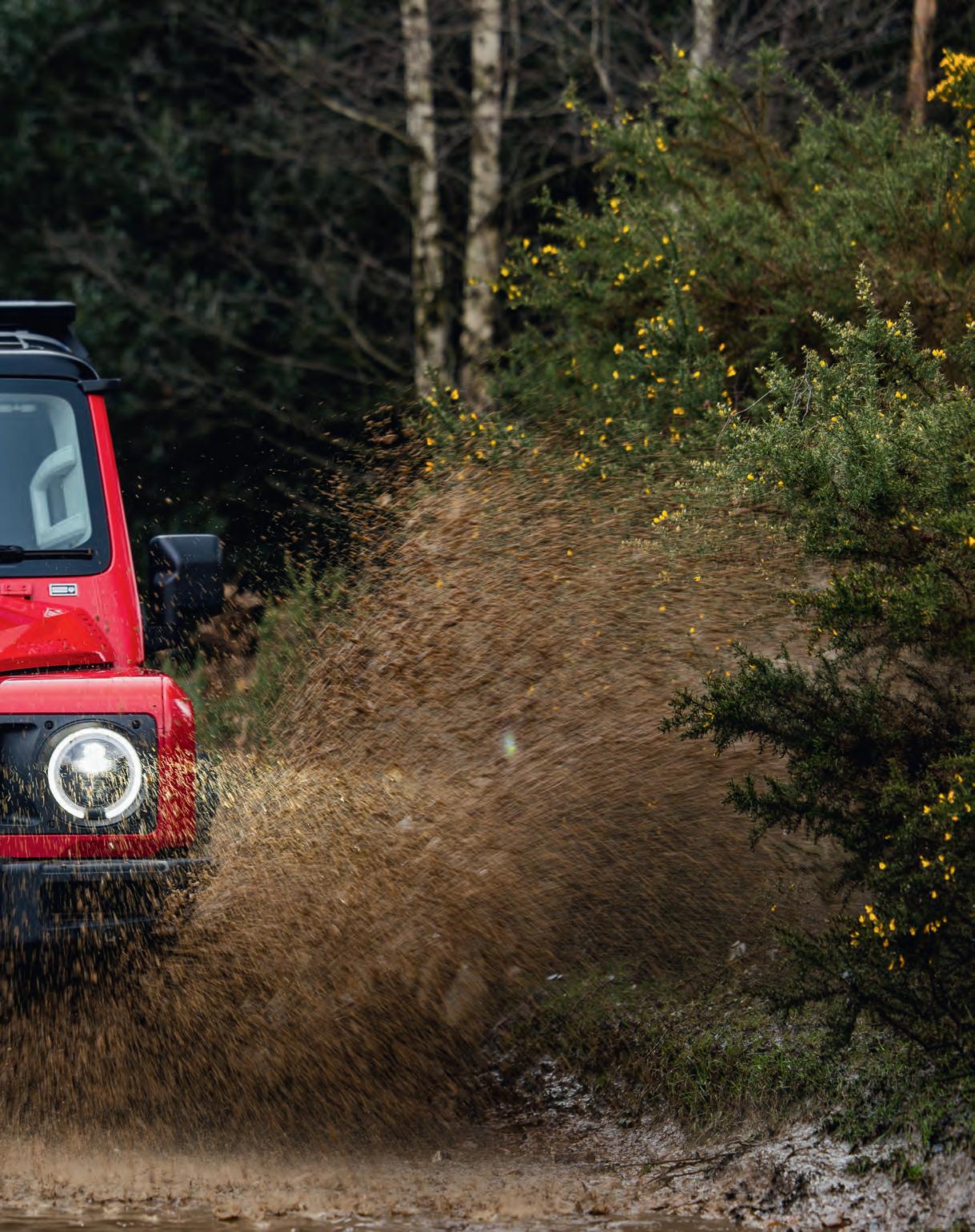
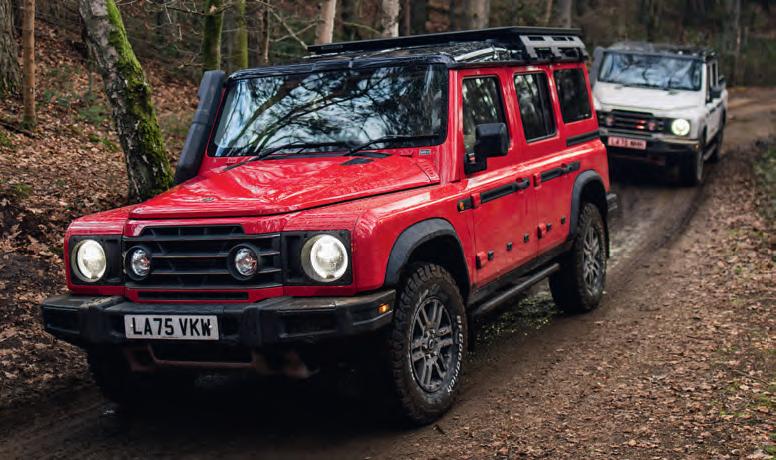
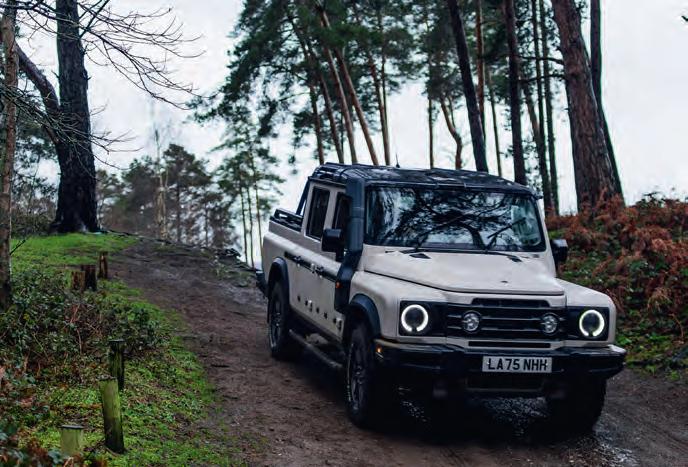
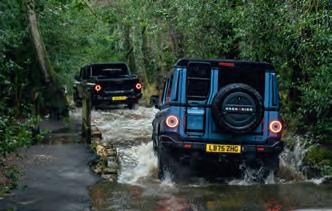
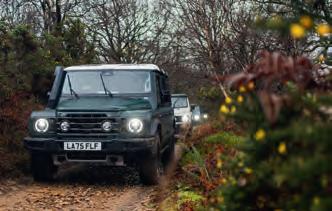
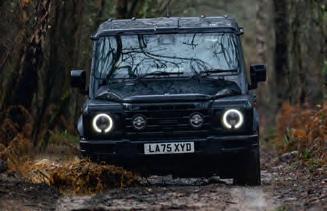
But it didn’t bother the freshly revsed Ineos Grenadier. Not much does. Before we get into the weeds, soaked though they are, let’s just take a moment to acknowledge that the Ineos Grenadier, whichever model, feels just so damn solid and resilient. When you’re deep into a forest and deep in the muddy water, and it’s still rattling down, that really is the sort of driving sensation you want.
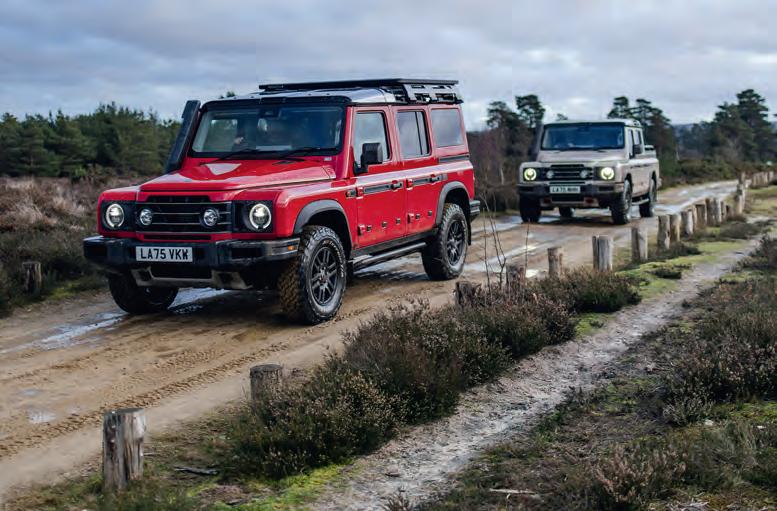
The 2026 model definitely keeps that feeling going. They’ve tweaked here and there, but fundamentally it’s still the same ladder-frame, solid-axle, coil-sprung 4x4 that feels like it would be just as comfortable in the Sahara or the tundra.
so that it would respond perfectly for off-roading. Turns out, at least in Grenadier form, that this wasn’t so great on the road. I well remember on a previous launch pulling out of a side road and zigzagging down the road as the steering wouldn’t self-centre but instead needed me flailing at the wheel like Captain Jack Sparrow after a bottle of rum.

But, for us, it was the cheerily named Devil’s Punchbowl in Surrey. With a jolly nice pub-restaurant for lunch. We’ll go to extreme lengths to bring you the latest reviews. You can thank us later.
What was one of the main complaints of the previous models? That Ineos had given us what we said we wanted – recirculating ball steering

Well, Ineos has gone down that well-worn road. The one where you build a 4x4 for off-road use and then spend subsequent time trying to soften it for on-road use because owners whinny about the trade-off.
It’s still a recirculating ball system but the gearing has changed depending where the wheels are pointing. It’s better, definitely, but it’s still not the best aspect of the vehicle. What makes it very good off-road is definitely a compromise on the road. Will they go further down that on-road? Wouldn’t be surprised. (The new Black Edition is definitely the urban Grenadier you’ll see in the City or Knightsbridge.)
One definite advantage here though is that the turning circle is now notably better. Before it was supertanker radius. Now it’s not exactly tugboat but it is medium yacht radius, improved to the point where you don’t really notice it any more.

What else is better? The air circulation system in the cabin. Before, that really wasn’t that great at all, now it simply works, again to the point where you don’t particularly notice it. On a day more suited to newts and water rats, the cabin and glass stayed remarkably clear of moisture.
Tyres. They’re good too. On a long section of tree roots, deep and long muddy puddles, and warnings to ‘keep left here because you’ll probably slide right’, the new rubber worked without any drama. The choices are BFG All-Terrain KO3s and Bridgestone Dueler AT 002s, and both coped with that difficult surface of soaking wet tree roots and mud.
Clearly Ineos had no concerns about the day or the route. With dual carriageways, A- and B-roads and decent sections of definite off-road trails, we were instructed
not to bother with any of that high or low ratio stuff, don’t bother with diff locks, just leave everything in high.
This was a sign of confidence in the Grenadier’s ability to just deal with it. And it did. The message was simply that all you had to do was get in and drive it, the levels of standard capability were higher than even that day could throw at us.
Personally I was very glad we were beyond those times back in the day when you’d have to hop out and manually lock the front hubs while crouched in the mud and slime, keeping a wary eye out for soaked and grumpy bears.
Back in the cabin you can enjoy the chunky dial array from centre console to ceiling, the grab handles and, yes, the actual
handbrake lever. How many 4x4 owners wish theirs had never been designed with an electronic parking brake? There really are a lot of practical elements in the Grenadier that tell you someone really thought about this, someone who wasn’t an over-excited designer looking for new and sparkly.
This extends to something Ineos and other industry people grumble about: the sheer volume of ‘safety’ legislation that so often intrudes into the driving experience. Again, Ineos has done its best to minimise
annoyances, so, for example, you can now easily turn off the speed warning, and the lane assist (which works via the braking system) is not nearly as intrusive as on some vehicles we’ve driven.
That common sense extends to the engines, which are the same BMW 3.0-litre straight-sixes, either in petrol or diesel flavour. Not perhaps the most economical or cheap powertrain for a practical off-roader, but we know this is a proven powerplant that works well – and for many
miles - with the eight-speed auto, which itself works well with the transfer case.
But you’d be lucky to see 20mpg from the petrol or maybe 27mpg from the diesel.
This isn’t a vehicle for a Welsh farmer who has to somehow make a living from sheep while selling to supermarkets. The Fieldmaster Grenadier we drove with the petrol engine had a load of extras on board – which reflects what a lot of owners do – but that was about £77,500, while the Quartermaster in Trialmaster spec and with
a diesel engine was spec’d up from about £70,000 to over £85,000. However, these are same price tags as the 2025 model.
New headlights, nets on the back of the front seats – there are lots of tweaks and they all seem to be improvements as the model range broadens and matures. I guess you’d get used to the steering, which remains the only obvious irritation, even if it is now definitely less so. Otherwise, yeah, big thumbs up. Or whatever gesture water rats make.

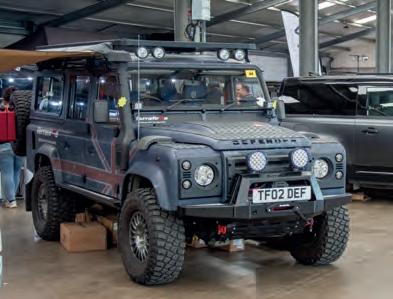

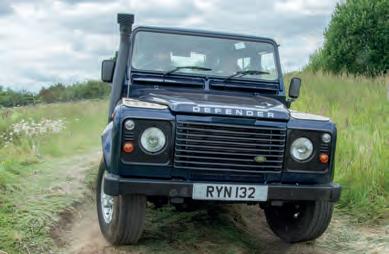
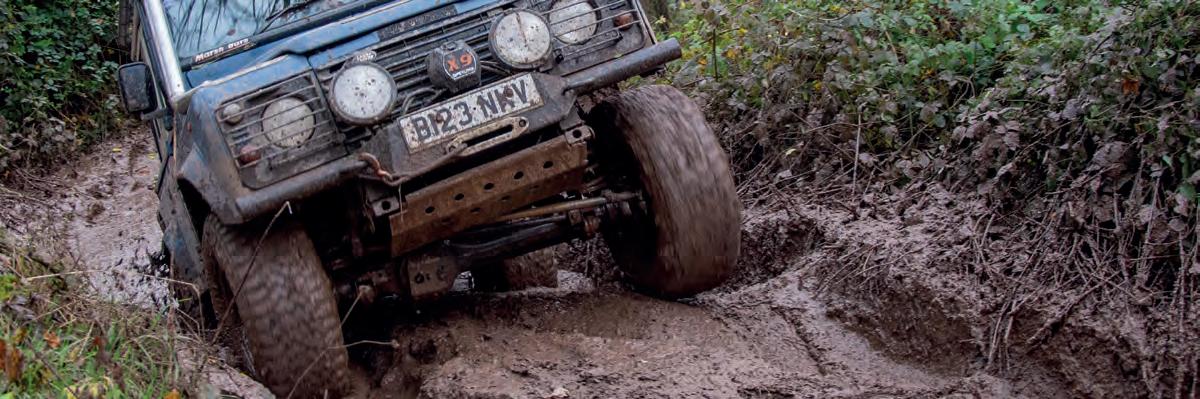










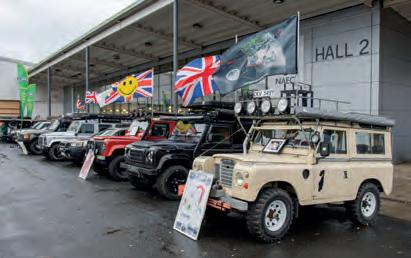
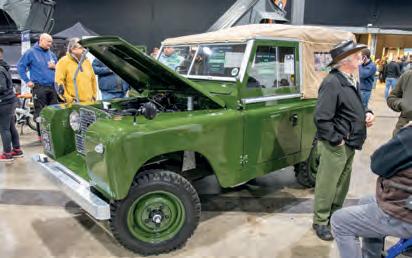
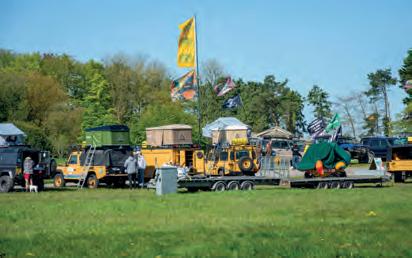
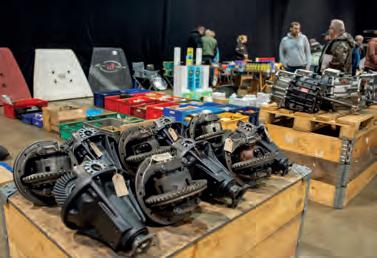
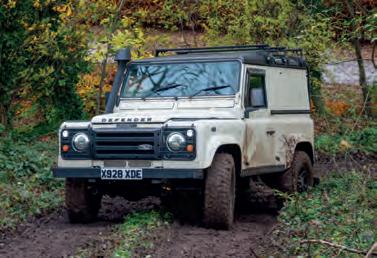
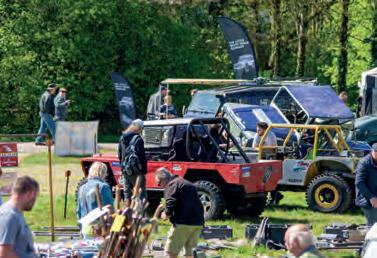
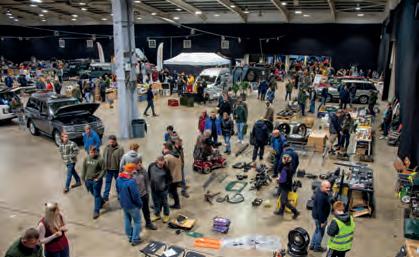
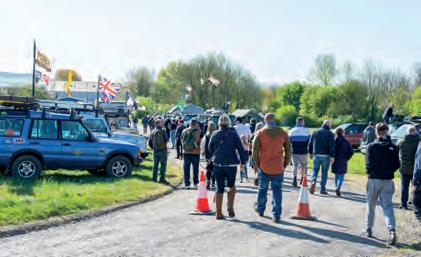
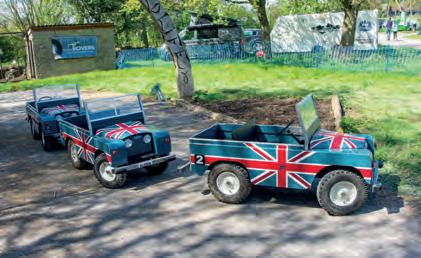
Land Rovers are returning to Bath & West this April for a weekend filled with Land Rovers!
Exhibitors old and new will join us, selling everything from parts & accessories to tyres, clothing and toys Talk to overland adventure specialists about your next trip, discuss modification options with companies with the know-how and other experienced Land Rover owners.




Why bother going on a diet when you can lose weight by amputating something instead? In the case of Malcolm Smith’s Range Rover, off came its entire back end
Words

Remember the good old days when you could go into a fast-food joint and look at the menu without it threatening you with death? We all knew perfectly well that a textureless burger in a textureless bun with a side of textureless fries and a big sugary drink of fizzy pop was unlikely to be the healthiest thing we’d eat that week –but did we really need to know that in the four minutes it took to consume, it would spirit almost an entire day’s worth of calories into our poor, unsuspecting bodies?
Now of course, these places have started doing healthy options and lowsugar drinks as well, and I’m sure that for every side salad they only sell about ten thousand bags of chips or so. But we all know about the benefits of losing excess weight.
Back in 2004, for instance, Land Rover came up with a new model called


the Range Rover Sport. At about two and a half tonnes it was plenty lardy itself but as soon as it was around, people started talking about its big brother as the ‘full fat’ Range Rover.
If you want to see how to make a Rangey light on its feet, however, look no further than Malcolm Smith’s P38. Even back then, a main dealer would have taken one look and passed out, and these days they’d probably not allow it in their car park, but it’s a perfect example of how to make a good thing better. If a P38 can be called a good thing, obviously. But whatever it was, it’s a better one now.
‘I’ve actually had three Range Rovers’, Malcolm tells us. ‘I blew the engine in all of them.’ An excellent pedigree.
‘So I had a 4.0-litre V8 P38 and it started overheating,’ he continues.
‘We fixed that – it was down to gasket problems – and then someone said “Why don’t you take an angle grinder to it?” I’ve always wanted to do that, so I did!’
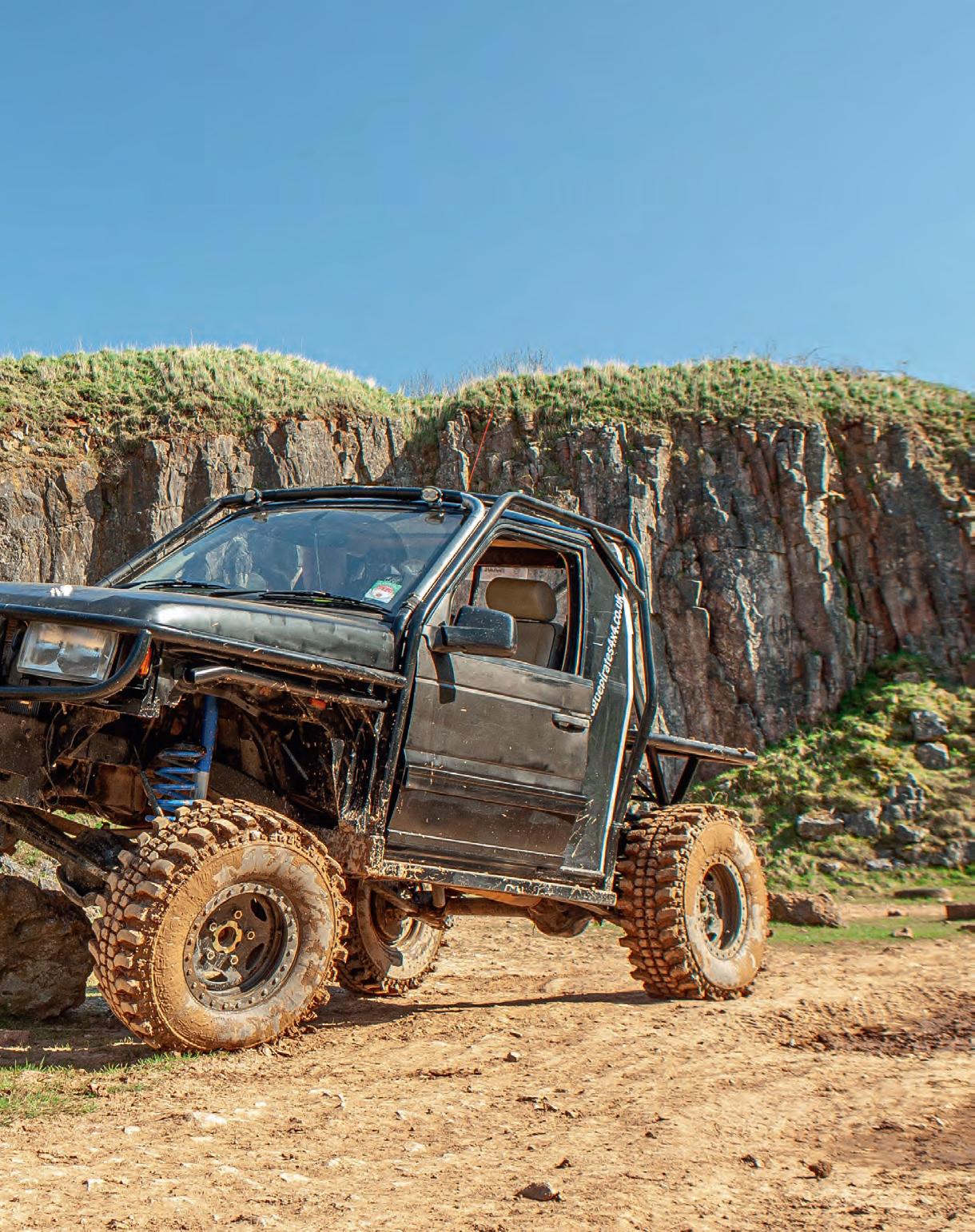
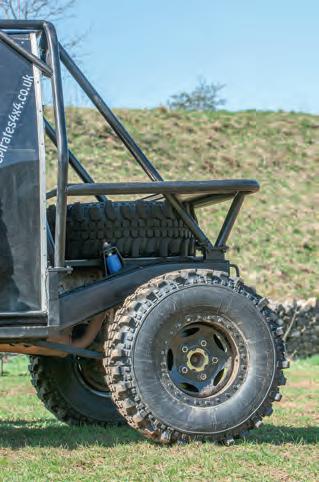
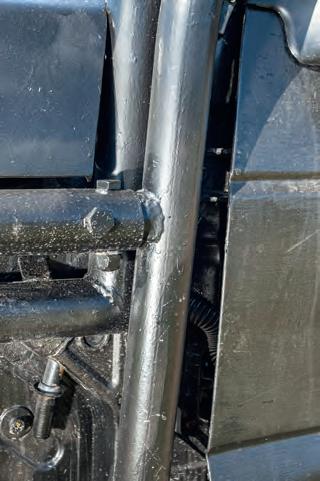
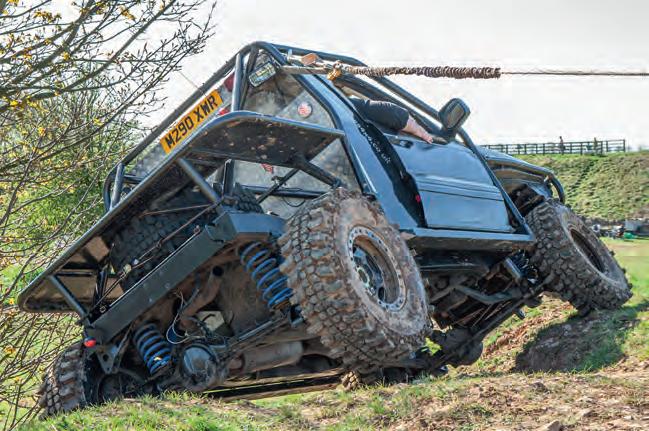
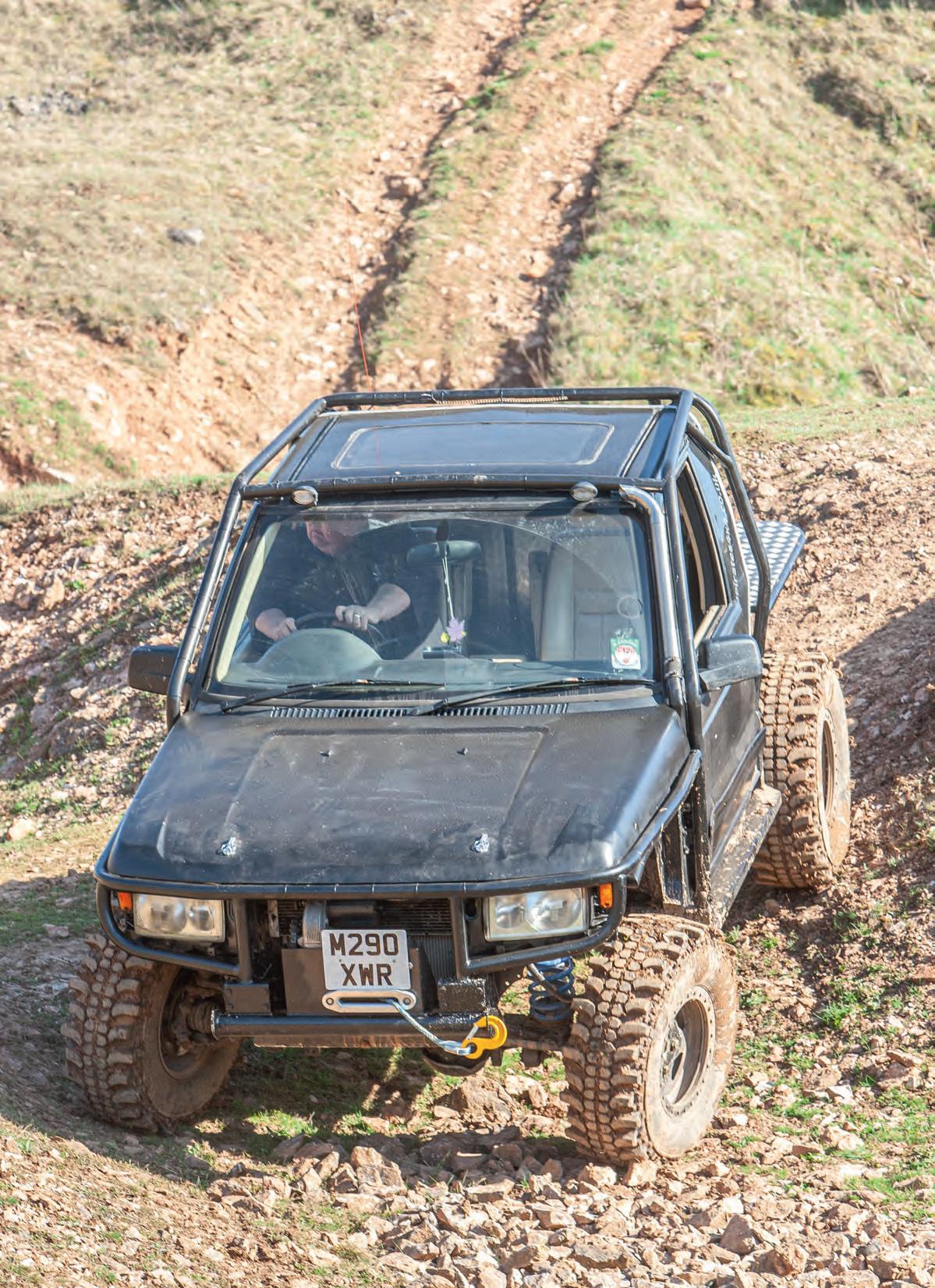
Above left: That’s a fairly severe trayback there, and the same (obviously) goes for the bobtailing on the chassis. Great for departure angles, of course, which is what matters, but rubbish if you’re heading for Departures and want somewhere to put the suitcases
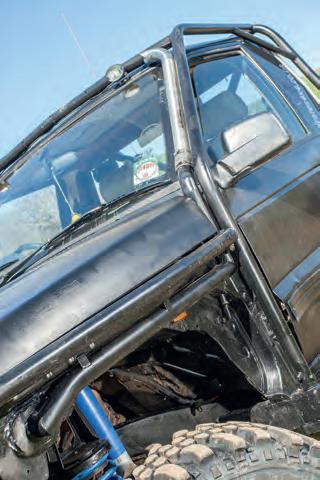
Above centre: It’s not the prettiest thing you’ll ever see, but the trimmed-back original bodywork allows the exo cage to be bent around not only the cab and trayback but also the front wings, where it bolts to the winch assembly. It’s all been designed to slide when it’s sat against trees, which is not something you can say about those original P38 body panels. The snorkel runs to the standard airbox under the bonnet and sweeps inwards at the top to avoid getting snagged while the cage is doing its work
Above right: The blue-band steel cage is rolled, welded and also bolted to the chassis in ten places
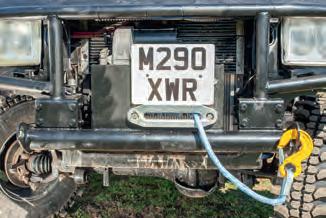
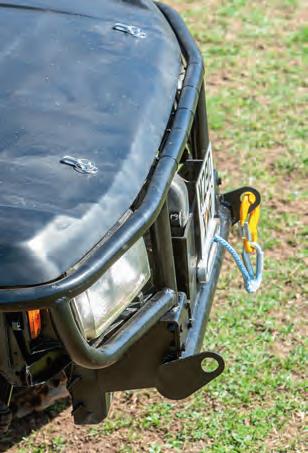
Below left: A Warn 8724, that traditional stalwart among challenge winches, sits in a well protected cradle from which it can spool out its rope. This was back in the days before everybody started modifying them. Below, the diff guard helps protect things and the steering arms have been replaced with stronger, thicker items Malcolm had made specially. Note the side the diff is on: these are still standard P38 axles, not super-strength swap-ins
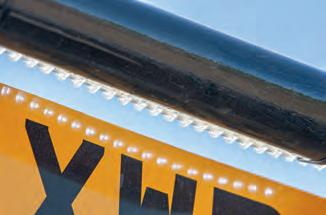
Bottom left: Even the winch and number plates have LED strips illuminating them. Malcolm is a man with a clear conscience
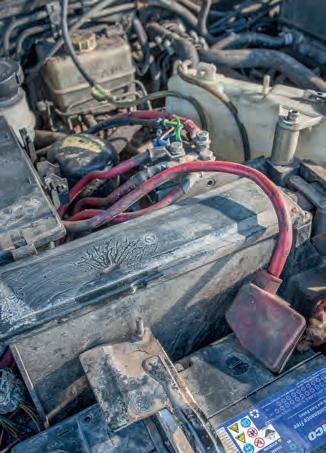
Below centre: Running with just the one winch means that even with enough extra lights to be seen from the moon, a standard battery is all the Rangey needs to stay juiced. That’s the beauty of LEDs, of course. And big batteries
Below right: The shape is recognisably Range Rover (well, if you squint) but there’s considerably less of it. In profile, that doesn’t look like the shape of something that you’d want nudging the side of your car, but the winch itself is safely out of harm’s way and the MOT man is happy
His weight reduction strategy was perhaps slightly more extreme than a programme of gentle liposuction. I remember seeing a cartoon once in which Garfield suggested amputating something as a more palatable alternative to not eating lasagne any more, and in effect that’s what Malcolm did. You can’t get an arse amputation on the NHS but that’s what happened in his workshop.
To be fair, slimming it down wasn’t his only or indeed main desire. ‘I don’t think

I’ve seen another one of these like this, based on a Range Rover P38, and eligible for winch challenge competitions. I built it to be fun, and it has been a lot of fun.’ What is more surprising is that this rig is road legal and goes to off-road events under its own steam. Even more surprisingly, you might say, it also returns home under its own power. To make it a vehicle effective in extreme off-road competition yet still be road-legal, and even road-friendly, is a definite achievement.
Malcolm started the project by taking his favourite angle grinder to the chassis. He shortened it by the precise length of ‘quite a bit’. We often find that sufficient. With the back end cut down and a rear tray fabricated in its place, it was time to reattach some bits to the chassis.
These included the axles, which on this model came with a four-pin diff as standard. The Range Rover was blessed, or cursed,

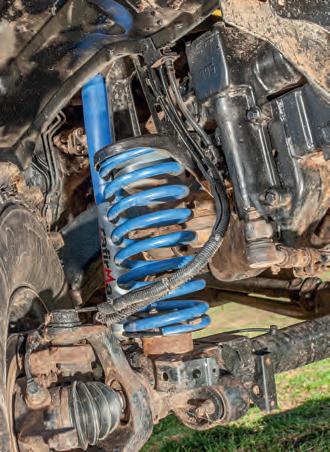
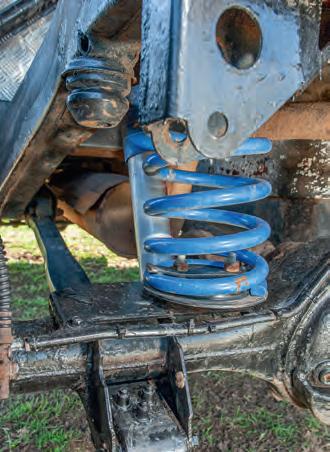
with air suspension, and Malcolm became one of the many who have tossed this in a skip and replaced it with coil springs. Bearmach coil springs, to be precise, fitted in combination with dampers which allowed an extra five inches of travel and provided plenty of lift and control, as the bra adverts would have it.
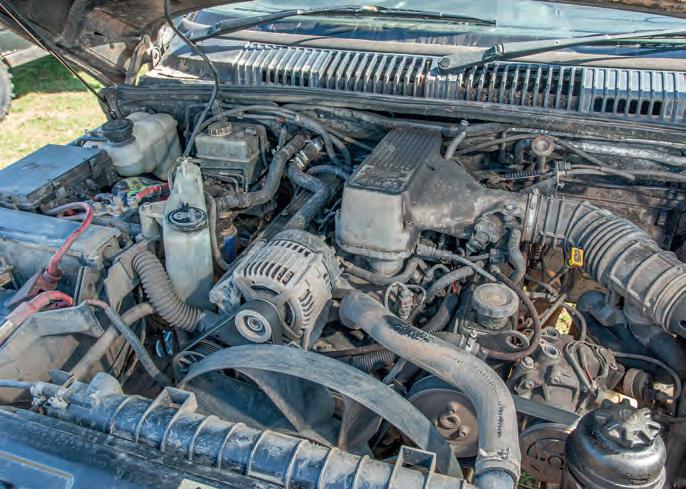
Also original, like the axles they’re bolted to, are the propshafts, whose UJs seem to handle the extra articulation without any problems. Upstream are the original transfer case and automatic gearbox, followed by the same 4.0-litre V8 engine with which the vehicle left the factory, still sitting in its original position.
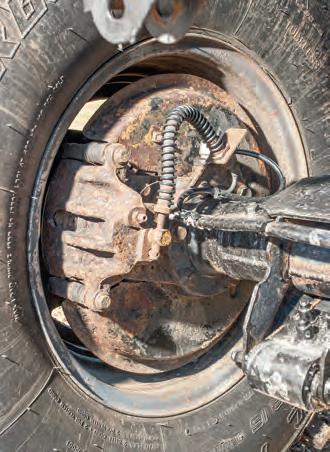
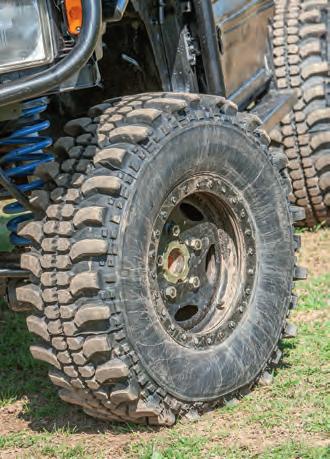
It all rolls on 285x75R16 Insa Turbo Special Tracks, which are held in place by beadlockers and ride nice and wide on 30mm spacers. Since the truck was built to a budget, Malcolm could only choose one set of tyres and they had to be road legal. Those journeys to and from off-road events are unlikely ever to be quiet and civilised on boots like that but they sure do dig when the time comes. Braking? It’s by the standard set-up, albeit with braided and extended lines to accommodate the extra suspension movement.
Up above, there’s a pretty robust roll cage including the main cabin and the frame for the rear tray, which is linked to an extended
The stock 4.0-litre V8 is not a particularly stressed unit, but Malcolm has had a tendency to blow them up in the past. This one, linked to the standard auto transmission, is now hauling around less weight than it was made to do
section running around the wings to the front winch. This is made out of blue band tubing, meaning that without being from the old days when RTV addicts built cages out of scaffold, it’s massively strong rather than playing mind games with the laws of science the way the latest race trucks do. The main cage is bolted down in six places, with another four attachments for the tubing round the wings then bolting to the front winch assembly. The cage was built for Malcolm by his mate Gary Reed, a well known name in the off-road scene round their way who’ll forever be known for his brightly coloured Jago-bodied hybrid.
On the chopped bodywork, Malcolm installed some eye-catching lights as part of the road-legal programme. LEDs figure prominently with two as spots on the roof and more for the brake lights, indicators and strips to light the number plates. Given none of this is that juicy, he’s found the standard battery and charging system works just fine.
and
Centre: How do you mount coils where once there were air bags? You plate the axle up and weld on a set of spring seats, that’s how. Those trailing links definitely weren’t scavenged off an old 90, though
Right: Brakes are standard all round, which is hardly surprising considering they’re all discs, and all big enough to stop a fully laden Rangey with a trailer on the back. The calipers are fed by braided, extended hoses, but that aside it’s all been left untouched

Tel: 01550 750274 e-mail: info@cambrianway.com

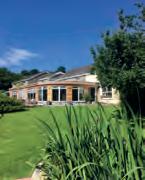
Family run guest house and self catering cottages with spectacular views, en-suite bedrooms, comfortable lounge bar and excellent home cooked food.
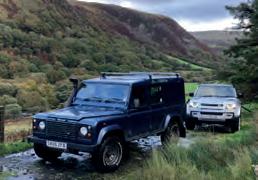
Pressure washer, drying room, map room with local lanes marked, on-site 4x4 course, guides and GPS hire available. A very popular venue for both individuals and groups of 4x4 enthusiasts

Here at FreelanderSpecialist.com, not only will we fix the problem but we will look to determine why the problem occurred and discuss with you how you can avoid it happening again in the future.









Our di erential units are uprated, making them stronger than the originals.
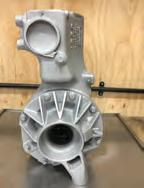
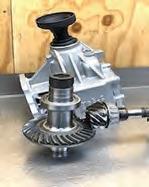



























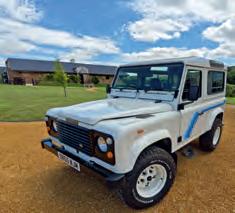







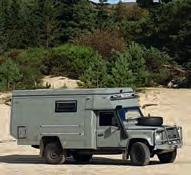

Kent Heritage Works introduces The Admiral – a 1976 Series III rebuilt as a unique best-of-everything classic


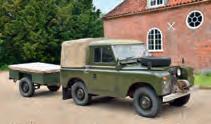



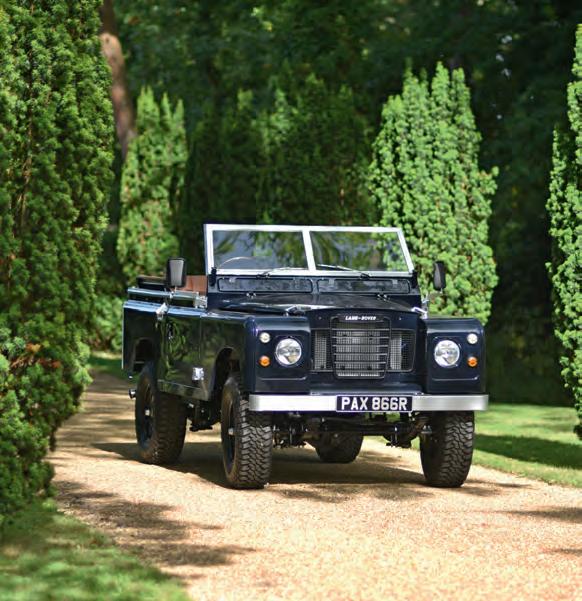










Remember the good old days, when magazines were big and thick and there was loads and loads of great stuff in them to keep you reading for hours? Remember when there were no fake pictures… no AI nonsense… no comments sections full of people ranting at each other about VAR, small boats and which toilet you should use if you’re transsexual?
Well, the 2026 Land Rover Yearbook is a good old magazine, just like they used to be back then. It’s 132 pages long, printed on good quality paper and packed full of great stuff to read. It’s a compilation of the best stories from the last year and in some cases beyond – great vehicle builds in detail, overland expeditions to dream of, a huge 10-page products round-up and the news from behind the news coming out of the factory and around the Land Rover scene.
The 2026 Land Rover Yearbook makes a perfect Christmas present for the Land Rover fan in your life – especially if that Land Rover fan is yourself! It’s a great read – all year round!
Chunky Insa Turbo Special Tracks are road legal and have beadlockers for when they’re running around off-road with all the air pressure of a burst balloon. They’re sensibly sized at 285x75R16, providing plenty of grip and ground clearance without over-stressing either the engine or the transmission
There’s even an LED strip to light up the front winch. Given that this was built as a challenge vehicle, perhaps it’s surprising that there’s only a front winch, though if it helps keep the Range Rover out of the modifieds class in competition that can’t be bad. Malcolm did tell us that he was thinking about adding a second at the back but as you see it here the Rangey was sporting just that solitary Warn 8724, a solidly performing 12-volt unit with Bowrope and competition hook.
So what we have here is a rather unusual vehicle, since the donor isn’t one that usually gets made into a winch competition rig. From the outside, it looks rugged and practical, fit for purpose. From the inside, it’s a different story. Sure, it carries the usual kit like tree strops and snatch blocks, and there’s a CB as well as switches for the
winch. But everything else is basically as it was. As Malcolm explains: ‘I’m a big boy and I like to be comfortable!’ Comfortable? As in, sitting on heated electric seats in a fullleather interior. That kind of comfortable. When your winch man is out there ploughing through waist-deep mud and water, it’s quite nice to turn up the air-con and listen to some Beethoven.
Malcolm even kept the Range Rover’s electronic traction control – which, since it came out of the factory that way, means the standard class rules for winch challenge events allow him to use it. It’s easy to be uncomfortable, particularly when extreme off-roading, but it takes a certain style to do it in comfort.
So this may be the old version of a fullfat Range Rover but Malcolm certainly has reduced its weight. And added hugely to its
agility and athleticism – while still keeping it a Range Rover at heart. And really, all he’s done it chuck away the stuff you didn’t want anyway – you know, like the salad and the tomato. It’s not the calories that count – it’s what you do with them.


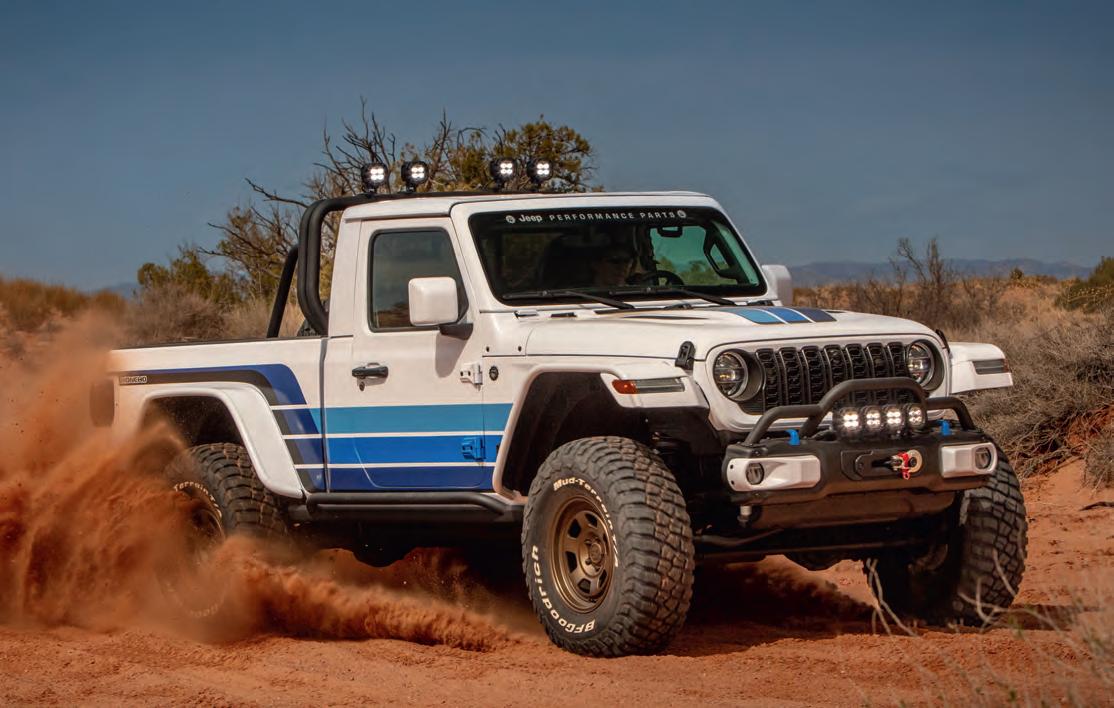


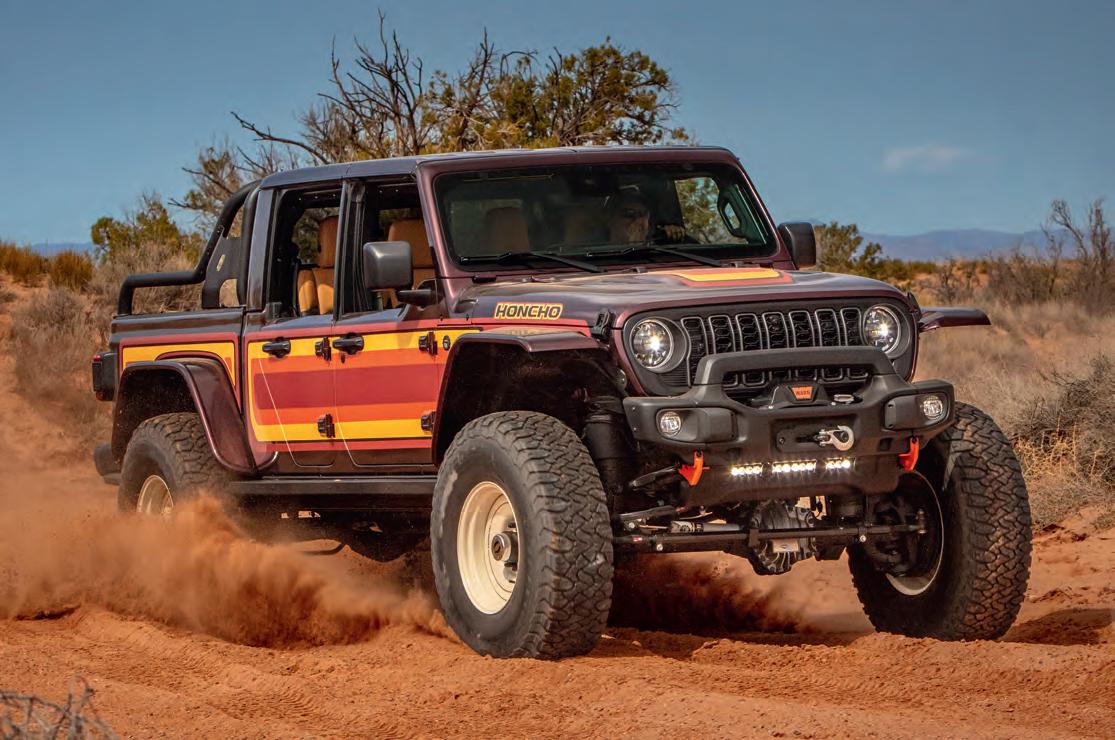

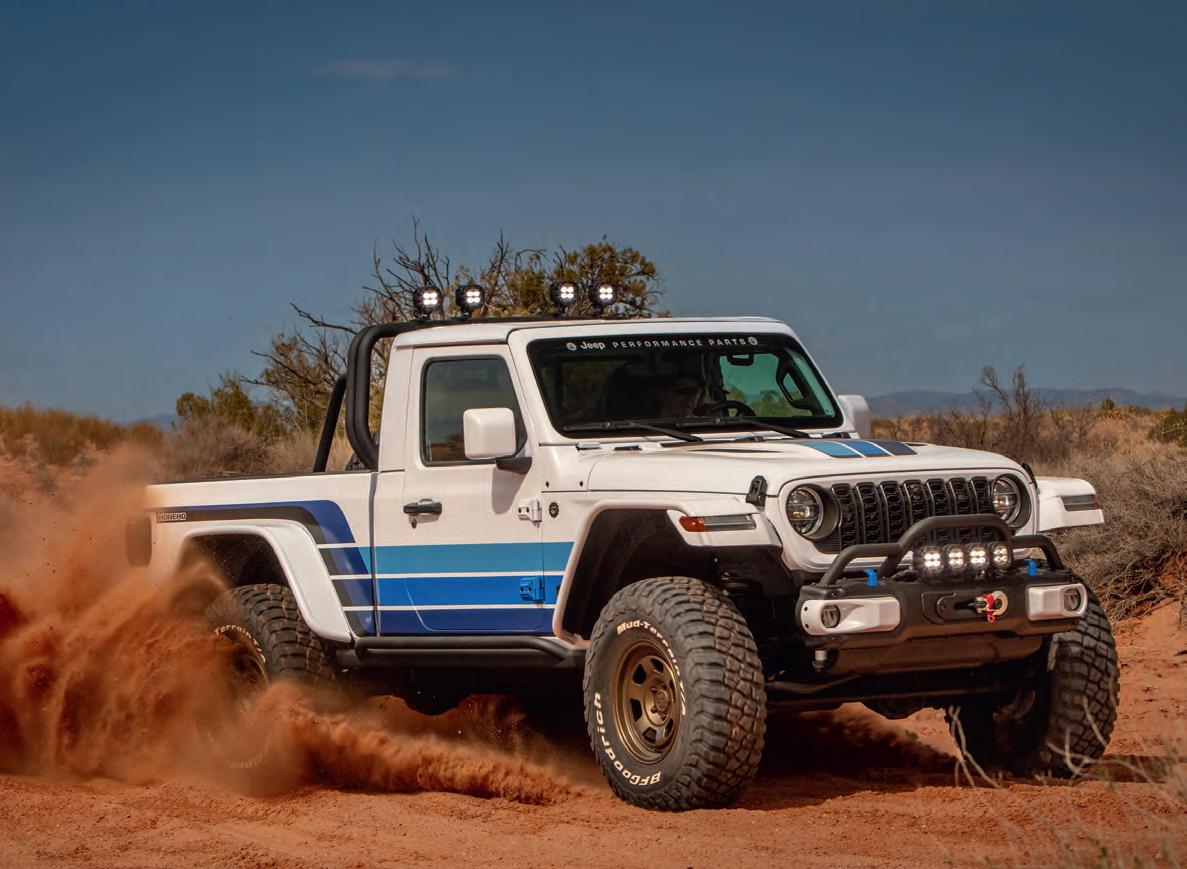
It’s half a century since Jeep introduced the J10 Honcho to its pick-up range. Two vehicles from the latest crop of Easter Safari customs take the brand back to the iconic styling of the mid-70s – and could they possibly point the way to a retro model to come?

What things from 1976 would you like to see being brought back today? Concorde? The Cod War? A never-ending drought and heatwave? That bloody awful Save All Your Kisses For Me song? James Hunt? Punk rock? The Inter-City 125? The Eagle Has Landed?
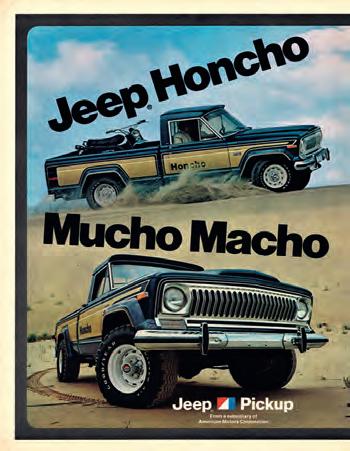
Some more than others, probably. But 1976 was the year when Jeep introduced the Honcho trim package on its J10 pick-up. And could it possibly be a coincidence that on the eve of the model’s 50th anniversary, the company brought it back as not one but two concept trucks?
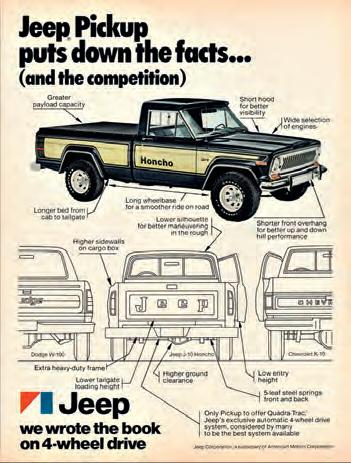
and was available in six colours, each of them set off by a sticker pack featuring fold side stripes with black and white accents. Jeep described the grille as ‘bold and brassy,’ while inside you got a Levi’s denim interior and matching blue steering wheel. Jeep marketed it as ‘the hardworking recreation vehicle.’









So the revival concepts introduced at last year’s Easter Safari don’t so much hark back to one individual model as to a design idea that grew throughout the second half of the 1970s and into the decade that followed. That’s fine, though, because it allows them
“Fat arches and offset tyres remained constant throughout its lifetime”


The Honcho was, unashamedly, about making an impression. It came with 10x15” tyres on heavily offset 8” slot-style rims
The Honcho spec varied a little over the next seven years, with bed-mounted roll bars and banks of spotlights the principal additions. The stickers’ design changed with time, too – however the fat arches and offset tyres remained constant throughout its lifetime.
to be distinct from each other – and to show off the breadth of possibilities that exist when you modify Jeeps in the present day. Definitely better than having to listen to Save All Your Kisses For Me again…
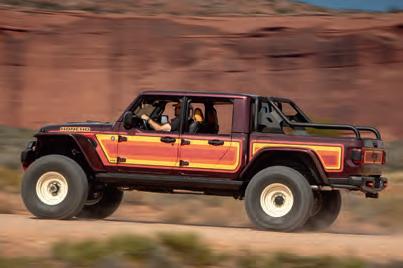
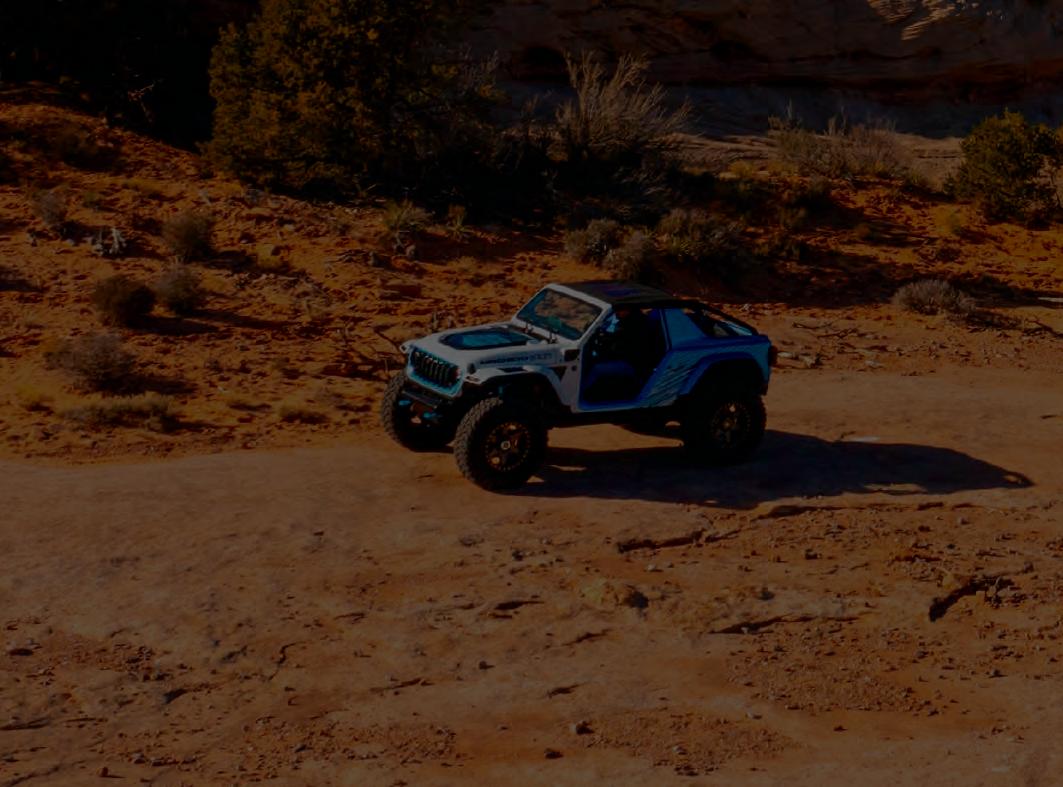
The Gladiator High Top Honcho is based on the Rubicon model, which is a pretty good start. Jeep says ‘the heritage-inspired exterior made popular beginning in the mid-1970s has given a new personality to the world’s most off-road capable midsize truck’ and that the vehicle ‘reflects the drive of the Jeep Performance Parts design and engineering teams to push the performance boundaries even further.
That’s quite a boast, but to this end the High Top rides on a set of 40” BFGoodrich All-Terrain T/A KO3s wrapped around custom painted steel rims. Well, they say you should always start with the tyres
when planning a build. These are mounted on Dana 60 front and rear axles, with 5.38:1 gearing in the diffs and AccuAir adjustable air suspension holding the vehicle up. The truck’s widened track is accommodated by a set of custom steel wheelarch flares.
Further steel is to be found in a modified winch bumper from American Expedition Vehicles, and needless to say this has a high-end Warn unit tucked away inside it. Down below, a set of heavy-duty recovery points flank a row of LEDs. Further back, the long-wheelbase vehicle’s sills are protected by rock rails, but not just any old rock rails – these are Step Sliders
from Rock Slide Engineering, containing deployable ‘power steps’ which help people climb aboard before tucking away safely into the body of the rail.
Out back, there’s a Decked truck bed storage system and, in a very clear not to the original Honcho, a body-mounted roll bar. You’d probably be safer calling it a styling bar these days, though it goes with the colour-matched hard top to provide an element of protection should the worst happen. Another pair of recovery points finish things off at the rear, then of course there’s a set of graphics all around the body to evoke the styling of the 70s. Even the colours hark back to an era when

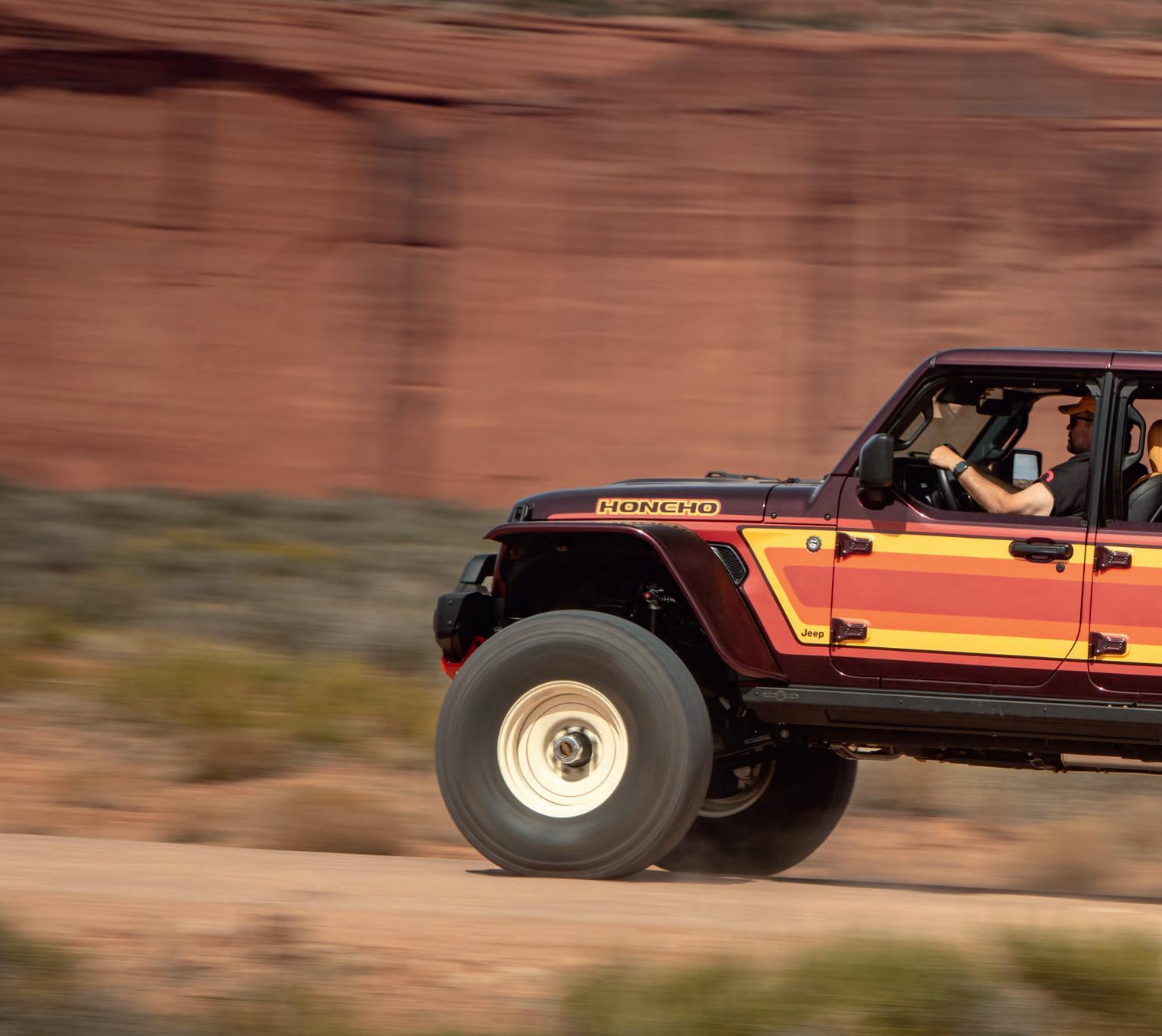

orange, brown and burgundy was the very height of sophistication.
Inside, quilted black leather seats are finished off with tan detailing and there’s a pair of bright pedals to contrast with the dark of the all-weather floor mats. Door guards protect the sills from getting scuffed up by dirty boots as you clamber in and out, but mainly what’s noticeable is how stylish and modern the interior looks – definitely a good thing if it was going to be your daily driver, though in what’s meant to be a concept vehicle we can’t help but wonder why they didn’t get together with Levi’s to bring those denim interiors back to life. I mean, if you’re going to do the 1970s…
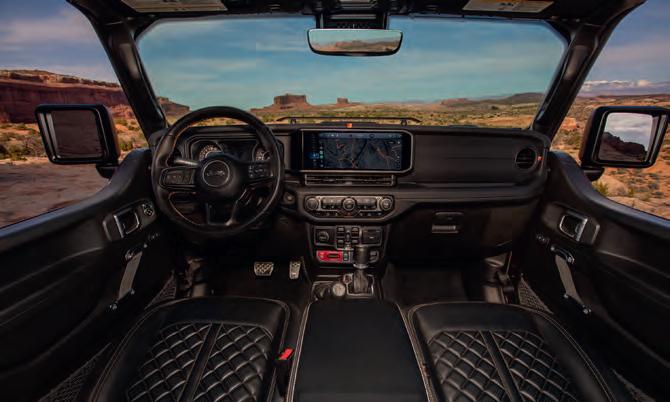
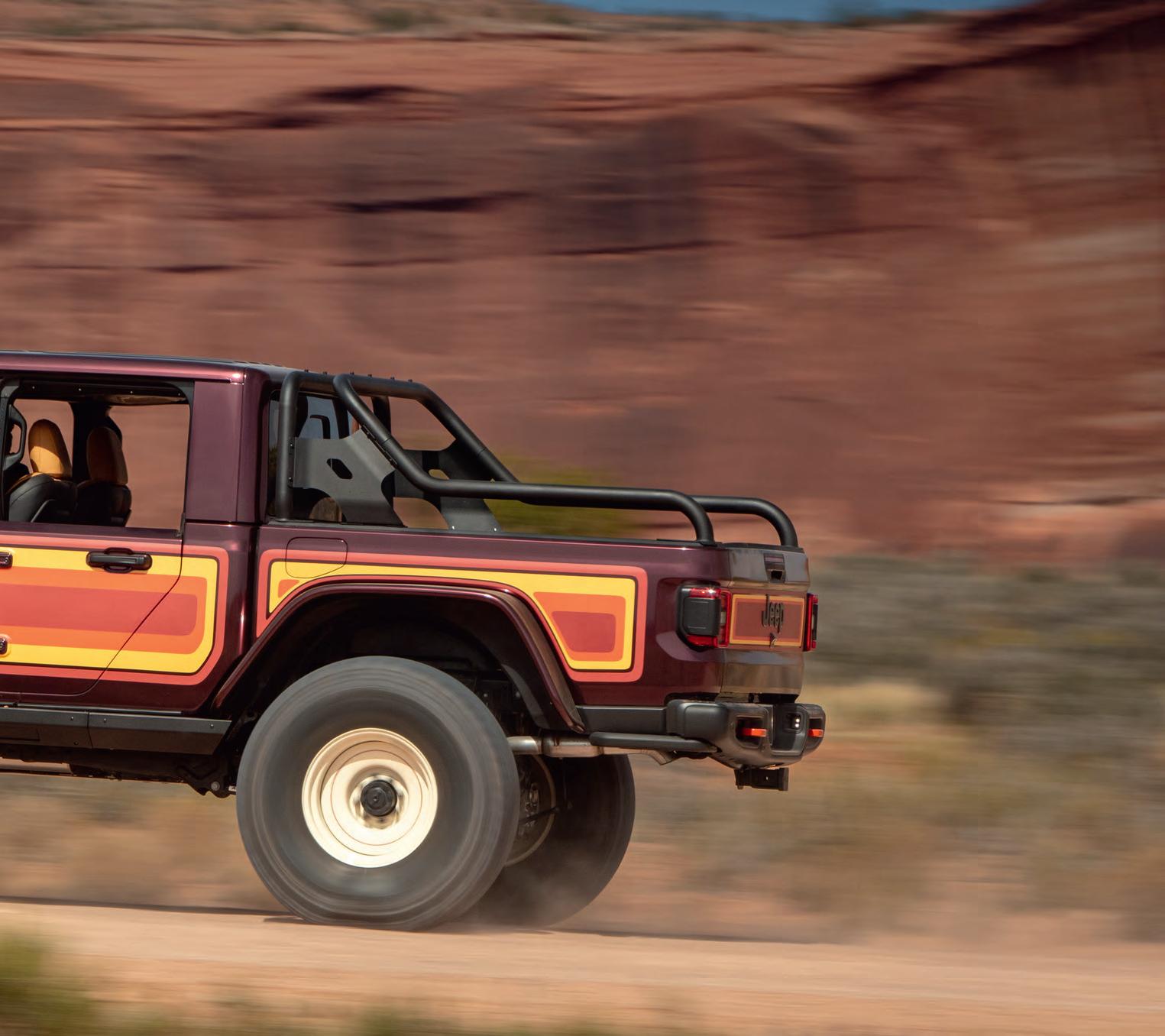



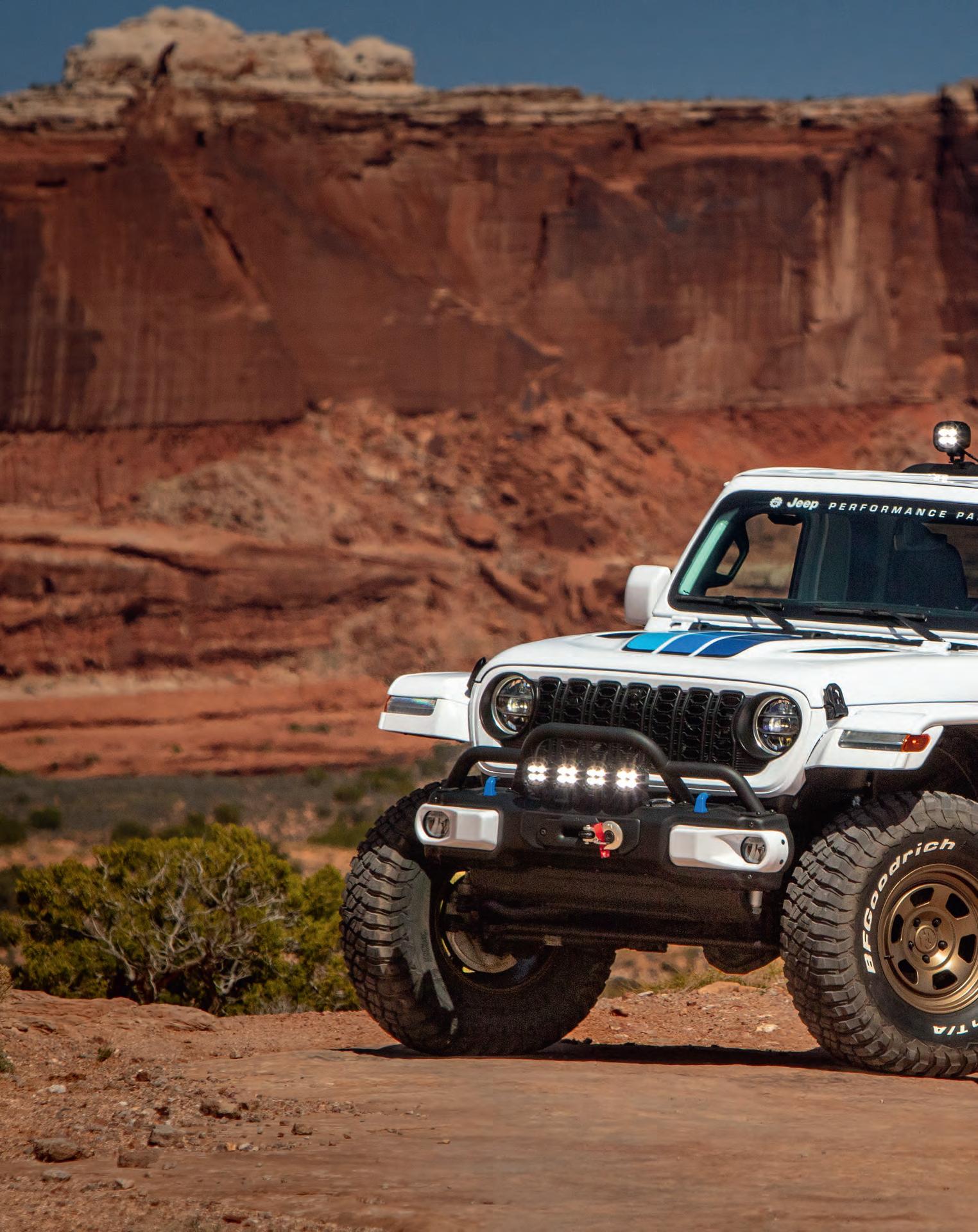

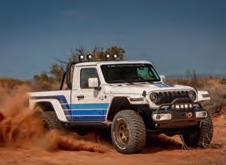
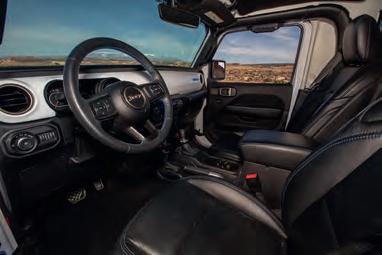
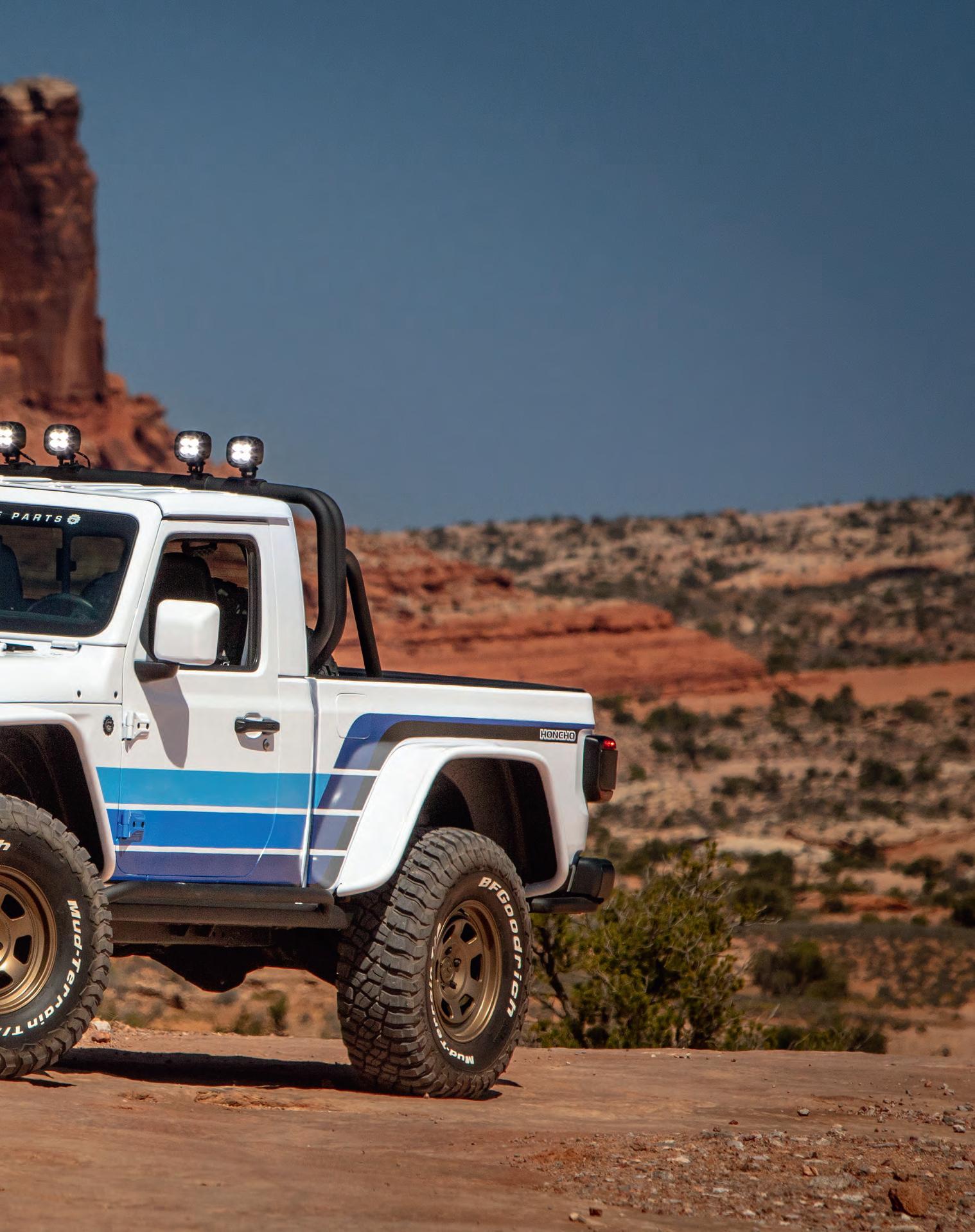
Like the High Top, the J6 also feels like a missed opportunity to lavish a Honcho concept with denim-clad seats. There is at least a little bit of blue inside this one, though, in the contrast stitching on the seats, door cards and steering wheel, and this matches the colour scheme on the two-door pick-up body.
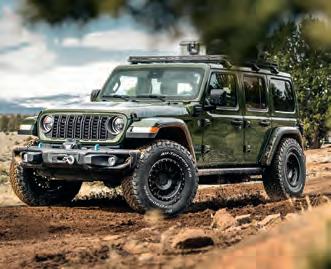
Perhaps surprisingly, the J6 is based on a Wrangler rather than a Gladiator, having started life as a four-door JLU Rubicon. A custom back body turns it into a truck with a six-foot load bed behind the cab – that’s a foot longer than a standard Gladiator. The Honcho always was the ‘hardworking recreation vehicle,’ after all…
As with the High Top, the bed is used as a mounting point for a roll bar, this one a double-hoop design with two forward and two rear-facing LED cubes. There’s more of the same on the front bumper, a stubby heavy-duty design which is also home to a Warn winch.
Once again, the sills are protected by steel rock sliders, these ones being simple fixed units made to a custom design. The wheelarches, too, are extended into flat steel extensions, and these cover a set of 37” BFGoodrich KM3 Mud-Terrains on 17” bronze six-spokes. A +2” suspension lift is enough to let these slide under the big arches, with a custom spare wheel carrier is perhaps something of an unusual touch on a concept car. Definitely a nod to the idea of keeping it real, though.
On that subject, a deeply retro but altogether less practical touch is that the vehicle’s radio has been deleted. So there’ll be no Waylon Jennings or Willie Nelson while you’re cruising the trails. But you do get the aforementioned styling decals in blue, bluer and bluest, which contrast with the bright white bodywork to give you a truck that goes back to the 1970s and keeps it contemporary at the same time. Jeep fans in the US have been clamouring for a production version, which seems unlikely with the Gladiator around – although with the Honcho’s half century coming up later this year, who knows?






















Project Shelby wasn’t named after everyone’s favourite family of Brummie thugs. But it’s a true working class hero, it’s fearsomely powerful – and like the infamous dynasty from Peaky Blinders, it can’t half look after itself when things turn ugly







Somewhere on the internet, there’s probably a collection of the most grotesquely contrived titles the magazine industry has thought up for its stories. We’d like to think that a few of our more awful efforts have found
their way in there – but if they haven’t, well, maybe this one will.



Obviously, the moment we saw that this 70-Series Land Cruiser had been named Project Shelby, we started thinking about angry gangsters, brutalised by years

in the trenches, roaming the streets of Birmingham in the dark days of the 1920s. Then we saw that it had been sourced in Switzerland, and, like, they have lots of peaks there, yeah? The editor should have put a stop to this there and then, but


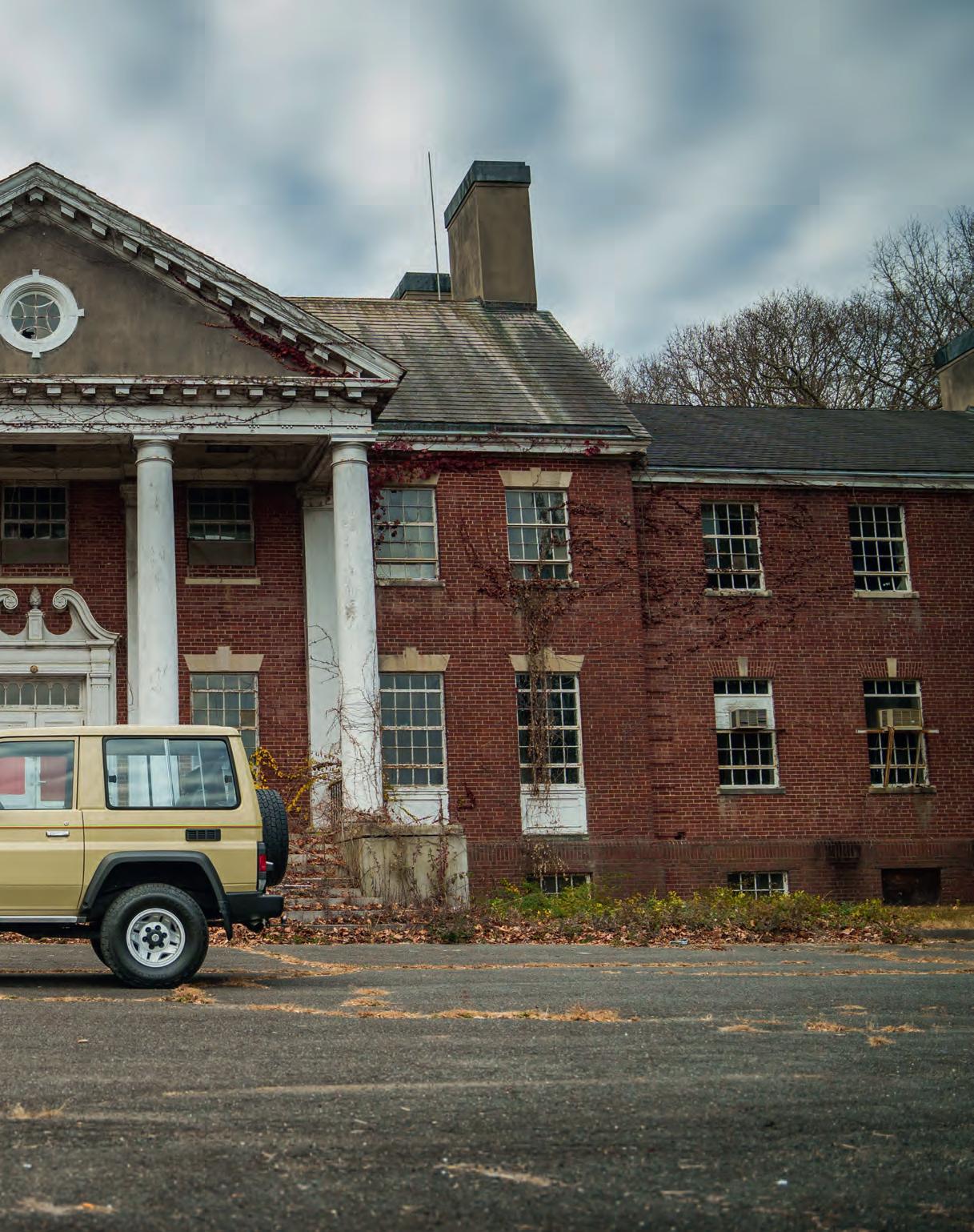
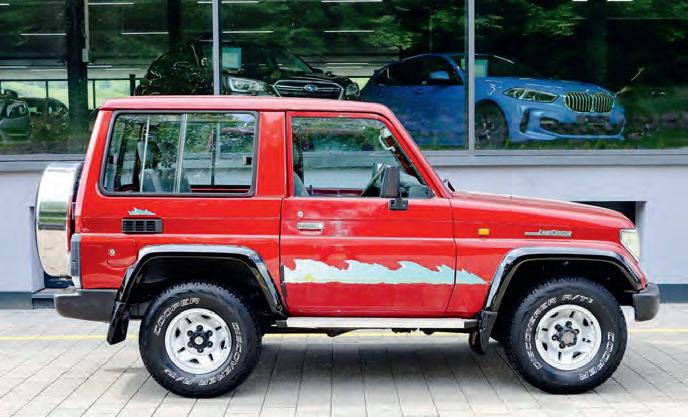
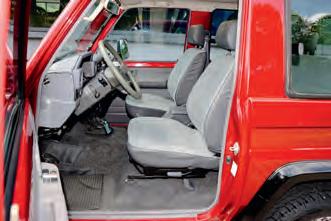
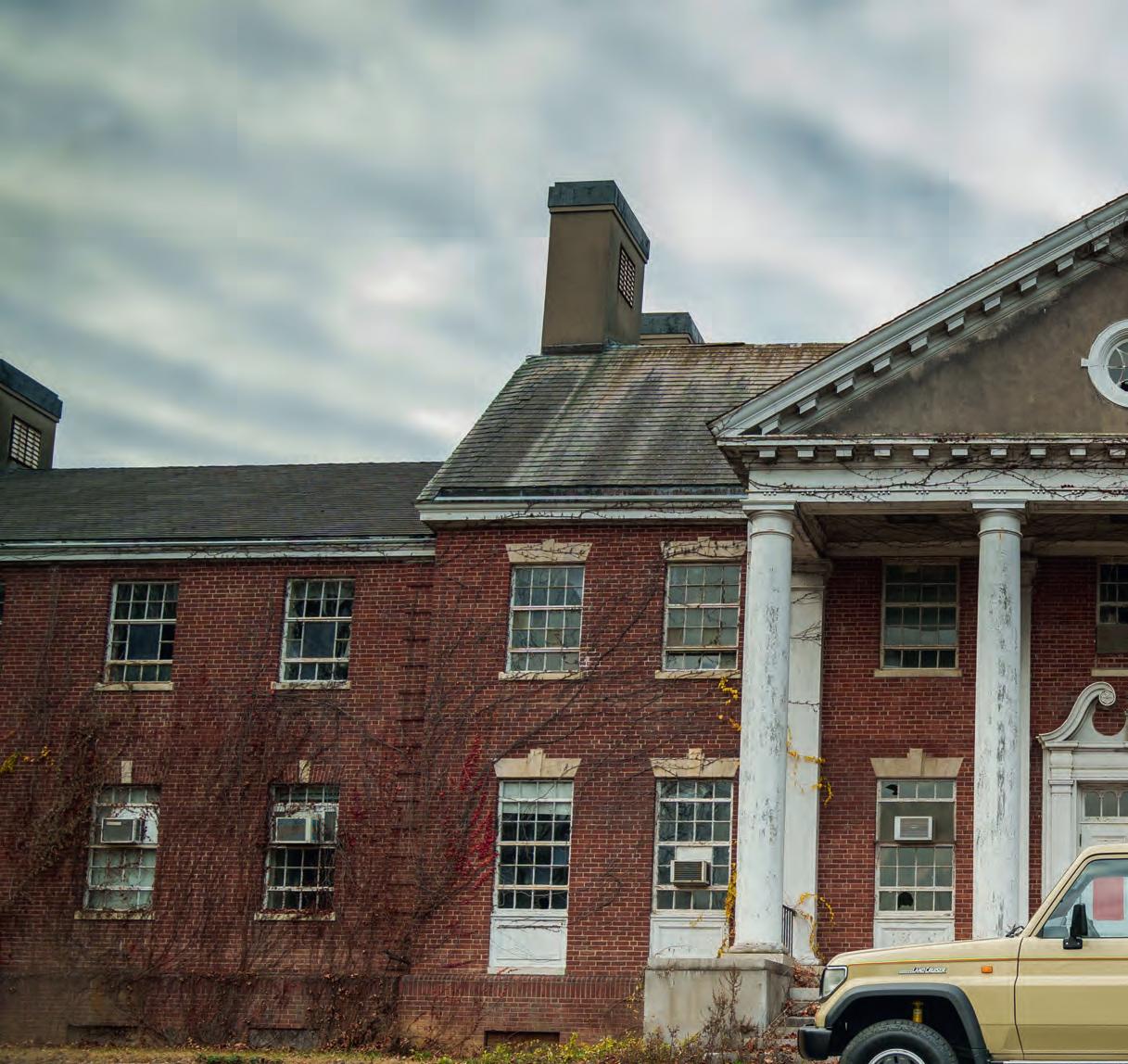
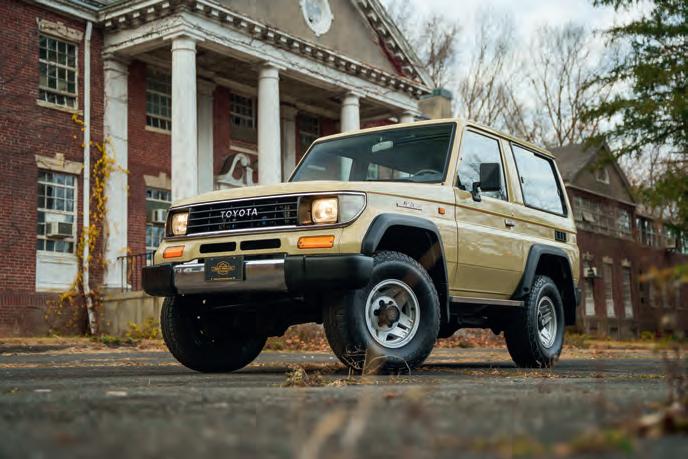
The Land Cruiser arrived from Switzerland looking pretty clean and well looked after, particularly inside. The old 2.4-litre petrol engine was ripe for replacement, though, and there was plenty of scratching on the panels to be looked after. And as for those graphics…
next thing you know we were trying to tell ourselves that, well, 330bhp in a shortwheelbase Cruiser is going to give it a pretty blinding turn of pace and, you know, reasons, excuses…
So, we apologise for the first two words that met your eyes when you turned to this page. Apart from anything else, a big old V8 engine with 320lbf.ft is going to be the opposite of peaky, isn’t it? It’s going to be life surfing a never-ending swell of torque.
Anyway, enough of the Peaky Blinders: let’s go back to the beginning. Someone with a big vision and a wallet to match
took their ideas to Legacy Overland, and if a classic off-roader remade to modern standards is your dream that’s a very sound thing to do. With a build plan agreed and a commission in place, the company went out and found the donor vehicle, an RJ70 with the not very fondly remembered 2.4-litre petrol engine, in the land of fondue and expensive watches.
That old engine might not be fondly remembered but remembered is all it’s going to be in this case because it was
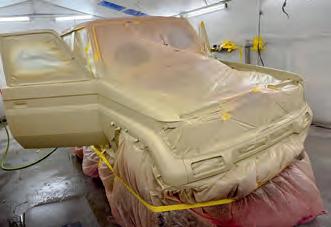
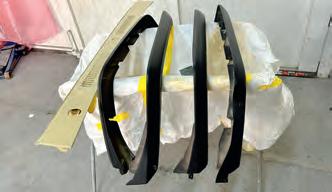
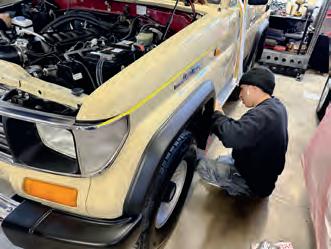
With the bodywork repaired and the stickers deposited firmly in the bin, the prepping could begin for a colour change to Toyota’s own Dune Beige. Not the red, green and yellow trim waiting to be applied (bottom right)
promptly hooked out. We mentioned that its replacement is a V8; no prizes for guessing that it’s of the American variety, to wit a 5.3-litre General Motors LM7 Vortec. Being designed as a truck engine from the start, this has a cast iron block and ali heads; introduced in 1999, it saw service in the likes of the Chevy Tahoe and Silverado, the GMC Yukon and Sierra and the Cadillac Escalade.
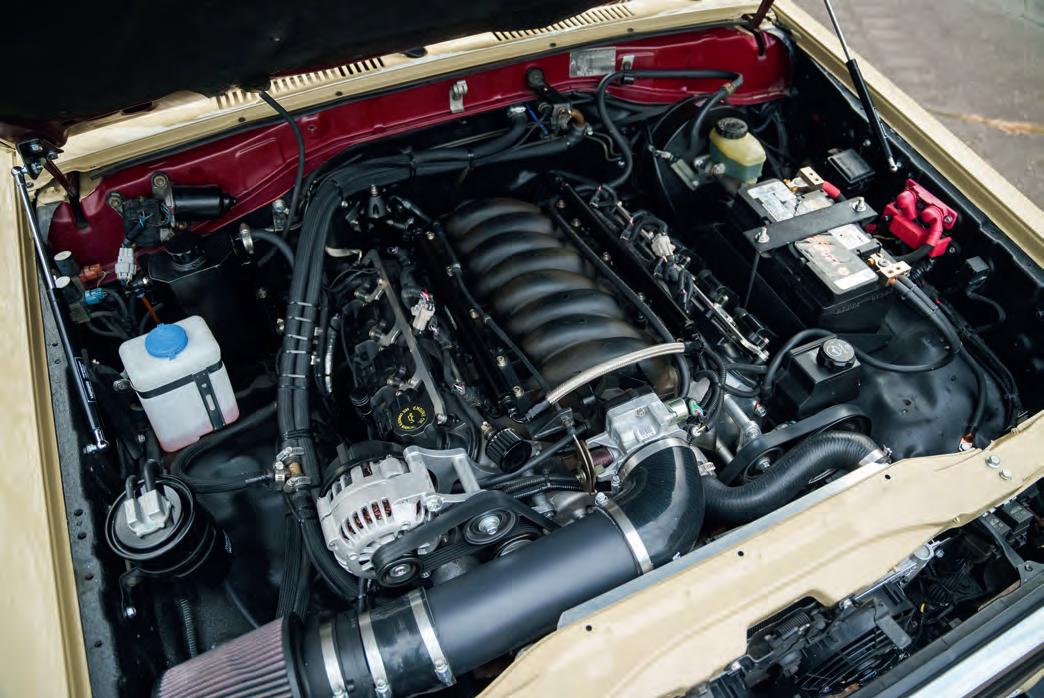
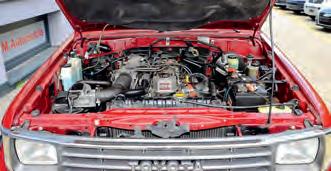
The 5.3-litre General Motors LM7 Vortec is a V8 truck engine with a cast iron block and aluminium head and a quoted output of 290bhp. This one has had new bearings, injectors and machined surfaces, Gen 4 pistons, BTR 3/8 pushrods, dual springs and titanium retainers, an LS1 intake manifold, retuned and remapped engine management and a new radiator and cooling system. The numbers now stand at 330bhp and 320lbf.ft, which is a nice increase – but the real benefit will be felt long-term in its increased durability
The engine’s original quoted output was 290bhp, but this one was fully rebuilt and given a few treats along the way. Treats like new bearings, injectors and machined surfaces, as well as Gen 4 pistons, BTR 3/8 pushrods, dual springs and titanium retainers, an LS1 intake manifold, retuned and remapped engine management and a new radiator and cooling system. An extra 10-15% on the power figure suggests that it was done for durability rather than street racing, though it shouldn’t be too shabby when the boot goes in and more to the point, it’ll haul its own weight up a steep hill on a thread of gas.
Assisting matters here is a rebuilt GM 4L60e automatic transmission, complete
with a new torque converter and controlled by a new Lokar shifter. The transfer case has been rebuilt too – and, just as importantly, retained, so that the Land Cruiser continues to offer high and low range as well as selectable four-wheel drive. It was reinstalled using an adapter to accept the GM output shaft and is controlled by custom fabricated linkages of its own.
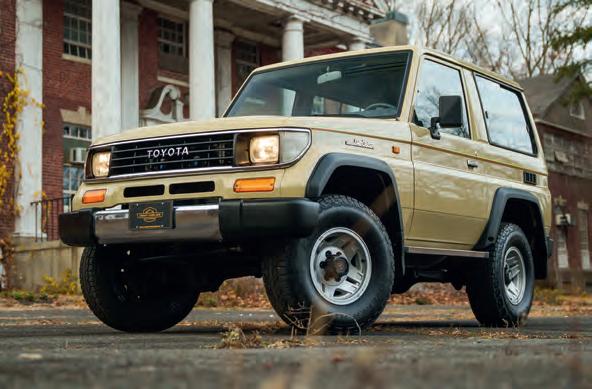
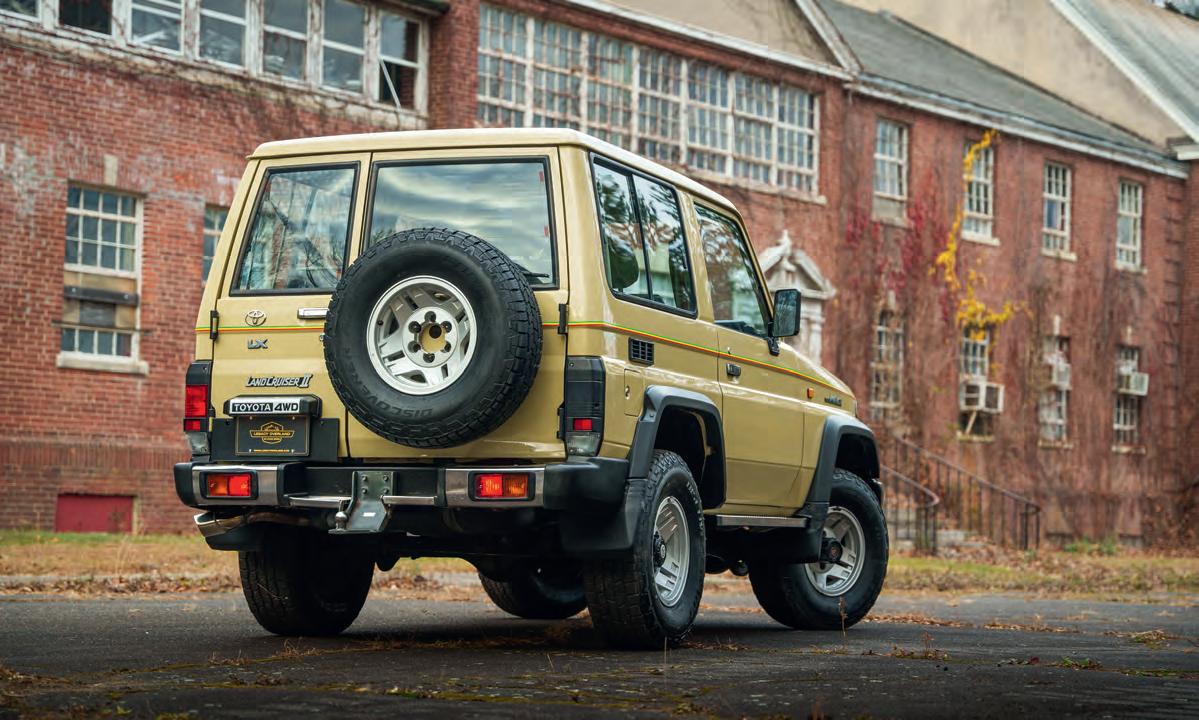
Elsewhere, it won’t have escaped your notice that the vehicle looks very much like a standard 1993 70-Series Land Cruiser. Not standard as in ‘beaten to death and rusty,’ obviously, but as in there are no modifications to be seen. No snorkel, no winch, no rock sliders or heavy-duty bumpers, not even a suspension lift, and it’s sitting on a set of 265/75R15 Cooper
Discoverer AT3 which stand a modest 30.6” tall. You could see it as the ultimate blank canvas but actually it’s a perfect reminder that Land Cruisers come fresh from the factory with epic off-road ability built in. As the very wise Julian Voelcker of Overland Cruisers pointed out when we were getting excited about all the trick stuff we were going to throw at our crusty old Colorado, tens of thousands of these vehicles spend every day of their lives off-roading in Asia and Africa without any modifications at all.
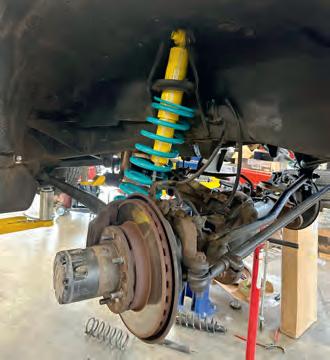
So Legacy Overland simply overhauled the steering, brakes and suspension. There’s not a lot that a 70-Series won’t tackle in exactly the form you see here, so why gild the lily?
It’s not actually gilded on the outside, but it has been resprayed in Toyota Dune Beige and that’s a much better idea. There’s
The engine and transmission may have been changed but the rest of the truck remains mechanically original. The brakes, steering and suspension were all renewed but not modified – a standard 70-Series will always look like a blank canvas to us but they do incredible things day-in, day-out in far more rugged parts of the world than this, just as they came from the factory. And of course those are the ones that earned the Land Cruiser its world-class reputation for indestructability
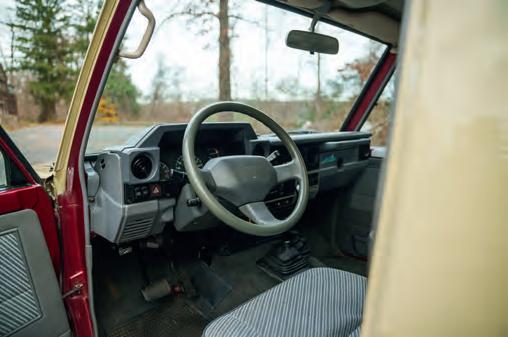
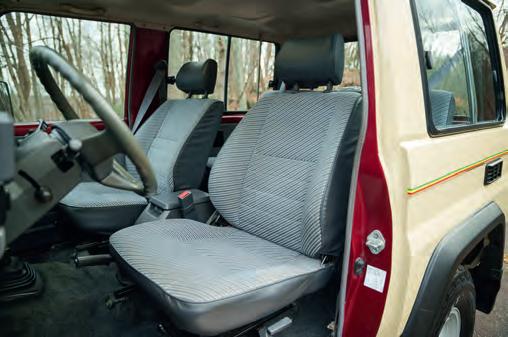
Upgrades in the cabin are kept subtle – it’s still the same hard-wearing interior as ever, aided here by the excellent condition of the original trim. There’s a major boost from an air-conditioning upgrade, and the manual stick has been replaced by a Lokar shifter for the GM auto, but it’s all about functional comfort rather than showy leather and fancy toys
a custom red, yellow and green detail line along the length of the vehicle, too; these are the colours of Rastafarianism and they also feature on the national flags of about a dozen African countries, which may or may not be a personal preference of the truck’s owner. Either way, it looks good.
It’s nice inside, too, however while many of Legacy Overland’s builds go wild here with the leather it looks impressively original. It does however have ‘subtle,
elegant details that invite both functionality and luxury,’ as well as an upgraded airconditioning system. Nice for one of these to have an air-conditioning system at all. The carpets and seat trims tell a story of careful use throughout its life to date (as does a reading of just 59,765 kilometres on the clock) and the exposed metal inside the body confirms that it started life in the deep red colour that all 70-Series Cruisers seemed to come in back then.
Rather than being a just-so rebuild with all life’s luxuries, this is a Land Cruiser you wouldn’t be scared to jump in wearing wet clothes or muddy boots. It’s all about hardwearing, heavy-duty trim inside – a vehicle made not to show off but to ‘explore the world in comfort, style, and unparalleled power.’ Hard as nails, true to its roots and very handy indeed when things get gnarly. Maybe it does have something in common with the Peaky Blinders after all…




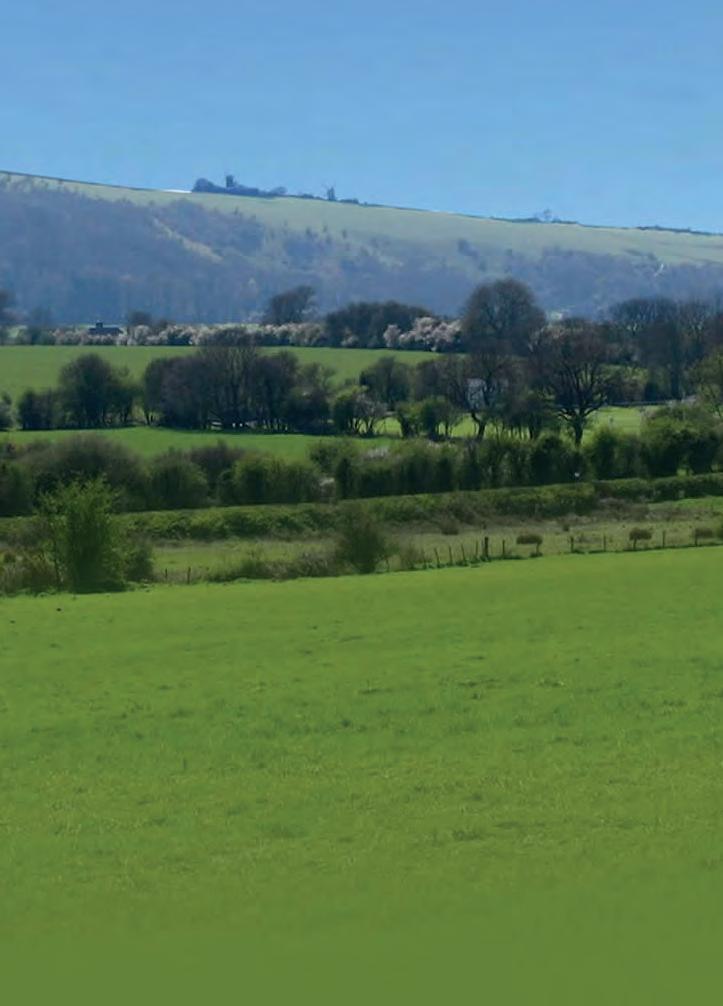











The much-loved rocky lanes of the Lake District were crudely neutered a few years ago in response to endless campaigning by anti-vehicle hate groups. They’re still as beautiful as ever – but before the jack hammers were brough in, driving them was a technical challenge – and a potentially unnerving one, too…
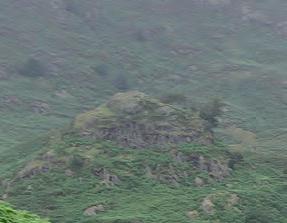
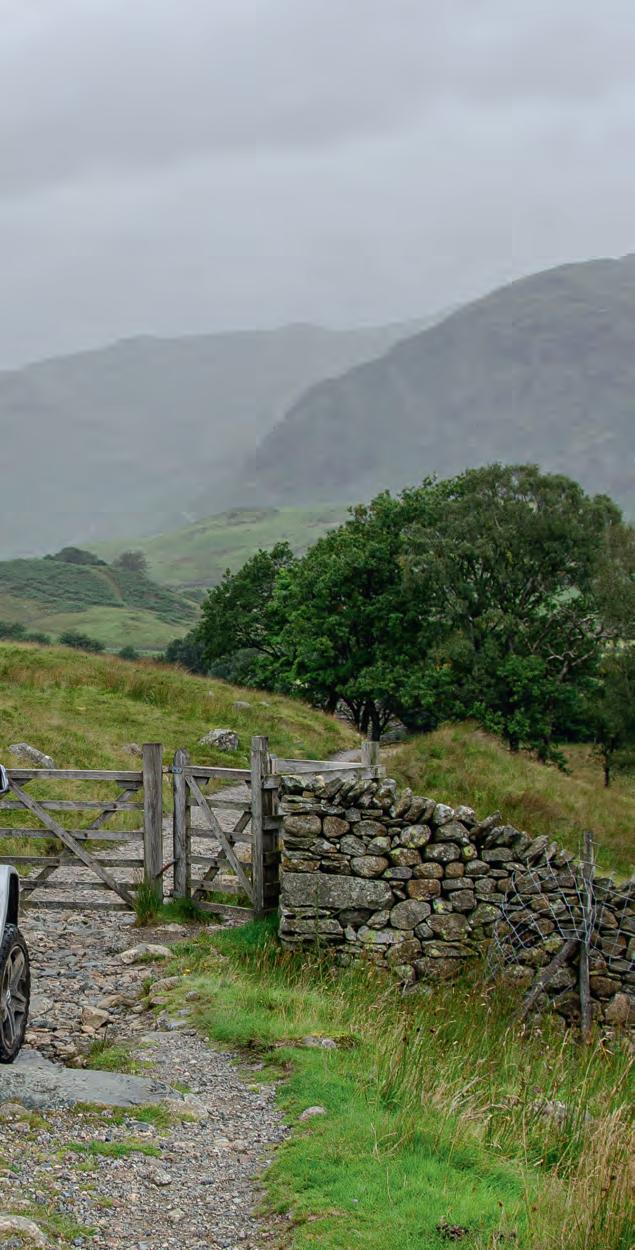
It won’t have escaped your notice that we’re currently revisiting some of the nation’s favourite green lane routes in a revival of the roadbooks which have been part and parcel of our magazines since Total Off Road was first launched in 2002. This month, we’re in the Lake District, enjoying a set of trails which, for scenery alone, rank among the very best.
Obviously, just by being in the Lakes the lanes up there are classics. However by their rocky, uneven nature, many of them were also among the most technically interesting in Britain.
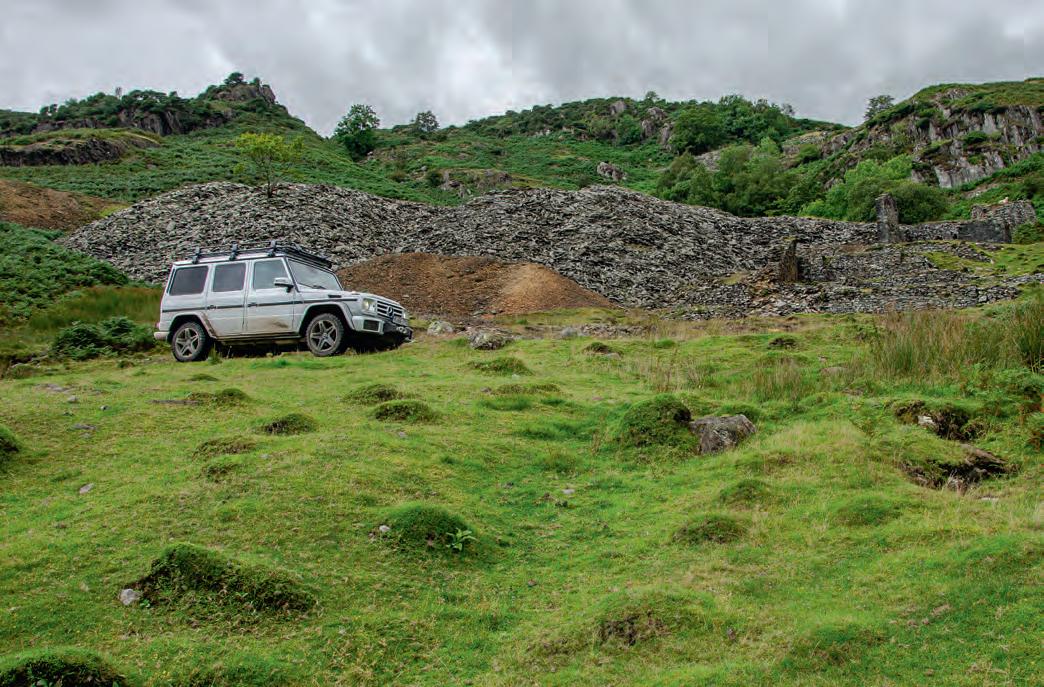
On the face of it, the combination is perfect. The lanes are challenging but sustainable and, in the main, don’t get ruts dug in them when the ground is wet. Despite the immense popularity of the region among holidaymakers, even in the summer they tend to be very quiet. And though the landscape is beautiful, it’s not natural – it’s what was left after mankind’s rapacious appetite for timber, slate and limestone had stripped it bare (you might be surprised by how much quarrying still goes on today within the National Park). So, while it’s still a precious environment, it’s extremely man-made.
As I say, a perfect combination. With the right vision, the Lake District could have been a British equivalent to Moab in Utah. But of course this is Britain, and when we see someone doing something we think They Must Be Stopped.
Fair play to the Lake District National Park Authority. Unlike some others, it recognises that 4x4s have the right to use green lanes, even if it somewhat sniffily says that it would prefer it if we didn’t. Come on, we’re all human beings and look around you, there’s enough space for everyone.
Nonetheless, there’s always the shrill, wild-eyed, screaming fanatics with their bigoted lies. Like all zealots and absolutists, they’re unable and/or unwilling to accept the truth (which is that most green lane users are decent, responsible people who do good, not harm) and their obsession with wrecking other people’s lives is as unfading as it is illogical. One result was of course the shameful 2006 NERC Act, which closed a vast swathe of rights of way across the whole of England and Wales without any reference to whether or not motor vehicle use was actually causing issues on them, and another is that the Lake







District has been the focus of some especially hare-brained attention. Back in 2018, a mob calling itself Save The Lake District (from what are for whom are relevant questions) even tried to get UNESCO to threaten the National Park Authority for not banning motor vehicles from all the Lakes’ lanes.
Though most lanes remain open, there have been consequences. A number of iconic routes fell victim to NERC. Walna Scar is gone completely and, in a truly ground-breaking example of cacocracy at its most contemptible, Parkamoor is now a dead end.
In other areas, the damage has been more subtly done. The challenging nature of the rocky trails is one reason why drivers
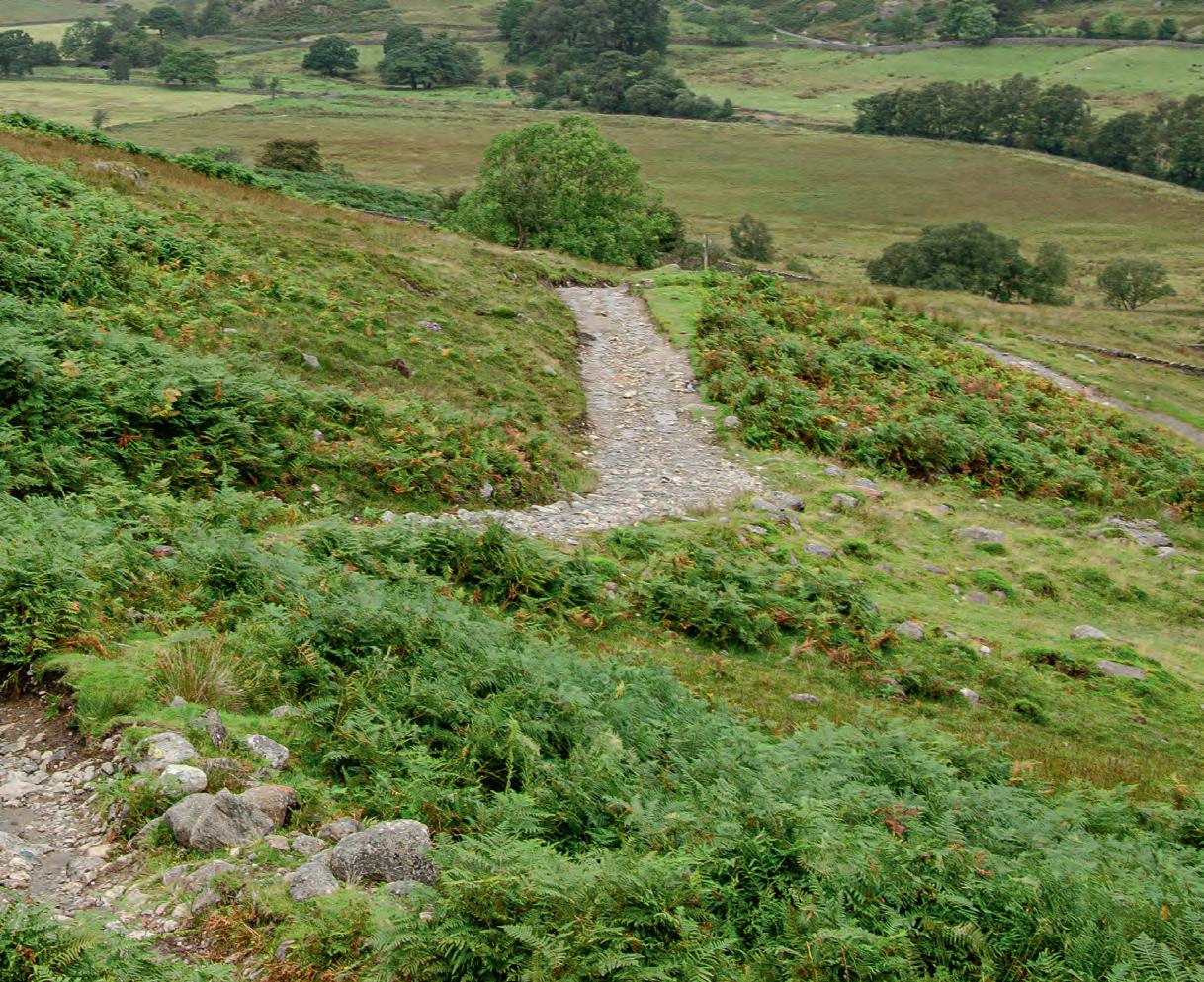
enjoy them so much – however in the face of unrelenting pressure from anti-vehicle campaigners, the local authority has been forced to level many of them. Beautiful, natural, peaceful, blah blah blah… until someone brought dynamite and hydraulic jack hammers to the party. And that someone was not the people who just wanted to enjoy the lanes in their 4x4s.
People like we were, back then a few months before the natural rock surface on one of the Lakes’ best loved lanes was smashed up and replaced by smooth stone. The lane in question is known as Tilberthwaite; it runs from High Tilberthwaite to Fell Foot, at the eastern end of the legendary Wrynose Pass in Little Langdale. We drove it as part of a
day’s laning which also included Oxen Fell and Arnside Intake, two other lanes that were bowdlerised at around the same time (albeit less savagely).
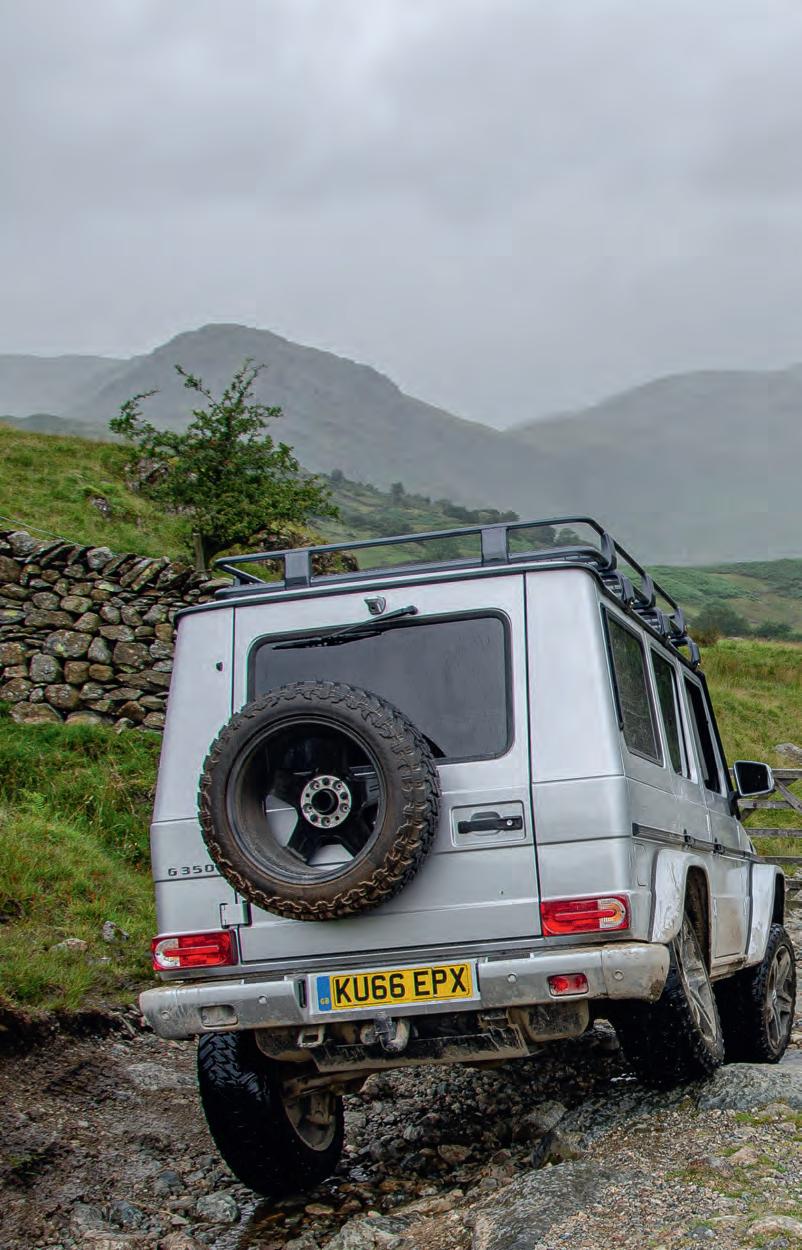
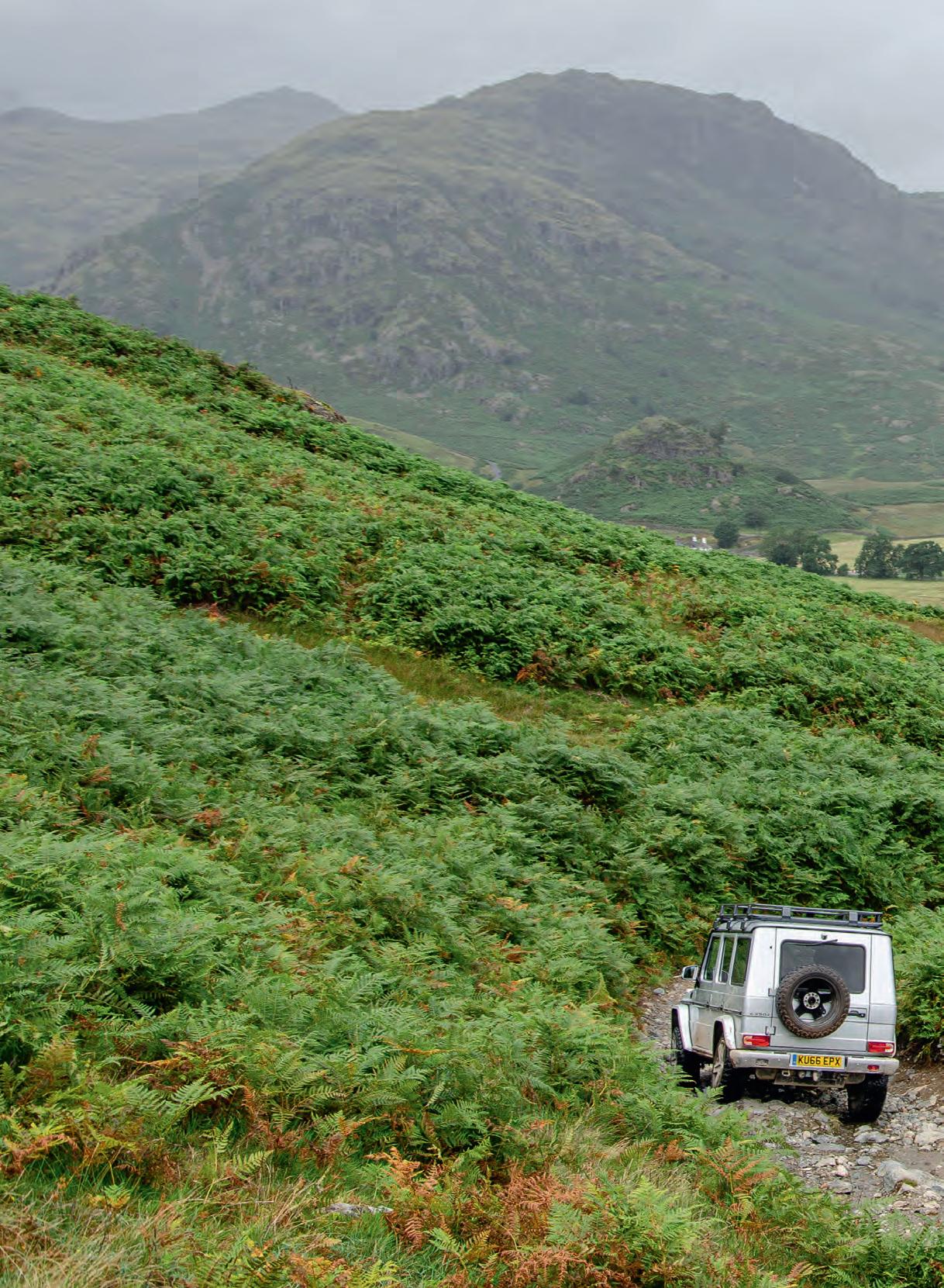
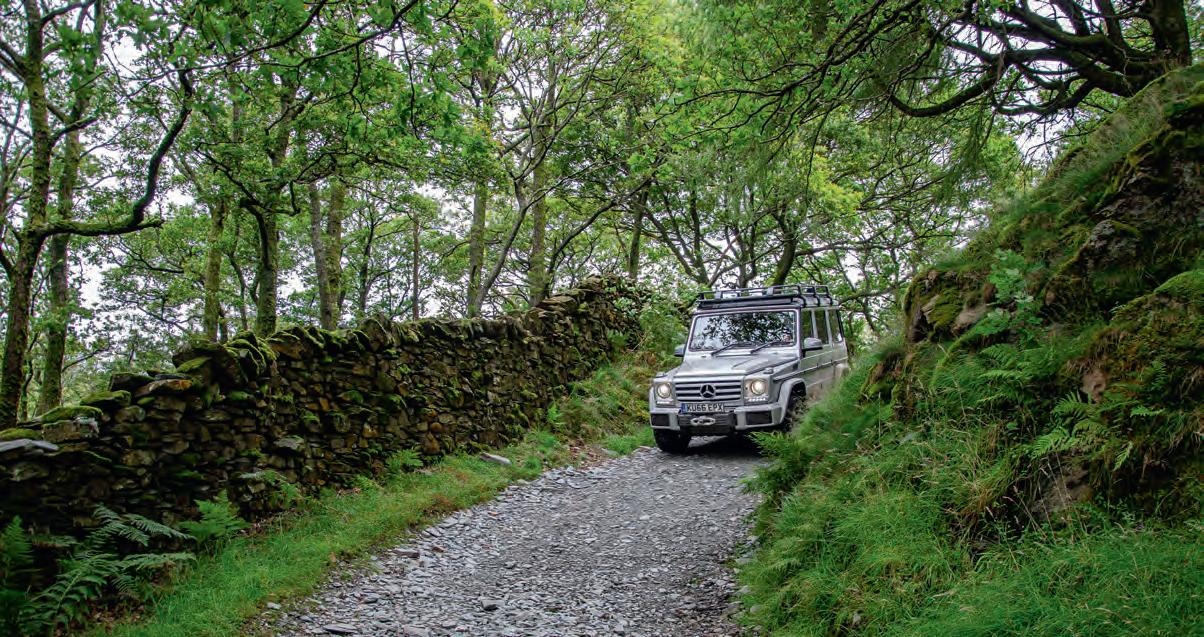
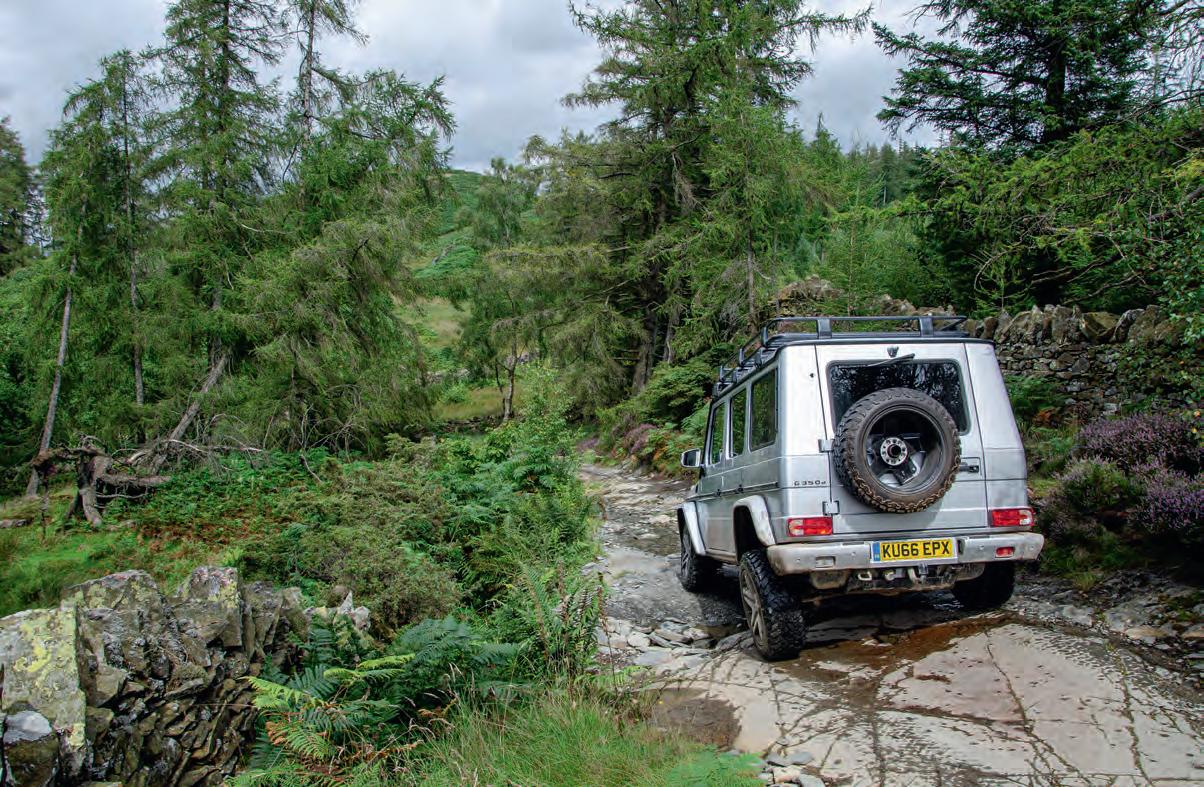
For us, getting to the Lakes means enduring a lengthy slog up the M6, but as always the traffic started to melt away once we were past the junction for Blackpool. The bit between Stoke and Preston, though, urgh. Still, it’s never too much of a chore when you’re in a hundred grand’s worth of Mercedes – even if the Mercedes in question was a G 350 d, a proper offroad vehicle with a surprisingly truck-like character and a seating position that put us in mind of the old Land Rover Defender.
How much of a proper off-roader could such a posh, high-tech machine really be? Well, back then the G-Wagen (as everyone still calls them) had a ladder chassis, low range, two live axles and three proper locking diffs. It was replaced by a new model a year or so later and this too was a seriously capable bit of kit, but with an independent front end it never felt quite as old-school. And we still like ‘em old-school.
We mentioned the seating position there, and just like the old Defender’s it was brilliant. You sit wonderfully upright, a little closer to the steering wheel than you might want but with the road (or track) ahead laid out before you like the view out of a low-flying aircraft. It made the G-Class incredibly relaxing on that motorway jaunt
and, once in the lanes, put us in position of power from which to survey the terrain. If ever there was a truck to remind you how valuable it is to be able to see what you’re doing, this would be it.
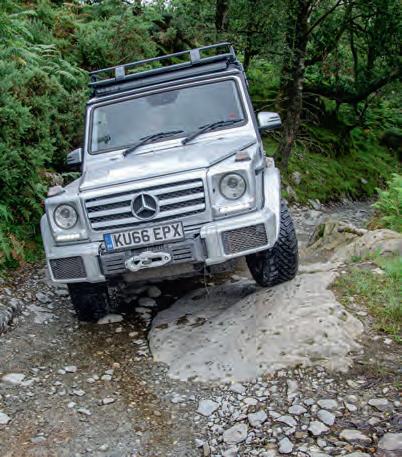
And yet here I am wanting to close my eyes as we edge our way past a jagged looking outcrop, just as a malevolent looking side slope leans us over towards it and our nearside wing mirror starts brushing the ground. This, I think, is going to be close.
The ground itself is nothing the G-Class can’t handle at a stroll. There’s plenty of grip and it’s nowhere near uneven enough to flex out the axles, let alone call for the lockers. But what a reminder it is of why I like green laning in vehicles whose bodywork I don’t need to worry about. You don’t set out to put dents in your truck but when I’m doing it in a truck of my own, I don’t have to answer to anyone else if they happen. And oh, in three decades and counting, have they happened.
I definitely, definitely don’t want it to happen to the G-Class. It’s the same every
time I get behind the wheel of a vehicle a manufacturer has loaned us for test driving, but never before have I gone laning in one worth this much. Not in the sort of terrain the Lakeland lanes can throw your way, at any rate.
The thing is, you’re never more than a few inches away from bedrock round here. Some combination of nature and human intervention may in places have smoothed it off to the point where it’s drivable, but it’s right there – and if nature comes back to wash away whatever material has been filling in the gaps, as it does, you can find that what’s left is very uneven indeed. Arnside Intake was a good example on this visit. A long and fabulously scenic right of way that runs around the north side of the Tarn Hows lake, there are times as you’re driving along it when you could be in the Rockies. Time was that you could just about drive it in an everyday car, but on this occasion water erosion had changed that. We came across a group of walkers
– which happens a lot in this area, but they don’t normally congregate by an exposed crag of rock to watch you pick your way over it while sweating about your vehicle’s 112” wheelbase.
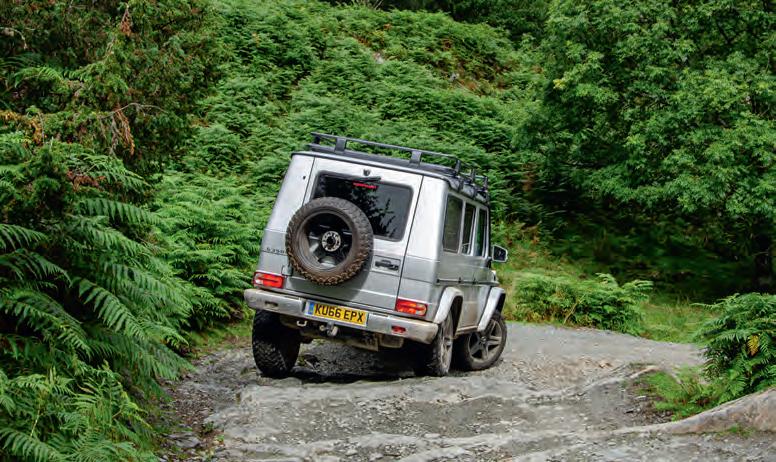
We were in mind of the tyres on this particular G-Class, too. The Atturo Trail Blade is a very good mud-terrain, but 255/55R19 is not the size we’d choose for any kind of off-road use. Surely a vehicle like this deserves something taller than a 30-incher? Even a modest 265/75R16 would only add about 1.5” in height while making a huge difference in terms of the all-important sidewall height; we’ve no idea if a 16” rim would make it round the vehicle’s brakes, but you get the point. Lowprofile tyres and off-roading are like chalk and cheese, and apart from anything else we think they look silly on a big 4x4.
Not that we were ever embarrassed by the size of the tyres on our G-Class, however. And without having to air them down, the Atturos did an excellent job of gripping on to a mixture of rock, both wet and dry, loose stones and, in between
times, the sort of general sloppy crud you tend to get in higher-level woodlands.
The track through Grizedale Forest Park is a good example of this. It’s also a good example of the opportunities you get to do your bit for the local economy when you go out for a day on the trails, as the cafe in the visitors’ centre at the west end of the right of way does what remains one of the best picnic lunches we’ve ever had.
As an aside, Grizedale is one of many lanes round here with a voluntary restraint agreement in place which asks 4x4 users only to do it in one direction. Back when we drove it in the G-Class, the agreement was to do it from west to east (thus starting from the visitors’ centre) but in the intervening period this has been reversed.
Another good reason to drive the track over Grizedale is that it’s home to some interesting works of outdoor sculpture. Since 1977, leading artists have been contributing to what’s known as the UK’s first Forest For Sculpture, a project run under the auspices of the Forestry Commission which has helped give the place a unique fascination. You can catch a glimpse of a smattering of these works from the track itself, though the way to really get to grips with them is to go on foot, as most are in locations that are out of bounds to vehicles.
Even so, one of them actually provides a useful landmark as you follow the right of way through the forest. Having climbed the hillside away from the visitors’ centre (watching out for mountain bikers coming towards you at warp speed), you merge on to a much bigger, smoother track then filter out of it again – next to an enormous wooden fox. Very handy, though it might put you in mind of Monty Python and the Holy Grail
way down the hill, to the extent that wheels are likely to lift. Our G-Class just about managed to keep all four on the ground through the steep axle-twisters, but we could certainly feel its weight shifting as the rears took it in turn to lighten up.
That was nothing compared to the way its body was moved about later on, though, on the way towards Langdale from High Tilberthwaite. It might now be the sort of track you could drive in a Fiesta but back then we were in serious territory almost from the start.

Things get very uneven on the
First, however, there was some courtesy to be extended to the people who live at the southern end of the right of way. Access is through the middle of their farmyard, and laning protocol round here asks you to walk ahead and open the gates in advance rather than sitting among the buildings with your engine running. Particularly important if you’re in a convoy, obviously.
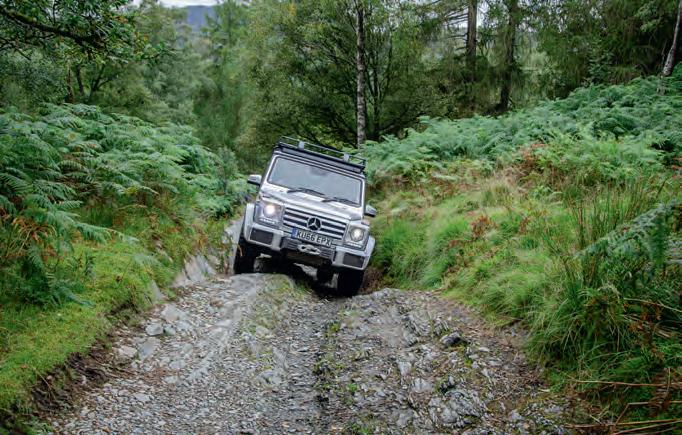
The trail climbs quickly from here, and for us it was rocky from the start. Actually, it wasn’t even as rough as I had remembered, which filled me with what turned out to be false confidence. Further on, we were met by proper axle-twisters, outcrops to be scaled and one particular side slope that had my guts churning as I eased the G-Class along, inch by inch,
Since 1977, Grizedale Forest has been building a unique collection of public art in the shape of sculptures designed to be viewed in their woodland environment. Placed opposite a junction in the byway through the forest, his guy is among the best known of them – the right of way itself is colloquially known as The Fox
with its bodywork getting ever closer to the exposed rock to its left. Having made it through, the last thing I wanted to do was have to turn round and go back; it was so close that even just my bodyweight being on the downhill side could have been enough to make the difference.
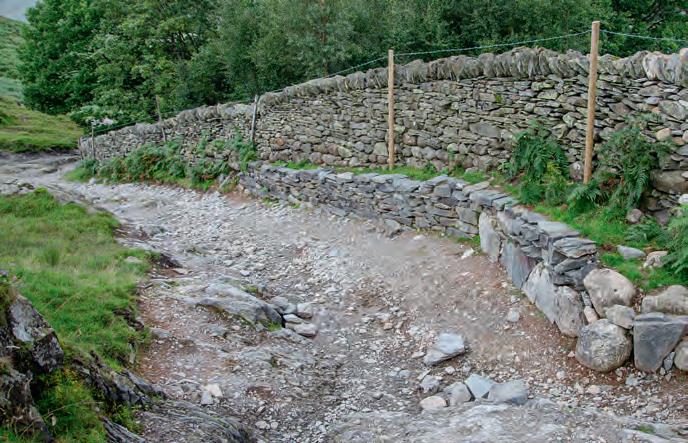
Good news, then, that a retaining wall further along from here has been repaired. About a decade ago, Tilberthwaite faced closure because the wall’s footings were getting undermined and the local authorities couldn’t find the two or three grand it would cost to repair it. To save the lane, this was raised via donations by members of the Green Lane Association and Trail Riders’ Fellowship.
In truth, as a right of way the lane should be maintained at the taxpayer’s expense. But we all know how stretched public funds are, and in this case paying for the repairs was simply a matter of what would actually work. Not something you’d want to be taken as a precedent, however – and a few weeks after the donation had been made, green lane users were less than happy to hear in the news that a quarter of a million pounds of taxpayers’ money had
The terrain on Tilberthwaite was no challenge to the G-Wagen, even in the days before it was levelled off. Just look how close that bodywork is to coming a cropper on the rocks in the embankment, though…
been spent on repairing damage caused by hillwakers’ boots on a Welsh mountain. One law for the the rich, powerful masses, another for a tiny minority… surely not?
Let’s leave such distasteful thoughts to one side. We’re high up now and there are glorious views ahead of us, even in the gloom of an overcast day. But there’s not much time to enjoy them, because
after one massive off-camber axle-twister comes what feels like a sheer drop off the face of a cliff. It’s not, of course, nothing like it, but try telling yourself that when you’re easing a large, valuable piece of someone else’s property over the edge.
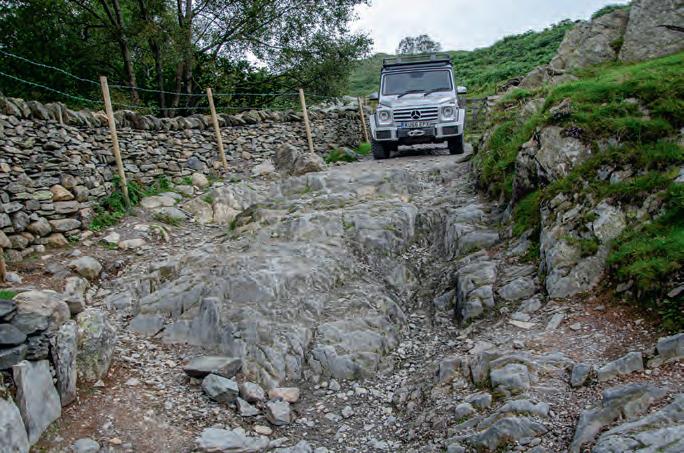
Happily, the G-Class is much less easily shaken by such things than the humans on board. But further on, approaching the junction with another track, we come to a bigger obstacle still. It’s a massive, angled
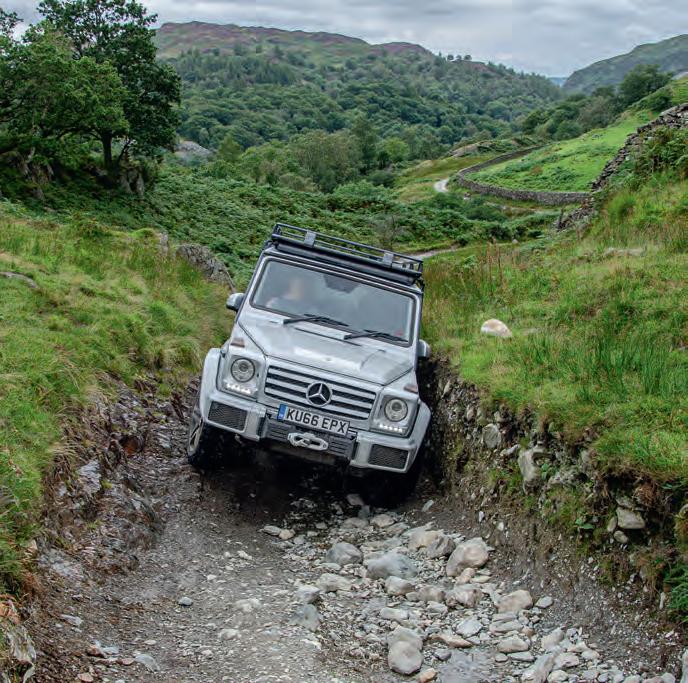
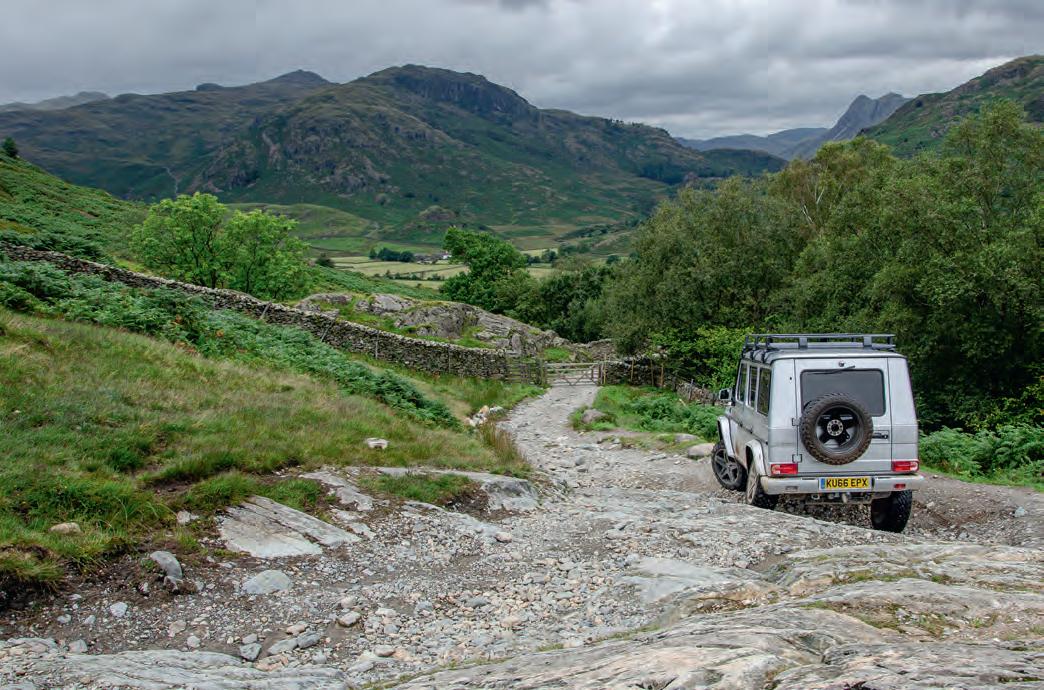
This rock ledge was an iconic part of the Tilberthwaite experience for many years and it did precisely no harm to anyone. Best get the jack hammers out and smash a nice bit of bedrock into pieces in the name of preserving the natural environment, then
slab of smooth rock giving on to the jagged edge of outcropping rock strata that makes up the embankment on the far side of the track – and if things go wrong here, we’re toppling sideways into it.
I get out and recce it on foot. I figure out the line I’d take. I look at each bit of ground and yes, I can picture the Merc’s wheels gripping, keeping it upright and moving the whole way through.
But I already know what’s coming next. I ask myself ‘what if’ and the answer is obvious. If I get this wrong, if we lose grip,
if it doesn’t stay upright, we’re either going sideways into those rocks or, worse, rolling over on to them. Either way, maybe I’d give it a try if the vehicle was my own and there was someone here to tow it back from the brink (or beyond) – but up here on our own, the G-Class must be denied the opportunity to prove its ultimate off-road abilities. Sorry Mercedes, but I don’t want to break your car. Thankfully, this doesn’t mean turning round and retracing our steps back to the farm. The junction is shown on the OS map to have a diagonal short-cut to the other
track which is also a right of way – and while this is very faint on the ground, it’s visible and it allows us to skirt round the section that would have been a rock face too far. Soon (well, soonish, as there are more axle twisters still to come, not to mention a bridge that’s so narrow, there are modern SUVs that simply won’t fit between its parapets), we’re taking the G-Class back out of low box and, a few very deep breaths later, piloting it back on to the tarmac. It’s been a scary session on the rocks, but Merc’s best has been unflappable; we’re through, and we’re through unscathed.
With that, it’s time once again to enjoy the heated leather seats, the premium entertainment system and the peerless view of the traffic all around as we head back down the M6 for home. The G-Class might not be the last word in refined cruising the way something like the S-Class
Motor vehicle users raised the money to pay for repairs to this wall after the local authority said it couldn’t find the money and would have to close the lane instead. A few weeks later, around £250,000 of taxpayers’ money was ploughed into repairing damage done by hillwalkers to hilltop in Wales
is, but it glides along with the same graceful poise and overwhelming confidence that it brings to dealing with jagged, uneven rocks. And then something happens that’s never happened to us before and will almost certainly never happen again. You know how rap artists like to drop the names of expensive cars in their songs? Well, on the radio someone called J-Hus says something about a G-Wagen, and just for a moment there he’s talking about our car.
A car which, of course, will shortly go back to Mercedes, so it’s not really ours at all. But it’ll go back in one piece and, after taking on some of the trails we’ve driven today, that says a lot for its design and offroad ability alike.
It was only a few months after this trip that the rocks on Tilberthwaite and elsewhere were smashed to pieces, the lane’s character was neutered and Britain became that little bit less interesting. The
In some parts of the world, if you had a network of trails like this the local council would sell maps, market them as a tourist attraction and bring in some punters for businesses in the area. But this is Britain, so what shall we do?
G-Class was gone too, in the form you see here, and though its replacement was still a vehicle of immense prowess, it too was just a little less of what it once was.
Just a little. The G-Wagen (that word again) remains a magnificent 4x4 today –even if you are more likely to see one on a rap video than a green lane. But if you do, Tilberthwaite would be a very appropriate one – because it’s magnificent too. With or without the rocks, it’s a right of way that surrounds you with supreme views.
You could even argue that now it’s so much easier to drive, you’ve got more time to enjoy the scenery rather than constantly studying the surface ahead. We liked it the way it was, and it didn’t half let the G-Class show off what it can do. In its easier, more modern form, the lane would never have been able to do that – though we’ve got to admit that the experience would have been a lot less nerve-wracking…
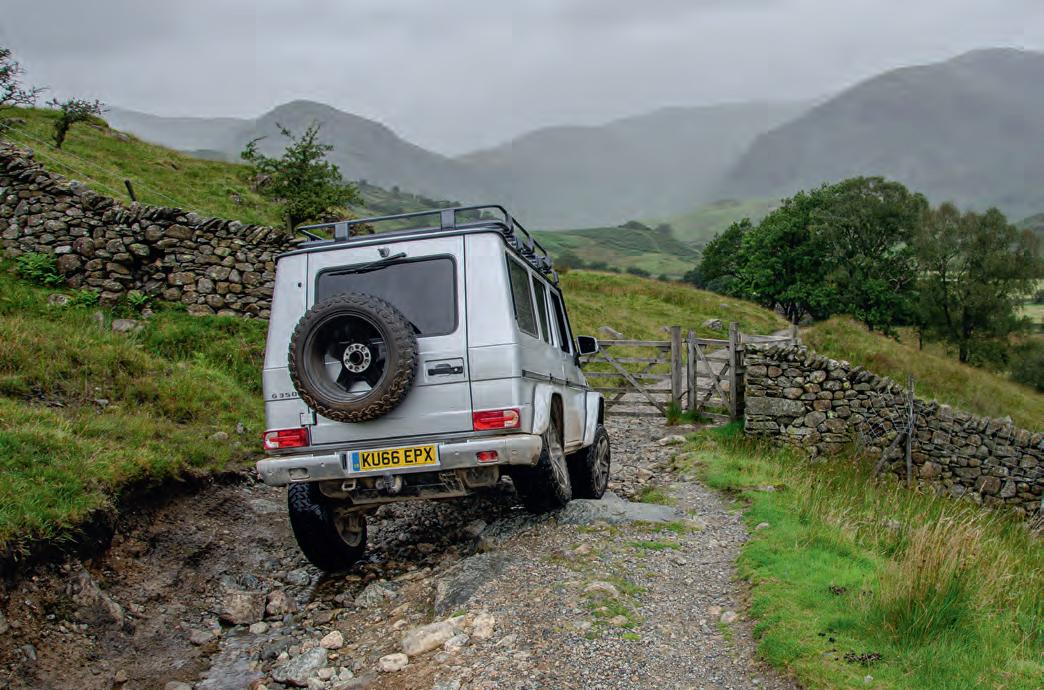

Our roadbooks guide you through the countryside on a mixture of surfaced and unsurfaced roads. The tracks we use are public rights of way, either Byways Open to All Traffic or Unclassified County Roads, all commonly referred to as green lanes.

We’ve deliberately made it as easy as possible to follow the route, using a mixture of instructions, tulip diagrams and grid references. We normally only include junctions at which you have to make a turning or don’t have right of way, so stay on the main road or continue straight ahead unless we tell you otherwise.
Elsewhere, let common sense and courtesy prevail. Keep your speed down, be ready to pull over for others and show the world that we are decent people just like them.
Anti-4x4 bigotry does exist, but it’s less common than you’d think. By and large, it’s limited to organisations which just want to get the countryside all to themselves.

You’ll find a guide to using grid references on the legend of any OS map. Our aim is for you to be able to do the route without maps, whether paper or online, but you should certainly take a set with you.




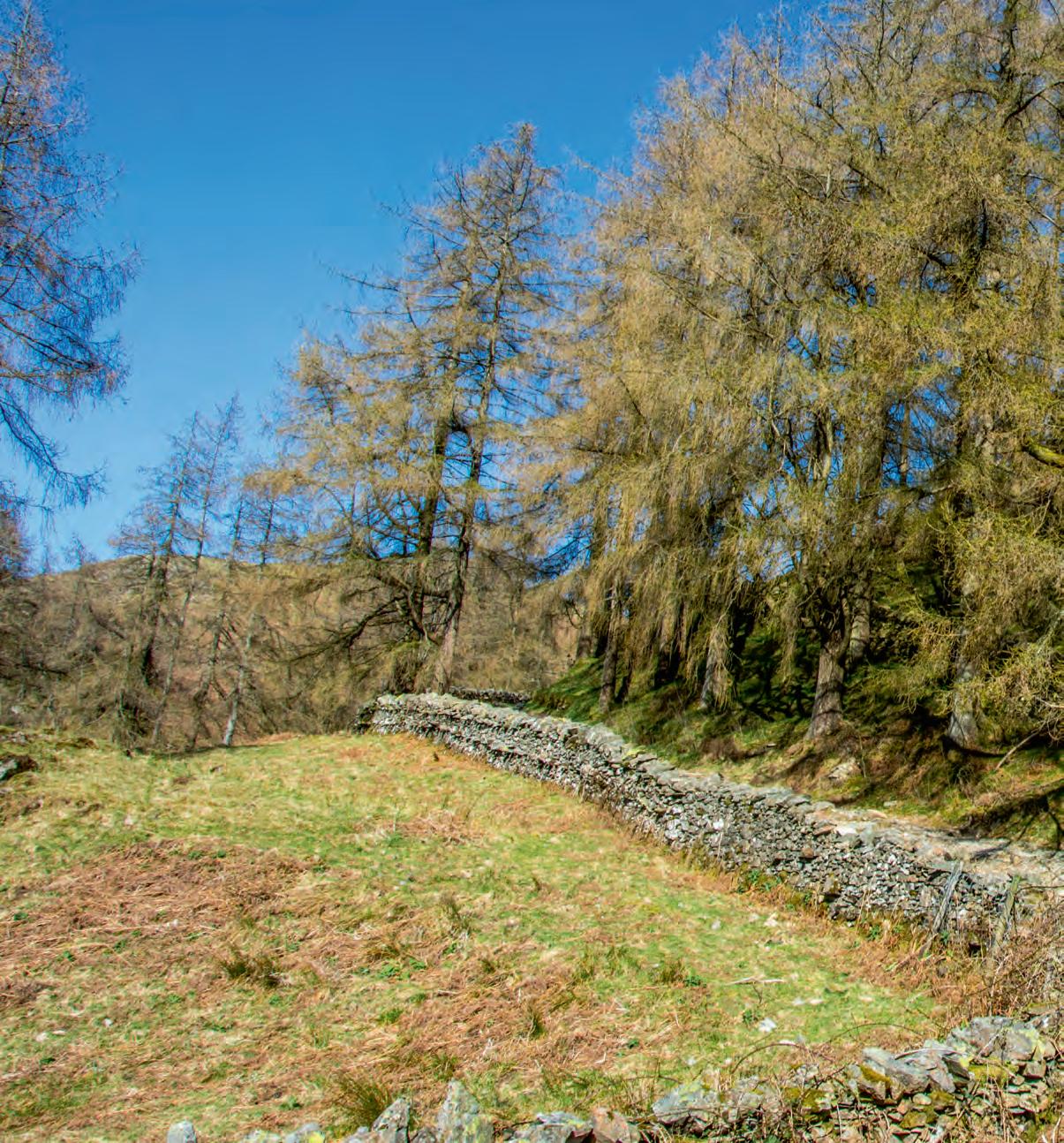
These organisations are beyond being reasoned with, but it’s rare to encounter real hostility even from their rank-and-file members. If you’re friendly towards the people with whom you share the countryside, the vast majority will respond in kind. There are always bad apples, but no more so than anywhere else.

Likewise, most local residents will accept your presence if you’re driving sensibly. What suspicion you do encounter is likely to be from farmers worried that you’re there to steal from them, so be ready to offer a word of reassurance. Once satisfied that you’re not after their quad bikes, their mood will lighten.

The notes on thee pages advise you of how suitable the route is for your vehicle. These are just guidelines, however. We’ll warn you of any hazards or difficult sections, but the nature of any green lane can change quickly. Wet weather can make a huge difference to the conditions underfoot, and what’s wide open in winter can be tightly enclosed and scratchy in summer. The responsibility is yours! Our roadbooks are designed to be safe to drive in a solo vehicle. We do recommend travelling in tandem wherever possible, however. The risk of getting stuck can be greater than it appears – and even the most capable of vehicles can break down miles from anywhere.
DO…
• Keep your speed right down
• Pull over to let walkers, bikers and horse riders pass
• Leave gates as you found them
• Scrupulously obey all closure and voluntary restraint notices
• Ensure you have a right to be there. We research the routes on our roadbooks very carefully, but the status of any route can change without notice


• Be prepared to turn back if the route is blocked, even illegally
• If you find an illegal obstruction, notify the local authority
Irresponsible driving is a big and serious issue on green lanes. In particular, you must always stay on the right of way. Never drive off it to ‘play’ on the verges or surrounding land, even if you can see that someone else has; doing so is illegal and can be tremendously damaging.
• Stick scrupulously to the right of way
• Always remember that you are an ambassador for all 4x4 drivers
DON’T…


This kind of illegal off-roading is a key reason why green lanes get closed. If you see others doing this, they are NOT your friends. They’re criminals, and you are their victim. If it’s safe to do so, film them in the act and pass it to the police.
• Go in large convoys: instead, split into smaller groups
• Drop litter. Why not carry a bin bag pick up other people’s instead?

• Go back to drive the fun bits, such as mud or fords, again
• Cause a noise nuisance, particularly after dark


• Get riled up if someone challenges you. Be firm but polite, stay calm and don’t let them turn it into a fight



The Lake District has a long-held appeal for green lane users. Its unsurfaced roads have been sterilised somewhat by resurfacing work over the last few years, and various rights of way have been lost over time to the damaging consequences of anti-vehicle hysteria. But it’s still a sensational place to go if you want to experience Britain at its most free, with long, rocky and gloriously scenic rights of way through a sublime landscape of mountains and forests
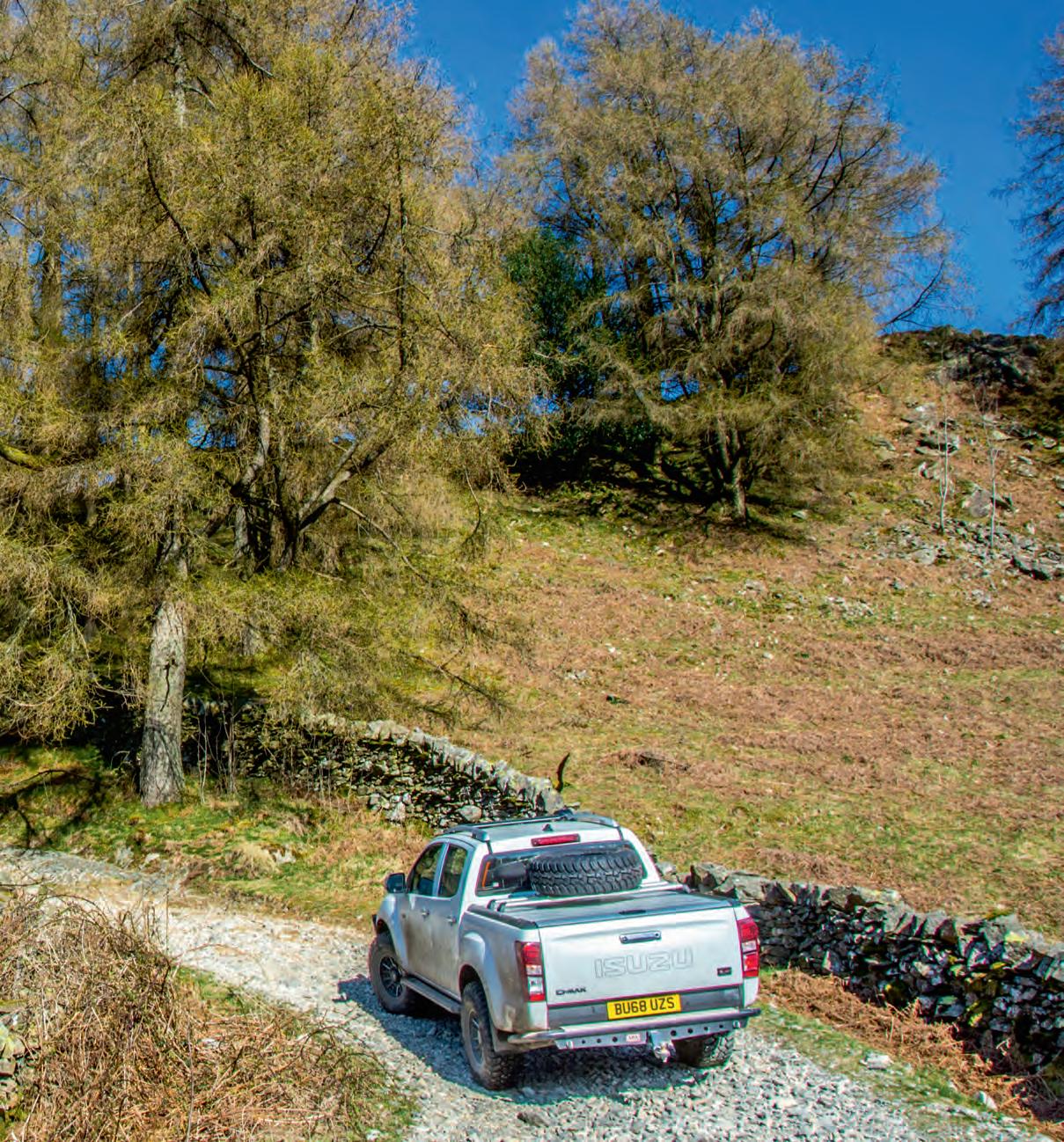

START Pooley Bridge (NY 471 244)
FINISH Lowick Bridge (SD 292 865) HOW LONG? 52.6 miles / 6-7 hours
TERRAIN Hilly farmland and mountainous moors HAZARDS Isolation; other users; occasional technical sections, mainly rocky

OS MAPS Landranger 90 (Penrith & Keswick) Landranger 96 (Barrow & South Lakeland)


TYRES
Road tyres with low-profile sizes may be susceptible to damage WEATHER Avoid when foggy or icy
LOW BOX Will make it more relaxing
SOFT-ROADERS
SCRATCHING
DRIVING
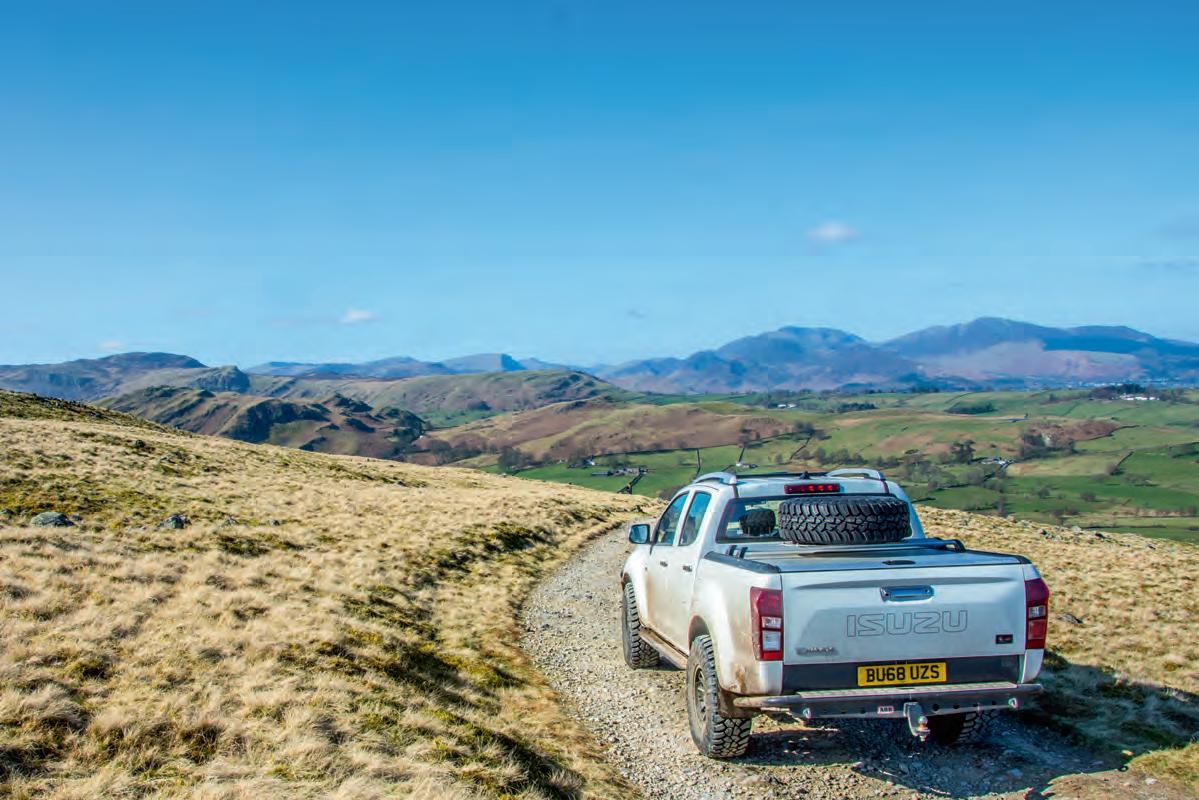

1 0.0

Tougher ones should manage it
Minimal risk

Discpline required when passing other users and people’s homes DAMAGE

Very occasional potential for rocks to catch your underbody

NY 471 244
Start in Pooley Bridge, outside the Sun Inn – it’s on the main street through the village, as are a number of local shops which would be a good place to stock up. Zero your trip with the pub door to your right and set off heading more or less west, then follow the main road over the bridge at the traffic lights


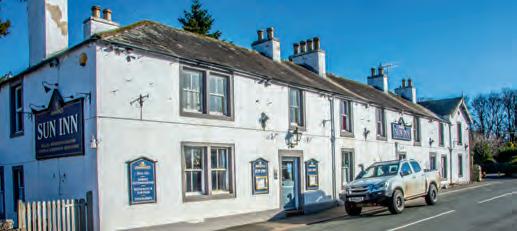



Step 1: Start outside the Sun Inn in Pooley Bridge, a pub that would make a good place to stay the night before your trip

(right):




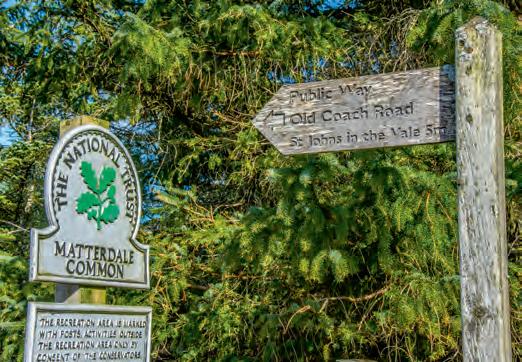

Dead slow past the house. As the road swings right then left, it feels as if you’re driving into someone’s garden; you’re not, but you’re certainly in their territory so be respectful

6 3.45

3.55

8 4.5


You probably do have the right of way here, but the white lines on the road suggest everyone is to give way to everyone else

380 219
Follow the sign for St John’s in the Vale (assuming it’s pointing in the right direction, which it wasn’t when we visited). Take great care here –the start of the lane goes through a car park, and you’re certain to encounter walkers on the route ZERO TRIP
The descent steepens quite sharply and gets rockier. After this, stay on the proper track through the quarry area – it’s not a playground
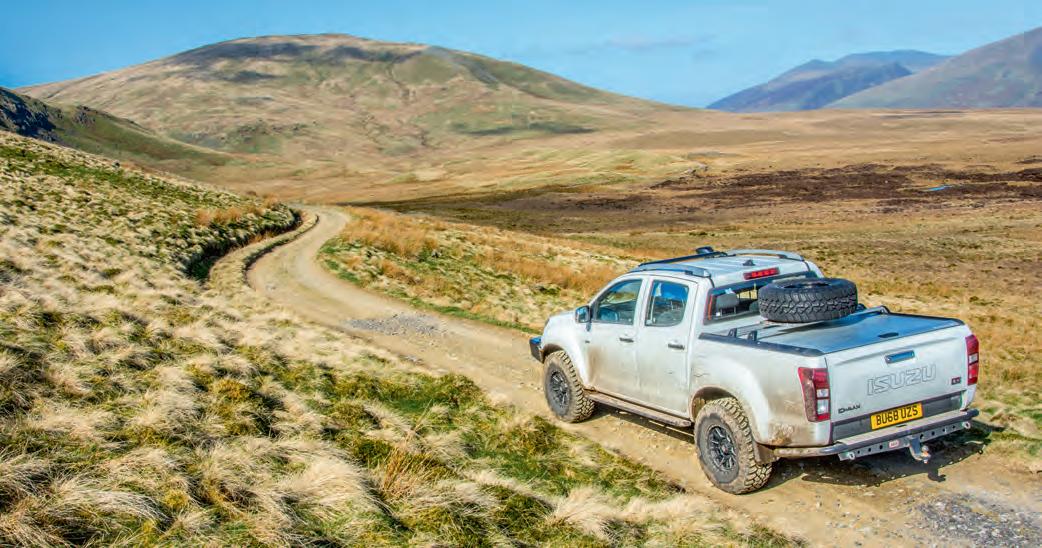
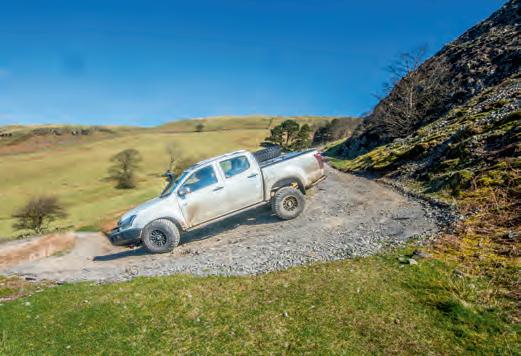






Step 21 (left): The hairpin is very tight and pretty steep – in most vehicles, it’ll be a toss-up between staying in low range and going into two-wheel drive to avoid winding up your centre diff





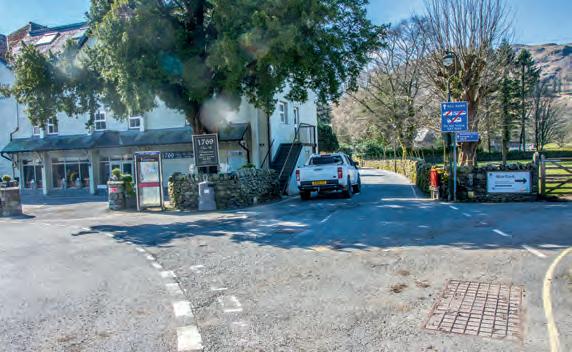



Step 27: Watch out for the road ahead to Red Bank as you roll through Grasmere

There’s a


– it’s


Caution – there’ll be loads of people on foot around here
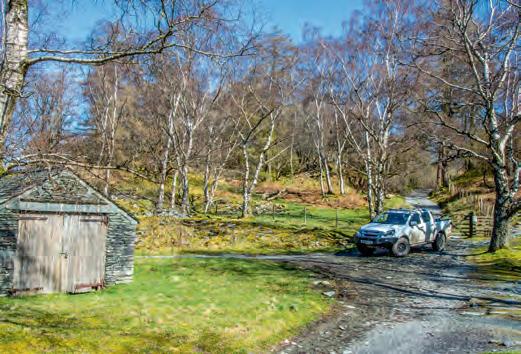

Coniston A593

1.75

NY 329 022
The turning is hard to spot. It’s the first of any sort on the right after you’ve passed the road on the right for Elterwater and the Langdales. Look out for the wooden parish notice board on the corner as a landmark, too. Having turned, continue straight ahead at the fork
A home-made sign says no through road. It’s trying to deceive you, but you will go very close to someone’s home so again, it’s time to show maximum respect

2.4

2.6
Dead slow through the farm, then the road becomes a track as you go through the gate
As you climb, you’ll round a tight left-hander into a set of rock steps. Don’t follow the tyre tracks going up the hill straight ahead
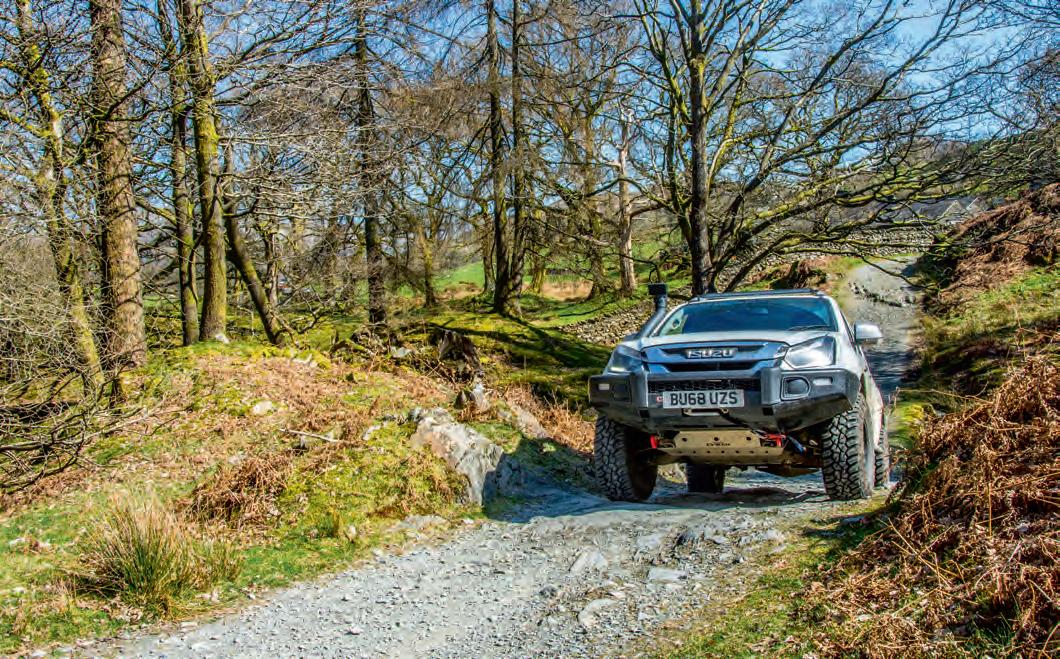
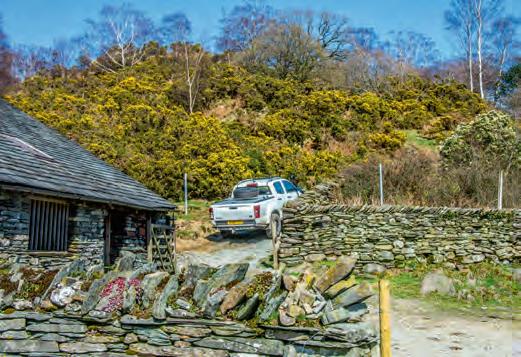


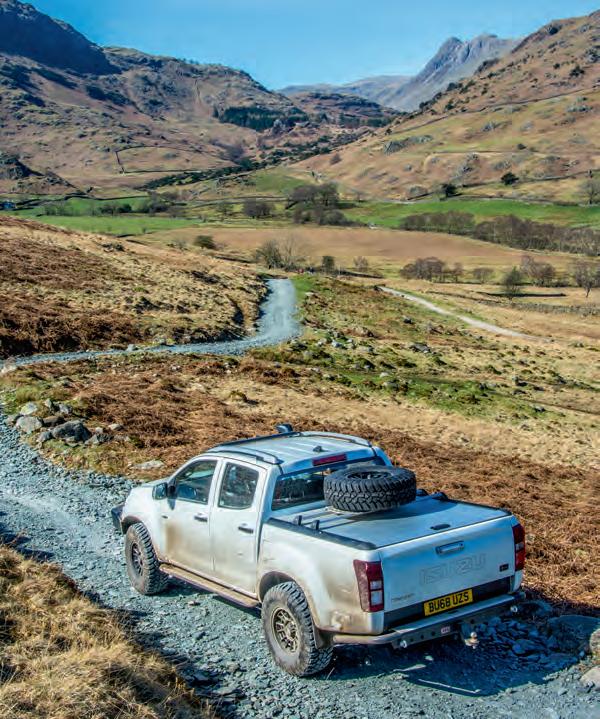
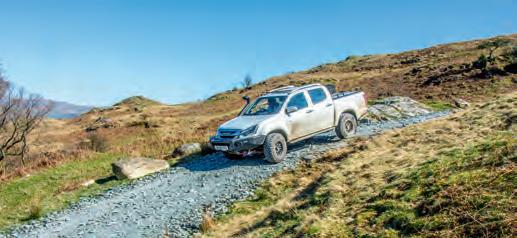





Step 39 (left): This picture shows the route out of the farmyard. Stop short of the first gate and open them all before passing through, rather than sitting in front of the house with your engine running





SD 312 996
Caution – the turning is sharp enough that you’ll probably need a shunt

When you reach the farmyard, stop and open all the gates before heading through, then stop again to close them. Out of respect to the people who live here, don’t sit in the middle of their home with your engine chuntering away


Caution past the old farmhouse and over the bridge – it’s ridiculously narrow


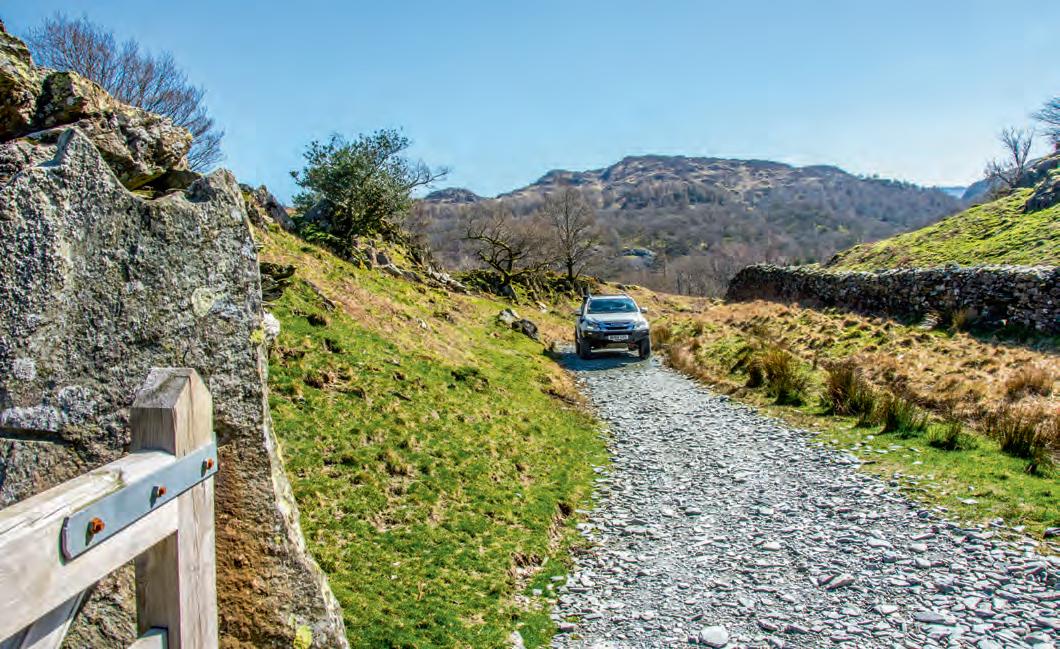
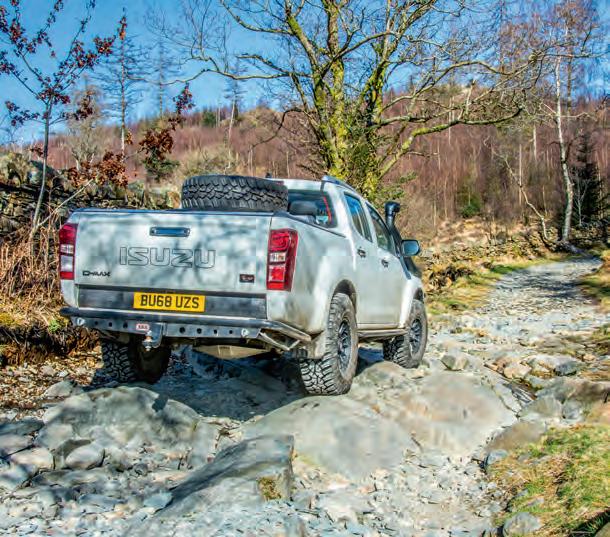

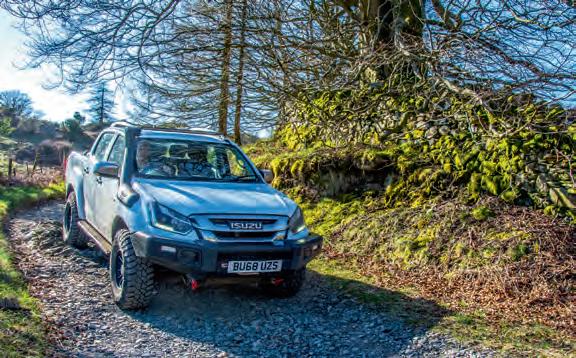


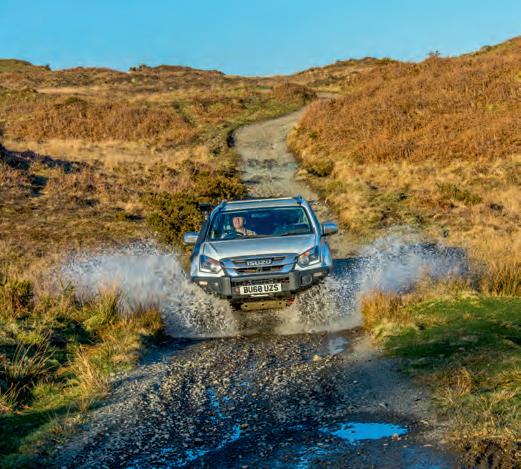


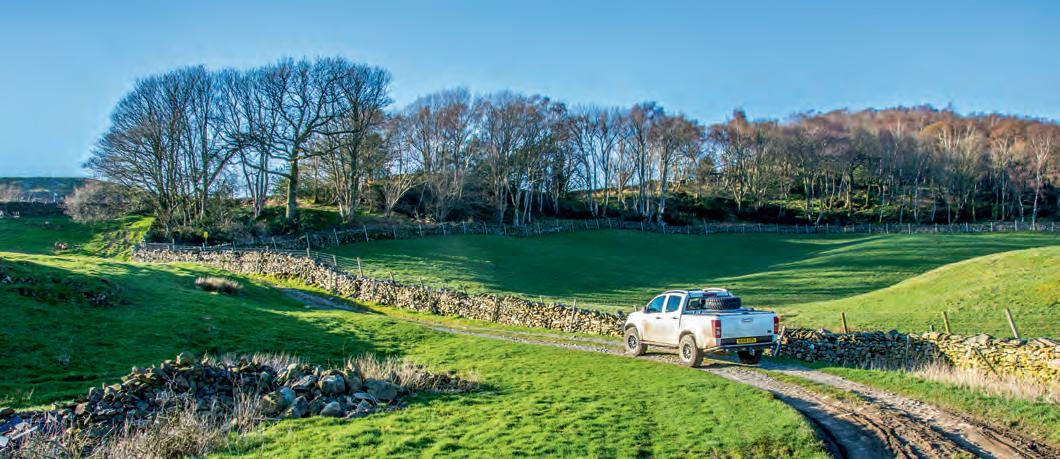

You have the right of way, but there were no road markings when we set out the route so assume the other bloke thinks he has too

SD 319 873
The turning is as you pass the Oxen Park village sign


SD 323 894


Caution over the cross-roads (it’s a fast road), then pull up outside the Red Lion for the end of the
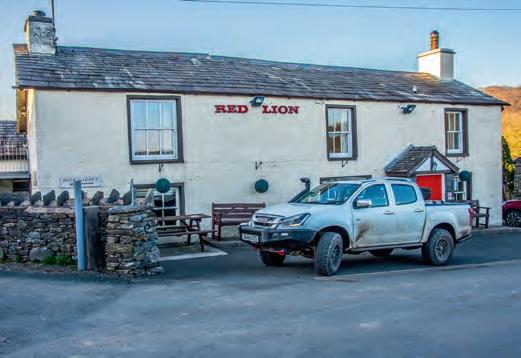






Porsche Macan 4S on an overland mission to Cappadocia provides a reminder that family SUVs really can get you places worth going off-road









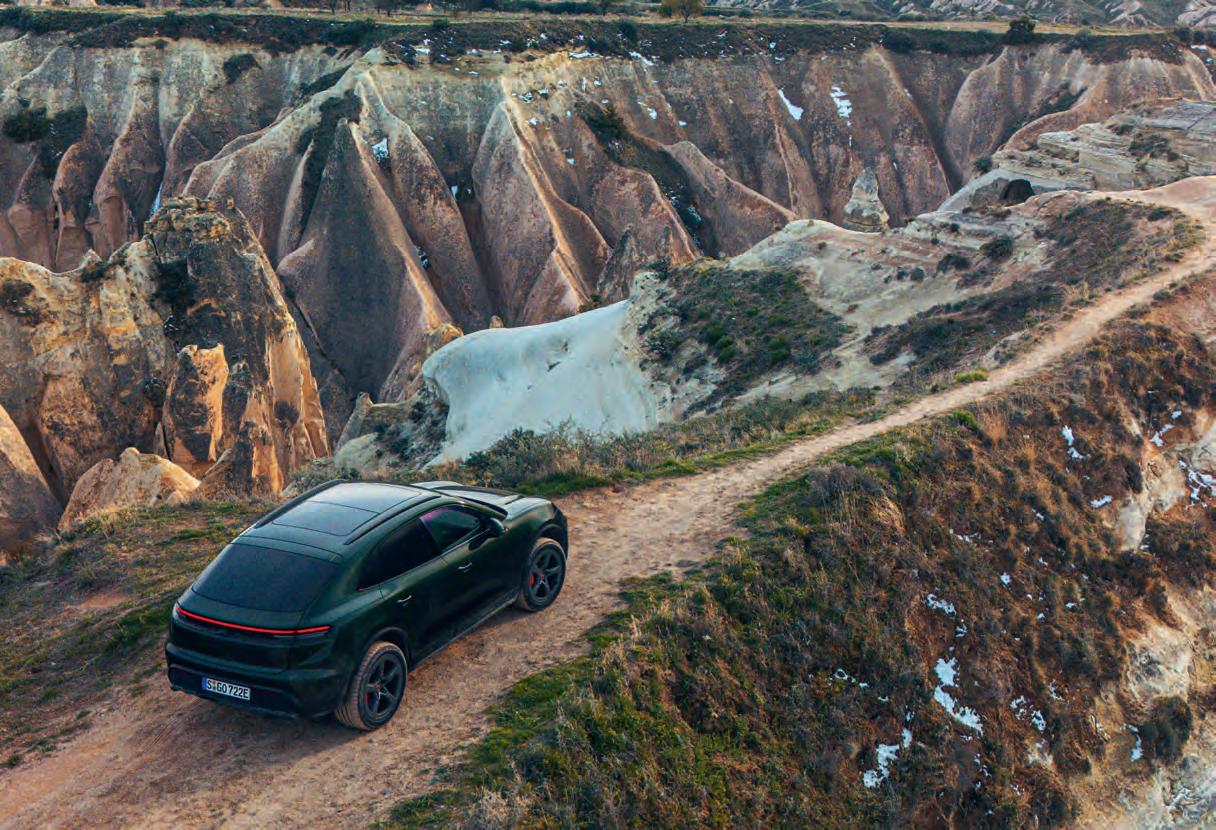
First drive: latest Isuzu D-Max AT35
How this year’s Dakar Classic unfolded Two-door Wrangler from the age of kitsch
APRIL 2026 ISSUE: ON SALE 12 MARCH








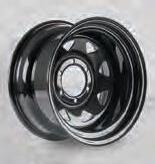

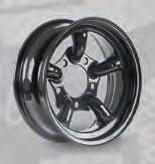


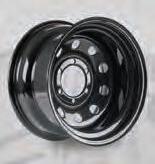









Premium alloy or steel wheels , built to handle the toughest adventures. Market-leading tyres , manufactured to conquer the most challenging terrains.