

This magazine is printed on Sovereign Silk stock which is Acid Free, EMS, Element Chlorine Free and comes from Responsible Forestry Practices.

n Melbourne, the arrival of spring not only brings an end to winter’s chill but also marks our Spring Productions’ season where we showcase our Drama and musical talents.
This year’s productions included the Years 3 to 5 Musical The Jungle Book, the Middle School’s SpongeBob as well as the School’s annual musical showcase, Spring Concert. These events, together with the Senior School production of Mamma Mia! earlier this year, collectively highlighted the extraordinary talents not only of our students but also the exceptional skills and commitment of our Music and Performing Arts educators.
These performances are more than entertainment–they reflect the strength of our Drama and Music programs, fostering confidence, collaboration, and creative expression–skills essential for our students’ growth and development.
Audiences of proud parents (myself included), grandparents, and friends were overjoyed and filled with nachas at the passion and talent on display. These events embody the unique, inspiring community our school nurtures. Kol Hakavod to all who contributed their hard work and spirit.
Spring also marks the season of the Jewish High Holy Days. I take this opportunity to wish everyone a Shana Tova Umetuka and G’mar Chatima Tova.
Together we all pray for peace in Israel and the safe return of the hostages.
Am Yisrael Chai.
Jeffrey Leigh School Council President
At the School’s AGM earlier this year, we farewelled members of School Council who had completed their terms of service. This included Lahra Carey as Immediate Past President, whose significant contribution has been immeasurable. We also farewelled Rochelle Rothfield and Adam Kaye. Rochelle served most recently as Vice President and also previously held a role as KDSPA President. Rochelle worked tirelessly to benefit the School. Adam was a key member of Council for several years and we are grateful for his expertise, guidance and commitment through his roles on the Finance committee as well as in managing our property and building portfolio. Ganit Taft, a long standing member, as well as Past President, of the KDSPA also resigned from Council. We are very grateful for her outstanding service.
We welcomed onto Council Laurelle Ritz as incoming President of the KDSPA. Elly Bloom and Marcus Jankie are two new Council members whose expertise is enthusiasticlly welcomed.

With the special feature in this issue of Inspirations magazine focusing on the School’s new program, Ctrl Alt Del and the need to delay smart phone usage with young students, I’d like to share an excerpt from my Insights article that was published at the launch of the School’s brave new program earlier this year.
Gen Z became the first generation in history to go through puberty with a portal in their pockets that called them away from the people nearby and into an alternative universe that was exciting, addictive, unstable, and… unsuitable for children and adolescents.”
This quote from renowned thought leader Jonathan Haidt’s The Anxious Generation summarises why Haidt believes that early and unfettered access to social media has caused a huge spike in anxiety, depression and other mental illness in young people.
Parents of The King David School agree. In our recent survey, 90% of parent respondents worried about how much time their children spent on their devices. 70% worried about what they were accessing and more than 50% believed that their children were spending more than three hours per day, outside of school time, engaged with their device. Another disturbing response was that 70% of parent respondents suggested that conflicts around device usage were occurring regularly within their families.
The School’s new program, Ctrl Alt Del, is designed to assist our families in taking steps to protect their children’s childhoods, to improve their mental health outcomes and to enhance their family units.
The power of the program is that it harnesses the strengths of the King David community to create an inclusive and collective model of action to address this vital social issue. The program involves parents in a particular year level signing a pledge to withhold providing their child with a smartphone until at least Year 7. We offered a parent education session to facilitate the drafting of Family Charters which determine the rules around usage. Additionally, we have run sessions on using technology to limit and monitor children’s screen time. We also provide discounts to familyoriented activities that take their children away from their screens.
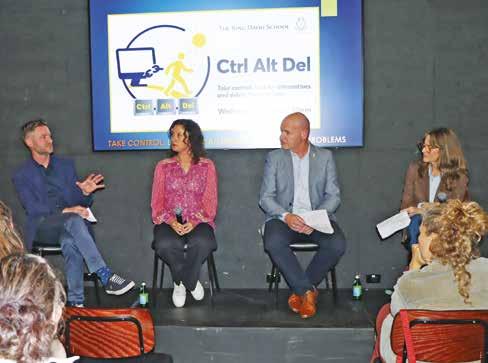
The program was launched at a booked-out parent evening where we were privileged to hear from an exceptional panel which included the program’s author, Vice-Principal Student Wellbeing and Head of the Junior School, David Opat; Coordinator of Student Wellbeing for Magid Campus, Chanie Stock; KDS parent, comedian and media personality, Charlie Pickering; and KDS parent, author, mindfulness expert and psychiatrist Dr Elise Bialylew.
Chanie Stock facilitated a stimulating conversation which explored the gravity of social
media impacts and why it was so vital to take action. David Opat lamented the negative impact that social media and device addiction has had on student creativity, play and downtime. He also explained the increased levels of inattentiveness that was negatively impacting student learning.
Both Elise Bialylew and Charlie Pickering provided insights into digital device use and physiological changes in adolescent brains and shared some deeply personal anecdotes. Ctrl Alt Del is not about us telling parents what to do or how to parent. Rather, it is focused on the School bringing families together in an opt-in manner to work collaboratively to address this issue. We believe that in doing so we empower parents to take agency and improve their family life in a way that is far less isolating and challenging than doing it alone.
We live in an ever-changing world and our students need to learn how to use technology effectively in their lives. However, the provision of unmonitored and unfettered early access to devices that are designed to enhance addiction is undoubtedly harmful. We simply must do what we can to achieve a greater balance that protects childhood and families.
Marc Light Principal
JEWISH
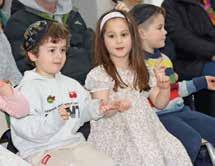
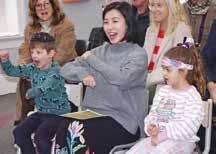
Preparing for the Senior Kinder Grandparents’ and Special Friends Shabbat required a lot of work and organisation. Every experience is a learning opportunity and we took this event as the optimal time to delve deeper into the children’s understanding of Shabbat and their connection to their families and their Jewish Identity. In the weeks leading up to this special event, each child chose their own role for the day, created a present for their guests–beautiful candle holders–and painted a still life drawing of a Shabbat table.
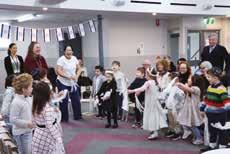
The event was so special, not only for the children, but for their grandparents and special friends, as the children sang songs, made the brachot (blessings) and danced as Music Teacher, Nissim played guitar. Well done to the children for doing such an amazing job. We are super proud of you all.
Marni Friede Kindergarten Teacher
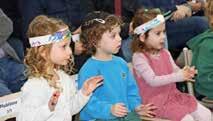

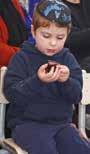

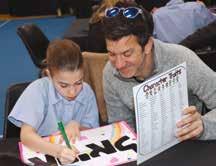
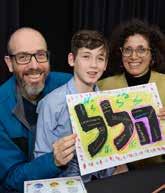
Year 4 students have focused on personal attributes in Jewish Studies this year. Through this focus, students have explored their unique qualities, characteristics, strengths and weaknesses.
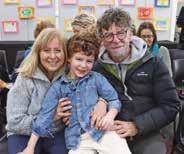
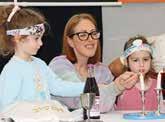
In Judaism we are told that our parents are given a special honour when they name their baby, a glimmer of divine inspiration. In fact, Judaism considers the act of giving a person a name to be precious. This term, students connected their very own attributes to the literal and/or personal meaning behind their Hebrew names. They researched their names at home with their parents and came together with families in a special ceremony where they discussed, wrote and shared their reflections on their names and traits and how they may connect with our rich Tanach heritage.
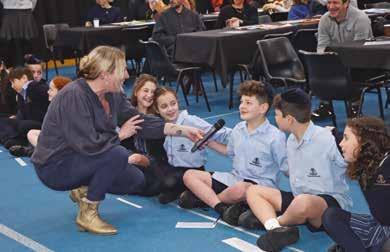
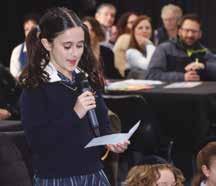
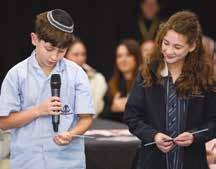
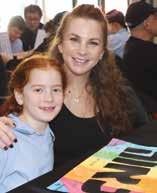
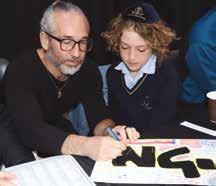
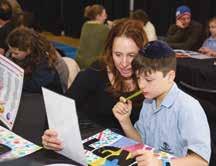
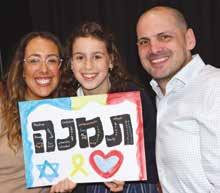
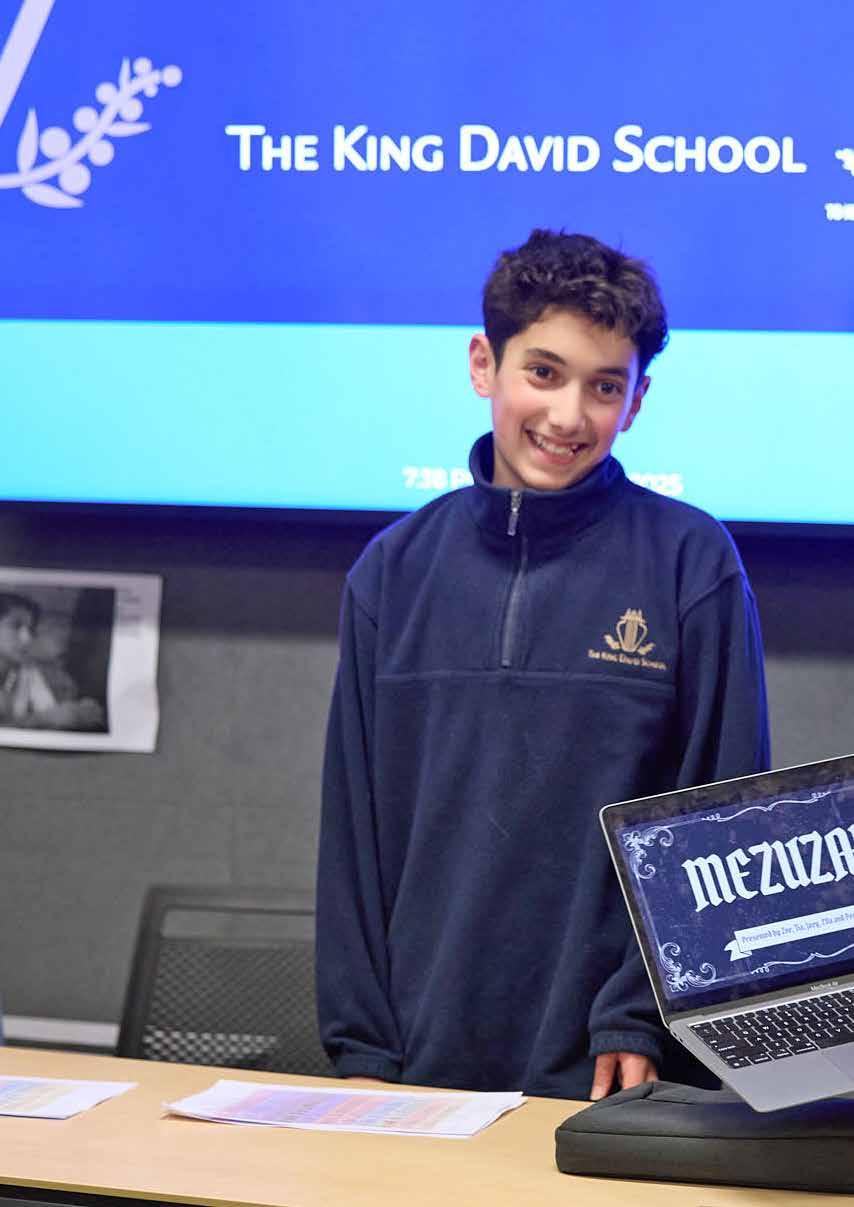
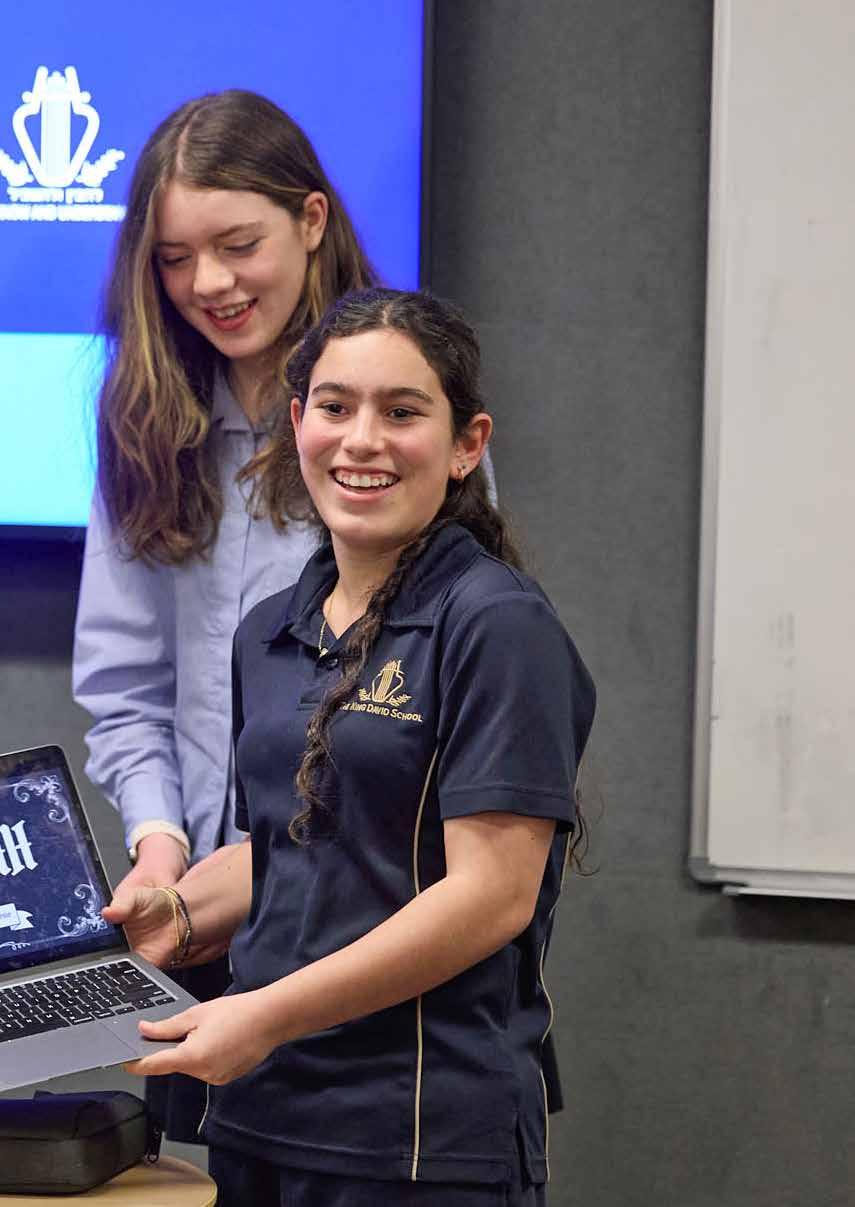
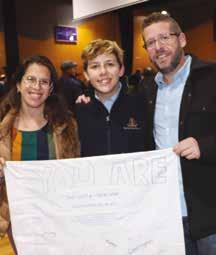
Kabbalat Mitzvah was a special milestone for our Year 7 students as they began to take their first steps into Jewish adulthood. Kabbalah means “acceptance” and this ceremony focused on embracing mitzvot, Jewish commandments, as a meaningful part of life for both students and their families. The evening centred on the theme of “Impressing the Mitzvot upon Children,” drawn from the Sh’ma and V’ahavta prayers, highlighting the importance of Jewish learning across generations.
We were privileged to hear from Rabbi Allison Conyer, Senior Rabbi of Temple Beth Israel, who spoke about the meaning of becoming B’nei Mitzvah, as well as from three generations of our community, Year 7 student Layla O, parent Daniel Aghion, and grandparent Margaret Taft. Each reflected on the vital role of Jewish education in shaping a strong and committed Jewish future.
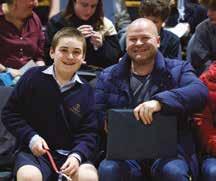
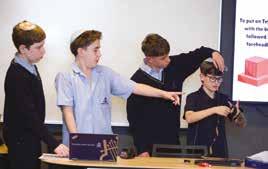
Students then had the opportunity to teach their families about the mitzvot of T’fillin, Tzitzit, Mezuzah, and the recitation of the Sh’ma morning and night. The program concluded with Ilan Bloch, Director of Jewish Life and Learning leading the families in prayers for their children and the presentation of gifts to the students. The evening ended with Josh New, Coordinator of Jewish Experiential Education, guiding the community in the recitation of the Sh’ma and V’ahavta, followed by a sweet treat to take home. A special thank you to our Year 7 Jewish Studies teachers, Noa Bleichman Rose and Geoff Garber for preparing the Year 7 cohort for this special event.
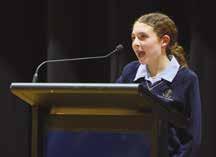
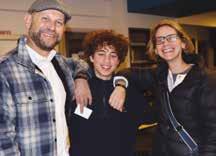
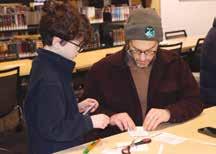
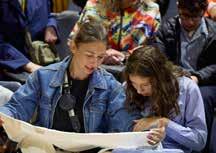
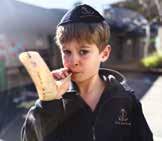
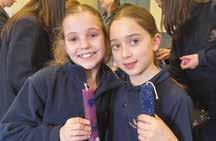
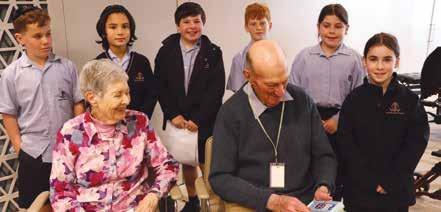
The month of Elul–the last month of the Jewish year–has begun, bringing with it one of the most joyful (and noisiest!) traditions in our school calendar.
Elul is a special time of reflection and preparation for the Jewish New Year. Each day of Elul, it is customary to hear the sound of the shofar as a reminder to pause, reflect, and grow.
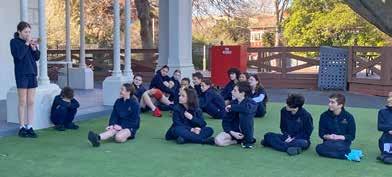
This year our Year 2 students have the great honour of helping the school community fulfil this important minhag (custom). By sounding the shofar in classrooms and assemblies throughout the month of Elul, they are ensuring that everyone has the chance to hear the blasts that call us to prepare ourselves spiritually for the year ahead.
At our Rosh Chodesh Elul Junior School assembly, we were delighted to be joined by Marc Light, who helped us welcome in the new month and the season of reflection with inspiring words and encouragement.
In the last week of term, the now traditional Rosh HaShanah festival was held at the Junior School with special themed activities.
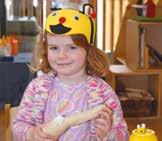
c: Engaging activities in the ELC in the lead-up to Rosh HaShanah
d: Year 2 students had the honour of sounding the shofar across the ELC & Junior School every morning
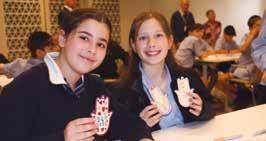
e: Rosh HaShanah candles were made during the Challah Back Girls lunchtime club
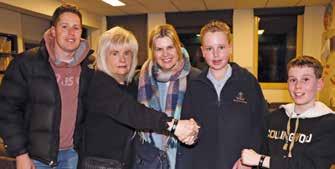
f: Year 5 students visited Emmy Monash and presented Rabbi John & Robyn Levi with a specially designed mezuzah
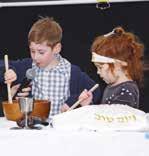
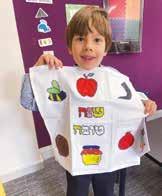
g: Students created challah covers during the Rosh HaShanah festival
In Term 3 the School welcomed Shiraz, Elad and Tohar, our Israeli madrichim who brought life to our Jewish Studies, Jewish Experiential and Hebrew classes across the School from ELC to Year 12.
Ilan Bloch, Director of Jewish Life and Learning said that “a mifgash (in-person interaction) and connection with Israelis has proven to be an effective and important part of connecting students with Israel. Moreover, they offer students multiple perspectives of life in Israel, with each of our madrichim coming from different families, religious backgrounds and locations within Israel.”
Just before the end of term, the madrichim hosted a Community Night, with an opportunity to gather and talk about the situation in Israel post-October 7th. There were discussions on controversies and issues that have affected our lives with a focus on hope and looking to the future.
The School also hosted Noya and Edan from Leo Baeck school, a Haifa institution affiliated with Progressive Judaism. They assisted with Jewish/Israel-related activities.
L’hitraot to our Israeli visitors. We loved having you here and will miss you!


The challenge of social media usage to the mental health of teenagers is clear. How might our Jewish heritage relate to the way in which teens should approach their feeds and posts?
There are certain Jewish values which should inform our use of these platforms. Principles such as kevod habriyot (human dignity) are useful in this regard. People should always remember that their peers (whether in the real world or online) are created btzelem elohim (in the Divine image), and never try to shame them or harm their honour. Shmirat halashon (proper speech) tells us that we should refrain from gossiping, spreading rumours and harming someone’s reputation. This can be done even just by clicking like and certainly by reposting, so we must be extremely careful in this regard. Lifnei Iver Lo Titen Micshol (don’t place a stumbling block) means that we should not post anything that might cause others to trip up morally, influencing them to adopt bad behaviours. Lo taamod al dam re’echa (don’t stand by while your fellow is in danger) instructs us to stand up for someone being bullied online. The prohibition of ona’at devarim (“exploitation through speech”) teaches us not to engage in passive-aggressive speech or sarcastic comments, which would emotionally harm others.
These principles are about not harming others. But, we should also think about how we can help ourselves. Embracing tzniyut (modesty) may ensure that we remain humble, even as we celebrate our achievements online, and that we draw the correct line between sharing our news with others and unnecessary boasting. And, we should think about our middot (character traits); will our online actions help us refine our middot, leading to a more virtuous life, or will they lead us toward a life of more vice?
How can you practise kevod habriyot when scrolling through your feed? Can you think of a time when you witnessed lo taamod al dam re’echa in action online? What’s one way you could use social media to build up others and not just yourself?
Mining our Jewish tradition can bring meaning and guide us in all aspects of life, including our exposure to and interaction with new technology.
Chag sameach!
Ilan Bloch Director of Jewish Life and Learning
Our excellent teachers are the backbone of our school. Each Inspirations we highlight two of our educators, and what inspires them. This issue, we feature Adam Black, Year 7 Level Coordinator and Praachi Juneja, Year 11 Level Coordinator.

Q: Why did you become a teacher?
I first studied business, majoring in marketing, but I quickly realised that helping to make someone else money didn’t hold much meaning for me. What I really wanted was something with a deeper purpose. That’s when I turned to teaching, a path that felt like a genuine opportunity to guide and inspire others, helping them grow, reach their goals, and unlock their potential.
Q: What do you like most about teaching at King David?
What I value most about this school is the incredible staff and the strong sense of rapport you can build with students. Many of the students, especially in Years 6 and 7, show a genuine curiosity about the world and truly enjoy engaging in thoughtful discussions.
Q: What has been a surprise about King David? One of the biggest surprises has been the strong sense of community within the School and how students like to be involved in so many areas of school life that are offered.
Q: How do you think smartphones impact our students?
Smartphones have many valuable uses in everyday life and can make things more efficient. Growing up in the 80s, my childhood was filled with BMX bikes, basketball, and plenty of time outdoors with friends. I believe smartphones in everyday life are fine as long as they are used in moderation and with responsibility. The challenge is that while this idea is often understood, it’s not always put into practice.
Q: What are your hobbies outside of school?
I enjoy reading whenever I can find a quiet moment to myself, and I also have an electric drum kit at home that I play for fun. More recently, I’ve taken up pickleball, which has been a great time, especially since I played tennis as a teenager.
Q: What’s something that might surprise us about you?
One of my first student jobs was working as a wedding DJ and MC. It was such an enjoyable role. I was treated to great meals, surrounded by people in a celebratory mood, and I loved being part of such happy occasions. It gave me a real appreciation for how special life’s moments are.

Juneja Year 11 Level Coordinator
Q: Why did you become a teacher? I organically made my way to the decision in the later years of secondary school; it is hard to determine a specific ‘point’ at which I made the choice.
I was fortunate to have incredibly passionate and inspiring teachers who were role models. I also had, and still have, a love of learning, so it seemed like a natural fit for me. Separately, I have a history of teaching in my family.
Q: What do you like most about teaching at King David?
This school is one of a kind. The community is incredibly welcoming and supportive, and there is a clear curiosity and love of learning. I have been thrilled and grateful to be a member of this community since 2018.
Q: What has been a surprise about King David? Isador Magid invented Twisties! What a legacy.
Q: How do you think smartphones impact our students?
Like everything, they are best in moderation. They can be helpful and beneficial tools. They, for example, allow us to maintain contact with friends and loved ones throughout the country and internationally. However, overuse can take us away from the world around us. We need to remain present and engaged– outside of a device.
Q: What are your hobbies outside of school?
I love to go for long walks, read, watch my favourite television shows and movies, listen to music, and spend time with my beautiful family and friends. I have also spent time learning how to play the bass guitar.
Q: What’s something that might surprise us about you?
I attended a French immersion primary school, so I learned Maths in French!
Year 8 camp encouraged our students to extend themselves physically as they hiked spectacular terrain in Gariwerd (the Grampians). They carried backpacks with their personal gear across Mt Rosea and then set up tents, prepared and cooked their meals, slept on mats and rock climbed, learning how to communicate, develop trust, recognise and manage appropriate risks.
Below is an excerpt from Ohr’s reflection of his camp experience.
My highlight of the camp was actually the hardest part of camp, as I was going into it with a ‘never give up’ attitude and I also wanted to give everything a go and try my best which paid off hugely. My group and I walked 13km in around 6.5 hours. This was a very challenging walk and probably the toughest walk I have ever done in my life. The views from all the ‘nooks and crannies’ in the holes of the rocks were spectacular and we did plenty of stops and really appreciated how lucky we are to be able to see such gorgeous things while we were enjoying our tasty wraps. Sitting on these rocks on this huge mountain, the feeling was truly surreal.
Ohr S-S (Year 8)
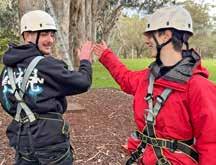
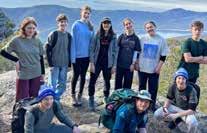
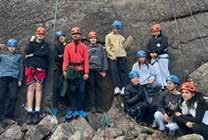
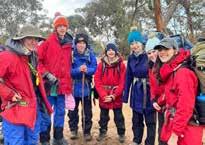
Following the outdoor experience in Year 8, Year 9 students are challenged to broaden their skills with an extended outdoor adventure camp in the beautiful Grampians. Frosty weather greeted our mornings, which turned into glorious sunny warmth as each day progressed. Our Year 9s enjoyed a host of activities that kept them busy, tired and basking in the glow of achieving new things, including mountain biking, learning how to rock climb and abseil, a workshop in the fundamentals of map reading and navigation, and hikes to Boronia Peak and Halls Gap. A large group of students were so keen on the Boronia Peak hike that many of them asked our staff if they could do a speedy version before dawn broke one morning, in order to experience the sunrise from this majestic location. It was wonderful to see such enthusiasm and engagement in the opportunities being presented. By night, different groups of students were in charge of preparing fun and games, with chef Oded cooking up a storm under the related night’s theme. We then had a relaxing and festive Shabbat experience with the arrival of our Jewish Experiential Team and the spirit and energy was palpable during our Kabbalat Shabbat and Havdalah ceremonies.
Whilst the cabin-based week one activities kept students busy and challenged, week two raised the bar somewhat, with students sleeping out in tents each night and hiking from their campsite to a new location each day.
Students did a wonderful job of supporting one another when challenged, either physically, socially or emotionally. In each of my observations, I saw students stepping up for one another when feeling a bit low, providing each other with ideas or solutions to overcome a challenge, and sharing joy with one another during ruach or other activities. It was a brilliant indication of their cohesion and emerging maturity and I look forward to seeing this develop even further as Year 9 progresses.
Brad Smith Year 9 Coordinator
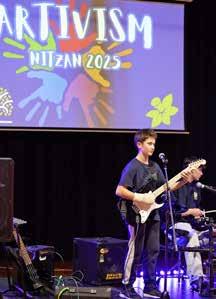
At the end of Term 2, Year 9 students put on ‘Artivism’, a showcase of performances as part of the Nitzan program. This celebrated the link between art and change and raised money for the Cancer Council. Students explored justice, governance, and the many ways people drive change.
Students worked in groups to produce creative responses to contemporary issues. These included: exploring ‘off-grid’ living through making a documentary about a self-sufficient family in Daylesford; working with renowned cartoonist Badiucao to create political posters; writing slam poetry with Ren Alessandra; creating allergy inclusive recipes with Beck Smith; looking at inclusivity through nature photography with Jade Karp; creating a dance response to the pressures women face today with Charli Cantoni-Bud (Class of 2023); composing and playing music that addresses loneliness; and designing and painting a vibrant mural for the School’s outdoor kitchen with the artist Angharad Neal Williams.
Artivism showcased the students’ creativity, with an exhibition of
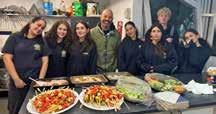
political posters and photography, the premiere of the documentary and dance work, a slam poetry performance, and delicious food made by students. The evening was punctuated by performances by Year 9 musicians playing songs about friendship and support.
Kol HaKavod Year 9 students for this excellent showcase!
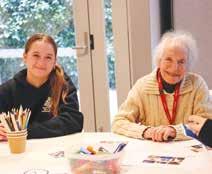
Nitzan, the signature Year 9 program provides a focus on “giving back” and Tikkun Olam. Students learn from local organisations and commit to weekly volunteer placements, experiencing firsthand how small actions can help repair the world.
This term, the organisations have included:
• Bolton Clarke
• Brotherhood of St Laurence
• C-Care
• Jewish Care
• Jewish Museum
• Kosher Meals on Wheels
• Mecwacare
• Nourish
• Posh Opp Shoppe
• Sacred Heart Mission
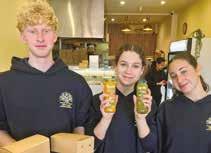
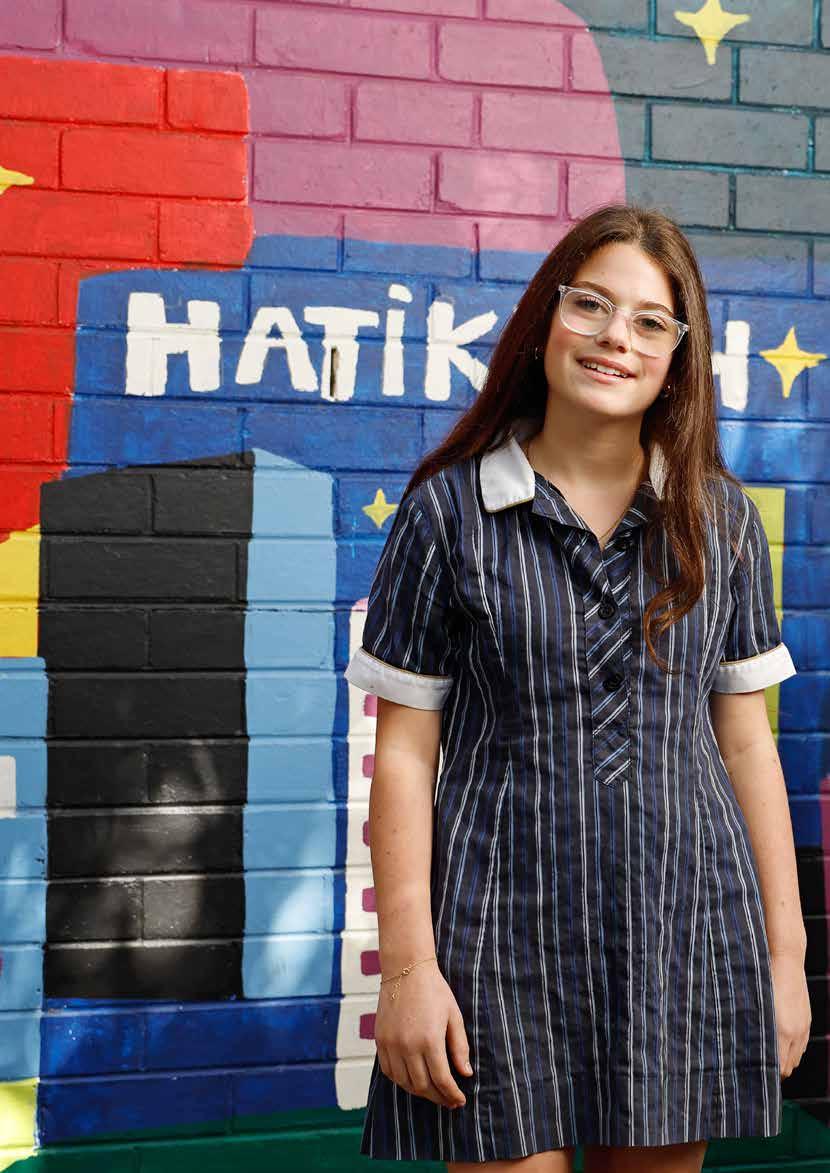
Many of us look at a screen–big or small–at almost every opportunity. This year we launched Ctrl Alt Del, a program that provides our community with tools for taking back control of screen time.
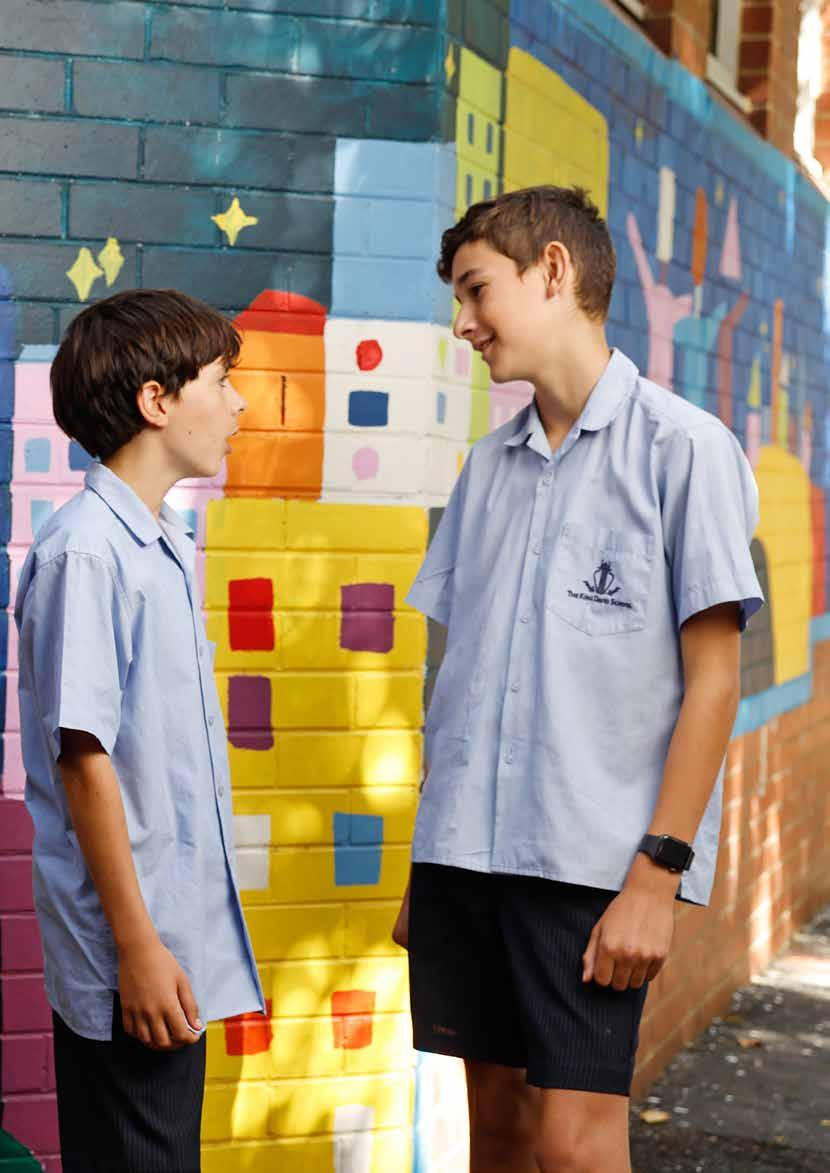
M“An infatuation with screens and social media is stealing the precious time children have to enjoy the innocence and joy of being a kid.”
any of us grew up without the internet at our fingertips. While there are a myriad of excellent opportunities that smartphones and screens provide for us - the ability to connect with friends, to virtually explore new parts of the world, and to engage with different points of viewsthere is rising concern over the negative effects of screen time.
This is something David Opat, Vice-Principal Wellbeing and Head of Junior School, is passionate about. “An infatuation with screens and social media is stealing the precious time children have to enjoy the innocence and joy of being a kid.” David said, “Working in the mental health wellbeing space for the last few decades, we can see that there’s a huge change in mental health – when screens started to become everyday, everyone has one all the time, anybody working in this space would have seen a huge rise in mental health problems –anxiety, social disruption, eating disorders and there’s a significant effect on learning – we need to do something.”
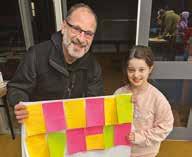
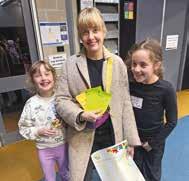
That something is Ctrl Alt Del, a King David community program that David created to support families to take charge of their relationship with screens. A goal of this program is to delay as much as possible the onset of smartphone use, and to ensure families are more intentional about the way screens are used. David said, “The idea is to empower families to take control again – how do we want childhood to be? How do we want family life to be?”
The strength of having a schoolwide program means that parents are supported by the school’s culture of care around smartphones. David said the program “enables people to say ‘in the community we live in, these are the mores, this is how things operate – we control screens.’” Elise Bialylew, Psychologist and KDS Parent adds, “Families aren’t making screen decisions in isolation. When a child says ‘everyone has a smartphone,’ parents can point to the images on the KDS app and see many others delaying devices.”
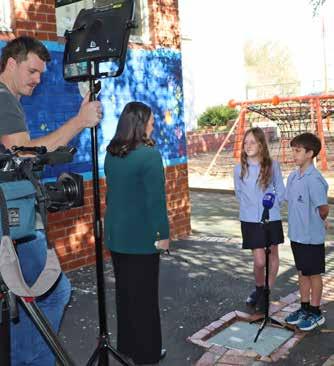
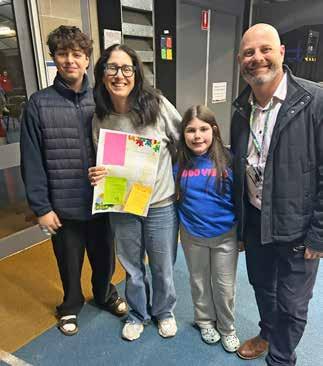
David is trying to create a new normal, which is “you decide on technology, how it’s used, when it’s used, why it’s used. Not just ‘oh that’s just what happens’.”
The take up of Ctrl Alt Del has been approximately 75% in the Junior School. This is the ideal time to establish habits around technology, since it is hard to “walk back” from technology once it is part of a young person’s life. Nicky Auster Gafni, parent of a child in Prep and one in Year 2, said, “It’s a great initiative - it’s really good to be able to do it when the kids are young. I think it’s a fantastic idea. The boys love their iPads–we’ll get them on board with the family charter and the key will be how to enforce it.”
At the launch of Ctrl Alt Del, Elise Bialylew detailed the welldocumented risks of screen use for children. These include the addictive design of games, social media and apps, sleep disruption, cyberbullying and exposure to inappropriate content. Elise said, “As Jonathan Haidt argues in The Anxious Generation, this is a collective-action problem. Programs like Ctrl Alt Delete help families move together–reducing
the ‘but everyone else…’ pressure while building healthier defaults for our kids. Social platforms are optimised for engagement, not wellbeing; our job is to give children time to grow strong minds and relationships, before handing them a device designed for endless scrolling and proven to often negatively impact their mental health.”
Year 6 student Lucy W spoke about her relationship with her phone: “I have a smartphone and I scroll online a lot. I use my phone everyday. It means that I don’t do other stuff as much that I should be doing, like doing my homework - it’s a distraction.” Lucy said that recently she has been trying to spend more time outside kicking a footy with her dad, which has been good at getting her off her phone.
In addition to the distraction that screens present, David is worried about the effect of AI on social skills. “Now with AI we can say ‘you don’t need to have real friends anymore, you can have virtual friends’ – it’s just going to get much worse.”
“David is trying to create a new normal, which is “you decide on technology, how it’s used, when it’s used, why it’s used.”
(continued from page 19)
While we don’t know what impact AI will have on jobs in the future, students will need collaboration, creative and critical thinking skills, which are emphasised throughout our formal and informal curricula. Although teaching these thinking skills is becoming harder as students rely on tech shortcuts. KDS Parent and Year 9 Coordinator Brad Smith said that he believes that easy access to facts via the internet means that it is harder to get students to think through problems. “We still push kids to think but it’s harder to do it – their resistance is high. They need to be dragged through the process of not immediately knowing something.”
Similar to Brad, Elise Bialylew is aware of the influence behaviour has on students’ brains: “Childhood is a period of intense neuroplasticity - the brain is being shaped by what kids do repeatedly. Reducing recreational screen time and especially keeping them off social media, frees up hours for activities that wire in attention, self-regulation, sleep, movement, creativity, and real-world social skills.”
Many King David teachers have witnessed the positive effects of
students spending time away from phones. Brad said, “The real insight is that when we take phones off students during camps, we see a great impact. Everything from a small number of students actually coming up to us as teachers and thanking us for getting them away from their phones, or acknowledging that it was great to be away from their phones for a time. We see kids are more engaged in the activities and the programs when they don’t feel shackled by their phones.”
As well as promoting a school community-wide response to overuse of screens, Ctrl Alt Del offers practical support for families. The recent Family Charter night gave families the tools to put together a family agreement on the use of screens, including when parents will use them. There will be an upcoming night where families are taught screen-free games which they can use to foster bonding time together.
David said, “One of the things that’s really important is that if we are saying to families ‘reduce the centrality of screens’, then we need to help them fill the void. This may sound strange to us because many of us didn’t have screens growing up, but
“We still push kids to think but it’s harder to do it – their resistance is high. They need to be dragged through the process of not immediately knowing something.”
the new normal is that children have screens for three to four hours a day and that needs to be replaced.” The KDSPA will be producing the ‘bag of fun’ that families can take to restaurants or appointments that kids can engage with instead of an iPad or phone. “When parents go to restaurants and they give their child a phone or an iPad, they are developing habits. Parents have to be really cognisant of the establishment of [screen] habits.”
Evangelists of the Ctrl Alt Del program could be accused of being anti-technology. Elise said, “This isn’t ‘no screens’; it’s a clear, age-appropriate relationship with technology and explicit boundaries that protect sleep, relationships and learning.”
David added, “We’re not anti technology, we’re managing tech. We should use all the things that tech provides for us but we should decide how and when we do it. Not just allow it to creep into our lives and take over. I’m very pro technology but doing it in a way where we’re in charge. We have to be careful that technology doesn’t take over the community experience. In the end you will always have workplaces where people have to work together and if we reduce social skills down to nothing, it’s not going to go well.”
Brad emphasised the ability of phones to foster peer connection, saying “I still think it’s nice for kids to have a mechanism to chat [online] with each other, I just think that the functionality of those chats needs to be limited because the sharing of videos and photos is a big part of the problem. I actually think kids being able to chat with each other and check in is really nice and important.”
Year 6 student Lucy adds that she has positive experiences with screens too, “I like messaging with my friends when they can’t come over. When I want to learn something new, I can search it up on YouTube, like how to ride a skateboard or something.”
Thinking about Ctrl Alt Del overall, Brad summarises: “I think that the program itself is really nice to be part of this King David community both as a parent and a teacher, standing behind something that I think is fundamentally worth pursuing. It’s not controversial but it is counteracting the flow of society right now, trying to make a better situation for our kids.”

In today’s fast-paced, tech-driven world, students are faced with choices that previous generations never had to consider. With smartphones, social media, and endless entertainment available at our fingertips, it can be easy to get distracted or overwhelmed. However, across our school, students are rising to the challenge of making thoughtful, often difficult decisions about how they use technology.
From setting screen time limits to choosing when (or if) to engage on social media, many students are learning to balance their digital lives with their academic and personal goals. Some have decided to turn off notifications during study hours, while others have taken breaks from certain apps altogether to focus on mental health and wellbeing.
These choices are not always easy. Technology is designed to be engaging – even addictive. Saying no to endless scrolling or choosing to focus on schoolwork instead of group chats takes real self-awareness and discipline. Nevertheless, the payoff is clear: students report better sleep, improved focus, stronger in-person relationships, and a greater sense of control over their time.
Our teachers are also helping by encouraging open conversations about healthy tech habits. Whether it is through digital citizenship lessons in wellbeing classes or informal class discussions, students are supported as they learn how to use technology in ways that serve them, not distract them.
In a world where technology will only become more present, learning to make these hard choices now sets students up for success in the future. It is inspiring to see so many young people taking charge of their digital habits with maturity and thoughtfulness.
As a school community, let us continue to support one another in making smart, mindful choices –both online and off.
David Opat Vice-Principal Wellbeing and Head of Junior School

“Technology is just a tool. In terms of getting the kids working together and motivating them, the teacher is most important.”
Bill Gates
In 2023 and 2024 the Australian Institute for Teaching and School Leadership (AITSL) introduced a two part spotlight evidence summary entitled “Evaluating the evidence for educational technology.” Throughout these two summaries a number of key elements are apparent:
Firstly, educational technology (often referred to as “edtech”) has increased in popularity, use and availability since the pandemic. The most notable advancements include the development of artificial intelligence (AI) language models such as ChatGPT and Google’s Gemini. This advancement in edtech has produced some benefits for teachers, including content delivery, idea or activity generation, administration and even a more effective way to manage and interpret student information and data.
Although edtech is often presented in schools as a panacea for improving a range of teaching and learning outcomes, not all uses appear to deliver the intended benefits. To add to this, there are other potential drawbacks associated with the overuse of technology for students, including the negative effects of screen time, attention and concentration issues, as well as indirect effects such as impacts on anxiety and social relationships.
Secondly, despite the increase in the availability of educational technology, Australian students’ digital literacy skills have decreased over time. It is evident from the research that more time and resources need to be devoted to teaching the skills relevant to acquiring digital literacy: practising digital safety and wellbeing, investigation, creating and exchanging, and managing and operating content.
Thirdly and most importantly, that the quality of pedagogy has a more significant impact on student outcomes than edtech usage. Teachers have a crucial role to play in developing students’ knowledge, abilities and recall.
In conclusion, educational technology has expanded exponentially in the past three years and while there are many benefits and issues associated with using it, we must always remember that it is merely a tool in the hands of our teachers and students, designed to support teaching and learning.
Russell Kaplan Vice-Principal Teaching & Learning
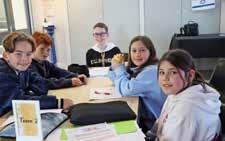
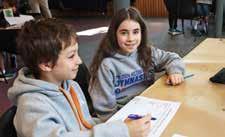
A tale centred around a barren field and a raging war, magical crystals ground into a medicinal paste, and feelings of terror and deja-vu were just some of the ideas that materialised in the ‘Write a Book in a Day’ event. On Tuesday 19 August, Year 5 students worked in teams over a nine hour period to craft stories in our KDS competition. The competition required that teams create a cohesive narrative, with refined structure and literary elements.
We were fortunate to be joined by celebrated author and KDS Parent, Elliot Perlman, who judged the narratives together with David Opat. Judging was structured around six criteria including continuity of events, deliberate choice of language, and the crafting of ideas to support a theme. Elliot offered our Year 5 students wise words about resilience, overcoming challenge and accepting loss as necessary on the path to success.
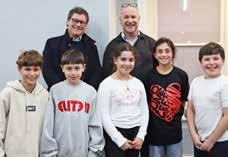
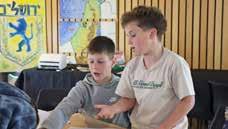
His key message to the students was that ‘successful people fail, everybody fails. It’s what you do afterwards that counts’. No doubt, Elliot’s words will inspire students to hold a growth mindset when facing adversity.
Throughout the entire day students demonstrated impressive collaborative skills, a high level of engagement and effort as they worked towards their common goal. The narratives showcase the creative talents of our Year 5 students and their strong command of language. Congratulations to all teams for setting high expectations...and achieving them.
Thanks to the team of staff who each made special contributions to enhance the day - David Opat, Janice Shearer, Romy Lipson, Gideon Sharp and Rochelle Wittenberg.
Debbie Arnheim Talent Development Coordinator
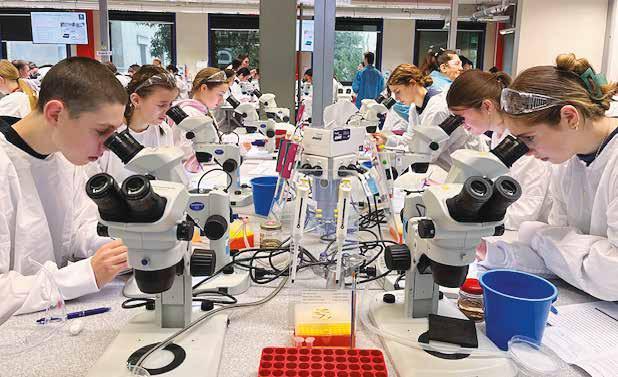
VCE Unit 3 and 4 Biology students took part in an exciting, hands-on workshop at the University of Melbourne–an immersive experience designed to deepen their understanding of key concepts from Unit 4, Outcomes 1 and 2. The day featured two dynamic and thought-provoking practical investigations that challenged students to apply their skills in observation, analysis, and evaluation.
Activity 1: Evidence for Evolutionary Change Students explored natural selection in action using Drosophila melanogaster (fruit flies). By investigating how specific mutations affect the flies’ fitness, they observed changes in phenotypic and allele frequencies across generations— gaining real-world insight into the mechanisms of evolution.
Activity 2: Immunity and Influenza – A Case Study
In a high-stakes simulation of disease tracking, students took on the role of biomedical researchers, using indirect ELISA tests to analyse serum samples from six individuals. Their mission: to detect the presence of anti-influenza antibodies and assess immunity levels in the population. Positive and negative controls added an extra layer of complexity, mirroring the rigour of real laboratory testing. This unique excursion not only reinforced key biological concepts but also sparked curiosity and offered a glimpse into the exciting world of scientific research.
Lesley Malligan Paul VCE Biology Teacher
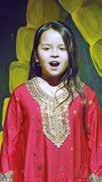
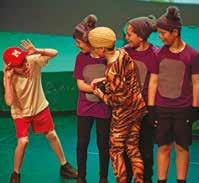
Our Years 3 to 5 students lit up the stage in their production of Disney’s The Jungle Book, and what a performance it was! It showcased the wonderful talent of our young performers but also gave every student the chance to shine.
Productions like this are about so much more than what happens under the lights. Throughout the process, students developed performance skills, collaborated with peers, solved problems, and embraced new and often challenging opportunities.
For many, it meant stepping outside their comfort zone, overcoming fears, and discovering what they were capable of — all while having plenty of fun along the way.
The result was a vibrant and joyful performance that left the audience smiling, proud and humming those timeless favourites like The Bare Necessities and I Wan’na Be Like You.
Most importantly, it was a truly positive experience for our students, who walked away with new skills, stronger friendships, and a sense of achievement.
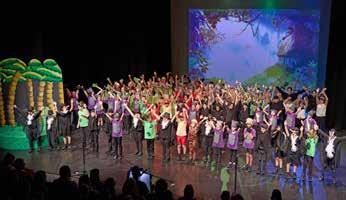
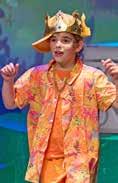
This wonderful production would not have been possible without the creative direction and choreography of Charli Cantoni-Bud (Class of 2023), the music direction of Nissim Ben-Salamon, the magnificent costumes by Zoe Arnott (current parent), and the ongoing support and guidance of our dedicated classroom teachers Awatif Davies, Emma Furman, Romy Lipson, Irene Nagle, Gideon Sharp and Taryn Stark.
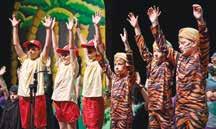
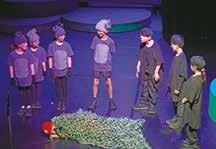
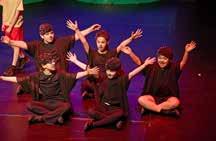
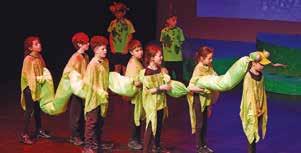
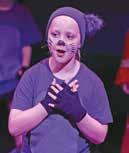
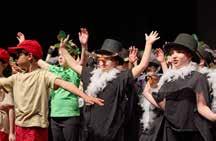
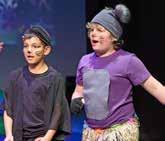
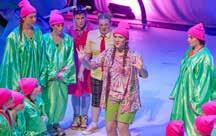
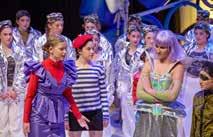
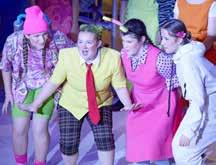
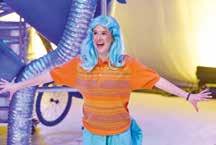

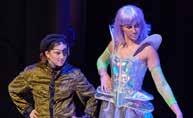

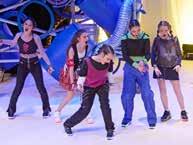
Our Years 6-9 students dazzled audiences with SpongeBob, the much-loved musical of the colourful characters’ adventures under the sea in Bikini Bottom. The themes of teamwork and friendship reminded us that when challenges feel overwhelming, we are stronger when we unite, listen to each other, and believe in the power of collaboration. In staging this production, our designer Rylee Sack (Class of 2021), sought to embody the spirit of sustainability, repurposing and reusing found objects in our set, props and costumes. Just as the citizens of Bikini Bottom adapt and rebuild, we too can find creative, joyful ways to care for our planet.
There were so many memorable performances and students created a purely joyful experience.
Well done to the entire cast and crew of this spectacular production.
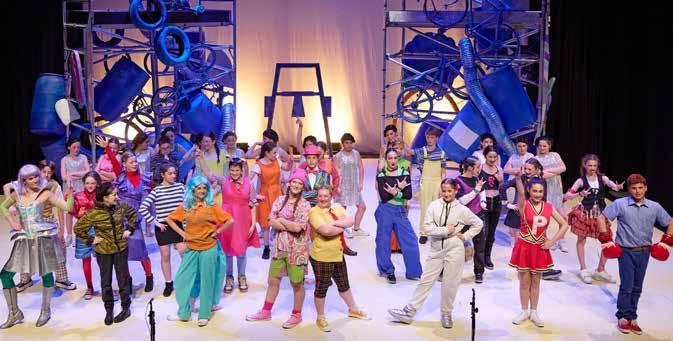
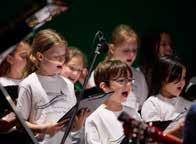
We have a thriving Music program at King David and it was spectacularly displayed at our annual Spring Concert. With a program that included our Junior Choir and Ensembles and our Middle and Senior School Bands and Ensembles, the event was jampacked with incredible talent and creativity. The concert served as the World Premiere of Year 11 student Toby’s original piece ‘Mingle’–winner of our composition competition. Toby not only had his work professionally arranged but also learned how to conduct the piece.
Congratulations to all our outstanding performers.
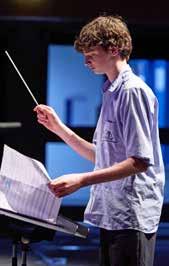
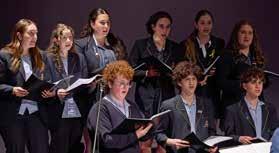
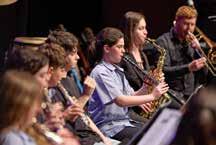
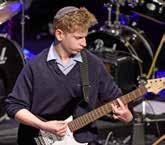
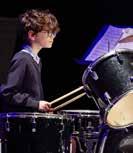
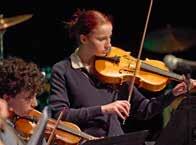
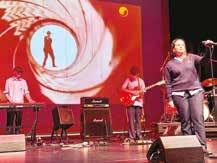
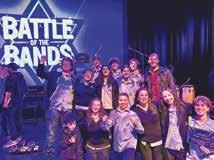
Our superstar performing artists rocked the stage at the Jewish Schools’ Battle of the Bands, winning Best School Overall! Mia G was awarded equal Best Vocalist and our rock band were category winners (Best Rock Song) with their powerhouse performance of Evanescence’s ‘Bring Me to Life’!

At the 2025 ABL Jewish Inter-schools’ Skiing Competition at Mt Buller, KDS placed second overall in the secondary competition, a remarkable achievement and a testament to the dedication and sportsmanship of our students.
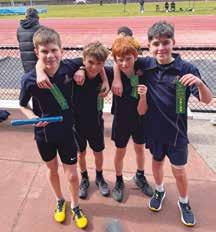
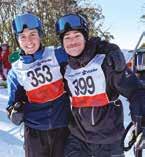
A special thank you goes to Jasper Harris (Class of 2020), who led race training sessions leading up to the event and supported our competitors on the day.
Several King David students went on to compete at the Victorian Inter-schools’ Snowsports Championships. Students competed in a range of disciplines including Ski Cross, Giant Slalom, Moguls and Slopestyle. Hugo S (Year 9) and Charlie L (Year 11) qualifying for the nationals in their events.
Years 4-6 athletes represented King David at the BDPSSA Interschool Athletics Carnival. A special congratulations goes to Zach S for his outstanding achievement, finishing first in both the 100m and 200m events, qualifying for the Beachside Division.
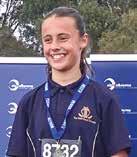
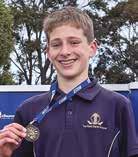
The Senior Cricket team were runners up in the season final of cricket. Although missing out on the trophy, it has been a great season for the team winning all matches, showing skill development in new areas and a strong sense of team spirit.
Our stand out performance at the AFL Jewish Schools Cup was from our girls’ team who finished with two wins and one draw. Overall, Lucy W from Year 6, Charlie S and Hendy J from Year 5 were named KDS best players on the day.
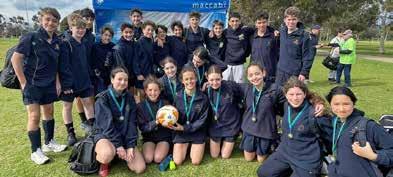
Years 7 and 9 KDS students competed in the Maccabi Cup soccer tournament with amazing results! The girls’ team proved they are champions by securing the top spot on the ladder and the trophy.
A special mention goes to Year 7 student Abi T, who was awarded the Sportsmanship Award for her outstanding display of respect and class both on and off the field.
At the recent EISM Cross Country competition, Abi T, Coby B, Raphael G, Ofek V and Eli C all achieved impressive top 10 finishes.
A special Kol HaKavod to Ava M (Year 7), who claimed 1st place in the Under 13 Girls’ race and to Itai S (Year 8) who stormed home to take 1st place in the Under 14 Boys’ race. KDS was crowned champions in our division!
As we approach this Rosh HaShanah, our hearts are filled with hope, reflection, and the anticipation of new beginnings. At this time we gather with loved ones, celebrate our heritage, and recommit ourselves to the values that define us.
At King David, we are dedicated to nurturing the minds and neshamot (souls) of our students, fostering a deep connection to our Jewish identity and the timeless wisdom of our traditions. It is our mission to inspire the next generation with the knowledge, values and the joy that comes from being Jewish.
This Rosh HaShanah, we invite you to join us in this mission. Your generous support plays a crucial role in ensuring that our students continue to thrive in an environment that celebrates Jewish learning and living.
As you know, it is customary to give at Rosh HaShanah, a time when we seek to inscribe ourselves in the Book of Life through acts of kindness and generosity. Your contribution to the King David Foundation will directly impact our students and help to:
• Enhance our educational programs and extracurricular activities
• Provide scholarships to ensure that every child can receive a Jewish education
• Improve our facilities to create a safe and inspiring learning environment
Your donation, no matter the size, will make a significant difference.
Thank you in anticipation for your support, please visit our donation page to make your contribution securely online.
Foundation.kds.vic.edu.au/donation

May this New Year bring you and your loved ones health, happiness, and peace.
The Foundation team wishes you Shana Tova Umetuka – a good and sweet year.
For more information or a confidential discussion about your support please contact:
Ruth Lew Head of Foundation Tel: (03) 9527 0122
Email: ruth.lew@kds.vic.edu.au
May this New Year bring you and your loved ones, health, happiness, and peace. Thank you for your continued support and generosity.


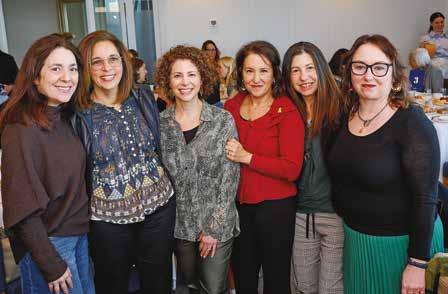
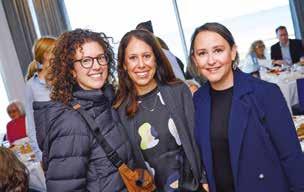
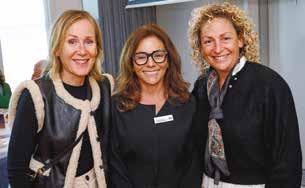
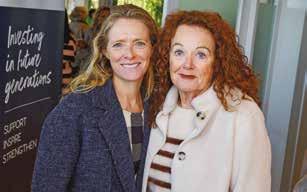
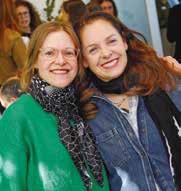
The Foundation Brunch in June was a complete sell-out, filling the beautiful Elwood Bathers venue with a vibrant mix of current parents, grandparents and representatives from key community organisations.
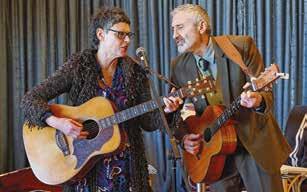
Attendees were captivated by special guest Deborah Conway AM, who was interviewed by Lahra Carey on “Art, advocacy, and personal journeys.” The morning was further enriched by an emotive performance from Deborah Conway & Willy Zygier and our own Nana Band. Guests also had the opportunity to purchase Deborah’s memoir, “Book of Life,” with a percentage of proceeds directly benefiting KDS.
The event fostered a relaxed and enjoyable atmosphere, truly building a warm sense of the KDS community. Thank you to everyone who attended and made it such a memorable event!
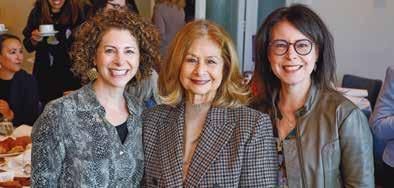
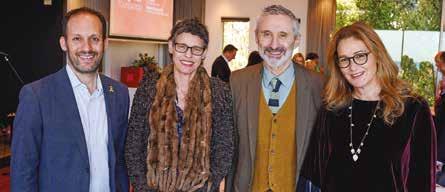
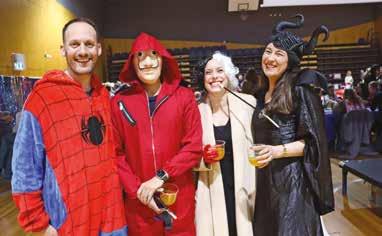
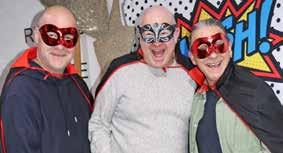
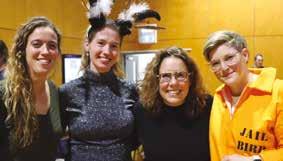
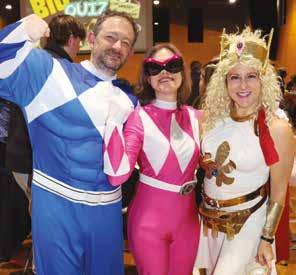
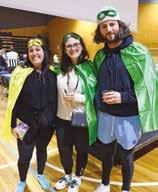
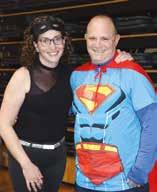
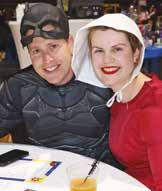
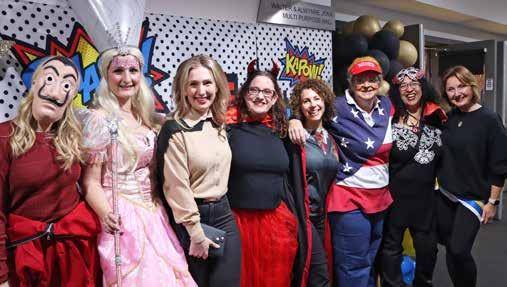
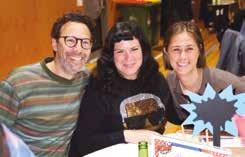
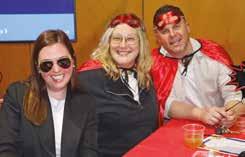
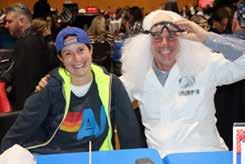
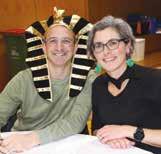
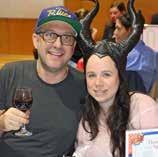
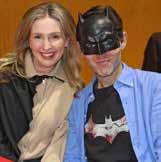
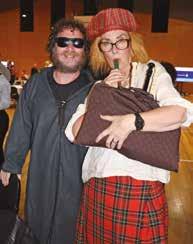
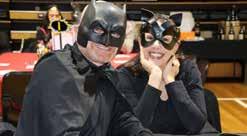
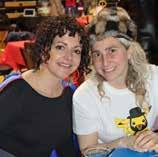
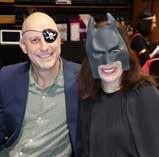
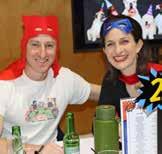
The Parents’ Association brought together 200 parents from across the School with representation from every year level from Pre-Kindergarten to Year 12 at this year’s Trivia Night.
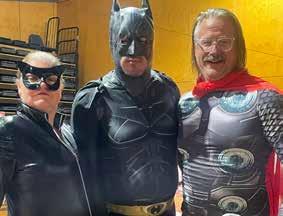
With the theme of “Heroes and Villains”, the dress ups were part of the fun and the committee, led by Sarah Popper, Laurelle Ritz and Kate McCleary did a fabulous job to transform the school hall into an event space for the night.
Hosted this year by KDS Music Teacher, Lachlan Mackay, with games run by VicePrincipals Russell Kaplan and David Opat, the night was a fun mix of trivia and laughs for everyone.
Compere extraordinaire and Year 12 parent, Raoul Salter OAM encouraged everyone to bid on the Silent Auction and buy raffle tickets and also held a live auction to help raise money for the Parents’ Association.
Thank you to the many prize donors who gave generous contributions for this event and to the incredible volunteers who stepped up to make this such a fun King David community event.
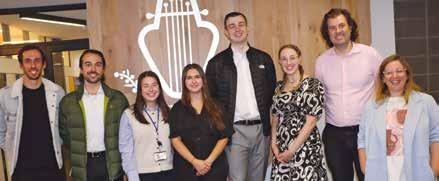
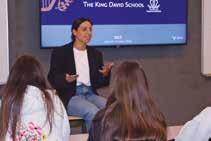
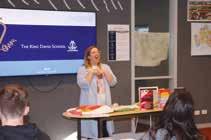
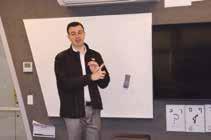
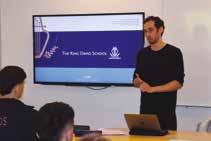
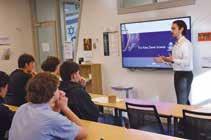
Alumni Mentors spoke to our Senior School students as part of our annual Careers Day. They shared their personal journeys since graduating from KDS within a wide range of professions including Health Sciences, Commerce, Engineering, Law and Design. Our students were highly engaged, asking thoughtful questions and discovering the many and varied pathways available after graduating from King David. Thank you to all of our alumni. We love having you back and sharing in your success!
If you are interested in becoming part of our Alumni Mentor program, please email alumni@kds.vic.edu.au
Scan here to view a short video of two of our alumni mentors:


Alon is assisting in the development of the world’s first biological computer. Cortical Labs grows human brain cells on microchips and teaches them to play video games. Alon’s main role is to figure out how to input information to the cells, and get information out of them.

Jonathan Bryce
Tamara is a print and digital designer working across various brands to create design solutions for branding, marketing, in-store and social media.
Manager Tram Planning Department of Transport & Planning
Jonathan is a Transport Planner and Engineer who is skilled in traffic engineering, strategic modelling, data analysis and project management.
Rebekah Chereshsky (2006)
Marketing Manager
Penguin Random House Australia
Rebekah and her team are responsible for the marketing campaigns of books on the Adult publishing list. They handle a diverse range of titles authored by both local and international writers, spanning all genres including cookbooks, memoirs, and all types of fiction.
Justin Balbir (2009) Physiotherapist Kieser
Justin has worked in the private practice setting for seven years. He has a keen interest in managing chronic conditions and educating clients on the benefits of an active-based management approach.
Robert Geller (2016)
Financial Crimes Operations Team Lead, NAB
After graduating with a Bachelor of Commerce from Monash University, Robert started at NAB where he has worked in several financial roles since 2020, including advisor, lead and specialist positions.
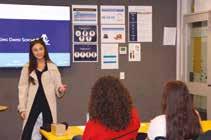
Sarah Kasner (2013) Lawyer KHQ Lawyers
Robert Shokin (2014)
Senior Financial Accountant Lineage Group
Robert records and reports on the company’s financial position to ensure they’re meeting all regulatory requirements.
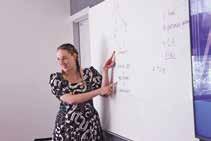
Aviva Green (2014) Doctor Western Health
As part of her studies in Medicine, Aviva has gained experience in emergency, women’s and children’s health, public health unit and orthopaedics.
As a lawyer in KHQ’s Corporate & Commercial team, Sarah specialises in food and beverage and other areas of regulatory compliance critical to FMCG businesses. She assists businesses navigating complex regulations governing product classification, market pathways (food, therapeutic good, cosmetic), the Food Standards Code, and the Australian Consumer Law, particularly its provisions on misleading and deceptive conduct in advertising and marketing materials.
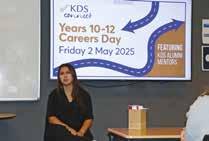
Ori Rais (2014)
Clinical Psychology Registrar Monash Health The Cairnmillar Institute
Ori completed her Bachelors and Honours at Monash University and her Masters at the Cairnmiller Institute. Ori currently works as a Psychologist at Monash Health.
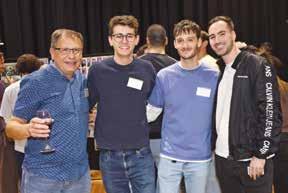
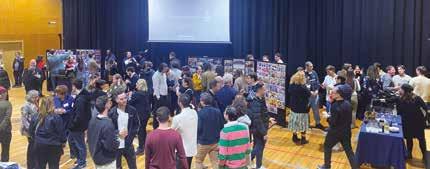
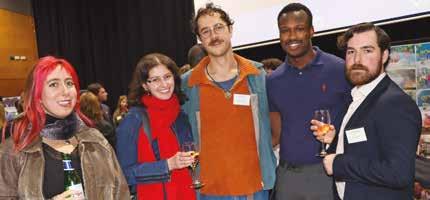
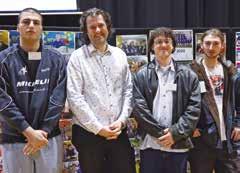
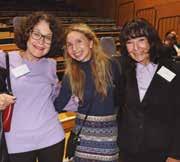
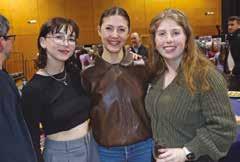
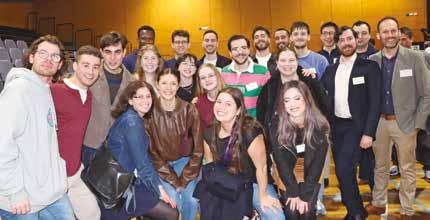
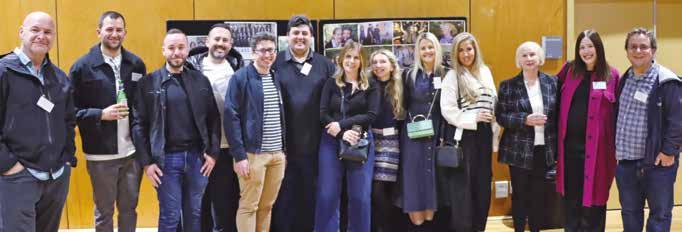
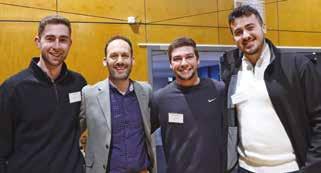
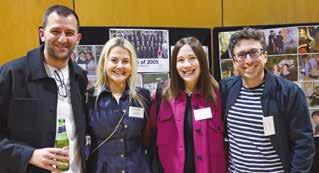
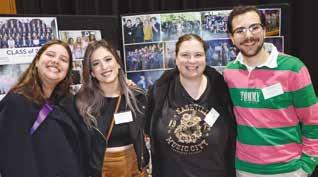
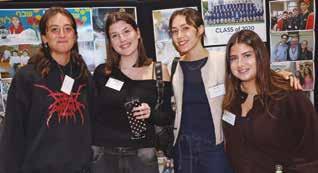
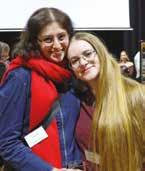
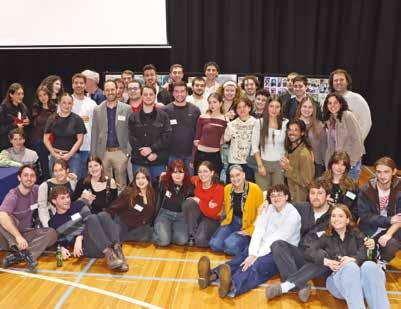
We shared a warm welcome back with our graduates from the Class of 2020, Class of 2015 and Class of 2005 for their 5, 10 and 20 year reunions. We love hearing about the diverse pathways our alumni have taken and sharing in the joy of their success. Graduates shared stories with each other and with current and past staff in a relaxed and enjoyable evening of reminiscing and reconnecting. Please continue to stay in touch with your news via alumni@kds.vic.edu.au.
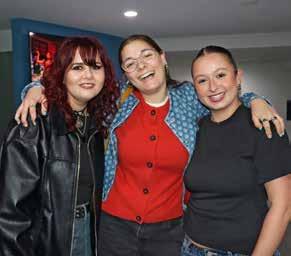
Please continue to keep us informed by sending your news or changes to your contact details to: alumni@kds.vic.edu.au
ENGAGEMENTS
Jessie Obel (2012) and Pedro Teper
Ashley Morris (2020) and Sarah Samuell MARRIAGES
Benji Perlow (2008) and Emily Stirling
Lauren Basser (2009) and Joonmo, Yukon
Justin Balbir (2009) and Carli Koonan, Noah
Clinton Bricker (2008) and Lauren Goldberg, Kyla
Oscar Davis (2011) and Duni Spilkin, Frankie
Ash Fehlberg (2013) and Holly Whitfield, Rowan
Brittany Marlow (2014) and Andrew Keeghan, Charlie
Joshua Marlow (2011) and Sharon Barnett, Henry
Rebecca Vaksman (2012) and Travis Lasplaces, Angelo