


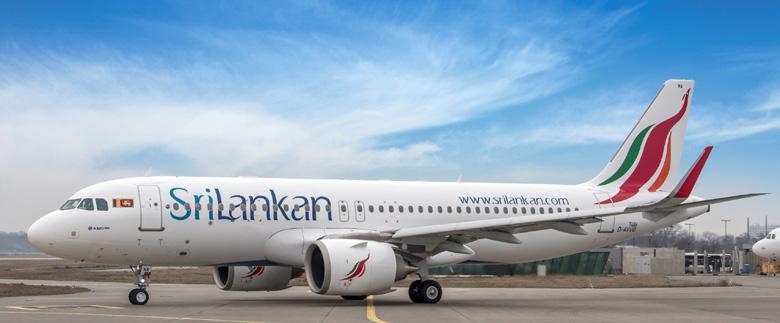
SriLankan Airlines is adding 18 more new cities in Europe, North America, South America and the Middle East through the expansion of its codeshare agreement with its oneworld partner Qatar Airways, bringing its global route network to 127 destinations in 56 countries.
Passengers on SriLankan would have new options via Qatar’s hub in Doha to Helsinki (Finland), Belgrade (Serbia), Budapest (Hungary), Larnaca (Cyprus), Warsaw (Poland), Casablanca (Morocco), Lisbon (Portugal), Gothenburg (Sweden), Brussels (Belgium), Venice (Italy), Baku (Azerbaijan), Kyiv (Ukraine), Munich (Germany), Prague (Czech Republic), Dublin (Ireland), Madrid and Malaga in Spain, Edinburgh and Birmingham in the United Kingdom, Athens and Thessaloniki in Greece, the Turkish cities of Ankara, Istanbul (Sabiha
Airport), Antalya and Izmir, Sao Paulo (Brazil), Montreal in Canada, and the U.S. cities of Washington D.C, Chicago, Houston, Dallas-Fort Worth and Boston. Qatar Airways will codeshare on SriLankan Airlines’ flights to Gan Island in the Maldives via Colombo.
Both Qatar Airways and SriLankan are members of the prestigious oneworld global airline partnership, which connects travellers to over 1,000 cities in 160 countries through its oneworld 13 world-class airlines.
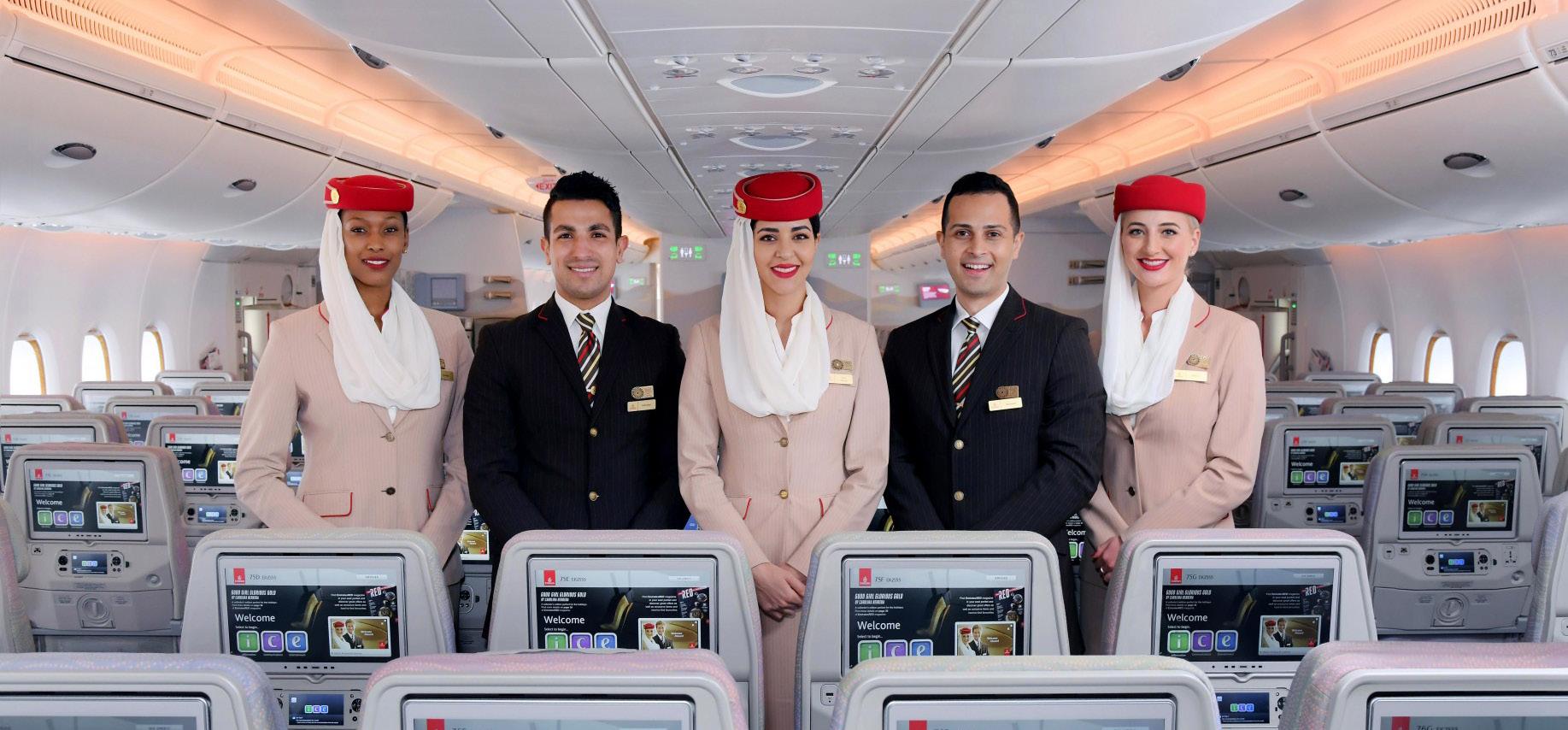
Emirates cabin crew has been named World’s Leading Cabin Crew 2019 at the World Travel Awards (WTA) Grand Final Gala Ceremony. The event marked the culmination of the WTA’s annual search for the finest travel and tourism organisations in the world, where winners of its six regional ceremonies compete for the coveted world titles. Emirates also won the world title for World’s Leading Airline –Economy Class.
Adel Al Redha, Emirates’ Chief Operating Officer said, “We are immensely proud of our cabin crew who have joined us from over 160 nations.
Every day, on over 530 flights across six continents, they deliver Emirates’ high-quality product and services with passion, dedication and professionalism, ensuring our guests enjoy memorable, safe, and comfortable journeys.
“Coming from different walks of life, Emirates cabin crew truly embrace diversity and
make it their strength, as they work as a team on every flight to deliver the best travel experiences. Being named World’s Leading Cabin Crew is a wonderful testimony to their efforts, and we’d like to thank our customers and industry partners for this recognition.”
In addition to world-class service by Emirates’ cabin crew team, travellers flying Emirates Economy Class also enjoy generous complimentary check in baggage allowances;
complimentary beverages and meals prepared by gourmet chefs; free Wi-Fi to stay in touch with family and friends and Emirates’ multiaward-winning ice inflight entertainment with over 4,500 channels of movies, TV programmes, music and podcasts on the industry’s biggest personal screens.
Emirates began its service to the Maldives in May 1987 using a single Boeing 727 aircraft. It now operates five times daily services to the Maldives from Dubai.
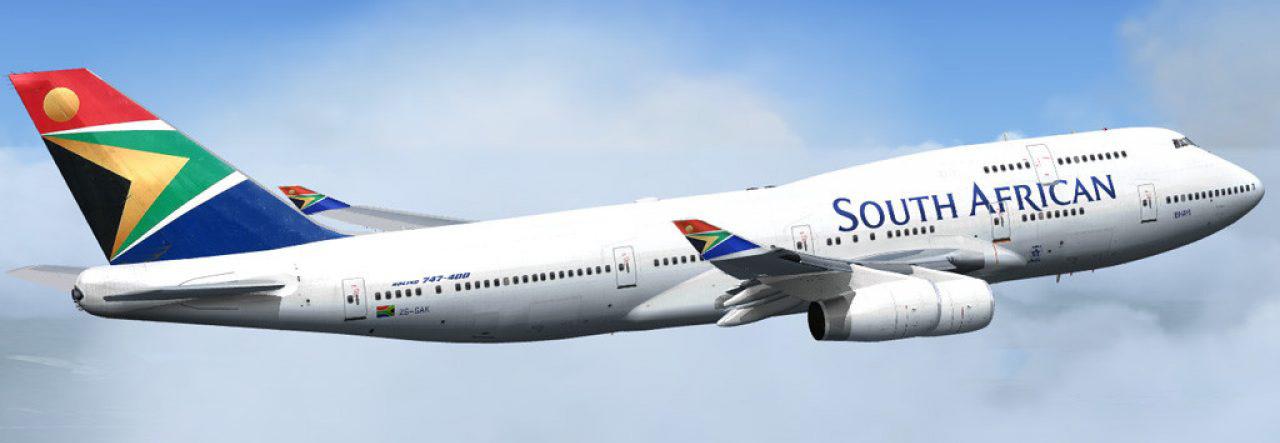
The third phase of South African Airways’ charters to GAN began on the morning of 8th December 2019 with a large influx of holidaymakers.
South African Airways had initially commenced direct 7-hour flights from Johannesburg to Gan, Maldives in December 2018. SAA is the first long-
haul international carrier to fly to Gan International Airport in the Maldives.
Addu City currently features a number of tourist establishments including Shangri-La’s Villingili Resort & Spa, Equator Village, and Canareef Resort Maldives, with a combined bed capacity of 800, in addition to an array of guesthouses targeting budget travellers.
The national carrier of South Africa flies to over 35 destinations across Africa, the Middle East, Asia, Europe, Australia and North and South America.


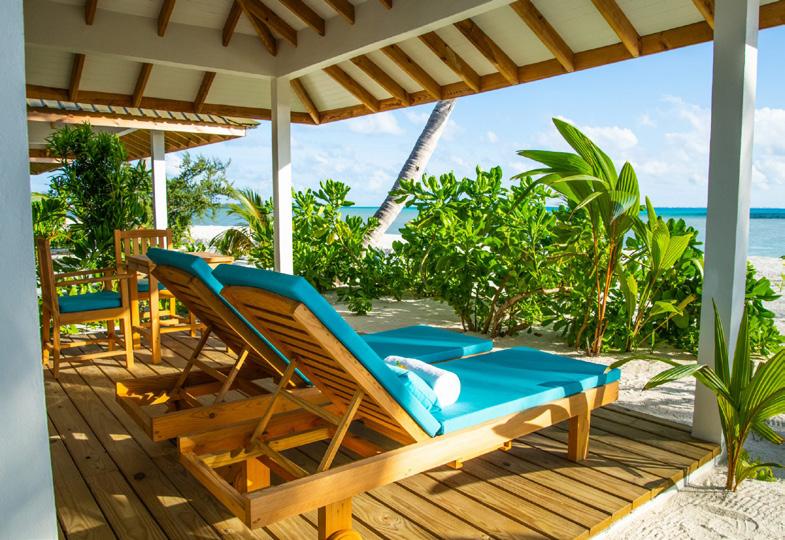
South Palm Resort Maldives has welcomed its first guests on 1st December 2019. The recently opened resort in the southernmost Addu atoll was developed on the uninhabited island of Ismehela Hera. Located just a short 10-minute speedboat ride from Gan International Airport in Addu, South Palm Resort offers accommodation in 130 rooms of six categories; Sunrise Villa, Palm Villa, Beach Villa, Family Villa, Water Villa and Overwater Pool Villa.
The resort’s allday dining Banyan Restaurant allows guests to experience the creativity and warmth of international cuisine in a romantic setting, whilst the Kanduolhi Bar offers grilled seafood, premium steaks or set menus in a private setting. At Moodhu Bar, guests can chill out to the nightly entertainment.
The Kurumba Spa at South Palm Resort is a sanctuary for the senses
overlooking the ocean. It features the first-ever ‘floating spa rooms’ in Maldives for sessions of personal rejuvenation.
Southern Maldives Divers, the five-star PADI dive centre at South Palm Resort, offers guests the chance to explore the remote waters of Addu. Amazing dive sites are close by and an abundance of manta rays can be seen year-round.
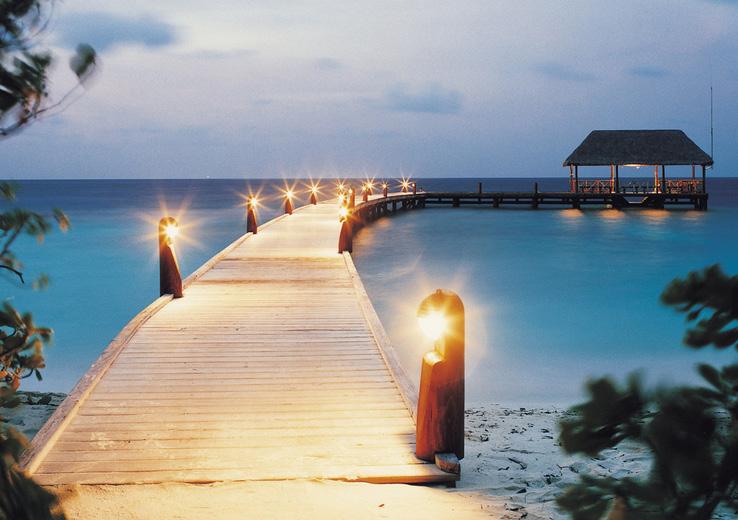
South Palm Resort Maldives is a place of unprecedented serenity, privacy and comfort.
Surrounded by the white beaches, a clear lagoon and the tranquil blue ocean views of Addu Atoll. Located on the remote, southern tip of Maldives, South Palm Resort is a million miles from the stresses and strains of everyday life.
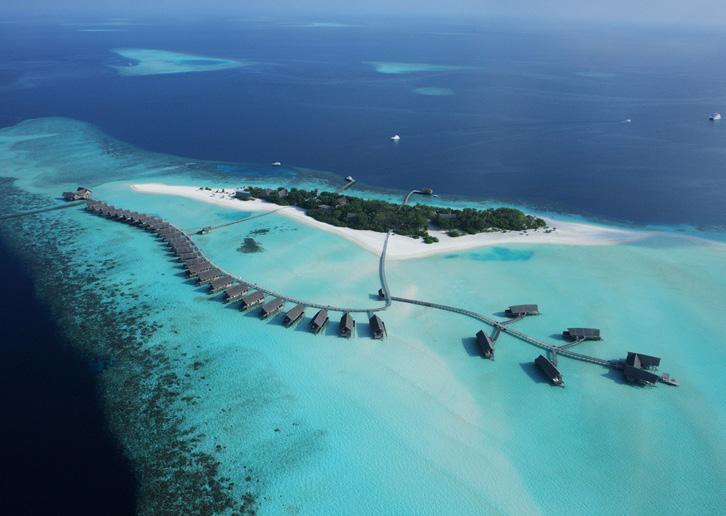
COMO Cocoa Island reopened on 9th January 2020 following an exciting seven-month transformation - not to expand or modernise, but to further accentuate the island’s away-from-it-all setting.
COMO Shambhala Retreat occupies a third of the island, maximizing feelings of privacy and quiet, with hammocks strung from trees. There are four treatment rooms, two of which have been expanded to accommodate couples. The size of each treatment room, and its positioning among the palms, not only give a profound feeling of indulgence but allow therapists to fulfil the Retreat’s full and half-day multi-treatment paths without moving guests from one room to another.
The resort consists of 34 over-water
villas, all of which have been recast top-to-bottom with clean-lined, contemporary interiors by Singaporebased Lekker Architects. Natural materials like kajan thatch roofing, Maldivian coral-rock walls, and wood have been used throughout. The clean-lined, light-soaked aesthetic makes for meditative spaces. All rooms have platforms from which you can step directly into the lagoon. Every accommodation is supplied with COMO Shambhala’s aromatherapy-based, parabens-free body, bath and hair products.
To complement the wellness experience, COMO Shambhala Cuisine allows guests to pursue vegan, vegetarian, gluten-free, nutritionallyrich and additive-free wellness diets. Other dining options at the Ufaa restaurant include Mediterranean, Indian and Maldivian cuisines including excellent local seafood.
Cocoa’s on-island, PADI-certified dive centre, in one of the world’s most highly regarded dive spots, offers reef diving, wreck diving, UV night snorkelling and whale shark
expeditions alongside complimentary water-sports including kayaking, paddle-boarding, and snorkelling.
COMO Cocoa Island, the multi-awardwinning Maldivian private island resort is located in the Maldives’ South Malé atoll, a 40-minute speedboat ride from the international airport. Opened in 2002, Cocoa Island became COMO’s first private island in the Maldives.


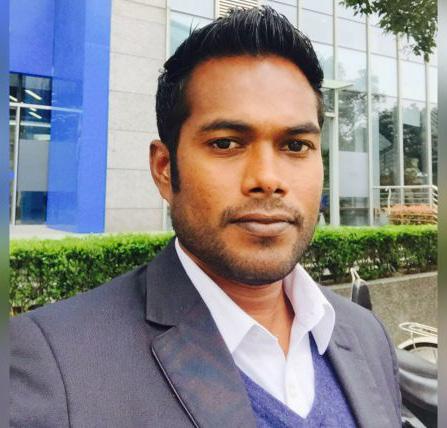
Inad is bringing over 15 years of experience in the hospitality industry to the Maamunagau Resort. He joined Velaa Private Island Maldives in 2013 as a Sales and Reservation Coordinator, where he worked his way up to serve as a Sales and Marketing Executive, Sales Manager, and finally as the Director of Sales at one of the most popular ultra-luxury resorts in the Maldives, before joining Milaidhoo Island Maldives early this year. He holds a Bachelor’s Degree in Tourism
and Travel Services Management from Taylor’s University, Malaysia.
InterContinental Maldives
Maamunagau Resort is a 35-minute seaplane ride away from Velana International Airport. The resort is situated on the southernmost tip of Raa Atoll near Baa Atoll, a UNESCO biosphere reserve, and one of the most secluded locations in the Maldives.
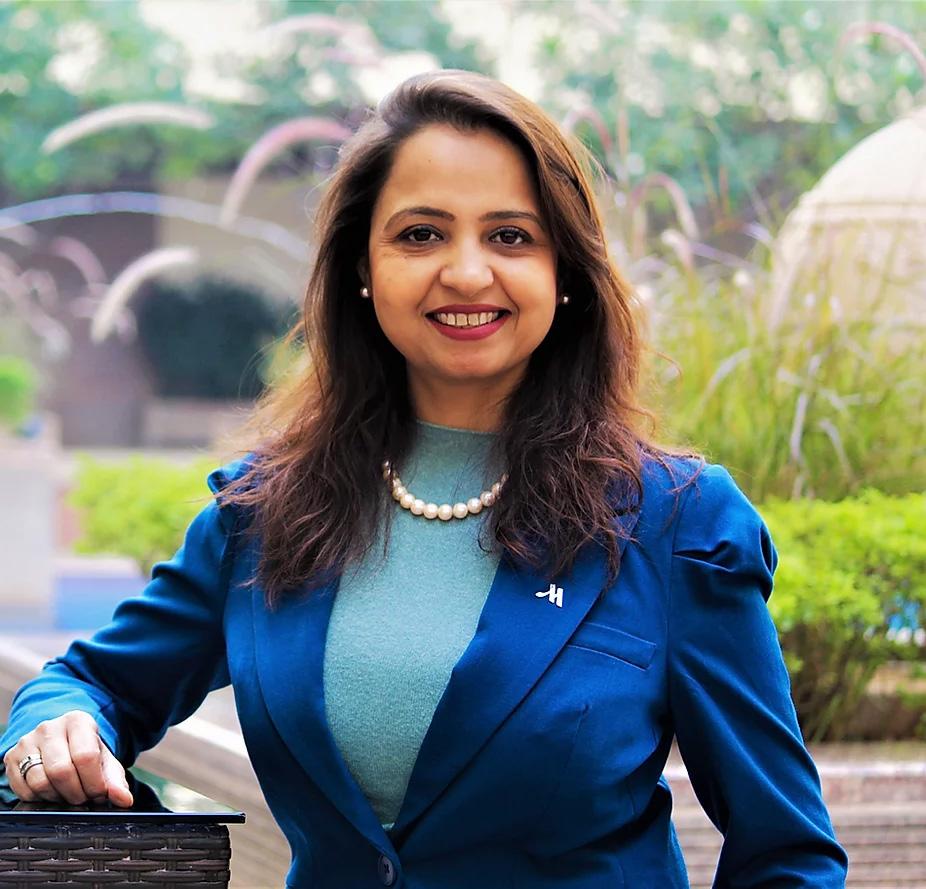
Suri brings to the table a vast repertoire of running and managing highly successful hotels, and she has extensive experience of more than 15 years in the hospitality industry.
Suri also bagged the ‘General Manager of the year’ award for the ‘Upscale to Mid-Market’ segment during her employment at Marriott Jaipur in 2018. She has also been associated with brands like Westin, Le Meridien and TajShe graduated from the Institute
of Hotel Management (IHM) Bangalore and holds an MBA in Sales and Marketing. She also completed her Leadership Program from Cornell.
She has held various positions like Head of Training, Cluster Director of HR, Hotel Manager before she moved to Kochi as General Manager, giving her diverse experiences in the industry






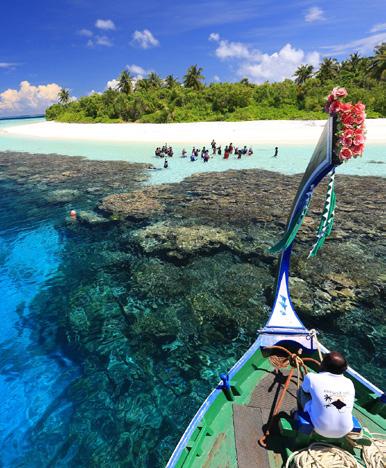
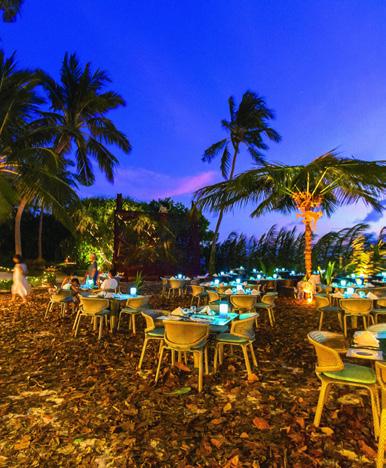
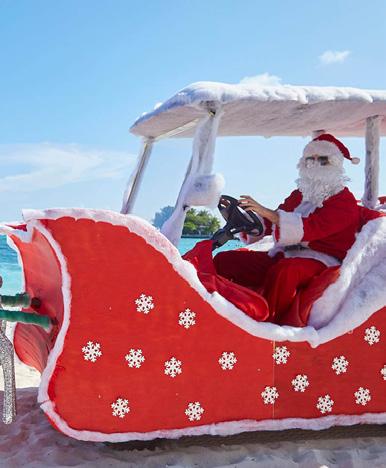
The Maldives, famous for its translucent turquoise waters and pristine coral reefs, dazzled the crowd with a plethora of sparkling celebrations all across the islands this festive season.
Dusit thani filled the air with dance and music, including performances by DJ Goli with his eclectic electronic beats, complimentary Zumba and Samba classes with professional dancer Rebecca Aroca, live performances of classic and modern hits by Musical Duo Vlad & Anastasia and special themed dinner nights at the resort’s award-winning restaurants.
Ayada showcased daily live music, fire dancing, fakir shows and more throughout the festive season. On Christmas Eve guests got to pick and choose delicious treats from all around the world at the Christmas market stalls in and around the Magu restaurant. The New Year’s Eve Gala Dinner was simply glamorous with stunning decorations making the dinner an unforgettable event.
Across all Crown & Champa Resorts, December set the mood for the holiday season; Hurawalhi Island Resort set up mouth-watering gala dinners, destination dining under the sea or under the stars, with renowned wine estates and more. At adults-only Komandoo Island Resort & Spa, guests got Champagne breakfasts, a special fishing excursion, an underwater treasure hunt and live music. Through the event-filled days, Komandoo made sure to retain its tranquil, adults-
only charm. The ever-happening Kuredu Island Resort & Spa was just as lively this festive season with live music by The Flying Dance Kings and local musicians, beach barbecues, synchronised swimmers, Limmat-Nixen the traditional Gladiators charity show, and a superhero-themed New Year’s Eve party.
Guests at One&Only Reethi Rah felt the island come alive with the spirit of the season as twinkling lights led everyone towards an array of special events and activities for every age.
From Santa’s dramatic Christmas visit to elegant Champagne brunches, gala dinners, and a series of fitness tournaments. And of course, the epic Underwonder Festival, filled with parties and performances that counted down to New Year’s Day.
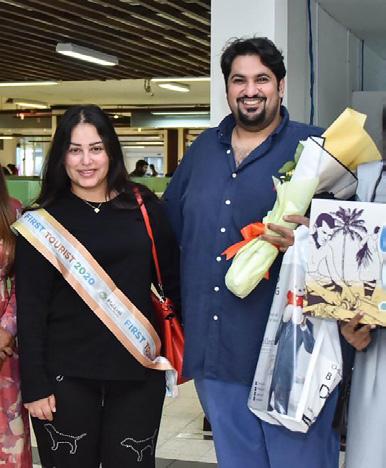
2020’s very first visitors to the Maldives were also celebrated by the country, reeling in a new year full of hopes, aspirations, resolutions and celebration. Sarah Hesham Ahmed Ali Al Qasim and her husband Mohamed Qasim Khaleel Alamer from Bahrain were received at the Velana International Airport by the Minister of Tourism Ali Waheed, Managing Director of MMPRC Thoyyib Mohamed, Gulf Air, Furaveri Maldives, Ooredoo Maldives and Maldives Immigration. Furaveri Island Resort & Spa gifted a
free holiday voucher to the couple, while Gulf Air provided with free return tickets and Ooredoo Maldives presented a gift package.
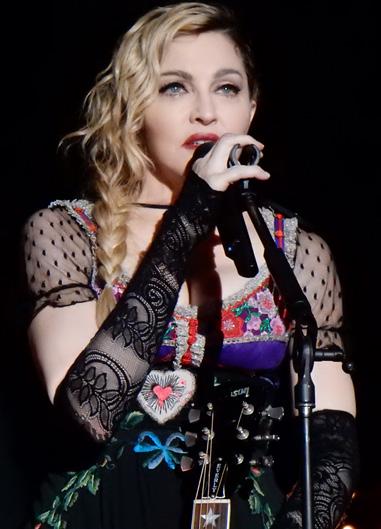
It comes as no surprise that the island nation was the place to be for many of the celebs this time ‘round as well. Madonna, the Queen of Pop, spent a festive family getaway in the Maldives to welcome the new year. Having arrived with her children and boyfriend on 29th December 2019, Madonna travelled to Vakkaru Maldives, a secluded luxury island in Baa atoll.
The Ramsays celebrated the festive season in full force with Gordon Ramsay joining wife Tana and their children as they jetted off to Amilla Fushi in the sunny climes of the Maldives for Christmas. The famous family were ready for Santa’s impending arrival, sporting matching pyjamas ahead of the occasion.
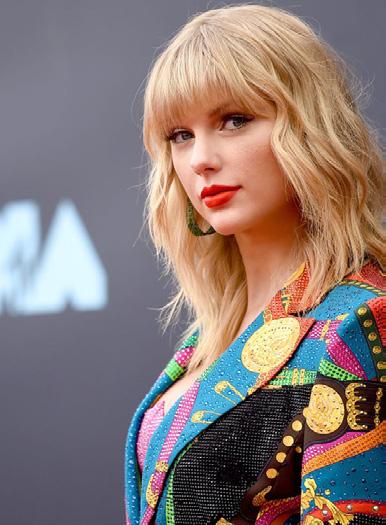
Taylor Swift has also enjoyed a private escape to the Maldives this holiday season. Rumoured to have stayed at Soneva Jani, the American singersongwriter joins the growing list of celebrities who chose to spend their vacations in the tropical paradise.

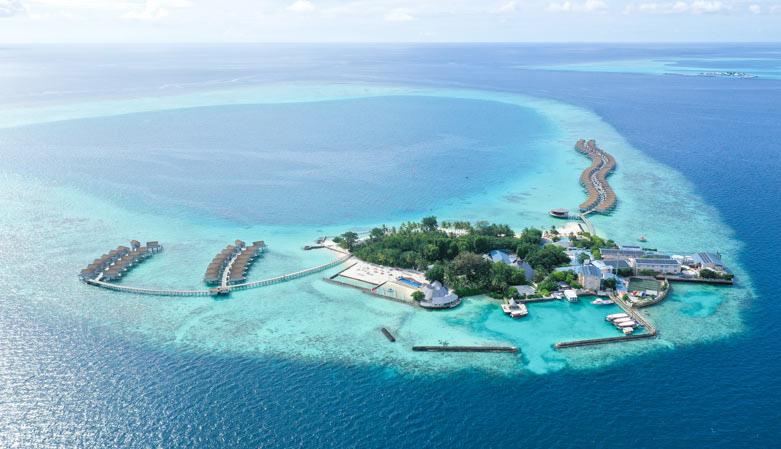
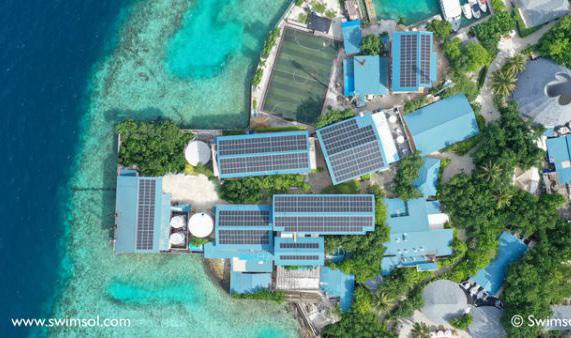
Centara Hotels & Resorts has transformed Centara Ras Fushi Resort & Spa, Maldives, into a self-sustaining solar energy generator after the adoption of a rooftop solar panel system that began producing electricity in December.
Following the completion of solar panel installations atop the roofs of all of the resort’s main structures, Centara Ras Fushi Resort & Spa will generate enough power to supply close to 40% of the its energy needs, resulting in an annual energy savings equivalent to 307,000 kilowatt-hours (kwh), or about 83,000 litres of diesel fuel.
“The rooftop solar conversion is one of Centara’s most ambitious sustainability projects undertaken at a single property,” said Centara’s VP Operations David Good. “The benefits to the environment made it a compelling choice, and we will be looking at options for
expanding the solar program to other properties going forward.”
Centara’s long-term commitment to sustainable business practices is reflected in a number of initiatives aimed at reducing the company’s environmental impact in the communities where it operates. Its ongoing engagement with EarthCheck, the world’s leading scientific benchmarking, certification and advisory group for travel and tourism, continues to yield consequential improvements in key sustainability metrics. To date, fifteen Centara hotels and resorts have achieved EarthCheck certification,
and another four properties are enrolled in EarthCheck’s Evaluate Plus program, leading to significant reductions in carbon footprints and greenhouse gas emissions.
Most recently, the company’s leadership in environmental sustainability was recognised for the second consecutive year by the Stock Exchange of Thailand, which awarded Centara Hotels & Resorts (CENTEL) its ‘Thailand Sustainability Investment 2019 (THSI)’ designation, given annually in recognition of listed companies that operate with responsibility across Environmental, Social and Governance (ESG) aspects.
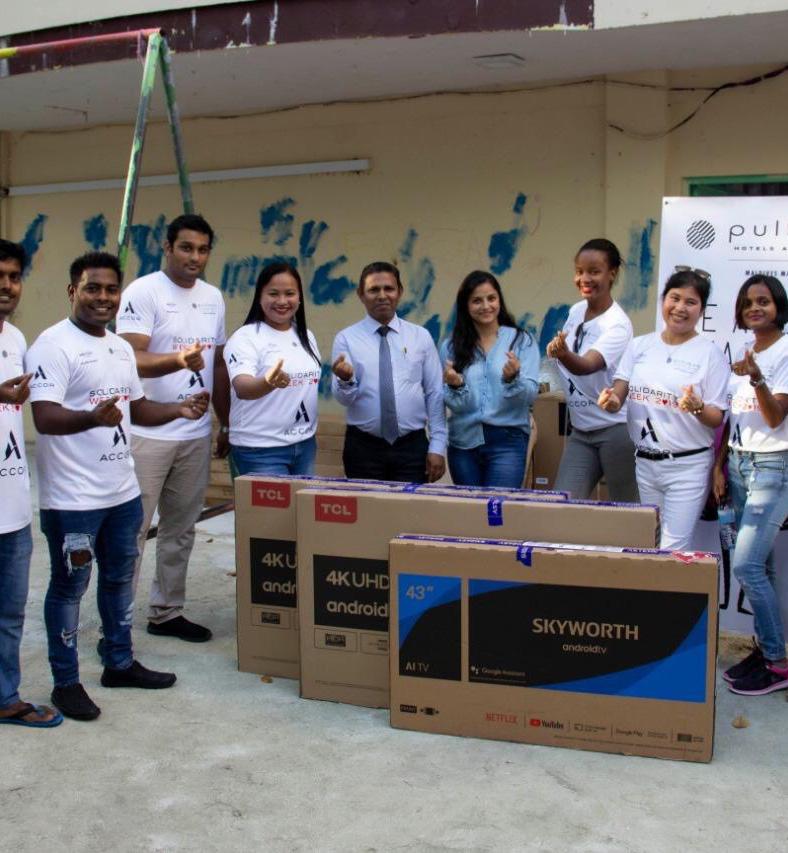
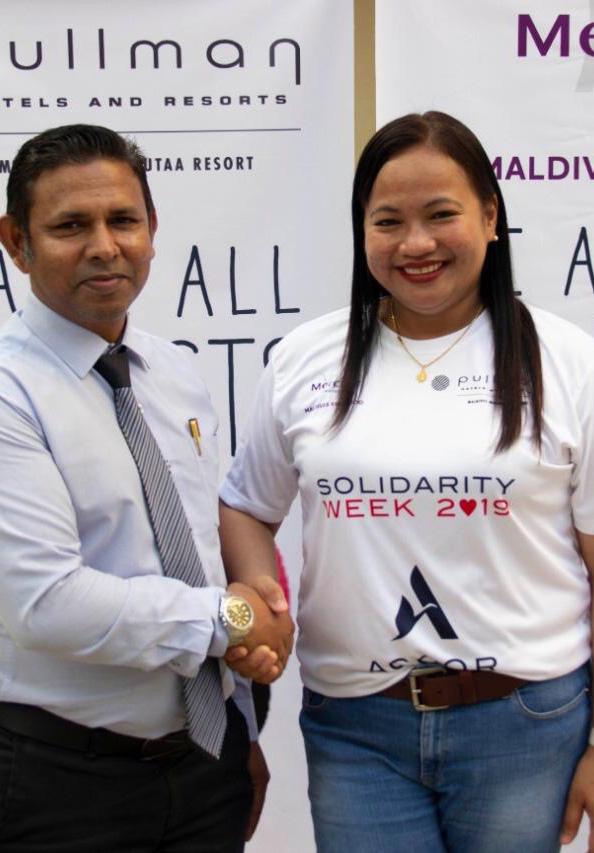
On 12th December 2019, Mercure Maldives Kooddoo and Pullman Maldives Maamutaa visited Children’s Home at Vilimale as part of Accor Solidarity Week 2019.
Helping to combat the economic and social exclusion of the most disadvantaged people was the rationale behind the creation of the endowment fund Solidarity AccorHotels. It is active in many of the countries where AccorHotels operates and has been an international platform supplying advice and expertise, and also supports the solidarity actions sponsored by employees for the benefit of charities and NGOs in their countries of residence.
Fourteen years on, more than 300 projects have been supported in 45 countries to help 172,800 direct beneficiaries with the aid of 20,000 AccorHotels employees directly involved in projects to help the most vulnerable.
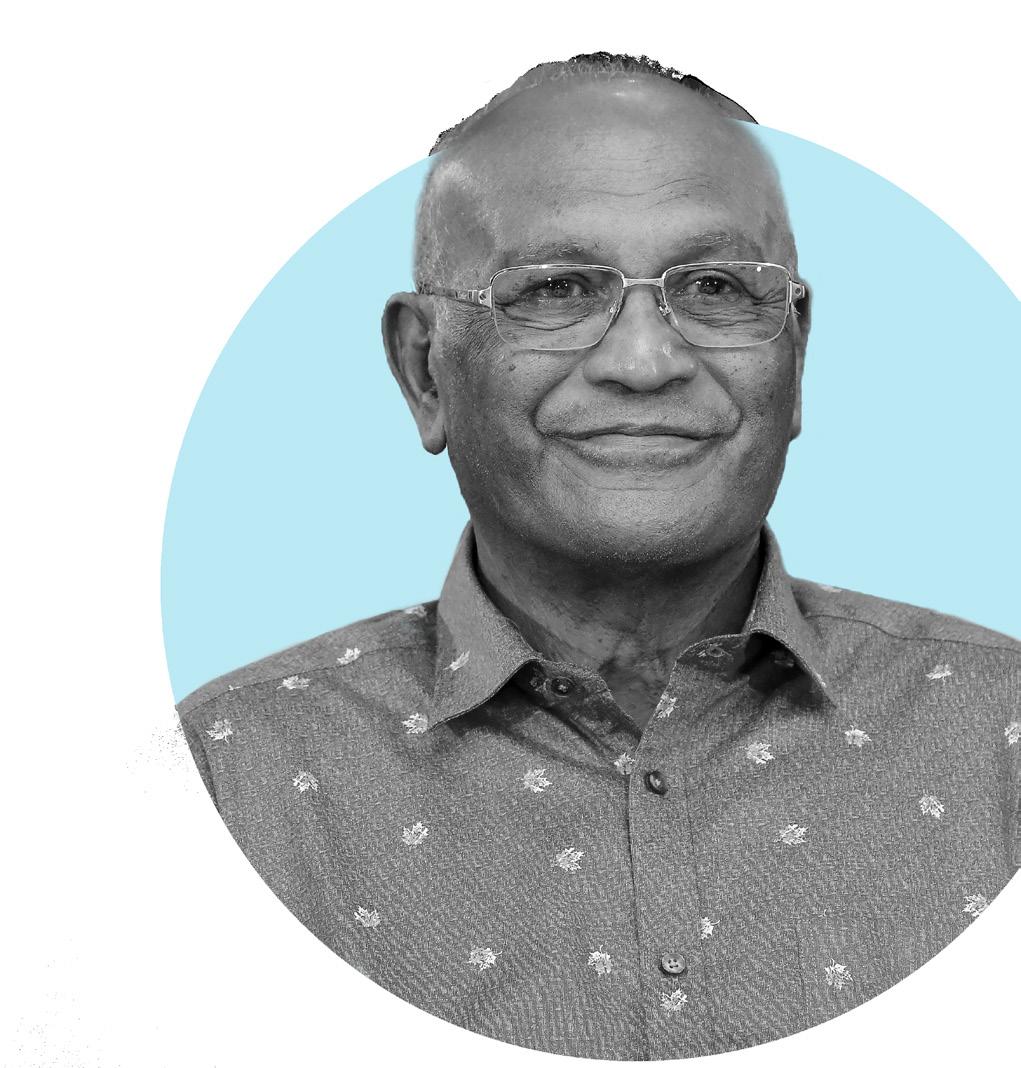
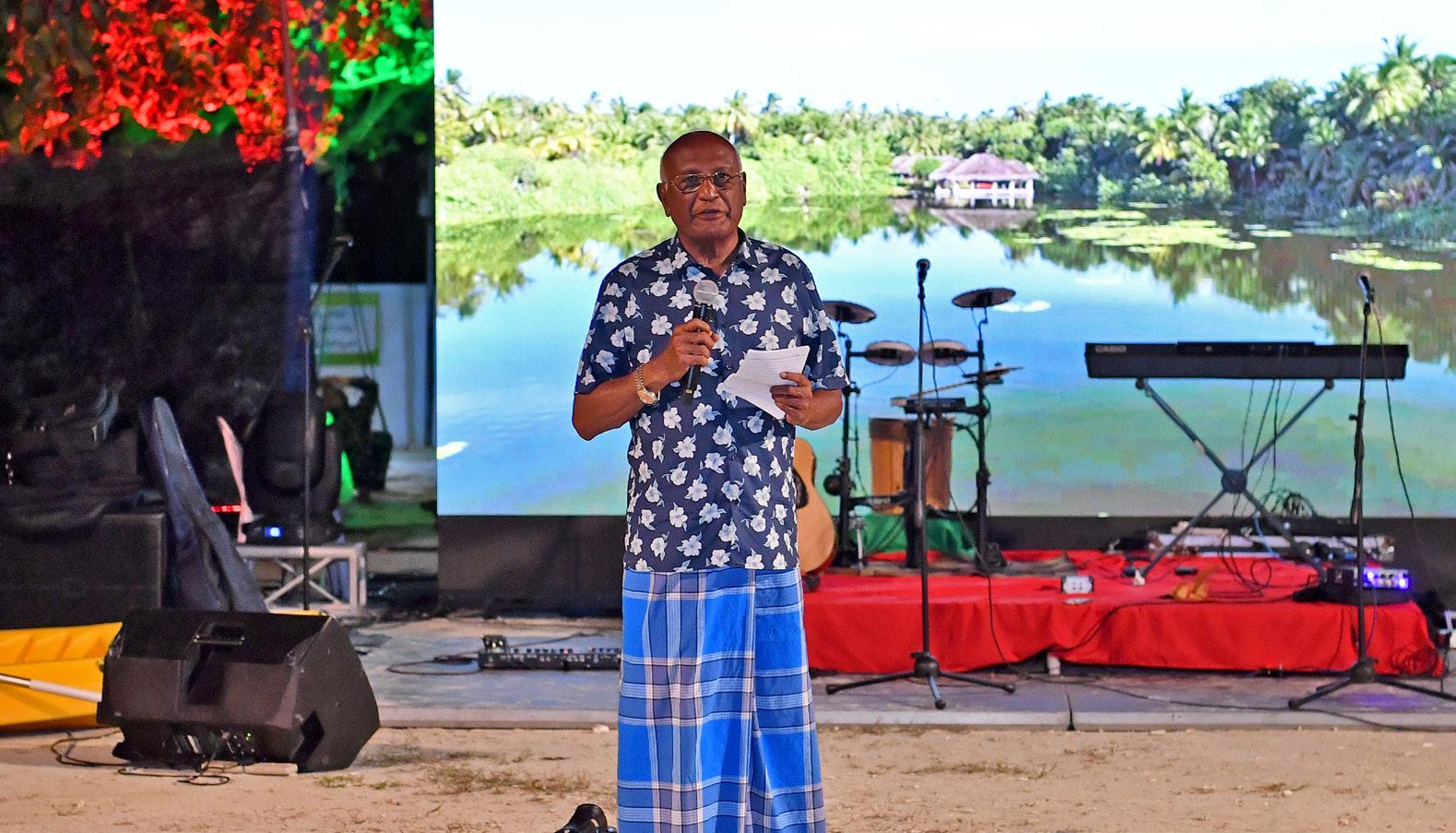
Former Maldives foreign minister and firebrand bureaucrat politician, Hon. Ahmed Naseem, current Minister at the President’s Office, once dreamt big, had an innate confidence and the courage to stand by his convictions. In a comprehensive oneto-one with the Islandchief, Naseem ruminates on his philosophy of life and vision for Maldives Tourism.
Mr. Naseem, do you remember what first attracted you to tourism? What got you inspired?
When I was thirteen or fourteen, I was a student then in Sri Lanka. It was the early sixties and tourism had actually just started flourishing in Sri Lanka and the tourism industry wasn’t really structured over there. The long-haul flights had only just started and it was rather haphazard. My sister’s husband, who is a Sri Lankan, used to take me along with them on the weekends to these hotels – they used to travel quite a lot within Sri Lanka back then. During these weekend trips, I used to see a lot of people from other countries relaxing and sunbathing on the beach, and I used to wonder what they were exactly doing. So, I began talking to some of them, and they would tell me that they have come for the beach as well as other cultural attractions. On and off I used to have conversations with them, which eventually got me thinking that this would actually be quite good for Maldives. This was the very beginning of what sparked my thoughts towards the possibility of tourism in the Maldives.
One day, when I went to see Hon. Ali Maniku, I decided to bring it up with him – mind you, I was very young at the time. So, he laughed and told me not to think of such things and to focus on
my studies. He always remembered that day though. He would tell me “I remember the day you came and told me about this!”
Later on, in about 1968, I was back in Maldives, when I met a British gentleman doing a feasibility study on tourism here. I think he was a UNDP expert. I decided to mention to him, as well, that Maldives would be an ideal place to start tourism, and he said it was not possible at all. He gave some rather strange reasons; there are few motorized boats, the country is too humid, there’s no water, no electricity, too many mosquitoes and so on. He even submitted a very negative report to the then Maldives government, stating that there was no possibility of developing tourism in the country, and strongly suggested not to venture into such areas.
Then around 1969, I was posted to the UN in New York while working in the Foreign Ministry. Unfortunately, we had to shut down the mission in about 1971 due to financial constraints. So, on my way back to Maldives from New York, we stopped in Sri Lanka, and as we were government officials, we stayed at the Maldivian embassy’s residence located
right behind the embassy. While I was there, I received a message from Mr. Hussain Ali Didi, the Ambassador of Maldives to Sri Lanka at the time, that there was an Italian gentleman at the embassy who wanted to visit the Maldives, and that I was just the right person to have a word with him. So, I went to the embassy and met George Corbin and Francesco Bernini for the first time. They were explorers who were interested in traveling to new destinations and they had a travel agency called Sesto Continente, meaning the sixth continent, which is the ocean. George told me about when he tried to come to Maldives even before while he used to work in Tourisenta, but they had informed him that there may be cannibals here!
I decided to talk to my very good friend, Koli Mohamed Maniku, and we set our sights on bringing a few tourists to Maldives; all the discussions were held here, on this undhoali (Maldivian cultural swing). We invited George Corbin to Maldives to talk about bringing in a larger group. So, George dared to come here and, fortunately, he wasn’t eaten up by anybody. Instead, he was totally enchanted by this place. He came to my home and we also went to Palm Court where we planned everything.

In the end, we made all the arrangements and that first group of twenty-two tourists finally arrived in Maldives. They were all adventurers and journalists, and we received significant publicity in Italy. Unfortunately, I wasn’t in Maldives during this period since I had enrolled in a course in Australia and I was studying at the time.
Now, this is related to something I spoke about earlier; in around 1973 I was at the UN Economic Committee one day, when I saw this gentleman from the UK Delegation. He came up to me and asked me if I was Naseem. Then I instantly remembered it was the same person who researched the possibility of tourism in Maldives all those years ago! We had just opened Kurumba, so the very first thing I told him was that I have opened a resort in Maldives with a few friends – he was just completely flabbergasted! I believe he actually wrote a letter to President Nasir apologising for not having the vision to see the possibility of tourism in Maldives and that he wishes well. He actually came here several times and stayed with us when I was running Bandos, and later at Giraavaru as well. Sadly, he has passed away.
What motivated you to introduce a destination for tourism and how did you manage the framework to start it with?
It was a mere conversation that was behind the actual framework and how it all began. You see, there are different types of people in the world; one is the enthusiastic pioneer and the other is the calculated businessman. I wouldn’t refer to George Corbin as a businessman, he was more of an avid adventurer, but he also had the right connections. So, it was ideal for us and that was the beginning of the framework.
There were just two flights a year that operated to Maldives back then, only to transport teachers from Sri Lanka and carry them back. We also had a very small runway. We had to find a way to bring tourists, so we approached Air Vice Marshal Mendis from the Sri Lanka Air Force and convinced him. The two aircrafts we operated were modified to fix twelve passenger seats and everyone at Sri Lanka Air Force was very cooperative. So, we chartered the two aircrafts and brought tourists, because there were no regular flights. My brother-in-law was acting as the handling agent because there was no telephone communication, no fax machines or anything - communication was absolute zero. But there was a connection called Bombay Malé Link which had established a connection to the Maldives embassy in Sri Lanka. So, sometimes I would visit the embassy to speak from there. We also had Ceylon Tours partner with us and it helped us a great deal. We really did not know what we were getting into at all. We learned everything from Sri Lanka because we had absolutely no experience.
When the first tourists arrived in Malé, we fed them at “Queen of the Night”, a local tea-shop and café situated at the east end of the then Marine Drive. We assumed they would be able to eat the food there, but it was much too spicy for them. Then, Mohamed Maniku began cooking for them and prepared various types of salads and sandwiches – he’s quite a genius in cooking. Tourists who arrived also carried pasta and packaged food products with them, because they understood the situation here.
Among your many successful projects, can you tell us more about how you established tourism back then, resorts, guesthouses, yachts and travel agency?
We actually didn’t establish guesthouses, they developed naturally. I think some of the first guesthouses might have been in Huraa. We were building Kuda Huraa at the time –today’s One&Only – presented to us by Huraa Kaleyfaan. It was our second place right after Kurumba. Mohamed Maniku, myself and Afeef partnered on this venture and the three of us were shareholders managing the place. Those days, Kuda Huraa had only two coconut palms and it was so narrow, the waves could travel from one side of the island to the other. So, Huraa Kaleyfaan saw the potential in what we were doing, and he was quite interested. Then we decided to help him establish two or three guesthouses in Huraa. I believe Himmafushi also had guesthouses then.
Most of these guesthouses were free, and of course, it was a big risk. But when you’re young, you think you can do anything. You’re confident enough to tackle any challenges that may come your way. There were no regulations at the time, and no regulatory body to oversee tourists. Though the government was slightly behind in the field of tourism, they were quite positive and did not interfere at all. It was later on that the government got more and more involved in tourism – and that’s another story.
What were the main challenges in educating the public and the stakeholders about tourism development in early seventies?
I think it was convincing the people! When we began our journey, the very first people that followed us were Sikka Ahmed Ismail Manik and Koli Ahmed Manik - they established Vabbinfaru. Then Cyprea followed and at that time it was under Maizan Adam Manik and Maizan Ibrahim Manik. Then, of course, it continued happening and happening.
When I was in prison, I always kept thinking how I could get into the tourism industry. I remember reading the bits of newspaper that was used to cover the food we were given at the jail cells. There were hotels getting refurbished and upgraded in Singapore, Thailand and all around us and the Caribbean was developing fast and was becoming a challenging market for us. And, when I got out, in about two weeks I had Giraavaru. It
was a dump site and I wanted to develop it as a five-star property. We had ground water then and there was no desalination plant, no air conditioning. I finally decided and built a basic resort and focused on improvements later. We had tv, music, fresh water and all the rooms were air conditioned. I also had some angry people who did not agree with me on it. But all around us hotels were being upgraded and in Maldives we were only selling rooms at $24 - $35 on full-board basis at that time, so we needed to keep up with the times. The resort was very comfortable, and that is why the SAARC retreat was also held in Giraavaru.
So, Mohamed Maniku was convinced that Kurumba needed an upgrade. It was the two of us that actually started this. So, my point here is that people who were really involved from the beginning of it, they always understood that this industry has a lot more. They know the pulse of it. Today, it has become a major business, and getting into a business was not our intentions when we began it, we started it as a past time. But, with new companies coming in from overseas, it has become one of the top premium destinations in the world today. We hoped for it and we were hoping that our Maldivian people would be able to do that. Yes, in the 1990s when Afeef decided to give Rangali to Hilton, that was the beginning of the boom. He had the vision and the courage to give up something. But by nature, we Maldivians would always want to keep what’s ours only with us. So, the potential to grow is limited, because we don’t sell shares and we are not open to the public.
This should be the next step in the tourism industry. All these big companies should start selling shares to the public. So that they can actually expand and they can also make money out of it. I mean 40% of the company could be sold to the public. And then there’ll be bigger participation and more people will benefit out of it. I think that should be the next phase. The international brands that are investing here need to know that this is the best way, and their image and the way people view them will be much better.
So, what changes do you hope to see in Maldives regarding sustainability and tourism?
Maldives needs these places where the birds lay and hatch eggs, reefs where the fish breed and live – it has to have a decent environment for these living beings to prosper as well. You see, Maldives itself is a living entity. Maldives is alive, it is a living organism. It’s not just a dead place. We make our lives from what this beautiful country naturally offers us, so we have to respect it. You see, the elderly people in Maldives knew what this country was all about. They used to call it vona dhona raajje, which means vodi, giraa raajje. We have to respect the way Maldives naturally is.
For example, in Lhaviyani Atoll, a big island
was given to Rauf to build a resort – it’s not done yet – but the thing is, that is actually a hatchery. Many stingrays and other organisms breed there. You can’t possibly destroy this infrastructure that has been built by nature for specific purposes over a period of millions of years. These reefs, these infrastructures, this is how we have all these islands. It’s absolutely crucial that we have proper, controlled legislations and mechanisms in place to protect our environment, to see that damage is minimum.
What happens here is, we reclaim some land and then block another area which causes the current to change, the reefs get damaged, and there are many other side effects. We simply can’t change and control nature like this. I remember when the first reclamation was done to connect Male’ and Gaadhoo, a little island at the tip of Hulhule’ reef. Immediately, Vihamanaa Fushi, which is Kurumba, started eroding. It was an immediate reaction. It’s that vulnerable! Of course, we get a bigger piece of land when we dredge and do all these things, but the point is, the damage that we are causing is immense. Even after the Gulhi Faru reclamation, I went down to the reef and the coral damage on that side was unbelievable. Just because there is a sandbank it does not mean you have to build a resort. That’s completely wrong. This is what ‘making a quick buck’ is. There is an issue. First thing, is to recognise that there is an issue. I understand that dredging and reclamation of land is essential, but not to the extent at which we are doing it in Maldives. We have to be very careful and respect the land and the ocean. There is no need to reclaim a piece of land in two days, it can be done in a bit more time. You must be patient.
I don’t know whether the resort reefs are better or the native island reefs. I believe research needs to be done to assess and find out whether resort islands or local islands have better reef
preservation. I doubt it would be the resorts but a study needs to be done to find out.
If we don’t have the reefs, we don’t even have tourism, it’s as simple as that. About thirty, forty years ago the coral cover in Maldives was five per cent of the world’s total coral cover. Today, it is three per cent. We have lost two per cent of the corals. These are quite dangerous situations. Recovery is very slow, especially because of ocean acidification; the rising acidity of the ocean makes it harder for corals to build their skeletons, and the spines of crustaceans living in these corals break down. I’m not a scientist, these are things that I have read about.
You see, this passion, the feeling we have for this place, the big entrepreneurs from abroad will not truly know this feeling. Talk to the people who were involved in the very beginning; the things we did, what we discussed, what we spoke about. We always knew we had to respect and be grateful for what Maldives has to offer. There is a lot we can learn from the elderly people of this country, from the islanders; like how erosion affects lives.
Another thing is, there’s so much sewage ending up in the ocean from our local islands. This faecal matter is dangerous and are killing so many different types of corals. Malé should not be allowed to pump out all this raw filth into the ocean. It is detrimental, unfair and wrong. We can make legislations that all the sewage should be treated in the resort islands, and it should be first the government that prohibits this. I am confident that President Ibrahim Mohamed Solih is aware of these and will take steps to correct it. In fact, I believe Malé Water and Sewerage Company (MWSC) has already begun working on this. These are all inherited evils, so we have to correct all of these.
Please share with us your thoughts on the current state of tourism in the Maldives?
The current state of tourism in the Maldives right now is quite good. The problem here, is that the distribution of the earnings from tourism is very unreal. Unfortunately, there is no regulation that keeps money in the country. In reality, the Maldives is a very rich country, if all the invoices that are made here, and if all the money comes into this country, then there will be no shortage of the dollar or other foreign currencies here. The earnings from tourism must enter the country and then go back, just like in any other country. It should be regulated. You see Maldives belongs to the Maldivian people. So, it’s unfortunate that people are coming and making money out of Maldives without paying anything. People should at least have the decency to bring the money through the country, and then take it out. I mean there’s no country in the world like this, and its high time we became more mature. The Maldives Monetary Authority (MMA) clearly states that the Maldivian Rufiyaa is the legal tender here. So, if all invoices are made in Maldivian Rufiyaa, we will not be in this dire situation. That circulation of money will really help the economy of this country. Do get an expert’s opinion though, as I’m not a financial expert.
Having successfully engaged in numerous tourism development projects in different islands, what advice would you offer to newcomers who want to follow your example?
I think the newcomers must understand that this is a long-haul journey. You can’t open a travel agency today and become a millionaire tomorrow. Be patient. Be decent about it. Don’t put exhausted prices on everything. You cannot invest a million dollars and expect to earn a profit of ten million dollars at the end of the year.
Maldives is alive, it is a living organism. It’s not just a dead place. We make our lives from what this beautiful country naturally offers us, so we have to respect it.
When you’re opening up a place, you’re mostly using borrowed money. A lot of the time what happens is, money is borrowed from the bank, but this money isn’t used to develop the company, instead it is being spent to have fun in places such as Bangkok. That is how you go bust. This should really stop. Decide what you want to do in life. Don’t move from here to there, but stick to something so that it becomes a success. It doesn’t happen otherwise. You have to be patient. Look at companies like Mookai, they started very small. Look at Didi; Consistent. No deviation.
Now what happens here is that we open up a shop, we have certain amount of money, but just to decorate the place we spend $200,000. And then there’s no money left to bring the goods to sell in the shop. Who are we trying to show off to? There’s no need for that. It is that kind of indulgence that is not helpful to your business. Take, for example, Mohamed Umar Maniku and Afeef; they don’t expand rapidly. They will do it slowly, bit by bit.
You personally invest in something, not to take it to your grave, but to pass it on to your children and your family. So, take it slow. The children will be there. If you’re thinking of making a quick buck and enjoying yourself, then there’s nothing left for the children anymore.
With the new educated generation that has come in, I feel that things are looking much brighter. Another thing is, you can’t start your own business just because you have a Master’s in Business Administration. You have to work somewhere and learn the discipline – experience how people do things in the real world. Join a good company, gain some experience there, and then start your own business. That business will do far better – learn from the people who know how to do it. You can’t invent something new. You don’t invent the wheel again to a different shape, because the wheel is there, it has been invented.




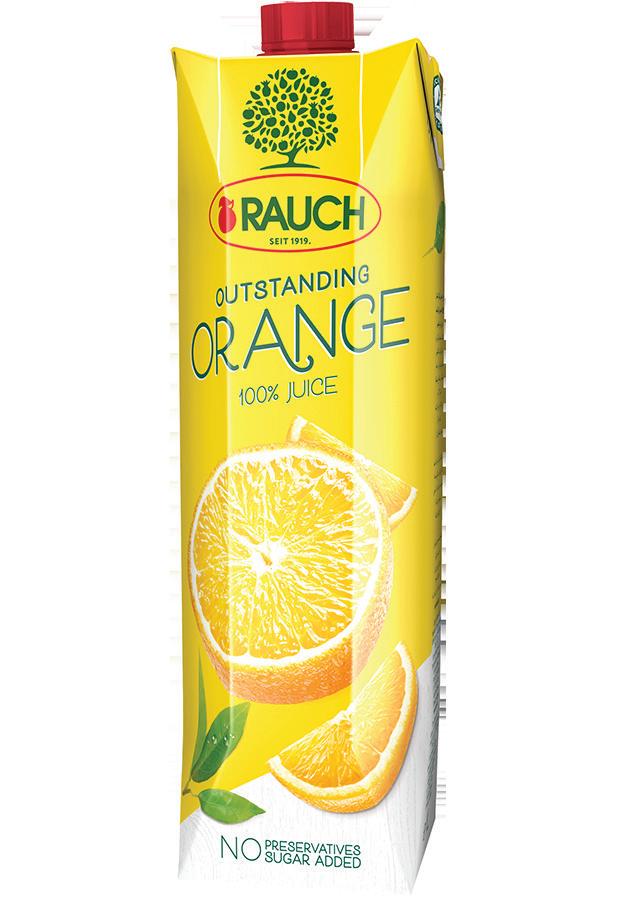
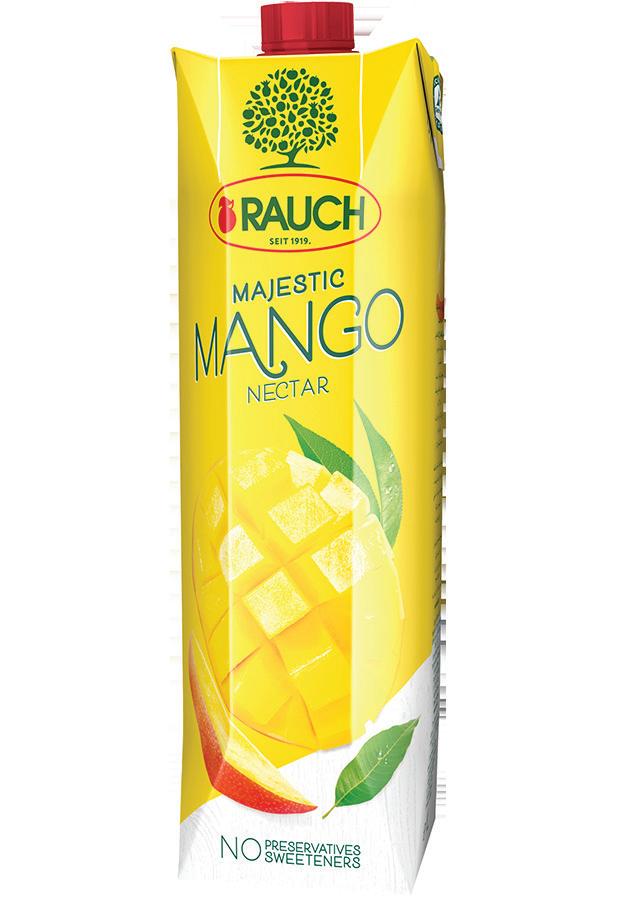
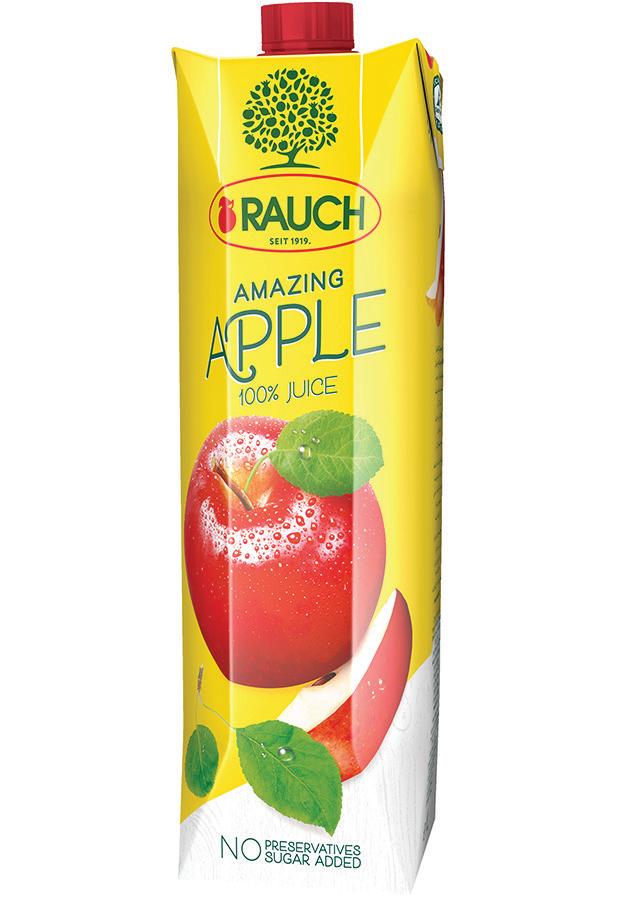
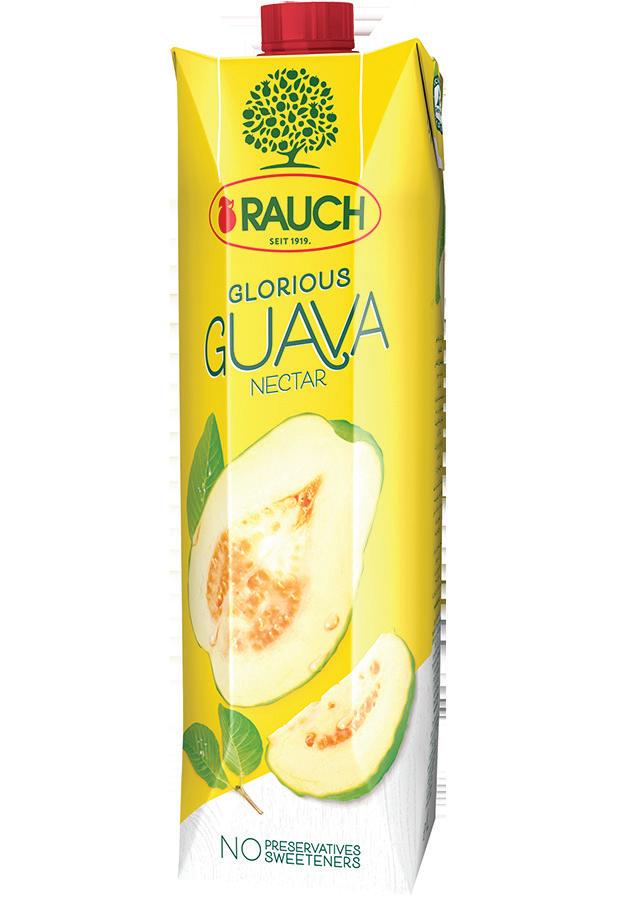
1 Ltr | 250 ml
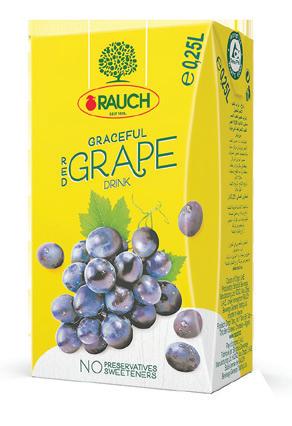
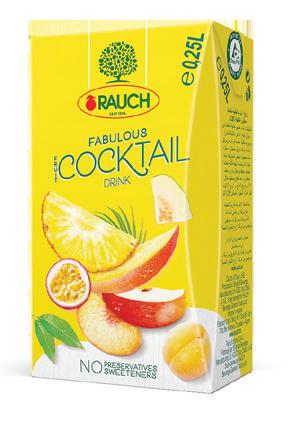
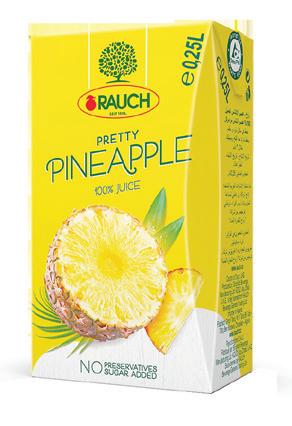
The Tetra Range is a new product in our assortment. 7 fresh and fruity varieties made from high-quality fruits are now available in 1.0 l and 250 ml cartons.
RAUCH Yellow has been part of the Arabian and North African drinks culture for more than 40 years now. RAUCH is one of the leading European fruit juice manufacturers. Founded 1919 in Austria they provide outstanding product quality exported to more than 100 countries worldwide.
It was the year 2007 when the boating industry formed an organization called the Liveaboard Association of Maldives (LAM) with the principle objective of getting a safe harbour for the growing cruising industry.
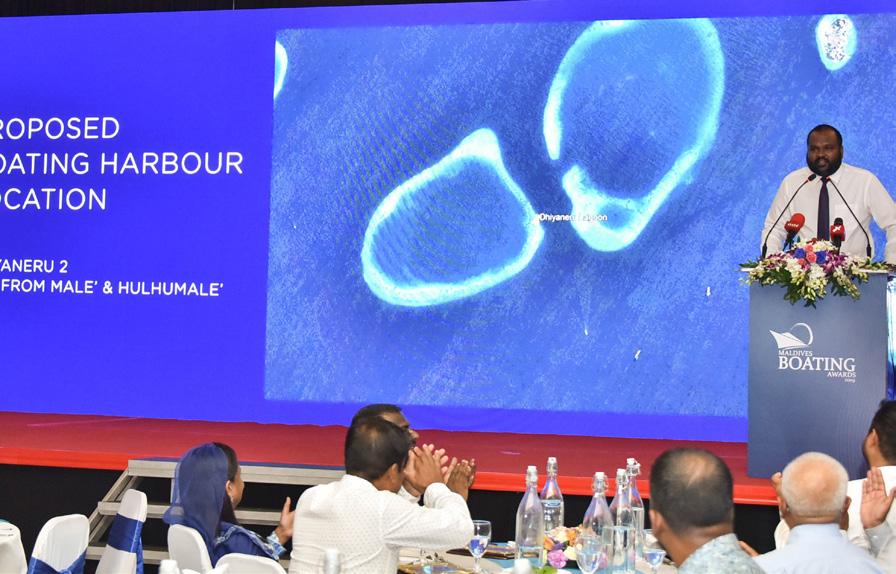
Years passed by as the members and management of the industry waited, while conducting continuous communication with the government, to find a proper solution in obtaining a designated harbour facility with support services for the industry.
Twelve years after the organization was formed, President Ibrahim Mohamed Solih’s current government recognized the initiative and gave the status of a national organization on 23rd December 2018, changing the name of the Industry NGO to National
Boating Association of Maldives (NBAM).
Exactly one year after celebrating its national status, the Minister of Tourism, Hon. Ali Waheed, announced the location of a designated harbour for the industry to be developed at Dhiyaneru 2, about 8 kilometres from the capital Male’ and Hulhumale’.
A long-awaited dream of a 40-year-old industry receives hope as the government has listened to their request, and made it a reality.
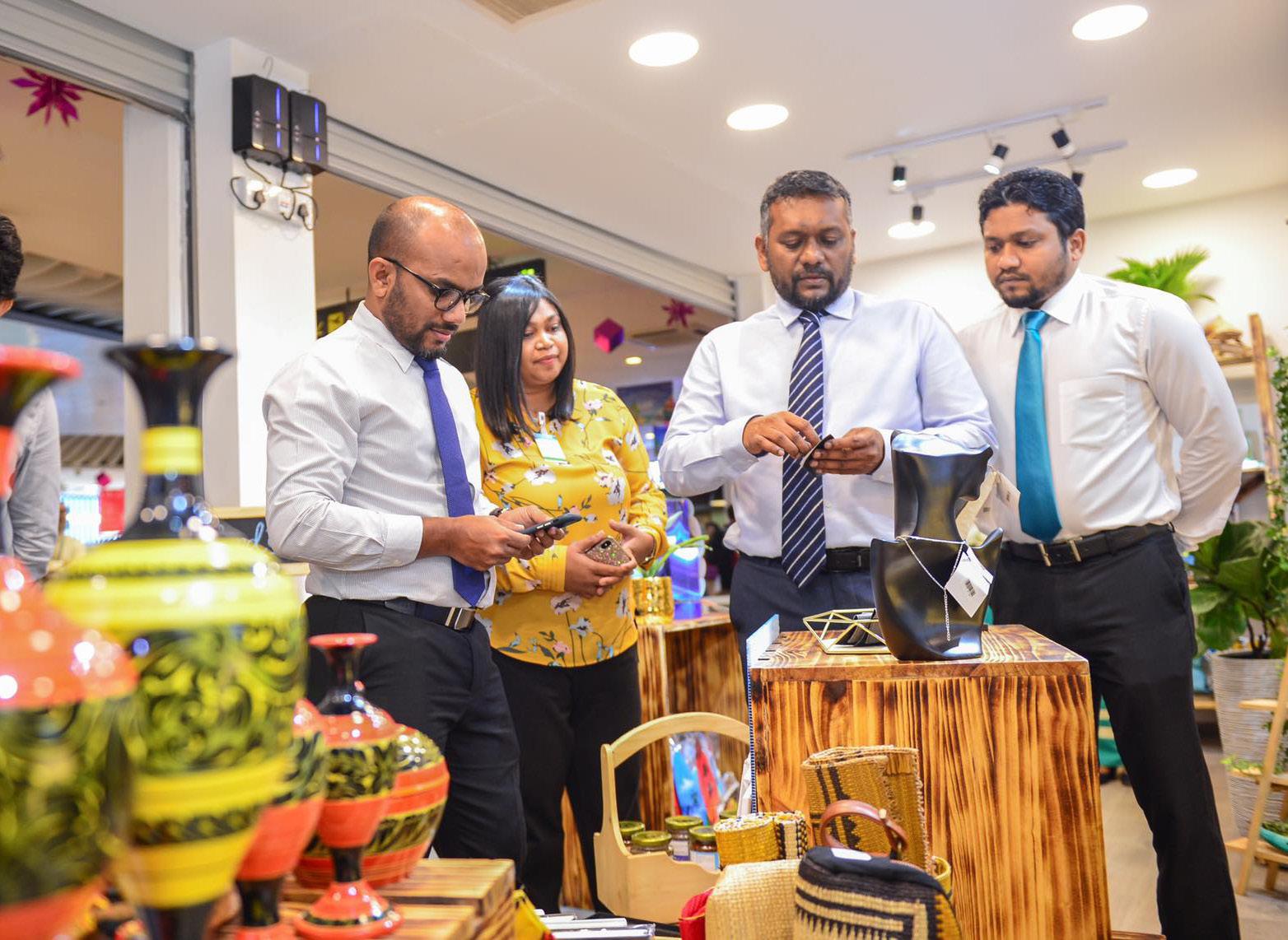
Authentic Maldives, the new duty-free shop at Velana International Airport has opened on 9th January 2020. The shop will feature a variety of exclusively Maldivian products for passengers arriving and departing from Velana International Airport.
The shop was opened by Minister of Economic Development Fayyaz Ismail and Minister of Finance Ibrahim Ameer. In the ceremony, the Acting Managing Director of Maldives Airports Company Limited (MACL) Moosa Solih and employees of the company participated. The work of the shop was initiated by Business Center Corporation.
The opportunity for Maldivian businesses to display products at the duty-free of the airport was opened in August 2019. Velana International Airport is the main international airport in the Maldives. It is located on Hulhule Island in the North Male Atoll, near the capital island Male’. It is the main gateway into the Maldives islands for tourists. It is currently the only airport in the country offering international flights.
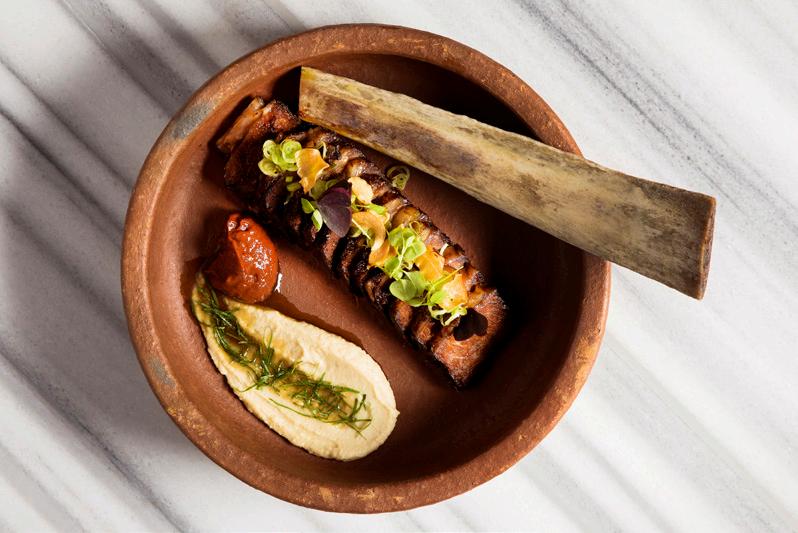
• X 5 400-450gr Canadian Short Ribs, trimmed & portioned
• SPICE RUB FOR RIBS: For 5 Portions
• 20g Garlic Cloves
• 30g Dark Muscovado Brown Sugar
• 22g Table Salt
• 14gr Isot (Turkish Black Chilli Flakes)
• 8g Turkish Red Chilli Flakes
• 8g Baharat Spice
• FOR THE TURKISH CHILI BBQ: For 5 Portions
• 30g Unsalted Butter
• 100g Banana Shallots, very finely chopped
• 10g Roasted Garlic Paste
• 5g Maldon Sea Salt
Method
• 2g Freshly Ground Black Pepper
• 15g Turkish Chilli Flakes
• 5g Isot (Turkish Black Chilli Flakes)
• 15g Flat Leaf Parsley, finely chopped
• 50g Dark Muscovado Brown Sugar
• 20g Worcestershire Sauce
• 200g Turkish Chilli Paste
• 180g Tomato Ketchup
• 180g Tomato Sauce
• 200g Water
• 25g Lemon Juice
1. For the spice rub; Mix all the ingredients together and distribute evenly over each short rib. Rub into the ribs, coating liberally, and place on a rack. Let them sit in the fridge uncovered for 18 hours.
2. Bring the ribs back to room temperature. This will take about 30 minutes. Vacuum pack theribs and place in a water bath for 20 hours at 72 degrees Celsius.
3. For the Turkish Chili BBQ: Melt the butter in a large pot over medium heat.
4. Add chopped shallots and roasted garlic paste, cook gently until they are translucent.
5. Add all of the other ingredients one at a time in the order given, stirring well after each addition. Gently bring to a boil, then reduce the heat and simmer, stirring occasionally for 30-40 minutes.
6. Allow the sauce to cool completely before blending to a smooth sauce. You can process it in the blender a small amount at a time.
7. To serve, bring the ribs back to the heat in a water bath, then grill over charcoal. Brush with the sauce several times whilst grilling until the ribs become sticky, nicely glazed, and coloured.
8. Garnish with finely sliced spring onions, micro cresses, fried garlic and dollop of extra BBQ sauce.
Our industry-leading printing solutions deliver exceptionally high quality print to create lasting impressions for your business.
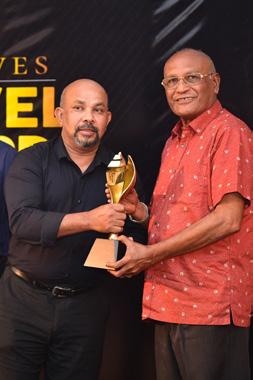
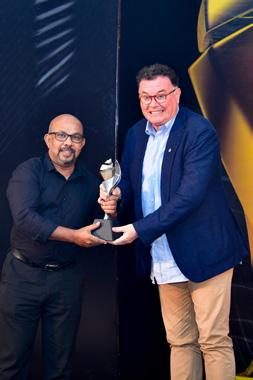
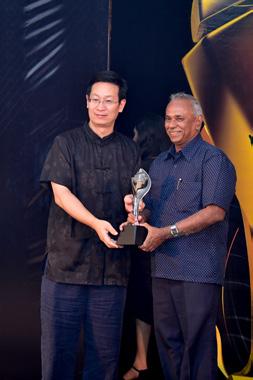
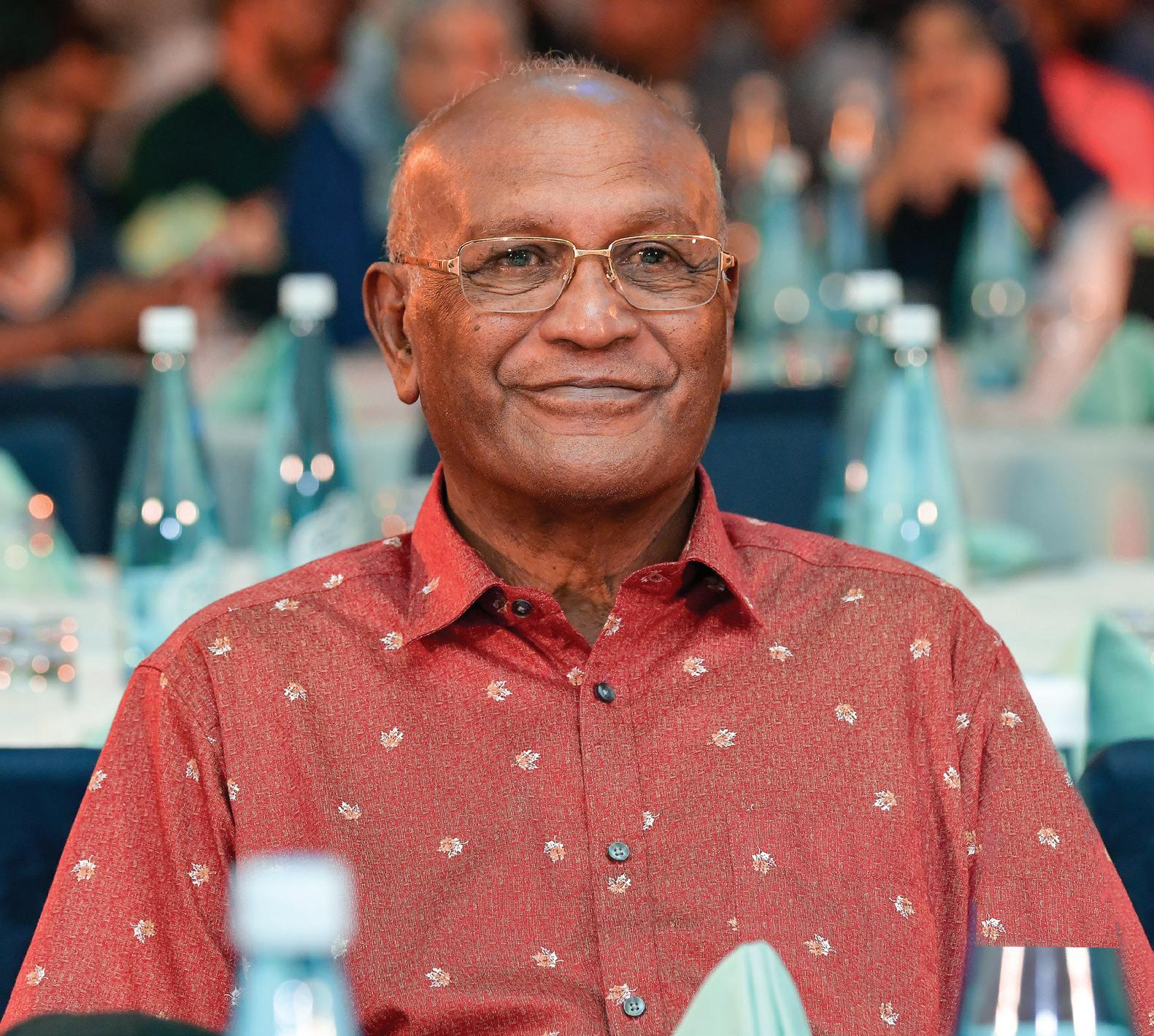
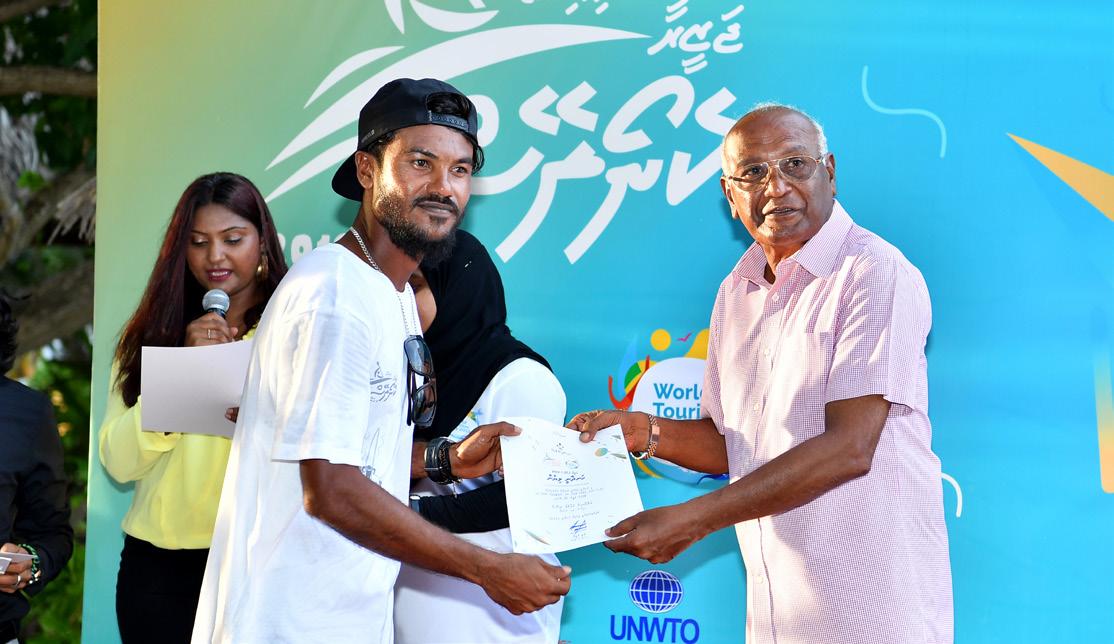
Winners of the Maldives Travel Awards 2019 were celebrated at the gala hosted at Crossroads Maldives on 19th December 2019. 28 winners were awarded in 26 categories of the Gala edition while 3 travel professionals were presented with ‘Tourism Personality of the Year’ award; Raffaele Solferino, General Manger of Grand Park Kodhipparu Maldives, Ramsay Perera, General Manager of Embudu Village and Ahmed ‘Kerafa’ Naseem Pioneer of the Tourism Industry of Maldives.
Maldives Travel Awards Gala, dubbed as the premier travel event of Maldives, was attended by more than 200 representatives from the industry, representing the leading travel brands and businesses in the Maldives.
“We have concluded another successful edition of Maldives Travel Awards and we acknowledge the support and contribution from our partners and the travel industry to make this award a special recognition.” said Mr. Abdulla Suood, President of MATATO. “Growing numbers in nominations
and popular vote is a clear indication of the progress that we are making in our efforts to develop this award to a global recognition and a successful marketing platform for the nominees and for the destination”.
Maldives Travel Awards
Gala edition celebrates the outstanding performers in combined sectors of resorts, hotels, liveaboards and airlines.
In 2019, 240 nominations were registered by 96 nominees for the Gala edition in 26 categories. Nominations were open for popular vote from 31st October to 30th
November 2019 for a period of 30 days. More than 31,000 votes were registered for the Gala edition via online SMS platform.
Winners of the Gala edition were selected on a combined score of 60% based on ratings provided by a panel of judges representing travel professional from the industry, and 40% based on online and SMS votes. However, in 2019 as a special exception, ratings by the panel of judges was replaced by customised ratings provided by TripAdvisor.
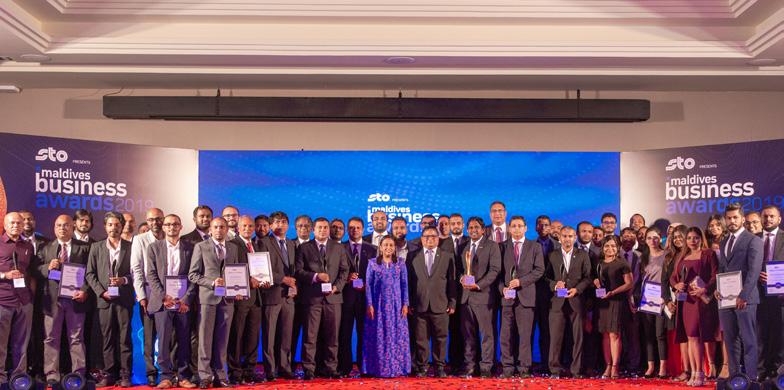
The chief guest of the MBA was Minister of Environment Dr. Hussain Rasheed Hassan. Minister of Fisheries, Marine Resources, and Agriculture Ms. Zaha Waheed was also in attendance of the award ceremony. The Supporting Partner of the event was Ministry of Economic Development. The judges included celebrated industry professionals from various sectors; Mr. Hamdun Abdulla Hameed, Dr. Mariyam Waseema, Mr. Ahmed Munawar, Mr. Ibrahim Nasreen, Mr.
Partner - Crowe Maldives, Official Broadcasting Partner - Public Service Media, Online Media Partner - Avas Online, Business News PartnerMaldives Business Standard (MBS) and official Travel Tabloid Partner - The islandchief, Business Magazine Partner - Maldives Business Review (MBR), official Digital Media Partner - Maldives Insider, and the official Photography Partner of the event was Images Mv.



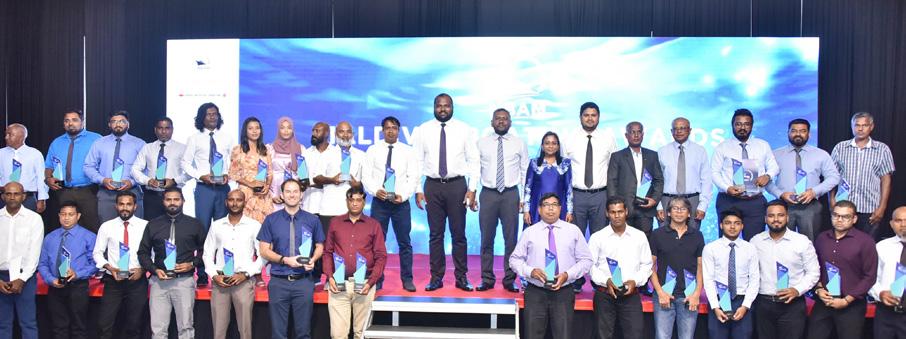
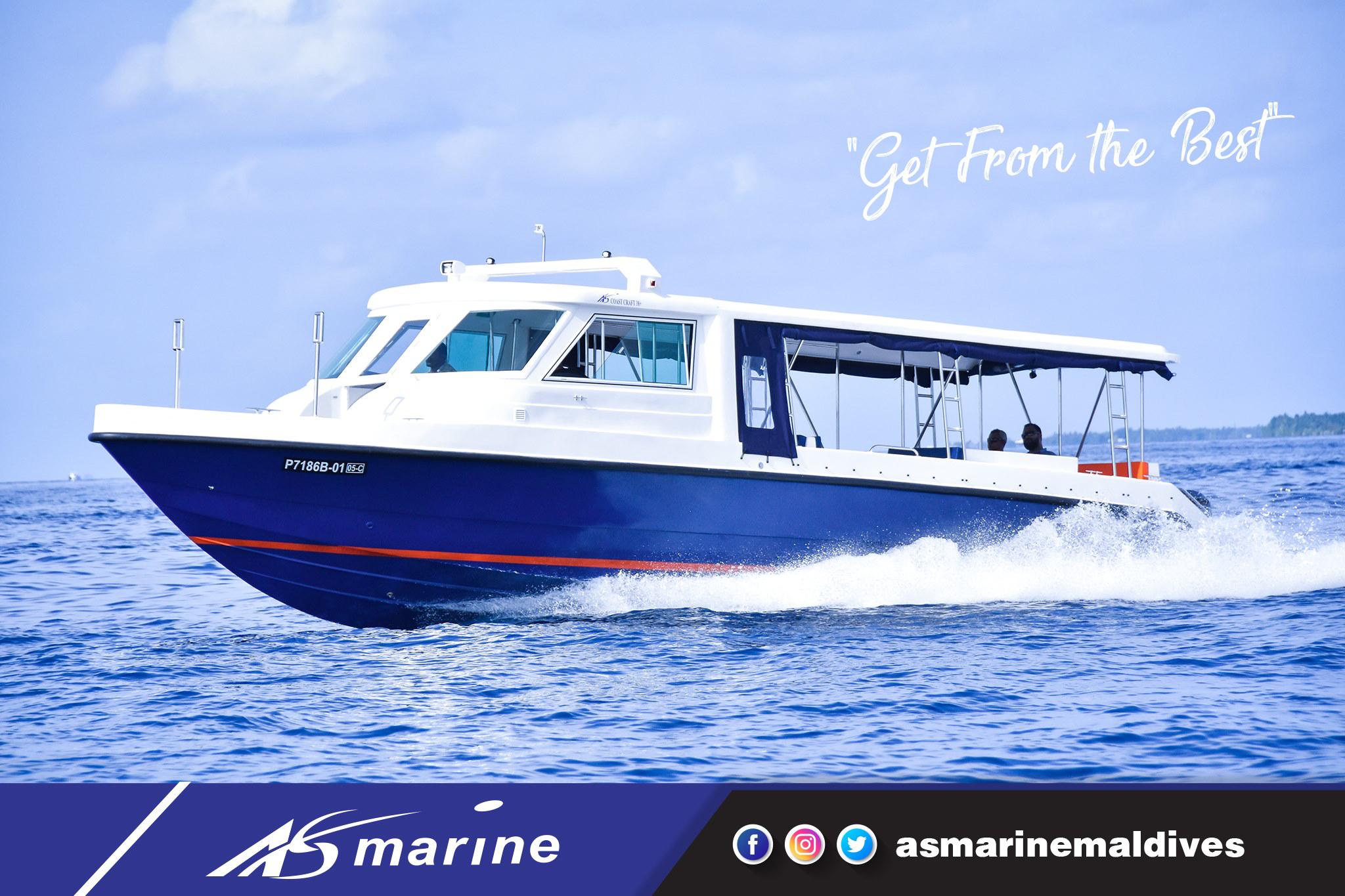
The National Boating Association of Maldives, NBAM, has successfully hosted the 5th edition of the Maldives Boating Awards on 23rd December 2019. The winners were awarded in 27 categories ranging from boat builders, liveaboards, marine industry suppliers, crew, captains and guides revealing the best of marine industry.
The attendees of the event consisted of top-level executives of the Maldives boating industry as well as top government officials including the Minister of Fisheries, Marine Resources, and Agriculture Ms. Zaha Waheed, the Minister of Economic Development and Trade Uz. Fayyaz Ismail and the chief guest, Minister of Tourism Mr. Ali Waheed.
The Principle Sponsor of the event was Nippon Paint Marine. Other partners of the awards include, The Hawks - Gold Partner, Handy Water - Silver
Partner, One Online - Online Media Partner and PSM - Media Partner.
The Maldives Boating Award is an initiative of the NBAM which began in the year 2014 to recognize the strength of the boating industry and services rendered by the service providers. The awards will be presented to the winning nominees who have applied different categories on various sectors inclusive of standard. The Maldives Boating Awards aims to encourage and raise service standards within the Maldivian Boating Industry.
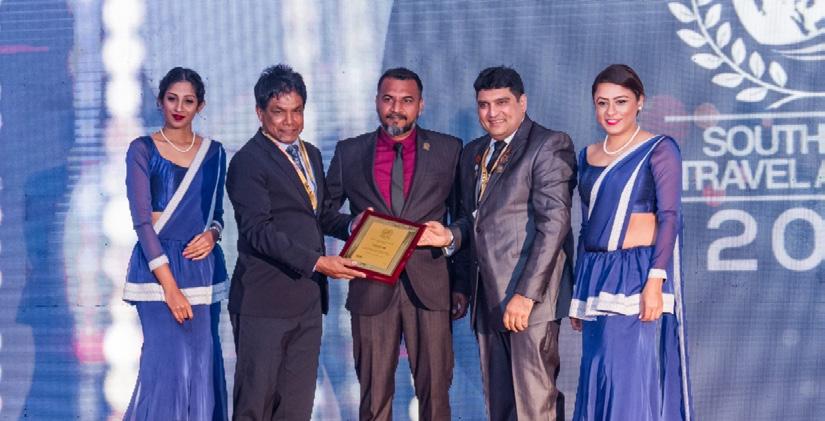
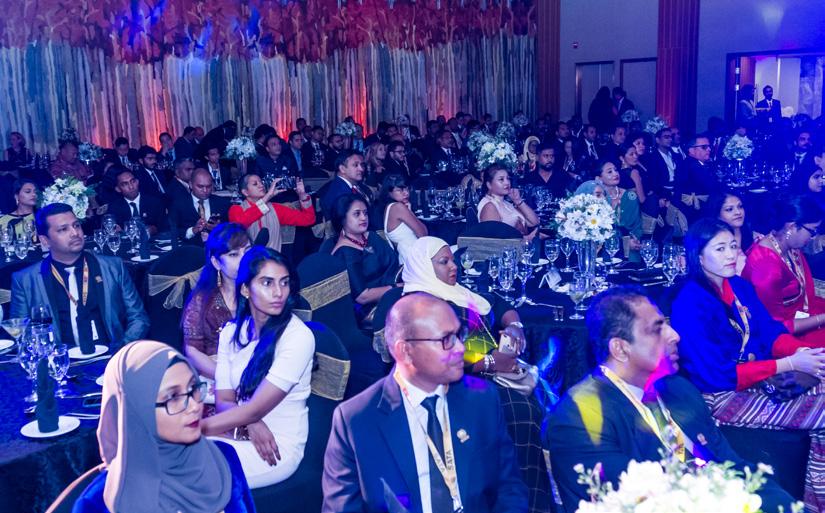
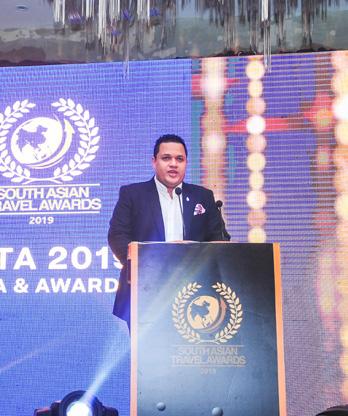
South Asia’s most anticipated tourism and hospitality recognition award has opened for nominations for the year 2020. The awards which was launched in 2016 recognizes the best of South Asia’s hospitality and travel industry. The prestigious annual event honours stellar organizations and individuals in a wide array of categories.
This year SATA has added 9 more categories making it a total of 52 categories for properties and brands to compete, in addition to Visitors Choice Awards and Special Recognition Awards. SATA has been endorsed by over
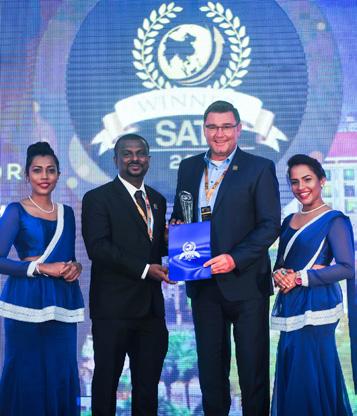
15 International and government agencies for its work to elevate tourism and hospitality in the region.
Properties can now nominate online via www.southasiantravelawards.com until 29th February 2020.
SATA is yet to announce the evaluation period and online voting time. During the Grand Gala held last year, SATA announced that this year’s main event will be held in the Maldives.

By Ahmed Ijaz
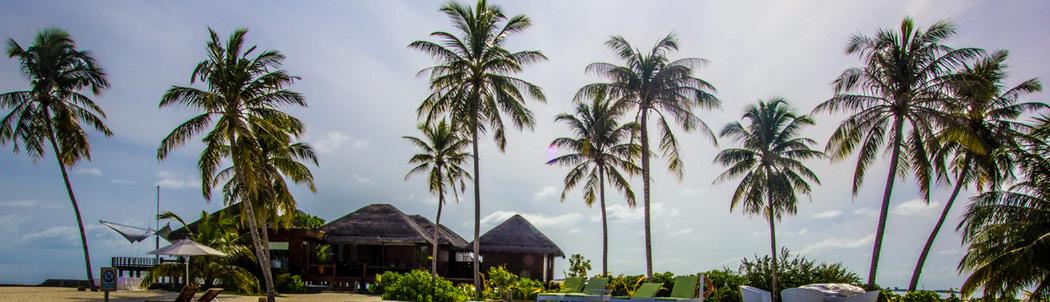
As 2020 kicks off, you need to convince yourself it’s time to plan your bucket list for the year ahead, and deciding where exactly to go can be more difficult than it sounds. But, here at the sunny side, there’s always one option we’d choose. And yes, though we may be biased, it is for many good reasons. Bone-white beaches, luminous blue waters and other-worldly luxury are just the tip of the iceberg when it comes to the reasoning behind holidays to the Maldives. Still need convincing? Here are ten reasons to visit Maldives in 2020.
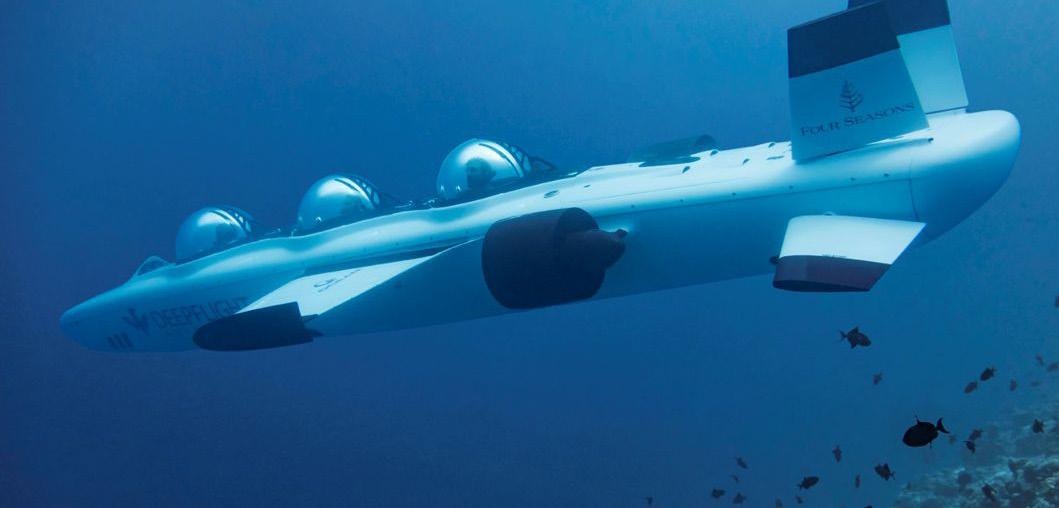
Skim over coral formations and navigate through shoals of tropical fish and encounter marvellous marine creatures, all without getting wet in the Super Falcon 3S, the world’s first, three-person Deep Flight submarine. These piloted, submarine excursions at Four Seasons Resort Maldives at Landaa Giraavaru offer a 360-degree view of the underwater world for up to two passengers during the once-in-a-lifetime adventure in the Maldives’ only UNESCO Bio sphere Reserve.
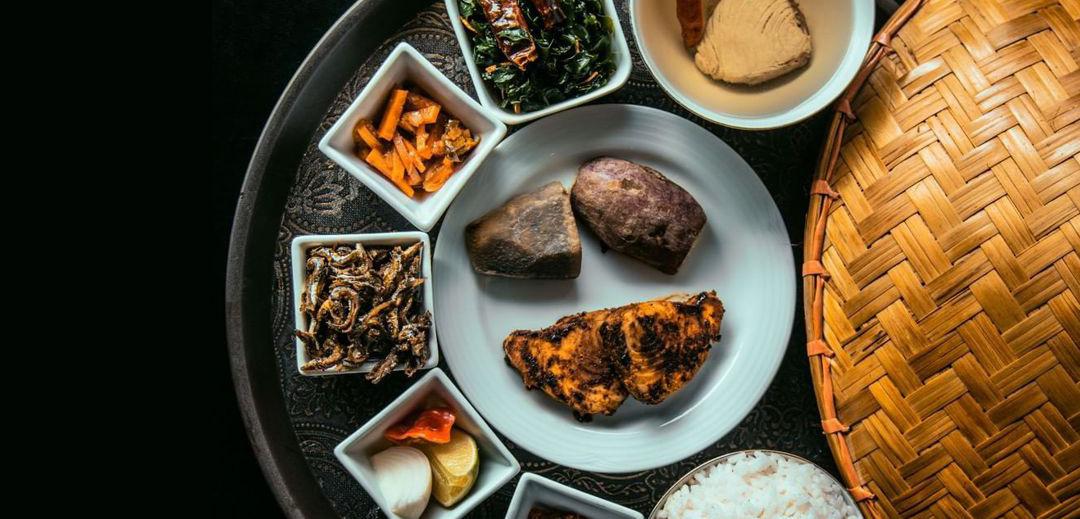
Some travel to take in the sights, or to raid the shops and markets, while others travel in pursuit of indulging in unique cuisine in foreign lands. Culinary tourism is a growing trend as travellers are becoming increasingly focused on defining cuisine as a true artistic expression of a country’s culture. The Guesthouse Association of Maldives (GAM) is preparing plans to introduce culinary tourism to showcase and promote the distinct cuisines available from the local islands.
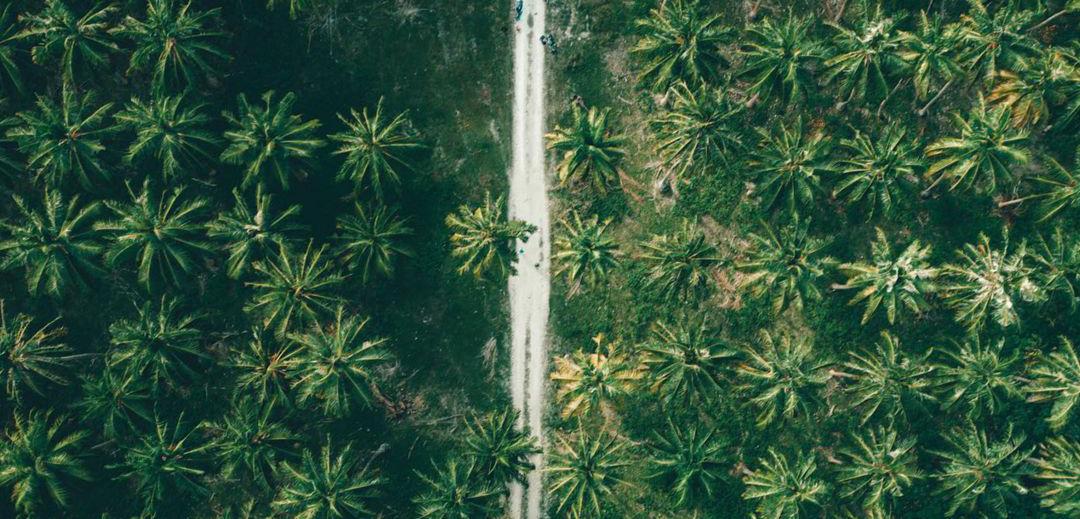
Home for about 12,600 residents, Laamu atoll comprises of 82 islands, of which 12 are inhabited; with only one tourist resort; these include Gan the largest geographical island in the country at a whopping 8km long. Gan island is connected to its neighbours Kadhoo and Fonadhoo by causeways. With no international airport, Laamu atoll is barely on the tourist radar, but those that make the effort are rewarded with a number of undiscovered reefs, an abundance of macro life and numerous archaeological sites.
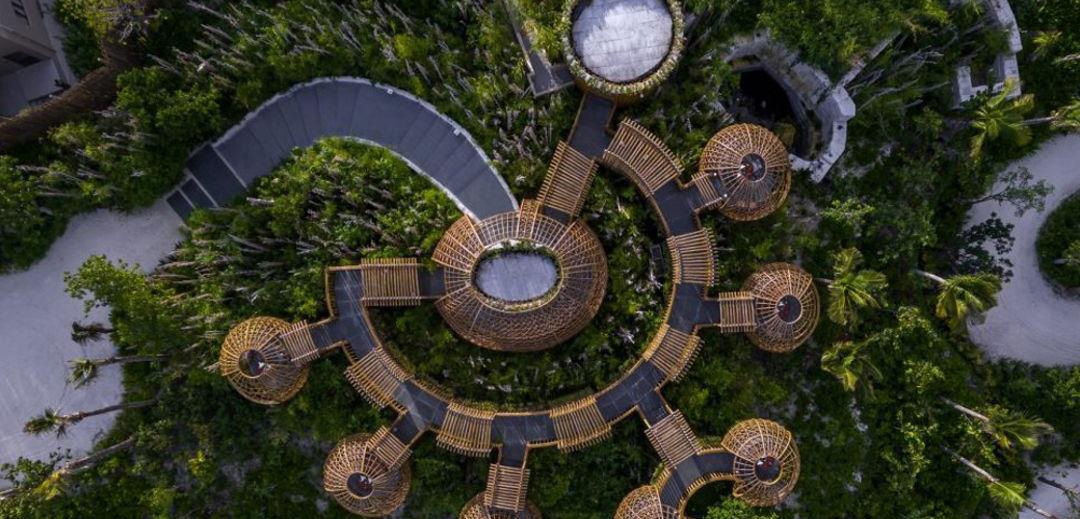
Gaze across the ocean as you dine among the treetops in one of the seven private dining pods crafted from natural bamboo at Waldorf Astoria Maldives Ithaafushi. The unparalleled dining experience at Terra features the world’s finest ingredients, such as Miyazake Wagyu Beef and Alba White Truffle, complemented by an extensive collection of premium wines and the resort’s signature Krug Champagne handpicked by the first Maldives’ Krug Ambassado.
A romantic rendezvous at Indian Ocean’s largest lifestyle destination Tan in the Ocean
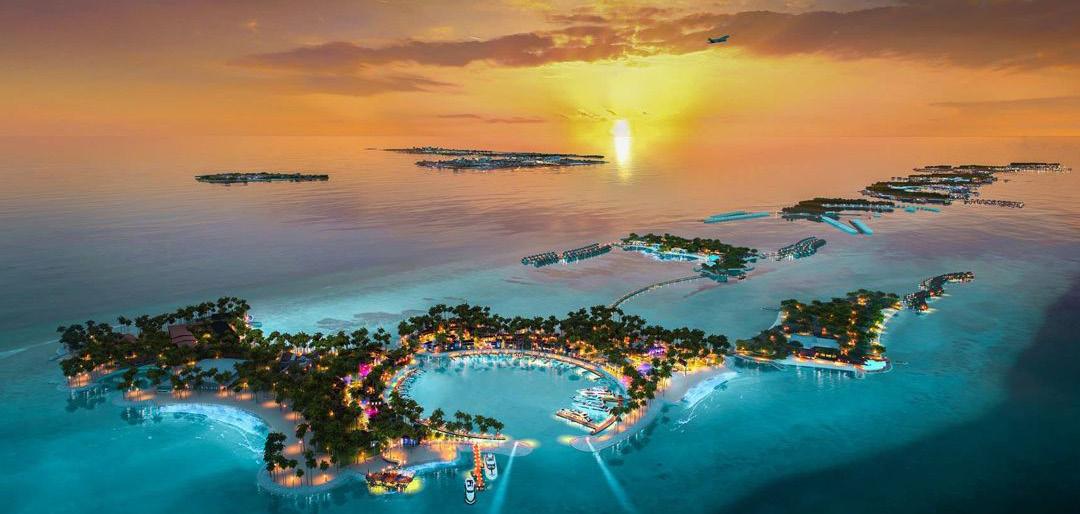
Crossroads Maldives encompasses three independent islands fringing the Emboodhoo Lagoon in the pristine South Malé Atoll, just 15 minutes by speedboat from Malé airport. The leisure and lifestyle destination offers two captivating hotels, Saii Lagoon Maldives and Hard Rock Hotel Maldives, plus a wide range of facilities centred upon The Marina @Crossroads, an 11,000 square metre lifestyle, retail and dining destination.
Snorkel in an Underwater museum
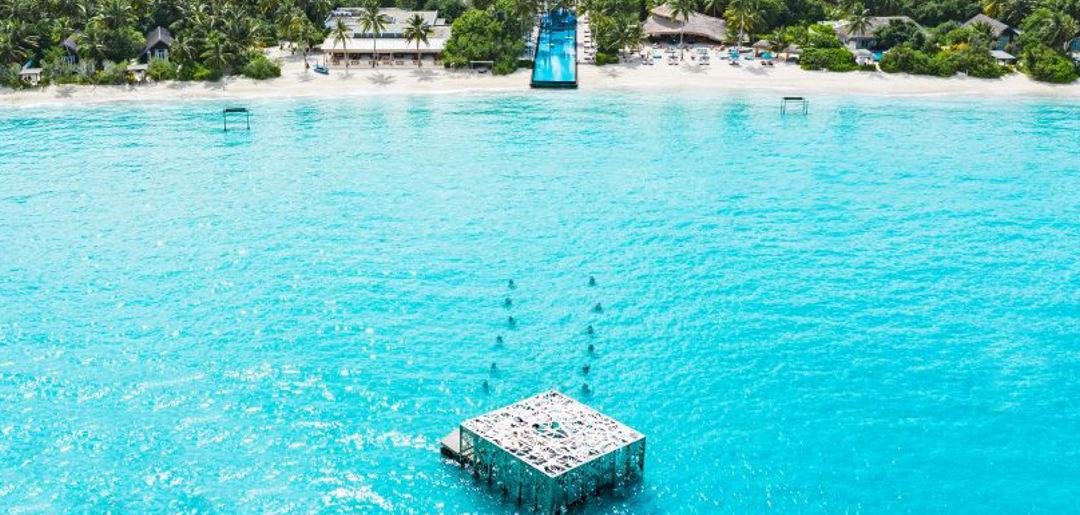
Inspired by marine life, the underwater museum at Fairmont Maldives Sirru Fen Fushi resort is a collaboration between the resort and British artist Jason deCaires Taylor. Only accessible by scuba divers or snorkelers, the underwater museum is created to bring attention to the threat of climate change. The conservation site features sculptures designed to imitate coral colonies, rising from twelve semi-submerged plinths.
Marvel at the objects d’arts at the archipelago’s first art and design immersive hotel.
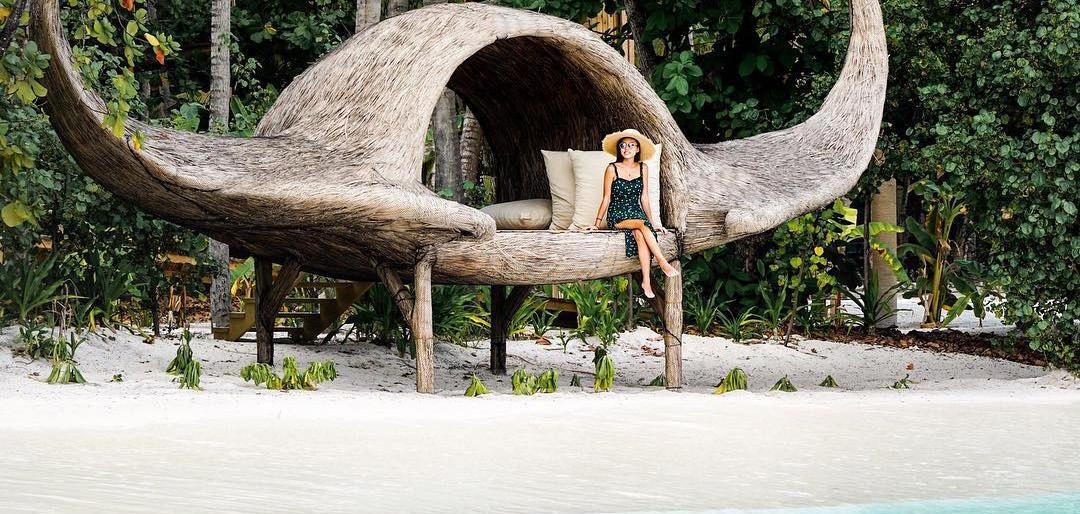
Being the first art and design immersive resort in the country, an art map at Joali Maldives takes its guests on an art and sculpture tour of the island in a sca venger hunt of unique works that are specifically designed for the resort. Around the island, a collection of incredible artworks by 13 international artists such as Micha Khan, Nacho Carbonell’s and Porky Hefer who recently partnered with Leonardo DiCaprio Foundation at Art Basel, has his signature passion for the local wildlife displayed as a Manta Ray display suspended in the trees, woven in-situ from natural materials.
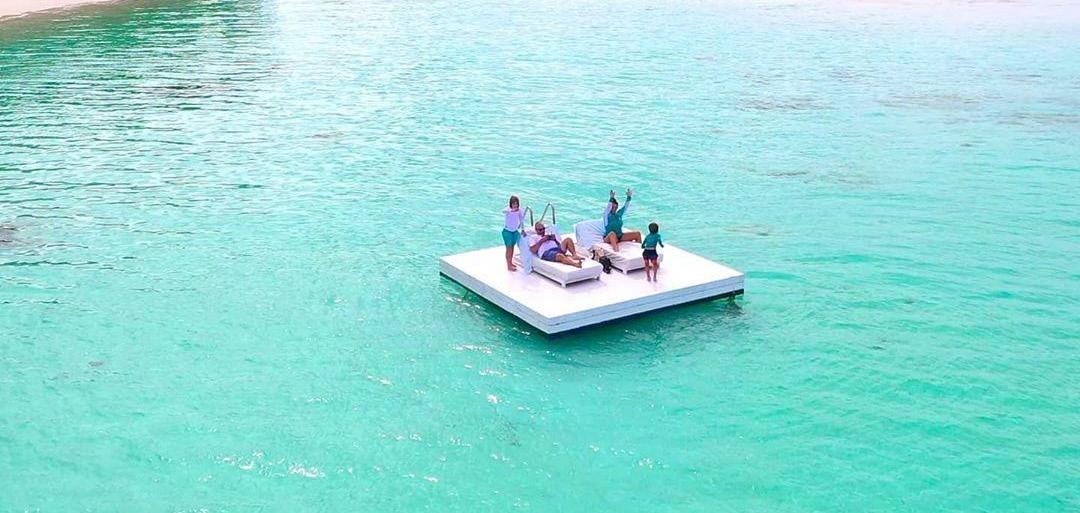
Are you ready for summer? Whether you’re looking for sun or fun, this tanning deck at Ayada Maldives is unmatchable when it comes to tanning under the Maldivian sun. Swim out a couple of hundred meters from the resort’s shores, and climb on to the two-person deck and stretch out, relax and enjoy the sweeping views across pristine ocean. Bonus if you encounter a giant sting ray!
Run a Marathon
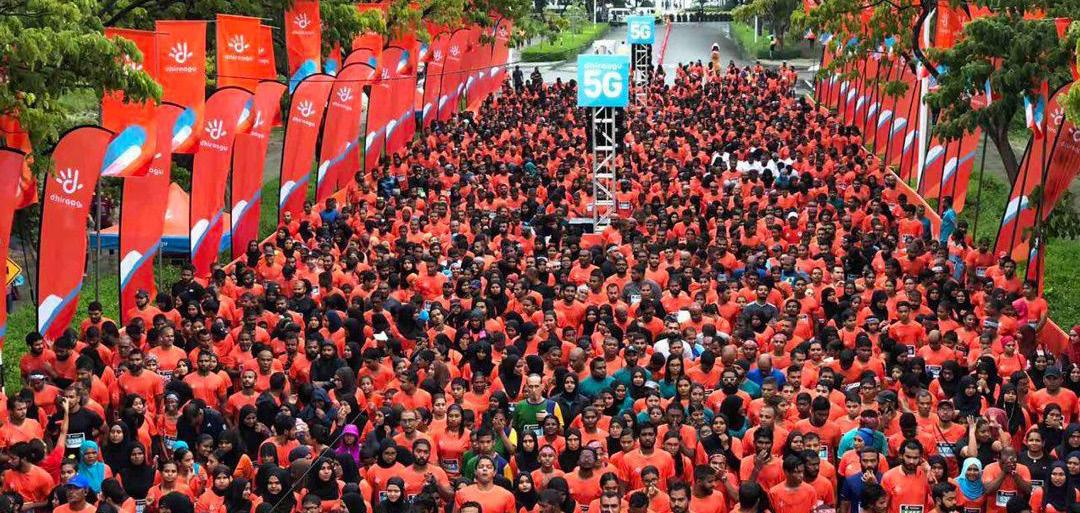
Running around capital Malé has caught on in so rapidly in recent years that the race calendar has ballooned. While many cities across the globe are launching running races as a way to promote tourism and boost their image, the Maldives has its annual fair share in gaining significant traction, with an explosion of the number of marathons held across the country to support social cause sand showcase the Maldives’ natural beauty.
Soak away your stress in a hot bath with a view
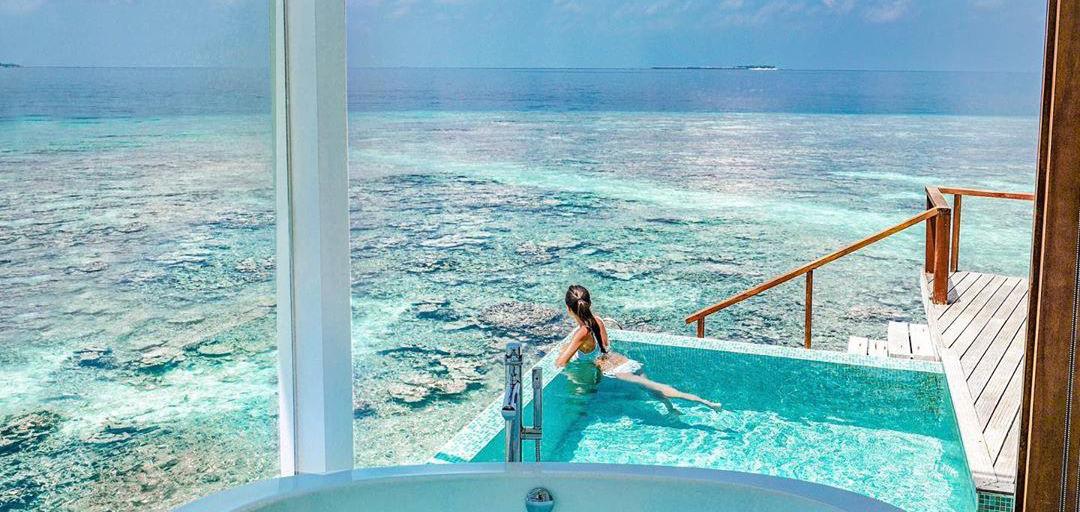
Imagine sinking into some bubbles looking out across an azure sea with a chilled glass of champagne! There are few places better than the Maldives when it comes to ocean views, with most over-water villas on the collection of islands offering unbeatable vistas of the Indian Ocean as far as the eye can see. Look no further as Kandolhu Island Maldives is the perfect place to order a bottle of Bolly to enjoy in your rose petal bath.

There’s a significant growth in the number of women, local and expatriates, employed in all areas of the tourism sector from guesthouses, travel agents, hotels and resorts. However, women taking jobs in the boating industry is little to nil. How can the boating industry create a segment for women?