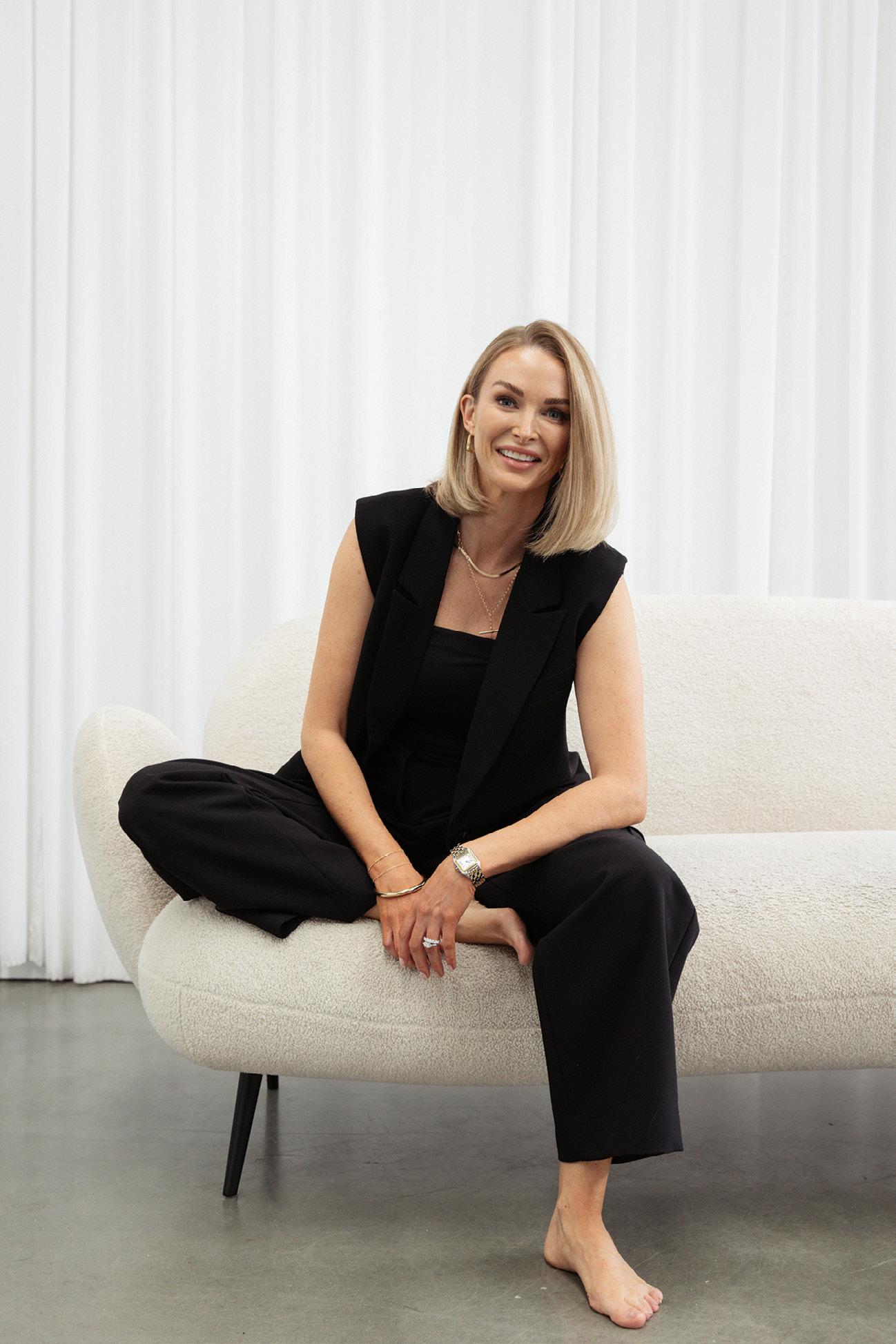
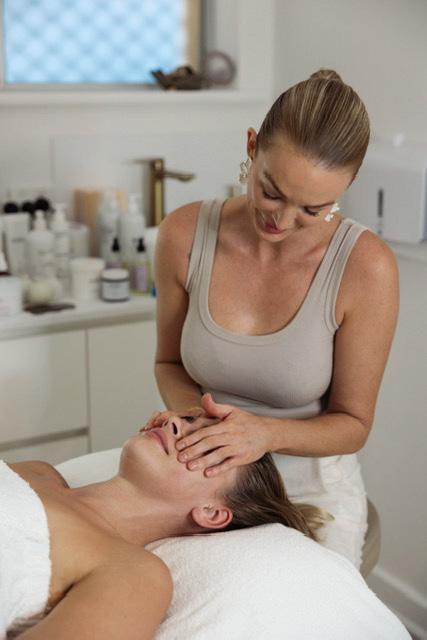
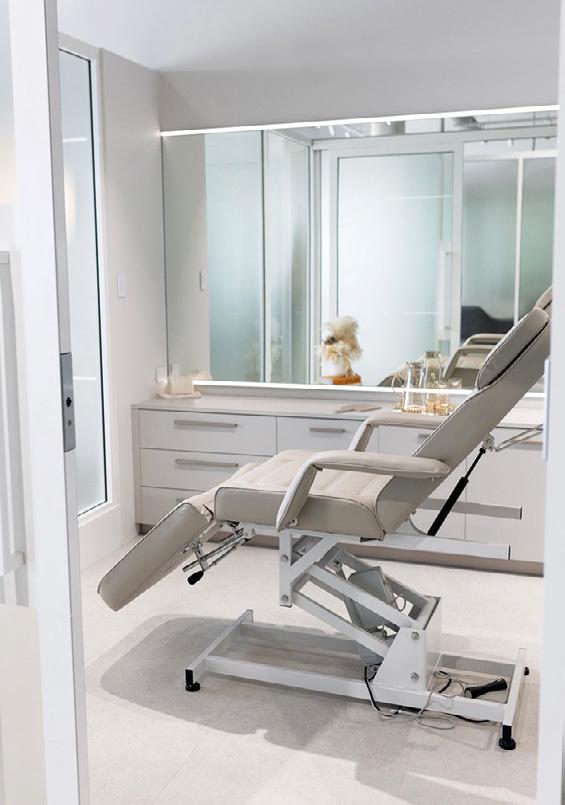
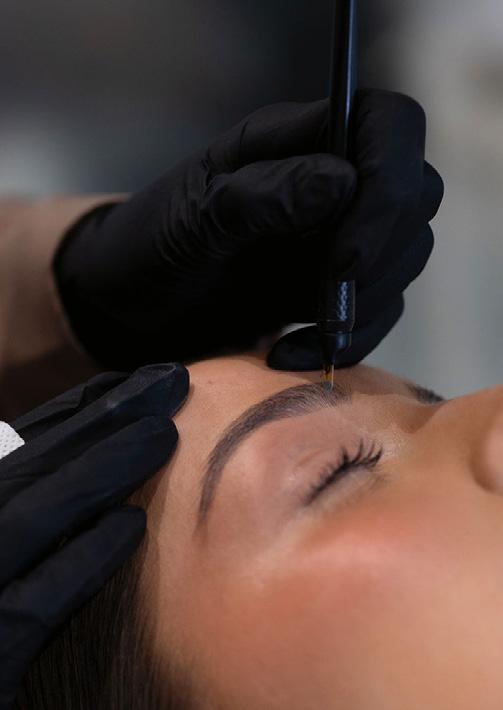
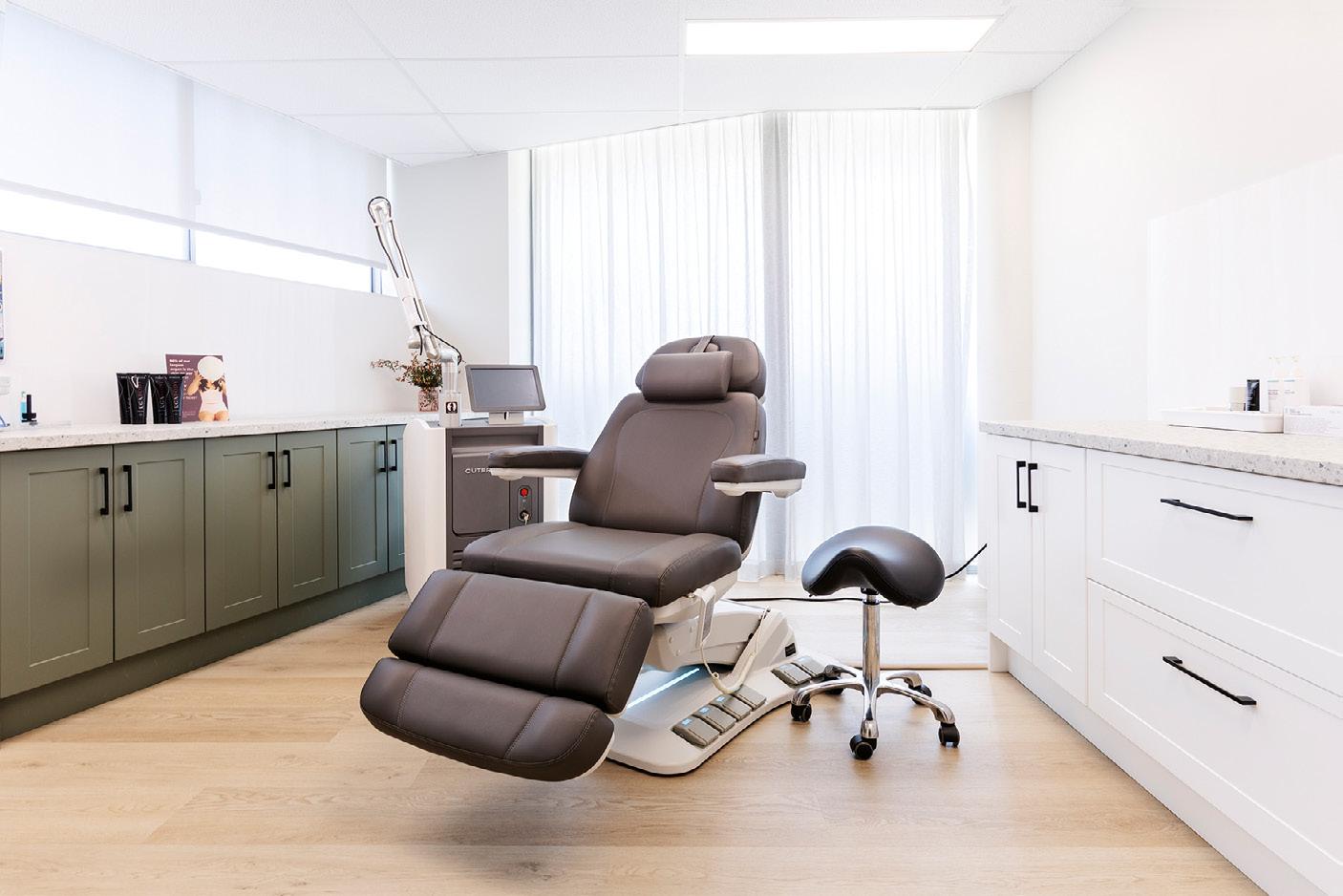
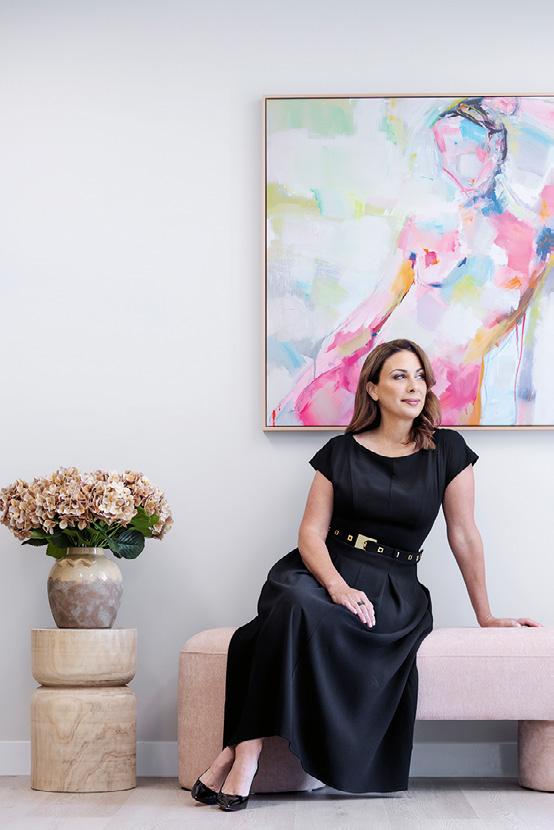
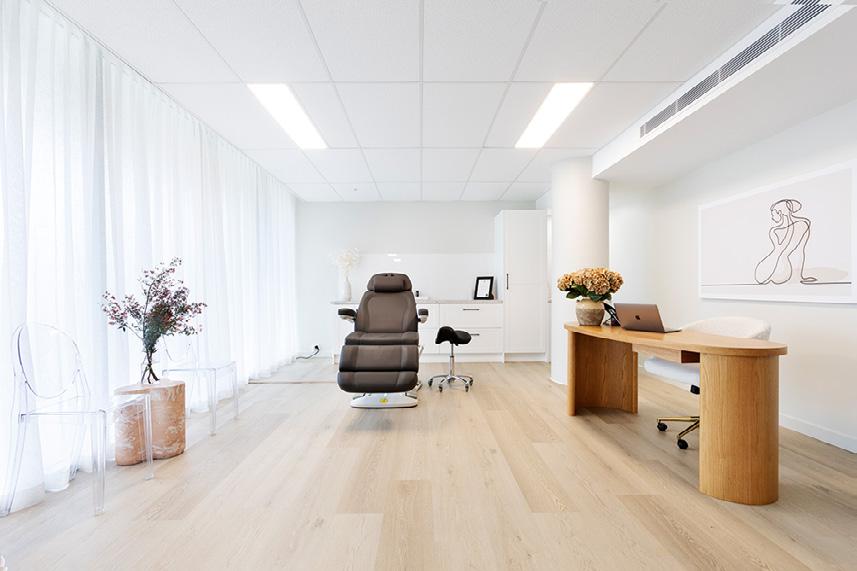
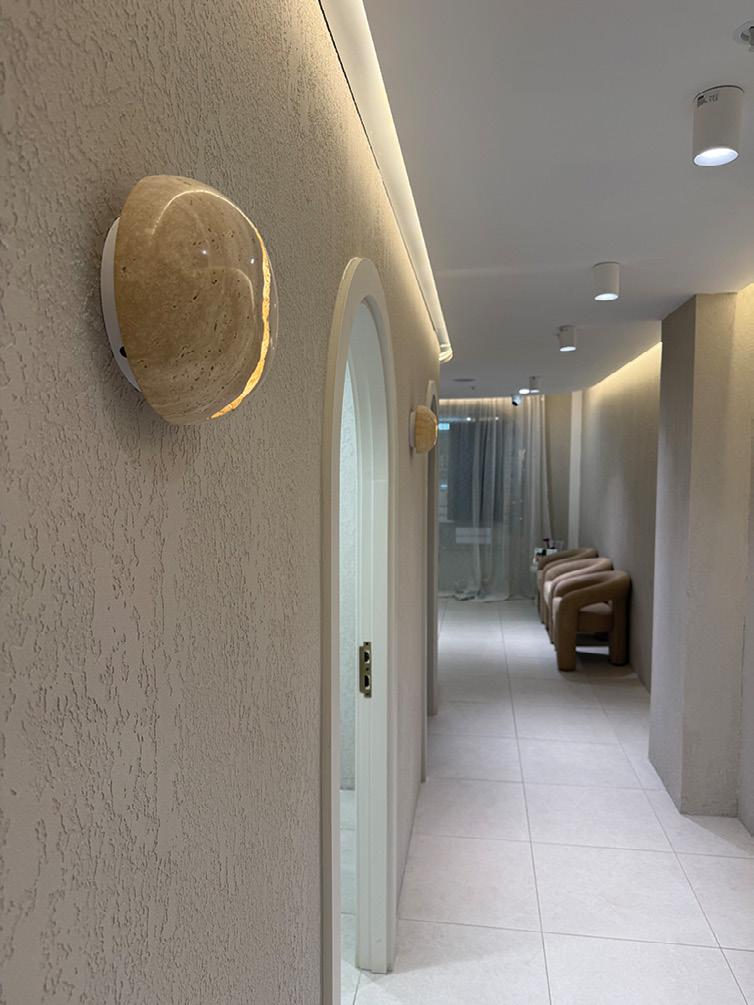
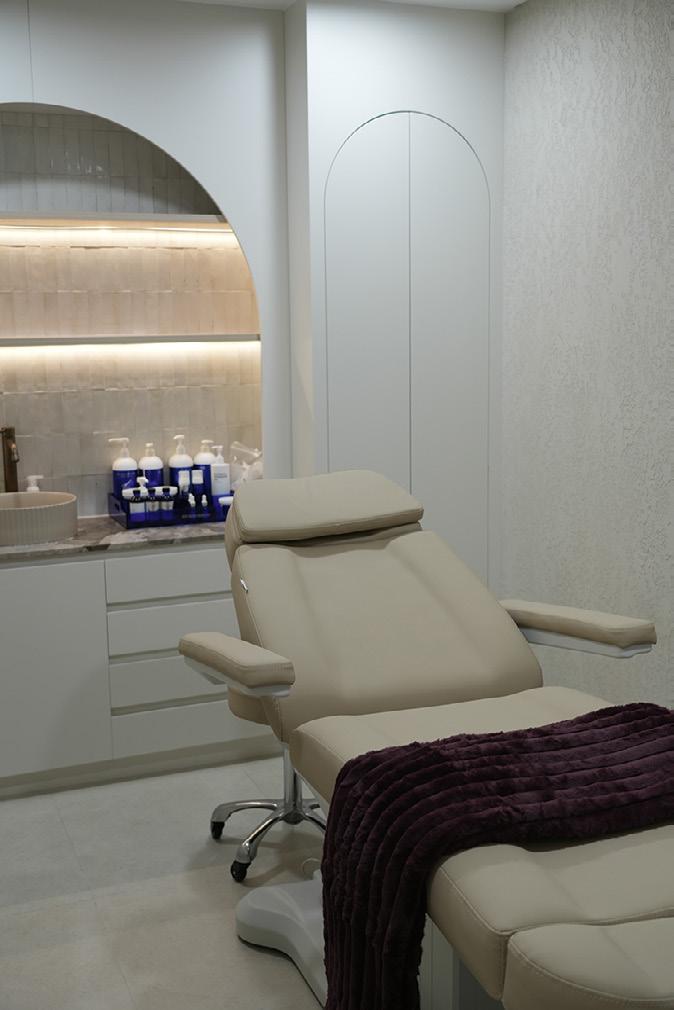
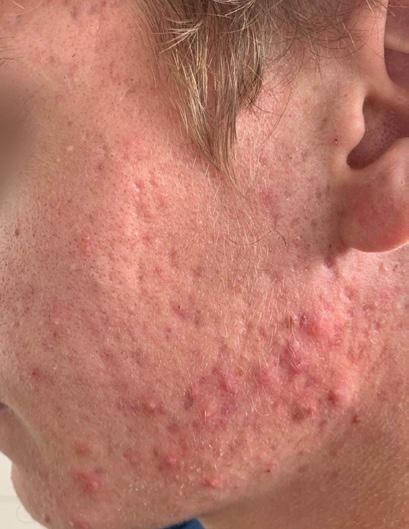
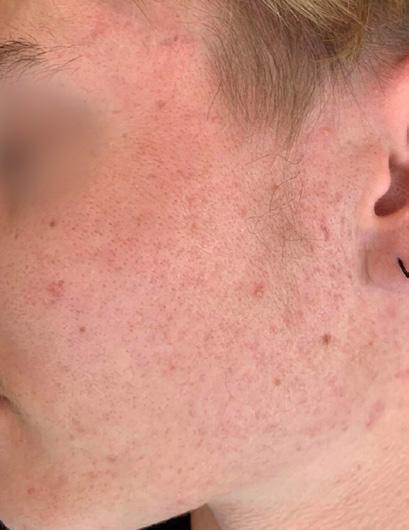
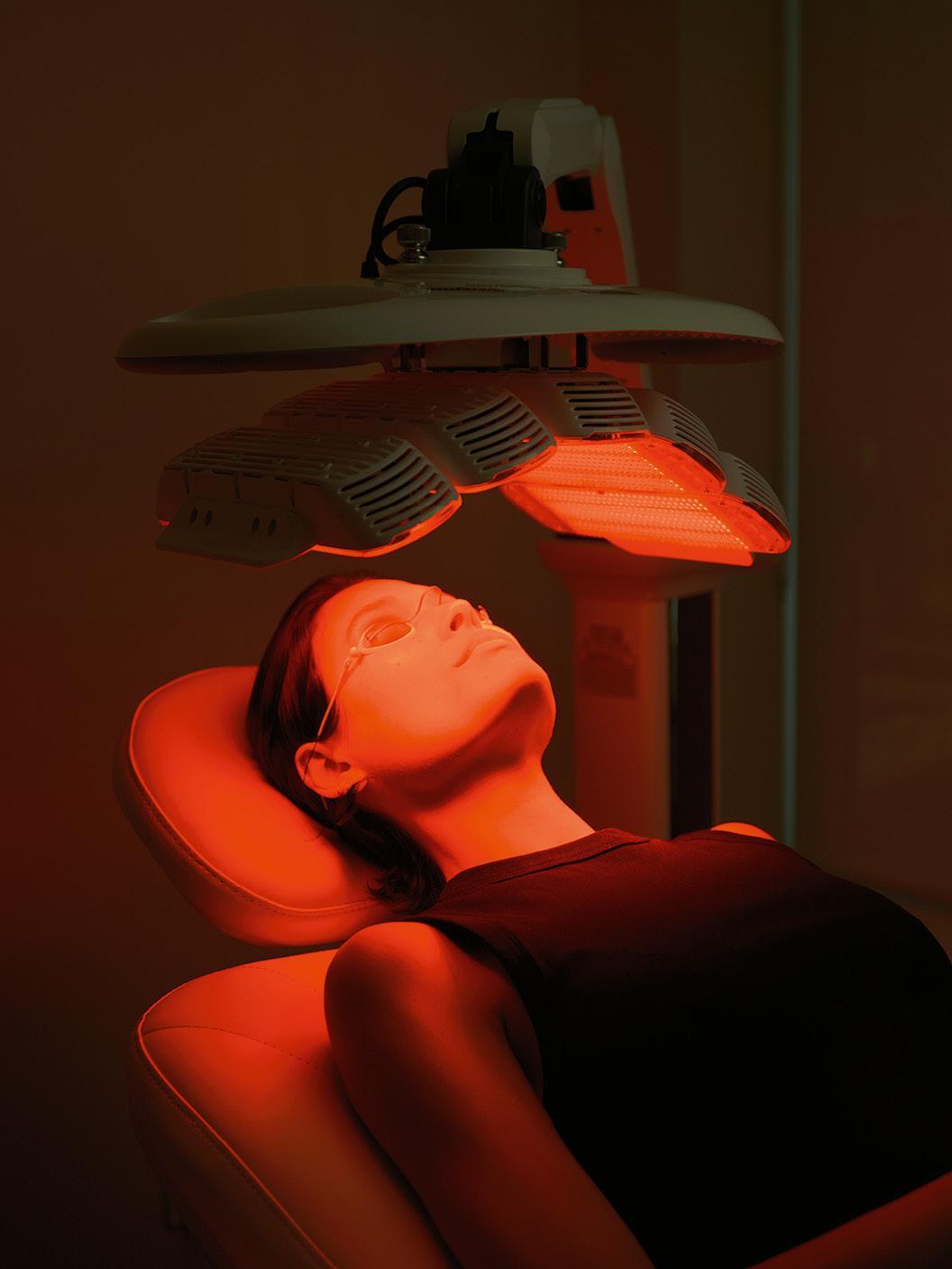
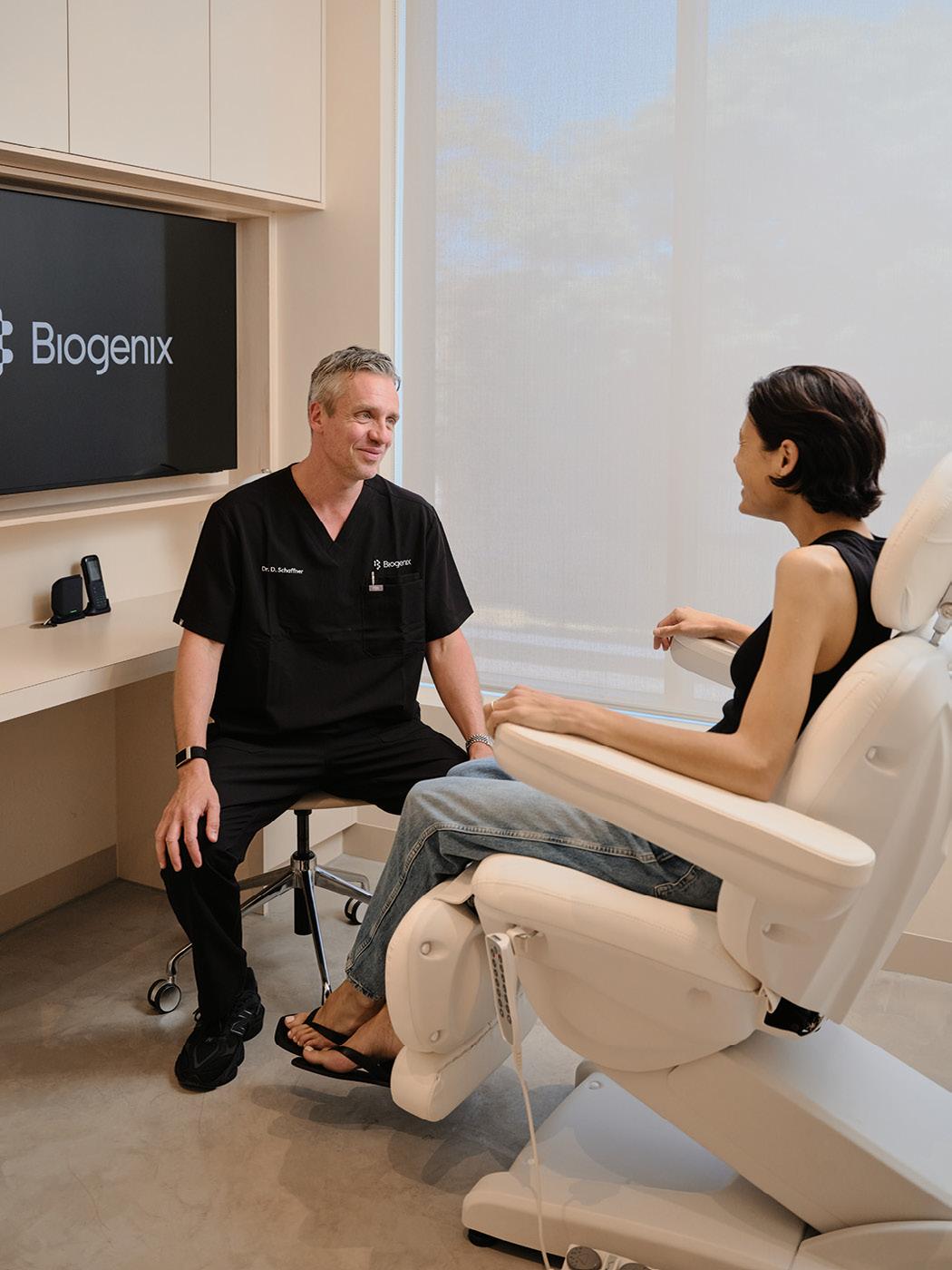
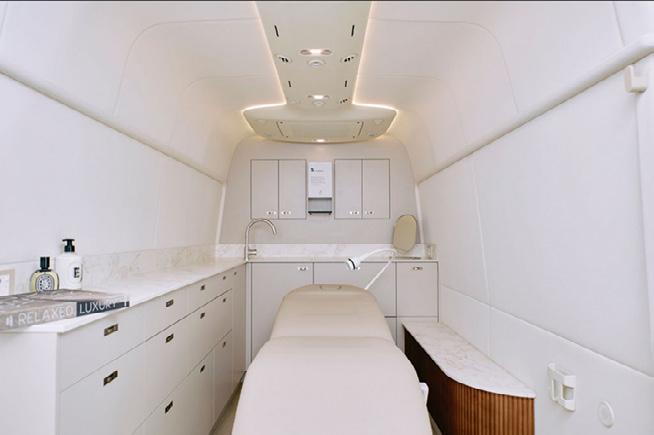
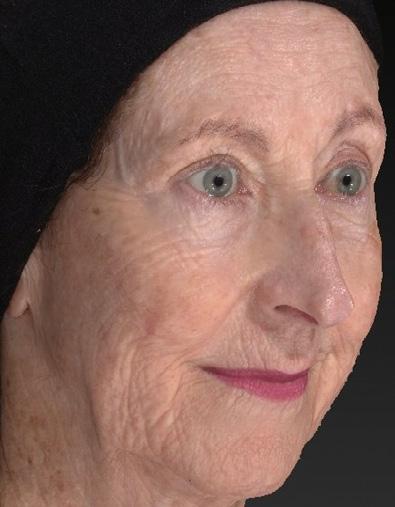
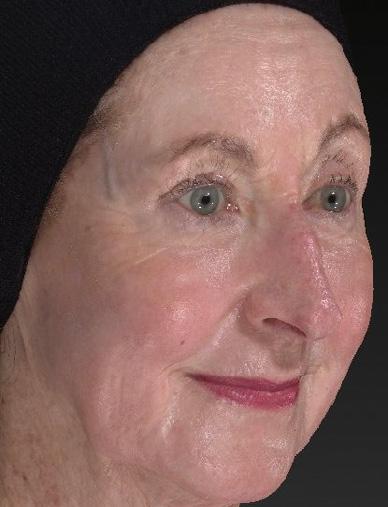
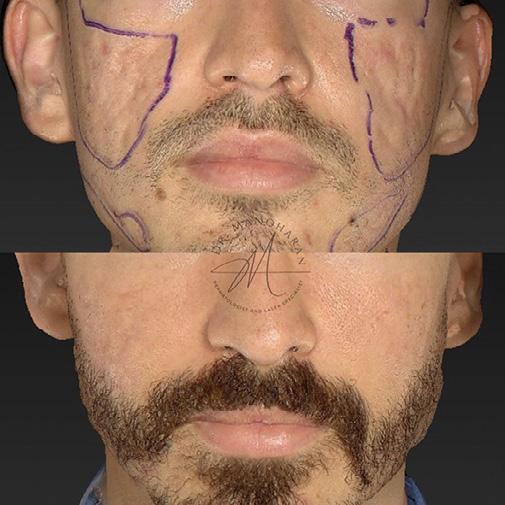
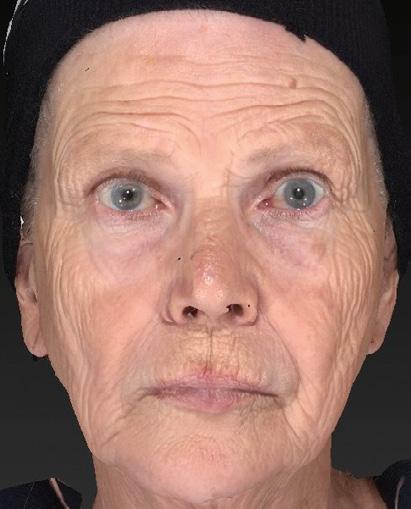
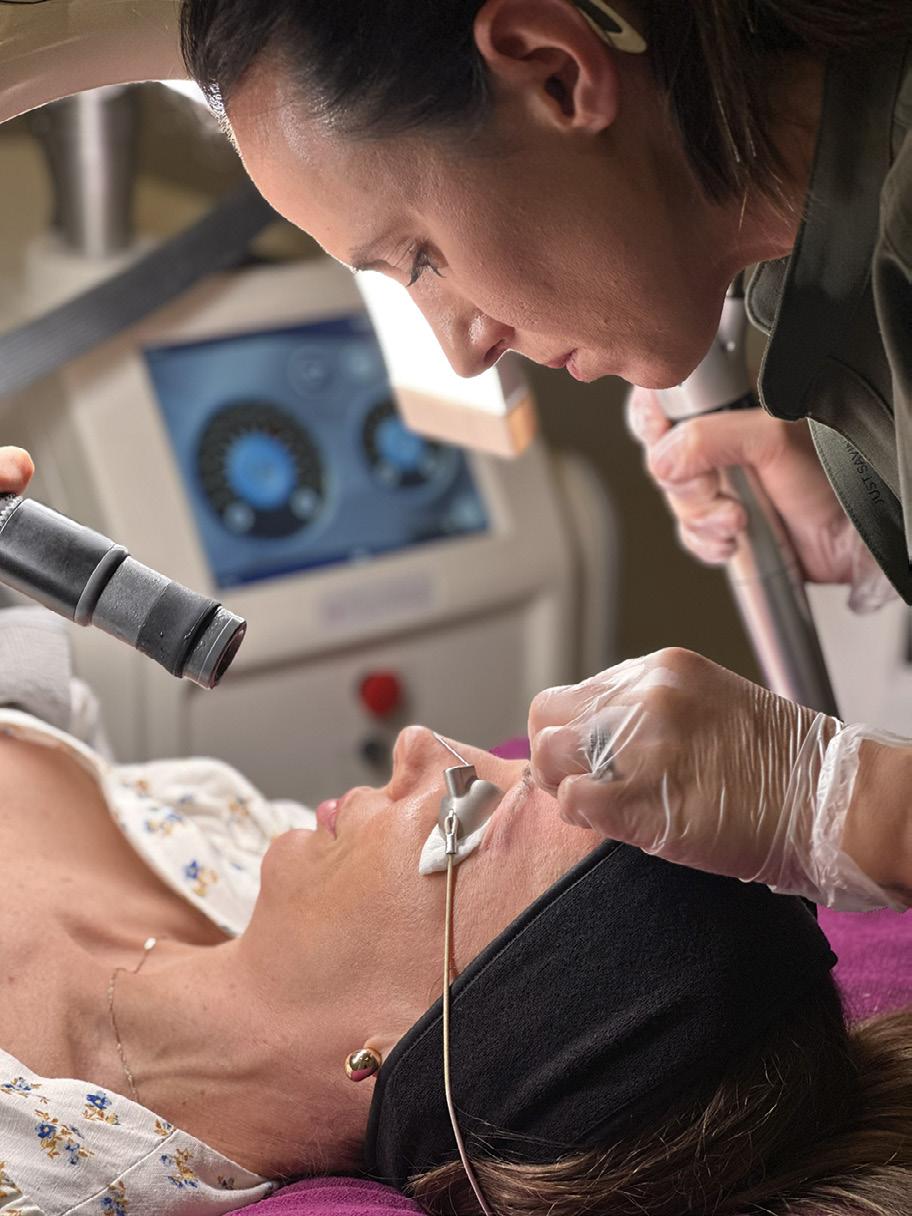
59: The Road to Elevated Care Inside SKN.JECT Mobile Aesthetics Clinic
MEDI
65: The Gut Reset Longevity and Faecal Microbiota Transplantation
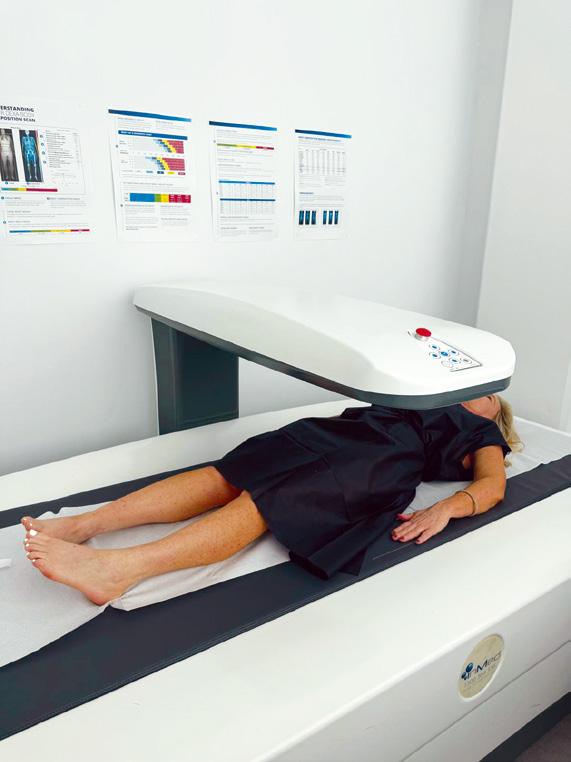
66: Inside Everlab Australia’s most watched Longevity Clinic
SPA HOTSPOT
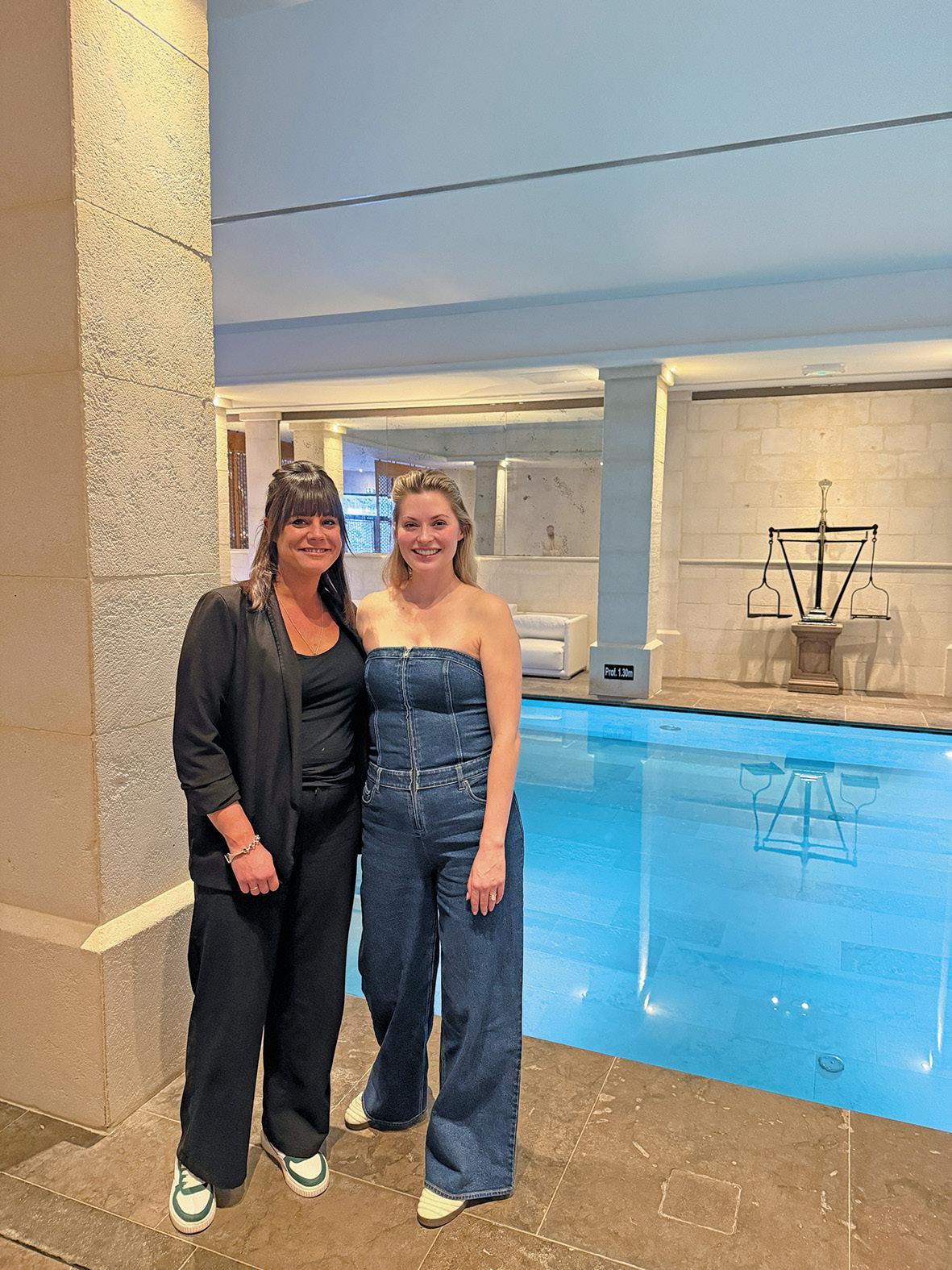
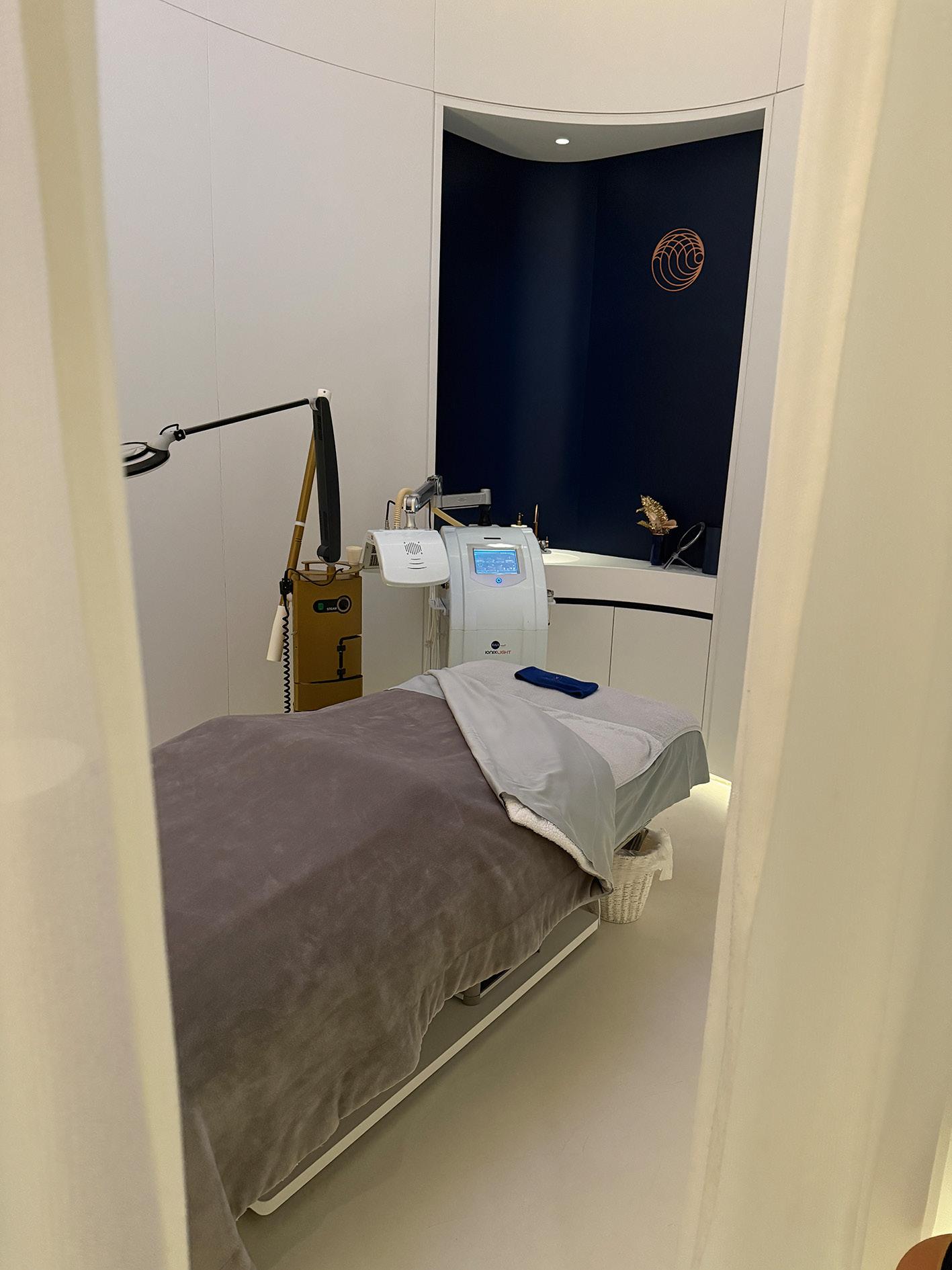
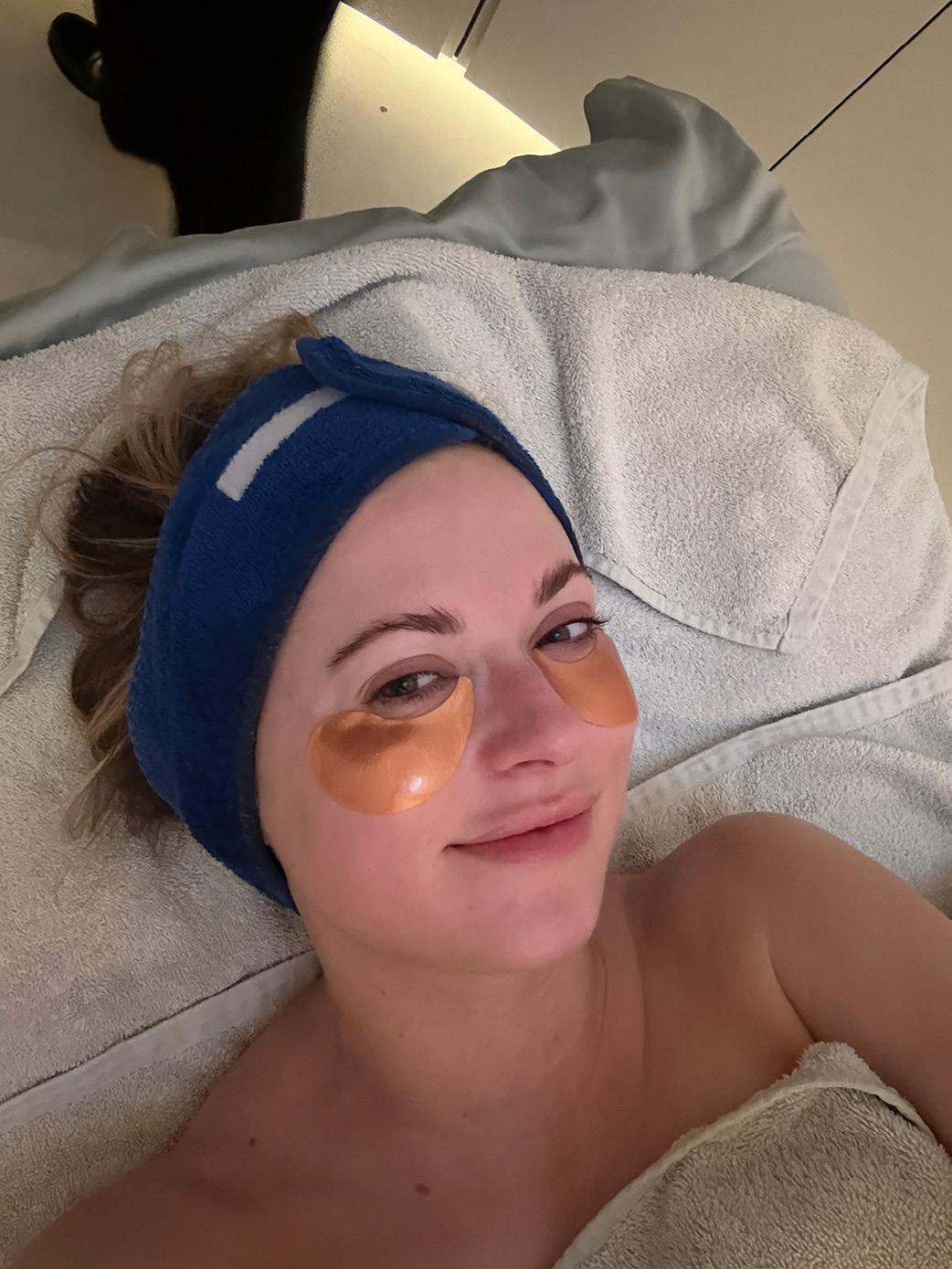
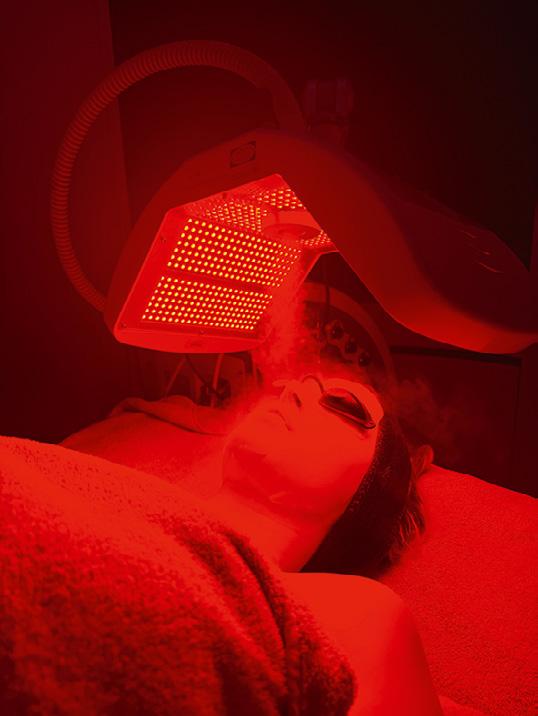
70: Where Longevity Meets Provence France Setting the Standard for Retreats
WELLNESS & CULTURE
78: Beyond Filling The Rise of Bio-Regenerative Aesthetics
TECHNOLOGY
87: Trends are out Legacy Treatments Are In
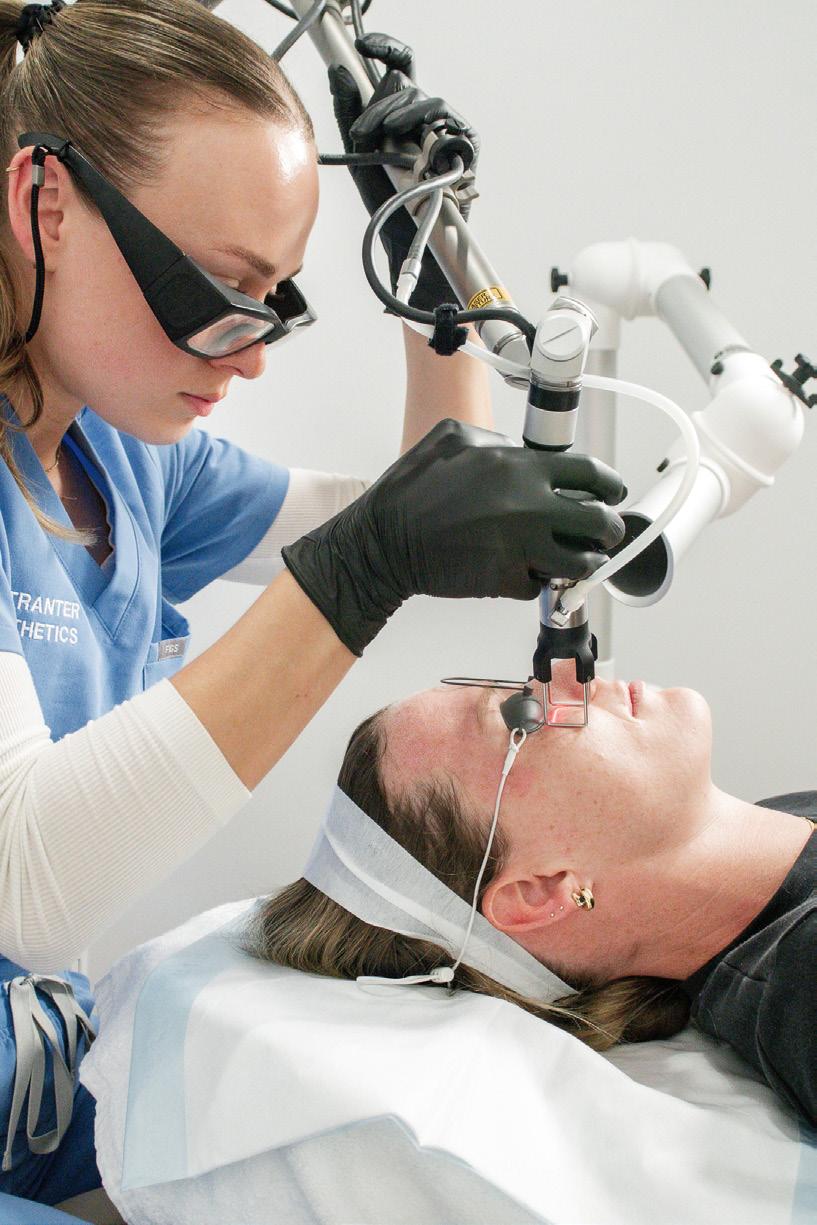
89: Cosmetic Tattoo Removal A Discipline of Its Own
COSMETICS
96: Retail Longevity The Long Game of Skin Health
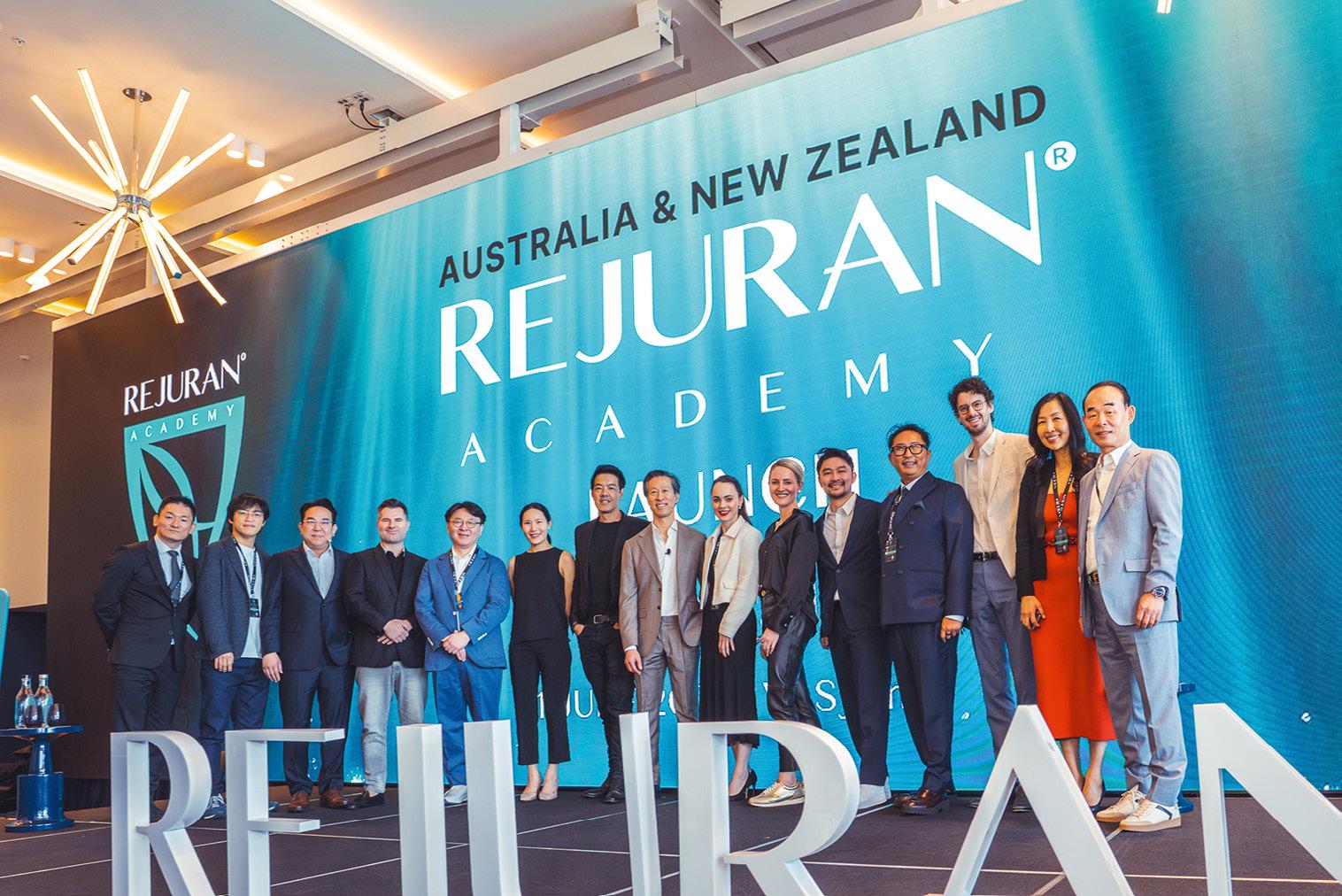
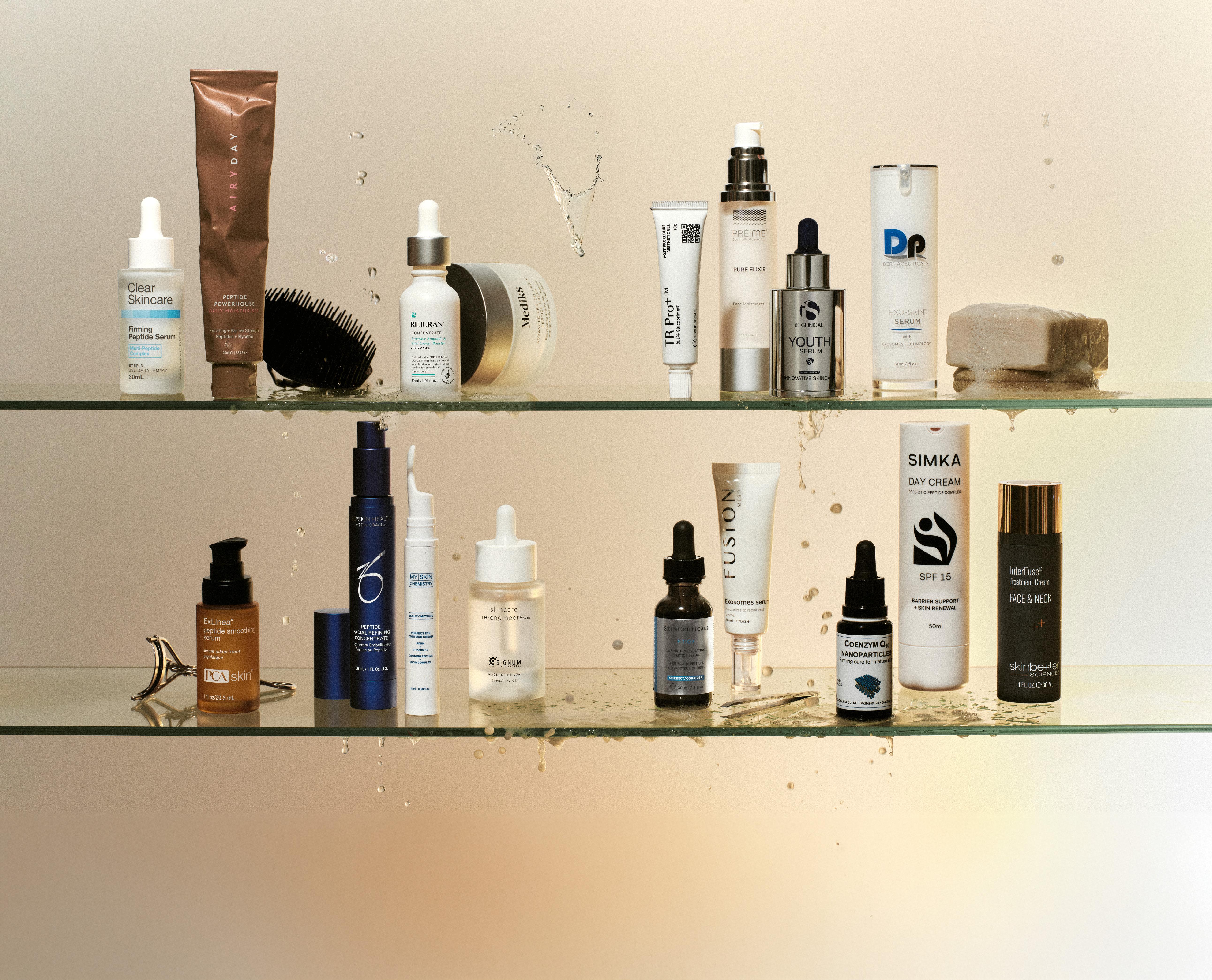
REJURAN ® is a clinician-led polynucleotide-based treatment range used in professional in-clinic protocols, supported locally in Australia and New Zealand by education and training through the REJURAN Academy. The Academy provides structured practitioner education and peer-led learning to support consistent technique, patient assessment frameworks and bestpractice clinical integration.
Important information: Always read the label and follow the directions for use. This information is intended for qualified healthcare professionals/industry only. Patient experience and results may vary.
aesthetics • medi • wellness
published by
BHA MEDIA Pty Ltd
A division of The Intermedia Group 41 Bridge Rd, Glebe NSW 2037 www.bhamedia.com.au
Ah, that feeling of stepping into a new year. There’s always an undercurrent of possibility and this one feels especially charged as we enter the Year of the Horse. While 2025 had us learning, navigating challenges and shedding what no longer serves us, this year feels focused on implementation, on putting longevity into practice. Toward the end of last year, we saw a rise in wellness, with new spaces opening nationwide and a renewed appetite for feeling better, not just looking better.
Travelling abroad in the final months of the year, I noticed that Europeans have already evolved this conversation beyond wellness alone, firmly into longevity. It’s a more considered, future-facing approach and one already crossing into Australia’s aesthetic and spa spaces. That’s why it felt fitting for our first edition of 2026 to explore this theme in depth, both at home and abroad.
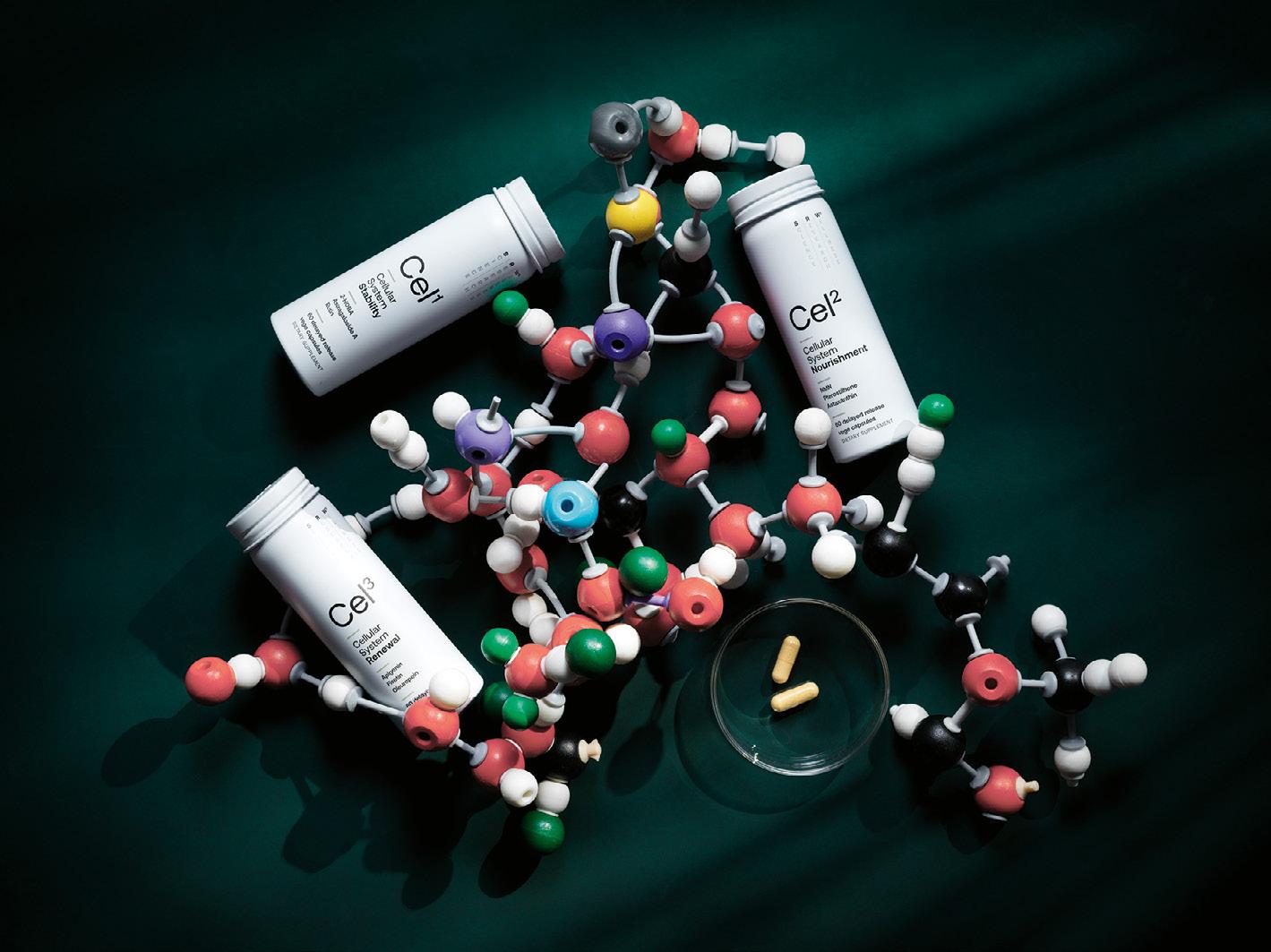
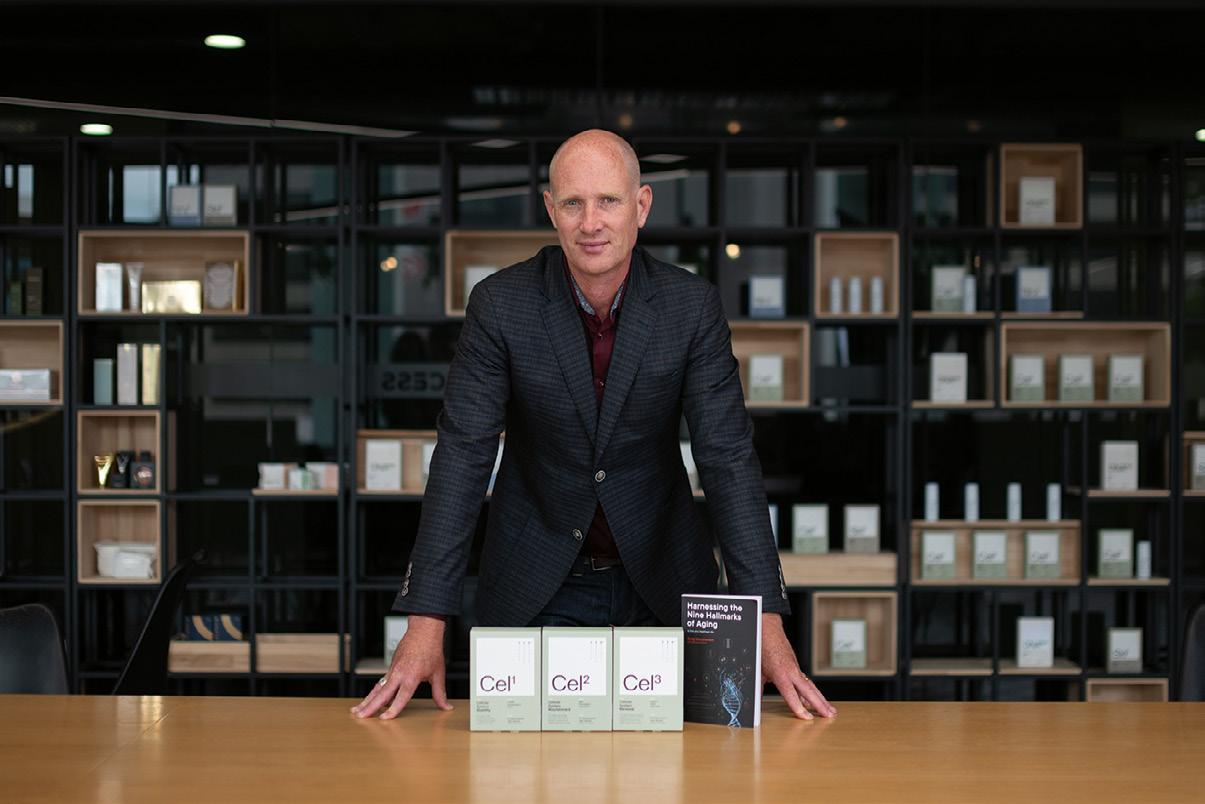
Within these pages, we visit longevity-led clinics from the exclusive EverLab (page 66), to the refined design of Bespoke Longevity & Aesthetic Clinic (page 16), and the intersection of longevity and aesthetics with BioGenix Australia (page 58). We also delve into longevity retreats in France (page 70) and here in Australia (page 83), alongside longevity-focused products such as Cel System (page 86) and a curated retail edit on page 96.
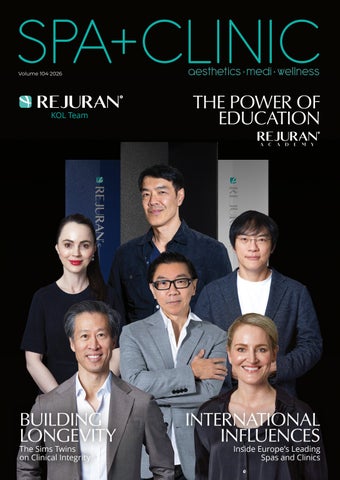
Few brands, however, have cut through the longevity conversation quite like our cover story, Rejuran. Its growth hasn’t been driven by hype, but by education. On page 46, key opinion leaders share how it has elevated practitioner understanding, enhanced patient outcomes and secured its place in the longevity space.
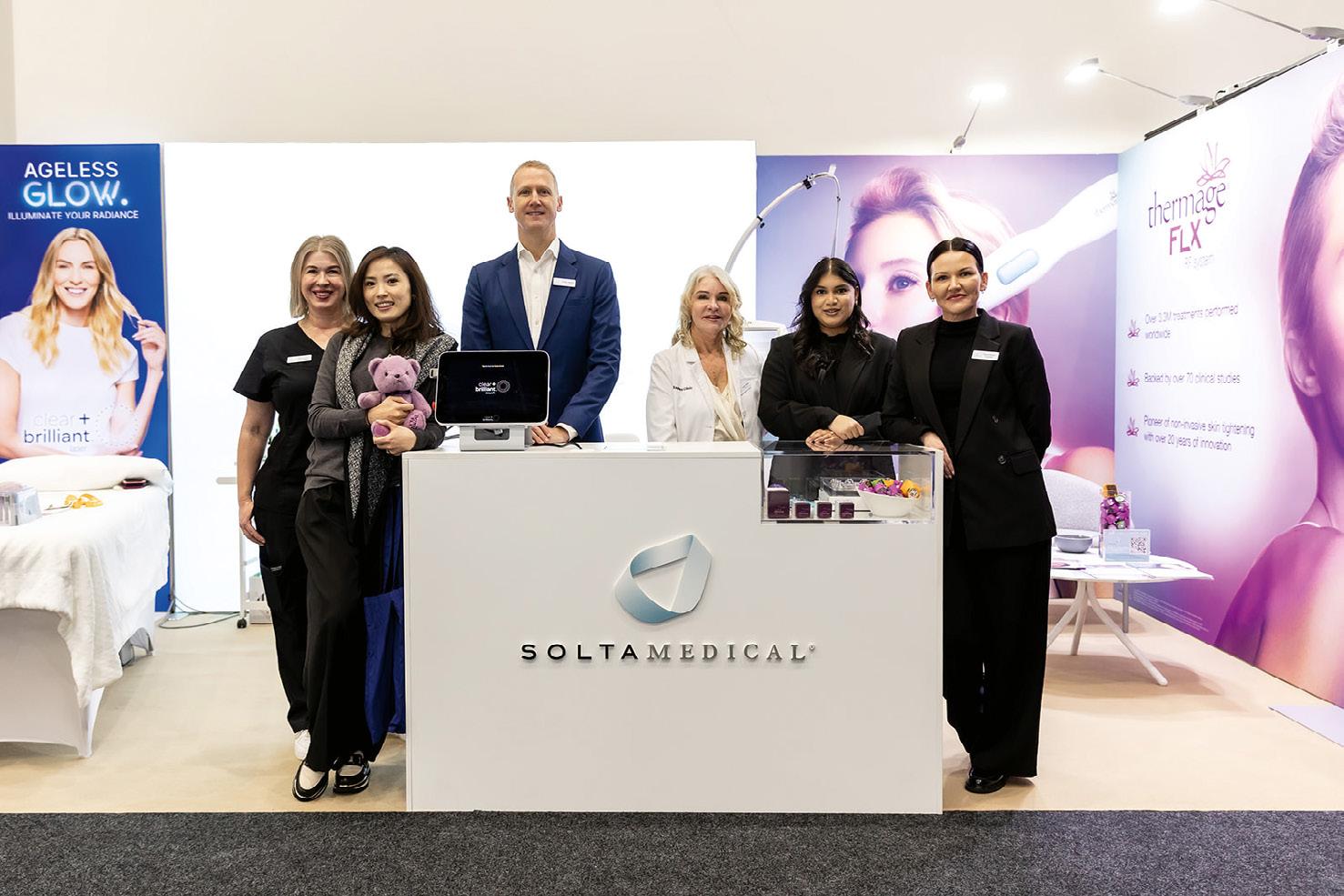
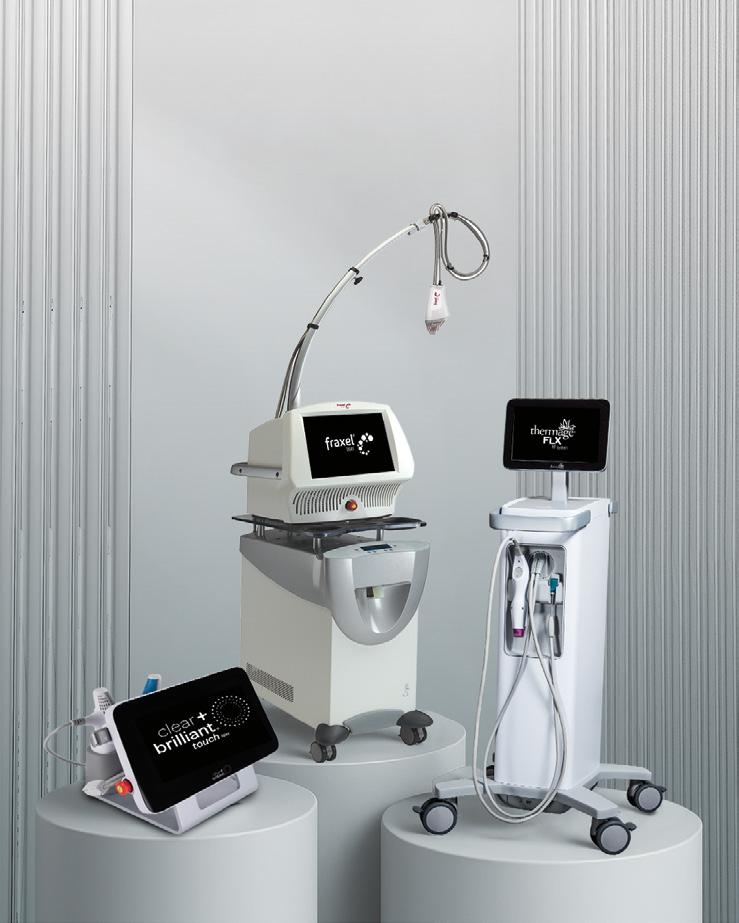
But longevity isn’t simply about lasting. It’s about legacy, with evidence behind every claim. It’s something Solta Medical embodies, which we explore on page 49. To round out the start of the year, I also share insights from Europe, introducing a new editorial thread for 2026: international events (page 28).
These travels are about more than experiences; they spotlight that consideration and consistency are where true longevity can be found. I’m confident these stories will inspire spa and aesthetics operators to elevate the finer details of their offering and create truly memorable experiences. And if that’s you, I want to hear from you.
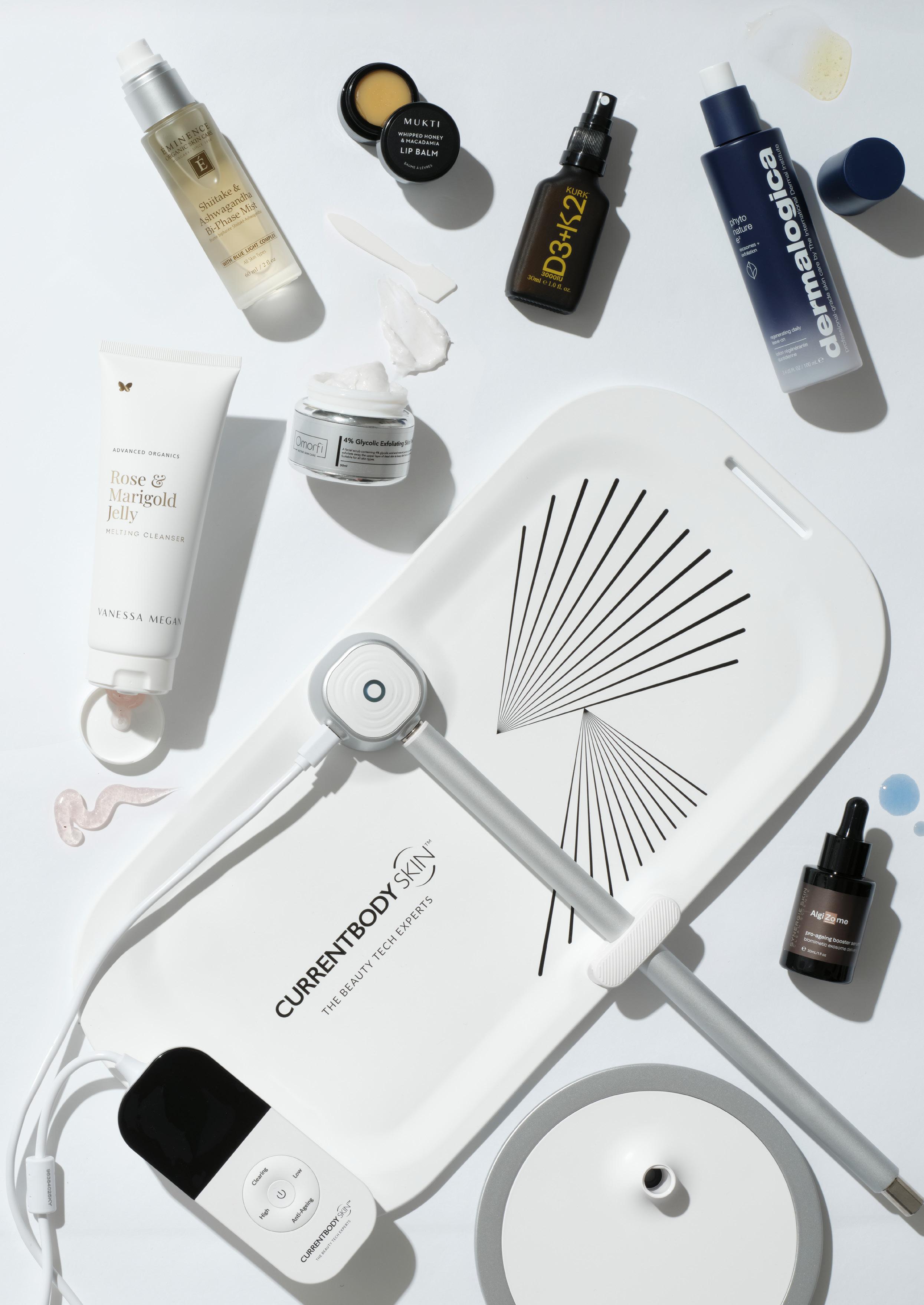
CurrentBody, Skin LED Light Therapy Panel, RRP $1359.99 currentbody.com.au
Partnerships
Director
On Our Shelf
The Products We Keep Reaching For
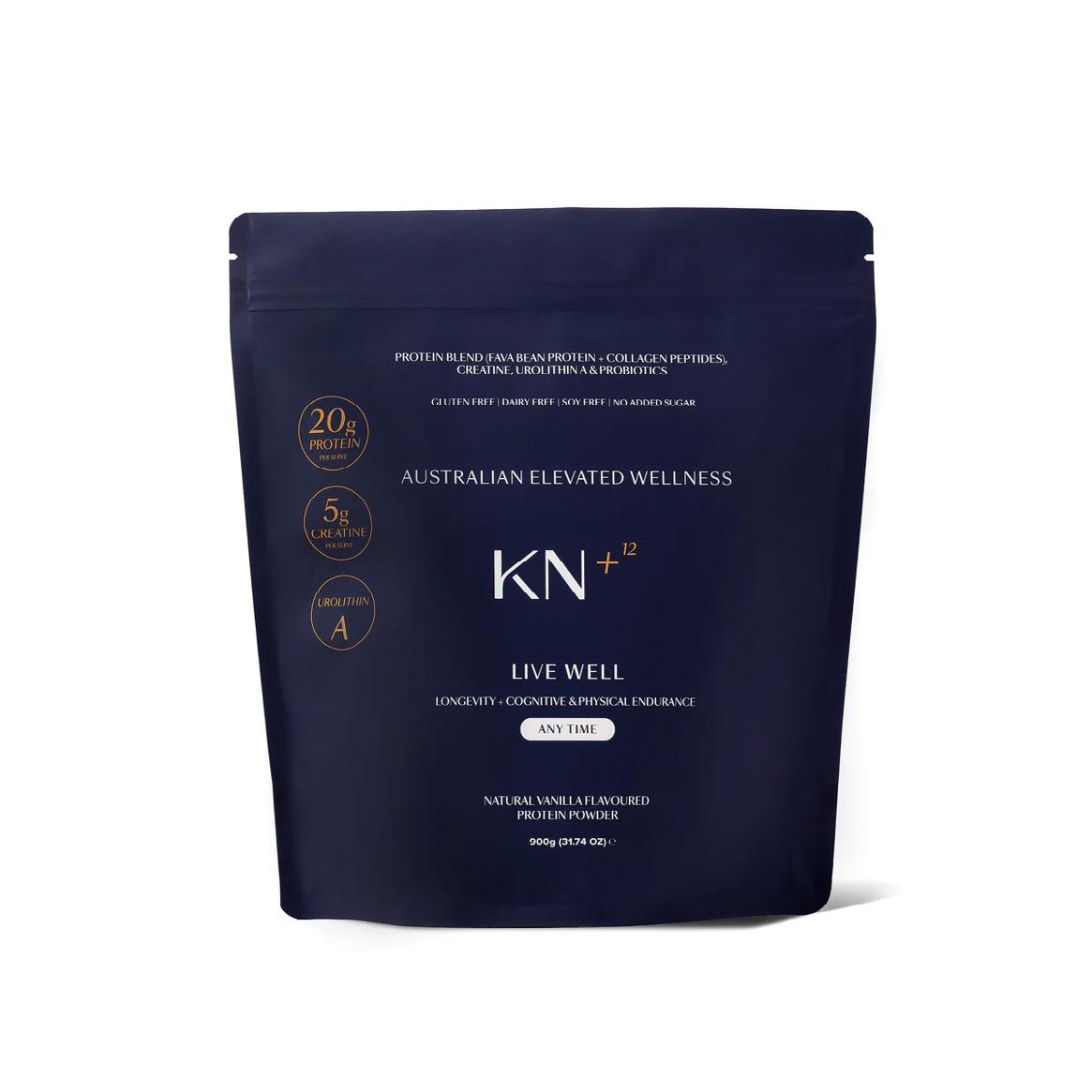
Kailo N+12 Live Well
As part of exploring longevity routines for this issue, I spent the past two months taking Kailo N+12 Live Well, and what stood out most to me was how easy and uncomplicated it made my mornings.
I’ve tried plenty of supplements over the years, but what I really appreciate about this one is the all-in-one approach. Normally I’d have four different tubs sitting in my cupboard; protein, creatine, probiotics, collagen, and I’d rotate through them depending on how disciplined I felt that week. Live Well brings all of those essentials together in a single scoop, which immediately made it easier to stay consistent.
The protein blend in particular won me over. The fava bean protein doesn’t bloat me the way some other plant-based proteins can and with the formula including collagen, it felt like a good balance for both strength and recovery. The additions of creatine, Urolithin A, magnesium, and probiotics round it out well, but what I personally noticed over the two months was more subtle:
My energy levels felt steadier, without the afternoon slump.
overall, I felt like I was fuelling my body in a way that supported both daily performance and long-term health It has become a genuinely easy morning ritual that fits into my life without fuss and no excuse for forgetting one of the magic ingredients.
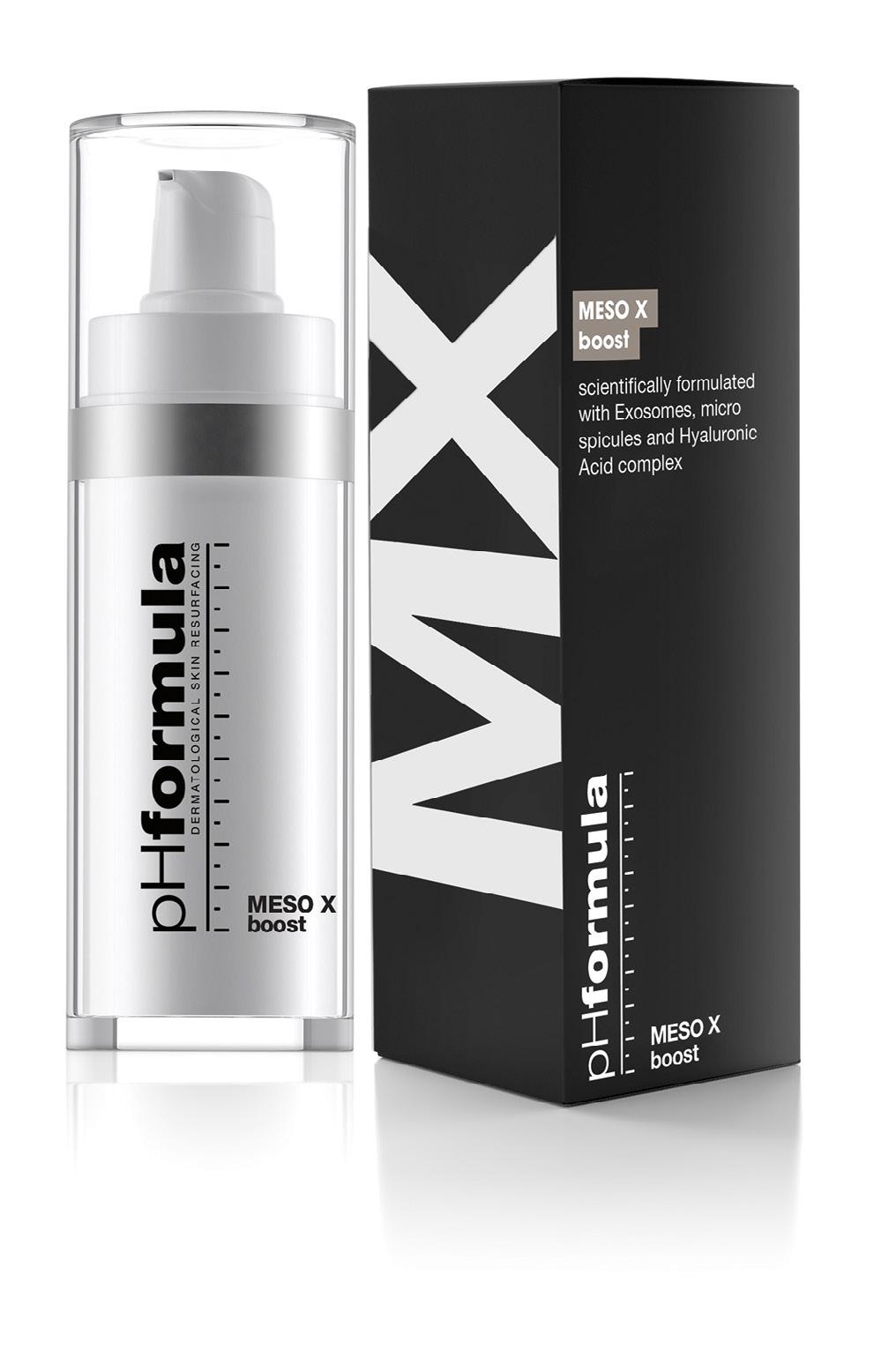
pHformula MESO X boost
There are two standout ingredients making waves in skin care formulations for 2025 and 2026: exosomes and spicules. And it’s really no surprise when you understand the science behind how these actives interact with the skin. Discovering they could be combined in a single, at-home product felt genuinely ingenious. Enter MESO X Boost from pHformula.
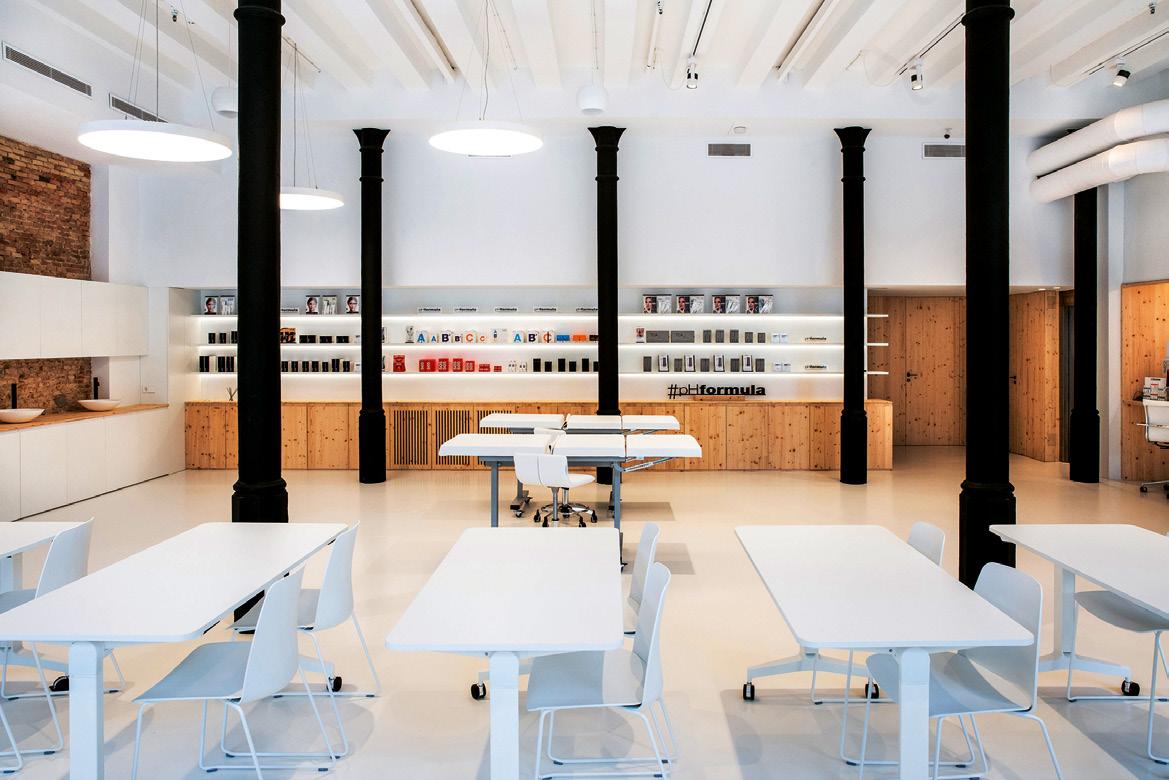
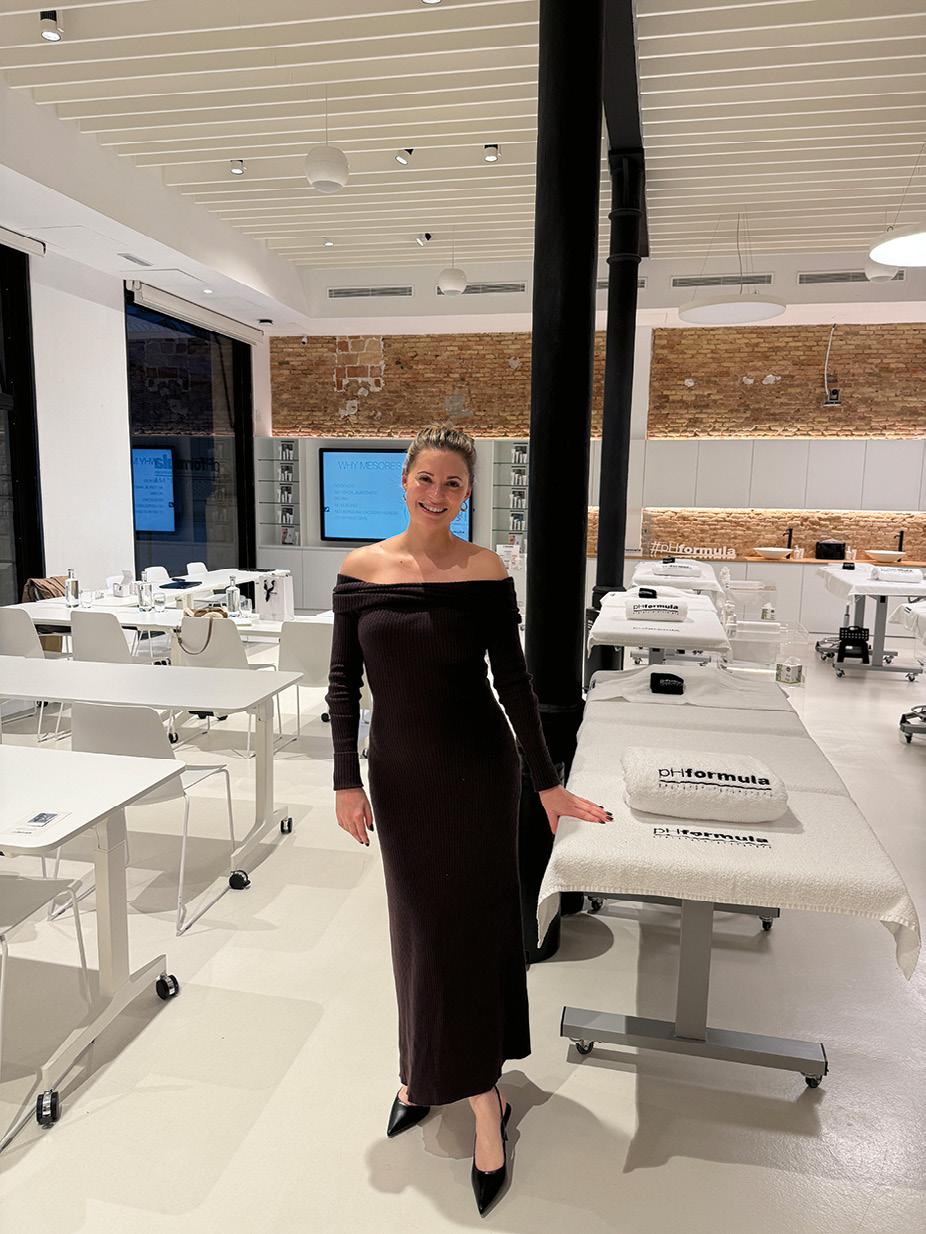
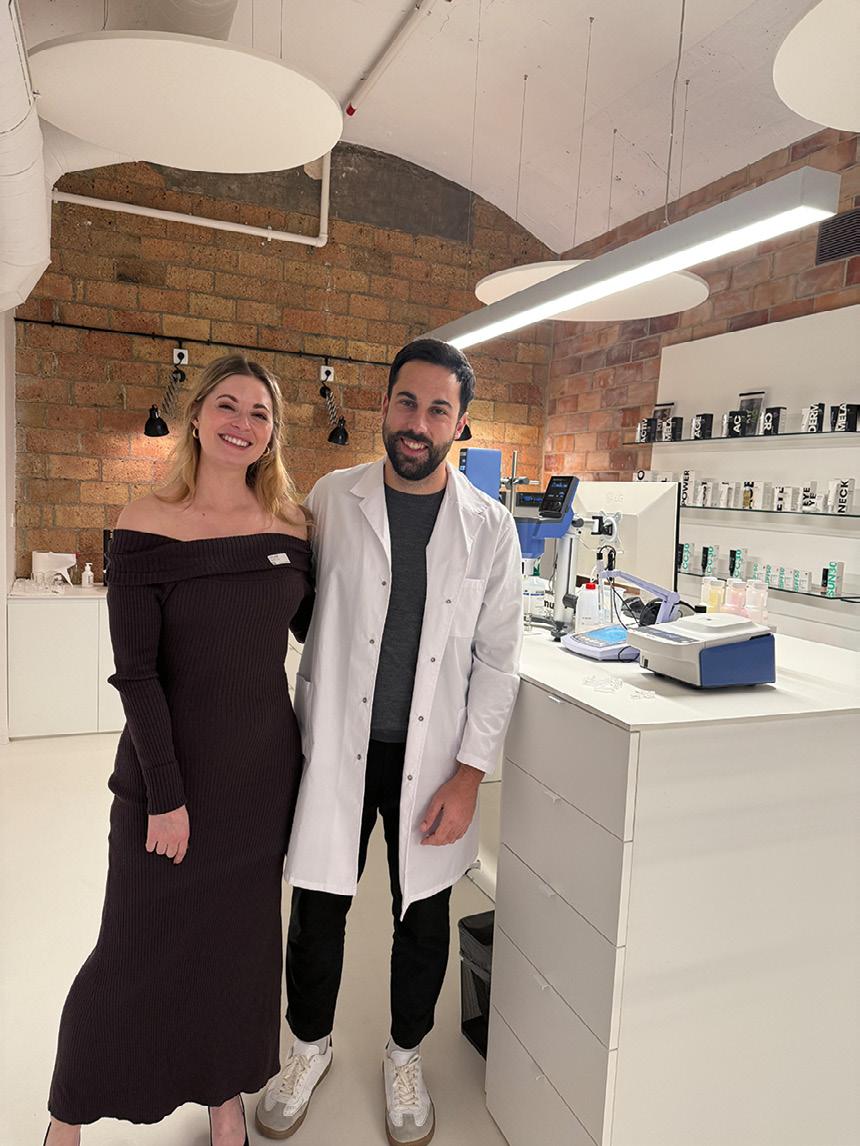
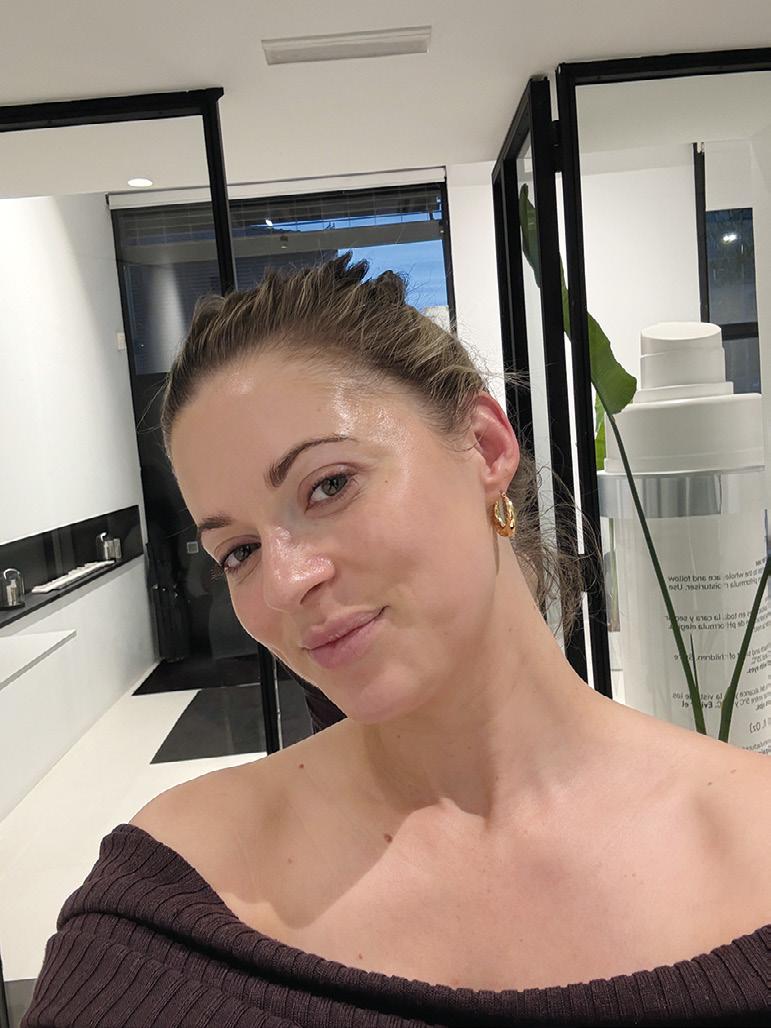
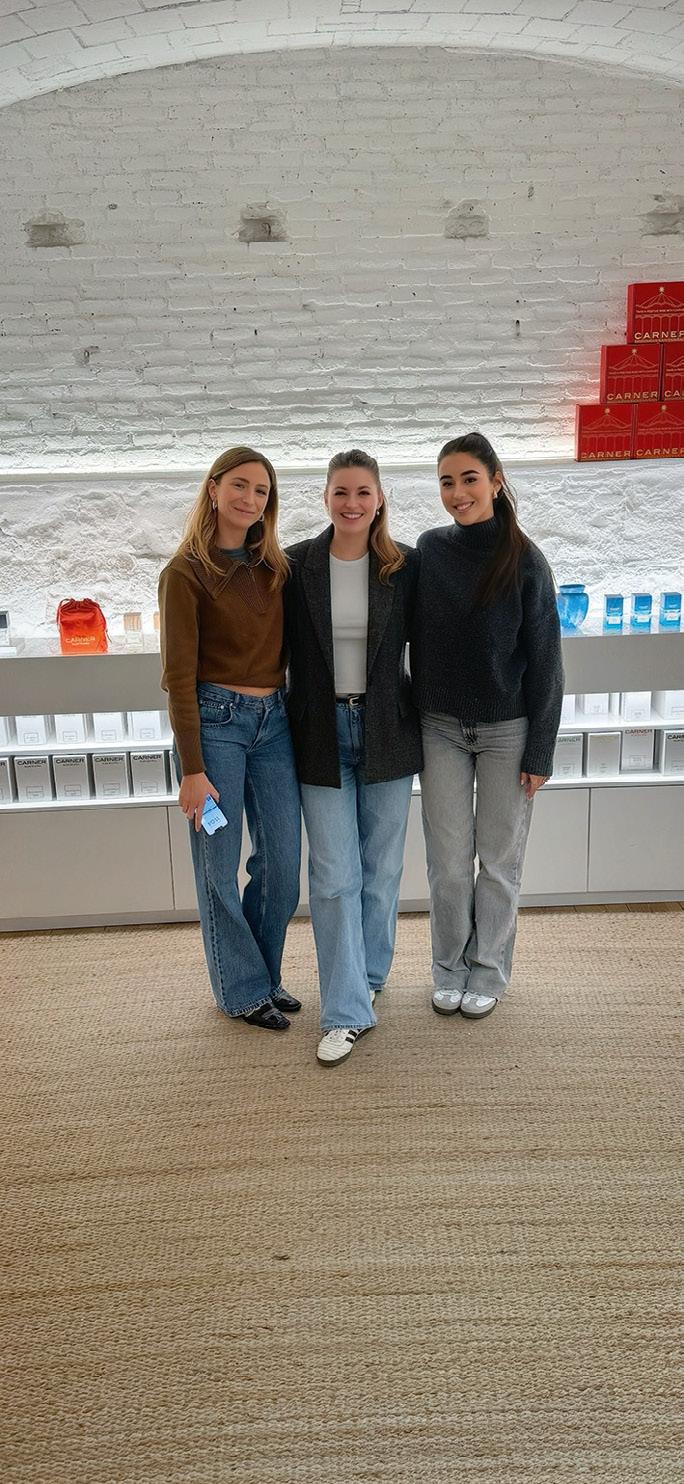
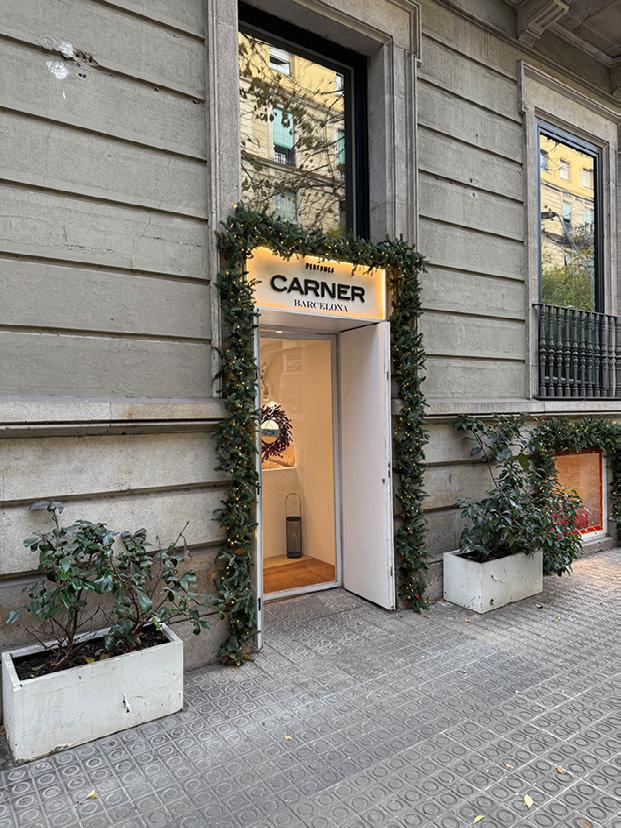
I first encountered MESO X Boost during a visit to the pHformula head office in Barcelona last year, and it has remained a constant in my routine ever since, which says a lot, given my skin is ultra- reactive and notoriously hard to please. Finding an advanced, results-driven formula that delivers visible improvement without triggering irritation is rare, but this one strikes that balance beautifully.
On application, the serum feels smooth and lightweight, gliding easily across the skin. Almost immediately, you can feel tiny, subtle pricks as the micro-spicules settle into the surface. It’s not uncomfortable, just enough to signal that something active is happening. These micro-channels enhance absorption, allowing the exosomes and hyaluronic acid to work more effectively.
Used nightly, MESO X Boost has noticeably softened fine lines, refined skin texture and restored a healthy, luminous glow. For anyone with sensitive or fussy skin who still wants access to cutting-edge skin science, MESO X Boost feels like a glimpse into the future of intelligent, high-performance formulations.
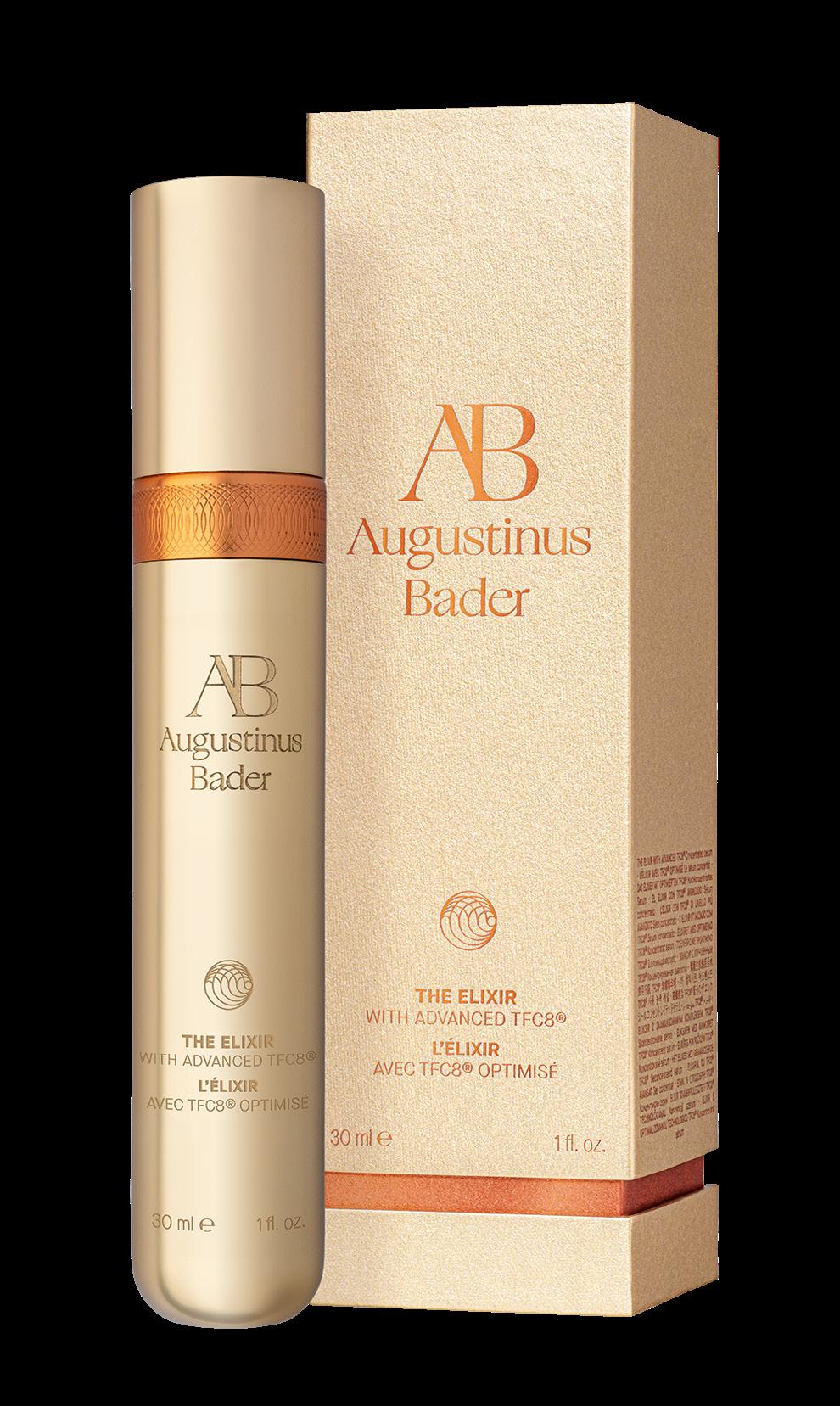
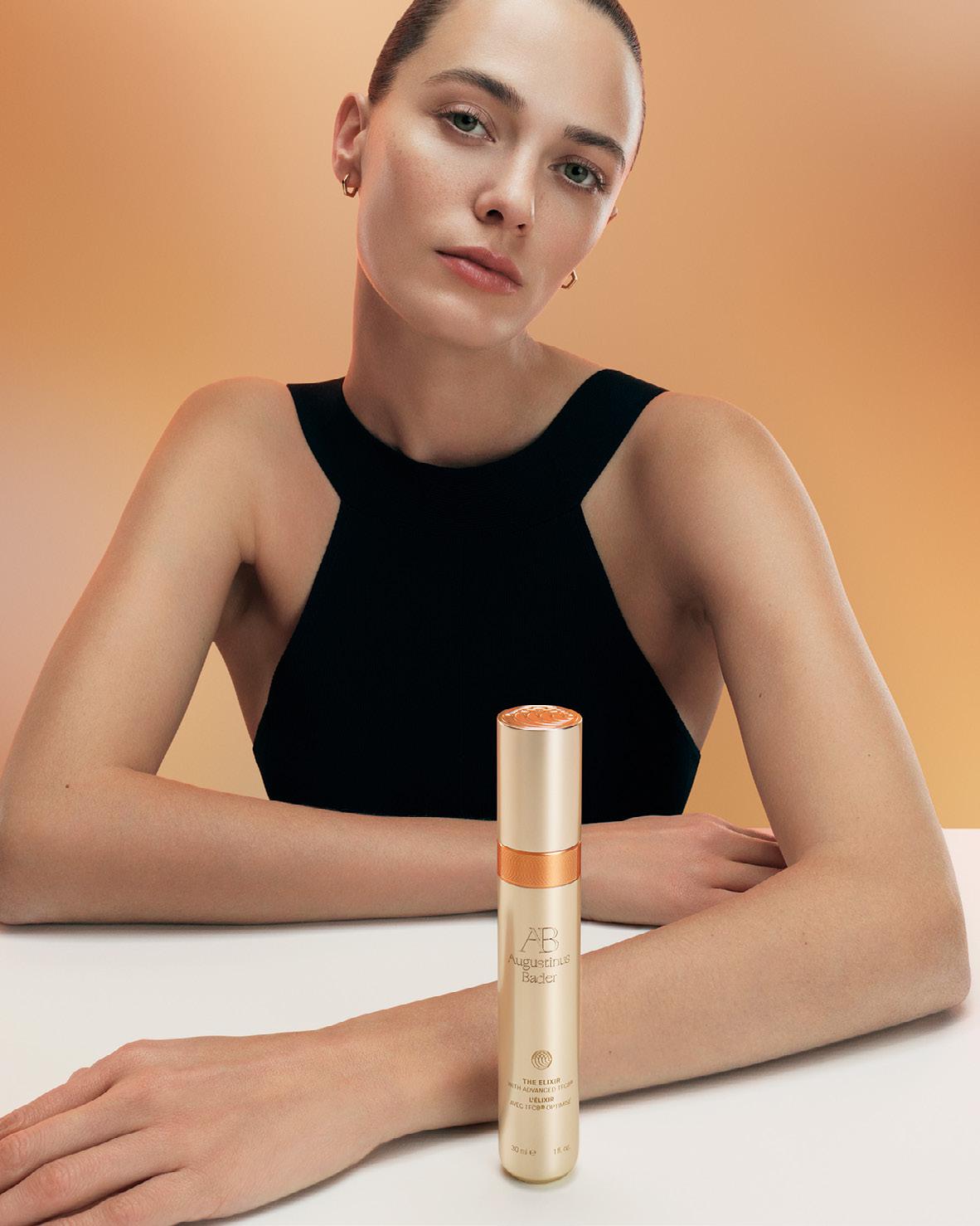
Augustinus Bader The Elixir
I often think there’s a misconception that Augustinus Bader isn’t a medical or aesthetics-led brand. While it’s undeniably luxurious, I do think some practitioners still consider it a retail brand, despite the fact it so often lives on the shelves of some of the most prestigious and well-known skin and medical clinics
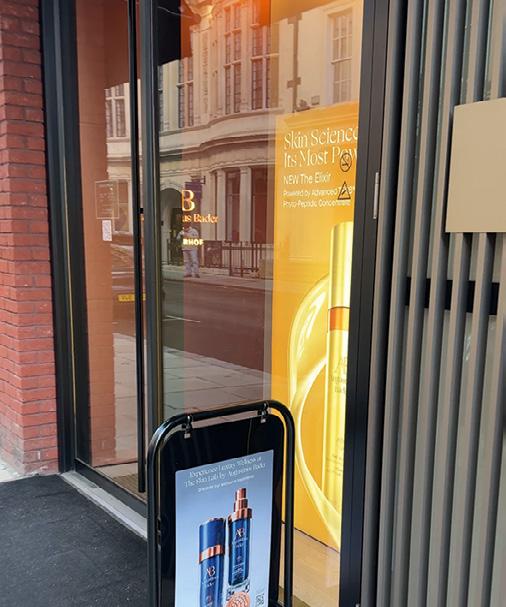
At the heart of every formula is the brand’s proprietary Trigger Factor Complex™ (TFC8®). A medical-grade fusion of 40 amino acids, vitamins and lipids naturally found in the skin. These act as a roadmap for cellular repair, particularly when it comes to UV damage, environmental aggressors and inflammation, something we seriously need living in Australia. And if that wasn’t enough, the brand has just released The Elixir, a product that’s been in development for seven years (wow). This latest release is essentially a more concentrated evolution of the cult-favourite The Rich Cream. Luckily, The Elixir arrived just before my departure to a wintry Europe, giving me the perfect opportunity to test it across the entire trip which included more than ten flights and time spent travelling through Finland in the depths of winter, with extreme cold, biting winds and bone-dry air. Despite the environmental stress, my skin stayed calm, resilient and balanced across the
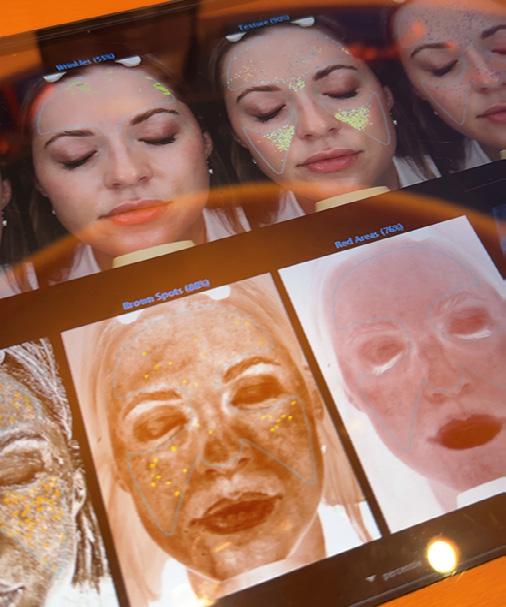
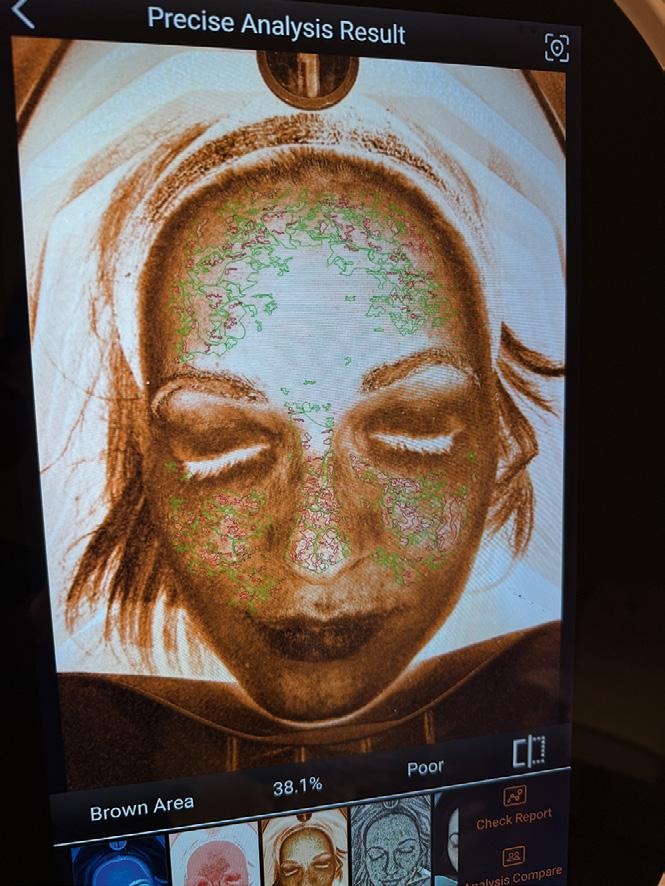
The texture is very silky and absorbs almost instantly. After using the product for around two months, I’ve noticed my fine lines have disappeared, my pores look great and I genuinely haven’t felt the need to rebook my botox since returning home. The final validation came at the end of my trip during a visit to The Skin Lab in London, where I was told my skin felt “baby soft” and scored in the ninety-eight for hydration on my Visia assessment.
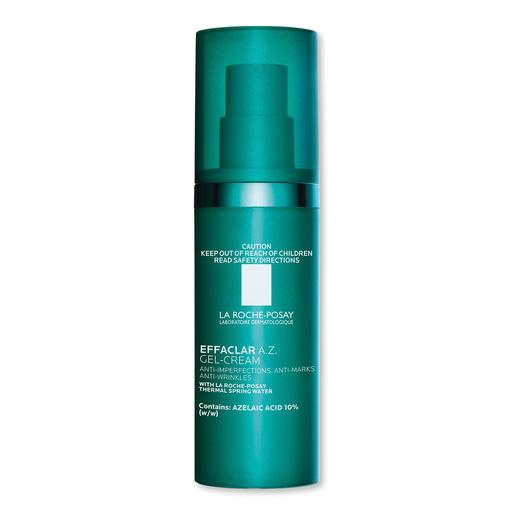
When the regulatory changes concerning Azelaic Acid use came into effect last year, I couldn’t help but squeal in excitement knowing there would be a range of new products hitting Aussie shelves including higher concentrations of one of my most beloved ingredient, Azelaic Acid. As a rosacea sufferer, this humble acid has shown to make the biggest difference to the redness presenting on my face, so when La Roche-Posay launched their Effaclar A.Z. Gel-Cream, I ran to my local chemist and bought it.
And what can I say, it did not disappoint. The light texture feels like a serum/cream hybrid, at absorbed beautifully, and even just after a week of using it at night time, I could tell a visible difference in my skin. Redness was reduced, irritation was relieved, and overall my skin just looked ‘happier’ – yes, that’s a thing. Enriched with a complex of 10% azelaic acid, salicylic acid, and hyaluronic acid, this gelcream also hydrates while effectively addressing breakouts and ageing skin – what’s not to love about that?! I personally layer a richer moisturiser on top, as the product alone wouldn’t be hydrating enough for me, but it has become a staple in my everyday skincare routine, and I can’t wait to see more brands focusing on Azelaic Acid moving forward.
La Roche-Posay Effaclar A.Z. Gel-Cream
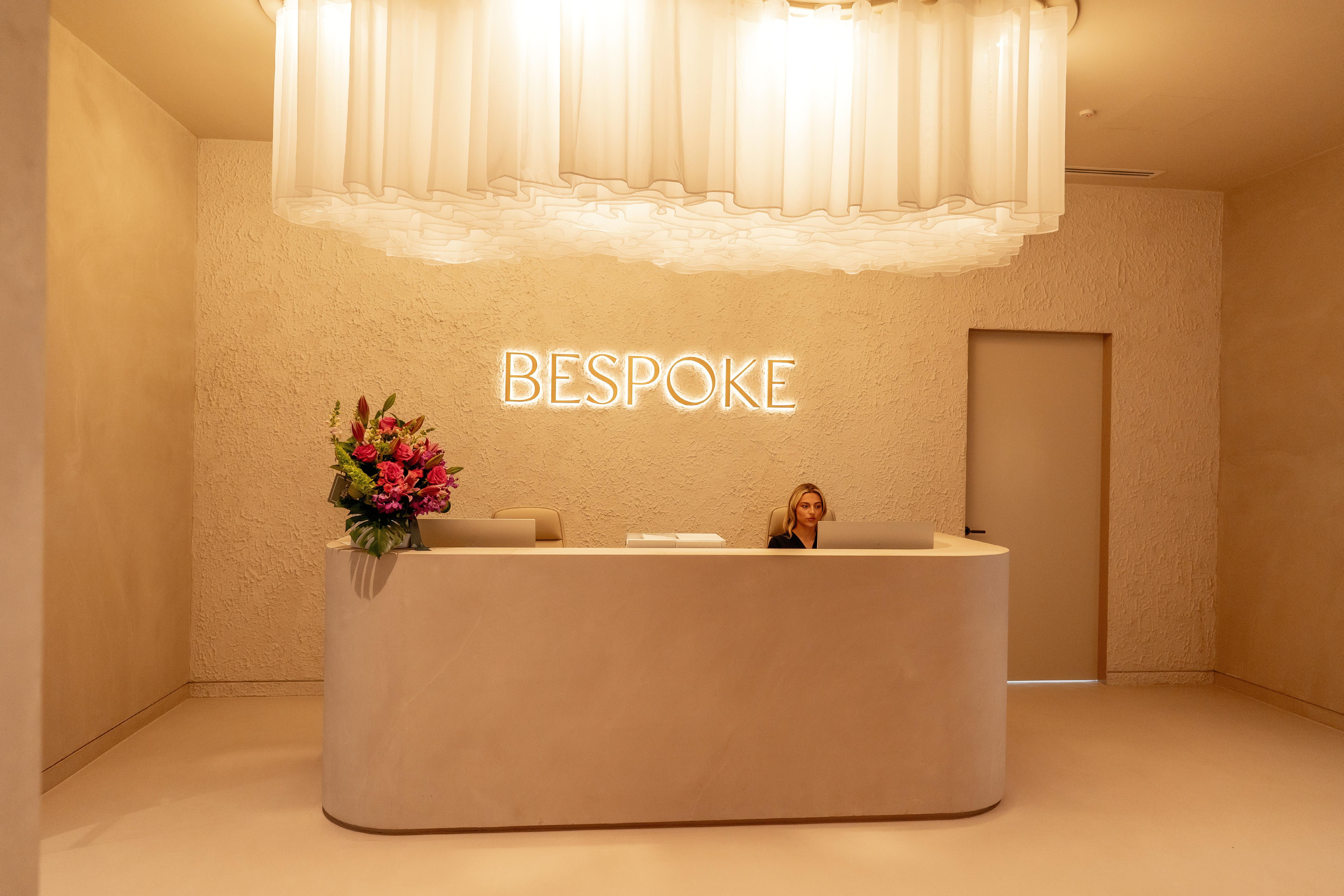
Inside Bespoke Longevity & Aesthetic Clinic
Designing the future of ageing well
Bespoke Pendent Light –Designed by Sarah Interiors, Custom built by Turner Building, illuminated by Zest Lighting
Facts & Figures
Name: BESPOKE LONGEVITY & AESTHETIC CLINIC
Owners: DR KEE ONG, DR ALEXANDRA CURRAN, DR DONNA TANCHEV, DR SARAH CHIAPELLO
Location: SOUTHPORT QLD
Size: 180 sqm
Number of rooms: 11
Number of staff: 11
Interior Inspiration: MINIMAL, WARM, LUXURIOUS
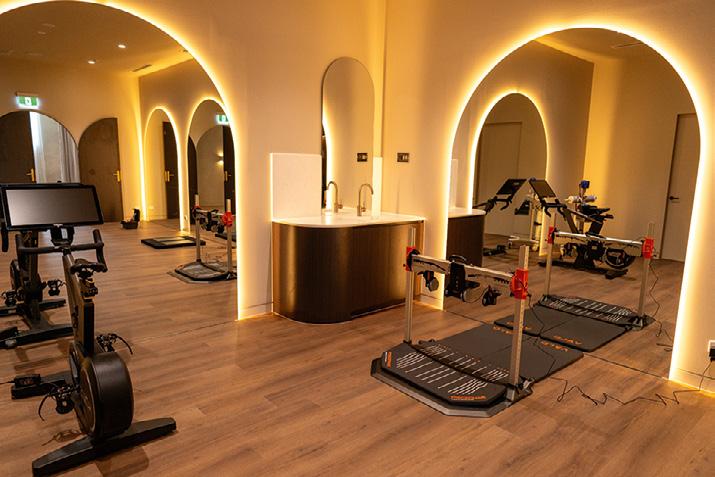
Longevity medicine is fast becoming the forefront of the aesthetics industry, shifting the focus from short-term correction to long-term optimisation. At Bespoke Longevity & Aesthetic Clinic, this philosophy is not only embedded in clinical protocols but expressed through every design decision within their clinic. Located in Southport, Queensland the 180-square-metre clinic offers a refined new vision for what modern longevity care can look and feel like.
For co-founder Dr Alexandra Curran, the interiors were integral from the outset. “From the beginning, our vision was to create a space that embodied what modern longevity medicine feels like. Refined, deeply personalised and grounded in science, without ever feeling clinical,” she says. “We wanted to move away from outdated ‘antiageing’ clichés and instead design an environment that supports the idea of ageing well.”
That intention became the foundation for every design decision. Every detail, from spatial flow to materiality was designed to mirror Bespoke’s approach to care. “Longevity is both a science and an experience,” Dr Curran explains. “The interior needed to communicate that clients are entering a space where they’re seen, supported and encouraged to invest in their future health.”
Designing Calm into the Patient Journey
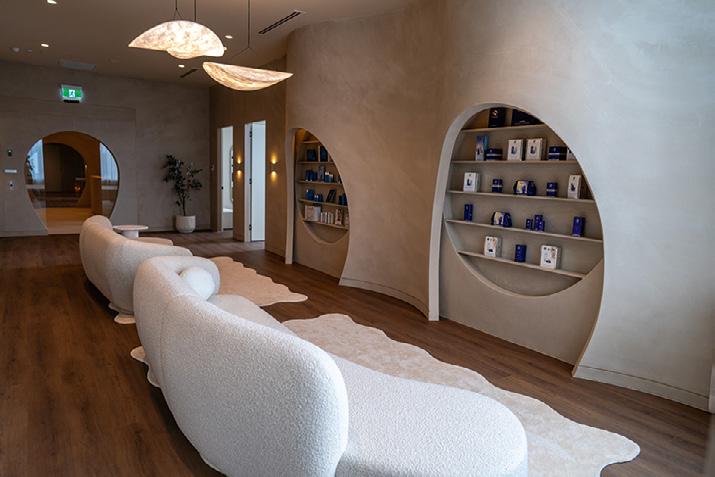
From the moment client’s step inside Bespoke, the space feels considered and calming. Soft architectural curves take the place of hard lines, warm lighting is diffused rather than harsh, and the layout intuitively guides movement throughout the clinic. “Designing a clinic for longevity care meant creating an environment that regulates the nervous system,” says Dr Curran. “We wanted sanctuary, not sterility.”
Working alongside Sarah Interiors, the focus was on ease rather than overstimulation. Curved walls, open sightlines and carefully considered transitions reduce the sense of being rushed or ‘processed’, a feeling often associated with medical environments. Turner Building translated this vision into reality, delivering a space that balances aesthetic softness with everyday functionality.
“Our flow was intentionally planned to mirror the supportive nature of longevity medicine,” Dr Curran notes. “Clients often describe the clinic as somewhere they can exhale. That response tells us the space is doing exactly what it’s meant to do.”
Materiality that Speaks to Identity
Natural, tactile materials were central to expressing Bespoke’s brand identity. Warm travertine features throughout the clinic, grounding the space in a sense of calm luxury. Microcement became a defining texture used across walls and the sculptural reception desk to create continuity without visual noise.
“Microcement felt like the perfect expression of our philosophy,” says Dr Curran. “It’s minimal, refined and quietly confident.” Warm neutral tones, soft timber elements and linen upholstery further enhance the restorative feel, while subtle brass detailing adds a layer of refinement without tipping into clinical or overly decorative territory.
“These choices reflect how we practice medicine,” she explains. “Science-led health delivered in a space that feels deeply human.”
Precision Without the Clinical Coldness
While the clinic’s aesthetic is warm and inviting, clinical precision was non-negotiable. The challenge lay in integrating advanced medical requirements without disrupting the calm. Turner Building addressed this through custom joinery that conceals medical storage and equipment, ensuring compliance with Queensland Health regulations without visible clutter.
“Equipment is hidden or built in, and technology is discreetly embedded,” Dr Curran explains. “Even in rooms equipped for advanced aesthetic and longevity treatments, the environment remains peaceful.” Sarah Interiors ensured clinical surfaces remained warmtoned and textural further aligning the overall space.
A Detail that Defines Bespoke
For Dr Curran, the most uniquely “Bespoke” moment lives at reception. A custom-designed pendant light that nods to the science behind longevity. “The pendant was designed to echo the form of a mitochondrion,” she reveals. “It references cellular energy and longevity, but in a way that remains soft, luminous and beautifully restrained.”
It’s this intersection of beauty and biology that defines Bespoke. Minimalist yet warm. Scientific yet soulful. A clinic that proves longevity care doesn’t have to feel intimidating but intentional, elevated and supportive.
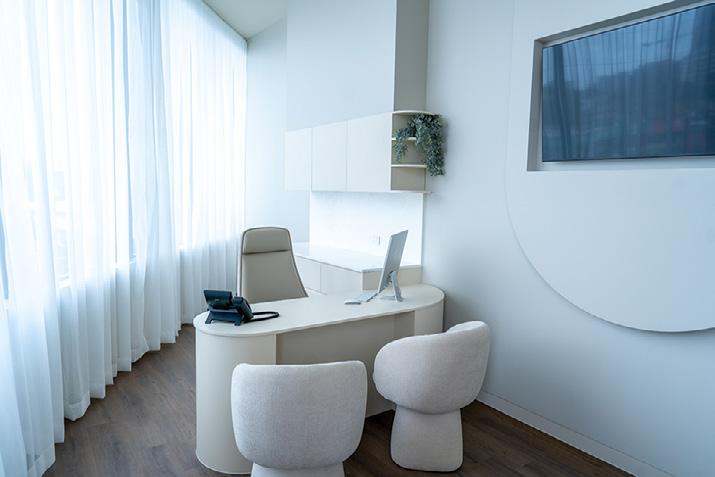
Couch – Casterly
Gym Fitout - PLAE
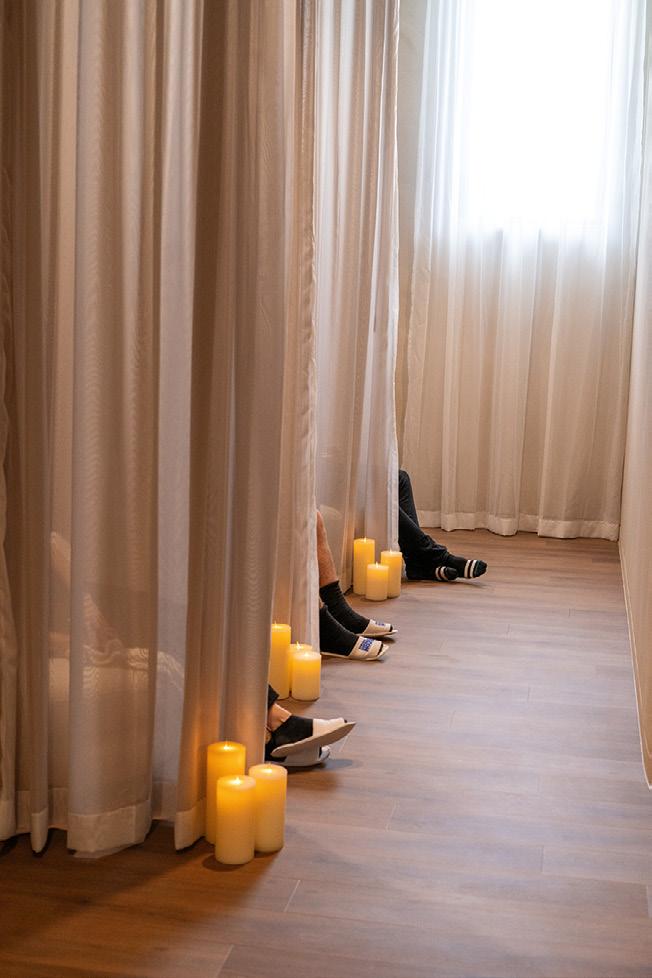
IV Therapy Room
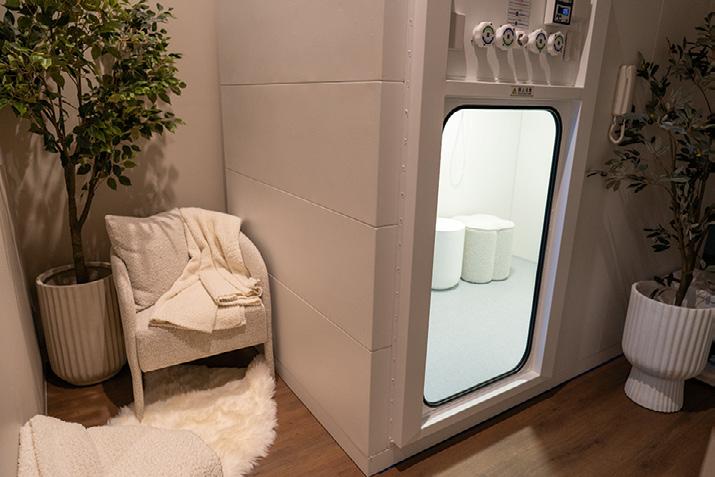
Oxygen Chamber - Japanese Healing
Rugs – Miss Amara
The Treatment Room
Where the latest treatments and technologies in spa and aesthetics are put to the test.
ZO Skin Health Stimulator Peel
Put to the test by
Stephanie Mclean, Managing Editor
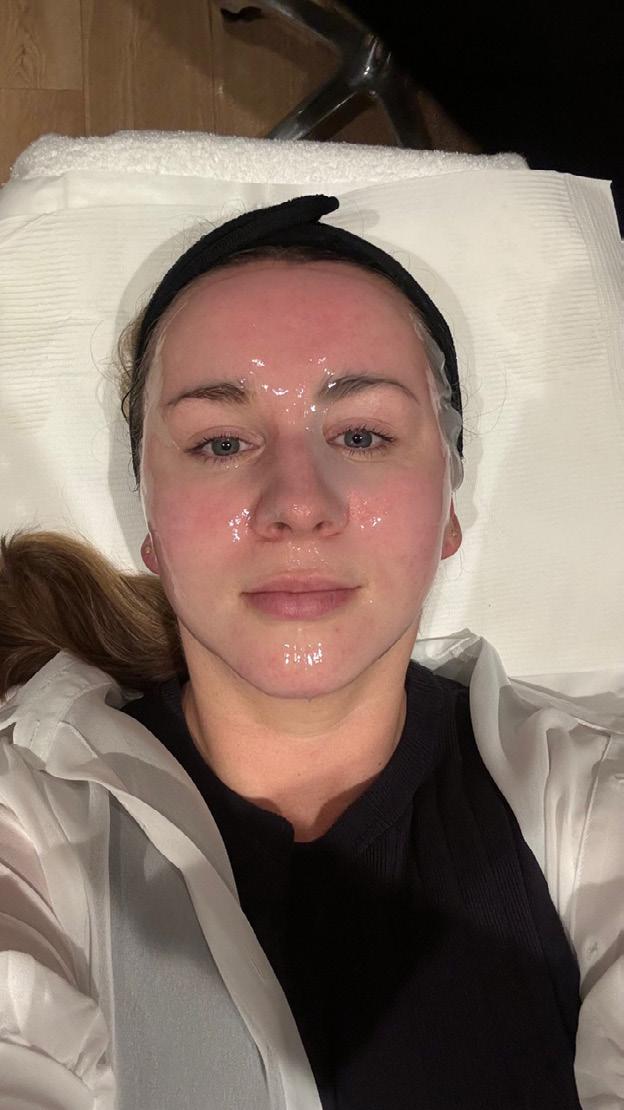
After working in skin for 15 years, I rarely fall head over heels for a skincare range but ZO Skin Health comfortably sits in my top five. Until recently, though, I’d never actually experienced one of their professional treatments. So, when I was invited to visit The One Skin and Wellness Clinic in Malvern for a ZO treatment, it was an easy yes. Often referred to as the “lunchtime peel,” the Stimulator Peel is an advanced exfoliation suitable for all skin types, including compromised or sensitive skin making it an ideal entry point into professional peels. It combines a precise blend of alpha hydroxy acids, including citric, glycolic and lactic acids, to deliver controlled epidermal exfoliation while stimulating cellular renewal.
From the first application, the peel works to smooth texture and enhance luminosity
Alma Soprano Hair Removal
Put to the test by Kym Cowper, Integrated Partnerships Manager
Let me start by saying this is not your quick, inand-out, bargain-basement hair removal set-up.
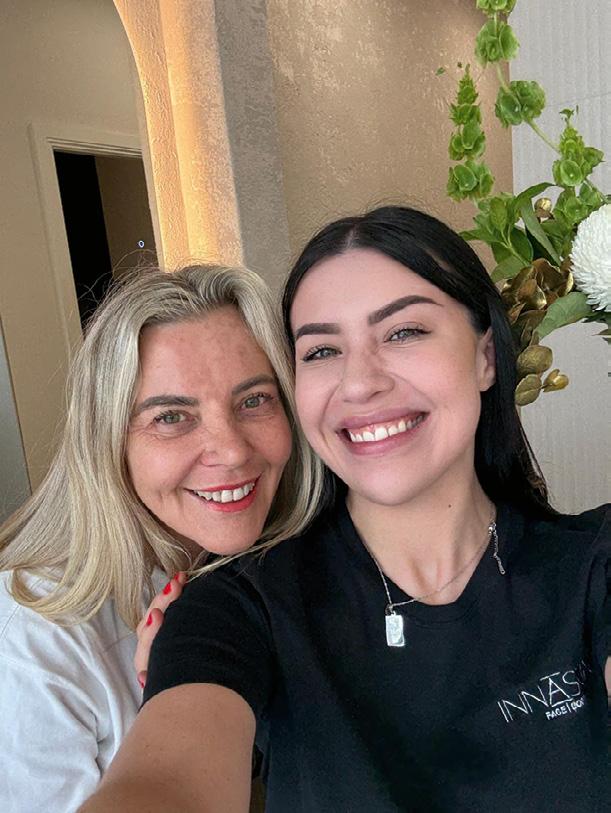
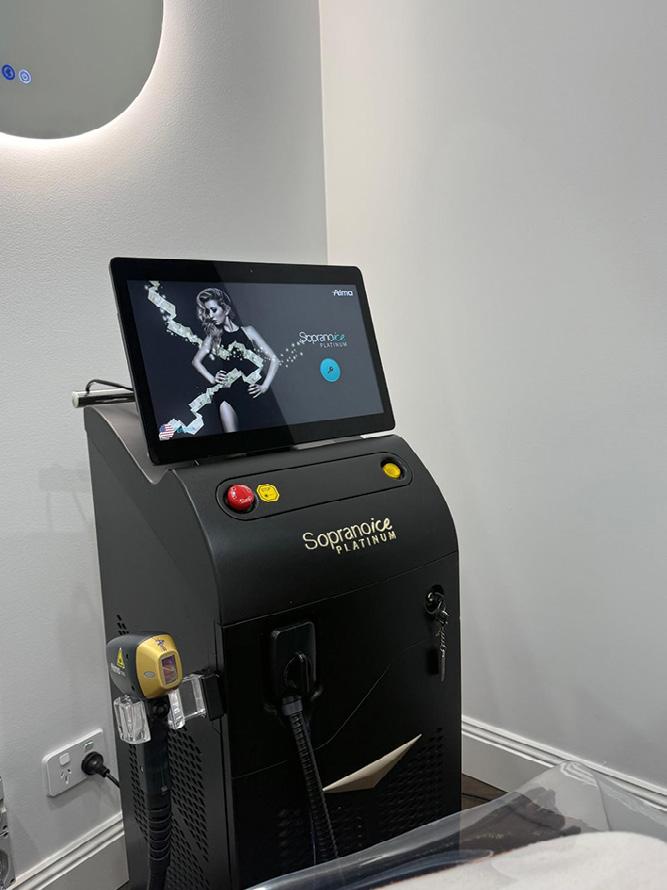
At INNASKIN Clinic Redfern, laser hair removal is approached as a serious clinical service. Professional, considered and delivered with care from consultation through to treatment. Cassie walked me through Alma’s Soprano platform and why it’s often described as the “Mercedes-Benz of hair removal.” From a business perspective, the appeal is obvious. Soprano is designed to safely and effectively treat all skin tones, including tanned skin and darker pigments, making it a versatile and reliable addition to any clinic’s treatment menu.
Once the cooling gel was applied, the treatment itself was impressively fast. The handpiece glided smoothly over my lower legs and intimate areas with total professionalism and attention to comfort. What stood out was the flexibility of the platform. A separate handpiece was used to quickly and efficiently treat finer hairs on the upper lip, demonstrating how easily clinics can expand treatment areas without adding complexity.
The experience itself was virtually painless, quick and a far cry from more traditional hair-removal technologies I’ve tried in the past. From a patient perspective, that level of comfort is a major driver of satisfaction and repeat bookings.
without discomfort. Unlike more aggressive resurfacing treatments, it felt light and refreshing on the skin, with no stinging or excessive heat. One of its standout benefits is its ability to address uneven pigmentation. Accelerated exfoliation helps lift existing surface pigment, while a targeted brightening complex works proactively to help prevent new pigmentation from forming. The inclusion of antiirritants and antioxidants further supports the skin, calming redness and minimising irritation throughout the process.
Post-treatment, my skin looked instantly brighter, smoother and more refined, with a healthy, balanced glow rather than the redness often associated with peels. There was no downtime, flaking or sensitivity, just visibly refreshed skin.
The team also generously sent me home with a curated selection of ZO products to maintain results. I’m happy to report they’ve been just as impressive, particularly the Illuminating AOX Serum, which quickly became a standout in my routine for its instant glow and antioxidant protection.
INNASKIN also shared a compelling insight for clinic owners. More than 50 per cent of their laser hair removal clients are men. A timely reminder that Soprano isn’t a female-only service, it taps into the rapidly growing male aesthetics market and significantly broadens a clinic’s audience.
If you’re considering adding or upgrading your hair removal device, the Alma’s Soprano is a serious contender. Fast treatment times, broad skin-type suitability, high patient comfort and strong cross-gender appeal position it not just as a treatment, but as a smart commercial investment.
Dermalogica Melanopro Peel
Put to the test by Kym Cowper,
Integrated Partnerships Manager
I arrived at Dermalogica HQ for my very first Melanopro treatment genuinely excited. Ever since its launch, I’d been itching to try it, and expectations were high.
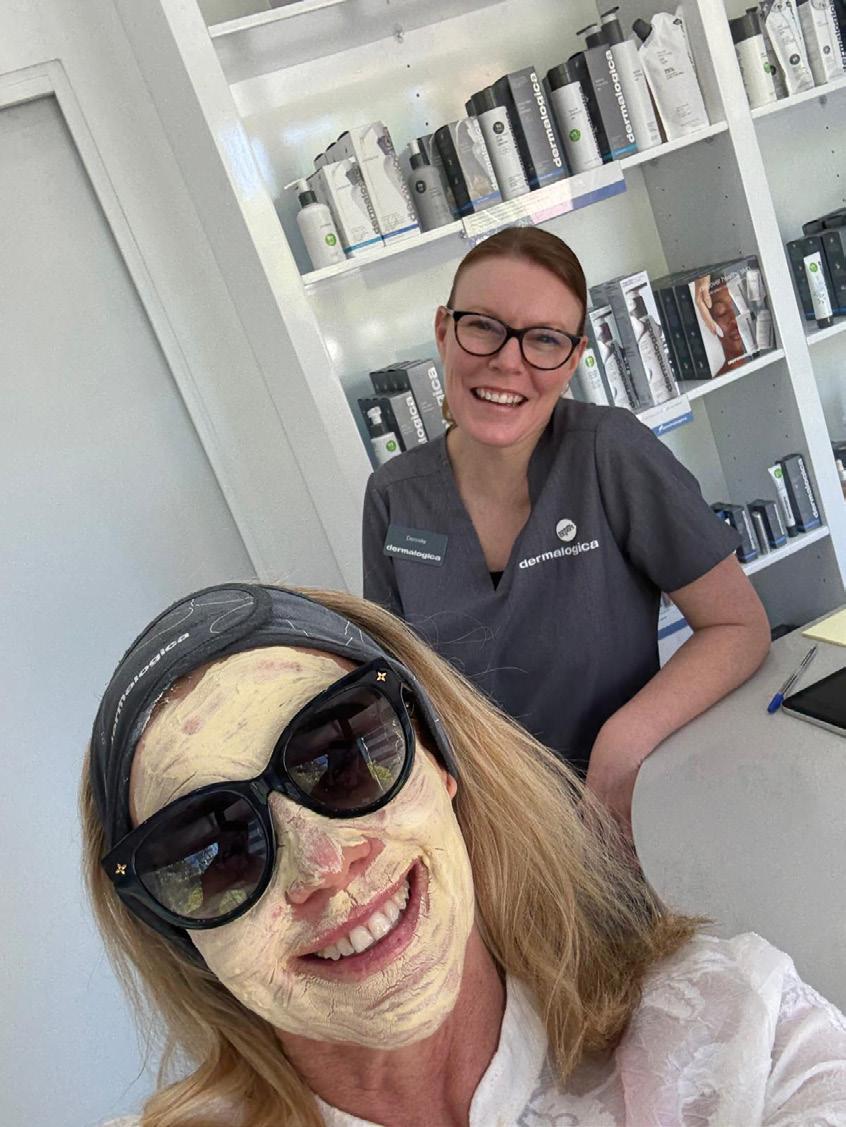
Before we began, my therapist walked me through the protocol: the professional treatment would be applied in clinic and left on for a minimum of five hours before being washed off at home. Once applied, I felt a light tingling sensation, but nothing intense. Surprisingly comfortable for a treatment designed to tackle stubborn pigmentation at a cellular level.
Then came the fun part: driving home absolutely caked in the masque. The texture is a yellow-toned, wet clay that definitely turns heads. I even drove past a police booze bus, no pull-over, but I did get a look. Slightly disappointed they didn’t stop me so I could explain why I looked like I’d fallen face-first into turmeric.
I was sent home with a refreshingly simple take-home kit which included a gentle cleanser, Continuous Resurfacing Cream and
UltraCalming Mist. That night, I applied the resurfacing cream and finished with generous spritzes of mist. There was a mild tingle, but the cream felt rich, calming and reassuring.
During the day, the routine continued with more resurfacing cream, Stabilizing Repair Cream and plenty of mist, which quickly
From days two to four, my skin was mildly red, but not sunburnt red. By day four, things started to feel tight, and honestly, I loved it. It felt purposeful, like real change was underway. Around day seven, I noticed gentle shedding, subtle peeling that clearly signalled renewal.
I stayed consistent with the protocol for five weeks, and the results genuinely impressed me. Long-standing pigmentation noticeably reduced, texture appeared smoother and brighter, and overall my skin felt far more refined. The biggest win? I reached a point where concealer felt optional.
My verdict: Melanopro is not a fluffy facial. It’s a serious, professional-grade pigmentation treatment that delivers visible change with surprisingly manageable downtime. If stubborn pigment, uneven tone or dullness are on your list, this one deserves serious consideration.
Ultra Restora-Zyme Liquid LED
Put to the test by
Nadine Dilong, Digital Editor
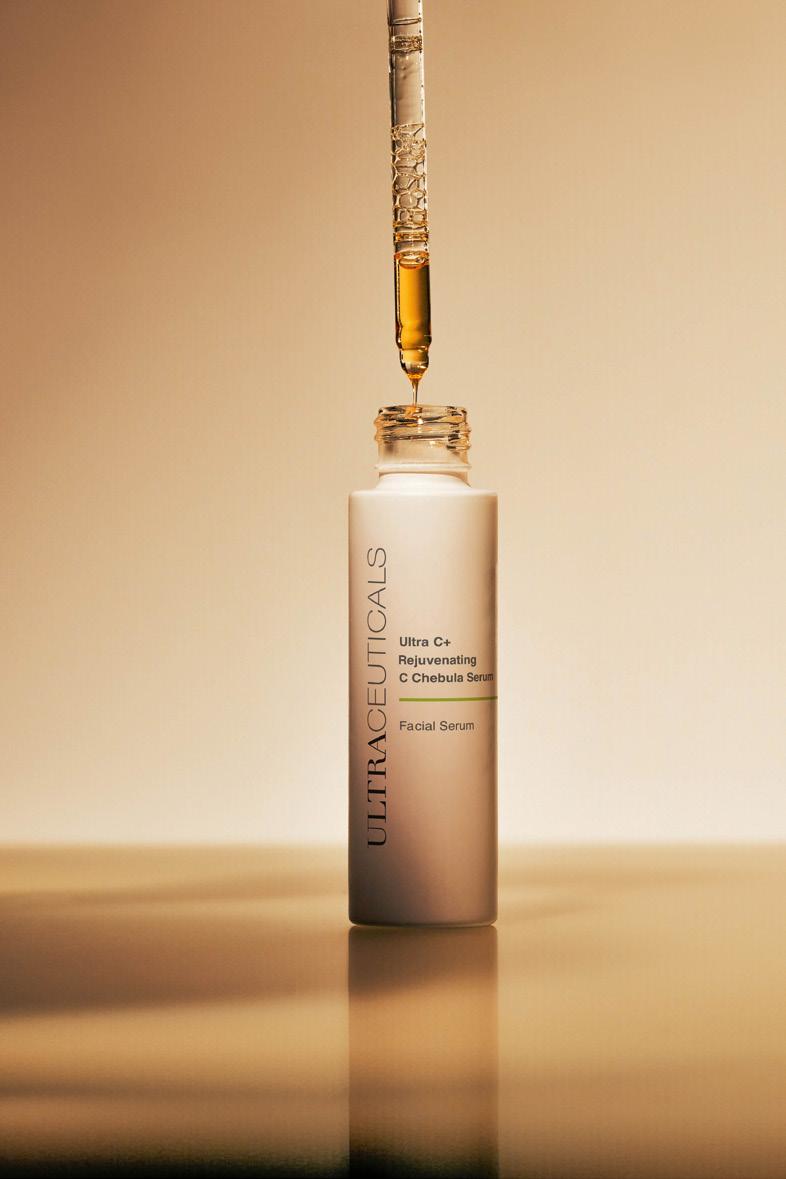
Truth be told, as someone with sensitive, rosacea-prone skin, I rarely opt for peels. My skin doesn’t always tolerate them well, and the benefits don’t consistently outweigh the days of redness, irritation and recovery that can follow. So when Ultraceuticals CEO Catrin Thomas introduced me to their latest innovation the Ultra Restora-Zyme Liquid LED, formulated to suit even the most sensitive skin types, I was immediately intrigued.
The treatment begins with a deep cleanse and meticulous skin preparation using SonoBooster technology, which removes debris, makeup and excess oil while optimising skin permeability. This step is key, ensuring the peel can penetrate evenly and work effectively. The first peel applied is the Ultra PHA Refining Solution, a low-irritation PHA peel designed to smooth, hydrate and strengthen the skin barrier while calming redness. Midway through, my
therapist Aimee handed me a mirror, even with the peel active, there was no visible redness.
Once removed, the skin is infused with Ultra A Perfecting Intense Booster, a concentrated retinol serum that supports cellular renewal, reinforces the barrier and promotes a smoother, more refined complexion. This is followed by A-Zyme, a highperformance resurfacing peel powered by stabilised Vitamin A and Bromelain enzyme technology. Together, these actives soften fine lines, improve texture and tone, and enhance overall luminosity.
The treatment concludes with the Ultra B2 Hydration Mask, a hydrogel mask enriched with Vitamins B3 and B5 to deeply hydrate, soothe and replenish the skin. The immediate result is firmer, plumper, intensely hydrated skin with a healthy glow.
Beyond the instant radiance, my skin continued to improve over the following days. After very mild flaking, by day six my complexion looked smoother, more even and noticeably luminous. Safe to say, I may finally be a fan of peels after all.
Australian Excellence –Why Our Homegrown Skincare Brands Deserve Global Recognition
And why spas and clinics should be proud to stock local.
There’s a quiet revolution unfolding in Australian skincare: one defined not by hype or celebrity, but by formulation integrity, environmental understanding, scientific rigour, ethical sourcing and an intimate relationship with the professional channel. For a country long associated with sun, surf and salt, Australia now finds itself producing some of the world’s most sophisticated skincare: brands that are highly tested, values-led, clinically focused and acutely aware of what skin actually endures on this continent.
Add to this stringent regulatory frameworks, strict manufacturing standards, advanced therapist education and consumers who aren’t easily impressed, and it becomes clear why our skincare sector has matured so rapidly.
And yet, as an industry, we don’t celebrate this enough. We have brands that pioneer sun repair systems, refine botanical extraction techniques, champion rigorous clinical testing, elevate sensory ritual, and uphold sustainability as more than just a marketing line. Perhaps it’s time we recognise the strength of what’s being created here — on our own soil — and champion our founders with the same pride we reserve for those abroad.
The six brands that follow — Sodashi, IKOU, RATIONALE, Ultraceuticals, Derma Energy and Retreatment Botanics — represent different philosophies, different formulations and different business models. But together, they demonstrate a compelling truth: Australian skincare is worldclass, and the professional channel is both its proving ground and its greatest amplifier.
Sodashi exemplifies the way Australian skincare can embrace nature without compromising efficacy. For Sodashi, the Australian approach begins with respect: for the land, for suppliers, for ingredients and for the skin itself. “Our approach is grounded in results without excess,” Sodashi Founder Megan Larsen explains. That means formulations that are clean, purposeful and designed to support skin resilience, not conceal imbalance.
Australia’s climate is a defining influence. Intense sun exposure, varying humidity and environmental stressors demand skincare that nurtures, fortifies and restores. Sodashi’s formulations address UV stress, dehydration and barrier disruption in a way that feels uniquely
Australian: honest, grounding and connected to the natural world. Their philosophy speaks to a broader cultural lens — beauty as wellbeing, not performance for its own sake.
Sodashi also highlights a value often overlooked: local custodianship. Ingredients are sourced with integrity, long-term relationships with growers are prioritised, and in-house manufacturing ensures control over every decision. For professional partners, this matters. “A global brand may offer scale, but an Australian brand offers connection and relevance,” Larsen notes. Clinics stocking Australian-made products gain formulations
Megan Larsen, Founder of Sodashi
“Luxury is approachable and lived — in the cadence of a treatment, the exhale of a warm bath, the shift when routine becomes ritual.” — Hayley Shield, Head of Brand & Marketing for IKOU
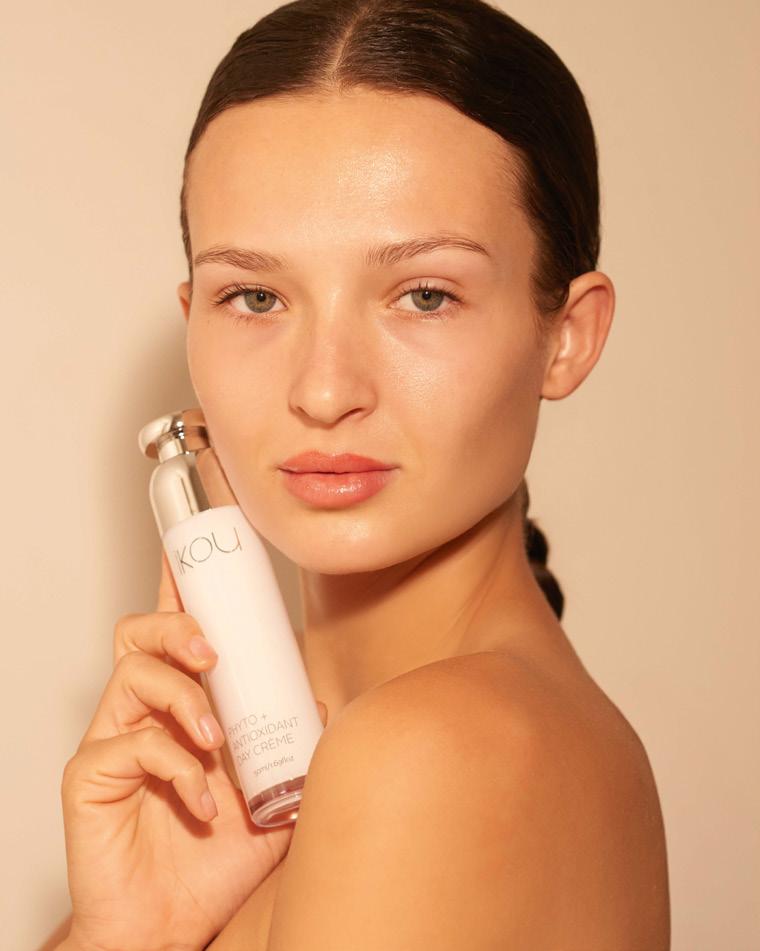
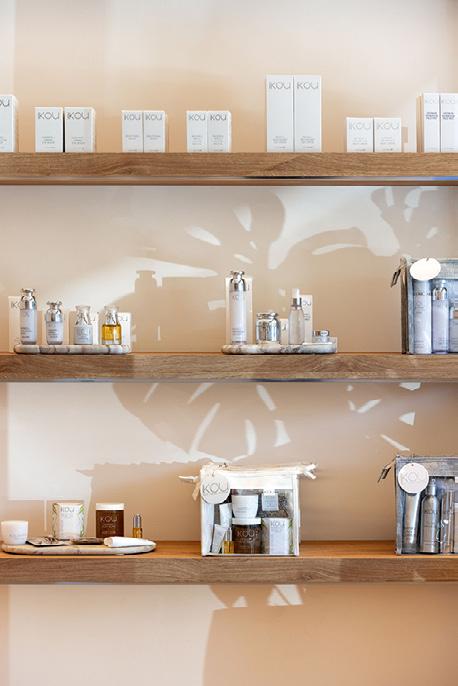
Where Sodashi highlights purity and performance, IKOU represents another distinctly Australian contribution: the integration of wellbeing, nature and daily ritual. Born in the Blue Mountains, IKOU translates the concept of sanctuary into products and experiences designed for real lives, not just spas. “Wellness, for us, is not an occasional indulgence but a daily anchor,” Hayley Shield, Head of Brand & Marketing for IKOU explains.
IKOU’s formulations combine native botanicals with clean, ethically sourced ingredients and vegan, cruelty-free standards. Botanical selections — including local ingredients such as White Flannel Flower — reflect respect for biodiversity and a desire to showcase Australia’s botanical intelligence. This connection to place extends beyond ingredients into philosophy: nature as restoration, ritual as resilience, skincare as a conduit to balance.
Importantly, IKOU embodies the shift occurring across the spa and skincare sectors: the merging of clinical results, sensory experience and nervous system regulation. Their expansion into retail treatment rooms and facial bars speaks to a future where skincare, touch and ritual coexist with performance without being at odds. As wellness becomes cultural rather than niche, IKOU positions Australia as a leader in experiential skincare.
around the premise that Australia experiences some of the world’s highest UV levels, RATIONALE has spent decades studying, treating and repairing photoaged skin.
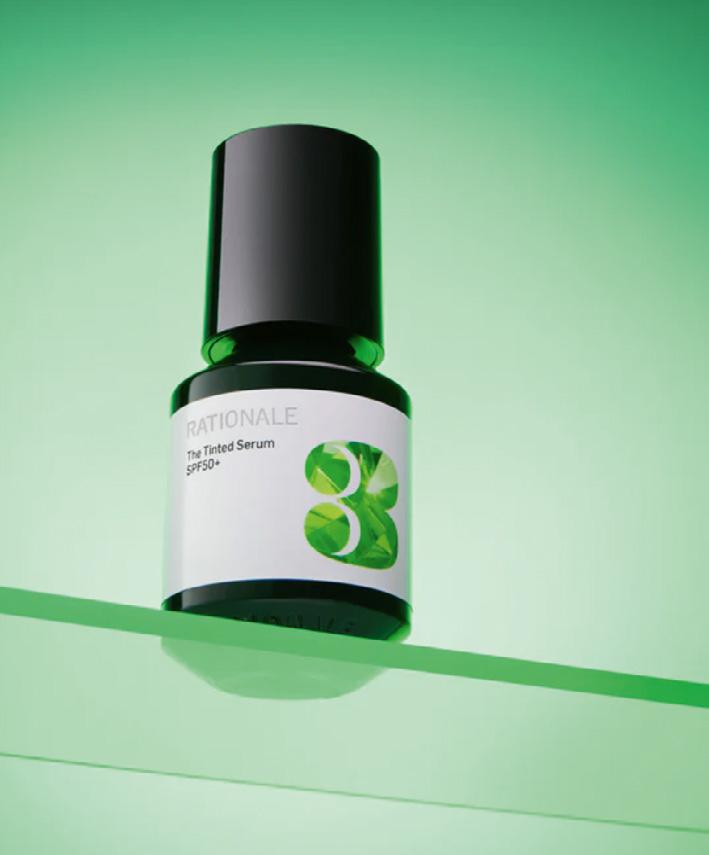
Early research revealed a critical insight: up to 80% of visible facial ageing is caused by the sun, not chronological time. This realisation shaped the formation of the Essential Six — a program designed for prevention, protection and repair, supported by epigenetic research and a long-term approach to skin health. Their advancements in zinc fusion technology, culminating in the award-winning #3 Tinted Serum SPF50+, exemplify Australian innovation at its most sophisticated. “ Our products tick every box in terms of cosmetic elegance and efficacy,” says RATIONALE Founder Richard Parker.
In a global landscape saturated with overstimulation and complexity, IKOU’s success illustrates the power of simplicity done with integrity — a beauty philosophy that feels distinctly and proudly Australian.
RATIONALE — Solar Repair Science & Photodamage Innovation
If nature and ritual capture one side of Australia’s skincare identity, solar science captures another — and no brand embodies it more decisively than RATIONALE. Built
The brand also underscores a cultural competency: Australians understand sun damage intimately. This lived experience creates formulation pressures that ultimately elevate the category. Consumers demand elegant textures, high performance, wearability and compatibility with cosmetic and clinical routines. RATIONALE meets all four — and in doing so, positions Australia as a global leader in photodamage correction and solar repair.
In a clinic landscape where prevention and correction remain core revenue pillars, RATIONALE demonstrates that Australia’s environmental challenges are, paradoxically, a catalyst for some of its greatest skincare strengths.
Richard Parker, Founder of RATIONALE
“Sun damage is preventable and repairable — healthy, glowing skin is really an absence of sun damage.” — Richard Parker, Founder of RATIONALE
Hayley Shield, Head of Brand & Marketing for IKOU
Dr
“A formula is finished only when it delivers clinically proven results and overwhelmingly positive consumer testing.” — Dr Geoffrey Heber, Founder of Ultraceuticals
ULTRACEUTICALS — Clinical Outcomes & Professional Accountability
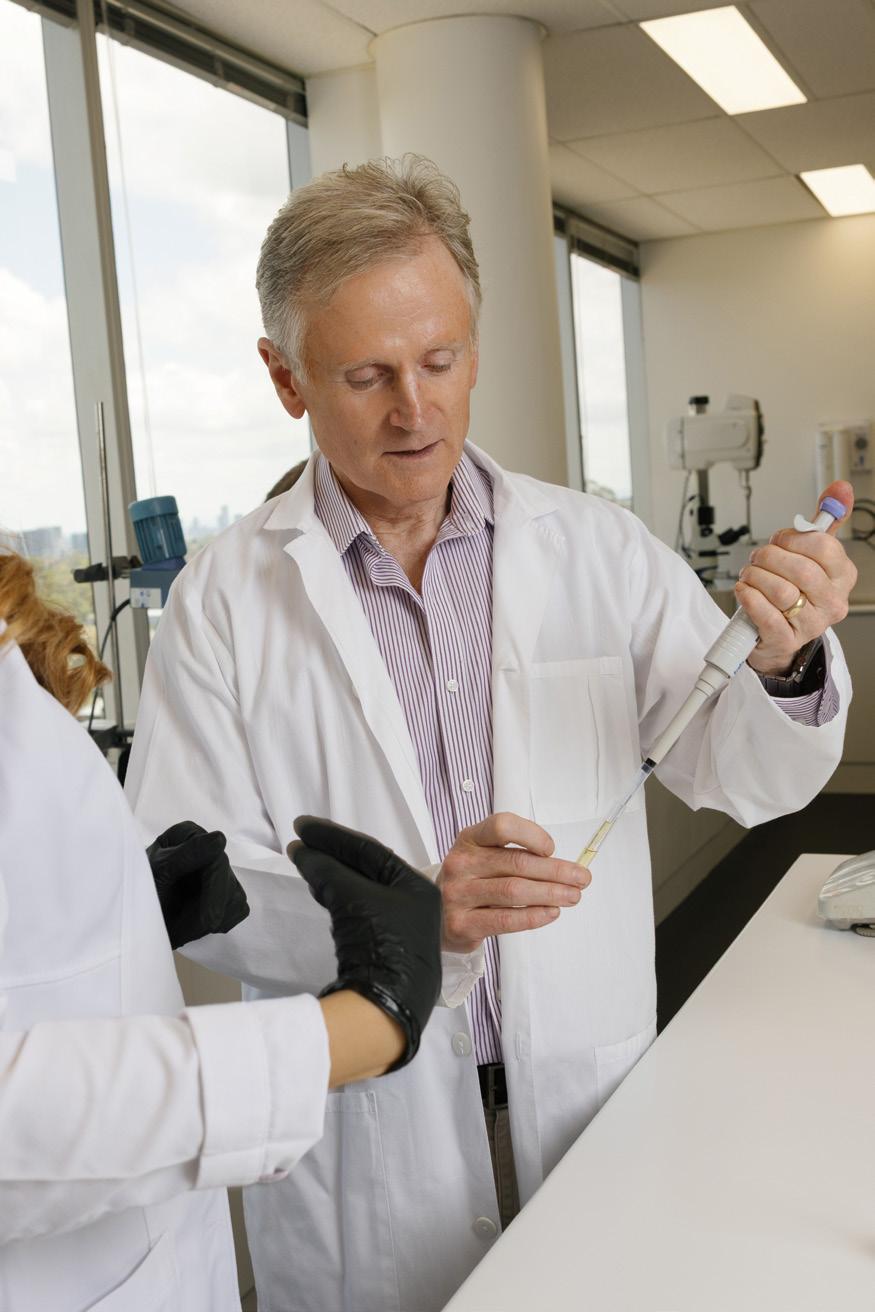
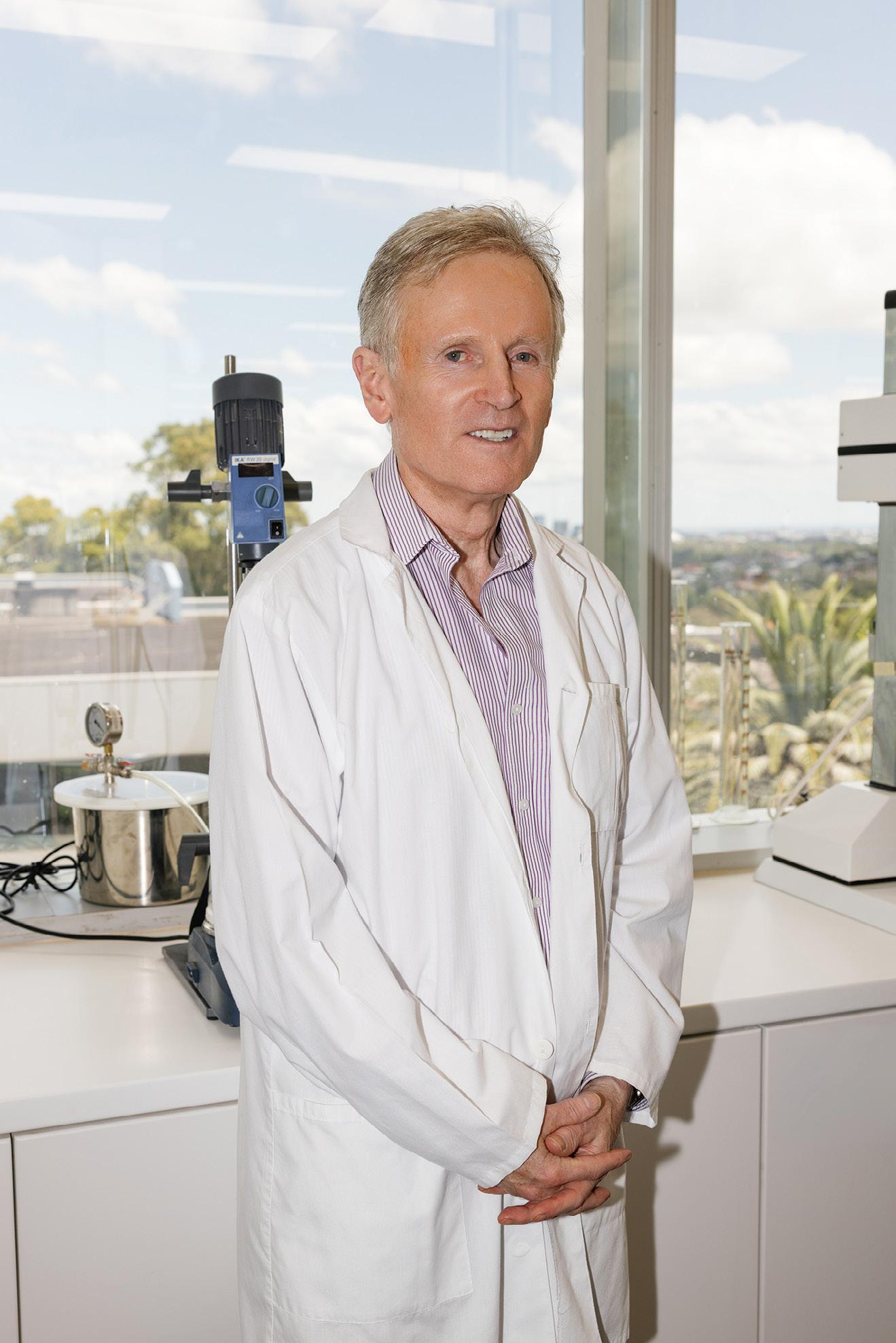
Ultraceuticals champions another core Australian strength: clinical testing, professional validation and local manufacturing with tight formulation oversight. For Ultraceuticals, Australianmade is not just a geographic status but a quality assurance mechanism. “It means direct oversight of formulation, testing and production,” Ultraceuticals Founder Dr Geoffrey Heber explains. “It’s about accountability and integrity.”
Ultraceuticals’ roots in the professional channel define its benchmarks. Products are not considered finished until they demonstrate measurable outcomes across clinical trials and consumer studies, with high performance across multiple skin types and conditions. For therapists, this degree of rigour matters: it supports treatment pathway planning, enhances compliance and builds long-term trust.
Ultraceuticals also highlights the strength of Australia’s therapist ecosystem. Compared globally, Australian therapists demonstrate advanced technical proficiency, a science-literate approach to treatments, and an emphasis on education that aligns with the brand’s strengths. This mutual elevation — brand + therapist — reinforces why Australian skincare thrives in the professional space.
As clinics increasingly adopt blended programs that combine homecare, resultsdriven facials and aesthetic modalities, Ultraceuticals offers formulations designed to integrate seamlessly across treatment channels — a trait that positions Australia as a leader in future-facing professional skincare.
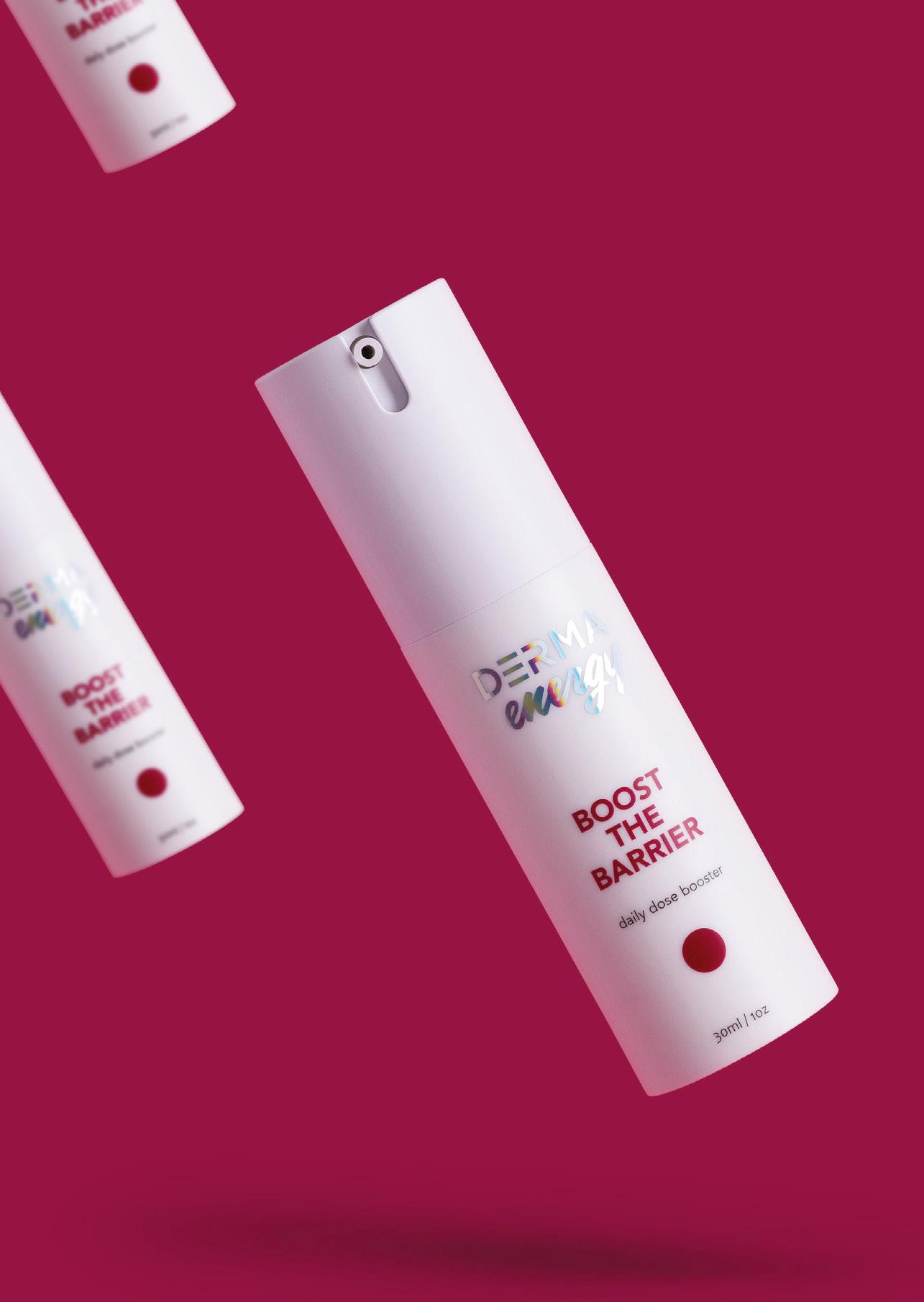
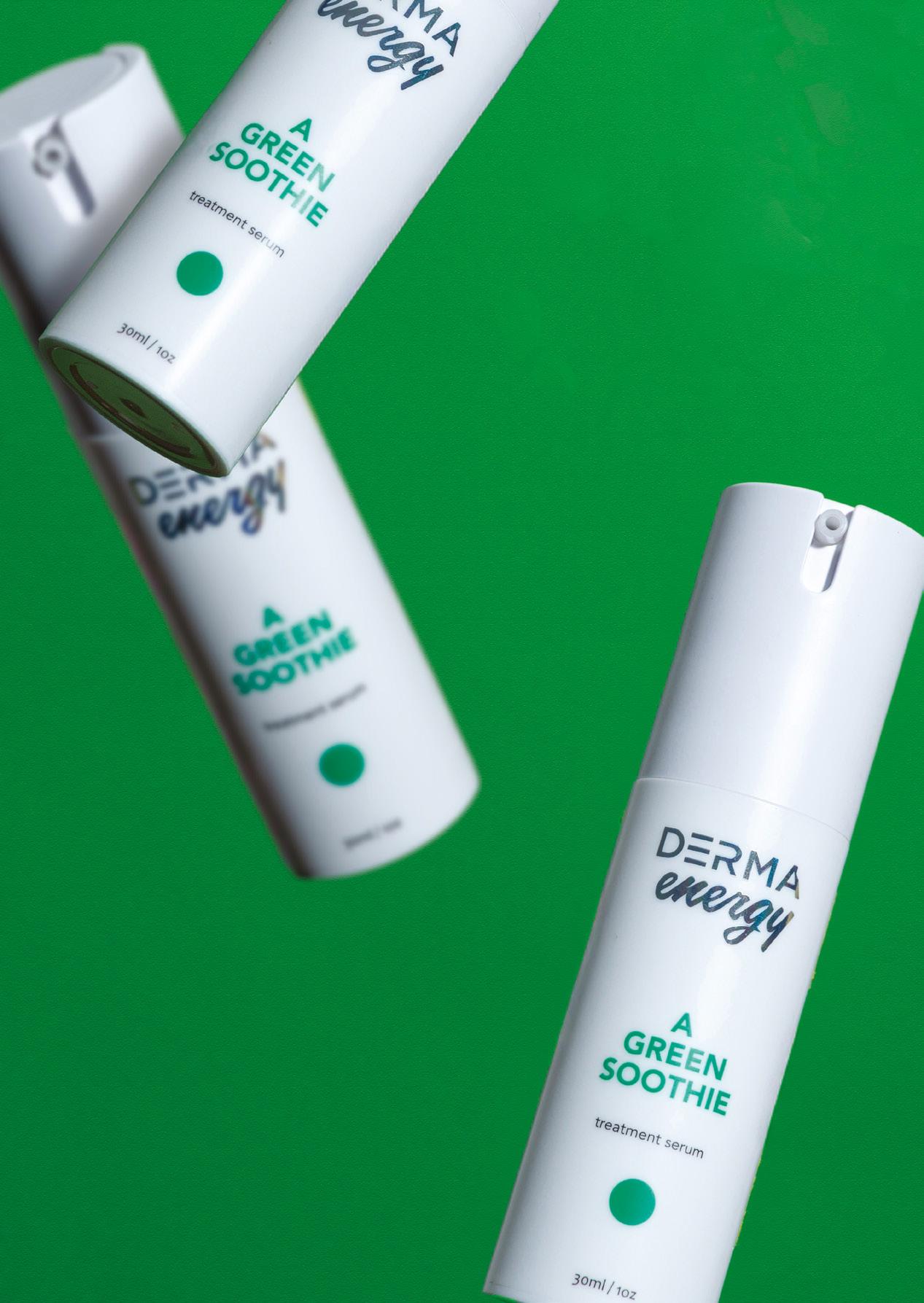
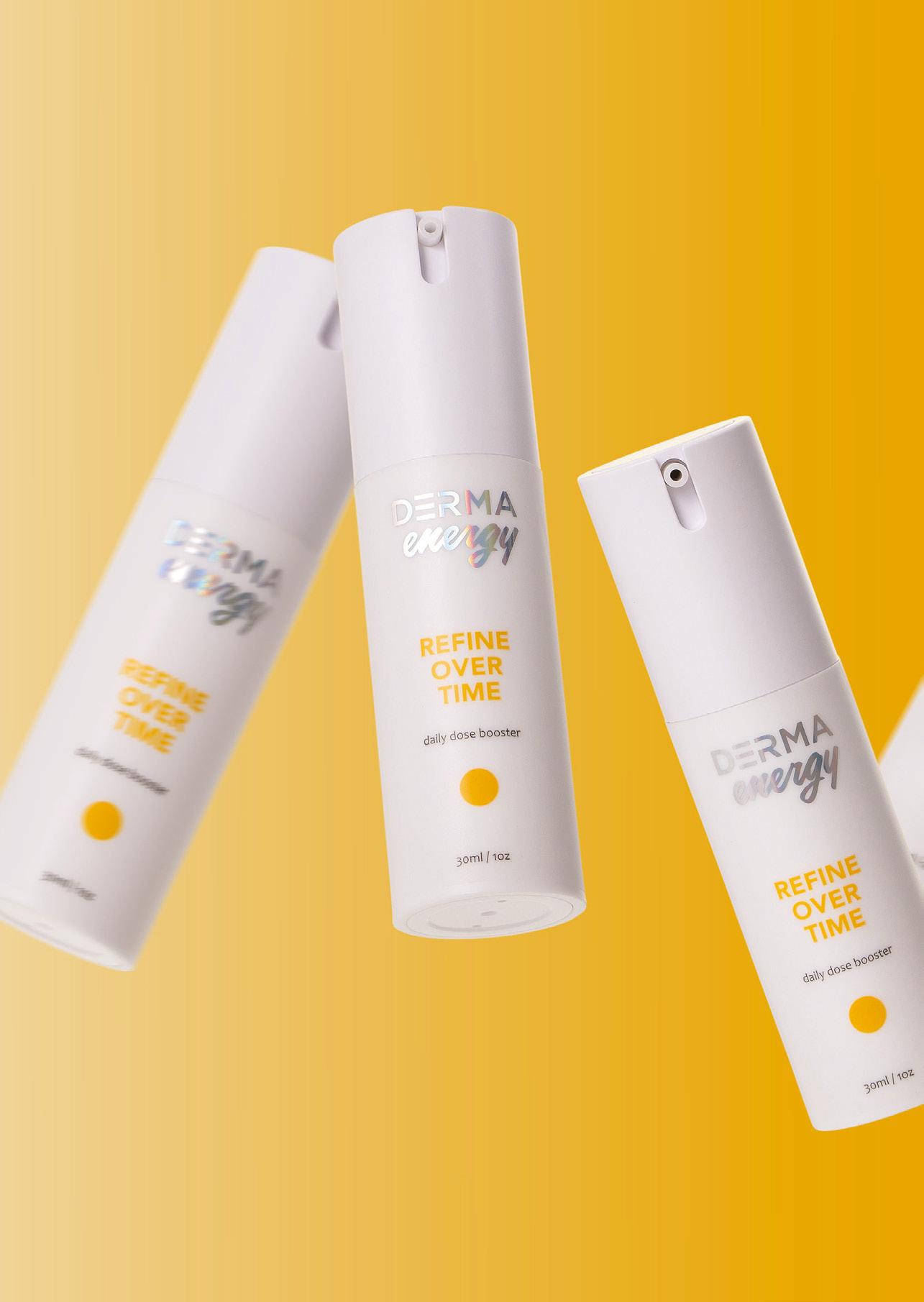
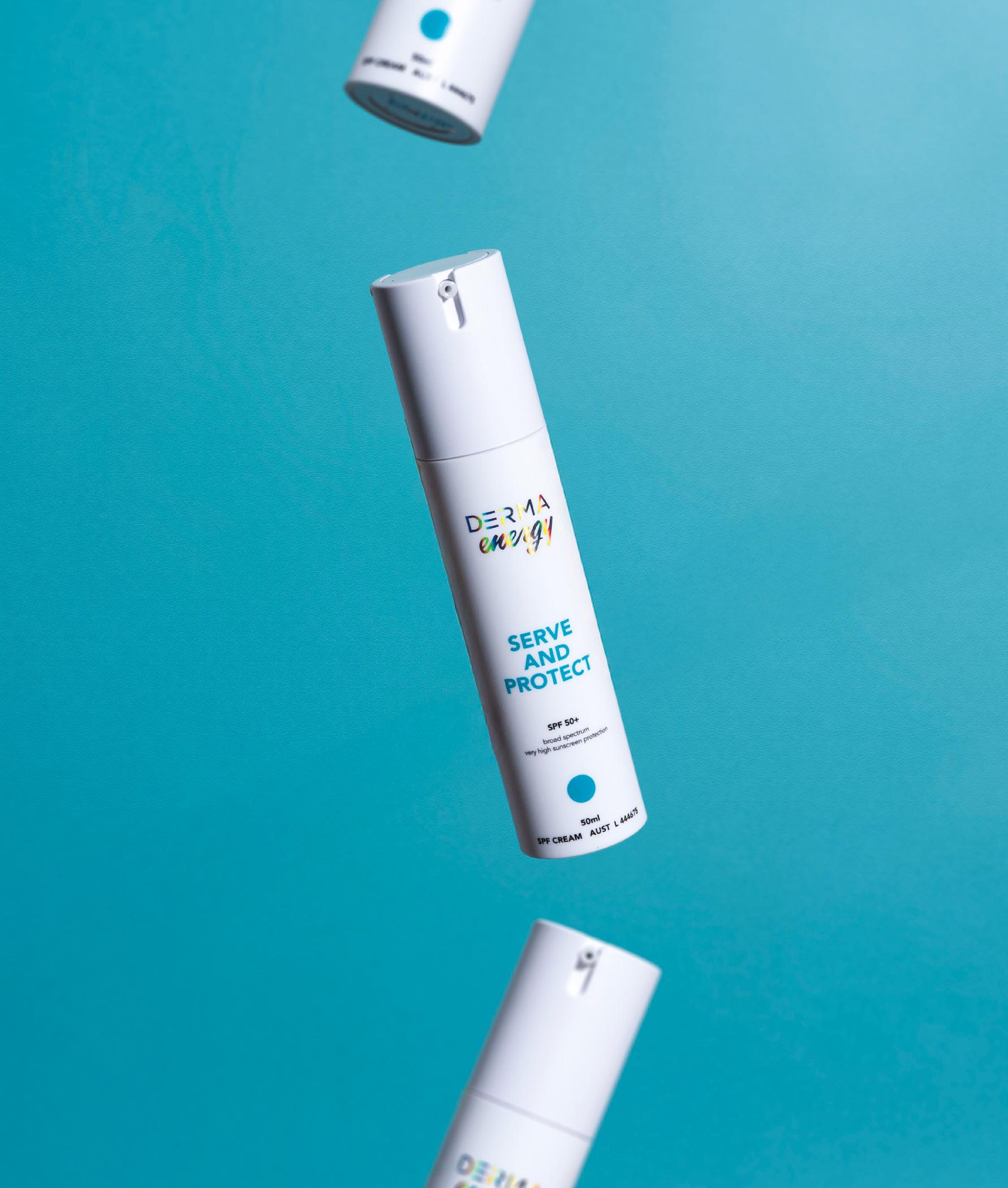
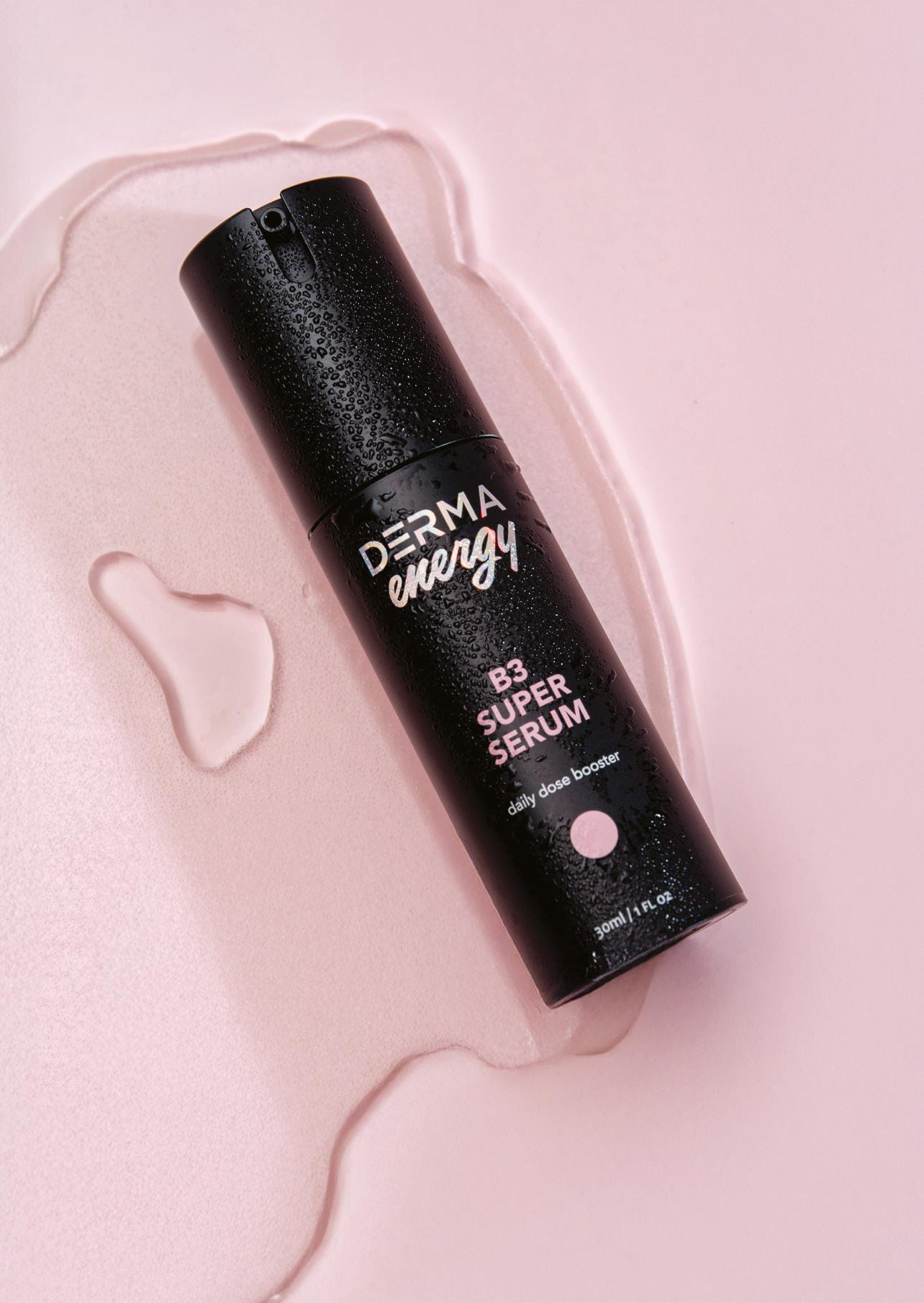
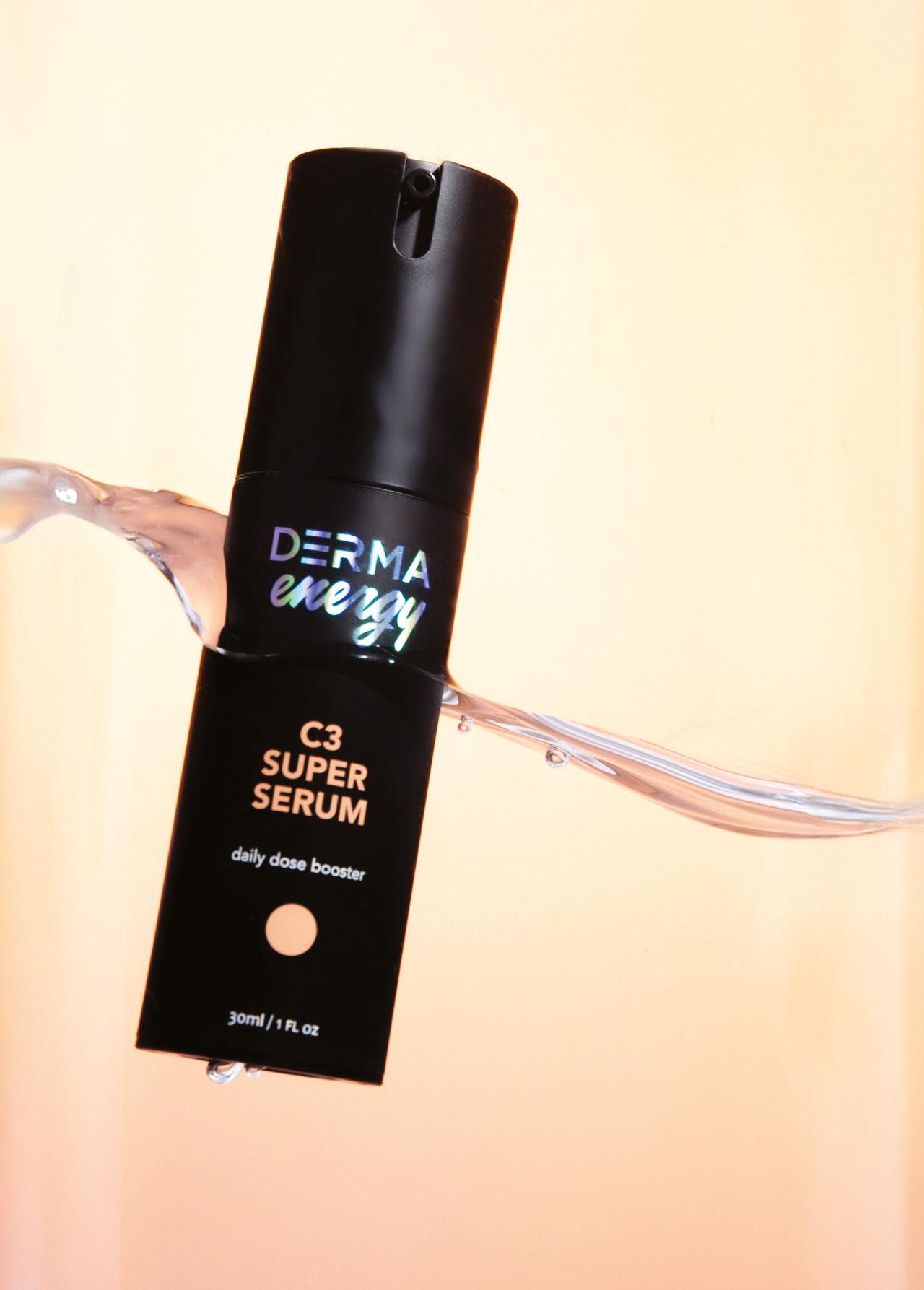
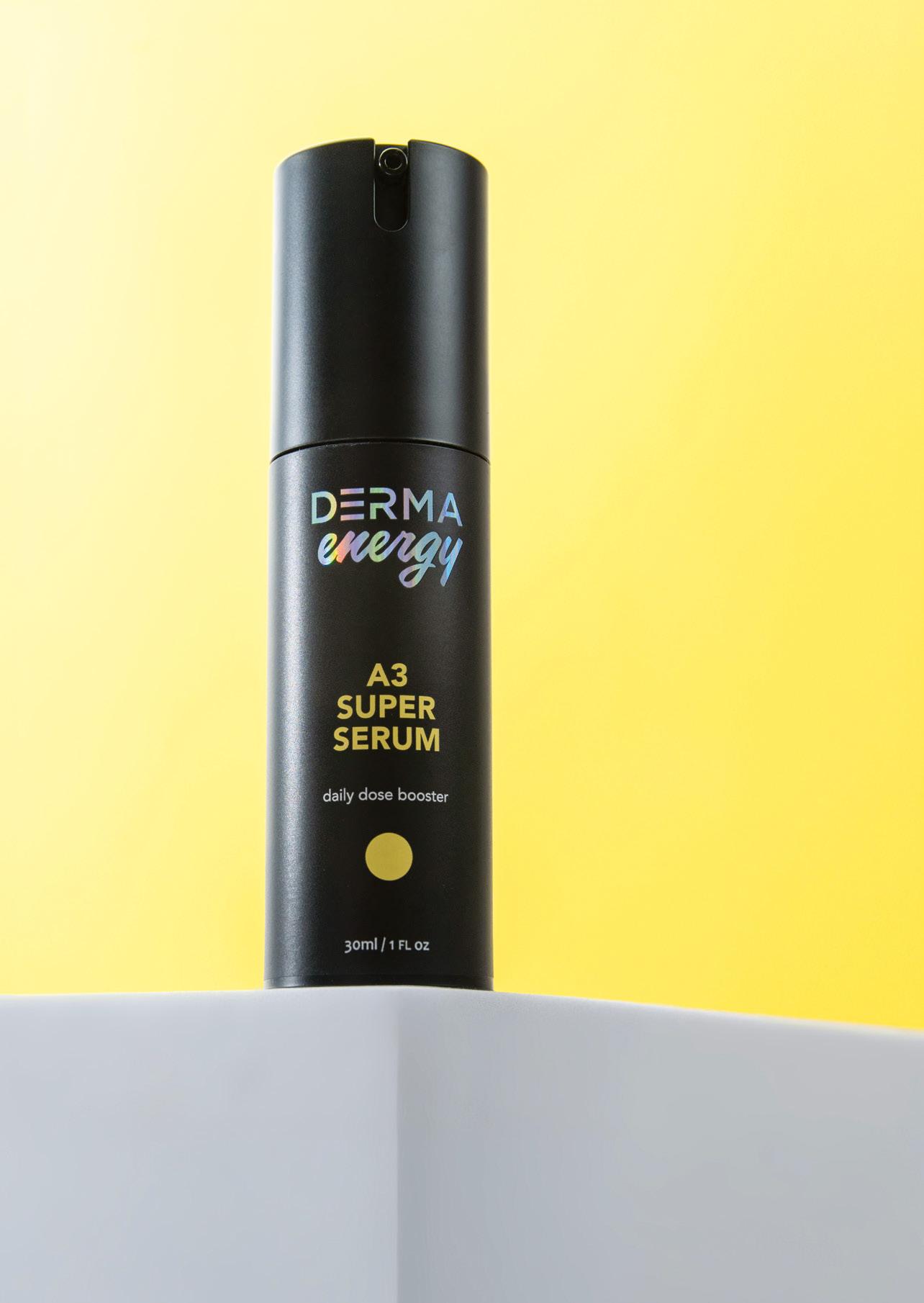
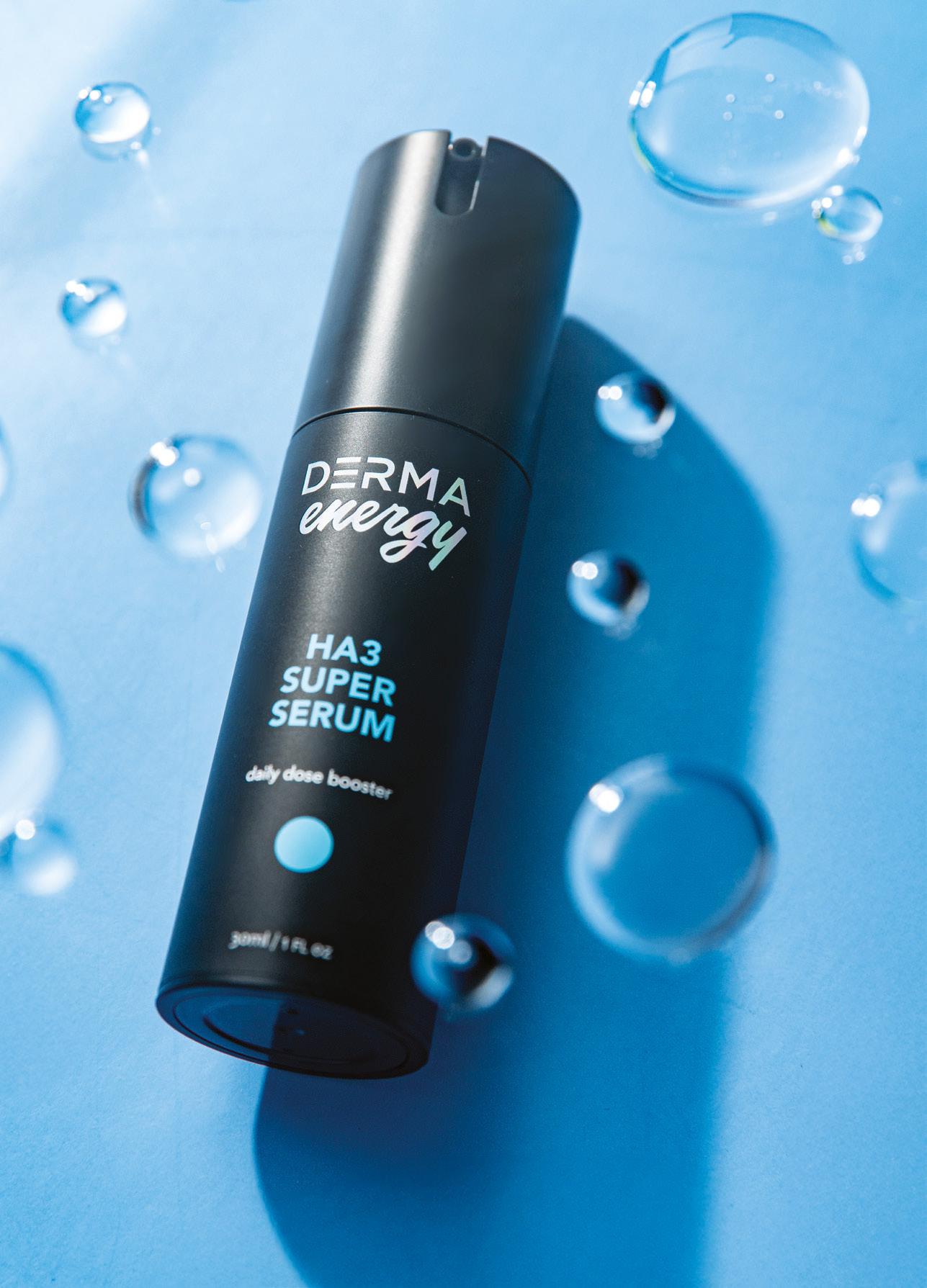
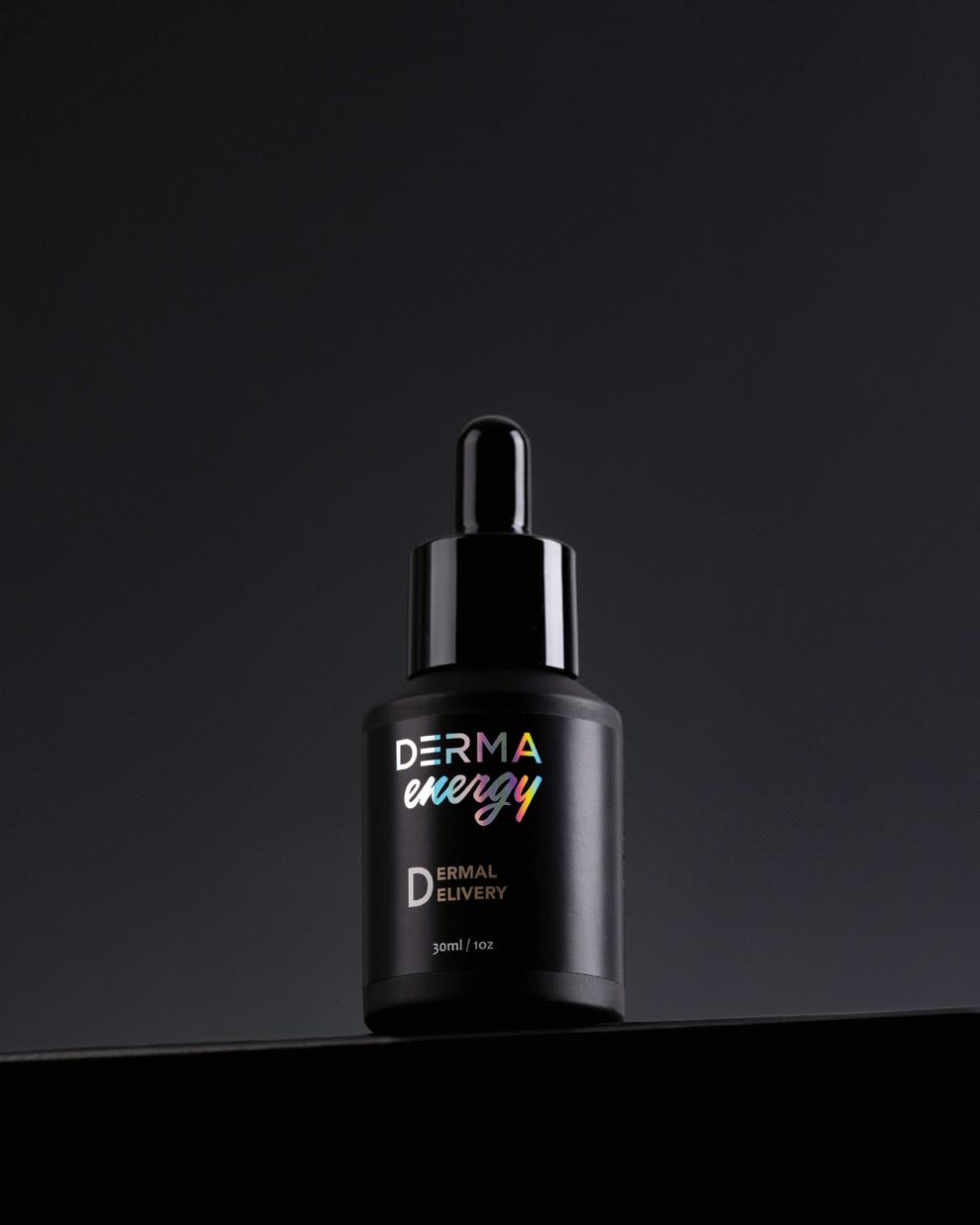
DERMA ENERGY — Lab Discipline, Texture Perfection & Real-World Compliance
Derma Energy represents another facet of Australian skincare excellence:
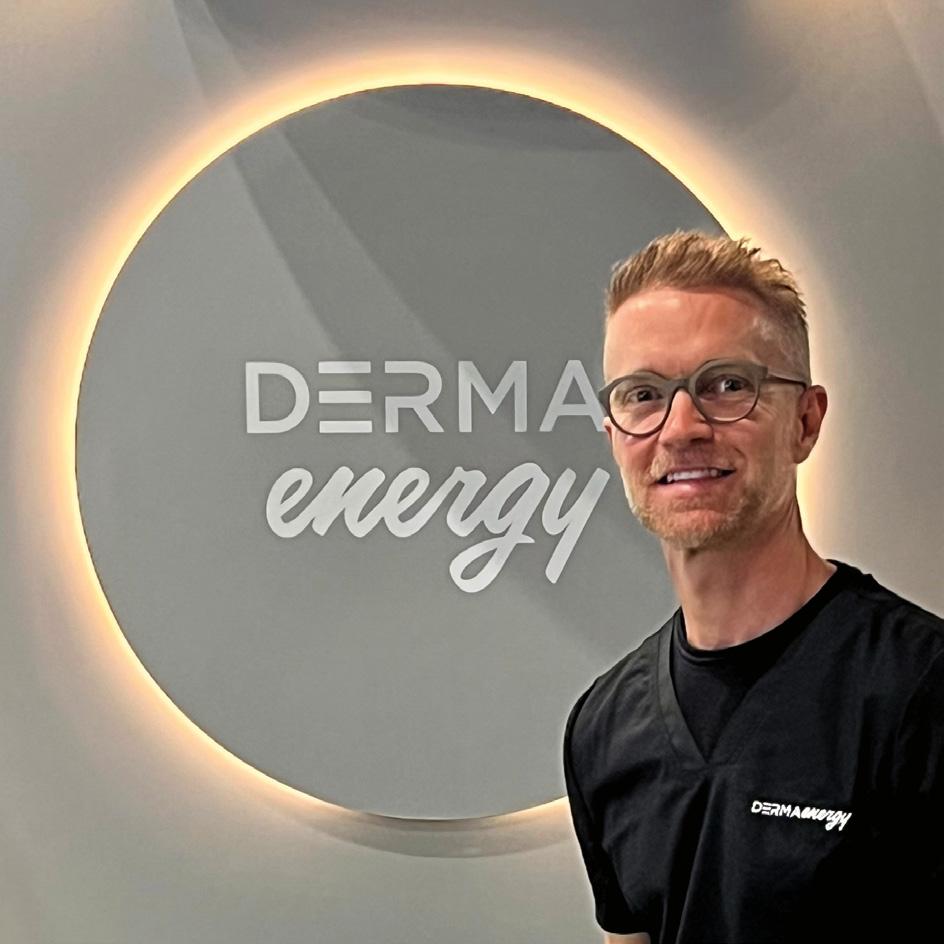
Sean Abel, Founder of Derma Energy
obsession with craft. Its founder, Sean Abel, speaks about formulation in a way that is both technical and remarkably grounded. Australian-made, for him, means proximity. “There’s nowhere to hide,” he says. Being close to labs, samples, packaging and production means complete ownership of outcomes — a value deeply aligned with Australian sensibilities.
Where some brands focus on active percentages or hero ingredients, Derma Energy champions something overlooked yet essential: compliance.
A formula only works if a client actually uses it — consistently and correctly. That requires textures that layer without pilling, absorb without residue, sit under sunscreen, integrate with actives and work morning and night without friction. These details are not cosmetic; they are behavioural.
His perspective on sustainability is equally grounded. Instead of marketing statements, Sean emphasises small, disciplined decisions: only heating a formula when necessary, reducing energy at the source, and prioritising stewardship over slogans.
This practical sustainability aligns with a growing shift in the Australian industry — away from virtue signalling and toward meaningful action.
Derma Energy demonstrates that skincare is as much engineering as it is science, and that Australian brands can excel at both.
“Feel matters as much as function — compliance is everything.” — Sean Abel, Founder of Derma Energy
Geoffrey Heber, Founder of Ultraceuticals
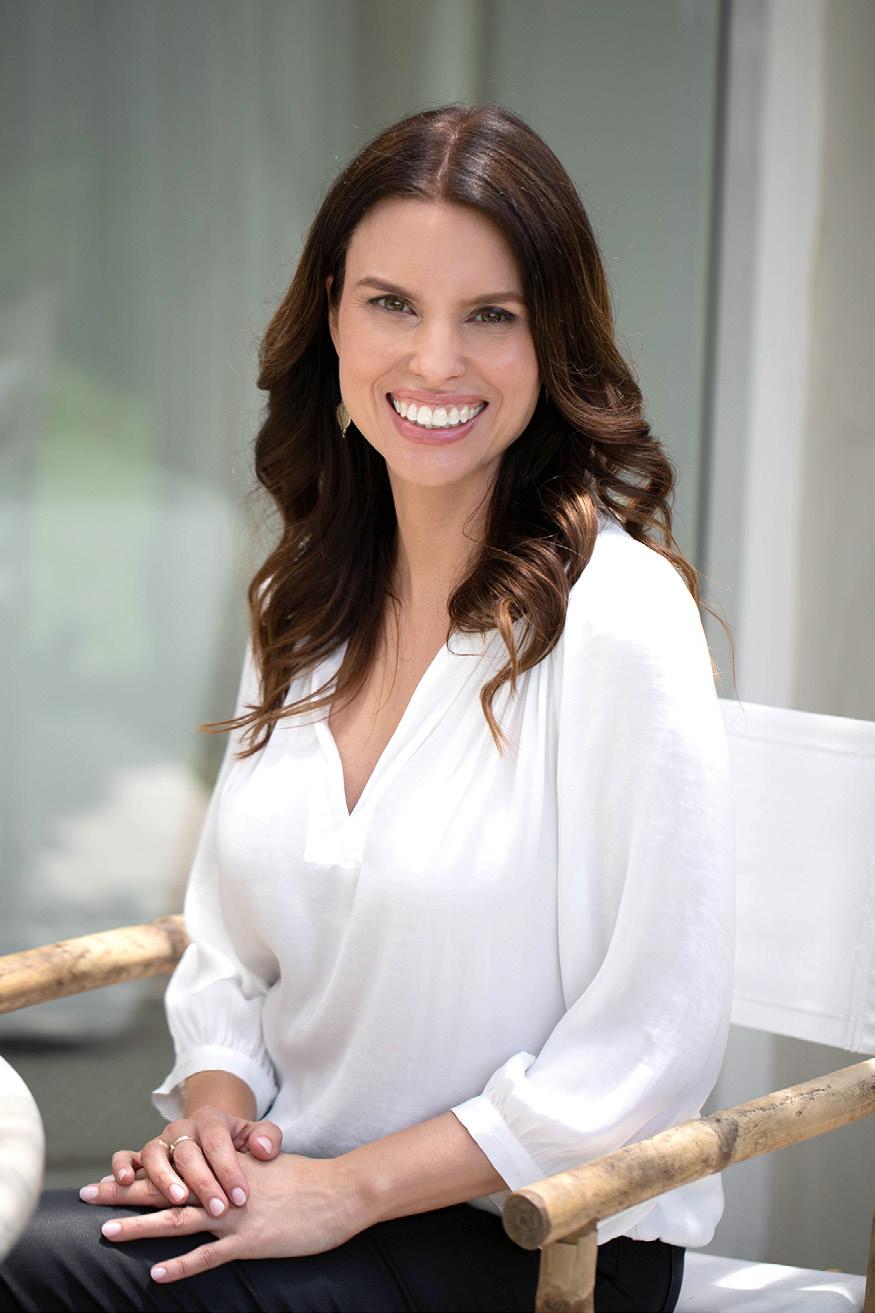
Trudi Jaye, Founder of Retreatment Botanics
“The spa experience creates a synergistic effect that elevates both skin outcomes and wellbeing.”
— Trudi Jaye, Founder of Retreatment Botanics
RETREATMENT
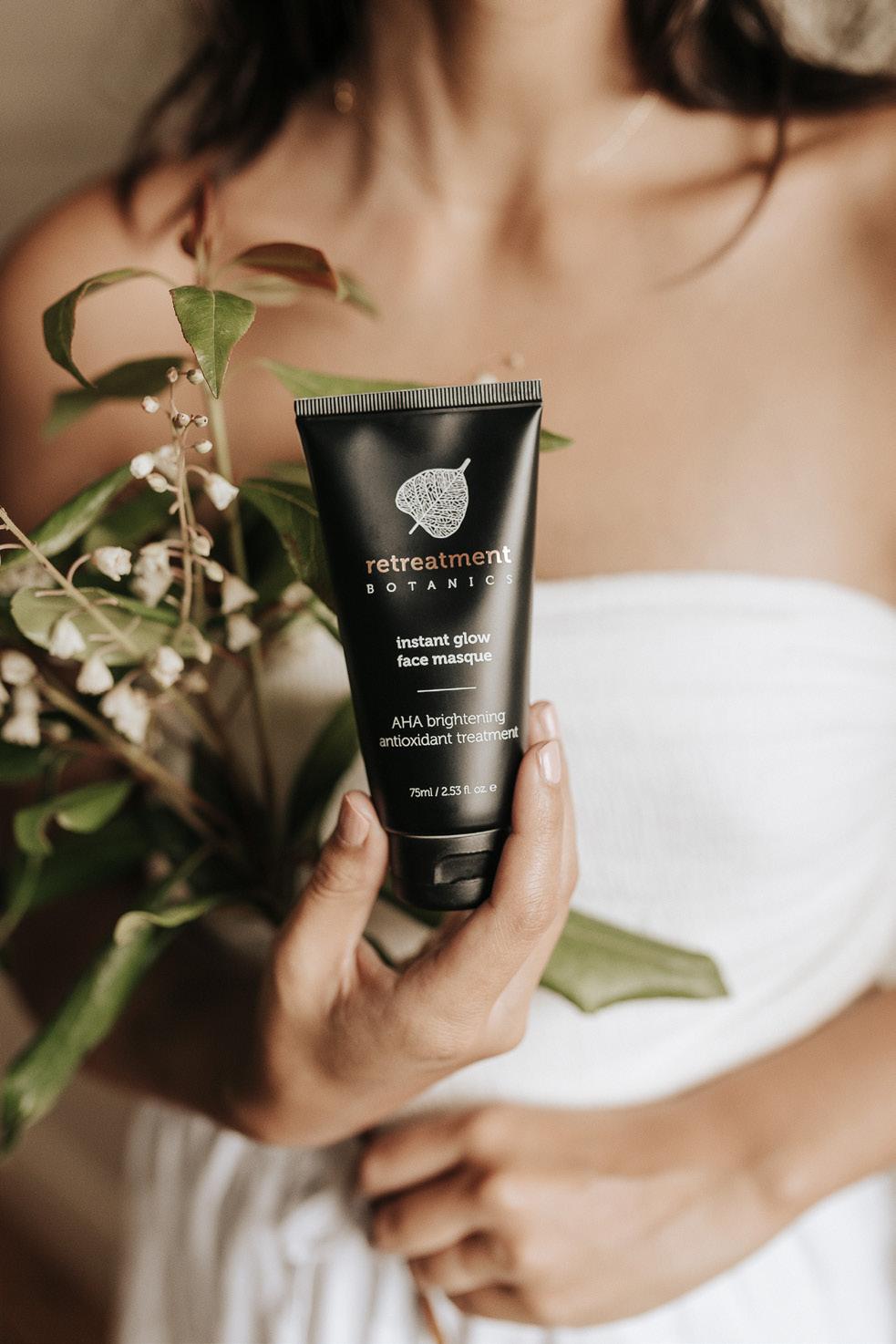
BOTANICS — Native Actives, Ethical Standards & the Power of Spa Ritual
Retreatment Botanics completes the picture by foregrounding another uniquely Australian advantage: the integration of native botanicals, spa ritual and ethical manufacturing. For the brand, Australianmade means innovation with integrity, supported by one of the world’s most rigorous cosmetic regulatory environments. Their formulations are developed locally from sourcing through to production, allowing control over ingredient quality, safety and performance.
Their stance on palm oil — a refusal to use it despite cost and sourcing challenges — highlights a values-driven approach to sustainability that goes beyond marketing narratives. “Palm oil is a major driver of deforestation, threatening endangered orang-utans and biodiverse rainforests, so we choose ethical alternatives without compromising professional results,” says Retreatment Botanics Founder Trudi Jaye. Native botanicals are selected for their naturally occurring synergies and phytocompound profiles, offering a reminder that Australian biodiversity is not just beautiful — it is biologically potent.
Perhaps most importantly, Retreatment Botanics underscores the power of the professional treatment environment. Their formulations “come alive” in the hands of trained therapists, where touch, nervous
system cues and sensory immersion contribute to outcomes in ways that cannot be replicated at home. This alignment between spa ritual and performance reinforces a broader point: Australia’s professional channel is not merely a
distribution arm — it is a cultural strength and a competitive advantage.
A Future Written in Australia
Taken together, these six brands form a compelling portrait of modern Australian skincare: environmentally attuned, scientifically rigorous, ethically grounded, botanically intelligent and deeply connected to the professional treatment space. They are not imitations of global models, nor followers of trends — they are leaders in categories Australia is uniquely positioned to excel in.
As the global market moves toward formulations that respect the skin barrier, integrate wellbeing, deliver clinical outcomes and uphold ethical sustainability, Australia is not just participating — it is charting the course.
Perhaps the next step is simple: we need to say it out loud. These brands — and many others — are not just “good for Australian brands.” They are world-class skincare, full stop. And if we support them with the pride they deserve, the future of skincare may not be happening overseas at all, but right here, on our own soil.
WRITTEN BY DIGITAL EDITOR NADINE DILONG
NEXUS 2025
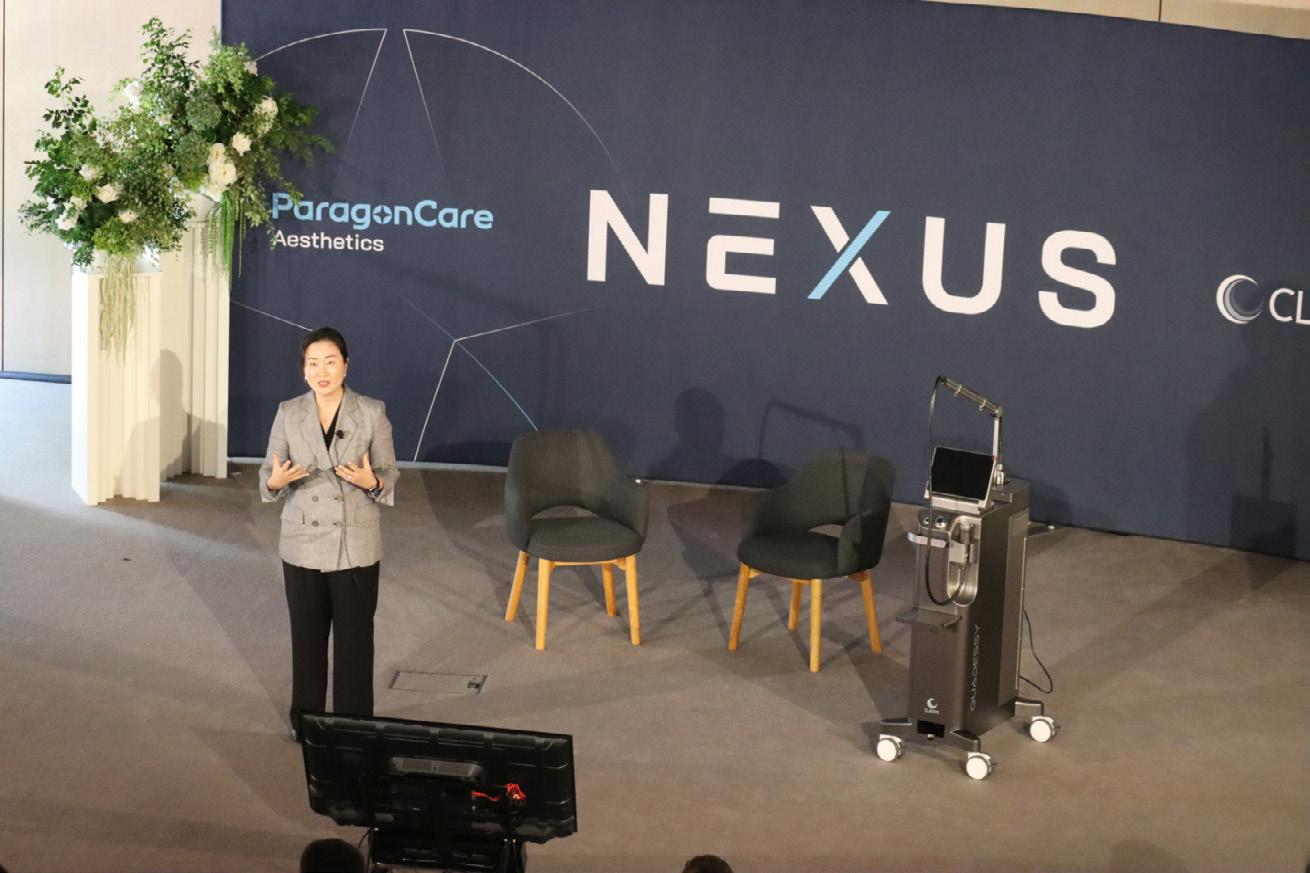
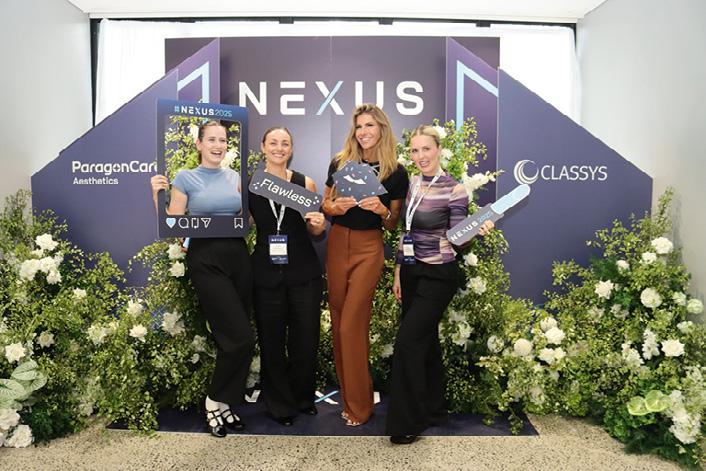
PRESENTED BY ParagonCare Aesthetics, Nexus 2025 delivered on its promise to bring Australia’s aesthetics community together for a day of high-impact education, connection and hands-on learning. Held on November 8th, 2025 at the iconic Taronga Zoo, the event welcomed more than 150 practice owners and managers from across the country.
The program offered a deep dive into evidence-based protocols, emerging technologies and practical business strategies shaping the future of aesthetic medicine. The speaker lineup carried serious clinical weight, featuring some of the industry’s most respected voices.
Dr Davin Lim shared insights from his extensive experience with energy-based devices, revealing that while he works with more than 50 technologies— pigment, vascular and MPT platforms remain his top performers, reinforcing the growing importance of multifunctional, high-precision systems.
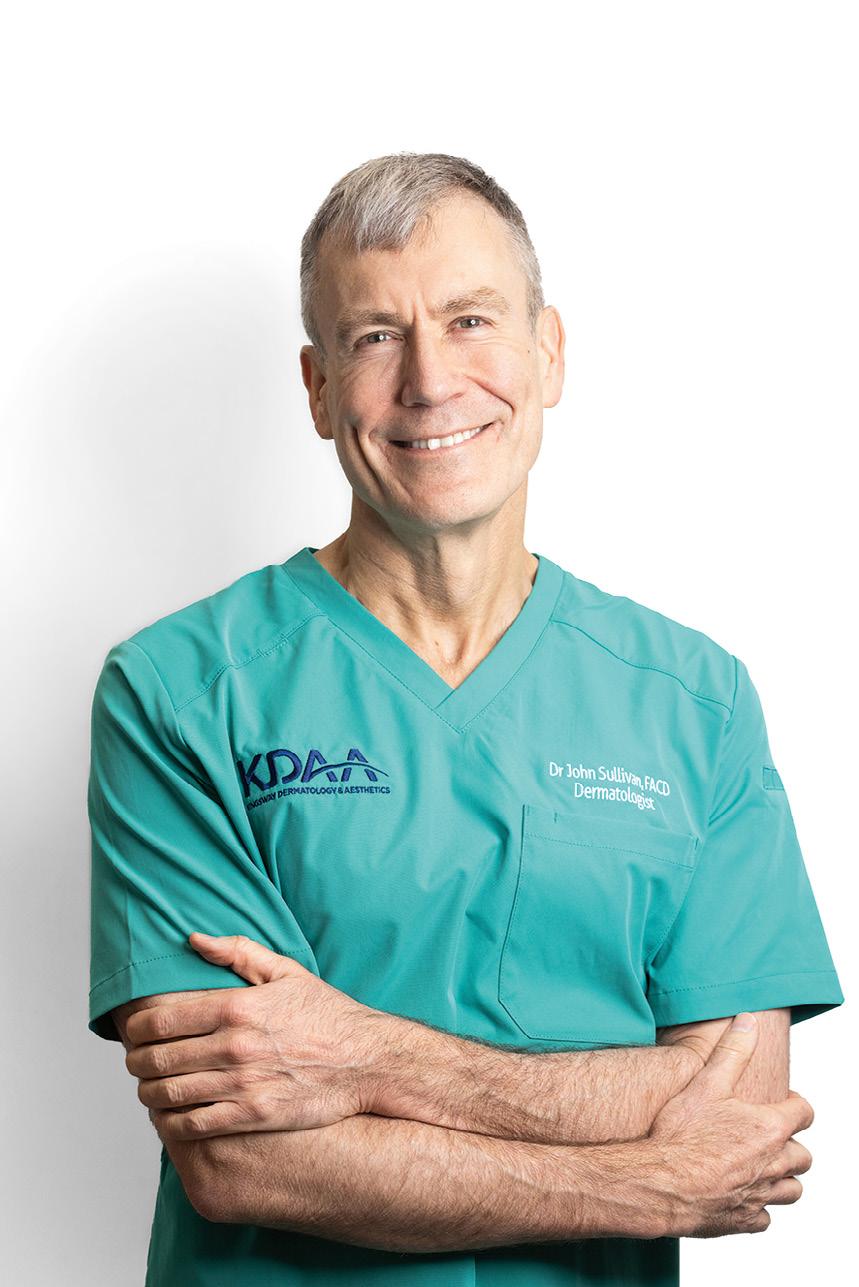
Dr Cosima Karlburger spoke on the power of stacking modalities to elevate patient outcomes, emphasising trust, transparency and education as foundations of successful practice. Dr John Sullivan added depth with observations on evolving patient expectations and the clinical nuances that define exceptional results. An international representative from Classys rounded out the program with a global perspective on innovation and performance data.
ParagonCare Aesthetics positioned NEXUS as more than a product launch or standalone event, instead establishing it as an annual platform designed to foster meaningful connection across the industry. One of the day’s standout moments was the introduction of Quadessy, a nextgeneration RF technology featuring double-depth, gold-plated needles.
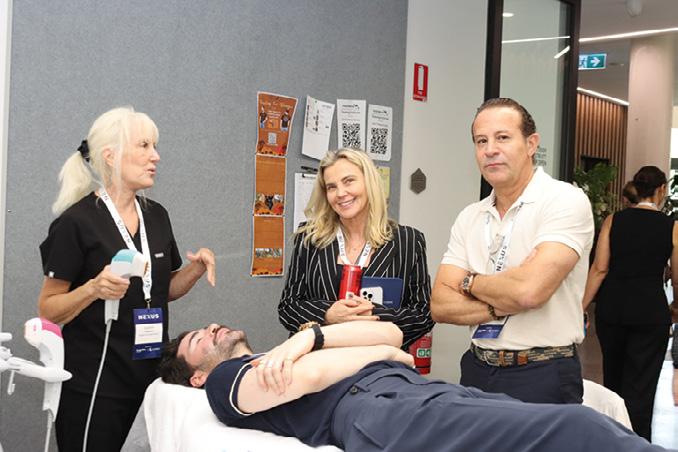
Beyond the stage, hands-on demonstrations and small-group learning allowed delegates to translate technology into real-world outcomes. From start to finish, NEXUS 2025 delivered meaningful education, genuine connection and a clear sense of momentum for the Australian aesthetics industry.
ZO Skin Health’s VIP Lunch Series
ZO SKIN HEALTH ANZ hosted a series of intimate VIP lunches in December across the Gold Coast, Melbourne and Sydney, designed to strengthen relationships, celebrate clinic partnerships and introduce key innovations within the brand’s portfolio.
The Gold Coast event, held at the iconic Rick Shores, was delivered in partnership with leading clinic SSKIN and centred on connecting with their VIP clientele. The lunch provided an opportunity to introduce the new Peptide Refining Facial Concentrate, positioning the innovation within ZO’s correction-first approach to skin health, while offering guests an elevated brand experience in a premium setting.
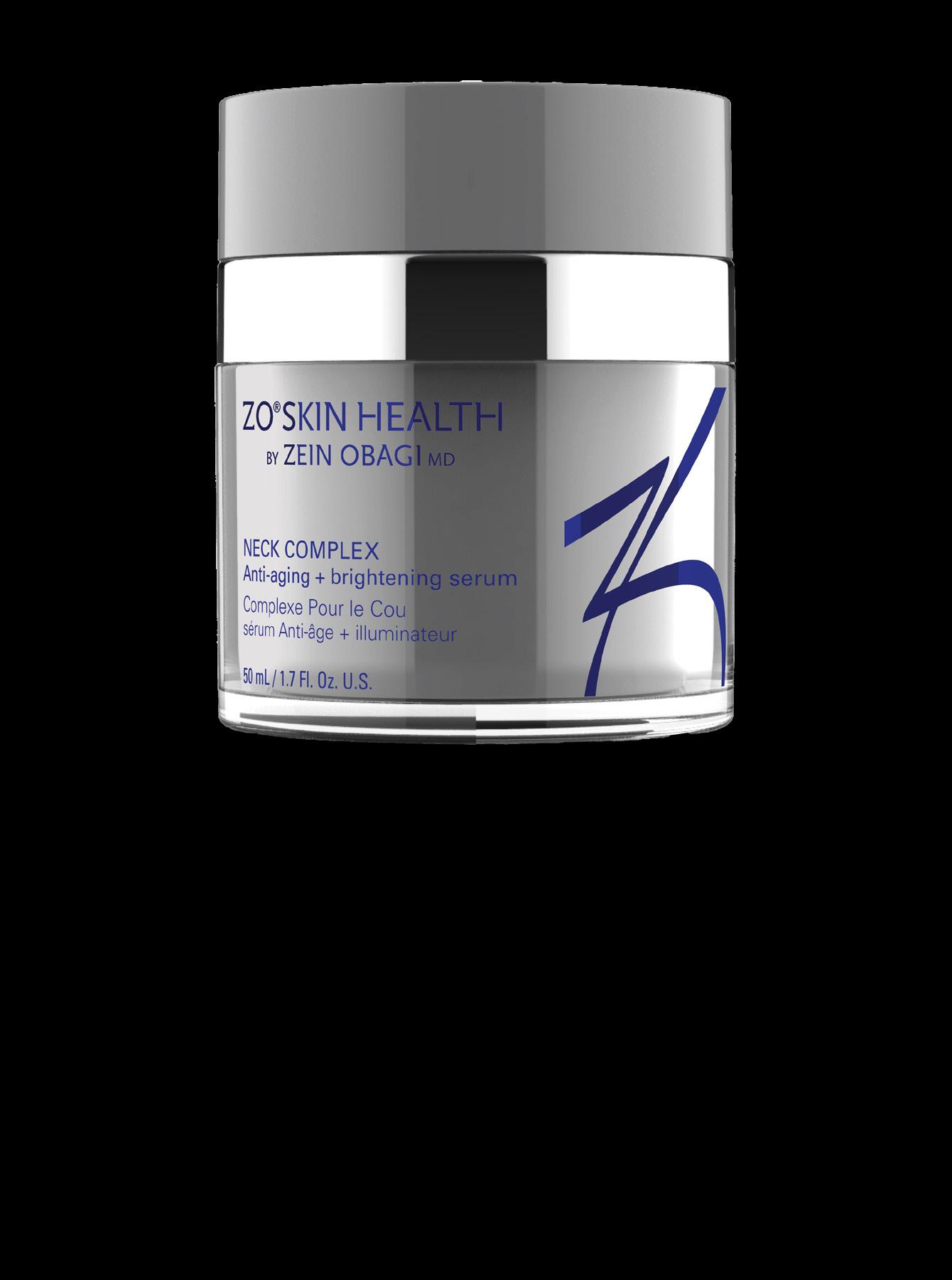
In Melbourne and Sydney, ZO hosted lunches at Stokehouse Pasta & Bar in St Kilda and Rafi’s in North Sydney, bringing together a select group of key clinic partners. These events were designed as a moment of appreciation acknowledging the ongoing commitment, trust and collaboration shared between ZO and its clinic network, while also offering a sneak peek into ZO’s latest innovation, Neck Complex Anti-Aging & Brightening Serum.
Across all three cities, the smaller-format events allowed for meaningful conversations and genuine connection, reinforcing ZO Skin Health’s position as a long-term partner to clinics and a leader in evidence-based skin health solutions across Australia.
REJURAN® Awards 2025
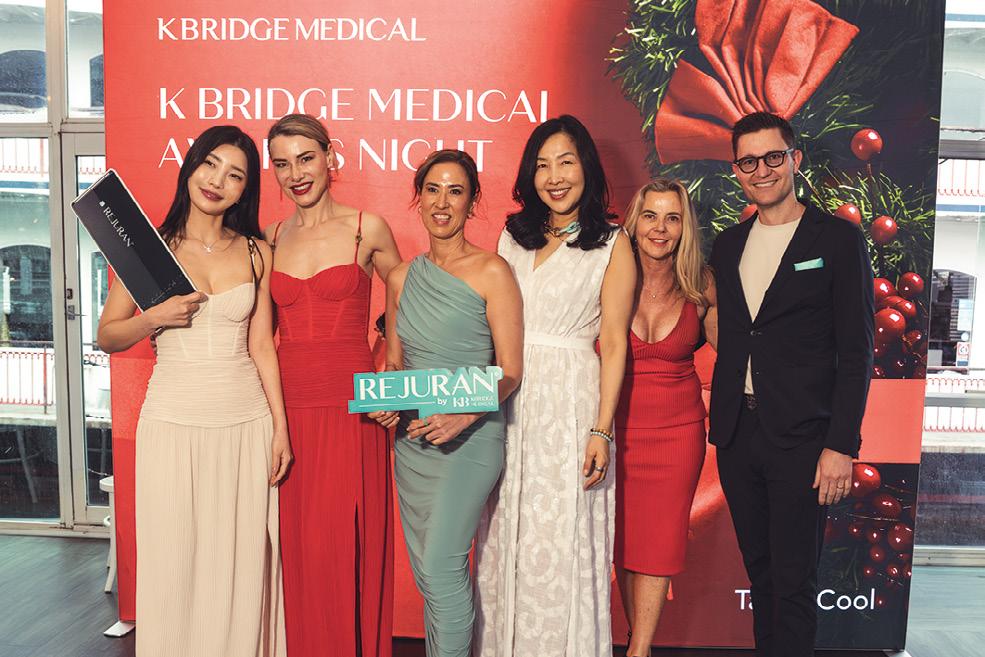
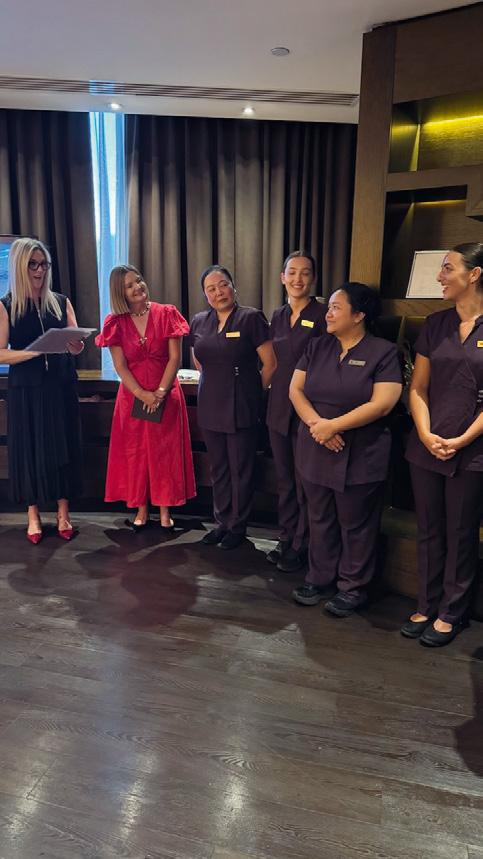
K BRIDGE MEDICAL recently hosted its REJURAN® Awards 2025, marking the end of the year with two standout events held at Vue de Monde in Melbourne and Starship Aqua on Sydney Harbour. Designed to recognise clinics demonstrating best practice, the awards spotlighted those leading with education-driven, protocol-based treatment approaches rather than quick-fix outcomes.
The events brought together clinic owners and practitioners from across Australia and New Zealand, acknowledging commitment to structured treatment planning, patient education and consistent clinical results. Among the awarded clinics were FACE by Alex Pike, Kelly George Aesthetics, All Saint Clinic, Contour Clinics, Miyoungs Skin Clinic, Prestige Cosmetics, Hair and Skin Science, Bloom MD, My Body Vibes and Ocean Cosmetics, alongside a broader cohort of high-performing clinics across the region.
Central to the REJURAN® philosophy is practitioner education, with the REJURAN Academy continuing to expand its footprint throughout 2025. This year alone, the Academy delivered 139 hands-on education sessions, training 1,538 practitioners across ANZ — reinforcing a strong foundation in protocol-led treatment delivery and clinical confidence.
The awards also highlighted the introduction of REJURAN’s new QR Authentication & Rewards Program, designed to support product authenticity within clinics while strengthening practitioner and patient trust.
Together, the REJURAN® Awards and Academy initiatives underscore a growing shift within the industry. One that prioritises education, integrity and long-term outcomes as the cornerstone of aesthetic practice.
Chi, The Spa x Sodashi Festive Evening
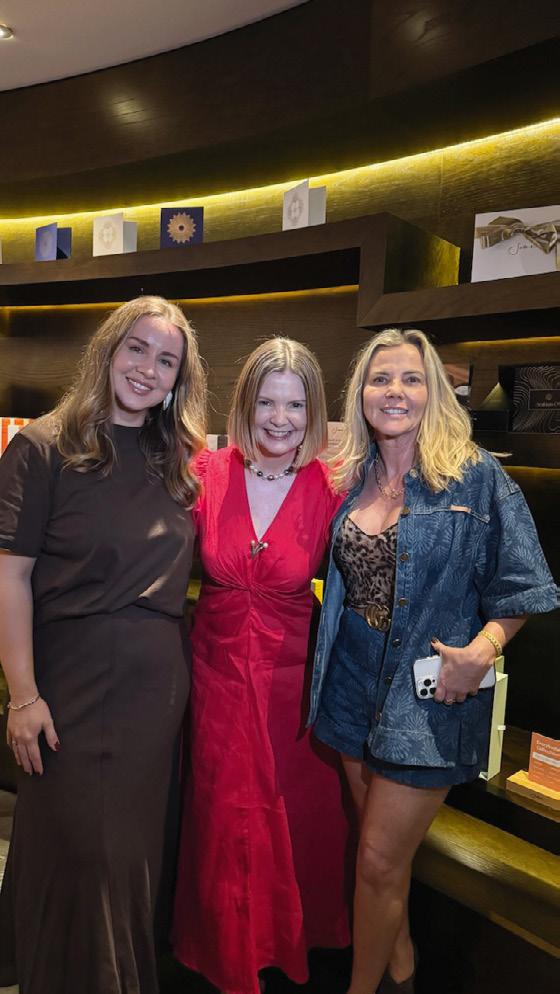
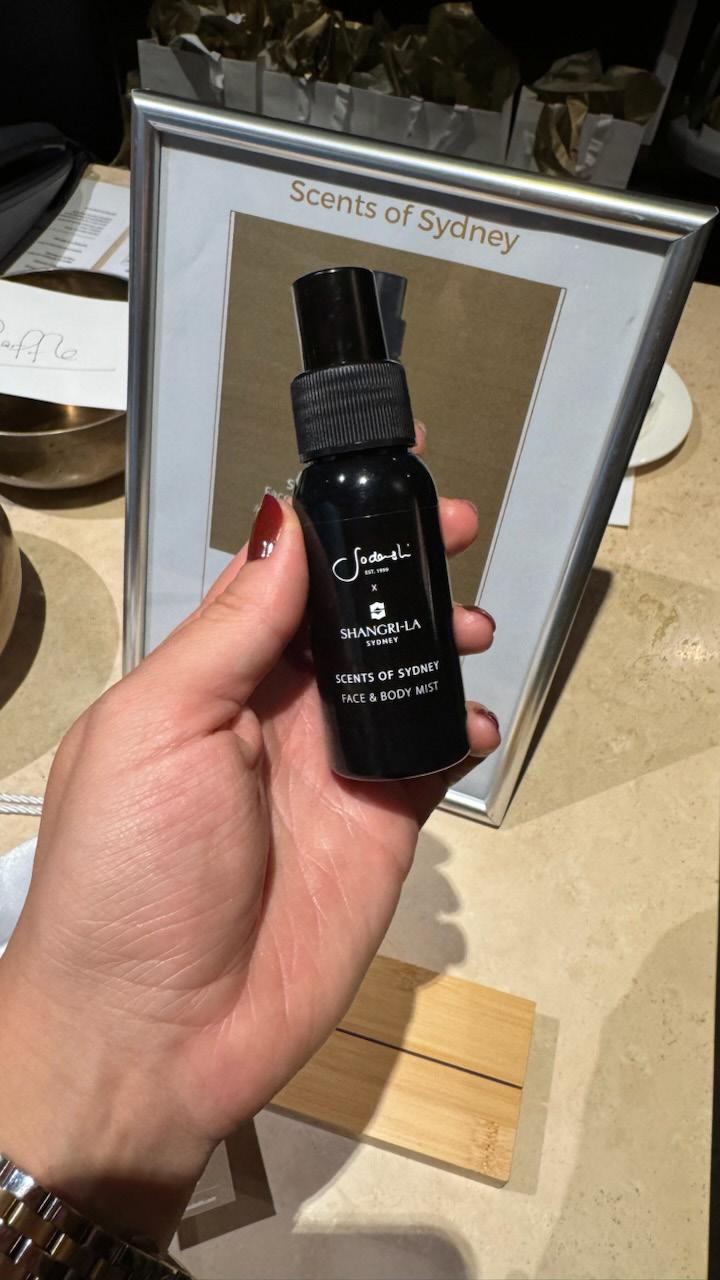
IN NOVEMBER of last year, Australian skincare brands Sodashi and Chi, The Spa, at Sydney’s exclusive Shagri-La hotel, invited VIP guests and select media to an “evening of spa indulgence”. Guests could enjoy a variety of canapés and champagne while browsing the spa shelves, which were stocked with the Sodashi skincare range.
Products could be tested, of course, but the highlight was the presence of Sodashi CEO Caroline Johnston, who had flown all the way from WA to spend the evening with the spa team and event guests. Johnston explained the philosophy and ethos behind Sodashi, stressing the importance of the brand’s 25-year legacy. “Our future is driven by our past,” said Johnston before mingling and chatting to every guest, answering any questions people had.
Chi, The Spa manager Larissa Cantafio hosted the evening, explaining why the spa chooses to work with Sodashi (their shared values being one reason), and inviting guests to indulge in a complimentary hand massage before leaving. Chi, The Spa, has been known for blending ancient Asian wellness techniques and rituals with native Australian healing techniques and botanical ingredients indigenous to the region, making the partnership between Chi, The Spa and Sodashi a match made in heaven.
Your Ultimate International Conference Guide
Heading overseas to an industry event? We want your story.
We’re in an era where storytelling matters more than ever and while we’d love to attend every global conference and keep our audience updated in real time, we simply can’t be everywhere at once. That’s where you come in.
A big shout-out to our brand partners, practitioners, and industry friends travelling to international conferences this year. We would love you to share your experience, insights, and highlights with our readers, and in return, we’ll profile you and your clinic or brand at the same time.
A true win-win: your global perspective, amplified through the SPA+CLINIC community. If you’re attending an overseas event in 2026, reach out to Kym, Steph or Nadine and explore how we can feature your journey in our upcoming coverage. Emails below.
January 2026
COSME Week Tokyo (incl. COSME TOKYO) — January 14–16, 2026 in Tokyo, Japan (Tokyo Big Sight)
International Master Course on Aging Science (IMCAS) World Congress — January 29–31, 2026 in Paris, France (Palais des Congrès de Paris)
February 2026
World Spa & Wellness Dubai — February 2–3, 2026 in Dubai, UAE (Festival Arena)
March 2026
IMCAS Americas (International Master Course on Aging Science Americas) — March 14–16, 2026 in Miami, Florida, USA
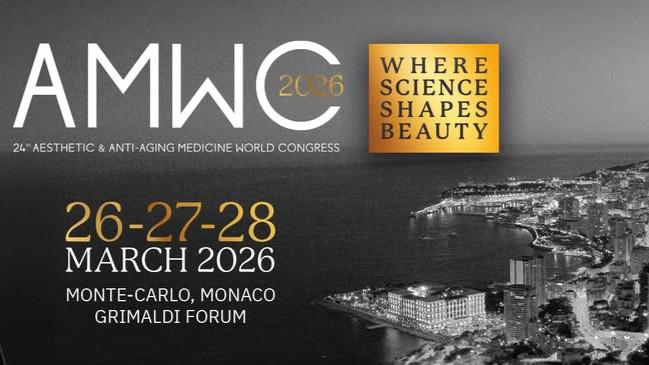
ICADCS (International Conference on Aesthetic Dermatology and Cosmetic Surgery) — March 16–17, 2026 in Dubai, UAE AMWC (Aesthetic & Anti-Aging Medicine World Congress) — March 26–28, 2026 in Monaco (Grimaldi Forum)
Cosmoprof Worldwide — March 26–29, 2026 in Bologna, Italy (BolognaFiere)
Dubai Derma (Dubai World Dermatology and Laser Conference and Exhibition) — March 31 – April 2, 2026 in Dubai, UAE (DWTC)
April 2026
Aesthetic Plastic Surgery (APS) Korea 2026 — April 11–12, 2026 in Seoul, South Korea (Seoul Dragon City)
May 2026
The Aesthetic Meeting (ASAPS/ASERF) — May 14–17, 2026 in Boston, Massachusetts, USA (Boston Convention & Exhibition Center) Vegas Cosmetic Surgery (VCS) & Aesthetic Dermatology — May 28–30, 2026 in Las Vegas, Nevada, USA (Fontainebleau)
June 2026
The Aesthetic Show — June 25–28, 2026 in Las Vegas, Nevada, USA
AMWC Brazil — June 17–19, 2026 in São Paulo, Brazil (Frei Caneca CC)
AMWC Korea 2026 — June 19–20, 2026 in Seoul, South Korea (InterContinental Grand Seoul Parnas)
IMCAS Asia — June 19–21, 2026 in Bangkok, Thailand (The Athenee Hotel)
Cosmoprof CBE ASEAN — June 24–26, 2026 in Bangkok, Thailand (Queen Sirikit NCC)
July 2026
Cosmoprof North America Las Vegas — July 13–15, 2026 in Las Vegas, Nevada, USA (Mandalay Bay CC)
August 2026
IMCAS China — August 27–29, 2026 in Shanghai, China (W Hotel – The Bund)
October 2026
CCR (Clinical Cosmetic Regenerative Congress) — October 1–2, 2026 in London, UK (ExCeL London)
World Spa & Wellness Convention
London — October 4–5, 2026 in London, UK (ExCeL London)
AMWC Dubai 2026 — October 21–23, 2026 in Dubai, UAE
November 2026
Global Wellness Summit — November 10–13, 2026 in Phuket, Thailand
December 2026
KOREADERMA 2026 (International Congress of the Korean Dermatological Association) — December 11–13, 2026 in Seoul, South Korea (COEX Magok)
Reach out: kcowper@intermedia.com.au, smclean@intermedia.com.au and ndilong@intermedia.com.au
SYDNEY 4TH MAY 2026 | MELBOURNE 17TH MAY 2026
BRISBANE 31ST AUGUST 2026 | PERTH 21ST SEPTEMBER 20 26
Aesthetic Business Masters (ABM) is Australia’s lea ding business education event created exclusively for medical aesthetic clinic owners and decision-makers . With a high-calibre audience, low exhibitor density, and educationfirst content, ABM delivers meaningful conversation s, real takeaways, and partnerships that extend far beyond the event day.
The Lymphatic Drainage Illusion
JONI HODSON-ILIAS , The Facelift Facialist, breaks down what it can and can’t achieve.
No treatment in the wellness space has surged quite like lymphatic drainage. Since 2023, Google search volume has almost tripled, and social feeds are saturated with videos promising “snatched” jawlines, instant cheekbone lifts, and dramatic before-and-after clips from a single session. It’s alluring content but it’s also deeply misleading.
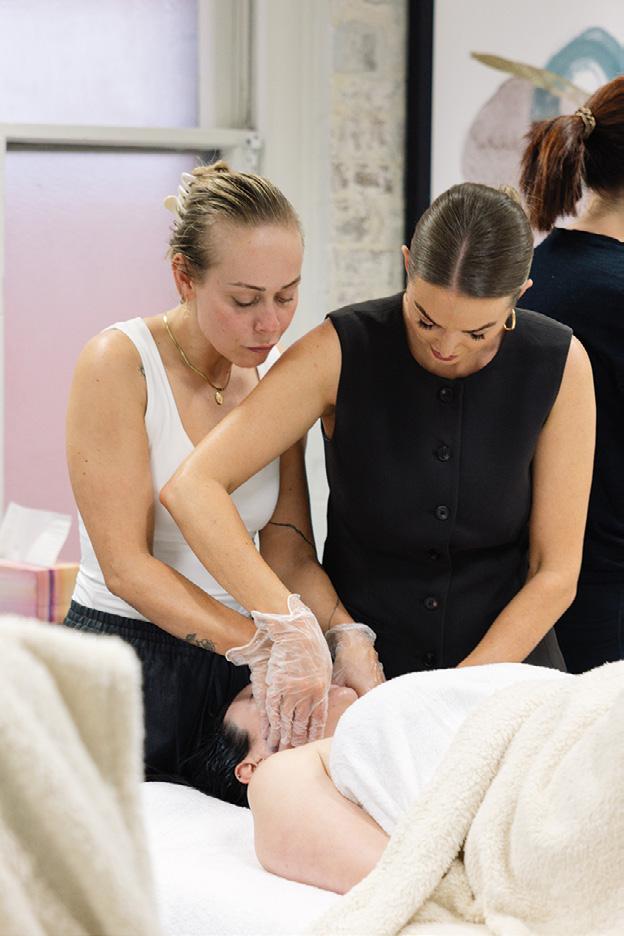
Here’s the truth: lymphatic drainage does not sculpt the body or the face. It doesn’t melt fat, shift tissue, or re-shape facial structure. What it does offer is an essential, often overlooked pathway for improving fluid balance, reducing inflammation, and supporting the body’s internal systems. And when paired with targeted fascia work, its benefits become genuinely transformative.
The sculpting myth that won’t go away
One of the most persistent misconceptions is the idea that lymphatic drainage can slim or contour. Our bodies are not clay; fat cannot be pressed or massaged into a new position, and no manual method overrides the fundamentals of lifestyle and metabolism.
What lymphatic drainage can influence is fluid. When the lymphatic system slows, fluid accumulates between tissues, contributing to puffiness and a sense of heaviness. After treatment, clients may look more defined, but this comes from reduced swelling, not fat loss and the distinction matters.
Lymphatic drainage is not a weight-loss treatment, a bodycontouring alternative, or a shortcut to a sculpted face. It is a therapeutic modality that supports waste removal, reduces inflammation, and restores a sense of internal balance. Valuable effects when we understand their true purpose rather than expecting them to mimic aesthetic procedures.
What lymphatic drainage actually does
When positioned accurately within a treatment plan, lymphatic drainage becomes a deeply supportive ritual for whole-body wellness. Its effects are physiological rather than structural, and most powerful when used as part of a broader integrative approach.
It helps reduce fluid retention by clearing excess fluid responsible for puffiness and bloating, supports detoxification by moving metabolic waste, strengthens immune function through improved lymph flow, and enhances recovery by reducing swelling and improving circulation. These shifts are meaningful, even if they don’t align with the dramatic sculpting narratives dominating online spaces.
The missing piece: fascia
In the rush to chase quick results, fascia is often the forgotten variable, despite being one of the most important. Fascia is the connective tissue that encases every muscle, vessel, organ, and lymph node. It gives the
lymphatic system space to function, which means its condition directly affects fluid movement.
When fascia is tight, dehydrated, or restricted, it compresses lymphatic pathways. The issue isn’t that lymph “isn’t moving”; it’s that it can’t. This is why I take a fascia-first approach: by creating space in the tissue, we free the pathways that allow lymphatic flow to improve.
A few fundamentals help illustrate this:
Facial lymph nodes sit within layers of fascia, so restriction in the jaw, temples, neck, or scalp limits drainage and contributes to puffiness. The face also cannot drain effectively without the body, because major lymphatic junctions are located in the chest, abdomen, and groin, not the face. And while facial work can brighten, boost circulation, and soften swelling, de-puffing is not the same as structural sculpting; it cannot change fat distribution, bone shape, or long-term facial contour.
For consistent, long-lasting improvements, facial drainage must be paired with bodywork and fascia release. Without this foundation, results will always be subtle and short-lived.
What client can expect realistically.
When performed with intention and supported by fascia release, lymphatic drainage can create a meaningful shift in how the body looks and feels. Clients often notice softer puffiness, a clearer and more radiant complexion, improved circulation, eased tension, and an overall sense of lightness and vitality as the system functions more efficiently. What it will not offer is permanent contouring, fat reduction, or structural change. Its strength lies in supporting the body, not reshaping it.
While one treatment can initiate change, lymphatic drainage is most effective when embraced as part of a longer-term wellness strategy. Used this way, it isn’t a miracle cure but a grounded, evidence-aligned therapy that helps the body operate exactly as it’s designed.
How a Dermal Background Elevates Cosmetic Tattooing Results
“My dermal background allows me to assess the skin beyond the surface.”
As cosmetic tattooing continues to evolve, clients are increasingly seeking practitioners who can pair artistic skill with clinical understanding. For many cosmetic tattooists, the pathway begins in beauty — but for some, like for Kristie Harrison, the foundation was built in dermal therapy long before the first tattoo stroke was ever made. Her journey reveals why a dermal qualification can be one of the strongest advantages in the cosmetic tattooing industry today.
Kristie’s transition from dermal therapy to cosmetic tattooing began with something many clients can relate to: fear of having her brows overworked, mismatched, or mis-shaped. “I couldn’t bring myself to trust anyone with them,” she explains. Limited options and quick, express-style brow services simply didn’t align with her expectations for precision or safety. So, she decided to learn the art herself, not only to control her own results, but to help others with similar concerns.
An unexpected allergy to traditional tints and dyes during her beauty diploma further shaped her direction. It led her to explore cosmetic tattooing more seriously, where she discovered PhiBrows pigments, which are known for their stable, clean formulations suitable for sensitive or reactive skin. It was here that her dermal training and her newfound love for brow artistry intersected. “It felt like the perfect bridge between my dermal science background and my passion for brows.”
A Skin-First Approach to Cosmetic Tattooing
At the core of Kristie’s practice and the services she offers at Luxury Brows Perth, is the belief that skin health drives every outcome. Her dermal qualifications allow her to assess the skin beyond what is immediately visible, examining barrier function, sensitivity, texture, and overall condition before ever picking up a tool.
This level of assessment influences everything from pigment choice to depth control. “Understanding skin at a cellular level allows me to approach cosmetic tattooing with precision and care,” she says. Instead of viewing tattooing as an isolated aesthetic service, it becomes an integrated skin treatment rooted in biology and long-term skin behaviour.
Where Science Meets Art
Many clients – and some practitioners – still view cosmetic tattooing as purely aesthetic. But in Kristie’s clinic, the process mirrors clinical best practice. She ensures the skin is in an optimal state to receive pigment,
Perth
works gently to avoid unnecessary inflammation, and guides clients through recovery much like a dermal treatment plan.
This results in brows that heal predictably, maintain pigment integrity, and age gracefully.
Clear Advantages for Assessment, Healing, and Longevity
A dermal degree offers what she describes as an “eye for detail” – a nuanced understanding of how different skin types, medical histories, and external factors will influence pigment retention and healing. She can identify how medications, barrier damage, or lifestyle may affect outcomes before treatment even begins.
Her process is precise and methodical: once a brow design is approved, she builds it gradually, creating refined hair strokes that mimic natural patterns. Clients return at six weeks for a perfecting session, and results typically last 18 months to three years depending on their skin.
Enhancing Confidence Through Skin-Led Artistry
Ultimately, her philosophy is shaped by both disciplines. “Lasting results come from working in harmony with the skin’s biology,” she says. The goal is natural enhancement – results that elevate confidence, simplify routines, and honour each client’s unique features.
In an industry where credentials matter more than ever, her journey demonstrates that combining dermal science with cosmetic tattoo artistry doesn’t just create beautiful brows, it creates safer, longerlasting, and more predictable outcomes for every client.
WRITTEN BY DIGITAL EDITOR NADINE DILONG
Kristie Harrison, founder of Luxury Brows
New Spaces
Discover the newest spas and clinics making waves in wellness and aesthetics.
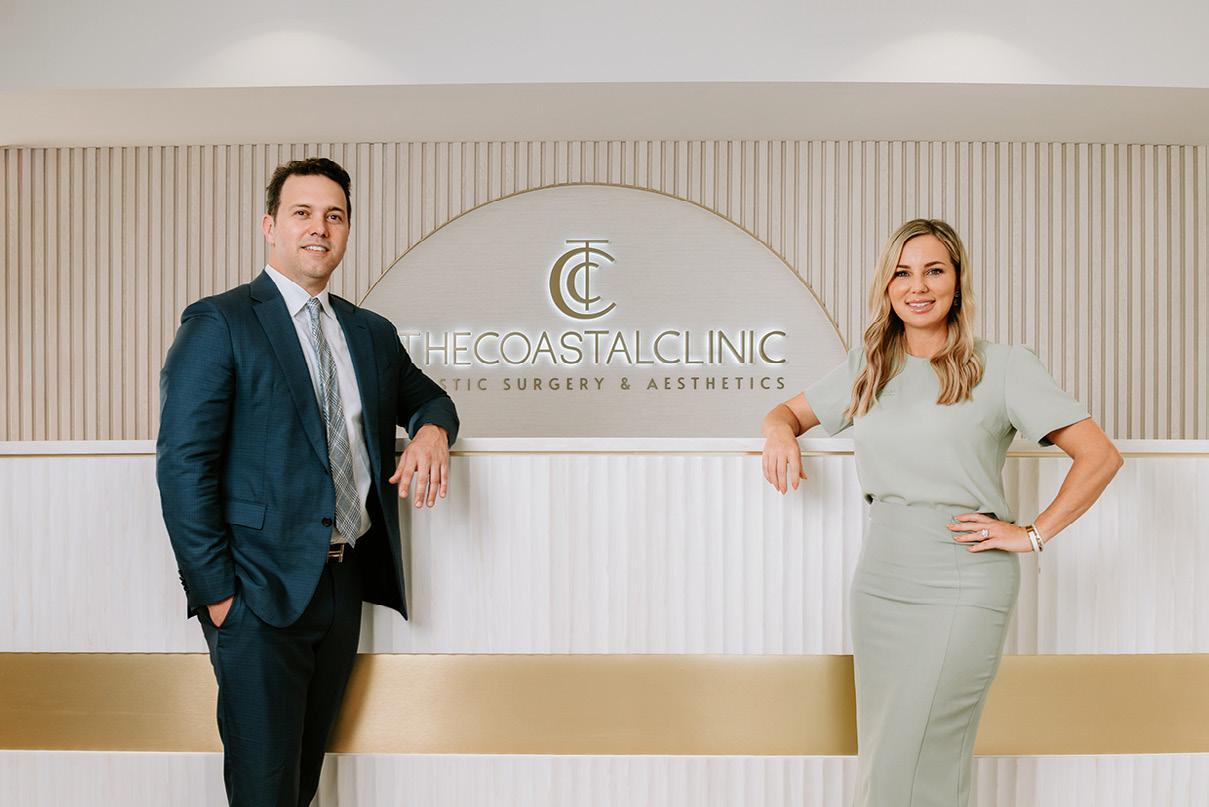
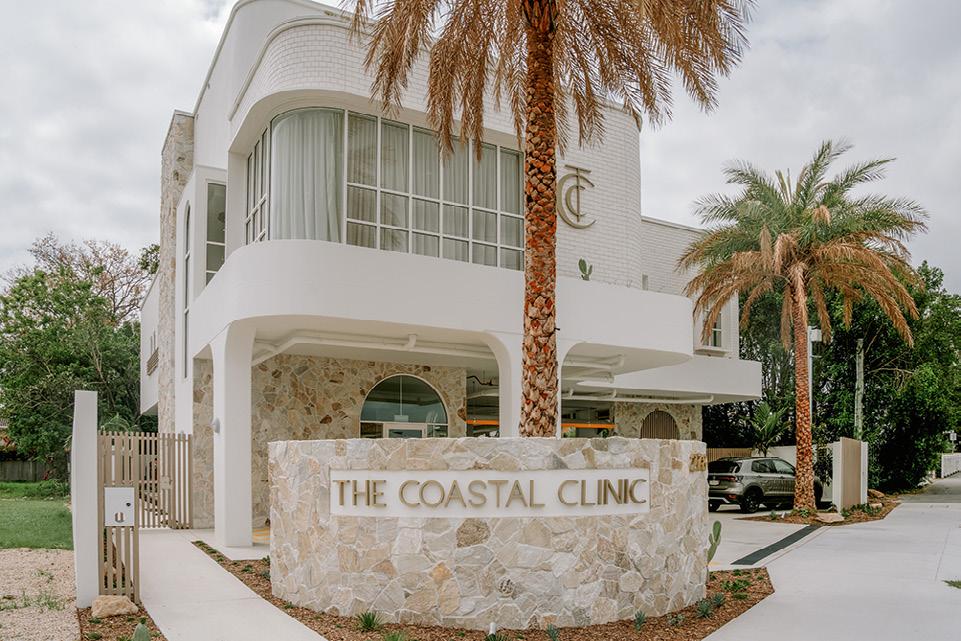
THE COASTAL CLINIC
The Coastal Clinic has unveiled its purpose-built plastic surgery and aesthetics facility in Southport, marking a significant milestone for the Gold Coast’s premium cosmetic landscape. The new space, envisioned by founders Dr Drew Cronin and Nicole Cronin, represents a fouryear pursuit to create an environment where surgical precision and elevated patient experience coexist seamlessly.
Designed in collaboration with renowned creatives Donna Guyler and Niamh Brennan from The Textile Design Studio, the clinic blends refined coastal elegance with medical-grade functionality. Soft curves, layered textures and abundant greenery create a calm, medi-spa feel, while dedicated zones for pre- and post-operative patients ensure privacy and ease throughout the patient journey.
The facility is a reflection of The Coastal Clinic’s integrated model, where advanced aesthetics and specialist plastic surgery operate under one roof—delivering continuity, clarity and truly personalised care. With Dr Cronin’s expertise in breast and body surgery and Nicole’s leadership in medical aesthetics, the clinic offers a comprehensive pathway grounded in safety, excellence and sophisticated design.
Purpose-built from the ground up, this new home sets a benchmark for modern, patient-centred cosmetic care on the Gold Coast.
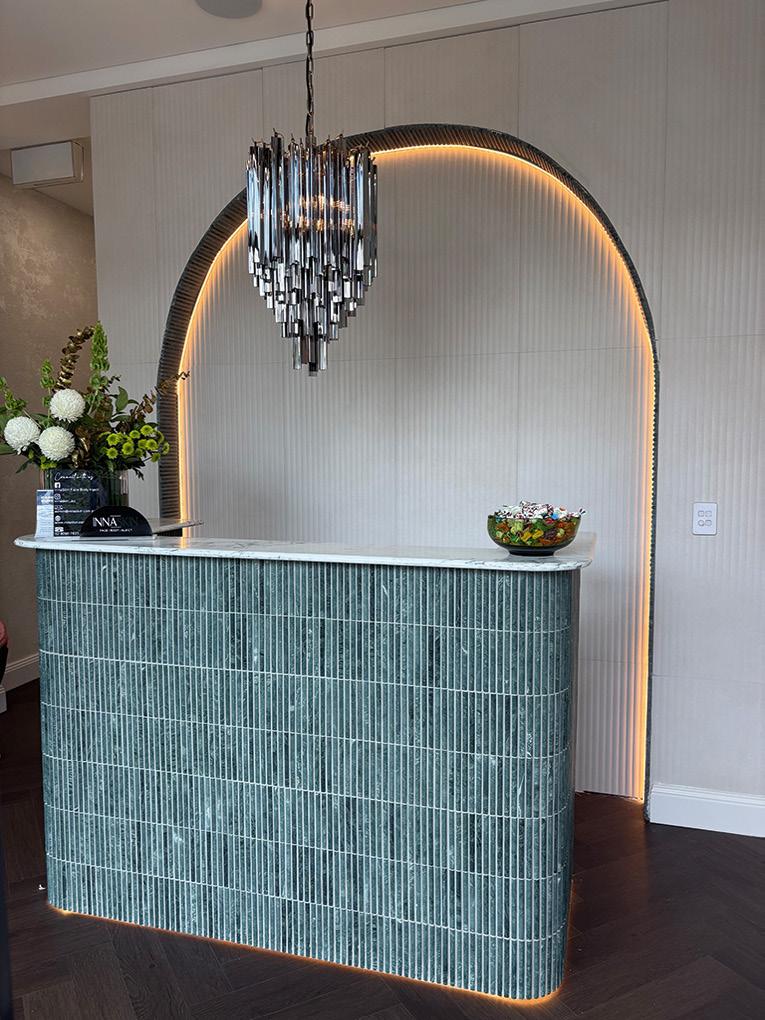
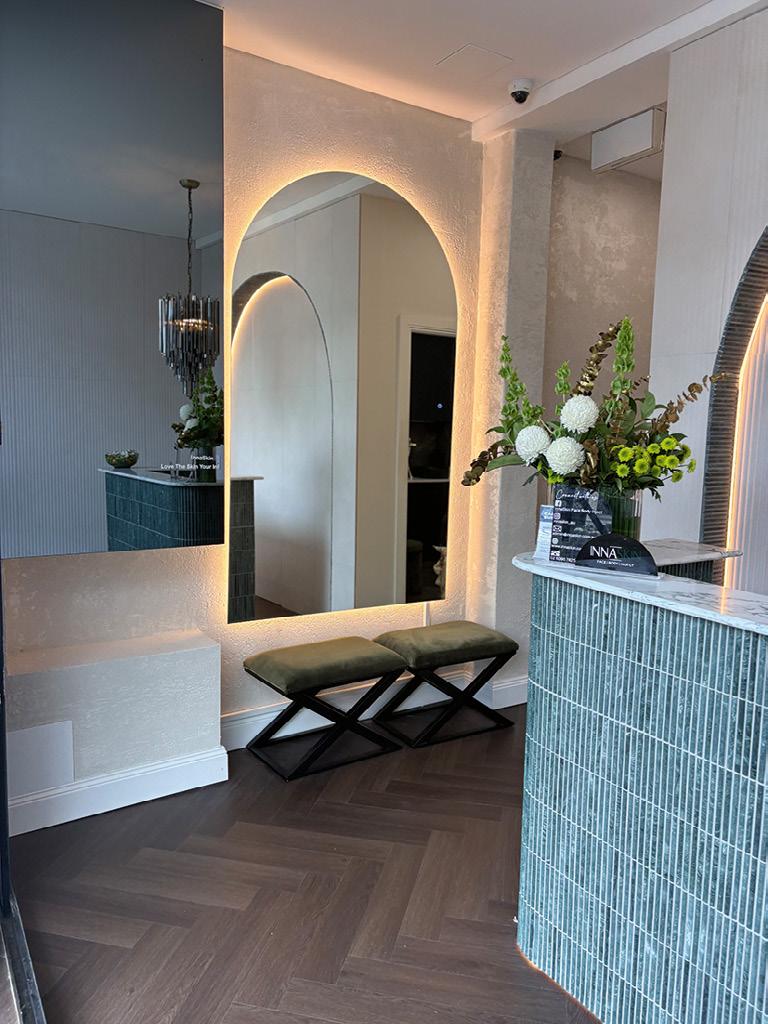
INNASKIN
InnaSkin is Sydney’s destination for advanced skin and laser rejuvenation, founded by Alma Laser trainer, Maxine Figueira. Located in Redfern, the clinic blends medical grade technology with a refined boutique experience, offering transformative treatments including Alma Soprano laser hair removal, Hybrid resurfacing, Opus Plasma and tailored skin health programs. With a philosophy centred on safety, education and long-term skin integrity, every treatment plan is ethical, customised and evidence based. InnaSkin’s reputation has grown almost entirely through word-of-mouth, earning a loyal community who trust the clinic and staff for natural, elevated results and a consistently exceptional client experience.
KELLY GEORGE AESTHETICS –TWEED HEADS
After more than a decade of established practice in Tamworth, Kelly George Aesthetics has expanded to Tweed Heads, bringing Kelly’s considered, evidence based, skin-first approach to aesthetic medicine to the Northern Rivers.
The Tweed Heads clinic reflects the same clinical philosophy that has underpinned the brand’s growth in regional NSW; prioritising patient safety, long-term skin health, and thoughtful treatment planning, all while embracing a fresh coastal aesthetic. Design elements from the original Tamworth clinic have been carried through to maintain continuity, balanced with a lighter, contemporary feel suited to the second location.
The expansion reflects a natural evolution for the clinic - one that shows how a regionally founded aesthetic practice can grow and expand while continuing to foster the same close, patient-focused relationships that define care in regional communities.
COSMETIC WELLNESS
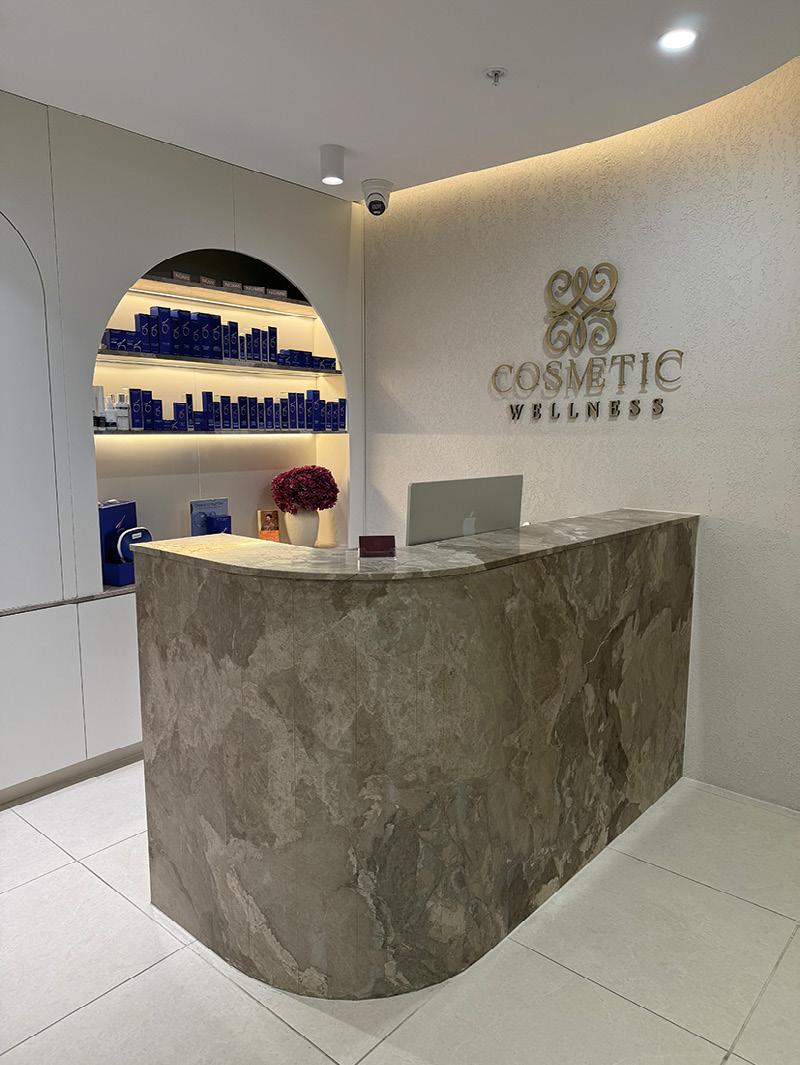
Cosmetic Wellness unveils its newest destination at Birkenhead Point, redefining modern aesthetic care through a seamless fusion of luxury, innovation, and medical expertise. Thoughtfully designed as a refined sanctuary, the space embodies understated elegance—welcoming clients into an environment where calm, precision, and confidence effortlessly converge.
Renowned for its results-driven approach, Cosmetic Wellness presents a curated menu of advanced skin rejuvenation treatments, state-of-the-art laser technologies, skin-tightening solutions, and
cosmetic injectables. Every treatment journey is meticulously tailored, guided by highly experienced clinicians and medical professionals who place equal emphasis on safety, artistry, and natural-looking refinement.
Grounded in education, innovation, and subtle transformation, the Birkenhead Point clinic marks the next evolution of the Cosmetic Wellness brand. More than a clinic, it is a destination for discerning clients seeking elevated care, timeless results, and a sophisticated approach to aesthetic medicine.
How to Land Your Dream Job in 2026
Interview Tips That Actually Work
Landing your dream job isn’t just about having the right qualifications, it’s about showing up prepared, confident, and aligned with the company’s needs. As recruiters, we see candidates make the same mistakes repeatedly, often costing them opportunities they could have nailed. Whether you’re entering the healthcare, clinical or corporate space, these actionable tips will help you shine in your next interview.
Align Yourself with a Recruiter
Working with a recruitment agency can be a gamechanger in your job search. Recruiters don’t just connect candidates with roles; they act as your advocate, providing insider knowledge about the clinics and businesses you’re applying to. A recruiter can help you understand what employers are looking for, guide you in tailoring your application, and even provide feedback after interviews. By building a strong relationship with a recruiter, you gain a partner invested in your success.
Craft a Standout Resume
Your resume is your first impression, so make it count. Highlight relevant experience clearly and concisely, focusing on achievements rather than just responsibilities. For clinical roles, include any training, skincare ranges, or devices you are proficient with. Keep formatting clean, use bullet points for readability, and make sure your resume is free of errors. Small mistakes can be distracting and give an impression of carelessness.
Prepare Thoroughly on the Business
Showing up informed about the business you’re applying to demonstrates genuine interest and initiative. Go beyond the company’s website: look at social media, research the team and the products or services they provide. Consider their culture, goals, and the challenges they might be facing. This preparation allows you to speak confidently about how you can contribute and shows the interviewer that you’ve done your homework.
Have Thoughtful Questions Ready
An interview is a two-way street. While you’ll be answering questions, you should also be asking them. Prepare questions that go beyond what you can find online. For example, ask about the team dynamic, clinic culture, or the business’s plans for the year ahead. These questions show that you’re thinking long-term and are serious about fitting into the company, not just about landing any job.
Research Products and Devices
Knowledge is power. Take the time to research any products,
devices, or services you’ll be working with. Being able to discuss them confidently in an interview signals both competence and commitment. If you’re already familiar with key industry standards or technologies, highlighting this experience can set you apart from other candidates who only have general knowledge.
Prepare Your Elevator Pitch
An elevator pitch is your chance to introduce yourself succinctly and make a strong first impression. Aim for 30–60 seconds that explain who you are, what drew you to the role, and what makes you a strong fit. A well-crafted pitch can set the tone for the rest of the interview and help you stand out from candidates who jump straight into answering questions without framing themselves. Practice it until it feels natural but not rehearsed.
Line Up Strong Management References
Professional references can make or break a job offer. Always have recent management references ready to provide, ideally from supervisors who can speak positively about your performance, reliability, and character. Make sure your referees are aware that you’re job hunting and are aligned on the types of roles you’re applying for. Brief them on the position and your key strengths so they’re prepared to give relevant, consistent feedback. Nothing damages momentum faster than a negative or poorly prepared reference treat this step as seriously as the interview itself.
Mind the Common Mistakes
Some of the most frequent missteps we see in interviews include:
• Failing to prepare or research the business
• Not having any questions to ask
• Talking only about yourself without linking experience to the role
• Overlooking the importance of culture fit or soft skills Avoiding these mistakes is simpler than it sounds: preparation is key, and showing genuine interest always makes a difference.
Follow Up and Reflect
After the interview, send a thoughtful follow-up thanking them for their time. Reaffirm your interest and highlight why you’re a strong fit for the role. Take a moment to reflect on what worked and what you could refine — each experience strengthens your approach.
Align with a recruiter, prepare thoroughly and present yourself with confidence. Employers hire people they trust and can genuinely see within their business. Show them you’re that person.
Jem Wade and Amelia Cartmel, founders of The One Clinic Agency, a boutique recruitment agency specialising in the medical aesthetics industry.
Aerolase-led Momentum
DoubleTite expanding the conversation
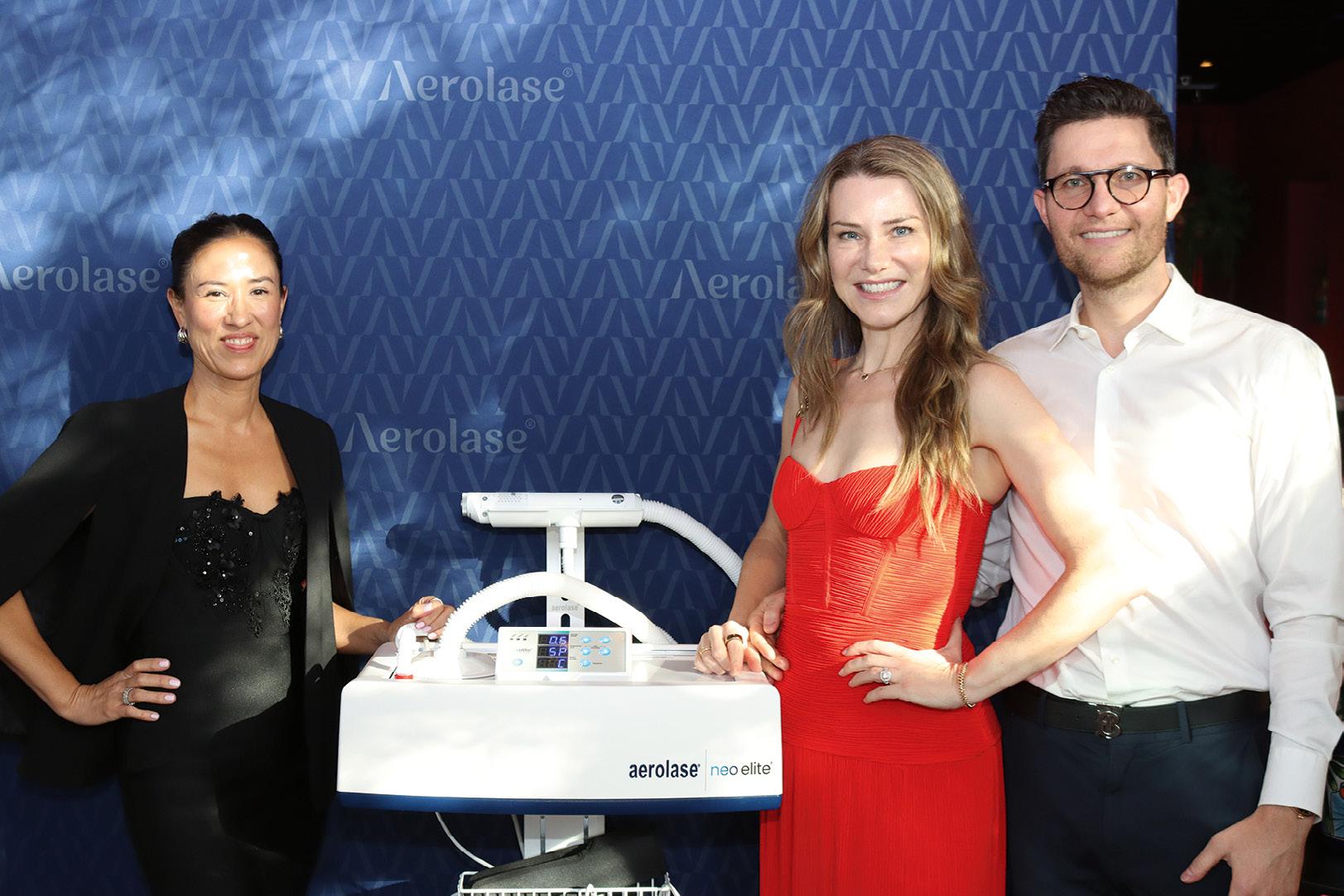
In a market where “new” is constant and attention is fragmented, the brands that earn lasting traction are the ones that back clinics properly: with education, credible clinical dialogue, responsive local support and a clear pathway from training to real-world implementation. That’s the direction Beauty Technology is heading into 2026 — anchored by Aerolase, supported by next-generation energy platforms including DoubleTite, and brought to life through a focused program of conferences, workshops and ongoing practitioner engagement.
For many Australian clinics, Aerolase has become a practical cornerstone — designed for versatility and seamless integration into clinical workflow. The 650-microsecond pulsed laser technology is designed for efficient treatment delivery and adaptable clinical use, supporting practitioners as they build protocols for a broad range of aesthetic presentations. Importantly, Beauty Technology’s approach isn’t about positioning Aerolase as a single-issue solution—it’s about supporting clinicians with the training and resources to integrate the platform thoughtfully, with appropriate patient selection, expectations and treatment planning.
That focus on education will be visible across Beauty Technology’s key conference touchpoints this year, with Aerolase taking centre stage.
COSMEDICON (5–7 March 2026):
Aerolase in the clinical spotlight
At COSMEDICON, Beauty Technology will highlight Aerolase with Dr Marjan Yazdian presenting on combined rejuvenation strategies and acne presentations using 650-microsecond pulsed laser technology. The emphasis is clinical and practical—how to approach mixed concerns in practice, considerations around protocols and how to create consistent treatment pathways that suit Australian clinics and patient needs.
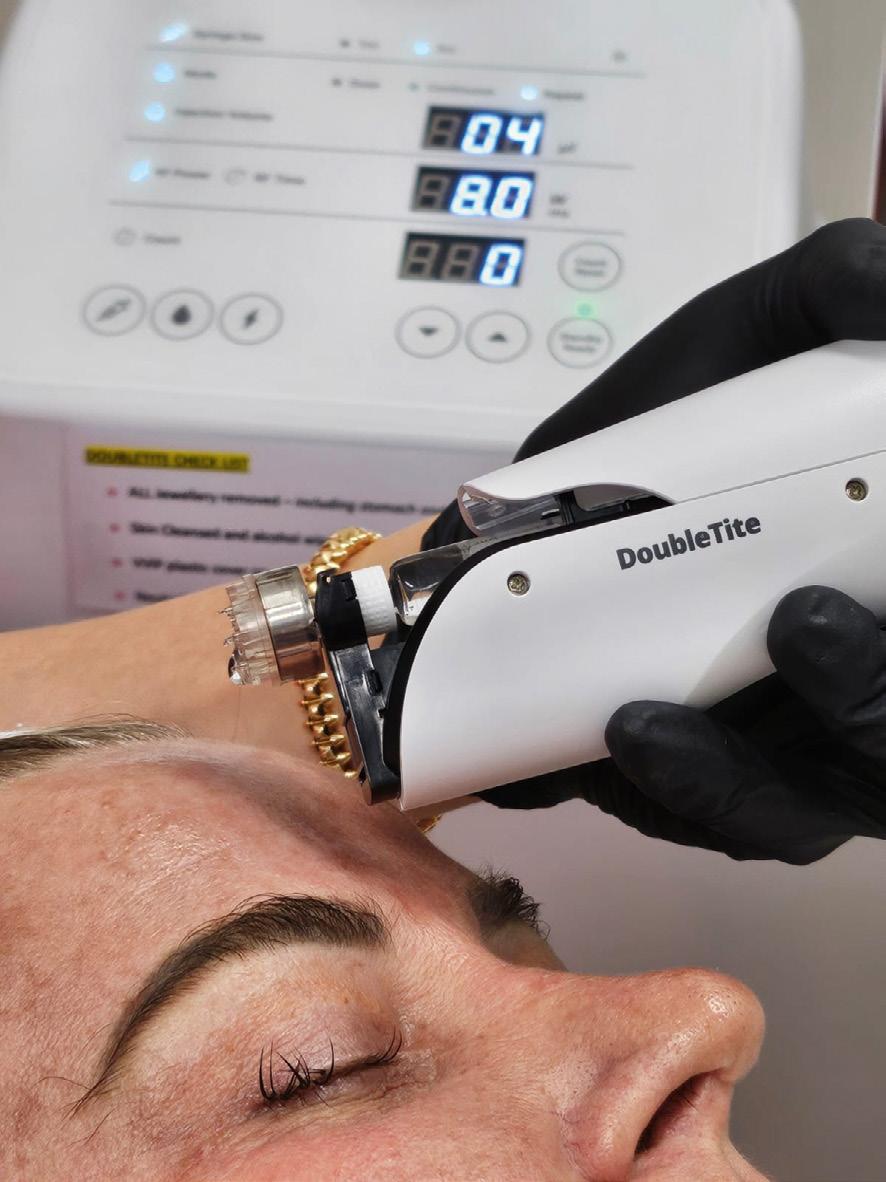
DoubleTite will also be featured at COSMEDICON in a session focused on full-thickness skin rejuvenation using a novel dual-length microneedle radiofrequency device with injector function, presented by a leading physician. The relevance for practice is clear: clinicians are increasingly looking for energy-based platforms that enable
tailored depth and treatment strategy for different anatomical zones, while maintaining consistency and predictability within their broader device ecosystem.
ASCPD Symposium (20–22 March 2026, Melbourne): talks and hands-on workshops
At ASCPD, Beauty Technology’s presence will be deliberately education-heavy—combining in-room presentations with two dedicated workshops, one focused on Aerolase and one on DoubleTite, giving delegates an opportunity to go deeper into practical application, workflow integration and clinical considerations.
On stage, Aerolase remains a key focus, with Dr Saleem Loghdey presenting on Aerolase in the context of vascular and pigment-related concerns, alongside Dr Marjan Yazdian returning to the Aerolase discussion for acne presentations and combined rejuvenation strategies. DoubleTite will also feature in Dr Saleem’s program with a session on full-thickness rejuvenation using dual-length microneedle RF, and CO2LIFT will be covered in the context of post-procedure skin recovery pathways following lasers and energy-based treatments.
The Atlantic at Crown:
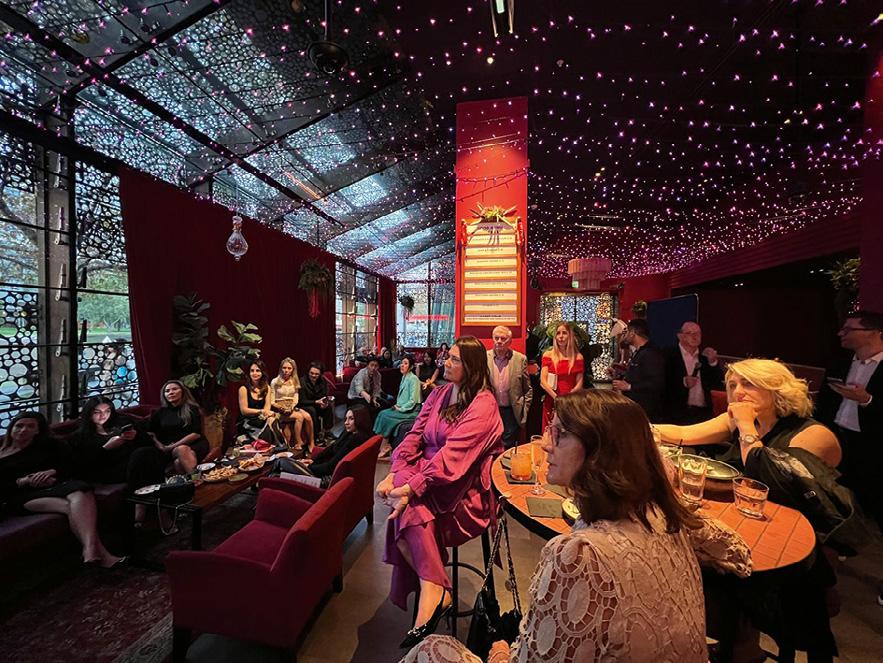
Education isn’t only what happens on stage. Beauty Technology will again bring the industry together with a social event at The Atlantic, Crown Entertainment Complex, 6pm Friday 20 March 2026—a relaxed, highenergy evening designed for connection, conversation and community. Last year’s event proved something important: when you put the right people in the room—clinic owners, practitioners, nurses, dermal therapists—the exchange of real practice insights is as valuable as any slide deck.
With Aerolase driving clinical momentum and DoubleTite expanding the treatment conversation, Beauty Technology’s 2026 strategy is clear: support clinics with platforms that perform, then invest in the education and relationships that make them work in practice. For professional audiences. Always read the label and follow the directions for use. Devices/treatments are to be used by qualified healthcare professionals in accordance with applicable regulatory requirements.
Dr Cosima Karlburger and Phil Willmann, Founding Director of Beauty Technology
Tested. Trusted. Recommended.
Why Ultraceuticals Hydrating Sunscreen SPF 50 has earned its place as an iconic everyday essential.
In an SPF market more crowded and scrutinised than ever, trust has become the true currency of sun protection. With sunscreen making headlines for all the wrong reasons globally, consumers and clinicians alike are asking the hard questions. Does it really deliver the protection it claims? Has it been independently tested? And can it be relied on every single day?
For Ultraceuticals, these questions have guided the brand’s approach to SPF for more than 25 years. Leading this focus is the Ultraceuticals Hydrating Sunscreen SPF 50, the brand’s most advanced SPF to date, designed not as a solution for occasional sun exposure, but as a daily, non negotiable step in skincare routines worldwide.
SPF that behaves like skincare
“What truly differentiates our SPFs is that they were never developed to feel like traditional sunscreens,” explains Geoffrey Heber, Founder of Ultraceuticals. “From our very first award winning SPF over two decades ago, the intention was to create products that integrate seamlessly into daily skincare routines, delivering high sun protection without compromising the skin experience.”
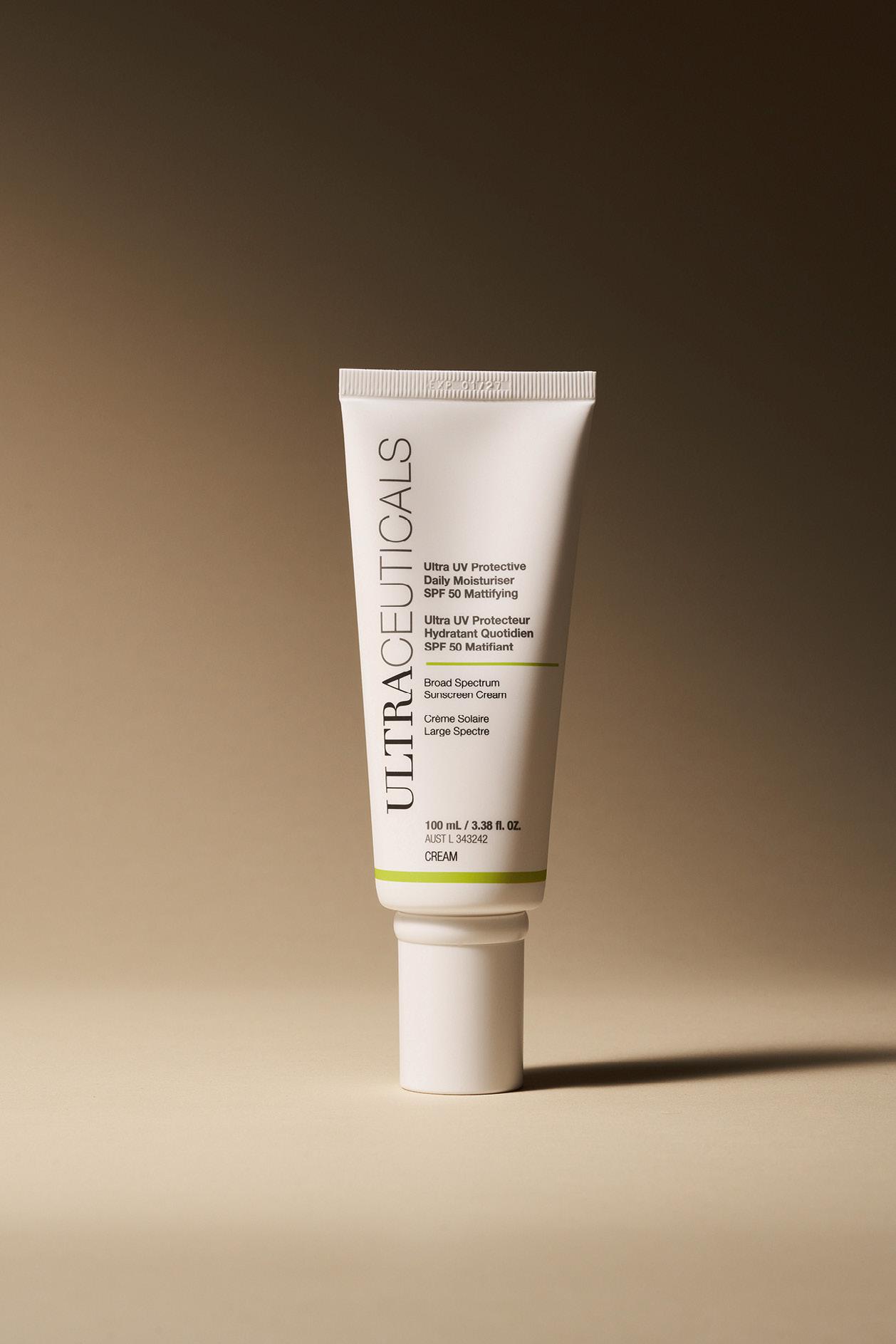
Our Ultra UV Protective Daily Moisturising SPF 50 Hydrating exemplifies this philosophy. Lightweight, cosmetically elegant and designed to feel like a moisturiser rather than a sunscreen, yet still delivers high SPF broad spectrum protection against damaging UV rays and actively supports skin health.
Trusted by those who use it every day
“It’s very hydrating, absorbs quickly and feels light on the face. I love knowing I’m getting a head start on my sun protection for the day too.”
Bonnie Callagher
Verified Customer
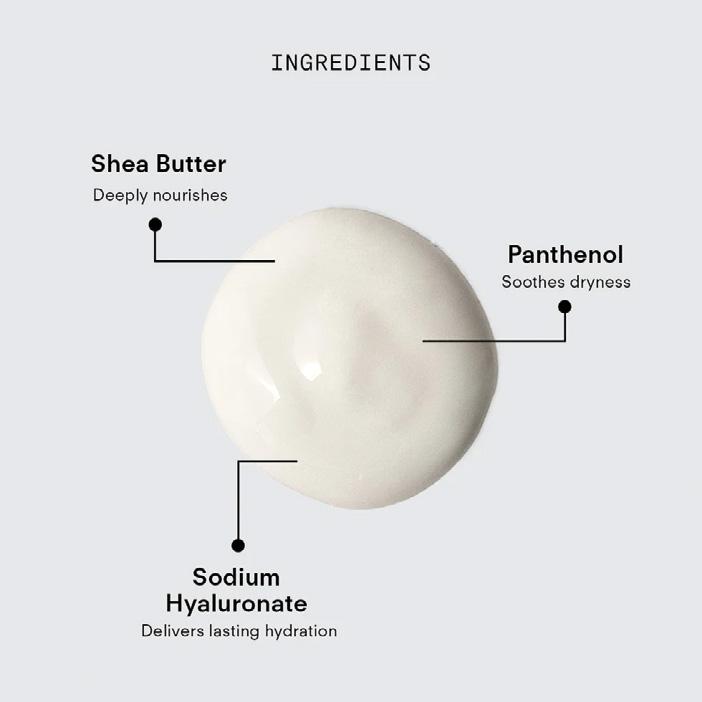
Ultra UV Protective Daily Moisturiser SPF 50 Hydrating Formulated with panthenol, hyaluronic acid, glycerin and shea butter, the formula hydrates and comforts the skin. The result is a sunscreen that primes the skin beautifully for makeup, layers effortlessly under skincare and, most importantly, encourages consistent daily use.
“If a sunscreen feels good on the skin, people will use it properly and consistently, which is critical to help prevent premature
skin aging and sunspots caused by UV damage.” says Heber. “Cosmetic elegance is not optional, it’s essential.”
Tested means tested
At a time when SPF claims are under intense scrutiny globally, Ultraceuticals’ commitment to rigorous, transparent testing has become a cornerstone of the brand’s credibility.
All Ultraceuticals SPFs are independently tested by accredited laboratories and comply with regulatory requirements across multiple markets, including Australia, New Zealand, Europe, and the United States. Products sold in Australia are regulated by the TGA as therapeutic goods, while formulations for the US market meet FDA requirements, providing an additional layer of global oversight and assurance.
Importantly, Ultraceuticals SPFs consistently test above their labelled SPF as required by TGA regulations.
“For us, tested means independently verified, compliant with local market regulations, and proven to perform as claimed,” Heber explains.
This testing is supported by stringent manufacturing and quality control processes. Every batch is produced by TGA or FDA licensed manufacturers, with active ingredient levels verified and product stability monitored across its full shelf life.
Trust built over decades
While testing provides proof, trust is earned through consistency.
“Ultraceuticals SPFs have been used and recommended by skin professionals for decades and have long been among the brand’s best selling products,” says Aimee Quirke, Head of Education.
This long standing confidence is reinforced by robust post market monitoring. All
companies marketing sunscreens are required to record adverse reactions and report serious events requiring medical treatment to the TGA.
“Ongoing monitoring is critical to maintaining trust long after launch,” says Heber. “It’s how we confidently stand behind our products’ efficacy over decades of use.”
Since launch, there have been no reported cases of sunburn or safety concerns associated with Ultraceuticals or Ultra MD sunscreens, further underpinning practitioner and consumer confidence.
Reframing sunscreen as an everyday essential
From concept to launch, the Hydrating Sunscreen SPF 50 was designed to function as an everyday essential, suitable for use after professional clinic treatments and as part of daily skincare routines year round.
This positioning is particularly relevant in high UV regions such as Australia and New Zealand, where cumulative sun exposure plays a significant role in premature skin ageing and long term skin health.
“The more sun exposed and environmentally stressed the skin is, the more important daily, reliable protection becomes,” Heber notes. “SPF isn’t seasonal, it’s foundational.”
Recommended
The final pillar of Ultraceuticals’ brand promise, Recommended, reflects the confidence placed in its SPFs by clinicians who use them daily in practice.
“These are products I trust” says Melissa Young of Melissa Young Beauty. “They’re beautifully lightweight, nourishing, and blend into the skin like skincare rather than sunscreen. It’s a true daily essential and a nonnegotiable step for my clients.”
“When clinicians recommend an SPF, they’re placing real trust in the product,” says CEO Catrin Thomas. “This is why our SPFs are recommended globally, and why we’re so proud that clinic and salon owners confidently stand behind them, knowing they meet the highest standards of testing, regulation, and daily wear.”
Thomas adds that Ultraceuticals has also developed streamlined ways for clinics, doctors’ offices, and dermatologists to offer trusted sun protection without complexity. “In medical settings, practitioners don’t need a full skincare range, but they do want to confidently recommend a rigorously tested SPF they can trust.”
The future of SPF is credibility
As the sunscreen category continues to evolve, transparency, independent testing, and trust have become central to how SPF is evaluated by professionals and consumers alike.
With the Hydrating Sunscreen SPF 50, this commitment is brought into sharp focus, through a formula that is independently tested, professionally recommended, and relied upon as part of everyday skincare routines. Learn more at ultraceuticals.com.au
Always follow the directions for use. Sunscreens form only one part of sun protection – seek shade and wear sun protective clothing. Apply frequently as directed for effective sun protection. Avoid prolonged sun exposure.”
Eurofins (Dermatest) Australia - 20401/UV20P70; 20612/ UV20P213; 22A015/UV15P129; 22A015/UV15P129; 22L010/UV15P22; 23-041. Financially sponsored by Ultraceuticals Pty Ltd.
Geoffrey Heber, Founder of Ultraceuticals.
Send out a request for an SEO proposal today and you will likely receive a dozen near-identical decks, each promising the same technical audit, link-building capabilities and ‘proprietary methodology’ that will lead to page-one results.
But if the capability decks all look the same, why do some agency partnerships soar while others flatline within months, leaving your spa, clinic or wellness brand in the dark? The difference rarely lies in the technical checklist, it’s almost always in the partnership itself. Weighing up your SEO options? Look past vanity metrics and focus on these four areas.
The value of local context
In a globalised economy, the temptation to rely entirely on offshore execution to lower costs is high. While offshoring specific, repeatable tasks is a valid business model, there is a distinct layer of SEO that requires boots on the ground: context.
Search engines no longer only match keywords; they try to understand intent. This requires a deep grasp of local nuance, slang, cultural trends, and the ‘mood’ of the market.
For spa, clinic and aesthetic businesses, where language, tone and experience are often the difference between a booking and a bounce –this local context is even more important.
The advantage of local support:
• Cultural speed – the ability to react instantly to local news or industry shifts (and fewer time zone pressures)
• Linguistic nuance – knowing the difference between how a client writes a search query versus how they would speak it to a therapist or dermal clinician
Vetting: Ask who is crafting your strategy and writing your content. Do they live in the same economy as your customers? Meet them or are one. They are an extension of your brand, so you’re well within your rights to know who they are.
The delivery model
On one side there are agencies that hold too tightly to their frameworks. They won’t pivot because “it’s not in our process”.
On the other there are agencies that jump at every client request
Beyond the Rankings
How to vet an SEO agency for a true partnership with ANDREW MORONEY, TAG General Manager
and abandon the strategy to satisfy stakeholders. What you want is a partner that acts as a strategic rudder, keeping the ship on course.
When you approach your partner with a new idea that distracts from the core objective, a strong agency will respond with: “We can absolutely do that, but it will take us away from our primary goal. Let’s weigh up the implications and options”.
Vetting: Ask for their delivery roadmap. It should be structured enough to build momentum (consistency is critical in SEO), yet pragmatic enough to accommodate real-world business shifts –without collapsing under pressure.
Curiosity is key
An SEO partner should be more than a pair of hands executing a checklist. They should operate as a trusted adviser, bringing a naturally curious mindset. They should interrogate your data, spot opportunities you may not have considered and proactively surface ideas that aren’t always tied to an extra line item.
Confident partners don’t withhold knowledge to keep you dependent; they actively upskill your in-house marketing or practice management teams so you can make informed decisions.
Vetting: Ask a prospective partner to describe a time they brought an idea to a client purely because they spotted an opportunity to win. If they can only contribute when a Statement of Work is signed, they’re functioning as a vendor, not a strategic adviser.
Realistic expectations
SEO is not a ‘quick fix’ business. The benefits of work undertaken in month one may not be seen until month three, which is why trust and transparency in the relationship matter. That said, you shouldn’t fall into a perpetual “let’s just give it one more month” trap.
While every industry is different, early green shoots should typically show between months three and six, with more substantial progress in months six to 12. Approach any agency promising results in weeks, rather than months, with caution.
A capability deck can promise the world, but true SEO success relies on context, a flexible delivery model, intellectual curiosity and shared commercial goals.
The Complete Ecosystem Behind Aesthetic Technology
Operating across Australia and New Zealand, Laseraid is a trusted distributor of medical and aesthetic devices, accessories, and clinic consumables. Led by an experienced executive team with deep clinical and commercial expertise, Laseraid is intentionally selective, partnering only with innovative global manufacturers whose technology delivers real clinical outcomes.
Laseraid’s growing device portfolio includes industryleading technologies such as Sylfirm X, Laseroptek, and Préime DermaFacial, alongside the recent launch of the V-Series Multi-Modality Platforms by Sinclair Medical. With several new products set to be announced throughout early 2026, the next three to six months mark an exciting period of expansion and innovation for the business.
As an independent distributor, Laseraid has the freedom to seek out emerging and novel technologies from around the world, bringing to market devices that the team truly believes in. Every technology is assessed not only for performance but also for commercial reality, ensuring clinics can access advanced treatments in ways that support profitability, sustainability, and strong return on investment.
consumable expenses, or simply choosing the wrong device in the first place.
Laseraid’s subscription model removes these barriers. It allows clinics to expand their treatment menu, explore combination therapies, and innovate with confidence, without the pressure of a large upfront investment or traditional bank finance. And if a device isn’t the right fit, it can be exchanged for a more suitable solution. The result is a flexible, low-risk pathway to growth.
JadeStart Educational Series
To further support clinic owners, Laseraid has partnered with JadeStart to deliver a practical, business-focused educational webinar series.
Held every Wednesday for four weeks from 18 February at 1pm (Sydney time), the series is designed to address the real decisions clinic owners face when considering new technology.
What truly differentiates Laseraid is its flexible approach to access. Clinics can bring on technology through three tailored pathways: Subscribe, Subscribe-to-Own, or Own. Every clinic is at a different stage of growth, and Laseraid recognises that one financial model simply doesn’t suit everyone.
But what really sets Laseraid apart is what happens after the device arrives.
Every device is supported by comprehensive clinical education and industry-leading technical support. Laseraid’s Service & Operations team includes 12 university-qualified engineers, supported by a dedicated customer service team to ensure fast, reliable assistance when clinics need it most. In addition, four experienced Clinical Trainers provide ongoing education, guidance, and confidence-building at no additional cost for subscription clients. This depth of post-sales support is unmatched in the industry. And because Laseraid stands behind its promise, if a device doesn’t perform as expected, clinics have the flexibility to find a more suitable option.
Why the Subscription Model Works
Many clinics have seen devices sit idle, not because the technology lacked results, but due to limited training, unexpected repair costs, high
• 18th February: How to determine if your business can afford to bring on a device.
• 25th February: How to choose the right device for your business
• 4th March: How to successfully launch a new device
• 11th March: How to sell your new service through consultations and memberships
To register, simply scan the QR code.
For clinics planning their next stage of growth in 2026, Laseraid offers more than access to technology- providing the support, education, and flexibility required to make every device decision count.
To learn more about Laseraid’s device portfolio and flexible access options, visit laseraid.com.au
AAS Is Worth the Trip.
Australian Aesthetics Symposium 2026 Perth | May 15–16 | Pan Pacific Perth
BUY TICKETS
The Australian Aesthetics Symposium (AAS) 2026 returns to Perth with a fully booked exhibition floor and a program designed for practitioners who take their standards seriously. Delegate registrations remain open — and this is where advanced aesthetic professionals come to refine technique, deepen anatomical understanding and strengthen commercial decision-making.
TWO DAYS. ZERO FLUFF.
Over 30 speakers representing more than 1,000 years of combined clinical and industry experience will deliver education across:
• Advanced injectable anatomy
• Complication management & safety protocols
• Regenerative aesthetics & emerging biologics
• Device integration & treatment planning
• Clinical decision-making frameworks
• Business intelligence for modern aesthetic clinics
This is evidence-based education designed to translate directly into better clinical outcomes — and stronger businesses.
“If you’re looking for comfortable learning, this probably isn’t your conference. AAS is designed to challenge practitioners — clinically and commercially. We bring together educators who are leaders in their field, not just presenters. Our goal isn’t just to give you more information. It’s to elevate how you practise.”
A MESSAGE FROM JESSICA FERRIS REGISTERED NURSE & CEO, AUSTRALIAN AESTHETICS SYMPOSIUM
A Bold New Chapter
Avaderm unveils its rebrand
Reimagined for the future, Avaderm’s new brand identity captures the evolution of a company built on innovation, clinical integrity and unwavering support for aesthetic practices. This rebrand isn’t simply a fresh visual direction; it marks a pivotal moment in the company’s growth. One grounded in years of practitioner trust and designed to support the future of aesthetic care.
Today’s Avaderm stands out not only as a distributor of premium aesthetic devices and products, but as a partner in clinic growth, practitioner education and long-term patient outcomes. With expanded product offerings, enriched education pathways and deeper engagement with its practitioner community, a new era for the brand has clearly begun.
Rebranding with Purpose
Founded in 2022, Avaderm quickly established itself as a trusted source of evidence-backed medical aesthetic tools, introducing premium clinical solutions including Bio-Threads®, T-Lab® and FeelSoft® to practitioners across Australia and New Zealand.
From the outset, the focus was on quality, credibility and long-term clinical value. But as the business matured, that foundation began to inform not only what Avaderm offered, but how it showed up for the industry. Its role expanded beyond product distribution to encompass education, support and a more holistic partnership model, prompting a natural reassessment of how the brand was represented.
A Year of Momentum
The decision to rebrand was driven not by aesthetics alone. Throughout 2025, Avaderm reached a natural inflection point, shaped
by portfolio expansion, deeper industry engagement and a clearer understanding of its evolving role within the aesthetic landscape. The business strengthened its position as a trusted clinical partner, supporting practitioners across a broader range of disciplines.
One notable milestone was Avaderm’s expansion into hair wellness with the introduction of XYON™, reflecting a wider industry shift towards holistic, long-term patient care. Growth was also accompanied by a growing sense of responsibility, with community initiatives including the donation of refurbished training equipment to healthcare facilities overseas.
Together, these developments made 2025 the right moment to bring cohesion to what Avaderm had become: a brand defined by clinical credibility, considered growth and meaningful partnership.
To learn more, SPA+CLINIC sat down with Avaderm Sales & Marketing Director, Ashleigh Strauss, to discuss the thinking behind the rebrand and what it signals for the future.
Why was it time to rebrand?
Avaderm’s early years were focused on building trust, introducing high-quality, evidence-backed technologies and earning credibility with practitioners. As the company grew, so did its role within the industry. What began as product distribution evolved into broader partnership, encompassing education, support and long-term clinical value.
The rebrand reflects that evolution. It ensures Avaderm’s identity, tone and positioning align with the maturity of the business today, while clearly communicating its commitment to innovation, clinical excellence and practitioner support.
What was the greatest challenge?
Striking the balance between evolution and continuity. Avaderm built strong recognition quickly, so it was critical that the new identity felt like a refinement rather than a departure. Preserving trust while elevating the brand required careful consideration.
Equally important was maintaining Avaderm’s identity as a female-founded business, with a refined sensibility that still speaks confidently within a science-led, clinical space. Ensuring warmth, clarity and evidence-based credibility across every touchpoint was both the challenge and the achievement.
How does the rebrand support Avaderm’s future and its partners?
The rebrand provides a unified foundation for growth, clearly articulating Avaderm’s role as a long-term partner rather than a supplier. It supports the expansion of both education and product offerings, ensuring practitioners are equipped not only with best-inclass technologies, but with the knowledge and confidence to use them effectively.
A key milestone is the launch of Avaderm Academy, an online education platform designed to support all Avaderm practitioners and products. The Academy reinforces Avaderm’s commitment to evidence-based practice and practitioner success, while creating a scalable framework for ongoing professional development.
Introducing XYON™: Hair Wellness Reimagined
In December 2025, Avaderm entered the rapidly growing hair wellness category with the launch of XYON™, Canada’s leading hair loss and scalp health brand.
Developed with advanced, nonmedicated formulations, XYON™ bridges in-clinic care with at-home maintenance, allowing practitioners to extend treatment outcomes beyond the consultation room. The range includes shampoos, conditioners and targeted serums formulated with high-performance botanical actives designed to support scalp health and help block DHT.
For clinics, XYON™ offers a retail solution that feels clinically aligned rather than cosmetic, complementing treatment protocols while supporting long-term hair health. Its arrival represents a strategic expansion for Avaderm, opening new avenues for patient engagement within a science-led framework.
2026 Product Launches: MicronJet®
Building on this progress, Avaderm will introduce additional product ranges throughout 2026, each selected for evidence-led development, seamless clinic integration and meaningful value for both practitioner and patient.
With multiple product launches scheduled for 2026, Avaderm is particularly proud to have been appointed exclusive distributor of MicronJet® 600 and MicronJet® 800 across Australia and New Zealand. Widely used in global medical and aesthetic markets, MicronJet is recognised for its precision intradermal delivery and strong scientific foundation.
Featuring patented microneedle technology, MicronJet® enables consistent intradermal delivery at precisely 0.6 mm and 0.8 mm depths. This level of control is particularly suited to regenerative and skin-quality treatments including polynucleotides, PRP, PRF and skin boosters, allowing for predictable outcomes with minimal discomfort and downtime.
Avaderm Academy
Education has always been central to Avaderm’s philosophy. In 2026, that commitment continues through Avaderm Academy, a dedicated learning platform designed for the realities of modern aesthetic practice.
The Academy brings together structured education and hands-on experience, offering on-demand learning, anatomical mapping guides, curated scientific resources, structured training pathways and direct access to workshops and in-clinic education.
More than a training portal, Avaderm Academy formalises the belief that premium products must be supported by premium education, providing practitioners with accessible, evidence-led learning that translates directly into better clinical outcomes.
What This Means for Your Clinic
For clinics navigating an increasingly complex aesthetic landscape, Avaderm’s evolution offers something rare: clarity.
By uniting technology, education and long-term partnership under a cohesive brand, Avaderm is building an ecosystem designed to support stronger outcomes, deeper patient trust and confident clinic growth. Discover the new Avaderm at avaderm.com.au.
Why This Regional Clinic Went From Treatment-Led to Values-Led Marketing
ANO Cosmetics & Skin is redefining the way they get clients through the door.
While the aesthetics industry continues to evolve with new technologies, treatments, and digital marketing tactics, one regional clinic is proving that the strongest growth strategy may not come from promotions or campaigns, but from community, education, and human connection. ANO Cosmetics & Skin, a nurse-led clinic in Shepparton, Victoria, has shifted its entire approach to how it communicates, engages, and builds trust with its clientele.
The Importance of Community Events
This shift was on full display at the clinic’s recently held Wellness Day, a calm, reflective community-focused event exploring the relationship between emotional wellbeing, barrier health, stress, and long-term skin integrity. Instead of showcasing treatments or launching new devices, the event focused on breathwork, guided discussions, and educational sessions. Founder and Registered Nurse Olivia Feldtmann says the event aligns with the clinic’s evolved philosophy.
“Our Wellness Day wasn’t about treatments or trends — it was about helping people feel supported, grounded, and genuinely seen,” Feldtmann explains.
“At ANO, we see skin health as part of a much bigger picture. When clients feel safe, connected, and understood, it changes not just their skin but how they engage with their care long term.”
How ANO communicates with its audience has also changed significantly in recent years. Feldtmann says the clinic’s marketing has undergone a major shift.
“Over the last few years, our marketing has shifted from being treatment-led to being values-led. As the clinic has grown, our audience has grown with us, and they’re seeking something deeper than promotions or before-and-afters.
“We’ve moved towards a more holistic, relationship-driven approach that reflects who we are as a clinic. Our content now prioritises education, long-term skin health, community connection and showcasing the people behind the care rather than simply selling services. This shift has allowed us to build a community that engages with us because they trust us, not because we’re running a discount or creating urgency.”
A Clinic Model That Starts With Assessment, Not Treatment
It’s a shift that mirrors the clinic’s care model. Every patient journey begins with a dermatoscopic skin check, allowing the team to determine suitability, identify risks, and build a structured long-term treatment plan.
This assessment-first methodology allows the clinic to confidently deliver Cutera-based laser clarity protocols, barrier repair strategies including DMK enzyme therapy, nurse-led treatment sequencing
to prevent overuse or poorly timed interventions, and cosmetic treatments that support rather than override skin integrity.
“We don’t guess — we assess. Cosmetic enhancement should never override skin health, safety, or suitability,” Feldtmann says.
When it comes to marketing, the clinic has found that indirect, community-led initiatives build far deeper engagement than traditional campaigns.
“We still use targeted advertising when educating the community about new technology or treatment pathways, but traditional hard-sell campaigns have never aligned with our philosophy,” Feldtmann says.
“What’s far more effective is cultivating trust through value-driven initiatives like our Wellness Days, educational events, patient journeys, and behind-the-scenes insights. These offerings showcase our expertise without asking for anything in return.”
A powerful driver of word-of-mouth
This values-led, connection-first model drives strong referral and retention, attracting clients from across regional Victoria and outer Melbourne who value safety-focused care over fast cosmetic fixes.
ANO Cosmetics & Skin’s approach demonstrates that in an industry often defined by trends and quick transformations, long-term trust, education and genuine connection are becoming the true markers of sustainable growth.
WRITTEN BY DIGITAL EDITOR NADINE DILONG
Olivia Feldtmann
Restoration, Realised
ANNIKA SCHARKIE
on shaping IKOU’s physical spaces with intention in Byron Bay and Berry
For IKOU, entering physical space was never about visibility or expansion for its own sake. It was about depth. After years of expressing its philosophy through luxury spa partnerships, the brand reached a moment where creating its own environments felt not only natural, but necessary.
“IKOU has long offered its restorative rituals through luxury spa partners including The Langham, Park Hyatt Sydney, Pullman Hotels & Ubika Blue Mountains,” says Annika Scharkie, Head of Retail for IKOU. “Expanding into our own physical spaces felt like the natural next step, allowing us to create immersive experiences that fully reflect our approach.”
Rather than replicating a single format, IKOU chose to express the brand through two distinct yet complementary spaces. “Berry and Byron Bay were chosen deliberately for their unique energy – both destinations that encourage a slower pace, connection with nature, and a chance to step away from the busyness of city life,” Scharkie explains. Together, they allow IKOU’s philosophy to meet guests where they are, whether they are seeking immersion or ease.
The Berry treatment rooms are designed for unhurried engagement with ritual. The treatment menu centres on IKOU’s signature facials and restorative body work, offering guests the opportunity to step fully into the brand’s rhythm. “Our treatment offering in Berry includes a selection of signature facials such as the Destress Organic Facial, as well as a range of restorative massages,” Scharkie says. “Each treatment is designed to embody the brand’s philosophy of mindfulness, presence, and restoration, allowing guests to fully engage with the IKOU’s rituals and reconnect with themselves.”
This sense of presence is intentional. “From the moment a guest enters the space, our approach encourages slowing down, being present, and experiencing wellness as a holistic practice,” she says.
“Restoration is not just a moment, but a way to build resilience for everyday life.”
In contrast, the Byron Bay facial bar offers a more expressive and accessible entry point into the brand. “While Berry provides a space for longer, immersive experiences, Byron Bay brings the same philosophy into moments that fit seamlessly into daily routines,” Scharkie explains. “It’s an approachable yet elevated touchpoint that turns a visit into more than shopping; a moment to pause and refresh in a lighter way.”
Together, the two locations reflect IKOU’s broader intention to create meaningful experiences rather than transactional encounters. “Both locations allow us to translate our philosophy of restoration as resilience into lived experiences,” Scharkie says, “shaped by the pace and beauty of their surroundings.”
While IKOU is widely recognised for its facial rituals, body care has always been central to the brand’s identity. “IKOU bodycare and full-body experiences have always been an important part of our philosophy,” Scharkie notes. In Berry, this is already expressed through massage offerings, with further evolution ahead. “As we continue to develop the space and treatment offering, expanding into more immersive, full-body ceremonial rituals is very much part of our vision.”
Looking forward, growth will remain deliberate. “Our focus is on building experiential locations rather than traditional retail-only spaces,” says Scharkie. “Rather than expanding footprint for its own sake, we prioritise depth, quality, and meaningful engagement.”
For IKOU, physical space is not an endpoint, but an extension of its long-held belief that true restoration is built through intention, presence, and ritual that are experienced, not rushed. Learn more about IKOU by contacting sales@ikou.com.au or visiting ikou.com.au
The Power of Education with Rejuran
How a science-led academy model and disciplined clinical adoption supported rapid practitioner uptake.
Market share is rarely built on momentum alone. It is earned through consistency, credibility and sustained practitioner confidence.
Over the past two years, Rejuran® has established itself as one of the most well-established polynucleotide-based, in-clinic treatment protocols in the Australian aesthetics market. Its rapid growth has not been driven by consumer-facing hype or short-term uptake tactics, but by a deliberate focus on education and clinical integration.
Central to this success is the Rejuran Academy, where education functions not as a supplementary offering, but as the foundation of the brand’s market presence. By prioritising clinical understanding over surface-level training, practitioners are equipped to incorporate polynucleotide therapy into treatment plans with precision and intent, rather than as a standalone intervention.
This model has resonated strongly as clinics increasingly seek treatments that support structured protocols, repeatability and skin quality and appearance. Rejuran’s science-led approach, supported by available published literature, has enabled it to move beyond the category of “new treatment” and become embedded within skin quality programs/ protocols and aesthetic outcomes.
Education has also influenced how Rejuran is applied in practice. Focused training around patient selection, treatment sequencing, combination therapies and expectation setting has contributed to standardised delivery in clinical
care and clarity about treatment outcomes. For clinics, this translates into stronger retention and supports consistent practice integration.
Australian clinicians including Dr Alice Rudd, Dr Cara McDonald, Dr Gavin Chan, Dr Davin Lim, Dr Steven Liew and Dr Eric Song have contributed to Rejuran Academy education sessions, sharing clinical perspectives that support ongoing professional dialogue on polynucleotide-based protocols and skin quality.
Importantly, Rejuran’s growth has been driven by practitioner advocacy. Clinicians who understand the science, trust the approach/protocol and are supported beyond initial onboarding are more likely to integrate a treatment into their core offering rather than cycle through alternatives. In this context, market penetration reflects trust built over time rather than rapid turnover.
Dr Steven Liew Specialist Plastic Surgeon Head Master Trainer & Global KOL
To examine how this approach translates at clinic level, SPA+CLINIC spoke with a selection of leading doctors involved in Rejuran’s clinical and educational ecosystem. From early adopters to Academy contributors, each shares insight into how protocol-led skin quality planning has influenced both outcomes and practice structure.
Rejuran Academy is built on education that sets standards. We establish a shared foundation of core skills to ensure safe, consistent, and consistent clinical delivery.
For advanced practitioners, the Academy serves as a forum for expert-to-expert collaboration—locally and globally—driving refinement, innovation, and progress in practice
Dr
John Sullivan
Dermatologist, Rejuran KOL ANZ
What are two safety practices your team never skips, and why are they important in your day-to-day practice?
Two core safety principles underpin high-quality dermatology and aesthetic practice. The first is a highly trained team with a shared and continually updated understanding of clinical and anatomical danger zones—spanning skin cancer surgery, dermal injection procedures and energy-based treatments—supported by a disciplined, consistent approach to risk minimisation.
The second is rigorous clinical documentation, including high-quality pre- and post-treatment imaging. Human perception is inherently subjective; without objective records, treatment benefits can be underestimated or skin changes misattributed. A quality-driven approach to anatomy education and clinical imaging not only strengthens patient safety, but also supports meaningful feedback, ongoing learning and continual refinement of outcomes and satisfaction. Looking ahead, we also plan to integrate more advanced measures of skin physiology and skin health into our practice.
How do you structure the use of Rejuran in practice to maintain consistency across your team?
To maintain consistency across the team, we prioritise shared technique rather than shared knowledge alone. This begins with hands-on, in-clinic training alongside senior injectors, complemented by ongoing opportunities to train with certified Rejuran educators. Team members are also encouraged to attend regular state-based Rejuran events, where they can learn from both national and international experts. We further support consistency through scheduled calibration sessions, where injectors review and align on key variables such as injection depth, papule size, speed and spacing. These sessions also provide a forum to present case photography, compare approaches and refine technique collectively, ensuring a uniform standard of care across the clinic.
Dr Sean Arendse Cosmetic
Physician,
Rejuran KOL ANZ
At a high level, what factors guide your case selection for Rejuran, and where does it sit within your clinic workflow?
Case selection for Rejuran begins with a thorough clinical examination. I look for early indicators of skin ageing such as fine lines, textural changes, mild laxity and crepiness. Rejuran is most effective when an in-clinic polynucleotide-based treatment protocol is required; it is not a substitute for volumising products. For this reason, careful patient selection is essential to achieving appropriately aligned expectations and clinical planning. Within my workflow, all new patients undergo high-resolution clinical photography. This allows both practitioner and patient to objectively assess skin quality and identify areas of concern that may otherwise be overlooked. I evaluate each layer of the face and take time to educate patients on the health, structure and function of their skin. In Australia, premature skin ageing is common yet frequently under-recognised. As a result, Rejuran can be positioned either as a standalone polynucleotide-based treatment or used strategically as a pre-treatment optimisation step prior to dermal injection procedures or energy-based devices.
Dr Jake Sloane Cosmetic Physician, Rejuran KOL ANZ
How does Rejuran sit within your clinic?
Rejuran is central to my polynucleotide-based, in-clinic protocol approach, particularly for the periorbital region and overall skin refinement. In clinical practice I use Rejuran Classic and Rejuran i (Eye) as part of a structured treatment strategy aimed at improving skin texture and surface quality. I often describe the cumulative effect to patients as ‘skin sanding’, reflecting progressive treatment rather than volumisation.
I typically recommend an initial course of three treatments, followed by maintenance sessions every four to six months. This approach intends to support ongoing skin quality optimisation and complement other modalities including energy-based devices, where appropriate.
What phrases or principles do you use to set expectations around the Rejuran process and timelines?
In my consults, I describe Rejuran as a programmatic approach and emphasise that outcomes are typically assessed over weeks to months, depending on patient factors and the broader treatment plan. The goal is incremental improvement in skin quality parameters (e.g., texture and overall surface appearance), rather than a single-visit result.
The expectation-setting language I use is: ‘We’re planning for gradual change, reviewed at scheduled milestones.’ This helps patients understand the importance of completing the recommended course and attending follow-up reviews so we can assess progress and adjust the protocol as required.
From your perspective, how does the Rejuran Academy support practitioners in day-to-day clinical decision-making?
The Rejuran Academy supports practitioners through a structured teaching program that translates PharmaResearch’s available research, techniques and clinical evidence into practical, day to day applications of Rejuran. This allows injectors to stay updated, confident and consistent with their clinical decision making.
What I value most is that Rejuran Academy goes beyond injection techniques. It provides clear clinical frameworks for treatment planning and combination approaches while also creating a professional platform and community for open discussion and shared learning. I find that knowledge is passed on efficiently through this structured, but collaborative environment. Ultimately, the Rejuran Academy supports consistent clinical standards in Australia through education, process and continuous development for our cosmetic practitioners.
Tell us why education/standardised protocols matter for consistent outcomes in-clinic.
As a Rejuran trainer, I believe standardised protocols are the essential foundation for clinical safety and consistent delivery and review across patients. Mastering the core framework provides practitioners the confidence to eventually move beyond the basics. It creates a safe baseline from which we can expertly customise Rejuran treatments for each patient’s unique needs.
This article is intended for qualified healthcare practitioners and industry professionals only and is not directed to the general public. Content reflects individual clinician experience and is provided for professional education. Clinical decisions should be based on practitioner judgment, patient suitability, and the product Instructions for Use.
• Always read the label and follow the directions for use.
This product is not available for purchase by the general public and is intended for use by qualified healthcare professionals only.
• Patient experience and results may vary.
Dr Gina Messiha, Cosmetic Physician, Rejuran KOL ANZ
Dr Van Park, Cosmetic Physician, Rejuran KOL ANZ
Dr Woo Tan, Cosmetic Physician, Master Trainer
Dr Emma Kim, Cosmetic Physician, Master Trainer
Stability in a Shifting Market
Why heritage matters for modern aesthetic clinics
At the end of 2025, the aesthetics sector found itself at an inflection point. With distributor changes, increased device activity and a steady stream of innovation announcements, many clinics began reassessing not what was new, but what actually delivers long-term value?
As clinics seek stability and strategic clarity, it is companies with proven track records that are increasingly standing apart. Solta Medical sits firmly within this category. As a global aesthetics company specialising exclusively in energy-based devices, Solta has spent decades shaping some of the most established treatment categories in aesthetic medicine, including Clear + Brilliant® — often referred to as a “mini Fraxel” for early intervention and Fraxel®, widely regarded as the gold standard in skin rejuvenation.
A Legacy of Energy-Based Innovation
From the outset, Solta Medical has prioritised clinical research, regulatory excellence and physician education, ensuring its platforms are supported by evidence and designed for long-term clinical relevance.
This approach has resulted in a portfolio that continues to underpin preventative, corrective and regenerative treatment pathways across all ages and genders. Today, Solta’s technologies remain central to how clinics address skin quality, texture, tone, tightening and contouring.
Globally, Solta Medical is guided by experienced leadership, including Jiny Kim, Vice President of Solta Medical, and Pasha Sateri, Vice President of Strategic Marketing. Their shared focus is not rapid turnover, but sustained platform evolution ensuring that established technologies continue to meet the needs of both clinics and patients as the market matures.
Global Leadership, Local Expertise
In Australia, Solta Medical is supported by a dedicated local team led by Alistair McKeon, General Manager for SEA & ANZ, who joined the business at the start of 2025. Locally, the emphasis is on partnership rather than transaction, with a strong focus on education, compliance, and long-term outcomes.
Beyond the device itself, Solta’s support model encompasses structured education pathways, protocol refinement and ongoing platform optimisation. This ensures clinics are not only equipped at the point of purchase but supported throughout the lifespan of their technology investment.
Technology Designed to Evolve
Rather than introducing new platform categories constantly, Solta’s philosophy centres on the evolution of established technologies, refining protocols, expanding indications and supporting combination treatment strategies that reflect how modern clinics operate.
Clear + Brilliant® plays a central role in early intervention, supporting skin quality maintenance and preventative care as patients increasingly prioritise long-term skin health over reactive treatment. For concerns relating to texture, tone and resurfacing, Fraxel® continues to define the clinical benchmark, with a next-generation platform scheduled for release in Australia in late 2026.
Thermage® remains synonymous with non-invasive skin tightening and contouring. Having surpassed a global milestone of more than five million treatments performed, its sustained demand speaks not only to clinical efficacy, but to the enduring value of technologies designed for longevity.
Together, these platforms allow clinics to build a layered treatment offerings that address prevention, correction and positive ageing delivering both meaningful outcomes while supporting long-term return on investment.
Why Energy-Based Technology Endures
As clinics become more discerning in their technology decisions, there is a clear rise in demand for platforms with established evidence, long-term relevance and reliable local support. In this environment, Solta Medical’s heritage functions less as history and more as a strategic advantage. For modern aesthetic clinics, confidence lies in investing in technologies designed to adapt, perform and remain clinically relevant over time.
Beyond Single Solutions
Why
treatment stacking has become central to modern aesthetic medicine with DR PARVIN KHINDA
Is 2026 shaping up to be the year of the “one-stop” aesthetic appointment? As Korean skin clinics continue to influence global treatment culture, patients are increasingly embracing the idea of addressing multiple concerns within a single visit. Rather than booking single-modality appointments spaced weeks apart, they’re seeking more efficient, outcome-driven experiences, where carefully selected treatments are combined to deliver visible results in less time.
This shift has brought treatment layering, or stacking, into sharper focus. Moving beyond isolated interventions, stacking reflects a more sophisticated understanding of skin biology and ageing. One that acknowledges most aesthetic and dermatological concerns are driven by multiple factors rather than a single cause. When applied with clinical intention, stacking allows practitioners to target these contributing pathways through thoughtfully sequenced treatments, working across different tissue layers to achieve more comprehensive, long-lasting outcomes within one appointment. We sat down with Dr Parvin Khinda, founder of Kaya Cosmedica, to explore why this approach is far from new in her practice.
When did you first start noticing a rise in treatment stacking across the industry, and what do you think drove that shift?
I began noticing a clear rise in treatment stacking around 2020. Prior to that, treatments often addressed concerns in isolation — fillers for volume, neuromodulators for lines — without fully considering skin quality, laxity or overall tissue
health. Around that time, both practitioners and patients started recognising that ageing and many skin conditions are multifactorial.
The shift moved toward more natural, individualised plans focused on healthier skin rather than one-off fixes. Patients were also seeking longer-lasting results with less downtime. When done well, treatment stacking allows us to address underlying drivers, not just surface concerns and deeper tissues.
When did you begin incorporating stacking into your own practice, and what motivated that shift?
I began incorporating treatment stacking once I saw the limitations of standalone modalities in delivering durable, natural-looking results. Patients would often improve initially, then plateau, or return with secondary concerns that hadn’t been addressed by the original treatment. My motivation was very much clinical.
From a clinical perspective, what are the key benefits of treatment stacking?
One of the biggest benefits is predictability. By addressing multiple contributing factors together, outcomes become more effective and more natural-looking, with better long-term control of both ageing and chronic skin conditions.
It also changes how we plan treatments. Instead of reacting to individual concerns as they arise, stacking allows for a strategic, longterm approach where treatments are staged with intention. This helps preserve tissue health and supports consistency, rather than relying on short-lived improvements.
Patient engagement is another major benefit. When patients understand what’s contributing to their skin concerns and how each treatment fits into the plan, they feel more involved in their care. That leads to better compliance and higher satisfaction.
Are there combinations you consistently find effective?
Yes, I tend to return to combinations that make sense biologically. For fine lines and wrinkles, neuromodulators work very well when paired with evidence-based skincare, such as vitamin A derivatives and sun protection, alongside collagen induction treatments like microneedling. Each targets a different contributor rather than relying on a single mechanism.
Redness is another common example. Identifying an underlying diagnosis, such as rosacea, is essential. Treatment often needs to be layered, combining barrier repair, inflammation management, lifestyle considerations, prescription treatments where appropriate, and energy-based modalities like vascular lasers or LED therapy. When sequenced correctly, these treatments reinforce one another.
What misconceptions do you commonly encounter around treatment stacking?
The most common misconception is that stacking means doing lots of treatments at once. In reality, effective stacking is less about quantity and more about timing, sequencing and clinical judgement.
Safety is central. It requires a strong understanding of the condition being treated and how different modalities interact with the skin and deeper tissues. Adequate healing time, avoiding cumulative inflammation and individualising plans based on skin type, health and downtime tolerance are critical. Patient education is key, when patients understand that results are cumulative rather than immediate, outcomes and satisfaction improve significantly.
Expert-Led Recovery
Why Top Injectors Trust Hirudoid
In today’s advanced aesthetic landscape, exceptional results don’t end when the needle leaves the skin. For leading injectors, posttreatment recovery is a critical extension of clinical care—one that directly influences patient satisfaction, confidence, and overall outcomes. As clinics continue to elevate standards, evidence-based aftercare has become just as important as treatment technique itself.
This is where Hirudoid has earned its place as a trusted recovery essential. Backed by decades of medical use, it brings scientific credibility to aesthetic aftercare and is now firmly established within injector-led practices.
A Legacy of Clinical Credibility
Hirudoid’s credibility lies in its long-standing medical use and proven clinical performance. Its formulation has been extensively studied for the management of bruising, swelling, and soft tissue trauma, with a topical heparinoid that supports healthy microcirculation. By aiding the body’s natural clearance of pooled blood and reducing posttreatment inflammation, it delivers reliable recovery support. For injectors committed to evidence-based practice, this depth of clinical validation is essential.
Why Evidence-Based Injectors Recommend Hirudoid
Sitting down with registered nurse injector Jamal Ammar, founder of Skin x Lulu, product selection is guided by one principle: evidence.
“When a product delivers repeatable results and is backed by clinical evidence, it becomes easy to recommend with confidence — and Hirudoid meets that standard.”
“From a clinical perspective, Hirudoid is a product I trust because it is well established, well studied, and consistently delivers outcomes that align with its intended use,” he explains. “It’s active ingredient has a long history of clinical use and supports healthy blood flow in the treated area, which is key for resolving bruising and swelling.”
In practice, Jamal sees predictable, measurable benefits. “This translates to bruises resolving faster, less localised puffiness, and a more settled appearance during the recovery phase,” he says.
A Core Part of Post-Treatment Protocols
Rather than being an optional add-on, Hirudoid is embedded into Jamal’s post-treatment protocols.
“Hirudoid is a core component of my post-treatment protocol,” he explains. “I find it particularly beneficial in delicate or highly vascular areas, as well as for patients who are known to bruise more easily.”
Importantly, Hirudoid is incorporated directly into treatment pricing. “Rather than asking patients to source additional aftercare products themselves, we include Hirudoid as part of their treatment,” Jamal says. “This removes unnecessary steps, ensures consistency in aftercare, and supports better compliance and outcomes.”
Faster, Smoother Recovery for Patients
Patients increasingly seek minimal downtime, and Jamal sees a clear difference when Hirudoid is part of a structured aftercare plan.
– Jamal Ammar, founder of Skin x Lulu
“I see a reduction in both the severity and duration of bruising, faster resolution of swelling, and improved overall comfort in the treated area,” he says. “This leads to shorter visible downtime and a more refined recovery process, which patients really value.”
“At Skin x Lulu, our approach is grounded in clinically supported treatments and products,” Jamal adds. “Hirudoid aligns with this philosophy by offering evidence-based support during the posttreatment phase, helping patients recover more efficiently while maintaining safety and skin integrity.”
Elevating In-Clinic Aftercare
As patient expectations continue to rise, clinics that deliver complete, expert-led care—from consultation through to recovery—stand apart. Hirudoid enables clinics to offer trusted, medical-grade aftercare onsite, reinforcing professionalism and patient confidence.
“Clinics can now offer Hirudoid on-site to support their patients with expert-level care,” Jamal says. “It reflects a commitment to evidence-based practice and reinforces the importance of recovery as part of the overall treatment journey.”
To learn more about Hirudoid and how it can support posttreatment recovery in your clinic, visit hirudoid.com.au.
The Power of Protocol
How Deka and iS Clinical support skin through every stage of CO
In advanced aesthetic practice, results are rarely driven by a single hero treatment. Instead, they are shaped by the systems surrounding it. How the skin is prepared, how energy is delivered, and how recovery is managed. For Dr Sarah Tranter of Dr Tranter Aesthetics, this philosophy underpins her approach to fractional laser resurfacing, where Deka’s fractional CO₂ laser is paired with iS Clinical to create a structured, end-to-end protocol.
Rather than viewing laser and skincare as separate decisions, Dr Tranter treats them as interdependent components of the same biological process. “The laser may initiate the stimulus for change,” she explains, “but it’s the condition of the skin before treatment, and the way it’s supported afterwards, that ultimately determines the quality of the result.”
Priming the Skin
Effective fractional laser outcomes begin weeks before treatment.
According to Dr Tranter, skin priming is one of the most underestimated aspects of laser success, yet one of the most influential.
“In the two to four weeks leading up to laser resurfacing treatment, my focus is on stabilising the skin,” she says. “We’re reducing background inflammation, supporting the barrier, and optimising cellular function so the skin can respond predictably to controlled thermal injury.”
Her pre-treatment protocol routinely combines iS Clinical Cleansing Complex with either Pro-Heal Serum Advance+ or Super Serum Advance+, selected based on the patient’s inflammatory profile and barrier integrity. Retinol is introduced selectively to support cellular turnover, provided the skin is resilient and the patient is compliant.
“The goal isn’t to sensitise the skin,” Dr Tranter notes. “It’s controlled optimisation.”
In-clinic, therapist-delivered treatments also play a role. The iS Clinical Foaming Enzyme Facial is incorporated during the priming phase to
provide gentle enzymatic exfoliation without compromising the barrier. “It refines texture and enhances penetration while keeping the skin calm,” she explains. “That balance is critical before laser resurfacing.”
Why iS Clinical integrates seamlessly with lasers
One of the defining strengths of iS Clinical, in Dr Tranter’s view, is its alignment with skin physiology, particularly when combined with
“These formulations are designed to support the skin’s natural repair mechanisms, rather than overwhelm them,” she says. “That’s essential when you’re working with lasers that intentionally trigger an
Pharmaceutical-grade antioxidants, anti-inflammatory botanicals and bioavailable vitamins help mitigate oxidative stress following laser resurfacing treatments, which is particularly relevant when using fractional and ablative technologies. Just as importantly, the formulations are well tolerated both before and after procedures.
“What I value clinically is predictability,” Dr Tranter adds. “When iS Clinical is used within a structured protocol, the skin response is more consistent across patients and skin types. That allows us to set laser parameters with greater confidence.”
Post-Treatment Recovery
If priming sets the stage, post-treatment care determines whether outcomes are preserved or compromised. Following fractional laser resurfacing with the Deka CO2 laser, Dr Tranter adopts a deliberately staged recovery protocol using iS Clinical.
“Immediately post-treatment, we simplify everything,” she explains. “Patients are placed on Cleansing Complex and SHEALD Recovery Balm only. The priority in the first 48 hours is barrier protection and transepidermal water loss reduction.”
Once the acute inflammatory phase settles, targeted support is gradually reintroduced. Hydra-Cool Serum and Pro-Heal Serum Advance+ are added selectively to support healing, modulate inflammation and
Dr Sarah Tranter, founder of Dr Tranter Aesthetics
reduce residual erythema, without interfering with re-epithelialisation.
“For CoolPeel fractional CO₂, this usually translates to one to two days of mild erythema,” says Dr Tranter. “For more aggressive DOT Therapy CO₂ resurfacing, downtime may extend to seven to ten days, but the same principles apply.”
LED therapy is incorporated from day two or three, with further sessions at one week to support recovery. Once the barrier is fully restored, therapist-led treatments such as the Foaming Enzyme Facial assist with texture refinement and the transition back to active skincare.
“When recovery is approached as a deliberate protocol rather than an afterthought, downtime becomes more predictable and long-term outcomes improve significantly,” she says.
Why Deka CO2 Works So Well With Cosmeceuticals
Deka’s CO2 laser systems (Tetra PRO and Punto) are designed for precision, offering control over depth, density and thermal impact. This predictability is what makes it particularly compatible with medical-grade cosmeceuticals.
“Because the thermal profile is controlled, I can confidently integrate skincare before and after treatment,” Dr Tranter explains. “The laser initiates change, and cosmeceuticals guide and sustain that change.”
In the short term, this synergy improves recovery quality—less prolonged erythema, better texture normalisation and fewer reactive complications. Over time, it supports more effective collagen remodelling and improved skin quality.
“I don’t see laser resurfacing as a standalone intervention,” she adds. “It’s a catalyst within a larger system.”
The Shift Toward Integrated Protocols
Across the industry, advanced aesthetic practice is moving away from isolated treatments and toward outcome-driven protocols and fractional CO₂ laser resurfacing technology is central to that shift.
Patients are increasingly informed and results-focused, seeking cohesive treatment plans rather than fragmented solutions. For Dr Tranter, this means aligning devices, cosmeceuticals and therapist-led treatments into one deliberate clinical strategy.
“The future isn’t about more treatments,” she says. “It’s about better-designed protocols, where priming, treatment and recovery are all considered equally.”
In that model, technologies like the Deka CO2 lasers and skincare systems like iS Clinical don’t compete for attention. They work together, delivering results that are not only visible, but predictable, repeatable and biologically sound.
INSIDE the iS CLINICAL SCIENCE and SOIRÉE SERIES
COSMEDICON | SYDNEY
Meet Dermalogica’s Daily Exosome Enzyme Hybrid
Supporting visible skin renewal and helping restore skin’s appearance by up to 6 years*
As we age, the skin’s natural renewal process begins to decelerate - not only at the surface, but within the deeper layers where the earliest signs of ageing take shape. Over time, this gradual shift reveals itself through changes in tone and texture, with skin appearing less luminous and the emergence of fine lines and wrinkles.
Phyto Nature e2
That’s where Dermalogica’s new Phyto Nature e2 steps in to help turn back the clock, introducing a next-generation fusion of regeneration and exfoliation designed to target the visible signs of skin ageing while supporting the skin’s natural ability to renew and revitalise.
By pairing regenerative exosome technology with exfoliating Pumpkin Enzyme, alongside ingredients such as Phyto Glycogen and Prickly Pear, the formula helps reveal visibly brighter, smoother skin day after
“Phyto Nature e2 helps boost surface exfoliation and visibly restores skin smoothness and radiance. In collaboration with our Research colleagues at Unilever, we’ve developed a next-generation formula that delivers a sensorial experience with visible, lasting results.”
– Dr. Bob Bianchini, VP of Research & Development
day - while reawakening the skin’s surface renewal processes. Lightweight yet nourishing, Phyto Nature e2 is a silky, leave-on treatment that gently resurfaces and rejuvenates for a healthy, luminous glow.
Earlier this year, the brand introduced Exo Booster - the first bacterial exosome system in professional skin care. Supported by global clinical studies, its lactobacillus vegan exosomes are designed to accelerate post-procedure results and support visible recovery following treatments such as microneedling, laser resurfacing, and chemical peels.
Phyto Nature e2 extends this breakthrough into daily care, harnessing plant-based exosomes formulated to support ongoing renewal and regeneration at home. Together, these innovations reflect a new standard in regenerative skin sciencedelivering results across both professional and everyday skin care.
Powered by nature, proven by science
Dermalogica leads the way in exosomepowered skin care, offering expert solutions for both professional treatments and daily routines.
Learn more about Phyto Nature e2 at dermalogica.com.au.
*Results at 8 weeks, based on a reduction in visible signs of skin ageing in an independent clinical study with 32 subjects, 2 applications/day.
Dermalogica continues to advance the frontier of regenerative skin science.
Results on day 14 of an 8-week independent clinical study with 32 subjects, 2 applications/day.
derma aesthetics Announces 2026 Conference
Elevating Every Layer of Clinical Practice - From Skin Science to Business Strategy
Derma Aesthetics will host its 2026 conference, Beyond the Barrier, on Monday 17 August 2026 at The W Hotel, Sydney, bringing together clinic owners, skin therapists, and industry professionals for a full day of inspirational education spanning advanced skin science and results-driven business strategy.
The Beyond the Barrier Conference is designed to blend the precision of corneotherapy with the power of entrepreneurial growth. The program caters to professionals at all stages of their career, from emerging practitioners to established clinic owners, translating complex skin health and business concepts into clear, practical, and actionable insights.
Designed for discovery and learning these thought-provoking sessions will focus on advanced skin barrier science, innovations in corneotherapy, and holistic approaches to skin health. Attendees will hear from the dermaviduals International Team, alongside derma aesthetics’ Australian Education Team, with insights into global advancements shaping the future of skin health.
In addition to clinical education, the conference places a strong emphasis on business strategy and long-term sustainability. Sessions will delve into building meaningful professional visibility, scaling a clinic with intention and integrity, and leading with clarity of purpose in a competitive industry.
Keynote speaker Carlii Lyon brings more than two decades of experience supporting professionals to build influence, earn attention, and establish trust. Her session, Courage to Be Unforgettable: How to Stand Out as an Industry Leader, is designed to inspire attendees to confidently elevate their presence and impact.
The conference will also feature a panel discussion with three highly regarded industry advocates: Rebecca Miller, Founder of The School of Mastery and a certified High-Performance Business and Life Coach; Robyn McAlpine, Founder of SkintifiX and respected educator, author and mentor guiding therapists globally through her Skinside Out Squad; and Tamara Reid, CEO of Inside Industry and the Best in Skin Awards. Together, the panel brings a breadth of industry experience, with expertise spanning education, leadership, and business strategy, gifting attendees practical insight into building visibility, credibility, and sustainable growth within the professional beauty sector.
The broader lineup of presenters brings a depth of knowledge that further strengthens the conference’s focus on future-focused leadership.
A practical, outcomes-driven approach underpins the program, with dermaviduals Brand Ambassadors also sharing first-hand clinic experiences and success stories, offering tangible insights into implementing corneotherapeutic principles in day-to-day practice.
The conference is open to clinic owners, managers, skin therapists, and the wider aesthetics community, and is not limited to existing derma aesthetics partners.
Event Details
Date: Monday 17 August 2026
Time: 9:00am – 4:30pm
Venue: The W Hotel, Sydney
Who should attend:
• Clinic Owners & Practice Managers
• Skin Therapists & Practitioners
• Industry Professionals Seeking Advanced Education
• Established Business Leaders in Aesthetics
• Start-ups and Entrepreneurs
derma aesthetics, the name synonymous with innovation and premium skincare, proudly celebrated its 15th anniversary in 2025, a milestone that underscores its unwavering commitment to empowering skin professionals and redefining skincare standards. Representing a portfolio of prestigious brands, including dermaviduals, dermaviduals deco, EXCEED, SIMKA and MTSRollers, derma aesthetics has cemented its reputation as a leader in corneotherapy, a treatment philosophy centred on maintaining and restoring the skin’s natural barrier function. Its professional systems are built around customised formulations designed to support individual skin needs, underpinned by science-led development and ongoing professional education
Registration for Beyond the Barrier Conference 2026 is now open, with early bird rates available until the end of March 2026.
Inside the Rise of Longevity Clinics
How BioGenix Is Recreating Personalised Health
Longevity clinics are fast becoming one of the most talked-about evolutions in modern healthcare, and for good reason. Moving beyond reactive medicine and one-size-fits-all wellness, these clinics are designed to help patients understand how their bodies are ageing, functioning and adapting over time. At the forefront of this shift is BioGenix, led by Dr Dominik Schaffner, where advanced diagnostics, internal medicine and in-clinic therapies are integrated into a single, cohesive model of care.
At BioGenix, longevity begins with what Dr Schaffner describes as mapping unique biology. “It goes well beyond routine blood work or standard DNA tests,” he explains. “The most advanced diagnostics today are about capturing function and trajectory, rather than static snapshots.”
While conventional blood panels and genetic testing still form part of the foundation, BioGenix layers these with epigenetic profiling, biological age testing and comprehensive whole-body imaging. The aim is not simply to identify whether markers fall within a broad ‘normal’ range, but to understand how an individual is ageing at a cellular level, how their systems are interacting, and how those patterns change over time.
This multi-layered diagnostics framework includes extensive biomarker panels assessing inflammation, hormones, metabolic health and micronutrient status, alongside advanced body composition analysis and full-body imaging. Epigenetic methylation testing through TruDiagnostic, including TruAge and TruHealth, measures biological age, immune ageing and longevity-related signatures. Crucially, results are interpreted using AI-supported analysis and integrated by doctors, translating complex data into personalised, actionable strategies rather than isolated reports.
Once this biological baseline is established, in-clinic treatments are introduced —not as standalone experiences, but as part of a structured, longitudinal program. “At BioGenix, treatments aren’t siloed,” says Dr Schaffner. “They’re scheduled alongside internal care protocols and guided by diagnostics.”
Through the GX membership tiers, patients access therapies such as personalised IV infusions, IHHT (Intermittent Hypoxic-Hyperoxic Training), cryogenic recovery sessions, PRP for skin, hair or joint preservation, and advanced regenerative aesthetic treatments including ultrasound and RF microneedling. These interventions are selected and
timed based on biological need, with outcomes tracked and adjusted through ongoing testing.
Monitoring is continuous rather than episodic. Patients are followed through a test–treat–reassess model that combines repeat biomarker testing, structured clinical reviews and real-time data from wearables such as Whoop and Oura. “We’re not monitoring symptoms alone,” Dr Schaffner notes. “We’re tracking how the body adapts over time and refining care as biology changes.”
A fictional case study illustrates how this model plays out in practice. Sarah, a 42-year-old founder and mother of two, presents with fatigue, slow recovery from a partial Achilles tendon tear, early perimenopausal symptoms and a history of endometriosis. Functioning well on the surface, she describes herself as “functional, but not optimal.”
In her first month at BioGenix, Sarah undergoes comprehensive diagnostics, including epigenetic testing, biomarker analysis and a full-body MRI to establish a clear internal baseline. While many results sit within conventional reference ranges, patterns emerge. Accelerated biological ageing, low-grade inflammation and hormonal trends consistent with early perimenopause. These insights inform a personalised internal program, targeted IV therapy and PRP as an adjunct to her rehabilitation.
By month two, Sarah reports improved sleep, steadier energy and reduced tendon stiffness. Her program is adjusted incrementally, with careful monitoring to avoid overloading healing systems. Hormonal discussions begin, guided by personal trends over time rather than rushed intervention. At three months, reassessment shows downward trends in inflammation, improved recovery tolerance and greater systemic resilience.
This approach reflects the core philosophy of BioGenix. Injury is not treated in isolation. Hormonal transitions are not approached reactively. Diagnostics are not one-off events. Instead, longevity is framed as an ongoing, doctor-led partnership, one built on precision, context and long-term understanding.
As longevity clinics continue to reshape how we think about healthspan and ageing, BioGenix offers a glimpse into what the future of personalised care can look like. Informed, integrated and designed to support not just longer lives, but better ones.
On the Road to Elevated Care
Inside SKN.JECT, Melbourne’s Luxury Mobile Aesthetics Clinic
Luxury mobile aesthetics may still feel novel in Australia, but globally, particularly in the UK, it’s a rapidly growing movement. For Claire Horan, founder of SKN. JECT, the concept felt like a natural evolution of modern aesthetic care. Clinical-grade, discreet and designed entirely around the needs of time-poor, high-expectation clients. We spoke with Claire about bringing a Mercedes-designed mobile clinic to Melbourne and redefining what personalised, recovery-led aesthetics can look like on the road.
Luxury mobile aesthetics has gained strong momentum overseas. How did these global concepts influence your vision for SKN.JECT?
Having worked in high-level management within a well-established plastic, reconstructive and cosmetic surgery practice here in Melbourne, I saw firsthand what patients truly value — discretion, efficiency and uncompromising clinical standards. Many were busy professionals who wanted exceptional care without the friction of traditional clinic visits.
I was aware of a similar injectable-focused concept operating in London, and it really sparked something for me. I wanted to be the first to bring this calibre of mobile, medical-grade service to Australia, starting with Melbourne. The SKN.JECT vision came to life around a simple philosophy of exceptional care, delivered with precision, brought directly to the client.
With more than two decades of nursing experience, how has your clinical background shaped the standard of care you deliver on the road?
Working alongside some of Melbourne’s leading plastic and reconstructive surgeons has been an extraordinary privilege. Those years provided front-row exposure to advanced techniques, rigorous education and a deep respect for anatomy, safety and individuality. That foundation underpins everything I do at SKN.JECT. Each treatment is carefully tailored to the client, supporting recovery, restoring confidence and revealing radiant, healthy skin. Evidence-based practice, premium products and an unwavering commitment to safety allow me to deliver medical-grade results within a calm, elevated environment.
Discretion and intimacy are central to the SKN.JECT experience. How did you approach designing the mobile space itself?
The interior was designed in collaboration with a professional interior designer. The brief was simple; create a space that is clinically appropriate, modern and calming, while still feeling refined and luxurious.
Discretion is integral to my service delivery. The mobile model allows treatments to take place at a client’s home, workplace, event or even a private group getaway. Every element including the lighting, ambience and music is thoughtfully considered, ensuring clients feel calm, cared for and completely unhurried, all while maintaining a highly professional clinical approach.
Your philosophy is deeply recovery-led. What do clients often misunderstand about post-procedure care?
So much emphasis is placed on the procedure itself that recovery can sometimes be overlooked. Post-surgical recovery can be slow, frustrating and emotionally challenging, especially in a world where we expect instant results.
My role is to provide reassurance, education and targeted treatment options that support healing. One key modality I use is medical-grade LED therapy, specifically Dermalux LED, which is backed by rigorous scientific research and proven for safety and results. The mobile model offers dignity, privacy and comfort which are all incredibly important during recovery.
From event prep to surgical recovery, how do you maintain medical-grade precision in a mobile setting?
Technology plays a significant role. I use the Geneo X system, which naturally harnesses oxygen to support brighter, healthier skin, alongside multiple treatment modalities to ensure each protocol is truly personalised.
A clinical management system allows for real-time documentation and photography, with all sensitive information securely stored. After every appointment, the space is thoroughly sanitised to maintain strict infection control standards.
Ultimately, SKN.JECT is about making world-class aesthetic and recovery care accessible, personalised and deeply considered, wherever the client may be. And by all measures, Claire has nailed it.
The Power of Luxury Science
Why Ascension chose Augustinus Bader
In today’s aesthetics landscape, retail is no longer a secondary consideration. For progressive clinics, the products on shelf are an extension of clinical philosophy, treatment outcomes and patient trust. At Ascension Cosmetic Medicine, every retail decision is deliberately guided by science, integrity and long-term results. It’s this approach that led founder and Cosmetic Physician Dr Scott Allison to partner with Augustinus Bader.
“At Ascension, we don’t see retail as an add-on,” Dr Allison explains. “It’s part of the treatment pathway. If a product doesn’t support what we’re doing clinically, then it simply doesn’t belong in the clinic.”
Ascension is built on a philosophy of thoughtful, sensory-led rejuvenation, where regeneration is achieved through non-invasive innovation, advanced science and a carefully considered patient experience. Treatments are designed to support skin function while helping patients feel calm, cared for and restored.
“For me, luxury regeneration is about creating treatments that feel beautiful while genuinely supporting how the skin works,” says Dr Allison. “We blend regenerative science with techniques like fascia massage, lymphatic activation and layered product application. These aren’t just sensory touches, they help the skin communicate better and respond more effectively. When patients feel grounded, the outcomes follow.”
This philosophy became the framework for selecting a retail partner. When evaluating skincare ranges, Dr Allison looks for brands that align biologically with the clinic’s treatments, rather than competing with them.
“What stood out about Augustinus Bader was how deeply rooted the brand is in real science,” he says. “The TFC8® technology aligns perfectly with the regenerative work we do in clinic, particularly
Dr Scott Allison, Founder of Ascension Cosmetic Medicine
“Augustinus Bader has strengthened the full client journey for us”
around cellular repair. It allows patients to continue the same biologyfirst approach at home.”
For clinics, this level of alignment is critical. Retail that works against in-clinic treatments can compromise outcomes, confuse patients and erode trust. In contrast, integrated home care strengthens results and reinforces professional recommendations.
“Augustinus Bader has strengthened the full client journey for us,” Dr Allison explains. “The formulas support the same regenerative pathways we activate during treatments, so results tend to last longer and recovery is often quicker. From a clinical perspective, that continuity is incredibly valuable.”
Since introducing the range, Ascension has integrated Augustinus Bader seamlessly into its treatment pathways, particularly through the globally acclaimed Method Facial.
“The Method Facials have become a real cornerstone for us,” says Dr Allison. “They combine beautiful, considered touch with serious science. Clients consistently tell us their skin feels more hydrated, lifted and resilient—and we see those improvements clinically.”
Beyond immediate results, Dr Allison believes clinics must assess whether a brand can evolve alongside advances in regenerative medicine. Ongoing research, refinement and innovation are nonnegotiable when choosing a long-term partner.
“Regenerative medicine is moving quickly,” he says. “We only align with brands that genuinely contribute to that evolution. Augustinus Bader continues to push the science forward, which gives me confidence that what we’re offering our patients isn’t just relevant now, but will remain at the forefront.”
That future-focused commitment is exemplified by the launch of
The Elixir, Augustinus Bader’s most concentrated regenerative serum to date. Powered by Advanced TFC8® and an exosome-rich phytopeptidic complex, the formula represents a new chapter in intelligent, high-performance home care.
“The Elixir is exciting because it mirrors so much of what we already do clinically,” Dr Allison explains. “With Advanced TFC8® and a phytopeptidic complex that behaves a bit like a plant-derived exosome system, it supports cell health, elasticity and skin vitality in a very intelligent way.”
Dr Allison sees the serum delivering impact for patients whose skin requires deeper renewal.
“I see it making the biggest difference for clients with mature, dry or environmentally stressed skin. Skin that’s tired and needs real regenerative support,” he says. “It fits seamlessly into our treatment plans and reflects exactly where skincare is heading: concentrated formulas that work with the skin’s biology, not against it.”
For clinics assessing their own retail mix, Ascension’s partnership with Augustinus Bader offers a strategic blueprint: successful retail is not about brand recognition alone. It’s about alignment, education and long-term patient outcomes.
“When retail aligns with your clinical philosophy, it stops feeling like a sales conversation,” Dr Allison explains. “It becomes part of the care journey. Patients trust it because it makes sense, and they see the results.”
Ultimately, choosing the right range is as much about restraint as it is about innovation.
“You don’t need everything,” Dr Allison says. “You need the right partners. Brands that elevate your treatments, support your outcomes and grow with you as the science evolves. That’s where retail delivers real value for the clinic and, most importantly, for the patient.”
The Sims Twins
On building longevity through clinical integrity.
In a regional setting often underserved by advanced aesthetic care, Gisbourne Skin Clinic in Victoria has carved out a distinctive position, one grounded in clinical credibility, elevated experience and a long-term view of skin health. Founded by twins Natalie and Laura Sims, the clinic reflects a carefully balanced philosophy. One that bridges traditional skin therapy and medical aesthetics, with a clear focus on longevity, skin integrity and results that endure over time.
“Gisborne Skin Clinic was founded to bridge the gap between traditional beauty therapy and medical aesthetics,” the Sims explain. “We wanted to create a destination where skin health is approached with clinical integrity and elevated, results-driven care.”
That philosophy is shaped directly by their backgrounds. Laura brings over 14 years of experience across leading medical aesthetic clinics in Melbourne and Sydney, while Natalie’s 13-year career includes a prestigious international scholarship that saw her train extensively in London, Dubai and Paris.
“Those global experiences really refined my approach to luxury and detail,” Natalie says. “But more importantly, they reinforced the importance of education, protocol and respecting the skin at every stage.”
Together, their complementary expertise allowed them to create something distinct, positioning Gisborne Skin Clinic as the first and only clinic in the Macedon Ranges to offer medically guided skin care delivered with a luxury sensibility.
“Every aspect of the clinic reflects our personalities, experience and shared philosophy,” they add. “We take a comprehensive, full-face approach grounded in evidence-based treatments and long-term skin health, without shortcuts, trends or compromise.”
Why Hydrafacial became a cornerstone, not a standalone
For Gisborne Skin Clinic, partnering with Hydrafacial was not about adding another treatment to the menu, it was about embedding a technology that could evolve alongside both client and clinic.
“Partnering with Hydrafacial was a pivotal moment for us, both clinically and strategically,” Natalie and Laura explain. “We were the only clinic to introduce Hydrafacial enhancements combined with iS Clinical, which allowed us to elevate the device beyond a standalone treatment.”
That integration changed how they design protocols. “Our deep understanding of the device has enabled us to place Hydrafacial thoughtfully within the majority of our treatment plans,” they say. “It might be a preparatory step, a corrective treatment, or a supportive modality alongside more advanced clinical and medical procedures.”
The ability to customise treatments through targeted boosters has also been key.
“We can address congestion, dehydration, inflammation, pigmentation and impaired barrier function, while still respecting the skin’s integrity,” they note. “That adaptability is what allows us to achieve consistent, visible outcomes over time, not just instant results.”
From a business perspective, the longevity of the platform matters just as much.
“Hydrafacial has provided versatility and sustainability,” they explain. “Because it evolves with the client’s skin journey, it supports continuity of care, encourages regular treatment cadence and helps build longterm client relationships.”
Redefining ‘maintenance’ as active skin support
While Hydrafacial is often positioned as a maintenance modality, Gisborne Skin Clinic sees it very differently. “We don’t view Hydrafacial as ‘just’ a maintenance treatment,” the founders say. “For us, it’s a versatile foundation treatment that supports the skin at every stage of its journey.”
For new clients, it often serves as the entry point. “It allows us to assess the skin, introduce active ingredients in a controlled way and begin restoring barrier function without overwhelming the skin,” they explain. “From there, its role evolves as the skin’s needs change.”
Hydrafacial is also strategically integrated with other modalities.
“We merge it with iS Clinical treatments to enhance ingredient penetration and improve overall skin function,” they say. “We also combine it with iS Clinical’s Fire & Ice Facial to amplify exfoliation and cellular renewal, while still maintaining balance.
In advanced protocols, its role becomes supportive and restorative.
“Post–skin needling or laser, Hydrafacial plays a vital role in replenishing hydration, calming inflammation and optimising recovery,” they add. “It helps protect the skin barrier, so results are preserved, not compromised.”
Longevity lives between treatments
For Natalie and Laura, true longevity doesn’t come from in-clinic treatments alone, it’s built in the weeks between appointments. This is where iS Clinical plays a central role.
“Pre and post-skin health care is fundamental to everything we do,” they say. “Longevity and results are built as much at home as they are in the treatment room.”
Every new client begins with what they call “the fundamentals.”
“A targeted cleanser, hydration support, corrective moisturiser and daily sunscreen form the core foundation of skin health,” they explain.
“This stabilises the skin barrier, reduces inflammation and ensures the skin is functioning optimally before we introduce anything advanced.”
From there, a stepwise longevity approach is introduced. “Once the skin is resilient, we progress into corrective iS Clinical products, whether that’s peels, Retinol, brightening complexes or pigment inhibitors,” they say. “Everything is tailored precisely to the individual.”
In clinic, these formulations prepare the skin for Hydrafacial and advanced treatments, while post-treatment they accelerate recovery and reinforce results.
“Between Hydrafacial treatments, consistent home care ensures the skin remains responsive, balanced and primed,” they add. “Each treatment then builds on the last, rather than starting from scratch.”
“Because it evolves with the client’s skin journey, it supports continuity of care, encourages regular treatment cadence and helps build long-term client relationships.”
Advice for clinics building longevity into their model
When asked what advice they’d offer other clinics, Natalie and Laura are unequivocal. “Never chase trends,” they say. “Invest in foreverevolving technology and systems that grow with you and your clients.”
Understanding the science is non-negotiable.
“If you can’t confidently explain how something works and how it enhances your craft, it doesn’t belong in the treatment room,” they explain.
Evidence, education and integrity underpin every decision.
“Longevity comes from results you can stand behind,” they say. “Clinical studies, real-world outcomes and ongoing education matter far more than marketing promises.”
Hydrafacial treatments go beyond surface-level results, representing a clinically driven approach to skin health. Combining advanced technology with proven clinical science, Hydrafacial is supported by more than 26 years of global research and innovation, reinforcing their commitment to evidence-based outcomes.
Ultimately, their philosophy is simple.
“Every decision comes back to one question: would we use this ourselves?” they conclude. “If the answer isn’t a clear yes, it doesn’t make it onto our menu.”
The NAD Revolution: How a New Clinical Blood Test Could Transform Wellness and Aesthetic Practice
Anew chapter in the global longevity movement is unfolding, and it centres on a molecule that has quietly shaped human health since the beginning of life: NAD. Once limited to academic research, NAD (Nicotinamide Adenine Dinucleotide) is now at the heart of a fastexpanding wellness and beauty economy. But while NAD supplements, IV drips, and topical formulations have boomed, one crucial piece of the puzzle has been missing: the ability to measure NAD levels accurately.
That gap is now beginning to close — and the implications for the wellness and aesthetics sectors are significant.
Why NAD Matters for Skin, Health, and Longevity
NAD is essential for cellular energy, DNA repair, and metabolic function. Low NAD levels are increasingly associated with fatigue, mitochondrial dysfunction, metabolic disorders, neurodegeneration, infertility, immune dysregulation and age-related decline.
In the beauty and aesthetic space, NAD has become popular for its link to cellular repair and the slowing of visible ageing. As more brands incorporate NAD-boosting actives and position NAD as a “cellular youth” marker, interest among skin professionals has grown, but until now, practitioners have had no reliable way to determine whether a client actually needs support.
The inability to measure NAD has created a market driven largely by assumption rather than evidence. That era is changing.
The First Accurate, Clinical-Grade NAD Test
Advances in metabolomics now allow all four NAD metabolites (NAD⁺, NADH, NADP⁺, NADPH) to be measured from blood with precision. NADMED, a University of Helsinki spin-out, has become one of the first companies to commercialise this technology with a CEmarked diagnostic test capable of preserving fragile reduced molecules — something earlier testing methods could not achieve.
This breakthrough means wellness, integrative, and aesthetic practitioners may soon have access to metabolic insights once reserved for research labs.
According to NADMED CEO Jari Närhi, “accurate NAD measurement opens the door to better clinical decisions, personalised wellness strategies, and more responsible product development. The field is moving from assumptions to measurable biology.”
What This Means for Aesthetic and Wellness Practitioners
1. More Accurate Skin and Longevity Planning
NAD levels correlate with cellular repair efficiency — a cornerstone of skin rejuvenation. For clinics offering skin longevity programs, evidence-based supplementation and diagnostic-led beauty may soon become standard.
2. Verifying Supplement Efficacy
With NMN, NR, and NAD+ supplements saturating the market,
practitioners will finally be able to confirm whether clients are absorbing and benefiting from NAD-boosting products rather than relying on trend-driven behaviour.
3. Better Understanding of Chronic Fatigue and Poor Healing
Low NAD is linked to impaired mitochondrial function — a factor in slow post-treatment recovery, inflammatory skin conditions, fatigue, and stress-related dermal changes. Being able to measure NAD could help practitioners identify underlying issues affecting treatment outcomes.
4. Personalised Programs Across Wellness Clinics
From IV therapy providers to wellness spas offering biohacking or longevity services, NAD measurement could underpin bespoke programs, treatment sequencing, and targeted interventions.
5. Greater Accountability for NAD-Boosting Skincare
As NAD becomes a key focus in anti-ageing formulations, brands may increasingly rely on testing both for development and for demonstrating efficacy, raising the bar for the entire sector.
A Molecule Positioned to Reshape Modern Wellness
As metabolomics converges with longevity science, NAD is emerging as one of the most valuable biomarkers of true cellular function. The arrival of accurate NAD blood testing signals a major shift — one that could redefine how practitioners assess health, design treatment plans, and guide clients in their skin and wellness decisions.
For the aesthetic and wellness industries, this marks the beginning of a more measurable, personalised, and biologically informed future.
WRITTEN BY DIGITAL EDITOR NADINE DILONG
The Gut Reset
Microbiome health, longevity and the future of faecal microbiota transplantation
For years, the longevity conversation has revolved around optimising sleep, nutrition, exercise and stress. Increasingly, however, one system is emerging as central to all of these pillars: the gut.
Dr Craig Haifer, specialist gastroenterologist and microbiome researcher, has spent years observing how profoundly gut health influences not just digestion, but whole-body resilience. “The human gut microbiome — the trillions of microbes living within our digestive tract — plays a critical role in immune regulation, metabolic health, inflammation and even brain function,” he explains. “A diverse, resilient microbiome is now recognised as a marker of health span, not just lifespan.”
When modern life disrupts our microbes
Despite its importance, modern life is far from microbiome friendly. Highly processed diets, chronic stress, disrupted sleep, antibiotic exposure and environmental toxins all reduce microbial diversity.
According to Dr Haifer, this loss of diversity has been linked to an extraordinary range of chronic conditions, from irritable bowel syndrome and autoimmune disease to metabolic dysfunction, cancer development and accelerated ageing.
What makes the microbiome particularly compelling is its relevance across almost every medical discipline. Cardiology, oncology, neurology and psychiatry are all now publishing research exploring how gut microbes influence disease progression, treatment response and longterm outcomes. At the same time, consumers are increasingly aware that gut health underpins energy, immunity, mood and vitality.
“In many ways, the microbiome has become a shared language,” Dr Haifer observes. “It’s a point where medicine, wellness and individuals can align around the same goal.”
Beyond supplements: restoring a disrupted ecosystem
Wellness has long embraced microbiome optimisation through diet, supplements and lifestyle interventions, foundations Dr Haifer considers essential. But his work also explores what happens when the microbiome has been significantly disrupted, and how it might be meaningfully restored.
This is where faecal microbiota transplantation (FMT) enters the conversation. FMT involves transferring gut microbes from a
rigorously screened healthy donor into a recipient, with the aim of restoring microbial balance and function. While unconventional to some, it is currently one of the most evidence-based microbiome therapies available.
“FMT is already a life-saving treatment for recurrent Clostridioides difficile infection, with cure rates exceeding 85 to 90 per cent,” Dr Haifer says. “Beyond this, research is rapidly expanding.”
His team has led world-first clinical trials using FMT in inflammatory bowel disease and is currently exploring its role alongside cancer therapies, pairing clinical outcomes with detailed microbiome analysis.
A research tool shaping the future of care
Importantly, FMT is not only a therapy, it has become a powerful research tool. By analysing which microbes engraft, persist and drive clinical benefit, researchers are gaining unprecedented insight into how the microbiome functions in real humans, not just laboratory models.
“These findings are now guiding the development of nextgeneration, defined probiotics,” Dr Haifer explains. “The goal is to design targeted microbial therapies that work alongside pharmaceuticals and immunotherapy, rather than replacing them.”
At the same time, consumer interest in microbiome testing has surged. While clinical interpretation remains complex and the evidence base is still evolving, Dr Haifer sees this as a reflection of growing appetite for personalised gut health insights. As research advances, microbiome testing may increasingly help guide nutrition, lifestyle and adjunctive therapies with greater precision.
A shift toward restoration, not optimisation
For Dr Haifer, microbiome science reinforces a broader shift in modern biohacking, away from forcing the body to perform and toward restoring the ecosystems that support resilience and adaptability.
“The most powerful outcomes occur when foundational practices — whole, diverse foods, movement, stress regulation and sleep — are combined with emerging science in a safe, evidence-informed way.”
While faecal microbiota transplantation remains a medical therapy requiring specialist oversight, its success has fundamentally recalibrated how we understand gut health, longevity and disease. In doing so, it has helped bridge the gap between medicine and wellness, opening the door to more collaborative, integrated approaches that benefit individuals, clinicians and the broader wellness community alike.
Why Clinic Owners Are Watching Everlab
Inside Australia’s Exclusive Preventative Health Platform
Preventative medicine is no longer a fringe category; it is fast becoming one of the most commercially powerful growth areas in healthcare. For clinic owners and medical professionals exploring how diagnostics, longevity and integrated care could sit within their future service mix, Australian health-tech company Everlab is emerging as one of the most sophisticated models in the market.
Now operating across Sydney, Melbourne, Brisbane, Perth, Adelaide and Canberra, Everlab combines advanced diagnostics, artificial intelligence and clinician-led interpretation into a single membership-driven platform — one that many in the industry are beginning to view less as a competitor and more as a high-value referral partner.
Over the past three months, our team experienced Everlab’s process firsthand, from baseline testing to clinician consultation, providing insight into why this type of centralised diagnostics hub may become a key part of the future healthcare ecosystem.
A Platform Designed for Referrals, Not Replacement
Rather than positioning itself as a traditional GP clinic, Everlab functions as a preventative health command centre. Members undertake extensive testing, including blood biomarkers, whole-body MRI, DEXA, VO₂ max, ECG, strength testing, continuous glucose monitoring, food-journal analysis and CT coronary angiograms, all analysed by Everlab’s proprietary AI platform.
What stands out for clinicians is what happens next. Doctors translate this data into structured prevention strategies, identifying metabolic, cardiovascular, neurological and oncological risk markers early and where appropriate, recommending further investigation, specialist follow-up or lifestyle and treatment interventions.
For aesthetic, integrative and longevity clinics, this opens an interesting conversation: could platforms like Everlab become part of a trusted external diagnostics and screening pathway, allowing practices to focus on treatment delivery while maintaining continuity of care?
Membership Medicine at Scale
Everlab operates through a tiered membership model, with programs starting from $799 and extending into year-round monitoring through its flagship Protocol Membership.
For clinic owners assessing scalability, the model is instructive: recurring revenue, protocol-driven care, AI-supported triage and clinician oversight, all wrapped into a seamless patient experience.
It mirrors many of the operational structures high-performing aesthetic and longevity clinics are already building long-term patient relationships rather than one-off consultations.
Investor Confidence Signals Market Demand
Recently, Everlab secured $15 million in seed funding led by New York venture firm Left Lane Capital — capital that’s been earmarked for national and international expansion, new clinic openings and further platform development.
Founder and CEO Marc Hermann explains the company’s purpose:
“We believe everyone deserves access to world-class preventative care. By combining AI with the expertise of leading clinicians, we’ve built a new kind of health platform designed to deliver smarter, earlier care to millions.”
For health care practitioners (HCPs), the funding milestone is less about valuation and more about validation: serious capital is flowing into preventative diagnostics, suggesting this category is no longer experimental, it is strategic.
The Clinical Data Driving the Conversation
Everlab reports having processed more than one million biomarkers, with internal data showing:
• One in four members present with abnormal results
• 2.5% uncover life-threatening conditions such as gastrointestinal tumours and congenital brain abnormalities
For referring clinicians, these figures reinforce what many already see in practice, patients who appear well often carry hidden cardiometabolic, inflammatory or oncological risk.
With chronic disease responsible for around 70% of deaths globally, widescale screening models like this raise a compelling question: should preventative diagnostics be embedded earlier in patient journeys?
What This Means for Clinic Owners
For aesthetic and wellness clinic operators, Everlab’s rise reflects a broader shift in consumer expectations. Patients are increasingly asking for:
• Objective health data
• Longevity planning
• Cardiometabolic screening
• Hormonal and metabolic insights
• Personalised prevention strategies
• Long-term clinical oversight
Clinics that cannot deliver large-scale diagnostics in-house may look to platforms like Everlab as strategic referral partners, strengthening patient trust while staying within scope of practice.
The real takeaway for HCPs is not whether Everlab replaces traditional clinics, but whether this type of model becomes a new layer in the referral network, sitting alongside specialists, imaging providers and pathology.
Printed Skin
How collagen biofabrication could open new pathways for regenerative aesthetics and surgical repair.
Conexeu Sciences Inc. has reached a significant milestone in regenerative medicine — successfully printing collagenbased tissue structures using its proprietary CXU platform. Developed from bovine-derived collagen, the technology represents a new generation of extracellular matrix (ECM) biofabrication, one designed to support personalised tissue regeneration across a range of medical and aesthetic applications.
With preclinical progress now demonstrated, the next critical step is regulatory. Conexeu is currently awaiting FDA clearance before the platform can be introduced more broadly into clinical settings, including wound healing, reconstructive surgery and, potentially, aesthetic medicine.
At the centre of this innovation is the CXU collagen platform itself: a medical-grade ECM engineered to act as a biological foundation for tissue repair and regeneration. Unlike traditional fillers or inert scaffolds, CXU is designed to mimic the body’s native extracellular environment, providing structural support while actively encouraging cell survival, integration and vascularisation. In doing so, it moves beyond simple tissue replacement toward biologically guided regeneration.
Conexeu’s long-term vision for CXU is anchored in three core domains: personalised implants and grafts, vascular-supportive microenvironments, and broader biofabrication applications in medicine. Personalisation is a defining feature. According to a November 20 company press release, CXU scaffolds could be printed to match individual patient anatomy for applications including craniofacial, breast, periodontal and soft-tissue reconstruction.
Equally significant is CXU’s role in creating vascular-supportive microenvironments. One of the most persistent challenges in tissue engineering is ensuring adequate blood supply to newly formed tissue. Without vascular integration, cell survival is compromised. CXU scaffolds are designed to support angiogenesis, creating an environment that enables new blood vessels to form and sustain regenerating
tissue. This positions the platform as more than a passive structure; it becomes an active participant in the regenerative process.
For the aesthetics industry, the implications are considerable. Collagen-based scaffolds that support tissue regeneration, rather than simply occupying space, signal a potential shift away from purely volumising treatments toward biologically integrated solutions. In the future, CXU-derived structures may support soft-tissue regeneration following surgery, trauma or aggressive aesthetic interventions, while also delivering more natural and longer-lasting outcomes.
In aesthetic practice, the potential applications of printable collagen scaffolds extend well beyond surface-level rejuvenation. Technologies like CXU point toward a future of biologically supported structural restoration. Patient-specific collagen scaffolds may one day assist in maintaining soft-tissue integrity, reinforcing weakened anatomical frameworks and supporting regeneration in areas where tissue quality and vascularity are critical to long-term success.
In facial surgery, this could influence approaches to revision procedures where structural collapse, fibrosis or compromised healing present ongoing challenges. Collagen-based ECM scaffolds designed to integrate with surrounding tissue offer the possibility of reinforcing form while simultaneously supporting vascularisation and cellular renewal. Importantly, this represents a departure from synthetic implants or temporary fillers toward regenerative solutions that work with the body’s own biology.
“By showing that CXU can print tissue structures, we are opening the door to truly personalised implants and grafts,” said Claudia ChavezMunoz, MD, PhD, Chief Science Officer at Conexeu. “If cleared by the FDA, this will place CXU at the forefront of all bioinks, being the first collagen-based extracellular matrix medical-grade product on the market.”
Momentum behind the platform has continued to build. In October 2025, Conexeu reached its USD $5 million crowdfunding goal, providing the capital needed to accelerate development and commercialisation of the CXU collagen platform.
As regulatory pathways continue to unfold, CXU’s progress signals a future in which regenerative medicine—and aesthetic medicine— become increasingly personalised, biologically integrated and outcomedriven, shifting the focus from replacement to regeneration.
Back to the Source
DR SHOBHAN MANOHARAN
on why the Lumenis UltraPulse Alpha continues to set the benchmark
Not all CO₂ devices are created equal. As interest in ablative resurfacing surges once again across the aesthetic landscape, it’s worth revisiting where these treatments originated—and where their clinical foundations were built: the dermatology office.
Long before CO₂ lasers became a talking point in aesthetic clinics, they were developed, refined and rigorously tested within dermatology for the treatment of scarring, photodamage and complex skin pathology. Today’s renewed focus on skin quality, collagen remodelling and long-term outcomes has brought CO₂ resurfacing back into the spotlight, reinforcing the importance of precision, safety and clinical expertise.
Within this context, Lumenis’ UltraPulse Alpha continues to be widely regarded as the benchmark in CO₂ technology. We sat down with Dr Shobhan Manoharan FACD MBBS, Medical Director of Dermatology Clinics Australia and Founder of DermEd Laser Institute, to discuss why device choice matters, how CO₂ resurfacing has evolved, and what defines best practice in modern laser dermatology.
What is it about the UltraPulse Alpha that you find superior to other CO2 devices, and why did you choose it?
The UltraPulse Alpha stands apart because of its true ultra-short pulse laser and the level of precision it allows. Not all CO₂ lasers are created equal, many lack the peak power and pulse control required to safely treat deeper pathology while preserving surrounding tissue.
The Alpha allows me to tailor treatments very precisely, creating a deeper, cleaner wound than many other systems. It can be used across a wide spectrum of skin conditions—from superficial rejuvenation through to deep resurfacing and scar revision—with predictable thermal profiles and excellent healing times. That versatility, combined with reliability and consistency, made it the clear choice for our practice. In my opinion, it remains the leader in CO₂ technology and continues the legacy of UltraPulse as the gold-standard system.
What skin conditions are you treating with the UltraPulse Alpha?
We use the UltraPulse Alpha across a broad range of medical and cosmetic indications, including acne, traumatic, surgical and burns scars, perioral and periocular rhytids, photoageing and textural irregularities, and benign lesions requiring ablative precision such as xanthelasma and syringoma.
Its ability to address both surface texture and deeper dermal
remodelling makes it an incredibly powerful yet versatile tool in a laser practice.
Who is the ideal patient for treatment with the UltraPulse Alpha?
The ideal patient is someone seeking meaningful, long-term skin change rather than short-term cosmetic enhancement. These patients understand that collagen remodelling takes time, and that results come from precision, not over-treatment.
Patients with acne scarring, advanced photoageing, or focal concerns around the mouth, lower face and eyes tend to benefit most. With appropriate patient selection and preparation, outcomes are consistently excellent and complication rates remain low.
Why do you trust Lumenis technologies to deliver for your patients?
Trust is built on consistency, safety and outcomes. Lumenis has decades of research and experience in energy-based devices, and that’s reflected in the engineering and performance of their platforms.
From a clinician’s perspective, predictability of tissue interaction is critical. I need to know that what I’m delivering is reproducible and safe across a wide range of skin types and indications, and Lumenis consistently delivers on that expectation.
Alongside investing in best-in-class technology, we place equal emphasis on education, which is why I founded DermEd Laser
Institute. Advanced technology is only as effective as the education behind it. Our partnership with Lumenis is supported by their strong educational infrastructure and engineering support, both of which are essential for clinical excellence.
What standout patient results are you most proud of?
Some of the most rewarding results are in patients with long-standing acne, traumatic, post-surgical or burns scarring who had previously been told that little more could be done. Seeing visible improvements in both skin function and confidence is incredibly satisfying.
We also see exceptional outcomes in patients with severe photodamage, wrinkling and elastosis, results that aren’t replicable with surgery or injectables alone. We often work collaboratively with surgeons, integrating UltraPulse resurfacing before or after surgical lifts to optimise both rejuvenation and skin health.
Have you noticed a shift in how patients approach anti-ageing and treatment planning?
Absolutely. Patients are far more informed and discerning than they were even five years ago. There’s a clear move toward prevention, skin quality and long-term outcomes, rather than chasing quick fixes. Many now understand that energy-based treatments can stimulate
the skin to behave more youthfully, rather than simply masking ageing changes. They’re seeking natural rejuvenation, enhancing their own skin biology rather than creating an altered appearance.
What does having the UltraPulse Alpha mean for your clinic from a business perspective?
The UltraPulse Alpha reinforces our position as a laser centre of excellence. It allows us to treat complex cases in-house and offer solutions that genuinely differentiate us in a competitive market.
From a business standpoint, the return on investment has been very strong, not just financially, but in patient loyalty, referrals and clinical reputation. It elevates both patient outcomes and the standard of care we’re able to deliver.
Learn more about the UltraPulse Alpha scan here.
BETTER OUTCOMES START WITH BETTER TECHNOLOGY.
Discover Stellar M22™ with XPL
Where Longevity Meets Provence
Coquillade Provence, France
Travelling into the heart of Provence wasn’t on my 2025 bingo card, but I can say without hesitation it has set the bar incredibly high for future retreats. Among the rolling vineyards and lavender fields of the Luberon, Coquillade Provence has confidently set a new benchmark for destination wellness.
Upon arrival, I’m welcomed by Charlie Bouffioux, Head of Press and Marketing, who welcomes me with a warm, unhurried introduction to the property. Even under the cover of evening, the attention to detail is unmistakable. I sense I’m in for a real treat.
The surprise comes when Charlie unveils I’ll be staying in the newly opened Luberon Suites. Named after nymphs—Cyrène, Ida, Elysia, Daphné and Cassiopée—each suite blends mythology with modern luxury. Inside, curated antiques from Isle-sur-la-Sorgue sit alongside bespoke artisan pieces from the owner’s private collection, creating spaces that feel both intimate and homey.
Outside, a generous hydrotherapy bath is nestled into the timber decking, opening onto vineyards and rolling hills beyond. It’s here, soaking in the warm water as dusk settles, that the essence of Coquillade reveals itself. Not simply a place to stay, but a complete immersion into Provence.
Dinner awaits at Les Vignes, where refined, garden-driven cuisine celebrates the region’s natural abundance. Seasonal ingredients, many harvested just steps from the kitchen, are transformed into dishes that feel elegant yet comforting. By night’s end, I fall asleep feeling more relaxed than I have in months.
In the morning, I head to breakfast before joining the group for yoga. Thankfully, it’s a gentle yin practice. Slow, grounding, and easy to follow, even though the entire class is in French. The movements are designed to soften tension and draw energy toward the third eye, creating a beautiful sense of clarity to start the day.
By afternoon, we’re off on an e-bike tour through the hilltop villages of Provence. The 20km ride feels so enjoyable with the support of the electric bikes, allowing us to take in the scenery rather than focus on the climb. We wind through charming towns, pass by truffle farms, and soak in the vast beauty of the French countryside.
I’m convinced there’s nothing better for the soul than this blend of movement, nature, and fresh Provençal air.
That evening, I keep things light with a simple meal at the bar. Balanced out, of course, by the fact that I devoured an entire cheese board for lunch (worth every bite).
The next morning, before my treatment I take time to explore the 2,000m² spa. Moving through forest bathing, hot and cold therapy, ice fall, sauna, hammam, and sensory shower, I slowly work my way through the space. The Ice Fall quickly becomes a standout as it’s easily the coldest shower I’ve ever experienced, yet so unbelievably refreshing. The sensory shower is another favourite, layering water, scent, light and shifting temperatures. It’s the perfect preparation before I even step into the treatment room.
Today I’m booked in for the Letting Go Ritual. While not part of the Vitalité retreat launched by Coquillade Provence in 2025, I feel incredibly grateful to experience it as part of my time here. The 120-minute ritual begins with a full-body scrub and a calming lavender wrap, before transitioning into a full body massage. It feels less like a treatment and more like a complete energetic reset.
The first thing I notice is the music. As a lifelong cinema lover, I often recognise soundtracks instantly, so when I hear Hans Zimmer and the sweeping scores from The Chronicles of Narnia, The Dark Knight Trilogy, and Interstellar, it feels like stepping into a soundscape that’s been personalised to me.
The experience begins with a full-body scrub, and from the very first scent, I know I’m in for something special. At first, I assume the exfoliant is salt, but the grains feel finer. Later I learn it’s made from apricot kernels harvested from the property’s own farm. The therapist begins at my back, working methodically before guiding me onto my front, each movement intentional and paced. A hot towel wraps around my feet, which is a relaxing and clever technique to preventing me slipping on the floor before stepping into the shower.
Next comes the body wrap, the heart of the treatmentl. The moment I lie back down, I register the heat. The bed is draped with a large, heated blanket, and unlike wraps done in a steam room or a standard treatment
space, where cool air can creep in, this warmth sits right on the edge of “almost too hot.” It’s delicious. As the therapist applies the rich, buttery mud, I immediately notice how different it is from the thin, chalky formulas so often used in Australia (sorry but it’s true). This mud is lush and decadent, pre-warmed so that it melts into the skin on contact.
Once the mud is applied, I’m wrapped and cocooned in heat like a private sauna. Part weighted blanket, part heated embrace, it becomes one of the most enjoyable body wrap experiences I’ve ever had. I drift in and out of consciousness, suspended in stillness, until the therapist returns. Another hot towel stretches the feet and removes the mud, a gentle reawakening, before a second shower, my skin already feeling velvet soft and nourished.
The massage that follows is the final unravelling. Warm oil glides across my back, shoulders, and arms, with medium-to-firm pressure dissolving pockets of tension. My arms are stretched off the table and softly pulled toward the floor, releasing the upper body. My legs are lifted and lengthened, calves and thighs kneaded, ankles and feet treated with equal attention. Pressure points at the ribs and lower calves encourage muscular release.
When I turn over, the table reshapes to cradle my knees and lower back, inviting even deeper comfort. The front of the body receives the same thoughtful care: stomach (so often neglected), décolleté, shoulders, hands, and finally the neck and scalp - a blissful closing note.
By the end, my skin feels impossibly soft and my mind noticeably quieter. I sink into a lounger afterward, reflecting on the experience, struck by how exceptionally well they execute a body wrap. It’s not just a treatment - it’s a recalibration.
As an experience, it feels nothing short of alchemy. Beyond the treatments, the cuisine and the setting, what lingers most is the pace. There is no sense of urgency here, no tight schedules, no hurried transitions. Each moment, whether a yoga class, a lingering lunch or a two-hour spa ritual, is given the space it needs to breathe.
It is within this spaciousness that longevity truly takes hold. As time stretches and the nervous system softens, the body naturally shifts out of urgency and into repair. Breathing deepens, integration becomes possible, and you are gently guided back to yourself in a way that recalibrates both body and mind.
WRITTEN BY MANAGING EDITOR, STEPHANIE MCLEAN
The Art Of Retreat
In Conversation with CÉCILE GAILLARD, Spa Director at Coquillade Provence
Creating a genuinely five-star retreat requires far more than a beautiful setting and a polished program. It’s the cohesion, the flow, the intention, the operational harmony, that transforms a retreat into something memorable. As Australian wellness properties continue to explore elevated, longevity-focused stays, Coquillade Provence stands as a blueprint for what excellence looks like when every detail is considered.
We sat down with Cécile Gaillard, Spa Director at Coquillade Provence, to understand how a retreat of this calibre comes to life: the planning, the expertise, and the lessons that might inspire operators back home.
A Multi-Expert Collaboration
Vitalité was conceived as a collaborative experience, shaped by four experts who each brought their own perspective, discipline and sensibility to the program. Rather than a singular vision, the retreat was created through the intersection of movement, nourishment, energy, landscape and care.
The retreat itself is shaped through a considered collaboration between four leaders, each bringing a distinct perspective to the experience. Frédérique Verley, former Beauty & Wellness Editorin-Chief of Vogue France, lends an editorial eye and nuanced understanding of global wellbeing movements, infusing the program with a contemporary, elevated sensibility. Holistic therapist Charlène Muscat guides sound and energetic alignment, her work encouraging deep resonance and inner recalibration, while nutrition is curated by author and naturopath Sonja Kuikstra, grounding each day in restorative, evidence-informed nourishment. Anchoring it all is Spa Director Cécile Gaillard, a Luberon native and part of Coquillade’s original opening team whose expertise in phytotherapy and ancestral Provençal healing traditions roots the retreat firmly in its landscape.
intentions. The approach reflected Coquillade’s belief that wellbeing is most effective when it is both personalised and considered.
The treatment menu brings together Tata Harper, Nescens and a locally crafted line from nearby Avignon—three philosophies united by results, yet distinct in their approach. Together, they mirror the retreat’s balance of nature-led rituals and science-backed innovation.
“Some guests are drawn to the comfort and familiarity of natural formulations, while others seek the precision of science-led treatments,” explains Cécile. “By offering both, we can support each guest in a way that feels aligned to their personal longevity journey.”
This duality is intrinsic to the property itself: deep Provençal roots complemented by Swiss heritage and clinical influence. Throughout the retreat, guests experienced a curated selection of vinotherapy rituals, restorative massages and personalised facials, each designed to support deep restoration and long-term vitality.
Lessons for Australian Retreat Operators
Cécile highlights three key principles:
Cécile describes the design of the Vitalité retreat as a deeply collaborative process, shaped through ongoing exchange between the team. “We were constantly sharing ideas,” she says. “The retreat became a dialogue rather than a fixed program.” This openness allowed the experience to hold structure while remaining responsive and fluid.
One of the key insights, Cécile notes, was resisting the temptation to over-program. “You have to leave space,” she explains. “A retreat needs room to breathe.” That balance between programmed experiences and ease became central to the guest experience.
Where Nature Meets Science
As part of the retreat, guests were invited to curate their spa journey, selecting or upgrading treatments guided by individual needs and
1. Prioritise rhythm over volume.
“A retreat is not a bootcamp. Guests need time to move, rest, integrate, and reconnect.”
2. Think beyond the spa.
“A retreat is an ecosystem. Every team member must understand the intention.”
3. Don’t be afraid to collaborate.
“Working with specialists enriches the experience and brings new perspectives.”
For Australian operators looking to elevate their wellness offering, Coquillade Provence offers a compelling reminder: luxury isn’t about abundance but coherence, spaciousness, and a deep respect for how humans restore.
The Skin Lab
Inside Augustinus Bader’s Ultimate Facial
With Managing Editor Stephanie McLean
Trialling some of the world’s most indulgent facials is arguably the best part of my job. Not just because it keeps my skin luminous year-round, but because it offers rare access to treatments often reserved for celebrities, insiders and the discreetly affluent. The Ultimate Facial by Augustinus Bader is one such experience.
Tucked into the heart of Mayfair, the London flagship sits directly opposite the Victoria Beckham atelier, an address that feels entirely fitting, given Beckham’s long-standing association with the brand. It’s easy to understand why Augustinus Bader has become a fixture among those who take skin science seriously, but expect luxury to match.
I’m greeted by Irina, manager and trainer who shows me through to their consultation area. We begin with a VISIA skin analysis (my first in some time) and the results are sobering. Dehydration around the eye area is pronounced, while pigmentation is sitting at an all-time high. After more than ten months without summer sun, the culprit is inconsistent SPF use, courtesy of losing mine during transit.
Fortunately, today’s treatment is The Ultimate Facial, designed to respond precisely to skin in need of recalibration. The experience layers customised Augustinus Bader skincare with advanced modalities, all selected and sequenced according to the skin’s real-time needs. Technology is delivered via the IonixLight device, a multi-modality platform that I haven’t come across in Australia.
My therapist, Hannah, begins with a triple cleanse, followed by professional exfoliation using microdermabrasion. The cleanser itself is thick, rich and decadent, while the exfoliation is impressively gentle, refining texture without disrupting the skin barrier.
From here, the treatment shifts into massage. A fascia-focused and lymphatic drainage massage of the face, neck and décolleté releases tension and encourages fluid movement.
Ultrasound and LED are introduced next, working to support cellular activity and drive active ingredients deeper into the skin. This is followed by microcurrent paired with LED. The microcurrent effects through the jawline and cheekbones are unmistakable, with visible definition and a subtle brow lift. While results are instant, Hannah explains that peak effects typically emerge around 24 hours posttreatment and can last up to five days.
At this point, relaxation fully takes over. A professional sheet mask
exclusive to Augustinus Bader spas and select hotel partners is applied alongside its activator, LED and negative ion therapy. This phase feels so relaxing, calming the skin while enhancing hydration and barrier function.
The treatment concludes with finishing touches and oxygen therapy, leaving the skin cool, comfortable and thoroughly nourished. Attention extends beyond the face, with my shoulders, arms and hands gently massaged before personalised homecare is applied.
Post-treatment, my skin is noticeably brighter, softer and deeply hydrated, while lingering tension through my neck and shoulders has completely dissipated. I leave with tailored product recommendations designed to support and prolong the results.
The Ultimate Facial succeeds because it delivers on all fronts: deeply comforting, science-backed and results-driven. Advanced technology and personalised skincare are woven together with clarity and purpose, creating a luxurious indulgence that feels entirely justified by the results it delivers.
Inside pHformula ART CLUB
Where skin science meets creative mastery in Barcelona
Set within the historic streets of Barcelona, pHformula’s global head office feels less like a corporate headquarters and more like a creative atelier. Known as the ART CLUB, the space embodies the brand’s distinctive philosophy: that skin is a living canvas, treated through a precise balance of science, intuition and artistry.
Nearby, discreetly positioned behind a mirrored wall, is a private treatment room reserved for one-on-one sessions, where I’m told my treatment will take place later that afternoon.
My day begins with a coffee and a guided tour of the training areas and office. The space is expansive yet thoughtfully designed, seamlessly integrating theory and practice. A dedicated classroom sits alongside the practical training zone, allowing education to move fluidly from discussion to hands-on application. Designed to accommodate up to 25 therapists at a time, the environment encourages focus, collaboration and technical mastery, cornerstones of the pHformula education model.
Downstairs, we move into what was once the original office. Now reimagined, it functions as a welcoming breakout space for visiting therapists, alongside one of the most important areas of the building: the laboratory. This is where pHformula’s philosophy is translated into formulation, and where innovation is refined.
Every pHformula product begins here.
From ideation to creation, development can take up to twelve months, encompassing research, formulation drafts, repeated testing and stability trials. Some products undergo more than 50 iterations before reaching their final version, a testament to the brand’s
Upstairs, the newly renovated office overlooks Barcelona’s cobblestone streets. A fireplace, meeting room and shared kitchen lend a warm, lived-in feel, blurring the line between workplace and creative studio. For a brand now present in more than 67 countries as of 2025, the team remains intentionally small, yet deeply experienced. An impressive balance, rarely seen at this scale.
From here, we move into an education session exploring the history of pHformula. Founded in 2009, the brand has grown with intention, each phase guided by evidencebased research. Their philosophy—treating skin as a dynamic living canvas—has positioned pHformula at the intersection of art and science.
This approach has shaped the reputation of their therapists, known as Artologists™. Demand for education has become so strong that therapists who don’t even stock the brand regularly contact head office seeking certification in pHformula’s methodologies, viewing it as a specialist skin education pathway rather than simply product training.
That said, pHformula is not for everyone. Their high standards often mean turning clinics
away, particularly those not yet ready to commit to the depth of education and responsibility required. This selectivity reflects their “whatever you think, think the opposite” ethos. pHformula trained therapists are not protocol followers, but customisation specialists.
Unlike skincare brands with rigid treatment algorithms, pHformula empowers practitioners to design their own protocols once they have mastered the foundations. Mixing, layering and tailoring treatments becomes an act of informed creativity.
This creativity however, never comes at the expense of evidence. Product development remains firmly rooted in science, with ongoing clinical studies released each year alongside new innovations such as the new MIXIT range.
This latest evolution incorporates both plant-based exosomes and spicules, further expanding the brand’s advanced treatment capabilities. Unlike many exosomes currently on the market, pHformula’s are strictly plantderived and are created under tightly controlled conditions to ensure purity and potency. Through the use of specific stressors—such as UV exposure and temperature modulation—the exosomes are pushed to deliver only the highest quality cellular information, enhancing bioavailability and skin response.
Central to the brand’s philosophy is the concept of controlled dermatological resurfacing, not peeling. Unlike traditional peels that strip the skin, pHformula’s protocols stimulate the basal layer, encouraging regeneration from the ground up. While resurfacing may sound intimidating, the reality is that pHformula is focused on rebuilding the skin. Before treatment, my skin tolerance is assessed using the S.P. complex. A unique pHformula approach that allows therapists to evaluate skin resilience in real time, on the day of treatment.
Rather than assuming tolerance can simply increase with each visit, pHformula recognises that skin is constantly changing. Stress, hormones, sleep and recovery all influence reactivity, meaning tolerance at one appointment does not guarantee the same response at the next. By testing at every visit, treatment can be precisely tailored to the skin’s condition that day.
This is followed by a SKINSCAN which reveals dehydration but strong tolerance. With this in mind my therapist selects A.G.E. solution level 1, designed to target early signs of ageing while supporting overall skin vitality.
These formulations are designed to be combined with other pHformula delivery systems, including the Proton Pen, A.C. protocols for acne-prone skin, C.R. protocols targeting chronic redness, as well as the M.E.L.A. program for pigmentation management and the A.G.E. program addressing advanced skin ageing.
After the education session, I’m introduced to one of pHformula’s latest at-home innovations: MESO X boost. A breakthrough serum combining exosomes, spicules and hyaluronic acid. (Read my full review in our “On Our Shelf” feature on page 14 & 15).
With the lab tour and education session complete, we step out for
The application sensation is mild, around a two out of ten in terms of warmth and prickliness. A fan, quintessentially Spanish, helps to cool and dry the formula, which remains in the skin to continue working. This is followed by V.I.T.A. C radiance release, which combines retinol to support cell turnover with L-ascorbic acid to help strengthen the skin’s collagen and elastin network. The treatment is finished with SOS repair cream and CC cream to restore, protect and perfect the skin.
Post-treatment, my skin is glowing! The texture is silky smooth, firm and visibly revitalised. The team send me off to enjoy the streets of Barcelona with a selection of essential at-home products to continue my skin journey.
Reflecting on the experience, I can truly say that as a dermal clinician, pHformula doesn’t just treat skin. It educates, empowers and redefines what modern skin health can be.
WRITTEN BY MANAGING EDITOR, STEPHANIE MCLEAN
Javier Esteban, R&D and Technical Manager
From left to right: Raquel Vela, Business Development Manager EURASIA, Stephanie McLean, Managing Editor SPA+CLINIC, Raquel Sarradell, Head of Marketing and Lidia González, Business Development Manager & Educator, Spain.
Bottling the Mediterranean State of Mind
Scent has an uncanny ability to move us, not just emotionally, but mentally and physically.
A single note can conjure a place, a moment, even a slower way of being. For Carner Barcelona, this sensory power sits at the heart of the brand. Each fragrance is steeped in Mediterranean references: seaside evenings, sun-warmed streets, citrus-laced breezes drifting through Barcelona at dusk. And after visiting the Head Office in Barcelona, I can say these scents are truly transportive.
Founder Sara Carner has long believed that scent is one of our most powerful memory keepers. “The Mediterranean alma we craft into each perfume, the breeze of a seaside evening, the warmth of a late Barcelona stroll, taps into sensations that naturally slow you down,” she explains. “These are moments of presence, of simplicity, of sunlight and sea air.” It’s this emotional familiarity that allows Carner Barcelona fragrances to resonate so deeply. They don’t just smell evocative; they feel grounding, like a return to something instinctively calm and familiar.
Certain scents within the collection have become emotional anchors for wearers. “What we hear most from our community is that our perfumes don’t just smell beautiful, they make them feel something,” says Carner. “That emotional response is part of our Mediterranean artistry.”
How Carner Barcelona’s transportive fragrances tap into memory, mood and the growing role of scent in experiential wellness.
While testing the fragrances onsite you can really smell the fresh, luminous compositions. Such as Sal y Limón and Bobo which are energising and
uplifting, reminiscent of a Mediterranean morning infused with citrus and light. Others, including Palo Santo and Tardes, are softer and warmer, offering a more grounding, contemplative experience.
While Carner Barcelona is not positioned as a wellness brand in the traditional sense, its connection to wellbeing feels increasingly relevant.
“Choosing a fragrance becomes a moment of care,” Carner reflects. “It’s almost like setting the tone for the day.” Whether it’s confidence, calm or nostalgia, the act of applying perfume becomes a small but meaningful ritual, one that supports emotional balance without demanding time or structure.
The restorative quality of Carner Barcelona’s fragrances is deeply tied to the Mediterranean lifestyle itself. Coastal light, warm afternoons, an unhurried rhythm of life, these elements are woven into each composition. “It’s a mood you can wear, wherever you are,” Carner says. For many, that mood offers a sense of escape, even if only momentary is a reminder to breathe deeper, slow down and reconnect with pleasure.
As spas, clinics and retreat spaces increasingly use scent to shape mood and support emotional wellbeing, Carner Barcelona sees a natural alignment with these environments. The brand has begun exploring collaborations that extend its olfactory storytelling beyond the bottle, bringing its Mediterranean identity into shared environments. “People don’t want generic freshness,” Carner notes. “They want authenticity, a scent that creates memory.”
The Place Where Space Finds You
AIRE Ancient Baths Barcelona, Spain
Sitting beneath the streets of Barcelona, immersed in candlelight and warm, mineral-rich water, AIRE Ancient Baths feels worlds away from the city above. Hidden just a few feet below ground level, this subterranean sanctuary is a modern reimagining of ancient bathing rituals once central to Roman, Greek and Ottoman cultures.
While travelling to Barcelona to visit the team at pHformula, I carved out time to experience AIRE’s Love Myself package, a carefully curated journey designed to restore balance and encourage deep relaxation. The experience includes access to the thermal baths, a full-body massage, and a cheeky glass of cava paired with chocolate treats to finish.
Unlike many bathhouse experiences in Australia, my visit began at 9pm. On arrival, I was guided to the change rooms and welcomed with a robe, towel and dedicated non-slip footwear for use throughout the baths. The space is quiet, elegant and softly lit, an aesthetic that continues as you descend candlelit stone steps into the bathhouse below.
“Returning to the baths post treatment feels easy because you don’t have to try and get on cold, clinging bathers. It’s a small but thoughtful detail Australian bathhouses could easily adopt.”
Before entering the pools, a team member offers a tour, explaining the purpose of each bath and suggesting an order to move through the space. The circuit includes a Caldarium (hot bath at 40ºC), two Frigidariums (cold baths), a Tepidarium (warm bath), a Balneum, known as the bath of a thousand jets, a Vaporium (steam room), and finally a Floatarium salt bath. The structure is a haven, where you are encouraged to move at your own pace.
A firm no-phone policy preserves the atmosphere, while meditative music fills the space, creating a sense of calm. I begin by alternating between the hot and cold baths before settling into the
Balneum, where jets of water gently massage my legs and back. After 30–40 minutes, a concierge quietly appears to guide me upstairs for my treatment.
The transition from bathhouse to treatment space is seamless. I’m offered comfortable disposable undergarments and a cup of cool tea before being collected by my therapist. One of AIRE’s more distinctive design choices is the absence of solid walls between treatment areas. Instead, chainmail-style curtains separate each space. While initially this feels unconventional, the atmosphere remains respectful and hushed.
The massage itself is slow and grounding. Light stretching eases areas of muscular congestion, paired with a massage technique along the lower back that I still can’t quite explain but would happily return for.
At the conclusion of my treatment, my swimwear is returned to me warm and almost dry, having rested in a hot towel cabbie during the massage. Returning to the baths post treatment feels easy because you don’t have to try and get on cold, clinging bathers. It’s a small but thoughtful detail Australian bathhouses could easily adopt.
Returning to the baths, I enjoy a glass of cava and chocolate before closing the experience in the Floatarium. Floating in warm salt water, surrounded by candlelight, I discovered something entirely unexpected—the music can be heard beneath the surface of the water. It’s the kind of sensory detail that stays with you long after you’ve left the water.
WRITTEN BY MANAGING EDITOR STEPHANIE MCLEAN
The Rise of Bio-Regenerative Aesthetics
For more than two decades, aesthetic medicine has been defined by correction. Lines were softened, folds filled, and contours reshaped through strategies that relied heavily on volume replacement or controlled inflammation to drive visible change. While these approaches remain valuable tools, a global recalibration is underway. One that prioritises skin quality, cellular health and long-term regeneration over short-term correction.
From Europe and the UK in particular, clinicians are increasingly embracing a new category of treatment: bio-regenerative aesthetics. Rather than forcing change through stress or stimulation, these treatments work with the skin’s natural physiological processes, supporting repair and renewal from within.
At the forefront of this shift is internationally respected aesthetic physician Dr Ben Coyle, who believes the language around “regeneration” deserves closer examination.
Redefining What Regeneration Really Means
“Perhaps the more meaningful question,” Dr Coyle explains, “is not whether a treatment is called regenerative, but how it actually works at a biological level.”
Beyond filling and hydration
True bio-regeneration, he says, is driven by physiological stimulation, not inflammation. “It supports the skin’s natural regenerative pathways rather than relying on inflammatory stress to trigger change. Many treatments are described as regenerative, but not all meet this definition.”
This distinction is critical. While inflammation-based treatments can produce results, they do so by deliberately injuring tissue to provoke a repair response. Bio-regenerative approaches, by contrast, aim to enhance normal cellular activity. Improving fibroblast function, collagen synthesis and extracellular matrix health without placing the skin under stress.
“Understanding whether a treatment works with normal cellular processes or through inflammatory injury is key when evaluating this category,” Dr Coyle says.
From Correction to Skin Quality
Internationally, the appetite for regenerative treatments has grown rapidly among clinicians and patients alike. Dr Coyle attributes this shift to broader cultural changes, particularly the rise of wellness-led thinking in medicine.
“There’s been a noticeable move toward treatments that enhance natural function rather than alter appearance,” he says. “Increased health awareness has played a role, but social media has been a major driver too.”
Highly visible examples of over-treatment such as exaggerated volume, distorted proportions and compromised skin quality, have prompted a rethink. “Patients are more informed now. They’re asking better questions and seeking outcomes that look subtle, healthy and long-term.”
For clinicians, this has translated into demand for treatments that prioritise skin structure, elasticity and function, rather than simply filling space.
Why Australia Is Ready for This Next Category
Despite Australia’s sophisticated aesthetic market, Dr Coyle notes that access to true bio-regenerative treatments has historically been limited.
“For some time, the Australian market has primarily relied on treatments that use stimulation or controlled inflammation to create change,” he explains. “There’s a need for an additional category, one that supports physiological regeneration”
Australian skin, he adds, stands to benefit significantly from this approach.
“If a treatment is genuinely bio-regenerative, it’s suitable for any skin type. But the more damaged, stressed or environmentally exposed a skin is, for example, due to chronic sun exposure, the greater the role regeneration plays.”
In a country where UV exposure is unavoidable and cumulative photodamage is common, strategies that restore cellular health rather than further taxing the skin are increasingly relevant.
What to Look for in Bio-Regenerative Treatments
As interest in regeneration grows, so too does the importance of discernment. Not every treatment marketed as regenerative delivers true physiological benefit.
Dr Coyle advises clinicians to look beyond marketing claims and focus on the mechanism of action and the scientific outcomes. Does the treatment support fibroblast activity? Does it encourage collagen and elastin production?
“These are the questions that matter,” he says.
A New Generation of Treatments
As this philosophy gains traction globally, Australia now stands on the cusp of meaningful change. A new generation of treatments is emerging. Ones that don’t simply add volume or provoke inflammation, but actively improve the biological environment of the skin.
By the end of the decade, bio-regenerative treatments are expected to become a foundational pillar of aesthetic practice, sitting alongside traditional injectables rather than replacing them.
“This isn’t about abandoning existing tools,” Dr Coyle emphasises. “It’s about expanding the treatment landscape and choosing the right foundation for the patient.”
Leading the Way
“This isn’t about abandoning existing tools,” Dr Coyle emphasises. “It’s about expanding the treatment landscape and choosing the right foundation for the patient.”
As Australia and New Zealand begin to engage more deeply with bio-regenerative aesthetics, education will be key. Understanding how these treatments work and why they matter will empower practitioners to deliver outcomes that are not only natural in appearance but healthier at a cellular level.
In February, Xytide will introduce a new bio-regenerative product to the Australian market, and to support its launch, Dr Ben Coyle will visit, sharing international insights and clinical expertise with local healthcare practitioners. Stay informed on upcoming launches at xytide.com.au
Zela Wellbeing
A doctor-led approach to circadian health, hormonal balance and modern resilience
Zela Wellbeing feels less like a brand launch and more like a natural evolution. Developed by medical doctor Dr Fatima Khan, Zela emerges from nearly two decades of clinical experience working closely with women navigating hormonal change, chronic stress and the invisible weight of mental load.
“Zela grew directly out of my clinical work,” Dr Khan explains. “I repeatedly saw a disconnect between what women were experiencing in their bodies and the support available to them beyond the clinic. Many supplements felt either oversimplified, under-dosed, or disconnected from real physiology.”
“The body is dynamic, not static,” Dr Khan explains. “Hormones, neurotransmitters and stress responses shift across a 24-hour cycle, yet many products ignore timing altogether.”
The name speaks volumes, offering an early insight into the thinking behind the brand. Zela means “lacking nothing”—a deliberate rejection of the narrative that women are broken or in need of fixing. Instead, the brand centres on respect for the body’s innate intelligence, particularly during periods of transition.
“I wanted to create multi-action formulations made with clinically effective ingredients that support the body’s natural rhythms,” she says. “Zela is about reconnecting women with those rhythms and moving through change not as a loss of self, but as an evolution.”
A focused launch, grounded in physiology
Rather than entering the wellness space with an expansive product line, Zela launches with intention: two formulations designed to work together across the day.
“That was a very conscious decision,” Dr Khan says. “I wanted to start small and do it properly.”
Mood + Focus is the AM capsule, formulated to support mental clarity, emotional balance, energy and attention during the day, particularly during periods of hormonal fluctuation or heightened stress. It targets pathways involved in mood regulation, focus and stress responsiveness, helping women feel steady and engaged as the day unfolds.
Sleep + Calm is the PM oral powder, designed to calm the nervous system and support sleep quality via the gut–brain axis and circadian pathways. Restorative sleep, Dr Khan notes, is foundational for hormonal and mental health, influencing everything from mood to cognitive function and recovery.
“As a doctor, I’m cautious about exaggerated promises,” Dr Khan says. “Zela products don’t claim overnight transformation. They support known physiological pathways involved in mood, focus, stress and sleep, areas deeply influenced by hormones and circadian rhythm.”
Transparency is equally central to the brand. The formulations are fully traceable, manufactured in TGA-licensed facilities, and supported by regulatory oversight, an increasingly important distinction in the supplement space.
Education also underpins the brand. Zela is positioned not as a quick fix, but as part of a broader framework encompassing movement, nutrition, stress management, sleep, social connection and environment.
Dr Fatima Khan, founder of Zela Wellness
Both products are ARTG-listed and manufactured in Australia to cGMP standards, forming a simple AM + PM ritual that supports daily life without overcomplication.
Clinical restraint in a crowded category
In a wellness market crowded with bold claims, Zela’s point of difference is clinical restraint.
The power of a 24-hour philosophy
At the heart of Zela is its circadian approach to wellbeing.
“The body is dynamic, not static,” Dr Khan explains. “Hormones, neurotransmitters and stress responses shift across a 24-hour cycle, yet many products ignore timing altogether.”
Zela’s AM and PM formulations are designed to complement this natural rhythm: clarity and engagement during the day, calm and restoration at night. Together, they form what the brand describes as a “power couple”—supporting performance and recovery with equal importance.
“Modern life places sustained cognitive and emotional demands on women, often without adequate recovery.,” Dr Khan says. “The power couple creates a daily rhythm: show up, then switch off; engage, then restore. It’s a more sustainable and compassionate model of high performance — one that recognises recovery as essential, not optional.”
Dr Fatima Khan provides medical and product development insights for Zela Wellbeing. The information presented does not constitute medical advice and should not be interpreted as an endorsement of individual therapeutic benefit.
Inside Australia’s First Sound Medicine Studio, Frequency Lab
Good vibrations only.
As Australia’s wellness economy surges—now valued at $196 billion AUD and growing at 10.9%—consumers are increasingly turning toward non-invasive, evidence-informed modalities that target both mental and physiological recovery. Among the most significant trends emerging from this shift is sound therapy, a field once considered alternative but now rapidly gaining credibility thanks to advances in neuroscience and frequency research.
This rising demand has paved the way for Frequency Lab, Australia’s first immersive sound medicine studio, which recently opened in Sydney’s Inner West. Located in Newtown, the space offers sessions grounded in vibrational science, neuroacoustics, and the therapeutic potential of frequency-based intervention, positioning it at the intersection of wellness innovation and measurable physiological impact.
The Rise of Frequency-Based Therapies
While sound healing may have ancient roots, today’s sound therapy landscape is informed by a growing body of research examining how vibration, frequency, and acoustic stimulation influence brainwave patterns, the nervous system, fascia, and even cellular behaviour. For aesthetic and wellness clinicians, this represents a compelling frontier: a non-invasive modality capable of supporting emotional regulation, vagal tone, recovery, and stress reduction.
Frequency Lab bridges traditional instruments with modern biofrequency technology, offering sessions combining sound, vibration, and therapeutic light. Each class is experienced on custom-designed sonic waterbeds, which deliver vibro-acoustic stimulation that travels through the body’s tissues, while a light meditation system enhances sensory entrainment.
Themed sessions—Replenish, Release, Restore, Reconnect, Empower, Expand, and lunar-based events—are structured around specific therapeutic outcomes, from emotional integration to cognitive clarity.
How Sound Therapy Influences Human Physiology
Founder Kim Williams, a long-standing wellness practitioner and founder of Buddha Bar Healing Clinic, grounded Frequency Lab in scientific principles after discovering sonic vibration technology in Bali. Her framework centres on vibrational entrainment, the process through which the body synchronises its internal rhythms with an external frequency.
“Every sound is a measurable frequency, and the human body is built to respond to it,” Williams explains. “When we apply the right vibration, we can gently influence brainwave activity and nervous system function—something now increasingly validated by neuroscience.” According to Williams, several measurable physiological processes occur when the body encounters the “right” frequency:
• Brainwave Entrainment. Acoustic input signals the thalamus, leading neural oscillations to shift into a desired state: Theta for emotional release and subconscious processing; Alpha for calm and focus; Delta for deep, parasympathetic restoration. These states facilitate psychological processing, nervous-system regulation, and enhanced recovery.
to: Reduced heart rate, deeper breathing, lower cortisol, shifts into parasympathetic dominance. For clients in high-stress states, achieving vagal tone is foundational to therapeutic progress.
• Fascia Resonance. The fascia has its own resonant frequency. When matched, fascial tissue softens, rehydrates, releases stored tension patterns. This may contribute to improved mobility, reduced discomfort, and a sense of emotional “lightness.”
• Cellular Mechanotransduction. Sound waves translate into biochemical signals—a process known as mechanotransduction— impacting: Ion channels, Calcium signalling, Mitochondrial activity, Inflammatory pathways, ATP production. This supports tissue repair and systemic regulation.
• Emotional Integration. Once the body shifts into parasympathetic safety and the brain enters Theta, stored emotional material becomes accessible without overwhelm. This supports trauma release, cognitive clarity, and improved emotional resilience.
From Theory to Experience
Frequency Lab’s sessions—particularly its Emotional Release Journey— combine these mechanisms to produce a “full-body physiological reset.” Participants often describe a sense of something “finally shifting,” a reflection of the body completing processes it had been holding. For clinicians in aesthetics and wellness, sound therapy represents a rapidly emerging adjunct that supports client stress management, emotional regulation, treatment compliance, and overall wellbeing and recovery.
With interest in neuroscience-backed therapies surging across Australia, Frequency Lab’s arrival marks a timely moment, offering a scientific, accessible entry point into the expanding world of sound medicine.
DIGITAL EDITOR NADINE DILONG
BY
WRITTEN
Founder Kim Williams (center)
The Refined Expression of Shemana
A thoughtful rebrand and the launch of Bioactive Crystalline Skincare
Twelve years into their journey, Shemana’s founders found themselves standing at a natural threshold, one defined not by reinvention, but by refinement. What began as a deeply intuitive exploration of crystal-infused elixirs and mindful ritual has evolved into a rebrand grounded in clarity, confidence and craftsmanship. The decision to rebrand emerged organically, sparked by personal growth as much as professional maturity.
“The rebrand was sparked by our own evolution, not just as a brand, but as founders,” share Jaymie Medlyn and Anna Whiting. “Over time, the way we live, work and relate to ritual has become more anchored and refined. We reached a point where the outer expression of Shemana needed to align with who we had grown into.”
The original identity, while rich in meaning and heart, reflected an earlier chapter, one of exploration and expansive vision. As Shemana’s formulations grew more precise and performance-driven, the founders felt a clear call to mirror that same intention visually. This shift is expressed through a distilled aesthetic — steady, luminous and reverent — allowing the brand’s essence to standout with confidence.
A Reciprocal Evolution
Rather than the rebrand paving the way for new formulations or vice versa the evolution unfolded hand in hand. The development of Shemana’s new Bioactive Crystalline Skincare range became both a catalyst and a confirmation for change.
“As our formulas deepened into the phyto-nutrient, bioactive realm, marrying plant intelligence with skin-adaptive actives and crystalline remedies, the need for a new visual language became undeniable,” the Anna explains. “The skincare range illuminated why the rebrand mattered.”
This reciprocal evolution ensured that the new identity was not simply cosmetic but deeply aligned with the brand’s future direction. One that embraces both contemporary skincare science and ritualled self-care.
Ritual, Reimagined
Translating Shemana’s long-standing pillars of presence, intention, embodiment into a modern, design-led aesthetic required restraint as much as creativity. The goal was never to overpower the formulations, but to create space for them to breathe.
“We wanted the new aesthetic to feel like a quiet, powerful
breath,” describes Jaymie. “Something that resonates in the hand, invites you to slow down, and feels luminous yet grounded.”
Through a refined palette and intentional design cues, Shemana’s visual identity now reflects the inner alchemy of its products. Contemporary in form, yet anchored by an invisible, sacred rhythm that longtime devotees will instantly recognise.
Where Performance Meets Presence
The new phyto-nutrient, bioactive formulations mark a significant expansion beyond Shemana’s original elixirs, guided by a decade of dialogue with their community. These products are designed to deliver visible results while preserving the sensory and energetic experience that defines the brand.
“It’s an invitation to let performance and presence coexist,” Anna notes. “To nourish the skin’s vitality while honouring both the physical and energetic body.”
Central to this philosophy is Shemana’s unwavering commitment to crystalline resonance. Every product is handmade from scratch, allowing crystals to be integrated as vibrational catalysts — never decorative afterthoughts — while botanical actives deliver measurable, clinical performance.
“This hands-on approach allows each formulation to remain a living ritual,” Jaymie continues. “One that works on the skin, while also inviting reflection, balance and inner alignment.”
With its rebrand and Bioactive Crystalline Skincare range, Shemana steps into its next chapter. Refined, resonant and purposeful.
Building a Retreat That Lasts
How Billabong Retreat
has
evolved alongside the rise of wellness tourism
As wellness tourism continues to grow globally, retreats have moved from fringe experiences to considered destinations. While many new concepts have emerged in response to demand, few have navigated this evolution as successfully as Billabong Retreat.
Founded more than two decades ago by Paul von Bergen, Billabong Retreat sits in the Hawkesbury region of New South Wales. Long before concepts such as “nervous system regulation” or “integration journeys” became part of mainstream wellness language, the retreat was built on a simple premise of giving people a genuine space to reset.
“When I founded Billabong Retreat, wellness was still considered niche,” von Bergen explains. “What hasn’t changed is our core purpose, to give people real space to reset. What has evolved is how we deliver that experience.”
Evolving without chasing trends
As wellness has moved into the mainstream, Billabong Retreat has adapted with intention rather than reaction. Today, its offerings integrate modern mindfulness science, trauma-informed care, personalised nutrition and emotional therapy alongside yoga and meditation.
“Our programs have evolved with the science,” says von Bergen. “But we’ve never chased trends. Everything we introduce has to genuinely help people heal and reconnect.”
That philosophy extends to the entire guest journey. From streamlined online booking to curated menus and post-retreat integration communications, each touchpoint is designed to support nervous system regulation and not just relaxation.
“The wellness industry is crowded now,” von Bergen notes. “I didn’t build Billabong to compete on volume or hype. Our consistency comes from our values of authenticity, nature and deep transformation.”
From minimal spa to therapeutic sanctuary
The retreat’s spa offering has also matured significantly. What began as a minimal complement has developed into a therapeutic spa focused on physical restoration and emotional regulation.
“In the early days, our spa offering was very simple,” says von Bergen. “As guest awareness evolved, we expanded, but with
discernment. We’ve refined massage styles, introduced infrared sauna, and integrated modalities like NET and energy work. At the same time, we’ve removed anything that felt purely cosmetic or misaligned.”
One modality that continues to resonate strongly with guests is Neuro Emotional Technique (NET), which works at the intersection of emotions, the nervous system and the body.
“NET helps identify and release stored emotional stress without requiring people to relive trauma,” von Bergen explains. “It honours the body’s innate intelligence, which aligns with our philosophy of gentle, respectful transformation.”
Skincare as an extension of wellbeing
Skincare at Billabong Retreat reflects the same principles that guide its food and programming: clean, organic and purposeful. Treatments primarily use certified organic products selected for purity, sustainability and efficacy.
“Skincare isn’t about luxury for luxury’s sake,” von Bergen says. “It’s about nourishing the skin as a living organ and supporting the body’s natural intelligence. When paired with skilled therapeutic touch, even simple formulations can be deeply effective.”
What future retreat builders can learn
For those considering creating a retreat, whether a short-format escape or a destination experience, von Bergen shares what matters most.
“The first foundation is purpose, not profit,” he says. “People sense immediately whether a retreat exists to serve or to sell. Location matters, facilitators matter, and systems matter. Integration is also critical and what guests take home must be as important as what they experience onsite.”
After more than twenty years, Billabong Retreat demonstrates that longevity in wellness is built through clarity of purpose, refinement over time and a commitment to practices that genuinely support transformation.
Paul von Bergen founder of Billabong Retreat
Rethinking What “Clean” Really Means
How Kine’s pre-treatment cleansing wipes support the skin with intention
Across Australia, aesthetic practices pride themselves on clinical excellence. Investing in advanced devices, diagnostic imaging, and high-performance treatment protocols. Yet one of the earliest and most influential steps in the client journey often receives the least attention: pre-treatment cleansing. For clients with dry, sensitive, or reactive skin, what happens in those first few minutes can shape comfort, influence diagnostic readings, and set the emotional tone for the entire appointment. It may appear simple, but this step quietly underpins both experience and outcomes.
The Hidden Drawbacks of Micellar Waters and Wipes Micellar waters and conventional wipes remain the default option for quick cleansing and makeup removal before consultations or scans. But for dry, sensitive, or reactive skin types, speed often comes at a cost. Micellar formulas rely on surfactant molecules to lift oil and debris, yet repeated passes or even light friction can disturb the skin’s lipid matrix, an issue particularly problematic for already compromised barriers.
This disruption can contribute to increased transepidermal water loss, visible redness, tightness, or a sensitised feeling before the
“Sensitive skin doesn’t need to be stripped to be clean,” says Mark Yates, founder of Kine Australia. “The goal of pretreatment cleansing should be neutrality. Returning the skin to baseline, not pushing it further out of balance.”
Dry and reactive skins are especially prone to micro-disruptions that may not be immediately visible but can impact comfort and tolerance throughout the appointment.
Alex Pike
When Cleansing Affects Diagnostics and
Diagnostic imaging and skin analysis rely on accurate hydration levels and an uncompromised barrier. If dry or reactive skin is stripped or irritated during cleansing, the scan may exaggerate roughness,
“When hydration is altered immediately before a scan, the data may not reflect the client’s true skin condition,” Yates explains. “That’s not ideal for practitioners or for clients relying on that information.”
There is also an emotional dimension. Clients with a history of sensitivity, eczema, rosacea, or barrier impairment often arrive already cautious. If the cleanse feels harsh or triggering, it can reinforce anxiety and undermine trust at the very beginning of the appointment. A
gentle, supportive approach can significantly influence how relaxed and receptive a client feels throughout their visit.
A Softer, More Skin-Aligned Approach
A clinically aligned cleanse respects the unique needs of dry, sensitive, and reactive skin. Low-friction materials, minimal pressure, and irritant-free formulations help maintain barrier integrity while meeting hygiene requirements. Supporting the skin’s natural acidic pH further aids tolerance ahead of peels, injectables, scanning, and device-based procedures.
This shift has contributed to the rise of plant-based, dermatologically tested cleansing cloths designed specifically for delicate skin. Kine Australia is leading this direction with hypoallergenic, pH-balanced cleansing wipes made from gentle, plant-based fibres and enriched with skin-supportive ingredients. Chamomile helps calm irritation and reduce redness; jojoba nourishes and reinforces the lipid barrier; vitamin E provides antioxidant protection and supports repair; and citric acid helps maintain pH balance and smooth the skin.
Originally developed for everyday hygiene, these cloths have quickly been embraced by clinics seeking a predictable, waterless cleansing method that doesn’t exacerbate dryness or sensitivity.
“When we developed Kine, we weren’t thinking about aesthetics specifically,” Yates says. “We were thinking about sensitive skin—what it needs, and what it doesn’t. That thinking has resonated in clinical settings because the principles are the same.”
Skin-Conscious and Environmentally Considered
Many traditional wipes contain plastic fibres, preservatives, and drying agents. Issues that affect both skin health and sustainability. Biodegradable, certified-flushable cloths offer a more responsible alternative, aligning gentle skin handling with environmental care.
“In many cases, what’s better for sensitive skin is also better for the environment,” Yates notes. It’s a dual benefit increasingly valued by modern clinics.
Ultimately, pre-treatment cleansing is far more than a routine step. For clients with dry, sensitive, or reactive skin, it can determine the accuracy of diagnostics, influence comfort, and shape their sense of safety and trust. A barrier-respecting cleanse ensures clinicians begin with a true picture of the skin and that clients begin their journey feeling supported.
As Yates reminds us, “Great outcomes don’t start at treatment, they start at preparation. And preparation deserves just as much intention.”
Gharieni Strengthens Presence in Australia with Direct Distribution and Launch of BrainGym
FThe latest in neuroscience and longevity.
or decades, Gharieni has been synonymous with innovation, precision engineering, and luxury wellness technology.
From advanced spa beds and medi-furniture to cuttingedge treatment systems, the German-founded brand has become a global benchmark for premium wellness, medical spa, and longevity environments. Now, with Gharieni officially distributed directly in Australia, the brand is entering a new chapter; one that brings greater accessibility, education, and clinical support to local wellness and aesthetics professionals.
The new RLX BrainGym
Gharieni’s impact on the global wellness industry is significant. The brand’s technology is trusted by some of the world’s leading spas, medical clinics, hotels, and longevity centres, not only for its refined design but for its evidence-informed approach to wellbeing. Gharieni has consistently bridged the gap between luxury and science, creating equipment that supports therapeutic outcomes while elevating the client experience — a balance that has become increasingly important as the wellness industry matures.
The move to direct Australian distribution marks a pivotal shift. By operating locally, Gharieni can now offer faster access to products, improved technical support, and closer collaboration with Australian clinics and spa operators. For professionals, this means greater confidence in long-term investment, training, and service continuity, which are key considerations as wellness technology becomes more sophisticated and central to treatment delivery.
Central to this expansion is the introduction of RLX BrainGym (formerly RLX Satori), Gharieni’s newest innovation designed to support cognitive function, nervous system regulation, and mental performance. BrainGym reflects the growing convergence of wellness, neuroscience, and longevity, responding to rising demand for noninvasive therapies that address stress, focus, recovery, and mental clarity.
BrainGym works by combining targeted sensory stimulation with rhythmic movement patterns that gently activate the brain and nervous system. The system is designed to support neuroplasticity by encouraging balanced brain activity, helping users transition from stress-dominant states into calmer, more regulated modes. Through guided sessions, BrainGym aims to improve concentration, emotional regulation, and overall mental resilience — outcomes increasingly sought after in both wellness and clinical settings.
For spas, clinics, and longevity centres, BrainGym represents an opportunity to expand beyond physical treatments into cognitive and emotional wellbeing. It is particularly relevant in an era where burnout, nervous system dysregulation, and mental fatigue are recognised as major barriers to both skin health and long-term wellness outcomes.
As Gharieni deepens its presence in Australia, the brand is well positioned to support the next evolution of wellness spaces; those that integrate mind, body, and nervous system health through thoughtfully designed, science-backed technology. For Australian practitioners, this marks not just the arrival of a product, but access to a globally respected partner shaping the future of wellness.
WRITTEN BY DIGITAL EDITOR NADINE DILONG
Inside the Cel System
The
protocol that reduces your biological age by 5.71-years
Ageing is often treated where it shows up first. On the skin, in declining energy levels, or through visible changes that prompt aesthetic treatments, supplementation or intravenous therapies. While these approaches can play a role, they rarely address where ageing actually begins: at the cellular level.
The most meaningful study outcomes
But ageing isn’t driven by a single process. As SRW Laboratories founder Dr Greg Macpherson explains, it is the result of multiple interconnected biological systems gradually losing efficiency over time. This understanding was the catalyst behind the development of the Cel System. An oral capsule protocol created to support the cellular processes that underpin biological ageing.
In a recent 12-month clinical study, use of the Cel System was associated with a mean reduction of 5.71 years in biological age, offering new insight into what may be possible when ageing is addressed at its source rather than treated only at the surface.
Filling a critical gap in longevity science
According to Macpherson, the Cel System was born out of frustration.
“Ageing isn’t driven by one pathway,” he explains. “Yet historically, nutraceuticals have focused on single ingredients—antioxidants, NAD⁺ boosters, inflammation modulators—without addressing how these systems interact.”
The publication of The Hallmarks of Aging provided a unifying framework for understanding cellular ageing, outlining interconnected processes such as DNA instability, mitochondrial dysfunction, telomere attrition, senescent-cell accumulation and impaired cellular housekeeping.
“Once you view ageing through that lens, it becomes obvious that a multi-pathway approach isn’t optional, it’s essential,” says Macpherson.
The Cel System was designed to support multiple hallmarks simultaneously using clinically researched bioactives, with the goal of translating complex longevity science into a practical, daily protocol that
While the headline result of a 5.71-year reduction in biological age has attracted attention, Macpherson points to the breadth of changes observed as equally important. Epigenetic clocks such as Horvath and GrimAge, widely regarded as strong predictors of future health outcomes, showed significant reversal, supported by shifts in nearly 2,000 DNA methylation sites toward more youthful patterns.
“These aren’t cosmetic changes at a cellular level,” he explains. “They suggest genuine epigenetic remodelling.”
The study also recorded functional improvements including increased grip strength, faster chair-stand times, reductions in waist circumference and improvements in weight and BMI, markers that reflect mitochondrial efficiency, metabolic health and reduced inflammatory burden. Subtle but encouraging changes in immune cell composition further pointed to early signs of immune rejuvenation.
Why multi-pathway intervention matters
Ageing, Macpherson notes, accelerates through feedback loops. When mitochondrial energy declines, DNA repair falters. When senescent cells accumulate, inflammation rises; and as these systems degrade together, biological ageing speeds up.
The Cel System was intentionally structured as a three-part protocol to address these interlinked processes in parallel. “When you support multiple hallmarks at once, improvements compound,” he says. “That’s how you influence biological age in a meaningful way.”
Strengthening the evidence base
The study’s single-arm design has prompted discussion within the scientific community. While Macpherson argues the magnitude and consistency of the results make placebo an unlikely explanation, SRW is already moving toward placebo-controlled trials incorporating both supplement and lifestyle intervention arms to further strengthen clinical confidence.
Implications for aesthetic and skin practitioners
For aesthetic and skin professionals, the findings reinforce the growing relevance of internal intervention. Skin ageing reflects deeper cellular processes. As stem cell activity slows with age, skin renewal decelerates, collagen production declines and recovery from aesthetic treatments becomes more challenging.
“Supporting the body internally creates a better environment for skin regeneration,” says Macpherson. “When combined with in-clinic treatments, this inside-out approach may enhance resilience, recovery and long-term aesthetic outcomes.”
As longevity science continues to evolve, the Cel System study offers a compelling case for treating ageing not as a single target, but as a biological system.
Dr Greg Macpherson
ATrends Are Out
Legacy Treatments Are In
s another January rolls around, there’s one thing aside from new year’s resolutions that floods our social media feeds, and that’s the Golden Globes. And amongst the glitz and glam of the red carpet shines an accessory that never goes out of styleglowing, radiant, youthful skin.
The Australian market continues to look to the international stage for trend inspiration, and aesthetics is no exception. As many of our favourite celebrities continue to undergo bolder and more drastic changes to facial features, with speculations on the latest new surgical techniques everywhere we turn, there is one thing that they all have in common - and that is renewed, radiant, more youthful skin. And while we will never truly know which procedures have taken place behind the scenes, there is one skin treatment that has been vocally touted for years by celebrities, skin experts, and aesthetic insiders - and that’s Clear+Brilliant. And if it’s good enough for Hollywood, it’s certainly good enough for our shores!
Clear+Brilliant is a name synonymous with red-carpetready skin. This renowned treatment has established a firm cornerstone within celebrity culture, developing a decades-long reputation for trusted skin health and renewal. Far from a passing trend, its fractional non-ablative technology is backed by over 2.9 million treatments globally, and more than 20 published clinical studies demonstrating effective skin rejuvenation. Micro-channels of energy are delivered at precise depths into the skin, creating specific zones of photothermolysis whilst leaving the surrounding tissue untouched. This allows for selective and controlled cellular regeneration and collagen induction, as opposed to harsh ablation or excess energy delivery. This approach not only offers lower risks, less downtime and greater comfort, but a superior option for a wide array of indications including fine lines, enlarged pores, mild skin laxity, dullness, textural concerns and more. Serving as both a corrective and preventative treatment, Clear+Brilliant is not just a quick fix - it’s the foundation for healthier, more optimally functioning skin.
a noticeable shift in requests for no-downtime treatments. As an industry that embraces change, new trends are a fundamental part of our culture. However, as an industry that also relies on responsible practice, it’s crucial to continue reaching for our legacy treatmentsproducts backed by years of research, which offer reliable, repeatable outcomes. Clear+Brilliant is one of these, creating not only an instant, red-carpet-ready glow, but cumulative results that improve skin tone, texture, appearance and health over time.
As an industry that loves a shiny new toy, it’s important to remember that; while trends come and go, legacy treatments set the standard, and there’s a reason they remain sought-after year on year. Clear+Brilliant is one of these, created by Solta Medical. Manufactured in the US and trusted throughout the globe, Solta Medical is one of the industry’s pioneering energybased device manufacturers, with many of its original platforms including Clear+Brilliant, Fraxel and Thermage now household names. Solta leads the way in technological innovation, known not only for introducing market-first technologies, but continuously advancing its existing devices. Clear+Brilliant Touch is the latest iteration of Solta’s original technology, which has seen multiple evolutions since its inception. Solta’s portfolio has been thoughtfully curated to address common concerns at every stage of life, allowing infinite possibilities for its clinic partners. This comes back to Solta’s commitment to outstanding results, evidencebased practice, continuous innovation, industry leadership, and partner support. Clinics needn’t worry about gambolling on a new device investment - decades of global success and proven results speak for themselves.
It’s this combination of noticeable results and minimal downtime that yields such popularity among celebrities. And they aren’t the only ones. The grind culture continues to march on, with clinics reporting
As patient demand shifts towards longevity and maintenance, clinicians will soon be reaching for less invasive, higher frequency treatment regimes that achieve long term skin health and ageing prevention - and this is exactly where Clear+Brilliant shines. Already trusted by thousands of clinics globally, Solta Medical leads our Australian market as an industry pioneer, not just a fleeting trend.
Scan the QR code to learn more about Solta Medical.
CBTT.0014.AU.26
At Home Hair Restoration Just Got an Upgrade
Meet a next-generation LED system reframing how scalp health is supported
In clinical hair restoration, technology is only as valuable as the role it plays within a broader treatment strategy. For practitioners managing complex hair loss presentations, including posthair transplant patients, LED therapy is increasingly used not as a standalone solution, but as a supportive modality that enhances healing, improves treatment tolerance and helps maintain scalp integrity over time. The introduction of the TruDermal Halo LED reflects this shift toward more integrated, considered care.
Speaking with Victorian Cosmetic Dermal Clinics (VC Clinics), the team shared that their decision to introduce TruDermal over other LED hair growth systems was guided by a balance of clinical performance and real-world practicality.
“There are plenty of LED devices that promise stimulation,” they explain, “but not many that are comfortable, consistent and realistic for clients to use long term. For us, TruDermal made sense both clinically and practically.”
Designed to deliver medical-grade wavelengths with even scalp coverage, TruDermal avoids the discomfort and irritation often associated with compromised or post-procedural scalps. This is particularly important when working alongside advanced hair restoration treatments, where preserving the scalp barrier is critical to both safety and outcomes.
Post-treatment is where TruDermal becomes particularly impactful. Following procedures such as skin needling or hair transplant surgery, the scalp enters a critical healing phase. LED therapy supports recovery by reducing inflammation, aiding tissue repair and encouraging collagen production around the follicle.
“We’ve found clients are noticeably more comfortable during recovery when LED is part of their protocol,” VC Clinics note. “That improved tolerance allows us to maintain treatment schedules more consistently, which is essential for long-term results.”
Since integrating the Halo into clinical protocols, the team has observed measurable improvements in scalp condition and overall treatment tolerance. Reduced redness, faster recovery times and improved scalp stability are common, particularly following invasive or regenerative procedures.
“We approach hair loss by prioritising scalp and follicle health,” the team say. “TruDermal supports cellular energy, circulation and mitochondrial activity without placing additional stress on the skin, which aligns closely with how we treat these patients.”
Within clinic workflows, the Halo is positioned as part of a complete treatment system rather than an add-on. Pre-treatment, LED therapy is used to support circulation and help calm low-grade inflammation, creating a more receptive scalp environment ahead of stimulation. This priming phase is especially valuable prior to skin needling and other restorative procedures, where scalp resilience plays a key role in treatment tolerance.
“A calmer, more stable scalp makes a significant difference,” they explain. “For transplant patients especially, optimal healing can directly influence graft survival and overall outcomes.”
At-home LED use is typically introduced early, often alongside or even prior to in-clinic intervention. Supporting the scalp environment from the outset allows inflammation to be managed proactively while preparing follicles for ongoing treatment. In post-transplant cases, at-home LED becomes a cornerstone of aftercare, offering gentle, ongoing support during the weeks and months following surgery.
“Consistency is everything in hair restoration,” VC Clinics say. “Athome LED gives patients an active role in their recovery and results, improving compliance and helping achieve more sustainable outcomes.”
While TruDermal plays a clear role in post-transplant care, its application extends well beyond surgical patients. For clinics regularly treating concerns such as shedding, thinning or compromised scalp health, it offers a supportive, accessible solution that integrates seamlessly into both medical and aesthetic practice models.
Cosmetic Tattoo Removal
A Discipline of Its Own
One of the biggest beauty regrets of the last decade has officially entered the chat: microblading. Clients were promised ‘semi-permanent’, effortless beauty, yet for many, the results have fallen short, driving a growing demand for correction and removal.
The cosmetic tattooing industry (often referred to as permanent makeup) experienced rapid growth with limited regulation. Brow and lip tattooing surged in popularity, alongside an influx of new practitioners and short, largely unregulated training courses.
Unfortunately, this rapid expansion has led to a wave of undesirable outcomes. Many practitioners entered the industry with limited understanding of skin physiology, wound healing and pigment chemistry. In many cases, there was also little consideration given to client suitability, from facial harmony and skin type to appropriate pigment depth.
What we’re now seeing are clients presenting years later with unflattering shapes, unnatural colour changes, blurred borders, textural irregularities and, in many cases, scar tissue.
As a result, many of those impacted by these earlier shortfalls are now seeking cosmetic tattoo removal. The difference this time is awareness. Clients are more informed and understand the importance of choosing experienced practitioners for cosmetic procedures. They’re seeking expertise, transparency, safety and results.
However, traditional tattoo removal education often fails to recognise the unique challenges of cosmetic tattooing. Beyond the differences in pigment composition between body art and cosmetic tattoos, cosmetic work typically involves multiple touch-ups. When
performed incorrectly or too frequently, these can lead to a range of complications.
With that in mind, cosmetic tattoo removal is no longer as simple as removing ink. Practitioners must consider skin integrity, existing scar tissue and the careful management of client expectations.
There is also a critical, and often overlooked, distinction that cosmetic tattoos are performed on the face, not on concealed areas of the body. As such, removal often requires a more thorough treatment planning and, in some cases, the adjunct use of nonlaser therapies to address textural concerns such as scarring.
One of the most common factors deterring laser practitioners from treating cosmetic tattoos is the risk of paradoxical darkening. Certain red, pink and flesh-toned pigments containing titanium dioxide can turn blue or black during laser treatment due to rapid chemical changes within the pigment molecule.
With appropriate education for both the practitioner and the client, this risk can be anticipated and managed effectively. Preparation on both sides is key.
Demand for cosmetic tattoo removal is already high and is expected to continue rising as the industry continues to expand. Dissatisfied clients are actively seeking effective removal solutions, while experienced cosmetic tattoo artists are increasingly looking for skilled laser practitioners to refer to across Australia.
Recognising both the growing demand for cosmetic tattoo removal and the lack of in-depth education available, The Dermal Collective, founded by dermal clinician and educator Kristina Mazzone, and Figment Tattoo, founded by dermal clinician, educator and renowned cosmetic tattoo artist Fiona Moss, have combined their expertise with the
support of Candela to deliver a workshop that sets a new benchmark for cosmetic tattoo removal education in Australia. As the gold standard in picosecond technology, the Candela PicoWay device will be used exclusively within the workshop.
Together, these experienced practitioners bring a collaborative blend of advanced dermal science, client care expertise and clinical laser proficiency. Fiona’s respected background in cosmetic tattooing adds a critical and specialised perspective, allowing practitioners to learn directly from one of Australia’s most experienced cosmetic tattoo professionals.
If you operate a device capable of tattoo removal or are looking to further develop your expertise in this area, this workshop is designed for you. It delivers comprehensive, advanced education to support safe, effective and predictable outcomes in cosmetic tattoo removal.
Workshop details:
Cosmetic Tattoo Removal Workshop Monday, March 16 2026
Candela Head Office, Richmond VIC Full details can be found at dermalcollective.com.au
Why Brands Must Optimise for AI Discovery in 2026 and Beyond
The way people discover brands is changing fast. Business owners are increasingly using AI to ask questions, research, compare options and seek recommendations. This shift is being accelerated by agentic search. These systems do not simply return links; they evaluate options and guide users toward a decision.
Kirsty Sinclair takes us through why optimising for AI discovery is no longer optional, it is now a core part of a modern digital marketing strategy.
From search engines to answer engines
Is your brand ready?
AI is turning search into what many call “answer engines.” Instead of scrolling through pages of results, users ask questions and receive clear, consolidated responses in seconds. No more scrolling through pages on Google. The answers are drawn from websites, articles, FAQs, product descriptions, and even education platforms.
Visibility is no longer just about ranking on Google or posting frequently on social media. It is about whether your information is structured in a way AI can understand, trust and surface.
Clarity and structure determine visibility
Brands with vague positioning, inconsistent language or poorly structured content are far less likely to be surfaced accurately, if at all. Clear positioning matters. Consistent language around what you offer, who you serve and why must be reflected across all digital assets. AI prioritises content that demonstrates expertise, relevance and trust.
A strong digital footprint is no longer a nice-to-have. It is how credibility is established and reinforced over time.
The role of Education in AI discovery
Education has always driven trust and credibility in this industry. AI has amplified its importance. Educational content performs exceptionally well in AI discovery because it answers real, relevant questions. Brands
that invest in high-quality education are not only serving their audience, but they are also positioning themselves as trusted sources within the AI ecosystem. This applies to brands, clinics, educators and distributors alike.
Digital-first education delivered through learning platforms, structured resource libraries and searchable content hubs is far more discoverable than informal and unstructured content.
Optimising for AI without losing the human element
A common concern is that AI removes the serviceled, relationship-driven nature of the industry. When used intentionally, the opposite is true. Optimising for AI improves access to information and shortens decision cycles. This allows practitioners and business owners to spend more time where it matters most: with clients.
The strongest brands do not replace human connection with technology. They utilise AI, tech and smart systems to support it.
Start small. Stay curious.
Overwhelm is the biggest barrier to adoption. AI can feel complex, especially for business owners already stretched for time. The solution is not to learn everything. It is to start with curiosity.
Choose one or two areas where AI can support your business, such as content structure, education delivery or internal systems.
Futureproofing your brand
AI-driven discovery is not a passing trend. It reflects a fundamental shift in how information is accessed and decisions are made. Brands that adapt early will benefit. Those that resist risk becoming invisible. Not because their offerings lack quality, but because they are no longer discoverable.
In 2026 and beyond, the most successful brands will be those that use AI to enhance, not replace, the human side of the industry.
Kirsty Sinclair, founder of The Apoyo Method™ and co-founder of Saela
A Landmark TGA decision
AlphaRet ® officially joins skinbetter science ® under L’Oréal Australia.
After the transition of Skinbetter Science into L’Oréal Dermatological Beauty division in 2025, we are proud to announce the official TGA-approved return of the globally awarded skinbetter science AlphaRet® collection.
L’Oréal Australia successfully navigated a comprehensive two-year regulatory process to secure approval in an increasingly complex and evolving compliance environment. In an ever-evolving regulatory landscape, our priority has remained unwavering: to protect and support our medical clinic partners and Australian consumers.
AlphaRet® represents high-performance skincare designed
to deliver gold-standard skin rejuvenation without sacrificing skin tolerability. At the core of AlphaRet®, is a patented molecule –Ethyl Lactyl Retinoate, which purposefully combines a retinoid with lactic acid to target multiple layers of the skin while maintaining exceptional tolerability.
In alignment with our commitment to medical integrity, AlphaRet® and the entire skinbetter science range will remain an exclusive offering to our elite clinic partners across Australia and New Zealand. We look forward to supporting our professional network as we continue to elevate the clinical skincare experience.
Beyond Skincare
What hormonal imbalance can reveal through the skin, with RN
KELLY MCCHORD
As practitioners, we all recognise the client who does everything right. They attend appointments consistently. They follow treatment plans. They invest in home care. And yet, despite our best efforts, their skin concerns never quite resolve. Acne persists. Hair continues to thin. Pigmentation fluctuates unpredictably. You may even notice broader changes, unexplained weight gain, chronic fatigue, emotional volatility. One visit they seem buoyant and engaged: the next, flat or noticeably irritable.
At what point do we pause and ask whether the skin is signalling something deeper?
In recent years, awareness around perimenopause and menopause has grown significantly, an important and overdue shift. But hormonal imbalance extends well beyond this life stage. And perhaps rather than defaulting to the question, “When was your last menstrual period?”, a more clinically revealing inquiry is, “How was your last menstrual period?”
Regularity, severity, associated symptoms and lived experience often tell us far more than dates alone. The skin, after all, is the body’s largest organ and frequently its most articulate communicator. When internal systems are under strain, the skin often speaks first.
Reading the skin more broadly
Do we feel confident recognising hormonally driven patterns such as Polycystic Ovarian Syndrome (PCOS), Premature Ovarian Insufficiency (POI), or the cutaneous manifestations associated with endometriosis?
Developing awareness of these conditions does not require us to step outside our scope but it does ask us to broaden and sharpen our clinical lens. Within the medical, cosmetic, dermal and beauty professions, we are uniquely positioned to do exactly that.
We spend meaningful time with our clients. We observe patterns over months and years. We notice subtle changes before they escalate. We build trust. This places us in a powerful role, not to diagnose, but to listen carefully, ask informed questions, educate with confidence and collaborate appropriately with other health professionals. Without a foundational understanding of the hormonal imbalances that influence skin, however, we risk treating only the surface and in doing so, we do our patients a disservice.
Common Hormonal Imbalances
Seen in Clinic
Many of the skin concerns we see repeatedly in clinic — persistent acne, progressive hair thinning,
unwanted facial hair, heightened sensitivity or unexplained changes in skin quality — may be hormonally driven rather than purely cutaneous in origin.
Conditions such as Polycystic Ovarian Syndrome (PCOS), Premature Ovarian Insufficiency (POI) and endometriosis often present first through the skin. In PCOS, this may appear as inflammatory acne concentrated along the jawline and chin, hirsutism, hair thinning or areas of hyperpigmentation. These patterns are frequently resistant to standard treatment and may fluctuate with the menstrual cycle, reflecting underlying androgen excess and insulin resistance.
POI, particularly in younger women, can present more subtly. Oestrogen-deficient skin often appears thinner, drier and less elastic, with accelerated wrinkling and increased fragility. When these changes appear earlier than expected or progress rapidly, they warrant further investigation rather than repeated aesthetic escalation.
Endometriosis, while primarily recognised for its pain and menstrual symptoms, is also associated with systemic inflammation. In clinic, this may manifest as sensitive or reactive skin, delayed healing, hair thinning, brittle nails or a dull, fatigued complexion, often alongside a history of heavy or painful periods.
While diagnosing these conditions sits outside our scope, recognising their cutaneous patterns does not. As practitioners, we are often the first to notice when skin is behaving in a way that doesn’t align with age, lifestyle or treatment compliance. Understanding these common hormonal imbalances allows us to ask better questions, manage expectations more realistically and refer appropriately to GPs, endocrinologists or women’s health specialists when needed.
In doing so, we move beyond treating symptoms in isolation and begin supporting the whole person behind the skin.
Listening Beyond the Surface
Ultimately, hormonal skin concerns challenge us to reconsider what effective treatment truly looks like. When progress stalls despite best practice, it may not signal practitioner failure but rather an invitation to look deeper.
The most valuable skill we bring to clinic is not another device or protocol, but our ability to observe, listen and connect the dots over time. By understanding how hormonal imbalance can present through the skin, we refine our assessments, set more realistic expectations and know when collaboration is in our patient’s best interest.
Cryomed Appointed Exclusive ANZ Distributor of Mesoestetic
HERE’S WHAT WE KNOW. From 1 January 2026, Cryomed Aesthetics will become the exclusive distributor of Mesoestetic across Australia and New Zealand, marking a significant new chapter for one of the world’s most respected professional skincare and aesthetic brands in the region.
The appointment follows a strategic global review by Mesoestetic – whose headquarters are in Barcelona, Spain – with Cryomed selected for its strong clinical expertise, established market presence, operational capability and long-term alignment with the brand’s global innovation and education roadmap. The move reinforces Mesoestetic’s ongoing commitment to strengthening its footprint locally, while ensuring clinics are supported by a robust and future-focused distribution partner.
“This partnership marks an important step forward for the professional aesthetics market in Australia and New Zealand,” said Brent van den Berg, Head of Cryomed. “Mesoestetic’s science-led innovation aligns strongly with our focus on clinical excellence. Together, we are committed to equipping clinics with advanced solutions, deeper education and real-world results.”
Mesoestetic has confirmed its continued investment in the region, with the new distribution model designed to elevate both clinical outcomes and customer experience. Under Cryomed’s stewardship, clinics can expect a carefully managed and confident transition into 2026.
Key benefits include a dedicated Cryomed team supporting the Mesoestetic brand, access to an expanded professional and retail
training and protocol support. Clinics will also benefit from enhanced marketing, business development resources and closer alignment with Mesoestetic’s global innovation pipeline.
As the authorised distributor from 1 January 2026, Cryomed will be the trusted source for authentic Mesoestetic products, offering full product warranties, certified education programs, approved treatment protocols and ongoing clinical and commercial support.
La Roche-Posay Partners With The Alfred Foundation to Advance Wellness in Cancer Care
AS AWARENESS GROWS around the impact of oncology treatments on skin health, La Roche-Posay has announced a significant partnership with The Alfred Foundation and Alfred Cancer. The initiative, All of You, is designed to enhance integrative support for Australians undergoing cancer treatment, highlighting skin care as an essential component of overall wellbeing.
As Australia’s most dermatologistrecommended skincare brand, La RochePosay joins the program as its founding partner. The Alfred, one of the nation’s leading teaching and research hospitals, is widely recognised for its progressive, patientcentred approach to cancer care. Together, the partnership reflects a broader shift toward treating patients holistically addressing both medical outcomes and quality of life.
All of You complements Alfred Cancer’s integrative care model, which supports patients through the physical and emotional demands of treatment. Skin toxicity remains one of the most common side effects of chemotherapy, radiation, targeted therapies and immunotherapy, often presenting as dryness, sensitivity, inflammation and pain. When unmanaged, these issues can affect daily comfort and, in some cases, lead to treatment delays despite being highly manageable with appropriate skincare protocols.
“Skin is more than skin, it’s a matter of public health,” says Penelope Thornett, Managing Director of L’Oréal Dermatological Beauty. “By partnering with Alfred Cancer,
we can strengthen the role of skin health in patient care and recovery.”
La Roche-Posay’s commitment is supported by research involving more than 11,000 oncology patients worldwide and its global Fight With Care campaign, which advocates for dermooncology education and clinical collaboration.
The All of You program will provide education for healthcare professionals, along with patient resources and support kits, aiming to assist 300 patients and train 150 clinicians in its first year. Working alongside the Minderoo Foundation Wellness Centre at The Alfred, the initiative reinforces a care model where clinical treatment and wellbeing exist side by side.
WRITTEN BY
THE COMPLETE ECOSYSTEM BEHIND AESTHETIC TECHNOLOGY
Laseraid partners with clinics across Australia and New Zealand to make advanced aesthetic technology more accessible and more sustainable. By working with innovative manufacturers and offering flexible access optionsSubscribe, Subscribe to Own, or Ownclinics can introduce new technology without heavy upfront pressure. Supported by clinical training, service and repairs, and a dedicated consumables store, Laseraid provides the infrastructure behind confident treatment delivery and long-term clinic performance.