CHOOSING THE RIGHT STRATEGIC PLANNING MODEL: A PRACTICAL GUIDE
Your helpful guide to identifying different strategic planning models; outlining the pros & cons; and helping identify which model will work best for you.
Page 3 Introduction
Page 4 Different Types of Plans
Page 5 Are You Sure It Is a Strategic Plan You Need?
Page 6 Overview of Strategic Planning Models
Page 7 Pros & Cons of Different Strategic Planning Models
Page 8
Model #1: Basic
Page 9 Model #2: Issues-Based
Page 10 Model #3: Alignment
Page 11 Model #4: Scenario
Page 12 Model #5: Organic
Page 13 One Organic Model Example: Future Search
Page 14 Which Strategic Planning Model is Best for You?
Page 15 Summary
Page 16 Meet Erik Anderson & The Healthy Non-Profit

This e-guide helps your organization understand different strategic planning frameworks, evaluate your advantages and limitations, and select the most suitable framework based on your unique circumstances.
Learning Objectives
Identifying different strategic planning frameworks
Outlining the advantages and limitations of each framework
Helping readers choose the best framework for their entity
BEFORE WE BEGIN... DIFFERENT TYPES OF PLANS
Long-Term Plan
Spans five to ten years, addressing major initiatives like infrastructure, technology, or workforce development. Ensures resources evolve to meet future needs.
Strategic Plan
Sets the organization’s long-term direction, defining mission, vision, and broad objectives. Answers: “Where do we want to go and why?”
Business Plan
Focuses on operations, often tied to launching or managing programs. Includes financial projections, marketing strategies, and steps that support the strategic plan.
Annual Performance Plan
Breaks strategic goals into actionable steps for the year, with measurable targets, timelines, and accountability.
How They Align
These plans work together:
Long-term plan ensures sustainability. Strategic plan sets vision and priorities. Business plan operationalizes strategies. Annual plan drives short-term results. Together, they form a roadmap linking daily actions to longterm goals.
DON’T JUMP TO CONCLUSIONS... ARE YOU SURE IT IS A STRATEGIC PLAN YOU NEED?
Ask yourself the following questions to help determine which type of planning project you should pursue:
For Long-Term Planning
Are we preparing for major investments (facilities,

technology, staffing) over 5–10 years?
Are we trying to anticipate trends and position the organization for long-term success?
Is our current infrastructure adequate for future needs?
For Strategic Planning
Do we need to clarify our mission, vision, and long-term goals?
Are we facing significant changes in our environment (funding, regulations, demographics)?
Is stakeholder alignment around our future direction a priority?
Do we want a roadmap for 3–5 years that guides all major decisions?
For Business Planning
Are we launching a new program, service, or revenue-generating initiative?
Do we need detailed financial projections and operational steps?
For Annual Performance Planning
Do we need to translate goals into action steps for this year?
Are we focused on accountability and measurable targets?
Do we need a tool for monitoring progress and reporting to the board or funders?
If you’ve decided on a strategic planning approach, then please turn the page to learn more.
OVERVIEW OF STRATEGIC PLANNING MODELS
Common frameworks include:
Basic Model
Issue-Based Model
Alignment Model
Scenario Planning Model
Organic Model
Model Description Best For
Basic
Simple, missionfocused planning
Small organizations or startups
Issue-Based Focuses on current issues and goals Organizations facing specific challenges
Alignment Aligns internal operations with mission Organizations needing internal consistency
Scenario Plans for multiple future scenarios Organizations in uncertain environments
Organic Flexible, evolving planning Organizations valuing adaptability
STRATEGIC PLANNING MODELS .
Model Pros
Basic
Issue-Based
Alignment
Easy to implement
Clear focus
Quick start
Scenario
Organic
Internal & external scanning
Focus on obvious priorities
ID’s gaps & inefficiencies Supports “fine tuning”
Prepares for uncertainty
Improves adaptability
Flexible & adaptive
Encourages collaboration & dialog
Cons
Lacks significant external scanning
Not suitable for unstable external environments
More focus on short-term Requires more stakeholder engagement
Focus on internal not external Requires internal agreement re. change
Time intensive
Not necessarily precise (e.g., inaccurate scenarios)
Lacks structure
Difficult to measure progress
MODEL #1: BASIC STRATEGIC PLANNING MODEL
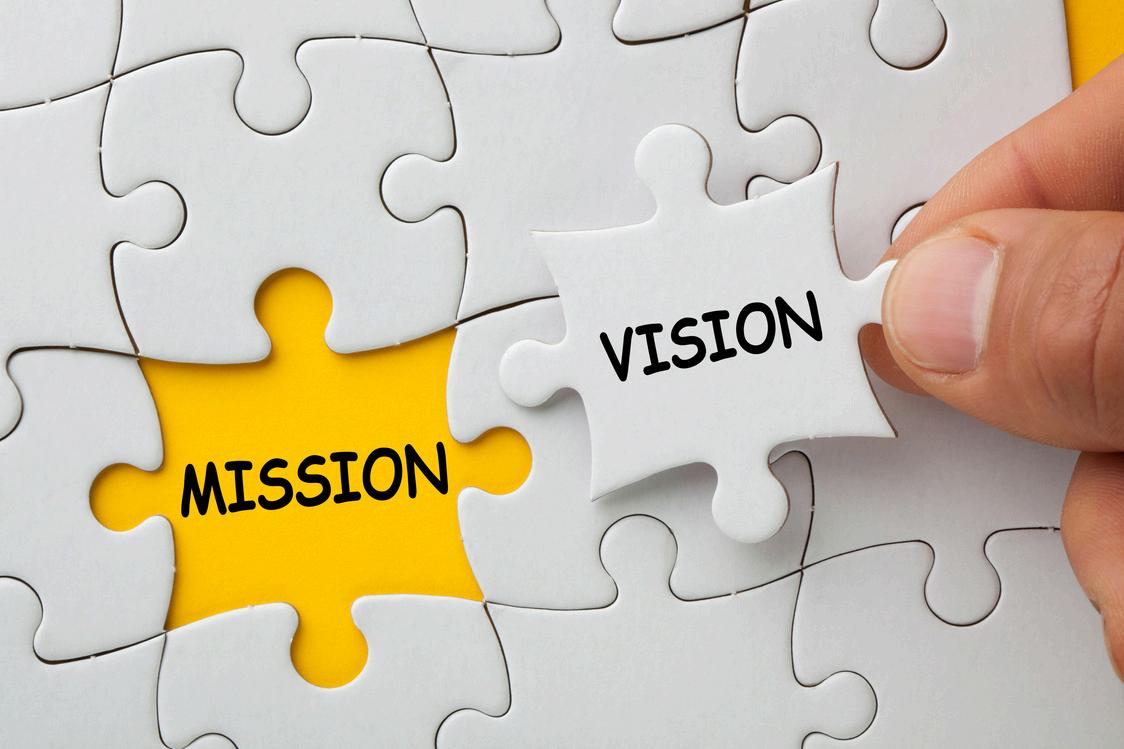
The Basic Model involves the simplest form of strategic planning, often used by small organizations or those new to planning.
It focuses on defining the purpose, future outlook, and primary objectives, followed by identifying strategies to achieve these objectives.
This framework involves straightforward and easy to implement, making it ideal for organizations with limited resources or those seeking clarity in their purpose. However, it may not address complex challenges or dynamic environments effectively.
MODEL #2: ISSUES-BASED STRATEGIC PLANNING MODEL
The Issue-Based Model, also known as the GoalBased Model, centers on identifying and addressing key issues facing the organization. It begins with an assessment of internal and external environments, followed by prioritizing critical issues and developing strategies to resolve them. This framework is practical for organizations undergoing change or facing specific challenges. While it provides focus and direction, it can be reactive and may overlook long-term opportunities.
MODEL #3: ALIGNMENT STRATEGIC PLANNING MODEL
The Alignment Model ensures that all parts of the organization are working cohesively toward the purpose and future outlook. It involves analyzing internal systems, approaches, and resources to ensure alignment with strategic objectives. This framework is beneficial for organizations experiencing internal disconnects or inefficiencies. Its strength lies in fostering organizational coherence, but it can be time-consuming and may require significant cultural adjustments.

Scenario Planning prepares organizations for multiple possible futures by developing strategies for various scenarios.
It involves identifying key uncertainties, creating plausible scenarios, and crafting flexible strategies.
This framework is particularly useful for organizations operating in volatile or unpredictable environments.
While it enhances adaptability and resilience, it demands considerable effort in research and analysis and may be challenging for organizations with limited planning capacity.
MODEL #5: ORGANIC STRATEGIC PLANNING MODEL
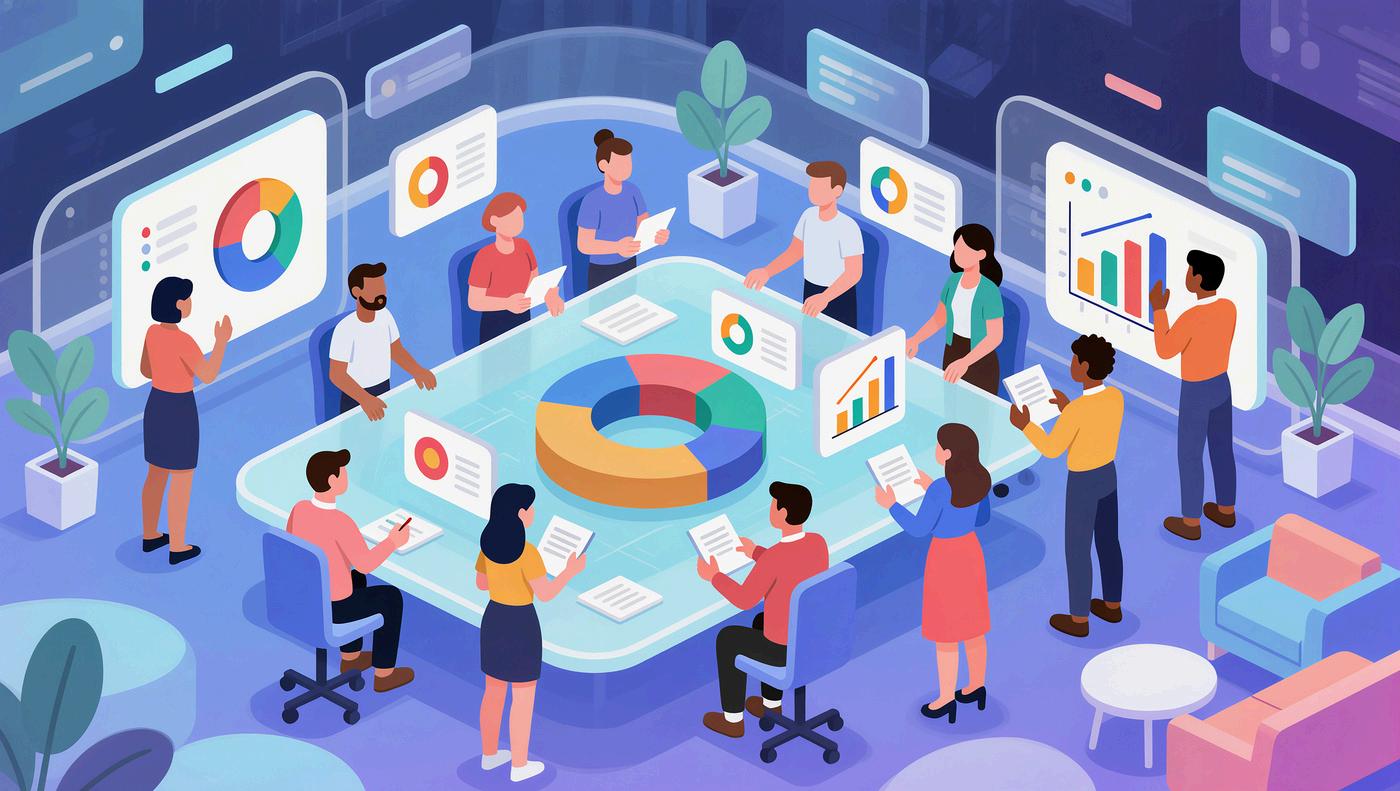
The Organic Model emphasizes flexibility and continuous learning, allowing strategies to evolve naturally as circumstances change. It relies on open communication, collaboration, and adaptability rather than rigid structures.
This framework suits organizations that value innovation and responsiveness. Its advantage involves fostering creativity and engagement, but it can lack structure and accountability, making it less suitable for organizations requiring formalized planning approaches.
FUTURE SEARCH
Future Search, developed by Marv Weisbord and Sandra Janoff, is a response to a world of non-stop change, increasing diversity, political turbulence, and social and economic complexity. It enables large, diverse groups to:
1.Confirm a common-ground vision
2.Take responsibility for action
3.Commit to ongoing steps.
Building on six decades of social science research, Weisbord and Janoff integrated insights from the fields of systems development, organizational change, social psychology and human behavior.
Future Search, a living, learning laboratory is a unique way for systems to tackle their big issues and drive sustainable change.
In 2019, Erik Anderson and Dr. Risé Jones traveled to Philadelphia to be trained as certified Future Search facilitators. Erik has used this whole system planning model with some clients. However, it is not an approach that is right for every organization.
WHICH STRATEGIC PLANNING MODEL IS BEST FOR YOU?
Ask yourself the following questions to help determine which type of planning model you should use:
Basic Model
Do we need a quick, straightforward plan to clarify Is our environment relatively stable?
Issue-Based Model
Are we facing specific problems that need resolution?

Do we want to focus on short- to medium-term issues rather?
Can we commit time and resources to conduct internal/external assessments?
Alignment Model
Do we suspect gaps between our mission and day-to-day operations?
Do we need to fine-tune strategies rather than overhaul everything?
Scenario Planning
Is our external environment highly uncertain or rapidly changing?
Do we need to prepare for multiple possible futures (e.g., funding shifts, policy changes)?
Organic Model
Are we willing to embrace an ongoing, evolving planning process rather than a fixed plan? DON’T JUMP TO
Do we value collaboration, dialogue, and adaptability over rigid processes?
THE BIG PICTURE: BOILING IT DOWN
There are only a few questions you need to answer at this point . . .
1.Do you need to engage in a planning exercise?
2.If so, then what type of planning exercise do you need to engage in?
3.If it is strategic planning, then what planning model fits you best?
4.How quickly can you contact Erik Anderson at The Healthy Non-Profit for help?
THE HEALTH NON-PROFIT
CAN HELP
. . . MEET ERIK ANDERSON
Erik Anderson is the Founder & President of The Healthy Non-Profit LLC.

A graduate of University of Illinois Urbana-Champaign with two degrees in planning, he has 29-years of experience working with non-profit organizations. He has facilitated countless plans, focusing on areas such as:
Strategic plan
Long-term plan
Business plan
Annual performance plan
Board development plan
Budget plan
Fundraising plan
Marketing plan
Annual campaign plan
Capital campaign plan