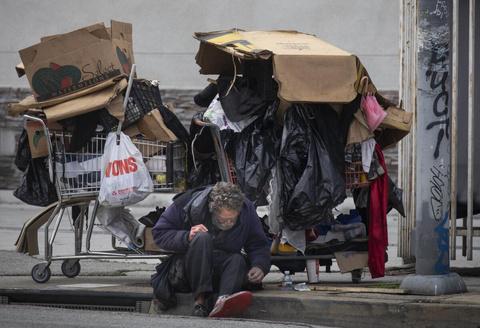
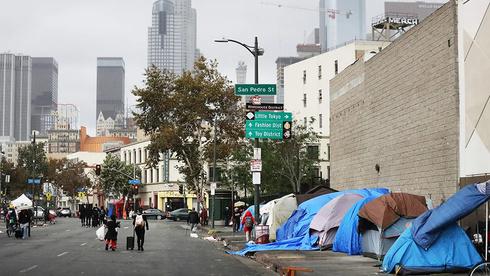
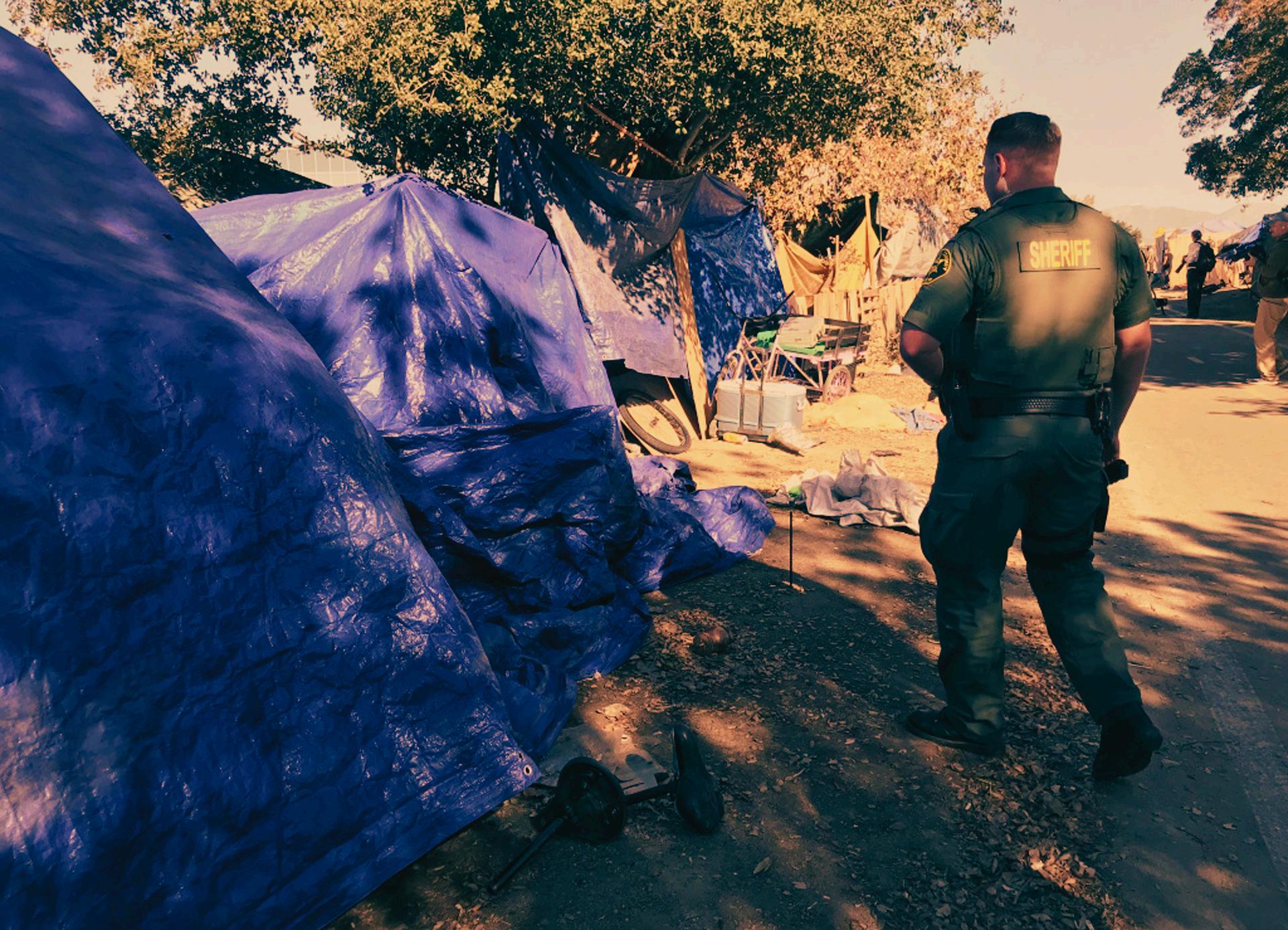
At Home Again, we are dedicated to raising awareness about homelessness and advocating for meaningful, lasting solutions. Our mission is to empower individuals and families affected by homelessness by sharing their stories, fostering community understanding, and driving impactful change through education, advocacy, and support.
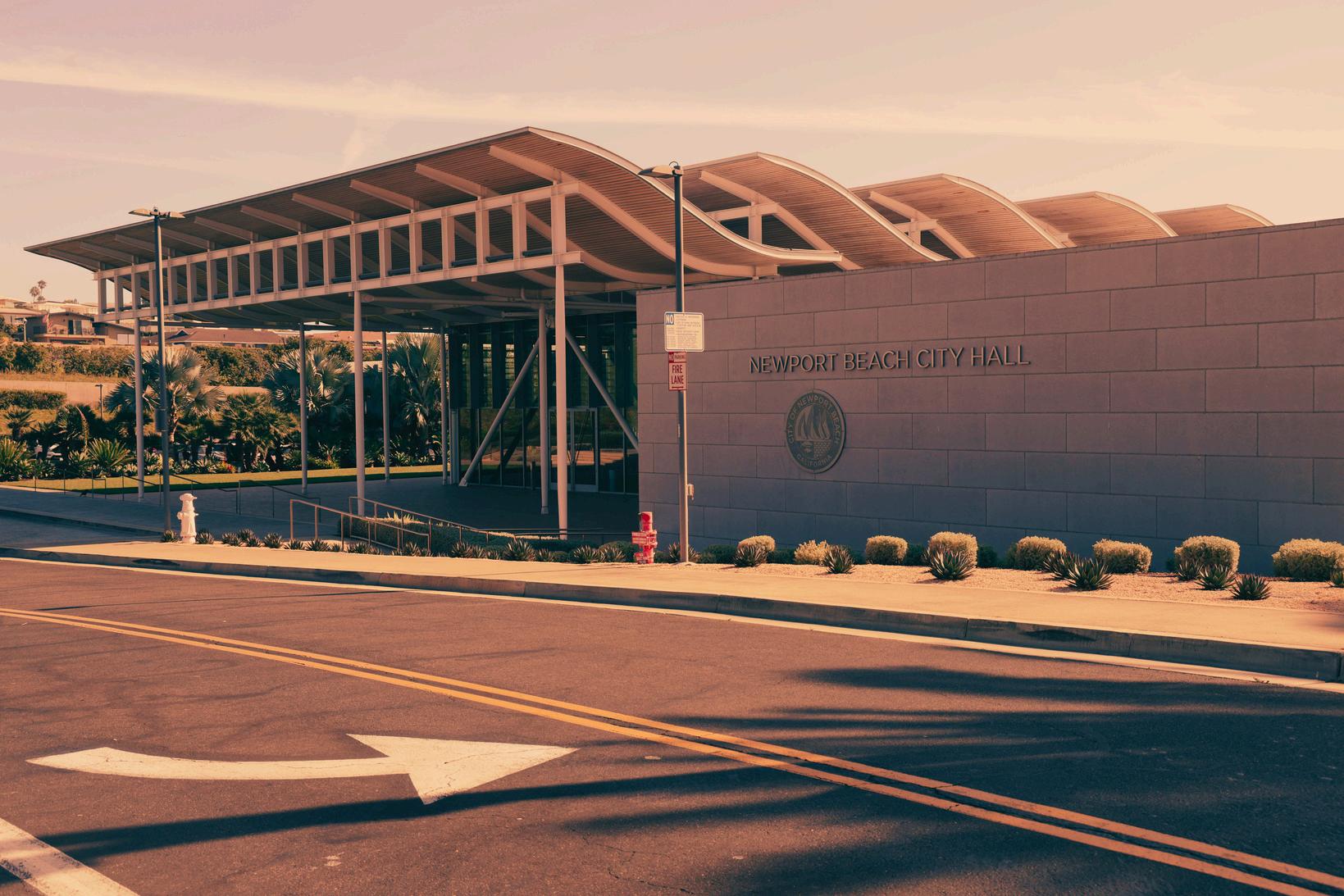
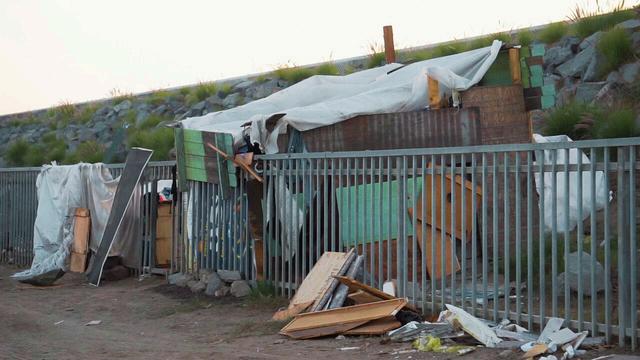
Our organization was born out of a response to the Newport Beach encampment bans, a turning point that highlighted the urgent need for compassionate and effective solutions to homelessness in our community. Seeing how these policies displaced vulnerable individuals and families, we felt compelled to act to advocate for those who often go unheard and to challenge the stigma surrounding homelessness.
HISTORY OF TimHOMELESSNESS
1945-1970: Post-WWII Era and Urbanization
1945-1970: Post-WWII Era and Urbanization
Post-WWII urbanization and housing shortages displaced Post-WWII urbanization and housing shortages displaced low-income communities, worsened by urban renewal and low-income communities, worsened by urban renewal and highway projects. The War on Poverty in the 1960s expanded highway projects The War on Poverty in the 1960s expanded social programs, yet systemic inequalities left marginalized social programs, yet systemic inequalities left marginalized groups, including minorities and veterans, especially groups, including minorities and veterans, especially vulnerable vulnerable.
1929-1939:
The Great Depression
1929-1939: The Great Depression
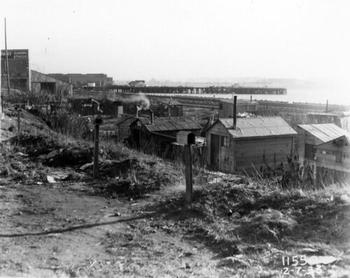
The Great Depression in the 1930s caused mass The Great Depression in the 1930s caused mass unemployment, with millions becoming homeless and unemployment, with millions becoming homeless and creating shantytowns called "Hoovervilles." Federal creating shantytowns called "Hoovervilles." Federal programs like the New Deal’s U.S. Housing Act of 1937 programs like the New Deal’s U.S. Housing Act of 1937 marked the first significant government intervention marked the first significant government intervention to address homelessness to address homelessness.
1980s: Reagan Era and the Decline of 1980s: Reagan Era and the Decline of Federal Support Federal Support
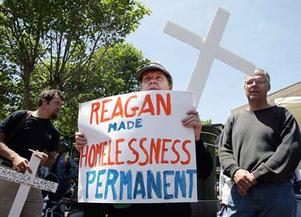
Federal housing cuts under the Reagan Federal housing cuts under the Reagan Administration led to a significant rise in Administration led to a significant rise in homelessness, with around 3 million people homelessness, with around 3 million people affected annually. Advocacy organizations like the affected annually Advocacy organizations like the National Coalition for the Homeless emerged, and National Coalition for the Homeless emerged, and the McKinney-Vento Homeless Assistance Act the McKinney-Vento Homeless Assistance Act (1987) became the first federal legislation (1987) became the first federal legislation addressing homelessness addressing homelessness.
meline
2000s: Economic Crises and Rising 2000s: Economic Crises and Rising
Housing Costs Housing Costs
The 2008 financial crisis caused widespread
The 2008 financial crisis caused widespread foreclosures, driving family homelessness to record foreclosures, driving family homelessness to record levels. Programs like the Homelessness Prevention levels Programs like the Homelessness Prevention and Rapid Re-Housing Program (HPRP) and the and Rapid Re-Housing Program (HPRP) and the Housing First model sought to address these Housing First model sought to address these challenges through preventive and long-term challenges through preventive long-term ssolutions. olutions
2010s: Advocacy and Legal Milestones
2010s: Advocacy and Legal Milestones
Federal efforts, including Opening Doors, focused on Federal efforts, including Opening Doors, focused on ending veteran and chronic homelessness, achieving ending veteran and chronic homelessness, achieving significant reductions in both. The 2018 Martin v. City significant reductions in both. The 2018 Martin v. City of Boise decision prohibited criminalizing of Boise decision prohibited criminalizing homelessness when no shelter is available, setting a homelessness when no shelter is available, setting a precedent for humane treatment. precedent for humane treatment
2020s: COVID-19 Pandemic and New 2020s: COVID-19 Pandemic and New Challenges Challenges
The pandemic highlighted vulnerabilities in The pandemic highlighted vulnerabilities in housing stability, with eviction moratoriums housing stability, with moratoriums temporarily preventing mass displacement temporarily preventing mass displacement. Federal measures like the American Rescue Federal measures like the American Rescue Plan provided emergency assistance, but Plan provided emergency assistance, but housing costs and economic disparities continue housing costs and economic disparities continue to drive rising homelessness rates. to drive rising homelessness rates.
BAN HISTORY AND LEGISLTION
“Approximately 90% of unhoused individuals displaced by encampment bans end up back on the streets," said Herring. "These bans perpetuate poverty."
By Meilin, Claire, and Taite
When people talk about homelessness, they often mean “Homelessness” a state where one is living on the street. In reality, homelessness encompasses a spectrum of unstable living conditions that jeopardize health, safety, and personal welfare, including those sleeping in cars, cycling through temporary accommodations, fleeing domestic violence, or teetering on the brink of eviction. Since the 1980s, the emergence of modern homelessness, correlating with the Reagan administration’s policies of deinstitutionalization for the mentally ill and slashed housing program budgets, has transformed a crisis of tens of thousands into a staggering epidemic of over half a million people. Far from a singular issue, homelessness is a multifaceted social challenge, deeply intertwined with socioeconomics, human rights, ethics, politics, and culture. Yet, in a world with global issues deemed more “urgent” or “solvable” dominate the public agenda, tackling the systemic roots of homelessness has grown increasingly difficult, allowing its numbers to steadily rise. People often advocate for homelessness to be addressed at its “root,” but it is evident now that over the years, cities have made increasing efforts to hide poverty from the rest of society.
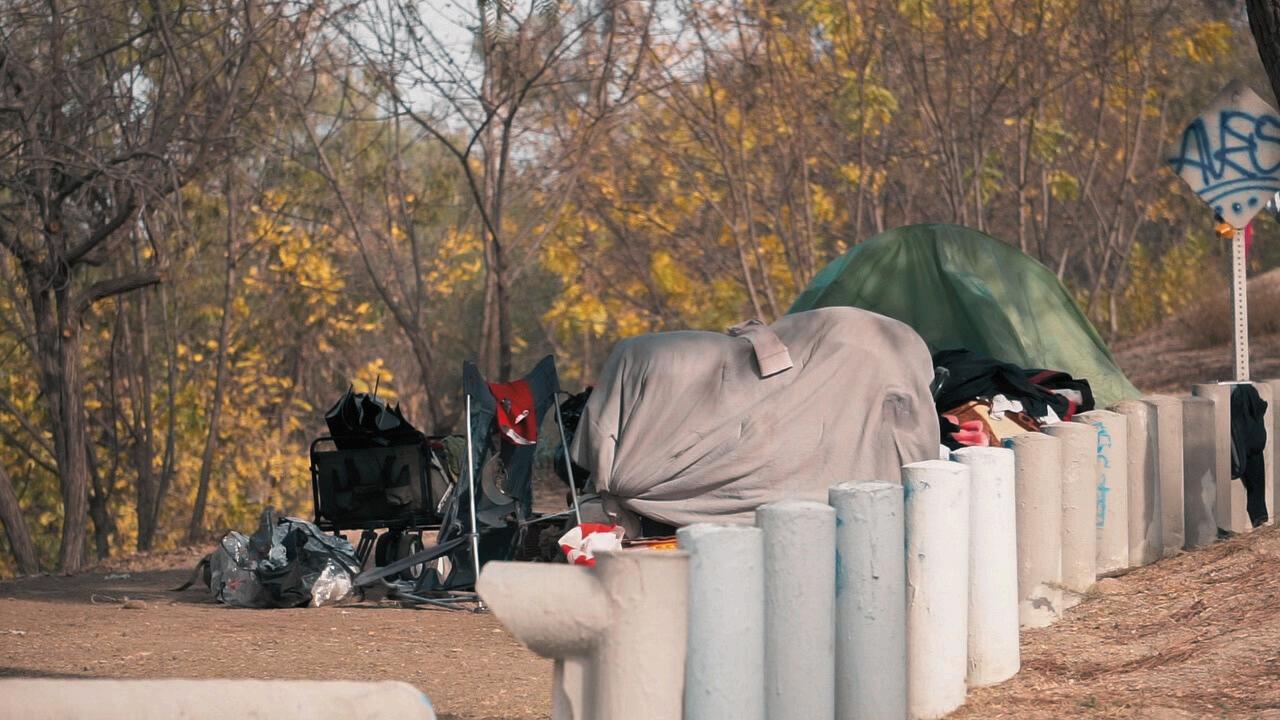
On June 28th 2024, the Supreme Court justices ruled in a 6-3 decision that it is not “cruel and unusual” punishment for city officials to ban those experiencing homelessness for sleeping in public areas. This act, allowing cities in the United States now to ban homeless encampments, surprised everyone and alarmed many, including Assistant Professor of Sociology Chris Herring from UCLA.
“Approximately 90% of unhoused individuals displaced by encampment bans end up back on the streets," said Herring. "These bans perpetuate poverty."
Moreover, unhoused individuals who do not evacuate encampments face arrest, leading to criminal records that hinder future opportunities for housing vouchers or employment, making it difficult to improve the quality of life.
While it is a commonplace for the Democratic perspective to defend a viewpoint similar to Herring’s, Governor Newsom of the blue state of California has actively supported this ban, issuing $1 billion in funding to clear encampments. Democratic swinging cities in California disagree with Newsom’s encouragement, stating that the ban is just “making the issue invisible,” exacerbating US homelessness rates 18% higher in 2024 since the past year, continuing with a clear upward trend. Conversely, Republican swinging cities tend to support the ban, claiming that this action is necessary for hygienic streets and will effectively force unhoused individuals into seeking resources such as non-profit organizations or government re-housing programs. However, the overcrowding of homeless shelters, coupled with unsanitary conditions and the cycle of individuals being repeatedly pushed back onto the streets, raises significant concerns about the well-being of unhoused individuals. This not only highlights a public health crisis but also underscores a moral issue in how society addresses homelessness.
But how did we reach the extent of this legislation and the increasing emphasis on enforcement rather than addressing systemic root causes? To grasp the underlying factors shaping the current approach to encampments, it is essential to examine the historical trajectory of legal rulings and their broader societal implications. The transition from Martin v. Boise to Pass v. Johnson represents a notable shift in addressing homelessness.
In 2018, the United States Court of Appeals passed the Martin v. Boise ruling, stating that cities cannot enforce anti-camping ordinances without sufficient facilities and resources for the homeless population. This ruling implied that those sitting in, sleeping in, or lying in public spaces have the right to do so if they do not have anywhere else to go. However, the Martin v Boise ruling did not mandate cities to establish new shelters for the homeless population nor obligate them to provide increased help. Moreover, cities and local governments could still impose reasonable time, place, and manner restrictions for the homeless population.
Despite the Martin v Boise ruling, the Supreme Court recently passed a subsequent ruling, the Pass v. Johnson, which effectively overturned the decision made in Martin v. Boise. The City of Grants Pass v. Johnson ruling gave cities the right to enforce laws and criminalize homeless individuals without violating the Eighth Amendment, which bans the government from giving ‘cruel and unusual punishment’ to the citizens. Amongst the various reasons behind this ruling, one controversial explanation stands out: it is constitutional for cities and local governments to remove and punish homeless populations because the punishments are not ‘cruel and unusual.’ The consequences may include short jail sentences and fines, which the Supreme Court decided are ‘reasonable’ consequences that do not infringe upon the Eighth Amendment. In the end, nonetheless, the ruling never clarified if it was constitutional for cities to give fines that homeless people could not physically pay for. Another prominent reason behind this ruling was that cities enforcing anticamping ordinance laws were not purposely attacking a homeless person ’ s status, but rather
their actions that impacted the larger community. Numerous cities and local governments have demonstrated varying responses after the Martin v Boise and Pass v Johnson rulings. Long Beach, California, spent time refining and creating encampment programs and services in ‘focus areas, ’ or areas already exposed to critical issues and disputes regarding homeless encampments and/or have received outreach services. In Long Beach’s strategy, the City’s Public Spaces Workgroup took an interdepartmental approach to address the focus areas ’ homelessness problems, cooperating with the police department, Homeless Services Outreach, and other institutions such as the Emergency Communications Center. Similarly, in Oregon, after the City of Grants ruling this year, there was a revisit to HB3115, a bill allowing homeless people to remain on public property if no shelters are available, to make adjustments to the law. Hence, it abided by the new ruling and maintained established systems and policies regarding the homeless population. For instance, local officials in Oregon drafted revised restrictions and guidelines for the time, place, and manner of regulations for encampments on public property. After the Martin vs. Boise ruling in some cities, like Seattle and Spokane Valley, government officials modified their ordinance plans to allow for greater homeless encampments and transitional shelters set up in public spaces.
Regardless of how successfully or unsuccessfully different cities have responded to the most recent Pass v. Johnson ruling, there is no doubt that countless Supreme Court decisions are doing any good to the homeless crisis in the United States, especially in the West Coast. One cannot say whether or not these rulings are requirements for local governments or simply
‘incentivizing acts’ that provoke specific discriminatory measures against the homeless population. The federal passing of Grant Pass v Johnson has enabled various responses from local governments. With more than 100 US cities having already banned homeless encampments in 2024, predictions for future legislation foresee a continuation of the current pattern. The new constraints are pervasive, present in both cities and rural areas, and are not necessarily correlated with the political orientation of the locality. Cities have instituted bans in states such as New Hampshire, Oregon, Montana, Florida, and Texas. California, the US state with the largest homeless population, accounting for 27.89 percent of the national estimate according to World
Governor Newsom’s encouragement of encampment bans coupled with the Supreme Court’s ruling have led several California cities to recently tighten their policies towards homeless encampments. After reporting a 104 percent increase in homelessness in their 2024 Point-in-
Time Count, San Joaquin County, bridging northern and central California, has taken advantage of the recent federal ruling to push an ordinance banning car sleeping and forcing unhoused individuals to move a minimum of 300 feet per hour. This ordinance aims to create uncomfortable conditions for the homeless population in hopes of encouraging more appropriate living conditions, but research shows it will merely create temporary relief from encampments and a cyclical process of unsettling the unhoused without permanent solutions. The City of San Diego passed an Unsafe Camping Ordinance to begin on July 31, 2023 prohibiting encampments on public property and codifying how, when and where the City may abate or conduct enforcement related to violations of the regulations. The City outlines a scaled approach, targeting homeless encampments near schools and parks most significantly impacted by encampments. Regardless of shelter availability, law enforcement must address violations under specific conditions including within two blocks of
PHOTOGRAPHED BY BRADY LEE
wo blocks of a shelter, in city parks, and in any or banks of a waterway.
ends illustrated in San Diego and San Joaquin most impacted city, Los Angeles refrains from ts. Instead, they plan to continue their pricy temporary housing in the form of hotel rooms modations become available. Other California er restrictions such as Santa Monica which ban on sleeping bags.
ampments necessitates suitable resources and nd support the homeless population – criteria uipped to meet. Data from The Public Policy ia, reflects that California’s shelters have the % of the homeless population, leaving the excess or support from their local governments. de ban of encampments would criminalize place at least 100,000 individuals.
s a national trend of encampment bans despite a sing and available necessities for the unhoused. cross the United States are now instating new gainst their homeless populations. By neglecting of homelessness and, instead, further drown the burdens of arrests, fines, and constant preading of encampment bans may prove ng the homeless crisis. With officials veiling the omelessness through temporary movement of and further restrictions, one can safely expect an used population as necessary support is further l government’s inaction and inability to protect
BEYOND THE SILVER SCREEN : CA’S HOUSING CRISIS
BY SARAH HUANG
When viewers tune into "The Real Housewives of Beverly Hills," they can see sweeping shots of oceanfront estates and sprawling Mediterranean-style mansions overlooking the California coastline
These shows, movies, and music in popular media have helped cement Southern California's reputation as a realm of luxury and extravagance Yet beyond these carefully curated images of wealth lies a profoundly different reality for millions of California residents The same communities that serve as backdrops for reality television are grappling with one of the nation's most severe housing crises
THE CRISIS
While entertainment media showcases the state's most exclusive properties, an unprecedented housing shortage has pushed even middle-income families to the brink of housing insecurity. The state currently faces a deficit of 3.5 million (around 26% of California’s housing stock) housing units, affecting not just lowincome communities but also professionals, young families, and longtime residents.
This crisis, which began to accelerate in the early 2000s, reached critical levels following the 2008 financial crisis when new constructions plummeted while population growth continued. Between 2010 and 2020, California added only one new housing unit for every five new residents, significantly below the necessary ratio to maintain housing stability.
Policy failures and local attitudes have intensified these issues. The government has continuously underfunded public housing programs and attempts to implement housing policies that favor lower-incomes have often faced local opposition. One example is restrictive zoning laws, particularly single-family zoning regulations. These restrictions prevent the construction of multi-family housing units in many California's cities. While many wealthy residents see single-family zoning as a beneficial tool for protecting property values and maintaining public safety, it has been historically associated with increased rates of segregation and continues to widen the socioeconomic divide. Although single-family zoning has been banned in 2022 by Governor Newsom, the effects of this policy can still be seen in California’s exclusive suburban neighborhoods.
Economic factors have further complicated the situation. Real estate speculation and housing as an investment vehicle have driven up property values. This often priced out local residents and converted once affordable housing units into luxury developments or short-term rentals. This has disconnected home prices from local incomes, creating markets that primarily serve investors rather than residents. A related phenomenon is the process of
gentrification, in which wealthier residents move into a historically low-income neighborhood, changing the characteristics of the neighborhood and driving vulnerable populations away. As the neighborhood becomes “upgraded” in a sense, original residents find themselves no longer able to afford to live there and in danger of displacement.
HOUSING AND HOMELESSNESS
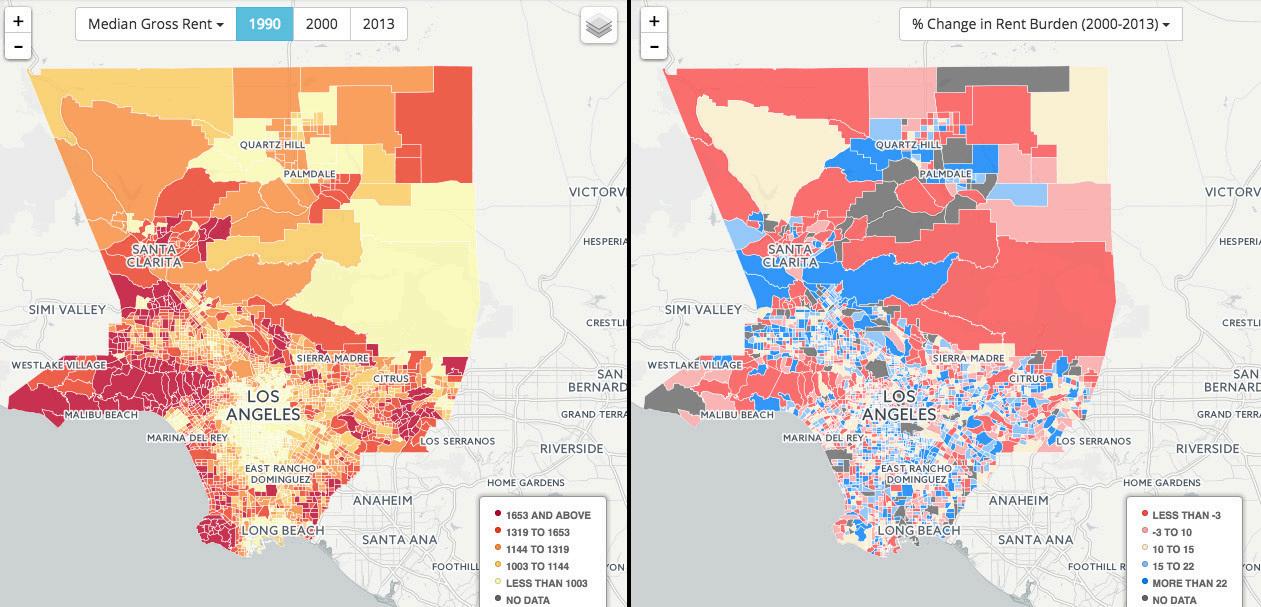
The affordable housing gap serves as a direct cause of homelessness. In California's urban areas, such as San Francisco and Los Angeles, renters need to earn much more than the minimum wage to afford the market-rate apartment. This disparity between wages and housing costs has created an impossible situation for residents. Evictions play a crucial role in this crisis. Despite recent efforts to strengthen tenant protections, many California residents remain vulnerable to displacement.
The absence of strong rent control measures in many cities leaves tenants exposed to sudden rent increases that can lead to eviction.
At the end of the day, vulnerable populations bear the brunt of this crisis. Single parents, particularly single mothers, face some of the highest rates of housing insecurity. Senior citizens on fixed incomes, low-wage workers, and individuals with disabilities are also disproportionately affected. For these groups, the loss of housing often marks the beginning of a difficult journey through homelessness, with limited options for regaining stability. Once homeless, it becomes incredibly difficult for individuals to regain housing stability.
CONCLUSION
So, while popular media continues to showcase California's most extravagant residences, the true story of the state's housing future is being written not in hillside mansions, but in city council meetings, community forums, and state legislative sessions. The contrast between the California of entertainment media and the lived experience of millions of residents serves as a powerful reminder that addressing the housing crisis requires looking beyond facades to implement meaningful solutions. Recent developments offer chances for hope. The state has begun to take decisive action through legislation that streamlines housing development and strengthens tenant protections. Moreover, growing public awareness has fostered a new sense of urgency and purpose among policymakers and the local community.
REACHING THROUGH THE FRAGMENTS REACHING THROUGH THE FRAGMENTS
This artwork illustrates the cyclical nature of poverty and the struggle to break free from its grasp. The figure's upward-reaching hands symbolize a yearning for hope and opportunity, while the surrounding torn materials, discarded objects, and muted tones represent the weight of economic hardship and societal neglect. The fragmented collage pieces evoke the shattered dreams and barriers that entrap individuals in poverty, emphasizing how systemic challenges make the cycle difficult to escape. Yet, the light reflected in the subject's expression conveys resilience and the persistent search for a brighter future.
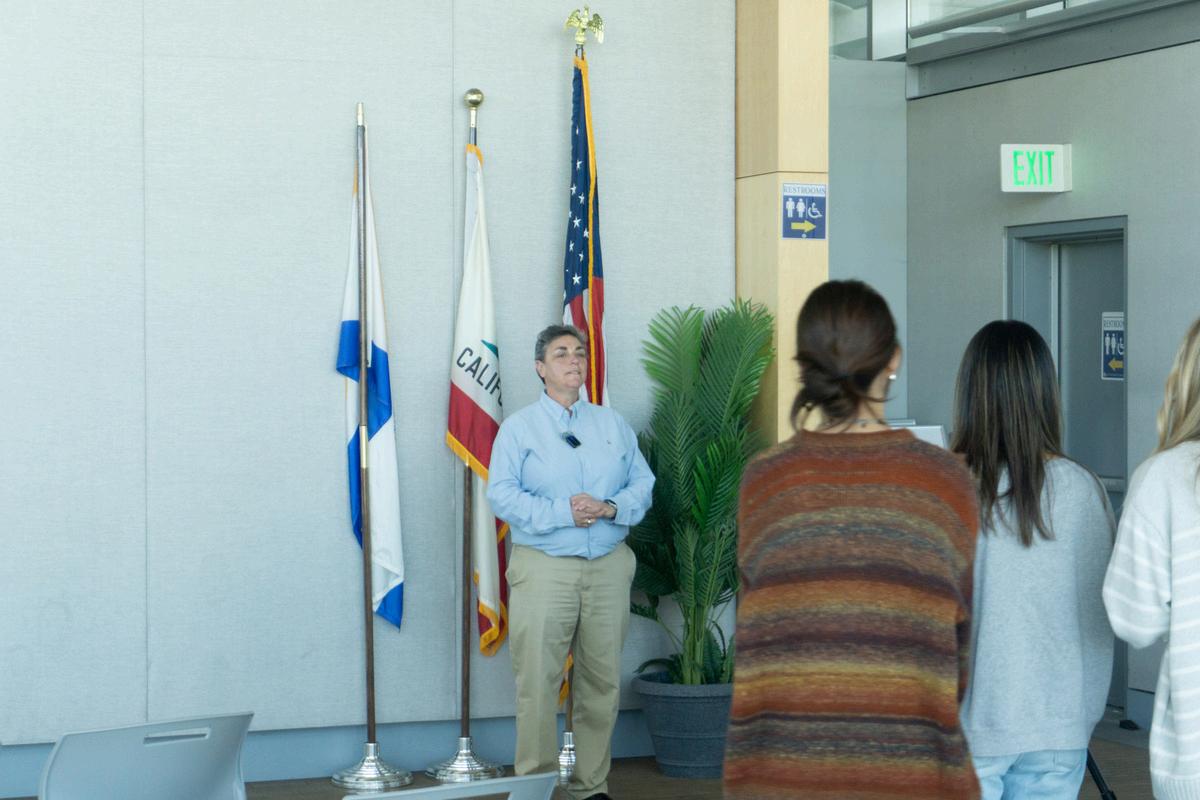
Natalie B. is the Homeless Services Manager for the City of Newport Beach, bringing over five years of experience in this role and a demonstrated commitment to addressing homelessness through tailored, communityfocused solutions. Since September 2019, she has led efforts to house individuals, connect them to essential services, and evaluate the impacts of policies like Newport Beach’s October encampment ban. Natalie emphasizes the importance of city-specific approaches, noting that solutions effective in one community may not work universally. With a deep understanding of Newport Beach's homeless population documented at 32 individuals in the most recent point-in-time count Natalie works closely with the city’s homelessness liaison officer and regional partners in Huntington Beach and Costa Mesa to monitor progress and provide comprehensive support.
NATALIE BASMACIYAN
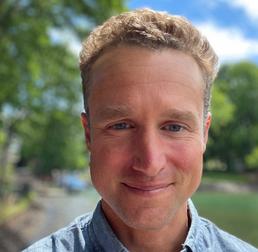
Chris Herring, an Assistant Professor of Sociology at UCLA, focuses his research on poverty, housing, and homelessness in U.S. cities, with work published in leading academic journals and prominent media outlets like The Washington Post and The New York Times. He is writing an ethnography on the criminalization of homelessness in San Francisco and studying Ban the Box policies with Harvard's Sandra Smith. A proponent of public sociology, Herring has co-directed participatory action research projects, worked with organizations like the San Francisco Coalition on Homelessness, and served as a researcher for the city's Mayor's Office on Homelessness. He teaches courses on urban sociology, poverty, punishment, and ethnographic methods, and strongly advocates for the Housing First approach, which his research identifies as the most effective solution to homelessness. Herring holds a PhD in Sociology from UC Berkeley, an MA in Social Anthropology, and a BA in Economics, and previously worked as a project manager in New York City's Department of Housing Preservation and Development
CHRIS HERRING
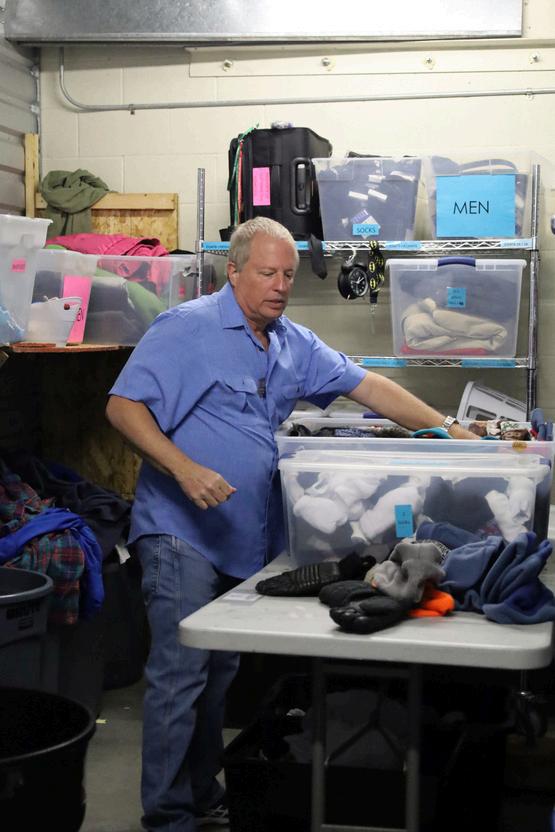
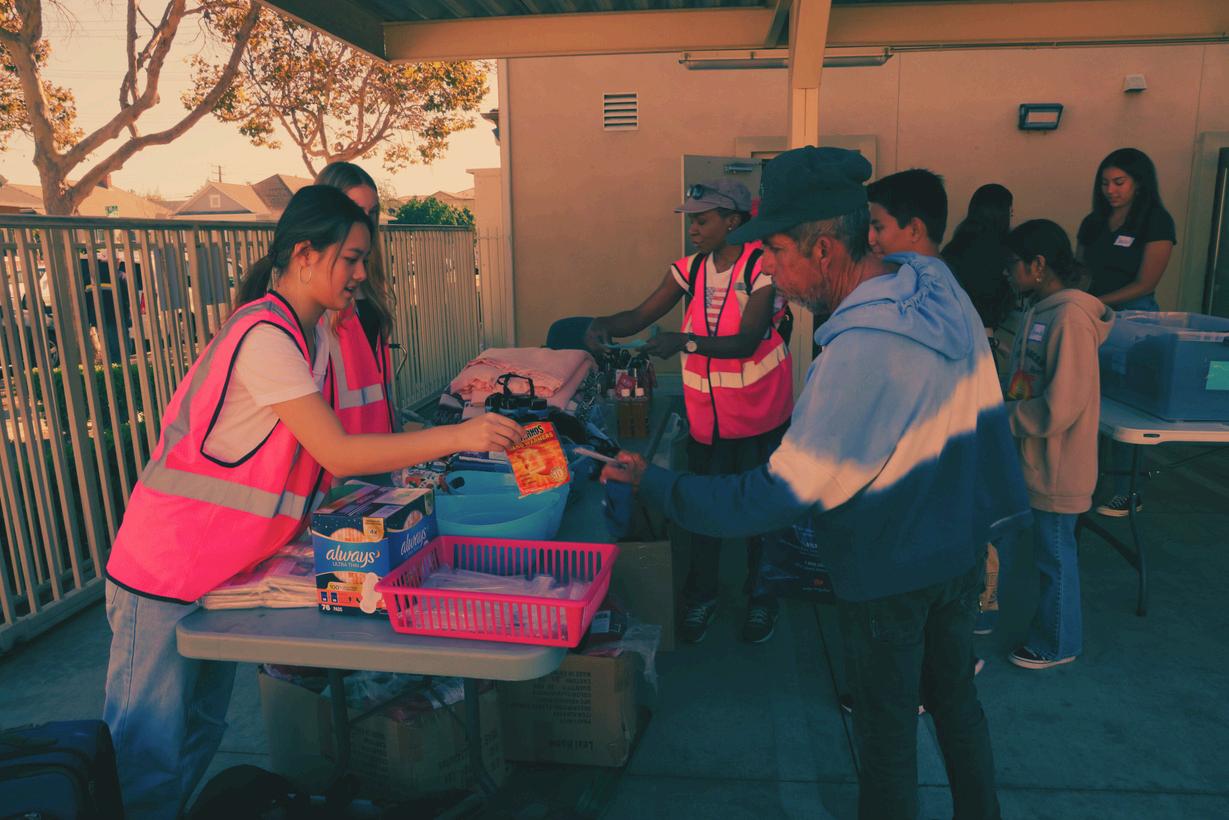
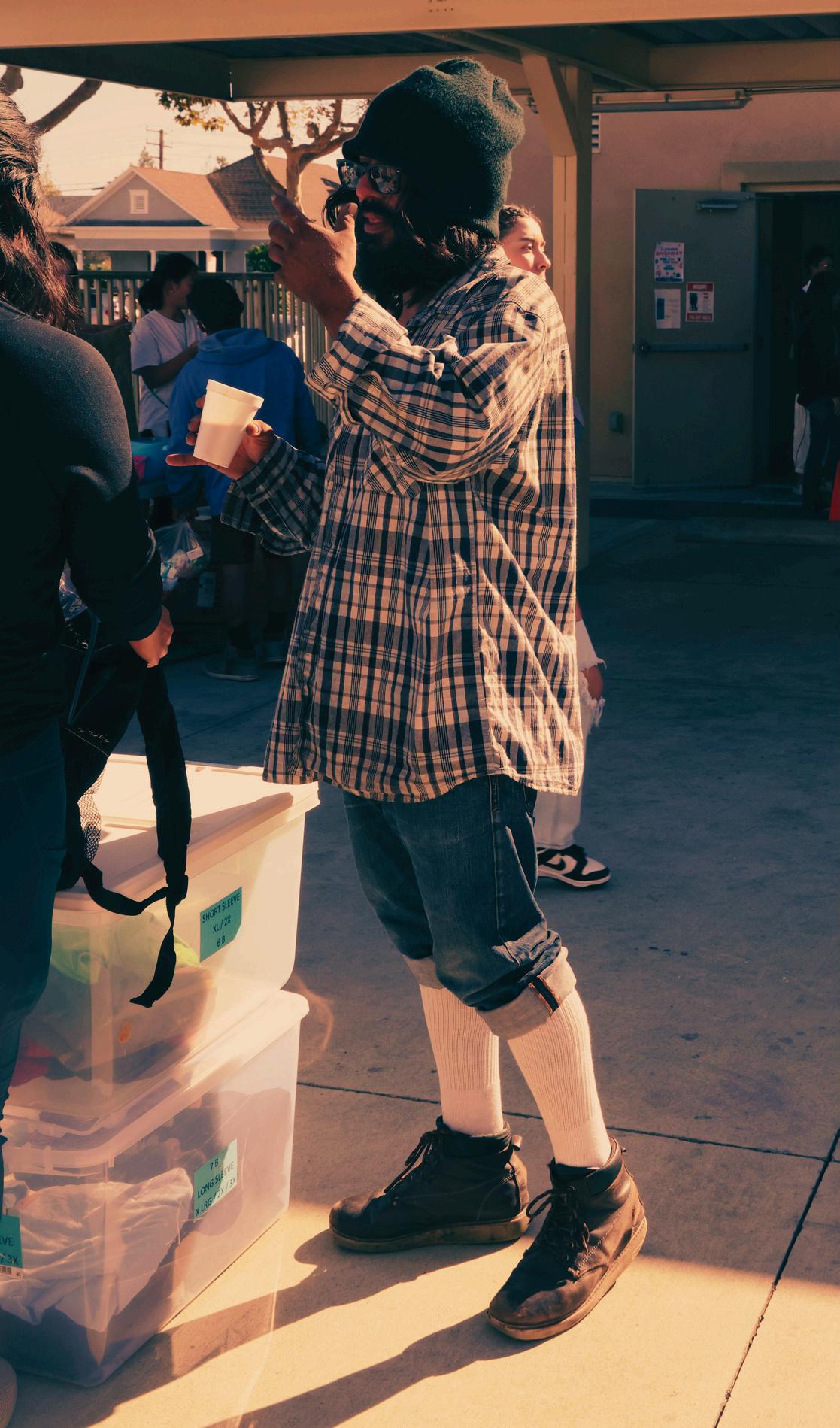
Mitchell Raff is the founder and director of Clothing the Homeless (CTH), a nonprofit organization dedicated to serving Orange County's homeless population through a mobile clothing distribution system. Since taking ownership of CTH in 2016 from Journey Church, Mitchell has led the organization as a 501(c)(3) nonprofit, driven by his unwavering commitment to dignity, compassion, and support for those less fortunate. Under his leadership, CTH distributes over 1,200 clothing items monthly to individuals in need across Costa Mesa, Santa Ana, Riverside, and Anaheim, ensuring accessibility without the barriers of vouchers or transportation. With an allvolunteer team and partnerships with other service organizations, Mitchell has created a holistic approach to meeting the needs of the homeless community His mission reflects a belief in the transformative power of respect and kindness, and he invites others to join in supporting this humane and impactful cause.
Allen Burnett, MTS, serves as the Community Engagement Manager at Project Hope Alliance (PHA), bringing a deep passion for supporting children and families affected by homelessness Joining the PHA development team in 2022, Allen holds a degree from UC Santa Cruz and an M.A. in Theology from Vanguard University. With a career rooted in serving children, he previously owned and operated childcare facilities for working families living at the poverty line and served as a youth minister at Second Baptist Church of Santa Ana, where he continues to volunteer. Allen is committed to PHA's mission of ending the cycle of homelessness one child at a time by addressing the unique challenges that prevent children from reaching their full potential. Through PHA’s innovative on-site intervention model, Allen works to build stronger communities by ensuring homeless youth have access to the resources, mentorship, and educational support they need to thrive.
MITCHELL RAFF
ALLEN BURNETT
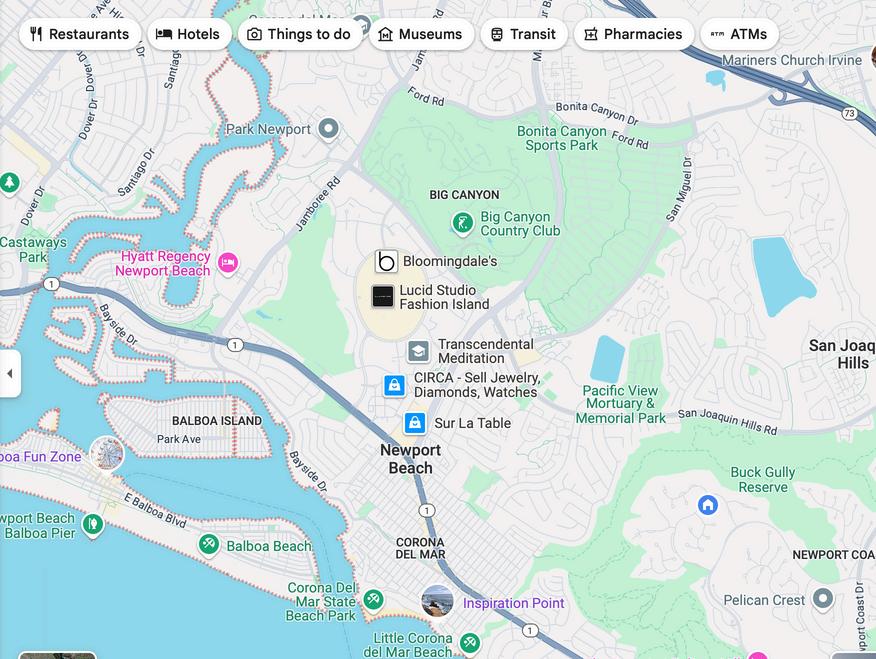
2019 PIT count: 63 unsheltered
2024 PIT count: 71 unsheltered (increase of 11% or 8 individuals)
58 arrests and 10 issued citations, fielded 154 calls for service involving homeless individuals
Street Exits: Year-to-date(Jan 1 to Dec 31, 2024): 163 street exits (95 to shelters)
Quarterly (10/1-12/31/2024): 15 street exits (6 to shelters)
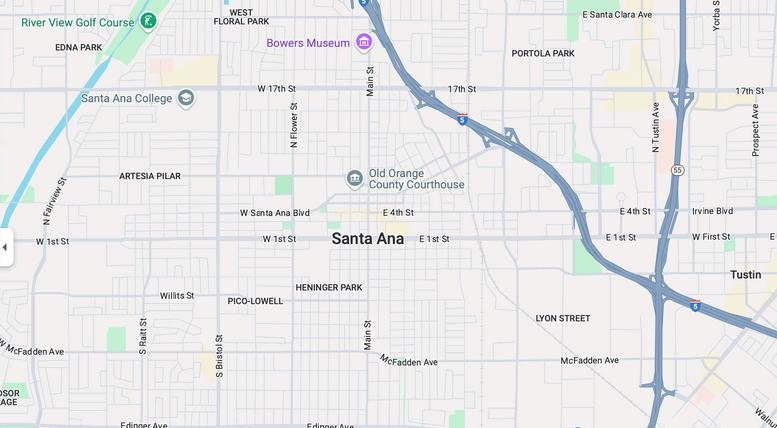
2019 Point-in-Time Count: 1,769 homeless individuals in Santa Ana
2024 Point-in-Time Count: 1,428 homeless individuals in Santa Ana (a reduction of 341 or 19%)
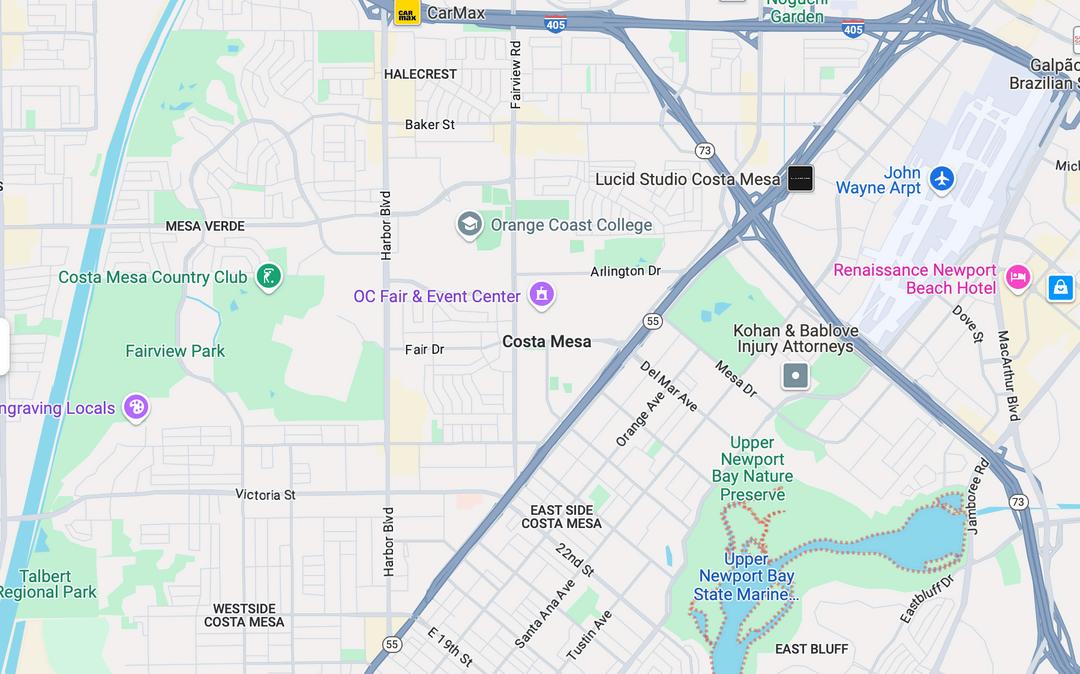
THE INTERACTIVE DATAMAP
Street Exits from Mercy House: 33 total shelter guests housed 14 exited to permanent housing
2919
2088
19 exited to temporary housing or specialized treatment facilities (e g psychiatric substance use, medical)
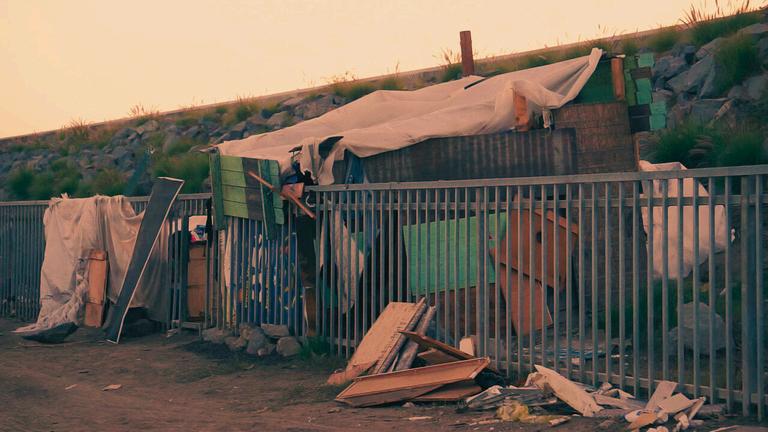
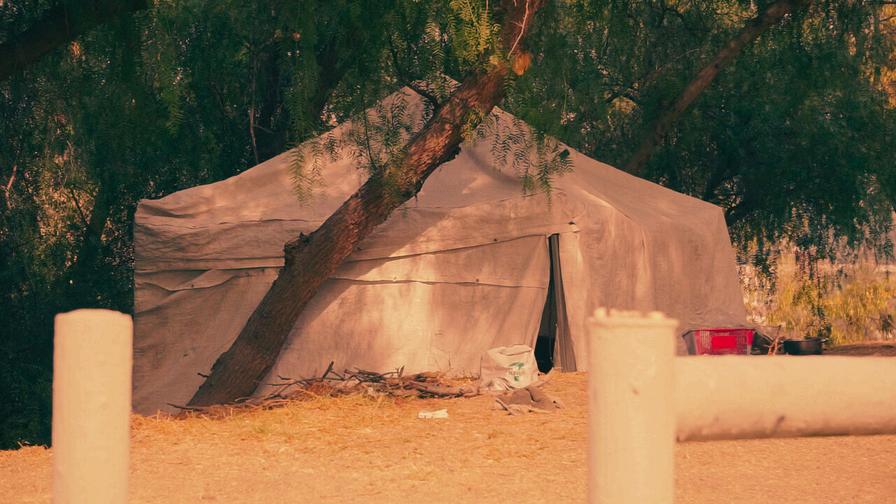
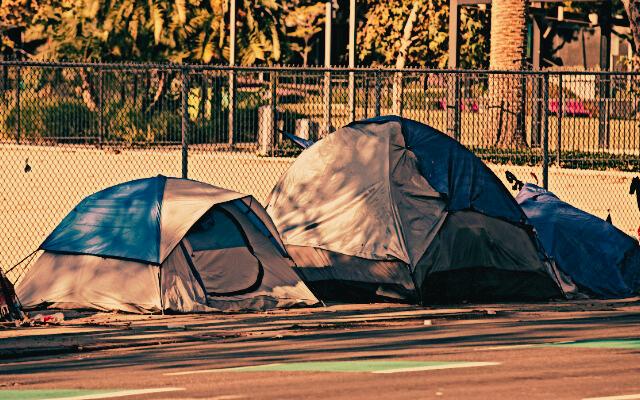
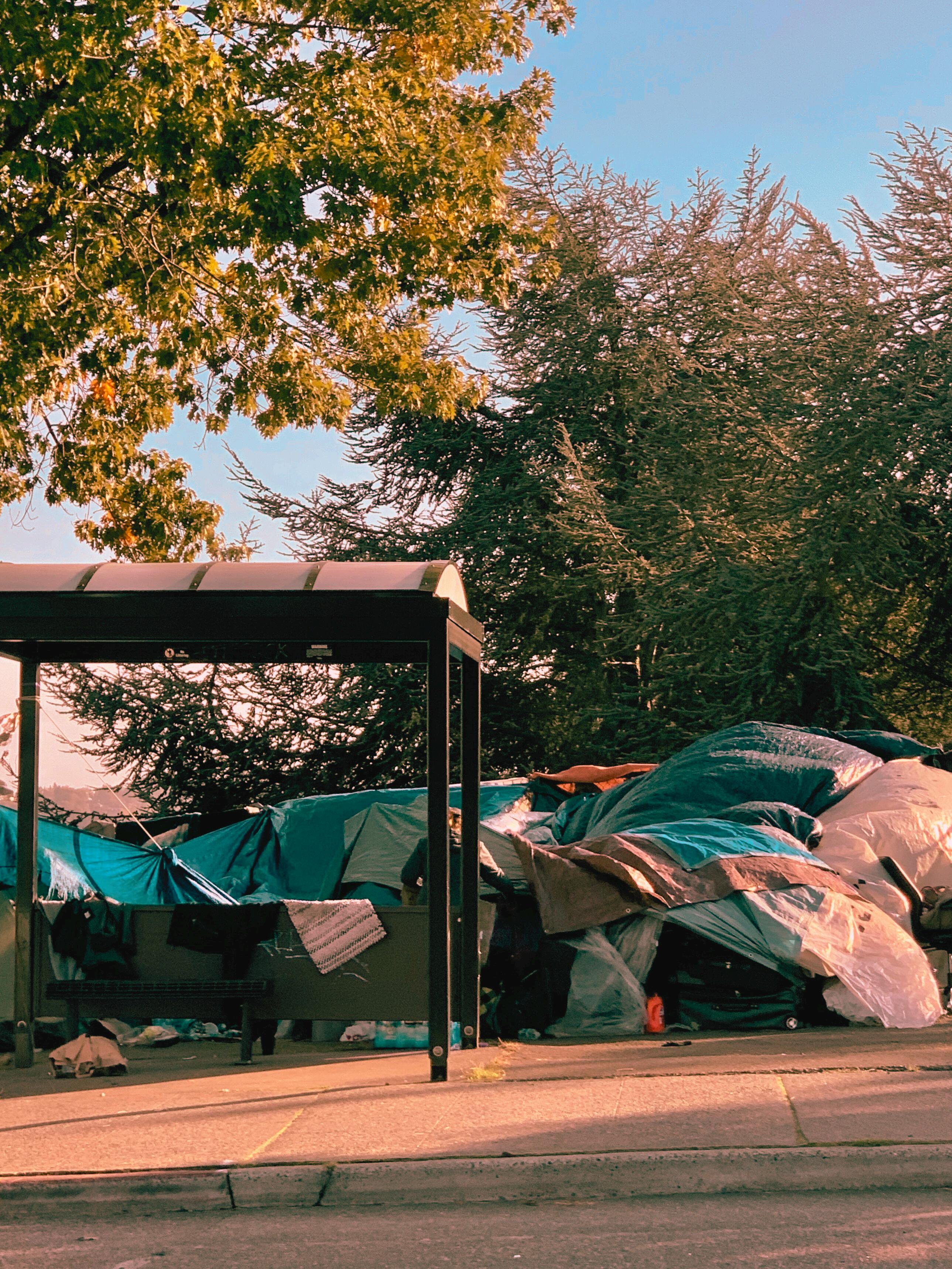
Driving through the outskirts of the Hollywood Walk of Fame, I peer through the car ’ s backseat window. Along the concrete sidewalks were numerous homeless encampments, tightly compacted together with tens of unhoused individuals lining the street. As a child, I was often told a blanket statement that homelessness is a result of one ’ s own reckless choices. In hand with that, many individuals regard the unhoused population as dangerous a forgotten community hidden away from the rest of society.
B Y T E R E S A Z U O
Overpoweringly, people often have the notion that homelessness is labeled as something that does not happen “in my backyard” or the NIMBY ideology. Applied to the homelessness crisis, the ideology “not in my backyard” also commonly known as “beggarthy-neighbor,” perpetuates the misconception that individuals experiencing homelessness only belong in the underserved and economically challenged areas of a city. This viewpoint, an ignorant view of reality, disregards the fact that avoidance of the homelessness crisis worsens the situation. NIMBY is often rooted in concerns about property values, safety, or social environment and dynamics. Many supporters of “not in my backyard” prevent the construction and development of shelters and affordable housing in their immediate vicinity. In The Daily Economy, the concerns of many NIMBYers “show stronger opposition to new construction, even when that new construction would benefit them according to their own beliefs” so they aim to “[maintain] the status quo ” which clearly intensifies the housing crisis. Furthermore, these individuals “ worry that new housing developments in their communities threaten their way of life,” such as their prediction that the influx of people from different backgrounds could potentially shift the demographic distribution of the schools NIMBYers’ kids attend. The ironic phrase of “not in my backyard” raises the question: if not in your backyard, then where?
The basis of arguments against programs to alleviate homelessness and the wider development of transitional housing often is a result of the misconception that homelessness is primarily caused by drug addiction and mental illness.
However, the reality of the situation of most unhoused people is just an economic one: racial inequality in employment, skyrocketing housing prices, and the difficulty in attaining government aid often impact the ability to afford housing. For instance, there is on average at least 100% growth in California home prices in the past 10 years. Among the homeless individuals sheltered and in the labor force, there is approximately 15% unemployed, which could be potentially due to the economic changes and fluctuation of shelter resources.
While homelessness can make people more susceptible to addiction and mental illness, which can catalyze a seemingly inescapable cycle of poverty, it is often not the sole cause. Interestingly, what underlies unhoused individual’s involvement in drug addiction is often the dehumanization of the population. The public would much rather ignore the humanity of unhoused people and present them as people without complex emotions and stories. Labeling them as drug addicts and dangerous people eliminates any empathy for them and creates the narrative that they do not deserve respect and humane treatment.
Interconnected with the dehumanization of homeless people, many people falsely believe that unhoused people do not maximize the utility of their resources. However, when given direct financial support, most people spend money on housing and food. Every night, hundreds to thousands of people wait in line to get into a shelter and can't. A survey done in Los Angeles indicates that when these unhoused individuals are given the option of a congregate shelter, 30% of those on the street would say yes. Additionally, pilot programs show a high success rate when people are trusted with these resources.
As the media and public perpetuate harmful misconceptions and stereotypes about homelessness, the best anyone can do is to educate themselves and check their biases.
ZUPRIMNA
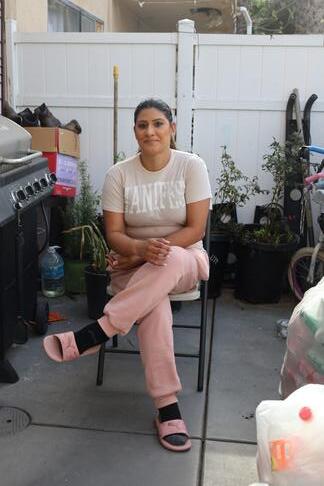
Zuprimna is a resilient mother of four whose strength has carried her through some of life’s toughest challenges. After being in an abusive household, she fell into homelessness. Though the journey has been difficult, Zuprimna’s determination never wavered. Today, she is fighting for custody of her children, striving to provide them with the stability and love they deserve. Despite struggling to afford rent, she remains committed to overcoming every obstacle in her path. Zuprimna is a shining example of hope of new beginnings
CLARK DAVID INGLISH
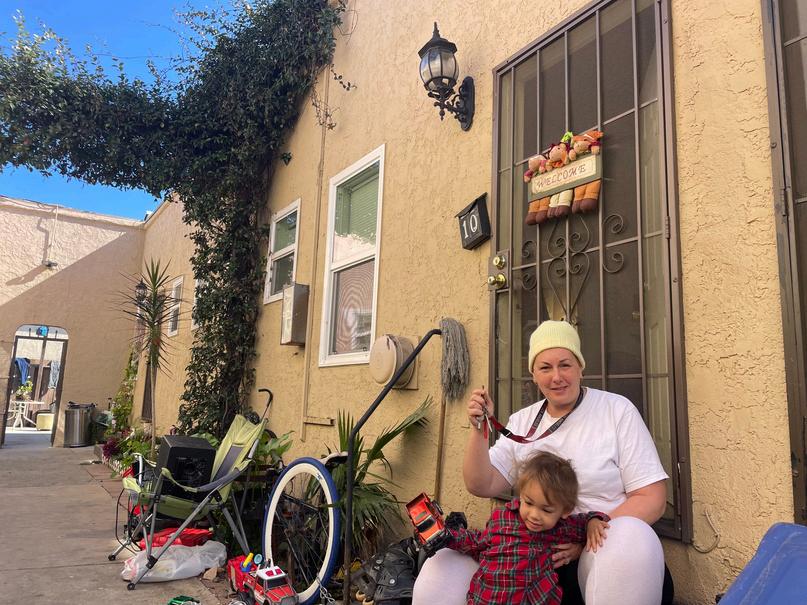
Clark David Inglish experienced homelessness in both Orange County and Los Angeles County during his transgender coming out journey, the birth of his child, and the COVID-19 pandemic. Despite these challenges, he overcame substance abuse, retained custody of his child in court, and is pursuing college education after securing permanent housing through a voucher program. Clark emphasizes that stable housing is the foundation for a remake of one ' s life, asserting that only a secure, permanent home one with four walls and a roof creates the stability necessary for meaningful personal transformation. read it.
PHOTOGRAPHED BY JENNY LI & DYLAN HAN
MARCUS HULBERT
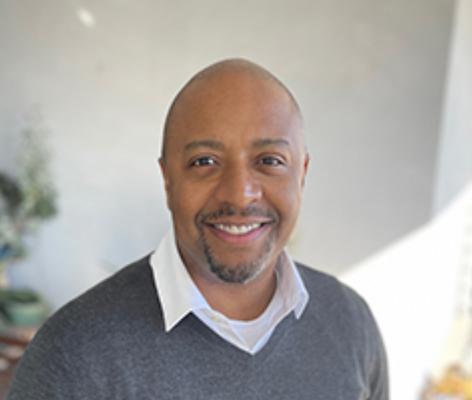
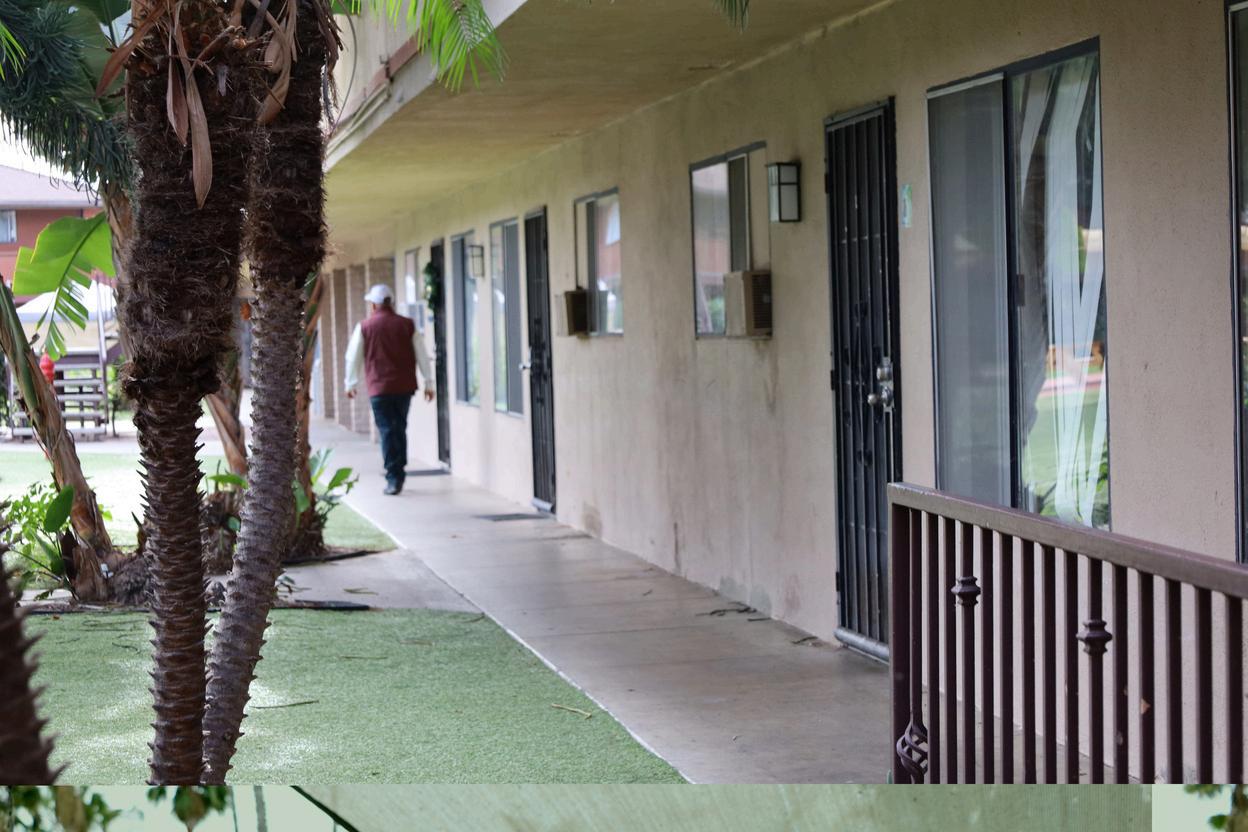
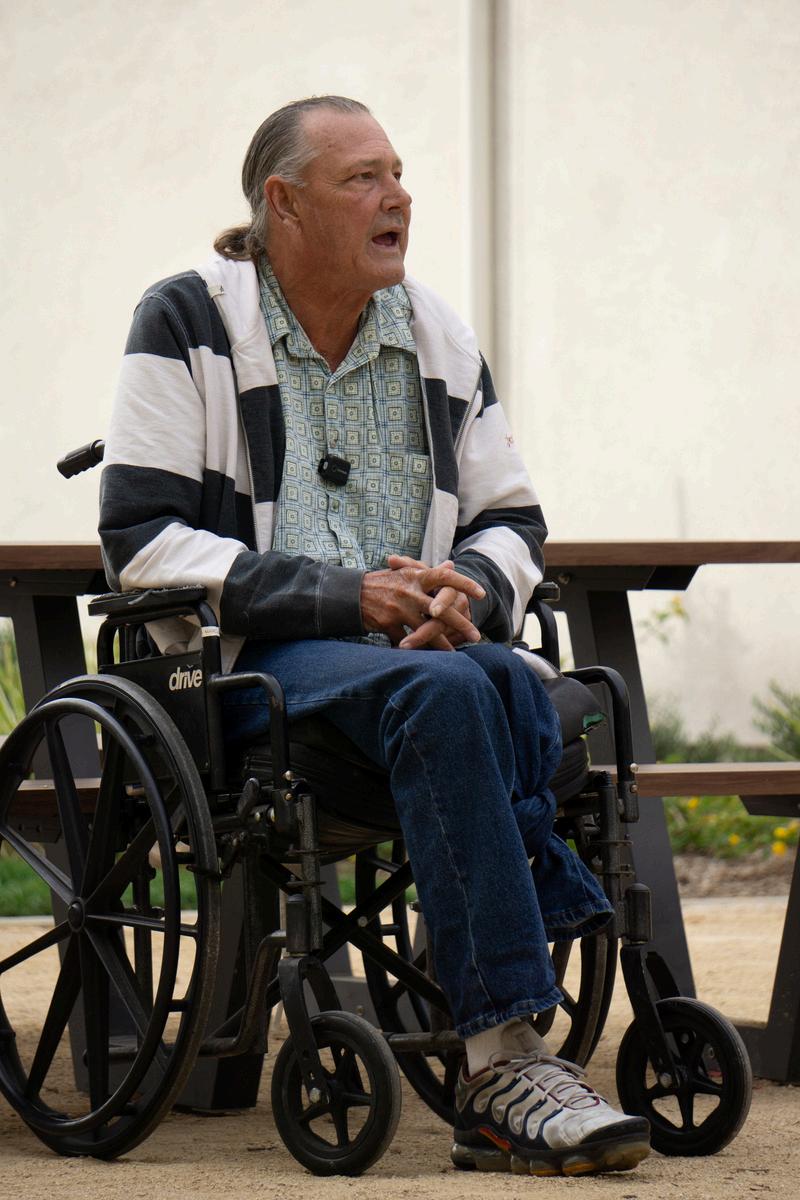
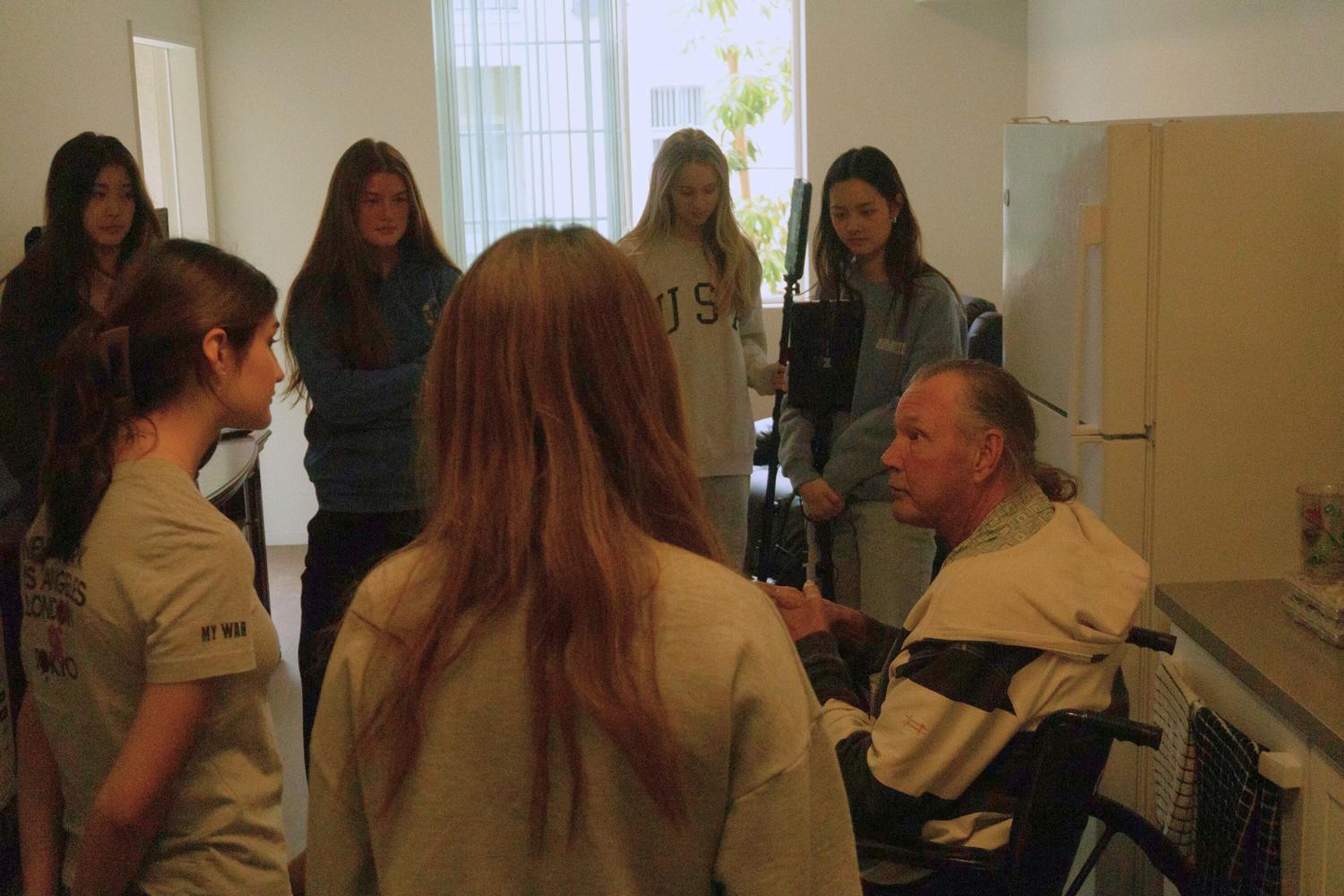
Marcus Hulbert fell into the cycle of homelessness after undergoing dozens of medical procedures, one of which led to the amputation of his left leg. A Newport Beach native, he had previously moved to Las Vegas, sacrificing his career as an insurance broker to care for a close friend. However, after his friend’s passing, he was forced out of the home, leaving him without stability. In 2024, with the support of Natalie B from the Newport Beach City Council, Marcus secured permanent housing in Costa Mesa. His message to others is one of resilience no matter how much you lose, there is always a path forward, and a chance to rebuild.
PHOTOGRAPHED BY JONATHAN YE
ENCAMPMENTBANS: MISGUIDEDAPPROACH
By Linda Liu
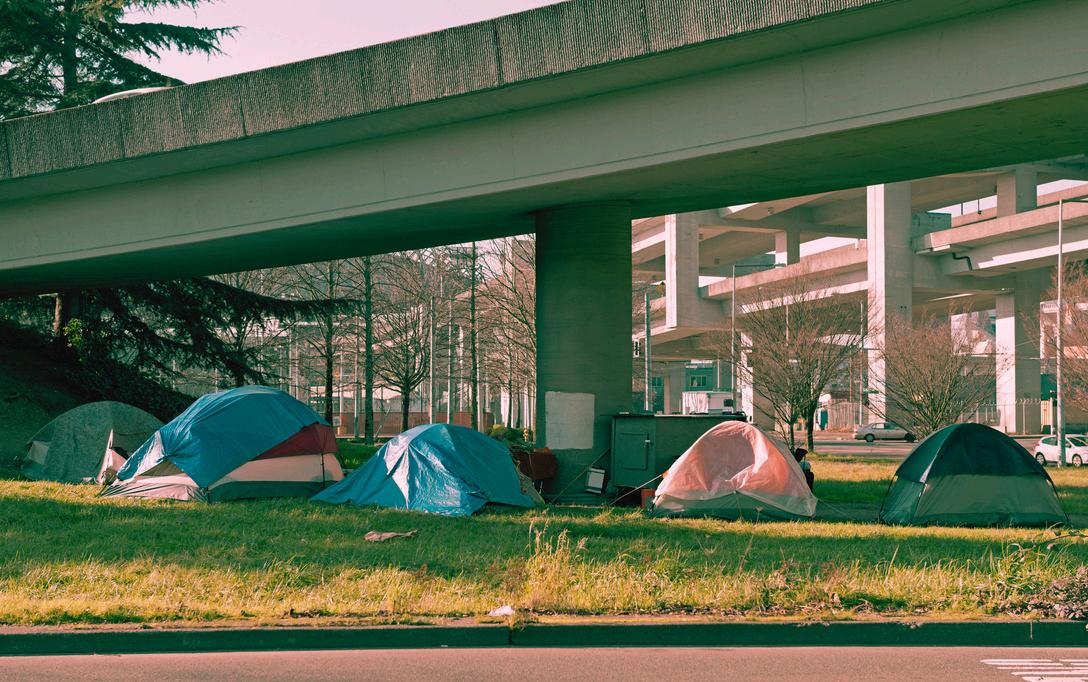
In June 2024, the Supreme Court declared encampment bans as not breaching the Eighth Amendment, which allows and frees more municipalities from applying these laws. Encampment bans are laws that prevent people from camping in public properties. People are forced to leave areas they have settled in such as spaces like parks despite these individuals being homeless or unable to provide for themselves. However, these bans are increasingly implemented in the United States and California has 14 or more cities that have prohibited public camping.
Regarding this growing trend of implementing encampment bans, the proponent side of city officials believe it positively aids public safety concerns, increases neighborhood aesthetics, addresses community complaints, and encourages homeless individuals to seek shelter at “ more appropriate” locations. As the homeless are being removed from public spaces, citizens feel more at ease without having to worry about potential crimes. Businesses can also operate better as the overall appearance improves drastically without people camping nearby. Property value also increases along with the cleaner environment.
Thus, many complaints from residents or businesses are addressed by the encampment bans, which further emphasize and portray the government’s support towards citizens’ concerns.
Nevertheless, opponents argue that encampment bans have no actual effects on addressing homelessness. There hasn’t been a decrease in the percentage of homelessness as 90% of the people are driven away from their shelters to avoid arrest. Many of these individuals are forced to relocate and camp in other locations, which doesn’t thoroughly solve the problem of homelessness. Furthermore, there is a shortage of homes in the United States due to the increase in inflation. 8090% of the homeless people would take getting off the streets for shelter inside a hotel, 60% would take a tiny house, and 30% would like congregate shelter. Yet, there is still a shortage of shelter for the homeless. Politicians implement the criminalization of homelessness under the assumption that there are plenty of shelters available and can accommodate homeless people if only laws are implemented. However, this isn’t the case because sometimes these shelters aren’t available solutions or they won’t work for serving as temporary homes to the homeless.
This lack of shelter serves as a key problem when addressing the homelessness issue since many safe cities don’t offer these accommodations. As a result, homeless individuals have to travel to designated places to receive these types of accessibilities. For example, many want to settle in safe neighborhoods in Irvine, but there are insufficient shelters, nonprofit organizations, and shower stations in these locations. Another instance is in Newport Beach, where there are 71 unhoused people with zero shelter beds. An effect of transferring these vulnerable populations to distant locations is that some of these destinations have even worse conditions and are away from their usual and familiar circle, which they receive support at times. Many of these designated shelters also have limited policies such as no pets allowed or having to split family members which only exacerbate their situation and state.
Johnson case added that using a blanket or pillow while lying down wasn’t allowed. Furthermore, the citations
they receive and can’t pay off prevent them from accessing services, and due to people being criminalized for temporarily lingering in public spaces, access to housing and jobs becomes harder. While the law is pushing people towards housing, these people are simultaneously being blocked from this access because they are continuously criminalized. This cycle perpetuates the dire states that homeless individuals are in by making reintegration more difficult.
Aside from the availability of shelters, 42% of the homeless people forced to leave public spaces have had their personal belongings taken, 70% received citations, and many were being filed complaints at. As a result of their belongings being taken, they also lose their ID, which is important for shelter, and further endangers those individual’s chances for future source of residency. Nevertheless, shelters only serve as temporary solutions. Most of the time, many who do live in these shelters have to spend the day outside. Without any financial resources, the majority are left to stay in public spaces, which they still get complaints about because they have nowhere else to go. An extreme situation is in Los Angeles, where there are laws that prevent people from sitting down on sidewalks unless they’re watching a parade. The Martin vs. Boise case allowed people to lie down in the streets if there wasn’t available shelter, while the Grants Pass v.
Finally, there are psychological and social consequences for the homeless. They receive much unwanted attention, criticism, and complaints that reduce their dignity which is worsened by the criminalization from the encampment ban. Aside from that, it also disrupts social networks as well as support systems. Many people choose to turn a blind eye to those in need. As these people experience biased treatment, get complaints that reduce their chances of housing or job, get branded with criminal records, and receive employment with insufficient pay their conditions decrease while getting worse because of more biased complaints, and they start to lose hope.
There is still much more to be done to understand the complex nature of homelessness. It isn’t a simple matter that a few laws passed by authorities can completely solve. Many different factors have to be considered and more effort from the people above has to be given to see a real decrease in homeless populations. There needs to be more advocacy for comprehensive, supportive solutions and a call for evidence-based humane approaches in order to see real change.
UNSEEN AND UNSTABLE
The Homelessness struggle of Foster Youth in California
By Jayla Chan
As of 2024, an estimated 187,000+ people in California experience homelessness; in other words, 0.48% of the total population one of the highest per capita rates in the US. What's more, California’s homeless population is disproportionately represented by various minorities, including black and hispanic men and women, with a particular subset gaining attention within recent years alongside the development of the American child welfare system foster youth.
Statistics show that within California alone, 2531% of transition-aged foster youth (TAF), or foster youth between the ages of 18-21, experience homelessness, particularly after being emancipated from the foster care system, or aging out. A clear disproportion can be seen when comparing to the general young-adult population, approximately 10% of which face
homelessness. There is, however, no nationally agreed-upon figure for the rates of housing insecurity among foster youth due to the varying definitions of homelessness across states and even counties. Using definitions that encompass “couch surfing” as a common alternative to shelters, however, will often result in much higher estimates of youth homelessness.
In Orange county in particular, around 4% of the nearly 7,000 people experiencing
homelessness are TAF a disproportionate figure when considering the fact that current and previous foster youth make up less than 0.5% of the total population in Orange County, with current foster youth sitting a little above 0.1%. Studies have shown that risk factors for homelessness including having a history of childhood physical and/or sexual abuse, mental health disorders, drug usage, involvement in the juvenile justice system, lack of permanent connections to an adult, and lower educational levels are particularly prevalent in foster youth. This can be seen in the 50% high school graduation rate for foster youth compared to the 87% national average, the mere 3% who have a college diploma in comparison to the 67% nationally, and the overall higher rates of juvenile delinquency and mental health issues, particularly PTSD, among foster children both before and during placement.
Within the past few years, there have been efforts by the local government to address the homelessness issue in OC with particular consideration given to high-risk groups such as TAF. As of 2022, the Orange County Continuum of Care, which independently oversees the distribution of county funding for homeless programs, funds a shelter specially designated for TAF with 25 beds in collaboration with the Orangewood Foundation, although the waiting list for beds is said to be up to nine months long. Currently, much of the local efforts to combat homelessness for foster and at-risk youth are supported by collaborative NGOs and local non-profit organizations by targeting risk factors such as education and mental health. Orangewood foundation, based in Santa Ana, provides housing and mentorship programs that help foster youth who have aged out of the system with no support gain needed life skills and employment opportunities, in addition to educational resources and scholarships. Scholarship Prep, a public charter school in Santa Ana, provides essential resources including food provisions, trauma-trained teachers, counseling, and educational supplies for foster and homeless youth. There are also various grassroots student-led initiatives that aim to support local foster youth, including the FOSTERing positivity initiative at Sage Hill School, and the Orphan Assistance Fund, which has 20+ chapters across Orange County.
Meet
Our Team
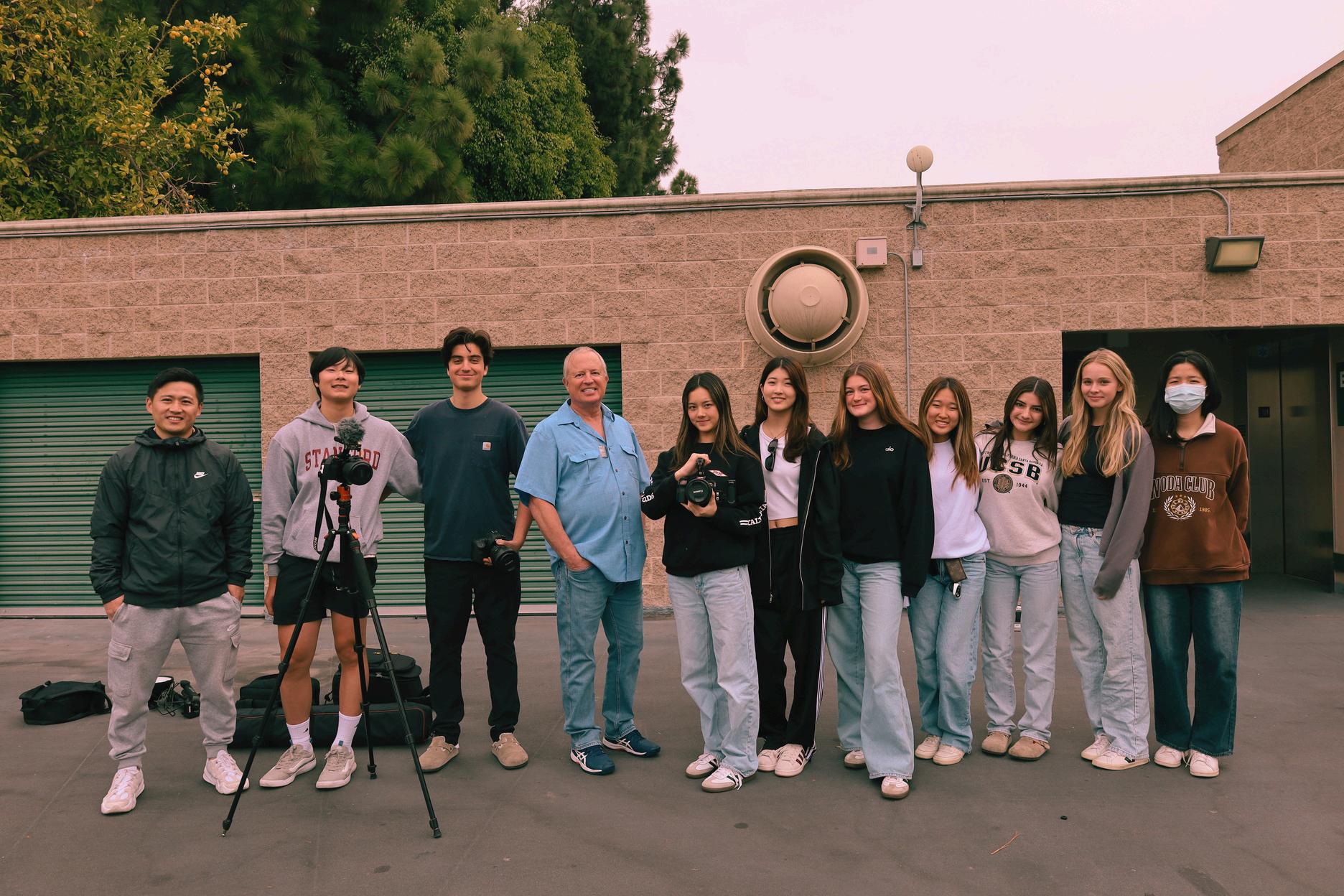
Home Again Team
Meilin Shen
Sarah Huang
Jianing Li
Writers
Teresa
Nicholson,
Photographers
Brady Lee, Jonathan Ye, Jianing Li
Zuo, Jayla Chan, Taite
Sarah Huang
Editors’ Note
Dear Readers,
We would like to express great appreciation for the dedication, tireless research, and passionate writing of our team members that has culminated in an issue we are particularly proud of. Additionally, we are so grateful for the collaborative efforts of Professor Chris Herring, Natalie Basmaciyan, Mitchel Raff, Aaron Burnett, Zuprimna, Clark Inglish, and Marcus Hubert Without their help and willingness to share their story, this issue would not have been possible. Also, deep thanks to Ms. Teryn Bentley for helping us in each step of our project.
In this issue of the Giver’s Guide X Home Again, we turn our focus to a critical and growing crisis: homelessness. Creating this edition has been a deeply moving and eyeopening journey, as we ’ ve listened to stories of resilience, hardship, and hope. These voices have guided the heart of this publication, reminding us of the humanity behind the statistics. We invite you to join us in reflecting on these stories and the larger systemic challenges they illuminate. Thank you for reading and for your willingness to engage in this important conversation.