Saltwater
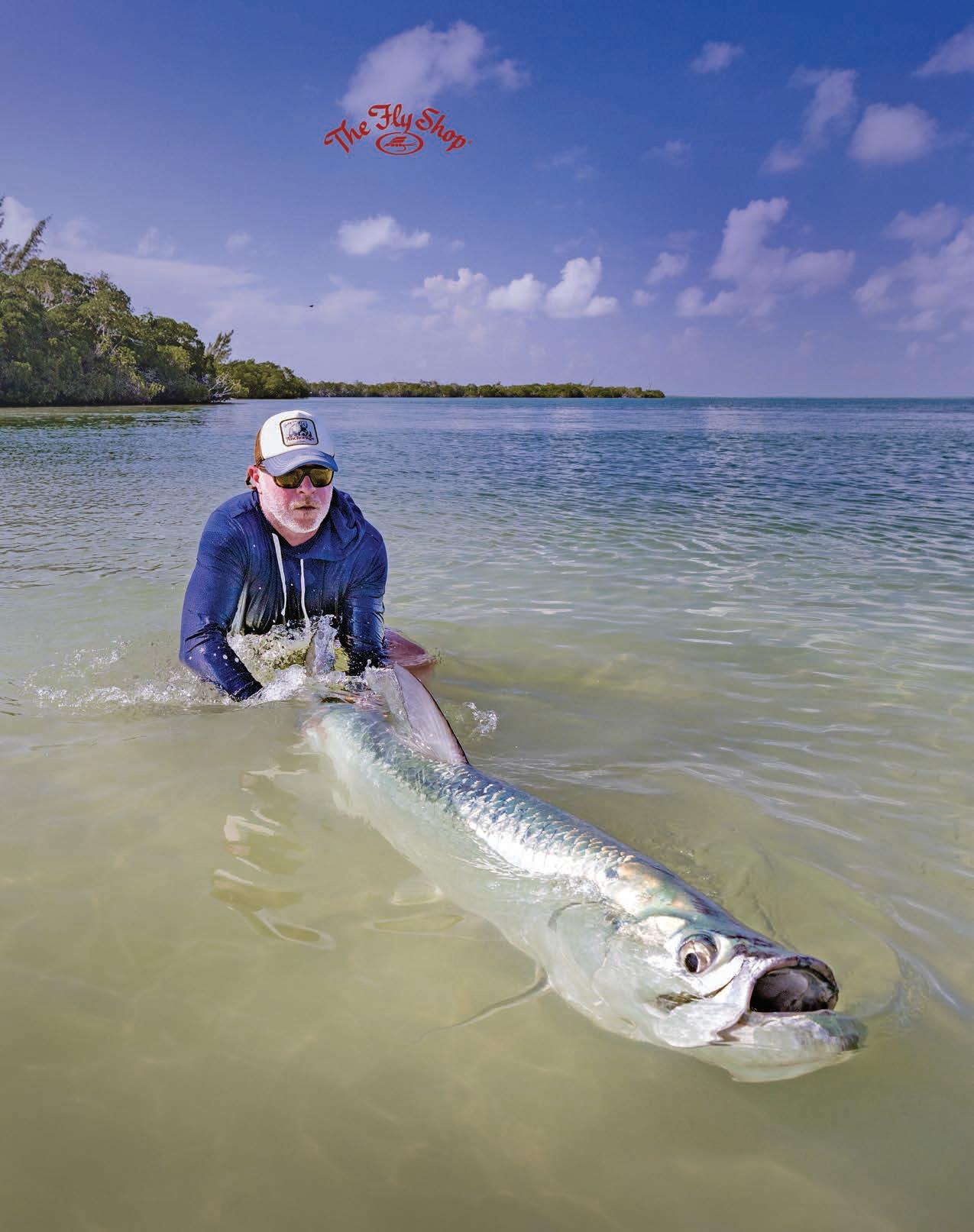
Your holiday guide to the world of saltwater fly fishing destinations
Where & When to Go in Bahamas, Mexico, Honduras, Belize, Guatemala, Australia Indian Ocean, Canada, Alaska, & the Lower 48, and more
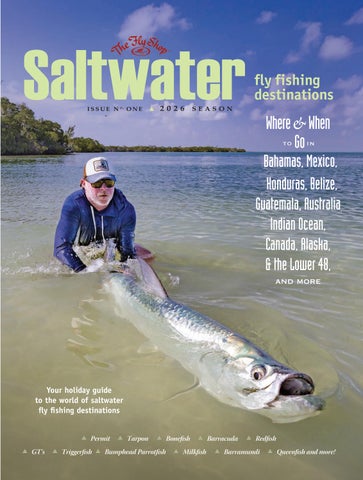
Your holiday guide to the world of saltwater fly fishing destinations
Where & When to Go in Bahamas, Mexico, Honduras, Belize, Guatemala, Australia Indian Ocean, Canada, Alaska, & the Lower 48, and more

-Dustin Huff
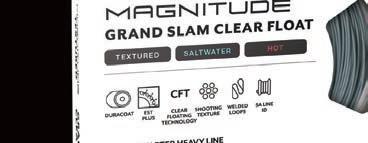
Duracoat
Specialized dual-polymer design optimizes line stiffness, slickness, and abrasion resistance while significantly reducing line memory and tangles.
Clear Floating Technology
Clear Floating Technology uses naturally buoyant polymers for the ultimate in stealthy presentation and best-in-class durability.


EST +
EST+ - proprietary slickness additive that provides unmatched durability, smoother shooting, and eco-friendly performance.







Over the last 47 years our team has been searching out the best fly fishing places on Earth and separating the great spots from what is often a confusing, crowded list of lodges, outfitters, camps, and guide services. We do it, so you don’t have to. Do yourself a favor. Let our team of travel experts put that wealth of experience to work for you.
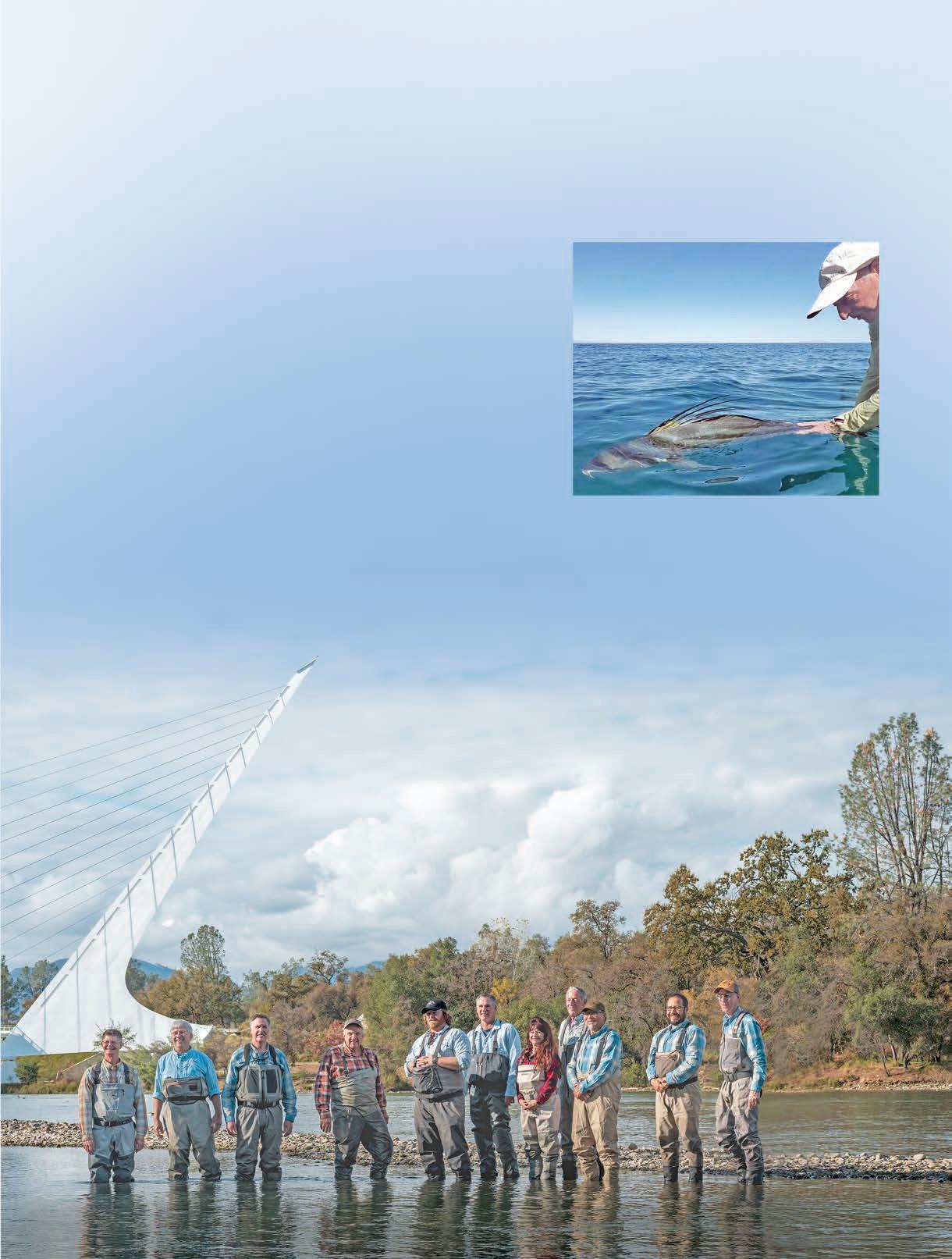
USINGANANGLING – travel agency is cost-free, and the most sensible method to plan a successful fly fishing trip! Because, in the fly fishing world, you can’t make a reservation (directly or online) with any reputable lodges for one cent less than you’d pay for that trip with a professional agency like The Fly Shop® – and the differences don’t stop with money.
O bjectivity – Ask any lodge, and they’ll tell you they’re the best. But, (for obvious reasons) they’re not going to tell you which of the weeks in their season are the least productive, when the weather sucks, or how to combine their place with some other regional, complementary, lodge or destination. And they’re sure not going to help you plan a complex, multi-destination itinerary that might include the competition.
I mpartiality – Neither will they give you an unbiased opinion, or an honest comparison, between their place and others you might (or should) be considering. And they sure as hell aren’t going to recommend another destination that’s more appropriate for your interests, budget, or skill level.
D eals – And we guarantee you won’t hear a word about any promotional deals, discounted cancellations, or inform you about any special offer that isn’t their own
A dvocacy – The Fly Shop’s team isn’t motivated by commissions. We’ve got one job, –helping you select the right place at the right time, and watching out for your best interests.
F ollow U p – Then, when the decision is made, we’ll walk you through every detail, help at every step along the way, double-check your schedule and air itinerary, and make sure you show up with everything you need to be successful. And, if things happen – health issues, COVID, natural disasters, political conflicts, airline cancellations, missed connections, or any of the other things that can screw up a trip, our clients aren’t left to deal with problems alone. We’re always right there to help. And there’s nobody better to have in your corner when you’re working out a problem with any lodge than the travel team right here at The Fly Shop ® !
If you travel with The Fly Shop® you’ll earn a 15% discount on retail purchases for a full year!
This magazine
is
dedicated
to
guiding you to the best of the world of saltwater fly fishing!
THESALTWATER fly fishing world is massive, and considering that 71% of the earth’s surface ( 139 million square miles ) is covered in saltwater, choosing where to fish can be overwhelming at times. The maze of considerations ( moon phases, tides, seasons, weather, species, lodges, prices, and availability ) can intimidate even the most salty veteran.
So, it makes sense to have experts like the travel team here at The Fly Shop® help you navigate the minefield of options.
And our services won’t cost you an extra dime!
Use the QR code below to sign up for our weekly newsletter.
We won’t fill your Inbox with junk, just those things we think are important to our angling friends and customers.

For nearly 50 years, The Fly Shop® has been on the cutting edge of saltwater fly fishing exploration. We helped pioneer many of the most famous destinations of the saltwater angling map.
Our travels have taken us to the Seychelles, Kiribati (Christmas Island), Australia, Mexico, Oman, French Polynesia, Fiji, the Cook Islands, the Gilberts, West Africa, the Indian Ocean, the Bahamas, Honduras, the West Indies, Chile’s Fjordlands, Guatemala, Belize, Cuba, Venezuela, Panama, and several others.
We did the homework, so you don’t have to!
The Fly Shop® travel team has spent a veritable lifetime vetting all these destination to make sure they meet our own standards, and will deliver on our recommendations. We learned the best times to go, the right tackle to take, and are familiar with the easiest ways to get there.
6 - 13 Cuba Fly Fishing After Castro
A guide to the best of these legendary flats!
14 - 49 Fly fishing in the Bahamas
A compendium of the best fly fishing opportunities and top lodge choices in this part of the Caribbean
50 Understanding Tides & Moon Phases
Understanding the basics will improve your odds
51 Saltwater Fly Lines
Modern developments in fly fishing technology
52 - 65 Yucatan Peninsula
An introduction to the world of Mayan flats fishing
66 The Mesoamerican Reef
The importance of the largest barrier reef in the Western Hemisphere
68 - 81 The best of the Belize Lodges
A seemingly endless combination of jungle rivers, cays, and lodges along the Caribbean coastline
76 Our “Prime Travel Club”
Get the inside scoop and find last minute deals
82 Finding Florida Tarpon
84
Hunting the silver king in the fabulous Florida Keys
Louisiana Redfish
Big redfish and Cajun spice in the marsh
85 Texas Redfish
86
87
Classic flats fishing and Texas hospitality
Quebec Stripers & Atlantic Salmon
Unbelievable striper fishing on Canada’s flats
Choosing the best Sun glasses
Don’t leave home without them
88 Our British Columbia Coast
89
90
92
94
96
98
Our top choice above the 54th parallel
Alaska Saltwater Lodges
Fishing the coast of our fabulous 49th state
Christmas Island
This massive South Pacific atoll was responsible for the revolution of interest in saltwater angling
Australia
Dingos, kangaroos, and Great Barrier Reef angling
Indian Ocean
Remarkably diverse fishing on the other side of the Earth
Baja Mexico
Dorado, Roosterfish, Sailfish, and Yellowtail in our Latin American neighbors’ fly fishing Nirvana
Guatemala
Unbeatable sailfishing with a fly rod
Cover photo: ESB Summer tarpon by Gerhard Laubscher
Cuba’s legendary flats are now open for fishing and The Fly Shop® has teamed with a few honest, reliable outfitters that have exclusive access to terrific fly fishing.

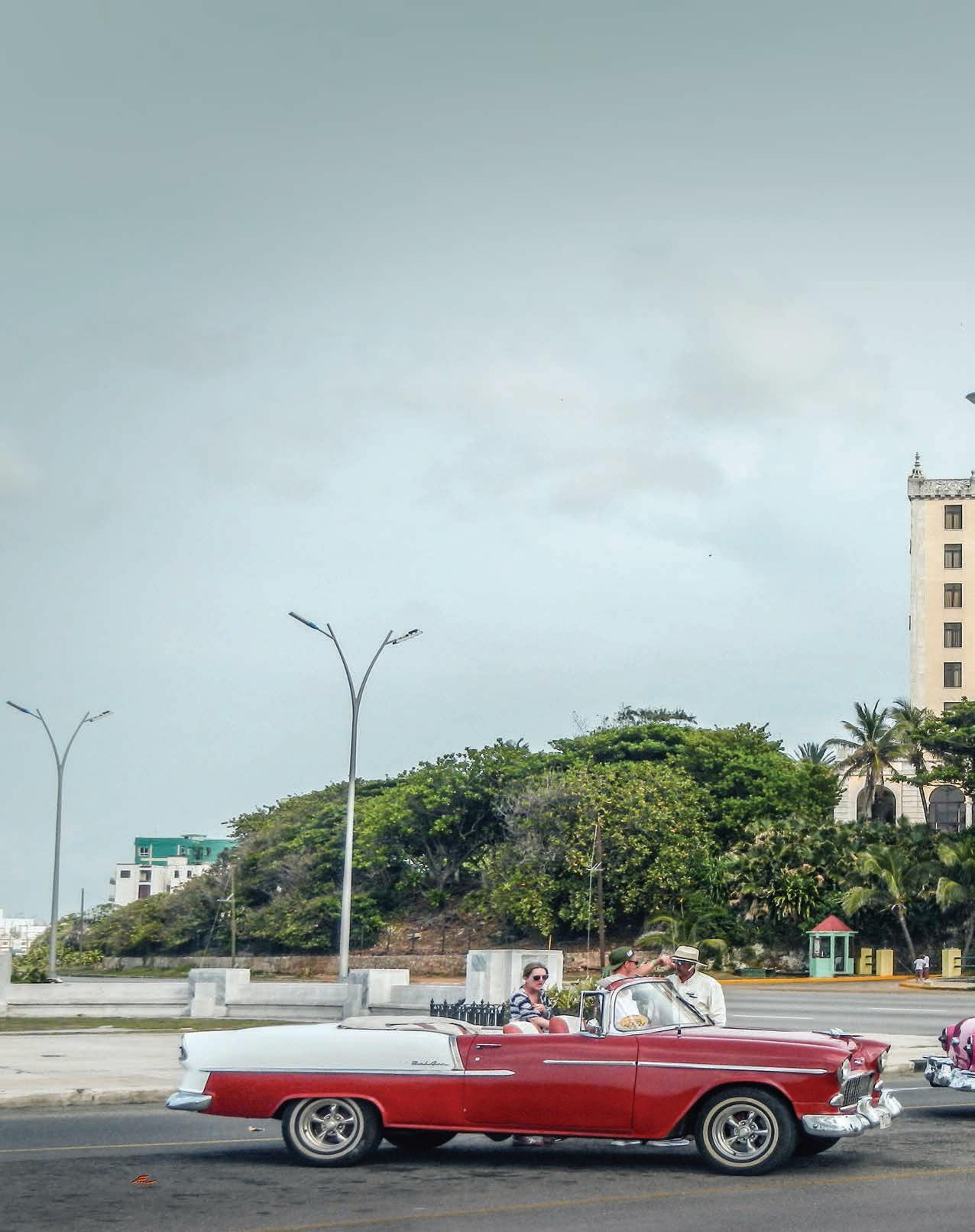
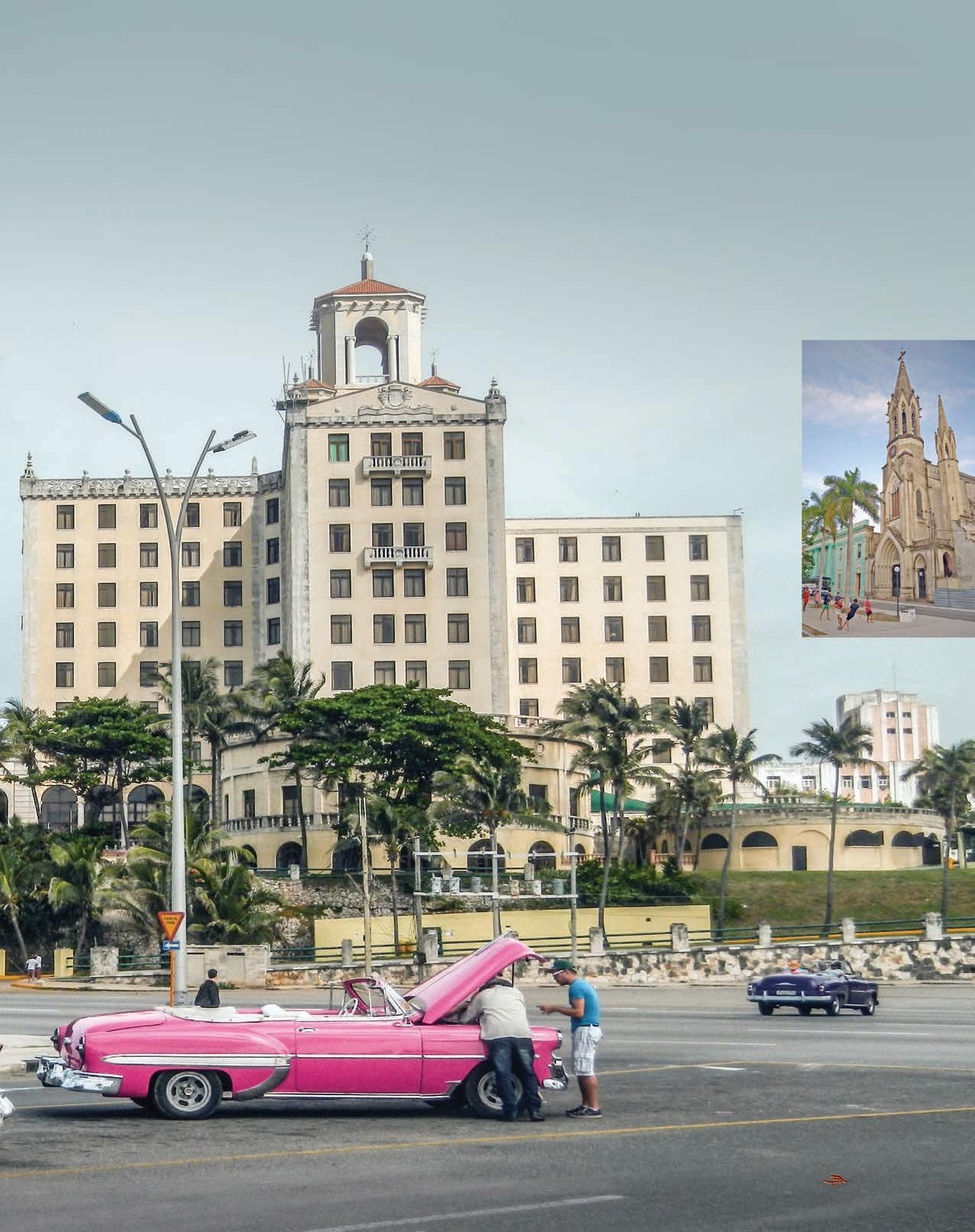
HAVANA ’ S MALECÓN is a broad, 8-mile long esplanade that stretches from the mouth of Havana Harbor in Old Havana to the Vedado neighborhood. Due to recent economic reforms that allow Cubans to own private businesses, it’s now lined with tourists and entrepreneurs.
In fact, tourists from around the world seem to be in a rush to visit Cuba. By far the largest number appear to be coming from Canada and Western Europe, where arrivals have been increasing annually for a decade. And nobody seems to have an accurate estimate as to how many U.S. citizens are now travelling to Cuba.
For the first time since an economic ban was placed on doing business with the Cuban nation in 1959, the political climate appears stable. All that is now required for U.S. citizens to obtain (legal) permission to visit Cuba is a current U.S. Passport, a Cuban Tourist Visa Card and a declaration that the motivation for travel to Cuba is for any of a dozen reasons the U.S. government now considers legitimate.
In any event, travellers from the U.S. are now pouring into Havana in numbers that actually exceed the amount of tourism prior to the Cuban revolution – and fly fishermen are now a part of that crowd.
It is understandable. Cuba’s larger than the entire state of Florida and is completely surrounded by superb flats fishing. Prior to their revolution, Cuba was the focal point for Yankee flats fishing.
In fact, before Fidel ran us out in ‘59, every bonefish world record came from Cuba and there was little angling interest in Mexico, Belize, or elsewhere in the Caribbean beyond the Bahamas. There were few, if any, fishing lodges any place in Central America, and none specializing in fly fishing.
Until recently, The Fly Shop® had a wellknown, hands off policy regarding Cuba.
Most past promotion skirted our own federal laws, many of the operators had checkered reputations, and it simply wasn’t legal or ethical.
That’s changed!
Now, after visiting Cuba numerous times, investing a lot of time in exploring the alternatives, and some serious deliberation, The Fly Shop® has chosen to represent three distinctly different, fully-vetted operations.
The Cayo Cruz, Las Salinas, and Zapata fisheries lie within Cuba’s inshore national park system. All three are protected by the government, and are superb fly fisheries. We’ve been there. They’re operated by people we are confident will deliver on the promises we make to the people who have put their trust and travel plans in our hands. We did the homework, so you don’t have to!
CUBA
A land-based operation, ideal for saltwater anglers looking for resort lodging and classic white sand flats loaded with permit, bonefish, and (seasonal) migratory tarpon.
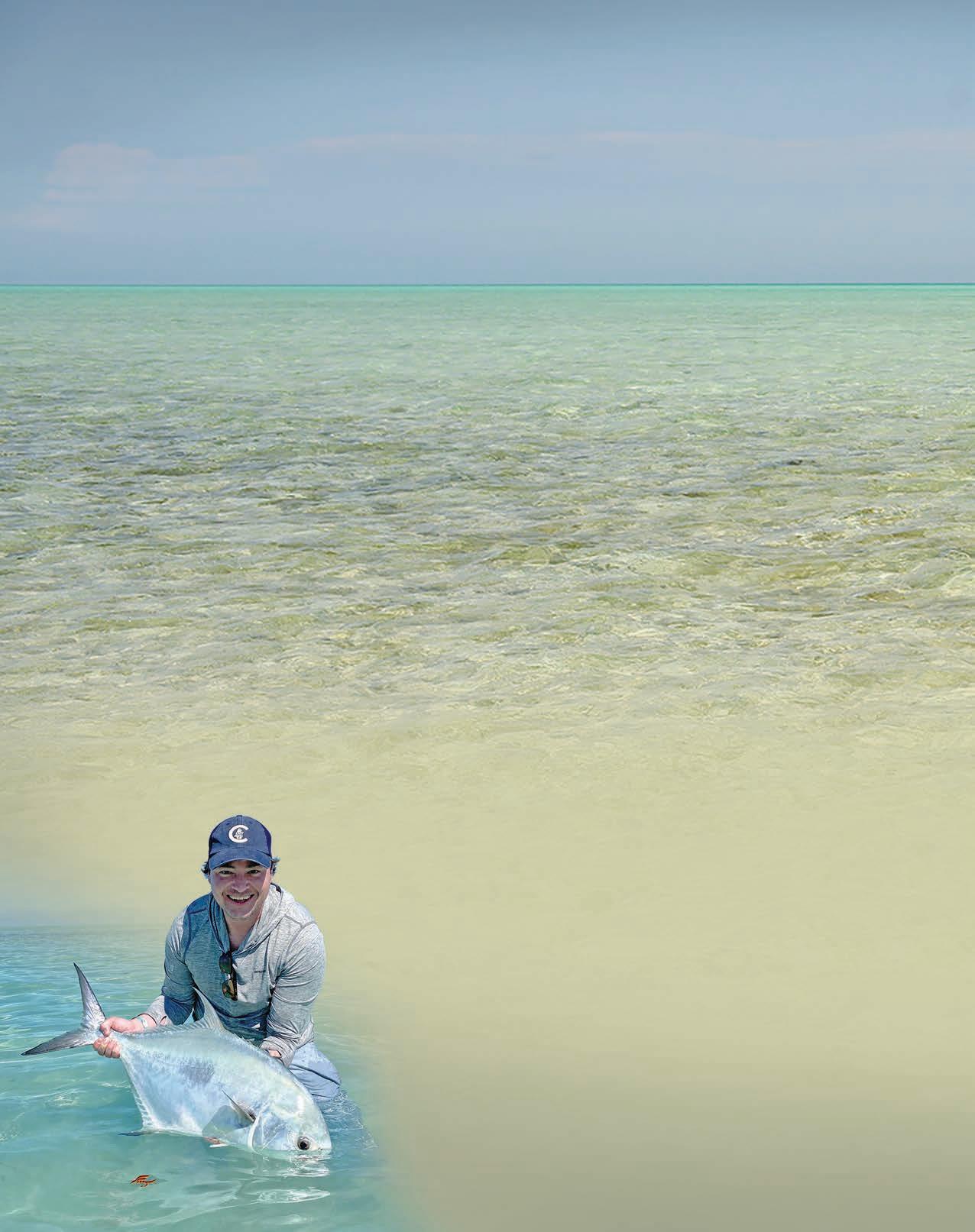

CAYO CRUZ IS a long narrow key, about 25 kilometers (15.5 miles) long with a total area of 12 square miles, located on Cuba’s. northeastern shoreline. The adjacent Cayo Romano fishery is an enormous system of pristine flats and lagoons. All of it is inside the Jardines del Rey(“Garden of the Kings”). It’s part of the Blue Sanctuary, a progressive conservation program initiated by Cuba decades ago to protect their vulnerable marine resources. Any commercial fishing in this region is forbidden and rigorously enforced by officials. The “fly fishing only” designated area is 144 square miles (92,000 acres) in size, and on the average day, each skiff and pair of anglers has over 19 square miles to fish and explore all to themselves. These exclusive fishing grounds are a small part of one of the purest and most biologically diverse marine ecosystems in the Western Hemisphere,
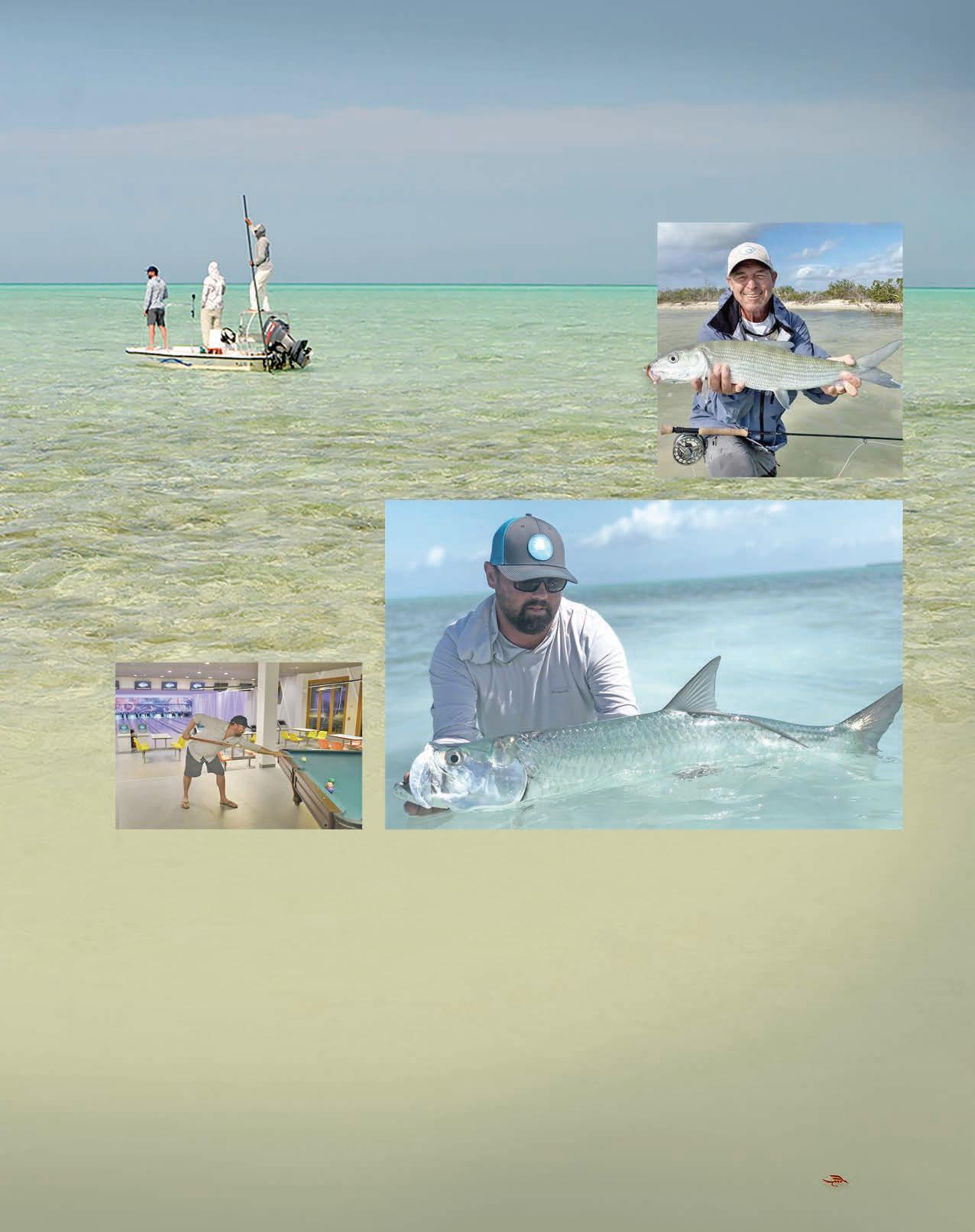
Cayo Cruz angling is focused on sight fishing for bonefish, permit in the shallow flats, accented by fishing in the deeper flats, cuts and estuaries for aggressive tarpon and punctuated by the occasional snook. Other species – mutton snapper, Cubera snapper, Jack Crevalle, and ever-present barracuda present opportunistic targets.
This is multi-faceted fishery, similar to those you find on the Yucatan Peninsula or Belize, and is a combination of wading hard-bottomed flats as well as fishing from expertly poled flats skiffs. There is a ton of fishing variety to keep the most seasoned flats fisher engaged. At the same time, it is swell-suited to anglers new to flats fishing. We love this place, and you will, too. It’s a rock-solid, action-packed, private fishery inside a furiously protected marine reserve. Cayo Cruz is easy to travel to, safe, with a swell, land-based lodge– all the ingredients for an old-world Cuban fishing adventure.
cayo cruz is nestled in the heart of the island of Cayo Cruz, La Marina & Spa Hotel stands as the perfect base of operations. Situated just across the street from the marina where your guide will pick you up every morning, this exclusive retreat boasts a wealth of amenities including two swimming pools, walk up bar, bowling alley, nightclub, onsite signature restaurants and more.
The hotel rooms are spacious and air conditioned, including a private bath and all the modern comforts you are used to in a resort. In the inviting open-air entryway and lobby, guests enjoy relaxing and recounting the day's adventures in cozy chairs with cold drinks and freshly prepared appetizers served by the friendly staff at the fully stocked bar. This accommodation offers a perfect blend of remoteness and connectivity, fostering a true “lodge atmosphere” for visiting anglers.
Unlimited wireless internet access is available in the main lodge, and guests can stay connected throughout their visit. The hotel boasts a plethora of amenities designed to make your time off the skiff relaxing and entertaining.
Cool off in either of two sparkling swimming pools at the end of a long, hot day on the flats. Or, rejuvenate yourself and get those shoulders loosened up for the next day of fishing by treating yourself to a relaxing après angling massage
If you’re up for a little friendly competition, the hotel even features a bowling alley and pool tables, where laughter and camaraderie usually flow as freely as the native beer. Connoisseurs of the finer things enjoy the cigar room sanctuary and the chance to savor the rich aroma of Cuba’s finest cigars. The operation’s array of amenities is a perfect spot to rest and relax after fishing.
GETTING TO CAYO CRUZ , is easy. There are daily American Airlines flights from (MIA) Miami International Airport to (CMW) Camagüey, Cuba that typically depart in the middle of the day.
The outfitter will be waiting for the angling guests when they arrive in Camagüey and take over after a short customs procedure. Then it’s a fascinating, 2-hour drive through rural Cuba to Cayo Cruz in air conditioned vehicles.
Scan this code for more info about Cayo Cruz

This is Cuba’s version of the Everglades! And, until now, the backwater bays, lagoons, channels, flats and mangrove estuaries of Las Salinas has been Cuba’s Best Kept Secret!

LASSALINAS is located at the southern edge of the Zapata Peninsula, near the small town of Playa Larga on Caletón Beach on the shoreline of El Bahía de Cochinos (Bay of Pigs). As part of the Ciénaga de Zapata National Park, commercial fishing is strictly prohibited, sheltering over 1,750 square miles of designated fly-fishing only waters.
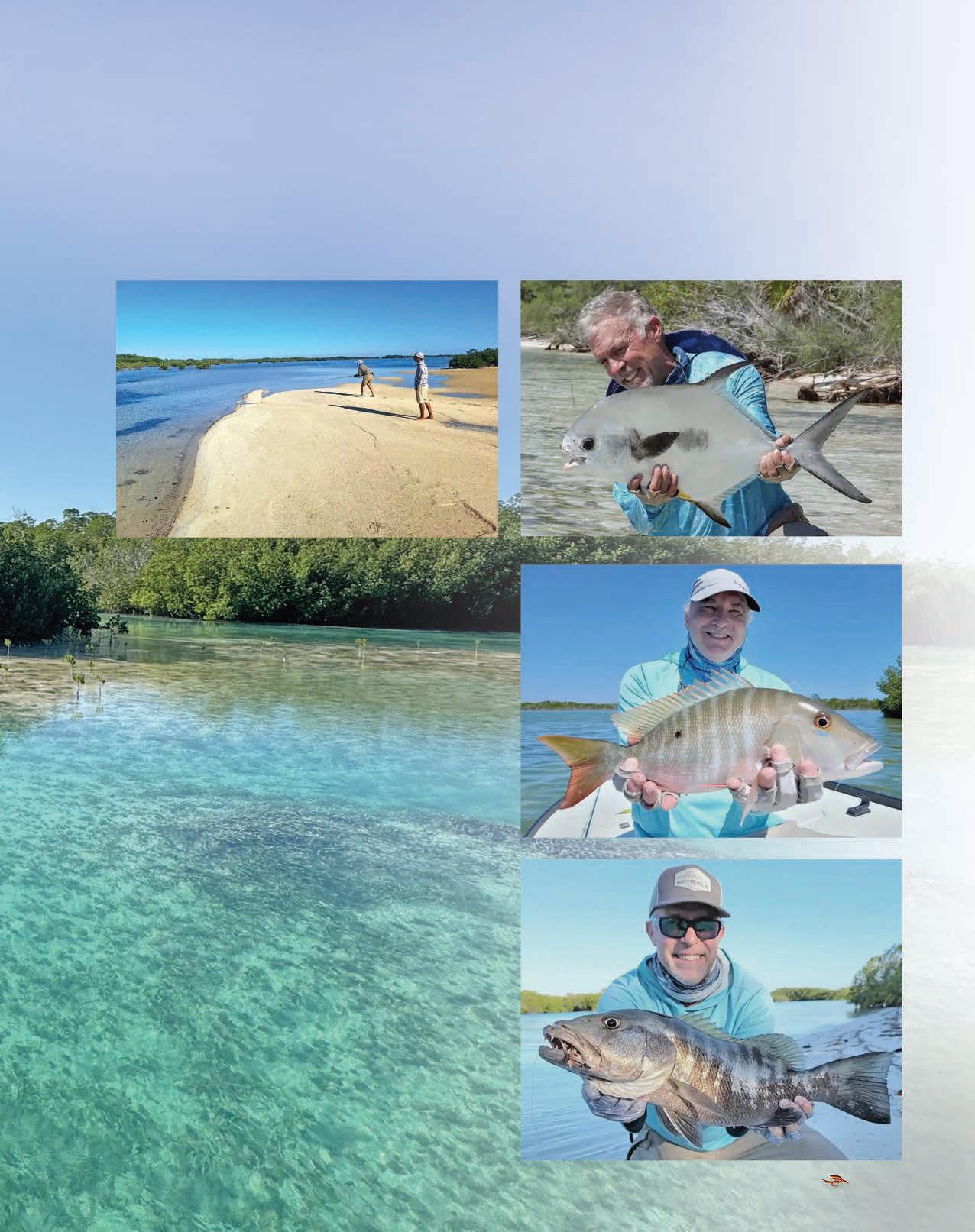
The ecologically rich area supports a “very healthy” population of bonefish, permit, juvenile tarpon, and seasonal migratory-tarpon, and the destination has become legend among the few anglers who have been fortunate enough to experience its expansive flats, vast mangrove estuaries, winding channels, inland rivers, bocas and crystal-clear lagoons.
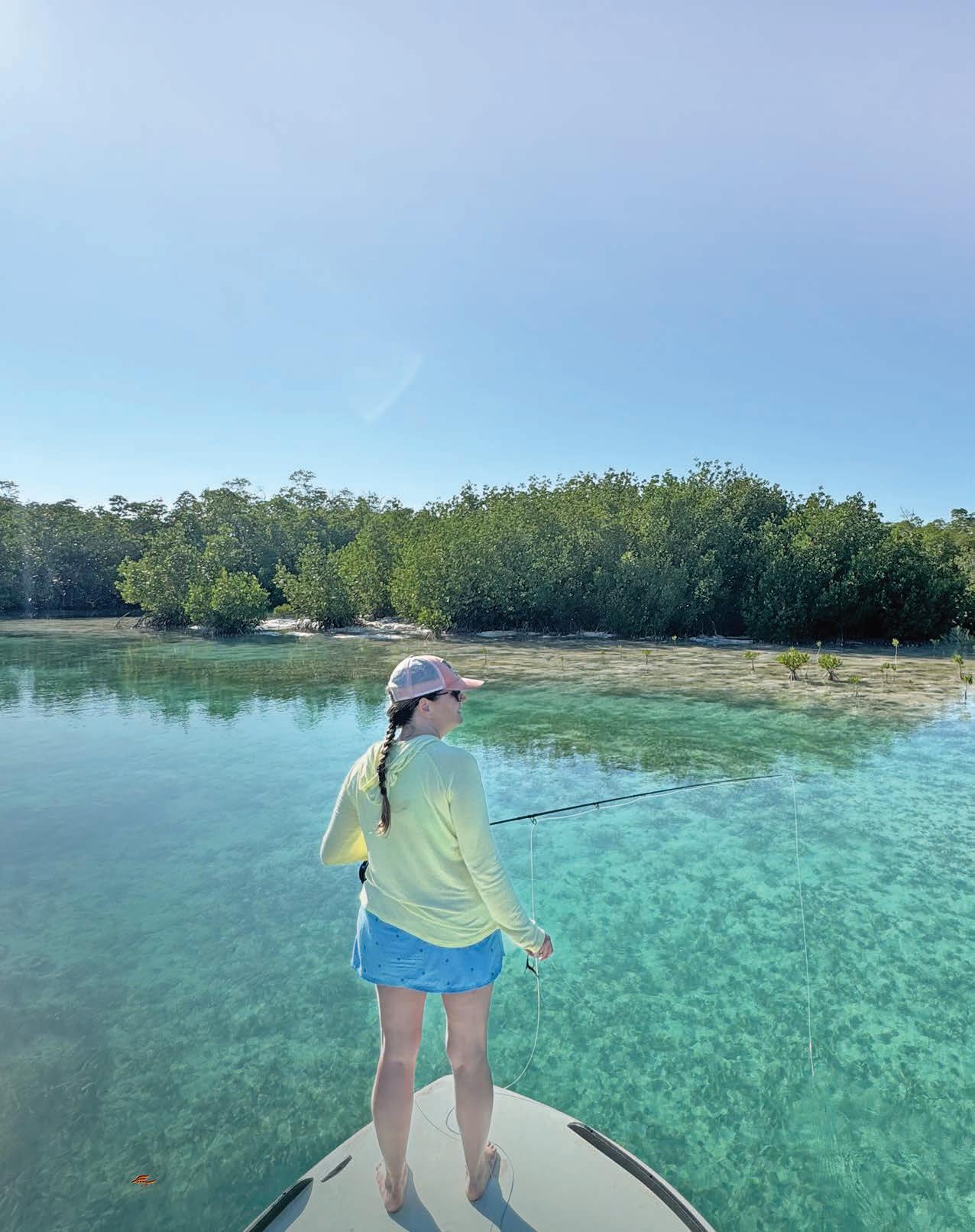
It is truly a buffet of angling options. Anglers armed with multiple fly rigs, head out each day with seasoned fly fishing guides (local watermen ) in modern flats skiffs, with options that include wading inside flats for schools of tailing bonefish, fishing exterior flats and bocas for permit, plying the mangrove shorelines and creeks for juvenile tarpon or searching the rivers and bocas for adult tarpon. Each day’s most difficult decision is which fish to target.
The Caletón Beach lodging is Cuba’s version of a bed and breakfast, within easy striking distance of the fishery. It features comfortable double or single rooms, with air-conditioning, private bathrooms, WiFi, and all the essential modern comforts, ensuring a restful stay.

Scan this code for more info about Las Salinas
Beachfront patios serve as gathering spots where guests can unwind in cozy seating areas, share the day’s adventures, and enjoy delicious appetizers and refreshing drinks from the fully stocked bar. Evenings are spent savoring authentic Cuban cuisine, and optional dining at nearby “paladars” – small, family-run restaurants, serving up freshly caught seafood and local cuisine in a warm, welcoming environment.
Las Salinas is an authentic Cuban fly fishing holiday best suited for anglers looking to target multiple flats-species on foot or in skiffs, all in a massive, protected national park with thousands of square miles to explore. It’s also a perfect retreat for non-angling partners with plenty of activities to partake in.
Las Salinas is a total immersion in authentic Cuban culture and hospitality.
Las Salinas is a terrific destination for anglers with non-angling partners. They’ll revel in the long list of daily, a la carte options; whether it’s relaxing on the beach with a refreshing Cuba Libre and a good book, SCUBA diving, touring nearby colonial towns (like Cienfuegos), visiting the hummingbird reserve, superb snorkeling, or shopping.
GETTING TO LASSALINAS , Cuba is straight forward starting with direct flights from Miami (MIA) to the Santa Clara – Abel Santa María Airport (SNU) with American Airlines. After a Cuban welcome party in Santa Clara, anglers are driven 2 hours to Las Salinas, with a brief stop for lunch in Cienfuegos, a coastal town rich with authentic Cuban culture.
3,200 square miles of exclusive and protected Cuban fishing grounds that’s shared by only eight anglers!

THE ZAPATA live-aboard program, located on the south west coast of Cuba, has an incredible array of diverse habitats. The Zapata Preserve is a UNESCO World Heritage Site, and is protected by the Cuban government as a fly fishing only, catch-and-release marine reserve. World Heritage Site status effectively preserves the pristine habitat of flats species that include bonefish, tarpon, permit, snook, Cubera snapper, and barracuda.
The ultimate in exclusivity – this is the only angling operation allowed access to the massive, 3,200 square mile West Salinas Region of the Reserve.
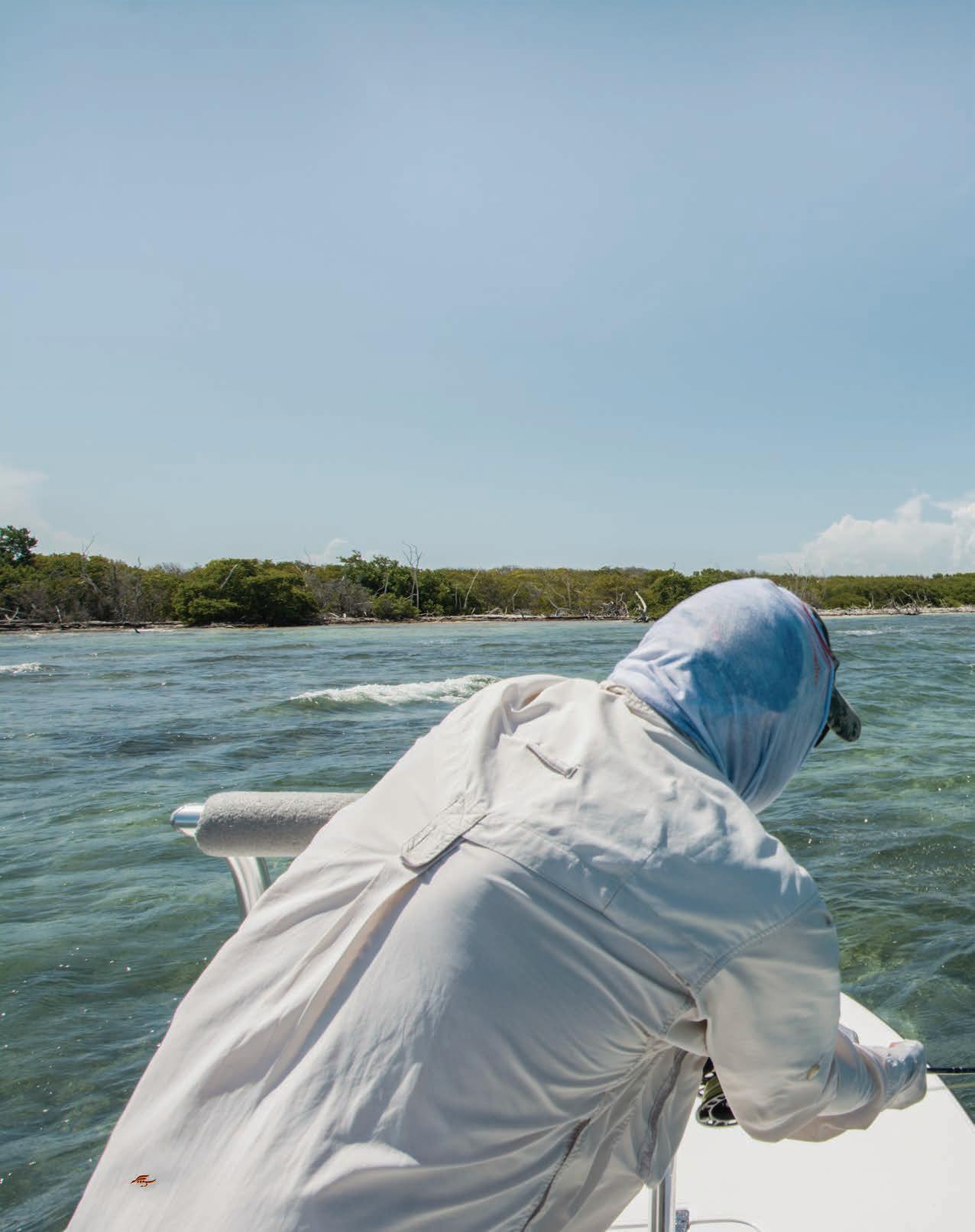
There are miles of shallow bonefish flats, many of which are easily waded for tailing fish. The guides often fish shallow lagoons and pancake flats for permit, and mangrove channels for baby tarpon and snook. There is literally a bit of everything here, with opportunities to catch many different species, while fishing a variety of flats in a combination of both wade and boat fishing.
A maximum of eight anglers share exclusive use of the live-aboard vessel, MV “Georgiana”. This well-appointed yacht will be anchored near the fishing areas, allowing for quick access to a variety of distinctly different fishing areas. Zapata
anglers are closer to the fish every day, meaning more fishing time on the shallow, fish-filled flats, back bays, creeks, and cays surrounding this massive, internationally protected wilderness, Zapata’s exclusive fishing grounds.
Travel to Zapata involves catching a daily, non-stop flight from several stateside airports directly to Havana, Cuba (HAV). From Havana it’s a 3 hour drive to the waiting skiffs that will whisk you out to the MV “Georgiana”. Your captain will start motoring to Zapata while you get settled in your stateroom and rig up for the week’s fishing.
The Zapata live-aboard is an ideal destination for inclusive groups of friends or families looking for a private and remote fishing experience, far off the beaten path. No phones, no cars, no tourists, just an attentive crew, flats skiffs, great food and plenty of water to explore and fish to pursue.
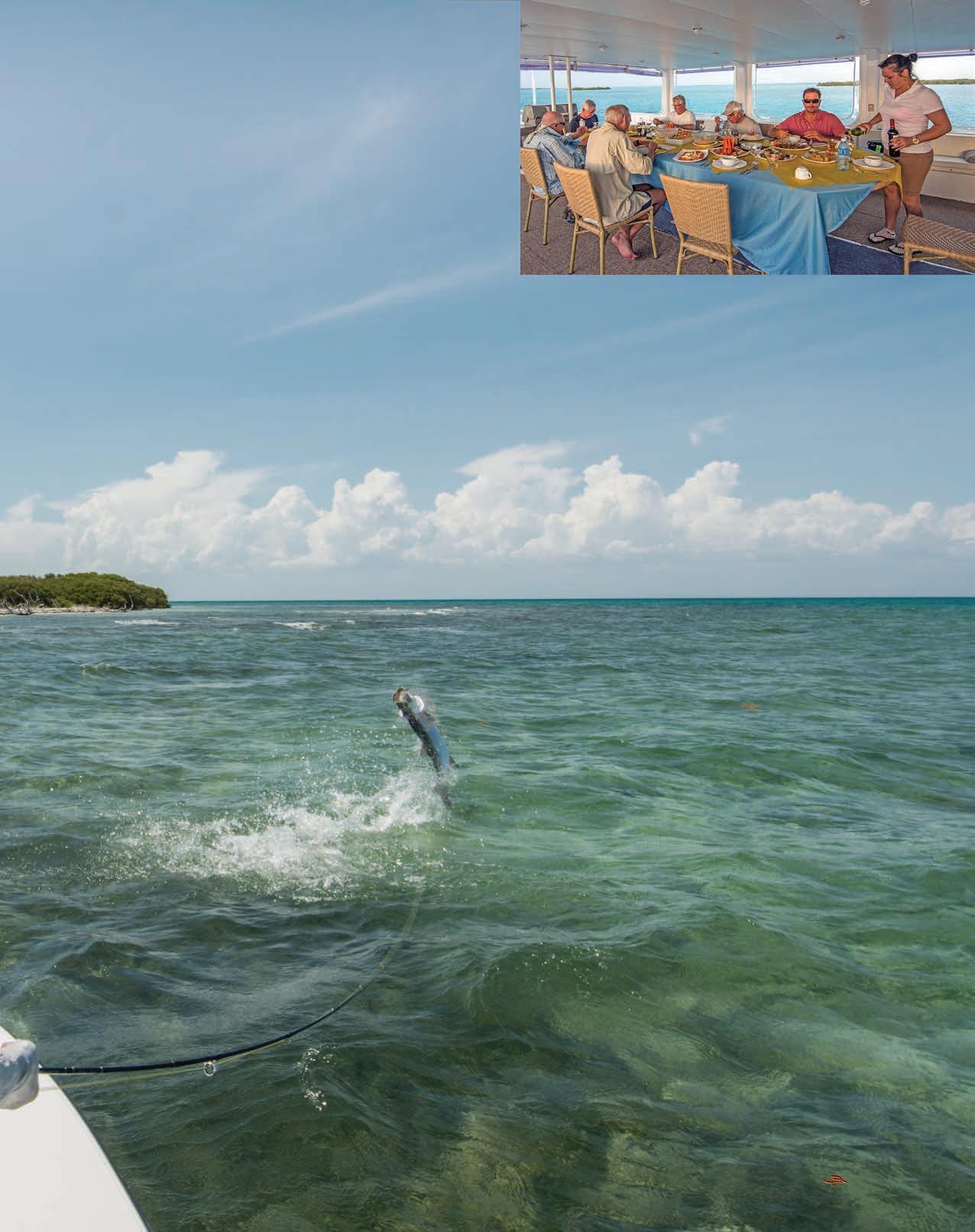

At last count, the Bahamas had nearly eighty lodges and several hundred independent fishing guides, and it is no wonder that the choices have become overwhelming.
The Fly Shop® is here to help make the right choice. Put 40-plus years of experience to work for you.

BEGINNING 50 MILES off the south coast of Florida and encompassing more than 180,000 square miles of islands and ocean, the Bahamas is a saltwater fly fishing paradise. The warm Gulf Stream waters and low latitude give the islands a mild and near-winterless climate (averaging three hundred and ten days of sunshine each year).
Grand Bahama and Abaco are the northernmost of this island nation, and Great Inagua is the furthest south. Between them rests more than a hundred islands and cays, many surrounded by extensive white sand flats that extend for miles.
Originally it was called Baja Mar (Shallow Sea), by the Spaniards, and it is one of the most spectacular salt water fisheries in the world. Hundreds of tropical islands are embraced by shallow flats and mangrove-lined beaches. This estuarine environment is home to bonefish, permit, tarpon, mutton snapper, barracuda, blacktip sharks, and the diatomaceous flats are custom-tailored for fly fishing by Mother Nature.
These nutrient-rich shallows drop rapidly into the cobalt ocean depths where there are more than a hundred different coral species decorating the shallow ocean floor with an infinite variety of shapes, sizes and colors. In fact, just a few miles east of Abaco is the Great Abaco Canyon, a nearly vertical formation of rocky cliffs and sediment-covered slopes with unbelievably deep, jagged canyons that pierce the more 11,000 feet below the Caribbean surface.
Forage species abound along these slopes and steep walls, and attract off-shore anglers in pursuit of tuna, wahoo, and marlin. The inshore reefs harbor a huge variety of gamefish, including Nassau, strawberry, red and black grouper, mutton snapper, schoolmaster, horse-eye jacks, mangrove snapper, yellowtail, and king and cero mackerel.
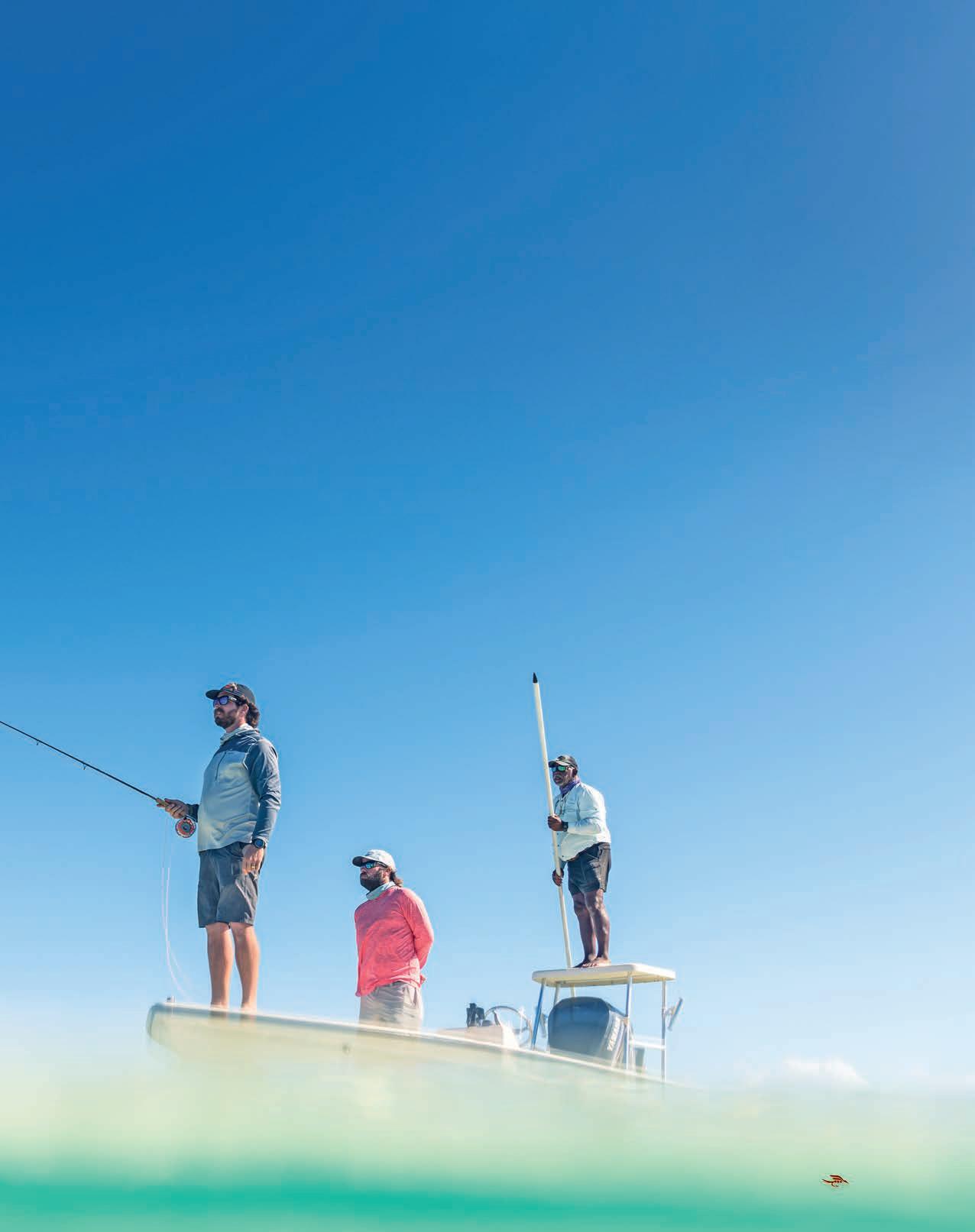
But it’s the even more shallow edges that border the islands and cays that captivate the attention of serious fly fishermen. Often these flats appear to stretch to the horizon and each changing tide reveals the shimmering silver tails of the bonefish and permit that feed our brand of angling passion.
The Bahamas has been the near-exclusive playground of eastern seaboard saltwater fly fishers for decades, but modern air travel has changed all of that, and now there is no saltwater international fly fishing destination easier to get to from anywhere in the States.
It’s been a favorite destination of The Fly Shop® for over 40 years and few, if any, angling travel agents can match our expertise.

LITTLE ABACO Bonefish Lodge is surrounded by some of the most incredible fly fishing in the Bahamas. The strategically positioned location in the quaint fishing community of Crown Haven (on Abaco) was selected by master bonefish guide Sidney Thomas. There are more than thirty spectacular miles of bonefishcovered flats just to the south, and another fifty miles of ocean-side islands and flats stretching to the north west.
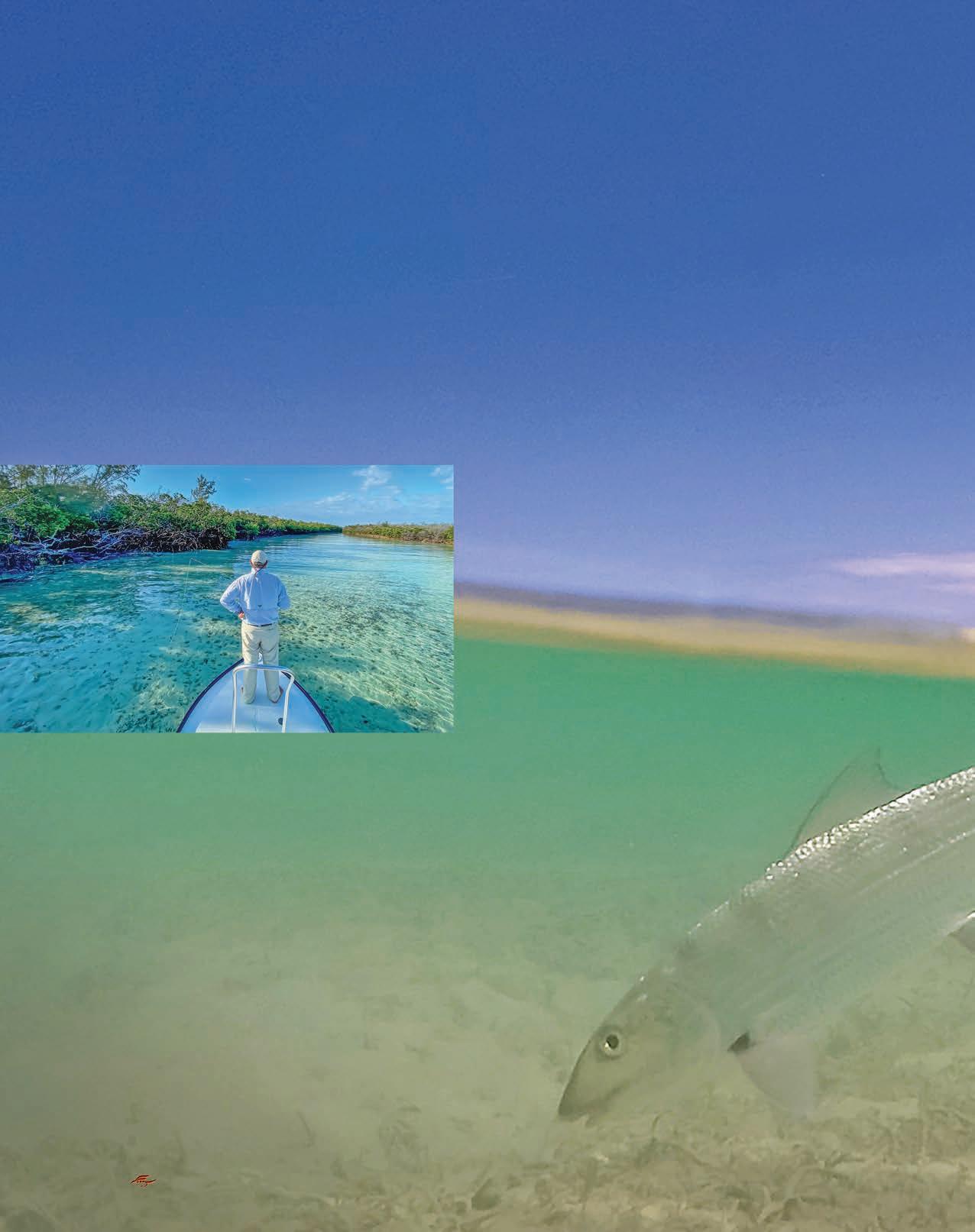
The nearest fishing lodge on Abaco is nearly fifty miles away, and the isolated location ensures unpressured fish and a near-endless variety of fishing locations to explore. In fact, the variety of fishing locations surrounding Little Abaco is unbeatable and a sure bet for anglers who consider the fishing first and lodging second.
Sidney has an exceptional bonefishing history and prior to Little Abaco, Sidney owned Water Cay Bonefish Lodge on Grand Bahama. Devoted and hardworking, Sidney is the “real deal” when it comes to guiding. Bonefishing is in his blood, and he’s honed his skills to the highest level. Relying on his vast experience and knowledge, Sidney has assembled an exceptional guide staff, reflecting his high personal standards.
The flats surrounding Little Abaco Lodge offer what is truly an unlimited variety of angling options. There are soft-bottomed backcountry lagoons, islands wrapped in easily-waded, hard white sand, lush turtle grass gardens, and everything in between.
Guides have a choice of different tides that vary by as much as four or five hours on either side of the island. Anglers have an extra wide variety of fishing options to choose from and can choose to pole miles of flats or walk and wade to their heart’s content.
Sidney and his guides can launch the boats within view of the lodge, or trailer the skiffs to other nearby regions of the island. They can travel to the west, east, or north to what is considered some of the best bonefish habitat in all of the Bahamas. Previously difficult to access and demanding either a long boat ride from the east end of Grand Bahama Island or an hour drive from Marsh Harbour, this vast region of prime bonefish habitat is now the “home water” of the Little Abaco Bonefish Lodge!
The lodge accommodates only six anglers per week in three guest rooms that are tastefully appointed. All the guest rooms have high quality air-conditioners, comfy beds, ceiling fans, and share two bathrooms.
While Sidney is considered a master bonefish guide, his wife Keeta is equally revered in a kitchen that specializes in traditional “out-island” fare. Anglers will enjoy an eclectic menu highlighting fantastic local favorites including lobster, conch, fresh fish, jerked chicken, pork chops, ribs and spaghetti accompanied with sides of garden vegetables, pasta, rice and beans, and fresh salad or slaw.
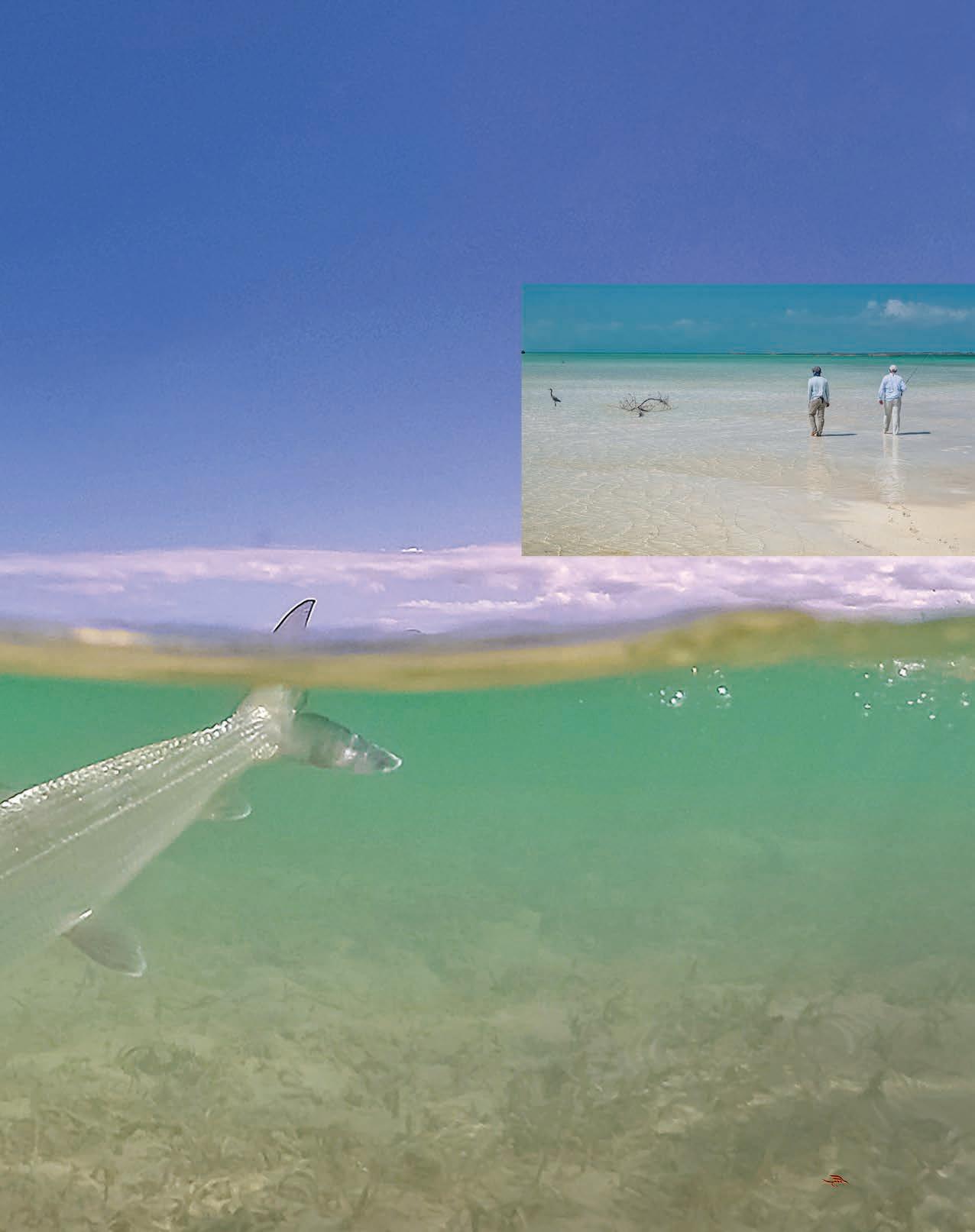

Scan this code for more info about Little Abaco Lodge

Hurricane Dorian all but destroyed Abaco, leaving the lodge and much of the island as rubble in its wake.
Now, after several years of work, The Fly Shop® is thrilled to announce that Abaco Lodge has been completely rebuilt, is open for anglers, and now is better than ever!

THE ABACOS are a string of Bahamian islands located approximately 175 miles east of Palm Beach, Florida. The “mainland” is Great Abaco, the third largest island in the Bahamas. It is historically different from other areas in the Bahamas, populated by descendants of those loyalists who chose to remain British subjects and arrived after the War of Independence from the United States. These blonde-haired, blue-eyed Abaconians still work at traditional occupations – farming, fishing, boat building, and guiding.
Marsh Harbour is Abaco’s principal community, the third largest in the Bahamas, and boast a large, protected, deep water harbor, and an international airport serviced by major US and Bahamian carriers.
The lodge is located just north of Marsh Harbour, on the west shore of Abaco Island and a short boat ride to the “Marls of Abaco”, more than 300 +/- square miles of the most picture perfect bonefish habitat God ever created.
In fact, no lodge in the Bahamas is more perfectly positioned! Abaco Lodge guests enjoy a vast network of nearby flats, creeks, lagoons and back bays – and a twenty-minute skiff run due west puts anglers within striking range of the Marl’s ocean-side edge where the big dogs live.
The plentiful Abaco Marls bonefish average 2 to 4 pounds, and larger fish in the 5 to 8 pound class are ever-present. The guides insist that anglers have multiple rods rigged because shots at both permit and juvenile tarpon are frequent.
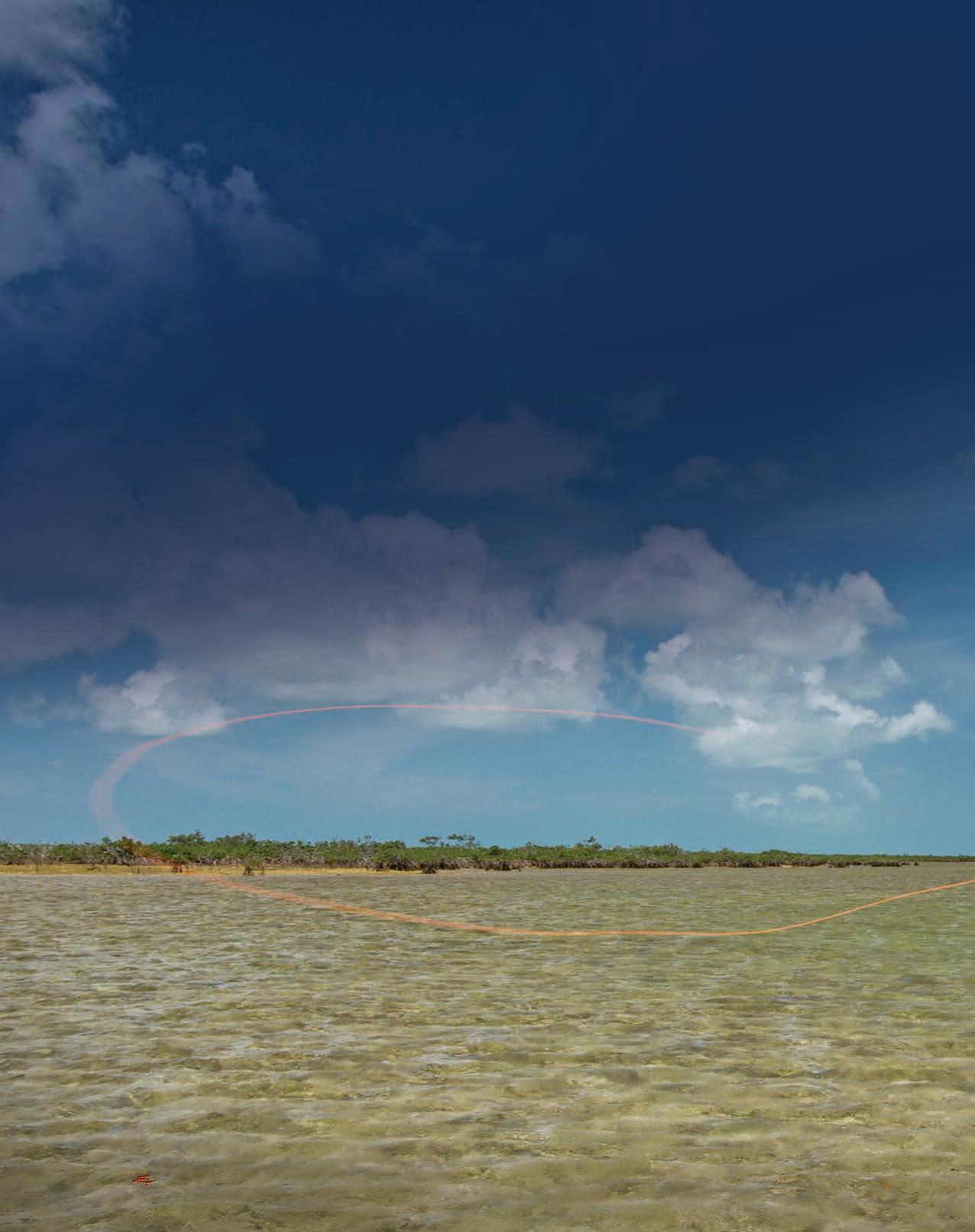

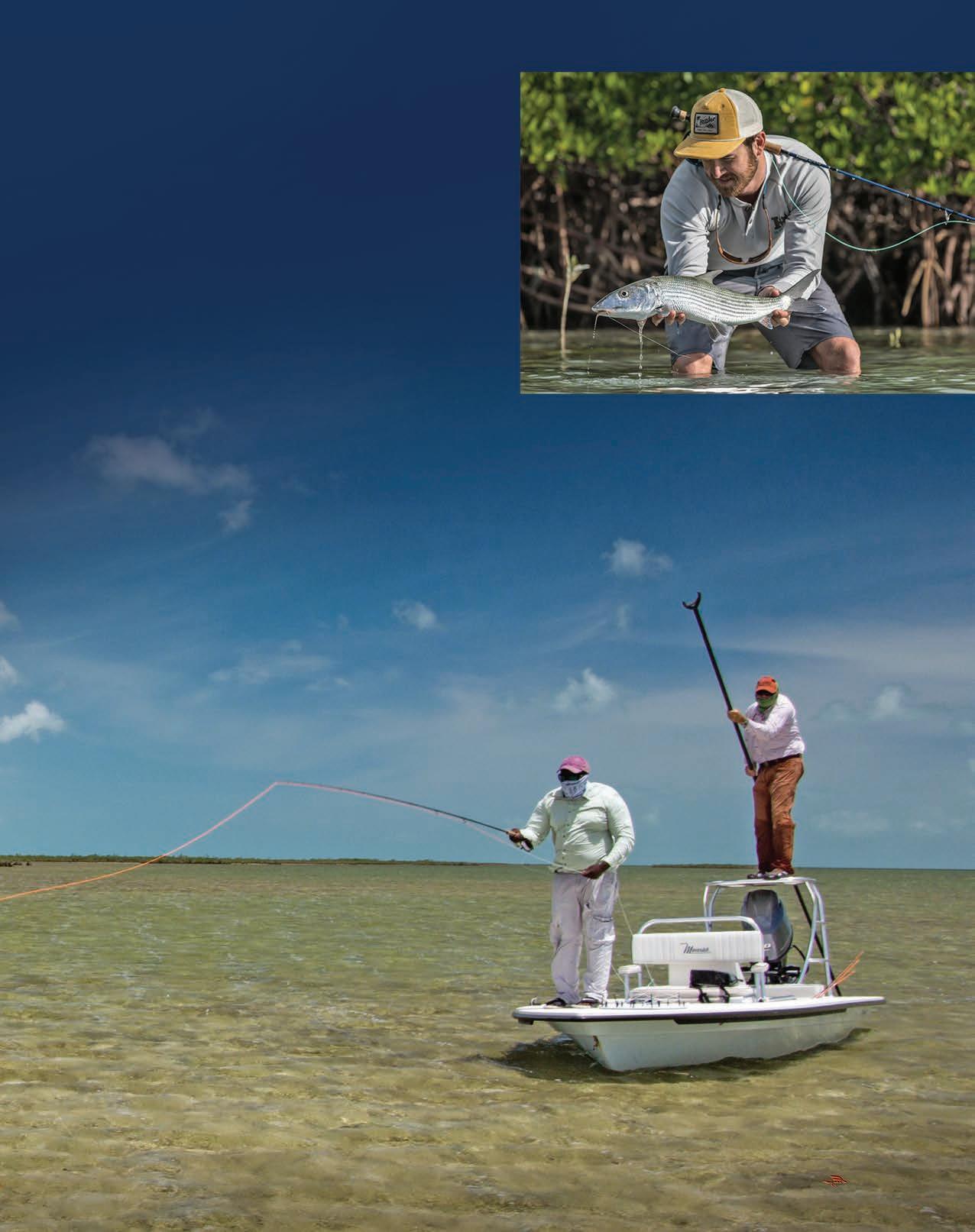
Abaco Lodge is owned by the same folk who have made Bair’s Lodge on South Andros famous. Their manager’s attention to detail and total commitment to customer satisfaction is world-renowned. The newly rebuilt lodge can accommodate 12 anglers at one time and features 7 beautifully designed rooms with ensuite bathrooms, as well as decks and porches, a pool, and stunning views of the Marls. Wi-Fi will keep you connected back home and a large flatscreen TV is available for catching all the games. Enjoy a cold Kalik by the pool, or gather around the fire pit at night while a million stars in the Milky Way twinkle.
Meals at Abaco Lodge are a meticulous blend of fresh local seafood with Bahamian and South American influences. Fresh fish (Mahi, tuna, grouper, and Hog Snapper), conch, and lobster are paired with the finest varietals from Argentina and Chile. Fresh baked bread and pastries are prepared daily and anglers choose from a lunch menu for their fishing days. There is always plenty of cold beer and the open bar is stocked with all your favorites. abaco lodge
The Abaco Lodge fleet of new, top-of-the-line, Maverick HPX skiffs are second to none in the Bahamas or anywhere else in saltwater. They’re equipped with 70 HP, 4-stroke Yamahas, fueled and ready to go early each morning – with equally expert guides at the throttle and pole to show you why Abaco Lodge is one of the premier bonefish lodges in the Bahamas.

If you’re looking for a stunning beachfront location offering diverse and productive bonefish waters, look no further than The Delphi Club.
The lodge, staff, food, guides and fishing are all first class.
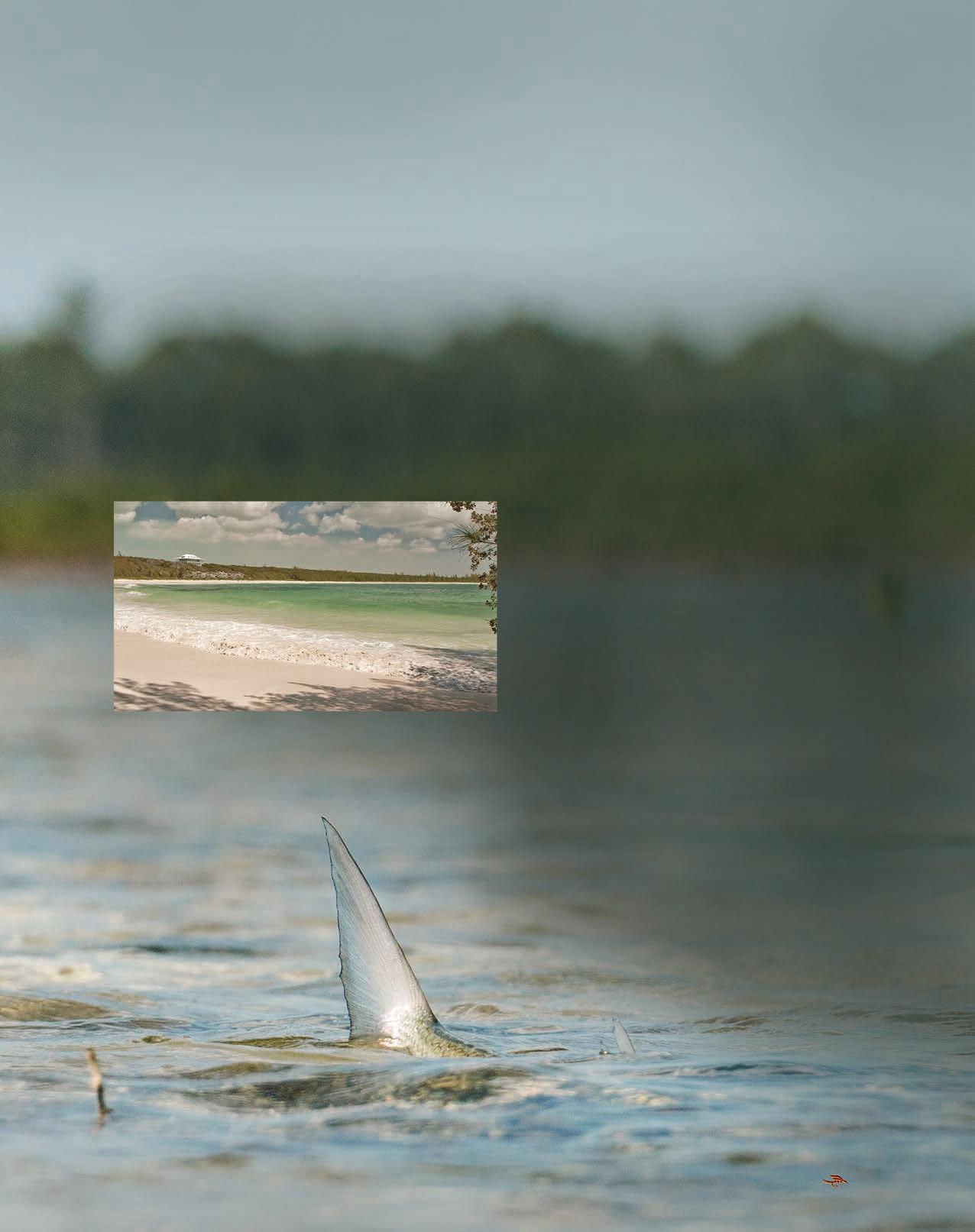
SECLUDED , TRANQUIL , and surrounded by dense vegetation, The Delphi Club stands majestically on a plateau some fifty feet above sea level with fabulous panoramic views of the Atlantic about twenty miles south of Marsh Harbour. Discriminating travelers searching for a beautiful seaside location and productive bonefish waters need look no farther.
The Delphi staff, food, guides and fishing are absolutely first-class and gets our vote as one of the top lodges in the Bahamas.
There may be other bonefish destinations in the Bahamas that claim to be as good as The Delphi Club, but none that are better, and nothing has been missed regarding the lodge’s commitment to providing a top-tier fishing experience
Six of the Club’s eight bedrooms are on the ground floor and two more are on the third floor. All have marvelous ocean views and a choice of super-king size beds for single occupancy anglers and couples, or queen size twins for angling pairs.
But, make no mistake, The Delphi Club is more than a luxury lodge, it’s a world-class fishing operation. Their first-string team of talented, experienced guides knows the flats, cays, and back country surrounding Abaco like the back of their hands. Each day’s schedule is well-choreographed to minimize wasted time and focus on the world-renowned fishing that has established a stellar reputation among serious bonefishing addicts.
Guests are within minutes of the fabled Marls on the west side of Abaco and more than 200 square miles of backcountry bonefishing flats. The area is a massive complex of islands, channels and flats that are home to more bonefish than is imaginable. Also within striking distance are the classic, white-sand flats of Sandy Point, the trophy-laden water surrounding Gorda Cay at southern end of Abaco, Moore’s Island, and Cross Harbour. Other small, intimate fisheries to the north – Cherokee Sound, Robinson Bight and Snake Cay – provide intrepid fly fishermen with even more variety and a very full menu of angling options. This is bonefish country at its best, with shots at permit and the occasional tarpon as well.
There are few other places in the Bahamas more ideal for angling couples and non-fishing companions The landscaped gardens below the veranda surrounding the entire second floor are resplendent with bougainvillea, frangipani, hibiscus, ficus and a variety of palms and decorative shrubs. Just beyond the gardens is an attractive, oceanside infinity pool and patio – the ideal place to cool off after a day on the flats, or with cocktails at sunset. The Club’s secluded, private, white sand beach below the pool is breathtaking, and beautiful grounds are wonderful spots to relax after an action-packed day on the flats.
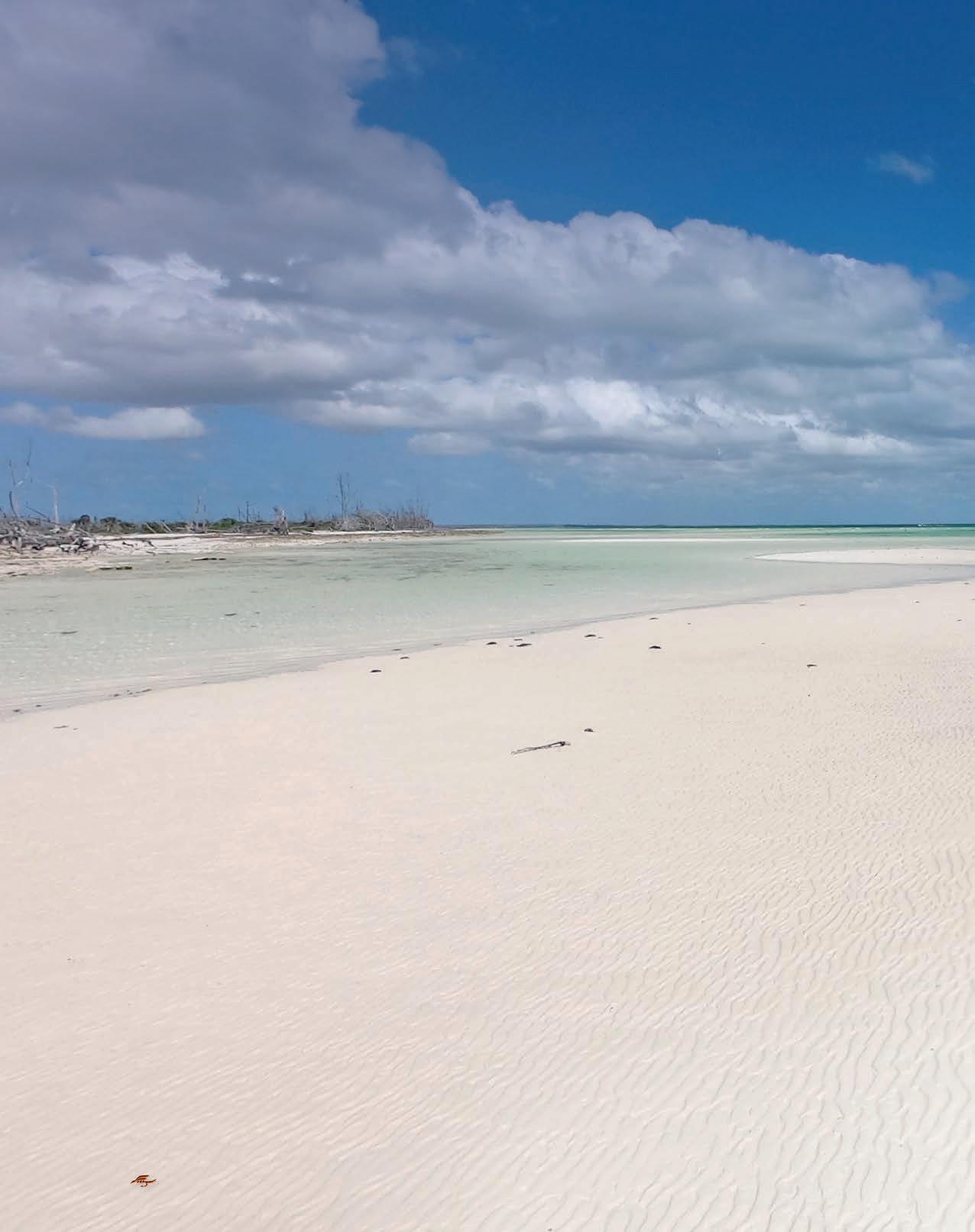
Prior to it’s annihilation by Hurricane Dorian in 2019, Deep Water Cay Club was the most celebrated lodge on the saltwater fly fishing map. The island location near McClean’s Town (at the far eastern corner of Grand Bahama) and three generations of phenomenal local guides were the reasons for it’s popularity among sophisticated anglers. Now, near the rubble of that disaster, East End Lodge has stepped up to take advantage of near-exclusive access to the bonefishing flats and permit fishing that made this part of the Bahamas famous.

OVERTHECOURSE of the last decade, the talented guides and bonefishermen who operate East End Lodge have built a stellar reputation among serious flats fishermen. In fact, the lodge is particularly popular among those hard-core anglers who place a higher premium on top-notch guides and first-class fishing than luxury accommodations and fine linen tablecloths. By any comparison, the guides are seasoned professionals. Often they’re multi-generation angling experts who have been surrounded by the fly fishing ethic since birth. They show up early, and will stay late. They pack their 16´ Dolphin Super skiffs full of “can do” attitude, and push them with modern Yamaha outboard motors.
These are skilled watermen who know every inch of every flat and channel on the east end intimately – it’s their back yard and their home water, and you can count on them to do their level best to deliver a full day of action-packed fishing.
The eastern portion of Grand Bahama is called “the horn”, bisected by five large bights traveling northeast to southwest. The most common trade winds are easterlies, and the direction of the bights offers protection from the winds. Perhaps more important, the geography of the bights and the surrounding flats enable the guides to fish optimal tides throughout the day.
Guests at the ultra-comfortable beachfront lodge enjoy a large, comfortable bar and spacious dining room where local Bahamian favorites highlight the menu each night. Fresh seafood, cracked conch, lobster, fresh fish, chicken, pork, salads, homemade soups, a variety of side dishes, and locally-grown produce are everyday fare.
The guest cottages are a short cast from the water’s edge. The modern, air-conditioned accommodations are comprised of four double rooms and six (single) premium rooms which accommodate a maximum of fourteen anglers.
Each suite is outfitted with two queen size beds, private baths with granite countertops, dark native hardwood vanities, and walkin shower. Everything is comfortable, spacious, and immaculate.
The only spot better suited to enjoying the cool evening breeze and a cold Kalik than the full length cottage porch might be the casual, palm frond-covered “Sand Bar” where anglers gather at the end of each day to reminisce about the day’s successes and failures.
In a nutshell, at East End Lodge you can count on an experienced guide, and expect to routinely encounter large numbers of very respectable-sized bonefish along with the opportunity to focus on permit. You’ll return each day after a full measure of fishing, to great food, a full bar, and spacious waterfront accommodations.
Convenient, single-day travel to the Freeport (Grand Bahama) airport is particularly easy for mid-America and East Coast anglers, while fishermen traveling from the West Coast to most Bahama fishing lodges require an overnight in Miami or Ft Lauderdale.
East End guests are met in Freeport and their hour-long transfer is included (along with everything but their bar bill and gratuity) in the modestly-priced package.
If you want to treat yourself to a super bonefish trip and get a lot of bang out of your buck, then seriously consider fishing with East End Lodge. Please give us a call, and plan on a spectacular Bahamian fly fishing holiday.
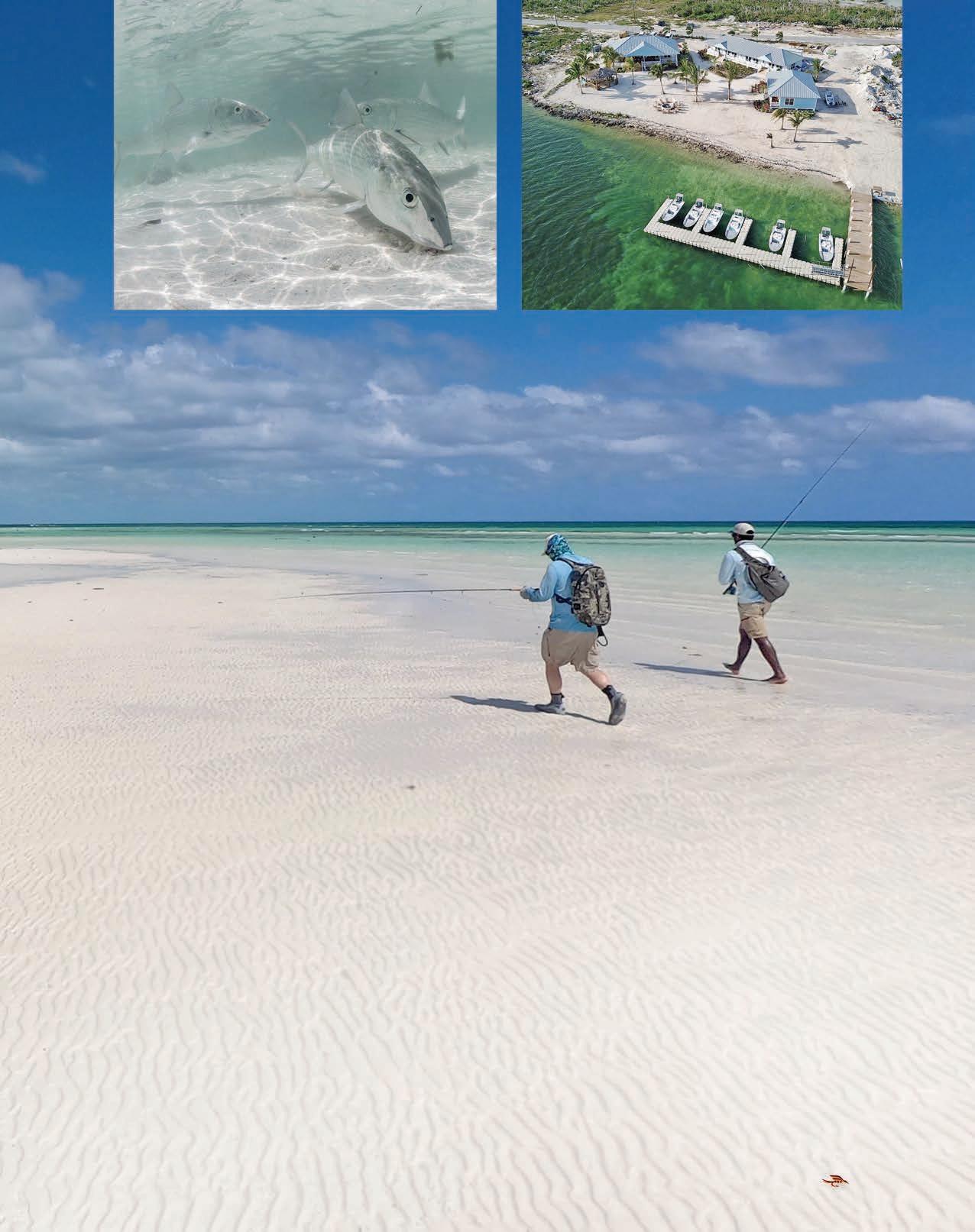
Scan this code for more info about East End Lodge

This luxury lodge rates at the top of bonefishing resorts on Grand Bahama Island, or anywhere else on the map. Anglers spend their time in seclusion on the legendary flats separating the island from the Abaco shoreline, where the bonefish are very, very large on average, and anglers can plan on the occasional shot at a true monster!

EDDAWES , who managed Deep Water Cay Club for decades, left the east end of Grand Bahama Island in the mid 1990’s, taking with him a wealth of accumulated knowledge and the pirated core of his former employer’s guide and kitchen staff. Then, armed with what may have been the most skilled team of flats professionals ever assembled, he set out with a group of Wall Street investors to build and set a new standard in saltwater angling resorts.
North Riding Point chose as its new location a spectacular beach roughly midway between McLean’s Town and Freeport. Every facet of the lodge, the location, the staff, and the services were designed to meet the needs of sophisticated angling travelers searching for a top quality flats experience and when it opened in 1996, North Riding Point Club fulfilled its grand promise to become the “Rolls Royce” of bonefish lodges.
The flats surrounding the northeast flank of Grand Bahama Island rate as among the most beautiful and productive in the world of bonefishing.
THELODGE AT North Riding Point has large living and dining areas, a beautiful oceanfront veranda, well-stocked library, and a first class tackle and gift shop. The duplex cottages all face south and overlook the ocean.
Each guest suite has two queen beds, an entertainment area, air conditioning, a full bath, coffee maker, a mini-fridge (stocked daily), and a private, furnished, screened veranda.
The beautiful oceanfront freshwater swimming pool and patio separates the lodge from the guest cottages. And from the day it first opened its doors, North Riding Point Club qualified as one of the finest lodges in the sport.
Though deluxe by any standard, the emphasis at NRPC remains focused on providing outstanding fishing, superb guides, state of the art skiffs, and a creative system to offer its clientele miles upon miles of picture-perfect flats loaded with trophy bonefish.
The guides are waiting after breakfast to load their skiffs with gear, and ready to trailer to one of the several ramps on the island. Driving time to the launch sites vary from fifteen to thirty minutes, and runs to the flats are typically just 10 to 20 minutes. The flats on the north shore of Grand Bahama offer opportunities to fish for some of the largest bonefish in the Bahamas.
NRPC has developed near-exclusive access to a huge expanse of seldom-fished flats on the northeast side of Grand Bahama Island and the outer cays which separate the island from Abaco. The area is very shallow with a consistently clear bottom, and harbors incredible numbers of trophy bonefish as well as a sizable population of permit. The majority of the fishing is done from the boat, but a great deal of wading opportunities exist for the angler who prefers that method of flats fishing. The lodge uses a fleet of Hell’s Bay Marquesa skiffs powered by 90hp Yamaha outboards, with padded seats, dry storage lockers, a leaning bar on the casting platform, and cellular communication.
Guides at North Riding Point Club remain among the best in the Caribbean, They are all talented and experienced professionals who understand all of the intricacies of putting fly rodders on fish.
North Riding Point Club is a well-established flats lodge with more than two decades of experience under its belt providing anglers with world-class fishing and service. Their location in the middle of Grand Bahama Island affords them quick and easy access to both sides of the island and the daily menu of fishing options is enormous.
There are other wonderful choices to be made in the Bahamas, but none that are better than North Riding Point Club.
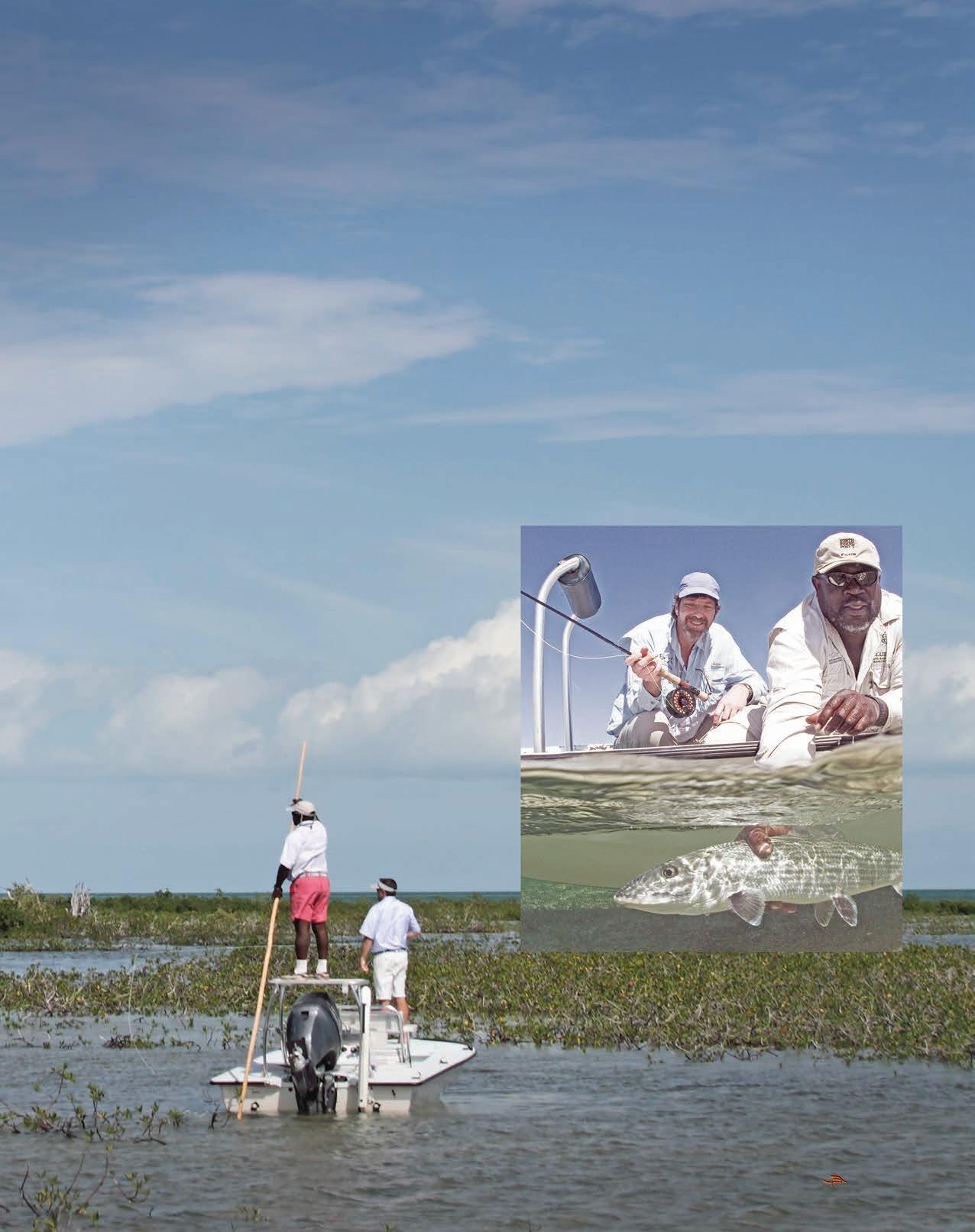
Scan this code for more info about North Riding Point Club

Superb angling for very large bonefish and a vast network of superb flats coupled with excellent guides, top-tier skiffs and a luxury resort location with packages that can be custom-made!

THEPROFESSIONALS at Pelican Bay Resort and H2O Bonefishing deliver more than just superb guides and great bonefishing. Packages include guide service, breakfast, lunch, and very nice resort accommodations that can be upgraded to luxurious, or modified to match the needs of anglers who are traveling with non-fishing friends or family. It’s perfect, too, for couples on holiday. The resort amenities include a spa, several bars, pools, and a number of optional restaurants, all only footsteps away from the white sands of Lucaya Beach.

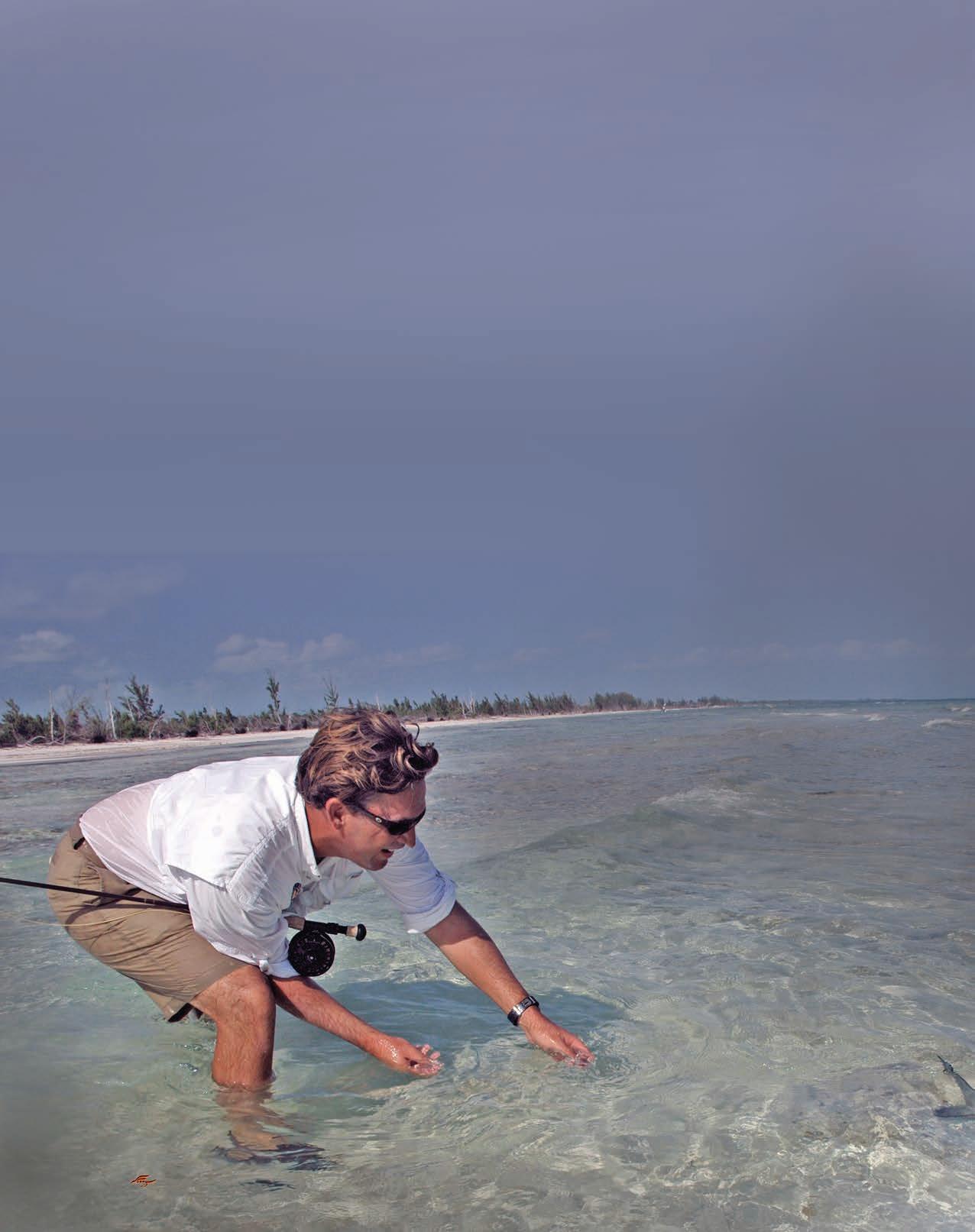
Scan this code for more info about H2O Bonefishing
The Pelican Bay Resort packages can be modified for shared or private guides and accommodations can be upgraded.
It’s the perfect spot for a couple of anglers who want to share a boat and guide and bring along their wives or girlfriends, (or a single angler).
Guests are on their own each evening and can choose to dine at the resort or walk to nearby Count Bassie Square where they’ll find a variety of restaurants, lively bars, a casino, and an evening of entertainment.
Anglers may want a mid-week break from flats fishing to relax, SCUBA dive, snorkel, or head to one of several nearby golf courses.
It’s a super destination for the whole family with lots of fun things for everyone to do at the resort when they are not fishing.
H 2 O Bonefishing guides meet their anglers at the resort each morning after breakfast. These seasoned, native fly fishing experts can quickly trailer their boats to access more than 60 miles of seldom-fished shoreline from West End to Halls Point. Though the island of Grand Bahama is easy to get to, its northern shoreline sees less pressure than most “remote” spots in the Out Islands. In fact, this part of Grand Bahama has the second-largest unbroken stretch of mangroves in the Bahamas (only the West Side of Andros is longer).
Freeport, Pelican Bay Resort, and H2O Bonefishing are all very easy to get to from anywhere in the USA!
Daily jet flights arrive as late as midnight from many of the stateside hubs – and there’s often no need to overnight or waste time in airports on the way to this bonefishing Mecca.
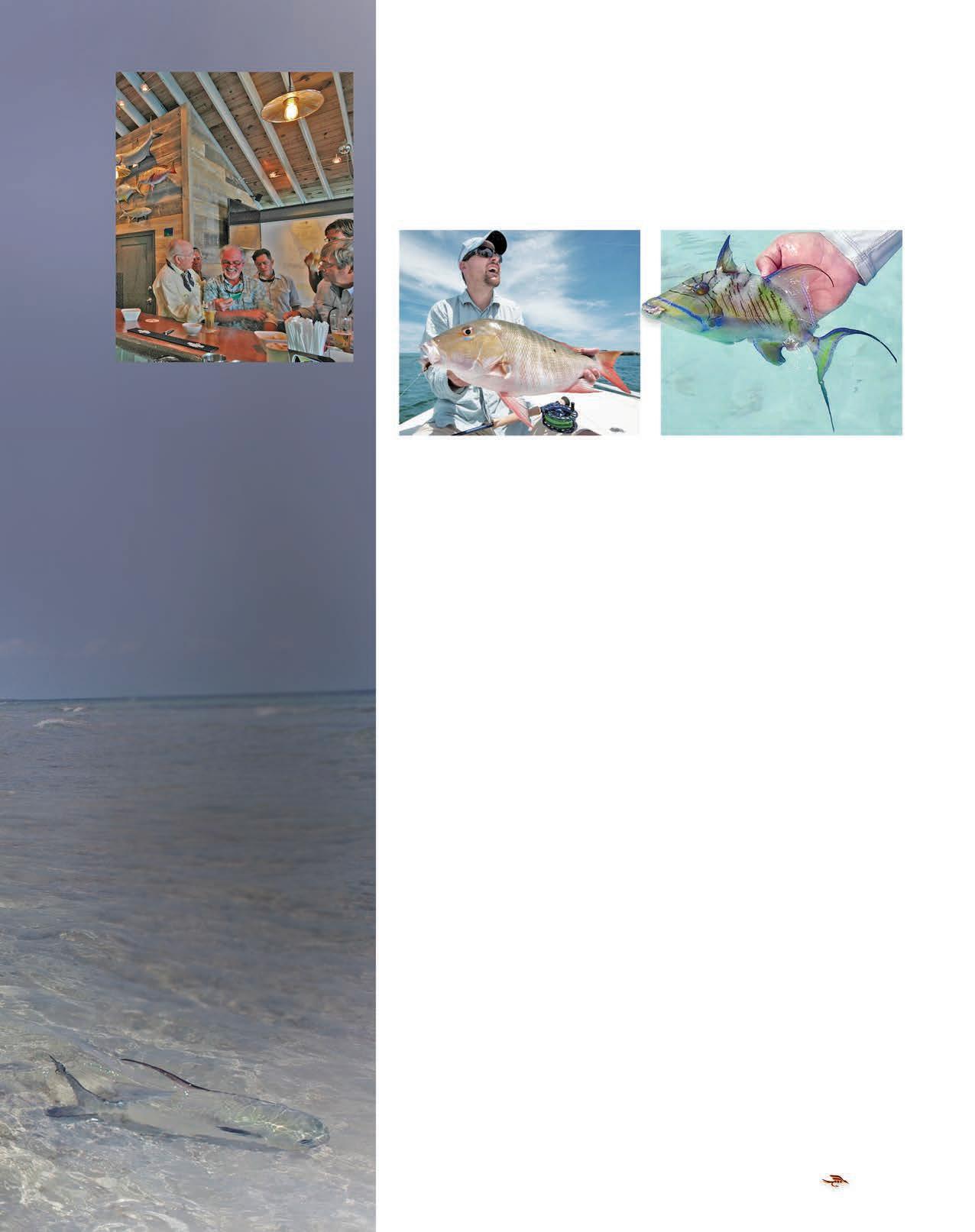
Bones Bar at Pelican Bay Resort is the unofficial clubhouse for fly fishermen on Grand Bahama Island and the most popular aprés angling rendezvous spot in the Bahamas!
Grand Bahama Island runs west to east, sheltering its northern shoreline from the most common tradewinds and providing an exceptionally calm, long season.
And while other spots lay questionable claims to big fish, recent fishery research has established that the mangrove-lined, north shore of Grand Bahama is home to the greatest number of trophy-sized (8 pounds plus) bonefish in the Bahamas.
The new fleet of H2O Bonefishing tunnel hull skiffs are specifically designed for maneuvering and poling swiftly and silently in shallow water. Much of the Grand Bahama experience can be done on foot, assisted by sharp-eyed guides. Stalking a large bonefish in only inches of water, then watching as a trophy picks up the fly and races furiously toward blue water is an incredibly exciting experience.
Angling guests interested in testing their skills against tarpon, jacks, permit, and other species may opt to travel further to the remote Little Bahama Bank in H2O’s specialized 21´ hybrid skiff/bay boat more appropriate for speed and deeper water.
THERE ISNO argument that the bonefish is king in the Bahamas, but there are other target species that are definitely worth pursuing. The well-known potential targets are tarpon and permit, just like in the rest of the Caribbean, but there are a few unicorns out there, off-theradar species you might want to keep your eyes scanning for.
You may not know, but the mutton snapper was once part of a Super Slam (bonefish, permit, tarpon and a mutton snapper), all to be landed in a single day. The snook has, over time, superseded the mutton snapper, relegating it to nothing more than table fare rather than maintaining its status as a legitimate flats gamefish. In the late 80’s they were almost wiped out by handlining Bahamian commercial fishermen that found their spawning aggregation off of South Abaco Island during the late spring and early summer. That has stopped! Today, a mutton snapper caught on a flat is one of the most coveted catches in all of flats fishing, more elusive even than a permit! They’re reef fish, with beefy shoulders, a large mouth, and they inhale their food with a single flex of their gills. They often come onto the flats to feed on shrimp and crabs. Due to their reef-nature, when muttons venture onto a flat to feed, they are super fidgety, and only a perfectly presented and retrieved fly will earn a reaction. They are a legitimate target species in the Bahamas and should never be overlooked. Other than convincing a mutton to eat your fly, your biggest challenge may be persuading your guide to let it go, because they’re one of the tastiest fish that swim in the ocean.
There are approximately 40 species of triggerfish that swim the oceans of the world and more than a few of them swim in the shallow water flats of the Bahamas. Gray triggerfish may be the most common and they can get big, up to and over 10 pounds and are fun to target, especially when tailing in coral rubble.
The queen triggerfish is a different story! They are super rare, gorgeous, and grow up to 2 feet long. Most are about half that size. And on those rare occasions when you’re fortunate enough to get a shot at a “Queenie”, don’t blow it! You might not get another chance!
Triggers are most commonly found over rocks and reefs, but do frequent flats where they’ll “grub” in the marl for crustaceans, urchins, crabs, sea cucumbers, and shrimp. Their human-like snaggle-teeth are hard as steel and able to bite a hook in half.
They’re rovers and are constantly on the move foraging, and change direction with no apparent reason. Their erratic behavior makes them as challenging as any fish on the flats and has frustrated expert anglers to the point of despair. They’ll make the perfect shot at a tipping trigger and in the few seconds it takes for the fly to hit the water, the target is off on a different route. When hooked, the natural instinct of a triggerfish is to head for the cover of a reef, or a rock outcropping – testing both the angler’s skill and his terminal tackle.
More expert anglers love the challenge of fishing for triggerfish – they are a deserving and formidable opponent, strong fighters, and it require persistence, patience, and skill to bring one to hand.
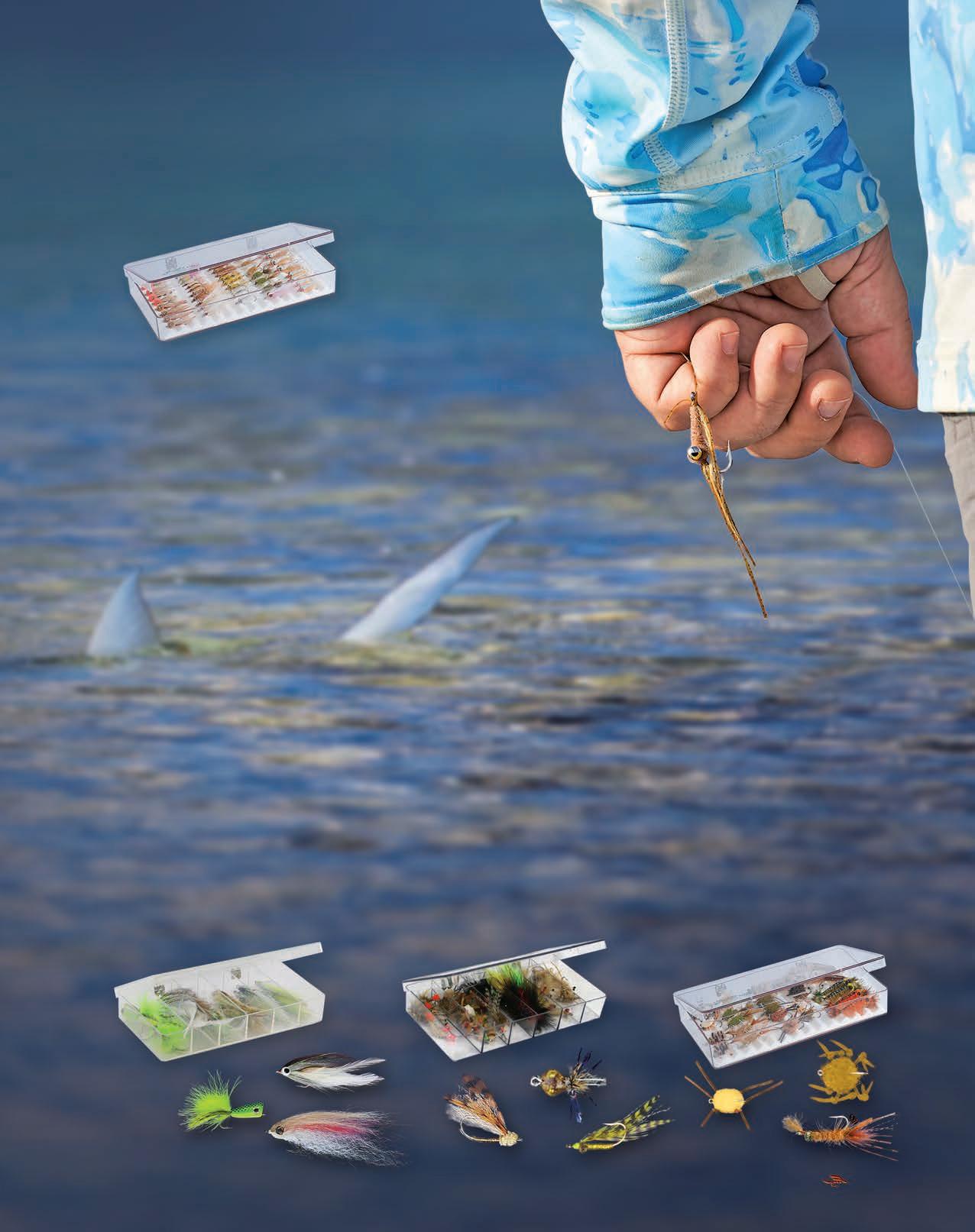
The Fly Shop’s experienced travel team has fished every saltwater destination that we highlight in this magazine and are intimately familiar with exactly the flies (and fly fishing tackle) you will need on your next saltwater trip.
From the balmy flats of Australia, to the fish-laden waters of the Caribbean, or the far reaches of Canada’s Gaspé Peninsula, we have been there and know what you will need to make the trip succesful
Our Saltwater Fly Selections are custom picked by us, for each specific destination, fish species, and time of year. We are in constant contact with the outfitters to keep our selections up-to-date with each new secret fly that the guides twist up. There isn’t a better way to show up prepared as when you trust The Fly Shop® to hand-pick a custom assembled Saltwater Fly Selection for your particular trip. Trust us, we know…
The Fly Shop® has been one of the sport’s largest angling travel agents and one of America’s largest fly fishing retailers for more than 48 years. We’ve outfitted tens of thousands of anglers for fly fishing trips all over the globe. No one in the fly business is as experienced. Who better to help choose the right flies for your next trip?
A selection tailored to your exact destination
We’ll make sure your fly box is loaded with exactly what you’ll need, because they’ll be exactly what we would have chosen ourselves – and we know what we need, anywhere in the world because our travel team has been there. This is an open invitation to every travelling fly fisherman (whether you booked your trip with us or no t) to expand your selection or load up on the proven patterns that you’ve been told will work, and to get all of the flies that you’ll need to insure your fly selection is complete and the trip is a success.
You can count on arriving properly outfitted, and ready to catch fish with your custom-selected box of flies from The Fly Shop®. They’ve been stuffed full of deadly patterns that have been selected for you by our travel team of expert anglers who know what will work – because we’ve been there, and know from experience what you’re going to need!
The Fly Shop ® has been outfitting fly fishermen to worldwide destinations for nearly half a century and has the largest and most complete selection of flies in the retail industry to choose from.
It’s Easy
There’s nothing worse than being on a fishing trip to Alaska, Africa, Argentina, or some other spot in the middle of nowhere and finding out (too late) that you don’t have enough of the flies that work well.
Spending your time and money for travel, lodging, and guide service – then not having the correct equipment or enough of right flies is unwise.
Particularly when getting all the flies you think you might need would not have cost an extra cent.
Load up with all the flies you think you might need for the trip without worrying about what they cost or whether you’ve gone overboard. Because when you return from your trip, you’re welcome to return any or all of those flies that you didn’t use and still are in their original condition (within 60 days of that purchase) for a 100% in-store credit.
best
1 The best way is to just give us a call 800-669-3474 and tell us where you’re headed.
2 Or send our travel team an e-mail (travel@theflyshop.com) with that information.
3 Our experts will assemble a box custom-tailored for your destination.
The Fly Shop® sells nothing but the highest quality flies available in the sport. They’re tied by craftsmen to our own exacting standards using nothing but the finest materials, and hooks. Take it from us, you can’t afford cheap flies. Scan this code for more info about our saltwater selection options
Trips booked through Fly Shop® qualify you for a 15% discount on all your tackle for a year!

Let
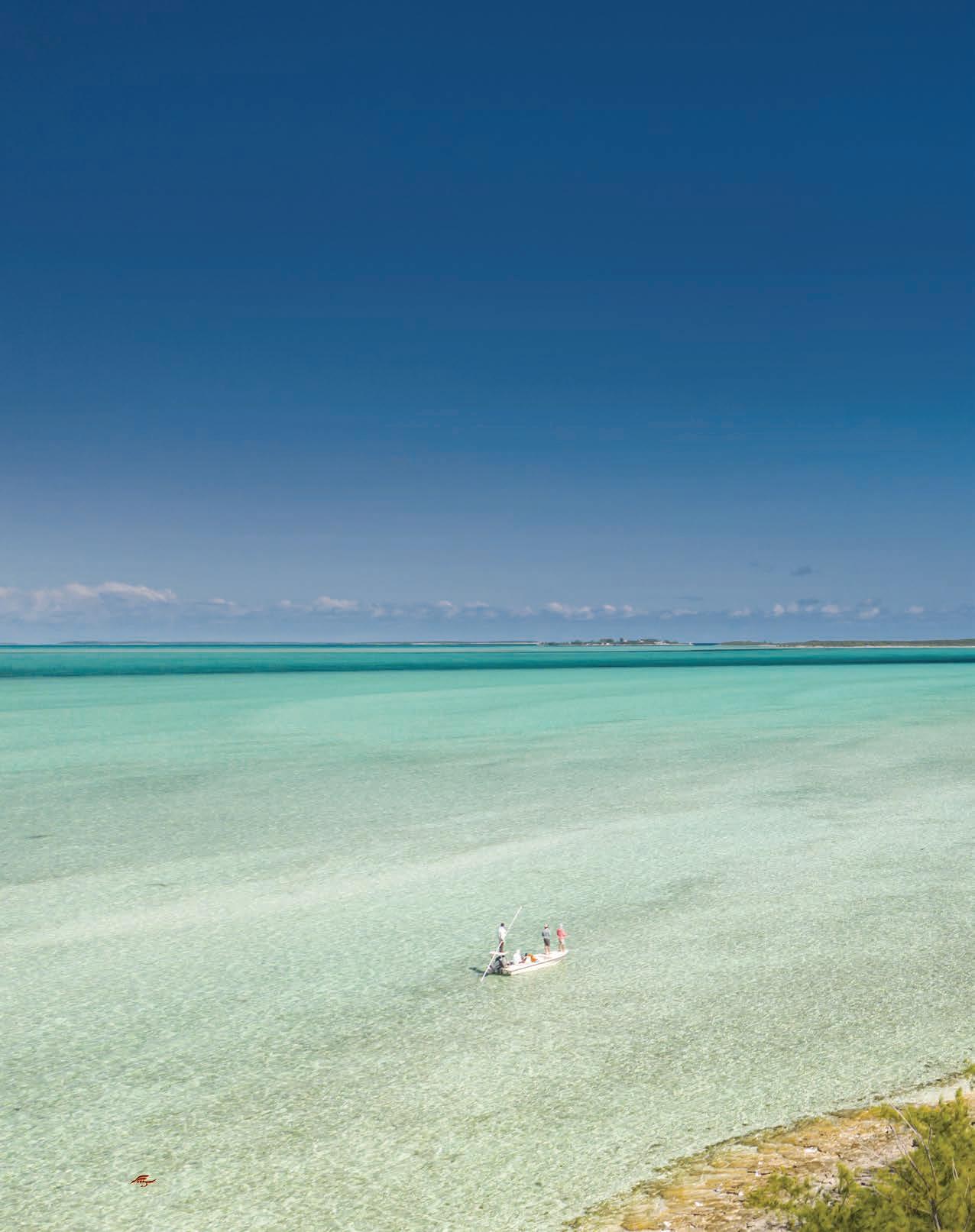
Purposely kept on the lowdown by veteran bonefishers for decades, the Berry Islands are home to one of the newest flats fishing lodges in the Bahamas – Soul Fly Fishing Lodge.
Anglers are now able to access miles of beautiful white sand flats in pursuit of trophy-size bonefish, permit, triggerfish, barracuda, and mutton snapper.

THEBERRYISLANDS , with 12 total square miles of landmass, is a cluster of 30 remote cays, nestled between Abaco Island to the northeast and Andros Island to the southwest, and adjacent to the Great Bahamian Canyon or “Tongue of the Ocean” whose depths exceed 14,000 feet. The Berry Islands are often referred to by locals as “The Fish Bowl of the Bahamas” because of the wildly rich biodiversity found in these bountiful waters.
Soul Fly Lodge is the brainchild of Captain Kyle Schafer, an experienced saltwater fly fishing guide, and his lovely wife Kitri, both former managers of Bair’s Lodge on South Andros. The lodge’s location on the east side of the island will finally allow anglers access to wilderness Bahamas bonefishing in the Berry Islands.
The “Berries” are home to some of the largest bonefish in the Bahamas as well as being a legitimate permit fishery. The fishing program is built around pursuing multiple species in a maritime wilderness setting with access to a huge diversity of fisheries including firm white sand flats, backcountry creeks, acres of mangroves, expanses of beautiful turtle grass, oceanside edges, and endless miles of shorelines and coves. The Berries offer fly anglers the opportunity to pursue bonefish, permit, triggerfish, barracuda, mutton snapper and other flats species from the bow of the skiff or on foot. It’s as diverse of a fishery as there is in the Bahamas, and a target-rich environment.
Short runs to nearby flats will have you fishing within 15 minutes in Maverick & Hell’s Bay skiffs, powered by Yamaha outboards. The skiffs feature padded seats, a leaning bar on the casting platform and dry storage lockers, as well as radios & GPS locators. The lodge has assembled a team of legendary local guides that are experienced, courteous, instruction-oriented and dedicated professionals.
Soul Fly Lodge sits 22 feet above sea level, overlooking the Atlantic Ocean on the east side of Great Harbour Cay. Less than 5 minutes from the newly-rebuilt airport and only a few minutes from the marina, their location is ideal. The Schafer’s experience operating in the Bahamas, along with their commitment to excellence and executing a world-class fishing operation, should make them a staple in the Bahamas for many years to come. A short, palm-lined path leads you past the 20´ x 50´ freshwater pool down to a white sand beach, perfect for a morning’s walk. Surrounded by rugged Bahamian landscape, the laid-back atmosphere and comforts of the lodge will allow you to completely relax and quickly re-set your clock to “Bahamas Time”.
The lodge features six private guest rooms each featuring two queen beds, individually operated air conditioning units, and full en-suite bathrooms. Meals are taken in the eclectic Carriearl Roost dining room, and prepared by the lodge’s renowned Bahamian chef. Foodies will be charmed with appetizers like lobster egg rolls, conch fritters, mini fish tacos and entrees of grilled mahi mahi, blackened grouper, stuffed lobster, grilled ribeye and cajun pasta, complemented by homemade desserts.
s Single/private rooms are now available.
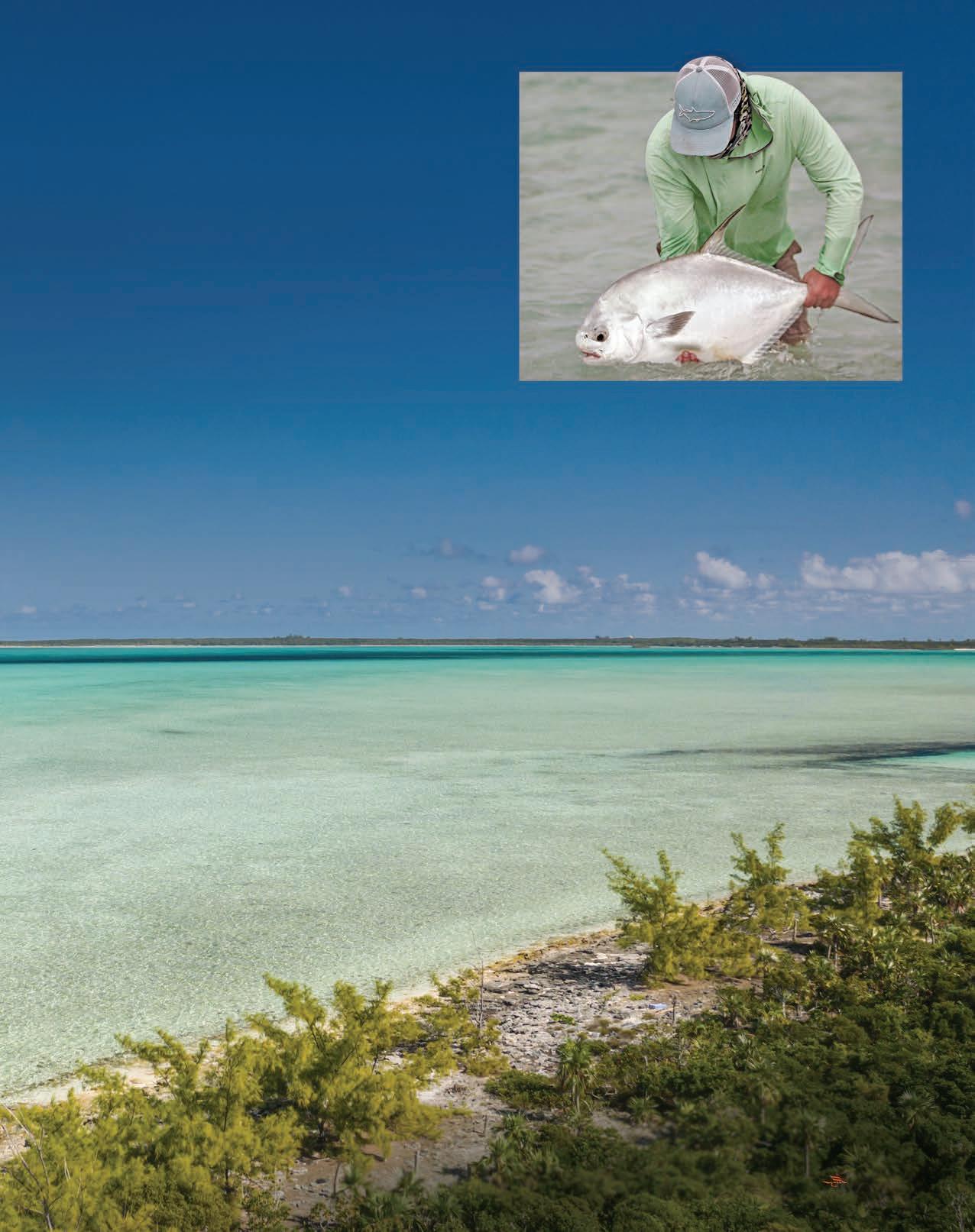

Thirty years ago it was hard to get to Andros, the guide pool was shallow, and it was difficult to find a decent room. Today, Andros is a world-famous bonefish Mecca with half a dozen excellent lodges scattered on the island.

ANARCHIPELAGO within the Bahamas, Andros is the largest of the country’s 26 inhabited islands. It’s three major island components, North Andros, Mangrove Cay, and South Andros are separated by broad, deep channels, or bights. When reckoned as one island, the total land area is greater than the other 700 Bahamian islands combined.
To put the size of Andros into perspective, consider that Andros (by itself) is only a bit smaller than Puerto Rico and that it is the size of both Rhode Island and Long Island combined, only with a population estimated to be less than 8,000 and declining. Nearly all of the island inhabitants live along a narrow strip on the eastern shore of the island near the Queen Elizabeth Highway.
That entire eastern shore of Andros is bordered by the 6,000 foot deep “Tongue of the Ocean” which, in turn, is one of the two main avenues of the Great Bahama Channel and provides some of the finest off-shore, blue water angling in the world. The town of Fresh Creek is opposite Big Wood Cay and the United States Navy’s
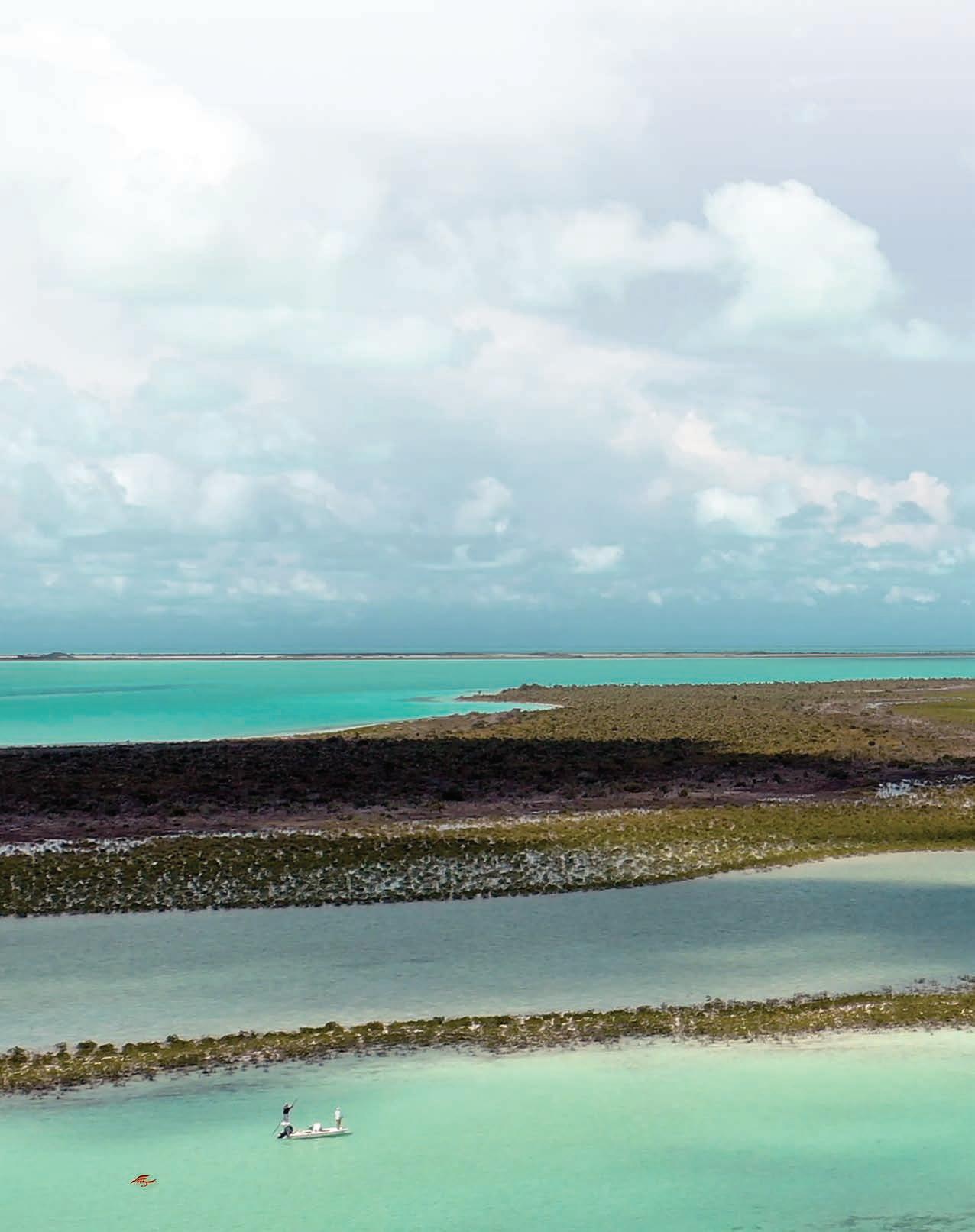
Atlantic Underwater Test and Evaluation Center (AUTEC) where the Navy conducts Special Operation training, sonar and submarine research (in the deep Tongue of the Ocean) and the United States Coast Guard operates its drug interdiction program.
There are several deep arterial troughs, or bights running northeast to southwest connecting the blue water on the Atlantic shore to the west side of Andros. Most of the famous flats fishing of Andros is done in those bights and on the extensive flats of the Great Bahama Bank which lies off the west, northwest and, southern shoreline of the island. That area has more than 1,100 square miles of flats, estuaries, and tidal swamps with several hundred more square miles of flats found in those creeks, bights, and on the island’s eastern periphery.
Together the flats of Andros constitute a phenomenally large flats fishery and though there are nearly two dozen lodges and a number of independent guides on the island, it is quite possible to spend the entire day on the flats and not encounter another angler.
Fisheries biologists estimate that only a fraction of the bonefish found in the sea come to inhabit the flats. And it is thought that the deep creeks (or bights) connecting the blue water found off the island’s eastern shoreline to the shallow mangrove-lined flank of Andros’ west side are responsible for the constant replenishment of those flats with a huge population of bonefish that are, arguably, larger on average than found elsewhere in the Caribbean. There are areas of the island that are notorious for large schools of smaller bonefish, but sighting a trophy on any of the flats of Andros is a common occurrence. Much of the west side is too deep and often too soft to wade. Veteran Andros fly fishermen call this hunting ground “The Land of the Giants”. There are no roads, power, or communities on this side of Andros. The only way to get there and to those fish is by boat.
There is some permit fishing on Andros, and the occasional tarpon that makes its way onto the west side flats are aggressive, easy targets. But this is considered the capitol of bonefish country with an astonishing number of trophy fish and six or eight great lodges on the shoreline or near the creeks knifing through the island.
Like elsewhere in the world of fishing the best time to be there is when you can. The most reliable weather is from March thru the end of October. Mid-summer weather can be oppressively humid but the bonefish don’t care. If hurricanes are going to come it’ll probably be in September. But the odds are they won’t come, and if you’re there on Andros any time from January first to the next January first and you get to enjoy three or four good days of sun in a week with little or no wind you can bet on it being a terrific bonefishing experience.
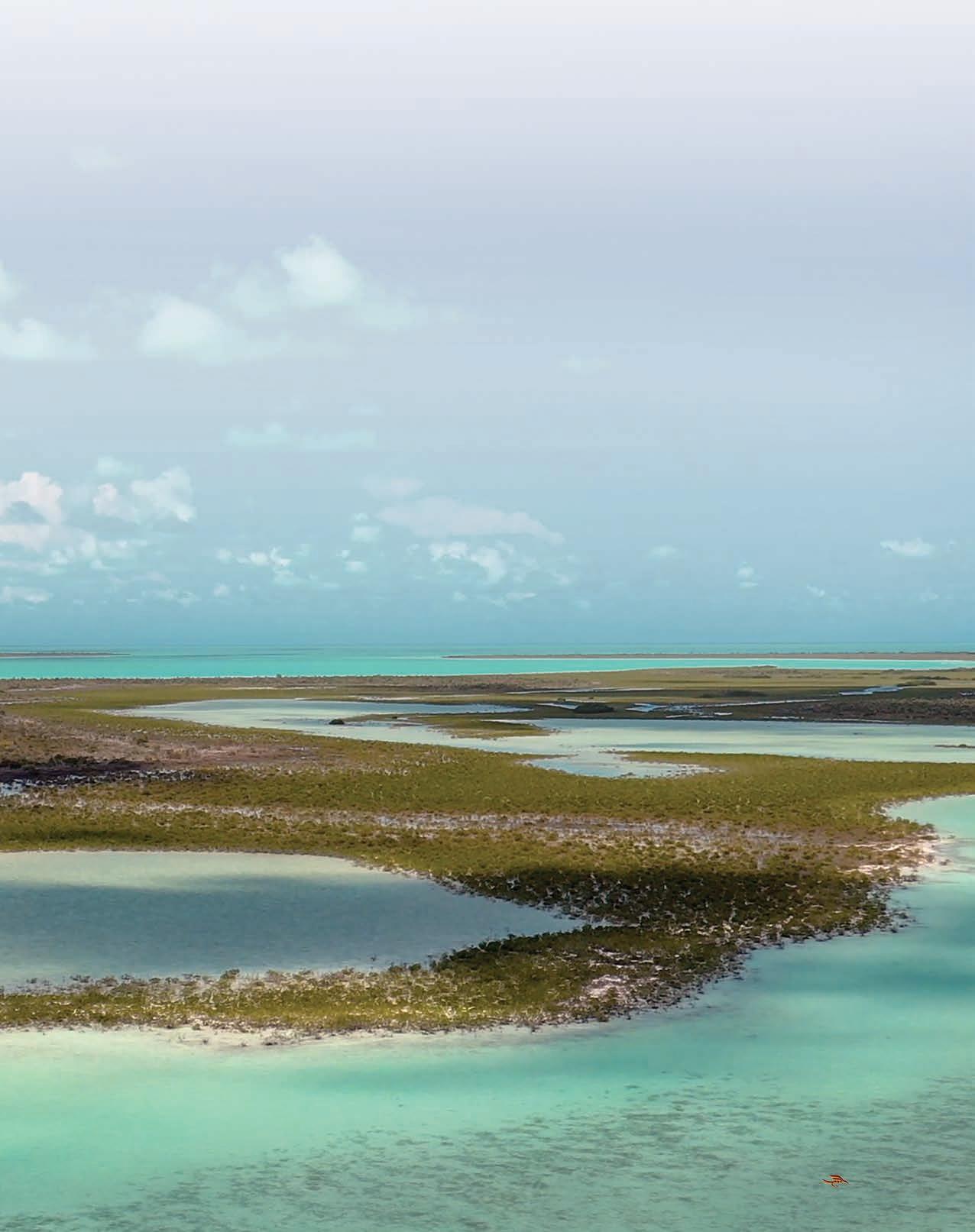
It‘s Andros Island in the Bahamas, not Cuba, not Belize, Key West, or Christmas Island, that has produced more trophy-sized bonefish than any other spot on the angling map!
A brief history of “The Bonefish Capital of the World”

ANDROS IS ACTUALLY made up of three different islands (North Andros, Mangrove Cay, and South Andros) as well as hundreds of cays joined by estuaries and tidal swamplands. Behring Point is the nexus where the North Bight of Andros Island meets the Atlantic Ocean and is, arguably, the most famous spot on the Bahamian bonefishing map.
The area was proclaimed “The Bonefish Capital of the World” by the legendary Charlie Smith when he opened The Haven in 1968. Fifteen years later the place burned to the ground and was re-built in stages (as Charlie could afford it). The plumbing, electricity, air conditioning, and other critical infrastructure parts didn’t always work, but the guides did. In fact, there was never a more talented team of bonefish guides assembled anywhere than those that worked out of Charlie’s Haven in the mid to late 1980’s.
His operation was the first Bahamian-owned fishing lodge in the island nation, and while other spots on other islands were better financed and perhaps more famous, none were more popular with the hard-core crowd of serious fly fishermen than Charlie’s Haven.
Over the course of his career, Charlie and his team poled around a number of personalities (George H.W. Bush, Ted Williams, Benny Goodman, Jack Hemingway, Dag Hammarskjöld, several of the Bahamian prime ministers) and a laundry list of elite fly anglers
There’s no question that Charlie, who passed away in December of 2018, left a legacy to the world of fly fishing and his countrymen. His impact on bonefishing was profound and he shepherded a facet of our sport in its infancy when the entire bonefish audience would not have filled a large theater. He was instrumental in the creation of one of the most iconic bonefish flies, and inspired thousands of contemporary saltwater anglers.
Charlie’s Haven was never able to arrive at its potential, perhaps because (as he readily admitted) despite all of his charm, talents, and skills, Charlie wasn’t much of a businessman. He was, however, one helluva fishing guide – smart enough to recognize the potential of Andros as “The Bonefish Capital of the World”, and his fame was umbilically connected to the island’s remarkable angling.
As one of the largest fly shops in the States, we were lucky enough to fish with Charlie and every one of his incredible team of guides more than a dozen times and are proud to have called him a friend.
Charlie taught his children to speak the language of fly fishing (three of them now own lodges on Andros) and he trained his guides so well that several of them became famous in their own right, opened lodges of their own, and became his competitors.
It was inevitable then, that The Haven, recognized in the 70’s and early 80’s as the best spot in the sport was challenged for supremacy by the swift addition of more than a dozen other competing Andros Island bonefish lodges(there are now 14 lodges located on Andros)
None of Charlie Smith’s disciples was more talented as a guide, had a better understanding of the complexities of bonefishing with a fly rod, or was more charismatic than Rupert Leadon. He was also the first of the gifted cadre of Haven guides to strike out on his own when, in 1984, he began building Andros Island Bonefish Club.
Rupert took with him the support of George Hommel (founder of Worldwide Sportsman) and his legendary benefactor, Billy Pate. His new lodge had the prestigious endorsement of Lefty Kreh, Mark Sosin, and A.J. McClane, as well as the muscle of the leading angling travel agents in what was then a small saltwater fly fishing market.
Leadon had “pick of the litter” of Andros island locations forty years ago and could have settled just about anywhere. He chose a waterfront, pine-covered bluff just north of Charlie’s Haven in Behring Point, purchased it from the government, and then carved out a rudimentary lodge site with a machete in 1984.
The location overlooks the shimmering Caribbean and the first of a series of cream-colored flats stretching as far as the eye can see. Everything about the place, beginning with the view, the daily schedule, and the conversation at the bar is all about bonefishing.
With the financial support of Hommel and a few wealthy angling patrons, he set about building Andros Island Bonefish Club. He began by pirating the best of The Haven’s expert guides, and though they didn’t have far to go to find bonefish, he outfitted his team with the island’s first fleet of swift Mavericks and shallow-draft Dolphin Super Skiffs. From the onset the operation has had no frills, nightlife, or fancy linen bedsheets. Now, more than forty years after the doors opened, it continues to provide good food, great guides, comfortable accommodations, a steady focus on the miles and miles of nearby bonefish flats, and the island’s world-class bonefishing.
We lost Rupert in late June of 2012, but not before he passed the reins, nose-to-the-grindstone work ethic, and his warm smile to his daughter, Juliet, who now carries on Andros Island Bonefish Club’s legacy.
What was once one of the only games in town in the 80’s has since been challenged for supremacy by more than a dozen other new additions to the roster of Andros Island bonefish lodges.
But Andros Island Bonefish Club continues to provide guests with quality accommodations, exceptional guides, and world-class bonefishing, with a very modest price tag!

andros island bonefish club
Just a stone’s throw from miles and miles of picture-perfect flats, Andros Island Bonefish Club has been in the limelight since 1984. It’s dockside bar, The Watering Hole, has been a favorite gathering place for hardcore fishermen more than forty years, and the famous destination has maintained an international reputation for providing guests with superb guides, cold beer, comfortable accommodations, and world-class bonefishing – all at a modest price tag.
Andros Island Bonefish Club is dead-center in what veteran anglers still call “The Bonefish Capital of the World” and is one of the best bonefish lodge values in all of the Bahamas!

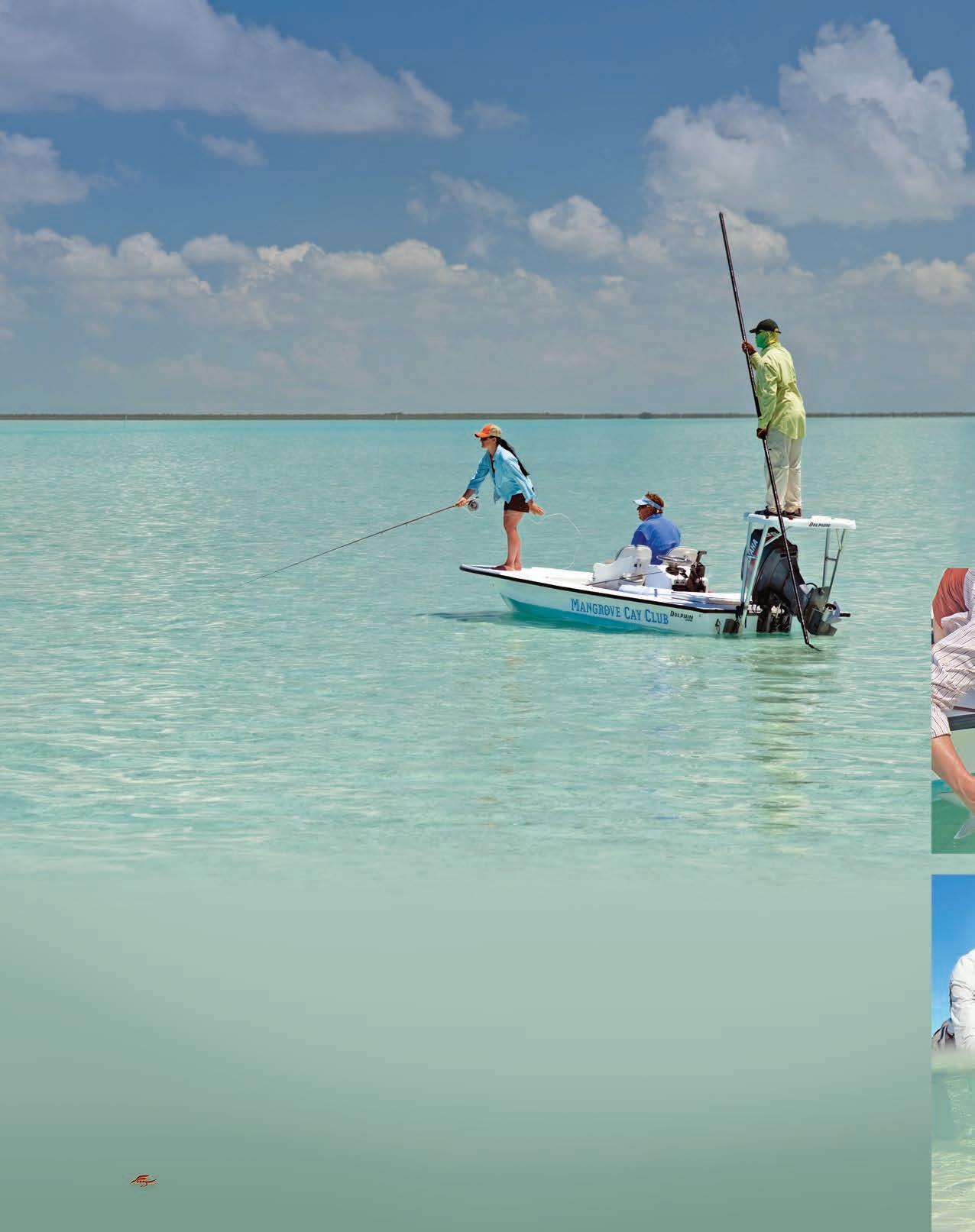
TTHEDEVELOPMENT of Mangrove Cay ushered in a new era of comfort for Andros anglers with lovely cottage accommodations, private rooms, an inviting clubhouse, great bar, superb kitchen, top-flight service, an exceptional group of personable guides, and ultra-professional management who anticipate guests’ every need.
Fishing begins and ends each day at the dock, and it is a relatively short run to the West Side – a run that is hardly necessary with miles of superb flats within easy striking distance from the lodge. The numbers of fish in the area can be overwhelming, opportunities for trophy-size fish are routine, there’s very little other angling pressure on this part of the island, and there is no better lodge on Andros than the Mangrove Cay Club.
Mangrove Cay guests are able to travel to the best of Andros without ever having to trailer a boat or run in the open ocean.
From their near dead-center Andros location, Mangrove Cay guides have easy skiff access through the creeks to the North, Middle, and South Bights and the remote West Side.
The expert guides commonly tailor the day to the angler’s interests, planning their day around the changing tides or prospecting the protected, lee shorelines. They’ll either run some distance and fish back to the lodge, or begin nearby and spend the day searching for bonefish in the local flats, channels and lagoons.
The facility is perfectly designed. There are eight identical suites in beautifully landscaped duplex cottages with verandas overlooking the water. Each suite provides spacious accommodations for two fishermen, with two queen beds, ceiling fans, air conditioning, plenty of storage space, and an adjoining sitting room that allows the early-riser to prepare without disturbing his roommate.
Mangrove Cay Club meals are delicious and get rave reviews from the most discriminating guests. The capacity is 16 anglers, and their swimming pool is a wonderful way to relax after a long fishing day.
This place is at the top of our list. It is a five-star lodge, and a first-class fly fishing operation run by consummate professionals.
The Fly Shop® travel staff couldn’t praise the Mangrove Cay Club more highly, or endorse the destination more strongly.
Scan this QR code for more info about Mangrove Cay Club

ultimate skinny water flats craft
INMARCH of 2023, I embarked on a three week familiarity trip to the Bahamas, concentrating on Andros Island followed by a hosted week to the two remote islands of Crooked and Acklins. During my trip I visited seven different lodges and fished out of about every imaginable flats skiff known to man, from old Dolphin Skiffs on their last legs to a Hells Bay Professional rigged with a power pole that tipped the scales at $60K.
But it was at Mangrove Cay Club that I had the opportunity to fish out of one of the coolest skiffs of all, a micro-skiff.
The models we fished from are made by Gheenoe Manufacturing out of Titusville, FL, and are a game changer in the shallow water backcountry of Andros. Think of micro-skiffs as a canoe on steroids. They are long and slender and will hold two anglers, a guide with limited gear, and are purposely designed to float in a mere 3 inches of water or less. They are surprisingly stable on the water and stealthy-quiet. There’s a simple bench seat, a poling platform in the stern and a lean-bar in the front for the angler to center-up on. They skim on the surface like a water spider and allow you to access bonefish-filled backwater lagoons and bays too shallow for a standard skiff to navigate, or too mucky to wade.
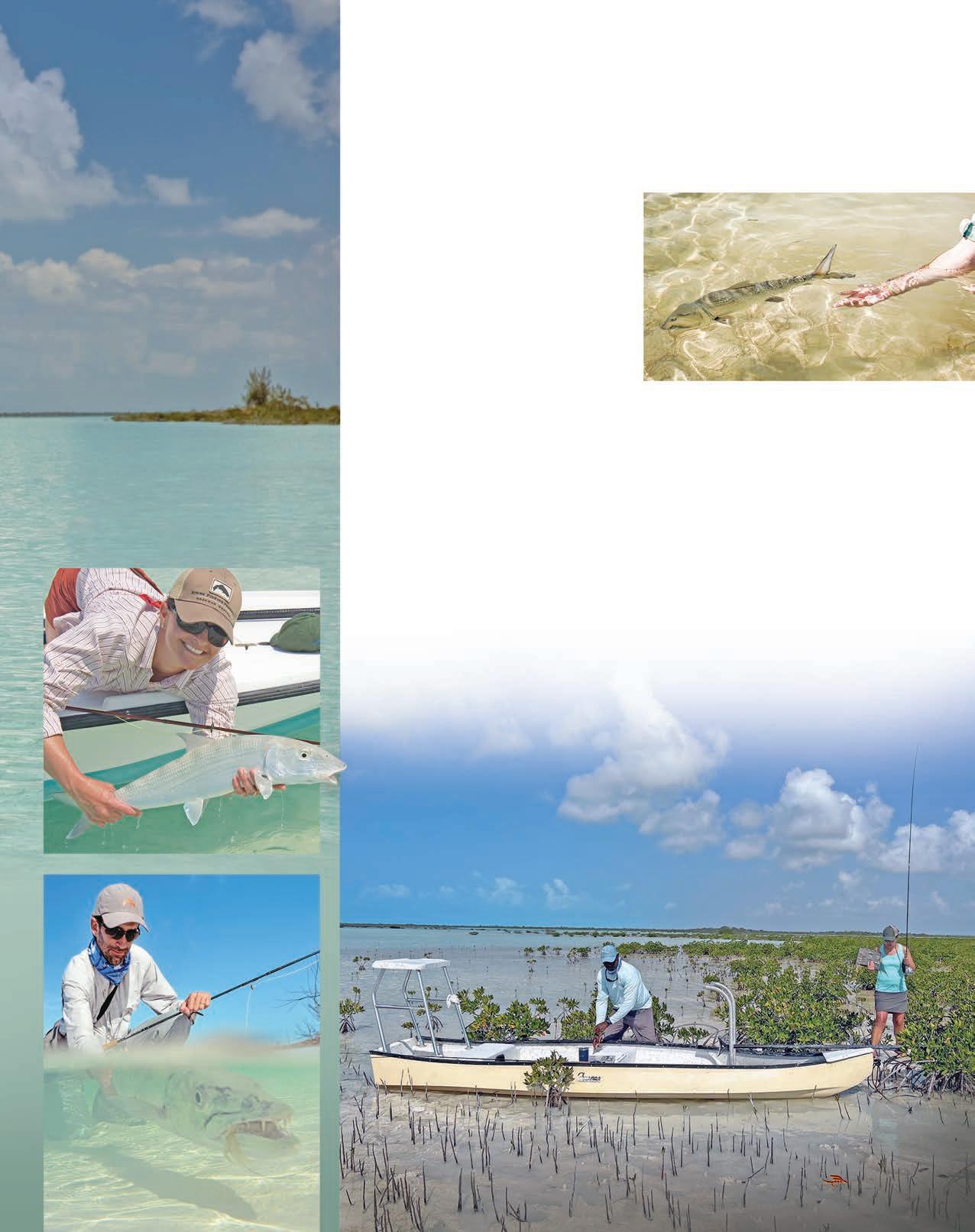
Andros is laced with hundreds of square miles of mostly impenetrable interior saltwater lagoons that are fed by small tidal creeks. The few of these that could be reached by plodding through deep muck and spidery mangroves are teeming with bones. Andros Island regulars have for years looked longingly at waving silver tails and waking fish out of range in thin water back bays and creeks, fish that are now accessible with micro-skiffs.
Leave it to the lovely and wonderfully talented Liz Bain to figure out how to get deep into Andros Island backcountry bonefishing with the introduction of micro-skiffs! They are an absolute game changer!
ErikArgotti argotti@theflyshop.com
The peaceful angling resort at Swain’s Cay uses the island’s top local guides and delivers outstanding bonefishing. Accommodations and angling packages can be custom-tailored for everyone from hard-core fly fishing fanatics to the casual angler looking for more than flats fishing.
Anglers can schedule as many or as few fishing days as they’d like during their Caribbean holiday. And guests, their companions, or the entire family can choose from a variety of island activities. A’ la carte options include offshore big game fishing, spectacular snorkeling in the nearby reefs and blue holes, sea kayaking, exploring the island by bicycle, or just kicking back and relaxing in a hammock under the swaying palm trees.

THESTRATEGIC position of this resort affords anglers easy access to both the famous South and Middle Bights of Andros. You and your guide will decide each evening which end of the Cay to target the following morning and rendezvous close to the area you’ll be fishing, reducing the run time, extending the fishing day, and ensuring you are always a short run to the day’s fishing flats.
The system enables a quick boat ride through the Middle Bight to the remote wild West Side of Andros, reduces wasted time on long boat commutes, and access to flats that are seldom fished and home to some very big bonefish.
The resort’s Reefside Restaurant & Bar is a community gathering spot, adding a wonderful cultural element to a stay at Swain’s Cay. The kitchen on the beach opens early for a sunrise breakfast, and serves up delicious three-course dinners nightly featuring locally caught fish, fresh lobster, conch, ribs, chicken, burgers, and steaks.
Non-fishing companions and families can enjoy meals or a snack at their convenience.
The beachside terrace bar is the perfect spot to enjoying stunning sunrises, or to relax with friends or family each evening with a soda, ice-cold Kalik, or tropical cocktail after a successful day spent on the flats, snorkeling or eco-touring.
SWAIN ’ S CAY LODGE is, perhaps, the ideal spot for the angler searching for a top-tier fishing experience combined with a festive, holiday atmosphere not common at most fishing lodges.
The resort offers a variety of accommodation options, and a flexible schedule that allows mid-week days off from the flats, along with an optional menu of non-angling activities
Guest facilities are tastefully decorated and provide every tropical comfort imaginable. The air-conditioned rooms, suites, and garden apartments are close to the beach and all feature private bathrooms with hot showers, queen-sized beds, high thread count linens, WiFi and private patios.
The “high season” is from October through June. Typically they are also the best months for bonefishing, when the weather and water temperatures are ideal, and tropical disturbances are least likely.
The Middle and South Bight flats offer a variety of angling options. With the right tides, there’s enough skinny water to spend hours wading for tailing bones. Seasoned guides provide quality angling irrespective of the tides, and the bonefishing opportunities abound in the flats surrounding Swain’s Cay.
Anglers with non-fishing companions, or travelling with their family couldn’t choose a better Bahama destination than this one!
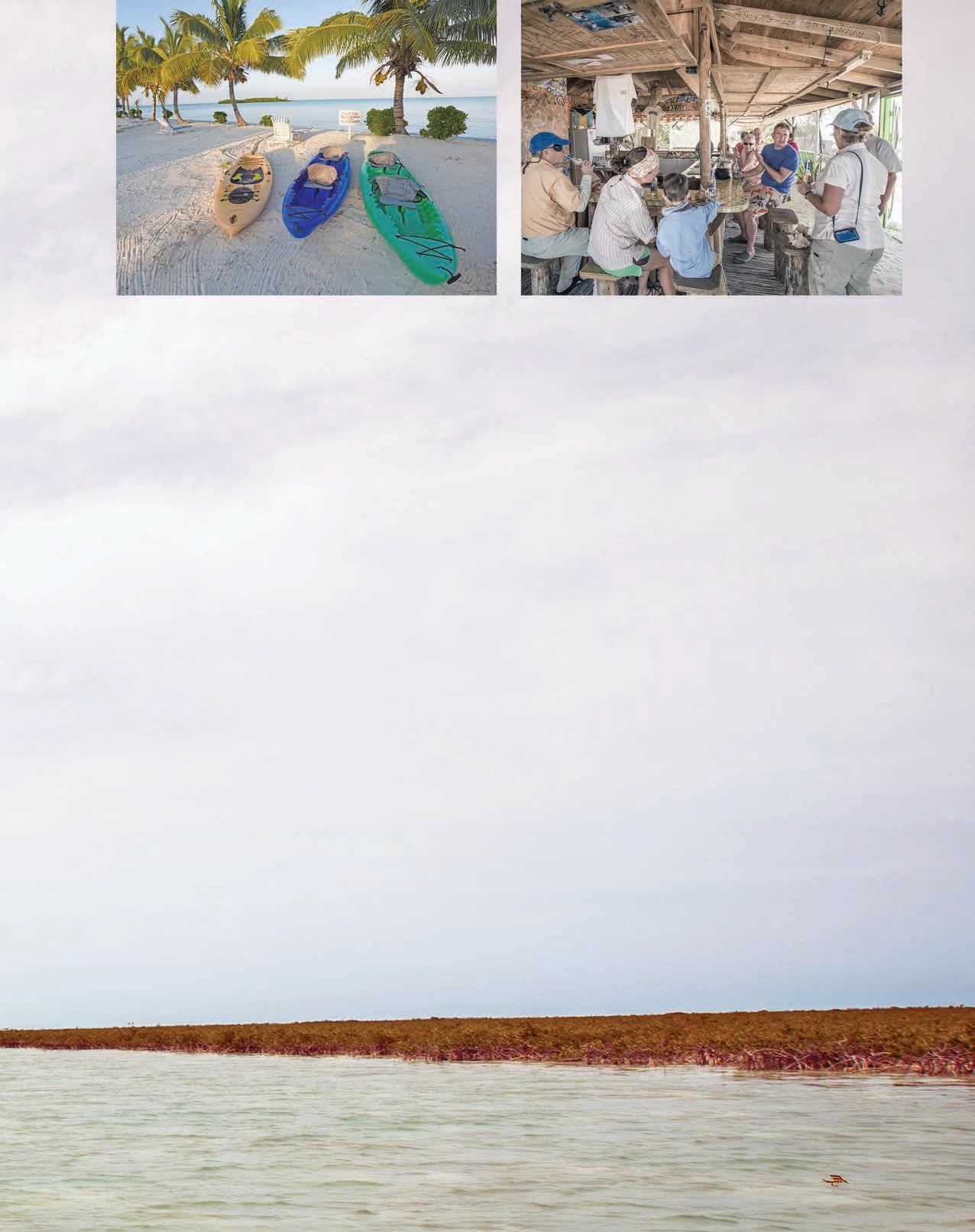
Scan this code for more info about Swain’s Cay


This exquisite beachfront lodge has a well-earned reputation for providing guests with the highest level of hospitality and anglers with world-renowned bonefishing.
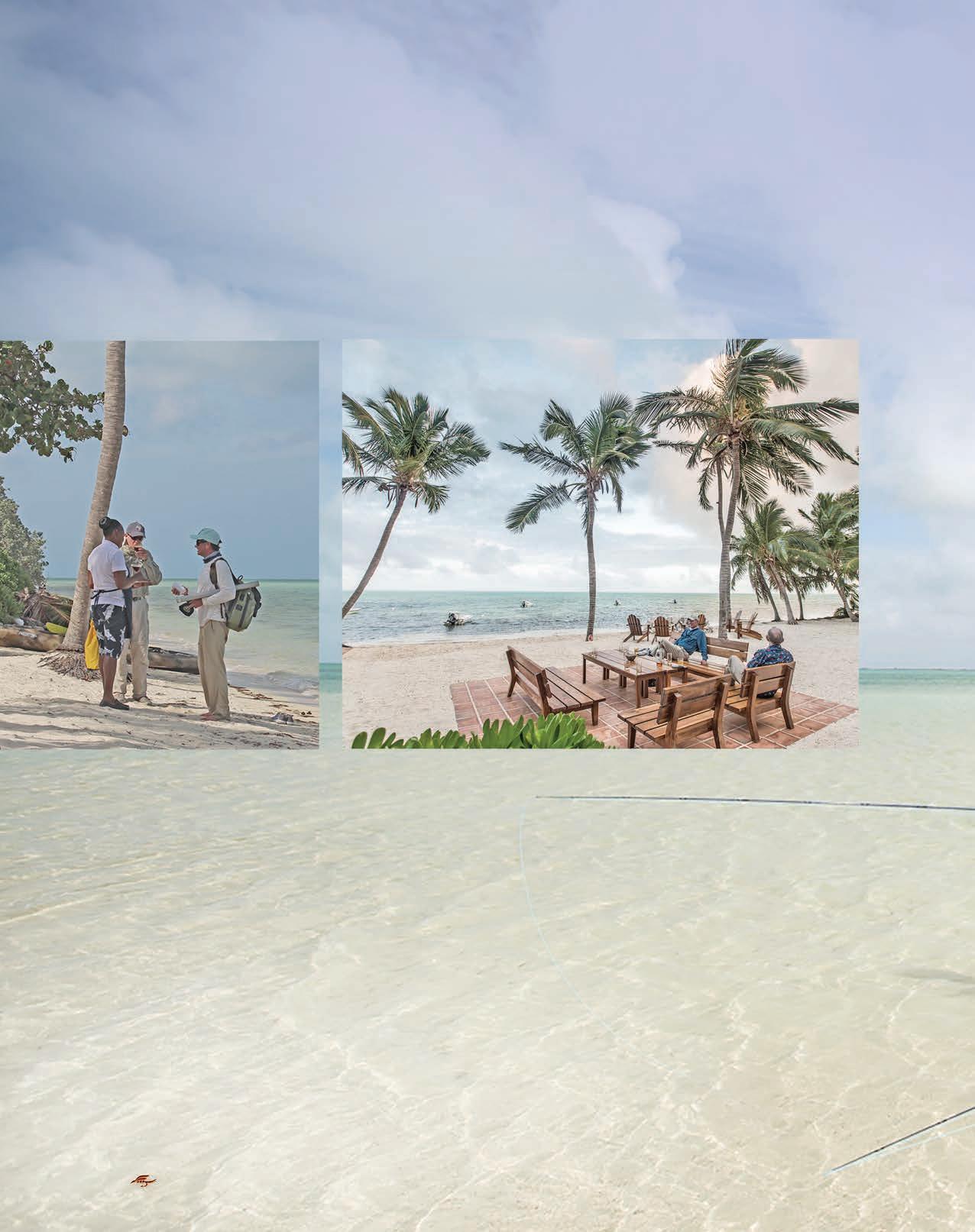
OTHERLODGES might claim to be as good, but there are none in the world you’ll find that are better that Bair’s!
Their “home water” – the flats of South Andros and the world-famous flats between Deep Creek and Little Creek on the eastern shore of South Andros – are synonymous with the biggest bonefish in the Caribbean. So, too, is the west side of the island notorious as one of the best locations to search for a bonefish of epic proportions.
In fact, Bair’s has it all. Big fish, lots of fish, flats custom-tailored by Mother Nature for wading, and daily opportunities to either wade or fish from the boat.
There’s an immense interior system of protected flats and creeks within easy striking distance of the lodge and when all but the worst of winds are howling, anglers can be sure to be on the water and hunting bones.
The guides at Bair’s Lodge are among the best on Andros. Many boast decades of flats experience, and all of them are considered experts on an island notorious for experts. They understand how tides affect bonefish feeding behavior, and know where to fish under different weather conditions. With trained eyes developed over years of spotting bonefish, they will put you on fish, and give you as much or as little guidance as you need or can handle.
BAIR ’ S OFFERS deluxe oceanside lodging in an attractive setting accentuated by a grove of palm trees. The bright, airy, pink stucco lodge is nestled on an inviting white sand beach. Two of the six rooms in the lodge open to a long common veranda facing the ocean that are furnished with comfortable benches and tables. It’s the ideal place to sip coffee in the morning before the breakfast buffet is served, or enjoy cocktails in the evening.
The spacious, beautifully decorated bedrooms feature terracotta tile flooring, white cotton sheets, down pillows, and tropicalweight duvets.
En-suite bathrooms are standard, and hot water is plentiful. And for those more adventurous anglers, there is an outdoor shower overlooking the beach.
Dinners are an event, beginning with the traditional appetizers, delicious soups, and conch ceviche or fritters. The chef’s menu emphasizes local dishes with light, fresh recipes such as mango salsa and grilled fish. The lodge takes pride in serving fresh local produce, paired with fresh mahi-mahi, tuna, grouper, snapper, conch and lobster. Wines include superb Argentine Malbecs, Chilean Chardonnay, Sauvignon Blanc, and Cabernet Sauvignon served with dinner. Desserts vary from chocolate decadence to Key Lime parfaits. And after dinner, liquors are served in the sitting room.
Guests often gather in the evening beneath the beachfront stars, sharing stories of their fishing day and planning the next.
Make no mistake, Bair’s is a premier fly fishing lodge and, since the early 90’s, has been renowned for providing some of the best fishing Andros has to offer.
At the same time, Bair’s has also come to represent quality guiding, delicious food, comfortable lodging and a Bahamian version of deluxe hospitality.
s Stays can be tailored for any number of nights.
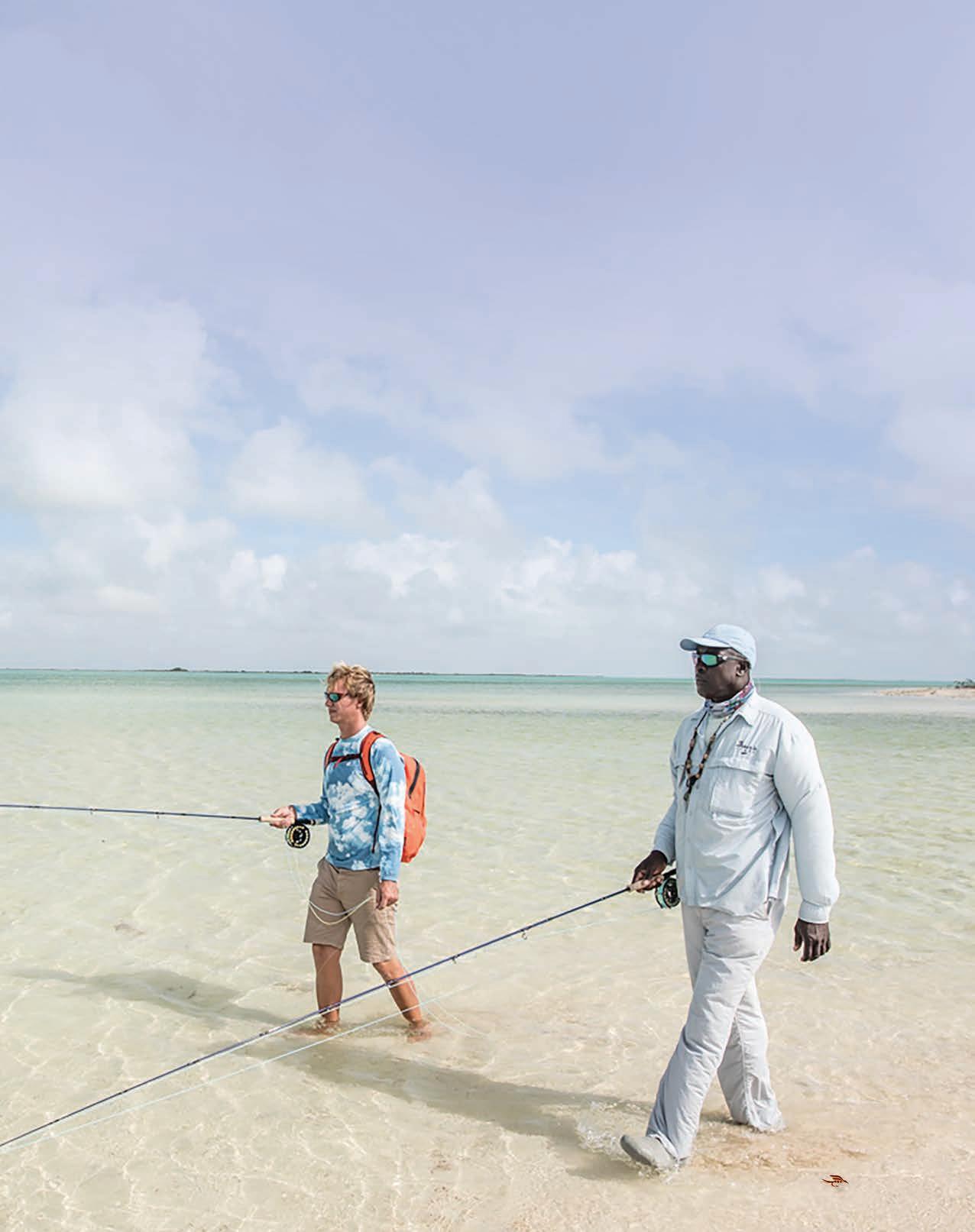
Scan this code for more info about Bair’s Lodge

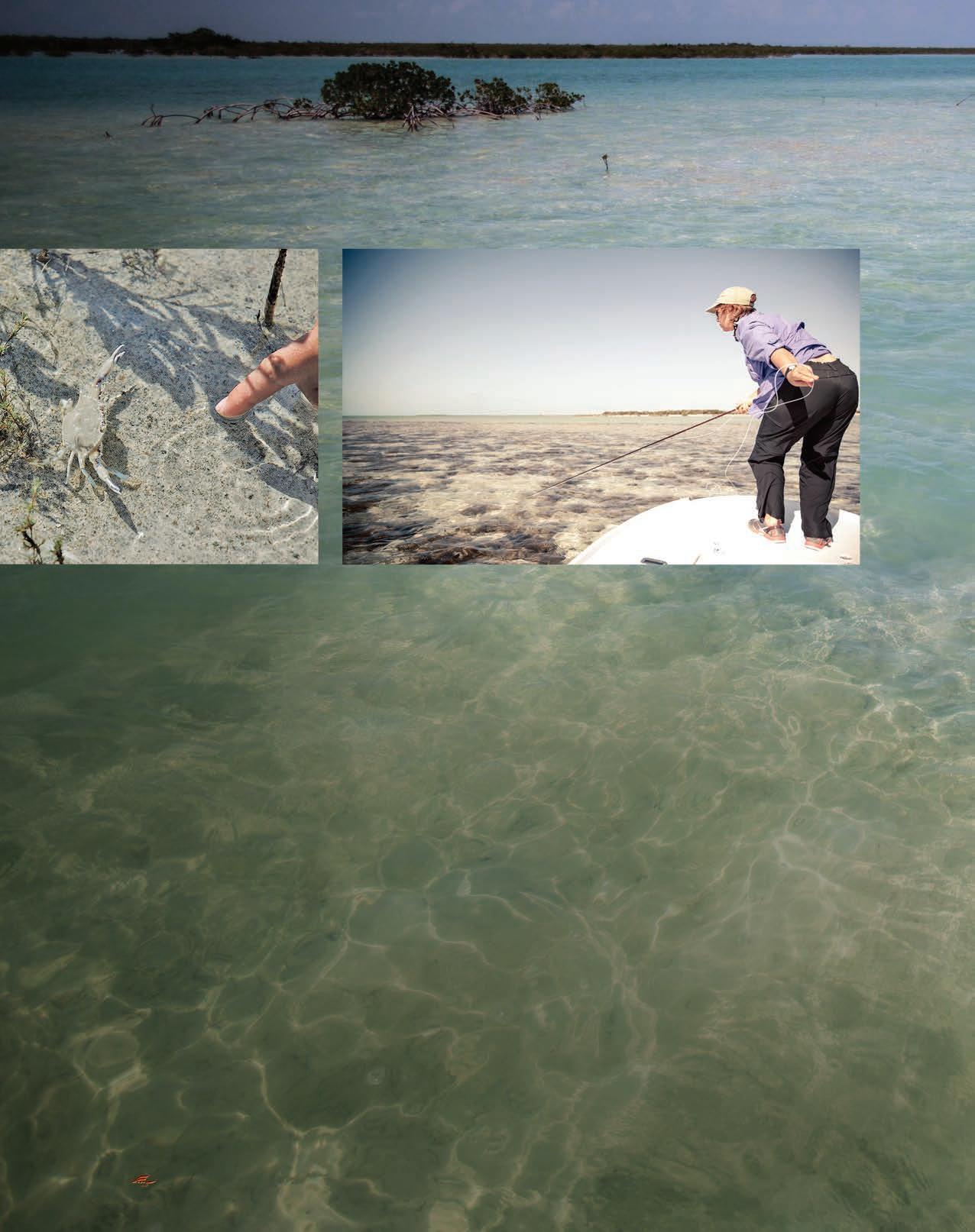
Andros South puts their emphasis exactly where most of our dedicated crowd of saltwater anglers feel it should be, right at the end of the fly rod!
THIS ISNO white linen Hilton in the Bahamas! However it is just the right place for the angler searching for a top-tier bonefishing experience! In fact, not enough wonderful things can be said about Andros South’s location, expert guides, the work ethic they bring to the boat, and the remarkable job they do to ensure their guests have a constant smile on their faces.
The location of Andros South lodge is incredible. The home water, near the quiet settlement of Kemp’s Bay, is the southernmost and least inhabited part of Andros. The lodge is flanked to the east by The Tongue of the Ocean (a deepwater trough less than a mile offshore that drops to a depth of more than five thousand feet). It is the place scientists and saltwater biologists consider responsible for providing the interior flats of Andros with their amazing population of foraging bonefish. And along the edge of that saltwater precipice lies the third largest barrier reef in the world.
The diversity and size of the fishery offers a completely different fishing experience every day of your trip and it’s the variety of fishing in the southern part of the island that provides a great deal of the attraction.
South Andros is a complicated maze of tidal creeks and inland flats. All of it is home to a large population of bonefish that often reach trophy proportions.
The first of miles and miles of easilywaded white sand flats begins just a short boat ride from the lodge. Beyond that are a vast, interconnected network of inland mangrove creeks and lagoons where huge schools of bonefish congregate on the change of every tide.
Only minutes in the other direction are the exciting ocean-side flats – shallow playgrounds for powerful, dark-colored, marauding bonefish that are, often in the double digit category.
Each Andros South guest enjoys spacious single occupancy, air-conditioned rooms with private baths.
The home-grown Andros South guides are a flyfishing-savvy crowd who know the water like the backs of their hands. They’ve built an enviable reputation for talent and an enthusiastic work ethic. This expert team is responsible, in large part, for the popularity and reputation this lodge enjoys among the sophisticated crowd of serious bonefishermen.
Excellent home-cooked meals prepared by local ladies feature (you guessed it) Bahamian Creole and emphasize an array of delicious, fresh seafood dishes.
Don’t plan on losing any weight here, these ladies know how to lay it on…and there’s always plenty of thirst-quenching, ice-cold Kalik (Bahamas’ national beer)
Andros South is a hands-on fishing lodge for anglers looking for comfortable lodging, superb fly-savvy guides, and a terrific, skinny-water, trophy bonefishing experience s Stays can be tailored for as many nights as requested.
Scan this code for more info about Andros South
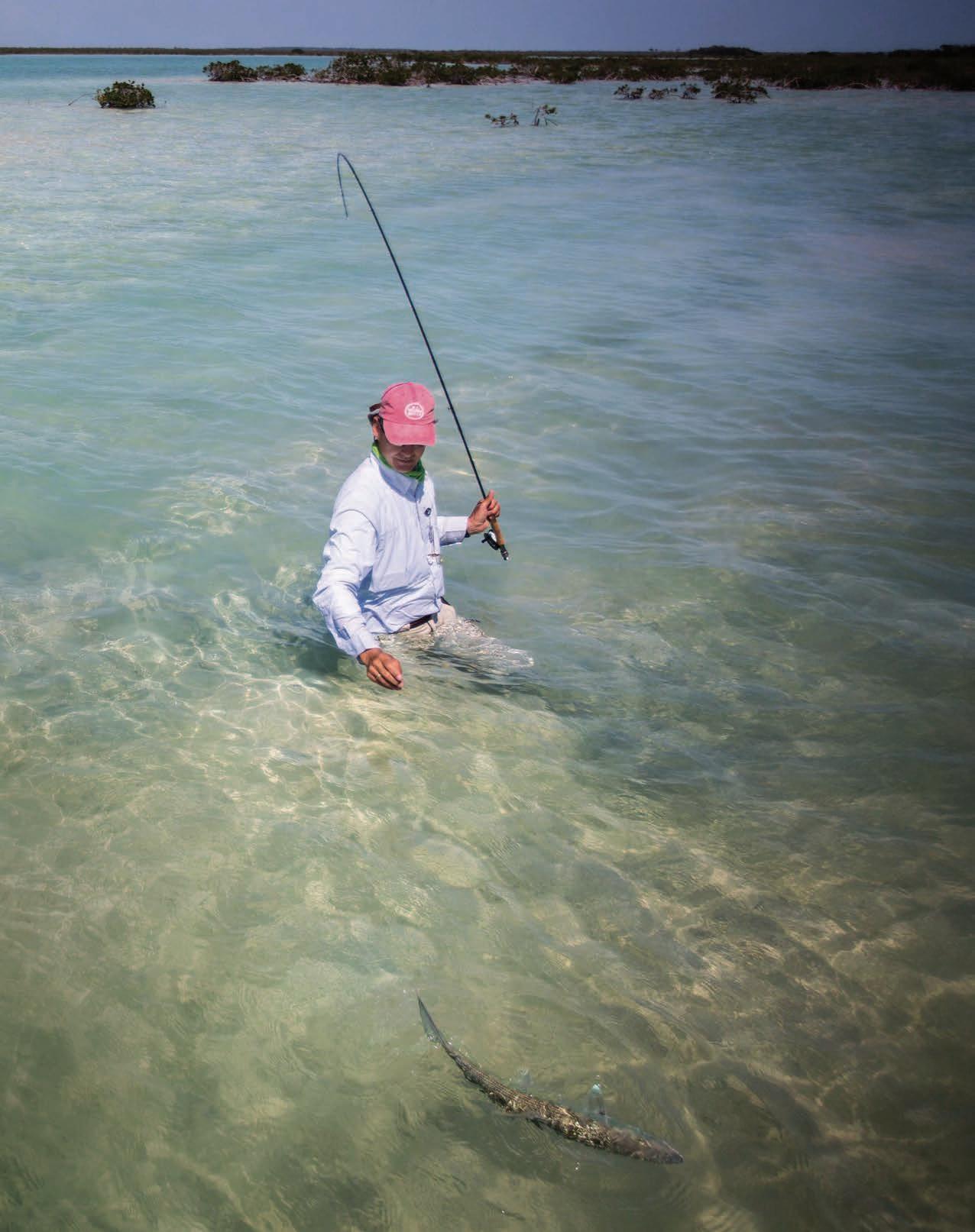

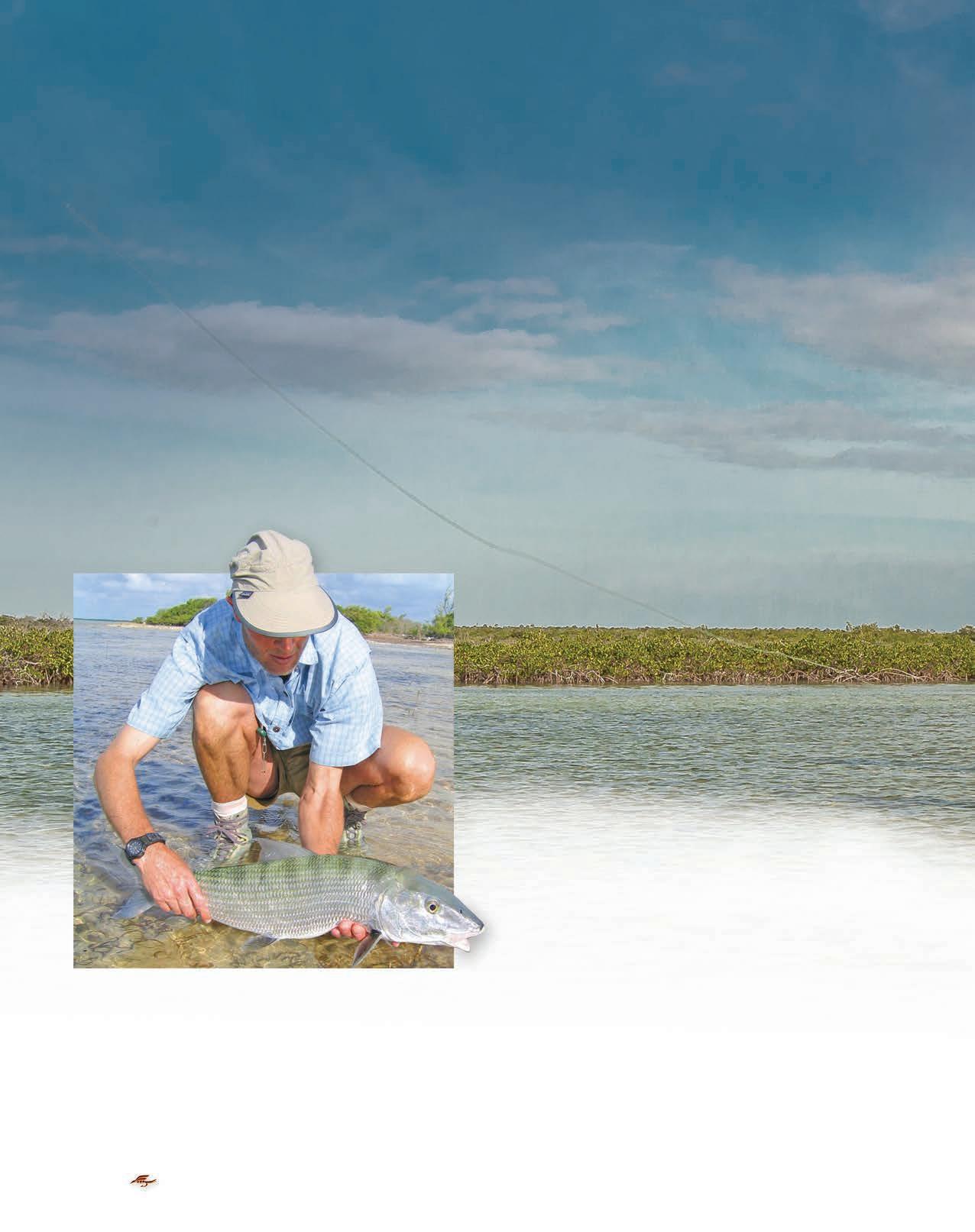
YOU CANEXPECT to find nearly every bonefish scenario possible on the south end of Andros. One day you’ll motor far south to find huge schools feeding over turtle grass. Then, as the tide falls, you and your friend might be wading a hard sand flat, sight-casting to tailing singles in a foot of gin clear water.
The next morning, your guide may decide to run west through the creeks to an inland flats system, and pole the shoreline of a secluded cay, hoping to put you within range of a ten pound pig foraging for crabs in the mangroves. In fact, experiencing all of the options during a week-long stay at Mars Bay is an impossibility.
Mars Bay accesses more than a hundred square miles of ideal bonefish habitat, home to huge schools of aggressive bonefish and double-digit monsters – the trademark of South Andros Island.
The guides at Mars Bay are hand-picked professional watermen that call the bonefish flats at the south end of Andros Island home. They’re proud of their work, and focus on results with little regard for the extra time or effort that’s occasionally required of them to make the day a success.
Bill Howard, the owner of Mars Bay Bonefish Lodge is a seasoned angling expert with decades of guide experience. He’s entertaining, charismatic, a perfectionist who micro-manages every aspect of the operation, and a guy who insists that everything guests experience at Mars Bay meets his exacting standards.
Mars Bay is a fly fishing lodge with a maximum occupancy of just ten anglers. It’s a very popular destination with the serious sporting crowd and enjoys a long list of satisfied clients who often return each year like Capistrano swallows.
The place has an intentionally casual atmosphere where you can grab your own beer and mix your drink the way you like it.
The Mars Bay kitchen serves a three-course dinner menu that’s Bahamian some nights and American on other nights. Dinners always begin with a soup or salad, and the entrees are conch, lobster, snapper, grouper, rack of lamb, rib eye steak, pork loin, or chicken. All the fish, lobster, and conch are locally sourced. The lamb is New Zealand, and the steaks are fresh, never frozen, Nebraska beef. Everything is grilled to perfection over a blend of hickory and mesquite by none other than Mr. Bill Howard himself.
Mars Bay Lodge is a very popular, well-established bonefishing destination that’s as ideal for the enthusiastic beginner as it is for the veteran expert – a spot The Fly Shop® highly recommends.
The packages include everything but your travel, tackle, and tip. It’s easy to get to with direct commercial flights available from Fort Lauderdale to nearby Congo Town.
Advance reservations are a must.
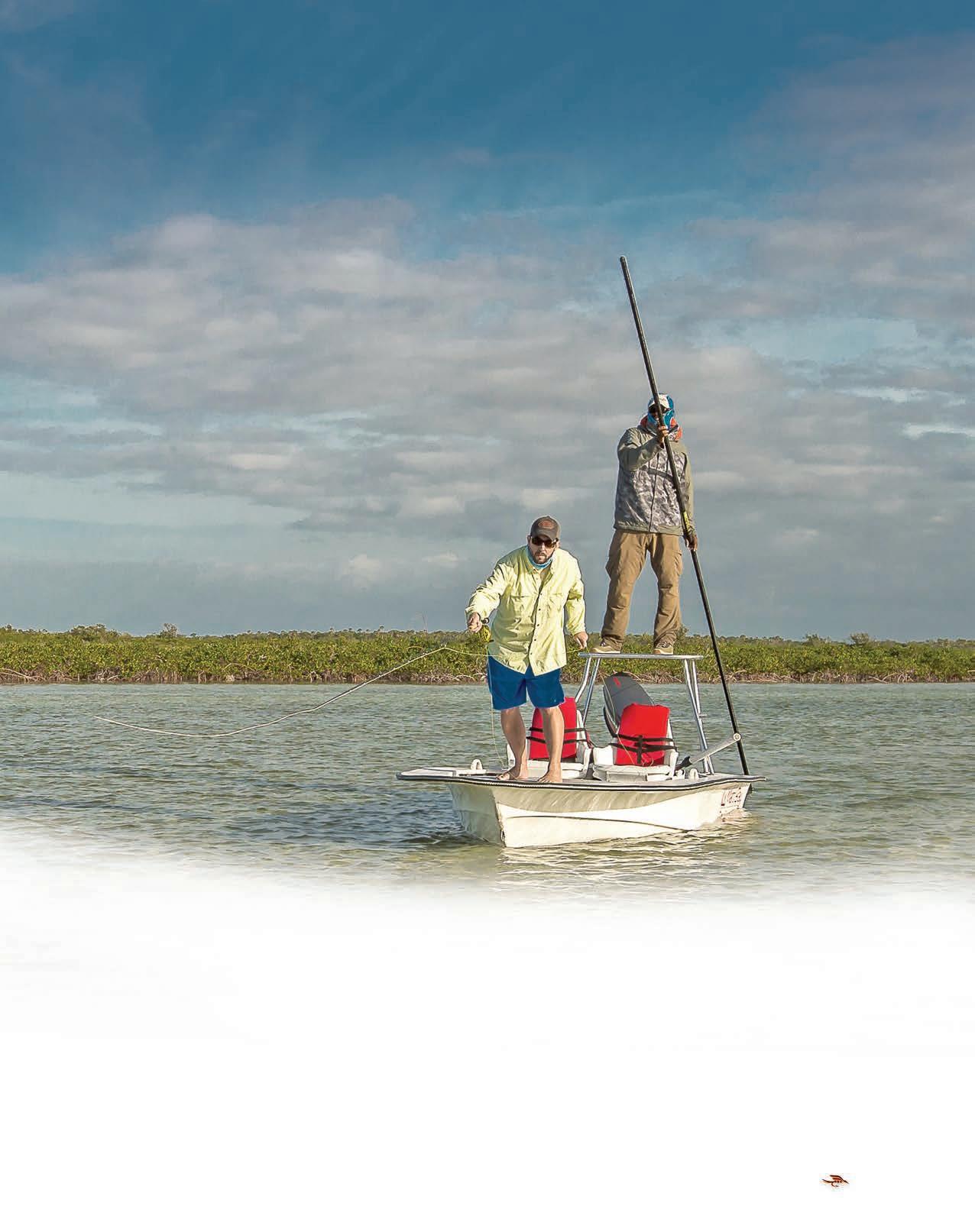
Scan this code for more info about Mars Bay

Bain’s offers angling variety and a near-unlimited opportunity to target bonefish while wading.
There are a dozen great fly fishing lodge choices in the Bahamas, and this is one of them. It’s also one of the best values in the world of saltwater fly fishing lodges!
ACKLINSISLAND along with several of its small outer cays surround a picture-perfect shallow water flats complex that is harbor to an incredible number of bonefish, and a variety of other species. The Acklins bonefish are notoriously plentiful, and occasionally large. They’re commonly found feeding in extremely shallow water, and searching for and approaching them on foot is both productive and exciting. Few moments in the sport are more thrilling than sighting, then stalking, and presenting a fly to a tailing bonefish in inches of water.
Permit are routine visitors to the shallow Acklins flats, adding predictable, exciting, highlights to every week of angling. Spotting their tell-tale, sickle-shaped fins at long distances either tailing or following mudding rays is easy on the shallow Acklins flats, affording anglers realistic chances and time to switch tackle and calmly plan a successful attack.
Several species of hard-fighting jacks inhabit the area, including horse eye jacks, yellow jacks, and bar jacks. A trip to the tidal channels and blue holes to fish for mutton, gray, and cubera snapper, as well as grouper and more is an exciting, rod-bending option.
There are loads of triggerfish in the area and it’s not uncommon to find more than one tailing on the coral edges of the sand flats. Most are suckers for any well presented shrimp, crab or permit fly. These fish are surprisingly powerful and add both variety and action to a well-planned bonefish holiday.
Not to be overlooked are the omnipresent, marauding cudas that typically wait in ambush in the channels that funnel water and food through the flats or along the perimeter. Some are true trophies weighing forty pounds or more and are powerful enough to test the quality of the best tackle.
Bain’s is a modestly-priced, tropical lodge shrouded by palm trees on a private, pristine beach. The angling resort is tranquil, comfortable and has a low key, friendly atmosphere that is shared by a maximum of eight anglers. There’s no traffic, and it’s unusual to spot another fisherman on the water. This is the perfect retreat to relax with your friends after an exhausting day spent wading the flats and landing fish.
This cozy “out island” lodge has easy access to light-colored, firm-bottomed flats that often stretch to the horizon, and is the perfect place for the bonefisherman who puts a premium on hunting for those fish on foot.
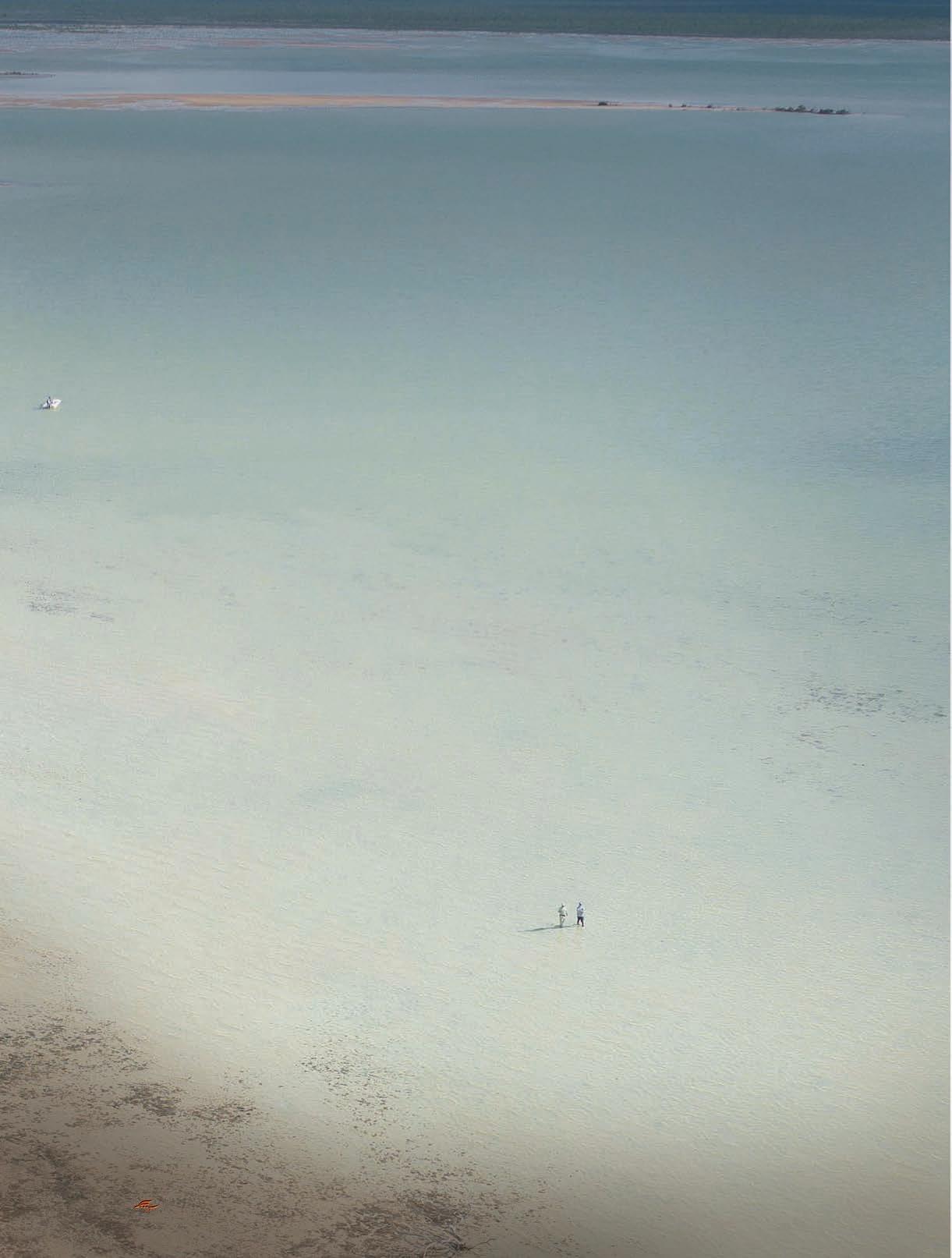

Scan this code for more info about Bain’s Top Choice Lodge





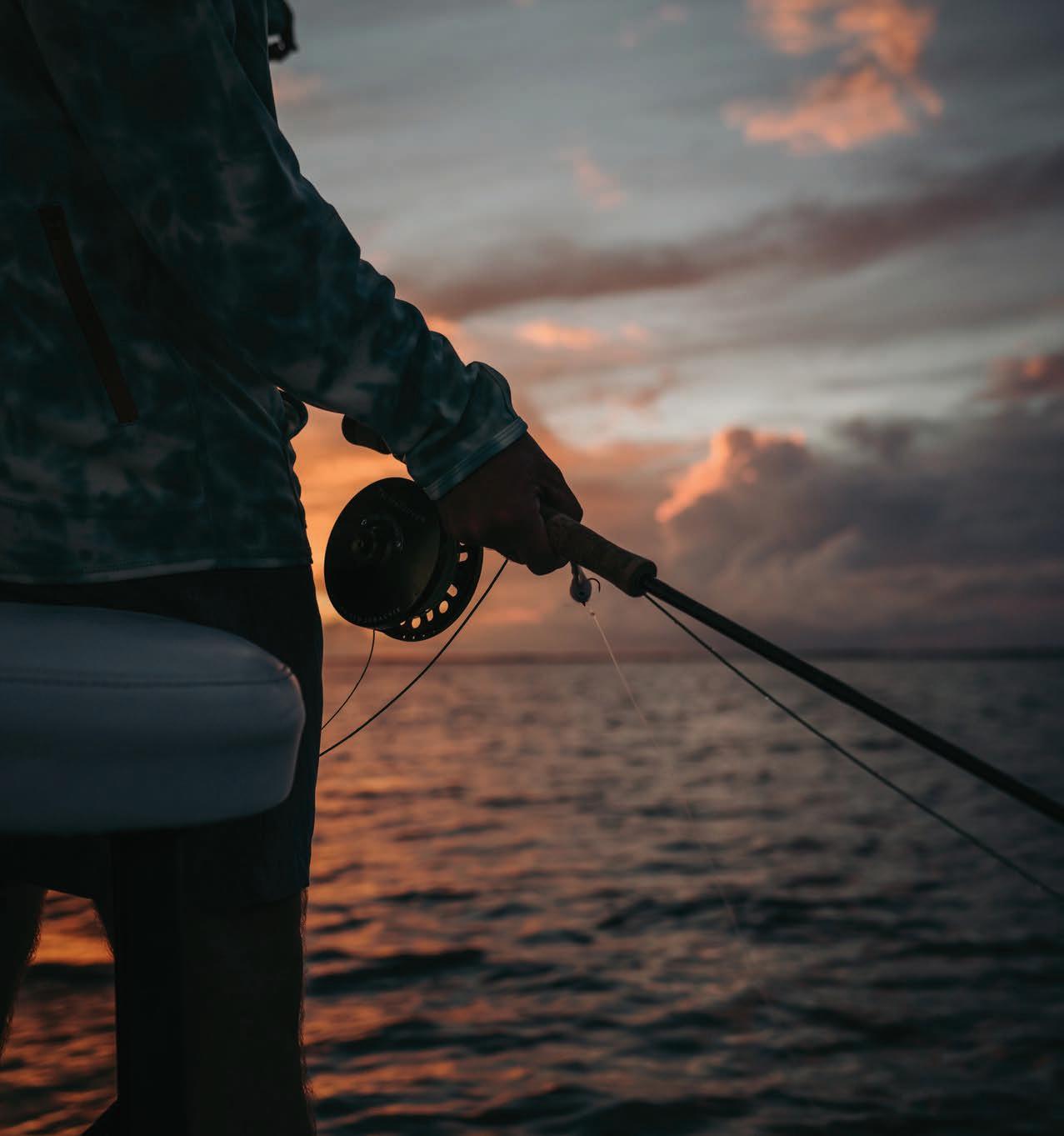


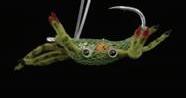




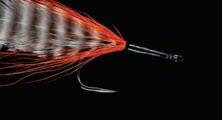
This is one of the least-visited fisheries and least-populated islands in the Bahamas about as far south as you can go and the wade fishing goes on for miles.

THETWOISLANDS , Crooked and Acklins, are actually a sort of archipelago within the Bahama archipelago. Together (along with four other smaller cays) it’s called the Bight of Acklins. Very sparsely populated (fewer people live there than you’ll find trout fishing on the Yellowstone River on any given day!) the major islands are separated by a narrow channel, and every small cay and bit of land above sea level is surrounded by miles and miles of shallow flats often covered with schools of bonefish, the occasional tarpon, significant numbers of permit, and a plethora of other exciting sportfish.
The islands and cays of Acklins Bight are rimmed by spectacular coral reefs, beautiful turquoise water and a famous big game fishery.
But the attraction for fly rodders are the immense, shallow, easily-waded flats. And for the subset of those veteran anglers who find nothing more thrilling with a fly rod than pursuing bonefish on foot, Acklins and Crooked are a slice of Heaven on Earth.
The average size of Acklins bonefish is three to four pounds, with many larger fish sighted every day – and the record bonefish caught at the lodge is a world-class, seventeen-plus pound, beast of a fish.
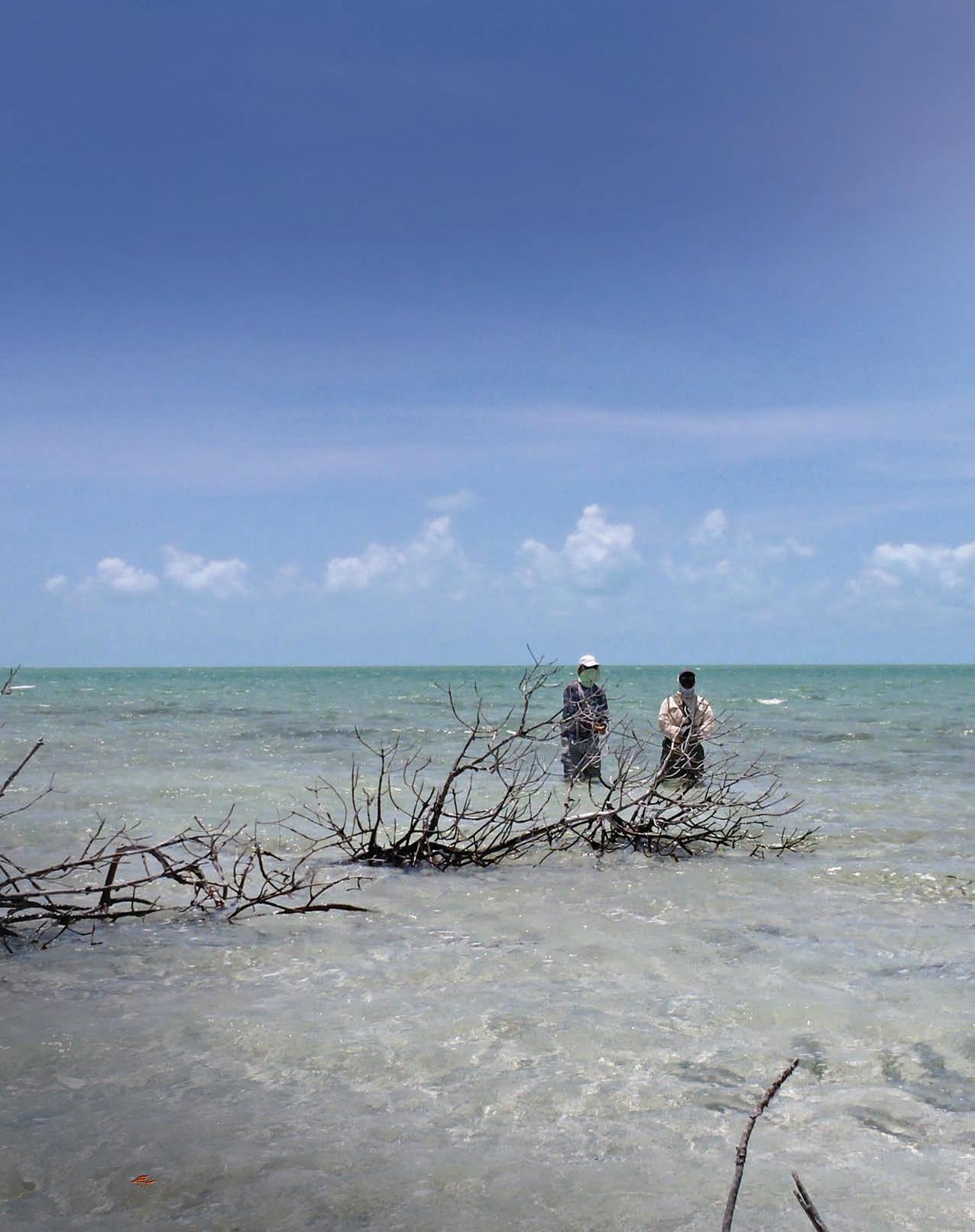


Crooked & Acklins is the most significant of the four tiny fishing lodges in an area spanning more than 1,800 square miles of islands, cays, flats, lagoons, and estuaries. Sighting massive schools of bonefish or a permit is common. Seeing another angler on these flats is rare!
The lodge accommodates only eight fly rodders, and is located strategically on the south end of Crooked Island, allowing easy, effortless, angling access to all the Crooked and Acklins flats.
Each double occupancy, air-conditioned guest room has a private bathroom, a comfortable sitting area, refrigerator, ceiling fans, cold purified water, cell service, and twenty-four hour electricity.
crooked & acklins island lodge
The meals are wonderful; the beer is cold; the bar is open; the guides are great; the beachfront location is wonderful; and every single item but your travel, tackle, and gratuity is included in the modestly-priced package.
Timing your trip – Of course the months of March thru June usually provide the best weather window in all of the Bahamas. However, the Crooked & Acklins Island Lodge location (south of the winter and early spring weather systems that plague the northern Bahamas and the rest of the Caribbean) makes this destination one of our top Caribbean recommendations for anglers searching for a winter break and a reliable saltwater fly fishing holiday any time during the otherwise unpredictable months from November through April!
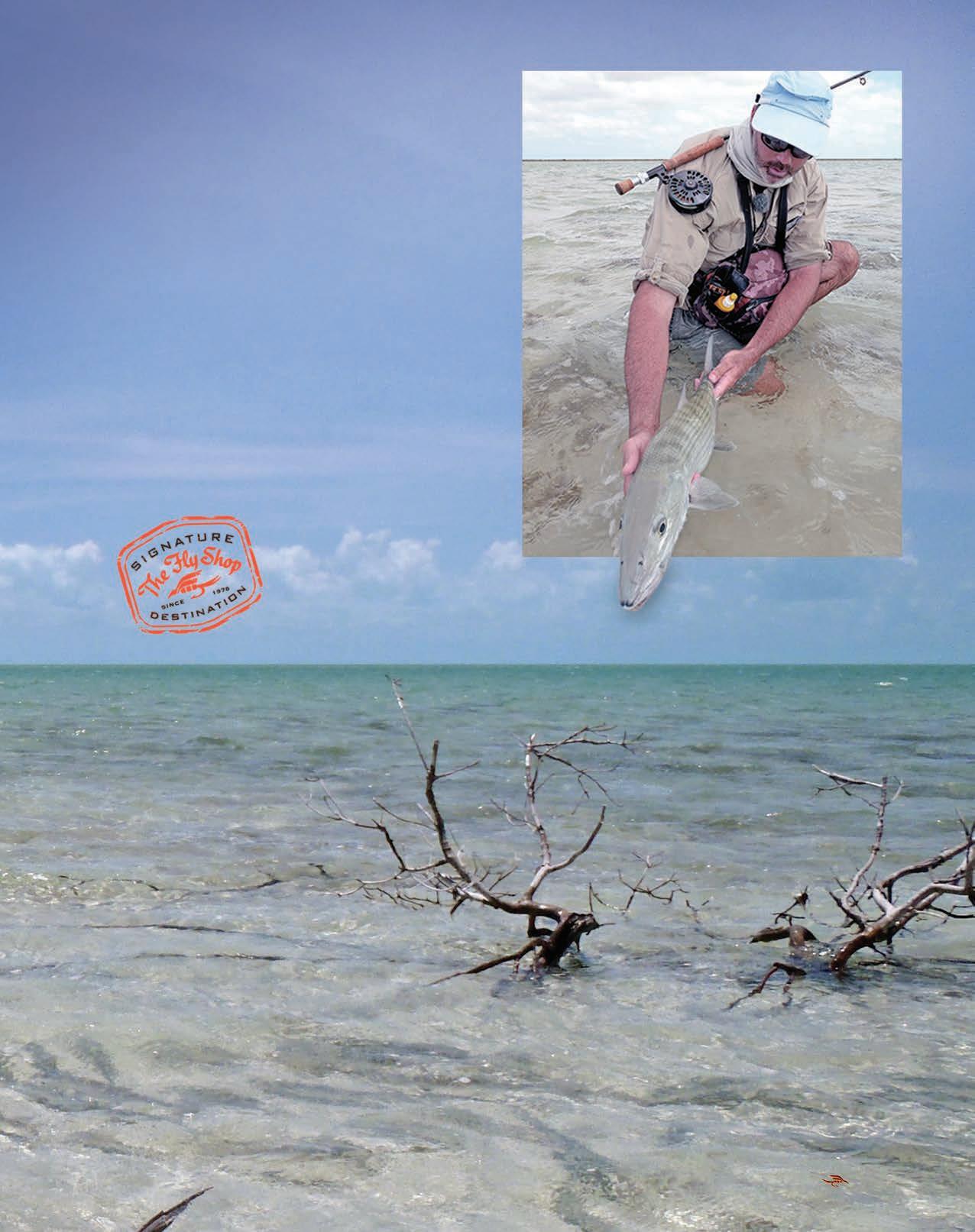
This symbol indicates our total endorsement as well as The Fly Shop’s promise of satisfaction and our iron-clad guarantee that the quality of the experience will be exactly as advertised.


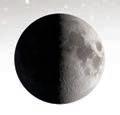

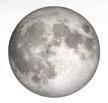
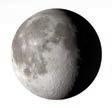
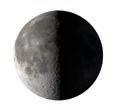
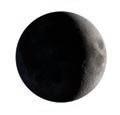

AT ANYGIVENTIME , only about 10% of the fishable water harbors bonefish. So, figuring out how to eliminate the fishless 90% from your search area is far more than half the battle. Understanding how bonefish react to tides will go a long way toward finding the most productive water.
Tide Basics
Tides can be broken into spring and neap tides.


Spring tides relate to the full and new moon stages and are when the highest high and lowest low tides of the month occur; when the difference between high and low tide is greatest. A flat experiences spring tides every two weeks of the month.



Neap tides occur during the first quarter moon and threequarter moon stages, when there is the least difference between high and low tides. A flat experiences neap tides every two weeks of the month.
Ebbing refers to a falling (outgoing) tide
Flooding refers to a rising (incoming) tide
Slack refers to a peak high or low tide (no water movement)
Ghost Tide refers to strong winds or currents that may nullify a flooding or ebbing tide and contradict the effect of the moon.
Tidal Influences
Because of interactions between land masses, the angle of the moon and sun, and barometric pressure, tidal ranges differ locally. A big spring tide in Belize might exhibit less than two feet of tidal change between the low and high, while a spring tide in the Seychelles could be in excess of four feet. Flats species are strongly keyed into the tides, and just a few inches of tidal difference can influence the fish as much as would two feet of change elsewhere. Wind can have a dramatic effect on tides. Strong, onshore winds can make high tides higher than predicted and, in extreme conditions, even prevent low tides from occurring – creating a “ghost tide” . Winds may have the opposite effect with low tides, being lower and longer than predicted. When the wind and tide move in the same direction, currents can be especially strong and attract fish to the edges of the flats where those strong currents dislodge prey. A strong onshore wind might lengthen the duration of high slack tide, but eventually the force of the ebbing tide is too great, and the water
level drops quickly in the short amount of time. Additionally, if the wind is very strong from one direction for days or weeks, the average water level may become higher with an onshore wind or lower with an offshore wind than normal.
Bonefish use tides to establish their feeding cycle, spending more or less time on the flats in a tradeoff between feeding and avoiding predators. Bonefish typically travel and expend as little energy as possible in their search for food. When bonefish retreat from a flat during low tide, they typically don’t move a great distance. In fact, at low tide or the earliest stages of flood tide, you’ll often find a bonefish or two feeding slowly along the deeper edge of a flat. These early arrivals are often not feeding aggressively because the tide hasn’t begun to move. In contrast, after the tide has been flooding for a while, you’re likely to find more and larger fish on the flat. A strong flooding tide will draw aggressively feeding bonefish onto a flat.
Bonefish follow predictable routes on and off the flats, traveling through the small troughs and depressions that cross a flat.
Our favorite bonefish avenues are the troughs that are only a few inches deeper than the surrounding flat, and lead from the deeper periphery to the flat’s shallow interior. These channels are hard to see when that flat is flooded. If we’re able to visit a flat on an outgoing tide, we’ll make a mental note of where the troughs of water are. These troughs are the first to fill on the incoming tide, and are usually where bonefish will show up first.


When spring high tides flood the shallows, bonefish are quick to take advantage of higher water and the ability to forage in areas they normally can’t access. The access to shallow habitats coupled with the limited time they can remain there can result in bonefish grouping along the edges of flats in anticipation of the incoming tide. Early in the incoming tide and late in the outgoing tide, position yourself along the bonefish travel avenues and you should have brief but intense periods of casting to cruising fish.
As the tide rises, move quickly onto the shallow sand and grass flats, mangrove shorelines, and the shallow ridges of sand flats that are only accessible to bonefish during high tides. Bonefish know that these spots hold a lot of prey, and they should be productive.
During spring tides, bonefish feed heavily between the mid-rising and early falling tide. They often feed so actively near high tide that they may actually rest, or feed leisurely, as they move off the flat on the falling tide, then wait for another feeding cycle during the next incoming tide.
During low tide, bonefish rest in the deeper water surrounding the flat, waiting for the next incoming tide. From their perspective, why travel far and expend unnecessary energy? In the hour or so on either side of the low tide, stalk the edges of the flats, searching for bonefish cruising slowly in slightly deeper water.
The skinny water where you found tailing fish at high tide just the week before might not be deep enough during a neap tide to hold fish. Those same shallow mangrove flats that attracted so many fish may still hold some water, but are now too shallow for a bonefish to swim. And areas that seem to have enough water may lack bonefish, because they’re too far to travel from the deeper water used at low tide.
Bonefish will still move from deeper water onto a flat as the tide rises, but may not venture far onto the flat. Perhaps because bonefish aren’t willing to travel as far to get to those shallows (accessible only during spring tides) they’re more likely to feed throughout the tidal cycle during neap tides. Outer edges of flats are good places to begin searching for bonefish during weak neap tides. At the lower tide cycles, bonefish may be actively feeding in slightly deeper water, then moving higher onto the flat as the tide rises.
Moon phases and tides are dynamic earth-forces that dictate how flats-fish travel, feed and react. Understanding the basics will help you become a more successful flats angler. Keep in mind that wind and weather can nullify the effect of moon phases and tides.
Most experts agree three days of consistent weather (no matter what the weather) will likely result in some fabulous flats fishing.
THECHOICE of fly lines is among the most important tackle decisions you have to make! They’re your connection to the terminal tackle and fly, and the delivery system to the fish!
The wrong line will prevent you from properly delivering your fly to your target, and can ruin a trip. The right line will absolutely, without a doubt, increase your chances of success.
Over the last 20 years, more advances have been made in fly line technology (tapers, density, finish, composition, color, core strength, and now the newest rage – clear tips) than any other aspect of fly fishing, and what we’re using to cast our flies is exponentially better than what we fished with just a decade ago.
In fact, now there are specialized fly lines for just about every sportfish that swims. From rainbows to muskies, giant trevally to largemouth bass, billfish to peacocks – there’s a line for the job.
We recently worked with Scientific Anglers in the design of our newest jungle and saltwater fly lines, and are convinced they’re the best in the sport – a more durable, high performing breed that delivers a fly better than anything else on the shelf!
Here are our favorites in the lineup of saltwater specific lines:
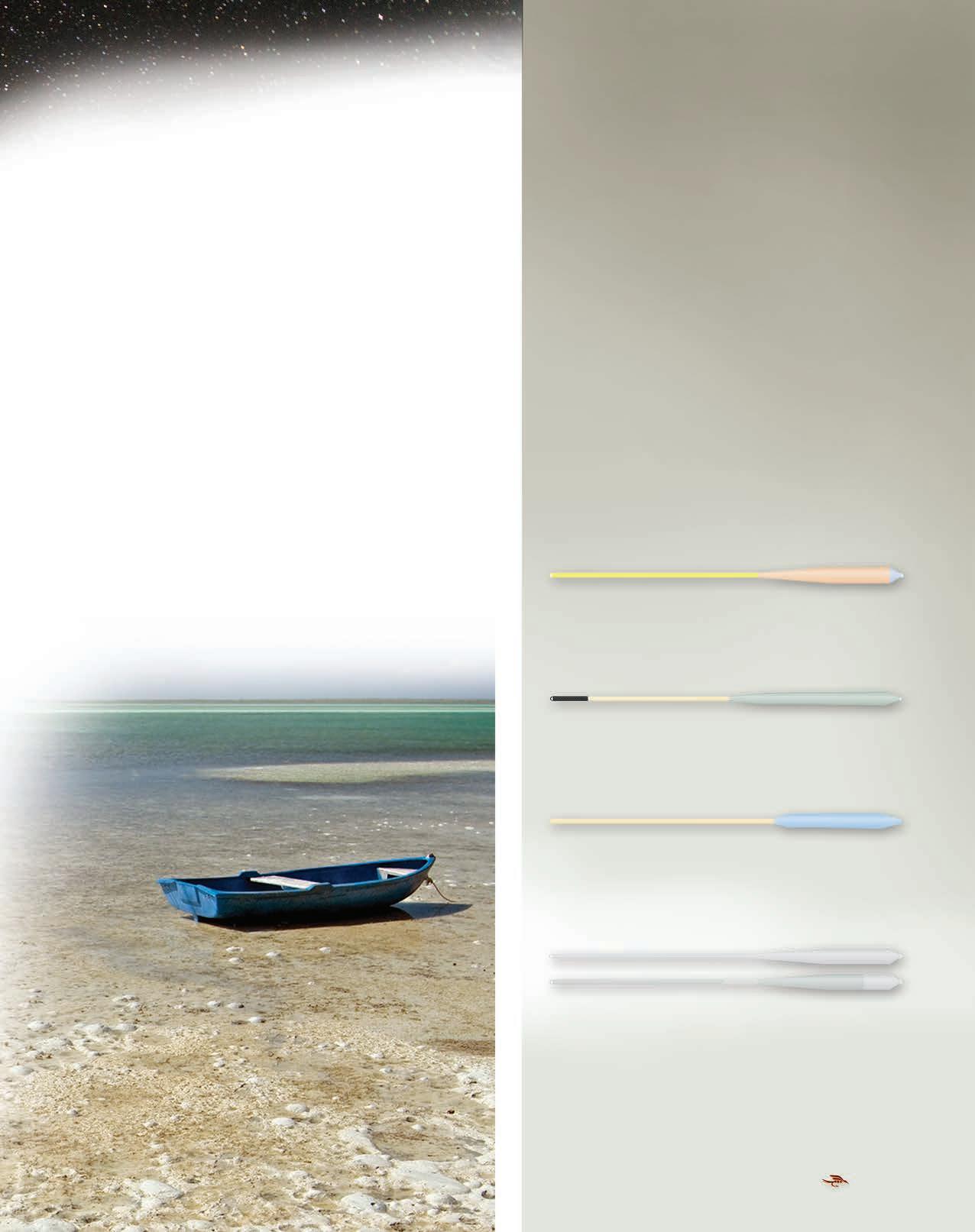
Grand Slam: Our favorite all around flats line for tailing fish (permit, big bones, triggerfish, bumphead parrots and others). This model is designed to deliver a heavy crab fly to a fish quickly and accurately with a minimum amount of false casting.
Infinity Salt: A more technical saltwater fly line for anglers looking for not only delivering a fly accurately and in a hurry, but also with finesse and a delicate presentation. An unbeatable choice for most skinny bonefish flats!
Titan GT: Designed for delivering big flies fast and far to Giant Trevally racing through razor sharp coral heads. The 65 pound core gives you a better chance of staying in the game vs any standard 30 pound core line on the market. Great for adult migratory tarpon and other saltwater monsters.
Magnitude Clear: The newest advancement in fly lines, these full clear or clear-tipped fly lines are invisible in the water and give you another level of stealth. We use these lines for fishing or to fish streamers for peacocks in Brazil, barramundi in Australia, roosterfish in Baja, and stripers in Canada.
Scan this code for saltwater fly line options on our website.

Tulum Campeche
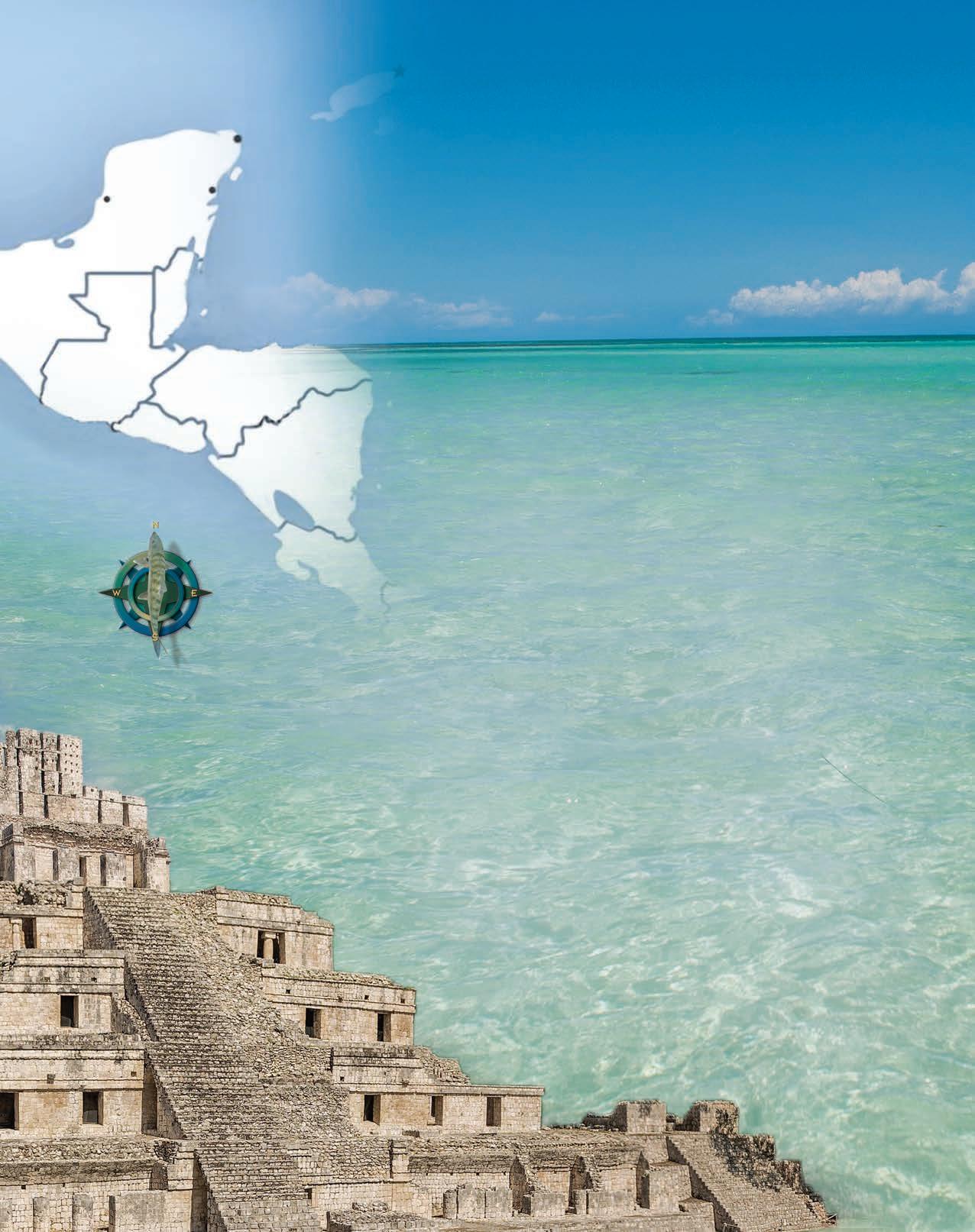
HONDURAS NICARAGUA

MEXICO ’ S YUCATAN was the impact site of the famous Chicxulub meteor that left a crater more than six miles wide, caused some verifiable climate change and resulted in the extinction of the dinosaurs and a great deal of the Planet Earth’s flora and fauna just a short 65 million years ago.
The peninsula is the ancient land of the Mayan people and their towering pyramids which dot the jungles and coastline. Many of these awe-inspiring structures, such as Chichén Itzá and Tulum, still stand as evidence of the strong, thriving civilization of the Yucatan a thousand plus years ago and as a reminder of the Mayan peoples’ heritage and culture, still alive today.
And swimming through this long tapestry of history to this day are the bonefish, permit, tarpon, snook, snapper, triggers and barracuda that call the Yucatan home.
These fish that once likely supported ancient civilizations are still tailing in these shallow turquoise waters today, in abundance. Most of our target species are now protected as the local coastal communities have found them to be more valuable alive for the tourist economy than dead on the table.
The Sian Ka’an Biosphere Reserve, on the east coast of the Yucatan, is the best example of this conservationminded shift, severely restricting commercial and sport fishing within its boundaries – and the Catch and Release ethic is now the norm throughout the Yucatan Peninsula.
The Yucatan has always been an amazingly unique and special place and will continue to be so in perpetuity…and for us, our excuse to go enjoy this rich history and wild landscape is the simple fact that it is an absolute saltwater fly fishing paradise. Cancun
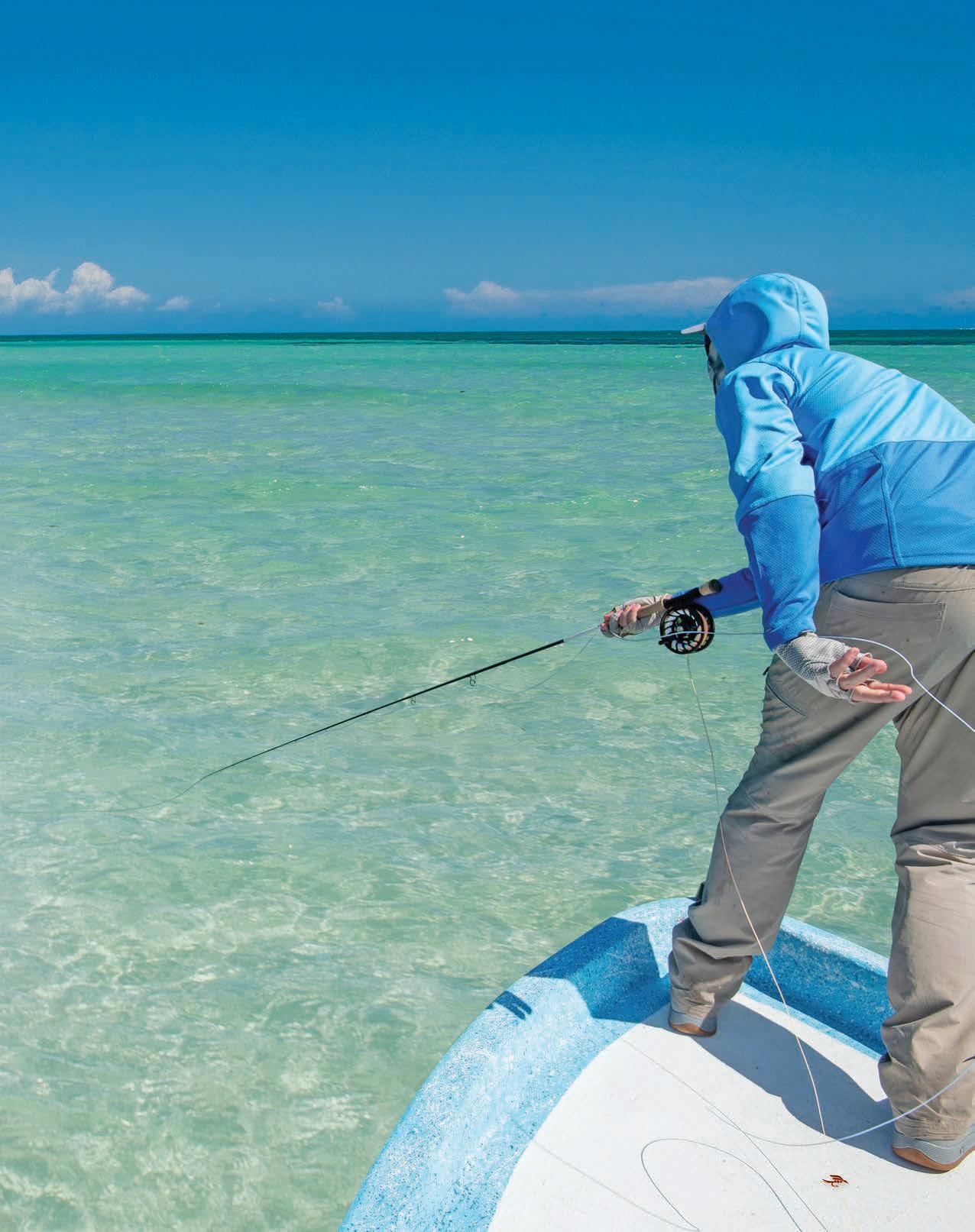
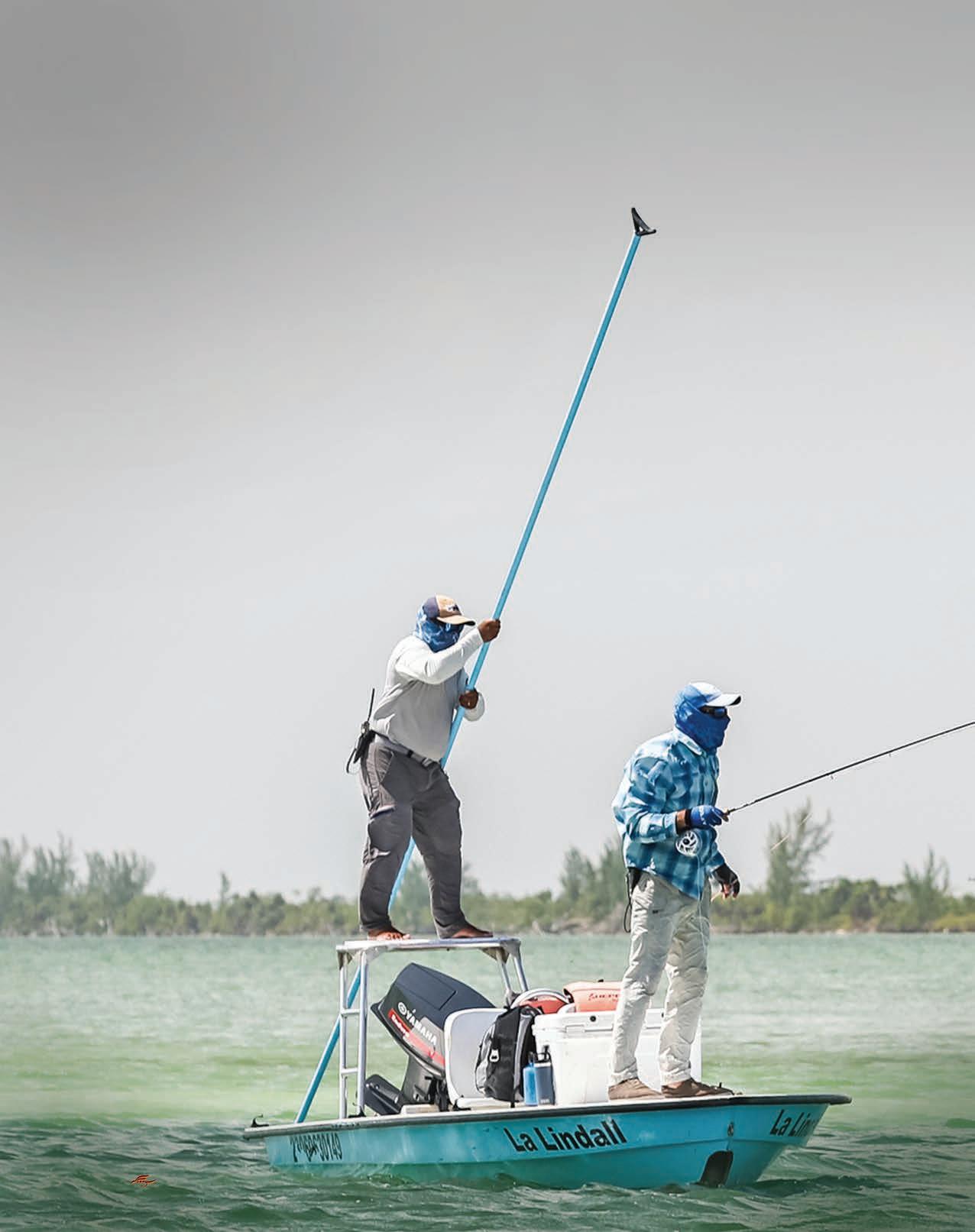
The shallow, light-colored flats, creeks, and backcountry lagoons of Espiritu Santo Bay stretch to the Mexican horizon. They’re loaded with bonefish, permit, tarpon and snook.
Biologists surmise that there may not be a more abundant or diverse fishery in the Caribbean and every inch of this seldom-seen part of the Yucatan fishery is ideal for fly fishermen.
ESB is the perfect spot to enjoy excellent saltwater flats fishing in the company of a few friends!
ESPIRITUSANTOBAYLODGE (ESB) is the hottest angling spot in the Yucatan. Period! The operation is located on a Caribbean beach only a stone’s throw from where its fish-rich bay connects with the sea. Angling pressure is almost non-existent, solitude is an every day experience, and fly fishermen can expect a consistent, and top quality experience for a lot of reasons.
Espiritu Santo Bay is half the size of Ascension Bay. Getting there by road is an exhausting, half-day drive from Cancun on a terrible, washboard road, and largely because it’s been so difficult to reach, the bay has remained isolated and insulated from the negative impacts of civilization.
But we fly in! And fortunately the Sian Ka’an Biosphere Reserve, one of Mexico’s most powerful environmental forces is strong enough to keep it that way.
Reservations at this and other Signature Destinations are available only through The Fly Shop® and our network of agents and fly shops.
The geomorphology of the bay is unique. It is edged by vast, firm-bottomed sand flats that are perfect to wade for bonefish, and bi-sected by deep troughs that are predictably great places to find cruising schools of permit.
Multiple creek systems pour into the bay, depositing rich limestone sediment that promotes biomass and attracts tailing bonefish and permit. The mangroves lining these creeks provide perfect habitat for tarpon and snook and dawn-to-dark action.
Espiritu Santo Bay Lodge guests spend their days fishing from low profile flats skiffs or wading light-colored, shallow sand flats. Runs to the flats from the boats are short, fifteen to thirty minutes. There are comfortable beachfront accommodations, skilled native guides, and the chance to score regularly on bonefish, tarpon, permit, snook, and barracuda.
It’s Super Grand Slam country!
A private charter flight from Cancun (included) to an air strip that’s just over an hour drive from the lodge has solved the issues of isolation and transportation. The remote Espiritu Santo Bay Lodge location now demands no more travel time than any of the Ascension Bay lodges.
Bonefish and resident tarpon are plentiful and found year ‘round. Larger, migratory tarpon show up in the bay as early as April and hang around through September. Trophy-sized snook (over 20 pounds) are found in the bay, and the fishery ranks among the best permit destinations in the sport!
espiritu santo bay lodge
Packages begin and end on Sundays to insure easy connections in Cancun from anywhere in the USA. Included are the round trip charter flights from Cancun to the lodge, transfers from the airstrip, exquisitely prepared meals, airconditioned accommodations, lots of ice, 6 days of guided fishing, and the 15% Mexican VAT. Espiritu Santo Bay Lodge guests arrive at the remote airstrip and transfer by vehicle to the lodge, arriving in time to organize their tackle, enjoy refreshments and gather their energy for the next 6 days of non-stop flats action.
The staff is a team of well-seasoned, fly-savvy, English-speaking guides and professional managers.
Scan this code for more info about Espiritu Santo Bay Lodge

The Fly Shop® has been fishing the waters of the Yucatan Peninsula for more than forty years. We’ve cruised every inch of the coastline and we’re intimately familiar with every one of the Yucatan lodges.
We know the differences between the luxury bonefish destinations and the hard-core permit operations and the experience to help you choose the right spot for you and your friends or family.
We’ve done the work, so you don’t have to!

ASCENSION BAY is just to the south of the Mayan Riviera. It is, in fact, one of the sport’s most popular fly fishing destinations, visited by several thousand sportfisherman each year. Experts estimate that more bonefish and permit are hooked, and more “grand slams” recorded in Ascension Bay than anywhere else on the fly fishing saltwater map.
Ascension Bay has a wide corridor connecting it to the Caribbean, and is constantly replenished with sportfish and baitfish from the sea. It is a shallow, clear saltwater home to huge schools of unsophisticated bonefish and more than a hundred miles of mangrove shoreline habitat. Most of it is perfect for bonefish, baby tarpon, snook, and an abundance of fly-friendly permit.
Guides in these lodges are English-speaking, many of native Mayan descent. They’re well-versed in fly fishing, know their trade, and their presence adds a meaningful cultural aspect to an already pleasure-laden, saltwater fly fishing experience.
Despite pressure on Ascension Bay, the fishing remains excellent, due, in part, to its size and the combined efforts of a progressive, environmentally conscious government, The World Heritage Foundation, The Nature Conservancy, and the Sian Ka’an Biosphere Reserve’s regulations which severely restrict development and enforces stringent commercial and sportfishing rules within it's immense boundaries.
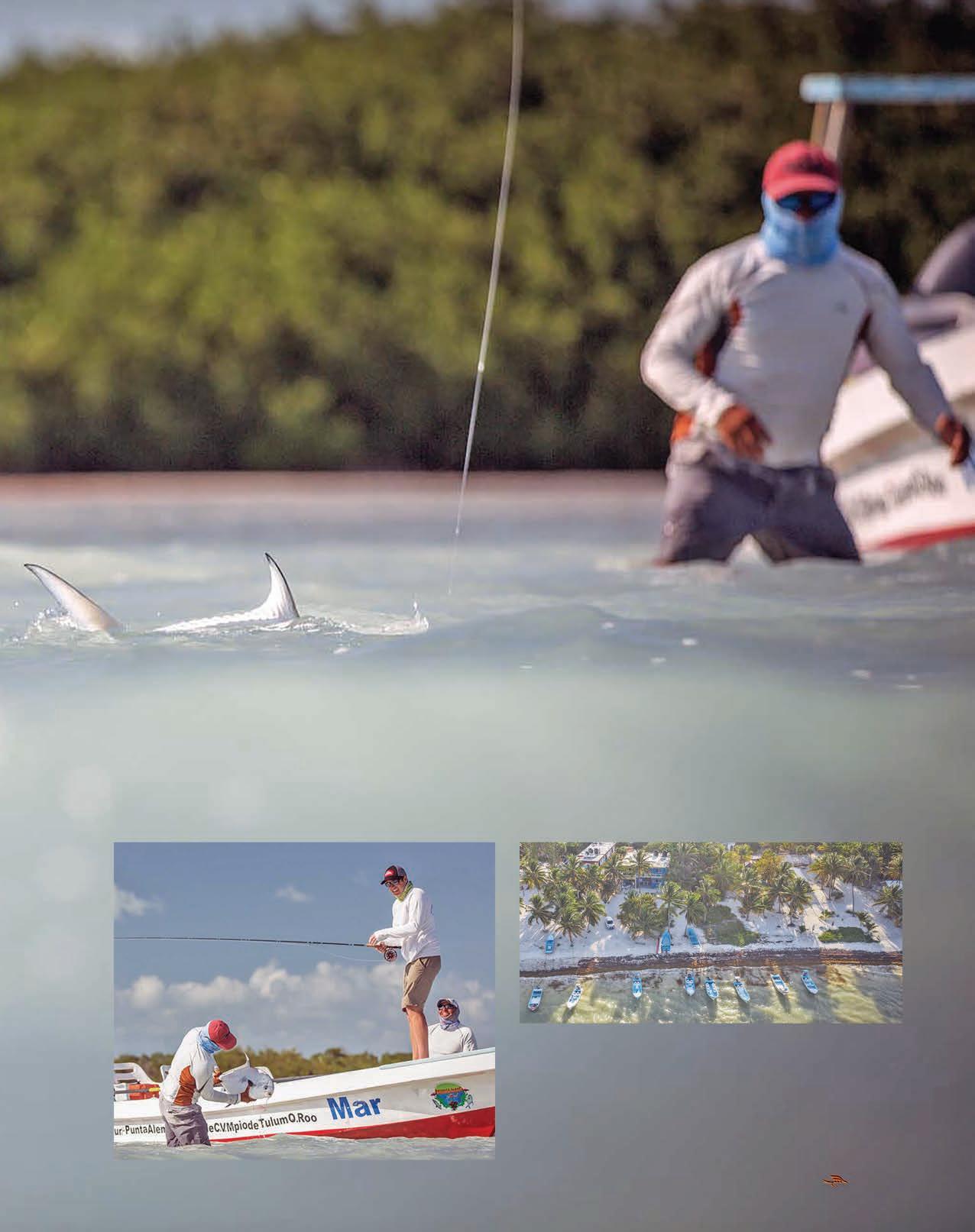
the palometa club, ascension bay
The Palometa Club is perfectly positioned on the Punta Allen beach, only minutes from the expansive flats of Ascension Bay and the wind-sheltered Boca Paila lagoon. Hard-core permit junkies will find themselves right at home among these fanatics. Your two professional guides will chase bonefish and tarpon, but they live and breathe permit.
Each of Palometa’s boats has 2 professional guides. One on the poling platform, the other on the deck, tending line, relaying instructions, and adding an extra set of professional eyes. They use large, super-stable pangas that are perfect for the big water crossings on Ascension Bay. Fragile, light flats boats just won’t cut it here
Palometa is casual, comfortable, and considered one of the best pure fly fishing operations in the Yucatan.

This intimate, 4 room beach-front lodge, built on Ascension Bay, is the newest addition to the Yucatan’s premiere permit lodges. The guides here are dedicated permit hunters, but the bonefish and tarpon in Ascension Bay should not be overlooked.

WELCOMETOMAYAZUL ! This new addition to our list of saltwater lodges is located on Ascension Bay. It is a small, elegant retreat in the heart of Mexico’s “permit alley”, where fly anglers have a history of success pursuing the black-tailed devil of the flats – the elusive and coveted permit.
Too, you can count on everyday opportunities for aggressive bonefish, as well as a healthy resident baby tarpon fishery, and the occasional migratory adult tarpon during the summer and fall.
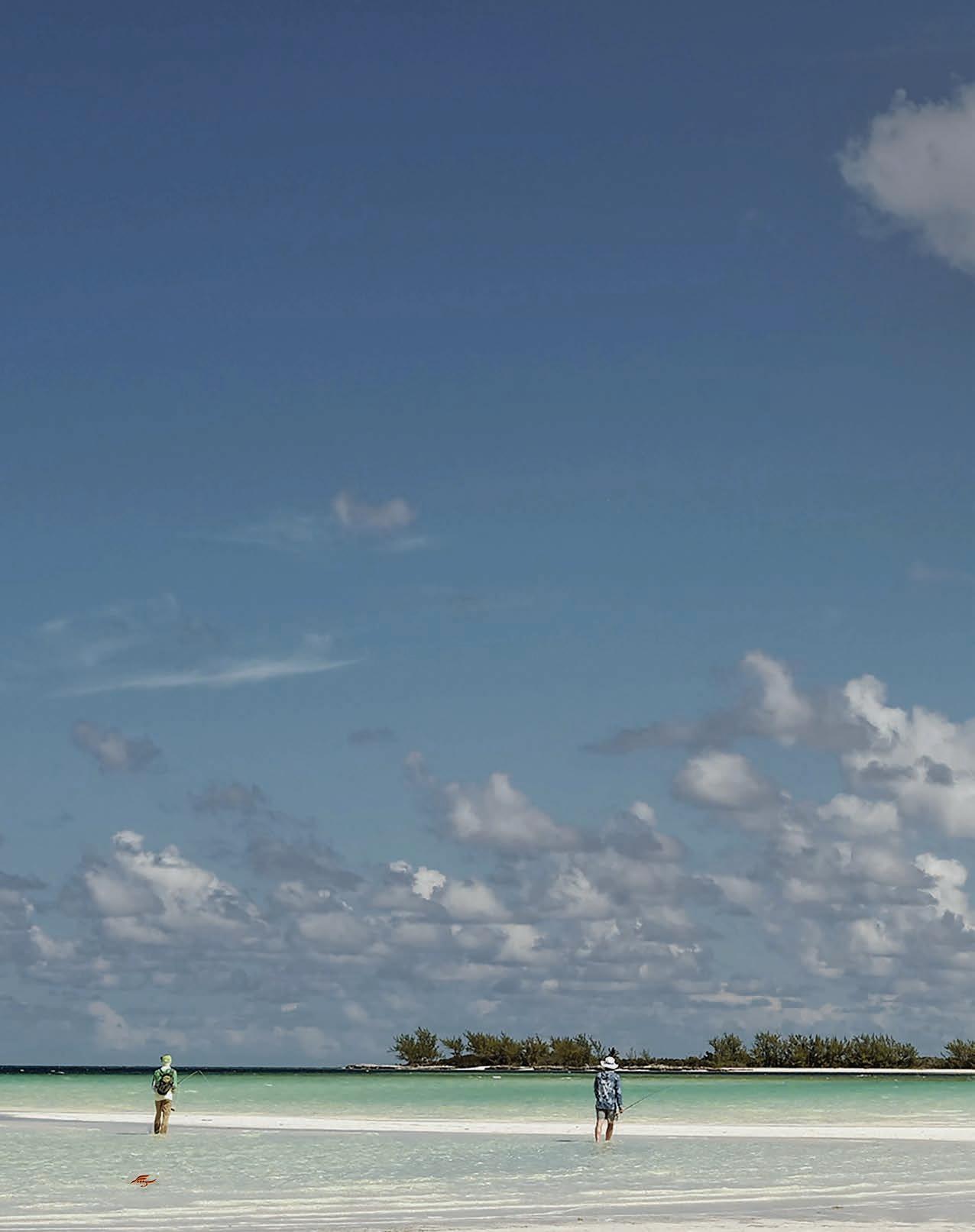
Each day on the flats of Ascension Bay is unforgettable. The scenery is breathtakeing and you’ll spend an exciting, action-packed day searching for fish from the bow of ultra-stable pangas (with lean bars) accompanied and assisted by a pair of professional, seasoned, English-speaking, native guides. One on the poling platform and one on the front deck at your elbow to help connect you to the fish of your dreams.
mayazul lodge is located in the small village of Punta Allen, a short transfer from the new airport in Tulum. The lodge accommodates up to 8 anglers, with just 4 rooms, each offering two queen beds. Their attractive lounging and dining areas provide stunning views of the flats that you and your guide will be poling each day, searching for tailing fish.
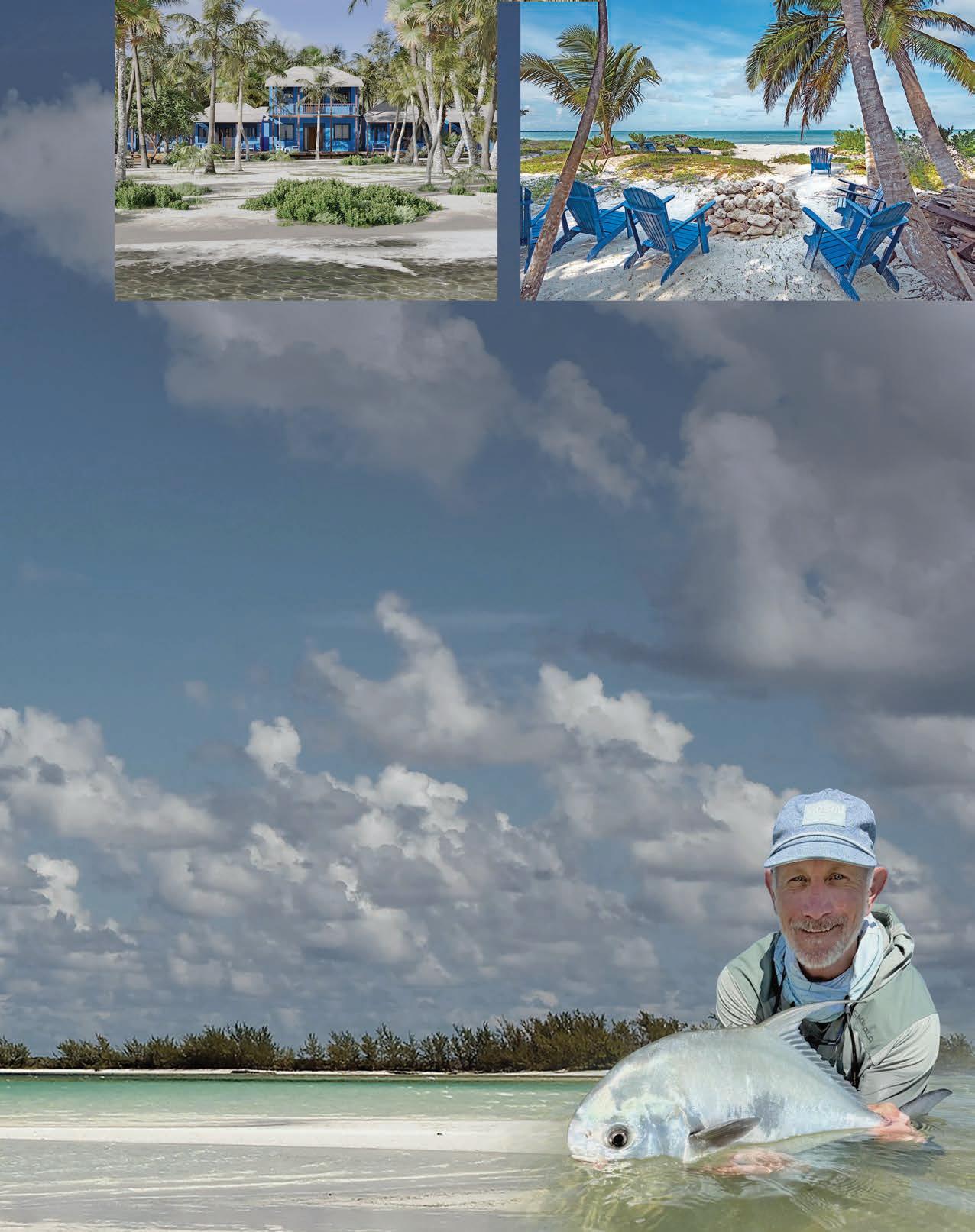
This intimate waterfront lodge is located right on the Mayan Riviera and boasts a terrific team of experienced and knowledgeable guides with a laser focus on getting as many shots at permit as possible.
Scan this code for more information about Mayazul

More “grand slams” are recorded in Ascension Bay than anywhere else on the fly fishing saltwater map
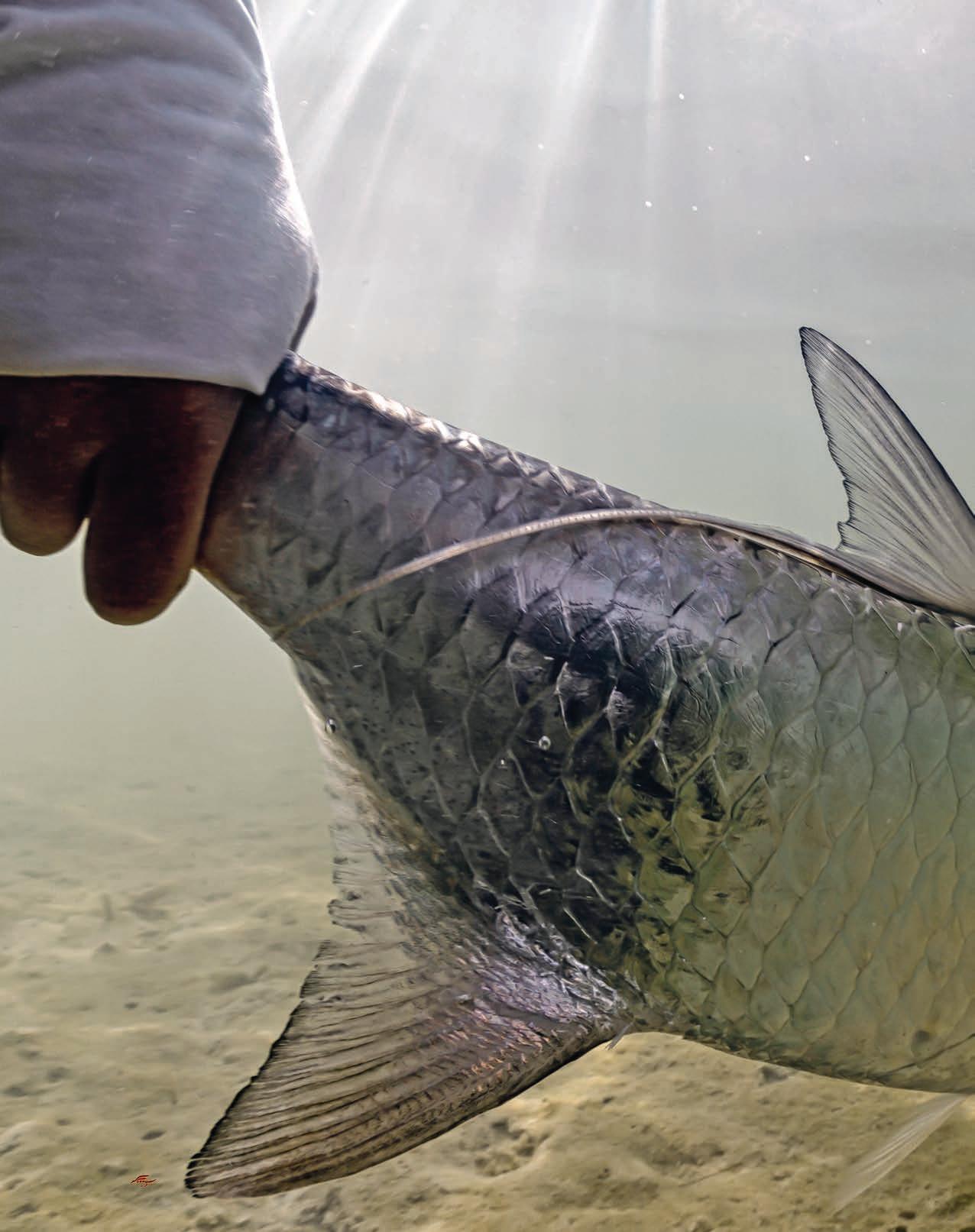
casa blanca, ascension bay
Casa Blanca rates as one of the most deluxe and best-equipped angling resorts in the Mexican Yucatan. No corners are cut and nothing is spared here when it comes to quality. First-class skiffs, fine lodging, well-trained guides, a superb chef, and a near-irrefutable claim to the finest margaritas in Mexico.
Don’t let all that luxury fool you. First and foremost, Casa Blanca is a high-class fly fishing lodge! Testimony to that fact is their success and reputation. Casa Blanca is the most popular and productive bonefish, permit, and tarpon operation in Ascension Bay.
You’ll get no argument from us or the majority of guests returning year after year.
Scan this code for more info about Casa Blanca

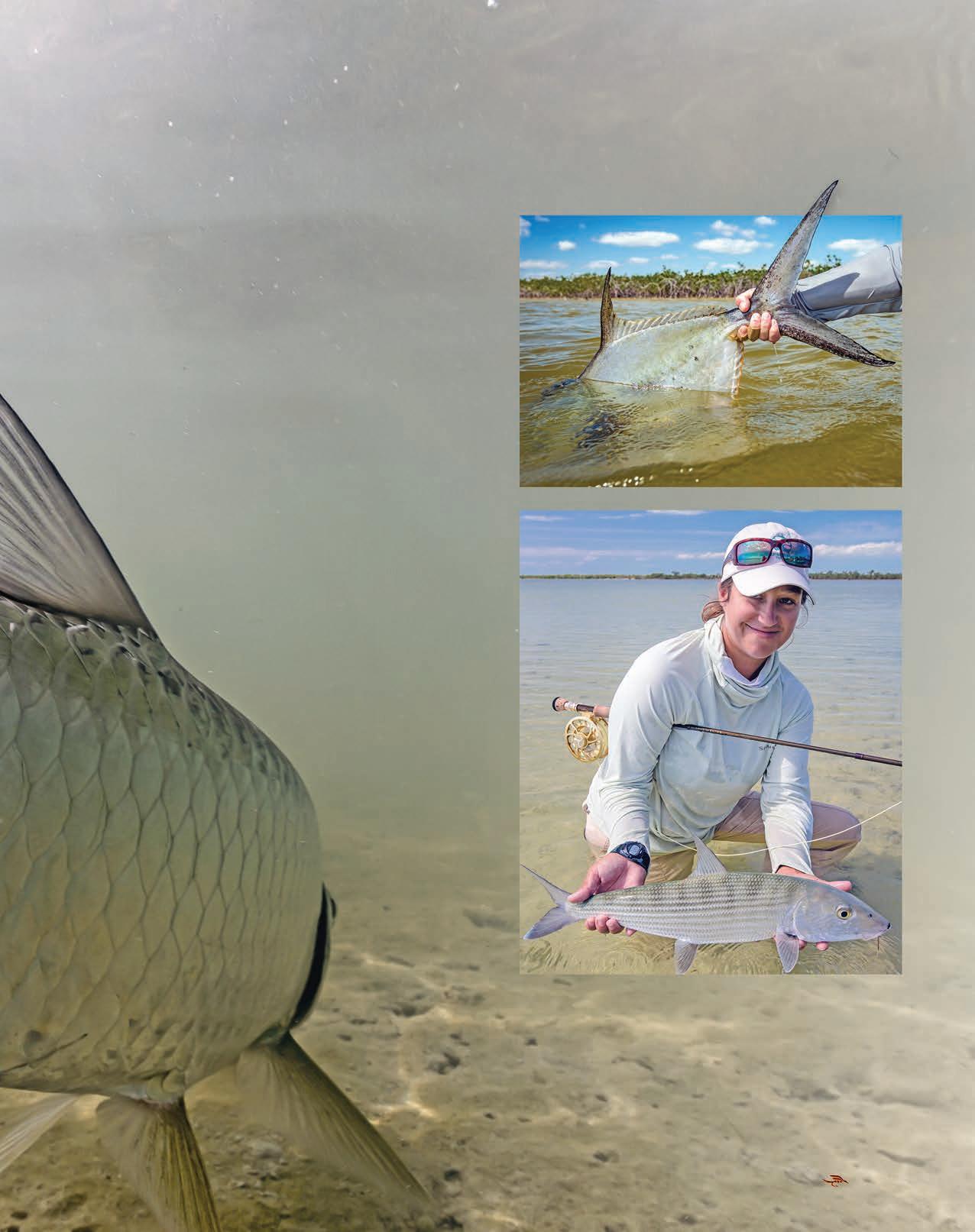
playa blanca, espíritu santo bay
Playa Blanca is the sister lodge to Casa Blanca and is located on the eastern Yucatan shoreline, below Ascension Bay, and a short (five mile) drive above Espiritu Santo Bay – where guests spend most of their exciting angling hours.
Playa Blanca is in the middle of 1.3 million-acre Sian Ka’an Biosphere, and just a quick commute from several near-exclusive, cenote-fed, tarpon and snookfilled lagoons. It may be the easiest place on Earth to score the coveted grand slam of fly fishing.
The waters of Espiritu Santo Bay are arguably one of the greatest saltwater wildernesses left in the Caribbean. The beautiful lodge facility sits on a white sand beach, features deluxe, private cabanas, ensuite baths, breathtaking views of the Caribbean, gourmet Mexican cuisine, and world-class service.
Scan this code for more info about Playa Blanca

Tarpon Cay offers some of the most consistent and productive baby tarpon action in the Caribbean. The majority of the angling is sight-fishing to laid up, cruising, or rolling juveniles averaging 5 to 15 pounds.
Tarpon in the 20 to 30-pound range or bigger are less common and considered exceptional. What the fishery lacks in size is more than compensated for by the abundance of fish, and the near non-stop action!

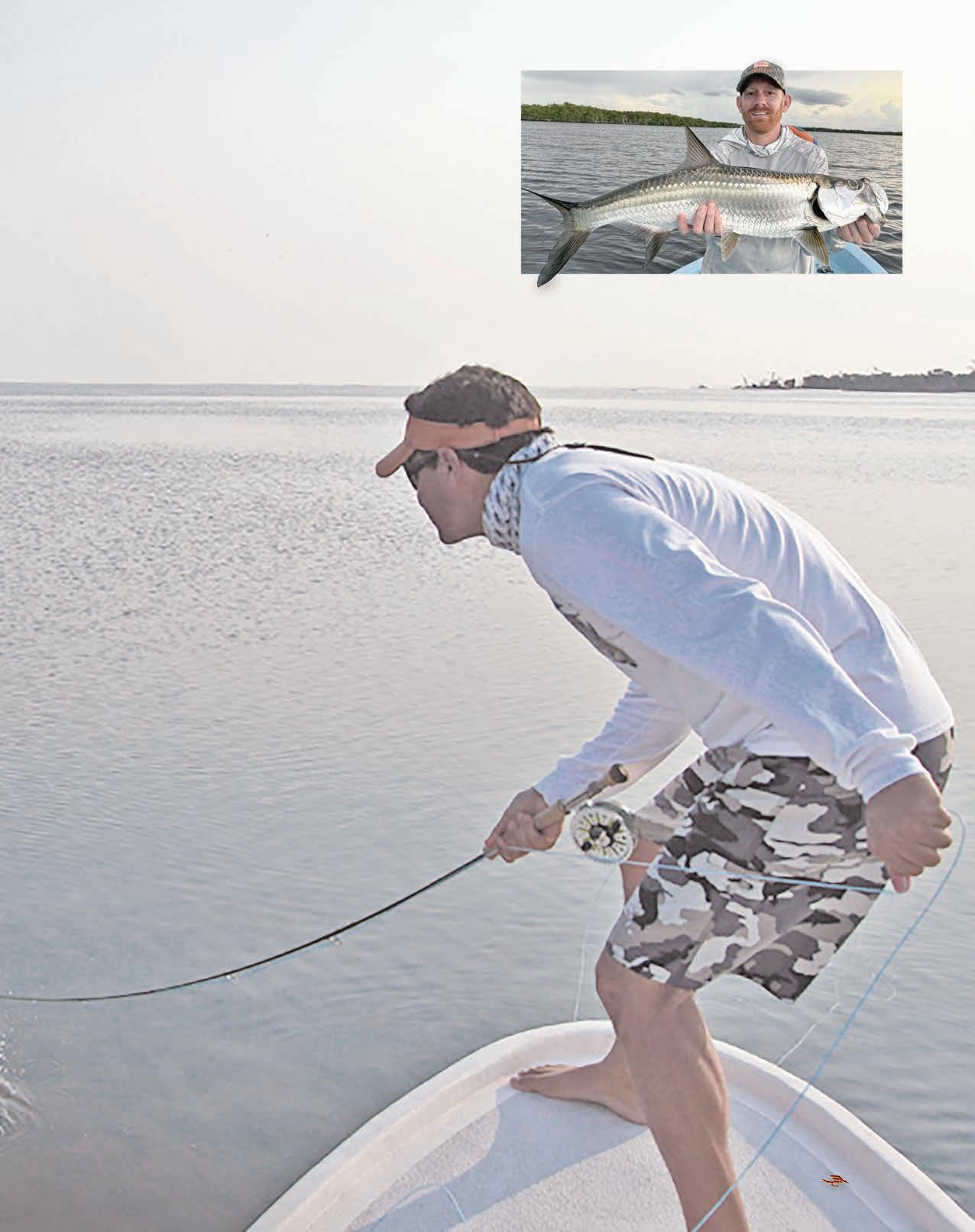
tarpon cay
In the last two decades Rio Lagartos, a sleepy little Mexican pueblo on the northeast point of the Yucatan Peninsula has become a virtual Mecca for baby tarpon angling. And whether you’re a well-seasoned saltwater angler planning to hook up with large numbers of these miniature models of the “Silver King” or a first-time tarpon fisherman looking to cut your teeth and gain some light tackle, fast-action, saltwater experience – this trip will be right up your alley!
Most of the angling focuses on lagoons, creeks, points, and the other structure stretching west of the village along the mangrove-lined, 75-mile long coastline, and fishing for aggressive juvenile (5-to-20 pound) tarpon can be phenomenal. Despite its popularity, there is very little pressure or angling competition! You may witness some traditional, local cast-netting or distant commercial, offshore fishermen, but it’s highly unlikely you’ll share the flats with anyone else. And if it feels like you’re in the middle of nowhere and all alone, it’s because you are!
campeche, western yucatan
Non-stop and exciting 8-weight tarpon action can almost always be found on the west coast of the Yucatan Peninsula. Fishing there is done from modern skiffs with professional guides poling along the shallow, coastal, mangrove-lined flats and shorelines. Anglers usually sight cast to visible tarpon cruising in the shallows, or hiding along the structure and brush-lined shore.
Historic Campeche is an easy drive from Merida, and arrival and departure days can be tailored, trimmed or expanded to accommodate most schedules. Packages may also be combined with any other Yucatan fishing lodges, and we’ll be glad to give advice regarding a combo visit to either of the regional Mayan excavations.
The mangrove-lined flats of the Mexican Gulf are loaded with tarpon of all sizes. This is a thrill a minute, 12-weight brand of excitement with 8-weight rods!

THEFERTILE mangrove-lined shores of Mexico’s northern Yucatan are home to the most prolific population of juvenile tarpon found anywhere in the world. Dozens of flights a day from the States make this an easy place to get to, and the heart-stopping light tackle tarpon action that’s made this Peninsula famous can be tailored to suit any schedule. It is in the heart of Mayan culture and visits can be easily combined with tourist-oriented travel.
Campeche and Rio Lagarto are both sight-fishing destinations and the numbers of tarpon that most visiting fly fishermen have within range is astounding.
The most popular time to be there is from April through September when sub-tropical weather is at its best and most reliable. Still, this is a very temperate climate and a year-round destination that can be super-productive nearly every day of the year.
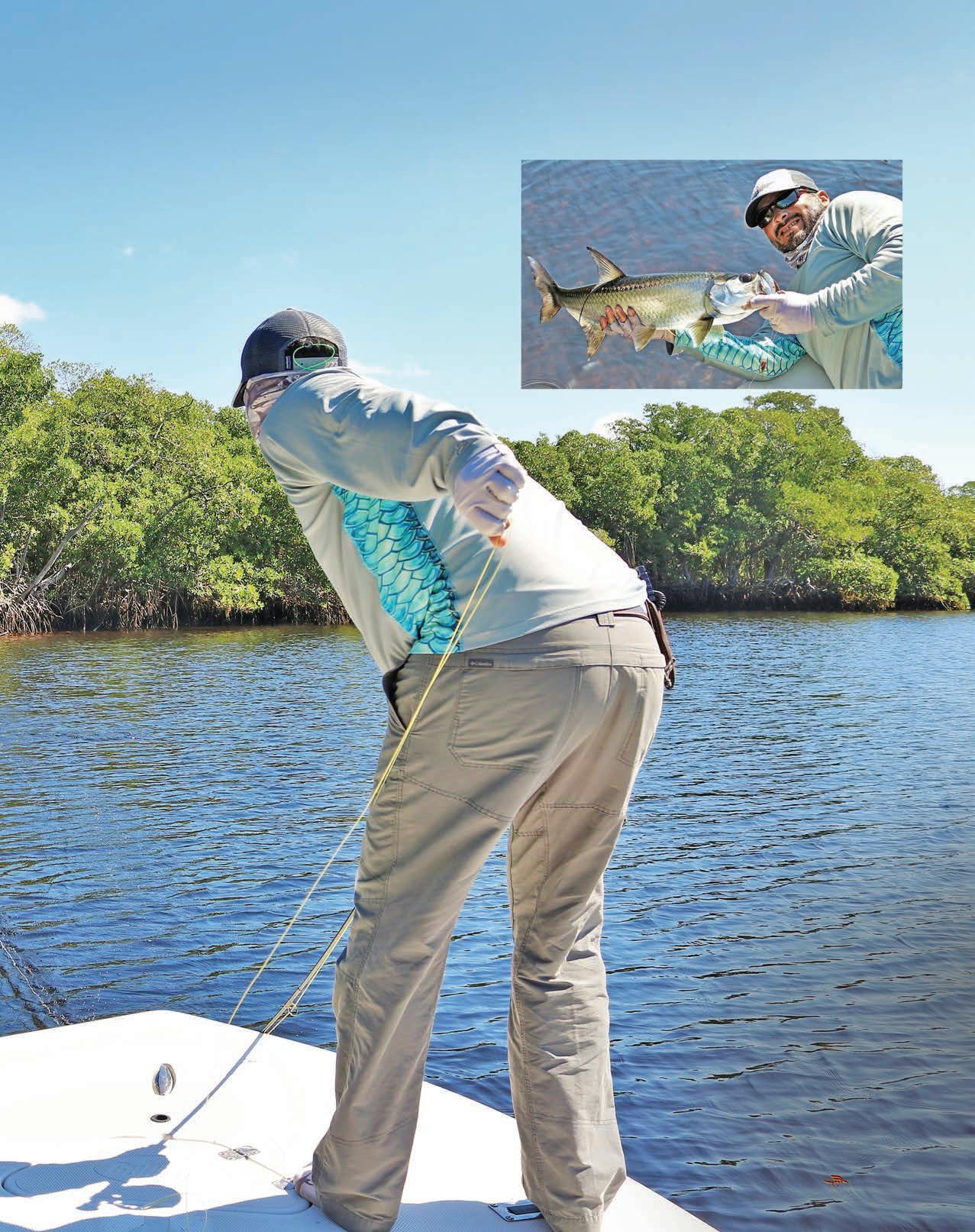

Cancun
Cozumel
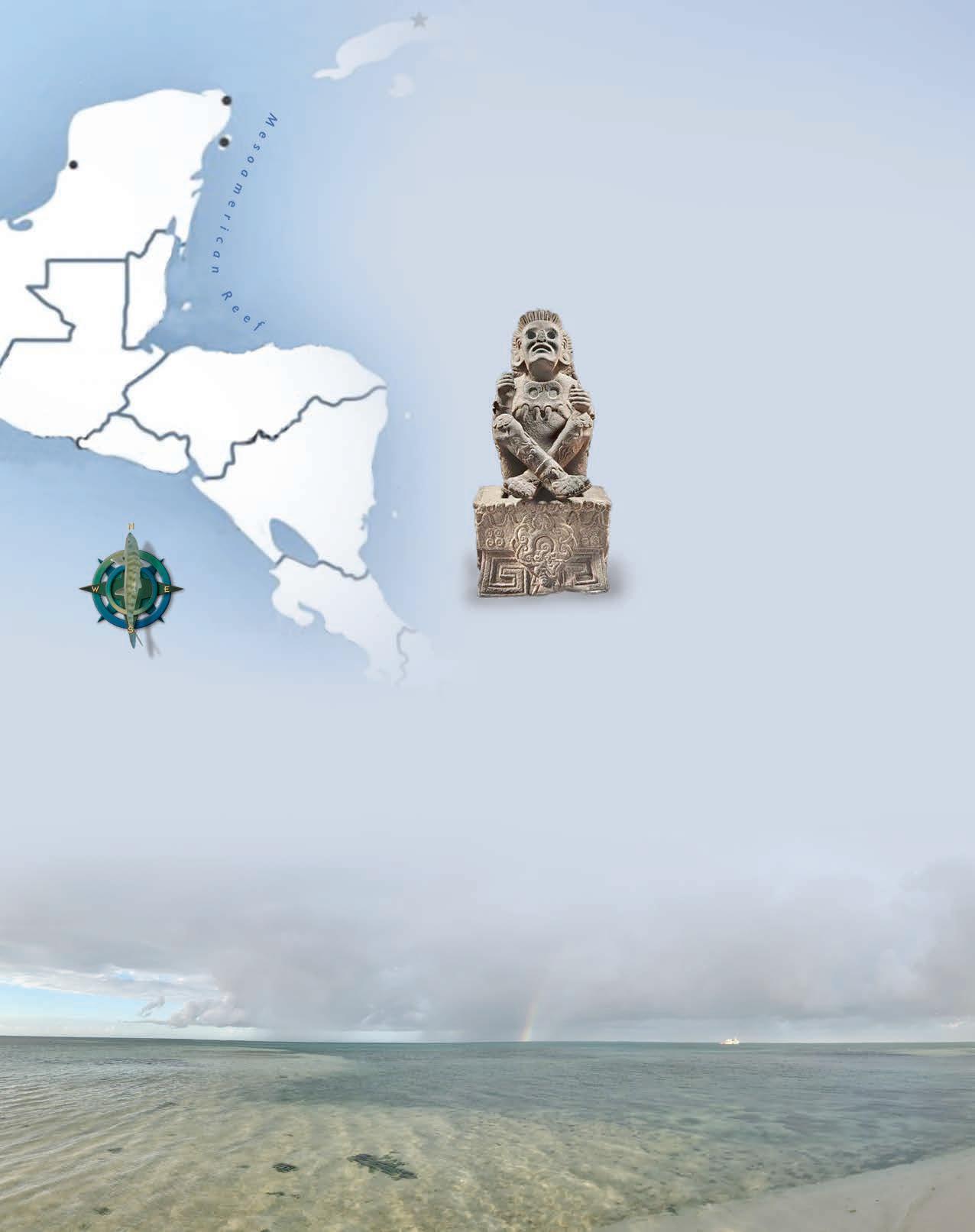
Campeche
Mexico


















Costa Rica

THEMESOAMERICANREEF (MAR) is the second largest barrier reef in the world and the largestin the Western Hemisphere. Stretching for 625 miles along the coast of Honduras, Guatemala, Belize, and Mexico, it encompasses a rich mosaic of beaches and dunes, coastal wetlands, lagoons, mangrove forests, seagrass beds and coral reefs. The adjacent coastline’s sandy beaches and azure waters are dotted with fishing villages, and its picturesque beauty draws thousands of visitors each year to the tourist epicenters of Cancun and Belize.
Importantly, the MAR is home to more than 500 fish species, 60 coral species, 350 mollusks and marine mammals, algaes and seagrasses, and several critically endangered species:
s saltwater crocodile
s green, hawksbill and loggerhead sea turtles
s Nassau and goliath grouper
s the largest population of manatees in the western Caribbean
s the largest aggregation of whale sharks in the world
An estimated 2 million people are woven into the very fabric of the MAR’s rich coastal environments and count on healthy ecosystems for their food, water and livelihoods.
Thousands of artisanal (small-scale) fishermen and the fishing industry in Honduras depend on the MAR’s fisheries, including lobster, conch, snapper and grouper. Thus, healthy marine and coastal ecosystems here provide the foundation for both local economies and the region’s multi-billion-dollar tourism industry.
However, the area is threatened by overfishing, pollution from human settlements and agriculture, sedimentation, inappropriate tourism practices and changing land uses along the coast.
Climate change, too, is causing higher water temperatures, the sea-level to rise, stronger tropical storms, and changes in the pH of seawater — all of which are pushing natural systems to their limits.
Ensuring that the MAR’s marine and coastal habitats remain intact can help stabilize beaches and reduce the vulnerability of plants, animals and fish to these threats.
– The Nature Conservancy
fly fish guanaja

The fourth and final time Columbus sailed to the New World, his first landfall, in 1502, was the drop-dead gorgeous island of Guanaja in what’s now known as The Bay Islands, off the coast of Honduras. After gathering fresh water, he left, still searching for the Spice Islands.
The Fly Shop® travel team didn’t get there until 1979. We found plenty of bonefish and juvenile tarpon, but didn’t know about the permit fishing.
Now, more than forty years later, Fly Fish Guanaja has confirmed the spot is a legitimate permit fishery and built a terrific fly fishing lodge just a short skiff ride from half a dozen different permit-covered flats.
There’s no rush to get to any of the Guanaja flats early, because the Fly Fish Guanaja guides are the only ones on the island, and you’ll be the first, the last, and the only fishermen pursuing those fish.
Each day anglers have their choice of a vast array of picture-perfect flats which often afford a couple of dozen shots at tailing permit. Typically, the angling schedule is based on the tides, and the hard-working guides are willing to start early or work late in order to ensure success.
If the best tides are at five in the morning, that’s when you’ll find your guide ready and waiting at the dock. These guides routinely give anglers eight to nine hours of fishing time, beginning early in the morning or staying late into the evening, to be on the flats for the best fishing possible.
Fly Fish Guanaja is known in hard-core circles for its permit fishing, but if you’re looking for variety, the bonefish action is fantastic and there are a few pods of juvenile tarpon to wrap up your Grand Slam.
Getting to the sleepy, safe, all English-speaking island is easy. Guests are met after direct, daily, non-stop flights from Miami, Houston, or Atlanta to Roatan International Airport, where they clear customs and then take a ferry across to the lodge on the island of Guanaja.
Guests enjoy drop-dead gorgeous scenery, exceptional home-cooked comfort food, air-conditioned rooms, an amazing open air bar, phenomenal guides, and world-class fly fishing for permit!
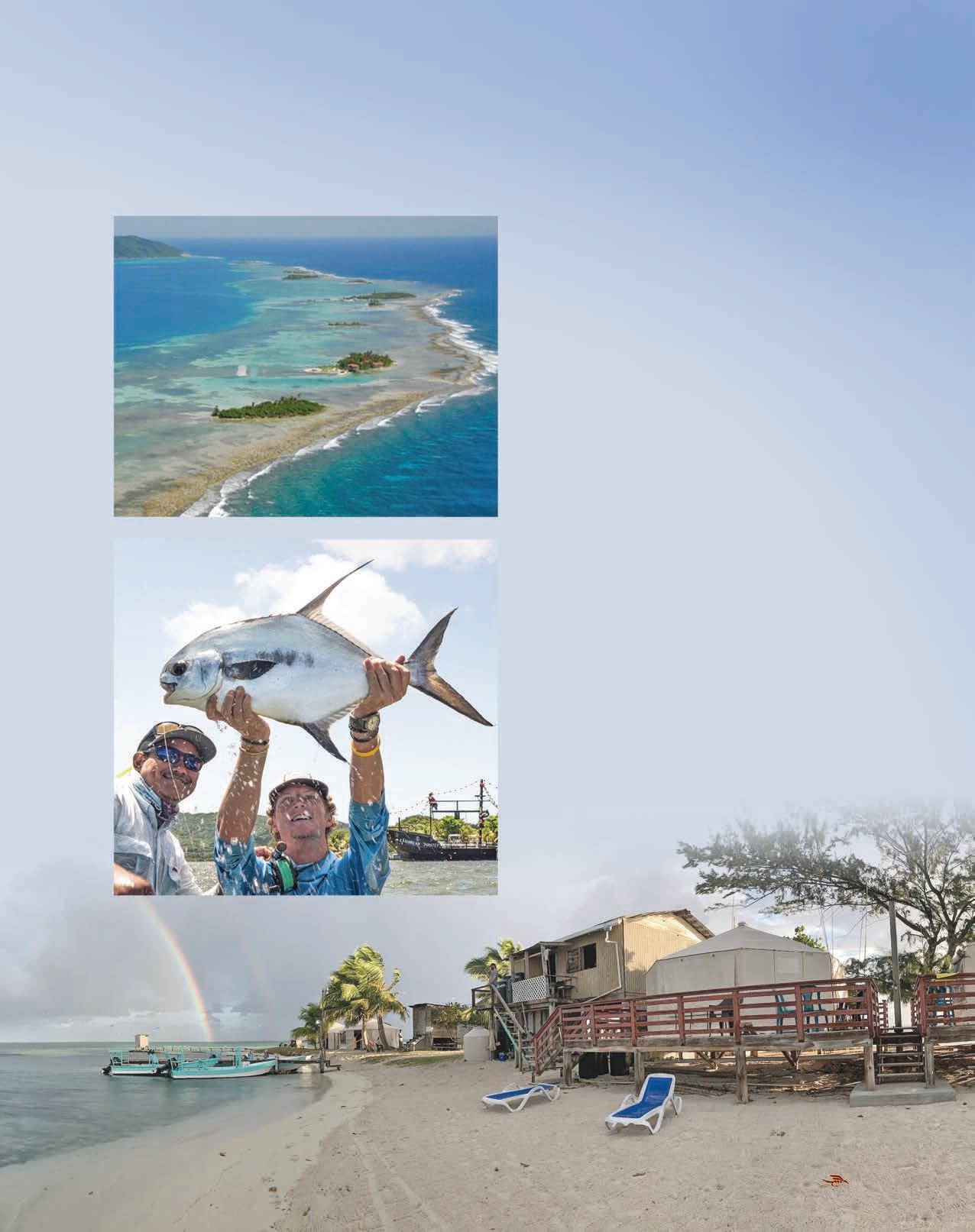

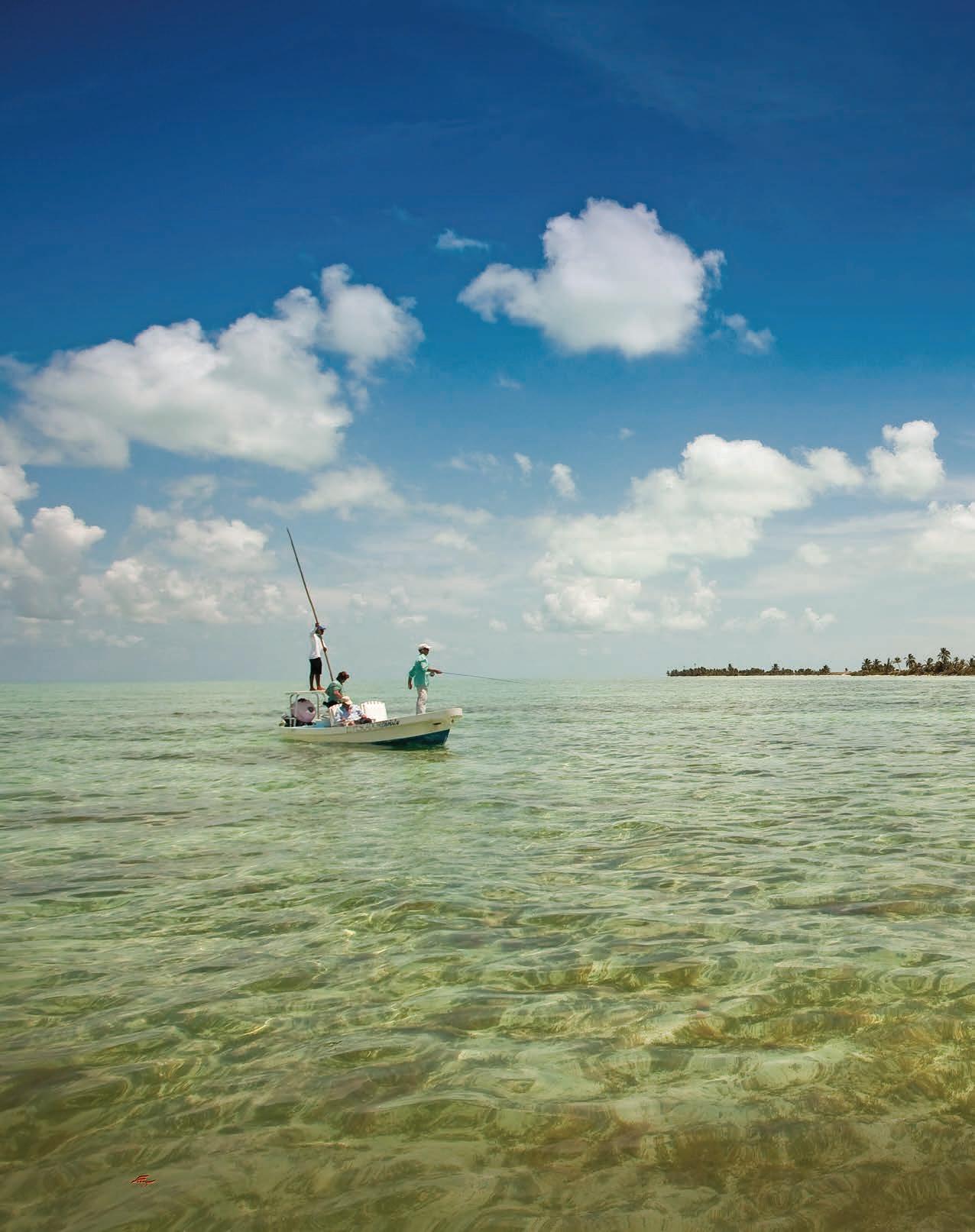

el pescador
It’s only minutes aboard a short commuter flight from the Belize City airport to El Pescador and the sleepy little fishing village of San Pedro on the romantic island of Ambergris Caye. Arguably the most famous of the country’s fishing lodges, El Pescador shares San Pedro’s shoreline with a dozen dive resorts, and guests are just a stone’s throw from the second largest barrier reef on the planet and some of the Caribbean nation’s best saltwater fly fishing.
El Pescador first built a well-deserved reputation among serious flats anglers, then morphed into an equally popular destination for those looking to enjoy a combination of fishing, relaxing, diving, snorkeling and eco-touring.
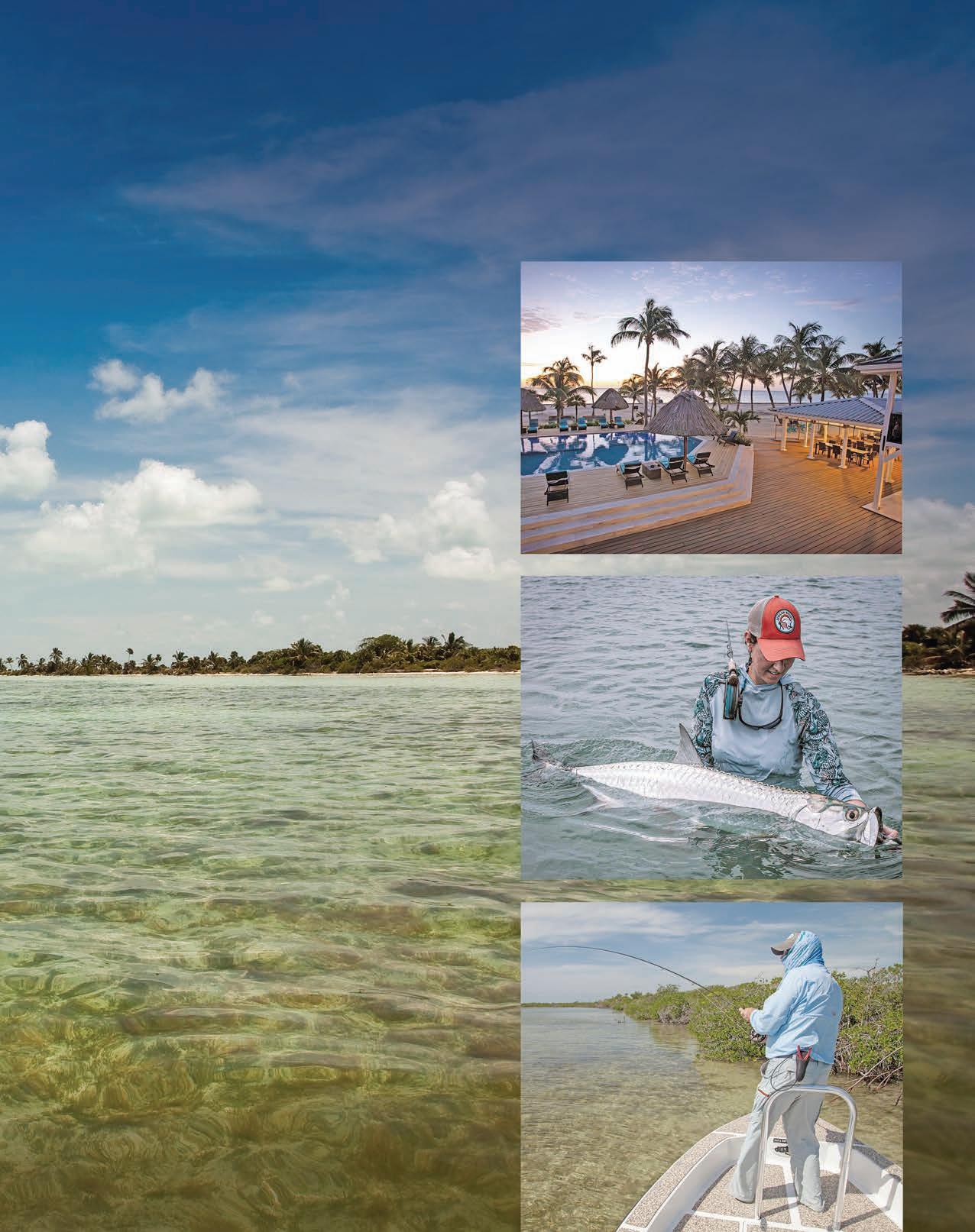
The lodge serves delicious meals, has a well-stocked bar, and a menu of ecotour options including SCUBA diving, snorkeling, sea kayaking, Mayan ruins, cave tubing, beach combing, and zip-lining. Non-anglers can frolic in any one of El Pescador’s three freshwater swimming pools, or snorkel in the sea.
The lodge boasts a team that includes some of the top guides in Belize who pride themselves on their ability to connect with anglers of all skill levels. Most test the Bay of Belize, nearby flats and the more distant mangrove shoreline and flats of Ambergris Cay to sample year-round action on a fly for resident tarpon, bonefish, and permit.
There’s something for everyone in Belize! Massive numbers of bonefish, ever-present tarpon, permit, snook, barracuda, jack crevalle and more. And Belize River Lodge has all the necessary ingredients to cook up the perfect saltwater fly fishing holiday!
belize river lodge
In the New Years Eve darkness of 1958 the angling pioneer, Vic Barothy, and his movie actress wife, Betty, fled to Belize from Cuba’s world-famous lodge, Isla de Piñas, taking with them their staff and all they could carry in three off-shore cruisers, towing every skiff they owned, and using a hand-held compass to point the way to what was then British Honduras.
There were no fishing lodges in the country that later became Belize, and when it came to choosing a new fishing site, Vic had pick of the litter. He considered the options, chose well, and built Belize River Lodge in a location he felt to be among the best in the Caribbean.
Without electricity, Vic had the place built by Mennonites who used only hand tools. The decision was a wise one, and the historic lodge has remained in continuous operation and celebrated its 67th birthday in February of 2025.
What made it famous and has kept it popular is a tremendous variety of angling options. Guests choose each evening how they’ll spend the next day. There are near-limitless coastal flats just ten-minutes downriver from the lodge. Adult tarpon are regular residents near the river mouth, and a few more minutes in the skiff will put anglers dead-center in the midst of some of the best bonefish, permit, tarpon, and snook fishing in Central America. And when winds plague the open flats there are protected tributaries, creeks, lagoons, and Belize River itself.
Because the angling menu is diverse and with the immense Bay of Belize and its near-unlimited angling only minutes from the Belize River Lodge dock, it is often difficult to choose whether to spend the day wading the flats, prospecting coastal creeks or lagoons for snook, or searching upriver for baby tarpon in the shade of the mangroves.
Belize River Lodge also operates Long Caye Outpost, a private getaway located in the islands mere minutes from the best flats, and a great option for small angling groups. And those daily decisions are made easier with the help and advice of a team of talented, experienced, hard-working guides, who’ll do whatever it takes to ensure every guest has a great trip.
Belize River Lodge has been run for several decades by Mike Housner and Marguerite Miles and has a well-deserved reputation for hospitality, fine food, accommodations, and first-class service.
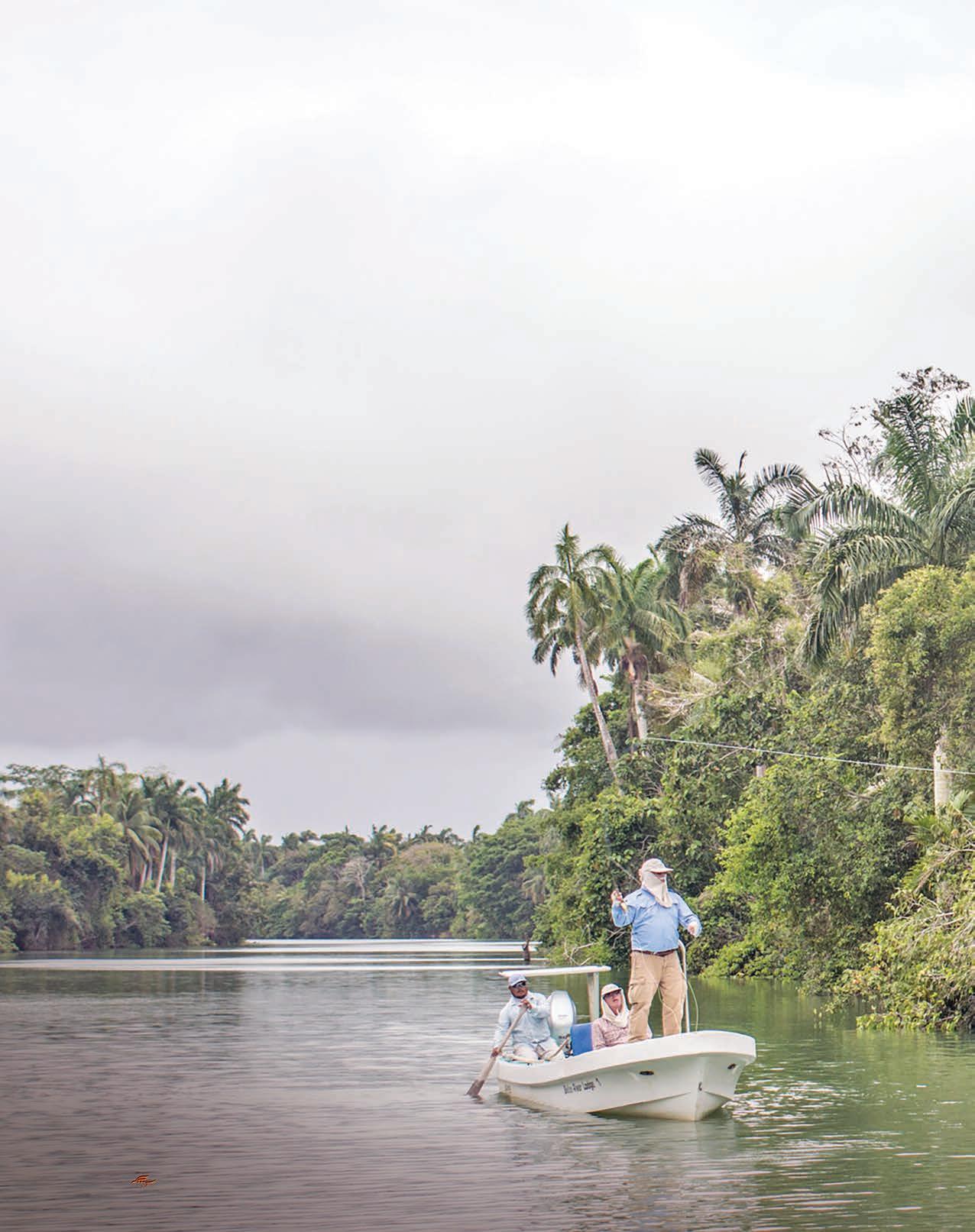

Scan this code for more info about Belize River Lodge
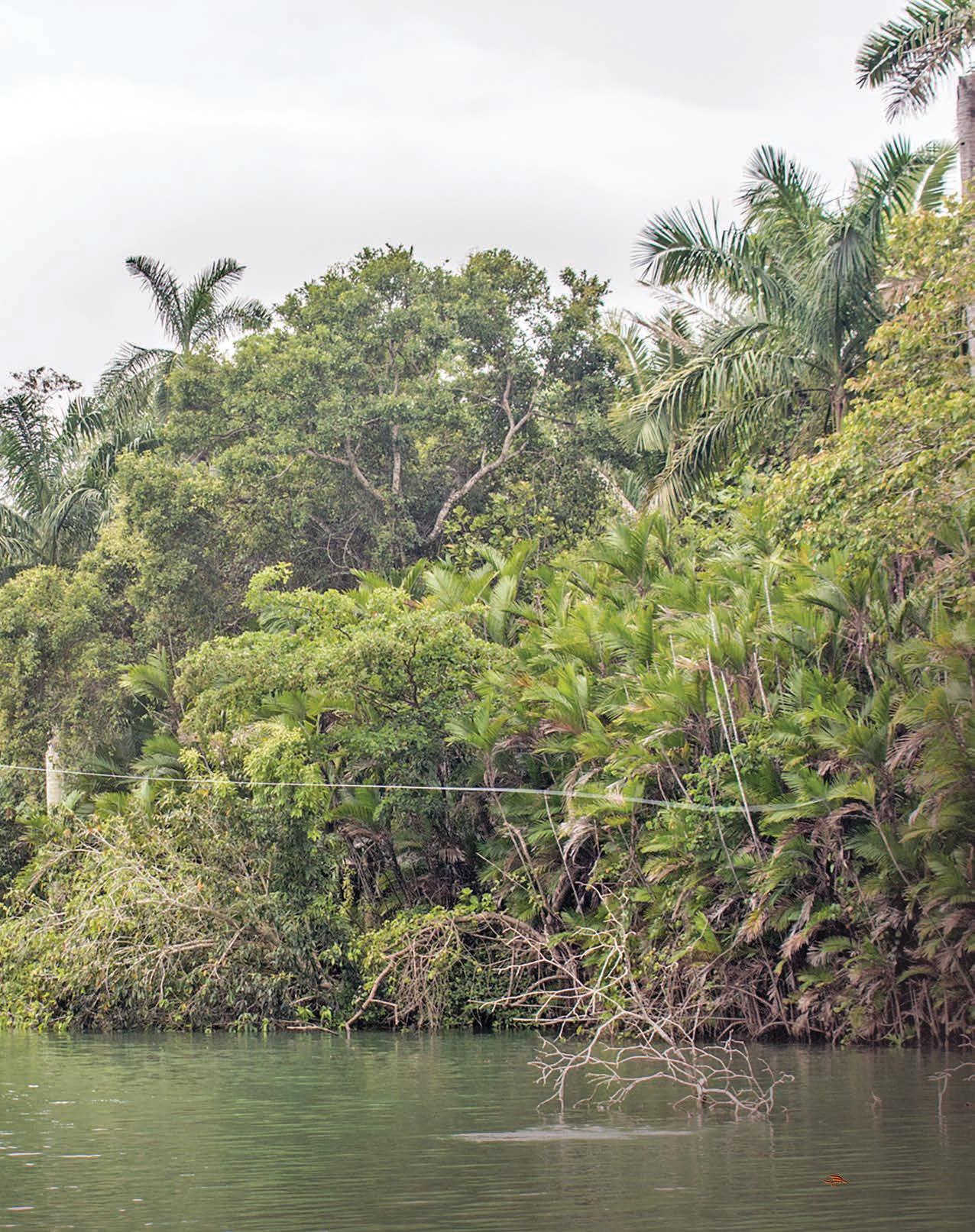
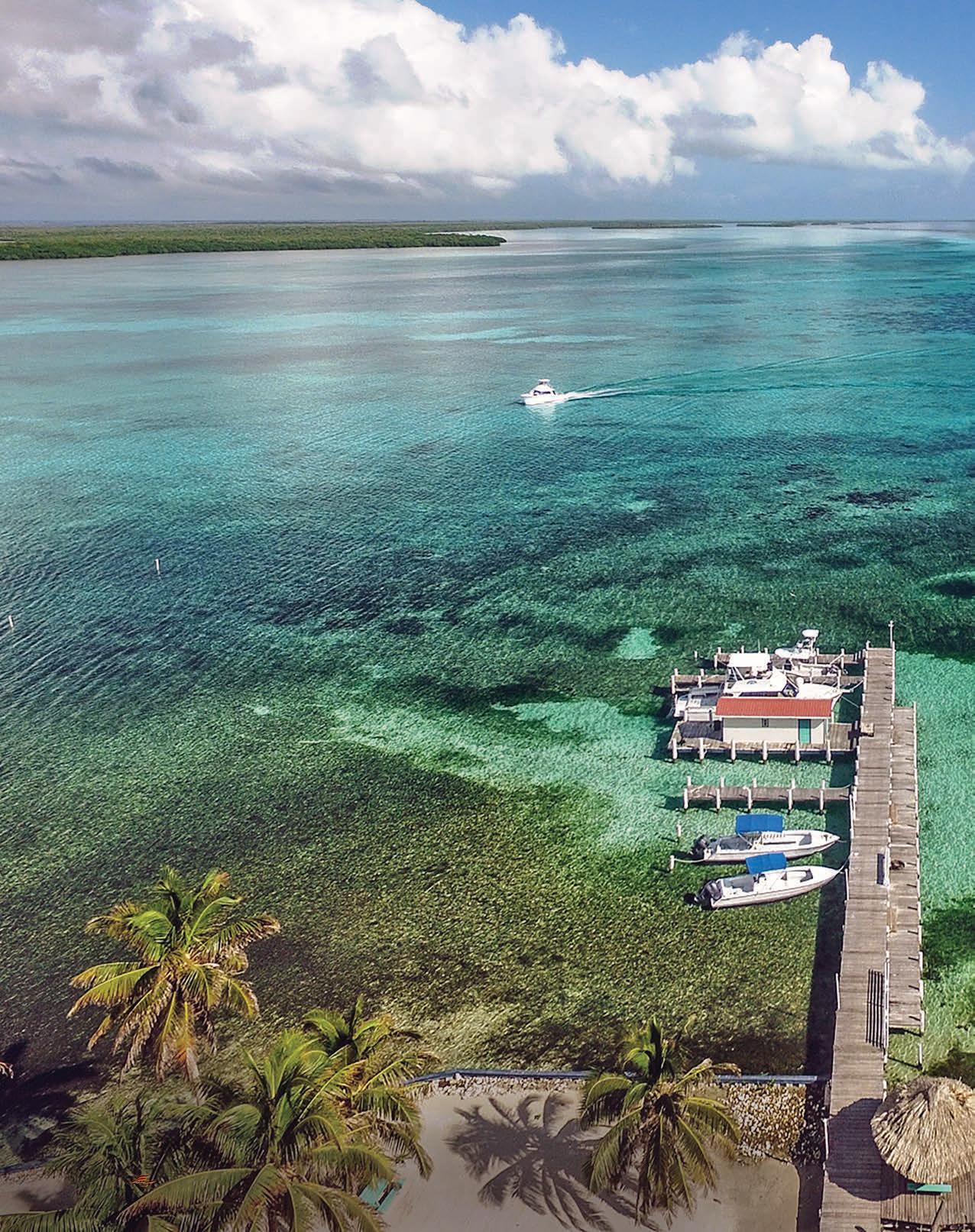
turneffe flats lodge
In the 80’s Mike Michalak (owner of The Fly Shop®) and a few friends used to rent a live-aboard yacht out of Mojo Caye, in the Bay of Belize, for 6 or 8 weeks each spring and cruise the coast of the country from Ambergris Caye to Punta Gorda, stopping when and where they wanted to fish, replenish fuel, drinking water, or Belikin beer.
Grand Bogue Caye, was always a stop. The bonefish covered flats were protected from wave action by the spectacular reef, crayfish were everywhere, and the island is beautiful. Now, there’s a spectacular resort, Turneffe Flats, on that beach.
Nearly 300 square miles of the archipelago reefs, flats, creeks, lagoons, and marine habitat begin at Turneffe’s dock, and it’s easy to understand why Turneffe Flats Lodge became famous as one of Belize’s premier fly fishing, SCUBA diving, and marine eco-tourism destinations.
Many of Turneffe’s shallow, reef-side flats are perfect for stalking wary, tailing bonefish and the interior lagoon is home to schools of permit. The lodge has a world-class SCUBA operation, custom-tailors atoll adventures ( snorkeling, kayaking, birdwatching ) for the non-anglers, and even offers cooking classes.
Guests relax at the end of every fish and funfilled day in air-conditioned cabanas within a few swim strokes of the Caribbean’s best snorkeling. The food is terrific, the beers are ice-cold, the cocktails are strong, and each of the private, beachfront cabañas enjoys a spectacular view.
The country’s slogan is “Belize has it all!”
Well, Turneffe Flats Lodge certainly does! s Turneffe offers SCUBA instruction, and a full dive program for both beginners and experts.
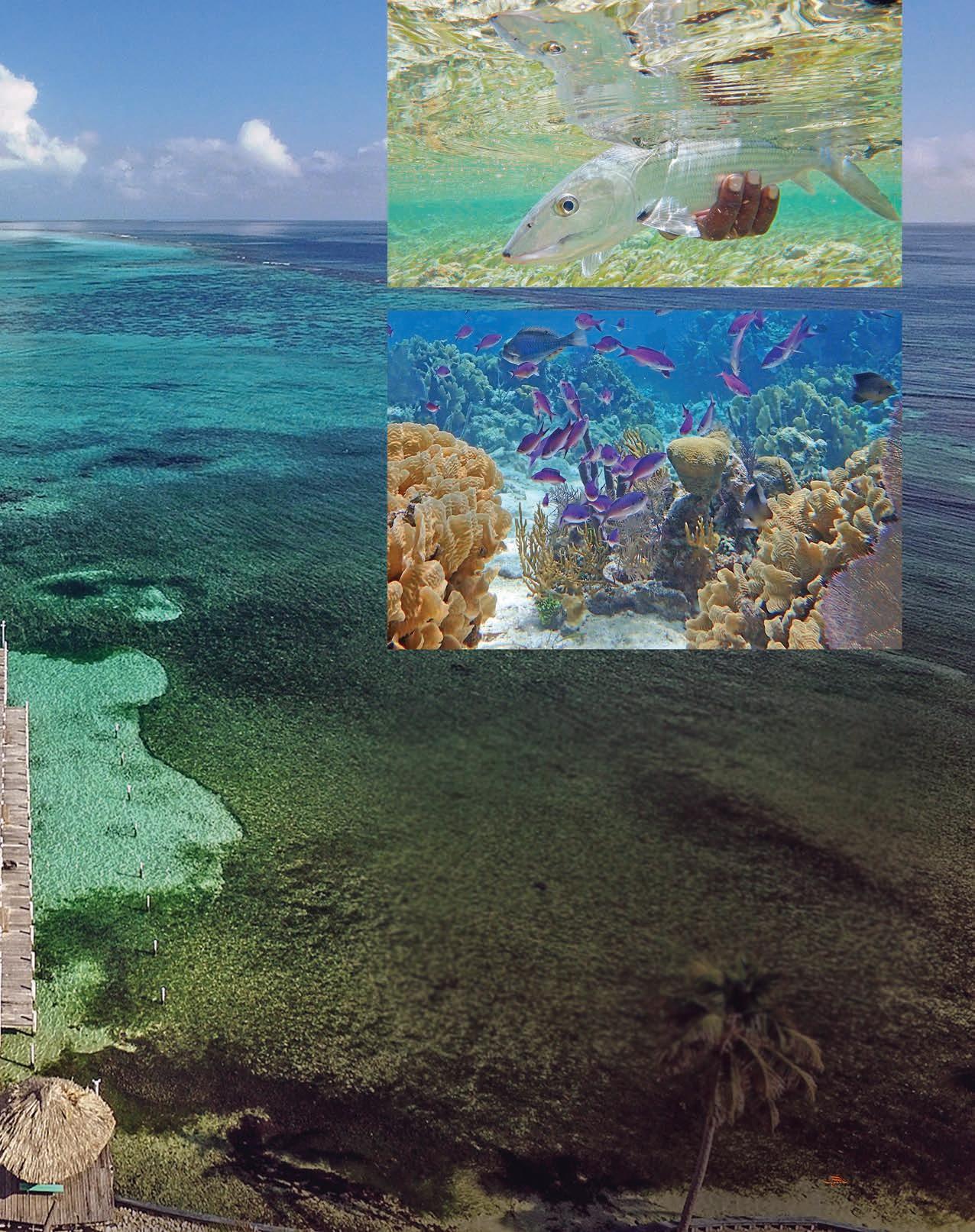
Scan this code for more info about Turneffe Flats Lodge

The entire coastline of this small, former British colony is protected by the 2nd largest barrier reef in the world. It’s a 240-mile long sea wall that rises up to form dozens and dozens of small islands. It is a spectacular natural aquarium with thousand of square miles of fish-rich flats, and a safe harbor for bonefish, permit and tarpon.
THEREREALLY IS something for everyone in Belize. From its Mexican border to Honduras the seashore is dotted with fishing lodges. Everyone in this narrow, sparsely populated coastal country is umbilically connected to the Caribbean –as commercial fishermen or in some tourism related industry that counts on the sea as a resource.
It’s no wonder then that Belize passed, in 2009, the most comprehensive catchand-release fishing legislation in the saltwater world, designed to protect and ensure their sportfish (bonefish, permit, and tarpon) will thrive for generations.
Belize is the ideal place for fly rodders in search of constant challenge, whether they’re experts or totally new to the saltwater flats. It is renowned for its permit fishing, sure to frustrate even the most competent casters. It is one of the few destinations where tarpon of all sizes are found year round. Its bonefish are plentiful and consistently put a bend in peoples’ rods and a smile on their faces.
Several Belize angling resorts focus exclusively on fly fishing. Other lodges take advantage of the magnificent reef and offer their guests snorkelling, kayaking and world-class SCUBA diving and instruction.
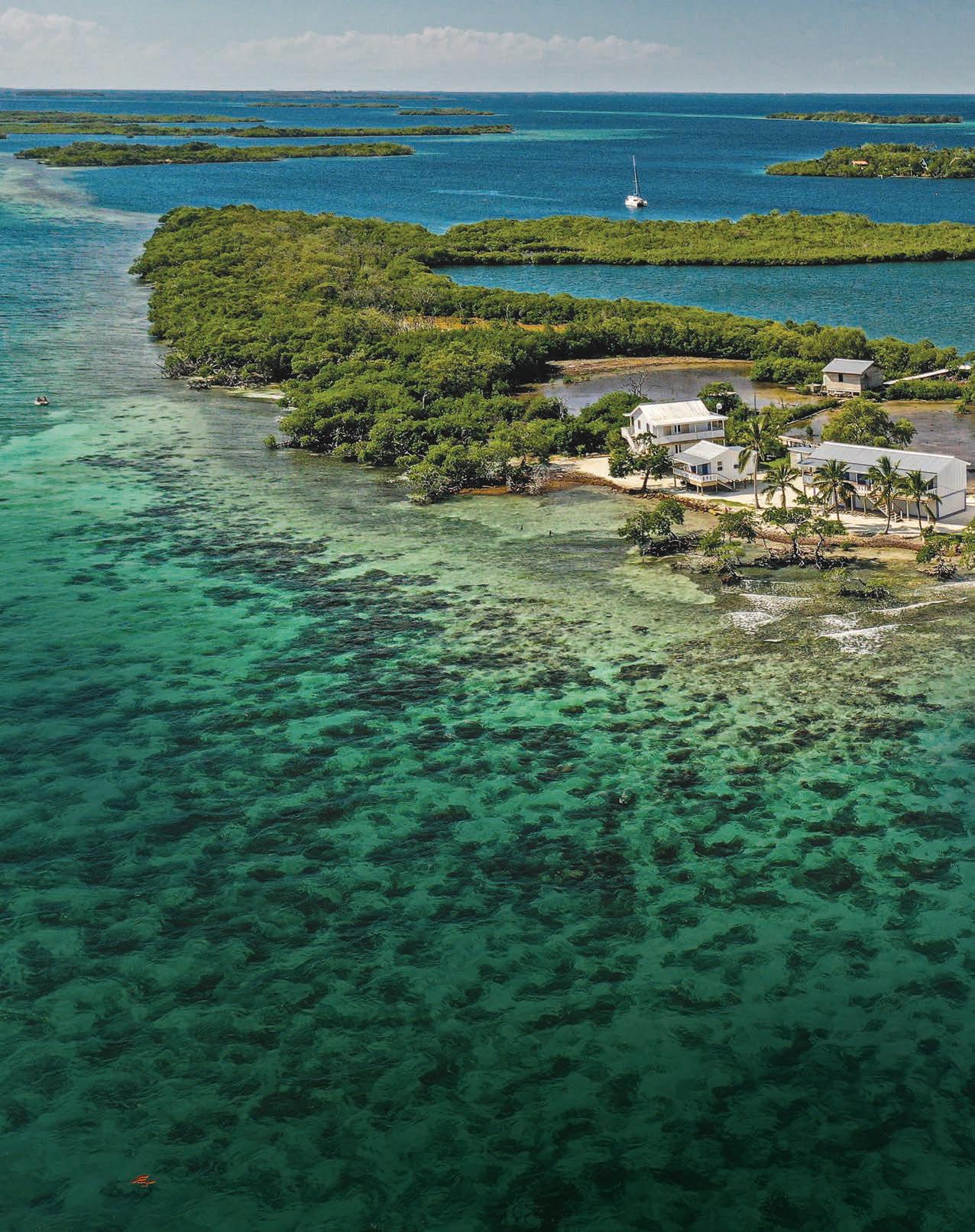
The Fly Shop® doesn’t represent them all, only those with a well-vetted team of professionals we can count on to deliver a 1stclass experience to our clients.
Each of the places we represent has its own unique character. Some offer worldclass, sophisticated fly fishing guides while others emphasize family-oriented, multifaceted activities, deluxe accommodations or three-star culinary experiences; some are simple fishing camps with a hard-core emphasis on dawn-to-dark fishing.
The Fly Shop®has been going to Belize since before Belize was cool. Give us a call today and we’ll hook you up.
This is a serious permit angler’s Mecca, located on Northeast Caye, miles off the coast of Southern Belize. Blue Horizon is far beyond any competing angling pressure and absolutely dead-center in the midst of what veteran anglers consider to be the largest population of permit in the Caribbean.
blue horizon lodge
This operation was originally the brainchild of Lincoln Westby, with the support of Will Bauer and The Fly Shop ® in November 1996.
“I put it in what I knew was the center of the best permit fishing in the world”
Twenty years later Lincoln sold the operation and ( after an exhausting, five-year renovation ) Blue Horizon Lodge reopened in 2020, with all that traveling anglers have come to expect
The lodge honors the heritage of Lincoln Westby’s original operation, but with all the amenities. Most important, the dead-center location remains one of the best location in Belize for permit on the fly.
The main lodge features an open air design, allowing anglers to fully appreciate the beauty of the surrounding marine environment.
The five guest cabanas, with a maximum capacity of ten anglers, deliver a surprising level of sophistication and comfort in direct contrast to the remote location. Each room is furnished with two full size beds and a private bathroom, complete with on-demand hot water showers.
Air conditioning is standard in all of the rooms, providing guests the choice of enjoying the ocean breeze, or a controlled climate. Rod racks, shelving, wi-fi, and plenty of room to organiize your tackle and belongings.
Best of all, Lincoln is still guiding there and making sure that his stable of Westby-trained guides reign as best in this island nation at putting fly rodders on permit.
We can’t be more excited about the Blue Horizon Lodge and hope you feel the same.
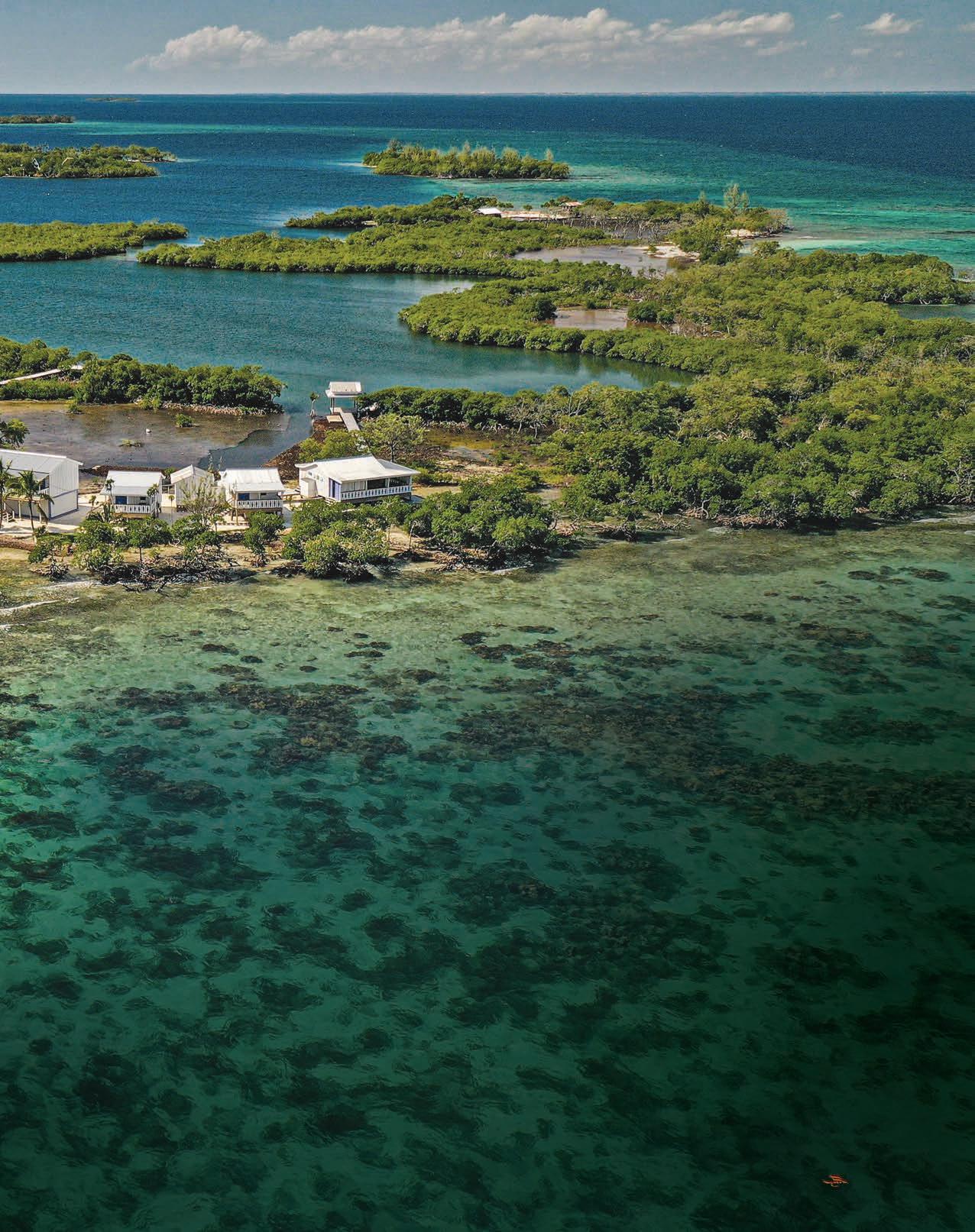
Scan this code for more info about Blue Horizon Lodge

Prime Travel Categories:
s Last-minute cancellations – Save up to 50% on trips…or more
s Hard to find dates at world-class destinations
s Family trips – what better way to make long-lasting memories?
s Notifications about new fly fishing lodges and camps
s Hosted trips with The Fly Shop’s travel team
s Single anglers looking for a fishing partner
s Destinations best suited for couples
s Corporate & incentive travel
s Discounted trips
Brought to you by people you can trust!
Prime Travel is your definitive source of information on the finest fly fishing destinations in the world. Whether you are looking for a family holiday, a last-minute cancellation special, or a prime week at a high demand fishery, Prime Travel Club is a resource tool to help you find exactly what you’re looking for.
s The Fly Shop® will notify you of special travel opportunities, last-minute cancellations, prime available dates at high demand fly fishing spots, information about hosted trips, discounted trips, or the chance to hook up with another single angler looking for a fishing partner. Join the Prime Travel Club, at no cost.
Hook up today . . . just use the QR Code or go to our website: https://www.theflyshop.com/prime-travel.html
It’s Easy to Sign up
s Scan this code and go to The Fly Shop® website
s Provide your name and e-mail address
s Select the travel categories and updates you’re interested in receiving.
Stay Tuned!
We promise not to flood your inbox or bother you with junk! We’ll only send you the information that you’ve requested!
Done right, the average international fly fishing trip takesa minimum of a week of research to sort through the options. You can save valuable time and get it right with The Fly Shop.®
s Worldwide fly fishing best suited for couples
There are some fly fishing lodges and outfitters that do a great job of catering to angling couples, and non-fishing companions, and the staff here at The Fly Shop® are experts at creating holidays that can be a memorable combination of activities with something for everyone.
We’ve got places with amazing snorkeling, world-class wildlife viewing and photography, whale watching, hiking, horseback riding for all skill levels, and cozy spots for those who just want to curl up with a good book in front of the fireplace while their best friend is off catching fish.
The common denominators at all these getaways include breathtaking scenery, a variety of outdoor experiences, and terrific fly fishing.
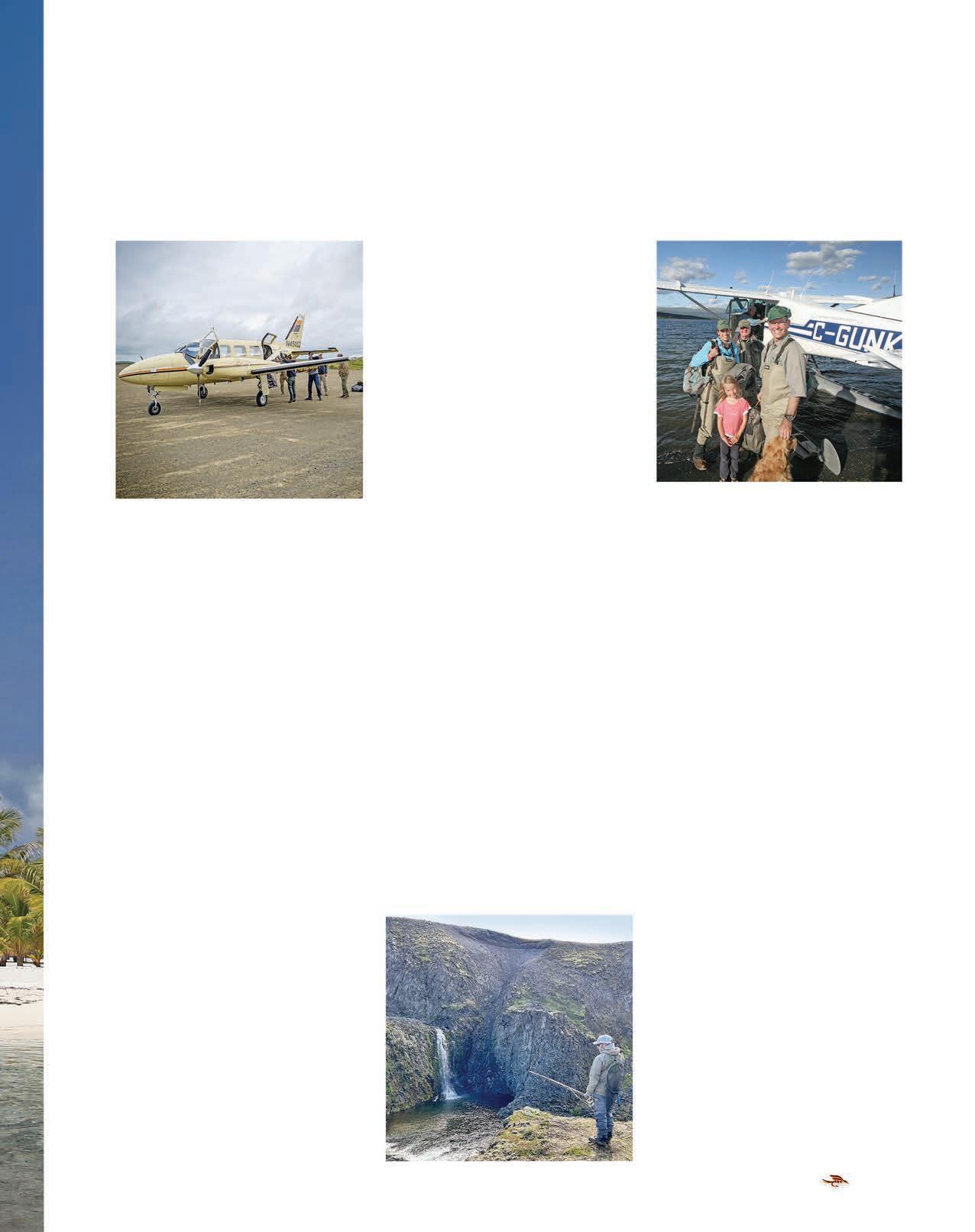
s Last-minute cancellations
One angler’s misfortune is often someone else’s opportunity, and if you are one of those fortunate fly fishers with an open calendar and can travel at a moment’s notice, then get on our shortlist of special offers, deals, last-minute cancellations, and low-season incentives.
These are occasionally high-quality trips to some of the best destinations in the sport, and (for whatever reason) are being offered at discounted rates.
Get on the list and be the one to take advantage of a cancelled trip or special offer.
s Hard to secure dates
Sometimes you just want the best – the best destination for the species you are pursuing, at peak season, outfitted by the best in the business. The Fly Shop® keeps its finger on the pulse of availability at some of the finest and most difficult places in the world to secure space.
Maybe it’s a prime week on the Babine River for steelhead, or maybe an absolute dead-center date at ESB Lodge for a week of permit fishing. Fresh or saltwater, we have the inside track on prime dates.
s Single anglers looking for a fishing partner
Fishing as a single angler is more expensive, when it comes to saltwater fly fishing destinations. Solo anglers can expect to pay upwards of 60% or more for the privilege of having their own private room, guide and boat. The advantages are obvious, but you will pay a premium. If you don’t mind sharing your room and fishing with another like-minded angler, we can help you find a suitable partner.
We keep a long list of anglers searching for a partner they can team up with to share the costs. Who knows, you might meet your next wingman!
u We’ll find you some great fishing combined with a line-up of non-angling activities, will make you a vacation planning hero with your partner!
s Trips hosted by The Fly Shop’s travel team
One of the best ways to get the most out of a fly fishing destination is joining one of our staff on a “hosted” trip.
u You’ll be guaranteed another level of red carpet treatment even beyond The Fly Shop’s normal, award-winning service with the on-site help of one of our experienced staff who’ll be right there to help – from start to finish.
u From the moment your reservation is confirmed, our pro-staff host will personally do everything possible to make your trip memorable and more rewarding.
u Too, if you want to avoid single supplement fees, hosted trips are a perfect option. There are no added fees or costs associated with The Fly Shop® hosted trips, and our staff usually travels with extra gear, demo tackle, and flies to share.
s A fishing trip is a great way to make longlasting memories with your family!
Few things in life are better than a family vacation to a warm tropical paradise, a quiet trout stream, or the wild maritimes of remote coastal Alaska or British Columbia.
These family-oriented vacation spots offer world-class fishing and non-angling activities that are sure to keep everyone in the family entertained and happy.
We represent a stable of lodges suitable for not only the anglers in your life, but the entire family. Our destinations include a very broad spectrum of experiences, locations and budgets that are sure to make everyone happy.
These are vacations that forge strong family memories that last a lifetime.
s Regional company meetings
The Fly Shop® can easily help you custom-tailor your next business meeting at any of the domestic, local or international lodges we represent.
Antelope Creek Ranch, our Sisikiyou County fishing resort easily accommodates 8 to 20 guests. We can provide a chef for meals, and there is a conference room for your meeting.
You might include some fly fishing instruction for the beginners in your group, or to help on the ranch’s two lakes and private trout stream.
Or consider a meeting at Corning’s Rolling Hills Casino and we’ll provide the instructors and/or guides at their adjacent, fish-filled Luk Lake.
Maybe a team of guides on the Sacramento or Trinity River for your own team?
The Fly Shop ® has helped companies like Walmart, Turner Communications, McDonalds, Ford Motor Co., Gallo, and other industry giants. We can handle all the details from start to finish.
Excellent fishing with high-end lodging –
The complete Caribbean experience – surrounded by 22,000 acres of rainforest preserve within Punta Gorda’s Maya Mountains.
copal tree lodge
This tropical resort combines excellent fishing with high-end lodging, fine dining, and is considered to be among the top accommodations in Belize!
This is luxury, Belizean-style, with unique lodging options that include secluded private bungalows and suites built into the embrace of the verdant hillside jungle. The surrounding terrain is constantly alive with the motion of forest and the sound of birds and wildlife.
Angling guests at this slightly inland resort have quick and easy access to the verdant, fish-laden flats of Punta Gorda where the emphasis on permit, with plenty of opportunities to cast to and land tarpon, bonefish, and snook.
The excellent farm-to-table dining room at Copal Tree is a part of what is billed as a complete Caribbean experience. Non-anglers relax in plush accommodations while delighting in the full-service spa and a selection of eco-tour options. Activities menu includes kayaking, hiking, mountain biking, bird watching, market trips into Punta Gorda, excursions to the regional Mayan ruins and optional SCUBA diving.
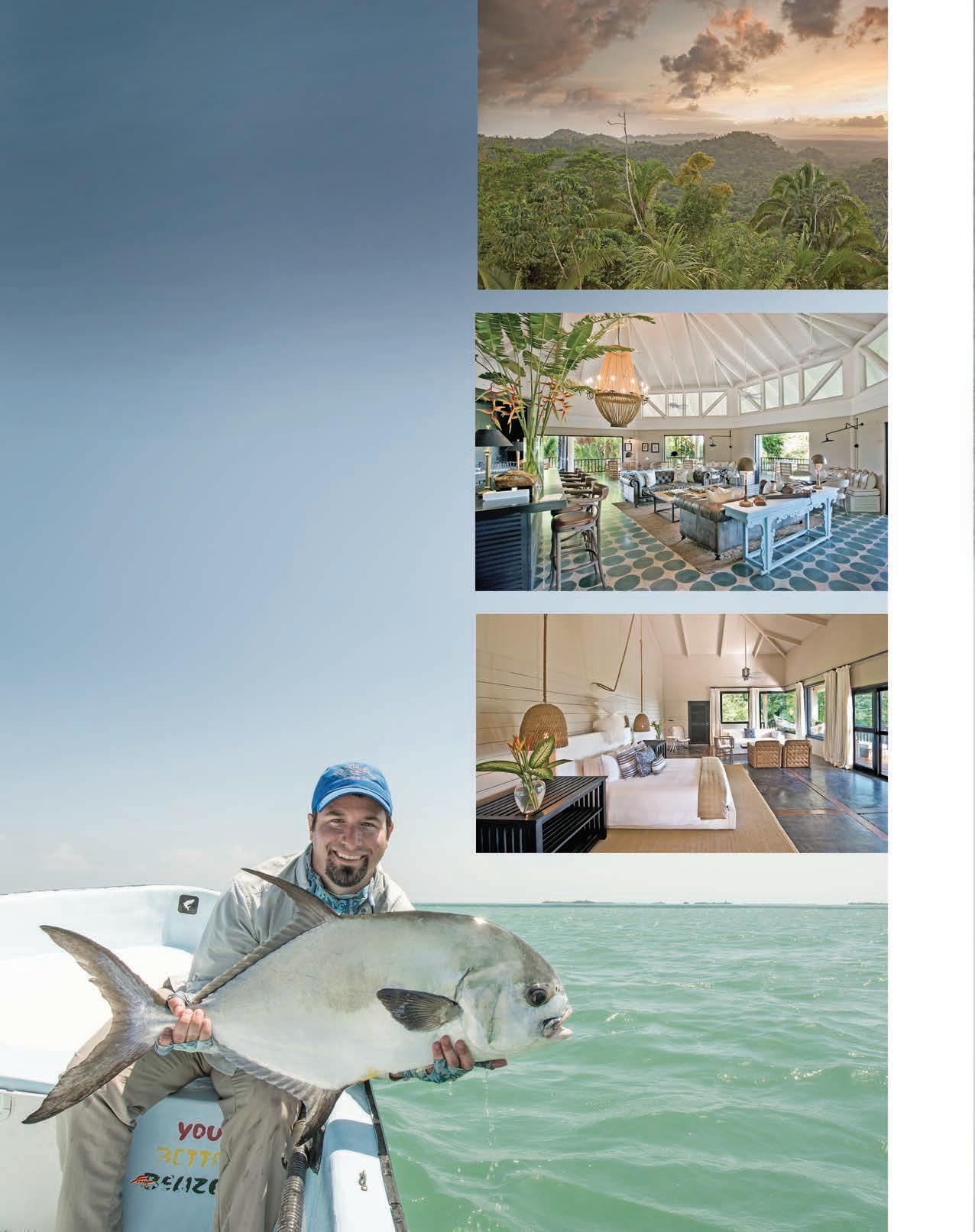

The Garbutt brothers are so popular and well-respected globally that, upon meeting Scully and Oliver, we spent the first half hour talking about all the people we knew who had previously fished with them. It’s not just fly fishing in Belize that’s on anglers’ bucket lists, it’s fly fishing with one of the Garbutt brothers.
– Hilary Hutcheson

THEGARBUTT ’ S BROTHERS reputation precedes them. They are some of the most dedicated permit guides in the game and their lodge is a haven for hardcore permit junkies. They built their lodge right on the beach in Punta Gorda, southern Belize, in some of the finest permit habitat in the Caribbean. There is no emphasis on fancy, just cozy and comfortable, so it feels like home. They do put a strong emphasis where it should be, on permit. And there are hundreds of prime permit flats near Punta Gorda, most are less than thirty minutes from the lodge. The closest flats are 5 minutes away and the furthest run might be 45 minutes.
The entire team at Garbutt’s is comprised of experienced, native Belizeans. They fish from comfortable 23´ super-pangas that feature casting decks and poling platforms. These boats are very comfortable in deep water and remarkable on shallow flats.
The fishing at Garbutt’s is a combination of poling the deeper flats and wading shallower water on coral and turtle grass.
After fishing you can belly up to the bar for a few Belikins or rum and limeade and get served delicious meals that highlight home cooked comfort food from their wonderful kitchen. Garbutt’s restaurant, lodge, and Grand Slam Bar, all overlook the Caribbean.
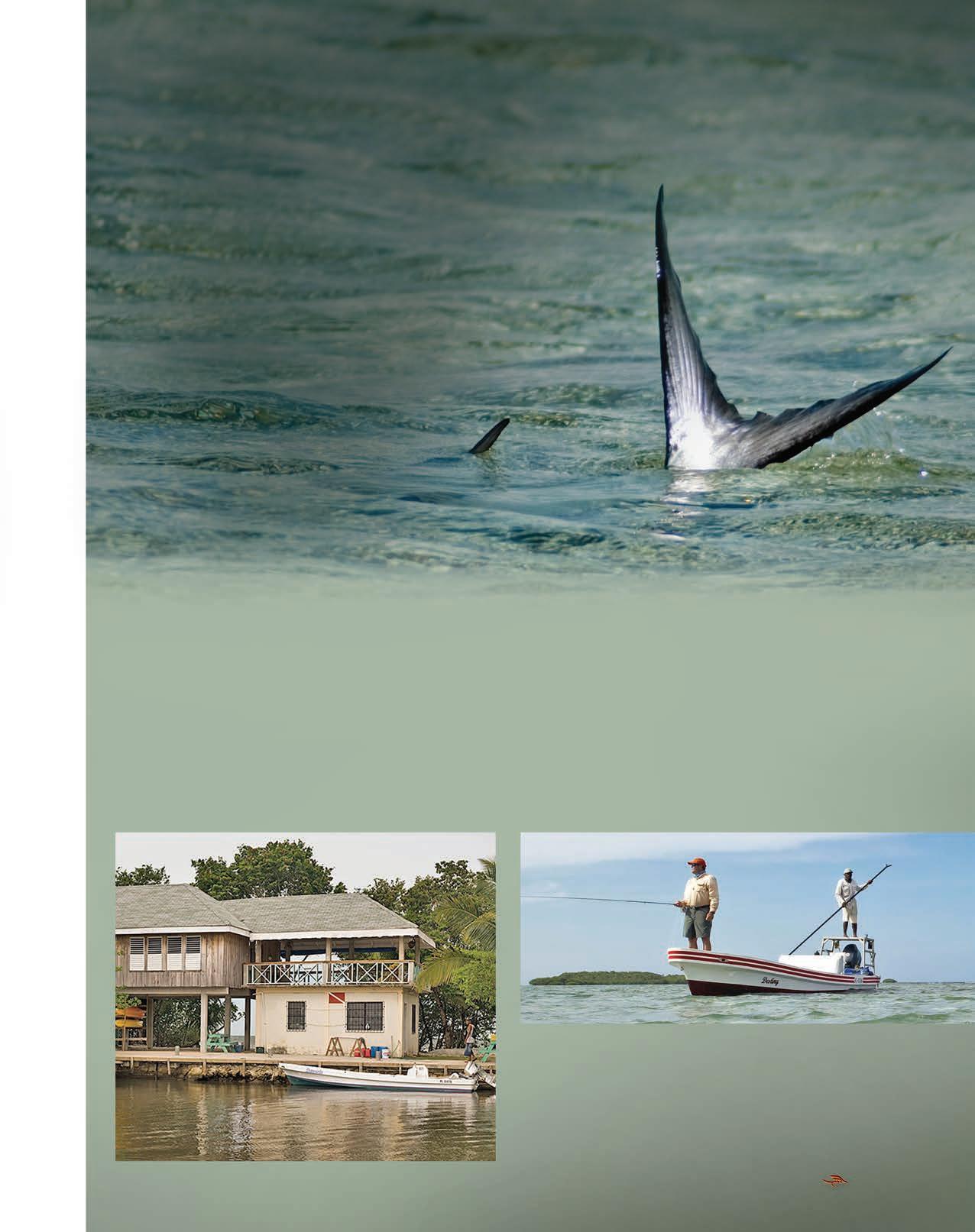

Garbutt’s
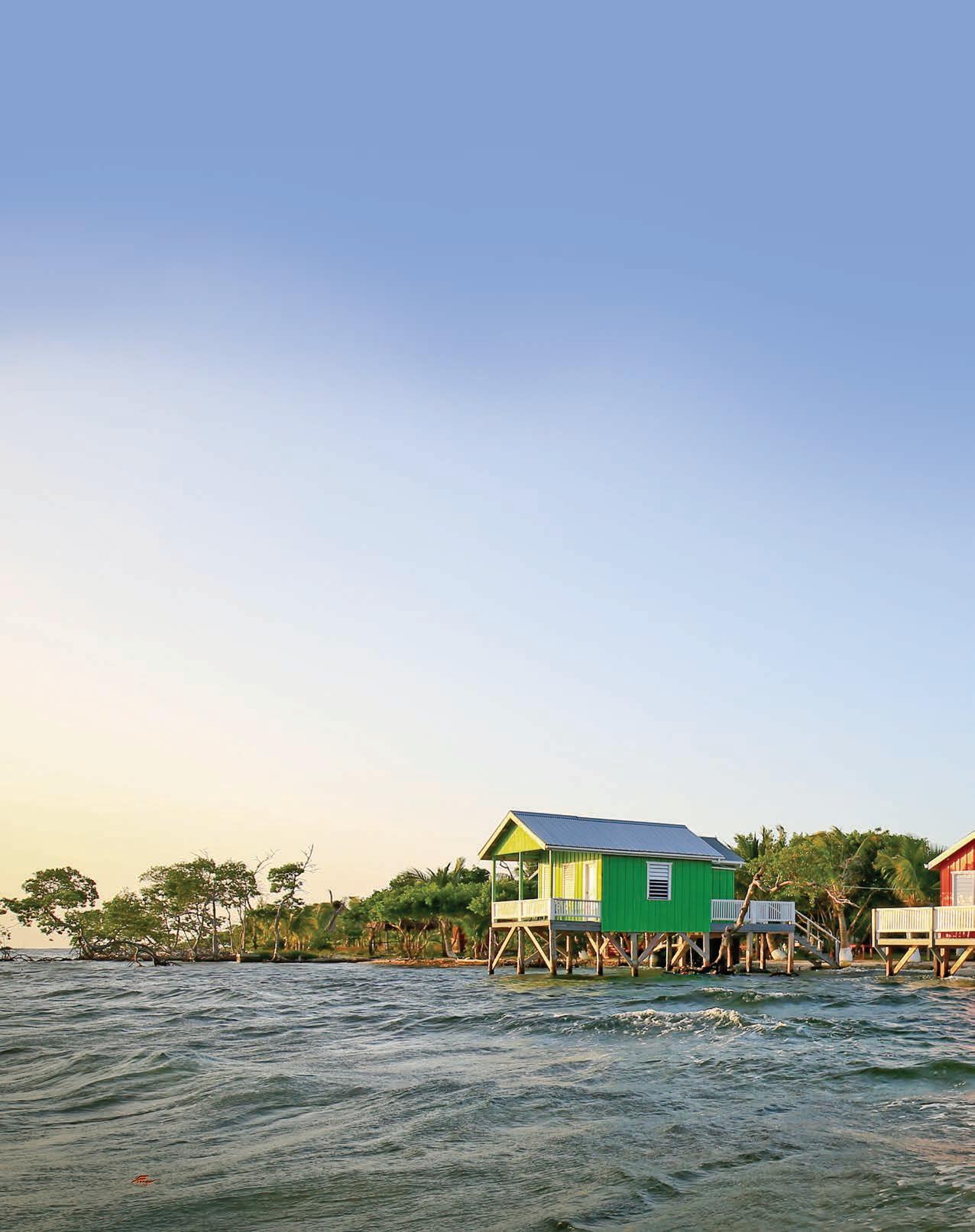

Belize’s Tarpon Caye Lodge is, ironically, located amongst some of the best permit flats in the world.
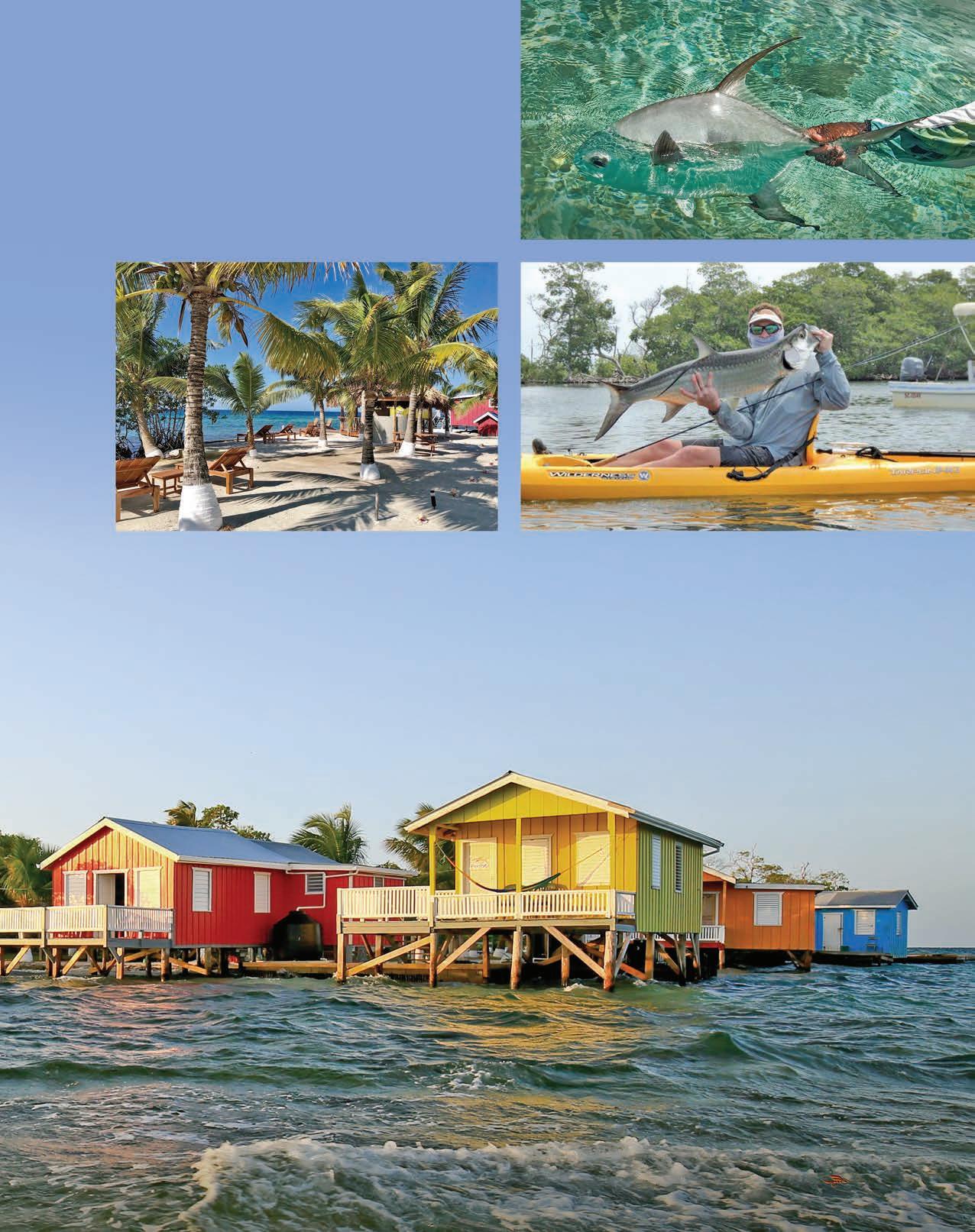
The offshore island lodge was built on a beautiful, palm-shaded island 14 miles off the coast of Belize - right in the heart of the best permit fishing the Caribbean has to offer. The Tarpon Caye experience is unlike any other permit fishery on the planet, bouncing from miniature flat to miniature flat, some no bigger than a backyard trampoline. And if the fish are up on top of one of these pancakes, they’re there for one reason alone…to eat!
This modestly-priced lodge gets high marks for every item on the report card, and has earned the wholehearted endorsement of the The Fly Shop’s sophisticated angling travel team.
Bahia Honda Sporting Club is a private Mediterranean angling villa on a 16-acre, Florida Keys estate. The luxury accommodations are surrounded by a wildlife refuge limited to 10 fly fishers. Guests enjoy superb guides, fine dining, a palm-shaded pool and verandas overlooking the Atlantic. Non-fishing guests are more than welcome, and there’s never a shortage of nearby Keys entertainment.

BAHIAHONDAIS a small, one-of-a-kind operation, right in the middle of one of the most famous flats fishing locations in the world, the “Keys”. It gets even better when you’ve met the attentive lodge staff and fished with their team of experienced guides that established Bahia Honda’s reputation as one of the top-rated tarpon flats fishing operations in North America.
The success and popularity of the operation can be credited to its strategic location in the Lower Keys. Their private Bahia Honda marina is within easy striking distance of a vast network of backcountry and oceanside flats.
And with little need to travel beyond their home waters, and the ability to fish both the Gulf and Atlantic flats – their team has it dialed!
Dining at the Bahia Honda Sporting Club is an event and accents the total experience. Their cuisine celebrates the best of Florida, with an emphasis on fresh local seafood. Dinner entrees may include unique wild game including alligator tail from the Everglades, venison from North Florida, wild scallops and hog snapper from the Keys, and complemented by fresh organic fruits and locally-grown produce.
The Club is open only during the peak of the tarpon migration, April, May, and June. The package includes accommodations, fine cuisine, terrific guides, first-class skiffs, fly fishing tackle, an open bar, and a stellar selection of fine wines.
We highly recommend this place!
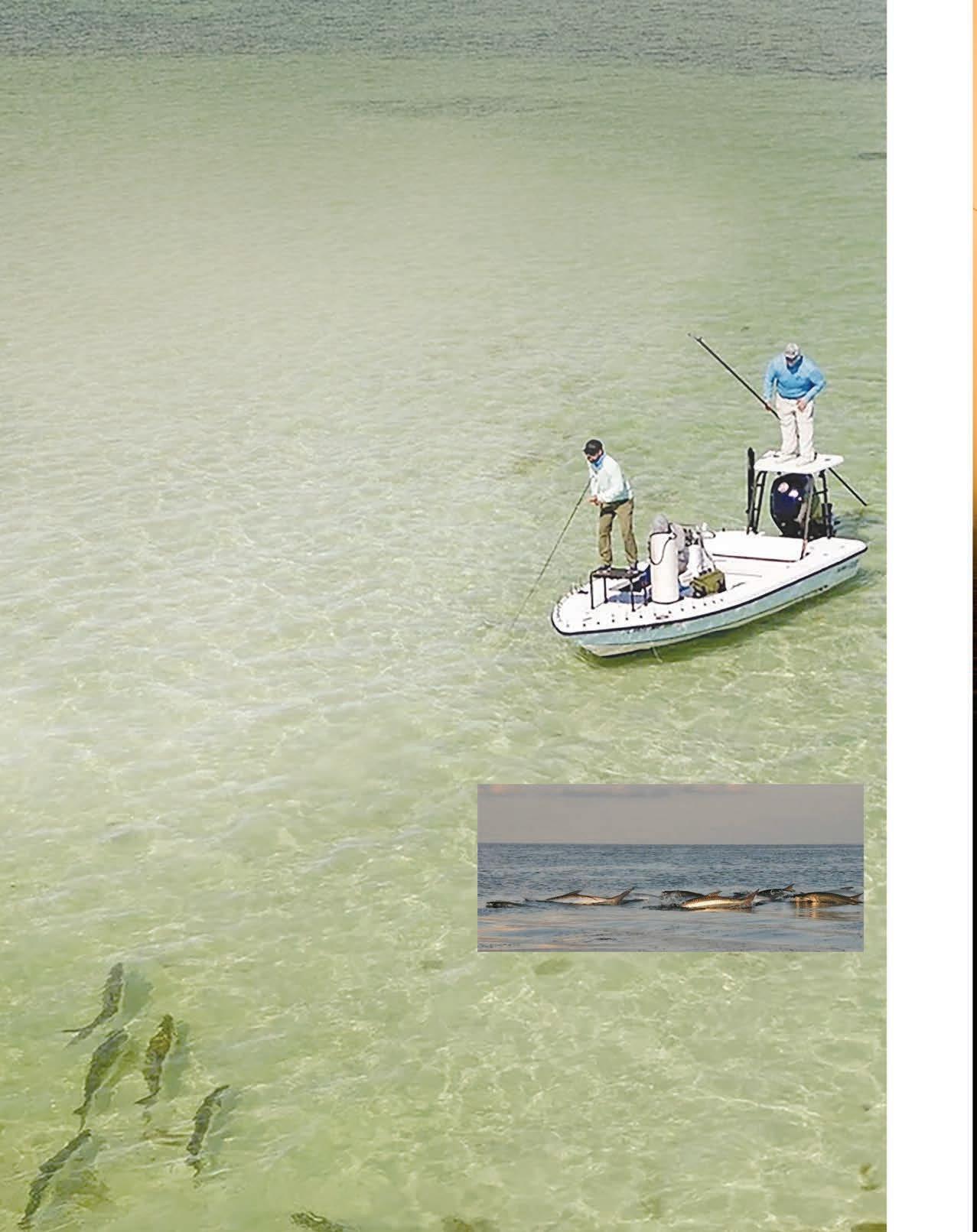

We’ve been hooking fly fishermen up with the sport’s best tackle, teaching beginners and experts (& their kids) how to use the stuff, and guiding travelers to the world’s finest fresh & saltwater angling destinations for nearly half a century.
You can count on us!








Travel or Fish with us and get 15% Off on retail purchases for an entire year *
s Hire our Guides s Travel with us.
s Send your kid to our FishCamp™
s Use our Private Waters s Attend our Schools
It’s our way of saying thank you for supporting our local guide service and our domestic and international angling travel division.
This is a great opportunity for you to get that new outfit you’ve been thinking about, move up to new wader technology, or load up on flies for all the fishing that you’re planning on doing with us this year!
(Some exceptions apply)
* The discount is available for a full year from the date of deposit. If you have a current, reservation, you'll automatically receive this discount as a token of our appreciation.
Give us a call. Book your trip, and start saving today!
info@theflyshop.com www.theflyshop.com 800-669-3474
The Plantation is an hour by car from the New Orleans airport, and within easy striking distance of tens of thousands of acres of inland marshes. The area is recognized as one of the most prolific year-round saltwater fisheries, and considered by experts to be the redfish capital of the world. The place is almost too good to be true. It’s easy to get to, totally affordable, has first class accommodations, and the redfishing is super!

SIGHT FISHING in the shallow marshland surrounding Woodland Plantation is a unique, twelve-month long, user-friendly, fly fishing experience.
Most of the redfish are spotted in shallow water and, though casts have to be accurate, the shots are typically less than fifty feet. It’s an every day opportunity for action and a terrific destination for anglers of all skill levels.
Anglers arriving in the spring, summer, and early fall can expect their days to be filled with fish ranging in size from 2 to 15 pounds, and the occasional “bull” (a redfish that tips the scales at 20 to 30 pounds ).
These fish are perfect targets for an 8-weight rod with a floating line. Bigger models are more common on the shallow flats and off-shore from October through March and will test the strength of any 10-weight.
While the focus near the Woodland is definitely on the redfish, the menu also includes speckled trout, black drum, sheepshead, gar, and jacks. And, at the end of the action-packed, fun-filled day, the talented guides return their clients to one of the most entertaining and enjoyable après angling locations in America.
The Woodland is what you’d expect in a 190-year-old southern mansion. High-ceilinged bedrooms, rocking chairs on the porch, and a swamp out back. Whiskey drinkers may find the image of the Woodland Plantation familiar, since it’s been on the label of Southern Comfort whiskey for ninety years.
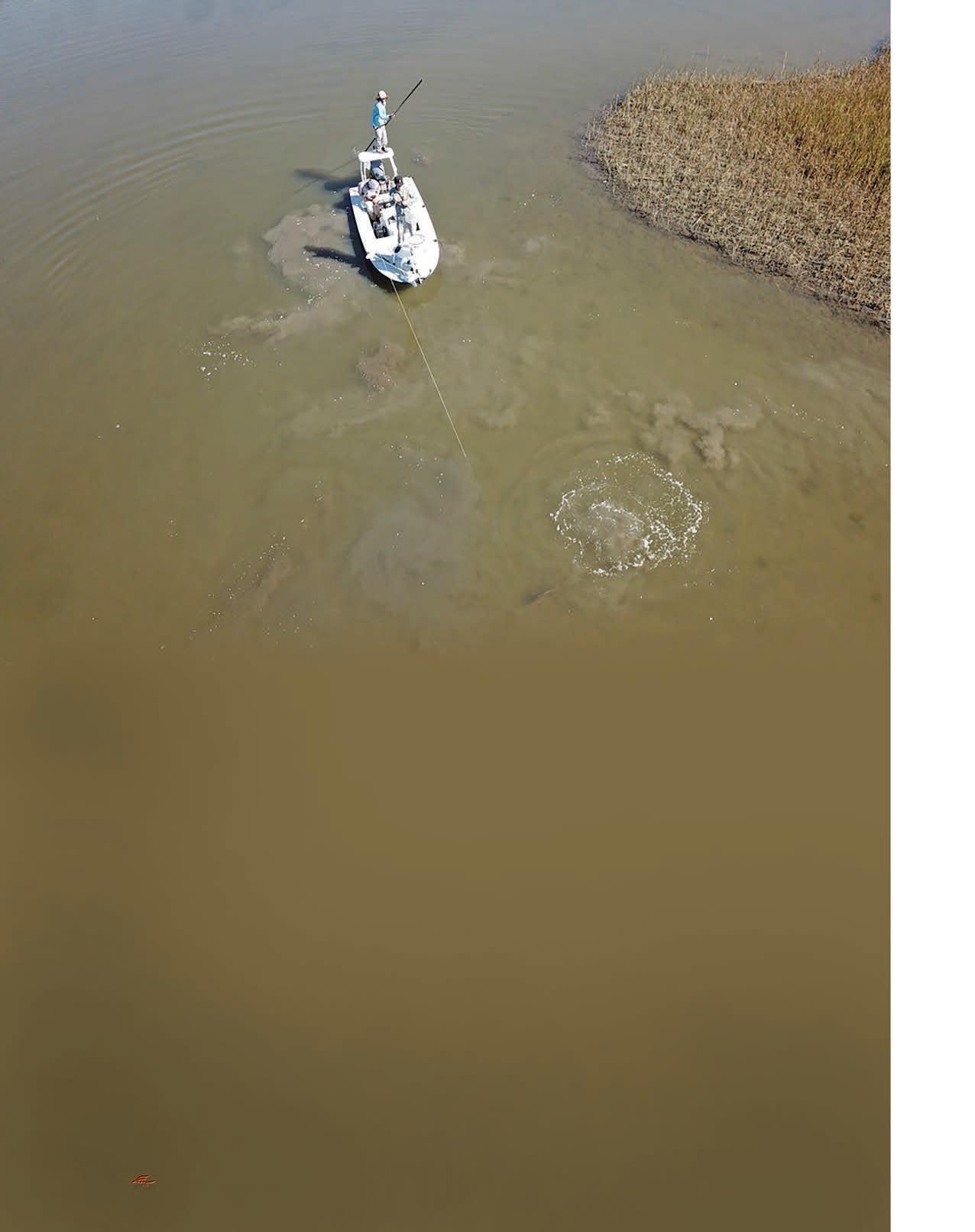
Established as a working plantation in 1834, the Woodland mansion was completely restored in 1998. It stands today as the only remaining plantation home in that part of the Louisiana Delta and operates as an independent antebellum hotel with over twenty bedrooms, each with private baths.
There are also five modern cottages and cabin accommodations on the property that are perfect for smaller groups.The accommodation flexibility is great for couples, a couple of anglers, a bunch of pals, or a large fishing group.
The “Spirits Hall” at the Woodland Plantation was a historic Catholic church located 14 miles downriver. It was damaged in one of last century’s hurricanes, moved in 1998, then completely refurbished, restored, and then converted into what is now the Woodland’s beating heart. The Spirits Hall serves as the dining room, bar, and the social center for the Woodland.
Ironically, the modified pulpit is now a well-stocked bar, and has become a gathering spot for guests and a popular watering hole for the locals. Easy to add to a few days in “The Big Easy.” Great spot. Great fishing. Easy to get to!

This spot on our Texas coast offers year ‘round sight-fishing opportunities for redfish right here in our American “backyard”.
The fishing is world-class, and the memorable days on the flats are accented by terrific accommodations and superb dining.
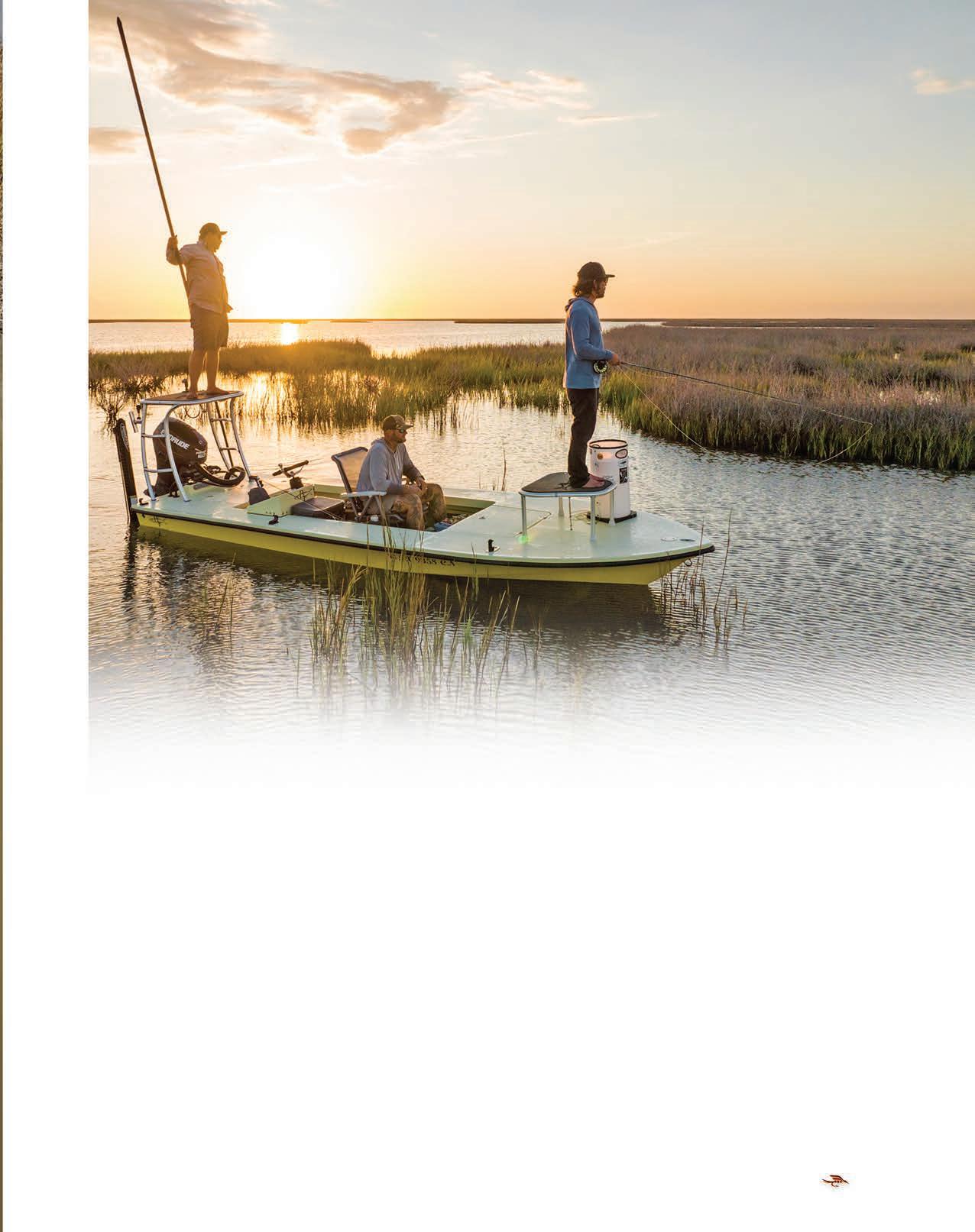


THECENTRALPORTION of the Texas coast is blanketed by the wellknown lowland marsh that’s an iconic part of the Gulf Coast, and is edged by shorelines and beaches rich in marine life, as well as wildlife. The mild winters, bay waters and abundant food supply attract more than 400 species of birds to the area, including the Whooping Crane, one of North America’s rarest birds. But there is much more that this area of the coastal region has to offer, and Bay Flats Lodge is the only fishing lodge that provides close proximity to these amazing Texas gems.
Their fishing grounds include San Antonio Bay, Espiritu Santo Bay, and Shoalwater, Hynes, Ayres, and Mesquite bays. Portions of a few of these bays help make up Matagorda Island, a 39-mile-long offshore barrier island separating the mainland from the Gulf of Mexico. It consists of myriad secluded lake areas and hundreds of acres of coastal marsh and dunes. This unique environment is unlike anywhere else along the Texas coast. It provides multiple options when choosing where to fish, and also provides protection from coastal winds that can often be a nuisance to fly anglers.
Guides at Bay Flats Lodge use lightweight poling skiffs designed to get you back into the shallowest of bays to find redfish. Seasoned guides push you silently along, pointing out tailing redfish and the tell-tale wakes of schools of fish ranging from 22 to 30 in clear, often inches-deep water. The flats near the Lodge are gin-clear and there is plenty of sight-fishing opportunities.
The Fly Shop® can customize a trip to your individual schedule. Saltwater anglers know fishing success is directly related to the weather...the more days you have on the water, the more likely for a few days of calm, clear weather allowing you and your guide to better see fish in the shallow backwater bays.
Meals are an event. Breakfast is served early in the dining room and lunches are sent with your guide to be enjoyed on the boat between catching fish. Their gourmet sandwiches are made on homemade bread stacked with meats and cheeses of your choice. Plus, there are plenty of chips, cookies, and cold soft drinks, beverages, and water to hydrate you while fishing.
The dinner experience at the lodge is equally memorable. Appetizers include a range of local seafood, oysters, or delicious bites hot off the grill, and served in the outside dining area. Dinner is served upstairs in the dining hall.
The main courses are always mouth-watering local favorites, served in Texassized proportions. Favorites include aged, center-cut Black Angus ribeye steaks or Bay Flats’ famous double-boned, center-cut pork chops.
bay flats lodge has over 20,000 square feet of indoor and outdoor space to enjoy after an awesome day hunting redfish on their flats. Guests can gather around the fire pit, the huge outdoor kitchen, compete on the cornhole courts, or just relax at either of several smaller common areas.
With multiple lodging options, the lodge is ideal for a couple of anglers or any size group or family. All rooms feature two queen beds with luxury pillowtop mattresses to ensure well-rested nights during your fishing adventure. There are single and double suites in the main lodge and a nearby cottage that can be reserved for groups or families as large as nine, with a common cocktail area for stories at the end of every fish-filled day.
Bay Flats Lodge has it all and, with enough notice, The Fly Shop® can set up a memorable redfishing holiday for you and your buddy, a group of angling friends, or arrange for you to have that skiff and the fishing all to yourself.
This week-long Canada fishing holiday will have you sight-fishing for stripers in the salt, swinging flies for Atlantic Salmon, and put you within range of some spectacular sea run Brook trout!

GASPÉCOASTAL IS A NEW , unique fishing operation in the Cascapedia-Saint-Jules region of Quebec targeting three different species of fish during a single week. Anglers taste the best of sight fishing in saltwater, throwing single-handed rods for schools of striped bass on the shallow flats, estuaries, and salt marshes of Chaleur Bay, then switch gears to single and double-handed rods, prospecting gin-clear rivers for runs of Atlantic salmon and sea run brook trout.
This angling Odyssey is the brainchild of Canadian partners Sarah Nellis and Andrew Murphy. Gaspé Coastal is a proper Canadian Maritime experience – wonderful people, knowledgeable guides, old world Canadian hospitality, and offering a true diversity of fisheries.
Striped Bass – Sight fishing to as many as hundreds of schooled fish in a pressure-free ecosystem makes for a worldclass fishery known only by a few. Expect to see tailing and blitzing bass early in the season – stripers actively feeding in skinny water. Then, as the season progresses, you’ll encounter large schools of flashing fish, creating incredible opportunities for sight fishing. Fishing is from one of the lodge’s four flats skiffs or by wading when conditions are right
Atlantic Salmon – Water levels permitting, you’ll float from pool to pool in a 26´ or 20´ canoe, skillfully navigated by your guide using a traditional wooden pole or, in some circumstances, walking, wading, and targeting salmon directly. This is often sight fishing in clear waters, and either swinging wet flies or dead-drifting dry flies to entice these magnificent fish. Most Atlantic salmon fishing will take place on either the Grand Cascapedia, Petite Cascapedia, or Bonaventure rivers.
Sea-Run Brook Trout – Fishing for native sea-run brook trout in the Gaspé often is done in the backcountry, exploring remote stretches of small streams far off the beaten path – many anglers liken the thrill of sight fishing for these vibrant, hard-fighting trout to fly fishing New Zealand’s wilderness spring creeks
Anglers are lodged in Nadeau House, a historically rich, beautifully restored 19th-century home on the bank of the world-renowned Grand Cascapedia River that’s within easy striking distance of the target fisheries. It’s a perfect blend of history, comfort, and unparalleled river access.
A stay at Nadeau House, (which accommodates eight rods ) is an experience in true Gaspé hospitality. Guests enjoy their own private, king or queen-sized bedrooms and high-speed internet access. Libations are taken in the parlor from the full bar in the evening.
The culinary experience at Nadeau House is carefully curated, and celebrates the best of local delicacies, fresh seafood from the Atlantic, and seasonal farm produce and meats. Meals are served in the cozy dining room where stories flow freely, in a casual atmosphere.
Plan on flying from any major hub in the U.S. to Montreal, then taking one of the regularly scheduled flights to Bonaventure via Pascin Aviation or Air Canada. The scenic drive from Montreal, Portland (Maine) or Boston takes between 9 and 10 hours and is one of the most breathtaking road trips in North America. A third option is to arrive at Gaspé by way of the overnight rail from Montreal to Campbellton, New Brunswick.
The transfers from Bathurst, Bonaventure and Campbellton are included.
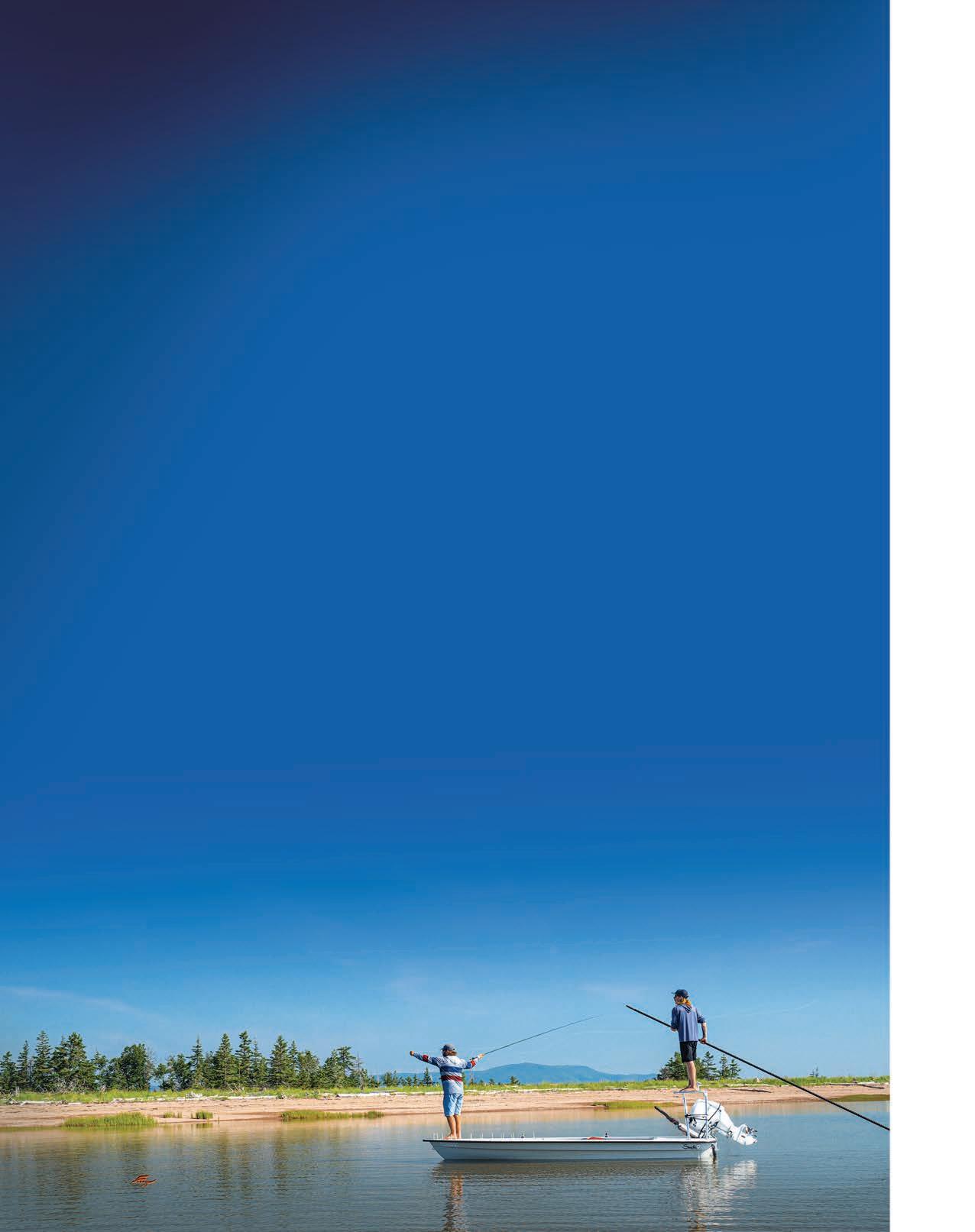
Scan this code for more info about

Flats fishing is all about SIGHT casting! If you can not see the fish, you are wasting your time, and money.
Quality, polarized sunglasses are as critical as the fly rod in determining the success of the angling adventure.

THIS IS NOT ANAREA that you want to cut corners to try and save a few bucks. Get the best you can afford, go big, and buy two. Because fishing a day, or week, or a minute without a pair is neither a safe nor sensible option.
Getting a fly in your eye, or not being able to easily see the fish you spent all your time and money to search for because you don’t have good sunglasses is dumb and counter-productive. And have a back up pair tucked safely away.
Polarized lenses are essential on the flats. It is not an option. Polarized lenses basically give you x-ray vision to see into the water, instead of seeing just what’s on top. Polarized sunglasses are coated in a chemical filter. The filter works like the vertical slats of a fence. It won’t allow anything long and horizontal through its gaps. So, when the horizontal wavelengths of glare attempt to pass through, they can’t reach your eyes. Polarized lenses help reduce glare as well as make colors and details appear sharper, essential attributes when sight-fishing the flats.
Lens color – as a general rule, amber and copper tinted lenses are the best on the flats. Gray lenses are better for bluewater.
Lens material is another important consideration. Is it going to be glass or polycarbonate (plastic)? It’s true that polycarbonate lenses are lighter, but you have to be extremely careful not to scratch them. One grain of sand between your shirt and the lens when you’re trying to remove a sweat drip or some salt spray, and they’re ruined.
So, give me “glass” every time. I’ll trade the weight on my nose, and the extra cost, for durability, visibility, and better quality.
Mirroring is also a great sunglass option. Mirrored lenses will reduce the difficult glare common on the open saltwater. You may not need it for steelheading, but you will appreciate mirrored lenses on a bright sunny day in the Caribbean.
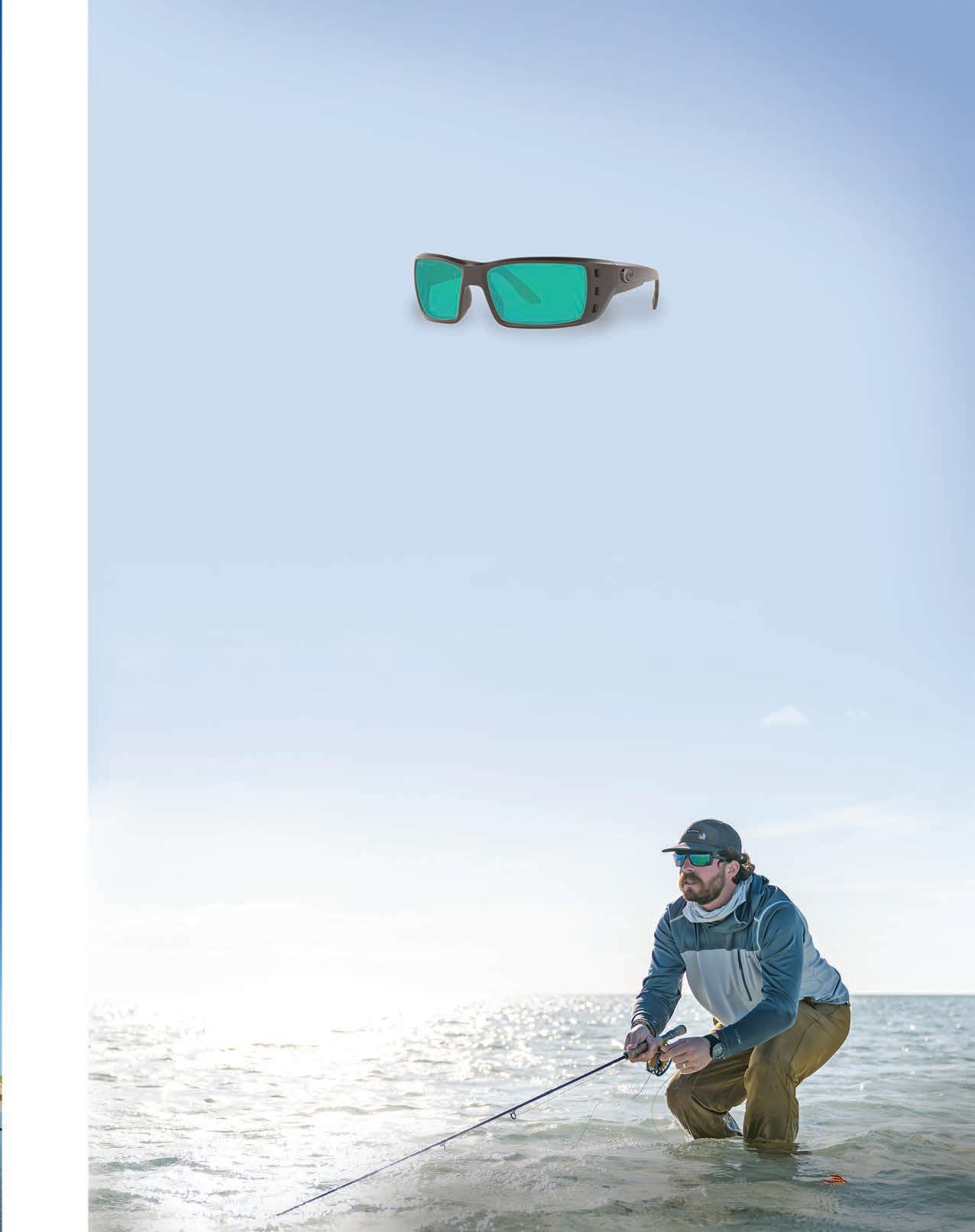
Frame choice is a very personal decision. Some just look stupid. But beyond cosmetics, everyone’s face is shaped differently. Frames I prefer might slip right off of your face, or rattle around. And the ones you love might put pressure behind my ears!
Anglers with Asian facial features have particular issues with glasses that don’t fit their nose shape, or ride too close and rest on their cheeks. In fact, some companies (Oakley, Maui Jim) actually have specific “Asian-fit frames” . So, choose the frame that fits your face perfectly and keep looking and looking until you find what’s right for you!
Search for a model that’s snug and stable on your face, but doesn’t pinch the bridge of your nose, put pressure behind or over the ears, ride on your cheeks, or fit so close that they’re constantly going to steam up. You do need some air flow circulation.
Get a pair that wraps a little better and keeps out stray light. Try to ensure you’re not getting a lot of direct light coming around the frame or from the side. It’s called “light leakage” and will add both glare and eye fatigue. You also do not want to have a bunch of frame visible when wearing them. It’s distracting, and restricts your view.
Remember, too, they don’t float, so make sure you have a leash on those expensive babies.
Smith, Oakley, Maui Jim, Breakline and Costa Del Mar all make quality high-end sunglasses designed just for saltwater angling. Their options are endless and finding the perfect pair is an endless hunt, just like flats fishing itself or searching for the right girl friend.
I’ve fished with most of them and, at the moment, my favorite is the Costa Del Mar 580g Green Mirror lenses on Reefton frames. Comfortable, durable, and I can tell what color a permit’s eyes are at 100 yards (and I look cool in them)!
Justin Miller, Travel Sales Specialist justin@theflyshop.com
This floating wilderness fishing lodge features non-stop king and silver salmon action, crabbing, surfing, whale watching, halibut fishing, and enough outdoor activity to keep the whole family entertained.
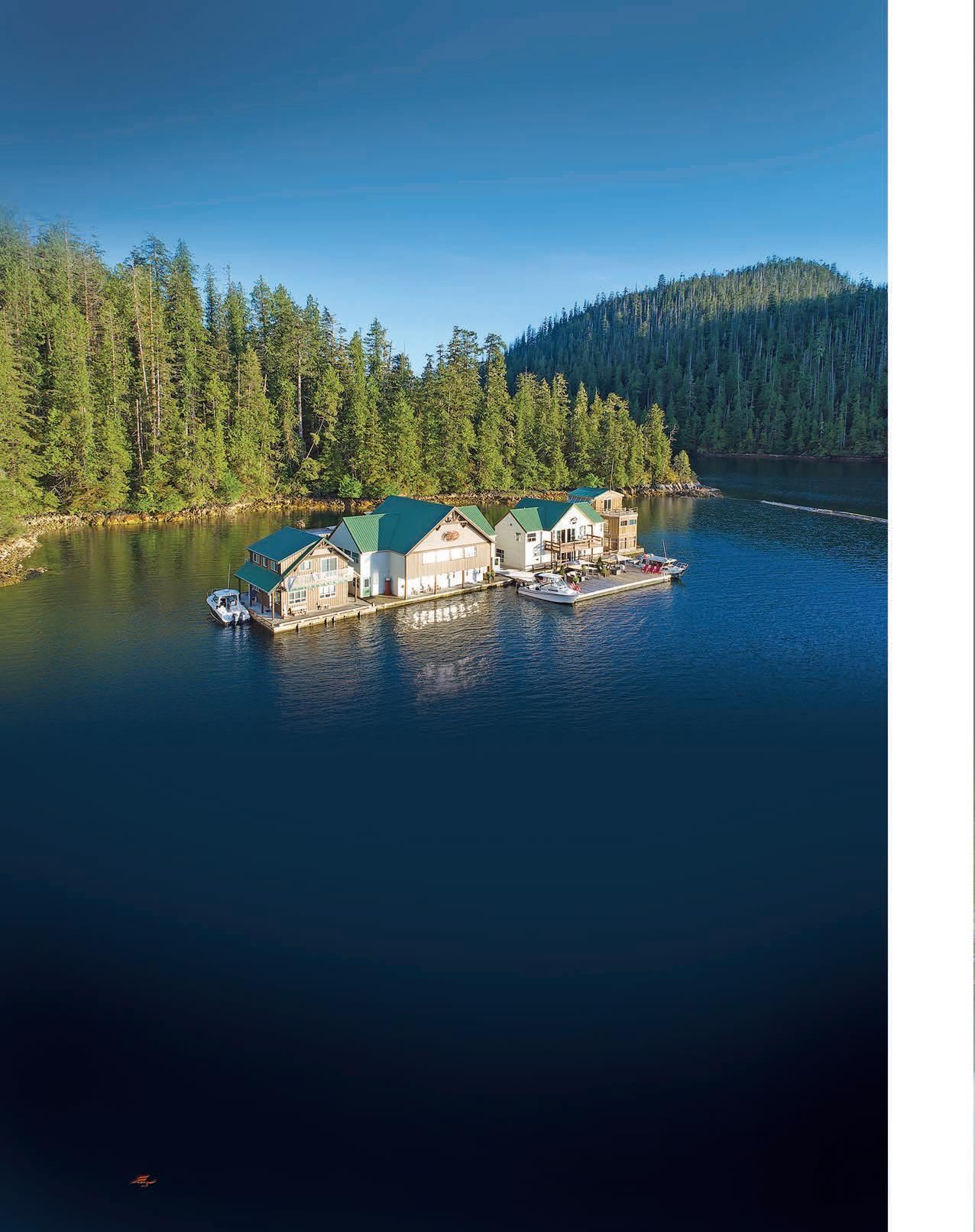

NOOTKA is a wonderful destination for couples, friends, or the entire family, because the list of options for outdoorsmen at this floating lodge is a long one, and it’s not limited to fly fishing.
Nootka Sound is truly a Pacific Northwest paradise. Historically, the water is filled with large runs of Pacific Salmon migrating from California to Alaska along the coastline of Vancouver Island every month of the year, as well as the resident versions of these same fish that hold over in the peaceful Nootka Sound each summer from June through September.
Resident rainbows, cutthroats, and Dolly Varden all populate the spiderweb of streams and mountain lakes found within easy striking distance of the lodge and there are halibut, prawns, and Dungeness crabs hauled aboard the lodge’s offshore boats every day.
Wildlife abounds here – black bears forage along the beaches, humpback whales frolick in the calm waters of the sound beside pods of hunting orcas, while bald eagles soar overhead and diminutive sea otters play in the lee of majestic rocky outcrops.
Nootka built its reputation catering to off-shore conventional salmon fishermen using their fleet of sleek Grady White cruisers. But their guides are also avid fly fishers and the list of daily angling options now includes fly fishing in the coastal creeks, streams, and lakes that run into the sound. Some are teaming with resident trout and a few boast seasonal runs of salmon.
The days start early and are action-packed. After angling hours can be spent crabbing, hiking, whale watching, bear viewing, and any of an endless menu of outdoor activities.
To top it all off, Nootka is easy to get to. Guests fly to Vancouver, then connect to Campbell River commercially and make their final approach to the lodge with a scenic float plane ride.
Nootka’s Lodge is a floating fishing resort, an incredible facility with a dozen well-appointed guest rooms and surrounded by remarkable views of the coastal forest.
Meals are terrific, much of it straight from the bounty of the sea. Expect dinners to include fresh halibut, prawns, crabs, and salmon.There’s a huge deck in front of the lodge – the perfect spot to enjoy a comfortable summer evening on the sound.
nootka wilderness resort
Packages include the scenic, round trip float plane from Campbell River, daily guided fishing, gourmet meals, all the beer, wine non-alcoholic beverages, snacks, comfortable double occupancy accommodations and all the necessary conventional fishing tackle (including boots and rain gear).
Scan this code for more info about

The perfect spot for couples and families, with something for everyone.

THISPOPULAR fishing resort is tucked into a protected bay on the remote flank of Baranof Island (not far from the equally isolated Admiralty Island). It’s a perfect destination for friends and families searching for a small, intimate lodge setting and some great fishing.
The lodge itself is hewn out of the side of a mountain overlooking scenic Warm Springs Bay and features several elegantly furnished cabins with hot showers, full bathrooms, and 24-hour electricity.
A well-worn path through the ancient surrounding rainforest connects the cabins to the lodge. There is also a steaming hot tub (right where a crystal-clear mountain stream enters the bay) directly in front of the lodge for sore, fish-weary muscles at the day’s end.
Mike and Sally Trotter have operated the lodge for decades, and stress the quality of the experience over a “fill the freezer” mentality common to some other coastal operations. Their superb guides take clients out each day in the strait (often as calm as a freshwater lake), searching for salmon, halibut, and assorted bottom-fish. While they will certainly process, box, and freeze plenty of your fish to take home, they stress more than just the fishing.
Whale watching here can be entrancing, and days are often filled seeing large pods bubble-netting, breaching, and spouting. Guides sometimes approach close to the leviathans, and drop a sonar device near the mammals that allows guests to listen to the whales “talk”!
Guests may choose to take “time off” from fishing, and explore distant beaches with few other footprints, wade the fascinating marine tide-pools, or venture out and pull shrimp or crab pots.
And, of course, there’s always after dinner, off-the-dock fishing (accompanied by cocktails) for bottom-fish or salmon.
Freshwater fishing options include hiking to the pristine streams winding their way out of the rainforests, and catching chrome chum and pink salmon in the tidal zones. Upstream there are beautifully-marked Dolly Varden, and any of the nearby hikes through enormous, cathedral-like old-growth forests are worth the price of admission.
There’s a short trail from the lodge to a stunning mountain lake, a waiting boat, and even more action casting to visibly cruising native cutthroat trout.
Saltwater targets include ultra-aggressive silvers routinely schooling up in shallow water near the lodge, and it’s a blast casting poppers or streamers with six or seven weight rods to the kelp bass that inhabit the nearby rock walls and seaweed patches.
The Trotters take a great deal of pride in their kitchen and you won't be losing any weight during your stay. There are hearty breakfasts featuring homemade breads, rolls, and gourment egg dishes to fuel guests for the day. The box lunches are normally eaten in the field, and the dinner menus emphasize fresh, local seafood (halibut, salmon, succulent mounds of crab, shrimp and clams), garden-fresh vegetables, accompanied by fine wines.
trotter’s baranof wilderness lodge is one of the most popular family fishing vacation lodges in the world. Inquire early about space at this Southeastern sportfishing mecca because there’s something for everyone.
This is one of the most sought after destinations in our travel portfolio for anglers, couples, and families interested in an Alaska wilderness holiday.
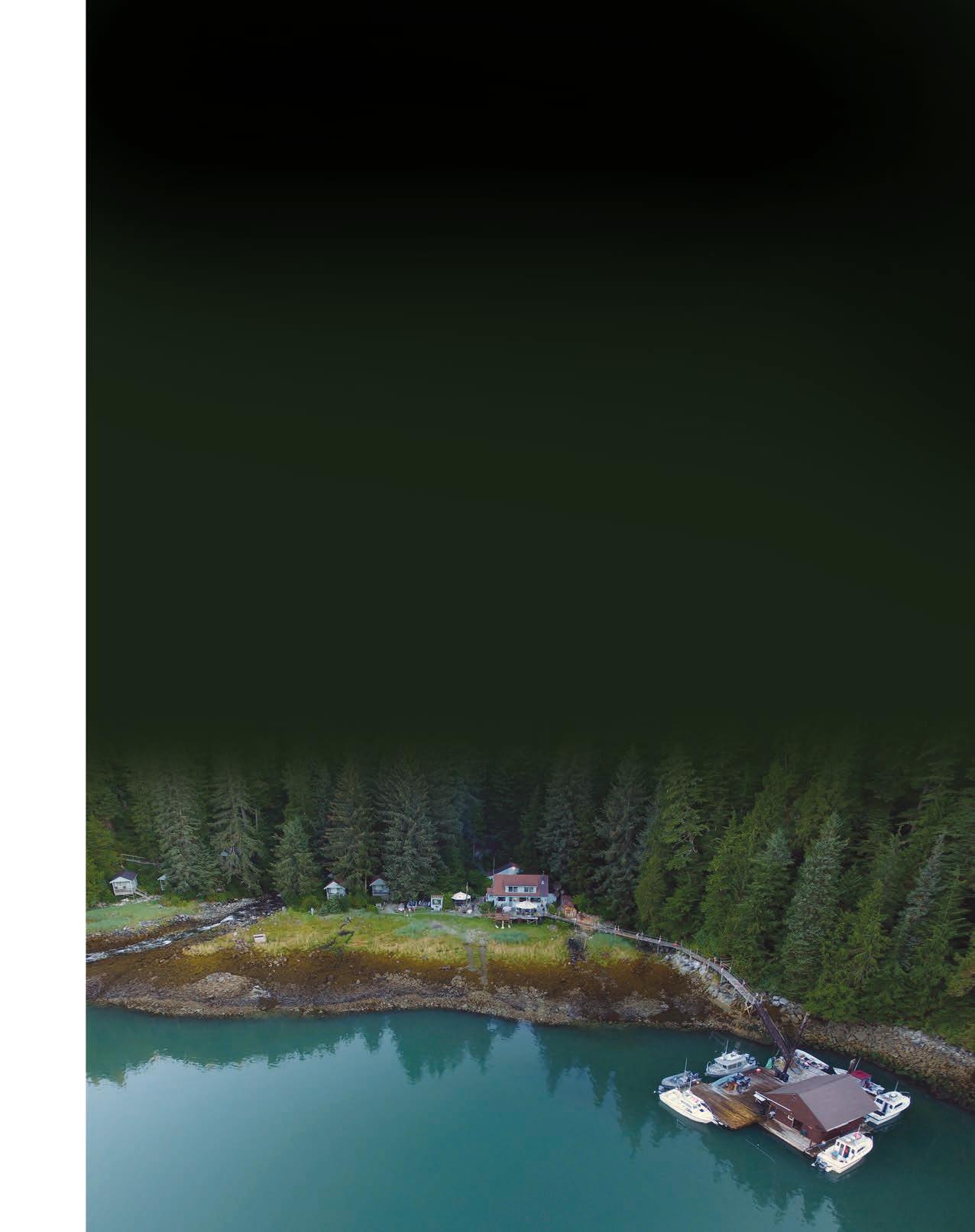

Few places on Earth are better for bonefishing than these Equatorial flats!
The discovery of phenomenal numbers of bonefish on the picture-perfect flats of Christmas Island in the early 1980’s sparked the beginning of a revolution in saltwater fly fishing. The massive atoll is a unique, natural masterpiece that magically combines all of the elements critical to saltwater fly fishing ‒endless, hard-bottomed, light-colored flats that are ideal for wading and perfect for sight fishing.

CHRISTMASISLAND , one degree north of the equator in the Pacific, is the largest coral island formation in the world. Its land mass covers an astonishing 150 square miles, and the bonefishing area (a complex network of shallow, interior lagoons and peripheral flats) is nearly triple that size.
The entire island is a national wildlife sanctuary teeming with exotic birdlife and protected by government regulations. Unlike other less-reliable mid-winter bonefisheries, the island’s nearEquatorial location translates into great weather (and great fishing) almost every day of the calendar year.
There is no better saltwater fly fishing classroom than the fishcovered flats of Christmas Island! It’s perfect for both the novice saltwater angler and the salty veteran. Beginners will quickly learn to spot fish, have lots of action, and (because The Fly Shop’s packages provide a private guide for every angler) they will quickly master the fine points of flats fishing.
Each angling day begins with a motorized catamaran trip to shallow flats where the tide is perfect. All the fly fishing will entail sight casting to cruising fish and is done on foot, wading in shallow waters on firm-bottomed flats.
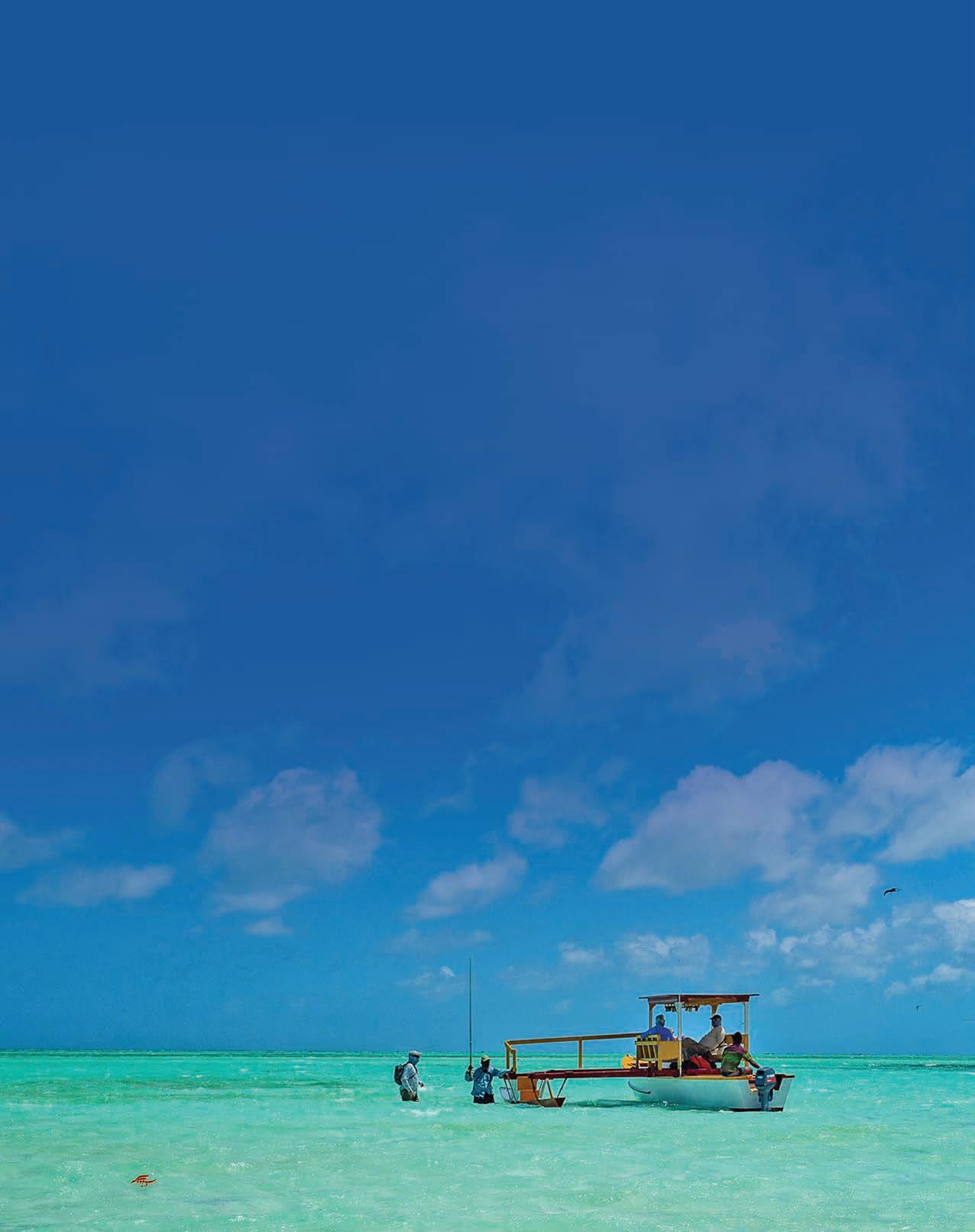
Those constant schools of cruising bonefish are the main attraction on the flats of Christmas Island, and the plentiful sport fish average two to three pounds, with routine shots at much larger trophies. Anglers interested in Giant Trevally (GT’s) can schedule as much of their week as they’d like, focused on the large, powerful pelagics and can almost count on hooking up.
Getting to Christmas Island from the WestCoast is particularly easy. The Christmas Island-bound anglers arrive from and depart on 4-hour, Honolulu-based jet flights every Tuesday.
The Fly Shop’s staff has been to Christmas Island countless times. Our team was instrumental in introducing the fishery to anglers forty years ago, and helped train their guides. We’ve sent thousands of anglers there, and successfully outfitted thousands of others with the flies and gear that work.
We know what we’re talking about, represent the top fly fishing lodge on the island, and have the experience under our belt to make your trip successful.
the villages
Of the several fishing lodges on Christmas Island, The Villages is universally recognized as the best.
Their Discovery Beach location is a stone’s throw from an aquamarine lagoon where guests are met each morning and ferried to the nearby fishing areas, in traditional punts. With little or no need for vehicles, The Villages’ fishermen waste no time and are on the water and are usually the first anglers wading the flats and searching for fish.
Each of The Villages’ guests is assigned their own, skilled, private guide. The one-to-one guide-to-client ratio (they’re the only operator on Christmas Island providing that level of service ) translates each day into an accelerated learning course in sighting, casting to, and landing fish for novice anglers, and usually means more fish for even the experienced saltwater angler.
The food is good. The drinks are cold. Guests have their choice of either the spacious, double-occupancy, beachfront bungalows or one of the Villages’ four single-occupancy cabins. All the accommodations feature air-conditioning and hot showers, comfy beds, and are furnished with a laid-back, Christmas Island atmosphere that encourages anglers to focus on nothing but the fishing.
Many guests extend their angling holiday by adding a few extra days on the front or back end in Hawaii.
Scan this code for more info about Christmas Island
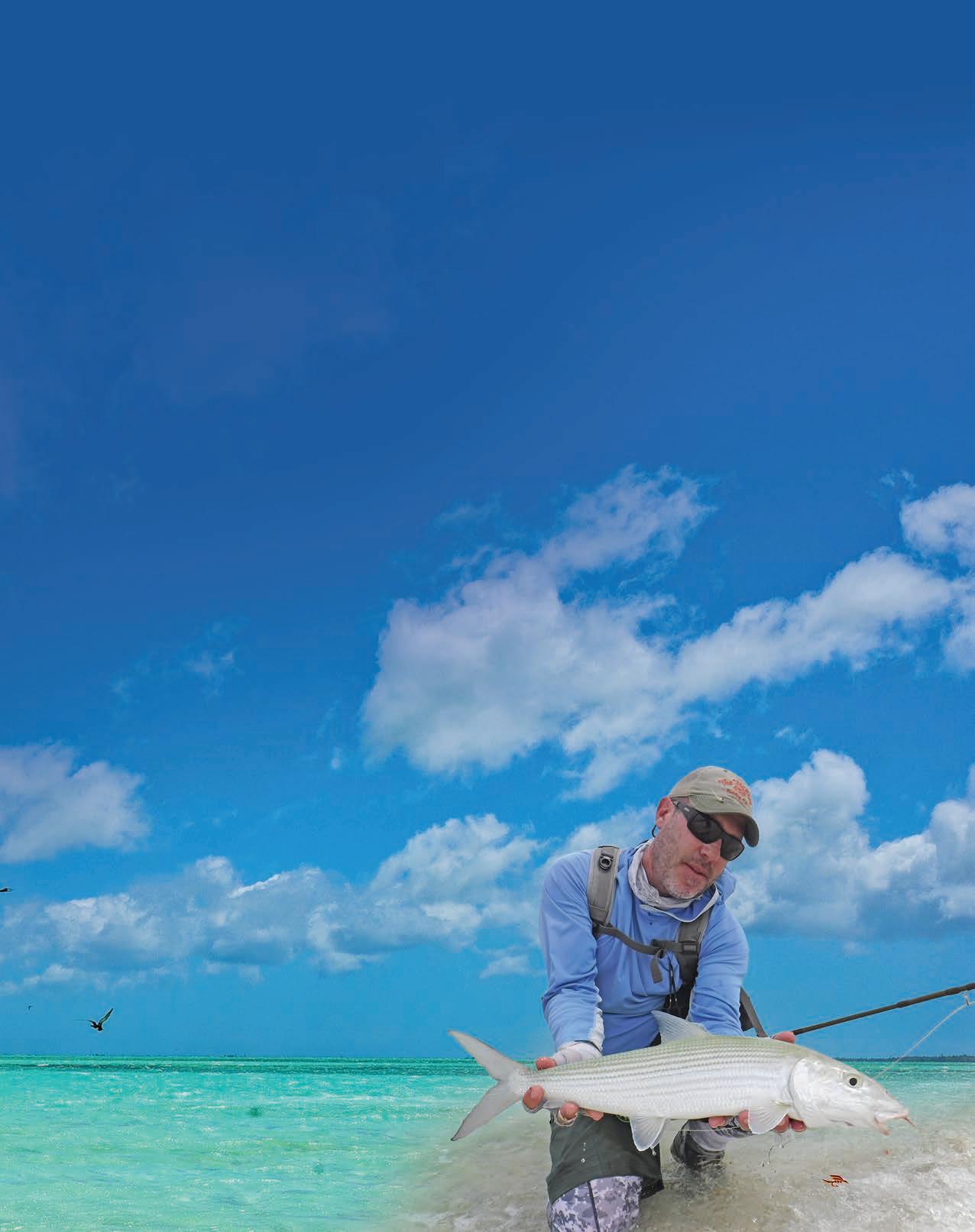

AUSTRALIA MAY BE the final saltwater fly fishing frontier of major significance on the planet. It has long been on our radar, and after travelling there on a number of exploratory trips to vet what the island nation has to offer, we’re thoroughly convinced that the mind blowing fisheries in “The Land Down Under” are the real deal – unpressured fisheries, new and exotic species, and professional outfitters willing to share the secrets of their home waters.
Australia is located in the Southwest Pacific, part of a larger area also called “Oceania”, a geographical region that includes Australia, New Zealand, Papua New Guinea, and numerous other small island groups in Melanesia, Micronesia, and Polynesia.
Australia is its own continent, about 3 million square miles in area, with over 16,000 miles of coastline and some of the world’s most remote and seldom seen saltwater fisheries.
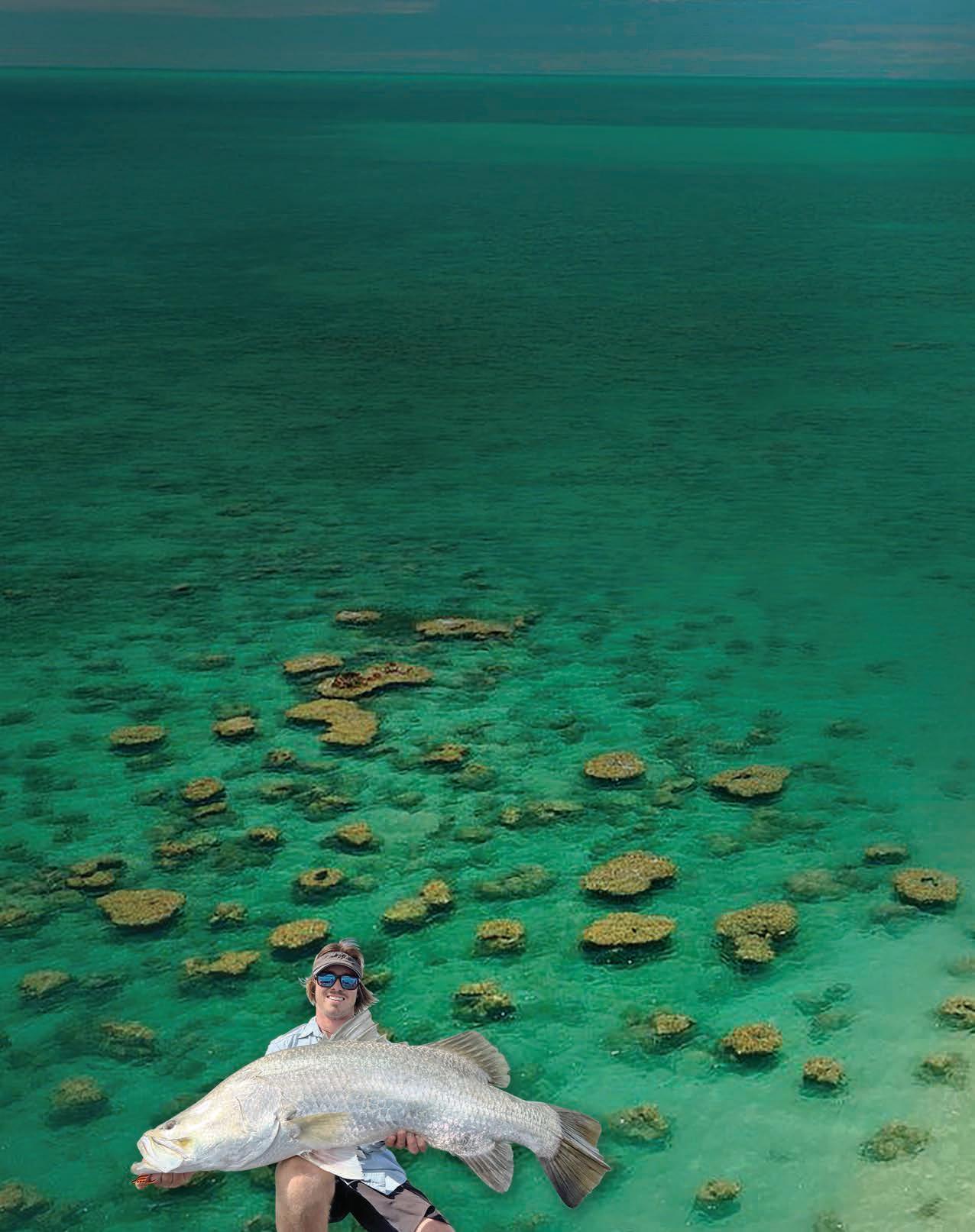
Even today, there are fisheries in Australia that haven’t been completely explored. And the more we wander, the deeper we want to dive into these relatively uncharted saltwater ecosystems.
Many of the exotic species made famous by the Seychelles in the early 2000’s can be found in Australia – GT’s, Indo-Pacific permit, milkfish and golden trevally are abundant.
However, Australia has a bunch of trophy species that are absolutely unique and endemic only there - the blue bastard, barramundi, and T. Anak, a super rare species of Australian permit.
The entire Australian ecosystem is unique and the Down Under version of hospitality is legendary.
This isn’t a bucket list trip. It begins that way, but you will be planning your second trip to Australia before you board the flight home from the first one.
the wessel islands, northern territory
The Wessel’s are one of Australia’s most remote fly fishing destinations.
The Wessel Islands and tidal zones, in the Northern Territory, cannot be accessed without explicit permission from the traditional custodians and land owners – guaranteeing a level of saltwater angling rarely found on any of the planet’s other fisheries…and the fishing reflects the isolation!
When exploring the Wessel’s sapphire-colored, shallow flats, you’re stalking and sight-casting to an epic list of Australian trophy species; two species of Indo-Pacific permit, blue bastards, tuskers, barramundi, and trophy queenfish.
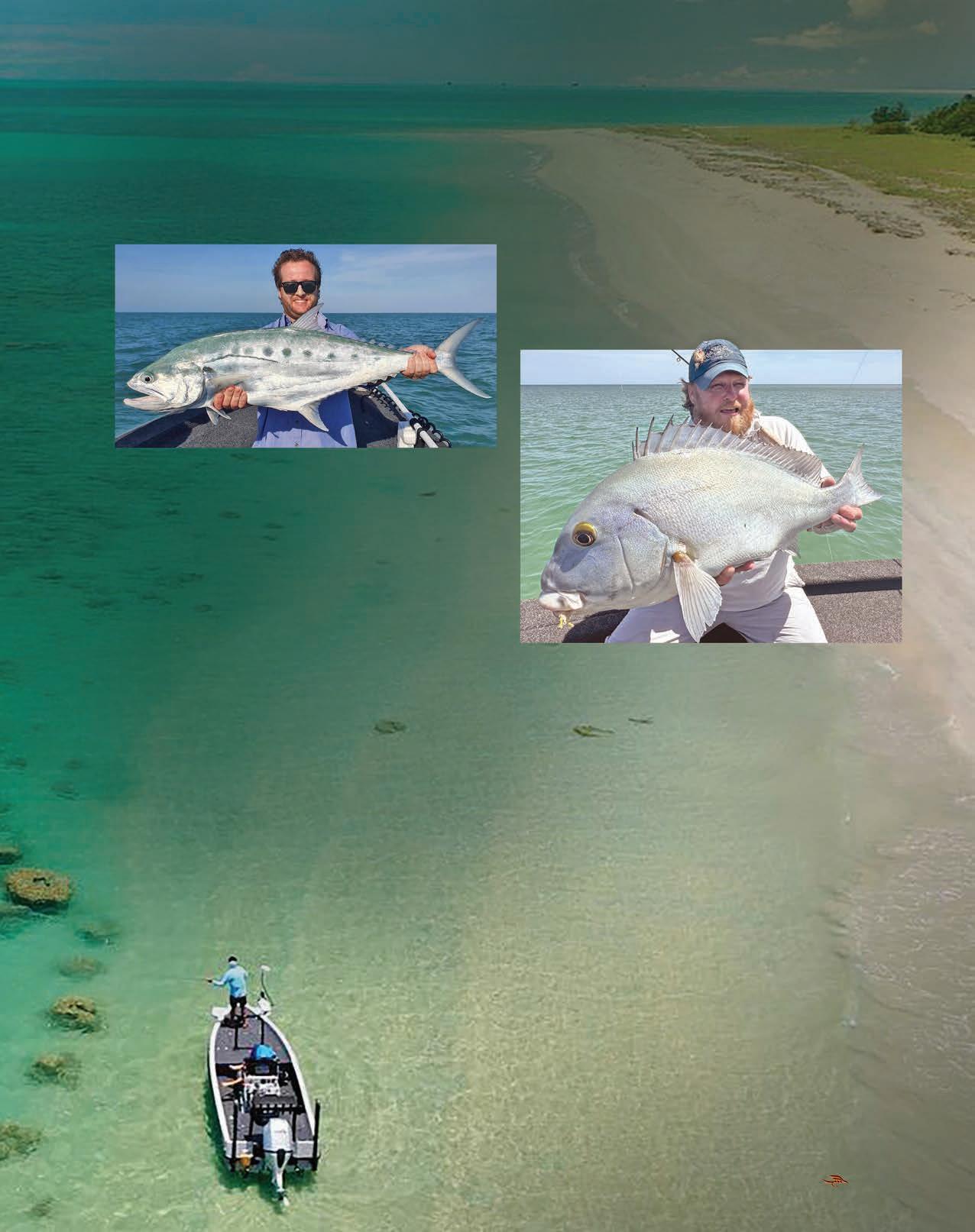
The All-Star team from Aussie Fly Fisher has the exclusive access rights to the fishing, and are the only guys allowed to guide in this saltwater wilderness. Their base is the MV “Wildcard”, a 70-foot long luxury liveaboard, and there’s no competing infrastructure in this huge, wild area. It’s more than the only way to go. It’s also the best, and affords far more freedom and range than any type of land-based operation would allow.
east cape flats, far north queensland
East Cape Flats are located on the Great Barrier Reef of Cape York. Inside the largest reef on Earth, our outfitters have discovered an area that is, arguably, the best wade fishing on earth for tailing Indo-Pacific permit and Blue Bastards. This is a Nirvana of shallow, hard, white sand and coral ruble flats that saltwater anglers dream about. And if you’re looking to target these two elusive tailing species, there is no place better
These remote flats are accessed by a luxurious eighty-foot long angling yacht, the MV Savannah. You won’t find a more comfortable liveaboard anywhere! Fully air-conditioned, white shag carpet in the galley, and a dining room table that comfortably seats ten. The operation accommodates only six each week, with a guide for every pair. Daily fishing is done from 23-foot center console tenders powered by 140-HP Mercury outboards.
The wind can be crushing and force the boats out of the area, so we pick and choose when to attempt to access the East Cape Flats. Plan on tackling this trip in September and October to avoid being blown off the water.
cape york, far north queensland
The west coast of Cape York, also in the Gulf of Carpentaria, is an absolutely amazing saltwater fishery where anglers can target over 40 different species in a week, using just two different fly patterns!
The species diversity in this part of Australia cannot be exaggerated. Barramundi, Anak permit, blue bastards, queenfish, milkfish and golden trevally are the top targets, but the list goes on and on.
The professional guide team of Weipa Sports Fishing have the Cape York area fishing absolutely dialed and will keep you in front of fish all week.
Their mothership is a magnificent catamaran, outfitted to accommodate eight anglers, four guides, the captain, chef and hostess comfortably.
The liveaboard is anchored in the same spot all week, perfectly positioned to attack every fish the area has to offer. Yacht guests enjoy air-conditioned cabins and communal living areas, as well as a shaded entertainment and cocktail deck on the topside where most of each evening’s wild fish stories are told. s 2 Fishing Seasons March - June & August - November.
Scan this code for more info about Cape York

The sheer size, number, and variety of Indian Ocean fish species that have been introduced to the sport has rocked the world of fly fishing, and anglers from around the globe are lining up to sample what veterans consider the finest saltwater fishing playground on Earth.
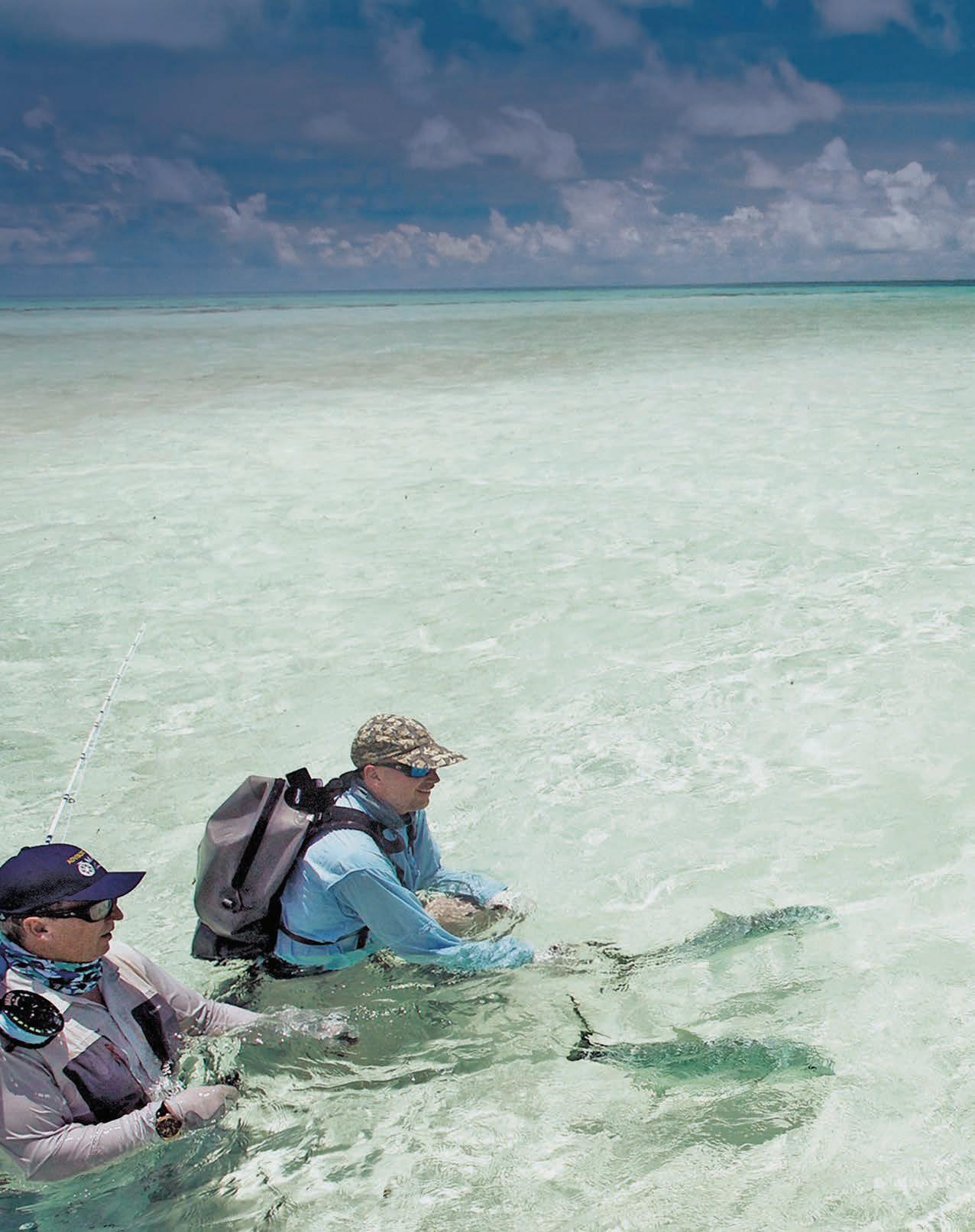

EACHINDIANOCEANATOLL is unique. They’re usually separated by hundreds of miles of open ocean and present a differing variety of angling options. Adventurous anglers will encounter a breathtaking assortment of Indo-Pacific permit, triggerfish, barracuda, bumphead parrotfish, milkfish, high octane GTs, and a few of these shallow, faraway flats are covered with massive schools of absolutely huge bonefish.
The several Indian Ocean angling destinations The Fly Shop® represents are all staffed by expert South African, English-speaking guides who have pioneered a number of exotic fly fishing targets and have accommodations ranging from spartan to deluxe.
These intrepid experts have also developed successful new techniques and patterns for milkfish, and inspired anglers to target other exciting sportfish that were ignored in the past.
The Seychelles and Mauritius operations are one places that deliver a new exciting angling variety of saltwater species. These global fly fishing adventures involve a lot of travel and expense. But they’ll feed your angling addiction with spectacular saltwater options and are worth the effort and every cent.
Getting there takes time, but isn’t difficult. The small town of Mahe, Seychelles, can be reached from the states and Europe. The island nation is serviced by Emirates Airline and other carriers.
These spots have become the world’s top bonefish, trevally and Indo-Pacific permit fisheries. They’re the benchmarks for anglers searching for the ultimate in saltwater action, been vetted by The Fly Shop® and proven to have fishing other saltwater destinations can only admire!
alphonse island resort, seychelles
For good reasons, this is the most popular place in the Indian Ocean. It is the pinnacle of bonefish destinations and the global hot-spot for milkfish. Their sight-fishing menu includes trevally, triggerfish, and other exotics. Accommodations are superb and the resort is an excellent destination for non-angling companions and families.
farquhar, seychelles may be the most diverse fishery on the planet, home to a myriad of exciting species including, but not limited to, giant trevally, bluefin trevally, bonefish, permit, triggerfish, bumphead parrotfish, Napoleon wrasse, snapper, and more! There’s no other place like it.
saint brandons, mauritius
This ultra-remote series of pristine white sand flats is, arguably, the most difficult to reach bonefish grounds on Earth. They also represent the top trophy bonefishing anywhere, and the most prolific Indo-Pacific permit grounds we’ve ever seen.
providence atoll, seychelles
Providence offers spectacular sight-fishing action on more than 18 square miles of pristine sand and turtle grass flats that are part of one of the most beautiful fly fishing locations on the planet.
The GT action on these shallow, wadeable flats is incredible!
The best time of the year to visit and fish this part of the world is from mid-September thru early May.
Scan this code for more info about our Indian Ocean options
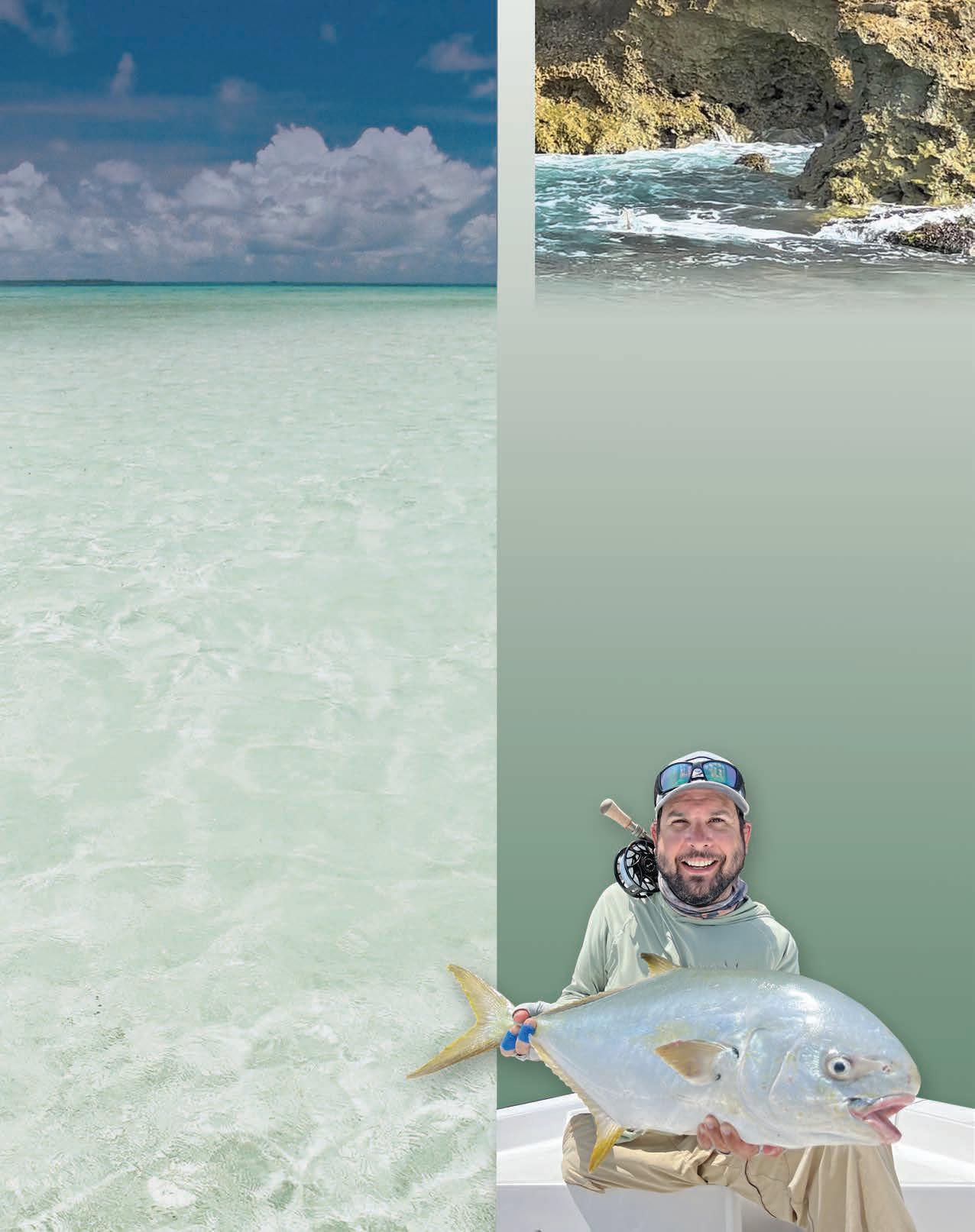
arabian fly, oman
Our associates at Arabian Fly turned us on to Oman, the newest fly fishing hotspot discovered in the Indian Ocean (actually it’s in the Arabian Sea ). Their unique fishery is the only place on Earth where you can catch the most elusive, least common of the permit varieties, Trachinotus Africanus! If you’re a permit junkie, this trip has to rise to the very top of your list! Africanus are a world apart from our own Atlantic permit (T. Falcatus) and even the Indo-Pacific permit (T. Blochii). Africanus feed on submerged rock piles among the violent, rolling waves as they crash against sheer coastal cliffs. It’s a totally different angling experience from the typical skinny water flats fisheries where permit earned their reputation for being wary!
And though they don’t cohabit, the Indo-Pacific variety often cruise along the nearby beaches – and it’s not uncommon to land both species in a single trip. Oman is a truly wonderful place and a great destination to tag onto any trip to the Seychelles, or Africa in general. It’s reasonably priced by comparison, and the Dubai air portal is a common African hub.
Scan this code for more info about Oman Arabian Fly


Billfish, dorado, roosterfish and yellowtail are the top targets in Baja and the fishing in Mexico often peaks in our winter months – when there is little else on the menu.
These diverse action-packed saltwater fisheries are just an inexpensive, short flight from any city in the West!

TWO MILLION YEARS AGO a peninsula broke away from the mainland due to tectonic forces, creating the Sea of Cortez. It left 12 islands scattered in the sea, and created 3 more on the Pacific side.
Cortez navigated the sea in 1535, followed a hundred and fifty years later by Jesuit missionaries who founded the first of their Spanish missions in Loreto, Baja in 1697. Fast forward to the twenty-first century and today Loreto, Cabo, and La Paz each feature modern airports with international flights that arrive daily.
Little did those early explorers know (or care) that Baja Sur would become one of the finest sportfisheries on the planet – with marlin, sailfish, wahoo, tuna, roosterfish, and yellowtail for the traveling angler, and excellent blue water fishing nearly every month of the year.
With the vast Pacific to the west, and the exotic Sea of Cortez to the east, few other destinations in the world offer the diverse angling found south of the border in the waters surrounding Baja.
It’s an affordable, easy-to-get-to fishery teeming with wild roosterfish, colorful dorado, striped marlin, yellowtail, and more.
Ocean currents collide offshore of Bahia Magdalena, trapping massive amounts of baitfish against a series of sea mounts and pinnacles. The place is legendary for striped marlin on the surface, and the pargo and snook in the mangrove-covered shoreline.
The Sea of Cortez is a sharp contrast to Bahia Magdalena. Less than 150 miles wide and up to 14,000 feet in depth, the typically calm waters of the Sea of Cortez are home to aggressive roosterfish, dorado, golden trevally, yellowtail and lots of other fly-friendly fish.
The fishing in Baja is accented by almost constant encounters with marine mammals. Fin, Blue, and Bryde’s whales are common sights, and each spring signals the arrival of magnificent migrations of Gray whales into the bays of Baja California Sur.
bahia magdalena
The Fly Shop® team has been fishing Mag Bay for decades and we’re now teamed up with a group of skilled and experienced outfitters who offer nearunlimited angling both in the bay itself and outside in the deep blue.
Magdalena Bay is a complex of mangrove-lined islands, rocky shorelines, and winding channels. All of it is prime habitat for pargo, golden trevally, snook, grouper, and more. The Pacific Ocean fishing outside the bay is what made the place famous. Marlin, tuna, and dorado feed on acres of schooling baitfish that congregate over the numerous pinnacles and banks known as “The Ridge” and a good day there will be some of the finest fishing on the planet.
The fishing peaks in the fall months, and our guys have “all hands on deck” from October through December – and whether you’re after offshore angling in a luxury Sport Fisher, or a fishing holiday based in a traditional, sleepy little fishing village, our expert Baja associate will make it happen.
Give us a call and let us build your custom Mag Bay itinerary!
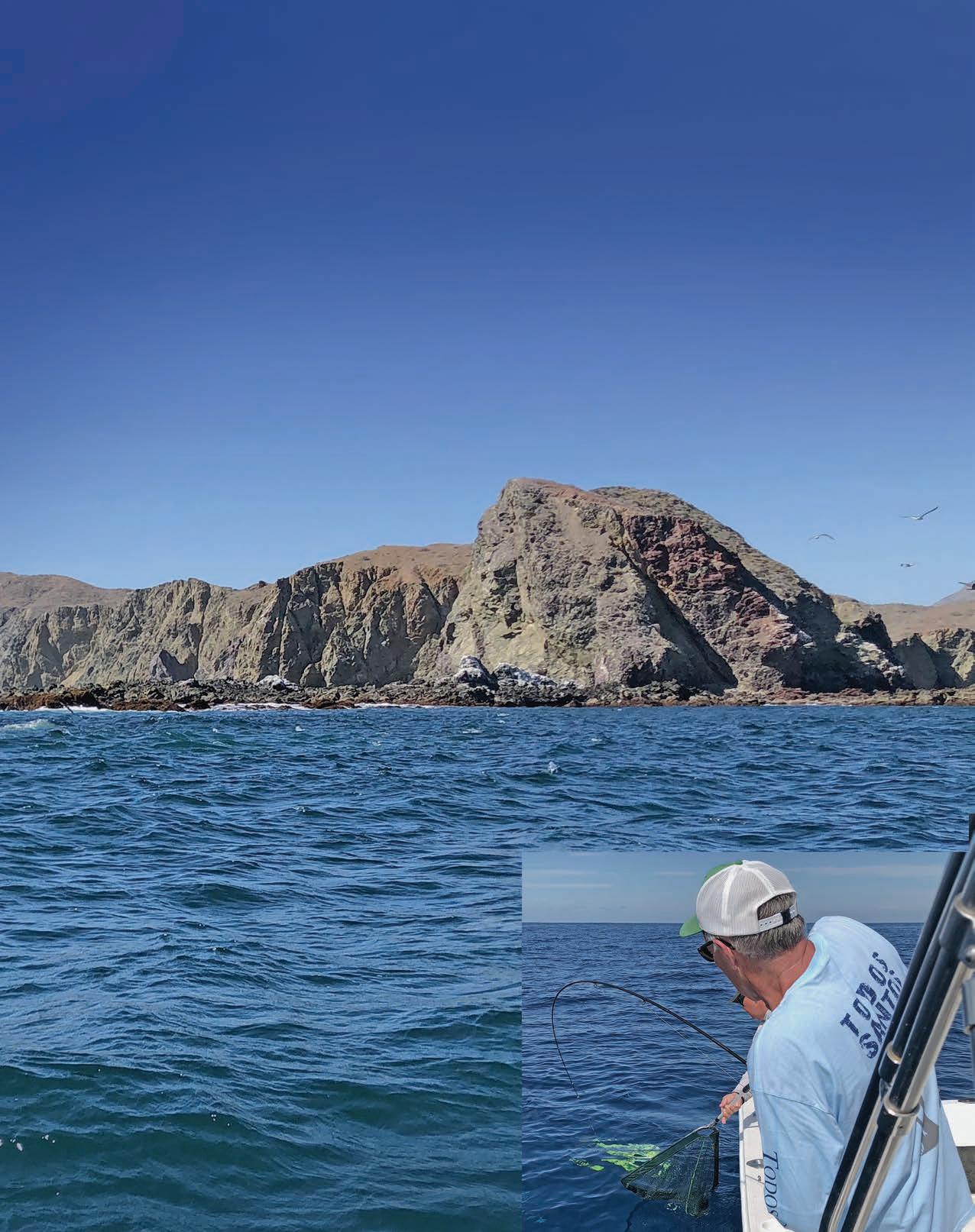
la ventana
It took us years of research and repeated field trips to the Sea of Cortez before we found the “right” outfitter to partner with. And when we did, their performance just blew us away! These folks get it; they not only specialize in guiding fly fishermen, but they’re great at what is beyond the grasp of many other Mexican operations.
Our La Ventana team is all about executing a quality Baja experience. It’s apparent in their accommodations, chef-prepared meals, their fly-savvy guides, and boats specifically designed and built for fly fishing. Their season is best in the spring and summer.
The hunting grounds near La Ventana, a traditional fishing village just south of La Paz, are spectacular for roosterfish, dorado, jacks, yellowtail, and other reef and pelagic species – and the action can be non-stop and exhausting –you’ll love it! Watching a roosterfish accelerate and engulf your fly just under the water’s surface has to be experienced to be believed and La Ventana is the place to make it happen.
The rush of a sailfish on a fly is indescribable, and addictive! And most bluewater fly fishing experts agree, there’s no more productive billfishing grounds in the world than the blue water off the Guatemalan west coast!

OUR TOP CHOICE for Pacific Sailfish on a fly is Casa Vieja Lodge just minutes from the Puerto San Jose Marina, just south of the Mexican border on the Pacific coast of Guatemala.
Each morning at this deluxe angling resort begins with a cup of fresh Guatemalan coffee delivered to your suite. The rest of the day is filled with a high-octane, action-packed blue water adventure and ends with a superb meal at the 4-star facility.
Casa Vieja is a rock solid package that is located dead-center in the absolute highest concentration of billfish found on Earth. Everything here is first-class, from the superb boats to top-quality fly rods, flies and tackle that are included in every package.
Experts will be overwhelmed by the near non-stop billfish action, and beginners are quickly brought up to speed by the experienced, fly-savvy, Casa Vieja crew. Any down time can be filled with an astounding number of aggressive tuna species and Mahi-Mahi.
casa vieja lodge is a perfect spot for both first-time and veteran anglers. It’s an action-packed fish-filled angling adventure that just happens to happen right smack dab in the middle of a warm, Yankee-friendly part of the world.
This spot gets our enthusiastic endorsement as the top lodge in billfishing! Guests are supplied with first-class fly rods, top-tier fly reels, flies, and all the necessary terminal tackle and instruction.
Scan this code for more info about Casa Vieja options
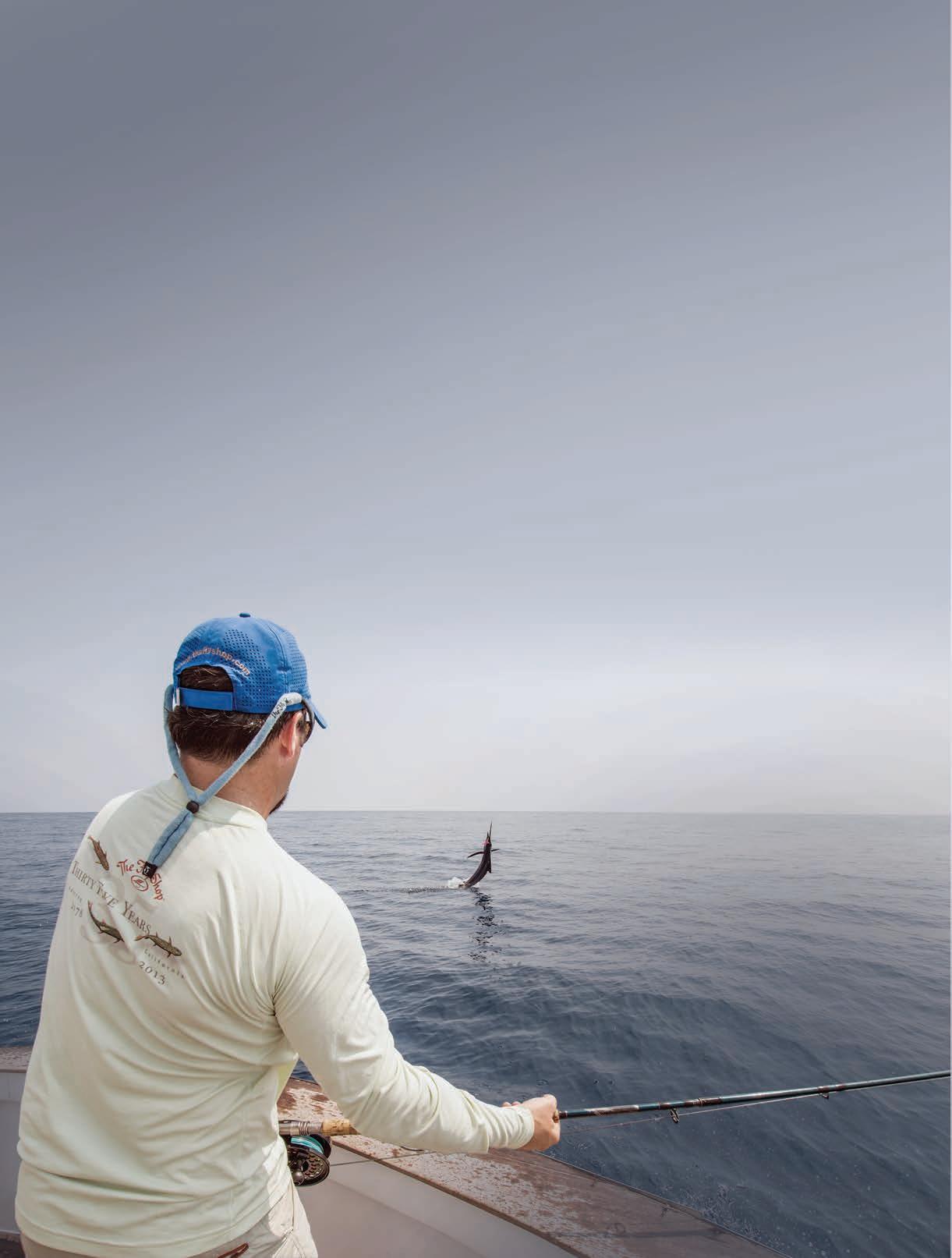


(800) 669-3474 www.theflyshop.com
4140 Churn Creek Road Redding California, 96002
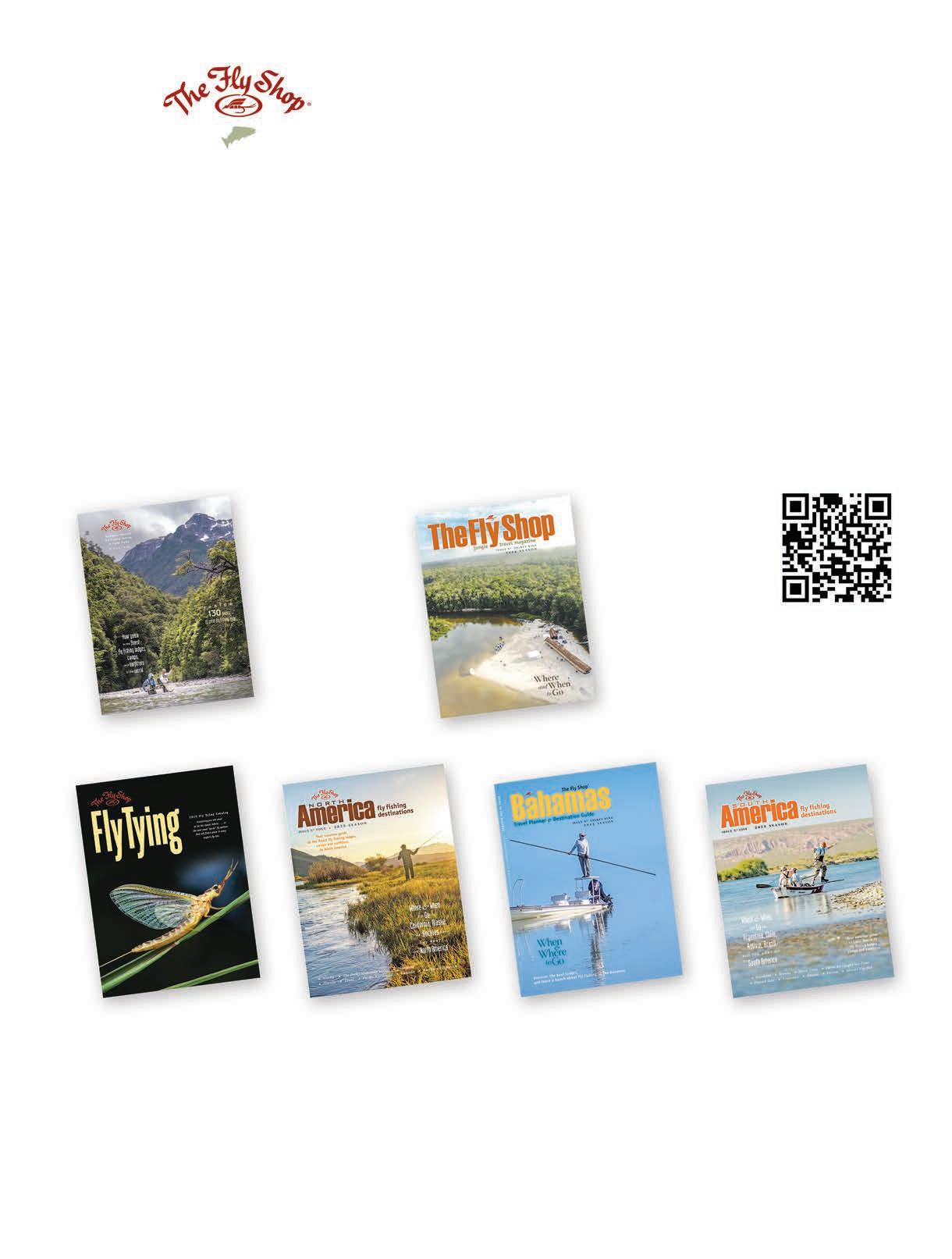
The Fly Shop, Inc.
The Fly Shop® has chosen to separate our annual catalog into different specialty magazines, each dedicated to specific interests of our clientele.
The Fly Shop’s 47th Retail Catalog
More than a hundred pages of great fishing stuff. Top name brand fly rods and tackle, thousands of flies, dozens of fly reels, and the top selection of waders and fly fishing accessories ever assembled in a single magazine!
The Fly Shop’s Worldwide Jungle Guide
The top jungle fly fishing destinations in the freshwater world! From the golden dorado of Bolivia and Argentina, tigerfish of Africa, and the endless and varied species of the Amazon basin eager to take a fly, this is The Fly Shop’s directory to the jungle.
Scan this code to view the digital version of all our publications on our homepage.
The Fly Shop’s Fly Tying Catalog
This year’s version of our annual collection of great fly tying materials and articles for the tyer.
The Fly Shop’s North America Guide
The top fly fishing rivers, streams, lodging, guides, and private angling spots in North America.
The Fly Shop’s Bahamas Fly Fishing Guide
Where and when to find some of the best saltwater fly fishing and finest lodging in the Caribbean.
The Fly Shop’s South America Guide
A travelogue exploring South American fly fishing destinations, from trout to Peacock Bass.
Make sure you’re in the loop and are receiving the most recent digital or print versions
E-mail us, call, or visit our website and request your free copy of any (or all) of our catalogs and fly fishing guides info@theflyshop.com www.theflyshop.com USA call toll-free 800-669-3474