
EUROPEAN FILMS IN COMPETITION


January 26, 2023
EUROPEANS AT SUNDANCE SPOTLIGHT

CINEVERDICT: MAMACRUZ
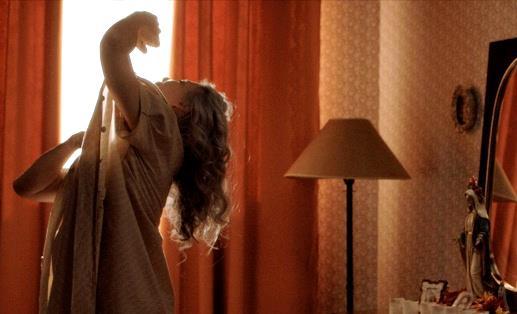
MAMACRUZ
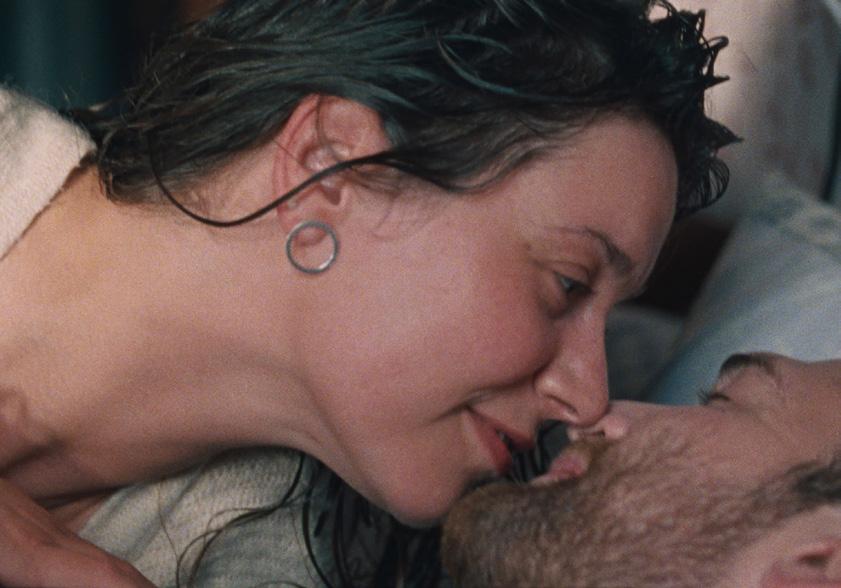
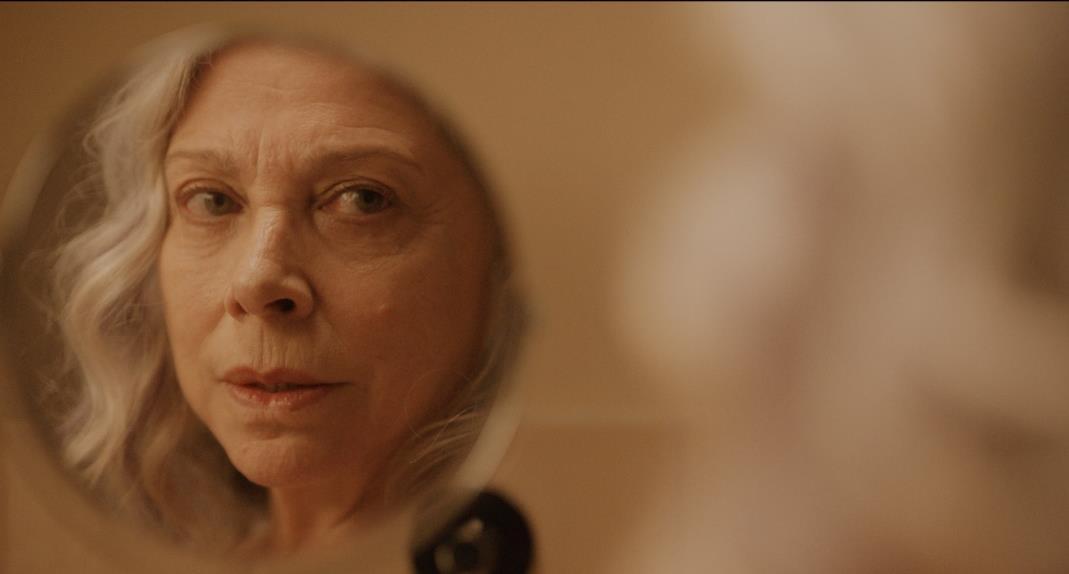
VERDICT: Kiti Manver plays a religious grandmother who accidentally discovers online porn, igniting a comedy that empowers older women while poking fun at Spain’s dwindling Catholic faithful.
Patricia Boero, January 21, 2023
After Sundance screened Good Luck to You, Leo Grande last year, in which Emma Thompson plays a mature woman who lets go of her inhibitions aided by a younger sex worker, the festival again honors women who embrace their sexuality at any age and under any circumstances in the Spanish comedy Mamacruz, portraying the title character’s voyage from religious repression to carnal enjoyment.
Patricia Ortega, a Venezuelan director, could not find funding
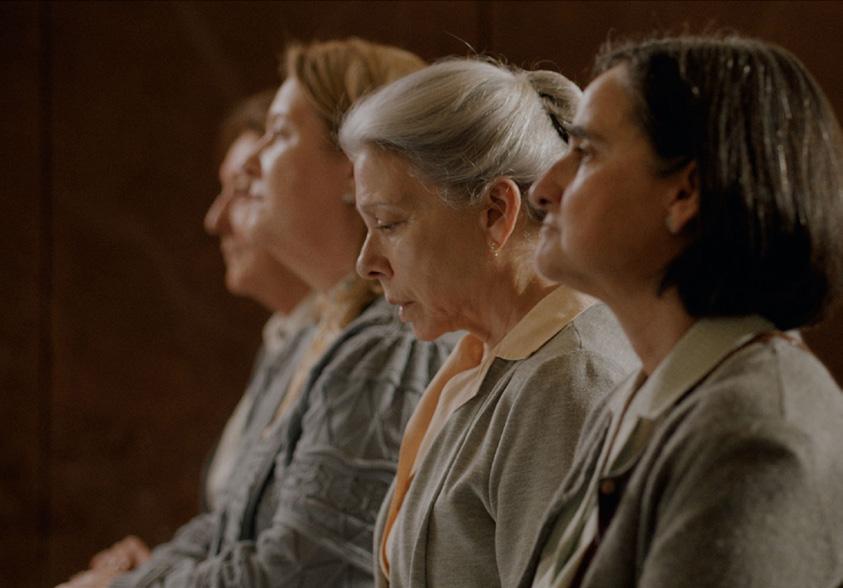
Patricia Ortega, a Venezuelan director, could not find funding within her own country, so she adapted her script to a location in Spain and cast as her lead the brilliant Kiti Manver, who has appeared in five Almodovar films, including the classic Women on the Verge of a Nervous Breakdown. As Mamacruz, she is initially subdued as a bored, sex-deprived housewife who logs on to her granddaughter’s internet and discovers pleasures she has been denied all her life. Full Review
VERDICT: Kiti Manver interpreta a una abuela religiosa que accidentalmente descubre el porno en Internet, dando lugar a una comedia que empodera a las mujeres mayores al tiempo que ironiza sobre la disminución de fieles católicos en España.
Patricia Boero, January 21, 2023
Después de que Sundance proyectara el año pasado Good Luck to You, Leo Grande, en donde Emma Thompson interpreta a una mujer madura que se desinhibe, ayudada por un trabajador sexual más joven, el festival vuelve a rendir homenaje a las mujeres que abrazan su sexualidad a cualquier edad y en cualquier circunstancia en la comedia española Mamacruz, que retrata el periplo del personaje del título desde la represión religiosa al disfrute carnal.
26 JANUARY 2023 Page 2
TFV Interviews Patricia Ortega
“Cinema is there to ask questions, not offer any answers.”
VERDICT: Venezuelan director
Patricia Ortega talks about her journey of self-discovery and the pleasures of sex in ´Mamacruz´, competing at Sundance.

Lucy Virgen, January 24, 2023
The Film Verdict: Sex at a mature age is not a usual subject in movies. How did you come to it?

Patricia Ortega: I was inspired by my mother and my grandmother, both very traditional women. I took care of my mother for two years, due to an illness. When I was tidying up and cleaning her room just to make her more comfortable, I found a photo of her in her youth, naked. Until that moment I had not thought of her in that regard. After that we had a very intimate conversation. Years before, my grandmother had told me that, for her, sex and pleasure meant nothing. From there came the idea, the inspiration, and it evolved into a fictional story.
TFV: In the press material there is the photograph of your mother. What does she think of this?
PO: Mommy is a traditional woman but she is used to the fact that I can come up to her with anything. When I started writing I told her, “Look Mommy, I’m going
to have to use your photo, because it’s perfect for the pitch.” And she told me “but the whole world will see me naked!” And I told her, “Yes, but nobody knows you. If you didn’t make it public when you were young, make it public now so they can see what you looked like.” She laughed and gave me permission to use it.
TFV: In Mamacruz, there is only one male character – Eduardo, Cruz’s husband – and he doesn’t weigh much in the storyline. Why?
PO: My writing is something very personal, from the point of view of my experiences, and it was difficult to write the Eduardo’s character, exceedingly difficult! I don’t know what it’s like to have a family with a male figure. I lived all
of my life with my grandmother, and she ran the house. I had to do a lot of research and started working from a disconnect.
I was interested in working with Cruz at this stage of her life, when she loves her husband, but more like a brother. She attempts to get closer and since that leads nowhere, she breaks free and pursues her own fantasy. For me that was the most important thing to say: our body is a being capable of satisfying its own desires. We do not need another person.
Emigration has taught me that I can be happy being alone, by myself without my family, without my house, without all that a home means to me. So after a while, you understand that happiness lives in your own body. Full Interview
EURO SUNDANCE SPOTLIGHT 26 JANUARY 2023 Page 3
THE STROLL
the city into a low-crime corporate shopping mall, this area was a notorious twilight zone of S&M clubs, fetish bars, derelict warehouses and streetwalkers. Nicknamed “The Stroll”, the street became a haven for sex workers, particularly trans women of colour, marginalised outsiders even in the city’s famously permissive gay underground.
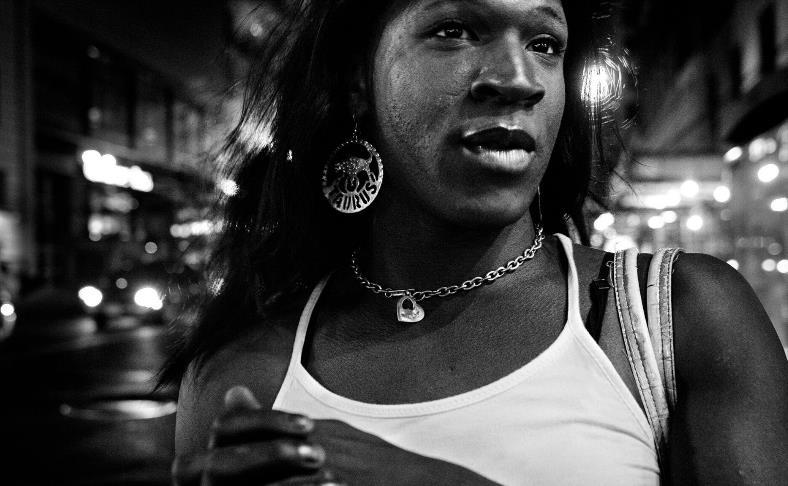
VERDICT: This timely and compassionate documentary puts a highly personal spin on New York City's hidden history of black transgender sex workers.
Stephen Dalton, January 24, 2023
Like most of contemporary Manhattan, the former Meatpacking District around the western end of 14th Street is now a sanitised, gentrified playground for wealthy New Yorkers. But in the decades before 9/11, before Giuliani and Bloomberg transformed
SH WC ST
One 14th Street regular was Kristen Lovell, now an actor and filmmaker, who makes an assured directing debut with The Stroll. Her avowed mission in this timely documentary, which world premieres at Sundance ahead of its TV debut on HBO, is to accurately reclaim and represent an important chapter in trans history before it gets erased forever. Her co-director is Zackary Drucker, whose credits include the hit TV drama Transparent and acclaimed docu-series The Lady and the Dale. For most viewers, this film will be a slightly voyeuristic walk on the wild side, a nostalgic love letter to New York’s fabled sleazy heyday as mythologised in the work of Hubert Selby Jr., Lou Reed, Nan Goldin and others. But it is also an illuminating, compassionate history lesson about a fascinating period in the city’s hidden queer demi-monde. Full Review
EURO SUNDANCE SPOTLIGHT 26 JANUARY 2023 Page 4
Tearing up the script with unfiltered podcast conversations with film industry professionals and talent from around the world, S OWCAST takes the listener inside film festivals and markets .
ninterrupted. n ltered. ncensored.
PODCASTS T EFILM E DICT COM
Ma Micucci , the host of SH WC ST is an internationalfilm , music and art journalistbased in alway, Ireland Matt has interviewed over a thousandartists ,and industryprofessionals , and createda wealthof multi mediaMatt is a mediaeducatorand earnedan MA of Arts in FilmStudies

EURO SUNDANCE SPOTLIGHT 26 JANUARY 2023 Page 5
SMOKE SAUNA SISTERHOOD
VERDICT: An intimate, visceral immersion into the rituals of the Estonian smoke sauna, a healing space where women confide in one another.
Carmen Gray, January 23, 2023
The smoke sauna occupies a special, even sacred, place in the daily lives of Estonians, as a refuge that can not only warm one’s bones in the northern European cold, but thaw the emotional reserve and quiet stoicism so ingrained in the national character.
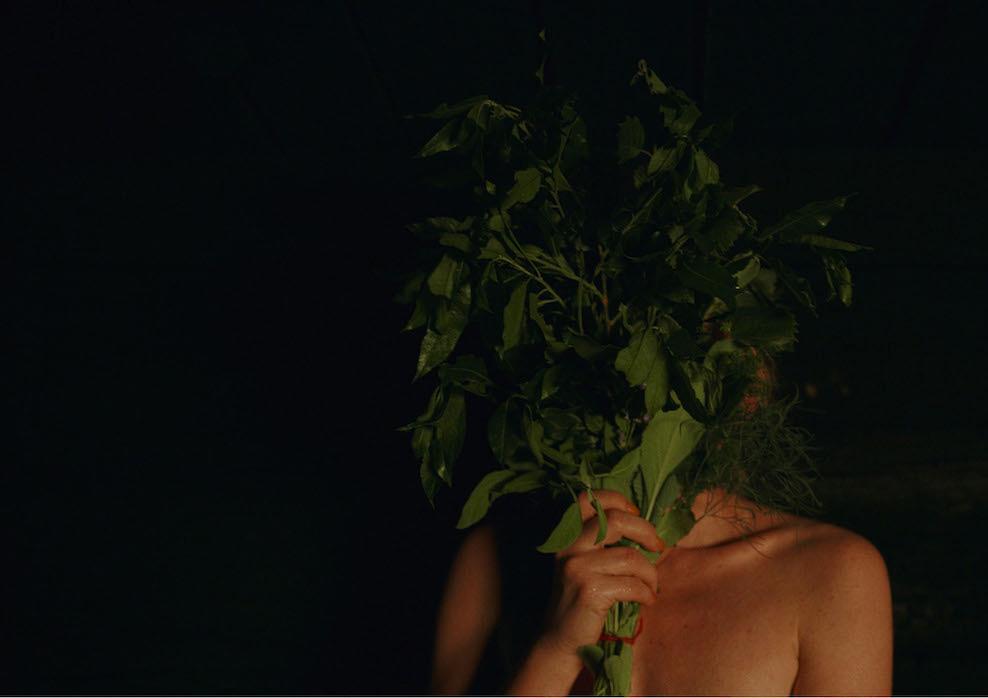
In her debut feature documentary Smoke Sauna Sisterhood, screening in the World Cinema Documentary Competition at Sundance, director Anna Hints grants us intimate access into a steamy, wood-panelled hut with a group of women who unburden their souls while cleansing their bodies, sharing deeply personal experiences with one another in conversation. Inevitable comparisons will be made with Steam of Life, the documentary by Joonas Berghall and Mika Hotakainen from neighbouring Finland that in 2010 was a breakout success and similarly portrayed the sauna as a rare occasion for deep sharing among friends. But while that film was a portrait of masculinity, Hints shows how the sauna has functioned as a healing space for women to reclaim a sense of bodily autonomy in a brutally patriarchal world.
The film has a visual lustre, its snowy woodland shots the stuff of wintry touristic dreamland, while the cabin inside is like a chiaroscuro painting of shadows and golden light. Full Review
TFV Talks to Anna Hints
"The sauna is a great exercise in transcending your identity."
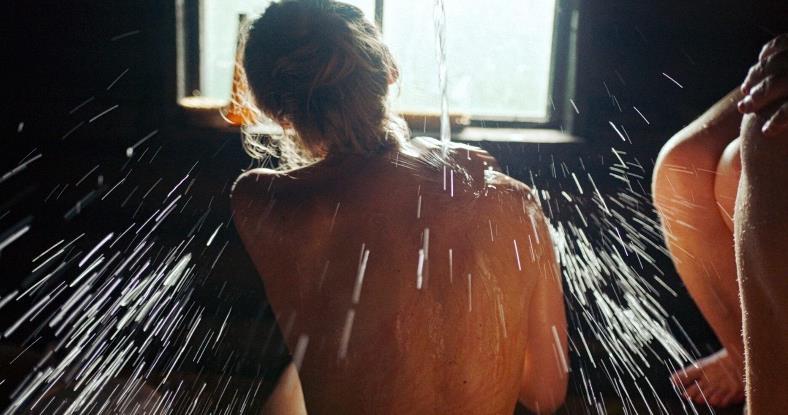
VERDICT: The director of 'Smoke Sauna Sisterhood' explains the inspiration and philosophy behind her film to Max Borg.

January 24, 2023
The Film Verdict: What was the inspiration behind Smoke Sauna Sisterhood?
Anna ints: It’s actually rooted in my childhood when my grandfather died. We went to the smoke sauna and my grandmother told us how he had cheated on her. It was a cathartic moment, and after that we were able to bury him with a smile. So, it occurred to me that it could be interesting to tell women’s stories through the tradition of the smoke sauna. It took a while, partly because my original producer died before we started filming.
TFV: How long did the filming take? We see the transition from one season to the next in the film.
AH: Indeed. We had 70 separate shooting days, most of them inside the sauna, but we also have outdoor scenes in nature. I wanted to reflect the cyclical aspect of time and nature.
TFV: Visually, the film conveys the down-to-earth nature of the sauna, but also a timeless, almost mystical quality. How did you plan that with your cinematographer?
AH: That was exactly the balance we were aiming for. I already knew Mats, the cinematographer, from film school, and we got to know each other better by actually going to the sauna together multiple times before we started shooting. I did the same thing with my composer; it helped us bond and better understand what we were working on. The sauna is a great exercise in transcending your identity.
Full InterviewEURO SUNDANCE SPOTLIGHT 26 JANUARY 2023 Page 6

EURO SUNDANCE SPOTLIGHT 26 JANUARY 2023 Page 7
AND THE KING SAID, WHAT A FANTASTIC MACHINE

enigmatically titled And the King Said, What a Fantastic Machine. The machine of the title turns out to be the camera, of which the two create a kind of biography through the ages, from the camera obscura to the omnipresent smartphone cameras. Though it contains a handful of impressive scenes, with much of the footage culled from the internet, what’s lacking is an overall discourse, turning this film into an anecdotal trip through moving-image land most suited to youngsters whose attentionspan can’t extend beyond the length of a TikTok video.
VERDICT: Sweden-based documentarians Axel Danielson and Maximilien Van Aertryck's first joint feature has lofty ambitions but fails to make any kind of coherent argument.
Boyd van Hoeij, January 24, 2023

After a series of successful shorts and a run as producers at Swedish company Platform Produktion the company behind Palme d’Or winners The Square and Triangle of Sadness from Ruben Östlund, credited as an executive producer here Axel Danielson and Maximilien Van Aertryck make the jump to a documentary feature with the
The film’s first talks about the earliest cameras, which of course were only capable of producing still images in black-and-white. But on the whole, the directors seems more interested in moving images, even if a famous, award-winning still photo featuring a dead body is “revealed” to have been staged as a kind of generic photo opportunity. Whether news-literate audiences will be familiar with this particular example is almost besides the point; the fact that news photos are in many cases not spontaneous masterpieces isn’t exactly news, though Danielson and Van Aertryck seem to treat it that way. Full Review
EURO SUNDANCE SPOTLIGHT 26 JANUARY 2023 Page 8
TFV in Conversation with Lin Alluna
TWICE COLONIZED
VERDICT: Danish documentary filmmaker Lin Alluna’s featurelength debut veers away from the political to reveal the internal conflicts tearing at the Greenlandborn, Denmark-educated and Canada-based Inuit civil rights activist Aaju Peter.

Clarence Tsui, January 24, 2023
VERDICT: Danish director Lin Alluna talks about her seminal encounter with Aaju Peter, the Inuit activist who inspired 'Twice Colonized'.
January 24, 2023
The Film Verdict: Your film deals with a very delicate subject. How aware were you of the Inuit rights debate before you started working on this project?
Lin Alluna: I knew nothing about it before my first encounter with Aaju Peter, who inspired me to make the film. Growing up as a white person in Denmark, I was unfamiliar with our history of colonialism, which tends to be downplayed.
TFV: Last year saw the premiere of Godland, which deals with Denmark’s complicated relationship with Iceland. Is Denmark having a moment of clarity regarding its past?
LA: Maybe not quite an actual moment of clarity, but we’re getting there.
TFV: What’s it like having the premiere in the United States, which also have their
complicated history with native peoples?
LA: That’s a very interesting aspect because this concerns multiple countries around the world, hence the initiative for the International Forum of Indigenous People. In fact, the original plan was to also travel to New Zealand, for example. Then the pandemic happened, so we limited ourselves to Canada and Greenland, where Aaju has been the most active.
TFV: Perhaps you could do those additional trips in a follow-up film.
LA: I’ve actually joked with Aaju that after Twice Colonized we should make a sequel and call it Twice Decolonized [laughs].
TFV: There’s a moment, early in the film, where Aaju refers to you as her colonizer. How often did that happen during the shoot? Full Interview
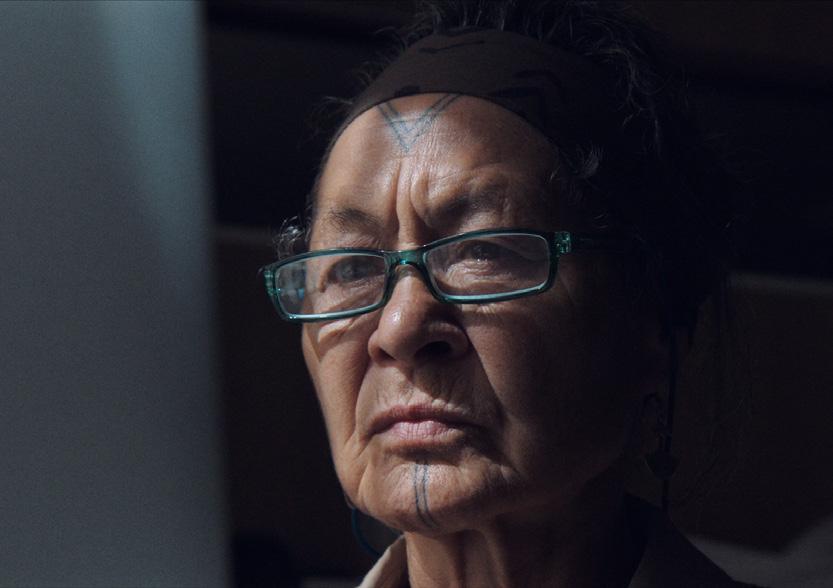
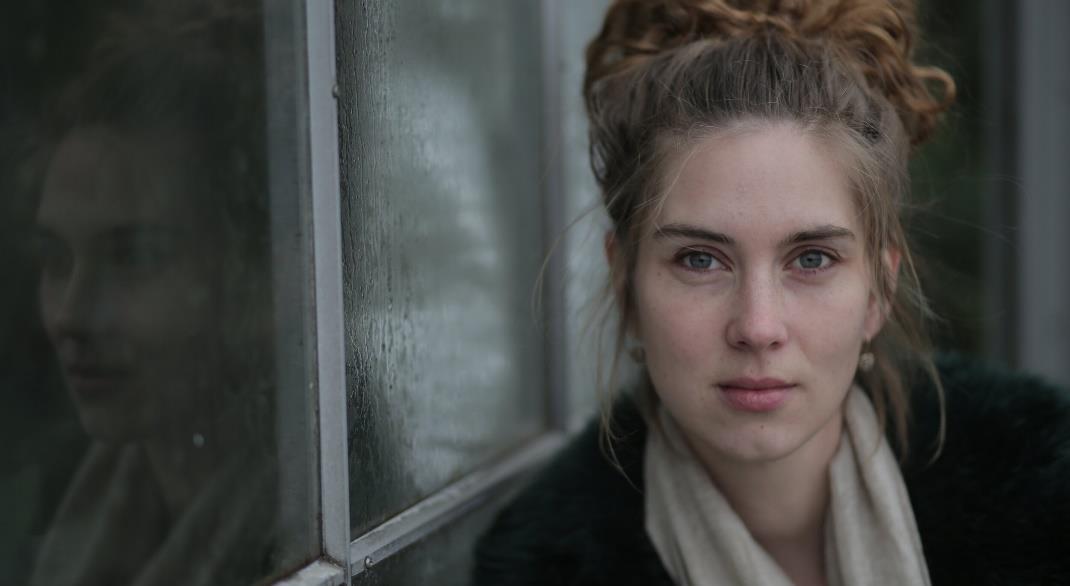
In Twice Colonized, Inuit civil rights activist Aaju Peter begins the first draft of her (yet unpublished) memoirs with this question: “Is it possible to change the world and mend your own wounds at the same time?” It reflects how the personal and political collide in Peter’s own life, with her decades-long fight against the neglect and oppression suffered by Inuit communities, fueled by her own personal traumas. All this looms large in Danish filmmaker Lin Alluna’s vivid and revealing portrait of someone renowned in indigenous rights circles for her steel-willed persistence and fiery speeches in defense of the Inuit way of life, delivered in small classrooms and at international conferences alike.
By capturing the fury and fragility of Peter’s complex personality –she’s at once a headstrong political operator, a bingo-playing grandmother, a coffee-drinking cosmopolitan, and a tortured woman struggling to end an abusive relationship Full Review
EURO SUNDANCE SPOTLIGHT 26 JANUARY 2023 Page 9
"It was important for me to show all facets of Aaju’s life."
VERDICT: Lithuanian director Marija Kavtaradze’s second feature is an involving drama that centres on a new relationship, tackled in a refreshingly honest and complex way.
Boyd van Hoeij, January 22, 2023



Marija Kavtaradze’s sophomore feature, Slow, is a relationship drama with a difference, as it follows a young couple as they
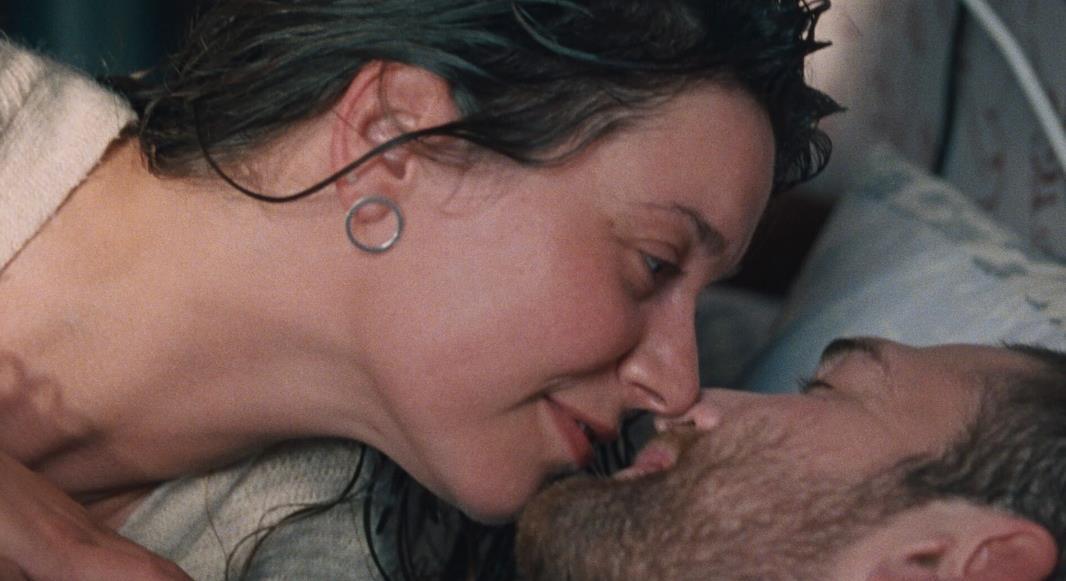
fall in love and one of the two lovers then reveals they are asexual. What makes the movie so good is that it doesn’t “other”
that specific difference. Instead, it takes it seriously without the entire film being about asexuality. Just like in real life, the protagonists of Slow deal with their sexual issues amidst many other factors, some of which are heartwarming or funny, while others might lead to questions or conflict. Since the A in the LGBTQAI+ is rarely represented on screen, Slow should see a solid number of bookings on the festival circuit. But more than anything, it should consolidate Kavtaradze as a name to watch while also doing great things for the careers of its two excellent leads, newcomers Greta Grineviciute and Kestutis Cicenas. The earthy Elena (Grineviciute) is a contemporary dancer in Lithuania. Full Review
EURO SUNDANCE SPOTLIGHT 26 JANUARY 2023 SLOW
ninterrupted. n ltered. ncensored. aunching Feb

EURO SUNDANCE SPOTLIGHT 26 JANUARY 2023 Page 11
EUROPEANSTAKE TO THE SLOPESAT SUNDANCE WITH THEIR OWN HUB
After two online editions of the new EUROPE! HUB during the Sundance Film Festival, EFP has launched its physical presence in Sundance at Park City’s Double Tree Hotel. The EUROPE! HUB is a meeting area for the European film industry that promotes a diversity of European films, filmmakers and world sales companies.
“It's definitely time to celebrate European cinema on location at the Sundance Film Festival! We are excited to finally offer a cozy space to the European and the international film industry at Park City’s Double Tree Hotel where they can meet and discover the films and talent from Europe” says EFP Managing Director, Sonja Heinen.

“As Sundance continues to evolve our international programme and enhance the opportunities we offer to international artists and industry – including the strong slate of European films we see each year – we were eager to expand our collaboration with European Film Promotion, who have always given strong support to those films and will now also establish a physical presence in Park City through their EFP lounge," says John Nein, Senior
Programmer and Director of Strategic Initiatives at the Sundance Film Festival.
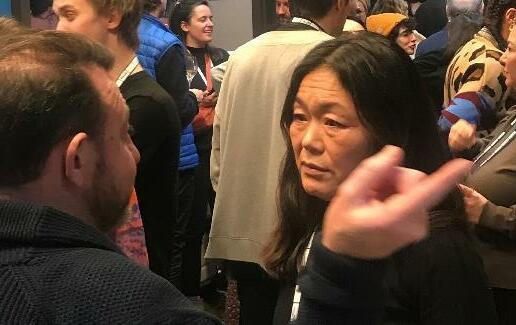
“It is so extremely great that we could finally set up our first ever EUROPE! HUB at Sundance in collaboration with the festival. Now, all the European filmmakers have a place to meet, work and relax during the festival, and all the international industry knows where to find the Europeans,” Heinen added to TFV.
The European Film Promotion opened with its inaugural cocktail party at the European Hub! with an array of filmmakers and over 120 festival delegates and North American acquisition executives.
Several of the European films and filmmakers in competition attended.
Fantastic Machine, Twice Colonized protagonists, the producer from When It Melts, Smoke Sauna Sisterhood, the filmmaker of Against The Tide, and the main actors from Slow, and the team of the German short film The Kidnapping Of The Bride.
Additionally, the partnering promotion institutes all attended, including Danish Film Institute, Estonian Film Institute, Finnish Film Foundation, Flanders Image/ Belgium, German Films, Swedish Film Institute and Unifrance.
EURO SUNDANCE SPOTLIGHT 26 JANUARY 2023 Page 12

EURO SUNDANCE SPOTLIGHT 26 JANUARY 2023 Page 13
WHEN IT MELTS
VERDICT: A hard-hitting and very cruel story of youth from Belgian actress turned first-time director Veerle Baetens.
Jordan Mintzer, January 25, 2023
For her first stab behind the camera, veteran Belgian actress eerle Baetens, who’s best known for costarring in the Oscar-nominated country music tearjerker, The Broken Circle Breakdown, certainly hasn’t taken the easy road. By adapting writer Lize Spit’s 2016 Flemish-language novel, The Melting, she’s chosen an extremely tough topic that requires a sizeable amount of gravitas, not to mention the ability to direct young performers through some very uncomfortable situations.
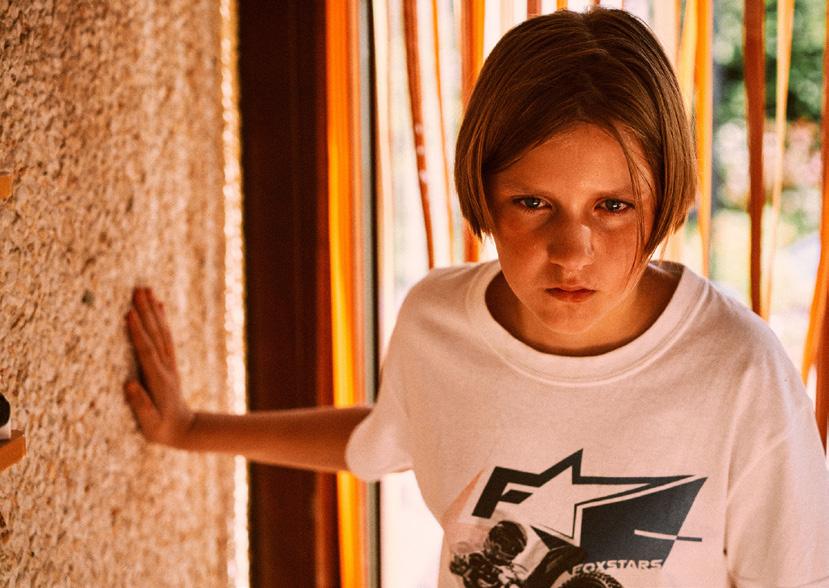
To that extent, When it Melts (Het Smelt) is an admirable and well-acted debut that stares childhood trauma in the face and bravely refuses to look away. But it’s also quite the downer, following the harrowing story of a young woman in her 20s who recalls events that took place when she was 13 years old and her life very much fell apart.
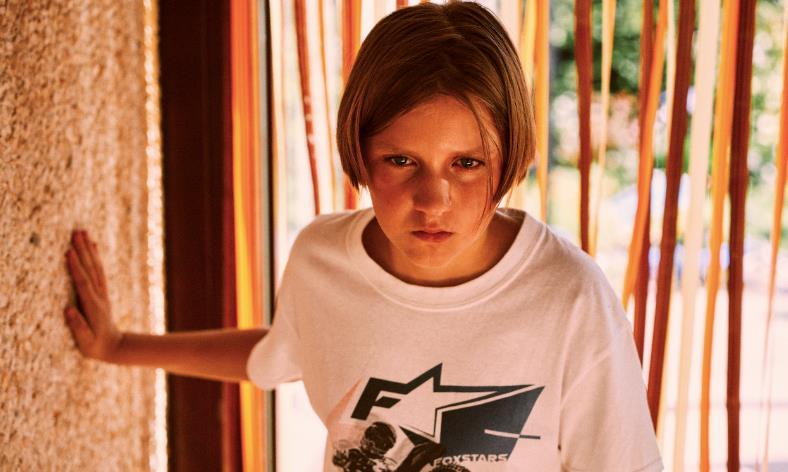
Premiering in Sundance’s World Cinema Dramatic Competition, the film is likely to receive some attention, especially in Belgium, for its hard-hitting subject matter and the way Baetens manages to handle it with both tenderness and sangfroid. Other territories may be more difficult to crack, especially in today’s rather shaky arthouse market.
Cutting between the present and the past, the script, which Baetens co-wrote with Maarten Loix (Mobile Home), follows its heroine, Eva, both as a teenager (where she’s played by the excellent osa Marchant) and then over a decade later (where she’s played by the equally strong Charlotte De Bruyne) as she recalls what happened to her as a child. Full Review

EURO SUNDANCE SPOTLIGHT 26 JANUARY 2023 Page 14
ANIMALIA
VERDICT: In 'Animalia', Sofia Alaoui's gorgeously shot debut feature, ideas of spirituality mix with commentary on class and religion in a package that refuses to easily yield the keys to its own meaning.
Oris Aigbokhaevbolo, January 24, 2023
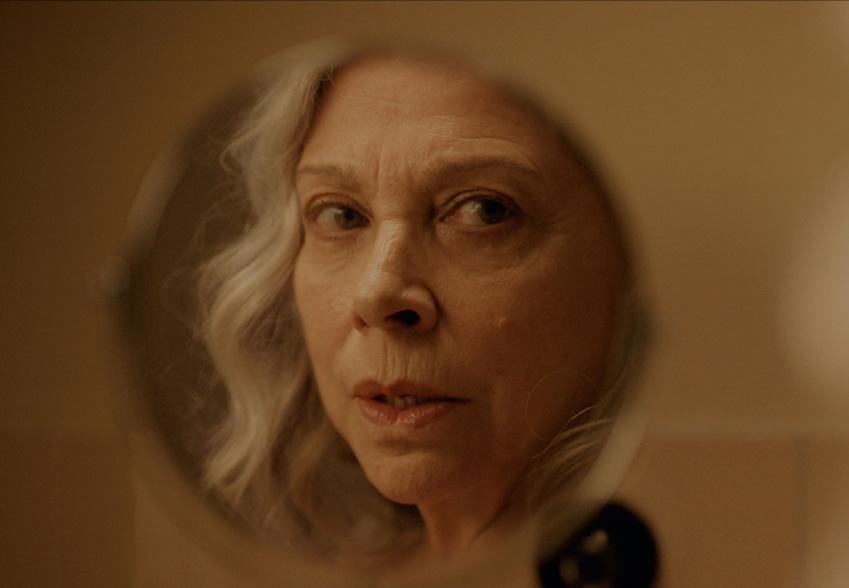
Back in 2020, Sofia Alaoui was at Sundance with the short film What If the Goats Die, featuring animals acting strangely and some kind of eerie apocalypse. She left the festival with a jury prize and has now returned with a feature. The current project feels like an expansion of that short film, but maybe it is best to think of it as sharing some of the older project’s themes, weirdness, and worldview.
The new film, Animalia, is arthouse with elements of spirituality, sci-fi, and surrealism. It should maybe come with a warning: For Festivals Only, because in its handsome ambiguity it will certainly do the rounds at festivals. Outside that circuit, it should have an AAA label: Audiences Amenable to Ambiguity.
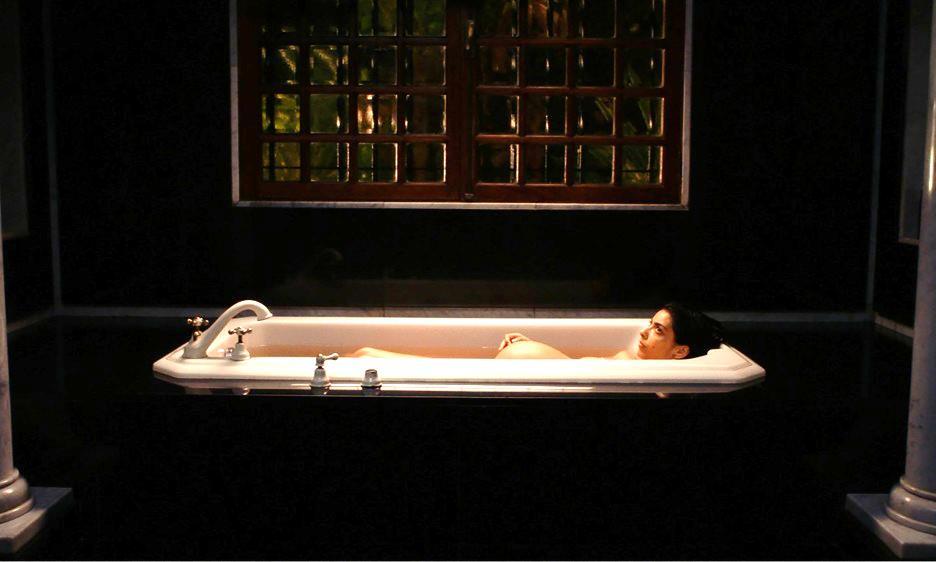
At the start, a series of tense moments and unfortunate events are visited on our protagonist, a pregnant lady named Itto (Oumaima Barid) living in opulence in Morocco. All is well at first before a wife and mother-in-law exchange, in the kitchen of their home, telegraphs an abrupt tenseness. It may be the usual friction between wife and mother-in-law, except that there seems to be more to the awkwardness.
Not long after, we understand the source of the tenseness: Itto doesn’t feel welcome because she comes from the lower class and believes her motherin-law looks down on her for that reason. Her husband Amine (Mehdi Dehbi) waves off her concerns, and not long after departs alongside his mother for an event. Full Review
EURO SUNDANCE SPOTLIGHT 26 JANUARY 2023 Page 15
CINEVERDICT: MAMACRUZ (Continued)
Patricia Ortega, directora venezolana, no encontró financiación en su propio país, así que adaptó su guión a una localización en España y eligió como protagonista a la brillante Kiti Manver, que ha aparecido en cinco películas de Almodóvar, incluído el clásico Mujeres al borde de un ataque de nervios. En el papel de Mamacruz, Manver se muestra como un ama de casa aburrida y privada de sexo que se conecta al Internet de su nieta y descubre placeres que le han sido negados durante toda su vida. Al principio, su vida se muestra como una monótona sucesión de obligaciones domésticas y eclesiásticas. En la iglesia, cose capas para los santos que adornan los altares. Incluso en ese ambiente opresivo, Mamacruz empieza a mirar los pezones y los labios entreabiertos de una estatua de madera de Jesús agonizando en la cruz, y se lo imagina como un amante apasionado de carne y hueso. A medida que Mamacruz despierta a deseos y placeres desconocidos, Kiti Manver va dando rienda suelta a sus considerables dotes cómicas en la pantalla. Sin embargo, el personaje va más allá de ser un mero motivo de risa, ya que también nos enteramos de que su joven nieta vive con ella, que su hija está fuera del país, presentándose a una audición para una compañía de ballet en Viena y que una amiga se enfrenta a una grave enfermedad.
La película cobra vida cuando Mamacruz se apunta a un taller de terapia sexual. Se nos presenta a un delicioso surtido de mujeres
Revision Completa
Cine Verdict Entrevista a Patricia Ortega
CINEVERDICT: La directora venezolana Patricia Ortega habla de su viaje de autodescubrimiento y los placeres del sexo en ´Mamacruz´en la competencia de Sundance.
Lucy Virgen, January 24, 2023
Cine Verdict: El sexo en la edad madura no es un tema usual en el cine, ¿Cómo llegaste a él?
PO: Me inspiré en mi madre y en mi abuela, ambas mujeres muy tradicionales. Cuidé a mi madre durante dos años, por una enfermedad. Entonces arreglaba y limpiaba su habitación tratando de que estuviera ella estuviera cómoda. En esto me encontré una foto de ella joven, desnuda. asta ese momento no había pensado en ella en ese aspecto. Con esto tuvimos una conversación muy linda. Años antes mi abuela me había contado que para ella el sexo, el placer no significaba nada. De allí salió la idea, la inspiración y evolucionó a una historia de ficción,
CV: En el material de prensa viene la fotografía de tu madre ¿Qué opina ella de esto?
PO: Mami es tradicional pero ya está acostumbrada a que yo le
pueda salir con cualquier cosa. Cuando empecé a escribir le dije “mira mami voy a tener que usar tu foto, porque para el pitch es perfecto”. Y ella me decía “pero todo el mundo me verá desnuda!”, y yo le decía “pero si a ti nadie te conoce, si no la sacaste de joven, sácala ahora para que vean lo que tenías”. Ella se rio y me autorizó.
CV: En Mamacruz, sólo hay un solo personaje masculino, Eduardo, el esposo de Cruz, y no pesa mucho ¿Por qué?
PO: Yo escribo como algo muy personal, desde mi experiencia y fue muy difícil escribir el personaje de Eduardo, ¡dificilísimo! No sé lo que es tener una familia con una figura masculina. Yo viví toda la vida con mi abuela y era una casa de mujeres. Tuve que investigar mucho y empecé a trabajar desde la desconexión.
Entrevista Completa
EURO SUNDANCE SPOTLIGHT 26 JANUARY 2023 Page 16
EURO SUNDANCE SPOTLIGHT 26 JANUARY 2023 Page 17
A Look at the European Films at Sundance
At the HUB, together with the 7 participating national film promotion institutes, EFP shines a light on a selection of this year’s films from Europe in the different sections of the festival.
World Cinema Dramatic Competition

Previous Short Film Grand Jury Prize winner Sofia Alaoui (So What If the Goats Die, 2020) returns to Sundance with her feature debut Animalia (France, Morocco, Qatar) According to the French-Moroccan filmmaker it’s a ”super natural drama about the end of the world”.
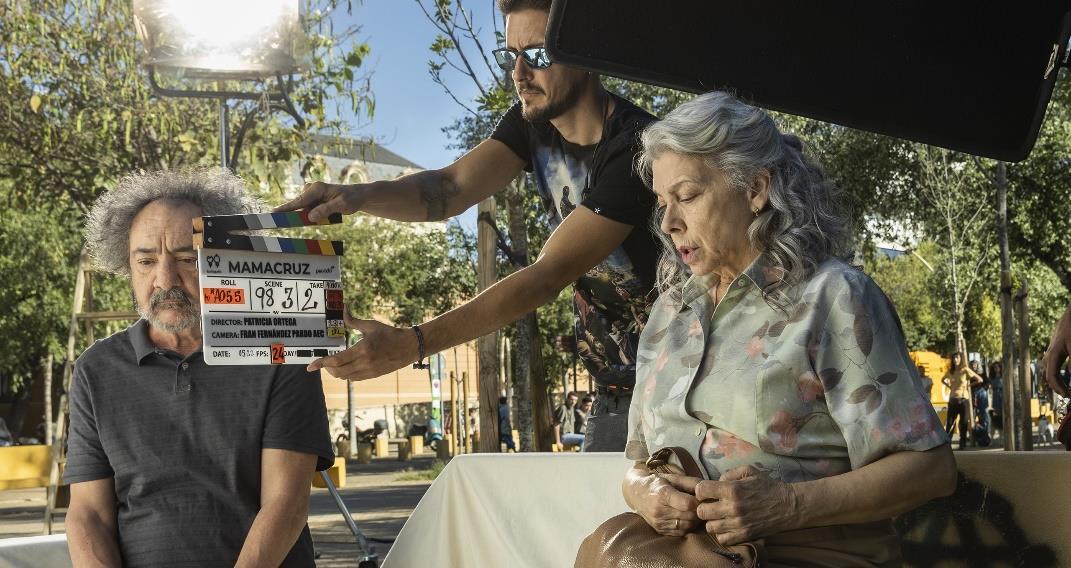
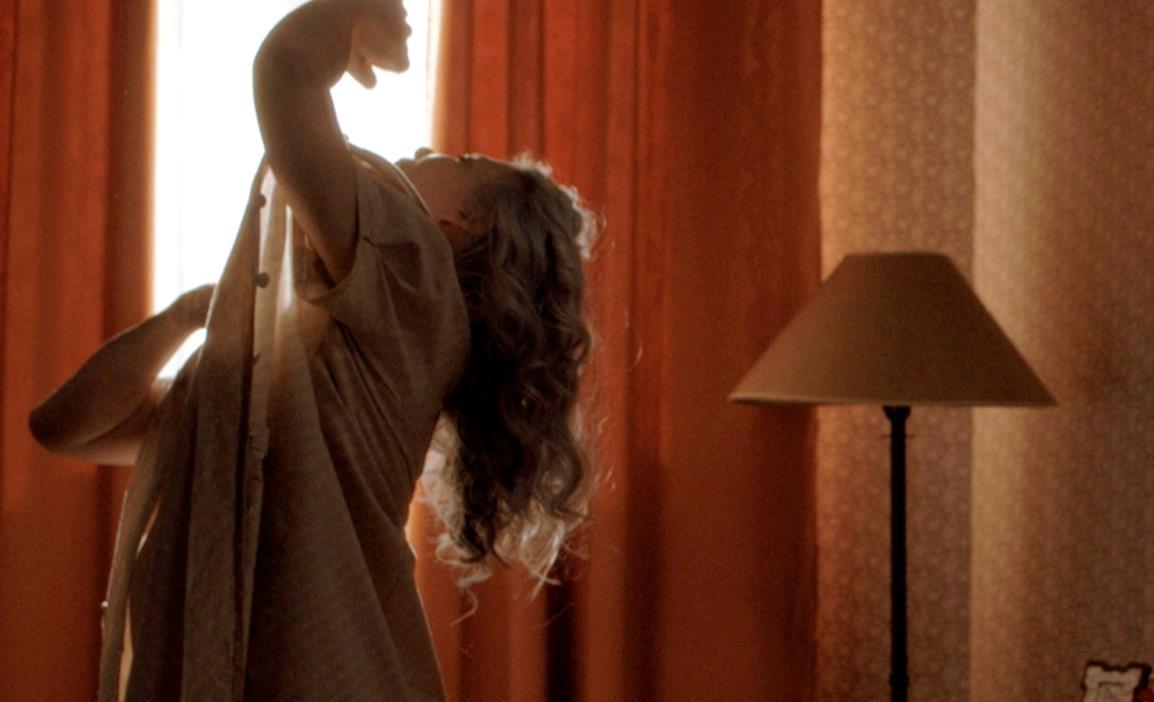
Patricia Ortega’s (Being Impossible, 2018) second film Mamacruz (Spain), lead actress Kiti Manver (Women on the Verge of a Nervous Breakdown) portrays an older woman learning to use the internet and finding pornography.
Lithuanian director Marija Kavtaradze focuses on asexuality in her second feature film, Slow (Lithuania, Spain, Sweden). Dancer Elena and the sign language teacher Dovydas form an innate bond and have to figure out how to build their own kind of intimacy.
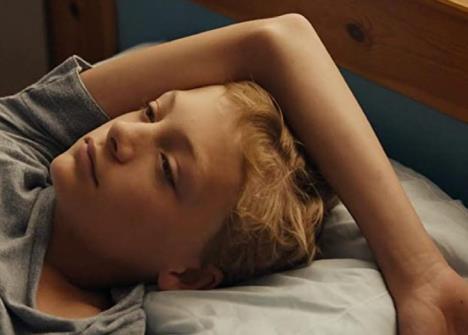
addresses the lasting effects of an untreated trauma in her feature film debut, When It Melts (Belgium, The Netherlands). Fragile Eva decides to return to her home village and face the scorching summer that altered her life.
World Cinema Documentary Competition
Fantastic Machine (Sweden, Denmark) is the first featurelength documentary of director and producer Axel Danielson, coowner of Platform Production founded by Erik Hemmendorf and Ruben Östlund, and director, producer and cinematographer Maximilian Van Aertryck. After their award-winning short film Ten Meter Tower, the Swedish directing duo explores how mankind’s obsession with photos and images has changed our behaviour over the past 200 years and looks at the social consequences of the billions of cameras on the planet churning out images.
We follow the renowned Inuit lawyer and activist Aaju Peter from Greenland who defends the
EURO SUNDANCE SPOTLIGHT 26 JANUARY 2023 Page 18 `
Mamacruz by Patricia Ortega
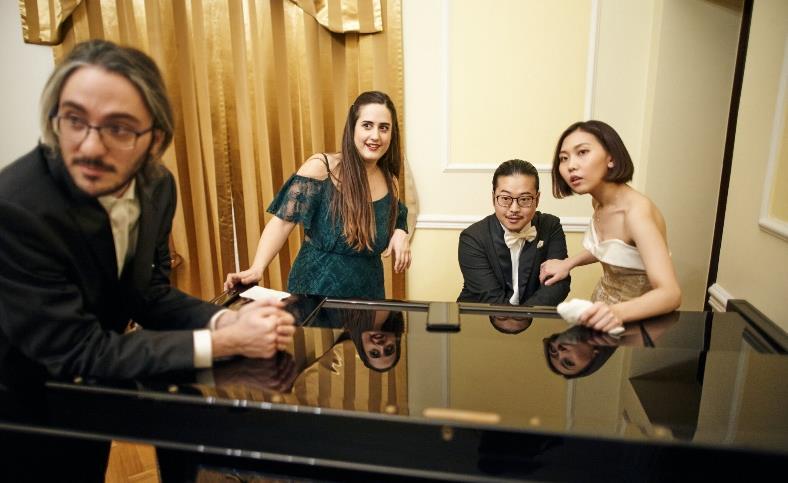
Pianoforte by Jakub Piatek
Director Veerle Baetens
Smoke Sauna Sisterhood by Anna Hints
human rights of Indigenous people of the Arctic in Twice Colonized (Greenland, Denmark, Canada) by director Lin Alluna.
Pianoforte (Poland) by Polish director Jakub Piątek takes a glimpse behind the scenes of The International Chopin Piano Competition, held in Warsaw every five years since 1927, and shows some of the most talented young professional pianists from around the world.
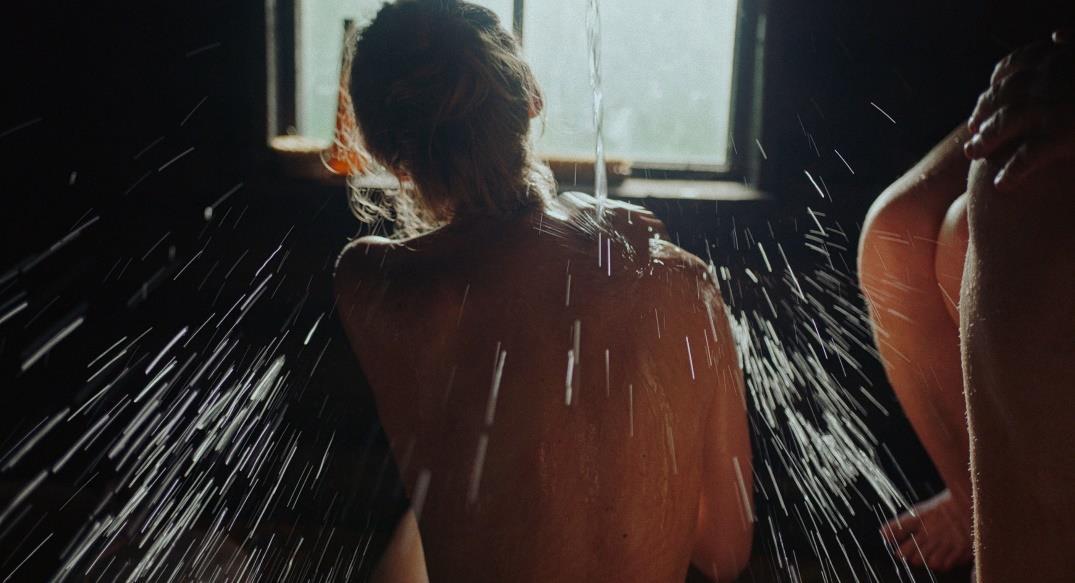
A smoke sauna as healing place in Smoke Sauna Sisterhood (Estonia, France, Iceland), director Anna Hints captures an impressive ritual with her camera. In a lush green forest in southern Estonia, a group of women gather in the safe darkness of a smoke sauna to share their inner-most thoughts and secrets.
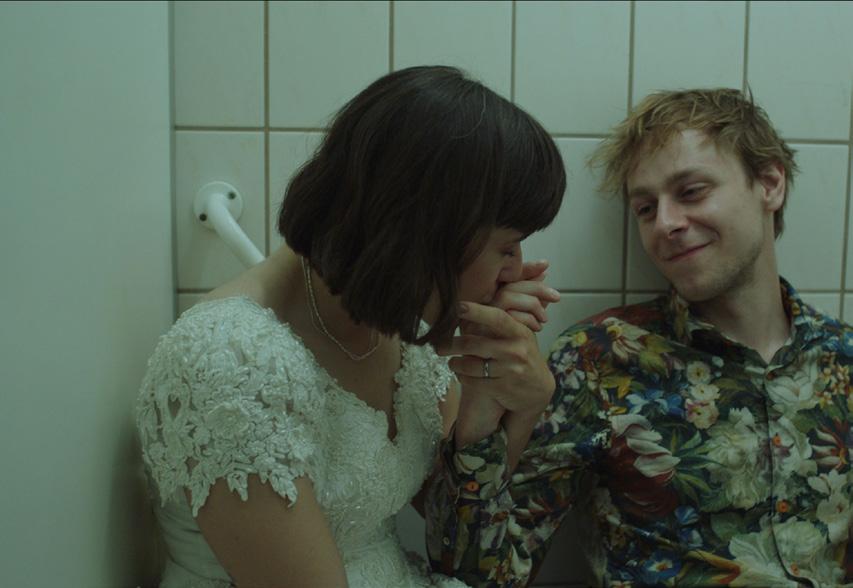
Pegasus offers the opportunity to share couples pregnancy on a more equal footing via detachable artficial wombs, or pods. But at what cost?
Short Film Program
The Kidnapping of the Bride; Luisa from Argentina and Fred from Germany are confronted with their social roles. The German tradition of kidnapping the bride during the wedding shakes the couple’s equality. German-Argentine director Sophia Mocorrea questions and deconstructs the structures in which young people are socialised across cultures.
European Film Promotion

(EFP) launched its inaugural inperson meeting space for European filmmakers and the international industry in Sundance Film Festival at Park City’s Double Tree Hotel.
Premieres
The Pod Generation, the third feature film by Franco-American filmmaker Sophie Barthes, is a social satire about parenthood and an examination of technology, nature and society. In a not-so-distant future, A.I. is all the rage as nature becomes a distant memory. Tech giant


EURO SUNDANCE SPOTLIGHT 26 JANUARY 2023 Page 19
Fantastic Machine by Axel Danielson and Ruben Ostlund
`
Twice Colonized by LinAlluna
Animalia by SofiaAlaoui
VERDICT: Jakub Piatek's classical music documentary covers the prestigious Chopin Competition, presenting a group of talented kids in a story that starts slow but becomes truly buoyant in its final third.
Oris Aigbokhaevbolo, January 24, 2023
For the uninitiated, Jakub Piatek’s Pianoforte begins with a note informing us of the importance of the Chopin Competition, which takes place in Warsaw, Poland. It has existed since 1927 and is the most prestigious piano contest in the world for young professionals aged 16 to 31. That, of course, establishes the film’s challenge: how to make an event that requires super-expertise, a still torso and moving fingers accessible to viewers, some of whom have no idea what a diminuendo is.
It probably helps that the film has shown up at Sundance while there’s still buzz for Tár, Todd Field’s film set within the classical music scene. Something about that overlapping interest ought to see this well-made documentary get some love beyond the European festivals which are its natural habitat.
The film presents several participants and their stories, giving a background to their hopes for victory. Thus, Pianoforte is really a drama disguised as something like a sports documentary. You kinda understand the effort, even if most of it is mental. There is the pressure of being world beaters for all involved. As one contestant says, even if you do win the prize money attached to victory, that money might prudently be used “to go into therapy”. ow does you win the contest? If the advice offered onscreen is any indication, then, as one mentor says, “they have to desire you”. As you can guess, that advice goes to a young lady. “You play but you don’t tell a story yet” is another suggestion.
What’s in it for the contestants themselves, all of whom are already decent pianists? Perhaps it differs from one person to another, but one statement rings true: “I want a career and stability in the future”. Winning the Chopin Competition is a sure way to make it happen. The same contestant softly mocks people who say their reason for going through the stress is a need to “express [their] feelings in music”. Whatever the case, what this documentary is great at conveying is the sheer amount of practice, practice, practice that is required. This isn’t quite Malcolm ladwell’s 10,000 hours; it is more like Every Waking Hour.
Unlike Piatek’s thriller Primetime, which he brought to Sundance a couple of years ago, Pianoforte is much slower, less showier. It spends quite a lot of time establishing the backgrounds of these aspirants and sometimes it seems like the material he obtained isn’t quite compelling enough to justify 90 minutes of runtime. But the difficulty of his project is clear: how much sustained visual tension can you generate from someone touching the keys of an instrument so solid it sometimes requires multiple people to move it?
It is, of course, a much easier thing to convey cinematically than, say, writing but it is not exactly car racing or basketball, activities that have proven to be cinematic gold over and over. We do get the pianists who play with their feelings. Shots of hands on keys have quite a flourish ”loose wrist, stiff fingers” as a contestant is instructed but these are not the most exciting things anyone has seen onscreen before. Fortunately (or maybe not), there is some drama when one pianist quits before the finale but because he’s sharing screen time with others, the emotion doesn’t quite reach the crescendo it would if Pianoforte was solely about his resignation from the Chopin Competition.
The film comes incredibly alive at the moment when the qualifiers for each stage of the competition are announced. We see the contestants and their teams look at their screens and erupt in palpable joy. You are reminded that for these people engaged in this highly-regarded but niche endeavour, this music, this contest, is central to their lives and to how they see themselves. One tutor explains how she was never quite driven enough to compete in her own day, even if she knew about the competition.
Full Review
EURO SUNDANCE SPOTLIGHT 26 JANUARY 2023 Page 20
PIANOFORTE

EURO SUNDANCE SPOTLIGHT 26 JANUARY 2023 Page 21
Germany Sweeps Oscar Noms
German entry, All Quiet On the Western Front, by Edward Berger (DE/US, Amusement Park Film) has been nominated for the 95th Oscar® in the International Feature Film category and for Best Picture, Adapted Screenplay, Music (Original Score), Production Design, Cinematography, Makeup & Hairstyling, Sound and Visual Effects.

German Films Managing Director, Simone Baumann explains that “The impressive number of nine Oscar® nominations is an excellent sign of the outstanding quality of German filmmaking in the global arena. And for the first time, a German film enters the race in the Oscar® category BEST FILM.”
Director, producer and co-writer Edward Berger comments:
“Making a film is alchemy and if the right circumstances come together, if you are lucky enough, then somehow, miraculously, the film appears. When I asked her, my daughter said I should make this film, so… here we are. The fact that other people are now connecting with it is wonderful.”
Producer Malte Grunert adds, “Thank you to the Academy for this incredible honor. ALL has a history with the Academy. The first film adaptation was produced in Hollywood in 1929, at a time when this film already couldn’t have been made in Germany anymore and Hollywood was beginning to become a refuge for so many artists fleeing Europe. The film went on to receive two Academy Awards® To be connected to this history with our film, the first German language adaptation of Remarque’s literary masterpiece, makes us incredibly proud. Thank you very much.“
All Quiet On The Western Front is an Amusement Park Film production in co-production with Gunpowder Films and in association with Sliding for Netflix. The film debuted at the Toronto International Film Festival, was released in German cinemas by Netflix on September 29, 2022 through its distribution partner 24 Bilder and then opened in US cinemas in October and has been available worldwide on Netflix since October 28, 2022 where it’s in the global Top 10 of non-English titles.
Academy Award Best Picture Nominations
ALL QUIET ON THE WESTERN FRONT
AVATAR:THE WAY OF WATER
THE BANSHEES OF INISHERIN ELVIS
EVERYTHING EVERYWHERE ALL AT ONCE
THE FABELMANS TÁR
TOP GUN: MAVERICK TRIANGLE OF SADNESS
WOMEN TALKING
International Film Nominations
ALL QUIET ON THE WESTERN FRONT Germany
ARGENTINA, 1985
THE QUIET GIRL
Ireland
EURO SUNDANCE SPOTLIGHT 26 JANUARY 2023 Page 22
All Quiet On The Western Front
Best
Argentina CLOSE
Belgium EO Poland
Close
EURO SUNDANCE SPOTLIGHT 26 JANUARY 2023 Page 23
5 SEASONS OF REVOLUTION
country. Lina, whose mononym appears to be another security measure, gets a camera and begins to film what is happening. This is both out on the streets and within a group of young journalists/activists who team up to do what they can to bring awareness of the plight of Syrian citizens caught in the violence.
VERDICT: Using photos, footage, and fragmented clips, the mononymous director Lina presents an account of the Syrian Crisis as both a national and interpersonal tragedy.
Oris Aigbokhaevbolo, January 25, 2023
There are probably only a few ways the exiled citizen can look at her homeland and the events that have driven her out: either in anger, in longing, in regret, or in resignation. In Lina’s 5 Seasons of Revolution, it is the very human cocktail of all four that comes through.
Set in Syria during Assad’s deadly reign, the documentary, which has premiered in Sundance, begins by introducing a collection of young persons we will come to see navigating the political turbulence of the Syrian version of the Arab Spring.

Its major figure is the director herself, who tells us at the start that in order to protect identities, deep fake technology and blurring will be deployed, the sort of framing that informs viewers this isn’t one of those documentaries where the villains have been vanquished and
everyone can speak freely without some kind of repercussion. Within the film itself, subjects are presented with the option of concealing themselves in whatever manner they find reasonable. There was danger at the time of filming, which roughly took place from 2011 to 2015. There is still some danger now perhaps because President Bashar al-Assad who came into power in 2000 still rules the country.
As is generally known, the impetus for the crisis was protests demanding that Assad be removed as president. The government’s response was violence. Lina, who depending on the situation is also Maya and a handful other names for security’s sake, covers the crisis even if she belongs to Damascus, a city she labels “smug” for its apparent disconnect from what is happening in other parts of the
From the inexorably chaotic nature of the crisis, it is obvious that 5 Seasons was never going to be a genteel account with a cohesive narrative and seamless editing, no matter the efforts of editors Diana El Jeiroudi and Barbara Toennieshen. You hear people speak in one scene and can barely see a thing then in seconds the screen goes blank. Lina’s voiceover, the main unifying element across the film, comes on to say what has happened, which, in one episode, is the discovery of their hidden camera by state forces in plainclothes. As with regimes of a certain kind, to bear witness to ostensible crimes is to be judged a criminal. A member of the group explains that, in court, before the accused individual is released, they are told to stop protesting; but the judge doesn’t instruct the state to stop beating up protesters. The point is that in the eyes of the law, as interpreted by a sitting judge, only one of those things is a crime.
Along with presenting a fragmented account of what happens between the government, the defiant citizens, and the rather cowardly international institutions, 5 Seasons turns the camera on members of the group itself.
Full Review
SAN SEBASTIAN SPOTLIGHT 22 SEPTEMBER 2022 Page 24




Beyond Reviews www.thefilmverdict.com Visit Our Digital Newsstand