

Meet the author
Yvonne Myles
Yvonne is a post primary teacher of Leaving Certificate and Junior Cycle Religious Education, SPHE and LCA Hair and Beauty at St. Peter’s College, Dunboyne, Co. Meath. She is also a teacher of Spanish and a CIDESCO qualified Beauty Therapist. She graduated as a mature student from St. Patrick’s Pontifical University, Maynooth, and completed her Professional Master of Education at Maynooth University. Yvonne has extensive experience teaching Junior Cycle SPHE and has played a key role in supporting the implementation of the new Senior Cycle SPHE specification within her school. She is currently the SPHE Head of Department and is passionate about supporting young people to develop self-awareness and strong life skills.
by Yvonne Myles
Published by 4schools
89F Lagan Road, Dublin Industrial Estate, Glasnevin, Dublin 11, D11 F98N, Republic of Ireland.
T: ++ 353 1 8081494 - E: info@4schools.ie © 2026
ISBN 978-1-907330-97-1
All rights reserved. No part of this publication may be reproduced or transmitted in any form or by any means, including photocopying and recording, without the publisher’s written permission. Such written permission must also be obtained before any part of this publication is stored in a retrieval system of any nature. Permission requests should be directed to 4schools.
As of the time of publication, all web addresses listed were active and contained information relevant to the topics discussed in this book. 4schools does not accept responsibility for the content or opinions expressed on these websites and videos. Please note that the content, views, and web addresses may change, which is beyond the control of the publisher or the author. Students should always be supervised when reviewing websites and videos.
4schools has attempted to contact all proprietors of images, texts and graphics included in this book. Proprietors we were unable to reach are requested to contact us. We would be happy to make the necessary arrangements at the first opportunity.
For permission to reproduce photographs and images, we gratefully acknowledge the following: Shutterstock, Freepik, The Noun Project, Channel4, TED, HappyDoggo, Offshore, TED-Ed, Academy of Social Competency, Kevin Taylor, Netflix, DD Bree, Zack D. Films, Off the Record, AMAZE Org, IRP Graduate School, The Irish Independent, UNSW Health, Unwired Self, GEC4OU, Dublin Rape Crisis, Webwise Ireland, Department of Justice, Home Affairs and Migration, NZOFLC, In The Know, Women's Aid Ireland, Prime Seven Media, PA, Ebury Press, Begin Again with Davida McCall, Prince Ea, Haven Inspired and Smiling Mind.
Thank you to the crew who knew! - Val, Girl Code, Emma, Gina, Andrew and Abby. Without your support and encouragement this book would not have been possible.
I dedicate it to my dad, Tom - The Secret Academic!
Yvonne Myles
Welcome to Thrive! – your guide and support as you embark on your Transition Year (TY) SPHE journey. TY is a unique year of growth and transformation, offering you the time and space to try new things. Through the various experiences you’ll encounter over the year, you’ll be supported to become more adaptable, empathetic, competent and resilient. You’ll strengthen your confidence and competence while exploring what truly matters to you.
In TY SPHE, you’ll work towards developing a stronger sense of self, understanding your values and nurturing your relationships through a range of diverse topics and activities. You’ll also recognise the valuable role you play in your community and the wider world. The practical skills you’ll acquire will benefit you now, as you move into Senior Cycle, and in life beyond school.
This book aims to enhance the strengths and skills you already possess, and to support you on your journey of growth, self-discovery and lifelong learning.
TY SPHE is your year to Thrive!
This micro-module invites us to explore who you really are and to think about the person you want to become. By reflecting on your values, strengths and the influences that affect you, you’ll learn about your identity, how to set healthy boundaries and how to build positive relationships. Important topics like friendships, peer pressure, communication and making thoughtful choices are explored throughout the micro-module. This provides a space for reflection, real-life learning and personal development. As the micro-module progresses, you’ll practise skills that boost your confidence, increase your self-awareness, and support you in making decisions that suit you. This is your opportunity to get to know who you really are.
1. You, Me and SPHE
2. My Identity – Who Am I?
3. My Sense of Self, Characteristics and Values
4. Influences and Influencers
5. Being Authentic, Being Real
6. Staying Real, Speaking Truth!
7. Negative Influences and Setting Boundaries
8. My Best Self and Healthy Relationships
9. The Power of Positive Influences
10. Owning Who I Am - Affirmations, Gratitude and Reflection
1.1 You will reflect on your unique identity, characteristics, values and aspirations, and explore the influences that have shaped these.
By the end of this chapter, you will:
Influences, Social Comparison Theory, Self-Worth, Self-Esteem, Self-Confidence, Body Image, Influencers, Looksmaxxing, Glow Up
Identify what influences contribute to shaping who you are and how you present yourself to the world.
Recognise the impact of online trends, comparison and unrealistic standards on self-worth, self-esteem and confidence.
Reflect on ways to build a positive body image and use social media in a way that supports your wellbeing.
Surround yourself only with people who are going to lift you higher.
Oprah Winfrey
What does this quote mean to you?
Using the gratitude leaves, fill in three things you are grateful for this week:
2 Briefly describe one personal achievement or positive experience you had this week. It can be a moment that made you feel good or proud, such as saying something nice to someone or helping someone at home. Then you’ll outline how this win made you feel.
Take a mindful minute at the start of class to allow you to pause the busyness of the school day for a moment of calm.
You can try this grounding exercise:
• Notice 5 things you can see
• Notice 4 things you can hear
• Notice 3 things you can feel (e.g. your feet on the floor or your hands on your lap)
• Notice 2 things you can smell
• Notice 1 thing you can taste or are still aware of from earlier
Your teacher will have other mindfulness options that can be used.
By now, you’ll have a better understanding of your identity as you’ve explored your sense of self and the values and characteristics that make you unique. However, as none of us become who we are in isolation, in this chapter we’re going to take a closer look at the people, experiences and media that influence us.
The person you are today has been shaped by a wide range of influences . These range from your earliest relationships, to the experiences in your life, to the people and media you engage with every day. Some of these influences have been positive in strengthening your sense of self, values and confidence. Others may have been more challenging or confusing, impacting how you see yourself or what you believe, without you even realising it.
Using the mind map template below, add the names, groups, life experiences and media platforms that have influenced you in some way. Use examples from both the past and the present. Think about:
• Family members – grandparents, parents, extended family, siblings, pets
• Friends and peers – childhood friends, current friends, classmates, peers
• Mentors – teachers, coaches, trainers, religious leaders
• Teams, groups, clubs or communities – sports teams, debating club, religious or school community
• Life experiences – challenges you’ve overcome, achievements, big changes, traditions
• Media influences – people you follow on social media, influencers, online creators, YouTube personalities, music, TV shows, film.
Who and What Influences Me?
After you have completed your mind map, note one way that each one has influenced you. Then highlight the people, experiences or media that have had a positive impact on you. Underline those you feel have had a negative or confusing impact on you.
Complete the following question: Which influence has had the biggest impact on you and why?
For young people today, social media is a big part of daily life. Platforms like Snapchat, TikTok and Instagram allow quick and easy ways to connect with friends, follow trends and stay up to date. They can create a sense of community and belonging, which can be a positive influence on your sense of self.
However, social media also has its downsides. With the constant stream of posts and advice online, it’s easy to begin comparing our looks, achievements and lives against others. This is where Social Comparison Theory comes in. It’s the idea that we understand ourselves by comparing our appearance, abilities and lifestyles to other people. We do this to figure out where we “fit in” by measuring whether
This is when we compare ourselves to someone we think is superior or doing better than us –like being more popular, better looking, or more successful. It can motivate us, but it might also make us feel less confident and harm our selfesteem.
we’re doing “better” or “worse” than someone else. While this comparison is a normal part of human nature, it can harm our self-worth , self-esteem and self-confidence .
• Self-worth – The belief that you are valuable and deserve respect just for being who you are, regardless of what you look like, what grades you get, what others think, or how many likes or followers you have.
• Self-esteem – The belief and feeling you have of yourself including your strengths, weaknesses and whether you think you’re “good enough”.
• Self-confidence – The belief in what you can do – your abilities, skills and judgement.
This is when we compare ourselves to someone we think is inferior or doing worse than us. It can boost our self-esteem, but can lead to judgement or unhealthy attitudes towards others.
This is especially true when we compare ourselves to what we see online. Much of what appears on social media is filtered and edited. This sets unrealistic beauty and body standards and portrays “perfect” lifestyles that don’t reflect real life. That’s why it’s important to think carefully about the content we consume and recognise that it can often be misleading.
In your groups, discuss the questions below. Nominate one person to take notes and another to share your group’s thoughts with the class.
1. What are some good things about social media in your life?
2. Have you ever compared yourself to someone online? How did it make you feel?
3. Do you think most of what we see on social media is real or filtered/edited?
4. Why do you think people only show the best parts of their lives online?
5. What are some ways we can remind ourselves not to take social media too seriously?
Body image is how we think about our body and how it looks to others. One of the biggest influences on how young people feel about their bodies today is social media, including apps such as TikTok, Snapchat and Instagram. This has given rise to influencer culture. An influencer is someone who has a large following on social media and can affect how other people think, feel or behave.
It’s important to remember that many influencers and celebrities have access to personal trainers, stylists and editing tools. Therefore, what they portray online isn’t always real or achievable. Comparing ourselves to these images can affect how we feel about our own appearance. It can lead to low self-esteem, body dissatisfaction and mental health challenges like anxiety, eating disorders, or a constant need for validation through likes and comments. Girls often feel pressure to meet
certain beauty standards, while boys are increasingly influenced by gym culture and trends like looksmaxxing – where people try to change their appearance through intense routines, strict diets, or even surgery. Another common trend online is the idea of a glow up , which refers to improving your appearance over time, often shown through dramatic before-and-after photos. While it can be motivating for some, these posts can also create unrealistic expectations and pressure to change how you look to feel accepted. What social online environment were you using when you were bothered/upset? (12-14 year olds)
Many research studies have shown that lengthy exposure to social media is having a negative impact on young people. Take a look at the chart below:
SOURCE/STUDY
My World Survey 2 (UCD & Jigsaw, 2019)
Heath Behaviour in School Aged Children (HBSC, 2022)
BodyKind Pilot (UCD & Jigsaw, 2023)
Shona Project (2025)
FINDINGS
• Online >3 hrs/day linked to mental health issues
• 26% unhappy with body.
• Over two-thirds said they used appearancealtering behaviours (like dieting or exercising) to change their look. 13-18
• 57.6% of girls and 35.2% of boys feel low at least weekly.
• Highlighted the impact of comparing themselves to online images, especially “Instagram models”. 10-17
• Social media is “a bombardment” with less than 50% happy with their appearance. 15-17
• 60% struggled with body image due to social media.
• 55% felt isolated.
• 52% had low self-esteem. 12-19 (girls)
1. Are the results of the studies surprising to you? Why?
2. Do you think the Internet sets unrealistic standards for young people?
3. How can we build a more realistic and positive view of ourselves, even when we’re surrounded by idealised images online?
Watch the following clip on looksmaxxing from the Channel 4 programme UNTOLD: The Truth About Looksmaxxing:
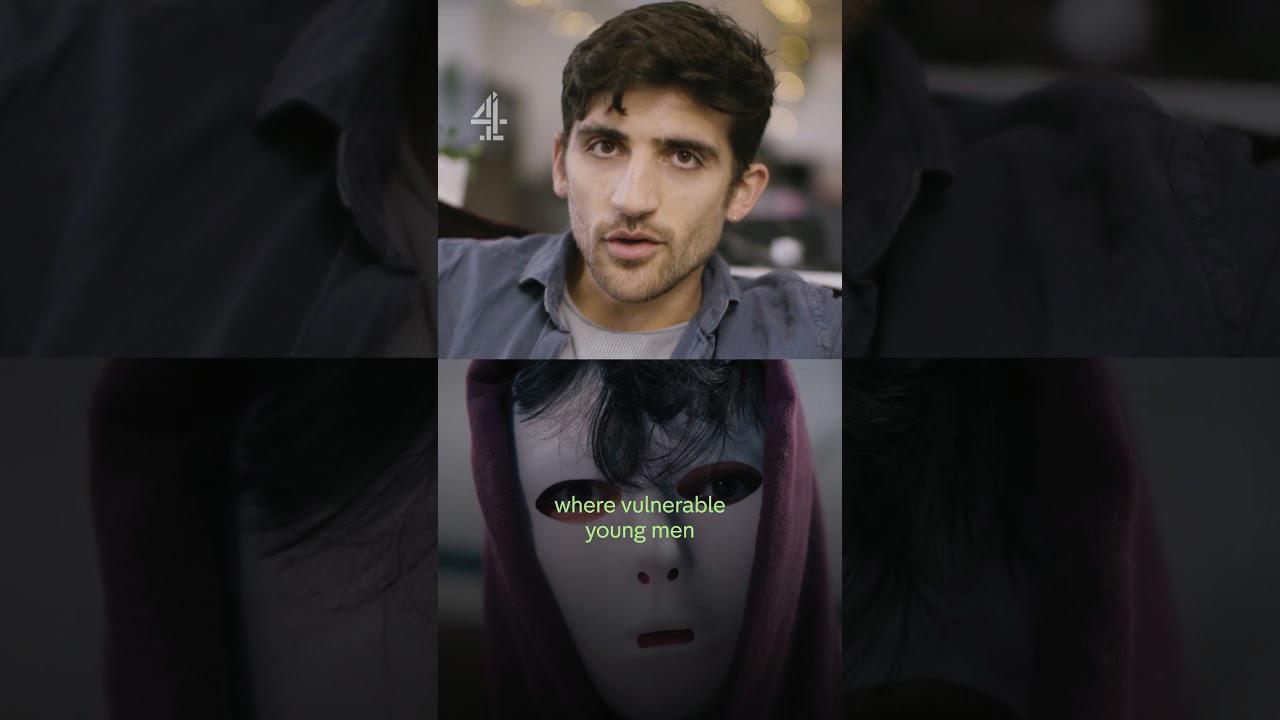
https://www.youtube.com/shorts/-hn-MBcSMCI
1. Why do you think some young people are drawn to looksmaxxing communities online?
2. How does social media play a role in promoting unrealistic appearance goals?
3. Are looks and appearance the most important things when it comes to success in life or in relationships?
4. In what ways can we challenge the idea that your value is based on your appearance?
In your group, review the scenarios below and rank them from 1–10 according to what can have the most or least influence on a young person’s self-esteem.
There are no right or wrong answers. The aim is rather to reflect on how these situations might affect people differently.
Noticing someone unfollowed them
Using filters on photos before posting so it’s “perfect”
Reading a negative comment on one of their posts
Seeing how many likes a selfie or post gets
Observing a friend’s gym progress and gains online
Following an influencer who promotes a “What I eat in a day” video
Seeing a TikTok glow-up trend
Noticing a classmate posts about the expensive clothes and gadgets they have
Scrolling through their photos and comparing them to others
Joining a looksmaxxing forum
What’s one way you can use social media in a way that supports your sense of self and makes you feel good about yourself?
Revisit your intention at the end of the previous chapter. Now, note your progress below, detailing what action you took to achieve that goal. Afterwards, pick a new intention you’d like to focus on for the coming week.
Remember, intentions are small steps we can take to achieve bigger goals, making success feel more within our reach.
Communication is at the heart of every relationship, from friendships and family connections to school and work interactions. In this micromodule you will explore skills that help you understand yourself, connect with others, and navigate everyday conversations with care and confidence.
You’ll start with active listening and empathy to show understanding and respond thoughtfully. You’ll also explore verbal and nonverbal communication, communication patterns and styles, conflict management and resolution, and how to communicate in challenging situations.
Throughout the micro-module you’ll learn practical strategies, reflect on your own skills and practise them in real-life situations. By the end you will have a toolkit to communicate confidently, foster healthy relationships, and contribute positively to your friendships and community.
11. The Art of Active Listening
12. Say It, Show It – Verbal and Non-verbal Communication
13. Family Communication
14. Communication Styles – Four Ways to Say It
15. Communicating Conflict with Care
16. Different Perspectives, Different Conflict
17. Managing Conflict – Skills and Mindset
18. Conflict Resolution – Finding a Way Forward
19. Communicating in Challenging Situations
20. Flourishing Communication
2.3 Recognise helpful and unhelpful ways of engaging in or responding to difficult or conflictual conversations.
By the end of this chapter you will:
Perspective, bias, assumption, judgement
Recognise how perspective and bias influence the way people experience conflict.
Identify your natural conflict style and reflect on how it affects your responses.
Apply strategies to manage disagreements thoughtfully and effectively.
seek first to understand, then to be understood.
Stephen
Covey
What does this quote mean to you?
Using the gratitude leaves, fill in three things you are grateful for this week:
2
Briefly describe one personal achievement or positive experience you had this week. It can be a moment that made you feel good or proud, such as saying something nice to someone or helping someone at home. Then you’ll outline how this win made you feel
Take a mindful minute at the start of class to allow you to pause the busyness of the school day for a moment of calm.
You can try this grounding exercise:
• Notice 5 things you can see
• Notice 4 things you can hear
• Notice 3 things you can feel (e.g. your feet on the floor or your hands on your lap)
• Notice 2 things you can smell
• Notice 1 thing you can taste or are still aware of from earlier
Your teacher will have other mindfulness options that can be used.
Conflict is a part of life that most of us can’t avoid. It’s not as simple as determining who’s right or wrong, especially when people interpret situations differently. By looking at perspective and bias, you’ll gain insight into why some disagreements happen. From there, you’ll explore different conflict styles and see how using them effectively can help manage disagreements in a positive way.
Each of us sees the world through our own perspective , shaped by family, culture, experiences and even our mood. This is why people can react and respond differently to the same situation. A friend might think something is a huge deal while you see it as nothing at all. These differing perspectives can spark conflict and how each person responds will affect how it progresses. Our perspective can also lead to bias , where we make assumptions or judgements about people or their actions. This can escalate conflict if we misinterpret intentions or react to assumptions instead of facts. Trying to see another person’s viewpoint and being aware of our own bias helps us be more thoughtful and understanding during disagreements.
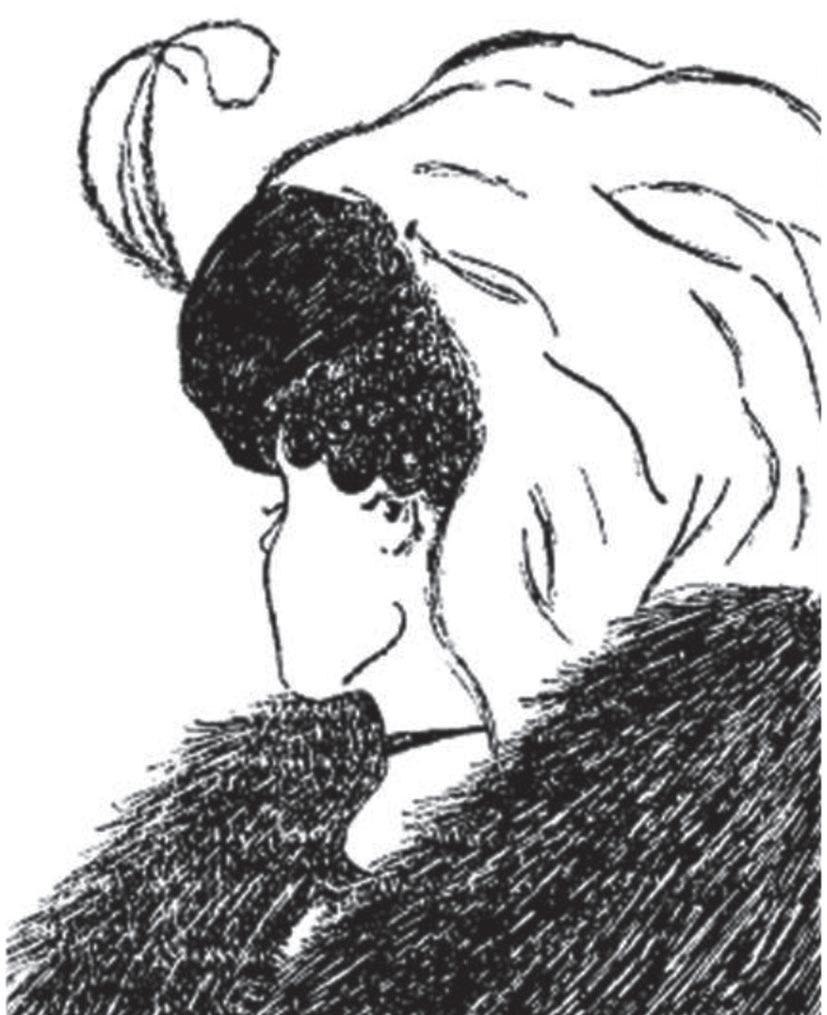
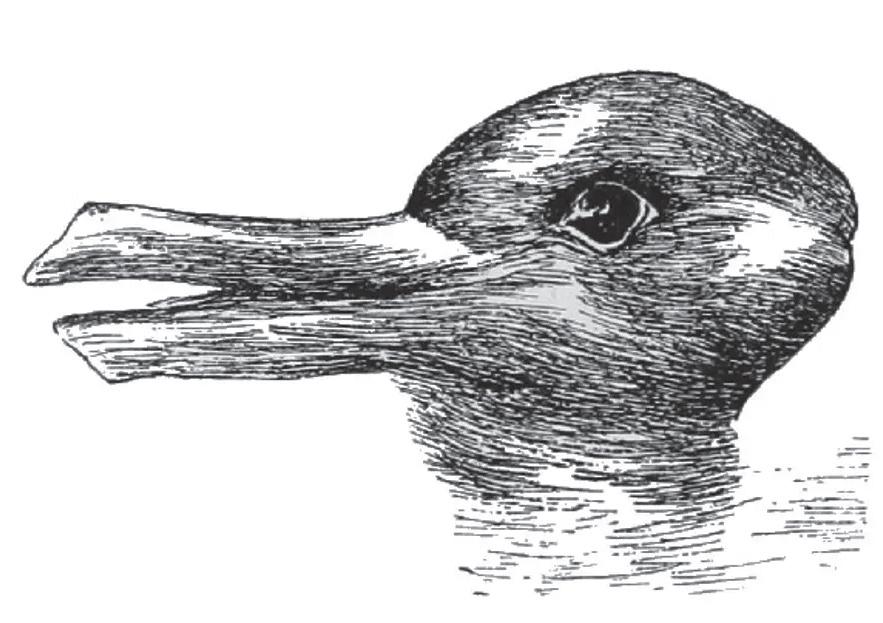
In pairs, look at the optical illusions. What do you see first? Does your partner see the same or something different?
What do you see? A vase/candlestick or two faces?
What do you see? An old woman or a young girl?

What do you see? A bird or a bunny? Can this image be moving?
A. What do the optical illusions teach us about the way people can interpret the same situation differently?
B. How could this understanding help when dealing with conflict?
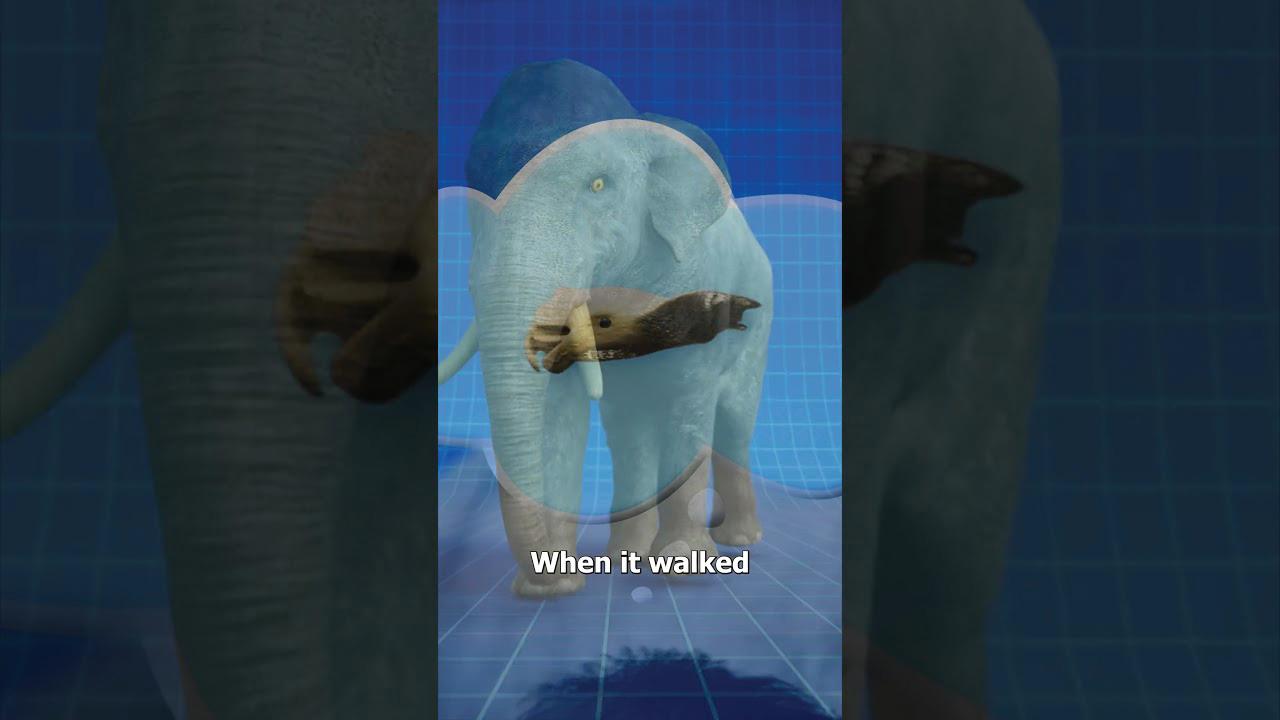
https://www.youtube.com/watch?v=HulyTN9CeHY

1. Watch a short video of The Blind Men and the Elephant story. What does it teach us about conflict?
2. Think of a recent disagreement you had. How might the other person’s perspective have been different from yours? Write a short reflection.
Researchers Kenneth Thomas and Ralph Kilmann outlined five common approaches people use when in conflict. Some people avoid conflict, some give in, while others push to get their way. Others look for the middle ground or work together to create a win–win solution. No single style is always right or wrong. Each has its pros and cons, and can be useful depending on the situation. Therefore, knowing your own style and when to adapt it is an important skill.
The five conflict management styles are:
• Avoiding - Steps backs and stays silent. Prefers to withdraw from conflict than face it, often to avoid difficult or upsetting situations.
• Accommodating - Smooths over conflict to keep the peace. Worries that addressing it might damage relationships. Values being liked by others, so may avoid being fully honest.
• Competing - Pushes to win and get their way. Values goals and accomplishing them over being liked by others. Can be aggressive, overpowering and dismissive of other views.
• Compromising - Looks for middle ground where each gives up something to reach an agreement.
• Collaborating - Sees conflict as a problem to be solved. Works with others to find a win–win agreeable solution. Sees conflict as a way of improving relationships by reducing tensions between two persons.
Watch the following clip on conflict styles:
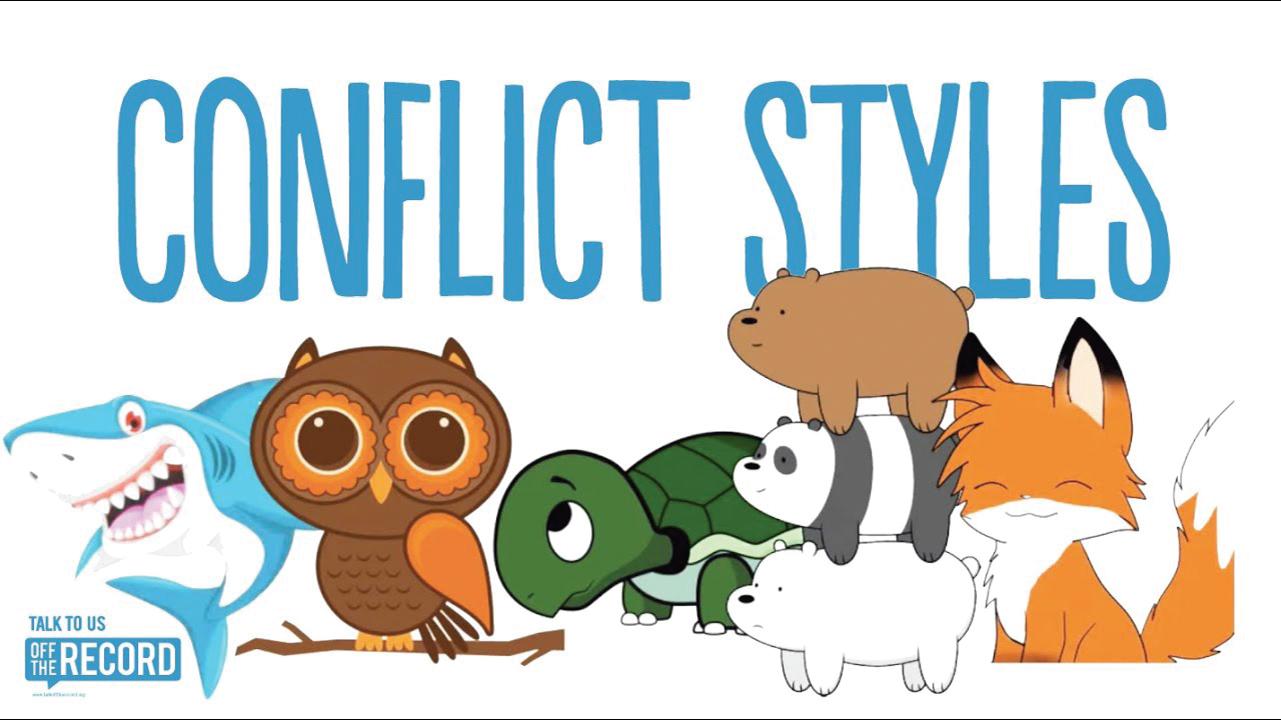
https://www.youtube.com/watch?v=Iahd11Z8pL0

While watching, fill in the table below, match each animal to its conflict style and list a pro and a con.
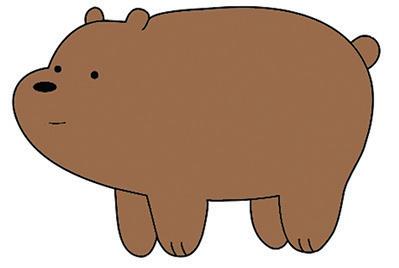
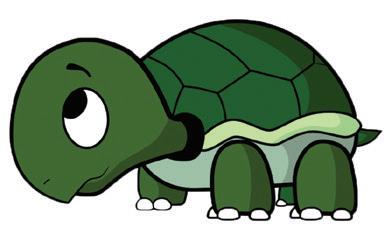
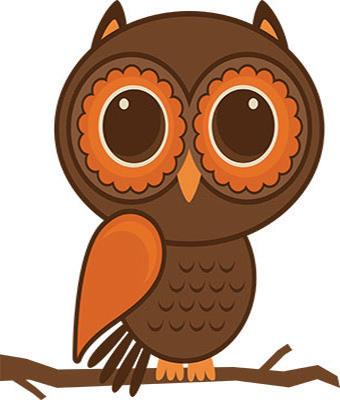

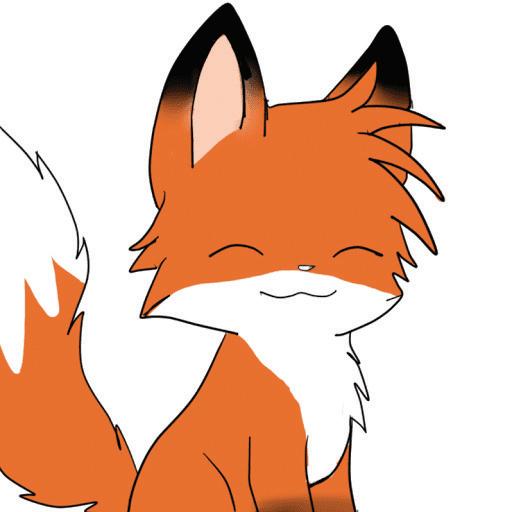
Step 1: This quiz will help you identify which conflict style you naturally lean towards. There are no right or wrong answers. The aim is to build awareness of your instinctive style.
Instructions: For each scenario, circle the option that’s closest to how you’d react. Each answer links to one of the five conflict styles: Avoiding, Accommodating, Competing, Compromising, or Collaborating.
1. A friend borrows your headphones and damages them. You:
A. Say nothing and hope it doesn’t happen again.
B. Discuss calmly together what can be done to fix them.
C. Tell them off and insist they pay.
D. Say it’s okay and replace them yourself to keep the peace.
E. Suggest splitting the cost.
2. During a group project, someone isn’t contributing. You:
A. Cover for them to keep things peaceful.
B. Argue that they must do their share.
C. Suggest a fair division of tasks.
D. Talk to the group and find a solution that works for everyone.
E. Do the work yourself and avoid confrontation.
3. A sibling plays loud music while you study. You:
A. Stay quiet and try to concentrate anyway.
B. Ask them to turn it down and let it go if they refuse.
C. Suggest they use headphones so you can both fully get what you want.
D. Instruct them to turn it off now.
E. Agree they can keep it at a lower volume.
4. A teacher gives feedback you think is unfair. You:
A. Argue defensively that it’s wrong.
B. Nod and accept it, even though you disagree.
C. Ask if parts can be adjusted or reconsidered.
D. Discuss calmly and find a way to improve together.
E. Say nothing and accept it.
5. A friend cancels plans at the last minute. You:
A. Agree on how to manage cancelling in the future.
B. Say nothing and feel annoyed inside.
C. Complain a bit, but agree to reschedule when they apologise.
D. Confront them angrily.
E. Say it’s fine, even though you’re hurt.
6. A teammate blames you for losing a point. You:
A. Take responsibility for the point and stay quiet.
B. Talk with your teammate and agree on how to do better next time.
C. Let it go to avoid conflict.
D. Admit your part but highlight you’re a team, so everyone shares responsibility.
E. Snap and say it wasn’t your fault.
7. A parent sets a rule you don’t like. You:
A. Explain your perspective and discuss a solution that works for both.
B. Push back strongly and argue.
C. Suggest a small change to the rule, even if it’s not exactly what you want.
D. Go along with the rule and follow it, so there’s no argument.
E. Avoid confrontation and do as they say.
8. A peer spreads a rumour about you. You:
A. Ignore it and hope it fades away.
B. Ask them to stop and discuss with them how it affects you.
C. Confront them.
D. Agree to let it go in a way that both of you can accept.
E. Tell yourself it’s not a big deal and don’t challenge them.
9. A coach consistently favours another player. You:
A. Talk to the coach and agree on a fairer play going forward.
B. Agree on taking turns, even though it’s not an ideal solution.
C. Argue that it’s unfair and demand change.
D. Say nothing.
E. Accept the coach’s decision and follow it, even though you feel frustrated.
10. You and a co-worker are supposed to clean together, but they aren’t doing their share. You:
A. Talk with them and agree to share the cleaning fairly.
B. Do it, even though you’re annoyed, to avoid drama.
C. Say nothing and do it.
D. Do more now and let them do more next time.
E. Confront them, you’re fed up.
Step 2:
1. Now match your answers to the scoreboard on the next page.
2. For each question, find your answer (A, B, C, D or E) in the scoreboard and circle the conflict style listed there.
3. Count how many times you circled each conflict style.
4. The style you circled the most is your dominant style.
5. The style you circled the least is your least common style.
Think of a time you saw a situation differently from a friend or family member. How did your perspective affect the conflict?
Revisit your intention at the end of the previous chapter. Now, note your progress below, detailing what action you took to achieve that goal. Afterwards, pick a new intention you’d like to focus on for the coming week.
Remember, intentions are small steps we can take to achieve bigger goals, making success feel more within our reach.
This micro-module focuses on understanding yourself, your relationships and your wellbeing. You’ll explore what makes relationships healthy and respectful, how to communicate consent, and how the law supports safe boundaries. You’ll consider the impact of media, including pornography, and reflect on both positive and negative influences in your life. It also looks at resilience and learning from challenges, with chapters on overcoming setbacks and navigating difficult experiences. You’ll practise strategies to support your mental health, such as mindfulness, self-care and connecting with nature. Finally, you’ll develop self-awareness and decision-making skills, helping you understand your values, strengths and goals. By the end of this micro-module you will have tools to make informed decisions, nurture healthy relationships, care for your well-being and reflect on your personal growth over the year.
21. Building Healthy Relationships
22. Communicating Consent
23. Consent and the Law
24. The Influence of Pornography
25. Unhealthy and Abusive Relationships
26. From Tragedy to Triumph
27. Fabulous Failure, Sweet Success
28. The Calm Within – Mindfulness, Nature and Self-Care
29. Knowing Yourself, Making Decisions
30. The Book About Me
3.1 Demonstrate an understanding of how setbacks and failures can lead to growth and success, and identify strategies to build resilience and learn from challenges.
By the end of this chapter you will:
Failure, Setback, Perseverance, Resilience
Recognise how failure can help you learn and grow.
Explore how resilience and perseverance can turn setbacks into success.
Reflect on inspiring examples of people who used failure as a stepping stone.
Failure is simply the opportunity to begin again, This time more inteligently.
Henry Ford
What
does this quote mean to you?
Using the gratitude leaves, fill in three things you are grateful for this week:
2 Briefly describe one personal achievement or positive experience you had this week. It can be a moment that made you feel good or proud, such as saying something nice to someone or helping someone at home. Then you’ll outline how this win made you feel
Take a mindful minute at the start of class to allow you to pause the busyness of the school day for a moment of calm.
You can try this grounding exercise:
• Notice 5 things you can see
• Notice 4 things you can hear
• Notice 3 things you can feel (e.g. your feet on the floor or your hands on your lap)
• Notice 2 things you can smell
• Notice 1 thing you can taste or are still aware of from earlier
Your teacher will have other mindfulness options that can be used.
In an ideal world, everything would always go well for us. However, real life comes with ups, downs and challenges. Part of growing up is learning how to cope when things don’t go as planned or when we experience setbacks and failures. These moments can feel disappointing, but they are a normal and necessary part of learning, growing and building resilience. Some of the most successful people in the world faced rejection, criticism and setbacks before achieving their goals.
This chapter explores how failure can lead to success and how setbacks can teach valuable lessons. You’ll learn how courage, perseverance and resilience can turn any setback into a comeback.
Failure is when something doesn’t work out as we hoped or planned. It happens to everyone at some point in life and is a signal that a certain approach or goal may need to be rethought or even abandoned. It might be a disappointing test result, a missed opportunity or a goal we didn’t reach. While it can be hard to accept, failure is one of the most powerful teachers. It highlights what doesn’t work and can push us to try things differently next time.
People who succeed rarely get everything right the first time. What sets them apart is their ability to use these experiences as learning opportunities, adapt their approach and keep going. They don’t take failure personally; they see it as a tool for growth, keeping the end goal in mind. With this attitude, failure is not final, it’s valuable feedback!
1. Think of a time when something didn’t go as planned or you experienced failure – at school, in sport, in a friendship or something else.
2. Reflect on these questions:
a. What happened?
b. How did it feel at the time?
c. What did you learn from the experience?
d. What would you do differently next time?
3. In pairs, discuss one insight or positive lesson learned from your experience.
Setbacks are usually temporary obstacles, delays or problems that slow progress or disrupt a plan. They are often manageable and don’t require abandoning what we are striving to achieve completely. Therefore, how we respond after setbacks can be more important than the setback itself. One practical strategy to overcome them is to pause and reflect, learn from what went wrong and decide on the next step to move forward. Instead of thinking, “I can’t do this,” try asking, “What can I learn from this?” Then we can try again with a different approach. Success is often built on perseverance rather than instant results. Perseverance is the quality of continuing to work towards a goal despite difficulties, setbacks and discouragement. Each setback is therefore a chance to practise problem-solving and resilience, skills that will help you both now and in the future.
Ask yourself:
• What can I do differently next time?
• What strengths, resources or support can I use to help me succeed?
Many successful people faced rejection or failure before reaching their goals.
Take a look at the following YouTube video, 10 Celebrities Who Failed:

Missed 9,000 shots on his way to becoming the G.O.A.T.
https://www.youtube.com/watch?v=aHmmA3SCXVo
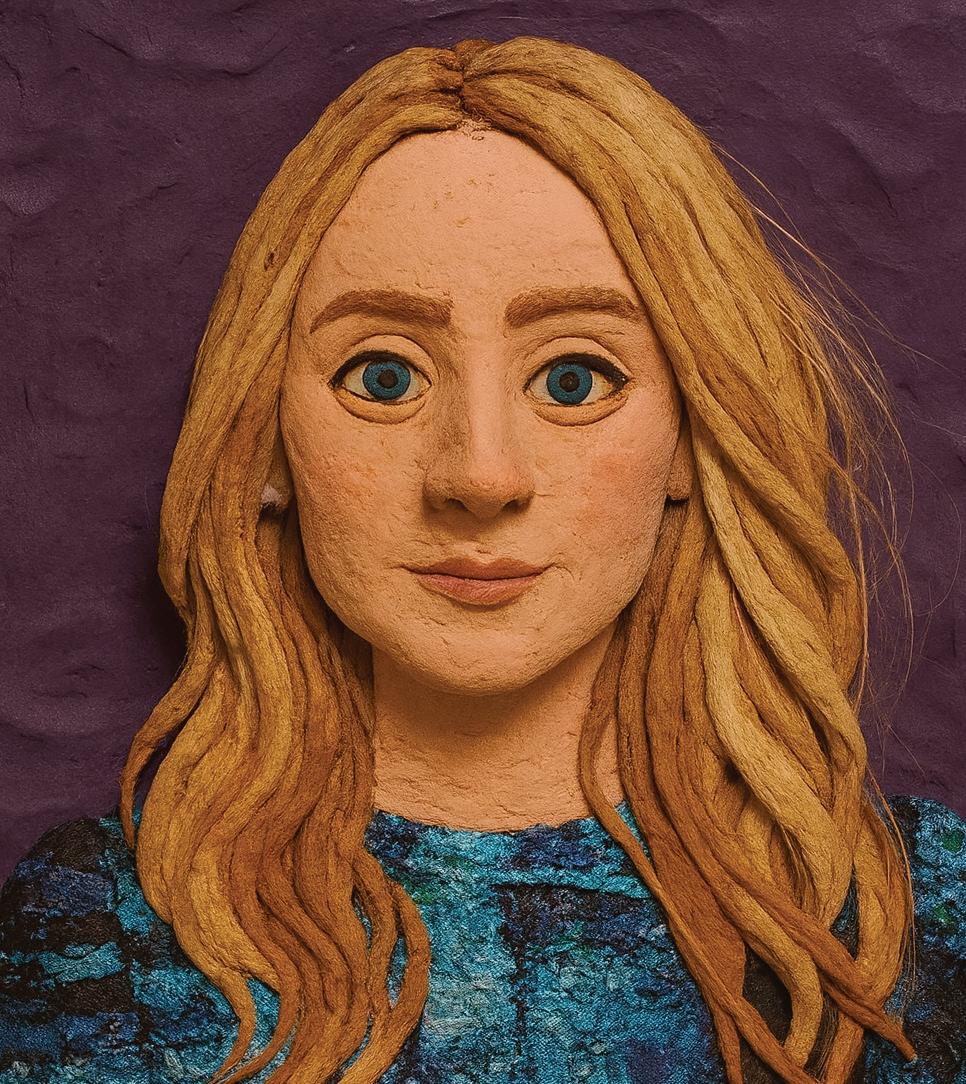
Rejection taught her to be more realistic about the acting world
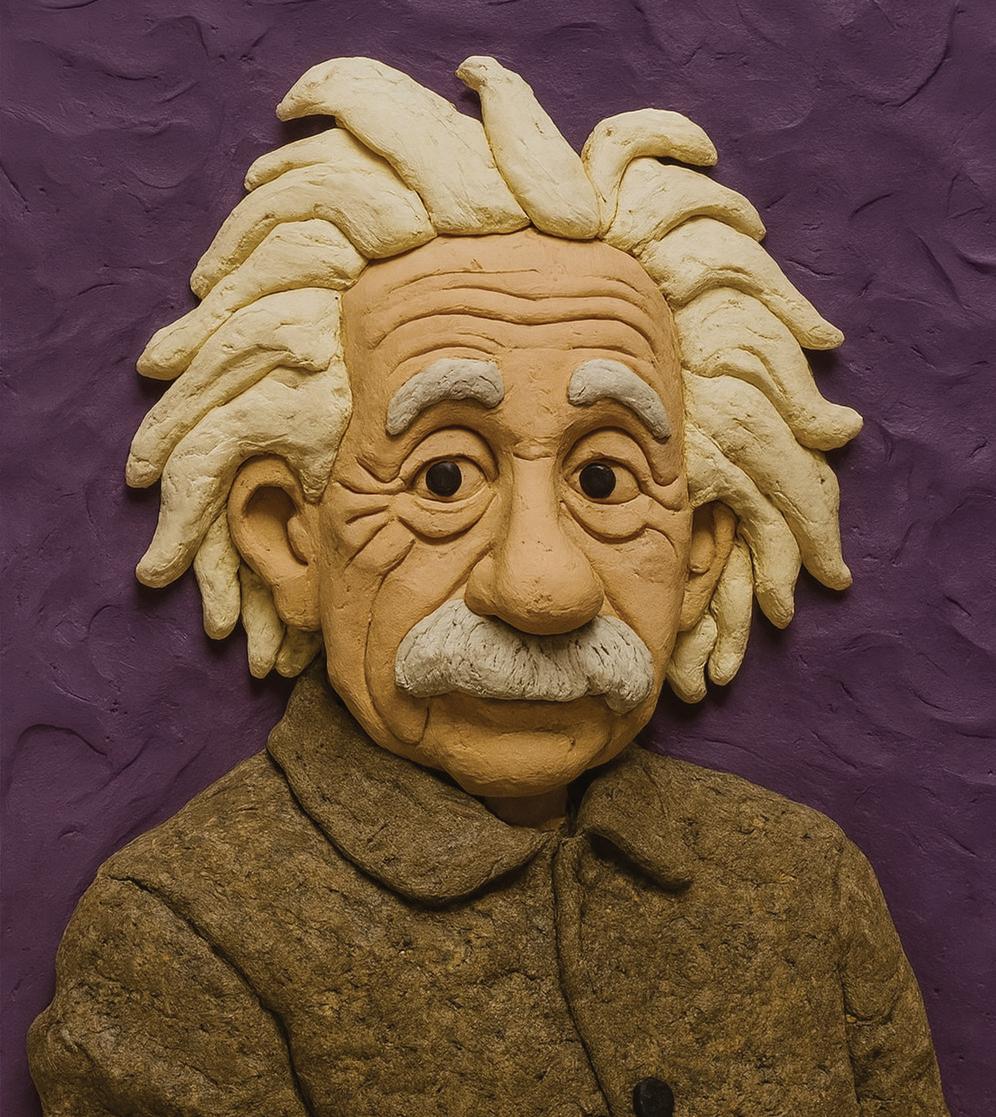
Some teachers said that he would "never amount to anything"
• Michael Jordan was dropped from his school basketball team but used it as motivation to train harder. He became one of the greatest basketball players of all time.
• Saoirse Ronan has spoken about the times she was not chosen for acting roles and how each experience helped her improve her craft. She faced criticism and self-doubt but persevered to become an award-winning actor, earning respect for her talent and resilience.
• Albert Einstein struggled in school as a child, with teachers claiming he wouldn’t amount to much. He went on to reshape science with his groundbreaking ideas.
• Oprah Winfrey was fired from her first television job and faced many rejections before becoming a global media icon.
• Walt Disney was fired from his first newspaper job for “lacking imagination” and had several failed ventures before creating Mickey Mouse and building his entertainment empire.
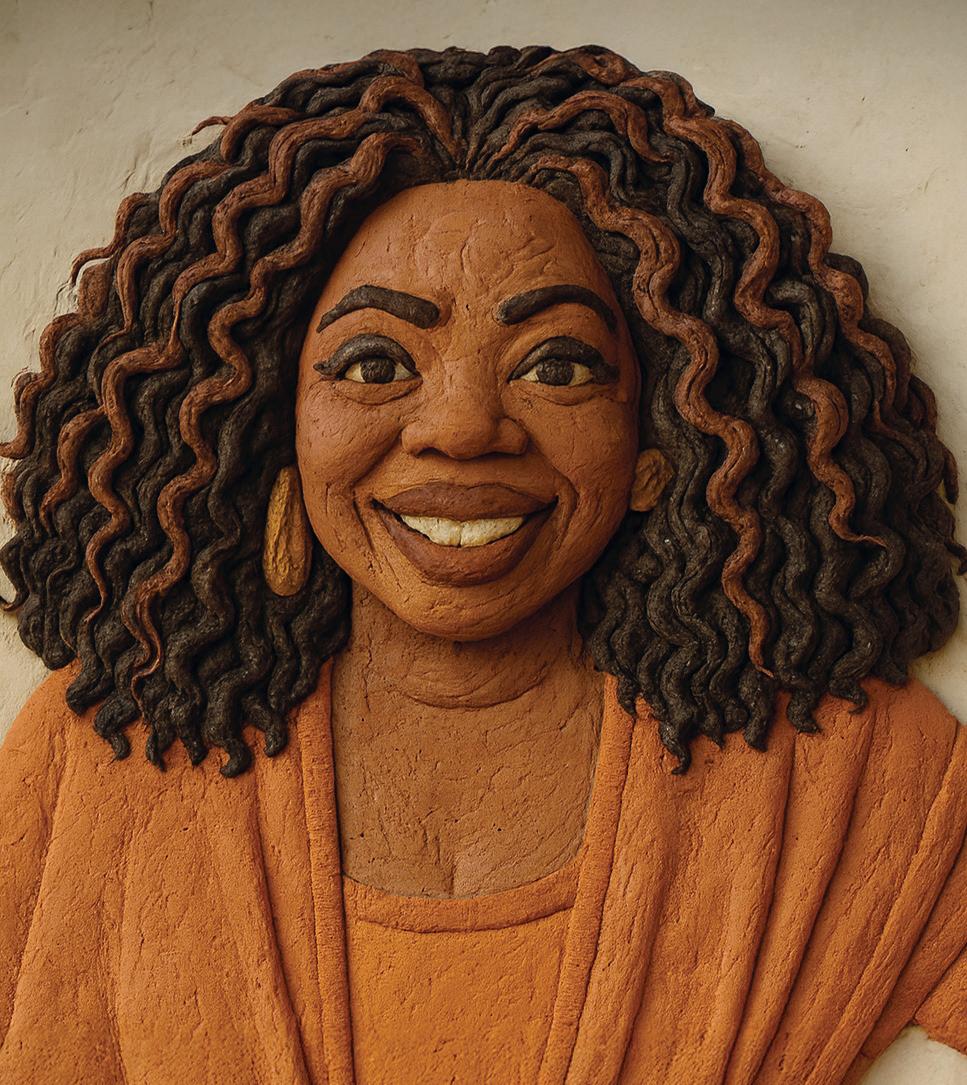
Was fired as a news anchor and is now worth $2.8 billion
Oprah

Walt Disney

Rejected from film school three times, before becoming a legendary director
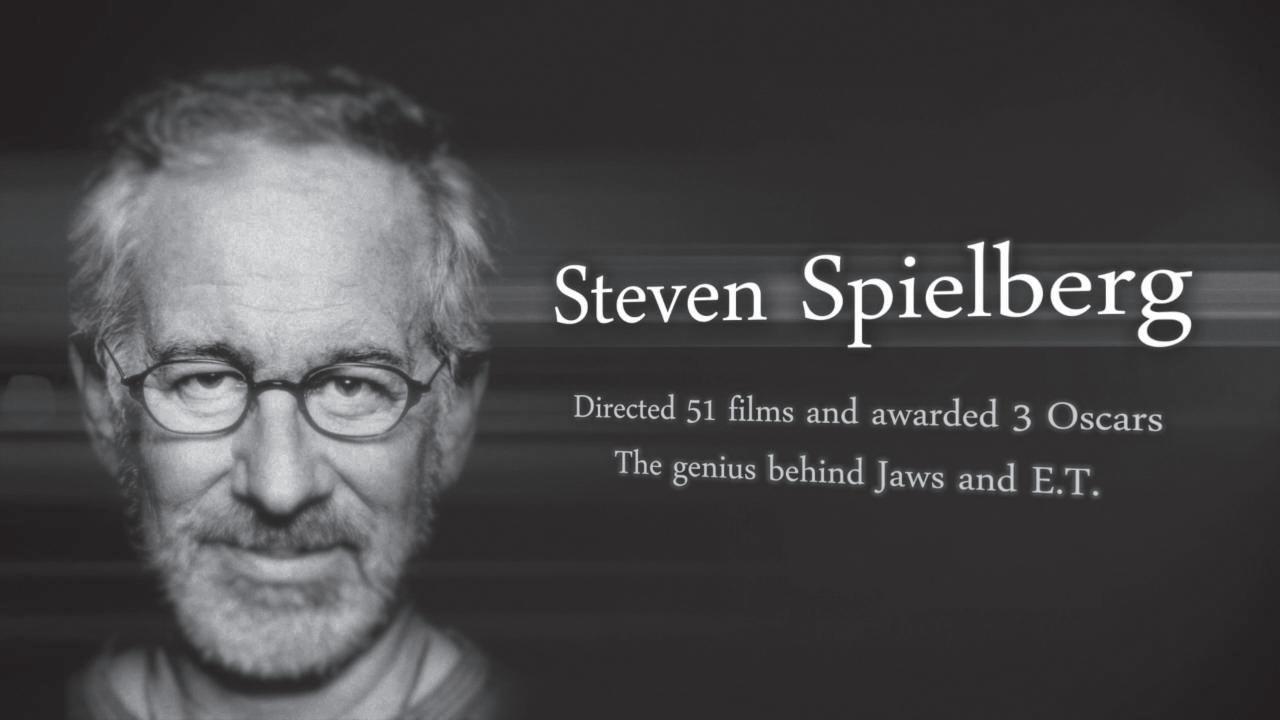
Steven Spielberg
• Steven Spielberg was rejected multiple times by the University of Southern California’s film school because of his grades. He kept learning on his own and became one of the most successful film directors in history.
• MrBeast uploaded hundreds of videos with little success and lived on a very low budget. His content failed repeatedly before he finally broke through on YouTube.
• Colonel Sanders experienced decades of job losses and business failures. He reportedly faced over 1,000 rejections and was aged 62 before securing his first franchise deal for his chicken recipe.
• The Beatles were rejected by Decca Records, who famously told them, “Guitar groups are on the way out.” They didn’t give up, signed with another label, and went on to become one of the most influential bands in history.
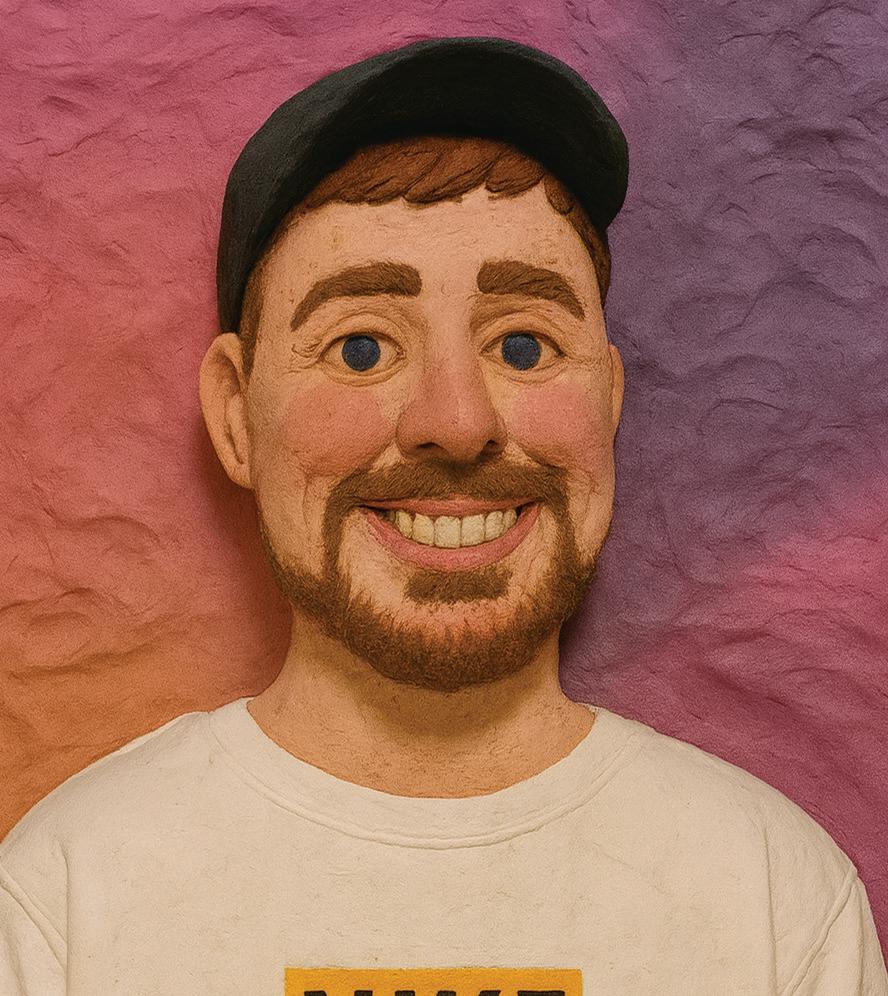
Uploaded 455 videos before gaining fame
MrBeast

Pitched KFC 1,009 times before finding success
Colonel Sanders
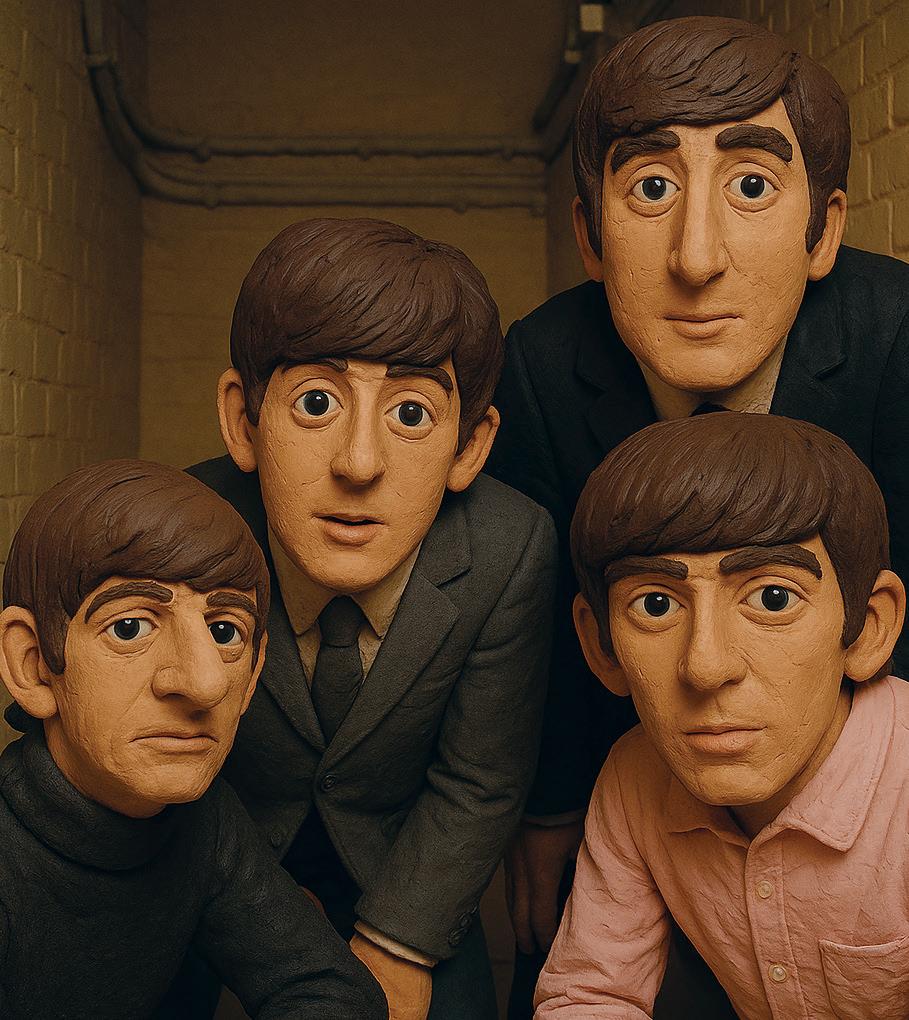
Were rejected by 4 labels before revolutionizing music
The Beatles
After reading about the famous failures discussed above, fill in the required information about one of the nine you admire. Then choose a person of your own that you admire who turned failure into motivation.
PersonSetback/FailureHow They RespondedWhat You Can Learn
ExamplePublisher rejections Kept revising and submitting Don’t give up 1.
2.
Now answer the following questions:
1. How did the attitude or mindset of the person you chose make a difference to the outcome?
2. What does their story teach you about resilience and determination?
3. Think of a small goal or challenge in your own life. Write one action you can take this week to move forward.
Share examples as a class to see how different people find motivation in difficult moments.
Resilience means being able to bounce back after a setback and keep going when things get tough. It’s not something we are born with but a skill that is strengthened through experience, practice and time. To build resilience, we need chances to face challenges and take responsibility for solving problems ourselves. It’s like exercising a muscle: each time we overcome a setback, we build emotional strength and problemsolving skills. This helps us gain confidence and build selfesteem by discovering how capable we are.
You can strengthen resilience by using positive self-talk and reminding yourself that tough moments pass. It also helps to focus on what you can control – your attitude, your effort and your next step. Resilient people do not avoid failure; they face it, learn from it and try again.

You can build resilience by:
• Dealing with setbacks or challenges rather than avoiding them or letting someone else solve them for you
• Asking for support if needed while remaining in the driving seat yourself
• Using positive self-talk (“I can learn from this” or “I can get through this”)
• Setting realistic goals and taking small steps
• Celebrating effort, not just results
• Recognising that the more experience you gain, the stronger your resilience will become.

www.museumoffailure.com
Museum of Failure is a collection of failed products and services from around the world.
Innovation needs failure. All progress is built on learning from past failures and mistakes. The museum provides unique insight into the tricky business of innovation.
1. Think of one product, invention or idea that didn’t work out. This could be something you’ve heard about (like a phone model that flopped, a movie that got terrible reviews, or even a personal project that didn’t succeed). Use the following prompts:
• What was the idea or product meant to do?
• Why do you think it failed?
• What lesson could the creator (or you) learn from it?
• How could it be improved or redesigned?
2. Reflective task:
Write a one-line motivational mantra about failure, perseverance or resilience. Example: “Mistakes help me learn and grow”.
3. Class Discussion:
• Why do you think innovation often requires failure first?
• Can you think of something we use today that was improved because of earlier failures?
How can failing at something help you succeed in the future?
Revisit your intention at the end of the previous chapter. Now, note your progress below, detailing what action you took to achieve that goal. Afterwards, pick a new intention you’d like to focus on for the coming week.
Remember, intentions are small steps we can take to achieve bigger goals, making success feel more within our reach.
www.4schools.ie