A monthly update covering people, events, research, and key developments
Editor’s Note:
When is a death a murder? That's the question posed by our first article this month. Governments have been slow to regulate the chemicals that now appear to be at the root of a myriad of disorders. Is that delay in regulation murder? From YLE this month we have at where we stand today a full 6 years after many of us quarantined at home during the early days of COVID.
Last month we printed a piece on how to find a public health practicum. This month you'll read about a student from BU who not only found one but managed to find one in Bucharest, Romania! Though we doubt that creative student will need it, others will benefit from this month's job hunt piece about 8 resume mistakes to avoid.
123 FREE BOOKS
This month's free book offer is the largest to date. We have 123 books available from one of our readers. Do you have a bookshelf to clear but you absolutely don't want to toss the books that cost you dearly into the trash? Let us know and we'll print them in the hopes of finding a home for them. Just email us at michele@epimonitor.net and we'll talk you through the logistics of the program.
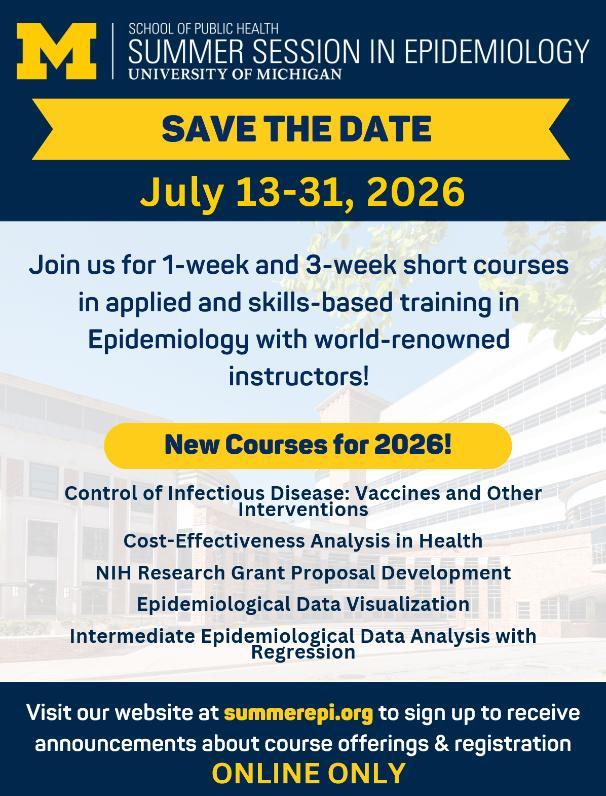
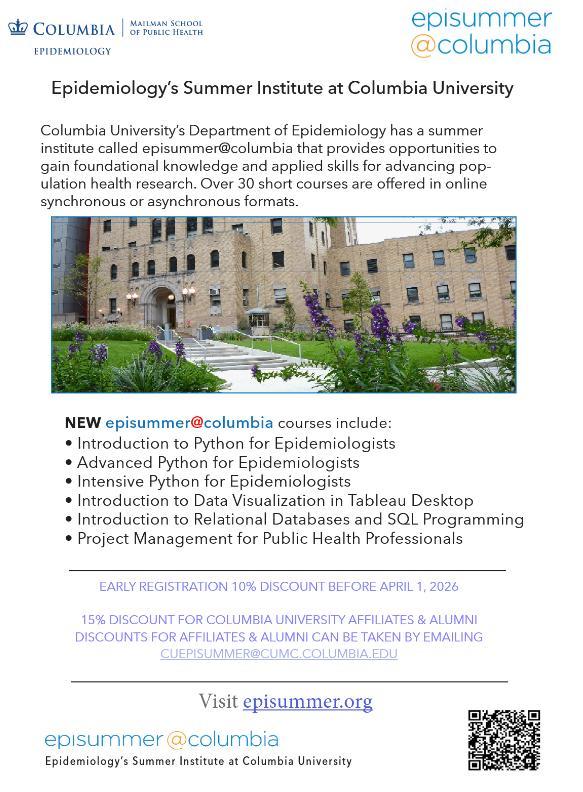
After last month's issue several other summer programs came to light. You'll remember that we build our list in December of each year but for some programs that's too early. They haven't made the final decisions at that juncture so they don't make it into the annual calendar issue. This month a few of those are in this issue - if you know of others, please reach out to use so they can be in next year's issue.
We are starting to hear from many of you with articles that you'd like us to consider publishing. We are always interested in your offerings and are finding your peers are really enjoying them. Please also consider nominating people for our profile series, writing a review of a book, or letting us know about individuals whose accomplishment should be added to our monthly Notes on People feature.
As always, we continue to provide you with our popular monthly word game feature, Notes on People, an overview of what we are reading from the public media, and a listing of near term upcoming events. Ask us about the sponsorship opportunities for these standard monthly featuresit offers you great exposure for your event, institution, book or other item of interest to our readers!
Until next month - stay safe and busy!
-3- The Long Poisoning
-7- COVID-19 Six Years Later
In This Issue
-13- Profiles in Public Health: A Practicum in Bucharest
-16- The Job Hunt: 8 Resume Mistakes to Avoid
-19- Resources: More 2026 Summer Programs
-22- Resources: 123 Free Books - Statistics and related texts
-30- Monthly Word Game -31- What We're Reading -33- Notes on People -36- Near Term Event Calendar -43- Newly Listed Public Health Jobs -47- Marketplace - Sponsored Jobs & Events
Did you miss last month’s issue? Read it here: https://tinyurl.com/5h5aa7t6 or here: https://tinyurl.com/5yzx6mwe
The Long Poisoning When Regulatory Delay Becomes
State-Sanctioned Suffering
Author: Bruce Lanphear, MD, MPH
NOTE: This article was originally published on December 30, 2025 by Plagues, Pollution & Poverty on Substack.
Meet Illinois farmer Ron Niebruegge. At 55, he was convinced the doctors had it wrong. He had always been sturdy and active trail-riding his horses, taking his wife dancing. But the strange stiffness in his left arm, the dizzy spell, the unexpected fall all carried the same grim message: Parkinson’s disease. Now, at 70, he can barely make it across a room without falling. The horses are gone; the dancing shoes put away.
Ron is not an outlier. Parkinson’s is now the fastest-growing neurological disorder in the world, and scientists have repeatedly linked a pesticide paraquat to the disease. While paraquat has been banned in Canada and the European Union, it remains widely used across the United States. Despite mounting evidence, it is still permitted—and increasingly used—in the U.S.
If we want to understand the price of regulatory delay, we need only look at lives like Ron’s—and then widen the frame. For every farmer with Parkinson’s, there are children waiting months or years for autism evaluations, young adults facing a surge of early-onset cancers, and countless families grieving heart attacks, infertility, kidney disease, and other chronic conditions rooted in long-ignored environmental exposures.
This is the real ledger of delay: a multigenerational tally of suffering caused not by fate or genetics alone but by known or suspected toxic chemicals released into our air, water, food, and bodies long before they were ever proven safe.
When is a Death a Murder?
It’s a provocative question one that makes many people uncomfortable but it sits at the heart of our public-health crisis. When a corporation markets or emits a chemical it knows to be harmful, conceals evidence of its toxicity, and delays regulation for decades, what do we call the resulting deaths? Accidents? Tragedies? Externalities?
Or something closer to collateral damage losses quietly absorbed by families, communities, and entire generations so that the gears of the economy can keep turning.
We rarely use words like violence or harm for environmental exposures, because their effects are slow and unseen. But many chronic diseases of the modern era lung cancer, heart attacks, premature births trace back to deliberate choices to release chemicals long before their safety was established. These are not random biological flukes. They are slow-moving disasters driven by corporate decisions and tolerated by the systems meant to protect us.
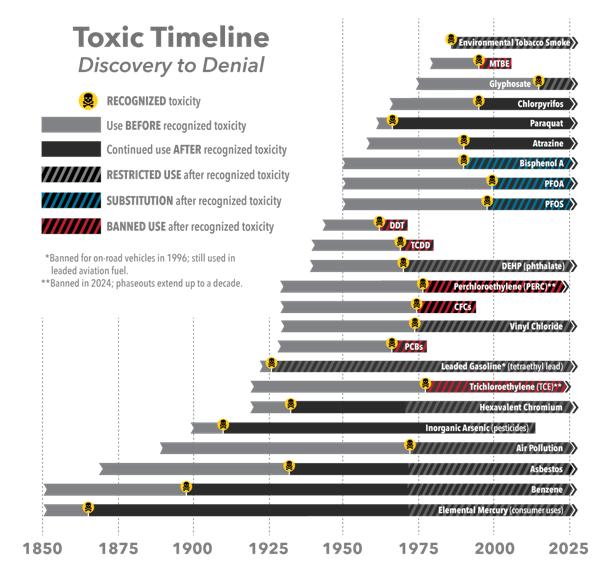
The European Environment Agency captured this pattern in its landmark 2013 report Late Lessons from Early Warnings. Across hundreds of pages, they documented a century of delayed - Poisoning cont'd on page 4
recognition and regulatory failure from asbestos to benzene, PCBs to DES, leaded gasoline to ozone-destroying CFCs. The same sequence repeats with numbing predictability: an early warning emerges, industry dismisses or buries it, and regulators—outmatched, underresourced, or politically constrained
wait years or decades to act. When protections finally arrive, the harm is baked into the population.
This is the anatomy of delay: a system designed to look careful while quietly authorizing decades of unnecessary harm.
- Poisoning cont'd on page 5
Across these cases alone, regulatory delay has cost millions perhaps billions of lives. These “late lessons” are not historical footnotes; they are state-sanctioned deaths—the predictable, measurable result of policies that privilege economic convenience over human life. They are not historical footnotes or technical oversights. They form a pattern of generational harm in which governments, fully informed by early warnings, allowed corporations to continue practices that are killing millions of people year after year.
When a state knowingly permits exposures that it understands will cause cancer, brain injury, and early death, the line between negligence and complicity blurs. What we call “late lessons” are, in truth, the record of how nations allowed slow-motion mass casualties to accumulate in plain sight.
And despite everything we’ve learned, the collateral damage continues. We are already living through a quiet pandemic of environmentally driven disease fueled by toxic metals, pollutants, and plastics that power modern industrial life. These exposures rarely cause dramatic poisonings. Instead, they harm us through repetition: a cell injured here, an immune pathway disrupted there, a hormonal signal nudged just enough to alter development or aging.
The modern wave of chronic disease reflects the slow unraveling of the molecular infrastructure of life.
Every family I know has a story:
a child born prematurely
a niece with leukemia
a parent lost early to a heart attack
a sister with lung cancer
an uncle with Parkinson’s
a grandparent with dementia
We treat these as genetic defects or private misfortunes. They are not. They are public failures the predictable result of a regulatory system built to protect the short-term economy, not human health.
This system rests on a flawed assumption: that most chemicals have “safe thresholds.” Yet for many of the best-studied toxicants including lead, air pollution, benzene, asbestos, and tobacco smoke the science shows no safe level. Carcinogens and other toxic chemicals do not politely stop causing harm at the point where regulation finds it convenient.
Despite decades of evidence, only a small number of chemicals have ever been truly banned in the United States. Most—including known carcinogens and other toxic chemicals remain legal, managed through exposure limits rather than eliminated. Leaded gasoline, asbestos, forever chemicals, and benzene were restricted only after overwhelming harm became impossible to ignore, often decades after early warnings. This is not a failure of science. It is a failure of governance—a regulatory system designed to tolerate harm until it becomes undeniable, rather than prevent it when the evidence first appears.
And here is the deeper truth: every death from regulatory delay is a preventable death. Every chronic illness from long-ignored exposures is a form of societal negligence.
The burden is not distributed equally. It falls on children before they are born. On workers in refineries, smelters, nail salons, and industrial farms. On communities downstream and downwind. On the poor, who are easiest to overlook. And on all of us, navigating a daily soup of low-dose toxicants without informed consent.
Preparing for What Comes Next
We cannot afford another century of early warnings followed by late action. Preparing for the next wave of environmentally induced disease means:
Thoroughly testing chemicals before they reach the market or are emitted from smokestacks not decades later.
Regulating entire classes of chemicals, not chasing them one by one.
Strengthening independent science and national surveillance for biomarkers of environmental chemicals.
Accelerating the development of safer alternatives and green chemistry.
Reducing exposures using the same logic applied to infectious disease: prevention at the population level.
Modern public health began when societies stopped blaming individuals and started cleaning up water, sanitation, air, and housing. The same principles will save us again.
When Should Corporations Be Held Responsible?
Returning to the opening question when is a death a murder? the better question may be this: When do repeated, preventable harms become corporate crimes?
If a company markets a product knowing it can cause disease or death, misleads regulators, suppresses evidence, and profits while the public pays the price, accountability should not be optional.
We hold individuals responsible for a single reckless act. Why not corporations for decades of reckless policy? Relying on the courts isn’t enough. By the time the legal system responds,
the damage is irreversible—the illnesses diagnosed and the bodies already counted.
Late lessons are no longer acceptable. Collateral damage is no longer inevitable. The science is clear, the costs enormous, and the moral calculus unmistakable.
If we want a healthier future, we must build a regulatory system that holds corporations responsible before the damage is done not after. ■
To read more content like this please subscribe to Plagues, Pollution & Poverty on Substack.
COVID-19 Six Years Later
Author: Katelyn Jetelina, PhD, MPH
Editor's Note: This article was originally printed in Your Local Epidemiologist on March 19, 2026. To read more content from this source subscribe to Your Local Epidemiologist (YLE): https://tinyurl.com/32pd2a8r
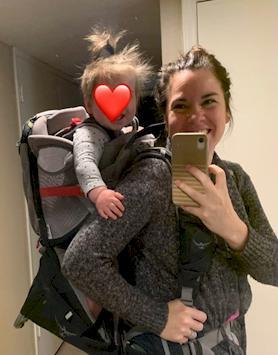
Six years ago today, I put my baby in a camping carrier, strapped her on, opened my laptop on my dining room table, and started typing as fast as I could. I couldn’t believe how little communication existed that was timely, understandable, and actionable, with the humility and honesty the public deserved. So I tried to fill that gap, bringing my fellow faculty, staff, and students along for the Covid-19 journey in real time, signing every email the same way: Love, Your Local Epidemiologist. I told my husband I would only have to do this for six weeks. Surely someone would fill this gap… The rest is a blur (with many lessons learned along the way.)
A lot has changed since then. I don’t do many deep dives on Covid-19 anymore because the landscape has dramatically changed for the better, but also because, honestly, it brings back some overwhelming emotions. But this anniversary matters not only so you can protect yourself from this virus that is still circulating, and not only to honor the 1.5 million people who died, but also because this moment deserves serious reflection.
So, six years later, this is where we stand.
A lot has changed, and continues to do so.
Covid-19 is no longer the third leading cause of death. In fact, it now carries roughly the same severity as the flu. While flu is nothing to brush off, this virus not being a top killer is genuine relief.
- COVID cont'd on page 8
March 22, 2020 during the lockdown. Strapped the baby in order to work from home. The start of YLE.
Data from CDC; Annotated by Your Local Epidemiologist.
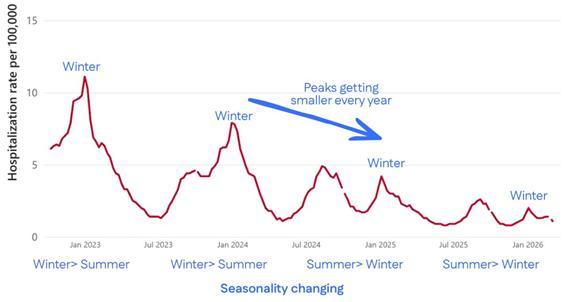
Even better news: Peaks are getting smaller and smaller. Each successive wave has been lower than the last, a pattern reflected in almost every metric, including hospitalizations (see below). This isn’t surprising: as our collective immunity builds, the virus has a harder time breaking through. SARS-CoV-2 continues to evolve along the same narrow path, which is
unusual but very helpful in reducing the number of people with the disease. The Covid19 cousins we call coronaviruses are now responsible for the common cold, and there’s a hypothesis that this virus may eventually follow the same path. We are clearly not there yet, as hospitalization rates tell us, but the trajectory is meaningful.
Covid-19 Hospitalizations per 100,000. Source: CDC; Annotated by Your Local Epidemiologist.
Interestingly, seasonality has recently shifted. We now reliably see two waves each year: one in winter, one in summer. But nationally over the past two years, the summer wave has been larger than the winter wave (see above). We don’t know why.
Unfortunately, vaccination rates continue to fall. Roughly 3.5 million fewer older Americans were vaccinated this year compared to last year. That means 3.5 million people in the highestrisk group are now less protected from a largely preventable disease. With all the federal vaccine confusion, I expect this to continue to decline.
Some patterns haven’t changed, though.
For example, those most at risk for severe disease remain the same:
Also, the vaccines continue to provide additional protection about 50% against emergency room visits and hospitalization. Protection does still wane, dropping to roughly 18% at around four months. The decline is slower than before, particularly for hospitalization among adults aged 65 and older.
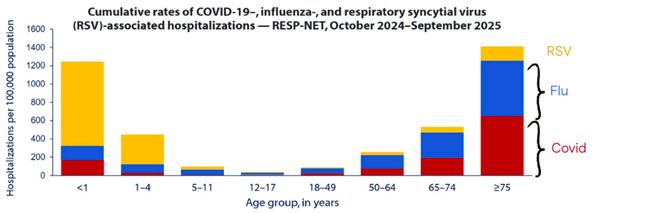
Adults over 65 and infants under one year old continue to be the most likely to be hospitalized.
The vast majority (80%) of hospitalizations are still for Covid-19, not incidentally with it.
Risk increases with the number of chronic conditions a person has.
Long Covid (physical symptoms persisting weeks or months after infection) is also still a risk.
Data: CDC; Annotated by Your Local Epidemiologist.
There’s still a lot we don’t know.
It’s striking how much remains unknown about this virus six years in.
Long Covid is still poorly understood, with millions of people living with fatigue, cognitive impairment, and cardiovascular effects that medicine is only slowly grappling with. We know risk has decreased alongside the decline in severe acute disease, but we still lack reliable data on the extent of that decline, and we still have no effective treatments.
Vaccine dosing for older adults is another gap. Current guidance recommends two updated vaccine doses per year for older adults: one in the fall and one in the spring. But robust data on whether two annual doses offer better protection than one is still extremely limited. In fact, I couldn’t find any data that are actually useful for guiding people, like my grandfather, to make evidence-based decisions about getting a second dose and when. (I’m still telling him to get two doses because the benefits outweigh the risks, but man, we need evidence.)
We also still don’t have a clear, honest accounting of which interventions worked, which didn’t, and why during the biggest health emergency this country has faced in more than 100 years. For example, we still don’t know what works best to slow the spread of Covid-19. This is mind-boggling, given all we sacrificed as a society, let alone indicating how ill-prepared we are for next time.
Today, what worries me most is deeper than the science.
When researchers compared countries that fared well during Covid-19 to those that didn’t, they looked at health care infrastructure, population density, universal health care, age distribution, how many vaccines they got, and a ton of other factors. But the strongest predictors of Covid-19 infections weren’t any of
these. It was trust: trust in government, trust in institutions, trust in each other. Countries where people broadly believed their neighbors and leaders were acting in good faith did measurably better. The United States ranked among the lowest among high-income countries.
Six years later, it’s getting worse.
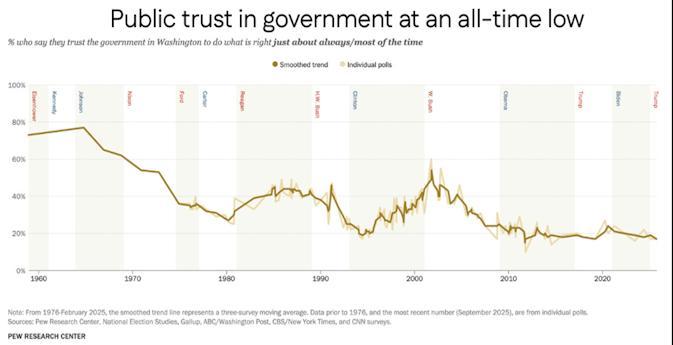
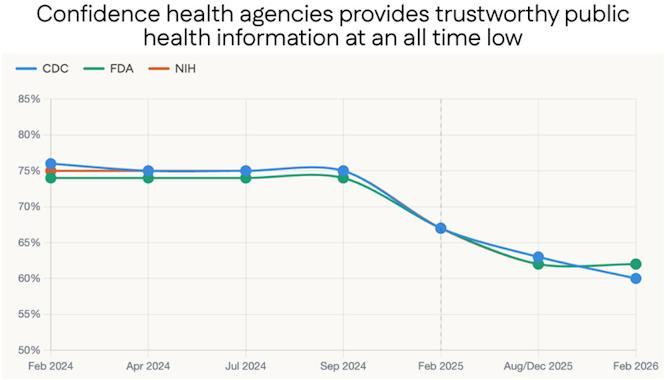
Federal leadership has promised to restore trust. But the latest data show record-low levels of trust in government overall, and specifically in health agencies; trust is eroding further day by day. Lack of transparency, full-on destruction of systems and capabilities, partisan attacks, lack of accountability, performative acts without real change, and a failure to listen to the public are all contributing to it.
Source: Annenberg Public Policy Institute
Public health, on the outside, though, isn’t providing an alternative path forward either. Many institutions and leaders are stuck in defense mode, circling the wagons to preserve the status quo, or paralyzed, afraid to take even one step forward. Wishing we could return to 2019 is not a plan. Public health systems saved many people, but they also failed many.
I’m finally starting to see some appetite for change peppered here and there, and it’s giving me hope that things might improve, but not at the pace that meets the urgency of the moment.
The health of Americans and biosecurity depend on it.
Bottom line
Six years! Six years with a complicated data story of real progress alongside real stubbornness. This anniversary is striking to me
for two reasons. The first is the virus itself: it continues to surprise us, and we remain humbled by how much we still don’t understand. The second is what has happened to us in its wake.
Six years ago, I sat down at my dining room table because I deeply believed things needed to be done differently. I still believe that today. The question now is whether this country has the wherewithal to do it. I think we do (we need to), but it’s going to take all of us.
A lot of you have Covid-19-related questions. My team pulled the top 7. Here are some answers for you!
1. What do we know about long Covid in 2026? The risk of developing long Covid has decreased significantly compared to early pandemic years, but it’s not zero.
Millions are still living with it, and we still have no proven treatments. Here is YLE’s last dive into long Covid.
2. Will we still be able to get updated vaccines this fall? This is uncertain in a way it has never been before. The federal government’s vaccine policy is highly unstable.
3. Are home rapid tests still reliable? Yes, but timing still matters. Tests are most accurate a few days into symptoms, not at the first sign of illness. So, a negative on day one is not a green light. Test again 24 to 48 hours later for a clearer picture. There are no longer free Covid-19 tests through the government, but you can get one at a pharmacy or online.
4. Where do I find trustworthy data now? I still trust the CDC data (for these reasons), and they have a great respiratory dashboard that is updated weekly here. I don’t trust CDC’s guidance around vaccines from the past year.
5. How much damage does Covid do to the heart, brain, and vascular system? Covid infection is associated with an elevated risk of heart attack, stroke, blood clots, and cognitive decline, even after mild cases. The elevated risk appears to diminish over time for most people, and vaccination reduces the likelihood of these outcomes.
6. Who should take Paxlovid, and is it still effective? Paxlovid remains effective at reducing the risk of severe disease, particularly for people over 65 and those with underlying conditions. (It may also reduce the risk of long Covid, though if it does, the effect is probably small.) The $800 out-of-pocket cost for Medicare patients is a serious, largely unaddressed barrier that keeps it from those who
need it most. Metformin has shown some promise in preventing long Covid, but the benefit for vaccinated people is less clear, probably because the vaccines already reduce the risk so much that it’s hard to see additional benefit on top of them.
7. When are we getting a vaccine that prevents infection, not just severity?
This is a complicated question, and scientists are still working on it. Right now, many researchers are excited about nasal spray vaccines. The idea is that if you can build up immunity right in your nose and throat (where the virus first enters), your body might be able to stop the infection before it even starts. But there are a few catches. If you’ve already had Covid-19, getting a regular vaccine already sends immune cells to your nose anyway, so a nasal vaccine might be less of a leap forward than we hope. On top of that, it likely wouldn’t protect you for long and would still require regular boosters as the virus mutates. The good news is that nasal and mucosal vaccines are being developed right now, and early results look promising. Scientists are also working on a universal coronavirus vaccine that could protect against many variants at once, but that’s a longer-term goal. The bottom line: better vaccines are coming, but a widely available nextgeneration option is probably still a few years away. ■
For more content like this please find YLE on Substack: https://tinyurl.com/vhmbuyka
Profiles in Public Health Spatial Epidemiology in Romania
A Student Practicum
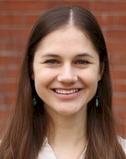
Author: Megan Jones, MPH Boston University
Editor's Note: This article was originally published by Boston University, School of Public Health on February 13, 2026. We have republished it as a follow up to our article last month about searching for public health practicums.
While completing her practicum in Bucharest, Romania last summer, MPH student Jenna Zabroski learned how to use geographic information systems software to analyze the spatial distribution of tuberculosis and pediatric cancer in the country.
Although pediatric cancer survival is increasing across Europe, children in Eastern European countries fare worse. In Romania, survival lags behind Western Europe by 11%, suggesting 1 in 10 children with cancer in Romania die unnecessarily.
Last summer, Jenna Zabroski, an MPH student studying epidemiology and biostatistics at the School of Public Health, was presented with the opportunity to travel to Romania to investigate this gap as a research fellow in the Cancer Epidemiology Education in Special Populations (CEESP) Program.
As an undergraduate at the University of Miami, Zabroski studied cancer biology in a lab using colon cancer cells and earned dual bachelor’s degrees in public health and microbiology &
immunology. A heavy scientific course load kept her from studying abroad, however, so she was pleased to discover she could pursue cancer epidemiology and global health through an international practicum while earning credit toward her degree at SPH.
Zabroski enlisted the help of her Cancer Epidemiology (EP752) course instructor Megan Healey, clinical associate professor of epidemiology, to polish her CEESP application. After Zabroski was accepted to the program, Healey continued to make herself available to answer Zabroski’s questions.
While Zabroski encountered a variety of unexpected challenges over the course of her research fellowship, she credits her prior SPH
- Practicum cont'd on page 14
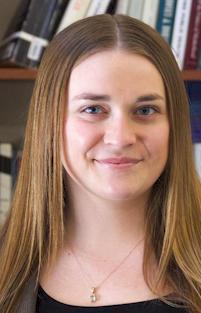
Jenna Zabroski
coursework with preparing her to come up with workable solutions.
“All of my courses helped me in different ways, especially the core courses,” says Zabroski. “For example, the leadership course helped me with how to develop a presentation and how to present to an audience. My quantitative courses helped me to build foundational skills whether you choose to go the SAS or R route in the case of epidemiology and biostatistics students, most mentors are open to working with any data and analysis software as long as you’re comfortable with it. In my case, I worked with SaaS, but I still had to learn things along the way. Being proactive, asking questions whenever I had them really helped me.”
Zabroski also recommends approaching research opportunities with an open mind.
“Dr. [Amr] Soliman, the organizer of the [CEESP] program, loves persistence and adaptability,” she says. “Research is always going to change. Be open to navigating that”
In Zabroski’s case, there were delays in obtaining the data she was supposed to be working with in Romania and she was temporarily reassigned to collaborate with a team from the geography department the University of Bucharest. There, she learned for the first time how to use open-source geographic information systems (GIS) software, QGIS and GeoDa, to create maps and conduct geospatial analysis. Her flexibility with redirection paid off, and her first first-author manuscript “Geospatial analysis of tuberculosis incidence in relation to socio-economic and environmental indicators in Romania” was published in Frontiers in Public Health in December 2025.
Zabroski discussed with SPH her impressions
after visiting Romania for the first time, her ongoing work with researchers in Bucharest, and the lessons she will take carry with her when she graduates come May.
Q&A
With Jenna Zabroski, on-campus MPH student and 2025 CEESP research fellow
SPH: Notably, you had to pivot your work in Romania when your access to the country’s cancer data was delayed; did you face other challenges over the course of your research fellowship?
Zabroski: In class, to complete a homework assignment or problems, we’re often given an already clean dataset. [But] in real-world data, you have to learn to clean and figure out how to perfect the data analysis once you run it, so that’s another challenge that I [faced]. And it’s not that I didn’t expect it, but it definitely helped me to learn to clean data in different ways using different software.
SPH: How was your first time in Romania? Given the chance, would you return? What is one thing you did not know about the country before visiting?
Zabroski: I definitely would love to go back if I could. I did not know that Romania had the biggest black bear population in Europe there’s this one road out on the countryside and you can stop on the side of the road and feed the black bears. I also had the opportunity to visit a few different castles in the country. In Transylvania, I had the opportunity to visit the Bran Castle and Dracula’s Castle, which was a really cool experience. Just immersing myself in the culture and learning about their language,
food, and ethnic background was a really unique experience for me. I was grateful to have Romanian mentors to help me navigate that.
SPH: Would you recommend CEESP to other MPH students? What did you appreciate about the program?
Zabroski: I really liked the program because it combined research and mentorship with a global perspective [on public health]. You also get the opportunity to be a first author on a publishable manuscript, which I think is really
unique for a master’s level program. The practicum allowed me to step out of my comfort zone and build new connections with different mentors. Now that I’m working on a second project remotely, they’re trying to get me to come back to Romania this upcoming summer. Working in a global research context showed me how powerful data can be and how it can drive different policymaking techniques that’s the end-goal with the paper I’m working on now about pediatric cancer survival outcomes in relation to different socioeconomic characteristics.
■
About the author: Megan Jones (she/her) is the writer/editor for school news in the Office of Marketing and Communications. She is an SPH alum, having completed an MPH in environmental health in 2023. While a part-student, she helped to lead kayaking, climbing, hiking, and camping trips as a graduate assistant for BU's Outdoors Program. Megan grew up in New Hampshire and later moved to Boston to attend Northeastern University, where she majored in environmental science (officially) and rock climbing (unofficially). She lives in Boston with her two cats, Winter and Flash.
Your Ad Should Be Here
Do you have a job, course, conference, book or other resource of interest to the epidemiology community? Advertise with The Epidemiology Monitor and reach 35,000 epidemiologists, biostatisticians, and public health professionals monthly.
Advertising opportunities exist in this digital publication, on our website and Facebook page, and in our Epi-Gram emails. For more information please contact: Michele Gibson / michele@epimonitor.net
The Job Hunt 8 Resume Mistakes to Avoid
Time for a resume reset!
Author: Public Health Hiring Help
Editor's Note: This article was originally printed in Public Health Hiring Help on October 1, 2025. To read more content from this source subscribe to Public Health Hiring Help: https://tinyurl.com/56cn6uc5
wrong ‘there/their/they’re’, a comma splice, mismatching fonts, mis-capitalization of titles, missing date ranges. All of them can and do happen.
A friend from my master’s we’ll call her Kathy is now on the other side of the job hunt. Instead of sending off application after application, she sees countless résumés. Some are spectacular, others not so much, she notices, but often this has NOTHING to do with their content.
In the résumés she has reviewed, she has witnessed the same mistakes over and over and over again. “I ask myself—why are applicants doing this? Maybe they just don’t know what to look for…” Kathy said to me once.
Your résumé is your first impression to recruiters, hiring managers, and companies. Avoiding easy mistakes isn’t just professionalism, it’s a necessity.
Thus, we sat down together to pinpoint eight common mistakes applicants make in their résumés so you don’t have to. Some may seem common sense, some not so much, but all of them should be on your checklist the next time you review your résumé.
1. grammar, Grammar, GRAMMAR!
As common sense as this seems, these kind of mistakes easily drop under the radar. The
It’s particularly a shame to have these errors now more than ever—especially when ChatGPT or another software can catch these easily. So, do yourself a favor, comb through line by line, have an outside reader, run it through a software to review (never to write!), whatever you need to catch these errors because, yes, they will be noticed.
What specifically to review?
1. Spelling
2. Punctuation
3. Formatting
4. Consistent fonts and font sizes
5. Date ranges ([Start Date] to [End Date]/[Expected Date]/”Present”]
2. Order Matters
Your résumé is used, first and foremost, to ensure that you meet the bare minimum requirements for the position. Do you have the degree you need yes or no? Do you have XYZ skill yes or no? How many years of work experience? If the bulk of time an employer takes looking at your résumé is just trying to decipher if you meet the requirements, you’re fighting a losing battle.
The key is following a logical progression. The prevailing advice from most career counselors is to follow the intuitive order of events: start
with Education, then move to Experience, then to Skills and Certifications, and lastly to Publications and Conferences.
It also needs to be concise. No need to spread your research, employment, and volunteering across separate sections when they can all fall under a single “Experience” bucket. When employers have dozens of other applications to review, keeping it simple works in your favor.
Finally, each section should address chronology the same. Standard advice is that the most recent item should come first. So most recent degree first in the Education section, and so on.
3. OW! My Eyes!!!
If you remember one section from this article when you work on your résumé, let it be this one. Reading your résumé shouldn’t be a chore. Like I said before, if it is a hassle to extract basic information about your qualifications from your résumé, you’re in deep water.
The bottom line? Don’t let it get congested and/or hard to read in any way. Most employers Kathy included would rather you go onto a second page than use size 10 singlespaced font to make it all fit on one page. And don’t even think about shrinking your margins to make it all fit it’s visually overwhelming!
But don’t swing too far the other direction either. Double-spacing or including spaces within bullet points can also disorient or distract your reader, as can other formatting choices like paragraph justify.
It’s all about balance. And, sometimes, this can require compromise. For instance, you may need to leave hanging lines at the bottom of one page to keep a section describing one of
your experiences together on the next page.
Your résumé gives basic information, as well as high-level details make sure headline items, like Job Title, Organization, and Dates stand out from the description, whether it be with bolding, italicizing, or another formatting choice. This formatting choice should be consistently employed throughout the entire résumé be consistent with your headers, subheaders, etc. Similar advice goes for Skills sections if I just want to know if you have PowerBI on your CV, I don’t want to spend time combing through long lines of text to find it!
4. No Silver Bullets
One of the biggest complaints Kathy shared with me is that applicants often have vaguely written bullet points describing their experience. It tells her nothing.
An employer needs to be able to figure out what you did and why it matters without having been there with you. Tell them deliverables or solutions. Tell them metrics or quantitative results. Tell them what methodologies or skills you leveraged. Use action words and vivid language. You want to tell the story with as few words as possible.
For example, instead of “Created code repository for data analysis”, you could say “Created code repository of 15 R scripts utilizing packages like epitools, tinyverse, and ggplot to transform data and perform nonparametric statistical tests”.
Yes, it’s longer (and she is a bit rough having come from the top of my noggin), but it only adds one extra line of text to tell you SO MUCH MORE!
5. Résumé Real Estate
This one has been harped on before in PHHH, but we’re reviewing it again and driving it home. You have limited space on a résumé most guidance (including USAJOBS) says two pages max. If you need to cut something to make the page limit and maintain clean formatting, please let it be any statement of purpose. I’m talking Career Summary, Career Goal, Qualifications Summary, Statement of Interest. It should be the first to go.
Why? Your résumé is literally a career and qualifications summary! Any additional statement is taking valuable real estate. Similarly, any ‘Why’ or ‘Objective’ already has another home your cover letter. While we’ve heard differing guidance on the cover letter debate in PHHH, if it is so important to you for a hiring manager to know why you’re interested, what your goals are, etc., go ahead and submit the cover letter and include this information there.
6. We Don’t Need the Kitchen Sink
Not all experience is relevant experience, especially in the context of specific positions. Some skills are transferable, some aren’t, and some need a clear explanation of how they can be leveraged. Be mindful of each.
Again, you have limited space. For example, being part of a cappella college is probably not relevant to your public health job applications. But maybe you were treasurer and know how to handle a budget—that could make it relevant. Or maybe your performances make you comfortable with public speaking/public engagements that could be helpful. But just being in a cappella, no leadership and no pertinent knowledge, skills, or abilities?
Everything on your résumé should have an explicit purpose. If you’re including it to fill space or if it is unclear why it might make you a strong fit for a role, it may be time to cut it loose from your application. House it in a master résumé and pull elements as needed if you truly can’t bear to part with it, but, as I always say, be discerning.
7. TMI
It’s natural to want to include all of the information you think an employer will need on your résumé, but, sometimes, it really is too much.
For instance, you don’t need to put your home address on your résumé. Heck, some say you don’t need to include your city on it either. After all, both go elsewhere on the application. Still, of course, keep contact information, but, again, it’s all about keeping it simple and to the point.
8. No Bells and Whistles Needed
Finally, a common misconception is that making nonconventional choices with a résumé will help candidates. We’re talking using color, using different formats, using cardstock for distributing résumés at in-person events, etc.
At the end of the day, these aren’t going to make you a better candidate for a job. Sure, they might make you stand out temporarily, but these choices, if not seen as distractions, don’t mask your experiences, knowledge, skills, and abilities. Focus your efforts on the substance of the résumé, not its appearance. ■
For more content like this please find Public Health Hiring Help on Substack: https://tinyurl.com/bdz3mj2e
More 2026 Summer Programs in
Epidemiology & Biostatistics
Compiled by The EpiMonitor with direct input from the programs listed or gleaned from the program websites.
https://www.epimonitor.net
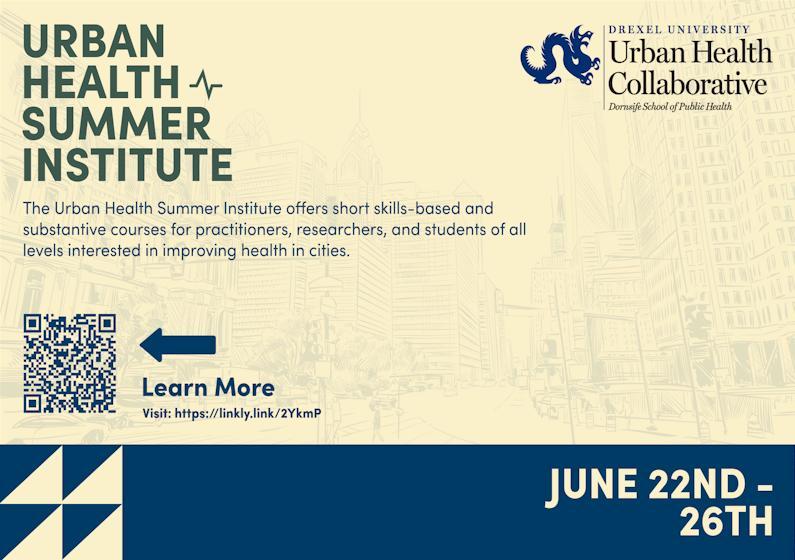
Drexel University Urban Health Summer Institute
Name Urban Health Summer Institute 2026
Sponsors Drexel University / Dornslife School of Public Health / Urban Health Collaborative
Location Philadelphia, PA and some courses are online
Types and dates of Courses June 22-26, 2026
Number of Courses 14
Language English
Number of faculty 15
Target audience
The Urban Health Summer Institute offers short skills and substantive courses for practitioners, researchers, and students of all levels interested in improving health in cities.
Registration Earlybird registration (25% off with code: EARLYBIRD26) ends May 1, 2026 Drexel students are eligible for 50% off with code "DREXELHALF". Additional discounts are available for organizations who register 3+ students
Contact information
Registration link: https://go.iu.edu/8x3u
Program contact: UHCTrainingCore@drexel.edu Program website: https://tinyurl.com/ywkcjwhc
Comments Urban health expertise is a key part of the Dornsife School of Public Health's mission and reputation, and the Summer Institute courses are taught by distinguished faculty members with broad urban and global health research portfolios. The Drexel Urban Health Collaborative (UHC) at Drexel University's Dornsife School of Public Health hosts our Urban Health Summer Institute annually.
34th International Summer School in Epidemiology
Ulm University & University of North Carolina
Name 34th International Summer School in Epidemiology
Sponsors German Society for Epidemiology and the German Center for Child and Adolescent Health (DZKJ)
Location Ulm, Germany
Program year 34th
Types and dates of Courses July 20 – 24, 2026
Courses include interactive didactic lectures and problem-based discussions.
Language English
Target audience
The program is designed for professionals, researchers, and students in fields such as public health, clinical medicine, and epidemiology.
Cost 600 € per course
Discounts available for Ulm students & faculty along with DGEpi and DZKJ members. Fellowships are also available.
Deadline for registration June 30, 2026
Fellowship application deadline: April 30, 2026
Limit on participants 24 - 25 participants per course
Course directors
Prof. Dr. med. Dietrich Rothenbacher, MPH (Ulm)
Prof. Wayne Rosamond, PhD (UNC)
Contact information Nicole Kroll
Phone: +49 731 50 31076
nicole.kroll(at)uni-ulm.de
Website: https://tinyurl.com/3w3c4k56
Comments Participants typically choose one morning course and/or one afternoon course. The 2026 curriculum includes:
Introduction to Epidemiologic Principles and Causal Inference: Covers measures of disease occurrence, study designs, and threats to validity.
Advanced Analytic Methods: Focuses on etiologic research questions, including directed acyclic graphs (DAGs) and model building.
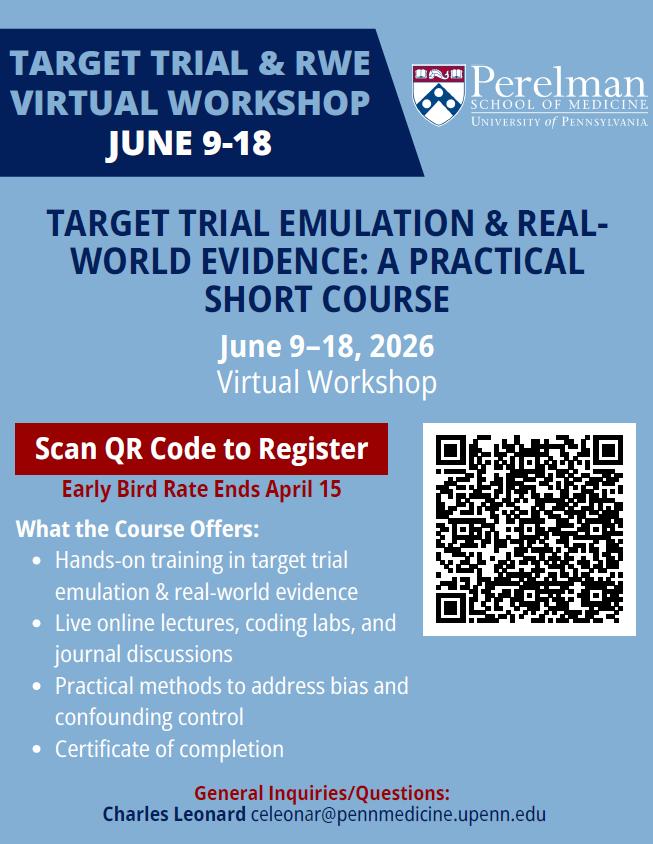
Advanced Methods in Clinical Epidemiology: Topics include registry-based randomized trials, real-world evidence, and predictive analytics.
Scientific Writing: Geared toward effectively communicating science to broader audiences and public health stakeholders.
Advanced Epidemiologic Analysis of Time-To-Event Data.
Summer Institute for Training in Biostatistics and Data Science at Columbia
Name Summer Institute for Training in Biostatistics and Data Science at Columbia
Sponsors Columbia University
Location New York City & Online
Types and dates of Courses
May 25 - July 10, 2026
Language English
Target audience Institute participants include students, clinicians, public health practitioners, physicians in training and those considering a career in public health.
Cost All costs (tuition, room & board, and supplies) are covered for institute participants. SIBDS@Columbia is funded by NIH grant R25HL161786
Contact information Program website: https://tinyurl.com/5ea3xk4z
Lucia Li, Assistant Academic Programs Director ll3414@cumc.columbia.edu
Dr. Christine Mauro, Faculty/Co-Director cmm2212@cumc.columbia.edu
Comments In the seven-week hybrid training module, participants will:
Learn from world-renowned faculty with expertise and extensive funded research in several key areas of biostatistics and data science
Develop an analytic “toolbox”, including exposure to state-of-the-art design and analytic methods and training in the use of statistical software.
Synthesize and apply these tools via immersion in a mentored data analysis project using NHLBI and NIAID datasets
Attend seminars that will expose them to advanced methods and challenging research questions in biostatistics and data science
Receive training in the responsible conduct of research
Receive guidance on the graduate school admissions process
Interact with participants of other Mailman undergraduate summer research programs
Resources
123 FREE Books - Statistics & Related Topics
Editor's Note:
This month's book list comes to us from Amy Alberts who is clearing out her late husband's library. The books are largely statistics texts although there are also related topics. The books themselves are free but she is asking for $13 per book to cover boxing & postage. If you are interested in obtaining any of these titles please contact Amy directly at: amygalberts@comcast.net
We are also interested in publishing book reviews. If you have a new book that you have read or written that you believes deserves to be seen by a wider audience please send us the information you have on it. If you're interested in reviewing books for the EpiMonitor, just drop us a line and we'll start a discussion to see what we can work out.
A 1st Course in Algebra, 2nd Ed
Lennes & Maucker / MacMillan Co / 1949
A Course in Probability Theory, 2nd edition
Chung / Academic Press, Inc / 1968
A First Look at Graph Theory
Clark; Holton / World Scientific / 1991
Advanced Calculus for Applications, 2nd edition
Hildebrand, FB / Prentice-Hall / 1976
Advanced Calculus for Engineers
Hildebrand, FB / Prentice-Hall / 1956
Algorithms to Live By-Computer Science of Human Decisions
Christian & Griffiths / Picador / 2016
Algorithms & Data Structures
Baldwin, D / Charles River Media / 2004
Analysis of Variance & Functional Measurement
Weiss, DJ / Oxford University Press / 2006
Analytic Geometry, 3rd edition
Sisam & Atchison / Holt / 1955
Applied Biopharmaceutics and Pharmacokinetics
Shargel, L; Yu Andrew / Appleton & Lange / 1993
Applied Linear Statistical Methods
Morrison DF / Prentice-Hall / 1983
Applied Linear Statistical Models
Neter, John / Richard Irwin Inc / 1974
Applied Logistic Regression
Hosmer, DW / Wiley / 1989
Applied Longitudinal Data Analysis
Fitzmaurice, Laird, Ware / Wiley / 2004
Applied Longitudinal Data Analysis for Epidemiology
Twisk Jos WR / Cambridge University Press / 2003
Applied Mixed Models in Medicine
Brown & Prescott / Wiley / 1999
Applied Regression Analysis, 2nd Edition
Draper, Norman / Wiley / 1981
Beyond Numeracy
Paulos, John Allen / Knopf / 1991
Bioinformatics for Dummies
Claverie; Notredame / Wiley / 2007
Breakthroughs in Mathematics
Wolff, P / Signet / 1963
Calculus
Moise, Edwin E / Addision-Wesley / 1967
Catagorical Data Analysis, 2nd Edition
Agresti, Alan / Wiley / 2002
Cluster Analysis for Applications
Anderberg / Academic Press, Inc. / 1973
Complex Variables and Applications
Churchill / McGraw-Hill / 1960
Data Manipulation with R
Spector, Phil / Springer / 2008
Design & Analysis of Experiments
Montgomery / Wiley / 1984
Design & Analysis of Experiments, Vol 66
Petersen RG / Dekker / 1985
Design of Experiments, A Realistic Approach Vol 5
Anderson VL & McLean RA / Marcel Dekker / 1974
Differential Equations
Nielsen, KL / Barnes & Noble Books / 1966
Digital Filters
Hamming RW / Prentice-Hall / 1983
Elementary Differential Equations
Kreider, Kuller, Ostberg / Addison-Wesley / 1968
Elements of Graphing Data
Cleveland, Wm S / Wadsworth / 1985
Elements of Statistical Learning, Data Mining, Inference & Prediction
Hastie, Tibshirani, Friedman / Springer / 2001
Epidemics, Models and Data Using R
Bjornstad, ON / Springer / 2018
Epidemiology, An introductory text
Mausner Judith S / WB Saunders / 1974
First Course in Stochastic Processes, 2nd edition
Karlin S, Taylor HM / Academic Press, Inc / 1975
Fitting Equations to Data
Daniel & Wood / Wiley / 1971
Generalized Linear Models
McCullagh and Nelder / Chapman and Hall / 1989
Handbook of Mathematical Tables and Formulas, 3rd edition
Burington / Handbook Publishers, Inc / 1958
Handbook of Statistics in Clinical Oncology, 2nd edition
Crowley & Ankerst / Chapman and Hall / 2006
How to Lie with Statistics
Huff, Darrell / W.W. Norton & Co / 1954
Information Theory
Ash, Robert B / Dover / 1965
Intro to Probability Theory & Statistical Inference, 2nd edition
Larson / Wiley / 1974
Intro to Bayesian Statistics
Bolstad, Wm / John Wiley & Sons / 2004
Intro to Modern Algebra
Weiner / Harcourt Brace / 1970
Intro to Multivariate Statistical Analysis, 2nd edition
Anderson TW / Wiley / 1984
Intro to Ordinary Differential Equations
Coddington, Earl A / Prentice-Hall / 1961
Intro to Probability Theory
Hoel, Port, Stone / Houghton Mifflin / 1971
Intro to the Analysis & Processing of Signals, 3rd edition
Lynn, Paul / Macmillan Education / 1989
Intro to the Theory of Statistics
Mood; Graybill; Boes / McGraw-Hill / 1974
Introduction to Categorical Data Analysis
Agresti, Alan / Wiley / 2007
Introduction to Genetic Analysis
Suzuki & Griffiths / Freeman / 1976
Introductory Graph Theory
Chartrand G / Dover / 1977
Introductory Statistics with R Dalgaard / Springer / 2002
Linear Mixed Models for Longitudinal Data
Verbeke, Geert / Springer / 2000
Linear Models
Searle SR / Wiley / 1971
Linear Statistical Inference and Its Applications, 2nd edition
Rao / Wiley / 1973
Mathematical Analysis
Apostol / Addison-Wesley / 1974
Mathematical Ideas in Biology
Smith, J. Maynard / Cambridge University Press / 1968
Mathematics - Life Science Library
Bergamini D / Time Inc / 1963
Mathematics in Fun and in Ernest Court, Nathan A / Signet / 1964
Matrices with Applications in Statistics, 2nd edition
Graybill FA / Wadsworth / 1983
Meta-Analysis of Controlled Clinical Trials
Whitehead / Wiley / 2002
Models for Discrete Longitudinal Data
Molenberghs G / Springer / 2006
Molecular & Cell Biology for Dummies
Kratz, Rene Fester / John Wiley & Sons / 2009
Multiple Analysis in Clinical Trials
Moye, Lemuel / Springer / 2003
Multiple Regression & Analysis of Variance
Wesolowsky / Wiley / 1976
Multivariate Statistical Methods, 2nd edition
Morrison DF / McGraw-Hill / 1976
Naïve Set Theory
Halmos, PR / Van Nostrand Reinhold / 1960
Nonparametrics: Statistical Methods Based on Ranks
Lehmann / Holden Day / 1975
Prescriptions for Working Statisticians
Madansky, A / Springer-Verlag / 1988
Probability & Measure, 2nd edition
Billingsley / Wiley / 1986
R for Dummies
deVries; Meys / Wiley / 2012
Regression Diagnostics
Belsley, Kuh, Welsch / Wiley / 1980
Statistical Analysis of Discrete Data
Santner TJ, Duffy DE / Springer-Verlag / 1989
Statistical Analysis of Failure Time Data
Kalbfleisch JD & Prentice RL / Wiley / 1980
Statistical Methods for Rates & Proportions
Fleiss / Wiley / 1973
Statistical Methods For Survival Data Analysis
Lee ET / Lifetime Learning Public / 1980
Statistical Methods, 7th edition
Snedecor & Cochran / Iowa State University Press / 1980
Statistical Methods: The Geometric Approach
Saville; Wood / Springer-Verlag / 1991
Statistical Models in S Chapman & Hall / CRC Press / 1992
Statistical Power Analysis for the Behavioral Sciences
Cohen J / Academic Press, Inc / 1977
Statistical Principles in Experimental Design
Winer / McGraw-Hill / 1971
Statistical Rules of Thumb van Belle, Gerald / Wiley / 2008
Statistical Theory
Lindgren BW / Macmillan / 1968
Statistics of Extremes
Gumbel, EJ / Columbia University Press / 1966
Survival Analysis Using the SAS System
Allison, Paul / SAS Inst / 1995
Survival Analysis, Techniques for Censored and Truncated Data
Klein; Moeschberger / Springer / 2003
The Analysis of Cross-Classified Categorical Data
Fienberg, Stephen E / MIT / 1977
The Book of Numbers
Conway & Guy / Springer-Verlag / 1996
The Cartoon Guide to Statistics
Gonick & Smith / Harper Resource / 1993
The Mathematics of Games of Strategy
Dresher / Dover / 1981
The New Mathematics Dictionary & Handbook
Marks, RW / Bantam Books / 1964
The Traveling Salesman Problem
Applegate DL, Bixby RE / Princeton University Press / 2006
Theory of Games and Statistical Decisions
Blackwell & Girschick / Dover / 1954
Theory of Point Estimation
Lehmann / Wiley / 1983
Trigonometry
Smith and Hanson / World Book Co / 1957
Visualizing Data
Cleveland, Wm S / Hobart Press / 1993
Wavelets-A Primer
Blatter, Christian / AK Peters / 1998
You Are a Mathematician
Wells D / Wiley / 1995
World of Mathematics-Volumes 1-4
Newman, James / Simon & Schuster / 1956
Your Ad Should Be Here
Do you have a job, course, conference, book or other resource of interest to the epidemiology community? Advertise with The Epidemiology Monitor and reach 35,000 epidemiologists, biostatisticians, and public health professionals monthly.
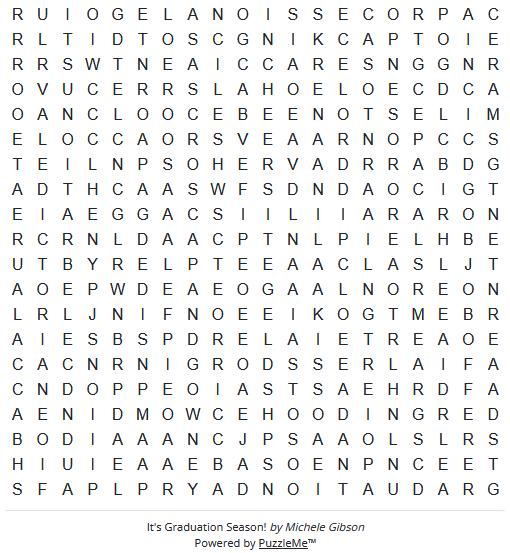
This month's puzzle spotlights graduation and all the hard work to get to that point. So work the puzzle and remember the celebration. Good luck - don't let the puzzle frustrate you!
For an interactive online version go to: https://tinyurl.com/53y56ypr
Words to find:
1. Baccalaureate
2. Cap and Gown
3. Celebration 4. Cheers
5. Class Speaker
6. Diploma
7. Final Grades
8. Graduation Day
9. Honors
10. Hooding
11. Job Offer
12. Milestone
13. Packing
14. Processional
15. Recessional
16. Regalia
17. Valedictorian
What We're Reading This Month
Editor's Note: All of us are confronted with more material than we can possibly hope to digest each month. However, that doesn't mean that we should miss some of the articles that appear in the public media on topics of interest to the epi community. The EpiMonitor curates a monthly list of some of the best articles we've encountered in the past month. See something you think others would like to read? Please send us a link at info@epimonitor.net and we'll include it in the next month
Public Health Topics
♦ Time Top 100 in Health
https://tinyurl.com/bdcv4kvh
♦ Is autism preventable in certain cases after all? Some scientists say yes. (WAPO via AppleNews)
https://tinyurl.com/4yv2r4uc
♦ FDA rejects $2.50 'autism pill' that families claim reversed their children's autistic symptoms (Daily Mail)
https://tinyurl.com/2udavf6y
♦ Judge blocks US government from slimming down vaccine recommendations (AP)
https://tinyurl.com/2s3fz29w
♦ FDA's controversial vaccines chief will leave the agency (WSJ via AppleNews)
https://tinyurl.com/ysyeaezk
♦ One type of drinking water linked to up to 62% higher Parkinson's risk (Newsweek)
https://tinyurl.com/3r867ja2
♦ What to know about the link between tattoo ink and cancer risk (NatGeo via AppleNews)
https://tinyurl.com/y7pwe8az
♦ What factors influence likelihood and severity of Ebola outbreaks? (Eureka Alert)
https://tinyurl.com/3daayk6w
♦ PAHO reports sustained yellow fever transmission in parts of South America (Pan American Health Org)
https://tinyurl.com/2s3dnhx9
- Reading cont'd on page
What We're Reading This Month -
[Type a quote from the document or the summary of an interesting point. You can position the text box anywhere in the document. Use the Text Box Tools tab to change the formatting of the pull quote text box.]
con't from page 31
Public Health Topics
♦ Paternal Hydrocarbon Exposure Linked to Childhood Cancer Risk (Bioengineer)
https://tinyurl.com/3x25brv6
♦ New Strategy Helps Students Tackle Intimidating Discipline in Public Health (Rutgers)
https://tinyurl.com/mr5nbb8e
♦ Harnessing real-world data to bring life-saving drugs to the public sooner (UC Berkeley)
https://tinyurl.com/4tpnf5vw
♦ Speed of Meningitis outbreak in London mystifies medics (Daily Mail)
https://tinyurl.com/3ufje449
♦ Meningitis outbreak WAS caused by a new variant with significant mutations that are likely to have impacted on how fast it spread, officials say (Daily Mail)
https://tinyurl.com/382vrerp
♦ He's one reason why aid cuts weren't as dire for the HIV population as predicted (NPR)
https://tinyurl.com/4tnpuumt
♦ Deadly fungal storms are now sweeping the US – and spreading a disease few doctors recognise (BBC Science Focus)
https://tinyurl.com/k355epz5
♦ Hackathon for Health Equity Sparks Student Interest in Epidemiology (Boston Univ)
https://tinyurl.com/5xm4zmx4
♦ Federal judge temporarily blocks RFK Jr.’s vaccine agenda – an epidemiologist answers questions parents may have (The Conversation)
https://tinyurl.com/mtdjckdx
♦ An AI Agent for Automated Causal Inference in Epidemiology (MedRxIV)
https://tinyurl.com/28xjcycd
Notes on People
Do you have news about yourself, a colleague, or a student?
Please help The Epidemiology Monitor keep the community informed by sending relevant news to us at this address for inclusion in our next issue. people@epimonitor.net
Honored: EGDRC's Dr. Mohammed K. Ali, has been named the 2026 recipient of the @amdiabetesassn Kelly West Award for Outstanding Achievement in #Epidemiology, recognizing his major contributions to diabetes epidemiology. For more than two decades, Dr. Ali has led national and global research efforts to better understand and combat #diabetes, helping shape global prevention targets and close gaps in care. His work has also informed organizations such as the World Health Organization, Centers for Disease Control and Prevention, The World Bank, and the International Diabetes Federation.
Honored: Columbia faculty member, Silvia Martins, MD, PhD, Epidemiology and Vice Dean for Faculty, received The 2026 Robert Balster Mentorship Award from the College on Problems of Drug Dependence (CPDD) for her sustained and meaningful mentorship of trainees and early-career investigators, and dedication to cultivating diverse talent and promoting rigorous, impactful epidemiologic research. CPDD is the oldest and largest organization in the US dedicated to advancing a scientific approach to substance use.
Honored: Ohio State University CPH has announced that, Sean Tomlin ’25 PhD, has been selected as a winner of the American Statistical Association’s 2026 GSS/SSS/SRMS Student Paper Competition, sponsored jointly by the government statistics section, social statistics section and survey research methods section. He was recognized for his paper “Characterizing Retrospective Constraints of Survey Designs for Estimating Population-level Causal Effects," which is connected to his dissertation research.
Honored: Yale Associate Professor of Biostatistics, Dr. Fan Li, PhD, has been selected to receive the 2026 Association of Schools and Programs of Public Health (ASPPH) Early Career Research Excellence Award.
Dr. Li is the first biostatistician to receive this distinction, which recognizes outstanding early-career faculty who have demonstrated leadership in institutional excellence, high-impact scholarly accomplishments, and contributions towards health outcomes or public health science.
Notes on People, con’t
from page 33
Do you have news about yourself, a colleague, or a student?
Please help The Epidemiology Monitor keep the community informed by sending relevant news to us at this address for inclusion in our next issue. people@epimonitor.net
Honored: Harvard University has announced that Dr. Briana Stephenson has received the 2026 COPSS Emerging Leader Award! This award recognizes earlycareer statisticians who are already making a meaningful impact in their field,
Dr. Stephenson is an Assistant Professor of Biostatistics. Her research focuses on developing statistical tools that help us better understand complex health data. Her work supports important research in public health and health equity, helping ensure that data is used in thoughtful and impactful ways.
Honored: Weijie Su, an Associate Professor of Statistics and Data Science at the Wharton School and affiliated faculty with the Wharton AI and Analytics Initiative, recently received the 2026 Presidents’ Award from the Committee of Presidents of Statistical Societies (COPSS). The award is considered to be one of the highest honors in the field of statistics and recognizes Su for his outstanding contributions to the discipline.
Honored: Duke faculty member, Amy H. Herring, Dean of the Natural Sciences and the Sara & Charles Ayres Distinguished Professor of Statistical Science, Global Health, and Biostatistics and Bioinformatics at Duke University is the recipient of the 2026 Elizabeth L Scott Award from the Committee of Presidents of Statistical Societies.
Passed: Dr. Donald (Don) Roger Mattison, 81, died on Sunday, March 22, 2026. Don began his career at the National Institutes of Health (NIH), where he conducted pioneering research. He went on to serve as a professor and clinician at the University of Arkansas for Medical Sciences, with a joint appointment as a researcher at the National Center for Toxicological Research (NCTR). He later became Dean of the University of Pittsburgh Graduate School of Public Health. https://tinyurl.com/2f9yn38a
con’t from page 34
Do you have news about yourself, a colleague, or a student?
Please help The Epidemiology Monitor keep the community informed by sending relevant news to us at this address for inclusion in our next issue. people@epimonitor.net
Passed: Professor Jørn Olsen, Aarhus University, Denmark, died on January 5, 2026 at the age of 79 after several years of serious illness. With his passing, occupational epidemiology has lost one of its foremost pioneers, an individual of great importance for the revival of occupational epidemiology in the Nordic countries from the mid-1970s onward, and a scientist who inspired and encouraged generations of young researchers to enter the field.
Throughout his long and productive career, Jørn’s main scientific interest was the programming hypothesis: the concept that early-life exposures and experiences exert a profound influence on health and survival later in life. He was the principal architect and driving force behind the establishment of the Danish National Birth Cohort, now one of the largest and most valuable birth cohorts worldwide, forming the basis for countless PhD theses and thousands of scientific publications. https://tinyurl.com/meyr3krr https://tinyurl.com/52hs5jte
Passed: Nicole Renee (Clenney) Slye passed away peacefully on Saturday, February 28, 2026. Nicole graduated from James Madison University in 2014 with a B.S. in Biotechnology, later earning her Master of Public Health (MPH) from the University of South Florida in 2017. She went on to serve as a Principal Biostatistician at the University of North Carolina where she was respected for her dedication, intellect, and integrity. https://tinyurl.com/mr3dkrzp
Near Term Epidemiology Event Calendar
Every December The Epidemiology Monitor dedicates that issue to a calendar of events for the upcoming year. However that often means we don't have full information for events later in the upcoming year. Thus an online copy exists on our website that is updated regularly. To view the full year please go to: http://www.epimonitor.net/Events The events that we are aware of for the next month follow below.
April 1-2
Type: Short Course
Title: Introduction to Bayesian Statistics
April 2026
Web: https://tinyurl.com/5b4t8b8b
Sponsor: EpidM Location: Amsterdam, The Netherlands
April 7-9
Type: Short Course Web: http://tinyurl.com/msdrnpt2
Title: Cardiovascular Epidemiology
Sponsor: Erasmus MC Location: Rotterdam, The Netherlands
April 7-10
Type: Conference
Web: https://tinyurl.com/2p9m5ex5
Title: SHEA (Society for Healthcare Epidemiology of America) Spring 2026
Sponsor: SHEA Location: Chicago, IL
April 9-10
Type: Conference
Title: Cancer Retreat 2026
Web: https://tinyurl.com/mu2d38pp
Sponsor: Erasmus MC Cancer Institute Location: Rotterdam, The Netherlands
April 9-12
Type: Conference
Title: CUGH 2026 Conference
Web: https://tinyurl.com/46tjvuvn
Sponsor: Consortium of Universities for Global Health Location: Washington, DC
Title: Causal Inference for Assessing Effectiveness in Real World Data and Clinical Trials
Sponsor: UMIT Location: Virtual
May 27-29
Type: Short Course Web: https://bit.ly/2C4g1PE
Title: Quality of Life Measurement
Sponsor: Erasmus MC Location: Rotterdam, The Netherlands
May 26-29
Type: Conference
Title: 2026 SPR Annual Conference
Sponsor: Society for Prevention Research Location: Washington, DC
May 30 - June 2
Near Term Epidemiology Event Calendar
May 2026
Type: Conference
Title: Annual Research Meeting - Academy Health
Web: https://tinyurl.com/422urdez
Sponsor: Academy Health Location: Seattle, WA
May 30 - June 3
Type: Conference
Web: https://tinyurl.com/52pu9k6x
Title: Statistical Society of Canada Annual Conference
Sponsor: SSC Location: Hamilton, Ontario, Canada
May 31 - June 13
Type: Summer Program Web: https://tinyurl.com/38yh396w
Title: Summer Program on Modern Methods in Biostatistics & Epidemiology
Sponsor: BioStatEpi Location: Treviso, Italy
May – June TBD Type: Summer Program Web: http://bit.ly/38mW6tl
Title: McGill Summer Institute
Sponsor: Summer Institutes in Global Health Location: Montreal, Quebec, Canada & Virtual
May-June TBD Type: Summer Program
Title: Summer Public Health Institute
Web: http://bit.ly/2P1VUrR
Sponsor: University of Minnesota Location: Minneapolis, MN
Open Public Health Positions
What it means and why it matters
The list below has been compiled by Public Health Hiring Help the new Substack column that has been created to help individuals in the public health community find positions in the midst of the chaos that is now impacting governmental agencies and grant recipients. This list represents the most current positions PHHH has been able to identify. We thank PHHH for their permission to reprint these listings.
NYU Langone, Research Coordinator (NYC)
Salary: Not listed + benefits, Education: Bachelor’s min, Master’s preferred
AcademyHealth, Sr. Research Associate (DC)
Salary: $75-80k + benefits, Education: Master’s min
NYU Langone, Data Analyst (NYC)
Salary: Not listed + benefits, Education: Bachelor’s min, Master’s preferred
Boston Children’s Hospital, Research Data Manager I (Boston, MA)
Salary: $59-94k + benefits, Education: Bachelor’s min
Duke Univ, Identity and Diversity Research Associate (Durham, NC)
Salary: Not listed + benefits, Education: Bachelor’s min
Open Public Health Intern Positions
SC Dept of Health, Healthcare Quality Intern Public Health Alignment: HPM
What it means and why it matters
State Higher Education Executive Officers Associate, State Policy Intern Public Health Alignment: HPM, BSHES
American Cancer Society, Health Equity Intern Public Health Alignment: BSHES, GH
American Cancer Society, National Roundtables Intern Public Health Alignment: HPM, GH, BSHES
JS Held LLC, Toxicology Intern Public Health Alignment: EH
Inter-American Development Bank, Data Analyst Intern Public Health Alignment: BIOS, HPM, GH
Henry M Jackson Foundation, H2F Project Intern Public Health Alignment: BSHES
Atrium Health, Clinical Trials Intern Public Health Alignment: EPI, BSHES
Inter-Am. Dev Bank, Data Analysis for Disaster and Climate Risk Intern Public Health Alignment: BIOS, EH, HPM
NSF, Water Systems Intern Public Health Alignment: EH
Guidehouse, Philly Life Sciences Advisory Intern Public Health Alignment: EPI, HPM, BIOS
Harris County, Public Health Intern Program Public Health Alignment: ANY
Henry Ford Health, Research Intern Program Public Health Alignment: ANY
Swansea University, Population Data Science Intern Public Health Alignment: BIOS, EPI
Open Public Health Flexible Positions
Headache Alliance Inc, Programs and Operations Coordinator (PT, CT)
Public Health Alignment: HPM, GH, BSHES
What it means and why it matters
Univ of Toronto, Research Coordinator (CT)
Public Health Alignment: EPI, BSHES, HPM
Barnet Health UK, Public Health Officer (CT)
Public Health Alignment: EPI, GH, HPM
Platform of Hope, Communications Associate (PT)
Public Health Alignment: BSHES, GH
Institute for Health Metrics and Evaluation, Research Scientist (CT)
Public Health Alignment: EPI, BIOS
IQVIA, Life Science Strategy Associate (CT)
Public Health Alignment: EPI, BIOS, HPM
Johnson and Johnson, Global Oncology Market Access Associate (CT)
Public Health Alignment: HPM, EPI, GH
Mae, Outreach Specialist (CT)
Public Health Alignment: BSHES, GH
Building Power Resource Center, Climate Fellow (CT)
Public Health Alignment: EH, HPM, GH
ORISE, Drug Exposure Fellow
Public Health Alignment: EPI, EH
Constellation Quality Health, Program Evaluator (CT)
Public Health Alignment: BSHES, EPI, BIOS
Marin Co, MCAH Program Coordinator (PT)
Public Health Alignment: BSHES, GH, HPM
Assoc. of Am. Medical Colleges, Policy and Regulatory Affairs Fellow (PT)
Public Health Alignment: HPM, BSHES, GH
Fund for Public Health in NYC, Community Outreach Specialist (PT, CT)
Public Health Alignment: BSHES
For Full Information on jobs: http://www.epimonitor.net/JobBank
The EpiMonitor offers a variety of plans for you to advertise your job opening, event or other item of interest to our readers. The basic advertising options are:
Web Only
This provides you with a full page on our website along with banner ads in appropriate places for what you are advertising (e.g. our Job Bank or Events pages). In addition, these ads are also featured in our monthly email blast. Web ads normally appear on our site within 2-3 hours of your order.
Web + Digital Print
This option provides either a full or half page digital print ad in this publication monthly along with all of the services included in the "Web Only" option.
Social Media
We also have social media add-on options for our web and print advertising programs.
Your Ad Should Be Here
Do you have a job, course, conference, book or other resource of interest to the epidemiology community? Advertise with The Epidemiology Monitor and reach 35,000 epidemiologists, biostatisticians, and public health professionals monthly.
Advertising opportunities exist in this digital publication, on our website and social media pages, and in our Epi-Gram emails.
For more information please contact: Michele Gibson / 770.309.7937 / michele@epimonitor.net
FULL TIME CLINICAL RESEARCHER - DEPARTMENT OF UROLOGY
Applications are invited for a full-time faculty position at the rank of Instructor or Assistant Professor at Boston Children’s Hospital (BCH), the primary pediatric teaching hospital of Harvard Medical School. This position is based in the Department of Urology, with the opportunity for a joint appointment or formal affiliation with the Computational Health Informatics Program (CHIP), an interdisciplinary research program at BCH focused on data-driven, implementationfocused, and AI-enabled health research.
We seek a collaborative clinical researcher with training in comparative effectiveness research, clinical research methodologies, epidemiology, implementation science, data science, artificial intelligence, or a closely related field. Candidates should hold a PhD, MD, or equivalent degree and demonstrate the potential to contribute to a productive and impactful research program aligned with pediatric urology and health services research.
The successful candidate will work closely with pediatric urologists and physician-scientists to design, execute, and evaluate clinical and translational studies that advance care delivery and outcomes in pediatric urology. Research areas may include comparative effectiveness, implementation of evidence-based practices, AI-enabled clinical decision support, novel diagnostics and therapeutics, patient safety, and outcomes research. The faculty member will partner with clinical teams to ensure regulatory compliance and rigorous study execution.
Responsibilities include contributing methodologic and analytic expertise, collaborating on and initiating grant submissions, and participating in the teaching and mentoring of fellows, students, and research staff. The position offers strong opportunities for interdisciplinary collaboration and career development within a robust institutional research environment.
The successful applicant will hold a faculty appointment at Boston Children’s Hospital and an academic appointment of Instructor, Assistant Professor or Associate Professor in the Department of Surgery at Harvard Medical School, consistent with experience and qualifications.
Boston Children’s Hospital values diversity among its faculty and is committed to building a culturally diverse intellectual community. Women and individuals from groups underrepresented in medicine and science are strongly encouraged to apply. Competitive salary and benefits will be offered, commensurate with experience and rank.
All inquiries are strictly confidential. Interested candidates should submit a curriculum vitae, a statement of research interests, and the names of three references to:
Vera Rodic Research Administrator Department of Urology
Boston Children’s Hospital
300 Longwood Avenue Boston, MA 02115
vera.rodic@childrens.harvard.edu
We are an equal opportunity employer, and all qualified applicants will receive consideration for employment without regard to race, color, religion, sex, national origin, disability status, protected veteran status, gender identity, sexual orientation, pregnancy and pregnancy-related conditions, or any other characteristic protected by law.
ASSISTANT / ASSOCIATE / FULL PROFESSOR - EPIDEMIOLOGY
The Department of Epidemiology at the University of Florida is recruiting one (1) full-time (1.0 FTE), 12-month tenure-track faculty member at the Assistant, Associate or Professor level with expertise in research using artificial intelligence. This is an exciting opportunity to join a growing department that has expertise in cutting edge areas including substance use and HIV, genetic epidemiology, cancer epidemiology, psychiatric epidemiology, data science/AI methods, and infectious and chronic disease epidemiology.
The Department seeks candidates with expertise in chronic disease epidemiology (e.g., cardiovascular, pulmonary, cancer, aging, obesity/metabolism) and clinical epidemiology who use and/or develop advanced data science approaches (i.e., artificial intelligence) in their research. The ideal candidate will demonstrate a commitment to excellence in teaching, mentoring, and research conducted in a dynamic academic health center environment. The successful candidate will be expected to contribute independently to externally funded research as a principal investigator, as well as collaborate with other faculty. In addition, the successful candidate will teach in the epidemiology and public health programs and will also contribute to service through student mentorship and committee service.
Qualifications: The position requires a doctoral degree in epidemiology or a related field. For senior hires, a record of academic accomplishments, scholarly recognition, external research support, and leadership appropriate for appointment at the associate or full professor rank is essential. For hires at the assistant professor level, potential to develop such a record should be demonstrated.
UF Epidemiology: Faculty members are jointly appointed in the College of Public Health and Health Professions and the College of Medicine to create synergies and collective strength, resulting in a competitive research profile and highly trained students who receive exceptional exposure to diverse expertise Our faculty and students have received numerous national awards in research and mentoring and are committed to excellence in training. The department offers an epidemiology PhD, Master of Science, and concentration in the MPH program. It is also home to two National Institutes of Health training grants. Faculty members are strongly supported by our college level instructional design team for course development and delivery and by our research core for grant development and submission.
Applicants: To view the job posting online, go to UF Careers; Job# 538985. Qualified applicants should submit an application, which includes a current Curriculum Vitae (CV), a cover letter that describes research and career interests, and a list of three references. Application review will begin immediately and will continue until a suitable applicant pool has been established.
Salary and Benefits: Salary and start-up packages will be commensurate with rank. The University of Florida (UF) offers an exceptional benefits package, including health, dental and vision insurance; state retirement plans; a generous leave program; and tuition assistance. UF is a Public Service Loan Forgiveness (PSLF) eligible employer. For more information on benefits, please visit UF HR Benefits and Rewards at https://benefits.hr.ufl.edu/
The Institution: The University of Florida (www.ufl.edu) is a comprehensive research-extensive university that includes a full range of academic departments and programs. In the “2024 Best Colleges in the U.S.” report, the Wall Street Journal named the University of Florida No. 1 public institution. In April 2024, Forbes named UF as one of the only 10 “New Ivy” schools. The College of Public Health and Health Professions (www.phhp.ufl.edu) is part of the University’s Health Science Center. The UF Health Science Center (https://ufhealth.org/about-us) is comprised of six health-related colleges located on a single, contiguous campus. They include the colleges of Dentistry, Medicine, Nursing, Pharmacy, Public Health and Health Professions, and Veterinary Medicine. The Health Science Center also partners with the immediately adjacent UF Health Shands Hospital, the Malcom Randall VA Medical Center, and the UF Health Science Center Regional campus located in Jacksonville, FL. Additional major institutes and centers located at the University of Florida include the Emerging Pathogens Institute, the Institute of Child Health Policy, the UF Health Cancer Center, the UF Genetics Institute, the Clinical and Translational Science Institute and the McKnight Brain Institute, all of which provide state-of-the-art environments and access to large data sets for faculty collaboration.
If an accommodation is needed to apply for this position, please call 352/392-2477 or the Florida Relay System at 800/9558771 (TDD). Hiring is contingent upon eligibility to work in the U.S. Searches are conducted in accordance with Florida’s Sunshine Law.
Associate / Full Professor - Epidemiology
The Department of Epidemiology at the University of Florida is recruiting one (1) full-time (1.0 FTE), 12-month tenuretrack faculty member at the Associate or Professor level. This is an exciting opportunity to join a growing department that has expertise in cutting edge areas including substance use and HIV, genetic epidemiology, cancer epidemiology, psychiatric epidemiology, data science/AI, and infectious and chronic disease epidemiology.
The Department seeks candidates with expertise in chronic disease epidemiology (e.g., cardiovascular, pulmonary, cancer, aging, obesity/metabolism) and clinical epidemiology. The ideal candidate will demonstrate a commitment to excellence in teaching, mentoring, and research conducted in a dynamic academic health center environment. The successful candidate will be expected to be principal investigator of extramurally funded research projects as well as contribute collaboratively with other faculty. In addition, the successful candidate will teach in the epidemiology and public health programs and will also contribute to service through student mentorship and committee service.
Qualifications: The position requires a doctoral degree in epidemiology or a related field.
UF Epidemiology: Faculty members are jointly appointed in the College of Public Health and Health Professions and the College of Medicine to create synergies and collective strength, resulting in a competitive research profile and highly trained students who receive exceptional exposure to diverse expertise Our faculty and students have received numerous national awards in research and mentoring and are committed to excellence in training. The department offers an epidemiology PhD, Master of Science, and concentration in the MPH program. It is also home to two National Institutes of Health training grants. Faculty members are strongly supported by our college level instructional design team for course development and delivery and by our research core for grant development and submission.
Applicants: To view the job posting online, go to UF Careers; Job# 538986. Qualified applicants should submit an application, which includes a current Curriculum Vitae (CV), a cover letter that describes research and career interests, and a list of three references. Application review will begin immediately and will continue until a suitable applicant pool has been established.
Salary and Benefits: Salary and start-up packages will be commensurate with rank. The University of Florida (UF) offers an exceptional benefits package, including health, dental and vision insurance; state retirement plans; a generous leave program; and tuition assistance. UF is a Public Service Loan Forgiveness (PSLF) eligible employer. For more information on benefits, please visit UF HR Benefits and Rewards at https://benefits.hr.ufl.edu/
The Institution: The University of Florida (www.ufl.edu) is a comprehensive research-extensive university that includes a full range of academic departments and programs. In the “2024 Best Colleges in the U.S.” report, the Wall Street Journal named the University of Florida No. 1 public institution. In April 2024, Forbes named UF as one of the only 10 “New Ivy” schools. The College of Public Health and Health Professions (www.phhp.ufl.edu) is part of the University’s Health Science Center. The UF Health Science Center (https://ufhealth.org/about-us) is comprised of six health-related colleges located on a single, contiguous campus. They include the colleges of Dentistry, Medicine, Nursing, Pharmacy, Public Health and Health Professions, and Veterinary Medicine. The Health Science Center also partners with the immediately adjacent UF Health Shands Hospital, the Malcom Randall VA Medical Center, and the UF Health Science Center Regional campus located in Jacksonville, FL. Additional major institutes and centers located at the University of Florida include the Emerging Pathogens Institute, the Institute of Child Health Policy, the UF Health Cancer Center, the UF Genetics Institute, the Clinical and Translational Science Institute and the McKnight Brain Institute, all of which provide state-of-the-art environments and access to large data sets for faculty collaboration.
If an accommodation is needed to apply for this position, please call 352/392-2477 or the Florida Relay System at 800/955-8771 (TDD). Hiring is contingent upon eligibility to work in the U.S. Searches are conducted in accordance with Florida’s Sunshine Law.
YLE can be found here: https://yourlocalepidemiologist.substack.com/
Your Local Epidemiologist (YLE) is founded and operated by Dr. Katelyn Jetelina, MPH PhD—an epidemiologist, wife, and mom of two little girls. YLE reaches more than 305,000 people in over 132 countries with one goal: “Translate” the ever-evolving public health science so that people will be well-equipped to make evidence-based decisions. This newsletter is free to everyone, thanks to the generous support of fellow YLE community members.
To support the effort, subscribe or upgrade your existing subscription: https://yourlocalepidemiologist.substack.com/
The Epidemiology Monitor ISSN (2833-1710) is published monthly by Monitor Publishing & Communications, Inc.
All material in this publication is subject to copyright. For possible reprint permission please contact us at michele@epimonitor.net
Advertising options include but are not limited to:
Website only ads or website ads combined with digital print ads in this publication. Sponsorship for features in this newsletter or for the newsletter issue itself
Ads are accepted for open positions, events, programs, books, merchandise and other items of interest to our readers.
Subscriptions to this publication are free. Go to http://epimonitor.net/Subscribe.htm